Blog

  • Intelligent Pills Market Size and Growth Forecast for Businesses 2025–2029

    Intelligent Pills Market Size and Growth Forecast for Businesses 2025–2029

    Unlock Global Insights – Save 20% on Market Reports with Code ONLINE20

    What Are The Growth Projections For The Intelligent Pills Market Size During 2025–2029?

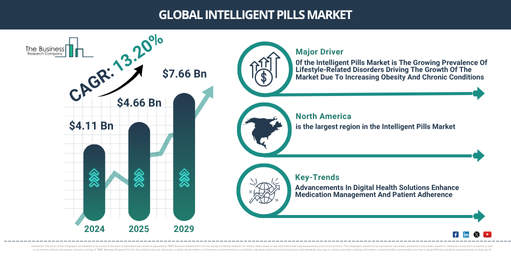
    The intelligent pills market has seen rapid expansion in its size during recent years. This market is set to grow from $4.11 billion in 2024 to $4.66 billion in 2025, demonstrating a compound annual growth rate (CAGR) of 13.5%. The growth observed in the past can be attributed to several factors, including the increasing demand for personalized medicine, the growing adoption of smart healthcare devices, the rising prevalence of chronic diseases, greater healthcare investments in digital technologies, and the escalating need for remote patient monitoring.

    The intelligent pills market is projected for significant expansion over the coming years. Its valuation is anticipated to reach $7.66 billion by 2029, demonstrating a compound annual growth rate (CAGR) of 13.2%. Key drivers propelling this growth during the forecast timeframe include a heightened demand for real-time health data, the growing integration of the internet of medical things, an expanding base of health-conscious consumers, enhanced healthcare data management capabilities, and the increasing embrace of telemedicine. Prominent trends identified for this period encompass the development of artificial intelligence-powered pills, the creation of self-regulating pills, seamless integration with mobile health applications, connectivity with wearable devices, and advancements in bio-sensing technology.

    Unlock Your Free Sample Report for Exclusive Market Data:

    https://www.thebusinessresearchcompany.com/sample.aspx?id=24573&type=smp

    Which Major Market Drivers Are Shaping The Future Of The Intelligent Pills Market?

    An anticipated increase in lifestyle-related health issues is projected to boost the expansion of the intelligent pills market in the future. These disorders are non-contagious illnesses predominantly shaped by individuals’ everyday routines, actions, and decisions. The rise in lifestyle-related disorders largely stems from inadequate eating patterns, which in turn lead to conditions such as obesity, heart ailments, diabetes, and various other long-term illnesses. Intelligent pills offer tailored treatment for these disorders through continuous health tracking and data-informed analysis, thereby enhancing patient compliance with medication and refining treatment effectiveness. A relevant example is from September 2023, where the Centers for Disease Control and Prevention, a US-based government agency, reported that in 2022, 22 states registered an adult obesity rate of 35% or greater, an increase from 19 states in 2021. Consequently, the increasing prevalence of lifestyle-related disorders is a key impetus for the intelligent pills market.

    What Are The Emerging Segments Gaining Attention In The Intelligent Pills Market?

    The intelligent pills market covered in this report is segmented –

    1) By Type: Occult GI Bleeding, Chron’s Disease, Small Bowel Tumors, Celiac Disease, Inherited Polyposis Syndromes, Neurological Disorder

    2) By Target Area: Esophagus, Stomach, Small Intestine, Large Intestine

    3) By Application: Capsule Endoscopy, Drug Delivery, Patient Monitoring

    4) By End-User: Hospital Pharmacy, Clinics, Research Institutes, Home Healthcare

    Subsegments

    1) By Occult GI Bleeding: Detection Of Hidden Gastrointestinal Bleeding, Non-Invasive Diagnosis Of Occult Blood Loss

    2) By Crohn’s Disease: Monitoring Disease Progression, Assessment Of Intestinal Inflammation

    3) By Small Bowel Tumors: Tumor Identification In The Small Intestine, Tumor Monitoring And Diagnosis

    4) By Celiac Disease: Detection Of Gluten-Induced Damage In The Intestine, Monitoring Adherence To Gluten-Free Diet

    5) By Inherited Polyposis Syndromes: Detection Of Polyps In The Gastrointestinal Tract, Risk Assessment And Monitoring For Genetic Polyposis

    6) By Neurological Disorders: Monitoring Gut-Brain Interactions, Diagnosis Of Gastrointestinal Symptoms In Neurological Diseases

    What Key Innovation Trends Are Fueling Advancements In The Intelligent Pills Market?

    Major companies in the intelligent pills market are prioritizing the development of cutting-edge technological solutions, such as digital health products, to improve patient monitoring and strengthen medication adherence. Digital health products encompass technology-based tools and platforms, including mobile health apps, wearable devices, smart pills, and telemedicine systems, that assist in monitoring, managing, and improving health outcomes, often in real-time. For example, in September 2022, HealthBeacon plc, an Ireland-based therapeutics company, introduced the HB Smart Pills Management System to enhance medication management for patients with complex pill regimens. The system offers medication reminders, refill alerts, captures visual images of pill containers to ensure adherence, and provides actionable data to both patients and clinicians for better medication management. It is specifically designed to assist patients on complicated medication schedules, reducing missed doses and improving overall treatment outcomes.

    Which Industry Leaders Are Driving Innovation Across The Intelligent Pills Market?

    Major companies operating in the intelligent pills market are Medtronic plc, FUJIFILM Holdings Corporation, Koninklijke Philips N.V., Otsuka Pharmaceutical Co. Ltd., Lonza Group AG, Olympus Corporation, Lloyds Pharmacy Limited, STRATACACHE Inc., Check-Cap Ltd., Proteus Digital Health Inc., CapsoVision Inc., Medisafe Inc., IntroMedic Co. Ltd., Jinshan Science And Technology (Group) Co. Ltd., Innurvation Inc., AARDEX Group SA, BodyCap SAS, AnX Robotica Corp., EtectRx Inc., Given Imaging Ltd.

    Download The Full Report For Exclusive Market Findings:

    https://www.thebusinessresearchcompany.com/report/intelligent-pills-global-market-report

    Which Region Is Projected To Lead The Intelligent Pills Market During The Forecast Period?

    North America was the largest region in the intelligent pills market in 2024. The regions covered in the intelligent pills market report are Asia-Pacific, Western Europe, Eastern Europe, North America, South America, Middle East, Africa.

    Request A Customized Version Of The Intelligent Pills Market Report:

    https://www.thebusinessresearchcompany.com/customise?id=24573&type=smp

    Browse Through More Reports Similar to the Global Intelligent Pills Market 2025, By The Business Research Company

    Smart Pills Global Market Report 2025

    https://www.thebusinessresearchcompany.com/report/smart-pills-global-market-report

    Diet Pills Global Market Report 2025

    https://www.thebusinessresearchcompany.com/report/diet-pills-global-market-report

    Ethical Pharmaceuticals Global Market Report 2025

    https://www.thebusinessresearchcompany.com/report/ethical-pharmaceuticals-global-market-report

    Get in touch with us:

    The Business Research Company: https://www.thebusinessresearchcompany.com/

    Americas +1 310-496-7795

    Asia +44 7882 955267 & +91 8897263534

    Europe +44 7882 955267

    Email us at info@tbrc.info

    Follow us on:

    LinkedIn: https://in.linkedin.com/company/the-business-research-company

    YouTube: https://www.youtube.com/channel/UC24_fI0rV8cR5DxlCpgmyFQ

    Global Market Model: https://www.thebusinessresearchcompany.com/global-market-model
  • Global Milk Protein Concentrate (MPC) Market Size Projected to Reach $3.98 Billion During the Forecast Period

    Unlock Global Insights – Save 20% on Market Reports with Code ONLINE20

    What Is The Anticipated Size Of The Milk Protein Concentrate (MPC) Market Over The Five-Year Period 2025–2029?

    The milk protein concentrate (mpc) market has shown significant expansion in recent years. Its valuation is set to climb from $2.83 billion in 2024 to $3.03 billion in 2025, driven by a compound annual growth rate (CAGR) of 7.1%. This historical market development has been influenced by factors such as the growing appeal of weight management products, increased application in nutrition for the elderly, a surge in demand for lactose-free items, enhanced usage in ready-to-drink beverages, and escalating investments in dairy processing technology.

    The milk protein concentrate (mpc) market is anticipated to show significant expansion in the near future, projected to reach $3.98 billion by 2029, exhibiting a compound annual growth rate (CAGR) of 7.0%. This growth throughout the forecast period is largely driven by escalating innovation in dairy-based formulations, a surging demand for clean label ingredients, the increasing popularity of plant-based and hybrid protein blends, a heightened focus on sustainable dairy production, and rising consumption in developing economies. Noteworthy trends for the forecast period encompass advancements in membrane filtration technology, enhancements in packaging solutions aimed at extending shelf life, the creation of customized protein blends, new developments in low-lactose and lactose-free milk protein concentrate products, and the introduction of organic and grass-fed milk protein concentrate product alternatives.

    Unlock Your Free Sample Report for Exclusive Market Data:

    https://www.thebusinessresearchcompany.com/sample.aspx?id=24606&type=smp

    Which Major Market Drivers Are Shaping The Future Of The Milk Protein Concentrate (MPC) Market?

    The increasing consumer demand for high-protein foods is set to drive the expansion of the milk protein concentrate (MPC) market in the future. High-protein foods are defined as those possessing a significant protein proportion per serving, typically consumed to aid muscle growth, repair, and general bodily function, and include items like meat, milk, cheese, yogurt, eggs, legumes, nuts, and protein supplements. This heightened demand for high-protein foods is attributed to growing health awareness, as a greater number of consumers prioritize muscle maintenance, weight management, and overall wellness. Milk protein concentrate (MPC) enhances high-protein foods by providing a concentrated source of casein and whey proteins, which improves their nutritional value, texture, and functionality. For instance, in April 2023, as per the Good Food Institute, a US-based non-profit organization, the global industry for plant-based milk, cheese, and yogurt amounted to $21.6 billion in 2022, demonstrating a 7% increase from 2021. Thus, the escalating demand for high-protein foods is a key driver for the growth of the milk protein concentrate market.

    How Is The Milk Protein Concentrate (MPC) Market Segmented?

    The milk protein concentrate (MPC) market covered in this report is segmented –

    1) By Composition: Milk Protein Concentrate 40%, Milk Protein Concentrate 70%, Milk Protein Concentrate 85%

    2) By Ingredient Type: Total Milk Proteins, Co-Precipitates, Milk Protein Isolates, Blends, Other Ingredient Types

    3) By Nature: Organic, Conventional

    4) By Form: Liquid, Powder

    5) By End-User Industry: Healthcare, Food And Beverage, Automotive, Electronics, Chemicals And Materials

    Subsegments

    1) By Total Milk Proteins: Casein, Whey Protein, Caseinates, Whey Protein Concentrate (WPC), Milk Protein Concentrate (MPC) Blends

    2) By Co-Precipitates: Casein-Whey Co-precipitates, Casein-Serum Co-Precipitates, Whey-Serum Co-Precipitates

    3) By Milk Protein Isolates: Casein Protein Isolate, Whey Protein Isolate, Milk Protein Isolate Blends

    4) By Blends: Whey-Milk Protein Blends, Casein-Whey Blends, Multi-Protein Blends

    5) By Other Ingredient Types: Hydrolyzed Milk Proteins, Milk Protein Hydrolysates, Functional Protein Derivatives, Specialty Protein Fractions

    Which Key Trends Are Expected To Influence The Milk Protein Concentrate (MPC) Market In The Coming Years?

    Leading companies in the milk protein concentrate market are focusing on developing innovative offerings, such as lactose-free milk protein, to cater to lactose-intolerant consumers and expand their market presence. Lactose-free milk protein specifically refers to a milk protein concentrate that has undergone specialized processing to remove lactose, making it suitable for individuals with lactose intolerance. For instance, in November 2023, Valio Ltd., a US-based dairy company, introduced Valio Eila MPC 65, a protein concentrate designed to enhance the taste and health benefits of high-protein products. This concentrate integrates the natural whey and casein proteins and amino acids found in milk, enabling manufacturers to produce high-protein items with a smooth texture and pleasant milky flavor, thereby avoiding the gritty consistency and undesirable off-flavors common in many protein powders. It also supports simpler ingredient lists, is suitable for a wide range of applications from beverages to desserts, and helps streamline production by eliminating the need for additional processing stages.

    Which Key Players Are Driving Competition In The Milk Protein Concentrate (MPC) Market?

    Major companies operating in the milk protein concentrate (MPC) market are Lactalis Group, Arla Foods, Fonterra Co-operative Group Limited, Saputo Inc., Royal FrieslandCampina N.V., Agropur Dairy Cooperative, Valio Ltd., Glanbia Nutritionals, Actus Nutrition Inc., California Dairies Inc., Ingredia SA, Numidia Dairy Company, Idaho Milk Products LLC, BioHealth Products Inc., Paras Dairy Foods Pvt. Ltd., Open Country Dairy LLC, Interfood Group A/S, Eurial Coopérative Laitière, Amco Proteins Ltd., Agrocomplex Group

    Download The Full Report For Exclusive Market Findings:

    https://www.thebusinessresearchcompany.com/report/milk-protein-concentrate-mpc-global-market-report

    How Does The Milk Protein Concentrate (MPC) Market Perform Across Key Geographic Regions?

    North America was the largest region in the milk protein concentrate market in 2024. The regions covered in the milk protein concentrate (MPC) market report are Asia-Pacific, Western Europe, Eastern Europe, North America, South America, Middle East, Africa.

    Request A Customized Version Of The Milk Protein Concentrate (MPC) Market Report:

    https://www.thebusinessresearchcompany.com/customise?id=24606&type=smp

    Browse Through More Reports Similar to the Global Milk Protein Concentrate (MPC) Market 2025, By The Business Research Company

    Natural Surfactants Global Market Report 2025

    https://www.thebusinessresearchcompany.com/report/natural-surfactants-global-market-report

    Agricultural Surfactants Global Market Report 2025

    https://www.thebusinessresearchcompany.com/report/agricultural-surfactants-global-market-report

    Amphoteric Surfactants Global Market Report 2025

    https://www.thebusinessresearchcompany.com/report/amphoteric-surfactants-global-market-report

    Get in touch with us:

    The Business Research Company: https://www.thebusinessresearchcompany.com/

    Americas +1 310-496-7795

    Asia +44 7882 955267 & +91 8897263534

    Europe +44 7882 955267

    Email us at info@tbrc.info

    Follow us on:

    LinkedIn: https://in.linkedin.com/company/the-business-research-company

    YouTube: https://www.youtube.com/channel/UC24_fI0rV8cR5DxlCpgmyFQ

    Global Market Model: https://www.thebusinessresearchcompany.com/global-market-model
  • Osteomyelitis Market Forecast 2025–2034: Where Businesses Should Invest Next

    Osteomyelitis Market Forecast 2025–2034: Where Businesses Should Invest Next

    Unlock Global Insights – Save 20% on Market Reports with Code ONLINE20

    What Is The Predicted Market Size Trajectory For The Osteomyelitis Market From 2025 To 2034?

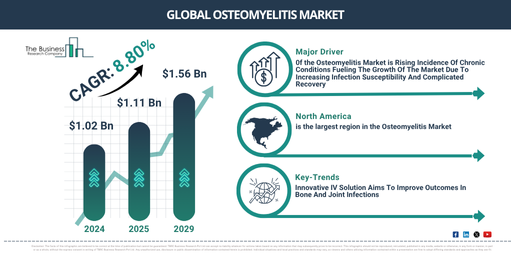
    The osteomyelitis market has shown significant growth in recent years. It is projected to expand from $1.02 billion in 2024 to $1.11 billion in 2025, at a compound annual growth rate (CAGR) of 9.1%. This growth witnessed in the past period can be attributed to the increasing application of bone grafts and regenerative medicine, rising healthcare expenditure, an expanding aging population, enhanced diagnostic techniques, and an increase in intravenous (IV) drug abuse.

    The osteomyelitis market is projected for substantial growth in the coming years, set to reach $1.56 billion by 2029, exhibiting a compound annual growth rate (CAGR) of 8.8%. This expansion during the forecast period is fueled by the escalating incidence of diabetes, the increasing prevalence of chronic diseases, growing antibiotic resistance, the rising adoption of biomarker testing, and the expanding demand for biofilm-disrupting agents. Prominent trends expected in this period include advanced diagnostic technologies, the integration of artificial intelligence (AI) and digital health, advancements in treatment and surgery, artificial intelligence (AI)-assisted radiology algorithms, and smart integration in treatment pathways.

    Unlock Your Free Sample Report for Exclusive Market Data:

    https://www.thebusinessresearchcompany.com/sample.aspx?id=24640&type=smp

    What Are The Top Growth Drivers Impacting The Osteomyelitis Market Outlook?

    The osteomyelitis market is anticipated to expand due to the increasing prevalence of chronic conditions. These conditions are defined as enduring health problems lasting for extended periods, frequently demanding continuous management and medical attention. The heightened occurrence of chronic conditions stems from the world’s aging populace, given that aging compromises the immune system and heightens susceptibility to persistent diseases and infections. Such conditions elevate the likelihood of developing osteomyelitis by weakening the body’s defenses and hindering blood circulation, particularly in ailments like diabetes and various vascular disorders. They establish circumstances conducive to persistent infections, thereby raising the probability of bone complications and making recovery more challenging. For example, data from a survey study conducted by the US-based Institute for Health Metrics and Evaluation, a US-based public health research institute, revealed that in August 2023, 15% of individuals aged 30 and older had osteoarthritis in 2023, with projections indicating approximately 1 billion affected individuals by 2050. Consequently, the growing incidence of chronic conditions is a key factor propelling the expansion of the osteomyelitis market.

    What Are The Leading Segments Analyzed In The Osteomyelitis Market?

    The osteomyelitis market covered in this report is segmented –

    1) By Type: Medullary Osteomyelitis, Superficial Osteomyelitis, Other Types

    2) By Drug Type: Antibiotics, Antifungals, Non-Steroidal Anti-Inflammatory Drugs, Other Drug Types

    3) By Route Of Administration: Oral, Parenteral

    4) By Distribution Channel: Hospital Pharmay, Online Pharmacy, Retail Pharmacy

    5) By End-User: Hospital And Clinics, Research Organization, Diagnostic Diseases, Diagnostic Centers

    Subsegments:

    1) By Medullary Osteomyelitis: Acute Medullary Osteomyelitis, Chronic Medullary Osteomyelitis

    2) By Superficial Osteomyelitis: Acute Superficial Osteomyelitis, Chronic Superficial Osteomyelitis

    3) By Other Types: Diffuse Osteomyelitis, Sclerosing Osteomyelitis, Localized Osteomyelitis

    Which Market Trends Are Creating New Opportunities In The Osteomyelitis Industry?

    Leading companies in the osteomyelitis market are concentrating on creating innovative solutions, such as premixed intravenous (IV) solutions, to tackle antibiotic resistance and enhance patient outcomes. Premixed intravenous (IV) solutions are ready-to-administer sterile liquids that contain specific drugs or electrolytes, designed to improve safety and reduce preparation time in healthcare settings. For example, in September 2024, Hikma Pharmaceuticals Plc, a UK-based pharmaceutical company, introduced a clindamycin injection formulated with 5% dextrose. This medication is utilized for treating severe infections caused by susceptible anaerobic and gram-positive bacteria, including bone and joint infections like acute hematogenous osteomyelitis. It provides a convenient, ready-to-use intravenous option, particularly well-suited for patients allergic to penicillin or in situations where penicillin is not appropriate.

    Which Major Firms Are Strengthening Their Position In The Osteomyelitis Industry?

    Major companies operating in the osteomyelitis market are Pfizer Inc., Johnson & Johnson, F. Hoffmann-La Roche Ltd., Sanofi S.A., Abbott Laboratories, Novartis AG, GSK plc, Eli Lilly and Company, Siemens Healthineers, Otsuka Pharmaceutical Co. Ltd, Fresenius Kabi AG, Sumitomo Pharma Company Limited, Hikma Pharmaceuticals PLC, Alkem Laboratories Ltd., Torrent Pharmaceuticals Ltd., Wockhardt Hospitals, Basilea Pharmaceutica Ltd., Paratek Pharmaceuticals Inc., Debiopharm International SA, Accord Healthcare Limited, Melinta Therapeutics LLC, Cempra Inc., MicuRx Pharmaceuticals Inc., Durata Therapeutics Inc.

    Download The Full Report For Exclusive Market Findings:

    https://www.thebusinessresearchcompany.com/report/osteomyelitis-global-market-report

    How Is Osteomyelitis Market Demand Varying Across Different Regions?

    North America was the largest region in the osteomyelitis market in 2024. Asia-Pacific is expected to be the fastest-growing region in the forecast period. The regions covered in the osteomyelitis market report are Asia-Pacific, Western Europe, Eastern Europe, North America, South America, Middle East, Africa.

    Request A Customized Version Of The Osteomyelitis Market Report:

    https://www.thebusinessresearchcompany.com/customise?id=24640&type=smp

    Browse Through More Reports Similar to the Global Osteomyelitis Market 2025, By The Business Research Company

    Bone And Joint Health Supplements Global Market Report 2025

    https://www.thebusinessresearchcompany.com/report/bone-and-joint-health-supplements-global-market-report

    Osteoporosis Drugs Global Market Report 2025

    https://www.thebusinessresearchcompany.com/report/osteoporosis-drugs-global-market-report

    Osteoporosis Treatment Global Market Report 2025

    https://www.thebusinessresearchcompany.com/report/osteoporosis-treatment-global-market-report

    Get in touch with us:

    The Business Research Company: https://www.thebusinessresearchcompany.com/

    Americas +1 310-496-7795

    Asia +44 7882 955267 & +91 8897263534

    Europe +44 7882 955267

    Email us at info@tbrc.info

    Follow us on:

    LinkedIn: https://in.linkedin.com/company/the-business-research-company

    YouTube: https://www.youtube.com/channel/UC24_fI0rV8cR5DxlCpgmyFQ

    Global Market Model: https://www.thebusinessresearchcompany.com/global-market-model
  • Global Insulin Aspart Market Overview: Trends Shaping Growth to 2029

    Global Insulin Aspart Market Overview: Trends Shaping Growth to 2029

    Unlock Global Insights – Save 20% on Market Reports with Code ONLINE20

    What Is The Global Market Value Of The Insulin Aspart Industry In 2025?

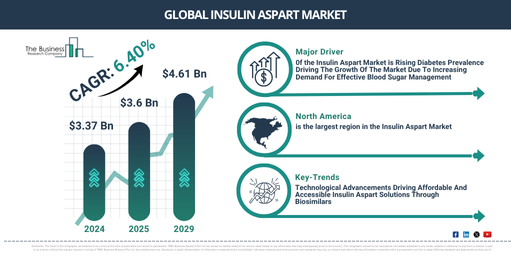
    The insulin aspart market size has experienced substantial expansion in recent years. Its valuation is projected to increase from $3.37 billion in 2024 to $3.6 billion in 2025, at a compound annual growth rate (CAGR) of 6.7%. This historical expansion can be attributed to factors such as the rising prevalence of diabetes worldwide, growing awareness regarding diabetes management, increasing adoption of advanced insulin delivery devices, rising healthcare expenditure globally, and a growing preference for rapid-acting insulins.

    The insulin aspart market is projected for substantial expansion in the coming years, reaching $4.61 billion by 2029, exhibiting a compound annual growth rate (CAGR) of 6.4%. This projected increase can be ascribed to several factors, including heightened investment in diabetes research and development, an expanding elderly population, improvements in healthcare infrastructure, the rising prevalence of type 2 diabetes, and a growing demand for customized diabetes management among patients. Key developments anticipated during this timeframe involve enhancements in insulin formulation techniques, the incorporation of insulin aspart into intelligent insulin delivery systems, pioneering advancements in continuous glucose monitoring technologies, progress in personalized medicine, and the evolution of digital health platforms.

    Unlock Your Free Sample Report for Exclusive Market Data:

    https://www.thebusinessresearchcompany.com/sample.aspx?id=24572&type=smp

    What Are The Main Drivers Boosting The Insulin Aspart Industry’s Expansion?

    The increasing incidence of diabetes is projected to boost the growth of the insulin aspart market in the future. Diabetes is defined as a chronic health condition marked by elevated blood sugar (glucose) levels, resulting from the body’s inability to produce or properly utilize insulin. This surge in diabetes prevalence is linked to sedentary lifestyles and diets high in sugar and processed foods, which contribute to obesity and insulin resistance. Insulin aspart helps address the growing number of diabetes cases by offering rapid-acting insulin that effectively manages blood sugar spikes after meals, thereby enhancing overall blood glucose control for diabetic patients. For instance, in March 2025, according to a report published by the Office for Health Improvement and Disparities, a UK-based government department, the recorded prevalence of type 2 diabetes among adults aged 17 and over in England was 7.0% as of March 2024, an increase from 6.8% in March 2023. Consequently, the rising diabetes prevalence is driving the insulin aspart market.

    What Are The Major Segment Types Covered In The Insulin Aspart Market?

    The insulin aspart market covered in this report is segmented –

    1) By Insulin Type: Human Insulin, Analog Insulin

    2) By Product Type: Vials, Pre-Filled Pens, Cartridges

    3) By Application: Type 1 Diabetes, Type 2 Diabetes, Gestational Diabetes

    4) By End User: Hospitals, Home Care, Specialty Clinics, Diabetes Care Centers, Other End Users

    Subsegments:

    1) By Human Insulin: Regular Insulin, Neutral Protamine Hagedorn (NPH) Insulin, Other Human Insulin Types

    2) By Analog Insulin: Rapid-Acting Analog Insulin, Long-Acting Analog Insulin, Other Analog Insulin Types

    Which Ongoing Trends Are Expected To Shape The Insulin Aspart Market Outlook?

    Leading companies in the insulin aspart market are increasingly focusing on creating innovative products, such as biosimilars, to provide cost-effective alternatives and improve patient access to high-quality insulin therapies. A biosimilar refers to a biologic medical product that is highly similar to an already approved reference biologic, with no clinically significant differences regarding safety, purity, or effectiveness. For instance, in November 2023, USV Pvt Ltd, an India-based pharmaceutical company, launched INSUQUICK, India’s first biosimilar insulin aspart, marking a significant achievement in diabetes care in the country. INSUQUICK is a rapid-acting insulin analog, developed and manufactured entirely in India using 100% indigenous technology, and has undergone a rigorous clinical program to meet global quality standards. The pens are designed with a legible scale and audible clicks for precise dosing, and the product is widely available across all metropolitan areas as well as tier I and II cities. INSUQUICK aims to enhance treatment accessibility for India’s large diabetic population by offering a high-quality, locally produced, and more affordable rapid-acting insulin alternative, representing a notable step in improving diabetes care in the country.

    Who Are The Key Multinational Companies Dominating The Insulin Aspart Market?

    Major companies operating in the insulin aspart market are Sanofi S.A., AstraZeneca plc, Novo Nordisk A/S, Cipla Limited, Lupin Limited, Zhejiang Hisun Pharmaceutical Co Ltd., Biocon Limited, Amphastar Pharmaceuticals Inc., Civica Inc., Wockhardt Limited, Gulf Pharmaceutical Industries PSC (Julphar), GEROPHARM LLC, HEC Pharm Co Ltd., USV Private Limited, Aqlivia Private Limited, Gan & Lee Pharmaceuticals Co Ltd., GeneSys Biologics Private Limited, Biogenomics Limited, MJ Biopharma Private Limited, Paras Biopharmaceuticals Finland Oy.

    Download The Full Report For Exclusive Market Findings:

    https://www.thebusinessresearchcompany.com/report/insulin-aspart-global-market-report

    What Are The Key Regional Factors Influencing The Insulin Aspart Market Growth?

    North America was the largest region in the insulin aspart market in 2024. Asia-Pacific is expected to be the fastest-growing region in the forecast period. The regions covered in the insulin aspart market report are Asia-Pacific, Western Europe, Eastern Europe, North America, South America, Middle East, Africa.

    Request A Customized Version Of The Insulin Aspart Market Report:

    https://www.thebusinessresearchcompany.com/customise?id=24572&type=smp

    Browse Through More Reports Similar to the Global Insulin Aspart Market 2025, By The Business Research Company

    Clinical Nutrition For Diabetes Care Global Market Report 2025

    https://www.thebusinessresearchcompany.com/report/clinical-nutrition-for-diabetes-care-global-market-report

    Diabetes Care Devices Global Market Report 2025

    https://www.thebusinessresearchcompany.com/report/diabetes-care-devices-global-market-report

    Insulin Delivery Devices Global Market Report 2025

    https://www.thebusinessresearchcompany.com/report/insulin-delivery-devices-global-market-report

    Get in touch with us:

    The Business Research Company: https://www.thebusinessresearchcompany.com/

    Americas +1 310-496-7795

    Asia +44 7882 955267 & +91 8897263534

    Europe +44 7882 955267

    Email us at info@tbrc.info

    Follow us on:

    LinkedIn: https://in.linkedin.com/company/the-business-research-company

    YouTube: https://www.youtube.com/channel/UC24_fI0rV8cR5DxlCpgmyFQ

    Global Market Model: https://www.thebusinessresearchcompany.com/global-market-model
  • Osseointegration Implants Industry Overview 2025: Growth Projections and Market Trends

    Osseointegration Implants Industry Overview 2025: Growth Projections and Market Trends

    Unlock Global Insights – Save 20% on Market Reports with Code ONLINE20

    #What Are The Current (2025) And Forecast (2029) Sizes Of The Osseointegration Implants Market?

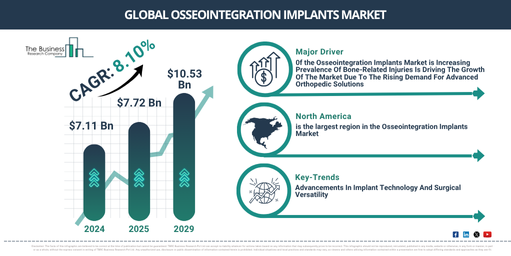
    The osseointegration implants market has experienced robust growth in recent years. It is forecast to expand from $7.11 billion in 2024 to $7.72 billion in 2025, achieving a compound annual growth rate (CAGR) of 8.5%. The expansion witnessed in prior periods can be attributed to several factors, including the increasing demand for dental reconstruction, a rising number of orthopedic surgeries, growing awareness concerning prosthetic innovations, the expansion of healthcare infrastructure in developed countries, and an increasing incidence of traumatic injuries.

    The osseointegration implants market size is projected to experience substantial expansion over the upcoming years. This market is anticipated to reach $10.53 billion by 2029, exhibiting a compound annual growth rate (CAGR) of 8.1%. Factors contributing to this growth during the projection period include a growing elderly demographic, the wider embrace of advanced prosthetic solutions, increased healthcare spending in developing nations, the expansion of medical tourism, and a rising incidence of limb amputations resulting from chronic illnesses. Key trends for the upcoming period encompass technological progress in implant substances, breakthroughs in 3D printing for personalized implants, advancements in less invasive surgical procedures, ongoing research and development into titanium surface alterations, and the incorporation of digital systems for surgical planning.

    Unlock Your Free Sample Report for Exclusive Market Data:

    https://www.thebusinessresearchcompany.com/sample.aspx?id=24638&type=smp

    What Are The Main Drivers Boosting The Osseointegration Implants Industry’s Expansion?

    The growing incidence of bone-related injuries is anticipated to fuel the expansion of the osseointegration implants market moving forward. These injuries encompass physical damage to bones, such as fractures, breaks, or joint dislocations. The rise in bone injuries is largely attributable to the increasing elderly population, whose bones are more fragile and susceptible to fractures. Osseointegration implants facilitate the treatment of bone injuries by securely attaching prosthetics directly to the bone, thereby enhancing support and promoting healing. For instance, in August 2024, a report published by Healthy Bones Australia, an Australia-based non-governmental organization, revealed that a fracture occurred every 2.7 minutes in Australia in 2023. This rate is projected to increase to one fracture every 30 seconds by 2033. Therefore, the escalating prevalence of bone-related injuries is stimulating growth in the osseointegration implants market.

    What Are The Different Segment Classifications Within The Osseointegration Implants Market?

    The osseointegration implants market covered in this report is segmented –

    1) By Product: Dental Implants, Hip Implants, Knee Implants, Spinal Implants, Other Products

    2) By Material: Ceramic Implants, Zirconia Implants, Stainless Steel Implants, Titanium Implants, Metallic Implants, Other Materials

    3) By End User: Hospitals, Ambulatory Surgical Centers, Dental Clinics, Other End-Users

    Subsegments:

    1) By Dental Implants: Endosteal Implants, Subperiosteal Implants, Zygomatic Implants, Mini Dental Implants, Basal Implants

    2) By Hip Implants: Total Hip Replacement, Partial Hip Replacement, Hip Resurfacing, Revision Hip Implants

    3) By Knee Implants: Total Knee Replacement, Partial Knee Replacement, Revision Knee Implants

    4) By Spinal Implants: Interbody Fusion Devices, Pedicle Screws, Rods And Plates, Artificial Discs, Spinal Cages

    5) By Other Products: Shoulder Implants, Elbow Implants, Ankle Implants, Wrist Implants, Other Joint Implants

    What Key Innovation Trends Are Fueling Advancements In The Osseointegration Implants Market?

    Leading companies in the osseointegration implants market are increasingly focusing on integrating with digital dentistry, particularly through features like surgical and restorative versatility, to supply dental professionals with cutting-edge implant solutions that improve treatment predictability and patient outcomes. Surgical and restorative versatility refers to the implant’s design for compatibility with various surgical techniques and prosthetic choices, allowing it to adapt to diverse clinical scenarios. As an illustration, in February 2024, ZimVie Inc., a US-based life sciences company, unveiled the TSX Implant. This sophisticated implant is engineered for immediate placement and loading, supported by over two decades of clinical data ensuring long-term bone health and prosthetic stability. The TSX Implant effortlessly combines with ZimVie’s digital dentistry solutions and adaptable surgical protocols, simplifying procedures and enhancing predictability for dental professionals. This introduction underscores the company’s dedication to innovation and market leadership.

    Which Key Market Players Are Investing In Expansion And Innovation Of Osseointegration Implants Market?

    Major companies operating in the osseointegration implants market are Johnson & Johnson, Medtronic plc, Danaher Corporation, Stryker Corporation, Henry Schein Inc., Zimmer Biomet Holdings Inc., Smith & Nephew plc, Dentsply Sirona Inc., Institut Straumann AG, Straumann Holding AG, DePuy Synthes, Cochlear Limited, CONMED Corporation, OSSTEM Implant Co. Ltd., B. Braun Melsungen AG, Bicon LLC, Megagen Implant Co. Ltd., CAMLOG Biotechnologies GmbH, BTT Health GmbH, Integrum.

    Download The Full Report For Exclusive Market Findings:

    https://www.thebusinessresearchcompany.com/report/osseointegration-implants-global-market-report

    Which Region Is Projected To Lead The Osseointegration Implants Market During The Forecast Period?

    North America was the largest region in the osseointegration implants market in 2024. Asia-Pacific is expected to be the fastest-growing region in the forecast period. The regions covered in the osseointegration implants market report are Asia-Pacific, Western Europe, Eastern Europe, North America, South America, Middle East, Africa.

    Request A Customized Version Of The Osseointegration Implants Market Report:

    https://www.thebusinessresearchcompany.com/customise?id=24638&type=smp

    Browse Through More Reports Similar to the Global Osseointegration Implants Market 2025, By The Business Research Company

    Dental Implants Global Market Report 2025

    https://www.thebusinessresearchcompany.com/report/dental-implants-global-market-report

    Aesthetic Implants Global Market Report 2025

    https://www.thebusinessresearchcompany.com/report/aesthetic-implants-global-market-report

    Spine Implants Global Market Report 2025

    https://www.thebusinessresearchcompany.com/report/spine-implants-global-market-report

    Get in touch with us:

    The Business Research Company: https://www.thebusinessresearchcompany.com/

    Americas +1 310-496-7795

    Asia +44 7882 955267 & +91 8897263534

    Europe +44 7882 955267

    Email us at info@tbrc.info

    Follow us on:

    LinkedIn: https://in.linkedin.com/company/the-business-research-company

    YouTube: https://www.youtube.com/channel/UC24_fI0rV8cR5DxlCpgmyFQ

    Global Market Model: https://www.thebusinessresearchcompany.com/global-market-model
  • In-Situ Hybridization Market Growth Opportunities: Insights from 2025–2029

    In-Situ Hybridization Market Growth Opportunities: Insights from 2025–2029

    Unlock Global Insights – Save 20% on Market Reports with Code ONLINE20

    By How Much Is The In-Situ Hybridization Market Expected To Expand Between 2025 And 2029?

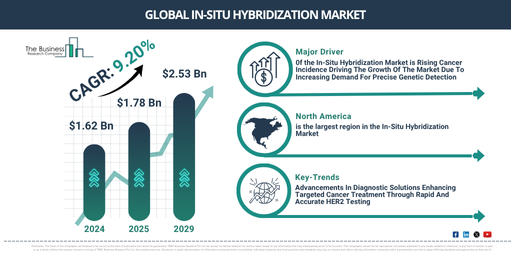
    The in-situ hybridization market has experienced robust expansion in recent years. It is projected to increase from $1.62 billion in 2024 to $1.78 billion in 2025, exhibiting a compound annual growth rate (CAGR) of 9.5%. This market’s historical growth can be attributed to factors including intensified research and development activities, the broadening of biopharmaceutical research, augmented government funding for genomic research, an escalating demand for precision medicine therapies, and a rising number of clinical trials employing ISH.

    The in-situ hybridization market is projected to experience robust expansion over the coming years. This market is anticipated to reach a valuation of $2.53 billion by 2029, demonstrating a compound annual growth rate (CAGR) of 9.2%. Factors driving this growth during the forecast period include the escalating occurrence of cancer, the increasing frequency of genetic disorders, the rising need for personalized therapeutic approaches, the wider acceptance of companion diagnostics, and a heightened understanding regarding prompt disease detection. Key trends influencing the market during the forecast period encompass progress in molecular diagnostic methods, technological innovations within ISH techniques, the introduction of sophisticated ISH kits and reagents, the burgeoning requirement for non-invasive diagnostic approaches, and developments in fluorescence in-situ hybridization (FISH) technologies.

    Unlock Your Free Sample Report for Exclusive Market Data:

    https://www.thebusinessresearchcompany.com/sample.aspx?id=24571&type=smp

    Which Factors And Drivers Are Influencing The In-Situ Hybridization Market In 2025?

    The increasing occurrence of cancer is expected to drive the expansion of the in-situ hybridization market over the next few years. Cancer is characterized by the uncontrolled proliferation of abnormal cells, which can infiltrate or disseminate to various areas of the body. An upward trend in cancer diagnoses is observed, partly due to extended life spans, as longer lives provide greater opportunity for genetic alterations to accumulate and for exposure to carcinogens. In-situ hybridization (ISH) serves a crucial function in managing cancer by allowing the identification of particular genetic irregularities within tumor cells. Its applications include precise diagnosis, predicting disease progression, and informing targeted treatment choices. For example, data from February 2024, provided by the World Health Organization, a Switzerland-based intergovernmental body, indicates that new cancer cases are forecast to surpass 35 million by 2050, representing a 77% rise from the approximately 20 million cases recorded in 2022. Consequently, the escalating incidence of cancer will stimulate the expansion of the in-situ hybridization market.

    What Are The Major Segment Categories Driving The In-Situ Hybridization Market Growth?

    The in-situ hybridization market covered in this report is segmented –

    1) By Product: Analytical Instruments, Kits And Reagents, Software And Services, Other Products

    2) By Technology: Fluorescence In Situ Hybridization, Chromogenic In Situ Hybridization, Dual-Color In Situ Hybridization

    3) By Application: Cancer Diagnosis, Cytogenetics, Developmental Biology, Infectious Diseases, Immunology, Other Applications

    4) By End User: Hospitals And Diagnostic Laboratories, Academic And Research Institutes, Contract Research Organizations, Pharmaceutical And Biotechnology Companies

    Subsegments:

    1) By Analytical Instruments: Fluorescence Microscopes, Brightfield Microscopes, Automated Slide Scanners, Hybridization Systems

    2) By Kits And Reagents: DNA Probes, RNA Probes, Labeling Kits, Detection Reagents, Pretreatment Reagents

    3) By Software And Services: Image Analysis Software, Data Management Software, Custom Probe Design Services, Sample Preparation Services

    4) By Other Products: Slides And Coverslips, Storage Reagents, Hybridization Buffers, Control Probes

    Which Competitive Trends Are Defining The In-Situ Hybridization Market Structure?

    Companies operating within the in-situ hybridization market are concentrating on developing advanced solutions, including HER2 testing solutions, to assist in predicting patient responses to targeted therapies. HER2 testing solutions serve as diagnostic instruments employed to identify the existence and level of the HER2 protein in cancer cells, thus helping to direct targeted treatment choices. For instance, in December 2023, Cytelabs, an India-based provider of cancer diagnostic services, launched dual in situ hybridization (DISH) testing for breast cancer patients. DISH technology, sanctioned by the US FDA, signifies a notable progression in accurate HER2 testing, which is critical for targeted breast cancer treatment. It significantly reduces the waiting period by providing HER2 status results within 24 to 48 hours, helping to ease the stress experienced by patients and their families. By delivering dependable results promptly, DISH facilitates quick treatment planning and initiation. Since HER2 status holds a crucial position in determining prognosis and therapy, precise and efficient testing is indispensable for the proper assessment of all invasive breast cancers.

    Which Leading Players Are Enhancing Their In-Situ Hybridization Market Presence Worldwide?

    Major companies operating in the in-situ hybridization market are F. Hoffmann-La Roche Ltd., Thermo Fisher Scientific Inc., Abbott Laboratories Inc., Danaher Corporation, Merck KGaA, Agilent Technologies Inc., PerkinElmer Inc., Bio-Rad Laboratories Inc., Qiagen NV, Bio-Techne Corporation, Leica Biosystems Nussloch GmbH, Biocare Medical LLC, BioGenex Srl, Oxford Gene Technology Inc., BioDot Inc., Creative Biolabs, West Medica Produktions- und Handels GmbH, Empire Genomics LLC, Abnova Corporation, BioView Ltd., Advanced Cell Diagnostics Inc., BioCat GmbH, VERMICON AG, Bio SB Inc., Genemed Biotechnologies Inc.

    Download The Full Report For Exclusive Market Findings:

    https://www.thebusinessresearchcompany.com/report/in-situ-hybridization-global-market-report

    How Do Regional Market Performances Compare Within The In-Situ Hybridization Industry?

    North America was the largest region in the in-situ hybridization market in 2024. Asia-Pacific is expected to be the fastest-growing region in the forecast period. The regions covered in the in-situ hybridization market report are Asia-Pacific, Western Europe, Eastern Europe, North America, South America, Middle East, Africa.

    Request A Customized Version Of The In-Situ Hybridization Market Report:

    https://www.thebusinessresearchcompany.com/customise?id=24571&type=smp

    Browse Through More Reports Similar to the Global In-Situ Hybridization Market 2025, By The Business Research Company

    Pharmaceutical Drug Delivery Global Market Report 2025

    https://www.thebusinessresearchcompany.com/report/pharmaceutical-drug-delivery-global-market-report

    Drug Formulation Global Market Report 2025

    https://www.thebusinessresearchcompany.com/report/drug-formulation-global-market-report

    Pharmaceuticals Global Market Report 2025

    https://www.thebusinessresearchcompany.com/report/pharmaceuticals-global-market-report

    Get in touch with us:

    The Business Research Company: https://www.thebusinessresearchcompany.com/

    Americas +1 310-496-7795

    Asia +44 7882 955267 & +91 8897263534

    Europe +44 7882 955267

    Email us at info@tbrc.info

    Follow us on:

    LinkedIn: https://in.linkedin.com/company/the-business-research-company

    YouTube: https://www.youtube.com/channel/UC24_fI0rV8cR5DxlCpgmyFQ

    Global Market Model: https://www.thebusinessresearchcompany.com/global-market-model
  • Global Memantine HCl Market Projected to Expand at 6.8% CAGR by 2029

    Global Memantine HCl Market Projected to Expand at 6.8% CAGR by 2029

    Unlock Global Insights – Save 20% on Market Reports with Code ONLINE20

    How Is The Memantine HCl Market Size Likely To Evolve From 2025 Through 2034?

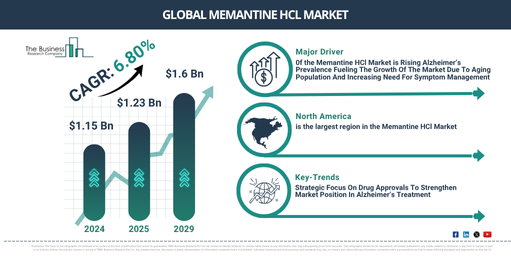
    The memantine hcl market size has observed substantial growth in recent years. It is projected to increase from $1.15 billion in 2024 to $1.23 billion in 2025, at a compound annual growth rate (CAGR) of 7.0%. This historical growth can be attributed to elevated diagnosis rates, the authorization of generic variants, government healthcare reimbursement policies, an increase in combination therapies, and growing research and development investment in CNS disorders.

    The memantine hcl market is projected to experience robust expansion over the upcoming years, with its valuation anticipated to reach $1.6 billion by 2029, exhibiting a compound annual growth rate (CAGR) of 6.8%. Factors contributing to this growth during the projection period include digital adherence ecosystems, an increase in dementia-focused home-care services, the uptake of fixed-dose combo tablets, ongoing exploratory trials for new indications, and the shift in manufacturing towards continuous and green chemistry lines. Key trends foreseen in this forecast timeframe encompass nanotechnology-based delivery, advancements in combination drug technologies, the utilization of AI-powered drug design tools, the application of green chemistry in synthesis, and the implementation of real-time release testing.

    Unlock Your Free Sample Report for Exclusive Market Data:

    https://www.thebusinessresearchcompany.com/sample.aspx?id=24604&type=smp

    Which Factors And Drivers Are Influencing The Memantine HCl Market In 2025?

    The increasing prevalence of Alzheimer’s disease is anticipated to drive the expansion of the memantine HCl market in the future. Alzheimer’s disease is a progressive neurodegenerative condition that primarily impacts memory, thought processes, behavior, and the capacity to carry out daily activities. This rise in Alzheimer’s cases is attributed to the aging population, as extended life expectancy resulting from advancements in healthcare and nutrition increases the number of elderly individuals at a higher risk. Memantine HCl addresses Alzheimer’s disease by offering a medication that decelerates the progression of moderate to severe symptoms. It does this by regulating abnormal glutamate activity in the brain, thereby enhancing cognition, memory, and daily functioning in affected individuals. For example, a report published by the National Library of Medicine, a US-based national library, indicated that in April 2025, 7.2 million Americans aged 65 and older were living with Alzheimer’s dementia, a figure projected to rise to 13.8 million by 2060. Consequently, the growing incidence of Alzheimer’s disease is a key factor driving the growth of the memantine HCl market.

    What Are The Leading Segments Analyzed In The Memantine HCl Market?

    The memantine hcl market covered in this report is segmented –

    1) By Product Type: Tablet Formulation, Oral Solution, Extended-Release Capsules

    2) By Dosage Form: Standard Dosage (5 mg, 10 mg), Customized Dosage Solutions

    3) By Distribution Channel: Hospital Pharmacies, Retail Pharmacies, Online Pharmacies

    4) By Application: Alzheimer’s Disease Treatment, Vascular Dementia Management, Off-Label Uses

    5) By End User: Hospitals, Long-Term Care Facilities, Home Healthcare, Outpatient Clinics

    Subsegments:

    1) By Tablet Formulation: Immediate-Release Tablets, Film-Coated Tablets, Dispersible Tablets, Chewable Tablets, Scored Tablets

    2) By Oral Solution: Ready-To-Use Oral Solution, Concentrated Oral Solution (Requires Dilution), Flavored Oral Solution, Sugar-Free Oral Solution, Alcohol-Free Oral Solution

    3) By Extended-Release Capsules: Once-Daily ER Capsules, Multi-Particulate Capsule Formulations, Bead-Filled ER Capsules, Liquid-Filled ER Capsules, High-Dose ER Capsules

    What Trends Are Expected To Drive The Memantine HCl Market?

    Key players in the memantine HCl market are strategically concentrating on securing regulatory approvals to expand their market presence and reinforce their role in addressing alzheimer’s disease and other neurodegenerative disorders. Regulatory approvals are official authorizations provided by governmental or regulatory bodies, such as the U.S. Food and Drug Administration (FDA). These authorizations enable drugs, medical devices, or treatments to be lawfully marketed and accessible to the public. For instance, in January 2025, Amneal Pharmaceuticals Inc., a U.S.-based pharmaceutical company, obtained FDA approval for its memantine/donepezil extended-release capsules and everolimus tablets for oral suspension, along with a tentative U.S. FDA approval for rifaximin. The memantine/donepezil extended-release capsules, available in 14-10 mg and 28-10 mg strengths, are a generic iteration of AbbVie’s Namzaric. This fixed-dose combination contains memantine hydrochloride, an NMDA receptor antagonist, and donepezil hydrochloride, an acetylcholinesterase inhibitor. It is indicated for treating moderate to severe dementia of the alzheimer’s type in patients who have stabilized on 10 mg of donepezil hydrochloride once daily.

    Which Leading Companies Dominate The Memantine HCl Market Share?

    Major companies operating in the memantine hcl market are Sun Pharmaceutical Industries Ltd, Dr. Reddy’s Laboratories Ltd, Lupin Limited, Amneal Pharmaceuticals Inc., Zydus Lifesciences Limited, Ajanta Pharma Limited, ANI Pharmaceuticals Inc., Uquifa S.A., Procos S.p.A., Orchid Pharma Limited, Forest Laboratories LLC, Olon S.p.A., Smilax Laboratories Limited, Consern Pharma Private Limited, Pellets Pharma Limited, Zeal MediPharma, Hermes Chemical Industries, JPN Pharma Pvt Ltd., Murli Krishna Pharma Pvt Ltd., Prudence Pharma Chem.

    Download The Full Report For Exclusive Market Findings:

    https://www.thebusinessresearchcompany.com/report/memantine-hcl-global-market-report

    Which Global Regions Are Influencing The Competitive Landscape Of The Memantine HCl Market?

    North America was the largest region in the memantine HCl market in 2024. Asia-Pacific is expected to be the fastest-growing region in the forecast period. The regions covered in the memantine hcl market report are Asia-Pacific, Western Europe, Eastern Europe, North America, South America, Middle East, Africa.

    Request A Customized Version Of The Memantine HCl Market Report:

    https://www.thebusinessresearchcompany.com/customise?id=24604&type=smp

    Browse Through More Reports Similar to the Global Memantine HCl Market 2025, By The Business Research Company

    Melatonin Supplements Global Market Report 2025

    https://www.thebusinessresearchcompany.com/report/melatonin-supplements-global-market-report

    Melanoma Drugs Global Market Report 2025

    https://www.thebusinessresearchcompany.com/report/melanoma-drugs-global-market-report

    Dental Sleep Medicine Global Market Report 2025

    https://www.thebusinessresearchcompany.com/report/dental-sleep-medicine-global-market-report

    Get in touch with us:

    The Business Research Company: https://www.thebusinessresearchcompany.com/

    Americas +1 310-496-7795

    Asia +44 7882 955267 & +91 8897263534

    Europe +44 7882 955267

    Email us at info@tbrc.info

    Follow us on:

    LinkedIn: https://in.linkedin.com/company/the-business-research-company

    YouTube: https://www.youtube.com/channel/UC24_fI0rV8cR5DxlCpgmyFQ

    Global Market Model: https://www.thebusinessresearchcompany.com/global-market-model
  • Global Ophthalmic Equipment Market Trends and Growth Analysis 2025–2029

    Global Ophthalmic Equipment Market Trends and Growth Analysis 2025–2029

    Unlock Global Insights – Save 20% on Market Reports with Code ONLINE20

    What Is The Anticipated Size Of The Ophthalmic Equipment Market Over The Five-Year Period 2025–2029?

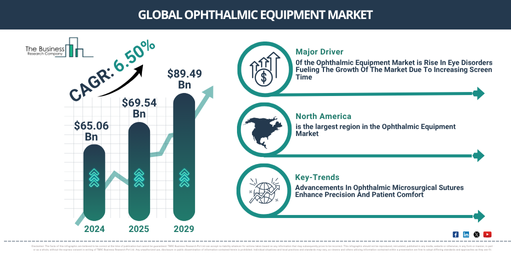
    The ophthalmic equipment market has shown substantial growth in recent years. Its value is expected to rise from $65.06 billion in 2024 to $69.54 billion in 2025, reflecting a compound annual growth rate (CAGR) of 6.9%. This historical expansion can be attributed to the increasing number of ophthalmic clinics and specialized eye care centers, a rise in disposable income, the expansion of healthcare infrastructure, government initiatives and funding for eye care programs, and a growing volume of eye surgeries.

    The ophthalmic equipment market is projected to experience robust expansion over the coming years. This market is anticipated to reach $89.49 billion by 2029, demonstrating a compound annual growth rate (CAGR) of 6.5%. Factors contributing to this growth during the forecast period include the increasing occurrence of eye disorders, the expanding elderly population susceptible to vision issues, heightened consciousness regarding eye health and vision care, an uptick in diabetes cases, and the escalating need for prompt diagnosis and treatment of ocular diseases. Key trends projected for the forecast period encompass progress in ophthalmic diagnostic technologies, the adoption of minimally invasive surgical methods, enhancements in laser eye surgery equipment through technological innovation, novelties in imaging techniques, and the provision of sophisticated diagnostic software integrated into ophthalmic devices.

    Unlock Your Free Sample Report for Exclusive Market Data:

    https://www.thebusinessresearchcompany.com/sample.aspx?id=24636&type=smp

    What Are The Key Drivers Of Growth In The Ophthalmic Equipment Market?

    The escalating prevalence of eye conditions is anticipated to propel the expansion of the ophthalmic equipment market in the future. An eye disorder is defined as a state affecting the eye’s structure or function, potentially leading to visual impairment or discomfort. The increase in eye disorders is linked to greater screen time, which causes prolonged strain on the eyes and contributes to vision problems such as digital eye strain and nearsightedness. Ophthalmic equipment is indispensable for managing eye disorders, as it allows for accurate diagnosis and precise treatment, facilitating early detection of issues and enhancing patient outcomes. For instance, in May 2024, a report by the Centers for Disease Control and Prevention, a US-based government agency, projected that without effective interventions, cases of diabetic retinopathy could surge by 72% and cataracts by 87% by 2050. Moreover, the population affected by vision impairment and blindness might grow by up to 150%. Thus, the rising incidence of eye disorders will drive the growth of the ophthalmic equipment market.

    Which Key Segments Fueling The Ophthalmic Equipment Market?

    The ophthalmic equipment market covered in this report is segmented –

    1) By Product Type: Ophthalmic Surgical Devices, Ophthalmic Diagnostic Devices, Ophthalmic Vision Care Devices

    2) By Technology: Laser Technology, Optical Coherence Tomography, Ultrasound Technology, Phacoemulsification

    3) By Application: Cataract Surgery, Retinal Surgery, Glaucoma Surgery, Refractive Surgery

    4) By End-Users: Hospitals, Ophthalmology Clinics, Ambulatory Surgical Centers (ASCs), Optical Retail Centers, Other End-Users

    Subsegments:

    1) By Ophthalmic Surgical Devices: Phacoemulsification Devices, Laser Surgical Devices, Vitrectomy Devices, Ophthalmic Microsurgical Instruments, Intraocular Lenses (IOLs), Ophthalmic Cryotherapy Devices

    2) By Ophthalmic Diagnostic Devices: Slit Lamp Microscopes, Optical Coherence Tomography (OCT) Devices, Visual Field Analyzers, Fundus Cameras, Keratometers, Pachymeters, Retinal Imaging Devices, Tonometers

    3) By Ophthalmic Vision Care Devices: Contact Lens Fitters, Autorefractors, Lens Meters, Trial Lens Sets, Phoropters, Lens Edgers, Vision Screening Devices

    Which Competitive Trends Are Defining The Ophthalmic Equipment Market Structure?

    Major companies within the ophthalmic equipment market are concentrating on creating technologically advanced products, such as ophthalmic microsurgical sutures, aimed at lowering the chances of infection and inflammation. Ophthalmic microsurgical sutures are very fine threads made for eye surgeons to precisely sew and close fragile tissues during eye operations. An example of this is the launch of Onatec ophthalmic microsurgical sutures by Corza Medical, a US-based medical technology company, in October 2024. Corza Medical manufactures Onatec needles from highly tempered stainless steel, which offers excellent bending resistance and durability. Their sophisticated automated production process guarantees exact needle shapes and precise grinds, enabling the stitching of delicate tissues in extremely small regions. The needles also boast a superior surface finish that ensures smooth entry, thereby minimizing trauma to tissues. This blend of accuracy and high quality improves patient comfort during ophthalmic microsurgeries.

    Which Major Industry Participants Are Leading The Ophthalmic Equipment Market Growth?

    Major companies operating in the ophthalmic equipment market are Medtronic Plc, Alcon Inc., Bausch + Lomb Corp., Buhler Group, Carl Zeiss Meditec AG, Rodenstock GmbH, Leica Microsystems, Corza Medical, EXTREME d.o.o., BVI Medical Inc., Heine Optotechnik, Essilor International S.A., Rumex International Co., Advancing Eyecare, MS Westfalia GmbH, Designs For Vision, FCI S.A.S., Stille AB, Visionix Ltd., Optotek Medical, Coburn Technologies Inc., Haag-Streit AG, MDT Medical Devices Manufacturer, Carleton Limited, INNOVA Medical Group Inc.

    Download The Full Report For Exclusive Market Findings:

    https://www.thebusinessresearchcompany.com/report/ophthalmic-equipment-global-market-report

    How Do Regional Market Performances Compare Within The Ophthalmic Equipment Industry?

    North America was the largest region in the ophthalmic wquipment market in 2024. Asia-Pacific is expected to be the fastest-growing region in the forecast period. The regions covered in the ophthalmic equipment market report are Asia-Pacific, Western Europe, Eastern Europe, North America, South America, Middle East, Africa.

    Request A Customized Version Of The Ophthalmic Equipment Market Report:

    https://www.thebusinessresearchcompany.com/customise?id=24636&type=smp

    Browse Through More Reports Similar to the Global Ophthalmic Equipment Market 2025, By The Business Research Company

    Ophthalmic Devices Global Market Report 2025

    https://www.thebusinessresearchcompany.com/report/ophthalmic-devices-global-market-report

    Diagnostic And Monitoring Ophthalmic Devices And Equipment Global Market Report 2025

    https://www.thebusinessresearchcompany.com/report/diagnostic-and-monitoring-ophthalmic-devices-and-equipment-global-market-report

    Ophthalmic Packaging Global Market Report 2025

    https://www.thebusinessresearchcompany.com/report/ophthalmic-packaging-global-market-report

    Get in touch with us:

    The Business Research Company: https://www.thebusinessresearchcompany.com/

    Americas +1 310-496-7795

    Asia +44 7882 955267 & +91 8897263534

    Europe +44 7882 955267

    Email us at info@tbrc.info

    Follow us on:

    LinkedIn: https://in.linkedin.com/company/the-business-research-company

    YouTube: https://www.youtube.com/channel/UC24_fI0rV8cR5DxlCpgmyFQ

    Global Market Model: https://www.thebusinessresearchcompany.com/global-market-model
  • Incretin-Based Drugs Market Expansion Outlook: $36.7 Billion by 2029 Forecast

    Incretin-Based Drugs Market Expansion Outlook: $36.7 Billion by 2029 Forecast

    Unlock Global Insights – Save 20% on Market Reports with Code ONLINE20

    #What Is The Projected Market Size Of The Incretin-Based Drugs Market By 2029?

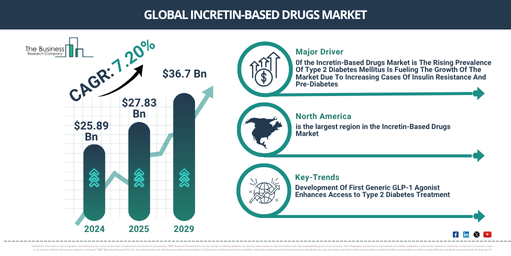
    The incretin-based drugs market has experienced substantial growth in recent years. Its value is expected to rise from $25.89 billion in 2024 to $27.83 billion in 2025, at a compound annual growth rate (CAGR) of 7.5%. This historical expansion can be attributed to several factors, including the increasing global prevalence of type 2 diabetes, the introduction of GLP-1 receptor agonists such as exenatide and liraglutide, considerable investments in research and development, advantageous regulatory approvals for DPP-4 and GLP-1 drugs, a shift away from insulin and sulfonylureas towards newer classes of medication, and the availability of once-weekly injectable formulations.

    The incretin-based drugs market size is projected to experience substantial expansion over the upcoming years. This market is set to reach a valuation of $36.7 billion by 2029, exhibiting a compound annual growth rate (CAGR) of 7.2%. This anticipated growth during the projection period stems from several factors, including the rising acceptance of fixed-dose combination treatments, an increased emphasis on weight control and diabetes associated with obesity, advancements in personalized medicine and companion diagnostics, a heightened need for less invasive drug delivery methods, and an expanding elderly demographic facing a greater prevalence of comorbidities. Key trends anticipated during this forecast encompass the incorporation of incretin pharmaceuticals into strategies for obesity management, the emergence of dual and triple agonists designed to improve metabolic results, the fusion of digital health solutions with incretin therapies for tailored oversight, the increasing prevalence of combination therapies over monotherapy for sophisticated diabetes regulation, and an emphasis on long-acting weekly injections to ease the frequency of administration.

    Unlock Your Free Sample Report for Exclusive Market Data:

    https://www.thebusinessresearchcompany.com/sample.aspx?id=24570&type=smp

    What Are The Key Drivers Of Growth In The Incretin-Based Drugs Market?

    The increasing occurrence of type 2 diabetes mellitus is anticipated to drive the expansion of the incretin-based drugs market moving ahead. This condition is a persistent metabolic ailment marked by the body’s resistance to insulin and reduced insulin production, resulting in elevated blood sugar levels. Its widespread occurrence stems from unhealthy eating habits and lack of physical activity, which contribute to insulin resistance, thereby diminishing the body’s capacity to manage blood sugar effectively. Incretin-based drugs address type 2 diabetes by stimulating insulin secretion following meals and decreasing glucagon output, which assists in lowering blood sugar. Additionally, these medications postpone gastric emptying and suppress hunger, facilitating better glucose management and weight reduction. For example, in June 2024, the National Health Service, a UK-based government department, reported that in 2023, approximately 549,000 additional individuals in England were at risk of developing type 2 diabetes, bringing the total number with pre-diabetes to more than 3.6 million, marking a nearly 20% increase from 2022. Consequently, the growing incidence of type 2 diabetes mellitus is fueling the expansion of the incretin-based drugs market.

    How Is The Incretin-Based Drugs Market Segmented?

    The incretin-based drugs market covered in this report is segmented –

    1) By Type: Glucagon-Like Peptide-1 Receptor (GLP-1) Agonists, Dipeptidyl Peptidase-4 (DPP-4) Inhibitors

    2) By Route Of Administration: Oral, Injectable

    3) By Distribution Channel: Hospital Pharmacies, Retail Pharmacies, Online Pharmacies

    4) By Application: Type 2 Diabetes, Obesity, Other Applications

    Subsegments:

    1) By Glucagon-Like Peptide-1 Receptor (GLP-1) Agonists: Exenatide, Liraglutide, Dulaglutide, Semaglutide, Lixisenatide, Albiglutide

    2) By Dipeptidyl Peptidase-4 (DPP-4) Inhibitors: Sitagliptin, Saxagliptin, Linagliptin, Alogliptin, Vildagliptin

    What Are The Latest Industry Trends Transforming The Incretin-Based Drugs Market?

    Major companies operating in the incretin-based drugs market are increasingly focusing on the development of generic drug versions to offer more effective and patient-friendly treatment options for type 2 diabetes. A generic drug is a medication that possesses the same active ingredients, strength, dosage form, and route of administration as a brand-name drug, but is commercially sold under its chemical designation without brand labeling. For instance, in December 2024, Hikma Pharmaceuticals PLC, a UK-based pharmaceutical company, introduced the first generic version of Victoza (liraglutide) injection, 6 mg/mL, within the United States. This product received Food and Drug Administration (FDA) approval. It is indicated as an adjunct to diet and exercise to improve glycemic control in adults and pediatric patients aged 10 years and older with type 2 diabetes, thereby furnishing a new, more affordable option amidst ongoing shortages of GLP-1 medications.

    Which Major Firms Are Strengthening Their Position In The Incretin-Based Drugs Industry?

    Major companies operating in the incretin-based drugs market are Pfizer Inc., Johnson & Johnson, Roche Holding AG, AbbVie Inc., Bristol-Myers Squibb Company, AstraZeneca PLC, Novartis AG, GlaxoSmithKline plc, Eli Lilly and Company, Takeda Pharmaceutical Company Limited, Amgen Inc., Novo Nordisk A/S, Viatris, Boehringer Ingelheim GmbH, Astellas Pharma Inc., Daiichi Sankyo Company Limited, Sun Pharmaceutical Industries Ltd., Sumitomo Dainippon Pharma Co. Ltd., Hikma Pharmaceuticals PLC, Lupin Limited, Mitsubishi Tanabe Pharma Corporation

    Download The Full Report For Exclusive Market Findings:

    https://www.thebusinessresearchcompany.com/report/incretin-based-drugs-global-market-report

    Which Region Currently Holds The Largest Share Of The Incretin-Based Drugs Market?

    North America was the largest region in the incretin-based drugs market in 2024. Asia-Pacific is expected to be the fastest-growing region in the forecast period. The regions covered in the incretin-based drugs market report are Asia-Pacific, Western Europe, Eastern Europe, North America, South America, Middle East, Africa.

    Request A Customized Version Of The Incretin-Based Drugs Market Report:

    https://www.thebusinessresearchcompany.com/customise?id=24570&type=smp

    Browse Through More Reports Similar to the Global Incretin-Based Drugs Market 2025, By The Business Research Company

    Null 2025

    NULL

    Hybrid Valve Global Market Report 2025

    https://www.thebusinessresearchcompany.com/report/hybrid-valve-global-market-report

    Hybrid Composites Global Market Report 2025

    https://www.thebusinessresearchcompany.com/report/hybrid-composites-global-market-report

    Get in touch with us:

    The Business Research Company: https://www.thebusinessresearchcompany.com/

    Americas +1 310-496-7795

    Asia +44 7882 955267 & +91 8897263534

    Europe +44 7882 955267

    Email us at info@tbrc.info

    Follow us on:

    LinkedIn: https://in.linkedin.com/company/the-business-research-company

    YouTube: https://www.youtube.com/channel/UC24_fI0rV8cR5DxlCpgmyFQ

    Global Market Model: https://www.thebusinessresearchcompany.com/global-market-model

  • Oncogene Inhibitor  Market Forecast: What to Expect by 2029

    Oncogene Inhibitor  Market Forecast: What to Expect by 2029

    Unlock Global Insights – Save 20% on Market Reports with Code ONLINE20

    What Are The Forecasted Market Size Estimates For The Oncogene Inhibitor  Market Between 2025 And 2029?

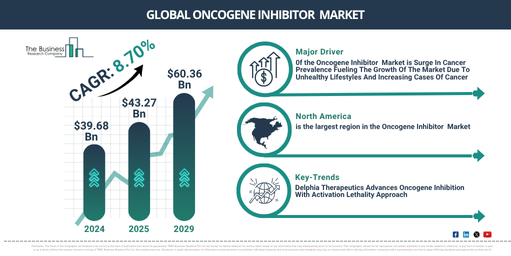
    The oncogene inhibitor market has shown significant growth in recent years. Its valuation is predicted to expand from $39.68 billion in 2024 to $43.27 billion in 2025, reflecting a compound annual growth rate (CAGR) of 9.0%. This historical expansion can be linked to several contributing factors, such as an increase in resistance mechanism research, the development of targeted therapies, a heightened emphasis on research for lung cancer treatments, greater investment in kras and myc inhibitors, and a rise in funding and grants.

    The oncogene inhibitor market is projected to experience robust expansion in the coming years, with its size anticipated to reach $60.36 billion by 2029, demonstrating a compound annual growth rate (CAGR) of 8.7%. This projected growth during the forecast period can be attributed to several factors, including heightened investments in healthcare, an expanding emphasis on tumor-agnostic therapies, increased embrace of targeted therapies, a supportive regulatory and reimbursement environment, and advancements in personalized therapy and companion diagnostics. Key trends anticipated within this forecast period encompass the development of next-generation KRAS inhibitors, the application of AI in drug discovery, the integration of real-time liquid biopsy, strategies for tumor microenvironment modulation, and the innovation of targeted nanoparticle drug delivery.

    Unlock Your Free Sample Report for Exclusive Market Data:

    https://www.thebusinessresearchcompany.com/sample.aspx?id=24635&type=smp

    Which Drivers Are Supporting Growth Of The Oncogene Inhibitor  Market?

    The oncogene inhibitor market is projected to experience growth going forward, driven by the escalating prevalence of cancer. Cancer is defined as a collection of diseases characterized by the uncontrolled division and spread of atypical cells within the body. This increase in cancer cases stems from unhealthy lifestyle practices, such as smoking, poor dietary habits, insufficient exercise, and alcohol consumption, all of which compromise the body’s defenses and encourage the multiplication of cancerous cells. Oncogene inhibitors aid in cancer treatment by specifically targeting and deactivating genes that stimulate cancer cell growth, thus retarding or halting tumor formation and advancement. For example, a report issued in July 2024 by Cancer Research UK, a UK-based charity, indicates that the average annual count of new melanoma skin cancer cases in the UK is anticipated to climb from roughly 20,800 between 2023-2025 to about 26,500 during the period 2038-2040. Therefore, the rising prevalence of cancer is a significant factor propelling the expansion of the oncogene inhibitor market.

    How Is The Oncogene Inhibitor  Market Classified Into Different Segments?

    The oncogene inhibitor  market covered in this report is segmented –

    1) By Type: Oral, Injection

    2) By Drug Class: Small Molecule Drugs, Biologics, Combination Therapies

    3) By Indication: Breast Cancer, Ovarian Cancer, Lung Cancer, Pancreas Cancer, Other Indications

    4) By Distribution Channel: Hospital Pharmacies, Retail Pharmacies, Online Pharmacies

    5) By End-Users: Hospitals, Specialty Clinics, Other End-Users

    Subsegments:

    1) By Oral Oncogene Inhibitors: Small Molecule Inhibitors, Targeted Therapy Pills, Tyrosine Kinase Inhibitors (TKIs)

    2) By Injection Oncogene Inhibitors: Monoclonal Antibodies (mAbs), Peptide Receptor Radioligand Therapy (PRRT), Small Molecule Inhibitors (Injectable), Gene Therapy Injections

    What Are The Latest Industry Trends Transforming The Oncogene Inhibitor  Market?

    Major companies operating in the oncogene inhibitor market are prioritizing the development of innovative treatment options, such as advanced functional genomic approaches, to enhance the precision and effectiveness of cancer therapies. Novel functional genomic approaches refer to sophisticated methodologies that integrate various genomic, transcriptomic, and epigenomic data to understand gene functions and their roles in diseases like cancer. For instance, in May 2024, Delphia Therapeutics, a US-based biotechnology company, introduced a novel approach known as activation lethality to exploit cancer’s vulnerability to oncogene overactivation. Leading oncology drug developers Kevin Marks, Bill Sellers, and Mike Dillon have secured $67 million in funding to advance this strategy. Activation lethality targets the excessive activation of oncogenes, genes that, when mutated or highly expressed, can drive cancer development. Some cancer cells rely on this overactivation for survival, and by inducing lethal stress through targeted intervention, this approach selectively eliminates those cancer cells while preserving healthy ones.

    Who Are The Prominent Global Companies Shaping The Oncogene Inhibitor  Market?

    Major companies operating in the oncogene inhibitor  market are Pfizer Inc., Johnson & Johnson Services Inc., F. Hoffmann-La Roche Ltd, Merck & Co. Inc., AbbVie Inc., Bayer AG, Bristol-Myers Squibb Company, Novartis AG, GlaxoSmithKline plc, Takeda Pharmaceutical Company Limited, Eli Lilly and Company, Mirati Therapeutics Inc., AstraZeneca PLC, Incyte Corporation, Blueprint Medicines Corporation, Astex Pharmaceuticals Inc., G1 Therapeutics Inc., Nurix Therapeutics Inc., GenFleet Therapeutics Co Ltd., Relay Therapeutics Inc.

    Download The Full Report For Exclusive Market Findings:

    https://www.thebusinessresearchcompany.com/report/oncogene-inhibitor-global-market-report

    Which Region Currently Holds The Largest Share Of The Oncogene Inhibitor  Market?

    North America was the largest region in the oncogene inhibitor market in 2024. Asia-Pacific is expected to be the fastest-growing region in the forecast period. The regions covered in the oncogene inhibitor  market report are Asia-Pacific, Western Europe, Eastern Europe, North America, South America, Middle East, Africa.

    Request A Customized Version Of The Oncogene Inhibitor  Market Report:

    https://www.thebusinessresearchcompany.com/customise?id=24635&type=smp

    Browse Through More Reports Similar to the Global Oncogene Inhibitor  Market 2025, By The Business Research Company

    Oncolytic Virus Therapy Global Market Report 2025

    https://www.thebusinessresearchcompany.com/report/oncolytic-virus-therapy-global-market-report

    Generic Oncology Drugs Global Market Report 2025

    https://www.thebusinessresearchcompany.com/report/generic-oncology-drugs-global-market-report

    Antiglaucoma Drugs Global Market Report 2025

    https://www.thebusinessresearchcompany.com/report/antiglaucoma-drugs-global-market-report

    Get in touch with us:

    The Business Research Company: https://www.thebusinessresearchcompany.com/

    Americas +1 310-496-7795

    Asia +44 7882 955267 & +91 8897263534

    Europe +44 7882 955267

    Email us at info@tbrc.info

    Follow us on:

    LinkedIn: https://in.linkedin.com/company/the-business-research-company

    YouTube: https://www.youtube.com/channel/UC24_fI0rV8cR5DxlCpgmyFQ

    Global Market Model: https://www.thebusinessresearchcompany.com/global-market-model