Blog

  • Biomarkers Market Growth Opportunities: Insights from 2025–2029

    Biomarkers Market Growth Opportunities: Insights from 2025–2029

    Unlock Global Insights – Save 20% on Market Reports with Code ONLINE20

    By How Much Is The Biomarkers Market Expected To Expand Between 2025 And 2029?

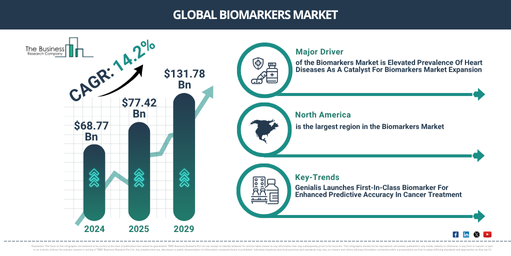
    The biomarkers market has observed substantial growth recently. It is set to expand from $68.77 billion in 2024 to $77.42 billion in 2025, exhibiting a compound annual growth rate (CAGR) of 12.6%. This growth experienced in prior periods can be attributed to several factors including advancements in genomics and proteomics technologies, a rise in the prevalence of chronic diseases, an increasing emphasis on personalized medicine, a growing demand for companion diagnostics, and the expansion of applications within drug development.

    The biomarkers market is projected to experience swift expansion in the coming years, anticipated to reach $131.78 billion by 2029, exhibiting a compound annual growth rate (CAGR) of 14.2%. Several factors contribute to this growth during the forecast period, including an increased emphasis on early disease identification and prevention, the broader application of biomarkers in oncology and immunotherapy, greater investment in precision medicine initiatives, the emergence of liquid biopsy as a non-invasive technique for biomarker detection, and a rising inclination towards biomarkers in drug discovery and development. Key trends expected during this period encompass the creation of multi-biomarker panels, the rise of exosome-based biomarkers, the uptake of point-of-care biomarker testing, the incorporation of real-world data into biomarker research, and the investigation of microbiome-based biomarkers.

    Unlock Your Free Sample Report for Exclusive Market Data:

    https://www.thebusinessresearchcompany.com/sample.aspx?id=6485&type=smp

    What Are The Main Drivers Boosting The Biomarkers Industry’s Expansion?

    The rising incidence of heart diseases is anticipated to propel the biomarkers market’s growth throughout the forecasted period. The application of biomarkers in managing patients with heart conditions has seen a significant increase over recent years. Currently, natriuretic peptides are the most commonly used biomarker, aiding in the diagnosis of heart failure patients. Furthermore, biomarkers such as circulating biomarkers with high sensitivity C-reactive protein are utilized for diagnosing heart failure. Heart disease is a leading cause of death for people across most racial and ethnic groups in the United States, and this increase in heart diseases will drive the demand for biomarkers. For instance, in August 2022, a report published by the American College of Cardiology, a US-based non-profit medical association, indicated that all four cardiovascular risk factors are expected to rise in the United States between 2025 and 2060. The largest percentage increase is projected for diabetes, with a 39.3% rise to 55 million individuals, followed by dyslipidemia (27.6% to 126 million), hypertension (25.1% to 162 million), and obesity (18.3% to 126 million). The researchers also observed that the most substantial projected increases in cardiovascular disease rates were for stroke (33.8% to 15 million) and heart failure (33.4% to 13 million), followed by ischemic heart disease (30.7% to 29 million) and heart attack (16.9% to 16 million). Due to the growing prevalence of heart diseases and associated fatalities, an expansion in the biomarkers market is expected.

    What Are The Major Segment Categories Driving The Biomarkers Market Growth?

    The biomarkers market covered in this report is segmented –

    1) By Technology: Safety Biomarkers, Efficacy Biomarkers, Validation Biomarkers

    2) By Disease: Neurological Diseases, Cancer, Immunological Diseases, Cardiovascular Diseases, Other Diseases

    3) By Type: Biomarker Of Exposure, Biomarker Of Diseases

    4) By Audiences: Pharmaceutical Companies, Government And Private Research Institutes, Academic Institutes, Medical Device Manufacturing Companies

    Subsegments:

    1) By Safety Biomarkers: Toxicity Biomarkers, Pharmacokinetic Biomarkers, Adverse Effect Biomarkers

    2) By Efficacy Biomarkers: Pharmacodynamic Biomarkers, Disease Progression Biomarkers, Treatment Response Biomarkers

    3) By Validation Biomarkers: Analytical Validation Biomarkers, Clinical Validation Biomarkers, Qualification Biomarkers

    How Are Emerging Market Trends Shaping The Biomarkers Industry Landscape?

    Leading companies within the biomarker market are concentrating on devising innovative solutions, like a novel biological marker, to foster innovation through cooperative research, the assimilation of technology, and thorough clinical validation. A novel biological marker represents a recently discovered indicator that mirrors biological processes and assists in the diagnosis or monitoring of diseases. It can manifest as a molecule, a gene, or a cellular trait with significant implications for personalized medicine. For instance, in September 2024, Genialis, a US-based company specializing in computational precision medicine, introduced a pioneering biomarker. This first-in-class biomarker elevates the accuracy of predictions regarding patient responses to KRAS inhibitors, thereby enabling individualized treatment strategies and enhancing clinical outcomes. Its extensive utility across diverse cancer types aids in efficient drug development and refines patient selection for targeted therapies.

    Who Are The Top Performing Companies In The Biomarkers Market In Recent Years?

    Major companies operating in the biomarkers market include Enzo Biochem Inc, Bio-Rad Laboratories Inc., Merck KGaA, PerkinElmer Inc., QIAGEN N. V., Adaptive Biotechnologies Corp., Agilent Technologies Inc., Biocrates Life Sciences AG, BioFire Diagnostics LLC, BioReference Laboratories Inc., Bio-Techne Corporation, Cepheid Inc., Eurofins Scientific SE, Exact Sciences Corporation, Foundation Medicine Inc., Genomic Health Inc., GenScript Biotech Corporation, Guardant Health Inc., Illumina Inc., Invitae Corporation, Laboratory Corporation of America Holdings, Luminex Corporation, Metabolon Inc., Myriad Genetics Inc., Natera Inc., Pacific Biosciences of California Inc., Quest Diagnostics Incorporated, Roche Diagnostics Corporation, Thermo Fisher Scientific Inc., Veracyte Inc.

    Download The Full Report For Exclusive Market Findings:

    https://www.thebusinessresearchcompany.com/report/biomarkers-global-market-report

    Which Regional Markets Are Contributing Most To The Biomarkers Industry Expansion?

    North America was the largest region in the biomarkers market in 2024.Asia-Pacific is expected to be the fastest-growing region in the forecast period. The regions covered in the biomarkers market report are Asia-Pacific, Western Europe, Eastern Europe, North America, South America, Middle East, Africa

    Request A Customized Version Of The Biomarkers Market Report:

    https://www.thebusinessresearchcompany.com/customise?id=6485&type=smp

    Browse Through More Reports Similar to the Global Biomarkers Market 2025, By The Business Research Company

    Small Animal Imaging In Vivo Global Market Report 2025

    https://www.thebusinessresearchcompany.com/report/small-animal-imaging-in-vivo-global-market-report

    Renal Biomarkers Global Market Report 2025

    https://www.thebusinessresearchcompany.com/report/renal-biomarkers-global-market-report

    Biologics Market 2025

    https://www.thebusinessresearchcompany.com/report/biologics-market

    Get in touch with us:

    The Business Research Company: https://www.thebusinessresearchcompany.com/

    Americas +1 310-496-7795

    Asia +44 7882 955267 & +91 8897263534

    Europe +44 7882 955267

    Email us at info@tbrc.info

    Follow us on:

    LinkedIn: https://in.linkedin.com/company/the-business-research-company

    YouTube: https://www.youtube.com/channel/UC24_fI0rV8cR5DxlCpgmyFQ

    Global Market Model: https://www.thebusinessresearchcompany.com/global-market-model
  • Global Multiple Myeloma Drugs Market Size Projected to Reach $29.44 Billion During the Forecast Period

    Global Multiple Myeloma Drugs Market Size Projected to Reach $29.44 Billion During the Forecast Period

    Unlock Global Insights – Save 20% on Market Reports with Code ONLINE20

    What Is The Anticipated Size Of The Multiple Myeloma Drugs Market Over The Five-Year Period 2025–2029?

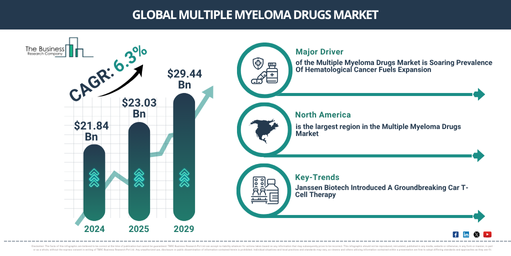
    The multiple myeloma drugs market size has shown substantial growth in recent years. It is anticipated to expand from $21.84 billion in 2024 to $23.03 billion in 2025, reflecting a compound annual growth rate (CAGR) of 5.4%. This historical growth can be attributed to several factors including improved diagnosis, successful clinical trials, a better understanding of disease biology, enhancements in healthcare infrastructure, increased patient advocacy, and broader awareness.

    The multiple myeloma drugs market is anticipated to experience robust expansion over the coming years. By 2029, its valuation is projected to reach $29.44 billion, exhibiting a compound annual growth rate (CAGR) of 6.3%. This projected growth is driven by factors such as advancements in immunotherapy, the broadening of targeted therapies, new applications for liquid biopsy, the rise of car-t cell therapy, and ongoing biomarker discovery. Key trends expected during this period encompass a focus on long-term survivorship, research into epigenetic therapies, the increased utilization of telemedicine, wider availability of novel therapies, and an emphasis on sustainability within myeloma care.

    Unlock Your Free Sample Report for Exclusive Market Data:

    https://www.thebusinessresearchcompany.com/sample.aspx?id=11943&type=smp

    What Are The Top Growth Drivers Impacting The Multiple Myeloma Drugs Market Outlook?

    The rising incidence of hematological cancer is projected to propel the expansion of the multiple myeloma drugs market. These cancers originate in blood-forming tissues such as bone marrow or immune system cells, encompassing conditions like leukemia, lymphoma, and multiple myeloma. Medications for multiple myeloma work by targeting and restricting the growth of cancer cells, primarily by decreasing cell division through stimulating various enzymatic actions, and also by helping bones remain strong and alleviating pain in weakened bones. For instance, according to the American Cancer Society (ACS), a US-based health organization, approximately 59,610 newly diagnosed cases of leukemia were reported in January 2023, along with around 20,380 cases of acute myeloid leukemia (AML). Additionally, the total number of leukemia-related deaths reached 23,710. This underscores how the increasing prevalence of hematological cancer is driving the growth of the multiple myeloma drugs market.

    How Is The Multiple Myeloma Drugs Market Segmented?

    The multiple myeloma drugs market covered in this report is segmented –

    1) By Drug Type: Immunomodulatory Drugs, Proteasome Inhibitors, Histone Deacetylase Inhibitors, Monoclonal Antibody Drugs, Steroids, Other Drug Types

    2) By Therapy: Targeted Therapy, Biologic Therapy, Chemotherapy, Other Therapies

    3) By Distribution Channel: Hospital Pharmacies, Retail Pharmacies, Online Pharmacies, Other Distribution Channels

    4) By End-User: Men, Women

    Subsegments:

    1) By Immunomodulatory Drugs: Lenalidomide, Thalidomide, Pomalidomide

    2) By Proteasome Inhibitors: Bortezomib, Carfilzomib, Ixazomib

    3) By Histone Deacetylase Inhibitors: Panobinostat, Romidepsin

    4) By Monoclonal Antibody Drugs: Daratumumab, Elotuzumab, Isatuximab

    5) By Steroids: Dexamethasone, Prednisone

    6) By Other Drug Types: Alkylating Agents, Antimetabolites, New Experimental Drugs

    Which Trends Are Impacting The Multiple Myeloma Drugs Market?

    Product innovation is a prominent and growing trend in the multiple myeloma drugs market. Companies at the forefront of the multiple myeloma drugs market are concentrating on developing groundbreaking products to solidify their standing and gain a competitive advantage. For instance, in March 2022, Janssen Biotech Inc., a Japan-based biotechnology company, secured United States Food and Drug Administration approval for Carvykti, a CAR T-Cell therapy (personalized immunotherapy) for multiple myeloma. CARVYKTI (ciltacabtagene autoleucel) is a genetically modified autologous cell-based product, comprising T cells transduced ex vivo with a replication-incompetent lentiviral vector that encodes an anti-B cell maturation antigen (BCMA) chimeric antigen receptor (CAR), which itself consists of two single domain antibodies linked to a 4-1BB costimulatory domain and a CD3-zeta signaling domain. Patients who have received four or more lines of therapy, including treatment with three critical kinds of multiple myeloma medications (an immunomodulating agent, a proteasome inhibitor, and an anti-CD38 monoclonal antibody), are eligible to receive it for treating relapsed conditions.

    Which Major Firms Are Strengthening Their Position In The Multiple Myeloma Drugs Industry?

    Major companies operating in the multiple myeloma drugs market include Pfizer Inc., Johnson & Johnson Pvt. Ltd, Merck & Co. Inc., AbbVie Inc., Bayer AG., Roche Holding AG, Novartis AG, Sanofi S.A., Bristol-Myers Squibb Company, GlaxoSmithKline Plc, Takeda Pharmaceutical Company Limited, Eli Lilly and Company, Kite Pharma Inc, Amgen Inc., AstraZeneca plc, Teva Pharmaceutical Industries Ltd., Regeneron Pharmaceuticals Inc., Daiichi Sankyo Company, Daiichi Sankyo Co. Ltd., Lonza Group AG, Cipla Ltd., ONO Pharmaceutical Co. Ltd., BieGene Ltd., Biotest AG, Onyx Pharmaceuticals Inc., PharmaMar SA, Karyopharm Therapeutics Inc., Poseida Therapeutics Inc., ImmunoGen Inc., Oncopetides AB

    Download The Full Report For Exclusive Market Findings:

    https://www.thebusinessresearchcompany.com/report/multiple-myeloma-drugs-global-market-report

    What Are The Regional Market Dynamics Impacting The Multiple Myeloma Drugs Industry?

    North America was the largest region in the multiple myeloma drugs market in 2024. The regions covered in the multiple myeloma drugs market report are Asia-Pacific, Western Europe, Eastern Europe, North America, South America, Middle East, Africa.

    Request A Customized Version Of The Multiple Myeloma Drugs Market Report:

    https://www.thebusinessresearchcompany.com/customise?id=11943&type=smp

    Browse Through More Reports Similar to the Global Multiple Myeloma Drugs Market 2025, By The Business Research Company

    Cardiovascular Drugs Global Market Report 2025

    https://www.thebusinessresearchcompany.com/report/cardiovascular-drugs-global-market-report

    Dermatology Drugs Global Market Report 2025

    https://www.thebusinessresearchcompany.com/report/dermatology-drugs-global-market-report

    Gastrointestinal Drug Global Market Report 2025

    https://www.thebusinessresearchcompany.com/report/gastrointestinal-drug-global-market-report

    Get in touch with us:

    The Business Research Company: https://www.thebusinessresearchcompany.com/

    Americas +1 310-496-7795

    Asia +44 7882 955267 & +91 8897263534

    Europe +44 7882 955267

    Email us at info@tbrc.info

    Follow us on:

    LinkedIn: https://in.linkedin.com/company/the-business-research-company

    YouTube: https://www.youtube.com/channel/UC24_fI0rV8cR5DxlCpgmyFQ

    Global Market Model: https://www.thebusinessresearchcompany.com/global-market-model
  • Anticoagulants Market Expansion Outlook: $85.87 Billion by 2029 Forecast

    Anticoagulants Market Expansion Outlook: $85.87 Billion by 2029 Forecast

    Unlock Global Insights – Save 20% on Market Reports with Code ONLINE20

    #What Is The Projected Market Size Of The Anticoagulants Market By 2029?

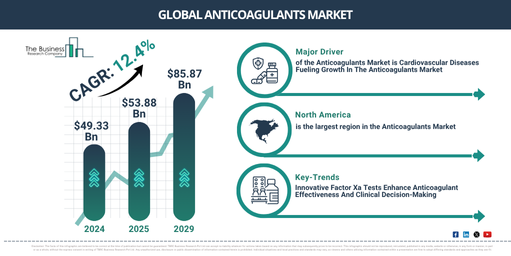
    The anticoagulants market has experienced robust expansion in recent years. It is projected to grow from $49.33 billion in 2024 to $53.88 billion in 2025, reflecting a compound annual growth rate (CAGR) of 9.2%. The historical increase can be attributed to an aging population, a higher prevalence of cardiovascular diseases, increased awareness regarding the significance of anticoagulant therapy, an expansion in the approved uses for anticoagulants, and a greater incidence of venous thromboembolism (VTE) and atrial fibrillation.

    The anticoagulants market is projected for significant expansion over the coming years, reaching $85.87 billion by 2029, driven by a compound annual growth rate (CAGR) of 12.4%. This anticipated growth stems from several factors, including the broadened uses for new anticoagulant medications, increased spending on healthcare, the adoption of novel oral anticoagulants (NOACs) as key treatment choices, government financial backing for improving healthcare facilities, and the overall expansion of healthcare infrastructure. Key trends expected during this period involve progress in medical technologies and diagnostic techniques, the incorporation of artificial intelligence and data analytics into anticoagulant treatments, an increased focus on educating patients and promoting adherence to therapies, and the creation of reversal agents.

    Unlock Your Free Sample Report for Exclusive Market Data:

    https://www.thebusinessresearchcompany.com/sample.aspx?id=5230&type=smp

    Which Factors And Drivers Are Influencing The Anticoagulants Market In 2025?

    The rising prevalence of cardiovascular diseases is a significant factor driving the expansion of the anticoagulants market over the coming years. Cardiovascular diseases (CVDs) refer to a range of issues affecting the heart and blood vessels. These conditions are the primary cause of death globally, with three-quarters of CVD deaths occurring in low- and middle-income nations. Direct oral anticoagulants, a type of anticoagulation pharmacotherapy, are utilized to minimize thrombosis in various cardiovascular situations. For instance, in May 2024, according to the Centers for Disease Control and Prevention (CDC), a US-based government agency, the United States experienced 702,880 deaths attributed to heart disease in 2022, with 371,506 of these resulting from coronary artery disease. Additionally, approximately 805,000 individuals in the country suffer a heart attack each year. Consequently, the increasing number of cardiovascular diseases is fueling the growth of the anticoagulants market.

    How Is The Anticoagulants Market Segmented?

    The anticoagulants market covered in this report is segmented –

    1) By Drug Class: Factor Xa Inhibitor, Heparin And LMWH, Vitamin K Antagonist, Other Drug Classes

    2) By Route Of Administration: Oral Anticoagulant, Injectable Anticoagulant

    3) By Distribution Channel: Hospital Pharmacy, Retail Pharmacy, Online Pharmacy

    4) By Application: Venous Thromboembolism, Atrial Fibrillation Or Flutter, Coronary Artery Disease, Other Applications

    5) By End User: Hospitals, Homecare, Specialty Centers, Other End-Users

    Subsegments:

    1) By Factor Xa Inhibitor: Rivaroxaban, Apixaban, Edoxaban, Betrixaban

    2) By Heparin And LMWH (Low Molecular Weight Heparin): Unfractionated Heparin, Enoxaparin, Dalteparin, Tinzaparin

    3) By Vitamin K Antagonist: Warfarin, Acenocoumarol, Phenprocoumon

    4) By Other Drug Classes: Direct Thrombin Inhibitors, Antiplatelet Agents, Novel Oral Anticoagulants (NOACs)

    Which Key Trends Are Expected To Influence The Anticoagulants Market In The Coming Years?

    Leading entities within the anticoagulants market are concentrating on creating advanced solutions, including factor Xa inhibitor tests, to satisfy the escalating need for diagnostic evaluations. This demand stems from the expanding adoption of direct oral anticoagulants for preventing strokes and managing various other severe cardiovascular conditions. These Factor Xa Inhibitor Tests represent evaluations specifically intended to gauge the efficacy and safety of anticoagulant drugs which selectively block factor Xa, thereby hindering blood clot development across diverse medical scenarios. An illustrative example occurred in February 2024 when F. Hoffmann-La Roche Ltd., a biotechnology company headquartered in Switzerland, introduced apixaban, edoxaban, and rivaroxaban coagulation tests. The recently unveiled coagulation tests for Factor Xa inhibitors employ Roche’s novel reagent cassette concept, ensuring both high-quality outcomes and efficient sample handling, concurrently delivering standardization and automation to enhance laboratory workflows. The significance of these tests lies in their ability to aid clinical decision-making for patients on direct oral anticoagulants for stroke prevention, and they also address the increasing worldwide requirement for effective diagnostic tools in the management of serious ailments such as coronary artery disease and peripheral arterial disease.

    Which Leading Companies Dominate The Anticoagulants Market Share?

    Major companies operating in the anticoagulants market include GlaxoSmithKline plc, Leo Pharma A/S, Alexion Pharmaceuticals Inc., Amphastar Pharmaceuticals Inc., Bayer AG, Boehringer Ingelheim International GmbH, Daiichi Sankyo Company Limited, Eisai Co. Ltd., Mylan N. V., Otsuka Holdings Co. Ltd., Pfizer Inc., Sanofi S. A., Apotex Inc., Aspen Pharmacare Holdings Limited, AstraZeneca plc, Bristol-Myers Squibb Company, CSL Behring, Dr. Reddy’s Laboratories Ltd., Eli Lilly and Company, Fresenius Kabi AG, Hikma Pharmaceuticals plc, Johnson & Johnson, Lupin Limited, Mitsubishi Tanabe Pharma Corporation, Natco Pharma Limited, Novartis International AG, Portola Pharmaceuticals Inc., Strides Pharma Science Limited, Sun Pharmaceutical Industries Limited, Teva Pharmaceutical Industries Limited, Torrent Pharmaceuticals Limited, Zydus Cadila Healthcare Limited

    Download The Full Report For Exclusive Market Findings:

    https://www.thebusinessresearchcompany.com/report/anticoagulant-global-market-report

    How Does The Anticoagulants Market Perform Across Key Geographic Regions?

    North America was the largest region in the anticoagulants market in 2024. The regions covered in the anticoagulants market report are Asia-Pacific, Western Europe, Eastern Europe, North America, South America, Middle East, Africa

    Request A Customized Version Of The Anticoagulants Market Report:

    https://www.thebusinessresearchcompany.com/customise?id=5230&type=smp

    Browse Through More Reports Similar to the Global Anticoagulants Market 2025, By The Business Research Company

    Blood And Blood Components Global Market Report 2025

    https://www.thebusinessresearchcompany.com/report/blood-and-blood-components-global-market-report

    Blood Group Typing Global Market Report 2025

    https://www.thebusinessresearchcompany.com/report/blood-group-typing-global-market-report

    Blood Glucose Meters Global Market Report 2025

    https://www.thebusinessresearchcompany.com/report/blood-glucose-meters-global-market-report

    Get in touch with us:

    The Business Research Company: https://www.thebusinessresearchcompany.com/

    Americas +1 310-496-7795

    Asia +44 7882 955267 & +91 8897263534

    Europe +44 7882 955267

    Email us at info@tbrc.info

    Follow us on:

    LinkedIn: https://in.linkedin.com/company/the-business-research-company

    YouTube: https://www.youtube.com/channel/UC24_fI0rV8cR5DxlCpgmyFQ

    Global Market Model: https://www.thebusinessresearchcompany.com/global-market-model
  • Global Anti-Aging Industry Trends: Where the Market Is Headed by 2029

    Global Anti-Aging Industry Trends: Where the Market Is Headed by 2029

    Unlock Global Insights – Save 20% on Market Reports with Code ONLINE20

    How Much Was The Anti-Aging Market Worth In 2025, And What Is Its Anticipated Value By 2029?

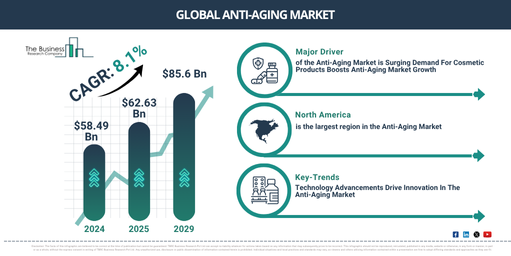
    The size of the anti-aging market has seen robust growth in recent years. It is projected to increase from $58.49 billion in 2024 to $62.63 billion in 2025, achieving a compound annual growth rate (CAGR) of 7.1%. This expansion in the preceding period can be attributed to an increased aging population, growing consumer awareness of anti-aging products, a rise in disposable income and consumer spending on beauty and wellness, the expansion of the skincare and cosmetics industry, and changing demographics.

    The anti-aging market is projected to experience robust expansion over the coming years. Its valuation is anticipated to reach $85.6 billion by 2029, achieving a compound annual growth rate (CAGR) of 8.1%. This projected growth throughout the forecast period stems from several factors, including the rising demand for non-invasive solutions, the increasing appeal of natural and organic products, a heightened call for clinically advanced solutions, an uptick in disposable income and healthcare spending, and greater recognition and adoption of anti-aging offerings. Key trends characterizing the forecast period encompass breakthroughs in medical and cosmetic technologies, the evolution of nutraceuticals and functional foods, the merging of beauty and wellness paradigms, and the proliferation of digital beauty platforms and virtual advisory services.

    Unlock Your Free Sample Report for Exclusive Market Data:

    https://www.thebusinessresearchcompany.com/sample.aspx?id=5842&type=smp

    What Are The Key Drivers Of Growth In The Anti-Aging Market?

    The heightened consumer demand for cosmetic products is a significant catalyst for the expansion of the anti-aging market. Anti-aging cosmetics, a specialized category within cosmetics, are designed to diminish the signs of aging and wrinkles on human skin. Their application in treatments or as post-treatment care notably enhances the outcomes of anti-aging surgery. For example, according to Exploding Topics, a US-based internet publishing site, the beauty industry’s revenue is predicted to exceed $120 billion by 2025. Therefore, the increasing demand for cosmetic products is expected to further drive the growth of the anti-aging market in the future.

    What Are The Key Segments In The Anti-Aging Market?

    The anti-aging market covered in this report is segmented –

    1) By Product Type: UV Absorbers, Anti-Wrinkle Products, Dermal Fillers, Botox, Anti-Stretch Mark Products

    2) By Treatment: Hair Restoration, Adult Acne Therapy, Breast Augmentation, Liposuction, Chemical Peel, Other Treatments

    3) By Demographic: Generation X, Baby Boomers, Generation Y, Generation Z

    4) By Application: Anti-Wrinkle Treatment, Anti-Pigmentation, Skin Resurfacing, Other Applications

    5) By End-User: Hospitals, Clinics, Home Healthcare

    Subsegments:

    1) By UV Absorbers: Chemical UV Filters, Physical UV Filters, Sunscreen Formulations

    2) By Anti-Wrinkle Products: Creams And Serums, Eye Care Products, Retinoids

    3) By Dermal Fillers: Hyaluronic Acid Fillers, Calcium Hydroxylapatite Fillers, Poly-L-lactic Acid Fillers

    4) By Botox: Botox Cosmetic, Dysport, Xeomin

    5) By Anti-Stretch Mark Products: Creams And Lotions, Oils, Treatments With Active Ingredients

    What Are The Major Trends Driving The Growth Of The Anti-Aging Market?

    Technological advancements are profoundly influencing the anti-aging market. Major companies operating in this sector are concentrating on devising new technological solutions to address consumer requirements and solidify their market standing. For instance, in September 2023, BASF SE, a Germany-based chemical company, introduced a novel sunscreen ingredient, TinomaxTM CC. This new functionalized natural-based particle, intended for skin and sun care formulations, boosts UV protection via enhanced SPF and UVA effectiveness, while simultaneously offering a notable sensory improvement with reduced stickiness and greasiness. Being a 100% natural origin ingredient, it contributes to achieving sustainability targets by ameliorating the ecotoxicological profile of formulations, in line with the rising consumer need for multifunctional, environmentally friendly products within the sun care market.

    Who Are The Major Companies Operating In The Anti-Aging Market?

    Major companies operating in the anti-aging market include L’Oréal SA, Beiersdorf AG, Estee Lauder Companies Inc., Procter & Gamble Company, Shiseido Co. Ltd., Unilever plc, Lumenis Ltd., Home Skinovations Ltd., Nu Skin Enterprises Inc., Koninklijke Philips NV, Alma Lasers Ltd., PhotoMedex Inc., Candela Corporation, Hologic Inc., Pierre Fabre SA, Galderma SA, Abbvie Inc., Bausch & Lomb Incorporated, Merck KGaA, Johnson & Johnson Services Inc., ZO Skin Health Inc., Clarins Group, Revlon Inc., Soko Glam Inc., Avon Products Inc., Lancôme Parfums et Beauté & Cie SA, Clinique Laboratories LLC, Elizabeth Arden Inc., Natura Bissé International S. A.

    Download The Full Report For Exclusive Market Findings:

    https://www.thebusinessresearchcompany.com/report/anti-aging-global-market-report

    Which Region Is Expected To Witness The Fastest Growth In The Anti-Aging Market?

    North America was the largest region in the anti-aging market in 2024.Asia-Pacific is expected to be the fastest-growing region in the forecast period. The regions covered in the anti-aging market report are Asia-Pacific, Western Europe, Eastern Europe, North America, South America, Middle East, Africa

    Request A Customized Version Of The Anti-Aging Market Report:

    https://www.thebusinessresearchcompany.com/customise?id=5842&type=smp

    Browse Through More Reports Similar to the Global Anti-Aging Market 2025, By The Business Research Company

    Antivirals Global Market Report 2025

    https://www.thebusinessresearchcompany.com/report/antivirals-global-market-report

    Anti Hypertensive Drugs Global Market Report 2025

    https://www.thebusinessresearchcompany.com/report/anti-hypertensive-drugs-global-market-report

    Antiemetics And Antinauseants Global Market Report 2025

    https://www.thebusinessresearchcompany.com/report/antiemetics-and-antinauseants-global-market-report

    Get in touch with us:

    The Business Research Company: https://www.thebusinessresearchcompany.com/

    Americas +1 310-496-7795

    Asia +44 7882 955267 & +91 8897263534

    Europe +44 7882 955267

    Email us at info@tbrc.info

    Follow us on:

    LinkedIn: https://in.linkedin.com/company/the-business-research-company

    YouTube: https://www.youtube.com/channel/UC24_fI0rV8cR5DxlCpgmyFQ

    Global Market Model: https://www.thebusinessresearchcompany.com/global-market-model
  • mTOR Inhibitors Industry Anticipated to Expand at 5.9% CAGR During the Forecast Period

    mTOR Inhibitors Industry Anticipated to Expand at 5.9% CAGR During the Forecast Period

    Unlock Global Insights – Save 20% on Market Reports with Code ONLINE20

    What Are The Forecasted Market Size Estimates For The mTOR Inhibitors Market Between 2025 And 2029?

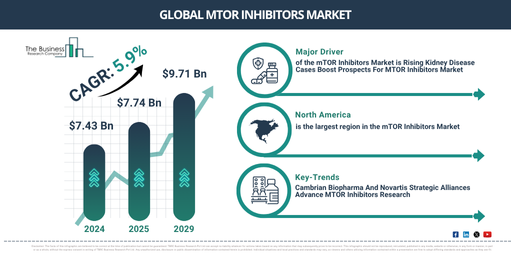
    The mTOR inhibitors market size has seen steady expansion in recent years. It is anticipated to increase from $7.43 billion in 2024 to $7.74 billion in 2025, at a compound annual growth rate (CAGR) of 4.2%. This historical growth can be attributed to progress in oncology treatment, developments in renal cell carcinoma treatment, advancements in transplantation medicine, ongoing clinical research and drug development, and various immunosuppressive applications.

    The mTOR inhibitors market is anticipated to show significant expansion in the upcoming years, projected to reach $9.71 billion by 2029, exhibiting a compound annual growth rate (CAGR) of 5.9%. This expected growth throughout the forecast period is largely attributable to the widening scope of oncology indications, advancements in precision medicine, an increase in transplantation cases, more effective chronic disease management, and the expanding geriatric population. Prominent trends for the forecast period include the exploration of neuroprotective effects, enhanced utilization in transplant medicine, a growing interest in metabolic disorders, strategic collaborations for drug development, and global health initiatives aimed at rare diseases.

    Unlock Your Free Sample Report for Exclusive Market Data:

    https://www.thebusinessresearchcompany.com/sample.aspx?id=10860&type=smp

    Which Major Market Drivers Are Shaping The Future Of The mTOR Inhibitors Market?

    The increasing incidence of kidney diseases is anticipated to drive the expansion of the mTOR inhibitors market in the future. Kidney disease is defined as a condition where these organs progressively worsen and lose their functional capacity. mTOR inhibitors find application in managing diverse kidney ailments. Immunosuppressive therapies, which include mTOR inhibitors like sirolimus and everolimus, are employed to avert the rejection of kidney transplants. With the ongoing global increase in kidney disease prevalence, the need for mTOR inhibitors is escalating. For example, data from April 2022, provided by the US-based International Society of Nephrology, a global professional body, indicates that 843.6 million individuals globally are impacted by stages 1 through 5 of kidney diseases. More than 800 million people worldwide, constituting 10% of the total population, suffer from chronic renal disease, which is a progressive condition. Consequently, the growing occurrence of kidney diseases will fuel the expansion of the mTOR inhibitors market.

    What Are The Key Segments In The mTOR Inhibitors Market?

    The mtor inhibitors market covered in this report is segmented –

    1) By Product Type: Rapamune, Afinitor, Torisel, Zortress, Other Product Types

    2) By Indication: Oncology, Immunosuppressant, Organ Transplantation, Other Indications

    3) By Route of Administration: Oral, Intravenous

    4) By Application: Tumor Treatment, Kidney Transplant, Other Applications

    5) By Distribution Channel: Hospital Pharmacies, Retail Pharmacies, Online Pharmacies

    Subsegments:

    1) By Rapamune: Dosage Forms, Indications

    2) By Afinitor: Dosage Forms, Indications

    3) By Torisel: Dosage Forms, Indications

    4) By Zortress: Dosage Forms, Indications

    5) By Other Product Types: Experimental MTOR Inhibitors, Generic Versions of MTOR Inhibitors, Combination Therapies with MTOR Inhibitors

    What Long-Term Trends Will Shape The Future Growth Of The mTOR Inhibitors Industry?

    Strategic partnerships and collaborations are emerging as key trends gaining traction within the mTOR inhibitors market, with companies forming alliances to secure a competitive edge. For example, in October 2022, Mirati Therapeutics, Inc., a US-based clinical-stage targeted oncology company, entered into a collaboration with Aadi Bioscience, Inc. for an undisclosed amount. This partnership aims to combine their respective drugs to potentially offer enhanced advantages for patients with KRAS G12C mutant NSCLC and other types of cancers. Aadi Bioscience, Inc. is a US-based commercial-stage biopharmaceutical company dedicated to developing precision therapies for genetically defined cancers, specifically aiming to provide treatments for cancer patients with mTOR pathway driver alterations. Moreover, in February 2022, Cambrian Biopharma, a US-based longevity biotech company with multiple assets, signed a licensing agreement with Novartis for an undisclosed amount. The objective of this agreement is to advance a set of innovative and specific compounds developed and characterized by Novartis, which have been specifically designed to target the mechanistic target of the rapamycin (mTOR) pathway. Novartis is a Switzerland-based company engaged in the research, development, manufacturing, and marketing of healthcare products, specializing in oncology and other rare diseases.

    Who Are The Primary Competitors In The Global mTOR Inhibitors Market?

    Major companies operating in the mTOR inhibitors market include Novartis AG, Pfizer Inc., Teva Pharmaceutical Industries Ltd., Hikma Pharmaceuticals plc, LC Laboratories, Exelixis Inc., Dr. Reddy’s Laboratories Ltd., Zydus Lifesciences Limited, Accord Healthcare Inc., Par Pharmaceutical, AbbVie Inc., GlaxoSmithKline plc, Biocon Limited, Alkem Laboratories Ltd., Gland Pharma Ltd., Apotex Inc., Glenmark Pharmaceuticals Ltd., AstraZeneca plc, Bristol-Myers Squibb Company, Eli Lilly and Company, Merck & Co. Inc., AmpliPhi Biosciences Corporation, Melinta Therapeutics Inc., Aduro Biotech Inc., Cumberland Pharmaceuticals Inc., Nabriva Therapeutics plc, Paratek Pharmaceuticals Inc., Bayer AG, Boehringer Ingelheim International GmbH

    Download The Full Report For Exclusive Market Findings:

    https://www.thebusinessresearchcompany.com/report/mtor-inhibitors-global-market-report

    Which Region Shows The Highest Potential For Future Expansion In The mTOR Inhibitors Market?

    North America was the largest region in the mTOR inhibitors market in 2024.Asia-Pacific is expected to be the fastest-growing region in the forecast period. The regions covered in the mTOR inhibitors market report are Asia-Pacific, Western Europe, Eastern Europe, North America, South America, Middle East, Africa.

    Request A Customized Version Of The mTOR Inhibitors Market Report:

    https://www.thebusinessresearchcompany.com/customise?id=10860&type=smp

    Browse Through More Reports Similar to the Global mTOR Inhibitors Market 2025, By The Business Research Company

    Checkpoint Inhibitor Global Market Report 2025

    https://www.thebusinessresearchcompany.com/report/checkpoint-inhibitor-global-market-report

    Her2 Inhibitor Global Market Report 2025

    https://www.thebusinessresearchcompany.com/report/her2-inhibitor-global-market-report

    Interleukin Inhibitor Global Market Report 2025

    https://www.thebusinessresearchcompany.com/report/interleukin-inhibitor-global-market-report

    Get in touch with us:

    The Business Research Company: https://www.thebusinessresearchcompany.com/

    Americas +1 310-496-7795

    Asia +44 7882 955267 & +91 8897263534

    Europe +44 7882 955267

    Email us at info@tbrc.info

    Follow us on:

    LinkedIn: https://in.linkedin.com/company/the-business-research-company

    YouTube: https://www.youtube.com/channel/UC24_fI0rV8cR5DxlCpgmyFQ

    Global Market Model: https://www.thebusinessresearchcompany.com/global-market-model
  • Methicillin-Resistant Staphylococcus Aureus (MRSA) Drugs Market to Grow at a CAGR of 5.6% from 2025 to 2029

    Methicillin-Resistant Staphylococcus Aureus (MRSA) Drugs Market to Grow at a CAGR of 5.6% from 2025 to 2029

    Unlock Global Insights – Save 20% on Market Reports with Code ONLINE20

    What Are The Growth Projections For The Methicillin-Resistant Staphylococcus Aureus (MRSA) Drugs Market Size During 2025–2029?

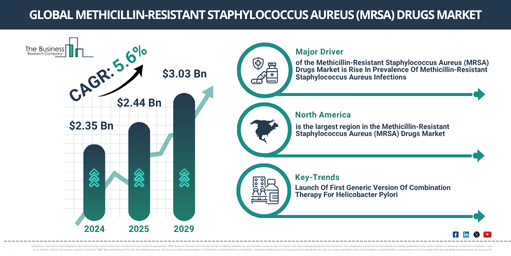
    The methicillin-resistant staphylococcus aureus (MRSA) drugs market has seen a consistent expansion in its size over recent years. It is anticipated to increase from $2.35 billion in 2024 to $2.44 billion in 2025, achieving a compound annual growth rate (CAGR) of 3.9%. The market’s past growth drivers encompass worries regarding antibiotic resistance, the occurrence of hospital-acquired infections, various surgical procedures, a worldwide surge in MRSA incidents, and elevated mortality rates.

    The methicillin-resistant staphylococcus aureus (MRSA) drugs market size is projected to experience robust expansion over the next few years. It is predicted to reach $3.03 billion by 2029, achieving a compound annual growth rate (CAGR) of 5.6%. The expansion during the forecast period is attributable to ongoing antibiotic resistance challenges, advancements in MRSA diagnostic methods, the global prevalence of healthcare-associated infections, implementation of preventive measures in surgery, and an increase in community-acquired MRSA cases. Significant trends expected in this period include the exploration of immunomodulators, establishment of strategic partnerships for drug development, creation of customized therapies based on strain characteristics, a focus on formulations specific to pediatric patients, and global health initiatives aimed at combating antibiotic resistance.

    Unlock Your Free Sample Report for Exclusive Market Data:

    https://www.thebusinessresearchcompany.com/sample.aspx?id=10859&type=smp

    Which Factors And Drivers Are Influencing The Methicillin-Resistant Staphylococcus Aureus (MRSA) Drugs Market In 2025?

    The anticipated rise in Hospital Acquired Infections (HAIs) is projected to boost the growth of the methicillin-resistant Staphylococcus aureus drugs market. Hospital-acquired infections (HAIs) are defined as infections patients develop during their treatment in a healthcare facility, appearing 48 hours or more post-admission. These infections are often attributed to elements like contaminated medical equipment, inadequate hand hygiene among healthcare personnel, excessive antibiotic use, prolonged hospital stays, and patients’ compromised immune systems. Methicillin-resistant Staphylococcus aureus (MRSA) drugs are instrumental in treating hospital-acquired infections by specifically targeting and eradicating MRSA strains resistant to standard antibiotics, thereby reducing the transmission and impact of these infections in healthcare settings. For example, in 2023, the World Health Organization, a Switzerland-based Intergovernmental organization, reported an estimated 136 million global cases of healthcare-associated antibiotic-resistant infections annually. Consequently, the increasing prevalence of methicillin-resistant Staphylococcus aureus infections is a key factor driving the expansion of the methicillin-resistant Staphylococcus aureus drug market.

    What Are The Segment Types Shaping The Methicillin-Resistant Staphylococcus Aureus (MRSA) Drugs Market?

    The methicillin-resistant staphylococcus aureus (mrsa) drugs market covered in this report is segmented –

    1) By Drug Class: Lipopeptides, Oxazolidinones, Cephalosporin, Tetracycline, Folate Antagonist, Lipoglycopeptide, Other Drug Classes

    2) By Indication: Skin Infections, Bone and Joint Infections, Bacteremia, Animal Infections

    3) By MRSA Type: Hospital-Acquired (HA-MRSA), Community-Acquired (CA-MRSA)

    4) By Route of Administration: Oral Administration, Parenteral Administration

    5) By End User: Hospitals and Clinics, Research and Academic Institutes, Other End-Users

    Subsegments:

    1) By Lipopeptides: Daptomycin

    2) By Oxazolidinones: Linezolid, Tedizolid

    3) By Cephalosporin: Ceftaroline

    4) By Tetracycline: Minocycline, Doxycycline

    5) By Folate Antagonist: Trimethoprim Or Sulfamethoxazole

    6) By Lipoglycopeptide: Telavancin, Dalbavancin, Oritavancin

    7) By Other Drug Classes: Vancomycin, Clindamycin, Quinupristin Or Dalfopristin

    How Are Trends Influencing The Methicillin-Resistant Staphylococcus Aureus (MRSA) Drugs Market?

    A significant trend gaining traction in the Methicillin-Resistant Staphylococcus aureus (MRSA) drug market is product innovation. Key companies operating in the Methicillin-Resistant Staphylococcus Aureus (MRSA) drug market are directing their efforts towards developing new products to bolster their analytical capabilities and secure their market position. For example, in March 2023, Endo, a US-based biopharmaceutical firm, introduced the first generic version of Pylera (bismuth subcitrate potassium, metronidazole, tetracycline hydrochloride) capsules, presenting a more economical treatment alternative for patients dealing with Helicobacter pylori infections. This initiative seeks to improve availability of effective therapy for gastric ulcers, simultaneously contributing to cost reductions in healthcare, ensuring that a larger patient population can access the requisite treatment to manage their health conditions efficiently.

    Who Are The Core Companies Influencing The Methicillin-Resistant Staphylococcus Aureus (MRSA) Drugs Market Landscape?

    Major companies operating in the methicillin-resistant staphylococcus aureus (MRSA) drugs market include Basilea Pharmaceutica Ltd., Merck & Co Inc., Pfizer Inc., Theravance Biopharma Inc., Allergan plc, Cumberland Pharmaceuticals Inc., Debiopharm International S.A., AbbVie Inc., Innovation Pharmaceuticals Inc., Melinta Therapeutics Inc., Nabriva Therapeutics plc, Paratek Pharmaceuticals Inc., Teva Pharmaceutical Industries Ltd., AmpliPhi Biosciences Corporation, AstraZeneca plc, Meiji Seika Kaisha Ltd., GlaxoSmithKline plc, Johnson & Johnson, Sanofi S.A., Novartis, Wockhardt, Sun Pharmaceutical Industries Ltd., Lupin Limited, Glenmark Pharmaceuticals, Dr. Reddy’s Laboratories Ltd., Eli Lilly and Company, Astellas Pharma Inc.

    Download The Full Report For Exclusive Market Findings:

    https://www.thebusinessresearchcompany.com/report/methicillin-resistant-staphylococcus-aureus-mrsa-drugs-global-market-report

    Which Geographies Are Emerging As Strong Markets For The Methicillin-Resistant Staphylococcus Aureus (MRSA) Drugs Industry?

    North America was the largest region in the global methicillin-resistant staphylococcus aureus drugs market in 2024.Asia-Pacific is expected to be the fastest-growing region in the forecast period. The regions covered in the methicillin-resistant staphylococcus aureus (MRSA) drugs market report are Asia-Pacific, Western Europe, Eastern Europe, North America, South America, Middle East, Africa

    Request A Customized Version Of The Methicillin-Resistant Staphylococcus Aureus (MRSA) Drugs Market Report:

    https://www.thebusinessresearchcompany.com/customise?id=10859&type=smp

    Browse Through More Reports Similar to the Global Methicillin-Resistant Staphylococcus Aureus (MRSA) Drugs Market 2025, By The Business Research Company

    Drugs For Immunotherapy Global Market Report 2025

    https://www.thebusinessresearchcompany.com/report/drugs-for-immunotherapy-global-market-report

    Multiple Sclerosis Drugs Global Market Report 2025

    https://www.thebusinessresearchcompany.com/report/multiple-sclerosis-drugs-global-market-report

    Anti Parkinson Drugs Global Market Report 2025

    https://www.thebusinessresearchcompany.com/report/anti-parkinson-drugs-global-market-report

    Get in touch with us:

    The Business Research Company: https://www.thebusinessresearchcompany.com/

    Americas +1 310-496-7795

    Asia +44 7882 955267 & +91 8897263534

    Europe +44 7882 955267

    Email us at info@tbrc.info

    Follow us on:

    LinkedIn: https://in.linkedin.com/company/the-business-research-company

    YouTube: https://www.youtube.com/channel/UC24_fI0rV8cR5DxlCpgmyFQ

    Global Market Model: https://www.thebusinessresearchcompany.com/global-market-model
  • Messenger ribonucleic acid (mRNA) Synthesis Raw Materials Market Trends 2025–2029: Forecasts for Key Growth Segments

    Messenger ribonucleic acid (mRNA) Synthesis Raw Materials Market Trends 2025–2029: Forecasts for Key Growth Segments

    Unlock Global Insights – Save 20% on Market Reports with Code ONLINE20

    By How Much Is The Messenger ribonucleic acid (mRNA) Synthesis Raw Materials Market Expected To Expand Between 2025 And 2029?

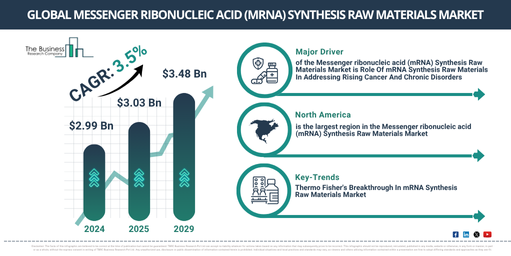
    The messenger ribonucleic acid (mrna) synthesis raw materials market size has experienced modest growth in recent years. It is forecast to increase from $2.99 billion in 2024 to $3.03 billion in 2025, achieving a compound annual growth rate (CAGR) of 1.5%. This historical expansion can be attributed to advancements in biomedical research, a growing interest in vaccines and therapeutics, the necessity for personalized medicine, initiatives in outbreak preparedness and response, and the expansion of the biotech industry.

    The messenger ribonucleic acid (mrna) synthesis raw materials market size is projected to experience consistent expansion over the upcoming years. This market is forecast to reach $3.48 billion by 2029, exhibiting a compound annual growth rate (CAGR) of 3.5%. Key factors driving this growth during the projected timeframe include optimized supply chains, increased commercialization and broader market penetration, substantial investments in biotechnology and pharmaceuticals, supportive regulatory frameworks and approvals, and the expansion of therapeutic applications. Significant trends anticipated in this forecast period encompass the emergence of new participants, enhanced focus on quality control and standardization, developments in intellectual property and licensing, efforts toward global access and equity, and a transition to more sustainable and scalable manufacturing processes.

    Unlock Your Free Sample Report for Exclusive Market Data:

    https://www.thebusinessresearchcompany.com/sample.aspx?id=12336&type=smp

    Which Drivers Are Supporting Growth Of The Messenger ribonucleic acid (mRNA) Synthesis Raw Materials Market?

    The increasing occurrence of cancer and persistent health conditions is anticipated to drive the expansion of the mRNA synthesis raw materials market. Cancer is characterized by the unregulated proliferation of abnormal cells, capable of invading adjacent tissues and potentially spreading throughout the body through the bloodstream and lymphatic systems. Chronic disorders are generally defined as health issues lasting a year or more, requiring ongoing medical care, interfering with daily life, or exhibiting both characteristics. These raw materials for mRNA synthesis find application in drug discovery, vaccine creation, and the production of RNA-based therapeutics, which provide enhanced immunogenicity, greater efficacy, and quicker production cycles for addressing cancer and chronic conditions. As an illustration, the American Cancer Society Facts and Figures, a US-based professional organization, reported that in 2022, roughly 1.9 million new cancer cases were identified in the US, leading to 609,360 fatalities. For 2023, forecasts indicate a minor rise to more than 1.9 million new cases and around 609,820 deaths. Consequently, the rising prevalence of cancer and chronic illnesses fuels the demand for mRNA synthesis raw materials.

    What Are The Primary Types Of Segments Analyzed In The Messenger ribonucleic acid (mRNA) Synthesis Raw Materials Market?

    The messenger ribonucleic acid (mrna) synthesis raw materials market covered in this report is segmented –

    1) By Type: Capping Agents, Nucleotides, Plasmid DNA, Other Types

    2) By Applications: Therapeutics Production, Vaccine Production, Other Applications

    3) By End-Users: Biotechnology Companies, Pharmaceutical Companies, Research And Academic Institutions, Other End-Users

    Subsegments:

    1) By Capping Agents: 7-Methyl Guanylate (M7G) Capping Agents, Other Capping Agents

    2) By Nucleotides: Natural Nucleotides, Modified Nucleotides, Triphosphate Nucleotides

    3) By Plasmid DNA: Linearized Plasmid DNA, Circular Plasmid DNA, High-Purity Plasmid DNA

    4) By Other Types: Buffer Solutions, Enzymes, Other Auxiliary Materials

    Which Ongoing Trends Are Expected To Shape The Messenger ribonucleic acid (mRNA) Synthesis Raw Materials Market Outlook?

    Product innovations have become a prominent and increasingly popular trend within the mRNA synthesis raw materials market. Major entities engaged in the mRNA synthesis raw materials market are focused on developing cutting-edge products to solidify their competitive position. As an illustration, in September 2022, Thermo Fisher Scientific, a US-based firm specializing in instrumentation, reagents, consumables, and software services, unveiled its Dynabeads Solutions. These beads are engineered to enable the scaling of GMP-grade synthesis and purification of mRNA for vaccine development. Specifically, Dynabeads Streptavidin for In Vitro Transcription are intended for straightforward solid-phase IVT of cell-free mRNA and allow the DNA template to be utilized up to six times, thereby decreasing the effort needed for plasmid creation while boosting mRNA yield on scales ranging from g to g. Moreover, this will aid in devising an optimized pipeline, empowering mRNA companies to transition more rapidly from the development phase to commercialization.

    Who Are The Prominent Global Companies Shaping The Messenger ribonucleic acid (mRNA) Synthesis Raw Materials Market?

    Major companies operating in the messenger ribonucleic acid (mRNA) synthesis raw materials market include Pfizer Inc., F. Hoffmann-La Roche AG, Thermo Fisher Scientific Inc., Moderna Inc., Agilent Technologies Inc., Lonza Group Ltd., Eurofins Scientific, Bio-Rad Laboratories Inc., Qiagen N.V., Maravai LifeSciences, Takara Bio Inc., GenScript Biotech Corporation, Promega Corporation, Abcam plc, BioLegend Inc., Integrated DNA Technologies Inc., Sino Biological Inc., CureVac N.V., LGC Biosearch Technologies, Enzo Biochem Inc, Merck KGaA, GeneCopoeia Inc., Bio-Synthesis Inc., BOC Sciences Inc, Bio Basic Inc., OriGene Technologies Inc., BioCat GmbH, Creative Biogene, Jena Bioscience GmbH, ATDBio Ltd.

    Download The Full Report For Exclusive Market Findings:

    https://www.thebusinessresearchcompany.com/report/messenger-ribonucleic-acid-mrna-synthesis-raw-materials-global-market-report

    What Are The Key Regional Factors Influencing The Messenger ribonucleic acid (mRNA) Synthesis Raw Materials Market Growth?

    North America was the largest region in the mRNA synthesis raw materials market in 2024. The regions covered in the messenger ribonucleic acid (mRNA) synthesis raw materials market report are Asia-Pacific, Western Europe, Eastern Europe, North America, South America, Middle East, Africa

    Request A Customized Version Of The Messenger ribonucleic acid (mRNA) Synthesis Raw Materials Market Report:

    https://www.thebusinessresearchcompany.com/customise?id=12336&type=smp

    Browse Through More Reports Similar to the Global Messenger ribonucleic acid (mRNA) Synthesis Raw Materials Market 2025, By The Business Research Company

    Rna Targeting Small Molecules Therapeutics Global Market Report 2025

    https://www.thebusinessresearchcompany.com/report/rna-targeting-small-molecules-therapeutics-global-market-report

    Antisense And Rnai Therapeutics Global Market Report 2025

    https://www.thebusinessresearchcompany.com/report/antisense-and-rnai-therapeutics-global-market-report

    Ngs Based Rna Sequencing Global Market Report 2025

    https://www.thebusinessresearchcompany.com/report/ngs-based-rna-sequencing-global-market-report

    Get in touch with us:

    The Business Research Company: https://www.thebusinessresearchcompany.com/

    Americas +1 310-496-7795

    Asia +44 7882 955267 & +91 8897263534

    Europe +44 7882 955267

    Email us at info@tbrc.info

    Follow us on:

    LinkedIn: https://in.linkedin.com/company/the-business-research-company

    YouTube: https://www.youtube.com/channel/UC24_fI0rV8cR5DxlCpgmyFQ

    Global Market Model: https://www.thebusinessresearchcompany.com/global-market-model

  • Global Malaria Treatment Market Trends and Growth Analysis 2025–2029

    Global Malaria Treatment Market Trends and Growth Analysis 2025–2029

    Unlock Global Insights – Save 20% on Market Reports with Code ONLINE20

    How Does The Market Size Of The Malaria Treatment Industry Compare Between 2025 And 2029?

    The malaria treatment market size has observed consistent expansion in recent years. Projections indicate an expansion from $1.55 billion in 2024 to $1.61 billion by 2025, reflecting a compound annual growth rate (CAGR) of 3.9%. Historically, this growth was driven by the discovery of effective drugs, vector control efforts, global health initiatives, scientific research, and advancements in health infrastructure.

    The malaria treatment market size is anticipated to experience substantial expansion over the upcoming years. Its value is projected to reach $2.03 billion by 2029, exhibiting a compound annual growth rate (CAGR) of 6.0%. This expansion during the forecast period is primarily driven by factors such as drug resistance monitoring, the effects of climate change, the adoption of precision medicine and genomic approaches, reforms in healthcare financing, and the incorporation of digital health solutions. Key developments anticipated for this period encompass improvements in epidemiological surveillance, the integration of alternative medicine, advancements in malaria vaccine development, the implementation of data-driven treatment programs, and enhanced education and training initiatives.

    Unlock Your Free Sample Report for Exclusive Market Data:

    https://www.thebusinessresearchcompany.com/sample.aspx?id=11939&type=smp

    Which Industry Drivers Are Expected To Accelerate The Malaria Treatment Market From 2025 To 2029?

    The widespread prevalence of malaria is projected to drive the expansion of the malaria treatment market moving forward. Malaria is defined as a potentially fatal mosquito-transmitted illness resulting from the Plasmodium parasite, characterized by intermittent fever and various flu-like indications. This trend stems from factors such as poverty, restricted availability of healthcare provisions, climatic alterations, insufficient malaria prevention strategies, and resistance to drugs. Malaria treatment facilitates the effective management and eradication of infections caused by the Plasmodium parasite. For instance, according to the World malaria report 2023 by World Health Organization, a Switzerland-based intergovernmental organization, global malaria cases climbed to 249 million in 2022, signifying a rise of five million from 2021. Consequently, the elevated occurrence of malaria is boosting the development of the malaria treatment market.

    What Are The Major Segment Types Covered In The Malaria Treatment Market?

    The malaria treatment market covered in this report is segmented –

    1) By Treatment: Prescription Medications, Vaccines, Diagnostic Tests, Other Treatments

    2) By Route Of Administration: Oral, Parenteral, Intravenous

    3) By Distribution Channel: Direct Tender, Hospital Pharmacies, Retail Pharmacies, Online Pharmacies, Other Distribution Channels

    4) By End User: Hospitals, Specialty Clinics, Homecare, Other End Users

    Subsegments:

    1) By Prescription Medications: Antimalarial Drugs, Prophylactic Medications

    2) By Vaccines: RTS,S Or AS01, Other Experimental Vaccines

    3) By Diagnostic Tests: Rapid Diagnostic Tests, Microscopy-Based Tests, Polymerase Chain Reaction (PCR) Tests

    4) By Other Treatments: Supportive Care, Herbal Remedies, Vector Control Measures

    Which Key Trends Are Expected To Influence The Malaria Treatment Market In The Coming Years?

    Major companies operating in the malaria treatment market are advancing technologies, such as the VERV Program, to bolster the efficiency and effectiveness of malaria diagnostics and treatments, with the ultimate goal of lessening the disease’s burden in endemic areas. The VERV Program is an initiative by the EPA designed to encourage the creation of new mosquito control products to combat diseases like malaria by providing swift review vouchers for registration. For instance, in December 2023, the Environmental Protection Agency (EPA), a US-based government entity, rolled out the Vector Expedited Review Voucher (VERV) Program. This program will extend financial incentives to companies that formulate novel pesticides specifically targeting mosquito populations resistant to existing insecticides. The initiative will also streamline registration procedures for qualifying products, thereby accelerating their market introduction.

    Which Global Market Leaders Are Shaping The Future Of The Malaria Treatment Sector?

    Major companies operating in the malaria treatment market include Pfizer Inc., Merck & Co., Johnson & Johnson, Roche Holding AG, Bayer AG, Novartis AG, Sanofi SA, AstraZeneca Plc, GlaxoSmithKline PLC., Takeda Pharmaceutical Company Limited, Sumitomo Chemical Co. Ltd., Viatris Inc., Eisai Co. Ltd., Sun Pharmaceutical Industries Ltd., Serum Institute of India, Cipla Ltd., Amneal Pharmaceuticals LLC, Lupin Ltd., Zydus Lifesciences Limited, Ipca Laboratories Ltd., Chongqing Holley Pharmaceutical Co. Ltd., Zydus Lifesciences Ltd., Medicines Sans Frontières, Strides Pharma Science Limited, Swiss Tropical and Public Health Institute (Swiss TPH), AdvaCare Pharma USA LLC, Medicines for Malaria Venture (MMV), VLP Therapeutics LLC, Actiza Pharmaceutical Private Limited

    Download The Full Report For Exclusive Market Findings:

    https://www.thebusinessresearchcompany.com/report/malaria-treatment-global-market-report

    How Does The Malaria Treatment Market Perform Across Key Geographic Regions?

    Middle East and Africa was the largest region in the malaria treatment market in 2024. Asia-Pacific is expected to be the fastest-growing region in the forecast period. The regions covered in the malaria treatment market report are Asia-Pacific, Western Europe, Eastern Europe, North America, South America, Middle East, Africa.

    Request A Customized Version Of The Malaria Treatment Market Report:

    https://www.thebusinessresearchcompany.com/customise?id=11939&type=smp

    Browse Through More Reports Similar to the Global Malaria Treatment Market 2025, By The Business Research Company

    Gastrointestinal Bleeding Treatment Devices Global Market Report 2025

    https://www.thebusinessresearchcompany.com/report/gastrointestinal-bleeding-treatment-devices-global-market-report

    Gastrointestinal Devices Global Market Report 2025

    https://www.thebusinessresearchcompany.com/report/gastrointestinal-devices-global-market-report

    Medical Equipment Maintenance Global Market Report 2025

    https://www.thebusinessresearchcompany.com/report/medical-equipment-maintenance-global-market-report

    Get in touch with us:

    The Business Research Company: https://www.thebusinessresearchcompany.com/

    Americas +1 310-496-7795

    Asia +44 7882 955267 & +91 8897263534

    Europe +44 7882 955267

    Email us at info@tbrc.info

    Follow us on:

    LinkedIn: https://in.linkedin.com/company/the-business-research-company

    YouTube: https://www.youtube.com/channel/UC24_fI0rV8cR5DxlCpgmyFQ

    Global Market Model: https://www.thebusinessresearchcompany.com/global-market-model
  • Janus Kinase (JAK) Inhibitors Market Growth Opportunities: Insights from 2025–2029

    Janus Kinase (JAK) Inhibitors Market Growth Opportunities: Insights from 2025–2029

    Unlock Global Insights – Save 20% on Market Reports with Code ONLINE20

    What Is The Anticipated Size Of The Janus Kinase (JAK) Inhibitors Market Over The Five-Year Period 2025–2029?

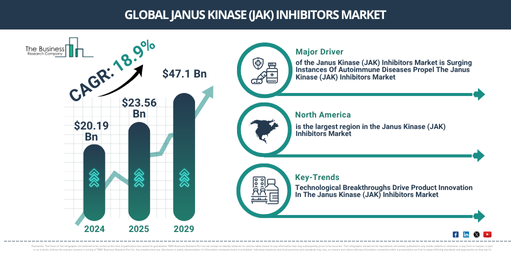
    The janus kinase (JAK) inhibitors market has observed rapid expansion in recent years. It is anticipated to grow from $20.19 billion in 2024 to $23.56 billion in 2025, achieving a compound annual growth rate (CAGR) of 16.6%. The historical growth of this market can be attributed to several factors, including the increased recognition of the JAK-STAT signaling pathway’s function in diseases, the rising prevalence of autoimmune disorders, persistent unmet medical needs within rheumatology and dermatology, the development of specialized therapies for inflammatory conditions, and advancements in diagnostic capabilities for autoimmune diseases.

    The janus kinase (JAK) inhibitors market is projected for significant expansion in the coming years, with its valuation reaching $47.1 billion by 2029, exhibiting a robust compound annual growth rate (CAGR) of 18.9%. This anticipated market growth during the forecast period is primarily driven by advancements in biopharmaceutical research and development, an increase in regulatory approvals for JAK inhibitors in various specific indications, the expansion of clinical trials for these drugs, progress in personalized and precision medicine, the rising adoption of JAK inhibitors within combination therapies, and the integration of digital health technologies in autoimmune care. Prominent trends identified for this period include a strong focus on developing novel selective JAK inhibitors to achieve improved safety profiles, the creation of JAK inhibitors featuring extended-release formulations, the increasing incorporation of artificial intelligence in JAK inhibitor drug discovery processes, the exploration of these inhibitors within new drug delivery systems, and enhanced collaborations between pharmaceutical companies and research institutions.

    Unlock Your Free Sample Report for Exclusive Market Data:

    https://www.thebusinessresearchcompany.com/sample.aspx?id=12524&type=smp

    What Are The Key Drivers Of Growth In The Janus Kinase (JAK) Inhibitors Market?

    The rising incidence of autoimmune diseases is projected to drive the expansion of the Janus kinase (JAK) inhibitors market. Autoimmune diseases represent a broad category of conditions marked by an abnormal immune response where the immune system mistakenly attacks and harms healthy cells, tissues, and organs. Janus Kinase (JAK) inhibitors offer therapeutic advantages for autoimmune diseases by modulating the immune system, diminishing inflammation, and alleviating symptoms such as rheumatoid arthritis. For example, in December 2022, according to the National Psoriasis Foundation, a US-based non-profit organization serving people with Psoriasis and psoriatic arthritis, Psoriasis impacted more than 8 million people in America and 125 million individuals worldwide, or 2 to 3% of the population. Furthermore, in September 2022, the Centers for Disease Control and Prevention, a US-based national public health agency, stated that Diabetes was diagnosed in 28.7 million people of all ages, or 8.7% of the US population, and 5.7% of all US individuals with confirmed Diabetes or 1.6 million people aged 20 and older reported having type 1 diabetes and requiring insulin. Consequently, the increasing occurrences of autoimmune diseases are fueling the growth of the Janus kinase (JAK) inhibitors market.

    What Are The Segment Types Shaping The Janus Kinase (JAK) Inhibitors Market?

    The janus kinase (jak) inhibitors market covered in this report is segmented –

    1) By Inhibitors Type: Ruxolitinib, Tofacitinib, Oclacitinib, Baricitinib, Peficitinib, Other Inhibitor Types

    2) By Mode Of Administration: Injectable, Oral, Other Modes Of Administration

    3) By Distribution Channel: Hospital Pharmacies, Retail Pharmacies, Online Pharmacies

    4) By Application: Autoimmune Disorders, Oncology, Inflammatory Disorders, Metabolic Disorders

    Subsegments:

    1) By Ruxolitinib: Ruxolitinib Tablets, Ruxolitinib Cream, Ruxolitinib Oral Solution

    2) By Tofacitinib: Tofacitinib Tablets, Tofacitinib Extended-Release Tablets, Tofacitinib Oral Solution

    3) By Oclacitinib: Oclacitinib Tablets, Oclacitinib for Veterinary Use

    4) By Baricitinib: Baricitinib Tablets, Baricitinib Extended-Release Formulations

    5) By Peficitinib: Peficitinib Tablets, Peficitinib Oral Formulations

    6) By Other Inhibitor Types: Emerging JAK Inhibitors, Combination JAK Inhibitor Therapies, Non-Oral JAK Inhibitor Formulations

    Which Market Trends Are Creating New Opportunities In The Janus Kinase (JAK) Inhibitors Industry?

    Product innovation represents a significant trend gaining traction in the Janus kinase (JAK) inhibitors market. Key companies in the Janus kinase (JAK) inhibitors market are prioritizing the development of technologically advanced solutions to sustain their competitive edge. An illustration of this occurred in May 2022, when Eli Lilly and Company, a US-based pharmaceutical company, and Incyte, a Switzerland-based biopharmaceutical company, announced the U.S. Food and Drug Administration (FDA) approval of OLUMIANT (baricitinib). This medication is notable as the first and only JAK inhibitor to receive FDA approval for treating COVID-19 in certain hospitalized individuals who require varying degrees of oxygen assistance. OLUMIANT is approved for adult hospital patients with COVID-19 disease 2019 (COVID-19) who are receiving extracorporeal membrane oxygenation (ECMO) or require non-invasive or invasive mechanical breathing.

    Who Are The Primary Competitors In The Global Janus Kinase (JAK) Inhibitors Market?

    Major companies operating in the janus kinase (JAK) inhibitors market include Pfizer Inc., Merck & Co. Inc., AbbVie Inc., Novartis AG, Sanofi SA, Bristol Myers Squibb Co., GSK Plc., Takeda Pharmaceutical Company Ltd., Eli Lilly and Co., Gilead Sciences Inc., Boehringer Ingelheim Group, Teva Pharmaceutical Industries Ltd., Astellas Pharma Inc., AstraZeneca PLC, Mitsubishi Tanabe Pharma Corporation, Incyte Corporation, Kyowa Hakko Kirin Co. Ltd., Galapagos NV, Sierra Oncology Inc., Dizal Pharmaceutical, Reistone Biopharma Co. Ltd., CTI BioPharma Corp., Celon Pharma SA, Theravance Biopharma Inc., Aclaris Therapeutics Inc., Alexion Pharmaceuticals Inc.

    Download The Full Report For Exclusive Market Findings:

    https://www.thebusinessresearchcompany.com/report/janus-kinase-jak-inhibitors-global-market-report

    How Is Janus Kinase (JAK) Inhibitors Market Demand Varying Across Different Regions?

    North America was the largest region in the Janus kinase (JAK) inhibitors market in 2024. Asia-Pacific is expected to be the fastest-growing region in the forecast period. The regions covered in the janus kinase (JAK) inhibitors market report are Asia-Pacific, Western Europe, Eastern Europe, North America, South America, Middle East, Africa

    Request A Customized Version Of The Janus Kinase (JAK) Inhibitors Market Report:

    https://www.thebusinessresearchcompany.com/customise?id=12524&type=smp

    Browse Through More Reports Similar to the Global Janus Kinase (JAK) Inhibitors Market 2025, By The Business Research Company

    Checkpoint Inhibitor Global Market Report 2025

    https://www.thebusinessresearchcompany.com/report/checkpoint-inhibitor-global-market-report

    Her2 Inhibitor Global Market Report 2025

    https://www.thebusinessresearchcompany.com/report/her2-inhibitor-global-market-report

    Interleukin Inhibitor Global Market Report 2025

    https://www.thebusinessresearchcompany.com/report/interleukin-inhibitor-global-market-report

    Get in touch with us:

    The Business Research Company: https://www.thebusinessresearchcompany.com/

    Americas +1 310-496-7795

    Asia +44 7882 955267 & +91 8897263534

    Europe +44 7882 955267

    Email us at info@tbrc.info

    Follow us on:

    LinkedIn: https://in.linkedin.com/company/the-business-research-company

    YouTube: https://www.youtube.com/channel/UC24_fI0rV8cR5DxlCpgmyFQ

    Global Market Model: https://www.thebusinessresearchcompany.com/global-market-model
  • Generic Injectables Market Size and Growth Forecast for Businesses 2025–2029

    Generic Injectables Market Size and Growth Forecast for Businesses 2025–2029

    Unlock Global Insights – Save 20% on Market Reports with Code ONLINE20

    What Are The Growth Projections For The Generic Injectables Market Size During 2025–2029?

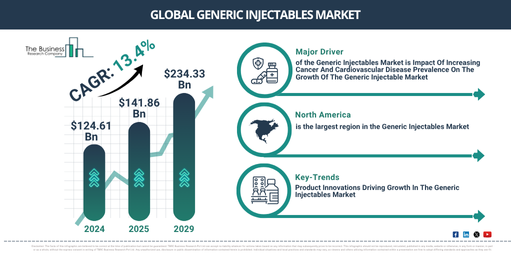
    Recent years have seen a quick expansion in the size of the generic injectables market. This market is anticipated to climb from $124.61 billion in 2024 to $141.86 billion in 2025, achieving a compound annual growth rate (CAGR) of 13.8%. Factors contributing to its historical expansion include cost-effectiveness, numerous patent expirations, efforts to improve healthcare access, heightened market competition, and evolving global pharmaceutical trends.

    The generic injectables market is anticipated to undergo significant expansion over the coming years. By 2029, its value is projected to reach $234.33 billion, exhibiting a compound annual growth rate (CAGR) of 13.4%. This expected growth is primarily fueled by an aging global population, the formation of strategic alliances, shifts in regulations, increased awareness regarding healthcare, and continuous market innovation. Prominent trends for the forecast period include a heightened focus on quality and adherence to regulatory standards, the adoption of the 505 (b) (2) regulatory pathway, the advancement of innovative drug delivery technologies, widespread collaborations and partnerships within the sector, and an intensified concentration on specialty injectable therapies.

    Unlock Your Free Sample Report for Exclusive Market Data:

    https://www.thebusinessresearchcompany.com/sample.aspx?id=10776&type=smp

    What Are The Top Growth Drivers Impacting The Generic Injectables Market Outlook?

    The increasing prevalence of cancer and cardiovascular diseases is anticipated to propel the growth of the generic injectable market. Cardiovascular diseases encompass various disorders of the heart and blood vessels, while cancer is a disease where some body cells grow uncontrollably and spread to other parts of the body. Generic injectables are utilized in cancer and cardiac diseases to offer pharmaceutical equivalence or bioequivalence similar to brand drugs, enhancing drug availability and accessibility to provide more affordable treatment. For instance, in September 2022, according to the World Health Organization, a Switzerland-based specialized agency of the United Nations, noncommunicable diseases (NCDs) or chronic diseases were responsible for 41 million deaths annually worldwide, which is 74% of all deaths. Within these figures, 17.9 million deaths resulted from cardiovascular diseases, 9.3 million deaths from cancer, 4.1 million deaths from chronic respiratory diseases, and 2.0 million deaths from diabetes. Therefore, the rising incidence of cancer and cardiovascular diseases is significantly driving the growth of the generic injectable market.

    What Are The Emerging Segments Gaining Attention In The Generic Injectables Market?

    The generic injectables market covered in this report is segmented –

    1) By Product Type: Monoclonal Antibodies, Cytokines, Insulin, Vaccines, Other Products

    2) By Container Type: Vials, Ampoules, Premix, Prefilled Syringes, Other Containers

    3) By Route Of Administration: Intravenous, Intramuscular, Subcutaneous, Other Routes Of Administration

    4) By Distribution Channel: Hospital Pharmacy, Retail Pharmacy, Drug Stores, Online Prescription Stores

    5) By Application: Oncology, Diabetes , Infectious Diseases , Blood Disorders , Musculoskeletal Disorders , Hormonal Disorders , Pain Management , CNS Diseases , Cardiovascular Diseases

    Subsegments:

    1) By Monoclonal Antibodies: IgG Monoclonal Antibodies, IgM Monoclonal Antibodies, Other Types Of Monoclonal Antibodies

    2) By Cytokines: Interferons, Interleukins, Tumor Necrosis Factor (TNF) Inhibitors

    3) By Insulin: Rapid-Acting Insulin, Long-Acting Insulin, Combination Insulin

    4) By Vaccines: Inactivated Vaccines, Live Attenuated Vaccines, Recombinant Vaccines

    5) By Other Products: Hormones, Peptides, Enzymes

    What Are The Latest Industry Trends Transforming The Generic Injectables Market?

    Product innovations represent a key and increasingly popular trend within the generic injectables market. Major companies operating in this market are advancing generic injectables to sustain their position. For instance, in April 2022, Dr. Reddy’s Laboratories, an India-based pharmaceutical company, launched Treprostinil Injection in the U.S. market. This drug is a therapeutic equivalent generic version of Remodulin (treprostinil) Injection, approved by the U. S. Food and Drug Administration (USFDA), a US-based agency. It is applicable for patients requiring a transition from epoprostenol to reduce the rate of clinical deterioration.

    Who Are The Prominent Global Companies Shaping The Generic Injectables Market?

    Major companies operating in the generic injectables market include Baxter International Inc., Sanofi SA, AstraZeneca plc., Fresenius Medical Care AG & Co. KGaA, Johnson & Johnson, Merck & Co. Inc., Biocon Limited, Lupin Limited, Dr. Reddy’s Laboratories Ltd., Teva Pharmaceutical Industries Ltd., Cipla Limited, Aurobindo Pharma Limited, Samsung Biologics Co. Ltd., Piramal Pharma Limited, Bristol-Myers Squibb Company, Pfizer Inc., Hikma Pharmaceuticals PLC, Par Pharmaceutical, Pharmascience Inc., SAGENT Pharmaceuticals, AmerisourceBergen Corporation, Hospira Inc., Sandoz International GmbH, Singota Solutions Inc., MVASI Bevacizumab-awwb Syringes, Mylan N.V., Sun Pharmaceutical Industries Ltd., Endo International plc, Akorn Pharmaceuticals Inc., Wockhardt Limited

    Download The Full Report For Exclusive Market Findings:

    https://www.thebusinessresearchcompany.com/report/generic-injectables-global-market-report

    Which Region Currently Holds The Largest Share Of The Generic Injectables Market?

    North America was the largest region in the generic injectable market in 2024.Asia-Pacific is expected to be the fastest-growing region in the forecast period. The regions covered in the generic injectables market report are Asia-Pacific, Western Europe, Eastern Europe, North America, South America, Middle East, Africa.

    Request A Customized Version Of The Generic Injectables Market Report:

    https://www.thebusinessresearchcompany.com/customise?id=10776&type=smp

    Browse Through More Reports Similar to the Global Generic Injectables Market 2025, By The Business Research Company

    Generic Pharmaceuticals Global Market Report 2025

    https://www.thebusinessresearchcompany.com/report/generic-pharmaceuticals-global-market-report

    Branded Generics Global Market Report 2025

    https://www.thebusinessresearchcompany.com/report/branded-generics-global-market-report

    Specialty Generics Global Market Report 2025

    https://www.thebusinessresearchcompany.com/report/specialty-generics-global-market-report

    Get in touch with us:

    The Business Research Company: https://www.thebusinessresearchcompany.com/

    Americas +1 310-496-7795

    Asia +44 7882 955267 & +91 8897263534

    Europe +44 7882 955267

    Email us at info@tbrc.info

    Follow us on:

    LinkedIn: https://in.linkedin.com/company/the-business-research-company

    YouTube: https://www.youtube.com/channel/UC24_fI0rV8cR5DxlCpgmyFQ

    Global Market Model: https://www.thebusinessresearchcompany.com/global-market-model