Blog

  • How Will The Ribonucleic Acid (RNA) Therapy Clinical Trials Market Reach $3.25 Billion By 2029 Amid Global Shifts?

    How Will The Ribonucleic Acid (RNA) Therapy Clinical Trials Market Reach $3.25 Billion By 2029 Amid Global Shifts?

    Claim your 20% discount on Global Market Reports with code ONLINE20. Limited time only.

    What Is The Current Size And Growth Outlook For The Ribonucleic Acid (RNA) Therapy Clinical Trials Market?

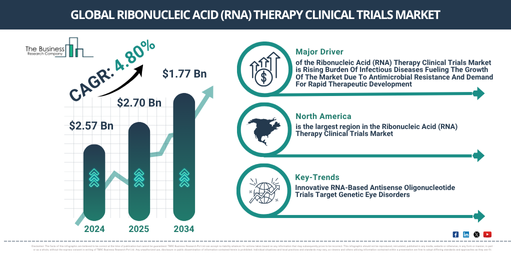
    The market size for clinical trials in ribonucleic acid (RNA) therapy has been notably expanding in the past few years. The market’s growth is forecast to escalate from $2.57 billion in 2024 to a substantial $2.70 billion in 2025 with a compound annual growth rate (CAGR) maintained at 5.0%. This surge during the historical period is a result of heightened demand for innovative therapies, improved outcome of mRNA vaccines, increased funding for research, amplified activity in clinical trials, and an escalated demand for comparative genomics.

    In the coming years, the market size for clinical trials of ribonucleic acid (RNA) therapy is anticipated to consistently expand. It is projected to reach $3.25 billion in 2029, growing at a compound annual growth rate (CAGR) of 4.8%. Reasons for growth during the forecast period include escalating occurrences of uncommon diseases, a surge in regulatory approvals, expanding investment in clinical studies, a growing number of patients participation, and an elevated focus on individualized medicine. Noteworthy trends during this period are improvements in RNA delivery systems, progression in trial designs driven by biomarkers, the incorporation of artificial intelligence in trial formulation, the use of technology in decentralized clinical trials, and innovation in regulatory fast-track channels.

    Get A Free Sample Of The Report:

    https://www.thebusinessresearchcompany.com/sample.aspx?id=25896&type=smp

    What Growth-Enabling Forces Are Impacting The Ribonucleic Acid (RNA) Therapy Clinical Trials Market?

    The growth of the ribonucleic acid (RNA) therapy clinical trials market is anticipated to be propelled by the rising prevalence of infectious diseases. Such diseases, characterized by the invasion, multiplication, and consequent impairment of health by harmful microorganisms like bacteria, fungi, parasites, or viruses, have seen a surge primarily due to increasing global travel. This enhances the swift transmission of pathogens across different regions and populations. Ribonucleic acid (RNA) therapy clinical trials can aid in battling infectious diseases by fostering the creation and assessment of specialized treatments capable of swiftly adjusting to new pathogens. For example, an April 2025 report from the Minnesota Department of Health, a state agency in the United States, noted that the ratio of HIV cases among males aged 35 to 39 rose from 10% in 2023 to 17% in 2024. As such, the escalating prevalence of infectious diseases is fueling the expansion of the ribonucleic acid (RNA) therapy clinical trials market.

    How Does The Ribonucleic Acid (RNA) Therapy Clinical Trials Market Differ By Segment?

    The ribonucleic acid (rna) therapy clinical trials market covered in this report is segmented –

    1) By Modality: Ribonucleic Acid (RNA) Interference, Antisense Therapy, Messenger Ribonucleic Acid (RNA), Oligonucleotide, Non-Antisense, Non-Ribonucleic Acid Interference (RNAi)

    2) By Clinical Trials Phase: Phase I, Phase II, Phase III, Phase IV

    3) By Therapeutic Areas: Rare Diseases, Anti-Infective, Anticancer, Neurological, Alimentary Or Metabolic, Musculoskeletal, Cardiovascular Respiratory, Sensory, Other Therapeutic Areas

    Subsegments:

    1) By Ribonucleic Acid (RNA) Interference: Small Interfering RNA (siRNA) Therapy Trials, MicroRNA (miRNA)-Based Therapy Trials, Short Hairpin RNA (shRNA) Therapy Trials, Dicer Substrate RNA Therapy Trials

    2) By Antisense Therapy: Gapmer Antisense Oligonucleotide Trials, Steric Blocking Antisense Trials, Splice-Switching Antisense Oligonucleotide Trials, Antisense Oligonucleotide-Conjugated Delivery Trials

    3) By Messenger Ribonucleic Acid (RNA): mRNA-Based Vaccines Trials, Self-Amplifying mRNA (saRNA) Therapy Trials, Non-Replicating mRNA Therapy Trials, Circular mRNA Therapy Trials

    4) By Oligonucleotide: Phosphorothioate Oligonucleotide Trials, Peptide Nucleic Acid (PNA) Trials, Locked Nucleic Acid (LNA) Trials, Morpholino Oligonucleotide Trials

    5) By Non-Antisense: RNA Aptamer Therapy Trials, Guide RNA (gRNA)-Mediated CRISPR Trials, RNA Editing Therapy Trials, RNA Scaffolding Or Regulatory RNA Therapy Trials

    6) By Non-Ribonucleic Acid Interference (RNAi): Ribozymes Therapy Trials, RNA Decoys Or Sponge RNA Trials, Long Non-Coding RNA (lncRNA) Therapy Trials, Small Activating RNA (saRNA) Therapy Trials

    What New Opportunities Are Emerging From Trends In The Ribonucleic Acid (RNA) Therapy Clinical Trials Market?

    Leading enterprises in the clinical trials market for ribonucleic acid (RNA) therapy are concentrating on producing cutting-edge solutions like RNA-based antisense oligonucleotide therapy clinical trials. These solutions aim to manipulate gene expression and deliver remarkably precise treatments for rare and genetic diseases by targeting specific genetic sequences. RNA-based antisense oligonucleotide therapy clinical trials are studies that explore the use of short synthetic RNA strands to bind to some messenger RNA targets with the goal of modifying gene expression and curing genetic diseases. In December 2024, Sepul Bio, a biotech firm based in France, started the LUNA Phase 2b clinical trial. This trial sought to assess ultevursen, an RNA-based antisense oligonucleotide therapy that targets mutations in exon 13 of the USH2A gene. Such mutations result in retinitis pigmentosa (RP) and Usher syndrome type 2a. The trial, a randomized, double-masked, sham-controlled experiment expected to last two years, will register 81 adults and children aged eight and above from various global locations. The intended patients for the therapy are those suffering from RP or non-syndromic RP due to USH2A’s exon 13 mutations, which are verifiable through genetic testing. The LUNA trial is a continuation of the hopeful results from previous Phase 1/2 examinations, which showed that ultevursen enhanced visual acuity, retinal structure, and retinal sensitivity.

    Who Are The Most Influential Companies In The Ribonucleic Acid (RNA) Therapy Clinical Trials Market?

    Major companies operating in the ribonucleic acid (rna) therapy clinical trials market are Pfizer Inc., AstraZeneca plc, Novartis AG, GlaxoSmithKline plc, Moderna Inc., BioNTech SE, Biogen Inc., Daiichi Sankyo Company Limited, Charles River Laboratories International Inc., Alnylam Pharmaceuticals Inc., Sarepta Therapeutics Inc., Ionis Pharmaceuticals Inc., Arrowhead Pharmaceuticals Inc., Arcturus Therapeutics Holdings Inc., Cartesian Therapeutics Inc., CureVac N.V., Orna Therapeutics Inc., Silence Therapeutics plc, ETHRIS GmbH, ProQR Therapeutics N.V., Lexeo Therapeutics Inc., Avidity Biosciences Inc., Aro Biotherapeutics Company, Wave Life Sciences Ltd.

    Access The Complete Report Here:

    https://www.thebusinessresearchcompany.com/report/ribonucleic-acid-rna-therapy-clinical-trials-global-market-report

    Which Region Is Leading Innovation In The Ribonucleic Acid (RNA) Therapy Clinical Trials Market?

    North America was the largest region in the ribonucleic acid (RNA) therapy clinical trials market in 2024. Asia-Pacific is expected to be the fastest-growing region in the forecast period. The regions covered in the ribonucleic acid (rna) therapy clinical trials market report are Asia-Pacific, Western Europe, Eastern Europe, North America, South America, Middle East, Africa.

    Customize Your Report Here:

    https://www.thebusinessresearchcompany.com/customise?id=25896&type=smp

    Browse Through More Reports Similar to the Global Ribonucleic Acid (RNA) Therapy Clinical Trials Market 2025, By The Business Research Company

    Mrna Therapeutics Global Market Report 2025

    https://www.thebusinessresearchcompany.com/report/mrna-therapeutics-global-market-report

    Rna Targeting Small Molecules Therapeutics Global Market Report 2025

    https://www.thebusinessresearchcompany.com/report/rna-targeting-small-molecules-therapeutics-global-market-report

    Cell And Gene Therapy Clinical Trial Services Global Market Report 2025

    https://www.thebusinessresearchcompany.com/report/cell-and-gene-therapy-clinical-trial-services-global-market-report

    About The Business Research Company:

    With over 17500+ reports from 27 industries covering 60+ geographies, The Business Research Company has built a reputation for offering comprehensive, data-rich research and insights. Armed with 1,500,000 datasets, the optimistic contribution of in-depth secondary research, and unique insights from industry leaders, you can get the information you need to stay ahead in the game.

    Get in touch with us:

    The Business Research Company: https://www.thebusinessresearchcompany.com/

    Americas +1 310-496-7795

    Asia +44 7882 955267 & +91 8897263534

    Europe +44 7882 955267

    Email us at info@tbrc.info

    Follow us on:

    LinkedIn: https://in.linkedin.com/company/the-business-research-company

    YouTube: https://www.youtube.com/channel/UC24_fI0rV8cR5DxlCpgmyFQ

    Global Market Model: https://www.thebusinessresearchcompany.com/global-market-model
  • How Will The Ribonucleic Acid (RNA) Therapy Clinical Trials Market Reach $3.25 Billion By 2029 Amid Global Shifts?

    Claim your 20% discount on Global Market Reports with code ONLINE20. Limited time only.

    What Is The Current Size And Growth Outlook For The Ribonucleic Acid (RNA) Therapy Clinical Trials Market?

    The market size for clinical trials in ribonucleic acid (RNA) therapy has been notably expanding in the past few years. The market’s growth is forecast to escalate from $2.57 billion in 2024 to a substantial $2.70 billion in 2025 with a compound annual growth rate (CAGR) maintained at 5.0%. This surge during the historical period is a result of heightened demand for innovative therapies, improved outcome of mRNA vaccines, increased funding for research, amplified activity in clinical trials, and an escalated demand for comparative genomics.

    In the coming years, the market size for clinical trials of ribonucleic acid (RNA) therapy is anticipated to consistently expand. It is projected to reach $3.25 billion in 2029, growing at a compound annual growth rate (CAGR) of 4.8%. Reasons for growth during the forecast period include escalating occurrences of uncommon diseases, a surge in regulatory approvals, expanding investment in clinical studies, a growing number of patients participation, and an elevated focus on individualized medicine. Noteworthy trends during this period are improvements in RNA delivery systems, progression in trial designs driven by biomarkers, the incorporation of artificial intelligence in trial formulation, the use of technology in decentralized clinical trials, and innovation in regulatory fast-track channels.

    Get A Free Sample Of The Report:

    https://www.thebusinessresearchcompany.com/sample.aspx?id=25896&type=smp

    What Growth-Enabling Forces Are Impacting The Ribonucleic Acid (RNA) Therapy Clinical Trials Market?

    The growth of the ribonucleic acid (RNA) therapy clinical trials market is anticipated to be propelled by the rising prevalence of infectious diseases. Such diseases, characterized by the invasion, multiplication, and consequent impairment of health by harmful microorganisms like bacteria, fungi, parasites, or viruses, have seen a surge primarily due to increasing global travel. This enhances the swift transmission of pathogens across different regions and populations. Ribonucleic acid (RNA) therapy clinical trials can aid in battling infectious diseases by fostering the creation and assessment of specialized treatments capable of swiftly adjusting to new pathogens. For example, an April 2025 report from the Minnesota Department of Health, a state agency in the United States, noted that the ratio of HIV cases among males aged 35 to 39 rose from 10% in 2023 to 17% in 2024. As such, the escalating prevalence of infectious diseases is fueling the expansion of the ribonucleic acid (RNA) therapy clinical trials market.

    How Does The Ribonucleic Acid (RNA) Therapy Clinical Trials Market Differ By Segment?

    The ribonucleic acid (rna) therapy clinical trials market covered in this report is segmented –

    1) By Modality: Ribonucleic Acid (RNA) Interference, Antisense Therapy, Messenger Ribonucleic Acid (RNA), Oligonucleotide, Non-Antisense, Non-Ribonucleic Acid Interference (RNAi)

    2) By Clinical Trials Phase: Phase I, Phase II, Phase III, Phase IV

    3) By Therapeutic Areas: Rare Diseases, Anti-Infective, Anticancer, Neurological, Alimentary Or Metabolic, Musculoskeletal, Cardiovascular Respiratory, Sensory, Other Therapeutic Areas

    Subsegments:

    1) By Ribonucleic Acid (RNA) Interference: Small Interfering RNA (siRNA) Therapy Trials, MicroRNA (miRNA)-Based Therapy Trials, Short Hairpin RNA (shRNA) Therapy Trials, Dicer Substrate RNA Therapy Trials

    2) By Antisense Therapy: Gapmer Antisense Oligonucleotide Trials, Steric Blocking Antisense Trials, Splice-Switching Antisense Oligonucleotide Trials, Antisense Oligonucleotide-Conjugated Delivery Trials

    3) By Messenger Ribonucleic Acid (RNA): mRNA-Based Vaccines Trials, Self-Amplifying mRNA (saRNA) Therapy Trials, Non-Replicating mRNA Therapy Trials, Circular mRNA Therapy Trials

    4) By Oligonucleotide: Phosphorothioate Oligonucleotide Trials, Peptide Nucleic Acid (PNA) Trials, Locked Nucleic Acid (LNA) Trials, Morpholino Oligonucleotide Trials

    5) By Non-Antisense: RNA Aptamer Therapy Trials, Guide RNA (gRNA)-Mediated CRISPR Trials, RNA Editing Therapy Trials, RNA Scaffolding Or Regulatory RNA Therapy Trials

    6) By Non-Ribonucleic Acid Interference (RNAi): Ribozymes Therapy Trials, RNA Decoys Or Sponge RNA Trials, Long Non-Coding RNA (lncRNA) Therapy Trials, Small Activating RNA (saRNA) Therapy Trials

    What New Opportunities Are Emerging From Trends In The Ribonucleic Acid (RNA) Therapy Clinical Trials Market?

    Leading enterprises in the clinical trials market for ribonucleic acid (RNA) therapy are concentrating on producing cutting-edge solutions like RNA-based antisense oligonucleotide therapy clinical trials. These solutions aim to manipulate gene expression and deliver remarkably precise treatments for rare and genetic diseases by targeting specific genetic sequences. RNA-based antisense oligonucleotide therapy clinical trials are studies that explore the use of short synthetic RNA strands to bind to some messenger RNA targets with the goal of modifying gene expression and curing genetic diseases. In December 2024, Sepul Bio, a biotech firm based in France, started the LUNA Phase 2b clinical trial. This trial sought to assess ultevursen, an RNA-based antisense oligonucleotide therapy that targets mutations in exon 13 of the USH2A gene. Such mutations result in retinitis pigmentosa (RP) and Usher syndrome type 2a. The trial, a randomized, double-masked, sham-controlled experiment expected to last two years, will register 81 adults and children aged eight and above from various global locations. The intended patients for the therapy are those suffering from RP or non-syndromic RP due to USH2A’s exon 13 mutations, which are verifiable through genetic testing. The LUNA trial is a continuation of the hopeful results from previous Phase 1/2 examinations, which showed that ultevursen enhanced visual acuity, retinal structure, and retinal sensitivity.

    Who Are The Most Influential Companies In The Ribonucleic Acid (RNA) Therapy Clinical Trials Market?

    Major companies operating in the ribonucleic acid (rna) therapy clinical trials market are Pfizer Inc., AstraZeneca plc, Novartis AG, GlaxoSmithKline plc, Moderna Inc., BioNTech SE, Biogen Inc., Daiichi Sankyo Company Limited, Charles River Laboratories International Inc., Alnylam Pharmaceuticals Inc., Sarepta Therapeutics Inc., Ionis Pharmaceuticals Inc., Arrowhead Pharmaceuticals Inc., Arcturus Therapeutics Holdings Inc., Cartesian Therapeutics Inc., CureVac N.V., Orna Therapeutics Inc., Silence Therapeutics plc, ETHRIS GmbH, ProQR Therapeutics N.V., Lexeo Therapeutics Inc., Avidity Biosciences Inc., Aro Biotherapeutics Company, Wave Life Sciences Ltd.

    Access The Complete Report Here:

    https://www.thebusinessresearchcompany.com/report/ribonucleic-acid-rna-therapy-clinical-trials-global-market-report

    Which Region Is Leading Innovation In The Ribonucleic Acid (RNA) Therapy Clinical Trials Market?

    North America was the largest region in the ribonucleic acid (RNA) therapy clinical trials market in 2024. Asia-Pacific is expected to be the fastest-growing region in the forecast period. The regions covered in the ribonucleic acid (rna) therapy clinical trials market report are Asia-Pacific, Western Europe, Eastern Europe, North America, South America, Middle East, Africa.

    Customize Your Report Here:

    https://www.thebusinessresearchcompany.com/customise?id=25896&type=smp

    Browse Through More Reports Similar to the Global Ribonucleic Acid (RNA) Therapy Clinical Trials Market 2025, By The Business Research Company

    Mrna Therapeutics Global Market Report 2025

    https://www.thebusinessresearchcompany.com/report/mrna-therapeutics-global-market-report

    Rna Targeting Small Molecules Therapeutics Global Market Report 2025

    https://www.thebusinessresearchcompany.com/report/rna-targeting-small-molecules-therapeutics-global-market-report

    Cell And Gene Therapy Clinical Trial Services Global Market Report 2025

    https://www.thebusinessresearchcompany.com/report/cell-and-gene-therapy-clinical-trial-services-global-market-report

    About The Business Research Company:

    With over 17500+ reports from 27 industries covering 60+ geographies, The Business Research Company has built a reputation for offering comprehensive, data-rich research and insights. Armed with 1,500,000 datasets, the optimistic contribution of in-depth secondary research, and unique insights from industry leaders, you can get the information you need to stay ahead in the game.

    Get in touch with us:

    The Business Research Company: https://www.thebusinessresearchcompany.com/

    Americas +1 310-496-7795

    Asia +44 7882 955267 & +91 8897263534

    Europe +44 7882 955267

    Email us at info@tbrc.info

    Follow us on:

    LinkedIn: https://in.linkedin.com/company/the-business-research-company

    YouTube: https://www.youtube.com/channel/UC24_fI0rV8cR5DxlCpgmyFQ

    Global Market Model: https://www.thebusinessresearchcompany.com/global-market-model
  • Which Emerging Trends Are Driving The Refurbished Dental Equipment And Maintenance Market Toward $1.15 Billion By 2029?

    Which Emerging Trends Are Driving The Refurbished Dental Equipment And Maintenance Market Toward $1.15 Billion By 2029?

    Claim your 20% discount on Global Market Reports with code ONLINE20. Limited time only.

    What CAGR And Valuation Are Anticipated For The Refurbished Dental Equipment And Maintenance Market?

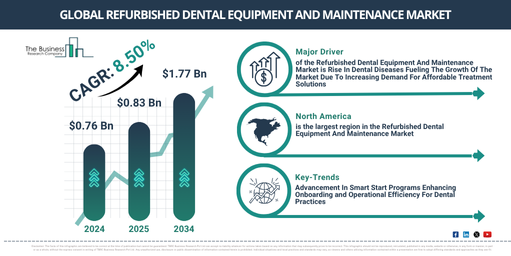
    The market for revamped dental apparatus and their upkeep has seen a noteworthy expansion lately. The market, which was valued at $0.76 billion in 2024, is projected to ascend to $0.83 billion in 2025, with a compound annual growth rate (CAGR) of 8.8%. Factors contributing to this growth during the historic period include an upsurge in smaller and independent dental practices, heightening of oral health screening initiatives, expansion in dental education field, surge in sales of modernized digital diagnostic instruments, and increased demand for mobile dental facilities.

    The market for revamped dental equipment and its maintenance is projected to witness significant expansion in the approaching years. The market is anticipated to reach $1.15 billion by 2029, experiencing a compound annual growth rate (CAGR) of 8.5%. This projected growth in the coming period can be credited to factors such as a growing aging population, escalating health care expenses, increased acceptance of restored medical devices, a surge in the number of dental practices, and the development of dental tourism. Noteworthy trends anticipated for the coming period involve the evolution in refurbishing technology, enhancement in sterilization practices and hygiene measures, innovation in digital dental machinery, the incorporation of AI in dental diagnostic procedures, and progress in sustainable packing and logistics.

    Get A Free Sample Of The Report:

    https://www.thebusinessresearchcompany.com/sample.aspx?id=25894&type=smp

    What Core Drivers Are Expected To Influence The Refurbished Dental Equipment And Maintenance Market?

    The increasing frequency of dental diseases is projected to accelerate the refurbished dental equipment and maintenance market’s progression in the future. Dental ailments, including tooth decay and gum conditions, inflict harm on teeth, gums, and other oral tissues. The escalation in dental disease is mainly attributed to the increased intake of sugar-laden and processed foods that accelerate plaque accumulation and acid generation, causing tooth deterioration and gum disorders. Refurbished dental equipment and associated maintenance services bolster the management of dental diseases by making diagnostic and treatment equipment easily accessible and affordable, thereby improving health service delivery and patient outcomes. For example, data from the British Dental Association revealed that in March 2023, dental decay was prevalent in 35.1% of 5-year-olds in deprived areas, and 13.5% in affluent areas in 2022, signifying an over 21.6% health disparity. Hence, the growing prevalence of dental diseases is promoting the expansion of the refurbished dental equipment and maintenance market. An upsurge in healthcare expenses stimulates market growth by increasing the need for cost-effective medical infrastructure. The growing healthcare costs are projected to spur the growth of the refurbished dental equipment and maintenance market. The definition of healthcare expenditure includes the total outflow on medical services, healthcare goods, and public health initiatives in a nation or area. The increasing burden of chronic diseases necessitates consistent treatment, testing, and monitoring, culminating in higher overall healthcare expenses. The elevated healthcare costs prompt the search for economical alternatives, thereby leading dental clinics to invest in refurbished equipment and services to sustain budgets while upholding quality care. For example, in April 2025, the American Medical Association reported that US health spending surged by 7.5% to hit $4.9 trillion in 2023, or $14,570 per individual, marking a significant increase from the 4.6% rise in 2022. Thus, the surge in healthcare expenses is propelling the expansion of the refurbished dental equipment and maintenance market.

    What Are The Main Segment Classifications In The Refurbished Dental Equipment And Maintenance Market?

    The refurbished dental equipment and maintenance market covered in this report is segmented –

    1) By Product: Specialized Dental Equipment, Intraoral Cameras, Chairside Computer-Aided Design Or Computer-Aided Manufacturing Systems, 3D Imaging Systems, Surgical Microscopes, Dental Lasers, Endodontic Equipment, Cone Beam Computed Tomography, Systems, Other Products

    2) By Service Type: Preventive Maintenance, Corrective Maintenance, Emergency Repairs, Routine Check-Ups

    3) By Application: Dental Chairs, X-Ray Machines, Ultrasonic Scalers, Suction Units

    4) By End User: Hospitals, Independent Dental Clinics, Ambulatory Surgical Centers, Other End Users

    Subsegments:

    1) By Specialized Dental Equipment: Operatory Lights, Dental Chairs and Stools, Delivery Systems, Cuspidors, Compressors and Vacuum Systems

    2) By Intraoral Cameras: Universal Serial Bus Intraoral Cameras, Wireless Intraoral Cameras, Handheld Intraoral Cameras, High Definition Intraoral Cameras, Autofocus Intraoral Cameras

    3) By Chairside Computer-Aided Design or Computer-Aided Manufacturing Systems: Scanners, Milling Machines, Design Software, Integrated Workstations

    4) By 3D Imaging Systems: Intraoral Three-Dimensional Scanners, Extraoral Three-Dimensional Scanners, Three-Dimensional Facial Scanners, Optical Impression Systems

    5) By Surgical Microscopes: Floor-Mounted Microscopes, Wall-Mounted Microscopes, Ceiling-Mounted Microscopes, Tabletop Microscopes

    6) By Dental Lasers: Diode Lasers, Carbon Dioxide Lasers, Erbium-Doped Yttrium Aluminum Garnet Lasers, Neodymium-Doped Yttrium Aluminum Garnet Lasers, Soft Tissue Lasers, Hard Tissue Lasers

    7) By Endodontic Equipment: Apex Locators, Endodontic Motors, Obturation Units, Rotary Endodontic Systems, Irrigation Devices

    8) By Cone Beam Computed Tomography Systems: Standalone Cone Beam Computed Tomography Units, Integrated Cone Beam Computed Tomography with Panoramic X-ray, Mobile Cone Beam Computed Tomography Units, Medium and Large Field-of-View Cone Beam Computed Tomography Systems

    9) By Systems: Refurbished Dental Radiology Systems, Refurbished Dental Laser Systems, Refurbished Dental Chairs and Delivery Systems, Refurbished Dental Suction and Compressor Systems, Refurbished Sterilization and Infection Control Systems, Refurbished Digital Imaging and Sensor Systems, Refurbished Dental Milling Systems

    10) By Other Products: Autoclaves and Sterilizers, Ultrasonic Cleaners, Amalgamators, High-Speed and Low-Speed Handpieces, Suction Units, X-ray Film Processors

    How Are Industry Trends Steering The Expansion Of The Refurbished Dental Equipment And Maintenance Market?

    Big players in the refurbished dental equipment and maintenance market are focusing on the creation of innovative programs like Smart Start programs. These initiatives are designed to streamline customer integration, guaranteeing optimal equipment performance from the onset, and providing extensive training and support for smooth integration into dental practices. Smart Start programs are specially designed, guided onboarding solutions aimed at facilitating the setup and operation of refurbished equipment with expert-level assistance and training. For example, a US-based company known as A-dec Inc., specializing in dental equipment, introduced the certified pre-owned equipment program in February 2024. This program allows dental practices to acquire certified, refurbished A-dec equipment via authorized sellers. It includes a thorough multi-point inspection and refurbishment process undertaken by A-dec technicians who replace highly worn parts with new, authentic parts to certify quality and dependability. Each certified apparatus comes with brand new upholstery in a variety of colors. This offers a three-year parts warranty and full access to A-dec’s customer service and support alongside it.

    Which Companies Are Contributing Significantly To The Refurbished Dental Equipment And Maintenance Market Growth?

    Major companies operating in the refurbished dental equipment and maintenance market are Henry Schein Inc., DentalEZ Inc., DuraPro Health, Aseptico Inc., Renew Digital LLC, Independent Dental Inc., A & K Dental Equipment, Capital Dental Equipment, Dental Equipment Liquidators Inc., SPS Dental Inc., Superior DDS, ABC Dentalworks Inc., Collins Dental Equipment Inc., Dental Planet LLC, Sunrise Dental Equipment Inc., American Dental Refurbishment Inc., Pre-Owned Dental Inc., Bimedis Inc., KB Dental Consulting Inc., DIV Dental Equipments

    Access The Complete Report Here:

    https://www.thebusinessresearchcompany.com/report/refurbished-dental-equipment-and-maintenance-global-market-report

    Which Region Holds The Greatest Opportunity For Refurbished Dental Equipment And Maintenance Market Expansion?

    North America was the largest region in the refurbished dental equipment and maintenance market in 2024. The regions covered in the refurbished dental equipment and maintenance market report are Asia-Pacific, Western Europe, Eastern Europe, North America, South America, Middle East, Africa.

    Customize Your Report Here:

    https://www.thebusinessresearchcompany.com/customise?id=25894&type=smp

    Browse Through More Reports Similar to the Global Refurbished Dental Equipment And Maintenance Market 2025, By The Business Research Company

    Dental Surgical Devices And Equipment Global Market Report 2025

    https://www.thebusinessresearchcompany.com/report/dental-surgical-devices-and-equipment-global-market-report

    Therapeutic Dental Equipment Global Market Report 2025

    https://www.thebusinessresearchcompany.com/report/therapeutic-dental-equipment-global-market-report

    Dental Restorative And Regenerative Material Global Market Report 2025

    https://www.thebusinessresearchcompany.com/report/dental-restorative-and-regenerative-material-global-market-report

    About The Business Research Company:

    With over 17500+ reports from 27 industries covering 60+ geographies, The Business Research Company has built a reputation for offering comprehensive, data-rich research and insights. Armed with 1,500,000 datasets, the optimistic contribution of in-depth secondary research, and unique insights from industry leaders, you can get the information you need to stay ahead in the game.

    Get in touch with us:

    The Business Research Company: https://www.thebusinessresearchcompany.com/

    Americas +1 310-496-7795

    Asia +44 7882 955267 & +91 8897263534

    Europe +44 7882 955267

    Email us at info@tbrc.info

    Follow us on:

    LinkedIn: https://in.linkedin.com/company/the-business-research-company

    YouTube: https://www.youtube.com/channel/UC24_fI0rV8cR5DxlCpgmyFQ

    Global Market Model: https://www.thebusinessresearchcompany.com/global-market-model
  • What Is The Predicted Revenue Outlook For The Global Rare Cell Isolation Market To Surpass $4.06 Billion?

    What Is The Predicted Revenue Outlook For The Global Rare Cell Isolation Market To Surpass $4.06 Billion?

    Claim your 20% discount on Global Market Reports with code ONLINE20. Limited time only.

    What Are The Market Size Estimates For The Rare Cell Isolation Market?

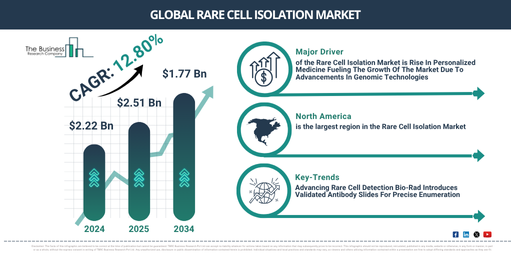
    The market size for rare cell isolation has experienced rapid growth in the past few years. Projected growth from $2.22 billion in 2024 to $2.51 billion in 2025 reflects a compound annual growth rate (CAGR) of 13.0%. This notable growth in the historic period has been driven by factors like its early adoption in cancer research applications, an increase in investment in academic life science research, initial progress in immunomagnetic separation, a spike in demand for prenatal genetic testing, and the advent of stem cell research in the healthcare industry.

    The market for isolating rare cells is predicted to quickly expand within the coming years, surging to $4.06 billion in 2029, with a compound annual growth rate (CAGR) of 12.8%. This progression throughout the projected period can be credited to factors such as the rise in liquid biopsy-based diagnostics, the broadening of precision oncology programs, the growth observed in analyzing circulating tumor cells, the growing need for non-invasive testing, and its increased usage in the development of cell therapy. Key trends within this forecasted period encompass 3D microfluidic isolation technologies, mild isolation techniques to preserve viability, integrated platforms for downstream analysis, the implementation of artificial intelligence and machine learning in the isolation of rare cells, and devices specifically designed for isolating rare cells at the point-of-care.

    Get A Free Sample Of The Report:

    https://www.thebusinessresearchcompany.com/sample.aspx?id=25893&type=smp

    Which Industry Forces Are Driving The Rare Cell Isolation Market Forward?

    Anticipated expansion of the rare cell isolation market is linked to the increasing need for customized medicinal approaches. Personalized medicine is a tailored healthcare strategy that takes into account an individual’s unique genetic composition, lifestyle, and environmental factors. The rise in personalized medicine is attributed to advancements in genomics technology, which have accelerated genetic testing and made it more accessible. Using these technologies, medical professionals are able to pinpoint unique genetic variances. Rare cell isolation enhances customized medicinal practices by allowing a detailed examination of a patient’s individual circulating tumor cells, fetal cells, or immune cells. This facilitates the customization of treatment strategies anchored on unique molecular and genetic cell profiles. For instance, the Personalized Medicine Coalition, a US-based professional membership body, reported that the Food and Drug Administration (FDA) sanctioned 16 new personalized drugs in 2023, a considerable increase from the previous year’s six. Consequently, the upsurge in the need for personalized medicine is fueling the growth of the rare cell isolation market.

    How Is The Rare Cell Isolation Market Organized By Different Segments?

    The rare cell isolation market covered in this report is segmented –

    1) By Product: Reagents And Kits, Instruments

    2) By Technology: Magnetic Bead Separation, Fluorescence-Activated Cell Sorting

    3) By Cell Type: Circulating Tumor Cells, Stem Cells, Fetal Cells

    Subsegments:

    1) By Reagents And Kits: Antibodies And Magnetic Beads, Microfluidic Reagents, Density Gradient Media, Cell Separation Buffers, Staining And Labeling Reagents, Nucleic Acid Isolation Kits, Consumables

    2) By Instruments: Magnetic-Activated Cell Sorting (MACS) Systems, Fluorescence-Activated Cell Sorting (FACS) Instruments, Microfluidic-Based Cell Isolation Devices, High-Throughput Cell Sorters, Automated Cell Analyzers, Centrifuges For Cell Isolation, Dielectrophoresis-Based Instruments

    What Current And Upcoming Trends Are Shaping The Rare Cell Isolation Market?

    Prominent entities in the rare cell isolation sector are prioritizing innovative technological advancements like rare cell and circulating tumor cell enumeration, thereby amplifying the accuracy, agility and capacity of rare cell detection in procedures like cancer diagnosis and individualistic medication applications. Rare cell and circulating tumor cell enumeration is a technique for identifying and numbering elusive cells, including cancer cells, in the blood or alternative samples, thereby assisting in monitoring and researching diseases. For example, in March 2024, Bio-Rad Laboratories, a company focusing on life sciences based in the US, introduced Celselect Slides Validated Antibodies, a cutting-edge solution for rare cell and circulating tumor cell enumeration. This comes with extraordinary features such as pre-endorsed antibody panels tailored for use with Celselect Slides, which guarantees consistent staining quality and synchrony with the Celselect framework for capturing rare cells. It enables high-content imaging, standardized enumeration, and adaptable panel design, thus benefitting applications in cancer studies and liquid biopsy procedures. This inventive method simplifies rare cell examination by decreasing assay progress time and enhancing dependability in subsequent single-cell examination procedures.

    Who Are The Primary Market Leaders In The Rare Cell Isolation Market?

    Major companies operating in the rare cell isolation market are F. Hoffmann-La Roche Ltd, Thermo Fisher Scientific Inc., Danaher Corporation, Merck KGaA , GE Healthcare Technologies Inc., Corning Incorporated, Lonza Group AG, Terumo BCT Inc., Bio-Rad Laboratories Inc., QIAGEN N.V., PerkinElmer Inc. , Bio-Techne Corporation, STEMCELL Technologies Inc., Miltenyi Biotec B.V. & Co KG, Izon Science Limited, RareCyte Inc., Akadeum Life Sciences Inc., NanoCellect Biomedical Inc., CELLENION SASU, Applied Cells Inc.

    Access The Complete Report Here:

    https://www.thebusinessresearchcompany.com/report/rare-cell-isolation-global-market-report

    How Do Regional Dynamics Influence The Rare Cell Isolation Market Performance?

    North America was the largest region in the rare cell isolation market in 2024. Asia-Pacific is expected to be the fastest-growing region in the forecast period. The regions covered in the rare cell isolation market report are Asia-Pacific, Western Europe, Eastern Europe, North America, South America, Middle East, Africa.

    Customize Your Report Here:

    https://www.thebusinessresearchcompany.com/customise?id=25893&type=smp

    Browse Through More Reports Similar to the Global Rare Cell Isolation Market 2025, By The Business Research Company

    Cell Separation Technologies Global Market Report 2025

    https://www.thebusinessresearchcompany.com/report/cell-separation-technologies-global-market-report

    Small Cell Backhaul Global Market Report 2025

    https://www.thebusinessresearchcompany.com/report/small-cell-backhaul-global-market-report

    Single Cell Analysis Global Market Report 2025

    https://www.thebusinessresearchcompany.com/report/single-cell-analysis-market

    About The Business Research Company:

    With over 17500+ reports from 27 industries covering 60+ geographies, The Business Research Company has built a reputation for offering comprehensive, data-rich research and insights. Armed with 1,500,000 datasets, the optimistic contribution of in-depth secondary research, and unique insights from industry leaders, you can get the information you need to stay ahead in the game.

    Get in touch with us:

    The Business Research Company: https://www.thebusinessresearchcompany.com/

    Americas +1 310-496-7795

    Asia +44 7882 955267 & +91 8897263534

    Europe +44 7882 955267

    Email us at info@tbrc.info

    Follow us on:

    LinkedIn: https://in.linkedin.com/company/the-business-research-company

    YouTube: https://www.youtube.com/channel/UC24_fI0rV8cR5DxlCpgmyFQ

    Global Market Model: https://www.thebusinessresearchcompany.com/global-market-model
  • How Is The Rapid Tests Market Expected To Grow At 11.2% CAGR Over 2025–2029?

    How Is The Rapid Tests Market Expected To Grow At 11.2% CAGR Over 2025–2029?

    Claim your 20% discount on Global Market Reports with code ONLINE20. Limited time only.

    How Is The Rapid Tests Market Expected To Grow In Terms Of Size?

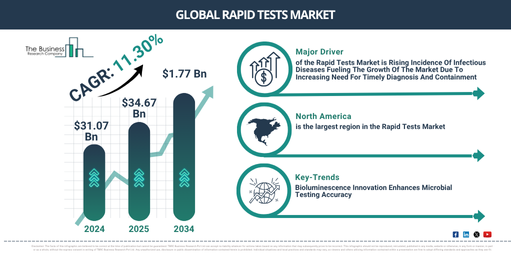
    The expansion of the rapid tests market size has been swift over the recent years. It is projected to increase from $31.07 billion in 2024 to $34.67 billion in 2025, with a compound annual growth rate (CAGR) of 11.6%. Factors contributing to growth in the past include a higher incidence of infectious diseases, a surge in demand for point-of-care diagnostics, growing awareness for timely disease detection, a rising necessity for swift and precise test results, and an increase in healthcare expenditure and accessibility.

    Expectations for the rapid tests market size are indicating swift expansion in the coming years, predicted to reach $53.17 billion by 2029, through a compound annual growth rate (CAGR) of 11.3%. The estimated growth can be credited to the increasing use of home-based testing kits, an enhanced focus on personalized medicine, the surge in demand for rapid testing in up-and-coming markets, and the widened application of rapid tests in non-conventional environments. Key anticipated trend projections for this period encompass advancements in microfluidic technologies, the incorporation of state-of-the-art biosensors in test kits, pioneering invention in multiplex rapid testing platforms, AI-integration in diagnostic procedures, and significant progression in mobile diagnostic apparatus.

    Get A Free Sample Of The Report:

    https://www.thebusinessresearchcompany.com/sample.aspx?id=25892&type=smp

    What Are The Primary Factors Supporting The Rapid Tests Market Expansion?

    The increased occurrence of infectious diseases is predicted to fuel the expansion of the rapid tests market in the future. Infectious diseases are ailments brought on by harmful microorganisms such as bacteria, viruses, fungi, or parasites, which can transmit directly or indirectly from one individual to another. The increased frequency of these diseases can be attributed to the rise in travel, which eases the swift transmission of pathogens across borders. Rapid tests play a crucial role in the fight against infectious diseases by providing swift and accurate detection on the spot, which facilitates prompt treatment and isolation. They assist in public health initiatives by decreasing diagnostic delays, boosting disease control, and minimizing the spread of infections. For example, as per the data from the UK Health Security Agency, a government body based in the UK, the number of tuberculosis (a highly infectious bacterial disease that mainly affects the lungs) cases in England escalated to 4,850 in 2023, marking a rise of 10.7% from 4,380 cases reported in 2022. Consequently, the growing prevalence of infectious diseases is instigating the expansion of the rapid tests market.

    Which Segmentation Categories Are Highlighted In The Rapid Tests Market Analysis?

    The rapid tests market covered in this report is segmented –

    1) By Product: Instruments, Consumables, Other Products

    2) By Contaminants: Pathogens, Allergens, Meat Speciation, Pesticides, Other Contaminants

    3) By Technology: Polymerase Chain Reaction (PCR)-Based, Immunoassay-Based, Chromatography-Based, Spectroscopy-Based

    4) By Application: Cardiology, Oncology, Pregnancy And Fertility, Toxicology, Glucose Monitoring, Infectious Disease, Other Applications

    5) By End User: Hospitals And Clinics, Diagnostic Laboratories, Home Care, Other End-Users

    Subsegments:

    1) By Instruments: Portable Analyzers, Benchtop Analyzers, Handheld Devices, Readers Or Scanners, Multiplex Analyzers

    2) By Consumables: Test Strips, Test Cassettes Or Cartridges, Reagents, Sample Collection Devices, Control And Calibration Materials

    3) By Other Products: Software And Data Management Systems, Accessories, Maintenance And Service Kits, Packaging Materials, Training And Support Materials

    Which Market Trends Are Expected To Define The Future Of The Rapid Tests Market?

    Leading corporations in the quick tests sector are concentrating on the development of cutting-edge solutions such as advanced bioluminescence technology to achieve quicker and more accurate pathogen detection. This innovation incorporates light-emitting biochemical reactions, typically with luciferase enzymes and substrates, for the identification of microorganisms or biological indicators. For example, Nelson Labs, a US-based testing services organization, rolled out a rapid sterility testing method in March 2025. Compared with the conventional 14-day incubation time, this fresh method can lower it to as few as six days by employing advanced bioluminescence technology. This system spots microbial adenosine triphosphate (ATP), an indication of living entities, by gauging the light produced during the bioluminescent reaction. It offers automatic detection of microbial contamination, improves precision, and secures regulatory compliance, thus assuring quicker and trustworthy product rollout without jeopardizing safety.

    Which Organizations Are At The Forefront Of The Rapid Tests Market?

    Major companies operating in the rapid tests market are Pfizer Inc., F. Hoffmann-La Roche AG, Abbott Laboratories, Thermo Fisher Scientific Inc., Siemens Healthineers, BioMérieux SA, Quidel Corporation, Bio‑Rad Laboratories Inc., PerkinElmer Inc., OraSure Technologies Inc., SEKISUI Diagnostics LLC, Trivitron Healthcare Pvt. Ltd., Ellume Limited, Access Bio Inc., ACON Laboratories Inc., CTK Biotech Inc., iHealth Labs Inc., Wondfo USA Co. Ltd., InBios International Inc., Lab Care Diagnostics India Pvt. Ltd., Immunostics Inc., Aptitude Medical Systems Inc., Nano-Ditech Corporation, Azure Biotech Inc., Beijing Hotgen Biotech Co. Ltd., CorDx Inc., Genabio Diagnostics Inc., Maxim Biomedical Inc., OSANG LLC, Watmind USA.

    Access The Complete Report Here:

    https://www.thebusinessresearchcompany.com/report/rapid-tests-global-market-report

    Which Geographic Regions Are Creating Strong Demand In The Rapid Tests Market?

    North America was the largest region in the rapid tests market in 2024. Asia-Pacific is expected to be the fastest-growing region in the forecast period. The regions covered in the rapid tests market report are Asia-Pacific, Western Europe, Eastern Europe, North America, South America, Middle East, Africa.

    Customize Your Report Here:

    https://www.thebusinessresearchcompany.com/customise?id=25892&type=smp

    Browse Through More Reports Similar to the Global Rapid Tests Market 2025, By The Business Research Company

    Self Testing Global Market Report 2025

    https://www.thebusinessresearchcompany.com/report/self-testing-global-market-report

    Covid 19 Rapid Test Kits Global Market Report 2025

    https://www.thebusinessresearchcompany.com/report/covid-19-rapid-test-kits-market

    Medical Device Testing Global Market Report 2025

    https://www.thebusinessresearchcompany.com/report/medical-device-testing-global-market-report

    About The Business Research Company:

    With over 17500+ reports from 27 industries covering 60+ geographies, The Business Research Company has built a reputation for offering comprehensive, data-rich research and insights. Armed with 1,500,000 datasets, the optimistic contribution of in-depth secondary research, and unique insights from industry leaders, you can get the information you need to stay ahead in the game.

    Get in touch with us:

    The Business Research Company: https://www.thebusinessresearchcompany.com/

    Americas +1 310-496-7795

    Asia +44 7882 955267 & +91 8897263534

    Europe +44 7882 955267

    Email us at info@tbrc.info

    Follow us on:

    LinkedIn: https://in.linkedin.com/company/the-business-research-company

    YouTube: https://www.youtube.com/channel/UC24_fI0rV8cR5DxlCpgmyFQ

    Global Market Model: https://www.thebusinessresearchcompany.com/global-market-model

  • Which Factors Will Push The Radio Frequency Identification (RFID) In Pharmaceuticals Market To Achieve $9.12 Billion By 2029?

    Which Factors Will Push The Radio Frequency Identification (RFID) In Pharmaceuticals Market To Achieve $9.12 Billion By 2029?

    Claim your 20% discount on Global Market Reports with code ONLINE20. Limited time only.

    What Is The Projected Valuation Of The Radio Frequency Identification (RFID) In Pharmaceuticals Market In The Coming Years?

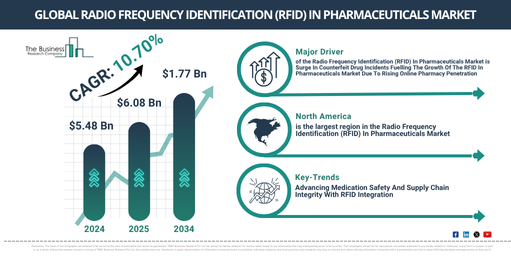
    In recent times, there has been significant growth in the market size of radio frequency identification (RFID) in pharmaceuticals. The market which was worth $5.48 billion in 2024 is projected to escalate to a value of $6.08 billion in 2025, with a compound annual growth rate (CAGR) of 10.9%. The historic period saw this growth majorly due to increased pharmaceutical exports, a surge in e-commerce, an upward trend in clinical trials, a growing need for tamper-evident RFID solutions, and a rise in patient-focused healthcare delivery models.

    Expectations are high for swift expansion in the upcoming years for the radio frequency identification (RFID) in pharmaceuticals market, with projections forecasting a market value of $9.12 billion by 2029, growing at a compound annual growth rate (CAGR) of 10.7%. This anticipated growth during the forecast period is attributed to a rise in counterfeit drug incidents, increased consciousness about healthcare, expanding hospital automation, a growing requirement for real-time tracking, and a boost in investments for digital supply chain solutions. The forecast period will likely see significant trends such as technological evolution, improvements in radio frequency identification tag design, fusion with cloud-based platforms, progression in pharmaceutical-specific inlays, and enhancements in supply chain digitalization.

    Get A Free Sample Of The Report:

    https://www.thebusinessresearchcompany.com/sample.aspx?id=25891&type=smp

    Which Growth Drivers Are Shaping The Radio Frequency Identification (RFID) In Pharmaceuticals Market Outlook?

    The surge in instances of fake medications is anticipated to fuel the expansion of the radio frequency identification (RFID) within the pharmaceuticals market. Counterfeit drugs, also known as spurious medicines, are medications that are deceptively mislabeled regarding their source or identity. This rise in counterfeit drugs is due to the swift expansion of internet pharmacies that have simplified the distribution of fraudulent drugs straight to customers, thereby eluding conventional regulatory checks and escalating detection challenges. The use of radio frequency identification (RFID) in pharmaceuticals enables the battle against fake drugs by offering secure, traceable information confirming product genuineness at every step of the supply chain. For instance, according to recent reports from the American Chemical Society, a US-based nonprofit scientific society, there were 6,987 recorded counterfeit drug episodes across 142 countries in 2023, which is a 4% increase from 2022. Consequently, the surge in counterfeit drug instances is stimulating the expansion of the radio frequency identification (RFID) in the pharmaceuticals market.

    What Is The Segment Breakdown Of The Radio Frequency Identification (RFID) In Pharmaceuticals Market?

    The radio frequency identification (rfid) in pharmaceuticals market covered in this report is segmented –

    1) By Type: Chipped Radio Frequency Identification, Chipless Radio Frequency Identification

    2) By Component: Radio Frequency Identification Tags, Radio Frequency Identification Readers, Middleware Software, Integration Services, Data Management Software

    3) By Regulatory Compliance: Food And Drug Administration Compliance Standards, European Union Falsified Medicines Directive, Good Distribution Practices, Serialization Requirements, Tracking And Tracing Regulations

    4) By Application: Drug Track And Trace System, Asset Tracking, Patient Safety, Other Applications

    5) By End-User: Pharmaceutical Manufacturers, Hospitals And Healthcare Providers, Pharmacies And Drug Wholesalers, Research And Development Laboratories, Logistics And Supply Chain Companies

    Subsegments:

    1) By Chipped Radio Frequency Identification, By Type: Low Frequency Radio Frequency Identification, High Frequency Radio Frequency Identification, Ultra High Frequency Radio Frequency Identification, Active Radio Frequency Identification, Passive Radio Frequency Identification, Semi-Passive Radio Frequency Identification

    2) By Chipless Radio Frequency Identification, By Type: Time Domain Reflectometry, Frequency Domain Reflectometry, Magnetic Resonance-Based Tags, Surface Acoustic Wave Tags, Printed Conductive Polymer Tags, Photonic Band Gap Structures

    How Are Global Trends Impacting The Development Of The Radio Frequency Identification (RFID) In Pharmaceuticals Market?

    Key players in the pharmaceutical radio frequency identification (RFID) market are concentrating on creating advanced RFID-integrated labels to amplify product visibility, bolster inventory control, and tackle the escalating issue of counterfeit medications. These RFID-integrated labels, also known as smart tags, employ radio frequency technology to wirelessly recognize, monitor, and authenticate pharmaceutical items throughout the distribution chain. For example, in May 2023, Germany’s Fresenius Kabi AG, a pharmaceutical hulk initiated the Rocuronium Bromide Injection outfitted with advanced RFID-embedded labeling in order to augment medicine tracking, inventory regulation, and patient safety in medical institutions. This injection is disseminated as a 50 mg per 5 mL multiple-dose vial for intravenous use by certified medical practitioners. The inclusion of advanced RFID-integrated smart labels facilitates real-time monitoring, simplifies inventory control, and minimizes medication discrepancies.

    Who Are The Major Stakeholders Operating In The Radio Frequency Identification (RFID) In Pharmaceuticals Market?

    Major companies operating in the radio frequency identification (rfid) in pharmaceuticals market are Fujitsu Limited, NXP Semiconductors NV, Avery Dennison Corporation, Zebra Technologies Corporation, CCL Industries Inc., HID Global Corporation, Checkpoint Systems Inc, Datalogic SpA, Impinj Inc, Schreiner Group GmbH & Co KG, Invengo Information Technology Co Ltd, GAO RFID Inc., Lowry Solutions Inc., Terso Solutions Inc., Xerafy Singapore Pte Ltd., Tageos SAS, SML Group Limited, Syrma SGS Technology Limited, Omnia Technologies Private Limited, identytag GmbH & Co KG

    Access The Complete Report Here:

    https://www.thebusinessresearchcompany.com/report/radio-frequency-identification-rfid-in-pharmaceuticals-global-market-report

    Which Region Is Likely To Register The Fastest Growth In The Radio Frequency Identification (RFID) In Pharmaceuticals Market?

    North America was the largest region in the radio frequency identification (RFID) in pharmaceuticals market in 2024. Asia-Pacific is expected to be the fastest-growing region in the forecast period. The regions covered in the radio frequency identification (rfid) in pharmaceuticals market report are Asia-Pacific, Western Europe, Eastern Europe, North America, South America, Middle East, Africa.

    Customize Your Report Here:

    https://www.thebusinessresearchcompany.com/customise?id=25891&type=smp

    Browse Through More Reports Similar to the Global Radio Frequency Identification (RFID) In Pharmaceuticals Market 2025, By The Business Research Company

    Pharmaceuticals Global Market Report 2025

    https://www.thebusinessresearchcompany.com/report/pharmaceuticals-market

    Therapeutic Drug Monitoring Global Market Report 2025

    https://www.thebusinessresearchcompany.com/report/therapeutic-drug-monitoring-global-market-report

    Pharmaceutical Label Global Market Report 2025

    https://www.thebusinessresearchcompany.com/report/pharmaceutical-label-global-market-report

    About The Business Research Company:

    With over 17500+ reports from 27 industries covering 60+ geographies, The Business Research Company has built a reputation for offering comprehensive, data-rich research and insights. Armed with 1,500,000 datasets, the optimistic contribution of in-depth secondary research, and unique insights from industry leaders, you can get the information you need to stay ahead in the game.

    Get in touch with us:

    The Business Research Company: https://www.thebusinessresearchcompany.com/

    Americas +1 310-496-7795

    Asia +44 7882 955267 & +91 8897263534

    Europe +44 7882 955267

    Email us at info@tbrc.info

    Follow us on:

    LinkedIn: https://in.linkedin.com/company/the-business-research-company

    YouTube: https://www.youtube.com/channel/UC24_fI0rV8cR5DxlCpgmyFQ

    Global Market Model: https://www.thebusinessresearchcompany.com/global-market-model
  • Global Hereditary Testing Market Revenue and CAGR Forecast Analysis 2025–2029

    Global Hereditary Testing Market Revenue and CAGR Forecast Analysis 2025–2029

    Claim your 20% discount on Global Market Reports with code ONLINE20. Limited time only.

    What Is The Current Size And Growth Outlook For The Hereditary Testing Market?

    Over the past few years, the hereditary testing market has witnessed significant expansion. Projections suggest escalating from a value of $6.05 billion in 2024 to $6.62 billion in 2025, marking a compound annual growth rate (CAGR) of 9.3%. Factors contributing to this historic period of growth include elevated parental age, growing use for assessing cancer risk, the increasing demand for early detection and prevention, a higher incidence of rare and chronic diseases, improved access to genetic counseling services, and rising utilization of hereditary testing in the sphere of reproductive health.

    Projected to experience substantial expansion in the forthcoming years, the hereditary testing market is anticipated to attain a value of $9.35 billion by 2029, flourishing at a compound annual growth rate (CAGR) of 9.0%. Factors contributing to the growth during this forecast period include the growing alliances between public and private genomic entities, increased demand for non-invasive prenatal testing (NIPT), a surge in the availability of genetic testing panels and kits, more extensive utilization in nationwide screening programs, and an increasing focus on preemptive and precision public health initiatives. The forthcoming period foresees significant trends involving advancements in next-generation sequencing (NGS), technological innovation in non-invasive prenatal testing (NIPT), progress in bioinformatics platforms, improvements in point-of-care genetic testing apparatus, and advances in multi-gene panel testing.

    Get A Free Sample Of The Report:

    https://www.thebusinessresearchcompany.com/sample.aspx?id=25782&type=smp

    What Core Drivers Are Expected To Influence The Hereditary Testing Market?

    The escalating incidence of genetic disorders is projected to stimulate the expansion of the hereditary testing market in the future. Genetic disorders are medical complications arising from abnormalities or mutations in a person’s deoxyribonucleic acid, either inherited from one or both parents or developed spontaneously. The surge in genetic disorders is partly attributable to rising parental age, which amplifies the probability of genetic mutations being transferred to their children. Hereditary testing aids patients with genetic disorders by facilitating timely diagnosis, guiding customized treatment, and assisting in family planning decisions via the detection of inherited mutations. For example, the Cystic Fibrosis Trust, a UK-based charity, reported in October 2024, that the number of recorded patients with cystic fibrosis increased to 11,318 in 2023, a rise from 11,148 in 2022. Thus, the growing incidence of genetic disorders is bolstering the expansion of the hereditary testing market.

    Which Segmentation Categories Are Highlighted In The Hereditary Testing Market Analysis?

    The hereditary testing market covered in this report is segmented –

    1) By Test Type: Predictive Testing, Carrier Testing, Prenatal Testing, Newborn Screening, Diagnostic Testing, Other Test Types

    2) By Sample Type: Blood Samples, Saliva Samples, Tissue Samples, Buccal Swabs, Urine Samples

    3) By Technology Used: Next-Generation Sequencing (NGS), Polymerase Chain Reaction (PCR), Sanger Sequencing, Microarray Technology, Whole Genome Sequencing (WGS)

    4) By Application: Oncology, Cardiovascular Diseases, Neurological Disorders, Metabolic Disorders, Other Applications

    5) By End User: Hospitals, Diagnostic Laboratories, Research Institutes, Pharmaceutical Companies, Patients And Consumers

    Subsegments:

    1) By Predictive Testing: Breast Cancer 1 (BRCA1) and Breast Cancer 2 (BRCA2) Gene Mutation Testing, Lynch Syndrome Testing, Familial Hypercholesterolemia Testing, Huntington’s Disease Testing, Cardiomyopathy Genetic Testing

    2) By Carrier Testing: Cystic Fibrosis Carrier Screening, Tay-Sachs Carrier Screening, Spinal Muscular Atrophy (SMA) Carrier Screening, Thalassemia Carrier Screening, Sickle Cell Carrier Testing

    3) By Prenatal Testing: Non-Invasive Prenatal Testing (NIPT), Chorionic Villus Sampling (CVS), Amniocentesis, Expanded Carrier Screening (Prenatal Context), Cell-Free Fetal Deoxyribonucleic Acid Testing

    4) By Newborn Screening: Phenylketonuria (PKU) Screening, Congenital Hypothyroidism Screening, Cystic Fibrosis Screening, Sickle Cell Disease Screening, Hearing Loss and Metabolic Disorder Panels

    5) By Diagnostic Testing: Rare Disease Genetic Testing, Inherited Cancer Diagnostic Testing, Cardiogenetic Diagnostic Panels, Neurogenetic Disorder Testing, Monogenic Disease Panels

    6) By Other Test Types: Pharmacogenomics Testing, Preimplantation Genetic Diagnosis (PGD), Whole Exome Sequencing (WES), Whole Genome Sequencing (WGS), Mitochondrial Deoxyribonucleic Acid Testing

    Which Market Trends Are Expected To Define The Future Of The Hereditary Testing Market?

    Key players in the hereditary testing market are emphasizing technological innovation in genetic test kits to boost precision, minimize processing times, and increase the ability to detect a wider spectrum of genetic mutations. Genetic test kits are diagnostic devices that examine a person’s deoxyribonucleic acid (DNA) to detect genetic mutations or variations related to inherited illnesses or disease risk. For example, in July 2023, Devyser Diagnostics AB, a biotechnology company based in Sweden that specializes in making and selling DNA diagnostic kits for inherited disease testing, introduced two new targeted next-generation sequencing kits, Devyser LynchFAP and Devyser BRCA PALB2. Devyser LynchFAP uniquely facilitates a comprehensive analysis of PMS2 (surmounting issues posed by its pseudogene PMS2CL) in addition to nine other important genes associated with hereditary colorectal cancer syndromes. Devyser BRCA PALB2 is a seamless single-tube solution that screens for BRCA1, BRCA2, and PALB2 mutations in both blood and tumor specimens. It is crafted to simplify lab workflows and provides effective, user-friendly sequencing and specialized software to aid reliable detection of hereditary cancer risks.

    Who Are The Dominant Players In The Hereditary Testing Market Today?

    Major companies operating in the hereditary testing market are F. Hoffmann-La Roche Ltd., Thermo Fisher Scientific Inc., Laboratory Corporation of America Holdings, Quest Diagnostics Incorporated, Agilent Technologies Inc., Illumina Inc., CooperSurgical Inc., QIAGEN N.V, Natera Inc., Myriad Genetics Inc., Fulgent Genetics Inc, Invitae Corporation, GeneDx LLC, Twist Bioscience Corporation, Color Health Inc., MedGenome Inc, SOPHiA GENETICS SA, Gene By Gene Ltd., Dante Labs Inc., 23mofang Co. Ltd.

    Access The Complete Report Here:

    https://www.thebusinessresearchcompany.com/report/hereditary-testing-global-market-report

    Which Regional Markets Are Emerging As Key Hubs For The Hereditary Testing Market?

    North America was the largest region in the hereditary testing market in 2024. Asia-Pacific is expected to be the fastest-growing region in the forecast period. The regions covered in the hereditary testing market report are Asia-Pacific, Western Europe, Eastern Europe, North America, South America, Middle East, Africa.

    Customize Your Report Here:

    https://www.thebusinessresearchcompany.com/customise?id=25782&type=smp

    Browse Through More Reports Similar to the Global Hereditary Testing Market 2025, By The Business Research Company

    Prenatal And Newborn Genetic Testing Global Market Report 2025

    https://www.thebusinessresearchcompany.com/report/prenatal-and-newborn-genetic-testing-global-market-report

    Genetic Testing Services Global Market Report 2025

    https://www.thebusinessresearchcompany.com/report/genetic-testing-services-global-market-report

    Genetic Toxicology Testing Global Market Report 2025

    https://www.thebusinessresearchcompany.com/report/genetic-toxicology-testing-global-market-report

    About The Business Research Company:

    With over 17500+ reports from 27 industries covering 60+ geographies, The Business Research Company has built a reputation for offering comprehensive, data-rich research and insights. Armed with 1,500,000 datasets, the optimistic contribution of in-depth secondary research, and unique insights from industry leaders, you can get the information you need to stay ahead in the game.

    Get in touch with us:

    The Business Research Company: https://www.thebusinessresearchcompany.com/

    Americas +1 310-496-7795

    Asia +44 7882 955267 & +91 8897263534

    Europe +44 7882 955267

    Email us at info@tbrc.info

    Follow us on:

    LinkedIn: https://in.linkedin.com/company/the-business-research-company

    YouTube: https://www.youtube.com/channel/UC24_fI0rV8cR5DxlCpgmyFQ

    Global Market Model: https://www.thebusinessresearchcompany.com/global-market-model
  • Global Diabetes Treatment Devices Market 2025–2029: Unveiling Growth Developments with the Latest Updates

    Global Diabetes Treatment Devices Market 2025–2029: Unveiling Growth Developments with the Latest Updates

    Claim your 20% discount on Global Market Reports with code ONLINE20. Limited time only.

    What Is The Present And Forecasted Size Of The Diabetes Treatment Devices Market?

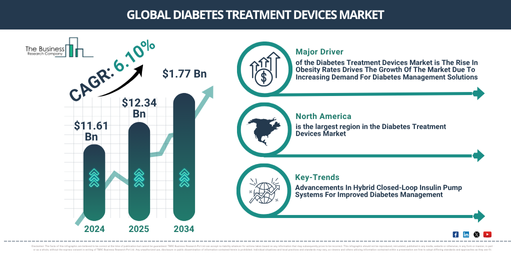
    The market size of diabetes treatment devices has witnessed substantial growth of late. It is projected to rise from $11.61 billion in 2024 to $12.34 billion in 2025, charting a compound annual growth rate (CAGR) of 6.3%. This growth experienced in the past can be credited to factors such as the rise in diabetes cases, greater awareness regarding diabetes control, heightened usage of insulin delivery devices, increased healthcare spending in developing nations, and the extensive availability of advanced glucose monitoring systems.

    The market size for diabetes treatment devices is projected to experience significant growth in the coming years. By 2029, it is predicted to expand to $15.61 billion with a compound annual growth rate (CAGR) of 6.1%. This growth during the forecast period is anticipated to be driven by the increasing demand for wearable and non-invasive monitoring devices, the heightened focus on individualized diabetes care, and a surge in the adoption of digital health platforms and applications. Additionally, the rising demand for off-site diabetes management solutions and an increase in government initiatives that encourage diabetes control programs are instrumental in this growth. Dominant trends expected in the forecast period are improvements in continuous glucose monitoring technology, sophisticated insulin delivery systems implemented with artificial intelligence, the evolution of advanced wearable diabetes devices, progress in non-invasive blood sugar monitoring, and the inclusion of voice assistants in device functionality.

    Get A Free Sample Of The Report:

    https://www.thebusinessresearchcompany.com/sample.aspx?id=25750&type=smp

    Which Market Dynamics Are Playing A Critical Role In The Growth Of The Diabetes Treatment Devices Market?

    The rise in obesity rates is projected to spur the expansion of the market for diabetes treatment devices in the coming years. Obesity rate is defined as the proportion of people deemed obese based on their body mass index (BMI). Unhealthy high-calorie, high-sugar, and high-fat diets are the principal contributors to rising obesity rates, leading to excessive weight accumulation when not complemented with physical exercise. Diabetes treatment devices contribute to decreasing obesity rates by improving blood sugar regulation, fostering healthier lifestyle habits and weight management. For example, as per the Centers for Disease Control and Prevention, a government entity based in the U.S., 22 American states reported an adult obesity rate of 35% or more in 2022, an increase from 19 states in 2021. Thus, climbing obesity rates are a major driver for the escalation of the diabetes treatment devices market.

    What Are The Key Segment Trends Observed In The Diabetes Treatment Devices Market?

    The diabetes treatment devices market covered in this report is segmented –

    1) By Device Type: Blood Glucose Monitoring Devices, Self-Monitoring Devices, Blood Glucose Meters, Testing Strips, Lancets, Continuous Glucose Monitoring Devices, Sensors, Transmitters, Receiver, Other Device Types

    2) By Distribution Channel: Hospital Pharmacies, Retail Pharmacies, Diabetes Clinics Or Centers, Institutional Sales, Online Pharmacies, Other Distribution Channels

    3) By End-User: Hospitals, Homecare, Diagnostic Centers, Ambulatory Surgery Centers, Other End-Users

    Subsegments:

    1) By Blood Glucose Monitoring Devices: Invasive Blood Glucose Monitoring Devices, Non-Invasive Blood Glucose Monitoring Devices

    2) By Self-Monitoring Devices: Handheld Glucometers, Wearable Self-Monitoring Devices

    3) By Blood Glucose Meters: Standard Glucose Meters, Smart Or Connected Glucose Meters

    4) By Testing Strips: Glucose Oxidase Strips, Glucose Dehydrogenase Strips

    5) By Lancets: Standard Lancets, Safety Lancets

    6) By Continuous Glucose Monitoring Devices: Real-Time Continuous Glucose Monitoring Devices, Intermittently Scanned Continuous Glucose Monitoring Devices

    7) By Sensors: Short-Term Sensors, Long-Term Implantable Sensors

    8) By Transmitters: Reusable Transmitters, Disposable Transmitters

    9) By Receiver: Dedicated Continuous Glucose Monitoring Devices Monitors, Smartphone Or Smartwatch-Connected Receivers

    10) By Other Device Types: Insulin Pens, Insulin Pumps, Smart Insulin Patches

    Which Disruptive Trends Are Driving Change Across The Diabetes Treatment Devices Market?

    In attempts to streamline diabetes management and enhance glycemic control, major corporations in the diabetes treatment devices market are focusing on the innovation of solutions like hybrid closed-loop insulin pump systems. These advanced systems autonomously regulate insulin distribution based on the continuous glucose monitor (CGM) readings, although they still require manual entries for food-related insulin doses. For example, in March 2022, Ireland’s Medtronic PLC released the MiniMed 780G system, designed with SmartGuard technology to manage type 1 diabetes for people aged between 7 and 80. This cutting-edge system fine-tunes basal insulin and administers correctional boluses at five-minute intervals to ensure glucose levels stay within a personalized target range. The system accommodates for missed meal boluses or inaccurate carbohydrate estimates, and it is fitted with a Meal Detection technology and a self-sustaining glucose monitor that eliminates the need for finger pricking. It even has an infusion set built for up to a week’s worth of use, all manageable via an associated mobile application.

    Who Are The Leading Companies Driving The Diabetes Treatment Devices Market?

    Major companies operating in the diabetes treatment devices market are Johnson And Johnson, Abbott Laboratories, Medtronic plc, Eli Lilly And Company, Novo Nordisk A/S, Becton, Dickinson And Company, Hoffmann-La Roche Ltd., Insulet Corporation, DexCom Inc., Tandem Diabetes Care Inc, Lifescan Inc., Ypsomed Holding AG, Ascensia Diabetes Care Holdings AG, B. Braun Melsungen AG, Beta Bionics Inc, Senseonics Holdings Inc., Bigfoot Biomedical Inc., Medtrum Technologies Inc., Diabeloop SA, Roche Diabetes Care GmbH

    Access The Complete Report Here:

    https://www.thebusinessresearchcompany.com/report/diabetes-treatment-devices-global-market-report

    Which Region Is Forecasted To Lead The Diabetes Treatment Devices Market In The Coming Years?

    North America was the largest region in the diabetes treatment devices market in 2024. Asia-Pacific is expected to be the fastest-growing region in the forecast period. The regions covered in the diabetes treatment devices market report are Asia-Pacific, Western Europe, Eastern Europe, North America, South America, Middle East, Africa.

    Customize Your Report Here:

    https://www.thebusinessresearchcompany.com/customise?id=25750&type=smp

    Browse Through More Reports Similar to the Global Diabetes Treatment Devices Market 2025, By The Business Research Company

    Continuous Glucose Monitoring Devices Global Market Report 2025

    https://www.thebusinessresearchcompany.com/report/continuous-glucose-monitoring-devices-global-market-report

    Diabetes Pen Global Market Report 2025

    https://www.thebusinessresearchcompany.com/report/diabetes-pen-global-market-report

    Antidiabetics Global Market Report 2025

    https://www.thebusinessresearchcompany.com/report/antidiabetics-global-market-report

    About The Business Research Company:

    With over 17500+ reports from 27 industries covering 60+ geographies, The Business Research Company has built a reputation for offering comprehensive, data-rich research and insights. Armed with 1,500,000 datasets, the optimistic contribution of in-depth secondary research, and unique insights from industry leaders, you can get the information you need to stay ahead in the game.

    Get in touch with us:

    The Business Research Company: https://www.thebusinessresearchcompany.com/

    Americas +1 310-496-7795

    Asia +44 7882 955267 & +91 8897263534

    Europe +44 7882 955267

    Email us at info@tbrc.info

    Follow us on:

    LinkedIn: https://in.linkedin.com/company/the-business-research-company

    YouTube: https://www.youtube.com/channel/UC24_fI0rV8cR5DxlCpgmyFQ

    Global Market Model: https://www.thebusinessresearchcompany.com/global-market-model
  • Diabetes Therapeutics Market Emerging Trends and Growth Drivers Through 2029 | Reach USD $252.949478479569 Billion

    Diabetes Therapeutics Market Emerging Trends and Growth Drivers Through 2029 | Reach USD $252.949478479569 Billion

    Claim your 20% discount on Global Market Reports with code ONLINE20. Limited time only.

    How Big Is The Diabetes Therapeutics Market Today And What Is Its Future Size?

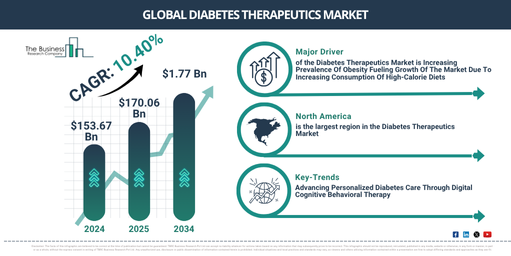
    The market size for diabetes therapeutics has seen a swift expansion in the recent past. It is predicted to increase from $153.67 billion in 2024 to $170.06 billion in 2025, experiencing a compound annual growth rate (CAGR) of 10.7%. The escalation during the historically significant period is attributable to the initial rise in diabetes instances, increased utilization of oral hypoglycemic drugs, early adoption of injectable insulin treatments, instruction on self-care, and the arrival of biosimilar insulins on the market.

    It is anticipated that the diabetes therapeutics market will experience rapid expansion in the coming years, rising to a worth of $252.95 billion in 2029, demonstrating a compound annual growth rate (CAGR) of 10.4%. The expected growth can be linked to a rise in digital literacy, increased use of injectable non-insulin medication, the development of digital health platforms, a heightened demand for personalized and combination treatments, as well as enhanced healthcare infrastructure and access to treatment for diabetes. Key trends observed during the forecast period comprise automated insulin delivery (aid) systems, the use of artificial intelligence (ai) in diabetes management, device interoperability, digital healthcare applications, and the use of remote patient monitoring (rpm).

    Get A Free Sample Of The Report:

    https://www.thebusinessresearchcompany.com/sample.aspx?id=25749&type=smp

    What External And Internal Drivers Are Influencing The Diabetes Therapeutics Market?

    The escalating occurrence of obesity is projected to stimulate the expansion of the diabetes therapeutics market in the future. Obesity describes an undue accrual of fat that poses a health hazard and is a significant risk component for type 2 diabetes. The surge in obesity rates can be attributed to the mounting intake of calorie-dense diets, with an increased number of individuals consuming processed and junk foods loaded with sugar and fat, coupled with diminished physical exertion, resulting in excessive weight accumulation. Diabetes therapeutics play a crucial role in the management of obesity by enhancing blood glucose regulation and promoting weight reduction through drugs such as GLP-1 receptor agonists, which curtail appetite and decelerate digestion, thereby ameliorating the comprehensive metabolic health of obese individuals. For instance, as indicated by a report issued by the Office for Health Improvement and Disparities in the UK in May 2024, approximately 64% of adults aged 18 and above were categorized as overweight or living with obesity in 2022 to 2023, showing an escalation from the prior year’s statistic of 63.8%. Hence, the escalating prevalence of obesity is a key driver for the expansion of the diabetes therapeutics market.

    How Is The Diabetes Therapeutics Market Categorized Across Applications And Types?

    The diabetes therapeutics market covered in this report is segmented –

    1) By Drug: Oral Anti-Diabetic Drugs, Insulin, Non-Insulin Injectable Drug, Combination Drug

    2) By Type: Diabetes 1, Diabetes 2

    3) By Route Of Administration: Oral, Subcutaneous, Intravenous

    4) By Distribution Channel: Online Pharmacies, Hospital Pharmacies, Retail Pharmacies

    5) By Application: Preventive, Treatment Or Care

    Subsegments:

    1) By Oral Anti-Diabetic Drugs: Biguanides, Sulfonylureas, DPP-4 Inhibitors, SGLT-2 Inhibitors, Thiazolidinediones, Meglitinides, Alpha-Glucosidase Inhibitors

    2) By Insulin: Rapid-Acting Insulin, Short-Acting Insulin, Intermediate-Acting Insulin, Long-Acting Insulin, Premixed Insulin

    3) By Non-Insulin Injectable Drug: GLP-1 Receptor Agonists, Amylin Analogs

    4) By Combination Drug: Oral Combination Therapies, Oral and Injectable Combination Therapies

    How Are Market Trends Influencing Competition In The Diabetes Therapeutics Market?

    Leading corporations active in the realm of diabetes therapeutics are directing their efforts towards the creation of innovative solutions like cognitive behavioral therapy (CBT). Their intent is to amplify personalized management of diabetes and foster better glycemic control in type 2 diabetes patients. CBT is essentially a systematic, evidence-backed psychological intervention which aids individuals in identifying and transforming detrimental thought processes and behaviours. For example, in October 2023, Better Therapeutics Inc., a digital therapeutics firm from the US, unveiled AspyreRx, an innovative digital therapeutic app specifically designed for diabetes. FDA authorized, AspyreRx offers customized cognitive behavioral therapy (CBT) for patients 18 years or older in order to bolster behavioral alterations which amplify diabetes management. Initially labeled as BT-001, AspyreRx has proven to induce significant and enduring reductions in A1c when compared to conventional care. These results were consistent with a decided enhancement in factors such as blood pressure, body weight, emotional health and overall quality of life, as reflected in a randomized controlled trial.

    Who Are The Global Leaders Steering The Diabetes Therapeutics Market Forward?

    Major companies operating in the diabetes therapeutics market are Pfizer Inc., Johnson & Johnson, F. Hoffmann-La Roche Ltd, Merck & Co Inc., Novartis AG, Sanofi S.A., AstraZeneca PLC, Abbott Laboratories, Medtronic plc, Takeda Pharmaceutical Company Limited, Eli Lilly and Company, Novo Nordisk A/S, Boehringer Ingelheim International GmbH, Biocon Biologics Limited, MannKind Corporation, Tandem Diabetes Care Inc., Lexicon Pharmaceuticals Inc., Better Therapeutics Inc., Adocia S.A., Oramed Pharmaceuticals Inc.

    Access The Complete Report Here:

    https://www.thebusinessresearchcompany.com/report/diabetes-therapeutics-global-market-report

    What Are The Emerging Regional Trends Driving The Diabetes Therapeutics Market?

    North America was the largest region in the diabetes therapeutics market in 2024. Asia-Pacific is expected to be the fastest-growing region in the forecast period. The regions covered in the diabetes therapeutics market report are Asia-Pacific, Western Europe, Eastern Europe, North America, South America, Middle East, Africa.

    Customize Your Report Here:

    https://www.thebusinessresearchcompany.com/customise?id=25749&type=smp

    Browse Through More Reports Similar to the Global Diabetes Therapeutics Market 2025, By The Business Research Company

    Clinical Nutrition For Diabetes Care Global Market Report 2025

    https://www.thebusinessresearchcompany.com/report/clinical-nutrition-for-diabetes-care-global-market-report

    Antidiabetics Global Market Report 2025

    https://www.thebusinessresearchcompany.com/report/antidiabetics-global-market-report

    Diabetes Care Devices Global Market Report 2025

    https://www.thebusinessresearchcompany.com/report/diabetes-care-devices-market

    About The Business Research Company:

    With over 17500+ reports from 27 industries covering 60+ geographies, The Business Research Company has built a reputation for offering comprehensive, data-rich research and insights. Armed with 1,500,000 datasets, the optimistic contribution of in-depth secondary research, and unique insights from industry leaders, you can get the information you need to stay ahead in the game.

    Get in touch with us:

    The Business Research Company: https://www.thebusinessresearchcompany.com/

    Americas +1 310-496-7795

    Asia +44 7882 955267 & +91 8897263534

    Europe +44 7882 955267

    Email us at info@tbrc.info

    Follow us on:

    LinkedIn: https://in.linkedin.com/company/the-business-research-company

    YouTube: https://www.youtube.com/channel/UC24_fI0rV8cR5DxlCpgmyFQ

    Global Market Model: https://www.thebusinessresearchcompany.com/global-market-model

  • Diabetes Care Drugs Market Size, Share & Trends Analysis Report By Product | Forecast to 2029

    Diabetes Care Drugs Market Size, Share & Trends Analysis Report By Product | Forecast to 2029

    Claim your 20% discount on Global Market Reports with code ONLINE20. Limited time only.

    How Will The Diabetes Care Drugs Market Valuation Change Between Now And 2029?

    The market for diabetes care drugs has seen significant expansion in the recent past. Its growth is projected to continue, increasing from $69.55 billion in 2024 to $73.48 billion in 2025, representing a compound annual growth rate (CAGR) of 5.6%. The previous growth has been due to factors such as the global rise in diabetes cases, an aging global population, inactive lifestyle choices and unhealthy eating patterns, increasing rates of obesity, and the wider adoption of personalized medicine.

    Predictions point to a robust increase in the size of the diabetes care drugs market over the upcoming years, expected to reach a valuation of $90.50 billion by 2029, growing at a Compound Annual Growth Rate (CAGR) of 5.3%. This upward trend predicted in the forecast period is ascribed to the arrival of biosimilar insulins, the creation of combination therapies and fixed-dose formations, an amplified emphasis on consistent glucose monitoring and closed-loop systems, coupled with growing consciousness and prevention programs aimed at prediabetes. Key trends forecasted during this period encompass the combination of continuous glucose monitoring with smart drug distribution, the utilization of digital platforms to engage patients, the use of wearable drug delivery mechanisms, advancements in peptide or polymer-based extended-release formulations, and the assimilation of pharmacogenomics for personalized dosing.

    Get A Free Sample Of The Report:

    https://www.thebusinessresearchcompany.com/sample.aspx?id=25748&type=smp

    What Underlying Factors Are Supporting The Diabetes Care Drugs Market Growth?

    As diabetes mellitus diagnoses rise, so is expected the growth of the diabetes care drugs market. This persistent health condition, which affects the way the body handles blood glucose, is becoming increasingly prevalent due to unhealthy eating habits and inactive lifestyles that encourage obesity and insulin resistance. Medications for diabetes assist those diagnosed in maintaining ideal blood glucose levels; these are essential for managing both type 1 and 2 diabetes. They help reduce potential health risks by regulating sugar levels, enhancing overall health, and improving quality of life. For example, the UK-based National Health Service reported that in June 2024, 3,615,330 people registered with a General Practitioner (GP) had been diagnosed with non-diabetic hyperglycemia or pre-diabetes in 2023. This shows an increase of 18% from the 3,065,825 cases noted in 2022. Thus, the swell in diabetic patient numbers is fueling the expansion of the diabetes care drugs market.

    Which Sub-Segments Are Driving Growth Within The Diabetes Care Drugs Market?

    The diabetes care drugs market covered in this report is segmented –

    1) By Drug Class: Insulin, Biguanides, Sulfonylureas, Dipeptidyl Peptidase (DPP)-4 Inhibitors, Sodium-Glucose Co-Transporter (SGLT)-2 Inhibitors, Glucagon-Like Peptide (GLP)-1 Receptor Agonists, Thiazolidinediones, Alpha-Glucosidase Inhibitors

    2) By Formulation Type: Tablets, Injections, Solutions, Gels, Extended-Release Formulations

    3) By Administration Route: Oral, Injectable, Inhalable

    4) By Condition: Diabetes Type 1, Diabetes Type 2

    5) By Distribution Channel: Hospital Pharmacies, Specialty Pharmacies

    Subsegments:

    1) By Insulin: Rapid-acting insulin, Short-acting insulin, Intermediate-acting insulin, Long-acting insulin, Pre-mixed insulin

    2) By Biguanides: Metformin Immediate Release (IR), Metformin Extended Release (ER)

    3) By Sulfonylureas: First-generation sulfonylureas, Second-generation sulfonylureas

    4) By Dipeptidyl Peptidase (DPP)-4 Inhibitors: Sitagliptin, Saxagliptin, Linagliptin, Alogliptin

    5) By Sodium-Glucose Co-Transporter (SGLT)-2 Inhibitors: Canagliflozin, Dapagliflozin, Empagliflozin, Ertugliflozin

    6) By Glucagon-Like Peptide (GLP)-1 Receptor Agonists: Exenatide, Liraglutide, Dulaglutide, Semaglutide, Lixisenatide

    7) By Thiazolidinediones (TZDs): Pioglitazone, Rosiglitazone

    8) By Alpha-Glucosidase Inhibitors: Acarbose, Miglitol

    What Future-Focused Trends Are Anticipated In The Diabetes Care Drugs Market?

    Key players in the diabetes care drugs market are focusing on the development of innovative treatments such as fixed-ratio combination therapies. These therapies intend to enhance glycemic regulation, augment patient compliance, and streamline treatment protocols. Fixed-ratio combination treatments involve a single injection of two complementary antidiabetic agents, presenting a more straightforward and effective method for diabetes control. An example is the 2024 launch of Soliqua, a single-dose fixed-ratio combination of insulin glargine and lixisenatide, by France’s pharmaceutical firm, Sanofi SA, designed specifically for adults with type 2 diabetes and obesity. Soliqua merges the steady fasting glucose control of long-acting insulin glargine with lixisenatide, a GLP-1 receptor agonist. This mixture enhances glucose-dependent insulin secretion, curbs glucagon manufacturing, and slows down gastric clearing to decrease post-meal blood sugar levels, thus providing thorough daily glycemic regulation. The introduction of Soliqua aims to streamline diabetes management, amplify glycemic control, and boost patient adherence by reducing the need for numerous daily injections and limiting potential side effects, including hypoglycemia and weight gain.

    Which Companies Hold A Competitive Edge In The 61 Market?

    Major companies operating in the diabetes care drugs market are Johnson & Johnson, Merck & Co. Inc., Bayer AG, Sanofi S.A., Bristol-Myers Squibb Company, AstraZeneca plc, Abbott Laboratories, GSK plc, Medtronic plc, Eli Lilly and Company, Teva Pharmaceuticals Limited, Astellas Pharma Inc., Sun Pharmaceutical Industries Ltd., Aurobindo Pharma Limited, Dr. Reddy’s Laboratories, Cipla Limited, Lupin Limited, Takeda Pharmaceutical Company Limited, Biocon Limited, Glenmark Pharmaceuticals Limited, Insulet Corporation, Torrent Pharmaceuticals Ltd., Hanmi Pharmaceutical Limited, Hualan Biological, Wockhardt, Mitsubishi Tanabe Pharma, Gan & Lee Pharmaceuticals, DiogenX, Oramed Pharmaceuticals, Apotex.

    Access The Complete Report Here:

    https://www.thebusinessresearchcompany.com/report/diabetes-care-drugs-global-market-report

    Which Region Dominates The Diabetes Care Drugs Market Today?

    North America was the largest region in the diabetes care drugs market in 2024. Asia-Pacific is expected to be the fastest-growing region in the forecast period. The regions covered in the diabetes care drugs market report are Asia-Pacific, Western Europe, Eastern Europe, North America, South America, Middle East, Africa.

    Customize Your Report Here:

    https://www.thebusinessresearchcompany.com/customise?id=25748&type=smp

    Browse Through More Reports Similar to the Global Diabetes Care Drugs Market 2025, By The Business Research Company

    Antidiabetics Global Market Report 2025

    https://www.thebusinessresearchcompany.com/report/antidiabetics-global-market-report

    Non Insulin Therapies For Diabetes Global Market Report 2025

    https://www.thebusinessresearchcompany.com/report/non-insulin-therapies-for-diabetes-global-market-report

    Metabolic Disorders Drugs Global Market Report 2025

    https://www.thebusinessresearchcompany.com/report/metabolic-disorders-drugs-global-market-report

    About The Business Research Company:

    With over 17500+ reports from 27 industries covering 60+ geographies, The Business Research Company has built a reputation for offering comprehensive, data-rich research and insights. Armed with 1,500,000 datasets, the optimistic contribution of in-depth secondary research, and unique insights from industry leaders, you can get the information you need to stay ahead in the game.

    Get in touch with us:

    The Business Research Company: https://www.thebusinessresearchcompany.com/

    Americas +1 310-496-7795

    Asia +44 7882 955267 & +91 8897263534

    Europe +44 7882 955267

    Email us at info@tbrc.info

    Follow us on:

    LinkedIn: https://in.linkedin.com/company/the-business-research-company

    YouTube: https://www.youtube.com/channel/UC24_fI0rV8cR5DxlCpgmyFQ

    Global Market Model: https://www.thebusinessresearchcompany.com/global-market-model