Blog

  • Microbial Identification Market Size In 2026: Regional Growth, Key Segments And Future Outlook

    Microbial Identification Market Size In 2026: Regional Growth, Key Segments And Future Outlook

    Backed by market attractiveness analysis, total addressable market sizing, company benchmarking matrices, interactive Excel dashboards, wider supply chain intelligence, emerging startup coverage, and detailed product-level insights, The Business Research Company’s 2026 market reports are designed to offer research that is more actionable and strategically valuable than ever.

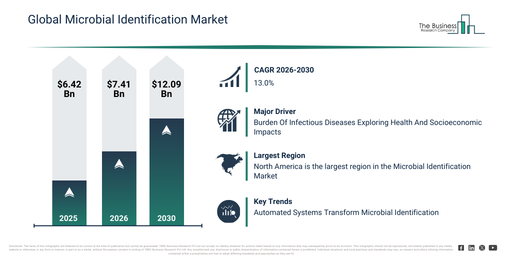
    Microbial Identification Market Growth From $7.41 Billion In 2026 To $12.09 Billion By 2030 At A CAGR Of 13%

    The microbial identification market has seen rapid expansion in recent years. This market is set to expand from $6.42 billion in 2025 to $7.41 billion in 2026, achieving a compound annual growth rate (CAGR) of 15.4%. The historical development of this market is attributable to increasing infectious disease prevalence, reliance on culture-based diagnostics, expansion of food and water safety programs, rising regulatory compliance requirements, and growing adoption of clinical microbiology testing.

    The microbial identification market is projected for significant expansion in the coming years. This market is forecast to reach $12.09 billion by 2030, exhibiting a compound annual growth rate (CAGR) of 13.0%. This anticipated growth during the forecast period is fueled by progress in sequencing technologies, an escalating need for swift diagnostic techniques, enhanced automation within laboratory procedures, the incorporation of digital platforms for microbial analysis, and wider utilization in pharmaceutical quality control. Key developments expected over the forecast horizon encompass the integration of genomic sequencing into microbial identification, management of microbial data via cloud platforms, AI-supported classification of microorganisms, automated identification systems for industrial applications, and IoT-driven monitoring for microbial detection.

    Get A Free Sample Report With In-Depth Market Insights:

    https://thebusinessresearchcompany.com/sample_request?id=65095174&type=smp&name=Microbial%20Identification%20Market%20Report%202026&utm_source=Blogs&utm_medium=Paid&utm_campaign=Nov_PR

    Microbial Identification Market Growth Momentum: What Factors Are Shaping Demand?

    The growing occurrence of infectious diseases is anticipated to fuel the expansion of the microbial identification market in the future. Infectious diseases are illnesses caused by pathogenic microorganisms such as bacteria, viruses, fungi, parasites, or prions. The development of infectious diseases is linked to climate change, environmental disruption, antimicrobial resistance, compromised immune systems, and ecological disturbances. Microbial identification is vital for precise diagnosis, specific treatment, disease monitoring, outbreak management, and antimicrobial stewardship in addressing infectious diseases. Therefore, the escalating prevalence of infectious diseases acts as a driver for the microbial identification market.

    Microbial Identification Market Segment Landscape And Growth Outlook

    The microbial identification market covered in this report is segmented –

    1) By Products And Services: Instruments, Consumables, Services

    2) By Methods: Phenotypic Methods, Proteotypic Methods, Genotypic Methods

    3) By Application: Diagnostic Application, Environmental Application, Food and Beverages Testing, Pharmaceutical Application, Other Applications

    4) By End User: Pharmaceutical And Biotechnology Industry, Food And Beverage Industry, Water And Environment Industry, Independent Research Laboratories, Diagnostic Laboratories, Hospitals, Other End Users

    Subsegments:

    1) By Instruments: Mass Spectrometers ( Maldi-Tof), Chromatography Systems, Pcr Systems, Microplate Readers, Automated Identification Systems

    2) By Consumables: Reagents And Kits ( Pcr Reagents, Biochemical Reagents), Culture Media, Sample Collection Tools ( Swabs, Vials), Test Strips

    3) By Services: Microbial Identification Services ( Laboratory Testing), Consulting And Training Services, Technical Support Services, Data Analysis Services

    Microbial Identification Market Trends Redefining Industry Growth

    Key players in the microbial identification market are concentrating on developing sophisticated solutions, such as automated sample preparation platforms, to boost the speed and precision of microbial detection. Sample preparation platforms are technological systems engineered to process and prepare biological or clinical samples for analysis, thereby enhancing efficiency and diagnostic accuracy.

    Microbial Identification Market Competitive Landscape: Who Leads The Industry?

    Major companies operating in the microbial identification market are Merck & Co Inc, ThermoFisher Scientific Inc, Danaher Corporation, Siemens Healthineers, Becton Dickinson and Company, Avantor Inc, Eurofins Scientific Corporation, Beckman Coulter Inc, VWR International LLC, Charles River Laboratories International Inc, PerkinElmer Inc, Wickham Micro Limited, Bruker Corporation, bioMérieux SA, Biolog Inc, Liofilchem Srl, Shimadzu Corporation, Scenker Biological Technology Co Ltd, Agilent Technologies Inc, Bio Rad Laboratories Inc, QIAGEN NV, Roche Diagnostics, Illumina Inc, Oxford Nanopore Technologies

    View The Full Microbial Identification Market Report:

    https://thebusinessresearchcompany.com/report/microbial-identification-global-market-report?utm_source=Blogs&utm_medium=Paid&utm_campaign=Nov_PR

    Microbial Identification Market Global Footprint: Which Region Leads The Market?

    North America was the largest region in the microbial identification market in 2025. Asia-Pacific is expected to be the fastest-growing region in the forecast period. The regions covered in the microbial identification market report are Asia-Pacific, South East Asia, Western Europe, Eastern Europe, North America, South America, Middle East, Africa.

    Reach Out To Our Team:

    The Business Research Company: https://www.thebusinessresearchcompany.com/

    Americas: +1 310-496-7795

    Asia: +44 7882 955267 & +91 8897263534

    Europe: +44 7882 955267

    Email us at: marketing@tbrc.info

    Follow us on:

    LinkedIn: https://in.linkedin.com/company/the-business-research-company

    YouTube: https://www.youtube.com/channel/UC24_fI0rV8cR5DxlCpgmyFQ

    Global Market Model: https://www.thebusinessresearchcompany.com/global-market-model

  • Microbial Bio-Surfactants Market Growth Forecast Through 2030: Market Size And Trends In 2026

    Microbial Bio-Surfactants Market Growth Forecast Through 2030: Market Size And Trends In 2026

    Featuring market attractiveness scoring, total addressable market sizing, company benchmarking matrices, interactive Excel dashboards, deeper supply chain intelligence, emerging startup tracking, and granular product-level insights, The Business Research Company’s 2026 market reports are built to deliver research that is both more actionable and more strategically valuable.

    Microbial Bio-Surfactants Market Expansion Outlook: What Revenue Opportunities Are Ahead?

    The market for microbial bio-surfactants has experienced significant expansion in recent times. Projections indicate this market will expand from $0.86 billion in 2025 to $0.99 billion in 2026, showcasing a compound annual growth rate (CAGR) of 14.9%. This historical growth is primarily due to stricter environmental regulations concerning synthetic surfactants, initial widespread use in oilfield and remediation processes, progress in microbial fermentation techniques, increasing demand for industrial cleaning solutions, and expanding research initiatives in green chemistry.

    The market for microbial bio-surfactants is projected to experience substantial expansion over the upcoming years. This market is anticipated to reach a valuation of $1.71 billion by 2030, exhibiting a compound annual growth rate (CAGR) of 14.6%. Factors contributing to this growth during the forecast period include the escalating demand for sustainable chemicals, the broadening of bio-based product ranges, increasing capital allocations towards industrial biotechnology, wider integration within personal care and food processing sectors, and a heightened emphasis on circular economy methodologies. Key trends defining this period involve the greater acceptance of bio-based surface active agents, a surge in demand for environmentally friendly formulations, their expanding application across industrial and agricultural domains, the proliferation of fermentation-based manufacturing techniques, and a sharpened focus on biodegradability.

    Get A Free Sample Report With In-Depth Market Insights:

    https://thebusinessresearchcompany.com/sample_request?id=22261508&type=smp&name=Microbial%20Bio-Surfactants%20Market%20Report%202026&utm_source=Blogs&utm_medium=Paid&utm_campaign=Nov_PR

    Microbial Bio-Surfactants Market Expansion Drivers: What’s Shaping Future Growth?

    The increasing consumer preference for sustainable products is projected to fuel the growth of the microbial biosurfactants market moving ahead. Sustainable products are items designed, produced, and used in ways that minimize environmental impact, conserve resources, and support social and economic well-being across their entire lifecycle. This rising demand for sustainable products primarily results from growing environmental awareness, as buyers become more conscious of the ecological effects of their purchases and seek alternatives that cause less harm to the planet. Microbial biosurfactants aid in promoting sustainable products by offering eco-friendly, biodegradable options that reduce dependence on synthetic chemicals and lessen environmental repercussions. Therefore, the expanding demand for sustainable products is propelling the microbial biosurfactants market.

    Microbial Bio-Surfactants Market Breakdown By Product Type And Application

    The microbial bio-surfactants market covered in this report is segmented –

    1) By Ionic Character: Anionic Biosurfactants, Cationic Biosurfactants, Non Ionic Biosurfactants, Amphoteric Biosurfactants

    2) By Product: Methyl Ethyl Sulfonates, Alkyl Polyglucosides, Sorbitan Esters, Sophorolipids, Rhamnolipids, Sucrose Esters, Lipopeptides

    3) By Source: Plant Based, Microbial Based, Genetically Engineered Microbial Sources

    4) By Applications: Household Detergents, Agricultural Chemicals, Industrial Cleaners, Food Processing, Oilfield Chemicals, Personal Care, Textiles

    Subsegments:

    1) By Anionic Biosurfactants: Surfactin, Lichenysin, Fatty Acid Salts

    2) By Cationic Biosurfactants: Amino Acid-Based Biosurfactants, Peptide-Lipid Conjugates

    3) By Non-Ionic Biosurfactants: Trehalose Lipids, Mannosylerythritol Lipids, Polyol Lipids

    4) By Amphoteric Biosurfactants: Zwitterionic Glycolipids, Zwitterionic Lipopeptides

    Microbial Bio-Surfactants Market Strategic Trends: What Defines The Next Growth Phase?

    Major companies operating in the microbial biosurfactants market are focusing on developing sustainable solutions like waste-based biosurfactants to reduce environmental impact and lower production costs. Waste-based biosurfactants are surface-active compounds produced by microbes using waste materials as raw inputs, promoting eco-friendly and cost-effective production.

    Microbial Bio-Surfactants Market Company Landscape And Competitive Strategy

    Major companies operating in the microbial bio-surfactants market are Kaneka Corporation, BASF SE, Evonik Industries AG, Solvay S.A., Givaudan SA, Clariant International AG, Stepan Company, Croda International Plc, AmphiStar BV, Jeneil Biotech Inc., BiOWiSH Technologies Inc., Geocon Products Inc., Holiferm Limited, AGAE Technologies LLC, Biotensidon GmbH, GlycoSurf Inc., Tensiogreen LLC, Locus Performance Ingredients LLC, Toyobo Corporation Ltd., Shaanxi Deguan Biotechnology Co. Ltd.

    View The Full Microbial Bio-Surfactants Market Report:

    https://thebusinessresearchcompany.com/report/microbial-bio-surfactants-global-market-report?utm_source=Blogs&utm_medium=Paid&utm_campaign=Nov_PR

    Microbial Bio-Surfactants Market Regional Split: Which Areas Are Fueling Growth?

    North America was the largest region in the microbial bio-surfactants market in 2025. Asia-Pacific is expected to be the fastest-growing region in the forecast period. The regions covered in the microbial bio-surfactants market report are Asia-Pacific, South East Asia, Western Europe, Eastern Europe, North America, South America, Middle East, Africa.

    Reach Out To Our Team:

    The Business Research Company: https://www.thebusinessresearchcompany.com/

    Americas: +1 310-496-7795

    Asia: +44 7882 955267 & +91 8897263534

    Europe: +44 7882 955267

    Email us at: marketing@tbrc.info

    Follow us on:

    LinkedIn: https://in.linkedin.com/company/the-business-research-company

    YouTube: https://www.youtube.com/channel/UC24_fI0rV8cR5DxlCpgmyFQ

    Global Market Model: https://www.thebusinessresearchcompany.com/global-market-model
  • Microarray Market Analysis: $6.17 Billion Market Size In 2026 And Future Growth Prospects

    Microarray Market Analysis: $6.17 Billion Market Size In 2026 And Future Growth Prospects

    Built to provide research that’s more actionable and strategically valuable, The Business Research Company’s 2026 market reports include market attractiveness analysis, total addressable market sizing, company benchmarking matrices, interactive Excel dashboards, broader supply chain intelligence, emerging startup tracking, and in-depth product insights.

    Microarray Market Growth Potential: How Will Market Size Shift Through 2030?

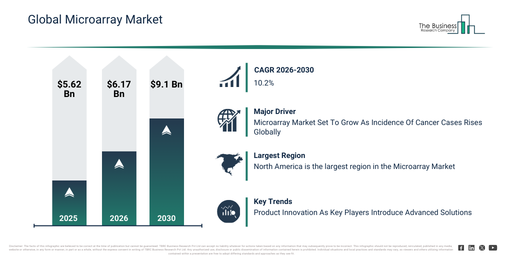
    The microarray market has experienced robust growth recently. This market is projected to expand from $5.62 billion in 2025 to $6.17 billion in 2026, demonstrating a compound annual growth rate (CAGR) of 9.8%. Historically, this expansion has been driven by factors such as the increasing acceptance of gene expression profiling, progress in DNA sequencing technologies, wider application of microarrays in cancer research, the scaling of drug discovery initiatives, and the increasing occurrence of genetic disorders.

    The microarray market is anticipated to experience significant expansion over the next few years, with projections indicating a rise to $9.1 billion by 2030, demonstrating a compound annual growth rate (CAGR) of 10.2%. This anticipated growth is fueled by factors such as the escalating demand for personalized medicine, advancements in bioinformatics processing tools, the increasing integration of automation within microarray workflows, the broadening applications in toxicological testing, and the expanding need for high-throughput genomic analysis. During this forecast period, prominent trends are expected to include genomics-driven microarray optimization, cloud-based data processing for microarray analysis, AI-enhanced gene expression interpretation, automated microarray manufacturing systems, and IoT-enabled sample tracking and monitoring.

    Get A Free Sample Report With In-Depth Market Insights:

    https://thebusinessresearchcompany.com/sample_request?id=97332929&type=smp&name=Microarray%20Market%20Report%202026&utm_source=Blogs&utm_medium=Paid&utm_campaign=Nov_PR

    Microarray Market Development Factors: What’s Supporting Demand?

    The increasing incidence of cancer cases is projected to stimulate the growth of the microarray market in the future. Cancer describes a condition where some body cells multiply uncontrollably and spread to different areas of the body. The escalation in cancer cases is primarily driven by the rising frequency of established cancer risk factors, exposure to particular chemicals, an aging population, and common cancers such as breast cancer, lung cancer, and bronchial cancer, with microarray allowing researchers to pinpoint changes in gene expression that may be connected to cancer. Thus, the escalating incidence of cancer cases is fueling the growth of the microarray market.

    Microarray Market Segment Analysis And Revenue Potential

    The microarray market covered in this report is segmented –

    1) By Type: DNA Microarray, Protein Microarray, Other Types

    2) By Application: Disease Diagnosis, Cancer Genomic Analysis, Drug Discovery, Genomic Sequencing, Expression Analysis, Toxicological Research, Other Applications

    3) By End-User: Pharmaceutical Industry, Biotechnology Industry, Academic and Research Laboratories, Other End-Users

    Subsegments:

    1) By DNA Microarray: CDNA Microarray, Oligonucleotide Microarray, SNP Microarray, Comparative Genomic Hybridization (CGH) Microarray

    2) By Protein Microarray: Antibody Microarray, Antigen Microarray, Receptor Microarray, Enzyme Microarray

    3) By Other Types: Cell Microarray, Tissue Microarray, RNA Microarray

    Microarray Market Transformation Trends: What Innovations Are Driving Change?

    Leading firms within the microarray market are focusing on the creation of chromosomal microarrays to bolster their standing in the industry. Chromosomal Microarray Analysis (CMA) leads innovative technologies in genomic medicine, significantly enhancing diagnostic potential.

    Microarray Market Key Players Shaping Industry Direction

    Major companies operating in the microarray market are Agilent Technologies Inc., Arrayit Corporation, Bio-Rad Laboratories Inc., Danaher Corporation, GE Healthcare Inc., Illumina Inc., Merck KGaA, Microarray Inc., PerkinElmer Inc., Thermo Fisher Scientific Inc., Molecular Devices LLC, RayBiotech Life Inc., Schott Minifab AG, Full Moon Biosystems Inc., CapitalBio Technology Co. Ltd., Roche Diagnostics Ltd., Affymetrix Inc., SCIENION AG, NextGen Sciences Inc., PathogenDx Inc., BioGenomics Limited, BioMicro Systems Inc., Biostatus Limited, Biotechrabbit GmbH, INanoBio Inc.

    View The Full Microarray Market Report:

    https://thebusinessresearchcompany.com/report/microarray-global-market-report?utm_source=Blogs&utm_medium=Paid&utm_campaign=Nov_PR

    Microarray Market Top Region: Where Does Most Revenue Come From?

    North America was the largest region in the microarray market in 2025.Asia-Pacific is expected to be the fastest-growing region in the global microarray market report during the forecast period. The regions covered in the microarray market report are Asia-Pacific, South East Asia, Western Europe, Eastern Europe, North America, South America, Middle East, Africa.

    Reach Out To Our Team:

    The Business Research Company: https://www.thebusinessresearchcompany.com/

    Americas: +1 310-496-7795

    Asia: +44 7882 955267 & +91 8897263534

    Europe: +44 7882 955267

    Email us at: marketing@tbrc.info

    Follow us on:

    LinkedIn: https://in.linkedin.com/company/the-business-research-company

    YouTube: https://www.youtube.com/channel/UC24_fI0rV8cR5DxlCpgmyFQ

    Global Market Model: https://www.thebusinessresearchcompany.com/global-market-model
  • Micro Computed Tomography Market 2026 Market Size And Growth Forecast: Key Trends To Watch

    Micro Computed Tomography Market 2026 Market Size And Growth Forecast: Key Trends To Watch

    Backed by market attractiveness analysis, total addressable market sizing, company benchmarking matrices, interactive Excel dashboards, wider supply chain intelligence, emerging startup coverage, and detailed product-level insights, The Business Research Company’s 2026 market reports are designed to offer research that is more actionable and strategically valuable than ever.

    Micro Computed Tomography Market Value Analysis: What Growth Lies Ahead Over The Forecast Period?

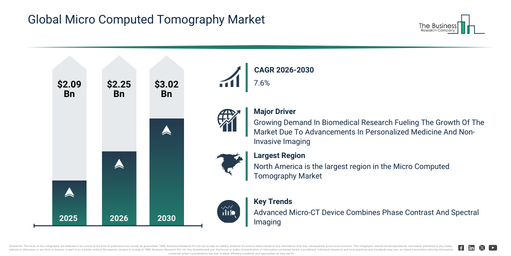
    The micro computed tomography market size has experienced significant growth over recent years. This market is projected to expand from $2.09 billion in 2025 to $2.25 billion in 2026, demonstrating a compound annual growth rate (CAGR) of 7.8%. This historical growth was driven by factors such as the expanded application of micro-ct in material analysis, the escalating need for non-destructive testing, its integration into orthopedic and dental research, advancements in imaging resolution technology, and the increasing application in geological core analysis.

    The micro computed tomography market size is anticipated to experience substantial expansion in the coming years. It is projected to climb to $3.02 billion by 2030, demonstrating a compound annual growth rate (CAGR) of 7.6%. This expected growth can be linked to expanding applications in life sciences and agribio, the increasing incorporation of automation into imaging workflows, a rising demand for high-throughput micro-CT systems, advancements in imaging software and data analytics, and the growth in personalized medicine research. Key trends for the forecast period encompass precision imaging enabled by genomics integration, automated micro-CT systems for smart manufacturing, cloud-based 3D imaging analytics, AI-assisted microstructure interpretation, and IoT-connected micro-CT monitoring systems.

    Get A Free Sample Report With In-Depth Market Insights:

    https://thebusinessresearchcompany.com/sample_request?id=65548624&type=smp&name=Micro%20Computed%20Tomography%20Market%20Report%202026&utm_source=Blogs&utm_medium=Paid&utm_campaign=Nov_PR

    Micro Computed Tomography Market Industry Drivers: What’s Behind The Revenue Growth?

    The escalating need in biomedical research is projected to stimulate the growth of the micro computed tomography market moving forward. Biomedical research encompasses the scientific exploration of biological processes and diseases, aiming to advance medical knowledge, develop novel treatments, and enhance human health. This increasing demand in biomedical research is predominantly propelled by the heightened focus on personalized medicine, which tailors treatments to individual genetic profiles for more effective and accurate healthcare. Micro computed tomography (micro-CT) enhances biomedical research through its capacity to provide high-resolution, non-invasive imaging, which facilitates detailed visualization of biological structures and thereby aids in the investigation of diseases, tissue engineering, and drug development. Therefore, the expanding demand in biomedical research is driving the growth of the micro computed tomography market.

    Micro Computed Tomography Market Segmentation And Category Overview

    The micro computed tomography market covered in this report is segmented –

    1) By Product Type: In-Vivo, In-Vitro

    2) By Application: Life Sciences, Orthopedics, Dentistry, Agribio, Material Science, Geology Or Oil And Gas Geology

    3) By End User: Industries, Research Institutes, Diagnostic Imaging Labs, Dental Laboratories, Other End Users

    Subsegments:

    1) By In-Vivo: Small Animal Imaging Systems, Live Tissue Imaging, Functional Imaging, Longitudinal Studies

    2) By In-Vitro: Bone And Hard Tissue Analysis, Material Characterization, Industrial Inspection, Ex Vivo Biological Imaging, Forensic Imaging

    #Micro Computed Tomography Market Growth Trends: What’s Shaping The Future Outlook?

    Major companies in the micro computed tomography market are prioritizing the development of technologically advanced solutions, such as non-destructive imaging systems, to facilitate high-resolution analysis of internal structures without damaging samples. Non-destructive imaging systems refer to technologies that capture precise images of objects or structures without causing any harm, frequently utilized for inspection, analysis, and quality control across various industries.

    Micro Computed Tomography Market Competitive Analysis Of Leading Industry Participants

    Major companies operating in the micro computed tomography market are Bruker Corporation, General Electric Company, Hitachi Ltd., Thermo Fisher Scientific Inc., Baker Hughes Company, ZEISS Group, Nikon Corporation, Shimadzu Corporation, Varex Imaging Corporation, Comet Holding AG, ProCon X Ray GmbH, WENZEL Group, Matsusada Precision, Mediso Ltd., Illinois Tool Works Inc., KA Imaging Inc., Scanco Medical AG, North Star Imaging Inc, RX Solutions SAS, TESCAN Group, Rigaku Corporation, TriFoil Imaging Inc, MILabs B V

    View The Full Micro Computed Tomography Market Report:

    https://thebusinessresearchcompany.com/report/micro-computed-tomography-global-market-report?utm_source=Blogs&utm_medium=Paid&utm_campaign=Nov_PR

    Micro Computed Tomography Market Regional Breakdown: Where Is Demand Concentrated?

    North America was the largest region in the micro computed tomography market in 2025. Asia-Pacific is expected to be the fastest-growing region in the forecast period. The regions covered in the micro computed tomography market report are Asia-Pacific, South East Asia, Western Europe, Eastern Europe, North America, South America, Middle East, Africa.

    Reach Out To Our Team:

    The Business Research Company: https://www.thebusinessresearchcompany.com/

    Americas: +1 310-496-7795

    Asia: +44 7882 955267 & +91 8897263534

    Europe: +44 7882 955267

    Email us at: marketing@tbrc.info

    Follow us on:

    LinkedIn: https://in.linkedin.com/company/the-business-research-company

    YouTube: https://www.youtube.com/channel/UC24_fI0rV8cR5DxlCpgmyFQ

    Global Market Model: https://www.thebusinessresearchcompany.com/global-market-model
  • mHealth Apps Market Size Forecast: How The Industry Is Expected To Grow From 2026 To 2030

    mHealth Apps Market Size Forecast: How The Industry Is Expected To Grow From 2026 To 2030

    Featuring market attractiveness scoring, total addressable market sizing, company benchmarking matrices, interactive Excel dashboards, deeper supply chain intelligence, emerging startup tracking, and granular product-level insights, The Business Research Company’s 2026 market reports are built to deliver research that is both more actionable and more strategically valuable.

    mHealth Apps Market Size Forecast: How Big Could The Market Get By 2030?

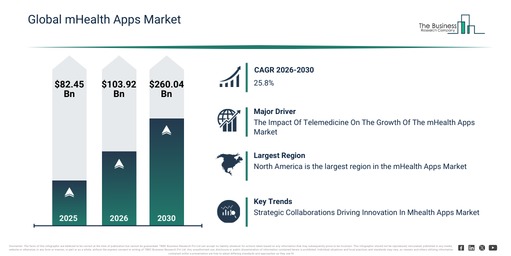
    The mhealth apps market has demonstrated significant expansion in recent years. Forecasts indicate it will expand from $82.45 billion in 2025 to $103.92 billion in 2026, achieving a compound annual growth rate (CAGR) of 26.0%. The historical growth of this market can be ascribed to several factors, including the surge in smartphone adoption, the increasing prevalence of chronic diseases, the broader adoption of wearable health devices, the expansion of telehealth services, and a heightened awareness of digital health solutions.

    The mhealth apps market size is projected to experience substantial expansion over the next few years, with its value anticipated to reach $260.04 billion by 2030, demonstrating a compound annual growth rate (CAGR) of 25.8%. The growth during this forecast period is primarily attributed to advancements in ai-driven diagnostics, an increasing demand for personalized health apps, the expansion of remote patient monitoring programs, the integration of genomics in mobile health platforms, and the rising adoption of cloud-based healthcare ecosystems. Key trends anticipated for the forecast period include AI-powered predictive health insights, cloud-based health data integration, iot-enabled remote monitoring ecosystems, xr-based patient engagement platforms, and genomics-linked personalized health apps.

    Get A Free Sample Report With In-Depth Market Insights:

    https://thebusinessresearchcompany.com/sample_request?id=26898842&type=smp&name=mHealth%20Apps%20Market%20Report%202026&utm_source=Blogs&utm_medium=Paid&utm_campaign=Nov_PR

    mHealth Apps Market Growth Factors: What’s Supporting Expansion?

    The rising adoption of telemedicine is expected to propel the growth of the mHealth apps market going forward. Telemedicine involves delivering healthcare services through digital communication technologies, enabling patients to consult with healthcare providers remotely. The increase in E-medicine is attributed to the growing demand for convenient and accessible healthcare options, a need particularly highlighted by the COVID-19 pandemic. Telemedicine serves the mHealth apps market by integrating remote healthcare services, allowing users to conveniently consult doctors and manage their health through their mobile devices. Therefore, the increasing adoption of telemedicine is driving the growth of the mHealth app market.

    mHealth Apps Market Segment Outlook: Which Categories Are Growing Fastest?

    The mhealth apps market covered in this report is segmented –

    1) By App Type: Disease And Treatment Management, Wellness Management, Other App Types

    2) By Connected Medical Devices: Heart Rate Meters, Wearable Fitness Sensor Device, Blood Pressure Monitors, Pulse Oximeters, Other Connected Medical Devices

    3) By Application: Monitoring Services, Fitness Solutions, Diagnostic Services, Treatment Services, Other Applications

    4) By End-User: Physicians, Patients, Insurance Companies, Research Centers, Pharmacy, Biopharmaceutical Companies, Government, Tech Companies, Other End-Users

    Subsegments:

    1) By Disease And Treatment Management: Chronic Disease Management Apps, Medication Adherence Apps, Remote Monitoring Apps

    2) By Wellness Management: Fitness And Exercise Tracking Apps, Nutrition And Diet Apps, Mental Health And Mindfulness Apps

    3) By Other App Types: Health Education And Awareness Apps, Telehealth And Virtual Consultation Apps, Personal Health Record (PHR) Apps

    mHealth Apps Market Industry Trends: What’s Reshaping Demand?

    Leading companies operating in the mHealth Apps market are increasingly prioritizing strategic collaboration to deliver dependable services to their clientele. Strategic collaboration denotes a mutually beneficial alliance between two or more independent entities that cooperate to achieve common objectives aligning with their individual strategic goals.

    mHealth Apps Market Leading Companies And Competitive Benchmarking

    Major companies operating in the mhealth apps market are Apple Inc., Johnson & Johnson, Sony Corporation, F. Hoffmann-La Roche Ltd., Sanofi, Orange S.A., Qualcomm Technologies Inc., Abbott Laboratories, GlaxoSmithKline plc, Philips Healthcare, Livongo Health Inc., Azumio Inc., Allscripts Healthcare Solutions Inc., Omron Healthcare Inc., BioTelemetry Inc., Withings S.A., AliveCor Inc., iHealth Labs Inc., Agamatrix Inc., Ovia Health Inc., Nutrimedy Inc., Dr. Pad S.r.l., Diversinet Corporation

    View The Full mHealth Apps Market Report:

    https://thebusinessresearchcompany.com/report/mhealth-apps-global-market-report?utm_source=Blogs&utm_medium=Paid&utm_campaign=Nov_PR

    mHealth Apps Market Geographic Landscape: Which Region Leads Industry Growth?

    North America was the largest region in the mHealth apps market in 2025. Asia-Pacific is expected to be the fastest-growing region in mHealth apps market share. The regions covered in the mhealth apps market report are Asia-Pacific, South East Asia, Western Europe, Eastern Europe, North America, South America, Middle East, Africa.

    Reach Out To Our Team:

    The Business Research Company: https://www.thebusinessresearchcompany.com/

    Americas: +1 310-496-7795

    Asia: +44 7882 955267 & +91 8897263534

    Europe: +44 7882 955267

    Email us at: marketing@tbrc.info

    Follow us on:

    LinkedIn: https://in.linkedin.com/company/the-business-research-company

    YouTube: https://www.youtube.com/channel/UC24_fI0rV8cR5DxlCpgmyFQ

    Global Market Model: https://www.thebusinessresearchcompany.com/global-market-model
  • Metoprolol Tartrate Market Reaches $8.28 Billion In 2026: Forecast And Growth Opportunities

    Metoprolol Tartrate Market Reaches $8.28 Billion In 2026: Forecast And Growth Opportunities

    Built to provide research that’s more actionable and strategically valuable, The Business Research Company’s 2026 market reports include market attractiveness analysis, total addressable market sizing, company benchmarking matrices, interactive Excel dashboards, broader supply chain intelligence, emerging startup tracking, and in-depth product insights.

    Metoprolol Tartrate Market Revenue Outlook: What CAGR Lies Ahead Through 2030?

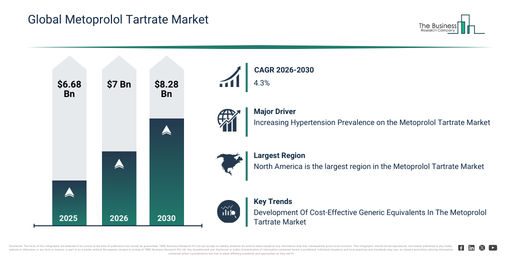
    The metoprolol tartrate market has seen consistent expansion in its size over recent years. It is anticipated to grow from $6.68 billion in 2025 to $7 billion in 2026, achieving a compound annual growth rate (CAGR) of 4.7%. The historical growth can be attributed to an increase in hypertension cases, the rising prevalence of cardiovascular diseases, greater adoption of generic drugs, the expansion of hospital pharmacy networks, and increased healthcare awareness.

    The metoprolol tartrate market is projected to experience consistent expansion over the upcoming years. Its value is anticipated to reach $8.28 billion by 2030, progressing at a compound annual growth rate (CAGR) of 4.3%. This projected growth during the forecast period is attributable to several factors, including advancements in chronic care management, a growing need for affordable beta blockers, increased penetration of online pharmacies, the expansion of telehealth-based prescription services, and an increasing emphasis on individualized cardiovascular therapies. Key trends expected within this timeframe encompass AI-enhanced tracking of drug utilization, optimization of dosing based on precision medicine, patient monitoring systems integrated with cloud technology, automated processes in pharmaceutical manufacturing, and IoT-connected devices for cardiovascular monitoring.

    Get A Free Sample Report With In-Depth Market Insights:

    https://thebusinessresearchcompany.com/sample_request?id=13721112&type=smp&name=Metoprolol%20Tartrate%20Market%20Report%202026&utm_source=Blogs&utm_medium=Paid&utm_campaign=Nov_PR

    Metoprolol Tartrate Market Demand Drivers: What’s Powering Industry Growth?

    The growing occurrence of hypertension is anticipated to boost the metoprolol tartrate market in the future. Hypertension is a multifaceted condition influenced by various factors, emerging gradually from lifestyle choices, genetic predispositions, or other health issues. Its rising prevalence is linked to elements such as inadequate diet, insufficient physical activity, obesity, stress, and an aging demographic. Metoprolol tartrate aids in managing hypertension by reducing heart rate and the force of heart pumps, thereby lowering blood pressure. Consequently, the increasing prevalence of hypertension is a key driver for the metoprolol tartrate market. The metoprolol tartrate market is projected to expand due to increasing health spending. This spending encompasses all expenditures on healthcare services, products, and initiatives by governments, private businesses, households, and other entities. The uptick in health spending is primarily fueled by an aging populace and the widespread incidence of chronic diseases, as older individuals often require more medical attention and continuous treatment for conditions like hypertension and cardiovascular ailments. Higher health spending stimulates the demand for metoprolol tartrate, as it provides healthcare providers with greater financial capacity for prescriptions and enhances patient access to crucial cardiovascular medications. Thus, increasing health spending is propelling the growth of the metoprolol tartrate market.

    Metoprolol Tartrate Market Segment Landscape: Which Areas Lead Development?

    The metoprolol tartrate market covered in this report is segmented –

    1) By Route Of Administration: Oral, Injectable

    2) By Application: Hypertension, Cardiovascular, Other Applications

    3) By Distribution Channel: Hospital Pharmacies, Retail Pharmacies, Online Pharmacies

    Subsegments:

    1) By Oral: Oral Tablets, Oral Capsules, Extended-Release Oral Formulations

    2) By Injectable: Intravenous Metoprolol Tartrate Injections, Hospital-Administered Injectable Formulations

    Metoprolol Tartrate Market Innovation Trends: What Developments Are Reshaping The Industry?

    Major companies operating in the metoprolol tartrate market are developing comparable products to offer economical alternatives to brand-name versions for managing hypertension and other cardiovascular conditions. These equivalent products are bioequivalent to the initial branded drugs, meaning they are absorbed into the bloodstream at a similar pace and degree, ensuring the same therapeutic impact.

    Metoprolol Tartrate Market Industry Leaders And Competitive Landscape

    Major companies operating in the metoprolol tartrate market are Pfizer Inc., AstraZeneca plc, Novartis AG, Viatris Inc., Teva Pharmaceutical Industries Ltd., Macleods Pharmaceuticals Ltd., Sun Pharmaceutical Industries Ltd., Intas Pharmaceuticals Ltd., Aurobindo Pharma, Cipla Inc., Hikma Pharmaceuticals PLC, Amneal Pharmaceuticals, Glenmark Pharmaceuticals Ltd., Emcure Pharmaceuticals Ltd., Alembic Pharmaceuticals Inc., Accord Healthcare Inc., Beximco Pharmaceuticals Ltd., Micro Labs Ltd., Inventia Healthcare Pvt. Ltd., Watson Laboratories Inc., Aizant Drug Research Solutions Pvt. Ltd., Zydus Cadila, Validus Pharmaceuticals LLC, Strides Pharma Science Limited, APO-MEDIX Pty Ltd.

    View The Full Metoprolol Tartrate Market Report:

    https://thebusinessresearchcompany.com/report/metoprolol-tartrate-global-market-report?utm_source=Blogs&utm_medium=Paid&utm_campaign=Nov_PR

    Metoprolol Tartrate Market Largest Region: Which Geography Holds The Biggest Share?

    North America was the largest region in the metoprolol tartrate market in 2025. Asia-Pacific is expected to be the fastest-growing region in the forecast period. The regions covered in the metoprolol tartrate market report are Asia-Pacific, South East Asia, Western Europe, Eastern Europe, North America, South America, Middle East, Africa.

    Reach Out To Our Team:

    The Business Research Company: https://www.thebusinessresearchcompany.com/

    Americas: +1 310-496-7795

    Asia: +44 7882 955267 & +91 8897263534

    Europe: +44 7882 955267

    Email us at: marketing@tbrc.info

    Follow us on:

    LinkedIn: https://in.linkedin.com/company/the-business-research-company

    YouTube: https://www.youtube.com/channel/UC24_fI0rV8cR5DxlCpgmyFQ

    Global Market Model: https://www.thebusinessresearchcompany.com/global-market-model
  • Methylmalonic Acidemia (MMA) Market Growth In 2026: Market Size, Key Drivers And Future Outlook

    Methylmalonic Acidemia (MMA) Market Growth In 2026: Market Size, Key Drivers And Future Outlook

    Backed by market attractiveness analysis, total addressable market sizing, company benchmarking matrices, interactive Excel dashboards, wider supply chain intelligence, emerging startup coverage, and detailed product-level insights, The Business Research Company’s 2026 market reports are designed to offer research that is more actionable and strategically valuable than ever.

    Methylmalonic Acidemia (MMA) Market Growth Analysis: How Will Revenue Trend Over The Forecast Period?

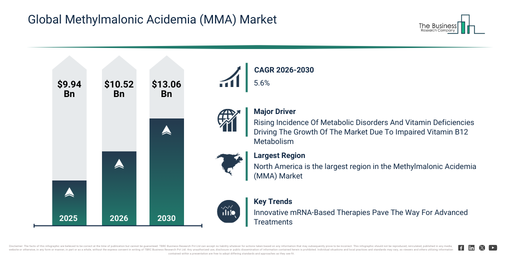
    The methylmalonic acidemia (mma) market size has experienced robust growth in recent years. It is projected to increase from $9.94 billion in 2025 to $10.52 billion in 2026, demonstrating a compound annual growth rate (CAGR) of 5.8%. The expansion observed in the historical period can be linked to heightened rare disease awareness, an increase in newborn screening programs, the broader scope of metabolic disorder research, advancements in diagnostic technologies, and the early uptake of genetic testing.

    The market for methylmalonic acidemia (mma) is projected to experience robust expansion over the coming years. This market is anticipated to reach a valuation of $13.06 billion by 2030, driven by a compound annual growth rate (CAGR) of 5.6%. This projected growth during the forecast period is attributable to several factors, including the expansion of precision therapeutics, breakthroughs in gene and enzyme replacement therapies, increased funding for rare disease drug development, the spread of telehealth services for metabolic monitoring, and a heightened emphasis on individualized nutrition management. Key trends identified for the forecast period encompass the development of therapies based on precision medicine, diagnostic and monitoring solutions powered by AI, integrated cloud-based data systems for rare diseases, automated biomanufacturing processes for enzyme treatments, and advanced immersive medical training for managing metabolic conditions.

    Get A Free Sample Report With In-Depth Market Insights:

    https://thebusinessresearchcompany.com/sample_request?id=29772817&type=smp&name=Methylmalonic%20Acidemia%20%28MMA%29%20Market%20Report%202026&utm_source=Blogs&utm_medium=Paid&utm_campaign=Nov_PR

    Methylmalonic Acidemia (MMA) Market Growth Drivers: What’s Behind The Acceleration?

    The escalation in metabolic disorders and vitamin deficiencies is projected to fuel the expansion of the methylmalonic acidemia (MMA) market. Metabolic disorders encompass conditions where the body encounters difficulties in processing specific nutrients, generating energy, or managing cellular chemical reactions. Vitamin deficiencies arise when the body lacks an adequate supply of particular vitamins necessary for proper physiological functions. This surge in metabolic disorders and vitamin deficiencies stems from poor dietary habits, inactive lifestyles, and elevated stress levels. Contemporary diets, often rich in processed items, sugars, and unhealthy fats while deficient in vital nutrients, contribute to vitamin and mineral shortages. Both metabolic disorders and vitamin deficiencies, especially vitamin B12 deficiency, hinder methylmalonyl-CoA metabolism, resulting in the buildup of methylmalonic acid and worsening methylmalonic acidemia (MMA). Consequently, the rising occurrence of metabolic disorders and vitamin deficiencies propels the growth of the methylmalonic acidemia (MMA) market.

    Methylmalonic Acidemia (MMA) Market Segments: Where Is Growth Concentrated?

    The methylmalonic acidemia (mma) market covered in this report is segmented –

    1) By Treatment Type: Dietary Management And Supplementation, Enzyme Replacement Therapy, Gene Therapy, Transplantation

    2) By Disorder Type: Isolated Methylmalonic Aciduria, Combined Methylmalonic Aciduria, Homocystinuria

    3) By Patient Age Group: Infant, Pediatric, Adult

    4) By Route of Administration: Oral, Intravenous

    5) By End User: Hospitals, Specialty Clinics, Homecare, Other End Users

    Subsegments:

    1) By Dietary Management And Supplementation: Vitamin B12 Supplementation, L-Carnitine Supplementation, Low-Protein Medical Diets

    2) By Enzyme Replacement Therapy: Recombinant Enzyme Therapies, Investigational Enzymes

    3) By Gene Therapy: AAV-Based Gene Therapy, Other Viral Vector-Based Therapies

    4) By Transplantation: Liver Transplantation, Combined Liver–Kidney Transplantation

    Methylmalonic Acidemia (MMA) Market Trends: What’s Defining The Industry’s Next Phase?

    Leading firms within the methylmalonic acidemia (MMA) market are concentrating on creating novel therapies, including mRNA-based treatments, to enhance patient results. These efforts aim to address the fundamental genetic origins of MMA and boost enzyme activity, thereby decreasing the build-up of harmful metabolites in patients. Such mRNA therapies involve utilizing messenger RNA to direct cells in manufacturing particular proteins, which can aid in preventing or managing conditions like genetic ailments or infections.

    Methylmalonic Acidemia (MMA) Market Key Participants And Competitive Landscape

    Major companies operating in the methylmalonic acidemia (mma) market are Alexion Pharmaceuticals Inc., PTC Therapeutics Inc., Asklepios BioPharmaceutical Inc AskBio, Selecta Biosciences Inc, BridgeBio Pharma Inc., VectivBio Holding AG, Recordati Rare Diseases Inc., Agios Pharmaceuticals Inc., LogicBio Therapeutics Inc., Moderna Inc., Wockhardt Limited, Supriya Lifescience Ltd., HemoShear Therapeutics LLC, Deccan Nutraceuticals Pvt Ltd, Genespire, Bluebird Bio Inc, Takeda Pharmaceutical Company Limited, Sanofi, Orphan Technologies Ltd, Ultragenyx Pharmaceutical Inc, HemoShear Therapeutics LLC

    View The Full Methylmalonic Acidemia (MMA) Market Report:

    https://thebusinessresearchcompany.com/report/methylmalonic-acidemia-mma-global-market-report?utm_source=Blogs&utm_medium=Paid&utm_campaign=Nov_PR

    Methylmalonic Acidemia (MMA) Market Regional Analysis: Which Geography Leads On Revenue?

    North America was the largest region in the methylmalonic acidemia (MMA) market in 2025. Asia-Pacific is expected to be the fastest-growing region in the forecast period. The regions covered in the methylmalonic acidemia (mma) market report are Asia-Pacific, South East Asia, Western Europe, Eastern Europe, North America, South America, Middle East, Africa.

    Reach Out To Our Team:

    The Business Research Company: https://www.thebusinessresearchcompany.com/

    Americas: +1 310-496-7795

    Asia: +44 7882 955267 & +91 8897263534

    Europe: +44 7882 955267

    Email us at: marketing@tbrc.info

    Follow us on:

    LinkedIn: https://in.linkedin.com/company/the-business-research-company

    YouTube: https://www.youtube.com/channel/UC24_fI0rV8cR5DxlCpgmyFQ

    Global Market Model: https://www.thebusinessresearchcompany.com/global-market-model
  • Metformin Market Size And Forecast 2026–2030: Trends Driving Industry Expansion

    Metformin Market Size And Forecast 2026–2030: Trends Driving Industry Expansion

    Featuring market attractiveness scoring, total addressable market sizing, company benchmarking matrices, interactive Excel dashboards, deeper supply chain intelligence, emerging startup tracking, and granular product-level insights, The Business Research Company’s 2026 market reports are built to deliver research that is both more actionable and more strategically valuable.

    Metformin Market Forecast: What Value Will The Market Reach By 2030?

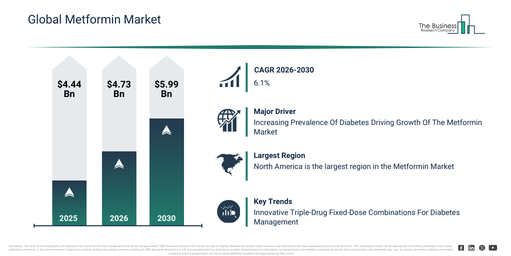
    The metformin market has experienced significant expansion over the past few years. This market is projected to increase from $4.44 billion in 2025 to $4.73 billion in 2026, achieving a compound annual growth rate (CAGR) of 6.7%. Historically, this growth was driven by factors such as the rising incidence of type 2 diabetes, the widespread adoption of oral antidiabetic drugs, the affordability of generic metformin, improved access to healthcare, and the expansion of prescription monitoring programs.

    The metformin market is expected to demonstrate strong growth over the next few years, reaching a valuation of $5.99 billion by 2030, growing at a compound annual growth rate (CAGR) of 6.1%. This expansion during the forecast period is primarily driven by an increased demand for extended-release formulations, the wider adoption of telemedicine for diabetes care, the integration with wearable glucose devices, a growing emphasis on combination therapies, and the impact of increasing health awareness campaigns. Significant trends shaping this period include precision medicine-based diabetes optimization, AI-driven treatment personalization, the integration of digital glucose monitoring, advancements in automated pharmaceutical manufacturing, and IoT-enabled prescription adherence tracking.

    Get A Free Sample Report With In-Depth Market Insights:

    https://thebusinessresearchcompany.com/sample_request?id=15372026&type=smp&name=Metformin%20Market%20Report%202026&utm_source=Blogs&utm_medium=Paid&utm_campaign=Nov_PR

    Metformin Market Growth Factors Behind Sustained Expansion

    The expanding occurrence of diabetes is projected to boost the growth of the metformin market in the future. Diabetes is a health condition marked by the pancreas’s inability to produce enough insulin or the body’s ineffective use of the insulin it creates. This widespread presence of diabetes stems from various causes such as the global obesity epidemic, inherited tendencies, altered lifestyles, inadequate healthcare access, and contact with specific toxins. Metformin plays a role in managing type 2 diabetes by decreasing blood sugar levels, facilitating weight loss, enhancing sensitivity to insulin, and potentially offering further cardiovascular advantages. Hence, the increasing prevalence of diabetes is propelling the expansion of the metformin market.

    Metformin Market Segment Analysis: What Are The Core Market Categories?

    The metformin market covered in this report is segmented –

    1) By Product Type: Standard-Release Tablets, Slow-Release Tablets

    2) By Dosage Type: 500MG, 750MG, 850MG, 1G

    3) By End-User: Clinics, Hospitals, Homecare, Other End-Users

    Subsegments:

    1) By Standard-Release Tablets: 500 Mg, 850 Mg, 1000 Mg

    2) By Slow-Release Tablets: 500 Mg, 750 Mg, 1000 Mg

    Metformin Market Industry Trends Fueling Future Revenue Growth

    Leading companies active in the metformin market are concentrating on creating innovative diabetes medications, like triple-drug FDCs, to bolster their standing in the industry. A triple-drug Fixed-Dose Combination (FDC) for diabetes treatments commonly refers to a single tablet or capsule that integrates three different antidiabetic medicines. Such combinations are engineered to deliver synergistic effects in managing blood sugar levels and improving overall glycemic control for patients diagnosed with type 2 diabetes.

    Metformin Market Top Companies Driving Competitive Growth

    Major companies operating in the metformin market are Wockhardt Limited, Aarti Drugs, Abhilash Chemicals Private Limited, Farmhispania, Rochem International Inc., Chr. Olesen Group, Aspire Lifesciences Pvt. Ltd., Ria Lifesciences Pvt. Ltd., LGM Pharma, HRV Global Life Sciences, Octavius Pharma Pvt. Ltd., USV Private Limited, Zeon Pharma Industries India Pvt. Ltd., Atman Pharmaceuticals, Anwita Drugs & Chemicals Pvt. Ltd., IOL Chemicals and Pharmaceuticals, Granules India Limited, Angels Pharma India Private Limited, Auro Laboratories Ltd, Wanbury Ltd, Shouguang Fukang Pharmaceutical Co, Vistin Pharma ASA, Keyuan Pharmaceutical

    View The Full Metformin Market Report:

    https://thebusinessresearchcompany.com/report/metformin-global-market-report?utm_source=Blogs&utm_medium=Paid&utm_campaign=Nov_PR

    Metformin Market Geographic Spread And Regional Opportunities

    North America was the largest region in the metformin market in 2025. The regions covered in the metformin market report are Asia-Pacific, South East Asia, Western Europe, Eastern Europe, North America, South America, Middle East, Africa.

    Reach Out To Our Team:

    The Business Research Company: https://www.thebusinessresearchcompany.com/

    Americas: +1 310-496-7795

    Asia: +44 7882 955267 & +91 8897263534

    Europe: +44 7882 955267

    Email us at: marketing@tbrc.info

    Follow us on:

    LinkedIn: https://in.linkedin.com/company/the-business-research-company

    YouTube: https://www.youtube.com/channel/UC24_fI0rV8cR5DxlCpgmyFQ

    Global Market Model: https://www.thebusinessresearchcompany.com/global-market-model
  • Metaverse In Surgical Operations Market 2026 Outlook: Market Size, CAGR And Key Growth Opportunities

    Metaverse In Surgical Operations Market 2026 Outlook: Market Size, CAGR And Key Growth Opportunities

    Built to provide research that’s more actionable and strategically valuable, The Business Research Company’s 2026 market reports include market attractiveness analysis, total addressable market sizing, company benchmarking matrices, interactive Excel dashboards, broader supply chain intelligence, emerging startup tracking, and in-depth product insights.

    Metaverse In Surgical Operations Market Size Outlook: How Quickly Will Revenue Expand Through 2030?

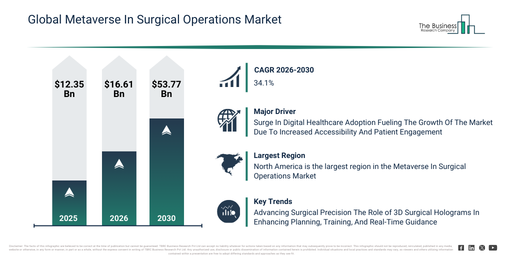
    The metaverse in surgical operations market size has experienced substantial expansion in recent years. It is projected to increase from $12.35 billion in 2025 to $16.61 billion in 2026, demonstrating a compound annual growth rate (CAGR) of 34.5%. The market’s growth during the preceding period can be linked to advancements in surgical simulation technologies, a higher adoption rate of minimally invasive procedures, the expansion of medical training programs, an increasing demand for surgical accuracy, and the broadening of telemedicine capabilities.

    The market size for the metaverse in surgical operations is projected to experience rapid expansion in the coming years. This market is forecasted to reach $53.77 billion by 2030, demonstrating a compound annual growth rate (CAGR) of 34.1%. During this projection period, the expansion can be linked to heightened investments in immersive healthcare solutions, a greater need for remote surgical teamwork, the spread of digital hospitals and advanced operating rooms, the increasing incorporation of AI-assisted surgical planning, and a sharpened emphasis on minimizing errors during operations. Key developments expected throughout the forecast timeline encompass a wider utilization of immersive platforms for surgical training, an expanding embrace of virtual and augmented reality for preoperative preparations, the broadening of remote and cooperative surgical settings, the escalating integration of real-time 3D visualization aids, and an intensified commitment to improving surgical accuracy and refining skills.

    Get A Free Sample Report With In-Depth Market Insights:

    https://thebusinessresearchcompany.com/sample_request?id=13980868&type=smp&name=Metaverse%20In%20Surgical%20Operations%20Market%20Report%202026&utm_source=Blogs&utm_medium=Paid&utm_campaign=Nov_PR

    Metaverse In Surgical Operations Market Demand Drivers Opening New Revenue Streams

    The escalating requirement for digital healthcare is projected to advance the expansion of the metaverse in surgical operations market moving forward. Digital healthcare involves the integration of various digital tools and services into healthcare delivery, including mobile applications, telemedicine, remote monitoring, and online patient portals. The escalating need for digital healthcare arises from increased patient engagement with digital platforms, enhanced access to care, improved convenience, and better coordination among healthcare providers. Metaverse-enabled surgical operations support this demand by offering immersive virtual simulations, real-time data visualization, and remote collaboration features that improve surgical planning, training, and outcomes. Thus, the increasing adoption of digital healthcare is driving the growth of the metaverse in surgical operations market.

    Metaverse In Surgical Operations Market Segment Breakdown: Which Categories Lead On Revenue?

    The metaverse in surgical operations market covered in this report is segmented –

    1) By Component: Hardware, Software, Service

    2) By Technology: Virtual Reality (VR), Augmented Reality (AR), Mixed Reality (MR)

    3) By Application: Surgical Training, Preoperative Planning, Other Applications

    4) By End User: Hospitals And Surgical Centers, Medical Training Institutes

    Subsegments:

    1) By Hardware: Surgical Headsets (AR/VR), Haptic Feedback Devices, Sensors and Tracking Devices, Computing Systems and Servers

    2) By Software: Surgical Simulation Software, Augmented Reality Software for Surgical Guidance, Collaboration Platforms

    3) By Service: Implementation and Integration Services, Training and Education Services, Technical Support and Maintenance, Content Development for Training Simulations

    Metaverse In Surgical Operations Market Trends Powering Strategic Industry Growth

    Leading companies active in the metaverse in surgical operations market are concentrating on developing interactive 3D holograms to improve surgical planning and precision, elevate training and education for medical professionals, and offer real-time guidance and visualization during operations. These interactive 3D holograms serve as sophisticated imaging tools, generating three-dimensional representations of anatomical structures and surgical fields.

    Metaverse In Surgical Operations Market Leading Players And Competitive Positioning

    Major companies operating in the metaverse in surgical operations market are Microsoft Corporation, Meta Platforms Inc., NVIDIA Corporation, Siemens Healthineers AG, Koninklijke Philips N.V., Medtronic Plc, Stryker Corporation, Intuitive Surgical Inc., Brainlab AG, EchoPixel Inc., Augmedics Ltd, Osso VR Inc., VirtaMed AG, FundamentalVR Ltd, Precision OS Technologies Inc., Surgical Theater Inc., CAE Inc., Laerdal Medical AS, Mentice AB, Simulab Corporation, 3D Systems Corporation, GigXR Inc., SimX Inc., Virti Ltd

    View The Full Metaverse In Surgical Operations Market Report:

    https://thebusinessresearchcompany.com/report/metaverse-in-surgical-operations-global-market-report?utm_source=Blogs&utm_medium=Paid&utm_campaign=Nov_PR

    Metaverse In Surgical Operations Market Top Region By Revenue And Market Share

    North America was the largest region in the metaverse in surgical operations market in 2025. Asia-Pacific is expected to be the fastest-growing region in the forecast period. The regions covered in the metaverse in surgical operations market report are Asia-Pacific, South East Asia, Western Europe, Eastern Europe, North America, South America, Middle East, Africa.

    Reach Out To Our Team:

    The Business Research Company: https://www.thebusinessresearchcompany.com/

    Americas: +1 310-496-7795

    Asia: +44 7882 955267 & +91 8897263534

    Europe: +44 7882 955267

    Email us at: marketing@tbrc.info

    Follow us on:

    LinkedIn: https://in.linkedin.com/company/the-business-research-company

    YouTube: https://www.youtube.com/channel/UC24_fI0rV8cR5DxlCpgmyFQ

    Global Market Model: https://www.thebusinessresearchcompany.com/global-market-model
  • Metaverse In Medical Training Market Size Growth: From $5.72 Billion In 2026 To $13.22 Billion By 2030

    Metaverse In Medical Training Market Size Growth: From $5.72 Billion In 2026 To $13.22 Billion By 2030

    Backed by market attractiveness analysis, total addressable market sizing, company benchmarking matrices, interactive Excel dashboards, wider supply chain intelligence, emerging startup coverage, and detailed product-level insights, The Business Research Company’s 2026 market reports are designed to offer research that is more actionable and strategically valuable than ever.

    Metaverse In Medical Training Market Size, Value And Growth Trajectory Through 2030

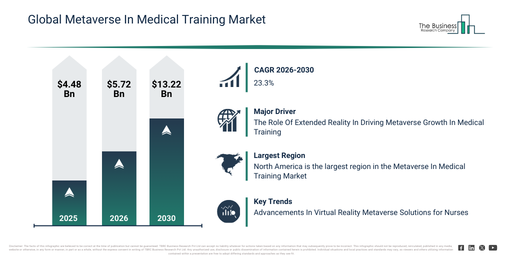
    The market size for the metaverse in medical training has witnessed substantial expansion over recent years. It is projected to increase from $4.48 billion in 2025 to $5.72 billion in 2026, reflecting a compound annual growth rate (CAGR) of 27.8%. Historically, this market expansion can be ascribed to the increasing adoption of virtual simulation tools, a rising demand for remote medical training, the early integration of VR technology, the growth in healthcare digitalization, and the requirement for standardized training modules.

    The metaverse in medical training market is projected to experience substantial growth over the coming years. This market is anticipated to reach a valuation of $13.22 billion by 2030, exhibiting a compound annual growth rate (CAGR) of 23.3%. Factors contributing to this expansion during the forecast period include the increasing adoption of AI-assisted learning, higher investments in simulation laboratories, the proliferation of mixed reality hardware, a growing need for skill-focused evaluations, and its integration within telemedicine ecosystems. Key trends anticipated for this period encompass the broadening use of AR/VR-based medical simulations, AI-improved skill assessment instruments, virtual training platforms leveraging cloud technology, the incorporation of smart medical training infrastructure, and IoT-enabled solutions for tracking performance in real-time.

    Get A Free Sample Report With In-Depth Market Insights:

    https://thebusinessresearchcompany.com/sample_request?id=84239822&type=smp&name=Metaverse%20In%20Medical%20Training%20Market%20Report%202026&utm_source=Blogs&utm_medium=Paid&utm_campaign=Nov_PR

    Metaverse In Medical Training Market Growth Backed By Core Demand Fundamentals

    The expanding implementation of extended reality (XR) technology is poised to significantly advance the metaverse within the medical training market in the future. Extended reality encompasses technologies that integrate digital components into the physical setting, thereby modifying reality. These technologies consist of augmented reality (AR), mixed reality (MR), virtual reality (VR), and more, with an unconstrained scope. The increasing acceptance of extended reality technology is driven by its capacity to revolutionize remote collaboration and educational experiences. XR technology empowers users to metaphorically engage with intricate medical information and interact with medical objects within the metaverse, thereby circumventing the constraints of actual vision and available resources for medical procedures. Consequently, the growing adoption of extended reality technology is stimulating the expansion of the metaverse in the medical training market.

    Metaverse In Medical Training Market Segmentation: How Does The Market Break Down By Category?

    The metaverse in medical training market covered in this report is segmented –

    1) By Component: Software, Hardware

    2) By Technology: Augmented Reality (AR), Virtual Reality (VR), Artificial Intelligence (AI), Mixed Reality (MR)

    3) By End User: Medical Schools And Universities, Hospitals And Healthcare Institutions, Pharmaceutical Companies, Other End Users

    Subsegments:

    1) By Software: Simulation Software, Training Platforms, Content Development Tools, Learning Management Systems (LMS), Virtual Reality (VR) and Augmented Reality (AR) Software, AI-Based Training Software, Collaboration And Communication Tools

    2) By Hardware: Virtual Reality (VR) Headsets, Augmented Reality (AR) Glasses, Motion Tracking Devices, Haptic Feedback Devices, Computing Devices (PCs, Servers), Input Devices (Gloves, Controllers), Wearable Sensors

    Metaverse In Medical Training Market Growth Trends Reshaping The Competitive Landscape

    Major companies operating in the metaverse in the medical training market are concentrating on creating advanced, novel solutions, such as virtual reality metaverse training for nurses, to secure a competitive advantage. Virtual reality metaverse training places nurses in lifelike scenarios, improving clinical skills and decision-making within an engaging, interactive setting, thereby transforming healthcare education.

    Metaverse In Medical Training Market Competitive Overview And Top Companies

    Major companies operating in the metaverse in medical training market are Microsoft Corporation, NVIDIA Corporation, Siemens Healthineers AG, GE HealthCare Technologies Inc. , CAE Inc., 3D Systems Corporation, Brainlab AG, Surgical Science Sweden AB, EON Reality Inc., CMR Surgical Ltd , Novarad Corporation, XRHealth USA Inc., VirtaMed AG, Level Ex Inc., FundamentalVR plc, WorldViz Inc., Medical Realities Ltd., ImmersiveTouch Inc., BioflightVR, Devden Creative Solutions Pvt. Ltd., 8Chili Inc., PrecisionOS Technologies Inc., SimX Inc., Osso VR Inc., Arch Virtual

    View The Full Metaverse In Medical Training Market Report:

    https://thebusinessresearchcompany.com/report/metaverse-in-medical-training-global-market-report?utm_source=Blogs&utm_medium=Paid&utm_campaign=Nov_PR

    Metaverse In Medical Training Market Regional Analysis And Top Geography

    North America was the largest region in the metaverse in medical training market in 2025. Asia-Pacific is expected to be the fastest-growing region in the forecast period. The regions covered in the metaverse in medical training market report are Asia-Pacific, South East Asia, Western Europe, Eastern Europe, North America, South America, Middle East, Africa.

    Reach Out To Our Team:

    The Business Research Company: https://www.thebusinessresearchcompany.com/

    Americas: +1 310-496-7795

    Asia: +44 7882 955267 & +91 8897263534

    Europe: +44 7882 955267

    Email us at: marketing@tbrc.info

    Follow us on:

    LinkedIn: https://in.linkedin.com/company/the-business-research-company

    YouTube: https://www.youtube.com/channel/UC24_fI0rV8cR5DxlCpgmyFQ

    Global Market Model: https://www.thebusinessresearchcompany.com/global-market-model