Blog

  • Global Insights: In-Situ Hybridization Market Expected to Surpass $2.53 Billion by 2029

    Global Insights: In-Situ Hybridization Market Expected to Surpass $2.53 Billion by 2029

    Claim your 30% discount on Global Market Reports with code ONLINE30. Limited time only.

    How Large Is the In-Situ Hybridization Market Expected to Be in 2029?

    There has been a considerable expansion in the in-situ hybridization market size in the past few years. The forecast predicts a growth from $1.62 billion in 2024 to $1.78 billion in 2025, with a compound annual growth rate (CAGR) of 9.5%. The precedented expansion during the historical period can be linked to the increase in research and development activities, broader biopharmaceutical research, heightened governmental support for genomic research, a surge in demand for precision medicine therapies, and an uptick in the number of clinical trials employing ISH.

    We are set to witness significant expansion in the in-situ hybridization market in the upcoming years. The market is projected to reach $2.53 billion by 2029, with a compound annual growth rate (CAGR) of 9.2%. This growth during the forecast period can be linked to several factors, including an increase in cancer cases, a rise in genetic disorders, a heightened demand for individualized medicine, an upsurge in the utilization of companion diagnostics, and an increased awareness of early disease diagnosis. The forecast period also foresees major trends such as progress in molecular diagnostics, technological improvements in ISH procedures, the availability of state-of-the-art ISH kits and reagents, a surge in demand for non-invasive diagnostic procedures, and advancements in fluorescence in-situ hybridization (FISH) technologies.

    Download The Free Sample Report Here:

    https://www.thebusinessresearchcompany.com/sample.aspx?id=24571&type=smp

    What Are The Contributors To Demand In The In-Situ Hybridization Market?

    The prognosticated amplification of cancer incidences is expected to stimulate the in-situ hybridization market’s expansion in the forthcoming years. Cancer, a disease characterized by uncontrolled growth and potential spread of abnormal cells, is on the rise due to extended lifespan, which provides additional time for genetic mutations to gather and for individuals to encounter factors triggering cancer. In-situ hybridization, referred to as ISH, is instrumental in managing cancer as it enables the identification of particular genetic anomalies within cancerous cells. This method is employed for precise diagnosing, prognosticating, and informing decisions regarding targeted therapies. As an illustration, the World Health Organization, based in Switzerland, projected in February 2024 that the number of new cancer cases is likely to surpass 35 million by 2050, an increase of 77% from the anticipated 20 million cases in 2022. As such, the escalating prevalence of cancer is set to augment the in-situ hybridization market’s growth.

    What Segmentation Categories Are Included In The In-Situ Hybridization Market Analysis?

    The in-situ hybridization market covered in this report is segmented –

    1) By Product: Analytical Instruments, Kits And Reagents, Software And Services, Other Products

    2) By Technology: Fluorescence In Situ Hybridization, Chromogenic In Situ Hybridization, Dual-Color In Situ Hybridization

    3) By Application: Cancer Diagnosis, Cytogenetics, Developmental Biology, Infectious Diseases, Immunology, Other Applications

    4) By End User: Hospitals And Diagnostic Laboratories, Academic And Research Institutes, Contract Research Organizations, Pharmaceutical And Biotechnology Companies

    Subsegments:

    1) By Analytical Instruments: Fluorescence Microscopes, Brightfield Microscopes, Automated Slide Scanners, Hybridization Systems

    2) By Kits And Reagents: DNA Probes, RNA Probes, Labeling Kits, Detection Reagents, Pretreatment Reagents

    3) By Software And Services: Image Analysis Software, Data Management Software, Custom Probe Design Services, Sample Preparation Services

    4) By Other Products: Slides And Coverslips, Storage Reagents, Hybridization Buffers, Control Probes

    What Upcoming Trends Are Expected To Impact The In-Situ Hybridization Market Globally?

    Leading entities in the realm of in-situ hybridization market are aiming at devising refined solutions, such as HER2 testing solutions, to predict the patient’s reaction to targeted therapies. The HER2 testing solutions serve as diagnostic instruments that detect the quantity and presence of HER2 protein in cancerous cells, which in turn assists in directing targeted treatment choices. For example, in December 2023, an Indian cancer diagnostic services firm, Cytelabs, introduced the dual in situ hybridization (DISH) examination for individuals with breast cancer. Granted approval by the US FDA, DISH technology signifies a major improvement in credible HER2 testing, which is significant for targeted treatment of breast cancer. It remarkably reduces the waiting span by delivering HER2 status outcomes within 24 to 48 hours, thereby reducing the anxiety levels of patients and their near ones. By supplying reliable results swiftly, DISH facilitates immediate treatment arrangement and commencement. As HER2 status plays an integral part in determining prognosis and therapy, accurate and swift testing is indispensable for the apt evaluation of all invasive breast cancers.

    Who Are The Top-Ranked Companies In The In-Situ Hybridization Market Today?

    Major companies operating in the in-situ hybridization market are F. Hoffmann-La Roche Ltd., Thermo Fisher Scientific Inc., Abbott Laboratories Inc., Danaher Corporation, Merck KGaA, Agilent Technologies Inc., PerkinElmer Inc., Bio-Rad Laboratories Inc., Qiagen NV, Bio-Techne Corporation, Leica Biosystems Nussloch GmbH, Biocare Medical LLC, BioGenex Srl, Oxford Gene Technology Inc., BioDot Inc., Creative Biolabs, West Medica Produktions- und Handels GmbH, Empire Genomics LLC, Abnova Corporation, BioView Ltd., Advanced Cell Diagnostics Inc., BioCat GmbH, VERMICON AG, Bio SB Inc., Genemed Biotechnologies Inc.

    Get The Full Report Here:

    https://www.thebusinessresearchcompany.com/report/in-situ-hybridization-global-market-report

    How Is In-Situ Hybridization Market Adoption Varying Across Different Regions And Sectors?

    North America was the largest region in the in-situ hybridization market in 2024. Asia-Pacific is expected to be the fastest-growing region in the forecast period. The regions covered in the in-situ hybridization market report are Asia-Pacific, Western Europe, Eastern Europe, North America, South America, Middle East, Africa.

    Request For A Customized Report:

    https://www.thebusinessresearchcompany.com/customise?id=24571&type=smp

    About The Business Research Company:

    With over 15000+ reports from 27 industries covering 60+ geographies, The Business Research Company has built a reputation for offering comprehensive, data-rich research and insights. Armed with 1,500,000 datasets, the optimistic contribution of in-depth secondary research, and unique insights from industry leaders, you can get the information you need to stay ahead in the game.

    Get in touch with us:

    The Business Research Company: https://www.thebusinessresearchcompany.com/

    Americas +1 310-496-7795

    Asia +44 7882 955267 & +91 8897263534

    Europe +44 7882 955267

    Email us at info@tbrc.info

    Follow us on:

    LinkedIn: https://in.linkedin.com/company/the-business-research-company

    YouTube: https://www.youtube.com/channel/UC24_fI0rV8cR5DxlCpgmyFQ

    Global Market Model: https://www.thebusinessresearchcompany.com/global-market-model
  • 2025 Analysis: Opportunities and Risks in the Evolving Incretin-Based Drugs Market

    2025 Analysis: Opportunities and Risks in the Evolving Incretin-Based Drugs Market

    Claim your 30% discount on Global Market Reports with code ONLINE30. Limited time only.

    What Is the Outlook for the Incretin-Based Drugs Market Heading Into 2029?

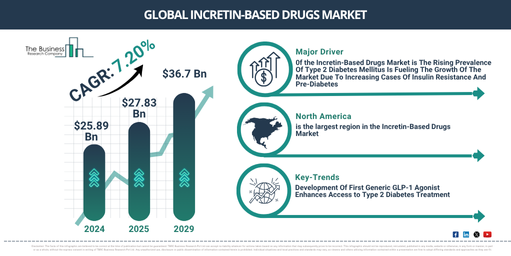
    In recent years, the market size for incretin-based drugs has impressively expanded. It’s expected to rise from a worth of $25.89 billion in 2024 to a projected $27.83 billion in 2025, boasting a compound annual growth rate (CAGR) of 7.5%. This significant growth during the historical period can be linked to numerous factors. These include the growing incidence of type 2 diabetes worldwide and the launch of GLP-1 receptor agonists like exenatide and liraglutide. Additionally, the inflow of research and development investments, the approval favorable from regulatory bodies for DPP-4 and GLP-1 drugs, the shift from insulin and sulfonylureas to more modern drug classes, and the emergence of injectable formulations available once a week have all further fueled this surge.

    The market for incretin-based drugs is set for significant expansion in the coming years, swelling to a sizable $36.7 billion by 2029 with a compound annual growth rate (CAGR) of 7.2%. This anticipated growth within the predicted period is likely due to a rising inclination towards fixed-dose combination therapies, an amplified emphasis on weight management and diabetes connected to obesity, advancements in personalized medicine and accompaniment diagnostics, growing demand for minimally invasive delivery techniques for drugs, as well as a rising aged population with higher comorbidity complications. Important trends emerging within this period encompass the usage of incretin drugs within obesity management programs, the emergence of dual and triple agonists to boost metabolic results, the incorporation of digital health into incretin treatments for individual monitoring, the dominance of combination treatments over monotherapy for improved diabetes regulation, and a focus on long-lasting weekly injections for the reduction of dosing burden.

    Download The Free Sample Report Here:

    https://www.thebusinessresearchcompany.com/sample.aspx?id=24570&type=smp

    Which Factors Are Pushing The Incretin-Based Drugs Market Forward?

    The incretin-based drugs market is anticipated to grow due to the increasing prevalence of type 2 diabetes mellitus. This chronic metabolic disorder, featuring insulin resistance and deficient insulin secretion, escalates levels of glucose in the blood. The occurrence of Type 2 diabetes is commonly linked to poor nutrition and lack of physical activity which causes insulin resistance, thus negatively affecting the body’s ability to regulate blood sugar levels. Incretin-based medications improve this type of diabetes by elevating insulin release post-meal, reducing glucagon production, and therefore, lowering blood sugar. These drugs also slow down stomach emptying and suppress appetite, which aids in glucose management and weight loss. For instance, the National Health Service, a government department in the UK, stated in June 2024 that in 2023, approximately 549,000 more individuals in England were at risk of developing type 2 diabetes. This brought the total number of pre-diabetic individuals to over 3.6 million, which is almost a 20% rise from 2022. Consequently, due to the escalating prevalence of type 2 diabetes mellitus, the incretin-based drugs market is witnessing growth.

    Which Segment Held The Largest Share In The Incretin-Based Drugs Market In 2025?

    The incretin-based drugs market covered in this report is segmented –

    1) By Type: Glucagon-Like Peptide-1 Receptor (GLP-1) Agonists, Dipeptidyl Peptidase-4 (DPP-4) Inhibitors

    2) By Route Of Administration: Oral, Injectable

    3) By Distribution Channel: Hospital Pharmacies, Retail Pharmacies, Online Pharmacies

    4) By Application: Type 2 Diabetes, Obesity, Other Applications

    Subsegments:

    1) By Glucagon-Like Peptide-1 Receptor (GLP-1) Agonists: Exenatide, Liraglutide, Dulaglutide, Semaglutide, Lixisenatide, Albiglutide

    2) By Dipeptidyl Peptidase-4 (DPP-4) Inhibitors: Sitagliptin, Saxagliptin, Linagliptin, Alogliptin, Vildagliptin

    How Are Key Trends Driving Expansion In The Incretin-Based Drugs Industry?

    Key players in the incretin-based drugs market are striving to create a generic version of drugs as a more potent and user-friendly treatment solution for type 2 diabetes. A generic drug contains equivalent active ingredients, strength, dosage form, and administration path as a branded drug, but it is sold under its chemical name without the branding. To illustrate, Hikma Pharmaceuticals PLC, a pharmaceutical company from the UK, introduced the first generic version of Victoza, which is a liraglutide injection of 6 mg/mL, in America in December 2024. The Food and Drug Administration (FDA) gave its approval. It was specified to be used as a supplementary measure to diet and exercise for better glycemic control in adults and children aged 10 or above who have type 2 diabetes. It thus offers a fresh and more economical alternative at a time when GLP-1 medications are in scarce supply.

    Which Organizations Are Driving Progress In The Incretin-Based Drugs Industry?

    Major companies operating in the incretin-based drugs market are Pfizer Inc., Johnson & Johnson, Roche Holding AG, AbbVie Inc., Bristol-Myers Squibb Company, AstraZeneca PLC, Novartis AG, GlaxoSmithKline plc, Eli Lilly and Company, Takeda Pharmaceutical Company Limited, Amgen Inc., Novo Nordisk A/S, Viatris, Boehringer Ingelheim GmbH, Astellas Pharma Inc., Daiichi Sankyo Company Limited, Sun Pharmaceutical Industries Ltd., Sumitomo Dainippon Pharma Co. Ltd., Hikma Pharmaceuticals PLC, Lupin Limited, Mitsubishi Tanabe Pharma Corporation

    Get The Full Report Here:

    https://www.thebusinessresearchcompany.com/report/incretin-based-drugs-global-market-report

    Which Region Is Expected To Experience The Highest Growth In The Incretin-Based Drugs Industry?

    North America was the largest region in the incretin-based drugs market in 2024. Asia-Pacific is expected to be the fastest-growing region in the forecast period. The regions covered in the incretin-based drugs market report are Asia-Pacific, Western Europe, Eastern Europe, North America, South America, Middle East, Africa.

    Request For A Customized Report:

    https://www.thebusinessresearchcompany.com/customise?id=24570&type=smp

    About The Business Research Company:

    With over 15000+ reports from 27 industries covering 60+ geographies, The Business Research Company has built a reputation for offering comprehensive, data-rich research and insights. Armed with 1,500,000 datasets, the optimistic contribution of in-depth secondary research, and unique insights from industry leaders, you can get the information you need to stay ahead in the game.

    Get in touch with us:

    The Business Research Company: https://www.thebusinessresearchcompany.com/

    Americas +1 310-496-7795

    Asia +44 7882 955267 & +91 8897263534

    Europe +44 7882 955267

    Email us at info@tbrc.info

    Follow us on:

    LinkedIn: https://in.linkedin.com/company/the-business-research-company

    YouTube: https://www.youtube.com/channel/UC24_fI0rV8cR5DxlCpgmyFQ

    Global Market Model: https://www.thebusinessresearchcompany.com/global-market-model
  • In-Depth Implantable Medical Devices Market Report: Business Trends, Growth Factors, and Forecast to 2029

    In-Depth Implantable Medical Devices Market Report: Business Trends, Growth Factors, and Forecast to 2029

    Claim your 30% discount on Global Market Reports with code ONLINE30. Limited time only.

    What Does the Forecast Indicate for the Implantable Medical Devices Market From 2025 to 2029?

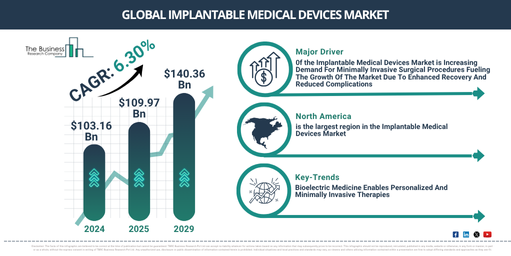
    In recent years, significant growth has been experienced in the market size for implantable medical devices. Projections indicate a rise from $103.16 billion in 2024 to $109.97 billion in 2025, equivalent to a compound annual growth rate (CAGR) of 6.6%. This growth during the historical period could be ascribed to several factors including an increase in chronic diseases, a burgeoning aging population, a surge in demand for minimally invasive surgical procedures, development of healthcare infrastructure in developing areas, and rising healthcare expenditure.

    The market for implantable medical devices is set to achieve robust expansion in the coming years, with an anticipated worth of $140.36 billion in 2029, reflecting a compound annual growth rate (CAGR) of 6.3%. This upcoming growth period’s inflow can be chalked up to factors such as the escalating prevalence of disorders related to lifestyle, growing need for specialized treatment, the burgeoning expansion of outpatient surgical procedures, and an increased acceptance of bio-compatible materials. The upcoming period will also witness surges in implantable device technology advancements, pursuits in bioengineered implant research and development, advancements in intelligent and connected implants, innovations in miniaturized electronics specifically for implants, and a growing emphasis on 3D-printing and custom-designed implants.

    Download The Free Sample Report Here:

    https://www.thebusinessresearchcompany.com/sample.aspx?id=24569&type=smp

    What Elements Are Contributing To Growth In The Implantable Medical Devices Market?

    The growing preference for surgical operations that are minimally intrusive is projected to drive the growth of the marketplace for implantable medical devices. These minimally invasive procedures are medical interventions carried out through small cuts or openings, which decreases the trauma experienced by the patient and reduces recovery time. These procedures are in high demand due to the unique benefits they offer including shorter healing times, decreased chances of complications, diminished pain, and minor scarring, thus, becoming more attractive to patients searching for quicker and safer therapy alternatives. Implantable medical devices amplify these minimally invasive surgical interventions by not only enabling direct treatment delivery but also facilitating real-time supervision. They pave the way for quicker healing, minimize the chances of complications, and enhance the final outcomes for patients via specific, personalized interventions. For example, in November 2024, based on data from the American Society of Plastic Surgeons, a non-profit organization based in the United States, the total number of cosmetic procedures performed minimally invasively touched 25,442,640 in 2023. This marks a 7% rise from a previous 23,672,269 in 2022. Thus, due to the growing preference for these minimally intrusive surgical interventions, the marketplace for implantable medical devices is experiencing positive growth.

    Which Segments Are Detailed In The Global Implantable Medical Devices Market Report?

    The implantable medical devices market covered in this report is segmented –

    1) By Product Type: Cardiovascular Implants, Orthopedic Implants, Ophthalmology Implants, Dental Implants, Cochlear Implants, Microchip Implants, Other Product Types

    2) By Biomaterial: Ceramic, Metallic, Polymers, Natural

    3) By End Use: Hospitals, Ambulatory Surgical Centers, Multi-Specialty Centers, Clinics, Other End Uses

    Subsegments:

    1) By Cardiovascular Implants: Pacemakers, Implantable Cardioverter Defibrillators, Stents, Heart Valves, Cardiac Resynchronization Therapy Devices

    2) By Orthopedic Implants: Hip Implants, Knee Implants, Spinal Implants, Shoulder Implants, Trauma Implants

    3) By Ophthalmology Implants: Intraocular Lenses, Glaucoma Drainage Implants, Corneal Implants, Retinal Implants

    4) By Dental Implants: Endosteal Implants, Subperiosteal Implants, Zygomatic Implants, Mini Dental Implants

    5) By Cochlear Implants: Unilateral Cochlear Implants, Bilateral Cochlear Implants

    6) By Microchip Implants: Radiofrequency Identification Implants, Biosensor Microchips, Neural Interface Microchips

    7) By Other Product Types: Neurostimulators, Contraceptive Implants, Drug Delivery Implants, Breast Implants, Penile Implants

    Which Emerging Trends And Strategic Shifts Are Shaping The Implantable Medical Devices Market?

    Leading corporations in the market for implantable medical devices are honing their focus on the creation of technologically superior products and securing necessary approvals. This is being done with a view to amplify treatment efficiency, lower side effects, and introduce customized, minimally invasive therapeutic interventions. The sphere of bioelectric medicine, which leverages electric signals to diagnose, treat, or stimulate bodily nervous systems for improved wellbeing and disease control, is one such area of emphasis. A notable example includes the Boston Scientific Corporation – a biotech firm based in the United States. In July 2023, the company received approval from the U.S. Food and Drug Administration (FDA) for their Vercise Neural Navigator 5 Software. This software, in combination with the Vercise Genus deep brain stimulation (DBS) systems, equips medical practitioners with user-friendly and useful information for effective programming when treating individuals with Parkinson’s disease or essential tremor. The technology offers enhanced programming flexibility, allowing for the development of bespoke treatment plans capable of catering to the unique symptoms and requirements of each patient.

    Who Are The Key Contributors To Growth In The Implantable Medical Devices Market?

    Major companies operating in the implantable medical devices market are Cardinal Health Inc., Johnson & Johnson, Abbott Laboratories, Medtronic plc, Koninklijke Philips N.V., Stryker Corporation, Boston Scientific Corporation, Henry Schein Inc., Alcon Inc., Zimmer Biomet Holdings Inc., Terumo Corporation, Terumo Medical Corporation, Smith & Nephew plc, W. L. Gore & Associates Inc., Edwards Lifesciences Corporation, Dentsply Sirona Inc., Demant A/S, Institut Straumann AG, Biotronik SE & Co. KG, Integra LifeSciences Holdings Corporation, Conmed Corporation, Globus Medical Inc., LivaNova Public Limited Company, MicroPort Scientific Corporation, B. Braun Melsungen Aktiengesellschaft

    Get The Full Report Here:

    https://www.thebusinessresearchcompany.com/report/implantable-medical-devices-global-market-report

    Which Region Is Projected To Lead The Implantable Medical Devices Market By 2025?

    North America was the largest region in the implantable medical devices market in 2024. Asia-Pacific is expected to be the fastest-growing region in the forecast period. The regions covered in the implantable medical devices market report are Asia-Pacific, Western Europe, Eastern Europe, North America, South America, Middle East, Africa.

    Request For A Customized Report:

    https://www.thebusinessresearchcompany.com/customise?id=24569&type=smp

    About The Business Research Company:

    With over 15000+ reports from 27 industries covering 60+ geographies, The Business Research Company has built a reputation for offering comprehensive, data-rich research and insights. Armed with 1,500,000 datasets, the optimistic contribution of in-depth secondary research, and unique insights from industry leaders, you can get the information you need to stay ahead in the game.

    Get in touch with us:

    The Business Research Company: https://www.thebusinessresearchcompany.com/

    Americas +1 310-496-7795

    Asia +44 7882 955267 & +91 8897263534

    Europe +44 7882 955267

    Email us at info@tbrc.info

    Follow us on:

    LinkedIn: https://in.linkedin.com/company/the-business-research-company

    YouTube: https://www.youtube.com/channel/UC24_fI0rV8cR5DxlCpgmyFQ

    Global Market Model: https://www.thebusinessresearchcompany.com/global-market-model
  • Immunoglobulin Fusion Protein Industry Poised for Rapid Expansion, Projected to Hit $76.89 Billion by 2029

    Immunoglobulin Fusion Protein Industry Poised for Rapid Expansion, Projected to Hit $76.89 Billion by 2029

    Claim your 30% discount on Global Market Reports with code ONLINE30. Limited time only.

    How Much Is the Global Immunoglobulin Fusion Protein Market Valued at Present and by 2029?

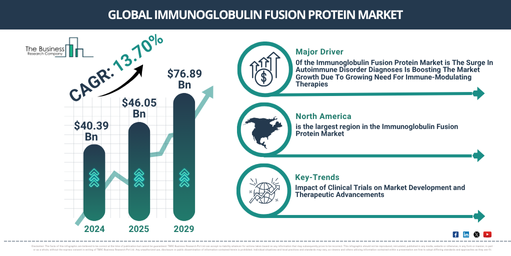
    The size of the immunoglobulin fusion protein market has experienced quick expansion in the last few years. It is projected to increase from a value of $40.39 billion in 2024 to $46.05 billion in 2025, growing at a compound annual growth rate (CAGR) of 14.0%. The notable growth during the historic period is credited to several factors, including the rising prevalence of autoimmune diseases, an increase in the adoption of biologics, a surge in demand for targeted therapies, enhanced diagnostic capabilities, and a significant rise in investment in the research and development of biologics.

    The market size of the immunoglobulin fusion protein is anticipated to experience significant growth in the upcoming years, reaching $76.89 billion by 2029 with a compound annual growth rate (CAGR) of 13.7%. Factors contributing to this growth during the forecasted period include an expanding elderly population, an increase in clinical trial activities for fusion proteins, a surging demand for tailor-made medicine, supportive regulatory policies for orphan drugs, and a rise in at-home immunotherapy treatments. Principal trends for the forecasted period encompass a shift towards subcutaneous formulations, application of AI in protein design, the creation of bispecific fusion proteins, collaborations between pharmaceutical and biotech companies, and progressive developments in protein engineering.

    Download The Free Sample Report Here:

    https://www.thebusinessresearchcompany.com/sample.aspx?id=24568&type=smp

    #What Drivers Are Influencing Growth In The Immunoglobulin Fusion Protein Market?

    The rise in autoimmune disorders is projected to drive expansion in the immunoglobulin fusion protein market. Autoimmune disorders are instances where the immune system wrongly targets the body’s own healthy cells and tissues. The escalation in such conditions predominantly stems from a blend of genetic susceptibility and environmental contributors, whereby inherited genes heighten vulnerability, and factors like infections or lifestyle aid in creating these conditions. The role of immunoglobulin fusion protein is to manage autoimmune disorders by curbing the immune response, decreasing inflammation and preventing the immune system from targeting the body’s own tissues. As an example, in November 2024, Versorgungsatlas.de, based in Germany, reported that in 2022, out of 73,241,305 insured individuals, 6,304,340 received a diagnosis of at least one autoimmune disease, leading to a raw prevalence rate of 8.61%. Hence, the escalation in autoimmune disorders contributes to the expansion of the immunoglobulin fusion protein market.

    What Are The Main Segments Identified In The Immunoglobulin Fusion Protein Market Research?

    The immunoglobulin fusion protein market covered in this report is segmented –

    1) By Type: Monoclonal Antibodies, Polyclonal Antibodies, Bispecific Antibodies, Recombinant Antibodies

    2) By Drug Class: Immunosuppressive Drugs, Immunostimulatory Drugs

    3) By Mode of Administration: Intravenous, Subcutaneous, Intramuscular

    4) By Application: Autoimmune Disease, Eye Diseases, Diabetes, Hemophilia

    5)By End User: Hospitals, Clinics, Research Institutes

    Subsegments:

    1) By Monoclonal Antibodies: Human Monoclonal Antibodies, Humanized Monoclonal Antibodies, Chimeric Monoclonal Antibodies, Murine Monoclonal Antibodies

    2) By Polyclonal Antibodies: Animal-Derived Polyclonal Antibodies, Human-Derived Polyclonal Antibodies, Recombinant Polyclonal Antibodies

    3) By Bispecific Antibodies: Tandem Single-Chain Variable Fragment, Dual-Variable Domain Antibodies, Bispecific T-Cell Engagers (BiTEs), Dual-Affinity Re-Targeting Antibodies

    4) By Recombinant Antibodies: Fragment Antibodies, Full-Length Recombinant Antibodies, Antibody-Drug Conjugates (ADCs), Engineered Antibody Domains

    What Are The Leading Trends And Opportunities In The Immunoglobulin Fusion Protein Sector?

    The primary players in the immunoglobulin fusion protein market are concentrating their efforts on carrying out clinical research to yield novel products such as bispecific antibody fusion protein to heighten therapeutic effectiveness and target several disease pathways concurrently. Such a bispecific antibody fusion protein is essentially a genetically modified molecule that has the capability to bind two different targets at once, thereby boosting targeted therapy by either bringing immune cells in proximity to tumor cells or inhibiting multiple disease pathways simultaneously. For example, Innovent Biologics, Inc., a biotechnology firm based in China, secured its second Fast Track Designation from the U.S. Food and Drug Administration in February 2025 for IBI343, a bispecific antibody fusion protein aimed at advanced solid tumors. IBI343 has been engineered to engage both tumor-associated antigens and immune effector cells simultaneously, which amplifies the accuracy and strength of anti-cancer immune responses. This status is anticipated to hasten the clinical development and regulatory examination of IBI343, signifying its potential to fulfill substantial, unfulfilled medical requirements in the field of oncology.

    Which Companies Play A Key Role In The Development Of The Immunoglobulin Fusion Protein Market?

    Major companies operating in the immunoglobulin fusion protein market are Pfizer Inc., AbbVie Inc., Bayer Aktiengesellschaft, Sanofi S.A., Bristol-Myers Squibb Company, Gilead Sciences Inc., Eli Lilly and Company, Amgen Inc., Teva Pharmaceutical Industries Limited, Regeneron Pharmaceuticals Inc., Sobi, 3SBio Inc., Innovent Biologics Inc., Chengdu Kanghong Pharmaceutical Group Co. Ltd., Samsung Bioepis Co. Ltd., Proteintech Group Inc., KRISHGEN Biosystems, Abnova (Taiwan) Corporation, Celgen Biopharma Inc., Chimerigen Laboratories LLC

    Get The Full Report Here:

    https://www.thebusinessresearchcompany.com/report/immunoglobulin-fusion-protein-global-market-report

    What Are The Key Regional Developments Shaping The Immunoglobulin Fusion Protein Market?

    North America was the largest region in the immunoglobulin fusion proteins market in 2024. Asia-Pacific is expected to be the fastest-growing region in the forecast period. The regions covered in the immunoglobulin fusion protein market report are Asia-Pacific, Western Europe, Eastern Europe, North America, South America, Middle East, Africa.

    Request For A Customized Report:

    https://www.thebusinessresearchcompany.com/customise?id=24568&type=smp

    About The Business Research Company:

    With over 15000+ reports from 27 industries covering 60+ geographies, The Business Research Company has built a reputation for offering comprehensive, data-rich research and insights. Armed with 1,500,000 datasets, the optimistic contribution of in-depth secondary research, and unique insights from industry leaders, you can get the information you need to stay ahead in the game.

    Get in touch with us:

    The Business Research Company: https://www.thebusinessresearchcompany.com/

    Americas +1 310-496-7795

    Asia +44 7882 955267 & +91 8897263534

    Europe +44 7882 955267

    Email us at info@tbrc.info

    Follow us on:

    LinkedIn: https://in.linkedin.com/company/the-business-research-company

    YouTube: https://www.youtube.com/channel/UC24_fI0rV8cR5DxlCpgmyFQ

    Global Market Model: https://www.thebusinessresearchcompany.com/global-market-model
  • Global Immunoglobulin A IgA Vasculitis Market Forecast to Reach $2.08 Billion by 2029, Driven by 6.3% CAGR

    Global Immunoglobulin A IgA Vasculitis Market Forecast to Reach $2.08 Billion by 2029, Driven by 6.3% CAGR

    Claim your 30% discount on Global Market Reports with code ONLINE30. Limited time only.

    What Is the Current and Projected Market Size of the Immunoglobulin A IgA Vasculitis Industry?

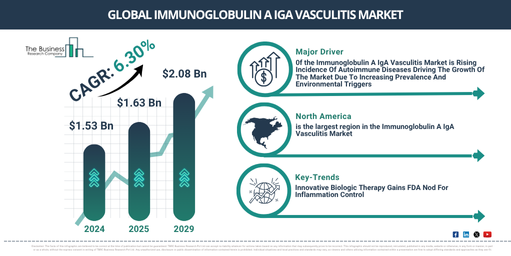
    The market for immunoglobulin A (iga) vasculitis has witnessed robust growth in the past few years. It’s anticipated to increase from $1.53 billion in 2024 to $1.63 billion in 2025, showcasing a compound annual growth rate (CAGR) of 6.5%. The surge during the historic period can be credited to factors like growing awareness about IGA vasculitis, a higher prevalence of autoimmune diseases, the extended use of immunosuppressive therapies, increased research funding targeting rare diseases, and a rise in the adaptation of targeted therapies.

    The market for Immunoglobulin A (IgA) Vasculitis is set to experience considerable growth in the coming years, with predictions of it reaching a value of $2.08 billion by 2029, boasting a compound annual growth rate (CAGR) of 6.3%. This projected growth within the forecast period can be credited to the increasing use of sophisticated biomarkers, a surge in comorbidity cases, a growth in clinical trials, enhanced interest in biologics, and an escalating demand for less invasive treatment options. Key market trends for this period are anticipated to be the integration of precision medicine, advancements in immunosuppressive therapies, the innovation in disease-altering therapies, the emergence of early-detection biomarkers, and the incorporation of artificial intelligence in treatment strategy formation.

    Download The Free Sample Report Here:

    https://www.thebusinessresearchcompany.com/sample.aspx?id=24567&type=smp

    #Which Factors Are Currently Driving The Growth Of The Immunoglobulin A IgA Vasculitis Market?

    The immunoglobulin A (IgA) vasculitis market is anticipated to witness growth, driven by the increasing occurrences of autoimmune diseases. An autoimmune disease happens when the body’s immune system wrongly identifies and attacks its own healthy cells instead of safeguarding the body against infections. The hike in these disorders is primarily due to rising exposure to pollutants that interfere with immune regulation, initiating abnormal responses. IgA vasculitis aids autoimmune conditions by inducing an immune reaction that causes small blood vessel inflammation, aiding in understanding and potentially treating different autoimmune diseases. For example, Versorgungsatlas.de, a German organization, stated in November 2024 that of the 73,241,305 insured individuals in 2022, 6,304,340 were diagnosed with at least one autoimmune disease, yielding a raw prevalence rate of 8.61%. As a result, the immunoglobulin A (IgA) vasculitis market’s expansion is being fuelled by the escalating incidence of autoimmune diseases. The growth of the immunoglobulin A (IgA) vasculitis market is being driven by an expanding focus on targeted therapies, thanks to advancements in precision medicine and molecular targeting. Targeted therapies are designed to zero in on and obstruct molecular abnormalities in diseases like cancer, increasing treatment accuracy and reducing damage to healthy cells. The heightening focus on these therapies is mainly stoked by advancements in precision medicine, which facilitates individualized, more efficient treatments based on individual genetic makeup. Targeted therapies aid IgA vasculitis treatment by focusing on specific immune pathways, limiting systemic side effects. They enhance disease management by decreasing inflammation and stopping organ damage, consequently improving patients’ outcomes and quality of life. For instance, the American Society of Gene and Cell Therapy (ASGCT) reported in December 2024 that six gene therapy products were approved by the FDA in 2023, compared to five in 2022. This increased focus on targeted therapies is driving the growth of the immunoglobulin A (IgA) vasculitis market.

    How Is The Global Immunoglobulin A IgA Vasculitis Market Structured In Terms Of Segments?

    The immunoglobulin a iga vasculitis market covered in this report is segmented –

    1) By Treatment Type: Medications, Plasma Exchange, Supportive Care, Immunosuppressive Therapy

    2) By Diagnosis Method: Blood Tests, Urinalysis, Imaging Studies, Biopsy

    3) By Route Of Administration: Oral, Injectables, Intravenous

    4) By End User: Hospitals, Specialty Clinics, Homecare Settings

    Subsegments:

    1) By Medications: Corticosteroids, Immunosuppressants, Cyclophosphamide, Azathioprine, Mycophenolate Mofetil

    2) By Plasma Exchange: Therapeutic Plasma Exchange, Plasma Filtration

    3) By Supportive Care: Pain Management, Kidney Function Support, Blood Pressure Management

    4) By Immunosuppressive Therapy: Methotrexate, Rituximab, Cyclophosphamide

    What Trends Are Currently Influencing Growth In The Immunoglobulin A IgA Vasculitis Market?

    Leading businesses in the IgA vasculitis market are channeling their efforts towards creating novel therapies, such as specific biologics and immunomodulators, intending to lower inflammation and avert renal issues. These innovative treatments aim to moderate selective immunity routes to diminish inflammation and combat immune-facilitated damage in IgA vasculitis. For instance, during April 2025, Swiss-based pharmaceutical entity, Novartis AG, was granted approval by the U.S. Food and Drug Administration (FDA) for their drug Vanrafia (atrasentan) for the treatment of primary IgA nephropathy (IgAN). Vanrafia, a unique oral daily medication, acts as a selective endothelin A receptor antagonist, specifically aiming to decrease proteinuria in adults with primary IgAN vulnerable to swift disease escalation. This medication can be seamlessly combined with existing supportive care routines with no necessity for a risk evaluation and mitigation strategy (REMS).

    Who Are The Main Participants Shaping The Immunoglobulin A IgA Vasculitis Market Landscape?

    Major companies operating in the immunoglobulin a iga vasculitis market are Pfizer Inc., F. Hoffmann-La Roche Ltd, Thermo Fisher Scientific Inc., Novartis AG, Takeda Pharmaceutical Company Limited, Amgen Inc., Indraprastha Medical Corporation Limited, Intas Pharmaceuticals Ltd, Mayo Clinic, Biogen Inc., Chugai Pharmaceutical Co. Ltd., The Cleveland Clinic Foundation, Zydus Lifesciences Limited, CSL Behring, Artemis Medicare Services Limited, Biocad Biotechnology Company, Biotest AG, Kauvery Hospitals Private Limited, Sheikh Shakhbout Medical City, Reliance Life Sciences Pvt. Ltd.

    Get The Full Report Here:

    https://www.thebusinessresearchcompany.com/report/immunoglobulin-a-iga-vasculitis-global-market-report

    Which Region Currently Holds The Largest Share In The Immunoglobulin A IgA Vasculitis Market?

    North America was the largest region in the immunoglobulin A (IgA) vasculitis market in 2024. Asia-Pacific is expected to be the fastest-growing region in the forecast period. The regions covered in the immunoglobulin a iga vasculitis market report are Asia-Pacific, Western Europe, Eastern Europe, North America, South America, Middle East, Africa.

    Request For A Customized Report:

    https://www.thebusinessresearchcompany.com/customise?id=24567&type=smp

    About The Business Research Company:

    With over 15000+ reports from 27 industries covering 60+ geographies, The Business Research Company has built a reputation for offering comprehensive, data-rich research and insights. Armed with 1,500,000 datasets, the optimistic contribution of in-depth secondary research, and unique insights from industry leaders, you can get the information you need to stay ahead in the game.

    Get in touch with us:

    The Business Research Company: https://www.thebusinessresearchcompany.com/

    Americas +1 310-496-7795

    Asia +44 7882 955267 & +91 8897263534

    Europe +44 7882 955267

    Email us at info@tbrc.info

    Follow us on:

    LinkedIn: https://in.linkedin.com/company/the-business-research-company

    YouTube: https://www.youtube.com/channel/UC24_fI0rV8cR5DxlCpgmyFQ

    Global Market Model: https://www.thebusinessresearchcompany.com/global-market-model
  • 2025–2029 Hypoprothrombinemia Treatment Market Outlook: Regional Trends and Growth Forecast

    2025–2029 Hypoprothrombinemia Treatment Market Outlook: Regional Trends and Growth Forecast

    Claim your 30% discount on Global Market Reports with code ONLINE30. Limited time only.

    What Are the Latest Market Insights for the Hypoprothrombinemia Treatment Industry?

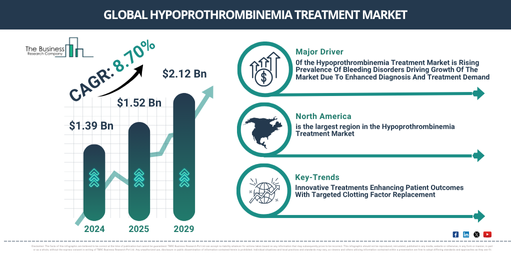
    The market size for hypoprothrombinemia treatment has seen substantial growth in the preceding years. It predicts an expansion from $1.39 billion in 2024 to a significant $1.52 billion in 2025, with a compound annual growth rate (CAGR) snapping at 9.0%. The growth in the preceding phase can be traced back to the surge in liver diseases, rising occurrence of malabsorption syndromes, increased focus on clotting disorders in critical healthcare, growing cognizance towards bleeding disorders, and a hike in instances of Vitamin K deficiency.

    The market size for hypoprothrombinemia treatment is predicted to experience robust growth in the upcoming years, reaching $2.12 billion by 2029 with an 8.7% compound annual growth rate (CAGR). This growth during the forecast period may be due to the increasing incidence of bleeding disorders, the escalating demand for treatment at home, the broadening of healthcare infrastructure, the rise of specialized clinics and centers dedicated to hematology, and the enhanced usage of personalized medicines. The forecast period will also witness significant trends such as the development in recombinant coagulation factors, customized medicines and genetic profiling, innovations in drug delivery systems, point-of-care diagnostic technologies, the use of artificial intelligence (AI), and data analytics.

    Download The Free Sample Report Here:

    https://www.thebusinessresearchcompany.com/sample.aspx?id=24566&type=smp

    What Forces Are Driving The Growth Of The Hypoprothrombinemia Treatment Industry?

    The expansion of the hypoprothrombinemia treatment market is expected to be propelled by the increasing incidence of bleeding disorders. The inability of blood to clot effectively, which results in prolonged or excessive bleeding, characterizes these disorders. This surge in the frequency of bleeding disorders is mainly attributed to enhanced diagnostic abilities and heightened awareness, enabling more precise detection and disclosure of these afflictions. Hypoprothrombinemia treatments are employed to restore the blood’s ability to clot in patients with bleeding disorders by replenishing inadequate prothrombin amounts. For instance, between April 2022 and March 2023, the BMC Health Services Research reported that 6,662 male hemophilia A patients were identified in the United Kingdom, with 5,032 of these being adults (18 years and over) with 2,421 getting either factor replacement therapy or emicizumab. Within the same duration, 1,342 males with hemophilia B were noted, including 1,022 adults, of whom 479 underwent factor replacement therapy. This rise in bleeding disorders’ prevalence is likely to stimulate the hypoprothrombinemia treatment market’s expansion further. Anticipated advancement in the hypoprothrombinemia treatment market is also spurred by the escalating usage of biosimilars. Biosimilars are biological medicinal products that are highly analogous to an original biologic that has already been approved, exhibiting no significant clinical dissimilarities in terms of safety or efficacy. This increase in the adoption of biosimilars is instigated by the potential to provide more affordable therapy options readily available while assuring comparable safety and efficacy as original biologics. Within hypoprothrombinemia treatment, biosimilars offer economical alternatives to original clotting factor therapies, enhancing patient accessibility to crucial coagulation management. As per the PhRMA, a trade group in the United States representing leading innovative biopharmaceutical firms, by 2022’s end, 40 biosimilars got approval, with 27 of those being available in the United States. Consequently, the continued use of biosimilars is fueling the growth of the hypoprothrombinemia treatment market.

    What Is The Overview Of Market Segmentation In The Hypoprothrombinemia Treatment Industry?

    The hypoprothrombinemia treatment market covered in this report is segmented –

    1) By Type: Type I Deficiency Treatment, Type II Deficiency Treatment

    2) By Drug Type: Vitamin K, Fresh Frozen Plasma, Prothrombin Complex Concentrates, Recombinant Prothrombin

    3) By Indication Based: Vitamin K Deficiency, Liver Diseases, Cirrhosis, Hepatitis, Anticoagulant related Hypoprothrombinemia, Genetic Disorders, Malabsorption Syndromes

    4) By Drug Delivery Method: Oral Delivery, Injectable Delivery, Intravenous, Intramuscular, Transfusion Based Delivery

    5) By End User: Hospitals, Speciality Clinics, Homecare Settings

    Subsegment:

    1) By Type I Deficiency Treatment: Prothrombin Complex Concentrates (PCCs), Fresh Frozen Plasma (FFP), Recombinant Prothrombin, Plasma-derived Coagulation Factors

    2) By Type II Deficiency Treatment: Vitamin K Therapy, Warfarin Reversal Agents, Liver Function Supportive Therapy, Anticoagulant Adjustment Therapies

    What Future Market Trends Are Projected For The Hypoprothrombinemia Treatment Industry?

    Leading companies in the hypoprothrombinemia treatment market are turning their attention to novel therapies like non-activated four-factor prothrombin complex concentrate, aimed at swiftly elevating levels of clotting factor and minimizing patients’ risks of bleeding who require immediate anticoagulation reversal. This remedy, also known as 4F-PCC, is a therapy derived from plasma; it contains clotting factors II, VII, IX, and X and serves to swiftly counteract the effects of vitamin K antagonists and address bleeding conditions, including hypoprothrombinemia. An example of this occurred in January 2024, when Octapharma USA – a subsidiary of Octapharma AG based in the US – introduced Balfaxar. This non-activated four-factor prothrombin complex concentrate (4F-PCC) had recently received FDA approval for use in urgently reversing vitamin K antagonist-induced coagulation deficiencies in adults facing emergency surgical operations or invasive procedures. This treatment, which features vital vitamin K-dependent clotting factors and antithrombotic proteins, meets crucial hypoprothrombinemia management needs.

    Who Are The Primary Players Operating Across The Global Hypoprothrombinemia Treatment Market?

    Major companies operating in the hypoprothrombinemia treatment market are Pfizer Inc., F. Hoffmann-La Roche AG, Merck & Co. Inc, Sanofi S.A., AstraZeneca, Abbott, GlaxoSmithKline, Takeda Pharmaceuticals, Novo Nordisk A/S, Teva Pharmaceuticals, CSL Limited, Baxter International Inc., Fresenius Kabi AG, Grifols S.A., Sun Pharmaceutical Industries Ltd., Octapharma AG, Dr. Reddy’s Laboratories, Pharmascience Inc., Amphastar Pharmaceuticals Inc., Pharma Cure Laboratories

    Get The Full Report Here:

    https://www.thebusinessresearchcompany.com/report/hypoprothrombinemia-treatment-global-market-report

    Which Region Offers The Most Growth Potential For The Hypoprothrombinemia Treatment Market Through 2029?

    North America was the largest region in the hypoprothrombinemia treatment market in 2024. Asia-Pacific is expected to be the fastest-growing region in the forecast period. The regions covered in the hypoprothrombinemia treatment market report are Asia-Pacific, Western Europe, Eastern Europe, North America, South America, Middle East, Africa.

    Request For A Customized Report:

    https://www.thebusinessresearchcompany.com/customise?id=24566&type=smp

    About The Business Research Company:

    With over 15000+ reports from 27 industries covering 60+ geographies, The Business Research Company has built a reputation for offering comprehensive, data-rich research and insights. Armed with 1,500,000 datasets, the optimistic contribution of in-depth secondary research, and unique insights from industry leaders, you can get the information you need to stay ahead in the game.

    Get in touch with us:

    The Business Research Company: https://www.thebusinessresearchcompany.com/

    Americas +1 310-496-7795

    Asia +44 7882 955267 & +91 8897263534

    Europe +44 7882 955267

    Email us at info@tbrc.info

    Follow us on:

    LinkedIn: https://in.linkedin.com/company/the-business-research-company

    YouTube: https://www.youtube.com/channel/UC24_fI0rV8cR5DxlCpgmyFQ

    Global Market Model: https://www.thebusinessresearchcompany.com/global-market-model
  • Latest Market Developments in Hypoparathyroidism Industry: Forecast 2025–2029

    Latest Market Developments in Hypoparathyroidism Industry: Forecast 2025–2029

    Claim your 30% discount on Global Market Reports with code ONLINE30. Limited time only.

    What Are the Forecasted Growth Rate and Market Size of the Hypoparathyroidism Market?

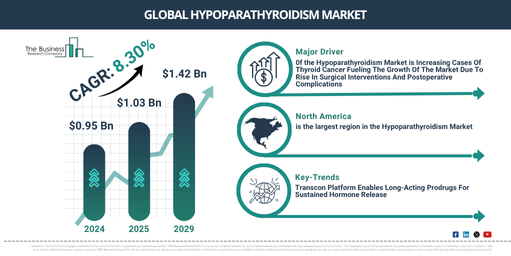
    The market size of hypoparathyroidism has seen significant growth over the recent years. The market, which is valued at $0.95 billion in 2024, is projected to increase to $1.03 billion in 2025, experiencing a compound annual growth rate (CAGR) of 8.6%. The surge during the historic period can be linked to the escalating number of thyroid surgeries, growing awareness concerning hypoparathyroidism, increase in postoperative complications, rising demand for vitamin D and calcium supplements, and an enhanced attention to endocrine disorder management.

    Expectations are high for robust expansion in the hypoparathyroidism market, which is predicted to surge to $1.42 billion by 2029, progressing at a compound annual growth rate (CAGR) of 8.3%. This projected growth over the forecast period is largely due to the increased acceptance of recombinant parathyroid hormone treatments, amplified investment in hypoparathyroidism studies, development of healthcare infrastructure, growth of elderly population susceptible to endocrine disorders, and rising early detection initiatives and awareness. Noteworthy trends expected in the forecast period encompass advancements in parathyroid hormone treatments, sophisticated diagnostic methodologies for hypoparathyroidism, formulation of long-lasting calcium supplements, introduction of less invasive procedures in thyroid surgery, and progress in patient surveillance technologies.

    Download The Free Sample Report Here:

    https://www.thebusinessresearchcompany.com/sample.aspx?id=24565&type=smp

    Which Factor Is Shaping The Future Of The Hypoparathyroidism Market?

    The escalating instances of thyroid cancer are anticipated to contribute significantly to the expansion of the hypoparathyroidism market in upcoming years. Thyroid cancer is distinguished by unusual cell growth in the thyroid gland, often culminating in a neck lump. The surge in thyroid cancer instances can be attributed to the improved diagnostic imaging technologies, which have facilitated prompt and regular detection of small, symptom-less thyroid nodules. The unfettered progression of thyroid cancer propels hypoparathyroidism, as it escalates the necessity for thyroid surgeries. These surgeries hold the potential of unintentionally damaging the parathyroid glands, causing imbalance in calcium and chronic hormone deficiency. This necessitates long-term disease management solutions. To illustrate, the American Cancer Society, a non-profit organization based in the US, stated in May 2024 that there was an escalation in new thyroid cancer cases from 43,720 in 2023 to 44,020 in 2025. For these reasons, the surge in thyroid cancer cases is fuelling the growth of the hypoparathyroidism market.

    What Is The Segment-Wise Breakdown Of The Hypoparathyroidism Market?

    The hypoparathyroidism market covered in this report is segmented –

    1) By Treatment: Hormone Replacement Therapy, Adjunctive Therapies

    2) By Type: Hormone Replacement Therapy, Calcium And Vitamin D Supplements, Emerging Therapies

    3) By Route Of Administration: Oral, Parenteral

    4) By Distribution Channel: Hospital Pharmacy, Retail Pharmacy, Online Pharmacy

    5) By End User: Hospitals, Specialty Clinics, Homecare Settings

    Subsegments:

    1) By Hormone Replacement Therapy: Recombinant Parathyroid Hormone, Parathyroid Hormone Analogues, Calcimimetics, Calcium And Vitamin D Supplements

    2) By Adjunctive Therapies: Magnesium Supplements, Phosphate Binders, Other Supportive Therapies

    Which Trends Are Redefining The Future Landscape Of The Hypoparathyroidism Industry?

    Large corporations in the hypoparathyroidism market are honing their focus on creating products with advanced technology, such as those using transition technology, to increase the effectiveness of treatment and better patient outcomes. Products based on TransCon technology are created using TransCon (Transient Conjugation) technology, an exclusive platform that enhances drug administration. For instance, in January 2024, Ascendis Pharma A/S, originating from Denmark and involved in biopharmaceuticals, launched its second product based on TransCon technology named YORVIPATH (palopegteriparatide), in Germany and Austria with the specific purpose of treating adults dealing with chronic hypoparathyroidism. YORVIPATH, a prodrug of parathyroid hormone (PTH 1-34) taken once daily, is designed to manage the physiologic PTH levels for a full day, effectively dealing with the hormonal insufficiencies linked to chronic hypoparathyroidism.

    Which Companies Hold The Largest Market Share In The Hypoparathyroidism Sector?

    Major companies operating in the hypoparathyroidism market are Pfizer Inc., F. Hoffmann-La Roche Ltd., Merck & Co Inc., AbbVie Inc., Sanofi S.A., Novartis AG, GlaxoSmithKline plc , Takeda Pharmaceutical Company Limited, Eli Lilly and Company, Amgen Inc., Teva Pharmaceutical Industries Ltd., Dr. Reddy’s Laboratories Ltd., Cipla Limited , Lupin Limited, Torrent Pharmaceuticals Ltd., Eagle Pharmaceuticals Inc., BridgeBio Pharma Inc., Ascendis Pharma A/S, Extend Biosciences Inc., Entera Bio Ltd.

    Get The Full Report Here:

    https://www.thebusinessresearchcompany.com/report/hypoparathyroidism-global-market-report

    How Does Regional Performance Compare Across The Hypoparathyroidism Industry?

    North America was the largest region in the hypoparathyroidism market in 2024. Asia-Pacific is expected to be the fastest-growing region in the forecast period. The regions covered in the hypoparathyroidism market report are Asia-Pacific, Western Europe, Eastern Europe, North America, South America, Middle East, Africa.

    Request For A Customized Report:

    https://www.thebusinessresearchcompany.com/customise?id=24565&type=smp

    About The Business Research Company:

    With over 15000+ reports from 27 industries covering 60+ geographies, The Business Research Company has built a reputation for offering comprehensive, data-rich research and insights. Armed with 1,500,000 datasets, the optimistic contribution of in-depth secondary research, and unique insights from industry leaders, you can get the information you need to stay ahead in the game.

    Get in touch with us:

    The Business Research Company: https://www.thebusinessresearchcompany.com/

    Americas +1 310-496-7795

    Asia +44 7882 955267 & +91 8897263534

    Europe +44 7882 955267

    Email us at info@tbrc.info

    Follow us on:

    LinkedIn: https://in.linkedin.com/company/the-business-research-company

    YouTube: https://www.youtube.com/channel/UC24_fI0rV8cR5DxlCpgmyFQ

    Global Market Model: https://www.thebusinessresearchcompany.com/global-market-model

  • Emerging Trends and Growth Drivers in the Human Epidermal Growth Factor Market Through 2029

    Emerging Trends and Growth Drivers in the Human Epidermal Growth Factor Market Through 2029

    Claim your 30% discount on Global Market Reports with code ONLINE30. Limited time only.

    What Is the Estimated Industry Valuation for the Human Epidermal Growth Factor Sector?

    The industry for human epidermal growth factor has been showing robust growth in previous years. From $2.18 billion in 2024, it’s projected to amplify to $2.39 billion in 2025, riding on a compound annual growth rate (CAGR) of 9.3%. Several factors can be attributed for this development in the historic timeframe, including the rise in the elderly population susceptible to skin conditions, increased government backing and investments in biopharmaceutical advancements, growing instances of chronic wounds due to the rise in diabetes, enhanced partnerships between pharmaceutical corporations and research organizations, and the rising inclination of consumers towards non-evasive skincare solutions.

    The market for human epidermal growth factor is anticipated to witness substantial development in the upcoming years, escalating to a valuation of $3.37 billion in 2029 with a 9.0% compound annual growth rate (CAGR). The projected rise during this forecast period is driven by growing needs for regenerative medicine and wound healing applications, an increased occurrence of chronic skin conditions and injuries, enhanced awareness of anti-aging and skincare commodities that incorporate hegf, elevated investment in biotechnological exploration and development, and a surge in the acceptance of individualized medicine and targeted therapies. Prominent trends expected during the forecast span include the progression of recombinant DNA technology, progress in protein engineering that enhances hegf stability and effectiveness, technological incorporation of nanotechnology, novel bioprocessing approaches, and advancements in cell culture systems.

    Download The Free Sample Report Here:

    https://www.thebusinessresearchcompany.com/sample.aspx?id=24564&type=smp

    What Forces Are Driving The Growth Of The Human Epidermal Growth Factor Market?

    The surge in the adoption of personalized medicine is projected to spur the expansion of the human epidermal growth factor market. Defined as a medical treatment approach accommodated to an individual’s genetics, lifestyle, and environment for optimized care, personalized medicine is gaining popularity due to enhancements in genomic technologies. These technologies allow for more efficient, cost-effective, and accurate identification of personalized genetic profiles for custom-tailored treatments. HER2 plays a crucial role in personalized medicine by enabling physicians to categorize tumors based on HER2 protein overproduction, subsequently assisting in choosing targeted therapies to enhance treatment results and minimize unnecessary side-effects. For instance, the Personalized Medicine Coalition, a professional membership organization based in the US, reported a significant surge in the approval of new personalized medications in 2022, accounting for approximately 34% of all newly approved therapies. Thus, the expanding utilization of personalized medicine bolsters the growth of the human epidermal growth factor market. The amplification in clinical trials, due to demand for sophisticated wound healing therapies, is anticipated to boost the human epidermal growth factor market. Clinical trials, which are research studies centered around human subjects to assess the safety, efficacy, and adverse effects of medical interventions or treatments, are experiencing increasing popularity driven by the call for innovative and personalized therapies that necessitate thorough testing for safety and effectiveness. The human epidermal growth factor (hEGF) assists clinical trials by fostering cell development and tissue restoration, thereby evaluating potential therapies for wound healing, skin restoration, and related health conditions. For example, the Association of the British Pharmaceutical Industry, a trade organization based in London, revealed a 15% annual rise in recruitment for industry clinical trials in the UK, escalating from 36,722 participants in 2021-22 to 42,088 in 2022-23. Hence, the surge in clinical trials continues to contribute to the expansion of the human epidermal growth factor market.

    How Is The Human Epidermal Growth Factor Industry Segmented Across Key Parameters?

    The human epidermal growth factor market covered in this report is segmented –

    1) By Product Type: Recombinant Human Epidermal Growth Factor, Natural Human Epidermal Growth Factor

    2) By Formulation: Injectable Form, Topical Form, Oral Form

    3) By Distribution Channel: Direct Sales, Online Pharmacies, Retail Pharmaceis, Hospital Pharmacies, Specialty Clinics

    4) By Application: Dermatology, Oncology, Opthalmology, Wound Healing, Cosmetic Procedures

    5) By End-User: Hospitals, Clincs, Research Institutes, Other End Users

    Subsegments:

    1) By Recombinant Human Epidermal Growth Factor: Injectable solutions, Oncology therapeutics, Eye drops, Wound healing agents

    2) By Natural Human Epidermal Growth Factor: Plasma-derived products, Colostrum-based products, Amniotic fluid-derived products, Salivary-derived formulations

    What Notable Trends Are Shaping The Direction Of The Human Epidermal Growth Factor Market?

    Major corporations engaged in the human epidermal growth factor market are concentrating their efforts on developing technical innovations such as AI-driven immunohistochemistry (IHC) scoring solutions to enhance the precision, acceleration, and reliability of biomarker detection and cancer diagnosis. The AI-powered IHC scoring technology uses AI algorithms to comprehensively analyze and determine protein expression in tissue samples that have been stained via IHC, thus improving the accuracy, uniformity, and swiftness in diagnostic pathology. Take for example Ibex Medical Analytics, an Israeli-based firm that, in September 2023, introduced the Ibex Breast HER2. This improves the accuracy and dependability of HER2 biomarker scoring in breast cancer, particularly in complex HER2-low cases, leading to the fine-tuning of treatment routes and better patient results. The main advantages of this include highly precise, repeatable, and efficient HER2 IHC scoring, aiding pathologists in making resolute, impartial decisions for targeted therapy selection.

    Which Companies Currently Dominate The Competitive Landscape In The Human Epidermal Growth Factor Industry?

    Major companies operating in the human epidermal growth factor market are Pfizer Inc., Johnson & Johnson Services Inc, F. Hoffmann-La Roche AG, Merck & Co. Inc., Bayer AG, AstraZeneca plc, Novartis AG, GlaxoSmithKline Plc, Amgen Inc., Lonza Group AG, STEMCELL Technologies, Abcam plc., BioLegend Inc., Bharat Biotech International Limited, RayBiotech Inc., Enzo Life Sciences Inc., Neocutis S.A, Proteintech Group Inc., Creative BioMart Co. Ltd., Abbkine Scientific Co. Ltd.

    Get The Full Report Here:

    https://www.thebusinessresearchcompany.com/report/human-epidermal-growth-factor-global-market-report

    Which Geographic Regions Are Driving Demand In The Human Epidermal Growth Factor Market?

    North America was the largest region in the human epidermal growth factor market in 2024. Asia-Pacific is expected to be the fastest-growing region in the forecast period. The regions covered in the human epidermal growth factor market report are Asia-Pacific, Western Europe, Eastern Europe, North America, South America, Middle East, Africa.

    Request For A Customized Report:

    https://www.thebusinessresearchcompany.com/customise?id=24564&type=smp

    About The Business Research Company:

    With over 15000+ reports from 27 industries covering 60+ geographies, The Business Research Company has built a reputation for offering comprehensive, data-rich research and insights. Armed with 1,500,000 datasets, the optimistic contribution of in-depth secondary research, and unique insights from industry leaders, you can get the information you need to stay ahead in the game.

    Get in touch with us:

    The Business Research Company: https://www.thebusinessresearchcompany.com/

    Americas +1 310-496-7795

    Asia +44 7882 955267 & +91 8897263534

    Europe +44 7882 955267

    Email us at info@tbrc.info

    Follow us on:

    LinkedIn: https://in.linkedin.com/company/the-business-research-company

    YouTube: https://www.youtube.com/channel/UC24_fI0rV8cR5DxlCpgmyFQ

    Global Market Model: https://www.thebusinessresearchcompany.com/global-market-model
  • CAGR of 8.6% Projected for Hormone Replacement Therapy Market From 2025 to 2029

    CAGR of 8.6% Projected for Hormone Replacement Therapy Market From 2025 to 2029

    Claim your 30% discount on Global Market Reports with code ONLINE30. Limited time only.

    How Large Is the Hormone Replacement Therapy Market Expected to Be in 2029?

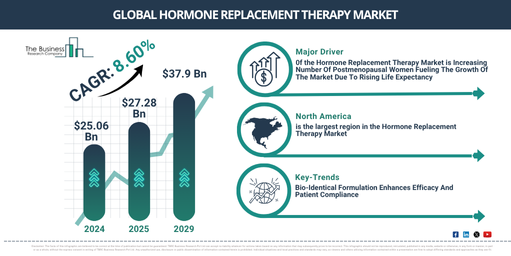
    In recent times, the market size for hormone replacement therapy has experienced robust growth, escalating from $25.06 billion in 2024 to a projected $27.28 billion in 2025, with a Compound Annual Growth Rate (CAGR) of 8.9%. This growth throughout the historic period is mainly due to factors such as the rising instances of menopausal symptoms in aging women, increased awareness about hormone deficiency treatments, greater life expectancy and aging demographic, a rise in overall global healthcare spending, and the expanded use of estrogen therapy for women after menopause.

    The market for hormone replacement therapy is set to witness robust growth in the coming years, with expectations to reach $37.9 billion by 2029, reflecting a compound annual growth rate (CAGR) of 8.6%. Factors such as an increased incidence of hormonal disorders, heightened awareness about the health impacts of menopause, a growing elderly population globally, improved healthcare access in developing markets, and a surge in demand for minimally invasive therapies contribute to this growth. Key trends for the forecast period encompass progress in bio-identical hormone formulations, sophisticated transdermal drug delivery systems, the creation of personalized hormone treatments through genetic profiling, innovation in long-lasting hormone injections, and advancements in the incorporation of telehealth for managing hormone therapy.

    Download The Free Sample Report Here:

    https://www.thebusinessresearchcompany.com/sample.aspx?id=24563&type=smp

    What Are The Contributors To Demand In The Hormone Replacement Therapy Market?

    The hormone replacement therapy market is expected to surge, driven by an increasing number of women reaching post-menopause. Postmenopausal women, who no longer menstruate due to a natural reduction in reproductive hormones (usually 12 months after their last menstrual cycle), are increasing due to longer life spans. This results in a larger aging female population experiencing menopause. Hormone replacement therapy can benefically impact this demographic by easing common symptoms such as night sweats and hot flashes, thus enhancing their quality of life. It helps to stabilize hormonal imbalances with individualized treatments, alleviating discomfort and fostering overall well-being. For example, Mayo Clinic Health System, a healthcare company based in the US, detailed in July 2022 that the global population of menopausal and postmenopausal women is expected to rise to 1.2 billion by 2030, with 47 million new cases recorded annually. Thus, the rising number of postmenopausal women is fueling growth in the hormone replacement therapy market.

    What Segmentation Categories Are Included In The Hormone Replacement Therapy Market Analysis?

    The hormone replacement therapy market covered in this report is segmented –

    1) By Therapy Type: Estrogen Replacement Therapy, Human Growth Hormone Replacement Therapy, Thyroid Hormone Replacement Therapy, Testosterone Replacement Therapy, Other Therapy Types

    2) By Indication: Menopause, Hypothyroidism, Male Hypogonadism, Growth Hormone Deficiency, Other Indications

    3) By Route Of Administration: Oral, Transdermal, Injectable, Other Of Administartions

    4) By Distribution Channel: Hospital Pharmacies, Retail Pharmacies, Online Pharmacies, Other Distribution Channels

    Subsegments:

    1) By Estrogen Replacement Therapy: Oral Estrogen, Transdermal Estrogen, Topical Estrogen, Vaginal Estrogen, Injectable Estrogen

    2) By Human Growth Hormone (hGH) Replacement Therap: Somatropin, Somatrem, Recombinant Human Growth Hormone (rhGH), Pegylated hGH, Other Human Growth Hormone (hGH) Replacement Therapies

    3) By Thyroid Hormone Replacement Therapy: Levothyroxine (T4), Liothyronine (T3), Natural Desiccated Thyroid (NDT), Combination T3 Or T4 Therapy

    4) By Testosterone Replacement Therapy: Gels And Creams, Injections, Patches, Oral Testosterone, Pellets

    5) By Other Therapy Types: Progesterone Replacement Therapy, Combined Estrogen-Progesterone Therapy, Dehydroepiandrosterone Therapy, Melatonin Replacement Therapy

    What Upcoming Trends Are Expected To Impact The Hormone Replacement Therapy Market Globally?

    Leading organizations in the hormone replacement therapy market are concentrating on creating new formulations such as bio-identical hormone formulations to increase treatment efficiency and patient adherence. Bio-identical hormone formulations are treatments that utilize hormones that are chemically identical to those naturally present in the human body, with the intent to provide a more organic and effective relief from symptoms with minimal side effects. For example, in May 2024, Jagsonpal Pharmaceuticals Ltd., a pharmaceutical company from India, introduced MemUp, a bio-identical hormone replacement therapy (HRT). This pioneering therapy integrates estradiol and progesterone in a single, once-daily oral capsule. MemUp is engineered to efficiently reduce common menopausal symptoms like hot flashes and night sweats, while streamlining the treatment process to improve patient convenience and compliance.

    Who Are The Top-Ranked Companies In The Hormone Replacement Therapy Market Today?

    Major companies operating in the hormone replacement therapy market are Pfizer Inc., F. Hoffmann-La Roche Ltd., AbbVie Inc., Bayer AG, Sanofi S.A., Abbott Laboratories, Novartis AG, GSK plc, Eli Lilly and Company, Amgen Inc., Novo Nordisk A/S, Teva Pharmaceutical Industries Ltd., Mylan N.V., Bausch Health Companies Inc., Cipla Inc., Gedeon Richter Plc., Lupin Limited, Orion Corporation, Halozyme Therapeutics Inc., Theramex HQ UK Limited

    Get The Full Report Here:

    https://www.thebusinessresearchcompany.com/report/hormone-replacement-therapy-global-market-report

    How Is Hormone Replacement Therapy Market Adoption Varying Across Different Regions And Sectors?

    North America was the largest region in the hormone replacement therapy market in 2024. Asia-Pacific is expected to be the fastest-growing region in the forecast period. The regions covered in the hormone replacement therapy market report are Asia-Pacific, Western Europe, Eastern Europe, North America, South America, Middle East, Africa.

    Request For A Customized Report:

    https://www.thebusinessresearchcompany.com/customise?id=24563&type=smp

    About The Business Research Company:

    With over 15000+ reports from 27 industries covering 60+ geographies, The Business Research Company has built a reputation for offering comprehensive, data-rich research and insights. Armed with 1,500,000 datasets, the optimistic contribution of in-depth secondary research, and unique insights from industry leaders, you can get the information you need to stay ahead in the game.

    Get in touch with us:

    The Business Research Company: https://www.thebusinessresearchcompany.com/

    Americas +1 310-496-7795

    Asia +44 7882 955267 & +91 8897263534

    Europe +44 7882 955267

    Email us at info@tbrc.info

    Follow us on:

    LinkedIn: https://in.linkedin.com/company/the-business-research-company

    YouTube: https://www.youtube.com/channel/UC24_fI0rV8cR5DxlCpgmyFQ

    Global Market Model: https://www.thebusinessresearchcompany.com/global-market-model
  • Industry Forecast: Home Medical Alert Systems Market to Generate $6.85 Billion Revenue by 2029

    Industry Forecast: Home Medical Alert Systems Market to Generate $6.85 Billion Revenue by 2029

    Claim your 30% discount on Global Market Reports with code ONLINE30. Limited time only.

    What Is the Outlook for the Home Medical Alert Systems Market Heading Into 2029?

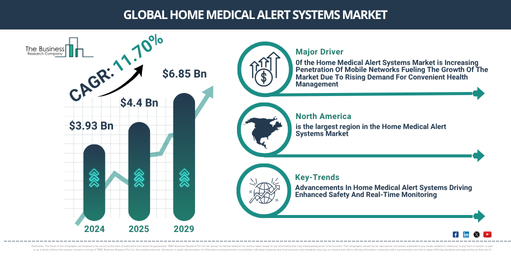
    The market for home medical alert systems has rapidly expanded in the past few years. Its size is forecasted to escalate from $3.93 billion in 2024 to $4.4 billion in 2025, with a compound annual growth rate (CAGR) of 12.0%. Factors contributing to growth during the historical period include increasing numbers of elderly individuals, the prevalence of chronic diseases, heightened awareness about the safety of seniors, the growing acceptance of telehealth technologies, and a surging demand for monitoring patients remotely.

    Over the coming years, the home medical alert systems market is poised for accelerated expansion, with an anticipated value of $6.85 billion by 2029, reflecting an 11.7% compound annual growth rate (CAGR). A surge in the elderly population, the fusion of AI and IoT, enhanced demand for wearable healthcare gadgets, the proliferation of telehealth offerings, and increased government backing for aged care, are all contributing to this growth. Profound trends for the future include improvements in AI-infused alert systems, inventive wearable and non-wearable devices, seamless integration with smart home tech, more prevalent usage of mobile applications for tracking, and the emergence of subscription-based service architectures.

    Download The Free Sample Report Here:

    https://www.thebusinessresearchcompany.com/sample.aspx?id=24562&type=smp

    Which Factors Are Pushing The Home Medical Alert Systems Market Forward?

    As mobile network penetration continues to escalate, it is anticipated to fuel the expansion of the home medical alert systems market. Mobile networks, wireless communication mechanisms that connect mobile devices to both the internet and telephone services using radio waves, are witnessing a surge in penetration due to the escalating demand for Internet access across urban and rural locales. Home medical alert systems often hinge on mobile connectivity for their operation, which has led to increased network installations in residential zones. For example, the GSM Association, a global consortium of mobile operators and businesses based in the U.K, reported in February 2025 that the number of unique mobile subscribers around the world stood at 5.8 billion, translating to a penetration rate of 71%. This number is projected to surge to 6.5 billion by 2030. Consequently, the rising penetration of mobile networks is fuelling the home medical alert systems market’s growth.

    Which Segment Held The Largest Share In The Home Medical Alert Systems Market In 2025?

    The home medical alert systems market covered in this report is segmented –

    1) By Type: Personal Emergency Response Systems (PERS), Wearable Alert Systems, Smartphone Based Alert Systems, In Home Alert Systems

    2) By Service Model: Subscription Based Services, One Time Purchase Models, Bundled Services, Pay-As-You-Go Services

    3) By Applications: Home Based Use, Nursing Home, Assisted Living Facilities, Hospices, Other Applications

    4) By Distribution Channel: Online Retailers, Medical Equipment Stores, Direct Sales, Healthcare Facilities

    5) By End User: Seniors, Disabled Individuals, Patients With Chronic Conditions, Other End Users

    Subsegments:

    1) By Personal Emergency Response Systems (PERS): Landline-Based PERS, Cellular-Based PERS, GPS-Enabled PERS, Two-Way Voice Communication PERS, Fall Detection-Integrated PERS

    2) By Wearable Alert Systems: Medical Alert Smartwatches, Emergency Pendant Alarms, Wristband Alert Devices, Necklace Alert Devices, Clip-On Wearable Sensors

    3) By Smartphone-Based Alert Systems: Dedicated Medical Alert Apps, Hybrid Smartphone + Wearable Systems, AI-Powered Emergency Response Apps, Family-Connected Alert Apps, GPS Location Tracking Apps

    4) By In-Home Alert Systems: Wall-Mounted Emergency Buttons, Bedside Alert Systems, Voice-Activated Home Assistants, Motion-Sensor Based Alarms, Smart Home-Integrated Medical Alerts

    How Are Key Trends Driving Expansion In The Home Medical Alert Systems Industry?

    Leading firms in the home medical alert systems market, are utilizing progressive technologies like artificial intelligence (AI)-driven fall detection to ensure prompt emergency reaction, increased user protection, and enhanced individual health monitoring. AI-driven fall detection alludes to the application of artificial intelligence protocols in gadgets that instantly detect and alert caregivers to falls, bolstering emergency responses and curbing false alarms. For instance, LogicMark, an American firm that excels in medical alert systems, introduced the Freedom Alert Max, a sophisticated home medical alert tool in November 2024. This state-of-the-art system amalgamates AI-driven fall detection, GPS tracking, and emergency video calling within a single apparatus. It provides smooth integration with mobile apps and round-the-clock professional monitoring based in the United States. The Freedom Alert Max bolsters safety and self-sufficiency for the elderly and those at risk.

    Which Organizations Are Driving Progress In The Home Medical Alert Systems Industry?

    Major companies operating in the home medical alert systems market are ADT Inc., Connect America LLC, Lifeline Systems Pvt. Ltd., LifeStation Inc., Medical Guardian LLC, LifeFone Inc., AlertOne Services LLC, Life Alert Emergency Response Inc., Rescue Alert of California, MyNotifi by MedHab Inc., Bay Alarm Medical, SafeGuardian LLC, LifeCall Medical Alert Systems, Senior Safety Medical Alert, AlertCare Medical Alert Systems, LifeSignals Group Inc., LogicMark Inc., ResponseNow Medical Alert Systems, Rescue Touch LLC, Vital Alert Communication Inc.

    Get The Full Report Here:

    https://www.thebusinessresearchcompany.com/report/home-medical-alert-systems-global-market-report

    Which Region Is Expected To Experience The Highest Growth In The Home Medical Alert Systems Industry?

    North America was the largest region in the home medical alert systems market in 2024. Asia-Pacific is expected to be the fastest-growing region in the forecast period. The regions covered in the home medical alert systems market report are Asia-Pacific, Western Europe, Eastern Europe, North America, South America, Middle East, Africa.

    Request For A Customized Report:

    https://www.thebusinessresearchcompany.com/customise?id=24562&type=smp

    About The Business Research Company:

    With over 15000+ reports from 27 industries covering 60+ geographies, The Business Research Company has built a reputation for offering comprehensive, data-rich research and insights. Armed with 1,500,000 datasets, the optimistic contribution of in-depth secondary research, and unique insights from industry leaders, you can get the information you need to stay ahead in the game.

    Get in touch with us:

    The Business Research Company: https://www.thebusinessresearchcompany.com/

    Americas +1 310-496-7795

    Asia +44 7882 955267 & +91 8897263534

    Europe +44 7882 955267

    Email us at info@tbrc.info

    Follow us on:

    LinkedIn: https://in.linkedin.com/company/the-business-research-company

    YouTube: https://www.youtube.com/channel/UC24_fI0rV8cR5DxlCpgmyFQ

    Global Market Model: https://www.thebusinessresearchcompany.com/global-market-model