Blog

  • Strategic Report on Handheld Multi-Parameter Monitoring Device Market: Growth Opportunities and Emerging Challenges

    Strategic Report on Handheld Multi-Parameter Monitoring Device Market: Growth Opportunities and Emerging Challenges

    Claim your 30% discount on Global Market Reports with code ONLINE30. Limited time only.

    What Does the Forecast Indicate for the Handheld Multi-Parameter Monitoring Device Market From 2025 to 2029?

    In the past few years, the market size of the handheld multi-parameter monitoring device has shown robust growth. It is anticipated to expand from 2024’s $3.41 billion to $3.69 billion in 2025, marking an impressive 8.2% compound annual growth rate (CAGR). The historic surge can be credited to factors such as the growing occurrence of chronic diseases, heightened demand for remote patient monitoring, a higher acceptance of wireless technology in healthcare, an increasingly aging population that needs constant monitoring, and an enhanced awareness about the importance of early disease detection and prevention.

    The market scale for handheld multi-parameter monitoring devices is predicted to witness robust expansion in the forthcoming years, reaching $5 billion by 2029 and boasting a compound annual growth rate (CAGR) of 7.9%. The anticipated growth within the prognosis duration is linked to increased healthcare infrastructure investment, a growing penchant for user-friendly, portable medical appliances, enhanced incorporation of sophisticated analytics in monitoring apparatus, escalating demand for up-to-the-minute data in urgent and intensive care situations, along with an amplified emphasis on individualized and at-home healthcare provision. Foreseen trends over this period involve progress in wireless communication technology, blending of artificial intelligence and machine learning, advancements in the precision and miniaturization of sensor technology, strides in real-time data analysis and cloud interaction, as well as the incorporation of telemedicine platforms into monitoring devices.

    Download The Free Sample Report Here:

    https://www.thebusinessresearchcompany.com/sample.aspx?id=24551&type=smp

    What Elements Are Contributing To Growth In The Handheld Multi-Parameter Monitoring Device Market?

    The burgeoning need for remote patient tracking is anticipated to fuel the expansion of the handheld multi-parameter monitoring device market. Remote patient tracking entails the utilization of digital tools to gather health-related data from patients in one area and electronically sending it to medical practitioners in another area for evaluation and advice. The heightened necessity for remote patient monitoring mainly stems from the growing occurrence of chronic illnesses, which necessitate regular health surveillance to manage symptoms, prevent complications, and lessen hospital visits. A handheld multi-parameter monitoring device aids in remote patient monitoring by recording crucial vital signs such as heart rate, blood pressure, and oxygen levels. It facilitates early detection of health problems, persistent care for chronic ailments, and instantaneous sharing of data with medical practitioners, thereby enhancing convenience and diminishing hospital visits. For example, in August 2023, as reported by the Alliance for Connected Care, a nonprofit advocacy organization based in the US, the adoption of remote patient monitoring (RPM) increased by 305% since 2021, with 81% of clinicians adopting it and 84% intending to broaden its use in 2024. 45% of providers utilize RPM for acute care, incorporating hospital-at-home schemes. Thus, the escalating demand for remote patient monitoring is propelling the advancement of the handheld multi-parameter monitoring device market.

    Which Segments Are Detailed In The Global Handheld Multi-Parameter Monitoring Device Market Report?

    The handheld multi-parameter monitoring device market covered in this report is segmented –

    1) By Device Type: Basic Vital Sign Monitors, Advanced Multi-Parameter Monitors, Fetal Monitors, Remote Patient Monitoring Devices (RPM) Devices

    2) By Connectivity: Wired Devices, Wireless Devices

    3) By Application: Intensive Care, Clinical Care, Ambulatory Care, Pediatric Care, Other Applications

    4) By End User: Hospitals, Ambulatory Surgical Centers, Homecare Settings, Other End Users

    Subsegments:

    1) By Basic Vital Sign Monitors: Pulse Oximeters, Blood Pressure Monitors, Thermometers, Glucose Monitors, Heart Rate Monitors

    2) By Advanced Multi-Parameter Monitors: Electrocardiogram Monitors (ECG) Monitors, Capnography Monitors, Respiratory Rate Monitors, Blood Gas Analyzers, Hemoglobin Monitors

    3) By Fetal Monitors: Doppler Fetal Monitors, Cardiotocography (CTG) Monitors, Fetal Heart Rate Monitors, Uterine Contraction Monitors

    4) By Remote Patient Monitoring Devices (RPM) Devices: Wearable Health Trackers, Telehealth Monitoring Devices, Mobile Health (mHealth) Devices, Wireless Vital Sign Monitors

    Which Emerging Trends And Strategic Shifts Are Shaping The Handheld Multi-Parameter Monitoring Device Market?

    Leading companies in the handheld multi-parameter monitoring device market are concentrating on innovation in medical technology, including sensor technology. This aims to improve the precision, dependability, and real-time tracking of vital signs, facilitating the early identification of health problems. Sensor technology involves the application of tools that can sense and record changes in physical or environmental factors, such as movement, heat, or pressure. For instance, Singapore-based healthcare solutions provider BUZUD released its Multi-Parameter Monitor and PulseBit EX electrocardiogram tracker in July 2022. These cutting-edge medical devices, intended for both hospital and home usage, enable real-time tracking of vital signs including ECG, blood oxygen levels, heart rate, respiration rate, and body temperature. The devices, crafted with meticulous precision, offer mobility, simplicity of use, and high precision readings, fulfilling the growing need for accessible, uninterrupted health monitoring in various healthcare environments.

    Who Are The Key Contributors To Growth In The Handheld Multi-Parameter Monitoring Device Market?

    Major companies operating in the handheld multi-parameter monitoring device market are Abbott Laboratories, Medtronic Public Limited Company, Becton Dickinson and Company, Koninklijke Philips N.V., GE HealthCare Technologies Inc., Baxter International Inc., Omron Healthcare Co. Ltd., Shenzhen Mindray Bio-Medical Electronics Co. Ltd., Masimo Corporation, Nihon Kohden Corporation, Lepu Medical Technology (Beijing) Co. Ltd., Qingdao Meditech Equipment Co. Ltd., Wuhan Zoncare Bio-Medical Electronics Co. Ltd., BPL Medical Technologies Pvt. Ltd., Schiller Healthcare India Pvt. Ltd., Allengers Medical Systems Limited, Contec Medical Systems Co. Ltd., aXcent medical GmbH, Jiangsu Yuyue Medical Instruments Co. Ltd., Genuine Medica Pvt. Ltd., Drx Laboratories

    Get The Full Report Here:

    https://www.thebusinessresearchcompany.com/report/handheld-multi-parameter-monitoring-device-global-market-report

    Which Region Is Projected To Lead The Handheld Multi-Parameter Monitoring Device Market By 2025?

    North America was the largest region in the handheld multi-parameter monitoring device market in 2024. The regions covered in the handheld multi-parameter monitoring device market report are Asia-Pacific, Western Europe, Eastern Europe, North America, South America, Middle East, Africa.

    Request For A Customized Report:

    https://www.thebusinessresearchcompany.com/customise?id=24551&type=smp

    About The Business Research Company:

    With over 15000+ reports from 27 industries covering 60+ geographies, The Business Research Company has built a reputation for offering comprehensive, data-rich research and insights. Armed with 1,500,000 datasets, the optimistic contribution of in-depth secondary research, and unique insights from industry leaders, you can get the information you need to stay ahead in the game.

    Get in touch with us:

    The Business Research Company: https://www.thebusinessresearchcompany.com/

    Americas +1 310-496-7795

    Asia +44 7882 955267 & +91 8897263534

    Europe +44 7882 955267

    Email us at info@tbrc.info

    Follow us on:

    LinkedIn: https://in.linkedin.com/company/the-business-research-company

    YouTube: https://www.youtube.com/channel/UC24_fI0rV8cR5DxlCpgmyFQ

    Global Market Model: https://www.thebusinessresearchcompany.com/global-market-model
  • Industry Trends Show H2 Antagonists Market Set to Expand at 6.6% CAGR Until 2029

    Industry Trends Show H2 Antagonists Market Set to Expand at 6.6% CAGR Until 2029

    Claim your 30% discount on Global Market Reports with code ONLINE30. Limited time only.

    How Much Is the Global H2 Antagonists Market Valued at Present and by 2029?

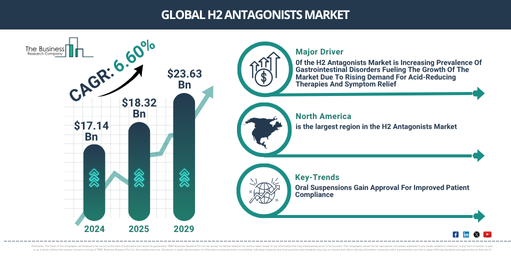
    The market size for h2 antagonists has seen robust growth over recent years. Its size is projected to escalate from $17.14 billion in 2024 to $18.32 billion in 2025, reflecting a compound annual growth rate (CAGR) of 6.9%. Factors contributing to this growth during the historical period include the escalating prevalence of acid-related maladies, the surge in the elderly population, increasing enlightenment about gut health, comparable affordability versus proton pump inhibitors, an uptick in stress-related ulcer cases, and heightened demand for non-surgical therapy alternatives.

    The market for h2 antagonists is predicted to witness significant growth in the coming years, expanding to $23.63 billion by 2029 with a CAGR of 6.6%. This projected growth in the forecast period is due to factors such as the increasing need for cost-effective acid reduction treatment, escalating occurrences of gastrointestinal problems due to contemporary lifestyles, the worldwide aging demographic, continuous exploration on combination treatments, its growing popularity in veterinary medicine, and heightened health awareness among consumers. Key trends during this forecast period encompass advancements in medication delivery systems, incorporation of AI in drug development processes, utilization of nanotechnology for specific treatment delivery, augmented bioavailability owing to innovative formulations, digital health systems for tracking patient progress, and personalized treatment methodologies.

    Download The Free Sample Report Here:

    https://www.thebusinessresearchcompany.com/sample.aspx?id=24550&type=smp

    #What Drivers Are Influencing Growth In The H2 Antagonists Market?

    The escalating occurrence of gastrointestinal disorders is anticipated to boost the expansion of the H2 antagonists market. Gastrointestinal disorders encompass a range of health issues affecting the digestive system, which include the esophagus, stomach, intestines, liver, pancreas, and gallbladder. The increasing prevalence of these disorders stems from poor dietary habits that lead to excess stomach acid production and cause inflammation in the digestive tract. H2 antagonists can manage these disorders by decreasing stomach acid production, thus making them effective in treating conditions like acid reflux and ulcers. These treatments can improve patient comfort by rapidly relieving symptoms and supporting long-term digestive health. For example, in March 2024, data from the World Health Organization (WHO), a specialized United Nations agency based in Switzerland, indicated that diarrheal diseases result in approximately 1.7 billion cases each year, causing the deaths of nearly 443,832 children under the age of five, along with an extra 50,851 deaths among children aged 5 to 9. Consequently, the increasing prevalence of gastrointestinal disorders is catalyzing the growth of the H2 antagonists market. Rising healthcare spending is also anticipated to stimulate the growth of the H2 antagonists market. This refers to the overall funds expended on treatments, medical services, research, facilities, and public health initiatives aimed at maintaining or enhancing health outcomes. The surge in healthcare spending is attributed to the escalating burden of chronic diseases, which necessitates continuous treatment and management, thereby causing an increase in medical costs over time. This increased expenditure benefits the H2 antagonist market growth by boosting funding for cutting-edge treatments and accessibility to medications. It underpins research and development, resulting in improved drug formulations and superior patient outcomes. For example, in December 2024, data from the Centers for Medicare and Medicaid Services (CMS), a US federal agency, revealed that national health expenditures (NHE) rose by 7.5% to $4.9 trillion in 2023, representing 17.6% of gross domestic product (GDP). Furthermore, between 2023 and 2032, the average national health expenditures (NHE) are anticipated to inflate at an average yearly rate of 5.6%, leading to an uplift in the health spending share of gross domestic product (GDP) from 17.3% in 2022 to 19.7% in 2032. Hence, the rise in healthcare spending is propelling the expansion of the H2 antagonists market.

    What Are The Main Segments Identified In The H2 Antagonists Market Research?

    The h2 antagonists market covered in this report is segmented –

    1) By Drug Type: Prescription H2 Antagonists, Over-The-Counter H2 Antagonists

    2) By Indication: Gastroesophageal Reflux Disease (GERD), Peptic Ulcer Disease, Zollinger-Ellison Syndrome, Other Indications

    3) By Dosage Form: Tablets, Capsules, Injectable Solutions, Liquid Formulations

    4) By Distribution Channel: Retail Pharmacies, Hospital Pharmacies, Online Pharmacies, Drug Stores

    Subsegments:

    1)By Prescription H2 Antagonists: Gastroesophageal Reflux Disease (GERD), Peptic Ulcers, Zollinger-Ellison Syndrome

    2) By Over-The-Counter (OTC) H2 Antagonist: Heartburn, Occasional Acid Reflux, Indigestion

    What Are The Leading Trends And Opportunities In The H2 Antagonists Sector?

    Key players in the H2 antagonists market are prioritizing the development of strategies such as generic products to improve therapeutic effectiveness, augment patient adherence, and lengthen product longevity. The term generic product is used to describe a pharmaceutical drug that mirrors a brand-name drug in factors like dosage, strength, and method of administration. For instance, in August 2022, Amneal Pharmaceuticals Inc., an American pharmaceutical company, gained Abbreviated New Drug Application (ANDA) endorsement from the U.S. Food and Drug Administration (FDA) for a famotidine oral suspension (40 mg/5 mL). This suspension is an H2 antagonist in liquid form utilized for the treatment of ulcers and gastroesophageal reflux disease (GERD). Advertised under the reference brand name Pepcid, it provides a cost-effective solution for patients who require acid reduction therapy. Therefore, it brings forth a valuable substitute for managing acid reflux and ulcer-related conditions.

    Which Companies Play A Key Role In The Development Of The H2 Antagonists Market?

    Major companies operating in the h2 antagonists market are Pfizer Inc., F. Hoffmann-La Roche AG, AbbVie Inc., Bayer AG, Novartis International AG, GlaxoSmithKline plc, Eli Lilly and Company, Teva Pharmaceutical Industries Limited, Boehringer Ingelheim International GmbH, Sun Pharmaceutical Industries Limited, Apotex Inc., Dr. Reddy’s Laboratories Limited, Apex Biotechnology Corporation, Ajanta Pharma Limited, Medochemie Ltd., Torrent Pharmaceuticals Limited, Phathom Pharmaceuticals Inc., Tocris Bioscience, Cadila Healthcare Limited, Modi Lifecare Industries Limited.

    Get The Full Report Here:

    https://www.thebusinessresearchcompany.com/report/h2-antagonists-global-market-report

    What Are The Key Regional Developments Shaping The H2 Antagonists Market?

    North America was the largest region in the H2 receptor antagonists market in 2024. Asia-Pacific is expected to be the fastest-growing region in the forecast period. The regions covered in the h2 antagonists market report are Asia-Pacific, Western Europe, Eastern Europe, North America, South America, Middle East, Africa.

    Request For A Customized Report:

    https://www.thebusinessresearchcompany.com/customise?id=24550&type=smp

    About The Business Research Company:

    With over 15000+ reports from 27 industries covering 60+ geographies, The Business Research Company has built a reputation for offering comprehensive, data-rich research and insights. Armed with 1,500,000 datasets, the optimistic contribution of in-depth secondary research, and unique insights from industry leaders, you can get the information you need to stay ahead in the game.

    Get in touch with us:

    The Business Research Company: https://www.thebusinessresearchcompany.com/

    Americas +1 310-496-7795

    Asia +44 7882 955267 & +91 8897263534

    Europe +44 7882 955267

    Email us at info@tbrc.info

    Follow us on:

    LinkedIn: https://in.linkedin.com/company/the-business-research-company

    YouTube: https://www.youtube.com/channel/UC24_fI0rV8cR5DxlCpgmyFQ

    Global Market Model: https://www.thebusinessresearchcompany.com/global-market-model

  • Competitive and Market Trend Analysis of Gynecomastia Procedures Industry Through 2029

    Competitive and Market Trend Analysis of Gynecomastia Procedures Industry Through 2029

    Claim your 30% discount on Global Market Reports with code ONLINE30. Limited time only.

    What Is the Current and Projected Market Size of the Gynecomastia Procedures Industry?

    The market size for gynecomastia procedures has seen significant growth in the past few years. The value of this market is projected to increase from $1.04 billion in 2024 to $1.12 billion in 2025, reflecting a compound annual growth rate (CAGR) of 8.0%. Historical growth of this market has been influenced by several factors including increased acceptance of cosmetic surgery amongst men, the definitive impact of social media on body perception, the rising number of professional plastic surgeons and clinics, increasing demand for minimally invasive procedures, and the escalating trend of medical tourism for cosmetic treatments.

    In the forthcoming years, the market for gynecomastia procedures is predicted to witness robust growth, expanding to $1.51 billion in 2029 with a compound annual growth rate (CAGR) of 7.7%. This progress during the projected period can be credited to the heightened attention men are giving to their physical looks, the escalating demand for outpatient aesthetic procedures, the rapidly increasing trend of combined treatments, improved accessibility to finance options for surgeries, and the surge in funding for research and development in cosmetic surgery. The main trends anticipated during this forecast period involve progress in minimally invasive surgical methods, breakthroughs in liposuction technologies, refined anesthesia and recovery protocols, the incorporation of AI into preoperative planning, and advancements in methods for reducing scars and tightening skin.

    Download The Free Sample Report Here:

    https://www.thebusinessresearchcompany.com/sample.aspx?id=24549&type=smp

    #Which Factors Are Currently Driving The Growth Of The Gynecomastia Procedures Market?

    As obesity becomes more prevalent, it’s projected to boost the growth of the market for gynecomastia procedures. Obesity, a medical condition marked by an excess accumulation of body fat often illustrated by a body mass index (BMI) of 30 or above, can cause several health complications. This rise in obesity is attributed to an increasingly sedentary lifestyle, where a lack of physical movement and prolonged periods of sitting contribute to weight gain and diminished metabolic health. Procedures for gynecomastia can rectify the issue of enlarged male breasts, which is often worsened by obesity. This is because additional fat tissue in the chest area can mimic or amplify the look of gynecomastia, positioning surgical intervention as a beneficial approach. For example, the World Heart Foundation, a Switzerland-based non-governmental organization, reported in March 2023 that globally about 2.3 billion adults and children are overweight or obese. Following the current trend of obesity, this number is expected to reach 2.7 billion by 2025. Hence, the escalating prevalence of obesity is fueling the growth of the gynecomastia procedures market.

    How Is The Global Gynecomastia Procedures Market Structured In Terms Of Segments?

    The gynecomastia procedures market covered in this report is segmented –

    1) By Procedure Type: Liposuction, Mastectomy, Thyroid Hormone Therapy, Medications, Ultrasound

    2) By Age Group: Adolescents, Adults, Elderly

    3) By End-User: Hospitals, Cosmetic Surgery Centers, Other End-Users

    Subsegment:

    1) By Liposuction: Tumescent Liposuction, Ultrasound-Assisted Liposuction, Power-Assisted Liposuction, Laser-Assisted Liposuction

    2) By Mastectomy: Subcutaneous Mastectomy, Bilateral Mastectomy, Nipple-Sparing Mastectomy

    3) By Thyroid Hormone Therapy: Synthetic Thyroid Hormones, Natural Desiccated Thyroid, Combination Therapy

    4) By Medications: Anti-Estrogen Medications, Aromatase Inhibitors, Selective Estrogen Receptor Modulators (SERMs)

    5) By Ultrasound: High-Intensity Focused Ultrasound (HIFU), Low-Intensity Focused Ultrasound, Acoustic Wave Therapy

    What Trends Are Currently Influencing Growth In The Gynecomastia Procedures Market?

    Leading corporations in the gynecomastia procedures market are concentrating on pioneering developments such as non-invasive treatments aimed at minimizing surgical risks, enhancing patient results, and meeting the underserved medical requirement for more reliable, effective cures. Non-invasive treatments denote treatments that sidestep surgery; they encompass oral medications or external therapies to manage conditions like gynecomastia, eliminating the necessity for cuts or anesthesia. For instance, BioZen Limited, a British biotechnology firm, unveiled an innovative daily pill regimen in June 2024 intended to treat gynecomastia. Their proprietary dual-therapy formulation infuses a low dosage of tamoxifen (TAM) with indole-3-carbinol (I3C), a naturally sourced compound from cruciferous vegetables, administered as a handy once-daily oral drug. Early stage data from BioZen imply that this duel approach could comprehensively rectify the hormonal imbalance triggering gynecomastia, possibly providing a safe, effective, and mass-producible surgical alternative.

    Who Are The Main Participants Shaping The Gynecomastia Procedures Market Landscape?

    Major companies operating in the gynecomastia procedures market are Sun Pharmaceutical Industries Limited, Cadila Pharmaceuticals Limited, Spire Healthcare Group plc, InMode Ltd., Lumenis Ltd., Cynosure LLC, Max Healthcare Institute Limited, Alma Lasers Ltd., Pristyn Care Private Limited, Sterling Addlife India Limited, Cutera Inc., Solta Medical Inc., Erchonia Corporation, MicroAire Surgical Instruments LLC, Allure Medspa, Florida Plastic Surgery Group P.A., BioZen Healthcare, Dermawear, The Aesthetica, Austin Gynecomastia Center

    Get The Full Report Here:

    https://www.thebusinessresearchcompany.com/report/gynecomastia-procedures-global-market-report

    Which Region Currently Holds The Largest Share In The Gynecomastia Procedures Market?

    North America was the largest region in the gynecomastia procedures market in 2024. Asia-Pacific is expected to be the fastest-growing region in the forecast period. The regions covered in the gynecomastia procedures market report are Asia-Pacific, Western Europe, Eastern Europe, North America, South America, Middle East, Africa.

    Request For A Customized Report:

    https://www.thebusinessresearchcompany.com/customise?id=24549&type=smp

    About The Business Research Company:

    With over 15000+ reports from 27 industries covering 60+ geographies, The Business Research Company has built a reputation for offering comprehensive, data-rich research and insights. Armed with 1,500,000 datasets, the optimistic contribution of in-depth secondary research, and unique insights from industry leaders, you can get the information you need to stay ahead in the game.

    Get in touch with us:

    The Business Research Company: https://www.thebusinessresearchcompany.com/

    Americas +1 310-496-7795

    Asia +44 7882 955267 & +91 8897263534

    Europe +44 7882 955267

    Email us at info@tbrc.info

    Follow us on:

    LinkedIn: https://in.linkedin.com/company/the-business-research-company

    YouTube: https://www.youtube.com/channel/UC24_fI0rV8cR5DxlCpgmyFQ

    Global Market Model: https://www.thebusinessresearchcompany.com/global-market-model
  • Global Genitourinary Drugs Market Landscape: Trends and Market Share to 2029

    Global Genitourinary Drugs Market Landscape: Trends and Market Share to 2029

    Claim your 30% discount on Global Market Reports with code ONLINE30. Limited time only.

    How Will the Genitourinary Drugs Market Evolve in Terms of Growth and Size by 2029?

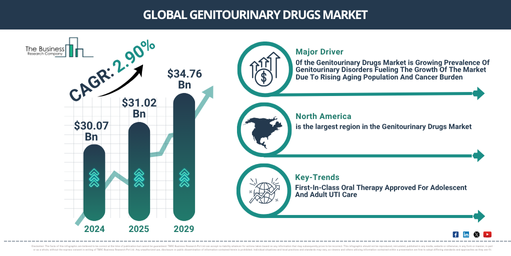
    The market size of genitourinary drugs has exhibited consistent growth in the past few years. Its projected growth is from $30.07 billion in 2024 to $31.02 billion in 2025, with a compound annual growth rate (CAGR) of 3.2%. Factors contributing to this historic period growth include an increased incidence of urinary tract infections, a surge in benign prostatic hyperplasia cases, heightened awareness about sexual health, a growing elderly population, and the escalating incidences of chronic kidney diseases.

    Stable growth is anticipated in the genitourinary drugs market in the ensuing years, with its size predicted to reach $34.76 billion in 2029, exhibiting a compound annual growth rate (CAGR) of 2.9%. The upturn in the forecast period is due to the rising incidence of urinary tract infections, heightened knowledge around sexual health, improving healthcare structure, escalating demand for hormone replacement treatments, and an increase in the consumption of oral contraceptives. The forecast period also signifies key trends such as enhancements in drug formulations and delivery systems, incorporation of digital health solutions, personalized medicine approaches fueled by technology, progression in biologic therapies, and breakthroughs in precision medicine.

    Download The Free Sample Report Here:

    https://www.thebusinessresearchcompany.com/sample.aspx?id=24548&type=smp

    What factors are expected to fuel Genitourinary Drugs market growth in the coming years?

    The genitourinary drugs market is projected to expand due to the increasing incidence of genitourinary disorders. Medical conditions impacting the urinary and reproductive organs, such as infections, cancers, and functional or structural problems, are classified as genitourinary disorders. A rise in these disorders is primarily as a result of an aging population, which is more susceptible to urinary and reproductive health concerns. Genitourinary drugs are designed to target conditions of the urinary and reproductive system, providing a respite from infections, inflammation, and dysfunctions. These drugs enhance the quality of life by supporting effective, convenient, and specific treatments, thus improving patient outcomes. For instance, the American Cancer Society released a report in April 2024 stating that roughly 20 million new cancer cases were diagnosed worldwide in 2022, causing approximately 9.7 million deaths. The report further indicates that cancer cases are expected to surge, reaching an estimate of 35 million by 2050. Therefore, the escalating incidence of genitourinary disorders is pushing the growth of the genitourinary drugs market.

    What Are The Key Findings From The Segmentation Analysis Of The Genitourinary Drugs Market?

    The genitourinary drugs market covered in this report is segmented –

    1) By Product: Urologicals, Hormonal Therapy, Gynecological, Anti-Infectives, Other Products

    2) By Route Of Administration: Oral, Parenteral, Topical

    3) By Application: Urinary Tract Infections (UTIs), Benign Prostatic Hyperplasia (BPH), Prostate Cancer, Overactive Bladder, Bladder Cancer, Other Applications

    4) By Distribution Channel: Hospital Pharmacies, Drug Store And Retail Pharmacies, Online Pharmacies

    Subsegments:

    1) By Urologicals: Benign Prostatic Hyperplasia (BPH) Drugs, Urinary Incontinence Drugs, Overactive Bladder (OAB) Drugs, Urolithiasis (Kidney Stone) Drugs, Erectile Dysfunction Drugs

    2) By Hormonal Therapy: Estrogen Therapy, Progestin Therapy, Gonadotropin-Releasing Hormone (GnRH) Agonists/Antagonists, Androgen Replacement Therapy, Selective Estrogen Receptor Modulators (SERMs)

    3) By Gynecological: Contraceptives, Menopausal Hormone Therapy, Fertility Drugs, Drugs for Endometriosis, Drugs for Polycystic Ovary Syndrome (PCOS)

    4) By Anti-Infectives: Urinary Tract Infection (UTI) Drugs, Sexually Transmitted Infection (STI) Drugs, Vaginal Antifungals, Antivirals

    5) By Other Products: Drugs for Chronic Pelvic Pain, Bladder Cancer Therapies, Interstitial Cystitis Drugs, Pelvic Organ Prolapse Treatment Drugs, Adjunctive Therapies

    Which Trends Are Expected To Shape The Future Of The Genitourinary Drugs Market?

    Leading entities in the genitourinary drugs market are centering their efforts on the creation of innovative products like oral antibiotics. These products aim to augment treatment convenience, amplify patient adherence, and efficiently handle infections. Oral antibiotics are antimicrobial drugs consumed orally to counteract bacterial infections. In one significant development, GSK plc, a pharmaceutical firm from the UK, acquired approval for Blujepa (gepotidacin) from the US Food and Drug Administration (FDA) in March 2025. This medication is designed to treat uncomplicated urinary tract infections instigated by susceptible bacteria in females and girls aged 12 and above. Blujepa marks an original, inaugural oral antibiotic that impedes bacterial DNA replication by aiming at two vital enzymes, DNA gyrase, and topoisomerase IV. Diverging from traditional antibiotics, it latches onto unique sites to surmount resistance, providing a specified mechanism with elevated safety and effectiveness.

    What Are The Most Active Companies In The Genitourinary Drugs Market Today?

    Major companies operating in the genitourinary drugs market are Pfizer Inc., Johnson & Johnson, F. Hoffmann-La Roche AG, Merck & Co. Inc., Bayer AG, Novartis AG, Sanofi S.A., Bristol Myers Squibb, AstraZeneca plc, Abbott Laboratories, GSK plc, Eli Lilly and Company, Amgen Inc., Teva Pharmaceutical Industries Ltd., Astellas Pharma Inc., Ipsen Société Anonyme, Aurobindo Pharma Limited, Dr. Reddy’s Laboratories Limited, Cipla Limited, Hikma Pharmaceuticals Public Limited Company, Zydus Lifesciences Limited, Endo International Public Limited Company, Takeda Pharmaceutical Company Limited, Zydus Lifesciences Limited, Melinta Therapeutics Inc., Asieris Pharmaceuticals, Sun Pharmaceutical Industries Ltd.

    Get The Full Report Here:

    https://www.thebusinessresearchcompany.com/report/genitourinary-drugs-global-market-report

    Which Regional Markets Are Attracting The Most Investment In Genitourinary Drugs?

    North America was the largest region in the genitourinary drugs market in 2024. Asia-Pacific is expected to be the fastest-growing region in the forecast period. The regions covered in the genitourinary drugs market report are Asia-Pacific, Western Europe, Eastern Europe, North America, South America, Middle East, Africa.

    Request For A Customized Report:

    https://www.thebusinessresearchcompany.com/customise?id=24548&type=smp

    About The Business Research Company:

    With over 15000+ reports from 27 industries covering 60+ geographies, The Business Research Company has built a reputation for offering comprehensive, data-rich research and insights. Armed with 1,500,000 datasets, the optimistic contribution of in-depth secondary research, and unique insights from industry leaders, you can get the information you need to stay ahead in the game.

    Get in touch with us:

    The Business Research Company: https://www.thebusinessresearchcompany.com/

    Americas +1 310-496-7795

    Asia +44 7882 955267 & +91 8897263534

    Europe +44 7882 955267

    Email us at info@tbrc.info

    Follow us on:

    LinkedIn: https://in.linkedin.com/company/the-business-research-company

    YouTube: https://www.youtube.com/channel/UC24_fI0rV8cR5DxlCpgmyFQ

    Global Market Model: https://www.thebusinessresearchcompany.com/global-market-model
  • Comprehensive Forecast: Gastrointestinal Over-The-Counter (OTC) Drugs Market Share, Growth, and Opportunities Through 2029

    Comprehensive Forecast: Gastrointestinal Over-The-Counter (OTC) Drugs Market Share, Growth, and Opportunities Through 2029

    Claim your 30% discount on Global Market Reports with code ONLINE30. Limited time only.

    What CAGR Is Anticipated for the Gastrointestinal Over-The-Counter (OTC) Drugs Market Through 2029?

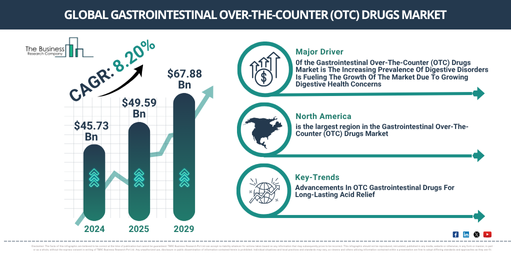
    The size of the over-the-counter gastrointestinal drugs market has seen significant growth in recent times. It is projected to expand from $45.73 billion in 2024 to $49.59 billion in 2025 with a compound annual growth rate (CAGR) of 8.4%. This growth during the past years can be credited to the escalating prevalence of gastrointestinal diseases, heightened consumer inclination towards self-medication, increased availability of OTC proton pump inhibitors, a rise in the understanding of digestive health, and the increase in the elderly population susceptible to gastrointestinal complications.

    The market size of over-the-counter (OTC) gastrointestinal drugs is projected to witness significant expansion in the coming years, rising to a massive $67.88 billion by the end of 2029 with an annual compound growth rate (CAGR) of 8.2%. This robust growth can be attributed to several factors including, an escalating demand for instant symptom relief, the surge in online pharmacy usage, wider accessibility of combined OTC treatments, an increased emphasis on maintaining gut microbiome health, and heightened marketing and awareness drives by leading industry players. Key market trends to watch out for in the projected period comprise advancements in the creation of fast-acting antacids, the launch of innovative probiotic-based OTC items, the incorporation of natural components in digestive therapies, progress in precision and transportability packaging, and incoming innovations in extended-release solutions for gastrointestinal issues.

    Download The Free Sample Report Here:

    https://www.thebusinessresearchcompany.com/sample.aspx?id=24547&type=smp

    What Market Forces Are Driving The Gastrointestinal Over-The-Counter (OTC) Drugs Sector In 2025 And Beyond?

    Growth in the gastrointestinal over-the-counter (OTC) drugs market is expected to be propelled by the rising incidence of digestive disorders. Digestive issues involve a variety of conditions affecting the digestive system, including the stomach, intestines, and other related organs. The escalation in these disorders can largely be attributed to the increased consumption of processed, low-fiber diets that negatively affect gut health and disrupts digestion. Gastrointestinal OTC medications alleviate symptoms of digestive issues by lessening stomach acid, normalizing bowel function, and improving gut health. These drugs offer quick and convenient solutions to common problems like acidity, constipation, and indigestion. For instance, the IBD Registry Ltd., a non-profit organization based in the UK, reported that the number of people suffering from inflammatory bowel disease (IBD) soared to over 5,300 in December 2023. This figure represented a significant growth of more than 3,000 compared to 2022. Hence, the ongoing upsurge in digestive disorders is fuelling the progression of the gastrointestinal OTC drugs market.

    How Is The Global Gastrointestinal Over-The-Counter (OTC) Drugs Market Categorized By Segments?

    The gastrointestinal over-the-counter (OTC) drugs market covered in this report is segmented –

    1) By Product: Antacid, Laxatives, Anti-Diarrheal, Anti-Emetics, Other Products

    2) By Formulation: Tablets, Capsules, Liquids, Other Formulations

    3) By Indications: Heartburn, Diarrhoea, Constipation, Gastroesophageal Reflux Disease (GERD), Nausea, Vomiting, Motion Sickness, Other Indications

    4) By Distribution Channel: Direct Tender, Hospital Pharmacy, Retail Pharmacy, Online Pharmacy, Other Distribution Channels

    5) By End-Users: Hospitals, Clinics, Home Healthcare, Other End-Users

    Subsegments:

    1) By Antacid: Proton Pump Inhibitors (PPIs), H2-Receptor Antagonists, Calcium Carbonate, Magnesium Hydroxide, Sodium Bicarbonate, Combination Antacids

    2) By Laxatives: Bulk-Forming Laxatives, Stimulant Laxatives, Osmotic Laxatives, Stool Softeners, Lubricant Laxatives

    3) By Anti-Diarrheal: Loperamide, Bismuth Subsalicylate, Probiotics, Electrolyte Solutions

    4) By Anti-Emetics: Antihistamines, Bismuth Subsalicylate, Phosphorated Carbohydrate Solution, Ginger Supplements

    5) By Other Products: Digestive Enzymes, Antispasmodics, Simethicone, Herbal Remedies, Activated Charcoal

    What Long-Term Trends Are Likely To Affect The Gastrointestinal Over-The-Counter (OTC) Drugs Market?

    Notable players in the gastrointestinal OTC drugs market are honing their focus on the creation of advanced products, such as OTC proton pump inhibitors, to deliver effectual and enduring relief for acid-related disorders. OTC proton pump inhibitors, designed to lower the production of stomach acid, are available for purchase without the necessity of a prescription. They are frequently employed in the treatment of conditions like recurrent heartburn, gastric ulcers, and GERD. For instance, Eisai Co., Ltd., a pharmaceutical organization based in Japan, acquired approval in Japan in March 2025 to transition its Pariet S (rabeprazole sodium 10 mg) from a prescription to an over-the-counter status. This transition made Pariet S the pioneer OTC PPI in Japan to contain the identical active ingredient and dosage as its prescription equivalent. Pariet S offers a treatment for stomach pain, bloating, and heartburn, providing 24-hour relief with a simple-to-swallow pill taken once daily. It seeks to cater to the increasing necessity for effective treatments for gastric acid-related issues, brought about by lifestyle and demographic shifts.

    Which Firms Are Considered Leaders In The Gastrointestinal Over-The-Counter (OTC) Drugs Market Space?

    Major companies operating in the gastrointestinal over-the-counter (OTC) drugs market are Pfizer Inc., Procter & Gamble Co., Johnson & Johnson, Merck & Co. Inc., Bayer AG, Novartis AG, Sanofi S.A., AstraZeneca plc, Abbott Laboratories, GlaxoSmithKline plc, Takeda Pharmaceutical Company Limited, Teva Pharmaceutical Industries Ltd., Reckitt Benckiser Group plc, Boehringer Ingelheim GmbH, Haleon plc, Sandoz AG, Bausch Health Companies Inc., Sun Pharmaceutical Industries Ltd., Perrigo Company plc, Dr. Reddy’s Laboratories Ltd.

    Get The Full Report Here:

    https://www.thebusinessresearchcompany.com/report/gastrointestinal-over-the-counter-otc-drugs-global-market-report

    What Role Do Regional Policies And Investments Play In Gastrointestinal Over-The-Counter (OTC) Drugs Market Expansion?

    North America was the largest region in the gastrointestinal over-the-counter (OTC) drugs market in 2024. Asia-Pacific is expected to be the fastest-growing region in the forecast period. The regions covered in the gastrointestinal over-the-counter (OTC) drugs market report are Asia-Pacific, Western Europe, Eastern Europe, North America, South America, Middle East, Africa.

    Request For A Customized Report:

    https://www.thebusinessresearchcompany.com/customise?id=24547&type=smp

    About The Business Research Company:

    With over 15000+ reports from 27 industries covering 60+ geographies, The Business Research Company has built a reputation for offering comprehensive, data-rich research and insights. Armed with 1,500,000 datasets, the optimistic contribution of in-depth secondary research, and unique insights from industry leaders, you can get the information you need to stay ahead in the game.

    Get in touch with us:

    The Business Research Company: https://www.thebusinessresearchcompany.com/

    Americas +1 310-496-7795

    Asia +44 7882 955267 & +91 8897263534

    Europe +44 7882 955267

    Email us at info@tbrc.info

    Follow us on:

    LinkedIn: https://in.linkedin.com/company/the-business-research-company

    YouTube: https://www.youtube.com/channel/UC24_fI0rV8cR5DxlCpgmyFQ

    Global Market Model: https://www.thebusinessresearchcompany.com/global-market-model

  • Future Demand and Leading Companies Shaping the Gastrointestinal Cancer Market to 2029

    Future Demand and Leading Companies Shaping the Gastrointestinal Cancer Market to 2029

    Claim your 30% discount on Global Market Reports with code ONLINE30. Limited time only.

    What Are the Latest Market Insights for the Gastrointestinal Cancer Industry?

    In recent times, the market size for gastrointestinal cancer has seen swift expansion. Projected to escalate from a size of $24.09 billion in 2024 to $27.05 billion in 2025, it will present a compound annual growth rate (CAGR) of 12.3%. Factors contributing to growth during the historic period comprise of the increasing presence of gastrointestinal cancers, a rise in the consumption of tobacco and alcohol, population aging, unhealthy eating habits, and technological advancements in oncology diagnostics and therapy.

    The market size for gastrointestinal cancer is forecasted to experience substantial growth in the upcoming years, reaching $42.45 billion in 2029 with a compound annual growth rate (CAGR) of 11.9%. The predicted growth within this period can be linked to the rising use of biomarker-driven therapies, increased recognition of early screening’s importance, the growth of the healthcare infrastructure, cancer care initiatives by the government, and a growing emphasis on minimally invasive methods. Significant trends during the forecast period involve advances in diagnostic tool technology, novel developments in targeted therapies, progress in immunotherapy, the escalated use of artificial intelligence in cancer treatments, and active research and development in precise oncology.

    Download The Free Sample Report Here:

    https://www.thebusinessresearchcompany.com/sample.aspx?id=24546&type=smp

    What Forces Are Driving The Growth Of The Gastrointestinal Cancer Industry?

    The burgeoning use of precision medicine, such as targeted therapies, is propelling the developmental trajectory of the gastrointestinal cancer market. These targeted therapies, which disrupt the growth of cancerous cells by acting on unique molecular targets while minimizing harm to healthy cells, offer more specificity than traditional treatments. By focusing on specific molecular pathways or genetic mutations, these therapies can effectively treat cancer in a more individualized way. Unlike former treatments like chemotherapy that indiscriminately damage both healthy and malignant cells, targeted therapies are specific to each patient’s condition. For gastrointestinal (GI) cancer, these treatments act on particular genes or proteins that regulate tumor growth, allowing for personalized and effective approaches. This method leads to improved patient outcomes and fewer side effects compared to traditional chemotherapy methods. For instance, the American Society of Gene & Cell Therapy (ASGCT), and Citeline, both US-based entities, reported in July 2023 that the number of gene therapies in Phase II increased by 5% from quarter one (Q1) 2023, 247 therapies, to quarter two (Q2), 260 therapies. As such, the growth of the gastrointestinal cancer market is being fueled by the increased adoption of targeted therapies.

    What Is The Overview Of Market Segmentation In The Gastrointestinal Cancer Industry?

    The gastrointestinal cancer market covered in this report is segmented –

    1) By Cancer Type: Colorectal Cancer, Stomach Cancer, Esophageal Cancer, Pancreatic Cancer, Liver Cancer, Other Cancer Types

    2) By Diagnostics: Endoscopy, Biopsy, Molecular Diagnostics, Imaging, Other Diagnostics

    3) By Treatment: Chemotherapy, Immunotherapy, Targeted Therapy, Radiation Therapy, Surgery, Other Treatments

    4) By End-User: Hospitals, Oncology Centers, Research Institutes, Diagnostic Laboratories, Other End-Users

    Subsegments:

    1) By Colorectal Cancer: Colon Cancer, Rectal Cancer, Recurrent Colorectal Cancer, Metastatic Colorectal Cancer

    2) By Stomach Cancer: Adenocarcinoma, Gastrointestinal Stromal Tumors (GIST), Lymphoma, Carcinoid Tumors

    3) By Esophageal Cancer: Adenocarcinoma, Squamous Cell Carcinoma, Small Cell Carcinoma, Other Rare Esophageal Tumors

    4) By Pancreatic Cancer: Exocrine Pancreatic Cancer, Endocrine (Neuroendocrine) Pancreatic Tumors, Metastatic Pancreatic Cancer, Resectable Or Unresectable Tumors

    5) By Liver Cancer: Hepatocellular Carcinoma (HCC), Intrahepatic Cholangiocarcinoma, Hepatoblastoma, Secondary (Metastatic) Liver Cancer

    6) By Other Cancer Types: Small Intestine Cancer, Anal Cancer, Gallbladder Cancer, Gastrointestinal Carcinoid Tumor

    What Future Market Trends Are Projected For The Gastrointestinal Cancer Industry?

    Key players in the gastrointestinal cancer market are concentrating their efforts on developing innovative solutions such as monoclonal antibody therapy to enhance patient survival rates while reducing the adverse effects associated with treatment. This form of treatment harnesses the power of lab-created antibodies that precisely recognize and attach to cancer cells, aiding the immune system in their targeted eradication. In a significant development, Astellas Pharma Inc., a pharmaceutical giant based in Japan, in September 2024, introduced VYLOY (zolbetuximab) in combination with fluoropyrimidine- and platinum-based chemotherapy. This treatment was approved by the European Commission. It represents a front-line defense for adults grappling with locally advanced unresectable or metastatic HER2-negative gastric or gastroesophageal junction (GEJ) adenocarcinomas that show claudin 18.2 (CLDN18.2) expression in their tumors. With this approval, VYLOY becomes the pioneering and sole therapy in the European Union to target CLDN18.2, a biomarker present in approximately 38% of these patients. This approval draws its strength from the encouraging clinical trial results of the SPOTLIGHT and GLOW studies.

    Who Are The Primary Players Operating Across The Global Gastrointestinal Cancer Market?

    Major companies operating in the gastrointestinal cancer market are Pfizer Inc., Johnson & Johnson, Roche Holding AG, Merck & Co. Inc., Bayer AG, Sanofi S.A., Bristol-Myers Squibb Company, AstraZeneca PLC, Novartis AG, GlaxoSmithKline plc, Takeda Pharmaceutical Company Limited, Eli Lilly and Company, Amgen Inc., Parexel International Corporation, Ipsen Biopharmaceuticals Inc., Exelixis Inc., BeiGene Ltd., Boehringer Ingelheim International GmbH, Zai Lab Limited, Taiho Pharmaceutical Co. Ltd.

    Get The Full Report Here:

    https://www.thebusinessresearchcompany.com/report/gastrointestinal-cancer-global-market-report

    Which Region Offers The Most Growth Potential For The Gastrointestinal Cancer Market Through 2029?

    North America was the largest region in the gastrointestinal cancer market in 2024. Asia-Pacific is expected to be the fastest-growing region in the forecast period. The regions covered in the gastrointestinal cancer market report are Asia-Pacific, Western Europe, Eastern Europe, North America, South America, Middle East, Africa.

    Request For A Customized Report:

    https://www.thebusinessresearchcompany.com/customise?id=24546&type=smp

    About The Business Research Company:

    With over 15000+ reports from 27 industries covering 60+ geographies, The Business Research Company has built a reputation for offering comprehensive, data-rich research and insights. Armed with 1,500,000 datasets, the optimistic contribution of in-depth secondary research, and unique insights from industry leaders, you can get the information you need to stay ahead in the game.

    Get in touch with us:

    The Business Research Company: https://www.thebusinessresearchcompany.com/

    Americas +1 310-496-7795

    Asia +44 7882 955267 & +91 8897263534

    Europe +44 7882 955267

    Email us at info@tbrc.info

    Follow us on:

    LinkedIn: https://in.linkedin.com/company/the-business-research-company

    YouTube: https://www.youtube.com/channel/UC24_fI0rV8cR5DxlCpgmyFQ

    Global Market Model: https://www.thebusinessresearchcompany.com/global-market-model
  • 2025–2029 Ganciclovir Market Outlook: Regional Trends and Growth Forecast

    2025–2029 Ganciclovir Market Outlook: Regional Trends and Growth Forecast

    Claim your 30% discount on Global Market Reports with code ONLINE30. Limited time only.

    What Are the Forecasted Growth Rate and Market Size of the Ganciclovir Market?

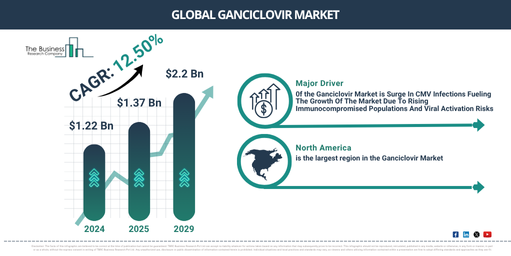
    In the past few years, the ganciclovir market has experienced swift expansion. Its value is expected to escalate from $1.22 billion in 2024 to $1.37 billion in 2025, showing a compound annual growth rate (CAGR) of 12.8%. The growth observed in the previous years is a result of the mounting need for antiviral treatments, an upturn in the use of targeted therapies, increasing necessity for potent treatments in transplant patients, heightened concentration on chronic viral infections, and improved healthcare accessibility in emerging regions.

    In the upcoming years, a speedy expansion is anticipated in the ganciclovir market size, where it will enlarge to a staggering $2.2 billion by 2029, boasting a Compound Annual Growth Rate (CAGR) of 12.5%. The main reasons driving this growth during this projection period includes escalating adoption of antiviral therapies, an increase in immunocompromised disorders, burgeoning awareness regarding CMV infections, breakthroughs in diagnostic technologies, and development of healthcare infrastructure in emerging markets. Future trends expected in this period encompass advancements in drug delivery systems, the creation of extended-release formulations, innovative combination therapies, cutting-edge diagnostic tools for early CMV identification, and the development of individualized treatment regimes for CMV infections.

    Download The Free Sample Report Here:

    https://www.thebusinessresearchcompany.com/sample.aspx?id=24545&type=smp

    Which Factor Is Shaping The Future Of The Ganciclovir Market?

    The ganciclovir market is anticipated to grow due to the increasing prevalence of cytomegalovirus (CMV) infections. CMV, a type of common herpesvirus, can stay dormant and re-activate in those with weakened immune systems. This can lead to severe complications such as pneumonia, retinitis, and gastrointestinal disorders, especially in those with HIV/AIDS and transplant recipients. The surge in CMV infections is spearheaded by a growing immunocompromised population who have a higher vulnerability to viral activation and spread. Ganciclovir’s crucial role in effective antiviral therapy serves to manage the escalating CMV infection rates in these individuals. In January 2025, the Centers for Disease Control and Prevention reported that 1 out of every 3 children in the US contract CMV by the age of 5, and over half of adults by 40. Furthermore, the National Library of Medicine reported in October 2022 that around 40,000 infants are born with congenital CMV every year, causing about 400 deaths and long-term effects in approximately 8,000 infants. Consequently, the increasing instances of CMV infections are fueling the ganciclovir market’s growth. Moreover, the escalating healthcare expenditure is also anticipated to spur the ganciclovir market growth by broadening the access to antiviral treatments. Healthcare expenditure, encompassing spending on medical services, treatments, and public health by parties like individuals, insurers, and governments, tends to rise due to advanced medical technologies. These innovations come with hefty development and implementation expenses, demand specialized training and tools, and contribute to the rising use of costly diagnostic and treatment procedures. Healthcare spending acts in favor of ganciclovir by expanding access to antiviral treatments needed to manage CMV infections in immunocompromised patients. For example, in May 2024, according to the UK’s Office for National Statistics, healthcare expenditure in the UK reached around $421.32 billion (£317 billion), showing a 6.5% increase from 2023. Thus, the rising healthcare expenditure also propels the ganciclovir market’s growth.

    What Is The Segment-Wise Breakdown Of The Ganciclovir Market?

    The ganciclovir market covered in this report is segmented –

    1) By Type: Injection, Oral

    2) By Dosage Form: Tablets, Intravenous (IV) Solution, Ophthalmic Gel

    3) By Distribution Channel: Hospital Pharmacies, Retail Pharmacies, Online Pharmacies

    4) By Application: Cytomegalovirus (CMV) Retinitis, Cytomegalovirus (CMV) Prevention In Organ Transplant Patients, Other Viral Applications

    Subsegments:

    1) By Injection: Lyophilized Powder for Injection, Premixed IV Bags, Intravitreal Injection

    2) By Oral: Capsules, Oral Solution

    Which Companies Hold The Largest Market Share In The Ganciclovir Sector?

    Major companies operating in the ganciclovir market are Roche Holding AG, Teva Pharmaceutical Industries Ltd., Fresenius Kabi AG, Dr. Reddy’s Laboratories Ltd., Cipla Ltd., Fareva Group, Zydus Lifesciences Ltd., Natco Pharma Ltd., Ajanta Pharma Ltd., Micro Labs Ltd., Taj Pharmaceuticals Ltd., Sunways Pvt. Ltd., Accord Healthcare Ltd., AdvaCare Pharma USA, Trifarma S.p.A., Actiza Pharmaceutical Pvt. Ltd., Bakul Group of Companies, Doctor Wonder Healthcare Pvt. Ltd., Sujalam Chemicals, Aetos Pharma Pvt. Ltd.

    Get The Full Report Here:

    https://www.thebusinessresearchcompany.com/report/ganciclovir-global-market-report

    How Does Regional Performance Compare Across The Ganciclovir Industry?

    North America was the largest region in the ganciclovir market in 2024. Asia-Pacific is expected to be the fastest-growing region in the forecast period. The regions covered in the ganciclovir market report are Asia-Pacific, Western Europe, Eastern Europe, North America, South America, Middle East, Africa.

    Request For A Customized Report:

    https://www.thebusinessresearchcompany.com/customise?id=24545&type=smp

    About The Business Research Company:

    With over 15000+ reports from 27 industries covering 60+ geographies, The Business Research Company has built a reputation for offering comprehensive, data-rich research and insights. Armed with 1,500,000 datasets, the optimistic contribution of in-depth secondary research, and unique insights from industry leaders, you can get the information you need to stay ahead in the game.

    Get in touch with us:

    The Business Research Company: https://www.thebusinessresearchcompany.com/

    Americas +1 310-496-7795

    Asia +44 7882 955267 & +91 8897263534

    Europe +44 7882 955267

    Email us at info@tbrc.info

    Follow us on:

    LinkedIn: https://in.linkedin.com/company/the-business-research-company

    YouTube: https://www.youtube.com/channel/UC24_fI0rV8cR5DxlCpgmyFQ

    Global Market Model: https://www.thebusinessresearchcompany.com/global-market-model
  • Latest Market Developments in Gabapentin Industry: Forecast 2025–2029

    Latest Market Developments in Gabapentin Industry: Forecast 2025–2029

    Claim your 30% discount on Global Market Reports with code ONLINE30. Limited time only.

    What Is the Estimated Industry Valuation for the Gabapentin Sector?

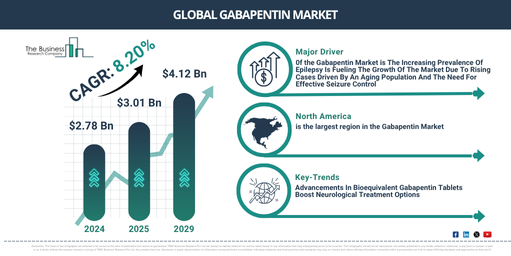
    The market size of gabapentin has seen robust growth over the past few years. It is projected to expand from $2.78 billion in 2024 to $3.01 billion in 2025, with a compound annual growth rate (CAGR) of 8.5%. Factors contributing to the growth during the historic period include a rise in epilepsy cases, increasing occurrences of neuropathic pain, heightened awareness of neurological disorders, a growing elderly population, and increased usage of generic anticonvulsants.

    In the forthcoming years, the gabapentin market is projected to witness substantial growth, eventually reaching $4.12 billion by 2029 with a Compound Annual Growth Rate (CAGR) of 8.2%. Factors contributing to this growth in the projection period include a growing demand for chronic pain management, increased acceptance of gabapentin compounds, expanded healthcare access in emerging areas, a heightened emphasis on individualized medicine, and an increasing burden of neurological disorders. Dominant trends for the projection period encompass advancements in drug delivery mechanisms, the utilization of gabapentin in integrated therapies, technology-driven neuropathic pain research and development, progress in extended-release formulations, and advancements in the application of pharmacogenomics.

    Download The Free Sample Report Here:

    https://www.thebusinessresearchcompany.com/sample.aspx?id=24544&type=smp

    What Forces Are Driving The Growth Of The Gabapentin Market?

    The gabapentin market’s upward trajectory is attributable to the growing incidence of epilepsy. This brain condition, marked by recurring seizures induced by irregular brain electrical activity, is primarily increasing due to the expanding aging population, as the risk of neurological disorders causing seizures tends to rise with age. Gabapentin manages epilepsy by curbing unusual nerve activity in the brain and diminishing signals that trigger seizures. It operates by focusing on calcium channels to stave off seizure onset. For instance, the Centers for Disease Control and Prevention, a government agency based in the U.S., revealed in May 2024 that approximately 2.9 million U.S. adults aged 18 and above reported having active epilepsy in 2022, marking a 1.08% rise from 2021. Thus, the escalating presence of epilepsy is propelling gabapentin market growth.

    How Is The Gabapentin Industry Segmented Across Key Parameters?

    The gabapentin market covered in this report is segmented –

    1) By Type: Generic, Branded

    2) By Dosage Form: Tablet, Capsule, Oral Solution

    3) By Distribution Channel: Hospital Pharmacies, Retail Pharmacies, Online Pharmacies, Other Distribution Channels

    4) By Application: Epilepsy, Neuropathic Pain, Restless Legs Syndrome, Other Applications

    Subsegments:

    1) By Generic: Gabapentin Immediate Release (IR), Gabapentin Extended Release (ER), Gabapentin Capsules, Gabapentin Tablets, Gabapentin Oral Solution

    2) By Branded: Neurontin, Gralise, Horizant, Other Branded Formulations

    What Notable Trends Are Shaping The Direction Of The Gabapentin Market?

    Key players in the gabapentin market are concentrating on the creation of superior formulas, like bioequivalent tablets, with aims to improve therapeutic efficacy and broaden the spectrum of treatments available for neurological disorders. Generic drugs like bioequivalent tablets release the same dosage of the active component in the bloodstream, at similar rates and efficiency as their branded counterparts, thus ensuring comparable safety and therapeutic impact. For instance, in March 2024, Strides Pharma Science Limited – a pharmaceutical corporation based in India, launched Gabapentin Tablets USP with strengths of 600 mg and 800 mg. This product line, which obtained approval from the United States Food & Drug Administration (USFDA), was designed to enlarge the company’s neurology range in the US market. This novel gabapentin proffers heightened bioavailability, accurate dosage, and user-friendly application, thus allowing for more consistent treatment results, enhanced symptom management, and added convenience for prolonged therapy. Gabapentin tablets USP, 600 mg, provide a versatile therapeutic utility, enabling efficient treatment of various brain conditions like neuropathic pain and partial seizures by means of dependable dosage and demonstrated clinical efficacy.

    Which Companies Currently Dominate The Competitive Landscape In The Gabapentin Industry?

    Major companies operating in the gabapentin market are Pfizer Inc., Teva Pharmaceutical Industries Ltd., Mylan Inc., Apotex Inc., Sun Pharmaceutical Industries Ltd., Aurobindo Pharma Limited, Cipla Limited, Lupin Limited, Zydus Lifesciences Limited, Glenmark Pharmaceuticals Limited, Torrent Pharmaceuticals Ltd., Ipca Laboratories Private Limited, Granules India Limited, Medley Pharmaceuticals Limited, Wockhardt Limited, Epic Pharma LLC, Healing Pharma India Pvt. Ltd., Rochem International Inc., Accord Healthcare Limited, Strides Pharma Science Limited, Ascend Laboratories LLC

    Get The Full Report Here:

    https://www.thebusinessresearchcompany.com/report/gabapentin-global-market-report

    Which Geographic Regions Are Driving Demand In The Gabapentin Market?

    North America was the largest region in the gabapentin market in 2024. Asia-Pacific is expected to be the fastest-growing region in the forecast period. The regions covered in the gabapentin market report are Asia-Pacific, Western Europe, Eastern Europe, North America, South America, Middle East, Africa.

    Request For A Customized Report:

    https://www.thebusinessresearchcompany.com/customise?id=24544&type=smp

    About The Business Research Company:

    With over 15000+ reports from 27 industries covering 60+ geographies, The Business Research Company has built a reputation for offering comprehensive, data-rich research and insights. Armed with 1,500,000 datasets, the optimistic contribution of in-depth secondary research, and unique insights from industry leaders, you can get the information you need to stay ahead in the game.

    Get in touch with us:

    The Business Research Company: https://www.thebusinessresearchcompany.com/

    Americas +1 310-496-7795

    Asia +44 7882 955267 & +91 8897263534

    Europe +44 7882 955267

    Email us at info@tbrc.info

    Follow us on:

    LinkedIn: https://in.linkedin.com/company/the-business-research-company

    YouTube: https://www.youtube.com/channel/UC24_fI0rV8cR5DxlCpgmyFQ

    Global Market Model: https://www.thebusinessresearchcompany.com/global-market-model
  • Emerging Trends and Growth Drivers in the Fulvestrant Injection Market Through 2029

    Emerging Trends and Growth Drivers in the Fulvestrant Injection Market Through 2029

    Claim your 30% discount on Global Market Reports with code ONLINE30. Limited time only.

    How Large Is the Fulvestrant Injection Market Expected to Be in 2029?

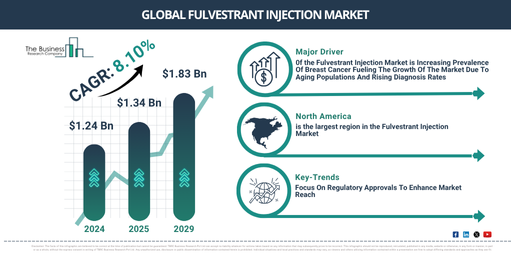
    The market size for fulvestrant injections has significantly increased in the past few years. Prediction suggests it will escalate from $1.24 billion in 2024 to about $1.34 billion in 2025, with an 8.4% compound annual growth rate (CAGR). The upward trend during the historic period is due to the increasing prevalence of breast cancer, heightened awareness about hormone receptor-positive breast cancer, easily accessible branded fulvestrant products, advancements in oncology treatment facilities, and beneficial reimbursement strategies in developed nations.

    The market size of the fulvestrant injection is predicted to experience substantial growth in the upcoming years, with expectations to reach $1.83 billion by 2029, growing at a compound annual growth rate (CAGR) of 8.1%. The anticipated growth during this forecast period can be linked to factors such as the transition towards combination therapies, the introduction of biosimilars that increase accessibility, emerging market expansion, a heightened emphasis on individualized cancer therapy and increased investments into clinical trials for new indications. Key trends forecasted for this period involve progress in fulvestrant injection technology, the progression of combination therapies, research into subcutaneous delivery methods and the incorporation of personalized medicine strategies through biomarker targeting.

    Download The Free Sample Report Here:

    https://www.thebusinessresearchcompany.com/sample.aspx?id=24543&type=smp

    What Are The Contributors To Demand In The Fulvestrant Injection Market?

    The fulvestrant injection market is predicted to grow, driven by the rising prevalence of breast cancer. The disease, characterized by an unrestrained multiplication of abnormal cells in breast tissue, can result in a malignant tumor that may invade adjacent tissues or metastasize to different parts of the body. This increase in breast cancer cases is linked to ageing populations, given that the likelihood of disease occurrence increases with age, owing to prolonged exposure to estrogen and the accumulation of genetic mutations. Fulvestrant injections act by targeting hormone receptor-positive tumors, effectively inhibiting estrogen’s role in fostering cancer cell growth. This expands the treatment choices for patients battling advanced or resistant variants of the disease, thus enhancing overall therapeutic results. For instance, Breastcancer.org, a US-based nonprofit organization, stated that by March 2025, breast cancer will comprise approximately 32% of all new cancer diagnoses, anticipating about 316,950 women will be diagnosed with invasive breast cancer, inclusive of 59,080 non-invasive cases. Hence, the rise in breast cancer incidence is stimulating the expansion of the fulvestrant injection market.

    What Segmentation Categories Are Included In The Fulvestrant Injection Market Analysis?

    The fulvestrant injection market covered in this report is segmented –

    1) By Type: Original Drugs, Generic Drugs

    2) By Dosage Formulation: Single-Dose Vials, Multi-Dose Vials, Pre-Filled Syringes

    3) By Administration Route: Intramuscular Injection, Subcutaneous Injection, Intravenous Injection

    4) By Application: Breast Cancer Treatment, Hormone Receptor-Positive Metastatic Breast Cancer, Other Applications

    5) By Distribution Channel: Hospital Pharmacies, Retail Pharmacies, Online Pharmacies

    Subsegments:

    1) By Original Drugs: Branded Formulations, Patented Molecules, Hospital-Procured Brands, Oncologist-Prescribed Brands, High-Cost Segment

    2) By Generic Drugs: Branded Generics, Non-Branded Generics, Biosimilar Generics, Low-Cost Institutional Generics, Tender-Based Supply Generics

    What Upcoming Trends Are Expected To Impact The Fulvestrant Injection Market Globally?

    Companies leading the fulvestrant injection market are concentrating their efforts on gaining regulatory approvals to broaden their product range and strengthen their market foothold. Regulatory approvals involve official authorizations from governmental bodies, confirming a product’s adherence to safety, efficacy and quality benchmarks. A case in point is Alembic Pharmaceuticals, a pharmaceutical firm based in India, which in December 2022 procured an abbreviated new drug application (ANDA) from the US Food & Drug Administration (USFDA) for its generic Fulvestrant injection (250 mg/5 mL), which is used to treat hormone receptor-stimulated breast cancer. Fulvestrant injection, typically given under professional medical supervision, works according to a particular dosage format by latching onto and disintegrating estrogen receptors, which prevents the estrogen from triggering the growth of hormone receptor-positive breast cancer cells.

    Who Are The Top-Ranked Companies In The Fulvestrant Injection Market Today?

    Major companies operating in the fulvestrant injection market are AstraZeneca plc, Fresenius Kabi AG, Intas Pharmaceuticals Limited, Sandoz Group AG, Apotex Inc., Dr. Reddy’s Laboratories, Cadila Pharmaceuticals Ltd., Amneal Pharmaceuticals Inc., Biocon Ltd., Glenmark Pharmaceuticals Ltd., Alkem Laboratories Ltd., Alembic Pharmaceuticals, Eskayef Pharmaceuticals Ltd., Natco Pharma Ltd., Celon Laboratories Ltd., Therdose Pharma, Eugia Pharma, Formative Pharma, Halsted Pharma, Metta Life Sciences.

    Get The Full Report Here:

    https://www.thebusinessresearchcompany.com/report/fulvestrant-injection-global-market-report

    How Is Fulvestrant Injection Market Adoption Varying Across Different Regions And Sectors?

    North America was the largest region in the fulvestrant injection market in 2024. Asia-Pacific is expected to be the fastest-growing region in the forecast period. The regions covered in the fulvestrant injection market report are Asia-Pacific, Western Europe, Eastern Europe, North America, South America, Middle East, Africa.

    Request For A Customized Report:

    https://www.thebusinessresearchcompany.com/customise?id=24543&type=smp

    About The Business Research Company:

    With over 15000+ reports from 27 industries covering 60+ geographies, The Business Research Company has built a reputation for offering comprehensive, data-rich research and insights. Armed with 1,500,000 datasets, the optimistic contribution of in-depth secondary research, and unique insights from industry leaders, you can get the information you need to stay ahead in the game.

    Get in touch with us:

    The Business Research Company: https://www.thebusinessresearchcompany.com/

    Americas +1 310-496-7795

    Asia +44 7882 955267 & +91 8897263534

    Europe +44 7882 955267

    Email us at info@tbrc.info

    Follow us on:

    LinkedIn: https://in.linkedin.com/company/the-business-research-company

    YouTube: https://www.youtube.com/channel/UC24_fI0rV8cR5DxlCpgmyFQ

    Global Market Model: https://www.thebusinessresearchcompany.com/global-market-model
  • CAGR of 7.9% Projected for Fuchs Endothelial Corneal Dystrophy Market From 2025 to 2029

    CAGR of 7.9% Projected for Fuchs Endothelial Corneal Dystrophy Market From 2025 to 2029

    Claim your 30% discount on Global Market Reports with code ONLINE30. Limited time only.

    What Is the Outlook for the Fuchs Endothelial Corneal Dystrophy Market Heading Into 2029?

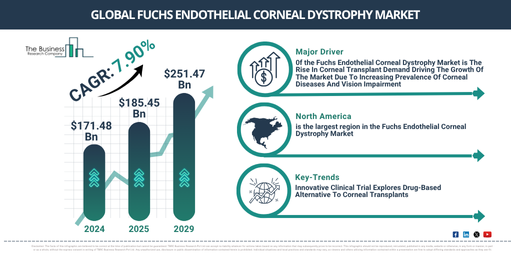
    In recent years, there has been robust growth in the fuchs endothelial corneal dystrophy market size. A surge from $171.48 billion in 2024 to $185.45 billion in 2025, representing a compound annual growth rate (CAGR) of 8.1%, is projected. This growth during the historic period can be traced back to a rising incidence rate of age-related eye disorders, increasing demand for corneal transplants, enhanced awareness and diagnostic rates, a growing preference for minimally invasive surgical operations, and increased funding towards regenerative medicine.

    Expectations are high for the fuchs endothelial corneal dystrophy market to experience significant expansion in the forthcoming years, with projections indicating it will reach $251.47 billion by 2029, growing at a CAGR of 7.9%. This anticipated growth during the forecast period is largely attributed to factors such as the proliferation of advanced diagnostic imaging, escalated healthcare spending, increasing instances of diabetes and high blood pressure, a greater prevalence of niche eye clinics, as well as more intensive research into genetic and molecular facets. Projected trends for the forecast period encompass advancements in the field of regenerative medicine, the utilization of artificial intelligence in diagnostic procedures, bioengineered corneal graft progress, surgical technique advancements, and the adoption of new technology in corneal imaging systems.

    Download The Free Sample Report Here:

    https://www.thebusinessresearchcompany.com/sample.aspx?id=24542&type=smp

    Which Factors Are Pushing The Fuchs Endothelial Corneal Dystrophy Market Forward?

    The surge in corneal transplant requirements is anticipated to boost the growth of the fuchs endothelial corneal dystrophy market in the future. Corneal transplants, which involve replacing an injured or diseased cornea with healthy corneal tissue from a donor to regain vision and eye function, are growing in demand due to the rise in corneal diseases. These disorders often lead to sight loss and necessitate surgical procedures to regain sight. The requirement for corneal transplants is heightened because fuchs endothelial corneal dystrophy progressively damages the corneal endothelium, leading to vision loss that often requires surgical treatment. For example, The Eye Bank Association of America, a transplant association based in the US, stated that domestic keratoplasty procedures increased by 2.7% in 2023, raising from 49,597 in 2022 to 50,925. Consequently, the escalating demand for corneal transplants is fuelling the expansion of the fuchs endothelial corneal dystrophy market.

    Which Segment Held The Largest Share In The Fuchs Endothelial Corneal Dystrophy Market In 2025?

    The fuchs endothelial corneal dystrophy market covered in this report is segmented –

    1) By Treatment: Phototherapeutic Keratectomy, Amniotic Membrane Transplants, Anterior Stromal Puncture, Conjunctival Flaps

    2) By Diagnosis: Cornea Examination And Grading, Corneal Tomography, Corneal Pachymetry, Corneal Cell Count, Other Diagnosis

    3) By Route Of Administration: Oral, Topical, Other Routes Of Administration

    4) By End-Users: Hospital, Specialty Clinics, Homecare, Other End-Users

    Subsegments

    1) By Phototherapeutic Keratectomy: Excimer Laser-Based Phototherapeutic Keratectomy, Femtosecond Laser-Assisted Phototherapeutic Keratectomy, Topography-Guided Phototherapeutic Keratectomy, Manual Epithelial Debridement With Phototherapeutic Keratectomy

    2) By Amniotic Membrane Transplants: Cryopreserved Amniotic Membrane, Dehydrated Amniotic Membrane, Single-Layer Membrane Transplant, Multi-Layer Membrane Transplant

    3) By Anterior Stromal Puncture: Manual Needle-Based Puncture, Laser-Assisted Anterior Stromal Puncture, Pattern-Based Puncture, Combination With Bandage Contact Lens

    4) By Conjunctival Flaps: Total Conjunctival Flap, Partial Or Sectoral Conjunctival Flap, Fornix-Based Flap, Limbal-Based Flap

    How Are Key Trends Driving Expansion In The Fuchs Endothelial Corneal Dystrophy Industry?

    Leading corporations in the fuchs endothelial corneal dystrophy market are honing their focus on initiating clinical trials aimed at innovating and producing products like rho kinase inhibitors designed to enhance corneal cell renewal and facilitate vision revival. These inhibitors are a type of medication that supports corneal cell growth and reduces cellular stress by targeting the rho kinase pathway, thereby making them a prospective treatment for conditions like Fuchs endothelial corneal dystrophy. For example, Kowa Company, Ltd., a pharmaceutical firm based in Japan, made an announcement in April 2023, about the commencement of a worldwide Phase 3 clinical trial to study the safety and efficacy of the K-321 (Ripasudil Hydrochloride Dihydrate) ophthalmic solution in treating patients with Fuchs endothelial corneal dystrophy (FECD) after a descemetorhexis. A central goal of this trial is to provide a non-surgical alternative for patients with FECD, a progressive eye disorder that often necessitates corneal transplantation during the advanced stages. The trial represents a crucial step forward in the quest for developing pharmacological solutions to meet unfulfilled requirements in FECD treatment, as it investigates the application of Rho kinase inhibitors beyond their conventional use in glaucoma therapy.

    Which Organizations Are Driving Progress In The Fuchs Endothelial Corneal Dystrophy Industry?

    Major companies operating in the fuchs endothelial corneal dystrophy market are Carl Zeiss Meditec, Santen Pharmaceutical Co. Ltd., Design Therapeutics Inc., Stealth BioTherapeutics Corp., ProQR Therapeutics N.V., Surrozen Inc., Cellusion Inc., Price Vision Group LLC, ActualEyes Inc., Arctic Vision Limited, Aurion Biotech Inc., Emmecell Inc., Invirsa Inc., KeraMed Inc., Kowa Company Ltd., Kuria Therapeutics Inc., Massachusetts Eye and Ear, MediciBIO Co. LTD., Prime Medicine Inc., Trefoil Therapeutics.

    Get The Full Report Here:

    https://www.thebusinessresearchcompany.com/report/fuchs-endothelial-corneal-dystrophy-global-market-report

    Which Region Is Expected To Experience The Highest Growth In The Fuchs Endothelial Corneal Dystrophy Industry?

    North America was the largest region in the fuchs endothelial corneal dystrophy market in 2024. Asia-Pacific is expected to be the fastest-growing region in the forecast period. The regions covered in the fuchs endothelial corneal dystrophy market report are Asia-Pacific, Western Europe, Eastern Europe, North America, South America, Middle East, Africa.

    Request For A Customized Report:

    https://www.thebusinessresearchcompany.com/customise?id=24542&type=smp

    About The Business Research Company:

    With over 15000+ reports from 27 industries covering 60+ geographies, The Business Research Company has built a reputation for offering comprehensive, data-rich research and insights. Armed with 1,500,000 datasets, the optimistic contribution of in-depth secondary research, and unique insights from industry leaders, you can get the information you need to stay ahead in the game.

    Get in touch with us:

    The Business Research Company: https://www.thebusinessresearchcompany.com/

    Americas +1 310-496-7795

    Asia +44 7882 955267 & +91 8897263534

    Europe +44 7882 955267

    Email us at info@tbrc.info

    Follow us on:

    LinkedIn: https://in.linkedin.com/company/the-business-research-company

    YouTube: https://www.youtube.com/channel/UC24_fI0rV8cR5DxlCpgmyFQ

    Global Market Model: https://www.thebusinessresearchcompany.com/global-market-model