Blog

  • Strategic Report on Eye-Drop And Lubricants Market: Growth Opportunities and Emerging Challenges

    Strategic Report on Eye-Drop And Lubricants Market: Growth Opportunities and Emerging Challenges

    Claim your 30% discount on Global Market Reports with code ONLINE30. Limited time only.

    How Much Is the Global Eye-Drop And Lubricants Market Valued at Present and by 2029?

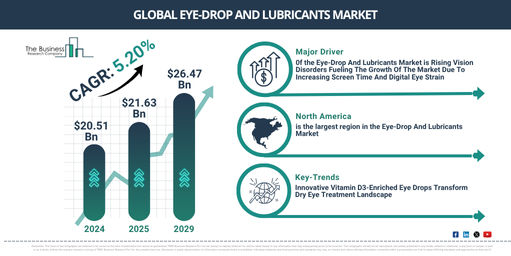
    Over the past few years, the market size of eye-drops and lubricants has significantly expanded. The industry, which was valued at $20.51 billion in 2024, is predicted to reach $21.63 billion by 2025, growing at a compound annual growth rate (CAGR) of 5.4%. The historic growth can be linked to a surge in the driving force behind eye-drop and lubricant use, a rise in the demand for effective treatments, an increase in screen time, heightened exposure to digital screens, and the growing popularity of contact lens usage.

    The market for eye-drops and lubricants is projected to observe robust growth in the impending years. The market value is estimated to reach a whopping $26.47 billion in 2029, with a compound annual growth rate (CAGR) of 5.2%. Factors contributing to this growth during the forecast period may include increased awareness about the importance of eye health, the rising occurrence of dry eye syndrome (DES), an aging population, and growing instances of allergies and environmental irritants. Key market trends forecasted for this period involve digital eye health-related integrations, the development of smart application systems, more use in post-operative recovery, and clever strategic partnerships.

    Download The Free Sample Report Here:

    https://www.thebusinessresearchcompany.com/sample.aspx?id=24530&type=smp

    #What Drivers Are Influencing Growth In The Eye-Drop And Lubricants Market?

    The increasing occurrence of vision-related medical conditions is anticipated to spur the growth of the eye-drop and lubricants market. This refers to any condition or disorder that hampers normal and comfortable visual acuity. The upsurge in such cases are primarily influenced by cumulative screen time, leading to digital eye strain and faster onset of myopia, predominantly in children and young adults. Eye drops and lubricants contribute to alleviating symptoms like dryness, irritation, and redness caused by these vision-related conditions. They work by moisturizing, reducing inflammation, and enhancing the tear film stability, thereby improving overall comfort and visual sharpness. For example, the Royal National Institute of Blind People, a UK-based charity for those with visual impairments, stated in October 2024 that the number of individuals with severe sight loss or registered as blind is expected to surge by 29%, from 298,000 in 2022 to 379,000 by 2035. Consequently, this steady increase in vision-related conditions is propelling the growth of the eye-drop and lubricant market.

    What Are The Main Segments Identified In The Eye-Drop And Lubricants Market Research?

    The eye-drop and lubricants market covered in this report is segmented –

    1) By Type: Antibiotics, Hormones, Artificial Tears, Other Types

    2) By Formulation Type: Liquid, Ointment, Gel, Spray

    3) By Distribution Channel: Online Retail, Pharmacies, Supermarkets Or Hypermarkets, Specialty Stores

    4) By Application: Eye Disease, Eye Care, Other Applications

    5) By End User: Hospitals, Clinics, Homecare, Eyewear Centers

    Subsegments:

    1) By Antibiotics: Broad-Spectrum Antibiotics, Fluoroquinolones, Aminoglycosides, Macrolides

    2) By Hormones: Corticosteroids, Non-Corticosteroid Hormones

    3) By Artificial Tears: Preserved Artificial Tears, Preservative-Free Artificial Tears

    4) By Other Types: Antihistamines, Decongestants, Antiglaucoma Agents, Immunomodulators

    What Are The Leading Trends And Opportunities In The Eye-Drop And Lubricants Sector?

    Leading firms in the eye-drop and lubricant market are directing their efforts towards the development of creative solutions like eye drops loaded with vitamin D3. Their goal is to tackle dry eye symptoms more efficiently and meet the mounting need for multifaceted eye health products. These innovative eye drops with vitamin D3, include both cholecalciferol and moisturizers, designed to alleviate dry eye issues while also offering anti-inflammatory and immune system regulation benefits. An example of this came in May 2024 when Entod Pharmaceuticals, a pharmaceutical company based in India, unveiled their new vitamin D3 loaded lubricating eye drops. The product is a notable development in eye health, providing targeted relief to those who suffer from dry eye syndrome. It infuses vitamin D3 into selected eye drop brands, with the ambition of improving the health of the ocular surface, enhancing tear stability, and aiding corneal wound healing. This product can be obtained only through a prescription from a medical professional, and it is designed to address the common problem of vitamin D deficiency in India. This deficiency is associated with several eye health complications, including age-related macular degeneration and diabetic retinopathy.

    Which Companies Play A Key Role In The Development Of The Eye-Drop And Lubricants Market?

    Major companies operating in the eye-drop and lubricants market are Bayer AG, Sanofi S.A., Novartis AG, Viatris Inc., Teva Pharmaceutical Industries Ltd., Otsuka Pharmaceutical Co. Ltd., Regeneron Pharmaceuticals Inc., Alcon Inc., Genentech Inc., Bausch + Lomb Incorporated, Santen Pharmaceutical Co. Ltd., Alimera Sciences Inc., Scope Ophthalmics Ltd., Lenz Therapeutics Inc., Eyeris Vision Care Pvt. Ltd., Nicox S.A., Akums Drugs and Pharmaceuticals Ltd., Allergan plc, Jawa Pharmaceuticals Pvt. Ltd., Medtech Products Inc.

    Get The Full Report Here:

    https://www.thebusinessresearchcompany.com/report/eye-drop-and-lubricants-global-market-report

    What Are The Key Regional Developments Shaping The Eye-Drop And Lubricants Market?

    North America was the largest region in the eye-drop and lubricants market in 2024. North America is expected to be the fastest-growing region in the forecast period. The regions covered in the eye-drop and lubricants market report are Asia-Pacific, Western Europe, Eastern Europe, North America, South America, Middle East, Africa.

    Request For A Customized Report:

    https://www.thebusinessresearchcompany.com/customise?id=24530&type=smp

    About The Business Research Company:

    With over 15000+ reports from 27 industries covering 60+ geographies, The Business Research Company has built a reputation for offering comprehensive, data-rich research and insights. Armed with 1,500,000 datasets, the optimistic contribution of in-depth secondary research, and unique insights from industry leaders, you can get the information you need to stay ahead in the game.

    Get in touch with us:

    The Business Research Company: https://www.thebusinessresearchcompany.com/

    Americas +1 310-496-7795

    Asia +44 7882 955267 & +91 8897263534

    Europe +44 7882 955267

    Email us at info@tbrc.info

    Follow us on:

    LinkedIn: https://in.linkedin.com/company/the-business-research-company

    YouTube: https://www.youtube.com/channel/UC24_fI0rV8cR5DxlCpgmyFQ

    Global Market Model: https://www.thebusinessresearchcompany.com/global-market-model
  • Industry Trends Show Estrogen Receptor Modulators Market Set to Expand at 8.4% CAGR Until 2029

    Industry Trends Show Estrogen Receptor Modulators Market Set to Expand at 8.4% CAGR Until 2029

    Claim your 30% discount on Global Market Reports with code ONLINE30. Limited time only.

    What Is the Current and Projected Market Size of the Estrogen Receptor Modulators Industry?

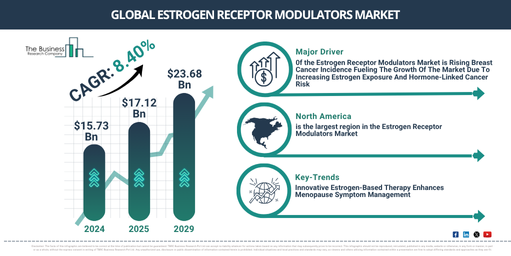
    In recent times, there has been significant growth in the market size of estrogen receptor modulators. The market is projected to appreciate from $15.73 billion in 2024 to $17.12 billion in 2025, marking a compound annual growth rate (CAGR) of 8.8%. This growth during the historical period is a result of the escalating demand for targeted cancer treatments, increased research on selective estrogen receptor modulators (SERMs), the prevalence of clinical trials for conditions related to estrogen, and burgeoning applications in disorders related to male health.

    In the next couple of years, the market for estrogen receptor modulators is projected to experience significant growth, eventually reaching a value of $23.68 billion in 2029 with a compound annual growth rate (CAGR) of 8.4%. The major growth drivers in the years to come will include an expanding pipeline of next-gen SERMs, escalated investment in cancer research, increased instances of hormone-sensitive cancers, a broader use in personalized medicine, and the likely approval of new estrogen receptor modulators. Other forecasted trends that will dominate this period encompass advancements in selective estrogen receptor degraders (SERDs), the emergence of tissue-specific modulators, breakthrough innovations in combined therapeutic methods, progression in biomarker-guided drug targeting, and the creation of oral SERMs possessing enhanced safety features.

    Download The Free Sample Report Here:

    https://www.thebusinessresearchcompany.com/sample.aspx?id=24529&type=smp

    #Which Factors Are Currently Driving The Growth Of The Estrogen Receptor Modulators Market?

    The escalating rate of breast cancer is predicted to stimulate the expansion of the estrogen receptor modulators market. Breast cancer is characterized by the uncontrolled growth of abnormal cells in the breast, which form a tumor that can attack nearby tissues or metastasize to different parts of the body. The surge in breast cancer rates is due to the increased number of women postponing motherhood, which results in altered hormone levels, amplifies lifetime exposure to estrogen, and increases the risk of cancer. Estrogen receptor modulators, used to manage breast cancer, either block or modify the influence of estrogen on breast cancer cells, retarding or halting their proliferation and lessening the likelihood of cancer escalation or relapse. For example, in February 2025, the United Nations, a US-based intergovernmental organization, reported that in 2022, about 2.3 million new cases of breast cancer and 670,000 deaths occurred globally. By the year 2050, global predictions forecast a 38% augment in the count of new cases and a 68% surge in yearly deaths, underlining a significant escalating burden of the disease. Hence, the increasing incidence of breast cancer is fuelling the growth of the estrogen receptor modulators market.

    How Is The Global Estrogen Receptor Modulators Market Structured In Terms Of Segments?

    The estrogen receptor modulators market covered in this report is segmented –

    1) By Type: Select Estrogen Receptor Modulators, Non-Selective Estrogen Receptor Modulators, Selective Estrogen Receptor Downregulators (SERDs)

    2) By Route Of Administration: Oral, Injectable, Topical

    3) By Application: Breast Cancer Treatment, Osteoporosis Treatment, Infertility Treatment, Hormone Replacement Therapy (HRT)

    4) By Distribution Channel: Hospital Pharmacy, Online Pharmacy, Retail Pharmacy

    5) By End-Users: Homecare, Speciality Centres, Other End Users

    Subsegments:

    1) By Select Estrogen Receptor Modulators: Tamoxifen, Raloxifene, Toremifene, Bazedoxifene, Lasofoxifene

    2) By Non-Selective Estrogen Receptor Modulators: Clomiphene, Diethylstilbestrol (DES), Other Non-Selective Modulators

    3) By Selective Estrogen Receptor Downregulators (SERDs): Fulvestrant, Elacestrant, OP-1250 (Investigational), Other Oral SERDs

    What Trends Are Currently Influencing Growth In The Estrogen Receptor Modulators Market?

    Major industry players in the estrogen receptor modulators market are cultivating innovative solutions, such as estrogen-based therapies for menopause, to effectively control menopausal symptoms like hot flashes. They aim to decrease the potential for hormone-related cancer and cardiovascular issues. The therapy leverages the use of estrogen, either individually or with progestin, to alleviate menopause-related discomforts. One example of this was seen in June 2023, when Pfizer Inc., a pharmaceutical and biotechnology firm based in the US, reintroduced DUAVEE (conjugated estrogens/bazedoxifene) – a hormone therapy specially designed for postmenopausal women who still have their uterus. The improved release, featuring enhanced packaging, pairs conjugated estrogens with bazedoxifene, a type of estrogen receptor modulator. This presents an alternative to traditional estrogen-progestin treatments, as it reduces the likelihood of a thickened uterine lining. The treatment is taken orally once a day for the shortest period necessary to control symptoms, some potential side effects include muscle spasms, nausea, and stomach discomfort.

    Who Are The Main Participants Shaping The Estrogen Receptor Modulators Market Landscape?

    Major companies operating in the estrogen receptor modulators market are Pfizer Inc., Johnson & Johnson, Roche Holding AG, Merck & Co. Inc., AbbVie Inc., Bayer AG, Sanofi SA, AstraZeneca PLC, Novartis AG, Eli Lilly and Company, Teva Pharmaceutical Industries Ltd., Sun Pharmaceutical Industries Ltd., Apotex Inc, Jiangsu Hengrui Pharmaceuticals Co. Ltd., Aurobindo Pharma, Alkem Laboratories Ltd., Atossa Therapeutics, Ligand Pharmaceuticals, Panacea Biotec, Sermonix Pharmaceuticals Inc., MSN Laboratories, Deus Medical

    Get The Full Report Here:

    https://www.thebusinessresearchcompany.com/report/estrogen-receptor-modulators-global-market-report

    Which Region Currently Holds The Largest Share In The Estrogen Receptor Modulators Market?

    North America was the largest region in the estrogen receptor modulators market in 2024. Asia-Pacific is expected to be the fastest-growing region in the forecast period. The regions covered in the estrogen receptor modulators market report are Asia-Pacific, Western Europe, Eastern Europe, North America, South America, Middle East, Africa.

    Request For A Customized Report:

    https://www.thebusinessresearchcompany.com/customise?id=24529&type=smp

    About The Business Research Company:

    With over 15000+ reports from 27 industries covering 60+ geographies, The Business Research Company has built a reputation for offering comprehensive, data-rich research and insights. Armed with 1,500,000 datasets, the optimistic contribution of in-depth secondary research, and unique insights from industry leaders, you can get the information you need to stay ahead in the game.

    Get in touch with us:

    The Business Research Company: https://www.thebusinessresearchcompany.com/

    Americas +1 310-496-7795

    Asia +44 7882 955267 & +91 8897263534

    Europe +44 7882 955267

    Email us at info@tbrc.info

    Follow us on:

    LinkedIn: https://in.linkedin.com/company/the-business-research-company

    YouTube: https://www.youtube.com/channel/UC24_fI0rV8cR5DxlCpgmyFQ

    Global Market Model: https://www.thebusinessresearchcompany.com/global-market-model
  • Competitive and Market Trend Analysis of Endoscopy Visualization Systems Industry Through 2029

    Competitive and Market Trend Analysis of Endoscopy Visualization Systems Industry Through 2029

    Claim your 30% discount on Global Market Reports with code ONLINE30. Limited time only.

    How Will the Endoscopy Visualization Systems Market Evolve in Terms of Growth and Size by 2029?

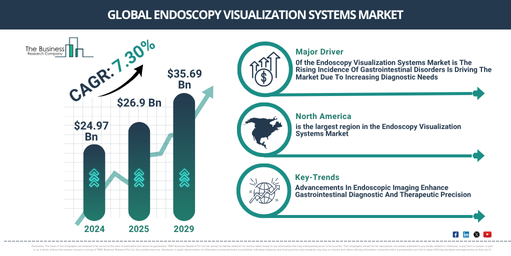
    The market size for endoscopy visualization systems has seen significant growth in the past few years, expanding from $24.97 billion in 2024 to an anticipated $26.9 billion in 2025, indicating a compound annual growth rate (CAGR) of 7.7%. This boost during the historical period can be linked to the increased popularity of minimally invasive procedures, a rise in the occurrence of gastrointestinal disorders, growth in the elderly population, a broadened use of endoscopy in the fields of diagnostics and surgery, and improved awareness regarding early detection of diseases.

    Growth in the endoscopy visualization systems market is anticipated to be robust over the forthcoming years, with a rise to $35.69 billion by 2029, boasting a compound annual growth rate (CAGR) of 7.3%. The increases during the prediction period are owing to factors such as escalating demands for ambulatory surgical centers, enhanced healthcare investment in blossoming markets, efforts to advance diagnostic precision, the escalating impact of chronic diseases, and government aid for the innovation of medical devices. Key trends to watch in the predicted period encompass broader acceptance of AI-assisted real-time image examination, shift towards 3D and 4K visualization systems, extension of tele-endoscopy capabilities, the union of visualization systems with robotic surgical platforms, and amplified usage of cloud-based storage and sharing.

    Download The Free Sample Report Here:

    https://www.thebusinessresearchcompany.com/sample.aspx?id=24528&type=smp

    What factors are expected to fuel Endoscopy Visualization Systems market growth in the coming years?

    The anticipated growth in the endoscopy visualization systems market is linked to the increasing prevalence of gastrointestinal disorders. These disorders, impacting the digestive system, produce symptoms such as stomach pain, bloating, and digestive imbalances. The rise in these disorders is attributed largely to the increased consumption of ultra-processed foods, which upset the gut’s microbiota, leading to inflammation. Endoscopy visualization systems aid diagnosing and treating these ailments, offering clear, real-time images of the digestive system. It facilitates the accurate identification of problematic areas, targeted biopsies, and minimally invasive procedures. In September 2023, the Inflammatory Bowel Disease (IBD) Clinical and Research Centre, a Canada-based organization, declared that the prevalence of IBD stood at 825 per 100,000, implying that over 320,000 Canadians have the disease. With an expected annual surge of 2.44%, by 2035, it’s projected that 1.1% of the population, or 470,000 Canadians, will be living with IBD. As such, the surge in gastrointestinal disorders is propelling the advancement of the endoscopy visualization systems market.

    What Are The Key Findings From The Segmentation Analysis Of The Endoscopy Visualization Systems Market?

    The endoscopy visualization systems market covered in this report is segmented –

    1) By Type: Standard Endoscopy Systems, High Definition (HD) Endoscopy Systems, Ultra High Definition (UHD) Endoscopy Systems, Endoscopic Ultrasound (EUS) Systems, Wireless Endoscopy Systems

    2) By Component: Endoscopes, Visualization Systems, Light Sources, Processing Systems, Accessories

    3) By Application: Gastrointestinal (GI) Endoscopy, Laparoscopy, Arthroscopy, Obstetrics Or Gynecology Endoscopy, Urology Endoscopy, Bronchoscopy, ENT Endoscopy, Neurology Endoscopy, Other Applications

    4) By End User: Hospitals, Ambulatory Surgical Centers (ASCs), Specialty Clinics, Diagnostic Imaging Centers, Academic And Research Institutes

    Subsegments:

    1) By Standard Endoscopy Systems: Analog Camera Units, Basic Video Processors

    2) By High Definition (HD) Endoscopy Systems: High Definition (HD) Cameras, High Definition (HD) Cameras

    3) By Ultra High Definition (UHD) Endoscopy Systems: 4K Cameras, 4K Processors

    4) By Endoscopic Ultrasound (EUS) Systems: Radial Echoendoscopes, Linear Echoendoscopes

    5) By Wireless Endoscopy Systems: Capsule Endoscopes, Wireless Data Receivers

    Which Trends Are Expected To Shape The Future Of The Endoscopy Visualization Systems Market?

    Prominent enterprises within the endoscopy visualization systems market are concentrating on the creation of advanced items like visualization gastroscopes to boost endoscopic viewing and procedural capabilities in the realm of gastrointestinal diagnostics and treatment. These gastroscopes are flexible endoscopic instruments featuring high-definition imaging and improved optical technologies, aimed at offering crystal-clear, detailed images of the upper gastrointestinal tract for accurate diagnosis and treatment procedures. For example, Fujifilm Healthcare Americas Corporation, an American medical imaging and informatics solutions provider, unveiled the EG-840T and EG-840TP, part of the next generation of gastroscopes, in April 2025. Utilizing the ELUXEO Endoscopic Imaging System, these gastroscopes boast advanced LED multi-light technology for superior visualization and better maneuverability, thus allowing healthcare professionals to execute complex upper gastrointestinal procedures with heightened accuracy and efficiency. This introduction highlights Fujifilm’s dedication toward enhancing endoscopic care via high-quality imaging and broadened therapeutic abilities.

    What Are The Most Active Companies In The Endoscopy Visualization Systems Market Today?

    Major companies operating in the endoscopy visualization systems market are Johnson & Johnson, Medtronic Plc, FUJIFILM Holdings Corporation, Stryker Corporation, Boston Scientific Corporation, Baxter International Inc., Braun Melsungen AG, Olympus Corporation, Smith & Nephew plc, Shenzhen Mindray Bio-Medical Electronics Co. Ltd., Karl Storz GmbH & Co. KG, Cook Medical, CONMED Corporation, Ambu A/S, Richard Wolf GmbH, Pentax Medical, Inline Systems, Biovision Veterinary Endoscopy, Machida Endoscope Co. Ltd., Medical Tek Co. Ltd., Ecleris Technologies, Vision Sciences Inc.

    Get The Full Report Here:

    https://www.thebusinessresearchcompany.com/report/endoscopy-visualization-systems-global-market-report

    Which Regional Markets Are Attracting The Most Investment In Endoscopy Visualization Systems?

    North America was the largest region in the endoscopy visualization systems market in 2024. Asia-Pacific is expected to be the fastest-growing region in the forecast period. The regions covered in the endoscopy visualization systems market report are Asia-Pacific, Western Europe, Eastern Europe, North America, South America, Middle East, Africa.

    Request For A Customized Report:

    https://www.thebusinessresearchcompany.com/customise?id=24528&type=smp

    About The Business Research Company:

    With over 15000+ reports from 27 industries covering 60+ geographies, The Business Research Company has built a reputation for offering comprehensive, data-rich research and insights. Armed with 1,500,000 datasets, the optimistic contribution of in-depth secondary research, and unique insights from industry leaders, you can get the information you need to stay ahead in the game.

    Get in touch with us:

    The Business Research Company: https://www.thebusinessresearchcompany.com/

    Americas +1 310-496-7795

    Asia +44 7882 955267 & +91 8897263534

    Europe +44 7882 955267

    Email us at info@tbrc.info

    Follow us on:

    LinkedIn: https://in.linkedin.com/company/the-business-research-company

    YouTube: https://www.youtube.com/channel/UC24_fI0rV8cR5DxlCpgmyFQ

    Global Market Model: https://www.thebusinessresearchcompany.com/global-market-model
  • Global Elderly Walkers Market Landscape: Trends and Market Share to 2029

    Global Elderly Walkers Market Landscape: Trends and Market Share to 2029

    Claim your 30% discount on Global Market Reports with code ONLINE30. Limited time only.

    What CAGR Is Anticipated for the Elderly Walkers Market Through 2029?

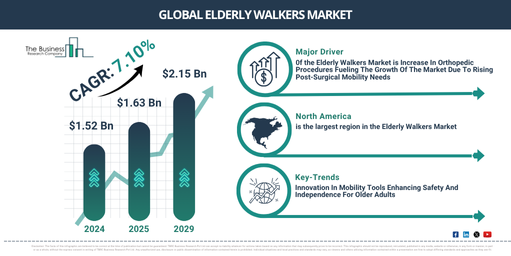
    In the past few years, there has been significant growth in the market size for elderly walkers. It’s projected to expand from $1.52 billion in 2024 to $1.63 billion in 2025, a compound annual growth rate (CAGR) of 7.5%. The increase in the earlier period is the result of several factors including improved healthcare infrastructure, accelerated urbanization and alterations in lifestyle, more disposable income among the elderly, a rise in life expectancy, and the proliferation of home healthcare services.

    The market size for elderly walkers is predicted to experience profound expansion in the coming years. The growth is projected to reach $2.15 billion by 2029, with a compound annual growth rate (CAGR) of 7.1%. This surge within the forecast period can be credited to the global increase in the elderly population, the escalating occurrences of mobility-related health conditions, heightened awareness about preventing falls, increasing attention towards elderly autonomy, as well as a higher incidence of arthritic and joint pain problems. The significant trends predicted for the forecast period consist of improvements in walker design and technology, the offering of customizable and lightweight walker options, the utilization of smart and cohesive walker gadgets, the incorporation of ergonomics to enhance comfort, and the inception of multi-featured walkers.

    Download The Free Sample Report Here:

    https://www.thebusinessresearchcompany.com/sample.aspx?id=24527&type=smp

    What Market Forces Are Driving The Elderly Walkers Sector In 2025 And Beyond?

    Growth in the market for elderly walkers is expected to be driven by an increase in orthopedic procedures. These medical interventions, including both surgical and non-surgical practices, are specifically aimed at diagnosing and rectifying problems associated with bones, joints, muscles, tendons, and ligaments. The surge in these procedures is predominantly attributed to an aging population, who are more susceptible to musculoskeletal conditions like osteoarthritis. Elderly walkers play a vital role in patient recovery from such procedures, offering essential support that enhances stability, reduces the risk of falling, and fosters safe, self-reliant mobility during their rehabilitation phase. In September 2023, data from Curvo Labs Inc., a US-based firm managing healthcare supply chains, showed that the number of knee replacement surgeries occurred in the U.S. had increased from 1,235,835 in 2021 to 1,299,084 in 2022. This shows a consistent uplift in the need for orthopedic procedures. Consequently, the escalation in orthopedic procedures will stimulate the growth of the elderly walkers market.

    How Is The Global Elderly Walkers Market Categorized By Segments?

    The elderly walkers market covered in this report is segmented –

    1) By Type: Standard Walkers, Knee Walkers, Rollators

    2) By Distribution Channel: Online, Offline

    3) By Application: Orthopedic Care, Emergency Care, Geriatric Care, Other Applications

    4) By End-Use: Hospitals, Home Care, Other End-Use

    Subsegments:

    1) By Standard Walkers: With Wheels, Without Wheels, Foldable Standard Walkers, Height Adjustable Walkers, Bariatric Standard Walkers

    2) By Knee Walkers: Steerable Knee Walkers, Non-steerable Knee Walkers, Foldable Knee Walkers, All-Terrain Knee Walkers, Pediatric Knee Walkers

    3) By Rollators: 3-Wheel Rollators, 4-Wheel Rollators, Heavy-Duty Rollators, Rollators with Seat, Foldable Rollators, Indoor Rollators, Outdoor Rollators

    What Long-Term Trends Are Likely To Affect The Elderly Walkers Market?

    Key players in the elderly walkers market are prioritizing the creation of cutting-edge solutions such as mobility tools intended to boost safety, comfortability, and self-reliance amongst older adults. These mobility instruments are supportive gadgets meant to aid personal movement through providing stability, support, or amplified movement abilities. For example, Audelacare, an eldercare company based in Singapore, unveiled the One-Push Walking Stick in February 2024. This ground-breaking walking device is expertly designed to improve the comfort and safety of older adults during walking. Its unique features include a straightforward push-button system for effortless and swift height adjustments to match individual needs. The device is constructed from lightweight, robust anodized aluminum that can support users up to 113 kg and is resistant to rust. The handle utilizes thermoplastic rubber, securing a steady and non-slip grip. More than just a facilitative device, it encourages self-sufficiency, endorses vigorous lifestyles, and helps the elderly to be more self-assured in their daily movements.

    Which Firms Are Considered Leaders In The Elderly Walkers Market Space?

    Major companies operating in the elderly walkers market are Medline Industries Inc., Invacare Holdings Corporation, Drive Medical, Sunrise Medical LLC, GrahamField Health Products Inc., Compass Health Brands Corp., Briggs Corporation, Roma Medical Aids Ltd., Topro Industri AS, Nova Medical Products, Trust Care, Just Walkers, Kaye Products Inc., Cofoe Medical Technology Co. Ltd., Rollz International BV, Aidapt, Days Mobility, Shenzhen Ruihan Meditech Co. Ltd., Uplivin, Z-Tec Mobility

    Get The Full Report Here:

    https://www.thebusinessresearchcompany.com/report/elderly-walkers-global-market-report

    What Role Do Regional Policies And Investments Play In Elderly Walkers Market Expansion?

    North America was the largest region in the elderly walkers market in 2024. Asia-Pacific is expected to be the fastest-growing region in the forecast period. The regions covered in the elderly walkers market report are Asia-Pacific, Western Europe, Eastern Europe, North America, South America, Middle East, Africa.

    Request For A Customized Report:

    https://www.thebusinessresearchcompany.com/customise?id=24527&type=smp

    About The Business Research Company:

    With over 15000+ reports from 27 industries covering 60+ geographies, The Business Research Company has built a reputation for offering comprehensive, data-rich research and insights. Armed with 1,500,000 datasets, the optimistic contribution of in-depth secondary research, and unique insights from industry leaders, you can get the information you need to stay ahead in the game.

    Get in touch with us:

    The Business Research Company: https://www.thebusinessresearchcompany.com/

    Americas +1 310-496-7795

    Asia +44 7882 955267 & +91 8897263534

    Europe +44 7882 955267

    Email us at info@tbrc.info

    Follow us on:

    LinkedIn: https://in.linkedin.com/company/the-business-research-company

    YouTube: https://www.youtube.com/channel/UC24_fI0rV8cR5DxlCpgmyFQ

    Global Market Model: https://www.thebusinessresearchcompany.com/global-market-model
  • Comprehensive Forecast: Dysfunctional Uterine Bleeding Market Share, Growth, and Opportunities Through 2029

    Comprehensive Forecast: Dysfunctional Uterine Bleeding Market Share, Growth, and Opportunities Through 2029

    Claim your 30% discount on Global Market Reports with code ONLINE30. Limited time only.

    What Are the Latest Market Insights for the Dysfunctional Uterine Bleeding Industry?

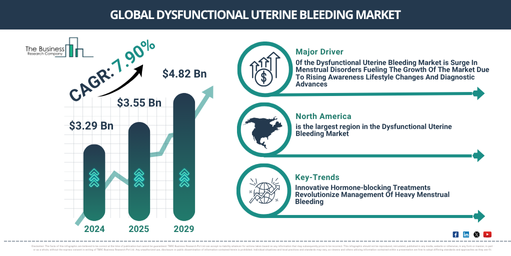
    The market for dysfunctional uterine bleeding has seen robust growth in the recent past. The market is expected to expand from $3.29 billion in 2024 to $3.55 billion in 2025, exhibiting a compound annual growth rate (CAGR) of 8.1%. The factors that contributed to the growth in the historic period include the surge in instances of hormonal imbalances, increased knowledge about menstrual health, a greater uptake of hormone therapy treatments, a rise in the number of women pursuing gynecological care, and enhanced research and development in the field of women’s health.

    The market for dysfunctional uterine bleeding is predicted to experience substantial growth in the coming years, reaching $4.82 billion in 2029 with a 7.9% compound annual growth rate (CAGR). This estimated growth for the forecast period is due to increased instances of menstrual disorders, heightened consciousness regarding women’s health, the escalating use of innovative diagnostic procedures, the expansion of healthcare facilities and the growing preference for minimally invasive treatments. The forecasted timeframe will also see notable trends such as progress in non-hormonal treatment methods, advanced tools for diagnosing menstrual disorders, evolvement in minimally invasive surgeries, innovations in technologies monitoring menstrual health, and advancements in campaigns aimed at patient awareness and education.

    Download The Free Sample Report Here:

    https://www.thebusinessresearchcompany.com/sample.aspx?id=24526&type=smp

    What Forces Are Driving The Growth Of The Dysfunctional Uterine Bleeding Industry?

    The rise in menstrual disorders is anticipated to fuel the expansion of the dysfunctional uterine bleeding market. Menstrual irregularities, including alterations in length, frequency, or the volume of bleeding, contribute to these disorders. Factors such as heightened awareness, lifestyle modifications, and improved diagnostic procedures, which lead to increased detection and treatment of these conditions, drive the growth. Dysfunctional uterine bleeding aids in understanding menstrual abnormalities by pinpointing abnormal bleeding patterns not stemming from underlying structural or systemic illnesses, thus steering effective diagnosis and treatment. For example, in December 2023, the Trust for London, a UK-based NGO, reported that 2.8 million individuals in the UK found it challenging to purchase period products. This equates to one in five menstruating individuals, a considerable surge from 12% in 2022 to 21% in 2023. Hence, the escalating prevalence of menstrual disorders is propelling the growth of the dysfunctional uterine bleeding market.

    What Is The Overview Of Market Segmentation In The Dysfunctional Uterine Bleeding Industry?

    The dysfunctional uterine bleeding market covered in this report is segmented –

    1) By Type: Ovulatory, Anovulatory

    2) By Diagnosis: Hysteroscopy, Ultrasonography, Dilation And Curettage, Endometrial Biopsy

    3) By Application: Menopause, Dysfunctional Uterine Bleeding, Endometrial Cancer, Contraception, Hyperplastic Precursor Lesions, Other Applications

    4) By End User: Hospital, Clinics, Diagnostic Centers, Pharmaceutical Companies

    Subsegments:

    1) By Ovulatory: Menorrhagia, Polymenorrhea, Metrorrhagia, Dysmenorrhea

    2) By Anovulatory: Amenorrhea, Oligomenorrhea, Dysfunctional Bleeding, Breakthrough Bleeding

    What Future Market Trends Are Projected For The Dysfunctional Uterine Bleeding Industry?

    Focusing on the creation of innovative treatments like oral GnRH antagonists, major firms in the dysfunctional uterine bleeding market offer a non-surgical solution to heavy menstrual bleeding by manipulating hormone regulation. Oral GnRH antagonists function by blocking the receptors of the gonadotropin-releasing hormone, resulting in lower estrogen levels and hence smaller uterine fibroids without undergoing surgeries. In September 2024, Theramex, a pharmaceutical corporation located in the UK, launched Yselty (linzagolix) – a daily oral GnRH antagonist to treat the heavy menstrual bleeding associated with uterine fibroids. This drug offers adaptable dosage options for a personalized treatment experience. It decreases symptoms while sustaining patients’ wellbeing. Furthermore, Yselty promotes fertility conservation during treatment, marking a new, innovative strategy for handling uterine fibroid-related haemorrhage.

    Who Are The Primary Players Operating Across The Global Dysfunctional Uterine Bleeding Market?

    Major companies operating in the dysfunctional uterine bleeding market are Pfizer Inc., Merck & Co. Inc., AbbVie Inc., Bayer AG, Sanofi S.A., Medtronic plc, Boston Scientific Corporation, Smith & Nephew plc, Sun Pharmaceutical Industries Ltd., Hologic Inc., Sumitomo Pharma, Karl Storz SE & Co. KG, Cook Medical Incorporated, Gedeon Richter Plc, Lupin Ltd., Torrent Pharmaceuticals Ltd., CooperSurgical Inc., Ferring Pharmaceuticals SA, Minerva Surgical Inc., Medgyn Products Inc.

    Get The Full Report Here:

    https://www.thebusinessresearchcompany.com/report/dysfunctional-uterine-bleeding-global-market-report

    Which Region Offers The Most Growth Potential For The Dysfunctional Uterine Bleeding Market Through 2029?

    North America was the largest region in the dysfunctional uterine bleeding market in 2024. Asia-Pacific is expected to be the fastest-growing region in the forecast period. The regions covered in the dysfunctional uterine bleeding market report are Asia-Pacific, Western Europe, Eastern Europe, North America, South America, Middle East, Africa.

    Request For A Customized Report:

    https://www.thebusinessresearchcompany.com/customise?id=24526&type=smp

    About The Business Research Company:

    With over 15000+ reports from 27 industries covering 60+ geographies, The Business Research Company has built a reputation for offering comprehensive, data-rich research and insights. Armed with 1,500,000 datasets, the optimistic contribution of in-depth secondary research, and unique insights from industry leaders, you can get the information you need to stay ahead in the game.

    Get in touch with us:

    The Business Research Company: https://www.thebusinessresearchcompany.com/

    Americas +1 310-496-7795

    Asia +44 7882 955267 & +91 8897263534

    Europe +44 7882 955267

    Email us at info@tbrc.info

    Follow us on:

    LinkedIn: https://in.linkedin.com/company/the-business-research-company

    YouTube: https://www.youtube.com/channel/UC24_fI0rV8cR5DxlCpgmyFQ

    Global Market Model: https://www.thebusinessresearchcompany.com/global-market-model
  • Future Demand and Leading Companies Shaping the Dynamic Blood Pressure Monitor Market to 2029

    Future Demand and Leading Companies Shaping the Dynamic Blood Pressure Monitor Market to 2029

    Claim your 30% discount on Global Market Reports with code ONLINE30. Limited time only.

    What Are the Forecasted Growth Rate and Market Size of the Dynamic Blood Pressure Monitor Market?

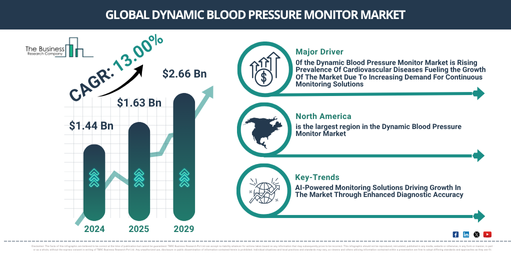
    In recent times, the blood pressure monitor market has seen a significant increase in growth. It’s projected that the market will expand from its current value of $1.44 billion in 2024 to reach $1.63 billion in 2025, experiencing an annual growth rate (CAGR) of 13.3%. The rise noted in the historic period has its roots in a growing prevalence of hypertension, increased awareness of cardiovascular health, expansion of home health care services, the growth of the elderly population, the digitalization of healthcare, and shift towards preventive measures.

    In the coming years, the dynamic blood pressure monitor market is predicted to experience robust development and is forecasted to reach a valuation of $2.66 billion in 2029, expanding at a compound annual growth rate (CAGR) of 13.0%. Several factors contributing to this expected growth in the forecast period are the increase in remote patient monitoring, a greater emphasis on personalized healthcare, enhanced funding in digital health infrastructure, rising usage of smartphones, and beneficial government schemes. Noteworthy trends during the forecast period encompass the amalgamation with artificial intelligence (AI) enabled analytics, adoption of cloud-based data storage, real-time health monitoring, the emergence of cuffless monitoring devices, and progress in wearable technology.

    Download The Free Sample Report Here:

    https://www.thebusinessresearchcompany.com/sample.aspx?id=24525&type=smp

    Which Factor Is Shaping The Future Of The Dynamic Blood Pressure Monitor Market?

    Anticipated growth in the dynamic blood pressure monitors market is likely due to the escalating prevalence of cardiovascular ailments. These diseases, affecting the heart and blood vessels, are largely shaped by high blood pressure, which contributes significantly to the high risk of strokes, heart attacks, and other life-threatening conditions. The surge in cardiovascular diseases is primarily attributed to inactive lifestyles, resulting in weakened heart health and heightened blood pressure. Dynamic blood pressure monitors assist in managing these diseases by granting continuous and accurate blood pressure measurements in real-world settings, helping detect high-risk scenarios such as nocturnal hypertension. For instance, the American Heart Association, a nonprofit organization based in the US, reported in January 2024 that the age-adjusted death toll from cardiovascular diseases has shot up to 233.3 per 100,000, marking a 4% increase from the previous year’s rate of 224.4 per 100,000 — a comparative rise of 4.6% from the year before that. Consequently, the growing incidents of cardiovascular diseases are fueling the growth of the dynamic blood pressure monitors market.

    What Is The Segment-Wise Breakdown Of The Dynamic Blood Pressure Monitor Market?

    The dynamic blood pressure monitor market covered in this report is segmented –

    1) By Product Type: Wrist Blood Pressure Monitors, Arm Blood Pressure Monitors, Finger Blood Pressure Monitors

    2) By Measurement Method: Automatic Measurement, Manual Measurement

    3) By Distribution Channel: Online Stores, Pharmacies, Specialty Stores, Other Distribution Channels

    4) By Application: Home Health Monitoring, Clinical Settings, Preventive Healthcare, Telemedicine

    5) By End-User: Hospitals, Clinics, Home Care Settings, Other End-Users

    Subsegments:

    1) By Wrist Blood Pressure Monitors: Bluetooth-Enabled Monitors, Manual Inflation Monitors, Automatic Inflation Monitors

    2) By Arm Blood Pressure Monitors: Upper Arm Monitors With Cuff, Bluetooth Or Wi-Fi Integrated Monitors, Manual Arm Monitors

    3) By Finger Blood Pressure Monitors: Compact Digital Monitors, Rechargeable Finger Monitors, USB-Connected Monitors

    Which Trends Are Redefining The Future Landscape Of The Dynamic Blood Pressure Monitor Industry?

    Top players in the vibrant blood pressure monitor market are prioritizing the creation of innovative monitoring devices, such as advanced hemodynamic monitoring systems, to enhance the precision and real-time monitoring of blood pressure and cardiovascular metrics. The advanced hemodynamic monitoring systems pertain to sophisticated medical devices engineered for constant and accurate tracking of cardiovascular parameters like blood pressure, heart output, and the dynamics of blood flow in real time. For instance, in April 2025, Becton, Dickinson and Company, a medical technology firm based in the US, unveiled the HemoSphere Alta platform, an advanced hemodynamic monitoring solution intended for use in operating rooms and intensive care units. This cutting-edge system harnesses the power of AI-based predictive algorithms to assist medical professionals to anticipate and deal with blood pressure instability and optimize blood flow, identifying potentially fatal changes in a timely manner. Notable features include a cerebral autoregulation index (CAI) for tailor-made blood pressure objectives, the acumen hypotension prediction index (HPI) software for predicting occurrences of low blood pressure, and a high-definition touchscreen with voice and motion commands for sterile, hands-free interaction.

    Which Companies Hold The Largest Market Share In The Dynamic Blood Pressure Monitor Sector?

    Major companies operating in the dynamic blood pressure monitor market are Koninklijke Philips N.V., Becton Dickinson and Company, GE HealthCare Technologies Inc., OMRON HEALTHCARE Co. Ltd., Hill-Rom Holdings Inc., Nihon Kohden Corporation, Spacelabs Healthcare Inc., Fluke Biomedical, Contec Medical Systems Co. Ltd., Schiller AG, Microlife Corporation, Qingdao Meditech Equipment Co .Ltd, A&D Company Limited, SunTech Medical Inc., Rudolf Riester GmbH, Bionet America Inc., Shenzhen Hingmed Instrument Co. Ltd, Kardinero Medical Systems Inc., CNSystems Medizintechnik GmbH., WHALETEQ Co. LTD, Bosch + Sohn GmbH & Co. KG, DynaPulse Inc.

    Get The Full Report Here:

    https://www.thebusinessresearchcompany.com/report/dynamic-blood-pressure-monitor-global-market-report

    How Does Regional Performance Compare Across The Dynamic Blood Pressure Monitor Industry?

    North America was the largest region in the dynamic blood pressure monitor market in 2024. Asia-Pacific is expected to be the fastest-growing region in the forecast period. The regions covered in the dynamic blood pressure monitor market report are Asia-Pacific, Western Europe, Eastern Europe, North America, South America, Middle East, Africa.

    Request For A Customized Report:

    https://www.thebusinessresearchcompany.com/customise?id=24525&type=smp

    About The Business Research Company:

    With over 15000+ reports from 27 industries covering 60+ geographies, The Business Research Company has built a reputation for offering comprehensive, data-rich research and insights. Armed with 1,500,000 datasets, the optimistic contribution of in-depth secondary research, and unique insights from industry leaders, you can get the information you need to stay ahead in the game.

    Get in touch with us:

    The Business Research Company: https://www.thebusinessresearchcompany.com/

    Americas +1 310-496-7795

    Asia +44 7882 955267 & +91 8897263534

    Europe +44 7882 955267

    Email us at info@tbrc.info

    Follow us on:

    LinkedIn: https://in.linkedin.com/company/the-business-research-company

    YouTube: https://www.youtube.com/channel/UC24_fI0rV8cR5DxlCpgmyFQ

    Global Market Model: https://www.thebusinessresearchcompany.com/global-market-model
  • 2025–2029 Dual Chamber Pacemaker Market Outlook: Regional Trends and Growth Forecast

    2025–2029 Dual Chamber Pacemaker Market Outlook: Regional Trends and Growth Forecast

    Claim your 30% discount on Global Market Reports with code ONLINE30. Limited time only.

    What Is the Estimated Industry Valuation for the Dual Chamber Pacemaker Sector?

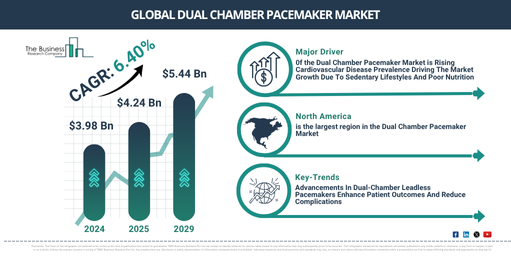
    In recent times, the market size for the dual chamber pacemaker has seen significant growth. It’s projected to expand from $3.98 billion in 2024 to $4.24 billion in 2025, with a compound annual growth rate (CAGR) of 6.7%. The historical surge is a result of an increasing choice for cardiac monitoring at home, higher amounts of heart surgeries and implantations, a burgeoning demand for individualized cardiac care, growing occurrences of lifestyle-related diseases, and an uptick in specialized cardiac care centers.

    Strong growth is anticipated in the dual chamber pacemaker market over the next several years. It’s predicted to rise to $5.44 billion by 2029, with a compound annual growth rate (CAGR) of 6.4%. This projected growth within the forecasted period can be associated with an increase in cardiovascular disease prevalence, an aging population, the escalating adoption of minimally invasive heart procedures, heightened consciousness of heart health, and rising healthcare costs. The forecast period’s significant trends include advancements in leadless pacemakers, the incorporation of remote monitoring technologies, development in battery technology, Bluetooth and wireless telemetry integration, and innovative miniaturization technology.

    Download The Free Sample Report Here:

    https://www.thebusinessresearchcompany.com/sample.aspx?id=24524&type=smp

    What Forces Are Driving The Growth Of The Dual Chamber Pacemaker Market?

    The escalating occurrence of cardiovascular disorders is foreseen to push the dual-chamber pacemaker market’s expansion forward. Cardiovascular disorders, conditions affecting the heart and blood vessels, trigger issues such as heart attacks and strokes. The rising incidence of these diseases is predominantly due to inactive lifestyles and poor diet, resulting in obesity and associated heart complications. A dual-chamber pacemaker works to combat cardiovascular diseases by modulating the heart’s rhythm through electrical impulses directed towards the atrium and ventricle, enhancing coordination and effective blood circulation. For instance, as per the Centers for Disease Control and Prevention, a government agency in the US, in 2022 heart disease led to the death of 702,880 individuals, representing 1 in every 5 deaths. Additionally, each year in the US, nearly 805,000 individuals suffer a heart attack. Thus, the rising occurrence of cardiovascular diseases is propelling the growth of the dual-chamber pacemaker market.

    How Is The Dual Chamber Pacemaker Industry Segmented Across Key Parameters?

    The dual chamber pacemaker market covered in this report is segmented –

    1) By Product Type: Single-Chamber Pacemakers, Dual-Chamber Pacemakers, Biventricular Pacemakers

    2) By Technology: Micra Pacemaker, Conventional Pacemakers, Leadless Pacemakers, Remote Monitoring Systems

    3) By Distribution Channel: Direct Sales, Distributors, Online Sales

    4) By Application: Atrial Fibrillation, Bradycardia, Heart Block, Cardiac Resynchronization Therapy

    5) By End-User: Hospitals, Cardiac Care Centers, Ambulatory Surgical Centers, Home Healthcare

    Subsegments:

    1) By Single-Chamber Pacemakers: Single-Chamber Leadless Pacemakers, Single-Chamber Conventional Pacemakers

    2) By Dual-Chamber Pacemakers: Dual-Chamber Leadless Pacemakers, Dual-Chamber Conventional Pacemakers

    3) By Biventricular Pacemakers: Cardiac Resynchronization Therapy Pacemakers (CRT-P), Cardiac Resynchronization Therapy Defibrillators (CRT-D)

    What Notable Trends Are Shaping The Direction Of The Dual Chamber Pacemaker Market?

    Leading corporations in the dual-chamber pacemaker market are aiming to create innovative products like the dual-chamber leadless pacemaker. With its improvement towards patients’ comfort, minimization of infection threats, and extension of device lifespan, it has garnered much attention. This tiny, implantable gadget helps control the heart’s atrium and ventricle functions without using the traditional leads, thus lessening disorders and bettering heart rhythm management. For example, Abbott Laboratories, an American medical device establishment, introduced AVEIR, a dual-chamber leadless pacemaker, approved by the U.S. Food and Drug Administration, in July 2023. This game-changing system consists of two tiny machines, one each for the right atrium and the right ventricle, that connect wirelessly to provide coordinated pacing for patients suffering from abnormal or sluggish heartbeats, addressing all the standard pacemaker patient cases. With its leadless design, it eradicates the requirement for wires and surgical pockets, leading to fewer complications and boosting patient comfort. Clinical studies confirmed its high safety and efficacy, showing a 98% successful implant rate and over 97% atrioventricular synchrony.

    Which Companies Currently Dominate The Competitive Landscape In The Dual Chamber Pacemaker Industry?

    Major companies operating in the dual chamber pacemaker market are Abbott Laboratories, Medtronic plc, Boston Scientific Corporation, UC Health, Biotronik SE & Co. KG, Integer Holdings Corporation, LivaNova PLC, Lepu Medical Technology(Beijing)Co.,Ltd., MicroPort Scientific Corporation, Oscor Inc., Sorin Group, BPL Medical Technologies, EBR Systems Inc., Narang Medical Limited, Vitatron, Medico S.p.A., Osypka Medical GmbH, Shree Pacetronix Ltd., Medinnova Systems Pvt. Ltd, Skrip Electronics

    Get The Full Report Here:

    https://www.thebusinessresearchcompany.com/report/dual-chamber-pacemaker-global-market-report

    Which Geographic Regions Are Driving Demand In The Dual Chamber Pacemaker Market?

    North America was the largest region in the dual chamber pacemaker market in 2024. Asia-Pacific is expected to be the fastest-growing region in the forecast period. The regions covered in the dual chamber pacemaker market report are Asia-Pacific, Western Europe, Eastern Europe, North America, South America, Middle East, Africa.

    Request For A Customized Report:

    https://www.thebusinessresearchcompany.com/customise?id=24524&type=smp

    About The Business Research Company:

    With over 15000+ reports from 27 industries covering 60+ geographies, The Business Research Company has built a reputation for offering comprehensive, data-rich research and insights. Armed with 1,500,000 datasets, the optimistic contribution of in-depth secondary research, and unique insights from industry leaders, you can get the information you need to stay ahead in the game.

    Get in touch with us:

    The Business Research Company: https://www.thebusinessresearchcompany.com/

    Americas +1 310-496-7795

    Asia +44 7882 955267 & +91 8897263534

    Europe +44 7882 955267

    Email us at info@tbrc.info

    Follow us on:

    LinkedIn: https://in.linkedin.com/company/the-business-research-company

    YouTube: https://www.youtube.com/channel/UC24_fI0rV8cR5DxlCpgmyFQ

    Global Market Model: https://www.thebusinessresearchcompany.com/global-market-model
  • Latest Market Developments in Drug Delivery Systems Industry: Forecast 2025–2029

    Latest Market Developments in Drug Delivery Systems Industry: Forecast 2025–2029

    Claim your 30% discount on Global Market Reports with code ONLINE30. Limited time only.

    How Large Is the Drug Delivery Systems Market Expected to Be in 2029?

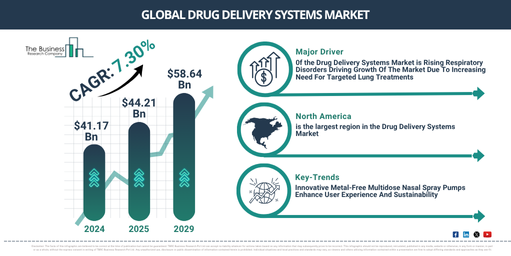
    The scale of the drug delivery systems market has seen a solid expansion in past years. Its growth is forecasted to rise from $41.17 billion in 2024 to $44.21 billion in 2025, indicating a compound annual growth rate (CAGR) of 7.4%. Factors contributing to this growth during the historical timeline include surging investments in research and development, an increase in chronic illnesses, the emergence of biologics and monoclonal antibodies, a high requirement for non-invasive delivery methods, and an imperative for better patient adherence and compliance.

    The market size of drug delivery systems is predicted to experience substantial growth in the coming years, expanding to $58.64 billion in 2029 with a Compound Annual Growth Rate (CAGR) of 7.3%. This growth during the forecast period can be ascribed to the heightened focus on personalized medicine, enlargement of complex and sensitive drug pipelines, an increasing incidence of rare and orphan diseases, supportive regulatory paths for innovative delivery systems, and a rising elderly population. Key trends anticipated in the forecast duration include the creation of nanotechnology-based drug delivery systems, breakthroughs in controlled-release and sustained-release technologies, advancements in biologics and biosimilars needing specialized delivery, the synthesis of smart drug delivery devices, and the development of targeted delivery systems for oncology.

    Download The Free Sample Report Here:

    https://www.thebusinessresearchcompany.com/sample.aspx?id=24523&type=smp

    What Are The Contributors To Demand In The Drug Delivery Systems Market?

    The escalating instances of respiratory issues are predicted to propel the expansion of the drug delivery systems market. With a rising trend in conditions that hinder the smooth operation of the lungs and airways, leading to breathing difficulties and insufficient oxygen intake, respiratory disorders are increasingly common. The continuous exposure of the populace to harmful airborne particles and gases due to growing air pollution is a major cause of these disorders. It harms lung functionality and aids the progression of respiratory ailments. Drug delivery systems are vital for effective treatment of respiratory diseases like asthma, COPD, pulmonary fibrosis, and cystic fibrosis. They assure that the medicine reaches the lungs directly, maximizing the therapeutic effect and minimizing side effects. As per the UK Health Security Agency, a government agency in the UK, there was a 13% surge in tuberculosis cases in England in 2024, numbering 5,480 from the 4,850 cases of 2023. Hence, the rising incidence of respiratory conditions is anticipated to push the growth of the drug delivery systems market.

    What Segmentation Categories Are Included In The Drug Delivery Systems Market Analysis?

    The drug delivery systems market covered in this report is segmented –

    1) By Type: Injection-Based Drug Delivery System, Oral Drug Delivery System, Inhalation Or Pulmonary Drug Delivery System, Transmucosal Drug Delivery System

    2) By Material: Polymer-Based Drug Delivery Systems, Lipid-Based Drug Delivery Systems, Inorganic Drug Delivery Systems, Biologics-Based Drug Delivery Systems, Hybrid Drug Delivery Systems

    3) By Application: Infectious Disease, Oncology, Ophthalmology, Urology, Diabetes, Central Nervous System, Other Applications

    4) By End-User: Hospitals, Pharmaceutical Companies, Research Institutions, Homecare Settings, Diagnostic Laboratories

    Subsegments:

    1) By Injection-Based Drug Delivery System: Intravenous (IV), Intramuscular (IM), Subcutaneous (SC), Intradermal, Intrathecal, Depot Injections, Needle-Free Injectors

    2) By Oral Drug Delivery System: Tablets, Capsules, Solutions And Syrups, Suspensions, Powders And Granules, Modified Release Formulations

    3) By Inhalation Or Pulmonary Drug Delivery System: Metered Dose Inhalers (MDIs), Dry Powder Inhalers (DPIs), Nebulizers, Soft Mist Inhalers, Nasal Sprays

    4) By Transmucosal Drug Delivery System: Buccal Delivery, Sublingual Delivery, Rectal Delivery, Vaginal Delivery, Nasal Mucosal Delivery

    What Upcoming Trends Are Expected To Impact The Drug Delivery Systems Market Globally?

    Numerous key players in the drug delivery systems sector are emphasizing novel and innovative creations, such as completely metallic-free, multiple dose nasal spray pumps to enhance user comfort and manageability. These metallic-free multi-dose nasal spray pumps are contraptions designed to dispense several doses of medicine via the nose without incorporating metallic elements, which guarantees safety and compatibility with an array of formulations. For example, Aptar Pharma, a pharmaceutical business headquartered in the United States, introduced the APF Futurity, which is a metal-free, multidose nasal spray pump in January 2023. It is a nasal spray pump specifically designed for the delivery of nasal saline and other comparable over-the-counter products. The product is highly sustainable and it’s the first nasal spray pump from Aptar Pharma to garner Class AA qualification from cyclos-HTP for European recycling schemes. Constructed purely from polyolefin materials and devoid of metal elements or recycling contaminants, it simplifies recycling and enhances recyclate quality. The metal-free pump uses Aptar Pharma’s Advanced Preservative Free technology, for assured accurate and consistent dosage with a mild operation, yet maintaining ease of usage and efficacy.

    Who Are The Top-Ranked Companies In The Drug Delivery Systems Market Today?

    Major companies operating in the drug delivery systems market are Pfizer Inc., Johnson & Johnson, F. Hoffmann-La Roche AG, Merck & Co. Inc., AbbVie Inc., Bayer AG, Sanofi S.A., Bristol-Myers Squibb Company, AstraZeneca PLC, Abbott Laboratories Inc., Novartis AG, GlaxoSmithKline PLC, Eli Lilly and Company, Amgen Inc., Becton, Dickinson and Company, Teva Pharmaceutical Industries Ltd., Boston Scientific Corporation, Tandem Diabetes, Pacira Biosciences, Poseida Therapeutics, Universal Stabilization Technologies Inc., Spectrum Pharmaceuticals Inc., VasoRx Inc.

    Get The Full Report Here:

    https://www.thebusinessresearchcompany.com/report/drug-delivery-systems-global-market-report

    How Is Drug Delivery Systems Market Adoption Varying Across Different Regions And Sectors?

    North America was the largest region in the drug delivery system market in 2024. Asia-Pacific is expected to be the fastest-growing region in the forecast period. The regions covered in the drug delivery systems market report are Asia-Pacific, Western Europe, Eastern Europe, North America, South America, Middle East, Africa.

    Request For A Customized Report:

    https://www.thebusinessresearchcompany.com/customise?id=24523&type=smp

    About The Business Research Company:

    With over 15000+ reports from 27 industries covering 60+ geographies, The Business Research Company has built a reputation for offering comprehensive, data-rich research and insights. Armed with 1,500,000 datasets, the optimistic contribution of in-depth secondary research, and unique insights from industry leaders, you can get the information you need to stay ahead in the game.

    Get in touch with us:

    The Business Research Company: https://www.thebusinessresearchcompany.com/

    Americas +1 310-496-7795

    Asia +44 7882 955267 & +91 8897263534

    Europe +44 7882 955267

    Email us at info@tbrc.info

    Follow us on:

    LinkedIn: https://in.linkedin.com/company/the-business-research-company

    YouTube: https://www.youtube.com/channel/UC24_fI0rV8cR5DxlCpgmyFQ

    Global Market Model: https://www.thebusinessresearchcompany.com/global-market-model
  • Emerging Trends and Growth Drivers in the Disruptive Behavior Disorder Treatment Market Through 2029

    Emerging Trends and Growth Drivers in the Disruptive Behavior Disorder Treatment Market Through 2029

    Claim your 30% discount on Global Market Reports with code ONLINE30. Limited time only.

    What Is the Outlook for the Disruptive Behavior Disorder Treatment Market Heading Into 2029?

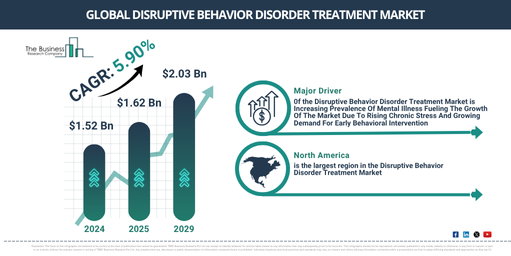
    There’s been a robust growth in the size of the disruptive behavior disorder treatment market in the past few years. The market is set to expand from a value of $1.52 billion in 2024 to an estimated $1.62 billion in 2025, representing a compound annual growth rate (CAGR) of 6.1%. Several factors have contributed to this surge during the historical period, such as increased incidences of drug abuse, a rise in mental disorders amongst children, a growing preference for online shopping among consumers, higher rates of diagnosis, and an increase in cases of oppositional defiant disorder.

    In the upcoming years, the market for treatment of disruptive behavior disorders is projected to experience significant expansion. With a Compound Annual Growth Rate (CAGR) of 5.9%, the market is predicted to reach a value of $2.03 billion by 2029. Factors such as increasing cases of disruptive behavior disorder, the subsequent rise in awareness and diagnosis rates, enhanced governmental interventions, escalating healthcare demands, and proliferating campaign numbers contribute to the expected growth during the forecast period. Noteworthy trends in the forthcoming period include digital therapeutics, telepsychiatry platforms, wearable devices for mental health, mobile health applications, therapy through virtual reality, remote parent training tools, and the application of machine learning for diagnosing disorders.

    Download The Free Sample Report Here:

    https://www.thebusinessresearchcompany.com/sample.aspx?id=24522&type=smp

    Which Factors Are Pushing The Disruptive Behavior Disorder Treatment Market Forward?

    Anticipated growth in the disruptive behavior disorder treatment market is predicted to be fueled by a growing prevalence of mental illness. Mental illnesses constitute a range of conditions that impact mood, thinking, behavior, and functionality. Increased chronic stress levels are contributing to a rise in these illnesses, as long-term stress negatively affects brain function and can cause or escalate mental health disorders. The treatment of disruptive behavior disorders plays a crucial role in managing mental illness, particularly among children and adolescents, by addressing ongoing behavioral problems, thus underlining the importance of early intervention. It promotes emotional stability and proper social dynamics through focused therapies, leading to better mental health results. For instance, the National Institute of Mental Health reported in 2022 that 59.3 million adults aged 18 and older in the US suffered from any mental illness (AMI), constituting 23.1% of the total adult population. This rising incidence of mental illness is therefore driving the disruptive behavior disorder treatment market’s growth. Higher healthcare spending is spurring the growth of the market, thanks to increased investments in mental health infrastructure and early intervention programs. Healthcare expenditure encompasses all financial outlays on medical services, treatments, facilities, research, and public health efforts aimed at sustaining or boosting health outcomes. The need for more medical care, treatment, and long-term health services due to an aging population has led to increased healthcare spending. This expanded expenditure translates into better disruptive behavior disorder treatment as it facilitates access to specialized therapies, medications, and early intervention services. It also enables the development of advanced treatment programs, improving mental health outcomes, and overall care quality. For instance, the Centers for Medicare & Medicaid Services (CMS) reported in December 2024 that national health expenditures (NHE) had grown by 7.5% to $4.9 trillion in 2023, accounting for 17.6% of GDP. Consequently, increased healthcare spending is fueling growth in the disruptive behavior disorder treatment market.

    Which Segment Held The Largest Share In The Disruptive Behavior Disorder Treatment Market In 2025?

    The disruptive behavior disorder treatment market covered in this report is segmented –

    1) By Type: Oppositional Defiant Disorder, Conduct Disorder, Intermittent Explosive Disorder

    2) By Treatment: Medication Management, Comprehensive Evaluation, Family Therapy, Parenting Modification, Group Therapy, Individual Therapy, Social And Emotional Skills Training

    3) By Age Group: Children 4 To 12 Years, Adolescents 13 To 17 Years, Young Adults 18 To 24 Years, Adults 25 Years And Above

    4) By End User: Hospitals, Outpatient Clinics, Residential Treatment Facilities, Home Care Settings, Specialized Disruptive Behavior Disorder Treatment Centers

    Subsegments:

    1) By Oppositional Defiant Disorder: Mild Oppositional Defiant Disorder, Moderate Oppositional Defiant Disorder, Severe Oppositional Defiant Disorder

    2) By Conduct Disorder: Childhood-Onset Conduct Disorder, Adolescent-Onset Conduct Disorder, Unspecified Onset Conduct Disorder

    3) By Intermittent Explosive Disorder: Frequent Low-Intensity Explosive Episodes, Infrequent High-Intensity Explosive Episodes, Mixed Severity Explosive Episodes

    Which Organizations Are Driving Progress In The Disruptive Behavior Disorder Treatment Industry?

    Major companies operating in the disruptive behavior disorder treatment market are Pfizer Inc., Johnson & Johnson, AbbVie Inc., Novartis AG, GSK plc, Takeda Pharmaceutical Company Limited, Eli Lilly and Company, Teva Pharmaceutical Industries Ltd, Otsuka Pharmaceutical Co. Ltd., Nationwide Children’s Hospital, Seattle Children’s Hospital, Children’s Hospital of Philadelphia, Hikma Pharmaceuticals, Boston Children’s Hospital, Children’s Hospital of Wisconsin, Stanford Medicine Children’s Health, Children’s Hospital New Orleans, Sunovion Pharmaceuticals Inc., Piney Ridge Treatment Center, Village Behavioral Health

    Get The Full Report Here:

    https://www.thebusinessresearchcompany.com/report/disruptive-behavior-disorder-treatment-global-market-report

    Which Region Is Expected To Experience The Highest Growth In The Disruptive Behavior Disorder Treatment Industry?

    North America was the largest region in the disruptive behavior disorder treatment market in 2024. The regions covered in the disruptive behavior disorder treatment market report are Asia-Pacific, Western Europe, Eastern Europe, North America, South America, Middle East, Africa.

    Request For A Customized Report:

    https://www.thebusinessresearchcompany.com/customise?id=24522&type=smp

    About The Business Research Company:

    With over 15000+ reports from 27 industries covering 60+ geographies, The Business Research Company has built a reputation for offering comprehensive, data-rich research and insights. Armed with 1,500,000 datasets, the optimistic contribution of in-depth secondary research, and unique insights from industry leaders, you can get the information you need to stay ahead in the game.

    Get in touch with us:

    The Business Research Company: https://www.thebusinessresearchcompany.com/

    Americas +1 310-496-7795

    Asia +44 7882 955267 & +91 8897263534

    Europe +44 7882 955267

    Email us at info@tbrc.info

    Follow us on:

    LinkedIn: https://in.linkedin.com/company/the-business-research-company

    YouTube: https://www.youtube.com/channel/UC24_fI0rV8cR5DxlCpgmyFQ

    Global Market Model: https://www.thebusinessresearchcompany.com/global-market-model
  • CAGR of 6.4% Projected for Disposable Laparoscopic Instrument Market From 2025 to 2029

    CAGR of 6.4% Projected for Disposable Laparoscopic Instrument Market From 2025 to 2029

    Claim your 30% discount on Global Market Reports with code ONLINE30. Limited time only.

    What Does the Forecast Indicate for the Disposable Laparoscopic Instrument Market From 2025 to 2029?

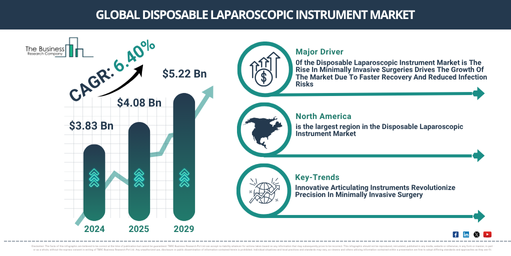
    There has been robust growth in the market size of disposable laparoscopic instruments recently. The market, which was worth $3.83 billion in 2024, is predicted to grow to $4.08 billion in 2025, at a compound annual growth rate (CAGR) of 6.6%. The growth experienced during the historic period was influenced by multiple factors including; the rise in the adoption of minimally invasive procedures, an increase in healthcare spending in growing economies, a surge in the number of ambulatory surgical centers, the escalating risk of cross-contamination from reusable devices, and a growing preference amongst surgeons for single-use devices.

    Anticipated to achieve robust expansion in the near future, the market size for disposable laparoscopic instruments is predicted to surge to $5.22 billion in 2029, recording a compound annual growth rate (CAGR) of 6.4%. This growth during the projected period is credited to the intensifying focus on preventing infections in hospitals, escalating demand for laparoscopic procedures in outpatient departments, increasing occurrences of weight-related surgeries due to obesity, growing requirements for outpatient and day-care surgeries, and a rise in the preference towards easy-care surgical instruments. Notable trends of the forecasted period consist of technological enhancements in downscaling, growing inclination towards single-use rather than reusable, incorporation of electrosurgical abilities, integration with digital imaging systems, and advancements in modular disposable systems.

    Download The Free Sample Report Here:

    https://www.thebusinessresearchcompany.com/sample.aspx?id=24521&type=smp

    What Elements Are Contributing To Growth In The Disposable Laparoscopic Instrument Market?

    The growth of the disposable laparoscopic instrument market is anticipated to accelerate due to the increasing prevalence of minimally invasive surgeries. These surgeries are carried out through tiny incisions using specialized equipment and cameras, reducing tissue damage and promoting speedy recovery. Factors promoting the widespread use of minimally invasive surgeries include significantly shorter recovery periods for patients, resulting in faster healing and lesser time spent in the hospital. Single-use sterile disposable laparoscopic instruments contribute to the success of these surgeries, as they lower the chances of infection and enhance surgical precision, enabling patients to recover quicker. For example, the American Society of Plastic Surgeons, a not-for-profit organization based in the US, reported in June 2024 that minimally invasive procedures saw a 7% growth rate in 2023, outpacing surgical procedures by 2%. Consequently, the higher use of minimally invasive surgeries propels the disposable laparoscopic instrument market.

    Which Segments Are Detailed In The Global Disposable Laparoscopic Instrument Market Report?

    The disposable laparoscopic instrument market covered in this report is segmented –

    1) By Product: Trocars, Graspers, Scissors, Forceps, Staplers, Electrosurgical Devices, Suction Or Irrigation Devices, Clip Appliers, Other Instruments

    2) By Application: General Surgery, Gynecological Surgery, Urological Surgery, Bariatric Surgery, Other Applications

    3) By End-User: Hospitals, Ambulatory Surgical Centers, Specialty Clinics

    Subsegments

    1) By Trocars: Optical Trocars, Bladed Trocars, Bladeless Trocars, Radially Expanding Trocars

    2) By Graspers: Atraumatic Graspers, Traumatic Graspers, Fenestrated Graspers

    3) By Scissors: Metzenbaum Scissors, Hook Scissors, Curved Scissors

    4) By Forceps: Maryland Forceps, Babcock Forceps, Allis Forceps, Dissectors

    5) By Staplers: Linear Staplers, Circular Staplers, Endoscopic Staplers, Powered Staplers

    6) By Electrosurgical Devices: Monopolar Devices, Bipolar Devices, Advanced Energy Devices

    7) By Suction Or Irrigation Devices: Manual Suction-Irrigation Devices, Automated Suction-Irrigation Devices

    8) By Clip Appliers: Disposable Clip Appliers, Reposable Clip Appliers

    9) By Other Instruments: Specimen Retrieval Bags, Dilators, Veress Needles

    Which Emerging Trends And Strategic Shifts Are Shaping The Disposable Laparoscopic Instrument Market?

    Leading firms in the disposable laparoscopic instrument market are focused on the creation of technologically superior goods such as articulating laparoscopic devices to boost accuracy and accessibility during minimally invasive operations. Articulating laparoscopic tools are bendable and rotatable surgical tools with flexible, jointed tips that allow surgeons to manoeuvre them inside the body for enhanced accuracy and access during minimally invasive procedures. For instance, in October 2024, LivsMed Inc., a company specialising in minimally invasive surgical technologies from South Korea, introduced its ArtiSential 5, the first-ever 5mm articulating laparoscopic device line. This new range includes a 5mm shaft, 40% smaller than its earlier 8mm model, allowing for tinier incisions and better sight of the surgical area. The instruments have double-jointed end effectors delivering articulated wrist movement which enhances precision and provides better tactile feedback during minimally invasive operations. These tools are lightweight, well-balanced and can be used with any laparoscopic or robotic port, offering increased flexibility and potential cost efficiencies.

    Who Are The Key Contributors To Growth In The Disposable Laparoscopic Instrument Market?

    Major companies operating in the disposable laparoscopic instrument market are Johnson And Johnson, Medtronic plc, Stryker Corporation, Olympus Corporation, Teleflex Incorporated, Cook Group Incorporated, Smith And Nephew plc, CONMED Corporation, Aesculap Inc., CooperSurgical Inc., Richard Wolf GmbH, B. Braun Melsungen AG, Hangzhou Kangji Medical Instruments Co. Ltd., Microline Surgical, Zhejiang Geyi Medical Instrument Co. Ltd., Purple Surgical UK Limited, BOWA-electronic GmbH And Co. KG, Millennium Surgical Corp, LaproSurge, GENICON Inc.

    Get The Full Report Here:

    https://www.thebusinessresearchcompany.com/report/disposable-laparoscopic-instrument-global-market-report

    Which Region Is Projected To Lead The Disposable Laparoscopic Instrument Market By 2025?

    North America was the largest region in the disposable laparoscopic instrument market in 2024. Asia-Pacific is expected to be the fastest-growing region in the forecast period. The regions covered in the disposable laparoscopic instrument market report are Asia-Pacific, Western Europe, Eastern Europe, North America, South America, Middle East, Africa.

    Request For A Customized Report:

    https://www.thebusinessresearchcompany.com/customise?id=24521&type=smp

    About The Business Research Company:

    With over 15000+ reports from 27 industries covering 60+ geographies, The Business Research Company has built a reputation for offering comprehensive, data-rich research and insights. Armed with 1,500,000 datasets, the optimistic contribution of in-depth secondary research, and unique insights from industry leaders, you can get the information you need to stay ahead in the game.

    Get in touch with us:

    The Business Research Company: https://www.thebusinessresearchcompany.com/

    Americas +1 310-496-7795

    Asia +44 7882 955267 & +91 8897263534

    Europe +44 7882 955267

    Email us at info@tbrc.info

    Follow us on:

    LinkedIn: https://in.linkedin.com/company/the-business-research-company

    YouTube: https://www.youtube.com/channel/UC24_fI0rV8cR5DxlCpgmyFQ

    Global Market Model: https://www.thebusinessresearchcompany.com/global-market-model