Blog

  • Outlook for Progesterone Market: Key Developments and Future Strategies to 2029

    Outlook for Progesterone Market: Key Developments and Future Strategies to 2029

    Claim your 30% discount on Global Market Reports with code ONLINE30. Limited time only.

    How Large Is the Progesterone Market Expected to Be in 2029?

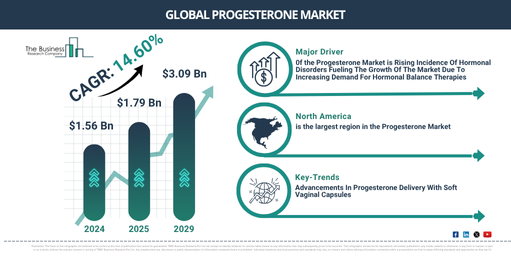
    The size of the progesterone market has seen swift expansion in recent years. Rising from $1.56 billion in 2024, it’s predicted to reach $1.79 billion by 2025, boasting a compound annual growth rate (CAGR) of 14.9%. Various factors have spurred this growth in the past, including escalating infertility rates, heightened application in assisted reproductive technology, the growing occurrence of menstrual disorders, an amplified understanding of women’s health, and an increased demand for bioidentical hormones.

    Anticipations are high for a rapid expansion in the progesterone market in the coming years. The market is projected to swell to $3.09 billion by 2029, growing at a compound annual growth rate (CAGR) of 14.6%. This growth spurt during the forecast period can be credited to factors such as the rising number of elderly women, escalating incidents of hormonal imbalances, a surge in the acceptance of transdermal and injectable delivery methods, an increased emphasis on preventive healthcare, and greater healthcare expenditure. The forecast period will also witnesses some significant trends like progress in transdermal delivery systems, the evolution of sustained-release formulas, breakthroughs in bioidentical hormone compounding, enhancements in oral bioavailability techniques, and advanced drug delivery patches.

    Download The Free Sample Report Here:

    https://www.thebusinessresearchcompany.com/sample.aspx?id=24671&type=smp

    What Are The Contributors To Demand In The Progesterone Market?

    The escalating instances of hormonal imbalances are projected to fuel the expansion of the progesterone market in the coming years. Hormonal disorders indicate health complications arising from the dysfunction or imbalance in the body’s endocrine system. This system is responsible for the production and regulation of crucial hormones that govern key body functions such as growth, metabolism, reproduction, and mood. The rising number of hormonal disorders can be attributed to contemporary lifestyle factors like inadequate diet, prolonged stress, low physical activity, and exposure to environmental pollutants. Progesterone plays a crucial role in managing these disorders by re-establishing hormonal equilibrium, regularizing menstrual cycles, and minimizing symptoms associated with estrogen dominance. It also aids other hormones like estrogen and cortisol in maintaining a balanced endocrine system activity and easing conditions like polycystic ovary syndrome (PCOS) and premenstrual syndrome (PMS). For instance, the World Health Organization, a Switzerland-based intergovernmental organization, reported in January 2025 that polycystic ovary syndrome has become a major public health concern, and it’s one of the prevalent hormonal disorders among reproductive-aged women, affecting an estimated 6-13% on an annual basis. Hence, the growing instances of hormonal disorders contribute to the progressive growth of the progesterone market.

    What Segmentation Categories Are Included In The Progesterone Market Analysis?

    The progesterone market covered in this report is segmented –

    1) By Product Type: Natural Progesterone, Synthetic Progesterone

    2) By Drug Type: Branded, Generic

    3) By Route Of Administration: Injectable, Oral, Transdermal, Other Routes Of Administration

    4) By Application: Menopause, Contraception, Dysfunctional Uterine Bleeding, Hyperplastic Precursor Lesions, Endometrial Cancer, Other Applications

    5) By End-User: Hospitals, Clinics, Research Institutes, Other End-Users

    Subsegments:

    1) By Natural Progesterone: Oral Capsules, Vaginal Gels, Creams, Injections, Suppositories

    2) By Synthetic Progesterone: Progestins, Oral Contraceptives, Hormone Replacement Therapy (HRT) Formulations, Injectable Contraceptives, Intrauterine Devices

    What Upcoming Trends Are Expected To Impact The Progesterone Market Globally?

    Leading enterprises in the progesterone market are emphasizing the creation of novel formulations, like soft vaginal capsules, to increase patient adherence and promote better drug absorption. These soft vaginal capsules are silky, gel-based inserts intended for vaginal application, aiding in medicating directly to the vaginal region for infection treatment, hormonal balance support, or overall vaginal health maintenance. Besins Healthcare (UK) Limited, a pharmaceutical production corporation based in the UK, introduced Prometrium 400mg soft vaginal capsules in April 2024. This product prevents miscarriage in women who show early pregnancy bleeding and recurrent miscarriage history. This cutting-edge formulation, the first of its kind to be licensed in the UK, aims to boost patient adherence and treatment results by providing a precise, non-invasive delivery technique that amplifies progesterone absorption at the action site.

    Who Are The Top-Ranked Companies In The Progesterone Market Today?

    Major companies operating in the progesterone market are Pfizer Inc., Johnson & Johnson, Merck & Co Inc., Allergan plc, AbbVie Inc., Bayer AG, Teva Pharmaceutical Industries Ltd., Sun Pharmaceutical Industries Ltd, Gedeon Richter Plc., Dr. Reddy’s Laboratories Ltd., Cipla Limited, Cadila Pharmaceuticals Ltd., Aspen Pharmacare, BIOCON Ltd., Zhejiang Xianju Pharmaceutical Co. Ltd., Beximco Pharmaceuticals Ltd., Besins healthcare (UK) limited., Sichuan Deebio Pharmaceutical Co. Ltd., Changzhou Siyao Pharmaceuticals Co. Ltd., Shanghai Shyndec Pharmaceutical Co. Ltd.

    Get The Full Report Here:

    https://www.thebusinessresearchcompany.com/report/progesterone-global-market-report

    How Is Progesterone Market Adoption Varying Across Different Regions And Sectors?

    North America was the largest region in the progesterone market in 2024. Asia-Pacific is expected to be the fastest-growing region in the forecast period. The regions covered in the progesterone market report are Asia-Pacific, Western Europe, Eastern Europe, North America, South America, Middle East, Africa.

    Request For A Customized Report:

    https://www.thebusinessresearchcompany.com/customise?id=24671&type=smp

    About The Business Research Company:

    With over 15000+ reports from 27 industries covering 60+ geographies, The Business Research Company has built a reputation for offering comprehensive, data-rich research and insights. Armed with 1,500,000 datasets, the optimistic contribution of in-depth secondary research, and unique insights from industry leaders, you can get the information you need to stay ahead in the game.

    Get in touch with us:

    The Business Research Company: https://www.thebusinessresearchcompany.com/

    Americas +1 310-496-7795

    Asia +44 7882 955267 & +91 8897263534

    Europe +44 7882 955267

    Email us at info@tbrc.info

    Follow us on:

    LinkedIn: https://in.linkedin.com/company/the-business-research-company

    YouTube: https://www.youtube.com/channel/UC24_fI0rV8cR5DxlCpgmyFQ

    Global Market Model: https://www.thebusinessresearchcompany.com/global-market-model
  • Key Market Drivers, Trends, and Forecast for the Global Primary Progressive Multiple Sclerosis (PPMS) Treatment Industry

    Key Market Drivers, Trends, and Forecast for the Global Primary Progressive Multiple Sclerosis (PPMS) Treatment Industry

    Claim your 30% discount on Global Market Reports with code ONLINE30. Limited time only.

    What Is the Outlook for the Primary Progressive Multiple Sclerosis (PPMS) Treatment Market Heading Into 2029?

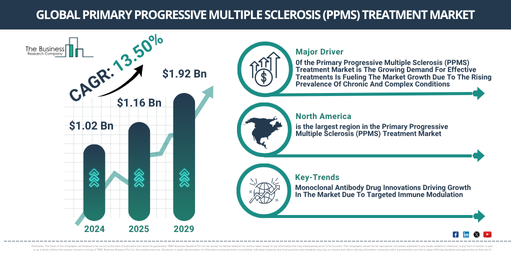
    In recent times, there has been a quick surge in the size of the primary progressive multiple sclerosis (ppms) treatment market. It is forecasted to expand from $1.02 billion in 2024 to $1.16 billion in 2025, with a compound annual growth rate (CAGR) of 13.7%. Factors such as a higher prevalence of PPMS in the older population, escalated awareness and comprehension of PPMS among patients and healthcare practitioners, increased investment in R&D for PPMS therapies, a growing preference for disease-modifying therapies (DMTs), and wider government initiatives and financial support for innovative PPMS treatments contribute to the growth experienced during this historical period.

    In the upcoming years, it is predicted that the primary progressive multiple sclerosis (ppms) treatment market will witness substantial growth, reaching a value of $1.92 billion in 2029, at a 13.5% compound annual growth rate (CAGR). This growth can be tied to various elements such as the rising number of clinical trials for new PPMS drugs, advancements in diagnosis methods, the escalating demand for personalized and targeted medical treatments, increased healthcare infrastructure and an uptick in collaborations and partnerships between pharmaceutical companies. Key trends impacting this predicted growth include advancements in therapies that slow PPMS progression, the integration of research on biomarkers for tailored treatment strategies, technology-enabled advancements in MRI and other diagnostic imaging techniques, headway in the study of neuroprotective and remyelination drugs, and advancements in using genetic and molecular profiling for patient categorization.

    Download The Free Sample Report Here:

    https://www.thebusinessresearchcompany.com/sample.aspx?id=24670&type=smp

    Which Factors Are Pushing The Primary Progressive Multiple Sclerosis (PPMS) Treatment Market Forward?

    Anticipated growth in the primary progressive multiple sclerosis (PPMS) treatment market can be attributed to an increasing demand for effective therapeutic interventions. Such treatments are instrumental in minimizing symptoms, enhancing patient prognosis, or in some cases even curing the disorder or disease completely. This increasing demand is usually triggered by a surge in chronic and intricate health conditions which necessitate long-term management along with advanced therapeutic measures for improving the patients’ quality of life and overall condition. These effective treatments act by tackling inflammation and maintaining neurological functions, thereby delaying the progression of primary progressive multiple sclerosis (PPMS). This not only improves the quality of life over time, but it also slows down disability accumulation while bolstering the patients’ capacity to handle everyday tasks more independently and stably. As an example, in January 2024, the American Society of Gene & Cell Therapy, a US-based gene and cell therapy organization, reported that the number of gene therapies in Phase III clinical trials rose to 33 from 30 in 2023 – a 10% increase compared to 2022, and was the first quarter-on-quarter rise since Q3 2022. As such, it’s clear that the mounting demand for effective treatments is fueling the growth of the primary progressive multiple sclerosis (PPMS) treatment market.

    Which Segment Held The Largest Share In The Primary Progressive Multiple Sclerosis (PPMS) Treatment Market In 2025?

    The primary progressive multiple sclerosis (PPMS) treatment market covered in this report is segmented –

    1) By Drug Type: Monoclonal Antibodies, Immunosuppressants, Corticosteroids, Other Drug Types

    2) By Route Of Administration: Oral, Intravenous, Other Route Of Administrations

    3) By Distribution Channel: Hospital Pharmacies, Retail Pharmacies, Online Pharmacies, Other Distribution Channels

    Subsegments:

    1) By Monoclonal Antibodies: Ocrelizumab, Rituximab, Ofatumumab, Ublituximab

    2) By Immunosuppressants: Methotrexate, Azathioprine, Mycophenolate Mofetil, Cyclophosphamide

    3) By Corticosteroids: Methylprednisolone, Prednisone, Dexamethasone, Hydrocortisone

    4) By Other Drug Types: Biotin, Ibudilast, Laquinimod, Idebenone

    How Are Key Trends Driving Expansion In The Primary Progressive Multiple Sclerosis (PPMS) Treatment Industry?

    Major corporations active in the market for primary progressive multiple sclerosis (PPMS) treatment are prioritizing the invention of novel formulations, such as monoclonal antibody drugs, to improve multiple sclerosis treatment. Monoclonal antibody medications target specific inflammatory-causing immune cells or proteins and diminish damage to the nervous system, thereby minimizing disease activity and slowing symptom progression. For example, in February 2024, Ocrevus (ocrelizumab), a monoclonal antibody medication for MS, was launched in India by Roche Pharma India, a pharmaceutical company based in the country. Ocrevus holds the distinction of being the only approved disease-modifying therapy (DMT) for both relapsing-remitting multiple sclerosis (RRMS) and PPMS in India. The drug operates by targeting CD20-positive B cells, which are immune cells involved in the irregular immune reaction observed in MS. Administered through a bi-annual intravenous infusion lasting only two hours, it offers a more flexible and effective solution for patients.

    Which Organizations Are Driving Progress In The Primary Progressive Multiple Sclerosis (PPMS) Treatment Industry?

    Major companies operating in the primary progressive multiple sclerosis (PPMS) treatment market are F. Hoffmann-La Roche Ltd., Bayer HealthCare Pharmaceuticals Inc., Novartis AG, Sanofi S.A., Bristol-Myers Squibb Company, Amgen Inc., Teva Pharmaceutical Industries Ltd., Biogen Inc., Acorda Therapeutics Inc., Apitope International N.V., Atara Biotherapeutics Inc., Kyverna Therapeutics Inc., Clene Inc., Mapi Pharma Ltd., Abata Therapeutics Inc., MediciNova Inc., MedDay Pharmaceuticals SAS, AB Science S.A., Immunic AG, Brainstorm Cell Therapeutics Inc.

    Get The Full Report Here:

    https://www.thebusinessresearchcompany.com/report/primary-progressive-multiple-sclerosis-ppms-treatment-global-market-report

    Which Region Is Expected To Experience The Highest Growth In The Primary Progressive Multiple Sclerosis (PPMS) Treatment Industry?

    North America was the largest region in the primary progressive multiple sclerosis (PPMS) treatment market in 2024. Asia-Pacific is expected to be the fastest-growing region in the forecast period. The regions covered in the primary progressive multiple sclerosis (PPMS) treatment market report are Asia-Pacific, Western Europe, Eastern Europe, North America, South America, Middle East, Africa.

    Request For A Customized Report:

    https://www.thebusinessresearchcompany.com/customise?id=24670&type=smp

    About The Business Research Company:

    With over 15000+ reports from 27 industries covering 60+ geographies, The Business Research Company has built a reputation for offering comprehensive, data-rich research and insights. Armed with 1,500,000 datasets, the optimistic contribution of in-depth secondary research, and unique insights from industry leaders, you can get the information you need to stay ahead in the game.

    Get in touch with us:

    The Business Research Company: https://www.thebusinessresearchcompany.com/

    Americas +1 310-496-7795

    Asia +44 7882 955267 & +91 8897263534

    Europe +44 7882 955267

    Email us at info@tbrc.info

    Follow us on:

    LinkedIn: https://in.linkedin.com/company/the-business-research-company

    YouTube: https://www.youtube.com/channel/UC24_fI0rV8cR5DxlCpgmyFQ

    Global Market Model: https://www.thebusinessresearchcompany.com/global-market-model
  • Strategic Report on Primary Myelofibrosis Market: Growth Opportunities and Emerging Challenges

    Strategic Report on Primary Myelofibrosis Market: Growth Opportunities and Emerging Challenges

    Claim your 30% discount on Global Market Reports with code ONLINE30. Limited time only.

    What Does the Forecast Indicate for the Primary Myelofibrosis Market From 2025 to 2029?

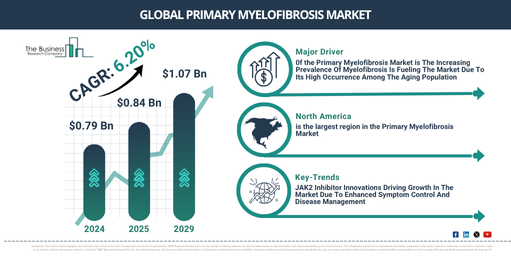
    The market size for primary myelofibrosis has experienced significant growth in the past few years. Estimates predict the market size will increase from $0.79 billion in 2024 to $0.84 billion in 2025, indicating a compound annual growth rate (CAGR) of 6.4%. This growth during the historical period is ascribed to factors such as enhanced disease recognition among healthcare professionals, an increasing utilization of jak inhibitors, improved diagnostic techniques and genetic testing capacities, heightened patient access to hematological experts, and an upswing in clinical trial activities.

    The market for primary myelofibrosis is set to experience robust growth in the ensuing years, propelling to a value of $1.07 billion by 2029 with a compound annual growth rate (CAGR) of 6.2%. Factors leading to this expansion throughout the forecast period include the burgeoning pipeline of innovative therapies, the heightened need for treatments that alter disease progression, increasing occurrence among the elderly, a growing focus on combination therapies, and more investment from pharmaceutical and biotech companies. Key trends predicting these market changes encompass the rise in target-specific drug advancements, the use of next-generation sequencing (ngs) in diagnostic practices, the emergence of technology-based monitoring options, the evolution of combination therapy procedures, and improvements in imaging techniques for bone marrow fibrosis.

    Download The Free Sample Report Here:

    https://www.thebusinessresearchcompany.com/sample.aspx?id=24669&type=smp

    What Elements Are Contributing To Growth In The Primary Myelofibrosis Market?

    The anticipated rise in myelofibrosis cases is set to trigger expansion in the primary myelofibrosis market. Myelofibrosis, a unique bone marrow cancer type, interrupts the typical blood cell production process in the body, causes extensive bone marrow scarring, and leads to severe anemia, weakness, fatigue, and spleen enlargement. A primary factor in the growing prevalence of myelofibrosis is the aging demographic, given that individuals over 60 are most likely to develop the disease, and increased life expectancy has led to a surge in diagnosed cases. This increase in myelofibrosis cases drives improvements in managing primary myelofibrosis by encouraging research, supporting early detection, expanding treatment choices, and fostering enhanced clinical guidelines and specialist care. For example, a November 2024 report from the UK’s independent executive non-departmental public body, the National Institute for Health and Care Excellence, revealed a myelofibrosis prevalence rate of 3.2 per 100,000 individuals in the UK and an incidence rate of 0.6 per 100,000. Consequently, the escalating prevalence of myelofibrosis fuels the expansion of the primary myelofibrosis market.

    Which Segments Are Detailed In The Global Primary Myelofibrosis Market Report?

    The primary myelofibrosis market covered in this report is segmented –

    1) By Type: Spinocerebellar Primary Myelofibrosiss, Primary Myelofibrosis-Telangiectasia, Episodic Primary Myelofibrosis, Other Types

    2) By Services: Treatment, Diagnosis

    3) By Dosage Forms: Solid, Liquids, Other Dosage Forms

    4) By Age: Adult, Child, Geriatric

    5) By End User: Hospitals, Clinics, Other End Users

    Subsegments:

    1) By Spinocerebellar Primary Myelofibrosis: Spinocerebellar Ataxia With Myelofibrosis, Hereditary Spinocerebellar Degeneration With Bone Marrow Fibrosis, Neurodegenerative Spinocerebellar Syndromes With Fibrotic Manifestations

    2) By Primary Myelofibrosis-Telangiectasia: Cutaneous Telangiectasia With Myelofibrosis, Hereditary Hemorrhagic Telangiectasia With Marrow Fibrosis, Ocular Telangiectasia-Associated Myelofibrosis

    3) By Episodic Primary Myelofibrosis: Intermittent Marrow Fibrosis Episodes, Periodic Cytopenia With Fibrosis Flare, Cyclical Myelofibrosis In Autoimmune Disorders

    4) By Other Types: Familial Primary Myelofibrosis, Idiopathic Myelofibrosis, Therapy-Related Primary Myelofibrosis, Juvenile Primary Myelofibrosis

    Which Emerging Trends And Strategic Shifts Are Shaping The Primary Myelofibrosis Market?

    Key players in the primary myelofibrosis market are centering their efforts on creating groundbreaking products like Janus kinase 2 inhibiting tablets in order to enhance symptom management and slow the progression of the disease. These oral medications, which hinder the activity of the JAK2 enzyme, play a significant role in halting the aberrant signaling pathways that lead to an excess production of blood cells in primary myelofibrosis. This helps in minimizing the size of the spleen, relieving fatigue and bone pain, and decelerating disease progression. For instance, in March 2025, a significant development was witnessed when GlaxoSmithKline Korea (GSK Korea) Ltd., a pharmaceutical and biotech firm based in Korea, rolled out Omjjara (momelotinib), a fresh treatment option for myelofibrosis. Approved by South Korea’s Ministry of Food and Drug Safety, the treatment is designed for adult patients with intermediate- or high-risk primary or secondary myelofibrosis who are also suffering from moderate to severe anemia. Omjjara is a JAK1 and JAK2 inhibitor and also inhibits activin A receptor type 1 (ACVR1), efficiently treating symptoms like anemia, increased spleen size, and fatigue. The endorsement of the treatment is backed by clinical trial data that indicates significant improvements in symptoms compared to traditional treatments.

    Who Are The Key Contributors To Growth In The Primary Myelofibrosis Market?

    Major companies operating in the primary myelofibrosis market are Merck & Co. Inc., AbbVie Inc., Bristol-Myers Squibb Company, Sumitomo Pharma Oncology Inc., Incyte Corporation, Nippon Shinyaku Co. Ltd., MorphoSys AG, Keros Therapeutics Inc., Geron Corporation, Lynk Pharmaceuticals Co. Ltd., Pharmaxis Ltd, Kartos Therapeutics Inc., Disc Medicine Inc., Galecto Inc., Cellenkos Inc., Chia Tai Tianqing Pharmaceutical Group Co. Ltd., Taiga Biotechnologies Inc., Suzhou Zelgen Biopharmaceuticals Co. Ltd., Telios Pharma Inc., Samus Therapeutics Inc., Jacobio Pharmaceuticals Co. Ltd.

    Get The Full Report Here:

    https://www.thebusinessresearchcompany.com/report/primary-myelofibrosis-global-market-report

    Which Region Is Projected To Lead The Primary Myelofibrosis Market By 2025?

    North America was the largest region in the primary myelofibrosis market in 2024. Asia-Pacific is expected to be the fastest-growing region in the forecast period. The regions covered in the primary myelofibrosis market report are Asia-Pacific, Western Europe, Eastern Europe, North America, South America, Middle East, Africa.

    Request For A Customized Report:

    https://www.thebusinessresearchcompany.com/customise?id=24669&type=smp

    About The Business Research Company:

    With over 15000+ reports from 27 industries covering 60+ geographies, The Business Research Company has built a reputation for offering comprehensive, data-rich research and insights. Armed with 1,500,000 datasets, the optimistic contribution of in-depth secondary research, and unique insights from industry leaders, you can get the information you need to stay ahead in the game.

    Get in touch with us:

    The Business Research Company: https://www.thebusinessresearchcompany.com/

    Americas +1 310-496-7795

    Asia +44 7882 955267 & +91 8897263534

    Europe +44 7882 955267

    Email us at info@tbrc.info

    Follow us on:

    LinkedIn: https://in.linkedin.com/company/the-business-research-company

    YouTube: https://www.youtube.com/channel/UC24_fI0rV8cR5DxlCpgmyFQ

    Global Market Model: https://www.thebusinessresearchcompany.com/global-market-model
  • Industry Trends Show Pre-workout Vegan Supplements Market Set to Expand at 13.2% CAGR Until 2029

    Industry Trends Show Pre-workout Vegan Supplements Market Set to Expand at 13.2% CAGR Until 2029

    Claim your 30% discount on Global Market Reports with code ONLINE30. Limited time only.

    How Much Is the Global Pre-workout Vegan Supplements Market Valued at Present and by 2029?

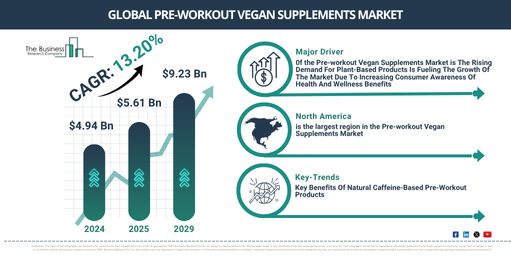
    The size of the market for pre-workout vegan supplements has been expanding swiftly over the past few years. Its growth is set to escalate from $4.94 billion in 2024 to $5.61 billion in 2025, with a compound annual growth rate (CAGR) of 13.6%. Factors contributing to this growth during the historic period include a surge in consumer knowledge about plant-based diets, an increase in demand for products with clean-labels, the rise in vegan and vegetarian practices, a growing incidence of lactose intolerance and dairy allergies, and an increasing number of fitness influencers and athletes advocating for vegan lifestyles.

    The market size for pre-workout vegan supplements is predicted to experience significant growth in the coming years, potentially reaching $9.23 billion by 2029, with a compound annual growth rate (CAGR) of 13.2%. This substantial growth is projected to be influenced by factors such as an increased emphasis on sustainability and ethical sourcing, advancements in plant-based ingredient technology, significant investment in vegan sports nutrition by well-known brands, the rising trend of personalized nutrition, and the progressing penetration of e-commerce and direct-to-consumer avenues. The forecast period is also expected to showcase major trends such as improvements in plant-based protein extraction methods, the incorporation of adaptogens and nootropics, technology supports product customization platforms, progression in flavor-masking methods, and advancements in encapsulation and delivery systems.

    Download The Free Sample Report Here:

    https://www.thebusinessresearchcompany.com/sample.aspx?id=24668&type=smp

    #What Drivers Are Influencing Growth In The Pre-workout Vegan Supplements Market?

    The surge in popularity of plant-based goods is anticipated to boost the pre-workout vegan supplements market’s growth. Plant-based goods are items entirely or mainly formed from plant-derived ingredients like fruits, vegetables, grains, nuts, seeds, and legumes. The increasing demand for these plant-based products largely stems from heightened consumer awareness about their health advantages, including reducing the risk of heart disease, obesity and diabetes. This has persuaded more people to shift towards plant-based diets for wellness enhancement. Pre-workout vegan supplements contribute to the growth of plant-based goods by fuelling customer demand for clean, cruelty-free performance nutrition that aligns with vegan lifestyles. This encourages creativity in sourcing, formulating, and branding plant-based ingredients and simultaneously broadens the market for sustainable, health-conscious alternatives in the wider fitness and wellness industry. For example, the Good Food Institute, a US-based non-profit organization, reported in April 2023 that global sales of plant-based milk, cheese, and yogurt reached a combined amount of $21.6 billion in 2022, showing a 7% rise from 2021. Therefore, the growing demand for plant-based products is fuelling the expansion of the pre-workout vegan supplements market.

    What Are The Main Segments Identified In The Pre-workout Vegan Supplements Market Research?

    The pre-workout vegan supplements market covered in this report is segmented –

    1) By Product: Vitamins, Minerals, Amino Acids, Plant-Based, Other Products

    2) By Form: Powder, Liquid, Capsules, Bars, Other Forms

    3) By Distribution Channel: Hypermarkets Or Supermarkets, Convenience Stores, Drug Stores And Pharmacies, Health And Wellness Stores, Online Retail

    4) By End-User: Athletes And Fitness Enthusiasts, General Health Consumers

    Subsegments:

    1) By Vitamins: Vitamin B Complex, Vitamin C, Vitamin D, Vitamin E, Vitamin K, Multivitamins

    2) By Minerals: Magnesium, Calcium, Potassium, Zinc, Iron, Electrolytes

    3) By Amino Acids: Branched-Chain Amino Acids (BCAAs), L-Arginine, L-Citrulline, L-Glutamine, L-Taurine, Beta-Alanine

    4) By Plant-Based: Beetroot Extract, Maca Root, Rhodiola Rosea, Ashwagandha, Cordyceps, Spirulina

    5) By Other Products: Natural Caffeine Sources (Green Tea, Guarana), Adaptogens, Electrolyte Blends, Herbal Extracts, Enzyme Blends

    What Are The Leading Trends And Opportunities In The Pre-workout Vegan Supplements Sector?

    Top-tier firms in the pre-workout vegan supplements market are concentrating on creating unique items like naturally caffeinated pre-workouts. These products are intended to boost energy, enhance stamina, and support pure plant-based nutrition for health-aware clients. Natural caffeine pre-workout supplements, derivative of plant-based elements like green tea, guarana, or coffee beans, elevate energy levels. Such supplements promote concentration, increase endurance, and improve workout efficiency without introducing synthetic components. For example, in June 2022, RSP Nutrition, LLC, a nutritional supplement provider based in the US, introduced aminoLean MAX, its strongest high-stimulant pre-workout supplement yet. This product was designed for those desiring enhanced energy, concentration, and performance during workouts. This novel formula merges natural caffeine derived from green coffee beans with sophisticated nootropics like Alpha GPC, tyrosine, and alpinia galanga, offering enduring energy, better mental clarity, and an improved mind-to-muscle connection. Further, aminoLean MAX includes a comprehensive blend of all nine crucial amino acids (EAAs) and branched-chain amino acids (BCAAs), promoting muscle building, encouraging lean muscle growth, and assisting in post-exercise recovery.

    Which Companies Play A Key Role In The Development Of The Pre-workout Vegan Supplements Market?

    Major companies operating in the pre-workout vegan supplements market are Thorne HealthTech Inc., Xymogen, The Protein Works Ltd., Vitamin-One Formulas Ltd. (dba VitaminLab), Nutrabay Retail Private Limited, Legion Athletics Inc., Transparent Labs LLC, Clean Machine Inc., Ora Organic Inc., Warrior Supplements Ltd., Cosmix Retail Private Limited, Naked Nutrition Inc., Rari Nutrition LLC, Whitewolf Nutrition Pty Ltd, Vedge Nutrition Inc., ZOA Energy LLC, KOS Naturals Inc., Bulk Powders Ltd., True Athlete, Plantigo Inc.

    Get The Full Report Here:

    https://www.thebusinessresearchcompany.com/report/pre-workout-vegan-supplements-global-market-report

    What Are The Key Regional Developments Shaping The Pre-workout Vegan Supplements Market?

    North America was the largest region in the pre-workout vegan supplements market in 2024. The regions covered in the pre-workout vegan supplements market report are Asia-Pacific, Western Europe, Eastern Europe, North America, South America, Middle East, Africa.

    Request For A Customized Report:

    https://www.thebusinessresearchcompany.com/customise?id=24668&type=smp

    About The Business Research Company:

    With over 15000+ reports from 27 industries covering 60+ geographies, The Business Research Company has built a reputation for offering comprehensive, data-rich research and insights. Armed with 1,500,000 datasets, the optimistic contribution of in-depth secondary research, and unique insights from industry leaders, you can get the information you need to stay ahead in the game.

    Get in touch with us:

    The Business Research Company: https://www.thebusinessresearchcompany.com/

    Americas +1 310-496-7795

    Asia +44 7882 955267 & +91 8897263534

    Europe +44 7882 955267

    Email us at info@tbrc.info

    Follow us on:

    LinkedIn: https://in.linkedin.com/company/the-business-research-company

    YouTube: https://www.youtube.com/channel/UC24_fI0rV8cR5DxlCpgmyFQ

    Global Market Model: https://www.thebusinessresearchcompany.com/global-market-model
  • Competitive and Market Trend Analysis of Preventive Vaccines Industry Through 2029

    Competitive and Market Trend Analysis of Preventive Vaccines Industry Through 2029

    Claim your 30% discount on Global Market Reports with code ONLINE30. Limited time only.

    What Is the Current and Projected Market Size of the Preventive Vaccines Industry?

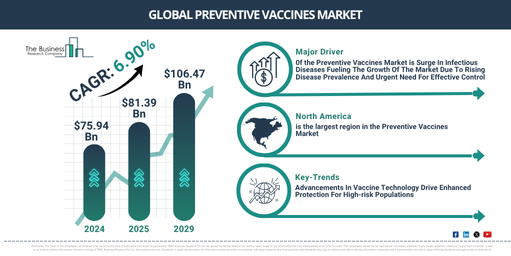
    The market size for preventive vaccines has seen significant expansion in the past years. The market is projected to escalate from $75.94 billion in 2024 to a whopping $81.39 billion in 2025, yielding a compound annual growth rate (CAGR) of 7.2%. Factors contributing to this historic growth include heightened government support, increased consciousness about infectious diseases, an upsurge in worldwide immunization initiatives, advancements in vaccine technology, and a surge in the requirement for childhood vaccination.

    The market for preventive vaccines is predicted to witness considerable expansion in the upcoming years, with an expected value of $106.47 billion by 2029, exhibiting a compound annual growth rate (CAGR) of 6.9%. This growth within the prediction span can be linked to the escalated investment in vaccine research, the increasing occurrence of infectious diseases, the soaring demand for tailor-made vaccines, amplified government initiatives and backing, along with the increasing incorporation of advanced vaccine technologies. The forecast period witnesses various key trends, inclusive of the progression in mRNA vaccine technology, the development of advanced delivery systems, the emergence of innovative nanoparticle-based vaccines, engagement of artificial intelligence in vaccine research, and the rise in cold chain logistics.

    Download The Free Sample Report Here:

    https://www.thebusinessresearchcompany.com/sample.aspx?id=24667&type=smp

    #Which Factors Are Currently Driving The Growth Of The Preventive Vaccines Market?

    The surge in infectious diseases is predicted to drive the expansion of the preventive vaccines market. These diseases are illnesses caused by microorganisms like bacteria, viruses, fungi or parasites, which are easily transmitable from one person to another or through environmental mediums. The increase in infectious diseases is primarily due to factors such as growing urbanization, international travel, and antimicrobial resistance. These factors contribute to the quick spread and difficulties in containment of these infections. Vaccines for prevention aid in controlling these diseases as they stimulate the immune system to identify and counteract pathogens before they get a chance to infect, this decreases disease occurrence and transmission. For example, in July 2024, the Australian Institute of Health and Welfare, a government agency in Australia, declared that in 2022, infectious diseases resulted in over 15,770 fatalities in Australia. Of these, a third were due to lower respiratory infections which are non-notifiable disease deaths. This rise in the prevalence of infectious diseases drives the expansion of the preventive vaccines market.

    How Is The Global Preventive Vaccines Market Structured In Terms Of Segments?

    The preventive vaccines market covered in this report is segmented –

    1) By Type: Live Or Attenuated Vaccines, Inactivated Vaccines, Toxoid Vaccines, Subunit Vaccines, Conjugate Vaccines, DNA Vaccines, Recombinant Vector Vaccines

    2) By Disease Type: Pneumococcal, Poliovirus, Hepatitis, Influenza, Measles, Rubella, Other Disease Types

    3) By Age Group: Pediatric, Adult, Geriatric

    4) By Distribution Channel: Hospitals, Clinics, Pharmacies, Other Distribution Channels

    Subsegments:

    1) By Live or Attenuated Vaccines: Measles, Mumps, and Rubella (MMR) Vaccine, Varicella (Chickenpox) Vaccine, Oral Polio Vaccine (OPV), Yellow Fever Vaccine, Rotavirus Vaccine, Bacillus Calmette-Guérin (BCG) Vaccine

    2) By Inactivated Vaccines: Inactivated Poliovirus Vaccine (IPV), Hepatitis A Vaccine, Rabies Vaccine, Influenza (Inactivated) Vaccine, Japanese Encephalitis Vaccine

    3) By Toxoid Vaccines: Tetanus Toxoid Vaccine, Diphtheria Toxoid Vaccine, Pertussis (whooping cough) Vaccine

    4) By Subunit Vaccines: Hepatitis B Vaccine, Human Papillomavirus (HPV) Vaccine, Pertussis (acellular) Vaccine, Influenza (recombinant protein) Vaccine

    5) By Conjugate Vaccines: Pneumococcal Conjugate Vaccine (PCV), Haemophilus influenzae type b (Hib) Vaccine, Meningococcal Conjugate Vaccine

    6) By DNA Vaccines: Zika Virus DNA Vaccine, Cytomegalovirus (CMV) DNA Vaccine, Infectious Disease DNA Vaccines

    7) By Recombinant Vector Vaccines: Ebola Vaccine (rVSV-ZEBOV), COVID-19 Recombinant Vector Vaccines, Dengue Recombinant Vector Vaccines

    What Trends Are Currently Influencing Growth In The Preventive Vaccines Market?

    Major preventive vaccines market players are prioritizing advancements in vaccine technology, including advanced mRNA technology platforms. These innovations aim to improve the efficacy and safety of vaccines, expedite their production and development, and offer a more comprehensive defense against emerging infectious disease variants. Advanced mRNA technology platforms use messenger RNA to guide cells to create specific proteins, thus stimulating a targeted immune reaction. In March 2025, a notable example occurred when Moderna Inc., a biotech firm based in the United States, received FDA approval for their new COVID-19 vaccine mNEXSPIKE (mRNA-1283), designed for adults 65 years or older and 12 to 64 years old individuals who have one or more risk factors identified by the CDC. The release of mNEXSPIKE represents a huge step forward in the next wave of mRNA vaccine technology, as it offers superior stability and storage ease compared to previous models. This move is set to raise vaccine accessibility and distribution, especially in remote and underprivileged areas.

    Who Are The Main Participants Shaping The Preventive Vaccines Market Landscape?

    Major companies operating in the preventive vaccines market are Pfizer Inc., Johnson & Johnson Services Inc., F. Hoffmann-La Roche Ltd., Sanofi Pasteur SA, AstraZeneca plc, GlaxoSmithKline plc (GSK), Takeda Pharmaceutical Company Limited, Moderna Inc., CSL Limited, Novavax Inc., Emergent BioSolutions Inc., Dynavax Technologies Corporation, Serum Institute of India Pvt. Ltd., Vaxcyte Inc., Bavarian Nordic A/S, Valneva SE, Panacea Biotec Ltd., Inovio Pharmaceuticals Inc., Mitsubishi Tanabe Pharma Corporation, Afrigen Biologics and Vaccines (Pty) Ltd.

    Get The Full Report Here:

    https://www.thebusinessresearchcompany.com/report/preventive-vaccines-global-market-report

    Which Region Currently Holds The Largest Share In The Preventive Vaccines Market?

    North America was the largest region in the preventive vaccines market in 2024. Asia-Pacific is expected to be the fastest-growing region in the forecast period. The regions covered in the preventive vaccines market report are Asia-Pacific, Western Europe, Eastern Europe, North America, South America, Middle East, Africa.

    Request For A Customized Report:

    https://www.thebusinessresearchcompany.com/customise?id=24667&type=smp

    About The Business Research Company:

    With over 15000+ reports from 27 industries covering 60+ geographies, The Business Research Company has built a reputation for offering comprehensive, data-rich research and insights. Armed with 1,500,000 datasets, the optimistic contribution of in-depth secondary research, and unique insights from industry leaders, you can get the information you need to stay ahead in the game.

    Get in touch with us:

    The Business Research Company: https://www.thebusinessresearchcompany.com/

    Americas +1 310-496-7795

    Asia +44 7882 955267 & +91 8897263534

    Europe +44 7882 955267

    Email us at info@tbrc.info

    Follow us on:

    LinkedIn: https://in.linkedin.com/company/the-business-research-company

    YouTube: https://www.youtube.com/channel/UC24_fI0rV8cR5DxlCpgmyFQ

    Global Market Model: https://www.thebusinessresearchcompany.com/global-market-model
  • Global Prebiotics Market Landscape: Trends and Market Share to 2029

    Global Prebiotics Market Landscape: Trends and Market Share to 2029

    Claim your 30% discount on Global Market Reports with code ONLINE30. Limited time only.

    How Will the Prebiotics Market Evolve in Terms of Growth and Size by 2029?

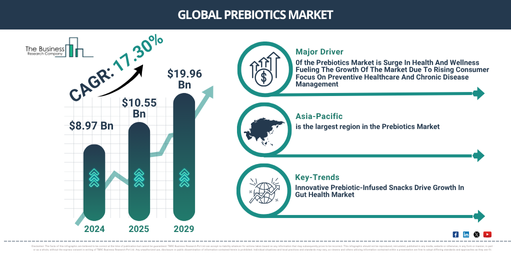
    The dimension of the prebiotics market has seen a swift expansion in past years. The market is anticipated to surge from $8.97 billion in 2024 to $10.55 billion in 2025, demonstrating a compound annual growth rate (CAGR) of 17.6%. The escalation in the earlier period can be credited to heightened demand for functional foods, amplified awareness about gut health, the burgeoning interest in transparent labelling, escalating usage in dietary supplements, and the rising attention of customers on strengthening immunity.

    The market for prebiotics is predicted to witness a significant surge in the upcoming years, escalating to $19.96 billion by 2029 with a compound annual growth rate (CAGR) of 17.3%. This growth during the forecasted period can be traced back to its increased use in infant nutrition, a rising trend towards natural ingredients, amplified investments in food innovation, a growing interest in plant-based products, and a mounting health-aware customer segment. Key trends for the forecast period encompass progress in gut microbiome studies, the incorporation of prebiotics into drinks, technology that facilitates personalized nutrition, developments in symbiotic formulations, and progression in plant-based prebiotic sources.

    Download The Free Sample Report Here:

    https://www.thebusinessresearchcompany.com/sample.aspx?id=24666&type=smp

    What factors are expected to fuel Prebiotics market growth in the coming years?

    The anticipated expansion of the prebiotics market is attributed to an increased public consciousness about health and wellness. This pertains to a comprehensive state of emotional, physical, and mental health, achieved through balanced lifestyle decisions and proactive health care. The heightened consciousness about health and wellness stems from a transition towards preventive healthcare, motivated by the intent to evade lifestyle-related illnesses and curtail long-term medical expenses. Prebiotics contribute to this health consciousness by fostering a balanced gut microbiome, an element that is progressively acknowledged as fundamental for total health and informed lifestyle decisions. A clear example is a survey conducted by the International Food Information Council, a non-profit organization based in the US, in May 2022. It involved 1,005 American adults aged between 18 and 80, along with adult Gen Z consumers between the ages of 18 and 24. The survey revealed a rise in specialized diet or eating patterns from 39% in 2021 to around 52% in 2022. The most prevalent methods were clean eating (16%), mindful eating (14%), and calorie counting (13%). The increasing public consciousness about health and wellness, therefore, is causing the prebiotics market to thrive.

    What Are The Key Findings From The Segmentation Analysis Of The Prebiotics Market?

    The prebiotics market covered in this report is segmented –

    1) By Type: Fructo-Oligosaccharides, Galacto-Oligosaccharides, Inulin, Mannan-Oligosaccharides

    2) By Product: Capsules, Drinks, Powder

    3) Demography: Pediatric, Adult, Geriatric

    4) Distribution Channel: Hypermarkets Or Supermarkets, Pharmacies And Drug Stores, Specialty Stores, Online Sales

    5) By End-User: Foods And Beverages, Pharmaceutical, Animal Feed, Other End-Users

    Subsegments:

    1) By Fructo-Oligosaccharides: Short-Chain Fructo-Oligosaccharides, Long-Chain Fructo-Oligosaccharides, Enzymatically Synthesized Fructo-Oligosaccharides

    2) By Galacto-Oligosaccharides: High-Purity Galacto-Oligosaccharides, Liquid Galacto-Oligosaccharides, Powder Galacto-Oligosaccharides

    3) By Inulin: High Performance Inulin, Standard Inulin, Short-Chain Inulin

    4) By Mannan-Oligosaccharides: Feed Grade Mannan-Oligosaccharides, Food Grade Mannan-Oligosaccharides, Functional Mannan-Oligosaccharides

    Which Trends Are Expected To Shape The Future Of The Prebiotics Market?

    Prebiotic market’s leading companies are channeling their efforts into the creation of unique solution, including snacks loaded with prebiotics, to satisfy the rising consumer preference for gut health and digestive wellness. These prebiotic-laden snacks are a handy food product, fortified with elements that encourage beneficial gut bacteria growth, thereby reinforcing digestive health. For example, Beech-Nut Nutrition Corporation, a child food firm based in the US, rolled out a new range of infant and toddler foodstuffs and snacks steeped in prebiotics, whole milk yogurt, fruits, and vegetables in March 2025. These are intended to bolster digestive health and overall nutrition. The Organic Fruit & Yogurt Jars with Prebiotics, Smoothies with Prebiotics, Jammin’ Waffles with fruit filling, and Fruti Bites with Hidden Veggies are part of the launch. All of products are crafted using non-GMO components and do not contain artificial additives. Accessible at major retailers like Walmart, they provide parents with accessible, tasty, and nutritious choices for kids of 6 months of age and above.

    What Are The Most Active Companies In The Prebiotics Market Today?

    Major companies operating in the prebiotics market are Cargill Inc., Archer Daniels Midland, Nestlé S.A., Bayer AG, Abbott Laboratories, Danone S.A., Kraft Foods Group Inc., FrieslandCampina, Haleon Group of companies, DuPont de Nemours Inc., Amway Corp., Herbalife Nutrition Ltd., Royal Cosun, NU SKIN, Roquette Frères, Nature’s Bounty, Nature’s Sunshine Products Inc., Good Health New Zealand, NOW Foods, Jarrow Formulas Inc.

    Get The Full Report Here:

    https://www.thebusinessresearchcompany.com/report/prebiotics-global-market-report

    Which Regional Markets Are Attracting The Most Investment In Prebiotics?

    Asia-Pacific was the largest region in the prebiotics market in 2024. Asia-Pacific is expected to be the fastest-growing region in the forecast period. The regions covered in the prebiotics market report are Asia-Pacific, Western Europe, Eastern Europe, North America, South America, Middle East, Africa.

    Request For A Customized Report:

    https://www.thebusinessresearchcompany.com/customise?id=24666&type=smp

    About The Business Research Company:

    With over 15000+ reports from 27 industries covering 60+ geographies, The Business Research Company has built a reputation for offering comprehensive, data-rich research and insights. Armed with 1,500,000 datasets, the optimistic contribution of in-depth secondary research, and unique insights from industry leaders, you can get the information you need to stay ahead in the game.

    Get in touch with us:

    The Business Research Company: https://www.thebusinessresearchcompany.com/

    Americas +1 310-496-7795

    Asia +44 7882 955267 & +91 8897263534

    Europe +44 7882 955267

    Email us at info@tbrc.info

    Follow us on:

    LinkedIn: https://in.linkedin.com/company/the-business-research-company

    YouTube: https://www.youtube.com/channel/UC24_fI0rV8cR5DxlCpgmyFQ

    Global Market Model: https://www.thebusinessresearchcompany.com/global-market-model
  • Comprehensive Forecast: Postmenopausal Vaginal Atrophy Treatment Market Share, Growth, and Opportunities Through 2029

    Comprehensive Forecast: Postmenopausal Vaginal Atrophy Treatment Market Share, Growth, and Opportunities Through 2029

    Claim your 30% discount on Global Market Reports with code ONLINE30. Limited time only.

    What CAGR Is Anticipated for the Postmenopausal Vaginal Atrophy Treatment Market Through 2029?

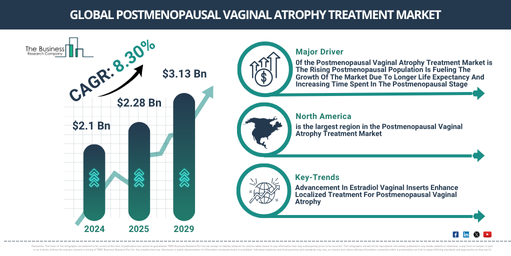
    In the past few years, there has been significant growth in the market size for postmenopausal vaginal atrophy treatment. Market value is expected to climb from $2.1 billion in 2024 to $2.28 billion in 2025, indicating a compound annual growth rate (CAGR) of 8.6%. Factors responsible for this growth in the historic period include rising occurrences of postmenopausal symptoms, increased awareness about vaginal health and menopausal-related conditions, a surge in the aging female population globally, incremental healthcare spending on women’s health, and a growing inclination towards non-hormonal and localized treatments.

    The market for the treatment of postmenopausal vaginal atrophy is projected to witness robust growth in the foreseeable future, reaching $3.13 billion in 2029 at a CAGR of 8.3%. The projected growth over the forecast period can be credited to a rise in the number of gynecological consultations and menopause clinics, a heightened demand for individualized and patient-focused treatments, escalating support from governmental and health entities, an increasing occurrence of early menopause resulting from lifestyle conditions and medical procedures, and the heightened availability of OTC and online pharmacies. Key trends throughout this forecast period incorporate advancements in SERMs, the inclusion of digital health platforms and telemedicine, tech-led drug delivery systems, progresses in non-hormonal treatment alternatives, and innovations in minimally invasive gynecological procedures.

    Download The Free Sample Report Here:

    https://www.thebusinessresearchcompany.com/sample.aspx?id=24665&type=smp

    What Market Forces Are Driving The Postmenopausal Vaginal Atrophy Treatment Sector In 2025 And Beyond?

    The growth of the market for postmenopausal vaginal atrophy treatment is predicted to be fueled by an increasing prevalence of postmenopausal women. The definition of a postmenopausal woman is someone who has not had a menstrual cycle for a continuous 12 months, marking the end of her childbearing years. The lengthening of life expectancy rates is contributing to the rise in the number of postmenopausal women as well, as more women live through their postmenopausal phases for extended periods. The treatments for postmenopausal vaginal atrophy help to ease symptoms like dryness and irritation which are caused by decreased estrogen levels, contributing to better vaginal health and improving overall quality of life for postmenopausal women. For example, by 2030, estimates from the Mayo Clinic, a medical institution based in the US, predict that the worldwide tally of menopausal and postmenopausal women will reach 1.2 billion, with roughly 47 million women reaching menopause every year. Thus, the escalating number of postmenopausal women serves as a key factor in propelling the market for postmenopausal vaginal atrophy treatments.

    How Is The Global Postmenopausal Vaginal Atrophy Treatment Market Categorized By Segments?

    The postmenopausal vaginal atrophy treatment market covered in this report is segmented –

    1) By Therapy Type: Estrogen Based Drugs, Non-Estrogen Based Drugs, Other Therapy Types

    2) By Route Of Administration: Oral, Intravaginal, Other Routes Of Administration

    3) By Distribution Channel: Hospital Pharmacy, Online Pharmacy, Retail Pharmacy

    4) By Application: Gynecology, Sexual Health, Pharmaceuticals

    5) By End-User: Hospitals, Homecare, Specialty Clinics, Other End-Users

    Subsegments:

    1) By Estrogen Based Drugs: Oral Estrogen Therapy, Transdermal Estrogen Therapy, Estrogen Implants, Vaginal Estrogen Therapy, Branded Products

    2) By Non-Estrogen Based Drugs: Selective Estrogen Receptor Modulators, Prasterone, Other Non-Estrogen Hormonal Agents

    3) By Other Therapy Types: Non-Drug Therapies, Over-The-Counter Products

    What Long-Term Trends Are Likely To Affect The Postmenopausal Vaginal Atrophy Treatment Market?

    Leading companies in the postmenopausal vaginal atrophy treatment market are concentrating their efforts on producing innovative solutions like estradiol vaginal inserts to target symptom relief and boost patient adherence to hormone therapy. Estradiol vaginal inserts are tiny devices inserted into the vagina to discharge estrogen locally, enabling the regeneration of thinned vaginal tissue caused by menopause. These inserts effectively soothe symptoms such as dryness, itchiness, and discomfort with low absorption into the blood. A case in point is Knight Therapeutics, a Canadian pharmaceutical company, which introduced IMVEXXY to the Canadian market in January 2024. IMVEXXY is crafted to treat moderate to severe dyspareunia, a symptom of vulvar and vaginal atrophy related to menopause. The product dispenses 4 mcg or 10 mcg of estradiol straight to the vaginal tissue, which boosts mucosal integrity and lessens discomfort during intercourse. The unique softgel formula guarantees quick dissolution and minute systemic absorption, making it ideal for women looking for localized therapy with a safe profile. Unlike traditional estrogen creams or tablets, IMVEXXY offers a non-messy, simple to use, applicator-free option, thereby enhancing patient adherence and comfort. This initiative showcases the industry’s dedication to advancing patient-focused treatments that cater to the specific requirements of postmenopausal women.

    Which Firms Are Considered Leaders In The Postmenopausal Vaginal Atrophy Treatment Market Space?

    Major companies operating in the postmenopausal vaginal atrophy treatment market are Pfizer Inc., AbbVie Inc., Bayer AG, Novartis AG, Novo Nordisk A/S, Viatris Inc., Teva Pharmaceutical Industries Ltd., Perrigo Company, Shionogi & Co. Ltd., Hikma Pharmaceuticals, Amneal Pharmaceuticals LLC, Lupin Pharmaceuticals, Mayne Pharma, Upsher-Smith Laboratories, Alvogen, Ligand Pharmaceuticals Incorporated, Dare Bioscience, Millicent Pharma Limited, TherapeuticsMD, Bionovo Inc.

    Get The Full Report Here:

    https://www.thebusinessresearchcompany.com/report/postmenopausal-vaginal-atrophy-treatment-global-market-report

    What Role Do Regional Policies And Investments Play In Postmenopausal Vaginal Atrophy Treatment Market Expansion?

    North America was the largest region in the postmenopausal vaginal atrophy treatment market in 2024. Asia-Pacific is expected to be the fastest-growing region in the forecast period. The regions covered in the postmenopausal vaginal atrophy treatment market report are Asia-Pacific, Western Europe, Eastern Europe, North America, South America, Middle East, Africa.

    Request For A Customized Report:

    https://www.thebusinessresearchcompany.com/customise?id=24665&type=smp

    About The Business Research Company:

    With over 15000+ reports from 27 industries covering 60+ geographies, The Business Research Company has built a reputation for offering comprehensive, data-rich research and insights. Armed with 1,500,000 datasets, the optimistic contribution of in-depth secondary research, and unique insights from industry leaders, you can get the information you need to stay ahead in the game.

    Get in touch with us:

    The Business Research Company: https://www.thebusinessresearchcompany.com/

    Americas +1 310-496-7795

    Asia +44 7882 955267 & +91 8897263534

    Europe +44 7882 955267

    Email us at info@tbrc.info

    Follow us on:

    LinkedIn: https://in.linkedin.com/company/the-business-research-company

    YouTube: https://www.youtube.com/channel/UC24_fI0rV8cR5DxlCpgmyFQ

    Global Market Model: https://www.thebusinessresearchcompany.com/global-market-model
  • Future Demand and Leading Companies Shaping the Postherpetic Neuralgia (PHN) Market to 2029

    Future Demand and Leading Companies Shaping the Postherpetic Neuralgia (PHN) Market to 2029

    Claim your 30% discount on Global Market Reports with code ONLINE30. Limited time only.

    What Are the Latest Market Insights for the Postherpetic Neuralgia (PHN) Industry?

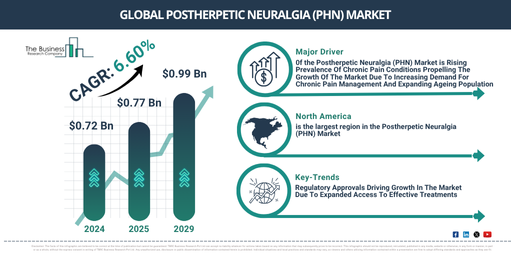
    The market size for postherpetic neuralgia (phn) has significantly expanded in the past few years. It is expected to increase from a value of $0.72 billion in 2024 to $0.77 billion in 2025, marking a compound annual growth rate (CAGR) of 7.0%. This growth during the historical period can be credited to factors such as the rising number of herpes zoster infection cases, an aging population, heightened awareness among both patients and healthcare professionals, a growing demand for efficient solutions to manage neuropathic pain, and an increase in healthcare spending.

    The market for postherpetic neuralgia (phn) is projected to experience substantial expansion in the forthcoming years, rising to $0.99 billion by 2029 with a compound annual growth rate (CAGR) of 6.6%. This growth during the forecast period could be due to the increased utilization of antiviral medications and vaccines, a growing incidence of chronic pain disorders, rising implementation of sophisticated drug delivery systems, an increase in clinical trials and investment in research and development, and a surge in regulatory approvals for innovative therapeutics. Looking forward, the market trends will be driven by progress in neuropathic pain research, evolution in drug delivery technologies, advances in technology-enabled diagnostic aids, the application of artificial intelligence in clinical trials, and progress in non-opioid pain control alternatives.

    Download The Free Sample Report Here:

    https://www.thebusinessresearchcompany.com/sample.aspx?id=24664&type=smp

    What Forces Are Driving The Growth Of The Postherpetic Neuralgia (PHN) Industry?

    The anticipated surge in the postherpetic neuralgia (PHN) market is primarily ascribed to the growing incidence of chronic pain conditions. Chronic pain, which typically lasts longer than three months, tends to be persistent or recurrent, often surpassing the average course of a disease or injury and compromising an individual’s daily activities and overall quality of life. The increased emergence of chronic pain conditions is a consequence of an aging population, as elderly individuals are more susceptible to degenerative diseases such as arthritis and neuropathy, ultimately resulting in persistent pain. Postherpetic neuralgia contributes significantly to chronic pain research, providing an explicit model to explore mechanisms behind nerve-related pain and evaluate enduring treatment tactics. For instance, in January 2024, a report issued by the Office for Health Improvement and Disparities, a governmental department based in UK, disclosed that approximately 18.4% of people aged 16 and above reported suffering from a long-term musculoskeletal (MSK) condition in 2023, presenting an increase from 17.6% the previous year. Consequently, the escalating rates of chronic pain conditions are bolstering the progress of the postherpetic neuralgia (PHN) market.

    What Is The Overview Of Market Segmentation In The Postherpetic Neuralgia (PHN) Industry?

    The postherpetic neuralgia (PHN) market covered in this report is segmented –

    1) By Type: Patches, Drugs, Opioids

    2) By Distribution Channel: Hospital Pharmacies, Retail Pharmacies, Online Pharmacies

    3) By End Users: Hospitals, Clinics, Ambulatory Surgical Centers, Other End Users

    Subsegments:

    1) By Patches: Transdermal Drug Delivery Patches, Nicotine Patches, Hormone Replacement Therapy Patches, Analgesic Patches, Orthopedic Support Patches

    2) By Drugs: Prescription Drugs, Over-The-Counter (OTC) Drugs, Generic Drugs, Branded Drugs, Biologic Drugs

    3) By Opioids: Natural Opioids, Semi-Synthetic Opioids, Synthetic Opioids, Opioid Analgesics, Opioid Antagonists

    What Future Market Trends Are Projected For The Postherpetic Neuralgia (PHN) Industry?

    Primary businesses in the postherpetic neuralgia (PHN) sector are working diligently to secure regulatory clearances. These approvals help diversify their product range, give them a competitive edge, and address the substantial unmet healthcare requirement for more effective and bearable treatments. These clearances are the official consents provided by government health bodies that authorize the legal marketing and utilization of a medication or remedy for a specific health issue. To illustrate, Zydus Lifesciences Ltd., a pharmaceutical firm based in India, secured the final approval from the United States Food and Drug Administration in February 2023. This permitted the company to produce and sell once-per-day generic Gabapentin Tablets, available in 300 mg and 600 mg doses, for the treatment of postherpetic neuralgia (PHN). These Gabapentin tablets are designed to manage PHN, a type of neuropathic discomfort caused by nerve damage following the reactivation of the varicella-zoster virus. For PHN, the recommended dosage begins at 300 mg on day one, goes up to 600 mg (twice a day at 300 mg) on the second day, and reaches 900 mg (three times a day at 300 mg) on the third day. The dosage can be increased up to 1800 mg daily (600 mg three times a day) as required for alleviating pain.

    Who Are The Primary Players Operating Across The Global Postherpetic Neuralgia (PHN) Market?

    Major companies operating in the postherpetic neuralgia (PHN) market are Pfizer Inc., Merck & Co. Inc., Novartis AG, GlaxoSmithKline plc, Teva Pharmaceutical Industries Limited, Astellas Pharma Inc., Daiichi Sankyo Company Limited, Sun Pharmaceutical Industries Limited, Mylan N.V., Mallinckrodt plc, Merz Therapeutics GmbH, Acorda Therapeutics Inc., Scilex Holding Company, Elorac Inc., Lexicon Pharmaceuticals Inc., Oxford Cannabinoid Technologies Holdings plc, Teikoku Pharma USA Inc., Acasti Pharma Inc., Flexion Therapeutics Inc., Haisco Pharmaceutical Group Co. Ltd., Shanghai SIMR Biotechnology Co. Ltd.

    Get The Full Report Here:

    https://www.thebusinessresearchcompany.com/report/postherpetic-neuralgia-phn-global-market-report

    Which Region Offers The Most Growth Potential For The Postherpetic Neuralgia (PHN) Market Through 2029?

    North America was the largest region in the postherpetic neuralgia (PHN) market in 2024. The regions covered in the postherpetic neuralgia (PHN) market report are Asia-Pacific, Western Europe, Eastern Europe, North America, South America, Middle East, Africa.

    Request For A Customized Report:

    https://www.thebusinessresearchcompany.com/customise?id=24664&type=smp

    About The Business Research Company:

    With over 15000+ reports from 27 industries covering 60+ geographies, The Business Research Company has built a reputation for offering comprehensive, data-rich research and insights. Armed with 1,500,000 datasets, the optimistic contribution of in-depth secondary research, and unique insights from industry leaders, you can get the information you need to stay ahead in the game.

    Get in touch with us:

    The Business Research Company: https://www.thebusinessresearchcompany.com/

    Americas +1 310-496-7795

    Asia +44 7882 955267 & +91 8897263534

    Europe +44 7882 955267

    Email us at info@tbrc.info

    Follow us on:

    LinkedIn: https://in.linkedin.com/company/the-business-research-company

    YouTube: https://www.youtube.com/channel/UC24_fI0rV8cR5DxlCpgmyFQ

    Global Market Model: https://www.thebusinessresearchcompany.com/global-market-model
  • 2025–2029 Porcine Gelatin Market Outlook: Regional Trends and Growth Forecast

    2025–2029 Porcine Gelatin Market Outlook: Regional Trends and Growth Forecast

    Claim your 30% discount on Global Market Reports with code ONLINE30. Limited time only.

    What Are the Forecasted Growth Rate and Market Size of the Porcine Gelatin Market?

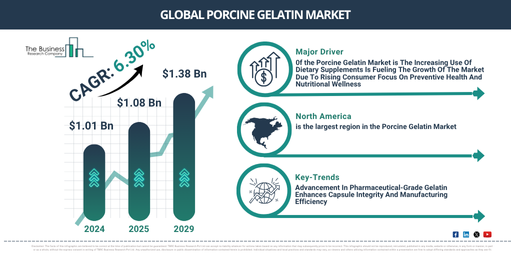
    In recent years, the size of the porcine gelatin market has witnessed strong growth. The market is projected to expand from $1.01 billion in 2024 to $1.08 billion in 2025, with a compound annual growth rate (CAGR) of 6.7%. The surge in the previous periods can be linked to a heightened demand within the food & beverage sector, expansion in pharmaceutical usage, augmented utilization of porcine gelatin, increased fondness for classic sweets and desserts, as well as a spike in the consumption of processed foods.

    Expectations are high for robust expansion in the porcine gelatin market in the coming years, as it is forecasted to reach $1.38 billion by 2029, with a CAGR of 6.3%. Factors considered to fuel this rise include heightened understanding of clean-label and natural components among consumers, increased usage of gelatin in biomedical applications, surge in demand for protein-rich food items and snacks, and an uptick in the aged populace. Noteworthy trends for the predicted period encompass the shift towards pharmaceutical-grade gelatin, enlargement of challenges linked to halal and kosher certification, incorporation of gelatin into sports nutrition goods, progress in gelatin extraction and processing technology, and consumer inclination towards transparency and traceability.

    Download The Free Sample Report Here:

    https://www.thebusinessresearchcompany.com/sample.aspx?id=24663&type=smp

    Which Factor Is Shaping The Future Of The Porcine Gelatin Market?

    The porcine gelatin market is predicted to expand due to the growing consumption of dietary supplements. These oral products, laden with nutrients and other health-improving components, are used for diet enhancement and overall health promotion. The upward trend in dietary supplement usage attributes to a growing public emphasis on preventive healthcare, wellness, and addressing nutritional insufficiencies. Being a common component of these supplements, porcine gelatin is used both as a capsule component and as a nutritional ingredient. It forms the base of soft and hard gelatin capsules which house vitamins, minerals, and herbal extracts. Additionally, it provides a user-friendly, swallow-friendly form and safeguards the active components while extending their usable life. A survey was conducted in October 2022 by the Council for Responsible Nutrition, an American non-profit trade organization, in which out of 3,133 U.S. adults aged 18 and above, approximately 2,342 were found to use dietary supplements intermittently, occasionally, or consistently. Notably, 75% of Americans include dietary supplements in their regular regimen. Hence, the escalating demand for dietary supplements contributes to the expansion of the porcine gelatin market.

    What Is The Segment-Wise Breakdown Of The Porcine Gelatin Market?

    The porcine gelatin market covered in this report is segmented –

    1) By Product Type: Food Grade, Pharmaceutical Grade, Industrial Grade

    2) By Source: Skin, Bones, Other Sources

    3) By Distribution Channel: Online Retail, Supermarkets Or Hypermarkets, Specialty Stores, Other Distribution Channels

    4) By Application: Chemical Industry, Food Industry, Pharmaceuticals, Other Applications

    Subsegments:

    1) By Food Grade: Confectionery, Dairy Products, Bakery Products, Beverages, Meat Products, Nutraceuticals

    2) By Pharmaceutical Grade: Capsule Shells, Tablet Coatings, Injectable Formulations, Wound Care Products, Diagnostics, Drug Delivery Systems

    3) By Industrial Grade: Photographic Films, Adhesives, Cosmetics, Paper Coatings, Textile Finishing, Explosives

    Which Trends Are Redefining The Future Landscape Of The Porcine Gelatin Industry?

    Leading firms in the porcine gelatin market are striving to create innovative goods, such as pharmaceutical-grade gelatin, in order to meet the rising needs in the healthcare and nutraceutical sectors. Pharmaceutical-grade gelatin is a high-quality gelatin that meets strict standards required for medical products like capsules, tablets, and wound treatment. It ensures reliable, regular and efficient drug delivery. For instance, Gelita, a Germany-based company renowned for its gelatin and collagen peptides, launched a product named Easyseal gelatin in December 2023. Available in both porcine and bovine forms, Easyseal was designed to drastically cut down on waste and the expenses associated with soft gel leakers. Easyseal enhances seam formation, augmenting seam thickness and stability by up to 50%. This results in capsules that are more leak-resistant even at increased production velocities and when dealing with complex fills. Consequently, processing expenses are reduced and product quality is enhanced without necessitating major alterations to existing procedures.

    Which Companies Hold The Largest Market Share In The Porcine Gelatin Sector?

    Major companies operating in the porcine gelatin market are Darling Ingredients, Tessenderlo Group, Gelita AG, PB Leiner, Weishardt Group, Foodchem International Corporation, Juncà Gelatines S.L., Trobas Gelatine B.V., Nitta Gelatin Inc., Great Lakes Wellness, Norland Products Incorporated, Lapi Gelatine S.p.A., Geltech, Ewald Gelatine GmbH, Xiamen Gelken Gelatin Co. Ltd., Baotou Dongbao Bio-Tech, ITALGEL srl, Hebei Chengda Mingjiao, Reinert Gruppe Ingredients GmbH, Sterling Biotech Ltd., Jellice.

    Get The Full Report Here:

    https://www.thebusinessresearchcompany.com/report/porcine-gelatin-global-market-report

    How Does Regional Performance Compare Across The Porcine Gelatin Industry?

    North America was the largest region in the porcine gelatin market in 2024. Asia-Pacific is expected to be the fastest-growing region in the forecast period. The regions covered in the porcine gelatin market report are Asia-Pacific, Western Europe, Eastern Europe, North America, South America, Middle East, Africa.

    Request For A Customized Report:

    https://www.thebusinessresearchcompany.com/customise?id=24663&type=smp

    About The Business Research Company:

    With over 15000+ reports from 27 industries covering 60+ geographies, The Business Research Company has built a reputation for offering comprehensive, data-rich research and insights. Armed with 1,500,000 datasets, the optimistic contribution of in-depth secondary research, and unique insights from industry leaders, you can get the information you need to stay ahead in the game.

    Get in touch with us:

    The Business Research Company: https://www.thebusinessresearchcompany.com/

    Americas +1 310-496-7795

    Asia +44 7882 955267 & +91 8897263534

    Europe +44 7882 955267

    Email us at info@tbrc.info

    Follow us on:

    LinkedIn: https://in.linkedin.com/company/the-business-research-company

    YouTube: https://www.youtube.com/channel/UC24_fI0rV8cR5DxlCpgmyFQ

    Global Market Model: https://www.thebusinessresearchcompany.com/global-market-model
  • Latest Market Developments in Poly (ADP-Ribose) Polymerase (PARP) Inhibitors Industry: Forecast 2025–2029

    Latest Market Developments in Poly (ADP-Ribose) Polymerase (PARP) Inhibitors Industry: Forecast 2025–2029

    Claim your 30% discount on Global Market Reports with code ONLINE30. Limited time only.

    What Is the Estimated Industry Valuation for the Poly (ADP-Ribose) Polymerase (PARP) Inhibitors Sector?

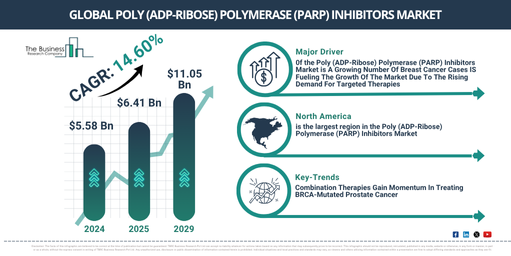
    The market size for poly (adp-ribose) polymerase (parp) inhibitors has experienced significant growth recently. The market expansion is projected to increase from $5.58 billion in 2024 to $6.41 billion in 2025, with a compound annual growth rate (CAGR) of 14.9%. Factors contributing to the historic growth include a rise in healthcare spending, an increased demand for maintenance treatments, a growing trend in using combination therapies, a surge in personalized medicine methods, and an elevation in investment towards the oncology pipeline.

    It is anticipated that the poly (adp-ribose) polymerase (parp) inhibitors market will experience substantial growth in the years to come. The market is projected to expand to $11.05 billion by 2029, with a compound annual growth rate (CAGR) of 14.6%. The predicted growth throughout this period could be due to rising cancer rates, an increase in the use of targeted therapies, an expanding elderly population, greater understanding of genetic testing, and boosted clinical trial activity. Noteworthy trends in the forecast period encompass improvements in genomic sequencing technologies, the creation of companion diagnostic tools, the incorporation of technology into drug development platforms, and the formulation of next-generation poly (ADP-ribose) polymerase (PARP) inhibitors.

    Download The Free Sample Report Here:

    https://www.thebusinessresearchcompany.com/sample.aspx?id=24662&type=smp

    What Forces Are Driving The Growth Of The Poly (ADP-Ribose) Polymerase (PARP) Inhibitors Market?

    The poly(ADP-ribose) polymerase (PARP) inhibitors market is anticipated to see a surge due to the increasing incidence of breast cancer. This disease is characterized by the uncontrollable growth of abnormal cells in the breast which can eventually form a tumor and spread across the body. Lifestyle-related factors like obesity, a sedentary lifestyle, and alcohol consumption, which spike estrogen levels and foster tumor growth, are typically the causes of the burgeoning number of breast cancer cases. PARP inhibitors, particularly beneficial for breast cancer patients, are designed to target cancer cells that exhibit DNA repair deficiencies, especially BRCA mutations. By disrupting DNA repair, these inhibitors stall tumor growth, thus serving as a focused therapy that elevates the rate of successful treatments and reduces the damage to healthy cells. For instance, as per the March 2025 data from Breastcancer.org, a nonprofit organization based in the US, it was projected that breast cancer would contribute to 32% of all new cancer diagnoses with an approximate 316,950 women likely to be diagnosed with invasive breast cancer, including 59,080 cases of non-invasive types by 2025. Consequently, the escalating number of breast cancer cases is fuelling the expansion of the poly(ADP-ribose) polymerase (PARP) inhibitors market.

    How Is The Poly (ADP-Ribose) Polymerase (PARP) Inhibitors Industry Segmented Across Key Parameters?

    The poly (ADP-ribose) polymerase (PARP) inhibitors market covered in this report is segmented –

    1) By Drug Type: Niraparib, Olaparib, Rucaparib, Talazoparib, Veliparib, Other Drug Types

    2) By Distribution Channel: Online Pharmacies, Retail Pharmacies, Hospital Pharmacies

    3) By Application: Ovarian Cancer, Fallopian Tube Cancer, Breast Cancer, Prostate Cancer, Pancreatic Cancer, Other Applications

    4) By End-User: Hospitals, Clinics, Research Institutes, Other End-Users

    What Notable Trends Are Shaping The Direction Of The Poly (ADP-Ribose) Polymerase (PARP) Inhibitors Market?

    Leading firms in the poly(ADP-ribose) polymerase (PARP) inhibitors market are concentrating on developing novel approaches, like combination therapies, to increase the effectiveness of drugs, minimize side effects, and broaden their use beyond cancer treatment. Combination therapies employ more than one type of treatment at the same time, like medication, radiation, or biologics, to increase overall efficiency and improve patient health outcomes. To illustrate, in June 2023, Merck & Co. Inc., an American pharmaceutical company, and AstraZeneca plc, a British pharmaceutical firm, gained the U.S. Food and Drug Administration’s (FDA) approval for the usage of olaparib (Lynparza) in conjunction with abiraterone and prednisone (or prednisolone) for adult patients suffering from breast cancer gene (BRCA)-mutated metastatic castration-resistant prostate cancer (mCRPC). Olaparib (Lynparza), a PARP inhibitor, blocks DNA repair in BRCA-mutated cancer cells, leading to their death. When it is mixed with abiraterone and prednisone (or prednisolone), its anti-tumor capabilities are enhanced by hampering the production of androgen, a crucial element for prostate cancer’s growth, and this slows the progression of the disease.

    Which Companies Currently Dominate The Competitive Landscape In The Poly (ADP-Ribose) Polymerase (PARP) Inhibitors Industry?

    Major companies operating in the poly (ADP-ribose) polymerase (PARP) inhibitors market are Pfizer Inc., Johnson & Johnson, Merck & Co. Inc., AbbVie Inc., Bayer AG, Bristol-Myers Squibb Company, AstraZeneca Plc, GSK plc, Teva Pharmaceutical Industries Ltd., Eisai Co. Ltd., Genentech Inc., Ono Pharmaceutical Co. Ltd., Jiangsu Hengrui Medicine Co. Ltd., BeiGene, EMD Serono, Myriad Genetics, Clovis Oncology Inc., Repare Therapeutics Inc., Karyopharm Therapeutics, Checkpoint Therapeutics Inc.

    Get The Full Report Here:

    https://www.thebusinessresearchcompany.com/report/poly-adp-ribose-polymerase-parp-inhibitors-global-market-report

    Which Geographic Regions Are Driving Demand In The Poly (ADP-Ribose) Polymerase (PARP) Inhibitors Market?

    North America was the largest region in the poly(ADP-ribose) polymerase (PARP) inhibitors market in 2024. Asia-Pacific is expected to be the fastest-growing region in the forecast period. The regions covered in the poly (ADP-ribose) polymerase (PARP) inhibitors market report are Asia-Pacific, Western Europe, Eastern Europe, North America, South America, Middle East, Africa.

    Request For A Customized Report:

    https://www.thebusinessresearchcompany.com/customise?id=24662&type=smp

    About The Business Research Company:

    With over 15000+ reports from 27 industries covering 60+ geographies, The Business Research Company has built a reputation for offering comprehensive, data-rich research and insights. Armed with 1,500,000 datasets, the optimistic contribution of in-depth secondary research, and unique insights from industry leaders, you can get the information you need to stay ahead in the game.

    Get in touch with us:

    The Business Research Company: https://www.thebusinessresearchcompany.com/

    Americas +1 310-496-7795

    Asia +44 7882 955267 & +91 8897263534

    Europe +44 7882 955267

    Email us at info@tbrc.info

    Follow us on:

    LinkedIn: https://in.linkedin.com/company/the-business-research-company

    YouTube: https://www.youtube.com/channel/UC24_fI0rV8cR5DxlCpgmyFQ

    Global Market Model: https://www.thebusinessresearchcompany.com/global-market-model