Blog

  • Emerging Trends and Growth Drivers in the Pneumoconiosis Market Through 2029

    Emerging Trends and Growth Drivers in the Pneumoconiosis Market Through 2029

    Claim your 30% discount on Global Market Reports with code ONLINE30. Limited time only.

    How Large Is the Pneumoconiosis Market Expected to Be in 2029?

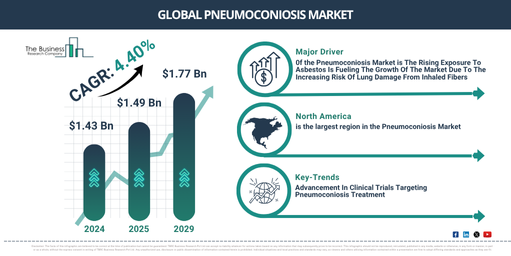
    The expansion of the pneumoconiosis market has consistently progressed over the previous years. It is projected to escalate from $1.43 billion in 2024 to $1.49 billion in 2025, with a compound annual growth rate (CAGR) of 4.7%. This upward trend during the historical period can be credited to a rise in occupational lung conditions, increased industrialization in burgeoning economies, heightened consciousness surrounding workplace safety, growing governmental restrictions on exposure to industrial dust, and an upsurge in coal and silica mining endeavors.

    The market size for pneumoconiosis is predicted to experience consistent expansion in the upcoming years, increasing to $1.77 billion in 2029 at a compound annual growth rate (CAGR) of 4.4%. The anticipated growth during the forecast period can be credited to factors such as the aging population, the escalated use of sophisticated imaging and diagnostic technologies, the rise in health care spending, increased funding in research for respiratory diseases, and a surge in litigation and compensation claims. The upcoming trends for the forecast period encompass progress in diagnostic imaging, the application of artificial intelligence (AI) in radiology, the implementation of technology for remote monitoring, the emergence of wearable devices for respiratory monitoring, and advancements in the sector of pulmonary drug delivery systems.

    Download The Free Sample Report Here:

    https://www.thebusinessresearchcompany.com/sample.aspx?id=24661&type=smp

    What Are The Contributors To Demand In The Pneumoconiosis Market?

    The pneumoconiosis market is predicted to expand due to the increasing encounters with asbestos. When individuals inhale or touch asbestos fibers, they potentially put their health at risk, producing ailments such as asbestosis, mesothelioma, and lung cancer. As we refurbish and demolish older buildings, asbestos exposure rises due to the release of harmful fibers into the atmosphere, heightening the risk of inhalation. This inhalation can result in pneumoconiosis, as these fibers get stuck in the lungs, sparking unending inflammation. Subsequently, this continuous inflammation leads to lung scarring (fibrosis), progressively affecting breathing and overall lung capacity. For example, a report in July 2024 published by the UK Asbestos Training Association (UKATA), a UK-based training and awareness group, stated that annually, over 5,000 asbestos-related disease deaths happen in the UK, recording 493 asbestosis-related deaths in 2022, with more than 70% of these deaths in individuals aged above 75. Therefore, the escalating exposure to asbestos is fueling the expansion of the pneumoconiosis market.

    What Segmentation Categories Are Included In The Pneumoconiosis Market Analysis?

    The pneumoconiosis market covered in this report is segmented –

    1) By Type Of Pneumoconiosis: Asbestosis, Silicosis, Coal Workers’ Pneumoconiosis, Berylliosis

    2) By Diagnosis: Chest X-Ray, Computed Axial Tomography Scan, Lung Function Tests, Other Diagnosis

    3) By Treatment: Medication, Oxygen Therapy, Pulmonary Rehabilitation, Other Treatments

    4) By Distribution Channel: Hospital Pharmacy, Retail Pharmacy, Online Pharmacy, Other Distribution Channels

    5) By End-User: Hospitals, Specialty Clinics, Diagnostic Centers, Other End-Users

    Subsegments:

    1) By Asbestosis: Occupational Exposure, Environmental Exposure, Secondary Exposure, Severity Level

    2) By Silicosis: Chronic Silicosis, Accelerated Silicosis, Acute Silicosis, Industry Type

    3) By Coal Workers’ Pneumoconiosis: Simple Coal Workers’ Pneumoconiosis (CWP), Complicated Coal Workers’ Pneumoconiosis (CWP), Underground Mining Exposure, Surface Mining Exposure

    4) By Berylliosis: Acute Berylliosis, Chronic Berylliosis, Occupational Exposure, Genetic Susceptibility

    What Upcoming Trends Are Expected To Impact The Pneumoconiosis Market Globally?

    Leading firms in the pneumoconiosis market are concentrating their efforts on developing innovative solutions like clinical trials for pneumoconiosis medication. This strategy is aimed at enhancing treatment effectiveness, reducing disease progression, and improving patient outcomes. A pneumoconiosis medication clinical trial is a research study that evaluates a new drug’s safety, efficiency, and side effects in treating the ailment. This research involves human subjects and goes through different stages to ascertain its applicability for wider medical usage. To illustrate, in June 2022, the China-based Beijing Continent Pharmaceutical Co. Ltd. initiated the enrollment of the first candidate for a Phase III clinical trial involving Pirfenidone Capsules (F647). The aim of this trial is to treat pneumoconiosis- an occupational disease marked by lung damage due to dust inhalation leading to fibrosis. Pirfenidone, a key product of the company, is an orally administered small-molecule drug known to hinder collagen production and control fibrotic cytokines such as TGF-ß. The trial marks its fifth therapeutic usage. The motive behind the Phase III trial is to verify the effectiveness and safety of F647 for pneumoconiosis, the most prevalent occupational affliction in China.

    Who Are The Top-Ranked Companies In The Pneumoconiosis Market Today?

    Major companies operating in the pneumoconiosis market are AbbVie Inc., Bayer AG, Bristol-Myers Squibb Company, AstraZeneca plc, Abbott Laboratories, Novartis AG, GlaxoSmithKline plc, Medtronic plc, Takeda Pharmaceutical Company Limited, Eli Lilly and Company, Amgen Inc., Novo Nordisk, Koninklijke Philips NV, Teva Pharmaceutical Industries Ltd., Boehringer Ingelheim, Sun Pharmaceutical Industries Ltd., Lupin Pharmaceuticals Inc., Inogen, GNI Group Ltd., DRIVE MEDICAL GMBH & CO. KG.

    Get The Full Report Here:

    https://www.thebusinessresearchcompany.com/report/pneumoconiosis-global-market-report

    How Is Pneumoconiosis Market Adoption Varying Across Different Regions And Sectors?

    North America was the largest region in the pneumoconiosis market in 2024. Asia-Pacific is expected to be the fastest-growing region in the forecast period. The regions covered in the pneumoconiosis market report are Asia-Pacific, Western Europe, Eastern Europe, North America, South America, Middle East, Africa.

    Request For A Customized Report:

    https://www.thebusinessresearchcompany.com/customise?id=24661&type=smp

    About The Business Research Company:

    With over 15000+ reports from 27 industries covering 60+ geographies, The Business Research Company has built a reputation for offering comprehensive, data-rich research and insights. Armed with 1,500,000 datasets, the optimistic contribution of in-depth secondary research, and unique insights from industry leaders, you can get the information you need to stay ahead in the game.

    Get in touch with us:

    The Business Research Company: https://www.thebusinessresearchcompany.com/

    Americas +1 310-496-7795

    Asia +44 7882 955267 & +91 8897263534

    Europe +44 7882 955267

    Email us at info@tbrc.info

    Follow us on:

    LinkedIn: https://in.linkedin.com/company/the-business-research-company

    YouTube: https://www.youtube.com/channel/UC24_fI0rV8cR5DxlCpgmyFQ

    Global Market Model: https://www.thebusinessresearchcompany.com/global-market-model
  • CAGR of 8.2% Projected for Plexiform Neurofibroma Treatment Market From 2025 to 2029

    CAGR of 8.2% Projected for Plexiform Neurofibroma Treatment Market From 2025 to 2029

    Claim your 30% discount on Global Market Reports with code ONLINE30. Limited time only.

    What Is the Outlook for the Plexiform Neurofibroma Treatment Market Heading Into 2029?

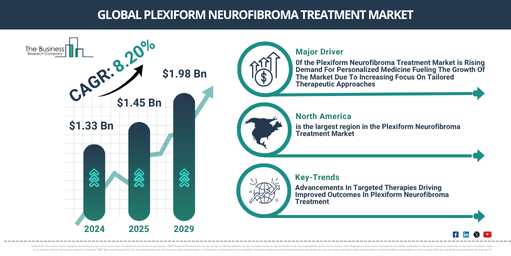
    The market for plexiform neurofibroma treatment has notably expanded in the past few years. It is estimated to escalate from a worth of $1.33 billion in 2024 to $1.45 billion in 2025, with an impressive compound annual growth rate (CAGR) of 8.5%. This momentum in the historical period can be ascribed to the rising incidence of neurofibromatosis type 1, increased global recognition and diagnosis of plexiform neurofibroma, enhanced investment in research & development from pharmaceutical companies, growth in innovative drug candidates being tested through clinical trials, and the enlargement of healthcare infrastructure.

    The market for plexiform neurofibroma treatment is anticipated to expand significantly in the coming years, with projections rising to $1.98 billion by 2029, reflecting an 8.2% compound annual growth rate (CAGR). Factors contributing to this anticipated growth include an increase in healthcare spending, augmented government support for rare disease treatments, the emergence of patient advocacy groups encouraging awareness, rising demand for non-invasive treatments, and a preference shift towards oral therapies over intrusive procedures. Some of the key trends expected over the forecast period include advancements in molecular biology that allow for targeted therapies, the use of innovative imaging technologies that aid in early diagnosis, new developments of unique small-molecule inhibitors that target specific pathways, progress in biotech that enables antibody-based treatments, and the growth in biomarker research that aids in tracking disease progression.

    Download The Free Sample Report Here:

    https://www.thebusinessresearchcompany.com/sample.aspx?id=24660&type=smp

    Which Factors Are Pushing The Plexiform Neurofibroma Treatment Market Forward?

    The rise in the need for personalized medicine is anticipated to boost the expansion of the plexiform neurofibroma treatment market. Personalized medicine is a health care method that adapts medical treatment to the genetic profile, biological features, and personal health records of an individual. The attractiveness of personalized medicine is on the rise, thanks to its capacity to enhance treatment efficacy by matching therapies with a patient’s specific genetic and biological profile, resulting in superior outcomes and fewer side effects. This rising demand for personalized medicine underpins the necessity for plexiform neurofibroma treatment by facilitating customized therapeutic strategies that address the exclusive genetic mutations and tumor behavior in each patient, enhancing the precision and success rate of care provision. For example, in February 2024, the Personalized Medicine Coalition, a professional membership organization based in the US, noted the approval of 12 new personalized medicines, accounting for about 34% of all therapies approved in 2022, signifying a notable increase from the past years. As such, the escalating demand for personalized medicine is fueling the growth of the plexiform neurofibroma treatment market.

    Which Segment Held The Largest Share In The Plexiform Neurofibroma Treatment Market In 2025?

    The plexiform neurofibroma treatment market covered in this report is segmented –

    1) By Type: Surgery, Radiation Therapy, Chemotherapy, Targeted Therapy

    2) By Indication: Pain Management, Tumor Reduction, Functional Restoration

    3) By Patient Population: Pediatric, Adult

    4) By End User: Hospitals, Clinics, Home Care Settings

    Subsegments:

    1) By Surgery: Open Surgery, Minimally Invasive Surgery, Robotic Surgery, Laparoscopic Surgery, Cryosurgery, Laser Surgery

    2) By Radiation Therapy: External Beam Radiation Therapy (EBRT), Internal Radiation Therapy (Brachytherapy)

    3) By Chemotherapy: Alkylating Agents, Antimetabolites, Anti-Tumor Antibiotics, Plant Alkaloids, Topoisomerase Inhibitors, Miscellaneous Agents, Combination Chemotherapy

    4) By Targeted Therapy: Monoclonal Antibodies, Small Molecule Inhibitors, Angiogenesis Inhibitors, Tyrosine Kinase Inhibitors, mTOR Inhibitors, PARP Inhibitors, CDK Inhibitors

    How Are Key Trends Driving Expansion In The Plexiform Neurofibroma Treatment Industry?

    Leading enterprises in the market for plexiform neurofibroma treatment are concentrating on crafting innovative solutions such as small-molecule inhibitors to improve therapy results. These are light-weight compounds, formulated to meddle with particular proteins or enzymes and halt abnormal cell activities. For instance, in February 2025, SpringWorks Therapeutics, a biopharmaceutical company based in the USA, revealed that the U.S. Food and Drug Administration (FDA) had greenlit Gomekli, an oral small-molecule MEK inhibitor. Gomekli is recommended for treating adults and children aged 2 years and up with neurofibromatosis type 1 (NF1) who have symptomatic plexiform neurofibromas that can’t be fully eradicated through surgery. Clinical studies indicated that 41% of adults and 52% of juvenile patients had a confirmed decrease in tumor size. The mean reduction in tumor volume was 41% in adults and 42% among children. Besides, responses that lasted at least a year were noticed in 88% of adults and 90% of children, with almost half of all individuals in both categories retaining their response for over 24 months.

    Which Organizations Are Driving Progress In The Plexiform Neurofibroma Treatment Industry?

    Major companies operating in the plexiform neurofibroma treatment market are Pfizer Inc., Johnson & Johnson, Merck & Co. Inc., Novartis AG, Bristol-Myers Squibb Company, AstraZeneca plc, GSK plc., Takeda Pharmaceutical Company Limited, Teva Pharmaceutical Industries Ltd., Sun Pharmaceuticals Industries Limited, Aurobindo Pharma, Amneal Pharmaceuticals LLC, Endo Pharmaceuticals Inc., Exelixis Inc., Mallinckrodt Plc, SpringWorks Therapeutics, Sangamo Therapeutics Inc., Recursion Pharmaceuticals Inc., Noveome Biotherapeutics Inc., BioXcel Therapeutics Inc.

    Get The Full Report Here:

    https://www.thebusinessresearchcompany.com/report/plexiform-neurofibroma-treatment-global-market-report

    Which Region Is Expected To Experience The Highest Growth In The Plexiform Neurofibroma Treatment Industry?

    North America was the largest region in the plexiform neurofibroma treatment market in 2024. The regions covered in the plexiform neurofibroma treatment market report are Asia-Pacific, Western Europe, Eastern Europe, North America, South America, Middle East, Africa.

    Request For A Customized Report:

    https://www.thebusinessresearchcompany.com/customise?id=24660&type=smp

    About The Business Research Company:

    With over 15000+ reports from 27 industries covering 60+ geographies, The Business Research Company has built a reputation for offering comprehensive, data-rich research and insights. Armed with 1,500,000 datasets, the optimistic contribution of in-depth secondary research, and unique insights from industry leaders, you can get the information you need to stay ahead in the game.

    Get in touch with us:

    The Business Research Company: https://www.thebusinessresearchcompany.com/

    Americas +1 310-496-7795

    Asia +44 7882 955267 & +91 8897263534

    Europe +44 7882 955267

    Email us at info@tbrc.info

    Follow us on:

    LinkedIn: https://in.linkedin.com/company/the-business-research-company

    YouTube: https://www.youtube.com/channel/UC24_fI0rV8cR5DxlCpgmyFQ

    Global Market Model: https://www.thebusinessresearchcompany.com/global-market-model
  • Industry Forecast: Plasma Protease C1-Inhibitor Market to Generate $6.53 Billion Revenue by 2029

    Industry Forecast: Plasma Protease C1-Inhibitor Market to Generate $6.53 Billion Revenue by 2029

    Claim your 30% discount on Global Market Reports with code ONLINE30. Limited time only.

    What Does the Forecast Indicate for the Plasma Protease C1-Inhibitor Market From 2025 to 2029?

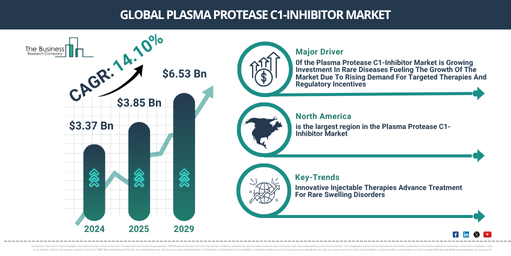
    In recent times, there has been a swift expansion in the market size of plasma protease c1-inhibitor. This market is projected to escalate from $3.37 billion in 2024 to $3.85 billion in 2025, demonstrating a compound annual growth rate (CAGR) of 14.4%. The impressive growth during the historic phase is primarily due to the rising incidence of hereditary angioedema, heightened awareness concerning uncommon genetic conditions, growing demand for plasma-derived biologics, an upsurge in diagnostic rates for c1-inhibitor deficiency, and an increasing adoption of replacement therapy in emergency medical care.

    There is a strong expectation for a swift expansion in the plasma protease c1-inhibitor market in the coming years, with predictions suggesting a rise to $6.53 billion by 2029, courtesy of a compound annual growth rate (CAGR) of 14.1%. This predicted growth in the forecast period comes as a result of an escalating concentration on personalized medicine, an uptick in pipeline developments for C1-inhibitor therapies under clinical trial, a burgeoning demand for preventative treatments, an increased availability of C1-inhibitor infusion therapies that can be administered at home, and a rising cognizance of C1-inhibitor deficiencies in surgical scenarios. Prominent trends for the forecast period comprise the creation of orphan drug applications, development of low-immunogenic variants, the embracing of genomic tools, incorporation into telemedicine platforms, and the drive towards innovative long-acting C1-inhibitors.

    Download The Free Sample Report Here:

    https://www.thebusinessresearchcompany.com/sample.aspx?id=24659&type=smp

    What Elements Are Contributing To Growth In The Plasma Protease C1-Inhibitor Market?

    Increased funding for rare diseases is set to spur the growth of the plasma protease C1-inhibitor market in the future. Defined as health conditions that afflict less than 1 in 2,000 people, rare diseases often involve ongoing, progressive symptoms that could be fatal or cause disability. Factors like the growing acknowledgment of unfulfilled medical needs and the potential for significant profit through beneficial regulatory mechanisms like orphan drug designation, market monopoly, and lowered development costs, primarily fuel this increased investment. Such funding supports the advancement of plasma protease C1-inhibitors by financing research and innovation aimed at treating hereditary angioedema and other rare conditions where a lack of C1-inhibitor causes severe symptoms, thereby hastening the introduction of targeted therapies. For example, Global Genes, a U.S. nonprofit organization, reported that in April 2024, those companies formulating drugs for rare diseases amassed $7.1 billion in the first quarter of 2024, a whopping 307% rise from the $1.8 billion pooled in the corresponding period in 2023. Hence, the escalating investment in rare diseases is fueling the growth of the plasma protease C1-inhibitor market.

    Which Segments Are Detailed In The Global Plasma Protease C1-Inhibitor Market Report?

    The plasma protease c1-inhibitor market covered in this report is segmented –

    1) By Drug Class: C1-Inhibitors, C1-Esterase Inhibitor, Recombinant Inhibitor, Kallikrein Inhibitor, Selective Bradykinin B2 Receptor Antagonist

    2) By Dosage Form: Lyphophlised, Injectables

    3) By Distribution Channel: Hospital Pharmacies, Retail Pharmacies, Online Pharmacies

    Subsegments:

    1) By C1-Inhibitors: Plasma-Derived C1-Inhibitor, Recombinant C1-Inhibitor

    2) By C1-Esterase Inhibitor: Intravenous (IV) C1-Esterase Inhibitor, Subcutaneous (SC) C1-Esterase Inhibitor

    3) By Recombinant Inhibitor: Recombinant Human C1-Inhibitor, Recombinant Analog Inhibitor

    4) By Kallikrein Inhibitor: Plasma Kallikrein Inhibitor, Oral Kallikrein Inhibitor

    5) By Selective Bradykinin B2 Receptor Antagonist: Injectable B2 Receptor Antagonist, Oral B2 Receptor Antagonist

    Which Emerging Trends And Strategic Shifts Are Shaping The Plasma Protease C1-Inhibitor Market?

    Prominent players in the plasma protease C1-inhibitor market are concentrating on product advancements, such as injectable prescription drugs, aiming to provide rapid, effective comfort for patients with hereditary angioedema and enhance treatment results. These medicines that are administered through injection help in replenishing or substituting plasma protease C1-inhibitor to control inflammation and thwart swelling episodes. For example, in December 2022, Takeda Pharmaceutical Company Limited, a pharmaceutical corporation based in Japan, introduced CINRYZE in India. CINRYZE is the initial injectable C1 esterase inhibitor confirmed by FDA for prophylactic therapy in individuals who are six years old or above. It proficiently diminishes the frequency, intensity, and span of hereditary angioedema (HAE) attacks by boosting plasma concentrations of C1-INH, effectively preventing overproduction of bradykinin and managing the related swelling.

    Who Are The Key Contributors To Growth In The Plasma Protease C1-Inhibitor Market?

    Major companies operating in the plasma protease c1-inhibitor market are Takeda Pharmaceutical Company Limited, CSL Behring LLC, Sigma-Aldrich Co. LLC, Octapharma AG, Bio-Techne Corp, Ionis Pharmaceuticals Inc., Sanquin, Biotest AG, BioCryst Pharmaceuticals Inc., Pharming Group N.V., Sino Biological Inc, Cayman Chemical, Enzo Life Sciences Inc, KalVista Pharmaceuticals Inc., Santa Cruz Biotechnology Inc, Pharvaris N.V., Attune Pharmaceuticals Inc., Biorbyt Ltd, Adverum Biotechnologies Inc, Lev Pharmaceuticals.

    Get The Full Report Here:

    https://www.thebusinessresearchcompany.com/report/plasma-protease-c1-inhibitor-global-market-report

    Which Region Is Projected To Lead The Plasma Protease C1-Inhibitor Market By 2025?

    North America was the largest region in the plasma protease C1-inhibitor market in 2024. Asia-Pacific is expected to be the fastest-growing region in the forecast period. The regions covered in the plasma protease c1-inhibitor market report are Asia-Pacific, Western Europe, Eastern Europe, North America, South America, Middle East, Africa.

    Request For A Customized Report:

    https://www.thebusinessresearchcompany.com/customise?id=24659&type=smp

    About The Business Research Company:

    With over 15000+ reports from 27 industries covering 60+ geographies, The Business Research Company has built a reputation for offering comprehensive, data-rich research and insights. Armed with 1,500,000 datasets, the optimistic contribution of in-depth secondary research, and unique insights from industry leaders, you can get the information you need to stay ahead in the game.

    Get in touch with us:

    The Business Research Company: https://www.thebusinessresearchcompany.com/

    Americas +1 310-496-7795

    Asia +44 7882 955267 & +91 8897263534

    Europe +44 7882 955267

    Email us at info@tbrc.info

    Follow us on:

    LinkedIn: https://in.linkedin.com/company/the-business-research-company

    YouTube: https://www.youtube.com/channel/UC24_fI0rV8cR5DxlCpgmyFQ

    Global Market Model: https://www.thebusinessresearchcompany.com/global-market-model
  • Plant-Based Protein Supplements Market Revenue Outlook: Strategic Insights and Forecast to 2029

    Plant-Based Protein Supplements Market Revenue Outlook: Strategic Insights and Forecast to 2029

    Claim your 30% discount on Global Market Reports with code ONLINE30. Limited time only.

    How Much Is the Global Plant-Based Protein Supplements Market Valued at Present and by 2029?

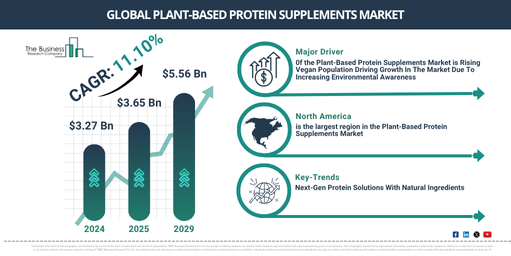
    The size of the market for plant-based protein supplements has experienced rapid expansion recently. It is projected to increase from $3.27 billion in 2024 to $3.65 billion in 2025, indicating a compound annual growth rate (CAGR) of 11.4%. This growth during the historical period is tied to several factors. These include increased health and wellness consciousness, a rising trend of embracing vegan and vegetarian attitudes, a growing number of lactose intolerance and dairy allergies, escalating ethical and environmental concerns, and the expanding accessibility of plant-based products.

    Rapid expansion is projected for the plant-based protein supplements sphere in the upcoming years, with predictions of a market worth of $5.56 billion by 2029, and an 11.1% CAGR. This surge is expected due to a variety of factors, including heightened investment in plant-based nutritional research, increasing desire from sports and fitness nutritional sectors, the rising trend of personalized nutrition, more penetration in developing markets, along with significant marketing efforts and celebrity endorsements. Upcoming trends within the forecast period will include improvements in plant protein extraction techniques, incorporating artificial intelligence in product development, utilization of technology in product tracing and clean-label sourcing, progress in plant-based protein mix methods, and advancement in flavor masking and sensory boost.

    Download The Free Sample Report Here:

    https://www.thebusinessresearchcompany.com/sample.aspx?id=24658&type=smp

    #What Drivers Are Influencing Growth In The Plant-Based Protein Supplements Market?

    The surge in the number of individuals pursuing a vegan lifestyle is predicted to spearhead the expansion of the plant-based protein supplements market. The reference to the vegan population indicates those within a specific locale, country, or globally who have embraced a vegan diet and way of life. The rise in this population can be attributed to growing environmental cognizance, with more individuals choosing vegan diets to lessen their carbon footprint and mitigate the environmental consequences of animal farming. Plant-based protein supplements offer a useful alternative for vegans as it provides an accessible source of high-grade essential nutrients and protein essential for muscle development, recovery, and comprehensive health, supplementing a vegan lifestyle without dependence on animal products. For example, in January 2025, Finder UK, a UK-based financial comparison website, reported that as of early 2024, around 2.5 million UK adults, which comprises 4.7% of the population, followed a vegan diet, indicating a significant annual rise of 1.1 million individuals. Consequently, the rise in the vegan population is fuelling the expansion of the plant-based protein supplements market.

    What Are The Main Segments Identified In The Plant-Based Protein Supplements Market Research?

    The plant-based protein supplements market covered in this report is segmented –

    1) By Type: Soy Protein, Wheat Protein, Pea Protein, Other Types

    2) By Product: Protein Powder, Protein Bars, Ready-To-Drink, Other Products

    3) By Distribution Channel: Mass Merchandisers, Pharmacies Or Drugstores, Specialty Stores, Online Retail, Other Distribution Channels

    4) By Application: Sports Nutrition, Functional Food, Other Applications

    Subsegment:

    1) By Soy Protein: Concentrate, Isolate, Hydrolysate

    2) By Wheat Protein: Gluten, Hydrolyzed Wheat Protein, Wheat Protein Isolate

    3) By Pea Protein: Pea Protein Isolate, Pea Protein Concentrate

    4) By Other Types: Rice Protein, Hemp Protein, Pumpkin Seed Protein, Chia Protein

    What Are The Leading Trends And Opportunities In The Plant-Based Protein Supplements Sector?

    Leading corporations in the plant-based protein supplements market are concentrating on product innovation, notably plant-based protein powder, to expand their market footprint and respond to shifting customer needs. This type of powder is a dietary supplement exclusively derived from plant sources, aiming to offer a potent protein source for those looking for alternatives to proteins sourced from animals. For example, in January 2025, Zyra Protein, a wellness and fitness services firm based in Columbia, unveiled a plant-based protein powder known for its simplicity and clean ingredients. It incorporates just four natural, allergen-free components, devoid of artificial tastes or sweeteners such as monk fruit, stevia, or sucralose. Being gluten-free, soy-free, and vegan, it caters to a diverse array of dietary requirements.

    Which Companies Play A Key Role In The Development Of The Plant-Based Protein Supplements Market?

    Major companies operating in the plant-based protein supplements market are Abbott Laboratories, Glanbia plc, NOW Foods Inc., Garden of Life LLC, Myprotein, Huel Ltd, Ghost Lifestyle LLC, Bulk Ltd, Ritual Inc., Pure Power Nutrition Ltd, Nutiva Inc., Sunwarrior LLC, TB12 Sports Inc., Nutrabay Online Services Pvt. Ltd., ProMix Nutrition Inc., Naked Nutrition, Ka’Chava Inc., MuscleBlaze, Plantigo Nutritional Supplements Pvt Ltd, Ora Organic Inc., Vega, Genetic Nutrition Pvt Ltd, Resync Nutrition LLC.

    Get The Full Report Here:

    https://www.thebusinessresearchcompany.com/report/plant-based-protein-supplements-global-market-report

    What Are The Key Regional Developments Shaping The Plant-Based Protein Supplements Market?

    North America was the largest region in the plant-based protein supplements market in 2024. The regions covered in the plant-based protein supplements market report are Asia-Pacific, Western Europe, Eastern Europe, North America, South America, Middle East, Africa.

    Request For A Customized Report:

    https://www.thebusinessresearchcompany.com/customise?id=24658&type=smp

    About The Business Research Company:

    With over 15000+ reports from 27 industries covering 60+ geographies, The Business Research Company has built a reputation for offering comprehensive, data-rich research and insights. Armed with 1,500,000 datasets, the optimistic contribution of in-depth secondary research, and unique insights from industry leaders, you can get the information you need to stay ahead in the game.

    Get in touch with us:

    The Business Research Company: https://www.thebusinessresearchcompany.com/

    Americas +1 310-496-7795

    Asia +44 7882 955267 & +91 8897263534

    Europe +44 7882 955267

    Email us at info@tbrc.info

    Follow us on:

    LinkedIn: https://in.linkedin.com/company/the-business-research-company

    YouTube: https://www.youtube.com/channel/UC24_fI0rV8cR5DxlCpgmyFQ

    Global Market Model: https://www.thebusinessresearchcompany.com/global-market-model
  • Future Projections: Phosphatidylethanolamine Market to Reach $0.79 Billion by 2029 at 7.2% CAGR

    Future Projections: Phosphatidylethanolamine Market to Reach $0.79 Billion by 2029 at 7.2% CAGR

    Claim your 30% discount on Global Market Reports with code ONLINE30. Limited time only.

    What Is the Current and Projected Market Size of the Phosphatidylethanolamine Industry?

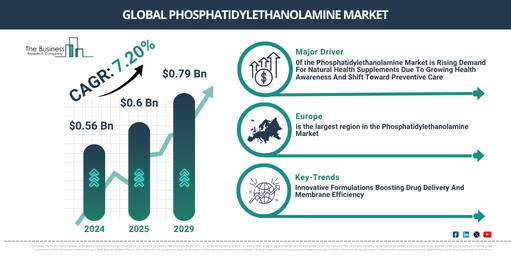
    The market for phosphatidylethanolamine has witnessed substantial growth in the recent past. The market size is predicted to increase from $0.56 billion in 2024 to $0.6 billion in 2025, exhibiting a compound annual growth rate (CAGR) of 7.4%. The notable expansion in the past can be credited to several factors such as soaring demand for specialized and tailored solutions, the growth in e-commerce and digital marketing techniques, heightened bioavailability and directed delivery, surge in demand for natural and bio-derived components, and an increase in chronic disease occurrences.

    The market for phosphatidylethanolamine is poised for substantial growth in the next several years, with a predicted increase to $0.79 billion by the year 2029, reflecting a compound annual growth rate (CAGR) of 7.2%. Several factors contribute to this growth projection. These include elevated lipid utilization in the creation of medications, an upswing in phosphatidylethanolamine usage, a rise in the health-aware population, escalation in the nutraceutical sector, along with an increase in disposable incomes. Key trends expected within the forecast period comprise advancements in the field of biotechnology, pharmaceutical application developments, technological progress in extraction and purification procedures, enhanced precision medicine, and the adoption of artificial intelligence within the drug discovery process.

    Download The Free Sample Report Here:

    https://www.thebusinessresearchcompany.com/sample.aspx?id=24657&type=smp

    #Which Factors Are Currently Driving The Growth Of The Phosphatidylethanolamine Market?

    The phosphatidylethanolamine market is projected to experience substantial growth, fueled by the escalating demand for natural health supplements. These supplements, derived from natural ingredients, are designed to bolster and enhance general health. A rising health consciousness and a preference for natural, preventative health solutions are boosting the demand for such supplements. Phosphatidylethanolamine, being effective in supporting brain functionalities, cellular health, and fat metabolism, is a valuable inclusion in natural health supplements. For example, the American Botanical Council, a non-profit organization based in the U.S, reported that retail sales of herbal dietary supplements in the country spiked from $12.018 billion in 2022 to $12.551 billion in 2023, showing an increment of 4.4%. Therefore, the heightened demand for natural health supplements is a significant catalyst for the phosphatidylethanolamine market’s growth.

    How Is The Global Phosphatidylethanolamine Market Structured In Terms Of Segments?

    The phosphatidylethanolamine market covered in this report is segmented –

    1) By Type: Powder, Liquid

    2) By Source: Soybean, Sunflower, Egg Yolk, Marine Sources, Canola

    3) By Distribution Channel: Online Retail, Offline Retail, Direct Sales, Distributors And Wholesalers

    4) By End-User Industry: Healthcare, Food Industry, Cosmetic Industry, Animal Nutrition, Biotechnology

    Subsegments:

    1) By Powder: Pharmaceutical Grade Powder, Nutraceutical Grade Powder, Cosmetic Grade Powder, Research Grade Powder

    2) By Liquid: Aqueous Solution, Ethanol-Based Solution, Oil-Based Solution, Emulsion Concentrate

    What Trends Are Currently Influencing Growth In The Phosphatidylethanolamine Market?

    Key players in the Phosphatidylethanolamine market are channeling their efforts towards the development of innovative formulations like dioleoylphosphatidylethanolamine. This endeavor is aimed at boosting elements such as membrane fusion competence, drug delivery functionality, and biocompatibility in the spheres of advanced therapy and beauty products. Synthetic phospholipid, dioleoylphosphatidylethanolamine, consists of two oleic acid chains linked to a phosphatidylethanolamine molecule and is typically employed in drug delivery and membrane research. For example, Lipoid GmbH, a pharmaceutical firm from Germany, introduced a new product quality, LIPOID PE 18:1/18:1 (DOPE), in December 2023, which dissolves rapidly and thoroughly in ethanol. This product improvement enhances processability, providing a significant benefit to customers. The product is part of Lipoid’s phosphatidylethanolamine (PE) series, featuring neutral zwitterionic molecules at physiological pH, indicative of the firm’s continuous commitment to perfecting its manufacturing processes and product lineup.

    Who Are The Main Participants Shaping The Phosphatidylethanolamine Market Landscape?

    Major companies operating in the phosphatidylethanolamine market are Avantor Inc., Cayman Chemical, Lipoid GmbH, Enzo Life Sciences Inc., Creative BioStructure Inc., Wako Pure Chemical Industries Ltd., VAV Lipids Pvt Ltd., Creative Biolabs Inc., Simson Pharma Limited, Alfa Chemistry, Lipoid Kosmetik AG, Lipotype GmbH, CLINIVEX PHARMACEUTICALS PRIVATE LIMITED, Otto Chemie Pvt Ltd., AxisPharm LLC, Lecico GmbH, Nutri Avenue Inc., Glentham Life Sciences, CymitQuimica, Shandong Longilat Biotechnology Co. Ltd.

    Get The Full Report Here:

    https://www.thebusinessresearchcompany.com/report/phosphatidylethanolamine-global-market-report

    Which Region Currently Holds The Largest Share In The Phosphatidylethanolamine Market?

    Europe was the largest region in the phosphatidylethanolamine market in 2024. Asia-Pacific is expected to be the fastest-growing region in the forecast period. The regions covered in the phosphatidylethanolamine market report are Asia-Pacific, Western Europe, Eastern Europe, North America, South America, Middle East, Africa.

    Request For A Customized Report:

    https://www.thebusinessresearchcompany.com/customise?id=24657&type=smp

    About The Business Research Company:

    With over 15000+ reports from 27 industries covering 60+ geographies, The Business Research Company has built a reputation for offering comprehensive, data-rich research and insights. Armed with 1,500,000 datasets, the optimistic contribution of in-depth secondary research, and unique insights from industry leaders, you can get the information you need to stay ahead in the game.

    Get in touch with us:

    The Business Research Company: https://www.thebusinessresearchcompany.com/

    Americas +1 310-496-7795

    Asia +44 7882 955267 & +91 8897263534

    Europe +44 7882 955267

    Email us at info@tbrc.info

    Follow us on:

    LinkedIn: https://in.linkedin.com/company/the-business-research-company

    YouTube: https://www.youtube.com/channel/UC24_fI0rV8cR5DxlCpgmyFQ

    Global Market Model: https://www.thebusinessresearchcompany.com/global-market-model
  • Global Telemedicine Market Forecast to Reach $345.32 Billion by 2029, Driven by 20.2% CAGR

    Global Telemedicine Market Forecast to Reach $345.32 Billion by 2029, Driven by 20.2% CAGR

    Claim your 30% discount on Global Market Reports with code ONLINE30. Limited time only.

    How Much Is the Global Telemedicine Market Valued at Present and by 2029?

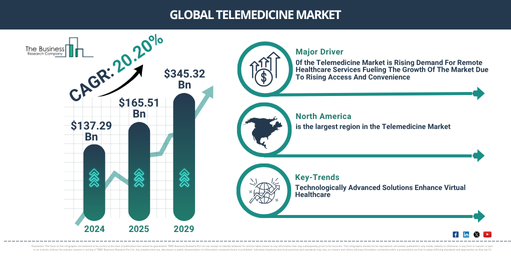
    In recent times, the telemedicine market has seen an extraordinary expansion. The market, which was valued at $137.29 billion in 2024, is expected to increase to $165.51 billion in 2025, with a compound annual growth rate (CAGR) of 20.6%. The surge in growth during the historic period can be linked to factors such as enhanced internet access, a growing tendency among patients to seek convenience, an increase in insurance schemes covering telemedicine, a heightened emphasis on preventive care, and more supportive governmental regulations and assistance.

    Anticipated growth in the telemedicine market is set to be substantial in the coming years. With a compound annual growth rate (CAGR) of 20.2%, by 2029 the market is estimated to reach a value of $345.32 billion. This surge in growth, predicted for the forecast period, is due to increasing needs for distant healthcare services, rising numbers of chronic diseases, increased usage of digital health technologies, an aging population, and escalating support from healthcare providers. The forecast period also highlights notable trends such as advancements in telecommunication technology, the incorporation of artificial intelligence (AI) and machine learning, the creation of wearable health tools, breakthroughs in remote monitoring technology, and the development of software platforms for telemedicine.

    Download The Free Sample Report Here:

    https://www.thebusinessresearchcompany.com/sample.aspx?id=24720&type=smp

    #What Drivers Are Influencing Growth In The Telemedicine Market?

    The telemedicine market’s expansion is anticipated to be fuelled by the growing need for distant health care services. These services involve the provision of medical assistance, consultations, supervision, and support remotely by means of digital telecommunications tools. This encompasses online consultations, telehealth services, electronic prescriptions, mental wellness assistance, and web-based health education. The surge in the adoption of remote health care services is attributed to enhanced healthcare accessibility, which affords patients in distant or inadequately served regions the convenience of receiving prompt medical attention without the necessity to travel. Telemedicine bolsters remote healthcare services by making it possible for virtual consultations to occur in real-time between patients and health care providers. This mitigates the requirement for physical visits and enhances healthcare accessibility, particularly in remote locations. For example, the Australian Digital Health Agency, a government agency based in Australia, reported in May 2024 that from March 2020 to July 2022, over 95,000 practitioners had used telehealth services and supplied 118.2 million telehealth services to 18 million patients. Hence, the escalating need for remote healthcare services is stimulating the expansion of the telemedicine market.

    What Are The Main Segments Identified In The Telemedicine Market Research?

    The telemedicine market covered in this report is segmented –

    1) By Type: Telehospital, Telehome

    2) By Service Type: Real-Time Consultation, Remote Patient Monitoring, Store-And-Forward Telemedicine, Mobile Health Applications

    3) By Technology: Video Conferencing, Mobile Health Applications, Web-based Platforms, Wearable Devices

    4) By Application: Teleradiology, Telepathology, Teledermatology, Telepsychiatry, Telecardiology, Other Applications

    5) By End User: Providers, Payers, Patients, Other End Users

    Subsegments:

    1) By Telehospital: Tele- Intensive Care Unit (ICU), Telepsychiatry, Teleradiology, Telecardiology, Telepathology

    2) By Telehome: Remote Patient Monitoring (RPM), Chronic Disease Management, Mobile Health (mHealth) Applications, Home-Based Tele-Rehabilitation, Virtual Consultations

    What Are The Leading Trends And Opportunities In The Telemedicine Sector?

    Major players in the telemedicine industry are pivoting towards the development of cutting-edge solutions like telemedicine platforms to augment virtually rendered healthcare services such as counseling, mental wellbeing support, and remote patient monitoring. Telemedicine platforms are digitized systems facilitating distant healthcare services which empower patients to interact with healthcare professionals, gain health-related advice, and handle their health parameters online. For example, VS Digital Health Inc., a firm based out of Canada, rolled out VSDHOne in June 2024. This telemedicine platform aids organizations to rapidly establish compliant telemedicine brands at a nationwide level, delivering hassle-free, reachable healthcare throughout all 50 states. This platform ensures smooth virtual consultations, prescription services, and delivery, thereby enhancing patient accessibility and healthcare provider’s efficiency.

    Which Companies Play A Key Role In The Development Of The Telemedicine Market?

    Major companies operating in the telemedicine market are Cisco Systems Inc., Oracle Corporation, Siemens Healthineers AG, Koninklijke Philips NV, GE HealthCare Technologies Inc., Resideo Technologies Inc., Zoom Video Communications Inc., Teladoc Health Inc., Ping An Healthcare and Technology Company Limited, Veradigm LLC, Practo Technologies Private Limited, American Well Corporation, MDlive Inc., Doctor On Demand Inc., AMC Health LLC, SOC Telemed Inc., Eagle Telemedicine LLC, VSee Lab Inc., AMD Global Telemedicine Inc., NXGN Management LLC, Specialist Telemed LLC.

    Get The Full Report Here:

    https://www.thebusinessresearchcompany.com/report/telemedicine-global-market-report

    What Are The Key Regional Developments Shaping The Telemedicine Market?

    North America was the largest region in the telemedicine market in 2024. Asia-Pacific is expected to be the fastest-growing region in the forecast period. The regions covered in the telemedicine market report are Asia-Pacific, Western Europe, Eastern Europe, North America, South America, Middle East, Africa.

    Request For A Customized Report:

    https://www.thebusinessresearchcompany.com/customise?id=24720&type=smp

    About The Business Research Company:

    With over 15000+ reports from 27 industries covering 60+ geographies, The Business Research Company has built a reputation for offering comprehensive, data-rich research and insights. Armed with 1,500,000 datasets, the optimistic contribution of in-depth secondary research, and unique insights from industry leaders, you can get the information you need to stay ahead in the game.

    Get in touch with us:

    The Business Research Company: https://www.thebusinessresearchcompany.com/

    Americas +1 310-496-7795

    Asia +44 7882 955267 & +91 8897263534

    Europe +44 7882 955267

    Email us at info@tbrc.info

    Follow us on:

    LinkedIn: https://in.linkedin.com/company/the-business-research-company

    YouTube: https://www.youtube.com/channel/UC24_fI0rV8cR5DxlCpgmyFQ

    Global Market Model: https://www.thebusinessresearchcompany.com/global-market-model
  • Outlook for Telehealth And Telemedicine Market: Key Developments and Future Strategies to 2029

    Outlook for Telehealth And Telemedicine Market: Key Developments and Future Strategies to 2029

    Claim your 30% discount on Global Market Reports with code ONLINE30. Limited time only.

    What Is the Current and Projected Market Size of the Telehealth And Telemedicine Industry?

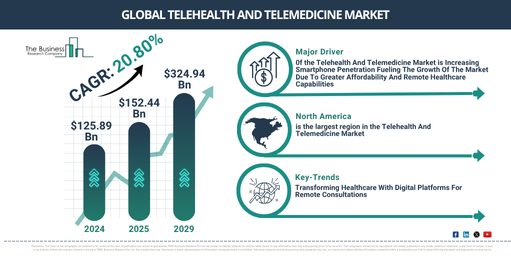
    The market size for telehealth and telemedicine has seen a substantial increase in recent years. The market is predicted to expand from a value of $125.89 billion in 2024 to a projected $152.44 billion in 2025, indicating a compound annual growth rate (CAGR) of 21.1%. This significant growth during the historical period is due to factors such as heightened demand for an overburdened healthcare workforce, escalating healthcare expenses, increasing prevalence of chronic illnesses, growing internet and smartphone usage, and advancements in broadband infrastructure.

    Over the upcoming years, the telehealth and telemedicine market is projected to experience a significant surge, anticipated to reach a market worth of $324.94 billion by 2029 with a compound annual growth rate (CAGR) of 20.8%. This projected growth in the forecast duration could be attributed to factors like the globally aging population, increase in chronic diseases, deployment of 5G and Internet of Things (IoT) technologies, increasing patient familiarity with digital tools, and ascending government incentives. Noteworthy trends for the defined forecast period comprise of the inclusion of artificial intelligence (AI) and machine learning, the broadening of remote patient monitoring, progress in video conferencing technologies, integrating blockchain for data safety, and the usage of cloud-based platforms.

    Download The Free Sample Report Here:

    https://www.thebusinessresearchcompany.com/sample.aspx?id=24719&type=smp

    #Which Factors Are Currently Driving The Growth Of The Telehealth And Telemedicine Market?

    The telehealth and telemedicine market’s expansion is projected to be accelerated by the rising penetration of smartphones. The term “smartphone penetration” denotes the proportion of the population that possesses and utilizes smartphones, indicating the extensive acceptance and application of mobile technology in daily life. The primary reasons for the growth in smartphone penetration include more cost-effective prices and broader access, which make smartphones accessible to a more diverse group of consumers. Smartphones boost telehealth and telemedicine capacity by allowing easy remote access to healthcare services, facilitating instantaneous consultations, oversight, and medical recommendations. They enhance the ease and accessibility of healthcare, particularly for individuals located in remote regions or those with limited mobility. As an illustration, in October 2023, the GSM Association, a non-profit organization based in the UK, revealed that roughly 4.3 billion people (equating to 53% of the global population) were utilizing their smartphones for internet access, with about 80% of mobile internet users now utilizing 4G or 5G smartphones, marking a rise of 330 million people from 2022 to 2023. Consequently, the growth of the telehealth and telemedicine market is being propelled by the rise in smartphone penetration.

    How Is The Global Telehealth And Telemedicine Market Structured In Terms Of Segments?

    The telehealth and telemedicine market covered in this report is segmented –

    1) By Component: Hardware, Software, Services

    2) By Mode of Delivery: Cloud-Based, On-Premise, Web-Based

    3) By Application: Teleconsultation, Tele Intensive Care Unit (TeleICU), Telestroke, Teleradiology, Telepsychiatry, Teledermatology

    4) By End-User: Healthcare Providers, Patients, Payers, Employers, Other End Users

    Subsegments:

    1) By Hardware: Telemedicine Carts, Diagnostic Devices, Digital Imaging Devices, Wearable Devices, Video Conferencing Equipment, Peripheral Devices

    2) By Software: Real-time Communication Software, Remote Patient Monitoring (RRM) Software, Electronic Health Record (EHR) Integration Software, Scheduling And Billing Software, Diagnostic Software, Mobile Health Apps

    3) By Services: Teleconsultation Services, Telemonitoring Services, Store-and-forward Services, Support And Maintenance Services, Training And Education Services, Managed Services

    What Trends Are Currently Influencing Growth In The Telehealth And Telemedicine Market?

    Leading enterprises in the telehealth and telemedicine sector are prioritizing the advancement of technological solutions such as online platforms. These are aimed at improving virtual healthcare provision, streamlining patient-provider communication, and increasing accessibility to health services remotely. An online platform for telehealth and telemedicine acts as a digital bridge connecting patients and healthcare professionals for remote consultations, diagnosis, treatment, and health surveillance through the internet. For example, Pfizer Inc., an American biopharmaceutical firm, unveiled PfizerForAll in August 2024. This complimentary digital health online platform links patients with telehealth professionals, delivers prescribed medication, and aids in the scheduling of vaccinations and diagnostics.

    Who Are The Main Participants Shaping The Telehealth And Telemedicine Market Landscape?

    Major companies operating in the telehealth and telemedicine market are Cisco Systems Inc., Oracle Corporation, Medtronic plc, Koninklijke Philips N.V., Teladoc Health Inc., Monogram Health Inc., Jabra Hearing, GoodRx Holdings Inc., Doximity Inc., Modernizing Medicine Inc., Doctor On Demand Inc., MDLIVE Inc., Azalea Health Innovations Inc., Stealth Agents LLC, Sesame Inc., Apollo TeleHealth Services, TytoCare Ltd., Azova Inc., Push Doctor Ltd., Avel eCare LLC, CureCompanion Inc., CareClix Inc., Curve Health Inc.

    Get The Full Report Here:

    https://www.thebusinessresearchcompany.com/report/telehealth-and-telemedicine-global-market-report

    Which Region Currently Holds The Largest Share In The Telehealth And Telemedicine Market?

    North America was the largest region in the telehealth and telemedicine market in 2024. Asia-Pacific is expected to be the fastest-growing region in the forecast period. The regions covered in the telehealth and telemedicine market report are Asia-Pacific, Western Europe, Eastern Europe, North America, South America, Middle East, Africa.

    Request For A Customized Report:

    https://www.thebusinessresearchcompany.com/customise?id=24719&type=smp

    About The Business Research Company:

    With over 15000+ reports from 27 industries covering 60+ geographies, The Business Research Company has built a reputation for offering comprehensive, data-rich research and insights. Armed with 1,500,000 datasets, the optimistic contribution of in-depth secondary research, and unique insights from industry leaders, you can get the information you need to stay ahead in the game.

    Get in touch with us:

    The Business Research Company: https://www.thebusinessresearchcompany.com/

    Americas +1 310-496-7795

    Asia +44 7882 955267 & +91 8897263534

    Europe +44 7882 955267

    Email us at info@tbrc.info

    Follow us on:

    LinkedIn: https://in.linkedin.com/company/the-business-research-company

    YouTube: https://www.youtube.com/channel/UC24_fI0rV8cR5DxlCpgmyFQ

    Global Market Model: https://www.thebusinessresearchcompany.com/global-market-model
  • Key Market Drivers, Trends, and Forecast for the Global Tardive Dyskinesia Therapeutics Industry

    Key Market Drivers, Trends, and Forecast for the Global Tardive Dyskinesia Therapeutics Industry

    Claim your 30% discount on Global Market Reports with code ONLINE30. Limited time only.

    How Will the Tardive Dyskinesia Therapeutics Market Evolve in Terms of Growth and Size by 2029?

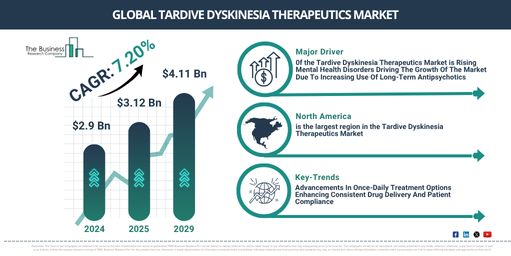
    In recent years, there has been a substantial growth in the size of the tardive dyskinesia therapeutics market. From a market worth $2.9 billion in 2024, it is projected to increase to $3.12 billion in 2025 with a compound annual growth rate (CAGR) of 7.5%. This upward trajectory can be linked to several factors including an increased incidence of tardive dyskinesia, a heightened global count of patients suffering from schizophrenia and bipolar disorder, elevated awareness and diagnosis rates, a growing consumption of both atypical and typical antipsychotic drugs, and an ageing population.

    In the coming years, we can expect an impressive expansion in the market for tardive dyskinesia therapeutics. The market valuation is predicted to reach $4.11 billion by 2029, growing at a compound annual growth rate (CAGR) of 7.2%. This anticipated surge over the forecast period can be ascribed to factors such as an escalating mental health disease load, broadening R&D endeavors, amplified investments by pharma organizations, increasing inclination towards personalized healthcare, and an enhanced health care infrastructure. Looking ahead, major projected trends include alliances between pharmaceutical firms and research institutions for innovative treatments, the creation of extended-release formulas, the introduction of generics, and regulatory benefits like orphan drug designation, as well as technological progress in medicine delivery systems.

    Download The Free Sample Report Here:

    https://www.thebusinessresearchcompany.com/sample.aspx?id=24718&type=smp

    What factors are expected to fuel Tardive Dyskinesia Therapeutics market growth in the coming years?

    Growing instances of mental health disorders are anticipated to fuel the expansion of the tardive dyskinesia therapeutics market in the future. These disorders, characterized by the impact on a person’s thoughts, emotions, behavior, and overall functioning, often lead to substantial distress or complications in everyday life. The move towards digital communications and fast-paced living, resulting in decreased intimate face-to-face interactions, has contributed to rising mental health disorders. This lifestyle shift has increased feelings of loneliness and emotional strain due to heightened social isolation. Tardive dyskinesia therapeutics assist patients with mental disorders by controlling involuntary movements induced by prolonged use of antipsychotic medication, thereby enhancing treatment compliance and overall life quality. For example, the National Alliance On Mental Illness, a US organization, predicted that among individuals aged 18-44 in the U.S., nearly 600,000 hospitalizations per year result from psychosis spectrum and mood disorders by 2024. Hence, the growing prevalence of mental health disorders is acting as a catalyst for the growth of the tardive dyskinesia therapeutics market.

    What Are The Key Findings From The Segmentation Analysis Of The Tardive Dyskinesia Therapeutics Market?

    The tardive dyskinesia therapeutics market covered in this report is segmented –

    1) By Drug: Deutetrabenazine, Valbenazine, Other Drugs

    2) By Product Type: Solid Dosage Forms, Tablets, Capsules, Liquid Dosage Form, Injection

    3) By Application: Antipsychotic-Induced Tardive Dyskinesia, Other Drug-Induced Tardive Dyskinesia, Idiopathic Tardive Dyskinesia

    4) By End-User: Hospitals, Clinics, Specialty Treatment Centers, Homecare Settings

    Sub Segments:

    1) By Deutetrabenazine: Dosage Forms, Line Of Therapy, Distribution Channel

    2) By Valbenazine: Dosage Forms, Patient Age Group, Distribution Channel

    3) By Other Drugs: Drug Class Or Type, Dosage Forms, Treatment Duration

    Which Trends Are Expected To Shape The Future Of The Tardive Dyskinesia Therapeutics Market?

    Leading enterprises in the tardive dyskinesia therapeutics market are prioritising the development of enhanced products such as once-daily treatment alternatives. These are medications or therapies structured to be taken once in a day, streamlining dosage routines and boosting patient consistency. For example, Teva Pharmaceutical Industries Limited, a bio-pharmaceutical firm based in Israel, disclosed the sanction of their AUSTEDO XR tablets for treating adults with tardive dyskinesia and Huntington’s disease chorea by the U.S. Food and Drug Administration (FDA) in May 2024. The recent sanctioning of AUSTEDO XR avails patients with verified efficacy in managing involuntary actions combined with the advantage of a single-pill dosage taken once a day. This new form gives therapeutically clinical doses corroborated by essential clinical tests. It’s also accessible in four varied tablet strengths: 30 mg, 36 mg, 42 mg, and 48 mg.

    What Are The Most Active Companies In The Tardive Dyskinesia Therapeutics Market Today?

    Major companies operating in the tardive dyskinesia therapeutics market are Pfizer Inc., Johnson & Johnson, AbbVie Inc., Novartis AG, Teva Pharmaceutical Industries Ltd., Otsuka Pharmaceutical Co. Ltd., Sun Pharmaceutical Industries Ltd., Dr. Reddy’s Laboratories Ltd., Lundbeck A/S, Amneal Pharmaceuticals Inc., Lupin Pharmaceuticals Inc., Neurocrine Biosciences Inc., Luye Pharma Ltd., Lannett Co. Inc., SteriMax Inc., Zydus Cadila Healthcare Ltd., Adamas Pharmaceuticals Inc., Mitsubishi Tanabe Pharma Corporation, SOM Biotech Ltd., Addex Therapeutics

    Get The Full Report Here:

    https://www.thebusinessresearchcompany.com/report/tardive-dyskinesia-therapeutics-global-market-report

    Which Regional Markets Are Attracting The Most Investment In Tardive Dyskinesia Therapeutics?

    North America was the largest region in the tardive dyskinesia therapeutics market in 2024. Asia-Pacific is expected to be the fastest-growing region in the forecast period. The regions covered in the tardive dyskinesia therapeutics market report are Asia-Pacific, Western Europe, Eastern Europe, North America, South America, Middle East, Africa.

    Request For A Customized Report:

    https://www.thebusinessresearchcompany.com/customise?id=24718&type=smp

    About The Business Research Company:

    With over 15000+ reports from 27 industries covering 60+ geographies, The Business Research Company has built a reputation for offering comprehensive, data-rich research and insights. Armed with 1,500,000 datasets, the optimistic contribution of in-depth secondary research, and unique insights from industry leaders, you can get the information you need to stay ahead in the game.

    Get in touch with us:

    The Business Research Company: https://www.thebusinessresearchcompany.com/

    Americas +1 310-496-7795

    Asia +44 7882 955267 & +91 8897263534

    Europe +44 7882 955267

    Email us at info@tbrc.info

    Follow us on:

    LinkedIn: https://in.linkedin.com/company/the-business-research-company

    YouTube: https://www.youtube.com/channel/UC24_fI0rV8cR5DxlCpgmyFQ

    Global Market Model: https://www.thebusinessresearchcompany.com/global-market-model
  • Strategic Report on Surgical Clip Market: Growth Opportunities and Emerging Challenges

    Strategic Report on Surgical Clip Market: Growth Opportunities and Emerging Challenges

    Claim your 30% discount on Global Market Reports with code ONLINE30. Limited time only.

    What CAGR Is Anticipated for the Surgical Clip Market Through 2029?

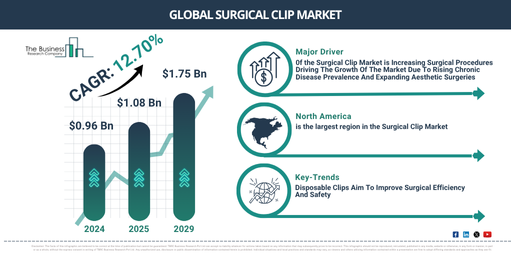
    In recent times, the surgical clip market has seen a swift expansion. The market is projected to increase from $0.96 billion in 2024 to $1.08 billion in 2025, translating to a compound annual growth rate (CAGR) of 13.0%. Factors contributing to this progressive trend during the historic period encompass the escalating prevalence of chronic illnesses, advancements in surgical procedures, heightened awareness of post-surgery complications, as well as the development of hospital infrastructure and surgical facilities. Also, the burgeoning use of cutting-edge imaging and visualization tools have contributed significantly to this growth.

    Expectations are high for the surgical clip market in the upcoming years, with projections suggesting significant growth. The market size is predicted to rise to $1.75 billion by 2029, following a compound annual growth rate of 12.7%. This anticipated growth during the forecasted period can be attributed to a number of factors, including an increase in surgical procedures, the rise of minimally invasive surgeries (MIS), the prevalence of chronic diseases, growing numbers of bariatric and cosmetic surgeries and the prevalence of ambulatory surgical centres. Notable trends for this period include the integration of robotic surgery systems, a shift towards bioabsorbable surgical clips, increased demand for laparoscopic clip appliers, a preference for disposable clips over reusable ones, and the use of digital inventories and smart surgical kits.

    Download The Free Sample Report Here:

    https://www.thebusinessresearchcompany.com/sample.aspx?id=24717&type=smp

    What Market Forces Are Driving The Surgical Clip Sector In 2025 And Beyond?

    The surgical clip market is anticipated to expand due to the surge in surgical procedures. These procedures can include manual or instrument-based techniques employed to diagnose, manage or rectify diseases, injuries or any irregularities. The amplification in surgery volumes is attributed to the growing prevalence of chronic illnesses that necessitate more surgical interventions in order to manage complications and enhance a patient’s quality of life. Surgical clips serve surgical procedures by offering prompt, dependable and minimally invasive solutions to shut or clamp blood vessels and tissues. This aids in controlling bleeding, lowering complication risks, and reducing operation time. For example, the British Association of Aesthetic Plastic Surgeons, a UK-based surgical entity, reported in March 2023 that 31,057 cosmetic surgeries were conducted in 2022, signifying a 102% increase compared to 2021. Consequently, the surge in surgical procedures is fueling the expansion of the surgical clip market.

    How Is The Global Surgical Clip Market Categorized By Segments?

    The surgical clip market covered in this report is segmented –

    1) By Type: Hemostatic Clips, Ligating Clips, Biliary Clips, Tissue Clips, Other Types

    2) By Material: Titanium, Tantalum, Stainless Steel, Polymer, Biocompatible

    3) By Application: General Surgery, Cardiac Surgery, Orthopedic Surgery, Gynecological Surgery, Urological Surgery

    4) By End Use: Hospitals, Ambulatory Surgical Centers, Specialty Clinics, Other End Users

    Subsegments:

    1) By Hemostatic Clips: Metal Hemostatic Clips, Absorbable Hemostatic Clips, Ligating Hemostatic Clips

    2) By Ligating Clips: Metal Ligating Clips, Absorbable Ligating Clips, Polymer Ligating Clips

    3) By Biliary Clips: Titanium Biliary Clips, Polymer Biliary Clips, Absorbable Biliary Clips

    4) By Tissue Clips: Metal Tissue Clips, Absorbable Tissue Clips, Self-locking Tissue Clips

    5) By Other Types: Vascular Clips, Endoscopic Clips, Disposable Surgical Clips, Reusable Surgical Clips

    What Long-Term Trends Are Likely To Affect The Surgical Clip Market?

    Key players in the surgical clip industry are concentrating on launching innovative products, such as disposable hemostasis clips, to improve surgical effectiveness, increased patient safety, and better clinical results. A one-time use hemostasis clip is a surgical instrument meant for a single application that helps to manage bleeding by mechanically clasping blood vessels or tissue during surgical procedures. For example, the Olympus Corporation, a Japanese medical technology firm, introduced Retentia HemoClip in March 2025. This new hemostasis clip is designed to address the requirements of GI endoscopists. It enhances target visibility with its short tail, facilitates easy multiple clip placement, uses marking on the sheath to assist insertion/extraction, and uses an intuitive handle for swift one-step deployment.

    Which Firms Are Considered Leaders In The Surgical Clip Market Space?

    Major companies operating in the surgical clip market are Cardinal Health Inc., Johnson & Johnson, 3M Company, Stryker Corporation, Medline Industries Inc., Medtronic plc , Becton, Dickinson and Company, Boston Scientific Corporation, Olympus Corporation, Smith & Nephew plc, Edwards Lifesciences Corporation, Teleflex Incorporated, Karl Storz SE & Co KG, Cook Medical Incorporated, CONMED Corporation, B. Braun Melsungen AG, Ackermann Medical GmbH & Co. KG, LeMaitre Vascular Inc., Scanlan International Inc., Grena Ltd.

    Get The Full Report Here:

    https://www.thebusinessresearchcompany.com/report/surgical-clip-global-market-report

    What Role Do Regional Policies And Investments Play In Surgical Clip Market Expansion?

    North America was the largest region in the surgical clip market in 2024. Asia-Pacific is expected to be the fastest-growing region in the forecast period. The regions covered in the surgical clip market report are Asia-Pacific, Western Europe, Eastern Europe, North America, South America, Middle East, Africa.

    Request For A Customized Report:

    https://www.thebusinessresearchcompany.com/customise?id=24717&type=smp

    About The Business Research Company:

    With over 15000+ reports from 27 industries covering 60+ geographies, The Business Research Company has built a reputation for offering comprehensive, data-rich research and insights. Armed with 1,500,000 datasets, the optimistic contribution of in-depth secondary research, and unique insights from industry leaders, you can get the information you need to stay ahead in the game.

    Get in touch with us:

    The Business Research Company: https://www.thebusinessresearchcompany.com/

    Americas +1 310-496-7795

    Asia +44 7882 955267 & +91 8897263534

    Europe +44 7882 955267

    Email us at info@tbrc.info

    Follow us on:

    LinkedIn: https://in.linkedin.com/company/the-business-research-company

    YouTube: https://www.youtube.com/channel/UC24_fI0rV8cR5DxlCpgmyFQ

    Global Market Model: https://www.thebusinessresearchcompany.com/global-market-model
  • Industry Trends Show Sunscreens Market Set to Expand at 6.3% CAGR Until 2029

    Industry Trends Show Sunscreens Market Set to Expand at 6.3% CAGR Until 2029

    Claim your 30% discount on Global Market Reports with code ONLINE30. Limited time only.

    What Are the Latest Market Insights for the Sunscreens Industry?

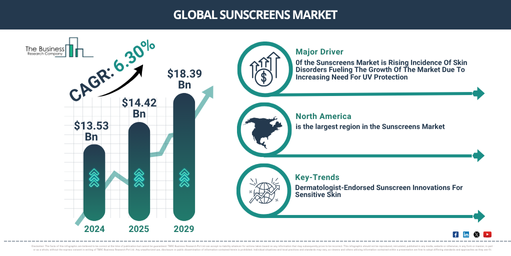
    The size of the sunscreens market has seen significant growth lately. The market, which was worth $13.53 billion in 2024, is predicted to expand to $14.42 billion in 2025, reflecting a compound annual growth rate (CAGR) of 6.5%. The past growth of the market can be credited to increasing consciousness about skin cancer threats, enlargement in the tourism sector, rise in outdoor fun activities, advanced retail penetration, and a surge in female workforce involvement.

    The sunscreens market is predicted to experience significant expansion in the coming years, with its value expected to reach $18.39 billion in 2029, growing at a compound annual growth rate (CAGR) of 6.3%. Factors contributing to this projected growth include an increasing demand for clean, natural, and environmentally friendly sunscreens, a growing interest in anti-aging and preventive skincare, a rise in male grooming trends, the growth of e-commerce, and the increasing popularity of multi-purpose products. Key trends for the forecasted period include the integration of multi-purpose skincare, the use of digital and UV tracking, developments in sunscreen technology, the use of organic and clean products, sustainability, and the creation of sunscreens that are safe for coral reefs.

    Download The Free Sample Report Here:

    https://www.thebusinessresearchcompany.com/sample.aspx?id=24716&type=smp

    What Forces Are Driving The Growth Of The Sunscreens Industry?

    The escalating occurrence of skin disorders is predicted to boost the expansion of the sunscreen market in the future. Skin disorders are medical maladies that impact the form, aesthetics, or functionality of the skin, often manifesting symptoms like redness, rash, lesions, or itching. This growing incidence of skin disorders is largely attributable to increased exposure to environmental toxins and allergens. By shielding sensitive or damaged skin from UV-inflamed pigmentation and additional irritation, sunscreens aid in skin disorder management. For instance, the American Journal of Managed Care, a US-based scholarly journal stated in April 2022 that at least one skin problem was reported by 43% of 40,000 patients in the past year. Additionally, according to the World Health Organization, a health organization based in Switzerland, in March 2023, skin disorders were estimated to affect about 1.8 billion people globally at any point in time. Thus, the escalating incidence of skin disorders is spurring the growth of the sunscreen market.

    What Is The Overview Of Market Segmentation In The Sunscreens Industry?

    The sunscreens market covered in this report is segmented –

    1) By Product Type: Creams, Lotions, Gels, Sprays, Sticks, Oil-based Sunscreens

    2) By SPF Level: Low SPF (less than 15), Medium SPF (15-30), High SPF (31-50), Very High SPF (above 50)

    3) By Distribution Channels: Retail Stores, Online Platforms

    4) By Application Area: Face Sunscreens, Body Sunscreens

    5) By Target Demographics: Children, Adults, Senior Citizens, Sports Enthusiasts, Individuals With Sensitive Skin

    Subsegment:

    1) By Creams: Moisturizing Creams, Anti-aging Creams, Tinted Creams, Mineral-based Creams, Chemical-based Creams

    2) By Lotions: Lightweight Lotions, Hydrating Lotions, Broad-spectrum Lotions, Waterproof Lotions, Sensitive Skin Lotions

    3) By Gels: Aloe Vera Gels, Cooling Gels, Oil-free Gels, Water-based Gels, Mineral-based Gels

    4) By Sprays: Aerosol Sprays, Non-aerosol Sprays, Continuous Sprays, Pump Sprays, Broad-spectrum Sprays

    5) By Sticks: Transparent Sticks, Tinted Sticks, Mineral-based Sticks, Water-resistant Sticks, Sensitive Skin Sticks

    6) By Oil-based Sunscreens: Mineral Oil-based, Synthetic Oil-based, Natural Oil Blends, SPF-enhanced Oils, Water-resistant Oils

    What Future Market Trends Are Projected For The Sunscreens Industry?

    Significant players in the sunscreens market are focusing on innovative sunscreen formulations like tinted mineral sunscreens to enhance their broad-spectrum protection, elevate their cosmetic appeal, and cater to a wide range of skin tones while minimizing skin irritation and environmental impact. Tinted mineral sunscreens are sun protection products that merge mineral-based UV filters such as zinc oxide or titanium dioxide with a subtle tint, offering effective broad-spectrum protection while aiding in the evening of skin tone and reduction of white residue. For instance, in May 2025, Tower 28, a renowned US-based beauty brand famous for its skin-friendly makeup and skincare products, introduced the S.O.S. FaceGuard SPF 30 Sunscreen, a tinted mineral sunscreen developed with zinc oxide, ceramides, and calming agents like allantoin and alpha bisabolol. This product is specially crafted for acne-prone and sensitive skin types, providing a lightweight, non-greasy look and comes with an endorsement from the National Eczema Association.

    Who Are The Primary Players Operating Across The Global Sunscreens Market?

    Major companies operating in the sunscreens market are Johnson & Johnson, The Procter & Gamble Company, Unilever PLC, L’Oréal S.A., The Estée Lauder Companies Inc., Kao Corporation, Beiersdorf Aktiengesellschaft, Shiseido Company Limited, Avon Products Inc., Laboratoire Bioderma SAS, Honasa Consumer Limited, First Aid Only Inc., W.S. Badger Company Inc., Bull Frog Sunscreen Inc., Dot & Key Wellness Private Limited, The Green Beaver Company Inc., Joshua Tree Skin Care Inc., Lifeline First Aid LLC, Live Clean Inc., Mayday Industries Inc.

    Get The Full Report Here:

    https://www.thebusinessresearchcompany.com/report/sunscreens-global-market-report

    Which Region Offers The Most Growth Potential For The Sunscreens Market Through 2029?

    North America was the largest region in the sunscreens market in 2024. Asia-Pacific is expected to be the fastest-growing region in the forecast period. The regions covered in the sunscreens market report are Asia-Pacific, Western Europe, Eastern Europe, North America, South America, Middle East, Africa.

    Request For A Customized Report:

    https://www.thebusinessresearchcompany.com/customise?id=24716&type=smp

    About The Business Research Company:

    With over 15000+ reports from 27 industries covering 60+ geographies, The Business Research Company has built a reputation for offering comprehensive, data-rich research and insights. Armed with 1,500,000 datasets, the optimistic contribution of in-depth secondary research, and unique insights from industry leaders, you can get the information you need to stay ahead in the game.

    Get in touch with us:

    The Business Research Company: https://www.thebusinessresearchcompany.com/

    Americas +1 310-496-7795

    Asia +44 7882 955267 & +91 8897263534

    Europe +44 7882 955267

    Email us at info@tbrc.info

    Follow us on:

    LinkedIn: https://in.linkedin.com/company/the-business-research-company

    YouTube: https://www.youtube.com/channel/UC24_fI0rV8cR5DxlCpgmyFQ

    Global Market Model: https://www.thebusinessresearchcompany.com/global-market-model