Blog

  • Hepatocellular Carcinoma Drugs Market Growth Outlook From $1.34 Billion In 2026 To $1.88 Billion By 2030

    Hepatocellular Carcinoma Drugs Market Growth Outlook From $1.34 Billion In 2026 To $1.88 Billion By 2030

    Built to provide research that’s more actionable and strategically valuable, The Business Research Company’s 2026 market reports include market attractiveness analysis, total addressable market sizing, company benchmarking matrices, interactive Excel dashboards, broader supply chain intelligence, emerging startup tracking, and in-depth product insights.

    Hepatocellular Carcinoma Drugs Market Expansion Outlook: What Revenue Opportunities Are Ahead?

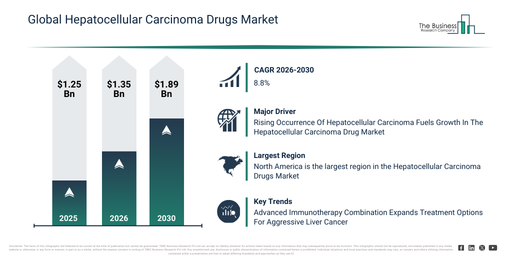
    Recent years have seen substantial expansion in the size of the hepatocellular carcinoma drugs market. Looking ahead, this market is anticipated to increase from $1.25 billion in 2025 to $1.35 billion in 2026, recording a compound annual growth rate (CAGR) of 8.0%. This historical expansion can be attributed to factors such as the prevalence of chronic hepatitis B and C, a significant incidence of liver cirrhosis, rising levels of alcohol consumption, limited available treatment options, and the late-stage diagnosis of hepatocellular carcinoma.

    The hepatocellular carcinoma drugs market is anticipated to experience substantial growth over the next few years. It is projected to expand to $1.89 billion by 2030, demonstrating a compound annual growth rate (CAGR) of 8.8%. This expansion during the forecast period is primarily driven by progress in targeted therapies, the increasing availability of immunotherapy drugs, the broader implementation of early screening programs, improvements in healthcare infrastructure within developing markets, and the growing embrace of personalized medicine. Significant trends expected during this time include the ongoing development of targeted therapies, advancements in immunotherapy, wider adoption of personalized medicine, enhanced early diagnosis and screening initiatives, and intensified research into combination therapies.

    Get A Free Sample Report With In-Depth Market Insights:

    https://thebusinessresearchcompany.com/sample_request?id=88324386&type=smp&name=Hepatocellular%20Carcinoma%20Drugs%20Market%20Report%202026&utm_source=Blogs&utm_medium=Paid&utm_campaign=Oct_PR

    Hepatocellular Carcinoma Drugs Market Demand Drivers Opening New Revenue Streams

    The growing incidence of hepatocellular carcinoma is projected to fuel expansion within the hepatocellular carcinoma drug market in the upcoming years. Hepatocellular carcinoma (HCC), the predominant type of liver cancer, is a primary malignant condition affecting the liver, originating from hepatocyte cells. The majority of HCC cases stem from hepatitis B or C infections or cirrhosis. The sustained increase in hepatocellular carcinoma cases consequently generates a greater need for efficacious hepatocellular carcinoma drugs to manage the illness. For example, data from the American Cancer Society, Inc., a US-based nationwide voluntary health organization focused on eradicating cancer, indicated that new liver cancer diagnoses among females in the United States rose from 12,660 in 2022 to an estimated 13,230 in 2023. This escalating occurrence of hepatocellular carcinoma is, therefore, stimulating the growth of the hepatocellular carcinoma drug market.

    Hepatocellular Carcinoma Drugs Market Breakdown By Product Type And Application

    The hepatocellular carcinoma drugs market covered in this report is segmented –

    1) By Type: Brachytherapy, Chemotherapy

    2) By Drug Class: PD-1/PD-L1 Inhibitors, Tyrosine Kinase Inhibitors

    3) By End User: Hospitals, Clinics, Cancer Rehabilitation Centers, Ambulatory Surgical Centers

    Subsegments:

    1) By Brachytherapy: Radioactive Seed Implants, Balloon-Activated Brachytherapy, Selective Internal Radiation Therapy

    2) By Chemotherapy: Systemic Chemotherapy, Targeted Therapy Agents, Combination Chemotherapy Regimens, Adjuvant Chemotherapy

    Hepatocellular Carcinoma Drugs Market Trends Powering Strategic Industry Growth

    Leading companies within the hepatocellular carcinoma drugs market are concentrating on developing pioneering products, such as immune checkpoint inhibitor combinations, to better treatment outcomes for individuals with advanced stages of the disease. An immune checkpoint inhibitor combination refers to a therapeutic approach that merges two complementary immunotherapies to intensify the body’s antitumor response by targeting diverse immune regulatory pathways. For example, in April 2025, the U.S. Food and Drug Administration, a regulatory authority situated in the US, endorsed the nivolumab–ipilimumab combination regimen. This two-agent therapy was sanctioned for the initial treatment of adults with unresectable or metastatic hepatocellular carcinoma after demonstrating superior overall survival and better response rates when compared to existing therapeutic choices. It introduces a clinically validated immunotherapy alternative that expands the systemic treatment options for advanced liver cancer.

    Hepatocellular Carcinoma Drugs Market Company Landscape And Competitive Strategy

    Major companies operating in the hepatocellular carcinoma drugs market are AbbVie Inc., Amgen Inc., Bayer AG, Bristol-Myers Squibb Company, Eisai Co.Ltd., Eli Lilly and Company, Johnson & Johnson, Merck & Co. Inc., Novartis AG, Pfizer Inc., Takeda Pharmaceutical Company Limited, Teva Pharmaceutical Industries Ltd., F. Hoffmann-La Roche Ltd, Gilead Sciences Inc., Exelixis Inc., Ipsen Pharma Biotech SAS, AstraZeneca plc, BeiGene Ltd., Ono Pharmaceutical Co. Ltd., Roche Holdings AG, Sanofi S.A., Astellas Pharma Inc., Daiichi Sankyo Company Limited, Otsuka Pharmaceutical Co. Ltd., Kyowa Kirin Co. Ltd., Sumitomo Dainippon Pharma Co. Ltd., Hengrui Medicine Co. Ltd., CSPC Pharmaceutical Group Limited, Hutchison China MediTech Limited, Jiangsu Hengrui Medicine Co. Ltd.

    View The Full Hepatocellular Carcinoma Drugs Market Report:

    https://thebusinessresearchcompany.com/report/hepatocellular-carcinoma-drugs-global-market-report?utm_source=Blogs&utm_medium=Paid&utm_campaign=Oct_PR

    Hepatocellular Carcinoma Drugs Market Global Footprint: Which Region Leads The Industry?

    North America was the largest region in the hepatocellular carcinoma drug market in 2025. The regions covered in the hepatocellular carcinoma drugs market report are Asia-Pacific, South East Asia, Western Europe, Eastern Europe, North America, South America, Middle East, Africa.

    Reach Out To Our Team:

    The Business Research Company: https://www.thebusinessresearchcompany.com/

    Americas: +1 310-496-7795

    Asia: +44 7882 955267 & +91 8897263534

    Europe: +44 7882 955267

    Email us at: marketing@tbrc.info

    Follow us on:

    LinkedIn: https://in.linkedin.com/company/the-business-research-company

    YouTube: https://www.youtube.com/channel/UC24_fI0rV8cR5DxlCpgmyFQ

    Global Market Model: https://www.thebusinessresearchcompany.com/global-market-model
  • Hepatitis Therapeutics Market Forecast To Reach $23.42 Billion By 2030: Key Growth Drivers And Industry Trends

    Hepatitis Therapeutics Market Forecast To Reach $23.42 Billion By 2030: Key Growth Drivers And Industry Trends

    Backed by market attractiveness analysis, total addressable market sizing, company benchmarking matrices, interactive Excel dashboards, wider supply chain intelligence, emerging startup coverage, and detailed product-level insights, The Business Research Company’s 2026 market reports are designed to offer research that is more actionable and strategically valuable than ever.

    Hepatitis Therapeutics Market Growth Potential: How Will Market Size Shift Through 2030?

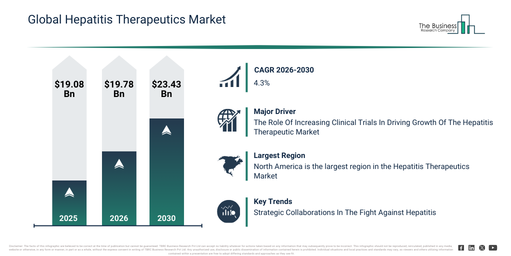
    The hepatitis therapeutics market size has experienced consistent growth in recent years. It is projected to increase from $19.08 billion in 2025 to $19.78 billion in 2026, achieving a compound annual growth rate (CAGR) of 3.7%. The expansion observed in the historic period can be ascribed to the elevated occurrence of hepatitis B and C infections, the introduction of interferon-based therapies, broadened public vaccination initiatives, improved blood screening and diagnostic awareness, and government-led viral hepatitis control programs.

    The hepatitis therapeutics market is anticipated to experience consistent expansion over the coming years. This market is projected to reach $23.43 billion in 2030, exhibiting a compound annual growth rate (CAGR) of 4.3%. Several factors are expected to fuel this growth during the forecast period, including an increased adoption of direct-acting antivirals, greater investment in innovative immune modulators, enhanced treatment accessibility in developing markets, improved diagnosis rates resulting from screening initiatives, and advancements in pipeline development for pan-genotypic therapies. Key trends anticipated over the same period encompass a growing uptake of direct-acting antivirals for hepatitis C, a heightened emphasis on combination therapies for chronic hepatitis, the expansion of vaccination efforts aimed at hepatitis prevention, a move towards long-term management strategies centered on oral antivirals, and an increasing reliance on online and specialty pharmacies for accessing medications.

    Get A Free Sample Report With In-Depth Market Insights:

    https://thebusinessresearchcompany.com/sample_request?id=51533655&type=smp&name=Hepatitis%20Therapeutics%20Market%20Report%202026&utm_source=Blogs&utm_medium=Paid&utm_campaign=Oct_PR

    Hepatitis Therapeutics Market Growth Backed By Core Demand Fundamentals

    The increasing volume of clinical trials is projected to stimulate the expansion of the hepatitis therapeutic market moving forward. These trials are research studies designed to evaluate new treatments, medications, or interventions in human participants. They are critical in the evolution of new hepatitis therapeutics, establishing a robust and ethical framework to assess the safety and efficacy of potential treatments, which ensures that patients receive the most effective and beneficial therapies accessible. For instance, in December 2024, the Association of the British Pharmaceutical Industry, a UK-based nonprofit organization, reported that the count of industry-initiated clinical trials in the UK rose from 411 trials in 2022 to 426 trials in 2023, representing a 3.7% increase. Thus, the escalating number of clinical trials is propelling the growth of the hepatitis therapeutics market.

    Hepatitis Therapeutics Market Segment Analysis And Revenue Potential

    The hepatitis therapeutics market covered in this report is segmented –

    1) By Disease Type: Hepatitis A, Hepatitis B, Hepatitis C, Other Disease Types

    2) By Drug Class: Oral Antivirals, Immune Modulators

    3) By Distribution Channel: Hospital Pharmacies, Drug Stores And Retail Pharmacies, Online Providers

    Subsegments:

    1) By Hepatitis A: Vaccines, Post-Exposure Prophylaxis (PEP)

    2) By Hepatitis B: Antiviral Medications, Immune Modulators, Vaccines

    3) By Hepatitis C: Direct-Acting Antivirals (DAAs), Ribavirin, Interferon-Based Therapies

    4) By Other Disease Types: Hepatitis D, Hepatitis E

    Hepatitis Therapeutics Market Growth Trends Reshaping The Competitive Landscape

    Major companies operating in the hepatitis therapeutics market are concentrating on agreements to develop therapeutics, aiming to gain a competitive edge. A strategic agreement represents a formal contract between two or more parties, outlining the terms of their cooperation to achieve shared business goals. For instance, in October 2023, GlaxoSmithKline PLC, a UK-based pharmaceutical and biotechnology company, announced an agreement to obtain an exclusive license for JNJ-3989. This compound is an investigational subcutaneous RNA interference (RNAi) therapeutic intended for the treatment of chronic hepatitis B (CHB). JNJ-3989 functions as a novel RNAi therapeutic that specifically targets the hepatitis B virus (HBV) X protein. The X protein is essential for both HBV replication and viral persistence.

    Hepatitis Therapeutics Market Key Players Shaping Industry Direction

    Major companies operating in the hepatitis therapeutics market are Gilead Sciences Inc., Bristol-Myers Squibb Co., AbbVie Inc., Merck & Co. Inc., Johnson & Johnson Services Inc., Cipla Inc., F Hoffmann-La Roche Ltd., Biocon Limited, LAURUS Labs Ltd., Zydus Lifesciences Limited, Hetero Healthcare Limited, Novartis AG, Sanofi SA, GlaxoSmithKline plc, Lupin Ltd., Teva Pharmaceutical Industries Ltd., NATCO Pharma Limited, Pfizer Inc., AstraZeneca plc, Boehringer Ingelheim International GmbH, Biocon Biopharmaceuticals Pvt. Ltd.

    View The Full Hepatitis Therapeutics Market Report:

    https://thebusinessresearchcompany.com/report/hepatitis-therapeutics-global-market-report?utm_source=Blogs&utm_medium=Paid&utm_campaign=Oct_PR

    Hepatitis Therapeutics Market Regional Distribution: Which Areas Power Market Growth?

    North America was the largest region in the hepatitis therapeutics market in 2025. Asia-Pacific is expected to be the fastest-growing region in the hepatitis therapeutics market report during the forecast period. The regions covered in the hepatitis therapeutics market report are Asia-Pacific, South East Asia, Western Europe, Eastern Europe, North America, South America, Middle East, Africa.

    Reach Out To Our Team:

    The Business Research Company: https://www.thebusinessresearchcompany.com/

    Americas: +1 310-496-7795

    Asia: +44 7882 955267 & +91 8897263534

    Europe: +44 7882 955267

    Email us at: marketing@tbrc.info

    Follow us on:

    LinkedIn: https://in.linkedin.com/company/the-business-research-company

    YouTube: https://www.youtube.com/channel/UC24_fI0rV8cR5DxlCpgmyFQ

    Global Market Model: https://www.thebusinessresearchcompany.com/global-market-model
  • Hepatitis Drugs Market Research 2026: Market Size, Trends, Segments And Growth Forecast

    Hepatitis Drugs Market Research 2026: Market Size, Trends, Segments And Growth Forecast

    Featuring market attractiveness scoring, total addressable market sizing, company benchmarking matrices, interactive Excel dashboards, deeper supply chain intelligence, emerging startup tracking, and granular product-level insights, The Business Research Company’s 2026 market reports are built to deliver research that is both more actionable and more strategically valuable.

    Hepatitis Drugs Market Value Analysis: What Growth Lies Ahead Over The Forecast Period?

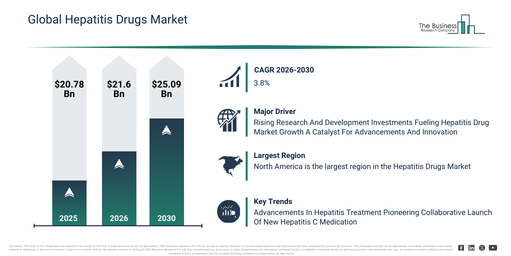
    The hepatitis drugs market size has demonstrated steady growth in recent years. It is projected to increase from $20.78 billion in 2025 to $21.6 billion in 2026, achieving a compound annual growth rate (CAGR) of 4.0%. The expansion observed historically stems from the high prevalence of hepatitis b and c infections, reliance on interferon-based therapies, limited treatment accessibility in low-income regions, government-led hepatitis screening programs, and a rise in blood transfusion and injection-related infections.

    The hepatitis drugs market size is anticipated to undergo consistent expansion in the coming years. It will grow to $25.09 billion in 2030 at a compound annual growth rate (CAGR) of 3.8%. This projected increase is largely due to factors such as the rising acceptance of direct-acting antivirals, heightened healthcare spending on liver diseases, the expansion of mass vaccination programs, improved awareness and diagnosis rates, and ongoing development of next-generation antivirals in the pipeline. Significant trends during the forecast period encompass a transition towards oral direct-acting antiviral therapies, the increasing use of combination drug regimens, a greater focus on pan-genotypic hepatitis treatments, the growth of generic and biosimilar hepatitis drugs, and an enhanced emphasis on early diagnosis and access to treatment.

    Get A Free Sample Report With In-Depth Market Insights:

    https://thebusinessresearchcompany.com/sample_request?id=85380763&type=smp&name=Hepatitis%20Drugs%20Market%20Report%202026&utm_source=Blogs&utm_medium=Paid&utm_campaign=Oct_PR

    Hepatitis Drugs Market Growth Catalysts And Demand Drivers

    The hepatitis drug market is anticipated to expand in the coming years due to increased investment in research and development. Research and development encompass the investigative activities undertaken by businesses, institutions, or organizations to discover, experiment with, invent, and enhance new or existing goods, processes, or services. Investments in these areas significantly contribute to financial growth, societal improvement, corporate success, and sustainability, fostering innovation and progress across various fields. For instance, in May 2023, the Parliament of Australia, the nation’s supreme legislative body, announced an investment of $12.1 billion in research and development for 2022–23, representing a 3.2% increase from 2021-2022. This growing commitment to research and development is thus propelling the hepatitis drugs market forward.

    Hepatitis Drugs Market Segmentation And Category Overview

    The hepatitis drugs market covered in this report is segmented –

    1) By Drug Class: Interferon Alphas, HIV NRTIs, Nucleotide Polymerase Or NS5A Inhibitor Combinations, Hepatitis C Protease Or NS5A Inhibitor Combinations, NS5A Inhibitors, Nucleotide Polymerase Inhibitors, Nucleoside Analogue Antivirals

    2) By Route Of Administration: Oral, Injection

    3) By Distribution Channel: Hospital Pharmacies, Retail Pharmacies, Online Pharmacies

    4) By Application: Hepatitis A, Hepatitis B, Hepatitis C, Hepatitis D, Hepatitis E

    Subsegments:

    1) By Interferon Alphas: Pegylated Interferon Alpha, Non-Pegylated Interferon Alpha

    2) By HIV NRTIs: Zidovudine, Lamivudine, Abacavir, Tenofovir

    3) By Nucleotide Polymerase Or NS5A Inhibitor Combinations: Sofosbuvir Or velpatasvir, Sofosbuvir Or ledipasvir

    4) By Hepatitis C Protease Or NS5A Inhibitor Combinations: Glecaprevir Or pibrentasvir, Paritaprevir Or ombitasvir Or dasabuvir

    5) By NS5A Inhibitors: Daclatasvir, Ledipasvir, Velpatasvir

    6) By Nucleotide Polymerase Inhibitors: Sofosbuvir, Dasabuvir

    7) By Nucleoside Analogue Antivirals: Adefovir, Entecavir, Lamivudine

    Hepatitis Drugs Market Trends Shaping Long-Term Demand

    Major companies operating in the hepatitis drugs market are focusing on developing drugs with innovative formulations to enhance treatment efficacy, improve patient compliance, reduce side effects, and address the various strains of the hepatitis virus. The FDA Fast Track designation is a process designed to expedite the development and review of drugs that treat serious conditions and fulfill an unmet medical need. Drugs receiving this designation are intended to help patients access new therapies more quickly, particularly for serious or life-threatening diseases. For instance, in February 2024, GSK plc, a UK-based pharmaceutical company, received the U.S. Food and Drug Administration (FDA) Fast Track designation for the drug bepirovirsen for the treatment of chronic hepatitis B (CHB). This designation is significant as it aims to accelerate the development and review process for therapies that address unmet medical needs in serious conditions.

    Hepatitis Drugs Market Competitive Analysis Of Leading Industry Participants

    Major companies operating in the hepatitis drugs market are Gilead Sciences Inc., F. Hoffmann-La Roche Ltd, GlaxoSmithKline plc, Johnson & Johnson, Merck & Co. Inc., Abbott Laboratories, AbbVie Inc., Arbutus Biopharma Corporation, Aspen Pharmacare Holdings Limited, Aurobindo Pharma Limited, Beximco Pharmaceuticals Ltd., Biocon Limited, Bristol-Myers Squibb Company, Cadila Healthcare Limited, Cipla Limited, Dr. Reddy’s Laboratories Ltd., Enanta Pharmaceuticals Inc., Hetero Drugs Limited, Laurus Labs Limited, Lupin Pharmaceuticals Inc., Micro Labs Limited, Mylan N. V., Natco Pharma Limited, Novartis International AG, Roche Holding AG, Sun Pharmaceutical Industries Limited, Teva Pharmaceutical Industries Ltd., Zydus Cadila Healthcare Limited, Vir Biotechnology Inc., Genentech Inc., Eisai Pharmaceuticals India Pvt. Ltd.

    View The Full Hepatitis Drugs Market Report:

    https://thebusinessresearchcompany.com/report/hepatitis-drugs-global-market-report?utm_source=Blogs&utm_medium=Paid&utm_campaign=Oct_PR

    Hepatitis Drugs Market Leading Geography: Which Region Contributes The Most Revenue?

    North America was the largest region in the hepatitis drugs market in 2025. Asia-Pacific is expected to be the fastest-growing region in the forecast period. The regions covered in the hepatitis drugs market report are Asia-Pacific, South East Asia, Western Europe, Eastern Europe, North America, South America, Middle East, Africa.

    Reach Out To Our Team:

    The Business Research Company: https://www.thebusinessresearchcompany.com/

    Americas: +1 310-496-7795

    Asia: +44 7882 955267 & +91 8897263534

    Europe: +44 7882 955267

    Email us at: marketing@tbrc.info

    Follow us on:

    LinkedIn: https://in.linkedin.com/company/the-business-research-company

    YouTube: https://www.youtube.com/channel/UC24_fI0rV8cR5DxlCpgmyFQ

    Global Market Model: https://www.thebusinessresearchcompany.com/global-market-model

  • Hepatitis B Virus (HBV) Capsid Inhibitors Market Forecast 2026: Market Size, Competitive Landscape And Growth Drivers

    Hepatitis B Virus (HBV) Capsid Inhibitors Market Forecast 2026: Market Size, Competitive Landscape And Growth Drivers

    Built to provide research that’s more actionable and strategically valuable, The Business Research Company’s 2026 market reports include market attractiveness analysis, total addressable market sizing, company benchmarking matrices, interactive Excel dashboards, broader supply chain intelligence, emerging startup tracking, and in-depth product insights.

    Hepatitis B Virus (HBV) Capsid Inhibitors Market Size Forecast: How Big Could The Market Get By 2030?

    The hepatitis b virus (hbv) capsid inhibitors market size has experienced significant expansion in recent years. It is projected to escalate from $0.52 billion in 2025 to $0.59 billion in 2026, achieving a compound annual growth rate (CAGR) of 13.7%. The historical growth observed in this sector was driven by factors including the worldwide impact of chronic hepatitis B infection, the deficiencies of current antiviral treatments, the initial clinical verification of capsid inhibitors, augmented funding for virology research, and increasing engagement in pharmaceutical pipeline development.

    The hepatitis b virus (hbv) capsid inhibitors market size is projected to experience rapid expansion over the coming years. Its valuation is anticipated to reach $0.98 billion by 2030, demonstrating a compound annual growth rate (CAGR) of 13.4%. This projected growth during the forecast period is attributable to several factors, including the increasing use of combination regimens with immunotherapies, a surge in investment directed towards curative hbv treatments, a rise in regulatory approvals for innovative antivirals, the expansion of global screening initiatives, and advancements in next-generation capsid inhibitors. Key developments expected within this period involve an escalating focus on functional cure strategies for hbv, the increasing creation of capsid assembly modulators, a growing adoption of combination therapy approaches, the expansion of late-stage clinical pipelines, and improved targeting of viral replication pathways.

    Get A Free Sample Report With In-Depth Market Insights:

    https://thebusinessresearchcompany.com/sample_request?id=84674280&type=smp&name=Hepatitis%20B%20Virus%20%28HBV%29%20Capsid%20Inhibitors%20Market%20Report%202026&utm_source=Blogs&utm_medium=Paid&utm_campaign=Oct_PR

    Hepatitis B Virus (HBV) Capsid Inhibitors Market Opportunity Drivers: What’s Unlocking New Revenue Potential?

    The expanding occurrence of hepatitis B virus infections is anticipated to boost the hepatitis B virus (HBV) capsid inhibitors market in the future. Hepatitis B Virus (HBV) infections are liver ailments stemming from the hepatitis B virus, capable of causing both short-term and long-term illnesses. These infections spread via exposure to contaminated blood or bodily fluids, potentially leading to severe issues like liver cirrhosis or liver cancer. The rising incidence of Hepatitis B Virus (HBV) infections is primarily attributable to insufficient vaccination rates, leaving many unprotected and facilitating the virus’s transmission through contact with infected blood or bodily fluids. Hepatitis B virus (HBV) capsid inhibitors combat hepatitis B virus (HBV) infections by interfering with the viral capsid’s formation and assembly, which in turn halts viral replication and curtails the infection’s dissemination throughout the body. For example, a report from the World Health Organization (WHO), a Switzerland-based intergovernmental body, in April 2024, indicated that by the close of 2022, merely 13% of those with chronic hepatitis B had been diagnosed, and roughly 3% (7 million) had undergone antiviral therapy. Regarding hepatitis C, 36% of affected persons were diagnosed, with 20% (12.5 million) getting curative treatment. These statistics fall significantly short of the worldwide goal to treat 80% of individuals with chronic hepatitis B and C by 2030. Consequently, the rising prevalence of hepatitis B virus infections is fueling the expansion of the hepatitis B virus (HBV) capsid inhibitors market.

    Hepatitis B Virus (HBV) Capsid Inhibitors Market Segment Outlook: Which Categories Are Growing Fastest?

    The hepatitis b virus (hbv) capsid inhibitors market covered in this report is segmented –

    1) By Drug Type: Core Protein Allosteric Modulators (CpAMs), Capsid Assembly Modulators, Other Drug Types

    2) By Application: Chronic Hepatitis B, Acute Hepatitis B, Other Applications

    3) By Distribution Channel: Hospital Pharmacies, Retail Pharmacies, Online Pharmacies, Other Distribution Channels

    4) By End-User: Hospitals, Clinics, Research Institutes, Other End-Users

    Subsegments:

    1) By Core Protein Allosteric Modulators (CpAMs): Class I Core Protein Allosteric Modulators (CpAMs), Class II Core Protein Allosteric Modulators (CpAMs)

    2) By Capsid Assembly Modulators: Direct Capsid Assembly Modulators, Indirect Capsid Assembly Modulators

    3) By Other Drug Types: Novel Capsid Inhibitors, Combination Therapies, Experimental Mechanism-Based Inhibitors

    Hepatitis B Virus (HBV) Capsid Inhibitors Market Innovation Trends Shaping Future Development

    Leading companies within the hepatitis B virus (HBV) capsid inhibitors market are focusing on innovations, including oral small molecule capsid assembly modulators, to enhance antiviral effectiveness, improve patient adherence, and achieve sustained viral suppression. These oral small-molecule capsid assembly modulators are orally administered antiviral agents designed to disrupt the assembly of the hepatitis B virus (HBV) capsid, thereby blocking its replication and reducing viral activity in the body. For example, in July 2024, Aligos Therapeutics, Inc., a US-based clinical-stage biopharmaceutical company, partnered with Xiamen Amoytop Biotech Co., Ltd., a China-based biopharmaceutical company, to initiate a clinical trial. This trial aims to evaluate innovative treatment candidates for chronic hepatitis B (CHB), leveraging Aligos’s advanced capsid assembly modulator technology to boost antiviral efficacy and accelerate the development of next-generation HBV therapies. This launch signifies a key progression in Aligos’s objective to develop effective and potentially curative treatments for patients living with chronic hepatitis B.

    Hepatitis B Virus (HBV) Capsid Inhibitors Market Leading Companies And Competitive Benchmarking

    Major companies operating in the hepatitis b virus (hbv) capsid inhibitors market are Johnson & Johnson, Roche Holding AG, GlaxoSmithKline plc, Gilead Sciences Inc., Jiangsu Hengrui Pharmaceuticals Co. Ltd., Novotech Health Holdings Pte. Ltd, Enanta Pharmaceuticals Inc., Assembly Biosciences Inc., Arbutus Biopharma Corporation, Aligos Therapeutics Inc., Qilu Pharmaceutical Co Ltd., Chia Tai Tianqing Pharmaceutical Group Co Ltd., Hepion Pharmaceuticals Inc., Shanghai Zhimeng Biopharma Inc., Antios Therapeutics, Bluejay Therapeutics Inc., Core Biopharma Inc., Door Pharmaceuticals, Shanghai Longwood Biopharmaceuticals Co. Ltd., Zhimeng Biopharma Inc.

    View The Full Hepatitis B Virus (HBV) Capsid Inhibitors Market Report:

    https://thebusinessresearchcompany.com/report/global-hepatitis-b-virus-hbv-capsid-inhibitors-market-report?utm_source=Blogs&utm_medium=Paid&utm_campaign=Oct_PR

    Hepatitis B Virus (HBV) Capsid Inhibitors Market Regional Outlook: Where Is Opportunity Concentrated?

    Asia-Pacific was the largest region in the hepatitis B virus (HBV) capsid inhibitors market in 2025. The regions covered in the hepatitis b virus (hbv) capsid inhibitors market report are Asia-Pacific, South East Asia, Western Europe, Eastern Europe, North America, South America, Middle East, Africa.

    Reach Out To Our Team:

    The Business Research Company: https://www.thebusinessresearchcompany.com/

    Americas: +1 310-496-7795

    Asia: +44 7882 955267 & +91 8897263534

    Europe: +44 7882 955267

    Email us at: marketing@tbrc.info

    Follow us on:

    LinkedIn: https://in.linkedin.com/company/the-business-research-company

    YouTube: https://www.youtube.com/channel/UC24_fI0rV8cR5DxlCpgmyFQ

    Global Market Model: https://www.thebusinessresearchcompany.com/global-market-model
  • Hepatitis B Virus (HBV) Market Size In 2026: Regional Growth, Key Segments And Future Outlook

    Hepatitis B Virus (HBV) Market Size In 2026: Regional Growth, Key Segments And Future Outlook

    Backed by market attractiveness analysis, total addressable market sizing, company benchmarking matrices, interactive Excel dashboards, wider supply chain intelligence, emerging startup coverage, and detailed product-level insights, The Business Research Company’s 2026 market reports are designed to offer research that is more actionable and strategically valuable than ever.

    Hepatitis B Virus (HBV) Market Revenue Outlook: What CAGR Lies Ahead Through 2030?

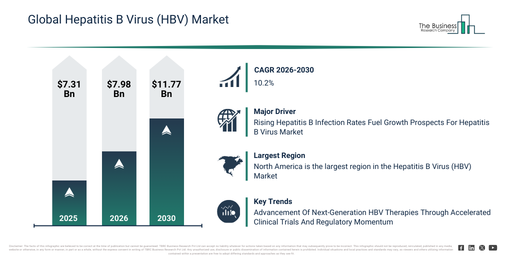
    The hepatitis b virus (hbv) market has experienced robust growth in recent years. It will grow from $7.31 billion in 2025 to $7.98 billion in 2026 at a compound annual growth rate (CAGR) of 9.3%. Historically, this expansion has been attributed to factors such as the high prevalence of hbv in the Asia-Pacific region, limited awareness concerning hbv treatment, low vaccination coverage in early years, a reliance on generic antiviral drugs, and an increasing incidence of chronic liver disease.

    The hepatitis B virus (HBV) market is projected to experience substantial expansion over the coming years. This market is anticipated to reach $11.77 billion by 2030, demonstrating a compound annual growth rate (CAGR) of 10.2%. Factors driving this growth during the forecast period include enhanced research and development in HBV treatments, the broadening scope of government vaccination initiatives, the embrace of precision medicine, escalating healthcare spending, and improvements in screening and diagnostic infrastructure. Key developments expected within this period encompass a greater uptake of antiviral therapies, the continued increase in hepatitis B vaccination programs, the creation of combination treatment approaches, a specific emphasis on managing HBV in pediatric and geriatric populations, and the broadening of screening and diagnostic services.

    Get A Free Sample Report With In-Depth Market Insights:

    https://thebusinessresearchcompany.com/sample_request?id=10353764&type=smp&name=Hepatitis%20B%20Virus%20%28HBV%29%20Market%20Report%202026&utm_source=Blogs&utm_medium=Paid&utm_campaign=Oct_PR

    Hepatitis B Virus (HBV) Market Growth Momentum: What Factors Are Shaping Demand?

    The increasing incidence of hepatitis B infection is anticipated to propel the expansion of the hepatitis B virus market going forward. Hepatitis B, a liver infection caused by the hepatitis B virus (HBV), is preventable through vaccination. Elevated hepatitis B infection rates are likely to increase demand for diagnostic tests and available treatment options. For example, the Centers for Disease Control and Prevention (CDC), a US-based national public health agency focused on controlling and preventing disease, injury, and disability, estimated 13,300 new hepatitis B infections and 69,800 new hepatitis C infections in 2023. Thus, the high prevalence of hepatitis B infection will drive the hepatitis B virus market.

    Hepatitis B Virus (HBV) Market Segment Landscape: Which Areas Lead Development?

    The hepatitis b virus (hbv) market covered in this report is segmented –

    1) By Type: Acute, Chronic

    2) By Treatment: Immune Modulator Drugs, Antiviral Drugs, Vaccine, Surgery

    3) By Age Group: Pediatrics, Adults, Seniors

    4) By End User: Medical Providers, Patients, Healthcare Payers

    Subsegments:

    1) By Acute HBV: Asymptomatic Acute HBV, Symptomatic Acute HBV, Severe Acute HBV

    2) By Chronic HBV: Chronic Hepatitis B (HBeAg Positive), Chronic Hepatitis B (HBeAg Negative), Chronic Hepatitis B With Compensated Liver Disease, Chronic Hepatitis B With Decompensated Liver Disease, Chronic Hepatitis B With Hepatocellular Carcinoma (HCC)

    Hepatitis B Virus (HBV) Market Trends Redefining Industry Growth

    Leading companies in the HBV market are prioritizing the advancement of innovative therapies through clinical trials and accelerating regulatory processes to improve treatment effectiveness and secure a competitive advantage. For instance, in August 2025, Aligos Therapeutics, a US-based therapeutics company, initiated patient dosing in its Phase II B-SUPREME trial, evaluating ALG-000184, a first-in-class oral capsid assembly modulator for chronic hepatitis B. This randomized, double-blind study will enroll approximately 200 treatment-naïve adults, comparing ALG-000184 to tenofovir disoproxil fumarate over 48 weeks. The primary objective is to achieve HBV DNA levels below quantifiable limits in both HBeAg-positive and HBeAg-negative participants, with secondary evaluations assessing safety, pharmacokinetics, and antigen changes. Earlier Phase I data indicated strong antiviral activity and good tolerability, reinforcing the drug’s potential. Interim results are projected for 2026, with full topline findings expected in 2027.

    Hepatitis B Virus (HBV) Market Industry Leaders And Competitive Landscape

    Major companies operating in the hepatitis b virus (hbv) market are Pfizer Inc., Johnson & Johnson Services Inc., F. Hoffmann-La Roche Ltd., Merck & Co. Inc., AbbVie Inc., Bristol-Myers Squibb Company, Sanofi SA, GlaxoSmithKline PLC, Gilead Sciences Inc., Mylan N.V., Teva Pharmaceutical Industries Ltd., Aurobindo Pharma Limited, Apotex Corp., Lupin Pharmaceuticals Inc., Cadila Healthcare Ltd., Dynavax Technologies Corporation, Accord Healthcare Inc., Par Pharmaceutical Inc., Arbutus Biopharma Corporation, Antios Therapeutics Inc.

    View The Full Hepatitis B Virus (HBV) Market Report:

    https://thebusinessresearchcompany.com/report/hepatitis-b-virus-hbv-global-market-report?utm_source=Blogs&utm_medium=Paid&utm_campaign=Oct_PR

    Hepatitis B Virus (HBV) Market Geographic Landscape: Which Region Leads Industry Growth?

    North America was the largest region in the hepatitis B Virus (HBV) market in 2025. Asia-Pacific is expected to be the fastest-growing region in the forecast period. The regions covered in the hepatitis b virus (hbv) market report are Asia-Pacific, South East Asia, Western Europe, Eastern Europe, North America, South America, Middle East, Africa.

    Reach Out To Our Team:

    The Business Research Company: https://www.thebusinessresearchcompany.com/

    Americas: +1 310-496-7795

    Asia: +44 7882 955267 & +91 8897263534

    Europe: +44 7882 955267

    Email us at: marketing@tbrc.info

    Follow us on:

    LinkedIn: https://in.linkedin.com/company/the-business-research-company

    YouTube: https://www.youtube.com/channel/UC24_fI0rV8cR5DxlCpgmyFQ

    Global Market Model: https://www.thebusinessresearchcompany.com/global-market-model
  • Heparin Market Growth Forecast Through 2030: Market Size And Trends In 2026

    Heparin Market Growth Forecast Through 2030: Market Size And Trends In 2026

    Featuring market attractiveness scoring, total addressable market sizing, company benchmarking matrices, interactive Excel dashboards, deeper supply chain intelligence, emerging startup tracking, and granular product-level insights, The Business Research Company’s 2026 market reports are built to deliver research that is both more actionable and more strategically valuable.

    Heparin Market Growth Analysis: How Will Revenue Trend Over The Forecast Period?

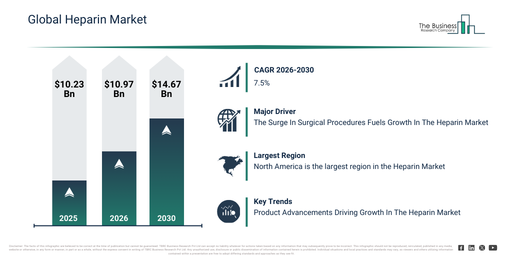
    The heparin market has witnessed substantial expansion in recent years. It is projected to increase from $10.23 billion in 2025 to $10.97 billion in 2026, registering a compound annual growth rate (CAGR) of 7.2%. This past growth can be ascribed to a rise in cardiovascular surgeries, extensive utilization in dialysis procedures, the proven clinical effectiveness of UFH and LMWH, an uptick in inpatient hospital admissions, and established reimbursement policies for anticoagulants.

    The heparin market is projected to experience substantial expansion over the upcoming years. Its valuation is set to reach $14.67 billion by 2030, exhibiting a compound annual growth rate (CAGR) of 7.5%. This anticipated growth during the forecast period stems from factors such as an increasing incidence of venous thromboembolism, a growing elderly demographic grappling with chronic conditions, the broader application of LMWH in outpatient settings, the proliferation of specialty pharmacies, and a heightened emphasis on preventive anticoagulation. Key trends anticipated during this period encompass the increasing uptake of low molecular weight heparin, the development of more comprehensive hospital-based anticoagulation protocols, a surge in requirements for dialysis and cardiac care applications, a move towards pre-filled and ready-to-use injectable forms, and the widening reach of online and retail pharmacy distribution channels.

    Get A Free Sample Report With In-Depth Market Insights:

    https://thebusinessresearchcompany.com/sample_request?id=28551627&type=smp&name=Heparin%20Market%20Report%202026&utm_source=Blogs&utm_medium=Paid&utm_campaign=Oct_PR

    Heparin Market Expansion Drivers: What’s Shaping Future Growth?

    The anticipated increase in surgical procedures is projected to propel the expansion of the heparin market in the future. A surgical procedure is defined as a medical intervention or treatment approach that entails either creating incisions or employing minimally invasive methods to reach and operate on the body’s tissues or organs. The increasing volume of surgical procedures requires the administration of heparin, an anticoagulant, to avert blood clot formation both during and following operations. This, in turn, stimulates the demand for heparin and accelerates the growth of the heparin market. For example, data from February 2024, provided by the American Academy of Facial Plastic and Reconstructive Surgery, a US-based non-profit entity, indicated that approximately 83% of all medical procedures conducted in 2023 utilized minimally invasive techniques, with conventional surgical procedures making up the other 17%. Furthermore, information from the American Society of Plastic Surgeons, a US-based specialty organization, revealed that in 2023, the overall count of cosmetic minimally invasive procedures rose from 23.7 million in 2022 to 25.4 million in 2023. Consequently, the escalation in surgical procedures is propelling the expansion of the heparin market.

    Heparin Market Segments: Where Is Growth Concentrated?

    The heparin market covered in this report is segmented –

    1) By Product: Unfractionated Heparin, Low Molecular Weight Heparin (LMWH), Ultra-Low Molecular Weight Heparin (ULMWH)

    2) By Source: Bovine, Porcine

    3) By Route of Administration: Intravenous, Subcutaneous

    4) By Application: Venous Thromboembolism, Atrial Fibrillation, Renal Impairment, Coronary Artery Disease, Other Applications

    5) By Distribution Channel: Hospital Pharmacies, Drug Stores And Retail Pharmacies, Online Pharmacies

    Subsegments:

    1) By Unfractionated Heparin: Injectable Formulations, Intravenous (IV) Solutions

    2) By Low Molecular Weight Heparin (LMWH): Enoxaparin, Dalteparin, Tinzaparin

    3) By Ultra-Low Molecular Weight Heparin (ULMWH): Specific Formulations For Specialized Therapies

    Heparin Market Strategic Trends: What Defines The Next Growth Phase?

    Leading firms within the heparin market are concentrating on creating novel solutions to boost drug effectiveness, better safety characteristics, and minimize adverse reactions, while concurrently investigating sophisticated delivery techniques and biosimilar advancements to address rising worldwide demand. A sterile blend, Heparin Sodium Chloride Injection, incorporates heparin, which functions as an anticoagulant (blood thinner), along with sodium chloride, with the latter component typically serving to preserve osmotic equilibrium and structural integrity within the solution. An example of this is seen in February 2024, when B. Braun Medical Inc., a medical enterprise located in the US, introduced its Heparin Sodium 2,000 Units in 0.9% Sodium Chloride Injection, available in a 1,000 mL EXCEL IV container at a concentration of 2 units/mL. This particular item represents the fifth addition to B. Braun’s Heparin product range, engineered to cater to the varied requirements of medical institutions for this vital anticoagulant drug.

    Heparin Market Key Participants And Competitive Landscape

    Major companies operating in the heparin market are Baxter International Inc., B. Braun Medical Inc., Dr. Reddy’s Laboratories Ltd., Fresenius SE & Co. KGaA, Leo Pharma A/S, Aspen Pharmacare plc, Bioiberica SA, Biomedical Foscama Group, Biovet SA, Changzhou Qianhong Bio-pharma Co. Ltd., CSPC NBP Pharmaceutical Co. Ltd., Intas Pharmaceuticals Ltd., Nanjing King-friend Biochemical Pharmaceutical Co. Ltd., Opocrin Pharmaceuticals Ltd., Pfizer Inc., Pharma Action Ltd., Rovi Pharma Industrial Services Ltd., Sagent Pharmaceuticals Inc., Sanofi S. A., Shenzhen Hepalink Pharmaceutical Co. Ltd., Sichuan Deebio Pharmaceutical Co. Ltd., Teva Pharmaceuticals Industries Ltd., VAV Life Sciences Inc., Viatris Inc., Wanbang Biopharmaceuticals Co. Ltd., Wockhardt Ltd., Xinbai Pharmaceuticals Co. Ltd., Yino Pharma Co. Ltd.

    View The Full Heparin Market Report:

    https://thebusinessresearchcompany.com/report/heparin-global-market-report?utm_source=Blogs&utm_medium=Paid&utm_campaign=Oct_PR

    Heparin Market Largest Region: Which Geography Holds The Biggest Share?

    North America was the largest region in the heparin market in 2025. Asia-Pacific is expected to be the fastest-growing region in the forecast period. The regions covered in the heparin market report are Asia-Pacific, South East Asia, Western Europe, Eastern Europe, North America, South America, Middle East, Africa.

    Reach Out To Our Team:

    The Business Research Company: https://www.thebusinessresearchcompany.com/

    Americas: +1 310-496-7795

    Asia: +44 7882 955267 & +91 8897263534

    Europe: +44 7882 955267

    Email us at: marketing@tbrc.info

    Follow us on:

    LinkedIn: https://in.linkedin.com/company/the-business-research-company

    YouTube: https://www.youtube.com/channel/UC24_fI0rV8cR5DxlCpgmyFQ

    Global Market Model: https://www.thebusinessresearchcompany.com/global-market-model
  • Heavy Metal Poisoning Drugs Market Analysis: $1.56 Billion Market Size In 2026 And Future Growth Prospects

    Heavy Metal Poisoning Drugs Market Analysis: $1.56 Billion Market Size In 2026 And Future Growth Prospects

    Built to provide research that’s more actionable and strategically valuable, The Business Research Company’s 2026 market reports include market attractiveness analysis, total addressable market sizing, company benchmarking matrices, interactive Excel dashboards, broader supply chain intelligence, emerging startup tracking, and in-depth product insights.

    Heavy Metal Poisoning Drugs Market Forecast: What Value Will The Market Reach By 2030?

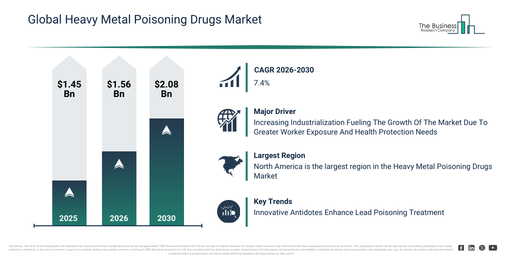
    The heavy metal poisoning drugs market has demonstrated robust expansion in recent years. It is anticipated to increase from $1.45 billion in 2025 to $1.56 billion in 2026, achieving a compound annual growth rate (CAGR) of 7.7%. The reasons for this historical growth encompass industrial pollution exposure, incidents of lead and mercury poisoning, the development of emergency medicine, specialized hospital toxicology units, and occupational health regulations.

    The heavy metal poisoning drugs market is anticipated to experience substantial expansion over the upcoming years. Its valuation is projected to reach $2.08 billion by 2030, exhibiting a compound annual growth rate (CAGR) of 7.4%. This projected growth during the forecast period is primarily driven by factors such as expanded environmental monitoring, more stringent safety regulations, advancements in diagnostic testing, increased industrialization in emerging economies, and enhanced public health surveillance. Key developments expected during this period include an ongoing dependence on chelation therapy, heightened recognition of environmental toxin exposure, broader implementation of emergency poison treatment protocols, greater adoption of oral and and injectable chelators, and an increasing emphasis on occupational and industrial safety.

    Get A Free Sample Report With In-Depth Market Insights:

    https://thebusinessresearchcompany.com/sample_request?id=57899713&type=smp&name=Heavy%20Metal%20Poisoning%20Drugs%20Market%20Report%202026&utm_source=Blogs&utm_medium=Paid&utm_campaign=Oct_PR

    Heavy Metal Poisoning Drugs Market Development Factors: What’s Supporting Demand?

    Future expansion of the heavy metal poisoning drugs market is anticipated to be fueled by rising industrialization. Industrialization describes the economic shift from an agricultural foundation to a system centered on manufacturing and services. This surge in industrial activity stems from rapid urban advancement and expanded infrastructure, which together foster an environment suitable for business expansion and economic development. Heavy metal poisoning drugs play a crucial role in supporting industrialization by safeguarding the health of workers, minimizing dangers associated with toxic exposure, and ensuring adherence to safety protocols, thereby boosting productivity and workplace security. As an illustration, data from the Office for National Statistics, a UK government department, revealed in September 2024 that the total sales value of UK manufacturers’ product sales climbed to $574.6 billion (£456.1 billion) in 2023, representing an increase of approximately $21.7 billion (£17.2 billion), or 3.9%, compared to $553.2 billion (£438.9 billion) in 2022. Consequently, the expansion of industrialization is stimulating the heavy metal poisoning drugs market’s growth.

    Heavy Metal Poisoning Drugs Market Segment Analysis: What Are The Core Market Categories?

    The heavy metal poisoning drugs market covered in this report is segmented –

    1) By Product Type: Deferasirox, Deferoxamine Mesylate, Emeramide, Other Product Types

    2) By Application: Arsenic Toxicity, Chromium Toxicity, Copper Toxicity, Lead Toxicity, Other Applications

    3) By End-User: Hospitals, Clinics, Home Healthcare

    Subsegments:

    1) By Deferasirox: Oral Tablet Formulations, Dispersible Tablets (DT), Generic Deferasirox Products, Iron Overload From Blood Transfusions, Beta-Thalassemia Related Use

    2) By Deferoxamine Mesylate: Intramuscular Injections, Subcutaneous Infusion Pumps, Iron Poisoning Emergency Kits, Aluminum Toxicity In Dialysis Patients, Pediatric And Adult Formulations

    3) By Emeramide: Mercury-Specific Chelation, Oral Capsule Form, Lipophilic Chelators, Environmental Toxic Exposure Applications, Investigational Therapies

    4) By Other Product Types: Dimercaprol (BAL), Dimercaptosuccinic Acid (DMSA), 2,3-Dimercapto-1-Propanesulfonic Acid (DMPS), Penicillamine, Calcium Disodium Ethylenediaminetetraacetate (EDTA)

    Heavy Metal Poisoning Drugs Market Transformation Trends: What Innovations Are Driving Change?

    Leading companies in the heavy metal poisoning drugs market are focusing on developing innovative solutions, such as antidotes for treating lead poisoning, to enhance therapeutic effectiveness, lessen side effects, and address the increasing incidence of exposure to toxic metals from environmental and occupational sources. Antidotes for lead poisoning treatment are chelating agents that bind to lead in the bloodstream, aiding its removal from the body through urine. For instance, in August 2023, Rising Pharmaceuticals, a US-based pharmaceutical company, launched edetate calcium disodium injection, an antidote designed for treating lead poisoning in both children and adults. This injectable chelating agent helps lower lead levels in the blood and tissues and is particularly important for managing severe cases like lead encephalopathy.

    Heavy Metal Poisoning Drugs Market Top Companies Driving Competitive Growth

    Major companies operating in the heavy metal poisoning drugs market are Sun Pharmaceutical Industries Ltd., Aurobindo Pharma Ltd., Dr. Reddy’s Laboratories Ltd., Hikma Pharmaceuticals, Lupin Pharmaceuticals Inc., Zydus Cadila, Aristo Pharmaceuticals Pvt. Ltd., Medopharm Pvt. Ltd., Cayman Chemical, Recordati Rare Diseases Inc., Midas Pharma GmbH, EmeraMed Limited, Ambrosia Remedies Pvt. Ltd., SGPharma Pvt. Ltd., Nouryon, Actavis Pharma, Captura Biopharma, Hope Pharmaceuticals, HOPO Therapeutics Inc., Triveni Interchem Pvt. Ltd.

    View The Full Heavy Metal Poisoning Drugs Market Report:

    https://thebusinessresearchcompany.com/report/heavy-metal-poisoning-drugs-global-market-report?utm_source=Blogs&utm_medium=Paid&utm_campaign=Oct_PR

    Heavy Metal Poisoning Drugs Market Regional Analysis: Which Geography Leads On Revenue?

    North America was the largest region in the heavy metal poisoning drugs market in 2025. The regions covered in the heavy metal poisoning drugs market report are Asia-Pacific, South East Asia, Western Europe, Eastern Europe, North America, South America, Middle East, Africa.

    Reach Out To Our Team:

    The Business Research Company: https://www.thebusinessresearchcompany.com/

    Americas: +1 310-496-7795

    Asia: +44 7882 955267 & +91 8897263534

    Europe: +44 7882 955267

    Email us at: marketing@tbrc.info

    Follow us on:

    LinkedIn: https://in.linkedin.com/company/the-business-research-company

    YouTube: https://www.youtube.com/channel/UC24_fI0rV8cR5DxlCpgmyFQ

    Global Market Model: https://www.thebusinessresearchcompany.com/global-market-model
  • Meditation Software Market Forecast To Reach $7.64 Billion By 2030: Key Growth Drivers And Industry Trends

    Meditation Software Market Forecast To Reach $7.64 Billion By 2030: Key Growth Drivers And Industry Trends

    Backed by market attractiveness analysis, total addressable market sizing, company benchmarking matrices, interactive Excel dashboards, wider supply chain intelligence, emerging startup coverage, and detailed product-level insights, The Business Research Company’s 2026 market reports are designed to offer research that is more actionable and strategically valuable than ever.

    Meditation Software Market Revenue Outlook: What CAGR Lies Ahead Through 2030?

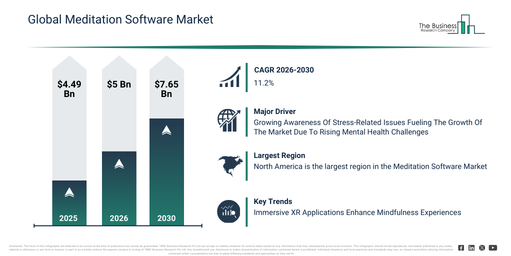
    The meditation software market has shown significant expansion in recent years. Its valuation is projected to increase from $4.49 billion in 2025 to $5 billion in 2026, at a compound annual growth rate (CAGR) of 11.4%. Key drivers for this market’s historical development include escalating stress levels associated with modern living, the pervasive use of smartphones, enhanced public consciousness regarding mental well-being, the development of digital health applications, and the broadening of subscription-based wellness offerings.

    The meditation software market size is anticipated to experience significant expansion over the next few years. It will grow to $7.65 billion in 2030 at a compound annual growth rate (CAGR) of 11.2%. This growth during the forecast period is propelled by factors such as the rise in workplace mental health programs, the increasing application of AI-driven personalization, the growing adoption of digital therapeutics, the expansion of remote and hybrid work models, and the increasing acceptance of preventive mental healthcare. Prominent trends expected in the forecast period include the expanding adoption of guided meditation applications, the increasing use of personalized mindfulness programs, the rising integration of meditation apps with wearables, the broadening of corporate wellness meditation platforms, and the increasing demand for tools dedicated to stress and anxiety management.

    Get A Free Sample Report With In-Depth Market Insights:

    https://thebusinessresearchcompany.com/sample_request?id=84585199&type=smp&name=Meditation%20Software%20Market%20Report%202026&utm_source=Blogs&utm_medium=Paid&utm_campaign=Oct_PR

    Meditation Software Market Industry Drivers: What’s Behind The Revenue Growth?

    The increasing understanding of stress-related problems is anticipated to fuel the expansion of the meditation software market in the future. These issues encompass physical, emotional, or psychological difficulties stemming from undue stress. A heightened consciousness regarding stress-related challenges is emerging, with workplaces progressively acknowledging stress’s influence on staff productivity and overall welfare, prompting the implementation of mental health initiatives and support structures. Meditation software assists in addressing stress-related issues through providing guided sessions, breathing drills, and mindfulness methods, which serve to tranquilize the mind, alleviate apprehension, decrease cortisol levels, and foster emotional equilibrium. To illustrate, a May 2024 report from the American Psychiatric Association, a US-based professional organization, indicated that in 2024, 43% of adults reported feeling more anxious compared to the prior year, an increase from 37% in 2023 and 32% in 2022. Consequently, the rising recognition of stress-related concerns is propelling the expansion of the meditation software market.

    Meditation Software Market Segment Breakdown: Which Categories Lead On Revenue?

    The meditation software market covered in this report is segmented –

    1) By Type Of Meditation: Guided Meditation, Mindfulness Meditation, Transcendental Meditation, Zen Meditation, Yoga Meditation

    2) By Platform: Mobile Applications, Web-Based Platforms, Desktop Applications, Wearable Devices, Smart Speakers

    3) By Features Offered: Scheduled Reminders, Progress Tracking, Personalized Content, Community Features, Offline Accessibility

    4) By Subscription Model: Freemium Models, Monthly Subscription, Annual Subscription, One-Time Purchase, In-App Purchases

    5) By Target Audience: Individuals, Corporate Clients, Therapists And Counselors, Yoga Studios And Health Coaches, Educational Institutions

    Subsegments:

    1) By Guided Meditation: Sleep-Focused Meditation, Stress And Anxiety Relief, Healing And Recovery Sessions, Productivity And Focus, Self-Improvement And Affirmations

    2) By Mindfulness Meditation: Breath Awareness, Body Scan Meditation, Emotion Regulation, Present Moment Awareness, Mindful Eating

    3) By Transcendental Meditation: Personalized Mantra Sessions, Silent Mantra Repetition, Advanced Transcendental Meditation Techniques, Transcendental Meditation For Stress Management, Transcendental Meditation For Cognitive Enhancement

    4) By Zen Meditation: Zazen, Koan Practice, Walking Meditation, Breathing And Posture Guidance, Zen Mindfulness Practices

    5) By Yoga Meditation: Kundalini Meditation, Chakra Meditation, Yoga Nidra, Pranayama-Based Meditation, Bhakti And Mantra Meditation

    #Meditation Software Market Growth Trends: What’s Shaping The Future Outlook?

    Leading firms within the meditation software market are prioritizing immersive functionalities, including extended-reality (XR) meditation applications. These software solutions leverage virtual reality (VR) or mixed reality (MR) to facilitate meditation, exploration, play, and breathwork for users within intricately designed spatial environments. As an illustration, in March 2024, Headspace, a US-based digital mental health firm, launched Headspace XR, a mindfulness application designed for virtual reality on Meta Quest. This app incorporates mood-enhancing games aimed at emotional balance, personalized guided meditation sessions led by Headspace instructors, and physical and breathing exercises intended to foster a stronger mind-body link.

    Meditation Software Market Leading Players And Competitive Positioning

    Major companies operating in the meditation software market are Headspace Inc, Calm.com Inc., Aura Health Inc., Committee for Children, Mindvalley LLC, Insight Timer, Breethe, Abide, Mindfulness Everywhere Ltd., Ipnos Software Inc., Deep Relax, Smiling Mind, Inner Explorer, Stop Breathe & Think PBC, The Mindfulness App, Ten Percent Happier, Insights Network Inc., Meditation Moments B.V., Sattva Inc., Meditopia Inc.

    View The Full Meditation Software Market Report:

    https://thebusinessresearchcompany.com/report/meditation-software-global-market-report?utm_source=Blogs&utm_medium=Paid&utm_campaign=Oct_PR

    Meditation Software Market Largest Region: Which Geography Holds The Biggest Share?

    North America was the largest region in the meditation software market in 2025. Asia-Pacific is expected to be the fastest-growing region in the forecast period. The regions covered in the meditation software market report are Asia-Pacific, South East Asia, Western Europe, Eastern Europe, North America, South America, Middle East, Africa.

    Reach Out To Our Team:

    The Business Research Company: https://www.thebusinessresearchcompany.com/

    Americas: +1 310-496-7795

    Asia: +44 7882 955267 & +91 8897263534

    Europe: +44 7882 955267

    Email us at: marketing@tbrc.info

    Follow us on:

    LinkedIn: https://in.linkedin.com/company/the-business-research-company

    YouTube: https://www.youtube.com/channel/UC24_fI0rV8cR5DxlCpgmyFQ

    Global Market Model: https://www.thebusinessresearchcompany.com/global-market-model
  • Medicinal Mushroom Market Research 2026: Market Size, Trends, Segments And Growth Forecast

    Medicinal Mushroom Market Research 2026: Market Size, Trends, Segments And Growth Forecast

    Featuring market attractiveness scoring, total addressable market sizing, company benchmarking matrices, interactive Excel dashboards, deeper supply chain intelligence, emerging startup tracking, and granular product-level insights, The Business Research Company’s 2026 market reports are built to deliver research that is both more actionable and more strategically valuable.

    Medicinal Mushroom Market Growth Analysis: How Will Revenue Trend Over The Forecast Period?

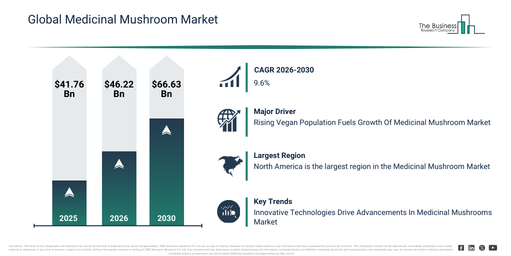
    The medicinal mushroom market has experienced rapid expansion in recent years. It is forecast to grow from $41.76 billion in 2025 to $46.22 billion in 2026, exhibiting a compound annual growth rate (CAGR) of 10.7%. The market’s past growth is attributable to the traditional application of medicinal mushrooms in Asian medicine, increasing global appetite for herbal and natural remedies, a heightened understanding of their immune health benefits, their early integration into dietary supplements, and the accessibility of various mushroom species possessing verified bioactive properties.

    The medicinal mushroom market is projected to experience substantial expansion over the upcoming years. Its valuation is anticipated to reach $66.63 billion by 2030, demonstrating a compound annual growth rate (CAGR) of 9.6%. This expansion during the forecast period is attributable to several factors, including a heightened global emphasis on immunity and wellness, a surging need for plant-derived and natural supplements, the enlargement of functional food and beverage sectors, expanding research confirming the advantages of medicinal mushrooms, and the greater prevalence of e-commerce wellness platforms. Key trends for this period involve a rising consumer preference for natural and functional health products, an escalating requirement for immune-enhancing nutraceutical components, the integration of medicinal mushrooms into dietary supplements and beverages, their increased application in preventive healthcare, and continuous product development in forms such as extracts, powders, and capsules.

    Get A Free Sample Report With In-Depth Market Insights:

    https://thebusinessresearchcompany.com/sample_request?id=74920203&type=smp&name=Medicinal%20Mushroom%20Market%20Report%202026&utm_source=Blogs&utm_medium=Paid&utm_campaign=Oct_PR

    Medicinal Mushroom Market Growth Factors: What’s Supporting Expansion?

    The expanding vegan demographic is anticipated to fuel the expansion of the medicinal mushroom market in the future. This population segment comprises individuals who abstain from all products derived from animals, instead depending on plant-based diets due to ethical considerations, environmental concerns, health advantages, informational choices, or cultural traditions. The number of vegans is on the rise, driven by increasing consciousness regarding animal welfare, ecological sustainability, and the health improvements linked with plant-centric eating. The medicinal mushroom market caters to vegan consumers by delivering functional, plant-derived ingredients that are rich in nutrients, offering immune system reinforcement, powerful antioxidant qualities, and adaptable culinary uses. For instance, in 2023, as per the Vegan Society, a UK-based educational charity, around 0.0026 billion individuals in Europe identified themselves as vegan, constituting 3.2% of the European populace. Consequently, the increasing vegan population is a significant impetus for the medicinal mushroom market.

    Medicinal Mushroom Market Segmentation: How Does The Market Break Down By Category?

    The medicinal mushroom market covered in this report is segmented –

    1) By Type: Shiitake, Reishi, Maitake, Chaga, Cordyceps, Turkey Tail, Other Types

    2) By Form: Fresh, Dried, Other Forms

    3) By Application: Antioxidants, Immune Enhancer, Anti-Cancer, Skin Care, Other Applications

    4) By Distribution Channel: Supermarkets And Hypermarkets, Convenience Stores, E-Commerce

    Subsegments:

    1) By Shiitake: Dried Shiitake Mushrooms, Shiitake Mushroom Extracts, Shiitake Powder, Shiitake Mushroom Capsules Or Tablets, Shiitake Mushroom Teas

    2) By Reishi: Dried Reishi Mushrooms, Reishi Mushroom Extracts, Reishi Mushroom Powder, Reishi Mushroom Capsules Or Tablets

    3) By Maitake: Dried Maitake Mushrooms, Maitake Mushroom Extracts, Maitake Mushroom Powder, Maitake Mushroom Capsules Or Tablets, Maitake Mushroom Teas

    4) By Chaga: Dried Chaga Mushrooms, Chaga Mushroom Extracts, Chaga Mushroom Powder, Chaga Mushroom Capsules Or Tablets, Chaga Tea, Organic Chaga Mushrooms

    5) By Cordyceps: Dried Cordyceps Mushrooms, Cordyceps Mushroom Extracts, Cordyceps Mushroom Powder, Cordyceps Mushroom Capsules Or Tablets, Cordyceps Mushroom Teas

    6) By Turkey Tail: Dried Turkey Tail Mushrooms, Turkey Tail Mushroom Extracts, Turkey Tail Mushroom Powder, Turkey Tail Mushroom Capsules Or Tablets, Turkey Tail Mushroom Teas

    7) By Other Types: Lion’s Mane Mushroom, Agaricus Blazei, Tremella Mushroom, Phellinus Linteus, Birch Polypore, Enoki Mushroom, King Oyster Mushroom, Polypore Mushrooms

    Medicinal Mushroom Market Industry Trends: What’s Reshaping Demand?

    Major companies in the medicinal mushroom market are prioritizing the development of innovative products utilizing advanced technologies, such as pulsed UV light technology, to improve cultivation efficiency, elevate bioactive compound levels, and address the increasing consumer demand for high-potency functional ingredients. Pulsed UV light technology involves exposing mushroom materials to short, intense bursts of ultraviolet light to enhance safety, boost nutritional content, and transform natural fungal sterols into beneficial nutrients like vitamin D2, thereby improving the overall nutraceutical profile of medicinal mushroom products. For example, in October 2023, Nammex, a US-based producer of organic mushroom extracts, launched ErgoGold and a mushroom-derived vitamin D ingredient. ErgoGold is formulated as a Golden Oyster mushroom extract, rich in ergothioneine, beta-glucans, ergosterol, fiber, and other secondary metabolites. The vitamin D ingredient, on the other hand, is created using pulsed UV light technology to convert ergosterol into high-potency vitamin D2, offering a vegan, non-synthetic source that can provide the recommended daily allowance with as little as 60 mg.

    Medicinal Mushroom Market Competitive Overview And Top Companies

    Major companies operating in the medicinal mushroom market are Nature’s Way Brands, Bio-Botanica, Banken Champignons B.V., Aloha Medicinals, Fungi Perfecti, Hirano Mushroom LLC, Fungi Ally, Far West Fungi, FreshCap Mushrooms, Swadeshi Mushroom, Asia Pacific Farm Enterprises, Gourmet Mushrooms Inc., Mycoterra Farm, Green Box Mushrooms, Four Sigmatic, Woodland Mushrooms, Fungaia Farm, Vitality Mushrooms, Annanda Chaga Mushrooms, Monterey Mushrooms LLC

    View The Full Medicinal Mushroom Market Report:

    https://thebusinessresearchcompany.com/report/medicinal-mushroom-global-market-report?utm_source=Blogs&utm_medium=Paid&utm_campaign=Oct_PR

    Medicinal Mushroom Market Regional Analysis: Which Geography Leads On Revenue?

    North America was the largest region in the medicinal mushroom market in 2025. Asia-Pacific is expected to be the fastest-growing region in the forecast period. The regions covered in the medicinal mushroom market report are Asia-Pacific, South East Asia, Western Europe, Eastern Europe, North America, South America, Middle East, Africa.

    Reach Out To Our Team:

    The Business Research Company: https://www.thebusinessresearchcompany.com/

    Americas: +1 310-496-7795

    Asia: +44 7882 955267 & +91 8897263534

    Europe: +44 7882 955267

    Email us at: marketing@tbrc.info

    Follow us on:

    LinkedIn: https://in.linkedin.com/company/the-business-research-company

    YouTube: https://www.youtube.com/channel/UC24_fI0rV8cR5DxlCpgmyFQ

    Global Market Model: https://www.thebusinessresearchcompany.com/global-market-model
  • Medicated Skincare Market Forecast 2026: Market Size, Competitive Landscape And Growth Drivers

    Medicated Skincare Market Forecast 2026: Market Size, Competitive Landscape And Growth Drivers

    Built to provide research that’s more actionable and strategically valuable, The Business Research Company’s 2026 market reports include market attractiveness analysis, total addressable market sizing, company benchmarking matrices, interactive Excel dashboards, broader supply chain intelligence, emerging startup tracking, and in-depth product insights.

    Medicated Skincare Market Forecast: What Value Will The Market Reach By 2030?

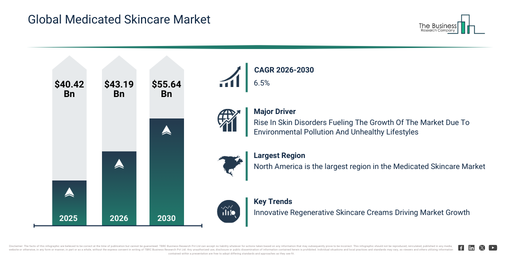
    The medicated skincare market has experienced robust expansion in recent times. This market is projected to expand from $40.42 billion in 2025 to $43.19 billion in 2026, demonstrating a compound annual growth rate (CAGR) of 6.9%. Historically, factors contributing to this growth include the constrained supply of prescription skincare, a dependence on conventional creams and ointments, an increase in dermatologist endorsements, the rising incidence of conditions like acne and eczema, and insufficient consumer understanding of medicated skincare’s advantages.

    The medicated skincare market size is expected to show substantial expansion over the next few years. It is projected to reach $55.64 billion in 2030, exhibiting a compound annual growth rate (CAGR) of 6.5%. This growth in the forecast period can be attributed to the creation of sophisticated topical formulations, a growing inclination towards natural and organic active ingredients, the proliferation of e-commerce and online pharmacy platforms, increased investment in dermatology clinics, and an expanding emphasis on customized skincare solutions. Significant trends during the forecast period involve a surging demand for specific acne treatments, an uptick in prescription skincare product usage, wider adoption of natural and organic components, the expansion of online and retail pharmacy channels, and enhanced awareness regarding post-procedure skincare and anti-aging items.

    Get A Free Sample Report With In-Depth Market Insights:

    https://thebusinessresearchcompany.com/sample_request?id=79316959&type=smp&name=Medicated%20Skincare%20Market%20Report%202026&utm_source=Blogs&utm_medium=Paid&utm_campaign=Oct_PR

    Medicated Skincare Market Demand Drivers: What’s Powering Industry Growth?

    The increasing incidence of skin conditions is anticipated to fuel the expansion of the medicated skincare market moving forward. Skin disorders encompass health issues that impact the skin’s look, feel, or proper functioning, resulting in problems like rashes, inflammation, infections, or persistent ailments. This growth in skin disorder prevalence is linked to heightened pollution in urban environments, where damaging pollutants breach the skin’s natural barrier, leading to inflammation, premature aging, and an elevated susceptibility to conditions such as eczema, acne, and dermatitis. Medicated skincare products prove effective in managing skin disorders because they incorporate active components designed to target foundational problems like inflammation, irritation, or microbial imbalances within the skin. For example, data from May 2023, provided by the City of Hope, a US-based national cancer institute, indicates that melanoma presently constitutes 5.5% of all yearly cancer diagnoses, amounting to about 97,000 cases annually. Furthermore, projections show this percentage is expected to climb to 7.1% by 2030, reaching approximately 151,000 cases each year. Consequently, the growing occurrence of skin disorders is a primary catalyst for the medicated skincare market’s advancement.

    Medicated Skincare Market Segment Trends And Revenue Contributors

    The medicated skincare market covered in this report is segmented –

    1) By Product: Pharmaceutical Grade Skincare, Prescription (Rx) Skincare

    2) By Skin Condition: Acne, Psoriasis, Eczema, Rosacea, Other Skin Conditions

    3) By Ingredient: Anti-Inflammatories, Antibacterials, Antifungals, Antioxidants, Moisturizers, Synthetic Ingredients, Natural Or Organic Ingredients, Chemical-Based Ingredients

    4) By Distribution Channel: Dermatology Clinics, Online Pharmacies, Retail Pharmacies, Other Distribution Channels

    5) By Application: Creams, Lotions, Ointments, Gels, Serums

    Subsegments:

    1) By Pharmaceutical Grade Skincare: Anti-Acne Treatments, Anti-Aging Products, Skin Brightening Agents, Moisturizers With Active Ingredients, Sunscreens With Medicinal Properties, Post-Procedure Skincare

    2) By Prescription (Rx) Skincare: Topical Antibiotics, Topical Corticosteroids, Antifungal Creams, Prescription Retinoids, Psoriasis Treatments, Rosacea Medications

    Medicated Skincare Market Innovation Trends: What Developments Are Reshaping The Industry?

    Major companies operating in the medicated skincare market are concentrating on launching innovative solutions, such as regenerative skincare cream, to expedite skin repair, diminish signs of aging, improve efficacy, and foster healthier skin regeneration. Regenerative skincare cream signifies a medicated formulation rich in active ingredients like peptides and growth factors, which help mend damaged skin, promote cell regeneration, and restore a healthier, more youthful appearance. For example, in May 2025, SkinCeuticals, a US-based provider of skincare products, unveiled Advanced RGN-6, a regenerative skincare cream drawing inspiration from laser regeneration science. This formulation is crafted to visibly tackle six key indicators of aging and skin tone irregularities, including redness, post-acne marks, dark spots, wrinkles, loss of firmness, and reduced smoothness. Advanced RGN-6 features a collaborative blend of six active ingredients: 10% Glyco-Repair, 1% Eperuline, 2% Niacinamide, 3% Acetyl Tetrapeptide-9, 0.2% Ectoin, and 0.2% Bioceramide 603, engineered to support both deep and superficial skin repair mechanisms. Clinical assessments reveal that with consistent daily application, the cream notably enhances skin texture and tone, providing visible improvements in as little as one week. Furthermore, when applied after laser treatment, it assists in accelerating recovery by minimizing downtime and enhancing skin hydration and smoothness.

    Medicated Skincare Market Competitive Landscape: Which Companies Lead The Industry?

    Major companies operating in the medicated skincare market are Obagi Medical Products Inc., Murad LLC, Laboratoire Bioderma, Revision Skincare Inc., Innovative Skincare Inc., PCA Skin Inc., Sesderma S.L., SkinMedica Inc., Neocutis Inc., Zota Health Care Limited, Alastin Skincare Inc., Dr. Wu Cosmetic Enterprise Co. Ltd., ZO Skin Health Inc., Skinbetter Science LLC, Alna Biotech Private Ltd., Epionce Inc., SkinCeuticals Inc., Canbro Healthcare, Scot Derma Private Ltd., Vibcare Pharma Private Ltd., TiZO Products Inc., Stelon Biotech Private Ltd., Hedge & Hedge Pharmaceutical.

    View The Full Medicated Skincare Market Report:

    https://thebusinessresearchcompany.com/report/medicated-skincare-global-market-report?utm_source=Blogs&utm_medium=Paid&utm_campaign=Oct_PR

    Medicated Skincare Market Geographic Spread And Regional Opportunities

    North America was the largest region in the medicated skincare market in 2025. Asia-Pacific is expected to be the fastest-growing region in the forecast period. The regions covered in the medicated skincare market report are Asia-Pacific, South East Asia, Western Europe, Eastern Europe, North America, South America, Middle East, Africa.

    Reach Out To Our Team:

    The Business Research Company: https://www.thebusinessresearchcompany.com/

    Americas: +1 310-496-7795

    Asia: +44 7882 955267 & +91 8897263534

    Europe: +44 7882 955267

    Email us at: marketing@tbrc.info

    Follow us on:

    LinkedIn: https://in.linkedin.com/company/the-business-research-company

    YouTube: https://www.youtube.com/channel/UC24_fI0rV8cR5DxlCpgmyFQ

    Global Market Model: https://www.thebusinessresearchcompany.com/global-market-model