Blog

  • Emerging Trends and Growth Drivers in the Microcarrier Beads Market Through 2029

    Emerging Trends and Growth Drivers in the Microcarrier Beads Market Through 2029

    Claim your 30% discount on Global Market Reports with code ONLINE30. Limited time only.

    Claim your 30% discount on Global Market Reports with code ONLINE30. Limited time only.

    How Much Is the Global Microcarrier Beads Market Valued at Present and by 2029?

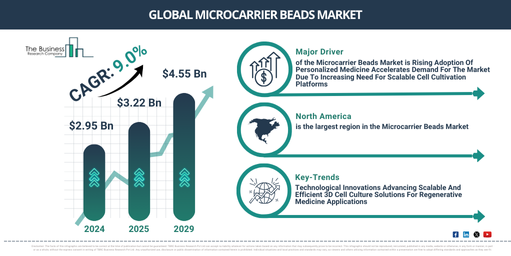
    The market for microcarrier beads has seen substantial growth in the past few years. The size of the market is projected to increase from $2.95 billion in 2024 to $3.22 billion in 2025, marking a compound annual growth rate (CAGR) of 9.3%. The previous growth in this market can be linked to several factors, including increased investment in cell culture research, more usage of single-use bioreactors, enhanced support from both government and private funding entities, a larger focus on personalized medicine, and growth in the biopharmaceutical pipeline.

    The future years are expected to experience a significant increase in the size of the microcarrier beads market, which is projected to reach $4.55 billion in 2029 with a compound annual growth rate (CAGR) of 9.0%. This growth during the projected period could be linked to the surge in demand for cell-based vaccines, the increasing use of regenerative medicine, the rising prevalence of stem cell therapies, a heightened focus on scalable bioproduction, and an uptick in instances of cancer and autoimmune diseases. The forecast period will also witness various trends including progress in microcarrier material technologies, their integration into bioreactor systems, the making of dissolvable and thermo-responsive microcarriers, pairing with perfusion bioreactor technologies, and advancements in the precision of microcarrier manufacturing.

    Download The Free Sample Report Here:

    https://www.thebusinessresearchcompany.com/sample.aspx?id=27345&type=smp

    #What Drivers Are Influencing Growth In The Microcarrier Beads Market?

    The microcarrier beads market is projected to expand due to the rising trend of personalized medicine. Personalized medicine is a method of tailoring healthcare options and treatments to fit individual patient’s characteristics, including their genetic makeup and biological indicators. Technological advancements in genomics have made it feasible to rapidly and cost-effectively analyze individual genetic information, thereby facilitating targeted therapies. Microcarrier beads contribute to personalized medicine by providing a scalable medium to grow patient-specific cells needed for tailored treatments. For example, the US-based non-profit organization Personalized Medicine Coalition revealed that in 2023, the FDA authorized 16 new individualized treatments for patients with rare diseases, a significant increase from just six in 2022. This included seven cancer therapies and three treatments for other health conditions in 2023. Thus, the increasing trend of personalized medicine is propelling the growth of the microcarrier beads market.

    What Are The Main Segments Identified In The Microcarrier Beads Market Research?

    The microcarrier beads market covered in this report is segmented

    1) By Type: Cytodex Microcarriers, Cultispher Microcarriers, Microcarriers MC10, Microcarriers MC3T3, Microcarriers MC3T3-E1

    2) By Size: Small Microcarriers, Medium Microcarriers, Large Microcarriers

    3) By Distribution Channel: Direct Sales, Distributors Or Resellers, Online Platforms, Catalogs And Magazines

    4) By Application: Cell Culture Expansion, Vaccine Production, Gene Therapy, Tissue Engineering, Protein Production, Diagnostics

    5) By End-User: Biotechnology Companies, Pharmaceutical Companies, Academic And Research Institutions, Contract Research Organizations (CROs), Other End Users

    Subsegments:

    1) By Cytodex Microcarriers: Cytodex 1, Cytodex 3, Cytodex 4

    2) By CultiSpher Microcarriers: CultiSpher-S, CultiSpher-G, CultiSpher-GM

    3) By Microcarriers MC10: MC10 Standard, MC10 Modified

    4) By Microcarriers MC3T3: MC3T3 Alpha, MC3T3 Beta

    5) By Microcarriers MC3T3-E1: MC3T3-E1 Standard, MC3T3-E1 Enhanced

    What Are The Leading Trends And Opportunities In The Microcarrier Beads Sector?

    Key players in the microcarrier beads industry are striving to develop innovative solutions such as hydrophilic polymer-based beads to augment cell adhesion, proliferation, and scalability in bioreactor-based cell culture systems. These hydrophilic polymer-based beads are microcarriers composed of polymers that readily absorb water, thereby replicating natural cellular conditions. As a result, they enhance cell viability, proliferation, and function during sizable cell culture processes. For example, in April 2024, Kuraray Co. Ltd, a chemistry production company based in Japan, introduced PVA (polyvinyl alcohol) hydrogel microcarriers designed specifically for cell culture applications in regenerative medicine. These are highly resilient, resistive to damage and bead-like scaffolds, facilitating effective large-scale 3D cell culture with uncomplicated cell recovery, enhanced proliferation, and safety in regenerative medicine. Their swelling capacity expands the surface area, consequently minimizing the use of microcarriers and enabling clear microscopic scrutiny of cells during culture.

    Which Companies Play A Key Role In The Development Of The Microcarrier Beads Market?

    Major companies operating in the microcarrier beads market are Thermo Fisher Scientific Inc., Merck KGaA, Asahi Kasei Corporation, Corning Incorporated, Darling Ingredients Inc., Lonza Corporation, Cytiva Life Sciences, KURARAY CO. LTD., Sartorius AG, Bio-Rad Laboratories Inc., Bio-Techne Corporation, Pall Corporation, Ilex Life Sciences Ltd., Creative BioMart Inc., Matica Biotechnology Inc., ReproCELL Inc., HiMedia Laboratories Pvt. Ltd., Synthecon Inc., Beaver Biomedical Engineering Co. Ltd., and Percell Biolytica.

    Get The Full Report Here:

    https://www.thebusinessresearchcompany.com/report/microcarrier-beads-global-market-report

    What Are The Key Regional Developments Shaping The Microcarrier Beads Market?

    North America was the largest region in the microcarrier beads market in 2024. Asia-Pacific is expected to be the fastest-growing region in the forecast period. The regions covered in the microcarrier beads market report are Asia-Pacific, Western Europe, Eastern Europe, North America, South America, Middle East, Africa.

    Request For A Customized Report:

    https://www.thebusinessresearchcompany.com/customise?id=27345&type=smp

    About The Business Research Company:

    With over 15000+ reports from 27 industries covering 60+ geographies, The Business Research Company has built a reputation for offering comprehensive, data-rich research and insights. Armed with 1,500,000 datasets, the optimistic contribution of in-depth secondary research, and unique insights from industry leaders, you can get the information you need to stay ahead in the game.

    Get in touch with us:

    The Business Research Company: https://www.thebusinessresearchcompany.com/

    Americas +1 310-496-7795

    Asia +44 7882 955267 & +91 8897263534

    Europe +44 7882 955267

    Email us at info@tbrc.info

    Follow us on:

    LinkedIn: https://in.linkedin.com/company/the-business-research-company

    YouTube: https://www.youtube.com/channel/UC24_fI0rV8cR5DxlCpgmyFQ

    Global Market Model: https://www.thebusinessresearchcompany.com/global-market-model

  • CAGR of 9.7% Projected for Microbiology And Bacterial Culture Media Market From 2025 to 2029

    CAGR of 9.7% Projected for Microbiology And Bacterial Culture Media Market From 2025 to 2029

    Claim your 30% discount on Global Market Reports with code ONLINE30. Limited time only.

    Claim your 30% discount on Global Market Reports with code ONLINE30. Limited time only.

    What Is the Current and Projected Market Size of the Microbiology And Bacterial Culture Media Industry?

    In recent years, the market size of microbiology and bacterial culture media has seen rapid expansion. It is predicted to increase from $5.08 billion in 2024 to $5.59 billion in 2025, with a compound annual growth rate (CAGR) of 10.0%. The historical growth is chiefly due to factors such as the increased occurrence of infectious diseases, growth in the pharmaceutical and biopharmaceutical sectors, heightened awareness about hospital-acquired infections (HAIs), expansion of clinical diagnostic laboratories, and increased demand from the cosmetics and personal care industry.

    Expectations are high for the microbiology and bacterial culture media market in the coming years, with predictions suggesting a robust growth, rising to $8.08 billion in 2029, boasting a Compound Annual Growth Rate (CAGR) of 9.7%. This anticipated surge is largely due to a variety of factors including the global increase in antimicrobial resistance (AMR), heightened focus on pandemic readiness and emerging pathogens, the burgeoning field of personalized medicine and targeted therapies, increased need for swift and precise diagnostics, and the global growth in clinical trials and vaccine pipelines. The forecast period is expected to witness novel trends such as the incorporation of artificial intelligence and machine learning in microbial recognition, the progression of chromogenic and fluorogenic media, automation in preparing and dispensing culture media, advancements in testing the safety of food and water, along with the use of 3D culture systems and organoids.

    Download The Free Sample Report Here:

    https://www.thebusinessresearchcompany.com/sample.aspx?id=27344&type=smp

    #Which Factors Are Currently Driving The Growth Of The Microbiology And Bacterial Culture Media Market?

    The surge in infectious diseases is anticipated to stimulate the expansion of the microbiology and bacterial culture media market. These ailments, instigated by harmful microbes that can be communicated from person to person, are seeing a rise as a result of escalating antibiotic resistance. This growing resistance diminishes the effectiveness of standard treatments, enabling infections to last longer and spread more quickly. Microbiology and culture media play a crucial role in identifying and nurturing these harmful microbes, thereby facilitating the accurate diagnosis of infectious diseases and informing suitable treatment interventions. For example, the World Health Organization (WHO), a Switzerland-based global health organization, reported in November 2023 that global tuberculosis cases escalated to 10.6 million in 2022, denoting a 2.9% surge in disease occurrence. Consequently, the escalating prevalence of infectious diseases is fueling the expansion of the microbiology and bacterial culture media market.

    How Is The Global Microbiology And Bacterial Culture Media Market Structured In Terms Of Segments?

    The microbiology and bacterial culture media market covered in this report is segmented

    1) By Product Type: Dehydrated Culture Media, Prepared (Ready-To-Use) Culture Media, Chromogenic And Selective Culture Media, Enriched And Enrichment Media, Other Product Types

    2) By Media Composition: Complex Media, Defined Media, Selective Media, Differential Media, Transport Media

    3) By Formulation: Bulk Packaged Media, Single-Use Media Formats, Custom Or Specialty Formulated Media

    4) By Application: Pharmaceutical And Biopharmaceutical Production, Diagnostics, Food And Water Testing, Bioenergy And Agricultural Research, Cosmetics And Personal Care Applications, Other Applications

    Subsegments:

    1) By Dehydrated Culture Media: Powdered Media, Agar Media, Broth Media

    2) By Prepared (Ready-To-Use) Culture Media: Plates, Slants, Tubes, Bottles

    3) By Chromogenic And Selective Culture Media: Chromogenic Media, Selective Media

    4) By Enriched And Enrichment Media: Enriched Media, Enrichment Broth

    5) By Other Product Types: Synthetic Media, Minimal Media, Transport Media

    What Trends Are Currently Influencing Growth In The Microbiology And Bacterial Culture Media Market?

    Major firms engaged in the microbiology and bacterial culture media industry are prioritizing the development of innovative products like ready-to-use culture media, designed to facilitate high-capacity diagnostic and research processes. These ready-to-use culture media are sterile, already prepared growth arenas for microbes, which help to eliminate the requirement for manual setup, save time, reduce the danger of contamination, and maintain consistency in lab findings. For example, in April 2025, AnalytiChem, a laboratory equipment, reagents, and consumables manufacturer based in Germany, launched Redipor, a ready-to-use culture media. The Redipor culture media conforms to stringent standards and regulatory compliance needs of microbiologists working in diverse life science sectors such as pharmaceuticals, food and drink, environment, and healthcare. The product assortment involves a broad variety of media categories and packaging choices, such as plates, bottles, tubes, vials, chromogenic and irradiated media, and universal operator broth transfer kits, all customizable according to client-specific requirements and laws.

    Who Are The Main Participants Shaping The Microbiology And Bacterial Culture Media Market Landscape?

    Major companies operating in the microbiology and bacterial culture media market are Thermo Fisher Scientific Inc., Merck KGaA, Becton Dickinson and Company, Nissui Pharmaceutical Co. Ltd., bioMérieux SA, Bio-Rad Laboratories Inc., Neogen Corporation, Eiken Chemical Co. Ltd., Hardy Diagnostics, Teknova Inc., Microbiologics Inc., HiMedia Laboratories Pvt. Ltd., Scharlab S.L., Solabia Group, Conda Laboratories, Biotecnica Instruments S.p.A., Liofilchem S.r.l., Medicago AB, Carl Roth GmbH + Co. KG, Central Drug House (P) Ltd (CDH)

    Get The Full Report Here:

    https://www.thebusinessresearchcompany.com/report/microbiology-and-bacterial-culture-media-global-market-report

    Which Region Currently Holds The Largest Share In The Microbiology And Bacterial Culture Media Market?

    North America was the largest region in the microbiology and bacterial culture media market in 2024. Asia-Pacific is expected to be the fastest-growing region in the forecast period. The regions covered in the microbiology and bacterial culture media market report are Asia-Pacific, Western Europe, Eastern Europe, North America, South America, Middle East, Africa.

    Request For A Customized Report:

    https://www.thebusinessresearchcompany.com/customise?id=27344&type=smp

    About The Business Research Company:

    With over 15000+ reports from 27 industries covering 60+ geographies, The Business Research Company has built a reputation for offering comprehensive, data-rich research and insights. Armed with 1,500,000 datasets, the optimistic contribution of in-depth secondary research, and unique insights from industry leaders, you can get the information you need to stay ahead in the game.

    Get in touch with us:

    The Business Research Company: https://www.thebusinessresearchcompany.com/

    Americas +1 310-496-7795

    Asia +44 7882 955267 & +91 8897263534

    Europe +44 7882 955267

    Email us at info@tbrc.info

    Follow us on:

    LinkedIn: https://in.linkedin.com/company/the-business-research-company

    YouTube: https://www.youtube.com/channel/UC24_fI0rV8cR5DxlCpgmyFQ

    Global Market Model: https://www.thebusinessresearchcompany.com/global-market-model

  • Industry Forecast: Mental Health Clinical Trials Market to Generate $4.51 Billion Revenue by 2029

    Industry Forecast: Mental Health Clinical Trials Market to Generate $4.51 Billion Revenue by 2029

    Claim your 30% discount on Global Market Reports with code ONLINE30. Limited time only.

    Claim your 30% discount on Global Market Reports with code ONLINE30. Limited time only.

    How Will the Mental Health Clinical Trials Market Evolve in Terms of Growth and Size by 2029?

    The market size for mental health clinical trials has seen robust growth in the recent past. There will be growth from $2.96 billion in 2024 to $3.23 billion in 2025, with a compound annual growth rate (CAGR) of 9.1%. This growth in the previous period can be tied to the growing interest in the development of neuropsychiatric drugs, increasing incidences of stress, anxiety and depression, heightened support from government and regulatory agencies, a growing elderly population, and an increased demand for non-pharmacological interventions.

    In the upcoming years, the market size of mental health clinical trials is predicted to witness significant growth, escalating to $4.51 billion by 2029 with a compound annual growth rate (CAGR) of 8.7%. This surge during the forecast period can be credited to the increasing incidence of mental health disorders, heightened awareness about mental health problems, the rising demand for treatments tailored to the individual, escalated healthcare expenses, and a growing reliance on digital health technologies. Noteworthy trends in this forecast period encompass advancements in digital health systems, technological improvements in wearable devices, progression in neuroimaging technologies, enhancements in electronic data capture (EDC) systems, and the rise of technology-driven decentralized clinical trial models.

    Download The Free Sample Report Here:

    https://www.thebusinessresearchcompany.com/sample.aspx?id=27343&type=smp

    What factors are expected to fuel Mental Health Clinical Trials market growth in the coming years?

    The increasing occurrence of mental health conditions is anticipated to drive the expansion of the mental health clinical trials market in the future. Mental health conditions are identified as ailments which considerably influence an individual’s emotional state, thought processes, conduct, and overall psychological health. These disorders are proliferating due to the escalating stress resulting from contemporary lifestyles, which include job stress, social estrangement, and perpetual digital engagement. Mental health clinical tests play a significant role in refining care as they assess the safety and efficacy of new medications, therapies, and behavioural techniques for mental health disorders. As an example, the American Psychiatric Association, a non-profit organisation based in the US, reported in May 2024 that approximately 43% of American adults were experiencing heightened levels of anxiety in 2024, an upward trend from 37% in 2023 and 32% in 2022. Consequently, the escalating occurrence of mental health conditions is fueling the expansion of the mental health clinical trials market.

    What Are The Key Findings From The Segmentation Analysis Of The Mental Health Clinical Trials Market?

    The mental health clinical trials market covered in this report is segmented

    1) By Phase: Phase I, Phase II, Phase III, Phase IV

    2) By Study Design: Interventional, Observational, Other Study Designs

    3) By Disorder: Anxiety Disorders, Depression, Bipolar Affective Disorder, Dissociation And Dissociative Disorders, Schizophrenia, Other Disorders

    4) By Sponsor: Pharmaceutical And Biopharmaceutical Companies, Government Agencies, Other Sponsors

    Subsegments:

    1) By Phase I: Single Ascending Dose, Multiple Ascending Dose, First In Human, Pharmacokinetics Studies

    2) By Phase II: Dose Ranging Studies, Proof Of Concept Studies, Randomized Controlled Trials, Open Label Studies

    3) By Phase III: Large Scale Randomized Trials, Multicenter Studies, Comparative Effectiveness Trials, Double Blind Studies

    4) By Phase IV: Post Marketing Surveillance, Long Term Safety Studies, Real World Evidence Studies, Pharmacovigilance Studies

    Which Trends Are Expected To Shape The Future Of The Mental Health Clinical Trials Market?

    Leading firms in the mental health clinical trials market are prioritizing the development of superior treatments, like adjunctive therapies, to increase their efficiency, improve patient outcomes, and fulfil unmet needs in mental health disorders. Adjunctive therapies are drugs used alongside main treatments to increase their effectiveness in treating complicated conditions. For example, in December 2022, AbbVie Inc., an American biopharmaceutical enterprise, obtained approval from the U.S. Food and Drug Administration (FDA) for VRAYLAR (cariprazine) to be used as an adjunctive treatment for major depressive disorder in adults. VRAYLAR provides an innovative partial dopamine-serotonin agonist mechanism that supplements mainstream antidepressants. It aids in alleviating depressive symptoms in patients who do not adequately respond to standard therapy. Furthermore, the product also aids in mood stabilization while minimizing the side effects commonly experienced with older antipsychotics.

    What Are The Most Active Companies In The Mental Health Clinical Trials Market Today?

    Major companies operating in the mental health clinical trials market are Pfizer Inc., Johnson & Johnson, Merck & Co. Inc., AbbVie Inc., Sanofi S.A., Bristol-Myers Squibb Company, AstraZeneca plc, GSK plc, Eli Lilly and Company, Teva Pharmaceutical Industries Ltd., IQVIA Holdings Inc., Biogen Inc., ICON plc., Parexel International Corporation, CMIC Holdings Co. Ltd., Medpace Holdings Inc., PSI CRO AG., Supernus Pharmaceuticals Inc., Worldwide Clinical Trials, Inc., Ergomed, Celerion Inc., Biotrial S.A.S., Lindus Health Ltd., Novotech Health Holdings Pte Ltd., Precision for Medicine Inc.

    Get The Full Report Here:

    https://www.thebusinessresearchcompany.com/report/mental-health-clinical-trials-global-market-report

    Which Regional Markets Are Attracting The Most Investment In Mental Health Clinical Trials?

    North America was the largest region in the mental health clinical trials market in 2024. Asia-Pacific is expected to be the fastest-growing region in the forecast period. The regions covered in the mental health clinical trials market report are Asia-Pacific, Western Europe, Eastern Europe, North America, South America, Middle East, Africa.

    Request For A Customized Report:

    https://www.thebusinessresearchcompany.com/customise?id=27343&type=smp

    About The Business Research Company:

    With over 15000+ reports from 27 industries covering 60+ geographies, The Business Research Company has built a reputation for offering comprehensive, data-rich research and insights. Armed with 1,500,000 datasets, the optimistic contribution of in-depth secondary research, and unique insights from industry leaders, you can get the information you need to stay ahead in the game.

    Get in touch with us:

    The Business Research Company: https://www.thebusinessresearchcompany.com/

    Americas +1 310-496-7795

    Asia +44 7882 955267 & +91 8897263534

    Europe +44 7882 955267

    Email us at info@tbrc.info

    Follow us on:

    LinkedIn: https://in.linkedin.com/company/the-business-research-company

    YouTube: https://www.youtube.com/channel/UC24_fI0rV8cR5DxlCpgmyFQ

    Global Market Model: https://www.thebusinessresearchcompany.com/global-market-model
  • Meganuclease Genome Editing Market Revenue Outlook: Strategic Insights and Forecast to 2029

    Meganuclease Genome Editing Market Revenue Outlook: Strategic Insights and Forecast to 2029

    Claim your 30% discount on Global Market Reports with code ONLINE30. Limited time only.

    Claim your 30% discount on Global Market Reports with code ONLINE30. Limited time only.

    What CAGR Is Anticipated for the Meganuclease Genome Editing Market Through 2029?

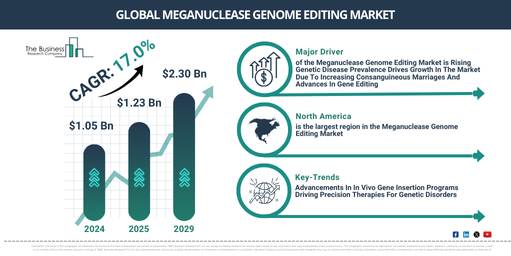
    The market size for meganuclease genome editing has significantly expanded in the past few years. The projection is that it will increase from $1.05 billion in 2024 to about $1.23 billion in 2025, with a compound annual growth rate (CAGR) of 17.4%. Factors contributing to this historical growth include heightened regulatory approvals for gene editing products, advancements in the delivery procedures for genome editing tools, augmented funding from both government and private sectors, an escalating demand for cost-effective gene editing treatments, and a rising curiosity in tackling rare and genetic diseases.

    In the coming years, the meganuclease genome editing market is predicted to witness accelerated expansion. The market is projected to reach a valuation of $2.30 billion by 2029, with a compound annual growth rate (CAGR) of 17.0%. The expected upswing during the forecast period is credited to the increased incidence of genetic disorders, escalating investment in biotechnology and genetic research, growing implementation of genome editing in personalized medicine, heightened awareness of gene therapy solutions, and expanding applications in agriculture for crop enhancement. During the forecast period, key trends will encompass enhanced meganuclease specificity and efficiency due to technological advancements, progress in delivery systems for specific gene editing, strides in high-throughput screening methodologies for genome editing, technology facilitating multiplex genome editing for intricate genetic traits, and progress in lessening the off-target consequences of meganuclease editing.

    Download The Free Sample Report Here:

    https://www.thebusinessresearchcompany.com/sample.aspx?id=27342&type=smp

    What Market Forces Are Driving The Meganuclease Genome Editing Sector In 2025 And Beyond?

    The escalating incidence of genetic disorders is predicted to boost the expansion of the meganuclease genome editing market in the future. Genetic disorders occur when changes or mutations in a person’s DNA interfere with normal physiological functions. The growth in the number of genetic illnesses is attributed to the greater rate of intrafamily marriages, escalating the risk of passing on genetic abnormalities. Meganuclease genome editing involves making precise incisions in DNA to rectify, eliminate, or substitute flawed genes, thereby enabling focused gene therapies with less unintended effects and potential treatments for hereditary diseases. For example, as per the National Health Service, a governmental department based in the UK, in England, around 17,000 individuals suffer from sickle cell disease, an inherited blood disorder, with approximately 250 new diagnoses every year. Consequently, the rising incidence of genetic disorders is fuelling the expansion of the meganuclease genome editing market.

    How Is The Global Meganuclease Genome Editing Market Categorized By Segments?

    The meganuclease genome editing market covered in this report is segmented

    1) By Technology: Clustered Regularly Interspaced Short Palindromic Repeats (CRISPR) Or Cas9, Transcription Activator-Like Effector Nucleases (TALENs) Or Meganuclase-Transcription Activator-Like Effector Nucleases (MegaTALs), Zinc Finger Nucleases (ZFN), Meganuclease, Other Technologies

    2) By Mode: Contract, In-house

    3) By Delivery Method: Ex-Vivo, In-Vivo

    4) By Application: Genetic Engineering, Cell Line Engineering, Plant Genetic Engineering, Animal Genetic Engineering, Clinical Applications, Diagnostics Development, Therapy Development, Other Applications

    5) By End-User: Biotechnology And Pharmaceutical Companies, Academic And Government Research Institutes, Contract Research Organizations

    Subsegments:

    1) By Clustered Regularly Interspaced Short Palindromic Repeats (CRISPR) Or Cas9: Clustered Regularly Interspaced Short Palindromic Repeats (CRISPR)-Cas9 Gene Editing, Clustered Regularly Interspaced Short Palindromic Repeats (CRISPR)-Cas12, Clustered Regularly Interspaced Short Palindromic Repeats (CRISPR)-Cas13

    2) By Transcription Activator-Like Effector Nucleases (TALENs) Or Meganuclase-Transcription Activator-Like Effector Nucleases (MegaTALs): Genome Editing Applications, Therapeutic Applications, Agricultural Biotechnology

    3) By Zinc Finger Nucleases (ZFN): Zinc Finger Nucleases Gene Editing

    4) By Meganuclease: Homing Endonucleases

    5) By Other Technologies: Base Editing, Prime Editing

    What Long-Term Trends Are Likely To Affect The Meganuclease Genome Editing Market?

    Leading market players in the meganuclease genome editing sector are emphasizing the creation of innovative solutions such as in vivo gene insertion programs. These programs aim to optimize therapeutic uses and broaden genetic disease correction possibilities. They work by carrying genetic material directly into live organisms to apply or rectify specific genes in their innate cells, offering precision-based therapeutic interventions for genetic disorder treatment from within. For example, iECURE Inc., an American gene editing firm, unveiled ECUR-506, an in vivo gene insertion initiative, designed to cure neonatal onset ornithine transcarbamylase (OTC) deficiency. It was awarded a fast track designation by the U.S. Food and Drug Administration (FDA) in May 2024. This gene editing treatment is specifically devised for newborn males suffering from a severe variation of neonatal-onset OTC deficiency, striving to restore functional OTC enzyme activity through a single IV infusion. The treatment demonstrated complete clinical response after its application on the first infant, allowing the cessation of ammonia scavenger prescriptions and regaining regular protein consumption. The reported side effects were easy to manage.

    Which Firms Are Considered Leaders In The Meganuclease Genome Editing Market Space?

    Major companies operating in the meganuclease genome editing market are Thermo Fisher Scientific Inc., Danaher Corp., Merck KGaA, Lonza Group Ltd., Charles River Laboratories International Inc., Bio-Rad Laboratories Inc., Genscript, Takara Bio Inc., Sangamo Therapeutics Inc., Horizon Discovery, Applied StemCell Inc., Intellia Therapeutics Inc., Synthego Corporation, Editas Medicine Inc., Cellectis SA., New England Biolabs, Origene Technologies, Bluebird Bio Inc., Precision Biosciences Inc., Caribou Biosciences Inc., CRISPR Therapeutics AG.

    Get The Full Report Here:

    https://www.thebusinessresearchcompany.com/report/meganuclease-genome-editing-global-market-report

    What Role Do Regional Policies And Investments Play In Meganuclease Genome Editing Market Expansion?

    North America was the largest region in the meganuclease genome editing market in 2024. The regions covered in the meganuclease genome editing market report are Asia-Pacific, Western Europe, Eastern Europe, North America, South America, Middle East, Africa.

    Request For A Customized Report:

    https://www.thebusinessresearchcompany.com/customise?id=27342&type=smp

    About The Business Research Company:

    With over 15000+ reports from 27 industries covering 60+ geographies, The Business Research Company has built a reputation for offering comprehensive, data-rich research and insights. Armed with 1,500,000 datasets, the optimistic contribution of in-depth secondary research, and unique insights from industry leaders, you can get the information you need to stay ahead in the game.

    Get in touch with us:

    The Business Research Company: https://www.thebusinessresearchcompany.com/

    Americas +1 310-496-7795

    Asia +44 7882 955267 & +91 8897263534

    Europe +44 7882 955267

    Email us at info@tbrc.info

    Follow us on:

    LinkedIn: https://in.linkedin.com/company/the-business-research-company

    YouTube: https://www.youtube.com/channel/UC24_fI0rV8cR5DxlCpgmyFQ

    Global Market Model: https://www.thebusinessresearchcompany.com/global-market-model
  • 2025 Medical Furniture Market Outlook: Opportunities, Growth Trends, and Strategic Analysis

    2025 Medical Furniture Market Outlook: Opportunities, Growth Trends, and Strategic Analysis

    Claim your 30% discount on Global Market Reports with code ONLINE30. Limited time only.

    Claim your 30% discount on Global Market Reports with code ONLINE30. Limited time only.

    What Are the Forecasted Growth Rate and Market Size of the Medical Furniture Market?

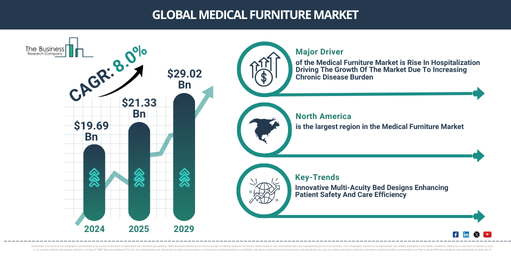
    The size of the medical furniture market has seen significant growth in the past few years, projecting an increase from $19.69 billion in 2024 to $21.33 billion in 2025 with an 8.4% compound annual growth rate (CAGR). A few factors contributing to this historical growth trend include global expansion of private hospital chains, a surge in medical tourism leading to a demand for high-quality infrastructure, investments in home healthcare facilities, a rise in global disease prevalence, and the growth of the aging population worldwide.

    The market size for medical furniture will experience robust expansion in the forthcoming years, with projected growth to $29.02 billion in 2029 at a compounded yearly growth rate of 8.0%. The surge during the projected period is due to factors such as the rise in the quantity of hospitals and clinics, the expansion of ambulatory surgical centers, the growth of long-term care and rehabilitation centers, the modernization of current healthcare facilities, and the emergence of specialty and super-specialty hospitals. The prime trends anticipated during the forecasted period encompass the creation of smart medical furniture integrated with IoT, the advent of multi-acuity beds, the utilization of antimicrobial substances in production, the inclusion of automation and electric adjustment functionality in beds and chairs, and heightened ergonomic design innovations.

    Download The Free Sample Report Here:

    https://www.thebusinessresearchcompany.com/sample.aspx?id=27340&type=smp

    Which Factor Is Shaping The Future Of The Medical Furniture Market?

    The anticipated rise in hospitalization rates is set to fuel the expansion of the medical furniture market. The term hospitalization relates to an individual’s admission into a hospital for medical treatment, often necessitating stays of at least a day. The frequency of hospitalization is increasing as the occurrence of chronic illnesses rises, leading to a heightened need for consistent, specialized medical attention in diseases like diabetes, heart ailments, and high blood pressure. Medical furniture boosts this hospitalization trend by enhancing patient comfort and safety, with furnishings like adjustable beds and ergonomic chairs facilitating more effective rest and recovery during their hospital stay. For example, data from the Australian Institute of Health and Welfare, a government agency in Australia, revealed that hospital admissions in Australia surged by 4.6% in 2022-23, with public hospitals witnessing a 4.3% increase and private hospitals showing a 5.0% growth compared to 2021-22. Thus, the escalating hospitalization rate is steering the expansion of the medical furniture market.

    What Is The Segment-Wise Breakdown Of The Medical Furniture Market?

    The medical furniture market covered in this report is segmented

    1) By Product: Beds, Chairs, Tables, Trolleys And Stretchers, Cabinets And Lockers, Other Products

    2) By Material: Metal, Wood, Plastic, Other Materials

    3) By Sector: Public, Private

    4) By Distribution Channel: Offline, Online

    5) By End User: Hospitals, Ambulatory Surgical Centers, Other End Users

    Subsegments:

    1) By Beds: Manual Beds, Electric Beds, Semi Electric Beds, ICU Beds, Pediatric Beds, Birthing Beds

    2) By Chairs: Examination Chairs, Dialysis Chairs, Chemotherapy Chairs, Recliner Chairs, Geriatric Chairs

    3) By Tables: Examination Tables, Operating Tables, Delivery Tables, Imaging Tables

    4) By Trolleys And Stretchers: Emergency Trolleys, Instrument Trolleys, Anesthesia Trolleys, Patient Transfer Stretchers, Shower Trolleys

    5) By Cabinets And Lockers: Bedside Cabinets, Medicine Cabinets, Instrument Cabinets, Staff Lockers, Patient Lockers

    6) By Other Products: Foot Stools, IV Stands, Overbed Tables, Privacy Screens, Waste Disposal Units

    Which Trends Are Redefining The Future Landscape Of The Medical Furniture Industry?

    Key players in the medical furniture industry are turning their attention to the creation of sophisticated solutions, such as multi-acuity beds, to maximize hospital space and resource use by accommodating different care levels in a single bed arrangement. Multi-acuity beds, which are flexible hospital beds designed to support a range of care levels, allow for seamless transitions without the necessity of relocating patients to a different bed. For example, in February 2025, Agiliti, an American medical and surgical equipment supplier, introduced Essentia, a versatile multi-acuity bedframe designed to cater to a wide range of patients across various hospital settings. Among its innovative safety features is the SlideRail, providing up to 39 inches of free space for patients to enter and exit, along with adjustable handles to aid movement and minimize strain on caregivers. It also boasts brightly lit SafeGlance indicators on the bed, enabling staff to quickly ascertain vital safety information such as brake engagement, bed height, and alarm configurations. The bed’s low 11.5-inch deck height and the RevTrend 20 feature that inclines the bed for early mobility support aim to lower the risk of falls while facilitating weight-bearing exercises. Additional standout features include MotionStop 360 to avoid accidents caused by contact, an automatic brake lock system, an extendable bed length feature, and compatibility with a wide array of therapeutic surfaces.

    Which Companies Hold The Largest Market Share In The Medical Furniture Sector?

    Major companies operating in the medical furniture market are Medline Industries Inc., Stryker Corporation, Baxter International Inc., STERIS Corporation, Herman Miller Inc., Hill-Rom Holdings Inc., Getinge AB, ARJO AB, Invacare Holdings Corporation, Sunrise Medical LLC, LINET Group SE, Drive DeVilbiss Healthcare, Stiegelmeyer GmbH Co. KG, GF Health Products Inc., Skytron LLC, Promotal, GPC Medical Limited, Biomedical Solutions Inc., J&J Medical Specialties LLC, NAUSICAA Medical, and Kovonax.

    Get The Full Report Here:

    https://www.thebusinessresearchcompany.com/report/medical-furniture-global-market-report

    How Does Regional Performance Compare Across The Medical Furniture Industry?

    North America was the largest region in the medical furniture market in 2024. Asia-Pacific is expected to be the fastest-growing region in the forecast period. The regions covered in the medical furniture market report are Asia-Pacific, Western Europe, Eastern Europe, North America, South America, Middle East, Africa.

    Request For A Customized Report:

    https://www.thebusinessresearchcompany.com/customise?id=27340&type=smp

    About The Business Research Company:

    With over 15000+ reports from 27 industries covering 60+ geographies, The Business Research Company has built a reputation for offering comprehensive, data-rich research and insights. Armed with 1,500,000 datasets, the optimistic contribution of in-depth secondary research, and unique insights from industry leaders, you can get the information you need to stay ahead in the game.

    Get in touch with us:

    The Business Research Company: https://www.thebusinessresearchcompany.com/

    Americas +1 310-496-7795

    Asia +44 7882 955267 & +91 8897263534

    Europe +44 7882 955267

    Email us at info@tbrc.info

    Follow us on:

    LinkedIn: https://in.linkedin.com/company/the-business-research-company

    YouTube: https://www.youtube.com/channel/UC24_fI0rV8cR5DxlCpgmyFQ

    Global Market Model: https://www.thebusinessresearchcompany.com/global-market-model

  • Global Insights: Medical Equipment Financing Market Expected to Surpass $244.59 Billion by 2029

    Global Insights: Medical Equipment Financing Market Expected to Surpass $244.59 Billion by 2029

    Claim your 30% discount on Global Market Reports with code ONLINE30. Limited time only.

    Claim your 30% discount on Global Market Reports with code ONLINE30. Limited time only.

    What Is the Estimated Industry Valuation for the Medical Equipment Financing Sector?

    In recent times, the market size for medical equipment financing has seen a substantial surge. It will rise from $161.17 billion in 2024 to a forecasted value of $175.65 billion in 2025, reflecting a compound annual growth rate (CAGR) of 9.0%. This growth from the historical period can be linked to a higher consciousness among healthcare providers about available financing choices, an uptick in the utilization of home healthcare services, an escalating demand for minimally invasive procedures, an increasing focus on enhancing patient results and care delivery, as well as higher insurance coverage and reimbursement rates.

    It is anticipated that the medical equipment financing market will experience robust growth in the coming years, swelling to an enormous $244.59 billion by 2029. This represents a compound annual growth rate (CAGR) of 8.6%. Such growth can be linked to an increasing prevalence of chronic diseases, the expansion of private hospitals and clinics, heightened emphasis on healthcare infrastructure evolution in developing economies, heightened healthcare spending from both government and private contributors, and a rising preference to lease rather than buy. Noteworthy trends over the forecast period include progression in medical imaging technologies, technology enhancements in remote patient monitoring, advances in robotic-assisted surgical systems, the merger of digital health platforms with medical equipment, and advancements in laboratory automation systems.

    Download The Free Sample Report Here:

    https://www.thebusinessresearchcompany.com/sample.aspx?id=27339&type=smp

    What Forces Are Driving The Growth Of The Medical Equipment Financing Market?

    The escalation of private hospitals and diagnostic centers potentially fuels the expansion of the medical equipment financing market. Private healthcare facilities, independent of government control, offering medical care, surgical procedures, and diagnostic services such as lab tests and imaging, are considered private hospitals and diagnostic centers. The surge in these facilities is attributed to the climbing demand for superior and niche healthcare services resulting from increased populations and improved income levels. With the help of medical equipment financing, these private health facilities can procure modern medical technology and diagnostic instruments without considerable upfront payments, thereby enhancing the quality of service and augmenting capacity. For example, in May 2023, more than $26 billion (£20 billion) was pledged by the UK government to foster new hospital infrastructure, with a goal to reconstruct five premiere hospitals by 2030 under a new hospital scheme. Hence, the burgeoning private hospitals and diagnostic centers catalyze the expansion of the medical equipment financing market.

    How Is The Medical Equipment Financing Industry Segmented Across Key Parameters?

    The medical equipment financing market covered in this report is segmented

    1) By Type: Equipment Financing, Software Financing, Service Financing

    2) By Financing Type: Lease, Loan, Line Of Credit, Other Financing Types

    3) By Providers: Banks, Non-Banking Financial Institutions, Original Equipment Manufacturer Financing, Government Programs, Banks

    4) By End-User: Hospitals, Clinics, Ambulatory Surgical, Diagnostic Centers

    Subsegments:

    1) By Equipment Financing: Hospital Bed Financing, Diagnostic Imaging Equipment Financing, Surgical Instrument Financing

    2) By Software Financing: Electronic Health Record Software Financing, Medical Billing Software Financing, Practice Management Software Financing

    3) By Service Financing: Installation And Setup Service Financing, Maintenance And Repair Service Financing, Training And Education Service Financing

    What Notable Trends Are Shaping The Direction Of The Medical Equipment Financing Market?

    Firms dominating the medical equipment financing market are concentrating on creative strategies including establishing transformative healthcare firms to increase accessibility to modern medical technologies and enhance effectiveness in healthcare delivery. These transformative healthcare entities are companies that instigate substantial positive shifts in the health system through the introduction of advanced medical innovations, expansion of care access, and improvement in patient outcomes and efficiency. For instance, in May 2023, the Nigeria Sovereign Investment Authority, a Nigeria-based company involved in capital markets, initiated NSIA Advanced Medical Service Ltd. (MedServe) and Equilease Systems Limited (Equilease) with the objective of strengthening healthcare infrastructure and bringing forth medical equipment leasing solutions across Nigeria. They aim to offer top-notch, cost-effective healthcare with fair access by developing and managing healthcare centers all over Nigeria. Equilease Systems Limited (Equilease) assists in obtaining medical equipment via inventive leasing and financing programs, initially supporting MedServe in advancing healthcare quality throughout Nigeria.

    Which Companies Currently Dominate The Competitive Landscape In The Medical Equipment Financing Industry?

    Major companies operating in the medical equipment financing market are Wells Fargo Co., Toronto Dominion Bank, Siemens Healthineers AG, HDFC Bank Ltd., GE Healthcare Technologies Inc., Henry Schein Inc., Macquarie Group Limited, Synovus Financial Corp., Bajaj Finserv Ltd., Balboa Capital Corporation, Ascentium Capital LLC, SMC Group, National Funding Inc., PEAC Solutions, Med One Group Inc., Blue Bridge Financial LLC, Crest Capital, First American Equipment Finance, CMS Funding, First Capital Business Finance, Hitachi Capital America Corp., U.S. Bank Equipment LLC.

    Get The Full Report Here:

    https://www.thebusinessresearchcompany.com/report/medical-equipment-financing-global-market-report

    Which Geographic Regions Are Driving Demand In The Medical Equipment Financing Market?

    North America was the largest region in the medical equipment financing market in 2024. Asia-Pacific is expected to be the fastest-growing region in the forecast period. The regions covered in the medical equipment financing market report are Asia-Pacific, Western Europe, Eastern Europe, North America, South America, Middle East, Africa.

    Request For A Customized Report:

    https://www.thebusinessresearchcompany.com/customise?id=27339&type=smp

    About The Business Research Company:

    With over 15000+ reports from 27 industries covering 60+ geographies, The Business Research Company has built a reputation for offering comprehensive, data-rich research and insights. Armed with 1,500,000 datasets, the optimistic contribution of in-depth secondary research, and unique insights from industry leaders, you can get the information you need to stay ahead in the game.

    Get in touch with us:

    The Business Research Company: https://www.thebusinessresearchcompany.com/

    Americas +1 310-496-7795

    Asia +44 7882 955267 & +91 8897263534

    Europe +44 7882 955267

    Email us at info@tbrc.info

    Follow us on:

    LinkedIn: https://in.linkedin.com/company/the-business-research-company

    YouTube: https://www.youtube.com/channel/UC24_fI0rV8cR5DxlCpgmyFQ

    Global Market Model: https://www.thebusinessresearchcompany.com/global-market-model

  • 2025 Analysis: Opportunities and Risks in the Evolving Medical Electrocardiogram Telemetry Equipment Market

    2025 Analysis: Opportunities and Risks in the Evolving Medical Electrocardiogram Telemetry Equipment Market

    Claim your 30% discount on Global Market Reports with code ONLINE30. Limited time only.

    Claim your 30% discount on Global Market Reports with code ONLINE30. Limited time only.

    How Large Is the Medical Electrocardiogram Telemetry Equipment Market Expected to Be in 2029?

    Over the recent years, the market size of medical electrocardiogram (ECG) telemetry equipment has experienced exponential growth. Projected to rise from $1.12 billion in 2024 to $1.25 billion in 2025, it boasts a compound annual growth rate (CAGR) of 11.3%. Factors contributing to the growth during the historical period include the proliferating cases of cardiovascular diseases, an upsurge in theimplementation of remote patient monitoring, escalating demand for relentless cardiac monitoring, and the robust growth of healthcare infrastructure.

    Anticipated to see an accelerated expansion in the approaching years, the market size for medical electrocardiogram (ECG) telemetry equipment is predicted to climb up to a value of $1.89 billion by 2029 at a compound annual growth rate (CAGR) of 10.9%. The boost in the prediction period is ascribable to the escalating need for wearable ECG gadgets, an upsurge in health care expenditures in developing economies, a heightened focus on home-centric health care, an increasing occurrence of disorders related to living styles, and a rising demand for customized healthcare solutions. Some prominent trends of the prediction period encompass technological advancement in wireless telemetry, innovation of compact ECG tracking devices, evolutions in AI-powered ECG assessments, investments into remote patient management platforms, and R&D in intelligent biosensors.

    Download The Free Sample Report Here:

    https://www.thebusinessresearchcompany.com/sample.aspx?id=27338&type=smp

    What Are The Contributors To Demand In The Medical Electrocardiogram Telemetry Equipment Market?

    The escalating rate of cardiovascular diseases is foreseen to boost the expansion of the medical electrocardiogram (ECG) telemetry equipment market. Cardiovascular disorders are a cluster of conditions that affect the heart and blood vessels, which comprise diseases like heart failure, coronary heart disease, stroke, and hypertension. The primary cause for the rising occurrence of these diseases is mainly associated with unhealthy diets, with too much consumption of harmful substances such as saturated fats, trans fats, excess sugars, and sodium leading to serious health issues such as high blood pressure, obesity, and high cholesterol levels – all significant risk factors for heart conditions. Medical ECG telemetry equipment plays a crucial role in diagnosing these diseases by providing constant, real-time heart monitoring, which becomes vital for detecting early signs of arrhythmias and other heart problems. It also minimizes diagnostic delays by allowing remote transmission of ECG data to medical practitioners, which aids in timely intervention and better patient results. For instance, as per the Australian Institute of Health and Welfare, a government agency based in Australia, there was a rise in doctor-certified deaths due to coronary heart disease (CHD) in the country from 14,100 in 2021 to 14,900 in 2022, recorded in December 2023. Hence, the increasing occurrence of cardiovascular diseases is propelling the growth of the medical electrocardiogram (ECG) telemetry equipment market.

    What Segmentation Categories Are Included In The Medical Electrocardiogram Telemetry Equipment Market Analysis?

    The medical electrocardiogram telemetry equipment market covered in this report is segmented

    1) By Type: Resting Electrocardiogram Devices, Stress Electrocardiogram Devices, Other Types

    2) By Technology: Analog Electrocardiogram (ECG) Devices, Digital Electrocardiogram (ECG) Devices, Cloud-Based Electrocardiogram (ECG) Solutions, Mobile Electrocardiogram (ECG) Monitoring Technologies, Wireless Transmission Technologies

    3) By Connectivity: Wired Electrocardiogram Systems, Wireless Electrocardiogram Systems, Bluetooth-Enabled Electrocardiogram Devices, Wireless Fidelity Connected Electrocardiogram Monitors, Satellite Communication-Based Electrocardiogram Systems

    4) By Application: Cardiology, Critical Care, Emergency Care, Telemedicine, Remote Patient Monitoring

    5) By End User: Hospitals, Diagnostic Laboratories, Home Care Settings, Ambulatory Surgical Centers, Nursing Homes

    Subsegments:

    1) By Resting Electrocardiogram (ECG) Devices: Single-Channel Electrocardiogram (ECG) Devices, Multi-Channel Electrocardiogram (ECG) Devices, Handheld Electrocardiogram (ECG) Devices, Portable Electrocardiogram (ECG) Monitors, Wearable Electrocardiogram (ECG) Patches

    2) By Stress Electrocardiogram (ECG) Devices: Treadmill Electrocardiogram (ECG) Systems, Bicycle Electrocardiogram (ECG) Systems, Wireless Stress Electrocardiogram (ECG) Devices, Personal Computer-Based Stress Electrocardiogram (ECG) Systems, Integrated Stress Test Electrocardiogram (ECG) Workstations

    3) By Other Types: Telemetry Electrocardiogram (ECG) Transmitters, Electrocardiogram (ECG) Signal Processing Software, Patch-Based Electrocardiogram (ECG) Monitoring Kits, Electrocardiogram (ECG) Data Management Platforms, Electrocardiogram (ECG) Accessories And Leads

    What Upcoming Trends Are Expected To Impact The Medical Electrocardiogram Telemetry Equipment Market Globally?

    Key medical electrocardiogram (ECG) telemetry equipment industry players are concentrating on the creation of innovative, technology-driven solutions like mobile cardiac telemetry systems for live remote cardiac monitoring and early detection of arrhythmias. Wearable mobile cardiac telemetry systems monitor a patient’s heart activity continuously and send the data to healthcare professionals for immediate evaluation. Notably, ZOLL Medical Corporation, an American medical device firm, in April 2022, rolled out its advanced Arrhythmia Management System (AMS), a state-of-the-art mobile cardiac telemetry (MCT) solution. The AMS offers continuous, real-time ECG monitoring beyond clinical confines, facilitating quicker detection and response in arrhythmia instances. The system exhibits superior analytics, wireless data transfer, and cloud-centered reporting, empowering healthcare providers to obtain and scrutinize patient information quickly. Such innovative developments expedite patient care by minimizing diagnostic and treatment delays, especially for people susceptible to hazardous arrhythmias.

    Who Are The Top-Ranked Companies In The Medical Electrocardiogram Telemetry Equipment Market Today?

    Major companies operating in the medical electrocardiogram (ecg) telemetry equipment market are Abbott Laboratories, Medtronic plc, Koninklijke Philips N.V., GE HealthCare Technologies Inc., Philips Healthcare, Boston Scientific Corporation, Shenzhen Mindray Bio-Medical Electronics Co. Ltd., Nihon Kohden Corporation, CONTEC Medical Systems Co. Ltd., Natus Medical Incorporated, iRhythm Technologies Inc., Schiller AG, Edan Instruments Inc., BPL Medical Technologies Pvt. Ltd., AliveCor Inc., Innomed Medical Inc., Bionet Co. Ltd., Cardioline S.p.A., Aerotel Medical Systems Ltd., CompuMed Inc.

    Get The Full Report Here:

    https://www.thebusinessresearchcompany.com/report/medical-electrocardiogram-telemetry-equipment-global-market-report

    How Is Medical Electrocardiogram Telemetry Equipment Market Adoption Varying Across Different Regions And Sectors?

    North America was the largest region in the medical electrocardiogram (ECG) telemetry equipment market in 2024. Asia-Pacific is expected to be the fastest-growing region in the forecast period. The regions covered in the medical electrocardiogram (ecg) telemetry equipment market report are Asia-Pacific, Western Europe, Eastern Europe, North America, South America, Middle East, Africa.

    Request For A Customized Report:

    https://www.thebusinessresearchcompany.com/customise?id=27338&type=smp

    About The Business Research Company:

    With over 15000+ reports from 27 industries covering 60+ geographies, The Business Research Company has built a reputation for offering comprehensive, data-rich research and insights. Armed with 1,500,000 datasets, the optimistic contribution of in-depth secondary research, and unique insights from industry leaders, you can get the information you need to stay ahead in the game.

    Get in touch with us:

    The Business Research Company: https://www.thebusinessresearchcompany.com/

    Americas +1 310-496-7795

    Asia +44 7882 955267 & +91 8897263534

    Europe +44 7882 955267

    Email us at info@tbrc.info

    Follow us on:

    LinkedIn: https://in.linkedin.com/company/the-business-research-company

    YouTube: https://www.youtube.com/channel/UC24_fI0rV8cR5DxlCpgmyFQ

    Global Market Model: https://www.thebusinessresearchcompany.com/global-market-model

  • In-Depth Medical Device Labeling Market Report: Business Trends, Growth Factors, and Forecast to 2029

    In-Depth Medical Device Labeling Market Report: Business Trends, Growth Factors, and Forecast to 2029

    Claim your 30% discount on Global Market Reports with code ONLINE30. Limited time only.

    Claim your 30% discount on Global Market Reports with code ONLINE30. Limited time only.

    What Is the Outlook for the Medical Device Labeling Market Heading Into 2029?

    In recent times, there has been significant growth in the medical device labeling market. This market is poised to expand, increasing in value from $1.14 billion in 2024 to $1.23 billion in 2025, accounting for a compound annual growth rate (CAGR) of 7.4%. Factors contributing to this growth during the historical period include heightened regulatory oversight and compliance demands, growing needs for reliable and precise patient data, augmented use of throwaway and single-use devices, expanding application of intelligent and digital labeling technologies, and increasing product recall and legal risk situations.

    Expectations are high for robust expansion in the medical device labeling market over the upcoming years, with projections predicting a growth to $1.61 billion in 2029 and an impressive compound annual growth rate (CAGR) of 7.1%. Several factors can account for this expected growth in the forecast period, such as rising demand for bespoke and integrated medical equipment, increased investments in eco-friendly and biocompatible label materials, the worldwide extension of medical device supply routes, uptick in hospital infrastructure initiatives, and the growing influence of contract manufacturing organizations. Several emerging trends expected to influence the forecast period include the evolution of intelligent labeling technologies, digital printing technology uptake for immediate labeling requirements, progress in durable and biocompatible labeling materials, advancements in labeling automation and robotics, and strides in individualized labeling pertaining to patient-focused appliances.

    Download The Free Sample Report Here:

    https://www.thebusinessresearchcompany.com/sample.aspx?id=27337&type=smp

    Which Factors Are Pushing The Medical Device Labeling Market Forward?

    The growth of the medical device labeling market is anticipated to be fueled by an increase in product recalls. These recalls signify the retraction of faulty or potentially hazardous products from the users, makers, or distributors in order to prevent health risks and maintain safety standards compliance. The escalation of recalls is linked to heightened consumer safety worries, with quality expectations and safeguarding against health and safety dangers becoming more stringent. Medical device labeling promotes product recalls by providing precise identification, instructions for use, and information on traceability, thus ensuring the thorough location and extraction of compromised devices from the market. Sedgwick LP, a company based in the United States that offers claims and risk management services, reported in March 2023, that the occurrences of medical device recall events had risen from 837 in 2021 to 911 in 2022. Hence, the surge in product recalls is boosting the expansion of the medical device labeling market.

    Which Segment Held The Largest Share In The Medical Device Labeling Market In 2025?

    The medical device labeling market covered in this report is segmented

    1) By Type: Pressure Sensitive Labels, Glue Applied Labels, Sleeve Labels, In Mold Labels, Other Types

    2) By Device Type: Diagnostic Devices, Therapeutic Devices, Surgical Devices, Monitoring Devices, Assistive Devices

    3) By Material: Paper, Plastic, Other Materials

    4) By Technology: Traditional Labeling, Smart Labeling Systems, Interactive Labels, Quick Response Code And Barcoding Technologies, Digital Printing Technologies

    5) By End User: Hospitals, Clinics, Home Healthcare, Diagnostic Laboratories, Research Institutions

    Subsegments:

    1) By Pressure Sensitive Labels: Removable Labels, Permanent Labels, High-Temperature Labels, Freezer-Grade Labels, Tamper-Evident Labels

    2) By Glue Applied Labels: Cut-And-Stack Labels, Wrap-Around Labels, Wet Glue Labels, Cold Glue Labels, Gummed Labels

    3) By Sleeve Labels: Shrink Sleeve Labels, Stretch Sleeve Labels, Full-Body Sleeve Labels, Partial Sleeve Labels, Tamper-Evident Sleeve Labels

    4) By In Mold Labels: Blow Molding Labels, Injection Molding Labels, Thermoforming Labels, Polypropylene Labels, High-Density Polyethylene Labels

    5) By Other Types: Laser Labels, Thermal Transfer Labels, Direct Thermal Labels, Smart Labels, Radio Frequency Identification Labels

    How Are Key Trends Driving Expansion In The Medical Device Labeling Industry?

    Leading enterprises in the medical device labeling market are concentrating on creating innovative adhesive solutions like the enduring solvent-based biocompatible adhesive. This is to improve the durability of labels, ensure the safety of patients, and meet strict regulatory criteria for long-term identification of medical devices. The term ‘permanent solvent-based biocompatible adhesive’ refers to a medical-grade adhesive formulation that uses solvent chemistry to form a durable bond that is safe for interaction with human tissue or medical devices. For instance, in December 2023, the U.S.-based manufacturer Flexcon Company Inc. introduced the Flexcon MedFlex range of polyester printable films and overlaminates. This range is specifically designed for permanent labeling and tracking of FDA Class I, II, and III medical devices that are utilized outside the human body. The MedFlex products fulfil all FDA UDI performance standards and incorporate UL-acknowledged, biocompatible adhesive solutions with sustainability attributes. This move is intended to streamline product choice and boost durability, safety, and regulatory compliance in the medical device labeling sector.

    Which Organizations Are Driving Progress In The Medical Device Labeling Industry?

    Major companies operating in the medical device labeling market are Avery Dennison Corporation, Trumpf SE + Co. KG, Zebra Technologies Corporation, CCL Industries Inc., Brady Corporation, SATO Holdings Corporation, UFP Technologies Inc., Herma Holding GmbH + Co. KG, Freyr Solutions, Weber Packaging Solutions Inc, Tapecon Inc, Europlaz Ltd, Denny Bros Ltd., Tursso Companies Inc., Techsol Life Sciences, Batching Systems Inc., JH Bertrand Inc, Royal Label Co. Inc, Schreiner Group GmbH & Co. KG, Sidco Labeling Systems.

    Get The Full Report Here:

    https://www.thebusinessresearchcompany.com/report/medical-device-labeling-global-market-report

    Which Region Is Expected To Experience The Highest Growth In The Medical Device Labeling Industry?

    North America was the largest region in the medical device labeling market in 2024. Asia-Pacific is expected to be the fastest-growing region in the forecast period. The regions covered in the medical device labeling market report are Asia-Pacific, Western Europe, Eastern Europe, North America, South America, Middle East, Africa.

    Request For A Customized Report:

    https://www.thebusinessresearchcompany.com/customise?id=27337&type=smp

    About The Business Research Company:

    With over 15000+ reports from 27 industries covering 60+ geographies, The Business Research Company has built a reputation for offering comprehensive, data-rich research and insights. Armed with 1,500,000 datasets, the optimistic contribution of in-depth secondary research, and unique insights from industry leaders, you can get the information you need to stay ahead in the game.

    Get in touch with us:

    The Business Research Company: https://www.thebusinessresearchcompany.com/

    Americas +1 310-496-7795

    Asia +44 7882 955267 & +91 8897263534

    Europe +44 7882 955267

    Email us at info@tbrc.info

    Follow us on:

    LinkedIn: https://in.linkedin.com/company/the-business-research-company

    YouTube: https://www.youtube.com/channel/UC24_fI0rV8cR5DxlCpgmyFQ

    Global Market Model: https://www.thebusinessresearchcompany.com/global-market-model

  • Medical Alert System Personal Emergency Response System Industry Poised for Rapid Expansion, Projected to Hit $16.49 Billion by 2029

    Medical Alert System Personal Emergency Response System Industry Poised for Rapid Expansion, Projected to Hit $16.49 Billion by 2029

    Claim your 30% discount on Global Market Reports with code ONLINE30. Limited time only.

    Claim your 30% discount on Global Market Reports with code ONLINE30. Limited time only.

    What Does the Forecast Indicate for the Medical Alert System Personal Emergency Response System Market From 2025 to 2029?

    There has been a significant increase in the size of the medical alert system personal emergency response system market recently. The market, currently valued at $10.42 billion in 2024, is expected to expand to $11.46 billion in 2025, indicating a Compound Annual Growth Rate (CAGR) of 9.9%. The market’s historic growth can be traced back to a surge in demand for self-reliant living options for older individuals, an upswing in fall and accident occurrences among the elderly populace, an escalating requirement for health monitoring systems operating in real-time, a burgeoning integration of telehealth with remote monitoring solutions, and rising financial inflows towards healthcare infrastructure and digital health.

    Over the coming years, the market size for the medical alert system personal emergency response system is anticipated to undergo considerable growth, with projections indicating a rise to $16.49 billion in 2029 and a compound annual growth rate (CAGR) of 9.5%. The anticipated growth during the forecast period can be credited to factors such as an aging population, an increased incidence of chronic illnesses, a rise in the number of individuals living solo, an escalating demand for services pertaining to home healthcare, and expanded healthcare spending. The forecast period is also likely to see key trends such as enhancements in wearable technology, progressive improvements in fall detection systems, advancements in wireless communication technologies, a technology-led swing towards cloud-based monitoring platforms, and innovative upgrades in user interface design technology.

    Download The Free Sample Report Here:

    https://www.thebusinessresearchcompany.com/sample.aspx?id=27336&type=smp

    What Elements Are Contributing To Growth In The Medical Alert System Personal Emergency Response System Market?

    The growth of the personal emergency response system and medical alert system market is anticipated to surge due to the escalating occurrence of chronic diseases. Such diseases are ongoing health issues that develop gradually and last for a lengthy period, typically necessitating consistent medical attention. The rise in chronic diseases can be partly attributed to sedentary lifestyles, as prolonged sitting and limited physical activity enhance the risk of conditions like heart diseases and diabetes. The personal emergency response and medical alert systems improve the management of chronic diseases by facilitating real-time health surveillance and urgent assistance. They boost patient safety and autonomy by issuing prompt alerts and linking users to caregivers or health services when serious health problems occur. For instance, in June 2024, as per the National Health Service, a UK-based government agency, a total of 3,615,330 individuals registered with a general practitioner (GP) were diagnosed with non-diabetic hyperglycemia or pre-diabetes (a condition characterized by raised blood sugar levels, not high enough to be classified as diabetes) in 2023, reflecting an 18% growth from 3,065,825 cases in 2022. Consequently, the escalating occurrence of chronic diseases is fueling the growth of the personal emergency response system and medical alert system market.

    Which Segments Are Detailed In The Global Medical Alert System Personal Emergency Response System Market Report?

    The medical alert system personal emergency response system market covered in this report is segmented

    1) By Device Type: Wearable Devices, Fixed Devices, Smartphone Applications

    2) By Service Type: Monitoring Services, Emergency Response Services, Installation Services

    3) By Application: Home Care, Senior Living Facilities, Assisted Living

    4) By End User: Elderly Individuals, Individuals With Disabilities, Caregivers

    Subsegments:

    1) By Wearable Devices: Pendants, Smartwatches, Wristbands

    2) By Fixed Devices: Landline-Based Systems, Wall-Mounted Emergency Buttons, Cellular-Based Systems

    3) By Smartphone Applications: Android-Based Apps, Health Monitoring Apps, Global Positioning System-Enabled Apps

    Which Emerging Trends And Strategic Shifts Are Shaping The Medical Alert System Personal Emergency Response System Market?

    The primary firms in the personal emergency response system aspect of the medical alert system sphere are concentrating on the creation of cutting-edge products, including modern personal emergency response gadgets, to amplify response time, augment safety, and facilitate autonomous living. Modern personal emergency response devices are intelligent systems that have integration capabilities and features like fall detection, GPS, and health surveillance ensuring prompt and trustworthy emergency assistance. In an exemplary development in February 2025, LogicMark Inc., an American medicinal company, released the Guardian Alert 911 Plus. This is a cutting-edge personal emergency response infrastructure delivering dependable, round-the-clock protection with 4G LTE access, fall detection, and without monthly charges, enabling users to get in touch with 911 instantly. This offering enables elderly people and individuals with health problems to exist self-reliantly, providing tranquility for both the users and caregivers.

    Who Are The Key Contributors To Growth In The Medical Alert System Personal Emergency Response System Market?

    Major companies operating in the medical alert system personal emergency response system market are Koninklijke Philips N.V, ADT Inc., Acadian On Call, Connect America LLC, Valued Relationships Inc., Tunstall Healthcare Group Ltd, Life Alert Emergency Response Inc., Medical Guardian LLC, GetSafe LLC, LifeStation Inc., SafeWise LLC, LifeFone Inc., Bay Alarm Medical, MobileHelp, LogicMark Inc., AlertOne Services LLC, Lively Inc., Aloe Care Health Inc., Galaxy Medical Alert Systems, UnaliWear Inc., Rescue Alert.

    Get The Full Report Here:

    https://www.thebusinessresearchcompany.com/report/medical-alert-system-personal-emergency-response-system-global-market-report

    Which Region Is Projected To Lead The Medical Alert System Personal Emergency Response System Market By 2025?

    North America was the largest region in the medical alert system personal emergency response system market in 2024. The regions covered in the medical alert system personal emergency response system market report are Asia-Pacific, Western Europe, Eastern Europe, North America, South America, Middle East, Africa.

    Request For A Customized Report:

    https://www.thebusinessresearchcompany.com/customise?id=27336&type=smp

    About The Business Research Company:

    With over 15000+ reports from 27 industries covering 60+ geographies, The Business Research Company has built a reputation for offering comprehensive, data-rich research and insights. Armed with 1,500,000 datasets, the optimistic contribution of in-depth secondary research, and unique insights from industry leaders, you can get the information you need to stay ahead in the game.

    Get in touch with us:

    The Business Research Company: https://www.thebusinessresearchcompany.com/

    Americas +1 310-496-7795

    Asia +44 7882 955267 & +91 8897263534

    Europe +44 7882 955267

    Email us at info@tbrc.info

    Follow us on:

    LinkedIn: https://in.linkedin.com/company/the-business-research-company

    YouTube: https://www.youtube.com/channel/UC24_fI0rV8cR5DxlCpgmyFQ

    Global Market Model: https://www.thebusinessresearchcompany.com/global-market-model

  • Global Mechanical Thrombectomy Devices Market Forecast to Reach $2.16 Billion by 2029, Driven by 9.2% CAGR

    Global Mechanical Thrombectomy Devices Market Forecast to Reach $2.16 Billion by 2029, Driven by 9.2% CAGR

    Claim your 30% discount on Global Market Reports with code ONLINE30. Limited time only.

    Claim your 30% discount on Global Market Reports with code ONLINE30. Limited time only.

    How Much Is the Global Mechanical Thrombectomy Devices Market Valued at Present and by 2029?

    In recent times, the market size for mechanical thrombectomy devices has witnessed strong growth. The market is projected to rise from $1.39 billion in 2024 to $1.52 billion in 2025, showing a compound annual growth rate (CAGR) of 9.5%. The significant growth seen in the past can be linked to the increasing incidence of strokes, the growth of the elderly population, a sustained demand for less invasive procedures, an increase in hospital admissions due to acute ischemic strokes, and the early authorization of thrombectomy devices.

    Strong growth is projected for the mechanical thrombectomy devices market in upcoming years, with an expected increase to $2.16 billion by 2029 at a CAGR of 9.2%. This predicted expansion for the forecast period is due to factors like increased usage of mechanical thrombectomy in newly developing markets, improved reimbursement for stroke-related interventions, a rise in cardiovascular disease prevalence, an increase in ambulatory surgical centers, and growth in stroke incidents caused by lifestyle factors. Key trends expected to emerge during the forecast period encompass the integration of AI in stroke detection, the advancement of robotic-assisted thrombectomy systems, enhanced catheter navigation technology, miniaturization of thrombectomy devices, and the application of 3D printing in device prototyping.

    Download The Free Sample Report Here:

    https://www.thebusinessresearchcompany.com/sample.aspx?id=27335&type=smp

    #What Drivers Are Influencing Growth In The Mechanical Thrombectomy Devices Market?

    Mechanical thrombectomy devices market’s expansion is likely to be ignited by the escalating cases of stroke. Stroke is a health ailment that arises when the brain’s blood supply is either lowered or disrupted, leading to the death of brain cells due to insufficient oxygen and nutrients availability. Aging is a prominent cause of increasing stroke cases as older individuals are susceptible to stroke because of the natural alterations in blood vessels and overall well-being. Mechanical thrombectomy tools are advantageous in treating stroke, as they rapidly eliminate blood clots from the brain’s obstructed arteries, reviving blood flow, decreasing brain harm, and substantially enhancing patient recovery outcomes. For example, the World Economic Forum, a non-profit organization based in Switzerland, noted in October 2023 that by 2050, stroke fatalities could escalate by 50%. Hence, the escalating cases of stroke are propelling the growth of the mechanical thrombectomy devices market.

    What Are The Main Segments Identified In The Mechanical Thrombectomy Devices Market Research?

    The mechanical thrombectomy devices market covered in this report is segmented

    1) By Product Type: Stent Retrievers, Catheter-Based Thrombectomy Devices, Mechanical Aspiration Devices, Combined Devices

    2) By Technology: Manual Mechanical Thrombectomy Devices, Automated Mechanical Thrombectomy Devices, Electromechanical Thrombectomy Devices, Hybrid Devices

    3) By Application: Ischemic Stroke, Peripheral Artery Disease (PAD), Coronary Thrombosis, Post-Surgical Thrombosis

    4) By Distribution Channel: Direct Sales, Distributors And Wholesalers, Online Sales, Retail Pharmacies

    5) By End User: Hospitals, Ambulatory Surgical Centers, Specialized Invasive Care Centers, Research And Academic Institutions

    Subsegments:

    1) By Stent Retrievers: Closed-Cell Stent Retrievers, Open-Cell Stent Retrievers, Hybrid Stent Retrievers

    2) By Catheter-Based Thrombectomy Devices: Aspiration Catheters, Guide Catheters, Micro Catheters

    3) By Mechanical Aspiration Devices: Manual Aspiration Devices, Powered Aspiration Devices

    4) By Combined Devices: Aspiration Plus Stent Retrievers, Aspiration Plus Mechanical Devices

    What Are The Leading Trends And Opportunities In The Mechanical Thrombectomy Devices Sector?

    Leading corporations in the mechanical thrombectomy devices market are putting their efforts into creating novel strategies, such as dual clot detection algorithms, to create sophisticated systems that heighten the effectiveness of clot removal and enhance patient safety. Dual clot detection algorithms represent state-of-the-art, computer-assisted techniques that utilize both pressure and flow data to precisely distinguish and separate blood clots from regular blood flow during thrombectomy operations. For example, Penumbra Inc., a healthcare firm based in the United States, introduced the Lightning Flash in January 2023. This is an advanced mechanical thrombectomy system engineered to revolutionize how blood clots are eliminated from the body. This inventive device incorporates potent aspiration technology with a meticulously designed catheter to safely and efficiently extract large blood clots, encompassing venous thrombi and pulmonary emboli. This assists physicians in executing faster procedures, reducing possible complications, and enhancing overall patient results.

    Which Companies Play A Key Role In The Development Of The Mechanical Thrombectomy Devices Market?

    Major companies operating in the mechanical thrombectomy devices market are Johnson & Johnson, Abbott Laboratories, Medtronic plc, Becton Dickinson and Company, Koninklijke Philips N.V., Stryker Corporation, Shandong Weigao Group Medical Polymer Co. Ltd., Boston Scientific Corporation, Terumo Corporation, Teleflex Incorporated, Merit Medical Systems Inc., Inari Medical Inc., AngioDynamics Inc., LeMaitre Vascular Inc., Imperative Care Inc., Wallaby Medical Inc., Acandis GmbH & Co. KG, Inquis Medical Inc., NeuroVasc Technologies Inc., and Route 92 Medical Inc.

    Get The Full Report Here:

    https://www.thebusinessresearchcompany.com/report/mechanical-thrombectomy-devices-global-market-report

    What Are The Key Regional Developments Shaping The Mechanical Thrombectomy Devices Market?

    North America was the largest region in the mechanical thrombectomy devices market in 2024. Asia-Pacific is expected to be the fastest-growing region in the forecast period. The regions covered in the mechanical thrombectomy devices market report are Asia-Pacific, Western Europe, Eastern Europe, North America, South America, Middle East, Africa.

    Request For A Customized Report:

    https://www.thebusinessresearchcompany.com/customise?id=27335&type=smp

    About The Business Research Company:

    With over 15000+ reports from 27 industries covering 60+ geographies, The Business Research Company has built a reputation for offering comprehensive, data-rich research and insights. Armed with 1,500,000 datasets, the optimistic contribution of in-depth secondary research, and unique insights from industry leaders, you can get the information you need to stay ahead in the game.

    Get in touch with us:

    The Business Research Company: https://www.thebusinessresearchcompany.com/

    Americas +1 310-496-7795

    Asia +44 7882 955267 & +91 8897263534

    Europe +44 7882 955267

    Email us at info@tbrc.info

    Follow us on:

    LinkedIn: https://in.linkedin.com/company/the-business-research-company

    YouTube: https://www.youtube.com/channel/UC24_fI0rV8cR5DxlCpgmyFQ

    Global Market Model: https://www.thebusinessresearchcompany.com/global-market-model