Blog

  • Industry Trends Show Denosumab Market Set to Expand at 10.6% CAGR Until 2029

    Industry Trends Show Denosumab Market Set to Expand at 10.6% CAGR Until 2029

    Claim your 30% discount on Global Market Reports with code ONLINE30. Limited time only.

    Claim your 30% discount on Global Market Reports with code ONLINE30. Limited time only.

    How Will the Denosumab Market Evolve in Terms of Growth and Size by 2029?

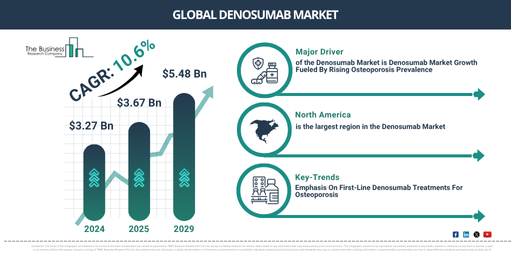
    The market size for denosumab has experienced swift expansion in the past few years. The market is set to expand from $3.27 billion in 2024 to $3.67 billion in 2025, translating to a compound annual growth rate (CAGR) of 12.1%. Progress made in clinical trials and research, FDA endorsements and regulatory breakthroughs, increased consciousness about bone health, as well as strategic collaborations and marketing drives, have been the driving forces behind the growth during this historical period.

    Rapid expansion is anticipated in the denosumab market size over the coming years. It is projected to swell to “$5.48 billion in 2029 with a compound annual growth rate (CAGR) of 10.6%. The forecast period’s growth is linked to the escalating occurrence of bone metastases, enhancements in cancer therapies, pervasive osteoporosis, elevated osteoporosis awareness, and regulatory approvals for new indications. The forecast period will also witness leading trends such as strategic alliances and partnerships, integration with digital health technologies, supplemental indications and clinical applications, and progression in biosimilar development.

    Download The Free Sample Report Here:

    https://www.thebusinessresearchcompany.com/sample.aspx?id=13835&type=smp

    What factors are expected to fuel Denosumab market growth in the coming years?

    The escalating incidence of osteoporosis is anticipated to fuel the expansion of the denosumab market in the future. Osteoporosis is a health issue characterized by the weakening of bones, causing decreased bone density and an increased vulnerability to fractures. Denosumab is a treatment for osteoporosis that halts bone resorption by targeting the RANK ligand. For instance, data from the Canadian Longitudinal Study on Aging presented by the National Center for Biotechnology Information, a US-government agency, in September 2023, showed a 12.7% prevalence of osteoporosis diagnosed by physicians and a 5.9% DXA-confirmed prevalence in women living in communities among older adults. Moreover, a cross-sectional study carried out by Buttros and colleagues revealed a 24.6% prevalence of osteoporosis in postmenopausal women aged between 40 and 75, established through bone mineral density measurements. Hence, the rising incidence of osteoporosis is catalyzing the growth of the denosumab market.

    The denosumab market covered in this report is segmented –

    1) By Drug Classification: Prolia, Xgeva, Others

    2) By Type: 60 mg, 120 mg

    3) By End-Users: Hospitals, Homecare, Specialty Clinics, Ambulatory Surgical Centers

    Which Trends Are Redefining The Future Landscape Of The Denosumab Industry?

    Leading establishments in the denosumab market are turning their attention towards the development of novel solutions, such as primary treatments for osteoporosis, to strengthen their position in the market. Primary treatment for osteoporosis signifies the first or primary treatment option advised by medical experts for managing patients with osteoporosis. To exemplify, Boan Biotech, a biotechnology firm based in China, was given the green light in November 2022 by China’s National Medical Products Administration (NMPA) for its denosumab biosimilar, Boyoubei, vaulting it into the position of being the first Chinese company to create a denosumab injection. The drug is also being prepared for sale in markets outside China, Europe and the United States included, with global marketing plans in place. Various treatment guidelines have recommended the drug as a primary treatment option for osteoporosis. This medication could potentially significantly reduce the likelihood of hip, non-vertebral and vertebral fractures in these patients. Furthermore, Boyoubei has the unique distinction of being the world’s first biosimilar to Prolia (the originator of denosumab) that has received marketing approval.

    What Are The Most Active Companies In The Denosumab Market Today?

    Major companies operating in the denosumab market report are Johnson & Johnson, F. Hoffmann-La Roche Ltd., Novartis International AG, Sanofi SA, GlaxoSmithKline plc, Eli Lilly and Company, Amgen Inc., Asahi Kasei Corporation, Teva Pharmaceutical Industries Ltd., Astellas Pharma Inc., Daiichi Sankyo Company, Limited, Mylan N.V., Sandoz International GmbH, Daiichi Sankyo Company Limited, Aurobindo Pharma Limited, Cipla Limited, Dr. Reddy’s Laboratories Ltd., Hikma Pharmaceuticals PLC, Celltrion Inc., Amneal Pharmaceuticals Inc, Cadila Healthcare Limited, Lupin Limited, Biocon Limited, Torrent Pharmaceuticals Ltd., Jubilant Life Sciences Limited, Ajanta Pharma Limited

    https://www.thebusinessresearchcompany.com/report/denosumab-global-market-report

    Which Regional Markets Are Attracting The Most Investment In Denosumab?

    North America was the largest region in the denosumab market in 2024. Asia-Pacific is expected to be the fastest-growing region in the forecast period. The regions covered in the denosumab market report are Asia-Pacific, Western Europe, Eastern Europe, North America, South America, Middle East, Africa.

    Request For A Customized Report:

    https://www.thebusinessresearchcompany.com/customise?id=13835&type=smp

    About The Business Research Company:

    With over 15000+ reports from 27 industries covering 60+ geographies, The Business Research Company has built a reputation for offering comprehensive, data-rich research and insights. Armed with 1,500,000 datasets, the optimistic contribution of in-depth secondary research, and unique insights from industry leaders, you can get the information you need to stay ahead in the game.

    Get in touch with us:

    The Business Research Company: https://www.thebusinessresearchcompany.com/

    Americas +1 310-496-7795

    Asia +44 7882 955267 & +91 8897263534

    Europe +44 7882 955267

    Email us at info@tbrc.info

    Follow us on:

    LinkedIn: https://in.linkedin.com/company/the-business-research-company

    YouTube: https://www.youtube.com/channel/UC24_fI0rV8cR5DxlCpgmyFQ

    Global Market Model: https://www.thebusinessresearchcompany.com/global-market-model
  • Global Cervical Cancer Drugs Market Landscape: Trends and Market Share to 2029

    Claim your 30% discount on Global Market Reports with code ONLINE30. Limited time only.

    Claim your 30% discount on Global Market Reports with code ONLINE30. Limited time only.

    What Is the Current and Projected Market Size of the Cervical Cancer Drugs Industry?

    The market for cervical cancer medications has been on a consistent upward trajectory in recent years. It is predicted to increase from $25.4 billion in 2024 to $26.25 billion in 2025, with a compound annual growth rate (CAGR) of 3.3%. Factors contributing to this growth during the historical period include the release of HPV vaccines, the progression of chemotherapy drugs, advancements in radiation therapy, early adoption of specialized treatments, and advancements in diagnostics.

    In the coming years, the market size of cervical cancer drugs is estimated to witness a consistent increase, expanding to an evaluation of “$31.24 billion in 2029 with a compound annual growth rate (CAGR) of 4.4%.” The projected growth in this timeframe can be linked to significant advancements in immunotherapy, increase in precision medicine, continuous enhancement of targeted therapies, wider implementation of HPV vaccination programs, and the emergence of innovative combination therapies. In the period under consideration, the market is expected to be shaped by factors such as development in healthcare infrastructure, further advancements in immunotherapy, application of precision medicine methodologies, the evolution of targeted therapies, and HPV vaccination programs.

    Download The Free Sample Report Here:

    https://www.thebusinessresearchcompany.com/sample.aspx?id=2589&type=smp

    #Which Factors Are Currently Driving The Growth Of The Cervical Cancer Drugs Market?

    The rising incidence of HIV (Human Immunodeficiency Virus) in females is significantly contributing to the expansion of the cervical cancer drugs market. Women who test positive for HIV face a higher risk of developing cervical cancer, compared to their counterparts from the general populace. Globally nearly 18 million females have been diagnosed with HIV. This virus undermines the immune system, thereby heightening the possibility of cervical cancer. The cervical cancer risk is enhanced in females with HIV due to the reduction of the CD4 protein in their bodies. As per research by the National Cancer Institute, an individual with HIV has three times more risk of being diagnosed with cervical cancer, bolstering the cervical cancer drugs market.

    The cervical cancer drugs market covered in this report is segmented –

    1) By Cancer Type: Squamous Cell Cancer, Adenocarcinoma

    2) By Drug Type: Avastin, Bevacizumab, Bleomycin, Blenoxane, Other Drug Types

    3) By Distribution Channel: Hospitals Pharmacies, Retail Pharmacies, Other Distribution Channels

    Subsegments:

    1) By Squamous Cell Cancer: Chemotherapy Agents, Targeted Therapy, Immunotherapy

    2) By Adenocarcinoma: Chemotherapy Agents, Targeted Therapy, Immunotherapy

    What Long-Term Trends Are Likely To Affect The Cervical Cancer Drugs Market?

    Several substantial trends are currently shaping the cervical cancer drugs market, notably advancements in targeted and efficient treatment methods through improved drug delivery. One trending approach is the application of medication directly through the vagina using various formulations like gels, creams, pessaries, rings, films, and tablets. These medications facilitate localized cervical cancer treatment by absorbing easily into vaginal tissue to reach the disease’s site. For instance, the market has seen the introduction of vaginal gels, for instance, Cidofovir gel and 851B Gel, aiming to combat cervical cancer. As per the International Council for Harmonization of Technical Requirements for Pharmaceuticals for Human Use (ICH)’s Clinical Trials Registry, 851B Gel is still being tested. Cidofovir gel, traded as Vistide, has already established success in the market. Moreover, the development of drugs like ISA101, AGEN2034, and Z-100 are still underway, indicating potential growth in the cervical cancer drugs market.

    Who Are The Main Participants Shaping The Cervical Cancer Drugs Market Landscape?

    Major companies operating in the cervical cancer drugs market include Pfizer Inc., Johnson & Johnson Services Inc., F. Hoffmann-La Roche Ltd., Merck & Co. Inc., Bayer AG, Novartis AG, Sanofi S.A., Bristol Myers Squibb Company, AstraZeneca plc, GlaxoSmithKline plc, Eli Lilly and Company, Amgen Inc., Siemens Healthineers AG, Allergan plc, Teva Pharmaceutical Industries Ltd., Mylan NV, Hetero Drugs Limited, Sun Pharmaceutical Industries Limited, Genentech Inc., QIAGEN NV, Seagen Inc., Alnylam Pharmaceuticals Inc., Akeso Biopharma Co. Ltd., Biocad Corp., Betta Pharmaceuticals Co. Ltd., Biocon Limited, ADC Therapeutics SA, Clovis Oncology Inc., Agenus Inc., Iovance Biotherapeutics Inc., MacroGenics Inc., Orano Med SA, MobileODT Inc., Sense Biodetection

    https://www.thebusinessresearchcompany.com/report/cervical-cancer-drugs-global-market-report

    Which Region Currently Holds The Largest Share In The Cervical Cancer Drugs Market?

    North America was the largest region in the cervical cancer drugs market in 2024. Middle East is expected to be the fastest-growing region in the global cervical cancer drugs market share during the forecast period. The regions covered in the cervical cancer drugs market report are Asia-Pacific, Western Europe, Eastern Europe, North America, South America, Middle East, Africa.

    Request For A Customized Report:

    https://www.thebusinessresearchcompany.com/customise?id=2589&type=smp

    About The Business Research Company:

    With over 15000+ reports from 27 industries covering 60+ geographies, The Business Research Company has built a reputation for offering comprehensive, data-rich research and insights. Armed with 1,500,000 datasets, the optimistic contribution of in-depth secondary research, and unique insights from industry leaders, you can get the information you need to stay ahead in the game.

    Get in touch with us:

    The Business Research Company: https://www.thebusinessresearchcompany.com/

    Americas +1 310-496-7795

    Asia +44 7882 955267 & +91 8897263534

    Europe +44 7882 955267

    Email us at info@tbrc.info

    Follow us on:

    LinkedIn: https://in.linkedin.com/company/the-business-research-company

    YouTube: https://www.youtube.com/channel/UC24_fI0rV8cR5DxlCpgmyFQ

    Global Market Model: https://www.thebusinessresearchcompany.com/global-market-model
  • Comprehensive Forecast: Cell Therapy Market Share, Growth, and Opportunities Through 2029

    Comprehensive Forecast: Cell Therapy Market Share, Growth, and Opportunities Through 2029

    Claim your 30% discount on Global Market Reports with code ONLINE30. Limited time only.

    Claim your 30% discount on Global Market Reports with code ONLINE30. Limited time only.

    How Will the Cell Therapy Market Evolve in Terms of Growth and Size by 2029?

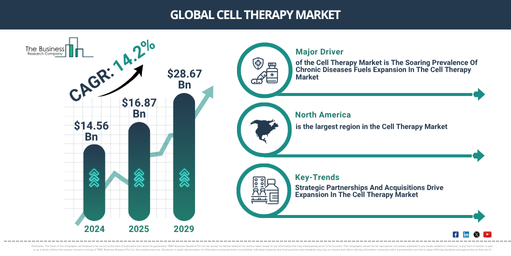
    The market size for cell therapy has seen a quick expansion in the past few years. It’s projected to rise from $14.56 billion in 2024 to $16.87 billion in 2025, reflecting a compound annual growth rate (CAGR) of 15.8%. Factors contributing to the growth during the historical period include early investigations and discoveries, regulatory accomplishments, clinical research and trials, early adopting firms and innovators, as well as market reception and perception.

    The market size of cell therapy is anticipated to experience significant expansion in the upcoming years. It’s projected to reach “$28.67 billion by 2029 with a compound annual growth rate (CAGR) of 14.2%. This surge during the prediction period is due to factors such as societal and ethical considerations, trends in investments and funding, demand from patients or consumers, the state of healthcare facilities, and fast-paced innovation cycles. The forecast period will also see key trends like personalized medicine, the rise of target-specific treatments, advancements in gene editing technologies, the broadening scope of stem cell research, improvements in immunotherapy, and manipulation of the microenvironment.

    Download The Free Sample Report Here:

    https://www.thebusinessresearchcompany.com/sample.aspx?id=3393&type=smp

    What factors are expected to fuel Cell Therapy market growth in the coming years?

    The surge in chronic diseases has contributed to the growth of the cell therapy market. The US Centers for Disease Control and Prevention (CDC) characterizes chronic disease as an illness lasting a year or more that necessitates medical care, hinders daily activities, or both. This includes conditions like heart disease, cancer, diabetes, and Parkinson’s disease. Stem cells have the potential to assist patients with conditions such as spinal cord injuries, type 1 diabetes, Parkinson’s disease, heart disease, cancer, and osteoarthritis. As an illustration, in July 2024, the Centers for Disease Control and Prevention (CDC), a national public health organization in the U.S., disclosed significant advancements in public health initiatives. Heart disease or stroke lead to the death of over 944,800 Americans annually, representing more than one-third of all deaths. In the U.S., yearly cancer diagnoses are approximately 1.7 million individuals, with over 600,000 ultimately succumbing to the disease, making it the second leading cause of death. Furthermore, over 38 million Americans have diabetes, and another 98 million adults are prediabetic, thus increasing their potential for developing type 2 diabetes. Diabetes can trigger serious complications like heart disease, renal failure, and blindness. Meanwhile, obesity affects 20% of children and 42% of adults, thereby increasing susceptibility to chronic diseases such as type 2 diabetes, heart disease, and certain cancers. The escalating prevalence of chronic diseases has intensified the need for cell therapies, thereby facilitating the expansion of the cell therapy market.

    The cell therapy market covered in this report is segmented –

    1) By Technique: Stem Cell Therapy, Cell Vaccine, Adoptive Cell Transfer (ACT), Fibroblast Cell Therapy, Chondrocyte Cell Therapy

    2) By Therapy Type: Allogeneic Therapies, Autologous Therapies

    3) By Application: Oncology, Cardiovascular Disease (CVD), Orthopedic, Wound Healing, Other Applications

    Subsegments:

    1) By Stem Cell Therapy: Hematopoietic Stem Cell Transplantation, Mesenchymal Stem Cell Therapy, Embryonic Stem Cell Therapy, Induced Pluripotent Stem Cell Therapy

    2) By Cell Vaccine: Dendritic Cell Vaccine, Tumor-Infiltrating Lymphocyte (TIL) Vaccine, Antigen-Specific Cell Vaccine

    3) By Adoptive Cell Transfer (ACT): CAR T-Cell Therapy, T-Cell Receptor (TCR) Therapy, Natural Killer (NK) Cell Therapy

    4) By Fibroblast Cell Therapy: Dermal Fibroblast Therapy, Adipose-Derived Stem Cell Therapy

    5) By Chondrocyte Cell Therapy: Autologous Chondrocyte Implantation (ACI), Chondral Graft Therapy

    What Future Market Trends Are Projected For The Cell Therapy Industry?

    Major participants in the market are tactically associating and working together to broaden their range of products and extend their coverage across different regions. Ajinomoto Co Inc., a food firm based in Japan, took over Forge Biologics for a sum of $620 million in November 2023. This procurement is part of Ajinomoto Co Inc.’s strategy to enhance its worldwide competency in AAV and plasmid gene therapy manufacturing, thereby amplifying its current contract development and manufacturing services. Forge Biologics, on the other hand, is a biotechnology firm in the US that focuses on progressing cell therapy technologies for treating a variety of diseases.

    What Are The Most Active Companies In The Cell Therapy Market Today?

    Major companies operating in the cell therapy market include Celgene Corporation, JCR Pharmaceuticals Co. Ltd., Baxter Healthcare Corporation, Nipro Corp., Stempeutics Research Pvt. Ltd., Osiris Therapeutics Inc., Vericel Corporation, AlloSource, Anterogen Co. Ltd., Arteriocyte Medical Systems Inc., MediPost Co. Ltd., Pharmicell Co. Ltd., Corestem Inc., Stemedica Cell Technologies Inc., Adaptimmune Therapeutics plc, Mesoblast Ltd., Cell Medica Ltd., Cellerant Therapeutics Inc., Kolon TissueGene Inc., Tego Science Inc., Athersys Inc., 4D Molecular Therapeutics Inc., Abeona Therapeutics Inc., Forticell Bioscience Inc., Bone Therapeutics, Holostem Terapie Avanzate S.r.l, Fibrocell Science Inc., AlloCure Inc., TiGenix NV, Cells for Cells, AVROBIO Inc., Cellular Biomedicine Group Inc., Thermo Fisher Scientific Inc., Merck Co. & KGaA, Charles River Laboratories International Inc., Lonza Group Ltd., Catalent Inc.

    https://www.thebusinessresearchcompany.com/report/cells-therapy-global-market-report

    Which Regional Markets Are Attracting The Most Investment In Cell Therapy?

    North America was the largest region in the cell therapy market in 2024. The regions covered in the cell therapy market report are Asia-Pacific, Western Europe, Eastern Europe, North America, South America, Middle East, Africa.

    Request For A Customized Report:

    https://www.thebusinessresearchcompany.com/customise?id=3393&type=smp

    About The Business Research Company:

    With over 15000+ reports from 27 industries covering 60+ geographies, The Business Research Company has built a reputation for offering comprehensive, data-rich research and insights. Armed with 1,500,000 datasets, the optimistic contribution of in-depth secondary research, and unique insights from industry leaders, you can get the information you need to stay ahead in the game.

    Get in touch with us:

    The Business Research Company: https://www.thebusinessresearchcompany.com/

    Americas +1 310-496-7795

    Asia +44 7882 955267 & +91 8897263534

    Europe +44 7882 955267

    Email us at info@tbrc.info

    Follow us on:

    LinkedIn: https://in.linkedin.com/company/the-business-research-company

    YouTube: https://www.youtube.com/channel/UC24_fI0rV8cR5DxlCpgmyFQ

    Global Market Model: https://www.thebusinessresearchcompany.com/global-market-model
  • Global Connected Drug Delivery Devices Market Landscape: Trends and Market Share to 2029

    Global Connected Drug Delivery Devices Market Landscape: Trends and Market Share to 2029

    Claim your 30% discount on Global Market Reports with code ONLINE30. Limited time only.

    Claim your 30% discount on Global Market Reports with code ONLINE30. Limited time only.

    What Are the Latest Market Insights for the Connected Drug Delivery Devices Industry?

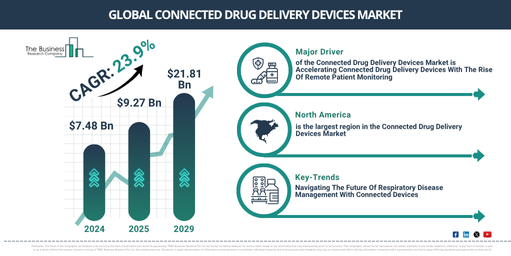
    The market for connected drug delivery devices has seen a rapid expansion recently. It is forecasted to rise from a value of $7.48 billion in 2024 to $9.27 billion in 2025, experiencing a compound annual growth rate (CAGR) of 23.9%. The notable growth during the historical period is due to factors such as heightened knowledge of connected devices, the increasing significance of remote monitoring for medication compliance, enhanced patient involvement, the wide acceptance among consumers, and the swiftly escalating costs in medical management.

    Growth is anticipated to be significant in the connected drug delivery devices market over the next few years, with projections reaching “$21.81 billion by 2029, thanks to a compound annual growth rate (CAGR) of 23.9%. This predicted rise during the forecast period is due largely to the escalating incidence of chronic illnesses, improved patient understanding of the importance of compliance with prescribed treatments, the rapid advancement of healthcare IT systems, increased focus on preventative care, and the broad use of connected devices in labs and hospitals for electronic health records (EHR) management. The forecast period is also expected to see a trend towards increased research and development activities, a surge in technological innovation and device connectivity, growing application of machine learning and artificial intelligence, expanding use of telehealth platforms that incorporate AR/VR technology, and greater implementation of electronic technology within healthcare devices.

    Download The Free Sample Report Here:

    https://www.thebusinessresearchcompany.com/sample.aspx?id=13962&type=smp

    What Forces Are Driving The Growth Of The Connected Drug Delivery Devices Industry?

    The rising significance of remote patient monitoring is anticipated to boost the progress of the connected drug delivery device market. This healthcare approach leverages technology to remotely monitor patients’ health and medical information. By allowing accurate tracking of medication use and compliance, offering timely interventions, and delivering personalized care management, connected drug delivery devices enhance remote patient monitoring. For example, as per a survey by Vivalink Inc., a US firm specializing in digital health solutions, there was a 305% surge in clinicians employing remote patient monitoring from 20% in 2021 to 81% currently. This happened in August 2023, and 84% of these users intend to broaden their RPM usage in 2024. Consequently, the rising significance of remote patient monitoring is fueling the expansion of the connected drug delivery device market.

    The connected drug delivery devices market covered in this report is segmented –

    1) By Type: Standalone Components And Software, Integrated Devices

    2) By Technology: Bluetooth, Near-Field Communication (NFC), Other Technologies

    3) By Administration: Parenteral, Inhalational

    4) By Application: Asthma, Chronic Obstructive Pulmonary Disease, Diabetes Management, Other Applications

    Subsegments:

    1) By Standalone Components And Software: Mobile Applications, Connectivity Modules, Data Analytics Software

    2) By Integrated Devices: Smart Inhalers, Smart Auto-injectors, Connected Syringes, Wearable Drug Delivery Devices

    What Upcoming Trends Are Expected To Impact The Connected Drug Delivery Devices Market Globally?

    Major businesses in the connected drug delivery devices market are concentrating their efforts on developing unique technologies like digital respiratory health solutions to boost their financial performance in the sector. Digital respiratory health solutions refer to tech-enabled appliances that simplify the process of delivering medication to the respiratory system while also collecting usage and health data to foster enhanced patient results. For example, in February 2022, AptarGroup Inc., a US company that manufactures dispensing packaging and drug delivery devices, introduced HeroTracker Sense. This groundbreaking digital tool transforms conventional metered-dose inhalers into intelligent, connected mechanisms, promoting medication compliance and management for those living with chronic respiratory illnesses like asthma, COPD, and other conditions. It provides attributes such as sensor analytics and insight, and fortifies patient adherence tracking via the BreatheSmart app, assisting in the proficient control of respiratory ailments.

    Who Are The Primary Players Operating Across The Global Connected Drug Delivery Devices Market?

    Major players in the connected drug delivery devices market are Pfizer Inc., Johnson & Johnson, Bayer AG, AstraZeneca PLC, Abbott Laboratories, Novartis AG, Medtronic PLC, Eli Lilly and Company, Amgen Inc., Boehringer Ingelheim International GmbH, Novo Nordisk A/S, Merck Group, Becton Dickinson and Company, GlaxoSmithKline PLC, Phillips-Medisize Corporation, AptarGroup Inc., Dexcom Inc., West Pharmaceutical Services Inc., Insulet Corporation, OPKO Health Inc., Tandem Diabetes Care Inc., Ypsomed AG, Meridian Medical Technologies LLC, Propeller Health, and Findair Sp. z.o.o.

    https://www.thebusinessresearchcompany.com/report/connected-drug-delivery-devices-global-market-report

    Which Region Offers The Most Growth Potential For The Connected Drug Delivery Devices Market Through 2029?

    North America was the largest region in the connected drug delivery market in 2024. The regions covered in the connected drug delivery device market report are Asia-Pacific, Western Europe, Eastern Europe, North America, South America, Middle East and Africa.

    Request For A Customized Report:

    https://www.thebusinessresearchcompany.com/customise?id=13962&type=smp

    About The Business Research Company:

    With over 15000+ reports from 27 industries covering 60+ geographies, The Business Research Company has built a reputation for offering comprehensive, data-rich research and insights. Armed with 1,500,000 datasets, the optimistic contribution of in-depth secondary research, and unique insights from industry leaders, you can get the information you need to stay ahead in the game.

    Get in touch with us:

    The Business Research Company: https://www.thebusinessresearchcompany.com/

    Americas +1 310-496-7795

    Asia +44 7882 955267 & +91 8897263534

    Europe +44 7882 955267

    Email us at info@tbrc.info

    Follow us on:

    LinkedIn: https://in.linkedin.com/company/the-business-research-company

    YouTube: https://www.youtube.com/channel/UC24_fI0rV8cR5DxlCpgmyFQ

    Global Market Model: https://www.thebusinessresearchcompany.com/global-market-model
  • Comprehensive Forecast: Congenital Diaphragmatic Hernia Drugs Market Share, Growth, and Opportunities Through 2029

    Comprehensive Forecast: Congenital Diaphragmatic Hernia Drugs Market Share, Growth, and Opportunities Through 2029

    Claim your 30% discount on Global Market Reports with code ONLINE30. Limited time only.

    Claim your 30% discount on Global Market Reports with code ONLINE30. Limited time only.

    What Are the Forecasted Growth Rate and Market Size of the Congenital Diaphragmatic Hernia Drugs Market?

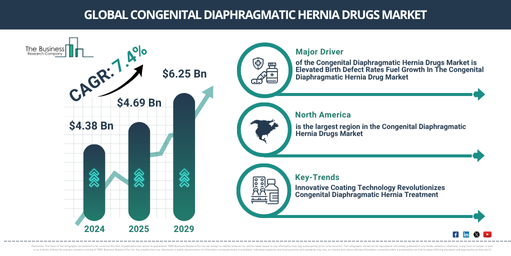
    The market size for drugs treating congenital diaphragmatic hernia has seen impressive growth in the past few years. The industry, valued at $4.38 billion in 2024, is forecasted to rise to $4.69 billion in 2025. This predicts an annual compound growth rate (CAGR) of 7.0%. Factors contributing to this growth during the historic period include an increased prevalence of congenital diaphragmatic hernia cases, raising consciousness about the disease, and government initiatives.

    The market for drugs treating congenital diaphragmatic hernia is predicted to experience substantial expansion in the coming years. It is anticipated to reach “$6.25 billion in 2029 with a compound annual growth rate (CAGR) of 7.4%” Factors contributing to growth during this projected period include increased health care spending, incentives for rare diseases, a rise in patient advocacy groups, regenerative medicine, and targeted therapies. The period will also see key trends such as progress in medical research, drug development advancements, improvements in fetal surgery, growth in pharmacological lung, growing preference for personalized medicine, the innovation of novel drug delivery systems and emergent digital health technologies.

    Download The Free Sample Report Here:

    https://www.thebusinessresearchcompany.com/sample.aspx?id=12928&type=smp

    Which Factor Is Shaping The Future Of The Congenital Diaphragmatic Hernia Drugs Market?

    The escalating rate of birth defects is anticipated to fuel the expansion of the congenital diaphragmatic hernia drug market. Birth defects constitute functional or structural anomalies present at birth, potentially impinging on an infant’s health and developmental trajectory. The medical response to congenital diaphragmatic hernia incorporates prenatal screening, genetic advice, and specialized therapies. These help decrease birth defect incidents related to congenital diaphragmatic hernia, offering opportunities for early intervention and personalized care, thereby boosting the general wellness and life quality of those affected. For example, in March 2023, the World Health Organization (WHO), an intergovernmental organization based in the US, reported that every year roughly 8 million babies are born with birth defects, with the greater share of serious issues, 9 in 10, being in low to middle-income countries. Moreover, estimates suggest that around 240,000 newborns globally die within the first 28 days of their life due to congenital disorders annually. As such, the growing rate of birth defects influences the growth of the congenital diaphragmatic hernia drug market positively.

    The congenital diaphragmatic hernia drugs market covered in this report is segmented –

    1) By Type: Posterolateral Bochdalek Hernia, Anterior Morgagni Hernia, Hiatal Hernia

    2) By Treatment: Extracorporeal Membrane Oxygenation, Other Treatments

    3) By Diagnosis: Prenatal, Postnatal

    4) By End-User: Hospitals, Homecare, Specialty Clinics, Other End Users

    Subsegments:

    1) By Posterolateral Bochdalek Hernia: Surgical Interventions, Medications for Symptoms

    2) By Anterior Morgagni Hernia: Surgical Interventions, Medications for Symptoms

    3) By Hiatal Hernia: Surgical Interventions, Medications

    How Are Key Trends Driving Expansion In The Congenital Diaphragmatic Hernia Drugs Industry?

    Leading firms in the congenital diaphragmatic hernia (CDH) market are utilizing coating technology to innovate treatment procedures and maintain their market dominance. This technology, applied to drug-embedded synthetic hernia mesh, involves a specialized layer or coating on the mesh’s surface used for hernia repair. For example, Ariste Medical, an American pre-commercial drug and device firm, was granted approval from the U.S. Food and Drug Administration (FDA) in April 2022 to sell its drug-embedded synthetic hernia mesh. The mesh aims to decrease microbial colonization risk during surgical implantation by combining polypropylene mesh benefits with a biocompatible coating that fosters antibiotic residence to lessen bacterial colonization. This coating technology, applicable to both implantable and non-implantable devices, has shown promise in materials such as polyurethane and ePTFE. Furthermore, Ariste Medical’s coating technology could potentially be applied to ePTFE surgical implants used in hernia repair surgeries.

    Which Companies Hold The Largest Market Share In The Congenital Diaphragmatic Hernia Drugs Sector?

    Major companies operating in the congenital diaphragmatic hernia drugs market are Pfizer Inc., Johnson and Johnson Limited, Merck and Co. Inc., AbbVie Inc., Novartis AG, GlaxoSmithKline PLC, Medtronic PLC, Amgen Inc., Becton, Dickinson and Company, Viatris Inc., B. Braun SE, Sun Pharmaceutical Industries Ltd., C.R. Bard Inc., W. L. Gore & Associates, Chiesi Farmaceutici S.p.A., Getinge AB, Ferring Pharmaceuticals, Mallinckrodt Pharmaceuticals, Integra LifeSciences Corporation, Genentech Inc., LifeCell International Private Limited, Cook Biotech Inc., Cousin Biotech SAS, Dipro Medical Devices S.R.L., Aspide Medical.

    https://www.thebusinessresearchcompany.com/report/congenital-diaphragmatic-hernia-drugs-global-market-report

    How Does Regional Performance Compare Across The Congenital Diaphragmatic Hernia Drugs Industry?

    North America was the largest region in the congenital diaphragmatic hernia drugs market in 2024. The regions covered in congenital diaphragmatic hernia drugs market report are Asia-Pacific, Western Europe, Eastern Europe, North America, South America, Middle East and Africa.

    Request For A Customized Report:

    https://www.thebusinessresearchcompany.com/customise?id=12928&type=smp

    About The Business Research Company:

    With over 15000+ reports from 27 industries covering 60+ geographies, The Business Research Company has built a reputation for offering comprehensive, data-rich research and insights. Armed with 1,500,000 datasets, the optimistic contribution of in-depth secondary research, and unique insights from industry leaders, you can get the information you need to stay ahead in the game.

    Get in touch with us:

    The Business Research Company: https://www.thebusinessresearchcompany.com/

    Americas +1 310-496-7795

    Asia +44 7882 955267 & +91 8897263534

    Europe +44 7882 955267

    Email us at info@tbrc.info

    Follow us on:

    LinkedIn: https://in.linkedin.com/company/the-business-research-company

    YouTube: https://www.youtube.com/channel/UC24_fI0rV8cR5DxlCpgmyFQ

    Global Market Model: https://www.thebusinessresearchcompany.com/global-market-model
  • Future Demand and Leading Companies Shaping the Complicated Skin And Skin Structure Infections Drugs Market to 2029

    Future Demand and Leading Companies Shaping the Complicated Skin And Skin Structure Infections Drugs Market to 2029

    Claim your 30% discount on Global Market Reports with code ONLINE30. Limited time only.

    Claim your 30% discount on Global Market Reports with code ONLINE30. Limited time only.

    What Is the Estimated Industry Valuation for the Complicated Skin And Skin Structure Infections Drugs Sector?

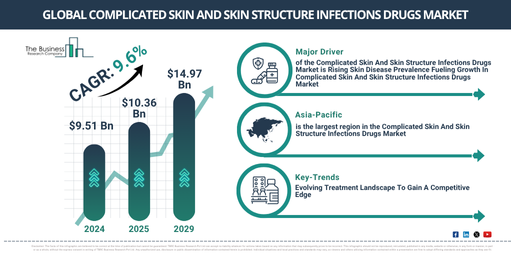
    The market for drugs treating complex skin and skin structure infections has seen robust growth lately. The market size is forecasted to increase from $9.51 billion in 2024 to $10.36 billion in 2025, corresponding to a compound annual growth rate (CAGR) of 9.0%. Factors contributing to the growth during the historic period include the prevalence of infectious diseases, an increase in hospital-acquired infections, the occurrence of complex skin and skin structure infections, a growing need for effective treatment methods, and an upward trend in disposable incomes.

    The market value for drugs combating complex skin and structure infections is slated for robust expansion in the forthcoming years, with a projected worth of “$14.97 billion by 2029, expanding at a compound annual growth rate (CAGR) of 9.6%. The projected growth during the forecasting span could be credited to factors like escalated healthcare expenditure, an uptick in investments directed towards research and development operations, surging demand for innovative antibiotics, an alarming rise in antibiotic-resistant infections, along with the swell in the demand for personalized medication. Several market trends to be observed throughout forecast period encompass enhancements in wound care merchandise, specialized antibiotics, electronic health monitoring, organic and supplementary remedies, and global partnerships.

    Download The Free Sample Report Here:

    https://www.thebusinessresearchcompany.com/sample.aspx?id=12940&type=smp

    What Forces Are Driving The Growth Of The Complicated Skin And Skin Structure Infections Drugs Market?

    The escalating rate of skin related ailments is anticipated to spur the expansion of the complicated skin and skin structure infections drugs market in the near future. Skin diseases are health issues that impact the skin’s aesthetics, structure, and function. They also involve the hair, nails and linked tissues. Several antibiotics are administered to treat resistant bacteria in cSSSI. With this said, the surge in skin-related conditions can result in the approval of fresh cSSSI treatments, greater awareness and early diagnosis of complicated skin and skin structure infections. For example, Cancer Research UK, a UK-based cancer research organization reported in February 2023, that the projected number of new cases of melanoma skin cancer each year is set to escalate from nearly 20,800 cases in 2023-2025 to an approximate of 26,500 cases in 2038-2040. This translates to a predicted 9% upsurge in melanoma occurrences, hitting 33 cases per 100,000 people annually by 2038-2040. As a result, the growing incidence of skin disorders propels the development of the complicated skin and skin structure infections drugs market.

    The complicated skin and skin structure infections drugs market covered in this report is segmented –

    1) By Active Ingredients: Delafloxacin, Vancomycin, Ceftaroline Fosamil, Linezolid, Other Active Ingredients

    2) By Route of Administration: Oral, Topical, Parenteral

    3) By End User: Hospitals, Homecare, Specialty Clinics, Other End-Users

    Subsegments:

    1) By Delafloxacin: Delafloxacin Oral Tablets, Delafloxacin Injectable Form

    2) By Vancomycin: Vancomycin Oral Solution, Vancomycin Injection

    3) By Ceftaroline Fosamil: Ceftaroline Fosamil Injection

    4) By Linezolid: Linezolid Oral Tablets, Linezolid Injectable Form

    5) By Other Active Ingredients: Daptomycin, Tigecycline, Teicoplanin

    Which Emerging Trends And Strategic Shifts Are Shaping The Complicated Skin And Skin Structure Infections Drugs Market?

    Key players in the complex skin and skin structure infections drugs market are focusing on product innovation to maintain competitive advantage. In January 2022, Paladin Labs Inc., an Endo International PLC subsidiary headquartered in Canada, introduced Xydalba- a product innovatively designed for the Canadian market, providing intravenous therapy for acute bacterial skin and skin structure infections (ABSSSI) in adults and children aged three months and up. Xydalba, a second-generation semi-synthetic lipoglycopeptide antibiotic, functions by disrupting bacterial cell wall formation, effectively eliminating the bacterium. It shows efficacy against a broad spectrum of gram-positive bacteria, including methicillin-resistant Staphylococcus aureus (MRSA). ABSSSI represents a specific category within the larger complicated skin and skin structure infections (cSSSI) segment.

    Which Companies Currently Dominate The Competitive Landscape In The Complicated Skin And Skin Structure Infections Drugs Industry?

    Major companies operating in the complicated skin and skin structure infections drugs market are Pfizer Inc., Johnson & Johnson, F. Hoffmann-La Roche Ltd., AbbVie Inc., Bayer AG, Novartis AG, Merck & Co. Inc., AstraZeneca PLC, Abbott Laboratories, Sanofi SA, GlaxoSmithKline PLC, Eli Lilly and Company, Cipla Inc., Viatris Inc., Teva Pharmaceutical Industries Ltd., Fresenius Kabi, Macleods Pharmaceuticals, Sun Pharmaceutical Industries Limited, Dr Reddy’s Laboratories Ltd., Lupin Pharmaceuticals, Zydus Lifesciences Ltd., Glenmark Pharmaceuticals Ltd., Alkem Laboratories Limited, LEO Pharma, Wockhardt, Paratek Pharmaceuticals, Basilea Pharmaceutica AG, Melinta Therapeutics Inc., Nabriva Therapeutics AG, MerLion Pharmaceuticals GmbH.

    https://www.thebusinessresearchcompany.com/report/complicated-skin-and-skin-structure-infections-drugs-global-market-report

    Which Geographic Regions Are Driving Demand In The Complicated Skin And Skin Structure Infections Drugs Market?

    Asia-Pacific was the largest region in the complicated skin and skin structure infections drugs market in 2024. The regions covered in complicated skin and skin structure infections drugs market report are Asia-Pacific, Western Europe, Eastern Europe, North America, South America, Middle East and Africa.

    Request For A Customized Report:

    https://www.thebusinessresearchcompany.com/customise?id=12940&type=smp

    About The Business Research Company:

    With over 15000+ reports from 27 industries covering 60+ geographies, The Business Research Company has built a reputation for offering comprehensive, data-rich research and insights. Armed with 1,500,000 datasets, the optimistic contribution of in-depth secondary research, and unique insights from industry leaders, you can get the information you need to stay ahead in the game.

    Get in touch with us:

    The Business Research Company: https://www.thebusinessresearchcompany.com/

    Americas +1 310-496-7795

    Asia +44 7882 955267 & +91 8897263534

    Europe +44 7882 955267

    Email us at info@tbrc.info

    Follow us on:

    LinkedIn: https://in.linkedin.com/company/the-business-research-company

    YouTube: https://www.youtube.com/channel/UC24_fI0rV8cR5DxlCpgmyFQ

    Global Market Model: https://www.thebusinessresearchcompany.com/global-market-model
  • 2025–2029 Cold Chain Temperature Monitoring Market Outlook: Regional Trends and Growth Forecast

    2025–2029 Cold Chain Temperature Monitoring Market Outlook: Regional Trends and Growth Forecast

    Claim your 30% discount on Global Market Reports with code ONLINE30. Limited time only.

    Claim your 30% discount on Global Market Reports with code ONLINE30. Limited time only.

    How Large Is the Cold Chain Temperature Monitoring Market Expected to Be in 2029?

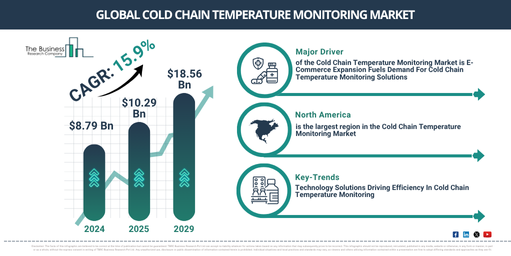
    In the past few years, the market size of cold chain temperature monitoring has seen a quick expansion. There is a projection for growth from $8.79 billion in 2024 to $10.29 billion in 2025, indicating a Compound Annual Growth Rate (CAGR) of 17.1%. Factors contributing to growth during the historical period include an increase in global trade, a higher demand for pharmaceutical products, the necessity of preserving product quality, expanded access to cold chain logistics, and a focus on predictive maintenance.

    In the upcoming years, the market size of cold chain temperature monitoring is projected to experience quick expansion, expected to reach “$18.56 billion in 2029 displaying a compound annual growth rate (CAGR) of 15.9%.” Contributing factors towards the growth during the predicted period includes the incorporation of cutting-edge technologies by leading players, development and improvement of product offerings, the uptake of novel temperature tracking solutions, an escalating demand for cold chain logging in emerging economies, and focus on mechanization and cool storage technologies. Forecasts for the period highlight increasing utilization of sensors and data recording devices, growth of software applications for cold chain observations, priority on security and safety of monitoring systems, a tendency towards on-location software solutions, and efforts on enhancing operational efficiency.

    Download The Free Sample Report Here:

    https://www.thebusinessresearchcompany.com/sample.aspx?id=14676&type=smp

    What Are The Contributors To Demand In The Cold Chain Temperature Monitoring Market?

    The surge in e-commerce is anticipated to fuel the cold chain temperature monitoring market’s growth in the future. The term e-commerce denotes transactions involving goods and services conducted through electronic channels, primarily via the internet. The convenience it offers, advancements in technology, and rapid uptake during the COVID-19 outbreak have all contributed to the expansion of e-commerce. This expansion provides businesses with the ability to access a worldwide market and revamp their supply chain logistics. Cold chain temperature monitoring systems offer real-time visibility and control over temperature-sensitive goods, allowing e-commerce firms to uphold product quality, fulfill customer expectations, and show regulatory adherence. For example, the United States Census Bureau, a government agency in the US, reported in November 2023 that the total e-commerce sales in the USA for 2023 amounted to $1,118.7 billion, marking a 7.6% increase from 2022. As a consequence, the growth of the e-commerce sector is propelling the expansion of the cold chain temperature monitoring market.

    The cold chain temperature monitoring market covered in this report is segmented –

    1) By Hardware: Conventional Temperature Loggers, Real Time Monitoring Devices, Resistance Temperature Detectors, Temperature Indicators, Other Hardware

    2) By Software: On Premise, Cloud Based

    3) By End User: Fish, Meat And Seafood, Processed Food, Pharmaceuticals, Bakery And Confectionaries, Fruits And Vegetables, Dairy Products, Other End Users

    Subsegments:

    1) By Conventional Temperature Loggers: Battery-Powered Temperature Data Loggers, USB Temperature Loggers, Multi-Channel Temperature Loggers, Manual Data Retrieval Temperature Loggers

    2) By Real-Time Monitoring Devices: Wireless Temperature Monitoring Systems, Cloud-Based Temperature Monitoring Devices, IoT-Enabled Real-Time Monitoring Devices, GPS-Integrated Real-Time Monitoring Devices, Mobile App-Enabled Real-Time Monitors

    3) By Resistance Temperature Detectors (RTDs): Industrial-Grade RTD Sensors, High Precision RTDs for Cold Chain Applications, RTD Probes for Refrigerated Transport, RTD Sensors with Digital Output

    4) By Temperature Indicators: Analog and Digital Temperature Indicators, Visual Temperature Display Devices, LCD/LED Temperature Indicators for Cold Storage, Temperature Warning and Alert Indicators

    5) By Other Hardware: Thermocouples for Temperature Monitoring, Infrared Temperature Sensors, Data Acquisition Systems for Cold Chain Management, RFID Temperature Tracking Tags, Hybrid Temperature Monitoring Devices

    What Are The Leading Trends And Opportunities In The Cold Chain Temperature Monitoring Sector?

    The leading corporations in the cold chain temperature monitoring market are pioneering temperature trackers, such as CubiSens XT1, to boost real-time supervision and guarantee the preservation of temperature-sensitive products all through the supply chain. CubiSens XT1, a tracking device utilizing an array of sensor innovations, gauges and logs temperature conditions at multiple points of product transit and storage. CubeWorks, a technological firm based in the US, rolled out CubiSens XT1 in September 2022 for instance. CubiSens XT1 is designed to deliver an all-inclusive solution for supervising and improving agricultural procedures. It amalgamates diverse sensors and technologies to compile data about environmental conditions, the health of crops, soil hydration, and other pertinent aspects. The primary objective is to guide farmers in making educated choices, escalate crop output, streamline resource expenditure, and foster overall efficiency and sustainability in farming.

    Who Are The Top-Ranked Companies In The Cold Chain Temperature Monitoring Market Today?

    Major companies operating in the cold chain temperature monitoring market are Zebra Technologies Corporation, Cryoport Inc., Cold Chain Technologies, Controlant, Sensitech Inc., OMEGA Engineering inc., Luna, Elitech, MOBIQU, Thermo Electric Company Inc., DeltaTrak Inc., Berlinger & Co. AG, Insignia Technologies, Softbox, CargoSense, PakSense, Elpro-Buchs AG, CubeWorks, Infratab Inc., Kedeon, CWD Limited, ORBCOMM, Roambee Corporation, iMatrix Cloud, AeroSafe Global

    https://www.thebusinessresearchcompany.com/report/cold-chain-temperature-monitoring-global-market-report

    How Is Cold Chain Temperature Monitoring Market Adoption Varying Across Different Regions And Sectors?

    North America was the largest region in the cold chain temperature monitoring market in 2024. Asia-Pacific is expected to be the fastest-growing region in the forecast period. The regions covered in the cold chain temperature monitoring market report are Asia-Pacific, Western Europe, Eastern Europe, North America, South America, Middle East and Africa.

    Request For A Customized Report:

    https://www.thebusinessresearchcompany.com/customise?id=14676&type=smp

    About The Business Research Company:

    With over 15000+ reports from 27 industries covering 60+ geographies, The Business Research Company has built a reputation for offering comprehensive, data-rich research and insights. Armed with 1,500,000 datasets, the optimistic contribution of in-depth secondary research, and unique insights from industry leaders, you can get the information you need to stay ahead in the game.

    Get in touch with us:

    The Business Research Company: https://www.thebusinessresearchcompany.com/

    Americas +1 310-496-7795

    Asia +44 7882 955267 & +91 8897263534

    Europe +44 7882 955267

    Email us at info@tbrc.info

    Follow us on:

    LinkedIn: https://in.linkedin.com/company/the-business-research-company

    YouTube: https://www.youtube.com/channel/UC24_fI0rV8cR5DxlCpgmyFQ

    Global Market Model: https://www.thebusinessresearchcompany.com/global-market-model
  • Latest Market Developments in Cephalosporin Industry: Forecast 2025–2029

    Latest Market Developments in Cephalosporin Industry: Forecast 2025–2029

    Claim your 30% discount on Global Market Reports with code ONLINE30. Limited time only.

    Claim your 30% discount on Global Market Reports with code ONLINE30. Limited time only.

    What Is the Outlook for the Cephalosporin Market Heading Into 2029?

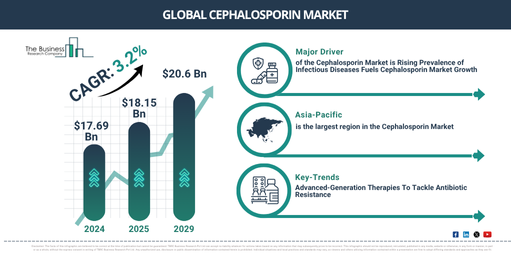
    In recent times, the cephalosporin market has experienced a consistent increase in size. It is projected to expand from $17.69 billion in 2024 to $18.15 billion in 2025, representing a compound annual growth rate (CAGR) of 2.6%. This historical growth trend can be linked to the escalating occurrence of bacterial infections, the surge in antibiotic resistance, an increase in surgical procedures and hospital admissions, heightened consciousness amongst healthcare providers, and regulatory encouragement for the development of antibiotics.

    The size of the cephalosporin market is anticipated to consistently expand in the coming years. It is projected to reach “$20.6 billion in 2029 with a compound annual growth rate (CAGR) of 3.2%.” The predicted growth during this forecast period can be credited to the escalating worldwide burden of infectious diseases, burgeoning bacterial resistance, the ongoing expansion in surgical interventions and infections associated with healthcare, the increased need for broad-spectrum antibiotics, and changes in reimbursement policies affecting market dynamics. Key trends to watch in this forecast period are technological advancements, alterations in regulatory landscapes, market growth through advanced solutions, and collaborations and partnerships.

    Download The Free Sample Report Here:

    https://www.thebusinessresearchcompany.com/sample.aspx?id=13402&type=smp

    Which Factors Are Pushing The Cephalosporin Market Forward?

    An expected surge in infectious diseases incidents is forecasted to substantially boost the cephalosporin market’s expansion. Pathogenic microorganisms, such as bacteria, viruses, fungi, and parasites, cause infectious diseases by invading and multiplying, which can spread from person to person, causing diseases like tuberculosis, malaria, and flu. The rise in infectious diseases results in an increased demand for cephalosporin antibiotics, regularly employed to treat bacterial pathogen-induced infectious ailments due to their significant role in controlling and battling bacterial infections. In March 2023, for example, the US-based national public health body, the Centers for Disease Control and Prevention, reported 8,300 tuberculosis (TB) cases in the United States for the year 2022, marking an increase from 7,874 cases in 2021. Consequently, the escalating prevalence of infectious diseases is anticipated to fuel the growth of the cephalosporin market.

    The cephalosporin market covered in this report is segmented –

    1) By Type: Branded, Generic

    2) By Route Of Administration: Injection, Oral

    3) By Application: Respiratory Tract Infection, Skin Infection, Ear Infection, Urinary Tract Infection, Sexually Transmitted Infection, Other Applications

    Subsegments:

    1) By Flat Panel Detector: Active Matrix Flat Panel Detectors, Thin-Film Transistor (TFT) Flat Panel Detectors

    2) By Image Intensifier: Single-Field Image Intensifiers, Dual-Field Image Intensifiers

    3) By Other Product Type: Charge-Coupled Device (CCD), Complementary Metal-Oxide-Semiconductor (CMOS)

    What Trends Are Currently Influencing Growth In The Cephalosporin Market?

    Prominent businesses in the cephalosporin market are prioritizing the development of new products and therapies, such as sophisticated cephalosporins, in order to combat antibiotic resistance and improve their portfolio’s ability to tackle a broader range of bacterial infections. Ceftobiprole, a wide-spectrum cephalosporin antibiotic, is employed in treating diverse bacterial infections, including infections affecting the skin and soft tissues, in addition to pneumonia. In July 2022, for example, Mast Group Ltd., a manufacturer and distributor of clinical and industrial diagnostic products based in the UK, rolled out Ceftobiprole 5µg as part of the MASTDISCS Antimicrobial Susceptibility Test line. Ceftobiprole (also known as Zevtera or Mabelio) is a 5th-generation broad-spectrum cephalosporin approved in numerous European nations for treating community-acquired pneumonia (CAP) and hospital-acquired pneumonia (HAP). Owing to its wide activity scope, potency against methicillin-resistant Staphylococcus aureus (MRSA), and suitable safety profile, Ceftobiprole is considered a viable substitute for targeted empirical therapy.

    Which Organizations Are Driving Progress In The Cephalosporin Industry?

    Major companies operating in the cephalosporin market report are Pfizer Inc., Roche Holding AG, Merck & Co. Inc., Novartis AG, AbbVie Inc., AstraZeneca PLC, Sanofi SA, Takeda Pharmaceutical Company Limited, Eli Lilly and Company, Boehringer Ingelheim International GmbH, Allergan PLC, Baxter International Inc., Eisai Co. Ltd., Macleods Pharmaceuticals Ltd., Sun Pharmaceutical Industries Ltd., Shionogi & Co Ltd., Cipla Inc., Hikma Pharmaceuticals PLC, Lupin Ltd., Zydus Lifesciences Ltd., Alkem Labs Ltd., Aurobindo Pharma Ltd., Fresenius Kabi, Aristo Pharmaceuticals Ltd., Accord Healthcare Ltd., Mankind Pharma Ltd., Qilu Anti Pharmaceutical Co. Ltd., Shandong Ruiying Pioneer Pharmaceutical Co. Ltd., Vansen Pharma Inc.

    https://www.thebusinessresearchcompany.com/report/cephalosporin-global-market-report

    Which Region Is Expected To Experience The Highest Growth In The Cephalosporin Industry?

    Asia-Pacific was the largest region in the cephalosporin market in 2024. The regions covered in the cephalosporin market report are Asia-Pacific, Western Europe, Eastern Europe, North America, South America, Middle East, Africa.

    Request For A Customized Report:

    https://www.thebusinessresearchcompany.com/customise?id=13402&type=smp

    About The Business Research Company:

    With over 15000+ reports from 27 industries covering 60+ geographies, The Business Research Company has built a reputation for offering comprehensive, data-rich research and insights. Armed with 1,500,000 datasets, the optimistic contribution of in-depth secondary research, and unique insights from industry leaders, you can get the information you need to stay ahead in the game.

    Get in touch with us:

    The Business Research Company: https://www.thebusinessresearchcompany.com/

    Americas +1 310-496-7795

    Asia +44 7882 955267 & +91 8897263534

    Europe +44 7882 955267

    Email us at info@tbrc.info

    Follow us on:

    LinkedIn: https://in.linkedin.com/company/the-business-research-company

    YouTube: https://www.youtube.com/channel/UC24_fI0rV8cR5DxlCpgmyFQ

    Global Market Model: https://www.thebusinessresearchcompany.com/global-market-model
  • Emerging Trends and Growth Drivers in the Cell Regeneration Medicine Market Through 2029

    Emerging Trends and Growth Drivers in the Cell Regeneration Medicine Market Through 2029

    Claim your 30% discount on Global Market Reports with code ONLINE30. Limited time only.

    Claim your 30% discount on Global Market Reports with code ONLINE30. Limited time only.

    What Does the Forecast Indicate for the Cell Regeneration Medicine Market From 2025 to 2029?

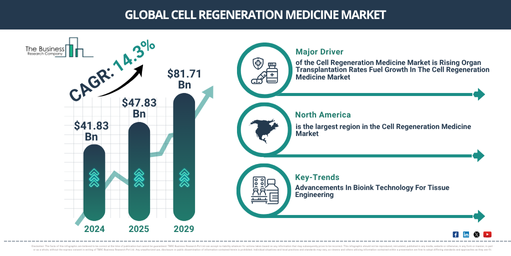
    The market for cell regeneration medicine has expanded swiftly in the last few years. The forecast for its growth is from $41.83 billion in 2024 soaring to $47.83 billion in 2025, at a compound annual growth rate (CAGR) of 14.3%. The surge in growth in the past years can be credited to factors such as an aging population, the high occurrence of chronic diseases, increase in governmental and corporate investments, and a growing demand for functional medicine products in the regenerative sector.

    A significant expansion is anticipated in the cell regeneration medicine market in the upcoming years, with the prediction of reaching “$81.71 billion by 2029 with a compound annual growth rate (CAGR) of 14.3%.” Factors influencing the growth in the forecast period include the elevating demand for regenerative medicine products by the horeca sector, scarcity of organs for transplantation, boosted r&d activities, and the rising need for gene therapies. Key themes in the forecast period encompass advanced therapies, extension of clinical trials, advancements in tissue engineering and 3d bioprinting, exosome-focused treatments, and personalized medicine.

    Download The Free Sample Report Here:

    https://www.thebusinessresearchcompany.com/sample.aspx?id=12884&type=smp

    What Elements Are Contributing To Growth In The Cell Regeneration Medicine Market?

    The cell regeneration medicine market is forecasted to grow, spurred by the increasing acceptance of organ transplantation. This medical procedure involves transferring an organ from one body to another, substituting a damaged or lost organ. Its popularity has surged due to the extended lifespan it offers and the sidestepping of medical processes like dialysis. Cell regeneration medicine significantly upgrades organ transplantation by concentrating on the repair and regeneration of impaired tissues or organs. In January 2023, the United Network for Organ Sharing, a scientific and educational association based in the US, reported that approximately 42,887 organ transplants performed in the US in 2022, marking a 3.7% rise from 2021. Consequently, the escalating acceptance of organ transplants will stimulate the cell regeneration medicine market.

    The cell regeneration medicine market covered in this report is segmented –

    1) By Product: Therapeutics, Tools, Banks, Services

    2) By Therapeutic Category: Dermatology, Musculoskeletal, Immunology And Inflammation, Oncology, Cardiovascular, Ophthalmology, Other Therapeutic Categories

    3) By End-User: Hospitals And Clinics, Commercial Industries, Government And Academic Research Institutes

    Subsegments:

    1) By Therapeutics: Stem Cell Therapies, Gene Therapies, Tissue Engineering Products

    2) By Tools: Cell Culture Equipment, Bioreactors, Imaging Systems

    3) By Banks: Stem Cell Banks, Tissue Banks, Cord Blood Banks

    4) By Services: Cell Processing Services, Research And Development Services, Clinical Trial Services

    What Long-Term Trends Are Likely To Affect The Cell Regeneration Medicine Market?

    Leading corporations in the cell regeneration medicine market are putting their efforts into the creation of medical-grade bioink to gain an advantage in the industry. Medical-grade bioink is a particular type of ink used in bioprinting that aligns with strict regulatory standards of safety and biocompatibility, making it desirable for use in tissue engineering, regenerative medicine, and the creation of biological structures for medical applications. For example, CELLINK, a Sweden-based firm with a focus on cell regeneration medicine products and technologies, released CELLINK Vivoink in October 2023. This is the first such bioink suitable for clinical use in the fields of tissue engineering and regenerative medicine. It is optimized for top-level printability, mechanical stability, and cell viability.

    Who Are The Key Contributors To Growth In The Cell Regeneration Medicine Market?

    Major companies operating in the cell regeneration medicine market are Pfizer Inc., Johnson & Johnson, F.Hoffman-La Roche Ltd., AbbVie Inc., Bayer AG, Novartis AG, Bristol-Myers Squibb Company, Medtronic PLC, Eli Lilly and Company, Boehringer Ingelheim International GmbH, Amgen Inc., ViaCord LLC, Stryker Corporation, Zimmer Biomet Holdings Inc., Cook Biotech Inc., Integra LifeSciences Holdings Corporation, NuVasive Inc., Organogenesis Holdings Inc., AMAG Pharmaceuticals Inc., Takara Bio Inc., MiMedx Group Inc., Vericel Corporation, Mesoblast Limited, Osiris Therapeutics Inc., Guanhao Biotech Co. Ltd., CordLife Group Limited, FUJIFILM Cellular Dynamics Inc., Cesca Therapeutics Inc., U.S. Stem Cell Inc., Cytori Therapeutics Inc.

    https://www.thebusinessresearchcompany.com/report/cell-regeneration-medicine-global-market-report

    Which Region Is Projected To Lead The Cell Regeneration Medicine Market By 2025?

    North America was the largest region in the cell regeneration medicine market in 2024. The regions covered in cell regeneration medicine market report are Asia-Pacific, Western Europe, Eastern Europe, North America, South America, Middle East and Africa.

    Request For A Customized Report:

    https://www.thebusinessresearchcompany.com/customise?id=12884&type=smp

    About The Business Research Company:

    With over 15000+ reports from 27 industries covering 60+ geographies, The Business Research Company has built a reputation for offering comprehensive, data-rich research and insights. Armed with 1,500,000 datasets, the optimistic contribution of in-depth secondary research, and unique insights from industry leaders, you can get the information you need to stay ahead in the game.

    Get in touch with us:

    The Business Research Company: https://www.thebusinessresearchcompany.com/

    Americas +1 310-496-7795

    Asia +44 7882 955267 & +91 8897263534

    Europe +44 7882 955267

    Email us at info@tbrc.info

    Follow us on:

    LinkedIn: https://in.linkedin.com/company/the-business-research-company

    YouTube: https://www.youtube.com/channel/UC24_fI0rV8cR5DxlCpgmyFQ

    Global Market Model: https://www.thebusinessresearchcompany.com/global-market-model

  • CAGR of 11.7% Projected for Cell Culture Media Market From 2025 to 2029

    CAGR of 11.7% Projected for Cell Culture Media Market From 2025 to 2029

    Claim your 30% discount on Global Market Reports with code ONLINE30. Limited time only.

    Claim your 30% discount on Global Market Reports with code ONLINE30. Limited time only.

    How Much Is the Global Cell Culture Media Market Valued at Present and by 2029?

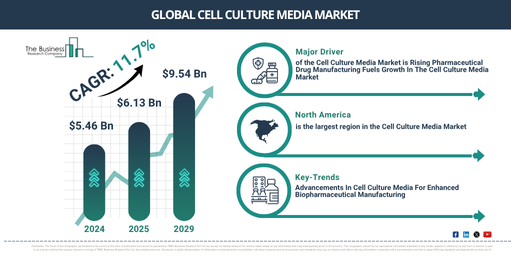
    The size of the cell culture media market has witnessed a fast-paced expansion in the past few years. It’s projected to increase from $5.46 billion in 2024 to $6.13 billion in 2025, reflecting a compound annual growth rate (CAGR) of 12.3%. The unprecedented growth during the historic period is due to factors such as heightened research and development (R&D) endeavors, escalating occurrence of chronic ailments, the growth of the biopharmaceutical sector, governmental support and funding, and increasing need for regenerative medicine and stem cell therapies.

    Expectations indicate swift expansion for the cell culture media market in the ensuing few years, with an anticipated growth to “$9.54 billion in 2029 at a compound annual growth rate (CAGR) of 11.7%. The predicted increase within the projection period is due to several factors such as an intensified emphasis on personalized medicine, an expanding biopharmaceutical product pipeline, and growth in stem cell research. Increased use of organ-on-a-chip technology for drug testing and toxicity screening, enhancements in healthcare infrastructure, augmented investments in life sciences research, as well as expanding biopharmaceutical manufacturing capabilities all contribute to this expected growth. Notable trends within this forecast period encompass advancements in biotechnology, the emergence of cell and gene therapies, the implementation of organ-on-a-chip technology for drug testing and toxicity screening, acceptance of animal-free and chemically-defined cell culture media formulations alongside the incorporation of sophisticated cell culture systems, microfluidics, and bioreactor technologies.

    Download The Free Sample Report Here:

    https://www.thebusinessresearchcompany.com/sample.aspx?id=14871&type=smp

    #What Drivers Are Influencing Growth In The Cell Culture Media Market?

    The cell culture media market is projected to grow, driven by the increased production of pharmaceutical drugs. These drugs, which include substances or medications used to prevent, treat, or diagnose medical conditions in both animals and humans, have seen an upswing in production due to the rising incidence of chronic and infectious diseases, as well as an aging population that needs more medication for age-related health conditions. Cell culture media play a crucial role in this production process, supplying necessary nutrients and conditions for cell growth and the development of the requisite therapeutic proteins or molecules. For example, in June 2023, data from the European Federation of Pharmaceutical Industries and Associations (EFPIA), a European trade organization representing the pharmaceutical sector based in Belgium, reported that total bio-pharmaceutical manufacturing in Europe came to $384,200 million (€340,000 million) in 2022. This figure represents an approximately 4.95% increase over the previous year’s figure of $366,267 million (€323,950 million) in 2021. Consequently, the bolstered production of pharmaceutical drugs is fostering growth in the cell culture media market.

    The cell culture media market covered in this report is segmented –

    1) By Type: Liquid Media, Semi-Solid And Solid Media

    2) By Product: Serum Free Media, Classical Media, Stem Cell Culture Media, Specialty Media, Chemically Defined Media, Other Cell Culture Media

    3) By Application: Biopharmaceutical Production, Diagnostics, Drug Screening And Development, Tissue Engineering And Regenerative Medicine, Other Applications

    4) By End User: Biotechnology And Pharmaceutical Industry, Academic Institute, Research Laboratory, Other End Users

    Subsegments:

    1) By Liquid Media: Classical Media, Chemically Defined Media, Serum-Free Media, Specialty Media (Protein-Free, Low-Glucose Media)

    2) By Semi-Solid And Solid Media: Semi-Solid Media (Agar-Based), Solid Media (Petri Dishes, Agar Plates For Colony Formation)

    What Future Market Trends Are Projected For The Cell Culture Media Industry?

    Leading entities in the cell culture media market are prioritizing the creation of distinctive culture cell media types, which include chemically defined and animal-component-free varieties, to enhance their market competitiveness. These specific formulations are designed to promote cell growth and protein production contributing to the efficiency and upscaling of biopharmacological manufacturing processes. As an illustration, in July 2023, Switzerland’s Lonza Group Ltd., a notable healthcare firm, introduced their TheraPRO CHO Media System. This innovative cell culture platform is projected to augment productivity and quality standards in the production of therapeutic proteins. The system is uniquely adapted to maximize the production of therapeutic monoclonal antibodies, highlighting a two-part production process that is chemically defined, bereft of animal components, consequently simplifying media preparation and ensuring scalability.

    Which Companies Play A Key Role In The Development Of The Cell Culture Media Market?

    Major companies operating in the cell culture media market are Thermo Fisher Scientific Inc., Danaher Corporation, Merck KGaA, Becton Dickinson and Company, Corning Incorporated, Lonza Group AG, Sartorius AG, CYTIVA Lifesciences, Bio-Rad Laboratories Inc., STEMCELL Technologies Inc., Miltenyi Biotec, Takara Bio, MP Biomedicals, FUJIFILM Irvine Scientific Inc., Promocell Inc., InSphero AG, PeproTech Inc., HiMedia Laboratories Pvt. Ltd., Elabscience Biotechnology Inc., Capricorn Scientific GmbH, CAISSON Laboratories Inc., Cell Biologics Inc., Nucleus Biologics LLC

    https://www.thebusinessresearchcompany.com/report/cell-culture-media-global-market-report

    What Are The Key Regional Developments Shaping The Cell Culture Media Market?

    North America was the largest region in the cell culture media market in 2024. Asia-Pacific is expected to be the fastest-growing region in the forecast period. The regions covered in the cell culture media market report are Asia-Pacific, Western Europe, Eastern Europe, North America, South America, Middle East, Africa.

    Request For A Customized Report:

    https://www.thebusinessresearchcompany.com/customise?id=14871&type=smp

    About The Business Research Company:

    With over 15000+ reports from 27 industries covering 60+ geographies, The Business Research Company has built a reputation for offering comprehensive, data-rich research and insights. Armed with 1,500,000 datasets, the optimistic contribution of in-depth secondary research, and unique insights from industry leaders, you can get the information you need to stay ahead in the game.

    Get in touch with us:

    The Business Research Company: https://www.thebusinessresearchcompany.com/

    Americas +1 310-496-7795

    Asia +44 7882 955267 & +91 8897263534

    Europe +44 7882 955267

    Email us at info@tbrc.info

    Follow us on:

    LinkedIn: https://in.linkedin.com/company/the-business-research-company

    YouTube: https://www.youtube.com/channel/UC24_fI0rV8cR5DxlCpgmyFQ

    Global Market Model: https://www.thebusinessresearchcompany.com/global-market-model