Blog

  • Industry Forecast: Cannabis Capsule Market to Generate $91.89 Billion Revenue by 2029

    Industry Forecast: Cannabis Capsule Market to Generate $91.89 Billion Revenue by 2029

    Claim your 30% discount on Global Market Reports with code ONLINE30. Limited time only.

    Claim your 30% discount on Global Market Reports with code ONLINE30. Limited time only.

    What Is the Current and Projected Market Size of the Cannabis Capsule Industry?

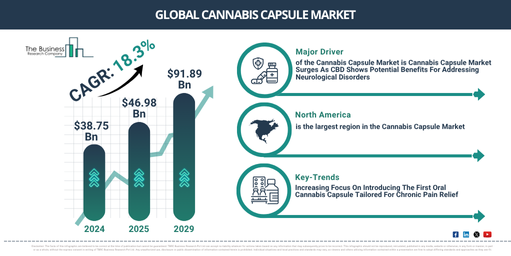
    In the past few years, there has been an astronomical increase in the size of the cannabis capsule market. It is projected to expand from $38.75 billion in 2024 to $46.98 billion in 2025, with a compound annual growth rate (CAGR) of 21.2%. This significant growth in the historical period can be traced back to advancements in research and development processes, rising medical demands, and an increase in investigative and developmental activities.

    The market size for cannabis capsules is set to experience a fast-paced expansion in the coming years. It’s projected to reach a valuation of “$91.89 billion in 2029, with a Compound Annual Growth Rate (CAGR) of 18.3%. The reasons for this anticipated surge in the forecast period can be linked to a rise in neurological conditions, progressive legalization, and evolving consumer tastes. Key trends to watch out for during the forecast period are product development, strategic alliances, and advancements in technology.

    Download The Free Sample Report Here:

    https://www.thebusinessresearchcompany.com/sample.aspx?id=13818&type=smp

    #Which Factors Are Currently Driving The Growth Of The Cannabis Capsule Market?

    The growth of the cannabis capsule market is projected to accelerate due to the escalating number of neurological disorders. Neurological disorder is a health issue that impacts the central and peripheral nervous systems, affecting not only the nerves in the spinal cord and body but also the brain. Cannabis capsules, which contain compounds like cannabidiol (CBD), can potentially impressively impact neurological disorders by preventing the development of social recognition memory deficits seen in ailments like Alzheimer’s disease. For example, the World Federation of Neurology, a UK-based collaboration of national neurological societies, reported in October 2023 that over 40% of the global population are presently suffering from some sort of neurological condition. This number is predicted to almost double by 2050. Consequently, the increasing incidence of neurological disorders is fuelling the expansion of the cannabis capsule market.

    The cannabis capsule market covered in this report is segmented –

    1) By Type: High Tetrahydrocannabinol Capsules, Tetrahydrocannabinol Or Cannabinol Balance Capsule, High Cannabinol Capsules

    2) By Compound: Tetrahydrocannabinol (THC)-Dominant, Cannabidiol (CBD)-Dominant

    3) By End User: Hospital Pharmacies, Retail Pharmacies, Drug Stores, Online Sales

    Subsegments:

    1) By High Tetrahydrocannabinol Capsules: Full-Spectrum Capsules, Isolate Capsules

    2) By Tetrahydrocannabinol Or Cannabinol Balance Capsule: Ratio Capsules, Blend Capsules

    3) By High Cannabinol Capsules: Full-Spectrum CBN Capsules, Isolate CBN Capsules

    Which Trends Are Redefining The Future Landscape Of The Cannabis Capsule Industry?

    Leading enterprises in the cannabis capsule market are concentrating on offering innovative products like oral cannabis capsules in order to gain a competitive advantage. An oral cannabis capsule is a method of consuming cannabis which includes converting cannabis elements, like oil and decarboxylated flower, into a pill. For example, Holistic Industries, an organic medical cannabis firm from the U.S., unveiled CANNACEUTICA, which is the first oral cannabis capsule with dosing directions specifically designed and researched for those with chronic pain, in January 2023. This product is unique and is proposed as an alternative to opioids, providing easy dosing instructions and evidence of its usage. The oral cannabis pill is provided with an Easy Dose Chart and clear dosing rules in every bottle to aid users in identifying the perfect dosage. It begins with a recommended dosage of 2.5 milligrams of THC (Tetrahydrocannabinol).

    Who Are The Main Participants Shaping The Cannabis Capsule Market Landscape?

    Major companies operating in the cannabis capsule market report are GW Pharmaceuticals PLC, Trulieve Cannabis Corp., Green Thumb Industries Inc., Tilray Inc., Columbia Care Inc., Aphria Inc., Curaleaf Holdings Inc., Canopy Growth Corporation, Cresco Labs Inc., Aurora Cannabis Inc., Organigram Holdings Inc., Harvest Health & Recreation Inc., Cronos Group Inc., TerrAscend Corp., Vireo Health International Inc., Charlotte’s Web Holdings Inc., The Valens Company Inc., Acreage Holdings Inc., Neptune Wellness Solutions Inc., CannTrust Holdings Inc., Valens Company Inc., HEXO Corp., Cann Group Limited, Plus Products Inc., Heritage Cannabis Holdings Corp., PharmaCielo Ltd., MediPharm Labs Corp., Sundial Growers Inc., MedReleaf Corp., Wana Brands

    https://www.thebusinessresearchcompany.com/report/cannabis-capsule-global-market-report

    Which Region Currently Holds The Largest Share In The Cannabis Capsule Market?

    North America was the largest region in the cannabis capsule market in 2024. The regions covered in the cannabis capsule market report are Asia-Pacific, Western Europe, Eastern Europe, North America, South America, Middle East, Africa.

    Request For A Customized Report:

    https://www.thebusinessresearchcompany.com/customise?id=13818&type=smp

    About The Business Research Company:

    With over 15000+ reports from 27 industries covering 60+ geographies, The Business Research Company has built a reputation for offering comprehensive, data-rich research and insights. Armed with 1,500,000 datasets, the optimistic contribution of in-depth secondary research, and unique insights from industry leaders, you can get the information you need to stay ahead in the game.

    Get in touch with us:

    The Business Research Company: https://www.thebusinessresearchcompany.com/

    Americas +1 310-496-7795

    Asia +44 7882 955267 & +91 8897263534

    Europe +44 7882 955267

    Email us at info@tbrc.info

    Follow us on:

    LinkedIn: https://in.linkedin.com/company/the-business-research-company

    YouTube: https://www.youtube.com/channel/UC24_fI0rV8cR5DxlCpgmyFQ

    Global Market Model: https://www.thebusinessresearchcompany.com/global-market-model
  • Bronchodilators Market Revenue Outlook: Strategic Insights and Forecast to 2029

    Bronchodilators Market Revenue Outlook: Strategic Insights and Forecast to 2029

    Claim your 30% discount on Global Market Reports with code ONLINE30. Limited time only.

    Claim your 30% discount on Global Market Reports with code ONLINE30. Limited time only.

    How Will the Bronchodilators Market Evolve in Terms of Growth and Size by 2029?

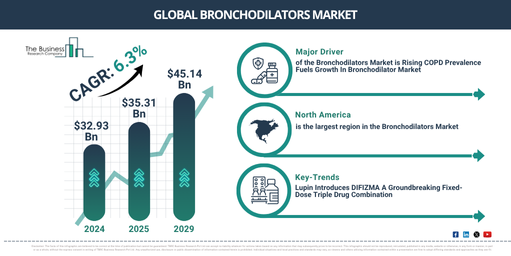
    The market for bronchodilators has experienced significant growth in recent years. From 2024 to 2025, it is projected to rise from $32.93 billion to $35.31 billion, reflecting a compound annual growth rate (CAGR) of 7.2% Factors contributing to this upturn in the historical period include a growing elderly population, an increase in asthma cases, enhanced funding from governmental organizations, a surge in the ageing demographic, and a rise in global air pollution.

    Over the upcoming years, the bronchodilators market is predicted to experience substantial growth, increasing to “$45.14 billion in 2029 with a compound annual growth rate (CAGR) of 6.3%. This predicted increase during the forecast period is due to several factors including the rising incidence of COPD, heightened awareness about treatments for lung diseases, enhanced research and development activities, growing cases of pulmonary disorders, an uptick in disposable income, and escalating smoking rates. The prediction period also sees trends like advanced clinical research and innovative strategic approaches, increased technological advancements, a high prevalence of lung diseases such as COPD and asthma, the introduction of new products, and a surge in the number of acute respiratory infection patients.

    Download The Free Sample Report Here:

    https://www.thebusinessresearchcompany.com/sample.aspx?id=13816&type=smp

    What factors are expected to fuel Bronchodilators market growth in the coming years?

    The growth of the bronchodilator market is forecasted to be accelerated by the rising occurrence of chronic obstructive pulmonary disease (COPD). This progressive lung disorder is identified by persistent inflammation of the airways and restriction or hindrance of airflow. Bronchodilators, which relax the muscles surrounding the airways, making it easier to breathe, are commonly used in the treatment of COPD. For example, a report by the Scottish Public Health Observatory, under the direction of Public Health Scotland, an UK-based health center focused on population, showed an uptick in COPD rates as the effects of COVID-19 started to diminish in March 2023. The male rate rose from 83.2 to 97.6 cases per 100,000, while the female rate experienced an increase from 72.6 to 97.3. Therefore, the climbing incidence of COPD is spurring the expansion of the bronchodilator market.

    The bronchodilators market covered in this report is segmented –

    1) By Type: Beta-Adrenergic Bronchodilators, Anticholinergic Bronchodilators, Xanthine Derivatives, Other Types

    2) By Route of Administration: Oral, Nasal (Inhalation), Injectable

    3) By Indication: Asthma, Chronic Obstructive Pulmonary Disease (COPD), Allergic Reactions, Breathing Problem, Other Indications

    4) By End-User: Hospitals, Specialty Clinics, Other End Users

    Subsegments:

    1) By Beta-Adrenergic Bronchodilators: Short-Acting Beta Agonists (SABAs), Long-Acting Beta Agonists (LABAs)

    2) By Anticholinergic Bronchodilators: Short-Acting Anticholinergics, Long-Acting Anticholinergics

    3) By Xanthine Derivatives: Theophylline, Aminophylline

    4) By Other Types: Leukotriene Receptor Antagonists, Combination Therapies

    What Notable Trends Are Shaping The Direction Of The Bronchodilators Market?

    Prominent corporations in the bronchodilator market are introducing innovative product offerings such as triple-drug combinations with fixed doses to better accommodate patient needs. The fixed-dose triple-drug combination is a medicinal product that consolidates three active ingredients in one formula, where each ingredient’s dose is predefined. For example, in January 2023, DIFIZMA, a triple-drug fixed-dose bronchodilator, was introduced by Lupin, a pharmaceutical company based out of India. This bronchodilator, combining indacaterol, glycopyrronium, and mometasone, is used for asthma management. It is dispensed as a dry powder for inhalation. DIFIZMA, which is recognized by the Drug Controller General of India (DCGI), is the sole approved fixed-dose combination for the treatment of uncontrolled asthma, as it enhances lung function, provides superior symptom control and reduces exacerbations.

    What Are The Most Active Companies In The Bronchodilators Market Today?

    Major companies operating in the bronchodilators market report are Pfizer Inc., Johnson & Johnson Services Inc., F. Hoffmann-La Roche Ltd., Bayer AG, Novartis AG, Thermo Fisher Scientific, Abbott Laboratories, Sanofi S.A., GlaxoSmithKline plc, Siemens Healthcare GmbH, Merck & Co. Inc., AstraZeneca plc, Teva Pharmaceuticals Industries Ltd., Mylan N.V., Quest Diagnostics Incorporated., Boehringer Ingelheim International GmbH, Aurobindo Pharma Limited, Bio-Rad Laboratories Inc., Cipla Limited, Hikma Pharmaceutical plc, Amneal Pharmaceuticals LLC, Glenmark Pharmaceuticals Limited, Vectura Group Limited, Foundation Medicine Inc., Sun Pharmaceutical Industries Ltd., Amgen Inc., Kissei Pharmaceutical Co.Ltd., Mitsubishi Tanabe Pharma, Theron Pharmaceuticals, Viatris Inc.

    https://www.thebusinessresearchcompany.com/report/bronchodilators-global-market-report

    Which Regional Markets Are Attracting The Most Investment In Bronchodilators?

    North America was the largest region in the bronchodilators market in 2024. Asia-Pacific is expected to be the fastest-growing region in the forecast period. The regions covered in the bronchodilators market report are Asia-Pacific, Western Europe, Eastern Europe, North America, South America, Middle East, Africa.

    Request For A Customized Report:

    https://www.thebusinessresearchcompany.com/customise?id=13816&type=smp

    About The Business Research Company:

    With over 15000+ reports from 27 industries covering 60+ geographies, The Business Research Company has built a reputation for offering comprehensive, data-rich research and insights. Armed with 1,500,000 datasets, the optimistic contribution of in-depth secondary research, and unique insights from industry leaders, you can get the information you need to stay ahead in the game.

    Get in touch with us:

    The Business Research Company: https://www.thebusinessresearchcompany.com/

    Americas +1 310-496-7795

    Asia +44 7882 955267 & +91 8897263534

    Europe +44 7882 955267

    Email us at info@tbrc.info

    Follow us on:

    LinkedIn: https://in.linkedin.com/company/the-business-research-company

    YouTube: https://www.youtube.com/channel/UC24_fI0rV8cR5DxlCpgmyFQ

    Global Market Model: https://www.thebusinessresearchcompany.com/global-market-model
  • Future Projections: Bioprocess Analyzers Market to Reach $3.12 Million by 2029 at 9.3% CAGR

    Future Projections: Bioprocess Analyzers Market to Reach $3.12 Million by 2029 at 9.3% CAGR

    Claim your 30% discount on Global Market Reports with code ONLINE30. Limited time only.

    Claim your 30% discount on Global Market Reports with code ONLINE30. Limited time only.

    What CAGR Is Anticipated for the Bioprocess Analyzers Market Through 2029?

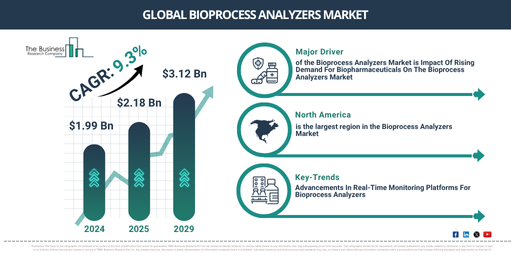
    The market for bioprocess analyzers has observed formidable expansion in the past few years. The exact growth anticipated is an increase from $1.99 billion in 2024 to $2.18 billion in 2025, showcasing a compound annual growth rate (CAGR) of 9.7%. Factors such as the rising demand for personalized medication and intensifying bioprocess complexities have been instrumental in fueling this historical period growth.

    The market size for bioprocess analyzers is projected to experience significant expansion in the upcoming years. It is anticipated to increase to “$3.12 billion in 2029, with a compound annual growth rate (CAGR) of 9.3%.” This predicted growth during the forecast period can be ascribed to the emergence of biosimilar and bio-better products, growth in bioprocessing industries, and a surge in research and development investment. Key trends anticipated during the forecast period involve the enlargement of real-time monitoring, integration of sophisticated sensors, as well as emphasis on automation and connectivity.

    Download The Free Sample Report Here:

    https://www.thebusinessresearchcompany.com/sample.aspx?id=14865&type=smp

    What Market Forces Are Driving The Bioprocess Analyzers Sector In 2025 And Beyond?

    The growth of the bioprocess analyzer market is projected to be fueled by the increasing demand for biopharmaceuticals. Biopharmaceuticals are pharmaceutical products derived from biological sources, for instance, living organisms or their components. This industry is growing due to innovative research and development that leads to the production of new biologics and biosimilars. Bioprocess analyzers play a critical role in the manufacturing of such products by tracking various parameters like cell growth, protein expression, and product purity. For example, in January 2024, IQVIA, a US-based company offering biopharmaceutical development services, predicted that the global biotech expenditure would surpass $892 billion by 2028. Thus, the increasing demand for biopharmaceuticals is set to boost the bioprocess analyzer market.

    The bioprocess analyzers market covered in this report is segmented –

    1) By Product: Instruments, Consumables

    2) By Application: Antibiotics, Recombinant Proteins, Biosimilars, Other Applications

    3) By End-User: Biopharmaceutical Companies, Contract Manufacturing Organizations, Contract Research Organizations, Other End Users

    Subsegments:

    1) By Instruments: Spectrometers, Chromatographs, pH Or DO Analyzers, Gas Analyzers, Flow Cytometers, Offline Analyzers

    2) By Consumables: Reagents, Sensors, Calibration Kits, Culture Media, Filters

    What Upcoming Trends Are Expected To Impact The Bioprocess Analyzers Market Globally?

    Leading firms in the bioprocess analyzer market are striving for a competitive advantage by developing innovative solutions like optical in-line analyzers. These instruments employ optical technology to enable real-time monitoring and analysis of vital parameters in bioprocessing tasks. For example, 908 Devices Inc., an American chemical and biochemical analysis corporation, introduced an advanced optical in-line analyzer called MAVERICK in September 2023. It provides real-time monitoring and management of key elements like glucose, lactate, and total biomass in mammalian cell cultures. Biopharmaceutical specialists can make use of the comprehensive process fingerprint data from the device to perfect large-scale bioprocesses. It features a user-friendly design that streamlines tasks for scientists and engineers, thereby hastening the development of cell culture media and the formulation of productive feeding and control strategies. Utilizing Raman spectroscopy, Maverick can measure various critical process parameters in bioreactors in real-time, including glucose, lactate, and biomass. It aims to enhance process understanding, boost performance, and ensure consistency from batch-to-batch in cell culture automation for biologic production with mediums like the CHO (Chinese hamster ovary) or HEK293 (human embryonic kidney 293) mammalian cell lines.

    Which Firms Are Considered Leaders In The Bioprocess Analyzers Market Space?

    Major companies operating in the bioprocess analyzers market are Danaher Corporation, Merck KGaA, Becton Dickinson and Company, Thermo Fisher Scientific, MilliporeSigma, Sartorius AG, Beckman Coulter Inc., Waters Corporation, Bio-Rad Laboratories, Bruker Corporation, Agilent Technologies, GE Healthcare, Pall Corporation, Eppendorf AG, HORIBA Ltd., Promega Corporation, Nova Biomedical, Hamilton Company, Macherey-Nagel GmbH & Co. KG, BioTek Instruments, Zymo Research Corporation, Gilson Inc., Metrohm AG, Biochrom Ltd., PerkinElmer Inc.

    https://www.thebusinessresearchcompany.com/report/bioprocess-analyzers-global-market-report

    What Role Do Regional Policies And Investments Play In Bioprocess Analyzers Market Expansion?

    North America was the largest region in the bioprocess analyzers market in 2024. Asia-Pacific is expected to be the fastest-growing region in the forecast period. The regions covered in the bioprocess analyzers market report are Asia-Pacific, Western Europe, Eastern Europe, North America, South America, Middle East, Africa.

    Request For A Customized Report:

    https://www.thebusinessresearchcompany.com/customise?id=14865&type=smp

    About The Business Research Company:

    With over 15000+ reports from 27 industries covering 60+ geographies, The Business Research Company has built a reputation for offering comprehensive, data-rich research and insights. Armed with 1,500,000 datasets, the optimistic contribution of in-depth secondary research, and unique insights from industry leaders, you can get the information you need to stay ahead in the game.

    Get in touch with us:

    The Business Research Company: https://www.thebusinessresearchcompany.com/

    Americas +1 310-496-7795

    Asia +44 7882 955267 & +91 8897263534

    Europe +44 7882 955267

    Email us at info@tbrc.info

    Follow us on:

    LinkedIn: https://in.linkedin.com/company/the-business-research-company

    YouTube: https://www.youtube.com/channel/UC24_fI0rV8cR5DxlCpgmyFQ

    Global Market Model: https://www.thebusinessresearchcompany.com/global-market-model
  • 2025 Biologics CDMO Market Outlook: Opportunities, Growth Trends, and Strategic Analysis

    2025 Biologics CDMO Market Outlook: Opportunities, Growth Trends, and Strategic Analysis

    Claim your 30% discount on Global Market Reports with code ONLINE30. Limited time only.

    Claim your 30% discount on Global Market Reports with code ONLINE30. Limited time only.

    What Are the Latest Market Insights for the Biologics CDMO Industry?

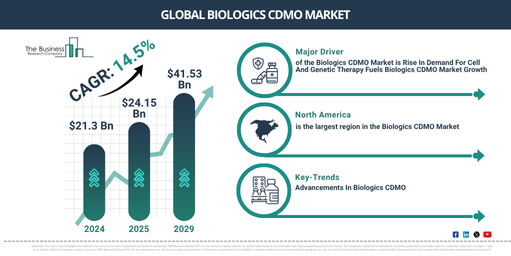
    The advancement in the biologics CDMO market has been quite swift in the past few years. The market size is projected to escalate from $21.3 billion in 2024 to $24.15 billion in 2025, demonstrating a compound annual growth rate (CAGR) of 13.4%. The growth witnessed in the historic period is influenced by factors such as the emergence of biologics development, cost efficiency and adaptability, emphasis on core competencies, assurance of regulatory compliance and quality, and the global expansion of pharmaceutical supply chains.

    The market size of the biologics CDMO is anticipated to witness expedited growth in the upcoming years, expanding to “$41.53 billion in 2029” with a compound annual growth rate (CAGR) of “14.5%”. Multiple factors will contribute to this growth pattern in the predicted timeframe, including the growing need for biologic therapies, the rise of biosimilars and biobetters, investments flowing into biomanufacturing infrastructure, the move towards outsourcing intricate processes, emphasis on maintaining resilience in the supply chain and mitigating risks, regulatory harmonization, and fast-tracked approvals. Notable trends over the forecast period comprise expansion of capabilities to deliver comprehensive solutions, the incorporation of single-use technologies, the inclusion of continuous manufacturing processes, and the emergence of specialized CDMOs.

    Download The Free Sample Report Here:

    https://www.thebusinessresearchcompany.com/sample.aspx?id=14056&type=smp

    What Forces Are Driving The Growth Of The Biologics CDMO Industry?

    The biologic CDMO market is anticipated to grow due to the increasing demand for cell and genetic therapy. These innovative medical strategies use living cells or genetic material to address disease causes at the cellular or genetic level. They provide potential remedies for conditions otherwise difficult to treat or cure with conventional medications. The rising demand for these therapies is attributed to their groundbreaking approach in disease treatment, tackling underlying genetic or cellular causes. Biologic CDMOs offer expertise in dealing with living cells, viral vectors, and genetic material. They promote safe and effective production of cell and gene therapies and assist biopharmaceutical companies in meeting regulatory standards and technical obstacles, hence promoting the transition from research to clinical application. For example, The American Society of Gene & Cell Therapy (ASGCT), a top professional membership organization based in the U.S., reported in January 2023 that the gene, cell, and RNA therapy pipeline experienced a 7% growth in 2022, reaching a total of 3,726 therapies under development. Among these, 55% are gene therapies, 22% are non-genetically modified cell therapies, and 23% are RNA therapies. Thus, the rising demand for cell and genetic therapy is fueling the growth of the biologic CDMO market.

    The biologics cdmo market covered in this report is segmented –

    1) By Cell Type: Mammalian, Non-Mammalian

    2) By Product Type: Biologics, Biosimilars

    Subsegments:

    1) By Mammalian: Chinese Hamster Ovary (CHO) Cells, Human Embryonic Kidney (HEK) Cells, Other Mammalian Cells

    2) By Non-Mammalian: Yeast Cells, Bacterial Cells, Insect Cells, Other Non-Mammalian Cells

    How Are Key Trends Driving Expansion In The Biologics CDMO Industry?

    Leading entities in the biologics CDMO industry are engineering technologically superior solutions, including novel cell lines, to bolster the efficacy and capabilities of biopharmaceutical development and manufacturing. This innovation leads to the creation of more potent therapeutic antibodies, thereby resolving issues faced in R&D for immunotherapy. For example, Lonza Group, a Swiss manufacturing corporation renowned in the pharma and biotech fields, unveiled their GS Effex cell lines in November 2023. These are intended for generating antibodies that are entirely devoid of fucose, a type of sugar molecule, and exhibit boosted potency without sacrificing other performance factors. This initiative aids in tackling problems associated with augmenting the potency of antibody therapeutics in immunotherapy R&D. The GS Effex cell lines are stable and scalable, offering a viable approach for therapeutic advancement that serves processes from discovery-stage investigation to commercial-scale manufacturing.

    Who Are The Primary Players Operating Across The Global Biologics CDMO Market?

    Major companies operating in the biologics CDMO market are AbbVie Inc., Thermo Fisher Scientific Inc., Novartis AG, Evonik Industries AG, Sandoz International GmbH, ICON PLC, Grifols SA, Lonza Group Ltd., Boehringer Ingelheim International GmbH, Catalent Inc., JSR Corp., Parexel International Corporation, WuXi Biologics (Cayman) Inc., Samsung Biologics Co. Ltd., Emergent BioSolutions Inc., Rentschler Biopharma SE, FUJIFILM Diosynth Biotechnologies U.S.A. Inc., Binex Co. Ltd., Bora Pharmaceuticals Co. Ltd, 3P Biopharmaceuticals s.l.u, JRS Pharma LP, J Rettenmaier and SOHNE GmbH and Co KG, Kemwell Biopharma Pvt. Ltd., Cytovance Biologics, AGC Biologics, Shenzhen Hepalink Pharmaceutical Co. Ltd.

    https://www.thebusinessresearchcompany.com/report/biologics-cdmo-global-market-report

    Which Region Offers The Most Growth Potential For The Biologics CDMO Market Through 2029?

    North America was the largest region in the biologics CDMO market in 2024. Asia-Pacific is expected to be the fastest-growing region in the forecast period. The regions covered in the biologics CDMO market report are Asia-Pacific, Western Europe, Eastern Europe, North America, South America, Middle East, Africa.

    Request For A Customized Report:

    https://www.thebusinessresearchcompany.com/customise?id=14056&type=smp

    About The Business Research Company:

    With over 15000+ reports from 27 industries covering 60+ geographies, The Business Research Company has built a reputation for offering comprehensive, data-rich research and insights. Armed with 1,500,000 datasets, the optimistic contribution of in-depth secondary research, and unique insights from industry leaders, you can get the information you need to stay ahead in the game.

    Get in touch with us:

    The Business Research Company: https://www.thebusinessresearchcompany.com/

    Americas +1 310-496-7795

    Asia +44 7882 955267 & +91 8897263534

    Europe +44 7882 955267

    Email us at info@tbrc.info

    Follow us on:

    LinkedIn: https://in.linkedin.com/company/the-business-research-company

    YouTube: https://www.youtube.com/channel/UC24_fI0rV8cR5DxlCpgmyFQ

    Global Market Model: https://www.thebusinessresearchcompany.com/global-market-model
  • Global Insights: Automated Liquid Handling Systems Market Expected to Surpass $5.44 Billion by 2029

    Global Insights: Automated Liquid Handling Systems Market Expected to Surpass $5.44 Billion by 2029

    Claim your 30% discount on Global Market Reports with code ONLINE30. Limited time only.

    Claim your 30% discount on Global Market Reports with code ONLINE30. Limited time only.

    What Are the Forecasted Growth Rate and Market Size of the Automated Liquid Handling Systems Market?

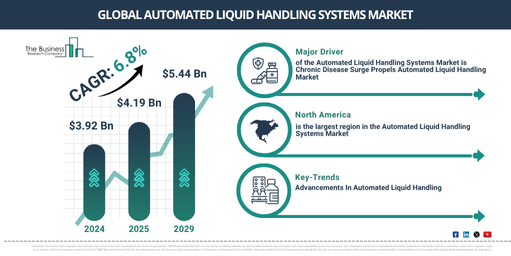
    In recent times, there has been a robust growth in the market size of automated liquid handling systems. Its growth is projected to rise from $3.92 billion in 2024 to $4.19 billion in 2025, indicating a compound annual growth rate (CAGR) of 6.9%. This growth experienced in the historical phase can be linked to the rising demand for high-throughput screening, expanded growth in biotechnology and pharmaceutical industries, necessity for accuracy in liquid handling, increased automation in labs, escalating preference for personalized medicine, widening of drug discovery and developmental platforms, along with cost and time efficiency.

    Expectations reveal robust expansion for the automated liquid handling systems market in the forthcoming years, eventually reaching a valuation of “$5.44 billion in 2029” and progressing at a compounded annual growth rate (CAGR) of “6.8%”. The growth trajectory during the forecast period can be linked to several factors including the hastening of drug discovery processes, the growth in genomic and proteomic research, the rising demand for high-throughput diagnostics, acceptance in rising markets, a shift toward miniaturization, and concentrated efforts to enhance reproducibility and data quality. The period also brings with it an array of emerging trends such as the utilization of high-throughput systems, expansion of pharmaceutical industries, integration of robotic arms, development of miniaturized systems, collaborations between service providers and labs, growth in diagnostic labs, acceptance of touchless technologies, and an enhanced focus on adherence to compliance regulations.

    Download The Free Sample Report Here:

    https://www.thebusinessresearchcompany.com/sample.aspx?id=14850&type=smp

    Which Factor Is Shaping The Future Of The Automated Liquid Handling Systems Market?

    The rise in chronic illnesses is anticipated to boost the automated liquid handling systems market’s expansion. Chronic diseases are enduring conditions that can be controlled but usually not fully cured. The increase in these diseases can be attributed to the higher intake of processed foods, sustained periods of inactivity, and low levels of physical exercise. Automated liquid handling systems, with their improved accuracy, reproducibility, and throughput compared to manual pipetting, are vital within the pharmaceutical and biotech sectors. For example, an August 2022 report by the American College of Cardiology, a non-profit medical association based in the US, reveals projections of increases in all four primary cardiovascular risk factors from 2025 to 2060. Diabetes is predicted to see the highest percentage increase, with a rise of 39.3% to 55 million people, followed by dyslipidemia (increasing 27.6% to 126 million), hypertension (surging 25.1% to 162 million) and obesity (rising 18.3% to 126 million). Additionally, considerable surges in cardiovascular disease rates are forecasted for stroke (33.8% to 15 million) and heart failure (33.4% to 13 million), while ischemic heart disease (30.7% to 29 million) and heart attack (16.9% to 16 million) are not far behind. This rising incidence of chronic disease is therefore fueling the automated liquid handling systems market’s growth.

    The automated liquid handling systems market covered in this report is segmented –

    1) By Type: Automated Liquid Handling System, Semi-automated Liquid Handling System

    2) By Application: Drug Discovery And ADME-Tox Research, Cancer And Genomic Research, Bioprocessing Or Biotechnology, Other Applications

    3) By End User: Contract Research Organizations, Pharmaceutical And Biotechnology, Academic And Research Institutes

    Subsegments:

    1) By Automated Liquid Handling System: Single-Channel Automated Systems, Multi-Channel Automated Systems, Integrated Liquid Handling Systems, Robotic Liquid Handling Systems

    2) By Semi-Automated Liquid Handling System: Manual-Supported Semi-Automated Systems, Partially Automated Pipetting Systems, Semi-Automated Dispensing Systems

    Which Emerging Trends And Strategic Shifts Are Shaping The Automated Liquid Handling Systems Market?

    In the automated liquid handling systems market, businesses are concentrating on the development of dual-core pipetting technology solutions as a way of solidifying their market presence. Dual-core pipetting technology is a cutting-edge liquid handling system used in labs for the accurate and precise measuring of liquids. For example, in February 2022, SPT Labtech, an automated liquid handling manufacturer and designer based in the UK, debuted apricot DC1 at SLAS 2022 in Boston. This compact 4-in-1 automated liquid handling platform, which is software-controlled, boosts the throughput, standardization, and data quality of numerous applications. In one compact device, it merges four different pipetting tools, making it ideal for high- and low-volume single- and multichannel pipetting tasks.

    Which Companies Hold The Largest Market Share In The Automated Liquid Handling Systems Sector?

    Major companies operating in the automated liquid handling systems market are Thermo Fisher Scientific Inc., Danaher Corporation, Becton Dickinson and Company, Corning Inc., Agilent Technologies, Lonza, PerkinElmer Inc., Mettler-Toledo International Inc., Beckman Coulter, Waters Corp, Bio-Rad Laboratories Inc., Qiagen NV, Eppendorf AG, Tecan Group Ltd., Hamilton Company, Formulatrix Inc., Analytik Jena AG, LABCYTE Inc., Gilson Inc., BioTek Instruments Inc., Aurora Biomed Inc., Synchron Lab Automation, Hudson Robotics Inc., AUTOGEN Inc., Beijing TXTB

    https://www.thebusinessresearchcompany.com/report/automated-liquid-handling-systems-global-market-report

    How Does Regional Performance Compare Across The Automated Liquid Handling Systems Industry?

    North America was the largest region in the automated liquid handling systems market in 2024. Asia Pacific is expected to be the fastest-growing region in the forecast period. The regions covered in the automated liquid handling systems market report are Asia-Pacific, Western Europe, Eastern Europe, North America, South America, Middle East, Africa.

    Request For A Customized Report:

    https://www.thebusinessresearchcompany.com/customise?id=14850&type=smp

    About The Business Research Company:

    With over 15000+ reports from 27 industries covering 60+ geographies, The Business Research Company has built a reputation for offering comprehensive, data-rich research and insights. Armed with 1,500,000 datasets, the optimistic contribution of in-depth secondary research, and unique insights from industry leaders, you can get the information you need to stay ahead in the game.

    Get in touch with us:

    The Business Research Company: https://www.thebusinessresearchcompany.com/

    Americas +1 310-496-7795

    Asia +44 7882 955267 & +91 8897263534

    Europe +44 7882 955267

    Email us at info@tbrc.info

    Follow us on:

    LinkedIn: https://in.linkedin.com/company/the-business-research-company

    YouTube: https://www.youtube.com/channel/UC24_fI0rV8cR5DxlCpgmyFQ

    Global Market Model: https://www.thebusinessresearchcompany.com/global-market-model
  • 2025 Analysis: Opportunities and Risks in the Evolving Attention Deficit Hyperactivity Disorder (ADHD) Therapeutics Market

    2025 Analysis: Opportunities and Risks in the Evolving Attention Deficit Hyperactivity Disorder (ADHD) Therapeutics Market

    Claim your 30% discount on Global Market Reports with code ONLINE30. Limited time only.

    Claim your 30% discount on Global Market Reports with code ONLINE30. Limited time only.

    What Is the Estimated Industry Valuation for the Attention Deficit Hyperactivity Disorder (ADHD) Therapeutics Sector?

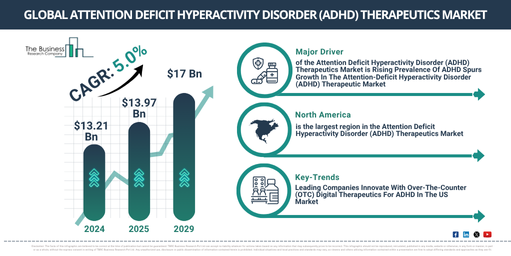
    The market size for therapeutics of Attention Deficit Hyperactivity Disorder (ADHD) has been expanding positively over recent years. There is expected growth from $13.21 billion in 2024 to $13.97 billion in 2025, reflecting a 5.7% Compound Annual Growth Rate (CAGR). The market’s growth in the past years can be associated with factors such as increased awareness in diagnostics and screening programs, a surge in ADHD cases, improved treatment methods, expansion in health insurance coverage, and advancements in healthcare infrastructure.

    The market for therapeutics treating attention deficit hyperactivity disorder (ADHD) is shaped to experience significant growth in the upcoming years. The market size is projected to reach “$17 billion by 2029, with a 5.0% compound annual growth rate (CAGR). The anticipated growth is linked to advancements in genetic research and individualized medicine, increased awareness of mental health issues, mental health campaigns at both global and national levels, the proliferation of telehealth, and the incorporation of behavioral therapies. The forecasting period will also be marked by innovative treatment technologies, concerted research and development efforts, incorporation of digital therapeutics, strategies based on precision medicine, and progression in drug delivery systems.

    Download The Free Sample Report Here:

    https://www.thebusinessresearchcompany.com/sample.aspx?id=14042&type=smp

    What Forces Are Driving The Growth Of The Attention Deficit Hyperactivity Disorder (ADHD) Therapeutics Market?

    The upward trend in attention-deficit hyperactivity disorder (ADHD) cases is anticipated to fuel the development of the ADHD therapeutics market. The surge in ADHD cases denotes an increase in the number of diagnosed patients over time. ADHD treatment strategies focus on addressing the multifaceted aspects of this neurodevelopmental disorder, with the goal of enhancing symptom control, minimizing functional impairment, and enriching the lives of those with ADHD. For example, in a report released by the US-based publishing company, the Guardian, in January 2023, it was estimated that about 170,000 known patients were receiving treatment for ADHD in 2022, marking a 20.4% growth from the 141,000 known patients in the same period in 2021. Thus, the escalating occurrence of ADHD is propelling the expansion of the attention-deficit hyperactivity disorder (ADHD) therapeutic market.

    The attention deficit hyperactivity disorder (adhd) therapeutics market covered in this report is segmented –

    1) By Drug Type: Stimulants, Non-Stimulants

    2) By Psychotherapy: Behavior Therapy, Cognitive Behavioral Therapy, Interpersonal Psychotherapy, Family Therapy

    3) By Age Group: Pediatric And Adolescent, Adult

    4) By Distribution Channel: Hospital Pharmacies, Specialty Clinics, Retail Pharmacies, E-Commerce

    Subsegments:

    1) By Stimulants: Amphetamine-Based Stimulants, Methylphenidate-Based Stimulants

    2) By Non-Stimulants: Atomoxetine, Guanfacine, Clonidine

    What Are The Leading Trends And Opportunities In The Attention Deficit Hyperactivity Disorder (ADHD) Therapeutics Sector?

    Leading businesses in the ADHD therapeutics market have set their sights on creating and advancing digital technologies such as Endeavor over-the-counter (OTC) versions of digital therapeutics for ADHD in response to the growing need for digital solutions and remote healthcare services. Digital therapeutics entails using top-tier software programs to create evidence-based therapeutic methods aimed at preventing, managing, or treating various medical diseases or disorders. These methods can be used alone or in conjunction with traditional medical treatments. For instance, Akili, a digital health company based in the United States, introduced an over-the-counter (OTC) model of its digital therapeutic video game for adults living with ADHD in June 2023. Their OTC version, known as EndeavorOTC aims to enhance attention span, time management, and organization skills. This move distinguished itself following Akili’s FDA-authorised prescription video game treatment, EndeavorRx, intended for children diagnosed with ADHD. EndeavorOTC offers adults a non-pharmacological alternative for managing ADHD symptoms.

    Which Companies Currently Dominate The Competitive Landscape In The Attention Deficit Hyperactivity Disorder (ADHD) Therapeutics Industry?

    Major companies operating in the attention deficit hyperactivity disorder (ADHD) therapeutics market are Pfizer Inc., Johnson And Johnson Services Inc., Novartis AG, GlaxoSmithKline plc, Takeda Pharmaceutical’s, Eli Lilly and Company, Otsuka Pharmaceutical Co. Ltd., UCB S.A., Amneal Pharmaceuticals LLC, Lupin Ltd., Mallinckrodt Pharmaceuticals Inc., Hisamitsu Pharmaceutical Co. Inc., Purdue Pharma L.P., Arbor Pharmaceuticals LLC, Tris Pharma Inc., NEOS Therapeutic Inc., Concert Pharmaceuticals Inc., Vayarin AG, Rhodes Pharmaceuticals L.P., KemPharm Inc., Impax Laboratories Inc., Aevi Genomic Medicine, Adlon Therapeutics L.P., Ironshore Pharmaceuticals Inc., Highland Therapeutics Inc.

    https://www.thebusinessresearchcompany.com/report/attention-deficit-hyperactivity-disorder-adhd-therapeutics-global-market-report

    Which Geographic Regions Are Driving Demand In The Attention Deficit Hyperactivity Disorder (ADHD) Therapeutics Market?

    North America was the largest region in the attention deficit hyperactivity disorder (ADHD) therapeutic market in 2024. Asia-Pacific is expected to be the fastest-growing region in the forecast period. The regions covered in the attention deficit hyperactivity disorder (ADHD) therapeutics market report are Asia-Pacific, Western Europe, Eastern Europe, North America, South America, Middle East, Africa.

    Request For A Customized Report:

    https://www.thebusinessresearchcompany.com/customise?id=14042&type=smp

    About The Business Research Company:

    With over 15000+ reports from 27 industries covering 60+ geographies, The Business Research Company has built a reputation for offering comprehensive, data-rich research and insights. Armed with 1,500,000 datasets, the optimistic contribution of in-depth secondary research, and unique insights from industry leaders, you can get the information you need to stay ahead in the game.

    Get in touch with us:

    The Business Research Company: https://www.thebusinessresearchcompany.com/

    Americas +1 310-496-7795

    Asia +44 7882 955267 & +91 8897263534

    Europe +44 7882 955267

    Email us at info@tbrc.info

    Follow us on:

    LinkedIn: https://in.linkedin.com/company/the-business-research-company

    YouTube: https://www.youtube.com/channel/UC24_fI0rV8cR5DxlCpgmyFQ

    Global Market Model: https://www.thebusinessresearchcompany.com/global-market-model
  • In-Depth Artificial Tears Market Report: Business Trends, Growth Factors, and Forecast to 2029

    In-Depth Artificial Tears Market Report: Business Trends, Growth Factors, and Forecast to 2029

    Claim your 30% discount on Global Market Reports with code ONLINE30. Limited time only.

    Claim your 30% discount on Global Market Reports with code ONLINE30. Limited time only.

    How Large Is the Artificial Tears Market Expected to Be in 2029?

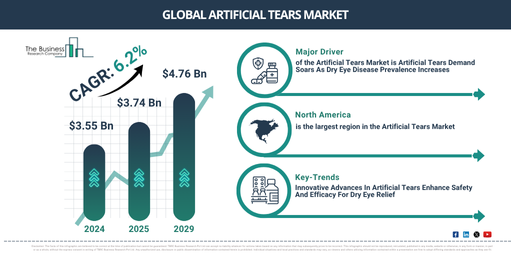
    The market size for artificial tears has significantly expanded in the past few years. The growth is expected to continue, rising from $3.55 billion in 2024 to $3.74 billion in 2025, with a compound annual growth rate (CAGR) of 5.5%. Factors such as an aging population, extended screen usage, healthcare spending, a move from prescription to over-the-counter options, and regulatory amendments have contributed to the growth seen in the historical period.

    The market for artificial tears is predicted to witness substantial expansion in the forthcoming years. The market expansion is projected to reach “$4.76 billion in 2029 with a compound annual growth rate (CAGR) of 6.2%.” The surge in the forecast timeframe is due to factors such as the rising incidence of dry eye syndrome, an increase in the use of contact lenses, global urbanization, escalating pollution, and the growth of e-commerce. Upcoming trends in the forecasted period encompass technological innovation, the incorporation of AI and technology, collaborations with healthcare providers, the inclusion of natural components, improvements in product formulation, sophisticated drug delivery systems, and the advent of sustainable and environment-friendly products.

    Download The Free Sample Report Here:

    https://www.thebusinessresearchcompany.com/sample.aspx?id=13799&type=smp

    What Are The Contributors To Demand In The Artificial Tears Market?

    The expanding incidence of dry eye disease (DED) is anticipated to fuel the growth of the artificial tear market. Insufficient or poor quality tear production, resultant in eye irritation and discomfort, characterizes this condition. To supplement the natural tear production and provide moistening relief to dry eyes, artificial tears are used. For instance, a survey conducted in March 2022 by Macquarie University in Australia, involving 5000 participants, revealed that 13% (15 out of 120) of individuals aged above 50 exhibited clinical symptoms of dry eye disease. The severity of the symptoms varied with 8.2% classified as mild, 2.5% moderate, and 1.6% severe. Moreover, according to Eyes On Eyecare, a U.S.-based digital news source for ophthalmology, the use of prescription and in-office dry eye disease treatments rose from 5.8% in 2021 to 7.56% in 2022, with a significant surge in the use of prescription treatments like topical steroids, from 0.9% to 9.1% over the same timeframe. Consequently, the escalating incidence of dry eye disease, amplifies the growth of the artificial tear market.

    The artificial tears market covered in this report is segmented –

    1) By Type: Glycerin Tears, Cellulose Tears, Oil-Based Emulsion Tears, Polyethylene Glycol-based Tears, Sodium Hyaluronate Based Artificial Tears, Propylene Glycol-based Tears

    2) By Dosage: Suspensions, Solution, Ointment, Emulsion, Gel, Spray

    3) By Indication: Dry Eye Syndrome, Allergies, Infections, UV And Blue Light Protection, Contact Lens Moisture Retention, Other Indications

    4) By Distribution: Retail Pharmacies, Hospital Pharmacies, Online Pharmacies, Ophthalmic Stores

    Subsegments:

    1) By Glycerin Tears: Preserved Glycerin Tears, Preservative-Free Glycerin Tears

    2) By Cellulose Tears: Hydroxypropyl Methylcellulose (HPMC) Tears, Carboxymethylcellulose (CMC) Tears

    3) By Oil-Based Emulsion Tears: Mineral Oil-based Tears, Castor Oil-based Tears

    4) By Polyethylene Glycol-based Tears: PEG 400 Tears, PEG 3350 Tears

    5) By Sodium Hyaluronate Based Artificial Tears: Low Molecular Weight Sodium Hyaluronate Tears, High Molecular Weight Sodium Hyaluronate Tears

    6) By Propylene Glycol-based Tears: Preserved Propylene Glycol Tears, Preservative-Free Propylene Glycol Tears

    What Trends Are Currently Influencing Growth In The Artificial Tears Market?

    Key players in the artificial tears market are advancing their offerings by integrating new technologies like patent-protected pureflow, which helps improve product safety and ease of use. Pureflow technology is a unique delivery system that utilizes a one-way valve to provide sterility during dispensing of eye drops without any preservatives, ensuring no contamination and preserving product integrity. Alcon Inc., a Swiss-based pharmaceutical and medical device corporation, recently introduced its new product, Systane Complete Preservative-Free Lubricant Eye Drops, in January 2022. Formulated with a particular focus on treating all major dry eye conditions including evaporative dry eye and aqueous tear deficiency, these advanced artificial tears deliver lasting relief for up to eight hours and hydrate and protect every layer of the tear film. These drops employ nano-droplet technology to quickly hydrate the surface of the eye, deter tear evaporation and provide immediate relief. Presented in a handy multi-dose bottle incorporated with PureFlow technology, the design helps prevent contamination, making it an ideal option for regular users and those with sensitive eyes.

    Who Are The Top-Ranked Companies In The Artificial Tears Market Today?

    Major companies operating in the artificial tears market report are Pfizer Inc., Johnson & Johnson, AbbVie Inc., Novartis AG, Abbott Laboratories, Otsuka Pharmaceutical Co. Ltd., Alcon, Bausch Health Companies Inc., Sun Pharmaceutical Industries Ltd., Dr Reddy’s Laboratories, Santen Pharmaceutical Co. Ltd., Lupin Limited, Rohto Pharmaceutical Co. Ltd., Prestige Consumer Healthcare Inc., Thea Pharma Inc., OPTIMA pharma GmbH, Sentiss Pharma Pvt. Ltd., VISUfarma B.V., OASIS Medical Inc., Hilco Vision, Similasan Corporation, Eyevance Pharmaceuticals LLC, Nicox S.A., I-MED Pharma Inc., Velocity Pharma LLC

    https://www.thebusinessresearchcompany.com/report/artificial-tears-global-market-report

    How Is Artificial Tears Market Adoption Varying Across Different Regions And Sectors?

    North America was the largest region in the artificial tears market in 2024. Asia-Pacific is expected to be the fastest-growing region in the forecast period. The regions covered in the artificial tears market report are Asia-Pacific, Western Europe, Eastern Europe, North America, South America, Middle East, Africa.

    Request For A Customized Report:

    https://www.thebusinessresearchcompany.com/customise?id=13799&type=smp

    About The Business Research Company:

    With over 15000+ reports from 27 industries covering 60+ geographies, The Business Research Company has built a reputation for offering comprehensive, data-rich research and insights. Armed with 1,500,000 datasets, the optimistic contribution of in-depth secondary research, and unique insights from industry leaders, you can get the information you need to stay ahead in the game.

    Get in touch with us:

    The Business Research Company: https://www.thebusinessresearchcompany.com/

    Americas +1 310-496-7795

    Asia +44 7882 955267 & +91 8897263534

    Europe +44 7882 955267

    Email us at info@tbrc.info

    Follow us on:

    LinkedIn: https://in.linkedin.com/company/the-business-research-company

    YouTube: https://www.youtube.com/channel/UC24_fI0rV8cR5DxlCpgmyFQ

    Global Market Model: https://www.thebusinessresearchcompany.com/global-market-model
  • Artificial Intelligence (AI) In Predictive Toxicology Industry Poised for Rapid Expansion, Projected to Hit $1.83 Billion by 2029

    Artificial Intelligence (AI) In Predictive Toxicology Industry Poised for Rapid Expansion, Projected to Hit $1.83 Billion by 2029

    Claim your 30% discount on Global Market Reports with code ONLINE30. Limited time only.

    Claim your 30% discount on Global Market Reports with code ONLINE30. Limited time only.

    What Is the Outlook for the Artificial Intelligence (AI) In Predictive Toxicology Market Heading Into 2029?

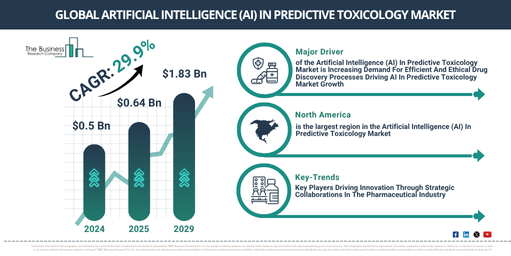
    The market size of artificial intelligence (AI) in predictive toxicology has seen immense growth of late. The market is expected to expand from $0.5 billion in 2024 to $0.64 billion in 2025, with a compound annual growth rate (CAGR) of 29.5%. Factors that have contributed to the growth in the historical period include increased regulatory expectations for toxicity evaluation, greater awareness regarding chemical safety risks, the presence of extensive datasets valuable for model training, growing expenses and ethical issues related to animal testing, and demand for more rapid, cost-efficient toxicity screening procedures.

    The growth projections for the artificial intelligence (AI) in predictive toxicology market are truly impressive. It is believed that the market will skyrocket to “$1.83 billion by the end of 2029, increasing at a compound annual growth rate (CAGR) of 29.9%.” Certain elements are propelling this surge, including the adoption of explainable AI in toxicology predictions, an increasing demand for individualized toxicity evaluations and the regulatory acceptance of AI-based toxicity predictions. This is in addition to the enlargement of AI applications in pharmaceutical research and the rise of predictive toxicology outsourcing services. Future trends likely to dominate this period are a shift to 3D cell culture methods for toxicity exams, an increase in federated learning approaches for shared toxicity predictions, and the uses of generative models in predicting chemical toxicity paths. Additionally, the integration of natural language processing for gleaning toxicity data from documentation, and the advancement of virtual screening platforms for choosing chemical testing, are also anticipated.

    Download The Free Sample Report Here:

    https://www.thebusinessresearchcompany.com/sample.aspx?id=14253&type=smp

    Which Factors Are Pushing The Artificial Intelligence (AI) In Predictive Toxicology Market Forward?

    Anticipated growth in the artificial intelligence (AI) in predictive toxicology market is largely due to the rising necessity for efficient and ethical drug discovery methods. Drug discovery is a multifaceted and evolving procedure involving the detailed study, production, and assessment of chemical compounds in order to unearth viable therapeutic agents for disease relief and general health improvement. This advanced and responsible approach to drug discovery is motivated by the growing prevalence of chronic illnesses, the emerging trend toward personalized medicine and an increase in age-related diseases. AI in predictive toxicology enhances drug discovery by proficiently examining extensive datasets to anticipate potential toxicological results, thus expediting the drug development process while upholding ethical practices. As an illustration, in June 2023, the pharmaceutical R&D expenditure in Europe was reported to be $49,500 million (€44,500 million), a roughly 6.45% increase from $46,500 million (€42,533 million) in 2021, according to the European Federation of Pharmaceutical Industries and Associations (EFPIA), a Belgium-based pharmaceutical industry trade association. This growing necessity for efficient and ethical drug discovery procedures, therefore, is fueling the rise of AI in predictive toxicology market.

    The artificial intelligence (ai) in predictive toxicology market covered in this report is segmented –

    1) By Component: Solution, Services

    2) By Technology: Machine Learning, Natural Language Processing, Computer Vision, Other Technologies

    3) By Toxicity Endpoints: Genotoxicity, Hepatotoxicity, Neurotoxicity, Cardiotoxicity, Other Toxicity Endpoints

    4) By End User: Pharmaceutical And Biotechnology Companies, Chemical And Cosmetics, Contract Research Organizations, Other End Users

    Subsegments:

    1) By Solution: Software Platforms, Data Analysis Tools, Predictive Modeling Solutions, Database And Information Systems

    2) By Services: Consulting Services, Training And Support Services, Data Management And Integration Services, Research And Development Services

    What Long-Term Trends Are Likely To Affect The Artificial Intelligence (AI) In Predictive Toxicology Market?

    Key players in the AI predictive toxicology sector are embracing tactical partnerships for innovation and expanding their market footprint. The objective is to leverage artificial intelligence and machine learning methodologies to enhance the prediction and evaluation of chemical and pharmaceutical toxicity. For instance, in January 2024, SyntheticGestalt, a UK-based firm specializing in AI research and development for drug discovery, inked a partnership with Enamine, a Ukraine-based supplier of chemical building blocks, screening components, and integrated drug discovery services. The partnership aims to create AI models that will streamline the creation of biologically active compounds that are synthetically accessible, optimizing their physicochemical and ADME or Tox attributes. These models will be utilized in SyntheticGestalt’s compound discovery ventures, providing services to both academic entities and pharmaceutical companies. Enamine has granted access to its comprehensive Enamine REAL database, which houses 38 billion molecules. SyntheticGestalt plans to incorporate this database into its Drug Discovery Service, using proprietary AI models to estimate the physicochemical and ADME or Tox attributes of compounds. The service will immediately propose superior alternatives for compounds with issues.

    Which Organizations Are Driving Progress In The Artificial Intelligence (AI) In Predictive Toxicology Industry?

    Major companies operating in the artificial intelligence (AI) in predictive toxicology market are Laboratory Corporation of America Holdings (LabCorp), Eurofins Scientific SE, Wuxi AppTec, Charles River Laboratories International, Medidata Solutions Inc., Certara Inc., Schrödinger, Merative L.P., Molecular Devices LLC, Envigo (Inotiv Inc.), Instem plc, Simulations Plus, Cyprotex, Recursion Pharmaceuticals, Exscientia PLC, BIOVIA Corporation, Lhasa Limited, Chemaxon Ltd., Insilico Medicine Inc., Algorithme Pharma, CiToxLAB, ArisGlobal, Benevolent AI, Berg Health, Cyclica Therapeutics Inc., Celsius Therapeutics, Biovista Inc., BioTeam Inc.

    https://www.thebusinessresearchcompany.com/report/artificial-intelligence-ai-in-predictive-toxicology-global-market-report

    Which Region Is Expected To Experience The Highest Growth In The Artificial Intelligence (AI) In Predictive Toxicology Industry?

    North America was the largest region in the artificial intelligence (AI) in predictive toxicology market in 2024. Asia-Pacific is expected to be the fastest-growing region in the forecast period. The regions covered in the artificial intelligence (AI) in predictive toxicology market report are Asia-Pacific, Western Europe, Eastern Europe, North America, South America, Middle East, Africa.

    Request For A Customized Report:

    https://www.thebusinessresearchcompany.com/customise?id=14253&type=smp

    About The Business Research Company:

    With over 15000+ reports from 27 industries covering 60+ geographies, The Business Research Company has built a reputation for offering comprehensive, data-rich research and insights. Armed with 1,500,000 datasets, the optimistic contribution of in-depth secondary research, and unique insights from industry leaders, you can get the information you need to stay ahead in the game.

    Get in touch with us:

    The Business Research Company: https://www.thebusinessresearchcompany.com/

    Americas +1 310-496-7795

    Asia +44 7882 955267 & +91 8897263534

    Europe +44 7882 955267

    Email us at info@tbrc.info

    Follow us on:

    LinkedIn: https://in.linkedin.com/company/the-business-research-company

    YouTube: https://www.youtube.com/channel/UC24_fI0rV8cR5DxlCpgmyFQ

    Global Market Model: https://www.thebusinessresearchcompany.com/global-market-model
  • Global Artificial Intelligence (AI) In Biopharmaceuticals Market Forecast to Reach $6.58 Billion by 2029, Driven by 33.0% CAGR

    Global Artificial Intelligence (AI) In Biopharmaceuticals Market Forecast to Reach $6.58 Billion by 2029, Driven by 33.0% CAGR

    Claim your 30% discount on Global Market Reports with code ONLINE30. Limited time only.

    Claim your 30% discount on Global Market Reports with code ONLINE30. Limited time only.

    What Does the Forecast Indicate for the Artificial Intelligence (AI) In Biopharmaceuticals Market From 2025 to 2029?

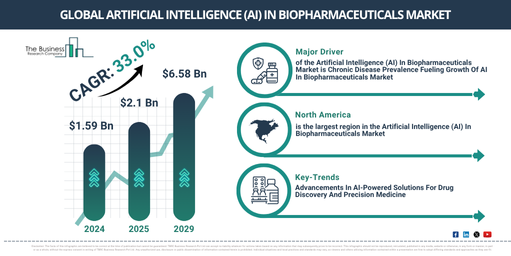
    The market size for artificial intelligence (AI) in biopharmaceuticals has witnessed a rapid expansion in the preceding years. The market is projected to escalate from $1.59 billion in 2024 to $2.1 billion in 2025, representing a compound annual growth rate (CAGR) of 32.2%. This surge in the historical period is contributable to growth strides in computational prowess, an outburst of biomedical data, the paradigm of precision medicine, coupled with regulatory backing and guidance.

    The AI in biopharmaceuticals sector is predicted to undergo extensive growth in the coming years, reaching a market size of $6.58 billion in 2029 with a Compound Annual Growth Rate (CAGR) of 33.0%. This potential boost during the projected period is credited to the evolution in computational biology, the fusion of multiple types of data, the intersection of AI with life sciences, regulatory endorsements and structures, and the principles of unbiased and ethical AI. The forecast period will also witness several prime trends such as the incorporation of multi-omics data, AI-powered drug conception and discovery, interpretive AI and regulatory approval, technological progress, regulatory shifts, and budding opportunities.

    Download The Free Sample Report Here:

    https://www.thebusinessresearchcompany.com/sample.aspx?id=14251&type=smp

    What Elements Are Contributing To Growth In The Artificial Intelligence (AI) In Biopharmaceuticals Market?

    The rise in chronic diseases is anticipated to fuel the expansion of the artificial intelligence (AI) in biopharmaceuticals market. Chronic illnesses are persisting conditions that usually advance gradually and can last for a number of years or even a lifetime. They are caused by lifestyle choices, an older demographic, hereditary factors, and environmental influences. AI in biopharmaceuticals is being increasingly utilized for the management of chronic illnesses due its capacity to process vast amounts of varied data sources, spot patterns, and customize treatment plans. For example, the Department of Health and Human Services reported in November 2023 that there was an 11 percent increase in newly reported cases of chronic Hepatitis B in 2022 compared to 2021, demonstrating the escalating prevalence of chronic diseases. This rise in chronic diseases is therefore propelling the growth of the artificial intelligence (AI) in biopharmaceuticals market.

    The artificial intelligence (ai) in biopharmaceuticals market covered in this report is segmented –

    1) By Offering: Hardware, Software, Services

    2) By Deployment: Cloud, On-Premises

    3) By Technology: Machine Learning, Natural Language Processing, Deep Learning, Other Technologies

    4) By Application: Business Process And Supply Chain, Drug Discovery, Medical Imaging And Diagnostics, Precision Medicine

    5) By End-Users: Manufacturers, Contract Research Organizations, Academic And Government Research Institutes

    Subsegments:

    1) By Hardware: High-Performance Computing Systems, AI-Enabled Laboratory Equipment, Data Storage Solutions

    2) By Software: Drug Discovery Platforms, Clinical Trial Management Software, Predictive Analytics Tools, Natural Language Processing Solutions

    3) By Services: Consulting Services, Implementation And Integration Services, Data Management And Analytics Services, Training And Support Services

    What Future Market Trends Are Projected For The Artificial Intelligence (AI) In Biopharmaceuticals Industry?

    Top corporations in the biopharmaceutical AI sector are concentrating their efforts on the creation of groundbreaking advancements like AI-empowered solutions for target and lead identification suites, which can expedite the process of drug discovery and precision medicine, thereby revolutionizing life sciences organizations. These innovative strategies cover a range of methods for creating new drugs and customizing treatments for individual patients. For example, in May 2023, Google LLC, a US-based cloud computing services provider, rolled out two new AI tools named target and lead identification suites. These tools are designed to assist researchers in predicting and understanding protein structures, a key element in drug development. Furthermore, these suites will enable researchers to consume, store, analyze, and distribute large volumes of genomic data, a vital component in precision medicine. These tools aim to simplify the drug discovery procedures, decrease expenses, and speed up the time it takes to bring new treatments to the marketplace. The tools offer effective data management, precise predictions of protein structures, and sophisticated genomic analysis capabilities, aiming to overhaul the process of drug development and enhance patient outcomes.

    Who Are The Key Contributors To Growth In The Artificial Intelligence (AI) In Biopharmaceuticals Market?

    Major companies operating in the artificial intelligence (AI) in biopharmaceuticals market are Apple Inc., Google LLC, Microsoft Corporation, Tencent Holdings Limited, Amazon Web Services Inc., International Business Machines Corporation, Exscientia Limited, NVIDIA Corporation, Amgen Inc., DeepMind Technologies Limited, Schrödinger Inc., XtalPi Inc., ConcertAI Inc., Insilico Medicine Inc., Recursion Pharmaceuticals, BenevolentAI, BioXcel Therapeutics, Atomwise Inc., BioAge Labs Inc., GNS Healthcare, Berg Health, Deep 6 AI Inc., Cloud Pharmaceuticals Inc., Numerate Inc., AI Therapeutics, Envisagenics, twoXAR Inc., Cyclica Inc.

    https://www.thebusinessresearchcompany.com/report/artificial-intelligence-ai-in-biopharmaceuticals-global-market-report

    Which Region Is Projected To Lead The Artificial Intelligence (AI) In Biopharmaceuticals Market By 2025?

    North America was the largest region in the artificial intelligence (AI) in biopharmaceuticals market in 2024. Asia-Pacific is expected to be the fastest-growing region in the forecast period. The regions covered in the artificial intelligence (AI) in biopharmaceuticals market report are Asia-Pacific, Western Europe, Eastern Europe, North America, South America, Middle East, Africa.

    Request For A Customized Report:

    https://www.thebusinessresearchcompany.com/customise?id=14251&type=smp

    About The Business Research Company:

    With over 15000+ reports from 27 industries covering 60+ geographies, The Business Research Company has built a reputation for offering comprehensive, data-rich research and insights. Armed with 1,500,000 datasets, the optimistic contribution of in-depth secondary research, and unique insights from industry leaders, you can get the information you need to stay ahead in the game.

    Get in touch with us:

    The Business Research Company: https://www.thebusinessresearchcompany.com/

    Americas +1 310-496-7795

    Asia +44 7882 955267 & +91 8897263534

    Europe +44 7882 955267

    Email us at info@tbrc.info

    Follow us on:

    LinkedIn: https://in.linkedin.com/company/the-business-research-company

    YouTube: https://www.youtube.com/channel/UC24_fI0rV8cR5DxlCpgmyFQ

    Global Market Model: https://www.thebusinessresearchcompany.com/global-market-model
  • Outlook for Antiparasitic Drugs Market: Key Developments and Future Strategies to 2029

    Outlook for Antiparasitic Drugs Market: Key Developments and Future Strategies to 2029

    Claim your 30% discount on Global Market Reports with code ONLINE30. Limited time only.

    Claim your 30% discount on Global Market Reports with code ONLINE30. Limited time only.

    How Much Is the Global Antiparasitic Drugs Market Valued at Present and by 2029?

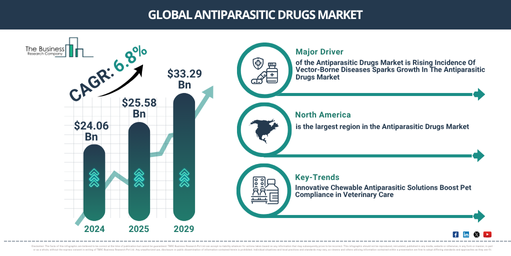
    Recent years have seen robust growth in the size of the antiparasitic drugs market. It is projected to expand from a value of $24.06 billion in 2024 to $25.58 billion in 2025, signifying a compound annual growth rate (CAGR) of 6.3%. This good performance for the market in the historic period can be credited to the high incidence of parasitic infections, the resistance observed towards currently available treatments, and worldwide health initiatives.

    The market for antiparasitic drugs is anticipated to witness solid expansion over the next few years, reaching a value of “$33.29 billion in 2029 with a compound annual growth rate (CAGR) of 6.8%“. The pronounced growth within the predicted timeframe can be linked to the rise in parasitic threats, changes in the climate, the emergence of vector-borne diseases, the heightened focus on worldwide health security, and improved healthcare access. The forecast period is also expected to see prominent trends such as advancements in the production of drugs, targeted treatment strategies, multipart therapies, collaborations between public and private entities, as well as the growth of telemedicine and remote diagnostic procedures.

    Download The Free Sample Report Here:

    https://www.thebusinessresearchcompany.com/sample.aspx?id=12927&type=smp

    #What Drivers Are Influencing Growth In The Antiparasitic Drugs Market?

    The surge in cases of diseases spread by vectors is anticipated to fuel the antiparasitic drugs market’s expansion. Diseases transmitted by vectors, such as mosquitoes, ticks, and flies, refer to infectious illnesses passed on to humans or other animals via the biting arthropods, the primary vectors. Illnesses like malaria, dengue, and yellow fever qualify as examples of vector-borne diseases. Antiparasitic medications play a vital part in curbing the spread of such diseases by targeting and eradicating the causing parasites. Several antiparasitic medications like chloroquine, doxycycline, and atovaquone-proguanil are frequently utilized for treating malaria. For instance, data from the Centers for Disease Control and Prevention, a Government agency from the United States, shows that from January to June 2024, dengue cases reported across the Americas exceeded 9.7 million, about two-fold increase from the 4.6 million cases recorded in 2023. Within the United States, Puerto Rico registered 1,498 dengue cases and 745 cases were detected among U.S. travelers returning from infected regions. Hence, the rising prevalence of vector-borne diseases instigates the growth of the antiparasitic drugs market.

    The antiparasitic drugs market covered in this report is segmented –

    1) By Product Type: Anthelmintics, Antiprotozoals, Ectoparasiticide, Other Products

    2) By Treatment: Avermectins, Bezimidazoles, Pyrimidines, Organophosphates, Imidazolesthiazoles

    3) By Route of Administration: Oral, Injectable, Topical

    4) By End User: Hospitals, Homecare, Specialty Clinics, Other End Users

    Subsegments:

    1) By Anthelmintics: Benzimidazoles, Ivermectin, Pyrantel Pamoate, Praziquantel

    2) By Antiprotozoals: Metronidazole, Tinidazole, Nitazoxanide, Pentamidine

    3) By Ectoparasiticides: Permethrin, Malathion, Lindane, Fipronil

    4) By Other Products: Combination Antiparasitic Drugs, Novel Antiparasitic Agents

    Which Trends Are Redefining The Future Landscape Of The Antiparasitic Drugs Industry?

    Top firms in the antiparasitic drugs market are prioritizing the creation of innovative offerings, like chewable veterinary goods, to enhance the ease of giving medication and boost pet compliance. These chewable veterinary products are flavored, easy-to-use tablets or treatments that deliver medicine to animals, making the treatment experience more palatable and less stressful for pets. For example, in April 2024, the German pharmaceutical company C.H. Boehringer Sohn AG and Co. KG launched NexGard Spectra to offer comprehensive parasite defense. NexGard SPECTRA is a tasty, soft chew capable of providing broad spectrum parasite protection for dogs—it handles fleas, ticks, heartworms, and several intestinal worms with just one monthly dose. It’s highly effective, killing fleas within a four-hour window after being given, and attaining over 99% efficacy against a range of parasites shortly thereafter.

    Which Companies Play A Key Role In The Development Of The Antiparasitic Drugs Market?

    Major companies operating in the antiparasitic drugs market are Pfizer Inc., Johnson & Johnson, Cadila Pharmaceuticals, Merck & Co.Inc., Bayer AG, Novartis AG, Sanofi S.A., GlaxoSmithKline PLC, Takeda Pharmaceutical Company Limited, Boehringer Ingelheim group, Zoetis Inc., Eisai Co. Ltd., Covetrus Inc., IDEXX Laboratories Inc., Dr. Reddy’s Laboratories, Intas Pharmaceuticals Ltd., Alkem Laboratories Ltd., Ceva Sante Animale S.A., Elanco Animal Health Incorporated, Phibro Animal Health Corporation, Norbrook Laboratories Ltd., Mankind Pharma, Neogen Corporation, Bimeda Inc., Indoco Remedies Ltd., ECO Animal Health, Lincoln Pharmaceuticals Ltd., Laboratorios Calier.

    https://www.thebusinessresearchcompany.com/report/antiparasitic-drugs-global-market-report

    What Are The Key Regional Developments Shaping The Antiparasitic Drugs Market?

    North America was the largest region in the antiparasitic drugs market in 2024. Asia-Pacific is expected to be the fastest-growing region in the forecast period. The regions covered in antiparasitic drugs market report are Asia-Pacific, Western Europe, Eastern Europe, North America, South America, Middle East and Africa.

    Request For A Customized Report:

    https://www.thebusinessresearchcompany.com/customise?id=12927&type=smp

    About The Business Research Company:

    With over 15000+ reports from 27 industries covering 60+ geographies, The Business Research Company has built a reputation for offering comprehensive, data-rich research and insights. Armed with 1,500,000 datasets, the optimistic contribution of in-depth secondary research, and unique insights from industry leaders, you can get the information you need to stay ahead in the game.

    Get in touch with us:

    The Business Research Company: https://www.thebusinessresearchcompany.com/

    Americas +1 310-496-7795

    Asia +44 7882 955267 & +91 8897263534

    Europe +44 7882 955267

    Email us at info@tbrc.info

    Follow us on:

    LinkedIn: https://in.linkedin.com/company/the-business-research-company

    YouTube: https://www.youtube.com/channel/UC24_fI0rV8cR5DxlCpgmyFQ

    Global Market Model: https://www.thebusinessresearchcompany.com/global-market-model