Blog

  • Mosquito Borne Diseases Market Forecast 2025–2034: Trends Reshaping Demand, Investment, and Innovation

    Mosquito Borne Diseases Market Forecast 2025–2034: Trends Reshaping Demand, Investment, and Innovation

    Claim your 30% discount on Global Market Reports with code ONLINE30. Limited time only.

    What Is the Current and Projected Market Size of the Myopia Treatment Market Through 2034?

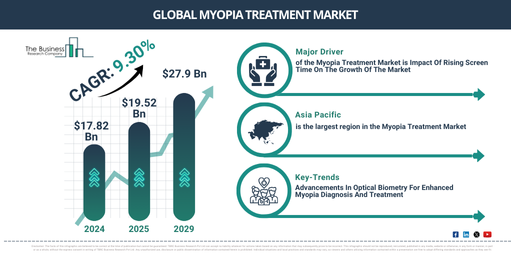
    The market for myopia treatment has seen robust growth in recent years. Its size is set to rise from $17.82 billion in 2024 to approximately $19.52 billion in 2025 with a compound annual growth rate (CAGR) of 9.6%. Several factors contributed to this growth in the historic period, including the rising number of elderly people, increased awareness of myopia treatment through government programs, higher investment in research and development, and a surge in instances of distance vision impairment.

    Expectations are high for the myopia treatment market, as it is set for significant expansion in the coming years. Estimates suggest that it could reach $27.9 billion by 2029, with a compound annual growth rate (CAGR) of 9.3%. The anticipated surge during the forecast period can be linked to the rise in distance vision impairment, increased reliance on digital mediums, improvement of healthcare facilities, growth in myopia cases, and an upturn in visibility loss. The forecast period is also expected to see the adoption of rigid gas-permeable contact lenses, breakthroughs in light-based treatments, pioneering research on genetic factors, utilization of digital platforms and apps, as well as advances in atropine eye drop formulation.

    Download a free sample to assess the report’s scope and structure:

    https://www.thebusinessresearchcompany.com/sample.aspx?id=20892&type=smp

    What Are the Primary Drivers Supporting the Market Growth of the Myopia Treatment Market?

    The boost in the time spent viewing screens is anticipated to fuel the expansion of the myopia treatment market. Screen time involves the duration an individual devotes to using screen-based devices such as smartphones, tablets, computers, or TVs. The surge in screen time can be attributed to the escalated usage of streaming services, social media, remote working, and online meetings. Methods for treating myopia help to lessen the strain on the eyes and discomfort caused by sustained periods of screen use, enhancing focus, comfort, and visual clarity. To elucidate, the Centers for Disease Control and Prevention, a government body in the US, reported in October 2024 that from July 2021 to December 2023, about 50.4% of teenagers aged 12-17 viewed screens for four or more hours daily, 22.8% for three hours daily, 17.8% for two hours, 6.1% for one hour and 3.0% for less than an hour every day. Consequently, the escalation in screen time is prompting growth in the myopia treatment market.

    Which Primary Segments of the Myopia Treatment Market Are Driving Growth and Industry Transformations?

    The myopia treatmentmarket covered in this report is segmented –

    1) By Type: Simple Myopia; High Myopia; Pathological Myopia

    2) By Treatment: Eyeglasses; Contact Lenses; Refractive Surgery; Laser-Assisted In Situ Keratomileusis (LASIK); Photorefractive Keratectomy (PRK); Orthokeratology (Ortho-K)

    3) By Route Of Administration: Oral; Parenteral; Other Routes Of Administration

    4) By Distribution Channel: Direct Tender; Retail Sales; Other Distribution Channels

    5) By End-User: Hospital Or Clinical Laboratories; Physician Offices; Reference Laboratories; Other End-Users

    Subsegments:

    1) By Simple Myopia: Mild Myopia; Moderate Myopia

    2) By High Myopia: Severe Myopia; Very Severe Myopia

    3) By Pathological Myopia: Degenerative Myopia; Malignant Myopia

    Request customized data on this market:

    https://www.thebusinessresearchcompany.com/customise?id=20892&type=smp

    Which Regions Are Key Players in the Growth of the #What Are the Primary Drivers Supporting the Market Growth of the Myopia Treatment Market?# Market?

    Asia Pacific was the largest region in the myopia treatment market in 2024. Asia-Pacific is expected to be the fastest-growing region in the forecast period. The regions covered in the myopia treatment market report are Asia-Pacific, Western Europe, Eastern Europe, North America, South America, Middle East, Africa.

    What Are the Most Significant Market Trends in the Myopia Treatment Market?

    Leading firms in the myopia treatment market are emphasizing on the creation of innovative products like optical biometers in order to increase diagnostic accuracy and customize efficient treatments. These optical biometers employ light to gauge eye-related parameters such as axial length and corneal curvature, allowing for accurate diagnosis and monitoring of eye conditions. For example, NIDEK Co., Ltd., a Japanese company specializing in ophthalmic products, introduced an AL-Scan M and MV-1 in February 2023. The AL-Scan M device is equipped with 3D auto-tracking and auto-shot features, making measurements as efficient and simple as those of an autorefractor. These aspects enhance patient turnover, especially among younger demographics. Precise axial length measurements, a crucial element in tracking the advancement of myopia, are ensured by the meticulously designed AL-Scan M. Moreover, it effortlessly interfaces with the MV-1 Myopia Viewer software, aiding in maintaining a record of treatment history and patient behavior.

    View the full report here:

    https://www.thebusinessresearchcompany.com/report/myopia-treatment-global-market-report

    What Parameters Are Used to Define the Myopia Treatment Market?

    Myopia treatment refers to medical or corrective interventions used to manage or correct myopia, also known as nearsightedness. Myopia is a common refractive error of the eye where distant objects appear blurry, but close objects are clear. Myopia treatment’s main goal is to improve vision and quality of life by correcting refractive errors. It also helps manage myopia progression, reducing reliance on corrective lenses for long-term vision health.

    Purchase the full report and get a swift delivery:

    https://www.thebusinessresearchcompany.com/purchaseoptions.aspx?id=20892

    About The Business Research Company:

    With over 15000+ reports from 27 industries covering 60+ geographies, The Business Research Company has built a reputation for offering comprehensive, data-rich research and insights. Armed with 1,500,000 datasets, the optimistic contribution of in-depth secondary research, and unique insights from industry leaders, you can get the information you need to stay ahead in the game.

    Get in touch with us:

    The Business Research Company: https://www.thebusinessresearchcompany.com/

    Americas +1 310-496-7795

    Europe +44 7882 955267

    Asia & Others +44 7882 955267 & +91 8897263534

    Email us at info@tbrc.info

    Follow us on:

    LinkedIn: https://in.linkedin.com/company/the-business-research-company

    YouTube: https://www.youtube.com/channel/UC24_fI0rV8cR5DxlCpgmyFQ

    Global Market Model: https://www.thebusinessresearchcompany.com/global-market-model

  • Mosquito Borne Diseases Market 2025-2034: Key Highlights, Growth Dynamics, and Emerging Trends

    Mosquito Borne Diseases Market 2025-2034: Key Highlights, Growth Dynamics, and Emerging Trends

    Claim your 30% discount on Global Market Reports with code ONLINE30. Limited time only.

    What is the Anticipated CAGR of the Mosquito Borne Diseases Market, and What Factors Will Drive It?

    The market size for diseases transmitted by mosquitoes has experienced substantial growth in the past few years. It is projected to expand from $3.06 billion in 2024 to $3.3 billion in 2025, demonstrating a compound annual growth rate (CAGR) of 7.9%. The acceleration in growth during the previous period is largely due to the escalating occurrences of malaria and dengue, the surge in global temperatures, deficient public health infrastructure, the rise in urbanization and population, along with an increase in healthcare awareness.

    The market size of diseases transmitted by mosquitoes is projected to display robust growth in the coming years, expected to reach a value of $4.47 billion in 2029, with a compound annual growth rate (CAGR) of 7.9%. This expansion during the forecast period can be linked to increased funding for vector control programs, an intensified emphasis on healthcare facilities, a surge in travel and tourism to regions endemic with these diseases, the rise of drug-resistant breeds of mosquitoes, and governmental efforts aimed at disease extermination. Key trends for the forecast period encompass the fabrication of bed nets treated with insecticide, the launch of expedient diagnostic test kits, advancements in vector control protocols, the evolution of technology, and the creation of refined diagnostic tools.

    Download a free sample to assess the report’s scope and structure:

    https://www.thebusinessresearchcompany.com/sample.aspx?id=20888&type=smp

    How Are Key Drivers in the Industry Acting as Catalysts for the Growth of theMosquito Borne Diseases Market?

    The anticipated increase in international travel is set to boost the trajectory of the mosquito borne diseases market. The rise in global journeys can be attributed to an amplified demand for leisure, business, and post-pandemic family reunions, along with enhanced access and advancements in travel infrastructure. The contribution of international travel to the spread of mosquito-borne diseases lies in its capacity to increase contact with mosquito-rich environments, enable the dispersion of mosquitoes carrying diseases, and obstruct effective vector control initiatives. To illustrate, the UN Tourism, a Spain-based tourism organization, reported around 1.1 billion international tourist arrivals (overnight visitors) from January to September 2024 in record, marking a surge of about 11% in comparison to the identical period in 2023. Thus, the rapid increase in international travel is stimulating growth in the mosquito borne diseases market.

    Which Segments in the Mosquito Borne Diseases Offer the Most Growth?

    The mosquito borne diseasesmarket covered in this report is segmented –

    1) By Disease Type: Malaria; Dengue; Yellow Fever; West Nile Virus; Chikungunya; Zika Virus; Other Disease Types

    2) By Treatment Type: Medication; Vaccination; Vector Control Methods; Immunotherapy; Supportive Care; Other Treatment Types

    3) By End User: Hospitals; Clinics; Diagnostic Centers; Research Institutes; Government Organizations; Non-Governmental Organizations; Other End Users

    Subsegments:

    1) By Malaria: Plasmodium Falciparum Malaria; Plasmodium Vivax Malaria; Other Malaria Types

    2) By Dengue: Dengue Fever; Severe Dengue (Dengue Hemorrhagic Fever)

    3) By Yellow Fever: Acute Yellow Fever; Chronic Yellow Fever

    4) By West Nile Virus: Neuroinvasive Disease (Encephalitis, Meningitis); Non-neuroinvasive Disease

    5) By Chikungunya: Acute Chikungunya; Chronic Chikungunya

    6) By Zika Virus: Acute Zika Infection; Congenital Zika Syndrome

    7) By Other Disease Types: Japanese Encephalitis; La Crosse Encephalitis; Eastern Equine Encephalitis (EEE); Other Mosquito-Borne Infections

    Request customized data on this market:

    https://www.thebusinessresearchcompany.com/customise?id=20888&type=smp

    What Are the Fastest-Growing Geographies in the #How Are Key Drivers in the Industry Acting as Catalysts for the Growth of theMosquito Borne Diseases Market?# Market?

    North America was the largest region in the mosquito borne diseases market in 2024. Latin America is expected to be the fastest-growing region in the forecast period. The regions covered in the mosquito borne diseases market report are Asia-Pacific, Western Europe, Eastern Europe, North America, South America, Middle East, Africa.

    What Are the Current Market Growth and Trends in the Mosquito Borne Diseases Industry?

    Leading corporations in the market of mosquito-borne diseases are emphasizing the creation of novel products, such as upgraded mosquito repellents, to improve the defense effectiveness against ailments like malaria, dengue, and Zika. Upgraded mosquito repellents pertain to novel items that employ durable, efficient ingredients or methodologies, such as microencapsulation, organic compounds or wearable tech, to furnish improved safeguards against mosquitoes. To illustrate, Mortein, a household insecticide brand from Australia, in March 2023, rolled out Mortein Smart+, a state-of-the-art liquid vaporizer intended to offer defense against mosquitoes. This product delivers two hours of extra protection even after it is switched off, dealing with the increasing prevalence of mosquito-borne diseases with rapid and more efficient repulsion. This unveils Mortein’s commitment to providing trustworthy resolutions, especially in the campaign against mosquito-borne infections.

    View the full report here:

    https://www.thebusinessresearchcompany.com/report/mosquito-borne-diseases-global-market-report

    What Are the Key Elements That Define the Mosquito Borne Diseases Market?

    Mosquito borne diseases are a group of infectious illnesses caused by parasites, viruses, and bacteria transmitted to humans through the bites of infected female mosquitoes, leading to widespread health concerns, increased morbidity and mortality rates, and the need for effective prevention and control measures in both endemic and non-endemic regions worldwide.

    Purchase the full report and get a swift delivery:

    https://www.thebusinessresearchcompany.com/purchaseoptions.aspx?id=20888

    About The Business Research Company:

    With over 15000+ reports from 27 industries covering 60+ geographies, The Business Research Company has built a reputation for offering comprehensive, data-rich research and insights. Armed with 1,500,000 datasets, the optimistic contribution of in-depth secondary research, and unique insights from industry leaders, you can get the information you need to stay ahead in the game.

    Get in touch with us:

    The Business Research Company: https://www.thebusinessresearchcompany.com/

    Americas +1 310-496-7795

    Europe +44 7882 955267

    Asia & Others +44 7882 955267 & +91 8897263534

    Email us at info@tbrc.info

    Follow us on:

    LinkedIn: https://in.linkedin.com/company/the-business-research-company

    YouTube: https://www.youtube.com/channel/UC24_fI0rV8cR5DxlCpgmyFQ

    Global Market Model: https://www.thebusinessresearchcompany.com/global-market-model
  • Microscope Camera Market Trends 2025-2034: Growth, Strategic Insights, and Opportunities Ahead

    Microscope Camera Market Trends 2025-2034: Growth, Strategic Insights, and Opportunities Ahead

    Claim your 30% discount on Global Market Reports with code ONLINE30. Limited time only.

    What Are the Key Milestones in the Microscope Camera Market’s Growth Trajectory From 2025 To 2034?

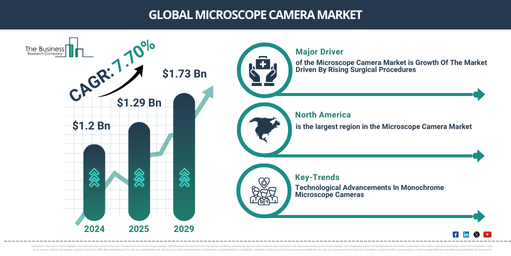
    The market size for microscope cameras has experienced robust growth in the past few years. Estimations predict expansion from $1.2 billion in 2024 to $1.29 billion in 2025, at a compound annual growth rate (CAGR) of 7.2%. The past growth can be linked to a rise in surgical procedures, an increase in chronic diseases, a heightened focus on biotechnology, the rising application of virtual and augmented reality in education, and the growth of the aging population.

    Anticipations show a robust enlargement of the microscope camera market size in the upcoming years, reaching an estimated value of$1.73 billion by 2029, growing at a compound annual growth rate (CAGR) of 7.7%. The anticipated growth over the forecast period is attributed to factors such as an increasing need for real-time depictions, a higher demand for high-definition image capture, a surging need for automation and digitization in microscopy, a heightened awareness around disease prevention and therapy, and a growing consumer inclination toward online. Key forecast period trends include seamless software and connectivity integration, innovative device miniaturization, implementation of cloud-based platforms, inventive modifications in camera architecture, and technological progressions.

    Download a free sample to assess the report’s scope and structure:

    https://www.thebusinessresearchcompany.com/sample.aspx?id=20882&type=smp

    What Are the Major Market Drivers Behind the Rising Adoption of Microscope Camera Market?

    The microscope camera market is projected to expand due to the rise in surgical procedures. Such operations involve a surgeon intervening physically to address diseases, wounds, or deformities through cutting, eliminating, fixing, or modifying tissue to improve a patient’s health or functionality. The increment in surgical procedures is linked to factors like the aging population, advancements in medical technology, increased chronic diseases, better healthcare accessibility, heightened medical awareness, more favorable surgical results, and the expansion of medical tourism. Microscope cameras add value to surgical procedures by offering high-definition, enlarged views of the surgical site, enhancing accuracy, allowing real-time documentation, and facilitating remote cooperation for improved patient outcomes. For example, in 2023, the UK Health Security Agency, a UK government agency, reported an increase in coronary artery bypass graft surgeries, with 27,524 surgeries in 2023 compared to the previous year. As a result, the rise in surgical procedures will bolster the expansion of the microscope camera market.

    Which Key Market Segments Comprise the Microscope Camera Market and Drive Its Revenue Growth?

    The microscope cameramarket covered in this report is segmented –

    1) By Type: Monochrome Cameras; Color Cameras

    2) By Sensor Type: Complementary Metal-Oxide-Semiconductor (CMOS) Sensors; Charge-Coupled Device (CCD) Sensors

    3) By Resolution: High-Definition Cameras; Standard-Definition Cameras

    4) By Distribution Channel: Online; Offline

    5) By Application: Medical; Industry; Education; Other Applications

    Subsegments:

    1) By Monochrome Cameras: CMOS Monochrome Cameras; CCD Monochrome Cameras

    2) By Color Cameras: CMOS Color Cameras; CCD Color Cameras

    Request customized data on this market:

    https://www.thebusinessresearchcompany.com/customise?id=20882&type=smp

    Which Areas Are Leading Regions in the Microscope Camera Market Expansion Across the Globe?

    North America was the largest region in the microscope camera market in 2024. Asia-Pacific is expected to be the fastest-growing region in the forecast period. The regions covered in the microscope camera market report are Asia-Pacific, Western Europe, Eastern Europe, North America, South America, Middle East, Africa.

    What Are the Strategic Trends Steering theMicroscope Camera Market Direction?

    Prominent corporations in the microscope camera market are focusing on advancing their technological solutions, such as monochrome microscope cameras. These cameras are designed to improve image quality and precision, especially for high-resolution scientific and medical imaging purposes. The concept of a monochrome microscope camera refers to a digital microscope camera that captures high-contrast grayscale visuals, frequently recognized for their capacity to deliver clearer, more detailed images, particularly in high-sensitivity or low-light conditions. For example, Nikon Corporation, a Japanese firm specializing in cameras and optical instruments, introduced the Digital Sight 50M monochrome microscope camera in January 2023. This camera is intended for high-precision analysis and large-volume sampling, specifically useful in plate screening applications. The camera provides a resolution of 50 megapixels, ensuring improved imaging performance and accurate detection across various scientific and medical uses. The addition of advanced features, such as enhanced light sensitivity and a 50-megapixel sensor, enables accurate and clear image capture, making it perfect for laboratory-based quality control, medical diagnostics, and scientific research.

    View the full report here:

    https://www.thebusinessresearchcompany.com/report/microscope-camera-global-market-report

    How Is the Microscope Camera Market Conceptually Defined?

    A microscope camera refers to a digital camera designed to capture images or videos through a microscope. It is typically attached to the eyepiece or a special adapter on a microscope, allowing the user to view and record magnified images of small objects or samples. These cameras are commonly used in fields such as biology, materials science, medicine, and forensics to document detailed specimens, perform analysis, or share findings in real time.

    Purchase the full report and get a swift delivery:

    https://www.thebusinessresearchcompany.com/purchaseoptions.aspx?id=20882

    About The Business Research Company:

    With over 15000+ reports from 27 industries covering 60+ geographies, The Business Research Company has built a reputation for offering comprehensive, data-rich research and insights. Armed with 1,500,000 datasets, the optimistic contribution of in-depth secondary research, and unique insights from industry leaders, you can get the information you need to stay ahead in the game.

    Get in touch with us:

    The Business Research Company: https://www.thebusinessresearchcompany.com/

    Americas +1 310-496-7795

    Europe +44 7882 955267

    Asia & Others +44 7882 955267 & +91 8897263534

    Email us at info@tbrc.info

    Follow us on:

    LinkedIn: https://in.linkedin.com/company/the-business-research-company

    YouTube: https://www.youtube.com/channel/UC24_fI0rV8cR5DxlCpgmyFQ

    Global Market Model: https://www.thebusinessresearchcompany.com/global-market-model

  • Metabolic Dysfunction-Associated Steatohepatitis (MASH) Treatment Market Insights: In-Depth Look at Growth Trends, Market Size, and Opportunities for 2025-2034

    Metabolic Dysfunction-Associated Steatohepatitis (MASH) Treatment Market Insights: In-Depth Look at Growth Trends, Market Size, and Opportunities for 2025-2034

    Claim your 30% discount on Global Market Reports with code ONLINE30. Limited time only.

    How Has The Metabolic Dysfunction-Associated Steatohepatitis (MASH) Treatment Market Size Shifted, And What Is the Outlook Through 2034?

    The market size for treatment of metabolic dysfunction-associated steatohepatitis (mash) has witnessed formidable expansion in the recent past. Expected to rise from $2 billion in 2024 to $2.59 billion in 2025, it showcases a compound annual growth rate (CAGR) of 29.7%. The growth observed in the previous period is due in part to an increase in cases of non-alcoholic steatohepatitis, changes in dietary customs leaning towards processed foods, sedentary living patterns, and a growing prevalence of metabolic issues.

    Expectations are high for the metabolic dysfunction-associated steatohepatitis (mash) treatment market to experience significant growth in the coming years. Specialists project that it will expand to $7.29 billion in 2029, demonstrating a compound annual growth rate (CAGR) of 29.5%. Factors contributing to this growth in the prediction period include the rising occurrence of obesity and related health conditions, early medical intervention, reimbursement processes, insurance plans, and increasing awareness about liver disorders. Key trends anticipated during the forecast period involve enhancements in technology, developments in the pipeline, strategic alliances and collaborations, individualized treatment and precision therapeutics, and investments in clinical studies and research.

    Download a free sample to assess the report’s scope and structure:

    https://www.thebusinessresearchcompany.com/sample.aspx?id=20876&type=smp

    What External and Internal Drivers Are Contributing to the Growth of theMetabolic Dysfunction-Associated Steatohepatitis (MASH) Treatment Market?

    The metabolic dysfunction-associated steatohepatitis (MASH) treatment market is projected to expand due to the escalating occurrence of obesity. Obesity, defined as an excessive build-up of body fat negatively impacting health and marked by a body mass index (BMI) of 30 or more, is on the rise globally. Factors such as inactive lifestyles, poor eating habits, and metabolic risk aspects contribute to obesity. Addressing insulin resistance, lowering liver fat, and enhancing metabolic health through lifestyle modifications and specific therapies constitute the focus of MASH treatment in obese patients. For example, the Switzerland-based World Heart Foundation, a global non-governmental cardiovascular community, revealed in March 2023 that approximately 2.3 billion children and adults around the world are overweight or obese. With the current trend, this figure is expected to climb up to 2.7 billion by 2025. Hence, the growing occurrence of obesity is fueling the advancement in the metabolic dysfunction-associated steatohepatitis (MASH) treatment market.

    What Segment Types Define the Metabolic Dysfunction-Associated Steatohepatitis (MASH) Treatment Market Structure?

    The metabolic dysfunction-associated steatohepatitis (mash) treatmentmarket covered in this report is segmented –

    1) By Treatment: By Drug; By Therapy

    2) By End-User: Hospitals; Specialty Clinics; Homecare; Other End-User

    3) By Distribution Channel: Hospital Pharmacies; Online Pharmacies; Retail Pharmacies

    Subsegments:

    1) By Drug: Antifibrotic Agents; Antidiabetic Drugs; Lipid-Lowering Agents; Vitamin E; Obeticholic Acid (OCA); GLP-1 Agonists; Other Drugs (Anti-Inflammatory Agents)

    2) By Therapy: Pharmacotherapy; Lifestyle Modifications (Dietary Changes, Exercise); Bariatric Surgery; Liver Transplantation

    Request customized data on this market:

    https://www.thebusinessresearchcompany.com/customise?id=20876&type=smp

    Which Geographic Areas Hold the Strongest Growth Potential in the Metabolic Dysfunction-Associated Steatohepatitis (MASH) Treatment Market?

    North America was the largest region in the metabolic dysfunction-associated steatohepatitis (MASH) treatment market in 2024. Asia-Pacific is expected to be the fastest-growing region in the forecast period. The regions covered in the metabolic dysfunction-associated steatohepatitis (MASH) treatment market report are Asia-Pacific, Western Europe, Eastern Europe, North America, South America, Middle East, Africa.

    What Long-Term Trends Are Transforming the Competitive Landscape of the Metabolic Dysfunction-Associated Steatohepatitis (MASH) Treatment Market?

    Leading corporations in the metabolic dysfunction-associated steatohepatitis (MASH) treatment field, are making strides towards devising innovative products like liver fibrosis therapy solutions. These solutions cater to patients struggling with metabolic dysfunction-associated steatohepatitis (MASH) and moderate to severe liver fibrosis. The emphasis of liver fibrosis therapy solutions is on dealing with the root causes of liver injury through changes in lifestyle, application of antiviral drugs, and the advent of antifibrotic treatments with the aim to arrest or reverse the advancement of fibrosis and enhance liver performance. For example, in March 2024, an announcement was made by Madrigal Pharmaceuticals, Inc., a biopharmaceutical organization based in the US, about the FDA’s approval of Rezdiffra (resmetirom), the inaugural treatment for metabolic dysfunction-associated steatohepatitis (MASH) with moderate to severe liver fibrosis. Rezdiffra is a daily tablet which exhibited effectiveness in countering MASH without aggravating fibrosis and ameliorating liver fibrosis in phase 3 clinical studies. This pioneering solution presents a non-invasive treatment option, removing the requirement for liver biopsies, and significantly augmenting patient access and results in the administration of fatty liver disease.

    View the full report here:

    https://www.thebusinessresearchcompany.com/report/metabolic-dysfunction-associated-steatohepatitis-mash-treatment-global-market-report

    What Is the Definition of the Metabolic Dysfunction-Associated Steatohepatitis (MASH) Treatment Market?

    Metabolic dysfunction-associated steatohepatitis (MASH) treatment refers to medical and lifestyle interventions aimed at addressing inflammation and liver damage caused by fat accumulation in the liver associated with metabolic dysfunctions like obesity, diabetes, and insulin resistance, focusing on improving liver health and metabolic outcomes.

    Purchase the full report and get a swift delivery:

    https://www.thebusinessresearchcompany.com/purchaseoptions.aspx?id=20876

    About The Business Research Company:

    With over 15000+ reports from 27 industries covering 60+ geographies, The Business Research Company has built a reputation for offering comprehensive, data-rich research and insights. Armed with 1,500,000 datasets, the optimistic contribution of in-depth secondary research, and unique insights from industry leaders, you can get the information you need to stay ahead in the game.

    Get in touch with us:

    The Business Research Company: https://www.thebusinessresearchcompany.com/

    Americas +1 310-496-7795

    Europe +44 7882 955267

    Asia & Others +44 7882 955267 & +91 8897263534

    Email us at info@tbrc.info

    Follow us on:

    LinkedIn: https://in.linkedin.com/company/the-business-research-company

    YouTube: https://www.youtube.com/channel/UC24_fI0rV8cR5DxlCpgmyFQ

    Global Market Model: https://www.thebusinessresearchcompany.com/global-market-model
  • Medical Radiation Shielding Market Outlook 2025–2034: Identifying Growth Drivers, Technology Trends, and Policy Impact

    Medical Radiation Shielding Market Outlook 2025–2034: Identifying Growth Drivers, Technology Trends, and Policy Impact

    Claim your 30% discount on Global Market Reports with code ONLINE30. Limited time only.

    How Has the Medical Radiation Shielding Market Growth Performance Trended Historically, And What Lies Ahead?

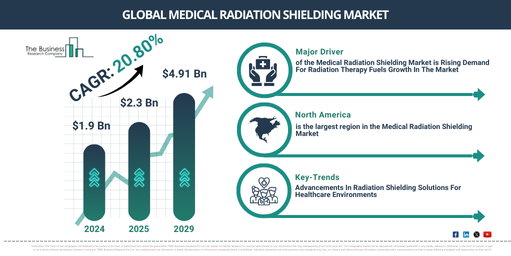
    The market for medical radiation shielding has experienced substantial expansion recently, with predictions of an increase from $1.9 billion in 2024 to $2.3 billion in 2025, representing a compound annual growth rate (CAGR) of 21.3%. Factors contributing to the growth during the historic period include the increased occurrence of cancer and cardiovascular illnesses, heightened use of nuclear medicine and radiation therapy, a surge in chronic disease rates, growth in healthcare spending, and a rising demand for less invasive procedures.

    There is an expected surge in the size of the medical radiation shielding market in the coming years, with a predicted growth to $4.91 billion in 2029 with a Compound Annual Growth Rate (CAGR) of 20.8%. This growth during the forecast period can be connected to a heightened demand for diagnostic imaging, escalating diagnostic imaging procedures, a surge in the need for healthcare services, increasing safety consciousness, and a rise in the count of diagnostic imaging and radiation therapy procedures. Notable trends during the forecast period encompass improvements in radiation therapy technology, breakthroughs in radiation protection chemicals, a burgeoning need for environmentally friendly treatments, and strides in nuclear medicine.

    Download a free sample to assess the report’s scope and structure:

    https://www.thebusinessresearchcompany.com/sample.aspx?id=20873&type=smp

    What Are the Core Market Drivers Propelling Growth in the Medical Radiation Shielding Industry?

    The medical radiation shielding market is anticipated to grow due to the rising need for radiation therapy. This treatment option uses high-energy radiation to attack and kill cancer cells by damaging their DNA. Factors pushing up the demand for this therapy include, prevalence of cancer diagnoses, improvements in therapeutic technologies, and enhanced access to medical services. Medical radiation shielding is crucial in radiation therapy, it ensures the preservation of healthy tissues and protection of individuals from unnecessary exposure to ionizing radiation during their course of treatment. For instance, The Lancet, a UK-based scientific review journal, reported in December 2024 that there were an estimated 20.0 million new cancer diagnoses in 2022, with roughly 10.0 million patients requiring radiotherapy resulting in a usage rate of 50%, and 12.8 million patients at a usage rate of 64%. Consequently, the escalating demand for radiotherapy is seen as a key factor in the growth of the medical radiation shielding market.

    How Is the Medical Radiation Shielding Market Segmented?

    The medical radiation shieldingmarket covered in this report is segmented –

    1) By Type: X-Ray Shields; Magnetic Resonance Imaging (MRI) Shields; Gamma Shields; Neutron Shields

    2) By Material: Lead-Based Shielding; Non-Lead Shielding; Hybrid Shielding

    3) By Application: Diagnostics; Therapeutics; Nuclear Medicine

    4) By End-Use: Hospitals And Clinics; Diagnostic Imaging Centers; Other End-Uses

    Subsegments:

    1) By X-Ray Shields: Lead Aprons; Lead Gloves; Lead Shields; Lead Glass

    2) By Magnetic Resonance Imaging (MRI) Shields: MRI Safe Lead Aprons; MRI Shielding Fabrics; MRI Shielding Panels

    3) By Gamma Shields: Gamma Radiation Aprons; Gamma Radiation Barriers

    4) By Neutron Shields: Neutron Absorbing Materials; Neutron Shielding Panels

    Request customized data on this market:

    https://www.thebusinessresearchcompany.com/customise?id=20873&type=smp

    Which Regions Are Driving the Next Phase of the Medical Radiation Shielding Market Growth?

    North America was the largest region in the medical radiation shielding market in 2024. The regions covered in the medical radiation shielding market report are Asia-Pacific, Western Europe, Eastern Europe, North America, South America, Middle East, Africa.

    What Key Market Trends and Innovations Are Shaping the Future of the Medical Radiation Shielding Industry?

    Significant entities in the medical radiation shielding sector are turning their focus to creating innovative solutions, such as lead-lined doors, in a bid to increase safety and guard against hazardous radiation for both patients and those working in healthcare. A protective layer of lead in these doors helps lessen or inhibit radiation, thus setting a protective barrier in areas prone to radiation. The prime purpose of these devices is to serve as a shield for patients, medical staff, and equipment from the risk of radiation exposure. For instance, in February 2023, Specialist Door Solutions (SDS) Ltd, a firm located in the UK that manufactures doors, launched its Shieldoor lead-lined x-ray doors. These are specifically created for healthcare settings to offer valuable radiation protection against x-rays. They are designed to meet the high standards required by hospitals and radiological centres and come with adjustable lead thickness options to ensure they meet safety regulations. The Shieldoor collection perfectly fuses with other SDS door products, enhancing both functionality and visual appeal in healthcare environments.

    View the full report here:

    https://www.thebusinessresearchcompany.com/report/medical-radiation-shielding-global-market-report

    How Is the Medical Radiation Shielding Market Defined and What Are Its Core Parameters?

    Medical radiation shielding refers to the use of barriers or protective materials designed to reduce or block the penetration of ionizing radiation in healthcare settings. This shielding is essential to ensure the safety of patients, healthcare workers, and the general public by minimizing exposure to harmful radiation generated by medical imaging and therapeutic equipment.

    Purchase the full report and get a swift delivery:

    https://www.thebusinessresearchcompany.com/purchaseoptions.aspx?id=20873

    About The Business Research Company:

    With over 15000+ reports from 27 industries covering 60+ geographies, The Business Research Company has built a reputation for offering comprehensive, data-rich research and insights. Armed with 1,500,000 datasets, the optimistic contribution of in-depth secondary research, and unique insights from industry leaders, you can get the information you need to stay ahead in the game.

    Get in touch with us:

    The Business Research Company: https://www.thebusinessresearchcompany.com/

    Americas +1 310-496-7795

    Europe +44 7882 955267

    Asia & Others +44 7882 955267 & +91 8897263534

    Email us at info@tbrc.info

    Follow us on:

    LinkedIn: https://in.linkedin.com/company/the-business-research-company

    YouTube: https://www.youtube.com/channel/UC24_fI0rV8cR5DxlCpgmyFQ

    Global Market Model: https://www.thebusinessresearchcompany.com/global-market-model

  • Emerging Growth Drivers in the Medical Linear Particle Accelerator Market Landscape: Growing Cancer Incidence Drives Expansion Of The Market

    Emerging Growth Drivers in the Medical Linear Particle Accelerator Market Landscape: Growing Cancer Incidence Drives Expansion Of The Market

    Claim your 30% discount on Global Market Reports with code ONLINE30. Limited time only.

    What Are the Projected Market Size and Growth Rates for the Medical Linear Particle Accelerator Market From 2025 To 2029?

    The market size of the medical linear particle accelerator has witnessed substantial growth lately. The market size is set to escalate from $2.55 billion in 2024 to $2.68 billion in 2025, indicating a compound annual growth rate (CAGR) of 5.2%. The past growth trend is rooted in the improved healthcare access, amplified demand for radiotherapy infrastructure and proton therapy, uptick in multimodal cancer treatments, and the rising preference for robotic-assisted surgeries.

    The market for medical linear particle accelerators is anticipated to witness substantial expansion in the upcoming years. It is predicted to surge to$3.29 billion by 2029, demonstrating a compound annual growth rate (CAGR) of 5.2%. The increase over the forecast period can be linked to the escalating demand for personalized medicine, increased uptake of cost-effective radiation therapy solutions, a rise in clinical trials, growing preference for minimally invasive surgery and expanding usage of targeted cancer treatments. Key trends throughout the forecast duration encompass advancements in radiation therapy technology, the advent of telemedicine and remote radiotherapy planning, incorporation of artificial intelligence (AI) and machine learning (ML), progress in imaging techniques, and the merger of radiotherapy with digital health technologies.

    Download a free sample to assess the report’s scope and structure:

    https://www.thebusinessresearchcompany.com/sample.aspx?id=20872&type=smp

    Which Primay Drivers Are Accelerating Growth in the Medical Linear Particle Accelerator Market?

    The escalating prevalence of cancer is anticipated to stimulate the expansion of the medical linear particle accelerator market in the future. Cancer is characterised by the uncontrolled growth and spread of abnormal cells, often leading to tumours or impacting other parts of the body. This rise in cancer incidence can be credited to factors such as environmental exposure, genetic factors, enhanced detection and screening, infections, hormonal elements, and increased awareness. Medical linear particle accelerators or LINACs play a significant role in cancer treatment by delivering accurate high-energy radiation that targets and destroys cancer cells. This enhances the effectiveness of the treatment and minimises side effects. For instance, data from the Australian Institute of Health and Welfare, a government agency in Australia, revealed that cancer diagnoses rose from 160,570 in 2022 to 164,694 in 2023, indicating a significant jump. Consequently, the rising prevalence of cancer is fueling the expansion of the medical linear particle accelerator market.

    Which Primary Segments of the Medical Linear Particle Accelerator Market Are Driving Growth and Industry Transformations?

    The medical linear particle acceleratormarket covered in this report is segmented –

    1) By Product Type: Dedicated Linear Accelerator; Non-Dedicated Linear Accelerator

    2) By Treatment Type: Intensity Modulated Radiation Therapy; Volumetric Modulated Arc Therapy; Image Guided Radiation Therapy; Stereotactic Radiosurgery And Stereotactic Body Radiotherapy

    3) By End-User: Hospital; Radiology; Clinics; Other End-Users

    Subsegments:

    1) By Dedicated Linear Accelerator: Radiation Therapy Linear Accelerators; Medical Linear Accelerators for Cancer Treatment; High-Energy Linear Accelerators

    2) By Non-Dedicated Linear Accelerator: General Purpose Linear Accelerators; Laboratory-Grade Non-Dedicated Linear Accelerators; Research And Development Linear Accelerators

    Request customized data on this market:

    https://www.thebusinessresearchcompany.com/customise?id=20872&type=smp

    Which Regions Are Key Players in the Growth of the #Which Primay Drivers Are Accelerating Growth in the Medical Linear Particle Accelerator Market?# Market?

    North America was the largest region in the medical linear particle accelerator market in 2024. The regions covered in the medical linear particle accelerator market report are Asia-Pacific, Western Europe, Eastern Europe, North America, South America, Middle East, Africa.

    Which Technological Trends Are Reshaping the Medical Linear Particle Accelerator Industry Dynamics?

    Leading enterprises in the medical linear particle accelerator market are concentrating on the advancement of high-tech solutions like radiotherapy systems. These systems are instrumental in refining treatment accuracy and advancing outcomes for patients undergoing cancer therapy. Medical devices such as linear accelerators, which use intense radiation to specifically target and manage tumors while reducing injury to nearby healthy cells, are enlisted under radiotherapy systems. For example, Elekta AB, a medical equipment firm based in Sweden, presented Elekta Evo in May 2024. The evolutionary AI-fueled adaptive CT-linear accelerator is designed to revolutionize cancer care. The Elekta Evo, carrying Iris, an AI-optimized high-definition visual system, allows healthcare experts to clearly visualize the treatment sections. This facilitates exact tumor focus while defending the surrounding healthy tissue. The instrument further incorporates adaptable radiation therapy abilities, providing both instant and non-immediate alterations to treatment designs, ergo, customizing care to align with each patient’s distinct requirements.

    View the full report here:

    https://www.thebusinessresearchcompany.com/report/medical-linear-particle-accelerator-global-market-report

    What Parameters Are Used to Define the Medical Linear Particle Accelerator Market?

    A medical linear particle accelerator (LINAC) is a device used in radiation therapy to treat cancer by delivering high-energy X-rays or electron beams to target tumors with precision while minimizing damage to surrounding healthy tissue. It accelerates electrons using microwave technology, producing radiation beams that conform to the tumor’s shape for effective treatment.

    Purchase the full report and get a swift delivery:

    https://www.thebusinessresearchcompany.com/purchaseoptions.aspx?id=20872

    About The Business Research Company:

    With over 15000+ reports from 27 industries covering 60+ geographies, The Business Research Company has built a reputation for offering comprehensive, data-rich research and insights. Armed with 1,500,000 datasets, the optimistic contribution of in-depth secondary research, and unique insights from industry leaders, you can get the information you need to stay ahead in the game.

    Get in touch with us:

    The Business Research Company: https://www.thebusinessresearchcompany.com/

    Americas +1 310-496-7795

    Europe +44 7882 955267

    Asia & Others +44 7882 955267 & +91 8897263534

    Email us at info@tbrc.info

    Follow us on:

    LinkedIn: https://in.linkedin.com/company/the-business-research-company

    YouTube: https://www.youtube.com/channel/UC24_fI0rV8cR5DxlCpgmyFQ

    Global Market Model: https://www.thebusinessresearchcompany.com/global-market-model
  • Strategic Growth Drivers Shaping the Medical Holography Market Outlook 2025- 2034:Growing Adoption Of Robotic Surgeries Boosts Market Expansion

    Strategic Growth Drivers Shaping the Medical Holography Market Outlook 2025- 2034:Growing Adoption Of Robotic Surgeries Boosts Market Expansion

    Claim your 30% discount on Global Market Reports with code ONLINE30. Limited time only.

    What Is the Estimated Market Size of the Medical Holography Market In 2029?

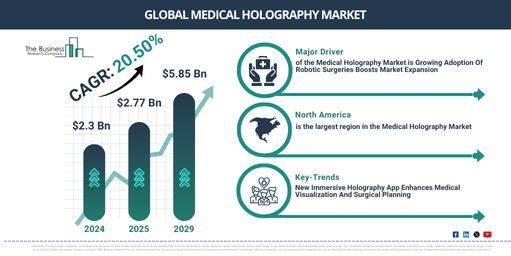
    Over the years, there has been an exponential increase in the size of the medical holography market. The industry, valued at $2.3 billion in 2024, is projected to reach $2.77 billion in 2025, growing at a compound annual growth rate (CAGR) of 20.6%. Factors such as the expanding use of holography products, an aging population, growing instances of chronic illnesses, a surge in the adoption of holographic displays, and elevated research and development expenditure can be linked to this historical growth.

    The market size of medical holography is projected to witness substantial expansion in the forthcoming years, expected to hit$5.85 billion by 2029 with a compound annual growth rate (CAGR) of 20.5%. The increase in this period can be linked to the escalating incidence of chronic illnesses, enhanced usage of robotic surgical procedures, amplified funding in research related to medical holography, increased cognizance of its clinical applications, and an aging population. Prominent trends during this forecasted period incorporate technological progression, innovations in the realm of operating rooms, the emergence of mixed reality (MR) applications, along with a surge in the utilization of 3D illustrations and augmented reality.

    Download a free sample to assess the report’s scope and structure:

    https://www.thebusinessresearchcompany.com/sample.aspx?id=20871&type=smp

    Which Factors and External Forces Are Driving Demand in the Medical Holography Market?

    The medical holography market is poised for growth, largely driven by the increasing acceptance and use of robotic surgeries. These procedures, engineered for precision and minimally invasive measures, are performed by surgeon-controlled robotic systems. They enhance the accuracy of the process while simultaneously trimming down recovery periods. The proliferation of robotic surgeries can be attributed to their precise nature, the reduced invasion, quicker recuperation, and fewer complications. This growth is bolstered by technological developments and a touch of artificial intelligence. Through medical holography, surgeons are offered explicit 3D projections of the patient’s anatomy, thus augmenting precision and subsequently yielding better results. In a report from Intuitive Surgical Inc, a robotics-focused manufacturer based out of the United States, the usage of Vinci Surgical Systems – a sophisticated robotic surgery system – went up to 1,875,000 surgical procedures in 2022, marking an 18% rise from the 1,594,000 surgeries conducted during 2021. Consequently, the medical holography market is set to expand, fueled by the augmented usage of robotic surgeries.

    Which Segments in the Medical Holography Offer the Most Growth?

    The medical holographymarket covered in this report is segmented –

    1) By Type: Holographic Displays, Holographic Prints, Holographic Microscopy, Holographic Scanners

    2) By Application: Medical Imaging, Opthalmology, Dentistry, Urology, Orthopedics, Medical Education, Biomedical Research, Other Applications

    3) By End User: Hospitals And Clinics, Academic Medical Centers, Research Laboratories, Pharmaceutical And Biotechnology Companies

    Subsegments:

    1) By Holographic Displays: 3D Medical Imaging Displays; Surgical Visualization Displays; Diagnostic Imaging Displays

    2) By Holographic Prints: Anatomical Model Prints; 3D Printed Medical Models; Patient-Specific Surgical Plans

    3) By Holographic Microscopy: Cellular Structure Visualization; Live Tissue Imaging; Nano-Scale Imaging In Biomedicine

    4) By Holographic Scanners: 3D Body Scanners For Diagnosis; Optical Coherence Tomography (OCT) Scanners; Holographic Ultrasound Scanners

    Request customized data on this market:

    https://www.thebusinessresearchcompany.com/customise?id=20871&type=smp

    What Are the Fastest-Growing Geographies in the #Which Factors and External Forces Are Driving Demand in the Medical Holography Market?# Market?

    North America was the largest region in the medical holography market in 2024. Asia-Pacific is expected to be the fastest-growing region in the forecast period. The regions covered in the medical holography market report are Asia-Pacific, Western Europe, Eastern Europe, North America, South America, Middle East, Africa.

    Which Cutting-Edge Market Trends Are Expected to Drive theMedical Holography Market’s Growth?

    Key players in the medical holography field are centering their efforts on the development of cutting-edge solutions like immersive holographic visualization to enhance the precision and efficiency in medical diagnosis and treatments. Interactive holograms produced by immersive holographic visualization equip users with the capacity to study complex data and environments in a compelling and realistic way. For example, Siemens Healthineers, a medicinal technology company from Germany, unveiled the Cinematic Reality app in March 2024. This tool permits users to examine immersive, three-dimensional representations of the human body. The Cinematic Reality app is optimised to exploit the potential of Apple Silicon and Metal, thereby laying a robust foundation for the future. It offers users the possibility to see immersive, interactive holograms of the human body derived from actual medical scans. This technology enhances anatomical visualization, beneficial in surgical preparation and medical teaching. Soon, it may support surgeons in preoperative planning, facilitate improved communication among specialists in various fields, and help patients and non-radiologists comprehend medical scans and conditions better.

    View the full report here:

    https://www.thebusinessresearchcompany.com/report/medical-holography-global-market-report

    What Are the Key Elements That Define the Medical Holography Market?

    Medical holography refers to using advanced holographic imaging technologies to create three-dimensional, high-resolution visualizations of anatomical structures or medical data. These holograms are used for diagnostics, surgical planning, medical training, and patient education. Medical holography enhances precision and understanding in healthcare applications by providing interactive and immersive views.

    Purchase the full report and get a swift delivery:

    https://www.thebusinessresearchcompany.com/purchaseoptions.aspx?id=20871

    About The Business Research Company:

    With over 15000+ reports from 27 industries covering 60+ geographies, The Business Research Company has built a reputation for offering comprehensive, data-rich research and insights. Armed with 1,500,000 datasets, the optimistic contribution of in-depth secondary research, and unique insights from industry leaders, you can get the information you need to stay ahead in the game.

    Get in touch with us:

    The Business Research Company: https://www.thebusinessresearchcompany.com/

    Americas +1 310-496-7795

    Europe +44 7882 955267

    Asia & Others +44 7882 955267 & +91 8897263534

    Email us at info@tbrc.info

    Follow us on:

    LinkedIn: https://in.linkedin.com/company/the-business-research-company

    YouTube: https://www.youtube.com/channel/UC24_fI0rV8cR5DxlCpgmyFQ

    Global Market Model: https://www.thebusinessresearchcompany.com/global-market-model
  • Major Drivers Propelling the Growth oh theMedical Animation Market Forward: Growth Of Telemedicine And Virtual Consultations To Drive Market

    Major Drivers Propelling the Growth oh theMedical Animation Market Forward: Growth Of Telemedicine And Virtual Consultations To Drive Market

    Claim your 30% discount on Global Market Reports with code ONLINE30. Limited time only.

    How Fast Is The Medical Animation Market Expected to Grow Between 2025 And 2029?

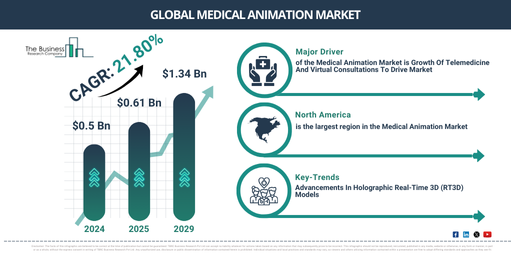
    There has been a significant rise in the size of the medical animation market in the past few years. Expecting an increase from $0.5 billion in 2024 to $0.61 billion in 2025, it is predicted to have a compound annual growth rate (CAGR) of 21.7%. Factors contributing to its historical growth include the increasing demand for tools educating patients, pharmaceutical marketing expansion, a higher implementation of e-learning in medical education, increased incidences of chronic diseases, and growing awareness regarding scientific visualization in healthcare.

    The expansion of the medical animation market is projected to see a significant surge in the coming years, escalating to $1.34 billion by 2029 with a Compound Annual Growth Rate (CAGR) of 21.8%. The predicted growth during this period can be ascribed to the broadening of telemedicine and virtual appointments, increased investments in tools for healthcare communication, the implementation of AR and VR technologies in the field of medical education, a rise in governmental backing for medical animations and an escalated demand for customized healthcare visualizations. Key trends for the forecasted time frame include partnerships between animation studios and healthcare providers, the implementation of blockchain for ensuring the security of animation content, multilingual animation solutions development, the infusion of Artificial Intelligence in the production of animation, and progressing 3d and 4d animation technologies.

    Download a free sample to assess the report’s scope and structure:

    https://www.thebusinessresearchcompany.com/sample.aspx?id=20869&type=smp

    Which Major Market Drivers Are Expected to Boost the Growth Potential of the Medical Animation Market?

    The expansion of telemedicine and online consultations is projected to propel the medical animation market in the future. Telemedicine employs digital communication methods to provide health services from a distance, allowing patients and healthcare providers to interact without being physically present. The number of virtual consultations has increased due to technological advancements, better internet connectivity, and a rising demand for accessible healthcare solutions. In telemedicine and online consultations, medical animations are used to visually explain complex medical principles, procedures and conditions in a comprehensible and engaging manner. This helps patients gain a better grasp of their diagnosis, treatment choices, and the healthcare procedure, leading to improved communication, increased patient involvement, and higher satisfaction during remote healthcare exchanges. As reported by the Australian Digital Health Agency 2022, for instance, a total of 118.2 million telehealth services were catered to 18 million patients in 2022, and above 95,000 practitioners leveraged telehealth services. Hence, the expansion of telemedicine and online consultations is poised to propel the medical animation market.

    Which Key Market Segments Comprise the Medical Animation Market and Drive Its Revenue Growth?

    The medical animationmarket covered in this report is segmented –

    1) By Type: 3D Animation, 2D Animation, Real Time Imaging (4D Animation), Flash Animation

    2) By Therapeutic Area: Oncology, Cardiology, Cosmeceuticals/Plastic Surgery, Dental, Other Therapeutic Areas

    3) By Application: Drug Mechanism Of Action (MOA) And Approval, Patient Education, Surgical Training And Planning, Cellular And Molecular Studies, Other Applications

    4) By End Users: Life Science Companies, Medical Device Manufacturers, Hospitals, Surgical Centers And Clinics, Academic Institutes, Other End Users

    Subsegments:

    1) By 3D Animation: Surgical Animations; Anatomical Illustrations; Disease Mechanism Animations; Medical Device Animations

    2) By 2D Animation: Explainer Videos; Medical Educational Content; Health Communication Animations

    3) By Real-Time Imaging (4D Animation): Virtual Reality (VR) Animations; Interactive Medical Animations; Medical Imaging Visualization (MRI, CT scans)

    4) By Flash Animation: Medical Explainers for Websites; Flash-based Health Awareness Campaigns; Interactive Medical Educational Tools

    Request customized data on this market:

    https://www.thebusinessresearchcompany.com/customise?id=20869&type=smp

    Which Areas Are Leading Regions in the Medical Animation Market Expansion Across the Globe?

    North America was the largest region in the medical animation market in 2024. Asia-Pacific is expected to be the fastest-growing region in the forecast period. The regions covered in the medical animation market report are Asia-Pacific, Western Europe, Eastern Europe, North America, South America, Middle East, Africa.

    What Are the Key Market Trends in theMedical Animation Market Over the Coming Years?

    Top businesses in the healthcare animation sector are focusing their efforts on cutting-edge technologies such as holography and real-time 3D (RT3D) modeling. Their goal is to amplify the realism and interaction of visual materials, thus providing more in-depth and accurate illustrations of medical procedures, anatomy, and disease processes. This improvement in precision will enhance patient education, surgical preparation, and medical instruction. Holographic real-time 3D models serve as engaging, lifelike representations that simulate real-world visuals and behaviors. For example, in November 2022, GigXR, a US healthcare training solutions provider specializing in extended reality (XR), collaborated with ANIMA RES, a German medical imaging company, to launch the Insight Series. It’s a new RT3D holographic model library featuring organs such as the heart, lungs, and kidneys, showing how diseases can alter their structure and function. These models provide valuable insights into conditions like myocardial infarction and chronic obstructive pulmonary disease (COPD), particularly as they affect the heart and lungs.

    View the full report here:

    https://www.thebusinessresearchcompany.com/report/medical-animation-global-market-report

    How Is the Medical Animation Market Conceptually Defined?

    Medical animation is the use of visual media to represent complex medical, biological, or anatomical concepts through 2D, 3D, or interactive graphics. It is commonly used for educational, training, and marketing purposes in healthcare settings. These animations help enhance understanding, communication, and engagement among patients, medical professionals, and students.

    Purchase the full report and get a swift delivery:

    https://www.thebusinessresearchcompany.com/purchaseoptions.aspx?id=20869

    About The Business Research Company:

    With over 15000+ reports from 27 industries covering 60+ geographies, The Business Research Company has built a reputation for offering comprehensive, data-rich research and insights. Armed with 1,500,000 datasets, the optimistic contribution of in-depth secondary research, and unique insights from industry leaders, you can get the information you need to stay ahead in the game.

    Get in touch with us:

    The Business Research Company: https://www.thebusinessresearchcompany.com/

    Americas +1 310-496-7795

    Europe +44 7882 955267

    Asia & Others +44 7882 955267 & +91 8897263534

    Email us at info@tbrc.info

    Follow us on:

    LinkedIn: https://in.linkedin.com/company/the-business-research-company

    YouTube: https://www.youtube.com/channel/UC24_fI0rV8cR5DxlCpgmyFQ

    Global Market Model: https://www.thebusinessresearchcompany.com/global-market-model
  • Critical Market Drivers Shaping the Outlook for Liver Disease Diagnostics Market from 2025-2034: Impact Of Rising Alcohol Consumption On Market Growth

    Critical Market Drivers Shaping the Outlook for Liver Disease Diagnostics Market from 2025-2034: Impact Of Rising Alcohol Consumption On Market Growth

    Claim your 30% discount on Global Market Reports with code ONLINE30. Limited time only.

    What Are the Key Projections for the CAGR of the Liver Disease Diagnostics Market Size From 2025 to 2034?

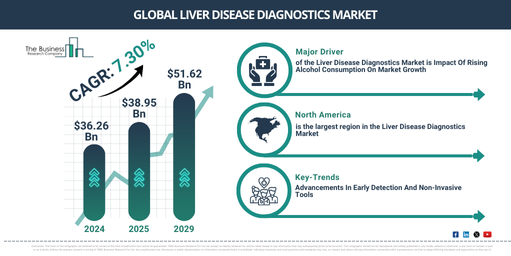
    In recent times, the market size for liver disease diagnostics has seen robust growth. Forecasted to expand from $36.26 billion in 2024 to $38.95 billion in 2025, the compound annual growth rate (CAGR) is projected to be 7.4%. Factors such as an increasing incidence of acute and chronic liver diseases, heightened alcohol consumption, growing awareness about liver health, and improved healthcare infrastructure have contributed significantly to the growth during the preceding period.

    Expectations are high for the liver disease diagnostics market, which is predicted to experience significant expansion in the coming years. It is estimated that by 2029, it will reach a value of$51.62 billion, growing at a compound annual growth rate (CAGR) of 7.3%. This expected growth during the forecast period is likely due to factors such as an aging population, higher expenditure on research and development, an increase in biopsy procedures and disease incidences, along with the proliferation of telemedicine. Top trends for this period involve the emergence of personalized healthcare, technological progress in diagnostic kit technology, advancements in rapid testing, an overall technological leap in the healthcare industry, and innovation in diagnostic methodologies.

    Download a free sample to assess the report’s scope and structure:

    https://www.thebusinessresearchcompany.com/sample.aspx?id=20862&type=smp

    What Are the Core Growth Drivers Propelling the Liver Disease Diagnostics Market Forward?

    The surge in alcohol intake is anticipated to spur the expansion of the liver disease diagnostics market in the future. Factors such as evolving societal norms, improved financial accessibility, broader availability, and escalating stress or mental health issues contribute to the rise in alcohol consumption. Liver disease diagnostics play a pivotal role in scrutinizing the effects of alcohol consumption on the liver’s health, thus facilitating the early detection of signs of liver damage such as fatty liver, hepatitis, or cirrhosis. For example, in December 2022, the National Health Service, a government department based in England, reported that the proportion of individuals consuming alcohol in the previous 12 months gradually increased with age, starting at 62% for individuals aged 16 to 24 and peaking at 85% for those aged 55 to 74. As a result, the burgeoning alcohol consumption is steering the growth of the liver disease diagnostics market.

    What Segment Types Define the Liver Disease Diagnostics Market Structure?

    The liver disease diagnosticsmarket covered in this report is segmented –

    1) By Diagnosis Technique: Laboratory Tests; Imaging; Endoscopy; Biopsy; Other Diagnosis Techniques

    2) By Disease: Non-Alcoholic Fatty Liver Disease; Non-Alcoholic Steatohepatitis; Fibrosis; Cirrhosis; Hepatocellular Carcinoma; Other Diseases

    3) By End Users: Hospitals; Laboratories; Other End Users

    Subsegments:

    1) By Laboratory Tests: Blood Tests (Liver Function Tests, Hepatitis Panel); Enzyme Tests (ALT, AST, ALP); Genetic Testing; Serological Tests

    2) By Imaging: Ultrasound Imaging; CT Scans; MRI; Elastography (FibroScan)

    3) By Endoscopy: Esophagogastroduodenoscopy (EGD); Capsule Endoscopy

    4) By Biopsy: Liver Biopsy (Needle Biopsy); Fine Needle Aspiration Biopsy; Laparoscopic Biopsy

    5) By Other Diagnosis Techniques: Molecular Imaging; Biomarker Testing; Fibrosis Scoring Systems

    Request customized data on this market:

    https://www.thebusinessresearchcompany.com/customise?id=20862&type=smp

    Which Geographic Areas Hold the Strongest Growth Potential in the Liver Disease Diagnostics Market?

    North America was the largest region in the liver disease diagnostics market in 2024. Asia-Pacific is expected to be the fastest-growing region in the forecast period. The regions covered in the liver disease diagnostics market report are Asia-Pacific, Western Europe, Eastern Europe, North America, South America, Middle East, Africa.

    Which Emerging Trends that Are Influencing theLiver Disease Diagnostics Industry Evolution?

    Leading firms in the liver disease diagnostics market are zeroing in on the creation of pioneering solutions like non-invasive utilities for liver assessment, aiming to generate precise and effective diagnostic methods. These non-invasive tools involve diagnostic approaches that discern liver conditions through elastography or blood tests, thus eliminating the requirement for invasive activities such as biopsies. For example, in September 2024, City Imaging & Clinical, a diagnostic center based in India, introduced FibroScan – a non-invasive device for liver assessment. Its purpose is the early identification of liver diseases like non-alcoholic fatty liver disease (NAFLD) and alcoholic liver disease (ALD). This state-of-the-art technology enables swift and correct measurements of liver stiffness and fat content without resorting to invasive methods like biopsies. The process is swift, usually ranging from 5 to 15 minutes, and entails positioning a probe on the skin above the liver. The probe sends out sound waves, which gauge liver tissue stiffness, aiding in the evaluation of fibrosis or scarring.

    View the full report here:

    https://www.thebusinessresearchcompany.com/report/liver-disease-diagnostics-global-market-report

    What Is the Definition of the Liver Disease Diagnostics Market?

    Liver disease diagnostics refer to the medical procedures and tests used to identify and assess various liver conditions, including liver cirrhosis, hepatitis, fatty liver disease, and liver cancer. These diagnostic methods often involve blood tests to check liver enzyme levels, imaging techniques like ultrasound or CT scans, and sometimes biopsy procedures to obtain tissue samples.

    Purchase the full report and get a swift delivery:

    https://www.thebusinessresearchcompany.com/purchaseoptions.aspx?id=20862

    About The Business Research Company:

    With over 15000+ reports from 27 industries covering 60+ geographies, The Business Research Company has built a reputation for offering comprehensive, data-rich research and insights. Armed with 1,500,000 datasets, the optimistic contribution of in-depth secondary research, and unique insights from industry leaders, you can get the information you need to stay ahead in the game.

    Get in touch with us:

    The Business Research Company: https://www.thebusinessresearchcompany.com/

    Americas +1 310-496-7795

    Europe +44 7882 955267

    Asia & Others +44 7882 955267 & +91 8897263534

    Email us at info@tbrc.info

    Follow us on:

    LinkedIn: https://in.linkedin.com/company/the-business-research-company

    YouTube: https://www.youtube.com/channel/UC24_fI0rV8cR5DxlCpgmyFQ

    Global Market Model: https://www.thebusinessresearchcompany.com/global-market-model
  • Key Factors Fueling the Growth of the Knee Braces Market in 2025: Rising Incidence Of Sport Injuries Driving Growth In The Market

    Key Factors Fueling the Growth of the Knee Braces Market in 2025: Rising Incidence Of Sport Injuries Driving Growth In The Market

    Claim your 30% discount on Global Market Reports with code ONLINE30. Limited time only.

    How Has The Knee Braces Market Growth Evolved From 2024 To 2025, And What’s Ahead?

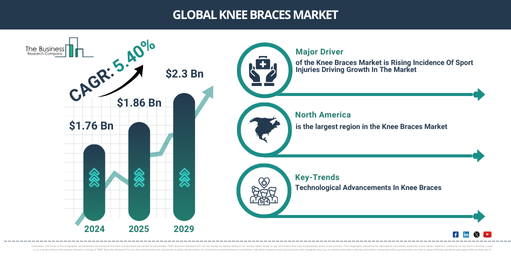
    The market size for knee braces has experienced significant expansion in the past few years. The prediction is that it will escalate from $1.76 billion in 2024 to $1.86 billion in 2025, with a compound annual growth rate (CAGR) of 5.9%. The past growth can be linked to enhanced product infiltration, an upswing in incidences of osteoarthritis (OA), an increase in orthopedic knee procedure, more spending on healthcare, a surge in public consciousness, and boosted participation in sports.

    In the coming years, the knee braces market is projected to experience robust growth, reaching $2.3 billion in 2029 at a compound annual growth rate (CAGR) of 5.4%. The predicted growth throughout the forecast period could be due to the growing elderly population, heightened awareness, greater use of non-invasive treatment methods, increased involvement in sports and fitness activities, and a rise in the occurrence of osteoarthritis. Technological advancements, the effect of an aging population worldwide, product innovation, strategic partnerships, and advanced knee braces are the leading trends for the forecast period.

    Download a free sample to assess the report’s scope and structure:

    https://www.thebusinessresearchcompany.com/sample.aspx?id=20859&type=smp

    What are the Fundamental Drivers and Innovations Shaping the Knee Braces Market?

    The growth of the knee braces market is expected to be catalyzed by an increasing number of sports-related injuries. Sports-related injuries cover a broad spectrum of physical harm that are a result of engaging in various sports or athletic activities, impacting various body areas, including muscles, bones, tendons, ligaments, and the joints. The mounting occurrence of sports-related injuries is fueled by the increasing trend and enthusiasm for sports and fitness activities, which leads to more individuals participating in strenuous training and experiencing greater physical exertion. Knee braces, typically used in sports-related injuries, offer support, steadiness, and safeguard the knee joint. They aim to mitigate injury risk, such as ligament rips or stress injuries, by constraining excessive movement and offering compression. For example, in data released by the National Safety Council, a US-based public health and safety institution, in September 2024, the number of noted sports and leisure injuries in the US saw a 2% increase in 2023, with approximately 3.7 million people requiring medical attention in emergency departments for injuries caused by sports and recreational gear. Consequently, the escalating occurrence of sports-related injuries is spurring the growth of the knee braces market.

    How Is the Knee Braces Market Segmented?

    The knee bracesmarket covered in this report is segmented –

    1) By Type: Prophylactic Knee Braces; Rehabilitative Knee Braces; Patellofemoral Knee Braces; Functional Knee Braces

    2) By Application: Medical Use; Sports Use

    3) By End Use: Orthopedic Clinics; Over-the-Counter (OTC); Hospital; Durable Medical Equipment (DME) Dealers; Other End Users

    Subsegments:

    1) By Prophylactic Knee Braces: Hinged Prophylactic Braces; Sleeve-Style Prophylactic Braces; Wraparound Prophylactic Braces; Others

    2) By Rehabilitative Knee Braces: Post-Operative Braces; Recovery Knee Braces; Adjustable Braces For Rehabilitation; Others

    3) By Patellofemoral Knee Braces: Patella Stabilizing Braces; Patella Tracking Braces; Open Patella Braces; Others

    4) By Functional Knee Braces: Ligament Knee Braces; ACL Support Braces; Hinged Knee Braces For Support; Custom-Made Functional Knee Braces; Others

    Request customized data on this market:

    https://www.thebusinessresearchcompany.com/customise?id=20859&type=smp

    Which Regions Are Driving the Next Phase of the Knee Braces Market Growth?

    North America was the largest region in the knee braces market in 2024. Asia-Pacific is expected to be the fastest-growing region in the forecast period. The regions covered in the knee braces market report are Asia-Pacific, Western Europe, Eastern Europe, North America, South America, Middle East, Africa.

    What Key Trends Are Shaping the Future of the Knee Braces Market?

    Key players in the knee brace industry are concentrating on bringing in technological innovations such as unloader braces that augment comfort, improve offloading mechanisms, incorporate wearable technology, and offer more efficient, tailored treatment for knee osteoarthritis. The unloader brace is a specially engineered knee support designed to minimize pain and augment function by shifting the pressure away from the affected knee compartment; it is typically used by patients with unicompartmental knee osteoarthritis. As an example, in January 2024, the US medical technology firm Enovis Corporation introduced the DonJoy ROAM OA Knee Brace. This brace uses dynamic unloading of the knee to lessen the pain and boost mobility for patients with unicompartmental osteoarthritis. The brace’s easily operable design, adjustable fit, and light build make it a practical tool for conservative treatment and aid during day-to-day activities.

    View the full report here:

    https://www.thebusinessresearchcompany.com/report/knee-braces-global-market-report

    How Is the Knee Braces Market Defined and What Are Its Core Parameters?

    Knee braces are devices designed to support and stabilize the knee joint. They are used to prevent or reduce knee injuries by offering compression and protection. Knee braces can limit movement to aid in recovery or to prevent excessive motion. They are commonly used in both athletic and medical settings for rehabilitation or injury prevention.

    Purchase the full report and get a swift delivery:

    https://www.thebusinessresearchcompany.com/purchaseoptions.aspx?id=20859

    About The Business Research Company:

    With over 15000+ reports from 27 industries covering 60+ geographies, The Business Research Company has built a reputation for offering comprehensive, data-rich research and insights. Armed with 1,500,000 datasets, the optimistic contribution of in-depth secondary research, and unique insights from industry leaders, you can get the information you need to stay ahead in the game.

    Get in touch with us:

    The Business Research Company: https://www.thebusinessresearchcompany.com/

    Americas +1 310-496-7795

    Europe +44 7882 955267

    Asia & Others +44 7882 955267 & +91 8897263534

    Email us at info@tbrc.info

    Follow us on:

    LinkedIn: https://in.linkedin.com/company/the-business-research-company

    YouTube: https://www.youtube.com/channel/UC24_fI0rV8cR5DxlCpgmyFQ

    Global Market Model: https://www.thebusinessresearchcompany.com/global-market-model