Blog

  • Hemodialysis CatheterMarket Overview 2025–2034: CAGR Trends, Long-Term Growth Paths, and Business Implications

    Hemodialysis CatheterMarket Overview 2025–2034: CAGR Trends, Long-Term Growth Paths, and Business Implications

    Claim your 30% discount on Global Market Reports with code ONLINE30. Limited time only.

    How Has The Hemodialysis Catheter Market Growth Evolved From 2024 To 2025, And What’s Ahead?

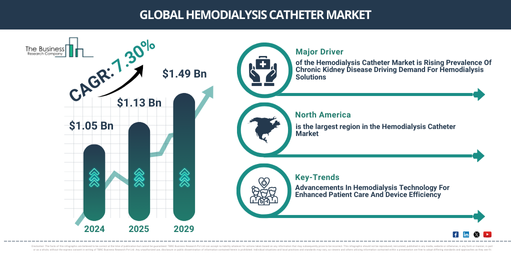
    The market size for hemodialysis catheters has witnessed significant growth in recent years, with predictions showing an increase from $1.05 billion in 2024 to $1.13 billion in 2025, reflecting a compound annual growth rate (CAGR) of 7.3%. The factors responsible for this historical growth pattern include a rising prevalence of chronic kidney disease (CKD), growing demand for dialysis procedures, higher awareness of kidney health, improvements in medical infrastructure, swelling numbers in the elderly population, and improved reimbursement strategies for dialysis treatments.

    In the upcoming years, the market for hemodialysis catheters is projected to experience robust expansion, reaching up to$1.49 billion by 2029 with a compound annual growth rate (CAGR) of 7.3%. This projected growth can be credited to several factors including the rising prevalence of chronic kidney ailments, increased adoption of home hemodialysis, a surge in demand for coated and antimicrobial catheters, improved healthcare facilities, positive reimbursement policies, and an inclination towards minimally invasive techniques for vascular access. Key trends expected during the forecast period include increased use of antimicrobial and heparin coatings, use of bioengineered materials for enhanced biocompatibility, improved flow dynamics, tunnelled designs for prolonged use, advanced insertion procedures, solutions for catheter-lock to avoid thrombosis, and real-time feedback enabled integrated monitoring systems.

    Download a free sample to assess the report’s scope and structure:

    https://www.thebusinessresearchcompany.com/sample.aspx?id=20830&type=smp

    What Are the Primary Drivers Supporting the Market Growth of the Hemodialysis Catheter Market?

    The growth of the hemodialysis catheters market is projected to surge due to the increased instances of chronic kidney disease (CKD). CKD, a condition marked by a steady decrease in kidney function over time, is often triggered by diabetes, hypertension, and genetic elements. The rise in CKD is attributable to an aging population, unhealthy lifestyle habits, and escalating incidences of diabetes and hypertension. Hemodialysis catheters, integral to providing vascular access in CKD patients needing long-term renal replacement therapy, are seeing increased demand. For example, data from the Australian Institute of Health and Welfare, a government agency, revealed a 4.2% rise in CKD mortality rates in 2021 and a further 6.2% rise in 2022. CKD accounted for nearly 2 million hospitalizations in 2021-22, making up 18% of all hospitalizations in Australia. Consequently, the escalating prevalence of chronic kidney disease (CKD) is propelling the growth of the hemodialysis catheters market.

    Which Primary Segments of the Hemodialysis Catheter Market Are Driving Growth and Industry Transformations?

    The hemodialysis cathetermarket covered in this report is segmented –

    1) By Product: Cuffed Tunneled Catheter; Non-Cuffed Tunneled Catheters; Non-tunneled Catheters

    2) By Tip Configuration: Step-Tip Catheters; Split-Tip Catheters; Symmetric Catheters

    3) By Material: Silicone; Carbothane; Polyurethane

    4) By End-User: Dialysis Centers; Hospitals; Homecare Settings; Other End Users

    Subsegments:

    1) By Cuffed Tunneled Catheter: Single Lumen Cuffed Tunneled Catheter; Double Lumen Cuffed Tunneled Catheter

    2) By Non-Cuffed Tunneled Catheters: Single Lumen Non-Cuffed Tunneled Catheter; Double Lumen Non-Cuffed Tunneled Catheter

    3) By Non-Tunneled Catheters: Single Lumen Non-Tunneled Catheter; Double Lumen Non-Tunneled Catheter

    Request customized data on this market:

    https://www.thebusinessresearchcompany.com/customise?id=20830&type=smp

    Which Regions Are Key Players in the Growth of the #What Are the Primary Drivers Supporting the Market Growth of the Hemodialysis Catheter Market?# Market?

    North America was the largest region in the hemodialysis catheter market in 2024. Asia-Pacific is expected to be the fastest-growing region in the forecast period. The regions covered in the hemodialysis catheter market report are Asia-Pacific, Western Europe, Eastern Europe, North America, South America, Middle East, Africa.

    What Are the Most Significant Market Trends in the Hemodialysis Catheter Market?

    Prominent enterprises in the hemodialysis catheters market are concentrating on the advancement of ground-breaking technologies, such as multi-mechanism hemodialysis, to boost patient results, heighten catheter effectiveness, lessen complications like infections or clotting, and augment the durability of the equipment. Multi-mechanism hemodialysis combines catheters with built-in enhancements like superior flow, clot deterrent, and infection defiance to amplify the efficiency and safety of the treatment. Becton, Dickinson and Company, an American firm that manufactures medical instruments, received FDA 510(k) approval in April 2023 for their Aspirex mechanical aspiration thrombectomy device with 6 and 8-F catheters, designed to treat acute emboli and thrombi in hemodialysis access points such as arteriovenous grafts (AVGs) and fistulas (AVFs). The Aspirex system implements a triple-mechanism strategy that amalgamates clot aspiration, consistent maceration for clog prevention, and mechanical transit for proficient clot disposal, aiming to reinstate patency in thrombosed AVGs or AVFs and assist in the vital hemodialysis treatment for end-stage renal disease patients.

    View the full report here:

    https://www.thebusinessresearchcompany.com/report/hemodialysis-catheter-global-market-report

    What Parameters Are Used to Define the Hemodialysis Catheter Market?

    A hemodialysis catheter is a medical device used to provide access to a patient’s bloodstream for hemodialysis treatment. It is inserted into a large vein, in the neck or chest, allowing blood to flow out of the body, be filtered through a dialysis machine, and then returned to the body. The catheter serves as a critical tool for individuals with kidney failure who require dialysis to remove waste, excess fluids, and toxins from their blood. It ensures that the patient receives the necessary dialysis treatment for maintaining proper fluid and electrolyte balance.

    Purchase the full report and get a swift delivery:

    https://www.thebusinessresearchcompany.com/purchaseoptions.aspx?id=20830

    About The Business Research Company:

    With over 15000+ reports from 27 industries covering 60+ geographies, The Business Research Company has built a reputation for offering comprehensive, data-rich research and insights. Armed with 1,500,000 datasets, the optimistic contribution of in-depth secondary research, and unique insights from industry leaders, you can get the information you need to stay ahead in the game.

    Get in touch with us:

    The Business Research Company: https://www.thebusinessresearchcompany.com/

    Americas +1 310-496-7795

    Europe +44 7882 955267

    Asia & Others +44 7882 955267 & +91 8897263534

    Email us at info@tbrc.info

    Follow us on:

    LinkedIn: https://in.linkedin.com/company/the-business-research-company

    YouTube: https://www.youtube.com/channel/UC24_fI0rV8cR5DxlCpgmyFQ

    Global Market Model: https://www.thebusinessresearchcompany.com/global-market-model

  • Head And Neck Squamous Cell Carcinoma Outlook 2034: Key Drivers, Trends, and Market Frontiers

    Head And Neck Squamous Cell Carcinoma Outlook 2034: Key Drivers, Trends, and Market Frontiers

    Claim your 30% discount on Global Market Reports with code ONLINE30. Limited time only.

    What is the Projected CAGR for the Head And Neck Squamous Cell Carcinoma Market Size from 2025 to 2034?

    The market size for head and neck squamous cell carcinoma has exhibited robust growth in the past years. A surge from $1.81 billion in 2024 to $1.97 billion in 2025 with a compound annual growth rate (CAGR) of 9.1% is projected. Factors contributing to this historic period growth include increased awareness and screening, advancements in combination therapies, development of healthcare infrastructure, increased healthcare expenditure, and a surge in the occurrence of head and neck squamous cell carcinoma.

    Expectations are high for the head and neck squamous cell carcinoma market, with robust growth predicted over the coming years. With a compound annual growth rate (CAGR) of 8.9%, the market size is forecasted to reach$2.78 billion by 2029″. The upcoming growth could be a result of increasing tobacco usage, an aging population, government policies that are conducive to growth, rising cancer incidences, and growing alcohol consumption. The forecast period also highlights key trends such as the uptake of targeted therapy, increased research investments, the incorporation of immunotherapy, technological progress, and enhancements in drug formulation.

    Download a free sample to assess the report’s scope and structure:

    https://www.thebusinessresearchcompany.com/sample.aspx?id=20826&type=smp

    How Are Key Drivers in the Industry Acting as Catalysts for the Growth of theHead And Neck Squamous Cell Carcinoma Market?

    The head and neck squamous cell carcinoma market is projected to expand due to the escalating use of tobacco and alcohol. Numerous factors, such as societal norms, cultural influences, stress, peer influence, marketing, and the availability of these substances, are attributed to their increased consumption. Alcohol and tobacco usage amplify the risk of head and neck squamous cell carcinoma (HNSCC) by causing chronic inflammation and damage to the mucosal lining, leading to genetic mutations, and reducing immune response, contributing to carcinogenesis in the head and neck region. For instance, the Centers for Disease Control and Prevention, a US government agency, stated in September 2024 that tobacco use remains the chief reason for preventable diseases and death in the US. In 2022, around 49.2 million adults or 19.8% (almost one in five) reported using tobacco products. Similarly, in June 2024, data released by Digital, a National Health Service department in the UK, shows that in 2022, 81% of adults reported drinking alcohol in the past year. More men (84%) than women (78%) consumed alcohol during this time. Consequently, the escalating use of tobacco and alcohol is fuelling the growth of the head and neck squamous cell carcinoma market.

    Which Segments in the Head And Neck Squamous Cell Carcinoma Offer the Most Growth?

    The head and neck squamous cell carcinomamarket covered in this report is segmented –

    1) By Type: Salivary Gland; Oral And Oropharyngeal; Nasal Cavity And Paranasal Sinuses; Nasopharyngeal; Laryngeal; Hypopharyngeal

    2) By Drug Class: Epidermal Growth Factor Receptor (Egfr) Inhibitors; Immune Checkpoint Inhibitors; Other Drug Class

    3) By Route Of Administration: Intravenous; Oral; Other Routes Of Administration

    4) By Treatment: Radiation Therapy; Chemotherapy; Immunotherapy

    5) By End-user: Hospitals; Specialty Clinics; Ambulatory Surgical Centers

    Subsegments:

    1) By Salivary Gland: Major Salivary Glands (Parotid, Submandibular); Minor Salivary Glands

    2) By Oral And Oropharyngeal: Oral Cavity Cancer; Oropharyngeal Cancer (Tonsils, Base Of Tongue)

    3) By Nasal Cavity And Paranasal Sinuses: Nasal Cavity Cancer; Paranasal Sinus Cancer

    4) By Nasopharyngeal: Nasopharyngeal Carcinoma

    5) By Laryngeal: Supraglottic Laryngeal Cancer; Glottic Laryngeal Cancer; Subglottic Laryngeal Cancer

    6) By Hypopharyngeal: Hypopharyngeal Cancer

    Request customized data on this market:

    https://www.thebusinessresearchcompany.com/customise?id=20826&type=smp

    What Are the Fastest-Growing Geographies in the #How Are Key Drivers in the Industry Acting as Catalysts for the Growth of theHead And Neck Squamous Cell Carcinoma Market?# Market?

    North America was the largest region in the head and neck squamous cell carcinoma market in 2024. Asia-Pacific is expected to be the fastest-growing region in the forecast period. The regions covered in the head and neck squamous cell carcinoma market report are Asia-Pacific, Western Europe, Eastern Europe, North America, South America, Middle East, Africa.

    What Are the Current Market Growth and Trends in the Head And Neck Squamous Cell Carcinoma Industry?

    Key players in the head and neck squamous cell carcinoma market are forging strategic alliances to develop innovative combination therapies. These partnerships allow companies to pool their resources and specialist knowledge, speeding up R&D activities and driving innovation. Additionally, such collaborations can expedite the commercialization process by extending the market reach and tapping into new patient demographics. For example, Exelixis Inc., a US-based biotech firm, joined forces with the US pharmaceutical giant, Merck & Co. Inc., in October 2024. Their common goal is to progress cancer treatments by investigating the potential of combining zanzalintinib with KEYTRUDA and WELIREG to enhance outcomes for patients suffering from head and neck squamous cell carcinoma (HNSCC) and renal cell carcinoma (RCC).

    View the full report here:

    https://www.thebusinessresearchcompany.com/report/head-and-neck-squamous-cell-carcinoma-global-market-report

    What Are the Key Elements That Define the Head And Neck Squamous Cell Carcinoma Market?

    Head and neck squamous cell carcinoma (HNSCC) refers to a malignant tumor that develops in the squamous epithelium of the upper aerodigestive tract, encompassing areas such as the oral cavity, pharynx, and larynx. It is one of the most common forms of head and neck cancer, often linked to risk factors such as tobacco use, alcohol consumption, and infections such as human papillomavirus (HPV).

    Purchase the full report and get a swift delivery:

    https://www.thebusinessresearchcompany.com/purchaseoptions.aspx?id=20826

    About The Business Research Company:

    With over 15000+ reports from 27 industries covering 60+ geographies, The Business Research Company has built a reputation for offering comprehensive, data-rich research and insights. Armed with 1,500,000 datasets, the optimistic contribution of in-depth secondary research, and unique insights from industry leaders, you can get the information you need to stay ahead in the game.

    Get in touch with us:

    The Business Research Company: https://www.thebusinessresearchcompany.com/

    Americas +1 310-496-7795

    Europe +44 7882 955267

    Asia & Others +44 7882 955267 & +91 8897263534

    Email us at info@tbrc.info

    Follow us on:

    LinkedIn: https://in.linkedin.com/company/the-business-research-company

    YouTube: https://www.youtube.com/channel/UC24_fI0rV8cR5DxlCpgmyFQ

    Global Market Model: https://www.thebusinessresearchcompany.com/global-market-model

  • Global Head And Neck Cancer (HNC) Market Trends: Regional Breakdowns and Strategic Insights

    Global Head And Neck Cancer (HNC) Market Trends: Regional Breakdowns and Strategic Insights

    Claim your 30% discount on Global Market Reports with code ONLINE30. Limited time only.

    What Is the Current and Projected Market Size of the Head And Neck Cancer (HNC) Market Through 2034?

    The market for head and neck cancer (hnc) has seen robust growth in the past few years. Starting from a value of $2 billion in 2024, it is projected to expand to $2.16 billion in 2025, an increase represented by a compound annual growth rate (CAGR) of 8.2%. Several factors have influenced this substantial growth in the historical period. Among these are a rise in HPV-related cancers, escalating rates of smoking and alcohol consumption, amplified investments in cancer research, elevated awareness and early detection, coupled with a growing elderly population.

    Anticipated vigorous expansion is on the horizon for the head and neck cancer (hnc) market in the upcoming years. Projections estimate that the growth will hit $2.91 billion in 2029, with a compound annual growth rate (CAGR) of 7.7%. The significant growth within the forecast period can be tied to a developed healthcare framework, an increase in patient numbers, the growing older population, increased health care spending, and the widespread prevalence of tobacco and alcohol usage. On the horizon, key trends to watch include advancements in immunotherapy, targeted treatments, technological incorporation, the integration of artificial intelligence (AI), and precision medicine.

    Download a free sample to assess the report’s scope and structure:

    https://www.thebusinessresearchcompany.com/sample.aspx?id=20825&type=smp

    What Are the Major Market Drivers Behind the Rising Adoption of Head And Neck Cancer (HNC) Market?

    The surge in cigarette smoking incidents is expected to spur the expansion of the head and neck cancer (HNC) market in the future. Inhaling and exhaling smoke from burning tobacco encased in cigarettes, an activity fraught with health hazards and addiction, is commonly referred to as cigarette smoking. Factors like stress, social impact, aggressive advertising, and the easy availability of tobacco products often contribute to the rise in cigarette smoking. Medications for head and neck cancer serve to counteract the detrimental effects of cigarette smoking by tackling molecular changes brought about by smoking and addressing cancers associated with tobacco consumption. They further underscore the necessity to lessen exposure to carcinogens associated with smoking for improved treatment results. For example, a survey by the European Respiratory Society (ERS), a non-profit organization based in Switzerland, studying smoking patterns in young people in October 2024 reported a considerable escalation in smoking rates, from 22.5% in 2022 to 40.1% in 2024. Thus, the climbing incidence of cigarette smoking is fueling the growth of the head and neck cancer (HNC) market.

    Which Key Market Segments Comprise the Head And Neck Cancer (HNC) Market and Drive Its Revenue Growth?

    The head and neck cancer (hnc)market covered in this report is segmented –

    1) By Type: Laryngeal Cancer, Pharyngeal Cancer, Salivary Gland Cancer, Lip And Oral Cavity Cancer, Nasopharyngeal Cancer, Other Types

    2) By Treatment: Chemotherapy, Surgery, Radiation Therapy, Targeted Therapy, Other Treatments

    3) By Diagnosis: Bioscopy Screening Tests, Blood Tests, Dental Diagnosis, Imaging, Endoscopy

    4) By Distribution Channel: Hospitals Pharmacies, Retail Pharmacies, E-commerce

    5) By End User: Hospital, Specialty Clinics, Ambulatory Surgical Centers, Other End Users

    Subsegments:

    1) By Laryngeal Cancer: Supraglottic Laryngeal Cancer; Glottic Laryngeal Cancer; Subglottic Laryngeal Cancer

    2) By Pharyngeal Cancer: Oropharyngeal Cancer; Nasopharyngeal Cancer; Hypopharyngeal Cancer

    3) By Salivary Gland Cancer: Parotid Gland Cancer; Sublingual Gland Cancer; Submandibular Gland Cancer; Minor Salivary Gland Cancer

    4) By Lip And Oral Cavity Cancer: Lip Cancer; Buccal Mucosa Cancer; Tongue Cancer; Gingival Cancer; Palate Cancer

    5) By Nasopharyngeal Cancer: Early-Stage Nasopharyngeal Cancer; Advanced-Stage Nasopharyngeal Cancer

    6) By Other Types: Thyroid Cancer; Esophageal Cancer; Sinonasal Cancer

    Request customized data on this market:

    https://www.thebusinessresearchcompany.com/customise?id=20825&type=smp

    Which Areas Are Leading Regions in the Head And Neck Cancer (HNC) Market Expansion Across the Globe?

    North America was the largest region in the head and neck cancer (HNC) market in 2024. Asia-Pacific is expected to be the fastest-growing region in the forecast period. The regions covered in the head and neck cancer (HNC) market report are Asia-Pacific, Western Europe, Eastern Europe, North America, South America, Middle East, Africa.

    What Are the Strategic Trends Steering theHead And Neck Cancer (HNC) Market Direction?

    Key industry players in the head and neck cancer (HNC) market are honing in on the creation and development of groundbreaking products like immune oncology drugs. Their goal is to increase treatment efficiency, boost the survival rates of patients, and meet the medical necessities that have not been satisfactorily addressed in the management of complicated and advanced cancers. Immuno-oncology medicines are those that employ the immunity system of the body to identify and combat cancer cells, including such treatments as checkpoint inhibitors, CAR-T cell therapies, and cancer vaccines. To illustrate, Dr. Reddy’s Laboratories, an Indian pharmaceutical firm, introduced an immune oncology drug, toripalimab, in November 2024. This drug is designed for adults suffering from a unique form of head and neck cancer stemming from the nasopharynx or the upper region of the throat: recurrent or metastatic nasopharyngeal carcinoma. To be sold under the Zytorvi brand name, this drug has shown to lower the risk of progression or death by 48% when paired with the standard chemotherapy treatments, gemcitabine and cisplatin.

    View the full report here:

    https://www.thebusinessresearchcompany.com/report/head-and-neck-cancer-hnc-global-market-report

    How Is the Head And Neck Cancer (HNC) Market Conceptually Defined?

    Head and neck cancer (HNC) refers to a group of epithelial malignancies arising in the head and neck region, including the oral cavity, pharynx, larynx, nasal cavity, and salivary glands. The majority are squamous cell carcinomas, with risk factors including tobacco, alcohol, and human papillomavirus (HPV) infection.

    Purchase the full report and get a swift delivery:

    https://www.thebusinessresearchcompany.com/purchaseoptions.aspx?id=20825

    About The Business Research Company:

    With over 15000+ reports from 27 industries covering 60+ geographies, The Business Research Company has built a reputation for offering comprehensive, data-rich research and insights. Armed with 1,500,000 datasets, the optimistic contribution of in-depth secondary research, and unique insights from industry leaders, you can get the information you need to stay ahead in the game.

    Get in touch with us:

    The Business Research Company: https://www.thebusinessresearchcompany.com/

    Americas +1 310-496-7795

    Europe +44 7882 955267

    Asia & Others +44 7882 955267 & +91 8897263534

    Email us at info@tbrc.info

    Follow us on:

    LinkedIn: https://in.linkedin.com/company/the-business-research-company

    YouTube: https://www.youtube.com/channel/UC24_fI0rV8cR5DxlCpgmyFQ

    Global Market Model: https://www.thebusinessresearchcompany.com/global-market-model
  • Gyneco-Obstetric Ultrasound Systems Market Outlook 2025: Mapping Growth, Innovation, and Regional Shifts

    Claim your 30% discount on Global Market Reports with code ONLINE30. Limited time only.

    What is the Anticipated CAGR of the Gyneco-Obstetric Ultrasound Systems Market, and What Factors Will Drive It?

    In recent times, there has been significant growth in the market size of gyneco-obstetric ultrasound systems. The market value is predicted to rise from $2.77 billion in 2024 to $2.98 billion in 2025, recording a compound annual growth rate (CAGR) of 7.6%. The previous growth can be credited to the heightened attention towards maternal and fetal health, the growing incidence of gynecological conditions, the advancement of healthcare infrastructure in developed areas, the advent of doppler ultrasound, initiatives by government and NGOs, improved imaging standards, awareness and education drives, the reduction in the price of basic ultrasound systems, and the expanding demand in developing economies.

    The market for gyneco-obstetric ultrasound systems is predicted to experience significant expansion in the coming years, increasing to a value of $3.94 billion in 2029, with a compound annual growth rate (CAGR) of 7.2%. The expected growth during the forecast period could be due to the growing acceptance of portable and handheld ultrasound technology, an increase in the prevalence of gynecological conditions, improved awareness about maternal health, increased investment into healthcare in developing markets, and beneficial regulatory and reimbursement policies. Major projected trends for this period consist of higher uptake of portable and handheld ultrasound devices, expanded use cases, enhanced health awareness for expectant mothers, a surge in healthcare investments in emerging markets, greater demand for personalized and preventive healthcare, along with regulatory and reimbursement support.

    Download a free sample to assess the report’s scope and structure:

    https://www.thebusinessresearchcompany.com/sample.aspx?id=20823&type=smp

    What External and Internal Drivers Are Contributing to the Growth of theGyneco-Obstetric Ultrasound Systems Market?

    The rise in gynecological diseases is anticipated to fuel the expansion of the gyneco-obstetric ultrasound systems market in the future. Gynecological disorder is a term that refers to any health issue that impacts the female reproductive system, including the uterus, ovaries, cervix, and vagina. Various reasons such as changes in lifestyle, obesity, environmental impacts, delayed childbearing, and mental health concerns are contributing to the increased incidence of these disorders. By generating detailed images of the reproductive organs, gyneco-obstetric ultrasound systems facilitate the diagnosis and tracking of gynecological diseases, thereby assisting in timely detection and treatment planning. For instance, the American Cancer Society, a US-based non-profit organization committed to cancer eradication, reported in June 2024 that roughly 13,820 new cases of invasive cervical cancer are expected to be identified in 2024, with an estimated 4,360 women likely to succumb to cervical cancer in the same year. Thus, the escalating numbers of gynecological ailments are spurring the growth of the gyneco-obstetric ultrasound systems market.

    What Segment Types Define the Gyneco-Obstetric Ultrasound Systems Market Structure?

    The gyneco-obstetric ultrasound systemsmarket covered in this report is segmented –

    1) By Product Type: 2D Ultrasound, 3D And 4D Ultrasound, Doppler Ultrasound

    2) By Modality: Portable, On-Platform

    3) By Application: Obstetrics, Gynecology

    4) By End-User: Hospitals, Diagnostic Centers, Gynecology Clinics

    Subsegments:

    1) By 2D Ultrasound: B-Mode Ultrasound; M-Mode Ultrasound

    2) By 3D And 4D Ultrasound: 3D Ultrasound; 4D Ultrasound (Real-Time Imaging)

    3) By Doppler Ultrasound: Color Doppler Ultrasound; Power Doppler Ultrasound; Duplex Ultrasound

    Request customized data on this market:

    https://www.thebusinessresearchcompany.com/customise?id=20823&type=smp

    Which Geographic Areas Hold the Strongest Growth Potential in the Gyneco-Obstetric Ultrasound Systems Market?

    North America was the largest region in the gyneco-obstetric ultrasound systems market in 2024. Asia Pacific is expected to be the fastest-growing region in the forecast period. The regions covered in the gyneco-obstetric ultrasound systems market report are Asia-Pacific, Western Europe, Eastern Europe, North America, South America, Middle East, Africa.

    What Long-Term Trends Are Transforming the Competitive Landscape of the Gyneco-Obstetric Ultrasound Systems Market?

    Prominent corporations in the gyneco obstetric ultrasound systems market are prioritizing the incorporation of artificial intelligence and machine learning into ultrasound systems, enhancing automated image analysis capabilities. Such advanced technologies boost the precision of identifying abnormalities, escalate workflow productivity and supply immediate insights for more informed clinical decisions in gyneco-obstetric ultrasound systems. To illustrate, Samsung Healthcare, a medical equipment production company based in South Korea, rolled out the HERA W10 Elite in February 2023. This ultrasound system, specifically tailored for obstetrics and gynecology, boasts superior IT integration to maximize diagnostic accuracy and efficiency. Its features encompass the Advanced MV-Flow for an in-depth 2D and 3D visual representation of microcirculation, HeartAssist AI for automated fetal heart calculations, and the soon-to-be-launched Biometry Assist for swift fetal growth evaluation. Its OLED display and ground-breaking transducers herald a new era in imaging for women’s health.

    View the full report here:

    https://www.thebusinessresearchcompany.com/report/gyneco-obstetric-ultrasound-systems–global-market-report

    What Is the Definition of the Gyneco-Obstetric Ultrasound Systems Market?

    Gyneco-obstetric ultrasound systems are specialized medical imaging devices used in gynecology and obstetrics to visualize and assess the female reproductive system and monitor pregnancy, providing detailed images of internal structures and enabling non-invasive examination and diagnosis. These systems use sound waves to create images of the body’s internal structures for gynecological and obstetrical care.

    Purchase the full report and get a swift delivery:

    https://www.thebusinessresearchcompany.com/purchaseoptions.aspx?id=20823

    About The Business Research Company:

    With over 15000+ reports from 27 industries covering 60+ geographies, The Business Research Company has built a reputation for offering comprehensive, data-rich research and insights. Armed with 1,500,000 datasets, the optimistic contribution of in-depth secondary research, and unique insights from industry leaders, you can get the information you need to stay ahead in the game.

    Get in touch with us:

    The Business Research Company: https://www.thebusinessresearchcompany.com/

    Americas +1 310-496-7795

    Europe +44 7882 955267

    Asia & Others +44 7882 955267 & +91 8897263534

    Email us at info@tbrc.info

    Follow us on:

    LinkedIn: https://in.linkedin.com/company/the-business-research-company

    YouTube: https://www.youtube.com/channel/UC24_fI0rV8cR5DxlCpgmyFQ

    Global Market Model: https://www.thebusinessresearchcompany.com/global-market-model
  • Glaucoma Market in Focus: Forecasting Growth Drivers, Scaling Potential, and Global Opportunities

    Glaucoma Market in Focus: Forecasting Growth Drivers, Scaling Potential, and Global Opportunities

    Claim your 30% discount on Global Market Reports with code ONLINE30. Limited time only.

    What Are the Key Milestones in the Glaucoma Market’s Growth Trajectory From 2025 To 2034?

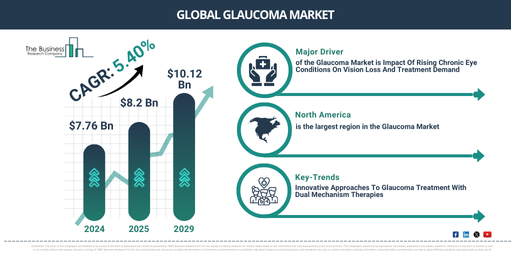
    The market size for glaucoma has seen robust growth in the past few years. The market is anticipated to expand from a $7.76 billion valuation in 2024 to around $8.2 billion in 2025, reflecting a compound annual growth rate (CAGR) of 5.6%. The surge in growth during the historical period can be traced back to factors such as greater understanding of eye health, an increase in healthcare expenditures, wider acceptance of telemedicine for eye care, growth in healthcare infrastructure, and larger scale government healthcare initiatives.

    In the coming years, the glaucoma market is set to experience significant expansion. By 2029 it is projected to reach a value of$10.12 billion”, increasing at a compound annual growth rate (CAGR) of 5.4%. This anticipated progression in the forecast period is linked to a growing elderly population, increased instances of glaucoma, an escalating demand for less-invasive surgical procedures, heightened occurrences of diabetes, and the rise in hypertension rates. Prominent trends in the projected period encompass advances in diagnostic technologies, the presence of novel drug treatments, technological developments in surgical devices, the offering of combination therapies, and the embrace of robotic surgeries.

    Download a free sample to assess the report’s scope and structure:

    https://www.thebusinessresearchcompany.com/sample.aspx?id=20820&type=smp

    What Are the Core Market Drivers Propelling Growth in the Glaucoma Industry?

    The glaucoma market is expected to grow due to the increasing prevalence of chronic eye conditions. These are long-lasting disorders that negatively impact the eyes, frequently resulting in lasting vision impairment or irritation and necessitating continuous care or treatment. There is an increase in chronic eye conditions due to factors such as an aging population, longer screen time, lifestyle choices, and larger instances of diseases like diabetes and hypertension. An effective glaucoma treatment is necessary to lower intraocular pressure, prevent additional optic nerve damage, and maintain vision, since untreated glaucoma can result in permanent blindness. For example, the National Health Service (NHS), a publicly funded healthcare system in the UK, reported in December 2024 that over 2 million individuals in the UK were living with sight loss. Additionally, they projected that the number of people suffering from sight loss would surge by 27%, totaling around 2.8 million by 2035. Consequently, the glaucoma market is being influenced by the increasing number of chronic eye conditions.

    How Is the Glaucoma Market Segmented?

    The glaucomamarket covered in this report is segmented –

    1) By Disease Type: Open Angle Glaucoma; Angle Closure Glaucoma; Other Disease Types

    2) By Diagnosis: Tonometry; Ophthalmoscopy; Perimetry; Gonioscopy

    3) By Drug Class: Beta Blockers; Prostaglandins; Alpha Adrenergic Agonist; Carbonic Anhydrase Inhibitors; Combination Drugs; Other Drug Classes

    4) By Administration: Oral; Injections; Intravitreal; Other Administrations

    5) By End-User: Hospitals; Ophthalmic Clinics; Ambulatory Surgical Centers

    Subsegments:

    1) By Open Angle Glaucoma: Primary Open Angle Glaucoma (POAG); Secondary Open Angle Glaucoma

    2) By Angle Closure Glaucoma: Primary Angle Closure Glaucoma; Secondary Angle Closure Glaucoma

    3) By Other Disease Types: Normal-Tension Glaucoma; Pigmentary Glaucoma; Pseudoexfoliative Glaucoma; Congenital Glaucoma

    Request customized data on this market:

    https://www.thebusinessresearchcompany.com/customise?id=20820&type=smp

    Which Regions Are Driving the Next Phase of the Glaucoma Market Growth?

    North America was the largest region in the glaucoma market in 2024. Asia-Pacific is expected to be the fastest-growing region in the forecast period. The regions covered in the glaucoma market report are Asia-Pacific, Western Europe, Eastern Europe, North America, South America, Middle East, Africa.

    What Key Market Trends and Innovations Are Shaping the Future of the Glaucoma Industry?

    In the glaucoma market, leading corporations are concentrating on the creation of novel treatments, such as Rho-kinase (ROCK) inhibitors. These therapies offer a two-pronged approach by lessening intraocular pressure through both improving the effusion of aqueous humor and relaxing trabecular meshwork cells. This makes them a potent solution for glaucoma treatment. ROCK inhibitors are a type of medication that obstructs the activity of Rho-kinase enzymes that control cell contraction and help alleviate glaucoma by lessening intraocular pressure. For instance, Santen Pharmaceutical Co. Ltd., a Japan-based enterprise specializing in eye care products, introduced Roclanda in the UK in July 2023. Roclanda is a singular combination of latanoprost and netarsudil, a new Rho-kinase (ROCK) inhibitor that effectively reduces intraocular pressure by addressing the dysfunction of the trabecular meshwork. It is meant for adult patients suffering from primary open-angle glaucoma or ocular hypertension who have not seen sufficient IOP reduction with the use of a prostaglandin or netarsudil alone. The release of Roclanda in Europe signifies the introduction of the first new category of glaucoma medication in a quarter-century, representing a significant advancement in treatment. Roclanda, by integrating netarsudil and latanoprost, works in harmony to enhance outflow through both traditional (trabecular) and non-traditional (uveoscleral) paths, thereby offering a comprehensive strategy to control elevated IOP.

    View the full report here:

    https://www.thebusinessresearchcompany.com/report/glaucoma-global-market-report

    How Is the Glaucoma Market Defined and What Are Its Core Parameters?

    Glaucoma is a group of eye disorders that cause damage to the optic nerve, typically resulting from increased intraocular pressure (IOP). This damage can lead to progressive, irreversible vision loss if untreated, making glaucoma one of the leading causes of blindness worldwide. Glaucoma is a leading cause of blindness worldwide, and early detection through regular eye exams is critical to prevent vision loss.

    Purchase the full report and get a swift delivery:

    https://www.thebusinessresearchcompany.com/purchaseoptions.aspx?id=20820

    About The Business Research Company:

    With over 15000+ reports from 27 industries covering 60+ geographies, The Business Research Company has built a reputation for offering comprehensive, data-rich research and insights. Armed with 1,500,000 datasets, the optimistic contribution of in-depth secondary research, and unique insights from industry leaders, you can get the information you need to stay ahead in the game.

    Get in touch with us:

    The Business Research Company: https://www.thebusinessresearchcompany.com/

    Americas +1 310-496-7795

    Europe +44 7882 955267

    Asia & Others +44 7882 955267 & +91 8897263534

    Email us at info@tbrc.info

    Follow us on:

    LinkedIn: https://in.linkedin.com/company/the-business-research-company

    YouTube: https://www.youtube.com/channel/UC24_fI0rV8cR5DxlCpgmyFQ

    Global Market Model: https://www.thebusinessresearchcompany.com/global-market-model
  • Strong CAGR to Propel in the Gestational Diabetes Market and Beyond upto $12.78 Billion by 2029

    Strong CAGR to Propel in the Gestational Diabetes Market and Beyond upto $12.78 Billion by 2029

    Claim your 30% discount on Global Market Reports with code ONLINE30. Limited time only.

    How Has The Gestational Diabetes Market Size Shifted, And What Is the Outlook Through 2034?

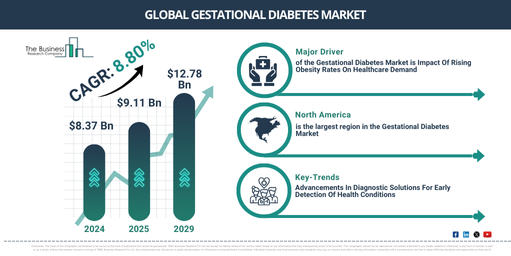
    There has been a robust expansion in the market size of gestational diabetes in the past few years. The market is projected to increase from $8.37 billion in 2024 to reach $9.11 billion in 2025, with a compound annual growth rate (CAGR) of 8.9%. The growth witnessed in the historic period is credited to factors such as the escalating risk of diabetes, an improvement in the precision of measuring blood glucose levels, a rise in the number of insurance providers, and a surge in the demographic of diabetic patients, underlining the escalating diabetes prevalence.

    In the upcoming years, the market size for gestational diabetes is anticipated to experience robust growth. The market is likely to expand to$12.78 billion by 2029, growing at a compound annual growth rate (CAGR) of 8.8%. This escalation during the forecast period can be primarily accredited to factors such as the rising obesity rates, growing adoption of cloud-based project solutions, and an increase in the use of related devices and applications. An unhealthy lifestyle leading to a higher incidence of diabetes, increased awareness about public health, and rising prevalence of diabetes also contribute to this growth. Looking ahead, major trends set to dominate the forecast period include digital apps for diabetes management, closed-loop control systems, technology for diabetes management, enzymatic technology and groundbreaking medical technologies.

    Download a free sample to assess the report’s scope and structure:

    https://www.thebusinessresearchcompany.com/sample.aspx?id=20818&type=smp

    Which Primay Drivers Are Accelerating Growth in the Gestational Diabetes Market?

    The growth of the gestational diabetes market is projected to be driven by the increasing rate of obesity. Individuals who possess a body mass index (BMI) of 30 or higher, therefore having a high amount of body fat that could cause numerous health problems, are considered obese. The rise in obesity is a result of factors like sedentary lifestyles, the intake of high-calorie processed food, genetic factors, along with limited accessibility to healthy food and exercise options. Treatment for gestational diabetes is paramount for obese individuals as their higher tendencies towards insulin resistance and excessive weight gain during pregnancy could potentially cause issues for both the mother and child if not properly addressed. For example, as per the World Health Organization, a Switzerland-based intergovernmental organization, in March 2024, it was indicated that 1 in 8 people worldwide in 2022 were living with obesity. This included a staggering 2.5 billion adults over the age of 18, who were categorized as overweight, among which was a further subset of 890 million individuals dealing with obesity. Among this group, 43% were overweight while 16% were living with obesity. Additionally, 37 million children under 5 years were overweight, with over 390 million children and youngsters between the ages of 5–19 years also overweight, of which 160 million were living with obesity. As such, the continual rise in obesity rates is fueling the growth of the gestational diabetes market.

    Which Primary Segments of the Gestational Diabetes Market Are Driving Growth and Industry Transformations?

    The gestational diabetesmarket covered in this report is segmented –

    1) By Types: Type A1; Type A2; Other Types

    2) By Treatment: Monitoring; Drug Treatment; Non-pharmacological treatment

    3) By Administration: Oral; Intravenous; Other Administrations

    4) By End User: Hospitals; Clinics; Home Care Settings; Diagnostic Centers

    Subsegments:

    1) By Type A1: Diet-Controlled Gestational Diabetes; Exercise-Controlled Gestational Diabetes

    2) By Type A2: Insulin-Controlled Gestational Diabetes; Oral Medication-Controlled Gestational Diabetes

    3) By Other Types: Pre-Gestational Diabetes; Gestational Diabetes With Complications

    Request customized data on this market:

    https://www.thebusinessresearchcompany.com/customise?id=20818&type=smp

    Which Regions Are Key Players in the Growth of the #Which Primay Drivers Are Accelerating Growth in the Gestational Diabetes Market?# Market?

    North America was the largest region in the gestational diabetes market in 2024. Asia-Pacific is expected to be the fastest-growing region in the forecast period. The regions covered in the gestational diabetes market report are Asia-Pacific, Western Europe, Eastern Europe, North America, South America, Middle East, Africa.

    Which Technological Trends Are Reshaping the Gestational Diabetes Industry Dynamics?

    Leading firms in the gestational diabetes market are honing their focus on creating technologically superior products such as diagnostic kits for gestational diabetes. This focus is geared towards providing speedy, precise, and simple ways for early detection. The diagnostic kit for gestational diabetes serves as a medical instrument that gauges blood glucose levels, subsequently identifying abnormal glucose tolerance in expectant women. This aids in the prompt identification and control of the condition. Take, for example, DirectSens GmbH, a biotech company based in Austria, which in August 2024 unveiled the XpressGT RUO kit. This kit, intended to diagnose conditions such as gestational diabetes, endometriosis, insulin resistance, and liver disease, precisely measures 2-hydroxybutyrate (2-HB) levels. These levels are naturally found in venous blood, the byproduct of normal liver functions. Increased 2-HB levels typically suggest more reductive stress, which is associated with varying endocrine and obesity-related disorders, including insulin resistance. Compatible with any clinical analyzer currently available, the kit offers results in merely 8 minutes, proposing an effective and quick diagnostic alternative.

    View the full report here:

    https://www.thebusinessresearchcompany.com/report/gestational-diabetes-global-market-report

    What Parameters Are Used to Define the Gestational Diabetes Market?

    Gestational diabetes is a type of diabetes that develops during pregnancy when the body cannot produce enough insulin to regulate blood sugar levels effectively. This condition typically occurs in the second or third trimester and can affect women who have no prior history of diabetes. Gestational diabetes poses risks to both the mother and baby, including high birth weight, preterm birth, and potential development of type 2 diabetes later in life for both. It is often managed through dietary adjustments, exercise, blood sugar monitoring, and sometimes insulin therapy to ensure a healthy pregnancy and delivery.

    Purchase the full report and get a swift delivery:

    https://www.thebusinessresearchcompany.com/purchaseoptions.aspx?id=20818

    About The Business Research Company:

    With over 15000+ reports from 27 industries covering 60+ geographies, The Business Research Company has built a reputation for offering comprehensive, data-rich research and insights. Armed with 1,500,000 datasets, the optimistic contribution of in-depth secondary research, and unique insights from industry leaders, you can get the information you need to stay ahead in the game.

    Get in touch with us:

    The Business Research Company: https://www.thebusinessresearchcompany.com/

    Americas +1 310-496-7795

    Europe +44 7882 955267

    Asia & Others +44 7882 955267 & +91 8897263534

    Email us at info@tbrc.info

    Follow us on:

    LinkedIn: https://in.linkedin.com/company/the-business-research-company

    YouTube: https://www.youtube.com/channel/UC24_fI0rV8cR5DxlCpgmyFQ

    Global Market Model: https://www.thebusinessresearchcompany.com/global-market-model
  • Geriatric Medicines Market Valuation Expected To Reach $2578.21 Billion By 2029, Growing At A Rate Of 15.9%

    Geriatric Medicines Market Valuation Expected To Reach $2578.21 Billion By 2029, Growing At A Rate Of 15.9%

    Claim your 30% discount on Global Market Reports with code ONLINE30. Limited time only.

    How Has the Geriatric Medicines Market Growth Performance Trended Historically, And What Lies Ahead?

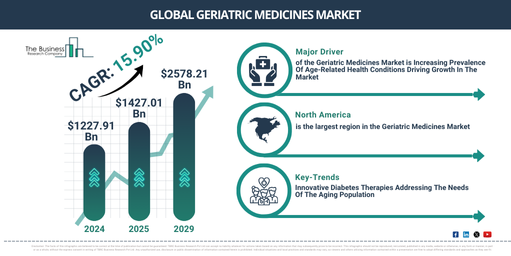
    The market size for geriatric medicines has seen a swift expansion in the past years. It is forecasted to surge from a value of $1227.91 billion in 2024 to $1427.01 billion in 2025, recording a compound annual growth rate (CAGR) of 16.2%. The factors contributing to this growth during the historic period include an increase in the incidence of strokes and chronic illnesses, a hike in the occurrence of cardiovascular diseases, amplified governmental aid, and an accentuated focus on tailor-made medicine.

    Rapid expansion is anticipated in the geriatric medicines market size over the upcoming years. It is projected to reach $2578.21 billion in 2029, with a compound annual growth rate (CAGR) of 15.9%. This surge during the forecast period can largely be ascribed to the increasing incidences of health issues related to aging, growing geriatric populations, escalated healthcare spending, the advancement in geriatric medicine, and a rise in cases of hypertension. The period under forecast will also witness several trends like the employment of digital pills and wearable health tech, the creation of tools and strategies for managing multiple medications securely, breakthroughs in stem cell and gene therapy, wider adoption of telehealth platforms, and progress in early detection and prevention of diseases associated with aging.

    Download a free sample to assess the report’s scope and structure:

    https://www.thebusinessresearchcompany.com/sample.aspx?id=20817&type=smp

    Which Factors and External Forces Are Driving Demand in the Geriatric Medicines Market?

    The geriatric medicines market is likely to see substantial growth due to the rising occurrence of health problems associated with aging. These health issues tend to escalate in severity and frequency as people get older, the result of which can be attributed to the aging process itself. Factors such as extended life spans, advancements in healthcare, and an elderly population have contributed to an increased incidence of these age-related health issues. Geriatric medicines offer specialized treatments for the elderly, thus enhancing their health outcomes and overall quality of life. In 2023, the UK’s Office for Health Improvement and Disparities (OHID) published a report that highlighted this trend. According to the report, in 2022, 17.6% of individuals aged 16 and above reported suffering from a long-lasting musculoskeletal (MSK) condition like arthritis or persistent back or joint problems, a rise from the 17.0% prevalence in 2021. Consequently, the increasing occurrence of health issues related to age is fueling the expansion of the geriatric medicines market.

    Which Segments in the Geriatric Medicines Offer the Most Growth?

    The geriatric medicinesmarket covered in this report is segmented –

    1) By Therapeutics: Analgesics; Antihypertensive; Statins; Proton Pump Inhibitors; Anticoagulant; Antipsychotic; Other Therapeutics

    2) By Condition: Cardiovascular; Arthritis; Neurological; Cancer; Osteoporosis; Respiratory; Other Conditions

    3) By Route Of Administration: Oral; Parenteral; Other Routes Of Administration

    4) By Distribution Channel: Hospital Pharmacy; Retail Pharmacy; Online Pharmacy

    Subsegments:

    1) By Analgesics: Non-Opioid Analgesics (Acetaminophen, NSAIDs); Opioid Analgesics (Morphine, Oxycodone); Topical Analgesics (Lidocaine Patches)

    2) By Antihypertensive: Angiotensin-Converting Enzyme (ACE) Inhibitors; Angiotensin II Receptor Blockers (ARBs); Beta-Blockers; Calcium Channel Blockers; Diuretics; Alpha-Blockers

    3) By Statins: Atorvastatin; Simvastatin; Rosuvastatin; Pravastatin; Lovastatin

    4) By Proton Pump Inhibitors: Omeprazole; Esomeprazole; Lansoprazole; Pantoprazole; Rabeprazole

    5) By Anticoagulant: Warfarin; Direct Oral Anticoagulants (DOACs): Dabigatran, Rivaroxaban, Apixaban; Heparin

    6) By Antipsychotic: Atypical Antipsychotics; Typical Antipsychotics

    7) By Other Therapeutics: Antidepressants (SSRIs, SNRIs); Antidiabetic Medications (Insulin, Metformin); Anticonvulsants; Anti-Inflammatory Drugs (Corticosteroids); Cognitive Enhancers (Donepezil, Memantine)

    Request customized data on this market:

    https://www.thebusinessresearchcompany.com/customise?id=20817&type=smp

    What Are the Fastest-Growing Geographies in the #Which Factors and External Forces Are Driving Demand in the Geriatric Medicines Market?# Market?

    North America was the largest region in the geriatric medicines market in 2024. Asia-Pacific is expected to be the fastest-growing region in the forecast period. The regions covered in the geriatric medicines market report are Asia-Pacific, Western Europe, Eastern Europe, North America, South America, Middle East, Africa.

    Which Cutting-Edge Market Trends Are Expected to Drive theGeriatric Medicines Market’s Growth?

    Leading firms in the geriatric medicines market are channeling their efforts towards the creation of innovative diabetes therapy, answering the increasing need for efficient solutions amongst the elderly. This new approach to diabetes therapy explores new-age treatments that excel beyond conventional methods, thereby enhancing treatment efficacy, safety, and patient results. For example, Akums Drugs & Pharmaceuticals Ltd., a pharmaceutical company based in India, launched an innovative combination therapy using Vildagliptin SR and Metformin SR in August 2023. This revolutionary formulation is designed specifically to manage Type 2 diabetes in elderly patients. Key benefits of this therapy include effective sugar level control and reduced risks of hypoglycemia and weight gain, which are crucial for this age group. By combining the effects of both drugs, the therapy increases insulin secretion and lowers blood sugar levels, therefore delivering safety and effectiveness. This product is approved by the Drug Controller General of India (DCGI).

    View the full report here:

    https://www.thebusinessresearchcompany.com/report/geriatric-medicines-global-market-report

    What Are the Key Elements That Define the Geriatric Medicines Market?

    Geriatric medicines are medications prescribed for individuals aged 65 and older, addressing the unique health needs of the elderly. They are designed to support cognitive function, mobility, and immune health while considering the physiological changes that affect drug metabolism in older adults. These medications manage chronic conditions and age-related symptoms, enhancing overall quality of life.

    Purchase the full report and get a swift delivery:

    https://www.thebusinessresearchcompany.com/purchaseoptions.aspx?id=20817

    About The Business Research Company:

    With over 15000+ reports from 27 industries covering 60+ geographies, The Business Research Company has built a reputation for offering comprehensive, data-rich research and insights. Armed with 1,500,000 datasets, the optimistic contribution of in-depth secondary research, and unique insights from industry leaders, you can get the information you need to stay ahead in the game.

    Get in touch with us:

    The Business Research Company: https://www.thebusinessresearchcompany.com/

    Americas +1 310-496-7795

    Europe +44 7882 955267

    Asia & Others +44 7882 955267 & +91 8897263534

    Email us at info@tbrc.info

    Follow us on:

    LinkedIn: https://in.linkedin.com/company/the-business-research-company

    YouTube: https://www.youtube.com/channel/UC24_fI0rV8cR5DxlCpgmyFQ

    Global Market Model: https://www.thebusinessresearchcompany.com/global-market-model
  • Gastric Cancer Market Forecast Reaching $6.37 Billion by 2029 at 15% CAGR

    Gastric Cancer Market Forecast Reaching $6.37 Billion by 2029 at 15% CAGR

    Claim your 30% discount on Global Market Reports with code ONLINE30. Limited time only.

    What Are the Projected Market Size and Growth Rates for the Gastric Cancer Market From 2025 To 2029?

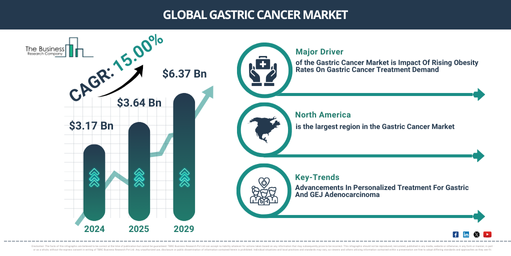
    The market size for gastric cancer has seen a swift expansion in the latest years. It is predicted to increase from $3.17 billion in 2024 to $3.64 billion in 2025, exhibiting a compound annual growth rate (CAGR) of 14.8%. The previous growth can be traced back to factors such as the burgeoning population of the elderly, amplified healthcare cognizance, augmenting genetic mutations, a surge in the adoption of unhealthy lifestyle habits, and a heightening awareness about cancer.

    Expectations are high for swift expansion in the gastric cancer market in the coming years. The market is projected to surge to a value of$6.37 billion by 2029″ with a robust compound annual growth rate (CAGR) of 15.0%. This projected growth within the forecast period can be associated with factors such as the rising obesity problem, growing government initiatives, increased investments in healthcare, escalating demand for oral cancer drugs, and a rising number of specialist facilities for cancer treatment. The forecast period is also expected to witness significant trends including combination chemotherapy, expansion of products, the use of robotic-assisted surgery, targeted therapies, strategic collaborations, and advanced diagnostic tools.

    Download a free sample to assess the report’s scope and structure:

    https://www.thebusinessresearchcompany.com/sample.aspx?id=20797&type=smp

    Which Major Market Drivers Are Expected to Boost the Growth Potential of the Gastric Cancer Market?

    The surge in obesity rates is predicted to fuel the expansion of the gastric cancer market in the future. Obesity, a medical issue marked by excessive fat accumulation in the body, is usually identified by a body mass index (BMI) above 30, resulting in various health problems. The increase in obesity instances can be attributed to factors including poor nutrition, inactivity, sedentary lifestyles, environmental factors, and genetic propensities. Excess body fat, especially abdominal visceral fat, is associated with an increased risk of gastric cancer because obesity leads to persistent inflammation and metabolic disorders, both of which can lead to cancer, thereby increasing the need for gastric cancer therapies. For instance, according to the Switzerland-based World Health Organization’s March 2024 report, approximately one in eight people worldwide were categorized as obese in 2022. The report revealed that 2.5 billion adults aged 18 and over fell into the overweight category, with 890 million suffering from obesity. The data showed that 43% of adults were overweight, and 16% were classified as obese. Additionally, 37 million children below the age of 5 were overweight, and more than 390 million children and adolescents between the ages of 5 and 19 fell into the overweight category, including 160 million living with obesity. As a result of the increasing obesity rates, the gastric cancer market is experiencing a boost in its demand.

    Which Key Market Segments Comprise the Gastric Cancer Market and Drive Its Revenue Growth?

    The gastric cancermarket covered in this report is segmented –

    1) By Type: Adenocarcinoma; Lymphoma; Gastrointestinal Stromal Tumor; Carcinoid Tumor; Other Types

    2) By Diagnosis: Endoscopy; Biopsy; Imaging Tests; Exploratory Surgery; Other Diagnosis

    3) By Treatment: Surgery; Radiation Therapy; Chemotherapy; Targeted Therapy; Palliative Care; Other Treatments

    4) By Distribution Channel: Hospital Pharmacies; Specialty And Retail Pharmacies; Other Distribution Channels

    Subsegments:

    1) By Adenocarcinoma: Intestinal Type Adenocarcinoma; Diffuse Type Adenocarcinoma; Mixed Type Adenocarcinoma

    2) By Lymphoma: Primary Gastric Lymphoma; Secondary Gastric Lymphoma

    3) By Gastrointestinal Stromal Tumor (GIST): Primary GIST; Metastatic GIST

    4) By Carcinoid Tumor: Gastric Carcinoid Type 1; Gastric Carcinoid Type 2; Gastric Carcinoid Type 3

    5) By Other Types: Small Cell Carcinoma; Squamous Cell Carcinoma; Mixed Tumors

    Request customized data on this market:

    https://www.thebusinessresearchcompany.com/customise?id=20797&type=smp

    Which Areas Are Leading Regions in the Gastric Cancer Market Expansion Across the Globe?

    North America was the largest region in the gastric cancer market in 2024. Asia-Pacific is expected to be the fastest-growing region in the forecast period. The regions covered in the gastric cancer market report are Asia-Pacific, Western Europe, Eastern Europe, North America, South America, Middle East, Africa.

    What Are the Key Market Trends in theGastric Cancer Market Over the Coming Years?

    Market-dominant businesses within the gastric cancer sector are concentrating their efforts on devising innovative and tech-savvy solutions such as companion diagnostic assays. These are tests designed to single out patients most likely to respond positively to a specific therapy based on the detection of certain biomarkers. One such case is of F. Hoffmann-La Roche Ltd., a pharmaceutical company based in Switzerland. They announced in October 2024, the approval of VENTANA CLDN18 (43-14A) RxDx Assay by the U.S. Food and Drug Administration (FDA). This assay is the first immunohistochemistry (IHC) companion diagnostic for measuring CLDN18 protein expression, primarily CLDN18.2, in gastric and gastroesophageal junction (GEJ) adenocarcinoma. It helps identify patients suitable for targeted treatment with VYLOY (zolbetuximab). With the use of the OptiView DAB IHC Detection Kit on the BenchMark ULTRA instrument, this test propels personalized healthcare, paving the way for expanded treatment methods for gastric and GEJ adenocarcinoma.

    View the full report here:

    https://www.thebusinessresearchcompany.com/report/gastric-cancer-global-market-report

    How Is the Gastric Cancer Market Conceptually Defined?

    Gastric cancer is a malignant tumor that originates in the lining of the stomach. It often begins in the mucosa, the innermost layer of the stomach, and can spread to deeper layers, nearby tissues, or distant organs if not treated early. The disease is commonly associated with risk factors such as chronic infection with helicobacter pylori, smoking, excessive alcohol consumption, poor diet, and genetic predisposition.

    Purchase the full report and get a swift delivery:

    https://www.thebusinessresearchcompany.com/purchaseoptions.aspx?id=20797

    About The Business Research Company:

    With over 15000+ reports from 27 industries covering 60+ geographies, The Business Research Company has built a reputation for offering comprehensive, data-rich research and insights. Armed with 1,500,000 datasets, the optimistic contribution of in-depth secondary research, and unique insights from industry leaders, you can get the information you need to stay ahead in the game.

    Get in touch with us:

    The Business Research Company: https://www.thebusinessresearchcompany.com/

    Americas +1 310-496-7795

    Europe +44 7882 955267

    Asia & Others +44 7882 955267 & +91 8897263534

    Email us at info@tbrc.info

    Follow us on:

    LinkedIn: https://in.linkedin.com/company/the-business-research-company

    YouTube: https://www.youtube.com/channel/UC24_fI0rV8cR5DxlCpgmyFQ

    Global Market Model: https://www.thebusinessresearchcompany.com/global-market-model

  • $2.21 Billion Forecast for Foley Catheters Market by 2029, Backed by Demand and Innovation

    $2.21 Billion Forecast for Foley Catheters Market by 2029, Backed by Demand and Innovation

    Claim your 30% discount on Global Market Reports with code ONLINE30. Limited time only.

    What Is the Estimated Market Size of the Foley Catheters Market In 2029?

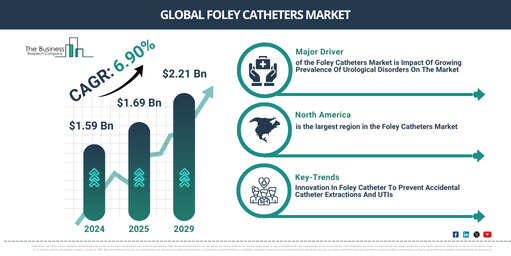
    The market size for foley catheters has witnessed a robust growth lately. The market is projected to expand from a size of $1.59 billion in 2024 to approximately $1.69 billion in 2025, with an impressive compound annual growth rate (CAGR) of 6.1%. Several factors have contributed to the growth during the historic period, including a surge in kidney stone disease cases, rise in the number of surgical procedures, increased spending on medical hygiene, growing demand for foley catheters, and a rise in urinary incontinence.

    The foley catheters market is set to experience robust expansion in the upcoming years, reaching a valuation of$2.21 billion by 2029, with a compound annual growth rate (CAGR) of 6.9%. This surge within the forecast period is credited to the escalation of urological disorders, amplified incorporation of minimally invasive procedures, increase in older demographic, a surge in demand for antimicrobial catheters, and amplified consciousness about incontinence. Prevailing developments projected within this period encompass technological modernisation, the rise of digital health technologies, progression in healthcare technologies, the embrace of telemedicine, and the implementation of antimicrobial properties.

    Download a free sample to assess the report’s scope and structure:

    https://www.thebusinessresearchcompany.com/sample.aspx?id=20791&type=smp

    What Are the Core Growth Drivers Propelling the Foley Catheters Market Forward?

    The escalating incidence of urological ailments is expected to propel the Foley catheters market’s expansion. These urological conditions, which include kidney stones, bladder infections, prostate issues, and urinary incontinence, affect the urinary system and male reproductive organs. The aging population, chronic diseases, lifestyle decisions, and environmental factors contribute to the escalating incidence of these disorders. Foley catheters play a crucial role in mitigating these ailments by ensuring effective urine drainage, handling urinary retention, and facilitating recovery following surgery, thereby avert complications and heightening patient care. As an illustration, the National Health Service (NHS) England, a UK-based government division, reported in October 2023 that in 2022/23, a total of 147,285 hospital admissions were due to urinary tract infection (UTI), of these 56% (82,392 cases) were patients aged 65 and above. Furthermore, in the last five years, UTIs have resulted in over 800,000 hospitalizations across the country. Consequently, the escalating incidence of urological disorders is propelling the Foley catheters market’s growth.

    What Segment Types Define the Foley Catheters Market Structure?

    The foley cathetersmarket covered in this report is segmented –

    1) By Product Type: 2-Way Foley Catheter; 3-Way Foley Catheter; 4-Way Foley Catheter

    2) By Material Type: Latex; Silicone; Other Materials

    3) By Application Type: Surgery; Benign Prostatic Hyperplasia; Urinary Incontinence; Other Application Types

    4) By End User: Hospitals; Long-Term Care Facilities; Other End Users

    Subsegments:

    1) By 2-Way Foley Catheter: Standard 2-Way Foley Catheters; Antibacterial Coated 2-Way Foley Catheters; Latex 2-Way Foley Catheters; Silicone 2-Way Foley Catheters; Hydrophilic Coated 2-Way Foley Catheters

    2) By 3-Way Foley Catheter: Standard 3-Way Foley Catheters; 3-Way Foley Catheters With Irrigation Port; Latex 3-Way Foley Catheters; Silicone 3-Way Foley Catheters; Antibacterial Coated 3-Way Foley Catheters

    3) By 4-Way Foley Catheter: Standard 4-Way Foley Catheters; 4-Way Foley Catheters With Continuous Bladder Irrigation (Cbi); Latex 4-Way Foley Catheters; Silicone 4-Way Foley Catheters; Antibacterial Coated 4-Way Foley Catheters

    Request customized data on this market:

    https://www.thebusinessresearchcompany.com/customise?id=20791&type=smp

    Which Geographic Areas Hold the Strongest Growth Potential in the Foley Catheters Market?

    North America was the largest region in the foley catheters market in 2024. Asia-Pacific is expected to be the fastest-growing region in the forecast period. The regions covered in the foley catheters market report are Asia-Pacific, Western Europe, Eastern Europe, North America, South America, Middle East, Africa.

    Which Emerging Trends that Are Influencing theFoley Catheters Industry Evolution?

    The leading players in the foley catheters market are focusing on creating innovative products, such as catheter stabilizers, to elevate patient comfort and lessen catheter-related issues. A catheter stabilizer is a healthcare appliance designed to firmly hold a catheter to the patient’s skin, preventing accidental movement or displacement during long-lasting procedures like IV infusions, urinary catheterizations, or dialysis. For example, in January 2023, Cathetrix Inc., an Israel-based medical device firm, rolled out the Foley/Safe 2.0, a sophisticated catheter stabilizer designed to thwart unintentional Foley catheter extractions and UTIs. The product includes three protective components: an affixing adhesive patch, an anti-slide smart feature, and a disconnection feature that safely breaks off the catheter when required. This state-of-the-art device aims to elevate patient safety and diminish the necessity for surgical procedures or lengthy hospital stays.

    View the full report here:

    https://www.thebusinessresearchcompany.com/report/foley-catheters-global-market-report

    What Is the Definition of the Foley Catheters Market?

    Foley catheters are flexible, thin tubes inserted into the bladder to drain urine. They are typically made of latex or silicone and include an inflatable balloon at the tip to hold the catheter in place inside the bladder. They are used for various medical conditions, such as urinary retention, post-surgical care, or long-term management of incontinence.

    Purchase the full report and get a swift delivery:

    https://www.thebusinessresearchcompany.com/purchaseoptions.aspx?id=20791

    About The Business Research Company:

    With over 15000+ reports from 27 industries covering 60+ geographies, The Business Research Company has built a reputation for offering comprehensive, data-rich research and insights. Armed with 1,500,000 datasets, the optimistic contribution of in-depth secondary research, and unique insights from industry leaders, you can get the information you need to stay ahead in the game.

    Get in touch with us:

    The Business Research Company: https://www.thebusinessresearchcompany.com/

    Americas +1 310-496-7795

    Europe +44 7882 955267

    Asia & Others +44 7882 955267 & +91 8897263534

    Email us at info@tbrc.info

    Follow us on:

    LinkedIn: https://in.linkedin.com/company/the-business-research-company

    YouTube: https://www.youtube.com/channel/UC24_fI0rV8cR5DxlCpgmyFQ

    Global Market Model: https://www.thebusinessresearchcompany.com/global-market-model

  • Global Flexible And Semi-Rigid Ureteroscopy Market Projected to Reach $1.15 Billion by 2029 at a CAGR of 6.3%

    Claim your 30% discount on Global Market Reports with code ONLINE30. Limited time only.

    How Fast Is The Flexible And Semi-Rigid Ureteroscopy Market Expected to Grow Between 2025 And 2029?

    In recent times, the size of the flexible and semi-rigid ureteroscopy market has witnessed significant growth. There is a forecasted increase from $0.85 billion in 2024 to $0.9 billion in 2025, indicating a compound annual growth rate (CAGR) of 6.2%. The growth throughout the historical period can be credited to factors such as the initial standardization of ureteroscopy procedures, a worldwide emphasis on patient safety, a rise in medical tourism, elevated government funding and a dwindling popularity of open surgery.

    In the coming years, the market size of flexible and semi-rigid ureteroscopy is set for a robust expansion, predicted to reach $1.15 billion in 2029 with a compound annual growth rate (CAGR) of 6.3%. This surge in the predicted duration is due to factors like the widening of medical insurance, improvement in reusable scopes, worldwide integration of medical devices, device regulation approvals, and the emergence of dedicated specialty clinics. The estimated period will witness prominent trends such as the broadening of medical insurance, enhancement in reusable scopes, global acceptance of medical devices, approvals for regulating devices, and the rise of specialized clinics.

    Download a free sample to assess the report’s scope and structure:

    https://www.thebusinessresearchcompany.com/sample.aspx?id=20790&type=smp

    What are the Fundamental Drivers and Innovations Shaping the Flexible And Semi-Rigid Ureteroscopy Market?

    The increasing inclination towards minimally invasive procedures is projected to fuel the expansion of the flexible and semi-rigid ureteroscopy market in the future. Minimally invasive procedures are medical interventions or surgeries conducted through smaller cuts or natural body orifices. The growing predilection for these approaches is attributed to faster recovery periods, less pain and scarring, decreased infection likelihood, and enhanced surgical outcomes, making them more secure and attractive to patients. Flexible and semi-rigid ureteroscopy are minimally invasive methods utilized for diagnosing and treating conditions related to the urinary tract, like kidney stones and tumors, by providing exact access and treatment with minimum trauma. For example, in January 2024, Intuitive Surgical Inc., a manufacturer of robotic products based in the US, revealed that they installed 415 da Vinci surgical systems (robotic surgical systems utilizing a minimally invasive surgical approach) in 2023’s fourth quarter, depicting a 12% rise compared to 2022. Hence, the escalating demand for minimally invasive procedures is promoting the expansion of the flexible and semi-rigid ureteroscopy market.

    How Is the Flexible And Semi-Rigid Ureteroscopy Market Segmented?

    The flexible and semi-rigid ureteroscopymarket covered in this report is segmented –

    1) By Product Type: Flexible Ureteroscopes; Digital Ureteroscopes; Fiberoptic Ureteroscopes; Semi-Rigid Ureteroscopes

    2) By Application: Urinary Stricture; Upper Urinary Tract Infection; Urolithiasis; Kidney Cancer; Other Applications

    3) By End User: Hospitals; Ambulatory Surgical Centers; Other End Users

    Subsegments:

    1) By Flexible Ureteroscopes: Standard Flexible Ureteroscopes; High-Definition Flexible Ureteroscopes; Single-Use Flexible Ureteroscopes; Reusable Flexible Ureteroscopes

    2) By Digital Ureteroscopes: Standard Digital Ureteroscopes; High-Definition Digital Ureteroscopes; Digital Ureteroscopes With Integrated Cameras; Single-Use Digital Ureteroscopes

    3) By Fiberoptic Ureteroscopes: Standard Fiberoptic Ureteroscopes; High-Definition Fiberoptic Ureteroscopes; Semi-Flexible Fiberoptic Ureteroscopes; Single-Use Fiberoptic Ureteroscopes

    4) By Semi-Rigid Ureteroscopes: Standard Semi-Rigid Ureteroscopes; High-Definition Semi-Rigid Ureteroscopes; Semi-Rigid Ureteroscopes With Working Channels; Single-Use Semi-Rigid Ureteroscopes

    Request customized data on this market:

    https://www.thebusinessresearchcompany.com/customise?id=20790&type=smp

    Which Regions Are Driving the Next Phase of the Flexible And Semi-Rigid Ureteroscopy Market Growth?

    North America was the largest region in the flexible and semi-rigid ureteroscopy market in 2024. Asia-Pacific is expected to be the fastest-growing region in the forecast period. The regions covered in the flexible and semi-rigid ureteroscopy market report are Asia-Pacific, Western Europe, Eastern Europe, North America, South America, Middle East, Africa.

    What Key Trends Are Shaping the Future of the Flexible And Semi-Rigid Ureteroscopy Market?

    Key players in the flexible and semi-rigid ureteroscopy market are concentrating their efforts on technological enhancements like the digital flexible ureteroscope to improve procedure efficiency and clinical results. The digital flexible ureteroscope is a revolutionary medical tool used in urology for identifying and treating conditions if the urinary tract, such as kidney stones, tumors, and strictures. For example, in February 2023, Boston Scientific, a medical tech company based in the U.S., obtained clearance from the US FDA for its LithoVue Elite System. This represents the first ureteroscope with the capacity to monitor live intrarenal pressure (IRP) during ureteroscopy procedures, a common intervention to diagnose and manage kidney stones. The device comes with distinctive features including a one-time use design, significantly reducing infection risks associated with reusable scopes and facilitating patient care. The system also includes customizable buttons on the ureteroscope handle for direct management of imaging functions, eliminating the need for staff coordination.

    View the full report here:

    https://www.thebusinessresearchcompany.com/report/flexible-and-semi-rigid-ureteroscopy-global-market-report

    How Is the Flexible And Semi-Rigid Ureteroscopy Market Defined and What Are Its Core Parameters?

    Flexible and semi-rigid ureteroscopy refers to minimally invasive endourological procedures used for diagnosing and treating urinary tract conditions. Flexible ureteroscopy utilizes a highly maneuverable, fiber-optic instrument that can navigate complex renal anatomy, while semi-rigid ureteroscopy employs a more rigid device, best suited for distal ureteral interventions.

    Purchase the full report and get a swift delivery:

    https://www.thebusinessresearchcompany.com/purchaseoptions.aspx?id=20790

    About The Business Research Company:

    With over 15000+ reports from 27 industries covering 60+ geographies, The Business Research Company has built a reputation for offering comprehensive, data-rich research and insights. Armed with 1,500,000 datasets, the optimistic contribution of in-depth secondary research, and unique insights from industry leaders, you can get the information you need to stay ahead in the game.

    Get in touch with us:

    The Business Research Company: https://www.thebusinessresearchcompany.com/

    Americas +1 310-496-7795

    Europe +44 7882 955267

    Asia & Others +44 7882 955267 & +91 8897263534

    Email us at info@tbrc.info

    Follow us on:

    LinkedIn: https://in.linkedin.com/company/the-business-research-company

    YouTube: https://www.youtube.com/channel/UC24_fI0rV8cR5DxlCpgmyFQ

    Global Market Model: https://www.thebusinessresearchcompany.com/global-market-model