Blog

  • Critical Market Drivers Shaping the Outlook for Human Immunodeficiency Virus Therapeutics Market from 2025-2034: Increase In Unprotected Sexual Practices Fueling The Market Due To Limited Access To Contraception And Lack Of Comprehensive Sex Education

    Critical Market Drivers Shaping the Outlook for Human Immunodeficiency Virus Therapeutics Market from 2025-2034: Increase In Unprotected Sexual Practices Fueling The Market Due To Limited Access To Contraception And Lack Of Comprehensive Sex Education

    Claim your 30% discount on Global Market Reports with code ONLINE30. Limited time only.

    What Is the Estimated Market Size of the Human Immunodeficiency Virus Therapeutics Market In 2029?

    The market for therapeutics concerning the human immunodeficiency virus has experienced significant growth in the past years. The market value predicted to increase from $14.11 billion in 2024 to $14.9 billion in 2025, exhibiting a compound annual growth rate (CAGR) of 5.6%. The growth experienced in the prior period can be accredited to an increase in HIV prevalence, escalation in awareness programs, a surge in diagnostic testing, an increase in the penetration of generic drugs, and expansion of healthcare infrastructure.

    The market for therapies dealing with the human immunodeficiency virus is predicted to experience significant expansion in the coming years. Forecasts predict that it will increase to a value of$18.44 billion by 2029 with a 5.5% compound annual growth rate (CAGR). This projected growth during the forecast period can be credited to a number of factors such as the escalating number of HIV patients, an increase in HIV testing, a rise in voluntary examinations, a surge in unprotected sexual practices, and the expansion of government initiatives. Leading trends for the forecast period encompass technological innovations, AI-powered drug discovery processes, long-acting injectable treatments, the integration of telemedicine, and the application of CRISPR for gene therapy.

    Download a free sample to assess the report’s scope and structure:

    https://www.thebusinessresearchcompany.com/sample.aspx?id=23419&type=smp

    What Are the Core Growth Drivers Propelling the Human Immunodeficiency Virus Therapeutics Market Forward?

    The increasing occurrence of unprotected sexual activities is anticipated to fuel the expansion of the human immunodeficiency virus therapeutics market in the future. Unprotected sexual activities are those that do not involve barrier protection, leading to a heightened risk of sexually transmitted infections (STIs) and unplanned pregnancies. The absence of extensive sexual education results in limited knowledge about safe practices, which promotes risk-taking behaviour in young people. HIV therapeutics are instrumental in curbing the risk of HIV transmission from unprotected sexual activities by keeping the viral load at undetectable levels, thus preventing the virus’ further spread. For example, based on information from the Centers for Disease Control and Prevention, a government agency in the USA, a 2023 survey revealed that 32% of U.S. high school students admitted to having sexual intercourse at least once, with 48% stating they did not use a condom during their most recent sexual encounter. Hence, the increasing occurrence of unprotected sexual activities is spurring the expansion of the human immunodeficiency virus therapeutics market.

    What Segment Types Define the Human Immunodeficiency Virus Therapeutics Market Structure?

    The human immunodeficiency virus therapeuticsmarket covered in this report is segmented –

    1) By Drug Type: Branded Drugs; Generic Drugs

    2) By Drug Class: Nucleoside-Analog Reverse Transcriptase Inhibitors (Nrtis); Non-Nucleoside Reverse Transcriptase Inhibitors (Nnrtis); Entry And Fusion Inhibitors; Protease Inhibitors (Pis); Integrase Inhibitors; Coreceptor Antagonists

    3) By Distribution Channel: Hospital Pharmacies; Online Pharmacies; Retail Pharmacies

    4) By End-user: Hospitals And Clinics; Specialty Centers

    Subsegments:

    1) By Branded Drugs: Biktarvy; Triumeq; Genvoya; Juluca; Dovato; Isentress; Prezista

    2) By Generic Drugs: Tenofovir Disoproxil Fumarate (TDF); Lamivudine; Efavirenz; Zidovudine; Nevirapine; Abacavir; Ritonavir

    Request customized data on this market:

    https://www.thebusinessresearchcompany.com/customise?id=23419&type=smp

    Which Geographic Areas Hold the Strongest Growth Potential in the Human Immunodeficiency Virus Therapeutics Market?

    North America was the largest region in the human immunodeficiency virus therapeutics market in 2024. Asia-Pacific is expected to be the fastest-growing region in the forecast period. The regions covered in the human immunodeficiency virus therapeutics market report are Asia-Pacific, Western Europe, Eastern Europe, North America, South America, Middle East, Africa.

    Which Emerging Trends that Are Influencing theHuman Immunodeficiency Virus Therapeutics Industry Evolution?

    Leading companies in the HIV therapeutics market are concentrating their efforts on introducing groundbreaking treatments such as combination therapy. This approach aims to enhance the efficacy of treatment, reduce drug resistance, and foster patient compliance by using multiple therapeutic agents to manage a single disease. The benefits of this method include improved treatment efficiency, reduced side effects, and a decreased likelihood of drug resistance. An example of this comes from Gilead Sciences Inc., a biopharmaceutical company from the US, which in December 2022, secured approval from the FDA for their Sunlenca (lenacapavir) treatment. When used in conjunction with other antiretroviral medications, Sunlenca can be administered to adults with multi-drug-resistant HIV-1. Sunlenca is distinguished for being the first HIV treatment which is based on a capsid inhibitor, presenting a twice-yearly dosing regimen for patients who have previously undergone extensive treatment. The approval of this treatment is backed by the positive results of the CAPELLA trial, which demonstrated high rates of long-term viral suppression. The innovative method of action and the long-lasting formulation of Sunlenca suggests that it will play a significant part in the future strategies for HIV treatment and prevention.

    View the full report here:

    https://www.thebusinessresearchcompany.com/report/human-immunodeficiency-virus-therapeutics-global-market-report

    What Is the Definition of the Human Immunodeficiency Virus Therapeutics Market?

    Human immunodeficiency virus (HIV) therapeutics refer to medications and treatment strategies designed to manage and suppress HIV infection, primarily through antiretroviral therapy (ART). These therapeutics help reduce viral load, prevent disease progression to AIDS, and improve the quality of life for individuals living with HIV.

    Purchase the full report and get a swift delivery:

    https://www.thebusinessresearchcompany.com/purchaseoptions.aspx?id=23419

    About The Business Research Company:

    With over 15000+ reports from 27 industries covering 60+ geographies, The Business Research Company has built a reputation for offering comprehensive, data-rich research and insights. Armed with 1,500,000 datasets, the optimistic contribution of in-depth secondary research, and unique insights from industry leaders, you can get the information you need to stay ahead in the game.

    Get in touch with us:

    The Business Research Company: https://www.thebusinessresearchcompany.com/

    Americas +1 310-496-7795

    Europe +44 7882 955267

    Asia & Others +44 7882 955267 & +91 8897263534

    Email us at info@tbrc.info

    Follow us on:

    LinkedIn: https://in.linkedin.com/company/the-business-research-company

    YouTube: https://www.youtube.com/channel/UC24_fI0rV8cR5DxlCpgmyFQ

    Global Market Model: https://www.thebusinessresearchcompany.com/global-market-model

  • Top Trends Driving Innovation and Change in the Cancer CDK Inhibitors Market: Strategic Partnerships Accelerating Innovation In The Market

    Top Trends Driving Innovation and Change in the Cancer CDK Inhibitors Market: Strategic Partnerships Accelerating Innovation In The Market

    Claim your 30% discount on Global Market Reports with code ONLINE30. Limited time only.

    What is the Anticipated CAGR of the Cancer CDK Inhibitors Market, and What Factors Will Drive It?

    Over the past few years, the market size for cancer cdk inhibitors has experienced substantial growth. It is projected to expand from $9.27 billion in 2024 to $9.75 billion in 2025 with a compound annual growth rate (CAGR) of 5.2%. Factors contributing to the growth during the historic period include a rise in cancer incidences, boosted investment in R&D, a growing understanding and demand for personalized medicine, the development of healthcare infrastructure, and heightened awareness and desire for pioneering cancer treatments.

    The anticipated size of the cancer cdk inhibitors market is projected to witness consistent expansion over the upcoming years, reaching$11.84 billion by 2029″ with a Compound Annual Growth Rate (CAGR) of 5.0%. Factors contributing to the growth over the forecast period include booming demand for innovative drugs, rising awareness about targeted cancer therapies, escalations in mortality & morbidity rates, and proliferation of cancer drug combinations. Key trends anticipated during the forecast period encompass progressions in the fields of molecular biology & genetics, the advent of companion diagnostics, the usage of digital health and remote monitoring in the domain of oncology, the integration of telemedicine into cancer care, and advancements in drug delivery systems.

    Download a free sample to assess the report’s scope and structure:

    https://www.thebusinessresearchcompany.com/sample.aspx?id=20722&type=smp

    What External and Internal Drivers Are Contributing to the Growth of theCancer CDK Inhibitors Market?

    The escalating number of breast cancer cases is likely to stimulate the expansion of the cancer CDK inhibitors market in the foreseeable future. Breast cancer is characterized by the unregulated development of abnormal cells within the breast tissue, frequently resulting in a lump or tumor. If not swiftly treated, this could potentially metastasize to other body areas. Factors contributing to the increasing breast cancer prevalence include aging, lifestyle changes, inherited traits, and improved screening measures. Cancer CDK inhibitors function by halting unchecked tumor cell growth and enhancing the efficacy of other breast cancer treatments. For instance, the American Cancer Society Facts and Figures, a professional organization based in the US, projects that the number of new breast cancer cases in the United States will increase from 300,590 in 2023 to 313,510 in 2024. Consequently, the surging breast cancer incidences are fuelling cancer CDK inhibitors market growth.

    What Segment Types Define the Cancer CDK Inhibitors Market Structure?

    The cancer cdk inhibitorsmarket covered in this report is segmented –

    1) By Drug Type: Selective CDK Inhibitors; Non-Selective CDK Inhibitors

    2) By Cancer Type: Breast Cancer; Lung Cancer; Prostate Cancer; Colorectal Cancer; Other Cancer Types

    3) By Application: Hospital Pharmacies; Retail Pharmacies; Online Pharmacies

    Subsegments:

    1) By Selective CDK Inhibitors: CDK4/6 Inhibitors; CDK7 Inhibitors; CDK9 Inhibitors

    2) By Non-Selective CDK Inhibitors: CDK1 Inhibitors; CDK2 Inhibitors; CDK5 Inhibitors

    Request customized data on this market:

    https://www.thebusinessresearchcompany.com/customise?id=20722&type=smp

    Which Geographic Areas Hold the Strongest Growth Potential in the Cancer CDK Inhibitors Market?

    North America was the largest region in the cancer CDK inhibitors market in 2024. Asia-Pacific is expected to be the fastest-growing region in the forecast period. The regions covered in the cancer CDK inhibitors market report are Asia-Pacific, Western Europe, Eastern Europe, North America, South America, Middle East, Africa.

    What Long-Term Trends Are Transforming the Competitive Landscape of the Cancer CDK Inhibitors Market?

    Key players in the cancer CDK inhibitors market, notably in development of CDK2 Inhibitors, are engaging in strategic alliances to pave way for innovation. By merging resources and expertise, such partnerships are speeding up research, development, and market-based introductions in the Cancer CDK Inhibitors market, while also expanding market penetration and access to new demographics of patients. These alliances are crucial to the accelerated introduction of new treatments, leveraging the distinct capabilities of diverse organizations. For example, in November 2023, BeiGene Ltd., a biotechnology firm based in the USA, entered into a collaboration with Ensem Therapeutics Inc., another American biotech company. This collaboration sees BeiGene and Ensem Therapeutics uniting their efforts to introduce a unique CDK2 inhibitor for cancer treatment, merging BeiGene’s specialized knowledge with Ensem’s Kinetic Ensemble platform to expedite the creation of groundbreaking cancer treatments.

    View the full report here:

    https://www.thebusinessresearchcompany.com/report/cancer-cdk-inhibitors-global-market-report

    What Is the Definition of the Cancer CDK Inhibitors Market?

    Cancer CDK inhibitors are a class of drugs that target cyclin-dependent kinases (CDKs), which are enzymes involved in regulating the cell cycle. CDKs play a crucial role in controlling the progression of cells through different stages of division and growth. In cancer, these enzymes are often overactive, leading to uncontrolled cell division and tumor growth. Cancer CDK inhibitors aim to halt the proliferation of cancer cells, slowing or stopping the growth of tumors.

    Purchase the full report and get a swift delivery:

    https://www.thebusinessresearchcompany.com/purchaseoptions.aspx?id=20722

    About The Business Research Company:

    With over 15000+ reports from 27 industries covering 60+ geographies, The Business Research Company has built a reputation for offering comprehensive, data-rich research and insights. Armed with 1,500,000 datasets, the optimistic contribution of in-depth secondary research, and unique insights from industry leaders, you can get the information you need to stay ahead in the game.

    Get in touch with us:

    The Business Research Company: https://www.thebusinessresearchcompany.com/

    Americas +1 310-496-7795

    Europe +44 7882 955267

    Asia & Others +44 7882 955267 & +91 8897263534

    Email us at info@tbrc.info

    Follow us on:

    LinkedIn: https://in.linkedin.com/company/the-business-research-company

    YouTube: https://www.youtube.com/channel/UC24_fI0rV8cR5DxlCpgmyFQ

    Global Market Model: https://www.thebusinessresearchcompany.com/global-market-model
  • Key Factors Fueling the Growth of the Homeopathy Medicine Treatment Market in 2025: Rising Awareness And Global Collaboration Fueling The Growth Of The Homeopathy Medicine Treatment Market Due To Increasing Preference For Personalized And Holistic Healthcare

    Key Factors Fueling the Growth of the Homeopathy Medicine Treatment Market in 2025: Rising Awareness And Global Collaboration Fueling The Growth Of The Homeopathy Medicine Treatment Market Due To Increasing Preference For Personalized And Holistic Healthcare

    Claim your 30% discount on Global Market Reports with code ONLINE30. Limited time only.

    How Fast Is The Homeopathy Medicine Treatment Market Expected to Grow Between 2025 And 2029?

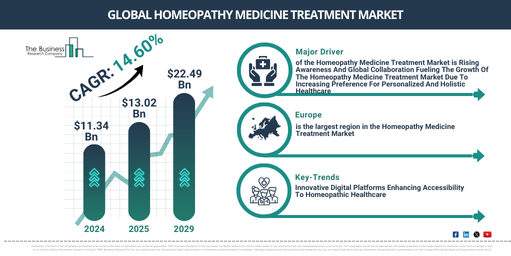
    The market size for homeopathy medicine treatment has seen a quick expansion in recent times. There will be a surge from $11.34 billion in 2024 to $13.02 billion in 2025 at a compound annual growth rate (CAGR) of 14.9%. The notable growth in the historic period is due to the rising awareness of the advantages of homeopathic medicine, higher demand for non-invasive treatment options, increasing incidences of chronic diseases, a growing number of homeopathic practitioners, and the escalating request for homeopathic remedies.

    The market for homeopathy medicine treatment is anticipated to enjoy robust growth in the coming years. The market size is predicted to surge to $22.49 billion by 2029, with a compound annual growth rate (CAGR) of 14.6%. The surge in the forecast period is linked to an escalated preference for bespoke treatment methods, heightened attention towards preventative health care, boost in disposable income, an upward trend in research and development (R&D) funding, and increased demand for combination treatments. Key trends to watch in the forecast period are the amalgamation of homeopathy with telemedicine platforms, utilization of nanotechnology in homeopathic dilutions, wearable health gadgets for individualized treatment, intelligent homeopathy dispensers, and artificial intelligence (AI)-enabled homeopathic diagnosis.

    Download a free sample to assess the report’s scope and structure:

    https://www.thebusinessresearchcompany.com/sample.aspx?id=23418&type=smp

    What are the Fundamental Drivers and Innovations Shaping the Homeopathy Medicine Treatment Market?

    The growing knowledge surrounding homeopathic therapies is predicted to stimulate the expansion of the homeopathy medicine treatment market. Homeopathic medications stand as a vital aspect of homeopathy, prescribed according to each individual’s specific symptoms and overall physical, mental, and emotional wellbeing. Its increased usage is due to its natural, non-invasive method and fewer side effects compared to traditional medicine. People are increasingly leaning towards holistic and tailored healthcare solutions, which have resulted in the wider acceptance and adoption of homeopathy, boosting the demand for its medicines and services. For example, in March 2023, the Ministry of Ayush, a fraction of the Government of India, inked 24 Country-to-Country Memorandum of Understanding (MoUs) with foreign countries for collaboration in traditional medicine and homeopathy. Hence, the growing familiarity with homeopathic treatment alternatives is fuelling the enlargement of the homeopathy medicine treatment market.

    How Is the Homeopathy Medicine Treatment Market Segmented?

    The homeopathy medicine treatmentmarket covered in this report is segmented –

    1) By Product Type: Single Remedies; Combination Remedies; Complex Medicines

    2) By Application: Chronic Diseases; Acute Diseases; Preventive Care

    3) By Distribution Channel: Retail Pharmacies; Online Platforms; Homeopathic Clinics

    Subsegments:

    1) By Single Remedies: Dilutions; Mother Tinctures; Bio-Chemic Tablets; Medicated Pellets

    2) By Combination Remedies: Tablet Formulations; Liquid Formulations; Powder Formulations; Globules

    3) By Complex Medicines: Anti-Allergic Complex; Pain Relief Complex; Immunity Boosting Complex; Respiratory Care Complex

    Request customized data on this market:

    https://www.thebusinessresearchcompany.com/customise?id=23418&type=smp

    Which Regions Are Driving the Next Phase of the Homeopathy Medicine Treatment Market Growth?

    Europe was the largest region in the homeopathy medicine treatment market in 2024. Asia-Pacific is expected to be the fastest-growing region in the forecast period. The regions covered in the homeopathy medicine treatment market report are Asia-Pacific, Western Europe, Eastern Europe, North America, South America, Middle East, Africa.

    What Key Trends Are Shaping the Future of the Homeopathy Medicine Treatment Market?

    Leading companies in the homeopathy medicine treatment market are prioritizing the creation of groundbreaking innovations, such as internet-based homeopathy medicine services to improve ease of access and user-friendly experiences. An example of such an innovation is an AI assistant homeopathic medicine tool—a digital app or platform powered by artificial intelligence, designed to assist users in identifying appropriate homeopathic remedies by considering their symptoms and personal health data. For instance, Homeopathic.AI, a health and personal care retail company based in Canada, debuted the first ever AI assistant specifically for homeopathic medicine in April 2024. By employing sophisticated algorithms and a detailed database, this pioneering system can provide individualized, precise health advice to its users. With the aim of satisfying the increasing global demand for alternative medicine, it seeks to make homeopathic guidance more readily available. This tendency to integrate AI is indicative of the industry’s shift towards utilizing technology to broaden the outreach and efficiency of homeopathic solutions.

    View the full report here:

    https://www.thebusinessresearchcompany.com/report/homeopathy-medicine-treatment-global-market-report

    How Is the Homeopathy Medicine Treatment Market Defined and What Are Its Core Parameters?

    Homeopathic medicine treatment is a natural, holistic approach to healing that uses highly diluted substances to stimulate the body’s own ability to heal. It is based on the principle that a substance causing symptoms in a healthy person can, in very small doses, treat similar symptoms in someone who is ill. The primary purpose of homeopathy medicine treatment is to stimulate the body’s natural healing ability and restore balance to a person’s health using highly diluted natural substances.

    Purchase the full report and get a swift delivery:

    https://www.thebusinessresearchcompany.com/purchaseoptions.aspx?id=23418

    About The Business Research Company:

    With over 15000+ reports from 27 industries covering 60+ geographies, The Business Research Company has built a reputation for offering comprehensive, data-rich research and insights. Armed with 1,500,000 datasets, the optimistic contribution of in-depth secondary research, and unique insights from industry leaders, you can get the information you need to stay ahead in the game.

    Get in touch with us:

    The Business Research Company: https://www.thebusinessresearchcompany.com/

    Americas +1 310-496-7795

    Europe +44 7882 955267

    Asia & Others +44 7882 955267 & +91 8897263534

    Email us at info@tbrc.info

    Follow us on:

    LinkedIn: https://in.linkedin.com/company/the-business-research-company

    YouTube: https://www.youtube.com/channel/UC24_fI0rV8cR5DxlCpgmyFQ

    Global Market Model: https://www.thebusinessresearchcompany.com/global-market-model

  • $18.41 Billion Forecast for Bioreactors Market by 2029, Backed by Demand and Innovation

    $18.41 Billion Forecast for Bioreactors Market by 2029, Backed by Demand and Innovation

    Claim your 30% discount on Global Market Reports with code ONLINE30. Limited time only.

    What Are the Key Milestones in the Bioreactors Market’s Growth Trajectory From 2025 To 2034?

    In the past few years, the bioreactors market has experienced swift expansion. The market, which sat at $9.24 billion in 2024, is projected to rise to $10.61 billion in 2025 with a compound annual growth rate (CAGR) of 14.8%. The significant growth in the historic period is due to factors such as a surge in biopharmaceutical demand, an increase in cell and gene therapy studies, a blossoming interest in personalized medicine, the incorporation of single-use bioreactor technology, and a necessity for more effective manufacturing processes.

    In the coming years, the bioreactors market is anticipated to experience swift expansion, with projections estimating a value of $18.41 billion by 2029 and a compound annual growth rate (CAGR) of 14.8%. This substantial growth during the prediction period can be ascribed to factors such as an escalation in biotechnology research investment, an increased occurrence of chronic diseases, higher demand for vaccines and therapeutic proteins, a surge in regulatory support for biomanufacturing, and a rise in the application of advanced therapies. Key trends expected during the prediction period consist of breakthroughs in biotechnology, enhancements in automation and control systems, growth in bioprocess development, improvements in manufacturing efficiency, and a rising requirement for scalable production solutions.

    Download a free sample to assess the report’s scope and structure:

    https://www.thebusinessresearchcompany.com/sample.aspx?id=20721&type=smp

    What Are the Core Market Drivers Propelling Growth in the Bioreactors Industry?

    The bioreactors market is anticipated to expand owing to the rising need for biopharmaceuticals. Biopharmaceuticals are medicinal substances obtained from biological origins, such as cells, proteins, and living entities, utilized to prevent, cure, or manage various diseases. The surge in demand for biopharmaceuticals can be attributed to progress in medical research, personalized medicine, and the requirement for inventive treatments, which contribute to improved global health outcomes. Bioreactors play a crucial role in biopharmaceuticals by enabling effective and scalable production of therapeutic products. This ensures constant quality, lowers production expenses, and aids in the creation of revolutionary and life-improving medicines. For example, as per the Pharmaceutical Research and Manufacturers of America, a trade organization based in the US, the US biopharmaceutical industry’s total output outpaced $1.65 trillion in 2022, with direct production accounting for $800 billion and an additional $800 billion coming from suppliers and other sectors, making up 3.6% of the US economy. Thus, the escalating need for biopharmaceuticals is propelling the bioreactors market’s growth.

    How Is the Bioreactors Market Segmented?

    The bioreactorsmarket covered in this report is segmented –

    1) By Type Of Bioprocess: Batch And Fed-Batch; Continuous

    2) By Cell: Mammalian Cells; Bacterial Cells; Yeast Cells; Other Cells

    3) By Control: Manual; Automated

    4) By Usage: Lab Scale Production; Pilot Scale Production; Full Scale Production

    5) By End-Use: Research And Development (R&D) Organizations; Biopharmaceutical (Biopharma) Manufacturers; Contract Manufacturing Organizations (CMOS)

    Subsegments:

    1) By Batch And Fed-Batch: Traditional Batch Bioreactors; Fed-Batch Bioreactors

    2) By Continuous: Perfusion Bioreactors; Continuous Stirred Tank Bioreactors (CSTR)

    Request customized data on this market:

    https://www.thebusinessresearchcompany.com/customise?id=20721&type=smp

    Which Regions Are Driving the Next Phase of the Bioreactors Market Growth?

    North America was the largest region in the bioreactors market in 2024. Asia-Pacific is expected to be the fastest-growing region in the forecast period. The regions covered in the bioreactors market report are Asia-Pacific, Western Europe, Eastern Europe, North America, South America, Middle East, Africa.

    What Key Market Trends and Innovations Are Shaping the Future of the Bioreactors Industry?

    Bioreactors market key players are heavily investing in the innovation of sophisticated products like the fixed-bed bioreactors to facilitate the growth of more intricate biological cultures. Fixed-bed bioreactors are a variety of bioreactors where biological organisms settle on a rigid support, often made from porous materials like fibers, beads, or granules. This design enhances mass transfer, reduces shear stress and allows superior control of biological procedures. For instance, Univercells Technologies, a Biotechnology firm based in Belgium, unveiled the Scale-X Nexo bioreactor in October 2024. This state-of-the-art bioreactor, characterized by a 0.5 m² growth surface, is tailor-made to enhance cell culture process development, offering substantial advantages for biopharmaceutical corporations and research establishments. The scale-X nexo enables effortless scalability to larger models, minimizes media and reagent usage, and has the potential to cut operational expenditures by as much as 60% when compared to conventional entry-level bioreactors. Moreover, it amalgamates with the Skaia Vision application software to further spike productivity by providing accurate cell count calculations without the requirement of direct sampling.

    View the full report here:

    https://www.thebusinessresearchcompany.com/report/bioreactors-global-market-report

    How Is the Bioreactors Market Defined and What Are Its Core Parameters?

    A bioreactor is a controlled system designed to support biological processes by providing a suitable environment for cells, microorganisms, or enzymes to grow and function. It maintains optimal conditions such as temperature, pH, oxygen, and nutrient supply to facilitate desired biochemical reactions. Bioreactors are widely used in pharmaceuticals, food production, and wastewater treatment.

    Purchase the full report and get a swift delivery:

    https://www.thebusinessresearchcompany.com/purchaseoptions.aspx?id=20721

    About The Business Research Company:

    With over 15000+ reports from 27 industries covering 60+ geographies, The Business Research Company has built a reputation for offering comprehensive, data-rich research and insights. Armed with 1,500,000 datasets, the optimistic contribution of in-depth secondary research, and unique insights from industry leaders, you can get the information you need to stay ahead in the game.

    Get in touch with us:

    The Business Research Company: https://www.thebusinessresearchcompany.com/

    Americas +1 310-496-7795

    Europe +44 7882 955267

    Asia & Others +44 7882 955267 & +91 8897263534

    Email us at info@tbrc.info

    Follow us on:

    LinkedIn: https://in.linkedin.com/company/the-business-research-company

    YouTube: https://www.youtube.com/channel/UC24_fI0rV8cR5DxlCpgmyFQ

    Global Market Model: https://www.thebusinessresearchcompany.com/global-market-model

  • Urothelial Carcinoma TreatmentMarket Overview 2025–2034: CAGR Trends, Long-Term Growth Paths, and Business Implications

    Urothelial Carcinoma TreatmentMarket Overview 2025–2034: CAGR Trends, Long-Term Growth Paths, and Business Implications

    Claim your 30% discount on Global Market Reports with code ONLINE30. Limited time only.

    What is the Anticipated CAGR of the Urothelial Carcinoma Treatment Market, and What Factors Will Drive It?

    In the past few years, the market size for treatment of urothelial carcinoma has seen a quick expansion. Its valuation is anticipated to hike from $2.86 billion in 2024 to $3.36 billion in 2025, reflecting a compound annual growth rate (CAGR) of 17.6%. The surge observed in the historic phase is credited to factors such as the increasing incidence of urothelial carcinoma, heightened awareness about the condition, improved access to healthcare facilities, and an increase in disposable incomes.

    In the upcoming years, the market size for the treatment of urothelial carcinoma is predicted to experience a swift expansion. The market is projected to escalate to$6.23 billion” by 2029 with a 16.7% Compound Annual Growth Rate (CAGR). The projected expansion during this period is primarily due to factors such as an aging population, increased demand for precision medicine, heightened government support for urothelial carcinoma research and therapies, as well as growing investments in the field. The major trends anticipated during this forecast period encompass therapies driven by biomarkers, neoadjuvant and adjuvant methodologies, liquid biopsies, minimally invasive surgeries, advancements in chemotherapy, and the deployment of digital health technologies.

    Download a free sample to assess the report’s scope and structure:

    https://www.thebusinessresearchcompany.com/sample.aspx?id=12947&type=smp

    What Are the Primary Drivers Supporting the Market Growth of the Urothelial Carcinoma Treatment Market?

    The anticipated rise in bladder cancer cases is set to stimulate the expansion of the urothelial carcinoma treatment market. This common cancer type targets the cells comprising the urinary bladder lining, prompting patients and medical practitioners to explore a wide array of treatment avenues. Research on bladder cancer creates targeted treatments and fosters a broader understanding of urothelial carcinoma, encouraging comprehensive strategies for improved care results. For example, the National Library of Medicine, a medical library in the United States run by the federal government, predicted in September 2023 that the yearly new bladder cancer cases are likely to increase to 991,000 by 2040, signifying a 72.8% rise from the 2020 figures. Additionally, the annual deaths due to bladder cancer are forecasted to touch 397,000, marking an 86.6% rise. As a result, the escalating bladder cancer cases are expected to fuel the urothelial carcinoma treatment market.

    Which Primary Segments of the Urothelial Carcinoma Treatment Market Are Driving Growth and Industry Transformations?

    The urothelial carcinoma treatmentmarket covered in this report is segmented –

    1) By Type: Non-Invasive Urothelial Carcinoma Treatment; Invasive Urothelial Carcinoma Treatment

    2) By Treatment: Immunotherapy; Radiotherapy; Chemotherapy

    3) By Cancer Type: Bladder Cancer; Urethral Cancer; Ureteric And Renal Pelvic Cancer

    4) By End-Users: Hospitals; Homecare; Specialty Centers; Other End-Users

    Subsegments:

    1) By Non-Invasive Urothelial Carcinoma Treatment: Intravesical Therapy; Immunotherapy; Chemotherapy

    2) By Invasive Urothelial Carcinoma Treatment: Radical Cystectomy; Chemotherapy; Radiation Therapy; Targeted Therapy

    Request customized data on this market:

    https://www.thebusinessresearchcompany.com/customise?id=12947&type=smp

    Which Regions Are Key Players in the Growth of the #What Are the Primary Drivers Supporting the Market Growth of the Urothelial Carcinoma Treatment Market?# Market?

    North America was the largest region in the urothelial carcinoma treatment market in 2024. The regions covered in urothelial carcinoma treatment market report are Asia-Pacific, Western Europe, Eastern Europe, North America, South America, Middle East and Africa.

    What Are the Most Significant Market Trends in the Urothelial Carcinoma Treatment Market?

    The leading corporations in the sphere of urothelial carcinoma treatment are focusing on the development of innovative products to boost their competitive advantage and meet the fluctuating consumer requirements. A noted example is Nonacus Limited, a British medical equipment manufacturer that unveiled GALEAS Bladder, a ground-breaking test for non-invasive bladder cancer detection, in March 2023. The test represents a significant advancement in bladder cancer diagnostics by providing a speedy, highly sensitive molecular triage solution, which efficiently identifies bladder cancer, hence simplifying the diagnostic procedure and reducing reliance on invasive techniques like cystoscopies. GALEAS Bladder is a product of a joint initiative with the University of Birmingham in the UK. The product’s efficiency was rigorously tested using over 600 patient samples from three separate clinical patient groups within the UK. These extensive studies attested to the impressive effectiveness of GALEAS Bladder, showing superior diagnostic precision (with a sensitivity rate higher than 90% and a specificity rate above 85%), adeptly addressing various grades and stages of bladder cancer.

    View the full report here:

    https://www.thebusinessresearchcompany.com/report/urothelial-carcinoma-treatment-global-market-report

    What Parameters Are Used to Define the Urothelial Carcinoma Treatment Market?

    Urothelial carcinoma is a type of cancer that originates in the urothelial cells lining the inside of the urinary system, including the bladder, ureters (tubes connecting the kidneys to the bladder) and renal pelvis (the part of the kidney that collects urine). Urothelial carcinoma treatments, such as surgical interventions and intravenous therapies, control urothelial carcinoma disease, improve patient outcomes and enhance quality of life.

    Purchase the full report and get a swift delivery:

    https://www.thebusinessresearchcompany.com/purchaseoptions.aspx?id=12947

    About The Business Research Company:

    With over 15000+ reports from 27 industries covering 60+ geographies, The Business Research Company has built a reputation for offering comprehensive, data-rich research and insights. Armed with 1,500,000 datasets, the optimistic contribution of in-depth secondary research, and unique insights from industry leaders, you can get the information you need to stay ahead in the game.

    Get in touch with us:

    The Business Research Company: https://www.thebusinessresearchcompany.com/

    Americas +1 310-496-7795

    Europe +44 7882 955267

    Asia & Others +44 7882 955267 & +91 8897263534

    Email us at info@tbrc.info

    Follow us on:

    LinkedIn: https://in.linkedin.com/company/the-business-research-company

    YouTube: https://www.youtube.com/channel/UC24_fI0rV8cR5DxlCpgmyFQ

    Global Market Model: https://www.thebusinessresearchcompany.com/global-market-model

  • Major Trends and Emerging Patterns in the Healthcare Robotics Market: Autonomous Elevator Delivery Robots Revolutionize Hospital Logistics And Efficiency

    Claim your 30% discount on Global Market Reports with code ONLINE30. Limited time only.

    What Are the Key Projections for the CAGR of the Healthcare Robotics Market Size From 2025 to 2034?

    The market size of healthcare robotics has seen a swift expansion in the past few years. It is projected that it will increase from $17.25 billion in 2024 to reach $20 billion by 2025, with a compound annual growth rate (CAGR) of 15.9%. The significant growth during the historical period is primarily due to the rising demand for less intrusive surgical procedures, an increase in the aging population, escalating healthcare cost pressures, enhanced surgical accuracy and efficiency, and the growing incorporation of robot-assisted rehabilitation.

    The marketplace for healthcare robotics is projected to expand markedly over the coming years, reaching a value of $35.77 billion in 2029, accompanied by a compound annual growth rate (CAGR) of 15.6%. Factors contributing to this growth trend in the forecast period include advancements in the field of artificial intelligence, an increased emphasis on personalized healthcare, a surge in training programs for robotic surgery, development of healthcare infrastructure in burgeoning markets, and an rise in funding for research and development in healthcare robotics. Looking to the future, dominant trends include strides in robotic surgical systems, progress in sophisticated rehabilitation robots, developments in AI-aided surgical assistance, advanced robotic exoskeletons for improved mobility, and breakthroughs in robotic-assisted diagnostics.

    Download a free sample to assess the report’s scope and structure:

    https://www.thebusinessresearchcompany.com/sample.aspx?id=23414&type=smp

    What Are the Primary Drivers Supporting the Market Growth of the Healthcare Robotics Market?

    The healthcare robotics market is predicted to surge due to the growing demand for minimally invasive procedures. Such surgeries involve using specialized tools through tiny incisions, resulting in less discomfort and more rapid recuperation. The popularity of these procedures is being boosted by their quicker recovery times, as they inflict minimal body trauma and allow patients to return to everyday life swiftly. Healthcare robotics improves these surgeries by offering higher accuracy, enhanced control, and smaller incisions. This leads to speedier healing times, lowered risks, and improved patient results. For example, the British Association of Aesthetic Plastic Surgeons reported in March 2023 that approximately 31,057 of these cosmetic procedures were undertaken in 2022 in the UK, reflecting a 102% increase from the year prior. Hence, the increasing demand for minimally invasive surgeries is fueling the expansion of the healthcare robotics market.

    Which Primary Segments of the Healthcare Robotics Market Are Driving Growth and Industry Transformations?

    The healthcare roboticsmarket covered in this report is segmented –

    1) By Type: Non-Invasive Radiosurgery Robots; Emergency Response Robotic Systems; Hospital And Pharmacy Robots; Rehabilitation Robots; Neurosurgical Robotic Systems; Surgical Robots; Laparoscopy Robotic Systems; Other Types

    2) By Portability: Mobile; Fixed

    3) By Application: Neurosurgery; Orthopedic Surgery; Cardiology; Laparoscopy; Pharmacy Applications; Other Applications

    4) By End-Use Industry: Rehabilation Centers; Hospitals; Speciality Centers; Clinics; Other End-Use Industries

    Subsegments:

    1) By Non-Invasive Radiosurgery Robots: Stereotactic Radiosurgery (SRS) Systems; Proton Beam Radiosurgery Systems

    2) By Emergency Response Robotic Systems: Disaster Response Robots; Search and Rescue Robots; Patient Transport Robots

    3) By Hospital And Pharmacy Robots: Medication Dispensing Robots; Hospital Delivery Robots; Autonomous Cleaning Robots; Robotic Surgical Assistant Robots

    4) By Rehabilitation Robots: Exoskeleton Robots; Robotic Physical Therapy Devices; Stroke Rehabilitation Robots

    5) By Neurosurgical Robotic Systems: Robotic Brain Surgery Systems; Spinal Neurosurgery Robots; Cranial Neurosurgery Robots

    6) By Surgical Robots: Minimally Invasive Surgery Robots; Robotic-Assisted Surgery Systems; Robotic Endoscopic Surgery Systems

    7) By Laparoscopy Robotic Systems: Laparoscopic Surgical Robots; Robotic-Assisted Laparoscopy Devices

    8) By Other Types: Telepresence Robots; Diagnostic Robots; Caregiving Robots; Prosthetic And Orthotic Robots

    Request customized data on this market:

    https://www.thebusinessresearchcompany.com/customise?id=23414&type=smp

    Which Regions Are Key Players in the Growth of the #What Are the Primary Drivers Supporting the Market Growth of the Healthcare Robotics Market?# Market?

    North America was the largest region in the healthcare robotics market in 2024. Asia-Pacific is expected to be the fastest-growing region in the forecast period. The regions covered in the healthcare robotics market report are Asia-Pacific, Western Europe, Eastern Europe, North America, South America, Middle East, Africa.

    What Are the Most Significant Market Trends in the Healthcare Robotics Market?

    Leading firms in the healthcare robotics market are keenly investing in the development of cutting-edge technologies like elevator delivery robots to boost operational effectiveness and streamline logistics within hospitals. Elevator delivery robots are autonomous, engineered to carry items between various levels in a building by leveraging elevator systems for upward and downward movement. For example, a US-based company specializing in AI-driven service robots, Richtech Robotics Inc., in May 2024, launched Medbo, a delivery robot equipped with elevator functionality. This is intended for optimizing around-the-clock medication delivery in healthcare environments, offering secure and accurate transport that reduces operational expenses while enriching patient care. It takes over mundane tasks from healthcare workers, thereby elevating the overall efficiency. The Medbot plays a key role in enhancing hospital efficiency and facilitating the smooth operations of healthcare facilities.

    View the full report here:

    https://www.thebusinessresearchcompany.com/report/healthcare-robotics-global-market-report

    What Parameters Are Used to Define the Healthcare Robotics Market?

    Healthcare robotics refers to using robotic systems and automation technology to assist in medical procedures, patient care, and healthcare operations. These robots can perform tasks ranging from surgery, patient monitoring, rehabilitation, and logistics management within healthcare facilities. Healthcare robotics aims to enhance precision, improve outcomes, reduce human error, increase efficiency, and provide personalized care while assisting healthcare professionals in their daily tasks.

    Purchase the full report and get a swift delivery:

    https://www.thebusinessresearchcompany.com/purchaseoptions.aspx?id=23414

    About The Business Research Company:

    With over 15000+ reports from 27 industries covering 60+ geographies, The Business Research Company has built a reputation for offering comprehensive, data-rich research and insights. Armed with 1,500,000 datasets, the optimistic contribution of in-depth secondary research, and unique insights from industry leaders, you can get the information you need to stay ahead in the game.

    Get in touch with us:

    The Business Research Company: https://www.thebusinessresearchcompany.com/

    Americas +1 310-496-7795

    Europe +44 7882 955267

    Asia & Others +44 7882 955267 & +91 8897263534

    Email us at info@tbrc.info

    Follow us on:

    LinkedIn: https://in.linkedin.com/company/the-business-research-company

    YouTube: https://www.youtube.com/channel/UC24_fI0rV8cR5DxlCpgmyFQ

    Global Market Model: https://www.thebusinessresearchcompany.com/global-market-model
  • Biometric As A Service In Healthcare Market 2025-2034: Key Highlights, Growth Dynamics, and Emerging Trends

    Biometric As A Service In Healthcare Market 2025-2034: Key Highlights, Growth Dynamics, and Emerging Trends

    Claim your 30% discount on Global Market Reports with code ONLINE30. Limited time only.

    How Has The Biometric As A Service In Healthcare Market Size Shifted, And What Is the Outlook Through 2034?

    The market size for biometric services in healthcare has seen a significant expansion in the recent past. Its growth trajectory is projected to move from a value of $1.3 billion in 2024, soaring to $1.61 billion in 2025, marking a compound annual growth rate (CAGR) of 23.5%. This augmented growth during the historic period is owed to factors such as heightened demand for secure handling of patient data, increasing investment in healthcare infrastructure, the rise of wearable biometric devices for health tracking, the expansion of digital health solutions and mobile health apps, as well as an increasing inclination for individualized healthcare experiences.

    Over the coming years, the biometric as a service in healthcare market is projected to experience substantial growth, swelling to a size of$3.62 billion by 2029. This represents an impressive compound annual growth rate (CAGR) of 22.5%. This growth during the forecast period can be traced back to several factors including the rise in digital transformation within the healthcare sector, increasing adoption of wearable technologies, high rates of identity theft, escalating prevalence of chronic diseases, and an emphasis on avoiding prescription fraud. In the same forecast period, major trends are expected to surface, including the incorporation of artificial intelligence (AI) into biometric systems, advanced iris scanning technology, the use of blockchain in biometric verification, cutting-edge biometric cloud solutions, and touchless biometric systems for healthcare.

    Download a free sample to assess the report’s scope and structure:

    https://www.thebusinessresearchcompany.com/sample.aspx?id=20720&type=smp

    Which Primay Drivers Are Accelerating Growth in the Biometric As A Service In Healthcare Market?

    The anticipated advancement of the biometric as a service sector in the healthcare industry is linked to the growing utilization of mobile devices. These portable electronic gadgets, such as smartphones, tablets, and smartwatches, facilitate wireless communication, provide internet accessibility, and allow for the usage of numerous apps. This escalation in mobile device use can be credited to developments in wireless technology, more cost-effective smartphones, improved internet capability, and the emergence of healthcare-specific mobile apps. Biometric as a Service (BaaS) in healthcare is made possible through mobile devices, which offer a secure, immediate connection to confidential health information and patient documents via sophisticated biometric verification, ensuring not only convenience but also adherence to healthcare rules and regulations. For example, the global smartphone subscriptions in 2023 reached a staggering 6,930 million units as per the Mobility Report by Ericsson, a telecommunications company based in Sweden. Furthermore, this figure rose to 7,160 million units in the following year, 2024. Hence, the rising use of mobile gadgets is evidently contributing to the expansion of the biometric as a service in the healthcare sector.

    Which Primary Segments of the Biometric As A Service In Healthcare Market Are Driving Growth and Industry Transformations?

    The biometric as a service in healthcaremarket covered in this report is segmented –

    1) By Modility: Unimodal; Multimodal

    2) By Component: Software; Services

    3) By Scanner Type: Fingerprint Recognition; Iris Recognition; Palm Recognition; Facial Recognition; Voice Recognition; Other Scanner Types

    4) By Application: Pharmacy Dispensing; Care Provider Authentication; Medical Record Security And Data Centre Security; Patient Identification And Tracking; Home Or Remote Patient Access; Narcotic Security; Counter Insurance Frauds; Other Applications

    5) By End Use: Hospitals; Long Term Care Centers; Ambulatory Surgical Centers; Other End-Users

    Subsegments:

    1) By Unimodal: Fingerprint Recognition; Facial Recognition; Iris Recognition; Voice Recognition; Hand Geometry Recognition

    2) By Multimodal: Fingerprint And Facial Recognition; Fingerprint And Iris Recognition; Facial And Voice Recognition; Multi-Factor Biometric Systems

    Request customized data on this market:

    https://www.thebusinessresearchcompany.com/customise?id=20720&type=smp

    Which Regions Are Key Players in the Growth of the #Which Primay Drivers Are Accelerating Growth in the Biometric As A Service In Healthcare Market?# Market?

    North America was the largest region in the biometric as a service in healthcare market in 2024. Asia-Pacific is expected to be the fastest-growing region in the forecast period. The regions covered in the biometric as a service in healthcare market report are Asia-Pacific, Western Europe, Eastern Europe, North America, South America, Middle East, Africa.

    Which Technological Trends Are Reshaping the Biometric As A Service In Healthcare Industry Dynamics?

    Leading enterprises in the healthcare biometric-as-a-service sector are concentrating on developing novel solutions like facial recognition system to bolster patient identification, ensure smooth access control, and secure healthcare premises. Facial recognition solutions refer to technological platforms that confirm or ascertain people’s identities by examining and comparing facial characteristics from videos or images, typically utilized for authentication, security, or surveillance purposes. For example, Imprivata Inc., a software firm headquartered in the US, introduced Imprivata Biometric Patient Identity, a ground-breaking solution deploying facial recognition technology in February 2024. Through the utilization of advanced biometric technologies, such as facial and fingerprint identification, this solution guarantees accurate patient identification across different healthcare environments. It flawlessly integrates with existing Electronic Health Records (EHR) systems, facilitating immediate authentication whilst strictly adhering to healthcare privacy laws such as HIPAA.

    View the full report here:

    https://www.thebusinessresearchcompany.com/report/biometric-as-a-service-in-healthcare-global-market-report

    What Parameters Are Used to Define the Biometric As A Service In Healthcare Market?

    Biometric as a Service (BaaS) in healthcare refers to the delivery of biometric authentication and monitoring services via the cloud, enabling healthcare providers to access, store, and analyze patient biometric data securely. It is used for patient identification, remote monitoring, and access control, enhancing security and improving patient care by enabling accurate, real-time health data collection, such as heart rate, blood pressure, and other vital signs, while ensuring compliance with healthcare regulations like HIPAA.

    Purchase the full report and get a swift delivery:

    https://www.thebusinessresearchcompany.com/purchaseoptions.aspx?id=20720

    About The Business Research Company:

    With over 15000+ reports from 27 industries covering 60+ geographies, The Business Research Company has built a reputation for offering comprehensive, data-rich research and insights. Armed with 1,500,000 datasets, the optimistic contribution of in-depth secondary research, and unique insights from industry leaders, you can get the information you need to stay ahead in the game.

    Get in touch with us:

    The Business Research Company: https://www.thebusinessresearchcompany.com/

    Americas +1 310-496-7795

    Europe +44 7882 955267

    Asia & Others +44 7882 955267 & +91 8897263534

    Email us at info@tbrc.info

    Follow us on:

    LinkedIn: https://in.linkedin.com/company/the-business-research-company

    YouTube: https://www.youtube.com/channel/UC24_fI0rV8cR5DxlCpgmyFQ

    Global Market Model: https://www.thebusinessresearchcompany.com/global-market-model

  • Key Developments and Trends Steering the Gut Microbiota Market Forward: Advancements In Microbiota Profiling For Early Disease Detection And Personalized Treatments

    Key Developments and Trends Steering the Gut Microbiota Market Forward: Advancements In Microbiota Profiling For Early Disease Detection And Personalized Treatments

    Claim your 30% discount on Global Market Reports with code ONLINE30. Limited time only.

    How Has The Gut Microbiota Market Growth Evolved From 2024 To 2025, And What’s Ahead?

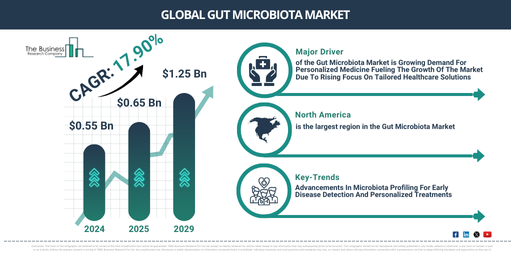
    The size of the gut microbiota market has seen swift expansion in the past few years. Increasing from $0.55 billion in 2024, it’s projected to expand to $0.65 billion in 2025, indicating a compound annual growth rate (CAGR) of 17.9%. Factors such as the unveil of probiotics and prebiotics, a surge in gastrointestinal conditions, rising interest in functional foods, the escalating usage of antibiotics, and heightened awareness about the gut-brain connection have all contributed to growth during the historical period.

    The market for gut microbiota is projected to experience a swift expansion in the coming years, reaching a valuation of $1.25 billion in 2029 with a Compound Annual Growth Rate (CAGR) of 17.9%. The predicted augmentation in the forecast period can be linked to factors such as the increase in personalized nutrition, a surge in demand for microbiome-related therapeutics, growth in the sector of functional and fermented foods, and regulatory encouragement for probiotics and prebiotics. Key trends anticipated in the forecast period include the utilization of artificial Intelligence (AI) for microbiome examination, developments in next-generation sequencing, the use of CRISPR for editing gut microbiota, improvements in intelligent probiotic delivery systems, and the advent of wearable devices specifically designed for monitoring gut health.

    Download a free sample to assess the report’s scope and structure:

    https://www.thebusinessresearchcompany.com/sample.aspx?id=23411&type=smp

    How Are Key Drivers in the Industry Acting as Catalysts for the Growth of theGut Microbiota Market?

    The surge in personalized medicine demand is believed to be a driving force for the expansion of the gut microbiota market in the future. Personalized medicine is focused on customizing treatments to individual patients, taking into account their genetic makeup, environment, and lifestyle choices. This approach aims to optimize results and enhance care quality. The field of genomics and biotechnology is advancing rapidly, allowing detailed genetic profiling and enabling more effective personalized treatment plans with reduced side effects. Gut microbiota greatly benefits from personalized medicine as it allows treatment procedures to be tailored based on a person’s distinct microbiome composition, thus maximizing gut health and improving outcomes for metabolic and digestive disorders. As an example, the Personalized Medicine Coalition (PMC), a nonprofit organization based in the USA, reported in February 2024 that the U.S. Food and Drug Administration (FDA) authorized 26 personalized medicines in 2023. This figure shows a considerable increase from the 12 endorsements given in the previous year, 2022. Consequently, the booming demand for personalized medicine is stimulating the growth of the gut microbiota market.

    Which Segments in the Gut Microbiota Offer the Most Growth?

    The gut microbiotamarket covered in this report is segmented –

    1) By Product: Prebiotics; Probiotics; Drugs; Supplements; Other Products

    2) By Application: Digestive Health; Immune Health; Weight Management; Mental Health; Cardiovascular Health

    3) By Distribution Channel: Pharmacies And Drugstores; Online Retail; Health Food Stores; Supermarkets And Hypermarkets; Specialty Stores

    4) By End-Users: Adults; Children; Elderly

    Subsegments:

    1) By Prebiotics: Fructooligosaccharides (Fos); Galactooligosaccharides (Gos); Inulin; Resistant Starch; Beta-Glucans; Arabinogalactans; Pectins

    2) By Probiotics: Lactobacillus; Bifidobacterium; Saccharomyces; Streptococcus; Bacillus; Escherichia

    3) By Drugs: Antibiotics; Bacteriophage Therapy; Gut Microbiota Modulators; Immunomodulators; Antidiarrheal Agents; Laxatives

    4) By Supplements: Synbiotics; Postbiotics; Enzyme Supplements; Vitamin D Supplements; Omega-3 Fatty Acids; Herbal Extracts

    5) By Other Products: Functional Foods; Fermented Foods; Beverages; Gut Health Diagnostic Kits; Dietary Fiber Products

    Request customized data on this market:

    https://www.thebusinessresearchcompany.com/customise?id=23411&type=smp

    What Are the Fastest-Growing Geographies in the #How Are Key Drivers in the Industry Acting as Catalysts for the Growth of theGut Microbiota Market?# Market?

    North America was the largest region in the gut microbiota market in 2024. Asia-Pacific is expected to be the fastest-growing region in the forecast period. The regions covered in the gut microbiota market report are Asia-Pacific, Western Europe, Eastern Europe, North America, South America, Middle East, Africa.

    What Are the Current Market Growth and Trends in the Gut Microbiota Industry?

    Key firms in the gut microbiota market are working toward creating groundbreaking solutions such as orally consumed fecal microbiota for treating numerous gastrointestinal issues. This treatment involves taking a pill or capsule that contains useful bacteria sourced from a healthy donor’s stool, with the goal of restoring balance to the gut microbiome. In April 2023, the US firm Seres Therapeutics Inc., a key player in the field of microbiome therapeutics, got FDA approval for Vowst – the very first orally consumed fecal microbiota product. This has been engineered to prevent recurrent C. difficile infection (CDI) in people aged 18 or above, to be used post antibacterial treatment for recurrent CDI. This approval constitutes a critical leap forward in CDI treatment, offering an alternative to traditional fecal microbiota transplants that is not only more accessible but also more patient-friendly, as these are usually administered via enema or colonoscopy. This oral formulation could boost adherence to treatment and widen the acceptance of microbiome-based therapies within the healthcare realm.

    View the full report here:

    https://www.thebusinessresearchcompany.com/report/gut-microbiota-global-market-report

    What Are the Key Elements That Define the Gut Microbiota Market?

    Gut microbiota refers to the complex community of microorganisms, including bacteria, viruses, fungi, and other microbes, that reside in the gastrointestinal tract. These microbes play a vital role in digestion, immune function, and overall health by influencing metabolism and protecting against harmful pathogens.

    Purchase the full report and get a swift delivery:

    https://www.thebusinessresearchcompany.com/purchaseoptions.aspx?id=23411

    About The Business Research Company:

    With over 15000+ reports from 27 industries covering 60+ geographies, The Business Research Company has built a reputation for offering comprehensive, data-rich research and insights. Armed with 1,500,000 datasets, the optimistic contribution of in-depth secondary research, and unique insights from industry leaders, you can get the information you need to stay ahead in the game.

    Get in touch with us:

    The Business Research Company: https://www.thebusinessresearchcompany.com/

    Americas +1 310-496-7795

    Europe +44 7882 955267

    Asia & Others +44 7882 955267 & +91 8897263534

    Email us at info@tbrc.info

    Follow us on:

    LinkedIn: https://in.linkedin.com/company/the-business-research-company

    YouTube: https://www.youtube.com/channel/UC24_fI0rV8cR5DxlCpgmyFQ

    Global Market Model: https://www.thebusinessresearchcompany.com/global-market-model

  • BCL-2 Inhibitors Growth Trajectory: Key Forecasts and Strategic Insights

    BCL-2 Inhibitors Growth Trajectory: Key Forecasts and Strategic Insights

    Claim your 30% discount on Global Market Reports with code ONLINE30. Limited time only.

    How Has the BCL-2 Inhibitors Market Growth Performance Trended Historically, And What Lies Ahead?

    The market for bcl-2 inhibitors has seen a swift expansion in recent years. The market size is set to rise from $2.1 billion in 2024 to $2.46 billion in 2025, reflecting a compound annual growth rate (CAGR) of 17.3%. The substantial growth during the historical period is due to elements such as the emphasis on mitigating chemotherapy side effects, increasing incidence of chronic diseases, enhanced healthcare accessibility in burgeoning markets, the development of dual-targeted therapies, a surge in individualized cancer treatments, and rising focus on maintenance therapies.

    Rapid expansion is anticipated in the bcl-2 inhibitors market over the upcoming years, with the market predicted to reach$4.63 billion in 2029, reflecting a compound annual growth rate (CAGR) of 17.1%. The market growth during this forecasted time can be linked to the increased uptake of immuno-oncology treatments, heightened concentration on combination therapies, and growth of healthcare amenities in emerging regions. Significant trends during this forecasted period are expected to be the execution of strategies targeting resistance, amplified global market penetration of Veneto lax, advancements in precision oncology and drug delivery systems, and planned partnerships between pharmaceutical firms.

    Download a free sample to assess the report’s scope and structure:

    https://www.thebusinessresearchcompany.com/sample.aspx?id=20719&type=smp

    Which Factors and External Forces Are Driving Demand in the BCL-2 Inhibitors Market?

    The growth of the BCL-2 inhibitors market is predicted to be fueled by an increasing incidence of blood cancers. These cancers, which disrupt regular blood cell production and function, affect the blood, bone marrow, or lymphatic system. The uptick in blood cancer rates can be attributed to aging populations, improved diagnostic methods, and lifestyle shifts, all contributing to higher detection rates globally. BCL-2 inhibitors serve as a potent weapon against these diseases by reinstating apoptosis in cancer cells, enhancing the treatment results in maladies such as leukemia and lymphoma. For example, Blood Cancer UK, a community based in the UK committed to conquering all forms of blood cancer, reported in August 2022 that blood cancer ranks as the fifth most prevalent cancer in the UK, with over 41,000 new diagnoses each year and roughly 250,000 individuals suffering from the disease. Consequently, the surging incidence of blood cancers is propelling the BCL-2 inhibitors market’s expansion.

    Which Segments in the BCL-2 Inhibitors Offer the Most Growth?

    The bcl-2 inhibitorsmarket covered in this report is segmented –

    1) By Product: Combination Therapy; Monotherapy

    2) By Distribution Channel: Hospital Pharmacies; Retail Pharmacies; Online Pharmacies; Other Distribution Channels

    3) By Application: Chronic Lymphocytic Leukemia; Acute Myeloid Leukemia; Multiple Myeloma; Other Applications

    4) By End-User: Hospitals; Ambulatory Surgical Centers; Pharmacies

    Subsegments:

    1) By Combination Therapy: BCL-2 Inhibitor + Chemotherapy; BCL-2 Inhibitor + Targeted Therapy; BCL-2 Inhibitor + Immunotherapy; BCL-2 Inhibitor + Other Drug Combinations

    2) By Monotherapy: Single-Agent BCL-2 Inhibitor (Venetoclax)

    Request customized data on this market:

    https://www.thebusinessresearchcompany.com/customise?id=20719&type=smp

    What Are the Fastest-Growing Geographies in the #Which Factors and External Forces Are Driving Demand in the BCL-2 Inhibitors Market?# Market?

    North America was the largest region in the BCL-2 inhibitors market in 2024. Asia-Pacific is expected to be the fastest-growing region in the forecast period. The regions covered in the BCL-2 inhibitors market report are Asia-Pacific, Western Europe, Eastern Europe, North America, South America, Middle East, Africa.

    Which Cutting-Edge Market Trends Are Expected to Drive theBCL-2 Inhibitors Market’s Growth?

    Leading businesses in the BCL-2 inhibitors market are working to create novel solutions like selective BCL-2 inhibitors to more efficiently target cancer cells and decrease off-target impacts. A selective BCL-2 inhibitor is a medication that targets and restricts the B-cell lymphoma 2 (BCL-2) protein, a regulator of cell survival that averts cell death or apoptosis. For example, in May 2024, Eilean Therapeutics LLC, a US-based firm specializing in small molecule oncology drug research, initiated a clinical trial for eiletoclax, a selective BCL2 inhibitor intended for treating hematological malignancies including acute myeloid leukemia (AML) and chronic lymphocytic leukemia (CLL). This Phase 1 clinical trial, sanctioned by the Australian Human Research Ethics Committee, is designed to assess the safety and effectiveness of eiletoclax. Preliminary studies have hinted that it has a better safety profile than existing treatments like venetoclax, with less effects on non-malignant immune cells which could possibly enable outpatient therapy and enhance patient tolerability.

    View the full report here:

    https://www.thebusinessresearchcompany.com/report/bcl-2-inhibitors-global-market-report

    What Are the Key Elements That Define the BCL-2 Inhibitors Market?

    BCL-2 inhibitors are drugs that block the BCL-2 protein, which helps cancer cells avoid apoptosis or programmed cell death. These drugs promote cancer cell death, particularly in cancers such as leukemia and lymphoma, where BCL-2 is overexpressed.

    Purchase the full report and get a swift delivery:

    https://www.thebusinessresearchcompany.com/purchaseoptions.aspx?id=20719

    About The Business Research Company:

    With over 15000+ reports from 27 industries covering 60+ geographies, The Business Research Company has built a reputation for offering comprehensive, data-rich research and insights. Armed with 1,500,000 datasets, the optimistic contribution of in-depth secondary research, and unique insights from industry leaders, you can get the information you need to stay ahead in the game.

    Get in touch with us:

    The Business Research Company: https://www.thebusinessresearchcompany.com/

    Americas +1 310-496-7795

    Europe +44 7882 955267

    Asia & Others +44 7882 955267 & +91 8897263534

    Email us at info@tbrc.info

    Follow us on:

    LinkedIn: https://in.linkedin.com/company/the-business-research-company

    YouTube: https://www.youtube.com/channel/UC24_fI0rV8cR5DxlCpgmyFQ

    Global Market Model: https://www.thebusinessresearchcompany.com/global-market-model

  • Global GI Stool Testing Market Projected to Reach $1.86 Billion by 2029 at a CAGR of 7.3%

    Global GI Stool Testing Market Projected to Reach $1.86 Billion by 2029 at a CAGR of 7.3%

    Claim your 30% discount on Global Market Reports with code ONLINE30. Limited time only.

    What is the Projected CAGR for the GI Stool Testing Market Size from 2025 to 2034?

    In recent times, there has been a significant increase in the size of the gi stool testing market. It’s projected to expand from a worth of $1.32 billion in 2024 to a value of $1.41 billion in 2025, at a compound annual growth rate (CAGR) of 6.5%. The driving factors behind this growth in the previous phase include the increased incidence of gastrointestinal diseases, heightened knowledge about the importance of gut health, the rising use of automated systems, an increase in disposable income, and an expanding older population.

    In the upcoming years, the gi stool testing market size is anticipated to witness significant expansion, predicted to reach$1.86 billion by 2029″ with a compound annual growth rate (CAGR) of 7.3%. The surge in the market during the forecast period can be credited to the rising demand for effective diagnostic tools, elevated occurrence of colorectal cancer, increased spending on healthcare, higher intake of fast food, and an expanded focus on individualized treatment approaches. Key trends within this forecast period encompass ground-breaking diagnostic methods, molecular diagnostic advances, progression in biologics, tailored medicine, and strategic partnerships.

    Download a free sample to assess the report’s scope and structure:

    https://www.thebusinessresearchcompany.com/sample.aspx?id=23410&type=smp

    What Are the Major Market Drivers Behind the Rising Adoption of GI Stool Testing Market?

    The escalation of gastrointestinal disorders is anticipated to drive the expansion of the GI stool testing market in the future. Gastrointestinal issues are diseases that impact the digestive system, encompassing the stomach, intestines, and associated organs, eliciting symptoms like nausea, diarrhea, constipation, and stomach pain. The hike in gastrointestinal disorders is primarily attributed to substandard dietary practices, as the overconsumption of processed foods, large sugar content, and fiber-deficient diets can interfere with gut microbiota, impair digestive well-being, and feed into disorders like acid reflux, irritable bowel syndrome (IBS), and inflammatory bowel disease (IBD). GI stool testing is needed in the case of gastrointestinal disorders to spot infections, inflammations, or digestive imbalances, as it is effective in identifying pathogens (bacteria, viruses, parasites), indicators of gut inflammation, and digestive enzyme insufficiencies, facilitating precise diagnosis and specific treatment. For example, in September 2024, the Centers for Disease Control and Prevention, a government body situated in the US, noted that, between 2024 and 2025, NoroSTAT-involved states reported 1,676 norovirus outbreaks, signaling a stark increase from the 729 outbreaks accounted for during the equivalent period in the previous season. Hence, the escalating prevalence of gastrointestinal disorders is boosting the GI stool testing market’s growth.

    Which Key Market Segments Comprise the GI Stool Testing Market and Drive Its Revenue Growth?

    The gi stool testingmarket covered in this report is segmented –

    1) By Type: Immunoassay Test; Molecular Diagnostic Test; Chromatography-Based Test; Microbiological Culture Test; Enzyme-Linked Immunosorbent Assay (ELISA)

    2) By Sample Type: Fecal Samples; Serum Samples

    3) By Equipment: Automated Analyzers; Benchtop Instruments; Portable Devices

    4) By Application: Diagnosis Of Gastrointestinal Disorders; Screening For Colorectal Cancer; Monitoring Of Inflammatory Bowel Disease (IBD); Detection Of Gastrointestinal Infections; Evaluation Of Digestive Health

    5) By End User: Hospital; Diagnostic Centre And Laboratory; Academic Institution; Research Centre Organization; Homecare; Other End Users

    Subsegments:

    1) By Immunoassay Test: Rapid Immunoassay; Lateral Flow Assay; Fluorescent Immunoassay

    2) By Molecular Diagnostic Test: Polymerase Chain Reaction (PCR); Nucleic Acid Amplification Test (NAAT); Next-Generation Sequencing (NGS)

    3) By Chromatography-Based Test: Gas Chromatography (GC); Liquid Chromatography (LC); Thin-Layer Chromatography (TLC)

    4) By Microbiological Culture Test: Aerobic Culture; Anaerobic Culture; Selective Media Culture

    5) By Enzyme-Linked Immunosorbent Assay (ELISA): Direct ELISA; Indirect ELISA; Sandwich ELISA; Competitive ELISA

    Request customized data on this market:

    https://www.thebusinessresearchcompany.com/customise?id=23410&type=smp

    Which Areas Are Leading Regions in the GI Stool Testing Market Expansion Across the Globe?

    North America was the largest region in the GI stool testing market in 2024. Asia-Pacific is expected to be the fastest-growing region in the forecast period. The regions covered in the gi stool testing market report are Asia-Pacific, Western Europe, Eastern Europe, North America, South America, Middle East, Africa.

    What Key Trends Are Shaping the Future of the GI Stool Testing Market?

    Major firms in the GI stool testing market are targeting more advanced testing technologies like comprehensive diagnostic tests, to enhance precision, speed, and early detection of diseases. Comprehensive diagnostic tests are highly advanced medical tools capable of assessing various health parameters at the same time for a completely thorough evaluation of a condition. For instance, EmeritusDX, a company specializing in diagnostics based in the US, introduced GI Detect in November 2024. GI Detect is an innovative comprehensive diagnostic test built to assist healthcare providers in pinpointing gastrointestinal conditions. The test employs a single stool swab to identify 26 bacteria, viruses, and parasites linked to digestive disturbances, boasting a 24-hour turnaround time, thus facilitating quick and informed medical decisions. Apart from extensive pathogen detection, Helicobacter pylori and its virulence elements—VacA, cagA, and babA—and mainstream gastrointestinal parasites like Cryptosporidium, Entamoeba histolytica, and Giardia lamblia are also screened. This all-encompassing method guarantees correct and timely diagnosis of gastrointestinal infections.

    View the full report here:

    https://www.thebusinessresearchcompany.com/report/gi-stool-testing-global-market-report

    How Is the GI Stool Testing Market Conceptually Defined?

    Gastrointestinal (GI) stool testing refers to the analysis of stool samples to assess gastrointestinal health and detect infections, digestive disorders, and inflammatory conditions. It helps identify microbial imbalances, digestive enzyme deficiencies, and markers of gut inflammation. This non-invasive diagnostic method supports early disease detection and personalized treatment planning.

    Purchase the full report and get a swift delivery:

    https://www.thebusinessresearchcompany.com/purchaseoptions.aspx?id=23410

    About The Business Research Company:

    With over 15000+ reports from 27 industries covering 60+ geographies, The Business Research Company has built a reputation for offering comprehensive, data-rich research and insights. Armed with 1,500,000 datasets, the optimistic contribution of in-depth secondary research, and unique insights from industry leaders, you can get the information you need to stay ahead in the game.

    Get in touch with us:

    The Business Research Company: https://www.thebusinessresearchcompany.com/

    Americas +1 310-496-7795

    Europe +44 7882 955267

    Asia & Others +44 7882 955267 & +91 8897263534

    Email us at info@tbrc.info

    Follow us on:

    LinkedIn: https://in.linkedin.com/company/the-business-research-company

    YouTube: https://www.youtube.com/channel/UC24_fI0rV8cR5DxlCpgmyFQ

    Global Market Model: https://www.thebusinessresearchcompany.com/global-market-model