Blog

  • Next-Gen B-Cell Maturation Antigen (BCMA) Targeted Therapies : Market Forecast, Transformation, and Long-Term Trajectories

    Next-Gen B-Cell Maturation Antigen (BCMA) Targeted Therapies : Market Forecast, Transformation, and Long-Term Trajectories

    Claim your 30% discount on Global Market Reports with code ONLINE30. Limited time only.

    What Are the Projected Market Size and Growth Rates for the B-Cell Maturation Antigen (BCMA) Targeted Therapies Market From 2025 To 2029?

    The market size for therapies targeting b-cell maturation antigen (bcma) has seen significant expansion in recent years. It’s projected to rise from $12.17 billion in 2024 to $15.09 billion in 2025, with a compound annual growth rate (CAGR) of 24.0%. This growth during the historical period can be attributed to various factors such as increasing attention towards hematologic malignancies, escalating investments in oncology research, a burgeoning demand for personalized treatments, a growing preference for CAR-T cell therapies, and an increase in healthcare spending.

    The market size for b-cell maturation antigen (bcma) targeted therapies is forecast to experience a surge in the subsequent years, growing to$35.81 billion in 2029 with a compound annual growth rate (CAGR) of 24.1%. The driving forces behind the predicted growth in the forecast period are due to an increased focus on cancer research, a shift towards specific molecular markers, a rising incidence of cancers, a surge in biotech investments, and a climbing utilization of cell and gene therapies. In the forecast period, the main market trends are anticipated to be innovations like CRISPR technology, progress in gene-editing technologies, advancements in next-generation car-t cell therapies, improved targeted antibody-drug conjugates, and the evolution of ready-made treatments.

    Download a free sample to assess the report’s scope and structure:

    https://www.thebusinessresearchcompany.com/sample.aspx?id=20718&type=smp

    Which Major Market Drivers Are Expected to Boost the Growth Potential of the B-Cell Maturation Antigen (BCMA) Targeted Therapies Market?

    The upward trajectory of multiple myeloma incidents is anticipated to stimulate the development of the market for b-cell maturation antigen (BCMA) targeted therapies. Multiple myeloma, a type of cancer that predominantly impacts plasma cells – vital elements of the immune system for antibody production – has seen an increase in its incidence. Factors such as an aging global populace, advancements in diagnostic procedures, and healthcare accessibility variances contribute to this increment. BCMA targeted therapies mark a significant milestone in multiple myeloma treatment by focussing on malignant plasma cells expressing BCMA, paving the way for more efficient and specific treatment. For instance, in 2024, the American Cancer Society reported an estimated 35,780 new instances of multiple myeloma in the United States, including 19,520 in men and 16,260 in women. Furthermore, a projected 12,540 deaths were recorded, consisting of 7,020 males and 5,520 females. Hence, the escalating incidence of multiple myeloma is a significant driver for the growth of the BCMA targeted therapies market.

    Which Key Market Segments Comprise the B-Cell Maturation Antigen (BCMA) Targeted Therapies Market and Drive Its Revenue Growth?

    The b-cell maturation antigen (bcma) targeted therapiesmarket covered in this report is segmented –

    1) By Product Type: Antibody Drug Conjugates; Chimeric Antigen Receptor T (CAR-T)-Cell Therapy; Bispecific Antibodies

    2) By Indication Type: Acute Lymphoblastic Leukemia; Multiple Myeloma

    3) By End User: Hospitals; Specialty Clinics; Home Care Settings

    Subsegments:

    1) By Antibody Drug Conjugates: BCMA-Targeted ADCs (Antibody-Drug Conjugates); Linker-Payload Technology-Based BCMA ADCs

    2) By Chimeric Antigen Receptor T (CAR-T)-Cell Therapy: BCMA CAR-T Cells (Autologous); Allogeneic BCMA CAR-T Cells

    3) By Bispecific Antibodies: BCMA x CD3 Bispecific Antibodies; BCMA x CD28 Bispecific Antibodies

    Request customized data on this market:

    https://www.thebusinessresearchcompany.com/customise?id=20718&type=smp

    Which Areas Are Leading Regions in the B-Cell Maturation Antigen (BCMA) Targeted Therapies Market Expansion Across the Globe?

    North America was the largest region in the B-cell maturation antigen (BCMA) targeted therapies market in 2024. The regions covered in the B-cell maturation antigen (BCMA) targeted therapies market report are Asia-Pacific, Western Europe, Eastern Europe, North America, South America, Middle East, Africa.

    What Are the Key Market Trends in theB-Cell Maturation Antigen (BCMA) Targeted Therapies Market Over the Coming Years?

    Prominent firms functioning in the B-cell maturation antigen (BCMA) targeted therapies industry are directing their efforts toward the development of groundbreaking treatments such as CAR-T cell therapy to heighten the accuracy and effectiveness of cancer cell targeting. This type of immunotherapy adjusts the patient’s T cells to convey chimeric antigen receptors (CARs) specifically intended to identify and eradicate cancer cells. For instance, Johnson & Johnson, a pharmaceutical titan based in the US, was granted approval by the U.S. Food and Drug Administration (FDA) for its CARVYKTI in April 2024. CARVYKTI (ciltacabtagene autoleucel) is a BCMA-oriented, genetically altered autologous T-cell immunotherapy prescribed for adult patients suffering from relapse or unresponsive multiple myeloma that have undergone at least one previous line of therapy and are resistant to lenalidomide.

    View the full report here:

    https://www.thebusinessresearchcompany.com/report/b-cell-maturation-antigen-bcma-targeted-therapies-global-market-report

    How Is the B-Cell Maturation Antigen (BCMA) Targeted Therapies Market Conceptually Defined?

    B-cell maturation antigen (BCMA) targeted therapies refer to a class of treatments designed to specifically target BCMA, a protein expressed on the surface of mature B-cells and plasma cells. BCMA is a member of the tumor necrosis factor (TNF) receptor superfamily and plays a key role in B-cell development, survival, and differentiation into plasma cells. BCMA-targeted therapies represent a significant advancement in the treatment of multiple myeloma, offering effective options for patients with relapsed or refractory disease.

    Purchase the full report and get a swift delivery:

    https://www.thebusinessresearchcompany.com/purchaseoptions.aspx?id=20718

    About The Business Research Company:

    With over 15000+ reports from 27 industries covering 60+ geographies, The Business Research Company has built a reputation for offering comprehensive, data-rich research and insights. Armed with 1,500,000 datasets, the optimistic contribution of in-depth secondary research, and unique insights from industry leaders, you can get the information you need to stay ahead in the game.

    Get in touch with us:

    The Business Research Company: https://www.thebusinessresearchcompany.com/

    Americas +1 310-496-7795

    Europe +44 7882 955267

    Asia & Others +44 7882 955267 & +91 8897263534

    Email us at info@tbrc.info

    Follow us on:

    LinkedIn: https://in.linkedin.com/company/the-business-research-company

    YouTube: https://www.youtube.com/channel/UC24_fI0rV8cR5DxlCpgmyFQ

    Global Market Model: https://www.thebusinessresearchcompany.com/global-market-model
  • Global Urinary Incontinence Market Trends: Regional Breakdowns and Strategic Insights

    Global Urinary Incontinence Market Trends: Regional Breakdowns and Strategic Insights

    Claim your 30% discount on Global Market Reports with code ONLINE30. Limited time only.

    How Has The Urinary Incontinence Market Size Shifted, And What Is the Outlook Through 2034?

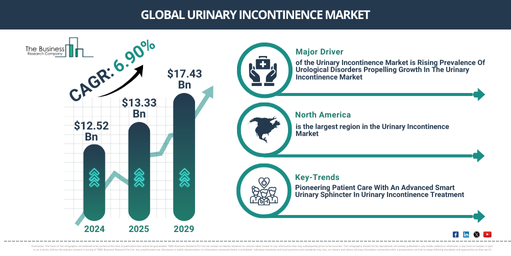
    The market size for urinary incontinence has seen robust growth in the past few years. It is projected to expand from $12.52 billion in 2024 to $13.33 billion in 2025, reflecting a compound annual growth rate (CAGR) of 6.5%. The historical growth of this market can be linked to factors such as an aging population, increased understanding and awareness of urinary incontinence, a rising occurrence of this condition, greater accessibility to healthcare services, along with growing disposable incomes.

    The market size for urinary incontinence is poised for robust expansion in the coming years, with an estimated growth rate expectancy of reaching $17.43 billion by 2029, showcasing a compound annual growth rate (CAGR) of 6.9%. This predicted growth during the forecast period can be credited to several factors such as the rising occurrence of comorbid conditions, lifestyle determinants, health strategies geared towards entire populations, and increased spending on healthcare. Notable trends expected during the forecast timeframe consist of advancements in medical science, the introduction of innovative technologies, non-invasive treatment approaches, advancements in digital health and mHealth, creative product designs, and a greater focus on patient-centered care.

    Download a free sample to assess the report’s scope and structure:

    https://www.thebusinessresearchcompany.com/sample.aspx?id=12946&type=smp

    What Are the Major Market Drivers Behind the Rising Adoption of Urinary Incontinence Market?

    The escalating incidences of urological disorders are expected to accelerate the expansion of the urinary incontinence market. Urological disorders, also recognized as urologic conditions, denote an extensive scope of medical disorders that impact the urinary system and male reproductive organs, comprising the kidneys, bladder, ureters, urethra, and male reproductive organs such as the prostate and testes. The mounting prevalence of urological disorders, especially conditions like urinary incontinence, boosts the demand for products and treatments to tackle these issues. This is further catalyzed by enhanced awareness, improved diagnostics, innovations in healthcare and medicine, and stronger healthcare frameworks. To illustrate, in January 2023, the American Cancer Society Inc., a US voluntary organization for cancer awareness, reported that the number of estimated urinary bladder cancer cases escalated to 82,290 in 2023, marking an increase of 1.1% from 81,400 in 2020. Hence, the rise in incidences of urological disorders will further stimulate the growth of the urinary incontinence market.

    Which Key Market Segments Comprise the Urinary Incontinence Market and Drive Its Revenue Growth?

    The urinary incontinencemarket covered in this report is segmented –

    1) By Type: Urge Incontinence; Stress Incontinence; Overflow Incontinence; Functional Incontinence

    2) By Treatment Type: Medication; Devices; Other Treatments

    3) By Route Of Administration: Oral; Parenteral; Other Routes Of Administrations

    4) By Diagnosis: Physical Exam; Pad Test; Urodynamic Testing; Cystoscopy; Stress Test; Ultrasound; Urine Samples

    5) By End-Users: Hospitals; Specialty Clinics; Homecare; Other End-Users

    Subsegments:

    1) By Urge Incontinence: Overactive Bladder; Urinary Urgency

    2) By Stress Incontinence: Involuntary Leakage During Physical Activity; Coughing Or Sneezing

    3) By Overflow Incontinence: Chronic Urinary Retention; Frequent Or Constant Dribbling

    4) By Functional Incontinence: Cognitive Impairment; Physical Limitations

    Request customized data on this market:

    https://www.thebusinessresearchcompany.com/customise?id=12946&type=smp

    Which Areas Are Leading Regions in the Urinary Incontinence Market Expansion Across the Globe?

    North America was the largest region in the urinary incontinence market in 2024. The regions covered in urinary incontinence market report are Asia-Pacific, Western Europe, Eastern Europe, North America, South America, Middle East and Africa.

    What Are the Strategic Trends Steering theUrinary Incontinence Market Direction?

    Leading firms in the urinary incontinence market are progressively adopting cutting-edge technologies and innovative strategies to bolster patient care and the results of treatments. In a case from July 2023, UroMems SAS, a biotechnology firm from France, successfully implanted the UroActive smart, automated artificial urinary sphincter (AUS) in a female patient as a solution to stress urinary incontinence (SUI) among women. This ground-breaking UroActive device boasts a myoelectrical mechanical system (MEMS) aimed at addressing the unfulfilled need for a definitive SUI solution for women. The procedure, which took place at La Pitié-Salpêtrière University Hospital in Paris, was robot-assisted and gained regulatory approval from the French equivalent of the FDA. The UroActive device’s adjustable and smart features, together with its minimally invasive methodology, are intended to enhance the quality of life of patients.

    View the full report here:

    https://www.thebusinessresearchcompany.com/report/urinary-incontinence-global-market-report

    How Is the Urinary Incontinence Market Conceptually Defined?

    Urinary incontinence is a medical condition characterized by the unintentional loss of urine, ranging from occasional leaks to a complete inability to control urination. Weakened pelvic floor muscles, hormonal changes, obesity, neurological conditions, urinary tract infections, medications and pregnancy can cause urinary incontinence.

    Purchase the full report and get a swift delivery:

    https://www.thebusinessresearchcompany.com/purchaseoptions.aspx?id=12946

    About The Business Research Company:

    With over 15000+ reports from 27 industries covering 60+ geographies, The Business Research Company has built a reputation for offering comprehensive, data-rich research and insights. Armed with 1,500,000 datasets, the optimistic contribution of in-depth secondary research, and unique insights from industry leaders, you can get the information you need to stay ahead in the game.

    Get in touch with us:

    The Business Research Company: https://www.thebusinessresearchcompany.com/

    Americas +1 310-496-7795

    Europe +44 7882 955267

    Asia & Others +44 7882 955267 & +91 8897263534

    Email us at info@tbrc.info

    Follow us on:

    LinkedIn: https://in.linkedin.com/company/the-business-research-company

    YouTube: https://www.youtube.com/channel/UC24_fI0rV8cR5DxlCpgmyFQ

    Global Market Model: https://www.thebusinessresearchcompany.com/global-market-model
  • Balloon Catheters Market Overview 2025: Competitive Shifts, Forecast Models, and Emerging Opportunities

    Balloon Catheters Market Overview 2025: Competitive Shifts, Forecast Models, and Emerging Opportunities

    Claim your 30% discount on Global Market Reports with code ONLINE30. Limited time only.

    What Is the Estimated Market Size of the Balloon Catheters Market In 2029?

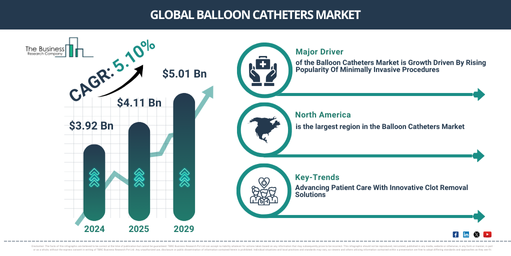
    In recent times, there has been a stable expansion in the size of the balloon catheters market. It is forecasted to increase from $3.92 billion in 2024 to $4.11 billion in 2025, exhibiting a compound annual growth rate (CAGR) of 4.8%. The growth during the historical period is due to factors such as an amplified emphasis on managing chronic illnesses, a rise in cases of cardiovascular diseases, a growing emphasis on patient-specific treatment, an inclining geriatric population, and a heightened demand for improved catheter performance.

    The size of the balloon catheters market is anticipated to witness robust expansion in the coming years, with a predicted growth to$5.01 billion in 2029 at a Compound Annual Growth Rate (CAGR) of 5.1%. This growth during the forecast period can be credited to factors such as enhanced healthcare expenditure, the growth of endovascular procedures, a surge in research and development activities, the rising usage of balloon catheters in non-cardiac applications, and the broadening of healthcare availability in emerging markets. Key trends during the forecast period are likely to include the deployment of balloon-assisted stents, advancement in inflation mechanisms, advanced imaging customization, and integration with wearable and remote monitoring tools.

    Download a free sample to assess the report’s scope and structure:

    https://www.thebusinessresearchcompany.com/sample.aspx?id=20717&type=smp

    What Are the Core Growth Drivers Propelling the Balloon Catheters Market Forward?

    The anticipated growth of the balloon catheters market is tied in with the increasing adoption of minimally invasive surgeries. Such procedures, known as minimally invasive surgeries (MIS), are less invasive in comparison to traditional surgeries, thereby reducing the requirement of substantial incisions. This growing inclination towards MIS is primarily due to their advantages, such as decreased recovery period, diminished chances of complications, minimal pain, and ongoing advances in technology and outpatient procedures. Balloon catheters significantly contribute to bolstering the advantages of MIS by enhancing the accuracy, safety, and convenience of the processes, concurrently decreasing the recovery period and the duration of hospital stays. To exemplify, Intuitive Surgical Inc., a company in the US producing robotic products, revealed in January 2024 that they installed 415 units of da Vinci surgical systems (robotic surgical systems utilizing a minimally invasive surgical method) in the final quarter of 2023, marking a rise of 12% in comparison to 2022. Subsequently, this rising proclivity towards minimally invasive surgeries acts as a growth catalyst in the balloon catheters market.

    What Segment Types Define the Balloon Catheters Market Structure?

    The balloon cathetersmarket covered in this report is segmented –

    1) By Type: Percutaneous Transluminal Coronary Angioplasty (PTCA) Balloon Catheters; Chronic Total Occlusion (CTO) Balloon Catheters; Microcatheters

    2) By Product Type: Normal Balloon Catheter; Drug Eluting Balloon Catheter; Cutting Balloon Catheter; Stent Graft Balloon Catheter; Scoring Balloon Catheter

    3) By Distribution Channel: Direct Tender; Third Party Distribution; Other Distribution Channels

    4) By Application: Coronary Artery Disease; Peripheral Artery Disease; Other Applications

    5) By End User: Hospitals; Specialty Centers; Ambulatory Surgery Centers; Other End Users

    Subsegments:

    1) By Percutaneous Transluminal Coronary Angioplasty (PTCA) Balloon Catheters: Semi-Compliant Balloon Catheters; Non-Compliant Balloon Catheters

    2) By Chronic Total Occlusion (CTO) Balloon Catheters: High-Pressure CTO Balloon Catheters; Low-Profile CTO Balloon Catheters

    3) By Microcatheters: Diagnostic Microcatheters; Therapeutic Microcatheters

    Request customized data on this market:

    https://www.thebusinessresearchcompany.com/customise?id=20717&type=smp

    Which Geographic Areas Hold the Strongest Growth Potential in the Balloon Catheters Market?

    North America was the largest region in the balloon catheters market in 2024. Asia-Pacific is expected to be the fastest-growing region in the forecast period. The regions covered in the balloon catheters market report are Asia-Pacific, Western Europe, Eastern Europe, North America, South America, Middle East, Africa.

    Which Emerging Trends that Are Influencing theBalloon Catheters Industry Evolution?

    Key players in the balloon catheters market, such as CERENOVUS, are innovating in the area of Mechanical Thrombectomy (MT) solution development to enhance the effectivity of blood clot removal. Consistent control over blood flow in the course of these surgical interventions is needed to perform this minimally invasive procedure designed to remove blood clots, commonly in instances of ischemic stroke. For example, CERENOVUS, a neurovascular department under Johnson & Johnson Medical Devices Companies, introduced the EMBOGUARD Balloon Guide Catheter to the European market in September 2024. This equipment is engineered for endovascular operations, which include the treatment of acute ischemic stroke. With its capacity to locally manage blood flow during Mechanical Thrombectomy, the EMBOGUARD catheter enhances the effectiveness of clot elimination. It has proven to increase first-pass recanalization rates, reduce procedure durations, and decrease the chance of clot particle formation that potentially initiates distal emboli and subsequent ischemic events. The EMBOGUARD Balloon Guide Catheter is a component of the CERENOVUS Stroke Solutions range, a compilation of technologies engineered to support medical professionals during MT procedures.

    View the full report here:

    https://www.thebusinessresearchcompany.com/report/balloon-catheters-global-market-report

    What Is the Definition of the Balloon Catheters Market?

    Balloon catheters refer to medical devices used in various medical procedures, particularly in minimally invasive surgeries. These catheters have a small, flexible tube with an inflatable balloon at the tip. They are typically used to treat narrowed or blocked blood vessels, such as in angioplasty procedures, where the balloon is inflated to dilate or open up constricted areas within blood vessels.

    Purchase the full report and get a swift delivery:

    https://www.thebusinessresearchcompany.com/purchaseoptions.aspx?id=20717

    About The Business Research Company:

    With over 15000+ reports from 27 industries covering 60+ geographies, The Business Research Company has built a reputation for offering comprehensive, data-rich research and insights. Armed with 1,500,000 datasets, the optimistic contribution of in-depth secondary research, and unique insights from industry leaders, you can get the information you need to stay ahead in the game.

    Get in touch with us:

    The Business Research Company: https://www.thebusinessresearchcompany.com/

    Americas +1 310-496-7795

    Europe +44 7882 955267

    Asia & Others +44 7882 955267 & +91 8897263534

    Email us at info@tbrc.info

    Follow us on:

    LinkedIn: https://in.linkedin.com/company/the-business-research-company

    YouTube: https://www.youtube.com/channel/UC24_fI0rV8cR5DxlCpgmyFQ

    Global Market Model: https://www.thebusinessresearchcompany.com/global-market-model

  • Urgent Care Apps Market Outlook 2025: Mapping Growth, Innovation, and Regional Shifts

    Urgent Care Apps Market Outlook 2025: Mapping Growth, Innovation, and Regional Shifts

    Claim your 30% discount on Global Market Reports with code ONLINE30. Limited time only.

    How Has the Urgent Care Apps Market Growth Performance Trended Historically, And What Lies Ahead?

    In recent times, the market size of urgent care apps has seen significant expansion. It is forecasted that the market will expand from a valuation of $3.26 billion in 2024 to $4.5 billion in 2025, indicating a compound annual growth rate (CAGR) of 38.3%. Factors contributing to this progress throughout the historical period include the increased penetration of smartphones, a rise in medical expenditures, broader access to the internet, and a higher frequency of accidents.

    In the coming years, the market size for urgent care apps is anticipated to witness explosive growth. The market is predicted to expand to a value of $16.87 billion by 2029, reflecting a compound annual growth rate (CAGR) of 39.1%. Factors contributing to this surge during the forecast period include the escalating demand for sophisticated computing solutions, increased use of telehealth and telemedicine, the adoption of mHealth apps, rising instances of chronic diseases, and a heightened focus on data privacy and security. The forecast period is also expected to see key trends in the market such as technological progressions, product breakthroughs, state-of-the-art solutions, strategic alliances, and incorporation of technologies in smartphones.

    Download a free sample to assess the report’s scope and structure:

    https://www.thebusinessresearchcompany.com/sample.aspx?id=14216&type=smp

    What External and Internal Drivers Are Contributing to the Growth of theUrgent Care Apps Market?

    The escalation in long-lasting ailments like diabetes is predicted to stimulate the advancement of the urgent care apps market in the coming years. Chronic diseases are persistent medical issues that generally extend to three months or beyond, typically necessitating regular oversight and care. Diabetes, a long-term metabolic disease, is identified by heightened blood glucose or blood sugar levels which can lead to serious damage to the heart, blood vessels, and various other organs in the body over time. With the aid of urgent care apps, diabetic individuals can manage their health more efficaciously, enhance their quality of life, and alleviate the strain on healthcare systems. These apps also assist diabetic individuals in tracking and observing their symptoms, enabling them to recognize patterns and trends in their health condition. For example, in January 2023, the National Institutes of Health, a government agency in the US, projected that by 2035, about 35.66% (range: 33.36–36.04) of adults aged 50 and above are expected to have a minimum of one chronic illness, a figure projected to ascend to 47.81% (range: 46.09–49.71) by 2050. Consequently, the escalating prevalence of chronic diseases like diabetes is catalyzing the expansion of the urgent care app market.

    What Segment Types Define the Urgent Care Apps Market Structure?

    The urgent care appsmarket covered in this report is segmented –

    1) By Type: Pre-Hospital Emergency Care And Triaging Apps; In-Hospital Communication And Collaboration Apps; Post-Hospital Apps

    2) By Technology: Phone-Based Apps; Web-Based Apps; Wearable Patient Centric Apps

    3) By Clinical Area: Trauma; Stroke; Cardiac Conditions; Other Clinical Areas

    Subsegments:

    1) By Pre-Hospital Emergency Care And Triaging Apps: Symptom Checker Apps; Triage Apps; Remote Patient Monitoring Apps

    2) By In-Hospital Communication And Collaboration Apps: Secure Messaging Apps; Team Collaboration Tools; Patient Management Systems

    3) By Post-Hospital Apps: Follow-Up Care Apps; Medication Management Apps; Telehealth Apps

    Request customized data on this market:

    https://www.thebusinessresearchcompany.com/customise?id=14216&type=smp

    Which Geographic Areas Hold the Strongest Growth Potential in the Urgent Care Apps Market?

    North America was the largest region in the urgent care apps market in 2024. Asia-Pacific is expected to be the fastest-growing region in the forecast period. The regions covered in the urgent care apps market report are Asia-Pacific, Western Europe, Eastern Europe, North America, South America, Middle East, Africa.

    What Long-Term Trends Are Transforming the Competitive Landscape of the Urgent Care Apps Market?

    Major corporations in the urgent care apps market are shifting their attention to the development of technologically advanced solutions including the Cedars-Sinai Connect app and AI-powered urgent care applications, in order to maintain their competitive advantage. Cedars-Sinai Connect app is an electronic health platform that employs AI technology to provide users with convenient and fast access to healthcare services. These platforms assist users in locating and requesting help from the nearest urgent care facilities, as well as acquiring information about urgent and emergency medical scenarios. For example, in October 2023, the well-known American health science and medical center, Cedars-Sinai, launched the Cedars-Sinai Connect app. This new mHealth tool, driven by artificial intelligence, provides patients across the USA with a wide range of virtual care options for different health conditions. The app gives access to same-day primary care appointments and 24/7 virtual access to medical specialists for emergency treatment. The app caters to a range of health issues including type 2 diabetes, headaches, colds, anxiety, wellness appointments and expert consultations. This AI-integrated app enables both new and existing patients to provide their symptoms and other health information via a guided intake process. The app then assesses this information and forwards it to a medical professional for evaluation. Following this, the patient and the healthcare provider can engage in further communication via video.

    View the full report here:

    https://www.thebusinessresearchcompany.com/report/urgent-care-apps-global-market-report

    What Is the Definition of the Urgent Care Apps Market?

    Urgent care apps refer to digital health applications that enable users to locate and map the closest urgent care facilities, obtain information on urgent and emergency conditions, and get healthcare services quickly and conveniently. These apps are designed to increase patient safety, facilitate access to care, and support the provision of more effective and efficient healthcare.

    Purchase the full report and get a swift delivery:

    https://www.thebusinessresearchcompany.com/purchaseoptions.aspx?id=14216

    About The Business Research Company:

    With over 15000+ reports from 27 industries covering 60+ geographies, The Business Research Company has built a reputation for offering comprehensive, data-rich research and insights. Armed with 1,500,000 datasets, the optimistic contribution of in-depth secondary research, and unique insights from industry leaders, you can get the information you need to stay ahead in the game.

    Get in touch with us:

    The Business Research Company: https://www.thebusinessresearchcompany.com/

    Americas +1 310-496-7795

    Europe +44 7882 955267

    Asia & Others +44 7882 955267 & +91 8897263534

    Email us at info@tbrc.info

    Follow us on:

    LinkedIn: https://in.linkedin.com/company/the-business-research-company

    YouTube: https://www.youtube.com/channel/UC24_fI0rV8cR5DxlCpgmyFQ

    Global Market Model: https://www.thebusinessresearchcompany.com/global-market-model

  • From Insight to Impact: Strategic Growth Mapping in the Artificial Neural Network Market

    From Insight to Impact: Strategic Growth Mapping in the Artificial Neural Network Market

    Claim your 30% discount on Global Market Reports with code ONLINE30. Limited time only.

    How Fast Is The Artificial Neural Network Market Expected to Grow Between 2025 And 2029?

    The market size of the artificial neural network has seen significant expansion recently. It is predicted that it will increase from $0.49 billion in 2024 to $0.58 billion in 2025, with a compound annual growth rate (CAGR) of 18.1%. Factors contributing to this growth during the historical period include a rise in cyberattacks, a growing requirement for AI and automation, development in self-sustained systems, a surge in the adoption of the Internet of Things (IoT), and enhanced cloud adoption.

    The market size for artificial neural networks is predicted to experience a swift expansion in the coming years, reaching$1.09 billion in 2029 with a compound annual growth rate (CAGR) of 17.2%. The anticipated growth within this period can be linked to the growing demand for artificial intelligence (AI) in various sectors, a rise in the need for cloud-based services, an increased adoption of voice assistants and conversational AI, growing usage in healthcare and drug discovery, and an upsurge in big data volumes. Key trends during this forecast period are expected to be developments in machine learning and neural networks, integration with big data and analytics, connectivity with IoT and edge computing, integration with hybrid cloud and edge, and integration with 5G networks.

    Download a free sample to assess the report’s scope and structure:

    https://www.thebusinessresearchcompany.com/sample.aspx?id=20716&type=smp

    What are the Fundamental Drivers and Innovations Shaping the Artificial Neural Network Market?

    The surge in demand for cloud-based solutions is projected to fuel the expansion of the artificial neural network market in the future. By definition, a cloud-based solution is a service or application running on remote servers via the internet, as opposed to being stationed on local servers or devices. The growing interest in such solutions is credited to their scalability, cost-effectiveness, improved information availability, and facilitation of remote collaboration, addressing the changing requirements of contemporary businesses. Artificial neural networks amplify the value of cloud-based solutions by providing sophisticated data processing, predictive analytics, and smart decision-making abilities for enhanced performance and scalability. For example, Eurostat, a Luxembourg-based government agency in the EU, noted in December 2023 that the percentage of businesses purchasing cloud computing services experienced a growth of 4.2 percentage points in 2023 relative to 2021. Consequently, the rising demand for cloud-based solutions is triggering the evolution of the artificial neural network (ANN) market.

    How Is the Artificial Neural Network Market Segmented?

    The artificial neural networkmarket covered in this report is segmented –

    1) By Component: Solutions; Platform Or Application Programming Interface (API); Services

    2) By Deployment Mode: On-Premises; Cloud

    3) By Enterprise: Large Enterprises; Small And Medium Enterprises

    4) By Application: Image Recognition; Signal Recognition; Data Mining

    5) By End-User: Banking, Financial Services, and Insurance (BFSI); Retail And E-Commerce; IT And Telecom; Manufacturing; Healthcare; Automotive

    Subsegments:

    1) By Solutions: Software Solutions; Hardware Solutions; Deployment Solutions; Data Management Solutions

    2) By Platform Or Application Programming Interface (API): Cloud-Based Platforms; On-Premise Platforms; Open-Source APIs; Proprietary APIs

    3) By Services: Consulting Services; Integration And Deployment Services; Support And Maintenance Services; Managed Services

    Request customized data on this market:

    https://www.thebusinessresearchcompany.com/customise?id=20716&type=smp

    Which Regions Are Driving the Next Phase of the Artificial Neural Network Market Growth?

    North America was the largest region in the artificial neural network market in 2024. Asia-Pacific is expected to be the fastest-growing region in the forecast period. The regions covered in the artificial neural network market report are Asia-Pacific, Western Europe, Eastern Europe, North America, South America, Middle East, Africa.

    What Key Trends Are Shaping the Future of the Artificial Neural Network Market?

    Leading players in the artificial neural network market are currently emphasizing the development of advanced platforms like AI-based networking ones, with aims to strengthen data processing abilities, upgrade predictive analysis, and streamline machine learning models. These platforms are specifically designed to improve efficiency and scalability in various sectors including healthcare, finance, and car manufacturing. AI-based networking schemes involve the combination of cutting-edge AI with networking systems to enhance data throughput, better network handling, and upgrade the general performance. For example, in February 2022, the AI for Good neural network, an innovative platform intended to foster sustainable development through artificial intelligence, was launched by the International Telecommunication Union, a Swiss specialized agency. The platform utilizes sophisticated AI algorithms to address global issues like climate change, poverty, and discrepancies in healthcare. It uniquely enables the processing and interpretation of large volumes of data from assorted sources, yielding invaluable understandings that aid governments, organizations, and scholars in forming knowledgeable choices. The platform promotes teamwork and gathers specialists from varied sectors to create novel, scalable solutions for sustainable expansion while keeping in line with the UN’s Sustainable Development Goals (SDGs).

    View the full report here:

    https://www.thebusinessresearchcompany.com/report/artificial-neural-network-global-market-report

    How Is the Artificial Neural Network Market Defined and What Are Its Core Parameters?

    An artificial neural network (ANN) refers to a machine learning architecture that mimics the human brain’s neural structure to process data and recognize patterns. It consists of layers of interconnected nodes, including input, hidden, and output layers, which work together to transform input data into meaningful outputs through weighted connections.

    Purchase the full report and get a swift delivery:

    https://www.thebusinessresearchcompany.com/purchaseoptions.aspx?id=20716

    About The Business Research Company:

    With over 15000+ reports from 27 industries covering 60+ geographies, The Business Research Company has built a reputation for offering comprehensive, data-rich research and insights. Armed with 1,500,000 datasets, the optimistic contribution of in-depth secondary research, and unique insights from industry leaders, you can get the information you need to stay ahead in the game.

    Get in touch with us:

    The Business Research Company: https://www.thebusinessresearchcompany.com/

    Americas +1 310-496-7795

    Europe +44 7882 955267

    Asia & Others +44 7882 955267 & +91 8897263534

    Email us at info@tbrc.info

    Follow us on:

    LinkedIn: https://in.linkedin.com/company/the-business-research-company

    YouTube: https://www.youtube.com/channel/UC24_fI0rV8cR5DxlCpgmyFQ

    Global Market Model: https://www.thebusinessresearchcompany.com/global-market-model

  • Type 2 Diabetes Market in Focus: Forecasting Growth Drivers, Scaling Potential, and Global Opportunities

    Type 2 Diabetes Market in Focus: Forecasting Growth Drivers, Scaling Potential, and Global Opportunities

    Claim your 30% discount on Global Market Reports with code ONLINE30. Limited time only.

    What Are the Projected Market Size and Growth Rates for the Type 2 Diabetes Market From 2025 To 2029?

    The market size of type 2 diabetes has witnessed remarkable growth in the recent past. The market, which is valued at $48.14 billion in 2024, is expected to rise to $51.47 billion in 2025 adhering to a compound annual growth rate (CAGR) of 6.9%. Factors contributing to this growth during the historic period include changes in lifestyle and food habits, an increase in the elderly population, advancements in pharmaceuticals, and public health campaigns.

    In the upcoming years, a significant increase is anticipated in the size of the type 2 diabetes market. This growth is projected to reach $71.31 billion by 2029, with a compound annual growth rate (CAGR) of 8.5%. Factors attributing to this growth in the forecasted period include the worldwide diabetes epidemic, advancements in technology, changes in healthcare policy and personalized medicine. Major trends from now until then would encompass digital health and telemedicine, preventive measures and early intervention, as well as artificial intelligence (AI), and machine learning (ML), and metabolic surgery.

    Download a free sample to assess the report’s scope and structure:

    https://www.thebusinessresearchcompany.com/sample.aspx?id=13050&type=smp

    What Are the Core Market Drivers Propelling Growth in the Type 2 Diabetes Industry?

    The projected surge in the type 2 diabetes market is largely attributed to the escalating incidences of obesity and heart disease. Obesity is a health condition characterized by excessive accumulation of body fat to unhealthy extents, while heart disease distinguishes assorted conditions that affect the heart and blood vessels. Excessive body weight sparks insulin resistance, leading to elevated blood sugar levels which consequently cause type 2 diabetes. Similarly, increased blood sugar levels can wreak havoc on blood vessels and nerves that regulate the heart and blood vessels thereby catalyzing heart disease. For example, the Switzerland-based intergovernmental agency, World Health Organization (WHO), in March 2024, disclosed that approximately one in eight individuals globally were grappling with obesity. 2.5 billion adults (aged 18 years and above) were listed as overweight, with 890 million of them being identified as obese. Of the total adult population, 43% were labeled as overweight while 16% fell under the obese category. The count of overweight children below the age of 5 also touched the 37 million mark. Therefore, the climbing rates of obesity and heart disease form the backbone of the expansion of the type 2 diabetes market.

    How Is the Type 2 Diabetes Market Segmented?

    The type 2 diabetesmarket covered in this report is segmented –

    1) By Drug Class: Dipeptidyl Peptidase-4 (DPP-4) Inhibitors; Glucagon-Like Peptide-1 (GLP-1) Receptor Agonists; Thiazolidinediones; Alpha-Glucosidase Inhibitors; Sulfonylureas And Other Insulin Secretagogues; Biguanides; SodiumGlucose Cotransporter 2 Inhibitors; Other Drug Classes

    2) By Application: Glycemic Control; Cardiovascular Safety; Hypoglycemia Avoidance; Other Applications

    3) By End-User: Children; Adults

    Subsegments:

    1) By Dipeptidyl Peptidase-4 (DPP-4) Inhibitors: Sitagliptin; Saxagliptin; Linagliptin; Alogliptin

    2) By Glucagon-Like Peptide-1 (GLP-1) Receptor Agonists: Liraglutide; Semaglutide; Dulaglutide; Exenatide

    3) By Thiazolidinediones: Pioglitazone; Rosiglitazone

    4) By Alpha-Glucosidase Inhibitors: Acarbose; Miglitol

    5) By Sulfonylureas And Other Insulin Secretagogues: Glimepiride; Glipizide; Glyburide

    6) By Biguanides: Metformin

    7) By Sodium-Glucose Cotransporter 2 Inhibitors: Canagliflozin; Dapagliflozin; Empagliflozin

    8) By Other Drug Classes: Amylin Analogues; Bile Acid Sequestrants; Dopamine Agonists

    Request customized data on this market:

    https://www.thebusinessresearchcompany.com/customise?id=13050&type=smp

    Which Regions Are Driving the Next Phase of the Type 2 Diabetes Market Growth?

    North America was the largest region in the type 2 diabetes market in 2024. Europe is expected to be the fastest-growing region in the forecast period. The regions covered in type 2 diabetes market report are Asia-Pacific, Western Europe, Eastern Europe, North America, South America, Middle East and Africa.

    What Key Market Trends and Innovations Are Shaping the Future of the Type 2 Diabetes Industry?

    Leading firms in the type 2 diabetes market are creating groundbreaking products, one of which is Mounjaro, to ensure high safety and effectiveness for diabetes patients. The goal of pioneering drugs like Mounjaro is to improve the potency, safety, and ease of diabetes management surpassing current medications. The advancements in diabetes drug formulation are designed to optimize blood sugar control, reduce potential side effects, and cater to other associated health issues. For instance, Eli Lilly and Co., an American pharmaceutical entity, gained approval from the U.S. Food and Drug Administration, a government body in the US, in May 2022 for Mounjaro (tripeptide) injection. This innovation heightens blood sugar regulation in adult type 2 diabetes patients along with diet and exercise. Tirzepatide is an innovative, dual-action treatment for type 2 diabetes. This once-a-week injection targets two hormones that regulate blood sugar, namely glucagon-like peptide 1 (GLP-1) and glucose-dependent insulinotropic polypeptide (GIP). GLP-1 ameliorates insulin production and reduces glucagon production while GIP augments insulin production. Hence, Tirzepatide manifests as a formidable new treatment alternative for people suffering from type 2 diabetes, including those who haven’t adequately responded to other medications.

    View the full report here:

    https://www.thebusinessresearchcompany.com/report/type-2-diabetes-global-market-report

    How Is the Type 2 Diabetes Market Defined and What Are Its Core Parameters?

    Type 2 diabetes is a chronic metabolic disorder characterized by elevated blood sugar levels due to insulin resistance and inadequate insulin production. The development of Type 2 diabetes is influenced by a combination of genetic, lifestyle and environmental factors. Dietary and pharmaceutical adjustments can manage type 2 diabetes by lowering weight, eating a healthy diet and exercising consistently.

    Purchase the full report and get a swift delivery:

    https://www.thebusinessresearchcompany.com/purchaseoptions.aspx?id=13050

    About The Business Research Company:

    With over 15000+ reports from 27 industries covering 60+ geographies, The Business Research Company has built a reputation for offering comprehensive, data-rich research and insights. Armed with 1,500,000 datasets, the optimistic contribution of in-depth secondary research, and unique insights from industry leaders, you can get the information you need to stay ahead in the game.

    Get in touch with us:

    The Business Research Company: https://www.thebusinessresearchcompany.com/

    Americas +1 310-496-7795

    Europe +44 7882 955267

    Asia & Others +44 7882 955267 & +91 8897263534

    Email us at info@tbrc.info

    Follow us on:

    LinkedIn: https://in.linkedin.com/company/the-business-research-company

    YouTube: https://www.youtube.com/channel/UC24_fI0rV8cR5DxlCpgmyFQ

    Global Market Model: https://www.thebusinessresearchcompany.com/global-market-model
  • Artificial Intelligence-Powered Solutions For Elderly CareMarket Overview 2025–2034: CAGR Trends, Long-Term Growth Paths, and Business Implications

    Artificial Intelligence-Powered Solutions For Elderly CareMarket Overview 2025–2034: CAGR Trends, Long-Term Growth Paths, and Business Implications

    Claim your 30% discount on Global Market Reports with code ONLINE30. Limited time only.

    What Are the Key Projections for the CAGR of the Artificial Intelligence-Powered Solutions For Elderly Care Market Size From 2025 to 2034?

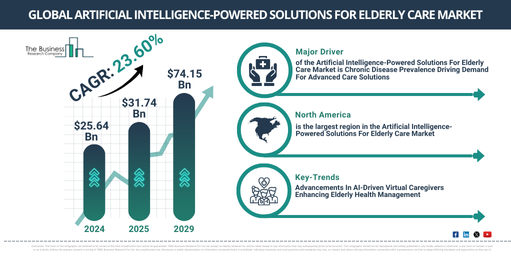
    In recent times, there has been significant growth in the market size of AI-based solutions for elderly care. Projected to rise from $25.64 billion in 2024 to $31.74 billion in 2025, it boasts a compound annual growth rate (CAGR) of 23.8%. Factors contributing to this growth during the historic period include an increase in the global elderly population, a rise in chronic illnesses, a surge in caregiver shortages, an escalating demand for remote health monitoring, a greater inclination towards smart home systems, and an intensified emphasis on improving the quality of life and independence for seniors.

    Expectations are high for the artificial intelligence-enabled elderly care market, with significant expansion predicted in the coming years. It’s anticipated to swell to a hefty $74.15 billion by 2029, with a compound annual growth rate (CAGR) of 23.6%. Factors contributing to this predicted increase during the forecast period include an aging population, increasing rates of chronic illnesses, burgeoning adoption of smart home technology and IoT devices, an emphasis on solutions that support independent living, government-led measures to bolster elder-care infrastructure, and a mounting demand for customized healthcare services. Key trends during this forecast period incorporate natural language processing integration, advancements in technology to prevent falls, predictive health monitoring, voice-enabled smart home integration, AI-powered cognitive therapy tools, robotic caregiving assistants, personalized care adaptive learning algorithms, and improvements in emergency response technologies.

    Download a free sample to assess the report’s scope and structure:

    https://www.thebusinessresearchcompany.com/sample.aspx?id=20715&type=smp

    What Are the Primary Drivers Supporting the Market Growth of the Artificial Intelligence-Powered Solutions For Elderly Care Market?

    The escalating occurrence of long-term health conditions is anticipated to fuel the growth of the AI-powered elderly care market in the future. Chronic diseases such as heart disease and diabetes, which require constant monitoring and significantly affect daily life, are on the rise due to an aging population, lifestyle changes like inadequate physical activity and unhealthy eating habits, as well as increased urbanization. AI-powered elderly care solutions assist in managing these chronic diseases through real-time health tracking, predictive analytics for early intervention, and customized care plans, thus enhancing the outcomes and improving the quality of life for older adults. For instance, data from the World Health Organization, a Switzerland-based intergovernmental organization, showed that in September 2023, 41 million deaths were recorded globally, accounting for 74% of total deaths caused by non-communicable or chronic diseases annually. These include 17.9 million deaths from cardiovascular diseases, 9.3 million deaths from cancer, 4.1 million deaths from chronic respiratory diseases, and 2.0 million deaths from diabetes. Consequently, the escalating occurrence of chronic ailments is fuelling the growth of the AI-powered elderly care market.

    Which Primary Segments of the Artificial Intelligence-Powered Solutions For Elderly Care Market Are Driving Growth and Industry Transformations?

    The artificial intelligence-powered solutions for elderly caremarket covered in this report is segmented –

    1) By Technology: Machine Learning; Natural Language Processing; Robotics; Computer Vision; Other Technology

    2) By Application: Fall Detection And Prevention; Remote Monitoring And Healthcare; Personalized Virtual Assistants; Medication Management; Social Interaction And Companionship; Other Applications

    3) By End Users: Home Care Settings; Assisted Living Facilities; Nursing Homes; Hospitals And Clinics; Other End Users

    Subsegments:

    1) By Machine Learning: Predictive Analytics; Personalized Health Monitoring; Data-Driven Decision Making; Adaptive Learning Systems

    2) By Natural Language Processing (NLP): Voice Assistants; Language Translation For Elderly Communication; Sentiment Analysis For Emotional Well-Being; Speech Recognition For Assistance Devices

    3) By Robotics: Social Companions (Companion Robots); Assistance Robots For Daily Activities; Robotic Prosthetics And Exoskeletons; Autonomous Mobility Robots

    4) By Computer Vision: Fall Detection Systems; Vision-Based Health Monitoring (Eye Health); Gesture Recognition For Communication; Environment Mapping And Navigation

    5) By Other Technology: AI-Powered Wearables; Remote Monitoring Systems; Smart Home Devices Integration; Virtual Reality Therapy

    Request customized data on this market:

    https://www.thebusinessresearchcompany.com/customise?id=20715&type=smp

    Which Regions Are Key Players in the Growth of the #What Are the Primary Drivers Supporting the Market Growth of the Artificial Intelligence-Powered Solutions For Elderly Care Market?# Market?

    North America was the largest region in the artificial intelligence-powered solutions for elderly Care market in 2024. The regions covered in the artificial intelligence-powered solutions for elderly care market report are Asia-Pacific, Western Europe, Eastern Europe, North America, South America, Middle East, Africa.

    What Are the Most Significant Market Trends in the Artificial Intelligence-Powered Solutions For Elderly Care Market?

    Leading firms in the market for AI solutions in elderly care are now concentrating their efforts on creating transformative technologies such as AI-powered virtual caregivers. These technologies provide individualized care, supplement monitoring ability, and enhance the overall quality of life for aging individuals. AI virtual caregivers, which are intelligent digital assistants, can aid in health monitoring, medication reminders, companionship, and emergency responses, primarily assisting seniors retain their self-sufficiency and health. For example, Electronic Caregiver Inc., a United States healthcare technology company, released Addison Care+ in the AWS marketplace in November 2024. Addison Care+ is a cutting-edge AI-powered virtual caregiver designed to transform elder care by improving health management, engagement, and autonomy for the elderly and those dealing with chronic diseases. It offers round-the-clock monitoring of activities, early detection of health issues, and comprehensive insights into care such as medication management and response to emergencies. It is incorporated with AI-powered telecare services, simplifying its implementation nationwide and offers caregivers proactive tools for managing patient health and maximizing the delivery of care.

    View the full report here:

    https://www.thebusinessresearchcompany.com/report/artificial-intelligence-powered-solutions-for-elderly-care-global-market-report

    What Parameters Are Used to Define the Artificial Intelligence-Powered Solutions For Elderly Care Market?

    Artificial intelligence-powered solutions for elderly care refer to the use of advanced artificial intelligence technologies to address the unique needs of elderly individuals, enhancing their health, safety, and quality of life. These solutions leverage machine learning, computer vision, natural language processing, and other AI capabilities to provide personalized, efficient, and proactive care. They can operate across various domains, including healthcare, home assistance, and social engagement.

    Purchase the full report and get a swift delivery:

    https://www.thebusinessresearchcompany.com/purchaseoptions.aspx?id=20715

    About The Business Research Company:

    With over 15000+ reports from 27 industries covering 60+ geographies, The Business Research Company has built a reputation for offering comprehensive, data-rich research and insights. Armed with 1,500,000 datasets, the optimistic contribution of in-depth secondary research, and unique insights from industry leaders, you can get the information you need to stay ahead in the game.

    Get in touch with us:

    The Business Research Company: https://www.thebusinessresearchcompany.com/

    Americas +1 310-496-7795

    Europe +44 7882 955267

    Asia & Others +44 7882 955267 & +91 8897263534

    Email us at info@tbrc.info

    Follow us on:

    LinkedIn: https://in.linkedin.com/company/the-business-research-company

    YouTube: https://www.youtube.com/channel/UC24_fI0rV8cR5DxlCpgmyFQ

    Global Market Model: https://www.thebusinessresearchcompany.com/global-market-model

  • Top Trends Driving Innovation and Change in the Genomic Urine Testing Market: Next-Generation Sequencing Enhances Early Cancer Detection

    Top Trends Driving Innovation and Change in the Genomic Urine Testing Market: Next-Generation Sequencing Enhances Early Cancer Detection

    Claim your 30% discount on Global Market Reports with code ONLINE30. Limited time only.

    What Is the Current and Projected Market Size of the Genomic Urine Testing Market Through 2034?

    The market size for genomic urine testing has seen a swift expansion in the past few years. There will be a significant increase from $0.9 billion in 2024 to $1.01 billion in 2025, with a compound annual growth rate (CAGR) of 11.9%. Factors like the growing occurrence of urologic cancers, the heightened demand for early cancer detection, increased knowledge about precision medicine, the increasing rate of genetic disorders, and enhanced investments in biomarker discovery are responsible for the growth observed in the historic period.

    In the coming years, the size of the genomic urine testing market is projected to experience rapid expansion. It’s expected to reach$1.61 billion by 2029 at a compound annual growth rate (CAGR) of 12.4%. The anticipated growth during the forecast period can be credited to the increasing adoption of liquid biopsy methods, the escalating focus on tailor-made medicine, the swelling burden of chronic kidney ailments, the heightened emphasis on home-based diagnostic testing solutions, and the escalating use of multi-omics techniques in urine testing. The forecast period will also witness major trends like the creation of non-intrusive diagnostic routes, the development of highly sensitive test panels, the integration of machine learning workflows, advancements in urine exosome isolation, and innovations in single-cell urine sequencing.

    Download a free sample to assess the report’s scope and structure:

    https://www.thebusinessresearchcompany.com/sample.aspx?id=23408&type=smp

    What External and Internal Drivers Are Contributing to the Growth of theGenomic Urine Testing Market?

    The escalation in chronic kidney disease cases is predicted to fuel expansion of the genomic urine testing market. The term “chronic kidney disease” implies a situation where the kidneys are impaired and unable to effectively cleanse the blood, causing a waste accumulation and excess fluid. The increasing occurrence of diabetes, which damages the kidney blood vessels due to high blood sugar, elevates the chronic kidney disease burden, undermining the kidney’s waste filtering capability. Genomic urine testing helps manage chronic kidney disease by offering premature detection of genetic markers, enabling prompt interventions and individualized treatment schemes. It improves patients’ prognosis by allowing more precise surveillance and curtailing disease expansion. For instance, the Australian Institute of Health and Welfare, a government agency based in Australia, reported in June 2024 that chronic kidney disease (CKD) mortality rates had escalated by 4.2% in 2021 to 6.2% in 2022. Thus, the mounting burden of chronic kidney disease stimulates the growth of the genomic urine testing market.

    What Segment Types Define the Genomic Urine Testing Market Structure?

    The genomic urine testingmarket covered in this report is segmented –

    1) By Testing Type: Deoxyribonucleic Acid (DNA) Testing; Ribonucleic Acid (RNA) Testing; Microbial Testing; Epigenetic Testing

    2) By Distribution Channel: Hospital Pharmacies; Mail Order Pharmacies; Speciality Pharmacies

    3) By Application: Cancer Diagnosis; Infectious Diseases; Genetic Disorder Screening; Health Monitoring

    4) By End-User: Hospitals And Clinics; Diagnostic Laboratories; Research And Academic Institutions; Other End Users

    Subsegments:

    1) By Deoxyribonucleic Acid Testing: Germline Mutation Analysis; Somatic Mutation Detection; Copy Number Variation (CNV) Testing; Single Nucleotide Polymorphism Analysis

    2) By Ribonucleic Acid Testing: Gene Expression Profiling; Messenger Ribonucleic Acid Analysis; Non-coding Ribonucleic Acid Detection; Fusion Transcript Detection

    3) By Microbial Testing: Urinary Microbiome Profiling; Pathogen Identification; Antimicrobial Resistance Gene Detection; Quantitative Microbial Load Analysis

    4) By Epigenetic Testing: Deoxyribonucleic Acid Methylation Analysis; Histone Modification Profiling; Chromatin Accessibility Testing

    Request customized data on this market:

    https://www.thebusinessresearchcompany.com/customise?id=23408&type=smp

    Which Geographic Areas Hold the Strongest Growth Potential in the Genomic Urine Testing Market?

    North America was the largest region in the genomic urine testing market in 2024. Asia-Pacific is expected to be the fastest-growing region in the forecast period. The regions covered in the genomic urine testing market report are Asia-Pacific, Western Europe, Eastern Europe, North America, South America, Middle East, Africa.

    What Long-Term Trends Are Transforming the Competitive Landscape of the Genomic Urine Testing Market?

    Key players in the genomic urine testing market are focusing on the creation of groundbreaking solutions like next-generation sequencing, to enhance the precision, sensitivity and early identification capabilities of non-invasive diagnostic tests for a variety of ailments. Next-generation sequencing (NGS) is a superior DNA sequencing technology that facilitates quick, precise, and extensive examination of genetic material by simultaneously sequencing millions of DNA fragments. For example, in May 2023, the US-based biotechnology firm, Convergent Genomics Inc., introduced the genomic urine test UroAmp. This test utilizes next-generation DNA sequencing to recognize mutations in 60 genes related to bladder cancer, allowing for early detection, possibly up to 12 years prior to the manifestation of clinical symptoms. This provides comprehensive genetic insights that aid in diagnosis, treatment choices, and tracking recurrence, delivering higher accuracy compared to old-fashioned methods like cytology and cystoscopy.

    View the full report here:

    https://www.thebusinessresearchcompany.com/report/genomic-urine-testing-global-market-report

    What Is the Definition of the Genomic Urine Testing Market?

    Genomic urine testing is a non-invasive diagnostic method that analyzes genetic material present in urine to detect specific biomarkers related to diseases, such as cancer, infections, or genetic disorders. It combines genomics with advanced molecular techniques to identify mutations, gene expression patterns, or microbial deoxyribonucleic acid (DNA). The primary purpose is early detection, monitoring, and personalized treatment planning for various health conditions.

    Purchase the full report and get a swift delivery:

    https://www.thebusinessresearchcompany.com/purchaseoptions.aspx?id=23408

    About The Business Research Company:

    With over 15000+ reports from 27 industries covering 60+ geographies, The Business Research Company has built a reputation for offering comprehensive, data-rich research and insights. Armed with 1,500,000 datasets, the optimistic contribution of in-depth secondary research, and unique insights from industry leaders, you can get the information you need to stay ahead in the game.

    Get in touch with us:

    The Business Research Company: https://www.thebusinessresearchcompany.com/

    Americas +1 310-496-7795

    Europe +44 7882 955267

    Asia & Others +44 7882 955267 & +91 8897263534

    Email us at info@tbrc.info

    Follow us on:

    LinkedIn: https://in.linkedin.com/company/the-business-research-company

    YouTube: https://www.youtube.com/channel/UC24_fI0rV8cR5DxlCpgmyFQ

    Global Market Model: https://www.thebusinessresearchcompany.com/global-market-model

  • Artificial Intelligence (AI) In Aging And Elderly Care Outlook 2034: Key Drivers, Trends, and Market Frontiers

    Artificial Intelligence (AI) In Aging And Elderly Care Outlook 2034: Key Drivers, Trends, and Market Frontiers

    Claim your 30% discount on Global Market Reports with code ONLINE30. Limited time only.

    How Has The Artificial Intelligence (AI) In Aging And Elderly Care Market Growth Evolved From 2024 To 2025, And What’s Ahead?

    In recent times, there’s been a substantial surge in the size of the market for artificial intelligence (AI) utilized in senior care and aging. The market value is set to increase from $43.76 billion in 2024 to touch $54.36 billion in 2025, growing at a compound annual growth rate (CAGR) of 24.2%. Aspects contributing towards this upward historical progression include a surge in the senior citizen demographic, an increase in chronic disease cases, escalating demand for self-sufficient living solutions alongside the rise in development of AI-assisted gadgets. Additionally, the shortage of caregivers and an escalation in funds directed to AI research tackling elder care have also been instrumental.

    The market size for artificial intelligence (AI) focused on aging and elderly care is predicted to undergo significant expansion in the coming years. With a compound annual growth rate (CAGR) of 24.0%, it is projected to reach a staggering $128.61 billion by 2029. This projected growth during the forecast period can be linked to several factors such as the rising incorporation of smart home systems tailored for elderly care, increased adoption of robots in caregiving roles, the growing need for personalized healthcare services, the spread of telehealth and remote monitoring systems, and an upsurge in investment in AI-based wellness initiatives for the elderly. Trends to look out for during this forecast period include the progression of AI-powered assistive technologies, the integration of AI into smart homes, developments in robotic technology, improvements in cloud computing, evolution in natural language processing, advancements in healthcare technology, and the creation of advanced AI algorithms for predictive health analytics.

    Download a free sample to assess the report’s scope and structure:

    https://www.thebusinessresearchcompany.com/sample.aspx?id=20714&type=smp

    How Are Key Drivers in the Industry Acting as Catalysts for the Growth of theArtificial Intelligence (AI) In Aging And Elderly Care Market?

    The artificial intelligence (AI) in aging and elderly care market is anticipated to grow owing to the escalating number of elderly people. This group, typically around 60 or 65 and older, requires specialized care and services due to health and lifestyle-related age issues. Advancements in healthcare leading to longer lives and the decrease in birth rates are contributing to a larger elderly population, which also means fewer younger individuals. AI is revolutionizing aging and elderly care by enhancing healthcare, making accessibility easier, and fostering independence among the older populace. For example, a report published by the Population Reference Bureau, a non-profit organization based in the U.S., suggested that the number of Americans aged 65 and older would increase from 58 million in 2022 to 82 million by 2050, an increment of 47%. Consequently, the share of this age group in the total U.S. population will rise from 17% to 23% over this period. Therefore, the expanding elderly population boosts the artificial intelligence (AI) in aging and elderly care market’s growth.

    Which Segments in the Artificial Intelligence (AI) In Aging And Elderly Care Offer the Most Growth?

    The artificial intelligence (AI) in aging and elderly caremarket covered in this report is segmented –

    1) By Type: Natural Language Processing (NLP) Systems; Robotics And Robotic Assistance; Smart Home Devices And IoT Solutions; Machine Learning And Predictive Analytics; Virtual Health Assistants

    2) By Technology: Wearable Devices; Smart Home Systems; Mobile Apps; Cloud Computing; Internet Of Things (IoT)

    3) By Applications: Fall Detection And Prevention; Medication Management; Remote Health Monitoring; Social Engagement And Companion AI; Cognitive Stimulation And Brain Training

    4) By End User: Home Care Settings; Assisted Living Facilities; Nursing Homes And Long-Term Care Centers; Hospitals And Healthcare Institutions

    Subsegments:

    1) By Natural Language Processing (NLP) Systems: Voice-Activated Assistants; AI-Powered Speech Recognition Systems; NLP for Cognitive Health Monitoring

    2) By Robotics And Robotic Assistance: Elderly Care Robots; Robotic Mobility Assistance Devices; Robotic Companions For Seniors

    3) By Smart Home Devices And IoT Solutions: Smart Sensors (Fall Detection, Monitoring); AI-Enabled Smart Home Automation Systems; Wearable IoT Devices For Health Monitoring

    4) By Machine Learning And Predictive Analytics: AI-Based Health Risk Prediction Models; Machine Learning For Personalized Care Plans; Predictive Analytics For Medication Management

    5) By Virtual Health Assistants: AI-Powered Virtual Care Assistants; Telemedicine Virtual Assistants; Virtual Health Coaching And Support Systems

    Request customized data on this market:

    https://www.thebusinessresearchcompany.com/customise?id=20714&type=smp

    What Are the Fastest-Growing Geographies in the #How Are Key Drivers in the Industry Acting as Catalysts for the Growth of theArtificial Intelligence (AI) In Aging And Elderly Care Market?# Market?

    North America was the largest region in the artificial intelligence (AI) in aging and elderly care market in 2024. Asia-Pacific is expected to be the fastest-growing region in the forecast period. The regions covered in the artificial intelligence (AI) in aging and elderly care market report are Asia-Pacific, Western Europe, Eastern Europe, North America, South America, Middle East, Africa.

    What Are the Current Market Growth and Trends in the Artificial Intelligence (AI) In Aging And Elderly Care Industry?

    Key players in the AI in aging and elderly care market are concentrating on the creation of innovative technologies, like AI-powered virtual caregivers, to offer personalized care, boost monitoring abilities, and enhance the overall life quality for senior citizens. An AI virtual caregiver is a sophisticated digital aide whose purpose is to oversee health, issue medication reminders, provide companionship, and handle emergencies, mainly to assist elderly people in sustaining their independence and wellness. To illustrate, in November 2024, Electronic Caregiver Inc., a company from the US that supplies medical equipment, introduced Addison Care+ to the AWS marketplace. This advanced virtual caregiver, driven by AI, is designed to transform elderly care by improving health management, engagement, and independence for aging individuals and patients dealing with chronic diseases. It offers round-the-clock activity assessment, early detection of health problems, and comprehensive care insights like medication management and emergency responsiveness. By integrating with AI-based telecare procedures, it eases countrywide adaptation by equipping caregivers with proactive tools for supervising client health and optimizing care provision.

    View the full report here:

    https://www.thebusinessresearchcompany.com/report/artificial-intelligence-ai-in-aging-and-elderly-care-global-market-report

    What Are the Key Elements That Define the Artificial Intelligence (AI) In Aging And Elderly Care Market?

    Artificial intelligence (AI) in aging and elderly care refers to the application of artificial intelligence technologies to enhance the health, well-being, and quality of life of aging individuals and elderly populations. This includes AI-driven solutions such as predictive analytics, machine learning, robotics, and smart devices to address various challenges associated with aging. AI enables health monitoring through wearable devices and remote patient systems, assisting with real-time data collection and analysis to ensure timely interventions.

    Purchase the full report and get a swift delivery:

    https://www.thebusinessresearchcompany.com/purchaseoptions.aspx?id=20714

    About The Business Research Company:

    With over 15000+ reports from 27 industries covering 60+ geographies, The Business Research Company has built a reputation for offering comprehensive, data-rich research and insights. Armed with 1,500,000 datasets, the optimistic contribution of in-depth secondary research, and unique insights from industry leaders, you can get the information you need to stay ahead in the game.

    Get in touch with us:

    The Business Research Company: https://www.thebusinessresearchcompany.com/

    Americas +1 310-496-7795

    Europe +44 7882 955267

    Asia & Others +44 7882 955267 & +91 8897263534

    Email us at info@tbrc.info

    Follow us on:

    LinkedIn: https://in.linkedin.com/company/the-business-research-company

    YouTube: https://www.youtube.com/channel/UC24_fI0rV8cR5DxlCpgmyFQ

    Global Market Model: https://www.thebusinessresearchcompany.com/global-market-model

  • Strong CAGR to Propel in the Type 1 Diabetes Market and Beyond upto $22.43 Billion by 2029

    Strong CAGR to Propel in the Type 1 Diabetes Market and Beyond upto $22.43 Billion by 2029

    Claim your 30% discount on Global Market Reports with code ONLINE30. Limited time only.

    What Is the Estimated Market Size of the Type 1 Diabetes Market In 2029?

    The market size for type 1 diabetes has seen a swift expansion in the preceding years. It is anticipated to escalate from $11.82 billion in 2024 to $13.5 billion in 2025, with a compound annual growth rate (CAGR) of 14.2%. This substantial growth over the historic period can be ascribed to the amplified demand for potent treatments, increased public cognizance of type 1 diabetes, expansion in funding for medication development, and a worldwide increase in healthcare expenditures.

    In the coming years, the market size for type 1 diabetes is projected to experience swift growth, escalating to$22.43 billion by the year 2029 with a compound annual growth rate (CAGR) of 13.5%. Factors prompting this growth during the predicted period include the heightened awareness about early diabetes screenings, a rising preference for home-care environments, growing research into improved drug options, and an escalating consciousness regarding the intake of nutritional products. Noteworthy trends within the forecast period encompass the development of superior insulin formulations, breakthroughs in medication and treatments, the innovation of artificial pancreas systems, and approaches tailored towards personalized medicine.

    Download a free sample to assess the report’s scope and structure:

    https://www.thebusinessresearchcompany.com/sample.aspx?id=12872&type=smp

    Which Primay Drivers Are Accelerating Growth in the Type 1 Diabetes Market?

    The escalating actions taken by governments to tackle diabetes are projected to fuel the expansion of the type 1 diabetes market in the future. These initiatives were implemented by government bodies to address specific issues, achieve targets, or effectuate positive transformations in various aspects of the community. Leading government authorities are rolling out numerous measures to fight diabetes, including type 1 diabetes, with a view to lowering diabetes risk and ensuring that everyone diagnosed with diabetes receives fair, holistic, affordable, and high-quality care and treatment. For example, in July 2023, the Canadian government partnered with JDRF Canada, a Canada-based charity, which invested $33 million in 12 research projects aimed at preventing, identifying, managing and treating diabetes. This fund will also back a national screening research consortium, bringing together specialists and individuals affected by diabetes to promote early-stage, pre-symptomatic type 1 diabetes screening in Canada. Thus, the escalating government measures to tackle diabetes are fostering the expansion of the type 1 diabetes market.

    Which Primary Segments of the Type 1 Diabetes Market Are Driving Growth and Industry Transformations?

    The type 1 diabetesmarket covered in this report is segmented –

    1) By Product Type: Rapid Acting Insulin Analogs; Long-Acting Insulin Analogs; Premix Insulin Analogs; Others Product Types

    2) By Device: Insulin Pump; Insulin Pen; Blood Glucose Meter

    3) By Application: Childrens; Adults

    4) By End-User: Hospital; Research Institutes; Home Care

    Subsegments:

    1) By Rapid Acting Insulin Analogs: Insulin Lispro; Insulin Aspart; Insulin Glulisine

    2) By Long-Acting Insulin Analogs: Insulin Detemir; Insulin Glargine; Insulin Degludec

    3) By Premix Insulin Analogs: Premixed Insulin Lispro; Premixed Insulin Aspart; Premixed Insulin Glargine

    4) By Other Product Types: Insulin Pumps; Continuous Glucose Monitoring Systems; Non-Insulin Medications; Combination Therapies

    Request customized data on this market:

    https://www.thebusinessresearchcompany.com/customise?id=12872&type=smp

    Which Regions Are Key Players in the Growth of the #Which Primay Drivers Are Accelerating Growth in the Type 1 Diabetes Market?# Market?

    North America was the largest region in the type 1 diabetes market in 2024. The regions covered in type 1 diabetes market report are Asia-Pacific, Western Europe, Eastern Europe, North America, South America, Middle East and Africa.

    Which Technological Trends Are Reshaping the Type 1 Diabetes Industry Dynamics?

    Leading firms in the type 1 diabetes market are striving to maintain market dominance by developing advanced technological solutions such as SmartGuard technology. This technology aids diabetics who might fear hypoglycemia or are unaware of it. For example, in March 2022, Medtronic PLC, a company based in Ireland that specializes in medical technology, services, and solutions, introduced the MiniMed 780G system equipped with enhanced SmartGuard technology. This innovative product represents the next level in closed-loop insulin pump systems, making the management of type 1 diabetes more straightforward. Every five minutes, the system automates the deliverance of basal insulin and correction boluses, enabling diabetics to more easily avoid high and low fluctuations. Furthermore, this system allows patients to decrease variability and maintain glucose levels within specific parameters, leading to a lifestyle closer to normality and improved clinical results.

    View the full report here:

    https://www.thebusinessresearchcompany.com/report/type-1-diabetes-global-market-report

    What Parameters Are Used to Define the Type 1 Diabetes Market?

    Type 1 diabetes, also known as juvenile diabetes or insulin-dependent diabetes, is a chronic disease that affects the body’s ability to regulate blood sugar levels. It is caused by the immune system mistakenly attacking the beta cells in the pancreas that produce insulin.

    Purchase the full report and get a swift delivery:

    https://www.thebusinessresearchcompany.com/purchaseoptions.aspx?id=12872

    About The Business Research Company:

    With over 15000+ reports from 27 industries covering 60+ geographies, The Business Research Company has built a reputation for offering comprehensive, data-rich research and insights. Armed with 1,500,000 datasets, the optimistic contribution of in-depth secondary research, and unique insights from industry leaders, you can get the information you need to stay ahead in the game.

    Get in touch with us:

    The Business Research Company: https://www.thebusinessresearchcompany.com/

    Americas +1 310-496-7795

    Europe +44 7882 955267

    Asia & Others +44 7882 955267 & +91 8897263534

    Email us at info@tbrc.info

    Follow us on:

    LinkedIn: https://in.linkedin.com/company/the-business-research-company

    YouTube: https://www.youtube.com/channel/UC24_fI0rV8cR5DxlCpgmyFQ

    Global Market Model: https://www.thebusinessresearchcompany.com/global-market-model