Blog

  • Diabetic Macular Edema (DME) Market Valuation Expected To Reach $5.77 Billion By 2029, Growing At A Rate Of 4.3%

    Diabetic Macular Edema (DME) Market Valuation Expected To Reach $5.77 Billion By 2029, Growing At A Rate Of 4.3%

    Claim your 30% discount on Global Market Reports with code ONLINE30. Limited time only.

    What Are the Key Projections for the CAGR of the Diabetic Macular Edema (DME) Market Size From 2025 to 2034?

    The market size of diabetic macular edema (dme) has experienced a steady increase in the last few years. It is projected to elevate from $4.67 billion in 2024 to $4.88 billion in 2025, marking a compound annual growth rate (CAGR) of 4.4%. This escalation during the historic period is a result of factors such as the rising frequency of diabetes, elevated incidences of disorders related to edema, increased instances of diabetic eye ailments, a surge in the population of elderly people, and the growing number of blindness cases.

    In the coming years, the market for diabetic macular edema (dme) is projected to experience consistent growth, expected to reach the value of$5.77 billion in 2029 with a compound annual growth rate (CAGR) of 4.3%. A combination of factors such as increasing healthcare access, heightened government backing in healthcare, more awareness about diabetes-related complications, the rise in use of telemedicine for eye care, and growth in specialized centers for diabetic eye care contribute to this forward trend. Key market trends during the forecast period would be the development of therapies targeting anti-VEGF, the utilization of corticosteroid implants, breakthroughs in drug delivery systems, innovation in retinal laser therapy, AI-driven diagnostic tools, and the acceptance of less invasive surgical procedures.

    Download a free sample to assess the report’s scope and structure:

    https://www.thebusinessresearchcompany.com/sample.aspx?id=21169&type=smp

    Which Factors and External Forces Are Driving Demand in the Diabetic Macular Edema (DME) Market?

    The rise in diabetes cases is anticipated to propel the progression of the diabetic macular edema (DME) market in the future. The escalating incidence of diabetes is due to aspects like inactive lifestyles, poor food habits, increasing obesity, aging societies, and genetic susceptibility. Diabetes engenders diabetic macular edema through harm to retinal blood vessels, initiating fluid seepage into the macula, leading to swelling. For example, in June 2023, the Institute for Health Metrics and Evaluation, a US-based public health research institute, revealed that over 500 million people worldwide were dealing with diabetes. This figure is predicted to more than double, amounting to 1.3 billion people by 2050. Thus, the escalating occurrence of diabetes is fuelling the expansion of the diabetic macular edema (DME) market.

    Which Segments in the Diabetic Macular Edema (DME) Offer the Most Growth?

    The diabetic macular edema (dme)market covered in this report is segmented –

    1) By Treatment: Anti-VEGF Therapy; Corticosteroids; Laser Therapy; Surgical Intervention

    2) By Disease Stage: Early Stage; Moderate Stage; Advanced Stage

    3) By Patient Demographics: Adults; Elderly; Children

    4) By Route Of Administration: Intravitreal Injection; Topical; Systemic

    5) By Distribution Channel: Hospital Pharmacies; Retail Pharmacies; Online Pharmacies

    Subsegments:

    1) By Anti-VEGF Therapy: Monoclonal Antibodies; Recombinant Protein-Based Therapies

    2) By Corticosteroids: Intravitreal Steroid Injections; Injectable Sustained-Release Corticosteroids

    3) By Laser Therapy: Focal Laser Photocoagulation; Panretinal Photocoagulation

    4) By Surgical Intervention: Vitrectomy; Membrane Peeling

    Request customized data on this market:

    https://www.thebusinessresearchcompany.com/customise?id=21169&type=smp

    What Are the Fastest-Growing Geographies in the #Which Factors and External Forces Are Driving Demand in the Diabetic Macular Edema (DME) Market?# Market?

    North America was the largest region in the diabetic macular edema (DME) market in 2024. Europe is expected to be the fastest-growing region in the forecast period. The regions covered in the diabetic macular edema (DME) market report are Asia-Pacific, Western Europe, Eastern Europe, North America, South America, Middle East, Africa.

    Which Cutting-Edge Market Trends Are Expected to Drive theDiabetic Macular Edema (DME) Market’s Growth?

    Leading corporations in the diabetic macular edema (DME) treatment market are centering their efforts on technological advances such as sophisticated drug treatment methods to enhance patient management and treatment results. Innovative drug therapies employ the latest technology and research to optimise treatment of intricate health issues. Aiming to increase effectiveness, decrease adverse effects, and assure enhanced patient outcomes, they herald a new era in healthcare. A case in point is the approval by the European Commission in March 2022 for the use of Beovu, a product of the Switzerland-based pharmaceutical firm, Novartis AG, for managing visual issues arising from DME. The green light was given after Phase III KESTREL and KITE studies showed that Beovu was as effective as aflibercept in improving vision after the first year. It is worth noting that more than half of the patients treated with Beovu adhered to a 12-week treatment plan and experienced less retinal fluid than those treated with aflibercept.

    View the full report here:

    https://www.thebusinessresearchcompany.com/report/diabetic-macular-edema-dme-global-market-report

    What Are the Key Elements That Define the Diabetic Macular Edema (DME) Market?

    Diabetic macular edema (DME) is a complication of diabetes that occurs when fluid accumulates in the macula, the central part of the retina responsible for sharp vision. This swelling is caused by damaged blood vessels leaking fluid and proteins into the retinal tissue, leading to vision impairment or blindness if left untreated. DME is a common cause of vision loss in diabetic patients and is associated with diabetic retinopathy.

    Purchase the full report and get a swift delivery:

    https://www.thebusinessresearchcompany.com/purchaseoptions.aspx?id=21169

    About The Business Research Company:

    With over 15000+ reports from 27 industries covering 60+ geographies, The Business Research Company has built a reputation for offering comprehensive, data-rich research and insights. Armed with 1,500,000 datasets, the optimistic contribution of in-depth secondary research, and unique insights from industry leaders, you can get the information you need to stay ahead in the game.

    Get in touch with us:

    The Business Research Company: https://www.thebusinessresearchcompany.com/

    Americas +1 310-496-7795

    Europe +44 7882 955267

    Asia & Others +44 7882 955267 & +91 8897263534

    Email us at info@tbrc.info

    Follow us on:

    LinkedIn: https://in.linkedin.com/company/the-business-research-company

    YouTube: https://www.youtube.com/channel/UC24_fI0rV8cR5DxlCpgmyFQ

    Global Market Model: https://www.thebusinessresearchcompany.com/global-market-model

  • Diabetic Ketoacidosis (DKA) Market Forecast Reaching $4.34 Billion by 2029 at 8.4% CAGR

    Diabetic Ketoacidosis (DKA) Market Forecast Reaching $4.34 Billion by 2029 at 8.4% CAGR

    Claim your 30% discount on Global Market Reports with code ONLINE30. Limited time only.

    How Has The Diabetic Ketoacidosis (DKA) Market Growth Evolved From 2024 To 2025, And What’s Ahead?

    In recent years, the market size for diabetic ketoacidosis (DKA) has seen significant growth. It is projected to rise from $2.9 billion in 2024 to hit $3.15 billion in 2025, equating to a compound annual growth rate (CAGR) of 8.5%. The ascension during the historical period can be accredited to factors like an amplified prevalence of diabetes, late detection of type 1 diabetes, non-compliance with insulin therapy, a surge in obesity rates, and a dearth of educational programs regarding diabetes.

    There’s a predicted robust surge in the size of the diabetic ketoacidosis (dka) market in the coming years, with predictions forecasting a rise to$4.34 billion in 2029. This is linked to a compound annual growth rate (CAGR) of 8.4 percent. Various factors contributing to this growth over the projected period include advancements in the systems used for insulin delivery, an increased acceptance of continuous glucose monitoring, enhanced understanding of diabetes-related health issues, the widening scope of telemedicine for handling diabetes, and an increment in healthcare spending. The forecast period is expected to witness major advancements such as the incorporation of artificial intelligence in diabetes treatment, the creation of closed-loop systems for insulin delivery, the rise of individualized medicine, utilization of advanced technologies, and the introduction of innovative treatment methods.

    Download a free sample to assess the report’s scope and structure:

    https://www.thebusinessresearchcompany.com/sample.aspx?id=21168&type=smp

    Which Major Market Drivers Are Expected to Boost the Growth Potential of the Diabetic Ketoacidosis (DKA) Market?

    The escalating incidence of obesity is fueling the growth of the diabetic ketoacidosis (DKA) market. Obesity is a health condition characterized by an excess accumulation of body fat that can harm health and boost the likelihood of various illnesses. The rise in obesity is attributed to several factors such as diets laden with processed foods, sugars, and fats, reduced physical activity, increased time spent on screens, and social-economic aspects including access to economically feasible healthful food and healthcare. Higher rates of obesity escalate the danger of diabetic ketoacidosis (DKA), promoting insulin resistance and the onset of type 2 diabetes which can result in inadequate blood sugar regulation and subsequent DKA incidents. For example, in March 2024, the World Health Organization (WHO), a Switzerland-based intergovernmental organization, declared that around one in eight people globally were grappling with obesity. This included 2.5 billion adults (18 years and older) who were overweight, amongst which 890 million were living with obesity. In terms of adults, 43% were overweight, and 16% were categorized as obese. Furthermore, the quantity of overweight children under the age of 5 peaked at 37 million. Thus, the growing prevalence of obesity is propelling the expansion of the diabetic ketoacidosis market.

    Which Key Market Segments Comprise the Diabetic Ketoacidosis (DKA) Market and Drive Its Revenue Growth?

    The diabetic ketoacidosis (dka)market covered in this report is segmented –

    1) By Type: Pediatric Diabetic Ketoacidosis, Adult Diabetic Ketoacidosis

    2) By Treatment Type: Fluid Replacement, Electrolyte Replacement, Insulin Therapy, Intermediate-Acting Insulin, Long-Acting Insulin

    3) By Route of Administration: Oral, Parenteral, Other

    4) By Distribution Channel: Online Channel, Offline Channel

    5) By End Use: Hospitals, Ambulatory Care Center, Specialty Clinics

    Subsegments:

    1) By Pediatric Diabetic Ketoacidosis: Mild Pediatric DKA; Moderate Pediatric DKA; Severe Pediatric DKA

    2) By Adult Diabetic Ketoacidosis: Mild Adult DKA; Moderate Adult DKA; Severe Adult DKA

    Request customized data on this market:

    https://www.thebusinessresearchcompany.com/customise?id=21168&type=smp

    Which Areas Are Leading Regions in the Diabetic Ketoacidosis (DKA) Market Expansion Across the Globe?

    North America was the largest region in the diabetic ketoacidosis (DKA) market in 2024. Asia-Pacific is expected to be the fastest-growing region in the forecast period. The regions covered in the diabetic ketoacidosis (DKA) market report are Asia-Pacific, Western Europe, Eastern Europe, North America, South America, Middle East, Africa.

    What Are the Key Market Trends in theDiabetic Ketoacidosis (DKA) Market Over the Coming Years?

    The primary players in the diabetic ketoacidosis arena are concentrating their efforts on the creation of pioneering technologies, including continuous glucose monitoring tools, in an effort to enhance early diagnosis, effectively control blood sugar and ketone levels, and ultimately decrease the frequency and harshness of DKA events among diabetics. Continuous glucose monitor (CGM) instruments are gadgets that constantly measure glucose levels in the body, providing immediate data to help diabetics maintain stable blood sugar levels. Take for example, Abbott Laboratories, a medical device company based in the US, who in June 2022, introduced cutting-edge continuous glucose-ketone monitoring systems to offer real-time tracking of both glucose and ketone levels. This system synchronizes the real-time monitoring of both glucose and ketones, thereby offering an all-inclusive perspective on a patient’s metabolic status. The simultaneous measurement of glucose and ketones facilitates the early discovery of possible diabetic complications like diabetic ketoacidosis (DKA) prior to them reaching a critical stage. This system is engineered for uninterrupted monitoring, offering users convenient and regular data updates without the necessity for manual examinations.

    View the full report here:

    https://www.thebusinessresearchcompany.com/report/diabetic-ketoacidosis-dka-global-market-report

    How Is the Diabetic Ketoacidosis (DKA) Market Conceptually Defined?

    Diabetic ketoacidosis (DKA) refers to a serious diabetes complication where the body produces high levels of blood acids called ketones, often due to insufficient insulin, leading to dehydration, electrolyte imbalances, and potentially life-threatening conditions. They are used for diagnosing and managing severe metabolic imbalances in diabetic patients to prevent complications such as dehydration, organ failure, and coma.

    Purchase the full report and get a swift delivery:

    https://www.thebusinessresearchcompany.com/purchaseoptions.aspx?id=21168

    About The Business Research Company:

    With over 15000+ reports from 27 industries covering 60+ geographies, The Business Research Company has built a reputation for offering comprehensive, data-rich research and insights. Armed with 1,500,000 datasets, the optimistic contribution of in-depth secondary research, and unique insights from industry leaders, you can get the information you need to stay ahead in the game.

    Get in touch with us:

    The Business Research Company: https://www.thebusinessresearchcompany.com/

    Americas +1 310-496-7795

    Europe +44 7882 955267

    Asia & Others +44 7882 955267 & +91 8897263534

    Email us at info@tbrc.info

    Follow us on:

    LinkedIn: https://in.linkedin.com/company/the-business-research-company

    YouTube: https://www.youtube.com/channel/UC24_fI0rV8cR5DxlCpgmyFQ

    Global Market Model: https://www.thebusinessresearchcompany.com/global-market-model
  • $36.42 Billion Forecast for Diabetes Diagnostics Market by 2029, Backed by Demand and Innovation

    $36.42 Billion Forecast for Diabetes Diagnostics Market by 2029, Backed by Demand and Innovation

    Claim your 30% discount on Global Market Reports with code ONLINE30. Limited time only.

    What is the Projected CAGR for the Diabetes Diagnostics Market Size from 2025 to 2034?

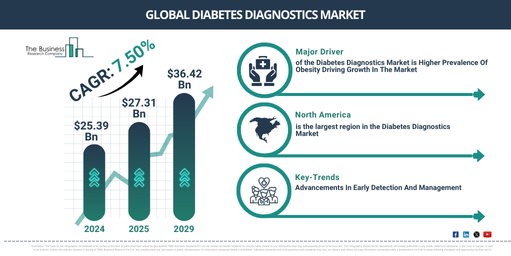
    The size of the diabetes diagnostics market has significantly expanded in the past years. The market is estimated to rise from $25.39 billion in 2024 to $27.31 billion in 2025, reflecting a compound annual growth rate (CAGR) of 7.6%. The historical growth is linked to several factors such as the increasing cases of diabetes, growing elderly population, surge in sedentary lifestyles, greater preference for minimally invasive diagnostic techniques, and the rising prevalence of obesity.

    In the coming years, the market size for diabetes diagnostics is predicted to experience significant expansion. The projection sees it escalating to a worth of $36.42 billion in 2029, progressing at a CAGR of 7.5%. Contributing to this predicted growth, during the forecast period, are factors such as the increased use of insulin pumps, numerous developments in diabetes technologies, a rise in unhealthy lifestyles, a surge in incidences of type 1 and type 2 diabetes, and the growth of the healthcare infrastructure. Expected market trends for the period include progress in biosensor technology, technological advancements, developments in diagnostic technologies, personalized medical treatments, targeted therapies, and progressive technologies in in vitro diagnostic products.

    Download a free sample to assess the report’s scope and structure:

    https://www.thebusinessresearchcompany.com/sample.aspx?id=21167&type=smp

    What Are the Core Growth Drivers Propelling the Diabetes Diagnostics Market Forward?

    The rise in obesity rates is predicted to fuel advances in the diabetes diagnostics market. Obesity, characterized by an excessive buildup of body fat, elevates the risk of numerous health issues, including heart diseases and diabetes. Such a widespread presence of obesity can be accredited to a combination of factors such as sedentary lifestyles, an increased intake of processed and high-calorie foods, genetic susceptibility, and lack of physical exercise. Diabetes diagnostics play a critical role in arresting obesity progression by detecting early signs of insulin resistance and problems with glucose metabolism, allowing for prompt intervention to prevent weight escalation and related health risks. Take for example, data from the Centers for Disease Control and Prevention, a government agency based out of the US, that reveals an increase in adult obesity rate – in September 2023, 22 states were found to have an adult obesity rate of 35% or higher, up from 19 states in 2021. This rising incidence of obesity thus forms the basis of expansion for the diabetes diagnostics market.

    What Segment Types Define the Diabetes Diagnostics Market Structure?

    The diabetes diagnosticsmarket covered in this report is segmented –

    1) By Product Type: Blood Glucose Meters; Continuous Glucose Monitoring Devices; Lancets; Test Strips; Other Product Types

    2) By Diabetes Type: Diabetes I; Diabetes II; Gestational Diabetes

    3) By End-User: Hospitals; Diagnostic Centers; Homecare Settings; Other End-Users

    Subsegments:

    1) By Blood Glucose Meters: Traditional Blood Glucose Meters; Smart Blood Glucose Meters; Bluetooth-enabled Blood Glucose Meters

    2) By Continuous Glucose Monitoring Devices: Wearable CGM Systems; Implantable CGM Systems; Flash Glucose Monitoring Devices

    3) By Lancets: Single-use Lancets; Multi-use Lancets

    4) By Test Strips: Standard Test Strips; Smart Test Strips

    5) By Other Product Types: Hemoglobin A1c Testing Kits; Urine Glucose Test Strips; Blood Ketone Meters

    Request customized data on this market:

    https://www.thebusinessresearchcompany.com/customise?id=21167&type=smp

    Which Geographic Areas Hold the Strongest Growth Potential in the Diabetes Diagnostics Market?

    North America was the largest region in the diabetes diagnostics market in 2024. The regions covered in the diabetes diagnostics market report are Asia-Pacific, Western Europe, Eastern Europe, North America, South America, Middle East, Africa.

    Which Emerging Trends that Are Influencing theDiabetes Diagnostics Industry Evolution?

    Key companies in the diabetes diagnostics market are concentrating on creating novel products, including tools for diagnosing gestational diabetes, to broaden their product range and meet increasing demand for early diagnosis and management of diabetes in pregnancy. These diagnostic tools for gestational diabetes typically involve blood glucose tests such as the oral glucose tolerance test (OGTT), geared towards monitoring how a woman’s body handles sugar during pregnancy. For example, an Austria-based biotech firm, DirectSens GmbH, released an innovative biosensor instrument, the XpressGT RUO kit, in August 2024. It is designed for detecting conditions related to insulin resistance like gestational diabetes, endometriosis, and liver disease. The kit quicky measures 2-hydroxybutyrate (2-HB) levels in venous blood and can be used with standard clinical analyzers. The objective behind this revolutionary product is to present early detection solutions, potentially enhancing the health outcomes for patients on a global scale.

    View the full report here:

    https://www.thebusinessresearchcompany.com/report/diabetes-diagnostics-global-market-report

    What Is the Definition of the Diabetes Diagnostics Market?

    Diabetes diagnostics refers to the methods and tests used to identify and monitor diabetes by measuring blood glucose levels and other relevant biomarkers. It involves various medical assessments to detect abnormal glucose metabolism and assess the risk or presence of diabetes. Accurate diagnostics aid in early detection, disease management, and treatment planning.

    Purchase the full report and get a swift delivery:

    https://www.thebusinessresearchcompany.com/purchaseoptions.aspx?id=21167

    About The Business Research Company:

    With over 15000+ reports from 27 industries covering 60+ geographies, The Business Research Company has built a reputation for offering comprehensive, data-rich research and insights. Armed with 1,500,000 datasets, the optimistic contribution of in-depth secondary research, and unique insights from industry leaders, you can get the information you need to stay ahead in the game.

    Get in touch with us:

    The Business Research Company: https://www.thebusinessresearchcompany.com/

    Americas +1 310-496-7795

    Europe +44 7882 955267

    Asia & Others +44 7882 955267 & +91 8897263534

    Email us at info@tbrc.info

    Follow us on:

    LinkedIn: https://in.linkedin.com/company/the-business-research-company

    YouTube: https://www.youtube.com/channel/UC24_fI0rV8cR5DxlCpgmyFQ

    Global Market Model: https://www.thebusinessresearchcompany.com/global-market-model
  • Global Dermatological Drugs Market Projected to Reach $31.49 Billion by 2029 at a CAGR of 9.4%

    Global Dermatological Drugs Market Projected to Reach $31.49 Billion by 2029 at a CAGR of 9.4%

    Claim your 30% discount on Global Market Reports with code ONLINE30. Limited time only.

    What Is the Current and Projected Market Size of the Dermatological Drugs Market Through 2034?

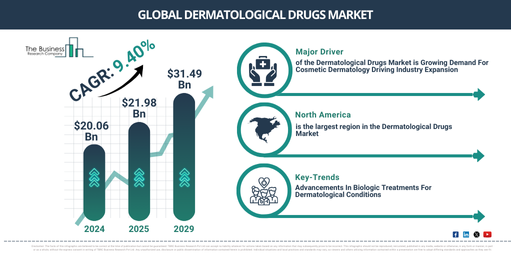
    The market for dermatological drugs has seen considerable expansion in the past few years. Projected growth is expected to take it from $20.06 billion in 2024 to $21.98 billion in 2025, reflecting a compound annual growth rate (CAGR) of 9.5%. Factors contributing to this growth in the historical time frame include an increased occurrence of skin conditions, improvements in drug formulation and delivery methods, heightened public consciousness about skincare and aesthetics, a larger older population, and a heightened demand for over-the-counter dermatological items.

    In the coming years, the dermatological drugs market is expected to experience substantial growth, forecasted to reach a size of $31.49 billion in 2029 with a Compound Annual Growth Rate (CAGR) of 9.4%. The projected growth during this forecast period can be credited to the advancements in biologics and targeted therapies, the widening adoption of teledermatology and digital health, an uptick in lifestyle-related skin conditions, an increased demand for personalized and regenerative medicine, and extended research in microbiome-based dermatological treatments. The forecast period is also likely to witness significant trends like drug delivery through nanotechnology, artificial intelligence-driven dermatological diagnostics, therapies targeting microbiome, 3D bioprinting for skin regeneration, and treatments based on gene editing and RNA.

    Download a free sample to assess the report’s scope and structure:

    https://www.thebusinessresearchcompany.com/sample.aspx?id=21166&type=smp

    What are the Fundamental Drivers and Innovations Shaping the Dermatological Drugs Market?

    The surge in demand for cosmetic dermatology procedures is predicted to accelerate the expansion of the dermatological drugs market. Cosmetic dermatology is a field of dermatology that specializes in improving an individual’s appearance using various non-surgical treatments. Increasing consumer awareness about aesthetic treatments, advancements in skincare technology, and an inclination towards non-invasive procedures for enhancing appearance and combating aging are fueling the demand for cosmetic dermatology. This escalating demand for services like anti-aging and skin rejuvenation treatments is propelling the creation of advanced dermatological drugs that provide safe, effective, and minimally invasive solutions. For example, the international Society of Aesthetic Plastic Surgery, a US-based professional organization, reported in January 2023 that over 12.8 million surgical and 17.5 million non-surgical procedures were performed worldwide, marking a 19.3% increase from the previous reporting period. In addition, more than 14.9 million surgical and 18.8 million non-surgical procedures will be performed globally by plastic surgeons in 2022, predicting an 11.2% growth in total procedures. Hence, the increasing number of cosmetic dermatology procedures is fueling the dermatological drugs market’s growth.

    How Is the Dermatological Drugs Market Segmented?

    The dermatological drugsmarket covered in this report is segmented –

    1) By Drug Class: Corticosteroids; Retinoids; Antibiotics; Antifungals; Calcineurin Inhibitors; Other Drug Classes

    2) By Administration: Topical Administration; Oral Administration; Parenteral Administration

    3) By Indication: Acne; Psoriasis; Rosacea; Alopecia; Other Indications

    4) By Distribution Channel: Hospital Pharmacies; Retail Pharmacies; Other Distribution Channels

    Subsegments:

    1) By Corticosteroids: Topical Corticosteroids; Oral Corticosteroids; Injectable Corticosteroids

    2) By Retinoids: Topical Retinoids; Oral Retinoids

    3) By Antibiotics: Topical Antibiotics; Oral Antibiotics

    4) By Antifungals: Topical Antifungals; Oral Antifungals

    5) By Calcineurin Inhibitors: Topical Calcineurin Inhibitors; Systemic Calcineurin Inhibitors

    6) By Other Drug Classes: Biologics; JAK Inhibitors; Antihistamines; Photodynamic Therapy Agents

    Request customized data on this market:

    https://www.thebusinessresearchcompany.com/customise?id=21166&type=smp

    Which Regions Are Driving the Next Phase of the Dermatological Drugs Market Growth?

    North America was the largest region in the dermatological drugs market in 2024. Asia-Pacific is expected to be the fastest-growing region in the forecast period. The regions covered in the dermatological drugs market report are Asia-Pacific, Western Europe, Eastern Europe, North America, South America, Middle East, Africa.

    What Key Trends Are Shaping the Future of the Dermatological Drugs Market?

    Prominent firms in the dermatological drugs market are focusing on creating biologic treatments to tackle chronic skin issues including psoriasis, atopic dermatitis, and hidradenitis suppurativa. Biologics target specific immune pathways, providing more sustained and effective relief compared to conventional therapies. For example, in September 2024, Eli Lilly and Company, a pharmaceutical firm based in the US, was granted approval for Ebglyss (lebrikizumab), a drug that inhibits interleukin-13 (IL-13), for the treatment of moderate-to-severe atopic dermatitis in adults and children over 12. This endorsement signifies a major development by presenting a new biologic treatment alternative for patients whose symptoms have not been sufficiently controlled with topical therapies. Ebglyss is designed to boost the quality of life for patients by lessening severe itching and skin inflammation linked to moderate-to-severe atopic dermatitis.

    View the full report here:

    https://www.thebusinessresearchcompany.com/report/dermatological-drugs-global-market-report

    How Is the Dermatological Drugs Market Defined and What Are Its Core Parameters?

    Dermatological drugs refer to medications designed to treat conditions affecting the skin, hair, and nails by reducing inflammation, controlling infections, or managing symptoms such as itching and redness. These drugs play a crucial role in dermatology by addressing both common and severe skin disorders, improving patient comfort and quality of life.

    Purchase the full report and get a swift delivery:

    https://www.thebusinessresearchcompany.com/purchaseoptions.aspx?id=21166

    About The Business Research Company:

    With over 15000+ reports from 27 industries covering 60+ geographies, The Business Research Company has built a reputation for offering comprehensive, data-rich research and insights. Armed with 1,500,000 datasets, the optimistic contribution of in-depth secondary research, and unique insights from industry leaders, you can get the information you need to stay ahead in the game.

    Get in touch with us:

    The Business Research Company: https://www.thebusinessresearchcompany.com/

    Americas +1 310-496-7795

    Europe +44 7882 955267

    Asia & Others +44 7882 955267 & +91 8897263534

    Email us at info@tbrc.info

    Follow us on:

    LinkedIn: https://in.linkedin.com/company/the-business-research-company

    YouTube: https://www.youtube.com/channel/UC24_fI0rV8cR5DxlCpgmyFQ

    Global Market Model: https://www.thebusinessresearchcompany.com/global-market-model
  • Cutaneous Squamous Cell Carcinoma (cSCC) Market Forecast 2025–2034: Trends Reshaping Demand, Investment, and Innovation

    Cutaneous Squamous Cell Carcinoma (cSCC) Market Forecast 2025–2034: Trends Reshaping Demand, Investment, and Innovation

    Claim your 30% discount on Global Market Reports with code ONLINE30. Limited time only.

    What is the Anticipated CAGR of the Cutaneous T-Cell Lymphoma Market, and What Factors Will Drive It?

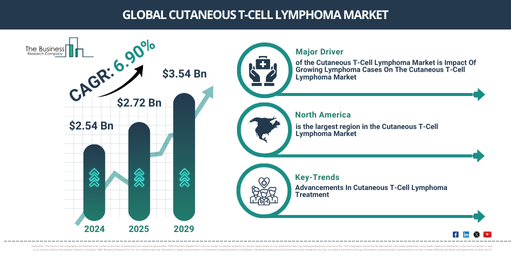
    Recent years have seen a robust growth of the cutaneous t-cell lymphoma market. The market is projected to expand from $2.54 billion in 2024 to $2.72 billion in 2025, with a compound annual growth rate (CAGR) of 7.1%. Factors contributing to this growth during the historic period include the rising occurrence of cutaneous T-cell lymphoma, heightened awareness about rare cancers, an increasing older population, the provision of targeted treatments, and comprehensive care services.

    Forecasted to see a robust growth in the coming years, the market size for cutaneous t-cell lymphoma is set to reach $3.54 billion by 2029, expanding at a compound annual growth rate (CAGR) of 6.9%. This projected expansion during the forecast period is due to factors such as increased healthcare spending, a greater emphasis on the development of orphan drugs, more advanced diagnostic capabilities, burgeoning initiatives for patient support, and a surge in approvals for combination therapy. Other key trends expected during this timeframe consist of a shift toward individualized medicine, the introduction of biosimilars, growth in clinical trials, enhanced collaboration between market players, and the increasing acceptance of telemedicine platforms.

    Download a free sample to assess the report’s scope and structure:

    https://www.thebusinessresearchcompany.com/sample.aspx?id=21164&type=smp

    What Are the Primary Drivers Supporting the Market Growth of the Cutaneous T-Cell Lymphoma Market?

    The increase in lymphoma cases, a type of cancer originating from lymphocytes or white blood cells in the lymphatic system, is set to boost the progress of the cutaneous T-cell lymphoma market. The surge in cases is linked to factors including aging populations, exposure to certain environmental elements, and genetic predispositions. Cutaneous T-cell lymphoma facilitates lymphoma cases by offering a distinct diagnosis and treatment plan for patients whose lymphoma primarily appears on the skin. This distinguishes it from other lymphoma types and aids in directing targeted therapies. For example, a 2024 article from the American Cancer Society, a non-profit organization committed to cancer eradication, stated that in 2022, around 553,000 new cases of non-Hodgkin lymphoma, as well as 250,000 corresponding deaths, were identified, along with 84,000 Hodgkin lymphoma cases and 22,000 associated deaths. Non-Hodgkin lymphoma is considered the 10th most frequently diagnosed cancer and the 11th leading cause of cancer-related deaths globally. As such, the escalating burden of lymphoma cases propels the cutaneous T-cell lymphoma market.

    Which Primary Segments of the Cutaneous T-Cell Lymphoma Market Are Driving Growth and Industry Transformations?

    The cutaneous t-cell lymphomamarket covered in this report is segmented –

    1) By Type: Mycosis Fungoides; Sezary Syndrome

    2) By Treatment: Radiation Therapy; Chemotherapy; Immunotherapy; Targeted Therapy; Other Treatments

    3) By End-User: Hospitals; Diagnostic Centres; Clinics

    Subsegments:

    1) By Mycosis Fungoides: Patch-Stage Mycosis Fungoides; Plaque-Stage Mycosis Fungoides; Tumor-Stage Mycosis Fungoides; Erythrodermic Mycosis Fungoides

    2) By Sezary Syndrome: Classic Sezary Syndrome; Atypical Sezary Syndrome

    Request customized data on this market:

    https://www.thebusinessresearchcompany.com/customise?id=21164&type=smp

    Which Regions Are Key Players in the Growth of the #What Are the Primary Drivers Supporting the Market Growth of the Cutaneous T-Cell Lymphoma Market?# Market?

    North America was the largest region in the cutaneous T-cell lymphoma market in 2024. Asia-Pacific is expected to be the fastest-growing region in the forecast period. The regions covered in the cutaneous T-cell lymphoma market report are Asia-Pacific, Western Europe, Eastern Europe, North America, South America, Middle East, Africa.

    What Are the Most Significant Market Trends in the Cutaneous T-Cell Lymphoma Market?

    The cutaneous T-cell lymphoma market is witnessing a focus by top companies on the evolution of superior treatments such as targeted action mechanisms. These mechanisms aim at both malignant T-cells and immunosuppressive regulatory T-cells (Tregs) simultaneously, offering an advantage in the competitive landscape. LYMPHIR, with this dual targeting, not only directly destroys tumor cells but also temporarily reduces Tregs, improving the body’s immune reaction towards tumors. For instance, in August 2024, a significant development was observed as a pharmaceutical firm based in the US received FDA approval for LYMPHIR (denileukin diftitox-cxdl), an innovative treatment in the field of relapsed or refractory cutaneous T-cell lymphoma (CTCL). This unique method differentiates LYMPHIR from other treatments, providing a fresh option for patients suffering from relapsed or refractory cutaneous T-cell lymphoma (CTCL).

    View the full report here:

    https://www.thebusinessresearchcompany.com/report/cutaneous-t-cell-lymphoma-global-market-report

    What Parameters Are Used to Define the Cutaneous T-Cell Lymphoma Market?

    Cutaneous T-cell lymphoma refers to a rare type of cancer that affects the T-cells of the skin, leading to symptoms such as rashes, tumors, and skin lesions. The most common subtypes include mycosis fungoides and Sézary syndrome. Symptoms often include itching, skin thickening, and swollen lymph nodes. While typically slow-growing, advanced cases may spread to other organs.

    Purchase the full report and get a swift delivery:

    https://www.thebusinessresearchcompany.com/purchaseoptions.aspx?id=21164

    About The Business Research Company:

    With over 15000+ reports from 27 industries covering 60+ geographies, The Business Research Company has built a reputation for offering comprehensive, data-rich research and insights. Armed with 1,500,000 datasets, the optimistic contribution of in-depth secondary research, and unique insights from industry leaders, you can get the information you need to stay ahead in the game.

    Get in touch with us:

    The Business Research Company: https://www.thebusinessresearchcompany.com/

    Americas +1 310-496-7795

    Europe +44 7882 955267

    Asia & Others +44 7882 955267 & +91 8897263534

    Email us at info@tbrc.info

    Follow us on:

    LinkedIn: https://in.linkedin.com/company/the-business-research-company

    YouTube: https://www.youtube.com/channel/UC24_fI0rV8cR5DxlCpgmyFQ

    Global Market Model: https://www.thebusinessresearchcompany.com/global-market-model

  • Cutaneous Squamous Cell Carcinoma (cSCC) Market 2025-2034: Key Highlights, Growth Dynamics, and Emerging Trends

    Cutaneous Squamous Cell Carcinoma (cSCC) Market 2025-2034: Key Highlights, Growth Dynamics, and Emerging Trends

    Claim your 30% discount on Global Market Reports with code ONLINE30. Limited time only.

    What Are the Key Milestones in the Cutaneous Squamous Cell Carcinoma (cSCC) Market’s Growth Trajectory From 2025 To 2034?

    In recent times, there has been a significant growth in the cutaneous squamous cell carcinoma (cscc) market. The market which was worth $7.45 billion in 2024 is projected to escalate to $7.87 billion in 2025, representing a compound annual growth rate (CAGR) of 5.8%. The observed growth in the historic period can be credited to factors such as increasing non-melanoma skin cancers, an expanding elderly demographic, heightened exposure to ultraviolet radiation, advancements in healthcare infrastructure, and the heightened utilization of immunotherapy in the field of oncology.

    In the ensuing years, the market size for cutaneous squamous cell carcinoma (cscc) is projected to experience robust growth, reaching $9.83 billion in 2029 with a compound annual growth rate (CAGR) of 5.7%. The anticipated expansion during the forecast period can be linked to enhanced access to targeted treatments, increased consciousness about skin cancer prevention, the growth of medical tourism for cancer therapies, rising acceptance of minimally invasive operations, and supportive governmental cancer care initiatives. The forecast period expects to see major trends such as progress in dermatology diagnosis, the introduction of sophisticated radiotherapy methods, technological advancements in dermatology, innovative strides in immunotherapy treatments, and developments in photodynamic therapy.

    Download a free sample to assess the report’s scope and structure:

    https://www.thebusinessresearchcompany.com/sample.aspx?id=21163&type=smp

    How Are Key Drivers in the Industry Acting as Catalysts for the Growth of theCutaneous Squamous Cell Carcinoma (cSCC) Market?

    An increase in comprehension about skin cancer is set to drive the expansion of the cutaneous squamous cell carcinoma (cSCC) market in the future. With skin cancer characterized by an aberrant proliferation of skin cells, commonly triggered by excessive UV exposure, it can be benign to lethal. The rise in cognizance about skin cancer can be attributed to expanded public health drives, improved informational accessibility, and an increased focus on preemptive measures and early detection, thereby boosting the need for diagnostic and therapeutic options. Cutaneous squamous cell carcinoma (cSCC) is instrumental in the progression of skin cancer care through the facilitation of specialized treatments, bettered diagnosis and improved patient results, thus supporting superior disease control. As an example, in January 2024, based on data from the American Cancer Society, an organization committed to eradicating cancer based in the US, a total of 104,930 incidences of skin cancer were reported in 2023, showing a 3.2% increase from the 108,270 cases reported in 2022. Hence, the escalating awareness about skin cancer will stimulate the growth of the cutaneous squamous cell carcinoma (cSCC) market.

    Which Segments in the Cutaneous Squamous Cell Carcinoma (cSCC) Offer the Most Growth?

    The cutaneous squamous cell carcinoma (cscc)market covered in this report is segmented –

    1) By Treatment: Surgical Treatment; Non-Surgical Treatment

    2) By Diagnosis: Computed Tomography (CT); Magnetic Resonance Imaging (MRI); Biopsy

    3) By Application: Hospitals; Cancer Institutes; Ambulatory Surgical Centers; Other Applications

    Subsegments:

    1) By Surgical Treatment: Excisional Surgery; Mohs Micrographic Surgery; Curettage And Electrodessication

    2) By Non-Surgical Treatment: Radiation Therapy; Cryotherapy; Photodynamic Therapy; Topical Therapies; Systemic Therapies

    Request customized data on this market:

    https://www.thebusinessresearchcompany.com/customise?id=21163&type=smp

    What Are the Fastest-Growing Geographies in the #How Are Key Drivers in the Industry Acting as Catalysts for the Growth of theCutaneous Squamous Cell Carcinoma (cSCC) Market?# Market?

    North America was the largest region in the cutaneous squamous cell carcinoma (CSCC) market in 2024. Asia-Pacific is expected to be the fastest-growing region in the forecast period. The regions covered in the cutaneous squamous cell carcinoma (CSCC) market report are Asia-Pacific, Western Europe, Eastern Europe, North America, South America, Middle East, Africa.

    What Are the Current Market Growth and Trends in the Cutaneous Squamous Cell Carcinoma (cSCC) Industry?

    Leading entities in the cutaneous squamous cell carcinoma (cSCC) sector are making strides in immuno-oncology treatments, like PD-L1 inhibitors and targeted treatments, to advance patient health outcomes and deliver efficacious management strategies for terminal skin cancer. PD-L1, or programmed death-ligand 1, is a particular protein that deters the immune response by interacting with PD-1 receptors on T-cells, thus facilitating cancer cells in skirting immune detection. For example, in December 2024, Checkpoint Therapeutics Inc., an American biotech firm, obtained FDA sanction for Unloxcyt (cosibelimab-ipdl). The novelty of this product is its capability to obstruct PD-L1, thereby bolstering the immune system’s anticancer efforts while providing a safer and more potent treatment alternative. Additionally, its two-pronged action technique presents a hopeful methodology for handling advanced cutaneous squamous cell carcinoma (cSCC). The endorsement was grounded on findings from the CK-301-101 trial, which revealed substantial objective response rates and long-lasting responses in patients dealing with advanced cSCC.

    View the full report here:

    https://www.thebusinessresearchcompany.com/report/cutaneous-squamous-cell-carcinoma-cscc-global-market-report

    What Are the Key Elements That Define the Cutaneous Squamous Cell Carcinoma (cSCC) Market?

    Cutaneous squamous cell carcinoma (cSCC) is a type of skin cancer that develops in the squamous cells of the skin’s outer layer. It typically occurs in sun-exposed areas and can range from localized lesions to more aggressive forms that may spread to other parts of the body.

    Purchase the full report and get a swift delivery:

    https://www.thebusinessresearchcompany.com/purchaseoptions.aspx?id=21163

    About The Business Research Company:

    With over 15000+ reports from 27 industries covering 60+ geographies, The Business Research Company has built a reputation for offering comprehensive, data-rich research and insights. Armed with 1,500,000 datasets, the optimistic contribution of in-depth secondary research, and unique insights from industry leaders, you can get the information you need to stay ahead in the game.

    Get in touch with us:

    The Business Research Company: https://www.thebusinessresearchcompany.com/

    Americas +1 310-496-7795

    Europe +44 7882 955267

    Asia & Others +44 7882 955267 & +91 8897263534

    Email us at info@tbrc.info

    Follow us on:

    LinkedIn: https://in.linkedin.com/company/the-business-research-company

    YouTube: https://www.youtube.com/channel/UC24_fI0rV8cR5DxlCpgmyFQ

    Global Market Model: https://www.thebusinessresearchcompany.com/global-market-model
  • Crow’s Feet Market Trends 2025-2034: Growth, Strategic Insights, and Opportunities Ahead

    Crow’s Feet Market Trends 2025-2034: Growth, Strategic Insights, and Opportunities Ahead

    Claim your 30% discount on Global Market Reports with code ONLINE30. Limited time only.

    How Has The Crow’s Feet Market Size Shifted, And What Is the Outlook Through 2034?

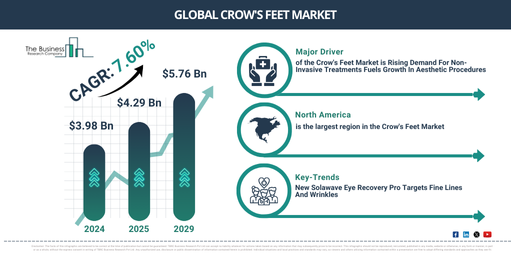
    Over the past few years, the market size for crow’s feet has seen significant expansion. It is projected to increase from $3.98 billion in 2024 to $4.29 billion in 2025, reflecting a compound annual growth rate (CAGR) of 7.7%. The historical growth can be attributed to factors such as the rise in the aging population, heightened public interest in beauty, an increase in disposable income and the impact of social media. Additional contributing factors include the rising demand for non-invasive treatments, broader acceptance of cosmetic procedures, increased global awareness of dermatology, and a cultural shift towards valuing youth.

    The market size for crow’s feet is projected to witness significant growth in the coming years, expanding to a value of $5.76 billion by 2029 with a compound annual growth rate (CAGR) of 7.6%. Factors contributing to this projection in the forecast period include the growing trend of at-home beauty appliances, personal skincare adoption, an amplified demand for anti-aging products that are natural and organic, the expansion of cosmetic medical tourism, increased awareness of early skincare, growth in the men’s skincare market, and the popularity of cosmetic procedures that minimally intrusive. The forecast period will likely also see trends such as AI-based skincare analysis, smart skincare equipment with biometric tracking, sophisticated technology for home anti-aging devices, 3d imaging for skin treatments tailored to an individual, automated system micro-needling, advanced laser technologies for rejuvenating skin, ultrasonic and radiofrequency wrinkle treatments, nanotechnology utilised for precise anti-aging ingredient delivery, wearable devices to monitor skin and innovative gene therapy and stem cells for skin regeneration.

    Download a free sample to assess the report’s scope and structure:

    https://www.thebusinessresearchcompany.com/sample.aspx?id=21161&type=smp

    What Are the Major Market Drivers Behind the Rising Adoption of Crow’s Feet Market?

    The surge in demand for non-invasive treatments among consumers is anticipated to stimulate the expansion of the crow’s feet market. Cosmetic treatments such as non-invasive procedures, which enhance skin appearance without requiring surgery or extensive recovery time, are increasingly popular. This rise in popularity can be attributed to factors like growing customer desire for swift and effective treatments, technological advancements, minimal recuperation time, diminished risk compared to surgical options, affordability, and heightened awareness about aesthetic treatments. Procedures that do not involve surgery, such as botulinum toxin injections, laser resurfacing, microneedling, radiofrequency therapy, chemical peels, and LED light treatments, contribute to the reduction of crow’s feet by relaxing facial muscles, augmenting collagen production, refining skin texture, and boosting elasticity. For instance, the International Society of Aesthetic Plastic Surgery (ISAPS), an organization based in the US, disclosed that in September 2023, the number of Botox procedures conducted around the world in 2022 reached 9,221,419, showing a 26.1% rise compared to the 7.3 million procedures carried out in 2021. Hence, the increasing consumer preference for non-invasive procedures is propelling the crow’s feet market’s growth.

    Which Key Market Segments Comprise the Crow’s Feet Market and Drive Its Revenue Growth?

    The crow’s feetmarket covered in this report is segmented –

    1) By Treatment Type: Topical Creams; Botulinum Toxin (Botox); Chemical Peels; Dermal Fillers; Other Treatment Types

    2) By Application: Hospitals And Clinics; Dermatology Centers; Homecare; Other Applications

    3) By Distribution Channel: Hospital Pharmacy; Retail Pharmacy; Online Pharmacy

    Subsegments:

    1) By Topical Creams: Retinoids; Peptides; Antioxidants; Hyaluronic Acid-based Creams; Alpha Hydroxy Acids (AHAs) And Beta Hydroxy Acids (BHAs)

    2) By Botulinum Toxin (Botox): OnabotulinumtoxinA; AbobotulinumtoxinA (Dysport); IncobotulinumtoxinA (Xeomin); PrabotulinumtoxinA (Jeuveau)

    3) Chemical Peels: Superficial Peels; Medium Peels; Deep Peels

    4) Dermal Fillers: Hyaluronic Acid Fillers; Collagen-based Fillers; Poly-L-Lactic Acid Fillers (Sculptra); Calcium Hydroxylapatite Fillers (Radiesse)

    5) Other Treatment Types: Laser Resurfacing; Microneedling; Radiofrequency Treatments; Ultrasound Therapy (Ultherapy); Surgical Interventions

    Request customized data on this market:

    https://www.thebusinessresearchcompany.com/customise?id=21161&type=smp

    Which Areas Are Leading Regions in the Crow’s Feet Market Expansion Across the Globe?

    North America was the largest region in the crow’s feet market in 2024. Asia-Pacific is expected to be the fastest-growing region in the forecast period. The regions covered in the crow’s feet market report are Asia-Pacific, Western Europe, Eastern Europe, North America, South America, Middle East, Africa.

    What Are the Strategic Trends Steering theCrow’s Feet Market Direction?

    Leading entities within the crow’s feet market have turned their attention to the creation of red and infrared light therapy masks as a non-invasive, effective solution for minimising wrinkles and fine lines around the eyes that can be used at home. These skincare tools use specific light wavelengths to enhance collagen production and decrease wrinkles, fine lines, and other aging symptoms. Solawave, an American skincare technology enterprise, introduced in October 2024 the Eye Recovery Pro, equipped with a red and infrared light therapy mask, purposefully created to combat early aging signs in the eye area, such as crow’s feet, puffiness, wrinkles, 11s, dark circles, sagging eyelids, uneven tones, among others. This mask merges red, deep red, near-infrared, and amber light therapies, providing impressive transformations within just a few weeks if the device is used consistently three minutes three times a week, for perceptible results.

    View the full report here:

    https://www.thebusinessresearchcompany.com/report/crows-feet-global-market-report

    How Is the Crow’s Feet Market Conceptually Defined?

    Crow’s feet are the fine lines and wrinkles that appear at the outer corners of the eyes, often becoming more prominent with age. They develop due to repeated facial expressions such as smiling and squinting, as well as a natural loss of collagen and skin elasticity. Regular use of anti-aging ingredients such as retinol and hyaluronic acid may also improve skin texture and minimize fine lines over time.

    Purchase the full report and get a swift delivery:

    https://www.thebusinessresearchcompany.com/purchaseoptions.aspx?id=21161

    About The Business Research Company:

    With over 15000+ reports from 27 industries covering 60+ geographies, The Business Research Company has built a reputation for offering comprehensive, data-rich research and insights. Armed with 1,500,000 datasets, the optimistic contribution of in-depth secondary research, and unique insights from industry leaders, you can get the information you need to stay ahead in the game.

    Get in touch with us:

    The Business Research Company: https://www.thebusinessresearchcompany.com/

    Americas +1 310-496-7795

    Europe +44 7882 955267

    Asia & Others +44 7882 955267 & +91 8897263534

    Email us at info@tbrc.info

    Follow us on:

    LinkedIn: https://in.linkedin.com/company/the-business-research-company

    YouTube: https://www.youtube.com/channel/UC24_fI0rV8cR5DxlCpgmyFQ

    Global Market Model: https://www.thebusinessresearchcompany.com/global-market-model
  • Cranial Fixation System Market Insights: In-Depth Look at Growth Trends, Market Size, and Opportunities for 2025-2034

    Claim your 30% discount on Global Market Reports with code ONLINE30. Limited time only.

    How Has the Cranial Fixation System Market Growth Performance Trended Historically, And What Lies Ahead?

    The market size of cranial fixation systems has seen robust growth in the past few years. The market, expected to surge from $1.5 billion in 2024 to $1.62 billion in 2025, will register a compound annual growth rate (CAGR) of 7.7%. Factors contributing to growth during the historical period include a higher number of traumatic brain injuries, a rise in neurological disorders, increasing demand for neurosurgeries, a spike in road accidents, and the growing incidence of orthopedic ailments.

    Expectations are high for substantial growth in the cranial fixation system market in the upcoming years, with projections reaching$2.17 billion by 2029.” This equates to a compound annual growth rate (CAGR) of 7.6%. This projected growth in the forecast period can be credited to factors such as the increase in robotic-assisted surgeries, more widespread use of minimally invasive surgical methods, a surge in trauma and spinal condition cases, a rise in medical tourism, and a growing rate of deep brain stimulation procedures adoption. The forecast period also anticipates key trends including product development advancements, a shift in demand towards patient-specific implants, breakthroughs in surgical techniques and materials, an emphasis on bespoke and patient-centered solutions, as well as the growing attention on personalized medicine.

    Download a free sample to assess the report’s scope and structure:

    https://www.thebusinessresearchcompany.com/sample.aspx?id=21160&type=smp

    What External and Internal Drivers Are Contributing to the Growth of theCranial Fixation System Market?

    The cranial fixation system market is expected to expand due to the increasing number of traumatic brain injuries (TBI). TBIs are injuries that happen when an external force like a blow or a jolt to the head causes brain damage. Factors contributing to the increase in TBIs include heightened instances of road traffic accidents, sports-related accidents, falls in older people, and trauma related to military combat. The cranial fixation system aids in stabilizing skull fractures and keeping bone fragments secure, thus facilitating proper healing and minimizing complications in TBI patients. For example, a report from the State of Alaska, a US government website, in November 2023 stated that in 2022, around 3,263 Alaskans suffered from TBIs, including those that resulted in death or required hospital or emergency department release. Out of those affected, 264 individuals (or 36 per 100,000 population) had a TBI cited as the reason for their death. Thus, the increased number of TBIs is fueling the cranial fixation system market’s growth.

    What Segment Types Define the Cranial Fixation System Market Structure?

    The cranial fixation systemmarket covered in this report is segmented –

    1) By Product Type: Implants; Mesh; Plates And Screws; Other Product Types

    2) By Indications: Brain Aneurysm; Brain Cancer; Hydrocephalous; Other Indications

    3) By Absorbability: Non Absorbable; Absorbable

    4) By End-User: Hospitals; Ambulatory Surgical Centers; Other End-Users

    Subsegments:

    1) By Implants: Cranial Implants; Biocompatible Implants; Custom Implants

    2) By Mesh: Titanium Mesh; Polymer Mesh; PEEK Mesh

    3) By Plates and Screws: Titanium Plates and Screws; Stainless Steel Plates and Screws; Absorbable Plates and Screws

    4) By Other Product Types: Cranial Staplers; Cranial Drills; Cranial Fixation Accessories

    Request customized data on this market:

    https://www.thebusinessresearchcompany.com/customise?id=21160&type=smp

    Which Geographic Areas Hold the Strongest Growth Potential in the Cranial Fixation System Market?

    North America was the largest region in the cranial fixation system market in 2024. The regions covered in the cranial fixation system market report are Asia-Pacific, Western Europe, Eastern Europe, North America, South America, Middle East, Africa.

    What Long-Term Trends Are Transforming the Competitive Landscape of the Cranial Fixation System Market?

    In the cranial fixation system market, key players are concentrating their efforts on the development of innovative products, such as cutting-edge skull stabilization devices. These are specific medical instruments used to securely hold and stabilize the skull during neurosurgical procedures. A perfect example of this would be when, in July 2023, Stryker Corporation, a pharmaceutical firm from the United States, brought the Q guidance system with cranial guidance software to market. This system boosts cranial surgeries by offering accurate navigation and high-quality imaging features, thus enhancing surgical planning and precision. With its easy-to-use interface and rapid performance, it simplifies workflows and ultimately leads to improved patient results.

    View the full report here:

    https://www.thebusinessresearchcompany.com/report/cranial-fixation-system-global-market-report

    What Is the Definition of the Cranial Fixation System Market?

    A cranial fixation system is a medical device to stabilize and secure cranial bones following neurosurgery, trauma, or cranial reconstruction procedures. This system typically includes components that work together to hold the head fixed, preventing movement during delicate operations such as brain surgery. Cranial fixation systems are essential in neurosurgery and trauma care, ensuring precise bone alignment and long-term stability.

    Purchase the full report and get a swift delivery:

    https://www.thebusinessresearchcompany.com/purchaseoptions.aspx?id=21160

    About The Business Research Company:

    With over 15000+ reports from 27 industries covering 60+ geographies, The Business Research Company has built a reputation for offering comprehensive, data-rich research and insights. Armed with 1,500,000 datasets, the optimistic contribution of in-depth secondary research, and unique insights from industry leaders, you can get the information you need to stay ahead in the game.

    Get in touch with us:

    The Business Research Company: https://www.thebusinessresearchcompany.com/

    Americas +1 310-496-7795

    Europe +44 7882 955267

    Asia & Others +44 7882 955267 & +91 8897263534

    Email us at info@tbrc.info

    Follow us on:

    LinkedIn: https://in.linkedin.com/company/the-business-research-company

    YouTube: https://www.youtube.com/channel/UC24_fI0rV8cR5DxlCpgmyFQ

    Global Market Model: https://www.thebusinessresearchcompany.com/global-market-model

  • Coxsackievirus Infections Treatment Market Outlook 2025–2034: Identifying Growth Drivers, Technology Trends, and Policy Impact

    Claim your 30% discount on Global Market Reports with code ONLINE30. Limited time only.

    What Are the Projected Market Size and Growth Rates for the Coxsackievirus Infections Treatment Market From 2025 To 2029?

    Remarkable growth has been observed in the market size for coxsackievirus infections treatment in recent times. Projected to escalate from $2.87 billion in 2024 to $3.1 billion in 2025, the market will flourish at a compound annual growth rate (CAGR) of 8.0%. The expansion witnessed in the preceding period is due to a surge in the incidence of hand, foot, and mouth disease, heightened awareness of viral infections, enhancement in healthcare infrastructure, increased demand for pediatric healthcare, rise in health-related expenditure, recurrent epidemics in countries of the Asia-Pacific region, escalated governmental efforts in healthcare and superior availability of over-the-counter treatments.

    The market for treating coxsackievirus infections is projected to experience robust growth in the coming years, with expectations to reach $4.2 billon in 2029 with a Compound Annual Growth Rate (CAGR) of 7.9%. Several factors are contributing to this projected growth during the forecast period, including an increase in coxsackievirus infection cases, a greater emphasis on preventative healthcare, advancement in healthcare services in developing regions, an increased use of care products that offer support, a growing demand for antiviral treatments, improvements in treatment guidelines, more funding for research and development, a heightened awareness about viral ailments, and an increase in healthcare expenses in burgeoning economies. Some of the notable trends during the forecast period include the creation of quick diagnostic tools, the use of artificial intelligence in determining treatment plans, the incorporation of telemedicine for remote care, advances in molecular diagnostics, the creation of targeted antiviral medications, the use of health monitoring devices that can be worn, the expansion of personalized medicine, the introduction of digital health solutions, innovations in vaccine delivery methods, and the creation of combination treatments for better effectiveness.

    Download a free sample to assess the report’s scope and structure:

    https://www.thebusinessresearchcompany.com/sample.aspx?id=21159&type=smp

    What Are the Core Market Drivers Propelling Growth in the Coxsackievirus Infections Treatment Industry?

    The growth of the coxsackievirus infections treatment market is projected to be fueled by the high occurrence of viral infections that cause hand, foot, and mouth disease (HFMD). HFMD is a viral infection predominantly seen in children that leads to fever, mouth sores, and a rash on the hands and feet. It is most frequently caused by multiple viruses, with coxsackievirus A16 and enterovirus 71 being the most common. This surge can be attributed to factors like close proximity with those infected, poor sanitation, and interaction with respiratory droplets or surfaces contaminated with the virus. Coxsackievirus infection treatments are utilized to manage viral infection symptoms such as those exhibited in HFMD by offering supportive care that includes pain relief, hydration, and fever alleviation. For example, data from the Indonesia Ministry of Health (MoH) in April 2024 revealed that HFMD cases had totaled 6,500 in the first quarter of 2024, accounting for over half of the 11,000 incidents reported in 2023. As a result, the high incidence of viral infections leading to HFMD is contributing to the expansion of the coxsackievirus infections treatment market.

    How Is the Coxsackievirus Infections Treatment Market Segmented?

    The coxsackievirus infections treatmentmarket covered in this report is segmented –

    1) By Treatment Type: Antiviral Medications; Non-Steroidal Anti-Inflammatory Drugs (NSAIDs); Corticosteroids; Supportive Care

    2) By Route Of Administration: Oral; Intravenous (IV); Topical; Inhalation

    3) By Age Group: Pediatric Patients; Adult Patients; Geriatric Patients

    4) By Distribution Channel: Hospital Pharmacies; Retail Pharmacies; Online Pharmacies

    5) By End-User: Hospitals; Outpatient Clinics; Home Care Settings; Educational Institutions (Daycare, Schools)

    Subsegments:

    1) By Antiviral Medications: Nucleoside Analogues; Protease Inhibitors; Polymerase Inhibitors

    2) By Non-Steroidal Anti-Inflammatory Drugs (NSAIDs): Ibuprofen; Aspirin; Naproxen; Diclofenac

    3) By Corticosteroids: Prednisone; Hydrocortisone; Methylprednisolone; Dexamethasone

    4) By Supportive Care: Fluid Replacement Therapy; Pain Management; Fever Management; Rest and Nutrition

    Request customized data on this market:

    https://www.thebusinessresearchcompany.com/customise?id=21159&type=smp

    Which Regions Are Driving the Next Phase of the Coxsackievirus Infections Treatment Market Growth?

    North America was the largest region in the coxsackievirus infections treatment market in 2024. Asia-Pacific is expected to be the fastest-growing region in the forecast period. The regions covered in the coxsackievirus infections treatment market report are Asia-Pacific, Western Europe, Eastern Europe, North America, South America, Middle East, Africa.

    What Key Market Trends and Innovations Are Shaping the Future of the Coxsackievirus Infections Treatment Industry?

    Key players in the coxsackievirus infections treatment market are focusing on creating polyvalent inactivated vaccines. These vaccines aim to provide widespread protection, lower the rates of infection, and enhance public health results. Polyvalent inactivated vaccines include several dead forms of various pathogens or strains, with the goal of guarding against multiple diseases or infections. For example, in March 2022, Provention Bio Inc., a biopharmaceutical company based in the US, announced encouraging outcomes from the final evaluation of its initial human PROVENT trial of PRV-101, a polyvalent inactivated coxsackievirus B (CVB) vaccine candidate. This vaccine candidate is designed to target CVB strains linked with type 1 diabetes (T1D) autoimmunity. PRV-101, as a polyvalent inactivated vaccine, introduces killed coxsackievirus B (CVB) serotypes to the immune system, aiding the body to identify and build immunity against multiple strains without causing an infection.

    View the full report here:

    https://www.thebusinessresearchcompany.com/report/coxsackievirus-infections-treatment-global-market-report

    How Is the Coxsackievirus Infections Treatment Market Defined and What Are Its Core Parameters?

    Coxsackievirus infection treatment refers to the management of symptoms caused by Coxsackievirus, as there is no specific antiviral cure. Treatment focuses on supportive care, including rest, hydration, fever reducers, and pain relievers to alleviate symptoms. In severe cases, medical intervention may be required to address complications such as viral meningitis or myocarditis.

    Purchase the full report and get a swift delivery:

    https://www.thebusinessresearchcompany.com/purchaseoptions.aspx?id=21159

    About The Business Research Company:

    With over 15000+ reports from 27 industries covering 60+ geographies, The Business Research Company has built a reputation for offering comprehensive, data-rich research and insights. Armed with 1,500,000 datasets, the optimistic contribution of in-depth secondary research, and unique insights from industry leaders, you can get the information you need to stay ahead in the game.

    Get in touch with us:

    The Business Research Company: https://www.thebusinessresearchcompany.com/

    Americas +1 310-496-7795

    Europe +44 7882 955267

    Asia & Others +44 7882 955267 & +91 8897263534

    Email us at info@tbrc.info

    Follow us on:

    LinkedIn: https://in.linkedin.com/company/the-business-research-company

    YouTube: https://www.youtube.com/channel/UC24_fI0rV8cR5DxlCpgmyFQ

    Global Market Model: https://www.thebusinessresearchcompany.com/global-market-model

  • Critical Market Drivers Shaping the Outlook for Insulin Infusion Pump Market from 2025-2034: Growing Prevalence Of Diabetes Fuelling The Growth Of The Market Due To Increasing Need For Continuous Glucose Management

    Critical Market Drivers Shaping the Outlook for Insulin Infusion Pump Market from 2025-2034: Growing Prevalence Of Diabetes Fuelling The Growth Of The Market Due To Increasing Need For Continuous Glucose Management

    Claim your 30% discount on Global Market Reports with code ONLINE30. Limited time only.

    How Has the Insulin Infusion Pump Market Growth Performance Trended Historically, And What Lies Ahead?

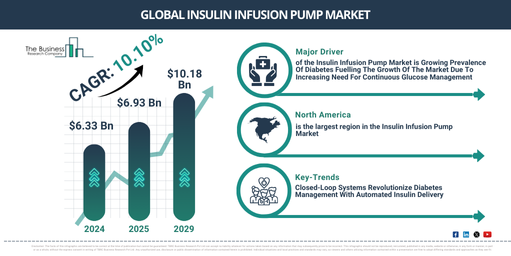
    The market for insulin infusion pumps has exhibited robust growth in the recent past. The market, which was valued at $6.33 billion in 2024, is projected to reach $6.93 billion in 2025, marking a compound annual growth rate (CAGR) of 9.6%. The former growth during the historic period can be observed due to the rising number of diabetes patients, escalating obesity rates, surging demand for these integrated systems, enhanced awareness and education, along with improved reimbursement policies.

    In the forthcoming years, the insulin infusion pump market is projected to experience substantial growth. Its anticipated climb to $10.18 billion in 2029 is due to a compound annual growth rate (CAGR) of 10.1%. Contributing factors to the surge anticipated in the forecast period encompass broader telehealth access, a higher incidence of chronic illnesses, an escalating demand for personalized medical care, increased expenditure on healthcare, and heightened awareness among physicians and patients. Notable trends in the forecast duration consist of advanced closed-loop systems, application of artificial intelligence (AI) and machine learning, progress in wireless connectivity technology, insulin pump miniaturization advancements, and combination with wearable technology devices.

    Download a free sample to assess the report’s scope and structure:

    https://www.thebusinessresearchcompany.com/sample.aspx?id=24256&type=smp

    What Are the Core Growth Drivers Propelling the Insulin Infusion Pump Market Forward?

    The insulin infusion pump market is anticipated to expand due to the rising incidence of diabetes. Diabetes is a long-term health condition wherein the body fails to regulate blood sugar or glucose levels effectively. Increasing sedentary lifestyles and poor eating routines, which result in obesity, insulin resistance, and a higher occurrence of type 2 diabetes, mainly contribute to the rising incidence of diabetes. Insulin infusion pumps, which offer continuous and accurate insulin delivery, play a vital role in managing diabetes by maintaining steady blood glucose levels. This technology minimizes the necessity for regular injections, providing convenience and improved control over blood sugar, thereby improving the overall management of diabetes. For example, in June 2024, the National Health Service, a government department in the UK, reported that 3,615,330 individuals registered with a general practitioner (GP) were diagnosed with non-diabetic hyperglycemia or pre-diabetes in 2023, signifying an 18% growth from 3,065,825 cases in 2022. Hence, the rise in diseases related to lifestyle is projected to fuel the growth of the medical device safety testing market.

    What Segment Types Define the Insulin Infusion Pump Market Structure?

    The insulin infusion pumpmarket covered in this report is segmented –

    1) By Type: Continuous Subcutaneous Insulin Infusion Pumps; Insulin Delivery Pens; Wearable Insulin Pumps

    2) By Technology: Remote Monitoring Systems; Closed Loop Systems; Smart Insulin Pumps

    3) By End Use: Hospitals; Home Care Settings; Diabetes Clinics

    Subsegments:

    1) By Continuous Subcutaneous Insulin Infusion (CSII) Pumps: Tubed Insulin Pumps; Tubeless Insulin Pumps; Closed-Loop Systems; Smart Insulin Pumps

    2) By Insulin Delivery Pens: Reusable Insulin Pens; Disposable Insulin Pens; Smart Insulin Pens

    3) By Wearable Insulin Pumps: Adhesive Patch Pumps; Detachable Patch Pumps; Hybrid Closed-Loop Wearables

    Request customized data on this market:

    https://www.thebusinessresearchcompany.com/customise?id=24256&type=smp

    Which Geographic Areas Hold the Strongest Growth Potential in the Insulin Infusion Pump Market?

    North America was the largest region in the insulin infusion pump market in 2024. Asia-Pacific is expected to be the fastest-growing region in the forecast period. The regions covered in the insulin infusion pump market report are Asia-Pacific, Western Europe, Eastern Europe, North America, South America, Middle East, Africa.

    Which Emerging Trends that Are Influencing theInsulin Infusion Pump Industry Evolution?

    In the insulin infusion pumps market, leading corporations are concentrating on introducing innovative merchandise like insulin patch pump systems. These are devices that enhance portability, convenience, and available more discreet and comfortable alternatives for insulin delivery to patients. Insulin patch pump systems are small wearable units that convey insulin straight to the skin, circumventing the need for customary tubing. Case in point, in November 2023, ViCentra BV, a medical device company based in the Netherlands, introduced a hybrid closed-loop system that automated insulin delivery by fusing its Kaleido insulin patch pump with the Diabeloop DBLG1 algorithm and Dexcom G6 continuous glucose tracking device. This cohesive artificial pancreas modifies insulin dosing in real-time, ameliorating glucose control, increasing time in range and significantly reducing the occurrence of hypoglycemia in type 1 diabetes individuals. The system is user-friendly, has a straightforward setup that doesn’t require fingerstick tests, and transfers data to a cloud platform that facilitates easier supervision by healthcare providers and users.

    View the full report here:

    https://www.thebusinessresearchcompany.com/report/insulin-infusion-pump-global-market-report

    What Is the Definition of the Insulin Infusion Pump Market?

    Insulin infusion pump is a small, wearable device used for the continuous delivery of insulin to individuals with diabetes, helping to maintain optimal blood glucose levels. It delivers insulin through a catheter placed under the skin, offering more precise and flexible management compared to multiple daily injections.

    Purchase the full report and get a swift delivery:

    https://www.thebusinessresearchcompany.com/purchaseoptions.aspx?id=24256

    About The Business Research Company:

    With over 15000+ reports from 27 industries covering 60+ geographies, The Business Research Company has built a reputation for offering comprehensive, data-rich research and insights. Armed with 1,500,000 datasets, the optimistic contribution of in-depth secondary research, and unique insights from industry leaders, you can get the information you need to stay ahead in the game.

    Get in touch with us:

    The Business Research Company: https://www.thebusinessresearchcompany.com/

    Americas +1 310-496-7795

    Europe +44 7882 955267

    Asia & Others +44 7882 955267 & +91 8897263534

    Email us at info@tbrc.info

    Follow us on:

    LinkedIn: https://in.linkedin.com/company/the-business-research-company

    YouTube: https://www.youtube.com/channel/UC24_fI0rV8cR5DxlCpgmyFQ

    Global Market Model: https://www.thebusinessresearchcompany.com/global-market-model