Blog

  • Emerging Growth Drivers in the Corneal Endothelial Dystrophy Market Landscape: Growing Demand For Corneal Transplantation Driving The Market

    Emerging Growth Drivers in the Corneal Endothelial Dystrophy Market Landscape: Growing Demand For Corneal Transplantation Driving The Market

    Claim your 30% discount on Global Market Reports with code ONLINE30. Limited time only.

    What Is the Estimated Market Size of the Corneal Endothelial Dystrophy Market In 2029?

    In recent times, the market size of corneal endothelial dystrophy has seen robust growth. It is projected to expand from $170.96 billion in 2024 to $184.84 billion in 2025, reflecting a compound annual growth rate (CAGR) of 8.1%. This growth during the historic period is driven by factors such as increased healthcare spending, a rise in the number of corneal endothelial dystrophy cases, an aging global population, a steadily increasing rate of eye diseases, and an escalating prevalence of corneal disorders.

    In the coming years, the corneal endothelial dystrophy market is projected to experience significant growth, reaching a value of$250.98 billion by 2029, with a compound annual growth rate (CAGR) of 7.9%. The expansion anticipated in this period can be linked to an increase in corneal blindness in developing nations, a rise in eye health consciousness, growing need for corneal transplants, enhanced healthcare facilities, and a higher incidence of chronic diseases. The main trends for the forecast period includes progression in regenerative therapies, advancements in healthcare technology, improvements in diagnostic methods, technological progress in ophthalmic lasers, and the emergence of advanced technologies.

    Download a free sample to assess the report’s scope and structure:

    https://www.thebusinessresearchcompany.com/sample.aspx?id=21158&type=smp

    Which Primay Drivers Are Accelerating Growth in the Corneal Endothelial Dystrophy Market?

    The increase in demand for corneal transplants is expected to positively impact the progress of the corneal endothelial dystrophy market. A medical procedure wherein a damaged or diseased cornea is substituted with a healthy one from a donor to improve eyesight and overall eye health is known as corneal transplantation. The need for these procedures is heightened due to the increase in corneal disease rates, better surgical methods, and higher organ donation frequencies. Corneal endothelial dystrophy is tackled through corneal transplants, substituting the impaired endothelium with suitable donor tissue to regain corneal clarity, decrease edema, and enhance eye sight. For instance, data from the US-based Eye Bank Association of America revealed that in 2023, domestic keratoplasty procedures, a type of corneal transplant, experienced a 2.7% increase, jumping from 49,597 in 2022 to 50,925 in 2023. Therefore, the demand for corneal transplants is seen to be fueling the corneal endothelial dystrophy market’s expansion.

    Which Primary Segments of the Corneal Endothelial Dystrophy Market Are Driving Growth and Industry Transformations?

    The corneal endothelial dystrophymarket covered in this report is segmented –

    1) By Treatment: Phototherapeutic Keratectomy; Amniotic Membrane Transplants; Anterior Stromal Puncture; Conjunctival Flaps

    2) By Disease Type: Congenital Hereditary Endothelial Dystrophy 1; Congenital Hereditary Endothelial Dystrophy 2; Posterior Polymorphous Corneal Dystrophy; Fuchs Endothelial Corneal Dystrophy

    3) By Diagnosis: Cornea Examination And Grading; Corneal Tomography; Corneal Pachymetry; Corneal Cell Count

    4) By End-User: Hospitals; Clinics; Other End Users

    Subsegments:

    1) By Phototherapeutic Keratectomy: Excimer Laser Therapy; Corneal Reshaping

    2) By Amniotic Membrane Transplants: Fresh Amniotic Membrane Transplant; Cryopreserved Amniotic Membrane Transplant

    3) By Anterior Stromal Puncture: Manual Technique; Laser-Assisted Technique

    4) By Conjunctival Flaps: Partial Flap Technique; Full Flap Technique

    Request customized data on this market:

    https://www.thebusinessresearchcompany.com/customise?id=21158&type=smp

    Which Regions Are Key Players in the Growth of the #Which Primay Drivers Are Accelerating Growth in the Corneal Endothelial Dystrophy Market?# Market?

    North America was the largest region in the corneal endothelial dystrophy market in 2024. Asia-Pacific is expected to be the fastest-growing region in the forecast period. The regions covered in the corneal endothelial dystrophy market report are Asia-Pacific, Western Europe, Eastern Europe, North America, South America, Middle East, Africa.

    Which Technological Trends Are Reshaping the Corneal Endothelial Dystrophy Industry Dynamics?

    In an effort to cater to unfulfilled medical needs with new, minimally invasive alternatives which enhance patient results, key companies in the corneal endothelial dystrophy market are investing in the development of cutting-edge treatments like allogeneic cell therapy. This specific form of therapy involves utilizing cells sourced from a genetically distinct donor of the same species to treat the patient. In a notable example from September 2024, Aurion Biotech Inc., a clinical-stage biotech company from the U.S., introduced Vyznova (neltependocel) in Japan as a treatment for bullous keratopathy, a type of corneal endothelial disease. As a cell therapy developed by Aurion Biotech, Vyznova treats bullous keratopathy, a condition that impairs corneal endothelial cells and results in vision issues. It holds the distinction of being the first approved cell therapy for corneal endothelial disease and has received approval in Japan. Vyznova incorporates lab-grown corneal endothelial cells, which means a single donor can yield up to 1,000 doses. This revolutionary treatment presents a less intrusive alternative to corneal transplants, thus mitigating the lack of donor corneas and paving a novel path to restoring vision to patients afflicted with corneal diseases.

    View the full report here:

    https://www.thebusinessresearchcompany.com/report/corneal-endothelial-dystrophy-global-market-report

    What Parameters Are Used to Define the Corneal Endothelial Dystrophy Market?

    Corneal endothelial dystrophy is a genetic eye disorder that affects the cornea’s endothelium (the inner layer of cells), leading to progressive loss of corneal clarity. The condition is characterized by the degeneration of the endothelial cells responsible for maintaining proper fluid balance within the cornea.

    Purchase the full report and get a swift delivery:

    https://www.thebusinessresearchcompany.com/purchaseoptions.aspx?id=21158

    About The Business Research Company:

    With over 15000+ reports from 27 industries covering 60+ geographies, The Business Research Company has built a reputation for offering comprehensive, data-rich research and insights. Armed with 1,500,000 datasets, the optimistic contribution of in-depth secondary research, and unique insights from industry leaders, you can get the information you need to stay ahead in the game.

    Get in touch with us:

    The Business Research Company: https://www.thebusinessresearchcompany.com/

    Americas +1 310-496-7795

    Europe +44 7882 955267

    Asia & Others +44 7882 955267 & +91 8897263534

    Email us at info@tbrc.info

    Follow us on:

    LinkedIn: https://in.linkedin.com/company/the-business-research-company

    YouTube: https://www.youtube.com/channel/UC24_fI0rV8cR5DxlCpgmyFQ

    Global Market Model: https://www.thebusinessresearchcompany.com/global-market-model
  • Key Factors Fueling the Growth of the In The Canal (ITC) Hearing Aids Market in 2025: Increasing Prevalence Of Hearing Loss Fueling The Growth Of The Market Due To Aging Population And Advancements In Early Detection

    Key Factors Fueling the Growth of the In The Canal (ITC) Hearing Aids Market in 2025: Increasing Prevalence Of Hearing Loss Fueling The Growth Of The Market Due To Aging Population And Advancements In Early Detection

    Claim your 30% discount on Global Market Reports with code ONLINE30. Limited time only.

    What Are the Projected Market Size and Growth Rates for the In The Canal (ITC) Hearing Aids Market From 2025 To 2029?

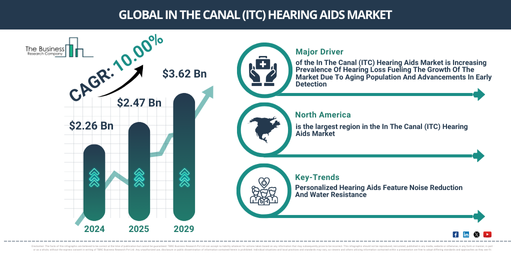
    The market for in the canal (itc) hearing aids has seen significant growth in the past few years. The market value is expected to increase from $2.26 billion in 2024 to $2.47 billion in 2025, registering a compound annual growth rate (CAGR) of 9.5%. Key factors driving this growth include increased health awareness around hearing, expanding aged population, rising incidences of hearing impairment, heightened demand for tailor-made solutions, and an increase in the number of hearing care experts.

    Expectations are high for robust growth in the In The Canal (ITC) hearing aids market size over the coming years. A booming market worth is predicted to reach$3.62 billion in 2029″, growing at a Compound Annual Growth Rate (CAGR) of 10.0%. This upward surge for the forecasted period can be credited to higher usage of digital hearing aids, growing demand for intelligent wireless hearing devices, the increasing instances of noise-induced hearing loss, a rise in interest towards personalized health devices, and improved accessibility to affordable hearing aids. Key trends during this period will include development of new algorithms, breakthroughs in audio processing technologies, incorporation of cloud-based solutions, integration of voice assistants, and innovation in noise-cancellation technology.

    Download a free sample to assess the report’s scope and structure:

    https://www.thebusinessresearchcompany.com/sample.aspx?id=24249&type=smp

    What are the Fundamental Drivers and Innovations Shaping the In The Canal (ITC) Hearing Aids Market?

    The rise in hearing loss incidents is anticipated to further the expansion of the in-the-canal (ITC) hearing aids market. Hearing loss, often caused by damage to the ear or auditory pathway, is the complete or partial inability to perceive sounds in either or both ears. The growing cases of hearing loss are mainly due to an aging populace, with age-related changes leading to a higher occurrence of auditory difficulties in the elderly. In-the-canal (ITC) hearing aids serve as a perfect solution to hearing loss by offering discreet, tailor-fit designs that make them perfect for daily use. The devices increase sound clarity using innovative technology and less listening effort, enhancing communication in a variety of settings. For instance, by January 2025, the Centers for Disease Control and Prevention, a US government agency, reported that over 98% of U.S. newborns had undergone hearing loss screening in 2022. More than 6,000 babies were diagnosed with permanent hearing loss, yielding a prevalence rate of 1.7 cases for every 1,000 infants screened. Hence, the rising instances of hearing loss are propelling the growth of the in-the-canal (ITC) hearing aids market.

    How Is the In The Canal (ITC) Hearing Aids Market Segmented?

    The in the canal (itc) hearing aidsmarket covered in this report is segmented –

    1) By Product Type: Full-Shell In The Canal Hearing Aids; Half-Shell In The Canal Hearing Aids; Custom In The Canal Hearing Aids; Programmable In The Canal Hearing Aids

    2) By Technology: Analog In The Canal Hearing Aids; Digital In The Canal Hearing Aids; Bluetooth-Enabled In The Canal Hearing Aids; Rechargeable In The Canal Hearing Aids

    3) By Price Range: Economical In The Canal Hearing Aids; Mid-Range In The Canal Hearing Aids; Premium In The Canal Hearing Aids

    4) By Distribution Channel: Online Stores; Pharmacies; Specialty Stores; Direct Sales

    5) By End User: Children; Adults; Gerontology

    Subsegments:

    1) By Full-Shell In The Canal Hearing Aids: Custom-Fit For The Ear Canal; Offers Maximum Amplification

    2) By Half-Shell In The Canal Hearing Aids: Smaller Than Full-Shell Models; Partially Fills The Ear Canal

    3) By Custom In The Canal Hearing Aids: Single Custom Mold; Multi-Mold Custom Options

    4) By Programmable In The Canal Hearing Aids: Digital Programmable; Analog Programmable

    Request customized data on this market:

    https://www.thebusinessresearchcompany.com/customise?id=24249&type=smp

    Which Regions Are Driving the Next Phase of the In The Canal (ITC) Hearing Aids Market Growth?

    North America was the largest region in the in-the-canal (ITC) hearing aids market in 2024. Asia-Pacific is expected to be the fastest-growing region in the forecast period. The regions covered in the in the canal (ITC) hearing aids market report are Asia-Pacific, Western Europe, Eastern Europe, North America, South America, Middle East, Africa.

    What Key Trends Are Shaping the Future of the In The Canal (ITC) Hearing Aids Market?

    Key players in the in-the-canal (ITC) hearing aids market are placing their focus on the creation of technologically sophisticated products such as personalized in-the-ear (ITE) gadgets, with the aim of improving user satisfaction with regard to comfort, audio quality and unobtrusiveness. In-the-ear (ITE) devices are hearing aids customized to accommodate the unique contours of an individual’s ear canal, offering an inconspicuous look while providing optimal comfort and advanced sound amplification. For example, Oticon A/S, a hearing aid maker based in Denmark, launched the Oticon Own hearing aids in August 2022, which are designed to provide completely bespoke fit for maximum comfort. These aids incorporate an integrated deep neural network (DNN) that harnesses the power of AI to allow for natural sound processing and better speech comprehension even in a noisy setting. As bespoke in-the-ear (ITE) gadgets, they are very unobtrusive and come with enhanced feedback suppression, digital noise deduction and are resistant to water and dust, offering reliable comfort for all-day usage.

    View the full report here:

    https://www.thebusinessresearchcompany.com/report/in-the-canal-itc-hearing-aids-global-market-report

    How Is the In The Canal (ITC) Hearing Aids Market Defined and What Are Its Core Parameters?

    In-the-canal (ITC) hearing aids are custom-made small devices that fit partly in the ear canal. They are designed to offer a discreet solution for individuals with mild to moderate hearing loss. In-the-canal (ITC) hearing aids amplify sound and improve hearing while maintaining a natural, comfortable fit for the user.

    Purchase the full report and get a swift delivery:

    https://www.thebusinessresearchcompany.com/purchaseoptions.aspx?id=24249

    About The Business Research Company:

    With over 15000+ reports from 27 industries covering 60+ geographies, The Business Research Company has built a reputation for offering comprehensive, data-rich research and insights. Armed with 1,500,000 datasets, the optimistic contribution of in-depth secondary research, and unique insights from industry leaders, you can get the information you need to stay ahead in the game.

    Get in touch with us:

    The Business Research Company: https://www.thebusinessresearchcompany.com/

    Americas +1 310-496-7795

    Europe +44 7882 955267

    Asia & Others +44 7882 955267 & +91 8897263534

    Email us at info@tbrc.info

    Follow us on:

    LinkedIn: https://in.linkedin.com/company/the-business-research-company

    YouTube: https://www.youtube.com/channel/UC24_fI0rV8cR5DxlCpgmyFQ

    Global Market Model: https://www.thebusinessresearchcompany.com/global-market-model

  • Strategic Growth Drivers Shaping the Congenital Adrenal Hyperplasia Market Outlook 2025- 2034:Growing Demand For Gene Therapy Driving The Expansion Of The Market

    Strategic Growth Drivers Shaping the Congenital Adrenal Hyperplasia Market Outlook 2025- 2034:Growing Demand For Gene Therapy Driving The Expansion Of The Market

    Claim your 30% discount on Global Market Reports with code ONLINE30. Limited time only.

    How Fast Is The Congenital Adrenal Hyperplasia Market Expected to Grow Between 2025 And 2029?

    The market for congenital adrenal hyperplasia has experienced robust growth in the past few years. It is projected to increase from $0.47 billion in 2024 to $0.5 billion in 2025 at a compound annual growth rate (CAGR) of 7.0%. This surge in the market size over the historic period is linked to factors such as the rising incidence of congenital adrenal hyperplasia, wider acceptance of corticosteroid therapies, an uptick in healthcare spending, a heightened emphasis on pediatric care, and enhanced government initiatives and reimbursement policies.

    The market size for congenital adrenal hyperplasia is likely to experience firm expansion in the following years, ballooning to$0.65 billion by 2029″ with a 6.9% Compound Annual Growth Rate (CAGR). The boosting factors for this projected growth within the forecast timeframe include an increased demand for customized medicine, a rising number of genetic disorders, escalated focus on research for treating congenital adrenal hyperplasia, growth in healthcare investments, and an expanding use of telehealth in managing congenital adrenal hyperplasia. Some key trends to note for the forecast period are developments in healthcare infrastructure, progress in molecular diagnostic techniques, advancements in creating enzyme replacement therapies, maturation in long-acting corticosteroid formulation technologies, and improvements in genetic testing.

    Download a free sample to assess the report’s scope and structure:

    https://www.thebusinessresearchcompany.com/sample.aspx?id=21157&type=smp

    Which Factors and External Forces Are Driving Demand in the Congenital Adrenal Hyperplasia Market?

    The growth of the congenital adrenal hyperplasia market is expected to be fueled by the increasing demand for gene therapy. Gene therapy refers to a medical strategy that involves altering or manipulating an individual’s genes to prevent or cure illnesses. The increased demand for gene therapy can be traced back to developments in genetic studies and biotechnology, which have facilitated more accurate and specific treatments for genetic disorders, cancers, and other long-term diseases. Opportunities for targeted genetic interventions are provided through gene therapy’s emphasis on the congenital adrenal hyperplasia (CAH) disorder, which is caused by alterations in the genes involved in adrenal hormone production. These interventions aim to correct genetic defects and restore normal hormone activity. For example, per the American Society of Gene and Cell Therapy (ASGCT), a US-based professional association, 1,023 gene therapies were being developed for rare diseases, with eight of the top 10 being oncological, as of April 2024. The initiation of 76 gene therapy trials in the second quarter of 2024, which represented a 25% increase from the previous quarter, suggests that the growing demand for gene therapy is contributing to the expansion of the congenital adrenal hyperplasia market.

    Which Segments in the Congenital Adrenal Hyperplasia Offer the Most Growth?

    The congenital adrenal hyperplasiamarket covered in this report is segmented –

    1) By Type: Classic Congenital Adrenal Hyperplasia; Non-Classic Congenital Adrenal Hyperplasia

    2) By Treatment And Diagnosis: Diagnosis; Treatment

    3) By End-Use: Hospitals; Specialty Clinics; Ambulatory Surgical Centers; Research Institutes

    Subsegments:

    1) By Classic Congenital Adrenal Hyperplasia: Salt-Wasting Classic Congenital Adrenal Hyperplasia; Simple Virilizing Classic Congenital Adrenal Hyperplasia

    2) By Non-Classic Congenital Adrenal Hyperplasia: Late-Onset Non-Classic Congenital Adrenal Hyperplasia; Mild Non-Classic Congenital Adrenal Hyperplasia

    Request customized data on this market:

    https://www.thebusinessresearchcompany.com/customise?id=21157&type=smp

    What Are the Fastest-Growing Geographies in the #Which Factors and External Forces Are Driving Demand in the Congenital Adrenal Hyperplasia Market?# Market?

    North America was the largest region in the congenital adrenal hyperplasia market in 2024. Asia-Pacific is expected to be the fastest-growing region in the forecast period. The regions covered in the congenital adrenal hyperplasia market report are Asia-Pacific, Western Europe, Eastern Europe, North America, South America, Middle East, Africa.

    Which Cutting-Edge Market Trends Are Expected to Drive theCongenital Adrenal Hyperplasia Market’s Growth?

    Leading firms in the congenital adrenal hyperplasia market are turning their attention towards the creation of innovative therapies like CRF1 receptor antagonists. These are set to control cortisol production and decrease the excessive adrenal androgen. The CRF1 receptor antagonist is a type of medication that inhibits the corticotropin-releasing factor 1 (CRF1) receptor, controlling the body’s stress response and lessening adrenal androgen overproduction, often seen in condiciones like congenital adrenal hyperplasia. Neurocrine Biosciences, Inc., an American biopharmaceutical company, for example, gained FDA approval in December 2024 for crenessity (crinecerfont), marking the first fresh treatment for congenital adrenal hyperplasia (CAH) in seven decades. This oral drug functions as an exclusive antagonist of corticotropin-releasing factor type 1 receptors, managing excessive adrenocorticotropic hormone (ACTH) and adrenal androgens and permitting lower glucocorticoid doses. The approval relied on findings from the CAHtalyst Phase 3 tests, revealing substantial effectiveness in decreasing androgen levels. Crenessity is set to be accessible shortly, signifying a considerable stride in the management of CAH.

    View the full report here:

    https://www.thebusinessresearchcompany.com/report/congenital-adrenal-hyperplasia-global-market-report

    What Are the Key Elements That Define the Congenital Adrenal Hyperplasia Market?

    Congenital adrenal hyperplasia refers to a group of inherited disorders affecting adrenal gland function due to enzyme deficiencies, primarily 21-hydroxylase. Congenital adrenal hyperplasia is managed through hormone replacement therapy to normalize cortisol and aldosterone levels, suppress excess androgen production, and address associated symptoms such as electrolyte imbalance and abnormal physical development.

    Purchase the full report and get a swift delivery:

    https://www.thebusinessresearchcompany.com/purchaseoptions.aspx?id=21157

    About The Business Research Company:

    With over 15000+ reports from 27 industries covering 60+ geographies, The Business Research Company has built a reputation for offering comprehensive, data-rich research and insights. Armed with 1,500,000 datasets, the optimistic contribution of in-depth secondary research, and unique insights from industry leaders, you can get the information you need to stay ahead in the game.

    Get in touch with us:

    The Business Research Company: https://www.thebusinessresearchcompany.com/

    Americas +1 310-496-7795

    Europe +44 7882 955267

    Asia & Others +44 7882 955267 & +91 8897263534

    Email us at info@tbrc.info

    Follow us on:

    LinkedIn: https://in.linkedin.com/company/the-business-research-company

    YouTube: https://www.youtube.com/channel/UC24_fI0rV8cR5DxlCpgmyFQ

    Global Market Model: https://www.thebusinessresearchcompany.com/global-market-model
  • Major Trends and Emerging Patterns in the Humira Biosimilar Market: Expansion Of Cost-Effective TNF Blocker Biosimilars For Autoimmune Disease Management

    Major Trends and Emerging Patterns in the Humira Biosimilar Market: Expansion Of Cost-Effective TNF Blocker Biosimilars For Autoimmune Disease Management

    Claim your 30% discount on Global Market Reports with code ONLINE30. Limited time only.

    What Is the Estimated Market Size of the Humira Biosimilar Market In 2029?

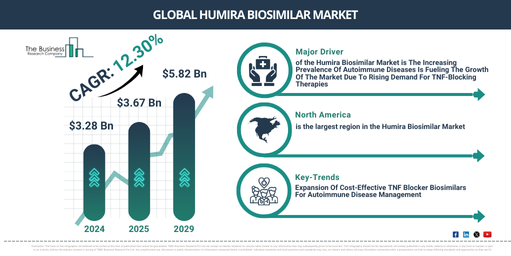
    The market size for Humira biosimilars has seen a significant expansion in the previous years. The market, valued at $3.28 billion in 2024, is projected to increase to $3.67 billion in 2025, reflecting a compound annual growth rate (CAGR) of 12.0%. This remarkable growth during the historic period is a result of several factors. These include the escalating demand for economical substitutes, the rising number of biosimilars approved by regulatory authorities, an increased prevalence of autoimmune conditions, the broadening of access to healthcare in developing markets, and the substantial cost of original biologics.

    The market for Humira biosimilars is projected to experience substantial expansion in the coming years, reaching an expected value of$5.82 billion in 2029 with a compound annual growth rate (CAGR) of 12.3%. The progression throughout the predicted period is tied to enhancements in biosimilar development technology, intensified efforts in constraining healthcare costs, the extension of original biologics’ patent expirations, improvement in market accessibility and reimbursement policies, along with the growing application of biosimilars in fields like oncology and autoimmune diseases. The forecast period will likely witness an escalating approval rate for more biosimilars, advancements in biomanufacturing processes, increasing research and development initiatives, the development and subsequent approval of biosimilar drugs, and progress in drug formulation.

    Download a free sample to assess the report’s scope and structure:

    https://www.thebusinessresearchcompany.com/sample.aspx?id=24244&type=smp

    What Are the Primary Drivers Supporting the Market Growth of the Humira Biosimilar Market?

    The escalating incidence of autoimmune diseases is anticipated to drive the expansion of the humira biosimilar market. Autoimmune diseases are conditions where the body’s immune system erroneously fights and destroys healthy cells, tissues, or organs of the body. The rise in these diseases is linked to environmental pollution, which interferes with the immune system’s function, thereby increasing the chances of autoimmune reactions. Humira biosimilars function by blocking the tumor necrosis factor (TNF), which instigates inflammation in autoimmune conditions. They help to mitigate immune responses, easing symptoms and averting any harm to healthy tissues. According to the Australian Institute of Health and Welfare, a governmental organization based in Australia, data from June 2024 showed that in 2022 there were around 514,000 individuals, accounting for 2.0% of the population in Australia diagnosed with rheumatoid arthritis, affecting more females (2.5%) than males (1.6%). Thus, the growing occurrence of autoimmune diseases is accelerating the growth of the humira biosimilar market.

    Which Primary Segments of the Humira Biosimilar Market Are Driving Growth and Industry Transformations?

    The humira biosimilarmarket covered in this report is segmented –

    1) By Product Type: Adalimumab Biosimilars; Other Types

    2) By Distribution Channel: Hospital Pharmacies; Retail Pharmacies; Online Pharmacies; Other Distribution Channels

    3) By Application: Rheumatoid Arthritis; Psoriasis; Crohn’s Disease; Ulcerative Colitis; Ankylosing Spondylitis; Other Applications

    Subsegments:

    1) By Adalimumab Biosimilars: Fully Human Monoclonal Antibodies; Fragment Crystallizable (Fc) Region Modified Biosimilars; High-Concentration Formulations; Citrate-Free Formulations

    2) By Other Types: Biosimilars Of Other Tumor Necrosis Factor (TNF) Inhibitors; Interchangeable Biosimilars; Pegylated Biosimilars; Non-Adalimumab Monoclonal Antibody Biosimilars

    Request customized data on this market:

    https://www.thebusinessresearchcompany.com/customise?id=24244&type=smp

    Which Regions Are Key Players in the Growth of the #What Are the Primary Drivers Supporting the Market Growth of the Humira Biosimilar Market?# Market?

    North America was the largest region in the humira biosimilar market in 2024. The regions covered in the humira biosimilar market report are Asia-Pacific, Western Europe, Eastern Europe, North America, South America, Middle East, Africa.

    What Are the Most Significant Market Trends in the Humira Biosimilar Market?

    The key players in the humira biosimilar market are striving to formulate superior products such as tumor necrosis factor (TNF) blockers to present cost-effective solutions for the management of autoimmune diseases. Biologic medications like tumor necrosis factor (TNF) blockers counteract the activity of TNF, an influential protein which fosters inflammation. For example, in July 2023, Organon & Co., a pharmaceutical corporation based in the U.S., teamed up with Samsung Bioepis Co., Ltd., a biotech firm from South Korea, to introduce HADLIMA, a humira biosimilar. As an attempt to enhance patient accessibility and cost-effectiveness, HADLIMA is offered both in citrate-free high-concentration (100 mg/mL) and citrate inclusive low-concentration (50 mg/mL) forms, equivalent to the original Humira options. The product, which comes with patient support programs, is priced significantly lower, approximately 85% less than Humira’s listed price. This introduction, which follows a worldwide agreement enabling U.S. supply, marks a prominent advancement in broadening therapeutic options for chronic autoimmune diseases in the U.S.

    View the full report here:

    https://www.thebusinessresearchcompany.com/report/humira-biosimilar-global-market-report

    What Parameters Are Used to Define the Humira Biosimilar Market?

    A Humira biosimilar is a biologic drug developed to closely replicate humira in treating autoimmune disorders. It matches the original in safety, effectiveness, and quality but is typically more affordable. By offering a cost-effective alternative, these biosimilars enhance patient access to treatment and help lower overall healthcare costs.

    Purchase the full report and get a swift delivery:

    https://www.thebusinessresearchcompany.com/purchaseoptions.aspx?id=24244

    About The Business Research Company:

    With over 15000+ reports from 27 industries covering 60+ geographies, The Business Research Company has built a reputation for offering comprehensive, data-rich research and insights. Armed with 1,500,000 datasets, the optimistic contribution of in-depth secondary research, and unique insights from industry leaders, you can get the information you need to stay ahead in the game.

    Get in touch with us:

    The Business Research Company: https://www.thebusinessresearchcompany.com/

    Americas +1 310-496-7795

    Europe +44 7882 955267

    Asia & Others +44 7882 955267 & +91 8897263534

    Email us at info@tbrc.info

    Follow us on:

    LinkedIn: https://in.linkedin.com/company/the-business-research-company

    YouTube: https://www.youtube.com/channel/UC24_fI0rV8cR5DxlCpgmyFQ

    Global Market Model: https://www.thebusinessresearchcompany.com/global-market-model

  • Major Drivers Propelling the Growth oh theComplicated Urinary Tract Infection Treatment Market Forward: Rising Incidence Of Chronic Kidney Disease To Drive Growth In The Market

    Major Drivers Propelling the Growth oh theComplicated Urinary Tract Infection Treatment Market Forward: Rising Incidence Of Chronic Kidney Disease To Drive Growth In The Market

    Claim your 30% discount on Global Market Reports with code ONLINE30. Limited time only.

    What Are the Key Projections for the CAGR of the Complicated Urinary Tract Infection Treatment Market Size From 2025 to 2034?

    The market size for complex urinary tract infection treatments has seen robust growth in recent years. A projected growth from $8.87 billion in 2024 to $9.44 billion in 2025, marking a compound annual growth rate (CAGR) of 6.4%. This growth during the historical period is linked to factors such as the increasing occurrence of urinary tract infections, a rise in antibiotic resistance, an expanding elderly population, heightened hospital admission rates, and growing awareness surrounding UTIs.

    It is anticipated that the complex urinary tract infection treatment market size will experience a robust increase within the coming years. By 2029, there will be an expected growth to$12.03 billion with a compounded annual growth rate (CAGR) of 6.2%. The growth expected during the forecast period can be credited to factors such as the escalating prevalence of multidrug-resistant organisms, enhanced emphasis on precision medicine, increasing health care spending, the rising application of rapid diagnostic tests, as well as initiatives and funding from the government for research purposes. The forecast period is set to see key trends such as progress in diagnostic methodologies, widening reach of healthcare facilities in emerging markets, the inception of new antibiotics, technological evolution in diagnostic tools, and the adoption of combined therapies.

    Download a free sample to assess the report’s scope and structure:

    https://www.thebusinessresearchcompany.com/sample.aspx?id=21156&type=smp

    Which Major Market Drivers Are Expected to Boost the Growth Potential of the Complicated Urinary Tract Infection Treatment Market?

    The escalating prevalence of chronic kidney diseases is anticipated to spur the expansion of the complicated urinary tract infection treatment market. Characterized by a slow and steady deterioration of kidney function, Chronic kidney disease (CKD) primarily results from rising rates of diabetes and hypertension, along with aging populations and lifestyle patterns like obesity and smoking. The treatment for complicated urinary tract infections aids CKD patients by warding off severe infections like pyelonephritis which could heighten kidney damage, worsen renal function, and expedite the progression of chronic kidney disease, thus minimizing the likelihood of further complications and hospitalizations. For example, the Australian Institute of Health and Welfare, reported that chronic kidney disease was accountable for roughly 21,800 fatalities in Australia in 2022. Additionally, every year, Kidney Care UK, a non-profit organization in the UK, reported 40-45,000 premature deaths caused by chronic kidney disease. Therefore, the surging prevalence of chronic kidney diseases stimulates the growth of the complicated urinary tract infection treatment market.

    Which Key Market Segments Comprise the Complicated Urinary Tract Infection Treatment Market and Drive Its Revenue Growth?

    The complicated urinary tract infection treatmentmarket covered in this report is segmented –

    1) By Drug Class: Penicillin And combinations; Quinolones; Cephalosporin; Azoles And Amphotericin B; Nitro furans

    2) By Distribution Channel: Hospital Pharmacies; Gynecology And Urology Clinics; Drug stores

    3) By Application: Urethritis; Cystitis; Pyelonephritis

    Subsegments:

    1) By Penicillin And Combinations: Aminopenicillins; Beta-Lactamase Inhibitor Combinations

    2) By Quinolones: Fluoroquinolones; Non-Fluoroquinolones

    3) By Cephalosporin: First-Generation Cephalosporins; Second-Generation Cephalosporins; Third-Generation Cephalosporins; Fourth-Generation Cephalosporins; Fifth-Generation Cephalosporins

    4) By Azoles And Amphotericin B: Triazoles; Imidazoles; Polyene Antifungals

    5) By Nitrofurans: Nitrofurantoin; Furazolidone

    Request customized data on this market:

    https://www.thebusinessresearchcompany.com/customise?id=21156&type=smp

    Which Areas Are Leading Regions in the Complicated Urinary Tract Infection Treatment Market Expansion Across the Globe?

    North America was the largest region in the complicated urinary tract infection treatment market in 2024. Asia-Pacific is expected to be the fastest-growing region in the forecast period. The regions covered in the complicated urinary tract infection treatment market report are Asia-Pacific, Western Europe, Eastern Europe, North America, South America, Middle East, Africa.

    What Are the Key Market Trends in theComplicated Urinary Tract Infection Treatment Market Over the Coming Years?

    Leading businesses in the complex urinary tract infection treatment market are concentrating efforts on tackling antibiotic resistance through innovative antibiotics, in order to improve treatment effectiveness and combat growing multi-drug resistant pathogens. Intervention strategies for complex urinary tract infections encompass the use of targeted antibiotics or antimicrobial agents to tackle or manage infections, especially in extreme cases involving kidney complications. For example, in February 2024, Allecra Therapeutics, a biopharmaceutical corporation based in Germany, secured approval from the U.S. Food and Drug Administration (FDA) for EXBLIFEP (cefepime/enmetazobactam), a drug for treating complex urinary tract infections (cUTIs) in adults. The company also obtained a five-year extension of marketing exclusivity under the GAIN Act, a move which promotes the development of new anti-infective treatments. The research showed a composite response (clinical cure and microbiological removal) in 79.1% of patients who received cefepime/enmetazobactam, as opposed to the 58.9% of patients treated with piperacillin/tazobactam.

    View the full report here:

    https://www.thebusinessresearchcompany.com/report/complicated-urinary-tract-infection-treatment-global-market-report

    How Is the Complicated Urinary Tract Infection Treatment Market Conceptually Defined?

    Complicated urinary tract infection treatment refers to the medical management of a urinary tract infection (UTI) that occurs in individuals with underlying conditions that increase the risk of treatment failure. Complicated urinary tract infection treatment involves the use of targeted antibiotics and supportive therapies to address infections caused by resistant pathogens or underlying conditions that complicate recovery. It is used to manage severe urinary tract infection in patients with structural abnormalities, immunocompromised conditions, or catheter use, ensuring effective infection control and preventing complications.

    Purchase the full report and get a swift delivery:

    https://www.thebusinessresearchcompany.com/purchaseoptions.aspx?id=21156

    About The Business Research Company:

    With over 15000+ reports from 27 industries covering 60+ geographies, The Business Research Company has built a reputation for offering comprehensive, data-rich research and insights. Armed with 1,500,000 datasets, the optimistic contribution of in-depth secondary research, and unique insights from industry leaders, you can get the information you need to stay ahead in the game.

    Get in touch with us:

    The Business Research Company: https://www.thebusinessresearchcompany.com/

    Americas +1 310-496-7795

    Europe +44 7882 955267

    Asia & Others +44 7882 955267 & +91 8897263534

    Email us at info@tbrc.info

    Follow us on:

    LinkedIn: https://in.linkedin.com/company/the-business-research-company

    YouTube: https://www.youtube.com/channel/UC24_fI0rV8cR5DxlCpgmyFQ

    Global Market Model: https://www.thebusinessresearchcompany.com/global-market-model

  • Key Developments and Trends Steering the Human Papillomavirus (HPV) Cytomegalovirus (CMV) Therapeutic Market Forward: Takeda’s Approval of LIVTENCITY Highlights Shift Toward Targeted Post-Transplant CMV Therapies In The HPV And CMV Therapeutic Market

    Key Developments and Trends Steering the Human Papillomavirus (HPV) Cytomegalovirus (CMV) Therapeutic Market Forward: Takeda’s Approval of LIVTENCITY Highlights Shift Toward Targeted Post-Transplant CMV Therapies In The HPV And CMV Therapeutic Market

    Claim your 30% discount on Global Market Reports with code ONLINE30. Limited time only.

    How Fast Is The Human Papillomavirus (HPV) Cytomegalovirus (CMV) Therapeutic Market Expected to Grow Between 2025 And 2029?

    In recent times, the human papillomavirus (hpv) cytomegalovirus (cmv) therapeutic market has experienced considerable growth. It is anticipated to escalate from $4.55 billion in 2024 to $4.9 billion in 2025 with a compound annual growth rate (CAGR) of 7.8%. The historical growth can be credited to the rising prevalence of human papillomavirus (HPV) and cytomegalovirus (CMV) infections, increased knowledge about sexually transmitted infections, advancements in antiviral drugs and vaccines, an upsurge in cases of human papillomavirus-associated cancers, and initiatives for public health vaccination.

    Significant advancement is projected in the human papillomavirus (HPV) cytomegalovirus (CMV) therapeutic market in the coming years, with its value estimated to reach$6.75 billion by 2029, growing at a compound annual growth rate (CAGR) of 8.3%. This growth during the forecast period is expected to be fueled by a number of factors, including the development of healthcare systems in emerging economies, government-led strategies for cancer prevention, increased allocation of funds for research and development, a surge in immune-compromised conditions, and an uptick in global healthcare spending. The forecast period will also be marked by several key trends such as progress in therapeutic vaccine creation, the birth of new antiviral drugs, the application of artificial intelligence in diagnostics, the emergence of immunotherapy techniques, and the adoption of CRISPR and gene-editing technologies.

    Download a free sample to assess the report’s scope and structure:

    https://www.thebusinessresearchcompany.com/sample.aspx?id=24242&type=smp

    How Are Key Drivers in the Industry Acting as Catalysts for the Growth of theHuman Papillomavirus (HPV) Cytomegalovirus (CMV) Therapeutic Market?

    The rise in cervical cancer rates is predicted to stimulate the expansion of the human papillomavirus (HPV) and cytomegalovirus (CMV) therapeutic market in the future. Cervical cancer is a malignant growth that occurs in the cervix cells, the lower segment of the uterus that links to the vagina. The surge in this type of cancer is mainly due to the sustained presence of high-risk variants of the human papillomavirus (HPV), which lead to abnormal changes in cervical cells. If not identified and treated promptly, these changes can evolve into cancer. Therapies for the human papillomavirus (HPV) and cytomegalovirus (CMV) aid in the control of cervical cancer by targeting the progression of the virus-driven disease, thereby enhancing patient outcomes. They minimize the likelihood of cancer development by providing antiviral treatments and immunotherapies, which boost long-term health and the quality of life. For instance, the American Cancer Society, a non-profit organization based in the US, reported in April 2024 that around 20 million new cases of cervical cancer were identified across the world in 2022. This number is anticipated to increase to 35 million by 2050. Hence, the rising prevalence of cervical cancer is promoting the expansion of the human papillomavirus (HPV) and cytomegalovirus (CMV) therapeutic market.

    Which Segments in the Human Papillomavirus (HPV) Cytomegalovirus (CMV) Therapeutic Offer the Most Growth?

    The human papillomavirus (hpv) cytomegalovirus (cmv) therapeuticmarket covered in this report is segmented –

    1) By Therapeutic Types: Vaccines; Antiviral Drugs; Immunotherapy

    2) By Route of Administration: Intramuscular; Oral; Topical

    3) By Indications: Cervical Cancer; Genital Warts; Head And Neck Cancer; Anal Cancer

    4) By Distribution Channel: Hospitals; Retail Pharmacies; Online Pharmacies; Specialty Clinics

    Subsegments:

    1) By Vaccines: Prophylactic Vaccines; Therapeutic Vaccines; Recombinant Vaccines; Live Attenuated Vaccines; Virus-Like Particle (VLP) Based Vaccines

    2) By Antiviral Drugs: Nucleoside Analogues; Non-Nucleoside Reverse Transcriptase Inhibitors (NNRTIs); Protease Inhibitors; Deoxyribonucleic Acid Polymerase Inhibitors; Helicase-Primase Inhibitors

    3) By Immunotherapy: Monoclonal Antibodies; Immune Checkpoint Inhibitors; Therapeutic Cytokines; Adoptive T-cell Therapy

    Request customized data on this market:

    https://www.thebusinessresearchcompany.com/customise?id=24242&type=smp

    What Are the Fastest-Growing Geographies in the #How Are Key Drivers in the Industry Acting as Catalysts for the Growth of theHuman Papillomavirus (HPV) Cytomegalovirus (CMV) Therapeutic Market?# Market?

    North America was the largest region in the human papillomavirus (HPV) cytomegalovirus (CMV) therapeutic market in 2024. Asia-Pacific is expected to be the fastest-growing region in the forecast period. The regions covered in the human papillomavirus (HPV) cytomegalovirus (CMV) therapeutic market report are Asia-Pacific, Western Europe, Eastern Europe, North America, South America, Middle East, Africa.

    What Are the Current Market Growth and Trends in the Human Papillomavirus (HPV) Cytomegalovirus (CMV) Therapeutic Industry?

    Leading corporations in the human papillomavirus (HPV) and cytomegalovirus (CMV) therapeutic market are concentrating on pioneering innovative solutions, like post-transplant anti-cytomegalovirus (CMV) treatments, in order to fulfill unresolved health requirements, increase treatment effectiveness, diminish defiance to pre-existing cures, and better results for patients with suppressed immune systems. Post-transplant anti-cytomegalovirus (CMV) treatment is a cure devised to prevent or control cytomegalovirus (CMV) infections in organ or stem cell transplant recipients who are at high risk due to immune suppression. For example, in June 2024, Takeda Pharmaceutical Company Limited, a pharmaceutical firm based in Japan, received approval from Japan’s Ministry of Health, Labour, and Welfare (MHLW) for LIVTENCITY (maribavir) for curing post-transplant cytomegalovirus (CMV) infection or disease resistant to current anti-CMV medicines. This groundbreaking antiviral drug is the sole treatment in Japan that specifically targets and inhibits the UL97 protein kinase unique to cytomegalovirus (CMV), thus providing a unique mode of action that deviates from conventional treatments.

    View the full report here:

    https://www.thebusinessresearchcompany.com/report/human-papillomavirus-hpv-cytomegalovirus-cmv-therapeutic-global-market-report

    What Are the Key Elements That Define the Human Papillomavirus (HPV) Cytomegalovirus (CMV) Therapeutic Market?

    Human papillomavirus (HPV) cytomegalovirus (CMV) therapeutic refers to medical treatments designed to manage, reduce, or eliminate infections caused by human papillomavirus (HPV) and cytomegalovirus (CMV) viruses. These therapeutics aim to control viral replication, prevent disease progression, and alleviate symptoms associated with conditions such as cervical cancer (HPV) and congenital infections or immunocompromised complications (CMV).

    Purchase the full report and get a swift delivery:

    https://www.thebusinessresearchcompany.com/purchaseoptions.aspx?id=24242

    About The Business Research Company:

    With over 15000+ reports from 27 industries covering 60+ geographies, The Business Research Company has built a reputation for offering comprehensive, data-rich research and insights. Armed with 1,500,000 datasets, the optimistic contribution of in-depth secondary research, and unique insights from industry leaders, you can get the information you need to stay ahead in the game.

    Get in touch with us:

    The Business Research Company: https://www.thebusinessresearchcompany.com/

    Americas +1 310-496-7795

    Europe +44 7882 955267

    Asia & Others +44 7882 955267 & +91 8897263534

    Email us at info@tbrc.info

    Follow us on:

    LinkedIn: https://in.linkedin.com/company/the-business-research-company

    YouTube: https://www.youtube.com/channel/UC24_fI0rV8cR5DxlCpgmyFQ

    Global Market Model: https://www.thebusinessresearchcompany.com/global-market-model
  • Critical Market Drivers Shaping the Outlook for Common Warts Market from 2025-2034: Rising Viral Infections Driving Market Growth

    Critical Market Drivers Shaping the Outlook for Common Warts Market from 2025-2034: Rising Viral Infections Driving Market Growth

    Claim your 30% discount on Global Market Reports with code ONLINE30. Limited time only.

    How Has The Common Warts Market Growth Evolved From 2024 To 2025, And What’s Ahead?

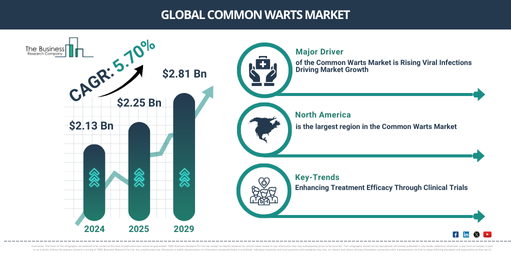
    The market size for common warts has seen substantial growth in the past few years. It is projected to increase from $2.13 billion in 2024 to $2.25 billion in 2025, boasting a compound annual growth rate (CAGR) of 5.9%. Factors contributing to this growth during the historic period include elevated consciousness about skin health, a rise in the occurrence of warts, growing preference for non-invasive processes, upsurge in the utilization of cryotherapy, and expansion of dermatology clinics.

    In the forthcoming years, the market for common warts is set to experience robust growth. The predictions reveal an expansion to$2.81 billion by 2029, with a compound annual growth rate (CAGR) of 5.7%. Factors such as the increasing elderly population, heightened occurrence of viral infections, widened acceptance of sophisticated dermatological treatments, rising demand for customized remedies, and a stronger consumer inclination towards homecare solutions converge to drive growth in the projected period. The period also expects to witness certain trends like the evolution in dermatological treatments, growth in healthcare infrastructure, advancements in technology used for the removal of warts, increased knowledge regarding treatment choices, and a lean towards minimally invasive treatments.

    Download a free sample to assess the report’s scope and structure:

    https://www.thebusinessresearchcompany.com/sample.aspx?id=21154&type=smp

    What Are the Core Growth Drivers Propelling the Common Warts Market Forward?

    As the prevalence of viral infections increases, it is anticipated that this will drive the expansion of the common warts market. A viral infection is characterized by the entry, proliferation, and spread of viruses within the human body which subsequently affects cellular function and immune responses. Factors such as globalization, changes in climate, urbanization, deforestation, and weakened immune systems contribute to the rising incidence of these infections. The treatment of common warts primarily focuses on addressing the human papillomavirus (HPV), the virus responsible for causing warts. Such treatment helps patients with viral infections by curtailing the virus’s spread, easing discomfort, and promoting healing, thus averting complications like secondary infections or scarring, concurrently enhancing patient’s quality of life. For example, the Centers for Disease Control and Prevention, a US government agency, stated in 2024 that the percentage of PCR-confirmed varicella cases had surged by 62%, from 29% to 47% in the last five years as of 2022. The National Foundation for Infectious Diseases, another US health organization, added, in January 2023, that approximately 14 million new instances of HPV infection emerge annually in the US. Hence, the growing rate of viral infections is fueling the growth of the common warts market.

    What Segment Types Define the Common Warts Market Structure?

    The common wartsmarket covered in this report is segmented –

    1) By Treatment Method: Cryotherapy; Laser Treatment; Electrosurgery; Topical Medications

    2) By Patient Demographics: Children; Adults; Elderly

    3) By Disease Stage: Initial Stage; Moderate Stage; Severe Stage

    4) By End User: Hospitals; Dermatology Clinics; Home Care

    Subsegments:

    1) By Cryotherapy: Liquid Nitrogen Therapy; Carbon Dioxide Therapy

    2) By Laser Treatment: Pulsed-Dye Laser Therapy; Carbon Dioxide (CO2) Laser Therapy

    3) By Electrosurgery: Curettage And Electrosurgical Removal; High-Frequency Electrosurgical Ablation

    4) By Topical Medications: Salicylic Acid-Based Therapy; Immunotherapy-Based Topicals; Retinoid-Based Therapy

    Request customized data on this market:

    https://www.thebusinessresearchcompany.com/customise?id=21154&type=smp

    Which Geographic Areas Hold the Strongest Growth Potential in the Common Warts Market?

    North America was the largest region in the common warts market in 2024. Asia-Pacific is expected to be the fastest-growing region in the forecast period. The regions covered in the common warts market report are Asia-Pacific, Western Europe, Eastern Europe, North America, South America, Middle East, Africa.

    Which Emerging Trends that Are Influencing theCommon Warts Industry Evolution?

    Major corporations active in the common warts market are shifting their focus towards the progression of novel treatments like dermatological therapies in order to meet increasing need for effective and easily accessible remedies. They aim to enhance patient outcomes and broaden their scope within the dermatological sector. Treatments for skin conditions including infections, inflammations and disorders are encapsulated by dermatological therapies. For example, in May 2024, an agreement was formed between Verrica Pharmaceuticals from the U.S., and Torii Pharmaceutical Co. Ltd. From Japan. The partnership was formed with the objective to sponsor global Phase 3 clinical trial for YCANTH, a cure for common warts. The contract permits the late-stage development of YCANTH thus enlarging its likely global reach. Torii Pharmaceuticals will provide monetary support to facilitate the research. The partnership enriches both corporations’ dermatological product range and international market standing.

    View the full report here:

    https://www.thebusinessresearchcompany.com/report/common-warts-global-market-report

    What Is the Definition of the Common Warts Market?

    Common warts are non-cancerous skin growths caused by the human papillomavirus (HPV). They typically appear on the hands, fingers, and other areas, serving as a defense mechanism for the body in response to the viral infection.

    Purchase the full report and get a swift delivery:

    https://www.thebusinessresearchcompany.com/purchaseoptions.aspx?id=21154

    About The Business Research Company:

    With over 15000+ reports from 27 industries covering 60+ geographies, The Business Research Company has built a reputation for offering comprehensive, data-rich research and insights. Armed with 1,500,000 datasets, the optimistic contribution of in-depth secondary research, and unique insights from industry leaders, you can get the information you need to stay ahead in the game.

    Get in touch with us:

    The Business Research Company: https://www.thebusinessresearchcompany.com/

    Americas +1 310-496-7795

    Europe +44 7882 955267

    Asia & Others +44 7882 955267 & +91 8897263534

    Email us at info@tbrc.info

    Follow us on:

    LinkedIn: https://in.linkedin.com/company/the-business-research-company

    YouTube: https://www.youtube.com/channel/UC24_fI0rV8cR5DxlCpgmyFQ

    Global Market Model: https://www.thebusinessresearchcompany.com/global-market-model

  • Market Trends Influencing Strategic Decisions in the Human Metapneumovirus Diagnostics Industry: Advancing Respiratory Diagnostics With Multiplex PCR For Timely Detection

    Market Trends Influencing Strategic Decisions in the Human Metapneumovirus Diagnostics Industry: Advancing Respiratory Diagnostics With Multiplex PCR For Timely Detection

    Claim your 30% discount on Global Market Reports with code ONLINE30. Limited time only.

    What Are the Key Projections for the CAGR of the Human Metapneumovirus Diagnostics Market Size From 2025 to 2034?

    The market size for human metapneumovirus diagnostics has experienced fast-paced growth in recent years. Its value is projected to rise from $0.49 billion in 2024 to $0.54 billion in 2025, with a compound annual growth rate (CAGR) of 10.0%. Factors contributing to this notable growth during the historic period include the increased hospitalization rates of children due to respiratory infections, a growing understanding of viral respiratory pathogens, the initial use of molecular diagnostic tools, expansion in public health surveillance initiatives, and a rise in funding for pediatric respiratory ailments.

    In the coming years, the forecast for the market size of human metapneumovirus diagnostics is robust growth, with expected expansion up to$0.79 billion in 2029 at a compound annual growth rate (CAGR) of 10.0%. This projected growth during the forecast period is due to increasing demand for prompt and accurate respiratory infection diagnosis, higher investments in point-of-care diagnostic technology, widening healthcare availability in developing markets, a global focus on readiness for pandemics, and the growing inclusion of respiratory panel multiplexes. Noteworthy trends during the forecast period encompass the creation of automated and high-capacity diagnostic systems, a shift towards decentralized diagnostic structures, the usage of artificial intelligence in diagnostic analysis, the rising preference for home testing kits, and enhanced partnerships between public and private diagnostic enterprises.

    Download a free sample to assess the report’s scope and structure:

    https://www.thebusinessresearchcompany.com/sample.aspx?id=24241&type=smp

    What Are the Major Market Drivers Behind the Rising Adoption of Human Metapneumovirus Diagnostics Market?

    The escalating frequency of respiratory diseases is anticipated to fuel the expansion of the human metapneumovirus diagnostics market in the future. Respiratory diseases are infections spurred by viruses, bacteria, or other harmful agents that impact the respiratory system, which involves the sinuses, throat, airways, and lungs. The escalating frequency of these diseases can be linked to the respiratory infections themselves, as they expose individuals to harmful pollutants that inflame and weaken the respiratory tract, increasing its susceptibility to infections. Diagnostics for the human metapneumovirus assist in pinpointing hMPV as the driving factor behind respiratory infections, enabling precise treatment and more effective patient care. For example, in January 2025, the UK Health Security Agency, a government entity based in the UK, recorded that during the 2023–2024 season, the rates of respiratory infection in England reached a peak of 8.0 per 100,000 in the 50th and 52nd weeks of 2023, escalating further to 10.2 per 100,000 in the 4th week of 2024. Additionally, incidents of acute respiratory infections (ARI) in closed environments summed up to a total of 2,051, with the majority being reported in nursing homes and hospitals. Therefore, the escalating frequency of respiratory diseases is steering the growth of the human metapneumovirus diagnostics market.

    Which Key Market Segments Comprise the Human Metapneumovirus Diagnostics Market and Drive Its Revenue Growth?

    The human metapneumovirus diagnosticsmarket covered in this report is segmented –

    1) By Product Type: Reagents And Kits; Instruments

    2) By Test Type: Molecular Diagnostics; Immunodiagnostics; Culture Based Methods; Other Test Types

    3) By Technology: PCR-Based Diagnostics; Next-Generation Sequencing (NGS); Immunofluorescence Assays; Lateral Flow Assays; Microarray Technology; Other Advanced Technologies

    4) By End-Use: Hospitals And Clinics; Diagnostic And Reference Laboratories; Academic And Research Institutions; Other End Users

    Subsegments:

    1) By Reagents And Kits: Sample Collection Kits; Nucleic Acid Extraction Kits; Viral Transport Media; Control Reagents

    2) By Instruments: Thermal Cyclers; Automated Analyzers; Nucleic Acid Extractors; Fluorescence Readers

    Request customized data on this market:

    https://www.thebusinessresearchcompany.com/customise?id=24241&type=smp

    Which Areas Are Leading Regions in the Human Metapneumovirus Diagnostics Market Expansion Across the Globe?

    North America was the largest region in the human metapneumovirus diagnostics market in 2024. Asia-Pacific is expected to be the fastest-growing region in the forecast period. The regions covered in the human metapneumovirus diagnostics market report are Asia-Pacific, Western Europe, Eastern Europe, North America, South America, Middle East, Africa.

    What Are the Strategic Trends Steering theHuman Metapneumovirus Diagnostics Market Direction?

    Key players in the human metapneumovirus diagnostics market are concentrating on creating pioneering solutions, such as the respiratory polymerase chain reaction (PCR) diagnostic solution. This move is aimed at reinforcing their capacity to detect a variety of respiratory pathogens through molecular diagnostics. In essence, the respiratory PCR diagnostic solution is a molecular test methodology that identifies respiratory pathogens by magnifying their genetic information with exactness and sensitivity. For example, Jiangsu BioPerfectus Technologies Co., Ltd., a molecular diagnostics organisation based in China, introduced its multiplex real-time PCR diagnostic kit for respiratory pathogens in March 2023. This kit is specifically designed to detect various respiratory pathogens accurately and swiftly, thereby boosting diagnostic performance in both clinical and point-of-care scenarios. The kit’s broad scope and high precision markedly support prompt clinical decision-making, particularly when dealing with respiratory infections showing similar symptoms.

    View the full report here:

    https://www.thebusinessresearchcompany.com/report/human-metapneumovirus-diagnostics-global-market-report

    How Is the Human Metapneumovirus Diagnostics Market Conceptually Defined?

    Human metapneumovirus (hMPV) diagnostics refer to the methods and criteria used to detect and confirm infection with human metapneumovirus, a respiratory pathogen that can cause illnesses ranging from mild cold-like symptoms to severe respiratory tract infections, especially in children, the elderly, and immunocompromised individuals.

    Purchase the full report and get a swift delivery:

    https://www.thebusinessresearchcompany.com/purchaseoptions.aspx?id=24241

    About The Business Research Company:

    With over 15000+ reports from 27 industries covering 60+ geographies, The Business Research Company has built a reputation for offering comprehensive, data-rich research and insights. Armed with 1,500,000 datasets, the optimistic contribution of in-depth secondary research, and unique insights from industry leaders, you can get the information you need to stay ahead in the game.

    Get in touch with us:

    The Business Research Company: https://www.thebusinessresearchcompany.com/

    Americas +1 310-496-7795

    Europe +44 7882 955267

    Asia & Others +44 7882 955267 & +91 8897263534

    Email us at info@tbrc.info

    Follow us on:

    LinkedIn: https://in.linkedin.com/company/the-business-research-company

    YouTube: https://www.youtube.com/channel/UC24_fI0rV8cR5DxlCpgmyFQ

    Global Market Model: https://www.thebusinessresearchcompany.com/global-market-model

  • Key Factors Fueling the Growth of the Coagulation Factor Deficiency Market in 2025: Rising Blood Disorders Drive Growth In The Market

    Key Factors Fueling the Growth of the Coagulation Factor Deficiency Market in 2025: Rising Blood Disorders Drive Growth In The Market

    Claim your 30% discount on Global Market Reports with code ONLINE30. Limited time only.

    What is the Projected CAGR for the Coagulation Factor Deficiency Market Size from 2025 to 2034?

    There has been robust enlargement observed in the size of the coagulation factor deficiency market in the past few years. The market is projected to surge from $4.58 billion in 2024 to $4.93 billion in 2025, with a compound annual growth rate of 7.7%. This growth in the previous years can be linked to various factors such as a higher incidence of hemophilia, the development of recombinant factors, increasing knowledge about coagulation disorders, an improvement in diagnostic abilities, government assistance for uncommon diseases, the advent of prophylactic therapies, augmentation of patient registries and augmented investment in the biotechnology sector.

    In the upcoming years, the coagulation factor deficiency market is projected to witness significant expansion, with an expected worth of$6.58 billion in 2029 and a compound annual growth rate (CAGR) of 7.5%. This anticipated growth during the forecast period can be linked to the increased application of gene therapies, a heightened focus on personalized medicine, the escalating incidence of coagulation disorders, broadening access in emerging markets and the integration of digital health solutions, along with continuous advancements in biomanufacturing technologies. Leading trends expected to shape the forecast period involve gene editing techniques like CRISPR, the creation of long-acting recombinant factors, progress in gene therapy delivery mechanisms, wearable devices that monitor coagulation, artificial intelligence utilization for treatment optimization, diagnostic tools available at the point-of-care, drug delivery via nanoparticles, the development of recombinant products that are free from plasma, innovating biosimilars, and the incorporation of precision medicine methodologies.

    Download a free sample to assess the report’s scope and structure:

    https://www.thebusinessresearchcompany.com/sample.aspx?id=21152&type=smp

    What are the Fundamental Drivers and Innovations Shaping the Coagulation Factor Deficiency Market?

    The escalation in the number of blood-related disorder cases is anticipated to drive the expansion of the coagulation factor deficiency market. Blood-related conditions are a set of disorders affecting the creation, operation, or makeup of blood cells, platelets, or plasma, leading to ailments such as anemia, clotting troubles, or immune deficiencies. The rising occurrences of these conditions are attributed to aging population demographics, genetic predilections, growing consciousness, environmental elements, changing lifestyles, mounting chronic disease incidences and advancements in diagnostic tech that permit earlier detection. Coagulation factor deficiency aids in managing blood disorders by supplying much-needed clotting factors to inhibit or regulate excessive bleeding in situations like hemophilia, where the body’s inherent clotting ability is compromised. Notably, as per a 2024 report by the Leukemia and Lymphoma Society, an American professional organization, one person is diagnosed with leukemia, lymphoma or myeloma in the US every 3 minutes, with an estimated 187,740 individuals being diagnosed with these cancers, making up 9.4% of the expected 2,001,140 new cancer cases. Additionally, as reported by the National Health Service (NHS) England in May 2024, around 17,000 people in England are living with sickle cell disease, a hereditary blood disorder, with about 250 fresh cases diagnosed each year. This increase in blood-related disorders is fueling the coagulation factor deficiency market’s growth.

    How Is the Coagulation Factor Deficiency Market Segmented?

    The coagulation factor deficiencymarket covered in this report is segmented –

    1) By Product: Recombinant Coagulation Factor Concentrates; Plasma-derived Coagulation Factor Concentrates; Biologics; Desmopressin; Other Product Types

    2) By Deficiency Type: Haemophilia A; Hemophilia B; Von Willebrand Disease; Factor XI Deficiency; Factor XIII Deficiency; Other Treatment Types

    3) By End Users: Hospitals; Clinics; Home Care; Other End Users

    Subsegments:

    1) By Recombinant Coagulation Factor Concentrates: Recombinant Factor VIII; Recombinant Factor IX; Recombinant Factor VIIa; Other Recombinant Factors

    2) By Plasma-derived Coagulation Factor Concentrates: Plasma-derived Factor VIII; Plasma-derived Factor IX; Plasma-derived Factor VII; Other Plasma-derived Factors

    3) By Biologics: Monoclonal Antibodies; Gene Therapy Products

    4) By Desmopressin: Intravenous Desmopressin; Intranasal Desmopressin

    5) By Other Product Types: Fresh Frozen Plasma (FFP); Prothrombin Complex Concentrates (PCC)

    Request customized data on this market:

    https://www.thebusinessresearchcompany.com/customise?id=21152&type=smp

    Which Regions Are Driving the Next Phase of the Coagulation Factor Deficiency Market Growth?

    North America was the largest region in the coagulation factor deficiency market in 2024. Asia-Pacific is expected to be the fastest-growing region in the forecast period. The regions covered in the coagulation factor deficiency market report are Asia-Pacific, Western Europe, Eastern Europe, North America, South America, Middle East, Africa.

    What Key Trends Are Shaping the Future of the Coagulation Factor Deficiency Market?

    Firms dominating the market for coagulation factor deficiency are concentrating on developing cutting-edge treatments like one-time gene therapy. This approach aims to offer enduring, or possibly curative results for individuals suffering from blood clotting disorders such as hemophilia, therefore limiting the need for perpetual infusions of clotting factors. One-time gene therapy is a type of treatment that manipulates the genetic material in a patient’s cells to treat or even eliminate a disease, intending to provide long-term or permanent therapeutic effects after a single application. For instance, in April 2024, U.S. pharmaceutical and biotech company, Pfizer Inc., reported that the U.S. Food and Drug Administration (FDA) approved BEQVEZ (fidanacogene elaparvovec-dzkt) for treating adults with moderate to severe hemophilia B on factor IX (FIX) prophylaxis therapy. As a stand-alone adeno-associated virus (AAV)-based gene therapy, it aims to integrate a functional FIX gene replica, encoding a high-activity FIX variant into the treated cells. This revolutionary gene therapy allows hemophilia B patients to self-produce FIX via this single-treatment protocol, eliminating the need for multiple FIX infusions.

    View the full report here:

    https://www.thebusinessresearchcompany.com/report/coagulation-factor-deficiency-global-market-report

    How Is the Coagulation Factor Deficiency Market Defined and What Are Its Core Parameters?

    Coagulation factor deficiency refers to a condition where the body lacks one or more clotting factors necessary for blood coagulation, leading to prolonged bleeding or difficulty in stopping bleeding. These deficiencies are treated with clotting factor concentrates and other therapies, which are used to manage and prevent bleeding episodes in patients with conditions like hemophilia.

    Purchase the full report and get a swift delivery:

    https://www.thebusinessresearchcompany.com/purchaseoptions.aspx?id=21152

    About The Business Research Company:

    With over 15000+ reports from 27 industries covering 60+ geographies, The Business Research Company has built a reputation for offering comprehensive, data-rich research and insights. Armed with 1,500,000 datasets, the optimistic contribution of in-depth secondary research, and unique insights from industry leaders, you can get the information you need to stay ahead in the game.

    Get in touch with us:

    The Business Research Company: https://www.thebusinessresearchcompany.com/

    Americas +1 310-496-7795

    Europe +44 7882 955267

    Asia & Others +44 7882 955267 & +91 8897263534

    Email us at info@tbrc.info

    Follow us on:

    LinkedIn: https://in.linkedin.com/company/the-business-research-company

    YouTube: https://www.youtube.com/channel/UC24_fI0rV8cR5DxlCpgmyFQ

    Global Market Model: https://www.thebusinessresearchcompany.com/global-market-model

  • Top Trends Driving Innovation and Change in the Home Blood Pressure Monitoring Devices Market: Advancements In Wearable Blood Pressure Monitoring For Enhanced Health Tracking

    Top Trends Driving Innovation and Change in the Home Blood Pressure Monitoring Devices Market: Advancements In Wearable Blood Pressure Monitoring For Enhanced Health Tracking

    Claim your 30% discount on Global Market Reports with code ONLINE30. Limited time only.

    How Has The Home Blood Pressure Monitoring Devices Market Growth Evolved From 2024 To 2025, And What’s Ahead?

    The market size for home blood pressure monitoring devices has seen a significant increase in recent years. It’s projected to expand from a valuation of $2.41 billion in 2024 to $2.72 billion in 2025, registering a compound annual growth rate (CAGR) of 12.8%. Factors contributing to this growth in the past include heightened awareness of hypertension, growth in the elderly population, greater adoption of home healthcare, higher incidences of cardiovascular diseases, and the increased need for cost-effective and easy-to-use monitoring.

    Anticipated speedy expansion in the upcoming years is expected for the market size of home blood pressure monitoring devices, which is projected to rise to $4.46 billion in 2029 with a compound annual growth rate (CAGR) of 13.1%. Key reasons contributing to the growth within the forecasted timeframe include enhanced emphasis on healthcare prevention, increasing interface with digital health infrastructures, a surge in lifestyle-related health issues, burgeoning telemedicine amenities, and a heightened demand for remote patient supervision solutions. Technologies such as cutting-edge wearable blood pressure monitors, sophisticated smartphone connectivity features, innovations in non-cuff monitoring technologies, development of diagnostic tools infused with artificial intelligence, and advancements in cloud-based data administration systems are major trends in the forecast period.

    Download a free sample to assess the report’s scope and structure:

    https://www.thebusinessresearchcompany.com/sample.aspx?id=24238&type=smp

    What External and Internal Drivers Are Contributing to the Growth of theHome Blood Pressure Monitoring Devices Market?

    The escalating incidence of hypertension is projected to stimulate the expansion of the market for home blood pressure monitoring devices. Hypertension, characterized by persistently elevated blood pressure, can enhance the risk of heart disease, stroke, and other critical health issues. This surge in hypertension is attributed to a confluence of unhealthy lifestyles, such as poor dietary choices, a lack of exercise, smoking, heavy alcohol consumption, and constant stress, which interfere with standard blood pressure control and inflict damage on blood vessels progressively. Home blood pressure monitoring devices empower individuals to routinely track their blood pressure, thereby facilitating the early identification of hypertension, more effective control of treatment regimens, and more insightful conversations with healthcare professionals. For example, the American Heart Association, a US-based nonprofit organization concentrating on cardiovascular medical research, reported that in January 2024, there were 131,454 deaths in the US mainly associated with high blood pressure in 2022, a rise from 124,508 deaths in 2021. Therefore, the escalating incidence of hypertension is fueling the growth of the home blood pressure monitoring devices market.

    What Segment Types Define the Home Blood Pressure Monitoring Devices Market Structure?

    The home blood pressure monitoring devicesmarket covered in this report is segmented –

    1) By Product: Aneroid Blood Pressure Monitors; Digital Blood Pressure Monitors; Ambulatory Blood Pressure Monitors; Blood Pressure Transducers; Instruments and Accessories; Other Products

    2) By Connectivity: Bluetooth; Wireless Fidelity (Wi-Fi); Universal Serial Bus (USB); Non-Connected

    3) By Distribution Channel: Hospital Pharmacies; Retail Pharmacies; Online Pharmacies; Other Distribution Channels

    4) By End-User: Hospitals; Clinics; Home Healthcare

    Subsegments:

    1) By Aneroid Blood Pressure Monitors: Manual Aneroid Monitors; Pocket-Sized Aneroid Monitors

    2) By Blood Pressure Transducers: Single-Channel Transducers; Multi-Channel Transducers

    3) By Digital Blood Pressure Monitors: Upper Arm Monitors; Wrist Monitors

    4) By Instruments and Accessories: Blood Pressure Cuffs; Cuff Holders; Calibration Equipment; Power Adapters; Other Accessories

    5) By Ambulatory Blood Pressure Monitors: Fully Automated Monitors; Semi-Automated Monitors

    6) By Other Products: Bluetooth-Enabled Monitors; Connected Devices; Smart Blood Pressure Monitors

    Request customized data on this market:

    https://www.thebusinessresearchcompany.com/customise?id=24238&type=smp

    Which Geographic Areas Hold the Strongest Growth Potential in the Home Blood Pressure Monitoring Devices Market?

    North America was the largest region in the home blood pressure monitoring devices market in 2024. Asia-Pacific is expected to be the fastest-growing region in the forecast period. The regions covered in the home blood pressure monitoring devices market report are Asia-Pacific, Western Europe, Eastern Europe, North America, South America, Middle East, Africa.

    What Long-Term Trends Are Transforming the Competitive Landscape of the Home Blood Pressure Monitoring Devices Market?

    Numerous dominant companies in the home blood pressure monitoring devices market are putting their efforts into the innovation of superior products such as wearable blood pressure monitors to offer a more user-friendly and comfortable method for users to keep an eye on their blood pressure all day. These wearable monitors are compact, transportable devices that people can use on their bodies for relentless blood pressure tracking using sensors or oscillometric technology. These instruments provide live data, which allows constant monitoring, early detection of any abnormal behavior, and smooth assimilation with mobile applications for individual health management. For instance, Aktiia, a healthcare technology firm based in Switzerland, released a continuous blood pressure monitoring (CBPM) bracelet in November 2024, which got the green light from Health Canada. This launch marks Aktiia’s initial market penetration beyond Europe, introducing a wearable, non-invasive device that does continuous blood pressure monitoring. The approval from Health Canada verifies the device’s clinical acceptability and its alignment with Canadian healthcare standards. This expansion indicates Aktiia’s dedication to deliver innovative health solutions on a worldwide basis.

    View the full report here:

    https://www.thebusinessresearchcompany.com/report/home-blood-pressure-monitoring-devices-global-market-report

    What Is the Definition of the Home Blood Pressure Monitoring Devices Market?

    Home blood pressure monitoring devices are compact, user-friendly tools that allow individuals to measure and track their blood pressure in non-clinical environments, such as their homes. These devices typically include an inflatable cuff, a measurement unit, and a screen for displaying results. They are primarily used to assist patients in managing hypertension, identifying potential cardiovascular concerns early, and adjusting treatments based on regular readings. Frequent monitoring at home enhances diagnostic accuracy and supports more effective, long-term blood pressure management.

    Purchase the full report and get a swift delivery:

    https://www.thebusinessresearchcompany.com/purchaseoptions.aspx?id=24238

    About The Business Research Company:

    With over 15000+ reports from 27 industries covering 60+ geographies, The Business Research Company has built a reputation for offering comprehensive, data-rich research and insights. Armed with 1,500,000 datasets, the optimistic contribution of in-depth secondary research, and unique insights from industry leaders, you can get the information you need to stay ahead in the game.

    Get in touch with us:

    The Business Research Company: https://www.thebusinessresearchcompany.com/

    Americas +1 310-496-7795

    Europe +44 7882 955267

    Asia & Others +44 7882 955267 & +91 8897263534

    Email us at info@tbrc.info

    Follow us on:

    LinkedIn: https://in.linkedin.com/company/the-business-research-company

    YouTube: https://www.youtube.com/channel/UC24_fI0rV8cR5DxlCpgmyFQ

    Global Market Model: https://www.thebusinessresearchcompany.com/global-market-model