Blog

  • Emerging Trends Redefining the Virtual And Remote Laboratories Market Landscape: Advancements In Oral Antiparasitic Therapies For Visceral Leishmaniasis

    Emerging Trends Redefining the Virtual And Remote Laboratories Market Landscape: Advancements In Oral Antiparasitic Therapies For Visceral Leishmaniasis

    Claim your 30% discount on Global Market Reports with code ONLINE30. Limited time only.

    How Fast Is The Visceral Leishmaniasis Market Expected to Grow Between 2025 And 2029?

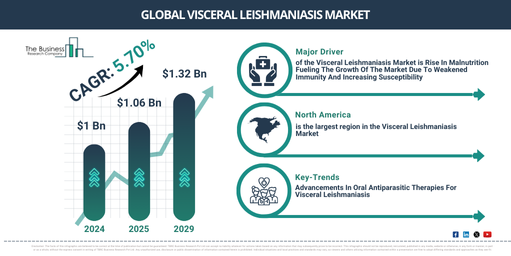
    The market scale for visceral leishmaniasis has experienced robust expansion lately. The market is projected to increase from $1 billion in 2024 to $1.06 billion in 2025, with a compound annual growth rate (CAGR) of 5.7%. The historical period growth is mainly due to reasons like a growing disease burden, escalating government financial support, the launch of amphotericin B, the invention of miltefosine, increasing public awareness campaigns, enhanced healthcare accessibility in endemic regions, and formation of public-private alliances.

    The market size of visceral leishmaniasis is predicted to see a significant surge in the coming years, reaching$1.32 billion in 2029 with a compound annual growth rate (CAGR) of 5.7%. The anticipated growth within the forecast period can be linked to an upsurge in vaccine development investments, strengthening of global disease monitoring processes, rise in public-private partnerships, better funding for overlooked tropical diseases, and the emergence of gene-based therapies. Noteworthy trends within the forecast period encompass gene editing through clustered regularly interspaced short palindromic repeats (CRISPR), drug discovery propelled by artificial intelligence (AI), drug delivery enriched by nanotechnology, use of next-generation sequencing for parasite assessment, wearable biosensors for early diagnosis, application of blockchain in healthcare supply chain management, utilization of smartphone-based diagnostic tools, and the adoption of three-dimensional (3D) bioprinting for personalized treatment exploration.

    Download a free sample to assess the report’s scope and structure:

    https://www.thebusinessresearchcompany.com/sample.aspx?id=23573&type=smp

    What Are the Core Market Drivers Propelling Growth in the Visceral Leishmaniasis Industry?

    An increase in malnutrition rates is anticipated to boost the expansion of the visceral leishmaniasis market. Malnutrition, a health issue resulting from insufficient or imbalanced nutrient consumption crucial for proper body operations, is on the rise due to food insecurity. This factor restricts access to nutritious food, causing undernourishment and micronutrient deficiencies, thereby weakening the immunity system. The body becomes more susceptible to infections like visceral leishmaniasis due to the adverse impact of malnutrition on immunity. Shortfalls in nutrients compromise the body’s defense mechanisms, exacerbating the likelihood of serious illness and complications. To illustrate, in July 2024, the Food and Agriculture Organization, a United Nations specialized agency based in Italy, reported that the number of people suffering from undernourishment had increased from 708.7 million in 2021 to 723.8 million in 2022. Thus, the prevalence of malnutrition is contributing to the growth of the visceral leishmaniasis market.

    How Is the Visceral Leishmaniasis Market Segmented?

    The visceral leishmaniasismarket covered in this report is segmented –

    1) By Treatment: Antiparasitic; Antifungal; Other Treatments

    2) By Diagnosis Method: Serological Tests; Molecular Tests; Microscopy; Culture Methods

    3) By Route Of Administration: Oral; Injectable; Other Routes Of Administration

    4) By Distribution Channel: Hospital Pharmacy; Online Pharmacy; Retail Pharmacy

    5) By End-User: Hospitals; Homecare; Specialty Clinics; Other End-Users

    Subsegments:

    1) By Antiparasitic: Pentavalent Antimonials; Miltefosine; Paromomycin; Sitamaquine; Combination Therapy

    2) By Antifungal: Amphotericin B; Liposomal Amphotericin B (AmBisome); Azoles; Echinocandins; Polyenes

    3) By Other Treatments: Immunotherapy; Monoclonal Antibodies; Vaccine-Based Approaches; Photodynamic Therapy; Gene Therapy

    Request customized data on this market:

    https://www.thebusinessresearchcompany.com/customise?id=23573&type=smp

    Which Regions Are Driving the Next Phase of the Visceral Leishmaniasis Market Growth?

    North America was the largest region in the visceral leishmaniasis market in 2024. Asia-Pacific is expected to be the fastest-growing region in the forecast period. The regions covered in the visceral leishmaniasis market report are Asia-Pacific, Western Europe, Eastern Europe, North America, South America, Middle East, Africa.

    What Key Market Trends and Innovations Are Shaping the Future of the Visceral Leishmaniasis Industry?

    Primary enterprises in the visceral leishmaniasis market are shifting their focus towards advancements, such as antiparasitic drugs to boost effectiveness and improve patient accessibility, especially in regions where the disease is prevalent. Antiparasitic drugs, which are used to fight infections from parasites by disrupting their biological functions and growth, reproduction, or survival inside the host body, appear to be the centre of this development. For instance, Zydus Lifesciences Limited, a pharmaceutical firm based in India, earned prequalification approval from the World Health Organization (WHO) in February 2024 for the active pharmaceutical ingredient (API) and formulation of miltefosine, a drug used in the treatment of leishmaniasis or kala-azar. Miltefosine is an orally administered antiparasitic drug that destabilises the parasite’s cell membrane and hampers its metabolism, leading to the parasite’s cell death. It also obstructs the parasite’s growth and survival, making it an effective oral therapy for visceral leishmaniasis or kala azar.

    View the full report here:

    https://www.thebusinessresearchcompany.com/report/visceral-leishmaniasis-global-market-report

    How Is the Visceral Leishmaniasis Market Defined and What Are Its Core Parameters?

    Visceral leishmaniasis, also known as kala-azar, is a severe parasitic disease caused by Leishmania species, transmitted through infected sandfly bites. It affects internal organs such as the spleen, liver and bone marrow, causing prolonged fever, weight loss, anemia and organ enlargement. If untreated, it can be fatal, making early diagnosis and treatment crucial.

    Purchase the full report and get a swift delivery:

    https://www.thebusinessresearchcompany.com/purchaseoptions.aspx?id=23573

    About The Business Research Company:

    With over 15000+ reports from 27 industries covering 60+ geographies, The Business Research Company has built a reputation for offering comprehensive, data-rich research and insights. Armed with 1,500,000 datasets, the optimistic contribution of in-depth secondary research, and unique insights from industry leaders, you can get the information you need to stay ahead in the game.

    Get in touch with us:

    The Business Research Company: https://www.thebusinessresearchcompany.com/

    Americas +1 310-496-7795

    Europe +44 7882 955267

    Asia & Others +44 7882 955267 & +91 8897263534

    Email us at info@tbrc.info

    Follow us on:

    LinkedIn: https://in.linkedin.com/company/the-business-research-company

    YouTube: https://www.youtube.com/channel/UC24_fI0rV8cR5DxlCpgmyFQ

    Global Market Model: https://www.thebusinessresearchcompany.com/global-market-model
  • Nephrotic Syndrome Market Insights: In-Depth Look at Growth Trends, Market Size, and Opportunities for 2025-2034

    Nephrotic Syndrome Market Insights: In-Depth Look at Growth Trends, Market Size, and Opportunities for 2025-2034

    Claim your 30% discount on Global Market Reports with code ONLINE30. Limited time only.

    What is the Projected CAGR for the Nephrotic Syndrome Market Size from 2025 to 2034?

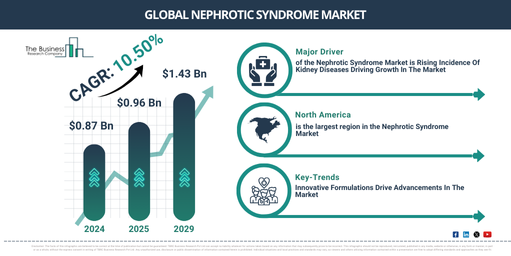
    The market size of nephrotic syndrome has been experiencing a swift expansion lately. It is predicted to increase from $0.87 billion in 2024 to $0.96 billion in 2025, with a compound annual growth rate (CAGR) of 10.7%. The past growth can be linked to the rising occurrence of nephrotic syndrome, escalation in genetic disorders, elevated obesity levels, heightened usage of immunosuppressive drugs, and the rising influence of genetic factors.

    The market size for nephrotic syndrome is predicted to experience accelerated growth in the coming years. By 2029, it’s estimated to reach $1.43 billion with a compound annual growth rate (CAGR) of 10.5%. Factors contributing to this expansion during the forecast period include increased awareness of nephrotic syndrome, escalating incidences of chronic kidney disease (CKD), rising prevalence of metabolic disorders and an aging population. Increased occurrence of autoimmune diseases is another contributing factor. Key trends in this forecast period are the use of telemedicine and remote monitoring, inventive drug delivery systems, progress in treatment methodologies, advancements in the field of biotechnology, and the incorporation of digital health technologies.

    Download a free sample to assess the report’s scope and structure:

    https://www.thebusinessresearchcompany.com/sample.aspx?id=21228&type=smp

    What External and Internal Drivers Are Contributing to the Growth of theNephrotic Syndrome Market?

    The rise in cases of kidney-related issues is projected to fuel the expansion of the nephrotic syndrome market. Such diseases encompass any conditions that inhibit the kidneys’ task of eliminating waste and excess fluids from the bloodstream, which are essential to the body’s overall health. The frequency of renal illnesses is growing due to elements such as diabetes, hypertension, obesity, an aging populace, and transformations in lifestyle, like insufficient hydration and excessive sodium consumption. Nephrotic syndrome exacerbates renal health problems by damaging the glomeruli, thereby undermining the kidneys’ capacity to discard waste and hold crucial proteins. For example, the Australian Institute of Health and Welfare, a government organization based in Australia, reported in June 2024 that the death rate due to chronic kidney disease (CKD) in Australia rose from 4.2% in 2021 to 6.2% in 2022. Consequently, the escalating frequency of renal diseases is propelling the growth of the nephrotic syndrome market.

    What Segment Types Define the Nephrotic Syndrome Market Structure?

    The nephrotic syndromemarket covered in this report is segmented –

    1) By Type: Drugs; Devices

    2) By Diagnosis Tests: Urinalysis; Glomerular Filtration Rate (GFR); Blood Test; Kidney Biopsy; Computerized Tomography (CT) Scan

    3) By Application: Clinics; Hospitals; Speciality Centres; Other Applications

    Subsegments:

    1) By Drugs: Steroids; Immunosuppressants; Diuretics; ACE Inhibitors Or ARBs; Other Drugs

    2) By Devices: Dialysis Machines; Peritoneal Dialysis Catheters; Hemodialysis Catheters; Kidney Replacement Therapy Devices

    Request customized data on this market:

    https://www.thebusinessresearchcompany.com/customise?id=21228&type=smp

    Which Geographic Areas Hold the Strongest Growth Potential in the Nephrotic Syndrome Market?

    North America was the largest region in the nephrotic syndrome market in 2024. The regions covered in the nephrotic syndrome market report are Asia-Pacific, Western Europe, Eastern Europe, North America, South America, Middle East, Africa.

    What Long-Term Trends Are Transforming the Competitive Landscape of the Nephrotic Syndrome Market?

    The nephrotic syndrome market’s leading corporates are now prioritizing the creation of new treatments such as loop diuretic injections that enhance fluid handling and reduce edema in patients suffering from nephrotic syndrome. The term “loop diuretic Injection” denotes a medicine administered by injection that blocks the reabsorption of sodium and chloride at the loop of Henle, driving swift urine production. Its applications include the treatment of diseases like acute pulmonary edema, heart failure and severe hypertension, by way of limiting fluid overload. For example, in March 2024, a U.S. pharmaceutical company called Avenacy Inc. introduced into the U.S. market a product called furosemide for injection, which is a generic equivalent of Lasix, a drug sanctioned by the Food and Drug Administration to address edema related to heart failure, cirrhosis of the liver and kidney diseases. This product, packaged in 25 packs containing 10 mL doses of 100 mg, forms part of Avenacy’s larger strategy of extending its offering of injectable medications, with an ambition to launch more than 20 new products in 2024. The drug is designed to treat both adults and children suffering from edema linked with conditions like congestive heart failure, liver cirrhosis, kidney disorders and nephrotic syndrome.

    View the full report here:

    https://www.thebusinessresearchcompany.com/report/nephrotic-syndrome-global-market-report

    What Is the Definition of the Nephrotic Syndrome Market?

    Nephrotic syndrome is a kidney disorder characterized by excessive protein loss in the urine (proteinuria), low levels of protein in the blood (hypoalbuminemia), high cholesterol levels (hyperlipidemia), and swelling (edema), especially in the legs, feet, and around the eyes. It occurs due to damage to the glomeruli, the kidney’s filtering units, which allows the protein to leak into the urine.

    Purchase the full report and get a swift delivery:

    https://www.thebusinessresearchcompany.com/purchaseoptions.aspx?id=21228

    About The Business Research Company:

    With over 15000+ reports from 27 industries covering 60+ geographies, The Business Research Company has built a reputation for offering comprehensive, data-rich research and insights. Armed with 1,500,000 datasets, the optimistic contribution of in-depth secondary research, and unique insights from industry leaders, you can get the information you need to stay ahead in the game.

    Get in touch with us:

    The Business Research Company: https://www.thebusinessresearchcompany.com/

    Americas +1 310-496-7795

    Europe +44 7882 955267

    Asia & Others +44 7882 955267 & +91 8897263534

    Email us at info@tbrc.info

    Follow us on:

    LinkedIn: https://in.linkedin.com/company/the-business-research-company

    YouTube: https://www.youtube.com/channel/UC24_fI0rV8cR5DxlCpgmyFQ

    Global Market Model: https://www.thebusinessresearchcompany.com/global-market-model
  • Sodium Glucose Cotransporter 2 (SGLT2) Inhibitors Market Overview 2025: Competitive Shifts, Forecast Models, and Emerging Opportunities

    Sodium Glucose Cotransporter 2 (SGLT2) Inhibitors Market Overview 2025: Competitive Shifts, Forecast Models, and Emerging Opportunities

    Claim your 30% discount on Global Market Reports with code ONLINE30. Limited time only.

    What Are the Key Projections for the CAGR of the Sodium Glucose Cotransporter 2 (SGLT2) Inhibitors Market Size From 2025 to 2034?

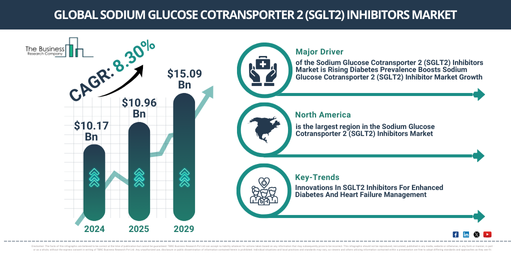
    The market size of sodium glucose cotransporter 2 (sglt2) inhibitors has demonstrated robust growth in the recent past. The projected expansion indicates an increase from $10.17 billion in 2024 to $10.96 billion in 2025, with a compound annual growth rate (CAGR) of 7.8%. The significant growth in previous periods may be accounted for by successful early clinical trials, a surge in regulatory approvals, a rise in diagnoses of diabetes, and an increasing demand for novel diabetes therapies.

    The market size for sodium glucose cotransporter 2 (sglt2) inhibitors is projected to experience significant growth in the upcoming years, estimated to reach a value of $15.09 billion by 2029, with a compound annual growth rate (CAGR) of 8.3%. This expected growth during the forecast period can be linked to a surge in diabetes cases, an increase in obesity rates, heightened public awareness about diabetes management, and its increasing use in treating heart and kidney diseases. Some of the major forthcoming trends include the incorporation of combination treatments, the use of personalized medicine, advancements in technology, and conventional drug creation.

    Download a free sample to assess the report’s scope and structure:

    https://www.thebusinessresearchcompany.com/sample.aspx?id=18473&type=smp

    What Are the Core Growth Drivers Propelling the Sodium Glucose Cotransporter 2 (SGLT2) Inhibitors Market Forward?

    The sodium glucose cotransporter 2 (SGLT2) inhibitor market is projected to expand due to the escalating occurrence of diabetes. Diabetes is a collection of metabolic disorders identified by excessive sugar levels in the blood caused by defects in insulin production, function, or both. The development of diabetes can be due to various factors including urbanization, stress, environmental pollution, and limited access to medical services. SGLT2 inhibitors, used in the treatment of diabetes, lower blood glucose levels by hindering glucose reabsorption in the kidneys, which results in glucose being excreted in the urine. These inhibitors present cardiovascular and renal advantages, making them an effective solution for managing diabetes and related complications. As an example, in December 2023, as per the Australian Bureau of Statistics, a government agency in Australia, it was reported that in 2022, about 1.3 million people, or 5.3% of Australians, were diagnosed with diabetes with similar rates among males (5.8%) and females (4.9%). The occurrence of diabetes has been on a steady rise, substantially increasing with age, peaking at 18.7% in those aged 75 and beyond. Among the types of diabetes, type 2 is the most prevalent, making up 87.6% of all cases. Additionally, factors like being born overseas, residing in underprivileged areas, and living with a disability are linked with increased diabetes instances. Therefore, the surge in diabetes prevalence is a key growth driver for the sodium glucose cotransporter 2 (SGLT2) inhibitor market.

    What Segment Types Define the Sodium Glucose Cotransporter 2 (SGLT2) Inhibitors Market Structure?

    The sodium glucose cotransporter 2 (sglt2) inhibitorsmarket covered in this report is segmented –

    1) By Type: Invokana; Jardiance; Farxiga Or Forxiga; Suglat

    2) By Route Of Administration: Oral Route; Other Route Of Administration

    3) By End User: Hospitals; Homecare Settings; Clinics

    Subsegments:

    1) By Invokana: Generic Invokana (Canagliflozin); Branded Invokana

    2) By Jardiance: Generic Jardiance (Empagliflozin); Branded Jardiance

    3) By Farxiga Or Forxiga: Generic Farxiga (Dapagliflozin); Branded Farxiga

    4) By Suglat: Suglat (Sotagliflozin) For Diabetes; Suglat (Sotagliflozin) For Heart Failure

    Request customized data on this market:

    https://www.thebusinessresearchcompany.com/customise?id=18473&type=smp

    Which Geographic Areas Hold the Strongest Growth Potential in the Sodium Glucose Cotransporter 2 (SGLT2) Inhibitors Market?

    North America was the largest region in the sodium glucose cotransporter 2 (SGLT2) inhibitors market in 2024. Asia-Pacific is expected to be the fastest-growing region in the forecast period. The regions covered in the sodium glucose cotransporter 2 (SGLT2) inhibitors market report are Asia-Pacific, Western Europe, Eastern Europe, North America, South America, Middle East, Africa.

    Which Emerging Trends that Are Influencing theSodium Glucose Cotransporter 2 (SGLT2) Inhibitors Industry Evolution?

    Leading companies in the sodium glucose cotransporter 2 (SGLT2) inhibitor market are keen on advancing dual inhibitor therapeutic approaches to optimize patient results and regulate blood sugar concentrations. Dual inhibitor therapeutic options are methods that concurrently target two disparate sodium-glucose cotransporters (SGLT1 and SGLT2) to boost efficiency in dealing with conditions like heart failure and diabetes. For example, in May 2023, Lexicon Pharmaceuticals Inc., an American biopharmaceutical enterprise, obtained approval from the Food and Drug Administration (FDA) for sotagliflozin, a medication for heart failure. This pioneer, a dual inhibitor of sodium-glucose cotransporters 1 and 2, is a once-daily tablet configured to minimize cardiovascular death, hospitalizations due to heart failure, and urgent heart failure appointments in adults with heart failure, type 2 diabetes, chronic kidney illness, and other cardiovascular risk factors. Advantages include diminished renal glucose and sodium reabsorption, which results in the reduction of preload and afterload and reduced sympathetic activity.

    View the full report here:

    https://www.thebusinessresearchcompany.com/report/sodium-glucose-cotransporter-2-sglt2-inhibitors-global-market-report

    What Is the Definition of the Sodium Glucose Cotransporter 2 (SGLT2) Inhibitors Market?

    Sodium glucose cotransporter 2 (SGLT2) inhibitors are a class of medications used to treat type 2 diabetes by blocking the SGLT2 protein in the kidneys, preventing glucose reabsorption and promoting its excretion in urine. This helps lower blood glucose levels and can also contribute to weight loss and reduced blood pressure. They have additional cardiovascular and renal benefits, making them valuable in managing diabetic complications.

    Purchase the full report and get a swift delivery:

    https://www.thebusinessresearchcompany.com/purchaseoptions.aspx?id=18473

    About The Business Research Company:

    With over 15000+ reports from 27 industries covering 60+ geographies, The Business Research Company has built a reputation for offering comprehensive, data-rich research and insights. Armed with 1,500,000 datasets, the optimistic contribution of in-depth secondary research, and unique insights from industry leaders, you can get the information you need to stay ahead in the game.

    Get in touch with us:

    The Business Research Company: https://www.thebusinessresearchcompany.com/

    Americas +1 310-496-7795

    Europe +44 7882 955267

    Asia & Others +44 7882 955267 & +91 8897263534

    Email us at info@tbrc.info

    Follow us on:

    LinkedIn: https://in.linkedin.com/company/the-business-research-company

    YouTube: https://www.youtube.com/channel/UC24_fI0rV8cR5DxlCpgmyFQ

    Global Market Model: https://www.thebusinessresearchcompany.com/global-market-model
  • Market Trends Influencing Strategic Decisions in the Geographic Atrophy Industry: Innovative Complement Inhibitor Therapy Advancing Treatment Options For Progressive Eye Disease

    Market Trends Influencing Strategic Decisions in the Geographic Atrophy Industry: Innovative Complement Inhibitor Therapy Advancing Treatment Options For Progressive Eye Disease

    Claim your 30% discount on Global Market Reports with code ONLINE30. Limited time only.

    How Has the Geographic Atrophy Market Growth Performance Trended Historically, And What Lies Ahead?

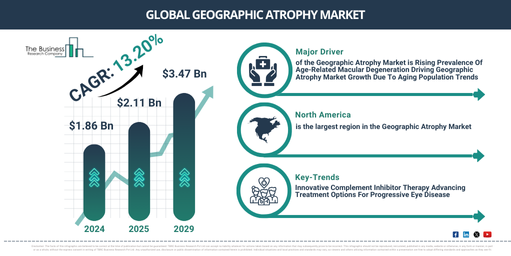
    There has been significant growth in the size of the geographic atrophy market in the recent past. The market size is projected to increase from $1.86 billion in 2024 to $2.11 billion in 2025, reflecting a compound annual growth rate (CAGR) of 13.7%. Factors contributing to the growth during the historic period include an aging population, an increased demand for effective treatment methods, a higher prevalence of geographic atrophy, greater health consciousness, and a rise in instances of retinal diseases.

    Predictions indicate a swift expansion in the size of the geographic atrophy market in the approaching years, reaching a noteworthy$3.47 billion in 2029″ with a compound annual growth rate (CAGR) of 13.2%. This progression during the forecasted span is primarily due to the enhanced emphasis on research and development activities, amplified disbursement in R&D, swelling usage of smartphones, escalating healthcare spending, and boosted investments in clinical trials. The forthcoming period is likely to witness trends such as progress in gene therapy, innovations in healthcare technology, new technology development, the surge in telemedicine adoption, and the introduction of innovative and effective pharmaceuticals.

    Download a free sample to assess the report’s scope and structure:

    https://www.thebusinessresearchcompany.com/sample.aspx?id=21984&type=smp

    What Are the Major Market Drivers Behind the Rising Adoption of Geographic Atrophy Market?

    The expected growth of the geographic atrophy market is linked to the rising prevalence of age-related macular degeneration. This eye condition, predominant in older adults, damages the retina’s central part, causing problems with seeing fine details. The increase in AMD cases is largely due to a growing aging population who experience gradual eye damage due to natural aging processes. This makes them increasingly susceptible to the disease. Treatments for geographic atrophy help manage AMD by slowing retinal damage progression and preserving the remaining vision. As per a Medical News Today report in January 2024, an American digital media firm, the worldwide cases of AMD are predicted to increase from 196 million to 288 million by 2040. Thus, the burgeoning prevalence of AMD is influencing the geographic atrophy market’s growth.

    Which Key Market Segments Comprise the Geographic Atrophy Market and Drive Its Revenue Growth?

    The geographic atrophymarket covered in this report is segmented –

    1) By Drug Type: Anti-Vascular Endothelial Growth Factor (VEGF) Therapy; Complement Inhibitors; Neuroprotective Agents; Other Drugs

    2) By Diagnosis: Fundus Autofluorescence (FAF); Optical Coherence Tomography Angiography (OCT-A); Multifocal Electroretinography (mfERG)

    3) By Route Of Administration: Intravitreal; Oral; Other Routes Of Administration

    4) By Distribution Channel: Hospital Pharmacies; Retail Pharmacies; Online Pharmacies; Other Distribution Channels

    Subsegments:

    1) By Anti-Vascular Endothelial Growth Factor (VEGF) Therapy: Ranibizumab; Aflibercept; Bevacizumab

    2) By Complement Inhibitors: Pegcetacoplan; Lfg316

    3) By Neuroprotective Agents: Latanoprost; Brimonidine

    4) By Other Drugs: Steroids; Retinoids; Combination Therapy

    Request customized data on this market:

    https://www.thebusinessresearchcompany.com/customise?id=21984&type=smp

    Which Areas Are Leading Regions in the Geographic Atrophy Market Expansion Across the Globe?

    North America was the largest region in the geographic atrophy market in 2024. Asia-Pacific is expected to be the fastest-growing region in the forecast period. The regions covered in the geographic atrophy market report are Asia-Pacific, Western Europe, Eastern Europe, North America, South America, Middle East, Africa.

    What Are the Strategic Trends Steering theGeographic Atrophy Market Direction?

    Innovation focused strategies are being employed by significant firms in the geographic atrophy market, such as complement inhibitor therapy, for the advancement of treatment measures for the condition. This therapy is a treatment method that decelerates an excessively reactive immune response, often linked with certain diseases, and plays a crucial role in safeguarding healthy cells from damage, thereby slowing down the progression of the disease. For example, Astellas Pharma Inc., a pharmaceutical organization based in Japan, secured the Food and Drug Administration approval for IZERVAY (avacincaptad pegol intravitreal solution) for geographic atrophy in February 2025. This US-based government agency’s endorsement of IZERVAY removed dosing duration restrictions, thus providing a new treatment pathway for geographic atrophy (GA) caused by age-related macular degeneration (AMD). This step further provides increased flexibility in managing GA and provides extended treatment possibilities for both patients and healthcare providers.

    View the full report here:

    https://www.thebusinessresearchcompany.com/report/geographic-atrophy-global-market-report

    How Is the Geographic Atrophy Market Conceptually Defined?

    Geographic atrophy is an eye condition that causes gradual vision loss due to damage in the retina. It is a severe form of age-related macular degeneration (AMD) that leads to blind spots in central vision.

    Purchase the full report and get a swift delivery:

    https://www.thebusinessresearchcompany.com/purchaseoptions.aspx?id=21984

    About The Business Research Company:

    With over 15000+ reports from 27 industries covering 60+ geographies, The Business Research Company has built a reputation for offering comprehensive, data-rich research and insights. Armed with 1,500,000 datasets, the optimistic contribution of in-depth secondary research, and unique insights from industry leaders, you can get the information you need to stay ahead in the game.

    Get in touch with us:

    The Business Research Company: https://www.thebusinessresearchcompany.com/

    Americas +1 310-496-7795

    Europe +44 7882 955267

    Asia & Others +44 7882 955267 & +91 8897263534

    Email us at info@tbrc.info

    Follow us on:

    LinkedIn: https://in.linkedin.com/company/the-business-research-company

    YouTube: https://www.youtube.com/channel/UC24_fI0rV8cR5DxlCpgmyFQ

    Global Market Model: https://www.thebusinessresearchcompany.com/global-market-model
  • Virtual And Remote Laboratories Market 2025-2034: Key Highlights, Growth Dynamics, and Emerging Trends

    Virtual And Remote Laboratories Market 2025-2034: Key Highlights, Growth Dynamics, and Emerging Trends

    Claim your 30% discount on Global Market Reports with code ONLINE30. Limited time only.

    What Are the Key Projections for the CAGR of the Virtual And Remote Laboratories Market Size From 2025 to 2034?

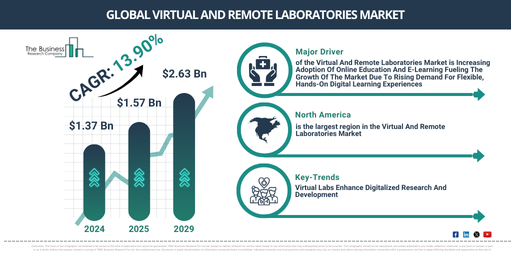
    In recent times, the market size of virtual and remote laboratories has seen a significant surge. The market, which was worth $1.37 billion in 2024, is projected to climb to $1.57 billion by 2025, showcasing a compound annual growth rate (CAGR) of 14.3%. The historic increase can be credited to various factors such as the rising trend of digital transformation in the educational sector, a surge in demand for economical lab solutions, growing global internet accessibility, increased government expenditure on digital education, and the expanding usage of virtual labs in corporate training programs.

    The market size for virtual and remote laboratories is predicted to increase rapidly in the coming years, potentially reaching $2.63 billion in 2029 with a compound annual growth rate (CAGR) of 13.9%. The escalation during the forecast period is expected due to increased use of e-learning platforms, a heightening demand for scalable lab infrastructure, an amplified focus on personalized learning environments, a rise in the number of edtech startups providing lab simulations, and a growing need for scalable lab infrastructure. Future trends are anticipated to involve the development of cross-platform compatibility, the creation of inexpensive virtual lab kits, integration with education management systems, the melding of simulation and real-device control, and the incorporation of video conferencing tools.

    Download a free sample to assess the report’s scope and structure:

    https://www.thebusinessresearchcompany.com/sample.aspx?id=23570&type=smp

    Which Primay Drivers Are Accelerating Growth in the Virtual And Remote Laboratories Market?

    The rapid acceptance and use of online education and e-learning are set to bolster the expansion of the virtual and remote laboratories market in the future. The concept of online education and e-learning involves conveying educational content and coaching via digital platforms and the internet, enabling learners to engage in courses, training, or academic programs from a distance and according to their own schedules. The proliferation of this type of education and e-learning is due to the growing appeal for adjustable and accessible educational solutions granting learners the ability to learn anywhere, anytime, at their own convenience. Virtual and remote labs amplify the effectiveness of online education and e-learning by providing interactive, practical learning opportunities in digital forms, making them perfect for learners and institutions lacking physical lab facilities. Such labs aid in improving learning results by emulating real-world experiments, enhancing learner engagement, and understanding. For example, Eurostat, a governing body based in Luxembourg, reported in January 2024 that in 2023, 30% of the European Union’s internet users (ages 16-74) were utilizing online learning tools, marking an increase from 28% in 2022. Hence, the growing popularity of online education and e-learning is pushing the virtual and remote laboratories market’s advancement.

    Which Primary Segments of the Virtual And Remote Laboratories Market Are Driving Growth and Industry Transformations?

    The virtual and remote laboratoriesmarket covered in this report is segmented –

    1) By Component: Software; Hardware; Services

    2) By Deployment Mode: On-Premises; Cloud

    3) By Application: Education; Research And Development; Quality Control; Training; Other Application

    4) By End-User: Academic Institutions; Enterprises; Government; Other End-Users

    Subsegments:

    1) By Software: Lab Management Software; Simulation Software; Remote Access Software; Virtual Reality And Augmented Reality Software; Learning Management System Integration; Data Analytics And Reporting Tools

    2) By Hardware: Experimentation Devices; Remote Control Equipment; Data Acquisition Systems; Virtual Reality Headsets And Devices; Network And Communication Infrastructure; Cameras And Monitoring Equipment

    3) By Services: System Integration And Deployment; Technical Support And Maintenance; Training And Consulting Services; Content Development And Customization; Cloud Hosting And Infrastructure Services

    Request customized data on this market:

    https://www.thebusinessresearchcompany.com/customise?id=23570&type=smp

    Which Regions Are Key Players in the Growth of the #Which Primay Drivers Are Accelerating Growth in the Virtual And Remote Laboratories Market?# Market?

    North America was the largest region in the virtual and remote laboratories market in 2024. Asia-Pacific is expected to be the fastest-growing region in the forecast period. The regions covered in the virtual and remote laboratories market report are Asia-Pacific, Western Europe, Eastern Europe, North America, South America, Middle East, Africa.

    Which Technological Trends Are Reshaping the Virtual And Remote Laboratories Industry Dynamics?

    Leading corporations within the virtual and remote laboratories market are prioritizing the creation of innovative platforms like virtual labs. These platforms yield accessible, expandable, and engrossing learning surroundings. They offer computer-simulated environments many times duplicating actual-world laboratory activities for education or research. Virtual labs are essentially interactive spaces that offer the convenience of conducting experiments and accessing academic or scholarly assets from remote locations. For example, in June 2023, HTE GmbH, a tech and services firm from Germany, introduced a virtual lab specifically designed for digitized research and development (R&D). This lab was crafted by HTE GmbH to enhance R&D capabilities in the realm of catalysis and materials across different industries such as energy, refining, chemicals, and battery manufacturing. This lab boasts of state-of-the-art technologies and workflows by combining reactor systems, software, and analytics to create effective lab processes particularly geared towards industries including energy, refining, chemicals, and batteries. It provides realistic 3D reactor systems, customizable testing units, and case studies to tackle issues like CO2 management, resource-efficient production, and synthesizing battery material.

    View the full report here:

    https://www.thebusinessresearchcompany.com/report/virtual-and-remote-laboratories-global-market-report

    What Parameters Are Used to Define the Virtual And Remote Laboratories Market?

    Virtual and remote laboratories are technology-enhanced platforms that allow users to perform scientific and engineering experiments through computer simulations (virtual labs) or by remotely controlling real equipment (remote labs). They provide accessible, flexible, and cost-effective hands-on learning experiences, especially in science, technology, engineering, and mathematics (STEM) education.

    Purchase the full report and get a swift delivery:

    https://www.thebusinessresearchcompany.com/purchaseoptions.aspx?id=23570

    About The Business Research Company:

    With over 15000+ reports from 27 industries covering 60+ geographies, The Business Research Company has built a reputation for offering comprehensive, data-rich research and insights. Armed with 1,500,000 datasets, the optimistic contribution of in-depth secondary research, and unique insights from industry leaders, you can get the information you need to stay ahead in the game.

    Get in touch with us:

    The Business Research Company: https://www.thebusinessresearchcompany.com/

    Americas +1 310-496-7795

    Europe +44 7882 955267

    Asia & Others +44 7882 955267 & +91 8897263534

    Email us at info@tbrc.info

    Follow us on:

    LinkedIn: https://in.linkedin.com/company/the-business-research-company

    YouTube: https://www.youtube.com/channel/UC24_fI0rV8cR5DxlCpgmyFQ

    Global Market Model: https://www.thebusinessresearchcompany.com/global-market-model
  • From Insight to Impact: Strategic Growth Mapping in the Smart Bandage Market

    From Insight to Impact: Strategic Growth Mapping in the Smart Bandage Market

    Claim your 30% discount on Global Market Reports with code ONLINE30. Limited time only.

    How Has The Smart Bandage Market Growth Evolved From 2024 To 2025, And What’s Ahead?

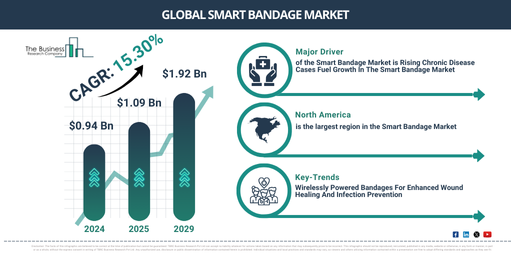
    The market for smart bandages has witnessed a swift expansion in its market size over the past few years. The market dimension is forecasted to surge from $0.94 billion in 2024 to $1.09 billion in 2025, with a compound annual growth rate (CAGR) of 16.3%. The growth observed in the historical phase is ascribed to the escalating demand for minimally invasive healthcare and custom-tailored health solutions. Other contributing factors include an upgrade in health care facilities, increasing cases of diabetic foot ulcers, the widespread acceptance of telemedicine and telehealth solutions, and the growing cohort of diabetes patients.

    It is projected that the smart bandage market will experience a rapid surge in growth in the upcoming years, expanding to$1.92 billion by 2029, with a compound annual growth rate (CAGR) of 15.3%. This expansion over the forecasted timeframe can be attributed to several factors such as rising instances of chronic illnesses, a growing elderly population, an increase in healthcare spending, heightened awareness regarding wound care management, and escalating demand for individualised wound care. Prominent trends projected in this period are advances in technology, a rise in research and development initiatives, the adoption of artificial intelligence (AI), the use of wireless technology, and an emphasis on research and development in the realm of smart bandages.

    Download a free sample to assess the report’s scope and structure:

    https://www.thebusinessresearchcompany.com/sample.aspx?id=15670&type=smp

    What are the Fundamental Drivers and Innovations Shaping the Smart Bandage Market?

    The escalation in the incidences of chronic illnesses is anticipated to fuel the expansion of the smart bandage market in the future. Health ailments that persist three months or more, necessitate ongoing medical care or limit daily activities are termed chronic diseases. The rise in these diseases can be attributed to genetic factors, aging demographics, and poor lifestyle choices. Smart bandages have a pivotal role in the management of chronic diseases by offering early complications detection, supporting remote monitoring and control, providing customized treatment, and warding off complications. These advantages enhance the outcomes and lifestyle quality for patients suffering from chronic diseases. For instance, as per the World Health Organization (WHO), an intergovernmental organization based in Switzerland, in September 2023, roughly 41 million deaths happen worldwide each year, representing 74% of total fatalities due to chronic diseases. This encompasses 17.9 million deaths due to cardiovascular diseases, 9.3 million due to cancer, 4.1 million from chronic respiratory diseases, and 2.0 million from diabetes. Hence, the escalating incidences of chronic diseases are propelling the expansion of the smart bandage market.

    How Is the Smart Bandage Market Segmented?

    The smart bandagemarket covered in this report is segmented –

    1) By Material: Graphene; Synthetic Fiber

    2) By Product: Electroactive; Sensor-Based; Oxygen Sensing; pH Sensing; Other Products

    3) By Distribution Channel: Retail Pharmacies; Hospital Pharmacies; Trauma Centers; Other Distribution Channels

    4) By Application: Chronic Wound Management; Burns; Sports Injuries; Post-Surgical Care; Other Applications

    Subsegments:

    1) By Graphene: Graphene Oxide-Based Bandages; Reduced Graphene Oxide Bandages

    2) By Synthetic Fiber: Polyurethane-Based Bandages; Polypropylene-Based Bandages; Nylon-Based Bandages

    Request customized data on this market:

    https://www.thebusinessresearchcompany.com/customise?id=15670&type=smp

    Which Regions Are Driving the Next Phase of the Smart Bandage Market Growth?

    North America was the largest region in the smart bandage market in 2024. The regions covered in the smart bandage market report are Asia-Pacific, Western Europe, Eastern Europe, North America, South America, Middle East, Africa.

    What Key Trends Are Shaping the Future of the Smart Bandage Market?

    Leading firms in the smart bandage market are actively involved in research and development to create groundbreaking products like wirelessly powered bandages. These are intended to aid patients with chronic wounds and prevent infections. A wirelessly powered bandage is a category of smart bandage that relies on wireless technology for power sourcing and data transfer, it doesn’t require any direct connections. Crafted by researchers from the UK and France, these bandages are flexible, easy to use and fit well, enabling consistent wound monitoring and treatment. For instance, in May 2023, researchers from the University of Glasgow and the University of Southampton in the UK, introduced wirelessly powered smart bandages. These bandages are equipped with UV light-emitting diodes (LEDs) that sanitize wounds, thus preventing bacterial growth without the need for antibiotics. This is made possible through a small, flexible inductive coil embedded in the bandage fabric that wirelessly receives power transmitted from a secondary coil connected to the power grid, ensuring that the LEDs receive continuous power. This wire-free power delivery technology has twice the efficiency of past wearable wireless power receivers, making it perfectly suited for medical applications.

    View the full report here:

    https://www.thebusinessresearchcompany.com/report/smart-bandage-global-market-report

    How Is the Smart Bandage Market Defined and What Are Its Core Parameters?

    A smart bandage is an advanced medical dressing or wound care device equipped with integrated sensors, actuators, and connectivity capabilities designed to monitor and manage the healing process of wounds. These bandages enable healthcare providers to remotely monitor wounds, detect early signs of infection or complications, and deliver targeted treatments, improving patient outcomes and more efficient wound management.

    Purchase the full report and get a swift delivery:

    https://www.thebusinessresearchcompany.com/purchaseoptions.aspx?id=15670

    About The Business Research Company:

    With over 15000+ reports from 27 industries covering 60+ geographies, The Business Research Company has built a reputation for offering comprehensive, data-rich research and insights. Armed with 1,500,000 datasets, the optimistic contribution of in-depth secondary research, and unique insights from industry leaders, you can get the information you need to stay ahead in the game.

    Get in touch with us:

    The Business Research Company: https://www.thebusinessresearchcompany.com/

    Americas +1 310-496-7795

    Europe +44 7882 955267

    Asia & Others +44 7882 955267 & +91 8897263534

    Email us at info@tbrc.info

    Follow us on:

    LinkedIn: https://in.linkedin.com/company/the-business-research-company

    YouTube: https://www.youtube.com/channel/UC24_fI0rV8cR5DxlCpgmyFQ

    Global Market Model: https://www.thebusinessresearchcompany.com/global-market-model
  • Myocarditis Disease Market Outlook 2025–2034: Identifying Growth Drivers, Technology Trends, and Policy Impact

    Myocarditis Disease Market Outlook 2025–2034: Identifying Growth Drivers, Technology Trends, and Policy Impact

    Claim your 30% discount on Global Market Reports with code ONLINE30. Limited time only.

    What Is the Current and Projected Market Size of the Myocarditis Disease Market Through 2034?

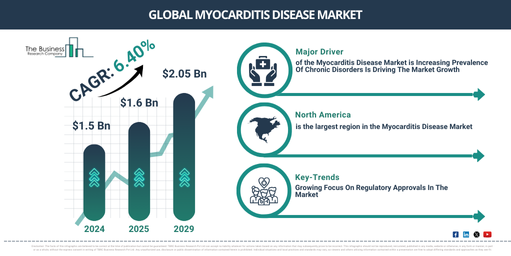
    The market for myocarditis disease has seen robust expansion in recent years, projected to increase from $1.5 billion in 2024 to $1.6 billion in 2025, boasting a compound annual growth rate (CAGR) of 6.5%. The historical growth of the market is linked to factors such as an increase in viral infection rates, heightened understanding of autoimmune diseases, a spike in the occurrence of cardiovascular conditions, improvement in treatment methods for heart inflammation, and amplified investment in cardiovascular research.

    The market size of myocarditis disease is predicted to witness robust progress in the forthcoming years. It is projected to reach$2.05 billion by 2029″ with a Compound Annual Growth Rate (CAGR) of 6.4%. The anticipated market growth can be ascribed to factors such as governmental support and policies, the proliferation of targeted therapies, the growth of clinical trials, enhanced healthcare systems, and the development of treatment protocols. Key emerging trends within this period encompass the CRISPR-Cas9 technique, 3D printing, predictive analysis powered by artificial intelligence, VR technology, and wearable ECG devices.

    Download a free sample to assess the report’s scope and structure:

    https://www.thebusinessresearchcompany.com/sample.aspx?id=21227&type=smp

    What Are the Core Market Drivers Propelling Growth in the Myocarditis Disease Industry?

    The myocarditis disease market is predicted to expand as a result of the rising rate of chronic ailments. Chronic illnesses are those that endure for over a year and frequently necessitate continual medical care, management, or lifestyle adjustments. The upsurge in chronic diseases is attributed to factors such as an aging population, inactive lifestyle habits, inadequate dietary choices, escalating obesity rates, and heightened exposure to environmental pollutants. Given its characteristic inflammation of the heart muscle, myocarditis disease plays a role in chronic illnesses by possibly causing long-standing issues like heart failure, arrhythmias, and cardiomyopathy. These conditions demand continuous management and have a notable influence on cardiovascular health over a prolonged period. For example, data released by the British Heart Foundation in September 2024 revealed that approximately 7.6 million individuals in the UK, consisting of 4 million males and 3.6 million females, suffer from heart and circulatory diseases. These diseases are accountable for approximately 27% of all fatalities in the UK, amounting to more than 170,000 annual deaths, or an average of 480 deaths daily, which corresponds to one death every three minutes. Consequently, the emergence of chronic ailments is fuelling the growth of the myocarditis disease market.

    How Is the Myocarditis Disease Market Segmented?

    The myocarditis diseasemarket covered in this report is segmented –

    1) By Type: Acute Myocarditis; Chronic Myocarditis; Lymphocytic Myocarditis

    2) By Treatment: Medication; Surgery; Other Treatments

    3) By Diagnosis: Blood Tests; Imaging Tests; Cardiac Catheterization; Heart Muscle Biopsy; Others Diagnosis

    4) By Distribution Channel: Hospital Pharmacy; Retail Pharmacy; Online Pharmacy; Other Distribution Channels

    5) By End-Users: Hospitals; Specialty Clinics; Homecare; Other End-Users

    Subsegments:

    1) By Acute Myocarditis: Viral Myocarditis; Bacterial Myocarditis; Fungal Myocarditis

    2) By Chronic Myocarditis: Autoimmune Myocarditis; Chronic Active Myocarditis; Chronic Inflammatory Myocarditis

    3) By Lymphocytic Myocarditis: Idiopathic Lymphocytic Myocarditis; Drug-Induced Lymphocytic Myocarditis; Lymphocytic Myocarditis Associated with Viral Infections

    Request customized data on this market:

    https://www.thebusinessresearchcompany.com/customise?id=21227&type=smp

    Which Regions Are Driving the Next Phase of the Myocarditis Disease Market Growth?

    North America was the largest region in the myocarditis disease market in 2024. The regions covered in the myocarditis disease market report are Asia-Pacific, Western Europe, Eastern Europe, North America, South America, Middle East, Africa.

    What Key Market Trends and Innovations Are Shaping the Future of the Myocarditis Disease Industry?

    Key companies in the myocarditis disease market are prioritizing the acquisition of regulatory approvals for new medications to broaden treatment alternatives and improve patient results. Regulatory approvals are formal permissions given by governmental or regulatory authorities for drugs, medical equipment, or treatments to be sold and used in public places. For example, Cardiol Therapeutics Inc., a pharmaceutical company based in Canada, reported in May 2022 that it had obtained FDA Investigational New Drug (IND) authorization for a multicenter Phase II open-label pilot investigation of CardiolRx for recurrent pericarditis. This research will be carried out alongside the company’s multinational Phase II trial for acute myocarditis, which is set to start shortly. Both trials are targeting the creation of innovative anti-inflammatory therapies for heart diseases. In addition, both recurrent pericarditis and acute myocarditis have been granted orphan drug status for CardiolRx, indicating its potential to tackle these ailments.

    View the full report here:

    https://www.thebusinessresearchcompany.com/report/myocarditis-disease-global-market-report

    How Is the Myocarditis Disease Market Defined and What Are Its Core Parameters?

    Myocarditis disease refers to a rare condition characterized by inflammation of the heart muscle, known as the myocardium. Myocarditis utilizes various treatment approaches, including medications to reduce inflammation, manage symptoms, and address the underlying cause, such as infections or autoimmune disorders.

    Purchase the full report and get a swift delivery:

    https://www.thebusinessresearchcompany.com/purchaseoptions.aspx?id=21227

    About The Business Research Company:

    With over 15000+ reports from 27 industries covering 60+ geographies, The Business Research Company has built a reputation for offering comprehensive, data-rich research and insights. Armed with 1,500,000 datasets, the optimistic contribution of in-depth secondary research, and unique insights from industry leaders, you can get the information you need to stay ahead in the game.

    Get in touch with us:

    The Business Research Company: https://www.thebusinessresearchcompany.com/

    Americas +1 310-496-7795

    Europe +44 7882 955267

    Asia & Others +44 7882 955267 & +91 8897263534

    Email us at info@tbrc.info

    Follow us on:

    LinkedIn: https://in.linkedin.com/company/the-business-research-company

    YouTube: https://www.youtube.com/channel/UC24_fI0rV8cR5DxlCpgmyFQ

    Global Market Model: https://www.thebusinessresearchcompany.com/global-market-model
  • Top Trends Driving Innovation and Change in the Fibrodysplasia Ossificans Progressiva (FOP) Treatment Market: Advancements In Targeted Therapies For Rare Genetic Disorders

    Top Trends Driving Innovation and Change in the Fibrodysplasia Ossificans Progressiva (FOP) Treatment Market: Advancements In Targeted Therapies For Rare Genetic Disorders

    Claim your 30% discount on Global Market Reports with code ONLINE30. Limited time only.

    What Are the Projected Market Size and Growth Rates for the Fibrodysplasia Ossificans Progressiva (FOP) Treatment Market From 2025 To 2029?

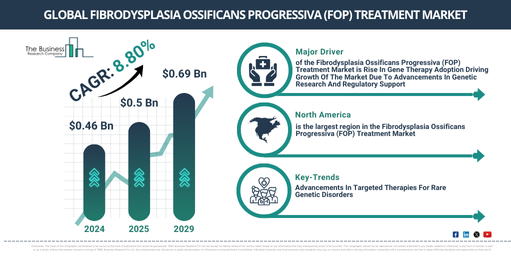
    There has been a robust growth in the market size for the treatment of fibrodysplasia ossificans progressiva (fop) in recent times. The market is projected to expand from a worth of $0.46 billion in 2024 to $0.5 billion in 2025, indicating a compound annual growth rate (CAGR) of 7.7%. Factors contributing to growth during the historical period include increased awareness about rare diseases, a rise in the occurrence of FOP, escalating investment in the development of orphan drugs, partnerships between biotech companies and research institutions, and encouraging legal guidelines pertaining to the treatment of rare diseases.

    The market size for fibrodysplasia ossificans progressiva (fop) treatment is anticipated to experience robust growth in the forthcoming years, expanding to$0.69 billion in 2029 at a CAGR of 8.8%. This growth within the projected period may be linked to the rise in clinical trials for cutting-edge treatment methods, increased funding for research in rare diseases, growing initiatives for patient awareness, enhanced diagnostic ability, favorable regulatory structures for orphan drugs, and the enlargement of healthcare facilities in developing markets. Noteworthy trends for the forecast period encompass developments in gene therapy, CRISPR-based gene editing, use of anti-inflammatory biologics, small molecule inhibitors focusing on ACVR1 mutations, strategies for personalized medicine, advanced imaging procedures, and patient-focused rehabilitation plans.

    Download a free sample to assess the report’s scope and structure:

    https://www.thebusinessresearchcompany.com/sample.aspx?id=21968&type=smp

    What External and Internal Drivers Are Contributing to the Growth of theFibrodysplasia Ossificans Progressiva (FOP) Treatment Market?

    As the utilization of gene therapy continues to rise, the fibrodysplasia ossificans progressiva (FOP) treatment market is anticipated to expand. Gene therapy refers to a medical approach that alternates or substitutes genes within an individual’s cells to treat or preclude diseases. This growing use of gene therapy is facilitated by advancements in genetic studies, better treatment results for conditions that were previously deemed untreatable, and increased regulatory backup for innovative therapies. Specifically, gene therapy for fibrodysplasia ossificans progressiva addresses and corrects mutations in the ACVR1 gene which averts irregular bone formation. For example, in April 2024, the American Society of Gene & Cell Therapy, a non-profit medical and scientific institution based in the US, reported that the number of phase III gene therapy clinical trials witnessed a 10% surge in the fourth quarter, making it the first quarterly hike since the third quarter of 2022. Consequently, the escalating use of gene therapy is catalyzing the evolution of the fibrodysplasia ossificans progressiva (FOP) treatment market.

    What Segment Types Define the Fibrodysplasia Ossificans Progressiva (FOP) Treatment Market Structure?

    The fibrodysplasia ossificans progressiva (fop) treatmentmarket covered in this report is segmented –

    1) By Drug Class: Corticosteroids; Non-Steroidal Anti-Inflammatory Drugs (NSAIDs); Bisphosphonates; Other Drug Classes

    2) By Treatment: Surgery; Medication; Occupational Therapy

    3) By Route Of Administration: Oral; Topical; Parenteral

    4) By End-User: Hospitals; Research Institutes; Specialty Clinics

    Subsegments:

    1) By Corticosteroids: Prednisone; Dexamethasone; Methylprednisolone

    2) By Non-Steroidal Anti-Inflammatory Drugs (NSAIDs): Ibuprofen; Naproxen; Celecoxib

    3) By Bisphosphonates: Alendronate; Risedronate; Zoledronic Acid

    4) By Other Drug Classes: Monoclonal Antibodies; Immunosuppressants; Gene Therapy Drugs

    Request customized data on this market:

    https://www.thebusinessresearchcompany.com/customise?id=21968&type=smp

    Which Geographic Areas Hold the Strongest Growth Potential in the Fibrodysplasia Ossificans Progressiva (FOP) Treatment Market?

    North America was the largest region in the fibrodysplasia ossificans progressiva (FOP) treatment market in 2024. Asia-Pacific is expected to be the fastest-growing region in the forecast period. The regions covered in the fibrodysplasia ossificans progressiva (FOP) treatment market report are Asia-Pacific, Western Europe, Eastern Europe, North America, South America, Middle East, Africa.

    What Long-Term Trends Are Transforming the Competitive Landscape of the Fibrodysplasia Ossificans Progressiva (FOP) Treatment Market?

    Leading corporations in the fibrodysplasia ossificans progressiva (FOP) treatment market are concentrating on the creation of cutting-edge drugs such as retinoid-induced medicine to fill the gap of unfulfilled medical needs of patients. They do this by identifying and addressing the genetic mutations related to this condition, hence enhancing both the treatment results and living standards for the patients. Retinoids, which are derivatives of vitamin A, are utilized in medical therapies to control cell growth and bolster immune responses, especially for skin conditions and certain cancer treatments. In August 2023, Ipsen, a pharmaceutical firm based in France, earned the approval from the US Food and Drug Administration (FDA) for their product, sohonos capsules. This medication, which utilizes retinoids, is indicated for fibrodysplasia ossificans progressiva (FOP), and is designed to limit new abnormal bone growth (heterotopic ossification). Besides providing essential alternative treatment options for both adults and children, it enhances mobility and overall life quality.

    View the full report here:

    https://www.thebusinessresearchcompany.com/report/fibrodysplasia-ossificans-progressiva-fop-treatment-global-market-report

    What Is the Definition of the Fibrodysplasia Ossificans Progressiva (FOP) Treatment Market?

    Fibrodysplasia ossificans progressiva treatment refers to medical interventions aimed at managing the rare genetic condition where soft tissues progressively turn into bone, involving medications, surgery, or gene therapy to control symptoms and slow disease progression. These treatments focus on reducing inflammation, preventing further bone formation, and improving the quality of life for affected individuals.

    Purchase the full report and get a swift delivery:

    https://www.thebusinessresearchcompany.com/purchaseoptions.aspx?id=21968

    About The Business Research Company:

    With over 15000+ reports from 27 industries covering 60+ geographies, The Business Research Company has built a reputation for offering comprehensive, data-rich research and insights. Armed with 1,500,000 datasets, the optimistic contribution of in-depth secondary research, and unique insights from industry leaders, you can get the information you need to stay ahead in the game.

    Get in touch with us:

    The Business Research Company: https://www.thebusinessresearchcompany.com/

    Americas +1 310-496-7795

    Europe +44 7882 955267

    Asia & Others +44 7882 955267 & +91 8897263534

    Email us at info@tbrc.info

    Follow us on:

    LinkedIn: https://in.linkedin.com/company/the-business-research-company

    YouTube: https://www.youtube.com/channel/UC24_fI0rV8cR5DxlCpgmyFQ

    Global Market Model: https://www.thebusinessresearchcompany.com/global-market-model
  • Slip DiscMarket Overview 2025–2034: CAGR Trends, Long-Term Growth Paths, and Business Implications

    Slip DiscMarket Overview 2025–2034: CAGR Trends, Long-Term Growth Paths, and Business Implications

    Claim your 30% discount on Global Market Reports with code ONLINE30. Limited time only.

    What is the Projected CAGR for the Slip Disc Market Size from 2025 to 2034?

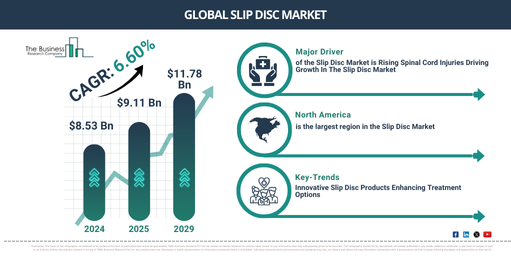
    The market for slip disc has seen robust growth lately and is slated to escalate from $8.53 billion in 2024 to $9.11 billion in 2025, marking a compound annual growth rate (CAGR) of 6.8%. The growth observed in the historical phase is due to multiple factors; the rise in the elderly populace, heightened awareness about spinal health, an increase in sedentary lifestyles and improper attitudes, growth and acceptance of minimally invasive surgical treatments, and broadening health insurance coverage.

    The market for slip disc is predicted to exhibit significant expansion in the forthcoming years, potentially reaching a value of $11.78 billion by 2029, with a CAGR of 6.6%. This growth during the forecast period can be credited to enhancements in healthcare structures, continuing R&D initiatives, increased availability and efficiency of physical therapy and rehabilitation services, heightened attention on chronic pain management, and a rising inclination towards non-surgical and less intrusive treatment alternatives. Key trends observed during this time may include progress in imaging technologies, medical device and surgical technique innovations, the inclusion of robotic-assisted spine surgery, artificial disc replacements, and the embrace of telemedicine and digital health solutions.

    Download a free sample to assess the report’s scope and structure:

    https://www.thebusinessresearchcompany.com/sample.aspx?id=18735&type=smp

    What Are the Primary Drivers Supporting the Market Growth of the Slip Disc Market?

    The rising incidence of spinal cord injuries is anticipated to fuel the expansion of the slip disc market. Damage to the spinal cord causing functional losses such as mobility or feeling typically leads to conditions like slipped discs. The frequency of spinal cord injuries is on the rise, largely due to higher occurrences of motor vehicle accidents, sports-related injuries, and fall accidents. As the number of people affected by spinal cord injuries escalates, the need for slipped disc treatments and interventions also increases. For example, data from the US-based government agency, National Center for Biotechnology Information, in March 2024, revealed that there were 17,000 fresh spinal cord injury cases reported annually in the United States, with an estimated 282,000 individuals living with such injuries. Also, a report published in May 2023 by the same agency noted that low back pain (LBP) affected 619 million individuals globally in 2020, and this figure is expected to climb to 843 million by 2050. Hence, the growing rates of spinal cord injuries are propelling the expansion of the slip disc market.

    Which Primary Segments of the Slip Disc Market Are Driving Growth and Industry Transformations?

    The slip discmarket covered in this report is segmented –

    1) By Type: Thoracic Herniated Discs; Lumbar Herniated Disc; Cervical Herniated Discs

    2) By Diagnosis: Physical Examination; Nerve Conduction Test; Imaging Tests

    3) By Medications: Therapy; Surgery

    4) By Application: Hospital Use; Clinic Use; Household; Other Applications

    Subsegments:

    1) By Thoracic Herniated Discs: Central Herniation; Paracentral Herniation; Foraminal Herniation

    2) By Lumbar Herniated Discs: L4-L5 Disc Herniation; L5-S1 Disc Herniation; L3-L4 Disc Herniation; Other Lumbar Disc Herniations

    3) By Cervical Herniated Discs: C5-C6 Disc Herniation; C6-C7 Disc Herniation; C4-C5 Disc Herniation; Other Cervical Disc Herniations

    Request customized data on this market:

    https://www.thebusinessresearchcompany.com/customise?id=18735&type=smp

    Which Regions Are Key Players in the Growth of the #What Are the Primary Drivers Supporting the Market Growth of the Slip Disc Market?# Market?

    North America was the largest region in the slipped disc market in 2024. The regions covered in the slip disc market report are Asia-Pacific, Western Europe, Eastern Europe, North America, South America, Middle East, Africa.

    What Are the Most Significant Market Trends in the Slip Disc Market?

    Major players in the slip disc market are concentrating on the development of groundbreaking products like biologic patches to enhance the treatment alternatives and patient results. These biologic patches represent regenerative tissue scaffolds comprehensively created to encourage repair and healing of damaged intervertebral discs utilizing biological substances and growth factors. For example, in November 2023, the Perelman School of Medicine at the University of Pennsylvania and the CMC VA Medical Center (CMCVAMC), both situated in the US, created an innovative biologic patch called Tension-activated repair patches (TARPs), potentially revolutionizing herniated discs’ treatment. These patches aim to offer a superior disc repair alternative than the existing techniques, capitalizing on a person’s natural movements. The patches are developed to aid in re-padding the vertebrae by aiding in restoring the tension in the affected discs and serving to close the gaps left by herniations. This dual approach aspires to halt further disc damage and alleviate disc discomfort.

    View the full report here:

    https://www.thebusinessresearchcompany.com/report/slip-disc-global-market-report

    What Parameters Are Used to Define the Slip Disc Market?

    A slip disc refers to a condition where an intervertebral disc in the spine bulges or herniates, causing it to press on nearby nerves. This displacement of the disc’s inner gel-like core through a weakened outer layer can lead to symptoms such as back pain, leg pain, numbness, or weakness in the affected areas.

    Purchase the full report and get a swift delivery:

    https://www.thebusinessresearchcompany.com/purchaseoptions.aspx?id=18735

    About The Business Research Company:

    With over 15000+ reports from 27 industries covering 60+ geographies, The Business Research Company has built a reputation for offering comprehensive, data-rich research and insights. Armed with 1,500,000 datasets, the optimistic contribution of in-depth secondary research, and unique insights from industry leaders, you can get the information you need to stay ahead in the game.

    Get in touch with us:

    The Business Research Company: https://www.thebusinessresearchcompany.com/

    Americas +1 310-496-7795

    Europe +44 7882 955267

    Asia & Others +44 7882 955267 & +91 8897263534

    Email us at info@tbrc.info

    Follow us on:

    LinkedIn: https://in.linkedin.com/company/the-business-research-company

    YouTube: https://www.youtube.com/channel/UC24_fI0rV8cR5DxlCpgmyFQ

    Global Market Model: https://www.thebusinessresearchcompany.com/global-market-model
  • Vestibular Neuronitis Treatment Growth Trajectory: Key Forecasts and Strategic Insights

    Vestibular Neuronitis Treatment Growth Trajectory: Key Forecasts and Strategic Insights

    Claim your 30% discount on Global Market Reports with code ONLINE30. Limited time only.

    How Has The Vestibular Neuronitis Treatment Market Growth Evolved From 2024 To 2025, And What’s Ahead?

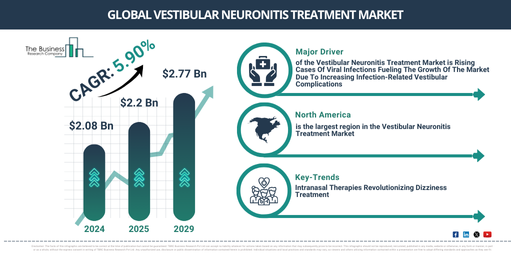
    In recent times, the market size for vestibular neuronitis treatment has experienced significant growth. It is projected to increase from a worth of $2.08 billion in 2024 to an impressive $2.2 billion in 2025, showing a compound annual growth rate (CAGR) of 5.9%. The expansion during the historic period is likely due to the escalating awareness about vestibular disorders, a rise in the occurrence of chronic conditions, an increasing number of various vestibular disorders, a growing older population, and a surge in the prevalence of vestibular neuronitis.

    In the coming years, a substantial surge is anticipated in the growth of the vestibular neuronitis treatment market. It’s predicted to amplify to$2.77 billion by 2029″ with a compound annual growth rate (CAGR) of 5.9%. The factors that contribute to this expected growth within the forecast period include escalating expenditure on healthcare, amplified occurrence of neurological disorders, surging sarcoma incidents, increasing ear infection rates and heightened general awareness around balance disorders. The forecast period will also likely see influential trends such as developments in artificial intelligence (AI) and machine learning (ML), progressive vestibular testing technologies, new-age drug delivery innovations, the use of telemedicine for distanced vestibular therapy, and enhanced imaging technology for the inner ear evaluations.

    Download a free sample to assess the report’s scope and structure:

    https://www.thebusinessresearchcompany.com/sample.aspx?id=23567&type=smp

    Which Factors and External Forces Are Driving Demand in the Vestibular Neuronitis Treatment Market?

    The growth of the vestibular neuronitis treatment market is anticipated to be driven by the increasing incidences of viral infections. Viral infections, caused by viruses that infest and multiply within host organism cells, lead to a variety of symptoms and potential tissue damage. Global travel and urbanization have contributed to a surge in viral infections, as they result in increased population density and human interaction, facilitating easier transmission of viruses through direct contact, airborne droplets, and contaminated surfaces. Treatment for vestibular neuronitis helps in managing viral infections by minimizing inflammation of the vestibular nerve, relieving issues of dizziness and balance, and aiding recovery via medicines, rehabilitative therapy, and supportive care. In reference to the UK Health Security Agency, as of October 2024, diagnoses of the human immunodeficiency virus (HIV) in England escalated to 6,008 in 2023, up 51% from 3,975 in 2022 and a boost of 56% from 3,859 in 2019. Consequently, the proliferation of viral infections is boosting the vestibular neuronitis treatment market.

    Which Segments in the Vestibular Neuronitis Treatment Offer the Most Growth?

    The vestibular neuronitis treatmentmarket covered in this report is segmented –

    1) By Treatment Type: Medication; Physical Therapy; Surgery; Alternative Therapy

    2) By Route Of Administration: Oral; Intravenous; Intramuscular

    3) By Age Group: Children; Adults; Elderly

    4) By Symptoms: Sudden Vertigo; Balance Issues; Nausea And Vomiting; Dizziness; Trouble Concentrating

    5) By End Users: Hospitals; Clinics; Other End Users

    Subsegments:

    1) By Medication: Corticosteroids; Antihistamines; Benzodiazepines; Antiemetics; Antiviral Drugs; Antibiotics

    2) By Physical Therapy: Vestibular Rehabilitation Therapy (VRT); Balance Training Exercises; Canalith Repositioning Maneuvers

    3) By Surgery: Labyrinthectomy; Vestibular Nerve Section; Endolymphatic Sac Decompression

    4) By Alternative Therapy: Acupuncture; Herbal Medicine; Chiropractic Therapy; Homeopathic Treatment; Dietary Supplements

    Request customized data on this market:

    https://www.thebusinessresearchcompany.com/customise?id=23567&type=smp

    What Are the Fastest-Growing Geographies in the #Which Factors and External Forces Are Driving Demand in the Vestibular Neuronitis Treatment Market?# Market?

    North America was the largest region in the vestibular neuronitis treatment market in 2024. Asia-Pacific is expected to be the fastest-growing region in the forecast period. The regions covered in the vestibular neuronitis treatment market report are Asia-Pacific, Western Europe, Eastern Europe, North America, South America, Middle East, Africa.

    Which Cutting-Edge Market Trends Are Expected to Drive theVestibular Neuronitis Treatment Market’s Growth?

    Leading corporations in the vestibular neuronitis treatment industry are concentrating on creating groundbreaking solutions such as vestibular modulators, a step aimed at boosting vestibular compensation, speeding up relief from vertigo, and augmenting treatment success for those struggling with balance disorders. Vestibular modulators are treatment compounds designed to control vestibular system activity, improving balance disorders, mitigating vertigo, and lifting vestibular compensation. To illustrate, Altamira Therapeutics Ltd., a Swiss biopharmaceutical enterprise, received approval for a new investigative drug (IND) from the U.S. Food and Drug Administration in June 2023 for AM-125 (betahistine nasal spray) used in cases of acute vestibular syndrome (AVS). AM-125, a vestibular modulator, addresses vestibular neuronitis by enhancing the release of histamine, promoting vestibular compensation, and amplifying blood flow in the inner ear to alleviate vertigo and stability problems. The intranasal mode of delivery allows for rapid absorption and elevated bioavailability, providing swift symptom relief.

    View the full report here:

    https://www.thebusinessresearchcompany.com/report/vestibular-neuronitis-treatment-global-market-report

    What Are the Key Elements That Define the Vestibular Neuronitis Treatment Market?

    Vestibular neuronitis treatment refers to the medical care and physical therapy to help manage and ease the symptoms of vestibular neuronitis, a condition caused by inflammation of the vestibular nerve, leading to sudden vertigo, dizziness and balance issues. The main goal of treatment is to relieve these symptoms and help the body to recover. It mainly focuses on reducing inflammation of the vestibular nerve, managing symptoms, and promoting compensation by the brain through vestibular rehabilitation exercises.

    Purchase the full report and get a swift delivery:

    https://www.thebusinessresearchcompany.com/purchaseoptions.aspx?id=23567

    About The Business Research Company:

    With over 15000+ reports from 27 industries covering 60+ geographies, The Business Research Company has built a reputation for offering comprehensive, data-rich research and insights. Armed with 1,500,000 datasets, the optimistic contribution of in-depth secondary research, and unique insights from industry leaders, you can get the information you need to stay ahead in the game.

    Get in touch with us:

    The Business Research Company: https://www.thebusinessresearchcompany.com/

    Americas +1 310-496-7795

    Europe +44 7882 955267

    Asia & Others +44 7882 955267 & +91 8897263534

    Email us at info@tbrc.info

    Follow us on:

    LinkedIn: https://in.linkedin.com/company/the-business-research-company

    YouTube: https://www.youtube.com/channel/UC24_fI0rV8cR5DxlCpgmyFQ

    Global Market Model: https://www.thebusinessresearchcompany.com/global-market-model