Blog

  • Emerging Growth Drivers in the Myelofibrosis (MF) Market Landscape: Rising Demand For Targeted Therapies Driving The Market Growth

    Emerging Growth Drivers in the Myelofibrosis (MF) Market Landscape: Rising Demand For Targeted Therapies Driving The Market Growth

    Claim your 30% discount on Global Market Reports with code ONLINE30. Limited time only.

    What is the Anticipated CAGR of the Myelofibrosis (MF) Market, and What Factors Will Drive It?

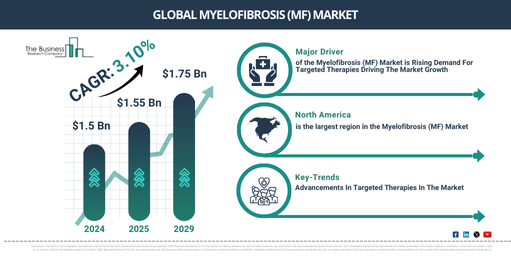
    Continued growth in the myelofibrosis (mf) market has been observed in the past few years, and the trend is projected to continue, with the market expected to rise from $1.5 billion in 2024 to $1.55 billion in 2025, reflecting a compound annual growth rate (CAGR) of 3.2%. This growth during the historical period can be linked to several factors including a higher incidence of myeloproliferative neoplasms, increased awareness leading to early diagnosis, wider acceptance of JAK inhibitors, greater availability of bone marrow transplants, as well as an increase in regulatory approvals for novel therapies.

    The market size for myelofibrosis (mf) is predicted to experience consistent expansion in the upcoming years. Projected to reach a value of $1.75 billion in 2029 with a 3.1% compound annual growth rate (CAGR). Several factors contribute to this projected growth during the forecast period, including an increased demand for tailored treatment methods, escalated number of clinical trials conducted on gene and cell therapies, rising utilization of combination therapies, broadening healthcare services for rare diseases, and a surge in investment towards hematology care. Key trends anticipated during this period encompass advancements in gene-editing technologies, innovative developments in fibrosis-targeting medications, evolution of next-gen JAK inhibitors, heightened interest in immunotherapy for myelofibrosis patients, and the increasing application of artificial intelligence in drug discovery.

    Download a free sample to assess the report’s scope and structure:

    https://www.thebusinessresearchcompany.com/sample.aspx?id=21226&type=smp

    Which Primay Drivers Are Accelerating Growth in the Myelofibrosis (MF) Market?

    The myelofibrosis (MF) market’s future growth is anticipated to be fueled by the escalating demand for targeted therapies. These are medical strategies that customize treatments and healthcare choices based on specific genetic, environmental, and lifestyle aspects. The rise in demand for targeted therapies is spurred by developments in genomics, biotechnology, and data analytics, which are paving the way for more precise, effective, and personalized forms of treatment. Myelofibrosis (MF) offers a vital model for designing targeted therapies by pinpointing crucial molecular pathways such as JAK-STAT signaling, thus allowing the creation of precision treatments like JAK inhibitors (Ruxolitinib, Fedratinib, and Pacritinib) that alleviate symptoms and impede disease progression. For instance, as per the American Society of Gene & Cell Therapy, a government organization based in the US, in April 2024, there has been an overall expansion in therapies across all stages of clinical pipeline development, with Phase I therapies witnessing an 11% surge — the most substantial growth rate since Q4 2022. Consequently, this escalating demand for targeted therapies is spurring the growth of the myelofibrosis (MF) market.

    Which Primary Segments of the Myelofibrosis (MF) Market Are Driving Growth and Industry Transformations?

    The myelofibrosis (mf)market covered in this report is segmented –

    1) By Drug Type: Jak Inhibitor; Immunomodulators; Hydroxyurea; Other Drug Types

    2) By Treatment Type: Chemotherapy; Targeted Therapy; Other Treatment Types

    3) By Route Of Administration: Oral; Parenteral; Other Routes Of Administration

    4) By Distribution Channel: Hospital Pharmacy; Online Pharmacy; Retail Pharmacy

    5) By End User: Hospitals; Homecare; Specialty Clinics; Other End Users

    Subsegments:

    1) By Jak Inhibitor: Ruxolitinib; Fedratinib; Momelotinib; Itacitinib

    2) By Immunomodulators: Thalidomide; Lenalidomide; Pomalidomide

    3) By Hydroxyurea: Oral Hydroxyurea; Injectable Hydroxyurea

    4) By Other Drug Types: Erythropoiesis-Stimulating Agents (ESAs); Danazol; Monoclonal Antibodies; Chemotherapy Agents

    Request customized data on this market:

    https://www.thebusinessresearchcompany.com/customise?id=21226&type=smp

    Which Regions Are Key Players in the Growth of the #Which Primay Drivers Are Accelerating Growth in the Myelofibrosis (MF) Market?# Market?

    North America was the largest region in the myelofibrosis (MF) market in 2024. Asia-Pacific is expected to be the fastest-growing region in the forecast period. The regions covered in the myelofibrosis (MF) market report are Asia-Pacific, Western Europe, Eastern Europe, North America, South America, Middle East, Africa.

    Which Technological Trends Are Reshaping the Myelofibrosis (MF) Industry Dynamics?

    In the myelofibrosis (MF) market, top-tier companies are concentrating on enlarging targeted therapies like JAK1/JAK2 and ACVR1 inhibitors, to raise treatment success, address disease growth, and boost patient results in myelofibrosis (MF). JAK1/JAK2 inhibitors work on the Janus kinase pathway to bring down inflammation and irregular blood cell generation in myelofibrosis, whereas ACVR1 inhibitors bar activin receptor-like kinase 2 (ALK2) to oversee bone marrow fibrosis and disease development. For example, in September 2023, GSK plc, a pharmaceutical establishment based in the UK, achieved US Food and Drug Administration (FDA) permission for Ojjaara (momelotinib), purposed for the treatment of moderate- or high-risk myelofibrosis. Its twin mechanism of action, focusing both JAK1/JAK2 and ACVR1, helps manage inflammatory routes while simultaneously raising hemoglobin levels, decreasing the call for transfusions. Not only does this approval extend treatment alternatives, but it also establishes a fresh benchmark in MF management for patients grappling with anemia, a significant unresolved requirement in the disease backdrop.

    View the full report here:

    https://www.thebusinessresearchcompany.com/report/myelofibrosis-mf-global-market-report

    What Parameters Are Used to Define the Myelofibrosis (MF) Market?

    Myelofibrosis (MF) refers to a rare bone marrow disorder characterized by excessive scar tissue formation, which disrupts normal blood cell production. This condition can lead to anemia, an enlarged spleen, and symptoms such as fatigue, night sweats, and bone pain.

    Purchase the full report and get a swift delivery:

    https://www.thebusinessresearchcompany.com/purchaseoptions.aspx?id=21226

    About The Business Research Company:

    With over 15000+ reports from 27 industries covering 60+ geographies, The Business Research Company has built a reputation for offering comprehensive, data-rich research and insights. Armed with 1,500,000 datasets, the optimistic contribution of in-depth secondary research, and unique insights from industry leaders, you can get the information you need to stay ahead in the game.

    Get in touch with us:

    The Business Research Company: https://www.thebusinessresearchcompany.com/

    Americas +1 310-496-7795

    Europe +44 7882 955267

    Asia & Others +44 7882 955267 & +91 8897263534

    Email us at info@tbrc.info

    Follow us on:

    LinkedIn: https://in.linkedin.com/company/the-business-research-company

    YouTube: https://www.youtube.com/channel/UC24_fI0rV8cR5DxlCpgmyFQ

    Global Market Model: https://www.thebusinessresearchcompany.com/global-market-model
  • Emerging Trends Redefining the Fatty Acid Oxidation Disorders (FAODs) Market Landscape: Advancements In Diagnostic Devices For Fibrocystic Breast Condition With IzoView

    Emerging Trends Redefining the Fatty Acid Oxidation Disorders (FAODs) Market Landscape: Advancements In Diagnostic Devices For Fibrocystic Breast Condition With IzoView

    Claim your 30% discount on Global Market Reports with code ONLINE30. Limited time only.

    What Is the Estimated Market Size of the Fibrocystic Breast Condition Market In 2029?

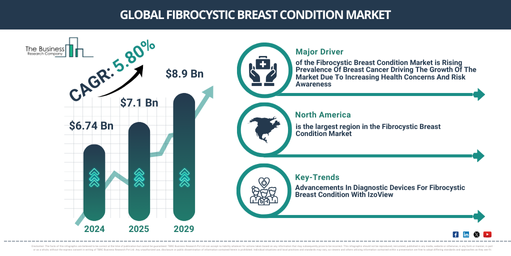
    In recent years, the market size for fibrocystic breast condition has seen robust growth. The value is projected to increase from $6.74 billion in 2024 to $7.1 billion in 2025, registering a compound annual growth rate (CAGR) of 5.4%. This growth in the historical period is linked to factors such as the escalating occurrence of breast cancer, heightened healthcare spending, urbanization, growing awareness, lifestyle changes, and significant disposable income.

    The market size for the fibrocystic breast condition is predicted to experience significant expansion in the approaching years. It is projected to reach$8.9 billion by 2029, with a compound annual growth rate (CAGR) of 5.8%. The surge during the forecast period can be attributed to an increase in demand for diagnostic devices and treatment methods, growth in government funding, a heightened requirement for effective therapy options, an upsurge in the elderly population, increasing efforts of public and private sectors, and an expansion in research and development activities. Noteworthy trends during the forecast period encompass minimally invasive devices for breast biopsy, strategic partnerships and collaborations, emphasis on personalized medicine, incorporation of Artificial Intelligence (AI), and advancements in technology.

    Download a free sample to assess the report’s scope and structure:

    https://www.thebusinessresearchcompany.com/sample.aspx?id=21967&type=smp

    What Are the Core Market Drivers Propelling Growth in the Fibrocystic Breast Condition Industry?

    The fibrocystic breast condition market is projected to expand due to the rising instances of breast cancer. This type of cancer, primarily affecting women, originates in the breast cells. Its increasing occurrence is attributed to an aging population, unhealthy habits, genetic influences, enhanced screening, and environmental exposure. A fibrocystic breast condition (FBC) could elevate the possibility of breast cancer owing to the formation of dense breast tissue, fostering cellular alterations, augmented hormone receptivity, and extended inflammation, thus potentially creating a suitable environment for cancer growth. As per the American Cancer Society Facts and Figures, an organization based in the US, the number of new breast cancer cases across the United States could rise from 300,590 in 2023 to 313,510 in 2024. Hence, the market for fibrocystic breast conditions is being propelled by the increasing prevalence of breast cancer.

    How Is the Fibrocystic Breast Condition Market Segmented?

    The fibrocystic breast conditionmarket covered in this report is segmented –

    1) By Treatment: Medication; Oral Contraceptives; Fine-Needle Aspiration; Other Treatments

    2) By Diagnosis: Mammogram; Ultrasound; Clinical Breast Exam; Other Diagnosis

    3) By End-Users: Hospital; Clinic; Other End-Users

    Subsegments:

    1) By Medication: Over-the-Counter (OTC) Pain Relievers; Prescription Pain Relievers; Hormonal Therapy

    2) By Oral Contraceptives: Combination Pills; Progestin-Only Pills

    3) By Fine-Needle Aspiration: Ultrasound-Guided Fine-Needle Aspiration; Manual Fine-Needle Aspiration

    4) By Other Treatments: Lifestyle And Dietary Changes; Cyst Drainage Procedures; Supportive Therapy; Herbal And Dietary Supplements

    Request customized data on this market:

    https://www.thebusinessresearchcompany.com/customise?id=21967&type=smp

    Which Regions Are Driving the Next Phase of the Fibrocystic Breast Condition Market Growth?

    North America was the largest region in the fibrocystic breast condition market in 2024. The regions covered in the fibrocystic breast condition market report are Asia-Pacific, Western Europe, Eastern Europe, North America, South America, Middle East, Africa.

    What Key Market Trends and Innovations Are Shaping the Future of the Fibrocystic Breast Condition Industry?

    Firms that are significant players in the market for fibrocystic breast conditions are investing in innovative technologies like diagnostic tools to enhance the precision of diagnoses and the effectiveness of treatments. A diagnostic instrument is any tool deployed for the identification, detection, or assessment of a health issue, ailment, or condition. For example, August 2024 saw the introduction by Izotropic Corporation, a medical device firm from Canada, of IzoView, a breast CT imaging system engineered for detecting cancer in women with breast tissue that is dense. Regulatory approval is being sought by the company through a clinical study aimed at showcasing how IzoView outperforms digital breast tomosynthesis (DBT) alone when used in conjunction with it. IzoView, with its high-resolution 3D imaging abilities and its advantage of not requiring breast compression, aims to raise the rate of breast cancer detection in women with dense breast tissue, a demographic that is more susceptible to developing this disease.

    View the full report here:

    https://www.thebusinessresearchcompany.com/report/fibrocystic-breast-condition-global-market-report

    How Is the Fibrocystic Breast Condition Market Defined and What Are Its Core Parameters?

    Fibrocystic breast condition (FBC) refers to a noncancerous condition characterized by lumpiness, tenderness, and pain in one or both breasts due to fibrous tissue and fluid-filled cysts. It is a common benign breast disorder caused by hormonal fluctuations, primarily affecting women of reproductive age. Symptoms may vary throughout the menstrual cycle and typically resolve after menopause.

    Purchase the full report and get a swift delivery:

    https://www.thebusinessresearchcompany.com/purchaseoptions.aspx?id=21967

    About The Business Research Company:

    With over 15000+ reports from 27 industries covering 60+ geographies, The Business Research Company has built a reputation for offering comprehensive, data-rich research and insights. Armed with 1,500,000 datasets, the optimistic contribution of in-depth secondary research, and unique insights from industry leaders, you can get the information you need to stay ahead in the game.

    Get in touch with us:

    The Business Research Company: https://www.thebusinessresearchcompany.com/

    Americas +1 310-496-7795

    Europe +44 7882 955267

    Asia & Others +44 7882 955267 & +91 8897263534

    Email us at info@tbrc.info

    Follow us on:

    LinkedIn: https://in.linkedin.com/company/the-business-research-company

    YouTube: https://www.youtube.com/channel/UC24_fI0rV8cR5DxlCpgmyFQ

    Global Market Model: https://www.thebusinessresearchcompany.com/global-market-model
  • Sinusitis Treatment Outlook 2034: Key Drivers, Trends, and Market Frontiers

    Sinusitis Treatment Outlook 2034: Key Drivers, Trends, and Market Frontiers

    Claim your 30% discount on Global Market Reports with code ONLINE30. Limited time only.

    What Is the Current and Projected Market Size of the Sinusitis Treatment Market Through 2034?

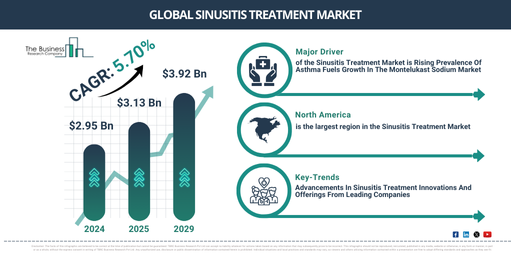
    The market for sinusitis treatment has been on a robust growth trajectory in the past few years. The size of the market is projected to escalate from $2.95 billion in 2024 to $3.13 billion in 2025, recording a compound annual growth rate (CAGR) of 6.1%. Factors contributing to the growth in the past have been higher demand for diagnostic examinations and antibiotics, a rise in usage of generic medicines, heightened health consciousness, developments in intra-nasal drug delivery, and governmental backing for healthcare initiatives and research.

    Projected significant expansion is expected in the sinusitis treatment market over the coming years, escalating to reach a valuation of $3.92 billion by 2029, growing at a compound annual rate of 5.7%. This anticipated growth during the projected timeline is primarily due to an increasing incidence of sinusitis, an uptick in the elderly population, elevated healthcare spending, a rising frequency of allergies, and an amplified demand for effective treatment methods. The forecasted period is likely to witness trending aspects like technological enhancements in sinusitis surgery, increased demand for nasal sprays, the emergence of innovative drug delivery systems, availability of a variety of treatment alternatives, and breakthroughs in technology.

    Download a free sample to assess the report’s scope and structure:

    https://www.thebusinessresearchcompany.com/sample.aspx?id=16192&type=smp

    How Are Key Drivers in the Industry Acting as Catalysts for the Growth of theSinusitis Treatment Market?

    The rise in respiratory ailments such as asthma is anticipated to fuel sinusitis treatment market growth. Asthma, a persistent respiratory disorder, is characterized by airway inflammation and constriction, leading to frequent wheezing, breathlessness, chest constrictiveness, and coughing instances. Environmental pollution, allergen contacts, genetic susceptibility, urbanization, lifestyle amendments, and respiratory tract infections contribute to the escalating asthma cases. Sinusitis therapy assists in unblocking and encouraging improved draining, lowering postnasal drainage, and the likelihood of additional infections that can impact the respiratory system. For instance, the National Asthma Council, a non-profit organization based in Australia, reported 467 asthma-related fatalities in November 2023. The figure included 299 women and 168 men, showing an increase from 355 deaths in 2021. Thus, the rising asthma prevalence is propelling the sinusitis treatment market’s growth.

    Which Segments in the Sinusitis Treatment Offer the Most Growth?

    The sinusitis treatmentmarket covered in this report is segmented –

    1) By Treatment: Analgesics; Antibiotics; Antihistamines; Surgery; Corticosteroids; Sulfonamides; Quinolones

    2) By Disease Type: Acute Sinusitis; Sub-Acute Sinusitis; Chronic Sinusitis

    3) By Route Of Administration: Topical; Nasal; Oral; Injectable

    4) By Distribution Channel: Online Pharmacies; Retail Pharmacies; Hospital Pharmacies

    Subsegments:

    1) By Analgesics: Over-The-Counter Pain Relievers (Acetaminophen, Ibuprofen); Prescription Pain Medications; Combination Pain Relief Medications (With Decongestants)

    2) By Antibiotics: Penicillin-Based Antibiotics; Cephalosporins; Macrolides (Azithromycin); Fluoroquinolones (Levofloxacin); Aminoglycosides; Broad-Spectrum Antibiotics

    3) By Antihistamines: First-Generation Antihistamines (Diphenhydramine); Second-Generation Antihistamine (Loratadine, Cetirizine); Nasal Antihistamines (Azelastine)

    4) By Surgery: Functional Endoscopic Sinus Surgery (Fess); Balloon Sinuplasty; Sinus Drainage And Removal; Septoplasty (For Structural Issues); Other Surgical Interventions For Chronic Sinusitis

    5) By Corticosteroids: Oral Corticosteroids (Prednisone); Nasal Steroid Sprays (Fluticasone, Budesonide); Topical Corticosteroids For Sinus Inflammation

    6) By Sulfonamides: Sulfamethoxazole Or Trimethoprim (Bactrim); Other Sulfonamide-Based Antibiotics For Sinus Infections

    7) By Quinolones: Ciprofloxacin; Levofloxacin; Moxifloxacin; Other Fluoroquinolones For Sinusitis

    Request customized data on this market:

    https://www.thebusinessresearchcompany.com/customise?id=16192&type=smp

    What Are the Fastest-Growing Geographies in the #How Are Key Drivers in the Industry Acting as Catalysts for the Growth of theSinusitis Treatment Market?# Market?

    North America was the largest region in the sinusitis treatment market in 2024. Asia-Pacific is expected to be the fastest-growing region in the forecast period. The regions covered in the sinusitis treatment market report are Asia-Pacific, Western Europe, Eastern Europe, North America, South America, Middle East, Africa.

    What Are the Current Market Growth and Trends in the Sinusitis Treatment Industry?

    Leading market players in the sinusitis treatment sector are focused on the development of innovative drugs, such as steroid nasal sprays. These medications are focused on enhancing effectiveness, minimizing adverse effects, and providing easier dosing methods. The steroid nasal sprays, also known as corticosteroid sprays, are potent anti-inflammatory drugs used via nasal spray to treat various conditions. For example, Optinose Inc., an American pharmaceutical firm that specializes in addressing nasal polyps, rolled out a new product named XHANCE in March 2024. It incorporates a revolutionary drug-device system, the Exhalation Delivery System (EDS), which has gained approval from the U.S. Food and Drug Administration. XHANCE is a tailor-made nasal spray designed to deliver a topical steroid into the deeper and higher areas of the nasal cavity where the sinuses ventilate and drain. XHANCE, sanctioned by the U.S. Food and Drug Administration, is specified for the treatment of chronic rhinosinusitis, with and without nasal polyps, in patients who are 18 years and older.

    View the full report here:

    https://www.thebusinessresearchcompany.com/report/sinusitis-treatment-global-market-report

    What Are the Key Elements That Define the Sinusitis Treatment Market?

    Sinusitis treatment encompasses a range of techniques and therapies aimed at alleviating its symptoms. Sinusitis, an inflammation or infection of the sinuses, prompts the application of different treatment strategies, tailored to the severity and underlying cause of the condition, alongside considering the individual’s health status and medical background.

    Purchase the full report and get a swift delivery:

    https://www.thebusinessresearchcompany.com/purchaseoptions.aspx?id=16192

    About The Business Research Company:

    With over 15000+ reports from 27 industries covering 60+ geographies, The Business Research Company has built a reputation for offering comprehensive, data-rich research and insights. Armed with 1,500,000 datasets, the optimistic contribution of in-depth secondary research, and unique insights from industry leaders, you can get the information you need to stay ahead in the game.

    Get in touch with us:

    The Business Research Company: https://www.thebusinessresearchcompany.com/

    Americas +1 310-496-7795

    Europe +44 7882 955267

    Asia & Others +44 7882 955267 & +91 8897263534

    Email us at info@tbrc.info

    Follow us on:

    LinkedIn: https://in.linkedin.com/company/the-business-research-company

    YouTube: https://www.youtube.com/channel/UC24_fI0rV8cR5DxlCpgmyFQ

    Global Market Model: https://www.thebusinessresearchcompany.com/global-market-model
  • Next-Gen Vasovagal Syncope Treatment : Market Forecast, Transformation, and Long-Term Trajectories

    Next-Gen Vasovagal Syncope Treatment : Market Forecast, Transformation, and Long-Term Trajectories

    Claim your 30% discount on Global Market Reports with code ONLINE30. Limited time only.

    What is the Projected CAGR for the Vasovagal Syncope Treatment Market Size from 2025 to 2034?

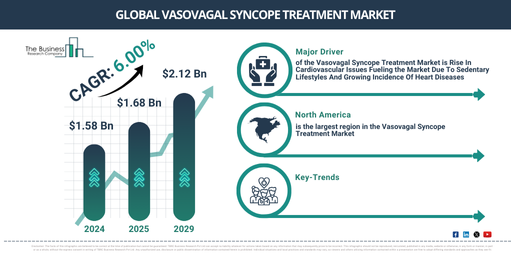
    The market size of vasovagal syncope treatment has witnessed robust growth in the past years. The market is expected to expand from $1.58 billion in 2024 to $1.68 billion in 2025, maintaining a compound annual growth rate (CAGR) of 6.0%. This enhancement during the historical period can be credited to various factors such as the escalating implementation of pharmacological interventions, surging interest in bespoke treatment, an increasing pool of healthcare professionals, better comprehension of autonomic regulation and the vagus nerve, and improved accessibility to healthcare and treatments.

    In the forthcoming years, the market for vasovagal syncope treatment is anticipated to witness robust expansion. The market size will burgeon to$2.12 billion by 2029 with a compound annual growth rate (CAGR) of 6.0%. Major factors driving this growth over the forecast period include advances in personalized medicine, enhanced understanding of neurocardiogenic mechanisms, a heightened perception of psychological aspects, a growing tendency towards integrative care across disciplines, and greater public knowledge. Future trends incorporate digital health tools integration, cross-disciplinary care, pharmacological breakthroughs, adoption of wearable technology, remote patient monitoring, as well as the utilization of artificial intelligence (AI) and machine learning techniques.

    Download a free sample to assess the report’s scope and structure:

    https://www.thebusinessresearchcompany.com/sample.aspx?id=23563&type=smp

    Which Major Market Drivers Are Expected to Boost the Growth Potential of the Vasovagal Syncope Treatment Market?

    The proliferation of cardiovascular complications is anticipated to fuel the expansion of the vasovagal syncope treatment market. Such cardiovascular complications encompass a variety of conditions that impact the heart and blood vessels, including heart disease, hypertension, stroke, and arrhythmias. Unhealthy dietary habits chiefly contribute to the surge in cardiovascular problems, where the overconsumption of processed foods, saturated fats, and high levels of sodium could lead to conditions—like hypertension, obesity, and high cholesterol—that heighten the risk of heart-related diseases substantially. The treatment of vasovagal syncope is viable for these cardiovascular problems owing to its capacity to stabilise blood pressure, enhance autonomic regulation, and prevent abrupt heart rate reductions that can precipitate fainting and decreases in blood supply to essential organs. For instance, the American Heart Association, a not-for-profit organisation based in the U.S., stated in January 2025 that 941,652 deaths due to cardiovascular disease (CVD) occurred in U.S. in 2022, reflecting an increase of over 10,000 from the 931,578 CVD deaths cited in 2021. Consequently, the escalating cardiovascular issues are spurring the growth of the vasovagal syncope treatment market.

    Which Key Market Segments Comprise the Vasovagal Syncope Treatment Market and Drive Its Revenue Growth?

    The vasovagal syncope treatmentmarket covered in this report is segmented –

    1) By Treatment Method: Medication; Lifestyle Modification; Surgical Intervention; Psychological Therapy

    2) By Diagnosis Type: Electrocardiogram; Tilt Table Test; Electrophysiological Study

    3) By Patient Age Group: Pediatric; Adult; Geriatric

    4) By Application: Cardiogenic; Neurological; Metabolic; Vasomotor; Other Applications

    5) By End User: Hospitals; Specialty Clinics; Home; Healthcare

    Subsegments:

    1) By Medication: Prescription Drugs; Over-The-Counter (OTC) Medications; Herbal Or Alternative Medications; Injections Or Infusions

    2) By Lifestyle Modification: Dietary Changes; Physical Activity; Sleep Hygiene; Stress Management; Substance Avoidance

    3) By Surgical Intervention: Minimally Invasive Surgeries; Major Surgical Procedures; Cosmetic Surgery; Bariatric Surgery; Orthopedic Surgeries

    4) By Psychological Therapy: Cognitive Behavioral Therapy (CBT); Psychodynamic Therapy; Dialectical Behavior Therapy (DBT); Interpersonal Therapy (IPT); Group Therapy; Family Therapy; Supportive Therapy; Play Therapy

    Request customized data on this market:

    https://www.thebusinessresearchcompany.com/customise?id=23563&type=smp

    Which Areas Are Leading Regions in the Vasovagal Syncope Treatment Market Expansion Across the Globe?

    North America was the largest region in the vasovagal syncope treatment market in 2024. The regions covered in the vasovagal syncope treatment market report are Asia-Pacific, Western Europe, Eastern Europe, North America, South America, Middle East, Africa.

    View the full report here:

    https://www.thebusinessresearchcompany.com/report/vasovagal-syncope-treatment-global-market-report

    How Is the Vasovagal Syncope Treatment Market Conceptually Defined?

    Vasovagal syncope (VVS) is a common form of fainting that occurs when the body overreacts to certain triggers, such as stress, pain, prolonged standing, or heat exposure. It results from a sudden drop in heart rate and blood pressure, leading to reduced blood flow to the brain and temporary loss of consciousness.

    Purchase the full report and get a swift delivery:

    https://www.thebusinessresearchcompany.com/purchaseoptions.aspx?id=23563

    About The Business Research Company:

    With over 15000+ reports from 27 industries covering 60+ geographies, The Business Research Company has built a reputation for offering comprehensive, data-rich research and insights. Armed with 1,500,000 datasets, the optimistic contribution of in-depth secondary research, and unique insights from industry leaders, you can get the information you need to stay ahead in the game.

    Get in touch with us:

    The Business Research Company: https://www.thebusinessresearchcompany.com/

    Americas +1 310-496-7795

    Europe +44 7882 955267

    Asia & Others +44 7882 955267 & +91 8897263534

    Email us at info@tbrc.info

    Follow us on:

    LinkedIn: https://in.linkedin.com/company/the-business-research-company

    YouTube: https://www.youtube.com/channel/UC24_fI0rV8cR5DxlCpgmyFQ

    Global Market Model: https://www.thebusinessresearchcompany.com/global-market-model
  • Strategic Growth Drivers Shaping the Molluscum Contagiosum (MC) Treatment Market Outlook 2025- 2034:Growing Demand For Minimally Invasive Treatments In The Market

    Strategic Growth Drivers Shaping the Molluscum Contagiosum (MC) Treatment Market Outlook 2025- 2034:Growing Demand For Minimally Invasive Treatments In The Market

    Claim your 30% discount on Global Market Reports with code ONLINE30. Limited time only.

    What Are the Key Milestones in the Molluscum Contagiosum (MC) Treatment Market’s Growth Trajectory From 2025 To 2034?

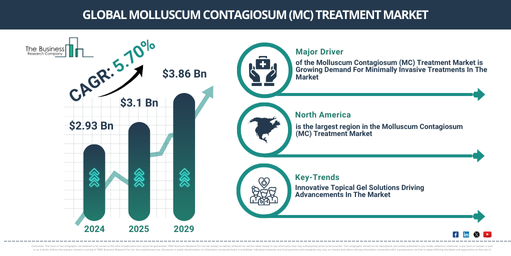
    The market size for treatment of molluscum contagiosum (mc) has seen significant expansion in the past few years. The market, currently standing at $2.93 billion in 2024, is projected to witness growth at a compound annual growth rate (CAGR) of 5.9%, reaching $3.1 billion by 2025. The escalation during the historical period can be linked to heightened understanding of skin infections and available treatments, a surge in pediatric cases, increased healthcare expenditure, growth in the count of people with weakened immune systems, and augmented funding from independent and governmental organizations.

    Expectations are high for the molluscum contagiosum (mc) treatment market as it’s predicted to experience substantial growth in the upcoming years. By 2029, it is set to expand to$3.86 billion, with a compound annual growth rate (CAGR) of 5.7%. Several factors are contributing to this projected growth in the forecast period which includes a growing inclination towards non-invasive treatments, a rise in skin diseases, a heightened demand for healthcare services, increasing chronic disease rates, and the heightened accessibility to improved treatment options. Forecast period trends involve a move towards cosmetic treatments, innovations in topical delivery systems, a shift towards treatments that can be done at home, enhancements in cryotherapy, and a focus on treatment options for children.

    Download a free sample to assess the report’s scope and structure:

    https://www.thebusinessresearchcompany.com/sample.aspx?id=21225&type=smp

    Which Factors and External Forces Are Driving Demand in the Molluscum Contagiosum (MC) Treatment Market?

    The molluscum contagiosum treatment market is forecasted to expand due to the increasing preference for minimally invasive treatments. These treatments, characterized by minor incisions or sometimes no incision, cause less harm to the body, making them sought-after in the medical field. The popularity of these treatments can be ascribed to their ability to diminish recovery time, limit surgical risks and produce superior patient outcomes in comparison to conventional procedures. Molluscum contagiosum treatments employ minimally invasive techniques like cryotherapy and laser therapy, providing effective lesion removal, quicker recovery and minimal scarring. These treatments generally necessitate fewer appointments and are ideally suited to address the commonly widespread lesions in molluscum contagiosum. To illustrate, as per the report by the American Academy of Facial Plastic and Reconstructive Surgery, a non-profit entity based in the US, minimally invasive procedures constituted 83% of all medical procedures, totaling 35 million procedures in 2023, with traditional surgical procedures comprising the balance 17%. This surge in demand for minimally invasive treatments is thus spearheading the growth of the molluscum contagiosum treatment market.

    Which Segments in the Molluscum Contagiosum (MC) Treatment Offer the Most Growth?

    The molluscum contagiosum (mc) treatmentmarket covered in this report is segmented –

    1) By Type: Molluscum Contagiosum Virus (MCV) -1; Molluscum Contagiosum Virus (MCV) -2; Molluscum Contagiosum Virus (MCV) -3; Molluscum Contagiosum Virus (MCV) -4

    2) By Treatment Type: Topical Therapy; Immune-Modulators And Procedural Treatments

    3) By Route Of Administration: Topical; Oral

    4) By End User: Hospitals; Dermatology Clinics; Homecare Settings; Other End Users

    Request customized data on this market:

    https://www.thebusinessresearchcompany.com/customise?id=21225&type=smp

    What Are the Fastest-Growing Geographies in the #Which Factors and External Forces Are Driving Demand in the Molluscum Contagiosum (MC) Treatment Market?# Market?

    North America was the largest region in the molluscum contagiosum (MC) treatment market in 2024. Asia-Pacific is expected to be the fastest-growing region in the forecast period. The regions covered in the molluscum contagiosum (MC) treatment market report are Asia-Pacific, Western Europe, Eastern Europe, North America, South America, Middle East, Africa.

    Which Cutting-Edge Market Trends Are Expected to Drive theMolluscum Contagiosum (MC) Treatment Market’s Growth?

    Firms that are key players in the molluscum contagiosum (MC) treatment market are concentrating on creating novel products such as topical gels which enhance effectiveness, increase patient adherence, and offer non-invasive therapy alternatives. A topical gel, a semi-solid substance used on the skin or mucous linings for localized treatment or therapeutic benefits is part of these innovations. In April 2024, Ligand Pharmaceuticals Incorporated, a biopharmaceutical organization based in the United States, introduced Pelthos Therapeutics to market Zelsuvmi (brazier) topical gel, 10.3%, the first at-home treatment for molluscum contagiosum in adults and children over one-year-old sanctioned by the Food and Drug Administration. This nitric oxide-releasing gel aims to hinder viral reproduction, resulting in the elimination of lesions. Zelsuvmi provides a non-intrusive, painless substitute to conventional procedures performed in the physician’s office, such as cryotherapy or curettage, posing a sensible and accessible choice for patients aged one year and above.

    View the full report here:

    https://www.thebusinessresearchcompany.com/report/molluscum-contagiosum-mc-treatment-global-market-report

    What Are the Key Elements That Define the Molluscum Contagiosum (MC) Treatment Market?

    Molluscum contagiosum (MC) treatment refers to the medical interventions and methods used to manage and resolve molluscum contagiosum, a viral skin infection caused by a poxvirus. The goal of treatment is to remove the characteristic lesions, prevent further spread of the virus, and alleviate any associated discomfort, although the infection often resolves on its own in healthy individuals.

    Purchase the full report and get a swift delivery:

    https://www.thebusinessresearchcompany.com/purchaseoptions.aspx?id=21225

    About The Business Research Company:

    With over 15000+ reports from 27 industries covering 60+ geographies, The Business Research Company has built a reputation for offering comprehensive, data-rich research and insights. Armed with 1,500,000 datasets, the optimistic contribution of in-depth secondary research, and unique insights from industry leaders, you can get the information you need to stay ahead in the game.

    Get in touch with us:

    The Business Research Company: https://www.thebusinessresearchcompany.com/

    Americas +1 310-496-7795

    Europe +44 7882 955267

    Asia & Others +44 7882 955267 & +91 8897263534

    Email us at info@tbrc.info

    Follow us on:

    LinkedIn: https://in.linkedin.com/company/the-business-research-company

    YouTube: https://www.youtube.com/channel/UC24_fI0rV8cR5DxlCpgmyFQ

    Global Market Model: https://www.thebusinessresearchcompany.com/global-market-model
  • Fatty Acid Oxidation Disorders (FAODs) Market 2025-2034: Key Highlights, Growth Dynamics, and Emerging Trends

    Fatty Acid Oxidation Disorders (FAODs) Market 2025-2034: Key Highlights, Growth Dynamics, and Emerging Trends

    Claim your 30% discount on Global Market Reports with code ONLINE30. Limited time only.

    How Fast Is The Fatty Acid Oxidation Disorders (FAODs) Market Expected to Grow Between 2025 And 2029?

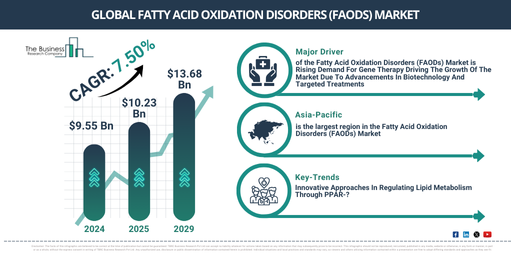
    In recent times, there has been a significant increase in the fatty acid oxidation disorders (faods) market size. The anticipated growth is expected to raise the market size from $9.55 billion in 2024 to $10.23 billion in 2025, displaying a compound annual growth rate (CAGR) of 7.2%. Factors leading to this growth in the historical period can be identified as heightened awareness, a surge in the occurrence of rare and genetic disorders, an increase in product clearance, amplified government initiatives, and growing demand for orphan drugs.

    In the coming years, the market size for fatty acid oxidation disorders (faods) is anticipated to experience robust expansion. Expected to reach a total of $13.68 billion in 2029, it will see a compound annual growth rate (CAGR) of 7.5%. Factors such as the growing requirement for sustainable bio-products, the rise in customized medicine use, initial diagnosis of FAODS, increased research and development financing, and an enhanced focus on advancing long-term results contribute to this growth during the forecast period. Prominent trends during this time frame comprise of the incorporation of telehealth services, employment of artificial intelligence in diagnostics and drug discovery, progression in genetic testing, technological advancements, and a shift towards patient-centric care models.

    Download a free sample to assess the report’s scope and structure:

    https://www.thebusinessresearchcompany.com/sample.aspx?id=21964&type=smp

    Which Primay Drivers Are Accelerating Growth in the Fatty Acid Oxidation Disorders (FAODs) Market?

    The fatty acid oxidation disorders (FAODs) market is expected to flourish due to a surge in the demand for gene therapy. Gene therapy, a medical procedure that modifies or replaces defective genes to treat or stave-off diseases, has witnessed an increase in demand due to its capabilities of treating genetic disorders, cancer, and rare diseases by addressing the underlying genetic factors. This has led to substantial investments and advancements in the field of biotechnology. By delivering functional genes, gene therapy aims to rectify metabolic deficiencies caused by fatty acid oxidation disorders. It boosts enzymatic activity, increases energy production, and avoids disease complications. For instance, in April 2024, the American Society of Gene & Cell Therapy reported a 10% increase in Phase III clinical trials of gene therapies in the fourth quarter. This is the first growth of its kind since the third quarter of 2022. Hence, the escalating demand for gene therapy is fueling the growth of the fatty acid oxidation disorders (FAODs) market.

    Which Primary Segments of the Fatty Acid Oxidation Disorders (FAODs) Market Are Driving Growth and Industry Transformations?

    The fatty acid oxidation disorders (faods)market covered in this report is segmented –

    1) By Type: Long Chain; Short Chain

    2) By Drug Type: Levocarnitine; Dextrose; Riboflavin; Other Drug Types

    3) By Route of Administration: Oral; Intravenous

    4) By Distribution Channel: Hospital Pharmacies; Retail Pharmacies; Drug Stores; Online Stores

    5) By End User: Hospitals; Clinics; Pharmaceutical Companies

    Subsegments:

    1) By Long Chain: Very Long-Chain Acyl-CoA Dehydrogenase Deficiency (VLCAD); Long-Chain 3-Hydroxyacyl-CoA Dehydrogenase Deficiency (LCHAD); Trifunctional Protein Deficiency (TFP); Carnitine Palmitoyltransferase II Deficiency (CPT II)

    2) By Short Chain: Medium-Chain Acyl-CoA Dehydrogenase Deficiency (MCAD); Short-Chain Acyl-CoA Dehydrogenase Deficiency (SCAD); Carnitine Uptake Defect (CUD)

    Request customized data on this market:

    https://www.thebusinessresearchcompany.com/customise?id=21964&type=smp

    Which Regions Are Key Players in the Growth of the #Which Primay Drivers Are Accelerating Growth in the Fatty Acid Oxidation Disorders (FAODs) Market?# Market?

    Asia-Pacific was the largest region in the fatty acid oxidation disorders (FAODs) market in 2024. The regions covered in the fatty acid oxidation disorders (FAODs) market report are Asia-Pacific, Western Europe, Eastern Europe, North America, South America, Middle East, Africa.

    Which Technological Trends Are Reshaping the Fatty Acid Oxidation Disorders (FAODs) Industry Dynamics?

    Leading firms in the fatty acid oxidation disorders (FAODs) sector are striving to create novel solutions such as peroxisome proliferator-activated receptor delta (PPARd) agonists. These aim to boost metabolic regulation and elevate the success rate of FAOD treatments. PPARd agonists activate the PPARd receptor, a key component in controlling lipid metabolism, inflammation, and energy equilibrium, and could potentially offer therapeutic benefits for metabolic and cardiovascular illnesses. To illustrate, Reneo Pharmaceuticals Inc., an established clinical-stage pharmaceutical enterprise based in the US, was granted Fast Track status by the U.S. Food and Drug Administration (FDA) in January 2023 for its trial drug, Mavodelpar (REN001). This drug particularly targets a genotype associated with long-chain fatty acid oxidation disorder (LC-FAOD), known as long-chain 3-hydroxyacyl-CoA dehydrogenase (LCHAD) deficiency. Through the activation of PPARd, Mavodelpar seeks to reinforce mitochondrial function, optimize energy metabolism, and alleviate LC-FAOD related symptoms.

    View the full report here:

    https://www.thebusinessresearchcompany.com/report/fatty-acid-oxidation-disorders-faods-global-market-report

    What Parameters Are Used to Define the Fatty Acid Oxidation Disorders (FAODs) Market?

    Fatty acid oxidation disorders (FAODs) are a group of rare genetic metabolic disorders that impair the body’s ability to convert fats into energy due to a deficiency or absence of specific enzymes required for fatty acid breakdown. Fatty acid oxidation disorders lead to an accumulation of fatty acids in the body, which can cause severe energy deficiency, hypoglycemia, muscle weakness, and potential organ damage, particularly during periods of fasting or illness.

    Purchase the full report and get a swift delivery:

    https://www.thebusinessresearchcompany.com/purchaseoptions.aspx?id=21964

    About The Business Research Company:

    With over 15000+ reports from 27 industries covering 60+ geographies, The Business Research Company has built a reputation for offering comprehensive, data-rich research and insights. Armed with 1,500,000 datasets, the optimistic contribution of in-depth secondary research, and unique insights from industry leaders, you can get the information you need to stay ahead in the game.

    Get in touch with us:

    The Business Research Company: https://www.thebusinessresearchcompany.com/

    Americas +1 310-496-7795

    Europe +44 7882 955267

    Asia & Others +44 7882 955267 & +91 8897263534

    Email us at info@tbrc.info

    Follow us on:

    LinkedIn: https://in.linkedin.com/company/the-business-research-company

    YouTube: https://www.youtube.com/channel/UC24_fI0rV8cR5DxlCpgmyFQ

    Global Market Model: https://www.thebusinessresearchcompany.com/global-market-model
  • Global Single Dose Radiotherapy Services Market Trends: Regional Breakdowns and Strategic Insights

    Global Single Dose Radiotherapy Services Market Trends: Regional Breakdowns and Strategic Insights

    Claim your 30% discount on Global Market Reports with code ONLINE30. Limited time only.

    What is the Anticipated CAGR of the Single Dose Radiotherapy Services Market, and What Factors Will Drive It?

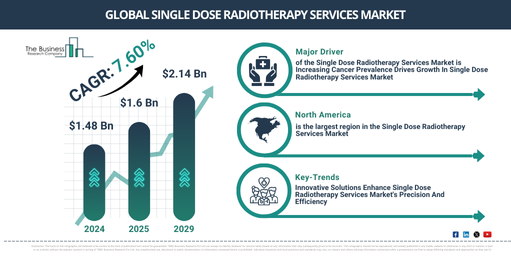
    The market for single dose radiotherapy services has seen robust growth recently. It is set to expand from $1.48 billion in 2024 to $1.6 billion in 2025, with a compound annual growth rate (CAGR) of 8.1%. Factors contributing to growth during the historic period include technological progress, incorporation of big data analytics, creation of portable radiotherapy devices, rising use of robotics in radiotherapy, and the shift towards cloud-based treatment planning.

    Anticipations are high for a robust expansion in the singular dose radiation therapy market in the upcoming years. The projected growth is to about $2.14 billion by 2029 with a compound annual growth rate (CAGR) of 7.6%. This anticipated rise during the forecast timeframe can be attributed to the escalating acceptance of singular-dose treatments, the surging demand for non-abrupt procedures, the enlarged healthcare spending, the swell in the aged populace, and the widening telemedicine facilities. Pivotal trends for the projection period involve technological breakthroughs, the incorporation of substantial data analytics, the fabrication of compact radiation therapy apparatus, the escalating utilization of robotics in radiation therapy, and the uptake of cloud-oriented treatment scheduling.

    Download a free sample to assess the report’s scope and structure:

    https://www.thebusinessresearchcompany.com/sample.aspx?id=16790&type=smp

    What Are the Major Market Drivers Behind the Rising Adoption of Single Dose Radiotherapy Services Market?

    The rising prevalence of cancer is expected to drive the demand for single-dose radiotherapy services. Cancer consists of diseases with uncontrolled cell growth, often leading to tumours that can invade and affect other body parts, thereby disrupting normal body functions. A combination of ageing populations, lifestyle modifications, environmental influences, and advancements in detection and diagnosis attributes to the increasing occurrence of cancer. Single-dose radiotherapy services help combat this accelerating prevalence by providing fast and effective treatments that target and eradicate cancer cells, potentially improving patient results and reducing the impact of the disease. For example, the International Agency for Research on Cancer (IARC), a France-based intergovernmental organization, reported that the new cases of breast cancer worldwide had risen from 2.26 million in 2020 to 2.31 million instances in 2022, by June 2024. Thus, the escalating prevalence of cancer fosters growth in the single-dose radiotherapy services market.

    Which Key Market Segments Comprise the Single Dose Radiotherapy Services Market and Drive Its Revenue Growth?

    The single dose radiotherapy servicesmarket covered in this report is segmented –

    1) By Type: Internal Beam Radiotherapy; External Beam Radiotherapy

    2) By Application: Prostate Cancer; Breast Cancer

    3) By Service Provider: Specialized Cancer Institutes; Radiotherapy Centers

    Subsegments:

    1) By Internal Beam Radiotherapy: Brachytherapy; Intraoperative Radiotherapy (IORT)

    2) By External Beam Radiotherapy: Stereotactic Radiosurgery (SRS); Stereotactic Body Radiotherapy (SBRT); Intensity-Modulated Radiotherapy (IMRT)

    Request customized data on this market:

    https://www.thebusinessresearchcompany.com/customise?id=16790&type=smp

    Which Areas Are Leading Regions in the Single Dose Radiotherapy Services Market Expansion Across the Globe?

    North America was the largest region in the single dose radiotherapy services market in 2024. Asia-Pacific is expected to be the fastest-growing region in the forecast period. The regions covered in the single dose radiotherapy services market report are Asia-Pacific, Western Europe, Eastern Europe, North America, South America, Middle East, Africa.

    What Are the Strategic Trends Steering theSingle Dose Radiotherapy Services Market Direction?

    Leading organizations involved in the single-dose radiotherapy services sector are amplifying their efforts in creating cutting-edge solutions such as radiation therapy computed tomography (CT) technologies, with an aim to augment imaging precision and streamline simulation processes in oncological care. There has been the introduction of an advanced imaging system, notably a radiation therapy computed tomography (CT) solution, meant to enhance the exactness of radiation treatment. The intelligent radiation therapy (iRT) platform, fortified with artificial intelligence, has been designed to streamline and customize radiation therapy plans. Taking an example, GE HealthCare, an American medical technology firm, launched two innovative solutions, Revolution RT and an upgraded Intelligent Radiation Therapy (IRT) Platform, in May 2024. These solutions incorporate enhanced imaging precision, better workflow efficiency, and artificial intelligence-backed customization, with the Revolution RT focusing on detailed radiotherapy simulation, and the updated iRT platform aimed at enhancing workflow efficiency and precision. These advancements in radiotherapy technology significantly raise the bar of imaging precision, simplification of workflows, and better personalization and analytic capabilities, thereby aiding in optimizing single-dose radiotherapy treatments for each individual patient and enhancing the efficiency, efficacy and accessibility of these services.

    View the full report here:

    https://www.thebusinessresearchcompany.com/report/single-dose-radiotherapy-services-global-market-report

    How Is the Single Dose Radiotherapy Services Market Conceptually Defined?

    Single-dose radiotherapy services refer to a cancer treatment approach where a single high dose of radiation is administered to a tumor in one session. These services offer convenience by reducing hospital visits, providing quick symptom relief, and are often used in palliative care to improve quality of life.

    Purchase the full report and get a swift delivery:

    https://www.thebusinessresearchcompany.com/purchaseoptions.aspx?id=16790

    About The Business Research Company:

    With over 15000+ reports from 27 industries covering 60+ geographies, The Business Research Company has built a reputation for offering comprehensive, data-rich research and insights. Armed with 1,500,000 datasets, the optimistic contribution of in-depth secondary research, and unique insights from industry leaders, you can get the information you need to stay ahead in the game.

    Get in touch with us:

    The Business Research Company: https://www.thebusinessresearchcompany.com/

    Americas +1 310-496-7795

    Europe +44 7882 955267

    Asia & Others +44 7882 955267 & +91 8897263534

    Email us at info@tbrc.info

    Follow us on:

    LinkedIn: https://in.linkedin.com/company/the-business-research-company

    YouTube: https://www.youtube.com/channel/UC24_fI0rV8cR5DxlCpgmyFQ

    Global Market Model: https://www.thebusinessresearchcompany.com/global-market-model
  • Vasopressor Market Overview 2025: Competitive Shifts, Forecast Models, and Emerging Opportunities

    Vasopressor Market Overview 2025: Competitive Shifts, Forecast Models, and Emerging Opportunities

    Claim your 30% discount on Global Market Reports with code ONLINE30. Limited time only.

    What Is the Current and Projected Market Size of the Vasopressor Market Through 2034?

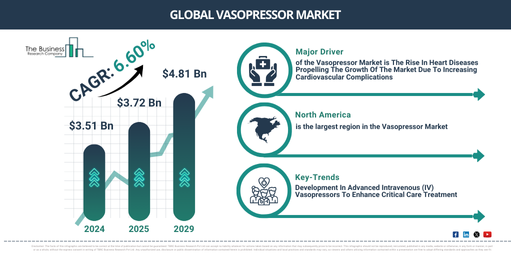
    The size of the vasopressor market has seen considerable growth in the past few years. It is projected to expand from $3.51 billion in 2024 to $3.72 billion in 2025, exhibiting a compound annual growth rate (CAGR) of 6.1%. Factors leading to this growth in the historic period include a surge in the elderly population, increased healthcare spending, enhanced government initiatives, a rise in the number of hospitals, and the growing occurrence of cardiovascular diseases.

    Over the coming years, the vasopressor market is slated for robust growth, reaching an estimated $4.81 billion by 2029 with a compound annual growth rate (CAGR) of 6.6%. The expansion during this outlook period can be related to factors such as the rising cases of hypertension, increased compliance with advanced sepsis management guidelines, escalated funding in crucial care technologies, a higher occurrence of septic shock, and a surge in the demand for customized critical care. Key trends anticipated for the forecast period encompass advances in drug formulations, the creation of bespoke therapies, technological progress in intelligent infusion pumps, the incorporation of telemedicine into vasopressor therapy, and the introduction of innovations in biodegradable vasopressor implants.

    Download a free sample to assess the report’s scope and structure:

    https://www.thebusinessresearchcompany.com/sample.aspx?id=23562&type=smp

    What Are the Core Growth Drivers Propelling the Vasopressor Market Forward?

    The upward trend in heart ailments is projected to boost the vasopressor market’s expansion. Heart diseases encompass conditions that impact the heart’s structure and functionality, including coronary artery disease, arrhythmias, heart failure, and congenital heart anomalies. With the upsurge in sedentary lifestyles, obesity and deteriorated cardiovascular health are becoming more prevalent, significantly enhancing the heart disease risk. Vasopressor aids in the treatment of heart disease by narrowing blood vessels, enhancing blood pressure, and boosting blood flow to crucial organs, thus bolstering cardiovascular performance in critical situations. For example, as per the Australian Institute of Health and Welfare, a government agency based in Australia, in 2021, there were 14,100 medical professional-certified deaths due to coronary heart disease (CHD), which escalated to 14,900 in 2022. Hence, the surge in heart disease propels the vasopressor market’s growth.

    What Segment Types Define the Vasopressor Market Structure?

    The vasopressormarket covered in this report is segmented –

    1) By Type: Catecholamines; Non-Catecholamines; Vasopressin

    2) By Route Of Administration: Intravenous (IV); Intraosseous; Inhalational

    3) By Applications: Hypotension Management; Septic Shock Treatment; Cardiogenic Shock Support; Post-Surgical Management; Other Critical Care Applications

    4) By End Users: Hospitals; Ambulatory Surgical Centers; Emergency Medical Services; Home Care Settings

    Subsegments:-

    1) By Catecholamines: Norepinephrine; Epinephrine; Dopamine; Isoproterenol

    2) By Non-Catecholamines: Phenylephrine; Angiotensin II

    3) By Vasopressin: Vasopressin

    Request customized data on this market:

    https://www.thebusinessresearchcompany.com/customise?id=23562&type=smp

    Which Geographic Areas Hold the Strongest Growth Potential in the Vasopressor Market?

    North America was the largest region in the vasopressor market in 2024. Asia-Pacific is expected to be the fastest-growing region in the forecast period. The regions covered in the vasopressor market report are Asia-Pacific, Western Europe, Eastern Europe, North America, South America, Middle East, Africa.

    Which Emerging Trends that Are Influencing theVasopressor Industry Evolution?

    Key players in the vasopressor industry are concentrating their efforts on creating innovative products like intravenous (IV) vasopressors to improve blood pressure control and patient results. IV vasopressors help to tighten blood vessels and raise blood pressure in patients who are severely hypotensive or in shock, securing sufficient blood supply to essential organs. An example of this is Fresenius Kabi AG, a pharmaceutical corporation based in Germany, which in June 2023 introduced a generic equivalent to Vasostrict called Vasopressin Injection, USP, in the United States, boosting its range of critical care products. This drug is specifically designed for adults in vasodilatory shock who continue to be hypotensive despite receiving fluids and catecholamines, available in a single-dose vial with a concentration of 20 units per 1 mL.

    View the full report here:

    https://www.thebusinessresearchcompany.com/report/vasopressor-global-market-report

    What Is the Definition of the Vasopressor Market?

    A vasopressor is a drug that narrows blood vessels, raising blood pressure by improving vascular tone. It is mainly used in critical care to manage severe hypotension and ensure proper blood flow to vital organs. By stabilizing circulation, vasopressors help prevent life-threatening complications in critically ill patients.

    Purchase the full report and get a swift delivery:

    https://www.thebusinessresearchcompany.com/purchaseoptions.aspx?id=23562

    About The Business Research Company:

    With over 15000+ reports from 27 industries covering 60+ geographies, The Business Research Company has built a reputation for offering comprehensive, data-rich research and insights. Armed with 1,500,000 datasets, the optimistic contribution of in-depth secondary research, and unique insights from industry leaders, you can get the information you need to stay ahead in the game.

    Get in touch with us:

    The Business Research Company: https://www.thebusinessresearchcompany.com/

    Americas +1 310-496-7795

    Europe +44 7882 955267

    Asia & Others +44 7882 955267 & +91 8897263534

    Email us at info@tbrc.info

    Follow us on:

    LinkedIn: https://in.linkedin.com/company/the-business-research-company

    YouTube: https://www.youtube.com/channel/UC24_fI0rV8cR5DxlCpgmyFQ

    Global Market Model: https://www.thebusinessresearchcompany.com/global-market-model
  • Exanthema Growth Trajectory: Key Forecasts and Strategic Insights

    Exanthema Growth Trajectory: Key Forecasts and Strategic Insights

    Claim your 30% discount on Global Market Reports with code ONLINE30. Limited time only.

    What Are the Key Projections for the CAGR of the Exanthema Market Size From 2025 to 2034?

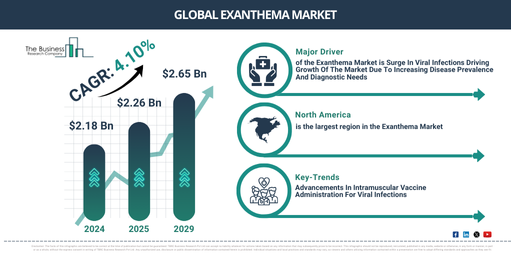
    The exanthema market has been steadily expanding over the recent past. The projections predict an ascent from $2.18 billion in 2024 to a value of $2.26 billion in 2025, indicating a compound annual growth rate (CAGR) of 3.6%. The increment over the historic period is linked to factors such as the surge in health care spending, growing cognizance about vaccination, rising disposable income, heightened awareness of skin conditions, and an increased focus on early diagnosis.

    In the following years, it is anticipated that the exanthema market size will experience a consistent surge. The market is projected to expand to$2.65 billion in 2029″, at a compound annual growth rate (CAGR) of 4.1%. The increase over the forecast period can be credited to a surge in research and development investments, a rise in viral and bacterial infections, an escalated emphasis on telemedicine, an uptick in government initiatives, and a growing need for oral drugs. The forecast period will be marked by major trends such as improvements in treatment options, innovations in diagnostic methods, advancements in technology, progress in medical research and technology and refining of assistive technologies.

    Download a free sample to assess the report’s scope and structure:

    https://www.thebusinessresearchcompany.com/sample.aspx?id=21962&type=smp

    Which Factors and External Forces Are Driving Demand in the Exanthema Market?

    The increasing incidents of viral diseases is projected to fuel the expansion of the exanthema market in the future. These diseases are brought about by viruses that attack and multiply within the cells of the body, triggering numerous symptoms and conditions. The escalation of viral infections can be attributed to the surge in global travel, urbanization, climate shifts, and lowered immunity in communities. The climb in viral infection cases boosts the need for exanthema treatment, as a larger number of patients are observed with skin rashes, necessitating effective control. Exanthema acts as a visible effect of the immune system tackling viral infections, aiding in the expulsion of pathogens, signalling immune activity and assisting in the diagnosis by showcasing the body’s battle against the virus. For example, the Centers for Disease Control and Prevention, a government agency based in the US, reported in August 2024 that between 2022 and 2024, the percentage of individuals with IgM antibodies, indicating a recent infection of Parvovirus B19, remained less than 3%, but rose to 10% by June 2024. The most noticeable spike was seen in children aged 5 to 9 years, with prevalence rates rising from 15% to 40% during that timeframe. Hence, the escalating prevalence of viral diseases is propelling the expansion of the exanthema market.

    Which Segments in the Exanthema Offer the Most Growth?

    The exanthemamarket covered in this report is segmented –

    1) By Types: Bacterial; Viral; Other Types

    2) By Treatment: Topical Treatments; Systemic Treatments; Supportive Care

    3) By Diagnosis Method: Clinical Examination; Laboratory Tests; Imaging Techniques

    4) By Application: Rubeola; Rubella; Erythema Infectiosum; Roseola Infantum

    5) By End-Users: Hospitals; Homecare; Specialty Centers; Other End-Users

    Subsegments:

    1) By Bacterial Exanthema: Scarlet Fever; Meningococcemia; Staphylococcal Scalded Skin Syndrome (SSSS); Lyme Disease; Tuberculosis-Associated Exanthema

    2) By Viral Exanthema: Measles (Rubeola); Rubella (German Measles); Varicella (Chickenpox); Roseola (Exanthem Subitum); Hand, Foot, and Mouth Disease; Parvovirus B19 (Erythema Infectiosum / Fifth Disease); Dengue Fever Rash; Zika Virus Rash

    3) By Other Types of Exanthema: Drug-Induced Exanthema (Hypersensitivity Reactions); Autoimmune-Related Exanthema (Lupus, Kawasaki Disease); Allergic Dermatitis-Related Exanthema; Fungal Infections Leading to Exanthema; Environmental and Toxin-Induced Exanthema

    Request customized data on this market:

    https://www.thebusinessresearchcompany.com/customise?id=21962&type=smp

    What Are the Fastest-Growing Geographies in the #Which Factors and External Forces Are Driving Demand in the Exanthema Market?# Market?

    North America was the largest region in the exanthema market in 2024. Asia-Pacific is expected to be the fastest-growing region in the forecast period. The regions covered in the exanthema market report are Asia-Pacific, Western Europe, Eastern Europe, North America, South America, Middle East, Africa.

    Which Cutting-Edge Market Trends Are Expected to Drive theExanthema Market’s Growth?

    Key players in the exanthema market are channeling their resources towards the creation of innovative therapeutics, including the use of intramuscular (IM) administration for vaccines and antiviral medicines. Their aim is to boost effectiveness, mitigate adverse effects, and improve patient results while dealing with viral infections tied to exanthematous illnesses. Intramuscular (IM) administration is a method that involves injecting medicine or vaccines directly into the muscle tissue using a needle and syringe. This technique guarantees rapid absorption of the substances into the bloodstream by capitalizing on the muscles’ rich blood supply, which then triggers an immune response or therapeutic outcome. For example, in March 2023, US-based pharmaceutical firm Merck & Co. Inc. reported that the FDA has given the green light for the intramuscular (IM) administration route for its MMRV vaccines—M-M-R II, VARIVAX, and ProQuad. The IM method is proven to provide greater stability and effectiveness for these live-virus vaccines than other administration techniques, marking it as a significant advancement in public health strategies to prevent these potentially serious viral infections.

    View the full report here:

    https://www.thebusinessresearchcompany.com/report/exanthema-global-market-report

    What Are the Key Elements That Define the Exanthema Market?

    Exanthema refers to a widespread rash or eruption on the skin, typically caused by a viral infection such as measles, rubella, or varicella (chickenpox). It is used for diagnosing and identifying viral diseases, as the appearance of the rash often helps healthcare providers determine the underlying infection and guide appropriate treatment and management strategies.

    Purchase the full report and get a swift delivery:

    https://www.thebusinessresearchcompany.com/purchaseoptions.aspx?id=21962

    About The Business Research Company:

    With over 15000+ reports from 27 industries covering 60+ geographies, The Business Research Company has built a reputation for offering comprehensive, data-rich research and insights. Armed with 1,500,000 datasets, the optimistic contribution of in-depth secondary research, and unique insights from industry leaders, you can get the information you need to stay ahead in the game.

    Get in touch with us:

    The Business Research Company: https://www.thebusinessresearchcompany.com/

    Americas +1 310-496-7795

    Europe +44 7882 955267

    Asia & Others +44 7882 955267 & +91 8897263534

    Email us at info@tbrc.info

    Follow us on:

    LinkedIn: https://in.linkedin.com/company/the-business-research-company

    YouTube: https://www.youtube.com/channel/UC24_fI0rV8cR5DxlCpgmyFQ

    Global Market Model: https://www.thebusinessresearchcompany.com/global-market-model

  • Major Drivers Propelling the Growth oh theMinimal Residual Disease Market Forward: Rising Cancer Prevalence Driving Growth In The Market

    Claim your 30% discount on Global Market Reports with code ONLINE30. Limited time only.

    How Has The Minimal Residual Disease Market Size Shifted, And What Is the Outlook Through 2034?

    The market size for minimal residual disease has seen a quick expansion in the past few years. It’s projected to surge from $1.78 billion in 2024 to $2.01 billion in 2025, with a compound annual growth rate (CAGR) of 12.6%. Factors contributing to the growth during this historic period include an uptick in the incidence of cancer, increased spending on research and development, accessibility of affordable healthcare, a rise in blood cancer rates, and heightened public awareness.

    The market for minimal residual disease is poised for fast expansion in the coming years, with projected growth to$3.19 billion by 2029, boasting a compound annual growth rate of 12.3%. This increase during the anticipated period can be correlated to a growing incidence of cancer, heightened awareness initiatives by the government, improved affordability of medical care, an uptick in expendable income within developing economies, and governmental efforts to raise cancer awareness. Key trends projected during this period encompass progress in next-generation sequencing (NGS) technology, the standardisation of MRD tests, the implementation of personalised MRD surveillance, advancements in liquid biopsy technologies, and therapies directed towards minimal residual disease.

    Download a free sample to assess the report’s scope and structure:

    https://www.thebusinessresearchcompany.com/sample.aspx?id=21224&type=smp

    Which Major Market Drivers Are Expected to Boost the Growth Potential of the Minimal Residual Disease Market?

    The growth of the minimal residual disease (MRD) market is anticipated to be fueled by the escalating occurrence of cancer. Cancer, categorized by the unchecked proliferation and dissemination of atypical cells throughout the body, has seen a surge in incidence due to a number of factors. These include an increasing aged population, heightened exposure to environmental carcinogens, harmful lifestyle practices, and genetic predispositions. The surge in cancer cases amplifies the need for accurate MRD tests to identify leftover cancer cells, which facilitates prompt and tailored treatments. It consequently enhances the prediction of cancer recurrence and optimizes patient results. For instance, the National Cancer Institute (NCI), an American government agency, reported nearly 20 million new cancer cases and 9.7 million cancer-related fatalities worldwide in 2022. The institute further predicted that by 2040, these figures will reach 29.9 million new cancer cases and 15.3 million cancer-related deaths. Therefore, it’s evident that the rising incidence of cancer is a significant driver in the expansion of the MRD market.

    Which Key Market Segments Comprise the Minimal Residual Disease Market and Drive Its Revenue Growth?

    The minimal residual diseasemarket covered in this report is segmented –

    1) By Detection Target: Lymphoma; Leukemia; Solid Tumors; Other Detection Targets

    2) By Test Technique: Flow Cytometry; Polymerase Chain Reaction (PCR); Next Generation Sequencing (NGS); Other Test Techniques

    3) By End-User: Banking, Financial Services, And Insurance (BFSI); Retail And E-Commerce; Hospitals; Diagnostic Laboratories; Research Institutions

    Subsegments:

    1) By Lymphoma: Hodgkin Lymphoma; Non-Hodgkin Lymphoma

    2) By Leukemia: Acute Lymphoblastic Leukemia; Acute Myeloid Leukemia; Chronic Lymphocytic Leukemia; Chronic Myeloid Leukemia

    3) By Solid Tumors: Breast Cancer; Lung Cancer; Colorectal Cancer; Prostate Cancer

    4) By Other Detection Targets: Multiple Myeloma; Neuroblastoma; Sarcomas

    Request customized data on this market:

    https://www.thebusinessresearchcompany.com/customise?id=21224&type=smp

    Which Areas Are Leading Regions in the Minimal Residual Disease Market Expansion Across the Globe?

    North America was the largest region in the minimal residual disease market in 2024. Asia-Pacific is expected to be the fastest-growing region in the forecast period. The regions covered in the minimal residual disease market report are Asia-Pacific, Western Europe, Eastern Europe, North America, South America, Middle East, Africa.

    What Are the Key Market Trends in theMinimal Residual Disease Market Over the Coming Years?

    Key players in the minimal residual disease (MRD) market are investing in the creation of advanced in vitro diagnostic (IVD) test services. The goal is to offer personalized therapy options that improve patient results. IVD test services, which are lab-based diagnostic tools, can identify any residual cancer cells following treatment. This capability can foresee a relapse and refine treatment strategies. For example, in December 2022, Adaptive Biotechnologies Corporation, an American biotech firms, released its clonoSEQ Assay to locate minimal residual disease (MRD) in patients suffering from diffuse large B-cell lymphoma (DLBCL). The test examines circulating tumor DNA (ctDNA) in blood specimens, serving as a highly sensitive, non-intrusive method of tracking cancer development and spotting initial signs of relapse. The assay gives clinicians a more accurate picture of a patient’s disease load, enabling them to customize treatment plans. It’s the first MRD test for DLBCL to be approved for Medicare cover, ensuring its widespread use across all care plans and stages.

    View the full report here:

    https://www.thebusinessresearchcompany.com/report/minimal-residual-disease-global-market-report

    How Is the Minimal Residual Disease Market Conceptually Defined?

    Minimal residual disease (MRD) refers to the few cancer cells that persist in the body after treatment, despite clinical remission. Monitoring minimal residual disease (MRD) helps detect early signs of relapse, evaluate treatment effectiveness, and predict the risk of recurrence. This sensitive detection can guide tailored therapies to improve outcomes and reduce the likelihood of relapse.

    Purchase the full report and get a swift delivery:

    https://www.thebusinessresearchcompany.com/purchaseoptions.aspx?id=21224

    About The Business Research Company:

    With over 15000+ reports from 27 industries covering 60+ geographies, The Business Research Company has built a reputation for offering comprehensive, data-rich research and insights. Armed with 1,500,000 datasets, the optimistic contribution of in-depth secondary research, and unique insights from industry leaders, you can get the information you need to stay ahead in the game.

    Get in touch with us:

    The Business Research Company: https://www.thebusinessresearchcompany.com/

    Americas +1 310-496-7795

    Europe +44 7882 955267

    Asia & Others +44 7882 955267 & +91 8897263534

    Email us at info@tbrc.info

    Follow us on:

    LinkedIn: https://in.linkedin.com/company/the-business-research-company

    YouTube: https://www.youtube.com/channel/UC24_fI0rV8cR5DxlCpgmyFQ

    Global Market Model: https://www.thebusinessresearchcompany.com/global-market-model