Blog

  • Robotic Wheelchairs Market Forecast Reaching $18.27 Billion by 2029 at 8.4% CAGR

    Robotic Wheelchairs Market Forecast Reaching $18.27 Billion by 2029 at 8.4% CAGR

    Claim your 30% discount on Global Market Reports with code ONLINE30. Limited time only.

    What Is the Estimated Market Size of the Robotic Wheelchairs Market In 2029?

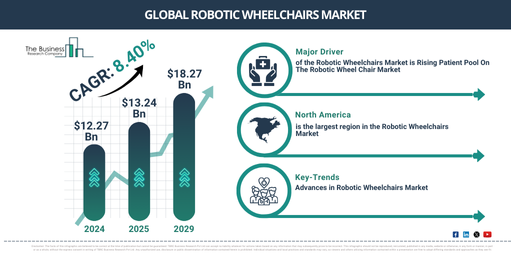
    The market for robotic wheelchairs has seen significant growth in the past few years. The market is projected to increase from $12.27 billion in 2024 to $13.24 billion in 2025, with a compound annual growth rate (CAGR) of 7.9%. Factors such as heightened awareness of mobility solutions, increased investment in research and development of sophisticated mobility devices, rising healthcare spending, expanding urban populations, and enhanced insurance policies are behind the growth observed in this period.

    The market for robotic wheelchairs is projected to experience robust expansion in the succeeding years. With an estimated worth of $18.27 billion in 2029 and a compound annual growth rate (CAGR) of 8.4%, the market will show significant growth. This projected increase over the forecast period can be ascribed to factors such as infrastructure development, the growth of e-commerce platforms, enhanced safety attributes, an amplified focus on rehabilitation and an emphasis on remote health monitoring in wheelchairs. The forecast period will witness major trends such as the improvement of battery technologies, adoption of environmentally friendly wheelchair solutions, voice-controlled robotic wheelchairs, advanced mapping technologies, and the usage of lightweight materials.

    Download a free sample to assess the report’s scope and structure:

    https://www.thebusinessresearchcompany.com/sample.aspx?id=18456&type=smp

    Which Major Market Drivers Are Expected to Boost the Growth Potential of the Robotic Wheelchairs Market?

    The growth of the robotic wheelchair market is anticipated to be driven by an increasing patient pool. In healthcare contexts, the term ‘patient pool’ refers to the cumulative number of individuals, within a particular demographic or healthcare setting, who require medical attention or care. The surge in this patient base can be attributed to a variety of factors, including but not limited to, population expansion, an aging demography, and improved access to healthcare services. Robotic wheelchairs play a pivotal role in enhancing patient mobility and autonomy by offering adaptive technology that compensates for physiological limitations. For example, data from the American Hospital Association (AHA) – a US-based healthcare trade organization that represents hospitals and healthcare networks – highlighted that the total hospital admissions across the U.S in May 2023 were 34,011,386, as compared to 33,356,853 in 2022. This increasing patient pool, thus, is likely to boost the growth of the robotic wheelchair market.

    Which Key Market Segments Comprise the Robotic Wheelchairs Market and Drive Its Revenue Growth?

    The robotic wheelchairsmarket covered in this report is segmented –

    1) By Wheelchair: Rear-Wheel Drive; Front-Wheel Drive; Mid-Wheel Drive

    2) By Application: Personal Use; Commercial Use

    3) By Distribution Channel: Home Care Settings; Rehabilitation Centers; Online Sales Channel; Other Channels

    Subsegments:

    1) By Rear-Wheel Drive: Standard Rear-Wheel Drive Wheelchairs; Robotic Rear-Wheel Drive Wheelchairs

    2) By Front-Wheel Drive: Standard Front-Wheel Drive Wheelchairs; Robotic Front-Wheel Drive Wheelchairs

    3) By Mid-Wheel Drive: Standard Mid-Wheel Drive Wheelchairs; Robotic Mid-Wheel Drive Wheelchairs

    Request customized data on this market:

    https://www.thebusinessresearchcompany.com/customise?id=18456&type=smp

    Which Areas Are Leading Regions in the Robotic Wheelchairs Market Expansion Across the Globe?

    North America was the largest region in the robotic wheelchairs market in 2024. Asia-Pacific is expected to be the fastest-growing region in the forecast period. The regions covered in the robotic wheelchairs market report are Asia-Pacific, Western Europe, Eastern Europe, North America, South America, Middle East, Africa.

    What Are the Key Market Trends in theRobotic Wheelchairs Market Over the Coming Years?

    Leading firms in the robotic wheelchairs industry are enhancing power wheelchairs by integrating them with AI and autonomous steering capabilities to augment movement and self-reliance for disabled individuals. Power wheelchairs are electronically driven mobility aids that bolster independent movement for individuals suffering from mobility challenges. For instance, Robooter, a medical equipment producer based in the United States, displayed its innovative power wheelchair, the X40, at the Consumer Electronics Show (CES 2024) in Las Vegas in January 2024. The X40 has been designed as a semi-alfresco and electrically collapsible wheelchair to overcome the issues experienced by individuals with lower body mobility. The wheelchair features omni-directional wheels, controllable maximum speed for increased safety, and a remote control. It offers ample space for legs and can smoothly navigate multiple landscapes without needing much turning space. The X40 also boasts of a long battery life and an easy-to-use interface.

    View the full report here:

    https://www.thebusinessresearchcompany.com/report/robotic-wheelchairs-global-market-report

    How Is the Robotic Wheelchairs Market Conceptually Defined?

    Robotic wheelchairs are motorized mobility devices equipped with advanced technologies that assist users in navigating their environment. These technologies can include robotics for autonomous navigation, sensors for obstacle detection, and artificial intelligence (AI) for adaptive control and interaction. The primary purpose is to enhance the mobility, independence, and quality of life for individuals with physical disabilities or mobility impairment.

    Purchase the full report and get a swift delivery:

    https://www.thebusinessresearchcompany.com/purchaseoptions.aspx?id=18456

    About The Business Research Company:

    With over 15000+ reports from 27 industries covering 60+ geographies, The Business Research Company has built a reputation for offering comprehensive, data-rich research and insights. Armed with 1,500,000 datasets, the optimistic contribution of in-depth secondary research, and unique insights from industry leaders, you can get the information you need to stay ahead in the game.

    Get in touch with us:

    The Business Research Company: https://www.thebusinessresearchcompany.com/

    Americas +1 310-496-7795

    Europe +44 7882 955267

    Asia & Others +44 7882 955267 & +91 8897263534

    Email us at info@tbrc.info

    Follow us on:

    LinkedIn: https://in.linkedin.com/company/the-business-research-company

    YouTube: https://www.youtube.com/channel/UC24_fI0rV8cR5DxlCpgmyFQ

    Global Market Model: https://www.thebusinessresearchcompany.com/global-market-model
  • HypercholesterolemiaMarket Overview 2025–2034: CAGR Trends, Long-Term Growth Paths, and Business Implications

    HypercholesterolemiaMarket Overview 2025–2034: CAGR Trends, Long-Term Growth Paths, and Business Implications

    Claim your 30% discount on Global Market Reports with code ONLINE30. Limited time only.

    What Are the Projected Market Size and Growth Rates for the Hypercholesterolemia Market From 2025 To 2029?

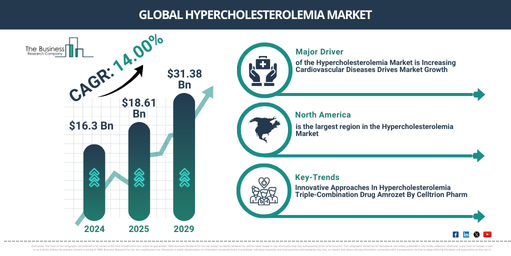
    There has been a swift expansion in the size of the hypercholesterolemia market in the last few years. The increase is from $16.3 billion in 2024 to $18.61 billion by 2025, with a compound annual growth rate (CAGR) of 14.2%. Growth during the historical period is due to enhanced health initiatives, escalated research and development, a heightened emphasis on preventative healthcare, broadened preventative health screenings, and changes in lifestyle.

    In the coming years, the market size of hypercholesterolemia is set to experience significant growth, escalating to a value of $31.38 billion by 2029. This projects a compound annual growth rate (CAGR) of 14.0%. The expansion anticipated in the forecast period is driven by several factors such as enhanced diagnosis and screening procedures, governmental initiatives and health policies, an increasing number of risk factors, and a surge in availability of over-the-counter (OTC) products aimed at lowering cholesterol levels. Also, increased awareness about the dangers of cholesterol contributes. Key trends to watch during the forecast period comprise of advanced lipid profiling, robotic-assisted surgeries, application of nanotechnology in drug delivery, telemedicine platforms, and targeting of lipoproteins.

    Download a free sample to assess the report’s scope and structure:

    https://www.thebusinessresearchcompany.com/sample.aspx?id=21207&type=smp

    What Are the Primary Drivers Supporting the Market Growth of the Hypercholesterolemia Market?

    The surge in cardiovascular diseases is predicted to stimulate the expansion of the hypercholesterolemia market. Cardiovascular diseases, which are a collection of disorders impacting the heart and blood vessels, are escalating due to factors such as unhealthy diets, physical inactivity, climbing obesity statistics, chronic stress, aging populations, and the widespread prevalence of conditions like hypertension and diabetes. Hypercholesterolemia treatments can benefit heart disease patients by decreasing LDL cholesterol levels, lessening arterial plaque accumulation, enhancing blood circulation, and lowering the chances of heart attacks, strokes, and other heart-related complications. The Centers for Disease Control and Prevention, a government agency based in the US, reported in October 2024 that each year around 805,000 people in the United States suffer a heart attack, with 605,000 experiencing it for the first time, and roughly 200,000 transpiring in individuals having a history of prior heart attacks. Consequently, the growing rates of cardiovascular diseases are anticipated to boost the hypercholesterolemia market growth.

    Which Primary Segments of the Hypercholesterolemia Market Are Driving Growth and Industry Transformations?

    The hypercholesterolemiamarket covered in this report is segmented –

    1) By Disease Type: Genetic; Acquired

    2) By Treatment: Statins; Bile Acid Resins; Niacin; PCSK9 Inhibitors; Cholesterol Absorption Inhibitors; Fibric Acid Derivatives; Other Treatments

    3) By Route Of Administration: Oral; Injectable

    4) By Distribution Channel: Hospital Pharmacies; Retail Pharmacies; Others Distribution Channel

    5) By End User: Hospitals; Specialty Clinics; Home Healthcare; Others End Users

    Subsegments:

    1) By Genetic: Heterozygous Familial Hypercholesterolemia; Homozygous Familial Hypercholesterolemia

    2) By Acquired: Primary Hypercholesterolemia; Secondary Hypercholesterolemia

    Request customized data on this market:

    https://www.thebusinessresearchcompany.com/customise?id=21207&type=smp

    Which Regions Are Key Players in the Growth of the #What Are the Primary Drivers Supporting the Market Growth of the Hypercholesterolemia Market?# Market?

    North America was the largest region in the hypercholesterolemia market in 2024. Asia-Pacific is expected to be the fastest-growing region in the forecast period. The regions covered in the hypercholesterolemia market report are Asia-Pacific, Western Europe, Eastern Europe, North America, South America, Middle East, Africa.

    What Are the Most Significant Market Trends in the Hypercholesterolemia Market?

    Leading companies in the hypercholesterolemia market are focusing on product innovation, such as the creation of a triple-therapy drug, in order to enhance the effectiveness of treatments and improve patient compliance. When speaking of a triple-therapy drug, it means a medicinal formulation that combines three active constituents in a single dosage form, for example, a tablet or a capsule. Celltrion Pharm, Inc., a pharmaceutical company based in South Korea, for instance, launched the Amrozet Tablet, a medication used for hypertension-hyperlipidemia in February 2025. This medicine amalgamates three functional ingredients including amlodipine for controlling hypertension, rosuvastatin for reducing cholesterol, and ezetimibe for limiting cholesterol absorption in the intestine. This drug is offered in four dosage combinations, namely 5/5/10 mg, 5/10/10 mg, 10/5/10 mg, and 10/10/10 mg. It’s indicated for hypertension and myocardial ischemia with amlodipine and primary hypercholesterolemia with the combination of rosuvastatin-ezetimibe. Furthermore, it is used to alleviate chronic stable angina or vasospastic angina and mitigate the likelihood of hospitalization for angina and cardiac surgery for patients diagnosed with coronary artery disease.

    View the full report here:

    https://www.thebusinessresearchcompany.com/report/hypercholesterolemia-global-market-report

    What Parameters Are Used to Define the Hypercholesterolemia Market?

    Hypercholesterolemia refers to an abnormally high level of cholesterol in the blood, particularly low-density lipoprotein (LDL) cholesterol, which increases the risk of atherosclerosis and cardiovascular diseases such as heart attacks and strokes. It is often influenced by genetic factors, poor diet, lack of physical activity, and underlying health conditions like diabetes or hypothyroidism.

    Purchase the full report and get a swift delivery:

    https://www.thebusinessresearchcompany.com/purchaseoptions.aspx?id=21207

    About The Business Research Company:

    With over 15000+ reports from 27 industries covering 60+ geographies, The Business Research Company has built a reputation for offering comprehensive, data-rich research and insights. Armed with 1,500,000 datasets, the optimistic contribution of in-depth secondary research, and unique insights from industry leaders, you can get the information you need to stay ahead in the game.

    Get in touch with us:

    The Business Research Company: https://www.thebusinessresearchcompany.com/

    Americas +1 310-496-7795

    Europe +44 7882 955267

    Asia & Others +44 7882 955267 & +91 8897263534

    Email us at info@tbrc.info

    Follow us on:

    LinkedIn: https://in.linkedin.com/company/the-business-research-company

    YouTube: https://www.youtube.com/channel/UC24_fI0rV8cR5DxlCpgmyFQ

    Global Market Model: https://www.thebusinessresearchcompany.com/global-market-model

  • Thermal Spa And Wellness Market 2025-2034: Key Highlights, Growth Dynamics, and Emerging Trends

    Thermal Spa And Wellness Market 2025-2034: Key Highlights, Growth Dynamics, and Emerging Trends

    Claim your 30% discount on Global Market Reports with code ONLINE30. Limited time only.

    What Are the Key Milestones in the Thermal Spa And Wellness Market’s Growth Trajectory From 2025 To 2034?

    There has been consistent expansion in the thermal spa and wellness market size over recent years. The market is projected to increase from $259.96 billion in 2024 to $270.61 billion in 2025, at a compound annual growth rate (CAGR) of 4.1%. The growth observed in the historic period results from factors such as heightened consumer interest in health and wellness, the escalating popularity of wellness tourism, increased disposable income and luxury spending, development in spa and hospitality sectors, and heightened awareness around the advantages of thermal therapies.

    The thermal spa and wellness sector is predicted to witness consistent expansion in the upcoming years. The market is projected to reach$321.85 billion by 2029, showcasing a compound annual growth rate (CAGR) of 4.4%. This projected growth during the forecast period is due to factors such as the surge in wellness and medical tourism, increasing demand for unique spa experiences and holistic wellness, growing preference for natural and organic therapies, growing demand for anti-aging products, and the burgeoning number of luxury wellness resorts. Key trends for the forecast period encompass the inclusion of digital personalization and wellness technologies, strategic collaborations and investments in spa infrastructure, evolution in wearable wellness technology, biometric tracking, and the incorporation of immersive technologies.

    Download a free sample to assess the report’s scope and structure:

    https://www.thebusinessresearchcompany.com/sample.aspx?id=23540&type=smp

    How Are Key Drivers in the Industry Acting as Catalysts for the Growth of theThermal Spa And Wellness Market?

    The anticipated growth of the thermal spa and wellness market can be attributed to the surging popularity of wellness tourism. Wellness tourism includes traveling for the purpose of improving personal health and well-being, with activities such as holistic therapies, yoga retreats, and spa treatments. The increasing attention to wellness tourism is largely due to growing recognition of the significance of mental health and self-care, especially as modern lifestyles become increasingly hectic and stress-filled. Individuals are pursuing destinations that offer stress relief, rejuvenation, and a pause from regular activities. Thermal spas and wellness centers are key players in wellness tourism, offering unique and invigorating experiences by harmonizing natural healing with comprehensive wellness regimens. The mineral-filled thermal waters provided by these establishments are known to bestow guests with numerous health advantages—improving circulation, relieving pain, promoting detoxification among others. For instance, Skift, a US-based travel firm, reported in November 2023 that wellness travelers made 819.4 million international and domestic trips in 2022, a significant increase from the 608 million trips in 2021. Moreover, wellness trips comprised 7.8% of all tourism trips and contributed to 18.7% of the total tourism expenditure for that year. Thus, the increasing popularity of wellness tourism is fostering the expansion of the thermal spa and wellness market.

    Which Segments in the Thermal Spa And Wellness Offer the Most Growth?

    The thermal spa and wellnessmarket covered in this report is segmented –

    1) By Treatment Type: Hydrotherapy; Aromatherapy; Massage Therapy; Mud Baths And Wraps; Facial And Skin Treatments; Other Treatment Types

    2) By Type Of Facility: Thermal Spas; Wellness Resorts And Hotels; Medical Wellness Centers

    3) By Customer Preference: Luxury Experience; Budget-Friendly Experience

    4) By Consumer Group: Men; Women

    Subsegments:

    1) By Hydrotherapy: Hot Spring Bathing; Vichy Showers; Hydro-Massage Pools; Kneipp Therapy; Contrast Water Therapy

    2) By Aromatherapy: Essential Oil Massage; Diffuser-Based Therapy; Aromatic Steam Inhalation; Herbal Baths; Scented Sauna Experiences

    3) By Massage Therapy: Swedish Massage; Deep Tissue Massage; Shiatsu; Thai Massage; Reflexology

    4) By Mud Baths And Wraps: Thermal Mud Baths; Volcanic Mud Wraps; Moor Mud Therapy; Algae And Seaweed Wraps; Clay Detox Wraps

    5) By Facial And Skin Treatments: Thermal Water Facials; Anti-Aging Treatments; Exfoliation And Peeling; Acne And Blemish Treatments; Hydration And Brightening Facials

    6) By Other Treatment Types: Sauna And Steam Rooms; Yoga And Meditation Sessions; Balneotherapy; Infrared Therapy; Salt Rooms

    Request customized data on this market:

    https://www.thebusinessresearchcompany.com/customise?id=23540&type=smp

    What Are the Fastest-Growing Geographies in the #How Are Key Drivers in the Industry Acting as Catalysts for the Growth of theThermal Spa And Wellness Market?# Market?

    North America was the largest region in the thermal spa and wellness market in 2024. The regions covered in the thermal spa and wellness market report are Asia-Pacific, Western Europe, Eastern Europe, North America, South America, Middle East, Africa.

    What Are the Current Market Growth and Trends in the Thermal Spa And Wellness Industry?

    Leading firms in the thermal spa and wellness sector are making strides in creating cutting-edge solutions like thermal spa therapy services to enrich customer experiences, foster tranquility, and provide comprehensive wellness therapies. Thermal spa treatments are wellness strategies that utilize hot springs, water rich in minerals, or warm baths to encourage relaxation, boost blood flow, and improve general wellbeing. For instance, Jo Malone London, a cosmetics firm based in the UK, collaborated with Spain’s luxury wellness and spa chain – AIRE Ancient Baths, influenced by the ancient Roman, Greek, and Ottoman bathing customs, and unveiled The Restorative Ritual in March 2025. This spa treatment, debuted exclusively at AIRE Ancient Baths London, ushered consumers on a sensory journey through AIRE’s characteristic thermal circuit which includes different baths tailored for relaxation and revitalization, like the Tepidarium, Caldarium, and Frigidarium. The journey featured a hydrotherapy treatment, a steam room, and a flotation bath. A complete body scrubbing on a heated marble bed and a calming massage using Restore Body Oil by Jo Malone, exclusively sold at Selfridges, was the main treatment.

    View the full report here:

    https://www.thebusinessresearchcompany.com/report/thermal-spa-and-wellness-global-market-report

    What Are the Key Elements That Define the Thermal Spa And Wellness Market?

    Thermal spa and wellness refers to facilities and services that utilize natural thermal springs, mineral-rich waters, or artificially heated waters to promote health, relaxation, and overall well-being. A thermal spa and wellness center is dedicated to enhancing physical and mental health, providing a serene environment where guests can unwind, detoxify, and restore balance to their bodies and minds.

    Purchase the full report and get a swift delivery:

    https://www.thebusinessresearchcompany.com/purchaseoptions.aspx?id=23540

    About The Business Research Company:

    With over 15000+ reports from 27 industries covering 60+ geographies, The Business Research Company has built a reputation for offering comprehensive, data-rich research and insights. Armed with 1,500,000 datasets, the optimistic contribution of in-depth secondary research, and unique insights from industry leaders, you can get the information you need to stay ahead in the game.

    Get in touch with us:

    The Business Research Company: https://www.thebusinessresearchcompany.com/

    Americas +1 310-496-7795

    Europe +44 7882 955267

    Asia & Others +44 7882 955267 & +91 8897263534

    Email us at info@tbrc.info

    Follow us on:

    LinkedIn: https://in.linkedin.com/company/the-business-research-company

    YouTube: https://www.youtube.com/channel/UC24_fI0rV8cR5DxlCpgmyFQ

    Global Market Model: https://www.thebusinessresearchcompany.com/global-market-model

  • $24.11 Billion Forecast for Ribose-Nucleic Acid (RNA)-Based Therapeutics Market by 2029, Backed by Demand and Innovation

    $24.11 Billion Forecast for Ribose-Nucleic Acid (RNA)-Based Therapeutics Market by 2029, Backed by Demand and Innovation

    Claim your 30% discount on Global Market Reports with code ONLINE30. Limited time only.

    How Fast Is The Ribose-Nucleic Acid (RNA)-Based Therapeutics Market Expected to Grow Between 2025 And 2029?

    The market size for ribose-nucleic acid (rna)-based therapeutics has seen significant growth recently. There is projected growth from $15.79 billion in 2024, up to $17.22 billion in 2025, indicating a compound annual growth rate (CAGR) of 9.0%. The expansion during the historic period can be linked to growth in investment and funding, the discovery of RNA interference (RNAi), the clinical victories of antisense oligonucleotides (ASOs), regulatory support and established frameworks, as well as collaborations and partnerships.

    The market size for ribose-nucleic acid (RNA)-based therapeutics is anticipated to experience significant expansion in the coming years, growing to an estimated $24.11 billion in 2029, with a compound annual growth rate (CAGR) of 8.8%. Various factors driving this growth during the forecast period include expanding indications, increased market demand, and adoption, regulatory encouragement, the inclusion of artificial intelligence and machine learning, and new applications for rare diseases. Key trends during this period encompass advanced delivery systems, RNA therapies targeting multiple areas, personalized RNA treatments, regulatory improvements, and market growth and commercialization.

    Download a free sample to assess the report’s scope and structure:

    https://www.thebusinessresearchcompany.com/sample.aspx?id=18454&type=smp

    What Are the Core Growth Drivers Propelling the Ribose-Nucleic Acid (RNA)-Based Therapeutics Market Forward?

    The escalating occurrence of cancer is predicted to fuel the expansion of the ribose-nucleic acid (RNA)-based therapeutics market. Cancer is a disease characterized by the abnormal and uncontrolled growth of cells, which can cause death if not treated. It’s growth is attributed to an aging population, changes in lifestyle, increased exposure to risks, and improved detection techniques. RNA-based therapeutics offer a significant pathway for cancer treatment as they directly target the genetic and molecular causes of cancer. For instance, the Australian Institute of Health and Welfare, a governmental health organization in Australia, reported that approximately 151,000 people were diagnosed with cancer in 2021 (excluding basal cell carcinomas (BCC) and squamous cell carcinomas (SCC) of the skin), a figure expected to rise to 185,000 by 2030. Consequently, the rising occurence of cancer is propelling the growth of the ribose-nucleic acid (RNA)-based therapeutics market.

    What Segment Types Define the Ribose-Nucleic Acid (RNA)-Based Therapeutics Market Structure?

    The ribose-nucleic acid (rna)-based therapeuticsmarket covered in this report is segmented –

    1) By Type: RNA Interference (RNAi); RNA Antisense

    2) By Technology: Enabling Technology; Enabled Technology

    3) By Therapeutic Area: Oncology; Genetic Disorder; Ophthalmology; Hematological Disorders; Acute Hepatic Porphyria (AHP); Other Therapeutic Areas

    4) By End User: Research Institutes; Hospitals And Clinics

    Subsegments:

    1) By RNA Interference (RNAi): Small Interfering RNA (siRNA); MicroRNA (miRNA)

    2) By RNA Antisense: Antisense Oligonucleotides (ASOs); Antisense RNA

    Request customized data on this market:

    https://www.thebusinessresearchcompany.com/customise?id=18454&type=smp

    Which Geographic Areas Hold the Strongest Growth Potential in the Ribose-Nucleic Acid (RNA)-Based Therapeutics Market?

    North America was the largest region in the ribose-nucleic acid (RNA)-based therapeutics market in 2024. The regions covered in the ribose-nucleic acid (RNA)-based therapeutics market report are Asia-Pacific, Western Europe, Eastern Europe, North America, South America, Middle East, Africa.

    Which Emerging Trends that Are Influencing theRibose-Nucleic Acid (RNA)-Based Therapeutics Industry Evolution?

    Leading players in the RNA-based therapeutics market are concentrating on the creation of innovative medicinal solutions such as mRNA-based booster vaccines. The aim is to augment immunization efficiency, adapt to new viral strains, and heighten the longevity of the immunity provided by vaccines. mRNA booster vaccines rely on messenger RNA to stimulate cells into producing a protein that amplifies the body’s defense against specific pathogens. To illustrate, Gennova Biopharmaceuticals Ltd., a pharmaceutical firm from India, introduced GEMCOVAC-OM, the country’s inaugural mRNA booster vaccine aimed at the Omicron variant of COVID-19, in June 2023. This booster becomes necessary in light of the restricted effectiveness of the initial vaccines against Omicron. Employing mRNA technology, GEMCOVAC-OM strengthens immunity and provides superior protection against the continuously mutating virus.

    View the full report here:

    https://www.thebusinessresearchcompany.com/report/ribose-nucleic-acid-rna-based-therapeutics-global-market-report

    What Is the Definition of the Ribose-Nucleic Acid (RNA)-Based Therapeutics Market?

    The ribose-nucleic acid (RNA)-based therapeutics refer to a class of medical treatments that utilize ribose-nucleic acid (RNA) molecules to influence cellular processes, typically by targeting specific genetic sequences. These therapies are designed to treat various conditions, including genetic disorders, cancers, and infectious diseases, by modulating gene expression, protein production, or cellular signaling pathways.

    Purchase the full report and get a swift delivery:

    https://www.thebusinessresearchcompany.com/purchaseoptions.aspx?id=18454

    About The Business Research Company:

    With over 15000+ reports from 27 industries covering 60+ geographies, The Business Research Company has built a reputation for offering comprehensive, data-rich research and insights. Armed with 1,500,000 datasets, the optimistic contribution of in-depth secondary research, and unique insights from industry leaders, you can get the information you need to stay ahead in the game.

    Get in touch with us:

    The Business Research Company: https://www.thebusinessresearchcompany.com/

    Americas +1 310-496-7795

    Europe +44 7882 955267

    Asia & Others +44 7882 955267 & +91 8897263534

    Email us at info@tbrc.info

    Follow us on:

    LinkedIn: https://in.linkedin.com/company/the-business-research-company

    YouTube: https://www.youtube.com/channel/UC24_fI0rV8cR5DxlCpgmyFQ

    Global Market Model: https://www.thebusinessresearchcompany.com/global-market-model
  • Hypercalcemia Treatment Outlook 2034: Key Drivers, Trends, and Market Frontiers

    Hypercalcemia Treatment Outlook 2034: Key Drivers, Trends, and Market Frontiers

    Claim your 30% discount on Global Market Reports with code ONLINE30. Limited time only.

    What Is the Estimated Market Size of the Hypercalcemia Treatment Market In 2029?

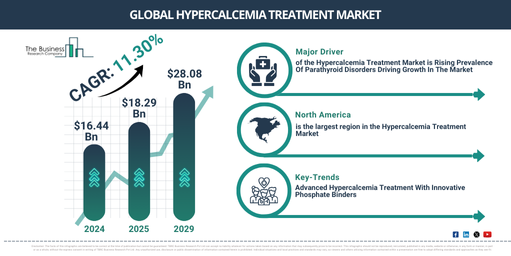
    Over the past few years, there has been a swift surge in the market size of hypercalcemia treatment. The market, which is expected to rise from $16.44 billion in 2024 to $18.29 billion in 2025, is predicted to have a compound annual growth rate (CAGR) of 11.2%. Factors such as growing awareness about hypercalcemia, an increase in the elderly population, a rise in cancer incidences, enhanced disease comprehension, and a surge in parathyroid disorders prevalence have contributed to the growth seen in the historical period.

    The market for hypercalcemia treatment is predicted to experience swift expansion in the upcoming years, increasing to a value of$28.08 billion in 2029″ with a compound annual growth rate of 11.3%. The impetus behind this forecasted growth stems from a higher occurrence of chronic kidney disease, an escalating patient base for hypertension, elevated spending on the creation of new medicines, enhanced patient knowledge and empowerment, and government-led initiatives. Expected trends for the forecast period encompass enhanced diagnosis methods and procedures, treatment advancements, groundbreaking treatment drugs, and partnerships involving healthcare providers.

    Download a free sample to assess the report’s scope and structure:

    https://www.thebusinessresearchcompany.com/sample.aspx?id=21206&type=smp

    How Are Key Drivers in the Industry Acting as Catalysts for the Growth of theHypercalcemia Treatment Market?

    The increasing occurrence of parathyroid disorders is anticipated to stimulate the expansion of the hypercalcemia treatment market. These disorders involve the parathyroid glands, which control the body’s calcium levels by creating the parathyroid hormone (PTH). Factors such as an aging population, heightened awareness, enhanced diagnostic abilities, and increasing rates of specific conditions like primary hyperparathyroidism and chronic kidney disease contribute to this rise. The importance of hypercalcemia treatment in managing parathyroid disorders cannot be undermined as it controls high calcium levels, averts complications like kidney stones and bone loss, and helps maintain metabolic equilibrium. As per the National Institute of Health (NIH), a US governmental agency, in February 2024, hypoparathyroidism is projected to impact 6.4 to 37 per 100,000 person-years in the United States, where 75% of the cases are due to complications from thyroidectomy or head and neck surgery. Hence, the increased prevalence of parathyroid disorders is fuelling the growth of the hypercalcemia treatment market.

    Which Segments in the Hypercalcemia Treatment Offer the Most Growth?

    The hypercalcemia treatmentmarket covered in this report is segmented –

    1) By Drug Type: Bisphosphonates; Calcitonin; Glucocorticoids; Denosumab; Calcimimetics; Other Drug Types

    2) By Indication: Primary Hyperthyroidism; Hypercalcemia Of Malignancy; Other Indications

    3) By Distribution Channel: Hospitals Pharmacies; Retail Pharmacies; Online Pharmacies

    4) By End-Users: Hospitals; Clinics

    Subsegments:

    1) By Bisphosphonates: Zoledronic Acid; Pamidronate; Alendronate

    2) By Calcitonin: Salmon Calcitonin; Synthetic Calcitonin

    3) By Glucocorticoids: Prednisone; Dexamethasone; Hydrocortisone

    4) By Denosumab: Denosumab (Monotherapy); Denosumab Combination Therapy

    5) By Calcimimetics: Cinacalcet; Etelcalcetide

    6) By Other Drug Types: Gallium Nitrate; Mithramycin

    Request customized data on this market:

    https://www.thebusinessresearchcompany.com/customise?id=21206&type=smp

    What Are the Fastest-Growing Geographies in the #How Are Key Drivers in the Industry Acting as Catalysts for the Growth of theHypercalcemia Treatment Market?# Market?

    North America was the largest region in the hypercalcemia treatment market in 2024. The regions covered in the hypercalcemia treatment market report are Asia-Pacific, Western Europe, Eastern Europe, North America, South America, Middle East, Africa.

    What Are the Current Market Growth and Trends in the Hypercalcemia Treatment Industry?

    Leading corporations in the hypercalcemia treatment market are directing their efforts towards the development of ground-breaking products like phosphate binders. This is aimed at better control over the balance of calcium and phosphorus, thereby enhancing the results of the treatment. Phosphate binders, which prevent the digestion system’s absorption of phosphate into the bloodstream, are commonly prescribed to control increased phosphate levels in people with kidney diseases or hypercalcemia. For example, Strides Pharma Science Limited, a pharmaceutical company based in India, achieved FDA approval in May 2024 for its 800mg Sevelamer Carbonate Tablets. These tablets effectively regulate hyperphosphatemia in chronic kidney disease patients by binding dietary phosphate and forestalling absorption. This not only helps to maintain the health of the bone but also minimizes cardiovascular risks related to high phosphate levels.

    View the full report here:

    https://www.thebusinessresearchcompany.com/report/hypercalcemia-treatment-global-market-report

    What Are the Key Elements That Define the Hypercalcemia Treatment Market?

    Hypercalcemia treatment is the medical management of elevated calcium levels in the blood resulting from conditions such as hyperparathyroidism or malignancies. Treatment includes hydration, diuretics, bisphosphonates, or calcitonin to lower calcium levels and prevent complications. It is applied in emergency and long-term care settings to prevent kidney damage, neurological issues, and cardiac dysfunction.

    Purchase the full report and get a swift delivery:

    https://www.thebusinessresearchcompany.com/purchaseoptions.aspx?id=21206

    About The Business Research Company:

    With over 15000+ reports from 27 industries covering 60+ geographies, The Business Research Company has built a reputation for offering comprehensive, data-rich research and insights. Armed with 1,500,000 datasets, the optimistic contribution of in-depth secondary research, and unique insights from industry leaders, you can get the information you need to stay ahead in the game.

    Get in touch with us:

    The Business Research Company: https://www.thebusinessresearchcompany.com/

    Americas +1 310-496-7795

    Europe +44 7882 955267

    Asia & Others +44 7882 955267 & +91 8897263534

    Email us at info@tbrc.info

    Follow us on:

    LinkedIn: https://in.linkedin.com/company/the-business-research-company

    YouTube: https://www.youtube.com/channel/UC24_fI0rV8cR5DxlCpgmyFQ

    Global Market Model: https://www.thebusinessresearchcompany.com/global-market-model

  • From Insight to Impact: Strategic Growth Mapping in the Emphysema Market

    Claim your 30% discount on Global Market Reports with code ONLINE30. Limited time only.

    What Is the Current and Projected Market Size of the Emphysema Market Through 2034?

    In recent times, the market size of emphysema has seen stable growth. It is expected to expand from $4.74 billion in 2024 to $4.94 billion in 2025, marking a compound annual growth rate (CAGR) of 4.3%. The upward trend in this historical duration is due to the escalating incidence of respiratory infections, increasing aging demographics, a rise in smoking, a surge in air pollution, and more government initiatives, along with an increase in population indulged in tobacco smoking.

    The market for emphysema is predicted to experience consistent expansion in the coming years. It’s set to increase to $5.91 billion by 2029, with a compound annual growth rate (CAGR) of 4.6%. Growth factors throughout the forecast period include higher healthcare expenditure, escalating environmental contamination, growing requirements for diagnostic medical tools, increasing vehicle congestion, and a surge in demand for less invasive treatments. Significant trends during the forecast period consist of novel inhalation devices, strategic alliances, individualized treatment, telehealth, progress in inhalation therapies, and medical advancements.

    Download a free sample to assess the report’s scope and structure:

    https://www.thebusinessresearchcompany.com/sample.aspx?id=21956&type=smp

    What are the Fundamental Drivers and Innovations Shaping the Emphysema Market?

    The upward trend in respiratory infections is anticipated to fuel the expansion of the emphysema market. These infections impact the respiratory system, involving the sinuses, throat, airways and lungs. The rise in respiratory infections can be attributed to factors such as pollution, climate change, antimicrobial resistance, urbanization, and evolving pathogens. They hasten the progression of emphysema by triggering inflammation, damaging tissue, and intensifying airway obstruction, thereby aggravating lung function. For instance, the Centers for Disease Control and Prevention, a United States government agency, reported that in November 2024, there were 9,633 TB cases reported in the year 2023, a 15.6% increase from 8,332 cases in 2022, and the incidence rate surged by 15.0% from 2.5 to 2.9 per 100,000 individuals. Hence, the escalating frequency of respiratory infections is helping the emphysema market to grow.

    How Is the Emphysema Market Segmented?

    The emphysemamarket covered in this report is segmented –

    1) By Type: Centrilobular; Panlobular

    2) By Treatment: Medication; Therapy; Surgery; Other Treatments

    3) By Diagnosis: Imaging Test; Lung Function Test; Other Diagnosis

    4) By Complications: Chest Infections; Collapsed Lung; Heart Problems; Lungs Hole; Other Complications

    5) By End-user: Hospitals And Clinics; Surgical Center; Other End-users

    Subsegments:

    1) By Centrilobular: Mild Centrilobular Emphysema; Moderate Centrilobular Emphysema; Severe Centrilobular Emphysema

    2) By Panlobular: Mild Panlobular Emphysema; Moderate Panlobular Emphysema; Severe Panlobular Emphysema

    Request customized data on this market:

    https://www.thebusinessresearchcompany.com/customise?id=21956&type=smp

    Which Regions Are Driving the Next Phase of the Emphysema Market Growth?

    North America was the largest region in the emphysema market in 2024. Asia-Pacific is expected to be the fastest-growing region in the forecast period. The regions covered in the emphysema market report are Asia-Pacific, Western Europe, Eastern Europe, North America, South America, Middle East, Africa.

    What Key Trends Are Shaping the Future of the Emphysema Market?

    Leading firms in the emphysema market are prioritizing medical advancements, such as the application of inhaled dual inhibitors of phosphodiesterase 3 and 4. These modern treatments enhance lung functionality, mitigate inflammation, and upgrade overall disease management, thereby promoting superior respiratory health and life quality. An inhaled dual inhibitor of phosphodiesterase 3 and 4 is a medication designed to target and obstruct both phosphodiesterase enzymes found in the lungs. The result is a relaxation of the airways and reduced inflammation, which enhances breathing in conditions akin to chronic obstructive pulmonary disease. For instance, in June 2024, Verona Pharma plc, a pharmaceutical corporation based in the UK, introduced Ohtuvayre (ensifentrine), the inaugural inhaled dual PDE3 and PDE4 inhibitor approved by the Food and Drug Administration, a federal agency in the US, for the maintenance therapy of chronic obstructive pulmonary diseases like emphysema. This marked the launch of the first innovative inhaled therapy in over two decades. The drug, which synergizes bronchodilation and anti-inflammatory effects, will be accessible via specialty pharmacies.

    View the full report here:

    https://www.thebusinessresearchcompany.com/report/emphysema-global-market-report

    How Is the Emphysema Market Defined and What Are Its Core Parameters?

    Emphysema is a chronic lung disease that damages the air sacs (alveoli) in the lungs, leading to difficulty in breathing. It is a form of chronic obstructive pulmonary disease (COPD) and is primarily caused by smoking or long-term exposure to air pollutants. As the alveoli become weakened and lose their elasticity, air gets trapped, making it harder for the lungs to expel carbon dioxide and take in fresh oxygen. This results in shortness of breath, chronic cough, and reduced lung function over time.

    Purchase the full report and get a swift delivery:

    https://www.thebusinessresearchcompany.com/purchaseoptions.aspx?id=21956

    About The Business Research Company:

    With over 15000+ reports from 27 industries covering 60+ geographies, The Business Research Company has built a reputation for offering comprehensive, data-rich research and insights. Armed with 1,500,000 datasets, the optimistic contribution of in-depth secondary research, and unique insights from industry leaders, you can get the information you need to stay ahead in the game.

    Get in touch with us:

    The Business Research Company: https://www.thebusinessresearchcompany.com/

    Americas +1 310-496-7795

    Europe +44 7882 955267

    Asia & Others +44 7882 955267 & +91 8897263534

    Email us at info@tbrc.info

    Follow us on:

    LinkedIn: https://in.linkedin.com/company/the-business-research-company

    YouTube: https://www.youtube.com/channel/UC24_fI0rV8cR5DxlCpgmyFQ

    Global Market Model: https://www.thebusinessresearchcompany.com/global-market-model
  • Global Ribonucleic Acid (RNA) Sequencing Market Projected to Reach $8.34 Billion by 2029 at a CAGR of 20.5%

    Global Ribonucleic Acid (RNA) Sequencing Market Projected to Reach $8.34 Billion by 2029 at a CAGR of 20.5%

    Claim your 30% discount on Global Market Reports with code ONLINE30. Limited time only.

    What Are the Key Projections for the CAGR of the Ribonucleic Acid (RNA) Sequencing Market Size From 2025 to 2034?

    There has been an exponential growth in the size of the ribonucleic acid (rna) sequencing market in the past few years. The market is projected to escalate from a worth of $3.25 billion in 2024 to approximately $3.96 billion in 2025, exhibiting a compound annual growth rate (CAGR) of 21.8%. The notable growth observed in the past can be credited to the upsurge in drug development activities, increased incidence of genetic disorders and targeted diseases, the rising utilization of compact portable devices, the growing application of biomarker profiling, rising demand for personalized medicine, and the mounting number of cancer cases.

    Anticipated to experience significant expansion in the coming years, the ribonucleic acid (rna) sequencing market size is projected to reach$8.34 billion by 2029, with a compound annual growth rate (CAGR) of 20.5%. The growth trajectory during the forecast period could be attributed to several factors such as the burgeoning demand for swift and precise disease diagnosis, increasing usage of real-time polymerase chain reaction, the escalating need for quick and on-site diagnostic testing, an upsurge in infectious disease incidents, and a growing demand for companion diagnostics. In the forecasted period, significant market trends would involve disease detection and monitoring, drug discovery, target validation, the identification of biomarkers, advancements in DNA sequencing technologies, enhancement in diagnostic testing approaches, the emergence of next-generation sequencing (NGS), microfluidics, the advent of lab-on-a-chip platforms, and progress in advanced molecular diagnostic solutions.

    Download a free sample to assess the report’s scope and structure:

    https://www.thebusinessresearchcompany.com/sample.aspx?id=15665&type=smp

    What are the Fundamental Drivers and Innovations Shaping the Ribonucleic Acid (RNA) Sequencing Market?

    The projected growth of the ribonucleic acid (RNA) sequencing market is owed to an intensified concentration on precision medicine. This cutting-edge medical treatment and prevention method factors in the individual divergences in genes, environment, and lifestyle for each individual. By offering superiorly effective treatments, advancing genomics, escalating disease complexity, and enjoying regulatory endorsement, personalized medicine holds much promise. RNA sequencing technologies, used for determining sequence and gauging the expression levels of RNA molecules within a sample, allow for in-depth scrutiny of transcriptomes, shedding light on gene expression patterns, alternative splicing events, and RNA modifications. For example, the Personalized Medicine Coalition, a non-profit group based in the US, reported in February 2024 that the FDA had given the thumbs-up to 16 new personalized therapies for patients with rare diseases in 2023, a steep increase from six in 2022. As such, the rising emphasis on precision medicine is propelling the ribonucleic acid (RNA) sequencing market forward.

    How Is the Ribonucleic Acid (RNA) Sequencing Market Segmented?

    The ribonucleic acid (rna) sequencingmarket covered in this report is segmented –

    1) By Product Type: Instruments; Reagents And Kits; Software

    2) By Technology: Single Molecule Based Sequencing; Sequence By Synthesis Technology; Nanopore Sequencing Technology; Ion Torrent Semiconductor Sequencing

    3) By Applications: Diagnostics; Drug Discovery; Translational Medicine; Other Applications

    4) By End User: Research And Academia; Hospitals And Clinics; Pharmaceutical And Biotechnology Companies; Other End Users

    Subsegments:

    1) By Instruments: Next-Generation Sequencers; Microarray Instruments; Single-Cell Rna Sequencing Instruments

    2) By Reagents And Kits: Rna Extraction Kits; Rna Sequencing Kits; Library Preparation Kits

    3) By Software: Data Analysis Software; Data Management Software; Bioinformatics Software

    Request customized data on this market:

    https://www.thebusinessresearchcompany.com/customise?id=15665&type=smp

    Which Regions Are Driving the Next Phase of the Ribonucleic Acid (RNA) Sequencing Market Growth?

    North America was the largest region in the ribonucleic acid (RNA) sequencing market in 2024. Asia-Pacific is expected to be the fastest-growing region in the forecast period. The regions covered in the ribonucleic acid (RNA) sequencing market report are Asia-Pacific, Western Europe, Eastern Europe, North America, South America, Middle East, Africa.

    What Key Trends Are Shaping the Future of the Ribonucleic Acid (RNA) Sequencing Market?

    Significant businesses in the ribonucleic acid (RNA) sequencing industry are concentrating their efforts on RNA next-generation sequencing assays to enhance patient treatment through intelligent data analysis and precision medicine. The RNA next-generation sequencing assay, a cutting-edge exome sequencing system, utilizes revolutionary genomic sequencing techniques to examine a patient’s entire exome. For example, in June 2023, the American precision medicine technology firm Tempus introduced Tempus xR, a fresh standalone RNA next-generation sequencing assay. Tailored for solid tumors, this groundbreaking assay undertakes a comprehensive review of the full transcriptome, marking clinically relevant fusions in over 100 targeted genes and altered splicing for MET Exon 14 and EGFRvIII. Tempus xR appeals to medical professionals particularly interested in RNA fusions or altered splicing, and to providers, investigators, and biopharmaceutical firms requiring detailed RNA sequencing examination of their available samples.

    View the full report here:

    https://www.thebusinessresearchcompany.com/report/ribonucleic-acid-rna-sequencing-global-market-report

    How Is the Ribonucleic Acid (RNA) Sequencing Market Defined and What Are Its Core Parameters?

    Ribonucleic acid (RNA) sequencing refers to a technique that uses next-generation sequencing to reveal the presence and quantity of RNA molecules in a biological sample, providing a snapshot of gene expression in the sample. It enables researchers to study gene expression, identify novel transcripts, and understand RNA processing.

    Purchase the full report and get a swift delivery:

    https://www.thebusinessresearchcompany.com/purchaseoptions.aspx?id=15665

    About The Business Research Company:

    With over 15000+ reports from 27 industries covering 60+ geographies, The Business Research Company has built a reputation for offering comprehensive, data-rich research and insights. Armed with 1,500,000 datasets, the optimistic contribution of in-depth secondary research, and unique insights from industry leaders, you can get the information you need to stay ahead in the game.

    Get in touch with us:

    The Business Research Company: https://www.thebusinessresearchcompany.com/

    Americas +1 310-496-7795

    Europe +44 7882 955267

    Asia & Others +44 7882 955267 & +91 8897263534

    Email us at info@tbrc.info

    Follow us on:

    LinkedIn: https://in.linkedin.com/company/the-business-research-company

    YouTube: https://www.youtube.com/channel/UC24_fI0rV8cR5DxlCpgmyFQ

    Global Market Model: https://www.thebusinessresearchcompany.com/global-market-model

  • Tendinopathy Market Trends 2025-2034: Growth, Strategic Insights, and Opportunities Ahead

    Tendinopathy Market Trends 2025-2034: Growth, Strategic Insights, and Opportunities Ahead

    Claim your 30% discount on Global Market Reports with code ONLINE30. Limited time only.

    How Has The Tendinopathy Market Size Shifted, And What Is the Outlook Through 2034?

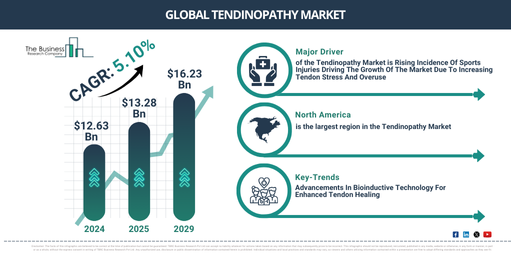
    The market size of tendinopathy has experienced significant growth in the past few years. The projections show that it will augment from $12.63 billion in 2024 to $13.28 billion in 2025, reflecting a compound annual growth rate (CAGR) of 5.2%. This expansion during the historical period can be associated with factors such as an escalating number of injuries related to sports, an expanding aging demographic, increased recognition of musculoskeletal disorders, wider accessibility to physical therapy services, and increased global expenditure on healthcare.

    Anticipated robust growth in the tendinopathy market size in the upcoming years is set to reach$16.23 billion by 2029, boasting a compound annual growth rate (CAGR) of 5.1%. The factors contributing to the growth during the forecast period include an increase in sports and fitness activities, a rising older population, increased awareness of early detection and management of tendon injuries, increased accessibility to minimally invasive procedures, growth in healthcare infrastructure, and increased use of wearable devices for monitoring musculoskeletal health. The major trends for the forecast period are the embrace of regenerative therapies, the progress of biologics for tendon repair, advancements in minimally invasive surgical techniques, advancements in wearable devices for monitoring rehabilitation, breakthroughs in pain management formulations, and the incorporation of AI-driven diagnostic tools.

    Download a free sample to assess the report’s scope and structure:

    https://www.thebusinessresearchcompany.com/sample.aspx?id=23538&type=smp

    What Are the Major Market Drivers Behind the Rising Adoption of Tendinopathy Market?

    The tendinopathy market is predicted to grow due to the rise in sports injuries. Athletic activities or exercise might result in sports injuries, ranging from minor strains to severe fractures. The escalation of sports injuries is attributed to heightened training and competition at early ages, placing excess strain on immature muscles and joints. Tendinopathy can occur from repetitive stress or sudden strain on tendons, leading to microscopic tears, inflammation, and degradation over time. For example, the Howden Group Holdings Ltd, a UK insurance intermediary corporation stated in November 2023 that the gravity of ankle injuries in the English Premier League increased by 170% between October 2022 and January 2023. Injuries to the calf/shin amplified by 200%, and hamstring injuries by 130% after the FIFA World Cup Qatar 2022. Hence, the rise in sports injuries is contributing to the expansion of the tendinopathy market.

    Which Key Market Segments Comprise the Tendinopathy Market and Drive Its Revenue Growth?

    The tendinopathymarket covered in this report is segmented –

    1) By Type: Achilles Tendinopathy; Rotator Cuff Tendinopathy; Lateral Epicondylitis (Tennis Elbow); Patellar Tendinopathy; Other Types

    2) By Treatment Type: Therapy; Medication; Surgical Treatment; Regenerative Medicine

    3) By Route Of Administration: Oral; Topical; Injectable

    4) By End User: Hospitals; Clinics; Ambulatory Surgical Centers; Rehabilitation Centers

    Subsegments:

    1) By Achilles Tendinopathy: Insertional Achilles Tendinopathy; Non-insertional Achilles Tendinopathy

    2) By Rotator Cuff Tendinopathy: Supraspinatus Tendinopathy; Infraspinatus Tendinopathy; Subscapularis Tendinopathy; Teres Minor Tendinopathy

    3) By Lateral Epicondylitis (Tennis Elbow): Tendon Overuse Injuries; Tendon Degeneration Injuries

    4) By Patellar Tendinopathy: Proximal Patellar Tendinopathy; Distal Patellar Tendinopathy

    5) By Other Types: De Quervain’s Tenosynovitis; Peroneal Tendinopathy; Flexor Tendinopathy; Extensor Tendinopathy

    Request customized data on this market:

    https://www.thebusinessresearchcompany.com/customise?id=23538&type=smp

    Which Areas Are Leading Regions in the Tendinopathy Market Expansion Across the Globe?

    North America was the largest region in the tendinopathy market in 2024. The regions covered in the tendinopathy market report are Asia-Pacific, Western Europe, Eastern Europe, North America, South America, Middle East, Africa.

    What Are the Strategic Trends Steering theTendinopathy Market Direction?

    Key players in the tendinopathy market are prioritizing the advancement of technologically sophisticated products, such as bioinductive implants. These innovative products are designed to speed up the healing process, promote tendon regeneration, and decrease the time taken for recovery. A bioinductive implant, a groundbreaking medical device, aids the body’s innate recovery mechanisms by prompting the formation of new, tendon-like tissue, thereby enriching the results of tendon repair. For example, in July 2023, a medical technology firm based in the UK, Smith+Nephew, introduced the REGENETEN Bioinductive Implant in India. This device, made from collagen, revolutionizes tendon repair by encouraging biological healing via the stimulation of new tissue growth at the injury site, particularly in rotator cuff repair. One of the significant aspects of the implant is its minimally invasive administration. It allows orthopedic surgeons to biologically strengthen the tendon without modifying the existing surgical procedure, providing a faster, safer, and more effective treatment route for patients suffering from tendinopathy.

    View the full report here:

    https://www.thebusinessresearchcompany.com/report/tendinopathy-global-market-report

    How Is the Tendinopathy Market Conceptually Defined?

    Tendinopathy refers to a condition that affects the tendons, causing pain, swelling, and reduced movement or strength. It is usually caused by repetitive stress or overuse and involves the deterioration of tendon tissue rather than acute inflammation.

    Purchase the full report and get a swift delivery:

    https://www.thebusinessresearchcompany.com/purchaseoptions.aspx?id=23538

    About The Business Research Company:

    With over 15000+ reports from 27 industries covering 60+ geographies, The Business Research Company has built a reputation for offering comprehensive, data-rich research and insights. Armed with 1,500,000 datasets, the optimistic contribution of in-depth secondary research, and unique insights from industry leaders, you can get the information you need to stay ahead in the game.

    Get in touch with us:

    The Business Research Company: https://www.thebusinessresearchcompany.com/

    Americas +1 310-496-7795

    Europe +44 7882 955267

    Asia & Others +44 7882 955267 & +91 8897263534

    Email us at info@tbrc.info

    Follow us on:

    LinkedIn: https://in.linkedin.com/company/the-business-research-company

    YouTube: https://www.youtube.com/channel/UC24_fI0rV8cR5DxlCpgmyFQ

    Global Market Model: https://www.thebusinessresearchcompany.com/global-market-model

  • Early Toxicity TestingMarket Overview 2025–2034: CAGR Trends, Long-Term Growth Paths, and Business Implications

    Early Toxicity TestingMarket Overview 2025–2034: CAGR Trends, Long-Term Growth Paths, and Business Implications

    Claim your 30% discount on Global Market Reports with code ONLINE30. Limited time only.

    What is the Anticipated CAGR of the Early Toxicity Testing Market, and What Factors Will Drive It?

    The market size for early toxicity testing has seen a robust growth in the past few years. In 2024, the market stood at $1.47 billion and is projected to increase to $1.6 billion in 2025, with a compound annual growth rate (CAGR) of 8.5%. This significant growth in the previous years can be traced back to a surge of ethical issues, heightened awareness about human and environmental health, escalating public health crises and environmental catastrophes, intensified attention on endocrine disruptors, and a growing requirement for standardized guidelines.

    In the coming years, a robust expansion is anticipated in the early toxicity testing market, which is projected to reach a size of $2.19 billion in 2029, with a compound annual growth rate (CAGR) of 8.3%. The forecast period’s growth can be associated with factors such as escalating regulatory requirements for drug safety, growing incidences of adverse drug reactions, an upsurge in aesthetic consciousness, a hike in early toxicity testing, and increased awareness about toxicity. Significant trends in the forecast period encompass in silico toxicity prediction models, organ-on-a-chip technology, high-throughput screening (HTS), enhancements in molecular toxicology, and the usage of stem cells for toxicity testing.

    Download a free sample to assess the report’s scope and structure:

    https://www.thebusinessresearchcompany.com/sample.aspx?id=21947&type=smp

    What Are the Primary Drivers Supporting the Market Growth of the Early Toxicity Testing Market?

    The rise in emphasis on personalized medicine is anticipated to fuel the expansion of the early toxicity testing market in the future. Personalized medicine is a healthcare approach that centers on providing treatments and health strategies to individuals based on their unique genetic, environmental, and lifestyle factors. The allure of personalized medicine is increasing as it allows for a tailored treatment aimed at a person’s unique genetic constitution, contributing to better efficacy and fewer side effects by ensuring the proper drug is administered at the right dosage to the appropriate patient. Personalized medicine boosts early toxicity testing through the use of genetic, biomarker, and personal data to anticipate individual drug responses, lessening negative effects and enhancing safety evaluations. As per a February 2024 report from the Personalized Medicine Coalition, an organization based in the U.S., the FDA sanctioned 16 novel personalized treatments for rare disease patients in 2023, an increase from six in 2022. The recently approved treatments for 2023 included seven cancer medications and three others for differing diseases and conditions. Therefore, the escalating emphasis on personalized medicine is fuelling the expansion of the early toxicity testing market.

    Which Primary Segments of the Early Toxicity Testing Market Are Driving Growth and Industry Transformations?

    The early toxicity testingmarket covered in this report is segmented –

    1) By Type: In-Vivo; In-Vitro; In-Silico

    2) By Toxicity Type: Cytotoxicity; Genotoxicity; Carcinogenicity; Reproductive Toxicity; Ecotoxicity

    3) By Technology: Microfluidics Technology; Bioinformatics; High-Content Screening; 3D Cell Cultures

    4) By Application: Drug Development; Environmental Monitoring; Cancer Research; Material Testing; Regulatory Compliance

    5) By End User: Pharmaceuticals Industry; Food Industry; Chemicals Industry; Cosmetics Industry; Other End-Users

    Subsegments:

    1) By In-Vivo Type: Acute Toxicity Testing; Chronic Toxicity Testing; Carcinogenicity Testing; Developmental & Reproductive Toxicity (DART) Testing; Neurotoxicity Testing

    2) By In-Vitro Type: Cell-Based Assays; Biochemical Assays; High-Throughput Screening (HTS); 3D Cell Culture Systems; Organ-on-a-Chip Models

    3) By In-Silico Type: Computational Toxicology; Predictive Modeling; Quantitative Structure-Activity Relationship (QSAR) Models; Machine Learning-Based Toxicity Prediction; Physiologically Based Pharmacokinetic (PBPK) Modeling

    Request customized data on this market:

    https://www.thebusinessresearchcompany.com/customise?id=21947&type=smp

    Which Regions Are Key Players in the Growth of the #What Are the Primary Drivers Supporting the Market Growth of the Early Toxicity Testing Market?# Market?

    North America was the largest region in the early toxicity testing market in 2024. Aisa-Pacific is expected to be the fastest-growing region in the forecast period. The regions covered in the early toxicity testing market report are Asia-Pacific, Western Europe, Eastern Europe, North America, South America, Middle East, Africa.

    What Are the Most Significant Market Trends in the Early Toxicity Testing Market?

    Major firms active in the early toxicity testing market are centering their efforts around technological innovations such as ZBEScreen to boost precision, proficiency, and forecasting abilities in toxicity evaluations. ZBEScreen employs zebrafish embryos for extensive early toxicity examinations to identify any potentially detrimental effects of substances. For example, in March 2025, the Ghanaian preclinical contract research organization, AsedaSciences which specializes in advanced early toxicity evaluations using zebrafish models, introduced a cutting-edge zebrafish screening service. This was in partnership with the famed U.S. academic research lab, the Tanguay Lab – known for their work in zebrafish toxicology and studies concerning developmental health. This innovative zebrafish screening service utilizes sophisticated high-throughput technologies to monitor toxicity in real-time, providing accurate, efficient, and ethical evaluations of drug and chemical safety with a close watch on developmental and behavioral variations.

    View the full report here:

    https://www.thebusinessresearchcompany.com/report/early-toxicity-testing-global-market-report

    What Parameters Are Used to Define the Early Toxicity Testing Market?

    Early toxicity testing refers to the initial evaluation of a substance’s potential toxic effects before it progresses to later stages of development, such as clinical trials or commercial use. This testing is primarily conducted in drug development, chemical safety assessment, and environmental health studies.

    Purchase the full report and get a swift delivery:

    https://www.thebusinessresearchcompany.com/purchaseoptions.aspx?id=21947

    About The Business Research Company:

    With over 15000+ reports from 27 industries covering 60+ geographies, The Business Research Company has built a reputation for offering comprehensive, data-rich research and insights. Armed with 1,500,000 datasets, the optimistic contribution of in-depth secondary research, and unique insights from industry leaders, you can get the information you need to stay ahead in the game.

    Get in touch with us:

    The Business Research Company: https://www.thebusinessresearchcompany.com/

    Americas +1 310-496-7795

    Europe +44 7882 955267

    Asia & Others +44 7882 955267 & +91 8897263534

    Email us at info@tbrc.info

    Follow us on:

    LinkedIn: https://in.linkedin.com/company/the-business-research-company

    YouTube: https://www.youtube.com/channel/UC24_fI0rV8cR5DxlCpgmyFQ

    Global Market Model: https://www.thebusinessresearchcompany.com/global-market-model

  • Global Hutchinson-Gilford Progeria Syndrome (HGPS) Market Trends: Regional Breakdowns and Strategic Insights

    Global Hutchinson-Gilford Progeria Syndrome (HGPS) Market Trends: Regional Breakdowns and Strategic Insights

    Claim your 30% discount on Global Market Reports with code ONLINE30. Limited time only.

    How Fast Is The Hutchinson-Gilford Progeria Syndrome (HGPS) Market Expected to Grow Between 2025 And 2029?

    The market size for Hutchinson-Gilford Progeria Syndrome (HGPS) has seen significant growth in recent times. It is projected to increase from $97.63 billion in 2024 to $106.25 billion in 2025, indicating a Compound Annual Growth Rate (CAGR) of 8.8%. Factors contributing to this growth during the historical period include heightened awareness of rare gene abnormalities, a rise in funds dedicated to Progeria research, the expansion of genetic testing, an increase in government-led initiatives tackling rare diseases, and a global increase in the prevalence of genetic disorders.

    The market size for Hutchinson-Gilford Progeria Syndrome (HGPS), is projected to witness substantial growth in the coming years, reaching a staggering$147.88 billion in 2029 with a Compound Annual Growth Rate (CAGR) of 8.6%. The expansion during the forecast period is projected to be spurred by factors such as increased budget allotment for research and development of innovative treatments, the escalating incidence of progeria, larger worldwide healthcare spending, growing adoption of innovative therapeutic strategies and heightened demand for early detection. The forecast period will also witness significant trends like technological innovation, the creation of targeted therapies, advancements in Next-Generation Sequencing (NGS) technologies, biomarker development, and improvements in drug delivery systems.

    Download a free sample to assess the report’s scope and structure:

    https://www.thebusinessresearchcompany.com/sample.aspx?id=21205&type=smp

    What Are the Major Market Drivers Behind the Rising Adoption of Hutchinson-Gilford Progeria Syndrome (HGPS) Market?

    The enhanced financial support for the discovery and development of innovative treatments is touted to fuel the expansion of the hutchinson-gilford progeria syndrome (HGPS) market. The funds channeled towards research and development form a key focus in the quest to push the boundaries of scientific knowledge and technological solutions. This increased allocation towards research and development is largely due to a surge in the quest for innovative treatment options and governmental backing for progress in healthcare. Greater funding support boosts the progression of hutchinson-gilford Progeria Syndrome treatments through the promotion of clinical trials and the development of groundbreaking therapies. This support aids in deciphering the genetic basis of the disease, paving the way for designing targeted solutions. To illustrate, the Office for National Statistics, a UK-based government agency, revealed in April 2024 that in 2022, there was a 10.5% increase in the UK government’s net spend on research and development (R&D), with funding escalating to £15.5 billion ($17.59) from an initial £14.0 billion ($15.88) in 2021. Hence, this significant boost in investment for the discovery and development of new therapies is predominantly steering the growth of the hutchinson-gilford progeria syndrome (HGPS) market.

    Which Key Market Segments Comprise the Hutchinson-Gilford Progeria Syndrome (HGPS) Market and Drive Its Revenue Growth?

    The hutchinson-gilford progeria syndrome (hgps)market covered in this report is segmented –

    1) By Treatment Type: Farnesyltransferase Inhibitors (Zokinvy (Lonafarnib)); Low-dose Aspirin; Physical And Occupational Therapy; Hearing Aids; Genetic Counseling; Other Treatment Types

    2) By Route Of Administration: Oral; Injectable; Intravenous; Transdermal

    3) By Mechanism Of Action: Antisense Oligonucleotides; Crispr-cas9 Gene Editing; Rna Interference; Targeted Drug Delivery Systems

    4) By End-User: Hospitals; Specialty Clinics; Academic And Research Institutes; Other End-Users

    Subsegments:

    1) By Farnesyltransferase Inhibitors (Zokinvy (Lonafarnib)): Monotherapy With Lonafarnib; Combination Therapy With Other Drugs

    2) By Low-dose Aspirin: Cardiovascular Protection; Anti-inflammatory Therapy

    3) By Physical And Occupational Therapy: Mobility Support And Rehabilitation; Joint And Bone Health Management; Adaptive Equipment For Daily Activities

    4) By Hearing Aids: Conventional Hearing Aids; Bone-Anchored Hearing Aids (BAHA); Cochlear Implants

    5) By Genetic Counseling: Family Genetic Testing; Genetic Risk Assessment; Prenatal Counseling And Guidance

    6) By Other Treatment Types: Stem Cell Therapy; Gene Editing and Therapy; Nutritional Support And Management

    Request customized data on this market:

    https://www.thebusinessresearchcompany.com/customise?id=21205&type=smp

    Which Areas Are Leading Regions in the Hutchinson-Gilford Progeria Syndrome (HGPS) Market Expansion Across the Globe?

    North America was the largest region in the hutchinson-gilford progeria syndrome (HGPS) market in 2024. Asia-Pacific is expected to be the fastest-growing region in the forecast period. The regions covered in the hutchinson-gilford progeria syndrome (HGPS) market report are Asia-Pacific, Western Europe, Eastern Europe, North America, South America, Middle East, Africa.

    What Are the Strategic Trends Steering theHutchinson-Gilford Progeria Syndrome (HGPS) Market Direction?

    Key players in the hutchinson-gilford progeria syndrome (HGPS) market are concentrating their efforts on creating sophisticated farnesyltransferase inhibitors to enhance treatment effectiveness and slow the progression of the disease in patients. These inhibitors act by blocking the action of farnesyltransferase, an enzyme that plays a role in protein modification and hinders abnormal cell growth and premature aging. In July 2022, Eiger BioPharmaceuticals, an American biopharmaceutical entity, was awarded marketing permission from the European Commission for Zokinvy. This signifies the first and only hutchinson-gilford progeria syndrome (HGPS) and processing-deficient progeroid laminopathies (PL) treatment authorized in Europe for children and young adults. Clinical trials demonstrated that Zokinvy, an orally administered disease-modifying drug, can reduce the death risk in children by 72% and extend lifespan by an average of 4.3 years. The marketing authorization given by the European Commission is applicable in all 27 EU member countries, along with Iceland, Liechtenstein, and Norway.

    View the full report here:

    https://www.thebusinessresearchcompany.com/report/hutchinson-gilford-progeria-syndrome-hgps-global-market-report

    How Is the Hutchinson-Gilford Progeria Syndrome (HGPS) Market Conceptually Defined?

    Hutchinson-Gilford Progeria Syndrome (HGPS), commonly known as progeria, is an extremely rare and fatal genetic disorder that causes accelerated aging in children. It is caused by mutations in the LMNA gene, leading to symptoms such as growth delays, hair loss, premature wrinkling of the skin, and cardiovascular issues. The average life expectancy for individuals with progeria is approximately 14.5 years.

    Purchase the full report and get a swift delivery:

    https://www.thebusinessresearchcompany.com/purchaseoptions.aspx?id=21205

    About The Business Research Company:

    With over 15000+ reports from 27 industries covering 60+ geographies, The Business Research Company has built a reputation for offering comprehensive, data-rich research and insights. Armed with 1,500,000 datasets, the optimistic contribution of in-depth secondary research, and unique insights from industry leaders, you can get the information you need to stay ahead in the game.

    Get in touch with us:

    The Business Research Company: https://www.thebusinessresearchcompany.com/

    Americas +1 310-496-7795

    Europe +44 7882 955267

    Asia & Others +44 7882 955267 & +91 8897263534

    Email us at info@tbrc.info

    Follow us on:

    LinkedIn: https://in.linkedin.com/company/the-business-research-company

    YouTube: https://www.youtube.com/channel/UC24_fI0rV8cR5DxlCpgmyFQ

    Global Market Model: https://www.thebusinessresearchcompany.com/global-market-model