Blog

  • Global Usher Syndrome Market Trends: Regional Breakdowns and Strategic Insights

    Global Usher Syndrome Market Trends: Regional Breakdowns and Strategic Insights

    Claim your 30% discount on Global Market Reports with code ONLINE30. Limited time only.

    How Has the Usher Syndrome Market Growth Performance Trended Historically, And What Lies Ahead?

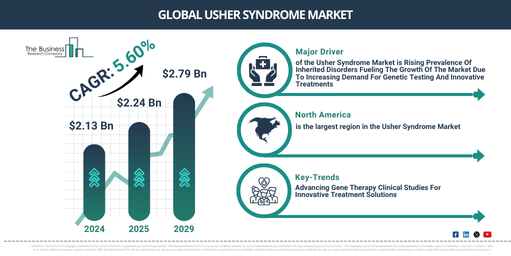
    In recent times, the market size for Usher syndrome has experienced robust growth. An expansion from $2.13 billion in 2024 to $2.24 billion in 2025 is anticipated, with a compound annual growth rate (CAGR) of 5.3%. Factors such as an increase in genetic disorders, a surge in demand for minimally invasive surgeries, a rise in inherited disorders, product approvals on the rise, and heightened government initiatives have all contributed to the historical growth.

    Expectations are high for the significant expansion of the Usher syndrome market in the upcoming years. It is projected to expand to $2.79 billion in 2029 with a compound annual growth rate (CAGR) of 5.6%. This predicted growth within the forecast period is due to several factors including increased utilization of cochlear implants, a surge in gene mutations, rising health care spending, emergence of ophthalmological rehabilitation, and the growing adoption of audiological rehabilitation. Prime trends anticipated within the forecast period include vaccine development, upgrades in hearing equipment, improvements in medical devices, surgical advancements, and progress in gene therapies.

    Download a free sample to assess the report’s scope and structure:

    https://www.thebusinessresearchcompany.com/sample.aspx?id=23555&type=smp

    What Are the Major Market Drivers Behind the Rising Adoption of Usher Syndrome Market?

    The escalating incidence of hereditary ailments is anticipated to boost the usher syndrome market’s expansion in the future. Hereditary ailments are genetic disorders that are transmitted from parents to children via DNA, frequently attributed to variations in one or more genes. The growing age of parents leads to an increase in these disorders, resulting in a higher rate of genetic conditions in newborns. Usher syndrome is a hereditary disease that necessitates early detection, specialized treatment, and tailor-made therapies. With the increase in awareness and testing for genetic disorders, there is an upsurge in the identification of Usher syndrome. This leads to a greater need for diagnostic procedures, genetic guidance, and therapeutic strategies. For example, in November 2022, as per the United Kingdom Hemophilia Centre Doctors Organization, a UK-founded medical association, the number of new enrollments for individuals aged two years and above with severe hemophilia A, along with succeeding treatment, grew from 16 in 2021 to 19 in 2022. Consequently, the growing incidence of inherited disorders will propel the usher syndrome market.

    Which Key Market Segments Comprise the Usher Syndrome Market and Drive Its Revenue Growth?

    The usher syndromemarket covered in this report is segmented –

    1) By Type: Type 1; Type 2; Type 3; Other Types

    2) By Treatment: Devices; Drugs; Therapy; Other Treatments

    3) By Diagnosis: Electroretinogram; Optical Coherence Tomography; Video Nystagmography; Audiology; Genetic Testing; Other Diagnoses

    4) By Distribution Channels: Hospital Pharmacy; Retail Pharmacy; Other Distribution Channels

    5) By End-Users: Hospitals; Speciality Clinics; Other End-Users

    Subsegments:

    1) By Type 1: MYO7A Mutation; USH1C Mutation; CDH23 Mutation; PCDH15 Mutation; USH1G Mutation

    2) By Type 2: USH2A Mutation; GPR98 Mutation; DFNB31 Mutation

    3) Type 3: CLRN1 Mutation

    4) Other Types: Atypical Usher Syndrome; Rare Genetic Variants

    Request customized data on this market:

    https://www.thebusinessresearchcompany.com/customise?id=23555&type=smp

    Which Areas Are Leading Regions in the Usher Syndrome Market Expansion Across the Globe?

    North America was the largest region in the usher syndrome market in 2024. Asia-Pacific is expected to be the fastest-growing region in the forecast period. The regions covered in the usher syndrome market report are Asia-Pacific, Western Europe, Eastern Europe, North America, South America, Middle East, Africa.

    What Are the Strategic Trends Steering theUsher Syndrome Market Direction?

    Leading firms in the Usher Syndrome market are zeroing in on clinical trials to create gene therapies and novel treatment options that could potentially halt or reverse hearing and vision loss. The goal of these clinical trials is to enhance early diagnosis methods, upgrade assistive technologies, and investigate possible drug-based interventions for more effective disease control. For instance, AAVantgarde Bio, a biotech firm based in Italy, in October 2024, initiated the LUCE-1 clinical study, a Phase I/II trial designed to determine the safety and efficiency of their gene therapy, AAVB-081, in treating Usher Syndrome type 1B (USH1B) related retinitis pigmentosa. The LUCE-1 trial is set to evaluate the safety and suitability of AAVB-081, a therapy that provides a functional version of the MYO7A gene, a vital gene for maintaining retinal health.

    View the full report here:

    https://www.thebusinessresearchcompany.com/report/usher-syndrome-global-market-report

    How Is the Usher Syndrome Market Conceptually Defined?

    Usher syndrome is a genetic disorder that affects both hearing and vision, often leading to deafness or hearing loss and a progressive eye condition called retinitis pigmentosa (RP). It is the most common cause of combined deaf-blindness and is inherited in an autosomal recessive pattern.

    Purchase the full report and get a swift delivery:

    https://www.thebusinessresearchcompany.com/purchaseoptions.aspx?id=23555

    About The Business Research Company:

    With over 15000+ reports from 27 industries covering 60+ geographies, The Business Research Company has built a reputation for offering comprehensive, data-rich research and insights. Armed with 1,500,000 datasets, the optimistic contribution of in-depth secondary research, and unique insights from industry leaders, you can get the information you need to stay ahead in the game.

    Get in touch with us:

    The Business Research Company: https://www.thebusinessresearchcompany.com/

    Americas +1 310-496-7795

    Europe +44 7882 955267

    Asia & Others +44 7882 955267 & +91 8897263534

    Email us at info@tbrc.info

    Follow us on:

    LinkedIn: https://in.linkedin.com/company/the-business-research-company

    YouTube: https://www.youtube.com/channel/UC24_fI0rV8cR5DxlCpgmyFQ

    Global Market Model: https://www.thebusinessresearchcompany.com/global-market-model

  • Market Trends Influencing Strategic Decisions in the Medical Nitrous Oxide Industry: Innovative Drug Delivery Systems Transforming Nitrous Oxide Administration

    Market Trends Influencing Strategic Decisions in the Medical Nitrous Oxide Industry: Innovative Drug Delivery Systems Transforming Nitrous Oxide Administration

    Claim your 30% discount on Global Market Reports with code ONLINE30. Limited time only.

    What Are the Key Projections for the CAGR of the Medical Nitrous Oxide Market Size From 2025 to 2034?

    The market size for medical nitrous oxide has seen significant growth in the past few years. It is projected to rise from $2.15 billion in 2024 to an estimated $2.34 billion in 2025, with a compound annual growth rate (CAGR) of 8.9%. The substantial growth observed during the historic period can be attributed to factors such as an increase in surgical and dental procedures, improved awareness of pain management alternatives, the growth of medical facilities and an increase in emergency medical services.

    We anticipate a robust expansion of the medical nitrous oxide market in the forthcoming years, with it expected to reach a value of $3.37 billion in 2029 growing at a compound annual growth rate (CAGR) of 9.6%. This predicted growth during the forecast period could be due to factors such as the increase in the global elderly population, the escalating amount of surgical interventions, an emerging preference for non-invasive pain relief methods, the burgeoning sector of home healthcare services, and the widespread use of nitrous oxide in dentistry. The market will be strongly influenced during the forecast period by several key trends including advancements in sedation methods, novel technologies in gas delivery systems, integration within dental practices, exploration of new medical uses, and encouraging results from clinical research.

    Download a free sample to assess the report’s scope and structure:

    https://www.thebusinessresearchcompany.com/sample.aspx?id=21217&type=smp

    What Are the Major Market Drivers Behind the Rising Adoption of Medical Nitrous Oxide Market?

    The increasing need for effective pain management is predicted to accelerate the expansion of the medial nitrous oxide market in the future. Pain management, a branch of medicine devoted to minimizing pain via various treatments such as medications, therapies and procedures, is in high demand due to a rise in chronic pain prevalence, an aging population, and advancements in treatment techniques and technologies. As an analgesic during medical procedures, medical nitrous oxide offers swift and effective relief, creating feelings of euphoria and relaxation that help to decrease pain perception. It also ensures fewer side effects and a speedy recovery, making it a suitable choice for minor surgeries and dental work. For example, data from the US Centers for Disease Control and Prevention, a government agency, showed that in 2023, 24.3% of U.S. adults reported experiencing chronic pain, and 8.5% indicated it frequently limited their life or work activities, a rise from 20.9% in 2021, where 6.9% dealt with high-impact chronic pain. Consequently, this increasing demand for pain management is fuelling the growth of the medical nitrous oxide market.

    Which Key Market Segments Comprise the Medical Nitrous Oxide Market and Drive Its Revenue Growth?

    The medical nitrous oxidemarket covered in this report is segmented –

    1) By Product: Gaseous State; Liquid State

    2) By Purity Level: 98%-99% Medium Grade; 99.9% A-Z Grade; Below 98% Low Grade

    3) By Application: Cryosurgery; Surgical Insufflation; Anesthesia And Pain Relief

    4) By End User: Dental Clinics; Emergency Medical Services; Food Industry; Hospitals; Research Laboratories; Veterinary Clinics

    Subsegments:

    1) By Gaseous State: Compressed Gas Cylinders; Medical Gas Blends

    2) By Liquid State: Cryogenic Liquid Nitrous Oxide; Liquid Nitrous Oxide For Medical Use

    Request customized data on this market:

    https://www.thebusinessresearchcompany.com/customise?id=21217&type=smp

    Which Areas Are Leading Regions in the Medical Nitrous Oxide Market Expansion Across the Globe?

    North America was the largest region in the medical nitrous oxide market in 2024. Asia-Pacific is expected to be the fastest-growing region in the forecast period. The regions covered in the medical nitrous oxide market report are Asia-Pacific, Western Europe, Eastern Europe, North America, South America, Middle East, Africa.

    What Are the Strategic Trends Steering theMedical Nitrous Oxide Market Direction?

    Major players in the medical nitrous oxide market are concentrating their efforts on technological advancements such as sophisticated drug delivery systems to boost the accuracy, safety, and effectiveness of nitrous oxide usage in medical procedures. These advanced drug delivery systems are cutting-edge platforms designed for the precise administration of therapeutic gases or medications to patients, thereby heightening efficiency, safety, and patient adherence. As an illustration, in December 2023, the pharmaceutical firm based in Ireland known as Mallinckrodt plc, has secured approval from the US Food and Drug Administration (FDA) for its INOmax EVOLVE DS delivery system, created for the delivery of INOmax (nitric oxide) gas for inhalation. This system assures a steady NO concentration throughout the respiration cycle with the use of an advanced injector module for precise, synchronized dosing. The system is approved for use with specific ventilators and respiratory equipment.

    View the full report here:

    https://www.thebusinessresearchcompany.com/report/medical-nitrous-oxide-global-market-report

    How Is the Medical Nitrous Oxide Market Conceptually Defined?

    Medical nitrous oxide is a colorless, non-flammable gas used in healthcare for anesthesia, pain relief, and surgical procedures. It is commonly known as laughing gas and is used in dentistry, surgery, and emergency care to reduce pain and anxiety.

    Purchase the full report and get a swift delivery:

    https://www.thebusinessresearchcompany.com/purchaseoptions.aspx?id=21217

    About The Business Research Company:

    With over 15000+ reports from 27 industries covering 60+ geographies, The Business Research Company has built a reputation for offering comprehensive, data-rich research and insights. Armed with 1,500,000 datasets, the optimistic contribution of in-depth secondary research, and unique insights from industry leaders, you can get the information you need to stay ahead in the game.

    Get in touch with us:

    The Business Research Company: https://www.thebusinessresearchcompany.com/

    Americas +1 310-496-7795

    Europe +44 7882 955267

    Asia & Others +44 7882 955267 & +91 8897263534

    Email us at info@tbrc.info

    Follow us on:

    LinkedIn: https://in.linkedin.com/company/the-business-research-company

    YouTube: https://www.youtube.com/channel/UC24_fI0rV8cR5DxlCpgmyFQ

    Global Market Model: https://www.thebusinessresearchcompany.com/global-market-model
  • Urticaria Market Outlook 2025: Mapping Growth, Innovation, and Regional Shifts

    Urticaria Market Outlook 2025: Mapping Growth, Innovation, and Regional Shifts

    Claim your 30% discount on Global Market Reports with code ONLINE30. Limited time only.

    What Are the Projected Market Size and Growth Rates for the Urticaria Market From 2025 To 2029?

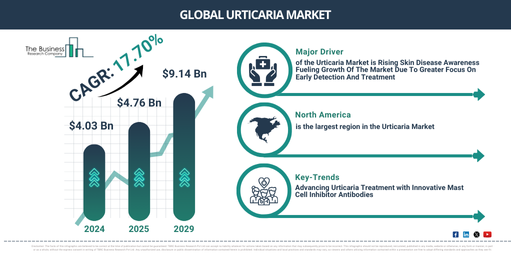
    The market scale for urticaria has experienced a prompt expansion in the past few years. It is projected to escalate from $4.03 billion in 2024 to $4.76 billion in 2025, exhibiting a compound annual growth rate (CAGR) of 18.1%. Factors contributing to the historic phase growth include increased instances of allergies, elevated awareness regarding skin diseases, advanced developments in immunology and biologics, heightened demand for antihistamines, and advancements in diagnostic methods.

    In the coming years, the urticaria market size is projected to witness a rapid increase, expected to reach$9.14 billion in 2029″ with a compound annual growth rate (CAGR) of 17.7%. The anticipated growth in this timeframe can be ascribed to the escalating number of chronic urticaria cases, the widespread acceptance of biologic therapies, growth in dermatology research funding, wider access to cutting-edge allergy diagnostic tools, and an increase in customized medicine creation. Key trends for the forecast period encompass AI-enabled diagnostic instruments, the creation of new biologics, advancements in personalized immunotherapy, wearable devices for skin monitoring, and the application of telemedicine in allergy management.

    Download a free sample to assess the report’s scope and structure:

    https://www.thebusinessresearchcompany.com/sample.aspx?id=23554&type=smp

    What External and Internal Drivers Are Contributing to the Growth of theUrticaria Market?

    The rise in the consciousness and treatment of skin disorders is anticipated to bolster the urticaria market’s expansion. The escalation in pollution results in a surge in skin allergies and diseases, fueling the need for enlightenment and sophisticated treatments. Urticaria aids in emphasizing skin ailment mindfulness and medical intervention by displaying immune system reactions, propelling research, improving diagnostics, and developing specific treatments. For example, The Skin Cancer Foundation, a nonprofit organization based in the US, noted in February 2024, that 1 in 5 Americans are diagnosed with skin cancer by the time they are 70, with more than 2 deaths happening every hour in the U.S. This underscores the immediate necessity for precautionary actions, as experiencing five or more sunburns can double the chances of melanoma. Hence, the rise in skin disease awareness and treatment is propelling the urticaria market’s growth.

    What Segment Types Define the Urticaria Market Structure?

    The urticariamarket covered in this report is segmented –

    1) By Type: Acute Urticaria; Chronic Urticaria

    2) By Drug Class: Antihistamines; Anti-inflammation Medications; Antidepressants; Monoclonal Antibodies; Other Drug Classes

    3) By Route of Administration: Oral; Parenteral; Other Routes Of Administration

    4) By Distribution Channel: Hospital Pharmacy; Online Pharmacy; Retail Pharmacy

    5) By End-Users: Hospitals; Homecare; Specialty Clinics; Other End-Users

    Subsegments:

    1) By Acute Urticaria: Allergic Urticaria; Infectious Urticaria; Drug-Induced Urticaria; Contact Urticaria

    2) By Chronic Urticaria: Chronic Spontaneous Urticaria (CSU); Chronic Inducible Urticaria (CIndU)

    Request customized data on this market:

    https://www.thebusinessresearchcompany.com/customise?id=23554&type=smp

    Which Geographic Areas Hold the Strongest Growth Potential in the Urticaria Market?

    North America was the largest region in the urticaria market in 2024. Asia-Pacific is expected to be the fastest-growing region in the forecast period. The regions covered in the urticaria market report are Asia-Pacific, Western Europe, Eastern Europe, North America, South America, Middle East, Africa.

    What Long-Term Trends Are Transforming the Competitive Landscape of the Urticaria Market?

    Key players in the urticaria market are aggressively pursuing the development of advanced solutions like mast cell inhibitor antibodies, aimed at enhancing therapeutic outcomes for chronic spontaneous urticaria through the targeting of mast cell activation. These mast cell inhibitor antibodies, essentially targeted monoclonal antibodies, work by preventing the activation or degranulation of mast cells by obstructing particular receptors or signaling pathways, hence decreasing allergic reactions, inflammation, and other mast cell-triggered conditions. For example, in May 2024, Allakos Inc., a biotech company based in the United States, started a Phase 1 clinical trial for AK006, a promising therapy model for the treatment of chronic spontaneous urticaria (CSU). AK006 has a dual targeting feature: it impacts both IgE-dependent and IgE-independent mast cell activation pathways, extending its efficacy to patients unresponsive to antihistamines or prior biologic treatments. With the targeted inhibition of mast cell activity via the Siglec-6 receptor, AK006 endeavours to offer a more holistic and durable solution for managing CSU, signifying a crucial step forward in urticaria treatment and immunotherapy research.

    View the full report here:

    https://www.thebusinessresearchcompany.com/report/urticaria-global-market-report

    What Is the Definition of the Urticaria Market?

    Urticaria, commonly known as hives, is a skin condition characterized by red, itchy, and raised welts. It occurs due to an allergic reaction, stress, or unknown triggers, leading to histamine release. The condition can be acute (lasting less than six weeks) or chronic (persisting longer). Treatment includes antihistamines, avoiding triggers, and, in severe cases, corticosteroids or immunotherapy.

    Purchase the full report and get a swift delivery:

    https://www.thebusinessresearchcompany.com/purchaseoptions.aspx?id=23554

    About The Business Research Company:

    With over 15000+ reports from 27 industries covering 60+ geographies, The Business Research Company has built a reputation for offering comprehensive, data-rich research and insights. Armed with 1,500,000 datasets, the optimistic contribution of in-depth secondary research, and unique insights from industry leaders, you can get the information you need to stay ahead in the game.

    Get in touch with us:

    The Business Research Company: https://www.thebusinessresearchcompany.com/

    Americas +1 310-496-7795

    Europe +44 7882 955267

    Asia & Others +44 7882 955267 & +91 8897263534

    Email us at info@tbrc.info

    Follow us on:

    LinkedIn: https://in.linkedin.com/company/the-business-research-company

    YouTube: https://www.youtube.com/channel/UC24_fI0rV8cR5DxlCpgmyFQ

    Global Market Model: https://www.thebusinessresearchcompany.com/global-market-model

  • Top Trends Driving Innovation and Change in the Low-Grade Glioma Market: Advancements In Low-Grade Glioma Treatment

    Top Trends Driving Innovation and Change in the Low-Grade Glioma Market: Advancements In Low-Grade Glioma Treatment

    Claim your 30% discount on Global Market Reports with code ONLINE30. Limited time only.

    How Has The Low-Grade Glioma Market Growth Evolved From 2024 To 2025, And What’s Ahead?

    The market size for low-grade glioma has seen robust growth in the recent past. The market is predicted to expand from $1.39 billion in 2024 to $1.47 billion in 2025, with a compound annual growth rate (CAGR) of 5.8%. Factors contributing to this historic growth include an uptick in brain tumor awareness, a rise in oncology-focused funding to stimulate research, a surge in orphan drug designations, telemedicine proliferation, and increased access to healthcare.

    In the ensuing years, the market for low-grade gliomas is projected to experience robust growth, reaching$1.84 billion by 2029 and expanding at a compound annual growth rate (CAGR) of 5.7%. The anticipated growth within this period is linked to the growing elderly population, escalating healthcare spending, a rise in the detection of brain tumors, growing governmental initiatives, and an increment in the occurrence and prevalence of high-grade gliomas. Key trends forecasted in this time frame encompass breakthroughs in imaging technologies, the advancement of radiation therapies, the inception of new chemotherapy protocols, the broadening of clinical trials, and the incorporation of immunotherapy.

    Download a free sample to assess the report’s scope and structure:

    https://www.thebusinessresearchcompany.com/sample.aspx?id=21215&type=smp

    What External and Internal Drivers Are Contributing to the Growth of theLow-Grade Glioma Market?

    The escalating cases of brain tumors are anticipated to drive the expansion of the low-grade glioma market. Brain tumors are unusual cellular growths in the brain or nearby areas, which can either be benign or malignant. The increase in brain tumor cases is attributed to factors like increased radiation exposure, environmental contaminants, genetic susceptibility, and aging. Low-grade glioma assists in managing brain tumors by employing modern diagnostic methods and targeted treatments like surgery, radiation, and chemotherapy. These treatments aid in slowing down the tumor’s growth, preserving neurological functions, and enhancing patient prognosis. Thus, prompt detection and personalized treatment strategies are essential in managing other brain tumors that exhibit similar growth characteristics. As an example, The Central Brain Tumor Registry of the United States (CBTRUS), a US-oriented nonprofit organization, reported in October 2023 that in 2022, the global incidence of primary malignant brain tumors was about 3.5 per 100,000, with higher rates in affluent countries (4.9 per 100,000) than in low-middle (2.4 per 100,000) and low-income countries. Hence, the increasing cases of brain tumors are fueling the growth of the low-grade glioma market.

    What Segment Types Define the Low-Grade Glioma Market Structure?

    The low-grade gliomamarket covered in this report is segmented –

    1) By Drug Type: Trametinib; Dabrafenib; Ivosidenib; Mirdametinib

    2) By Treatment: Surgery; Chemotherapy; Radiation

    3) By Route Of Administration: Topical; Oral

    4) By Distribution Channel: Online Pharmacies; Hospital Pharmacies; Retail Pharmacies

    Request customized data on this market:

    https://www.thebusinessresearchcompany.com/customise?id=21215&type=smp

    Which Geographic Areas Hold the Strongest Growth Potential in the Low-Grade Glioma Market?

    North America was the largest region in the low-grade glioma market in 2024. Asia-Pacific is expected to be the fastest-growing region in the forecast period. The regions covered in the low-grade glioma market report are Asia-Pacific, Western Europe, Eastern Europe, North America, South America, Middle East, Africa.

    What Long-Term Trends Are Transforming the Competitive Landscape of the Low-Grade Glioma Market?

    The focus of key players in the low-grade glioma market is largely on the incorporation of combined therapies and targeted therapy, including genetic alteration medications, in order to establish a competitive advantage as well as improve treatments for children with low-grade glioma. Drugs that alter genetics are targeted therapies meant to alter or curb specific genetic differences or anomalies in cells, aiding in the treatment of diseases like cancer by halting the avenues that prompt unchecked cell growth. For example, Day One Biopharmaceuticals, a biotech establishment from the US, introduced Tovorafenib (Ojemda) in May 2024, after obtaining fast-tracked approval from the FDA. This therapy, designed for children aged six months and older with non-removable or recurring low-grade glioma (LGG) bearing BRAF gene alterations, is a convenient oral treatment administered once a week. It provides a crucial option for pediatric LGG patients who previously had limited treatment choices.

    View the full report here:

    https://www.thebusinessresearchcompany.com/report/low-grade-glioma-global-market-report

    What Is the Definition of the Low-Grade Glioma Market?

    Low-grade gliomas are a type of brain tumor that develops from glial cells, which provide support and insulation to nerve cells in the brain, characterized by slow growth and generally less aggressive behavior compared to high-grade gliomas, though they can still cause significant neurological symptoms and may require treatments.

    Purchase the full report and get a swift delivery:

    https://www.thebusinessresearchcompany.com/purchaseoptions.aspx?id=21215

    About The Business Research Company:

    With over 15000+ reports from 27 industries covering 60+ geographies, The Business Research Company has built a reputation for offering comprehensive, data-rich research and insights. Armed with 1,500,000 datasets, the optimistic contribution of in-depth secondary research, and unique insights from industry leaders, you can get the information you need to stay ahead in the game.

    Get in touch with us:

    The Business Research Company: https://www.thebusinessresearchcompany.com/

    Americas +1 310-496-7795

    Europe +44 7882 955267

    Asia & Others +44 7882 955267 & +91 8897263534

    Email us at info@tbrc.info

    Follow us on:

    LinkedIn: https://in.linkedin.com/company/the-business-research-company

    YouTube: https://www.youtube.com/channel/UC24_fI0rV8cR5DxlCpgmyFQ

    Global Market Model: https://www.thebusinessresearchcompany.com/global-market-model

  • Urinary Retention Therapeutics Market in Focus: Forecasting Growth Drivers, Scaling Potential, and Global Opportunities

    Urinary Retention Therapeutics Market in Focus: Forecasting Growth Drivers, Scaling Potential, and Global Opportunities

    Claim your 30% discount on Global Market Reports with code ONLINE30. Limited time only.

    What Is the Estimated Market Size of the Urinary Retention Therapeutics Market In 2029?

    The market for urinary retention therapeutics has seen robust expansion in the past few years. It is projected to increase from a value of $3.33 billion in 2024 to $3.55 billion in 2025, experiencing a compound annual growth rate (CAGR) of 6.5%. The rise during the historical phase can be attributed to a surge in urological disorders, escalated healthcare spending, a growing elderly population worldwide, a rise in cases of urinary incontinence (UI), and an increased threat of associated urological disorders among individuals.

    The market for therapeutics that treat urinary retention is projected to experience significant expansion in the upcoming years, soaring to an estimated worth of$4.65 billion by 2029. The robust compound annual growth rate (CAGR) of 7.0% can be tied to a variety of contributing factors, including a rising necessity for home care, an increasing prevalence of prostate cancer, heightened demand for less invasive procedures, an uptick in research endeavors, and an ageing population. The forecast period is likely to showcase the emergence of fresh, groundbreaking treatment modalities, the creation of superior urinary incontinence equipment, other advancements in technology, strategic alliances and mergers, the arrival of invasive over-the-counter devices, and the introduction of wearable technology.

    Download a free sample to assess the report’s scope and structure:

    https://www.thebusinessresearchcompany.com/sample.aspx?id=23553&type=smp

    What Are the Core Market Drivers Propelling Growth in the Urinary Retention Therapeutics Industry?

    The upward trend in prostate cancer instances is expected to contribute to the expansion of the urinary retention therapeutics market during the projected timeframe. Prostate cancer is a malignant disease marked by the unregulated proliferation of cells in the prostate gland. The rise in prostate cancer cases is mainly attributed to demographic changes, with a higher number of men leading longer lives. Naturally, as the population grows older, the probability of developing age-linked maladies such as prostate cancer raises. When it comes to prostate cancer, urinary retention therapeutics are crucial because the tumor or an enlarged prostate could block the urethra, complicating the act of urination and mandating therapies to reinstate normal urination. For example, information from the Centers for Disease Control and Prevention, a health protection organization based in the U.S, revealed that in June 2024, 33,363 men in the U.S had succumbed to prostate cancer in 2022, while 236,659 new instances were identified in 2021. Hence, the rise in prostate cancer instances will instigate the expansion of the urinary retention therapeutics market.

    How Is the Urinary Retention Therapeutics Market Segmented?

    The urinary retention therapeuticsmarket covered in this report is segmented –

    1) By Drug Class: 5-Alpha-Reductase Inhibitor And Alpha-Blocker Drugs; Anticholinergic Or Antispasmodic Agents; Antidepressants; Skeletal Muscle Relaxants; Topical Estrogens; Other Drugs

    2) By Incontinence Type: Stress Incontinence; Urge Incontinence; Over-Flow Incontinence; Mixed Incontinence; Other Incontinence Types

    3) By Administration Route: Oral; Intravesical; Intravenous; Transdermal

    4) By Distribution Channel: Retail Pharmacy; Hospital Pharmacy; Online Pharmacy

    Subsegments:

    1) By 5-Alpha-Reductase Inhibitor And Alpha-Blocker Drugs: Finasteride; Dutasteride; Tamsulosin; Alfuzosin; Terazosin; Doxazosin

    2) By Anticholinergic or Antispasmodic Agents: Oxybutynin; Tolterodine; Solifenacin; Darifenacin; Trospium; Fesoterodine

    3) By Antidepressants: Imipramine; Amitriptyline; Duloxetine

    4) By Skeletal Muscle Relaxants: Baclofen; Tizanidine; Diazepam; Cyclobenzaprine

    5) By Topical Estrogens: Estradiol Cream; Conjugated Estrogens; Estriol Vaginal Cream

    6) By Other Drugs: Botulinum Toxin (Botox); Mirabegron; Desmopressin

    Request customized data on this market:

    https://www.thebusinessresearchcompany.com/customise?id=23553&type=smp

    Which Regions Are Driving the Next Phase of the Urinary Retention Therapeutics Market Growth?

    North America was the largest region in the urinary retention therapeutics market in 2024. Asia-Pacific is expected to be the fastest-growing region in the forecast period. The regions covered in the urinary retention therapeutics market report are Asia-Pacific, Western Europe, Eastern Europe, North America, South America, Middle East, Africa.

    What Key Trends Are Shaping the Future of the Urinary Retention Therapeutics Market?

    Renowned enterprises in the urinary retention therapeutics market are turning their attention towards cutting-edge technologies like the upcoming sacral nerve stimulation therapy which enhances bladder and bowel management. Sacral nerve stimulation therapy involves the use of gentle electrical impulses to trigger the sacral nerves, which helps reduce symptoms associated with urinary retention or overactive bladder. For instance, in February 2022, Medtronic Plc, a medical device corporation headquartered in Ireland, gained approval from the U.S. Food and Drug Administration (FDA) for its InterStim X system. This approval represents a significant stride in personalized sacral nerve stimulation therapy. The InterStim X system comes equipped with features such as a resilient, no-charge battery, MRI compatibility, and a smart programmer for personalized therapy. It also includes a trial period with its two-stage implantation procedure before it is permanently placed. These innovations elevate the ease and safety of bladder and bowel control management. It offers two sustainable solutions, the non-rechargeable InterStim X and the rechargeable InterStim Micro, for ailments like overactive bladder and chronic fecal incontiness.

    View the full report here:

    https://www.thebusinessresearchcompany.com/report/urinary-retention-therapeutics-global-market-report

    How Is the Urinary Retention Therapeutics Market Defined and What Are Its Core Parameters?

    Urinary retention therapeutics refer to a variety of medical approaches aimed at treating the inability to fully empty the bladder. These treatments focus on relieving bladder pressure, restoring normal urinary flow, and preventing potential complications such as infections or kidney damage. The ultimate goal is to improve bladder function and enhance the patient’s overall comfort and quality of life.

    Purchase the full report and get a swift delivery:

    https://www.thebusinessresearchcompany.com/purchaseoptions.aspx?id=23553

    About The Business Research Company:

    With over 15000+ reports from 27 industries covering 60+ geographies, The Business Research Company has built a reputation for offering comprehensive, data-rich research and insights. Armed with 1,500,000 datasets, the optimistic contribution of in-depth secondary research, and unique insights from industry leaders, you can get the information you need to stay ahead in the game.

    Get in touch with us:

    The Business Research Company: https://www.thebusinessresearchcompany.com/

    Americas +1 310-496-7795

    Europe +44 7882 955267

    Asia & Others +44 7882 955267 & +91 8897263534

    Email us at info@tbrc.info

    Follow us on:

    LinkedIn: https://in.linkedin.com/company/the-business-research-company

    YouTube: https://www.youtube.com/channel/UC24_fI0rV8cR5DxlCpgmyFQ

    Global Market Model: https://www.thebusinessresearchcompany.com/global-market-model
  • Emerging Trends Redefining the Lewy Body Dementia Market Landscape: Innovative Approaches In Treating Rare Cancers With Orphan Drugs

    Emerging Trends Redefining the Lewy Body Dementia Market Landscape: Innovative Approaches In Treating Rare Cancers With Orphan Drugs

    Claim your 30% discount on Global Market Reports with code ONLINE30. Limited time only.

    What is the Projected CAGR for the Locally Advanced Pancreatic Cancer Market Size from 2025 to 2034?

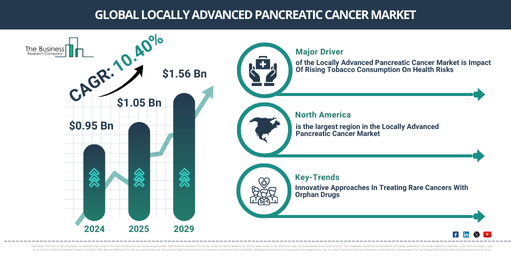
    The market size for locally advanced pancreatic cancer has seen swift expansion in the past few years. Projections show an upward trend from $0.95 billion in 2024 to $1.05 billion in 2025, exhibiting a compound annual growth rate (CAGR) of 10.6%. The escalation in the historical timeframe is primarily due to heightened consciousness about pancreatic cancer, advancement in chemotherapy treatments, burgeoning utilization of targeted therapies, an upward trend in the occurrence of pancreatic cancer, progress in developing combined treatment procedures, and better options for supportive care.

    Expectations for the locally advanced pancreatic cancer market reveal a significant expansion aligned for the upcoming years, with projections indicating growth to reach$1.56 billion by 2029 at a compound annual growth rate (CAGR) of 10.4%. The surge predicted throughout this period can be credited to several factors including heightened consciousness about pancreatic cancer, enhancements in chemotherapy regimens, more extensive usage of targeted treatment methods, increased occurrence of pancreatic cancer, the creation of combined treatment guidelines, and improved options for supportive care. Key developments anticipated during this period encompass progress in immunotherapy, the creation of targeted treatments, the evolution of precision radiation methodologies, superior diagnostic imaging, the use of minimally invasive surgical techniques, the implementation of artificial intelligence in treatment strategies, and breakthroughs in combined therapy strategies.

    Download a free sample to assess the report’s scope and structure:

    https://www.thebusinessresearchcompany.com/sample.aspx?id=21214&type=smp

    What Are the Core Market Drivers Propelling Growth in the Locally Advanced Pancreatic Cancer Industry?

    The growth of markets for locally advanced pancreatic cancer is projected to be spurred by an upsurge in tobacco use. Utilized primarily in products like cigarettes and cigars, tobacco is a plant that contains an addictive ingredient known as nicotine, linking it to serious health concerns such as cancer and heart disease. The escalate in tobacco use has roots in various factors like broad access, cost-effectiveness, marketing of tobacco, social acceptance in certain regions, and stress-induced smoking. Consumption of tobacco significantly contributes to the risk of developing locally advanced pancreatic cancer, hence leading to a higher incidence of pancreatic malignancies. To illustrate, data from the US-based non-profit organization, Global Action to End Smoking, that conducts research aimed at terminating the smoking epidemic indicated that in 2022, around 62.9 million adult tobacco consumers lived in the U.S. This places the U.S. as the 4th global rank and first in the Americas. Moreover, about 11.5% adulte population of the U.S. (28.3 million) smoked cigarettes, with male smokers (13.1%) outnumbering female smokers (10.1%). Consequently, as tobacco consumption escalates, so does the growth of the locally advanced pancreatic cancer market.

    How Is the Locally Advanced Pancreatic Cancer Market Segmented?

    The locally advanced pancreatic cancermarket covered in this report is segmented –

    1) By Therapy: Chemotherapy; Immunotherapy; Radiation Therapy; Surgery

    2) By Route Of Administration: Oral; Injectables; Other Route Of Administrations

    3) By End-User: Hospital; Specialty Clinics; Research Institutions; Other End-Users

    Subsegments:

    1) By Chemotherapy: Gemcitabine-based Chemotherapy; FOLFIRINOX Chemotherapy

    2) By Immunotherapy: Immune Checkpoint Inhibitors; Cancer Vaccines

    3) By Radiation Therapy: External Beam Radiation Therapy; Stereotactic Body Radiation Therapy (SBRT)

    4) By Surgery: Pancreaticoduodenectomy (Whipple Procedure); Distal Pancreatectomy; Total Pancreatectomy

    Request customized data on this market:

    https://www.thebusinessresearchcompany.com/customise?id=21214&type=smp

    Which Regions Are Driving the Next Phase of the Locally Advanced Pancreatic Cancer Market Growth?

    North America was the largest region in the locally advanced pancreatic cancer market in 2024. Asia-Pacific is expected to be the fastest-growing region in the forecast period. The regions covered in the locally advanced pancreatic cancer market report are Asia-Pacific, Western Europe, Eastern Europe, North America, South America, Middle East, Africa.

    What Key Market Trends and Innovations Are Shaping the Future of the Locally Advanced Pancreatic Cancer Industry?

    The locally advanced pancreatic cancer market is witness to leading corporations actively working towards the creation of innovative merchandise, such as orphan drugs. The objective is to augment the treatment variety, better patient results, and address the unfulfilled medical requirements connected with this harsh illness. Orphan drugs are specifically constructed to cure rare illnesses that impact a minor population and are incentivized by governmental bodies via benefits like tax deductions and market exclusivity to encourage their growth. To illustrate, Actuate Therapeutics Inc., an American biopharmaceutical enterprise, declared in January 2025, that its creation Elraglusib, a fresh GSK-3ß inhibitor, has earned Orphan Drug Designation from the European Medicines Agency (EMA) and US Food and Drug Administration (FDA). This is for the treatment of pancreatic ductal adenocarcinoma (PDAC) (a probable type of locally advanced pancreatic cancer). This acknowledgment underlines its potential to bridge a crucial gap in the treatment of this severe cancer, especially after the promising Phase 2 trials demonstrated significant clinical advancements and anti-tumor impacts in metastatic PDAC patients.

    View the full report here:

    https://www.thebusinessresearchcompany.com/report/locally-advanced-pancreatic-cancer-global-market-report

    How Is the Locally Advanced Pancreatic Cancer Market Defined and What Are Its Core Parameters?

    Locally advanced pancreatic cancer (LAPC) refers to a stage of pancreatic cancer where the tumor is confined to the pancreas and surrounding tissues but has not spread to distant organs. This cancer is usually not suitable for surgical removal due to its involvement with vital blood vessels or nearby structures.

    Purchase the full report and get a swift delivery:

    https://www.thebusinessresearchcompany.com/purchaseoptions.aspx?id=21214

    About The Business Research Company:

    With over 15000+ reports from 27 industries covering 60+ geographies, The Business Research Company has built a reputation for offering comprehensive, data-rich research and insights. Armed with 1,500,000 datasets, the optimistic contribution of in-depth secondary research, and unique insights from industry leaders, you can get the information you need to stay ahead in the game.

    Get in touch with us:

    The Business Research Company: https://www.thebusinessresearchcompany.com/

    Americas +1 310-496-7795

    Europe +44 7882 955267

    Asia & Others +44 7882 955267 & +91 8897263534

    Email us at info@tbrc.info

    Follow us on:

    LinkedIn: https://in.linkedin.com/company/the-business-research-company

    YouTube: https://www.youtube.com/channel/UC24_fI0rV8cR5DxlCpgmyFQ

    Global Market Model: https://www.thebusinessresearchcompany.com/global-market-model
  • Strong CAGR to Propel in the Uncomplicated Urinary Tract Infection Market and Beyond upto $14.15 Billion by 2029

    Strong CAGR to Propel in the Uncomplicated Urinary Tract Infection Market and Beyond upto $14.15 Billion by 2029

    Claim your 30% discount on Global Market Reports with code ONLINE30. Limited time only.

    How Fast Is The Uncomplicated Urinary Tract Infection Market Expected to Grow Between 2025 And 2029?

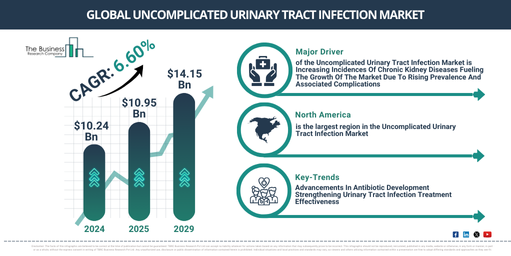
    The market size for uncomplicated urinary tract infections has seen significant growth in recent years. The market is predicted to increase from $10.24 billion in 2024 to $10.95 billion in 2025, with a compound annual growth rate (CAGR) of 6.9%. Factors contributing to the growth in the historical period include a surge in renal failure cases, an increase in bladder cancer occurrences, escalating incidences of chronic kidney diseases, a rise in the use of urinary catheters, and a growing diabetes prevalence.

    The market for uncomplicated urinary tract infection is projected to experience robust growth in the coming years. The market size is anticipated to expand to$14.15 billion by 2029″, growing at a compound annual growth rate (CAGR) of 6.6%. The factors contributing to this growth during the forecast period include the surge in bacterial infections, rise in the elderly population, increased sexual activity, growing instances of urinary tract infection, and rising uses of contraceptive methods. Key trends during this forecast period include progress in telemedicine, improvements in telehealth solutions, the creation of innovative drugs, advances in urinary tract infection treatments, and enhancements in research and development.

    Download a free sample to assess the report’s scope and structure:

    https://www.thebusinessresearchcompany.com/sample.aspx?id=23550&type=smp

    Which Primay Drivers Are Accelerating Growth in the Uncomplicated Urinary Tract Infection Market?

    The rise in cases of chronic kidney diseases is anticipated to stimulate the growth of the uncomplicated urinary tract infection market. Chronic kidney disease (CKD) is a progressive ailment wherein the functionality of kidneys diminishes gradually, causing waste and fluid to accumulate in the body. The mounting cases of chronic kidney diseases can be attributed to the escalating prevalence of diabetes. Prolonged high blood sugar levels can inflict harm on the kidneys, thereby undermining their waste filtering capacity. Chronic kidney disease debilitates the immune system, increasing the vulnerability of individuals to urinary tract infections. Inefficient kidney function results in urine retention, thereby fostering bacterial growth. As per Kidney Research UK, a UK-based charity, in June 2023, the number of adults in the United Kingdom receiving kidney transplants due to chronic kidney disease surged from 2,863 transplants in 2021 to 2,976 in 2023, thereby confirming the significant rise in chronic kidney disease cases. Therefore, the escalating prevalence of chronic kidney diseases is set to boost the uncomplicated urinary tract infection market.

    Which Primary Segments of the Uncomplicated Urinary Tract Infection Market Are Driving Growth and Industry Transformations?

    The uncomplicated urinary tract infectionmarket covered in this report is segmented –

    1) By Test Type: Urinalysis; Urine Cultures; Susceptibility Testing

    2) By Drug: Penicillin And Combinations; Quinolones; Cephalosporin; Azoles And Amphotericin B; Nitrofurans; Other Drugs

    3) By End-Users: Hospitals; Diagnostic Labs; Research Institutes

    Subsegments:

    1) By Urinalysis: Dipstick Tests; Microscopic Examination; Automated Urinalysis

    2) By Urine Cultures: Agar Plate Culture; Broth Culture; Chromogenic Media

    3) By Susceptibility Testing: Disk Diffusion Method; Automated Susceptibility Testing; Molecular Susceptibility Testing

    Request customized data on this market:

    https://www.thebusinessresearchcompany.com/customise?id=23550&type=smp

    Which Regions Are Key Players in the Growth of the #Which Primay Drivers Are Accelerating Growth in the Uncomplicated Urinary Tract Infection Market?# Market?

    North America was the largest region in the uncomplicated urinary tract infection market in 2024. The regions covered in the uncomplicated urinary tract infection market report are Asia-Pacific, Western Europe, Eastern Europe, North America, South America, Middle East, Africa.

    Which Technological Trends Are Reshaping the Uncomplicated Urinary Tract Infection Industry Dynamics?

    Leading enterprises in the uncomplicated urinary tract infection (UTI) market are honing their focus on the creation of improved antibiotics to combat antibiotic-resistant bacteria and uplift the effectiveness of treatments. Antibiotics serve as potent medications by eliminating or stunting the growth of bacteria within the human body. In April 2024, Pivya (pivmecillinam) tablets gained the approval of the US Food and Drug Administration, a respected federal agency, for the treatment of adult females suffering from uncomplicated urinary tract infections. The medication targets uncomplicated urinary tract infections caused by specific microorganisms such as Escherichia coli, Proteus mirabilis, and Staphylococcus saprophyticus. Pivmecillinam acts as a prodrug and transforms into mecillinam; a beta-lactam antibiotic that hinders the formation of the bacterial cell wall in gram-negative bacteria.

    View the full report here:

    https://www.thebusinessresearchcompany.com/report/uncomplicated-urinary-tract-infection-global-market-report

    What Parameters Are Used to Define the Uncomplicated Urinary Tract Infection Market?

    An uncomplicated urinary tract infection (UTI) is a bacterial infection of the bladder or urethra common in healthy individuals with no structural issues or underlying conditions. It typically affects the bladder (cystitis) and is caused by common uropathogens, such as Escherichia coli (E. coli) symptoms. The primary aim of diagnosis and treatment is to alleviate symptoms, prevent complications, and eliminate the infection with short-course antibiotics, ensuring a swift recovery without lasting effects.

    Purchase the full report and get a swift delivery:

    https://www.thebusinessresearchcompany.com/purchaseoptions.aspx?id=23550

    About The Business Research Company:

    With over 15000+ reports from 27 industries covering 60+ geographies, The Business Research Company has built a reputation for offering comprehensive, data-rich research and insights. Armed with 1,500,000 datasets, the optimistic contribution of in-depth secondary research, and unique insights from industry leaders, you can get the information you need to stay ahead in the game.

    Get in touch with us:

    The Business Research Company: https://www.thebusinessresearchcompany.com/

    Americas +1 310-496-7795

    Europe +44 7882 955267

    Asia & Others +44 7882 955267 & +91 8897263534

    Email us at info@tbrc.info

    Follow us on:

    LinkedIn: https://in.linkedin.com/company/the-business-research-company

    YouTube: https://www.youtube.com/channel/UC24_fI0rV8cR5DxlCpgmyFQ

    Global Market Model: https://www.thebusinessresearchcompany.com/global-market-model

  • Lewy Body Dementia Market 2025-2034: Key Highlights, Growth Dynamics, and Emerging Trends

    Lewy Body Dementia Market 2025-2034: Key Highlights, Growth Dynamics, and Emerging Trends

    Claim your 30% discount on Global Market Reports with code ONLINE30. Limited time only.

    What Is the Current and Projected Market Size of the Lewy Body Dementia Market Through 2034?

    There has been a substantial expansion in the market size of Lewy body dementia in recent years. Projections indicate growth from $1.12 billion in 2024 to $1.2 billion in 2025, signifying a compound annual growth rate (CAGR) of 7.2%. Several factors have contributed to the growth in the past, including the increasing aging population, heightened attention to neurodegenerative diseases, rise in healthcare expenditures, enhancements in diagnostic standards, and regulatory authorizations for dementia-related medications.

    Anticipated robust expansion is on the horizon for the Lewy Body dementia market, predicted to soar to$1.58 billion by 2029″, boasting a compound annual growth rate (CAGR) of 7.1%. The drivers for this projected upturn during the forecast period can be traced back to a rise in dementia prevalence, increased R&D investments, a surge in early diagnosis demand, wider telemedicine usage, and a lean towards personalized medicine. The forecast period also foresees key trends such as the evolution of tailored therapies, widening of clinical trials, advancements in diagnostic methods, technological progression, and a shift of focus towards innovative therapeutics.

    Download a free sample to assess the report’s scope and structure:

    https://www.thebusinessresearchcompany.com/sample.aspx?id=21213&type=smp

    Which Primay Drivers Are Accelerating Growth in the Lewy Body Dementia Market?

    An increase in brain-related impairments is set to fuel progression in the lewy body dementia market. These impairments include a variety of conditions that alter the brain’s structure and function, resulting in cognitive degeneration, memory impairment, and behavioral fluctuations. The rise in such disorders can be attributed to aging, genetic factors, and environmental impacts. Such a surge increases the need for enhanced treatments and early diagnosis for lewy body dementia, triggering research, financial backing, and innovation, hence encouraging rapid progress in LBD diagnosis and treatment. For example, as per the World Federation of Neurology’s report in October 2023, neurological conditions affect over 40% of the global population, a statistic expected to nearly double by 2050, according to the UK-based association of national neurological societies. As such, the escalation in brain-related disorders’ prevalence is anticipated to amplify the growth of the lewy body dementia market.

    Which Primary Segments of the Lewy Body Dementia Market Are Driving Growth and Industry Transformations?

    The lewy body dementiamarket covered in this report is segmented –

    1) By Diagnosis: Clinical Diagnosis; Biomarker-Based Diagnosis

    2) By Medication: Cholinesterase Inhibitors; Antipsychotics; Antidepressants; Other Medications

    3) By End-User: Hospitals; Specialty Clinics; Long-Term Care Facilities; Other End-Users

    Subsegments:

    1) By Clinical Diagnosis: Neuropsychological Testing; Neurological Examination; Medical History Review; Cognitive Function Assessment

    2) By Biomarker-Based Diagnosis: Cerebrospinal Fluid (CSF) Biomarkers; Imaging Biomarkers (PET, MRI); Genetic Biomarkers; Blood-Based Biomarkers

    Request customized data on this market:

    https://www.thebusinessresearchcompany.com/customise?id=21213&type=smp

    Which Regions Are Key Players in the Growth of the #Which Primay Drivers Are Accelerating Growth in the Lewy Body Dementia Market?# Market?

    North America was the largest region in the lewy body dementia market in 2024. Asia-Pacific is expected to be the fastest-growing region in the forecast period. The regions covered in the lewy body dementia market report are Asia-Pacific, Western Europe, Eastern Europe, North America, South America, Middle East, Africa.

    Which Technological Trends Are Reshaping the Lewy Body Dementia Industry Dynamics?

    Prominent businesses in the lewy body dementia market are channeling their resources into research investment for the advancement of more potent treatments for neurodegenerative disorders. Research investment embodies the allocation of financial resources, time, and energy to scientific and technological investigations with the aim of discovering innovative insights, developing groundbreaking solutions, or refining existing methods. Such investment facilitates the understanding of diseases and the development of new pharmaceutical treatments, with the ultimate aim of enhancing patient health outcomes. For instance, in March 2023, the National Institute on Aging, a government organization in the US, bestowed $21 million to back drug development research specifically for Lewy Body Dementia (LBD). Research professionals at the University of Miami Miller School of Medicine have begun a Phase 2b study of neflamapimod after receiving promising preliminary results.

    View the full report here:

    https://www.thebusinessresearchcompany.com/report/lewy-body-dementia-global-market-report

    What Parameters Are Used to Define the Lewy Body Dementia Market?

    Lewy body dementia (LBD) is a neurodegenerative condition caused by abnormal protein deposits in the brain, impacting cognition, movement, and behavior. This results in a gradual decline in both mental and physical abilities, with symptoms including memory loss, hallucinations, tremors, and motor difficulties. Effective management is essential to address the cognitive and physical challenges associated with the disorder.

    Purchase the full report and get a swift delivery:

    https://www.thebusinessresearchcompany.com/purchaseoptions.aspx?id=21213

    About The Business Research Company:

    With over 15000+ reports from 27 industries covering 60+ geographies, The Business Research Company has built a reputation for offering comprehensive, data-rich research and insights. Armed with 1,500,000 datasets, the optimistic contribution of in-depth secondary research, and unique insights from industry leaders, you can get the information you need to stay ahead in the game.

    Get in touch with us:

    The Business Research Company: https://www.thebusinessresearchcompany.com/

    Americas +1 310-496-7795

    Europe +44 7882 955267

    Asia & Others +44 7882 955267 & +91 8897263534

    Email us at info@tbrc.info

    Follow us on:

    LinkedIn: https://in.linkedin.com/company/the-business-research-company

    YouTube: https://www.youtube.com/channel/UC24_fI0rV8cR5DxlCpgmyFQ

    Global Market Model: https://www.thebusinessresearchcompany.com/global-market-model
  • Twin-Twin Transfusion Syndrome Treatment Market Valuation Expected To Reach $1 Billion By 2029, Growing At A Rate Of 6.7%

    Twin-Twin Transfusion Syndrome Treatment Market Valuation Expected To Reach $1 Billion By 2029, Growing At A Rate Of 6.7%

    Claim your 30% discount on Global Market Reports with code ONLINE30. Limited time only.

    What Are the Key Projections for the CAGR of the Twin-Twin Transfusion Syndrome Treatment Market Size From 2025 to 2034?

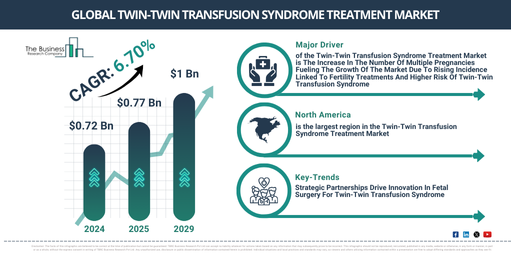
    The market for treating twin-twin transfusion syndrome has shown robust growth in the recent past. It is expected to increase from $0.72 billion in 2024 to $0.77 billion in 2025, with a compound annual growth rate (CAGR) of 6.6%. The expansion during the historical period can be linked to growing knowledge about the risk factors of Twin-Twin Transfusion Syndrome in multiple pregnancies, the rise in the customization of treatment methods based on the twin type, the heightened use of targeted treatments for complications, the escalating importance of patient-reported outcomes in the management of TTTS, and the spread of awareness and education among prospective parents.

    Expectations are high for the twin-twin transfusion syndrome treatment market, as it’s predicted to experience substantial growth in the coming years. It is projected to reach a value of $1 billion by 2029, with a compound annual growth rate (CAGR) of 6.7%. The growth is attributed to factors such as increased awareness, early diagnosis, utilization of less invasive procedures, a heightened focus on maternal-fetal medicine, a rise in genetic testing and risk evaluation, and a growing prevalence of TTTS. The forecast period is expected to be marked by trends such as minimally invasive surgery, advancements in artificial intelligence and machine learning, enhancements in prenatal monitoring and diagnostics, innovations in gene editing and stem cell therapies, and improvements in surgical and therapeutic interventions.

    Download a free sample to assess the report’s scope and structure:

    https://www.thebusinessresearchcompany.com/sample.aspx?id=23549&type=smp

    Which Factors and External Forces Are Driving Demand in the Twin-Twin Transfusion Syndrome Treatment Market?

    Growth in the twin-twin transfusion syndrome treatment market is anticipated to get a boost from the escalating number of multiple pregnancies. When a woman is carrying more than one fetus at the same time, such as twins, triplets, or higher multiples, it’s referred to as multiple pregnancies. The surge in such cases primarily stems from fertility treatments encouraging the release of several eggs from the ovaries. The aim of the twin-twin transfusion syndrome treatment in the context of multiple pregnancies is to address the irregular blood vessel connections within the communal placenta, which aids in reinstating balanced blood circulation amongst the fetuses, thereby significantly amplifying survival prospects and minimizing the likelihood of complications for both twins. For example, Twins Research Australia, an Australian research institute, asserted in September 2023 that Australia noted 4,118 multiple births, comprising 1.5% of the overall 286,998 births in the country. Out of these instances, an overwhelming majority involved twins, accounting for around 99% or 4,073 instances, with triplets or higher-order multiples constituting only 1% or 45 births. Hence, the rise in multiple pregnancies is acting as a catalyst for the growth of the twin-twin transfusion syndrome treatment market.

    Which Segments in the Twin-Twin Transfusion Syndrome Treatment Offer the Most Growth?

    The twin-twin transfusion syndrome treatmentmarket covered in this report is segmented –

    1) By Treatment Type: Laser Therapy; Surgery; Blood Transfusion; Medication

    2) By Diagnosis Method: Ultrasound; Blood Tests; Amniocentesis

    3) By Mode Of Administration: Injectable; Oral; Other Modes Of Administration

    4) By Symptoms: Breathlessness; Tightness In The Abdomen; Rapid Expansion Of Abdomen; Rapid Weight Gain; Pressure On The Stomach; Premature Contractions

    5) By End-User: Hospitals; Homecare; Specialty Clinics; Other End-Users

    Subsegments:-

    1) By Laser Therapy: Fetoscopic Laser Photocoagulation; Selective Laser Ablation; Solomon Technique

    2) By Surgery: Amnioreduction Surgery; Septostomy; Fetoscopic Cord Coagulation

    3) By Blood Transfusion: Intrauterine Transfusion (IUT); Intraperitoneal Transfusion; Intravascular Transfusion

    4) By Medication: Tocolytics; Corticosteroids; Anti-Inflammatory Drugs; Antibiotics

    Request customized data on this market:

    https://www.thebusinessresearchcompany.com/customise?id=23549&type=smp

    What Are the Fastest-Growing Geographies in the #Which Factors and External Forces Are Driving Demand in the Twin-Twin Transfusion Syndrome Treatment Market?# Market?

    North America was the largest region in the twin-twin transfusion syndrome treatment market in 2024. The regions covered in the twin-twin transfusion syndrome treatment market report are Asia-Pacific, Western Europe, Eastern Europe, North America, South America, Middle East, Africa.

    Which Cutting-Edge Market Trends Are Expected to Drive theTwin-Twin Transfusion Syndrome Treatment Market’s Growth?

    In a bid to expedite the development and market launch of advanced therapeutic solutions, key players in the twin-twin transfusion syndrome treatment market are emphasizing on cultivating strategic alliances. A strategic partnership is an enduring cooperation involving self-governing entities aspiring to realize their joint business aspirations. It facilitates mutual capitalization on shared strengths, resources, or market reach for mutual advantages. As an example, in January 2023, CHA Hollywood Presbyterian Medical Center, a provider of comprehensive healthcare services based in the US, engaged in a collaborative agreement with Los Angeles Fetal Surgery, a medical clinic based in the US as well. The partnership was instituted to initiate a revolutionary fetal surgery program aimed to save lives. This program, which is among a few in the U.S., provides minimal invasive treatments for unborn children suffering from critical conditions such as spina bifida and twin-twin transfusion syndrome.

    View the full report here:

    https://www.thebusinessresearchcompany.com/report/twin-twin-transfusion-syndrome-treatment-global-market-report

    What Are the Key Elements That Define the Twin-Twin Transfusion Syndrome Treatment Market?

    Twin-twin transfusion syndrome (TTTS) treatment involves specialized medical procedures to correct the imbalance in blood flow between monochorionic twins sharing a single placenta. The primary approach is fetoscopic laser photocoagulation, which seals abnormal blood vessel connections to restore balanced circulation. Additional interventions may include amnioreduction to relieve excess amniotic fluid or early delivery in severe cases.

    Purchase the full report and get a swift delivery:

    https://www.thebusinessresearchcompany.com/purchaseoptions.aspx?id=23549

    About The Business Research Company:

    With over 15000+ reports from 27 industries covering 60+ geographies, The Business Research Company has built a reputation for offering comprehensive, data-rich research and insights. Armed with 1,500,000 datasets, the optimistic contribution of in-depth secondary research, and unique insights from industry leaders, you can get the information you need to stay ahead in the game.

    Get in touch with us:

    The Business Research Company: https://www.thebusinessresearchcompany.com/

    Americas +1 310-496-7795

    Europe +44 7882 955267

    Asia & Others +44 7882 955267 & +91 8897263534

    Email us at info@tbrc.info

    Follow us on:

    LinkedIn: https://in.linkedin.com/company/the-business-research-company

    YouTube: https://www.youtube.com/channel/UC24_fI0rV8cR5DxlCpgmyFQ

    Global Market Model: https://www.thebusinessresearchcompany.com/global-market-model
  • Iron Deficiency Anemia Growth Trajectory: Key Forecasts and Strategic Insights

    Iron Deficiency Anemia Growth Trajectory: Key Forecasts and Strategic Insights

    Claim your 30% discount on Global Market Reports with code ONLINE30. Limited time only.

    What is the Anticipated CAGR of the Iron Deficiency Anemia Market, and What Factors Will Drive It?

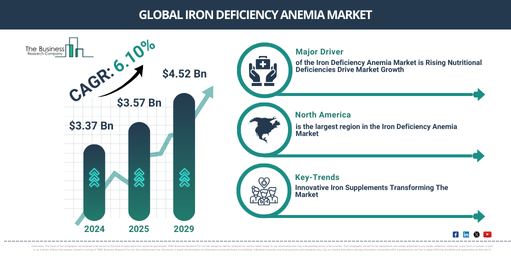
    There has been a powerful increase in the size of the iron deficiency anemia market in the previous years. The market is projected to expand from $3.37 billion in 2024 to $3.57 billion in 2025, exhibiting a compound annual growth rate (CAGR) of 6.0%. The substantial growth witnessed in the past was influenced by factors such as the efforts of non-governmental organizations, escalation in chronic disease incidences, greater emphasis on parental care, awareness drives to tackle nutritional deficits, and the broadening reach of telemedicine.

    The market for iron deficiency anemia is projected to experience a substantial expansion in the upcoming years, surging to$4.52 billion by 2029 at a compound annual growth rate (CAGR) of 6.1%. This robust growth during the forecast period can be ascribed to the increasing emphasis on women’s health, growing interest in minimally invasive treatments, the prevalence of over-the-counter options, growth in distribution networks, and a surge in the acceptance of personalized medication. In addition, during the forecast phase, key trends will include the introduction of novel drug delivery systems, advancements in diagnostic and monitoring devices, the development of combination therapies, and the integration of nanotechnology into drug delivery.

    Download a free sample to assess the report’s scope and structure:

    https://www.thebusinessresearchcompany.com/sample.aspx?id=21212&type=smp

    Which Factors and External Forces Are Driving Demand in the Iron Deficiency Anemia Market?

    A growth in the iron deficiency anemia market is projected, fueled by the rising instances of nutritional deficiencies. The term nutritional deficiency describes a situation in which the body does not receive adequate amounts of one or more essential nutrients like vitamins, minerals, proteins, or fats, compromising optimal health. The surge in nutritional deficiencies can be attributed to poor dietary choices, including a high intake of processed foods and the challenge of food insecurity, particularly prevalent among lower-income groups, whereby access to nutrient-rich food choices is restricted. A predominant form of nutritional deficiency pertains to iron deficiency anemia, where insufficient iron intake through diet results in a reduction in red blood cells, hindering the body’s oxygen transportation capacity. As an example, the National Health Services, a British government department, reported in December 2023 that two years prior, in 2021/22, incidences of nutritional deficiency admissions in hospitals across the UK were reported to be 250,000, which subsequently doubled to 500,000 in 2022/23. Thus, the climbing instances of nutritional deficiencies are bolstering the iron deficiency anemia market.

    Which Segments in the Iron Deficiency Anemia Offer the Most Growth?

    The iron deficiency anemiamarket covered in this report is segmented –

    1) By Therapy Type: Oral Iron Therapy; Parenteral Iron Therapy; Red Blood Cell Transfusion

    2) By Distribution Channel: Hospital Pharmacy; Drug Stores and Retail Pharmacies; Online Pharmacies

    3) By End Users: Hospitals; Clinics; Home Healthcare

    Subsegments:

    1) By Oral Iron Therapy: Ferrous Sulfate; Ferrous Gluconate; Ferrous Fumarate; Polysaccharide-Iron Complex; Carbonyl Iron

    2) By Parenteral Iron Therapy: Iron Sucrose; Ferric Carboxymaltose; Iron Dextran; Ferumoxytol; Ferric Gluconate

    3) By Red Blood Cell Transfusion: Leukocyte-Reduced Red Blood Cell Transfusion; Washed Red Blood Cell Transfusion; Irradiated Red Blood Cell Transfusion

    Request customized data on this market:

    https://www.thebusinessresearchcompany.com/customise?id=21212&type=smp

    What Are the Fastest-Growing Geographies in the #Which Factors and External Forces Are Driving Demand in the Iron Deficiency Anemia Market?# Market?

    North America was the largest region in the iron deficiency anemia market in 2024. Asia-Pacific is expected to be the fastest-growing region in the forecast period. The regions covered in the iron deficiency anemia market report are Asia-Pacific, Western Europe, Eastern Europe, North America, South America, Middle East, Africa.

    Which Cutting-Edge Market Trends Are Expected to Drive theIron Deficiency Anemia Market’s Growth?

    Key businesses in the iron deficiency anemia sector are prioritizing the creation of novel treatments, including intravenous iron injections, to deliver a precise nutrient mix that optimizes absorption and improves tolerability, thereby effectively addressing iron deficiency. Intravenous iron injections are a medical technique used for administering iron directly into the bloodstream to treat iron deficiency or anemia when oral supplements don’t yield desired results. For example, Cadila Pharmaceuticals, a pharmaceutical company based in India, introduced Redshot FCM in March 2024, an intravenous iron injection made of ferric carboxymaltose to efficiently combat iron deficiency anemia (IDA). This groundbreaking product is beneficial for adults, as well as children above the age of one who do not respond well to oral iron supplements. Redshot FCM, which has a strong safety record and a low risk of anaphylaxis, enables the delivery of considerable iron doses in a single sitting, leading to a speedy elevation in hemoglobin levels. This is particularly advantageous for high-risk populations like expectant mothers, the elderly, and individuals battling cancer.

    View the full report here:

    https://www.thebusinessresearchcompany.com/report/iron-deficiency-anemia-global-market-report

    What Are the Key Elements That Define the Iron Deficiency Anemia Market?

    Iron deficiency anemia is a condition in which the body lacks enough iron to produce an adequate amount of hemoglobin, a protein in red blood cells that carries oxygen throughout the body. Iron deficiency can occur due to insufficient dietary intake, poor absorption of iron, blood loss, or increased iron needs (such as during pregnancy).

    Purchase the full report and get a swift delivery:

    https://www.thebusinessresearchcompany.com/purchaseoptions.aspx?id=21212

    About The Business Research Company:

    With over 15000+ reports from 27 industries covering 60+ geographies, The Business Research Company has built a reputation for offering comprehensive, data-rich research and insights. Armed with 1,500,000 datasets, the optimistic contribution of in-depth secondary research, and unique insights from industry leaders, you can get the information you need to stay ahead in the game.

    Get in touch with us:

    The Business Research Company: https://www.thebusinessresearchcompany.com/

    Americas +1 310-496-7795

    Europe +44 7882 955267

    Asia & Others +44 7882 955267 & +91 8897263534

    Email us at info@tbrc.info

    Follow us on:

    LinkedIn: https://in.linkedin.com/company/the-business-research-company

    YouTube: https://www.youtube.com/channel/UC24_fI0rV8cR5DxlCpgmyFQ

    Global Market Model: https://www.thebusinessresearchcompany.com/global-market-model