Blog

  • Industry Trends Show Locum Tenens Staffing Market Set to Expand at 11.6% CAGR Until 2029

    Industry Trends Show Locum Tenens Staffing Market Set to Expand at 11.6% CAGR Until 2029

    Claim your 30% discount on Global Market Reports with code ONLINE30. Limited time only.

    Claim your 30% discount on Global Market Reports with code ONLINE30. Limited time only.

    What Does the Forecast Indicate for the Locum Tenens Staffing Market From 2025 to 2029?

    The market size for locum tenens staffing has seen significant expansion in the past few years. It is projected to increase from a size of $10.81 billion in 2024 to $12.08 billion in 2025, reflecting a compound annual growth rate (CAGR) of 11.8%. This growth during the past period can be credited to factors such as the growing shortage of physicians, rising demand for healthcare services in rural areas, an ever-increasing need for flexible staffing models, an upsurge in the use of healthcare services, and a heightened rate of burnout amongst full-time clinicians.

    The size of the locum tenens staffing market is slated for significant expansion in the coming years, predicted to reach a value of $18.71 billion by 2029 with a compound annual growth rate (CAGR) of 11.6%. Factors that are likely to contribute to this expected growth during the projected period include the development of technology in healthcare staffing, an increasing predilection for a balanced work-life among medical professionals, a surge in the requirement for specialized healthcare services, the growth of telemedicine and home-based care, and an upswing in healthcare infrastructure in developing areas. Key precursors of growth for the predicted period encompass the development of mobile staffing platforms, the introduction of novel credentialing and onboarding tools, the advancement of AI-fuelled recruitment mechanisms, the progression of real-time shift matching applications, and pioneering telelocum placement resolutions.

    Download The Free Sample Report Here:

    https://www.thebusinessresearchcompany.com/sample.aspx?id=25810&type=smp

    What Elements Are Contributing To Growth In The Locum Tenens Staffing Market?

    The anticipated surge in patient numbers is predicted to push the growth of the locum tenens staffing market forward. An increase in the number of patients implies an influx of individuals looking for medical attention in hospitals, clinics, and other health-related facilities. Primarily, this surge is due to the rise in the ageing population, who tend to need more frequent medical care, long-term attention, and managing chronic diseases such as diabetes, heart diseases, and arthritis. The escalating patient numbers intensify the demand for immediate and adaptable medical staffing solutions, thereby making locum tenens practitioners indispensable to ensure steady patient care, mitigate staff shortages, and prevent provider burnout in high-demand healthcare environments. For example, a report published by the National Health Service (NHS), a UK-based government entity, in December 2024 mentioned that hospital admissions for the year 2022/23 were estimated at 408,700, marking a 5% increase from 389,800 in 2021/22. Smoking was noted as the cause of 16% respiratory, 8% of cancer, and 7% of cardiovascular admissions. Obesity-related admissions escalated to 1.24 million, marking an 8% increase from 1.14 million in the previous year. Hence, the escalating patient numbers are fuelling the growth of the locum tenens staffing market.

    Which Segments Are Detailed In The Global Locum Tenens Staffing Market Report?

    The locum tenens staffing market covered in this report is segmented –

    1) By Type: Temporary Staffing, Per Diem Staffing, Locum Tenens Recruitment

    2) By Specialty: Primary Care, Anesthesiology, Radiology, Emergency Medicine, Surgery, Nurse Practitioners, Behavioral Health, Other Specialties

    3) By End-Use: Hospitals, Ambulatory Facilities, Other End-Users

    Subsegments:

    1) By Temporary Staffing: Short-Term Assignments, Long-Term Assignments, Travel Healthcare Staffing

    2) By Per Diem Staffing: Daily Shift Coverage, On-Call Coverage, Last-Minute Scheduling

    3) By Locum Tenens Recruitment: Direct Recruitment, Agency-Based Recruitment, Online Platform-Based Recruitment

    Which Emerging Trends And Strategic Shifts Are Shaping The Locum Tenens Staffing Market?

    Key businesses in the locum tenens staffing market are concentrating on creating innovative solutions like real-time workforce analytics tools. These tools can simplify recruitment procedures, accelerate placements, and better align employers with providers. These real-time workforce analytics tools are digital systems that gather, scrutinize, and exhibit real-time data regarding workforce indicators like provider availability, task status, scheduling inconsistencies, and operation indicators. Such tools assist locum tenens staffing firms by enabling quick decision-making, immediate identification of staffing deficits, better placement of providers, and enhancement of overall operational effectiveness. For example, in February 2022, Locumpedia, a platform for the locum tenens industry in the US, introduced the Locumpedia Board. It is the first entirely free job board for locum tenens physicians and is intended to provide unlimited job ads, real-time job imports, and unrestricted access to candidates in order to simplify recruitment and improve alignment between providers and employers. Unlike competitor job boards that are owned by staffing firms, the Locumpedia board functions independently, enabling each locum tenens staffing agency and healthcare employer to post vacancies without the fear of competition. The platform allows recruitment listings to be bulk-imported in CSV or XML formats at no charge, which ensures an effortless integration of staffing data.

    Who Are The Key Contributors To Growth In The Locum Tenens Staffing Market?

    Major companies operating in the locum tenens staffing market are AMN Healthcare Services Inc., Cross Country Healthcare Inc., Aya Healthcare Inc., CHG Healthcare Services Inc., Barton & Associates Inc., Medicus Healthcare Solutions LLC, All Medical Personnel Inc., Hayes Locums Inc., OneStaff Locums LLC, Caliber Healthcare Solutions LLC, Nomad Health Inc., Wapiti Medical Staffing LLC, Locums Inc., Austin Major Group LLC, TinkBird Healthcare Staffing LLC, Wilderness Medical Staffing LLC, FreeUpMD Inc., ProLocums Inc., MBS Locum Tenens LLC, Rosata Recruitment Ltd.

    Get The Full Report Here:

    https://www.thebusinessresearchcompany.com/report/locum-tenens-staffing-global-market-report

    Which Region Is Projected To Lead The Locum Tenens Staffing Market By 2025?

    North America was the largest region in the locum tenens staffing market in 2024. Asia-Pacific is expected to be the fastest-growing region in the forecast period. The regions covered in the locum tenens staffing market report are Asia-Pacific, Western Europe, Eastern Europe, North America, South America, Middle East, Africa.

    Request For A Customized Report:

    https://www.thebusinessresearchcompany.com/customise?id=25810&type=smp

    About The Business Research Company:

    With over 15000+ reports from 27 industries covering 60+ geographies, The Business Research Company has built a reputation for offering comprehensive, data-rich research and insights. Armed with 1,500,000 datasets, the optimistic contribution of in-depth secondary research, and unique insights from industry leaders, you can get the information you need to stay ahead in the game.

    Get in touch with us:

    The Business Research Company: https://www.thebusinessresearchcompany.com/

    Americas +1 310-496-7795

    Asia +44 7882 955267 & +91 8897263534

    Europe +44 7882 955267

    Email us at info@tbrc.info

    Follow us on:

    LinkedIn: https://in.linkedin.com/company/the-business-research-company

    YouTube: https://www.youtube.com/channel/UC24_fI0rV8cR5DxlCpgmyFQ

    Global Market Model: https://www.thebusinessresearchcompany.com/global-market-model
  • Industry Forecast: Quadrivalent Market to Generate $13.91 Billion Revenue by 2029

    Industry Forecast: Quadrivalent Market to Generate $13.91 Billion Revenue by 2029

    Claim your 30% discount on Global Market Reports with code ONLINE30. Limited time only.

    Claim your 30% discount on Global Market Reports with code ONLINE30. Limited time only.

    What Does the Forecast Indicate for the Quadrivalent Market From 2025 to 2029?

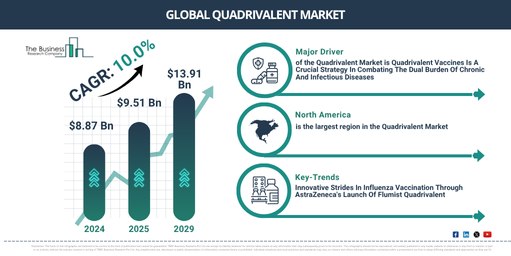
    The size of the quadrivalent market has seen robust growth in the past few years. Its projected growth from $8.87 billion in 2024 to $9.51 billion in 2025, represents a compound annual growth rate (CAGR) of 7.2%. This growth during the historical period can be associated with factors such as complex diseases, educational initiatives, previous health incidents, expansion in healthcare, and technological advancements.

    In the coming years, the quadrivalent market is forecasted to experience robust expansion. It is projected to escalate to $13.91 billion by 2029, with a Compound Annual Growth Rate (CAGR) of 10.0%. This projected growth during the forecast period can be ascribed to global health concerns, competitive influences, educational drives, legislative shifts, and changing disease trends. Key trends during the forecast period encompass disease frequency, regulatory conditions, healthcare facilities, public awareness and education, as well as competitive scenarios.

    Download The Free Sample Report Here:

    https://www.thebusinessresearchcompany.com/sample.aspx?id=9335&type=smp

    What Elements Are Contributing To Growth In The Quadrivalent Market?

    The quadrivalent market’s expansion is anticipated to be driven by an increasing incidence of chronic and infectious diseases. Chronic diseases are long-lasting ailments caused by genetics and lifestyle, while infectious diseases result from pathogens such as viruses, bacteria, fungi, or protozoans. Quadrivalent vaccines play a critical role in mitigating the severity and death rate of serious infections, even beyond the specific diseases they are intended to combat. They are employed to prevent chronic (non-communicable) illnesses when infectious agents contribute to cancer development. For instance, data from the Centers for Disease Control and Prevention, a US-based non-profit organization, revealed that in Week 37 of September 2024, 0.5% of specimens were positive for influenza. Of these, 91.4% were influenza A and 8.6% were influenza B. Accumulative data since October 1, 2023 (Week 40), showed that 8.7% of specimens were positive for influenza, with 69.2% being influenza A and 30.8% being influenza B. This depicts a rising overall positivity rate and an increase in the proportion of influenza B cases over time. Consequently, the escalating occurrence of chronic and infectious diseases is steering the growth of the quadrivalent market.

    Which Segments Are Detailed In The Global Quadrivalent Market Report?

    The quadrivalent market covered in this report is segmented –

    1) By Type: Intradermal Shot, Intramuscular Injection, Nasal Spray

    2) By Technology: Conjugated, Live, Inactivated, Recombinant, Toxoid, Other Technologies

    3) By Disease: Cancer, Hepatitis, Pneumococcal Disease, COVID-19, Influenza, Human Papilloma Virus, Meningococcal Disease, Polio, Rotavirus, Other Diseases

    4) By Age Group: Pediatric, Adult

    5) By Distribution Channel: Hospital And Pharmacy, Government Suppliers, Other Channels (NGOs)

    Subsegments:

    1) By Intradermal Shot: Standard Intradermal Injection, Needle-Free Intradermal Delivery

    2) By Intramuscular Injection: Standard Intramuscular Injection, Adjuvanted Intramuscular Injection

    3) By Nasal Spray: Live Attenuated Nasal Spray, Inactivated Nasal Spray

    Which Emerging Trends And Strategic Shifts Are Shaping The Quadrivalent Market?

    The rising trend of product innovation is gaining traction in the quadrivalent industry. Many substantial companies in this market are turning towards the creation of novel solutions in order to bolster their market standing. An example of this was in September of 2022 when UK-based AstraZeneca, an eminent pharmaceutical firm, introduced FluMist quadrivalent. This FDA-approved influenza vaccination is a needle-free nasal spray suitable for individuals aged from 2 to 49 years old, marking a new development in the quadrivalent market. Available in either trivalent or quadrivalent formulations, FluMist serves as a live attenuated influenza vaccine (LAIV) and is included as part of several health insurance plans and the children’s vaccination program.

    Who Are The Key Contributors To Growth In The Quadrivalent Market?

    Major companies operating in the quadrivalent market include AstraZeneca Plc, Serum Institute of India Private Limited, Sanofi S.A., GlaxoSmithKline Plc, CSL Limited, Bharat Biotech International Limited, Hualan Biological Engineering Inc., Merck & Co. Inc., Johnson & Johnson Services Inc., Pfizer Inc., Bio Med Pvt. Ltd., Walvax Biotechnology Co. Ltd., Chongqing Zhifei Biological Products Co. Ltd., Emergent BioSolutions Inc., Biological E. Limited, GSK Biologicals SA, Institute of Vaccines and Biological Products Chinese Academy of Medical Sciences, Wuhan Institute of Biological Products Co. Ltd., Beijing Tian Tan Biological Products Co. Ltd., Shanghai Zhijiang Bio-pharm Co. Ltd., Bio Farma, Butantan Institute, Pasteur Institute of India, China National Biotec Group Co. Ltd. (CNBG)

    Get The Full Report Here:

    https://www.thebusinessresearchcompany.com/report/quadrivalent-global-market-report

    Which Region Is Projected To Lead The Quadrivalent Market By 2025?

    North America was the largest region in the quadrivalent market in 2024. The regions covered in the quadrivalent market report are Asia-Pacific, Western Europe, Eastern Europe, North America, South America, Middle East, Africa

    Request For A Customized Report:

    https://www.thebusinessresearchcompany.com/customise?id=9335&type=smp

    About The Business Research Company:

    With over 15000+ reports from 27 industries covering 60+ geographies, The Business Research Company has built a reputation for offering comprehensive, data-rich research and insights. Armed with 1,500,000 datasets, the optimistic contribution of in-depth secondary research, and unique insights from industry leaders, you can get the information you need to stay ahead in the game.

    Get in touch with us:

    The Business Research Company: https://www.thebusinessresearchcompany.com/

    Americas +1 310-496-7795

    Asia +44 7882 955267 & +91 8897263534

    Europe +44 7882 955267

    Email us at info@tbrc.info

    Follow us on:

    LinkedIn: https://in.linkedin.com/company/the-business-research-company

    YouTube: https://www.youtube.com/channel/UC24_fI0rV8cR5DxlCpgmyFQ

    Global Market Model: https://www.thebusinessresearchcompany.com/global-market-model
  • Powder Absorbable Hemostat Industry Poised for Rapid Expansion, Projected to Hit $3.27  Billion by 2029

    Powder Absorbable Hemostat Industry Poised for Rapid Expansion, Projected to Hit $3.27 Billion by 2029

    Claim your 30% discount on Global Market Reports with code ONLINE30. Limited time only.

    Claim your 30% discount on Global Market Reports with code ONLINE30. Limited time only.

    What Is the Outlook for the Powder Absorbable Hemostat Market Heading Into 2029?

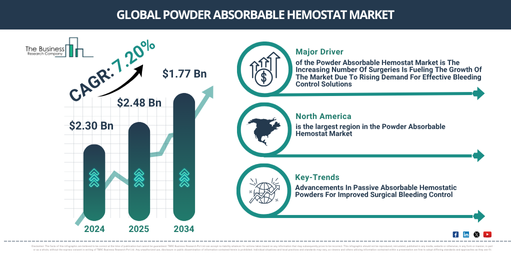
    Over the past few years, the size of the powder absorbable hemostat market has shown significant growth. Forecasted to ascend from $2.30 billion in 2024 to $2.48 billion in 2025, the market will experience a compound annual growth rate (CAGR) of 7.5%. Several factors contribute to this historical period growth such as the increase in surgical procedures, the expansion of minimally invasive surgeries, rising awareness around the management of surgical bleeding, increased usage in military and emergency medical situations, and the increasing number of FDA approvals and product launches.

    Expectations are high for robust growth in the powder absorbable hemostat market in the coming years. The market is projected to reach $3.27 billion by 2029, with a compound annual growth rate (CAGR) of 7.2%. This projected growth in the forecast period can be tied to factors such as an increase in the elderly population, a spotlight on minimizing surgical complications and time, a rise in outpatient and ambulatory surgeries, enhancements in healthcare infrastructure in growing economies, and an uptick in investments in bioresorbable and plant-based formulations. Noteworthy trends for the forecasted timeline include a shift toward biologically sourced and plant-based hemostatic agents, the inclusion of hemostatic powders in robotic and laparoscopic surgeries, the extension of usage beyond hospitals to emergency and field settings, an emphasis on enhancing shelf life and stability at room temperature, and strategic alliances and acquisitions.

    Download The Free Sample Report Here:

    https://www.thebusinessresearchcompany.com/sample.aspx?id=25881&type=smp

    Which Factors Are Pushing The Powder Absorbable Hemostat Market Forward?

    The powder absorbable hemostat market is anticipated to expand due to the escalating number of surgeries. Surgeries, whether manual or instrument-assisted, are medical procedures designed to treat injuries or ailments, or improve physical function. This increase in surgeries is largely attributed to the mounting prevalence of chronic diseases, which often necessitate surgical intervention for effective management. This surge in surgeries enhances the need for effective bleeding control, thereby promoting the application of powder absorbable hemostats. They offer swift and accurate hemostasis, making them particularly beneficial in sensitive or minimally invasive procedures, thereby boosting patient outcomes. For instance, statistics from the British Association of Aesthetic Plastic Surgeons, a surgical body based in the UK, show that in 2022, there were 31,057 cosmetic surgeries in the UK. This indicates a significant surge of 102% compared to the previous year. Consequently, the burgeoning count of surgeries is propelling the growth of the powder absorbable hemostat market.

    Which Segment Held The Largest Share In The Powder Absorbable Hemostat Market In 2025?

    The powder absorbable hemostat market covered in this report is segmented –

    1) By Product Type: Collagen-Based Hemostats, Gelatin-Based Hemostats, Cellulose-Based Hemostats, Combination Hemostats

    2) By Formulation: Powder Formulations, Ready-To-Use Formulations, Pre-Mixed Formulations, Custom Formulations

    3) By Distribution Channel: Direct Sales, Distributors, Online Sales Platforms, Pharmacies, Other Distribution Channels

    4) By Application: Surgical Procedures, Trauma Care, Orthopedic Surgeries, Cardiovascular Surgeries

    5) By End-User: Hospitals, Ambulatory Surgical Centers, Specialty Clinics, Outpatient Surgery Facilities, Other End-Users

    Subsegments:

    1) By Collagen-Based Hemostats: Bovine Collagen Hemostats, Porcine Collagen Hemostats, Synthetic Collagen Hemostats

    2) By Gelatin-Based Hemostats: Porcine Gelatin Hemostats, Bovine Gelatin Hemostats, Recombinant Gelatin Hemostats

    3) By Cellulose-Based Hemostats: Oxidized Regenerated Cellulose (ORC) Hemostats, Oxidized Cellulose Hemostats, Carboxymethyl Cellulose Hemostats

    4) By Combination Hemostats: Collagen + Gelatin Combination Hemostats, Collagen + Cellulose Combination Hemostats, Gelatin + Cellulose Combination Hemostats, Multi-component (Collagen + Gelatin + Cellulose) Hemostats

    What Upcoming Trends Are Expected To Impact The Powder Absorbable Hemostat Market Globally?

    Leading businesses in the powder absorbable hemostat market are channeling their efforts towards the production of innovative merchandise, such as plant-based polysaccharide absorbable hemostat powder. The goal is to improve clotting efficacy and ensure safer surgical procedures. This type of powder is produced from purified natural starch and is designed to absorb blood swiftly, thereby inciting clotting. It is entirely bioresorbable, hence, does not necessitate removal after usage. For instance, in July 2023, Baxter International Inc., a healthcare firm based in the U.S., launched PERCLOT, a starch-derived passive absorbable hemostatic powder in the country. This product is specifically made for patients with intact coagulation to manage mild bleeding during surgery. The granules of this product quickly absorb water, generating a gelled adhesive matrix that serves as a mechanical barrier to bleeding and encourages the accumulation of platelets, red blood cells and coagulation proteins. This product enhances Baxter’s hemostat range, assisting in the reduction of blood transfusion and complications hence minimising the general care costs.

    Which Organizations Are Driving Progress In The Powder Absorbable Hemostat Industry?

    Major companies operating in the powder absorbable hemostat market are Johnson & Johnson, Becton, Dickinson and Company, Baxter International, Integra LifeSciences Corporation, CryoLife Inc., Hangzhou Singclean Medical Products Co. Ltd, Star Alliance, Gelita Medical GmbH, Algan Grup Sağlık Hizmetleri, Ferrosan Medical Devices, Hemostasis LLC, Vascular Solutions Inc., CuraMedical B.V., BioCer Entwicklungs‑GmbH, Medcura Inc., Starch Medical Inc., Aegis Lifesciences, Turkish Healthcare, George & George MediSurg Ltd, Hemostat Medical GmbH

    Get The Full Report Here:

    https://www.thebusinessresearchcompany.com/report/powder-absorbable-hemostat-global-market-report

    Which Region Is Expected To Experience The Highest Growth In The Powder Absorbable Hemostat Industry?

    North America was the largest region in the powder absorbable hemostat market in 2024. Asia-Pacific is expected to be the fastest-growing region in the forecast period. The regions covered in the powder absorbable hemostat market report are Asia-Pacific, Western Europe, Eastern Europe, North America, South America, Middle East, Africa.

    Request For A Customized Report:

    https://www.thebusinessresearchcompany.com/customise?id=25881&type=smp

    About The Business Research Company:

    With over 15000+ reports from 27 industries covering 60+ geographies, The Business Research Company has built a reputation for offering comprehensive, data-rich research and insights. Armed with 1,500,000 datasets, the optimistic contribution of in-depth secondary research, and unique insights from industry leaders, you can get the information you need to stay ahead in the game.

    Get in touch with us:

    The Business Research Company: https://www.thebusinessresearchcompany.com/

    Americas +1 310-496-7795

    Asia +44 7882 955267 & +91 8897263534

    Europe +44 7882 955267

    Email us at info@tbrc.info

    Follow us on:

    LinkedIn: https://in.linkedin.com/company/the-business-research-company

    YouTube: https://www.youtube.com/channel/UC24_fI0rV8cR5DxlCpgmyFQ

    Global Market Model: https://www.thebusinessresearchcompany.com/global-market-model

  • Competitive and Market Trend Analysis of Lifestyle Diseases Apps Industry Through 2029

    Competitive and Market Trend Analysis of Lifestyle Diseases Apps Industry Through 2029

    Claim your 30% discount on Global Market Reports with code ONLINE30. Limited time only.

    Claim your 30% discount on Global Market Reports with code ONLINE30. Limited time only.

    How Much Is the Global Lifestyle Diseases Apps Market Valued at Present and by 2029?

    An accelerated expansion has been observed in the market size of lifestyle disease apps over the past few years. The market is anticipated to surge from $6.15 billion in 2024 reaching to $7.19 billion in 2025, with a compound annual growth rate (CAGR) of 16.9%. The substantial growth during the historical period can be credited to factors such as the heightened prevalence of chronic conditions linked to lifestyle, global increase in smartphone usage, escalated awareness about digital health solutions, amplified internet usage in urban regions, and an increased need for self-monitoring tools.

    The market size for apps targeting lifestyle diseases is projected to experience substantial expansion in the coming years, rising to a valuation of $13.30 billion in 2029 at a Compound Annual Growth Rate (CAGR) of 16.6%. This projected surge over the forecast period can be credited to the increasing emphasis on preventive health, the inclusion of mental health components in lifestyle apps, the surge in use of mobile applications for bespoke health coaching, the broadening availability of health platforms in various languages, and increased digital engagement amongst the elderly population. Key trends in this forecast period include progressive advancements in AI health monitoring, innovative strides in wearable-device app synchronization, escalating investments in mobile health startups, the creation of tailored behavioural analytics tools, and research and growth endeavors in prospective health models.

    Download The Free Sample Report Here:

    https://www.thebusinessresearchcompany.com/sample.aspx?id=25809&type=smp

    #What Drivers Are Influencing Growth In The Lifestyle Diseases Apps Market?

    The lifestyle disease apps market is anticipated to grow as smartphone usage and internet accessibility continues to rise. The term smartphone and internet penetration denotes the expanding pool of individuals using mobile devices with internet capabilities to tap into online services and data. This growth can be attributed to the increasing affordability of mobile data plans, which are becoming more competitive as telecommunication providers strive to deliver affordable, high-speed coverage. This widespread mobile internet availability allows more individuals to familiarize themselves with digital health resources, facilitating the uptake of lifestyle disease applications. For example, Uswitch Limited, a financial authority based in the UK stated in February 2024 that from 2022 onwards, the number of smartphones in the UK saw a 3.8% (or around 2.6 million) increase to 71.8 million units. They also predicted that by 2025, the UK’s population will be 68.3 million, and 95% of these residents (approximately 65 million) will own a smartphone. Additionally, the International Telecommunication Union (ITU), a specialized agency for information and communication technologies based in Switzerland, stated in February 2024 that the number of internet users worldwide stood at roughly 5.4 billion in 2023, marking an increase of 4.9 billion users since 2021. This rising smartphone and internet accessibility, thus, serves as a primary driver behind the lifestyle disease apps market’s growth.

    What Are The Main Segments Identified In The Lifestyle Diseases Apps Market Research?

    The lifestyle diseases apps market covered in this report is segmented –

    1) By Type: Prevention Apps, Management Apps, Monitoring Apps, Diagnostic Apps, Wellness Apps

    2) By Platform: iPhone Operating System (iOS), Android, Other Platforms

    3) By Device: Smartphones, Tablets, Wearable Health Trackers, Smartwatches

    4) By Applications: Diabetes Management, Cardiovascular Health, Hypertension Monitoring, Chronic Respiratory Diseases

    5) By End-User: Healthcare Providers, Individual Consumers, Corporate Wellness Programs, Insurance Companies

    Subsegments:

    1) By Prevention Apps: Health Risk Assessment Tools, Vaccination Reminder Apps, Diet And Nutrition Advisory Apps, Smoking Cessation Apps, Alcohol Reduction Apps

    2) By Management Apps: Chronic Disease Management Apps, Medication Management Apps, Mental Health Management Apps, Blood Pressure Control Apps, Diabetes Control Apps

    3) By Monitoring Apps: Physical Activity Tracking Apps, Heart Rate Monitoring Apps, Sleep Monitoring Apps, Glucose Monitoring Apps, Calorie Tracking Apps

    4) By Diagnostic Apps: Symptom Checker Apps, Artificial Intelligence (AI)-Based Diagnosis Apps, Skin Lesion Analysis Apps, Teleconsultation Diagnostic Apps, Lab Report Interpretation Apps

    5) By Wellness Apps: Mindfulness And Meditation Apps, Fitness And Exercise Coaching Apps, Stress Management Apps, Healthy Lifestyle Coaching Apps, Yoga And Breathing Apps

    What Are The Leading Trends And Opportunities In The Lifestyle Diseases Apps Sector?

    Leading corporations in the lifestyle disease apps market are concentrating on the creation of state-of-the-art solutions such as mobile platforms for remote patient monitoring to boost the management of chronic diseases as well as augment the communication between patient and provider. These digital tools rely on mobile devices like smartphones or tablets to monitor the critical signs and health data of the patient in real time. They facilitate the early identification of health hazards, enhance the management of chronic diseases and reduce the necessity for recurrent clinic sessions. Mega Lifesciences Nigeria Ltd., a Nigeria-based pharmaceutical and health services firm, in November 2024, rolled out the We Care Diabetes App, a mobile platform designed to manage diabetes. This app enables real-time blood glucose recording, expert health guidance, and conservation of medical records, thus giving patients, primarily in underserved regions, the ability to actively regulate their diabetes with the support of data-backed insights. The introduction of the We Care Diabetes App is a decisive move towards expanding digital chronic care accessibility and local relevance for populations in regions with low to medium income.

    Which Companies Play A Key Role In The Development Of The Lifestyle Diseases Apps Market?

    Major companies operating in the lifestyle diseases apps market are Apple Inc., Samsung Electronics Co. Ltd., Abbott Laboratories, Garmin Ltd., Dexcom Inc., Whoop Inc., Withings S.A.S., BetterMe Limited, Ada Health GmbH, MyFitnessPal Inc., Omada Health Inc., Qardio Inc., Lark Technologies Inc., 8fit GmbH, Glooko Inc., Visible Health Inc., HealthifyMe Wellness Private Limited, Fabulous, Sweat International Pty Ltd, Nudge Coach Inc.

    Get The Full Report Here:

    https://www.thebusinessresearchcompany.com/report/lifestyle-diseases-apps-global-market-report

    What Are The Key Regional Developments Shaping The Lifestyle Diseases Apps Market?

    North America was the largest region in the lifestyle diseases apps market in 2024. Asia-Pacific is expected to be the fastest-growing region in the forecast period. The regions covered in the lifestyle diseases apps market report are Asia-Pacific, Western Europe, Eastern Europe, North America, South America, Middle East, Africa.

    Request For A Customized Report:

    https://www.thebusinessresearchcompany.com/customise?id=25809&type=smp

    About The Business Research Company:

    With over 15000+ reports from 27 industries covering 60+ geographies, The Business Research Company has built a reputation for offering comprehensive, data-rich research and insights. Armed with 1,500,000 datasets, the optimistic contribution of in-depth secondary research, and unique insights from industry leaders, you can get the information you need to stay ahead in the game.

    Get in touch with us:

    The Business Research Company: https://www.thebusinessresearchcompany.com/

    Americas +1 310-496-7795

    Asia +44 7882 955267 & +91 8897263534

    Europe +44 7882 955267

    Email us at info@tbrc.info

    Follow us on:

    LinkedIn: https://in.linkedin.com/company/the-business-research-company

    YouTube: https://www.youtube.com/channel/UC24_fI0rV8cR5DxlCpgmyFQ

    Global Market Model: https://www.thebusinessresearchcompany.com/global-market-model
  • Pseudomonas Aeruginosa Infection Treatment Market Revenue Outlook: Strategic Insights and Forecast to 2029

    Pseudomonas Aeruginosa Infection Treatment Market Revenue Outlook: Strategic Insights and Forecast to 2029

    Claim your 30% discount on Global Market Reports with code ONLINE30. Limited time only.

    Claim your 30% discount on Global Market Reports with code ONLINE30. Limited time only.

    How Much Is the Global Pseudomonas Aeruginosa Infection Treatment Market Valued at Present and by 2029?

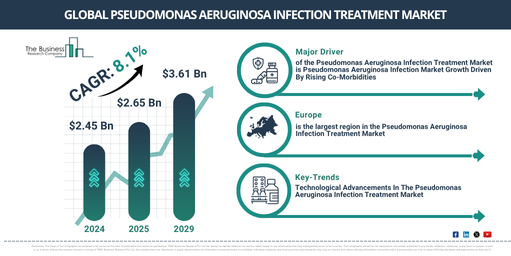
    In the recent past, the market size for the pseudomonas aeruginosa infection treatment has experienced significant growth. The market is predicted to rise from $2.45 billion in 2024 to $2.65 billion in 2025, with a compound annual growth rate (CAGR) of 8.0%. The historical growth can be linked to the increasing occurrence of nosocomial infections, rising concerns over antibiotic resistance, enhanced spending on healthcare, advancement of hospital and healthcare facilities, and an emphasis on early diagnostics and intervention.

    The market for treating the pseudomonas aeruginosa infection is anticipated to witness robust growth in the upcoming years, reaching up to $3.61 billion in 2029 at a compound annual growth rate (CAGR) of 8.1%. The projected growth during this period can be credited to an upsurge in research on antimicrobial peptides, emphasis on therapeutic efficacy and safety, an increase in incidences of multi-drug resistant paeruginosa, a patient-oriented approach in treatment formulation, and regulatory incentives. Major trends predicted to emerge during this forecast period are combination therapies, progress in drug delivery systems, advancements in point-of-care diagnostics, incorporating genomic data in treatment plans, and a worldwide cooperation in antibiotic research.

    Download The Free Sample Report Here:

    https://www.thebusinessresearchcompany.com/sample.aspx?id=9174&type=smp

    #What Drivers Are Influencing Growth In The Pseudomonas Aeruginosa Infection Treatment Market?

    The spike in co-occurring medical conditions like pneumonia, cystic fibrosis, urinary tract infections, and bloodstream infections is anticipated to fuel the expansion of the pseudomonas aeruginosa infection treatment market. Comorbidity is a term referring to any simultaneous health condition. These conditions are often chronic and can impair physical or mental well-being. For example, a US-based biomedical library and computational biology and biomedical informatics center, the National Library of Medicine, published an article in August 2022 stating that the community-acquired pneumonia incidence rate in the US is 24.8 cases per 10,000 adults yearly, and it increases as age progresses. Pneumonia ranks as the eighth leading cause of death and the foremost infectious cause of death. The death rate can rise up to 23% for patients hospitalized in intensive care units. Thus, the rising occurrence of co-occurring conditions like pneumonia, cystic fibrosis, urinary tract infections, and bloodstream infections propels the pseudomonas aeruginosa infection treatment market’s growth.

    What Are The Main Segments Identified In The Pseudomonas Aeruginosa Infection Treatment Market Research?

    The pseudomonas aeruginosa infection treatment market covered in this report is segmented –

    1) By Medication: Monotherapy, Combination Therapy

    2) By Drug Class: Aminoglycoside, Cephalosporin, Carbapenem, Monobactum, Other Drug Classes

    3) By Route Of Administration: Nasal, Oral, Intravenous

    4) By Distribution Channel: Hospital Pharmacies, Retail Pharmacies, Online Pharmacies

    Subsegments:

    1) By Monotherapy: Antibiotics, Antipseudomonal Agents

    2) By Combination Therapy: Beta-lactam And Aminoglycoside Combinations, Beta-lactam And Fluoroquinolone Combinations, Other Combinations

    What Are The Leading Trends And Opportunities In The Pseudomonas Aeruginosa Infection Treatment Sector?

    Leading enterprises in the pseudomonas aeruginosa infection treatment market are actively investing in innovative and personalized treatments like precision antibiotic therapies in order to maintain their market dominance. These therapies employ specially designed proteins such as bacteriocins to combat antibiotic-resistant bacteria. For example, in November 2023, Glox Therapeutics Ltd., a pharmaceutical firm based in Scotland, secured $5.25 million (£4.3 million) in initial funding for the development of precision antibiotic therapies that utilize bacteriocins to target antibiotic-resistant bacteria. This financial boost will facilitate the creation of laboratories in Oxford and Glasgow, as well as the expansion of the research team. Glox’s research primarily zeroes in on resistant Gram-negative pathogens like Pseudomonas aeruginosa and Klebsiella pneumoniae, the perpetrators of the worldwide antimicrobial resistance crisis that results in 1.27 million death tolls per year.

    Which Companies Play A Key Role In The Development Of The Pseudomonas Aeruginosa Infection Treatment Market?

    Major companies operating in the pseudomonas aeruginosa infection treatment market include AbbVie Inc., Teva Pharmaceutical Industries Ltd., Merck & Co Inc., Janssen Pharmaceutica NV, Pfizer Inc., Lupin Limited, AstraZeneca plc, Bristol Myers Squibb Company, Gilead Sciences Inc., Novartis Pharmaceuticals Corporation, F. Hoffmann-La Roche AG, Bayer AG, Johnson & Johnson, Baxter International Inc., Neopharma LLC, Sanofi SA, GlaxoSmithKline plc, Eli Lilly and Company, Astellas Pharma Inc., Sun Pharmaceutical Industries Ltd., Fresenius Kabi AG, Sandoz International GmbH, Dr. Reddy’s Laboratories Ltd., Cipla Inc., Hikma Pharmaceuticals plc, Zydus Cadila Healthcare Limited, Wockhardt Ltd., Mayne Pharma Group Limited, Glenmark Pharmaceuticals Ltd., Perrigo Company plc, Amneal Pharmaceuticals LLC, Apotex Inc., Bausch Health Companies Inc., Biocon Ltd., Cadila Healthcare Ltd.

    Get The Full Report Here:

    https://www.thebusinessresearchcompany.com/report/pseudomonas-aeruginosa-infection-treatment-global-market-report

    What Are The Key Regional Developments Shaping The Pseudomonas Aeruginosa Infection Treatment Market?

    Europe was the largest region in the pseudomonas aeruginosa infection treatment market in 2024. North America is expected to be the fastest-growing region in the pseudomonas aeruginosa infection treatment market report during the forecast period. The regions covered in the pseudomonas aeruginosa infection treatment market report are Asia-Pacific, Western Europe, Eastern Europe, North America, South America, Middle East, Africa

    Request For A Customized Report:

    https://www.thebusinessresearchcompany.com/customise?id=9174&type=smp

    About The Business Research Company:

    With over 15000+ reports from 27 industries covering 60+ geographies, The Business Research Company has built a reputation for offering comprehensive, data-rich research and insights. Armed with 1,500,000 datasets, the optimistic contribution of in-depth secondary research, and unique insights from industry leaders, you can get the information you need to stay ahead in the game.

    Get in touch with us:

    The Business Research Company: https://www.thebusinessresearchcompany.com/

    Americas +1 310-496-7795

    Asia +44 7882 955267 & +91 8897263534

    Europe +44 7882 955267

    Email us at info@tbrc.info

    Follow us on:

    LinkedIn: https://in.linkedin.com/company/the-business-research-company

    YouTube: https://www.youtube.com/channel/UC24_fI0rV8cR5DxlCpgmyFQ

    Global Market Model: https://www.thebusinessresearchcompany.com/global-market-model
  • Global Polyetheretherketone (PEEK) Implants Market Forecast to Reach $2.12  Billion by 2029, Driven by 8.2% CAGR

    Global Polyetheretherketone (PEEK) Implants Market Forecast to Reach $2.12 Billion by 2029, Driven by 8.2% CAGR

    Claim your 30% discount on Global Market Reports with code ONLINE30. Limited time only.

    Claim your 30% discount on Global Market Reports with code ONLINE30. Limited time only.

    What Does the Forecast Indicate for the Polyetheretherketone (PEEK) Implants Market From 2025 to 2029?

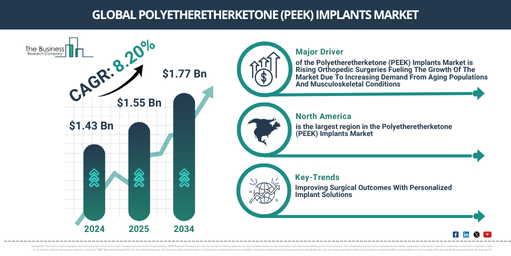
    The market size for polyetheretherketone (PEEK) implants has witnessed substantial growth in recent times. It is set to increase from $1.43 billion in 2024 to $1.55 billion in 2025, registering a compound annual growth rate (CAGR) of 8.5%. Factors driving this growth during the historic period include enhanced demand for biocompatible materials, an increase in spinal and orthopedic surgeries, a surge in the aging population, broadening applications of dental implants, and escalating occurrence of events necessitating reconstructive and cranial implants.

    The market for polyetheretherketone (PEEK) implants is slated for substantial expansion in the coming years, with its value projected to peak at $2.12 billion in 2029 at a compound annual growth rate (CAGR) of 8.2%. Several factors can explain this projected growth over the forecast period, including a surge in its use within robot-assisted surgeries, the proliferation of outpatient surgical centres, increased healthcare spending, an upturn in reimbursement policies for high-end implants, and heightened emphasis on cost-effective implants. Key trends anticipated over the forecast duration comprise 3D-printed implants specific to patients, anatomical modelling software driven by artificial intelligence, hybrid PEEK composites, implant production assisted by robots, and sophisticated implants equipped with integrated sensors.

    Download The Free Sample Report Here:

    https://www.thebusinessresearchcompany.com/sample.aspx?id=25880&type=smp

    What Elements Are Contributing To Growth In The Polyetheretherketone (PEEK) Implants Market?

    The polyetheretherketone (PEEK) implants market anticipates an upward trend due to the escalating number of orthopedic surgical procedures. Orthopedic surgeries address ailments related to the musculoskeletal system, often calling for the use of implants for restoration or substitution. Such conditions, which affect bones, joints, ligaments, tendons, and muscles, are becoming more prevalent primarily due to the aging world population. These conditions, including arthritis, joint degeneration, and fractures, become more prevalent as life expectancy rises and thus, the need for surgeries to preserve mobility and life quality also escalates. PEEK implants serve as a robust, biocompatible replacement to metal implants in orthopedic operations, offering strength, flexibility, and radiolucency for enhanced imaging and long-term bone or joint stabilization. For example, the UK Health Security Agency (UKHSA) reported an increase of 7.3% in the number of surgeries under mandatory orthopedic surveillance during the financial years of 2022 and 2023, growing from 102,027 procedures. Hence, the surging number of orthopedic surgeries is accelerating growth in the polyetheretherketone (PEEK) implants market.

    Which Segments Are Detailed In The Global Polyetheretherketone (PEEK) Implants Market Report?

    The polyetheretherketone (peek) implants market covered in this report is segmented –

    1) By Type: Interbody Devices, Screws, Fixation Plates, Rods, Cages

    2) By Application: Spinal Fusion, Trauma Surgery, Craniomaxillofacial Surgery, Sports Medicine

    3) By End User: Hospitals And Clinics, Ambulatory Surgical Centers, Other End Users

    Subsegments:

    1) By Interbody Devices: Cervical Interbody Cages, Lumbar Interbody Cages, Thoracic Interbody Cages, 3D-printed Interbody Implants

    2) By Screws: Pedicle Screws, Cortical Screws, Cannulated Screws, Locking Screws

    3) By Fixation Plates: Cranial Fixation Plates, Maxillofacial Fixation Plates, Orthopedic Trauma Plates, Spinal Fixation Plates

    4) By Rods: Spinal Stabilization Rods, Dynamic Stabilization Rods, Posterior Fixation Rods, Custom Contoured Rods

    5) By Cages: Anterior Lumbar Interbody Fusion (ALIF) Cages, Posterior Lumbar Interbody Fusion (PLIF) Cages, Transforaminal Lumbar Interbody Fusion (TLIF) Cages, Expandable Cages

    How Are Key Trends Driving Expansion In The Polyetheretherketone (PEEK) Implants Industry?

    In the polyetheretherketone (PEEK) implants industry, leading businesses are focusing on technology advancements like 3D-printed implants to enhance patient-specific customization, improve surgical results, and expedite recovery periods. A 3D-printed implant is a tailor-made medical device manufactured using additive manufacturing technology to match the unique anatomy of a patient, enhancing fitting, functionality, and overall treatment results. For instance, in April 2024, 3D Systems, Inc., an American 3D printing solutions company, gained 510(k) clearance from the U.S FDA for its VSP PEEK Cranial Implant, a 3D-printed patient-specific cranial implant solution. Its product includes a fully FDA-approved workflow comprising advanced segmentation and 3D modeling software, the EXT 220 MED 3D printer from 3D Systems, Evonik’s VESTAKEEP i4 3DF PEEK material, and a standardized manufacturing process. This technology, backed by additive manufacturing, facilitates the development of custom cranial implants using up to 85% less material than conventional machining methods, significantly bringing down costs related to expensive implant-grade PEEK.

    Who Are The Key Contributors To Growth In The Polyetheretherketone (PEEK) Implants Market?

    Major companies operating in the polyetheretherketone (peek) implants market are Johnson & Johnson, Evonik Industries AG, Stryker Corporation, Solvay S.A., NuVasive Inc., 3D Systems Inc., Victrex plc, Treace Medical Concepts Inc., Zypeek Medical Technology Co. Ltd., Innovasis Inc., Jilin Joinature Polymer Co. Ltd., HAPPE Spine LLC, Cavendish Implants Ltd., Xilloc Medical Int B.V., In2Bones Global Inc., Sintx Technologies Inc., Junsun Medical Technology Co. Ltd., Invibio Ltd., Dental Technology Services Ltd., Quick Implants NZ Limited

    Get The Full Report Here:

    https://www.thebusinessresearchcompany.com/report/polyetheretherketone-peek-implants-global-market-report

    Which Region Is Projected To Lead The Polyetheretherketone (PEEK) Implants Market By 2025?

    North America was the largest region in the polyetheretherketone (PEEK) implants market in 2024. Asia-Pacific is expected to be the fastest-growing region in the forecast period. The regions covered in the polyetheretherketone (peek) implants market report are Asia-Pacific, Western Europe, Eastern Europe, North America, South America, Middle East, Africa.

    Request For A Customized Report:

    https://www.thebusinessresearchcompany.com/customise?id=25880&type=smp

    About The Business Research Company:

    With over 15000+ reports from 27 industries covering 60+ geographies, The Business Research Company has built a reputation for offering comprehensive, data-rich research and insights. Armed with 1,500,000 datasets, the optimistic contribution of in-depth secondary research, and unique insights from industry leaders, you can get the information you need to stay ahead in the game.

    Get in touch with us:

    The Business Research Company: https://www.thebusinessresearchcompany.com/

    Americas +1 310-496-7795

    Asia +44 7882 955267 & +91 8897263534

    Europe +44 7882 955267

    Email us at info@tbrc.info

    Follow us on:

    LinkedIn: https://in.linkedin.com/company/the-business-research-company

    YouTube: https://www.youtube.com/channel/UC24_fI0rV8cR5DxlCpgmyFQ

    Global Market Model: https://www.thebusinessresearchcompany.com/global-market-model

  • Global Leukemia Inhibitory Factor (LIF) Market Landscape: Trends and Market Share to 2029

    Global Leukemia Inhibitory Factor (LIF) Market Landscape: Trends and Market Share to 2029

    Claim your 30% discount on Global Market Reports with code ONLINE30. Limited time only.

    Claim your 30% discount on Global Market Reports with code ONLINE30. Limited time only.

    What Is the Current and Projected Market Size of the Leukemia Inhibitory Factor (LIF) Industry?

    In recent times, there has been a significant expansion in the market size of the leukemia inhibitory factor (LIF). The market is projected to increase from $0.84 billion in 2024 to $0.92 billion in 2025, marking a compound annual growth rate (CAGR) of 8.7%. This expansion in the past can be credited to a rise in the number of biotechnological start-ups, an escalating demand for bespoke medicines, an increase in chronic instances, the development of cancer immunotherapy initiatives, and the enhancement of government backup.

    In the upcoming years, a considerable escalation is projected in the size of the leukemia inhibitory factor (LIF) market. The projected value by 2029 is $1.27 billion, with a compound annual growth rate (CAGR) of 8.4%. This anticipated expansion during the forecast period is linked to the increasing prominence given to personalized medicine, the enhanced investment in biomedical studies, a rise in clinical trials, escalated focus on pediatric research and treatments, and growing demand for targeted therapies. The forecast period is expected to witness significant trends such as the progression in stem cell culture methodologies, advancements in gene editing technologies, breakthroughs in cytokine delivery systems, incorporation of artificial intelligence in drug discovery, and progress in cell signaling research.

    Download The Free Sample Report Here:

    https://www.thebusinessresearchcompany.com/sample.aspx?id=25808&type=smp

    #Which Factors Are Currently Driving The Growth Of The Leukemia Inhibitory Factor (LIF) Market?

    The surge in the number of clinical trials is likely to boost the growth of the leukemia inhibitory factor (LIF) market. Clinical trials are essentially studies conducted on humans to assess the security, efficacy, and adverse effects of new medical procedures, drugs, therapies, or devices. The increment in these trials is fuelled by the increasing investments in pharmaceutical research and development, consequently speeding up the emergence of novel treatments and mandating more trials to probe their safety and effectiveness. Such trials augment the demand for leukemia inhibitory factors (LIF) by providing scientific proof of its efficacy in addressing illnesses like cancer and neurodegenerative diseases, thus enhancing its reputation and prompting its extensive use in medical research and therapeutic development. For instance, as per the Association of the British Pharmaceutical Industry, a UK-based commercial association, the clinical trials initiatives escalated to 426 in 2023, a rise from 411 in 2022. Hence, the surge in clinical trials is propelling the growth of the leukemia inhibitory factor (LIF) market. Boost In Medical Spending Facilitating Market Expansion Owed To Rising Demand For Superior Treatments And Chronic Disease Management

    How Is The Global Leukemia Inhibitory Factor (LIF) Market Structured In Terms Of Segments?

    The leukemia inhibitory factor (lif) market covered in this report is segmented –

    1) By Product Type: Recombinant Leukemia Inhibitory Factor, Monoclonal Antibodies, Antibodies And Antibody-Drug Conjugates, Cytokine Mixes

    2) By Distribution Channel: Direct Sales, Online Sales, Third-Party Retailers

    3) By Application: Cancer Treatment, Stem Cell Research, Neurological Disorders, Fertility Treatment, Other Applications

    4) By End-User: Hospitals, Research Institutes, Biotechnology Companies, Other End Users

    Subsegments:

    1) By Recombinant Leukemia Inhibitory Factor: Human Recombinant Leukemia Inhibitory Factor, Mouse Recombinant Leukemia Inhibitory Factor, Rat Recombinant Leukemia Inhibitory Factor, GMP-Grade Leukemia Inhibitory Factor, Animal-Free Recombinant Leukemia Inhibitory Factor

    2) By Monoclonal Antibodies: Anti-Leukemia Inhibitory Factor Monoclonal Antibodies, Anti-Leukemia Inhibitory Factor Receptor Antibodies, Neutralizing Monoclonal Antibodies, Diagnostic Use Monoclonal Antibodies

    3) By Antibodies and Antibody-Drug Conjugates: Leukemia Inhibitory Factor Targeted Antibody-Drug Conjugates, Bispecific Antibodies Involving Leukemia Inhibitory Factor, Antibody Fragments Against Leukemia Inhibitory Factor, Preclinical Antibody-Drug Conjugate Candidates

    4) By Cytokine Mixes: Leukemia Inhibitory Factor With IL-6 Cytokine Mix, Leukemia Inhibitory Factor With BMP And FGF Mixes, Stem Cell Culture Cytokine Cocktails Containing Leukemia Inhibitory Factor, Tumor Microenvironment Cytokine Panels Including Leukemia Inhibitory Factor

    What Trends Are Currently Influencing Growth In The Leukemia Inhibitory Factor (LIF) Market?

    Key corporations active in the leukemia inhibitory factor (LIF) market are concentrating on creating innovative solutions such as stem cell research. This not only amplifies the growth of cutting-edge regenerative treatments but also broadens the clinical usage of LIF in tissue repair and cell differentiation. The process of studying stem cells is applied to understand their regeneration capacity for tissues and potential treatment for numerous diseases. For example, Sino Biological Inc., a biotech firm based in China, released a range of GMP-grade recombinant cytokines in August 2023. These serve to assist stem cell research by supplying reagents possessing high purity and bioactivity and that meet rigorous clinical and manufacturing standards. Produced in strict compliance with exacting good manufacturing practice (GMP) standards, these cytokines are free from endotoxins, substances derived from animals, and microbial impurities. Each batch undergoes intensive testing to ensure its stability, safety, and biological activity, making them suitable for advanced applications such as preserving stem cells, differentiation, and repairing tissues. This guarantees dependable research outcomes and accelerates the transition towards clinical application in cell therapy and regenerative medicine.

    Who Are The Main Participants Shaping The Leukemia Inhibitory Factor (LIF) Market Landscape?

    Major companies operating in the leukemia inhibitory factor (lif) market are Thermo Fisher Scientific Inc., Merck KGaA, Bio-Techne Corporation, STEMCELL Technologies Inc., GenScript Biotech Corporation, Abcam Plc, BioLegend Inc., Sino Biological Inc., Cell Signaling Technology Inc., RayBiotech Inc., Proteintech Group Inc., Santa Cruz Biotechnology Inc., Creative BioMart Inc., Aviva Systems Biology Corporation, ReproCELL Inc., G Biosciences, Abbiotec LLC, Boster Biological Technology Co. Ltd., ProSpec-Tany TechnoGene Ltd., and InVitria.

    Get The Full Report Here:

    https://www.thebusinessresearchcompany.com/report/leukemia-inhibitory-factor-lif-global-market-report

    Which Region Currently Holds The Largest Share In The Leukemia Inhibitory Factor (LIF) Market?

    North America was the largest region in the leukemia inhibitory factor (LIF) market in 2024. Asia-Pacific is expected to be the fastest-growing region in the forecast period. The regions covered in the leukemia inhibitory factor (lif) market report are Asia-Pacific, Western Europe, Eastern Europe, North America, South America, Middle East, Africa.

    Request For A Customized Report:

    https://www.thebusinessresearchcompany.com/customise?id=25808&type=smp

    About The Business Research Company:

    With over 15000+ reports from 27 industries covering 60+ geographies, The Business Research Company has built a reputation for offering comprehensive, data-rich research and insights. Armed with 1,500,000 datasets, the optimistic contribution of in-depth secondary research, and unique insights from industry leaders, you can get the information you need to stay ahead in the game.

    Get in touch with us:

    The Business Research Company: https://www.thebusinessresearchcompany.com/

    Americas +1 310-496-7795

    Asia +44 7882 955267 & +91 8897263534

    Europe +44 7882 955267

    Email us at info@tbrc.info

    Follow us on:

    LinkedIn: https://in.linkedin.com/company/the-business-research-company

    YouTube: https://www.youtube.com/channel/UC24_fI0rV8cR5DxlCpgmyFQ

    Global Market Model: https://www.thebusinessresearchcompany.com/global-market-model
  • Future Projections: Protein Hydrolysis Enzymes Market to Reach $3.01 Billion by 2029 at 6.3% CAGR

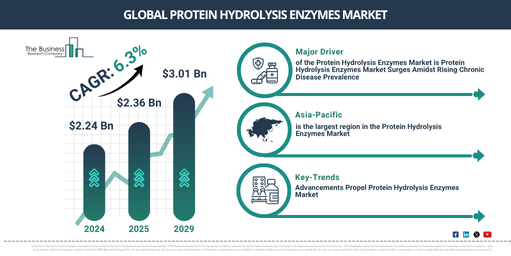
    Future Projections: Protein Hydrolysis Enzymes Market to Reach $3.01 Billion by 2029 at 6.3% CAGR

    Claim your 30% discount on Global Market Reports with code ONLINE30. Limited time only.

    Claim your 30% discount on Global Market Reports with code ONLINE30. Limited time only.

    What Is the Current and Projected Market Size of the Protein Hydrolysis Enzymes Industry?

    The market for protein hydrolysis enzymes has seen substantial expansion in the past few years. The market value is predicted to rise from $2.24 billion in 2024 to $2.36 billion in 2025, with a compound annual growth rate (CAGR) of 5.3%. The historical growth is because of factors such as the surge in the food and beverage industry, utilization in pharmaceutical applications, escalated research and development activities, expansion of the dietary supplements market, the aging population, and supportive regulatory policies.

    Anticipations are high for a robust expansion in the protein hydrolysis enzymes market in the ensuing years. The market is predicted to ascend to $3.01 billion in 2029, growing at a compound annual growth rate (CAGR) of 6.3%. This expansion in the anticipated period can be credited to the surge in vegan and plant-based eating patterns, transformation in consumer lifestyles, the clean label initiative, an increment in allergen-free alternatives, global patterns in protein consumption, and an emphasis on sustainable sourcing. Enzyme modification and optimization, advancements in enzyme technology, customized enzyme solutions, strategic partnerships, and collaborations, and sustainability in enzyme production are the key trends projected for this forecast period.

    Download The Free Sample Report Here:

    https://www.thebusinessresearchcompany.com/sample.aspx?id=9113&type=smp

    #Which Factors Are Currently Driving The Growth Of The Protein Hydrolysis Enzymes Market?

    The rise in chronic diseases is anticipated to fuel the expansion of the protein hydrolysis enzymes market. Chronic diseases are health conditions that persist over time, often with long-term effects. Protein hydrolysis, with the aid of enzymes, creates peptides with significant physiological activity, which can be used to combat cancer and other diseases. This happens by modulating antioxidant enzymes, a crucial point of control for the body’s pro-inflammatory processes. With the rise in chronic diseases, the demand for protein hydrolysis enzymes is predicted to grow. For example, the American Cancer Society, a US-based cancer support organization, reported an estimate of 1.9 million new cancer diagnoses in 2022 and 609,360 cancer-related deaths. Additionally, it is projected that there will be 609,360 cancer deaths in 2022, which equates to about 1,670 fatalities daily. Thus, the escalating prevalence of chronic diseases is propelling forward the protein hydrolysis enzymes market.

    How Is The Global Protein Hydrolysis Enzymes Market Structured In Terms Of Segments?

    The protein hydrolysis enzymes market covered in this report is segmented –

    1) By Type: Microorganisms, Animals, Plants

    2) By Method Of Production: Extraction, Fermentation

    3) By Application: Detergent And Cleaning, Food And Beverage, Animal Feed, Textile, Dairy, Other Applications

    Subsegments:

    1) By Microorganisms: Bacterial Enzymes, Fungal Enzymes, Yeast-Derived Enzymes

    2) By Animals: Animal-Derived Enzymes, Rennet

    3) By Plants: Plant-Derived Enzymes, Seed-Derived Enzymes

    What Trends Are Currently Influencing Growth In The Protein Hydrolysis Enzymes Market?

    Major companies engaged in the protein hydrolysis enzyme market are concentrating on technological innovations such as tailored enzyme blends that boost nutrient digestion, heighten the performance of animals, and tackle specific obstacles in livestock production. The customized blend is a meticulously concocted series of different enzymes designed to improve animal feed’s digestion and nutrient use. An example is the release of Axtra PRIME in March 2023 by International Flavors & Fragrances Inc., a company based in the United States specializing in food and health ingredients. This fresh, enhanced enzyme blend seeks to increase nutrient digestion and piglet performance in animal nutrition. It offers an innovative solution to primary hurdles in piglet production, particularly during the weaning phase, by combining enzymes like xylanase, beta-glucanase, alpha-amylase, and protease, which contribute to healthier growth and more efficient feed use.

    Who Are The Main Participants Shaping The Protein Hydrolysis Enzymes Market Landscape?

    Major companies operating in the protein hydrolysis enzymes market include Novozymes A/S, Royal DSM, DuPont de Nemours Inc., AB Enzymes GmbH, Advanced Enzyme Technologies, Dyadic International Inc., Jiangsu Boli Bioproducts Co. Ltd., Specialty Enzymes & Biotechnologies Co., Solvay Enzymes, Amano Enzyme Inc., Biocatalysts, Aumgene Biosciences, Merck KGaA, Bioseutica, Rossari Biotech Limited, Enzyme Solutions, DSM Nutritional Products, Kerry Group, Chr. Hansen Holding A/S, Roche Diagnostics, Noor Enzymes, Enzyme Development Corporation, Enzyme Supplies Limited, MP Biomedicals, Enzyme Innovation, Enzybel Group

    Get The Full Report Here:

    https://www.thebusinessresearchcompany.com/report/protein-hydrolysis-enzymes-global-market-report

    Which Region Currently Holds The Largest Share In The Protein Hydrolysis Enzymes Market?

    Asia-Pacific was the largest region in the protein hydrolysis enzymes market in 2024 and is expected to be the fastest-growing region in the protein hydrolysis enzymes market during the forecast period. The regions covered in the protein hydrolysis enzymes market report are Asia-Pacific, Western Europe, Eastern Europe, North America, South America, Middle East, Africa

    Request For A Customized Report:

    https://www.thebusinessresearchcompany.com/customise?id=9113&type=smp

    About The Business Research Company:

    With over 15000+ reports from 27 industries covering 60+ geographies, The Business Research Company has built a reputation for offering comprehensive, data-rich research and insights. Armed with 1,500,000 datasets, the optimistic contribution of in-depth secondary research, and unique insights from industry leaders, you can get the information you need to stay ahead in the game.

    Get in touch with us:

    The Business Research Company: https://www.thebusinessresearchcompany.com/

    Americas +1 310-496-7795

    Asia +44 7882 955267 & +91 8897263534

    Europe +44 7882 955267

    Email us at info@tbrc.info

    Follow us on:

    LinkedIn: https://in.linkedin.com/company/the-business-research-company

    YouTube: https://www.youtube.com/channel/UC24_fI0rV8cR5DxlCpgmyFQ

    Global Market Model: https://www.thebusinessresearchcompany.com/global-market-model
  • Outlook for Polyether Ether Ketone (PEEK) Interbody Devices Market: Key Developments and Future Strategies to 2029

    Outlook for Polyether Ether Ketone (PEEK) Interbody Devices Market: Key Developments and Future Strategies to 2029

    Claim your 30% discount on Global Market Reports with code ONLINE30. Limited time only.

    Claim your 30% discount on Global Market Reports with code ONLINE30. Limited time only.

    How Much Is the Global Polyether Ether Ketone (PEEK) Interbody Devices Market Valued at Present and by 2029?

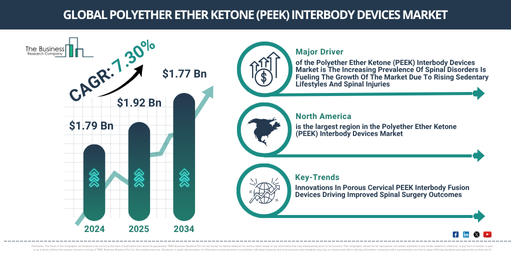
    The market size for polyether ether ketone (PEEK) interbody devices has seen robust growth lately. The market, which stood at $1.79 billion in 2024, is expected to escalate to $1.92 billion in 2025, registering a compound annual growth rate (CAGR) of 7.6%. The substantial growth during the historical period has been due to factors such as rising use in non-medical sectors, growth in medical tourism, increased demand for MRI-compatible implants, improved clinical results, as well as an increase in the number of chronic back pain cases.

    The market for polyether ether ketone (PEEK) interbody devices is projected to witness robust growth in the coming years, expanding to $2.56 billion by 2029, with a compound annual growth rate (CAGR) of 7.3%. Factors contributing to growth during the projected period include an increase in spinal disorders, rising vehicle manufacturing, expansion of the automotive industry, increasing healthcare spending, and a growing demand for hybrid material devices. Key trends expected during the forecast period involve advancements in technology, medical technology progression, adoption of progressive spinal implants, the innovative capabilities of PEEK technology, and the introduction of advanced surgical procedures.

    Download The Free Sample Report Here:

    https://www.thebusinessresearchcompany.com/sample.aspx?id=25879&type=smp

    #What Drivers Are Influencing Growth In The Polyether Ether Ketone (PEEK) Interbody Devices Market?

    The growth of the PEEK interbody devices market is likely to be driven by the escalating prevalence of spinal disorders. Spinal disorders, encompassing ailments that affect the spine’s bones, discs, nerves, and muscles, are on the rise due to sedentary lifestyles. Extended periods of sitting and lack of physical activity result in weakened spinal support muscles and increased spine strain. PEEK interbody devices play a critical role in spinal disorder treatment by offering robust yet flexible support between vertebrae, fostering spinal stability, prompting natural bone growth, and maintaining imaging clarity during subsequent scans. For example, Spinal Cord Inc., a US-based resource for people impacted by spinal cord injuries and their families, reported around 18,000 new spinal cord injury (SCI) cases in May 2023. It also estimated approximately 302,000 people living with SCI across the country. Hence, the rising prevalence of spinal disorders is fuelling the PEEK interbody devices market’s growth.

    What Are The Main Segments Identified In The Polyether Ether Ketone (PEEK) Interbody Devices Market Research?

    The polyether ether ketone (peek) interbody devices market covered in this report is segmented –

    1) By Product Type: Posterolateral Fusion Devices, Interbody Fusion Devices, Anterior Lumbar Interbody Fusion Devices (Alif), Extreme Lateral Interbody Fusion Devices (Xlif), Posterior Lumbar Interbody Fusion Devices (Plif), Transforaminal Lumbar Interbody Fusion Devices (Tlif), Other Devices

    2) By Application: Spinal Fusion Surgery, Degenerative Disc Disease, Spinal Trauma, Spinal Deformity

    3) By Distribution Channel: Direct Sales, Online Sales, Third-Party Distributors

    4) By End-User: Hospitals And Clinics, Ambulatory Surgery Clinics, Other End-Users

    Subsegments:

    1) By Posterolateral Fusion Devices: Single-Level Devices, Multi-Level Devices, Expandable Devices

    2) By Interbody Fusion Devices: Cervical Fusion Devices, Lumbar Fusion Devices, Hybrid Devices

    3) By Anterior Lumbar Interbody Fusion Devices (ALIF): Flat-Profile Devices, Curved-Profile Devices, Cage-Style Devices

    4) By Extreme Lateral Interbody Fusion Devices (XLIF): Plated Devices, Cage-Style Devices, Oblique Devices

    5) By Posterior Lumbar Interbody Fusion Devices (PLIF): Lordotic Devices, Flat-Cage Devices, Mesh Or Porous Devices

    6) By Transforaminal Lumbar Interbody Fusion Devices (TLIF): Hollow Devices, Expandable Cages, Radiolucent Devices

    7) By Other Devices: Miniature Interbody Fusion Devices, Biocomposite Devices, Modular Devices

    Which Trends Are Expected To Shape The Future Of The Polyether Ether Ketone (PEEK) Interbody Devices Market?

    Leading businesses in the PEEK interbody device market are prioritising the creation of novel products like the porous cervical IBF system to enhance osseointegration, boost implant stability, and speed up patient recovery. The porous cervical IBF system is a specialised medical implant used in spinal surgeries, especially for cervical spine fusion procedures. It’s strategically designed to substitute damaged or worn out cervical intervertebral discs and to foster bone growth between neighbouring vertebrae, thereby stabilising the spine. For instance, in August 2022, Innovasis, a medical device organization based in the US, obtained 510(k) approval from the US Food and Drug Administration for its HAcancellous PEEK-C, an innovative hydroxyapatite (HA) porous PEEK interbody fusion device meant for cervical spine operations. The device, intended for single-level anterior cervical discectomy and fusion (ACDF) procedures in the C2 and T1 sections in skeletally mature patients suffering from degenerative disc disease, incorporates a porous structure amalgamated with hydroxyapatite (HA) to aid bone growth and expedite fusion. This product introduction aims to enhance spinal fusion results by promoting superior bone integration and encouraging faster fusion.

    Which Companies Play A Key Role In The Development Of The Polyether Ether Ketone (PEEK) Interbody Devices Market?

    Major companies operating in the polyether ether ketone (peek) interbody devices market are Medtronic Inc., Stryker Corporation, Zimmer Biomet Holdings Inc., Globus Medical Inc., NuVasive Inc., Orthofix Medical Inc., Exactech Inc., Xtant Medical Holdings Inc., Alphatec Spine Inc., Spinal Elements Inc., Providence Medical Technology Inc., FossiLabs LLC, Life Spine Inc., Curiteva Inc., Medacta International S.A., LDR Holding Corporation, Cavendish Implants Limited, SINTX Technologies Inc., In2Bones Global Inc., and Xilloc Medical International B.V.

    Get The Full Report Here:

    https://www.thebusinessresearchcompany.com/report/polyether-ether-ketone-peek-interbody-devices-global-market-report

    What Are The Key Regional Developments Shaping The Polyether Ether Ketone (PEEK) Interbody Devices Market?

    North America was the largest region in the polyether ether ketone (PEEK) interbody devices market in 2024. Asia-Pacific is expected to be the fastest-growing region in the forecast period. The regions covered in the polyether ether ketone (peek) interbody devices market report are Asia-Pacific, Western Europe, Eastern Europe, North America, South America, Middle East, Africa.

    Request For A Customized Report:

    https://www.thebusinessresearchcompany.com/customise?id=25879&type=smp

    About The Business Research Company:

    With over 15000+ reports from 27 industries covering 60+ geographies, The Business Research Company has built a reputation for offering comprehensive, data-rich research and insights. Armed with 1,500,000 datasets, the optimistic contribution of in-depth secondary research, and unique insights from industry leaders, you can get the information you need to stay ahead in the game.

    Get in touch with us:

    The Business Research Company: https://www.thebusinessresearchcompany.com/

    Americas +1 310-496-7795

    Asia +44 7882 955267 & +91 8897263534

    Europe +44 7882 955267

    Email us at info@tbrc.info

    Follow us on:

    LinkedIn: https://in.linkedin.com/company/the-business-research-company

    YouTube: https://www.youtube.com/channel/UC24_fI0rV8cR5DxlCpgmyFQ

    Global Market Model: https://www.thebusinessresearchcompany.com/global-market-model
  • Comprehensive Forecast: Leukapheresis Device Market Share, Growth, and Opportunities Through 2029

    Comprehensive Forecast: Leukapheresis Device Market Share, Growth, and Opportunities Through 2029

    Claim your 30% discount on Global Market Reports with code ONLINE30. Limited time only.

    Claim your 30% discount on Global Market Reports with code ONLINE30. Limited time only.

    How Will the Leukapheresis Device Market Evolve in Terms of Growth and Size by 2029?

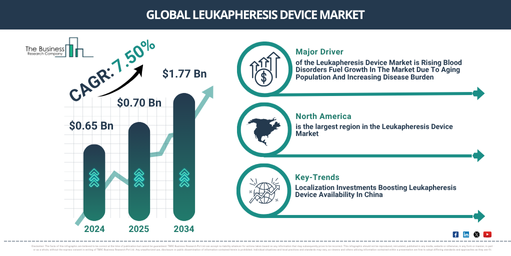
    The market size for leukapheresis devices has significantly expanded in the past few years. The market will escalate from $0.65 billion in 2024 to $0.70 billion in 2025, with a compound annual growth rate (CAGR) of 7.7%. Factors driving growth in the historical period include the surging demand for personalized medicine, an enhanced emphasis on research and development, an increase in clinical trials, a growing elderly population, and a rising preference for minimally invasive procedures.

    In the forthcoming years, the leukapheresis device market is poised for robust expansion. By 2029, it is projected to reach $0.94 billion, with a compound annual growth rate (CAGR) of 7.5%. This predicted surge in the projection period can be ascribed to the escalating prevalence of blood-associated disorders, increasing cancer incidences, the surging demand for peripheral blood stem cell collection, the expanding utilization of leukapheresis in cellular therapies, and escalating investment in regenerative medicine and immunotherapy. Key trends for the projection period encompass advancements in apheresis device technology, the incorporation of automation and digital interfaces, progress in point-of-care leukapheresis technology, advancements in closed-loop leukapheresis systems, and technological enhancements in cell separation efficiency.

    Download The Free Sample Report Here:

    https://www.thebusinessresearchcompany.com/sample.aspx?id=25807&type=smp

    What factors are expected to fuel Leukapheresis Device market growth in the coming years?

    The leukapheresis device market is poised for growth due to the increasing cases of diseases related to blood. These disorders affect the formation or operation of blood cells, which can lead to issues with blood clotting, immune response, or oxygen transport. A rise in these disorders is predominantly ascribed to the aging population who are at a higher risk of conditions like leukemia, anemia, and other hematological conditions. Leukapheresis devices offer help in managing these disorders by selectively removing surplus or abnormal white blood cells from the blood, thereby easing symptoms and reducing complications in diseases such as leukemia and autoimmune disorders. For example, the Leukaemia Foundation, an Australian non-profit organization, reported in May 2024 that around 19,403 Australians were diagnosed with blood cancers such as leukemia, lymphoma, or myeloma in 2022, which translates to an average of 53 cases each day, or one every 27 minutes. Currently, about 135,000 Australians are living with a blood cancer or disorder, a number that is expected to reach over 275,000 by 2035. Hence, the increasing instances of diseases related to blood are accelerating the expansion of the leukapheresis device market.

    What Are The Key Findings From The Segmentation Analysis Of The Leukapheresis Device Market?

    The leukapheresis device market covered in this report is segmented –

    1) By Device Type: Therapeutic Leukapheresis, Cytapheresis, Stem Cell Collection, Research Applications, Leukapheresis Columns and Cell Separators, Leukapheresis Disposables, Apheresis Devices

    2) By Component: Leukapheresis Machine, Blood Collection Set , Medical Consumables , Filters

    3) By End User: Hospitals, Academic Research Institutes, Pharmaceutical And Biotechnology Companies, Blood Component Providers, Blood Centers

    Subsegments:

    1) By Therapeutic Leukapheresis: Leukemia Treatment Systems, Sepsis Treatment Leukapheresis Units, Autoimmune Disease Management Devices

    2) By Cytapheresis: Plateletpheresis Devices, Lymphapheresis Units, Erythrocytapheresis Systems

    3) By Stem Cell Collection: Peripheral Blood Stem Cell (PBSC) Collection Devices, Umbilical Cord Blood Collection Systems, Bone Marrow Stem Cell Apheresis Systems

    4) By Research Applications: Cell Separation Systems for Research and Development, Clinical Trial Apheresis Platforms, Academic Laboratory Leukapheresis Devices

    5) By Leukapheresis Columns And Cell Separators: Adsorption Columns, Membrane-Based Cell Separation Systems, Centrifugal Cell Separators

    6) By Leukapheresis Disposables: Tubing Sets, Needles And Catheters, Collection Bags

    7) By Apheresis Devices: Continuous Flow Apheresis Machines, Portable Or Mobile Apheresis Units, Intermittent Flow Apheresis Systems

    Which Trends Are Expected To Shape The Future Of The Leukapheresis Device Market?

    Leading firms in the leukapheresis device market are concentrating their efforts on increasing their manufacturing capabilities in local regions to promote national health goals and provide better access to high caliber therapeutic devices. The investment in regional production aids in the establishment of supply chains that are both effective and adaptable. This, in turn, guarantees punctual deliveries, lowers reliance on imports, and makes advanced cell and blood collection systems more affordable. In November 2024, as a case in point, the US-based medical tech firm, Terumo Blood and Cell Technologies, forged a partnership with Terumo Medical Products (Hangzhou) Co., Ltd., a subsidiary in China, to commence local production in Hangzhou. This tactical move includes the local production of essential leukapheresis products such as the Trima Accel Automated Blood Collection System and the Spectra Optia Apheresis System, which are widely utilized in China for therapeutic apheresis, stem cell gathering, and blood component separation.

    What Are The Most Active Companies In The Leukapheresis Device Market Today?

    Major companies operating in the leukapheresis device market are Fresenius SE and Co. KGaA, Asahi Kasei Medical Co. Ltd, Baxter International Inc., Grifols S.A., TERUMO BCT INC., Kaneka Corporation, Charles River Laboratories International Inc., Mallinckrodt Pharmaceuticals, Nikkiso Co. Ltd., Haemonetics Corporation, Miltenyi Biotec GmbH, Macopharma, Precision for Medicine Inc., B. Braun Melsungen AG, BioIVT LLC, AllCells LLC, Kawasumi Laboratories Inc., Beijing Zksk Technology Co. Ltd., Puriblood Medical Co. Ltd, Medica S.p.A.

    Get The Full Report Here:

    https://www.thebusinessresearchcompany.com/report/leukapheresis-device-global-market-report

    Which Regional Markets Are Attracting The Most Investment In Leukapheresis Device?

    North America was the largest region in the leukapheresis device market in 2024. The regions covered in the leukapheresis device market report are Asia-Pacific, Western Europe, Eastern Europe, North America, South America, Middle East, Africa.

    Request For A Customized Report:

    https://www.thebusinessresearchcompany.com/customise?id=25807&type=smp

    About The Business Research Company:

    With over 15000+ reports from 27 industries covering 60+ geographies, The Business Research Company has built a reputation for offering comprehensive, data-rich research and insights. Armed with 1,500,000 datasets, the optimistic contribution of in-depth secondary research, and unique insights from industry leaders, you can get the information you need to stay ahead in the game.

    Get in touch with us:

    The Business Research Company: https://www.thebusinessresearchcompany.com/

    Americas +1 310-496-7795

    Asia +44 7882 955267 & +91 8897263534

    Europe +44 7882 955267

    Email us at info@tbrc.info

    Follow us on:

    LinkedIn: https://in.linkedin.com/company/the-business-research-company

    YouTube: https://www.youtube.com/channel/UC24_fI0rV8cR5DxlCpgmyFQ

    Global Market Model: https://www.thebusinessresearchcompany.com/global-market-model