Blog

  • Dental Charting Software Market Revenue Outlook: Strategic Insights and Forecast to 2029

    Dental Charting Software Market Revenue Outlook: Strategic Insights and Forecast to 2029

    Claim your 30% discount on Global Market Reports with code ONLINE30. Limited time only.

    Claim your 30% discount on Global Market Reports with code ONLINE30. Limited time only.

    How Will the Dental Charting Software Market Evolve in Terms of Growth and Size by 2029?

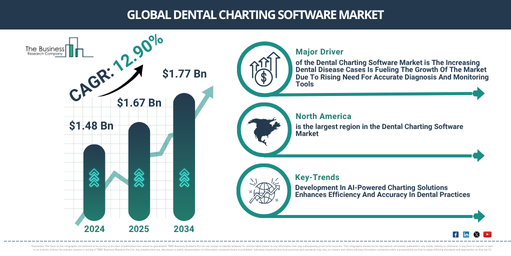
    In recent times, the dental charting software market size has seen rapid expansion. Projected growth is from $1.48 billion in 2024 to an estimated $1.67 billion in 2025, with a compound annual growth rate (CAGR) of 13.2%. Factors influencing this growth during the historic period include an upturn in uptake of digital dental records, an escalating demand for competent management of patient data, an increase in dental visits and consciousness about oral health, an emerging necessity for workflow automation in dental clinics, and a surge in the utilization of technology for dental education.

    In the forthcoming years, there is a projection for swift expansion in the dental charting software market. The anticipated compound annual growth rate (CAGR) is 12.9%, taking the market worth up to $2.71 billion by 2029. Multiple factors such as the upswing in the use of cloud-based dental solutions, a higher emphasis on patient-focused care, the augmented integration of AI and analytics in dental software, growing dental service networks worldwide, alongside a surge in demand for real-time data and mobility contribute to the growth in the forecast period. The forecast period also signals some major trends including advancements in AI-enabled dental diagnostics, increased integration with imaging and radiology tools, the creation of mobile-responsive charting applications, budding innovation in voice-activated dental charting, and progress in interoperability with the electronic health records (EHR) systems.

    Download The Free Sample Report Here:

    https://www.thebusinessresearchcompany.com/sample.aspx?id=25737&type=smp

    What factors are expected to fuel Dental Charting Software market growth in the coming years?

    The proliferation of dental diseases is anticipated to stimulate the expansion of the dental charting software market. Dental diseases encompass health issues impacting the teeth and gums, such as oral infections, cavities, and periodontal disease. This surge in dental diseases is majorly caused by poor oral hygiene and lifestyle habits, leading to gum inflammation and plaque buildup. Dental charting software assists in identifying and managing dental issues by digitally recording details like tooth damage, cavities, and gum problems. It facilitates accurate tracking over time, optimizes treatment planning, and improves dentist-patient interactions. For example, the American Cancer Society, a professional organization based in the US, predicts that by January 2025, about 59,660 new cases of oral cavity and oropharyngeal cancer will be diagnosed in the United States, with an expected 12,770 related deaths within the year. Hence, the growing dental disease cases are fueling the growth of the dental charting software market.

    What Are The Key Findings From The Segmentation Analysis Of The Dental Charting Software Market?

    The dental charting software market covered in this report is segmented –

    1) By Component: Software, Services

    2) By Charting Type: Traditional Charting, Digital Charting

    3) By Deployment Mode: Cloud-Based, Web-Based, On-Premises

    4) By Application: Patient Management, Treatment Planning, Billing And Insurance, Other Applications

    5) By End-User: Dental Clinics, Dental Hospitals, Dental Laboratories, Academic Institutions

    Subsegments:

    1) By Software: On-Premise Software, Cloud-Based Software, Mobile Application Software, Integrated Practice Management Software, Standalone Dental Charting Software

    2) By Services: Installation And Integration Services, Training And Education Services, Maintenance And Support Services, Consulting Services, Data Migration Services

    Which Trends Are Expected To Shape The Future Of The Dental Charting Software Market?

    Prominent enterprises in the dental charting software industry are keen on advancing technology, for instance, incorporating AI into dental charting solutions to augment patient results via automated charting coupled with immediate data interpretation. AI-powered dental charting solutions bank on artificial intelligence to not only capture but also update patient’s dental records such as conditions and treatments automatically. This enhances clinical efficiency by lessening manual interference and providing accurate and instantaneous charting. In the context of this, Denti.AI, a dental software firm based in Canada, introduced Auto-Chart software in January 2023 that got approved by the Food and Drug Administration (FDA). This software proves beneficial for dental experts by automatically interpreting intraoral and extraoral 2D x-ray images to detect and number teeth, identify teeth that are missing and acknowledge dental restorations like implants, crowns, and fillings. When integrated with practice management systems, Denti.AI’s Auto-Chart streamlines dental charting, thereby reducing the time and labor needed by up to 70% and enhancing precision and system effectiveness in dental practices.

    What Are The Most Active Companies In The Dental Charting Software Market Today?

    Major companies operating in the dental charting software market are Henry Schein Inc., Carestream Dental, CareStack, Planet DDS, ADSTRA SYSTEMS INC., ABELSoft Inc., Praktika, ClearDent, Open Dental software, Ortho2, XLDent, DentiMax, iDentalSoft, BestoSys, Panda Perio, Tab32, Dentiflow, Allisone, Adit Dental Software, DentScribe.

    Get The Full Report Here:

    https://www.thebusinessresearchcompany.com/report/dental-charting-software-global-market-report

    Which Regional Markets Are Attracting The Most Investment In Dental Charting Software?

    North America was the largest region in the dental charting software market in 2024. Asia-Pacific is expected to be the fastest-growing region in the forecast period. The regions covered in the dental charting software market report are Asia-Pacific, Western Europe, Eastern Europe, North America, South America, Middle East, Africa.

    Request For A Customized Report:

    https://www.thebusinessresearchcompany.com/customise?id=25737&type=smp

    About The Business Research Company:

    With over 15000+ reports from 27 industries covering 60+ geographies, The Business Research Company has built a reputation for offering comprehensive, data-rich research and insights. Armed with 1,500,000 datasets, the optimistic contribution of in-depth secondary research, and unique insights from industry leaders, you can get the information you need to stay ahead in the game.

    Get in touch with us:

    The Business Research Company: https://www.thebusinessresearchcompany.com/

    Americas +1 310-496-7795

    Asia +44 7882 955267 & +91 8897263534

    Europe +44 7882 955267

    Email us at info@tbrc.info

    Follow us on:

    LinkedIn: https://in.linkedin.com/company/the-business-research-company

    YouTube: https://www.youtube.com/channel/UC24_fI0rV8cR5DxlCpgmyFQ

    Global Market Model: https://www.thebusinessresearchcompany.com/global-market-model
  • Future Demand and Leading Companies Shaping the Estrogen Replacement Therapy Market to 2029

    Future Demand and Leading Companies Shaping the Estrogen Replacement Therapy Market to 2029

    Claim your 30% discount on Global Market Reports with code ONLINE30. Limited time only.

    Claim your 30% discount on Global Market Reports with code ONLINE30. Limited time only.

    What Are the Forecasted Growth Rate and Market Size of the Estrogen Replacement Therapy Market?

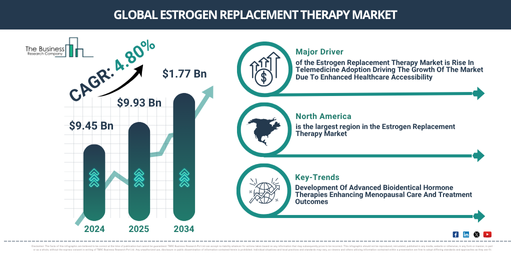
    The market size for estrogen replacement therapy has seen robust growth in the past few years. The size is projected to surge from $9.45 billion in 2024 to $9.93 billion in 2025, with a Compound Average Growth Rate (CAGR) of 5.1%. The key drivers for growth in the historic period include a rise in the aging female population, increased life expectancy, urbanization and changes in lifestyle, augmented understanding about managing menopause, and an expanding female labor force.

    In the coming years, consistent expansion is predicted for the estrogen replacement therapy market which is projected to magnify to $11.97 billion by 2029, with a 4.8% compound annual growth rate (CAGR). The surge during the forecasted period is largely due to evolving societal norms, an increase in premature menopause cases, wider contraceptive usage, improved patient comprehension, and a rise in the detection of ovarian dysfunction. Key trends for the projected period encompass advances in drug delivery systems, personalized hormone therapy, the creation of bioidentical hormones, incorporation of digital health, and innovation in the field of plant-based estrogens.

    Download The Free Sample Report Here:

    https://www.thebusinessresearchcompany.com/sample.aspx?id=25764&type=smp

    Which Factor Is Shaping The Future Of The Estrogen Replacement Therapy Market?

    The rise in telemedicine practices is expected to stimulate expansion in the estrogen replacement therapy market in the future. Telemedicine provides health services remotely through digital communication platforms, permitting patients to consult with medical professionals and receive treatment without physical presence. This method is gaining traction due to heightened accessibility, particularly for those in remote or underserved locations who can now more easily access healthcare providers. The increased acceptance of telemedicine promotes the demand for estrogen replacement therapy, as it facilitates consultations with specialists and the obtaining of hormone therapy prescriptions without the need for regular physical visits, especially in areas where gynecological care is deficient. For example, Rock Health, a US-based digital-health-oriented investment company, reported in February 2023 that a survey of 8,014 respondents showed that 80% had used telemedicine at least once from July 12 to August 22, 2022, an 8% increase from 72% in 2021. Consequently, the growing use of telemedicine is propelling the estrogen replacement therapy market’s expansion.

    What Is The Segment-Wise Breakdown Of The Estrogen Replacement Therapy Market?

    The estrogen replacement therapy market covered in this report is segmented –

    1) By Type: Oral, Topical, Transdermal, Vaginal, Parenteral

    2) By Dosage Form: Tablets, Patches, Gels, Implants, Injections, Suppositories

    3) By Distribution Channel: Hospital Pharmacies, Retail Pharmacies, Online Pharmacies, Other Distribution Channels

    4) By Application: Menopause, Hypogonadism, Osteoporosis, Other Applications

    5) By End-User: Hospitals, Clinics, Homecare, Other End-Users

    Subsegments:

    1) By Oral: Conjugated Estrogens Tablets, Estradiol Tablets, Estropipate Tablets, Combined Estrogen-Progestin Tablets

    2) By Topical: Estrogen Creams, Estrogen Gels, Estrogen Sprays, Estrogen Emulsions

    3) By Transdermal: Transdermal Patches, Transdermal Gels, Microneedle Patches

    4) By Vaginal: Vaginal Creams, Vaginal Tablets Or Inserts, Vaginal Rings, Vaginal Suppositories

    5) By Parenteral: Intramuscular Injections, Subcutaneous Implants, Intravenous Formulations

    Which Trends Are Redefining The Future Landscape Of The Estrogen Replacement Therapy Industry?

    Leading firms in the estrogen replacement therapy market are prioritizing the development of advanced solutions like bioidentical estradiol. This meets individual hormonal requirements and dosages. Bioidentical estradiol, a laboratory-created type of estrogen, matches the molecular structure of estrogen naturally generated by humans and is commonly deployed in hormone therapy. For example, Jagsonpal Pharmaceuticals Limited, an Indian pharmaceutical firm, introduced MemUp in May 2024. This is a hormone replacement therapy option offering a daily oral dosage that includes a blend of bioidentical estradiol and bioidentical progesterone. Both these components have received approval from the United States Food and Drug Administration. This represents a significant improvement in women’s healthcare as it efficiently manages symptoms associated with menopause like hot flashes, sleep disturbances, and night sweats. It caters to the increasing need for up-to-date and effectual hormone therapy methods. This therapy applies a combination that closely imitates the body’s hormones, which provides a more natural and balanced treatment method. Additionally, its convenient, single-capsule formulation boosts patient’s adherence to the treatment, thus increasing successful outcomes.

    Which Companies Hold The Largest Market Share In The Estrogen Replacement Therapy Sector?

    Major companies operating in the estrogen replacement therapy market are Pfizer Inc., Merck & Co. Inc., Bayer AG, AstraZeneca PLC, Abbott Laboratories Inc., Novartis AG, Novo Nordisk A/S, Viatris Inc., Teva Pharmaceutical Industries Ltd., Perrigo Company Plc, Gedeon Richter Plc, Orion Corporation, Hisamitsu Pharmaceutical Co. Inc., ANI Pharmaceuticals Inc., Theramex Limited, Noven Pharmaceuticals Inc., Besins Healthcare S.A., TherapeuticsMD Inc., Montage Labs Inc., Gynogen GmbH.

    Get The Full Report Here:

    https://www.thebusinessresearchcompany.com/report/estrogen-replacement-therapy-global-market-report

    How Does Regional Performance Compare Across The Estrogen Replacement Therapy Industry?

    North America was the largest region in the estrogen replacement therapy market in 2024. Asia-Pacific is expected to be the fastest-growing region in the forecast period. The regions covered in the estrogen replacement therapy market report are Asia-Pacific, Western Europe, Eastern Europe, North America, South America, Middle East, Africa.

    Request For A Customized Report:

    https://www.thebusinessresearchcompany.com/customise?id=25764&type=smp

    About The Business Research Company:

    With over 15000+ reports from 27 industries covering 60+ geographies, The Business Research Company has built a reputation for offering comprehensive, data-rich research and insights. Armed with 1,500,000 datasets, the optimistic contribution of in-depth secondary research, and unique insights from industry leaders, you can get the information you need to stay ahead in the game.

    Get in touch with us:

    The Business Research Company: https://www.thebusinessresearchcompany.com/

    Americas +1 310-496-7795

    Asia +44 7882 955267 & +91 8897263534

    Europe +44 7882 955267

    Email us at info@tbrc.info

    Follow us on:

    LinkedIn: https://in.linkedin.com/company/the-business-research-company

    YouTube: https://www.youtube.com/channel/UC24_fI0rV8cR5DxlCpgmyFQ

    Global Market Model: https://www.thebusinessresearchcompany.com/global-market-model
  • Future Projections: Dental Chair Market to Reach $1.54  Billion by 2029 at 5.9% CAGR

    Future Projections: Dental Chair Market to Reach $1.54 Billion by 2029 at 5.9% CAGR

    Claim your 30% discount on Global Market Reports with code ONLINE30. Limited time only.

    Claim your 30% discount on Global Market Reports with code ONLINE30. Limited time only.

    What CAGR Is Anticipated for the Dental Chair Market Through 2029?

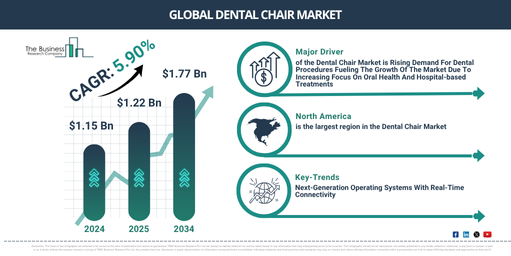
    The market size for dental chairs has witnessed substantial expansion in recent times, with a surge from $1.15 billion in 2024 to $1.22 billion in 2025, exhibiting a compound annual growth rate (CAGR) of 6.2%. This notable growth in the past era is due to various factors such as enhanced understanding of the importance of oral hygiene, an escalation in dental insurance coverage, an increased frequency of dental caries and periodontal diseases, the rise of the elderly population in need of restorative care, and a surge in preventative dental examinations.

    The dental chair industry is poised to experience significant expansion in the coming years, with its value set to reach $1.54 billion by 2029, registering a compound annual growth rate (CAGR) of 5.9%. This anticipated increase during the estimation phase is linked to factors such as the heightened demand for aesthetic and cosmetic dental procedures, higher disposable incomes in developing economies, the growth of dental services within hospitals, increased demand from the elderly and children, and a surge in dental tourism. Key trends expected during the forecast period comprise the adoption of IoT and intelligent sensors, digitally driven delivery systems, voice-operated commands, cordless instrument interconnection, and control panels based on touchscreen technology and applications.

    Download The Free Sample Report Here:

    https://www.thebusinessresearchcompany.com/sample.aspx?id=25736&type=smp

    What Market Forces Are Driving The Dental Chair Sector In 2025 And Beyond?

    The dental chair market is projected to experience accelerated growth as a consequence of the rising demand for dental procedures. These procedures, whether routine preventive care or complex restorative surgeries, are carried out by dental professionals with the ultimate goal of maintaining or improving oral health. This surge can be attributed to greater public awareness about oral hygiene and seeking dental treatments for various medical or cosmetic purposes. A dental chair plays a vital role in these procedures, providing comfort to the patient and making it easier for the dentist to access their oral cavity. In accordance with data from the Australian Institute of Health and Welfare (AIHW), an agency based in Australia that is responsible for gathering and circulating information about the country’s health and welfare systems, hospitals documented over 452,232 dental procedures in the financial year (FY) 2022-23. This is a marked rise from the 421,348 procedures carried out in FY 2021-22, demonstrating a soaring demand for dental services in hospitals. Thus, this rising demand for dental procedures is fuelling the expansion of the dental chair market.

    How Is The Global Dental Chair Market Categorized By Segments?

    The dental chair market covered in this report is segmented –

    1) By Type: Powered Dental Chairs, Non-Powered Dental Chairs, Ceiling Mounted Design, Mobile Dental Chair, Dental Chair-Mounted Design

    2) By Component: Chair, Dental Cuspidor, Dental Chair Handpiece, Other Components

    3) By Features: Ergonomic Design, Integrated Technology, Adjustable Height, Easy Clean Surface

    4) By Application: Examination, Oral Surgery, Orthodontics, Prosthetics, Other Applications

    5) By End-User: Hospitals, Dental Clinics, Ambulatory Surgery Centers

    Subsegments:

    1) By Powered Dental Chairs (Electric Dental Chair): Electromechanical Chairs, Electrohydraulic Chairs, Programmable Positioning Systems, Memory Foam Seating, Touchscreen-Controlled Chairs

    2) By Non-Powered Dental Chairs: Manual Reclining Chairs, Pneumatic-Assist Chairs, Basic Folding Chairs, Stationary Chairs with Armrests, Portable Manual Units

    3) By Ceiling Mounted Design: Integrated Delivery Systems, Suspended Lighting Units, Ceiling-Mounted Monitors, Overhead Waterline Connections, Articulated Arm Systems

    4) By Mobile Dental Chair: Portable Foldable Chairs, Lightweight Aluminum Frames, Battery-Operated Chairs, Mobile Treatment Units with Attachments, Emergency and Outreach Chairs

    5) By Dental Chair-Mounted Design: Unit-Mounted Delivery Systems, Attached LED Operating Lights, Chair-Mounted Suction and Handpieces, Integrated Cuspidor Systems, Built-in Foot Control Units

    What Long-Term Trends Are Likely To Affect The Dental Chair Market?

    The dental chair market’s key players are concentrating their efforts on creating innovative chair designs like digitally connected dental chairs and delivery systems. These aim to increase the effectiveness of treatments, enhance patient comfort, and allow for effortless integration with diagnostic and imaging machinery. These modern units are equipped with software and digital interfaces that facilitate real-time data exchange, automatic positioning, and linkage with imaging and diagnostic devices, simplifying dental procedures. For instance, A-dec, a leading US-based firm specializing in dental operatory gear and solutions, launched the A-dec 500 Pro in June 2023. This digital dental chair and delivery system was designed with premium comfort, improved ergonomics, and effortless technology integration in mind. It also provides improved connectivity and accessibility, thanks to the A-dec+ updatable software platform and the dynamic screen 7 (DS7) touchscreen, ensuring flawless in-operatory control.

    Which Firms Are Considered Leaders In The Dental Chair Market Space?

    Major companies operating in the dental chair market are Dentsply Sirona Inc., Osstem Implant Co. Ltd., Planmeca Oy, Cefla S.C., Midmark Corporation, J. Morita Corporation, A-dec Inc., Takara Belmont Corporation, Alliage S/A, XO CARE A/S, MegaGen Implant Co. Ltd., Boyd Industries Inc., Diplomat Dental s.r.o., Flight Dental Systems Inc., Vic Dental Inc., Chirana Medical a.s., ADS Dental System Inc., Heka Dental A/S, Foshan Cingol Medical Instruments Co. Ltd., Foshan ROSON Medical Instruments Co. Ltd.

    Get The Full Report Here:

    https://www.thebusinessresearchcompany.com/report/dental-chair-global-market-report

    What Role Do Regional Policies And Investments Play In Dental Chair Market Expansion?

    North America was the largest region in the dental chair market in 2024. The regions covered in the dental chair market report are Asia-Pacific, Western Europe, Eastern Europe, North America, South America, Middle East, Africa.

    Request For A Customized Report:

    https://www.thebusinessresearchcompany.com/customise?id=25736&type=smp

    About The Business Research Company:

    With over 15000+ reports from 27 industries covering 60+ geographies, The Business Research Company has built a reputation for offering comprehensive, data-rich research and insights. Armed with 1,500,000 datasets, the optimistic contribution of in-depth secondary research, and unique insights from industry leaders, you can get the information you need to stay ahead in the game.

    Get in touch with us:

    The Business Research Company: https://www.thebusinessresearchcompany.com/

    Americas +1 310-496-7795

    Asia +44 7882 955267 & +91 8897263534

    Europe +44 7882 955267

    Email us at info@tbrc.info

    Follow us on:

    LinkedIn: https://in.linkedin.com/company/the-business-research-company

    YouTube: https://www.youtube.com/channel/UC24_fI0rV8cR5DxlCpgmyFQ

    Global Market Model: https://www.thebusinessresearchcompany.com/global-market-model
  • 2025–2029 Enzyme Immunoassay Market Outlook: Regional Trends and Growth Forecast

    2025–2029 Enzyme Immunoassay Market Outlook: Regional Trends and Growth Forecast

    Claim your 30% discount on Global Market Reports with code ONLINE30. Limited time only.

    Claim your 30% discount on Global Market Reports with code ONLINE30. Limited time only.

    What Is the Estimated Industry Valuation for the Enzyme Immunoassay Sector?

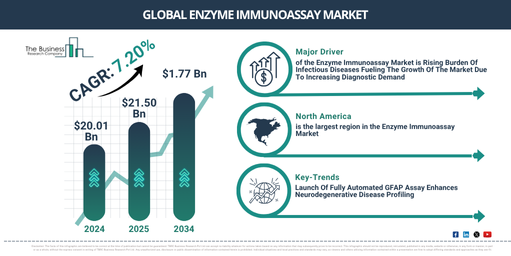
    The market size for enzyme immunoassay has seen rapid expansion in the last few years. This upward trend is forecasted to continue, escalating from $20.01 billion in 2024 to $21.50 billion in 2025, representing a CAGR of 7.4%. Factors contributing to this historic boom include the increasing incidence of infectious diseases, the broadening of blood screening initiatives, an enhanced lab infrastructure, rising application in food safety examinations, and a surge in demand for veterinary diagnostic services.

    Expansion of the enzyme immunoassay industry, currently anticipated to hit $28.37 billion by 2029 with a Compound Annual Growth Rate (CAGR) of 7.2%, is predicted to be robust over the coming years. This growth anticipation for the forecasted period could be associated with disease management initiatives led by the government and NGOs, the detection of autoimmune diseases, increasing usage of point-of-care testing, surging demands in oncology for companion diagnostics, and an aging population. Emerging trends during the forecast period comprise upgrades in microplate readers and reagents technology, brand-new diagnostic methodologies, manufacture of environmentally friendly reagents, the integration of Artificial Intelligence and automation into immunoassays, along with collaborations and strategic alliances.

    Download The Free Sample Report Here:

    https://www.thebusinessresearchcompany.com/sample.aspx?id=25763&type=smp

    What Forces Are Driving The Growth Of The Enzyme Immunoassay Market?

    The escalating problem of infectious diseases is predicted to fuel the expansion of the enzyme immunoassay market in the future. These diseases, caused by damaging microorganisms including bacteria, viruses, fungi, or parasites, can be transmitted among humans. As antimicrobial resistance makes it harder to treat typical infections, the problem of these diseases increases, resulting in extended sickness, augmented medical expenses, and higher death rates. Enzyme immunoassays are highly beneficial in detecting infectious diseases since they allow a precise and sensitive detection of antigens or antibodies in samples from patients, thus enabling early detection, efficient monitoring, and prompt treatment for infections like HIV, hepatitis, and influenza. For example, as per the Minnesota Department of Health, a government agency based in the US, the percentage of HIV cases among males aged 35 to 39 increased from 10% in 2023 to 17% in 2024, evidencing a significant surge in this group’s proportion of total cases. Thus, the escalating problem of infectious diseases is contributing to the expansion of the enzyme immunoassay market.

    How Is The Enzyme Immunoassay Industry Segmented Across Key Parameters?

    The enzyme immunoassay market covered in this report is segmented –

    1) By Product: Reagents And Kits, Analyzers Or Instruments, Software And Services

    2) By Specimen: Blood, Saliva, Urine, Other Specimens

    3) By Application: Therapeutic Drug Monitoring, Oncology, Cardiology, Endocrinology, Infectious Disease Testing, Autoimmune Diseases, Other Applications

    4) By End-Use: Hospitals, Blood Banks, Clinical Laboratories, Pharmaceutical And Biotech Companies, Academic Research Centers, Other End-Uses

    Subsegments:

    1) By Reagents And Kits: Antibodies, Antigens, Substrates, Buffers And Stabilizers

    2) By Analyzers Or Instruments: Fully Automated EIA Analyzers, Semi-Automated EIA Systems, Microplate Readers, Washers And Incubators

    3) By Software And Services: Data Analysis And Interpretation Software, Laboratory Information System Integration Tools, Instrument Calibration And Validation Services, Technical Support And User Training

    What Notable Trends Are Shaping The Direction Of The Enzyme Immunoassay Market?

    Leading firms in the enzyme immunoassay market are prioritizing the development of novel EIA solutions, including fully automated enzyme immunoassays. These solutions aim to enhance diagnostic precision, minimize human errors, and streamline operations in clinical laboratories. Fully automated enzyme immunoassays involve diagnostic procedures that are carried out entirely by automated methods, thereby improving the swiftness and precision of lab results, and ensuring uniformity across results. For example, in July 2024, Fujirebio Holdings Inc., an in vitro diagnostics firm based in Japan, introduced its fully automated Lumipulse G GFAP assay intended solely for research purposes, broadening its offerings in the neuro-biomarker segment. This research-use-only chemiluminescent enzyme immunoassay measures the glial fibrillary acidic protein (GFAP), found in human plasma and serum, using the LUMIPULSE G platform, delivering accurate results in only 35 minutes. This assay provides a marking for astrocytic conditions like multiple sclerosis, Alzheimer’s and Parkinson’s diseases, stroke, and traumatic brain injuries. This assay further complements Fujirebio’s growing neuro range, which already boasts of NfL, pTau217, and sTREM2, offering a comprehensive neurodegenerative disease profiling within a unified automated system.

    Which Companies Currently Dominate The Competitive Landscape In The Enzyme Immunoassay Industry?

    Major companies operating in the enzyme immunoassay market are F. Hoffmann-La Roche AG, Thermo Fisher Scientific Inc., Abbott Laboratories Inc., Danaher Corporation, Merck KGaA, Siemens Healthineers AG, Becton Dickinson and Company (BD), PerkinElmer Inc., BioMérieux SA, Bio-Rad Laboratories Inc., Diasorin S.p.A., Bio-Techne Corporation, Quidel Corporation, Promega Corporation, Abcam plc, BioLegend Inc., Helena Laboratories Corporation, Cayman Chemical Company, Enzo Life Sciences Inc., RayBiotech Inc., MyBioSource Inc., Boster Biological Technology, Hycult Biotech, Calbiotech Inc.

    Get The Full Report Here:

    https://www.thebusinessresearchcompany.com/report/enzyme-immunoassay-global-market-report

    Which Geographic Regions Are Driving Demand In The Enzyme Immunoassay Market?

    North America was the largest region in the enzyme immunoassay market in 2024. Asia-Pacific is expected to be the fastest-growing region in the forecast period. The regions covered in the enzyme immunoassay market report are Asia-Pacific, Western Europe, Eastern Europe, North America, South America, Middle East, Africa.

    Request For A Customized Report:

    https://www.thebusinessresearchcompany.com/customise?id=25763&type=smp

    About The Business Research Company:

    With over 15000+ reports from 27 industries covering 60+ geographies, The Business Research Company has built a reputation for offering comprehensive, data-rich research and insights. Armed with 1,500,000 datasets, the optimistic contribution of in-depth secondary research, and unique insights from industry leaders, you can get the information you need to stay ahead in the game.

    Get in touch with us:

    The Business Research Company: https://www.thebusinessresearchcompany.com/

    Americas +1 310-496-7795

    Asia +44 7882 955267 & +91 8897263534

    Europe +44 7882 955267

    Email us at info@tbrc.info

    Follow us on:

    LinkedIn: https://in.linkedin.com/company/the-business-research-company

    YouTube: https://www.youtube.com/channel/UC24_fI0rV8cR5DxlCpgmyFQ

    Global Market Model: https://www.thebusinessresearchcompany.com/global-market-model
  • 2025 Dental 3D Printing Devices Market Outlook: Opportunities, Growth Trends, and Strategic Analysis

    2025 Dental 3D Printing Devices Market Outlook: Opportunities, Growth Trends, and Strategic Analysis

    Claim your 30% discount on Global Market Reports with code ONLINE30. Limited time only.

    Claim your 30% discount on Global Market Reports with code ONLINE30. Limited time only.

    What Are the Latest Market Insights for the Dental 3D Printing Devices Industry?

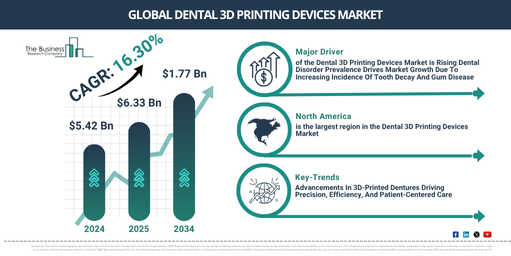
    The market for dental 3D printing devices has experienced swift expansion in recent times. It’s projected that its size will increase from $5.42 billion in 2024 to $6.33 billion in 2025, with a compound annual growth rate (CAGR) of 16.7%. Factors contributing to its historic growth include the increased accessibility of biocompatible printing materials, enhanced investment in dental health infrastructure, a rise in dental clinics and laboratories, a shift towards chairside dental solutions, and a trend towards patient-specific dental equipment.

    In the following years, a significant expansion is anticipated in the dental 3D printing devices market. The market size is predicted to reach $11.57 billion in 2029, with a compound annual growth rate (CAGR) of 16.3%. Factors such as a boost in dental disorder cases, an increased demand for cosmetic dentistry, a rising elderly population, the growing utilization of digital dentistry procedures, and heightened awareness around oral health contribute to the growth during the forecast period. The forecast period will also witness major trends such as improvements in 3D printing technologies, progression in biocompatible printing materials, tech innovation in resin-based printing, enhancements in multi-material printing systems, and advancements in hot lithography technology.

    Download The Free Sample Report Here:

    https://www.thebusinessresearchcompany.com/sample.aspx?id=25735&type=smp

    What Forces Are Driving The Growth Of The Dental 3D Printing Devices Industry?

    The increase in dental disorders is anticipated to spur the growth of the dental 3D printing devices market. Dental disorders, a range of conditions that affect the health, function, or structure of the teeth and surrounding oral tissues, are largely caused by poor dietary habits, particularly high sugar and acid intake that lead to tooth decay and gum disease. Dental 3D printing devices play a significant role in managing these disorders by facilitating quick, accurate, and cost-friendly production of personalized dental products such as crowns, bridges, aligners, dentures, and surgical guides, enhancing the precision of treatments and patient results. For example, a report by the American Cancer Society, a nonprofit cancer advocacy organization in the U.S, revealed that approximately 58,450 adults in the United States, consisting of 41,510 men and 16,940 women, are expected to be diagnosed with oral or oropharyngeal cancer in 2024, an increase from 54,000 adults in 2022. Thus, the escalating prevalence of dental disorders is fueling the growth of the dental 3D printing devices market.

    What Is The Overview Of Market Segmentation In The Dental 3D Printing Devices Industry?

    The dental 3d printing devices market covered in this report is segmented –

    1) By Device Type: Desktop 3D Printers, Industrial 3D Printers, Dental Specific 3D Printers

    2) By Technology Type: Stereolithography (SLA), Digital Light Processing (DLP), Selective Laser Sintering (SLS), Material Jetting

    3) By Material Type: Resins, Biocompatible Materials, Thermoplastics, Wax

    4) By Application Area: Orthodontics, Prosthodontics, Implantology, Maxillofacial Surgery, Custom Dental Devices

    5) By End-User: Dental Laboratories, Dental Clinics, Educational Institutions, Research Organizations

    Subsegments:

    1) By Desktop 3D Printers: Resin-Based Desktop Printers, Fused Deposition Modeling (FDM) Desktop Printers, Multi-Material Desktop Printers

    2) By Industrial 3D Printers: Selective Laser Sintering (SLS) Industrial Printers, Multi-Jet Fusion (MJF) Printers, Binder Jetting Printers, Polyjet Printers

    3) By Dental Specific 3D Printers: Crown And Bridge Printers, Denture Printers, Orthodontic Appliance Printers, Surgical Guide Printers

    What Future Market Trends Are Projected For The Dental 3D Printing Devices Industry?

    Top-tier businesses engaged in the dental 3D printing devices sector are concentrating on evolving advanced tech such as 3D-printed dentures to augment precision in treatment, cut down on processing times, and boost personalized treatment for patients. 3D-printed dentures are digitally drafted and created using 3D printing technology, making it possible for detailed, adaptively customizable and efficient replacement of lost teeth. To illustrate, the US-based computer manufacturing company, 3D Systems Corporation, released the dental industry’s inaugural multi-material, jetted, one-piece dentures in February 2024. This advanced technology combines unique materials for both teeth and gums into one piece, offering exceptional durability, resistance to breakage, and realistic aesthetics, drastically trimming down on production time and labour effort for dental laboratories. This breakthrough delivers speedier, more pleasant, and enduring dentures for patients thereby improving both the clinical results and patient satisfaction.

    Who Are The Primary Players Operating Across The Global Dental 3D Printing Devices Market?

    Major companies operating in the dental 3d printing devices market are Renishaw, Stratasys Ltd., 3D Systems Corporation, Roland DG Corporation, Formlabs Inc., Materialise NV, Desktop Metal Inc., Carbon Inc., EnvisionTEC GmbH, SprintRay Inc., Prodways Group SA, UnionTech, Structo Pte. Ltd., Zortrax S.A., Kulzer GmbH, BEGO GmbH & Co. KG., Sisma S.p.A., Asiga Pty Ltd., Rapid Shape GmbH, Raise3D Technologies Inc.

    Get The Full Report Here:

    https://www.thebusinessresearchcompany.com/report/dental-3d-printing-devices-global-market-report

    Which Region Offers The Most Growth Potential For The Dental 3D Printing Devices Market Through 2029?

    North America was the largest region in the dental 3D printing devices market in 2024. Asia-Pacific is expected to be the fastest-growing region in the forecast period. The regions covered in the dental 3d printing devices market report are Asia-Pacific, Western Europe, Eastern Europe, North America, South America, Middle East, Africa.

    Request For A Customized Report:

    https://www.thebusinessresearchcompany.com/customise?id=25735&type=smp

    About The Business Research Company:

    With over 15000+ reports from 27 industries covering 60+ geographies, The Business Research Company has built a reputation for offering comprehensive, data-rich research and insights. Armed with 1,500,000 datasets, the optimistic contribution of in-depth secondary research, and unique insights from industry leaders, you can get the information you need to stay ahead in the game.

    Get in touch with us:

    The Business Research Company: https://www.thebusinessresearchcompany.com/

    Americas +1 310-496-7795

    Asia +44 7882 955267 & +91 8897263534

    Europe +44 7882 955267

    Email us at info@tbrc.info

    Follow us on:

    LinkedIn: https://in.linkedin.com/company/the-business-research-company

    YouTube: https://www.youtube.com/channel/UC24_fI0rV8cR5DxlCpgmyFQ

    Global Market Model: https://www.thebusinessresearchcompany.com/global-market-model
  • Latest Market Developments in Environmental Biotechnology Industry: Forecast 2025–2029

    Latest Market Developments in Environmental Biotechnology Industry: Forecast 2025–2029

    Claim your 30% discount on Global Market Reports with code ONLINE30. Limited time only.

    Claim your 30% discount on Global Market Reports with code ONLINE30. Limited time only.

    How Large Is the Environmental Biotechnology Market Expected to Be in 2029?

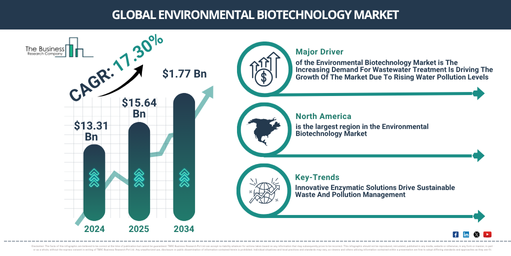
    S1: The market size for environmental biotechnology has experienced swift expansion in the preceding years. The market is projected to grow from $13.31 billion in 2024 to $15.64 billion by 2025, with a compound annual growth rate (CAGR) of 17.5%. The historical growth of this market is linked to rising industrial pollution, escalating worries about soil and water pollution, an increase in regulatory pressure for environmental compliance, a growing understanding of the deficiencies of chemical treatments, and an upsurge in waste production owing to urbanization.

    Anticipations have been made about a swift expansion of the environmental biotechnology market size in the approaching years. The projections indicate that it will accelerate to $29.61 billion by 2029, demonstrating a compound annual growth rate (CAGR) of 17.3%. The escalation during the predicted duration could be accredited to the heightened attention on counteracting climate change, an upsurge in investment for circular bioeconomy models, growth in demand for eco-friendly industrial practices, an increase in preference for low-carbon industrial processes, and a rise in climate-related catastrophes. The major expected trends during this duration encompass the production of bioplastics from agricultural remains, the invention of bioleaching techniques for recycling electronic waste, the fusion of bioinformatics in pollution gene mapping, the merger of sustainable methods into industrial biotechnology, and technological advancements in enzyme-based soil detoxification.

    Download The Free Sample Report Here:

    https://www.thebusinessresearchcompany.com/sample.aspx?id=25762&type=smp

    What Are The Contributors To Demand In The Environmental Biotechnology Market?

    The environmental biotechnology market’s expansion is anticipated to be fueled by the escalating need for wastewater treatment. The latter refers to the removal of detrimental substances, contaminants, and pollutants from dirty or used water, rendering it safe for reuse or environmental discharge. The growing need for wastewater treatment is principally attributed to an increase in water pollution, which poses threats to public health, ecosystems, and the availability of clean water. By employing biological processes and organisms, environmental biotechnology optimizes wastewater treatment, effectively breaking down pollutants, decreasing toxic waste, and facilitating cleaner water discharge. For example, a report from the American Society of Civil Engineers, a professional organization based in the US, revealed that by 2024, the projected annual investment deficit for water infrastructure, encompassing drinking water, wastewater, and stormwater, stood at $99 billion, a marked increase from the $81 billion indicated in ASCE’s 2021 study. Consequently, the burgeoning need for wastewater treatment is spurring the expansion of the environmental biotechnology market.

    What Segmentation Categories Are Included In The Environmental Biotechnology Market Analysis?

    The environmental biotechnology market covered in this report is segmented –

    1) By Product: Microbial Blends, Nutrients, Enzymes, Microbes

    2) By Technology: Tissue Engineering And Regeneration, Cell-Based Assays, Nanobiotechnology, Fermentation, Chromatography, Deoxyribonucleic Acid (DNA) Sequencing, Polymerase Chain Reaction Technology, Other Technologies

    3) By Application: Wastewater Treatment, Bioremediation, Other Applications

    4) By End User: Agriculture, Water Treatment, Energy, Waste Management, Food And Beverage, Pharmaceuticals

    Subsegments:

    1) By Microbial Blends: Bioaugmentation Blends, Bioremediation Microbial Consortia, Waste Decomposition Microbial Mixes, Odor Control Microbial Formulations

    2) By Nutrients: Nitrogen Supplements, Phosphorus Additives, Trace Mineral Blends, Carbon Source Additives

    3) By Enzymes: Waste Degrading Enzymes, Oil And Grease-Degrading Enzymes, Sludge Reduction Enzymes, Odor Control Enzymes

    4) By Microbes: Bacteria, Fungi, Algae, Genetically Engineered Microorganisms

    What Upcoming Trends Are Expected To Impact The Environmental Biotechnology Market Globally?

    Leading corporations in the environmental biotechnology sector are prioritizing the creation of inventive strategies such as enzyme-based biocatalysts, that can amplify both the effectiveness and sustainability of waste management and pollution control systems. Enzyme-based biocatalysts, which are biological molecules, quicken chemical reactions, allowing for swifter and more productive processes in environmental applications like waste decomposition and pollutant elimination. To illustrate, Novonesis A/S, a biotechnology firm established in Denmark, introduced Eversa Advance in November 2024. This enzymatic solution is designed to augment the efficacy and sustainability of biodiesel feedstock processing, predominantly for materials holding up to 20% of free fatty acids. This cutting-edge solution lets biodiesel manufacturers operate with waste-based feedstocks without resorting to acid esterification, thereby reducing pretreatment operational expenses by a substantial 45%. It also curtails equipment wear and tear and minimizes downtime. Enhancing feedstock versatility through this solution escalates plant profitability and fosters more environmentally-conscious biodiesel production.

    Who Are The Top-Ranked Companies In The Environmental Biotechnology Market Today?

    Major companies operating in the environmental biotechnology market are BASF SE, Dow Chemical Company, Thermo Fisher Scientific Inc., Merck KGaA, Evonik Industries AG, Ecolab Inc., DuPont de Nemours Inc., Suez SA, Agilent Technologies Inc., Novonesis A/S, LCY Chemical Corporation, Ginkgo Bioworks Holdings Inc., Praj Industries Limited, Genomatica Inc., LanzaTech Global Inc., Biorem Inc., Green Biologics Ltd., Veolia Environnement S.A., Alken-Murray Corporation, SynBioBeta LLC.

    Get The Full Report Here:

    https://www.thebusinessresearchcompany.com/report/environmental-biotechnology-global-market-report

    How Is Environmental Biotechnology Market Adoption Varying Across Different Regions And Sectors?

    North America was the largest region in the environmental biotechnology market in 2024. The regions covered in the environmental biotechnology market report are Asia-Pacific, Western Europe, Eastern Europe, North America, South America, Middle East, Africa.

    Request For A Customized Report:

    https://www.thebusinessresearchcompany.com/customise?id=25762&type=smp

    About The Business Research Company:

    With over 15000+ reports from 27 industries covering 60+ geographies, The Business Research Company has built a reputation for offering comprehensive, data-rich research and insights. Armed with 1,500,000 datasets, the optimistic contribution of in-depth secondary research, and unique insights from industry leaders, you can get the information you need to stay ahead in the game.

    Get in touch with us:

    The Business Research Company: https://www.thebusinessresearchcompany.com/

    Americas +1 310-496-7795

    Asia +44 7882 955267 & +91 8897263534

    Europe +44 7882 955267

    Email us at info@tbrc.info

    Follow us on:

    LinkedIn: https://in.linkedin.com/company/the-business-research-company

    YouTube: https://www.youtube.com/channel/UC24_fI0rV8cR5DxlCpgmyFQ

    Global Market Model: https://www.thebusinessresearchcompany.com/global-market-model
  • Global Insights: Cytokine-Based Therapies And Inhibitors Market Expected to Surpass $173.32  Billion by 2029

    Global Insights: Cytokine-Based Therapies And Inhibitors Market Expected to Surpass $173.32 Billion by 2029

    Claim your 30% discount on Global Market Reports with code ONLINE30. Limited time only.

    Claim your 30% discount on Global Market Reports with code ONLINE30. Limited time only.

    What Are the Forecasted Growth Rate and Market Size of the Cytokine-Based Therapies And Inhibitors Market?

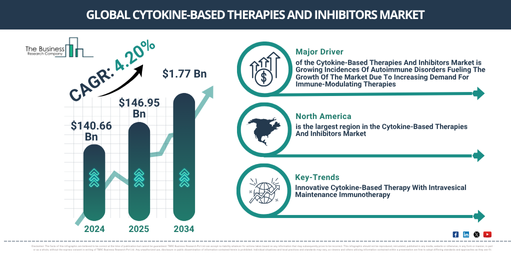
    The market size for cytokine-based therapies and inhibitors has been experiencing a steady growth in recent years. The market, valued at $140.66 billion in 2024, is projected to increase to $146.95 billion in 2025 with a compound annual growth rate (CAGR) of 4.5%. Factors contributing to this growth during the historic period include a rise in autoimmune diseases, a surge in cancer cases, an increase in the burden of infectious diseases, a growing demand for personalized medicine, advancements in vaccine production, and increased understanding and awareness about immunotherapies.

    Anticipated consistent expansion is in the forecast for the cytokine-based therapies and inhibitors market, with a predicted valuation of $173.32 billion by 2029, boasting a compound annual growth rate (CAGR) of 4.2%. The progression during the forecast period can be traced back to aspects such as an aging global demographic, a rise in the utilization of focused treatments, a growing occurrence of chronic inflammatory illnesses, a swelling pipeline of clinical trials, governmental aid for immunology studies, and a heightened consideration towards patient results and security. The period is also set to witness breakthroughs in protein engineering, the advent of inhibitors targeting multiple cytokines, the application of artificial intelligence in drug development, the use of next-generation sequencing in biomarker identification, digital health platforms’ integration, and improved formulation methodologies for enhanced stability.

    Download The Free Sample Report Here:

    https://www.thebusinessresearchcompany.com/sample.aspx?id=25734&type=smp

    Which Factor Is Shaping The Future Of The Cytokine-Based Therapies And Inhibitors Market?

    The cytokine-based therapies and inhibitors market is anticipated to grow due to an increase in the rate of autoimmune disorders. These disorders occur when the body’s immune system incorrectly attacks its own healthy cells and tissues, believing them to be harmful intruders. The mounting cases of autoimmune disorders can be linked to changes in diet, specifically a rise in the intake of heavily processed foods. These foods can disrupt gut microbiota and impair immune regulation. Therapies and inhibitors based on cytokines can control the immune response by focusing on particular cytokines that play a role in inflammation, which makes them effective at controlling autoimmune disorders. For instance, a study by Versorgungsatlas.de, a healthcare portal based in Germany, reported that in November 2024, out of 73,241,305 insured individuals in 2022, 6,304,340 were diagnosed with a minimum of one autoimmune disease, leading to a crude prevalence rate of 8.61%. Consequently, the rising cases of autoimmune disorders are fueling the growth of the cytokine-based therapies and inhibitors market.

    What Is The Segment-Wise Breakdown Of The Cytokine-Based Therapies And Inhibitors Market?

    The cytokine-based therapies and inhibitors market covered in this report is segmented –

    1) By Type: Interleukins, Tumor Necrosis Factor, Epidermal Growth Factor, Interferon, Chemokine

    2) By Application: Cancer And Malignancies, Inflammatory And Immune Disorders, Infectious Diseases, Asthma And Airway Inflammation, Other Applications

    3) By End User: Hospitals, Clinics, Research Laboratories, Academic And Research Institutes, Specialty Centers, Other End Users

    Subsegments:

    1) By Interleukins: Interleukin-2, Interleukin-6, Interleukin-10, Interleukin-12, Interleukin-17, Interleukin-23

    2) By Tumor Necrosis Factor (TNF): Tumor Necrosis Factor-Alpha Inhibitors, Tumor Necrosis Factor-Beta Inhibitors

    3) By Epidermal Growth Factor (EGF): Epidermal Growth Factor Receptor Inhibitors, Human Epidermal Growth Factor Receptor 2 Inhibitors

    4) By Interferon: Interferon-Alpha, Interferon-Beta, Interferon-Gamma

    5) By Chemokine: C-C Chemokine Receptor Type 5 Antagonists, C-X-C Chemokine Receptor Type 4 Inhibitors, C-X-C Chemokine Receptor Type 1/2 Inhibitors

    Which Trends Are Redefining The Future Landscape Of The Cytokine-Based Therapies And Inhibitors Industry?

    Leading companies in the cytokine-based therapy and inhibitor market are centering their attention on pioneering therapies such as intravesical cytokine maintenance immunotherapy. This approach is aimed at boosting the longevity of complete responses and diminishing relapse rates in patients affected by BCG-unresponsive non-muscle invasive bladder cancer (NMIBC). Intravesical cytokine maintenance immunotherapy includes the straight delivery of immune-activating proteins into the bladder, after which long-term maintenance dosage is administered to persistently stimulate local immune reactions and hinder tumor regrowth. For instance, nogapendekin alfa inbakicept-pmln (Anktiva) received approval from the US government regulatory body, Food and Drug Administration, in April 2024. Recognized as a unique cytokine-based therapy, Anktiva is used with Bacillus Calmette-Guérin (BCG), functioning as a fusion protein that targets interleukin-15 (IL-15) pathways, consequently activating CD122-positive immune cells including natural killer (NK) cells and CD8-positive T cells. These workings are consistent with cytokine-based therapy principles that employ signaling proteins like IL-15 to reinforce immune surveillance and anti-tumor activity within the body.

    Which Companies Hold The Largest Market Share In The Cytokine-Based Therapies And Inhibitors Sector?

    Major companies operating in the cytokine-based therapies and inhibitors market are Pfizer Inc., Johnson & Johnson, F. Hoffmann-La Roche Ltd, AbbVie Inc., Bayer AG, Novartis AG, Sanofi SA, Bristol-Myers Squibb Company, Thermo Fisher Scientific Inc., AstraZeneca Plc, GlaxoSmithKline plc, Eli Lilly and Company, Amgen Inc, Lonza Group AG, Cytiva, UCB S.A., Sartorius CellGenix GmbH, Biocon Limited, Bio-Techne Corporation, Miltenyi Biotec B.V. & Co. KG.

    Get The Full Report Here:

    https://www.thebusinessresearchcompany.com/report/cytokine-based-therapies-and-inhibitors-global-market-report

    How Does Regional Performance Compare Across The Cytokine-Based Therapies And Inhibitors Industry?

    North America was the largest region in the cytokine-based therapies and inhibitors market in 2024. Asia-Pacific is expected to be the fastest-growing region in the forecast period. The regions covered in the cytokine-based therapies and inhibitors market report are Asia-Pacific, Western Europe, Eastern Europe, North America, South America, Middle East, Africa.

    Request For A Customized Report:

    https://www.thebusinessresearchcompany.com/customise?id=25734&type=smp

    About The Business Research Company:

    With over 15000+ reports from 27 industries covering 60+ geographies, The Business Research Company has built a reputation for offering comprehensive, data-rich research and insights. Armed with 1,500,000 datasets, the optimistic contribution of in-depth secondary research, and unique insights from industry leaders, you can get the information you need to stay ahead in the game.

    Get in touch with us:

    The Business Research Company: https://www.thebusinessresearchcompany.com/

    Americas +1 310-496-7795

    Asia +44 7882 955267 & +91 8897263534

    Europe +44 7882 955267

    Email us at info@tbrc.info

    Follow us on:

    LinkedIn: https://in.linkedin.com/company/the-business-research-company

    YouTube: https://www.youtube.com/channel/UC24_fI0rV8cR5DxlCpgmyFQ

    Global Market Model: https://www.thebusinessresearchcompany.com/global-market-model
  • 2025 Analysis: Opportunities and Risks in the Evolving Cryptococcosis Therapeutics Market

    2025 Analysis: Opportunities and Risks in the Evolving Cryptococcosis Therapeutics Market

    Claim your 30% discount on Global Market Reports with code ONLINE30. Limited time only.

    Claim your 30% discount on Global Market Reports with code ONLINE30. Limited time only.

    What Is the Estimated Industry Valuation for the Cryptococcosis Therapeutics Sector?

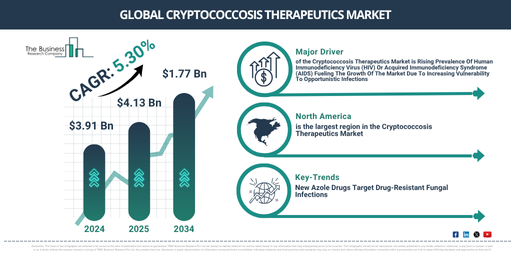
    The market for cryptococcosis therapeutics has seen substantial growth in recent years. It is set to grow from a valuation of $3.91 billion in 2024 to reach $4.13 billion in 2025, exhibiting a compound annual growth rate (CAGR) of 5.6%. This growth recorded in the historical period can be associated with an increased prevalence of HIV or AIDS, heightened awareness about fungal infections, improved availability of antifungal drugs, expansion in worldwide monitoring and fungal disease awareness initiatives, and the development in non-governmental health projects.

    In the coming years, robust expansion is expected in the cryptococcosis therapeutics market, with a projection to attain $5.07 billion by 2029. A compound annual growth rate (CAGR) of 5.3% will drive this growth. The predicted growth in the forecast period can be traced back to increased funding in antifungal research and the development of new drugs. Other contributing factors include the growing cases of immunosuppressive conditions and treatments, a rise in global fungal diseases, and an increased demand for quick diagnostic tools and combined therapies. Important trends in the forecast period feature a shift towards combined antifungal therapy, the invention of next-generation antifungals with unique mechanisms, the incorporation of artificial intelligence and machine learning, adoption of innovative drug delivery systems, and a holistic approach towards managing fungal diseases.

    Download The Free Sample Report Here:

    https://www.thebusinessresearchcompany.com/sample.aspx?id=25733&type=smp

    What Forces Are Driving The Growth Of The Cryptococcosis Therapeutics Market?

    The growth of the cryptococcosis therapeutics market is anticipated to be driven by the increasing cases of human immunodeficiency virus (HIV) or acquired immunodeficiency syndrome (AIDS). HIV/AIDS is a significant global health issue, characterized by a chronic, fatal virus that compromises the immune system, making the body susceptible to various infections and diseases. The escalation in HIV/AIDS in certain regions is largely due to restricted access to healthcare services, inhibiting early detection, continuous treatment, and effective prevention strategies. Through targeting the frequent fungal infections in those with compromised immune systems, cryptococcosis therapeutics contributes significantly to HIV/AIDS management. It minimizes the chance of severe complications, such as cryptococcal meningitis, thereby elevating life quality and fostering ongoing disease management. To illustrate, the UK Health Security Agency reported in October 2024 that the number of HIV diagnoses in England had increased by 51% from 3,975 in 2022, registering 6,008 cases (including foreign diagnoses) in 2023. Consequently, the increasing prevalence of HIV/AIDS is fueling the cryptococcosis therapeutics market growth. In addition, the cryptococcosis therapeutics market’s expansion is expected to be spurred by the surge in healthcare expenditures. Healthcare spending encompasses the total funds allocated for procedures, treatments, facilities, research and public health measures to bolster health outcomes. The growth in healthcare spending is largely attributed to an aging population with elevated needs for healthcare services and treatments. This increased expenditure facilitates the accessibility of advanced treatments for cryptococcosis, promotes early diagnosis, and fosters research for more potent antifungal therapies. The US Centers for Medicare & Medicaid Services (CMS) stated in December 2024 that national health expenditures (NHE) inflated by 7.5% to $4.9 trillion in 2023, comprising 17.6% of the gross domestic product (GDP). Moreover, the NHE is forecasted to rise annually at an average of 5.6% between 2023 and 2032, pushing the health spending share of GDP from 17.3% in 2022 to 19.7% in 2032. Consequently, the upsurge in healthcare expenditure is a key driver for the cryptococcosis therapeutics market’s growth.

    How Is The Cryptococcosis Therapeutics Industry Segmented Across Key Parameters?

    The cryptococcosis therapeutics market covered in this report is segmented –

    1) By Drug Type: Branded, Generic

    2) By Treatment: Amphotericin B, Flucytosine, Fluconazole, Other Treatments

    3) By Route Of Administration: Oral, Intravenous, Inhalation

    4) By Distribution Channel: Hospital Pharmacies, Retail Pharmacies, Online Pharmacies

    5) By End-User: Hospitals, Ambulatory Surgical Centers, Other End Users

    Subsegments:

    1) By Branded Drugs: Ambisome, Diflucan, Vfend, Noxafil, Cresemba

    2) By Generic Drugs: Amphotericin B Deoxycholate, Fluconazole, Voriconazole, Itraconazole, Flucytosine

    What Notable Trends Are Shaping The Direction Of The Cryptococcosis Therapeutics Market?

    The cryptococcosis therapeutics market is seeing a surge of activity from leading companies who are striving to develop innovative products and secure regulatory approvals. They aim to optimize treatment, fight resistance, and enhance their market footprint through such strategies. They are particularly interested in azole antifungal drugs, a series of medications designed to limit the growth of fungi by interfering with the creation of ergosterol – an integral component of fungal cell membranes. For example, Asahi Kasei Pharma Corporation, a company originating in Japan, obtained approval in December 2022 from the country’s Ministry of Health, Labour, and Welfare (MHLW) to produce and distribute Cresemba capsule 100 mg and Cresemba intravenous infusion 200 mg. These products are intended to combat serious fungal infections like aspergillosis, mucormycosis, and cryptococcosis. Cresemba, or isavuconazonium sulfate, is an azole antifungal product available in capsule form or as an intravenous infusion. It functions by hindering ergosterol production in fungal cell membranes, which results in the death of fungal cells. The capsule variant is appropriate for patients who are at least 6 years old and weigh no less than 16 kg. Meanwhile, the IV version can be used for patients as young as one year old.

    Which Companies Currently Dominate The Competitive Landscape In The Cryptococcosis Therapeutics Industry?

    Major companies operating in the cryptococcosis therapeutics market are Pfizer Inc., Merck & Co. Inc., Bayer AG, Bristol-Myers Squibb Company, Gilead Sciences Inc., Asahi Kasei Pharma Corporation, Astellas Pharma Inc., Bausch Health Companies Inc., Sun Pharmaceutical Industries Limited, Eisai Co. Ltd., Dr. Reddy’s Laboratories Ltd., Cipla Limited, Takeda Pharmaceutical Company Limited, Luminex Corporation, Evotec SE, Kaken Pharmaceutical Co. Ltd., Basilea Pharmaceutica AG, Vical Incorporated, F2G Limited, Century Pharmaceuticals Ltd., LGM Pharma LLC, Zeon Health Industries Pvt. Ltd., Matinas BioPharma Holdings Inc.

    Get The Full Report Here:

    https://www.thebusinessresearchcompany.com/report/cryptococcosis-therapeutics-global-market-report

    Which Geographic Regions Are Driving Demand In The Cryptococcosis Therapeutics Market?

    North America was the largest region in the cryptococcosis therapeutics market in 2024. Asia-Pacific is expected to be the fastest-growing region in the forecast period. The regions covered in the cryptococcosis therapeutics market report are Asia-Pacific, Western Europe, Eastern Europe, North America, South America, Middle East, Africa.

    Request For A Customized Report:

    https://www.thebusinessresearchcompany.com/customise?id=25733&type=smp

    About The Business Research Company:

    With over 15000+ reports from 27 industries covering 60+ geographies, The Business Research Company has built a reputation for offering comprehensive, data-rich research and insights. Armed with 1,500,000 datasets, the optimistic contribution of in-depth secondary research, and unique insights from industry leaders, you can get the information you need to stay ahead in the game.

    Get in touch with us:

    The Business Research Company: https://www.thebusinessresearchcompany.com/

    Americas +1 310-496-7795

    Asia +44 7882 955267 & +91 8897263534

    Europe +44 7882 955267

    Email us at info@tbrc.info

    Follow us on:

    LinkedIn: https://in.linkedin.com/company/the-business-research-company

    YouTube: https://www.youtube.com/channel/UC24_fI0rV8cR5DxlCpgmyFQ

    Global Market Model: https://www.thebusinessresearchcompany.com/global-market-model
  • Emerging Trends and Growth Drivers in the Endoscopy Sterilization Market Through 2029

    Emerging Trends and Growth Drivers in the Endoscopy Sterilization Market Through 2029

    Claim your 30% discount on Global Market Reports with code ONLINE30. Limited time only.

    Claim your 30% discount on Global Market Reports with code ONLINE30. Limited time only.

    What Is the Outlook for the Endoscopy Sterilization Market Heading Into 2029?

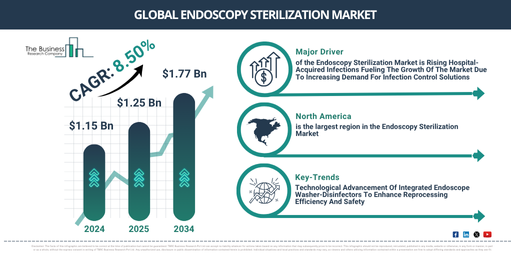
    In recent times, the market size for endoscopy sterilization has seen robust growth. The market is expected to grow from $1.15 billion in 2024 to $1.25 billion in 2025, showcasing a compound annual growth rate (CAGR) of 8.7%. The historic growth trajectory is a result of the surge in hospital-acquired infections, increased endoscopic procedures, the expansion of the surgical infrastructure within hospitals, growing demand for reusable endoscopy equipment, and heightened focus on patient safety measures.

    The market size for endoscopy sterilization is poised for robust expansion in the coming years, with projections to reach $1.73 billion in 2029, reflecting a compound annual growth rate (CAGR) of 8.5%. This anticipated surge during the forecasting period can be linked to the escalating interest in minimally invasive treatments, surging demand for automated sterilization systems, heightened fear of cross-contamination threats, growth of outpatient surgical establishments, and mounting regulatory emphasis on device disinfection. Key patterns during the forecast duration are anticipated to be state-of-the-art enhancements in sterilization equipment, innovation within low-temperature sterilization processes, increased funding towards infection control solutions, the creation of environmentally friendly sterilants, and advancements in the automation of endoscope reprocessing.

    Download The Free Sample Report Here:

    https://www.thebusinessresearchcompany.com/sample.aspx?id=25761&type=smp

    Which Factors Are Pushing The Endoscopy Sterilization Market Forward?

    The escalating number of hospital-acquired infections (HAIs) is anticipated to boost the expansion of the endoscopy sterilization market in the future. Hospital-acquired infections (HAIs) are those infections which patients acquire while getting treatment in a healthcare facility, usually after 48 hours of admission, that were not present or incubating when the patient arrived. The surge in the incidence of HAIs can primarily be traced back to the excessive use of broad-spectrum antibiotics, leading to antimicrobial resistance and providing a conducive environment for drug-resistant pathogens to thrive in healthcare settings. The rise of HAIs has heightened the demand for trustworthy endoscopy sterilization solutions, as inadequately reprocessed endoscopic devices can be potential transmission mediums for multidrug-resistant pathogens during diagnostic and surgical procedures. For instance, an observational study in a tertiary hospital in southwest China in June 2025, conducted by BMC Infectious Diseases (BioMed Central), a UK-based journal publisher, with 2808 HAI cases, reported an increase in nosocomial infection rates: from 0.98 per 1,000 patient-days in 2021 to 1.31 in 2022. Thus, the escalating number of hospital-acquired infections is propelling the expansion of the endoscopy sterilization market.

    Which Segment Held The Largest Share In The Endoscopy Sterilization Market In 2025?

    The endoscopy sterilization market covered in this report is segmented –

    1) By Product Type: Device, Consumables And Accessories

    2) By Sterilization Method: Hydrogen Peroxide Sterilization, Ethylene Oxide (EtO) Sterilization, Liquid Chemical Sterilization, Other Sterilization Methods

    3) By End Use: Hospitals, Ambulatory Surgical Centers, Other End Uses

    Subsegments:

    1) By Device: Low-Temperature Sterilizers, High-Temperature Sterilizers, Ultrasonic Cleaners, Automated Endoscope Reprocessors (AER), Washer Disinfectors, Drying And Storage Cabinets

    2) By Consumables And Accessories: Sterilization Indicators, Sterilization Wraps And Pouches, Cleaning Brushes, Enzymatic Detergents, Disinfectant Solutions, Lubricants And Oiling Agents

    How Are Key Trends Driving Expansion In The Endoscopy Sterilization Industry?

    Leading businesses in the endoscopy sterilization market are concentrating on introducing advanced technologies like comprehensive endoscope washer-disinfectors that have automatic wash, disinfection, and documentation features to improve the processes and safety of reprocessing. Endoscope washer-disinfector devices integrate cleaning, disinfecting, and data monitoring into a single closed-loop system to reduce human mistake and maintain consistent hygiene benchmarks. For example, in June 2023, Olympus Corporation, a firm based in Japan specializing in the production of optics and reprography items, introduced the new EndoThermo Disinfector (ETD) Endoscope Washer Disinfector in both basic and superior versions. The device boasts quicker cycle durations, live digital tracking, and operations that are energy-efficient and environmentally friendly, thereby enhancing workflow and safety of the patient. The ETD system is specifically designed to comply with the current infection management standards and assist staff through intuitive automation and easy upkeep.

    Which Organizations Are Driving Progress In The Endoscopy Sterilization Industry?

    Major companies operating in the endoscopy sterilization market are 3M Company, Ecolab Inc., Olympus Corporation, STERIS plc, Getinge AB, Shinva Medical Instrument Co. Ltd., Belimed AG, ARC Group of Companies Inc., AURORA Cold Plasma Sterilisation (Aurora Sterilisation), Matachana S.A., Bionics Scientific, Tuttnauer Europe B.V., Life Science Outsourcing, Inc., H.W. Andersen Products Ltd., MMM Group, Cistron Systems, MDD Company Gmbh, UV Smart Technologies B.V., HUMAN MEDITEK GmbH, Sharkclave Systems

    Get The Full Report Here:

    https://www.thebusinessresearchcompany.com/report/endoscopy-sterilization-global-market-report

    Which Region Is Expected To Experience The Highest Growth In The Endoscopy Sterilization Industry?

    North America was the largest region in the endoscopy sterilization market in 2024. Asia-Pacific is expected to be the fastest-growing region in the forecast period. The regions covered in the endoscopy sterilization market report are Asia-Pacific, Western Europe, Eastern Europe, North America, South America, Middle East, Africa.

    Request For A Customized Report:

    https://www.thebusinessresearchcompany.com/customise?id=25761&type=smp

    About The Business Research Company:

    With over 15000+ reports from 27 industries covering 60+ geographies, The Business Research Company has built a reputation for offering comprehensive, data-rich research and insights. Armed with 1,500,000 datasets, the optimistic contribution of in-depth secondary research, and unique insights from industry leaders, you can get the information you need to stay ahead in the game.

    Get in touch with us:

    The Business Research Company: https://www.thebusinessresearchcompany.com/

    Americas +1 310-496-7795

    Asia +44 7882 955267 & +91 8897263534

    Europe +44 7882 955267

    Email us at info@tbrc.info

    Follow us on:

    LinkedIn: https://in.linkedin.com/company/the-business-research-company

    YouTube: https://www.youtube.com/channel/UC24_fI0rV8cR5DxlCpgmyFQ

    Global Market Model: https://www.thebusinessresearchcompany.com/global-market-model

  • In-Depth Cryopreservation Equipment Market Report: Business Trends, Growth Factors, and Forecast to 2029

    Claim your 30% discount on Global Market Reports with code ONLINE30. Limited time only.

    Claim your 30% discount on Global Market Reports with code ONLINE30. Limited time only.

    How Large Is the Cryopreservation Equipment Market Expected to Be in 2029?

    The market size for cryopreservation equipment has seen a swift increase in the recent past. It is projected to expand from $9.52 billion in 2024 to $11.01 billion in 2025, demonstrating a compound annual growth rate (CAGR) of 15.7%. The historic growth is due to various factors such as the rising demand for regenerative medicine, the expansion of stem cell research, the growth of biobanking, advancements in the area of fertility preservation, escalating healthcare expenditures, government efforts for stem cell preservation, technological breakthroughs in cryopreservation equipment, heightened awareness of personalized medicine, increased organ transplantation procedures, and the emergence of cryogen-free preservation systems.

    Anticipated rapid expansion is on the horizon for the cryopreservation equipment market, with projections indicating growth to $19.55 billion by 2029 at a 15.4% Compound Annual Growth Rate (CAGR). This surge during the forecast period can be associated with multiple factors, including an increase in demand for cell-based therapies, progress in the field of regenerative medicine, widespread adoption of biobanking, an enhanced understanding of personalized medicine, growth in stem cell research, technological advancements in cryopreservation equipment, government backing for stem cell preservation, a rise in healthcare spending, an expansion in organ transplantation procedures, and the emergence of cryogen-free preservation systems. Key trends over the forecast period include the incorporation of automation into cryopreservation processes, the advancement of cryogen-free preservation systems and vitrification techniques, the application of nanotechnology for better preservation, the use of AI and machine learning for process efficiency optimization, the creation of portable cryopreservation equipment, superior monitoring and control systems, fine-tuned cryoprotective formulas, integration with digital health records, and progress in ultra-low temperature storage solutions.

    Download The Free Sample Report Here:

    https://www.thebusinessresearchcompany.com/sample.aspx?id=25732&type=smp

    What Are The Contributors To Demand In The Cryopreservation Equipment Market?

    The cryopreservation equipment market is expected to expand with the growing demand for regenerative medicines. Such therapeutic approaches, which can repair, replace, or regenerate impaired tissues or organs, are surging in popularity thanks to their potential to revitalize damaged tissues. These provide lasting solutions and decrease the necessity for repeated treatments. The cryopreservation equipment is a crucial element in this process, as it allows for the long-term storage of cells, tissues, and other biological materials without hindering their viability or therapeutic potential. For instance, a UK-based biotech company, Catapult, highlighted in January 2025 that clinical trials involving gene therapies, cell therapies, and tissue-engineered products made up 9.5% of worldwide trials and almost 50% of all European trials during 2024. This growth in clinical trials underlines the expansion of regenerative medicine, which is in turn boosting the cryopreservation equipment market.

    What Segmentation Categories Are Included In The Cryopreservation Equipment Market Analysis?

    The cryopreservation equipment market covered in this report is segmented –

    1) By Type: Freezers, Incubators, Sample Preparation Systems, Accessories

    2) By Application: Cord Blood Stem Cells, Sperms, Semen And Testicular Tissues, Embryos And Oocytes, Other Applications

    3) By End User: Stem Cells Banks, Biotechnology And Pharmaceutical Organizations, Contract Research Organizations, Stem Cell Research Laboratories, Research And Academic Institutes

    Subsegments:

    1) By Freezers: Ultra-Low Temperature Freezers (ULT Freezers), Mechanical Freezers, Liquid Nitrogen Freezers, Cryogenic Freezers, Portable Freezers

    2) By Incubators: CO2 Incubators, Non-CO2 Incubators, Hypoxia Incubators, Shaking Incubators, Vacuum Incubators

    3) By Sample Preparation Systems: Automated Sample Thawing Systems, Controlled Rate Freezing Systems, Vial Filling and Sealing Systems, Cryovial Handling Systems, Cell Processing Systems

    4) By Accessories: Cryovials And Cryotubes, Storage Boxes And Racks, Temperature Monitoring Devices, Labels And Markers, Cryogenic Gloves And Protective Gear

    What Upcoming Trends Are Expected To Impact The Cryopreservation Equipment Market Globally?

    Major corporations in the cryopreservation equipment industry are prioritizing the creation of innovative solutions like all-in-one centres for cell and gene therapy. These solutions are aimed at easing the preservation, storage and transportation of biological resources, boosting process effectivity and aiding the swift commercialization of avant-garde therapies. All-in-one centres for cell and gene therapy are integrated facilities that offer a full range of services from processing and cryopreservation to storage and distribution within one venue. One such example occurred in October 2024, when Cryoport Inc., an American firm specializing in temperature-controlled supply chain solutions for the life science sector, launched their IntegriCell cryopreservation services. These services are provided via Cryoport Systems at a newly inaugurated, state-of-the-art facility in its Houston supply chain campus. The new centre is dedicated to standardized cryopreservation of leukapheresis material and integrates fluently with Cryoport’s international logistics platform to enable cell therapy development and commercialization. This strategy fortifies Cryoport’s capabilities in the areas of biostorage and cell therapy logistics.

    Who Are The Top-Ranked Companies In The Cryopreservation Equipment Market Today?

    Major companies operating in the cryopreservation equipment market are Thermo Fisher Scientific Inc., Linde LLC, Danaher Corporation, Merck KGaA, Avantor Inc., Beckman Coulter Inc., PHC Corporation, Chart Biomedical Co. Ltd., Hamilton Company, Azenta Life Sciences, Cryoport Systems Inc., Chemglass Life Sciences Inc., BioLife Solutions Inc., Charter Medicals, Planer PLC, CellBios Healthcare and Lifesciences Pvt. Ltd., Antech Group Inc., Cryologic Pty. Ltd., Bluechiip Ltd., Haimen United Laboratory Equipment Development Co. Ltd.

    Get The Full Report Here:

    https://www.thebusinessresearchcompany.com/report/cryopreservation-equipment-global-market-report

    How Is Cryopreservation Equipment Market Adoption Varying Across Different Regions And Sectors?

    North America was the largest region in the cryopreservation equipment market in 2024. Asia-Pacific is expected to be the fastest-growing region in the forecast period. The regions covered in the cryopreservation equipment market report are Asia-Pacific, Western Europe, Eastern Europe, North America, South America, Middle East, Africa.

    Request For A Customized Report:

    https://www.thebusinessresearchcompany.com/customise?id=25732&type=smp

    About The Business Research Company:

    With over 15000+ reports from 27 industries covering 60+ geographies, The Business Research Company has built a reputation for offering comprehensive, data-rich research and insights. Armed with 1,500,000 datasets, the optimistic contribution of in-depth secondary research, and unique insights from industry leaders, you can get the information you need to stay ahead in the game.

    Get in touch with us:

    The Business Research Company: https://www.thebusinessresearchcompany.com/

    Americas +1 310-496-7795

    Asia +44 7882 955267 & +91 8897263534

    Europe +44 7882 955267

    Email us at info@tbrc.info

    Follow us on:

    LinkedIn: https://in.linkedin.com/company/the-business-research-company

    YouTube: https://www.youtube.com/channel/UC24_fI0rV8cR5DxlCpgmyFQ

    Global Market Model: https://www.thebusinessresearchcompany.com/global-market-model