Blog

  • Bleeding Disorder Testing Industry Growth Expected to Reach $22.02 Billion by 2029 at a CAGR of 7.9% | Segmentation and Growth Opportunities

    Bleeding Disorder Testing Industry Growth Expected to Reach $22.02 Billion by 2029 at a CAGR of 7.9% | Segmentation and Growth Opportunities

    Claim your 30% discount on Global Market Reports with code ONLINE30. Limited time only.

    #How Has the Bleeding Disorder Testing Market Growth Performance Trended Historically, And What Lies Ahead?

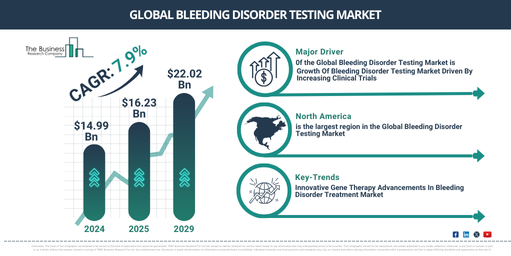
    In recent times, the market size for testing bleeding disorders has experienced robust growth. Its value is projected to increase from $14.99 billion in 2024 to $16.23 billion in 2025, marking a compound annual growth rate (CAGR) of 8.3%. This significant growth in the past period was due to factors such as the rising frequencies of bleeding disorders, increased attention and funding in research and development, the emergence of more specialized healthcare facilities, heightened demand for early detection, and an increase in clinical trials.

    What Is the Forecast for the Bleeding Disorder Testing Market Size Through 2029?

    The market size for testing bleeding disorders is projected to experience significant expansion in the upcoming years. It is anticipated to reach a value of $22.02 billion in 2029, with a compound annual growth rate (CAGR) of 7.9%. The projected growth during this forecast period can be associated with factors such as the growing prevalence of hemophilia, heightened awareness regarding the symptoms of bleeding disorders, increased funding towards diagnostic research, escalating healthcare expenditure worldwide, and the increasing occurrence of unusual bleeding disorders. Key trends expected in the forecast period encompass technological innovations, the incorporation of artificial intelligence, tailored medical treatments, telehealth services, and home-based testing kits.

    Download The Free Sample Report Here:

    https://www.thebusinessresearchcompany.com/sample.aspx?id=18263&type=smp

    What are the Key Market Players in Bleeding Disorder Testing Market and How They’re Evolving?

    Major companies operating in the bleeding disorder testing market are Pfizer Inc., F. Hoffmann-La Roche Ltd., Bayer AG, Takeda Pharmaceutical Company Limited, Novo Nordisk A/S, Siemens Healthcare GmbH, Baxter International Inc., CSL Limited, Octapharma AG, HORIBA Ltd., Haemonetics Corporation, Diagnostica Stago S.A.S., Sekisui Diagnostics LLC, Helena Laboratories Corporation, LFB Group, Sysmex Inostics GmbH, Medexus Pharmaceuticals Inc., Precision Biologics Inc., Corgenix Inc., Diapharma Group Inc., Hyphen BioMed, Hema Biologics LLC

    What Are the Primary Growth Drivers in the Bleeding Disorder Testing Market?

    The accelerating growth of the bleeding disorder testing market is projected to be driven by the increasing number of clinical trials. Clinical trials play a critical role in medical research, assessing the safety and effectiveness of innovative medicines, treatment methods, and technology in human patients. This rise in clinical trials stems from medical research advancements, growing investments in healthcare innovation, and surging demand for novel treatments and therapies. Bleeding disorder testing features prominently in these trials, contributing to the evaluation of the safety and efficiency of new medical treatments and therapies for bleeding disorders. The tests also check how well the treatments control or correct clotting irregularities and track patient responses to ensure the right dosage and effectiveness. For instance, according to ClinicalTrials.gov, a US-based clinical trial registry, the number of registered clinical trials reached approximately 477,228 by the end of 2023, a rise from 437,507 in 2022. Consequently, the escalation in clinical trials drives the growth of the bleeding disorder testing market.

    Request For A Customized Report:

    https://www.thebusinessresearchcompany.com/customise?id=18263&type=smp

    What Are the Leading Segments in the Global Bleeding Disorder Testing Industry?

    The bleeding disorder testing market covered in this report is segmented –

    1) By Product Type: Reagents And Consumables, Instruments

    2) By Indication: Hemophilia A, Hemophilia B, Von Willebrand Disease, Idiopathic Thrombocytopenic Purpura, Other Indications

    3) By Treatment Type: Factor Replacement Therapy, Drug Therapy

    4) By End User: Hospitals And Clinics, Diagnostic Centers, Other End Users

    Subsegments:

    1) By Reagents And Consumables: Coagulation Reagents, Plasma And Blood Collection Consumables, Hemostasis Reagents, Factor Deficiency Assay Kits, Activated Partial Thromboplastin Time (APTT) Reagents

    2) By Instruments: Coagulation Analyzers, Platelet Function Analyzers, Hemostasis Testing Instruments, Point-Of-Care Testing Devices, Automated Blood Testing Systems

    What Are the Key Market Trends in the Bleeding Disorder Testing Industry?

    Leading firms in the bleeding disorder testing market are concentrating on the creation of novel products like gene therapy for Hemophilia B. Their aim is to offer enduring resolutions, rectify hereditary bleeding disorders, improve the results of treatments, and widen their market penetration. Hemophilia B, a form of bleeding disorder, stems from a lack of clotting factor IX, vital for effective blood coagulation. Gene therapy for Hemophilia B is a novel treatment method intended to provide a long-term fix by addressing the genetic defect causing the condition. For instance, in February 2023, the Australian biotech firm CSL Limited and the European Commission gave conditional marketing authorization (CMA) to HEMGENIX – the first-ever one-off gene therapy for severe and moderately severe hemophilia B. This one-off treatment is expected to deliver prolonged effectiveness, reducing or completely removing the need for frequent factor replacement therapy. HEMGENIX’s unique approach to gene therapy makes it a significant development, presenting a transformative choice for hemophilia B patients and likely altering the field’s standard care.

    Access The Full Report Here:

    https://www.thebusinessresearchcompany.com/report/bleeding-disorder-testing-global-market-report

    What Is the Regional Outlook for the Bleeding Disorder Testing Market?

    North America was the largest region in the bleeding disorder testing market in 2023. Asia-Pacific is expected to be the fastest-growing region in the forecast period. The regions covered in the bleeding disorder testing market report are Asia-Pacific, Western Europe, Eastern Europe, North America, South America, Middle East, Africa.

    Purchase The Full Report Today:

    https://www.thebusinessresearchcompany.com/purchaseoptions.aspx?id=18263

    This Report Delivers Insight On:

    1. How big is the bleeding disorder testing market, and how is it changing globally?

    2. Who are the major companies in the bleeding disorder testing market, and how are they performing?

    3. What are the key opportunities and risks in the bleeding disorder testing market right now?

    4. Which products or customer segments are growing the most in the bleeding disorder testing market?

    5. What factors are helping or slowing down the growth of the bleeding disorder testing market?

    About The Business Research Company:

    With over 15000+ reports from 27 industries covering 60+ geographies, The Business Research Company has built a reputation for offering comprehensive, data-rich research and insights. Armed with 1,500,000 datasets, the optimistic contribution of in-depth secondary research, and unique insights from industry leaders, you can get the information you need to stay ahead in the game.

    Get in touch with us:

    The Business Research Company: https://www.thebusinessresearchcompany.com/

    Americas +1 310-496-7795

    Asia +44 2071930708

    Europe +44 7882 955267

    Email us at info@tbrc.info

    Follow us on:

    LinkedIn: https://in.linkedin.com/company/the-business-research-company

    YouTube: https://www.youtube.com/channel/UC24_fI0rV8cR5DxlCpgmyFQ

    Global Market Model: https://www.thebusinessresearchcompany.com/global-market-model
  • Mitral Valve Disease Forecast Report – Designed for Decision Makers and Product Teams

    Mitral Valve Disease Forecast Report – Designed for Decision Makers and Product Teams

    Claim your 30% discount on Global Market Reports with code ONLINE30. Limited time only.

    What Is the Estimated Market Size of the Mitral Valve Disease Market In 2029?

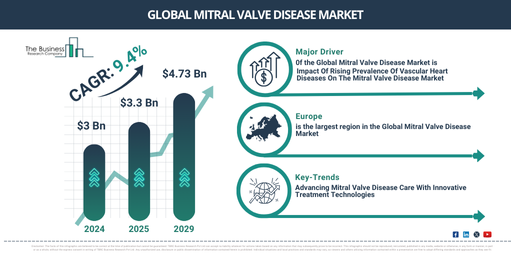
    Over the past few years, there has been considerable growth in the size of the mitral valve disease market. It is anticipated to rise from $3 billion in 2024 to $3.3 billion in 2025, reflecting a compound annual growth rate (CAGR) of 9.8%. Factors contributing to this growth during the historic period include initiatives to educate patients, satisfactory reimbursement systems and insurance coverage, increased healthcare spending, heightened awareness and screening efforts, and the enlargement of market presence.

    What Growth Rate Is Forecasted for the Mitral Valve Disease Market by 2029?

    The market for mitral valve disease is anticipated to witness robust expansion in the forthcoming years. It is predicted to escalate to $4.73 billion by 2029, with a Compound Annual Growth Rate (CAGR) of 9.4%. Factors contributing to this growth during the forecasted period include the increasing prevalence of mitral valve disease, a high acceptance rate for minimally invasive procedures, a surge in innovative heart valve surgeries, an increase in venture capital investments, and enhanced manufacturer interest. Key trends predicted for the forecast period encompass technological progression, evolution in transcatheter technologies, and mounting advancements in surgical methodologies.

    Download The Free Sample Report Here:

    https://www.thebusinessresearchcompany.com/sample.aspx?id=16480&type=smp

    Which Key Companies Are Shaping the Future of the Mitral Valve Disease Market?

    Major companies operating in the mitral valve disease market are Pfizer Inc., Bayer AG, Abbott Laboratories, Novartis AG, Medtronic plc, Boston Scientific Corporation, Edwards Lifesciences, ShockWave Medical Inc., Artivion Inc., TTK Health Care Limited, Braile Biomedica, JenaValve Technology Inc., 4C Medical technologies, Labcor Laboratorios Ltda, CryoLife Inc., Valcare Medical, Affluent Medical, Colibri Heart Valve LLC, Coramaze Technologies, Corcym UK Limited, HighLife Medical, Micro International Devices Inc., Neovasc Inc., Mitralign Inc., Transcatheter Technologies GmbH

    Which Factors Are Driving Demand in the Mitral Valve Disease Industry?

    The rise in vascular heart conditions is anticipated to spur the mitral valve disease market’s expansion. These diseases comprise a set of disorders that impact the blood vessels that supply the heart or are located within the heart itself. An intricate combination of lifestyle choices, demographic shifts, medical issues, environmental influences, and genetic factors are contributing to the growing instances of vascular heart conditions. Diseases like ischemic heart disease and hypertension, which fall under the umbrella of vascular heart disorders, can indirectly lead to mitral valve disease by impairing the heart’s structure and function, resulting in conditions that impact the mitral valve. For example, data from the Australian Bureau of Statistics 2020-21 revealed that in June 2024, the National Health Survey by the Australian Institute of Health and Welfare (a government agency in Australia), highlighted an increase in the death rate from cardiovascular disease in males per 100,000 population, surging from 143.7 in 2021 to 148.2 in 2022 in Australia. Consequently, this steady growth in vascular heart conditions propels the mitral valve disease market.

    Request For A Customized Report:

    https://www.thebusinessresearchcompany.com/customise?id=16480&type=smp

    How Is the Mitral Valve Disease Market Segmented by Several Divisions?

    The mitral valve disease market covered in this report is segmented –

    1) By Treatment Type: Mitral Valve Repair, Mitral Valve Replacement, Cardiac Resynchronization Therapy, Mitral Valve Therapeutics

    2) By Indication: Mitral Valve Stenosis, Mitral Valve Prolapse, Mitral Valve Regurgitation

    3) By End-User: Hospitals, Ambulatory Surgical Centers, Other End-Users

    Subsegments:

    1) By Mitral Valve Repair: Surgical Repair, Minimally Invasive Repair, Percutaneous Mitral Valve Repair

    2) By Mitral Valve Replacement: Mechanical Valve Replacement, Biological Valve Replacement, Transcatheter Mitral Valve Replacement (TMVR)

    3) By Cardiac Resynchronization Therapy: Pacemaker Therapy, Implantable Cardioverter-Defibrillators (ICD), Biventricular Pacing

    4) By Mitral Valve Therapeutics: Pharmacological Treatments, Anticoagulation Therapy, Mitral Valve Repair Devices

    What are the Emerging Market Trends Driving the Growth of the Mitral Valve Disease Industry?

    Prominent businesses in the mitral valve disease market are innovating stented tissue valves to cater to the increasing demand for less intrusive therapeutic options. The design of these stented tissue valves ensures sturdy and consistent performance, giving the patients an alternative to conventional surgical measures. For example, Medtronic, an Irish healthcare business, unveiled the Avalus Ultra valve, a sophisticated surgical aortic tissue valve designed for improved convenience during insertion and extended patient care, in April 2024. The new Avalus Ultra, which builds on ten years of clinical experience with the original Avalus valve, boasts a low valve profile for simpler insertion, a PEEK base frame for uniform roundness, and an unparalleled Effective Orifice Area (EOA) that could enhance blood circulation. Moreover, it comes with a radiopaque coil to enable clear visibility for future valve-in-valve procedures.

    Access The Full Report Here:

    https://www.thebusinessresearchcompany.com/report/mitral-valve-disease-global-market-report

    Which Regions Are Driving Growth in the Mitral Valve Disease Market?

    Europe was the largest region in the mitral valve disease market in 2024. Asia-Pacific is expected to be the fastest-growing region in the forecast period. The regions covered in the mitral valve disease market report are Asia-Pacific, Western Europe, Eastern Europe, North America, South America, Middle East, Africa.

    Purchase The Full Report Today:

    https://www.thebusinessresearchcompany.com/purchaseoptions.aspx?id=16480

    This Report Delivers Insight On:

    1. How big is the mitral valve disease market, and how is it changing globally?

    2. Who are the major companies in the mitral valve disease market, and how are they performing?

    3. What are the key opportunities and risks in the mitral valve disease market right now?

    4. Which products or customer segments are growing the most in the mitral valve disease market?

    5. What factors are helping or slowing down the growth of the mitral valve disease market?

    About The Business Research Company:

    With over 15000+ reports from 27 industries covering 60+ geographies, The Business Research Company has built a reputation for offering comprehensive, data-rich research and insights. Armed with 1,500,000 datasets, the optimistic contribution of in-depth secondary research, and unique insights from industry leaders, you can get the information you need to stay ahead in the game.

    Get in touch with us:

    The Business Research Company: https://www.thebusinessresearchcompany.com/

    Americas +1 310-496-7795

    Asia +44 2071930708

    Europe +44 7882 955267

    Email us at info@tbrc.info

    Follow us on:

    LinkedIn: https://in.linkedin.com/company/the-business-research-company

    YouTube: https://www.youtube.com/channel/UC24_fI0rV8cR5DxlCpgmyFQ

    Global Market Model: https://www.thebusinessresearchcompany.com/global-market-model
  • Biopharmaceutical Tubing Industry Valued at $7.4 Billion by 2029 With CAGR of 11.3% | Size and Share Insights

    Claim your 30% discount on Global Market Reports with code ONLINE30. Limited time only.

    What Are the Projected Market Size and Growth Rates for the Biopharmaceutical Tubing Market From 2025 To 2029?

    The market size of biopharmaceutical tubing has experienced significant growth in the past few years. The projections suggest an increase from $4.32 billion in 2024 to $4.82 billion in 2025, with a compound annual growth rate (CAGR) of 11.7%. The expansion in the historical period is primarily due to factors like the escalating demand for minimally invasive procedures, a surge in the elderly population, an increase in preference for ultra-pure and corrosion-resistant systems, plus a rise in the need for diagnostic equipment and drug delivery systems.

    What Is the Projected Market Size of the Biopharmaceutical Tubing Market?

    The market size of biopharmaceutical tubing is projected to experience a substantial increase in the coming years, escalating to a worth of $7.4 billion in 2029 with a compound annual growth rate (CAGR) of 11.3%. This projected surge during the predicted period can be ascribed to factors such as the climbing production in biopharmaceuticals, tighter regulatory frameworks, an amplified demand for efficient, uncontaminated bioprocessing, heightened safety procedures, and increased pharmaceutical research and development. Notable emerging trends within this forecast span comprise progress in single-use systems, improvements in tubing materials, development in personalized tubing solutions, and inventive designs in tubing.

    Download The Free Sample Report Here:

    https://www.thebusinessresearchcompany.com/sample.aspx?id=18525&type=smp

    Who are the Major Competitors in the Biopharmaceutical Tubing Market Outlook?

    Major companies operating in the biopharmaceutical tubing market are Compagnie de Saint-Gobain S.A., Thermo Fisher Scientific Inc., Merck KGaA, GE HealthCare Technologies Inc., Parker Hannifin Corporation, DuPont de Nemours Inc., Freudenberg Group, Medline Industries LP, Avantor Inc., Alfa Laval AB, REHAU Group, W. L. Gore & Associates Inc., Sartorius AG, Elkem ASA, Trelleborg AB, Bio-Rad Laboratories Inc., Tekni-Plex Inc., Pall Corporation, Zeus Company Inc., Watson-Marlow Ltd., Raumedic AG, Qosina, Optinova AB, ESI Ultrapure

    What Is Fueling Growth in the Biopharmaceutical Tubing Market?

    The surge in personalized medicines predicts a progressive trajectory for the biopharmaceutical tubing market. Personalized medicine is a therapeutic strategy that individualizes healthcare choices, protocols, interventions, and treatments based on each patient’s unique attributes. This innovative approach is gaining traction due to genetic research, enabling treatment plans tailored to a person’s genetic makeup, lifestyle, and specific health conditions. Biopharmaceutical tubing plays a crucial role in personalized medicine by enabling accurate, sterile, and dependable fluid transfer, a crucial component in delivering personalized treatments and therapies designed for individual patients. For example, in 2022, the US-based professional membership group, the Personalized Medicine Coalition, noted that 12 new personalized medicines received approval, representing approximately 34% of all newly approved therapies, a notable rise compared to previous years. Thus, the surge in personalized medicines is propelling the expansion of the biopharmaceutical tubing market.

    Request For A Customized Report:

    https://www.thebusinessresearchcompany.com/customise?id=18525&type=smp

    Which Biopharmaceutical Tubing Market Segments Are Growing the Fastest?

    The biopharmaceutical tubing market covered in this report is segmented –

    1) By Product: Silicone Tubing, Polyvinyl Chloride (PVC) Tubing, Polyolefin Tubing, Thermoplastic Elastomer Tubing

    2) By Manufacturing Process: Extrusion, Vulcanization, Other Manufacturing Processes

    3) By Application: Pharmaceutical, Medical Devices, Research And Development, Other Applications

    Subsegments:

    1) By Silicone Tubing: Medical-Grade Silicone Tubing, Platinum-Cured Silicone Tubing, Peroxide-Cured Silicone Tubing

    2) By Polyvinyl Chloride (Pvc) Tubing: Clear Pvc Tubing, Non-Dehp Pvc Tubing, Soft Pvc Tubing

    3) By Polyolefin Tubing: Cross-Linked Polyolefin Tubing, Low-Density Polyethylene Tubing, High-DDensity Polyethylene Tubing

    4) By Thermoplastic Elastomer Tubing: Medical-Grade Tpe Tubing, Elastomeric Tpe Tubing, Biocompatible Tpe Tubing

    Which Industry Trends Are Shaping the Future of the Biopharmaceutical Tubing Market?

    Leading companies in the biopharmaceutical tubing market are creating innovative customizable solutions like bioabsorbable tubing to accelerate performance, promote sterility, and streamline fluid management for complex biopharmaceutical applications. Bioabsorbable tubing is a special kind of tubing made from materials that slowly decompose and are absorbed by the body, thus removing the need for post-use extraction. In September 2023, for example, Zeus Company Inc., a US-based company known for advanced polymer solutions, introduced the Absorv XSE-oriented tubing, a cutting-edge bioabsorbable product meant for bioresorbable vascular scaffolds (BRS). This launch allows producers of medical equipment to delve into BRS uses beyond treatment of coronary artery disease and potentially supplant metallic stents in multiple procedures. The latest tubing offers improved consistency in the thickness of its walls and sizing, increasing efficiency during laser cutting operations and ultimately generating more viable scaffolds.

    Access The Full Report Here:

    https://www.thebusinessresearchcompany.com/report/biopharmaceutical-tubing-global-market-report

    Which Countries Are Leading the Biopharmaceutical Tubing Market?

    North America was the largest region in the biopharmaceutical tubing market in 2023. Asia-Pacific is expected to be the fastest-growing region in the forecast period. The regions covered in the biopharmaceutical tubing market report are Asia-Pacific, Western Europe, Eastern Europe, North America, South America, Middle East, Africa.

    Purchase The Full Report Today:

    https://www.thebusinessresearchcompany.com/purchaseoptions.aspx?id=18525

    This Report Delivers Insight On:

    1. How big is the biopharmaceutical tubing market, and how is it changing globally?

    2. Who are the major companies in the biopharmaceutical tubing market, and how are they performing?

    3. What are the key opportunities and risks in the biopharmaceutical tubing market right now?

    4. Which products or customer segments are growing the most in the biopharmaceutical tubing market?

    5. What factors are helping or slowing down the growth of the biopharmaceutical tubing market?

    About The Business Research Company:

    With over 15000+ reports from 27 industries covering 60+ geographies, The Business Research Company has built a reputation for offering comprehensive, data-rich research and insights. Armed with 1,500,000 datasets, the optimistic contribution of in-depth secondary research, and unique insights from industry leaders, you can get the information you need to stay ahead in the game.

    Get in touch with us:

    The Business Research Company: https://www.thebusinessresearchcompany.com/

    Americas +1 310-496-7795

    Asia +44 2071930708

    Europe +44 7882 955267

    Email us at info@tbrc.info

    Follow us on:

    LinkedIn: https://in.linkedin.com/company/the-business-research-company

    YouTube: https://www.youtube.com/channel/UC24_fI0rV8cR5DxlCpgmyFQ

    Global Market Model: https://www.thebusinessresearchcompany.com/global-market-model
  • Minimally Invasive Spine Surgery Devices Market Outlook 2025 – Insights for Executive and Strategic Planning

    Minimally Invasive Spine Surgery Devices Market Outlook 2025 – Insights for Executive and Strategic Planning

    Claim your 30% discount on Global Market Reports with code ONLINE30. Limited time only.

    How Fast Is The Minimally Invasive Spine Surgery Devices Market Expected to Grow Between 2025 And 2029?

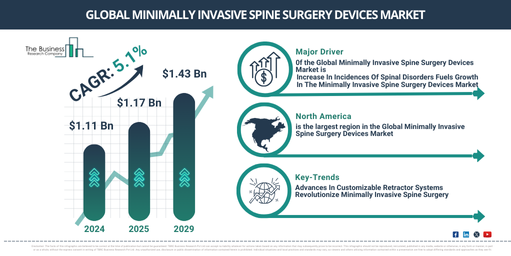
    In recent times, the market size for minimally invasive spine surgery devices has experienced significant growth. It is projected to increase from $1.11 billion in 2024 to $1.17 billion in 2025, exhibiting a compound annual growth rate (CAGR) of 5.5%. Factors contributing to this growth in the historical period include heightened patient preference for less invasive methods, mounting clinical proof validating the effectiveness and safety of these procedures, pressure to reduce costs on healthcare systems, an increase in training programs and educational initiatives, as well as a paradigm shift in surgical practices.

    What Growth Rate Is Anticipated for the Minimally Invasive Spine Surgery Devices Market in the Coming Years?

    In the forthcoming years, the market size for minimally invasive spine surgery devices is predicted to witness considerable growth, increasing to a value of $1.43 billion in 2029, with a compound annual growth rate (CAGR) of 5.1%. This projected growth within the forecast period can be credited to the rapid advancements in healthcare digitization, the widespread use of electronic health records (EHRS), advancements in regenerative medicine techniques, changes in healthcare reimbursement policies and greater collaboration between device manufacturers. Anticipated trends within this period will likely encompass innovations in surgical tools, imaging technologies, the production of biocompatible materials and implants, strides in personalized medicine and genetic testing, the incorporation of remote monitoring tech and telemedicine platforms, and the inclusion of VR and AR technologies.

    Download The Free Sample Report Here:

    https://www.thebusinessresearchcompany.com/sample.aspx?id=16738&type=smp

    Who Are the Leading Companies in the Minimally Invasive Spine Surgery Devices Market?

    Major companies operating in the minimally invasive spine surgery devices market are Stryker Corporation, Boston Scientific Corporation, Zimmer Biomet Holdings Inc., NuVasive Inc., Globus Medical Inc., MicroPort Scientific Corporation, Orthofix International N.V., Aesculap Inc., Alphatec Holdings Inc., SeaSpine Holdings Corporation, RTI Surgical Inc., Spinal Elements, Xtant Medical, Precision Medical Inc., Spine Wave Inc., Zavation Medical Products LLC., Life Spine Inc., Nexxt Spine LLC, CTL Amedica Corporation, Intrinsic Therapeutics Inc, Captiva Spine Inc., DePuy Synthes, Osseus Fusion Systems, SpineGuard S.A.

    What Are the Key Drivers of the Minimally Invasive Spine Surgery Devices Market?

    The escalating prevalence of spinal disorders is projected to be a significant catalyst pushing the growth trajectory of the minimally invasive spine surgery devices market upwards. Conditions affecting the spine, for instance, herniated discs, spinal stenosis, and scoliosis, are collectively grouped under spinal disorders. These conditions can lead to pain, stiffness, or neurological symptoms. Various factors like aging populations, inactive lifestyle patterns, repetitive stress injuries, and degenerative alterations in the spinal structures contribute to increasing spinal disorders. Devices used during minimally invasive spine surgery help address spinal disorders by minimizing tissue damage, shortening recuperation periods, and reducing the intensity of post-operative pain vis-à-vis traditional open surgery. The National Spinal Cord Injury Statistical Center, based at the University of Alabama at Birmingham (UAB) in the U.S, predicts that in 2024, nearly 305,000 individuals in America are expected to suffer from traumatic spinal cord injuries (tSCI). The estimates of such injuries range between 257,000 to 388,000 persons. For comparative analysis, in 2023, the approximate figure was about 302,000 individuals, that ranged between 255,000 to 383,000 persons. Thus, the upward trend in the incidences of spinal disorders is fueling the growth momentum of the minimally invasive spine surgery devices market.

    Request For A Customized Report:

    https://www.thebusinessresearchcompany.com/customise?id=16738&type=smp

    What Are the Key Market Segments in the Minimally Invasive Spine Surgery Devices Industry?

    The minimally invasive spine surgery devices market covered in this report is segmented –

    1) By Product: Cervical Fusion Devices, Spine Biologics, Vertebral Compression Fracture Treatment Devices, Non-fusion Devices, Spine Bone Stimulators, Spinal Decompression Devices

    2) By Treatment: Disk Herniation, Degenerative Spinal Disease, Spinal Stenosis, Other Treatments

    3) By Procedure: Discectomy, Laminotomy, Foraminotomy, Facetectomy, Corpectomy

    4) By Application: Fusion Surgery, Non-Fusion Surgery

    5) By End User: Ambulatory Surgical Centers (ASCs), Hospitals

    Subsegments:

    1) By Cervical Fusion Devices: Anterior Cervical Discectomy And Fusion (ACDF) Devices, Posterior Cervical Fusion Devices, Cervical Spinal Plates, Cervical Screws And Rod Systems

    2) By Spine Biologics: Bone Grafts And Bone Substitutes, Growth Factors And Stem Cells, Demineralized Bone Matrix (DBM), Synthetic Bone Grafts, Platelet-Rich Plasma (PRP), Osteobiologics For Spinal Fusion

    3) By Vertebral Compression Fracture Treatment Devices: Vertebroplasty And Kyphoplasty Kits, Balloon Kyphoplasty Devices, Bone Cement For Vertebroplasty, Percutaneous Spinal Fracture Repair Devices

    4) By Non-Fusion Devices: Dynamic Stabilization Systems, Artificial Discs (Lumbar And Cervical), Motion Preservation Devices, Total Disc Replacement Devices, Posterior Dynamic Stabilization Systems

    5) By Spine Bone Stimulators: Non-Invasive Spine Bone Stimulators, Invasive Spine Bone Stimulators, Electromagnetic Bone Stimulators, Ultrasound Bone Stimulators, Pulsed Electromagnetic Field (PEMF) Devices

    6) By Spinal Decompression Devices: Minimally Invasive Spinal Decompression Systems, Spinal Traction Devices, Percutaneous Discectomy Devices, Spinal Decompression Surgery Instruments, Spinal Distraction Devices

    What Are the Latest Trends in the Minimally Invasive Spine Surgery Devices Market?

    Leading businesses in the minimally invasive spine surgery devices market, are prioritizing the creation of advanced products, including customizable retractor systems, to improve surgical accuracy and enhance patient results. These systems in minimally invasive spine surgeries ensure accurate access and improved visibility, thus minimizing tissue harm and shortening recovery duration. In April 2023, for example, Orthofix Medical Inc., a medical device company based in the US, introduced two novel retractor systems for minimally invasive spine operations. The Lattus Lateral Access System provides user-friendliness, flexible blade retraction and is compatible with Orthofix’s WaveForm L and Regatta NanoMetalene devices. The Fathom Pedicle-Based Retractor System includes three active telescoping blade fixations, enabling precise adjustment and improving visibility, causing minimal tissue interference. Both systems enhance surgical procedures and cater to the specific anatomical requirements of patients.

    Access The Full Report Here:

    https://www.thebusinessresearchcompany.com/report/minimally-invasive-spine-surgery-devices-global-market-report

    What Are the Key Regional Markets in the Minimally Invasive Spine Surgery Devices Industry?

    North America was the largest region in the minimally invasive spine surgery devices market in 2023. The regions covered in the minimally invasive spine surgery devices market report are Asia-Pacific, Western Europe, Eastern Europe, North America, South America, Middle East, Africa.

    Purchase The Full Report Today:

    https://www.thebusinessresearchcompany.com/purchaseoptions.aspx?id=16738

    This Report Delivers Insight On:

    1. How big is the minimally invasive spine surgery devices market, and how is it changing globally?

    2. Who are the major companies in the minimally invasive spine surgery devices market, and how are they performing?

    3. What are the key opportunities and risks in the minimally invasive spine surgery devices market right now?

    4. Which products or customer segments are growing the most in the minimally invasive spine surgery devices market?

    5. What factors are helping or slowing down the growth of the minimally invasive spine surgery devices market?

    About The Business Research Company:

    With over 15000+ reports from 27 industries covering 60+ geographies, The Business Research Company has built a reputation for offering comprehensive, data-rich research and insights. Armed with 1,500,000 datasets, the optimistic contribution of in-depth secondary research, and unique insights from industry leaders, you can get the information you need to stay ahead in the game.

    Get in touch with us:

    The Business Research Company: https://www.thebusinessresearchcompany.com/

    Americas +1 310-496-7795

    Asia +44 2071930708

    Europe +44 7882 955267

    Email us at info@tbrc.info

    Follow us on:

    LinkedIn: https://in.linkedin.com/company/the-business-research-company

    YouTube: https://www.youtube.com/channel/UC24_fI0rV8cR5DxlCpgmyFQ

    Global Market Model: https://www.thebusinessresearchcompany.com/global-market-model
  • Biopharmaceutical Fermentation Systems Market to Reach $38.39 Billion by 2029 | Key Drivers and Future Outlook

    Claim your 30% discount on Global Market Reports with code ONLINE30. Limited time only.

    What Is the Estimated Market Size of the Biopharmaceutical Fermentation Systems Market In 2029?

    In recent times, the market size of biopharmaceutical fermentation systems has seen a significant increase. The market, which is anticipated to rise from $24.61 billion in 2024 to $26.86 billion in 2025, will grow at a compound annual growth rate (CAGR) of 9.1%. The increase during the historic period can be linked to a rise in demand for biologics, supportive regulations, industry consolidation, an upward trend in research and development investment, and a changing healthcare landscape.

    What Growth Rate Is Forecasted for the Biopharmaceutical Fermentation Systems Market by 2029?

    The biopharmaceutical fermentation systems market is projected to witness robust growth over the coming years, anticipated to reach $38.39 billion by 2029 with a compound annual growth rate (CAGR) of 9.3%. Factors contributing to the growth during this forecast period include expansion of the biopharmaceutical pipeline, the shift towards personalised medicine, adoption of continuous bioprocessing, growth in emerging markets, and advancements in automation and digitalisation. Key trends to look out for during this period include a spike in the adoption of continuous manufacturing, growth in the personalised medicine sector, the expansion of the biosimilars market, the integration of advanced analytics and AI, and a focus on sustainability and the environmental impact.

    Download The Free Sample Report Here:

    https://www.thebusinessresearchcompany.com/sample.aspx?id=15524&type=smp

    Which Key Companies Are Shaping the Future of the Biopharmaceutical Fermentation Systems Market?

    Major companies operating in the biopharmaceutical fermentation systems market are F. Hoffmann-La Roche Ltd., Thermo Fisher Scientific Inc., 3M Company, Danaher Corporation, Merck KGaA, Becton Dickinson and Company, GE Healthcare, Agilent Technologies Inc., Lonza Group AG, GEA Group AG, Sartorius Stedim Biotech, Bio-Rad Laboratories Inc., Pall Corporation, Nova Biomedical, Eppendorf AG, Repligen Corporation, ZETA Holding GmbH, New Brunswick Scientific, ABEC Inc., Pierre Guérin Technologies, AntoXa Corporation, Applikon Biotechnology, Cellexus Ltd., Infors HT, BioPharm Process Associates LLC

    Which Factors Are Driving Demand in the Biopharmaceutical Fermentation Systems Industry?

    The biopharmaceutical fermentation systems market is projected to grow as a result of the expanding biologics pipeline. Biologics are pharmaceutical products developed from living organisms or their components, such as vaccines, blood and blood components, gene therapies, tissues, and recombinant therapeutic proteins. The expansion of the biologics pipeline is due to advancements in biotechnology, better comprehension of disease mechanisms, and the need for targeted and personalized therapies. These fermentation systems are used in the production of biologics to grow genetically modified cells or microbes, enabling the large-scale production of complex therapeutic proteins, antibodies, and vaccines. For instance, the US-based National Library of Medicine revealed that in 2023, the Food and Drug Administration (FDA) gave approval to 55 new drugs, which included 29 new chemical entities (NCEs) and 25 new biological entities (NBEs), showing a 50% increase when compared to the 37 approvals in 2022. Thus, the rise in the biologics pipeline is fueling the expansion of the biopharmaceutical fermentation systems market.

    Request For A Customized Report:

    https://www.thebusinessresearchcompany.com/customise?id=15524&type=smp

    How Is the Biopharmaceutical Fermentation Systems Market Segmented by Several Divisions?

    The biopharmaceutical fermentation systems market covered in this report is segmented –

    1) By Product: Upstream Products, Downstream Products

    2) By Application: Recombinant Proteins, Monoclonal Antibodies, Antibiotics, Probiotics, Other Applications

    3) By End-User: Biopharmaceutical Companies, Contract Manufacturing Organizations, Contract Research Organizations, Academic Research Institutes, Food Industry, Other End-Users

    Subsegments:

    1) By Upstream Products: Fermenters Or Bioreactors, Culture Media, Inoculum Preparation Systems, Gas And Liquid Flow Control Systems, Process Monitoring And Control Systems, Sterilization Systems

    2) By Downstream Products: Filtration Systems, Centrifuges, Chromatography Systems, Ultrafiltration And Microfiltration Systems, Concentration And Purification Systems, Packaging And Storage Systems

    What are the Emerging Market Trends Driving the Growth of the Biopharmaceutical Fermentation Systems Industry?

    Leading enterprises in the biologics fermentation systems market are concentrating on crafting innovative fermentation systems like automated bioreactors to boost effectiveness, scalability, and repeatability. Automated bioreactors are state-of-the-art bio-processing systems that incorporate automated monitoring and control technologies to perfect growth conditions for cells or microorganisms in biopharmaceutical manufacturing. For example, Froilabo, a lab equipment firm based in France, debuted fully automated lab-scale bioreactors in October 2022. These bioreactors are purposely built to cater to different uses, including academia, research, process development, and production. Their design provides top-quality aseptic conditions with customizable options for the placement and variety of impellers, equipped with a new magnetic mixer, and a non-welded lid.

    Access The Full Report Here:

    https://www.thebusinessresearchcompany.com/report/biopharmaceutical-fermentation-systems-global-market-report

    Which Regions Are Driving Growth in the Biopharmaceutical Fermentation Systems Market?

    North America was the largest region in the biopharmaceutical fermentation systems market in 2023. The regions covered in the biopharmaceutical fermentation systems market report are Asia-Pacific, Western Europe, Eastern Europe, North America, South America, Middle East, Africa.

    Purchase The Full Report Today:

    https://www.thebusinessresearchcompany.com/purchaseoptions.aspx?id=15524

    This Report Delivers Insight On:

    1. How big is the biopharmaceutical fermentation systems market, and how is it changing globally?

    2. Who are the major companies in the biopharmaceutical fermentation systems market, and how are they performing?

    3. What are the key opportunities and risks in the biopharmaceutical fermentation systems market right now?

    4. Which products or customer segments are growing the most in the biopharmaceutical fermentation systems market?

    5. What factors are helping or slowing down the growth of the biopharmaceutical fermentation systems market?

    About The Business Research Company:

    With over 15000+ reports from 27 industries covering 60+ geographies, The Business Research Company has built a reputation for offering comprehensive, data-rich research and insights. Armed with 1,500,000 datasets, the optimistic contribution of in-depth secondary research, and unique insights from industry leaders, you can get the information you need to stay ahead in the game.

    Get in touch with us:

    The Business Research Company: https://www.thebusinessresearchcompany.com/

    Americas +1 310-496-7795

    Asia +44 2071930708

    Europe +44 7882 955267

    Email us at info@tbrc.info

    Follow us on:

    LinkedIn: https://in.linkedin.com/company/the-business-research-company

    YouTube: https://www.youtube.com/channel/UC24_fI0rV8cR5DxlCpgmyFQ

    Global Market Model: https://www.thebusinessresearchcompany.com/global-market-model
  • Minimally Invasive Glaucoma Surgery (MIGS) Devices Market Projected at $2.42 Billion by 2029 | Strategic Insights and Forecast Data

    Claim your 30% discount on Global Market Reports with code ONLINE30. Limited time only.

    #How Has The Minimally Invasive Glaucoma Surgery (MIGS) Devices Market Size Shifted, And What Is the Outlook Through 2034?

    In the last few years, there has been explosive growth in the market size of minimally invasive glaucoma surgery (MIGS) devices. The market is projected to expand from $0.7 billion in 2024 to $0.9 billion in 2025, with a compound annual growth rate (CAGR) of 28.3%. The elevation in market growth during the past period is a result of heightened awareness towards preventing blindness, bolstered investments in health care infrastructure, improved patient cognizance on sophisticated vision correction treatments, and an uptick in government initiatives.

    How Much Will the Minimally Invasive Glaucoma Surgery (MIGS) Devices Market Be Worth in 2029?

    The market size for minimally invasive glaucoma surgery (MIGS) devices is predicted to experience significant expansion in the coming years. It’s expected to reach $2.42 billion in 2029, with a compound annual growth rate (CAGR) of 28.1%. Factors such as the increasing incidents of eye diseases like glaucoma, an aging population, improvements in healthcare facilities, and a rising demand for safer and more effective treatments are anticipated to contribute to the growth during the forecast period. The forecast period is also likely to witness trends such as the adoption of MIGS devices, technological advancements, introduction of innovative minimally invasive glaucoma surgery devices, development of advanced implantable devices, and progress in ophthalmic technology.

    Download The Free Sample Report Here:

    https://www.thebusinessresearchcompany.com/sample.aspx?id=15863&type=smp

    Which is the Largest Company in the Minimally Invasive Glaucoma Surgery (MIGS) Devices Market?

    Major companies operating in the minimally invasive glaucoma surgery (MIGS) devices market are AbbVie Inc., Novartis AG, Alcon Inc., Bausch Health Companies Inc., Bausch & Lomb Incorporated Inc., Carl Zeiss Meditec AG, Santen Pharmaceutical Co. Ltd., Johnson & Johnson Vision Care Inc., Lumenis Ltd., Staar Surgical Company, Glaukos Corporation, Sight Sciences Inc., Ocular Therapeutix Inc., Iridex Corporation, Ellex Medical Lasers Ltd., New World Medical Inc., MicroSurgical Technology Inc., Nova Eye Medical Limited, Asico LLC, Ziemer Ophthalmic Systems AG, Transcend Medical, iSTAR Medical SA, Ivantis Group Inc., Allergan, InnFocus Inc.

    What Are the Main Market Drivers in the Minimally Invasive Glaucoma Surgery (MIGS) Devices Industry?

    The escalating incidence of conditions impacting the eyes and vision is anticipated to stimulate the expansion of the minimally invasive glaucoma surgery (MIGS) devices sector. Lifestyle shifts, environmental factors, and aging societies are contributing to a rise in eye disorders. Tools such as minimally invasive glaucoma surgery (MIGS) devices are being innovatively employed to manage different eye illnesses, mainly concentrating on lessening the intraocular pressure (IOP) to restrict or manage the advancement of glaucoma. The National Eye Institute, a U.S. government agency, predicts that approximately 2.2 million Americans will be either entirely or partially sightless by 2030, hence implying a continuing growth driver for the minimally invasive glaucoma surgery (MIGS) devices segment due to the growing occurrences of eye disorders.

    Request For A Customized Report:

    https://www.thebusinessresearchcompany.com/customise?id=15863&type=smp

    How Is the Minimally Invasive Glaucoma Surgery (MIGS) Devices Market Segments Structured?

    The minimally invasive glaucoma surgery (MIGS) devices market covered in this report is segmented –

    1) By Product: Valves, Glaucoma Drainage Implant, Glaucoma Tube Shunts, Stents, Other Products

    2) By Surgery: Glaucoma In Conjunction With Cataract, Stand Alone Glaucoma

    3) By Target: Trabecular Meshwork, Suprachoroidal Space, Other Targets

    4) By Distribution Channel: Direct Tender, Retail Sales

    5) By End User: Ophthalmology Clinics, Ambulatory Surgery Centers (ASCS), Other End Users

    Subsegments:

    1) By Valves: Micro Shunt Valves, Non-penetrating Valves

    2) By Glaucoma Drainage Implant: Scleral Drainage Implants, Subconjunctival Drainage Implants

    3) By Glaucoma Tube Shunts: Ahmed Tube Shunt, Baerveldt Tube Shunt

    4) By Stents: Ab-Interno Stents, Ab-Externo Stents

    5) By Other Products: Cyclodestructive Devices, Trabecular Bypass Devices

    What Strategic Trends Are Transforming the Minimally Invasive Glaucoma Surgery (MIGS) Devices Market?

    Leading firms in the minimally invasive glaucoma surgery (MIGS) devices market are concentrating on creating innovative products like stent injectable systems to fulfill the gaps in glaucoma management and enhance patient results. A stent injectable system, a MIGS device, implants a small stent into the body utilizing an injection-based process, typically employing a unique delivery method widely used in less invasive operations for treating conditions such as narrowed or blocked blood vessels. For example, Glaukos Corporation, an ophthalmic medical technology firm based in the United States, was granted 510(k) clearance by the U.S. Food and Drug Administration (FDA) in August 2022 for their iStent Infinite Trabecular Micro-Bypass System. The iStent Infinite introduces a new three-stent injectable system aimed to offer constant, round-the-clock intraocular pressure (IOP) control for patients with primary open-angle glaucoma (POAG) whose IOP is not managed by previous medication or surgical treatment.

    Access The Full Report Here:

    https://www.thebusinessresearchcompany.com/report/minimally-invasive-glaucoma-surgery-migs-devices-global-market-report

    Which Global Regions Offer the Highest Growth in the Minimally Invasive Glaucoma Surgery (MIGS) Devices Market?

    North America was the largest region in the minimally invasive glaucoma surgery (MIGS) devices market in 2024. Asia-Pacific is expected to be the fastest-growing region in the forecast period. The regions covered in the minimally invasive glaucoma surgery (MIGS) devices market report are Asia-Pacific, Western Europe, Eastern Europe, North America, South America, Middle East and Africa.

    Purchase The Full Report Today:

    https://www.thebusinessresearchcompany.com/purchaseoptions.aspx?id=15863

    This Report Delivers Insight On:

    1. How big is the minimally invasive glaucoma surgery (migs) devices market, and how is it changing globally?

    2. Who are the major companies in the minimally invasive glaucoma surgery (migs) devices market, and how are they performing?

    3. What are the key opportunities and risks in the minimally invasive glaucoma surgery (migs) devices market right now?

    4. Which products or customer segments are growing the most in the minimally invasive glaucoma surgery (migs) devices market?

    5. What factors are helping or slowing down the growth of the minimally invasive glaucoma surgery (migs) devices market?

    About The Business Research Company:

    With over 15000+ reports from 27 industries covering 60+ geographies, The Business Research Company has built a reputation for offering comprehensive, data-rich research and insights. Armed with 1,500,000 datasets, the optimistic contribution of in-depth secondary research, and unique insights from industry leaders, you can get the information you need to stay ahead in the game.

    Get in touch with us:

    The Business Research Company: https://www.thebusinessresearchcompany.com/

    Americas +1 310-496-7795

    Asia +44 2071930708

    Europe +44 7882 955267

    Email us at info@tbrc.info

    Follow us on:

    LinkedIn: https://in.linkedin.com/company/the-business-research-company

    YouTube: https://www.youtube.com/channel/UC24_fI0rV8cR5DxlCpgmyFQ

    Global Market Model: https://www.thebusinessresearchcompany.com/global-market-model
  • Asthma Spacers Market to Reach $2.57 Billion by 2029 | Key Drivers and Future Outlook

    Asthma Spacers Market to Reach $2.57 Billion by 2029 | Key Drivers and Future Outlook

    Claim your 30% discount on Global Market Reports with code ONLINE30. Limited time only.

    What Is the Estimated Market Size of the Asthma Spacers Market In 2029?

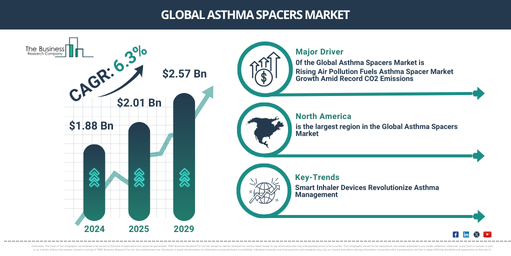
    In recent years, the market size for asthma spacers has seen robust growth. The market is projected to expand from $1.88 billion in 2024 to $2.01 billion in 2025, registering a compound annual growth rate (CAGR) of 6.6%. The substantial growth during the historic period can be attributed to factors such as the escalating incidence of asthma, advancements in diagnosis and awareness, regulatory approvals and guidelines, development of healthcare infrastructure, and the implementation of effective insurance and reimbursement policies.

    What Growth Rate Is Forecasted for the Asthma Spacers Market by 2029?

    The market for asthma spacers is predicted to experience significant growth in the coming years, with the market size projected to reach $2.57 billion by 2029, growing at a compound annual growth rate (CAGR) of 6.3%. This growth during the forecast period can be tied to factors such as the increase in the pediatric and elderly populations, emphasis on preventive healthcare, breakthroughs in telemedicine, emerging markets, patient education and training initiatives, collaborations, and partnerships, as well as personalized medicine. Major anticipated trends during the forecast period include the implementation of smart inhalers, a focus on the management of pediatric asthma, the demand for portable devices, integration of telehealth, growth investment in research and development, as well as personalized management solutions.

    Download The Free Sample Report Here:

    https://www.thebusinessresearchcompany.com/sample.aspx?id=15727&type=smp

    Which Key Companies Are Shaping the Future of the Asthma Spacers Market?

    Major companies operating in the asthma spacers market are Merck & Co. Inc., AstraZeneca Plc., Novartis AG, GlaxoSmithKline plc, Koninklijke Philips NV, Teva Pharmaceutical Industries Ltd., Mylan NV, Boehringer Ingelheim International GmbH, Smiths Medical Inc., AptarGroup Inc., Cipla Limited, Teleflex Incorporated, Lupin Limited, Mundipharma International Limited, SunMed Holdings LLC, Drive DeVilbiss Healthcare, Trudell Medical International, Bird HealthCare Pty Ltd., Vyaire Medical Inc., Omron Healthcare Inc., PARI GmbH, Vitalograph, Monaghan Medical Corporation, Medical Developments International Ltd., Clement Clarke International Ltd., Instrumentation Industries Inc

    Which Factors Are Driving Demand in the Asthma Spacers Industry?

    The increase in air pollution is predicted to accelerate the expansion of the asthma spacer market in the future. Certain substances detrimental to human health, the environment, and the overall living conditions present in the air account for air pollution. This significant environmental and public health issue is the result of both natural and human-driven factors, involving many substances that are harmful to human health and ecosystems. Asthma spacers can act as a protective tool during times of intense air pollution, minimizing the amount of pollutants that enter breathing passages through inhalers and hence, reducing the risk of a deterioration of asthma symptoms due to airborne irritants. As an example, its influence can be determined through data put forward by the International Energy Agency (IEA), an autonomous intergovernmental organization based in France, which reported that in March 2024, global energy-related carbon dioxide (CO2) emissions saw a spike of 1.1%, equivalent to 410 million metric tons (Mt CO2) as compared to 321 million metric tons in 2022. A record-breaking value of over 37.4 metric tons in 2023 was achieved, in contrast to 36.8 billion metric tons in 2022. This escalating air pollution is anticipated to fuel the growth of the asthma spacer market.

    Request For A Customized Report:

    https://www.thebusinessresearchcompany.com/customise?id=15727&type=smp

    How Is the Asthma Spacers Market Segmented by Several Divisions?

    The asthma spacers market covered in this report is segmented –

    1) By Product: Aerochamber, Optichamber, Volumatic, Inspirease, Other Products

    2) By Distribution Channels: E-commerce Channels, Retail Pharmacies, Hospital Pharmacies, Other Distribution Channels

    3) By Application: Preventive Use, Rescue Use, Combined Use

    4) By End-Use: Homecare Settings, Hospitals And Clinics, Other End-Users

    Subsegments:

    1) By Aerochamber: Aerochamber Plus, Aerochamber Flow-Vu

    2) By Optichamber: Optichamber Diamond, Optichamber Standard

    3) By Volumatic: Volumatic Spacer, Volumatic Plus

    4) By Inspirease: Inspirease Spacer Device

    5) By Other Products: Babyhaler, Funhaler

    What are the Emerging Market Trends Driving the Growth of the Asthma Spacers Industry?

    Top-tier companies in the asthma spacer market are prioritizing the fusion of intelligent technologies with connected metered-dose inhaler (MDI) devices to bolster patient compliance and refine treatment results. Connected MDIs are innovative inhalers that integrate digital tech to keep track of usage, maintain adherence records, and generate valuable data for patients and healthcare providers to enhance management of respiratory diseases. For example, Aptar Pharma, an American pharmaceutical manufacturing firm, introduced the HeroTracker Sense in February 2022. The smart connected healthcare device is designed to monitor and track medication usage for respiratory conditions such as asthma, giving patients the ability to precisely measure and log inhaler doses. This data provides crucial insights for healthcare professionals when tailoring individual treatment plans. This trend underscores a transition towards customized and tech-centric solutions in the asthma spacer market to elevate patient results and overall efficacy in healthcare.

    Access The Full Report Here:

    https://www.thebusinessresearchcompany.com/report/asthma-spacers-global-market-report

    Which Regions Are Driving Growth in the Asthma Spacers Market?

    North America was the largest region in the asthma spacers market in 2023. Asia-Pacific is expected to be the fastest-growing region in the forecast period. The regions covered in the asthma spacers market report are Asia-Pacific, Western Europe, Eastern Europe, North America, South America, Middle East and Africa.

    Purchase The Full Report Today:

    https://www.thebusinessresearchcompany.com/purchaseoptions.aspx?id=15727

    This Report Delivers Insight On:

    1. How big is the asthma spacers market, and how is it changing globally?

    2. Who are the major companies in the asthma spacers market, and how are they performing?

    3. What are the key opportunities and risks in the asthma spacers market right now?

    4. Which products or customer segments are growing the most in the asthma spacers market?

    5. What factors are helping or slowing down the growth of the asthma spacers market?

    About The Business Research Company:

    With over 15000+ reports from 27 industries covering 60+ geographies, The Business Research Company has built a reputation for offering comprehensive, data-rich research and insights. Armed with 1,500,000 datasets, the optimistic contribution of in-depth secondary research, and unique insights from industry leaders, you can get the information you need to stay ahead in the game.

    Get in touch with us:

    The Business Research Company: https://www.thebusinessresearchcompany.com/

    Americas +1 310-496-7795

    Asia +44 2071930708

    Europe +44 7882 955267

    Email us at info@tbrc.info

    Follow us on:

    LinkedIn: https://in.linkedin.com/company/the-business-research-company

    YouTube: https://www.youtube.com/channel/UC24_fI0rV8cR5DxlCpgmyFQ

    Global Market Model: https://www.thebusinessresearchcompany.com/global-market-model

  • Assisted Living Technologies Market Size to Exceed $16.74 Billion by 2029 | Growth and Industry Trends

    Assisted Living Technologies Market Size to Exceed $16.74 Billion by 2029 | Growth and Industry Trends

    Claim your 30% discount on Global Market Reports with code ONLINE30. Limited time only.

    How Fast Is The Assisted Living Technologies Market Expected to Grow Between 2025 And 2029?

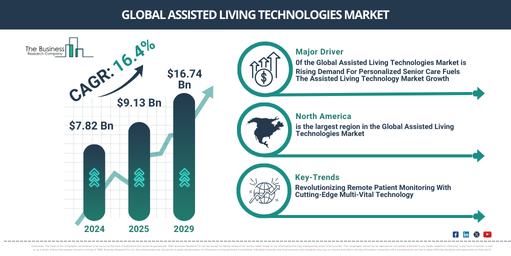
    The market size for assisted living technologies has seen a quick expansion in the past few years. With a size measuring $7.82 billion in 2024, it is projected to escalate to $9.13 billion in 2025, displaying a compound annual growth rate (CAGR) of 16.8%. Factors such as increased aging populations, rising occurrences of chronic diseases, escalating healthcare expenses, enhanced internet connectivity, growing understanding of home healthcare advantages, coupled with supportive governmental policies and incentives have contributed significantly to its growth during the historic period.

    What Growth Rate Is Anticipated for the Assisted Living Technologies Market in the Coming Years?

    The market for assisted living technologies is poised for robust growth in the coming years. It is projected to escalate to a value of $16.74 billion in 2029, recording a compound annual growth rate (CAGR) of 16.4%. This expansion in the forecasted period can be ascribed to factors like escalating smart home integration, the growth of the elder population with technological skills, the surge in telehealth services, increasing custom care solutions, increased need for self-reliant living, and amplified regulatory backing for digital health. Trends forecasted for this period include the augmented integration of AI for tailor-made care, the proliferation in the utilization of IoT devices for instantaneous health tracking, the spike in telehealth services, advancements in wearable health technology, proliferation of voice-activated helpers, and the enhancement of cybersecurity precautions.

    Download The Free Sample Report Here:

    https://www.thebusinessresearchcompany.com/sample.aspx?id=15515&type=smp

    Who Are the Leading Companies in the Assisted Living Technologies Market?

    Major companies operating in the assisted living technologies market are Samsung Electronics Co. Ltd., Johnson & Johnson, Siemens AG, General Electric Company, Panasonic Corporation, Honeywell International Inc., Medtronic plc, ABB Ltd., Koninklijke Philips N.V., Legrand SA, Resideo Technologies Inc., ADT Inc., Tunstall Group Holdings Limited, WellSky, Lively, Essence Group, Possum Limited, GrandCare Systems, Vitaphone GmbH, Tynetec Limited, 2PCS Solutions GmbH, Assisted Living Technologies Inc., Bay Alarm Medical, Gnomon Informatics S.A., Independa Inc., Alcove

    What Are the Key Drivers of the Assisted Living Technologies Market?

    Advancements in the assisted living technology market are expected to skyrocket due to the increasing need for personalized senior care services. These services encompass a wide array of provisions aimed at enabling the elderly to maintain a certain standard of living. The rising elderly population, their distinct requirements, and the pursuit of top-tier care are leading to a surge in demand for such services. Assisted living technology solutions offer the ability to remotely track health indicators of the elderly like activity levels, medication routines, critical vital signs, and fall detection. These resources assist the elderly in sticking to medication schedules, averting mistakes, and enhancing health results overall. For example, statistics from the Australian Institute of Health and Welfare, a government agency from Australia, reported in June 2023 that the count of individuals aged 65 and above residing in permanent residential aged care saw a rise of 3.1% in the preceding five years, with the number increasing from 172,000 on June 30, 2017, to 178,000 on June 30, 2022. Consequently, the accelerating demand for personalized senior care services is fuelling the expansion of the assisted living technology market.

    Request For A Customized Report:

    https://www.thebusinessresearchcompany.com/customise?id=15515&type=smp

    What Are the Key Market Segments in the Assisted Living Technologies Industry?

    The assisted living technologies market covered in this report is segmented –

    1) By Component: Hardware, Software And Apps, Services

    2) By Facility Type: Adult Family Home, Community-Based Residential Facility, Residential Care Apartment Complex

    3) By End-User: Assisted Living Facilities, Nursing Homes, Rehabilitation Centers, Home Care Settings, Hospices, Other End-Users

    Subsegments:

    1) By Hardware: Wearable Devices (Smartwatches, Health Trackers), Sensors (Motion, Pressure, Temperature), Home Automation Systems (Smart Lights, Smart Thermostats), Monitoring Devices (Fall Detection Systems, Emergency Alert Systems)

    2) By Software And Apps: Health Monitoring Apps, Remote Patient Monitoring Software, Medication Management Software, Communication And Coordination Software, Emergency Response Apps

    3) By Services: Remote Monitoring Services, Personal Care Assistance, Telehealth Services, Maintenance And Support Services, Data Analytics And Reporting Services

    What Are the Latest Trends in the Assisted Living Technologies Market?

    Key players in the assisted living technologies market are introducing multi-sensor remote patient monitoring systems in an effort to streamline the constant remote supervision of vital signs and enhance patient treatment. Such platforms allow medical practitioners to keep a closer watch on their patients’ health conditions, paving the way for a more tailored approach to care which results in improved patient health and more efficient handling of chronic diseases. As an example, Blue Spark Technologies, a healthcare technology company based in the US, unveiled VitalTraq, a multi-sensor remote patient monitoring system, in January 2024. This platform is equipped with remote photoplethysmography (rPPG), a non-contact technology capable of evaluating heart rate, variability, blood pressure, and breathing rate through a swift 30- to 60-second facial scan. VitalTraq merges with Blue Spark’s FDA-approved TempTraq, a Bluetooth-connected patch that tracks patient temperature and sends real-time alerts about temperature increases. Non-contact scanning combined with a wearable temperature sensor provide an all-round remote monitoring solution.

    Access The Full Report Here:

    https://www.thebusinessresearchcompany.com/report/assisted-living-technologies-global-market-report

    What Are the Key Regional Markets in the Assisted Living Technologies Industry?

    North America was the largest region in the assisted living technologies market in 2023. The regions covered in the assisted living technologies market report are Asia-Pacific, Western Europe, Eastern Europe, North America, South America, Middle East, Africa.

    Purchase The Full Report Today:

    https://www.thebusinessresearchcompany.com/purchaseoptions.aspx?id=15515

    This Report Delivers Insight On:

    1. How big is the assisted living technologies market, and how is it changing globally?

    2. Who are the major companies in the assisted living technologies market, and how are they performing?

    3. What are the key opportunities and risks in the assisted living technologies market right now?

    4. Which products or customer segments are growing the most in the assisted living technologies market?

    5. What factors are helping or slowing down the growth of the assisted living technologies market?

    About The Business Research Company:

    With over 15000+ reports from 27 industries covering 60+ geographies, The Business Research Company has built a reputation for offering comprehensive, data-rich research and insights. Armed with 1,500,000 datasets, the optimistic contribution of in-depth secondary research, and unique insights from industry leaders, you can get the information you need to stay ahead in the game.

    Get in touch with us:

    The Business Research Company: https://www.thebusinessresearchcompany.com/

    Americas +1 310-496-7795

    Asia +44 2071930708

    Europe +44 7882 955267

    Email us at info@tbrc.info

    Follow us on:

    LinkedIn: https://in.linkedin.com/company/the-business-research-company

    YouTube: https://www.youtube.com/channel/UC24_fI0rV8cR5DxlCpgmyFQ

    Global Market Model: https://www.thebusinessresearchcompany.com/global-market-model

  • Assisted Living Facility And Neurorehabilitation Industry Insights 2025 – Market Forecast for Executives and Planners

    Assisted Living Facility And Neurorehabilitation Industry Insights 2025 – Market Forecast for Executives and Planners

    Claim your 30% discount on Global Market Reports with code ONLINE30. Limited time only.

    #How Has The Assisted Living Facility And Neurorehabilitation Market Size Shifted, And What Is the Outlook Through 2034?

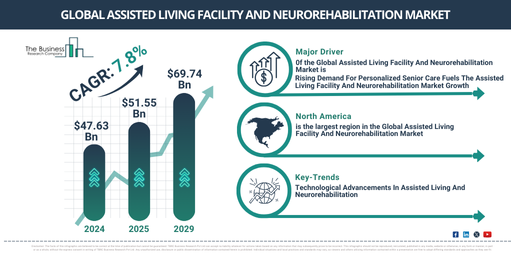
    There has been a significant expansion in the market size for assisted living facilities and neurorehabilitation in the latest years. The market is projected to expand from $47.63 billion in 2024 to $51.55 billion in 2025, with a compound annual growth rate (CAGR) of 8.2%. The historical growth can be attributed to the rising demand from the elderly population, the need for neurorehabilitation centers, the growing popularity of continuing-care retirement communities, and the increasing number of survivors of traumatic brain injuries (TBI).

    How Much Will the Assisted Living Facility And Neurorehabilitation Market Be Worth in 2029?

    In the coming years, a robust growth is expected in the market size for assisted living and neurorehabilitation facilities. The market is projected to expand to $69.74 billion by 2029, experiencing a compound annual growth rate (CAGR) of 7.8%. This surge during the forecast period can be accredited to the demand for neurorehabilitation devices, increasing instances and widespread prevalence of neurological disorders, rising income of the elderly population, and their preference for residing in senior housing communities to avail superior healthcare. The forecast period will also witness key trends including medical and technological advancements, the surge in the use of computer-assisted and electronic robotic devices, rapid adoption of new treatments, and technological progressions.

    Download The Free Sample Report Here:

    https://www.thebusinessresearchcompany.com/sample.aspx?id=15726&type=smp

    Which is the Largest Company in the Assisted Living Facility And Neurorehabilitation Market?

    Major companies operating in the assisted living facility and neurorehabilitation market are Community Health Systems Inc., Sevita Health, Encompass Health Corporation, Kindred Healthcare LLC, Brookdale Senior Living, Atria Senior Living Inc., SCA Health, Belmont VillAge L.P., Aegis Living, Craig Hospital, NeuroRestorative, Centre For Neuro Skills, Bioness Inc., Texas NeuroRehab Center, Catholic Eldercare, Moody Neurorehabilitation Institute, ResCare Inc., Sukino Healthcare Solutions Pvt. Ltd., TeamHealth, Mary Lee Foundation, Sanctus Rehabilitation Care Foundation

    What Are the Main Market Drivers in the Assisted Living Facility And Neurorehabilitation Industry?

    The increasing need for tailored care services for the elderly is anticipated to drive the expansion of the assisted living facility and neurorehabilitation market. Customized care services for the elderly encompass a multitude of options aimed at aiding seniors in their daily life. The rise in these services can be attributed to the growing senior population, along with their specific requirements and the desire for superior care. The fusion of assisted living facilities and neurorehabilitation into personalized senior care offers comprehensive support, merging everyday living aid with specialized therapeutic practices designed for individual neurological conditions. For example, Australia’s governmental agency, the Australian Institute of Health and Welfare, reported in March 2023 that during 2021-22, government expenditures for aged care reached $24.8 billion. With the population aging, this expense is expected to increase from 1.1% of GDP in 2021-22 to 2.5% by 2062–63. Hence, the surging demand for personalized senior care services is contributing to the development of the assisted living facility and neurorehabilitation market.

    Request For A Customized Report:

    https://www.thebusinessresearchcompany.com/customise?id=15726&type=smp

    How Is the Assisted Living Facility And Neurorehabilitation Market Segments Structured?

    The assisted living facility and neurorehabilitation market covered in this report is segmented –

    1) By Type: Women, Men

    2) By Age: Less Than 65, 65-74, 75-84, More Than 85

    3) By Application: Hospitals, Clinics, Personal Care, Other Applications

    Subsegments:

    1) By Women: Elderly Women, Women With Cognitive Disorders, Women With Physical Disabilities

    2) By Men: Elderly Men, Men With Cognitive Disorders, Men With Physical Disabilities

    What Strategic Trends Are Transforming the Assisted Living Facility And Neurorehabilitation Market?

    Large businesses in the assisted living and neurorehabilitation market are concentrating on technological advancements, such as intelligent peripheral devices, to maintain a competitive advantage. These smart peripheral devices are ultra-sensitive controllers that detect the intricate grasp forces and wrist movements required for everyday tasks. They are capable of identifying minor finger and hand forces, even for the most poorly patients. For example, MindMaze, a Switzerland-based digital therapeutics company, introduced Izar, a unique smart peripheral device that is listed by the FDA and marked CE, in February 2023. This device was created for patients with hand motor function impairment. Izar is designed to address a significant shortfall in neurological care, aiming to be the most effective treatment to enhance hand dexterity and power in a variety of conditions, like stroke, Parkinson’s disease, Alzheimer’s disease, and traumatic brain injury.

    Access The Full Report Here:

    https://www.thebusinessresearchcompany.com/report/assisted-living-facility-and-neurorehabilitation-global-market-report

    Which Global Regions Offer the Highest Growth in the Assisted Living Facility And Neurorehabilitation Market?

    North America was the largest region in the assisted living facility and neurorehabilitation market in 2023. Asia-Pacific is expected to be the fastest growing region in the market. The regions covered in the assisted living facility and neurorehabilitation market report are Asia-Pacific, Western Europe, Eastern Europe, North America, South America, Middle East, Africa.

    Purchase The Full Report Today:

    https://www.thebusinessresearchcompany.com/purchaseoptions.aspx?id=15726

    This Report Delivers Insight On:

    1. How big is the assisted living facility and neurorehabilitation market, and how is it changing globally?

    2. Who are the major companies in the assisted living facility and neurorehabilitation market, and how are they performing?

    3. What are the key opportunities and risks in the assisted living facility and neurorehabilitation market right now?

    4. Which products or customer segments are growing the most in the assisted living facility and neurorehabilitation market?

    5. What factors are helping or slowing down the growth of the assisted living facility and neurorehabilitation market?

    About The Business Research Company:

    With over 15000+ reports from 27 industries covering 60+ geographies, The Business Research Company has built a reputation for offering comprehensive, data-rich research and insights. Armed with 1,500,000 datasets, the optimistic contribution of in-depth secondary research, and unique insights from industry leaders, you can get the information you need to stay ahead in the game.

    Get in touch with us:

    The Business Research Company: https://www.thebusinessresearchcompany.com/

    Americas +1 310-496-7795

    Asia +44 2071930708

    Europe +44 7882 955267

    Email us at info@tbrc.info

    Follow us on:

    LinkedIn: https://in.linkedin.com/company/the-business-research-company

    YouTube: https://www.youtube.com/channel/UC24_fI0rV8cR5DxlCpgmyFQ

    Global Market Model: https://www.thebusinessresearchcompany.com/global-market-model

  • Aseptic Sampling Market Trends Report 2025 – For Business Development and Strategy Teams

    Aseptic Sampling Market Trends Report 2025 – For Business Development and Strategy Teams

    Claim your 30% discount on Global Market Reports with code ONLINE30. Limited time only.

    #How Has the Aseptic Sampling Market Growth Performance Trended Historically, And What Lies Ahead?

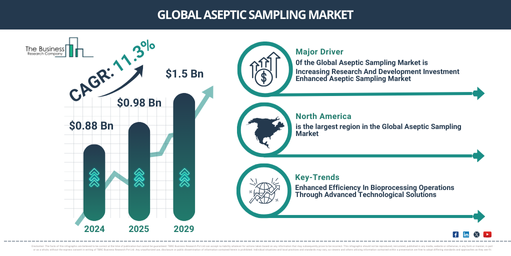
    The size of the aseptic sampling market has seen a swift expansion in the past few years. Its size is anticipated to increase from $0.88 billion in 2024 to $0.98 billion in 2025, reflecting a compound annual growth rate (CAGR) of 11.5%. Factors contributing to this growth during the historical period include enhancements in pharmaceutical manufacturing, mounting concerns about product safety, the expansion of biopharmaceutical production, the implementation of rigid regulatory standards, and the broadening use in the food and beverage sectors.

    What Is the Forecast for the Aseptic Sampling Market Size Through 2029?

    Rapid expansion is anticipated in the aseptic sampling market, with projections showing a growth to $1.5 billion by 2029, indicating a compound annual growth rate (CAGR) of 11.3%. This predicted growth within the forecast period is largely due to advancements within the pharmaceutical and biotechnology sectors, a surge in demand for personalized medical treatment, increased concentration on quality and safety in healthcare, enlargement of the biologics market, and the internationalization of pharmaceutical manufacturing. The forecast period is also likely to see a rise in the adoption of automated sampling technology, increased application in bioprocessing, the growth of pharmaceutical and biotechnology industries, stronger emphasis on regulatory compliance, the development of all-encompassing sampling solutions, and an intensified focus on minimizing the risk of contamination.

    Download The Free Sample Report Here:

    https://www.thebusinessresearchcompany.com/sample.aspx?id=15725&type=smp

    What are the Key Market Players in Aseptic Sampling Market and How They’re Evolving?

    Major companies operating in the aseptic sampling market are Merck & Co. Inc., Saint-Gobain Performance Plastics, Thermo Fisher Scientific Inc., 3M Company, Danaher Corporation, Parker-Hannifin Corporation, Corning Incorporated, Avantor Inc., Lonza Group AG, GEA Group Aktiengesellschaft, W. L. Gore & Associates Inc., Sartorius AG, Charles River Laboratories International Inc., QualiTest Group, Eppendorf AG, Repligen Corporation, Gemü Group, Watson-Marlow Fluid Technology Group, Cole-Parmer Instrument Company LLC, LabVantage Solutions Inc., Advanced Microdevices Pvt. Ltd., TRACE Analytics GmbH, QualiTru Sampling Systems, KEOFITT A/S, Bbi-biotech GmbH

    What Are the Primary Growth Drivers in the Aseptic Sampling Market?

    The expansion of the aseptic sampling market is projected to be driven by increased investments in research and development activities. Such investments represent funds devoted to scientific discoveries and innovation, with the goal of improving products, processes, or technologies. The escalation in research and development investments can be ascribed to several elements, including intensifying competition, advancements in technology, regulatory prerequisites, and companies’ focus on growth strategies fueled by innovation. Heightened investment in research and development enhances the techniques used in aseptic sampling, guaranteeing greater accuracy, sterility, and adherence in pharmaceutical manufacturing. For example, the European Federation of Pharmaceutical Industries and Associations (EFPIA), a Belgian pharmaceutical industry association, reported a substantial increase in R&D spending in June 2023. The investment jumped from $30.5 billion in 2020 to $46.5 billion in 2021, and then to $48.6 billion in 2022, denoting a significant increase in research and development investment within the pharmaceutical sector. Hence, the upswing in investments in research and development activities is fueling the growth of the aseptic sampling market.

    Request For A Customized Report:

    https://www.thebusinessresearchcompany.com/customise?id=15725&type=smp

    What Are the Leading Segments in the Global Aseptic Sampling Industry?

    The aseptic sampling market covered in this report is segmented –

    1) By Type: Manual Aseptic Sampling, Automated Aseptic Sampling

    2) By Technique: Off-Line Sampling Technique, On-Line Sampling Technique, In-Line Sampling Technique

    3) By Application: Downstream Processing, Upstream Processing

    4) By End-User: Biotechnology And Pharmaceutical Manufacturers, Research And Development Departments, Contract Research And Manufacturing Organizations, Other End Users

    Subsegments:

    1) By Manual Aseptic Sampling: Single-Use Manual Sampling, Reusable Manual Sampling

    2) By Automated Aseptic Sampling: Robotic Sampling Systems, Automated Sample Collection Systems

    What Are the Key Market Trends in the Aseptic Sampling Industry?

    Leading enterprises in the aseptic sampling sector are concentrating on the creation of pioneering solutions like the adjustable volume sampling system (AVSS). This innovation aids in enhancing process efficiency and refining sample collection. The unique trait of AVSS lies in its capability to mitigate the risk of contamination and decrease volume loss during bioprocessing tasks by allowing technicians to gather precise measurements of media for standard sampling. For instance, Avantor, a life science tools firm based in the US, introduced the omniTop sample tubes adjustable volume sampling system (AVSS) in January 2022. This system was conceived to curtail volume loss in bioprocessing and reduce contamination threats, thus enabling technicians to acquire exact media quantities needed for regular sampling. Specifically engineered for high-integrity product sampling processes like monoclonal antibodies (mAbs), cell and gene therapy processes, and final fill operations, it simplifies the bioprocessing sampling procedure, thereby boosting process efficiency. Additionally, the system provides an aseptic sampling method that can be used from laboratory research to final bioprocessing scale-up.

    Access The Full Report Here:

    https://www.thebusinessresearchcompany.com/report/aseptic-sampling-global-market-report

    What Is the Regional Outlook for the Aseptic Sampling Market?

    North America was the largest region in the aseptic sampling market in 2023. Asia-Pacific is expected to be the fastest-growing region in the forecast period. The regions covered in the aseptic sampling market report are Asia-Pacific, Western Europe, Eastern Europe, North America, South America, Middle East and Africa.

    Purchase The Full Report Today:

    https://www.thebusinessresearchcompany.com/purchaseoptions.aspx?id=15725

    This Report Delivers Insight On:

    1. How big is the aseptic sampling market, and how is it changing globally?

    2. Who are the major companies in the aseptic sampling market, and how are they performing?

    3. What are the key opportunities and risks in the aseptic sampling market right now?

    4. Which products or customer segments are growing the most in the aseptic sampling market?

    5. What factors are helping or slowing down the growth of the aseptic sampling market?

    About The Business Research Company:

    With over 15000+ reports from 27 industries covering 60+ geographies, The Business Research Company has built a reputation for offering comprehensive, data-rich research and insights. Armed with 1,500,000 datasets, the optimistic contribution of in-depth secondary research, and unique insights from industry leaders, you can get the information you need to stay ahead in the game.

    Get in touch with us:

    The Business Research Company: https://www.thebusinessresearchcompany.com/

    Americas +1 310-496-7795

    Asia +44 2071930708

    Europe +44 7882 955267

    Email us at info@tbrc.info

    Follow us on:

    LinkedIn: https://in.linkedin.com/company/the-business-research-company

    YouTube: https://www.youtube.com/channel/UC24_fI0rV8cR5DxlCpgmyFQ

    Global Market Model: https://www.thebusinessresearchcompany.com/global-market-model