Blog

  • Market Analysis on Artificial Saliva Industry – Insights for Corporate Strategy and R&D

    Market Analysis on Artificial Saliva Industry – Insights for Corporate Strategy and R&D

    Claim your 30% discount on Global Market Reports with code ONLINE30. Limited time only.

    What Are the Projected Market Size and Growth Rates for the Artificial Saliva Market From 2025 To 2029?

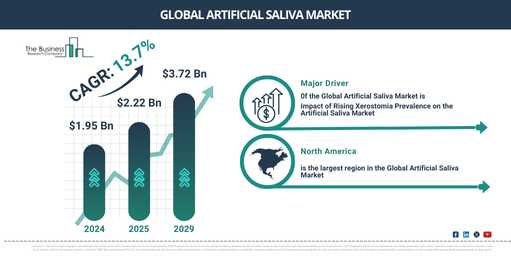
    In recent years, the market size for artificial saliva has seen a significant increase, expanding from $1.95 billion in 2024 to an expected $2.22 billion in 2025, reflecting a compound annual growth rate (CAGR) of 13.9%. The growth encountered during this historic period can be associated with the increasing demand for oral sprays, oral gels, and oral liquids. It can also be attributed to broader treatment options available for cancer patients, a growing elder population, an increase in disposable income, and a global rise in dental disorders.

    What Is the Projected Market Size of the Artificial Saliva Market?

    The market for artificial saliva is predicted to experience robust expansion in the next few years, with projections for it to reach a value of $3.72 billion in 2029, an increase at a compound annual growth rate (CAGR) of 13.7%. This projected growth during the forecast period can be ascribed to the escalating public enlightenment on oral hygiene, the growing occurrence of xerostomia or dry mouth syndrome, heightened demand for artificial saliva, the increasing prevalence of cancer, and a surge in chemotherapy treatment. Upcoming trends for the forecast period encompass an escalation in research and development activities, improvements in product formulae, the integration of cutting-edge technologies, advancements in the treatment of dry mouth, and a shift towards natural and biocompatible ingredients.

    Download The Free Sample Report Here:

    https://www.thebusinessresearchcompany.com/sample.aspx?id=16592&type=smp

    Who are the Major Competitors in the Artificial Saliva Market Outlook?

    Major companies operating in the artificial saliva market are Pfizer Inc., Amgen Inc., Viatris Inc., Bausch Health Companies Inc., Perrigo Company plc, Aurobindo Pharma, Cipla, Hikma Pharmaceuticals plc, RECORDATI, Mankind Pharma Ltd., Quantum Health Inc., Mission Pharmacal Company, Cumberland Pharmaceuticals Inc., DENTAID, Parnell Pharmaceuticals Inc., Forward Science, ICPA Health Products Ltd., Saliwell Ltd., Livealth, CCMed Ltd., Nanochemazone

    What Is Fueling Growth in the Artificial Saliva Market?

    An increasing occurrence of dry mouth syndrome, also called xerostomia, is forecasted to enhance the growth of the artificial saliva market in the future. This condition, resulting in a continuous sensation of dryness in the mouth, is increasingly common due to factors like an aging population and the pervasive use of medication and over-the-counter drugs, which can trigger xerostomia. To mitigate this problem, artificial saliva is used to moisten oral tissues and reduce the uncomfortable dry feeling usually related to xerostomia. Evidence from a study by Faculdade Meridional, a dentistry school in Brazil, showed a 19.1% xerostomia prevalence rate amongst a sample of 293 older Brazilian adults in 2021. In correspondence, a research study by the University of Gothenburg, a university in Sweden, revealed a xerostomia prevalence rate of 43.6% from a survey of 374 adult patients seeking primary healthcare in 2022. These statistics underline the driving role of increasing cases of dry mouth syndrome on the growth of the artificial saliva market. As another driver, the upward trend of cancer cases is predicted to fuel the growth of the artificial saliva market in the future. With abnormal cells multiplying uncontrollably, cancer can be life-threatening if not treated. The number of cancer cases is escalating due to several factors including an aging population, lifestyle adaptations, higher risk exposure and enhanced detection methods. Artificial saliva proves beneficial to cancer patients experiencing dry mouth as a side effect of treatments like chemotherapy or radiation, leading to a reduction in natural saliva production. This improves their comfort level and oral health. A report published by the Australian Institute of Health and Welfare in August 2024 projects that by 2034, Australia will see approximately 209,000 new cancer diagnoses, a marked rise from the estimated 169,000 cases expected in 2024. This mirrors the effect of a growing population and increasing cancer cases. Added to this, cancer is expected to be the cause of nearly 3 out of every 10 deaths in the country in 2024. Consequently, the intensifying burden of cancer is fueling the market for artificial saliva.

    Request For A Customized Report:

    https://www.thebusinessresearchcompany.com/customise?id=16592&type=smp

    Which Artificial Saliva Market Segments Are Growing the Fastest?

    The artificial saliva market covered in this report is segmented –

    1) By Product: Oral Spray, Oral Solution, Oral Liquid, Dissolving Tablets, Gel, Powder

    2) By Distributional Channel: Supermarkets, Hypermarkets, Other Distribution Channels

    3) By End-User: Adult, Pediatric

    Subsegments:

    1) By Oral Spray: Non-Alcoholic Oral Spray, Alcohol-Based Oral Spray

    2) By Oral Solution: Ready-To-Use Oral Solution, Concentrated Oral Solution

    3) By Oral Liquid: Viscous Oral Liquid, Non-Viscous Oral Liquid

    4) By Dissolving Tablets: Fast-Dissolving Tablets, Slow-Dissolving Tablets

    5) By Gel: High-Viscosity Gel, Low-Viscosity Gel

    6) By Powder: Ready-To-Use Powder, Powder Requiring Mixing

    Access The Full Report Here:

    https://www.thebusinessresearchcompany.com/report/artificial-saliva-global-market-report

    Which Countries Are Leading the Artificial Saliva Market?

    North America was the largest region in the artificial saliva market in 2024. Asia-Pacific is expected to be the fastest-growing region in the forecast period. The regions covered in the artificial saliva market report are Asia-Pacific, Western Europe, Eastern Europe, North America, South America, Middle East, Africa.

    Purchase The Full Report Today:

    https://www.thebusinessresearchcompany.com/purchaseoptions.aspx?id=16592

    This Report Delivers Insight On:

    1. How big is the artificial saliva market, and how is it changing globally?

    2. Who are the major companies in the artificial saliva market, and how are they performing?

    3. What are the key opportunities and risks in the artificial saliva market right now?

    4. Which products or customer segments are growing the most in the artificial saliva market?

    5. What factors are helping or slowing down the growth of the artificial saliva market?

    About The Business Research Company:

    With over 15000+ reports from 27 industries covering 60+ geographies, The Business Research Company has built a reputation for offering comprehensive, data-rich research and insights. Armed with 1,500,000 datasets, the optimistic contribution of in-depth secondary research, and unique insights from industry leaders, you can get the information you need to stay ahead in the game.

    Get in touch with us:

    The Business Research Company: https://www.thebusinessresearchcompany.com/

    Americas +1 310-496-7795

    Asia +44 2071930708

    Europe +44 7882 955267

    Email us at info@tbrc.info

    Follow us on:

    LinkedIn: https://in.linkedin.com/company/the-business-research-company

    YouTube: https://www.youtube.com/channel/UC24_fI0rV8cR5DxlCpgmyFQ

    Global Market Model: https://www.thebusinessresearchcompany.com/global-market-model
  • Artificial Pancreas Device System Forecast Report – Designed for Decision Makers and Product Teams

    Artificial Pancreas Device System Forecast Report – Designed for Decision Makers and Product Teams

    Claim your 30% discount on Global Market Reports with code ONLINE30. Limited time only.

    What Is the Estimated Market Size of the Artificial Pancreas Device System Market In 2029?

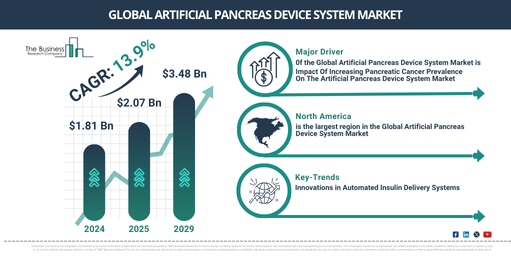
    In recent times, the artificial pancreas device system market has seen a swift expansion. The market size is anticipated to rise from $1.81 billion in 2024 to $2.07 billion in 2025, with a compound annual growth rate (CAGR) of 14.1%. The previously observed growth is owing to factors such as increased investment inflow, growing governmental initiatives in clinical research, a rising demand for automated systems for glycemic control, heightened R&D activities by industry stakeholders, and the surge in the elderly population.

    What Growth Rate Is Forecasted for the Artificial Pancreas Device System Market by 2029?

    The market size of the artificial pancreas device system is predicted to increase dramatically in the upcoming years, reaching $3.48 billion in 2029 with a compound annual growth rate (CAGR) of 13.9%. This growth projected for the forecasted period is due to the rising incidence of diabetes, the growing prevalence of pancreatic cancer, an increase in occurrences of diabetes and obesity, a growing demand for minimally invasive (MI) drug delivery systems, and improvements in diabetes management technology. Key trends for the forecast period encompass technological advancements, heightened research and development efforts, an increase in product approvals, collaborations and partnerships, and a rise in teleconsultancy activities for follow-ups.

    Download The Free Sample Report Here:

    https://www.thebusinessresearchcompany.com/sample.aspx?id=18229&type=smp

    Which Key Companies Are Shaping the Future of the Artificial Pancreas Device System Market?

    Major companies operating in the artificial pancreas device system market are Johnson & Johnson, Abbott Laboratories, Medtronic plc, DexCom Inc., Insulet Corporation, Tandem Diabetes Care Inc., Juvenile Diabetes Research Foundation (JDRF), Beta Bionics Inc., Glooko Inc., Bigfoot Biomedical Inc., CeQur SA, Medtrum Technologies Inc., Diabeloop SA, Beta-O2 Technologies Ltd, Pancreum Inc., TypeZero Technologies LLC, Inreda Diabetic B.V., Defymed SAS, Admetsys Corporation, DreaMed Diabetes Ltd

    Which Factors Are Driving Demand in the Artificial Pancreas Device System Industry?

    The artificial pancreas device system market is predicted to experience growth driven by the rising rate of pancreatic cancer. This type of cancer, which is a malignant tumor that forms in the pancreas, a gland situated behind the stomach, is influenced by an assortment of factors including lifestyle, genetics, medical and environmental aspects, as well as genetic mutations that cause hereditary pancreatitis, resulting in chronic inflammation of the pancreas. An artificial pancreas device system (APDS) is primarily engineered to assist people with diabetes in regulating their blood sugar levels by automatically tracking glucose and administering the necessary insulin dosage. For example, in March 2024, the government agency, Cancer Australia, projected that there were 4,506 new diagnoses of pancreatic cancer in 2023, demonstrating an increase from the 3,751 cases documented over the last five years. Hence, the growing incidence of pancreatic cancer is fueling the expansion of the artificial pancreas device system market.

    Request For A Customized Report:

    https://www.thebusinessresearchcompany.com/customise?id=18229&type=smp

    How Is the Artificial Pancreas Device System Market Segmented by Several Divisions?

    The artificial pancreas device system market covered in this report is segmented –

    1) By Device Type: Threshold Suspend Device Systems, Control-To-Range Systems, Control-To-Target Systems

    2) By Treatment Type: Bi-Hormonal, Insulin Only, Hybrid

    3) By End-User: Hospitals, Medical Centers, Other End-Users

    Subsegments:

    1) By Threshold Suspend Device Systems: Insulin Pump with Threshold Suspend, Continuous Glucose Monitoring (CGM) Integrated Systems

    2) By Control-To-Range Systems: Hybrid Closed-Loop Systems, Insulin Delivery Systems with Range Control, Real-Time Glucose Adjustment Systems

    3) By Control-To-Target Systems: Fully Closed-Loop Artificial Pancreas Systems, Insulin Pumps with Targeted Glucose Control, Automated Glucose Regulation Systems

    What are the Emerging Market Trends Driving the Growth of the Artificial Pancreas Device System Industry?

    Leading firms in the artificial pancreas device system market are focusing on the creation of automated insulin delivery solutions to improve diabetes control by autonomously tracking glucose levels in the blood and providing the necessary insulin dosage. The aim of these automated insulin delivery systems is to mimic the operational capabilities of a healthy pancreas, thereby alleviating the need for continuous blood sugar checks and manual insulin dosing for people living with diabetes. For example, Beta Bionics, a medical equipment manufacturer based in the US, obtained FDA 510(k) approval in May 2023 for their iLet Insulin-Only Bionic Pancreas System, a device that delivers insulin automatically. This artificial pancreas system is engineered to independently determine and administer insulin dosage to regulate glucose levels in the blood. It operates as a closed-loop system that modifies insulin delivery relying on the user’s glucose levels recorded by an attached continuous glucose monitor (CGM). The system only needs the user’s weight and an estimate of meal size to automatically adjust insulin delivery.

    Access The Full Report Here:

    https://www.thebusinessresearchcompany.com/report/artificial-pancreas-device-system-global-market-report

    Which Regions Are Driving Growth in the Artificial Pancreas Device System Market?

    North America was the largest region in the artificial pancreas device system market in 2023. Asia-Pacific is expected to be the fastest-growing region in the forecast period. The regions covered in the artificial pancreas device system market report are Asia-Pacific, Western Europe, Eastern Europe, North America, South America, Middle East, Africa.

    Purchase The Full Report Today:

    https://www.thebusinessresearchcompany.com/purchaseoptions.aspx?id=18229

    This Report Delivers Insight On:

    1. How big is the artificial pancreas device system market, and how is it changing globally?

    2. Who are the major companies in the artificial pancreas device system market, and how are they performing?

    3. What are the key opportunities and risks in the artificial pancreas device system market right now?

    4. Which products or customer segments are growing the most in the artificial pancreas device system market?

    5. What factors are helping or slowing down the growth of the artificial pancreas device system market?

    About The Business Research Company:

    With over 15000+ reports from 27 industries covering 60+ geographies, The Business Research Company has built a reputation for offering comprehensive, data-rich research and insights. Armed with 1,500,000 datasets, the optimistic contribution of in-depth secondary research, and unique insights from industry leaders, you can get the information you need to stay ahead in the game.

    Get in touch with us:

    The Business Research Company: https://www.thebusinessresearchcompany.com/

    Americas +1 310-496-7795

    Asia +44 2071930708

    Europe +44 7882 955267

    Email us at info@tbrc.info

    Follow us on:

    LinkedIn: https://in.linkedin.com/company/the-business-research-company

    YouTube: https://www.youtube.com/channel/UC24_fI0rV8cR5DxlCpgmyFQ

    Global Market Model: https://www.thebusinessresearchcompany.com/global-market-model
  • Artificial Lung Market Outlook 2025 – Insights for Executive and Strategic Planning

    Artificial Lung Market Outlook 2025 – Insights for Executive and Strategic Planning

    Claim your 30% discount on Global Market Reports with code ONLINE30. Limited time only.

    How Fast Is The Artificial Lung Market Expected to Grow Between 2025 And 2029?

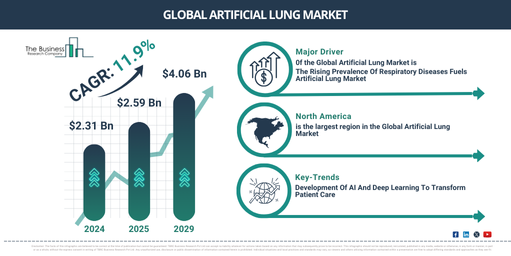
    The market size of artificial lungs has seen a staggering increase in recent years. The market, which is predicted to surge from $2.31 billion in 2024 to $2.59 billion in 2025, is anticipated to have a compound annual growth rate (CAGR) of 12.2%. Factors such as enhanced awareness among healthcare practitioners, augmented market infiltration, a rise in usage in home care scenarios, a boost in medical tourism, and advancements in healthcare facilities have all contributed to the growth experienced in the historic period.

    What Growth Rate Is Anticipated for the Artificial Lung Market in the Coming Years?

    Over the upcoming years, the artificial lung market size is projected to expand rapidly, reaching $4.06 billion in 2029 with an 11.9% compound annual growth rate (CAGR). The anticipated growth during this period is tied to the increasing number of respiratory disease cases, advancements in healthcare facilities, growing popularity of minimally invasive procedures, improved patient quality of life, and high prevalence of chronic obstructive pulmonary diseases. Noteworthy trends for this period encompass inclusion of wireless technology, incorporation of artificial intelligence (AI), advancements in genomics and medical technology, and the creation of smaller, more transportable artificial lungs.

    Download The Free Sample Report Here:

    https://www.thebusinessresearchcompany.com/sample.aspx?id=16591&type=smp

    Who Are the Leading Companies in the Artificial Lung Market?

    Major companies operating in the artificial lung market are Terumo Corporation, Getinge AB, Abiomed Inc., MicroPort Scientific Corp., Charles Stark Draper Laboratory Inc., TransMedics Group Inc., Braile Biomédica Ltd., Xenios AG, MC3 Cardiopulmonary Inc., Lung Biotechnology PBC, Breethe Inc., Levitronix LLC, Medos Medizintechnik AG, ALung Technologies Inc., McGowan Institute for Regenerative Medicine, Hemovent GmbH, Novalung GmbH, Haemair Ltd., MedArray Inc., Vivonics Inc., Extracorporeal Life Support (ECLS) Lab

    What Are the Key Drivers of the Artificial Lung Market?

    The escalating occurrence of respiratory ailments is projected to be a major growth catalyst for the artificial lung market in the future. Such disease prevalence is rising as a result of various factors such as increasing air contamination, climate alterations, and lifestyle transformations, all of which pose a considerable impact on public health. Artificial lungs, used in respiratory illnesses to provide oxygenation and eliminate carbon dioxide from the bloodstream, support or replace the functionality of compromised lungs. As a case in point, data from the Australian Institute of Health and Welfare in June 2024 revealed that about 8.5 million individuals in Australia, equivalent to 34% of the population, were believed to be suffering from chronic respiratory conditions. This consisted of an estimated 2.8 million individuals or 11% of the populace, coping with asthma, and 638,000 individuals or 2.5% of the populace managing chronic obstructive pulmonary disease (COPD). Consequently, the escalation in respiratory disease incidence is fueling the expansion of the artificial lung market.

    Request For A Customized Report:

    https://www.thebusinessresearchcompany.com/customise?id=16591&type=smp

    What Are the Key Market Segments in the Artificial Lung Industry?

    The artificial lung market covered in this report is segmented –

    1) By Product Type: Single Roller Pump Heart Lung Machines, Double Roller Pump Heart Lungs Machines, Bubble Artificial Lung, Membrane Artificial Lung

    2) By Application: Cardiac Surgery, Lung Transplant Operation, Acute Respiratory Failure Treatment, Other Applications

    3) By End-Users: Hospital, Emergency Center, Other End-users

    Subsegments:

    1) By Single Roller Pump Heart Lung Machines: Portable Single Roller Pump Heart Lung Machines, Stationary Single Roller Pump Heart Lung Machines

    2) By Double Roller Pump Heart Lung Machines: Portable Double Roller Pump Heart Lung Machines, Stationary Double Roller Pump Heart Lung Machines

    3) By Bubble Artificial Lung: Disposable Bubble Artificial Lung, Reusable Bubble Artificial Lung

    4) By Membrane Artificial Lung: Oxygenator Membrane Artificial Lung, Carbon Dioxide Removal Membrane Artificial Lung

    What Are the Latest Trends in the Artificial Lung Market?

    Leading firms in the artificial lung market are honing their competitive edges by concentrating on the creation of novel solutions like remote monitoring and device control. This tech-savvy approach enables health practitioners to oversee patients’ primary health metrics and manipulate ventilator preferences without the necessity of physical proximity, minimising infection hazards and heightening patient safety during therapy. For example, in August 2022, Teltonika Telemedic, an electronics production company based in the US, made notable strides in the advancement of its artificial lung ventilator called TELTOMED. The company also secured a distinct patent for the secure transmission and control of remote data for its ventilator, enhancing the security and dependability of patient data exchange, which is a key aspect in today’s medical devices.

    Access The Full Report Here:

    https://www.thebusinessresearchcompany.com/report/artificial-lung-global-market-report

    What Are the Key Regional Markets in the Artificial Lung Industry?

    North America was the largest region in the artificial lung market in 2024. The regions covered in the artificial lung market report are Asia-Pacific, Western Europe, Eastern Europe, North America, South America, Middle East, Africa.

    Purchase The Full Report Today:

    https://www.thebusinessresearchcompany.com/purchaseoptions.aspx?id=16591

    This Report Delivers Insight On:

    1. How big is the artificial lung market, and how is it changing globally?

    2. Who are the major companies in the artificial lung market, and how are they performing?

    3. What are the key opportunities and risks in the artificial lung market right now?

    4. Which products or customer segments are growing the most in the artificial lung market?

    5. What factors are helping or slowing down the growth of the artificial lung market?

    About The Business Research Company:

    With over 15000+ reports from 27 industries covering 60+ geographies, The Business Research Company has built a reputation for offering comprehensive, data-rich research and insights. Armed with 1,500,000 datasets, the optimistic contribution of in-depth secondary research, and unique insights from industry leaders, you can get the information you need to stay ahead in the game.

    Get in touch with us:

    The Business Research Company: https://www.thebusinessresearchcompany.com/

    Americas +1 310-496-7795

    Asia +44 2071930708

    Europe +44 7882 955267

    Email us at info@tbrc.info

    Follow us on:

    LinkedIn: https://in.linkedin.com/company/the-business-research-company

    YouTube: https://www.youtube.com/channel/UC24_fI0rV8cR5DxlCpgmyFQ

    Global Market Model: https://www.thebusinessresearchcompany.com/global-market-model
  • Artificial Intelligence (AI) Radiology Tool Market Projected at $3.4 Billion by 2029 | Strategic Insights and Forecast Data

    Artificial Intelligence (AI) Radiology Tool Market Projected at $3.4 Billion by 2029 | Strategic Insights and Forecast Data

    Claim your 30% discount on Global Market Reports with code ONLINE30. Limited time only.

    #How Has The Artificial Intelligence (AI) Radiology Tool Market Size Shifted, And What Is the Outlook Through 2034?

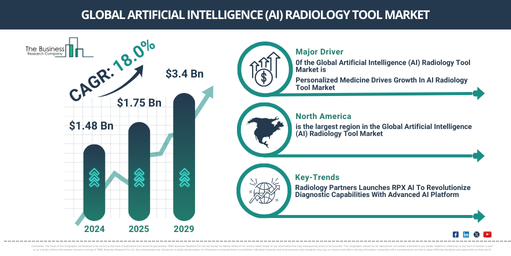
    Over the last few years, the artificial intelligence (AI) radiology tool market has expanded substantially. Its size is projected to rise from $1.48 billion in 2024 to $1.75 billion in 2025, corresponding to a compound annual growth rate (CAGR) of 18.3%. Factors such as governmental aid, the incorporation of AI into radiology tools to enhance accuracy and cut down mistakes, the growing inclination towards personalized and precision medicine, the employment of AI in medical imaging, and enhancements in diagnostic precision and productivity contributed to growth in the historic period.

    How Much Will the Artificial Intelligence (AI) Radiology Tool Market Be Worth in 2029?

    It is anticipated that the market size of the artificial intelligence (AI) radiology tool will experience significant expansion in the forthcoming years, reaching a value of $3.4 billion in 2029 with a compound annual growth rate (CAGR) of 18.0%. The projected growth within this timeframe can be ascribed to factors such as the increasing need for efficient diagnostic processes, heightened demand for accurate and precise diagnostic outcomes, the development of technological frameworks, growth in imaging workloads, and the escalating adoption of artificial intelligence (AI) technology. Key trends during the forecast period are likely to be enhanced technological developments in artificial intelligence, greater integration of AI in healthcare structures, increased adoption of telemedicine and remote imaging, a more proactive approach in medicine, and a growing requirement for efficient diagnostic solutions.

    Download The Free Sample Report Here:

    https://www.thebusinessresearchcompany.com/sample.aspx?id=16341&type=smp

    Which is the Largest Company in the Artificial Intelligence (AI) Radiology Tool Market?

    Major companies operating in the artificial intelligence (AI) radiology tool market are Google LLC, Samsung Electronics Co. Ltd, Microsoft Corporation, Intel Corporation, International Business Machines Corp., NVIDIA Corporation, Siemens Healthcare Private Limited, Koninklijke Philips N.V., GE HealthCare, Nuance Communications Inc., Aidoc Medical, OXOS Medical, Subtle Medical Inc., Enlitic Inc., Arterys Inc., Aidence.com, Oxipit.ai, Zebra Medical Vision, CellmatiQ GmbH, Azmed

    What Are the Main Market Drivers in the Artificial Intelligence (AI) Radiology Tool Industry?

    The trend towards personalized medicine is anticipated to significantly stimulate the progression of the artificial intelligence (AI) radiology tool industry. Personalized or precision medicine represents a revolutionary approach in medical treatment that formulates healthcare strategies and treatment based on each patient’s unique traits. The progress in genomics and molecular biology are pivotal components propelling the drift towards personalized medicine. AI radiology tools amplify the benefits of personalized medicine with accurate diagnostics, predictive analytics, real-time monitoring of treatment responses, integration with genomic data, and enhanced patient stratification, thereby facilitating targeted and efficient healthcare interventions. For example, in February 2024, according to the Personalized Medicine Coalition, a non-profit organization based in the US, the FDA gave their approval to 16 new personalized treatments for patients with rare illnesses in 2023, a substantial increase from the six approved treatments in 2022. As such, the ascendancy of personalized medicine bolsters the AI radiology tool market.

    Request For A Customized Report:

    https://www.thebusinessresearchcompany.com/customise?id=16341&type=smp

    How Is the Artificial Intelligence (AI) Radiology Tool Market Segments Structured?

    The artificial intelligence (AI) radiology tool market covered in this report is segmented –

    1) By Type: Diagnostic Radiology, Interventional Radiology

    2) By Application: Eye Care, Oncology, Radiology, Cardiovascular, Pathology, Other Applications

    3) By End-User: Clinics, Hospitals, Diagnostic Centers, Other End-Users

    Subsegments:

    1) By Diagnostic Radiology: Ai For Image Interpretation (Detecting Fractures, Tumors, Or Abnormalities), Ai In Ct (Computed Tomography) Scanning, Ai In Mri (Magnetic Resonance Imaging) Scanning, Ai For X-Ray Imaging And Analysis, Ai In Ultrasound Imaging, Ai-Based Computer-Aided Detection (Cad) Systems, Ai For Radiology Workflow Automation (Prioritizing Cases, Report Generation)

    2) By Interventional Radiology: Ai For Image-Guided Procedures (Guiding Catheter Placement), Ai In Minimally Invasive Surgery (Tumor Ablation, Biopsies), Ai For Real-Time Decision Support In Interventional Procedures, Ai In Radiation Dose Optimization For Interventional Radiology, Ai-Assisted Navigation Systems For Procedures Like Angioplasty, Ai In Post-Procedure Monitoring And Outcome Prediction

    What Strategic Trends Are Transforming the Artificial Intelligence (AI) Radiology Tool Market?

    Leading firms in the AI radiology tool market are introducing more advanced solutions such as artificial intelligence platforms to augment the diagnostic skills of radiologists. These sophisticated AI platforms are fused with AI algorithms that process and interpret medical imaging data, thereby providing radiologists with enhanced insights to assist in the precise identification and diagnosis of diverse health conditions. For example, Radiology Partners (RP), a radiology practice firm based in the US, launched a ground-breaking cloud-based AI platform called RPX AI in November 2023. It leverages Amazon Web Services (AWS) HealthImaging for the large-scale deployment of AI medical imaging tools. The platform aims to streamline the adoption and execution process of AI models for medical imaging, making them more user-friendly and effective for hospitals and health systems.

    Access The Full Report Here:

    https://www.thebusinessresearchcompany.com/report/artificial-intelligence-ai-radiology-tool-global-market-report

    Which Global Regions Offer the Highest Growth in the Artificial Intelligence (AI) Radiology Tool Market?

    North America was the largest region in the artificial intelligence (AI) radiology tool market in 2023. The regions covered in the artificial intelligence (AI) radiology tool market report are Asia-Pacific, Western Europe, Eastern Europe, North America, South America, Middle East, Africa.

    Purchase The Full Report Today:

    https://www.thebusinessresearchcompany.com/purchaseoptions.aspx?id=16341

    This Report Delivers Insight On:

    1. How big is the artificial intelligence (ai) radiology tool market, and how is it changing globally?

    2. Who are the major companies in the artificial intelligence (ai) radiology tool market, and how are they performing?

    3. What are the key opportunities and risks in the artificial intelligence (ai) radiology tool market right now?

    4. Which products or customer segments are growing the most in the artificial intelligence (ai) radiology tool market?

    5. What factors are helping or slowing down the growth of the artificial intelligence (ai) radiology tool market?

    About The Business Research Company:

    With over 15000+ reports from 27 industries covering 60+ geographies, The Business Research Company has built a reputation for offering comprehensive, data-rich research and insights. Armed with 1,500,000 datasets, the optimistic contribution of in-depth secondary research, and unique insights from industry leaders, you can get the information you need to stay ahead in the game.

    Get in touch with us:

    The Business Research Company: https://www.thebusinessresearchcompany.com/

    Americas +1 310-496-7795

    Asia +44 2071930708

    Europe +44 7882 955267

    Email us at info@tbrc.info

    Follow us on:

    LinkedIn: https://in.linkedin.com/company/the-business-research-company

    YouTube: https://www.youtube.com/channel/UC24_fI0rV8cR5DxlCpgmyFQ

    Global Market Model: https://www.thebusinessresearchcompany.com/global-market-model
  • Arthroscopic Shavers Industry Growth Expected to Reach $2.69 Billion by 2029 at a CAGR of 6.5% | Segmentation and Growth Opportunities

    Arthroscopic Shavers Industry Growth Expected to Reach $2.69 Billion by 2029 at a CAGR of 6.5% | Segmentation and Growth Opportunities

    Claim your 30% discount on Global Market Reports with code ONLINE30. Limited time only.

    #How Has the Arthroscopic Shavers Market Growth Performance Trended Historically, And What Lies Ahead?

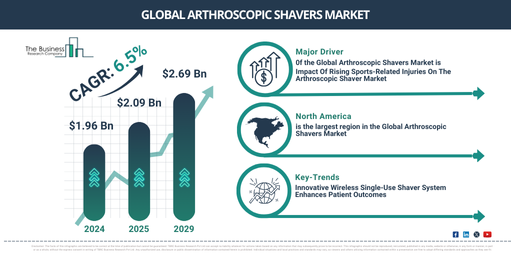
    The market size of arthroscopic shavers has seen a robust growth in the past few years, with a prediction to expand from a valuation of $1.96 billion in 2024 to an estimated $2.09 billion in 2025, following a compound annual growth rate (CAGR) of 6.7%. The significant growth seen historically is due to factors such as increased incidences of sports-related injuries, an aging population demographic, advancements in healthcare infrastructure, a patient inclination towards less invasive surgical procedures, and a rise in the adoption of outpatient and ambulatory surgical facilities.

    What Is the Forecast for the Arthroscopic Shavers Market Size Through 2029?

    In the ensuing years, the arthroscopic shavers market is projected to experience substantial growth, anticipated to attain $2.69 billion by 2029 with a compound annual growth rate (CAGR) of 6.5%. The expected expansion during this period can be ascribed to factors such as a growing elderly population, the development of the healthcare infrastructure, an escalated inclination towards disposable and one-time use surgical tools, cooperative ventures and alliances, and an increased demand for outpatient services. The forthcoming trends comprise the incorporation of robotics, customized medication, progress in the field of minimally invasive surgeries, the utilization of single-use tools, and mobile arthroscopic shavers.

    Download The Free Sample Report Here:

    https://www.thebusinessresearchcompany.com/sample.aspx?id=17064&type=smp

    What are the Key Market Players in Arthroscopic Shavers Market and How They’re Evolving?

    Major companies operating in the arthroscopic shavers market are Johnson & Johnson Services Inc., Medtronic plc, Stryker Corporation, B. Braun Melsungen AG, Zimmer Biomet Holdings Inc., Olympus Corporation, Smith & Nephew plc, Arthrex Inc., DePuy Synthes Companies, KARL STORZ SE & Co. KG, CONMED Corporation, Wright Medical Group N.V., Bioventus, Richard Wolf GmbH, Breg Inc., Portescap, De Soutter Medical Limited, Sklar Surgical Instruments, GPC Medical Ltd., Ceterix Orthopaedics Inc, Cannuflow, Novetech Surgery, GENUINE MEDICA PVT. LTD., EndoMed Systems, OrthoSpace Ltd

    What Are the Primary Growth Drivers in the Arthroscopic Shavers Market?

    The surge in sports-related injuries is projected to stimulate the expansion of the arthroscopic shaver market. Such injuries, frequently impacting muscles, bones, and joints, typically occur during physical sports or exercise activities. The growth in sports-related injuries can potentially be ascribed to increased participation in sports, intensified training techniques, and advancements in sports gear, all of which push athletes’ physical limits, thereby contributing to escalated injury rates worldwide. Utilization of arthroscopic shavers in treating these increasing injuries allows for efficient removal of damaged tissue and repairing of joint structures via minimally invasive procedures, thus enabling quicker recovery and minimized athlete downtime. For example, the National Safety Council, an American nonprofit organization devoted to promoting health and safety, reported that in 2022, the incidence of sports and recreational injuries documented in 2020 experienced a 20% growth in 2021, and an additional 12% rise was observed in 2022. Consequently, the escalating trend of sports-related injuries will propel the growth of the arthroscopic shaver market.

    Request For A Customized Report:

    https://www.thebusinessresearchcompany.com/customise?id=17064&type=smp

    What Are the Leading Segments in the Global Arthroscopic Shavers Industry?

    The arthroscopic shavers market covered in this report is segmented –

    1) By Product Type: Arthroscopic Shaver Systems, Arthroscopic Shaver Accessories

    2) By Application: Knee Arthroscopy, Hip Arthroscopy, Shoulder And Elbow Arthroscopy, Spine Arthroscopy, Foot And Ankle Arthroscopy, Other Applications

    3) By End User: Hospitals, Ambulatory Surgical Centers, Orthopedic Clinics

    Subsegments:

    1) By Arthroscopic Shaver Systems: Handheld Arthroscopic Shaver Systems, Powered Arthroscopic Shaver Systems, Electric Arthroscopic Shaver Systems

    2) By Arthroscopic Shaver Accessories: Shaver Blades, Shaver Burrs, Shaver Sheaths, Shaver Drills, Shaver Motors

    What Are the Key Market Trends in the Arthroscopic Shavers Industry?

    Main players in the arthroscopic shaver market are shifting their focus to technological progression, particularly wireless single-use shaver systems, in order to maximise surgical effectiveness and improve patient recovery. An arthroscopic wireless single-use shaver system is an expendable tool powered by a battery, developed for minimally intrusive joint procedures. It provides the ease of wireless usage, thus boosting surgical efficiency and minimizing the risk of infections. For example, in January 2024, Integrated Endoscopy, an American firm that manufactures sophisticated endoscopic imaging systems for medical purposes, collaborated with Frii Medical, a British company that creates innovative medical equipment, to globally introduce a unique single-use shaver system. This state-of-the-art wireless shaver allows surgeons to operate unencumbered by power cords, presenting a reusable engine/battery module and charging station. The system of Frii removes sterilization costs and guarantees a consistent quality, thus greatly lowering the expenses associated with traditional shaver systems.

    Access The Full Report Here:

    https://www.thebusinessresearchcompany.com/report/arthroscopic-shavers-global-market-report

    What Is the Regional Outlook for the Arthroscopic Shavers Market?

    North America was the largest region in the arthroscopic shavers market in 2024. Asia-Pacific is expected to be the fastest-growing region in the forecast period. The regions covered in the arthroscopic shavers market report are Asia-Pacific, Western Europe, Eastern Europe, North America, South America, Middle East, Africa.

    Purchase The Full Report Today:

    https://www.thebusinessresearchcompany.com/purchaseoptions.aspx?id=17064

    This Report Delivers Insight On:

    1. How big is the arthroscopic shavers market, and how is it changing globally?

    2. Who are the major companies in the arthroscopic shavers market, and how are they performing?

    3. What are the key opportunities and risks in the arthroscopic shavers market right now?

    4. Which products or customer segments are growing the most in the arthroscopic shavers market?

    5. What factors are helping or slowing down the growth of the arthroscopic shavers market?

    About The Business Research Company:

    With over 15000+ reports from 27 industries covering 60+ geographies, The Business Research Company has built a reputation for offering comprehensive, data-rich research and insights. Armed with 1,500,000 datasets, the optimistic contribution of in-depth secondary research, and unique insights from industry leaders, you can get the information you need to stay ahead in the game.

    Get in touch with us:

    The Business Research Company: https://www.thebusinessresearchcompany.com/

    Americas +1 310-496-7795

    Asia +44 2071930708

    Europe +44 7882 955267

    Email us at info@tbrc.info

    Follow us on:

    LinkedIn: https://in.linkedin.com/company/the-business-research-company

    YouTube: https://www.youtube.com/channel/UC24_fI0rV8cR5DxlCpgmyFQ

    Global Market Model: https://www.thebusinessresearchcompany.com/global-market-model
  • Appendicitis Treatment Industry Valued at $5.72 Billion by 2029 With CAGR of 6.8% | Size and Share Insights

    Appendicitis Treatment Industry Valued at $5.72 Billion by 2029 With CAGR of 6.8% | Size and Share Insights

    Claim your 30% discount on Global Market Reports with code ONLINE30. Limited time only.

    What Are the Projected Market Size and Growth Rates for the Appendicitis Treatment Market From 2025 To 2029?

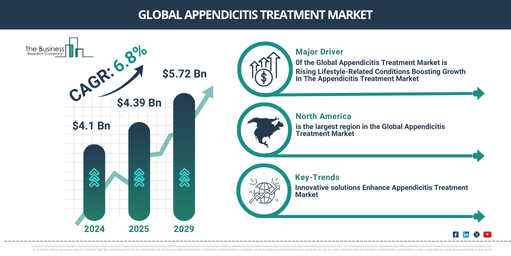
    In recent years, there has been robust growth in the appendicitis treatment market. The market is projected to expand from $4.1 billion in 2024 to $4.39 billion in 2025, demonstrating a compound annual growth rate (CAGR) of 7.1 %. A rise in pediatric appendicitis, widespread use of antibiotics for treating the condition, a growing aging population, an increase in sedentary lifestyles, and beneficial reimbursement policies are contributing factors to the growth experienced during the historic period.

    What Is the Projected Market Size of the Appendicitis Treatment Market?

    In the upcoming years, a substantial surge is anticipated in the market size of appendicitis treatment, with an estimation to reach $5.72 billion by 2029. This reflects a compound annual growth rate (CAGR) of 6.8%. This escalation during the forecasted period can be credited to various factors which include the growing emphasis on accurate diagnosis in time, the rise in research and development initiatives, the growing rate of obesity, the easy access to efficient medications, and the rise in ambulatory surgery centers. The key trends that will shape the forecast period comprise advancements in minimally invasive surgical methods, enhanced diagnostic imaging technologies, the assimilation of artificial intelligence and machine learning in diagnostic decision-making systems, the creation of innovative antibiotics, and advancements in surgical stapling and suturing instruments.

    Download The Free Sample Report Here:

    https://www.thebusinessresearchcompany.com/sample.aspx?id=18227&type=smp

    Who are the Major Competitors in the Appendicitis Treatment Market Outlook?

    Major companies operating in the appendicitis treatment market are Pfizer Inc., Johnson & Johnson, Roche Holding AG, Merck & Co Inc, AbbVie Inc., Sanofi Inc., AstraZeneca Inc, Novartis AG, Medtronic Plc, Eli Lilly and Company, Stryker Corporation, Teva Pharmaceutical Industries Ltd, Baxter International Inc, Boston Scientific Corporation, B. Braun Melsungen, Olympus Corporation, Smith & Nephew Plc, Perrigo Company, Cipla Inc., Cook Medical, Integra LifeSciences, Teligent Inc.

    What Is Fueling Growth in the Appendicitis Treatment Market?

    The escalating incidence of conditions linked to lifestyle is anticipated to boost the appendicitis treatment market’s expansion. The surge in such diseases is predominantly due to increased sedentary behavior, unhealthy dietary patterns, and elevated stress levels. Elements related to lifestyle, like diet and lack of physical activity, may heighten the chances of appendicitis by affecting gut health and raising inflammation likelihood. A diet rich in processed foods and low in fiber may potentially disturb the digestive system and increase vulnerability. For instance, as per the World Health Organization, a Switzerland-based intergovernmental organization, in March 2024, about 1 in 8 individuals globally were impacted by obesity, with 2.5 billion adults of 18 years and older being overweight, comprising 890 million individuals living with obesity. Furthermore, 37 million children below the age of 5 were overweight, and over 390 million children and adolescents aged from 5–19 years also grappled with overweight problems in 2022. Therefore, the escalating incidence of conditions linked to lifestyle is propelling the appendicitis treatment market’s growth.

    Request For A Customized Report:

    https://www.thebusinessresearchcompany.com/customise?id=18227&type=smp

    Which Appendicitis Treatment Market Segments Are Growing the Fastest?

    The appendicitis treatment market covered in this report is segmented –

    1) By Type: Acute Appendicitis, Chronic Appendicitis

    2) By Treatment: Surgery, Laparoscopic Surgery, Open Laparotomy, Medication, Other Treatments

    3) By Route Of Administration: Oral, Parenteral

    4) By End Users: Hospitals, Ambulatory Surgical Centers, Specialty Clinics, Other End Users

    Subsegments:

    1) By Acute Appendicitis: Surgical Treatment (Appendectomy), Non-Surgical Treatment (Antibiotics and Observation)

    2) By Chronic Appendicitis: Surgical Treatment (Appendectomy), Medical Management (Antibiotics, Pain Management)

    Which Industry Trends Are Shaping the Future of the Appendicitis Treatment Market?

    Key players in the appendicitis treatment market are focusing on the development of innovative technologies like AI-integrated live stream surgical technology to advance surgical accuracy and improve patient results in appendicitis treatment. AI-integrated live-stream surgical technology is a novel medical innovation that employs AI to augment surgical operations by incorporating real-time video stream functionalities. For instance, Medtronic plc, an Ireland-based firm specializing in medical devices, introduced new AI-powered algorithms and live streaming technology in April 2024. This introduction of AI-powered algorithm and live streaming technology augments the touch surgery performance insight platform by offering in-depth surgical insights and allowing secure live procedure broadcasts. These advancements lead to improvements in appendicitis treatment by refining surgical methods, expediting training for surgical residents, and expanding access to expert direction, thus leading to improved results and wider access to superior care.

    Access The Full Report Here:

    https://www.thebusinessresearchcompany.com/report/appendicitis-treatment-global-market-report

    Which Countries Are Leading the Appendicitis Treatment Market?

    North America was the largest region in the appendicitis treatment market in 2024. The regions covered in the appendicitis treatment market report are Asia-Pacific, Western Europe, Eastern Europe, North America, South America, Middle East, Africa.

    Purchase The Full Report Today:

    https://www.thebusinessresearchcompany.com/purchaseoptions.aspx?id=18227

    This Report Delivers Insight On:

    1. How big is the appendicitis treatment market, and how is it changing globally?

    2. Who are the major companies in the appendicitis treatment market, and how are they performing?

    3. What are the key opportunities and risks in the appendicitis treatment market right now?

    4. Which products or customer segments are growing the most in the appendicitis treatment market?

    5. What factors are helping or slowing down the growth of the appendicitis treatment market?

    About The Business Research Company:

    With over 15000+ reports from 27 industries covering 60+ geographies, The Business Research Company has built a reputation for offering comprehensive, data-rich research and insights. Armed with 1,500,000 datasets, the optimistic contribution of in-depth secondary research, and unique insights from industry leaders, you can get the information you need to stay ahead in the game.

    Get in touch with us:

    The Business Research Company: https://www.thebusinessresearchcompany.com/

    Americas +1 310-496-7795

    Asia +44 2071930708

    Europe +44 7882 955267

    Email us at info@tbrc.info

    Follow us on:

    LinkedIn: https://in.linkedin.com/company/the-business-research-company

    YouTube: https://www.youtube.com/channel/UC24_fI0rV8cR5DxlCpgmyFQ

    Global Market Model: https://www.thebusinessresearchcompany.com/global-market-model
  • Aplastic Anemia Market to Reach $8.84 Billion by 2029 | Key Drivers and Future Outlook

    Aplastic Anemia Market to Reach $8.84 Billion by 2029 | Key Drivers and Future Outlook

    Claim your 30% discount on Global Market Reports with code ONLINE30. Limited time only.

    What Is the Estimated Market Size of the Aplastic Anemia Market In 2029?

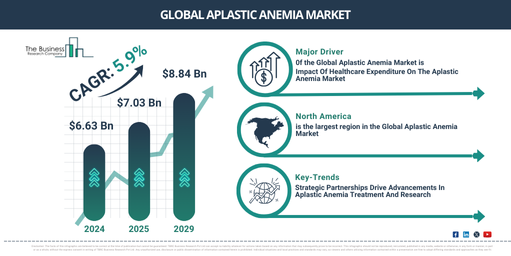
    There has been robust growth in the market for aplastic anemia in the past few years. The market, which is at $6.63 billion in 2024, is predicted to expand to $7.03 billion in 2025, equating to a compound annual growth rate (CAGR) of 6.2%. Several factors have contributed to this growth in the historic period. They include the increased occurrence of blood disorders, heightened awareness about ailments such as aplastic anemia and other blood disorders, increased initiatives by public and private entities, growing demand for specialized treatments, and a higher prevalence of bone marrow disease.

    What Growth Rate Is Forecasted for the Aplastic Anemia Market by 2029?

    Anticipated to experience robust expansion in the coming years is the aplastic anemia market, with a projection to augment to $8.84 billion by 2029, and a compound annual growth rate (CAGR) of 5.9%. The factors contributing to this growth in the projective phase include a higher incidence in the elderly demographic, beneficial regulatory guidelines fostering the advancement of drugs, patient advocacy and support networks, comprehensive epidemiological evaluations and escalated awareness and detection. Key trends within this period will incorporate the progression of gene-editing tools, telemedicine and distant observation, the development of biomarkers, biologics and monoclonal antibodies, and treatments tailored to individual patients.

    Download The Free Sample Report Here:

    https://www.thebusinessresearchcompany.com/sample.aspx?id=17063&type=smp

    Which Key Companies Are Shaping the Future of the Aplastic Anemia Market?

    Major companies operating in the aplastic anemia market are Pfizer Inc., Johnson & Johnson Inc., F. Hoffmann-La Roche Ltd., Merck & Co. Inc., Sanofi SA, Bristol-Myers Squibb Company, Novartis AG, GlaxoSmithKline plc, Takeda Pharmaceutical Company Limited, Amgen Inc., Teva Pharmaceutical Industries Ltd., Otsuka Pharmaceuticals Co. Ltd., UCB SA, Eisai Co. Ltd., Kyowa Kirin Co. Ltd., Dr. Reddy’s Laboratories Ltd., Cipla Limited, Cadila Healthcare Limited, Cellenkos Inc., Amyndas Pharmaceuticals S.A., Hemogenyx Pharmaceuticals plc, Gamida Cell Ltd.

    Which Factors Are Driving Demand in the Aplastic Anemia Industry?

    The aplastic anemia market will likely grow due to increasing expenditures in healthcare, which are being fueled by factors such as a growing number of aging people and the prevalence of expensive-to-treat chronic diseases. These expenditures aid in the treatment of aplastic anemia by providing funding for specialized medical centers, innovative treatments, and research into powerful therapies. For example, in May 2023, the UK’s Office for National Statistics revealed that the United Kingdom had spent £280.7 billion ($356.39 billion) on healthcare in 2021, which equates to £4,188 ($5318) per person. This accounted for 12.4% of the nation’s GDP, marking a minor increase compared to the previous year. The government funded £233.1 billion ($295.96 billion) of healthcare spending, which marked a real-term increase of 9.6% and made up 83.0% of the total healthcare expenditure. As a result, the aplastic anemia market growth is being fueled by the increase in healthcare spending.

    Aplastic Anemia Market Driver: Personalized Medicine Advancements Fueling Aplastic Anemia Market Growth


    Request For A Customized Report:

    https://www.thebusinessresearchcompany.com/customise?id=17063&type=smp

    How Is the Aplastic Anemia Market Segmented by Several Divisions?

    The aplastic anemia market covered in this report is segmented –

    1) By Disease Type: Acquired Aplastic Anemia, Inherited Bone Marrow Failure Syndromes

    2) By Treatment Type: Bone Marrow Transfusion Or Stem Cell Therapy, Blood Transfusion, Drug Therapy

    3) By Route Of Administration: Oral, Parentals, Other Routes Of Administration

    4) By Distribution Channel: Hospital Pharmacies, Retail Pharmacies, Online Pharmacies

    5) By End User: Hospitals, Homecare, Specialty Clinics, Other End-Users

    Subsegments:

    By Acquired Aplastic Anemia: Idiopathic Acquired Aplastic Anemia, Drug-Induced Aplastic Anemia, Radiation-Induced Aplastic Anemia, Viral-Infection Induced Aplastic Anemia

    By Inherited Bone Marrow Failure Syndromes: Fanconi Anemia, Shwachman-Diamond Syndrome, Dyskeratosis Congenita, Diamond-Blackfan Anemia

    What are the Emerging Market Trends Driving the Growth of the Aplastic Anemia Industry?

    To enhance research, increase treatment options, and improve patient results, prominent businesses in the aplastic anemia market are resorting to strategic partnerships. These partnerships are defined by corporations utilizing each other’s strong points and resources to benefit and succeed mutually. For example, Hemanext Inc., a biomedical technology firm from the US, teamed up with The Aplastic Anemia and MDS International Foundation (AAMDS), a nonprofit health organization based in the US, in February 2022. This collaboration aims to assist patients dealing with aplastic anemia, Paroxysmal nocturnal hemoglobinuria (PNH), Myelodysplastic syndrome (MDS), and associated bone marrow failure illnesses. Hemanext will collaborate with AAMDS to continue its mission of offering answers, assistance, and hope to countless patients and their families battling with bone marrow failure diseases.

    Access The Full Report Here:

    https://www.thebusinessresearchcompany.com/report/aplastic-anemia-global-market-report

    Which Regions Are Driving Growth in the Aplastic Anemia Market?

    North America was the largest region in the aplastic anemia market in 2024. Asia-Pacific is expected to be the fastest-growing region in the forecast period. The regions covered in the aplastic anemia market report are Asia-Pacific, Western Europe, Eastern Europe, North America, South America, Middle East, Africa.

    Purchase The Full Report Today:

    https://www.thebusinessresearchcompany.com/purchaseoptions.aspx?id=17063

    This Report Delivers Insight On:

    1. How big is the aplastic anemia market, and how is it changing globally?

    2. Who are the major companies in the aplastic anemia market, and how are they performing?

    3. What are the key opportunities and risks in the aplastic anemia market right now?

    4. Which products or customer segments are growing the most in the aplastic anemia market?

    5. What factors are helping or slowing down the growth of the aplastic anemia market?

    About The Business Research Company:

    With over 15000+ reports from 27 industries covering 60+ geographies, The Business Research Company has built a reputation for offering comprehensive, data-rich research and insights. Armed with 1,500,000 datasets, the optimistic contribution of in-depth secondary research, and unique insights from industry leaders, you can get the information you need to stay ahead in the game.

    Get in touch with us:

    The Business Research Company: https://www.thebusinessresearchcompany.com/

    Americas +1 310-496-7795

    Asia +44 2071930708

    Europe +44 7882 955267

    Email us at info@tbrc.info

    Follow us on:

    LinkedIn: https://in.linkedin.com/company/the-business-research-company

    YouTube: https://www.youtube.com/channel/UC24_fI0rV8cR5DxlCpgmyFQ

    Global Market Model: https://www.thebusinessresearchcompany.com/global-market-model
  • Apixaban Market Size to Exceed $4.48 Billion by 2029 | Growth and Industry Trends

    Apixaban Market Size to Exceed $4.48 Billion by 2029 | Growth and Industry Trends

    Claim your 30% discount on Global Market Reports with code ONLINE30. Limited time only.

    How Fast Is The Apixaban Market Expected to Grow Between 2025 And 2029?

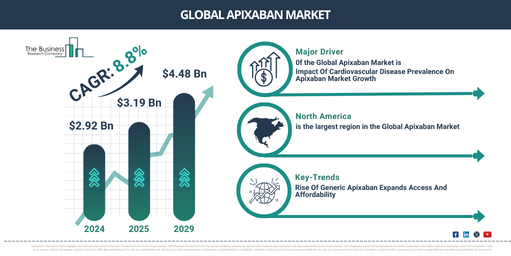
    The size of the apixaban market has witnessed substantial growth in the recent past. The market is set to expand from $2.92 billion in 2024 to $3.19 billion in 2025, experiencing a compound annual growth rate (CAGR) of 9.2%. Factors contributing to this growth during the historic period include greater occurrences of atrial fibrillation, an aging demographic, regulatory permissions and scaling, positive clinical results, and a transition from warfarin to NOACs.

    What Growth Rate Is Anticipated for the Apixaban Market in the Coming Years?

    The market size of apixaban is anticipated to witness significant expansion in the coming years, reaching $4.48 billion by 2029, with a Compound Annual Growth Rate (CAGR) of 8.8%. The projected growth during the forecast period is due to the ongoing prevalence of cardiovascular diseases, enhanced awareness and diagnostic procedures, growth in developing markets, an aging global populace, and revisions in health policy and reimbursement. Notable trends for the forecast period consist of improvements in drug delivery mechanisms, increased research and development activities, innovation, collaborations, FDA approval for apixaban, and the integration of digital health and telemedicine.

    Download The Free Sample Report Here:

    https://www.thebusinessresearchcompany.com/sample.aspx?id=15979&type=smp

    Who Are the Leading Companies in the Apixaban Market?

    Major companies operating in the apixaban market are Pfizer Inc., Johnson & Johnson, F. Hoffmann-La Roche Ltd, Merck & Co. Inc., Sanofi S.A., Bristol-Myers Squibb Company, Eli Lilly and Company, Amgen Inc., Viatris Inc., Teva Pharmaceutical Industries Ltd., Sandoz Group AG, Daiichi Sankyo Company Limited, Fresenius Kabi AG, Hetero Drugs Ltd, Eisai Co. Ltd, Sun Pharmaceutical Industries Ltd., Aurobindo Pharma Limited, Dr. Reddy’s Laboratories Ltd., Cipla Limited, Aspen Pharmacare Holdings Limited, Lupin Limited, Glenmark Pharmaceuticals Ltd., Torrent Pharmaceuticals Ltd, Medichem S.A., Centaur Pharmaceuticals Pvt. Ltd., Simson Pharma Limited, OPOCRIN SPA, Pinnacle Life Sciences Private Limited

    What Are the Key Drivers of the Apixaban Market?

    The escalating incidences of cardiovascular diseases are anticipated to drive the expansion of the apixaban market. The term “cardiovascular disease” refers to an array of conditions impacting the heart and blood vessels, such as coronary artery disease, stroke, and heart failure. These diseases are increasingly prevalent due to inactive lifestyles, subpar eating habits, smoking, obesity, hypertension, diabetes, and the aging populace. Apixaban plays a significant role in cardiovascular disease management, as it helps lower the risk of blood clots, thereby preventing conditions like stroke, deep vein thrombosis, and pulmonary embolism. For example, in January 2024, the American Heart Association, a non-profit organization based in the United States, reported that there were 931,578 deaths from cardiovascular diseases, marking a slight increase of less than 3,000 fatalities from the 928,741 registered in 2023. Consequently, the escalating incidences of cardiovascular diseases are contributing to the growth of the apixaban market.

    Request For A Customized Report:

    https://www.thebusinessresearchcompany.com/customise?id=15979&type=smp

    What Are the Key Market Segments in the Apixaban Industry?

    The apixaban market covered in this report is segmented –

    1) By Dosage Form: Capsule, Tablets

    2) By Application: Deep Vein Thrombosis (DVT), Pulmonary Embolism (PE)

    3) By End-Users: Hospitals, Homecare, Specialty Clinics, Other End-Users

    Subsegments:

    1) By Capsule: 2.5 mg Capsule, 5 mg Capsule

    2) By Tablets: 2.5 mg Tablet, 5 mg Tablet

    What Are the Latest Trends in the Apixaban Market?

    Leading enterprises in the apixaban market are concentrating on introducing novel products, such as generic anticoagulant medications, to enhance patient affordability and accessibility. These firms aim to expand their market penetration and competitive edge. A generic anticoagulant drug is one that prevents blood clots by blocking various elements of the coagulation pathway, thereby mitigating the risk of stroke and other heart-related events. For example, Tiefenbacher Pharmaceuticals, a German healthcare firm, debuted a generic variant of Apixaban in Canada in October 2022. This orally ingested anticoagulant is used for post-elective knee or hip replacement prophylaxis, prevention of stroke in atrial fibrillation, and treatment of deep vein thrombosis and pulmonary embolism, serving a wide range of thrombotic conditions. The firm formulated 2.5 mg and 5 mg anticoagulant tablets in their Indian labs for distribution in Canada via partnerships with generic pharmaceutical firms, preceding a subsequent release in other international markets. This well-thought-out move fosters substantial savings for global healthcare structures and augments access to treatments that can significantly improve patients’ lives.

    Access The Full Report Here:

    https://www.thebusinessresearchcompany.com/report/apixaban-global-market-report

    What Are the Key Regional Markets in the Apixaban Industry?

    North America was the largest region in the apixaban market in 2023. Asia-Pacific is expected to be the fastest-growing region in the forecast period. The regions covered in the apixaban market report are Asia-Pacific, Western Europe, Eastern Europe, North America, South America, Middle East, Africa.

    Purchase The Full Report Today:

    https://www.thebusinessresearchcompany.com/purchaseoptions.aspx?id=15979

    This Report Delivers Insight On:

    1. How big is the apixaban market, and how is it changing globally?

    2. Who are the major companies in the apixaban market, and how are they performing?

    3. What are the key opportunities and risks in the apixaban market right now?

    4. Which products or customer segments are growing the most in the apixaban market?

    5. What factors are helping or slowing down the growth of the apixaban market?

    About The Business Research Company:

    With over 15000+ reports from 27 industries covering 60+ geographies, The Business Research Company has built a reputation for offering comprehensive, data-rich research and insights. Armed with 1,500,000 datasets, the optimistic contribution of in-depth secondary research, and unique insights from industry leaders, you can get the information you need to stay ahead in the game.

    Get in touch with us:

    The Business Research Company: https://www.thebusinessresearchcompany.com/

    Americas +1 310-496-7795

    Asia +44 2071930708

    Europe +44 7882 955267

    Email us at info@tbrc.info

    Follow us on:

    LinkedIn: https://in.linkedin.com/company/the-business-research-company

    YouTube: https://www.youtube.com/channel/UC24_fI0rV8cR5DxlCpgmyFQ

    Global Market Model: https://www.thebusinessresearchcompany.com/global-market-model
  • Chronic Myeloid Leukemia Treatment Market Projected at $13.12 Billion by 2029 | Strategic Insights and Forecast Data

    Chronic Myeloid Leukemia Treatment Market Projected at $13.12 Billion by 2029 | Strategic Insights and Forecast Data

    Claim your 30% discount on Global Market Reports with code ONLINE30. Limited time only.

    How Has the Chronic Myeloid Leukemia Treatment Market Size Changed, over the years?

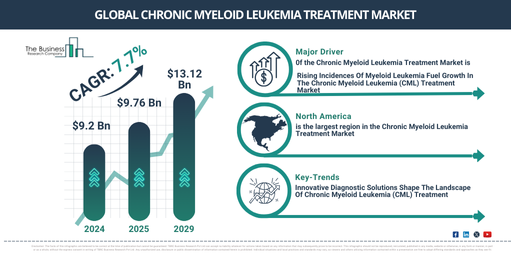
    The market size for treating chronic myeloid leukemia has witnessed a substantial growth in the past few years. The market, valued at $9.2 billion in 2024, is projected to rise to $9.76 billion in 2025, at a compound annual growth rate (CAGR) of 6.2%. The previous growth phase can be credited to an increase in chronic myeloid leukemia cases, greater consciousness about cancer therapy, government efforts, and burgeoning research and development endeavors aimed at chronic myeloid leukemia treatments.

    How Much Will the Chronic Myeloid Leukemia Treatment Market Be Worth in 2029?

    The market size of treatments for chronic myeloid leukemia is anticipated to experience considerable growth in the coming years. It is projected to rise to $13.12 billion by 2029, with a compound annual growth rate (CAGR) of 7.7%. Increased demand for more effective and bearable treatments, heightened healthcare expenditure, investments in therapies for chronic myeloid leukemia, and personalized medicine’s growth contribute to this expected rise. In the forecasted period, key trends encompass better diagnosis and screening methods, innovative treatment approaches for chronic myeloid leukemia, the evolution of targeted therapies, advanced early diagnosis, screening technologies, and monitoring.

    Download The Free Sample Report Here:

    https://www.thebusinessresearchcompany.com/sample.aspx?id=12915&type=smp

    Which is the Largest Company in the Chronic Myeloid Leukemia Treatment Market?

    Major companies operating in the chronic myeloid leukemia treatment market are Pfizer Inc., Johnson and Johnson Limited, F. Hoffmann-La Roche AG, AbbVie Inc., Novartis AG, Merck and Co. Inc., Sanofi S.A., Bristol-Myers Squibb Company, AstraZeneca PLC, GSK PLC, Takeda Pharmaceutical Company Limited, Amgen Inc., Boehringer Ingelheim International GmbH, Teva Pharmaceutical Industries Ltd., Astellas Pharma Inc., Otsuka Holdings Co Ltd., Mylan N.V., Astellas Pharma Inc., Incyte Corporation, Lupin Limited, Seattle Genetics Inc., Innovent Biologics Inc., Xencor Inc., ARIAD Pharmaceuticals Inc., Celon Laboratories Pvt. Ltd.

    What Are the Main Market Drivers in the Chronic Myeloid Leukemia Treatment Industry?

    The surge in myeloid leukemia instances is projected to spur the progression of the chronic myeloid leukemia (CML) treatment market. Originating in the bone marrow, myeloid leukemia is a cancer classification that impacts the cells tasked with the creation of various blood cell types. The main purpose of Chronic myeloid leukemia (CML) treatment is to boost the functionality of the bone marrow by tackling the underlying cause of leukemia, thereby lowering the risk associated with low blood cell count complications. Furthermore, it reduces the dependency on chemotherapy and transplants and enhances survival rates for myeloid leukemia individuals. For example, as per the American Cancer Society’s estimates in January 2023, in the United States, approximately 20,380 cases of acute myeloid leukemia (AML) were recorded in adults, along with 11,310 deaths in 2023. Thus, the escalating incidences of myeloid leukemia steer the growth of the chronic myeloid leukemia (CML) treatment market. Rapid growth in the CML treatment market is predicted due to the escalating incidences of chromosome abnormalities. These abnormalities pertain to structural or numeric defects in a person’s chromosomes, which are the threads within cells that harbor genetic data. Patients with certain chromosomal abnormalities can often have a poor prognosis and require more intensive treatments like CML. A case in point is a study carried out in Saudi Arabia, published by the National Library of Medicine (NLM), a U.S-based biomedical informatics and computational health data science researcher. It revealed that chromosome abnormalities were present in 59 newborns suffering from congenital anomalies (accounting for 39.3%), which constituted 2.3% of total Neonatal Intensive Care Unit (NICU) admissions. Therefore, the growing occurrence of chromosome abnormalities is aiding the growth of the chronic myeloid leukemia (CML) treatment market.

    Request For A Customized Report:

    https://www.thebusinessresearchcompany.com/customise?id=12915&type=smp

    How Is the Chronic Myeloid Leukemia Treatment Market Segments Structured?

    The chronic myeloid leukemia treatment market covered in this report is segmented –

    1) By Type: Targeted Therapy, Chemotherapy, Radiation Therapy, Splenectomy, Stem Cell Transplant

    2) By Route of Administration: Oral, Parenteral, Other Route of Administrations

    3) By End-User: Hospitals, Specialty Clinics, Other End-Users

    Subsegments:

    1) By Targeted Therapy: Tyrosine Kinase Inhibitors (TKIs), Monoclonal Antibodies

    2) By Chemotherapy: Combination Chemotherapy, Single-Agent Chemotherapy

    3) By Radiation Therapy: External Beam Radiation Therapy, Total Body Irradiation

    4) By Splenectomy: Open Splenectomy, Laparoscopic Splenectomy

    5) By Stem Cell Transplant: Autologous Stem Cell Transplant, Allogeneic Stem Cell Transplant

    What Strategic Trends Are Transforming the Chronic Myeloid Leukemia Treatment Market?

    Key businesses in the chronic myeloid leukemia (CML) treatment sector are concentrating their efforts on the creation of novel items to maintain market prominence. For example, Precipio, Inc., a cancer diagnostic firm based out of the United States, released the BCR-ABL 2.0 Panel for chronic myeloid leukemia (CML) in August 2023. This instrument pinpoints the BCR-ABL1 gene and aids in the diagnosis of chronic myeloid leukemia (CML). It represents the most state-of-the-art BCR-ABL panel, providing comprehensive coverage, simplified workflow and lower expenses while improving patient care. It also incorporates the ability to identify the ABL1 mutation, thereby eliminating the necessity for an additional round of BCR-ABL1 gene testing, offering highly precise outcomes.

    Access The Full Report Here:

    https://www.thebusinessresearchcompany.com/report/chronic-myeloid-leukemia-treatment-global-market-report

    Which Global Regions Offer the Highest Growth in the Chronic Myeloid Leukemia Treatment Market?

    North America was the largest region in the chronic myeloid leukemia treatment market in 2024. The regions covered in chronic myeloid leukemia treatment market report are Asia-Pacific, Western Europe, Eastern Europe, North America, South America, Middle East and Africa.

    Purchase The Full Report Today:

    https://www.thebusinessresearchcompany.com/purchaseoptions.aspx?id=12915

    This Report Delivers Insight On:

    1. How big is the chronic myeloid leukemia treatment market, and how is it changing globally?

    2. Who are the major companies in the chronic myeloid leukemia treatment market, and how are they performing?

    3. What are the key opportunities and risks in the chronic myeloid leukemia treatment market right now?

    4. Which products or customer segments are growing the most in the chronic myeloid leukemia treatment market?

    5. What factors are helping or slowing down the growth of the chronic myeloid leukemia treatment market?

    About The Business Research Company:

    With over 15000+ reports from 27 industries covering 60+ geographies, The Business Research Company has built a reputation for offering comprehensive, data-rich research and insights. Armed with 1,500,000 datasets, the optimistic contribution of in-depth secondary research, and unique insights from industry leaders, you can get the information you need to stay ahead in the game.

    Get in touch with us:

    The Business Research Company: https://www.thebusinessresearchcompany.com/

    Americas +1 310-496-7795

    Asia +44 2071930708

    Europe +44 7882 955267

    Email us at info@tbrc.info

    Follow us on:

    LinkedIn: https://in.linkedin.com/company/the-business-research-company

    YouTube: https://www.youtube.com/channel/UC24_fI0rV8cR5DxlCpgmyFQ

    Global Market Model: https://www.thebusinessresearchcompany.com/global-market-model
  • Chronic Care Management Software Industry Growth Expected to Reach $26.35 Billion by 2029 at a CAGR of 14.4% | Segmentation and Growth Opportunities

    Chronic Care Management Software Industry Growth Expected to Reach $26.35 Billion by 2029 at a CAGR of 14.4% | Segmentation and Growth Opportunities

    Claim your 30% discount on Global Market Reports with code ONLINE30. Limited time only.

    What Is the Forecast for the Chronic Care Management Software Market Growth in 2025?

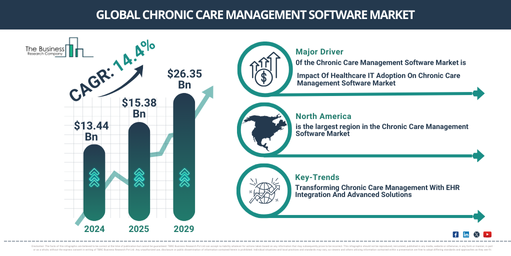
    The market size of chronic care management software has experienced a significant expansion in the past few years. It is projected to increase from $13.44 billion in 2024 to $15.38 billion in 2025, reflecting a compound annual growth rate (CAGR) of 14.4%. The surge in growth during the historic period can be credited to factors such as an increase in chronic disease cases, an aging population, a focus on patient-centric care, a rise in the need for remote patient observation, and escalating healthcare expenses.

    What Is the Forecast for the Chronic Care Management Software Market Size Through 2029?

    Rapid expansion is anticipated in the chronic care management software market in the upcoming years, with its size forecasted to reach $26.35 billion by 2029. This robust growth, marked by a compound annual growth rate (CAGR) of 14.4%, will likely be due to several factors. These include the adoption of telemedicine and virtual healthcare, an intensified focus on preventative care, and a mounting demand for interoperable healthcare solutions. The rise in healthcare consumerism and regulatory backing for chronic care management programs are also contributors to this expected growth. As for the major trends forecasted for this period, personalized management of chronic diseases, embracing of wearables and IoT devices, integration of telehealth platforms, the employment of predictive analytics to facilitate proactive care and the application of remote patient-monitoring technologies are expected.

    Download The Free Sample Report Here:

    https://www.thebusinessresearchcompany.com/sample.aspx?id=14668&type=smp

    What are the Key Market Players in Chronic Care Management Software Market and How They’re Evolving?

    Major companies operating in the chronic care management software market are McKesson Corporation, International Business Machines Corporation, Siemens Healthineers, Cognizant Technology Solutions, Koninklijke Philips N.V., Infosys Limited, Cerner Corporation, Epic Systems Corporation, EXL Service Holdings Inc., Allscripts Healthcare Solutions Inc., eClinicalWorks LLC, Waystar Revenue Cycle Technology, NextGen Healthcare Inc., MEDITECH, Medecision Inc., Greenway Health LLC, Vivify Health Inc., Casenet LLC, AdvancedMD Inc., Practice Fusion, ZeOmega Inc., Kareo Billing, ScienceSoft USA Corporation, Azalea Health, Care Sync (Vatica Health), InSync Healthcare Solutions, RxNT, ClinicTracker EHR, zHealth EHR, Chronic Care Management Inc.

    What Are the Primary Growth Drivers in the Chronic Care Management Software Market?

    The chronic care management software market is expected to see significant expansion as healthcare information technology (IT) solutions are increasingly adopted. These IT solutions, featuring digital technologies and systems aimed at optimizing healthcare processes, enhancing patient care, and promoting superior health outcomes overall, are integral in the evolution of an increasingly digital healthcare landscape. The motivation for their usage stems from the need to improve efficiency, Healthcare, streamline operations, and meet regulatory requirements. They are particularly beneficial in managing chronic diseases, as they facilitate superior communication, coordination, and patient monitoring. As per a Healthcare Information and Management Systems Society report in January 2022, an impressive 80% of healthcare providers plan to augment their technological and digital investments within the next half-decade. Moreover, Rock Health, in a February 2023 survey of 8,014 people, found that 76% of individuals aged 55 and older have utilized telemedicine, while 80% of all participants have accessed care via this medium at least once, marking an increase of 8% from 72% in 2021. As such, the continued rise in the adoption of healthcare IT solutions is fuelling the growth of the chronic care management software market.

    Request For A Customized Report:

    https://www.thebusinessresearchcompany.com/customise?id=14668&type=smp

    What Are the Leading Segments in the Global Chronic Care Management Software Industry?

    The chronic care management software market covered in this report is segmented –

    1) By Type: Standalone Software, Integrated Software

    2) By Deployment: Cloud-Based, Web-Based, On-Premise

    3) By Application: Chronic Disease Management, Case Management, Communication And Collaboration, Other Applications

    4) By End User: Hospitals, Clinics, Specialty Centers, Other End Users

    Subsegments:

    1) By Standalone Software: Remote Patient Monitoring Software, Chronic Disease Tracking Software, Appointment Scheduling Software, Medication Management Software, Patient Engagement Software, Electronic Health Records (EHR) Software, Data Analytics and Reporting Tools

    2) By Integrated Software: Integrated Chronic Care Management Platforms, Telehealth and Telemedicine Integration, Health Information Exchange (HIE) Systems, Care Coordination and Communication Tools, Population Health Management Solutions, Billing and Revenue Cycle Management Integration, Patient Portal and Mobile App Integration

    What Are the Key Market Trends in the Chronic Care Management Software Industry?

    Established businesses in the chronic care management software market are intensifying their endeavors on producing sophisticated solutions, such as EHR-integrated software to gain an edge over their competitors. This is done by improving patient results, driving up the quality of care coordination, and optimizing workflows for healthcare practitioners. The EHR-integrated software used in chronic care simplifies patient management by efficiently synchronizing real-time health data, treatment methodologies, and communication channels within a consolidated electronic health record system. For instance, in March 2024, the American digital health firm Rimidi launched The Rimidi Care Network. This is a collaborative program for remote monitoring clinical service providers, aiming to expand the patient’s reach to remote patient monitoring (RPM) services. The initiative is crafted to connect healthcare providers, payers, and technology vendors, thereby enabling them to deliver Rimidi’s solutions more effectively across diverse healthcare environments. Rimidi aspires to enhance patient engagement, primarily for chronic condition management, by integrating with electronic health records (EHR) and providing user-friendly RPM tools. The program aspires to streamline remote care services, amplify patient outcomes, and broaden access to populations benefiting from remote health monitoring.

    Access The Full Report Here:

    https://www.thebusinessresearchcompany.com/report/chronic-care-management-software-global-market-report

    What Is the Regional Outlook for the Chronic Care Management Software Market?

    North America was the largest region in the chronic care management software market in 2024. Asia-Pacific is expected to be the fastest-growing region in the forecast period. The regions covered in the chronic care management software market report are Asia-Pacific, Western Europe, Eastern Europe, North America, South America, Middle East and Africa.

    Purchase The Full Report Today:

    https://www.thebusinessresearchcompany.com/purchaseoptions.aspx?id=14668

    This Report Delivers Insight On:

    1. How big is the chronic care management software market, and how is it changing globally?

    2. Who are the major companies in the chronic care management software market, and how are they performing?

    3. What are the key opportunities and risks in the chronic care management software market right now?

    4. Which products or customer segments are growing the most in the chronic care management software market?

    5. What factors are helping or slowing down the growth of the chronic care management software market?

    About The Business Research Company:

    With over 15000+ reports from 27 industries covering 60+ geographies, The Business Research Company has built a reputation for offering comprehensive, data-rich research and insights. Armed with 1,500,000 datasets, the optimistic contribution of in-depth secondary research, and unique insights from industry leaders, you can get the information you need to stay ahead in the game.

    Get in touch with us:

    The Business Research Company: https://www.thebusinessresearchcompany.com/

    Americas +1 310-496-7795

    Asia +44 2071930708

    Europe +44 7882 955267

    Email us at info@tbrc.info

    Follow us on:

    LinkedIn: https://in.linkedin.com/company/the-business-research-company

    YouTube: https://www.youtube.com/channel/UC24_fI0rV8cR5DxlCpgmyFQ

    Global Market Model: https://www.thebusinessresearchcompany.com/global-market-model