Blog

  • Dermatitis Market Growth Potential: What The Latest Forecast Reveals

    Dermatitis Market Growth Potential: What The Latest Forecast Reveals

    Backed by market attractiveness analysis, total addressable market sizing, company benchmarking matrices, interactive Excel dashboards, wider supply chain intelligence, emerging startup coverage, and detailed product-level insights, The Business Research Company’s 2026 market reports are designed to offer research that is more actionable and strategically valuable than ever.

    Dermatitis Market Forecast: Value Set To Climb From $7.36 Billion To $8.93 Billion

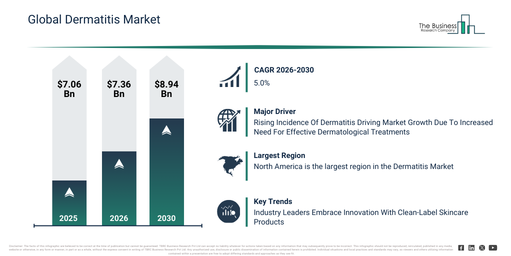
    The dermatitis market has shown consistent expansion in its size over recent years. It is projected to expand from $7.06 billion in 2025 to reach $7.36 billion by 2026, exhibiting a compound annual growth rate (CAGR) of 4.3%. The growth observed in the past can be ascribed to several factors including the high prevalence of skin disorders, the availability of corticosteroids, an increase in dermatologist visits, various environmental triggers, and the use of antihistamines.

    The dermatitis market size is projected for consistent expansion over the next few years. It will grow to $8.94 billion in 2030 at a compound annual growth rate (CAGR) of 5.0%. The expansion during the forecast period is primarily influenced by innovations in biologics, rising skin issues linked to pollution, the proliferation of dermatology clinics, increased awareness regarding self-care, and an aging population. Key developments anticipated in this period involve the growing adoption of biologic therapies, an increasing demand for topical treatments, the expansion of immunomodulatory drugs, heightened awareness of chronic skin conditions, and the growth of over-the-counter dermatology products.

    Get A Free Sample Report With In-Depth Market Insights:

    https://thebusinessresearchcompany.com/sample_request?id=79034070&type=smp&name=Dermatitis%20Market%20Report%202026&utm_source=Blogs&utm_medium=Paid&utm_campaign=Oct_PR

    Dermatitis Market Growth Backed By Core Demand Fundamentals

    The dermatitis market is anticipated to expand due to the rising occurrence of dermatitis. This condition encompasses various inflammatory skin issues, marked by redness, itching, and irritation, frequently provoked by allergens, environmental elements, immune responses, or genetic susceptibility. The uptick in dermatitis instances primarily stems from greater exposure to environmental allergens and irritants in contemporary living, prompting excessive immune reactions that cause skin inflammation and disrupt the skin barrier. The heightened number of dermatitis cases fuels the demand for efficacious treatments such as topical steroids, calcineurin inhibitors, antihistamines, moisturizers, and advanced biologic therapies designed to lessen inflammation and enhance patient results. For example, data from March 2025, provided by the American Pharmacists Association, a US-based professional organization for pharmacists, indicated that an estimated 33 million Americans had at least one food allergy, impacting approximately 8 percent of children and 11 percent of adults. Consequently, the growing incidence of dermatitis is propelling the expansion of the dermatitis market.

    Dermatitis Market Segment Landscape And Growth Outlook

    The dermatitis market covered in this report is segmented –

    1) By Drug Class: Corticosteroids, Emollients Or Moisturizers, Antihistamines, Calcineurin Inhibitors, Antibiotics, Immunomodulators, Interleukin Inhibitors

    2) By Distribution Channel: Hospital, Retail Pharmacies, Drug Stores, Online Or Mail Pharmacies

    3) By Application: Atopic Dermatitis, Contact Dermatitis, Seborrheic Dermatitis

    Subsegments:

    1) By Corticosteroids: Topical Corticosteroids, Oral Corticosteroids, Injectable Corticosteroids

    2) By Emollients Or Moisturizers: Creams, Ointments, Lotions, Gels, Other Emollients Or Moisturizers

    3) By Antihistamines: Oral Antihistamines, Topical Antihistamines, Injectable Antihistamines

    4) By Calcineurin Inhibitors: Topical Calcineurin Inhibitors (Tacrolimus, Pimecrolimus), Oral Calcineurin Inhibitors

    5) By Antibiotics: Topical Antibiotics, Oral Antibiotics, Systemic Antibiotics

    6) By Immunomodulators: Topical Immunomodulators, Oral Immunomodulators

    7) By Interleukin Inhibitors: IL-4 Inhibitors, IL-13 Inhibitors, IL-31 Inhibitors, Other Interleukin Inhibitors

    Dermatitis Market Growth Trends Reshaping The Competitive Landscape

    Major companies operating in the dermatitis market are developing innovative clean-label, steroid-free products like ARCTIVA to gain a competitive advantage and broaden their product offerings. ARCTIVA represents a collection of steroid-free skincare solutions specifically formulated to treat skin conditions such as eczema and psoriasis, utilizing the innovative Hydrosurf Glycolipid Technology. For example, in April 2023, Arctiva Wellness, LLC, a US-based company focused on clean-label skincare products, launched ARCTIVA, an innovative range of non-prescription, steroid-free skincare solutions designed to effectively address skin conditions including eczema and psoriasis. This transformative skincare line integrates advanced scientific research with natural, cruelty-free components, further enhanced by clinically validated, FDA-approved active ingredients to deliver proven outcomes. Notably, it is the exclusive product line on the market to feature the groundbreaking Hydrosurf Glycolipid Technology, a unique blend of fermented components with significant skincare benefits, initially discovered in Antarctica.

    Dermatitis Market Competitive Landscape: Who Leads The Industry?

    Major companies operating in the dermatitis market are LEO Pharma AS, Regeneron Pharmaceuticals Inc., Sanofi S.A., Encore Dermatology Inc., Meda Pharmaceuticals Inc., Allergan Plc, Anacor Pharmaceutical Inc., Astellas Pharma Inc., Mylan N.V., Valeant Pharmaceutical Inc., Galderma SA, Connetics Corporation, Fujisawa Pharmaceutical Company Ltd., AbbVie Inc., Valeant Pharmaceuticals International Inc., GlaxoSmithKline plc, Medimmune Inc., Bausch Health Co. Inc., Nestlé Skin Health India Pvt. Ltd., Aqua Pharmaceuticals Pvt. Ltd., Biofrontera AG, Zydus Lifesciences Limited

    View The Full Dermatitis Market Report:

    https://thebusinessresearchcompany.com/report/Dermatitis-Drugs-Global-Market-Report?utm_source=Blogs&utm_medium=Paid&utm_campaign=Oct_PR

    Dermatitis Market Largest Region: Which Geography Holds The Biggest Share?

    North America was the largest region in the dermatitis market in 2025. Middle East is expected to be the fastest-growing region in the dermatitis market report during the forecast period. The regions covered in the dermatitis market report are Asia-Pacific, South East Asia, Western Europe, Eastern Europe, North America, South America, Middle East, Africa.

    Reach Out To Our Team:

    The Business Research Company: https://www.thebusinessresearchcompany.com/

    Americas: +1 310-496-7795

    Asia: +44 7882 955267 & +91 8897263534

    Europe: +44 7882 955267

    Email us at: marketing@tbrc.info

    Follow us on:

    LinkedIn: https://in.linkedin.com/company/the-business-research-company

    YouTube: https://www.youtube.com/channel/UC24_fI0rV8cR5DxlCpgmyFQ

    Global Market Model: https://www.thebusinessresearchcompany.com/global-market-model
  • Dermal Regeneration Market Growth Outlook: Why Analysts Expect Continued Expansion

    Dermal Regeneration Market Growth Outlook: Why Analysts Expect Continued Expansion

    Featuring market attractiveness scoring, total addressable market sizing, company benchmarking matrices, interactive Excel dashboards, deeper supply chain intelligence, emerging startup tracking, and granular product-level insights, The Business Research Company’s 2026 market reports are built to deliver research that is both more actionable and more strategically valuable.

    Dermal Regeneration Market Revenue Growth On Track For A 8.9% CAGR Through 2030

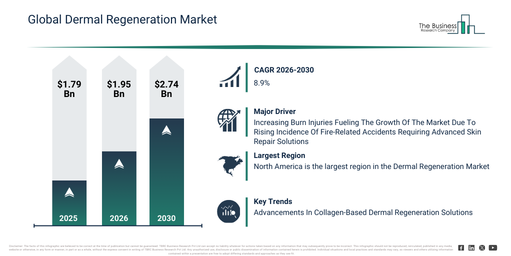
    The dermal regeneration market size has demonstrated significant growth in recent years. This market is projected to expand from $1.79 billion in 2025 to $1.95 billion in 2026, reflecting a compound annual growth rate (CAGR) of 8.9%. The historical growth of this market can be attributed to several factors, including the rising incidence of chronic wounds, an increase in burn injury cases, the increasing adoption of tissue engineering, the expansion of hospital wound care units, and improvements in biomaterial technologies.

    The dermal regeneration market is projected to experience substantial expansion over the upcoming years. Its valuation is anticipated to reach $2.74 billion by 2030, exhibiting a compound annual growth rate (CAGR) of 8.9%. Factors contributing to this growth during the projected period include the increasing need for minimally invasive skin repair, the expansion of aesthetic and reconstructive surgical procedures, a growing elderly demographic, heightened investment in regenerative medicine, and progress in cell-based therapies. Key trends expected over the forecast horizon encompass the increasing uptake of bioengineered skin substitutes, a rise in the application of collagen and biomaterial scaffolds, a greater demand for sophisticated wound healing solutions, the broadening of regenerative treatments in burn care, and more frequent use of dermal regeneration templates.

    Get A Free Sample Report With In-Depth Market Insights:

    https://thebusinessresearchcompany.com/sample_request?id=64789933&type=smp&name=Dermal%20Regeneration%20Market%20Report%202026&utm_source=Blogs&utm_medium=Paid&utm_campaign=Oct_PR

    Dermal Regeneration Market Growth Catalysts And Demand Drivers

    A rise in burn injuries is anticipated to drive the expansion of the dermal regeneration market in the future. These injuries involve harm to the skin or deeper tissues resulting from exposure to heat, chemicals, electricity, radiation, or friction. The prevalence of burn injuries is increasing because of the extensive adoption of hazardous cooking fuels and devices, including open flames and inadequately maintained stoves. These factors elevate the likelihood of accidental fires and scalds, especially within densely populated and lower-income homes. Such injuries necessitate the application of dermal regeneration solutions, as they call for sophisticated tissue repair and skin restoration methods to effectively manage moderate to severe skin harm. As an illustration, in January 2024, the Consumer Product Safety Commission (CPSC), a US-based federal government agency, reported 11 deaths linked to fireworks, mainly stemming from improper use and equipment failures. Approximately 14,700 individuals suffered fireworks-related injuries, indicating a notable increase of about 38% in fatalities and 52% in injuries compared to 2023. Consequently, the growing number of burn injuries is fueling the expansion of the dermal regeneration market.

    Dermal Regeneration Market Breakdown By Product Type And Application

    The dermal regeneration market covered in this report is segmented –

    1) By Product Type: Skin Substitutes, Scaffolds, Other Product Types

    2) By Technology: Tissue Engineering, Cell-Based Therapies, Biomaterial-Based Therapies, Other Technologies

    3) By Source: Cow Collagen, Silicone

    4) By Application: Chronic Wounds, Burn Injuries, Acute Wounds, Plastic And Reconstructive Surgery, Other Applications

    5) By End Use: Hospitals, Dermatology And Aesthetic Clinics, Specialty Clinics, Ambulatory Surgical Centers (ASCs), Other End User

    Subsegments:

    1) By Skin Substitutes: Acellular Skin Substitutes, Cellular Skin Substitutes, Bioengineered Skin Substitutes, Synthetic Skin Substitutes, Allografts, Xenografts

    2) By Scaffolds: Collagen-Based Scaffolds, Synthetic Polymer Scaffolds, Composite Scaffolds, Hyaluronic Acid-Based Scaffolds, Fibrin-Based Scaffolds

    3) By Other Product Types: Dermal Regeneration Templates (DRTs), Hydrogel-Based Products, Growth Factor-Based Therapies, Matrices With Antimicrobial Agents

    Dermal Regeneration Market Trends Shaping Long-Term Demand

    Companies operating in the dermal regeneration market are focusing on developing advanced solutions, such as collagen-based dermal matrix, to ensure biocompatibility and a low risk of immune rejection. A collagen-based dermal matrix is a structure primarily made of collagen that functions as a supportive framework to assist in skin tissue growth and healing. For instance, in January 2025, Fesarius Therapeutics Inc., a US-based biotechnology company, announced that its DermiSphere hydrogel Dermal Regeneration Template (DermiSphere hDRT) had been granted 510(k) approval by the US Food and Drug Administration (FDA). This product signifies a new generation of collagen-based dermal matrices crafted to encourage tissue integration, revascularization, and effective wound healing. It is intended for application in advanced wound care, reconstructive surgery, and regenerative medicine. DermiSphere hDRT introduces an innovative method for dermal regeneration, with considerable potential to revolutionize wound care practices.

    Dermal Regeneration Market Company Landscape And Competitive Strategy

    Major companies operating in the dermal regeneration market are Smith & Nephew Plc, Integra LifeSciences Corp., Organogenesis Inc., MiMedx Group Inc., Regenity Biosciences Inc., Avita Medical Inc., Polynovo, Symatese Co., Stratatech, MedSkin Solutions Dr. Suwelack AG, Japan Tissue Engineering Co. Ltd., CollPlant Biotechnologies Ltd., Holostem Terapie Avanzate.

    View The Full Dermal Regeneration Market Report:

    https://thebusinessresearchcompany.com/report/dermal-regeneration-global-market-report?utm_source=Blogs&utm_medium=Paid&utm_campaign=Oct_PR

    Dermal Regeneration Market Regional Analysis: Which Geography Leads On Revenue?

    North America was the largest region in the dermal regeneration market in 2025. Asia-Pacific is expected to be the fastest-growing region in the forecast period. The regions covered in the dermal regeneration market report are Asia-Pacific, South East Asia, Western Europe, Eastern Europe, North America, South America, Middle East, Africa.

    Reach Out To Our Team:

    The Business Research Company: https://www.thebusinessresearchcompany.com/

    Americas: +1 310-496-7795

    Asia: +44 7882 955267 & +91 8897263534

    Europe: +44 7882 955267

    Email us at: marketing@tbrc.info

    Follow us on:

    LinkedIn: https://in.linkedin.com/company/the-business-research-company

    YouTube: https://www.youtube.com/channel/UC24_fI0rV8cR5DxlCpgmyFQ

    Global Market Model: https://www.thebusinessresearchcompany.com/global-market-model

  • Deoxyribonucleic Acid (DNA) Repair Alkylating Agent Market Forecast Insights: The Road To $5.45 Billion By 2030

    Deoxyribonucleic Acid (DNA) Repair Alkylating Agent Market Forecast Insights: The Road To $5.45 Billion By 2030

    Built to provide research that’s more actionable and strategically valuable, The Business Research Company’s 2026 market reports include market attractiveness analysis, total addressable market sizing, company benchmarking matrices, interactive Excel dashboards, broader supply chain intelligence, emerging startup tracking, and in-depth product insights.

    Deoxyribonucleic Acid (DNA) Repair Alkylating Agent Market Value Growth And Long-Term Outlook

    The market size for deoxyribonucleic acid (dna) repair alkylating agents has shown strong growth recently. It is projected to expand from $3.7 billion in 2025 to $4 billion in 2026, at a compound annual growth rate (CAGR) of 8.1%. This expansion in the past can be attributed to several factors including the restricted supply of alkylating agents, the sustained use of conventional chemotherapy regimens, an increasing number of cancer patients, the rise of hospital-based oncology treatments, and the implementation of standard clinical protocols.

    The deoxyribonucleic acid (dna) repair alkylating agent market is projected for significant expansion over the coming years. Its size is anticipated to reach $5.45 billion by 2030, demonstrating a compound annual growth rate (CAGR) of 8.0%. This growth during the forecast period stems from factors such as the creation of new nitrogen mustards and nitrosoureas, the broadening of personalized oncology treatments, increased research and development investment in specific alkylating agents, the incorporation of genomic testing with precision medicine, and a greater understanding and acceptance of improved treatment protocols. Key trends expected during this period involve the increasing use of dna repair alkylating agents in cancer treatment, heightened exploration of new alkylating compounds, an increase in clinical trials and research and development efforts, the expansion of personalized medicine and targeted therapeutic uses, and a stronger emphasis on patient safety, optimal dosing, and adherence to regulations.

    Get A Free Sample Report With In-Depth Market Insights:

    https://thebusinessresearchcompany.com/sample_request?id=92036949&type=smp&name=Deoxyribonucleic%20Acid%20%28DNA%29%20Repair%20Alkylating%20Agent%20Market%20Report%202026&utm_source=Blogs&utm_medium=Paid&utm_campaign=Oct_PR

    Deoxyribonucleic Acid (DNA) Repair Alkylating Agent Market Opportunity Drivers: What’s Unlocking New Revenue Potential?

    The global increase in cancer cases is anticipated to propel the growth of the DNA repair alkylating agent market going forward. Cancer is a condition where certain cells in the body begin to multiply uncontrollably and can spread to surrounding tissues or other areas of the body. Worldwide cancer cases are rising due to an increase in aging populations who face higher cancer risks. DNA repair alkylating agents treat cancer by interfering with the DNA of fast-growing tumor cells, preventing their multiplication. This disruption leads to cell death or growth arrest, helping to manage tumor development. For instance, in February 2024, according to the World Health Organization, a Switzerland-based healthcare organization, there were an estimated 20 million new cancer cases in 2022, with projections suggesting this could rise to over 35 million by 2050. Therefore, the rising prevalence of cancer cases worldwide fuels the growth of the DNA repair alkylating agent market.

    Deoxyribonucleic Acid (DNA) Repair Alkylating Agent Market Segment Analysis And Revenue Potential

    The deoxyribonucleic acid (dna) repair alkylating agent market covered in this report is segmented –

    1) By Product Type: Nitrogen Mustards, Nitrosoureas, Alkyl Sulfonates, Triazines, Other Product Types

    2) By Application: Cancer Treatment, Research And Development, Other Applications

    3) By End-User: Hospitals, Research Institutes, Pharmaceutical Companies, Other End-Users

    Subsegments:

    1) By Nitrogen Mustards: Mechlorethamine, Cyclophosphamide, Ifosfamide, Chlorambucil, Melphalan

    2) By Nitrosoureas: Carmustine (BCNU), Lomustine (CCNU), Streptozocin, Semustine

    3) By Alkyl Sulfonates: Busulfan, Treosulfan

    4) By Triazines: Dacarbazine, Temozolomide

    5) By Other Product Types: Thiotepa, Procarbazine, Bendamustine, Lurbinectedin

    Deoxyribonucleic Acid (DNA) Repair Alkylating Agent Market Innovation Trends Shaping Future Development

    Leading companies in the deoxyribonucleic acid (DNA) repair alkylating agent market are concentrating on developing advanced solutions, such as epoxide forming alkylators, to enhance therapeutic precision, reduce off-target toxicity, and improve outcomes in hematologic oncology. These epoxide forming alkylators function as prodrugs, which are converted in vivo into highly reactive epoxide intermediates that alkylate and cross-link DNA, offering a more controlled activation profile compared to traditional bifunctional mustards. For instance, in January 2025, Medexus Pharmaceuticals, a Canada-based pharmaceutical company, received U.S. Food and Drug Administration (FDA) approval for GRAFAPEX (treosulfan), an alkylating agent used with fludarabine as a preparative regimen for allogeneic hematopoietic stem-cell transplantation (alloHSCT) in adult and pediatric patients (=1 year) with acute myeloid leukemia (AML) or myelodysplastic syndrome (MDS). Treosulfan is administered as a lyophilized powder for intravenous infusion and spontaneously converts into mono- and diepoxide metabolites that cross-link DNA. With favorable pharmacokinetics, reduced long-term toxicity versus busulfan-based regimens, and demonstrated survival benefit in a Phase III trial (MC-FludT.14/L), GRAFAPEX underscores the market’s shift toward refined DNA-damaging agents in transplantation settings.

    Deoxyribonucleic Acid (DNA) Repair Alkylating Agent Market Key Players Shaping Industry Direction

    Major companies operating in the deoxyribonucleic acid (dna) repair alkylating agent market are Bristol-Myers Squibb Company, Teva Pharmaceutical Industries Limited, Fresenius Kabi, Intas Pharmaceuticals, Dr. Reddy’s Laboratories, Aurobindo Pharma, Hikma Pharmaceuticals, Natco Pharma Ltd, Medac GmbH, Emcure Pharmaceuticals, Jiangsu Hengrui Pharmaceuticals Co. Ltd.

    View The Full Deoxyribonucleic Acid (DNA) Repair Alkylating Agent Market Report:

    https://thebusinessresearchcompany.com/report/deoxyribonucleic-acid-dna-repair-alkylating-agent-global-market-report?utm_source=Blogs&utm_medium=Paid&utm_campaign=Oct_PR

    Deoxyribonucleic Acid (DNA) Repair Alkylating Agent Market Geographic Spread And Regional Opportunities

    North America was the largest region in the deoxyribonucleic acid (DNA) repair alkylating agent market in 2025. Asia-Pacific is expected to be the fastest-growing region in the forecast period. The regions covered in the deoxyribonucleic acid (dna) repair alkylating agent market report are Asia-Pacific, South East Asia, Western Europe, Eastern Europe, North America, South America, Middle East, Africa.

    Reach Out To Our Team:

    The Business Research Company: https://www.thebusinessresearchcompany.com/

    Americas: +1 310-496-7795

    Asia: +44 7882 955267 & +91 8897263534

    Europe: +44 7882 955267

    Email us at: marketing@tbrc.info

    Follow us on:

    LinkedIn: https://in.linkedin.com/company/the-business-research-company

    YouTube: https://www.youtube.com/channel/UC24_fI0rV8cR5DxlCpgmyFQ

    Global Market Model: https://www.thebusinessresearchcompany.com/global-market-model
  • Deoxyribonucleic Acid (DNA) Nanotechnology Market Explained: What Is Fueling Growth To $21.48 Billion By 2030?

    Deoxyribonucleic Acid (DNA) Nanotechnology Market Explained: What Is Fueling Growth To $21.48 Billion By 2030?

    Backed by market attractiveness analysis, total addressable market sizing, company benchmarking matrices, interactive Excel dashboards, wider supply chain intelligence, emerging startup coverage, and detailed product-level insights, The Business Research Company’s 2026 market reports are designed to offer research that is more actionable and strategically valuable than ever.

    Deoxyribonucleic Acid (DNA) Nanotechnology Market Poised To Hit $21.48 Billion By 2030 With A 25.2% CAGR

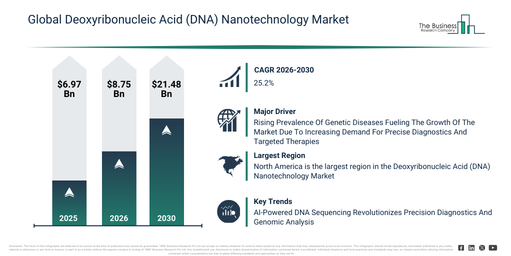
    The deoxyribonucleic acid (dna) nanotechnology market has experienced substantial expansion in its size over recent years. The market is projected to expand from $6.97 billion in 2025 to $8.75 billion in 2026, exhibiting a compound annual growth rate (CAGR) of 25.5%. Historically, this expansion has been driven by factors such as the emergence of dna nanotechnology research, increased investments from academic and pharmaceutical sectors, advancements in fundamental dna nanostructures, the rising need for precision medicine, and its initial application in drug delivery and diagnostics.

    The deoxyribonucleic acid (dna) nanotechnology market size is anticipated to undergo significant growth in the upcoming years. It is projected to expand to $21.48 billion by 2030, demonstrating a compound annual growth rate (CAGR) of 25.2%. This growth over the forecast period is attributable to its integration with biosensing and theranostic applications, the broadening of water-soluble and hybrid formulations, increasing financial support for nanomedicine research, growing commercialization through online and direct sales, and its adoption in advanced nanofabrication techniques. Prominent trends for the forecast period include advancements in dna-based nanomachines and logic gate systems, the expansion of dna origami and tile-based nanostructures, a rise in the use of dna nanotechnology for targeted drug delivery, the wider application of nanolithography and smart pills, and the development of hybrid and multifunctional dna nanostructures.

    Get A Free Sample Report With In-Depth Market Insights:

    https://thebusinessresearchcompany.com/sample_request?id=66769479&type=smp&name=Deoxyribonucleic%20Acid%20%28DNA%29%20Nanotechnology%20Market%20Report%202026&utm_source=Blogs&utm_medium=Paid&utm_campaign=Oct_PR

    Deoxyribonucleic Acid (DNA) Nanotechnology Market Growth Momentum: What Factors Are Shaping Demand?

    The increasing prevalence of genetic diseases is anticipated to fuel the expansion of the deoxyribonucleic acid (DNA) nanotechnology market moving forward. Genetic diseases are conditions resulting from changes or mutations in DNA, which can be inherited or develop spontaneously, impacting an individual’s health, development, or bodily functions. The uptick in genetic disease prevalence is attributed to enhanced awareness and advancements in diagnostic technologies, enabling earlier and more precise detection of previously undiagnosed conditions. Deoxyribonucleic acid (DNA) nanotechnology provides a solution for genetic diseases by allowing for the precise targeting of defective genes, thereby facilitating accurate diagnosis and personalized treatment. It also improves therapeutic outcomes through controlled drug delivery and gene editing, leading to better patient care and disease management. For instance, in July 2025, according to the National Blood Authority, an Australia-based blood management agency, there were 2,788 patients living with hereditary haemophilia A (HMA) in 2023–2024, an increase from 2,681 patients in 2022–2023. Ultimately, the growing incidence of genetic diseases is propelling the growth of the deoxyribonucleic acid (DNA) nanotechnology market.

    Deoxyribonucleic Acid (DNA) Nanotechnology Market Segmentation And Category Overview

    The deoxyribonucleic acid (dna) nanotechnology market covered in this report is segmented –

    1) By Type: Dynamic Deoxyribonucleic Acid (DNA) Nanotechnology, Structural Deoxyribonucleic Acid (DNA) Nanotechnology

    2) By Formulation Type: Water-Soluble Formulations, Oil-Soluble Formulations, Hybrid Formulations

    3) By Distribution Channel: Online Sales, Direct Sales, Retail Sales, Distributors Or Wholesalers

    4) By Application: Smart Pills, Nanolithography, Targeted Drug Delivery, Other Applications

    5) By End-User: Academic And Research Institutions, Biotechnology And Pharmaceuticals, Other End-Users

    Subsegments:

    1) By Dynamic Deoxyribonucleic Acid Nanotechnology: Strand Displacement Circuits, Conformational Switching Devices, Deoxyribonucleic Acid Walkers, Logic Gate Systems, Nanomachines-Based On Deoxyribonucleic Acid

    2) By Structural Deoxyribonucleic Acid Nanotechnology: Tile-Based Structures, Deoxyribonucleic Acid Origami, Wireframe Nanostructures, Lattice-Based Designs, Hybrid Nanostructures

    Deoxyribonucleic Acid (DNA) Nanotechnology Market Trends Redefining Industry Growth

    Major companies operating in the DNA nanotechnology market are concentrating on developing advanced solutions, such as artificial intelligence-based DNA sequencing, to enhance accuracy and facilitate more precise molecular diagnostics and nanodevice design. Artificial intelligence-based DNA sequencing employs AI to rapidly analyze and interpret DNA data, thereby improving accuracy, speed, and personalized disease detection. For instance, in May 2025, the Indian Institute of Technology, an India-based technical institute, launched quantum AI nanotechnology that allows for rapid, highly accurate, and cost-effective early detection of genetic mutations, including those linked to cancer. This technology integrates explainable artificial intelligence with quantum transport mechanisms to decode raw electrical signals from DNA sequencing with unmatched precision. This quantum-AI approach utilizes solid-state nanopore or nanogap devices that capture unique electronic signatures of nucleotides, facilitating comprehensive detection of natural, epigenetic, and artificial DNA mutations. This innovation promises transformative impacts in genomics, personalized medicine, and cancer diagnostics by enabling early mutation detection and personalized treatment strategies.

    Deoxyribonucleic Acid (DNA) Nanotechnology Market Competitive Analysis Of Leading Industry Participants

    Major companies operating in the deoxyribonucleic acid (dna) nanotechnology market are Twist Bioscience Corporation, SomaLogic Inc., Alamar Biosciences Inc., Nanion Technologies GmbH, Eligo Bioscience SA, DNA Nanobots LLC, Nanovery Limited, Parabon NanoLabs Inc., tilibit nanosystems GmbH, Luna Nanotech Inc., Code Biotherapeutics Inc., Sona Nanotech Inc., Cello Therapeutics Inc., Esya Labs Inc., NuProbe Global Inc., Ansa Biotechnologies Inc., GATTAquant GmbH, ARIZ Precision Medicine Inc., NanoApps Medical Inc., Aura Biosciences Inc.

    View The Full Deoxyribonucleic Acid (DNA) Nanotechnology Market Report:

    https://thebusinessresearchcompany.com/report/deoxyribonucleic-acid-dna-nanotechnology-global-market-report?utm_source=Blogs&utm_medium=Paid&utm_campaign=Oct_PR

    Deoxyribonucleic Acid (DNA) Nanotechnology Market Top Region By Revenue And Market Share

    North America was the largest region in the deoxyribonucleic acid (DNA) nanotechnology market in 2025. Asia-Pacific is expected to be the fastest-growing region in the forecast period. The regions covered in the deoxyribonucleic acid (dna) nanotechnology market report are Asia-Pacific, South East Asia, Western Europe, Eastern Europe, North America, South America, Middle East, Africa.

    Reach Out To Our Team:

    The Business Research Company: https://www.thebusinessresearchcompany.com/

    Americas: +1 310-496-7795

    Asia: +44 7882 955267 & +91 8897263534

    Europe: +44 7882 955267

    Email us at: marketing@tbrc.info

    Follow us on:

    LinkedIn: https://in.linkedin.com/company/the-business-research-company

    YouTube: https://www.youtube.com/channel/UC24_fI0rV8cR5DxlCpgmyFQ

    Global Market Model: https://www.thebusinessresearchcompany.com/global-market-model
  • Deoxyribonucleic Acid (DNA) Manufacturing Market Forecast To Reach $11.95 Billion By 2030: Key Trends Explained

    Deoxyribonucleic Acid (DNA) Manufacturing Market Forecast To Reach $11.95 Billion By 2030: Key Trends Explained

    Featuring market attractiveness scoring, total addressable market sizing, company benchmarking matrices, interactive Excel dashboards, deeper supply chain intelligence, emerging startup tracking, and granular product-level insights, The Business Research Company’s 2026 market reports are built to deliver research that is both more actionable and more strategically valuable.

    Deoxyribonucleic Acid (DNA) Manufacturing Market Size And Revenue Outlook Through 2030

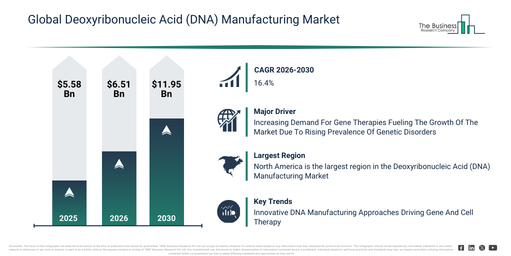
    The deoxyribonucleic acid (dna) manufacturing market size has expanded rapidly in recent years. This market is projected to increase from $5.58 billion in 2025 to $6.51 billion in 2026, demonstrating a compound annual growth rate (CAGR) of 16.7%. Historically, this growth can be attributed to elements such as limited access to high-quality plasmid and synthetic dna, a reliance on traditional chemical dna synthesis methods, increasing research and development in cell and gene therapies, rising academic and industrial research initiatives, and a growing demand for oligonucleotide-based drugs.

    The deoxyribonucleic acid (dna) manufacturing market is projected to experience substantial expansion over the upcoming years. Its valuation is anticipated to reach $11.95 billion by 2030, demonstrating a compound annual growth rate (CAGR) of 16.4%. This anticipated growth during the forecast timeframe stems from progress in enzymatic and chemical DNA synthesis techniques, the enlargement of gene therapy and vaccine development initiatives, a greater embrace of GMP-grade DNA manufacturing, growing requirements for lengthy and intricate DNA structures, and the incorporation of automated DNA production systems alongside digital processes. Key trends identified for the forecast period encompass an escalating need for GMP-grade DNA in therapeutic uses, an increase in plasmid and synthetic DNA output for vaccines, a heightened uptake of gene synthesis and codon optimization services, the broadening of oligonucleotide synthesis for PCR, siRNA, and antisense purposes, and the embedded role of DNA manufacturing within cell and gene therapy development pathways.

    Get A Free Sample Report With In-Depth Market Insights:

    https://thebusinessresearchcompany.com/sample_request?id=90418390&type=smp&name=Deoxyribonucleic%20Acid%20%28DNA%29%20Manufacturing%20Market%20Report%202026&utm_source=Blogs&utm_medium=Paid&utm_campaign=Oct_PR

    Deoxyribonucleic Acid (DNA) Manufacturing Market Expansion Drivers: What’s Shaping Future Growth?

    The deoxyribonucleic acid (DNA) manufacturing market is anticipated to expand, driven by the growing need for gene therapies. Gene therapies involve methods for modifying or replacing defective genes to address or avert diseases, while personalized medicine centers on customizing medical treatment according to an individual’s genetic, biological, and lifestyle profile. This heightened demand for gene therapies stems from the increasing occurrence of genetic conditions like cystic fibrosis, sickle cell anemia, and specific forms of inherited blindness. Deoxyribonucleic acid (DNA) manufacturing is crucial for gene therapies, supplying the precise, high-quality custom DNA sequences required to create and administer therapeutic genes capable of correcting or replacing flawed genetic material in individuals. An illustrative example comes from January 2024, where data from the US-based American Society of Gene & Cell Therapy revealed that in the fourth quarter of 2024, pre-registration gene therapy programs saw their most significant surge in over a year, with an 83% rise compared to the third quarter of 2024. Consequently, the growing requirement for gene therapies is propelling the expansion of the deoxyribonucleic acid (DNA) manufacturing market.

    Deoxyribonucleic Acid (DNA) Manufacturing Market Segment Outlook: Which Categories Are Growing Fastest?

    The deoxyribonucleic acid (dna) manufacturing market covered in this report is segmented –

    1) By Type: Plasmid Deoxyribonucleic Acid (DNA), Synthetic Deoxyribonucleic Acid (DNA), Gene Synthesis, Oligonucleotide Synthesis

    2) By Grade: Good Manufacturing Practices (GMP) Grade, Research And Development Grade

    3) By Application: Cell And Gene Therapy, Vaccines, Oligonucleotide-Based Drugs, Other Applications

    4) By End-Use: Pharmaceutical And Biotechnology Companies, Academic And Research Institutes, Contract Research Organizations

    Subsegments:

    1) By Plasmid Deoxyribonucleic Acid (DNA): GMP-Grade Plasmid DNA, Non-GMP-Grade Plasmid DNA, High Copy Number Plasmids, Low Copy Number Plasmids, Bacterial Fermentation-Based Plasmid Production, Transfection-Grade Plasmid DNA

    2) By Synthetic Deoxyribonucleic Acid (DNA): Enzymatic DNA Synthesis, Chemical DNA Synthesis, Long DNA Fragments, Short DNA Fragments, Single-Stranded Synthetic DNA, Double-Stranded Synthetic DNA

    3) By Gene Synthesis: Custom Gene Synthesis, Standard Gene Synthesis, Complex Gene Constructs, Codon Optimization Services, Gene Library Synthesis

    4) By Oligonucleotide Synthesis: DNA Oligonucleotides, Modified Oligonucleotides, Long Oligonucleotides, PCR Primers, SiRNA And Antisense Oligos, Adapter And Linker Oligos

    Deoxyribonucleic Acid (DNA) Manufacturing Market Strategic Trends: What Defines The Next Growth Phase?

    Major companies in the DNA manufacturing market are prioritizing the development of cutting-edge methods, such as GMP-grade plasmid DNA production, to improve the quality, safety, and scalability of gene and cell therapy applications. GMP-grade plasmid DNA production denotes the creation of plasmid DNA under Good Manufacturing Practice (GMP) conditions, which are regulatory guidelines established to ensure the quality, safety, and consistency of biopharmaceutical products. As an illustration, in April 2025, ProBio Genomics Inc., a US-based contract development and manufacturing organization (CDMO), commenced its GMP Plasmid DNA Manufacturing Services in Hopewell, featuring in-house analytical testing, method development, and project management. This service provides distinct advantages, including integrated process development, analytical testing, method development, and project management, thereby removing the necessity for multiple suppliers and shortening development timelines. The offering guarantees high-quality results with a supercoiled plasmid DNA content of =85% while also minimizing potential contamination risks. Furthermore, ProBio makes available GMP-like plasmids with a four-week delivery period and full GMP-grade plasmids within three months.

    Deoxyribonucleic Acid (DNA) Manufacturing Market Leading Companies And Competitive Benchmarking

    Major companies operating in the deoxyribonucleic acid (dna) manufacturing market are Thermo Fisher Scientific Inc., Merck KGaA, Lonza Group AG, Kaneka Corporation, Catalent Inc., Charles River Laboratories International Inc., WuXi Biologics Inc., AGC Biologics Inc., Integrated DNA Technologies Inc., GenScript Biotech Corporation, Takara Bio USA Inc., Twist Bioscience Corp., Ajinomoto Bio-Pharma Services, OriGene Technologies Inc., DNA Script SAS, Eurofins Genomics LLC, Touchlight Genetics Ltd., Elegen Inc., VGXI Inc., PlasmidFactory GmbH & Co. KG.

    View The Full Deoxyribonucleic Acid (DNA) Manufacturing Market Report:

    https://thebusinessresearchcompany.com/report/deoxyribonucleic-acid-dna-manufacturing-global-market-report?utm_source=Blogs&utm_medium=Paid&utm_campaign=Oct_PR

    Deoxyribonucleic Acid (DNA) Manufacturing Market Regional Analysis And Top Geography

    North America was the largest region in the deoxyribonucleic acid (DNA) manufacturing market in 2025. Asia-Pacific is expected to be the fastest-growing region in the forecast period. The regions covered in the deoxyribonucleic acid (dna) manufacturing market report are Asia-Pacific, South East Asia, Western Europe, Eastern Europe, North America, South America, Middle East, Africa.

    Reach Out To Our Team:

    The Business Research Company: https://www.thebusinessresearchcompany.com/

    Americas: +1 310-496-7795

    Asia: +44 7882 955267 & +91 8897263534

    Europe: +44 7882 955267

    Email us at: marketing@tbrc.info

    Follow us on:

    LinkedIn: https://in.linkedin.com/company/the-business-research-company

    YouTube: https://www.youtube.com/channel/UC24_fI0rV8cR5DxlCpgmyFQ

    Global Market Model: https://www.thebusinessresearchcompany.com/global-market-model

  • Deoxycholic Acid Obesity Drugs Market Analysis: Understanding The Drivers Behind 14.1% CAGR Through 2030 Growth

    Deoxycholic Acid Obesity Drugs Market Analysis: Understanding The Drivers Behind 14.1% CAGR Through 2030 Growth

    Built to provide research that’s more actionable and strategically valuable, The Business Research Company’s 2026 market reports include market attractiveness analysis, total addressable market sizing, company benchmarking matrices, interactive Excel dashboards, broader supply chain intelligence, emerging startup tracking, and in-depth product insights.

    Deoxycholic Acid Obesity Drugs Market Growth From $0.57 Billion In 2026 To $0.97 Billion By 2030 At A CAGR Of 14.1%

    The deoxycholic acid obesity drugs market has seen rapid expansion over recent years. It is anticipated to increase from $0.5 billion in 2025 to $0.57 billion in 2026, registering a compound annual growth rate (CAGR) of 14.4%. Factors contributing to its historical growth include greater consumer understanding of aesthetic treatments, the proliferation of medical aesthetics clinics, an increasing preference for minimally invasive procedures, the accessibility of approved deoxycholic acid formulations, and a rise in disposable income.

    The market size for deoxycholic acid obesity drugs is projected to experience swift expansion over the coming years. It is anticipated to reach $0.97 billion in 2030, showing a compound annual growth rate (CAGR) of 14.1%. This growth during the projected timeframe stems from several factors, including a heightened demand for tailored aesthetic treatments, the broadening of combination aesthetic approaches, an escalating emphasis on body sculpting techniques, increased funding into innovative aesthetic drugs, and deeper market penetration in developing regions. Key trends expected within the forecast period encompass a greater acceptance of non-invasive fat reduction methods, an increasing preference for injectable aesthetic solutions, the evolving creation of combined lipolytic treatments, an increase in clinic-provided body sculpting offerings, and a sharpened attention on aesthetic results customized for each patient.

    Get A Free Sample Report With In-Depth Market Insights:

    https://thebusinessresearchcompany.com/sample_request?id=81380765&type=smp&name=Deoxycholic%20Acid%20Obesity%20Drugs%20Market%20Report%202026&utm_source=Blogs&utm_medium=Paid&utm_campaign=Oct_PR

    Deoxycholic Acid Obesity Drugs Market Development Factors: What’s Supporting Demand?

    The growth of the deoxycholic acid obesity drug market is anticipated to be driven by increasing obesity rates. These rates define the percentage of a population categorized as overweight or obese based on their body mass index (BMI). Poor dietary habits, such as a high intake of processed foods and sugary drinks, contribute to rising obesity by leading to excess calorie storage as body fat. Deoxycholic acid obesity drugs address this by breaking down and eliminating surplus fat cells, achieving targeted fat reduction and an improved body contour. For instance, in May 2025, the Office for Health Improvement and Disparities, a UK-based government body, reported that from 2023 to 2024, an estimated 64.5% of adults aged 18 and over in England were overweight or living with obesity, an increase from 64.0% in 2022 to 2023. This upward trend in obesity rates is consequently propelling the expansion of the deoxycholic acid obesity drug market.

    Deoxycholic Acid Obesity Drugs Market Segment Landscape: Which Areas Lead Development?

    The deoxycholic acid obesity drugs market covered in this report is segmented –

    1) By Drug Type: ATX-101 (Deoxycholic Acid Injection Or Kybella Or Belkyra), Experimental Or Compounded Deoxycholic Acid Formulations, Combination Therapies, Oral Deoxycholic Acid Products

    2) By Formulation: Injectable, Topical

    3) By Distribution Channel: Direct Sales, Retail Pharmacies, Online Pharmacies

    4) By Application: Submental Fat Reduction, Abdominal Fat Reduction, Thighs Arms And Flanks, Lipomas And Localized Fat, Cellulite Management

    5) By End-User: Aesthetic Clinics, Dermatology Clinics, Plastic Surgery Centers, Hospitals, Home Administration

    Subsegments:

    1) By ATX-101 (Deoxycholic Acid Injection or Kybella or Belkyra): Standard Injectable, High-Purity Formulations, Combination Injection Therapies

    2) By Experimental Or Compounded Deoxycholic Acid Formulation: Clinical Trial Formulations, Compounded Customized Formulations

    3) By Combination Therapies: Deoxycholic Acid + Lipolytic Agents, Deoxycholic Acid + Enzyme Therapy

    4) By Oral Deoxycholic Acid Products: Capsules, Tablets, Liquid Formulations

    Deoxycholic Acid Obesity Drugs Market Transformation Trends: What Innovations Are Driving Change?

    Prominent companies within the deoxycholic acid obesity drug market are concentrating on creating sophisticated products, including injectable deoxycholic acid obesity drugs, to elevate treatment effectiveness and achieve better patient results. These injectable deoxycholic acid obesity drugs utilize deoxycholic acid, a compound that breaks down fat cells, and are administered via injection to specifically target and diminish fat in particular areas. For instance, in March 2024, LG Chem Ltd., a chemicals company based in South Korea, unveiled Bellacholine, intended for the reduction of submental fat. This is a nonsurgical injection formulated to decrease moderate to severe submental fat (double chin) by safely eliminating fat cells using deoxycholic acid. It provides benefits such as a body-compatible pH, minimal sedimentation, and the encouragement of skin elasticity through collagen synthesis.

    Deoxycholic Acid Obesity Drugs Market Industry Leaders And Competitive Landscape

    Major companies operating in the deoxycholic acid obesity drugs market are AbbVie Inc., Cipla Ltd., Glenmark Life Sciences Limited, Curia Global Inc., Daewoong Pharmaceutical Co. Ltd., Actylis, ICE Pharma, Cayman Chemical Company, Nacalai Tesque Inc., Sichuan Huiyu Pharmaceutical, Conscientia Industrial, Manus Aktteva Biopharma LLP, Jeevan Chemicals & Pharmaceuticals, Anhui Chem-Bright Bioengineering Co. Ltd., GlpBio Technology LLC, Legere Pharmaceuticals, Otto Chemie Pvt. Ltd., BOC Sciences, Guangzhou Green Cross Pharmaceutical, Prodotti Chimici e Alimentari S.P.A

    View The Full Deoxycholic Acid Obesity Drugs Market Report:

    https://thebusinessresearchcompany.com/report/deoxycholic-acid-obesity-drugs-global-market-report?utm_source=Blogs&utm_medium=Paid&utm_campaign=Oct_PR

    Deoxycholic Acid Obesity Drugs Market Geographic Analysis: Where Is Demand Rising Fastest?

    North America was the largest region in the deoxycholic acid obesity drugs market in 2025. Asia-Pacific is expected to be the fastest-growing region in the forecast period. The regions covered in the deoxycholic acid obesity drugs market report are Asia-Pacific, South East Asia, Western Europe, Eastern Europe, North America, South America, Middle East, Africa.

    Reach Out To Our Team:

    The Business Research Company: https://www.thebusinessresearchcompany.com/

    Americas: +1 310-496-7795

    Asia: +44 7882 955267 & +91 8897263534

    Europe: +44 7882 955267

    Email us at: marketing@tbrc.info

    Follow us on:

    LinkedIn: https://in.linkedin.com/company/the-business-research-company

    YouTube: https://www.youtube.com/channel/UC24_fI0rV8cR5DxlCpgmyFQ

    Global Market Model: https://www.thebusinessresearchcompany.com/global-market-model
  • Dental Sleep Medicine Market Growth To $8.68 Billion By 2030: What’s Driving The Expansion?

    Dental Sleep Medicine Market Growth To $8.68 Billion By 2030: What’s Driving The Expansion?

    Backed by market attractiveness analysis, total addressable market sizing, company benchmarking matrices, interactive Excel dashboards, wider supply chain intelligence, emerging startup coverage, and detailed product-level insights, The Business Research Company’s 2026 market reports are designed to offer research that is more actionable and strategically valuable than ever.

    Dental Sleep Medicine Market Expansion Outlook: What Revenue Opportunities Are Ahead?

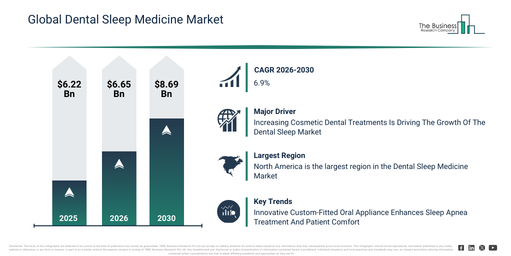
    The dental sleep medicine market has seen robust expansion in its size over recent years. This market is projected to expand from $6.22 billion in 2025 to reach $6.65 billion in 2026, driven by a compound annual growth rate (CAGR) of 6.9%. Historically, this growth can be ascribed to several factors, including the increasing acknowledgment of obstructive sleep apnea as a public health concern, challenges with long-term CPAP adherence, the initial embrace of mandibular advancement devices, the expanding involvement of dentists in screening for sleep disorders, and the proliferation of sleep laboratories and diagnostic services.

    The dental sleep medicine market is projected to experience substantial expansion in the coming years. This market is forecast to reach a value of $8.69 billion by 2030, demonstrating a compound annual growth rate (CAGR) of 6.9%. Factors contributing to this growth during the projection period include the increasing incidence of sleep apnea across various age demographics, a growing patient inclination towards non-invasive treatment options, an expanding elderly population grappling with sleep disorders, wider insurance acceptance for oral appliance therapy, and the greater incorporation of dental services into comprehensive health frameworks. Key trends anticipated in the upcoming period encompass a surge in the embrace of oral appliance therapy for sleep apnea, enhanced partnerships between dental professionals and sleep specialists, heightened understanding of non-surgical approaches for sleep disorders, the broadening of dental sleep medicine offerings within general dental practices, and a rising call for sleep disorder management solutions deliverable at home.

    Get A Free Sample Report With In-Depth Market Insights:

    https://thebusinessresearchcompany.com/sample_request?id=72925448&type=smp&name=Dental%20Sleep%20Medicine%20Market%20Report%202026&utm_source=Blogs&utm_medium=Paid&utm_campaign=Oct_PR

    Dental Sleep Medicine Market Industry Drivers: What’s Behind The Revenue Growth?

    The rising need for aesthetic dental procedures is anticipated to fuel the expansion of the dental sleep medicine market in the future. Cosmetic dental treatments encompass operations designed to enhance the appearance of teeth and improve overall smile aesthetics. This surge in demand stems from increased awareness regarding oral beauty, progress in dental technology, a greater emphasis on individual appearance and self-assurance, and more accessible, budget-friendly treatment choices. The dental sleep medicine market aids cosmetic dentistry through managing sleep-disordered breathing, alleviating teeth grinding (bruxism), correcting jaw positioning, and sustaining prolonged oral health, which, in turn, boosts the longevity and efficacy of cosmetic dental outcomes. A case in point is July 2023 data from Dentistry.co.uk, a UK-based dental information platform, revealing that in 2022, one-third of individuals under 35 underwent a cosmetic dental procedure, with an average expenditure of £3,677 ($4,696.3). Furthermore, 10% of those between 25–34 years old spent £25,000 ($31,930.5) or above. Consequently, the growing desire for cosmetic dental treatments is a key impetus for the expansion of the dental sleep medicine market.

    Dental Sleep Medicine Market Segments: Where Is Growth Concentrated?

    The dental sleep medicine market covered in this report is segmented –

    1) By Type: Diagnostic, Treatment

    2) By Age Group: Pediatric, Adult, Geriatric

    3) By End User: Hospitals, Sleep Laboratories, Home, Other End Users

    Subsegments:

    1) By Diagnostic: Polysomnography (Sleep Study), Home Sleep Apnea Testing (Hsat), Sleep Disorder Screening Tools, Sleep Oximeters

    2) By Treatment: Oral Appliances (Mandibular Advancement Devices), Continuous Positive Airway Pressure (Cpap) Therapy, Bi-Level Positive Airway Pressure (Bipap) Therapy, Lifestyle And Behavioral Therapy

    #Dental Sleep Medicine Market Growth Trends: What’s Shaping The Future Outlook?

    Leading companies in the dental sleep medicine market are concentrating on developing innovative, precise oral appliance therapy (OAT) devices to enhance treatment effectiveness and patient comfort. Oral appliance therapy (OAT) devices are custom-fitted mouthpieces worn during sleep to maintain an open airway, aiding in the treatment of sleep apnea or snoring. For instance, in June 2025, ProSomnus Sleep Technologies Inc., a US-based technology company, introduced an oral appliance named EVO Guided to its FDA-cleared EVO line, specifically created for addressing obstructive sleep apnea (OSA). This device distinctively expands tongue space and stabilizes the jaw in an exact therapeutic position to keep the airway clear without restricting tongue movement. Being fully customized to each patient’s anatomy, EVO Guided provides increased comfort, improved efficacy, and is covered by most medical insurances, including Medicare.

    Dental Sleep Medicine Market Key Participants And Competitive Landscape

    Major companies operating in the dental sleep medicine market are SomnoMed Ltd., ProSomnus Inc., Vivos Therapeutics Inc., Oventus Medical Ltd., Panthera Dental Inc., Myerson LLC, Oral Arts Dental Laboratories Inc., Dental Sleep Solutions LLC, Sleep Group Solutions Inc., Carestream Dental LLC, Henry Schein Inc., Dentsply Sirona, Koninklijke Philips NV, ResMed, Compumedics Limited, Natus Medical Inc., Braebon Medical Corporation, BMC Medical Co. Ltd., Fisher & Paykel Healthcare Limited, ProSomnus Sleep Technologies

    View The Full Dental Sleep Medicine Market Report:

    https://thebusinessresearchcompany.com/report/dental-sleep-medicine-global-market-report?utm_source=Blogs&utm_medium=Paid&utm_campaign=Oct_PR

    Dental Sleep Medicine Market Global Footprint: Which Region Leads The Market?

    North America was the largest region in the dental sleep medicine market in 2025. Asia-Pacific is expected to be the fastest-growing region in the forecast period. The regions covered in the dental sleep medicine market report are Asia-Pacific, South East Asia, Western Europe, Eastern Europe, North America, South America, Middle East, Africa.

    Reach Out To Our Team:

    The Business Research Company: https://www.thebusinessresearchcompany.com/

    Americas: +1 310-496-7795

    Asia: +44 7882 955267 & +91 8897263534

    Europe: +44 7882 955267

    Email us at: marketing@tbrc.info

    Follow us on:

    LinkedIn: https://in.linkedin.com/company/the-business-research-company

    YouTube: https://www.youtube.com/channel/UC24_fI0rV8cR5DxlCpgmyFQ

    Global Market Model: https://www.thebusinessresearchcompany.com/global-market-model
  • Dental Bone Fixation Kits Market Trends Reshaping Industry Growth Through 2030

    Dental Bone Fixation Kits Market Trends Reshaping Industry Growth Through 2030

    Featuring market attractiveness scoring, total addressable market sizing, company benchmarking matrices, interactive Excel dashboards, deeper supply chain intelligence, emerging startup tracking, and granular product-level insights, The Business Research Company’s 2026 market reports are built to deliver research that is both more actionable and more strategically valuable.

    Dental Bone Fixation Kits Market Growth Potential: How Will Market Size Shift Through 2030?

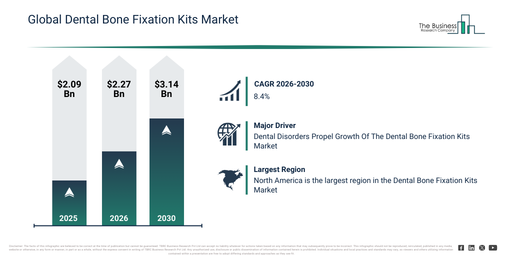
    The dental bone fixation kits market size has demonstrated significant expansion in recent years. This market is anticipated to increase from $2.09 billion in 2025 to $2.27 billion in 2026, achieving a compound annual growth rate (CAGR) of 8.5%. The historical growth of this market can be attributed to several factors, including an increase in dental trauma cases, a growing prevalence of craniofacial deformities, the expansion of oral and maxillofacial surgery practices, rising adoption rates of dental implants, and continuous improvements in surgical fixation materials.

    The dental bone fixation kits market is expected to witness significant expansion in the coming years. It is forecast to grow to $3.14 billion in 2030, achieving a compound annual growth rate (CAGR) of 8.4%. This projected growth during the forecast period stems from factors such as an expanding geriatric population facing dental disorders, an increasing need for cosmetic and reconstructive dental work, advancements in fixation material technology, the proliferation of ambulatory surgical centers, and the enhancement of dental healthcare infrastructure. Prominent trends anticipated in this period include a heightened demand for advanced maxillofacial surgeries, the wider adoption of titanium-based fixation devices, increased utilization of resorbable bone fixation systems, the expansion of dental implant and bone grafting procedures, and a stronger preference for minimally invasive oral surgeries.

    Get A Free Sample Report With In-Depth Market Insights:

    https://thebusinessresearchcompany.com/sample_request?id=84290346&type=smp&name=Dental%20Bone%20Fixation%20Kits%20Market%20Report%202026&utm_source=Blogs&utm_medium=Paid&utm_campaign=Oct_PR

    Dental Bone Fixation Kits Market Growth Factors: What’s Supporting Expansion?

    The growing occurrence of dental issues is anticipated to fuel the expansion of the dental bone fixation kits market in the future. These disorders encompass conditions impacting teeth, gums, and adjacent oral tissues, potentially escalating from minor discomfort to serious infections and eventually tooth loss. The surge in dental problems stems from inadequate oral hygiene, unhealthy eating patterns, and insufficient access to regular dental check-ups. The dental bone fixation kits market aids oral health through stabilizing broken or weakened dental structures, thus facilitating appropriate healing and reconstruction. As an illustration, the National Health Service (NHS), a UK-based publicly funded healthcare system, reported in August 2023 that its dentists attended to 0.0164 billion adults and 0.0056 billion children during the 12 months up to June 30, 2022. Consequently, the escalating incidence of dental disorders is a key factor propelling the expansion of the dental bone fixation kits market.

    Dental Bone Fixation Kits Market Segment Analysis: What Are The Core Market Categories?

    The dental bone fixation kits market covered in this report is segmented –

    1) By Type: Plates, Screws, Wires, Pins, Cages

    2) By Material: Titanium, Stainless Steel, Polyetheretherketone (Peek), Hydroxyapatite

    3) By Indication: Orthognathic Surgery, Craniofacial Surgery, Maxillofacial Surgery, Bone Grafting

    4) By End-User: Hospitals, Dental Clinics, Ambulatory Surgical Centers, Academic And Research Institutions

    Subsegments:

    1) By Plates: Titanium Plates, Stainless Steel Plates, Resorbable Plates

    2) By Screws: Self-Tapping Screws, Non-Self-Tapping Screws, Resorbable Screws

    3) By Wires: Stainless Steel Wires, Titanium Wires, Resorbable Wires

    4) By Pins: Kirschner Pins (K-Pins), Steinmann Pins, Resorbable Pins

    5) By Cages: Titanium Cages, Polyetheretherketone (PEEK) Cages, Resorbable Cages

    Dental Bone Fixation Kits Market Top Companies Driving Competitive Growth

    Major companies operating in the dental bone fixation kits market are Stryker Corporation, Dentsply Sirona Inc., Straumann Holding AG, Nobel Biocare Services AG, Karl Leibinger Medizintechnik GmbH & Co. KG, BioHorizons Inc., Hiossen Inc., Salvin Dental Specialties Inc., Osteogenics Biomedical Inc., Impladent Ltd., NovaBone Products LLC, Avtec Dental LLC, DoWell Dental Products Inc., DSI Dental Solutions Ltd., Global Dental Transfer GmbH, KB Dental Products LLC, Oraltec Ltd., Sabra Dental Products Inc., Medtronic plc, 3M Company

    View The Full Dental Bone Fixation Kits Market Report:

    https://thebusinessresearchcompany.com/report/dental-bone-fixation-kits-global-market-report?utm_source=Blogs&utm_medium=Paid&utm_campaign=Oct_PR

    Dental Bone Fixation Kits Market Regional Split: Which Areas Are Fueling Growth?

    North America was the largest region in the dental bone fixation kits market in 2025. Asia-Pacific is expected to be the fastest-growing region in the forecast period. The regions covered in the dental bone fixation kits market report are Asia-Pacific, South East Asia, Western Europe, Eastern Europe, North America, South America, Middle East, Africa.

    Reach Out To Our Team:

    The Business Research Company: https://www.thebusinessresearchcompany.com/

    Americas: +1 310-496-7795

    Asia: +44 7882 955267 & +91 8897263534

    Europe: +44 7882 955267

    Email us at: marketing@tbrc.info

    Follow us on:

    LinkedIn: https://in.linkedin.com/company/the-business-research-company

    YouTube: https://www.youtube.com/channel/UC24_fI0rV8cR5DxlCpgmyFQ

    Global Market Model: https://www.thebusinessresearchcompany.com/global-market-model
  • Denosumab Market Growth To $6.05 Billion Creates New Opportunities Across The Industry

    Denosumab Market Growth To $6.05 Billion Creates New Opportunities Across The Industry

    Built to provide research that’s more actionable and strategically valuable, The Business Research Company’s 2026 market reports include market attractiveness analysis, total addressable market sizing, company benchmarking matrices, interactive Excel dashboards, broader supply chain intelligence, emerging startup tracking, and in-depth product insights.

    Denosumab Market Value Analysis: What Growth Lies Ahead Over The Forecast Period?

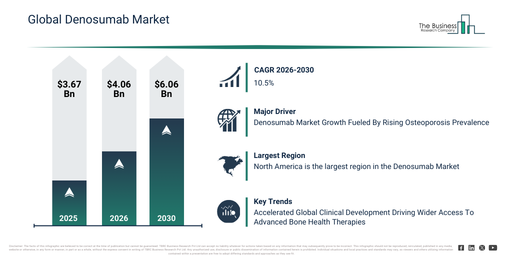
    The denosumab market has experienced significant growth in recent years. It is anticipated to expand from $3.67 billion in 2025 to $4.06 billion in 2026, achieving a compound annual growth rate (CAGR) of 10.7%. The historical increase can be ascribed to the high prevalence of osteoporosis and bone-related disorders, an expanding geriatric population, swift approvals for denosumab therapies, growing capacities in hospitals and specialty clinics, and increased patient awareness regarding fracture risk.

    The denosumab market is projected for significant expansion, reaching $6.06 billion by 2030, driven by a compound annual growth rate (CAGR) of 10.5%. This anticipated expansion throughout the forecast period stems from factors such as progress in precision medicine and biologics, broader availability of homecare and ambulatory services, heightened investment in bone health studies, the launch of advanced denosumab formulations, and increasing demand across developing markets. Key developments expected during this period encompass a greater acceptance of monoclonal antibodies, the extension of osteoporosis screening initiatives, tailored treatment strategies for bone metastases, an increase in home-administered injection therapies, and a growing understanding of bone health needs among the elderly population.

    Get A Free Sample Report With In-Depth Market Insights:

    https://thebusinessresearchcompany.com/sample_request?id=35380896&type=smp&name=Denosumab%20Market%20Report%202026&utm_source=Blogs&utm_medium=Paid&utm_campaign=Oct_PR

    Denosumab Market Demand Drivers: What’s Powering Industry Growth?

    The rising occurrence of osteoporosis is projected to fuel the expansion of the denosumab market in the coming years. Osteoporosis is a condition characterized by weakened bones, reduced bone density, and an elevated risk of fractures. Denosumab serves as a treatment for osteoporosis by inhibiting bone resorption through its action on the RANK ligand. For instance, data from the Canadian Longitudinal Study on Aging, as reported by the National Center for Biotechnology Information in September 2023, indicated that among community-dwelling older adult females, the prevalence of physician-diagnosed osteoporosis was 12.7% and DXA-confirmed osteoporosis was 5.9%. Furthermore, a cross-sectional study by Buttros and colleagues identified a 24.6% prevalence of osteoporosis, diagnosed through bone mineral density (BMD) measurements, in postmenopausal women aged 40 to 75. Consequently, the increasing prevalence of osteoporosis is a key factor driving the growth of the denosumab market.

    Denosumab Market Driver: Expansion Of The Healthcare Industry Fueling The Growth Of The Market Due To Rising Demand For Advanced Therapies For Bone-Related Conditions

    Denosumab Market Segment Breakdown: Which Categories Lead On Revenue?

    The denosumab market covered in this report is segmented –

    1) By Drug Classification: Prolia, Xgeva

    2) By Type: 60 mg, 120 mg

    3) By End-Users: Hospitals, Homecare, Specialty Clinics, Ambulatory Surgical Centers

    Subsegments:

    1) By Prolia: Prolia 60 Mg Injection, Prolia 1-Year Dosing Schedule, Prolia Osteoporosis Treatment

    2) By Xgeva: Xgeva 120 Mg Injection, Xgeva Monthly Dosing Schedule, Xgeva Bone Metastases Management

    Denosumab Market Innovation Trends: What Developments Are Reshaping The Industry?

    Major companies operating in the denosumab market are prioritizing the expansion of their global clinical investigations and expediting regulatory clearances to enhance their competitive standing and broaden access to treatment. Clinical trials are human-based studies engineered to evaluate the effectiveness and safety of new drugs or therapies. For instance, in May 2023, Boan Biotech, a China-based biopharma company, launched an international multi center Phase 3 clinical trial for its denosumab biosimilars BA6101 (Boyoubei) and BA1102, enrolling the first patient in Europe, the U.S., and Japan. These endeavors succeed its 2022 NMPA approval for Boyoubei in postmenopausal women at high fracture risk. By progressing global clinical development and achieving regulatory momentum, companies strengthen their competitiveness in the denosumab market.

    Denosumab Market Leading Players And Competitive Positioning

    Major companies operating in the denosumab market are Amgen Inc., Fresenius SE & Co KGaA, Amneal Pharmaceuticals Inc., Dr Reddy’s Laboratories Ltd, Biocon Ltd, Sandoz Group AG, Samsung Bioepis Co Ltd, Celltrion Inc, Organon & Co, Shanghai Henlius Biotech Inc, Teva Pharmaceutical Industries Ltd, Accord Healthcare Ltd, CuraTeQ Biologics Pvt Ltd, AryoGen Pharmed Co, BioXpress Therapeutics AG, Henlius Biotech Co Ltd, JHL Biotech Inc, Oncobiologics Inc, Teva International GmbH (Teva biosimilars unit), Hikma Pharmaceuticals PLC, Gedeon Richter Plc, Accord BioPharma Inc

    View The Full Denosumab Market Report:

    https://thebusinessresearchcompany.com/report/denosumab-global-market-report?utm_source=Blogs&utm_medium=Paid&utm_campaign=Oct_PR

    Denosumab Market Top Region: Where Does Most Revenue Come From?

    North America was the largest region in the denosumab market in 2025. Asia-Pacific is expected to be the fastest-growing region in the forecast period. The regions covered in the denosumab market report are Asia-Pacific, South East Asia, Western Europe, Eastern Europe, North America, South America, Middle East, Africa.

    Reach Out To Our Team:

    The Business Research Company: https://www.thebusinessresearchcompany.com/

    Americas: +1 310-496-7795

    Asia: +44 7882 955267 & +91 8897263534

    Europe: +44 7882 955267

    Email us at: marketing@tbrc.info

    Follow us on:

    LinkedIn: https://in.linkedin.com/company/the-business-research-company

    YouTube: https://www.youtube.com/channel/UC24_fI0rV8cR5DxlCpgmyFQ

    Global Market Model: https://www.thebusinessresearchcompany.com/global-market-model
  • Dementia Treatment Market Forecast: Breaking Down The Numbers Behind Future Expansion

    Dementia Treatment Market Forecast: Breaking Down The Numbers Behind Future Expansion

    Backed by market attractiveness analysis, total addressable market sizing, company benchmarking matrices, interactive Excel dashboards, wider supply chain intelligence, emerging startup coverage, and detailed product-level insights, The Business Research Company’s 2026 market reports are designed to offer research that is more actionable and strategically valuable than ever.

    Dementia Treatment Market Size Forecast: How Big Could The Market Get By 2030?

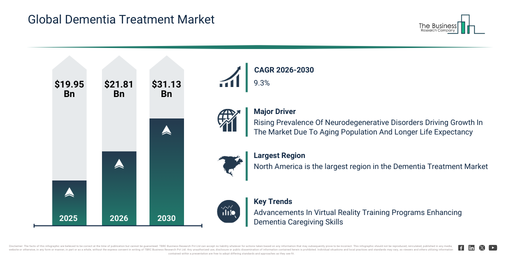
    The dementia treatment market has experienced robust expansion in recent years. It will grow from $19.95 billion in 2025 to $21.81 billion in 2026 at a compound annual growth rate (CAGR) of 9.3%. The historical growth can be linked to an aging global population, the increasing prevalence of Alzheimer’s disease, enhanced diagnosis rates, the sustained use of cholinesterase inhibitors, and the broadening of geriatric healthcare services.

    The dementia treatment market is anticipated to experience robust expansion over the coming years. It is projected to reach a valuation of $31.13 billion by 2030, exhibiting a compound annual growth rate (CAGR) of 9.3%. This projected growth during the forecast period is fueled by advancements in precision medicine approaches, an escalating demand for disease-modifying therapies, heightened investment in neurodegenerative research, the proliferation of homecare treatment models, and enhanced early diagnostic capabilities. Key trends shaping the market during this period encompass the greater embrace of combination drug therapies, an amplified focus on early-stage dementia intervention, the growing application of symptom management treatments, the broadening scope of non-pharmacological care methods, and a stronger emphasis on individualized treatment plans.

    Get A Free Sample Report With In-Depth Market Insights:

    https://thebusinessresearchcompany.com/sample_request?id=80198604&type=smp&name=Dementia%20Treatment%20Market%20Report%202026&utm_source=Blogs&utm_medium=Paid&utm_campaign=Oct_PR

    Dementia Treatment Market Growth Drivers: What’s Behind The Acceleration?

    An increasing occurrence of neurodegenerative conditions is anticipated to propel the expansion of the dementia treatment market in the foreseeable future. These disorders are characterized by the progressive deterioration and demise of nerve cells, resulting in escalating difficulties with movement, cognitive functions, or a combination of both. The surge in neurodegenerative conditions is primarily fueled by the demographic shift towards an older population, since extended lifespans heighten the probability of developing age-associated illnesses like Alzheimer’s and Parkinson’s disease, with age representing the paramount factor. A comprehensive understanding of neurodegenerative disorders improves dementia treatment by facilitating more accurate diagnoses and focused therapeutic strategies, because identifying the precise root cause permits a tailored and efficacious method for symptom management. For example, in April 2024, a report from the Alzheimer’s Association, a US-based non-profit health organization, indicated that around 6.9 million Americans aged 65 and older were living with Alzheimer’s dementia, and this count is expected to reach 13.8 million by 2060. Consequently, the increasing occurrence of neurodegenerative disorders is set to stimulate the expansion of the dementia treatment market.

    Dementia Treatment Market Segmentation: How Does The Market Break Down By Category?

    The dementia treatment market covered in this report is segmented –

    1) By Treatment Type: Antipsychotics, Cholinesterase Inhibitors, Memantine

    2) By Indication: Alzheimer’s Disease Dementia, Vascular Dementia, Lewy Body Dementia, Frontotemporal Dementia, Parkinson Disease Dementia, Other Indications

    3) By Route of Administration: Oral, Transdermal Patch, Injectable

    4) By Stage of Dementia: Mild Dementia, Moderate Dementia, Severe Dementia

    5) By Distribution Channel: Hospital Pharmacy, Retail Pharmacy, Online Pharmacy

    Subsegments:

    1) By Antipsychotics: Atypical Antipsychotics, Typical Antipsychotics

    2) By Cholinesterase Inhibitors: Donepezil, Rivastigmine, Galantamine

    3) By Memantine: Memantine Monotherapy, Memantine Combination Therapy

    Dementia Treatment Market Trends: What’s Defining The Industry’s Next Phase?

    Major companies operating in the dementia treatment market are prioritizing the creation of technologically advanced solutions, such as virtual reality (VR) training programs, to replicate complex and varied scenarios. Virtual reality training programs are engaging, computer-generated simulations that allow individuals to practice and refine skills within a controlled, interactive, and lifelike virtual environment. For instance, in September 2024, Otsuka Pharmaceutical Co. Ltd., a Japan-based pharmaceutical company, collaborated with Jolly Good Inc., a Japan-based medical technology company, to introduce FACEDUO, a virtual reality training program for dementia care. This interactive VR tool, guided by medical experts, aids caregivers, including family members, in comprehending the emotions and behaviors of people with dementia. Simulating real-life scenarios enables caregivers to better respond to the unique needs of dementia patients. The program aims to enhance caregiving skills and empathy for more effective support.

    Dementia Treatment Market Competitive Overview And Top Companies

    Major companies operating in the dementia treatment market are Biogen Inc., Eisai Co. Ltd., Eli Lilly and Company, Roche Holding AG, AbbVie Inc., Sanofi S.A., Amgen Inc., Merz Pharmaceuticals GmbH, Acadia Pharmaceuticals Inc., Intra-Cellular Therapies Inc., Otsuka Pharmaceutical Co. Ltd., H. Lundbeck A/S, Pfizer Inc., Novartis AG, Takeda Pharmaceutical Company Limited, Astellas Pharma Inc., Cerevance Inc., AviadoBio Ltd., Cassava Sciences Inc., Anavex Life Sciences Corp.

    View The Full Dementia Treatment Market Report:

    https://thebusinessresearchcompany.com/report/dementia-treatment-global-market-report?utm_source=Blogs&utm_medium=Paid&utm_campaign=Oct_PR

    Dementia Treatment Market Regional Breakdown: Where Is Demand Concentrated?

    North America was the largest region in the dementia treatment market in 2025. Asia-Pacific is expected to be the fastest-growing region in the forecast period. The regions covered in the dementia treatment market report are Asia-Pacific, South East Asia, Western Europe, Eastern Europe, North America, South America, Middle East, Africa.

    Reach Out To Our Team:

    The Business Research Company: https://www.thebusinessresearchcompany.com/

    Americas: +1 310-496-7795

    Asia: +44 7882 955267 & +91 8897263534

    Europe: +44 7882 955267

    Email us at: marketing@tbrc.info

    Follow us on:

    LinkedIn: https://in.linkedin.com/company/the-business-research-company

    YouTube: https://www.youtube.com/channel/UC24_fI0rV8cR5DxlCpgmyFQ

    Global Market Model: https://www.thebusinessresearchcompany.com/global-market-model