Blog

  • Acute Intermittent Porphyria Market Growth Outlook: Why Analysts Expect Continued Expansion

    Acute Intermittent Porphyria Market Growth Outlook: Why Analysts Expect Continued Expansion

    Backed by market attractiveness analysis, total addressable market sizing, company benchmarking matrices, interactive Excel dashboards, wider supply chain intelligence, emerging startup coverage, and detailed product-level insights, The Business Research Company’s 2026 market reports are designed to offer research that is more actionable and strategically valuable than ever.

    Acute Intermittent Porphyria Market Growth Analysis: How Will Revenue Trend Over The Forecast Period?

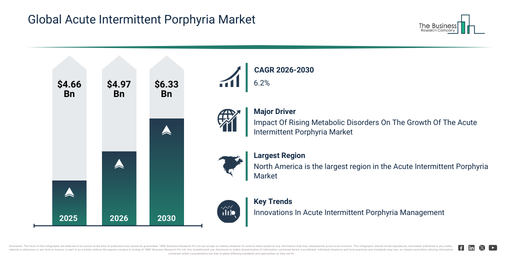
    The market for acute intermittent porphyria has experienced robust expansion in recent years. It is projected to increase from $4.66 billion in 2025 to $4.97 billion in 2026, at a compound annual growth rate (CAGR) of 6.5%. This historical expansion was driven by factors such as the restricted access to diagnostic facilities for AIP, insufficient public awareness of acute intermittent porphyria, a continued reliance on conventional treatment approaches, the development of hospital and clinic infrastructure, and an escalating demand for genetic testing.

    The acute intermittent porphyria market is projected to experience robust expansion over the coming years. It is anticipated to reach $6.33 billion by 2030, exhibiting a compound annual growth rate (CAGR) of 6.2%. This expansion during the forecast period is fueled by advancements in novel therapies and hematin formulations, the broadening of DNA and enzyme testing services, greater incorporation of telemedicine for rare conditions, increased awareness and educational initiatives for healthcare professionals, and the uptake of sophisticated monitoring and digital health instruments. Significant developments foreseen in this period encompass a rise in the adoption of genetic and enzyme-based diagnostic tests, heightened recognition of the importance of early diagnosis and management of AIP, an increase in prophylactic hematin infusions and targeted treatments, the growth of specialized treatment centers and research initiatives, and the incorporation of telemedicine alongside remote patient monitoring for individuals with AIP.

    Get A Free Sample Report With In-Depth Market Insights:

    https://www.thebusinessresearchcompany.com/sample.aspx?id=19264&type=smp&utm_source=Blogs&utm_medium=Paid&utm_campaign=Oct_PR

    Acute Intermittent Porphyria Market Growth Momentum: What Factors Are Shaping Demand?

    The increasing occurrence of metabolic disorders is anticipated to boost the expansion of the acute intermittent porphyria market. These conditions involve irregularities in the body’s chemical reactions, interfering with typical metabolic functions. Genetic predisposition, lifestyle choices, environmental elements, and improved diagnostic capabilities are all factors contributing to the rising prevalence of metabolic disorders. This surge is prompting the pharmaceutical sector to allocate resources towards therapies for uncommon and inherited ailments, including acute intermittent porphyria. For instance, the Cleveland Clinic, a US-based nonprofit academic medical center, reported in December 2023 that inherited metabolic disorders collectively affect approximately 1 in 1,000 to 2,500 births worldwide. Consequently, the widespread presence of metabolic disorders is a key factor stimulating the growth of the acute intermittent porphyria market.

    Acute Intermittent Porphyria Market Segment Landscape And Growth Outlook

    The acute intermittent porphyria market covered in this report is segmented –

    1) By Diagnosis: Urine Test, Blood Test, Serum Test, DNA Test, Other Diagnosis

    2) By Treatment: Prophylactic Hematin Infusions, Gonadotropin-Releasing Hormone Analogues, Other Treatments

    3) By End-Users: Hospitals And Clinics, Ambulatory Surgical Centers, Research Centers

    Subsegments:

    1) By Urine Test: Urine Porphobilinogen (PBG) Test, Urine Aminolevulinic Acid (ALA) Test, Urine Color Change Test

    2) By Blood Test: Plasma Porphyrin Levels Test, Blood Aminolevulinic Acid (ALA) Test, Complete Blood Count (CBC) Test

    3) By Serum Test: Serum Porphyrin Levels Test, Liver Function Test (LFT), Serum ALA and PBG Enzyme Test

    4) By DNA Test: Genetic Mutation Testing, Gene Sequencing Test

    5) By Other Diagnosis: Stool Test for Porphyrins, Imaging Tests (CT/MRI Scans for Complications), Enzyme Activity Assays.

    Acute Intermittent Porphyria Market Trends Redefining Industry Growth

    Major companies within the acute intermittent porphyria market are concentrating on developing innovative products, such as acute intermittent porphyria management tablets, to better serve customers requiring advanced features. Acute intermittent porphyria management tablets refer to oral medications utilized to manage or prevent the symptoms and acute attacks associated with AIP. For instance, in October 2023, Alembic Pharmaceuticals Ltd., an India-based pharmaceutical company, announced the US Food & Drug Administration (USFDA) approval for its Chlorpromazine Hydrochloride Tablets USP, available in strengths of 10 mg, 25 mg, 50 mg, 100 mg, and 200 mg. Chlorpromazine hydrochloride tablets USP, in doses of 10 mg, 25 mg, 50 mg, 100 mg, and 200 mg, are employed to manage the symptoms of psychotic disorders and treat schizophrenia. They also help control nausea and vomiting, alleviate restlessness and apprehension before surgery, and serve as an adjunct in treating tetanus. Additionally, these tablets are utilized in the management of acute intermittent porphyria, to control manic symptoms of manic-depressive illness, and to provide relief from intractable hiccups.

    Acute Intermittent Porphyria Market Competitive Landscape: Who Leads The Industry?

    Major companies operating in the acute intermittent porphyria market are Pfizer Inc., Johnson & Johnson, Roche Holding AG, Merck & Co. Inc., AbbVie Inc., Sanofi SA, AstraZeneca Plc, Novartis AG, GlaxoSmithKline Plc, Takeda Pharmaceutical Company Limited, Eli Lilly and Company, Gilead Sciences Inc., Amgen Inc., Novo Nordisk A/S, Regeneron Pharmaceuticals Inc., Daiichi Sankyo Company Limited, Vertex Pharmaceuticals Inc., Eisai Co. Ltd., Octapharma AG, BioMarin Pharmaceutical Inc., Swedish Orphan Biovitrum AB, Alnylam Pharmaceuticals Inc., Mylan N.V., Clinuvel Pharmaceuticals Ltd., Recordati Rare Diseases Inc.

    View The Full Acute Intermittent Porphyria Market Report:

    https://www.thebusinessresearchcompany.com/report/acute-intermittent-porphyria-global-market-report?utm_source=Blogs&utm_medium=Paid&utm_campaign=Oct_PR

    Acute Intermittent Porphyria Market Geographic Landscape: Which Region Leads Industry Growth?

    North America was the largest region in the acute intermittent porphyria market in 2025. Asia-Pacific is expected to be the fastest-growing region in the forecast period. The regions covered in the acute intermittent porphyria market report are Asia-Pacific, South East Asia, Western Europe, Eastern Europe, North America, South America, Middle East, Africa.

    Reach Out To Our Team:

    The Business Research Company: https://www.thebusinessresearchcompany.com/

    Americas: +1 310-496-7795

    Asia: +44 7882 955267 & +91 8897263534

    Europe: +44 7882 955267

    Email us at: marketing@tbrc.info

    Follow us on:

    LinkedIn: https://in.linkedin.com/company/the-business-research-company

    YouTube: https://www.youtube.com/channel/UC24_fI0rV8cR5DxlCpgmyFQ

    Global Market Model: https://www.thebusinessresearchcompany.com/global-market-model
  • Active Pharmaceutical Ingredients Market Forecast Insights: The Road To $341.32 Billion By 2030

    Active Pharmaceutical Ingredients Market Forecast Insights: The Road To $341.32 Billion By 2030

    Featuring market attractiveness scoring, total addressable market sizing, company benchmarking matrices, interactive Excel dashboards, deeper supply chain intelligence, emerging startup tracking, and granular product-level insights, The Business Research Company’s 2026 market reports are built to deliver research that is both more actionable and more strategically valuable.

    Active Pharmaceutical Ingredients Market Forecast: What Value Will The Market Reach By 2030?

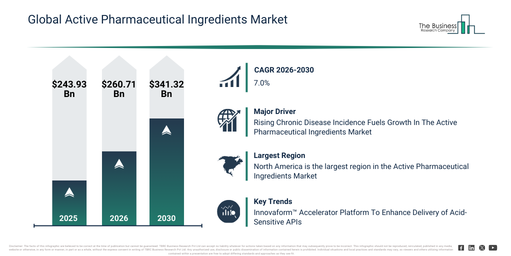
    The active pharmaceutical ingredients market has demonstrated significant expansion in recent years. This market is forecasted to grow from $243.93 billion in 2025 to $260.71 billion in 2026, exhibiting a compound annual growth rate (CAGR) of 6.9%. The historical growth witnessed in this sector stems from factors such as the increasing prevalence of chronic diseases, the rising demand for generic drugs, the expansion of pharmaceutical research and development, the growth in hospital and clinical infrastructure, and advancements in chemical synthesis technologies.

    The active pharmaceutical ingredients market is projected for significant expansion over the upcoming years. Its valuation is anticipated to reach $341.32 billion by 2030, exhibiting a compound annual growth rate (CAGR) of 7.0%. This projected growth throughout the forecast period stems from factors such as the increasing uptake of biologics, heightened investments in precision medicine, a surge in demand for targeted therapies, the broadening of contract manufacturing services, and the incorporation of AI in drug discovery. Key developments expected during this period encompass personalized medicine advancements, innovations in biologic APIs, sophisticated drug delivery systems, adherence to regulatory compliance and quality standards, and the continued reliance on outsourcing and contract manufacturing.

    Get A Free Sample Report With In-Depth Market Insights:

    https://www.thebusinessresearchcompany.com/sample.aspx?id=8539&type=smp&utm_source=Blogs&utm_medium=Paid&utm_campaign=Oct_PR

    Active Pharmaceutical Ingredients Market Expansion Drivers: What’s Shaping Future Growth?

    The rising occurrence of chronic conditions is anticipated to boost the expansion of the active pharmaceutical ingredients market. These diseases typically persist for at least three months and can progress over time. Common examples include cancer, heart disease, stroke, diabetes, and arthritis. Active pharmaceutical ingredients are utilized in quality medications for treating conditions in oncology, cardiology, neurology, orthopedics, among other areas. For example, data from GOV.UK, a UK-based non-profit government organization, indicated that in March 2025, the prevalence of type 2 diabetes among adults aged 17 and above in England, as recorded by GPs, reached 7.0% in March 2024, an increase from 6.8% in March 2023. Consequently, the growing frequency of chronic diseases will stimulate the development of the active pharmaceutical ingredients market.

    Active Pharmaceutical Ingredients Market Breakdown By Product Type And Application

    The active pharmaceutical ingredients market covered in this report is segmented –

    1) By Type: Innovative Active Pharmaceutical Ingredient (APIs), Generic Active Pharmaceutical Ingredient (APIs)

    2) By Manufacturer: Captive Manufacturers, Merchant Manufacturers

    3) By Type Of Drug: Prescription Drugs, Over-The-Counter Drugs

    4) By Therapeutic Application: Communicable Diseases, Oncology, Diabetes, Cardiovascular Disease, Pain Management, Respiratory Diseases, Other Therapeutic Applications

    Subsegments:

    1) By Innovative APIs: Biologics, Novel Chemical Entities (NCEs), Targeted Therapies

    2) By Generic APIs: Off-Patent Pharmaceuticals, Biosimilars, Over-The-Counter (OTC) Generic Drugs

    Active Pharmaceutical Ingredients Market Strategic Trends: What Defines The Next Growth Phase?

    Major companies in the active pharmaceutical ingredients market are focused on developing technological advancements, such as the Innovaform Accelerator, to enhance the delivery, stability, and bioavailability of acid-sensitive APIs. The Innovaform Accelerator platform integrates advanced capsule and formulation technologies to protect APIs from gastric degradation and enable targeted intestinal release, providing a more efficient and scalable alternative to traditional post-fill coating methods. For example, in September 2024, Lonza Group AG, a Switzerland-based pharmaceutical and biotechnology manufacturing company, launched the Innovaform Accelerator at its Colmar, France, facility. The platform supports the encapsulation of small molecules, peptides, proteins, and nucleic-acid therapeutics, allowing for tailored release profiles, faster first-in-human studies, and simplified manufacturing processes. Additionally, it aids in the delivery of next-generation medicines, including RNA-based therapeutics and biologics, while preserving API integrity during transit through the stomach.

    Active Pharmaceutical Ingredients Market Company Landscape And Competitive Strategy

    Major companies operating in the active pharmaceutical ingredients market are Albemarle Corporation, Aurobindo Pharma Limited, Dr. Reddy’s Laboratories Limited, AbbVie Inc., Teva Pharmaceutical Industries Limited, Cipla Limited, Boehringer Ingelheim International GmbH, Merck KGaA, Sun Pharmaceutical Industries Limited, Bristol-Myers Squibb Company, Mylan Pharmaceuticals ULC, BASF SE, Lupin Limited, Johnson & Johnson Services Inc., F. Hoffmann-La Roche AG, Pfizer Inc., Novartis International AG, Sanofi S.A, Viatris Inc., Cadila Pharmaceuticals Limited, Amneal Pharmaceuticals Inc., Apotex Inc., Lonza Group AG, HPM Chemicals and Fertilizers Ltd., GlaxoSmithKline PLC, Daiichi Sankyo Inc., Catalent Inc.

    View The Full Active Pharmaceutical Ingredients Market Report:

    https://www.thebusinessresearchcompany.com/report/active-pharmaceutical-ingredients-global-market-report?utm_source=Blogs&utm_medium=Paid&utm_campaign=Oct_PR

    Active Pharmaceutical Ingredients Market Largest Region: Which Geography Holds The Biggest Share?

    North America was the largest region in the active pharmaceutical ingredients market share in 2025. The regions covered in the active pharmaceutical ingredients market report are Asia-Pacific, South East Asia, Western Europe, Eastern Europe, North America, South America, Middle East, Africa.

    Reach Out To Our Team:

    The Business Research Company: https://www.thebusinessresearchcompany.com/

    Americas: +1 310-496-7795

    Asia: +44 7882 955267 & +91 8897263534

    Europe: +44 7882 955267

    Email us at: marketing@tbrc.info

    Follow us on:

    LinkedIn: https://in.linkedin.com/company/the-business-research-company

    YouTube: https://www.youtube.com/channel/UC24_fI0rV8cR5DxlCpgmyFQ

    Global Market Model: https://www.thebusinessresearchcompany.com/global-market-model
  • Active Pharmaceutical Ingredient (API) Intermediate Market Explained: What Is Fueling Growth To $220.77 Billion By 2030?

    Active Pharmaceutical Ingredient (API) Intermediate Market Explained: What Is Fueling Growth To $220.77 Billion By 2030?

    Built to provide research that’s more actionable and strategically valuable, The Business Research Company’s 2026 market reports include market attractiveness analysis, total addressable market sizing, company benchmarking matrices, interactive Excel dashboards, broader supply chain intelligence, emerging startup tracking, and in-depth product insights.

    Active Pharmaceutical Ingredient (API) Intermediate Market Size Outlook: How Quickly Will Revenue Expand Through 2030?

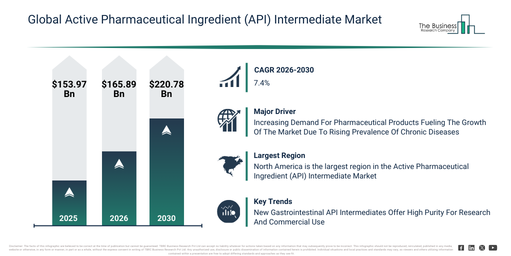
    The active pharmaceutical ingredient (api) intermediate market has seen significant expansion recently. Its size is expected to increase from $153.97 billion in 2025 to $165.89 billion in 2026, achieving a compound annual growth rate (CAGR) of 7.7%. In previous years, this expansion was largely due to an increase in pharmaceutical manufacturing, the cost benefits found in emerging markets, advanced chemical synthesis expertise, a rising demand for generic drugs, and the overall global expansion of healthcare.

    The active pharmaceutical ingredient (api) intermediate market size is expected to see strong growth in the next few years, set to grow to $220.78 billion in 2030 at a compound annual growth rate (CAGR) of 7.4%. This expansion during the forecast period can be attributed to factors such as the reshoring of pharma supply chains, increased regulatory scrutiny, innovation in synthesis methods, the expansion of biotech intermediates, and broader growth in pharmaceutical R&D. Key trends anticipated in the forecast period include a rising outsourcing of API intermediate production, the development of CDMO partnerships, an increased demand for high-purity intermediates, a focus on regulatory-compliant manufacturing, and the continued expansion of generic drug production.

    Get A Free Sample Report With In-Depth Market Insights:

    https://www.thebusinessresearchcompany.com/sample.aspx?id=24453&type=smp&utm_source=Blogs&utm_medium=Paid&utm_campaign=Oct_PR

    Active Pharmaceutical Ingredient (API) Intermediate Market Development Factors: What’s Supporting Demand?

    The escalating demand for pharmaceutical products is projected to stimulate the expansion of the active pharmaceutical ingredient (API) intermediate market moving forward. Pharmaceutical products encompass substances or compounds employed in the diagnosis, treatment, prevention, or cure of diseases and medical conditions affecting humans or animals. This heightened demand for such products is attributable to the increasing prevalence of chronic diseases, which mandate extended medication and continuous healthcare management. API intermediates play a vital role as fundamental building blocks in pharmaceutical manufacturing, enabling the efficient synthesis and rigorous quality control of active pharmaceutical ingredients. For instance, in April 2024, Eurostat, the Luxembourg-based official statistical agency of the European Union, indicated that imports of medicinal and pharmaceutical products into the EU grew by 6.1% in 2023, reaching $129 billion (€119 billion) from the previous year. Concurrently, EU exports achieved $300 billion (€277 billion) during the same period, resulting in a trade surplus of $171 billion (€158 billion). Thus, the rising requirement for pharmaceutical products is a key driver for the active pharmaceutical ingredient (API) intermediate market’s growth.

    Active Pharmaceutical Ingredient (API) Intermediate Market Segment Analysis And Revenue Potential

    The active pharmaceutical ingredient (api) intermediate market covered in this report is segmented –

    1) By Type: Bulk Drug Intermediates, Chemical Intermediates

    2) By Natural: Plant-Derived Intermediates, Animal-Derived Intermediates, Microbial Intermediates, Synthetic Natural Products, Biotransformed Intermediates

    3) By Application: Analgesics, Antidiabetic Drugs, Anti-Infective Drugs, Cardiovascular Drugs, Anticancer Drugs, Other Applications

    4) By End-User: Pharmaceutical Companies, Research Institutes, Contract Manufacturing Organizations, Other End-Users

    Subsegments:

    1) By Bulk Drug Intermediates: Synthetic Intermediates, Biotech Intermediates, Peptide Intermediates, Steroidal Intermediates, Amino Acid Intermediates

    2) By Chemical Intermediates: Chiral Intermediates, Heterocyclic Intermediates, Organometallic Intermediates, Aromatic Intermediates, Aliphatic Intermediates

    Active Pharmaceutical Ingredient (API) Intermediate Market Transformation Trends: What Innovations Are Driving Change?

    Leading companies within the active pharmaceutical ingredient (API) intermediate market are concentrating on developing novel treatments, such as gastrointestinal active pharmaceutical ingredient (API) intermediates, to enhance therapeutic effectiveness and broaden their product portfolios. Gastrointestinal active pharmaceutical ingredient (API) intermediates are chemical compounds that serve as fundamental building blocks in the creation of active pharmaceutical ingredients for addressing digestive system conditions. For instance, in October 2023, Hunan Huateng Pharmaceutical, a China-based pharmaceutical company, unveiled Fexuprazan and Vonoprazan intermediates to address the increasing requirements of the pharmaceutical industry. These intermediates are provided in both good manufacturing practice (GMP) and non-good manufacturing practice (GMP) grades, assuring exceptional purity that exceeds standard industry benchmarks. They are specifically engineered to offer pharmaceutical manufacturers adaptable solutions for both research and commercial production. This introduction aims to bolster the growing need for innovative gastrointestinal therapies by supplying high-quality, precise, and reliable components essential for drug development.

    Active Pharmaceutical Ingredient (API) Intermediate Market Key Players Shaping Industry Direction

    Major companies operating in the active pharmaceutical ingredient (api) intermediate market are Laurus Labs Ltd., Jubilant Pharmova Ltd., Cambrex Corporation, Hovione Holdings S.A., Vasudha Pharma Chem Ltd., ABA Chemicals Private Limited, Jay Finechem Industries Ltd., Glenmark Life Sciences Ltd., Suven Pharmaceuticals Ltd., IOL Chemicals and Pharmaceuticals Ltd., Hetero Labs Ltd., Aurobindo Pharma Ltd., Ipca Laboratories Ltd., Dr. Reddy’s Laboratories Ltd., Concord Biotech Ltd., Alembic Pharmaceuticals Ltd., Granules India Ltd., Ind-Swift Laboratories Ltd., Piramal Pharma Ltd., Neuland Laboratories Ltd., SMS Lifesciences India Ltd., Aarti Drugs Ltd., Shilpa Medicare Ltd., Laxai Avanti Life Sciences Pvt. Ltd.

    View The Full Active Pharmaceutical Ingredient (API) Intermediate Market Report:

    https://www.thebusinessresearchcompany.com/report/active-pharmaceutical-ingredient-api-intermediate-global-market-report?utm_source=Blogs&utm_medium=Paid&utm_campaign=Oct_PR

    Active Pharmaceutical Ingredient (API) Intermediate Market Regional Analysis: Which Geography Leads On Revenue?

    North America was the largest region in the active pharmaceutical ingredient (API) intermediate market in 2025. Asia-Pacific is expected to be the fastest-growing region in the forecast period. The regions covered in the active pharmaceutical ingredient (api) intermediate market report are Asia-Pacific, South East Asia, Western Europe, Eastern Europe, North America, South America, Middle East, Africa.

    Reach Out To Our Team:

    The Business Research Company: https://www.thebusinessresearchcompany.com/

    Americas: +1 310-496-7795

    Asia: +44 7882 955267 & +91 8897263534

    Europe: +44 7882 955267

    Email us at: marketing@tbrc.info

    Follow us on:

    LinkedIn: https://in.linkedin.com/company/the-business-research-company

    YouTube: https://www.youtube.com/channel/UC24_fI0rV8cR5DxlCpgmyFQ

    Global Market Model: https://www.thebusinessresearchcompany.com/global-market-model
  • Acquired Autoimmune Hemolytic Anemia Market Forecast To Reach $3.01 Billion By 2030: Key Trends Explained

    Acquired Autoimmune Hemolytic Anemia Market Forecast To Reach $3.01 Billion By 2030: Key Trends Explained

    Backed by market attractiveness analysis, total addressable market sizing, company benchmarking matrices, interactive Excel dashboards, wider supply chain intelligence, emerging startup coverage, and detailed product-level insights, The Business Research Company’s 2026 market reports are designed to offer research that is more actionable and strategically valuable than ever.

    Acquired Autoimmune Hemolytic Anemia Market Size, Value And Growth Trajectory Through 2030

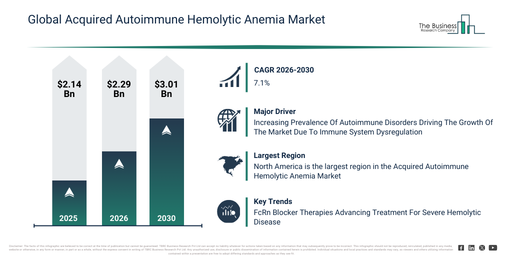
    The market size for acquired autoimmune hemolytic anemia has experienced robust expansion in recent years. It is forecast to increase from $2.14 billion in 2025 to $2.29 billion in 2026, growing at a compound annual growth rate (CAGR) of 7.1%. The expansion observed historically is attributable to enhancements in autoimmune disease diagnosis, the dependence on corticosteroid treatments, the specialization of hematology within hospitals, an increase in anemia cases linked to malignancy, and the broader accessibility of diagnostic tests.

    The acquired autoimmune hemolytic anemia market size is projected to experience significant expansion in the coming years. It is forecast to reach $3.01 billion by 2030, exhibiting a compound annual growth rate (CAGR) of 7.1%. This expansion during the forecast period can be attributed to factors such as increased rare disease awareness, the adoption of biologic therapies, the integration of advanced diagnostics, heightened funding for hematology research, and the emergence of personalized treatment protocols. Prominent trends expected over this period include the rising utilization of targeted immunosuppressive therapies, the growing uptake of rituximab-based treatments, an increase in hospital-based hematology care, wider adoption of improved diagnostic testing, and the expansion of rare disease treatment programs.

    Get A Free Sample Report With In-Depth Market Insights:

    https://www.thebusinessresearchcompany.com/sample.aspx?id=24132&type=smp&utm_source=Blogs&utm_medium=Paid&utm_campaign=Oct_PR

    Acquired Autoimmune Hemolytic Anemia Market Industry Drivers: What’s Behind The Revenue Growth?

    The growing occurrence of autoimmune disorders is projected to fuel the expansion of the acquired autoimmune hemolytic anemia market moving forward. Autoimmune disorders are conditions where the immune system erroneously attacks the body’s own healthy cells and tissues, believing them to be dangerous invaders. The increasing prevalence of these disorders is predominantly attributed to a rise in environmental triggers and shifts in lifestyle that can upset immune system regulation. This heightened prevalence of autoimmune disorders leads to a higher incidence of acquired autoimmune hemolytic anemia, as individuals with autoimmune conditions are more prone to developing secondary AIHA due to compromised immune system control. For instance, in 2023, according to the Gastro-Intestinal Epidemiology Consortium (CanGIEC), a Canada-based national network of researchers and clinicians, the prevalence of inflammatory bowel disease was estimated at 825 cases per 100,000 people. This prevalence is forecasted to rise by 2.44% annually, reaching 1,075 cases per 100,000 people by 2035. Thus, the escalating prevalence of autoimmune disorders will drive the growth of the acquired autoimmune hemolytic anemia market.

    Acquired Autoimmune Hemolytic Anemia Market Segmentation And Category Overview

    The acquired autoimmune hemolytic anemia market covered in this report is segmented –

    1) By Diagnosis Method: Complete Blood Count, Peripheral Blood Smear, Direct Coombs Test, Indirect Coombs Test

    2) By Treatment Type: Corticosteroids, Immunosuppressive Agents, Intravenous Immunoglobulin, Rituximab

    3) By Severity: Mild, Moderate, Severe

    4) By End User: Hospitals, Specialty Clinics, Research Institutions

    Subsegments:

    1) By Complete Blood Count: Hemoglobin Level, Hematocrit (HCT), Reticulocyte Count, White Blood Cell Count, Platelet Count

    2) By Peripheral Blood Smear: Spherocytes, Polychromasia, Schistocytes, Increased Reticulocyte Count

    3) By Direct Coombs Test: Immunoglobulin G Coombs Test, Immunoglobulin M Coombs Test, Complement Coombs Test

    4) By Indirect Coombs Test: Screening For Alloantibodies, Detection Of Sensitizing Antibodies, Crossmatch Testing

    #Acquired Autoimmune Hemolytic Anemia Market Growth Trends: What’s Shaping The Future Outlook?

    Leading companies operating within the acquired autoimmune hemolytic anemia market are concentrating on progress in targeted therapies, including neonatal Fc receptor (FcRn) blockers. This emphasis seeks to improve treatment effectiveness, enhance outcomes for mothers and fetuses, and offer more impactful interventions for high-risk pregnancies complicated by severe hemolytic disease. An FcRn blocker is a therapeutic antibody designed to obstruct the neonatal Fc receptor, which is responsible for circulating immunoglobulin G (IgG) antibodies within the body. This action consequently reduces harmful antibody levels that lead to red blood cell destruction and hemolytic issues in both maternal and fetal populations. For instance, in January 2025, Johnson & Johnson, a US-based pharmaceutical and healthcare company, received U.S. Food and Drug Administration (FDA) Breakthrough Therapy Designation for nipocalimab, intended for the treatment of individuals at high risk for severe hemolytic disease of the fetus and newborn (HDFN). Nipocalimab functions by selectively inhibiting the neonatal Fc receptor (FcRn), thereby lowering maternal IgG antibody levels that cross the placenta and attack fetal red blood cells. This prevents severe hemolytic disease, reduces the need for intrauterine transfusions, and improves outcomes for at-risk pregnancies. Nipocalimab specifically targets FcRn-mediated IgG recycling without influencing other immune functions.

    Acquired Autoimmune Hemolytic Anemia Market Competitive Analysis Of Leading Industry Participants

    Major companies operating in the acquired autoimmune hemolytic anemia market are F. Hoffmann-La Roche Ltd., Alexion Pharmaceuticals Inc., Apellis Pharmaceuticals Inc., Sanofi S.A., AbbVie Inc., Novartis AG, Incyte Corporation, BioCryst Pharmaceuticals Inc., Annexon Inc., Rigel Pharmaceuticals Inc., Zenas BioPharma Inc., Immunovant Sciences GmbH, Alpine Immune Sciences Inc., Agios Pharmaceuticals Inc., Johnson & Johnson, Merck KGaA, Bristol Myers Squibb Company, Takeda Pharmaceutical Company Limited, CSL Behring, Grifols S.A.

    View The Full Acquired Autoimmune Hemolytic Anemia Market Report:

    https://www.thebusinessresearchcompany.com/report/acquired-autoimmune-hemolytic-anemia-global-market-report?utm_source=Blogs&utm_medium=Paid&utm_campaign=Oct_PR

    Acquired Autoimmune Hemolytic Anemia Market Geographic Spread And Regional Opportunities

    North America was the largest region in the acquired autoimmune hemolytic anemia market in 2025. Europe is expected to be the fastest-growing region in the forecast period. The regions covered in the acquired autoimmune hemolytic anemia market report are Asia-Pacific, South East Asia, Western Europe, Eastern Europe, North America, South America, Middle East, Africa.

    Reach Out To Our Team:

    The Business Research Company: https://www.thebusinessresearchcompany.com/

    Americas: +1 310-496-7795

    Asia: +44 7882 955267 & +91 8897263534

    Europe: +44 7882 955267

    Email us at: marketing@tbrc.info

    Follow us on:

    LinkedIn: https://in.linkedin.com/company/the-business-research-company

    YouTube: https://www.youtube.com/channel/UC24_fI0rV8cR5DxlCpgmyFQ

    Global Market Model: https://www.thebusinessresearchcompany.com/global-market-model
  • Acne Drugs Market Analysis: Understanding The Drivers Behind 4.2% CAGR Through 2030 Growth

    Acne Drugs Market Analysis: Understanding The Drivers Behind 4.2% CAGR Through 2030 Growth

    Featuring market attractiveness scoring, total addressable market sizing, company benchmarking matrices, interactive Excel dashboards, deeper supply chain intelligence, emerging startup tracking, and granular product-level insights, The Business Research Company’s 2026 market reports are built to deliver research that is both more actionable and more strategically valuable.

    Acne Drugs Market CAGR Outlook And Future Development

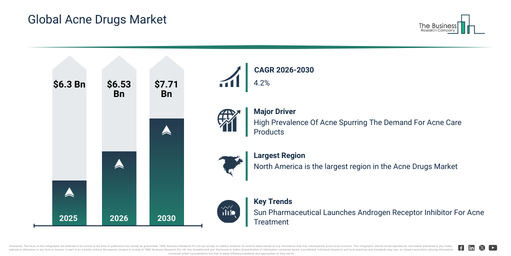
    The acne drugs market size has demonstrated steady growth over recent years. It is projected to expand from $6.3 billion in 2025 to $6.53 billion in 2026, achieving a compound annual growth rate (CAGR) of 3.5%. The expansion witnessed in the past can be ascribed to several factors, including the increasing occurrence of acne among adolescents, the constrained availability of combination therapies, heightened awareness of dermatological treatments, reliance on topical antibiotics, and a rise in visits to dermatology clinics.

    The acne drugs market size is anticipated to experience consistent expansion over the upcoming years. This market is projected to reach $7.71 billion in 2030, demonstrating a compound annual growth rate (CAGR) of 4.2%. This projected growth during the forecast period is primarily driven by the creation of innovative anti-inflammatory and retinoid formulations, the broadening of over-the-counter acne product offerings, the increasing integration of digital skincare platforms, the advancement of individualized dermatology solutions, and heightened investment in acne research and clinical trials. Furthermore, significant patterns expected in this period encompass the growing preference for combination therapies in acne management, the expanded application of topical and oral retinoids, the rise in over-the-counter (OTC) acne treatments, the development of customized acne treatment plans, and an escalating understanding of skin health and preventive dermatological practices.

    Get A Free Sample Report With In-Depth Market Insights:

    https://www.thebusinessresearchcompany.com/sample.aspx?id=2412&type=smp&utm_source=Blogs&utm_medium=Paid&utm_campaign=Oct_PR

    Acne Drugs Market Growth Factors: What’s Supporting Expansion?

    The rising occurrence of acne is anticipated to drive expansion in the acne drug market. This skin ailment develops when pores become blocked by oil and dead cells, resulting in various skin blemishes like pimples, blackheads, and inflammation. Its widespread presence across adolescents, young adults, and older adults contributes to the increased prevalence of acne. Medications for acne work to enhance skin condition by diminishing inflammation, regulating sebum production, and preventing pore blockages. For example, a March 2024 report by Pierre Fabre Laboratories, a France-based pharmaceutical and dermo-cosmetics company, indicated that around 20.5% of adults globally suffer from acne. The highest incidence is observed in adolescents and young adults aged 16–24 years, reaching 28.3%. Furthermore, adults aged 25–39 years show a significant rate of 19.3%, and women are impacted more frequently than men, with prevalence figures of 23.6% and 17.5% respectively. Consequently, the growing prevalence of acne is a key factor boosting the acne drug market.

    Acne Drugs Market Segment Outlook: Which Categories Are Growing Fastest?

    The acne drugs market covered in this report is segmented –

    1) By Type: Inflammatory Acne Drugs, Non-Inflammatory Acne Drugs

    2) By Therapeutic Class: Retinoids, Antibiotics, Salicylic Aci, Benzoyl Peroxide, Other Therapeutics

    3) By End User: Hospitals And Clinics, Pharmacies And Drug Stores, Other End Users

    Subsegments:

    1) By Inflammatory Acne Drugs: Antibiotics (Topical And Oral), Anti-inflammatory Drugs, Corticosteroids, Combination Therapies

    2) By Non-Inflammatory Acne Drugs: Retinoids (Topical And Oral), Benzoyl Peroxide, Salicylic Acid, Alpha Hydroxy Acids (AHAs), Over-The-Counter (OTC) Treatments

    Acne Drugs Market Industry Trends: What’s Reshaping Demand?

    Major companies in the acne drug market are focused on developing advanced receptor inhibitor drugs and extending their treatment research to produce sophisticated products, aiming to gain a competitive edge in the growing healthcare sector. Advanced receptor inhibitor drugs are a class of medication designed to block the activity of specific receptors within the body. For instance, in September 2023, Sun Pharmaceutical Industries Ltd., an India-based biopharmaceutical company, launched (PR)WINLEVI (clascoterone cream 1% w/w). WINLEVI is hypothesized to minimize the effects of acne hormones on the skin by disrupting the androgen cascade, distinguishing it from topical acne treatments that typically focus on follicular hyperkeratinization, inflammation reduction, or antibacterial properties. While the specific mechanism of action of WINLEVI is uncertain, it attempts to suppress the activities of androgen receptors in cells of the sebaceous glands (oil-producing glands in the skin) to help reduce sebum (oil) production and inflammatory cytokines.

    Acne Drugs Market Leading Companies And Competitive Benchmarking

    Major companies operating in the acne drugs market are Johnson & Johnson, Galderma S.A., Almirall SA, Bausch Health Companies Inc., GlaxoSmithKline, Reckitt Benckiser Group, Mayne Pharma Group Limited, Allergan Plc., Cipher Pharmaceuticals, Sol Gel Advanced Topical Therapy, Pfizer Inc., Novartis AG, Merck & Co. Inc., Amgen Inc., Eli Lilly and Company, Daiichi Sankyo Company Limited, Sinopharm Group Co. Ltd, Mylan N.V., F. Hoffmann-La Roche Ltd, Bayer AG, Teva Pharmaceutical Industries, Sun Pharmaceutical Industries Ltd., Cipla Inc., Zydus Cadila, Otsuka Pharmaceutical Co. Ltd, Shanghai Pharmaceuticals Holding Co. Ltd, Jiangsu Hengrui Medicine, Guangzhou Baiyunshan Pharmaceutical, China Meheco Co Ltd, Huadong Medicine Co. Ltd., Ranbaxy Laboratories, Stiefel Laboratories, BIOCAD, Zentiva (Sanofi), Gedeon Richter Plc, Polpharma SA Pharmaceutical Works, Egis Group, Dermira Inc.

    View The Full Acne Drugs Market Report:

    https://www.thebusinessresearchcompany.com/report/acne-drugs-global-market-report?utm_source=Blogs&utm_medium=Paid&utm_campaign=Oct_PR

    Acne Drugs Market Top Region By Revenue And Market Share

    North America was the largest region in the acne drugs market in 2025. Middle East is expected to be the largest growing region in the global acne drugs market during the forecast period. The regions covered in the acne drugs market report are Asia-Pacific, South East Asia, Western Europe, Eastern Europe, North America, South America, Middle East, Africa.

    Reach Out To Our Team:

    The Business Research Company: https://www.thebusinessresearchcompany.com/

    Americas: +1 310-496-7795

    Asia: +44 7882 955267 & +91 8897263534

    Europe: +44 7882 955267

    Email us at: marketing@tbrc.info

    Follow us on:

    LinkedIn: https://in.linkedin.com/company/the-business-research-company

    YouTube: https://www.youtube.com/channel/UC24_fI0rV8cR5DxlCpgmyFQ

    Global Market Model: https://www.thebusinessresearchcompany.com/global-market-model
  • Acetaminophen-Opioid Combination Market Growth To $4.06 Billion By 2030: What’s Driving The Expansion?

    Acetaminophen-Opioid Combination Market Growth To $4.06 Billion By 2030: What’s Driving The Expansion?

    Built to provide research that’s more actionable and strategically valuable, The Business Research Company’s 2026 market reports include market attractiveness analysis, total addressable market sizing, company benchmarking matrices, interactive Excel dashboards, broader supply chain intelligence, emerging startup tracking, and in-depth product insights.

    Acetaminophen-Opioid Combination Market Set To Climb From $3.35 Billion In 2026 To $4.06 Billion By 2030

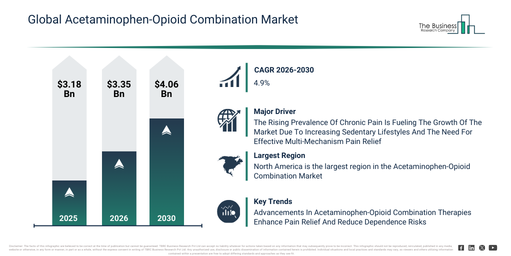
    The acetaminophen-opioid combination market size has seen strong growth in recent years. It is anticipated to increase from $3.18 billion in 2025 to $3.35 billion in 2026, with a compound annual growth rate (CAGR) of 5.3%. The market’s past expansion can be linked to factors such as numerous surgical pain cases, prevalent opioid prescribing practices, established hospital pain management protocols, the existence of combination drugs, and the widespread occurrence of chronic pain.

    The acetaminophen-opioid combination market is anticipated to show consistent growth in the coming years. This market is set to expand to $4.06 billion by 2030, driven by a compound annual growth rate (CAGR) of 4.9%. Several elements will drive this expansion throughout the forecast period, such as opioid stewardship initiatives, a preference for non-opioid treatments, digital prescription tracking, stricter regulatory measures, and the rise of outpatient pain management. Significant trends for the forecast period encompass a decrease in use influenced by opioid regulations, a movement towards lower-dose combinations, more rigorous monitoring of prescription usage, the expansion of generic combination products, and a stronger focus on acute pain management.

    Get A Free Sample Report With In-Depth Market Insights:

    https://www.thebusinessresearchcompany.com/sample.aspx?id=24450&type=smp&utm_source=Blogs&utm_medium=Paid&utm_campaign=Oct_PR

    Acetaminophen-Opioid Combination Market Demand Drivers: What’s Powering Industry Growth?

    The increasing occurrence of chronic pain is anticipated to stimulate the expansion of the acetaminophen-opioid combination market in the future. Chronic pain is defined as persistent or recurrent discomfort lasting beyond three to six months, surpassing the typical healing timeframe, and often significantly impairing an individual’s daily functions and overall health. The rise in chronic pain is linked to inactive lifestyles, which contribute to poor posture and weak muscles, thereby stressing the body and resulting in persistent discomfort. Acetaminophen-opioid combinations offer effective relief for chronic pain by addressing several pain pathways at once, improving pain management, facilitating better daily activity, and potentially reducing the necessary opioid dose. As an illustration, data from June 2024 by the Australian Institute of Health and Welfare, an Australia-based government agency, revealed that in 2023, chronic conditions were responsible for Australians losing about 4.4 million years of healthy life, representing 85% of the nation’s overall disease burden. Consequently, the growing incidence of chronic pain is fueling the expansion of the acetaminophen-opioid combination market.

    Acetaminophen-Opioid Combination Market Segment Landscape: Which Areas Lead Development?

    The acetaminophen-opioid combination market covered in this report is segmented –

    1) By Product: Hydrocodone-Acetaminophen, Oxycodone-Acetaminophen, Codeine-Acetaminophen, Tramadol-Acetaminophen, Other Products

    2) By Strength: Low Dose Combinations, Moderate To High Dose Combinations, Extended-Release Combinations

    3) By Indication: Acute Pain, Chronic Pain

    4) By Distribution Channel: Hospital Pharmacies, Retail Pharmacies, Online Pharmacies, Clinics

    Acetaminophen-Opioid Combination Market Innovation Trends: What Developments Are Reshaping The Industry?

    Major companies operating in the acetaminophen-opioid combination market are concentrating on creating advanced products like oxycodone hydrochloride and acetaminophen tablets to improve pain relief effectiveness and decrease the risk of opioid dependence. Oxycodone hydrochloride and acetaminophen tablets merge a powerful opioid painkiller with a non-opioid analgesic to efficiently relieve moderate to severe pain. This dual-action formulation targets pain via complementary pathways for enhanced relief. For instance, in May 2025, Elite Pharmaceuticals, Inc., a US-based specialty pharmaceutical company, launched its generic version of Percocet in strengths of 5mg/325mg, mg/325 mg, and 10 mg/325 mg. Manufactured under cGMP standards, it provides a reliable, high-quality alternative to the branded Percocet, fulfilling immediate-release pain management needs. This medication is indicated for the relief of moderate to moderately severe pain and signifies a notable market entry for Elite in the niche generic pharmaceutical sector.

    Acetaminophen-Opioid Combination Market Industry Leaders And Competitive Landscape

    Major companies operating in the acetaminophen-opioid combination market are Sun Pharmaceutical Industries Ltd, Endo Pharmaceuticals, Amneal Pharmaceuticals, Mallinckrodt Pharmaceuticals plc, Lupin Pharmaceuticals, Alvogen, Camber Pharmaceuticals Inc., Watson Laboratories, West-Ward Pharmaceuticals Corp., Teva Pharmaceutical Industries Ltd, Purdue Pharma L.P., Hikma Pharmaceuticals PLC, Dr. Reddy’s Laboratories Ltd, Zydus Lifesciences Ltd, Aurobindo Pharma Ltd, Cipla Ltd, Sandoz (Novartis AG), Apotex Inc., Mylan N.V. (Viatris Inc.), Torrent Pharmaceuticals Ltd, Alembic Pharmaceuticals Ltd, Strides Pharma Science Ltd, Wockhardt Ltd, Micro Labs Ltd, Intas Pharmaceuticals Ltd

    View The Full Acetaminophen-Opioid Combination Market Report:

    https://www.thebusinessresearchcompany.com/report/acetaminophen-opioid-combination-global-market-report?utm_source=Blogs&utm_medium=Paid&utm_campaign=Oct_PR

    Acetaminophen-Opioid Combination Market Regional Analysis And Top Geography

    North America was the largest region in the acetaminophen-opioid combination market in 2025. The regions covered in the acetaminophen-opioid combination market report are Asia-Pacific, South East Asia, Western Europe, Eastern Europe, North America, South America, Middle East, Africa.

    Reach Out To Our Team:

    The Business Research Company: https://www.thebusinessresearchcompany.com/

    Americas: +1 310-496-7795

    Asia: +44 7882 955267 & +91 8897263534

    Europe: +44 7882 955267

    Email us at: marketing@tbrc.info

    Follow us on:

    LinkedIn: https://in.linkedin.com/company/the-business-research-company

    YouTube: https://www.youtube.com/channel/UC24_fI0rV8cR5DxlCpgmyFQ

    Global Market Model: https://www.thebusinessresearchcompany.com/global-market-model
  • Avascular Necrosis Market Size In 2026: Regional Growth, Key Segments And Future Outlook

    Avascular Necrosis Market Size In 2026: Regional Growth, Key Segments And Future Outlook

    Featuring market attractiveness scoring, total addressable market sizing, company benchmarking matrices, interactive Excel dashboards, deeper supply chain intelligence, emerging startup tracking, and granular product-level insights, The Business Research Company’s 2026 market reports are built to deliver research that is both more actionable and more strategically valuable.

    Avascular Necrosis Market Value Growth And Long-Term Outlook

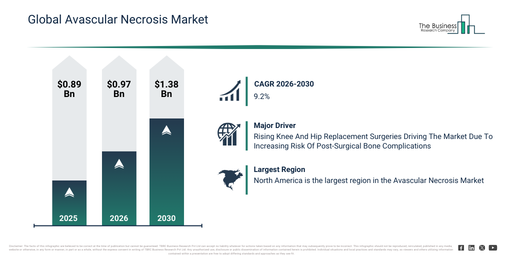
    The avascular necrosis market has demonstrated robust growth in recent years. Looking ahead, it is projected to expand from $0.89 billion in 2025 to $0.97 billion in 2026, at a compound annual growth rate (CAGR) of 9.5%. The historical growth can be attributed to several factors including trauma-related bone injuries, steroid overuse, alcohol consumption, delayed diagnosis, and the overall growth in orthopedic surgery.

    The avascular necrosis market size is set to experience substantial growth over the coming years. It is anticipated to reach $1.38 billion in 2030, demonstrating a compound annual growth rate (CAGR) of 9.2%. This expansion during the forecast period is driven by factors such as the increasing adoption of advanced imaging, research in regenerative medicine, an aging demographic, the prevalence of sports injuries, and innovations in orthopedics. Significant trends expected in this period include the rising application of early diagnostic imaging, a greater acceptance of joint-preserving therapies, an increase in minimally invasive surgical procedures, the expansion of physical rehabilitation initiatives, and a dedicated focus on early-stage disease intervention.

    Get A Free Sample Report With In-Depth Market Insights:

    https://www.thebusinessresearchcompany.com/sample.aspx?id=24476&type=smp&utm_source=Blogs&utm_medium=Paid&utm_campaign=Oct_PR

    Avascular Necrosis Market Growth Factors: What’s Supporting Expansion?

    An increasing volume of knee replacements and hip surgeries is anticipated to fuel the expansion of the avascular necrosis market moving forward. These surgical interventions involve replacing compromised joints and alleviating discomfort in advanced instances of avascular necrosis. The rise in these procedures stems from the rising occurrence of osteoarthritis, a condition leading to intense joint pain and mobility challenges, frequently necessitating surgical intervention for relief and enhanced life quality. Avascular necrosis plays a substantial role in the demand for knee and hip replacements, as this condition results in the death of bone tissue due to insufficient blood supply, often leading to joint decay and eventual collapse. For example, in November 2024, data from the American Joint Replacement Registry (AJRR), a US-based registry managed by the American Academy of Orthopaedic Surgeons, revealed that in 2023, over 4 million hip and knee arthroplasty procedures were recorded, signifying an 18% rise from 2022. Consequently, the increasing frequency of knee replacements and hip surgeries is propelling the growth of the avascular necrosis market. The increasing healthcare expenditure is anticipated to drive the expansion of the avascular necrosis market moving forward. Healthcare expenditure represents the total funds allocated to health services, treatments, and medical products within a given population or healthcare system. This spending is on the rise due to the growing prevalence of chronic illnesses, which necessitate ongoing management, frequent hospital visits, and expensive medications. For avascular necrosis, increased healthcare spending is beneficial as it facilitates access to prompt diagnosis, advanced therapeutic options, and surgical procedures that aid in managing the condition and enhancing patient outcomes. For example, in April 2025, the American Medical Association, a US-based professional association and lobbying group for physicians and medical students, reported that health spending in the United States climbed by 7.5% in 2023 to $4.9 trillion, or $14,570 per capita, which was a higher increase than the 4.6% observed in 2022. Consequently, the growth of the avascular necrosis market is being propelled by rising healthcare expenditure.

    Avascular Necrosis Market Segment Analysis And Revenue Potential

    The avascular necrosis market covered in this report is segmented –

    1) By Type: Trauma Related Avascular Necrosis, Non-Trauma Related Avascular Necrosis

    2) By Diagnosis: Imaging, Biopsy, Computed Tomography Scan, Positron Emission Tomography, X-Ray

    3) By Treatment Type: Medications, Surgery, Physical Therapy, Lifestyle Changes, Bone Grafting

    4) By End-User: Hospitals, Specialty Clinics, Rehabilitation Centers, Ambulatory Surgical Centers, Home Care Settings

    Subsegments:

    1) By Trauma-Related Avascular Necrosis: Fracture-Induced Avascular Necrosis, Dislocation-Induced Avascular Necrosis, Post-Surgical Avascular Necrosis, Crush Injury-Related Avascular Necrosis, Sports Injury-Associated Avascular Necrosis

    2) By Non-Trauma Related Avascular Necrosis: Steroid-Induced Avascular Necrosis, Alcohol-Induced Avascular Necrosis, Sickle Cell Disease-Associated Avascular Necrosis, Lupus-Related Avascular Necrosis, Radiation Therapy-Induced Avascular Necrosis, Idiopathic Avascular Necrosis

    Avascular Necrosis Market Key Players Shaping Industry Direction

    Major companies operating in the avascular necrosis market are Stryker Corporation, Massachusetts General Hospital, Zimmer Biomet Holdings Inc., Smith & Nephew plc, Stanford Health Care, Apollo Hospitals Enterprise Limited, Singapore General Hospital Pte Ltd., Fortis Healthcare Limited, Narayana Hrudayalaya Limited, Bumrungrad International Hospital Co. Ltd., Aster DM Healthcare Limited, Mount Elizabeth Hospital Pte Ltd., Gleneagles Hospital Pte Ltd., Shalby Limited, Texas Orthopedic Hospital LLC, Regrow Biosciences Pvt. Ltd., Maxcure Hospitals Limited, Medicover Hospitals Private Limited, Mesoblast Limited, Athersys Inc.

    View The Full Avascular Necrosis Market Report:

    https://www.thebusinessresearchcompany.com/report/avascular-necrosis-global-market-report?utm_source=Blogs&utm_medium=Paid&utm_campaign=Oct_PR

    Avascular Necrosis Market Top Region By Revenue And Market Share

    North America was the largest region in the avascular necrosis market in 2025. Asia-Pacific is expected to be the fastest-growing region in the forecast period. The regions covered in the avascular necrosis market report are Asia-Pacific, South East Asia, Western Europe, Eastern Europe, North America, South America, Middle East, Africa.

    Reach Out To Our Team:

    The Business Research Company: https://www.thebusinessresearchcompany.com/

    Americas: +1 310-496-7795

    Asia: +44 7882 955267 & +91 8897263534

    Europe: +44 7882 955267

    Email us at: marketing@tbrc.info

    Follow us on:

    LinkedIn: https://in.linkedin.com/company/the-business-research-company

    YouTube: https://www.youtube.com/channel/UC24_fI0rV8cR5DxlCpgmyFQ

    Global Market Model: https://www.thebusinessresearchcompany.com/global-market-model
  • ACE Inhibitors Market Trends Reshaping Industry Growth Through 2030

    ACE Inhibitors Market Trends Reshaping Industry Growth Through 2030

    Backed by market attractiveness analysis, total addressable market sizing, company benchmarking matrices, interactive Excel dashboards, wider supply chain intelligence, emerging startup coverage, and detailed product-level insights, The Business Research Company’s 2026 market reports are designed to offer research that is more actionable and strategically valuable than ever.

    ACE Inhibitors Market Forecast: Value Set To Climb From $7.84 Billion To $10.1 Billion

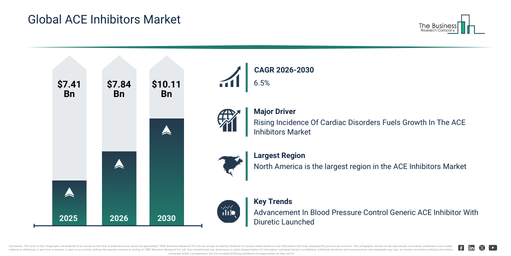
    The ace inhibitors market has experienced substantial growth in recent years. It is projected to expand from $7.41 billion in 2025 to $7.84 billion in 2026, achieving a compound annual growth rate (CAGR) of 5.8%. This historical expansion can be linked to the rising prevalence of hypertension, heightened awareness regarding cardiovascular diseases, the introduction of first-generation ace inhibitors, an increasing geriatric population, and advancements in drug formulation.

    The ace inhibitors market is set for robust expansion over the next few years, with its size forecast to reach $10.11 billion in 2030, demonstrating a compound annual growth rate (CAGR) of 6.5%. This growth throughout the projected period is attributed to several factors including the rising demand for personalized medicine, the integration of digital health solutions, the expansion of new markets, the innovation of novel ace inhibitor combinations, and the increase in home healthcare services. Prominent trends anticipated in the forecast period involve personalized hypertension management, the use of telemedicine and remote patient monitoring, advancements in combination therapy, a surge in generic ace inhibitors, and the broadening of home healthcare solutions.

    Get A Free Sample Report With In-Depth Market Insights:

    https://www.thebusinessresearchcompany.com/sample.aspx?id=10671&type=smp&utm_source=Blogs&utm_medium=Paid&utm_campaign=Oct_PR

    ACE Inhibitors Market Growth Drivers: What’s Behind The Acceleration?

    The rising occurrence of cardiac conditions is projected to boost the expansion of the ACE inhibitors market in the future. Cardiac disorders are defined as various medical ailments impacting the heart or blood vessels, covering conditions such as coronary artery disease, heart failure, and arrhythmias. ACE inhibitors are vital in managing these conditions by blocking the angiotensin-converting enzyme, which in turn lessens vasoconstriction, sodium retention, and aldosterone secretion, ultimately enhancing heart function. For example, data from the American Heart Association, a US non-profit, indicated that in January 2024, the age-adjusted death rate due to cardiovascular disease rose to 233.3 per 100,000 in 2024, representing a 4.0% increase from 224.4 per 100,000 in 2023. Consequently, the growing frequency of cardiac disorders is propelling the ACE inhibitors market’s growth.

    ACE Inhibitors Market Segments: Where Is Growth Concentrated?

    The ace inhibitors market covered in this report is segmented –

    1) By Type: Sulfhydryl-containing Agents, Dicarboxylate-containing Agents, Phosphonate-containing Agents

    2) By Drug: Ramipril, Enalapril, Benazepril, Fosinopril, Captopril, Moexipril, Other Drugs

    3) By Dosage Form: Oral Tablets, Oral Solutions

    4) By Application: Heart Failure, Chronic Kidney Disease, Hypertension, Diabetes, Heart Attack, Other Applications

    5) By End-Users: Hospitals, Online Drug Stores, Other End-Users

    Subsegments:

    1) By Sulfhydryl-Containing Agents: Captopril, Zofenopril

    2) By Dicarboxylate-Containing Agents: Enalapril, Lisinopril, Ramipril, Quinapril, Benazepril, Perindopril

    3) By Phosphonate-Containing Agents: Fosinopril, Fosinopril Sodium, Fosinopril Calcium

    ACE Inhibitors Market Trends: What’s Defining The Industry’s Next Phase?

    Leading firms within the ACE inhibitor market are intensifying their efforts to launch generic medications, aiming to secure a competitive advantage. Such drugs possess identical active components, dosing, safety profile, potency, administration method, and efficacy as their brand-name counterparts, yet they are generally offered at a reduced price point after the original patent lapses. For example, in August 2023, Pharmascience Inc., a pharmaceutical company based in Canada, introduced pms-PERINDOPRIL-INDAPAMIDE. This generic drug is designed for the initial management of mild to moderate essential hypertension (high blood pressure) in adult patients. This combined formulation contains two active substances: perindopril erbumine, an angiotensin-converting enzyme (ACE) inhibitor that assists in blood vessel relaxation, and indapamide, a chlorosulphamoyl diuretic that helps expel surplus fluid and sodium from the body. These components collaboratively reduce blood pressure effectively across a wide spectrum of patients. pms-PERINDOPRIL-INDAPAMIDE is available in several dosage strengths, specifically 2 mg, 4 mg, and 8 mg of perindopril erbumine, combined with 0.625 mg, 1.25 mg, and 2.5 mg of indapamide, respectively.

    ACE Inhibitors Market Key Participants And Competitive Landscape

    Major companies operating in the ace inhibitors market are Pfizer Inc., Novartis AG, Johnson & Johnson Private Limited, Merck KGaA, Sanofi S.A., Bayer AG, Teva Pharmaceutical Industries Ltd., Bristol-Myers Squibb Co., Takeda Pharmaceuticals Company, Daiichi Sankyo Company Ltd., Endo International plc, Sun Pharmaceutical Industries Ltd., Boehringer Ingelheim, Bausch Health Companies Inc., Dr. Reddy’s Laboratories, Abbott Laboratories, Eli Lilly and Company, Cipla Limited, GlaxoSmithKline plc, Cadila Healthcare Limited, AbbVie Inc., Sandoz Group AG, Accord Healthcare Ltd., AstraZeneca plc, Lupin Limited, Macleods Pharmaceuticals Limited, Zydus lifescience Ltd., Apotex Inc.

    View The Full ACE Inhibitors Market Report:

    https://www.thebusinessresearchcompany.com/report/ace-inhibitors-global-market-report?utm_source=Blogs&utm_medium=Paid&utm_campaign=Oct_PR

    ACE Inhibitors Market Geographic Analysis: Where Is Demand Rising Fastest?

    North America was the largest region in the ACE inhibitors market in 2025. Asia-Pacific is expected to be the fastest-growing region in the global ACE inhibitors market report during the forecast period. The regions covered in the ace inhibitors market report are Asia-Pacific, South East Asia, Western Europe, Eastern Europe, North America, South America, Middle East, Africa.

    Reach Out To Our Team:

    The Business Research Company: https://www.thebusinessresearchcompany.com/

    Americas: +1 310-496-7795

    Asia: +44 7882 955267 & +91 8897263534

    Europe: +44 7882 955267

    Email us at: marketing@tbrc.info

    Follow us on:

    LinkedIn: https://in.linkedin.com/company/the-business-research-company

    YouTube: https://www.youtube.com/channel/UC24_fI0rV8cR5DxlCpgmyFQ

    Global Market Model: https://www.thebusinessresearchcompany.com/global-market-model
  • Automated Liquid Handling Systems Market Growth Forecast Through 2030: Market Size And Trends In 2026

    Automated Liquid Handling Systems Market Growth Forecast Through 2030: Market Size And Trends In 2026

    Built to provide research that’s more actionable and strategically valuable, The Business Research Company’s 2026 market reports include market attractiveness analysis, total addressable market sizing, company benchmarking matrices, interactive Excel dashboards, broader supply chain intelligence, emerging startup tracking, and in-depth product insights.

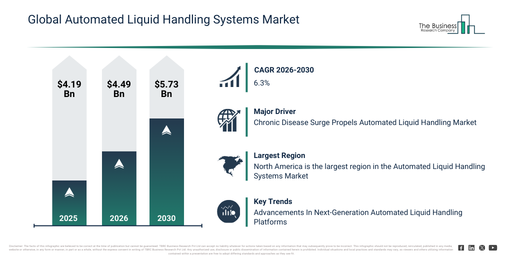
    Automated Liquid Handling Systems Market Poised To Hit $5.73 Billion By 2030 With A 6.3% CAGR

    The automated liquid handling systems market has seen robust expansion over recent years. It is anticipated to grow from $4.19 billion in 2025 to $4.49 billion in 2026, with a compound annual growth rate (CAGR) of 7.2%. This historical growth can be ascribed to several factors, including the increasing integration of automated liquid handling into pharmaceutical research, the rising demand for high-throughput screening, the growing necessity for precision in sample preparation, advancements in biotechnology and genomics research, and the expansion of contract research organizations.

    The automated liquid handling systems market size is projected to experience substantial expansion over the upcoming years, with forecasts indicating it will reach $5.73 billion in 2030, exhibiting a compound annual growth rate (CAGR) of 6.3%. This anticipated growth can be attributed to several factors, including the integration of AI and machine learning for protocol optimization, the increasing demand for lab automation in emerging economies, the ongoing development of multi-channel and robotic liquid handling systems, a growing emphasis on personalized medicine, and advancements in modular and flexible liquid handling platforms. Key trends expected during this forecast period include the automation of high-throughput screening, the miniaturization of liquid handling devices, their integration with lab information management systems (LIMS), the prevalence of multi-functionality and modular system designs, and enhanced accuracy and precision in liquid handling operations.

    Get A Free Sample Report With In-Depth Market Insights:

    https://www.thebusinessresearchcompany.com/sample.aspx?id=14850&type=smp&utm_source=Blogs&utm_medium=Paid&utm_campaign=Oct_PR

    Automated Liquid Handling Systems Market Demand Drivers: What’s Powering Industry Growth?

    The increasing incidence of chronic illnesses is anticipated to fuel the expansion of the automated liquid handling systems market in the future. A chronic condition is defined as a persistent ailment that can be managed, yet generally lacks a complete cure. This rise in chronic disease prevalence stems from factors such as heightened intake of processed foods, inactive lifestyles marked by extended periods of sitting, and decreased physical exertion. These automated systems for liquid handling provide benefits like enhanced precision, consistency, and processing speed when contrasted with manual pipetting, thus becoming essential for the pharmaceutical and biotechnology sectors. Illustratively, data from April 2025 by the Centers for Disease Control and Prevention (CDC), a US-based federal agency, indicates that in 2023, around 194 million U.S. adults, or 76.4%, reported experiencing at least one chronic illness. The occurrence rate stood at 59.5% for young adults, 78.4% for midlife adults, and 93.0% for older adults. Consequently, the increasing widespread presence of chronic diseases is stimulating the expansion of the automated liquid handling systems market.

    Automated Liquid Handling Systems Market Segmentation And Category Overview

    The automated liquid handling systems market covered in this report is segmented –

    1) By Type: Automated Liquid Handling System, Semi-automated Liquid Handling System

    2) By Application: Drug Discovery And ADME-Tox Research, Cancer And Genomic Research, Bioprocessing Or Biotechnology, Other Applications

    3) By End User: Contract Research Organizations, Pharmaceutical And Biotechnology, Academic And Research Institutes

    Subsegments:

    1) By Automated Liquid Handling System: Single-Channel Automated Systems, Multi-Channel Automated Systems, Integrated Liquid Handling Systems, Robotic Liquid Handling Systems

    2) By Semi-Automated Liquid Handling System: Manual-Supported Semi-Automated Systems, Partially Automated Pipetting Systems, Semi-Automated Dispensing Systems

    Automated Liquid Handling Systems Market Innovation Trends: What Developments Are Reshaping The Industry?

    Companies operating in the automated liquid handling systems market are prioritizing the development of cutting-edge platforms intended to improve precision, throughput, and workflow efficiency in life sciences and various laboratory applications. These systems incorporate advanced robotics, software-driven protocols, and modular designs to facilitate scalable, high-volume sample processing. For instance, in February 2025, Tecan US Inc., a laboratory automation company based in the US, unveiled Veya, a new generation liquid handling platform designed to provide enhanced flexibility, speed, and reproducibility across diverse laboratory workflows. The platform’s user-friendly interface, automation capabilities, and integration with other analytical instruments aim to simplify laboratory operations, reduce manual errors, and accelerate research and diagnostic results.

    Automated Liquid Handling Systems Market Competitive Analysis Of Leading Industry Participants

    Major companies operating in the automated liquid handling systems market are Thermo Fisher Scientific Inc, Danaher Corporation, Agilent Technologies, PerkinElmer Inc, Eppendorf AG, Tecan Group Ltd, Hamilton Company, Formulatrix Inc, Analytik Jena AG, Gilson Inc, Corning Inc, Bio Rad Laboratories Inc, Qiagen NV, Becton Dickinson and Company, Lonza Group AG, Mettler Toledo International Inc, Sartorius AG, SPT Labtech Ltd, Opentrons Labworks Inc, Beijing TXTB Science and Technology Co Ltd

    View The Full Automated Liquid Handling Systems Market Report:

    https://www.thebusinessresearchcompany.com/report/automated-liquid-handling-systems-global-market-report?utm_source=Blogs&utm_medium=Paid&utm_campaign=Oct_PR

    Automated Liquid Handling Systems Market Regional Analysis And Top Geography

    North America was the largest region in the automated liquid handling systems market in 2025. Asia Pacific is expected to be the fastest-growing region in the forecast period. The regions covered in the automated liquid handling systems market report are Asia-Pacific, South East Asia, Western Europe, Eastern Europe, North America, South America, Middle East, Africa.

    Reach Out To Our Team:

    The Business Research Company: https://www.thebusinessresearchcompany.com/

    Americas: +1 310-496-7795

    Asia: +44 7882 955267 & +91 8897263534

    Europe: +44 7882 955267

    Email us at: marketing@tbrc.info

    Follow us on:

    LinkedIn: https://in.linkedin.com/company/the-business-research-company

    YouTube: https://www.youtube.com/channel/UC24_fI0rV8cR5DxlCpgmyFQ

    Global Market Model: https://www.thebusinessresearchcompany.com/global-market-model
  • Autologous Stem Cell And Non-Stem Cell Based Therapies Market Analysis: $13.3 Billion Market Size In 2026 And Future Growth Prospects

    Autologous Stem Cell And Non-Stem Cell Based Therapies Market Analysis: $13.3 Billion Market Size In 2026 And Future Growth Prospects

    Backed by market attractiveness analysis, total addressable market sizing, company benchmarking matrices, interactive Excel dashboards, wider supply chain intelligence, emerging startup coverage, and detailed product-level insights, The Business Research Company’s 2026 market reports are designed to offer research that is more actionable and strategically valuable than ever.

    Autologous Stem Cell And Non-Stem Cell Based Therapies Market Size And Revenue Outlook Through 2030

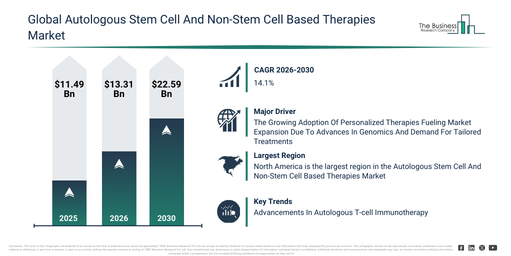
    The autologous stem cell and non-stem cell based therapies market size has seen rapid expansion in recent years. It is anticipated to increase from $11.49 billion in 2025 to $13.31 billion in 2026, achieving a compound annual growth rate (CAGR) of 15.8%. This historical growth can be attributed to a rise in degenerative disorders, advancements in stem cell isolation techniques, growing awareness of regenerative medicine, the early adoption of autologous therapies in developed countries, and government initiatives supporting cell-based treatments.

    The autologous stem cell and non-stem cell based therapies market size is anticipated to undergo significant growth in the upcoming years. The market is forecast to reach $22.59 billion by 2030, at a compound annual growth rate (CAGR) of 14.1%. This expansion is primarily driven by increasing investment in personalized medicine, the broadening of cell therapy manufacturing infrastructure, the incorporation of AI into cell therapy development, increasing demand in emerging markets, and the creation of combination cell-based therapies. Prominent trends for the forecast period include personalized regenerative therapies, immunomodulatory cell therapies, minimally invasive autologous treatments, innovations in cell expansion and manufacturing, and advanced tissue engineering solutions.

    Get A Free Sample Report With In-Depth Market Insights:

    https://www.thebusinessresearchcompany.com/sample.aspx?id=15729&type=smp&utm_source=Blogs&utm_medium=Paid&utm_campaign=Oct_PR

    Autologous Stem Cell And Non-Stem Cell Based Therapies Market Growth Drivers: What’s Behind The Acceleration?

    The expanding embrace of personalized therapies is projected to boost the autologous stem cell and non–stem cell-based therapies market going forward. Personalized therapies represent medical interventions meticulously crafted to align with an individual’s distinct genetic makeup, lifestyle choices, and clinical attributes, aiming for optimal therapeutic efficacy and minimized adverse reactions. The proliferation of personalized therapies is spurred by significant advancements in genomics and biomarker-enabled drug development, alongside an increasing patient preference for targeted and more effective treatment options. Autologous stem cell and non–stem cell-based therapies strongly support this transformation by utilizing a patient’s own cells and genetic data to deliver highly customized therapeutic solutions, which leads to improved outcomes and reduced complications. For instance, in February 2024, according to the Personalized Medicine Coalition (PMC), a US-based organization, in 2023, 20 out of 53 new therapeutic molecular entities approved by the U.S. Food and Drug Administration, approximately 38%, were classified as personalized medicines, highlighting the rapid expansion of precision-based treatment approaches. Therefore, the growing adoption of personalized therapies is driving the growth of the autologous stem cell and non–stem cell-based therapies market.

    Autologous Stem Cell And Non-Stem Cell Based Therapies Market Segment Outlook: Which Categories Are Growing Fastest?

    The autologous stem cell and non-stem cell based therapies market covered in this report is segmented –

    1) By Type: Autologous Stem Cells, Autologous Non-Stem Cells, Other Types

    2) By Application: Cancer, Neurodegenerative Disorders, Cardiovascular Disease, Orthopedic Diseases, Other Applications

    3) By End-User: Hospitals, Ambulatory Surgical Centers, Research Facilities, Other End Users

    Subsegments:

    1) By Autologous Stem Cells: Hematopoietic Stem Cells, Mesenchymal Stem Cells, Neural Stem Cells, Endothelial Stem Cells

    2) By Autologous Non-Stem Cells: Platelet-Rich Plasma (Prp), Adipose-Derived Cells, Peripheral Blood Cells

    3) By Other Types: Exosome-Based Therapies, Tissue-Engineered Constructs

    Autologous Stem Cell And Non-Stem Cell Based Therapies Market Trends: What’s Defining The Industry’s Next Phase?

    Leading companies in the autologous stem cell and non-stem cell-based therapies market are innovating tumor-derived autologous T cell immunotherapy to improve personalized cancer treatment methods. This immunotherapy operates by extracting T cells from a patient’s tumor, propagating and activating them in a laboratory, and then reinfusing them into the patient, thereby strengthening the immune system’s specific capacity to target and eradicate cancer cells. For example, in February 2024, Iovance Biotherapeutics, a US-based biotechnology company, secured accelerated approval from the Food and Drug Administration, a US-based federal agency, for Amtagvi (lifileucel). This product represents the inaugural cellular therapy approved for treating adult patients with melanoma. Lifileucel is a tumor-derived autologous T-cell immunotherapy. It is composed of a patient’s inherent immune cells, termed tumor-infiltrating lymphocytes (TILs). This enables the patient’s immune system to recognize and attack the cancer with increased effectiveness.

    Autologous Stem Cell And Non-Stem Cell Based Therapies Market Leading Companies And Competitive Benchmarking

    Major companies operating in the autologous stem cell and non-stem cell based therapies market are Bayer AG, Novartis AG, Takeda Pharmaceutical Company Limited, Gilead Sciences Inc., Merck & Co. Inc., Stemcell Technologies Inc., Dendreon Corporation, Vericel Corporation, Sangamo Therapeutics Inc., NEOSTEM, Orgenesis Inc., Adaptimmune Therapeutics, Stempeutics Research Pvt Ltd., MEDIPOST, Castle Creek Biosciences Inc., BrainStorm Cell Limited, Athersys Inc., Cytori Therapeutics Inc., Opexa Therapeutics, Gamida Cell, Regen BioPharma Inc., RepliCel Life Sciences, InGeneron Inc., BioCardia Inc., ReNeuron Group

    View The Full Autologous Stem Cell And Non-Stem Cell Based Therapies Market Report:

    https://www.thebusinessresearchcompany.com/report/autologous-stem-cell-and-non-stem-cell-based-therapies-global-market-report?utm_source=Blogs&utm_medium=Paid&utm_campaign=Oct_PR

    Autologous Stem Cell And Non-Stem Cell Based Therapies Market Geographic Analysis: Where Is Demand Rising Fastest?

    North America was the largest region in the autologous stem cell and non-stem cell based therapies market in 2025. Asia-Pacific is expected to be the fastest-growing region in the forecast period. The regions covered in the autologous stem cell and non-stem cell based therapies market report are Asia-Pacific, South East Asia, Western Europe, Eastern Europe, North America, South America, Middle East, Africa.

    Reach Out To Our Team:

    The Business Research Company: https://www.thebusinessresearchcompany.com/

    Americas: +1 310-496-7795

    Asia: +44 7882 955267 & +91 8897263534

    Europe: +44 7882 955267

    Email us at: marketing@tbrc.info

    Follow us on:

    LinkedIn: https://in.linkedin.com/company/the-business-research-company

    YouTube: https://www.youtube.com/channel/UC24_fI0rV8cR5DxlCpgmyFQ

    Global Market Model: https://www.thebusinessresearchcompany.com/global-market-model