Blog

  • Major Drivers Propelling the Growth oh theCongenital Adrenal Hyperplasia Market Forward: Growing Demand For Gene Therapy Driving The Expansion Of The Market

    Major Drivers Propelling the Growth oh theCongenital Adrenal Hyperplasia Market Forward: Growing Demand For Gene Therapy Driving The Expansion Of The Market

    Our market reports now include the latest updates on global tariffs, trade impacts, and evolving supply chain dynamics.

    What Are the Key Milestones in the Congenital Adrenal Hyperplasia Market’s Growth Trajectory From 2025 To 2034?

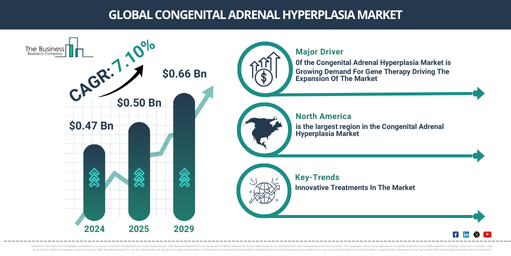
    In recent times, the congenital adrenal hyperplasia market has seen substantial growth, expected to elevate from $0.47 billion in 2024 to $0.50 billion in 2025 with a compound annual growth rate of 7.3%. The strong progression during the historical period can be ascribed to the rising occurrence of congenital adrenal hyperplasia, the expanding acceptance of corticosteroid treatments, elevated healthcare spending, amplified emphasis on child healthcare, and heightened government efforts and compensation policies.

    In the ensuing years, the market size for congenital adrenal hyperplasia is forecasted to witness robust growth. The projections estimate it to escalate to $0.66 billion in 2029, with a compound annual growth rate (CAGR) of 7.1%. The surge during this forecast period can be associated with the increasing need for personalized medicine, the growing occurrence of genetic anomalies, the rise in research related to treatments for congenital adrenal hyperplasia, expanded investments in healthcare, and the escalated use of telemedicine in managing congenital adrenal hyperplasia. The period is also expected to see trends such as improvements in healthcare infrastructure, advances in molecular diagnostics, the emergence of enzyme replacement therapies, the creation of long-acting corticosteroid formulations, and progress in genetic screening.

    Download a free sample to assess the report’s scope and structure:

    https://www.thebusinessresearchcompany.com/sample.aspx?id=21157&type=smp

    Which Major Market Drivers Are Expected to Boost the Growth Potential of the Congenital Adrenal Hyperplasia Market?

    The surge in need for gene therapy is anticipated to fuel the expansion of the congenital adrenal hyperplasia market in the future. Gene therapy is a medical method which involves the alteration or regulation of a person’s genes to cure or avert disease. The spike in gene therapy demand is ascribed to progress in genetic study and biotechnology, paving the way for more accurate and specific treatments for genetic illness, cancers, and other enduring diseases. The congenital adrenal hyperplasia (CAH) disorder, induced by gene mutations responsible for adrenal hormone generation, presents a significant area of focus within gene therapy by providing potential for targeted genetic interventions to repair the inherent genetic faults and revive normal hormone function. For example, in April 2024, according to the American Society of Gene and Cell Therapy (ASGCT), a professional membership organization based in the US, of the 1,023 gene therapies being developed for rare illnesses, eight of the top 10 rare diseases were oncological. The second quarter of 2024 witnessed the commencement of 76 gene therapy trials, marking a 25% rise from the preceding quarter. Thus, the escalating demand for gene therapy is provoking growth in the congenital adrenal hyperplasia market.

    Which Key Market Segments Comprise the Congenital Adrenal Hyperplasia Market and Drive Its Revenue Growth?

    The congenital adrenal hyperplasia market covered in this report is segmented –

    1) By Type: Classic Congenital Adrenal Hyperplasia, Non-Classic Congenital Adrenal Hyperplasia

    2) By Treatment And Diagnosis: Diagnosis, Treatment

    3) By End-Use: Hospitals, Specialty Clinics, Ambulatory Surgical Centers, Research Institutes

    Subsegments:

    1) By Classic Congenital Adrenal Hyperplasia: Salt-Wasting Classic Congenital Adrenal Hyperplasia, Simple Virilizing Classic Congenital Adrenal Hyperplasia

    2) By Non-Classic Congenital Adrenal Hyperplasia: Late-Onset Non-Classic Congenital Adrenal Hyperplasia, Mild Non-Classic Congenital Adrenal Hyperplasia

    Request customized data on this market:

    https://www.thebusinessresearchcompany.com/customise?id=21157&type=smp

    Which Areas Are Leading Regions in the Congenital Adrenal Hyperplasia Market Expansion Across the Globe?

    North America was the largest region in the congenital adrenal hyperplasia market in 2024. Asia-Pacific is expected to be the fastest-growing region in the forecast period. The regions covered in the congenital adrenal hyperplasia market report are Asia-Pacific, Western Europe, Eastern Europe, North America, South America, Middle East, Africa.

    What Are the Key Market Trends in theCongenital Adrenal Hyperplasia Market Over the Coming Years?

    Leading conglomerates within the congenital adrenal hyperplasia industry are investing in the creation of cutting-edge treatments like CRF1 receptor antagonists, which aim to control cortisol production and diminish overactive adrenal androgen. A CRF1 receptor antagonist is essentially a medication that inhibits the corticotropin-releasing factor 1 (CRF1) receptor, moderating the body’s reaction to stress and curtailing excessive adrenal androgen production related to conditions such as congenital adrenal hyperplasia. For example, Neurocrine Biosciences, Inc., an American biopharmaceutical company, was granted FDA authorization in December 2024 for crenessity (crinecerfont), a revolutionary treatment for congenital adrenal hyperplasia (CAH) and a first in seven decades. This orally-administered drug operates as a selective antagonist of corticotropin-releasing factor type 1 receptors, managing surges of adrenocorticotropic hormone (ACTH) and adrenal androgens while facilitating the decrease of glucocorticoid doses. This approval relied heavily on findings from the CAHtalyst Phase 3 trials, which revealed significant effectiveness in reducing androgen levels. The availability of Crenessity is forthcoming, representing a substantial development in the treatment of CAH.

    View the full report here:

    https://www.thebusinessresearchcompany.com/report/congenital-adrenal-hyperplasia-global-market-report

    How Is the Congenital Adrenal Hyperplasia Market Conceptually Defined?

    Congenital adrenal hyperplasia refers to a group of inherited disorders affecting adrenal gland function due to enzyme deficiencies, primarily 21-hydroxylase. Congenital adrenal hyperplasia is managed through hormone replacement therapy to normalize cortisol and aldosterone levels, suppress excess androgen production, and address associated symptoms such as electrolyte imbalance and abnormal physical development.

    Purchase the full report and get a swift delivery:

    https://www.thebusinessresearchcompany.com/purchaseoptions.aspx?id=21157

    About The Business Research Company:

    With over 15000+ reports from 27 industries covering 60+ geographies, The Business Research Company has built a reputation for offering comprehensive, data-rich research and insights. Armed with 1,500,000 datasets, the optimistic contribution of in-depth secondary research, and unique insights from industry leaders, you can get the information you need to stay ahead in the game.

    Get in touch with us:

    The Business Research Company: https://www.thebusinessresearchcompany.com/

    Americas +1 3156230293

    Asia +44 2071930708

    Europe +44 2071930708

    Email us at info@tbrc.info

    Follow us on:

    LinkedIn: https://in.linkedin.com/company/the-business-research-company

    YouTube: https://www.youtube.com/channel/UC24_fI0rV8cR5DxlCpgmyFQ

    Global Market Model: https://www.thebusinessresearchcompany.com/global-market-model

  • Advanced Melanoma Growth Trajectory: Key Forecasts and Strategic Insights

    Advanced Melanoma Growth Trajectory: Key Forecasts and Strategic Insights

    Our market reports now include the latest updates on global tariffs, trade impacts, and evolving supply chain dynamics.

    What Are the Projected Market Size and Growth Rates for the Advanced Melanoma Market From 2025 To 2029?

    In recent times, there has been substantial growth in the advanced melanoma market. The market, which is worth $3.77 billion in 2024, is projected to inflate to $4.13 billion in 2025, indicating a Compound Annual Growth Rate (CAGR) of 9.4%. Factors contributing to this upsurge during the aforementioned period include the authorization of dacarbazine, the progression of interferon therapy, the presentation of ipilimumab, increased use of radiation therapy, the advent of combination therapies, the endorsement of nivolumab, and the introduction of pembrolizumab.

    In the upcoming years, the advanced melanoma market is anticipated to experience robust growth. It is projected to expand to $5.90 billion in 2029 with a compound annual growth rate (CAGR) of 9.3%. Factors contributing to the projected growth during the forecast period include advancements in novel checkpoint inhibitors, personalized medicine, adoptive cell therapy development, increased use of combination therapies, bispecific antibodies emergence, oncolytic virotherapy expansion and an increased attention on early detection tools. Key trends during this period are expected to be AI-based diagnostic tools, mRNA-based cancer vaccines, gene editing via crispr, engineering of oncolytic viruses, liquid biopsy technologies, wearable devices for health monitoring, advanced techniques for imaging, research via 3D bioprinting, modeling of tumor microenvironments and nanotechnology-fueled drug delivery systems.

    Download a free sample to assess the report’s scope and structure:

    https://www.thebusinessresearchcompany.com/sample.aspx?id=21088&type=smp

    Which Factors and External Forces Are Driving Demand in the Advanced Melanoma Market?

    The upward trend in cases of serious sunburns is anticipated to fuel the expansion of the advanced melanoma market in the future. Intense burns on the skin due to extreme exposure to ultraviolet (UV) radiation, leading to redness, pain, swelling, and occasional blistering, define severe sunburns. The surge in the number of serious sunburn incidences is attributed to prolonged exposure to UV radiation, failure to take appropriate measures for sun protection, escalated outdoor activities during peak UV times, and temperature elevations due to climate change. Serious sunburns, particularly repetitive ones or those happening at an early age, can result in skin cell DNA damage, potentially leading to genetic mutations that instigate melanoma. For instance, Melanoma Focus, a UK-based charity committed to backing the melanoma community, reported in May 2024 that there were 201 hospital admissions due to sunburn in 2022-23, including 89 children and 25 babies below one year of age. Additionally, 66% of UK adults aged 16-65 recollected being sunburned as children, and 65% had experienced serious sunburn with blisters at least once. These figures increased to 77% for those having light, pale, or white skin. As such, the rising instances of severe sunburn cases are promoting the growth of the advanced melanoma market.

    Which Segments in the Advanced Melanoma Offer the Most Growth?

    The advanced melanoma market covered in this report is segmented –

    1) By Therapeutics: Chemotherapy, Biological Therapy, Targeted Therapy, Immune Therapy

    2) By Distribution Channel: Hospital Pharmacy, Online Pharmacy, Retail Pharmacy

    3) By End-User: Hospitals, Cancer Research Centres, Academic Institutes, Diagnostic Centers, Ambulatory Surgical Centers, Other End Users

    Subsegments:

    1) By Chemotherapy: Alkylating Agents, Antimetabolites, Topoisomerase Inhibitors, Other Chemotherapy Drugs

    2) By Biological Therapy: Monoclonal Antibodies, Interferons, Interleukins

    3) By Targeted Therapy: BRAF Inhibitors, MEK Inhibitors, KIT Inhibitors, Other Targeted Therapies

    4) By Immune Therapy: Immune Checkpoint Inhibitors, Cancer Vaccines, Oncolytic Virus Therapy, Adoptive Cell Transfer

    Request customized data on this market:

    https://www.thebusinessresearchcompany.com/customise?id=21088&type=smp

    What Are the Fastest-Growing Geographies in the #Which Factors and External Forces Are Driving Demand in the Advanced Melanoma Market?# Market?

    North America was the largest region in the advanced melanoma market in 2024. Asia-Pacific is expected to be the fastest-growing region in the forecast period. The regions covered in the advanced melanoma market report are Asia-Pacific, Western Europe, Eastern Europe, North America, South America, Middle East, Africa.

    Which Cutting-Edge Market Trends Are Expected to Drive theAdvanced Melanoma Market’s Growth?

    Leading corporations in the advanced melanoma market are putting their efforts into creating novel products like personalized vaccines. This will enhance the effectiveness of treatments, providing tailor-made treatment options that could result in improved patient outcomes and an extension of life. A tailor-made vaccine for advanced melanoma is a cancer treatment specifically created for a patient, based on the distinctive genetic alterations present in their cancer. For example, in April 2023, the US-based firms, Merck & Co. Inc. (a pharmaceutical company) and Moderna Inc. (a biotech company), were awarded the Priority Medicines (PRIME) scheme recognition by the European Medicines Agency (EMA). This was for their experimental personalized mRNA cancer vaccine, mRNA-4157/V940, which is employed in conjunction with Merck’s anti-PD-1 therapy, KEYTRUDA (pembrolizumab) for supplementary treatment of high-risk stage III/IV melanoma patient post complete resection. The mRNA-4157/V940, unique cancer vaccine, includes a single synthetic mRNA that codes up to 34 neoantigens. It is formulated and manufactured based on the individual mutational signature of the patient’s tumor.

    View the full report here:

    https://www.thebusinessresearchcompany.com/report/advanced-melanoma-global-market-report

    What Are the Key Elements That Define the Advanced Melanoma Market?

    Advanced melanoma refers to melanoma skin cancer that has spread beyond the original site to other parts of the body. It includes stage III (spread to nearby lymph nodes) and stage IV (metastasized to distant organs l), which is more challenging to treat and often requires a combination of therapies, such as immunotherapy, targeted therapy, chemotherapy, or radiation.

    Purchase the full report and get a swift delivery:

    https://www.thebusinessresearchcompany.com/purchaseoptions.aspx?id=21088

    About The Business Research Company:

    With over 15000+ reports from 27 industries covering 60+ geographies, The Business Research Company has built a reputation for offering comprehensive, data-rich research and insights. Armed with 1,500,000 datasets, the optimistic contribution of in-depth secondary research, and unique insights from industry leaders, you can get the information you need to stay ahead in the game.

    Get in touch with us:

    The Business Research Company: https://www.thebusinessresearchcompany.com/

    Americas +1 3156230293

    Asia +44 2071930708

    Europe +44 2071930708

    Email us at info@tbrc.info

    Follow us on:

    LinkedIn: https://in.linkedin.com/company/the-business-research-company

    YouTube: https://www.youtube.com/channel/UC24_fI0rV8cR5DxlCpgmyFQ

    Global Market Model: https://www.thebusinessresearchcompany.com/global-market-model

  • Critical Market Drivers Shaping the Outlook for Complicated Urinary Tract Infection Treatment Market from 2025-2034: Rising Incidence Of Chronic Kidney Disease To Drive Growth In The Market

    Our market reports now include the latest updates on global tariffs, trade impacts, and evolving supply chain dynamics.

    How Has The Complicated Urinary Tract Infection Treatment Market Size Shifted, And What Is the Outlook Through 2034?

    The market size for the intricate urinary tract infection treatment has witnessed significant growth in the last few years. It is poised to surge from $8.87 billion in 2024 to $9.47 billion in 2025, representing a compound annual growth rate (CAGR) of 6.8%. Factors contributing to the growth during the historical period include an escalating incidence of urinary tract infections, growing instances of antibiotic resistance, a rising aged population, higher hospitalization rates, and heightened awareness concerning UTIs.

    The size of the complex urinary tract infection treatment market is predicted to witness significant expansion in the upcoming years, with an anticipated increase to $12.13 billion in 2029, reflecting a compound annual growth rate (CAGR) of 6.4%. This growth in the projected period can be linked to factors such as an escalating occurrence of multidrug-resistant pathogens, a wider emphasis on precision medicine, escalating healthcare spending, elevated utilization of swift diagnostic testing, government-led initiatives, and financial backing for research. Noteworthy trends for the future forecast period include improvements in diagnostic techniques, increased healthcare access in developing markets, innovation in novel antibiotics, advancements in diagnostic technology, and the application of combination therapies.

    Download a free sample to assess the report’s scope and structure:

    https://www.thebusinessresearchcompany.com/sample.aspx?id=21156&type=smp

    What Are the Core Growth Drivers Propelling the Complicated Urinary Tract Infection Treatment Market Forward?

    The increasing prevalence of chronic kidney diseases is set to drive the growth of the complicated urinary tract infection treatment market. Chronic kidney disease, a condition characterized by a slow degeneration of kidney function over time, is primarily caused by an increase in diabetes and hypertension instances, along with aging population and lifestyle-related factors such as obesity and smoking. Complementary urinary tract infection treatment aids individuals with chronic kidney diseases by thwarting severe infections like pyelonephritis which can intensify kidney damage, deteriorate renal functions, and hasten the advancement of the disease. This, in turn, decreases the likelihood of additional complications and hospitalizations. The Australian Institute of Health and Welfare, an Australia-based government agency reported in December 2024 that kidney disease was the cause of approximately 21,800 deaths in 2022. Adding to this, a UK-based non-profit organization called Kidney Care UK reported in May 2024, every year, between 40-45,000 premature deaths in the UK are attributed to kidney disease. Hence, the escalating cases of chronic kidney diseases bolster the complicated urinary tract infection treatment market.

    What Segment Types Define the Complicated Urinary Tract Infection Treatment Market Structure?

    The complicated urinary tract infection treatment market covered in this report is segmented –

    1) By Drug Class: Penicillin And combinations, Quinolones, Cephalosporin, Azoles And Amphotericin B, Nitro furans

    2) By Distribution Channel: Hospital Pharmacies, Gynecology And Urology Clinics, Drug stores

    3) By Application: Urethritis, Cystitis, Pyelonephritis

    Subsegments:

    1) By Penicillin And Combinations: Aminopenicillins, Beta-Lactamase Inhibitor Combinations

    2) By Quinolones: Fluoroquinolones, Non-Fluoroquinolones

    3) By Cephalosporin: First-Generation Cephalosporins, Second-Generation Cephalosporins, Third-Generation Cephalosporins, Fourth-Generation Cephalosporins, Fifth-Generation Cephalosporins

    4) By Azoles And Amphotericin B: Triazoles, Imidazoles, Polyene Antifungals

    5) By Nitrofurans: Nitrofurantoin, Furazolidone

    Request customized data on this market:

    https://www.thebusinessresearchcompany.com/customise?id=21156&type=smp

    Which Geographic Areas Hold the Strongest Growth Potential in the Complicated Urinary Tract Infection Treatment Market?

    North America was the largest region in the complicated urinary tract infection treatment market in 2024. Asia-Pacific is expected to be the fastest-growing region in the forecast period. The regions covered in the complicated urinary tract infection treatment market report are Asia-Pacific, Western Europe, Eastern Europe, North America, South America, Middle East, Africa.

    Which Emerging Trends that Are Influencing theComplicated Urinary Tract Infection Treatment Industry Evolution?

    Top businesses in the complex urinary tract infection treatment market are prioritizing the fight against antibiotic resistance by developing innovative antibiotics to increase treatment effectiveness and tackle freshly emerging multidrug-resistant pathogens. The use of specialized antibiotics or antimicrobial agents is involved in anti-infective treatments for intricate urinary tract infections, particularly in acute cases with kidney involvement. For example, in February 2024, Allecra Therapeutics, a bio-pharmaceutical firm based in Germany, got approval from the U.S. Food and Drug Administration (FDA) for EXBLIFEP (cefepime/enmetazobactam) aimed to treat adults with complex urinary tract infections (cUTIs). The firm also gained a five-year extension for marketing exclusivity courtesy of the GAIN Act, encouraging the creation of novel anti-infective treatments. The research showed that 79.1% of individuals who underwent treatment with cefepime/enmetazobactam reached a composite response (clinical cure and microbiological eradication), compared to the 58.9% who received treatment with piperacillin/tazobactam.

    View the full report here:

    https://www.thebusinessresearchcompany.com/report/complicated-urinary-tract-infection-treatment-global-market-report

    What Is the Definition of the Complicated Urinary Tract Infection Treatment Market?

    Complicated urinary tract infection treatment refers to the medical management of a urinary tract infection (UTI) that occurs in individuals with underlying conditions that increase the risk of treatment failure. Complicated urinary tract infection treatment involves the use of targeted antibiotics and supportive therapies to address infections caused by resistant pathogens or underlying conditions that complicate recovery. It is used to manage severe urinary tract infection in patients with structural abnormalities, immunocompromised conditions, or catheter use, ensuring effective infection control and preventing complications.

    Purchase the full report and get a swift delivery:

    https://www.thebusinessresearchcompany.com/purchaseoptions.aspx?id=21156

    About The Business Research Company:

    With over 15000+ reports from 27 industries covering 60+ geographies, The Business Research Company has built a reputation for offering comprehensive, data-rich research and insights. Armed with 1,500,000 datasets, the optimistic contribution of in-depth secondary research, and unique insights from industry leaders, you can get the information you need to stay ahead in the game.

    Get in touch with us:

    The Business Research Company: https://www.thebusinessresearchcompany.com/

    Americas +1 3156230293

    Asia +44 2071930708

    Europe +44 2071930708

    Email us at info@tbrc.info

    Follow us on:

    LinkedIn: https://in.linkedin.com/company/the-business-research-company

    YouTube: https://www.youtube.com/channel/UC24_fI0rV8cR5DxlCpgmyFQ

    Global Market Model: https://www.thebusinessresearchcompany.com/global-market-model

  • Key Factors Fueling the Growth of the Complement Inhibitors Market in 2025: Impact Of Personalized Medicine On Advancements In Targeted Therapies

    Our market reports now include the latest updates on global tariffs, trade impacts, and evolving supply chain dynamics.

    How Has the Complement Inhibitors Market Growth Performance Trended Historically, And What Lies Ahead?

    The market size for complement inhibitors has seen a significant expansion in recent years. It is projected to rise from $16.41 billion in 2024 to $21.43 billion in 2025, representing a substantial compound annual growth rate (CAGR) of 30.6%. This notable increase during the historical period is a result of factors such as the rising prevalence of diseases mediated by complements, heightened awareness of rare conditions, the emergence of biologics as potent treatments, increased expenditure in healthcare, a growing emphasis on personalized medicine, the provision of incentives for orphan drugs, regulatory aid for the treatment of rare diseases, and partnerships between pharmaceutical corporations and research bodies.

    The market size for complement inhibitors is predicted to experience stellar growth in the upcoming years. It’s projected to rise to $61.74 billion in 2029, with a compound annual growth rate (CAGR) of 39.3%. This growth anticipated over the forecasted period can be attributed to a rising incidence of autoimmune and inflammatory conditions, expansion in biologics and biosimilars markets, an increased number of clinical trials, advancements in longer-acting complement inhibitors, the growth of healthcare facilities in developing markets, increased preference for targeted therapies, growing elderly population, and improved patient access to biologic treatments. Key trends expected during the forecasted timeline include the application of artificial intelligence for drug discovery, advanced techniques for biomarker identification, the use of machine learning for predicting patient response, long-lasting drug formulations, next-gen sequencing for complement system analysis, high-throughput screening platforms, organ-on-a-chip models for testing complement inhibition, 3D bioprinting for developing complement inhibitors, and real-time monitoring tools for measuring treatment effectiveness.

    Download a free sample to assess the report’s scope and structure:

    https://www.thebusinessresearchcompany.com/sample.aspx?id=21155&type=smp

    What are the Fundamental Drivers and Innovations Shaping the Complement Inhibitors Market?

    The increased emphasis on personalized medicine is anticipated to boost the expansion of the complement inhibitors market in the future. Personalized medicine aims to customize treatments based on the patient’s genetic, environmental, and lifestyle factors to enhance results and patient care. The implementation of personalized medicine is growing because of developments in genomics, increased accessibility of biomarker-founded diagnostics, enhanced data analytics technologies, and a growing demand for more precise and effective therapies. Complement inhibitors, similar to personalized medicine, target specific elements of the complement system depending on a patient’s distinct disease profile, genetic composition, and complement activity levels. For example, as per the Personalized Medicine Coalition (PMC), a nonprofit organization in the U.S., the U.S. Food and Drug Administration (FDA) sanctioned 26 new personalized medicines in 2023, a remarkable augmentation from the 12 sanctioned in 2022. Thus, the increasing focus on personalized medicine is fueling the expansion of the complement inhibitors market.

    How Is the Complement Inhibitors Market Segmented?

    The complement inhibitors market covered in this report is segmented –

    1) By Product Type: Complement Component 3 (C3) Inhibitors, Complement Component 5 (C5) Inhibitors, Complement Factor D Inhibitors

    2) By Mechanism Of Action: Alternative Pathway Inhibitors, Classic Pathway Inhibitors, Lectin Pathway Inhibitors

    3) By Indication: Atypical Hemolytic Uremic Syndrome (aHUS), Generalized Myasthenia Gravis (gMG), Paroxysmal Nocturnal Hemoglobinuria (PNH)

    4) By Route Of Administration: Intravenous (IV), Subcutaneous (SC)

    5) By Patient Demographics: Adult, Geriatric, Pediatric

    Subsegments:

    1) By Complement Component 3 (C3) Inhibitors: Small Molecule C3 Inhibitors, Monoclonal Antibody C3 Inhibitors, Peptide-Based C3 Inhibitors

    2) By Complement Component 5 (C5) Inhibitors: Monoclonal Antibody C5 Inhibitors, Small Molecule C5 Inhibitors, RNA-Based C5 Inhibitors

    3) By Complement Factor D Inhibitors: Small Molecule Factor D Inhibitors, Monoclonal Antibody Factor D Inhibitors

    Request customized data on this market:

    https://www.thebusinessresearchcompany.com/customise?id=21155&type=smp

    Which Regions Are Driving the Next Phase of the Complement Inhibitors Market Growth?

    North America was the largest region in the complement inhibitors market in 2024. Asia-Pacific is expected to be the fastest-growing region in the forecast period. The regions covered in the complement inhibitors market report are Asia-Pacific, Western Europe, Eastern Europe, North America, South America, Middle East, Africa.

    What Key Trends Are Shaping the Future of the Complement Inhibitors Market?

    Leading corporations in the complement inhibitors market are centering their efforts on the creation of monoclonal antibodies. These antibodies are scientifically engineered proteins that aim to target and control the complement system effectively in a range of inflammatory and autoimmune diseases. Notable for treating conditions such as cancer, infections, and autoimmune disorders, monoclonal antibodies directly target and attach to antigens. To illustrate, in August 2024, the European Commission gave approval to Switzerland’s F. Hoffmann-La Roche AG for PiaSky (crovalimab) for the treatment of paroxysmal nocturnal haemoglobinuria (PNH) in adults and teenagers, regardless of previous encounters with C5 inhibitors. PiaSky (crovalimab) operates as a monoclonal antibody that focuses on the complement protein C5 to halt its division, thereby avoiding the development of the membrane attack complex (MAC). This halts the process of terminal complement-induced intravascular haemolysis. By lowering the rate of hemolysis, PiaSky contributes to the improvement of hemoglobin levels, reduces the necessity for blood transfusions, and eases symptoms such as fatigue and anemia, thereby improving the quality of life for patients.

    View the full report here:

    https://www.thebusinessresearchcompany.com/report/complement-inhibitors-global-market-report

    How Is the Complement Inhibitors Market Defined and What Are Its Core Parameters?

    Complement inhibitors are therapeutic agents designed to regulate or block the activity of the complement system, a part of the immune system responsible for inflammation, pathogen elimination and cell lysis. These inhibitors target specific complement components such as complement component 3 (C3) or complement component 5 (C5) to prevent overactivation and protect against tissue damage in diseases like paroxysmal nocturnal hemoglobinuria (PNH) or atypical hemolytic uremic syndrome (aHUS).

    Purchase the full report and get a swift delivery:

    https://www.thebusinessresearchcompany.com/purchaseoptions.aspx?id=21155

    About The Business Research Company:

    With over 15000+ reports from 27 industries covering 60+ geographies, The Business Research Company has built a reputation for offering comprehensive, data-rich research and insights. Armed with 1,500,000 datasets, the optimistic contribution of in-depth secondary research, and unique insights from industry leaders, you can get the information you need to stay ahead in the game.

    Get in touch with us:

    The Business Research Company: https://www.thebusinessresearchcompany.com/

    Americas +1 3156230293

    Asia +44 2071930708

    Europe +44 2071930708

    Email us at info@tbrc.info

    Follow us on:

    LinkedIn: https://in.linkedin.com/company/the-business-research-company

    YouTube: https://www.youtube.com/channel/UC24_fI0rV8cR5DxlCpgmyFQ

    Global Market Model: https://www.thebusinessresearchcompany.com/global-market-model
  • Adrenogenital Syndrome Treatment Market Overview 2025: Competitive Shifts, Forecast Models, and Emerging Opportunities

    Our market reports now include the latest updates on global tariffs, trade impacts, and evolving supply chain dynamics.

    How Fast Is The Adrenogenital Syndrome Treatment Market Expected to Grow Between 2025 And 2029?

    The market for adrenogenital syndrome treatment has witnessed substantial growth over recent years. Its size is forecasted to expand from $12.08 billion in 2024 to $12.84 billion in 2025, reflecting a compound annual growth rate (CAGR) of 6.2%. The growth observed in the past can be tied to heightened disease awareness for uncommon conditions, a growth in the child population, enhanced clinical understanding, an uptick in hormonal disorders’ prevalence, and improving healthcare service accessibility.

    The market for adrenogenital syndrome treatment is projected to witness substantial growth in the forthcoming years, potentially reaching $16.19 billion in 2029 with a compound annual growth rate (CAGR) of 6.0%. This projected growth throughout the forecast period can be ascribed to factors such as ongoing advancements in genetic research, an increase in the number of patients, a surge in the use of targeted therapies, expansion of healthcare infrastructure in evolving markets, and escalated government financing for the treatment of rare diseases. Anticipated trends for the forecast period encompass the advent of personalized medicine, deployment of gene therapy functions, digital health solutions, maturation of non-invasive diagnostic methodologies, and strategic alliances between pharmaceutical corporations and research bodies.

    Download a free sample to assess the report’s scope and structure:

    https://www.thebusinessresearchcompany.com/sample.aspx?id=21086&type=smp

    What Are the Core Growth Drivers Propelling the Adrenogenital Syndrome Treatment Market Forward?

    The adrenogenital syndrome treatment market is projected to witness significant growth due to the rising popularity of personalized medicines. These treatments are specially designed to align with an individual’s genetic profile, lifestyle, and health requirements, enhancing their effectiveness and safety. The heightened preference for personalized medicine stems from progress in genetic research, increased patient demand for specialized treatments, and advancements in healthcare technologies. In the case of adrenogenital syndrome, personalized medicines enhance the success of the treatment and reduce side effects by adjusting it according to the patient’s unique genetic composition and hormone levels. For example, the Personalized Medicine Coalition, a non-profit organization based in the US, disclosed that the FDA had granted approval to 16 personalized treatments in 2023, which showed an escalation from six in 2022, with seven targeted at cancer and three at other diseases. Thus, the adrenogenital syndrome treatment market’s growth will be spurred by the escalating preference for personalized medicines.

    What Segment Types Define the Adrenogenital Syndrome Treatment Market Structure?

    The adrenogenital syndrome treatment market covered in this report is segmented –

    1) By Drug Type: Mineralocorticoids, Glucocorticoids

    2) By Route of Administration: Oral, Parenteral, Intravenous, Inhaled

    3) By Technology: Genetic Testing Technologies, Hormone Replacement Therapies, Surgical Technologies

    4) By Distribution Channel: Hospital Pharmacies, Retail Pharmacies, Other Distribution Channels

    5) By End-User: Hospitals, Clinics, Home Care Settings

    Subsegments:

    1) By Mineralocorticoids: Fludrocortisone, Other Mineralocorticoids

    2) By Glucocorticoids: Hydrocortisone, Prednisolone, Dexamethasone, Other Glucocorticoids

    Request customized data on this market:

    https://www.thebusinessresearchcompany.com/customise?id=21086&type=smp

    Which Geographic Areas Hold the Strongest Growth Potential in the Adrenogenital Syndrome Treatment Market?

    North America was the largest region in the adrenogenital syndrome treatment market in 2024. The regions covered in the adrenogenital syndrome treatment market report are Asia-Pacific, Western Europe, Eastern Europe, North America, South America, Middle East, Africa.

    Which Emerging Trends that Are Influencing theAdrenogenital Syndrome Treatment Industry Evolution?

    Key players in the market for adrenogenital syndrome therapy are investing in the creation of advanced treatment methods such as pioneering orphan drugs. This move aims to satisfy previously unfulfilled medical needs, enhance patient results, and consolidate their market position by providing specific therapies for rare and intricate conditions. Orphan drugs, tailored to treat infrequent, often severe diseases affecting a handful of patients, typically have limited or no available alternatives. Taking an example, in December 2024, Neurocrine Biosciences, an American biotech firm, reported that it had garnered approval from the U.S. Food and Drug Administration (FDA) for CRENESSITY (crinecerfont). This novel treatment for classic Congenital Adrenal Hyperplasia (CAH), a form of adrenogenital syndrome, caters to both children and adults. Its approval is significant, presenting the first fresh therapeutic solution for CAH in seven decades and filling a crucial gap in the treatment for this uncommon endocrine disorder.

    View the full report here:

    https://www.thebusinessresearchcompany.com/report/adrenogenital-syndrome-treatment-global-market-report

    What Is the Definition of the Adrenogenital Syndrome Treatment Market?

    Adrenogenital syndrome is a genetic disorder affecting the adrenal glands, leading to an imbalance in hormone production, especially cortisol and aldosterone. Treatment focuses on restoring hormonal balance using corticosteroids to manage symptoms and prevent complications such as adrenal crises and abnormal growth patterns.

    Purchase the full report and get a swift delivery:

    https://www.thebusinessresearchcompany.com/purchaseoptions.aspx?id=21086

    About The Business Research Company:

    With over 15000+ reports from 27 industries covering 60+ geographies, The Business Research Company has built a reputation for offering comprehensive, data-rich research and insights. Armed with 1,500,000 datasets, the optimistic contribution of in-depth secondary research, and unique insights from industry leaders, you can get the information you need to stay ahead in the game.

    Get in touch with us:

    The Business Research Company: https://www.thebusinessresearchcompany.com/

    Americas +1 3156230293

    Asia +44 2071930708

    Europe +44 2071930708

    Email us at info@tbrc.info

    Follow us on:

    LinkedIn: https://in.linkedin.com/company/the-business-research-company

    YouTube: https://www.youtube.com/channel/UC24_fI0rV8cR5DxlCpgmyFQ

    Global Market Model: https://www.thebusinessresearchcompany.com/global-market-model
  • From Insight to Impact: Strategic Growth Mapping in the Adenosine Deaminase-Severe Combined Immunodeficiency Market

    From Insight to Impact: Strategic Growth Mapping in the Adenosine Deaminase-Severe Combined Immunodeficiency Market

    Our market reports now include the latest updates on global tariffs, trade impacts, and evolving supply chain dynamics.

    What Are the Key Projections for the CAGR of the Adenosine Deaminase-Severe Combined Immunodeficiency Market Size From 2025 to 2034?

    Recently, the adenosine deaminase-severe combined immunodeficiency market has illustrated considerable growth. It’s projected to escalate from $5.57 billion in 2024 to about $5.95 billion in 2025, yielding a compound annual growth rate (CAGR) of 6.9%. The observed growth during the historic period can be linked to the rising cases of severe combined immunodeficiency, higher occurrence of PID, an increase in incidents of immunodeficiencies, enhanced healthcare investments, and greater understanding among people about immunodeficiencies.

    Strong expansion is predicted for the adenosine deaminase-severe combined immunodeficiency market in the coming years. The market’s value is projected to reach $7.70 billion by 2029, with a compound annual growth rate (CAGR) of 6.6%. The growth during this prediction period can be credited to factors such as the increasing incidence of genetic conditions, rising implementation of bone marrow transplants, growing demand for non-conditioned stem cell transplants, escalating ADA deficiency prevalence and an increased number of cases of adenosine deaminase deficiency (PDA). Significant trends projected for this period include technological progress, adoption of gene therapy, government initiatives, enhanced genetic testing and breakthroughs in biotechnology.

    Download a free sample to assess the report’s scope and structure:

    https://www.thebusinessresearchcompany.com/sample.aspx?id=21085&type=smp

    What are the Fundamental Drivers and Innovations Shaping the Adenosine Deaminase-Severe Combined Immunodeficiency Market?

    The escalating occurrence of genetic diseases is predicted to bolster the adenosine deaminase-severe combined immunodeficiency market’s expansion. Genetic diseases are health issues emanating from DNA abnormalities or mutations, which can be both inherited or develop spontaneously. Problems such as these are on the rise due to more advanced diagnostic technologies, heightened awareness, elder parents, environmental impacts, and growth in population. Particularly, the increasing occurrence of diseases like adenosine deaminase-severe combined immunodeficiency (ADA-SCID) facilitates greater demand for progressive diagnostic techniques and tailored treatments. For example, an October 2022 report from the Department of Health & Social Care (DHSC), a UK government department, revealed that around 33,000 whole genome equivalents had been sequenced by December 2022, with an average diagnostic yield of 32%, going up to 61% in certain conditions. Accordingly, the escalating occurrence of genetic diseases propels the expansion of the adenosine deaminase-severe combined immunodeficiency market.

    How Is the Adenosine Deaminase-Severe Combined Immunodeficiency Market Segmented?

    The adenosine deaminase-severe combined immunodeficiency market covered in this report is segmented –

    1) By Treatment Type: Enzyme Replacement Therapy (ERT), Gene Therapy, Stem Cell Transplantation, Supportive Care Treatments

    2) By Route of Administration: Intravenous, Subcutaneous, Oral

    3) By Age Group: Pediatric (Infants and Children), Adults

    4) By Distribution Channel: Hospital Pharmacies, Retail Pharmacies, Online Pharmacies

    5) By End-User: Hospitals, Specialty Clinics, Research Institutes, Others End-Users

    Subsegments:

    1) By Enzyme Replacement Therapy (ERT): Adenosine Deaminase Enzyme Replacement, Pegylated Erythropoietin (PEG-EPO)

    2) By Gene Therapy: Autologous Stem Cell-Based Gene Therapy, Viral Vector-Mediated Gene Therapy

    3) By Stem Cell Transplantation: HLA-Matched Bone Marrow Transplant, Umbilical Cord Blood Transplant

    4) By Supportive Care Treatments: Antimicrobial Therapy, Immune System Support, Nutritional Support

    Request customized data on this market:

    https://www.thebusinessresearchcompany.com/customise?id=21085&type=smp

    Which Regions Are Driving the Next Phase of the Adenosine Deaminase-Severe Combined Immunodeficiency Market Growth?

    North America was the largest region in the adenosine deaminase-severe combined immunodeficiency market in 2024. The regions covered in the adenosine deaminase-severe combined immunodeficiency market report are Asia-Pacific, Western Europe, Eastern Europe, North America, South America, Middle East, Africa.

    What Key Trends Are Shaping the Future of the Adenosine Deaminase-Severe Combined Immunodeficiency Market?

    Key players in the adenosine deaminase-severe combined immunodeficiency market, such as Danaher Corporation, are shifting their focus towards the development of innovative therapies like gene therapy for rare diseases. This approach has the potential to ameliorate treatment outcomes, boost patient longevity, and tackle the inherent genetic causes of ADA-SCID through advanced medical techniques. Gene therapy aims to repair the genetic abnormality by introducing a working copy of the ADA gene, offering a potential long-lasting cure for this uncommon and dangerous immune disorder. In May 2022, Danaher Corporation, a pioneer in life sciences and diagnostics from the USA, became a part of the Bespoke Gene Therapy Consortium (BGTC) as part of the Accelerating Medicines Partnership (AMP) program. Collaborating with the U.S. Food and Drug Administration (FDA), the National Institutes of Health (NIH), pharmaceutical companies, and non-profit organizations, this initiative is designed to foster the development of tailored gene therapies for rare diseases and improve development efficiency. This collaboration holds a crucial role as it represents a unified endeavor to overcome the hurdles of conventional drug development for rare diseases—conditions that commonly receive restricted commercial interest due to their infrequent occurrence.

    View the full report here:

    https://www.thebusinessresearchcompany.com/report/adenosine-deaminase-severe-combined-immunodeficiency-global-market-report

    How Is the Adenosine Deaminase-Severe Combined Immunodeficiency Market Defined and What Are Its Core Parameters?

    Adenosine deaminase-severe combined immunodeficiency (ADA-SCID) is a rare genetic disorder caused by a deficiency of the enzyme adenosine deaminase, leading to the toxic accumulation of metabolites that impair immune cell development. The purpose of understanding ADA-SCID is to diagnose and manage the condition early, preventing life-threatening infections and complications.

    Purchase the full report and get a swift delivery:

    https://www.thebusinessresearchcompany.com/purchaseoptions.aspx?id=21085

    About The Business Research Company:

    With over 15000+ reports from 27 industries covering 60+ geographies, The Business Research Company has built a reputation for offering comprehensive, data-rich research and insights. Armed with 1,500,000 datasets, the optimistic contribution of in-depth secondary research, and unique insights from industry leaders, you can get the information you need to stay ahead in the game.

    Get in touch with us:

    The Business Research Company: https://www.thebusinessresearchcompany.com/

    Americas +1 3156230293

    Asia +44 2071930708

    Europe +44 2071930708

    Email us at info@tbrc.info

    Follow us on:

    LinkedIn: https://in.linkedin.com/company/the-business-research-company

    YouTube: https://www.youtube.com/channel/UC24_fI0rV8cR5DxlCpgmyFQ

    Global Market Model: https://www.thebusinessresearchcompany.com/global-market-model
  • Major Trends and Emerging Patterns in the Common Warts Market: Enhancing Treatment Efficacy Through Clinical Trials

    Major Trends and Emerging Patterns in the Common Warts Market: Enhancing Treatment Efficacy Through Clinical Trials

    Our market reports now include the latest updates on global tariffs, trade impacts, and evolving supply chain dynamics.

    What Are the Projected Market Size and Growth Rates for the Common Warts Market From 2025 To 2029?

    The market size for common warts has seen a significant surge in recent years. It is forecasted to escalate from $2.13 billion in 2024 to $2.26 billion in 2025, exhibiting a compound annual growth rate (CAGR) of 6.2%. Factors contributing to the growth during the historical period include a heightened awareness of skin health, an increase in wart cases, a surge in preference for non-invasive techniques, wider adoption of cryotherapy, and an expansion in dermatology clinics.

    The market size for common warts is set to experience substantial growth in the upcoming years, and it’s predicted to reach the value of $2.83 billion by 2029, with a 5.8% compound annual growth rate (CAGR). The expansion during the forecasted period can be linked to factors such as an increasing aged population, a rise in viral infections, the broadening application of sophisticated dermatological therapies, strong demand for individualized treatments, and a growing trend of homecare solutions among consumers. Key trends expected to shape this period encompass improvements in dermatological treatments, augmentation of healthcare infrastructure, technological progression in wart removal techniques, heightened treatment options awareness, and a transition toward less invasive treatments.

    Download a free sample to assess the report’s scope and structure:

    https://www.thebusinessresearchcompany.com/sample.aspx?id=21154&type=smp

    What Are the Primary Drivers Supporting the Market Growth of the Common Warts Market?

    The rise in viral infections is projected to spur the expansion of the common warts market. Viral infections are diseases that result from the entry, multiplication, and dissemination of viruses within the human body, thereby affecting cells and immune responses. The surge in viral infections can be attributed to factors such as globalization, climatic changes, urbanization, deforestation, and compromised immune responses. The treatment for common warts aims to eliminate the human papillomavirus (HPV), which causes wart formation, and offers critical aid for patients with viral infections by decreasing viral spread, mitigating discomfort, and fostering healing. This helps avert potential complications like secondary infections or scars and enhances the patient’s lifestyle. For instance, the Centers for Disease Control and Prevention, a US government agency, reported in 2024 that the ratio of PCR-confirmed varicella cases had escalated by 62%, rising from 29% to 47% during the preceding five years in 2022. Moreover, as per the National Foundation for Infectious Diseases, a US health agency, it was reported in January 2023 that annually, there are approximately 14 million fresh cases of HPV infection in the United States. Consequently, the escalating rate of viral infections is stimulating growth in the common warts market.

    Which Primary Segments of the Common Warts Market Are Driving Growth and Industry Transformations?

    The common warts market covered in this report is segmented –

    1) By Treatment Method: Cryotherapy, Laser Treatment, Electrosurgery, Topical Medications

    2) By Patient Demographics: Children, Adults, Elderly

    3) By Disease Stage: Initial Stage, Moderate Stage, Severe Stage

    4) By End User: Hospitals, Dermatology Clinics, Home Care

    Subsegments:

    1) By Cryotherapy: Liquid Nitrogen Therapy, Carbon Dioxide Therapy

    2) By Laser Treatment: Pulsed-Dye Laser Therapy, Carbon Dioxide (CO2) Laser Therapy

    3) By Electrosurgery: Curettage And Electrosurgical Removal, High-Frequency Electrosurgical Ablation

    4) By Topical Medications: Salicylic Acid-Based Therapy, Immunotherapy-Based Topicals, Retinoid-Based Therapy

    Request customized data on this market:

    https://www.thebusinessresearchcompany.com/customise?id=21154&type=smp

    Which Regions Are Key Players in the Growth of the What Are the Primary Drivers Supporting the Market Growth of the Common Warts Market? Market?

    North America was the largest region in the common warts market in 2024. Asia-Pacific is expected to be the fastest-growing region in the forecast period. The regions covered in the common warts market report are Asia-Pacific, Western Europe, Eastern Europe, North America, South America, Middle East, Africa.

    What Are the Most Significant Market Trends in the Common Warts Market?

    The principal businesses in the common warts market are directing their attention towards the progression of novel treatments such as dermatological therapies, with the objective of fulfilling the increasing need for efficient and obtainable solutions. This aims to enhance the results for patients and broadens their market footprint in the dermatology division. Dermatological therapies are used as treatments for various skin conditions such as infections, inflammations and disorders. Verrica Pharmaceuticals, a pharmaceutical firm based in the United States, went into a licensing agreement with Torii Pharmaceutical Co. Ltd., a pharmaceutical business from Japan in May 2024. The goal of this partnership is to provide funds for a global Phase 3 clinical trial for YCANTH, a treatment intended for common warts. This agreement propels the late-stage development of YCANTH and boosts its possible worldwide reach. Torii Pharmaceuticals will provide financial support to push the study’s progression. This partnership fortifies the international dermatology portfolios and market presence of both companies.

    View the full report here:

    https://www.thebusinessresearchcompany.com/report/common-warts-global-market-report

    What Parameters Are Used to Define the Common Warts Market?

    Common warts are non-cancerous skin growths caused by the human papillomavirus (HPV). They typically appear on the hands, fingers, and other areas, serving as a defense mechanism for the body in response to the viral infection.

    Purchase the full report and get a swift delivery:

    https://www.thebusinessresearchcompany.com/purchaseoptions.aspx?id=21154

    About The Business Research Company:

    With over 15000+ reports from 27 industries covering 60+ geographies, The Business Research Company has built a reputation for offering comprehensive, data-rich research and insights. Armed with 1,500,000 datasets, the optimistic contribution of in-depth secondary research, and unique insights from industry leaders, you can get the information you need to stay ahead in the game.

    Get in touch with us:

    The Business Research Company: https://www.thebusinessresearchcompany.com/

    Americas +1 3156230293

    Asia +44 2071930708

    Europe +44 2071930708

    Email us at info@tbrc.info

    Follow us on:

    LinkedIn: https://in.linkedin.com/company/the-business-research-company

    YouTube: https://www.youtube.com/channel/UC24_fI0rV8cR5DxlCpgmyFQ

    Global Market Model: https://www.thebusinessresearchcompany.com/global-market-model

  • Addison’s DiseaseMarket Overview 2025–2034: CAGR Trends, Long-Term Growth Paths, and Business Implications

    Addison’s DiseaseMarket Overview 2025–2034: CAGR Trends, Long-Term Growth Paths, and Business Implications

    Our market reports now include the latest updates on global tariffs, trade impacts, and evolving supply chain dynamics.

    How Has The Addison’s Disease Market Growth Evolved From 2024 To 2025, And What’s Ahead?

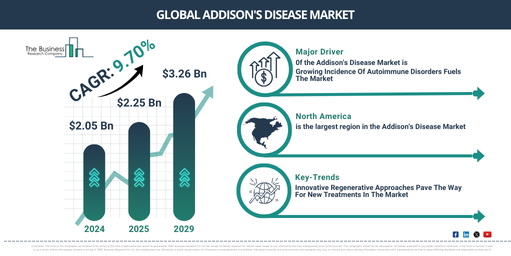
    The market for Addison’s disease has been expanding rapidly over the last few years. The economic value of this market is predicted to rise from $2.05 billion in 2024 to $2.25 billion in 2025, with a compound annual growth rate (CAGR) of 10.0%. This growth over the historic period is due to various factors including a global increase in Addison’s disease incidences, heightened awareness about adrenal insufficiency, an escalation in healthcare spending, the rising incidence of autoimmune diseases, and an aging population.

    Expectations are high for substantial expansion in the Addison’s disease market in the forthcoming years, with estimates predicting a surge to $3.26 billion by 2029, courtesy of a compound annual growth rate (CAGR) of 9.7%. Drivers of the projected growth within this period are attributed to the escalating demand for innovative therapies, a heightened emphasis on early detection, increasing instances of inherited adrenal hyperplasia, expansion of telehealth services, and a growing number of adrenal tuberculosis cases. Key trends within this forecast period encompass advancements in laboratory test procedures, progress in hormone replacement therapies, enhancements in imaging technologies, progress in creating long-acting injectables, and the incorporation of artificial intelligence in diagnostic instruments.

    Download a free sample to assess the report’s scope and structure:

    https://www.thebusinessresearchcompany.com/sample.aspx?id=21084&type=smp

    What Are the Primary Drivers Supporting the Market Growth of the Addison’s Disease Market?

    The escalating commonality of autoimmune diseases is anticipated to fuel the expansion of the Addison’s disease market in the future. These diseases are marked by the immune system’s erroneous attack on the body’s own healthy tissue, causing inflammation and damage. Genetic predispositions, environmental aspects such as pollution and changes in diet, and lifestyle factors such as stress and a sedentary existence, all contribute to this escalating commonality of autoimmune diseases. This increasing trend raises the chances of coinciding with Addison’s disease, since many patients also develop supplementary autoimmune conditions. For example, in November 2024, the Germany-based organization, Versorgungsatlas.de, stated that in 2022, out of 73,241,305 insured individuals, 6,304,340 were diagnosed with at least one autoimmune disease. This equates to a raw prevalence rate of 8.61%, which exceeds previous estimates ranging from 3% to 9%. Therefore, the escalating commonality of autoimmune diseases is a key driver behind the growth of the Addison’s disease market.

    Which Primary Segments of the Addison’s Disease Market Are Driving Growth and Industry Transformations?

    The addison’s disease market covered in this report is segmented –

    1) By Type: Primary Adrenal Insufficiency, Secondary Adrenal Insufficiency, Tertiary Adrenal Insufficiency

    2) By Drug Class: Oral Corticosteroid, Hydrocortisone, Fludrocortisone, Corticosteroid Injections

    3) By Diagnosis: Laboratory Testing, Imaging Testing

    4) By End-User: Hospitals And Clinics, Diagnostic Laboratories, Other End Users

    Subsegments:

    1) By Primary Adrenal Insufficiency: Autoimmune Addison’s Disease, Infectious Addison’s Disease, Other causes of primary adrenal insufficiency

    2) By Secondary Adrenal Insufficiency: Pituitary gland dysfunction, Hypothalamic dysfunction

    3) By Tertiary Adrenal Insufficiency: Hypothalamic or pituitary suppression due to long-term steroid use, Other causes of tertiary adrenal insufficiency

    Request customized data on this market:

    https://www.thebusinessresearchcompany.com/customise?id=21084&type=smp

    Which Regions Are Key Players in the Growth of the #What Are the Primary Drivers Supporting the Market Growth of the Addison’s Disease Market?# Market?

    North America was the largest region in the addison’s disease market in 2024. Asia-Pacific is expected to be the fastest-growing region in the forecast period. The regions covered in the addison’s disease market report are Asia-Pacific, Western Europe, Eastern Europe, North America, South America, Middle East, Africa.

    What Are the Most Significant Market Trends in the Addison’s Disease Market?

    Leading businesses in the Addison’s disease market are zeroing in on advancements such as regenerative therapies for better treatment alternatives, enhanced patient results, and possibly decrease the ongoing reliance on hormone replacement therapies by activating the body’s innate adrenal function. Regenerative treatments represent medical strategies intending to replace or regenerate human cells, tissues, or organs to reinstate regular functionality and encourage healing in instances of harm, ailment, or degeneration. To illustrate, in July 2024, Eton Pharmaceuticals, Inc., an American public pharmaceutical firm that concentrates on the development and commercialization of novel treatments for rare diseases, unveiled the FDA’s endorsement of its New Drug Application (NDA) for ET-400, a unique formulation of hydrocortisone oral solution. ET-400 is simpler to preserve and move compared to other formulations that may necessitate refrigeration. The liquid format caters to the requirements of young patients who might struggle with swallowing conventional tablets and enables accurate dosing.

    View the full report here:

    https://www.thebusinessresearchcompany.com/report/addisons-disease-global-market-report

    What Parameters Are Used to Define the Addison’s Disease Market?

    Addison’s disease is a rare disorder where the adrenal glands produce insufficient amounts of cortisol and aldosterone due to damage, caused by an autoimmune response. Symptoms include fatigue, muscle weakness, weight loss, low mood, and skin changes. Lifelong hormone replacement therapy is required to manage the condition and prevent severe complications such as adrenal crisis.

    Purchase the full report and get a swift delivery:

    https://www.thebusinessresearchcompany.com/purchaseoptions.aspx?id=21084

    About The Business Research Company:

    With over 15000+ reports from 27 industries covering 60+ geographies, The Business Research Company has built a reputation for offering comprehensive, data-rich research and insights. Armed with 1,500,000 datasets, the optimistic contribution of in-depth secondary research, and unique insights from industry leaders, you can get the information you need to stay ahead in the game.

    Get in touch with us:

    The Business Research Company: https://www.thebusinessresearchcompany.com/

    Americas +1 3156230293

    Asia +44 2071930708

    Europe +44 2071930708

    Email us at info@tbrc.info

    Follow us on:

    LinkedIn: https://in.linkedin.com/company/the-business-research-company

    YouTube: https://www.youtube.com/channel/UC24_fI0rV8cR5DxlCpgmyFQ

    Global Market Model: https://www.thebusinessresearchcompany.com/global-market-model

  • Key Developments and Trends Steering the Coccidioidomycosis Drug Market Forward: Advancements In Antifungal Therapies Through Research Investments

    Key Developments and Trends Steering the Coccidioidomycosis Drug Market Forward: Advancements In Antifungal Therapies Through Research Investments

    Our market reports now include the latest updates on global tariffs, trade impacts, and evolving supply chain dynamics.

    What Is the Estimated Market Size of the Coccidioidomycosis Drug Market In 2029?

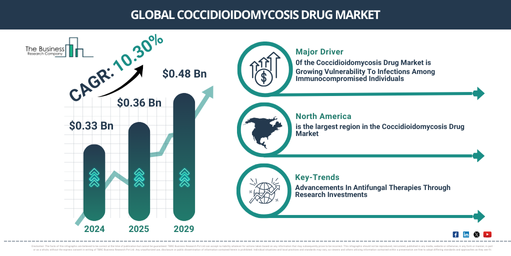
    In recent times, there has been substantial growth in the market size of coccidioidomycosis drugs. It is projected to grow from $0.33 billion in 2024 to $0.36 billion in 2025, at a compound annual growth rate (CAGR) of 8.4%. The growth witnessed in the historical period can be credited to the surge of valley fever cases, increased awareness about coccidioidomycosis, advancements in antifungal medications, development of healthcare infrastructure in areas where the disease is widespread, a rise in government funding for research on rare diseases, an increase in the immunocompromised patient demographic, and alliances between pharmaceutical firms and healthcare providers.

    The market for coccidioidomycosis medication is anticipated to experience swift expansion in the coming years, reaching a value of $0.48 billion in 2029 with a compound annual growth rate (CAGR) of 10.3%. This projected growth during the forecast period can be credited to factors such as increasing instances of valley fever, growing populations in regions where the disease is endemic, broader implementation of personalized medicine, a rise in severe coccidioidomycosis cases, enhancement in managing fungal resistance, increased healthcare spending in endemic areas, ongoing clinical studies for newer treatments, widening access to treatments in underserved regions, and heightened attention to the management of rare diseases. Notable trends for the forecast period include the progression in artificial intelligence applied to drug discovery, the application of machine learning to customize treatments, the creation of aimed antifungal therapies, the incorporation of genomic data into precision medicine, advancements in diagnostic instruments utilizing molecular biomarkers, the development of telemedicine for managing patients remotely, innovation in nanoparticle-based drug delivery systems, use of big data for the study and outcomes of treatment, advancements in real-time patient monitoring technologies, and the creation of virtual platforms for clinical trials.

    Download a free sample to assess the report’s scope and structure:

    https://www.thebusinessresearchcompany.com/sample.aspx?id=21153&type=smp

    How Are Key Drivers in the Industry Acting as Catalysts for the Growth of the Coccidioidomycosis Drug Market?

    The growth of the coccidioidomycosis drug market is expected to be driven by the escalating number of people with weakened immune systems, known as the immunocompromised population. These individuals, including those suffering from cancer, human immunodeficiency virus (HIV), or past transplant recipients, have a higher susceptibility to infections and illnesses. The growth in this population is attributed to various factors such as the rising prevalence of chronic diseases, increasing rates of organ transplants, extensive utilization of immunosuppressive therapies, and the heightened incidence of human immunodeficiency virus (HIV)/acquired immunodeficiency syndrome (AIDS). Coccidioidomycosis medications offer benefits to these immunocompromised patients by managing the fungal infection, reducing the harshness of the disease, and preventing severe complications like disseminated coccidioidomycosis that can be fatal due to their compromised immune system. For example, the Joint United Nations Programme on HIV/AIDS (UNAIDS), a Switzerland-based United Nations organization, reported in July 2024 that around 39.9 million people were living with HIV in 2023, an increase from 39.0 million in 2022. Consequently, the growing quantity of immunocompromised individuals is stimulating the expansion of the coccidioidomycosis drug market.

    Which Segments in the Coccidioidomycosis Drug Offer the Most Growth?

    The coccidioidomycosis drug market covered in this report is segmented –

    1) By Drug Type: Azoles, Echinocandins, Polyenes

    2) By Route Of Administration: Oral, Intravenous

    3) By Treatment Phase: Acute Phase, Chronic Phase, Prophylactic Treatment

    4) By Group Of Patients: Immunocompetent Patients, Immunocompromised Patients

    5) By End-User: Speciality Clinics, Hospitals, Homecare, Other End-Users

    Subsegments:

    1) By Azoles: Fluconazole, Itraconazole, Voriconazole, Posaconazole

    2) By Echinocandins: Caspofungin, Micafungin, Anidulafungin

    3) By Polyenes: Amphotericin B, Liposomal Amphotericin B

    Request customized data on this market:

    https://www.thebusinessresearchcompany.com/customise?id=21153&type=smp

    What Are the Fastest-Growing Geographies in the How Are Key Drivers in the Industry Acting as Catalysts for the Growth of the Coccidioidomycosis Drug Market? Market?

    North America was the largest region in the coccidioidomycosis drug market in 2024. Asia-Pacific is expected to be the fastest-growing region in the forecast period. The regions covered in the coccidioidomycosis drug market report are Asia-Pacific, Western Europe, Eastern Europe, North America, South America, Middle East, Africa.

    What Are the Current Market Growth and Trends in the Coccidioidomycosis Drug Industry?

    Leading enterprises within the coccidioidomycosis drug industry are tactically investing to progress in their development of enhanced antifungal treatments and boost efficacy. Such investments provide a platform for these corporations to run clinical trials, discovering new drug combinations and formulations that target drug-resistant fungi, bolstering the results for patients. For example, in February 2022, researchers from the University of California (UCLA), a renowned American public research university, initiated a platform specifically for studying the reasons behind the severe impacts of coccidioidomycosis (valley fever) in some people, while others remain unaffected. This collaborative venture involves researchers from both the University of California (UCLA) and the University of California San Diego (UCSD) and is backed by a grant from the National Institutes of Health (NIH). This grant assists four research endeavors looking into the innate and adaptive immune reactions to a cocci infection, the genomic impact on cocci diseases, and the role of fungal virulence factors.

    View the full report here:

    https://www.thebusinessresearchcompany.com/report/coccidioidomycosis-drug-global-market-report

    What Are the Key Elements That Define the Coccidioidomycosis Drug Market?

    Coccidioidomycosis drug is a medication designed to combat infections caused by Coccidioides species, the fungi responsible for valley fever. These drugs including azole antifungals and polyene antifungals, help control fungal growth and reduce symptoms. Depending on the severity of infection, treatment may be oral, intravenous, or long-term to prevent complications, especially in immunocompromised patients.

    Purchase the full report and get a swift delivery:

    https://www.thebusinessresearchcompany.com/purchaseoptions.aspx?id=21153

    About The Business Research Company:

    With over 15000+ reports from 27 industries covering 60+ geographies, The Business Research Company has built a reputation for offering comprehensive, data-rich research and insights. Armed with 1,500,000 datasets, the optimistic contribution of in-depth secondary research, and unique insights from industry leaders, you can get the information you need to stay ahead in the game.

    Get in touch with us:

    The Business Research Company: https://www.thebusinessresearchcompany.com/

    Americas +1 3156230293

    Asia +44 2071930708

    Europe +44 2071930708

    Email us at info@tbrc.info

    Follow us on:

    LinkedIn: https://in.linkedin.com/company/the-business-research-company

    YouTube: https://www.youtube.com/channel/UC24_fI0rV8cR5DxlCpgmyFQ

    Global Market Model: https://www.thebusinessresearchcompany.com/global-market-model

  • Sanfilippo Syndrome Outlook 2034: Key Drivers, Trends, and Market Frontiers

    Sanfilippo Syndrome Outlook 2034: Key Drivers, Trends, and Market Frontiers

    Get 30% off on our Global Market Reports with code ONLINE30 – Hurry, limited time offer!

    How Has The Sanfilippo Syndrome Market Growth Evolved From 2024 To 2025, And What’s Ahead?

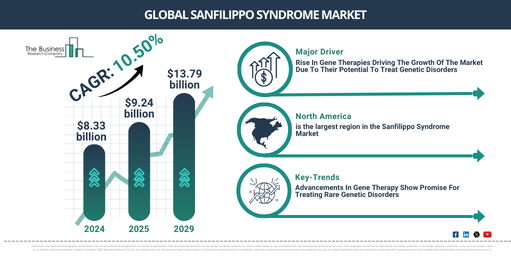
    In recent times, the market size of sanfilippo syndrome has experienced swift expansion. Its value will increase from $8.33 billion in 2024 to $9.24 billion in 2025, registering a compound annual growth rate (CAGR) of 10.8%. This surge during the historical period can be traced back to factors like enhanced understanding of uncommon genetic conditions, an increase in government support for research on rare diseases, the emergence of more patient advocacy groups and support bodies, an expansion in genetic screening initiatives and an increase in orphan drug designations for uncommon diseases.

    The market size for Sanfilippo Syndrome is expected to exhibit swift growth in the upcoming years, predicted to reach a value of $13.79 billion in 2029 with a compound annual growth rate (CAGR) of 10.5%. This projected growth during the forecast period can be ascribed to the development of personalized medicine geared towards Sanfilippo Syndrome, the increasing acceptance of gene therapy as a treatment approach, rising demand for targeted drug delivery mechanisms, an increased preference for stem cell therapies that demonstrate improved effectiveness, and the growing expansion of global newborn screening initiatives. Key trends expected to mark the forecast period encompass progress in gene therapy technologies, innovations in stem cell therapy, advancements in targeted drug delivery systems, improvements in strategies to penetrate the blood-brain barrier (bbb), and advancements in neuroprotective small molecules.

    Download a free sample to assess the report’s scope and structure:

    https://www.thebusinessresearchcompany.com/sample.aspx?id=23507&type=smp

    How Are Key Drivers in the Industry Acting as Catalysts for the Growth of the Sanfilippo Syndrome Market?

    The escalating attention on gene therapies is predicted to drive the expansion of the Sanfilippo syndrome market ahead. Gene therapies are medical interventions that alter or substitute defective genes to prevent or treat illnesses. The escalated focus on these therapies is due to their capability to tackle genetic disorders, rare ailments, and chronic conditions by addressing the root problem at the molecular level. These therapies are of immense help in treating Sanfilippo syndrome as they deliver functional gene copies required for restoring enzyme production, leading to a decrease in harmful cellular substance accumulation. For example, in January 2024, the American Society of Gene & Cell Therapy, a prominent US-based body for gene and cell therapy, reported a 10% hike in gene therapies in Phase III clinical trials in the last quarter. This was the initial quarterly growth of this type after the third quarter of 2022. Hence, the escalating attention on gene therapies is stimulating the growth of the Sanfilippo syndrome market.

    Which Segments in the Sanfilippo Syndrome Offer the Most Growth?

    The sanfilippo syndrome market covered in this report is segmented –

    1) By Treatment: Enzyme Replacement Therapy, Gene Therapy, Genistein, Other Treatments

    2) By Diagnosis: Glycosaminoglycan Analysis (GAG Analysis), Genomic Deoxyribonucleic Acid Sequencing (Genomic DNA Sequencing), Activity Assay, Other Diagnosis

    3) By End-User: Hospitals, Research Institutions

    Subsegments:

    1) By Enzyme Replacement Therapy: Intravenous Enzyme Replacement Therapy, Intrathecal Enzyme Replacement Therapy, Intracerebroventricular (ICV) Enzyme Replacement Therapy

    2) By Gene Therapy: Adeno-Associated Virus (AAV)-Based In Vivo Gene Therapy, Lentiviral Vector–Based Ex Vivo Gene Therapy, Non-Viral Vector Gene Delivery

    3) By Genistein: Oral Genistein Supplementation, High-Dose Genistein Regimens, Low-Dose Genistein Regimens

    4) By Other Treatments: Substrate Reduction Therapy (SRT), Stem Cell Therapy, Anti-Inflammatory Agents, Symptomatic Management Drugs

    Request customized data on this market:

    https://www.thebusinessresearchcompany.com/customise?id=23507&type=smp

    What Are the Fastest-Growing Geographies in the Sanfilippo Syndrome Market?

    North America was the largest region in the sanfilippo syndrome market in 2024. The regions covered in the sanfilippo syndrome market report are Asia-Pacific, Western Europe, Eastern Europe, North America, South America, Middle East, Africa.

    What Are the Current Market Growth and Trends in the Sanfilippo Syndrome Industry?

    Leading firms in the sanfilippo syndrome market are focusing their efforts on creating novel treatments such as gene therapies, which aim to enhance patient results and decelerate the progression of the disease. Gene therapy involves the utilization of genes to prevent, treat, or even cure illnesses through the correction or replacement of defective genes in the human body. An illustration of this was seen in February 2025, when Ultragenyx Pharmaceutical Inc., a biopharmaceutical corporation based in the United States, unveiled new research on UX111 (ABO-102), an AAV gene therapy for sanfilippo syndrome Type A (MPS IIIA). The therapy demonstrated significant enhancements in Bayley-III raw scores regarding cognition, receptive communication, and expressive communication. Moreover, it brought about a drastic and enduring decrease in cerebrospinal fluid (CSF) heparan sulfate (HS) levels, which was linked with improved clinical results.

    View the full report here:

    https://www.thebusinessresearchcompany.com/report/sanfilippo-syndrome-global-market-report

    What Are the Key Elements That Define the Sanfilippo Syndrome Market?

    Sanfilippo syndrome, also known as mucopolysaccharidosis type III (MPS III), is a rare genetic disorder caused by enzyme deficiencies that impair the body’s ability to break down heparan sulfate, a complex sugar. This leads to the accumulation of toxic substances in cells, primarily affecting the central nervous system. The disease is characterized by progressive neurodegeneration, developmental delays, behavioral issues, and a decline in motor and cognitive functions.

    Purchase the full report and get a swift delivery:

    https://www.thebusinessresearchcompany.com/purchaseoptions.aspx?id=23507

    About The Business Research Company:

    With over 15000+ reports from 27 industries covering 60+ geographies, The Business Research Company has built a reputation for offering comprehensive, data-rich research and insights. Armed with 1,500,000 datasets, the optimistic contribution of in-depth secondary research, and unique insights from industry leaders, you can get the information you need to stay ahead in the game.

    Get in touch with us:

    The Business Research Company: https://www.thebusinessresearchcompany.com/

    Americas +1 3156230293

    Asia +44 2071930708

    Europe +44 2071930708

    Email us at info@tbrc.info

    Follow us on:

    LinkedIn: https://in.linkedin.com/company/the-business-research-company

    YouTube: https://www.youtube.com/channel/UC24_fI0rV8cR5DxlCpgmyFQ

    Global Market Model: https://www.thebusinessresearchcompany.com/global-market-model