Blog

  • Critical Market Drivers Shaping the Outlook for Cardiac Ambulatory Monitoring Market from 2025-2034: Rising Cardiovascular Disease Drives Growth In Cardiac Ambulatory Monitoring

    Critical Market Drivers Shaping the Outlook for Cardiac Ambulatory Monitoring Market from 2025-2034: Rising Cardiovascular Disease Drives Growth In Cardiac Ambulatory Monitoring

    Stay ahead with our updated market reports featuring the latest on tariffs, trade flows, and supply chain transformations.

    What Are the Key Projections for the CAGR of the Cardiac Ambulatory Monitoring Market Size From 2025 to 2034?

    In recent times, the market size of cardiac ambulatory monitoring has experienced significant growth. Projected growth from $14.17 billion in 2024 to $14.97 billion in 2025, with a Compound Annual Growth Rate (CAGR) of 5.6%, is expected. The historical growth can be credited to factors such as the increased occurrence of cardiovascular disease, heightened awareness about cardiac health, the popularity of wearable technology, an increase in the elderly population, and the focus on outpatient and remote medical observation.

    The market for cardiac ambulatory monitoring is predicted to demonstrate robust growth in the upcoming years, expanding to a value of $18.60 billion in 2029 with a compound annual growth rate (CAGR) of 5.6%. Factors contributing to growth during the forecast period include the rise in personalized healthcare strategies, a growing embrace of mobile health apps, enhancements in telemedicine infrastructure, increased healthcare spending and government backing for preventive health initiatives. Notable trends for the forecast duration are artificial intelligence (AI) fueled predictive analytics, incorporation of cloud solutions, miniaturization of monitoring apparatus, real-time data assessment integration with wearable devices, and battery life progression for uninterrupted monitoring.

    Download a free sample to assess the report’s scope and structure:

    https://www.thebusinessresearchcompany.com/sample.aspx?id=20725&type=smp

    What Are the Core Growth Drivers Propelling the Cardiac Ambulatory Monitoring Market Forward?

    The cardiac ambulatory monitoring market growth is anticipated to be driven by the increasing occurrence of cardiovascular disease. Cardiovascular disease (CVD), a term encompassing a range of disorders that affect the heart and blood vessels like heart attacks, strokes, and heart failure, typically results from blockages in blood vessels or anomalies in heart functioning. The escalating incidence of CVD can be credited to unhealthy eating habits, sedentary lifestyle, smoking, stress, and an aging demographic. Further, conditions like obesity, diabetes, and hypertension are also leading to its increasing prevalence. The use of cardiac ambulatory monitoring, which facilitates continuous tracking of heart activity, provides an efficient method to detect anomalies in CVD patients at an early stage. It allows for better management of heart diseases through timely diagnosis and monitoring, without requiring continuous hospital visits. For example, the British Heart Foundation, a UK-based cardiovascular research charity, reported in September 2024 that approximately 7.6 million people in the UK, comprised of 4 million men and 3.6 million women, are currently living with heart and circulatory diseases. This number is expected to see an addition of 1 million by 2030, and 2 million more by 2040 compared to the current statistics. Consequently, the increasing occurrence of cardiovascular diseases is bolstering the cardiac ambulatory monitoring market’s growth.

    What Segment Types Define the Cardiac Ambulatory Monitoring Market Structure?

    The cardiac ambulatory monitoring market covered in this report is segmented –

    1) By Product: Electrocardiogram (ECG) Devices, Holter Monitors, Event Monitors, Implantable Loop Recorders, Mobile Cardiac Telemetry

    2) By Specialty: Single Specialty, Multi-Specialty

    3) By End-User: Hospitals, Ambulatory Surgical Centers, Specialty Clinics, Cardiac Care Centers, Home Care Setting

    Subsegments:

    1) By Electrocardiogram (ECG) Devices: Portable ECG Monitors, Wireless ECG Monitors, Smartphone-based ECG Devices

    2) By Holter Monitors: 24-hour Holter Monitors, 48-hour Holter Monitors, 72-hour Holter Monitors

    3) By Event Monitors: Wireless Event Monitors, Wearable Event Monitors

    4) By Implantable Loop Recorders: Standard Implantable Loop Recorders, Long-term Implantable Loop Recorders

    5) By Mobile Cardiac Telemetry: Continuous Mobile Telemetry Systems, Patch-based Mobile Telemetry Systems

    Request customized data on this market:

    https://www.thebusinessresearchcompany.com/customise?id=20725&type=smp

    Which Geographic Areas Hold the Strongest Growth Potential in the Cardiac Ambulatory Monitoring Market?

    North America was the largest region in the cardiac ambulatory monitoring market in 2024. The regions covered in the cardiac ambulatory monitoring market report are Asia-Pacific, Western Europe, Eastern Europe, North America, South America, Middle East, Africa.

    Which Emerging Trends that Are Influencing the Cardiac Ambulatory Monitoring Industry Evolution?

    Leading companies within the cardiac ambulatory monitoring market are directing their resources toward the creation of cutting-edge technologies. These include the integration of artificial intelligence (AI) and Bluetooth in electrocardiogram devices to increase patient monitoring efficiency and data precision. AI and Bluetooth incorporated electrocardiogram devices utilize AI algorithms to analyze heart data in real-time, sending this information to medical professionals via Bluetooth. For example, in September 2024, AliveCor Inc., a company based in the United States that offers remote cardiac care, introduced the KardiaMobile Card. This product provides users with a handy, transportable solution for real-time heart monitoring, specifically targeted at detecting arrhythmias and managing heart conditions from their wallets. This empowers patients by giving them easy access to real-time heart health data which aids in the early identification of cardiovascular problems, potentially lessening the financial impact of such diseases.

    View the full report here:

    https://www.thebusinessresearchcompany.com/report/cardiac-ambulatory-monitoring-global-market-report

    What Is the Definition of the Cardiac Ambulatory Monitoring Market?

    Cardiac ambulatory monitoring refers to the continuous recording and assessment of a patient’s heart activity while they go about their daily activities outside a clinical setting. This monitoring is often used to detect arrhythmias, evaluate the effectiveness of cardiac treatments, and assess overall heart health over an extended period.

    Purchase the full report and get a swift delivery:

    https://www.thebusinessresearchcompany.com/purchaseoptions.aspx?id=20725

    About The Business Research Company:

    With over 15000+ reports from 27 industries covering 60+ geographies, The Business Research Company has built a reputation for offering comprehensive, data-rich research and insights. Armed with 1,500,000 datasets, the optimistic contribution of in-depth secondary research, and unique insights from industry leaders, you can get the information you need to stay ahead in the game.

    Get in touch with us:

    The Business Research Company: https://www.thebusinessresearchcompany.com/

    Americas +1 3156230293

    Asia +44 2071930708

    Europe +44 2071930708

    Email us at info@tbrc.info

    Follow us on:

    LinkedIn: https://in.linkedin.com/company/the-business-research-company

    YouTube: https://www.youtube.com/channel/UC24_fI0rV8cR5DxlCpgmyFQ

    Global Market Model: https://www.thebusinessresearchcompany.com/global-market-model
  • Key Factors Fueling the Growth of the Capsule Endoscopy Market in 2025: Rising Gastrointestinal Illnesses And the Role Of Advanced Diagnostic Tools

    Key Factors Fueling the Growth of the Capsule Endoscopy Market in 2025: Rising Gastrointestinal Illnesses And the Role Of Advanced Diagnostic Tools

    Stay ahead with our updated market reports featuring the latest on tariffs, trade flows, and supply chain transformations.

    How Has The Capsule Endoscopy Market Growth Evolved From 2024 To 2025, And What’s Ahead?

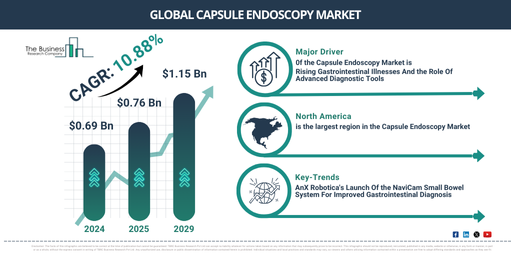
    The market for capsule endoscopy has seen significant expansion in the past few years. It is projected to rise from $0.69 billion in 2024 to $0.76 billion in 2025, showcasing a compound annual growth rate (CAGR) of 11.14%. Factors such as a rise in gastrointestinal disorders, preference for less invasive diagnostic techniques, an escalating elder populace, heightened awareness of gastrointestinal ailments, and greater healthcare consciousness are largely responsible for the growth seen during the historic period.

    The market size for capsule endoscopy is projected to experience swift expansion in the coming years. The prediction sees it escalating to $1.15 billion in 2029 at a compound annual growth rate (CAGR) of 10.88%. This potential growth within the forecast period is linked to the emergence of telemedicine and mobile health solutions, increased acceptance of minimally invasive medical technologies, a trending preference for outpatient procedures, the increasing necessity for early diagnosis, and a heightened demand for diagnostics that are comfortable for patients. Key trends for the forecast period encompass advancements in technology, innovative capsule designs, the development of less intrusive procedures, incorporation of artificial intelligence, and the creation of biodegradable capsules.

    Download a free sample to assess the report’s scope and structure:

    https://www.thebusinessresearchcompany.com/sample.aspx?id=20724&type=smp

    What are the Fundamental Drivers and Innovations Shaping the Capsule Endoscopy Market?

    The growing occurrence of gastrointestinal diseases is predicted to spur the expansion of the capsule endoscopy market in the coming years. Disorders impacting the digestive system, such as indigestion, inflammatory bowel disease (IBD), and gastrointestinal cancers, are included in gastrointestinal (GI) diseases. Factors like poor eating habits, stress, inactive lifestyles, overuse of antibiotics, an aging population, environmental pollutants, antibiotic resistance, and disturbances in the gut microbiome contribute to the rising occurrence of gastrointestinal diseases. Capsule endoscopy offers a non-invasive, comprehensive view of the gastrointestinal tract, promoting early detection and better management of illnesses like Crohn’s disease, ulcers, and gastrointestinal hemorrhage. For example, as per the IBD Registry, a non-profit organization based in the UK, the count of individuals suffering from Inflammatory Bowel Disease (IBD) exceeded 5,300 by December 2023, demonstrating an increase of over 3,000 members from the earlier year (2022). As a result, the escalating prevalence of gastrointestinal diseases is fueling the growth of the capsule endoscopy market.

    How Is the Capsule Endoscopy Market Segmented?

    The capsule endoscopy market covered in this report is segmented –

    1) By Product: Capsule Endoscopes, Systems

    2) By Application: Obscure Gastrointestinal Bleeding (OGIB), Crohns Disease, Small Intestine Tumor, Other Applications

    3) By End User: Hospitals, Diagnostic Laboratories, Specialty Clinics

    Subsegments:

    1) By Small Bowel Capsule Endoscopes: Small Bowel Capsule Endoscopes, Esophageal Capsule Endoscopes, Colon Capsule Endoscopes, Specialty Capsule Endoscopes

    2) By Systems: Workstations And Recorders, Software Platforms, Accessories

    Request customized data on this market:

    https://www.thebusinessresearchcompany.com/customise?id=20724&type=smp

    Which Regions Are Driving the Next Phase of the Capsule Endoscopy Market Growth?

    North America was the largest region in the capsule endoscopy market in 2024. The regions covered in the capsule endoscopy market report are Asia-Pacific, Western Europe, Eastern Europe, North America, South America, Middle East, Africa.

    What Key Trends Are Shaping the Future of the Capsule Endoscopy Market?

    Leading businesses in the capsule endoscopy market are concentrating their efforts on creating cutting-edge technologies, such as magnetically controlled capsule endoscopy procedures, to improve diagnostic precision, enhance patient comfort, and broaden the scope of uses for gastrointestinal imaging. Magnetically controlled capsule endoscopy methods are progressive diagnostic devices that utilize external magnetic fields to accurately guide a swallowable camera capsule through the gastrointestinal tract for unintrusive and thorough imaging. For example, in February 2023, AnX Robotica Corporation, an American equipment production company, introduced the NaviCam Small Bowel System, aimed at improving the visualization of the small bowel, which is critical in diagnosing a host of gastrointestinal conditions. This revolutionary system boasts a magnetically steered capsule equipped with high-definition imaging capabilities, which allow for real-time navigation and imaging of the small bowel. The system also employs AI-based analytics to quickly and accurately identify anomalies, thus simplifying the diagnostic procedure. With its non-invasive technique and state-of-the-art technology, the NaviCam Small Bowel System lays down a new standard for efficiency and efficacy in the sphere of gastrointestinal healthcare.

    View the full report here:

    https://www.thebusinessresearchcompany.com/report/capsule-endoscopy-global-market-report

    How Is the Capsule Endoscopy Market Defined and What Are Its Core Parameters?

    Capsule endoscopy refers to a minimally invasive diagnostic procedure where a small, pill-sized camera is swallowed to capture images of the gastrointestinal (GI) tract. It is used to detect conditions such as bleeding, ulcers, and inflammatory bowel diseases, providing detailed visuals of areas that are difficult to access with traditional endoscopy.

    Purchase the full report and get a swift delivery:

    https://www.thebusinessresearchcompany.com/purchaseoptions.aspx?id=20724

    About The Business Research Company:

    With over 15000+ reports from 27 industries covering 60+ geographies, The Business Research Company has built a reputation for offering comprehensive, data-rich research and insights. Armed with 1,500,000 datasets, the optimistic contribution of in-depth secondary research, and unique insights from industry leaders, you can get the information you need to stay ahead in the game.

    Get in touch with us:

    The Business Research Company: https://www.thebusinessresearchcompany.com/

    Americas +1 3156230293

    Asia +44 2071930708

    Europe +44 2071930708

    Email us at info@tbrc.info

    Follow us on:

    LinkedIn: https://in.linkedin.com/company/the-business-research-company

    YouTube: https://www.youtube.com/channel/UC24_fI0rV8cR5DxlCpgmyFQ

    Global Market Model: https://www.thebusinessresearchcompany.com/global-market-model
  • Key Developments and Trends Steering the Cancer CDK Inhibitors Market Forward: Strategic Partnerships Accelerating Innovation In The Market

    Key Developments and Trends Steering the Cancer CDK Inhibitors Market Forward: Strategic Partnerships Accelerating Innovation In The Market

    Stay ahead with our updated market reports featuring the latest on tariffs, trade flows, and supply chain transformations.

    What Is the Current and Projected Market Size of the Cancer CDK Inhibitors Market Through 2034?

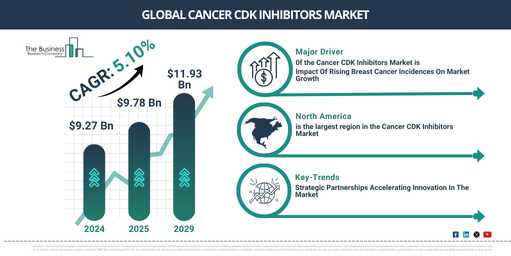
    The market size of cancer CDK inhibitors has seen substantial growth in the past. The market which will be worth $9.27 billion in 2024 is projected to rise to $9.78 billion in 2025 with a compound annual growth rate (CAGR) of 5.5%. Various factors such as the growing cases of cancer, increased funding in research and development, growing awareness of personalized medicine, development in healthcare infrastructure and a rise in awareness and need for innovative cancer treatments can be seen as contributing factors to this growth.

    The market size for cancer CDK inhibitors is anticipated to experience robust growth in the upcoming years, anticipated to rise to $11.93 billion in 2029 with a Compound Annual Growth Rate (CAGR) of 5.1%. The growth forecasted for this period is due to several factors such as increase in demand for innovative drugs, heightened awareness of specific cancer treatments, rise in mortality and morbidity rates, and a higher usage of cancer drug mixtures. The predicted trends for this period include progress in genetics and molecular biology, the creation of companion diagnostics, the use of digital health and remote tracking in oncology, the application of telemedicine in cancer treatment, and advances in drug delivery systems.

    Download a free sample to assess the report’s scope and structure:

    https://www.thebusinessresearchcompany.com/sample.aspx?id=20722&type=smp

    How Are Key Drivers in the Industry Acting as Catalysts for the Growth of the Cancer CDK Inhibitors Market?

    Breast cancer’s escalating prevalence is anticipated to stimulate the cancer CDK inhibitors market’s advancement in the near future. Breast cancer is characterized by unregulated growth of anomalous cells in the breast tissue, which often results in a lump or tumor that could potentially metastasize to other areas of the body without timely treatment. A boost in breast cancer instances can be linked to aging, lifestyle modifications, genetic predispositions, and improved screening. Cancer CDK inhibitors halt the unmanaged proliferation of tumor cells and boost the efficacy of other breast cancer interventions. As cited by the American Cancer Society Facts and Figures, a professional organization based in the United States, the prediction for new cases of breast cancer in the United States is projected to increase from 300,590 in 2023 to 313,510 in 2024. As such, the soaring rates of breast cancer are fueling the expansion of the cancer CDK inhibitors market.

    Which Segments in the Cancer CDK Inhibitors Offer the Most Growth?

    The cancer CDK inhibitors market covered in this report is segmented –

    1) By Drug Type: Selective CDK Inhibitors, Non-Selective CDK Inhibitors

    2) By Cancer Type: Breast Cancer, Lung Cancer, Prostate Cancer, Colorectal Cancer, Other Cancer Types

    3) By Application: Hospital Pharmacies, Retail Pharmacies, Online Pharmacies

    Subsegments:

    1) By Selective CDK Inhibitors: CDK4/6 Inhibitors, CDK7 Inhibitors, CDK9 Inhibitors

    2) By Non-Selective CDK Inhibitors: CDK1 Inhibitors, CDK2 Inhibitors, CDK5 Inhibitors

    Request customized data on this market:

    https://www.thebusinessresearchcompany.com/customise?id=20722&type=smp

    What Are the Fastest-Growing Geographies in the Cancer CDK Inhibitors Market?

    North America was the largest region in the cancer CDK inhibitors market in 2024. Asia-Pacific is expected to be the fastest-growing region in the forecast period. The regions covered in the cancer CDK inhibitors market report are Asia-Pacific, Western Europe, Eastern Europe, North America, South America, Middle East, Africa.

    What Are the Current Market Growth and Trends in the Cancer CDK Inhibitors Industry?

    Leading corporations in the cancer CDK inhibitors market employ strategic collaborations to advance the development of innovative CDK2 Inhibitors. These partnerships not only propel R&D and innovation in the Cancer CDK inhibitors market but also foster commercialization through the pooling of resources and know-how, market expansion, and facilitating access to fresh patient demographics. These alliances prove crucial in expediting the process of rolling out new therapies to the market by capitalizing on the varied strengths of diverse organizations. For example, BeiGene Ltd., a biotechnology firm from the USA, forged a partnership with Ensem Therapeutics Inc., another US-based biotech company, in November 2023. Through this collaboration, BeiGene and Ensem Therapeutics are pooling their strengths to create a novel CDK2 inhibitor for tackling cancer. The partnership merges BeiGene’s specialization with the Kinetic Ensemble platform of Ensem, facilitating accelerated progress towards ground-breaking cancer treatments.

    View the full report here:

    https://www.thebusinessresearchcompany.com/report/cancer-cdk-inhibitors-global-market-report

    What Are the Key Elements That Define the Cancer CDK Inhibitors Market?

    Cancer CDK inhibitors are a class of drugs that target cyclin-dependent kinases (CDKs), which are enzymes involved in regulating the cell cycle. CDKs play a crucial role in controlling the progression of cells through different stages of division and growth. In cancer, these enzymes are often overactive, leading to uncontrolled cell division and tumor growth. Cancer CDK inhibitors aim to halt the proliferation of cancer cells, slowing or stopping the growth of tumors.

    Purchase the full report and get a swift delivery:

    https://www.thebusinessresearchcompany.com/purchaseoptions.aspx?id=20722

    About The Business Research Company:

    With over 15000+ reports from 27 industries covering 60+ geographies, The Business Research Company has built a reputation for offering comprehensive, data-rich research and insights. Armed with 1,500,000 datasets, the optimistic contribution of in-depth secondary research, and unique insights from industry leaders, you can get the information you need to stay ahead in the game.

    Get in touch with us:

    The Business Research Company: https://www.thebusinessresearchcompany.com/

    Americas +1 3156230293

    Asia +44 2071930708

    Europe +44 2071930708

    Email us at info@tbrc.info

    Follow us on:

    LinkedIn: https://in.linkedin.com/company/the-business-research-company

    YouTube: https://www.youtube.com/channel/UC24_fI0rV8cR5DxlCpgmyFQ

    Global Market Model: https://www.thebusinessresearchcompany.com/global-market-model
  • Market Trends Influencing Strategic Decisions in the Bioreactors Industry: Advancements In Bioreactor Technology Enable Seamless Scalability For Efficient Biomanufacturing

    Market Trends Influencing Strategic Decisions in the Bioreactors Industry: Advancements In Bioreactor Technology Enable Seamless Scalability For Efficient Biomanufacturing

    Stay ahead with our updated market reports featuring the latest on tariffs, trade flows, and supply chain transformations.

    What is the Anticipated CAGR of the Bioreactors Market, and What Factors Will Drive It?

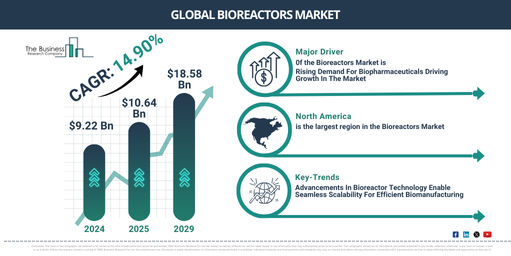
    The market for bioreactors has experienced a swift expansion in past years. It is projected to escalate from $9.22 billion in 2024 to $10.64 billion in 2025 with a Compound Annual Growth Rate (CAGR) of 15.2%. Factors contributing to the historical period growth include an upsurge in demand for biopharmaceuticals, advancement in cell and gene therapy research, increased attention towards personalized medicine, and the adoption of single-use bioreactor technology and robust manufacturing processes.

    Expectations point towards the bioreactors market experiencing significant expansion in the subsequent years. A projected value of $18.58 billion by 2029 is anticipated due to a compound annual growth rate (CAGR) of 14.9%. Factors that contribute to this increase over the predicted period include escalated investment in biotechnology research, higher incidences of chronic diseases, increased need for vaccines and therapeutic proteins, a spike in regulatory endorsement for biomanufacturing, and a rise in advanced therapy utilisation. The forecast period will also witness several trends, including improvements in biotechnology, enhancements in automation and control systems, progress in bioprocess development, breakthroughs in manufacturing efficiency, and the rising need for scalable production solutions.

    Download a free sample to assess the report’s scope and structure:

    https://www.thebusinessresearchcompany.com/sample.aspx?id=20721&type=smp

    What Are the Major Market Drivers Behind the Rising Adoption of Bioreactors Market?

    The surge in biopharmaceuticals demand is anticipated to drive the expansion of the bioreactors market. Biopharmaceuticals, medical products originating from biological sources like proteins, cells, and living organisms, are used for preventing, treating, or managing different diseases. Their increasing demand is driven by developments in medical research, individualized medicine, and the need for revolutionary treatments, all of which contribute to better health outcomes globally. Bioreactors play a crucial role in biopharmaceuticals by facilitating efficient and scalable production of therapeutic products. They ensure the uniform quality of these products, reduce the cost of production, and aid the creation of novel, life-enhancing medications. For example, as reported by the Pharmaceutical Research and Manufacturers of America, a US-based trade organization, in May 2024, the U.S. biopharmaceutical industry surpassed $1.65 trillion in total output in 2022. This included $800 billion from direct production and another $800 billion via suppliers and other sectors, representing 3.6% of the U.S. economy. Hence, the escalating demand for biopharmaceuticals fuels the growth of the bioreactors market.

    Which Key Market Segments Comprise the Bioreactors Market and Drive Its Revenue Growth?

    The bioreactors market covered in this report is segmented –

    1) By Type Of Bioprocess: Batch And Fed-Batch, Continuous

    2) By Cell: Mammalian Cells, Bacterial Cells, Yeast Cells, Other Cells

    3) By Control: Manual, Automated

    4) By Usage: Lab Scale Production, Pilot Scale Production, Full Scale Production

    5) By End-Use: Research And Development (R&D) Organizations, Biopharmaceutical (Biopharma) Manufacturers, Contract Manufacturing Organizations (CMOS)

    Subsegments:

    1) By Batch And Fed-Batch: Traditional Batch Bioreactors, Fed-Batch Bioreactors

    2) By Continuous: Perfusion Bioreactors, Continuous Stirred Tank Bioreactors (CSTR)

    Request customized data on this market:

    https://www.thebusinessresearchcompany.com/customise?id=20721&type=smp

    Which Areas Are Leading Regions in the Bioreactors Market Expansion Across the Globe?

    North America was the largest region in the bioreactors market in 2024. Asia-Pacific is expected to be the fastest-growing region in the forecast period. The regions covered in the bioreactors market report are Asia-Pacific, Western Europe, Eastern Europe, North America, South America, Middle East, Africa.

    What Are the Strategic Trends Steering the Bioreactors Market Direction?

    Leading firms in the bioreactors market are focusing their efforts on creating innovative products like fixed-bed bioreactors to facilitate the growth of more sophisticated biological cultures. The fixed-bed bioreactor is a unique kind where biological entities are fixed to a solid base, usually consisting of porous materials like beads, fibers or granules. This structure boosts mass transfer, reduces shear stress and gives superior control over biological processes. For example, in October 2024, the Belgium-based biotechnology firm Univercells Technologies unveiled the Scale-X Nexo bioreactor. This state-of-the-art bioreactor, with a 0.5 m² growth surface, is specially formulated to enhance cell culture process development and presents substantial advantages for biopharmaceutical firms and research entities. The Scale-X Nexo provides easy scalability to bigger models, decreases the consumption of media and reagents, and can cut down operating expenses by as much as 60% in comparison to conventional entry-level bioreactors. Moreover, it incorporates the Skaia Vision application software that enhances productivity by offering accurate cell count predictions without necessitating direct sampling.

    View the full report here:

    https://www.thebusinessresearchcompany.com/report/bioreactors-global-market-report

    How Is the Bioreactors Market Conceptually Defined?

    A bioreactor is a controlled system designed to support biological processes by providing a suitable environment for cells, microorganisms, or enzymes to grow and function. It maintains optimal conditions such as temperature, pH, oxygen, and nutrient supply to facilitate desired biochemical reactions. Bioreactors are widely used in pharmaceuticals, food production, and wastewater treatment.

    Purchase the full report and get a swift delivery:

    https://www.thebusinessresearchcompany.com/purchaseoptions.aspx?id=20721

    About The Business Research Company:

    With over 15000+ reports from 27 industries covering 60+ geographies, The Business Research Company has built a reputation for offering comprehensive, data-rich research and insights. Armed with 1,500,000 datasets, the optimistic contribution of in-depth secondary research, and unique insights from industry leaders, you can get the information you need to stay ahead in the game.

    Get in touch with us:

    The Business Research Company: https://www.thebusinessresearchcompany.com/

    Americas +1 3156230293

    Asia +44 2071930708

    Europe +44 2071930708

    Email us at info@tbrc.info

    Follow us on:

    LinkedIn: https://in.linkedin.com/company/the-business-research-company

    YouTube: https://www.youtube.com/channel/UC24_fI0rV8cR5DxlCpgmyFQ

    Global Market Model: https://www.thebusinessresearchcompany.com/global-market-model
  • Top Trends Driving Innovation and Change in the Biometric As A Service In Healthcare Market: Facial Recognition Solutions Enhancing Patient Identification In Healthcare

    Top Trends Driving Innovation and Change in the Biometric As A Service In Healthcare Market: Facial Recognition Solutions Enhancing Patient Identification In Healthcare

    Stay ahead with our updated market reports featuring the latest on tariffs, trade flows, and supply chain transformations.

    What Are the Key Milestones in the Biometric As A Service In Healthcare Market’s Growth Trajectory From 2025 To 2034?

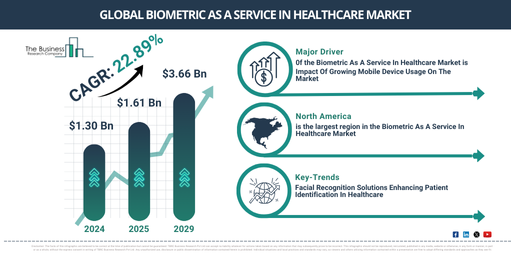
    The growth of the biometrics as a service in healthcare market has seen a rapid increase in recent years. The market, which is expected to expand from $1.30 billion in 2024 to $1.61 billion in 2025, holds a compound annual growth rate (CAGR) of 23.26%. Factors such as the increasing need for secure patient data management, burgeoning investments in healthcare infrastructure, growing use of wearable biometric devices for health monitoring, expansion of digital health solutions as well as mobile health apps, and a rising inclination for personalized healthcare experiences have all contributed to its growth during the historic period.

    The market size for biometric services in healthcare is predicted to witness a substantial increase in the coming years, hitting $3.66 billion in 2029 at a CAGR of 22.89%. This projected growth in the forecast period is due to factors like the digital transformation wave in healthcare, increased usage of wearable technologies, high rate of identity theft, an upsurge in chronic disease prevalence, and efforts made to prevent prescription fraud. Significant trends for the forecast period comprise the implementation of artificial intelligence (AI) in biometric systems, advanced iris scanning technology, the combination of blockchain for biometric verification, innovative biometric cloud solutions, and the introduction of touchless biometric solutions for healthcare.

    Download a free sample to assess the report’s scope and structure:

    https://www.thebusinessresearchcompany.com/sample.aspx?id=20720&type=smp

    What External and Internal Drivers Are Contributing to the Growth of the Biometric As A Service In Healthcare Market?

    The growth of biometric as a service in the healthcare sector is anticipated to be fueled by the increasing utilization of mobile gadgets. Mobile devices, which include smartphones, tablets, and smartwatches, are meant for wireless communication, internet browsing, and a variety of applications. The escalating use of these devices is linked to advancements in wireless technology, cost-effective smartphones, improved internet connectivity, and the emergence of healthcare apps on mobile platforms. Mobile devices bolster the Biometric as a Service (BaaS) in healthcare, augmenting mobile devices by providing secure, instantaneous access to sensitive health information and patient records via advanced biometric verification, ensuring both comfort and adherence to healthcare regulations. For example, Ericsson, a telecommunications firm based in Sweden, stated in its Mobility Report that the number of worldwide smartphone subscriptions in 2023 was 6,930 million units, and it increased to 7,160 million units in 2024. Consequently, the growing use of mobile devices is pushing the expansion of biometric as a service in the healthcare market.

    What Segment Types Define the Biometric As A Service In Healthcare Market Structure?

    The biometric as a service in healthcare market covered in this report is segmented –

    1) By Modility: Unimodal, Multimodal

    2) By Component: Software, Services

    3) By Scanner Type: Fingerprint Recognition, Iris Recognition, Palm Recognition, Facial Recognition, Voice Recognition, Other Scanner Types

    4) By Application: Pharmacy Dispensing, Care Provider Authentication, Medical Record Security And Data Centre Security, Patient Identification And Tracking, Home Or Remote Patient Access, Narcotic Security, Counter Insurance Frauds, Other Applications

    5) By End Use: Hospitals, Long Term Care Centers, Ambulatory Surgical Centers, Other End-Users

    Subsegments:

    1) By Unimodal: Fingerprint Recognition, Facial Recognition, Iris Recognition, Voice Recognition, Hand Geometry Recognition

    2) By Multimodal: Fingerprint And Facial Recognition, Fingerprint And Iris Recognition, Facial And Voice Recognition, Multi-Factor Biometric Systems

    Request customized data on this market:

    https://www.thebusinessresearchcompany.com/customise?id=20720&type=smp

    Which Geographic Areas Hold the Strongest Growth Potential in the Biometric As A Service In Healthcare Market?

    North America was the largest region in the biometric as a service in healthcare market in 2024. Asia-Pacific is expected to be the fastest-growing region in the forecast period. The regions covered in the biometric as a service in healthcare market report are Asia-Pacific, Western Europe, Eastern Europe, North America, South America, Middle East, Africa.

    What Long-Term Trends Are Transforming the Competitive Landscape of the Biometric As A Service In Healthcare Market?

    Companies leading in the biometric services for healthcare are prioritizing the integration of creative solutions such as facial recognition technologies. These strategies increase patient identification accuracy, tighten access management, and upgrade security in medical facilities. Facial recognition software, which identifies or confirms a person’s identity by analyzing and comparing facial characteristics from photos or video clips, is frequently used for security, authentication, or surveillance purposes. As an example, in February 2024, Imprivata Inc., an American software firm, developed the innovative Imprivata Biometric Patient Identity solution using facial recognition. This system harnesses advanced biometric tech, including facial and fingerprint identification, to guarantee precise patient identity confirmation in various care environments. It effectively integrates with current Electronic Health Records (EHR) systems, providing real-time verification while strictly adhering to healthcare privacy laws such as HIPAA.

    View the full report here:

    https://www.thebusinessresearchcompany.com/report/biometric-as-a-service-in-healthcare-global-market-report

    What Is the Definition of the Biometric As A Service In Healthcare Market?

    Biometric as a Service (BaaS) in healthcare refers to the delivery of biometric authentication and monitoring services via the cloud, enabling healthcare providers to access, store, and analyze patient biometric data securely. It is used for patient identification, remote monitoring, and access control, enhancing security and improving patient care by enabling accurate, real-time health data collection, such as heart rate, blood pressure, and other vital signs, while ensuring compliance with healthcare regulations like HIPAA.

    Purchase the full report and get a swift delivery:

    https://www.thebusinessresearchcompany.com/purchaseoptions.aspx?id=20720

    About The Business Research Company:

    With over 15000+ reports from 27 industries covering 60+ geographies, The Business Research Company has built a reputation for offering comprehensive, data-rich research and insights. Armed with 1,500,000 datasets, the optimistic contribution of in-depth secondary research, and unique insights from industry leaders, you can get the information you need to stay ahead in the game.

    Get in touch with us:

    The Business Research Company: https://www.thebusinessresearchcompany.com/

    Americas +1 3156230293

    Asia +44 2071930708

    Europe +44 2071930708

    Email us at info@tbrc.info

    Follow us on:

    LinkedIn: https://in.linkedin.com/company/the-business-research-company

    YouTube: https://www.youtube.com/channel/UC24_fI0rV8cR5DxlCpgmyFQ

    Global Market Model: https://www.thebusinessresearchcompany.com/global-market-model
  • Emerging Trends Redefining the B-Cell Maturation Antigen (BCMA) Targeted Therapies Market Landscape: Shaping The Future Of Cancer Care Electroplax’s Clinical Advancements

    Emerging Trends Redefining the B-Cell Maturation Antigen (BCMA) Targeted Therapies Market Landscape: Shaping The Future Of Cancer Care Electroplax’s Clinical Advancements

    Stay ahead with our updated market reports featuring the latest on tariffs, trade flows, and supply chain transformations.

    How Has The BCL-2 Inhibitors Market Size Shifted, And What Is the Outlook Through 2034?

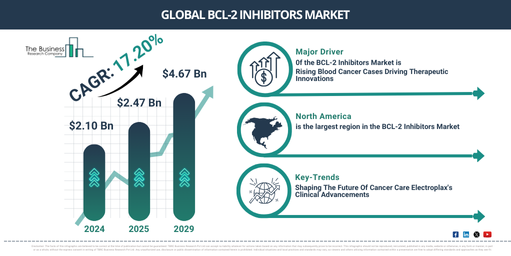
    The market for BCL-2 inhibitors has shown swift expansion over the recent past. With an increase from $2.10 billion in 2024 to $2.47 billion in 2025, the yearly growth rate is at a substantial 17.6%. The market’s development during the historic period is tied to efforts to mitigate side effects of chemotherapy, a rising incidence rate of chronic illnesses, improved healthcare accessibility in emerging markets, the advent of dual-targeted treatments, the surge in custom-made treatments for cancer, and heightened focus on maintenance therapies.

    A significant increase in the market size of BCL-2 inhibitors is anticipated in the coming years, with a projection to reach $4.67 billion by 2029, growing at a compound annual growth rate (CAGR) of 17.2%. Factors contributing to this growth in the projected timeframe include the escalated uptake of immuno-oncology therapies, a heightened emphasis on combination therapies, and an escalation in healthcare infrastructure in evolving regions. Emerging trends during this period are expected to encompass resistance-targeting strategies, expanding global penetration of Veneto lax, breakthroughs in precision oncology, innovations in drug delivery systems, and strategic alliances amongst pharmaceutical corporations.

    Download a free sample to assess the report’s scope and structure:

    https://www.thebusinessresearchcompany.com/sample.aspx?id=20719&type=smp

    What Are the Core Market Drivers Propelling Growth in the BCL-2 Inhibitors Industry?

    The escalating incidence of blood cancers is anticipated to boost the expansion of the BCL-2 inhibitors market in the future. Blood malignancies, affecting the blood, bone marrow, or lymphatic system, interfere with the regular production and function of blood cells. The growing incidence of these blood cancers can be attributed to an aging demographic, enhanced diagnostic methods and changes in lifestyle, resulting in increased detection rates around the world. BCL-2 inhibitors play a crucial role in fighting blood cancers by re-establishing apoptosis in cancer cells and enhancing the results of treatments for conditions like leukemia and lymphoma. To illustrate, as revealed by Blood Cancer UK in August 2022, a community in the UK committed to defeating all forms of blood cancer, blood cancer is currently the fifth most recurrent cancer in the UK. Each year brings over 41,000 new diagnoses, with approximately 250,000 people managing the condition. Therefore, the escalating incidence of blood cancers is fuelling the expansion of the Bcl-2 inhibitors market.

    How Is the BCL-2 Inhibitors Market Segmented?

    The BCL-2 inhibitors market covered in this report is segmented –

    1) By Product: Combination Therapy, Monotherapy

    2) By Distribution Channel: Hospital Pharmacies, Retail Pharmacies, Online Pharmacies, Other Distribution Channels

    3) By Application: Chronic Lymphocytic Leukemia, Acute Myeloid Leukemia, Multiple Myeloma, Other Applications

    4) By End-User: Hospitals, Ambulatory Surgical Centers, Pharmacies

    Subsegments:

    1) By Combination Therapy: BCL-2 Inhibitor + Chemotherapy, BCL-2 Inhibitor + Targeted Therapy, BCL-2 Inhibitor + Immunotherapy, BCL-2 Inhibitor + Other Drug Combinations

    2) By Monotherapy: Single-Agent BCL-2 Inhibitor (Venetoclax)

    Request customized data on this market:

    https://www.thebusinessresearchcompany.com/customise?id=20719&type=smp

    Which Regions Are Driving the Next Phase of the BCL-2 Inhibitors Market Growth?

    North America was the largest region in the BCL-2 inhibitors market in 2024. Asia-Pacific is expected to be the fastest-growing region in the forecast period. The regions covered in the BCL-2 inhibitors market report are Asia-Pacific, Western Europe, Eastern Europe, North America, South America, Middle East, Africa.

    What Key Market Trends and Innovations Are Shaping the Future of the BCL-2 Inhibitors Industry?

    Prominent entities in the BCL-2 inhibitors market are driving advancements through the development of innovative offerings like selective BCL-2 inhibitors. These inhibitors are specialized drugs that exclusively target and restrain the B-cell lymphoma 2 (BCL-2) protein, a regulator of cell survival that averts apoptosis (cell death). As an example, in May 2024, Eilean Therapeutics LLC, an American company specialized in small molecule oncology drug discovery, initiated a clinical trial for eiletoclax. This selective BCL2 inhibitor is intended to address hematological malignancies like acute myeloid leukemia (AML) and chronic lymphocytic leukemia (CLL). Backed by the Australian Human Research Ethics Committee, this Phase 1 clinical initiative seeks to assess the safety and efficacy of eiletoclax. Preliminary studies indicate a more favorable safety profile for it compared to existing treatments such as venetoclax, with reduced impact on non-cancerous immune cells. This could potentially facilitate outpatient care and enhance patient tolerability.

    View the full report here:

    https://www.thebusinessresearchcompany.com/report/bcl-2-inhibitors-global-market-report

    How Is the BCL-2 Inhibitors Market Defined and What Are Its Core Parameters?

    BCL-2 inhibitors are drugs that block the BCL-2 protein, which helps cancer cells avoid apoptosis or programmed cell death. These drugs promote cancer cell death, particularly in cancers such as leukemia and lymphoma, where BCL-2 is overexpressed.

    Purchase the full report and get a swift delivery:

    https://www.thebusinessresearchcompany.com/purchaseoptions.aspx?id=20719

    About The Business Research Company:

    With over 15000+ reports from 27 industries covering 60+ geographies, The Business Research Company has built a reputation for offering comprehensive, data-rich research and insights. Armed with 1,500,000 datasets, the optimistic contribution of in-depth secondary research, and unique insights from industry leaders, you can get the information you need to stay ahead in the game.

    Get in touch with us:

    The Business Research Company: https://www.thebusinessresearchcompany.com/

    Americas +1 3156230293

    Asia +44 2071930708

    Europe +44 2071930708

    Email us at info@tbrc.info

    Follow us on:

    LinkedIn: https://in.linkedin.com/company/the-business-research-company

    YouTube: https://www.youtube.com/channel/UC24_fI0rV8cR5DxlCpgmyFQ

    Global Market Model: https://www.thebusinessresearchcompany.com/global-market-model
  • B-Cell Maturation Antigen (BCMA) Targeted Therapies Market 2025-2034: Key Highlights, Growth Dynamics, and Emerging Trends

    B-Cell Maturation Antigen (BCMA) Targeted Therapies Market 2025-2034: Key Highlights, Growth Dynamics, and Emerging Trends

    Stay ahead with our updated market reports featuring the latest on tariffs, trade flows, and supply chain transformations.

    How Has the B-Cell Maturation Antigen (BCMA) Targeted Therapies Market Growth Performance Trended Historically, And What Lies Ahead?

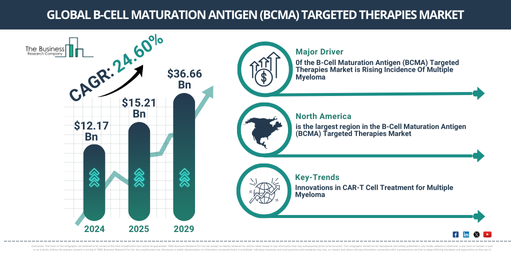
    The market size for therapies targeting the B-cell maturation antigen (BCMA) has seen exponential growth in recent times. The financial projection indicates a rise from $12.17 billion in 2024 to $15.21 billion in 2025, with a compound annual growth rate (CAGR) of 25.0%. The historic growth stems from increased attention to hematologic malignancies, significant boosts in oncology research investments, a growing need for personalized medicine, the heightened usage of CAR-T cell therapies, and an increase in healthcare spending.

    The market size for therapies targeting the B-cell maturation antigen (BCMA) is set to experience tremendous growth in the coming years, rising to $36.66 billion in 2029, with a compound annual growth rate (CAGR) of 24.6%. The projected growth in this period can be linked to the increasing emphasis on cancer research, the shift towards identifying specific molecular markers, the prevalence of various cancers, the upsurge in biotech funding, and the growing application of cell and gene therapies. Foreseen trends for the forecast period encompass innovation like CRISPR technology, improvements in gene-editing technologies, growth in next-generation car-t cell therapies, progress in targeted antibody-drug conjugates, and the evolution of ready-made treatments.

    Download a free sample to assess the report’s scope and structure:

    https://www.thebusinessresearchcompany.com/sample.aspx?id=20718&type=smp

    Which Primay Drivers Are Accelerating Growth in the B-Cell Maturation Antigen (BCMA) Targeted Therapies Market?

    The surge in multiple myeloma incidents is predicted to stimulate the progress of the b-cell maturation antigen (BCMA) targeted therapies market in the future. Multiple myeloma is a cancer type that mainly affects plasma cells, which play a vital role in the immune system by producing antibodies. The escalation in multiple myeloma cases can be linked to several elements, including a globally aging population, advanced diagnostic means, and dissimilarities in healthcare access. BCMA targeted therapies play a pivotal role in managing multiple myeloma by pinpointing and obliterating harmful plasma cells that express BCMA, offering a brighter possibility for enhanced and specific treatment. For instance, as per the American Cancer Society, a professional organization based in the US, around 35,780 new multiple myeloma cases were reported in 2024, split into 19,520 cases in men and 16,260 cases in women. Furthermore, about 12,540 deaths are expected, consisting of 7,020 in men and 5,520 in women. Consequently, the escalating incidence of multiple myeloma is accelerating the growth of the b-cell maturation antigen (BCMA) targeted therapies market.

    Which Primary Segments of the B-Cell Maturation Antigen (BCMA) Targeted Therapies Market Are Driving Growth and Industry Transformations?

    The B-cell maturation antigen (BCMA) targeted therapies market covered in this report is segmented –

    1) By Product Type: Antibody Drug Conjugates, Chimeric Antigen Receptor T (CAR-T)-Cell Therapy, Bispecific Antibodies

    2) By Indication Type: Acute Lymphoblastic Leukemia, Multiple Myeloma

    3) By End User: Hospitals, Specialty Clinics, Home Care Settings

    Subsegments:

    1) By Antibody Drug Conjugates: BCMA-Targeted ADCs (Antibody-Drug Conjugates), Linker-Payload Technology-Based BCMA ADCs

    2) By Chimeric Antigen Receptor T (CAR-T)-Cell Therapy: BCMA CAR-T Cells (Autologous), Allogeneic BCMA CAR-T Cells

    3) By Bispecific Antibodies: BCMA x CD3 Bispecific Antibodies, BCMA x CD28 Bispecific Antibodies

    Request customized data on this market:

    https://www.thebusinessresearchcompany.com/customise?id=20718&type=smp

    Which Regions Are Key Players in the Growth of the B-Cell Maturation Antigen (BCMA) Targeted Therapies Market?

    North America was the largest region in the B-cell maturation antigen (BCMA) targeted therapies market in 2024. The regions covered in the B-cell maturation antigen (BCMA) targeted therapies market report are Asia-Pacific, Western Europe, Eastern Europe, North America, South America, Middle East, Africa.

    Which Technological Trends Are Reshaping the B-Cell Maturation Antigen (BCMA) Targeted Therapies Industry Dynamics?

    Leading businesses within the B-cell maturation antigen (BCMA) targeted treatments marketplace are zeroing in on the development of novel therapies such as CAR-T cell therapy to improve the effectiveness and specificity of attacking cancer cells. CAR-T cell therapy, an immunotherapy variant, adjusts a patient’s T cells to showcase chimeric antigen receptors (CARs) that homes in on and destroys cancer cells. For instance, Johnson & Johnson, an American pharmaceutical company, obtained approval from the U.S. Food and Drug Administration (FDA) in April 2024 for CARVYKTI. This therapy, known as ciltacabtagene autoleucel, is a BCMA-focused, genetically engineered autologous T-cell immunotherapy. It is intended to treat adult patients suffering from relapsed or refractory multiple myeloma who have previously undergone at least one form of treatment and have become resistant to lenalidomide.

    View the full report here:

    https://www.thebusinessresearchcompany.com/report/b-cell-maturation-antigen-bcma-targeted-therapies-global-market-report

    What Parameters Are Used to Define the B-Cell Maturation Antigen (BCMA) Targeted Therapies Market?

    B-cell maturation antigen (BCMA) targeted therapies refer to a class of treatments designed to specifically target BCMA, a protein expressed on the surface of mature B-cells and plasma cells. BCMA is a member of the tumor necrosis factor (TNF) receptor superfamily and plays a key role in B-cell development, survival, and differentiation into plasma cells. BCMA-targeted therapies represent a significant advancement in the treatment of multiple myeloma, offering effective options for patients with relapsed or refractory disease.

    Purchase the full report and get a swift delivery:

    https://www.thebusinessresearchcompany.com/purchaseoptions.aspx?id=20718

    About The Business Research Company:

    With over 15000+ reports from 27 industries covering 60+ geographies, The Business Research Company has built a reputation for offering comprehensive, data-rich research and insights. Armed with 1,500,000 datasets, the optimistic contribution of in-depth secondary research, and unique insights from industry leaders, you can get the information you need to stay ahead in the game.

    Get in touch with us:

    The Business Research Company: https://www.thebusinessresearchcompany.com/

    Americas +1 3156230293

    Asia +44 2071930708

    Europe +44 2071930708

    Email us at info@tbrc.info

    Follow us on:

    LinkedIn: https://in.linkedin.com/company/the-business-research-company

    YouTube: https://www.youtube.com/channel/UC24_fI0rV8cR5DxlCpgmyFQ

    Global Market Model: https://www.thebusinessresearchcompany.com/global-market-model
  • Balloon Catheters Growth Trajectory: Key Forecasts and Strategic Insights

    Balloon Catheters Growth Trajectory: Key Forecasts and Strategic Insights

    Stay ahead with our updated market reports featuring the latest on tariffs, trade flows, and supply chain transformations.

    What Are the Projected Market Size and Growth Rates for the Balloon Catheters Market From 2025 To 2029?

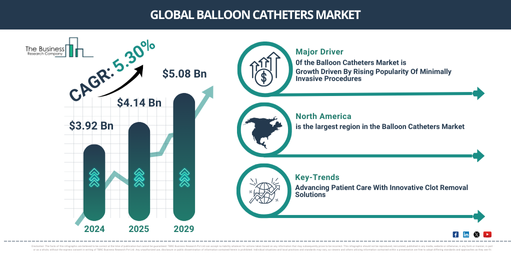
    Recently there has been a notable upswing in the size of the balloon catheters market. The projected growth is from $3.92 billion in 2024 to $4.14 billion in 2025, representing a compound annual growth rate (CAGR) of 5.6%. This growth during the historic period is likely attributable to factors such as heightened attention on chronic illness management, a surge in cardiovascular diseases, a growing emphasis on patient-centric care, an increasing aging population, and a rising demand for improved catheter performance.

    In the coming years, the balloon catheters market is anticipated to experience significant expansion. The market is projected to escalate to $5.08 billion by 2029, with a compound annual growth rate (CAGR) of 5.3%. The expected growth during the forecast period can be credited to factors such as greater expenditure on healthcare, a surge in endovascular procedures, advancements in research and development, rising application of balloon catheters in non-cardiac areas, and bettering healthcare penetration in emergent markets. Trends likely to be observed during the forecast period comprise enhanced stent placement with balloon assistance, refined inflation methodologies, bespoke options with superior imaging, and alignment with wearable tech and remote monitoring gear.

    Download a free sample to assess the report’s scope and structure:

    https://www.thebusinessresearchcompany.com/sample.aspx?id=20717&type=smp

    Which Factors and External Forces Are Driving Demand in the Balloon Catheters Market?

    The balloon catheters market is projected to grow due to the rising implementation of minimally invasive surgeries. These surgeries involve smaller incisions, thus eliminating the necessity for larger cuts or openings in the body. Their popularity is increasing owing to the lesser time required for recovery, reduced risk of complications, and less pain due to advancements in technology and outpatient procedures. Balloon catheters significantly contribute to these surgeries by enhancing the accuracy, safety, and comfort of the procedures while simultaneously decreasing recovery periods and hospital stays. For example, in January 2024, Intuitive Surgical Inc., an American manufacturer of robotic items, reported a 12% increase from the previous year upon installing 415 da Vinci surgical systems. These are robotic surgical systems designed for minimally invasive surgical procedures. Consequently, the escalating trend of these surgeries is fueling the balloon catheters market’s growth.

    Which Segments in the Balloon Catheters Offer the Most Growth?

    The balloon catheters market covered in this report is segmented –

    1) By Type: Percutaneous Transluminal Coronary Angioplasty (PTCA) Balloon Catheters, Chronic Total Occlusion (CTO) Balloon Catheters, Microcatheters

    2) By Product Type: Normal Balloon Catheter, Drug Eluting Balloon Catheter, Cutting Balloon Catheter, Stent Graft Balloon Catheter, Scoring Balloon Catheter

    3) By Distribution Channel: Direct Tender, Third Party Distribution, Other Distribution Channels

    4) By Application: Coronary Artery Disease, Peripheral Artery Disease, Other Applications

    5) By End User: Hospitals, Specialty Centers, Ambulatory Surgery Centers, Other End Users

    Subsegments:

    1) By Percutaneous Transluminal Coronary Angioplasty (PTCA) Balloon Catheters: Semi-Compliant Balloon Catheters, Non-Compliant Balloon Catheters

    2) By Chronic Total Occlusion (CTO) Balloon Catheters: High-Pressure CTO Balloon Catheters, Low-Profile CTO Balloon Catheters

    3) By Microcatheters: Diagnostic Microcatheters, Therapeutic Microcatheters

    Request customized data on this market:

    https://www.thebusinessresearchcompany.com/customise?id=20717&type=smp

    What Are the Fastest-Growing Geographies in the Balloon Catheters Market?

    North America was the largest region in the balloon catheters market in 2024. Asia-Pacific is expected to be the fastest-growing region in the forecast period. The regions covered in the balloon catheters market report are Asia-Pacific, Western Europe, Eastern Europe, North America, South America, Middle East, Africa.

    Which Cutting-Edge Market Trends Are Expected to Drive the Balloon Catheters Market’s Growth?

    Leading businesses in the balloon catheters market are prioritizing the advancement of mechanical thrombectomy (MT) procedural solutions, focusing on improving blood clot extraction by managing localized blood flow during interventions. Mechanical thrombectomy (MT) is a minimally invasive surgical process typically utilized to eliminate blood clots from blood vessels, often in instances of ischemic stroke. For example, CERENOVUS, Johnson & Johnson Medical Devices Companies’ neurovascular division, introduced the EMBOGUARD Balloon Guide Catheter in Europe in September 2024. This tool was developed for endovascular processes, including addressing acute ischemic stroke. The EMBOGUARD catheter boosts clot elimination by managing local blood flow in the course of mechanical thrombectomy practices. Deploying the catheter has been linked with higher initial recanalization rates, decreased procedure durations, and a lesser risk of clot fragments triggering distal emboli, potentially leading to additional ischemic events. The EMBOGUARD Balloon Guide Catheter is incorporated into the CERENOVUS Stroke Solutions portfolio, a collection of technologies committed to aiding physicians conduct mechanical thrombectomy operations.

    View the full report here:

    https://www.thebusinessresearchcompany.com/report/balloon-catheters-global-market-report

    What Are the Key Elements That Define the Balloon Catheters Market?

    Balloon catheters refer to medical devices used in various medical procedures, particularly in minimally invasive surgeries. These catheters have a small, flexible tube with an inflatable balloon at the tip. They are typically used to treat narrowed or blocked blood vessels, such as in angioplasty procedures, where the balloon is inflated to dilate or open up constricted areas within blood vessels.

    Purchase the full report and get a swift delivery:

    https://www.thebusinessresearchcompany.com/purchaseoptions.aspx?id=20717

    About The Business Research Company:

    With over 15000+ reports from 27 industries covering 60+ geographies, The Business Research Company has built a reputation for offering comprehensive, data-rich research and insights. Armed with 1,500,000 datasets, the optimistic contribution of in-depth secondary research, and unique insights from industry leaders, you can get the information you need to stay ahead in the game.

    Get in touch with us:

    The Business Research Company: https://www.thebusinessresearchcompany.com/

    Americas +1 3156230293

    Asia +44 2071930708

    Europe +44 2071930708

    Email us at info@tbrc.info

    Follow us on:

    LinkedIn: https://in.linkedin.com/company/the-business-research-company

    YouTube: https://www.youtube.com/channel/UC24_fI0rV8cR5DxlCpgmyFQ

    Global Market Model: https://www.thebusinessresearchcompany.com/global-market-model
  • Next-Gen Artificial Neural Network: Market Forecast, Transformation, and Long-Term Trajectories

    Next-Gen Artificial Neural Network: Market Forecast, Transformation, and Long-Term Trajectories

    Stay ahead with our updated market reports featuring the latest on tariffs, trade flows, and supply chain transformations.

    What Is the Estimated Market Size of the Artificial Neural Network Market In 2029?

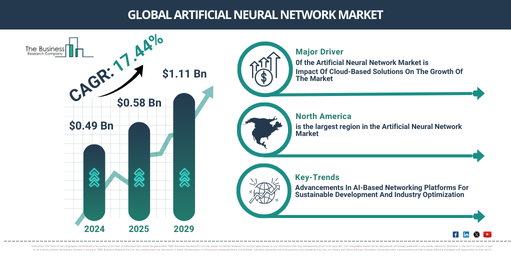
    In recent times, there has been a swift expansion in the size of the artificial neural network market. It is projected to expand from a value of $0.49 billion in 2024 to an approximate of $0.58 billion in 2025, marking a compound annual growth rate (CAGR) of 17.80%. The notable growth in the past can be credited to factors such as rising cyber threats, an escalating demand for artificial intelligence and automation, development of self-reliant systems, deeper penetration of the Internet of Things (IoT), and wider acceptance of cloud technology.

    The market size of artificial neural networks is predicted to experience a swift expansion in the coming years, reaching $1.11 billion in 2029 with a compound annual growth rate (CAGR) of 17.44%. This projected growth within the forecast period can be associated with increased demand for artificial intelligence (AI) in various industries, the surge in demand for cloud-based services, expanding usage of voice assistants and conversational AI, broader adoption in the health and pharmaceutical sectors for drug discovery, and the expansion of big data. Key trends forecasted for this period encompass advancements in machine learning and neural networks, amalgamation with big data and analytics, interconnection with IoT and edge computing, a blend of hybrid cloud and edge integration, and incorporation with 5G networks.

    Download a free sample to assess the report’s scope and structure:

    https://www.thebusinessresearchcompany.com/sample.aspx?id=20716&type=smp

    Which Major Market Drivers Are Expected to Boost the Growth Potential of the Artificial Neural Network Market?

    The artificial neural network market is set to benefit from the surging need for cloud-based solutions. These solutions are services or applications operating from remote servers via the internet, as opposed to local servers or devices. The growing preference for these solutions comes from their potential for scalability, affordability, superior data access, and capacity to support remote teamwork – all of which align with the ever-changing requirements of contemporary businesses. Adding artificial neural networks to these cloud-based offerings augments them by facilitating enriched data processing, predictive analytics, and smart decision-making for improved performance and scalability. For example, in December 2023, Eurostat, an EU government agency based in Luxembourg, revealed a 4.2 percentage point increase in companies acquiring cloud computing services in 2023 compared to 2021. Consequently, the escalating demand for these digital solutions has fueled the artificial neural network (ANN) market’s expansion.

    Which Key Market Segments Comprise the Artificial Neural Network Market and Drive Its Revenue Growth?

    The artificial neural network market covered in this report is segmented –

    1) By Component: Solutions, Platform Or Application Programming Interface (API), Services

    2) By Deployment Mode: On-Premises, Cloud

    3) By Enterprise: Large Enterprises, Small And Medium Enterprises

    4) By Application: Image Recognition, Signal Recognition, Data Mining

    5) By End-User: Banking, Financial Services, and Insurance (BFSI), Retail And E-Commerce, IT And Telecom, Manufacturing, Healthcare, Automotive

    Subsegments:

    1) By Solutions: Software Solutions, Hardware Solutions, Deployment Solutions, Data Management Solutions

    2) By Platform Or Application Programming Interface (API): Cloud-Based Platforms, On-Premise Platforms, Open-Source APIs, Proprietary APIs

    3) By Services: Consulting Services, Integration And Deployment Services, Support And Maintenance Services, Managed Services

    Request customized data on this market:

    https://www.thebusinessresearchcompany.com/customise?id=20716&type=smp

    Which Areas Are Leading Regions in the Artificial Neural Network Market Expansion Across the Globe?

    North America was the largest region in the artificial neural network market in 2024. Asia-Pacific is expected to be the fastest-growing region in the forecast period. The regions covered in the artificial neural network market report are Asia-Pacific, Western Europe, Eastern Europe, North America, South America, Middle East, Africa.

    What Are the Key Market Trends in the Artificial Neural Network Market Over the Coming Years?

    Leaders in the artificial neural network market, such as major companies, are prioritizing the development of innovative platforms like AI-based networking platforms. This strategy aims to enhance capabilities in data handling, improve predictive analysis, and refine machine learning models, fostering the creation of more efficient and expandable solutions across multiple sectors, including healthcare, finance, and automotive. AI-based networking platforms represent superior systems that fuse artificial intelligence with networking technologies to maximize data flow, better network administration, and boost overall performance. Particularly in February 2022, the AI for Good neural network was launched by the Switzerland-based specialized entity, the International Telecommunication Union. This revolutionary platform aims at promoting sustainable growth through the use of artificial intelligence and comes equipped with cutting-edge AI algorithms to address universal problems such as climate change, poverty, and health inequalities. Its unique factor is the capacity to process and scrutinize vast datasets from various sources, providing valuable insights that assist governments, organizations, and researchers in making informed decisions. Moreover, the platform fosters collective efforts, uniting specialists from different fields to design innovative, scalable solutions for sustainable development, thus maintaining alignment with the UN’s Sustainable Development Goals (SDGs).

    View the full report here:

    https://www.thebusinessresearchcompany.com/report/artificial-neural-network-global-market-report

    How Is the Artificial Neural Network Market Conceptually Defined?

    An artificial neural network (ANN) refers to a machine learning architecture that mimics the human brain’s neural structure to process data and recognize patterns. It consists of layers of interconnected nodes, including input, hidden, and output layers, which work together to transform input data into meaningful outputs through weighted connections.

    Purchase the full report and get a swift delivery:

    https://www.thebusinessresearchcompany.com/purchaseoptions.aspx?id=20716

    About The Business Research Company:

    With over 15000+ reports from 27 industries covering 60+ geographies, The Business Research Company has built a reputation for offering comprehensive, data-rich research and insights. Armed with 1,500,000 datasets, the optimistic contribution of in-depth secondary research, and unique insights from industry leaders, you can get the information you need to stay ahead in the game.

    Get in touch with us:

    The Business Research Company: https://www.thebusinessresearchcompany.com/

    Americas +1 3156230293

    Asia +44 2071930708

    Europe +44 2071930708

    Email us at info@tbrc.info

    Follow us on:

    LinkedIn: https://in.linkedin.com/company/the-business-research-company

    YouTube: https://www.youtube.com/channel/UC24_fI0rV8cR5DxlCpgmyFQ

    Global Market Model: https://www.thebusinessresearchcompany.com/global-market-model
  • Artificial Intelligence-Powered Solutions For Elderly Care Market Overview 2025: Competitive Shifts, Forecast Models, and Emerging Opportunities

    Artificial Intelligence-Powered Solutions For Elderly Care Market Overview 2025: Competitive Shifts, Forecast Models, and Emerging Opportunities

    Stay ahead with our updated market reports featuring the latest on tariffs, trade flows, and supply chain transformations.

    How Fast Is The Artificial Intelligence-Powered Solutions For Elderly Care Market Expected to Grow Between 2025 And 2029?

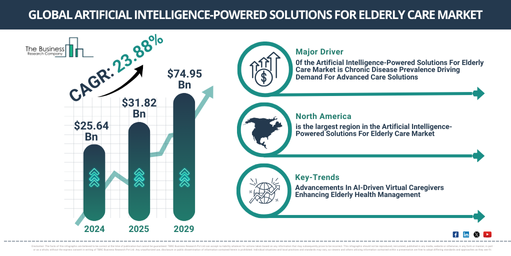
    In recent times, the market size of AI-based solutions for senior care has witnessed a massive surge and it’s projected to expand further from $25.64 billion in 2024 to $31.82 billion in 2025, boasting a compound annual growth rate (CAGR) of 24.14%. Factors such as the unprecedented increase in the global elderly population, the upsurge in chronic disease prevalence, the escalation in caregiver deficiencies, the escalating demand for distance-based health monitoring, the widespread acceptance of smart home systems, and an increased focus on improving the quality and autonomy of life for the elderly were key contributors to the growth seen in the historic period.

    Predictions indicate a surge in the size of the artificial intelligence-driven solutions market for elderly care in the upcoming years, growing to $74.95 billion by 2029 with a compound annual growth rate (CAGR) of 23.88%. Factors contributing to this expansion during the forecast period include an increasing number of elderly individuals, a higher incidence of chronic illnesses, more usage of smart home and IoT gadgets, stronger emphasis on solutions for independent living, governmental measures to boost infrastructure for elder care, and a rising need for personalized healthcare services. Noteworthy trends during the projected period encompass the integration of natural language processing, development in technology to prevent falls, proactive health monitoring, integration of smart homes controlled by voice, AI-centric cognitive treatment tools, robotic assistants for care, adaptive learning algorithms designed for personalized care, and improved technologies for emergency response.

    Download a free sample to assess the report’s scope and structure:

    https://www.thebusinessresearchcompany.com/sample.aspx?id=20715&type=smp

    What Are the Core Growth Drivers Propelling the Artificial Intelligence-Powered Solutions For Elderly Care Market Forward?

    The artificial intelligence (AI)-powered solution for elderly care is predicted to grow due to the increasing occurrence of chronic diseases. Chronic diseases such as diabetes and heart disease are long-term health issues that require ongoing care and affect the everyday life of individuals. The rise in these ailments is influenced by the aging population, lifestyle changes including decreased physical activity, unhealthy diets, and increased urbanization. AI-powered solutions aid in the management of chronic diseases by facilitating real-time health tracking, predictive analysis for early intervention, and tailored care plans, leading to better results and improved life quality for the elderly. For example, the World Health Organization, a Switzerland-based international organization, reported in September 2023 that there were 41 million deaths annually due to chronic or non-communicable diseases (NCDs), contributing 74% to global mortality. Cardiovascular diseases were responsible for 17.9 million deaths, cancer for 9.3 million, chronic respiratory diseases for 4.1 million, and diabetes for 2.0 million. Hence, the escalating cases of chronic illnesses are boosting the AI-powered solution for the elderly care market.

    What Segment Types Define the Artificial Intelligence-Powered Solutions For Elderly Care Market Structure?

    The artificial intelligence-powered solutions for elderly care market covered in this report is segmented –

    1) By Technology: Machine Learning, Natural Language Processing, Robotics, Computer Vision, Other Technology

    2) By Application: Fall Detection And Prevention, Remote Monitoring And Healthcare, Personalized Virtual Assistants, Medication Management, Social Interaction And Companionship, Other Applications

    3) By End Users: Home Care Settings, Assisted Living Facilities, Nursing Homes, Hospitals And Clinics, Other End Users

    Subsegments:

    1) By Machine Learning: Predictive Analytics, Personalized Health Monitoring, Data-Driven Decision Making, Adaptive Learning Systems

    2) By Natural Language Processing (NLP): Voice Assistants, Language Translation For Elderly Communication, Sentiment Analysis For Emotional Well-Being, Speech Recognition For Assistance Devices

    3) By Robotics: Social Companions (Companion Robots), Assistance Robots For Daily Activities, Robotic Prosthetics And Exoskeletons, Autonomous Mobility Robots

    4) By Computer Vision: Fall Detection Systems, Vision-Based Health Monitoring (Eye Health), Gesture Recognition For Communication, Environment Mapping And Navigation

    5) By Other Technology: AI-Powered Wearables, Remote Monitoring Systems, Smart Home Devices Integration, Virtual Reality Therapy

    Request customized data on this market:

    https://www.thebusinessresearchcompany.com/customise?id=20715&type=smp

    Which Geographic Areas Hold the Strongest Growth Potential in the Artificial Intelligence-Powered Solutions For Elderly Care Market?

    North America was the largest region in the artificial intelligence-powered solutions for elderly Care market in 2024. The regions covered in the artificial intelligence-powered solutions for elderly care market report are Asia-Pacific, Western Europe, Eastern Europe, North America, South America, Middle East, Africa.

    Which Emerging Trends that Are Influencing the Artificial Intelligence-Powered Solutions For Elderly Care Industry Evolution?

    Leading firms in the AI-enabled elderly care market are concentrating on creating novel technologies like AI-based virtual caregivers. These innovations aim to offer personalised care, enhance monitoring features, and uplift the overall quality of life for senior citizens. An AI virtual caregiver is an intelligent digital aide that supervises health, provides medication reminders, offers companionship, and handles emergencies, thus majorly supporting the elderly in sustaining their independence and overall health. For example, Electronic Caregiver Inc., a health technology firm from the U.S., launched a cutting-edge AI-empowered virtual caregiver named Addison Care+ in the AWS marketplace in November 2024. This innovation is designed to transform elderly care by improving health management, engagement, and independence for the elderly and chronically ill patients. It provides round-the-clock monitoring, early detection of health-related issues, and comprehensive care data like medication management and emergency response. By integrating with AI-driven telecare tasks, it makes nationwide deployment easier, equipping caregivers with proactive tools to manage client health and enhance care delivery.

    View the full report here:

    https://www.thebusinessresearchcompany.com/report/artificial-intelligence-powered-solutions-for-elderly-care-global-market-report

    What Is the Definition of the Artificial Intelligence-Powered Solutions For Elderly Care Market?

    Artificial intelligence-powered solutions for elderly care refer to the use of advanced artificial intelligence technologies to address the unique needs of elderly individuals, enhancing their health, safety, and quality of life. These solutions leverage machine learning, computer vision, natural language processing, and other AI capabilities to provide personalized, efficient, and proactive care. They can operate across various domains, including healthcare, home assistance, and social engagement.

    Purchase the full report and get a swift delivery:

    https://www.thebusinessresearchcompany.com/purchaseoptions.aspx?id=20715

    About The Business Research Company:

    With over 15000+ reports from 27 industries covering 60+ geographies, The Business Research Company has built a reputation for offering comprehensive, data-rich research and insights. Armed with 1,500,000 datasets, the optimistic contribution of in-depth secondary research, and unique insights from industry leaders, you can get the information you need to stay ahead in the game.

    Get in touch with us:

    The Business Research Company: https://www.thebusinessresearchcompany.com/

    Americas +1 3156230293

    Asia +44 2071930708

    Europe +44 2071930708

    Email us at info@tbrc.info

    Follow us on:

    LinkedIn: https://in.linkedin.com/company/the-business-research-company

    YouTube: https://www.youtube.com/channel/UC24_fI0rV8cR5DxlCpgmyFQ

    Global Market Model: https://www.thebusinessresearchcompany.com/global-market-model