Blog

  • From Insight to Impact: Strategic Growth Mapping in the Artificial Intelligence (AI) In Aging And Elderly Care Market

    From Insight to Impact: Strategic Growth Mapping in the Artificial Intelligence (AI) In Aging And Elderly Care Market

    Stay ahead with our updated market reports featuring the latest on tariffs, trade flows, and supply chain transformations.

    What Are the Key Projections for the CAGR of the Artificial Intelligence (AI) In Aging And Elderly Care Market Size From 2025 to 2034?

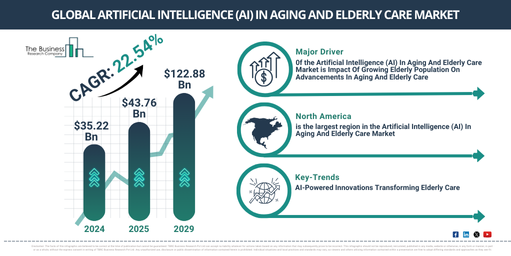
    Recently there has been an explosive growth in the market size of artificial intelligence (AI) applied to elder care. It is projected to rise from $35.22 billion in 2024 to $43.76 billion in 2025, representing a compound annual growth rate (CAGR) of 24.25%. This growth during the historical period can be credited to factors such as a growing elderly population, increased prevalence of chronic illnesses, rising demand for self-sufficient living solutions, the development of more AI-enabled devices, escalating shortages in caregivers, and an uptick in investments towards AI research and development with a focus on geriatrics.

    Expectations are high for a surge in the market size of artificial intelligence (AI) applications in elderly care in the coming years. By 2029, this sector is projected to reach a worth of $122.88 billion, expanding at a compound annual growth rate (CAGR) of 22.54%. Several factors contribute to this forecasted growth, including the merging of AI with smart home systems designed for the care of seniors, an increase in the utilization of robotic assistants, a rising trend towards customized healthcare offerings, the development of telehealth and remote monitoring capabilities, and increased investment in AI-based programs for the wellness of the elderly. Key developments to watch for within this period are improvements in AI-driven assistive technologies, integration of smart homes with AI, innovative strides in robotics, advancements in cloud computing, progress in natural language processing, heightened healthcare technology, and the creation of superior AI algorithms designed for predictive health analytics.

    Download a free sample to assess the report’s scope and structure:

    https://www.thebusinessresearchcompany.com/sample.aspx?id=20714&type=smp

    What are the Fundamental Drivers and Innovations Shaping the Artificial Intelligence (AI) In Aging And Elderly Care Market?

    The anticipated increase in the population of senior citizens is predicted to spur the expansion of the artificial intelligence (AI) in the aging and elderly care market. The senior population includes individuals aged 60 or 65 and above, who require specialized care and services to deal with health and lifestyle issues related to aging. The macro trends contributing to the expanding senior demography include increased longevity due to healthcare advancements and falling birth rates, which lower the percentage of younger people in the society. AI is revolutionizing aging and elderly care by enhancing healthcare, fostering accessibility, and encouraging autonomy among the senior citizens. For instance, per a report released by the Population Reference Bureau, a non-profit organization based in the U.S, in January 2024, it is anticipated that the population of Americans aged 65 and over will escalate from 58 million in 2022 to 82 million by 2050, signifying a 47% growth. Consequently, this demographic’s ratio in the total U.S population is projected to increase from 17% to 23% in the same duration. Thus, the growing senior citizen population is fuelling the expansion of the AI in the aging and elderly care market.

    How Is the Artificial Intelligence (AI) In Aging And Elderly Care Market Segmented?

    The artificial intelligence (AI) in aging and elderly care market covered in this report is segmented –

    1) By Type: Natural Language Processing (NLP) Systems, Robotics And Robotic Assistance, Smart Home Devices And IoT Solutions, Machine Learning And Predictive Analytics, Virtual Health Assistants

    2) By Technology: Wearable Devices, Smart Home Systems, Mobile Apps, Cloud Computing, Internet Of Things (IoT)

    3) By Applications: Fall Detection And Prevention, Medication Management, Remote Health Monitoring, Social Engagement And Companion AI, Cognitive Stimulation And Brain Training

    4) By End User: Home Care Settings, Assisted Living Facilities, Nursing Homes And Long-Term Care Centers, Hospitals And Healthcare Institutions

    Subsegments:

    1) By Natural Language Processing (NLP) Systems: Voice-Activated Assistants, AI-Powered Speech Recognition Systems, NLP for Cognitive Health Monitoring

    2) By Robotics And Robotic Assistance: Elderly Care Robots, Robotic Mobility Assistance Devices, Robotic Companions For Seniors

    3) By Smart Home Devices And IoT Solutions: Smart Sensors (Fall Detection, Monitoring), AI-Enabled Smart Home Automation Systems, Wearable IoT Devices For Health Monitoring

    4) By Machine Learning And Predictive Analytics: AI-Based Health Risk Prediction Models, Machine Learning For Personalized Care Plans, Predictive Analytics For Medication Management

    5) By Virtual Health Assistants: AI-Powered Virtual Care Assistants, Telemedicine Virtual Assistants, Virtual Health Coaching And Support Systems

    Request customized data on this market:

    https://www.thebusinessresearchcompany.com/customise?id=20714&type=smp

    Which Regions Are Driving the Next Phase of the Artificial Intelligence (AI) In Aging And Elderly Care Market Growth?

    North America was the largest region in the artificial intelligence (AI) in aging and elderly care market in 2024. Asia-Pacific is expected to be the fastest-growing region in the forecast period. The regions covered in the artificial intelligence (AI) in aging and elderly care market report are Asia-Pacific, Western Europe, Eastern Europe, North America, South America, Middle East, Africa.

    What Key Trends Are Shaping the Future of the Artificial Intelligence (AI) In Aging And Elderly Care Market?

    Prominent corporations in the AI in elderly care market are concentrating on creating ground-breaking technologies like AI-powered virtual caregivers. These virtual caregivers aim to provide customized care solutions, augment surveillance capabilities and better the senior citizens’ overall quality of life. Essentially, an AI virtual caregiver is an intelligent digital assistant tasked with monitoring health, reminding the elderly about their medication, offering companionship and providing emergency response, thereby helping aging individuals to maintain their self-sufficiency and wellness. For example, Electronic Caregiver Inc., a supplier of medical equipment in the US, introduced Addison Care+ into the AWS marketplace in November 2024. Addison Care+ is a sophisticated AI-powered virtual caregiver designed to transfigure senior care by boosting health management, engagement and independence for aging adults and chronically ill patients. The system offers round-the-clock monitoring, early identification of health problems and detailed care insights on aspects like medication management and emergency response. By integrating it with AI-powered telecare operations, the implementation across the nation is simplified, thus providing caregivers with proactive tools to manage patient health and enhance care provision.

    View the full report here:

    https://www.thebusinessresearchcompany.com/report/artificial-intelligence-ai-in-aging-and-elderly-care-global-market-report

    How Is the Artificial Intelligence (AI) In Aging And Elderly Care Market Defined and What Are Its Core Parameters?

    Artificial intelligence (AI) in aging and elderly care refers to the application of artificial intelligence technologies to enhance the health, well-being, and quality of life of aging individuals and elderly populations. This includes AI-driven solutions such as predictive analytics, machine learning, robotics, and smart devices to address various challenges associated with aging. AI enables health monitoring through wearable devices and remote patient systems, assisting with real-time data collection and analysis to ensure timely interventions.

    Purchase the full report and get a swift delivery:

    https://www.thebusinessresearchcompany.com/purchaseoptions.aspx?id=20714

    About The Business Research Company:

    With over 15000+ reports from 27 industries covering 60+ geographies, The Business Research Company has built a reputation for offering comprehensive, data-rich research and insights. Armed with 1,500,000 datasets, the optimistic contribution of in-depth secondary research, and unique insights from industry leaders, you can get the information you need to stay ahead in the game.

    Get in touch with us:

    The Business Research Company: https://www.thebusinessresearchcompany.com/

    Americas +1 3156230293

    Asia +44 2071930708

    Europe +44 2071930708

    Email us at info@tbrc.info

    Follow us on:

    LinkedIn: https://in.linkedin.com/company/the-business-research-company

    YouTube: https://www.youtube.com/channel/UC24_fI0rV8cR5DxlCpgmyFQ

    Global Market Model: https://www.thebusinessresearchcompany.com/global-market-model
  • Arteriotomy Closure Devices Outlook 2034: Key Drivers, Trends, and Market Frontiers

    Stay ahead with our updated market reports featuring the latest on tariffs, trade flows, and supply chain transformations.

    What is the Projected CAGR for the Arteriotomy Closure Devices Market Size from 2025 to 2034?

    Over the past few years, the arteriotomy closure devices market has witnessed sturdy growth. The market size is expected to escalate from $1.61 billion in 2024 to $1.73 billion in 2025, with a Compound Annual Growth Rate (CAGR) of 7.3%. This growth observed in the historic period is due to several factors. The factors include an uptick in minimally invasive surgical procedures, growing instances of cardiovascular disorders, increased use of catheterization processes, a rise in the elderly population, and heightened demand for faster recovery durations.

    Anticipations are high for the arteriotomy closure devices market, with substantial growth projected in the coming years. Expected to reach a value of $2.26 billion in 2029, reflecting a compound annual growth rate (CAGR) of 7.0%, the market is being driven by several factors. The increase in atherosclerosis cases, the growing prevalence of coronary artery diseases, heightened emphasis on patient safety and comfort, expanding healthcare frameworks in developing countries, and the escalating demand for ambulatory surgical centres all play a role in this growth. Forecasts for the period show key trends such as minimal invasion techniques, use of bioresorbable materials, automation integration within closure procedures, enhancements in procedural efficiency, and cutting-edge improvements in closure devices for substantial arterial punctures.

    Download a free sample to assess the report’s scope and structure:

    https://www.thebusinessresearchcompany.com/sample.aspx?id=20712&type=smp

    How Are Key Drivers in the Industry Acting as Catalysts for the Growth of the Arteriotomy Closure Devices Market?

    The surge in incidences of cardiovascular diseases (CVDs) is likely to fuel the expansion of the arteriotomy closure devices market in the future. CVDs encompass a range of disorders impacting the heart and blood vessels. This surge is primarily attributable to the escalating instances of risk factors like unhealthy eating habits, lack of physical activity, and obesity, compounded by an ageing population. Arteriotomy closure devices play a critical role in managing cardiovascular conditions as they swiftly and securely seal arterial puncture sites, cutting down complications, and expediting recovery after procedures such as angioplasties and catheterizations. To illustrate, the British Heart Foundation, a UK-based cardiovascular research charity, reported in September 2024 that around 7.6 million individuals in the UK, including 4 million men and 3.6 million women are suffering from heart and circulatory diseases. By 2030, this tally could see a surge of 1 million, and by 2040, it could escalate by another 2 million more than the current numbers. Consequently, the rising prevalence of cardiovascular diseases (CVDs) is catalyzing the growth of the arteriotomy closure devices market.

    Which Segments in the Arteriotomy Closure Devices Offer the Most Growth?

    The arteriotomy closure devices market covered in this report is segmented –

    1) By Product: Active Closure Devices, Passive Closure Devices

    2) By Application: Femoral Arterial Access Procedures, Radial Arterial Access Procedures

    3) By End User: Hospitals, Ambulatory Care Centers, Other End Users

    Subsegments:

    1) By Active Closure Devices: Suture-Based Devices, Staple-Based Devices, Vascular Closure Devices With Collagen Or Hemostatic Agents, Balloon-Based Devices

    2) By Passive Closure Devices: Compression Devices, Hemostatic Patches Or Sponges, Vascular Plugs Or Plugs

    Request customized data on this market:

    https://www.thebusinessresearchcompany.com/customise?id=20712&type=smp

    What Are the Fastest-Growing Geographies in the Arteriotomy Closure Devices Market?

    North America was the largest region in the arteriotomy closure devices market in 2024. Asia-Pacific is expected to be the fastest-growing region in the forecast period. The regions covered in the arteriotomy closure devices market report are Asia-Pacific, Western Europe, Eastern Europe, North America, South America, Middle East, Africa.

    What Are the Current Market Growth and Trends in the Arteriotomy Closure Devices Industry?

    To enhance operational efficiency, improve patient results, and satisfy the increasing need for minimally invasive vascular access solutions, key players in the arteriotomy closure devices market are focusing on product innovation. A mid-bore venous closure device, which is a medical tool created to seal venous access sites made by mid-sized catheters or sheaths, assists with patient recovery after interventional procedures by encouraging hemostasis. For example, in June 2024, Haemonetics Corp, a healthcare company based in the US, broadened its VASCADE range by introducing the VASCADE MVP XL mid-bore venous closure device. This device, specifically designed for larger sheaths employed in procedures such as cryoablation, integrates a larger collapsible disc and 58% more collagen to attain quick hemostasis. This latest addition to Haemonetics’ existing range of small- and mid-bore vascular closure solutions highlights the company’s expertise in advanced closure technologies.

    View the full report here:

    https://www.thebusinessresearchcompany.com/report/arteriotomy-closure-devices-global-market-report

    What Are the Key Elements That Define the Arteriotomy Closure Devices Market?

    An arteriotomy closure device (ACD) is a medical device designed to seal the puncture site in an artery following procedures such as catheterization or angiography. It facilitates hemostasis by closing the arterial opening, reducing bleeding risks, and promoting faster recovery compared to manual compression methods. ACDs are commonly used in minimally invasive vascular procedures to enhance patient safety and procedural efficiency.

    Purchase the full report and get a swift delivery:

    https://www.thebusinessresearchcompany.com/purchaseoptions.aspx?id=20712

    About The Business Research Company:

    With over 15000+ reports from 27 industries covering 60+ geographies, The Business Research Company has built a reputation for offering comprehensive, data-rich research and insights. Armed with 1,500,000 datasets, the optimistic contribution of in-depth secondary research, and unique insights from industry leaders, you can get the information you need to stay ahead in the game.

    Get in touch with us:

    The Business Research Company: https://www.thebusinessresearchcompany.com/

    Americas +1 3156230293

    Asia +44 2071930708

    Europe +44 2071930708

    Email us at info@tbrc.info

    Follow us on:

    LinkedIn: https://in.linkedin.com/company/the-business-research-company

    YouTube: https://www.youtube.com/channel/UC24_fI0rV8cR5DxlCpgmyFQ

    Global Market Model: https://www.thebusinessresearchcompany.com/global-market-model
  • Global Anemia In Elderly Market Trends: Regional Breakdowns and Strategic Insights

    Global Anemia In Elderly Market Trends: Regional Breakdowns and Strategic Insights

    Stay ahead with our updated market reports featuring the latest on tariffs, trade flows, and supply chain transformations.

    What Is the Current and Projected Market Size of the Anemia In Elderly Market Through 2034?

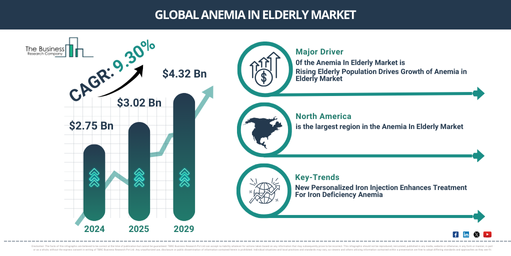
    The market for anemia in the elderly has witnessed substantial growth over the past few years. It is projected to rise from $2.75 billion in 2024 to $3.02 billion in 2025, with a compound annual growth rate (CAGR) of 9.7%. The past growth surge can be linked to factors such as nutritional deficiencies, chronic illnesses, inflammation, disorders of the bone marrow, and loss of blood.

    The market for anemia in the elderly is projected to exhibit robust growth in the upcoming years, reaching a value of $4.32 billion by 2029 with a Compound Annual Growth Rate (CAGR) of around 9.3%. This anticipated growth during the forecast period can be linked to factors such as the growing elderly population, increased occurrences of chronic illnesses, advancements in diagnostic technologies, heightened awareness of healthcare, and enhanced availability of treatments. A few trending nuances anticipated within the forecast period encompass AI-based diagnostic methods, wearable health tracking devices, sophisticated tools for blood analysis, incorporation of telehealth, and custom-made medicine solutions.

    Download a free sample to assess the report’s scope and structure:

    https://www.thebusinessresearchcompany.com/sample.aspx?id=20711&type=smp

    What Are the Major Market Drivers Behind the Rising Adoption of Anemia In Elderly Market?

    The rise in the elderly population is anticipated to boost the expansion of the anemia in the elderly market. A society or globally identifies the aging population as a growing number and proportion of individuals aged 65 and older. The surge in the elderly population is because of aspects like increased life expectancy, declining birth rates, and large cohorts getting older. The rise of the aging population leads to a higher prevalence of age-related and chronic illnesses, which are crucial factors causing anemia in elderly. This promotes the demand for diagnosis, management, and treatment of anemia, thus stimulating the market’s expansion. For instance, the UK’s Office for National Statistics (ONS) stated in July 2024 that from 11 million in 2021, the count of individuals aged 65 or above in the UK rose to 12.7 million in 2022. Therefore, the rising senior population propels the expansion of the anemia in elderly market.

    Which Key Market Segments Comprise the Anemia In Elderly Market and Drive Its Revenue Growth?

    The anemia in elderly market covered in this report is segmented –

    1) By Product Type: Tablets, Injectable

    2) By Treatment: Iron Supplements, Erythropoietin Or Erythrocyte-Stimulating Agents, Vitamin B12 Supplements, Folic Acid Supplements

    3) By Route Of Administration: Oral, Parenteral

    4) By End User: Hospital pharmacy, Online Pharmacy, Retail pharmacy

    Subsegments:

    1) By Tablets: Iron Supplements, Vitamin B12 Supplements, Folic Acid Tablets, Erythropoiesis-Stimulating Agents (ESAs) Tablets

    2) By Injectable: Iron Injections, Vitamin B12 Injections, Erythropoiesis-Stimulating Agents (ESAs) Injections, Folic Acid Injections

    Request customized data on this market:

    https://www.thebusinessresearchcompany.com/customise?id=20711&type=smp

    Which Areas Are Leading Regions in the Anemia In Elderly Market Expansion Across the Globe?

    North America was the largest region in the anemia in elderly market in 2024. Asia-Pacific is expected to be the fastest-growing region in the forecast period. The regions covered in the anemia in elderly market report are Asia-Pacific, Western Europe, Eastern Europe, North America, South America, Middle East, Africa.

    What Are the Strategic Trends Steering the Anemia In Elderly Market Direction?

    Leading corporations in the elderly anemia market are making strides in technological advancements like personalized therapies to enhance treatment methods, improve the health outcomes for patients, reduce adverse effects, and elevate the overall efficacy in healthcare. Personalized therapies are designed treatments tailored to an individual’s unique characteristics. For example, Cadila Pharmaceuticals, a pharmaceutical company based in India, announced the advent of Redshot FCM, a new iron injection developed specifically for patients with iron deficiency anemia who have difficulty tolerating oral iron, in March 2024. Redshot FCM, a cutting-edge intravenous iron preparation, provides sufficient iron amounts and boasts an excellent safety record. The injection utilizes an innovative Ferric Carboxymaltose solution that boosts iron distribution and absorption. This launch of Redshot FCM displays an unwavering commitment to progress in healthcare by creating personalized treatments that consider the unique health profiles of patients. This results in improved treatment results for iron deficiency anemia.

    View the full report here:

    https://www.thebusinessresearchcompany.com/report/anemia-in-elderly-global-market-report

    How Is the Anemia In Elderly Market Conceptually Defined?

    Anemia in the elderly refers to a condition characterized by a reduction in the number of red blood cells (RBCs) or hemoglobin levels below the normal range, leading to diminished oxygen-carrying capacity of the blood in older adults (commonly defined as individuals aged 65 years and older). It is often caused by nutritional deficiencies, chronic diseases, or age-related changes in the body.

    Purchase the full report and get a swift delivery:

    https://www.thebusinessresearchcompany.com/purchaseoptions.aspx?id=20711

    About The Business Research Company:

    With over 15000+ reports from 27 industries covering 60+ geographies, The Business Research Company has built a reputation for offering comprehensive, data-rich research and insights. Armed with 1,500,000 datasets, the optimistic contribution of in-depth secondary research, and unique insights from industry leaders, you can get the information you need to stay ahead in the game.

    Get in touch with us:

    The Business Research Company: https://www.thebusinessresearchcompany.com/

    Americas +1 3156230293

    Asia +44 2071930708

    Europe +44 2071930708

    Email us at info@tbrc.info

    Follow us on:

    LinkedIn: https://in.linkedin.com/company/the-business-research-company

    YouTube: https://www.youtube.com/channel/UC24_fI0rV8cR5DxlCpgmyFQ

    Global Market Model: https://www.thebusinessresearchcompany.com/global-market-model
  • AL Amyloidosis Market Outlook 2025: Mapping Growth, Innovation, and Regional Shifts

    AL Amyloidosis Market Outlook 2025: Mapping Growth, Innovation, and Regional Shifts

    Stay ahead with our updated market reports featuring the latest on tariffs, trade flows, and supply chain transformations.

    What is the Anticipated CAGR of the AL Amyloidosis Market, and What Factors Will Drive It?

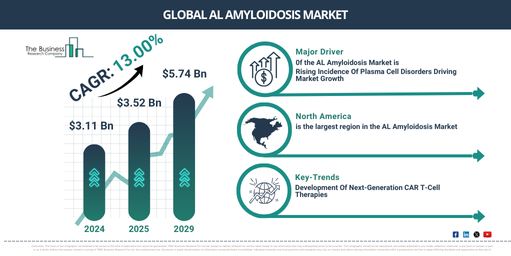
    Recently, the market size for AL amyloidosis has seen a tremendous expansion. It is predicted to increase from $3.11 billion in 2024 to $3.52 billion in 2025, boasting a compound annual growth rate (CAGR) of 13.2%. Several factors have contributed to this growth in the previous period including heightened awareness of al amyloidosis among healthcare providers, an escalating occurrence of al amyloidosis, a growing elderly population, expansion in diagnostic facilities, and advancements in cardiac imaging techniques.

    The market size of AL amyloidosis is projected to experience expedited expansion in the forthcoming years, expected to skyrocket to a value of $5.74 billion by 2029, with a compound annual growth rate (CAGR) of 13.0%. This anticipated increase during the forecast period can be primarily associated with surges in the occurrence of mutations in blood cell DNA, improvements in healthcare infrastructure, rising cases of multiple myeloma, the advent of combination therapies, along with an amplified implementation of high-dose chemotherapy. Key trends deemed significant during the forecast period involve progress in diagnostic methodology, tech enhancements in drug distribution procedures, betterment in blood test procedures, emergence of pinpointed therapeutic techniques, and AI integration in diagnosis procedures.

    Download a free sample to assess the report’s scope and structure:

    https://www.thebusinessresearchcompany.com/sample.aspx?id=20710&type=smp

    What External and Internal Drivers Are Contributing to the Growth of the AL Amyloidosis Market?

    An upswing in the frequency of plasma cell disorders is anticipated to boost the AL amyloidosis market’s growth. Plasma cell disorders consist of conditions where excessive or abnormal antibodies are produced by abnormal plasma cells, potentially leading to organ damage. The increased occurrence of plasma cell disorders is assigned to aspects like an aging demographic, lengthier life spans, and enhancements in diagnostic technology. AL amyloidosis, a condition emerging from plasma cell disorders, specifically stems from the overproduction of abnormal light chain proteins. This can result in the accumulation of amyloid deposits in organs and tissue, thus amplifying the effects of plasma cell dyscrasias. For example, The American Cancer Society (ACS), a U.S.-based nonprofit organization, published reports in August 2024 stating an expected diagnosis of 35,780 new cases of multiple myeloma (19,520 in men and 16,260 in women) in 2024. It also projected approximately 12,540 deaths (7,020 in men and 5,520 in women). Therefore, the frequency of plasma cell disorders is accelerating the growth of the AL amyloidosis market.

    What Segment Types Define the AL Amyloidosis Market Structure?

    The AL amyloidosis market covered in this report is segmented –

    1) By Treatment: Chemotherapy, Supportive Care, Surgery, Stem Cell Transplant, Targeted Therapy

    2) By Drugs: Transthyretin Transport Inhibitor, Immunomodulatory Drugs, Monoclonal Antibodies, Proteasome Inhibitors, Other Drugs

    3) By Route Of Administration: Intravenous, Oral

    4) By Distribution Channel: Hospital Pharmacies, Retail Pharmacies, Online Pharmacies

    Subsegments:

    1) By Chemotherapy: Conventional Chemotherapy Agents, High-Dose Chemotherapy

    2) By Supportive Care: Pain Management, Organ-specific Supportive Care (Cardiac, Renal)

    3) By Surgery: Organ Transplantation, Debulking Surgery

    4) By Stem Cell Transplant: Autologous Stem Cell Transplant, Allogeneic Stem Cell Transplant

    5) By Targeted Therapy: Monoclonal Antibodies, Proteasome Inhibitors, Kinase Inhibitors

    Request customized data on this market:

    https://www.thebusinessresearchcompany.com/customise?id=20710&type=smp

    Which Geographic Areas Hold the Strongest Growth Potential in the AL Amyloidosis Market?

    North America was the largest region in the AL amyloidosis market in 2024. The regions covered in the AL amyloidosis market report are Asia-Pacific, Western Europe, Eastern Europe, North America, South America, Middle East, Africa.

    What Long-Term Trends Are Transforming the Competitive Landscape of the AL Amyloidosis Market?

    Major corporations in the AL amyloidosis market are concentrating on the creation of innovative therapies like next-generation B-cell maturation antigen (BCMA)-directed CAR T-cell therapy to enhance efficacy and patient results. This advanced immunotherapy involves manipulating T cells taken from the patient to target and destroy BCMA on the surface of cancer cells, primarily in multiple myeloma. For example, Immix Biopharma Inc., a biopharmaceutical firm based in the United States, obtained U.S. Food and Drug Administration (FDA) approval for NXC-201, to treat Amyloid Light Chain (AL) Amyloidosis, a critical blood disorder, in September 2023. Clinical trials for NXC-201, a next-generation CAR-T cell therapy, have been giving hopeful results with a 100% hematologic response rate and improvements in organ function in patients who previously unsuccessful treatments for AL amyloidosis.

    View the full report here:

    https://www.thebusinessresearchcompany.com/report/al-amyloidosis-global-market-report

    What Is the Definition of the AL Amyloidosis Market?

    AL Amyloidosis is a rare and serious condition where abnormal proteins, called light chains, are produced by plasma cells in the bone marrow. These light chains misfold and form amyloid fibrils, which then deposit in various organs and tissues, impairing their function. Commonly affected organs include the heart, kidneys, liver, and nervous system. Symptoms vary depending on the organs involved but may include fatigue, swelling, shortness of breath, numbness, and organ dysfunction.

    Purchase the full report and get a swift delivery:

    https://www.thebusinessresearchcompany.com/purchaseoptions.aspx?id=20710

    About The Business Research Company:

    With over 15000+ reports from 27 industries covering 60+ geographies, The Business Research Company has built a reputation for offering comprehensive, data-rich research and insights. Armed with 1,500,000 datasets, the optimistic contribution of in-depth secondary research, and unique insights from industry leaders, you can get the information you need to stay ahead in the game.

    Get in touch with us:

    The Business Research Company: https://www.thebusinessresearchcompany.com/

    Americas +1 3156230293

    Asia +44 2071930708

    Europe +44 2071930708

    Email us at info@tbrc.info

    Follow us on:

    LinkedIn: https://in.linkedin.com/company/the-business-research-company

    YouTube: https://www.youtube.com/channel/UC24_fI0rV8cR5DxlCpgmyFQ

    Global Market Model: https://www.thebusinessresearchcompany.com/global-market-model
  • Airway Clearance Devices For Cystic Fibrosis Market in Focus: Forecasting Growth Drivers, Scaling Potential, and Global Opportunities

    Airway Clearance Devices For Cystic Fibrosis Market in Focus: Forecasting Growth Drivers, Scaling Potential, and Global Opportunities

    Stay ahead with our updated market reports featuring the latest on tariffs, trade flows, and supply chain transformations.

    What Are the Key Milestones in the Airway Clearance Devices For Cystic Fibrosis Market’s Growth Trajectory From 2025 To 2034?

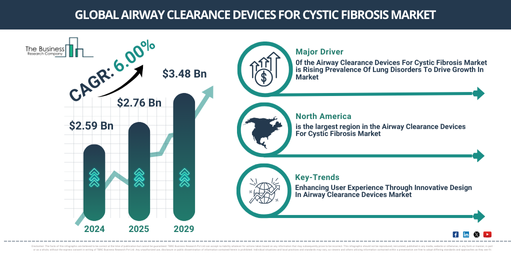
    The market for cystic fibrosis airway clearance devices has seen robust growth in the recent past. The market size, which is projected to be $2.59 billion in 2024, is predicted to expand and reach $2.76 billion in 2025, representing a compound annual growth rate (CAGR) of 6.3%. The growth observed in the historic time frame can be ascribed to several factors. These include an increase in cystic fibrosis cases, expansion of favorable government healthcare regulations, development of healthcare infrastructure, growth in health insurance coverage, and a surge in respiratory disease incidents.

    In the coming years, a substantial expansion is anticipated in the market for airway clearance devices for cystic fibrosis. The market value is projected to reach $3.48 billion by 2029, with a compound annual growth rate (CAGR) of 6.0%. Factors contributing to this predicted growth within the forecasted period include an increase in chronic respiratory diseases, a growing elderly population, advancements in combination therapies, surging demand for non-invasive treatments, and the rising adoption of personalized healthcare. Further, the forecast period is expected to witness significant trends such as technological innovation, customization in therapy, adoption of wearable devices, integrated therapies, and the incorporation of artificial intelligence.

    Download a free sample to assess the report’s scope and structure:

    https://www.thebusinessresearchcompany.com/sample.aspx?id=20709&type=smp

    What Are the Core Market Drivers Propelling Growth in the Airway Clearance Devices For Cystic Fibrosis Industry?

    The spike in lung ailment incidences is set to fuel the expansion of the airway clearance devices for cystic fibrosis market. Essentially, lung ailments relate to situations causing excessive mucus production and impaired lung function, triggering a growing need for effective methods that can unblock airways and enhance respiratory health. Several interrelated factors such as escalating air pollution levels and tobacco smoking contribute to the rise in lung ailments, culminating in respiratory disorders and prolonged lung damage. Devices like the High-Frequency Chest Wall Oscillation (HFCWO) vests, Positive Expiratory Pressure (PEP) devices, and Oscillatory PEP devices that clear the airways of thick mucus are invaluable, more so for cystic fibrosis patients who suffer chronic lung infections and breathing difficulty due to abnormally sticky and dense mucus. For example, The Centers for Disease Control and Prevention, a US governmental organization, reported in March 2024 that tuberculosis cases surged from 8,320 in 2022 to 9,615 in 2023, indicating a rise of 1,295 cases. Hence, the mounting occurrences of lung ailments are poised to boost the airway clearance devices for cystic fibrosis market.

    How Is the Airway Clearance Devices For Cystic Fibrosis Market Segmented?

    The airway clearance devices for cystic fibrosis market covered in this report is segmented –

    1) By Device Type: Vest Systems, Intrapulmonary Percussive Ventilators (IPV), Positive Expiratory Pressure (PEP) Devices, High-Frequency Chest Wall Oscillation (HFCWO) Devices, Other Airway Clearance Devices

    2) By Patient Type: Adults With Cystic Fibrosis, Pediatric Patients With Cystic Fibrosis

    3) By End User: Hospitals And Clinics, Home Healthcare Settings, Other End Users

    Subsegments:

    1) By Vest Systems: Pneumatic Vest Systems, Electrical Vest Systems

    2) By Intrapulmonary Percussive Ventilators (IPV): Manual IPV Devices, Automatic IPV Devices

    3) By Positive Expiratory Pressure (PEP) Devices: Single-Use PEP Devices, Reusable PEP Devices

    4) By High-Frequency Chest Wall Oscillation (HFCWO) Devices: Portable HFCWO Devices, Hospital-Grade HFCWO Devices

    5) By Other Airway Clearance Devices: Oscillating Positive Expiratory Pressure (OPEP) Devices, Mechanical Insufflation-Exsufflation Devices

    Request customized data on this market:

    https://www.thebusinessresearchcompany.com/customise?id=20709&type=smp

    Which Regions Are Driving the Next Phase of the Airway Clearance Devices For Cystic Fibrosis Market Growth?

    North America was the largest region in the airway clearance devices for cystic fibrosis market in 2024. Asia-Pacific is expected to be the fastest-growing region in the forecast period. The regions covered in the airway clearance devices for cystic fibrosis market report are Asia-Pacific, Western Europe, Eastern Europe, North America, South America, Middle East, Africa.

    What Key Market Trends and Innovations Are Shaping the Future of the Airway Clearance Devices For Cystic Fibrosis Industry?

    Leading firms in the cystic fibrosis airway clearance devices market are concentrating on technological progression such as the high-frequency chest wall oscillation technology. This technology greatly improves mucus clearance effectiveness, ameliorates patient comfort, cuts down treatment time, and offers non-invasive treatment options at home, leading to improved clinical results and better quality of life for individuals with cystic fibrosis. The high-frequency chest wall oscillation technology is a therapy method that utilizes rapid air pulses to generate vibrations on the chest wall, facilitating the dislodging and mobilization of mucus, making it easier to expel from the lungs. For instance, Baxter International Inc., a healthcare company based in the US, unveiled its latest generation airway clearance system, the Vest Advanced Pulmonary Experience (APX) System, at the North American Cystic Fibrosis Conference in September 2024. The Vest APX System maintains the consistent airflow technology of its predecessor while integrating enhanced comfort and features centered around the patient, based on feedback from patients and clinicians. The device is crafted to aid daily therapy for children and adults with certain chronic lung conditions and retained secretions.

    View the full report here:

    https://www.thebusinessresearchcompany.com/report/airway-clearance-devices-for-cystic-fibrosis-global-market-report

    How Is the Airway Clearance Devices For Cystic Fibrosis Market Defined and What Are Its Core Parameters?

    Airway clearance devices for cystic fibrosis are medical tools designed to help clear mucus from the lungs, improving respiratory function and reducing the risk of lung infections. They are primarily used to manage respiratory symptoms, enhance lung function, and improve the quality of life for individuals with cystic fibrosis or other chronic respiratory conditions.

    Purchase the full report and get a swift delivery:

    https://www.thebusinessresearchcompany.com/purchaseoptions.aspx?id=20709

    About The Business Research Company:

    With over 15000+ reports from 27 industries covering 60+ geographies, The Business Research Company has built a reputation for offering comprehensive, data-rich research and insights. Armed with 1,500,000 datasets, the optimistic contribution of in-depth secondary research, and unique insights from industry leaders, you can get the information you need to stay ahead in the game.

    Get in touch with us:

    The Business Research Company: https://www.thebusinessresearchcompany.com/

    Americas +1 3156230293

    Asia +44 2071930708

    Europe +44 2071930708

    Email us at info@tbrc.info

    Follow us on:

    LinkedIn: https://in.linkedin.com/company/the-business-research-company

    YouTube: https://www.youtube.com/channel/UC24_fI0rV8cR5DxlCpgmyFQ

    Global Market Model: https://www.thebusinessresearchcompany.com/global-market-model
  • Strong CAGR to Propel in the AI In Emergency Room And Hospital Management Market and Beyond upto $13.02 Billion by 2029

    Strong CAGR to Propel in the AI In Emergency Room And Hospital Management Market and Beyond upto $13.02 Billion by 2029

    Stay ahead with our updated market reports featuring the latest on tariffs, trade flows, and supply chain transformations.

    How Has The AI In Emergency Room And Hospital Management Market Size Shifted, And What Is the Outlook Through 2034?

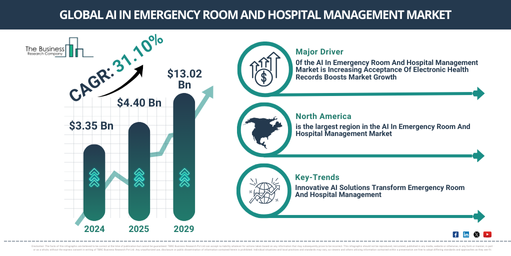
    The market size of AI in emergency room and hospital management has seen remarkable growth in the past few years. The market is predicted to expand from $3.35 billion in 2024 to $4.40 billion in 2025, signifying a compound annual growth rate (CAGR) of 31.4%. The significant growth observed in the historical period can be ascribed to heightened patient influx, an increased emphasis on AI for testing, growth in training and simulation, development of emergency care procedures, and a growing focus on revealing the Return on Investment (ROI).

    It’s anticipated that the market for AI in emergency room and hospital management will witness remarkable growth in the upcoming years, swelling to a value of $13.02 billion by 2029, with a compound annual growth rate (CAGR) of 31.1%. The significant growth projected for the forecasted period is tied to factors such as the rise in remote consultations, the transition to value-based care approaches, ongoing research and development, automation in administrative duties, and amalgamation with imaging technologies. Additionally, the upcoming trends worth noting for this period encompass smart scheduling systems, the incorporation of IoT devices, real-time resources tracking, anomaly identification, and the use of virtual health assistants.

    Download a free sample to assess the report’s scope and structure:

    https://www.thebusinessresearchcompany.com/sample.aspx?id=20708&type=smp

    Which Primay Drivers Are Accelerating Growth in the AI In Emergency Room And Hospital Management Market?

    The heightened adoption of digital health records is predicted to propel the evolution of AI in the management of emergency rooms and hospitals. Digital health records, also known as Electronic health records (EHRs), are electronic renditions of traditional paper health records and they constitute a comprehensive set of patient health facts. This rising endorsement of digital health records occurs because they offer benefits such as increased data accessibility for better patient care, more efficient workflows, improved intercommunication between healthcare providers and the potential for data analysis to guide medical decision-making. AI proves its worth in emergency room and hospital infrastructure by facilitating the electronic health record system, expediting input data, enhancing patient triage through anticipatory analysis, mechanizing administrative functions and providing clinical decision support. This results in swifter diagnoses and highly individualized therapy plans. For example, a report issued by the National Center for Health Statistics, a government entity in the US, in April 2024, indicated that 88.2% of office-based doctors claimed to use an electronic health record (EHR) system, while 77.8% employed a certified EHR system. Therefore, the escalating acceptance of digital health records will set the pace for the expansion of AI in the management of emergency rooms and hospitals.

    Which Primary Segments of the AI In Emergency Room And Hospital Management Market Are Driving Growth and Industry Transformations?

    The AI in emergency room and hospital management market covered in this report is segmented –

    1) By Offering: Hardware, Software, Services

    2) By Technology: Machine Learning, Natural Language Processing, Context-Aware Computing, Computer Vision

    3) By End User: Hospital And Healthcare Providers, Patients, Pharmaceuticals And Biotechnology Companies, Healthcare Payers, Other End Users

    Subsegments:

    1) By Hardware: Processors, Memory Devices, Storage Devices, Sensors, Others

    2) By Software: Ai Platforms, Ai-Powered Applications, Analytics Solutions, Workflow Management Solutions, Others

    3) By Services: Implementation And Integration Services, Support And Maintenance Services, Training And Consulting Services, Others

    Request customized data on this market:

    https://www.thebusinessresearchcompany.com/customise?id=20708&type=smp

    Which Regions Are Key Players in the Growth of the AI In Emergency Room And Hospital Management Market?

    North America was the largest region in the AI in emergency room and hospital management market in 2024. The regions covered in the AI in emergency room and hospital management market report are Asia-Pacific, Western Europe, Eastern Europe, North America, South America, Middle East, Africa.

    Which Technological Trends Are Reshaping the AI In Emergency Room And Hospital Management Industry Dynamics?

    Leading corporations in the AI for ER and hospital administration market are inclined towards managing patient flow and refining operational efficiency via sophisticated instruments such as generative AI-based SaaS tools. This move is primarily intended to aid in digital modernization, providing hospitals the dexterity to meet changing demands and enhance management across systems. The term generative AI-driven SaaS tools denotes cloud-enabled software solutions that harness the potential of artificial intelligence to conceive content, intelligence, or automation skills thereby augmenting decision-making and effective operations across various sectors. For example, LeanTaaS, an American firm furnishing SaaS solutions for hospital functions, introduced iQueue Autopilot in June 2023. This generative AI tool stands out for augmenting patient flow and managing capacity. Offering human-like interaction, this tool bolsters decision-making in inpatient and outpatient contexts. iQueue Autopilot employs three methods: Lean Forward for prompt recommendations, Lean Back for early alerts, and Moment in Time Problem Solving for immediate risk handling. With a vast storehouse of hospital operational data, it merges AI/ML proficiency to provide insightful steps, making sure hospitals can use resources to the maximum and escalate patient results.

    View the full report here:

    https://www.thebusinessresearchcompany.com/report/ai-in-emergency-room-and-hospital-management-global-market-report

    What Parameters Are Used to Define the AI In Emergency Room And Hospital Management Market?

    Artificial intelligence (AI) in emergency room and hospital management involves the use of advanced algorithms and technologies to optimize patient care, streamline operations, and enhance decision-making through data analysis, predictive modeling, and automation. It improves efficiency, accuracy, and patient outcomes in healthcare settings.

    Purchase the full report and get a swift delivery:

    https://www.thebusinessresearchcompany.com/purchaseoptions.aspx?id=20708

    About The Business Research Company:

    With over 15000+ reports from 27 industries covering 60+ geographies, The Business Research Company has built a reputation for offering comprehensive, data-rich research and insights. Armed with 1,500,000 datasets, the optimistic contribution of in-depth secondary research, and unique insights from industry leaders, you can get the information you need to stay ahead in the game.

    Get in touch with us:

    The Business Research Company: https://www.thebusinessresearchcompany.com/

    Americas +1 3156230293

    Asia +44 2071930708

    Europe +44 2071930708

    Email us at info@tbrc.info

    Follow us on:

    LinkedIn: https://in.linkedin.com/company/the-business-research-company

    YouTube: https://www.youtube.com/channel/UC24_fI0rV8cR5DxlCpgmyFQ

    Global Market Model: https://www.thebusinessresearchcompany.com/global-market-model
  • Saxenda Market Forecast 2025–2034: Trends Reshaping Demand, Investment, and Innovation

    Saxenda Market Forecast 2025–2034: Trends Reshaping Demand, Investment, and Innovation

    Stay ahead with our updated market reports featuring the latest on tariffs, trade flows, and supply chain transformations.

    How Has The Saxenda Market Growth Evolved From 2024 To 2025, And What’s Ahead?

    In the past few years, the market size of Saxenda has experienced an XX (HCAGR). It is projected to expand from a worth of $XX million in 2024 to $XX million in 2025, marking an annual compound growth rate (CAGR) of XX%. Factors that have contributed to its growth in the historical period include a higher occurrence of obesity, an increase in sedentary lifestyle habits, a growing awareness about health hazards related to obesity, a rising preference for weight management treatments, and enhanced accessibility to healthcare services.

    The market size for saxenda is predicted to encounter a XX (FCAGR) increment in the coming few years. It is projected to reach a worth of $XX million in 2029 with a compound annual growth rate (CAGR) of XX%. The uptrend during the forecast period can be credited to the surge in personalized medicine, the growth of healthcare infrastructure, the escalating demand for non-surgical methods of weight loss, and the growing use of digital health tools. Notable trends during the projected period involve the rising emergence of combinational therapies for weight loss, increased availability of prescribed weight loss drugs, burgeoning adoption of digital health and fitness apps, inclusion of weight management remedies into primary healthcare, and an elevated emphasis on long-lasting lifestyle modifications.

    Download a free sample to assess the report’s scope and structure:

    https://www.thebusinessresearchcompany.com/sample.aspx?id=20356&type=smp

    What Are the Major Market Drivers Behind the Rising Adoption of Saxenda Market?

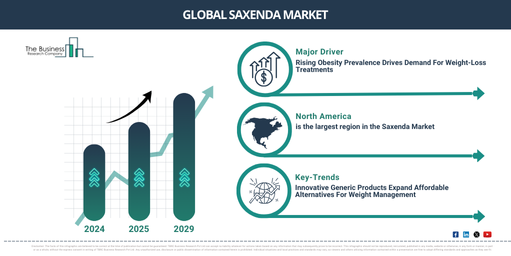
    The mounting incidence of obesity is anticipated to boost the expansion of the saxenda market in the near future. The unhealthy accumulation of body fat, otherwise known as obesity, escalates the likelihood of multiple health problems such as diabetes, cardiovascular disease, and certain types of cancer. Factors contributing to the escalating obesity rates include poor dietary habits, inactive lifestyles, urbanization, genetic predispositions, and hormonal disorders. Saxenda provides a solution to obesity by controlling hunger through its key component, liraglutide. This substance imitates the natural hormone GLP-1, encouraging satiety, reducing food intake and endorsing steady weight loss when incorporated with a balanced diet and routine exercise. For example, a study disclosed in May 2024 by the Office for Health Improvement and Disparities (OHID), a governmental organization in the UK, stated that nearly 64.0% of adults aged 18 and above in England were overweight or obese during the period 2022 to 2023. Among them, 26.2% were classified as obese; this figure aligns with the data from 2021 to 2022 (63.8% and 25.9%, accordingly). Consequently, the escalating incidence of obesity is stimulating the expansion of the saxenda market.

    Which Key Market Segments Comprise the Saxenda Market and Drive Its Revenue Growth?

    The saxenda market covered in this report is segmented –

    1) By Indication: Obesity Management (Body Mass Index (BMI) of ≥30 kg/m²); Overweight Management (BMI of ≥27 kg/m² to <30 kg/m² with weight-related comorbidities)

    2) By Dosage Form: Injection; Pre-filled pens

    3) By Distribution Channel: Hospital Pharmacies; Retail Pharmacies; Online Pharmacies

    4) By End User: Hospitals And Clinics; Homecare Settings

    Request customized data on this market:

    https://www.thebusinessresearchcompany.com/customise?id=20356&type=smp

    Which Areas Are Leading Regions in the Saxenda Market Expansion Across the Globe?

    North America was the largest region in the saxenda market in 2024. Asia-Pacific is expected to be the fastest-growing region in the forecast period. The regions covered in the saxenda market report are Asia-Pacific, Western Europe, Eastern Europe, North America, South America, Middle East, Africa.

    What Key Trends Are Shaping the Future of the Saxenda Market?

    One of the major trends in the saxenda market is the introduction of innovative products, such as generic offerings for weight management, aiming to increase the prevalence of an affordable, endorsed alternative for managing weight. Generic products for weight management are chemically analogous to branded weight loss drugs, possessing the same medicinal effects but sold under its scientific name or another brand name, usually at a lower price. For example, in April 2024, the approval of Biocon Limited’s generic formulation, Liraglutide (gSaxenda), by the UK’s Medicines and Healthcare Products Regulatory Agency (MHRA) was announced. Biocon Limited, an Indian biopharmaceutical company, introduced this product, supplied as a 6 mg/ml solution in a pre-filled pen, intended to assist in weight management alongside a low-calorie diet and increased physical exercise. The approval emphasizes the importance of cost-effective alternatives in tackling obesity, further fortifying Biocon’s range of vertically consolidated, complex drug products.

    View the full report here:

    https://www.thebusinessresearchcompany.com/report/saxenda-global-market-report

    How Is the Saxenda Market Conceptually Defined?

    Saxenda is a prescription medication containing liraglutide, designed to aid in weight management for adults with obesity or overweight conditions. It works by mimicking a hormone in the body that regulates appetite, helping individuals reduce caloric intake and achieve sustained weight loss when combined with a reduced-calorie diet and increased physical activity.

    Purchase the full report and get a swift delivery:

    https://www.thebusinessresearchcompany.com/purchaseoptions.aspx?id=20356

    About The Business Research Company:

    With over 15000+ reports from 27 industries covering 60+ geographies, The Business Research Company has built a reputation for offering comprehensive, data-rich research and insights. Armed with 1,500,000 datasets, the optimistic contribution of in-depth secondary research, and unique insights from industry leaders, you can get the information you need to stay ahead in the game.

    Get in touch with us:

    The Business Research Company: https://www.thebusinessresearchcompany.com/

    Americas +1 3156230293

    Asia +44 2071930708

    Europe +44 2071930708

    Email us at info@tbrc.info

    Follow us on:

    LinkedIn: https://in.linkedin.com/company/the-business-research-company

    YouTube: https://www.youtube.com/channel/UC24_fI0rV8cR5DxlCpgmyFQ

    Global Market Model: https://www.thebusinessresearchcompany.com/global-market-model
  • Santyl Market 2025-2034: Key Highlights, Growth Dynamics, and Emerging Trends

    Santyl Market 2025-2034: Key Highlights, Growth Dynamics, and Emerging Trends

    Stay ahead with our updated market reports featuring the latest on tariffs, trade flows, and supply chain transformations.

    What is the Projected CAGR for the Santyl Market Size from 2025 to 2034?

    In recent times, the market size of Santyl has seen a significant increase of XX (HCAGR). It is projected to expand from a market worth of $XX million in 2024 to about $XX million in 2025, reflecting a Compound Annual Growth Rate (CAGR) of XX%. The impressive expansion during this historic era is a result of various contributing factors such as the increasing elderly population, growth in healthcare expenditure, positive regulatory sanctions, economic implications of wound care, and increased public awareness through numerous campaigns.

    The market size for Santyl is projected to witness a XX (FCAGR) increase in the coming years. By 2029, it is expected to reach a value of $XX million with a Compound Annual Growth Rate (CAGR) of XX%. The predicted growth throughout the forecast period can be associated with various factors such as a rise in chronic wounds prevalence, establishment of training initiatives for providers, lifestyle-related illnesses and environmental influences, ongoing expansion in healthcare facilities, and solutions focusing on patient needs. Some major tendencies expected throughout this period involve improvements in wound care technologies, a transition toward outpatient care, evolving healthcare infrastructure, novel product evolutions in gel, and initiatives focusing on patient support.

    Download a free sample to assess the report’s scope and structure:

    https://www.thebusinessresearchcompany.com/sample.aspx?id=20355&type=smp

    What External and Internal Drivers Are Contributing to the Growth of the Santyl Market?

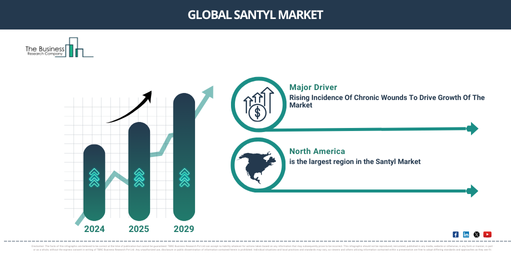
    The santyl market’s expansion is predicted to be driven by the rising prevalence of chronic wounds. These persistent wounds, which commonly don’t heal in the standard 4-6 week timeframe due to underlying issues such as diabetes, venous insufficiency, or extended pressure, are becoming increasingly common. This is influenced by the growing elderly population and escalating diabetes rates, leading to conditions that hinder effective circulation and healing. Santyl is employed to treat chronic wounds by being directly used on the affected area to dissolve necrotic tissue, thereby encouraging quicker recovery without damaging healthy tissue. For example, data from OSF HealthCare, an American skilled nursing care facilities organization, showed that roughly 6.7 million individuals currently have chronic wounds in July 2023. This figure is predicted to rise by over 2% per year in the ensuing ten years. Consequently, the growth of the santyl market is associated with the increasing prevalence of chronic wounds.

    What Segment Types Define the Santyl Market Structure?

    The santyl market covered in this report is segmented –

    1) By Indication: Chronic Dermal Ulcers; Severe Burns

    2) By Formulation: Ointment; Gel

    3) By Distribution Channel: Hospitals; Clinics; Pharmacies

    Request customized data on this market:

    https://www.thebusinessresearchcompany.com/customise?id=20355&type=smp

    Which Geographic Areas Hold the Strongest Growth Potential in the Santyl Market?

    North America was the largest region in the santyl market in 2024. Asia-Pacific is expected to be the fastest-growing region in the forecast period. The regions covered in the santyl market report are Asia-Pacific, Western Europe, Eastern Europe, North America, South America, Middle East, Africa.

    View the full report here:

    https://www.thebusinessresearchcompany.com/report/santyl-global-market-report

    What Is the Definition of the Santyl Market?

    Santyl is a prescription enzymatic debriding ointment that helps remove dead tissue from wounds, facilitating the natural healing process. It is commonly used to treat chronic and acute skin ulcers or burns by promoting a cleaner wound environment.

    Purchase the full report and get a swift delivery:

    https://www.thebusinessresearchcompany.com/purchaseoptions.aspx?id=20355

    About The Business Research Company:

    With over 15000+ reports from 27 industries covering 60+ geographies, The Business Research Company has built a reputation for offering comprehensive, data-rich research and insights. Armed with 1,500,000 datasets, the optimistic contribution of in-depth secondary research, and unique insights from industry leaders, you can get the information you need to stay ahead in the game.

    Get in touch with us:

    The Business Research Company: https://www.thebusinessresearchcompany.com/

    Americas +1 3156230293

    Asia +44 2071930708

    Europe +44 2071930708

    Email us at info@tbrc.info

    Follow us on:

    LinkedIn: https://in.linkedin.com/company/the-business-research-company

    YouTube: https://www.youtube.com/channel/UC24_fI0rV8cR5DxlCpgmyFQ

    Global Market Model: https://www.thebusinessresearchcompany.com/global-market-model
  • Ryzodeg 70/30 Market Trends 2025-2034: Growth, Strategic Insights, and Opportunities Ahead

    Ryzodeg 70/30 Market Trends 2025-2034: Growth, Strategic Insights, and Opportunities Ahead

    Stay ahead with our updated market reports featuring the latest on tariffs, trade flows, and supply chain transformations.

    What Is the Current and Projected Market Size of the Ryzodeg 70/30 Market Through 2034?

    In the past few years, the market size of Ryzodeg 70/30 has seen a compound annual growth rate of XX%. Projections show a growth increase from $XX million in 2024 to $XX million in 2025, maintaining a CAGR of XX%. This significant market expansion rate during the historical timeframe can be connected to elevated funding towards diabetes research, the surge in the elderly population, the tailoring of diabetes treatments to individual needs, amplification in income levels, enhancements in healthcare infrastructure, and a patient inclination towards adaptable dosing schedules.

    In the following years, the market size of ryzodeg 70/30 is predicted to experience a FCAGR of XX. There will be a significant rise up to $XX million in 2029, with a compound annual growth rate (CAGR) of XX%. The forecast period’s growth is owing to an increase in diabetes cases, the government’s increasing efforts to heighten diabetes awareness, growing diabetes testing programs, escalating demand for injectable insulin treatments, and positive regulatory sanctions. Noteworthy trends during the forecast period involve the incorporation of insulin analogs, combination with digital health implements, progress in diabetes care device technology, inventive methods to monitor glucose levels, and advancements in insulin delivery technology.

    Download a free sample to assess the report’s scope and structure:

    https://www.thebusinessresearchcompany.com/sample.aspx?id=20354&type=smp

    What Are the Core Market Drivers Propelling Growth in the Ryzodeg 70/30 Industry?

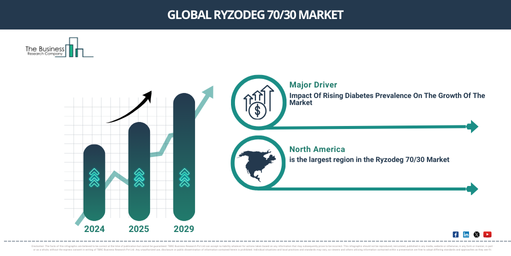
    The escalating occurrence of diabetes is anticipated to drive the expansion of the ryzodeg 70/30 market in the future. The chronic nature of diabetes, characterized by the body’s inability to generate sufficient insulin or effectively employ the produced insulin, results in elevated blood glucose levels. The increasing incidence of diabetes can be traced back to factors like poor eating habits, lack of physical activity, obesity, genetic factors, aging demographics, alongside the heightened awareness and diagnosis of the disease. The combination insulin medication Ryzodeg 70/30 aids diabetes management by offering both basal and bolus insulin performance. This facilitates optimal blood sugar regulation throughout the day and night – a critical aspect for individuals with type 1 and type 2 diabetes to sustain consistent glucose levels and enhance overall glycemic control. For example, the Office for Health Improvement and Disparities, a government department based in the UK, reported in March 2024 that between March 2022 and March 2023, there was a 22% rise in individuals with type 1 diabetes receiving all eight suggested care procedures. The same report noted a 21% growth for persons with type 2 diabetes, while the achievement rate for target HbA1c levels increased to 37.9%. Hence, the growing rate of diabetes is fueling the expansion of the ryzodeg 70/30 market.

    How Is the Ryzodeg 70/30 Market Segmented?

    The ryzodeg 70/30 market covered in this report is segmented –

    1) By Indication: Type 1 Diabetes; Type 2 Diabetes

    2) By Distribution Channel: Hospital Pharmacies; Retail Pharmacies; Online Pharmacies

    3) By End User: Hospitals And Clinics; Home Care Settings; Long-Term Care Facilities

    Request customized data on this market:

    https://www.thebusinessresearchcompany.com/customise?id=20354&type=smp

    Which Regions Are Driving the Next Phase of the Ryzodeg 70/30 Market Growth?

    North America was the largest region in the ryzodeg 70/30 market in 2024. Asia-Pacific is expected to be the fastest-growing region in the forecast period. The regions covered in the ryzodeg 70/30 market report are Asia-Pacific, Western Europe, Eastern Europe, North America, South America, Middle East, Africa.

    View the full report here:

    https://www.thebusinessresearchcompany.com/report/ryzodeg-70-30-global-market-report

    How Is the Ryzodeg 70/30 Market Defined and What Are Its Core Parameters?

    Ryzodeg 70/30 is a combination insulin consisting of 70% insulin degludec (long-acting) and 30% insulin aspart (rapid-acting). It is used to control blood sugar levels in people with type 1 or type 2 diabetes, providing both immediate and long-lasting effects.

    Purchase the full report and get a swift delivery:

    https://www.thebusinessresearchcompany.com/purchaseoptions.aspx?id=20354

    About The Business Research Company:

    With over 15000+ reports from 27 industries covering 60+ geographies, The Business Research Company has built a reputation for offering comprehensive, data-rich research and insights. Armed with 1,500,000 datasets, the optimistic contribution of in-depth secondary research, and unique insights from industry leaders, you can get the information you need to stay ahead in the game.

    Get in touch with us:

    The Business Research Company: https://www.thebusinessresearchcompany.com/

    Americas +1 3156230293

    Asia +44 2071930708

    Europe +44 2071930708

    Email us at info@tbrc.info

    Follow us on:

    LinkedIn: https://in.linkedin.com/company/the-business-research-company

    YouTube: https://www.youtube.com/channel/UC24_fI0rV8cR5DxlCpgmyFQ

    Global Market Model: https://www.thebusinessresearchcompany.com/global-market-model

  • Ryzneuta Market Insights: In-Depth Look at Growth Trends, Market Size, and Opportunities for 2025-2034

    Ryzneuta Market Insights: In-Depth Look at Growth Trends, Market Size, and Opportunities for 2025-2034

    Stay ahead with our updated market reports featuring the latest on tariffs, trade flows, and supply chain transformations.

    What is the Anticipated CAGR of the Ryzneuta Market, and What Factors Will Drive It?

    Recently, the ryzneuta market has been observed to grow at an XX (HCAGR). It is projected to escalate from a worth of $XX million in 2024 to $XX million in 2025, with a compound annual growth rate (CAGR) of XX%. This growth throughout the historical period is credited to the surged demand for bio-based products, greater emphasis on supportive care, enhancements in healthcare infrastructure, increase in older age population, and the escalating instances of neutropenia.

    In the coming years, the ryzneuta market is projected to experience a growth rate of XX (FCAGR). This significant growth will lead the market to reach a value of $XX million by 2029, with a Compound Annual Growth Rate (CAGR) of XX%. The predicted growth within this period can be linked to several factors such as the increase in government-led initiatives and funds, the rising acceptance of chemotherapy, an emerging trend of home-based infusion therapy, a surge in the number of facilities providing cancer treatment, and a heightened emphasis on health and wellness. Key trends anticipated during the forecast period include technological progression in treatment methods, advancements in the fields of molecular diagnostics and genomic profiling, the advent of digital health solutions, innovative amalgamation therapies, and the development in the sphere of supportive care therapies.

    Download a free sample to assess the report’s scope and structure:

    https://www.thebusinessresearchcompany.com/sample.aspx?id=20353&type=smp

    Which Primay Drivers Are Accelerating Growth in the Ryzneuta Market?

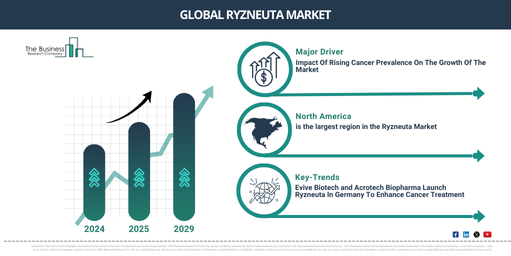
    The upward trend in cancer cases is anticipated to stimulate the expansion of the ryzneuta market. Cancer, which involves the unregulated proliferative activity of aberrant cells leading to tumor formation, tissue infiltration, and metastasis through the blood or lymph vessels, is becoming increasingly common. This upsurge in cancer cases can be linked back to factors like growing older population, poor lifestyle choices, environmental exposure, genetic vulnerabilities, advancements in detection technique, and chronic infections or inflammation. Ryzneuta contributes in the fight against cancer by impeding particular cancer cell growth systems, hence boosting the body’s immune response and optimizing the treatment results for certain cancers like non-Hodgkin lymphoma. For example, data from the Australian Institute of Health and Welfare, a government body based in Australia, showed a rise in diagnosed cancer cases from 156,781 in 2021 to 160,570 in 2022, reflecting an additional 3,789 cases within a year. Consequently, the ryzneuta market is being propelled by this escalating prevalence of cancer.

    Which Primary Segments of the Ryzneuta Market Are Driving Growth and Industry Transformations?

    The ryzneuta market covered in this report is segmented –

    1) By Indication: Chemotherapy-Induced Neutropenia; Cyclic Neutropenia; Idiopathic Neutropenia; Congenital Neutropenia

    2) By Route Of Administration: Parenteral; Oral

    3) By Distribution Channel: Hospital Pharmacies; Retail Pharmacies; Online Pharmacies

    4) By End User: Hospitals; Specialty Clinics; Home Healthcare; Research And Academic Institutes

    Request customized data on this market:

    https://www.thebusinessresearchcompany.com/customise?id=20353&type=smp

    Which Regions Are Key Players in the Growth of the Ryzneuta Market?

    North America was the largest region in the ryzneuta market in 2024. Asia-Pacific is expected to be the fastest-growing region in the forecast period. The regions covered in the ryzneuta market report are Asia-Pacific, Western Europe, Eastern Europe, North America, South America, Middle East, Africa.

    What Are the Most Significant Market Trends in the Ryzneuta Market?

    In the ryzneuta market, a crucial trend being noticed is the conceptualization and development of progressive drug treatments like the efbemalenograstim alfa injections, which are aimed at addressing the gaps in healthcare needs, amplifying the effectiveness of treatments, and bettering patient outcomes. Efbemalenograstim alfa injection, a long-acting granulocyte colony-stimulating factor (G-CSF), serves the purpose of decreasing the duration of neutropenia and the occurrence of febrile neutropenia in patients who are undergoing chemotherapy. For instance, in November 2024, a collaboration was formed between Evive Biotech Private Limited, a Singapore-based biopharmaceutical entity, and Acrotech Biopharma LLC, a US-based pharmaceutical firm, leading to the launch of Ryzneuta in Germany. This revolutionary biologic treatment is specifically created to prompt the manufacturing of white blood cells, thereby lowering the chances of infection in patients who are undergoing chemotherapy or treatments with the similar effect of suppressing immune function. The product is anticipated to significantly contribute to the enhancement of patient outcomes, speeding up their recovery journey, and providing a novel alternative to the currently available treatments, complete with its own set of distinctive advantages.

    View the full report here:

    https://www.thebusinessresearchcompany.com/report/ryzneuta-global-market-report

    What Parameters Are Used to Define the Ryzneuta Market?

    Ryzneuta (efbemalenograstim alfa) is a long-acting granulocyte colony-stimulating factor (G-CSF) used to reduce the risk of infection in adults with non-myeloid malignancies undergoing chemotherapy. It works by stimulating the production of neutrophils, a type of white blood cell essential for fighting infections.

    Purchase the full report and get a swift delivery:

    https://www.thebusinessresearchcompany.com/purchaseoptions.aspx?id=20353

    About The Business Research Company:

    With over 15000+ reports from 27 industries covering 60+ geographies, The Business Research Company has built a reputation for offering comprehensive, data-rich research and insights. Armed with 1,500,000 datasets, the optimistic contribution of in-depth secondary research, and unique insights from industry leaders, you can get the information you need to stay ahead in the game.

    Get in touch with us:

    The Business Research Company: https://www.thebusinessresearchcompany.com/

    Americas +1 3156230293

    Asia +44 2071930708

    Europe +44 2071930708

    Email us at info@tbrc.info

    Follow us on:

    LinkedIn: https://in.linkedin.com/company/the-business-research-company

    YouTube: https://www.youtube.com/channel/UC24_fI0rV8cR5DxlCpgmyFQ

    Global Market Model: https://www.thebusinessresearchcompany.com/global-market-model