Blog

  • Penile Implants Market Analysis 2026: Market Size, Growth Trends And Industry Outlook

    Penile Implants Market Analysis 2026: Market Size, Growth Trends And Industry Outlook

    Featuring market attractiveness scoring, total addressable market sizing, company benchmarking matrices, interactive Excel dashboards, deeper supply chain intelligence, emerging startup tracking, and granular product-level insights, The Business Research Company’s 2026 market reports are built to deliver research that is both more actionable and more strategically valuable.

    Penile Implants Market Revenue Growth On Track For A 9.4% CAGR Through 2030

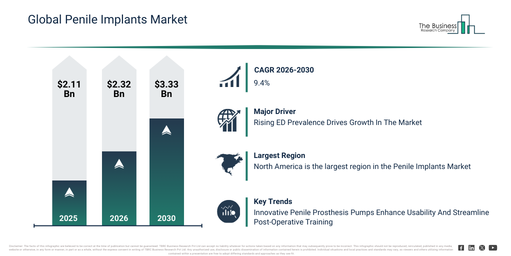
    The market size for penile implants has experienced robust growth in recent years. It is projected to increase from $2.11 billion in 2025 to $2.32 billion in 2026, at a compound annual growth rate (CAGR) of 9.7%. The historical expansion in this period can be attributed to limited awareness of penile implants, a reliance on oral medication and injections, the social stigma surrounding erectile dysfunction, inadequate surgical expertise, and fragmented patient follow-up systems.

    The penile implants market is anticipated to experience robust expansion over the coming years. Projections indicate its size will reach $3.33 billion by 2030, demonstrating a compound annual growth rate (CAGR) of 9.4%. This forecasted growth stems from several factors, including the increasing acceptance of inflatable and semi-rigid implants, a growing preference for outpatient and less invasive medical interventions, the expansion of urology clinics and specialized treatment facilities, ongoing progress in biocompatible materials and implant design, and heightened patient awareness leading to a preference for lasting erectile dysfunction (ED) remedies. Key trends anticipated during this period encompass the expanded application of AI for preoperative evaluations and predicting outcomes, the adoption of personalized erectile dysfunction treatments based on genomics, the incorporation of cloud computing and big data for patient surveillance, the utilization of IoT-enabled devices for post-operative care and observation, and the deployment of smart manufacturing techniques in the production of penile implants.

    Get A Free Sample Report With In-Depth Market Insights:

    https://thebusinessresearchcompany.com/sample_request?id=84674631&type=smp&name=Penile%20Implants%20Market%20Report%202026&utm_source=Blogs&utm_medium=Paid&utm_campaign=Nov_PR

    Penile Implants Market Growth Factors: What’s Supporting Expansion?

    The increasing occurrence of erectile dysfunction (ED) is anticipated to propel the penile implants market in the future. Erectile dysfunction denotes the consistent inability to achieve or maintain an erection adequate for satisfactory sexual activity. The rising incidence of erectile dysfunction is attributed to several factors, including an aging population, an uptick in lifestyle-associated conditions such as diabetes, obesity, and cardiovascular diseases, mental health challenges like stress and anxiety, and enhanced awareness and diagnosis of the condition facilitated by advancements in healthcare. Penile implants are instrumental in managing the growing prevalence of erectile dysfunction by offering a lasting and efficient treatment for individuals unresponsive to pharmacological interventions, thereby enhancing their quality of life and providing a long-term option for severe instances. Therefore, the increasing prevalence of erectile dysfunction (ED) is a significant driver for the penile implants market.

    Penile Implants Market Segment Breakdown: Which Categories Lead On Revenue?

    The penile implants market covered in this report is segmented –

    1) By Implant Type: Inflatable Penile Implants, Malleable Penile Implants, Semi-Rigid Penile Implants

    2) By Patient Type: Vascular Impotence Patients, Psychogenic Impotence Patients, Neurological Impotence Patients

    3) By Material: Silicon, Bioflex, Other Materials

    4) By Deployment Method: Outpatient Procedure, Inpatient Procedure

    5) By End User: Hospital, Ambulatory Surgery Centers, Urology Centers, Other End Users

    Subsegments:

    1) By Inflatable Penile Implants: Two-Piece Inflatable Penile Implants, Three-Piece Inflatable Penile Implants

    2) By Malleable Penile Implants: Single-Component Malleable Implants, Multi-Component Malleable Implants

    3) By Semi-Rigid Penile Implants: Semi-Rigid Rod Implants, Semi-Rigid Adjustable Implants

    Penile Implants Market Trends Shaping Long-Term Demand

    Major companies in the penile implants market are focusing on developing innovative products like penile prosthesis pumps to enhance patient and physician experience by improving reliability, simplifying usage, and streamlining post-operative training for inflatable penile prostheses. A penile prosthesis pump is a device implanted in the scrotum that enables users to create an erection by manually transferring fluid from a reservoir into inflatable cylinders within the penis.

    Penile Implants Market Leading Players And Competitive Positioning

    Major companies operating in the penile implants market are Boston Scientific Corporation, Coloplast Corp, Promedon S.A., Zephyr Surgical Implants, Rigicon Inc, Penuma, Shah Prosthesis, Rocamed, Genesis MedTech Group, Guangzhou Jiedi Medical Co Ltd, Uromedica Inc, Taheri Medical Instruments, InnoMedicus AG, Tic Medizintechnik GmbH & Co KG, ZSR Biomedical Technology Co Ltd, G Surgiwear Ltd, Titan Medical Inc, UroHealth Systems Pvt Ltd, Sanghui Medical Co Ltd, Prometheus Group, Neomedic, Osbon, UroMed, Timm Medical Technologies Inc, Nuntius, Men’s Health Solutions, Allen Medical Systems

    View The Full Penile Implants Market Report:

    https://thebusinessresearchcompany.com/report/penile-implants-global-market-report?utm_source=Blogs&utm_medium=Paid&utm_campaign=Nov_PR

    Penile Implants Market Geographic Landscape: Which Region Leads Industry Growth?

    North America was the largest region in the penile implants market in 2025. Asia-Pacific is expected to be the fastest-growing region in the forecast period. The regions covered in the penile implants market report are Asia-Pacific, South East Asia, Western Europe, Eastern Europe, North America, South America, Middle East, Africa.

    Reach Out To Our Team:

    The Business Research Company: https://www.thebusinessresearchcompany.com/

    Americas: +1 310-496-7795

    Asia: +44 7882 955267 & +91 8897263534

    Europe: +44 7882 955267

    Email us at: marketing@tbrc.info

    Follow us on:

    LinkedIn: https://in.linkedin.com/company/the-business-research-company

    YouTube: https://www.youtube.com/channel/UC24_fI0rV8cR5DxlCpgmyFQ

    Global Market Model: https://www.thebusinessresearchcompany.com/global-market-model
  • Penile Cancer Market Growth To $37.41 Billion Creates New Opportunities Across The Industry

    Penile Cancer Market Growth To $37.41 Billion Creates New Opportunities Across The Industry

    Built to provide research that’s more actionable and strategically valuable, The Business Research Company’s 2026 market reports include market attractiveness analysis, total addressable market sizing, company benchmarking matrices, interactive Excel dashboards, broader supply chain intelligence, emerging startup tracking, and in-depth product insights.

    Penile Cancer Market Value Growth And Long-Term Outlook

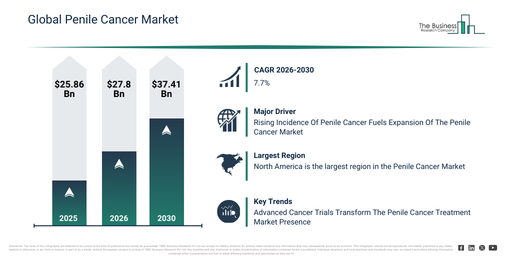
    The penile cancer market has experienced significant growth in recent years. It is projected to expand from $25.86 billion in 2025 to $27.8 billion in 2026, demonstrating a compound annual growth rate (CAGR) of 7.5%. This historical growth can be attributed to factors such as limited awareness and screening, delayed diagnosis, a reliance on conventional surgery and chemotherapy, insufficient specialized treatment centers, and fragmented patient data.

    The penile cancer market is projected to experience substantial expansion in the coming years, with its size anticipated to reach $37.41 billion by 2030, exhibiting a compound annual growth rate (CAGR) of 7.7%. This growth over the forecast period is primarily fueled by the increasing adoption of immunotherapy and biological treatments, the expanding use of personalized medicine approaches, the broader implementation of early detection programs, the surge in telemedicine and remote monitoring services, and increased investment in penile cancer research and awareness initiatives. Prominent trends expected during this period include the rising application of artificial intelligence for early diagnosis and risk assessment, the growing acceptance of genomics-based targeted therapies, the integration of cloud computing and big data for patient management, the deployment of IoT-enabled devices for monitoring treatment outcomes, and the implementation of smart manufacturing techniques in the production of biological therapies.

    Get A Free Sample Report With In-Depth Market Insights:

    https://thebusinessresearchcompany.com/sample_request?id=55115428&type=smp&name=Penile%20Cancer%20Market%20Report%202026&utm_source=Blogs&utm_medium=Paid&utm_campaign=Nov_PR

    Penile Cancer Market Demand Drivers: What’s Powering Industry Growth?

    The escalating occurrence of penile cancer is set to propel the growth of the penile cancer market in the foreseeable future. Penile cancer involves the formation of malignant cells within the tissues of the penis. An uptick in the incidence of this cancer can potentially lead to an increased demand for diagnostic, surgical, and supportive care services, thereby influencing the penile cancer market. Consequently, the rising incidence of penile cancer is a key driver for the expansion of the penile cancer market. The surge in the geriatric population is anticipated to fuel the expansion of the penile cancer market moving forward. The geriatric population refers to individuals classified as elderly or older adults. Penile cancer predominantly affects older men, with its incidence increasing with advancing age. It has been treated using surgery, radiation therapy, and targeted therapy. An increase in the geriatric population heightens the probability of penile infection. Therefore, the growth in the geriatric population is significantly driving the growth of the penile cancer market.

    Penile Cancer Market Segmentation: How Does The Market Break Down By Category?

    The penile cancer market covered in this report is segmented –

    1) By Type: Squamous Cell Cancer Of Penis, Aden Carcinoma Of Penis, Melanoma Of The Penis, Basal Cell Cancer Of Penis, Sarcoma Of Penis

    2) By Type Of Therapy: Radiation Therapy, Chemotherapy, Biological Therapy, Surgery

    3) By Diagnostic Test: Biopsy, Ultrasound, Imaging Tests

    4) By Application: Hospital, Clinics, Other Applications

    Subsegments:

    1) By Squamous Cell Cancer Of Penis: Invasive Squamous Cell Carcinoma, Non-Invasive Squamous Cell Carcinoma

    2) By Adenocarcinoma Of Penis: Penile Adenocarcinoma, Mucinous Adenocarcinoma, Non-Mucinous Adenocarcinoma

    3) By Melanoma Of The Penis: Superficial Spreading Melanoma, Nodular Melanoma, Acral Lentiginous Melanoma

    4) By Basal Cell Cancer Of Penis: Nodular Basal Cell Carcinoma, Superficial Basal Cell Carcinoma, Morpheaform Basal Cell Carcinoma

    5) By Sarcoma Of Penis: Kaposi’s Sarcoma, Rhabdomyosarcoma

    Penile Cancer Market Innovation Trends Shaping Future Development

    Major companies operating in the penile cancer market are increasingly directing their efforts towards innovative solutions, including advanced cancer trials, to address unmet medical needs and enhance treatment outcomes. Advanced cancer trials involve the evaluation of new treatments, therapies, or medications on patients with late-stage cancer to determine their safety and effectiveness.

    Penile Cancer Market Competitive Overview And Top Companies

    Major companies operating in the penile cancer market are Pfizer Inc., Merck & Co. Inc., Bayer AG, Bristol-Myers Squibb Company, AstraZeneca PLC, Takeda Pharmaceutical Company Limited, Eli Lilly and Co Ltd., Amgen Inc., Astellas Pharma Inc., Daiichi Sankyo Company Limited, Eisai Co. Ltd., Novartis AG, F Hoffmann-La Roche Ltd, Johnson & Johnson, AbbVie Inc., GlaxoSmithKline plc, BeiGene Ltd., Iovance Biotherapeutics Inc, Lisata Therapeutics Inc, Halozyme Therapeutics Inc, Sotio Biotech, Sanofi S A, Genmab A S, Otsuka Pharmaceutical Co Ltd, Adaptimmune Therapeutics plc, Apceth Biopharma GmbH & Co KG

    View The Full Penile Cancer Market Report:

    https://thebusinessresearchcompany.com/report/penile-cancer-global-market-report?utm_source=Blogs&utm_medium=Paid&utm_campaign=Nov_PR

    Penile Cancer Market Largest Region: Which Geography Holds The Biggest Share?

    North America was the largest region in the penile cancer market in 2025. Asia-Pacific is expected to be the fastest-growing region in the forecast period. The regions covered in the penile cancer market report are Asia-Pacific, South East Asia, Western Europe, Eastern Europe, North America, South America, Middle East, Africa.

    Reach Out To Our Team:

    The Business Research Company: https://www.thebusinessresearchcompany.com/

    Americas: +1 310-496-7795

    Asia: +44 7882 955267 & +91 8897263534

    Europe: +44 7882 955267

    Email us at: marketing@tbrc.info

    Follow us on:

    LinkedIn: https://in.linkedin.com/company/the-business-research-company

    YouTube: https://www.youtube.com/channel/UC24_fI0rV8cR5DxlCpgmyFQ

    Global Market Model: https://www.thebusinessresearchcompany.com/global-market-model
  • Pemphigus Vulgaris Market Forecast: Breaking Down The Numbers Behind Future Expansion

    Pemphigus Vulgaris Market Forecast: Breaking Down The Numbers Behind Future Expansion

    Backed by market attractiveness analysis, total addressable market sizing, company benchmarking matrices, interactive Excel dashboards, wider supply chain intelligence, emerging startup coverage, and detailed product-level insights, The Business Research Company’s 2026 market reports are designed to offer research that is more actionable and strategically valuable than ever.

    Pemphigus Vulgaris Market Poised To Hit $2.79 Billion By 2030 With A 7.5% CAGR

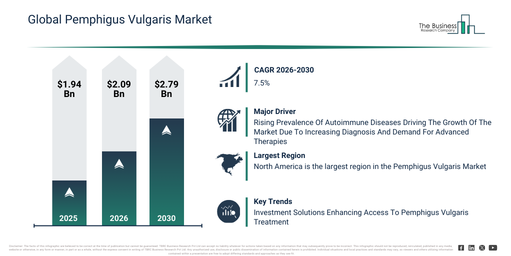
    The pemphigus vulgaris market has experienced significant expansion in recent years. It is anticipated to grow from $1.94 billion in 2025 to $2.09 billion in 2026, achieving a compound annual growth rate (CAGR) of 7.7%. The historical growth of this market is attributable to limited awareness and delayed diagnosis, reliance on corticosteroids, insufficient access to dermatology specialists, high cost of immunosuppressive therapies, and fragmented clinical data and registries.

    The pemphigus vulgaris market is anticipated to show robust expansion over the next few years. It is projected to achieve a value of $2.79 billion by 2030, exhibiting a compound annual growth rate (CAGR) of 7.5%. The expansion during the forecast period is primarily driven by the increasing integration of targeted immunotherapies, the wider application of biologics and monoclonal antibodies, the growth of teledermatology and remote monitoring solutions, enhancements in diagnostic tools for early detection, and increasing patient awareness along with support programs. Key trends expected in the forecast period include the rising utilization of AI for early diagnosis and prognosis prediction, the growing adoption of genomics-based personalized therapies, the integration of cloud and big data for comprehensive patient data management, the deployment of IoT-enabled devices for remote patient monitoring, and the implementation of smart manufacturing processes in the production of immunosuppressive drugs.

    Get A Free Sample Report With In-Depth Market Insights:

    https://thebusinessresearchcompany.com/sample_request?id=42607862&type=smp&name=Pemphigus%20Vulgaris%20Market%20Report%202026&utm_source=Blogs&utm_medium=Paid&utm_campaign=Nov_PR

    Pemphigus Vulgaris Market Growth Drivers: What’s Behind The Acceleration?

    The increasing occurrence of autoimmune diseases is projected to drive the growth of the pemphigus vulgaris market going forward. Autoimmune diseases are disorders where the immune system mistakenly targets and damages the body’s healthy cells, tissues, or organs. The rising prevalence of these conditions is attributed to genetic predisposition, environmental triggers, and lifestyle changes. Genetic factors play a significant role, as individuals with a family history of autoimmune diseases are more likely to develop them due to inherited vulnerabilities in the immune system. As autoimmune diseases become more common due to genetic predisposition, environmental triggers, and lifestyle changes, a greater number of individuals are being diagnosed with conditions like pemphigus vulgaris, thereby fueling the demand for advanced therapies. For instance, in January 2025, according to the Mayo Clinic Health System, a US-based network providing comprehensive healthcare services, the global incidence and prevalence of autoimmune diseases are rising, with annual increases estimated at 19.1% and 12.5%, respectively. Therefore, the prevalence of autoimmune diseases is stimulating the expansion of the pemphigus vulgaris market.

    Pemphigus Vulgaris Market Segment Trends And Revenue Contributors

    The pemphigus vulgaris market covered in this report is segmented –

    1) By Diagnosis And Treatment: Diagnosis, Treatment

    2) By Population Type: Pediatric, Adults, Geriatric

    3) By Distribution Channel: Hospitals Pharmacy, Retail Pharmacy, Online Pharmacy

    4) By End-User: Hospitals, Specialty Clinics, Research Institutes, Other End-Users

    Subsegments:

    1) By Diagnosis: Clinical Examination, Skin Biopsy, Direct Immunofluorescence, Serological Tests, Polymerase Chain Reaction (PCR)

    2) By Treatment: Pharmacological Therapy, Non-Pharmacological Therapy

    Pemphigus Vulgaris Market Trends Redefining Industry Growth

    Leading entities within the pemphigus vulgaris market are prioritizing investment solutions aimed at enhancing treatment effectiveness and expanding therapeutic choices. These investment solutions involve financial approaches and resources designated for the development of treatments, research efforts, and their introduction to the market.

    Pemphigus Vulgaris Market Competitive Landscape: Which Companies Lead The Industry?

    Major companies operating in the pemphigus vulgaris market are Pfizer Inc., F. Hoffmann-La Roche Ltd, Thermo Fisher Scientific Inc., GlaxoSmithKline plc, Amgen Inc., Sanofi S.A, Biogen Inc., Genentech, Genmab A/S, argenx SE, Daewoong Pharmaceutical Co. Ltd., HanAll Biopharma Co. Ltd., Artiva Biotherapeutics, Cabaletta Bio Inc., SinoMab BioScience Limited, Topas Therapeutics GmbH, Principia Biopharma Inc., Serpin Pharma LLC, Syntimmune Inc., International Pemphigus & Pemphigoid Foundation

    View The Full Pemphigus Vulgaris Market Report:

    https://thebusinessresearchcompany.com/report/pemphigus-vulgaris-global-market-report?utm_source=Blogs&utm_medium=Paid&utm_campaign=Nov_PR

    Pemphigus Vulgaris Market Regional Analysis: Which Geography Leads On Revenue?

    North America was the largest region in the pemphigus vulgaris market in 2025. Asia-Pacific is expected to be the fastest-growing region in the forecast period. The regions covered in the pemphigus vulgaris market report are Asia-Pacific, South East Asia, Western Europe, Eastern Europe, North America, South America, Middle East, Africa.

    Reach Out To Our Team:

    The Business Research Company: https://www.thebusinessresearchcompany.com/

    Americas: +1 310-496-7795

    Asia: +44 7882 955267 & +91 8897263534

    Europe: +44 7882 955267

    Email us at: marketing@tbrc.info

    Follow us on:

    LinkedIn: https://in.linkedin.com/company/the-business-research-company

    YouTube: https://www.youtube.com/channel/UC24_fI0rV8cR5DxlCpgmyFQ

    Global Market Model: https://www.thebusinessresearchcompany.com/global-market-model
  • Pelvic Inflammatory Disease (PID) Treatment Market Expected To Grow At 5.3% CAGR Through 2030: What Businesses Need To Know

    Pelvic Inflammatory Disease (PID) Treatment Market Expected To Grow At 5.3% CAGR Through 2030: What Businesses Need To Know

    Featuring market attractiveness scoring, total addressable market sizing, company benchmarking matrices, interactive Excel dashboards, deeper supply chain intelligence, emerging startup tracking, and granular product-level insights, The Business Research Company’s 2026 market reports are built to deliver research that is both more actionable and more strategically valuable.

    Pelvic Inflammatory Disease (PID) Treatment Market Size And Revenue Outlook Through 2030

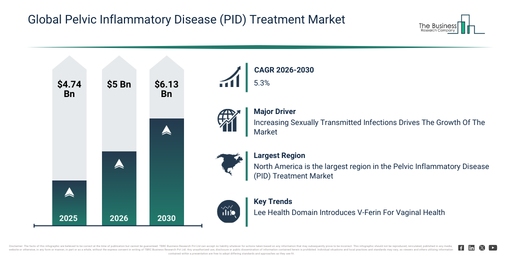
    The pelvic inflammatory disease (PID) treatment market has experienced substantial expansion in recent years. This market is forecasted to increase from $4.74 billion in 2025 to $5 billion in 2026, demonstrating a compound annual growth rate (CAGR) of 5.5%. The historical market expansion can be ascribed to a high incidence of sexually transmitted infections, insufficient knowledge about PID, a dependence on broad-spectrum antibiotics, difficulties in early diagnosis stemming from asymptomatic cases, and limited access to specialized gynecological care.

    The pelvic inflammatory disease (pid) treatment market is anticipated to experience substantial expansion over the upcoming years. This market is projected to reach $6.13 billion by 2030, demonstrating a compound annual growth rate (CAGR) of 5.3%. Factors contributing to this growth during the forecast period include the increasing uptake of combination antibiotic therapies, a rise in the application of hormonal therapy for preventative measures, innovations in minimally invasive surgical techniques, the expansion of telehealth and remote monitoring services, and enhanced awareness and educational initiatives aimed at early diagnosis. Key developments expected during the forecast timeframe encompass the wider application of AI for prompt diagnosis and risk assessment, the escalating embrace of genomics-based personalized treatment strategies, the incorporation of cloud and big data technologies for comprehensive patient monitoring and administration, the deployment of IoT-enabled devices for tracking symptoms remotely, and the introduction of smart manufacturing practices in the production of antibiotics.

    Get A Free Sample Report With In-Depth Market Insights:

    https://thebusinessresearchcompany.com/sample_request?id=37826899&type=smp&name=Pelvic%20Inflammatory%20Disease%20%28PID%29%20Treatment%20Market%20Report%202026&utm_source=Blogs&utm_medium=Paid&utm_campaign=Nov_PR

    Pelvic Inflammatory Disease (PID) Treatment Market Growth Factors Behind Sustained Expansion

    The growth of the pelvic inflammatory disease (PID) treatment market is anticipated to be significantly propelled by the rising occurrence of sexually transmitted infections (STIs). These infections, which are caused by bacteria, viruses, or parasites, are predominantly disseminated through sexual contact, including vaginal, anal, or oral sex. The expanding prevalence of STIs stems from factors such as engagement in risky sexual behaviors, unprotected sex, inadequate awareness, and delays in both testing and treatment. PID treatment proves beneficial in addressing STIs because it utilizes antibiotics to eradicate infection-causing bacteria, thereby preventing complications like chronic pelvic pain and infertility, and lowering the likelihood of recurrent infections. Consequently, the growing prevalence of sexually transmitted infections is a key driver for the pelvic inflammatory disease (PID) treatment market.

    Pelvic Inflammatory Disease (PID) Treatment Market Segment Analysis Spotlighting Growth Areas

    The pelvic inflammatory disease (pid) treatment market covered in this report is segmented –

    1) By Treatment Type: Antibiotic Therapy, Surgery, Pain Management

    2) By Route Of Administration: Oral, Intravenous, Intramuscular

    3) By End User: Hospitals, Clinics, Homecare

    Subsegments:

    1) By Antibiotic Therapy: Broad-spectrum Antibiotics, Combination Antibiotic Therapy, Oral Antibiotics, Intravenous Antibiotics

    2) By Surgery: Laparoscopy, Hysterectomy, Tubal Surgery

    3) By Pain Management: Nonsteroidal Anti-inflammatory Drugs (NSAIDs), Opioid Analgesics, Acetaminophen, Localized Pain Management

    Pelvic Inflammatory Disease (PID) Treatment Market Strategic Trends: What Defines The Next Growth Phase?

    Leading companies within the pelvic inflammatory disease (PID) treatment market are concentrating on innovative formulations, such as probiotic supplements, to improve treatment effectiveness, restore vaginal microbiota balance, and lessen the recurrence of infections in patients suffering from PID. A probiotic supplement is a product that contains beneficial live bacteria or yeasts, aiding in the maintenance or restoration of a healthy balance of gut and vaginal microbiota.

    Pelvic Inflammatory Disease (PID) Treatment Market Leading Companies: Who Holds The Strongest Market Presence?

    Major companies operating in the pelvic inflammatory disease (pid) treatment market are Pfizer Inc., Bayer AG, Eli Lilly and Company, Otsuka Pharmaceutical Co. Ltd., Astellas Pharma Inc., Daiichi Sankyo Company Limited, Hetero Drugs Ltd., Sun Pharmaceutical Industries Ltd., Takeda Pharmaceutical Company Limited, Dr. Reddy’s Laboratories Ltd., Cipla Limited, Hikma Pharmaceuticals PLC, Lupin Pharmaceuticals Inc., Torrent Pharmaceuticals Ltd., Mankind Pharma Ltd., Mayne Pharma Group Limited, Saphnix Lifesciences, Aristo Pharmaceuticals Pvt. Ltd., Zydus Cadila Healthcare Ltd., Amagen India Life Sciences

    View The Full Pelvic Inflammatory Disease (PID) Treatment Market Report:

    https://thebusinessresearchcompany.com/report/pelvic-inflammatory-disease-pid-treatment-global-market-report?utm_source=Blogs&utm_medium=Paid&utm_campaign=Nov_PR

    Pelvic Inflammatory Disease (PID) Treatment Market Geographic Spread And Regional Opportunities

    North America was the largest region in the pelvic inflammatory disease (PID) treatment market in 2025. Asia-Pacific is expected to be the fastest-growing region in the forecast period. The regions covered in the pelvic inflammatory disease (pid) treatment market report are Asia-Pacific, South East Asia, Western Europe, Eastern Europe, North America, South America, Middle East, Africa.

    Reach Out To Our Team:

    The Business Research Company: https://www.thebusinessresearchcompany.com/

    Americas: +1 310-496-7795

    Asia: +44 7882 955267 & +91 8897263534

    Europe: +44 7882 955267

    Email us at: marketing@tbrc.info

    Follow us on:

    LinkedIn: https://in.linkedin.com/company/the-business-research-company

    YouTube: https://www.youtube.com/channel/UC24_fI0rV8cR5DxlCpgmyFQ

    Global Market Model: https://www.thebusinessresearchcompany.com/global-market-model
  • Pelvic Cancer Induced Hemorrhagic Cystitis Market Forecast To Reach $7.98 Billion By 2030: Key Trends Explained

    Pelvic Cancer Induced Hemorrhagic Cystitis Market Forecast To Reach $7.98 Billion By 2030: Key Trends Explained

    Built to provide research that’s more actionable and strategically valuable, The Business Research Company’s 2026 market reports include market attractiveness analysis, total addressable market sizing, company benchmarking matrices, interactive Excel dashboards, broader supply chain intelligence, emerging startup tracking, and in-depth product insights.

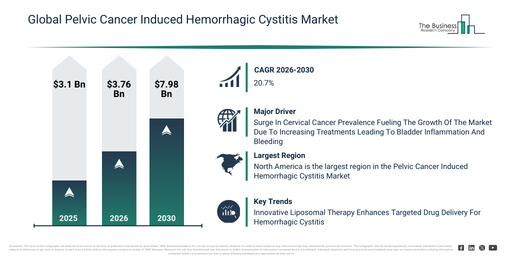
    Pelvic Cancer Induced Hemorrhagic Cystitis Market Growth From $3.76 Billion In 2026 To $7.98 Billion By 2030 At A CAGR Of 20.7%

    The pelvic cancer induced hemorrhagic cystitis market size has experienced substantial expansion in recent years. It is forecast to increase from $3.1 billion in 2025 to $3.76 billion in 2026, achieving a compound annual growth rate (CAGR) of 21.1%. Historically, this market’s expansion can be ascribed to several factors, including the high frequency of radiation-induced cystitis, the administration of cyclophosphamide and ifosfamide, the scarcity of targeted bladder treatments, a reliance on supportive care and bladder irrigation, and the limited acceptance of intravesical therapies.

    The market for pelvic cancer induced hemorrhagic cystitis is projected to experience rapid expansion over the coming years. This market is anticipated to reach $7.98 billion by 2030, exhibiting a compound annual growth rate (CAGR) of 20.7%. Key drivers for this growth during the projected timeframe include progress in personalized medicine, increased research and development efforts for bladder-protective medications, wider application of regenerative medicine techniques, greater embrace of minimally invasive procedures, and the expansion of awareness and early detection initiatives. Significant trends observed during the forecast period encompass the increasing deployment of AI for early diagnosis and risk assessment, the growing acceptance of genomics-driven personalized cancer therapies, the incorporation of cloud and big data technologies for patient oversight, the adoption of smart manufacturing processes in pharmaceutical production, and the expanding utilization of IoT-enabled devices for managing patients remotely.

    Get A Free Sample Report With In-Depth Market Insights:

    https://thebusinessresearchcompany.com/sample_request?id=50743138&type=smp&name=Pelvic%20Cancer%20Induced%20Hemorrhagic%20Cystitis%20Market%20Report%202026&utm_source=Blogs&utm_medium=Paid&utm_campaign=Nov_PR

    Pelvic Cancer Induced Hemorrhagic Cystitis Market Demand Drivers Opening New Revenue Streams

    An increase in cervical cancer incidents is projected to drive the expansion of the pelvic cancer-induced hemorrhagic cystitis market in the future. Cervical cancer is a type of cancerous tumor that develops in the cervix, primarily resulting from ongoing exposure to high-risk human papillomavirus (HPV) strains. This condition leads to uncontrolled cell division, spread into nearby tissues, and potentially distant metastasis if left untreated. The growth in cervical cancer cases stems from insufficient access to preventive medical services and deficient cervical screening initiatives. Pelvic cancer-induced hemorrhagic cystitis plays a beneficial role concerning cervical cancer by enhancing clinical understanding and monitoring among patients, facilitating prompt diagnosis and timely treatment, which in turn can lead to better patient results and foster progress in cancer care. As an example, in January 2025, the American Cancer Society, a US-based non-profit organization, reported that for 2025 in the United States, roughly 13,360 new instances of invasive cervical cancer are anticipated to be diagnosed, with an estimated 4,320 women expected to die from the illness. Consequently, the increasing prevalence of cervical cancer is fueling the growth of the pelvic cancer-induced hemorrhagic cystitis market.

    Pelvic Cancer Induced Hemorrhagic Cystitis Market Segment Performance And Emerging Opportunities

    The pelvic cancer induced hemorrhagic cystitis market covered in this report is segmented –

    1) By Treatment Type: Bone Marrow Transplant, Chemotherapy, Radiation Therapy, Other Treatment Types

    2) By Route Of Administration: Oral, Injectable, Intravesical

    3) By Distribution Channel: Hospital Pharmacies, Retail Pharmacies, Online Pharmacies

    Subsegments:

    1) By Bone Marrow Transplant: Autologous Bone Marrow Transplant, Allogeneic Bone Marrow Transplant, Haploidentical Bone Marrow Transplant

    2) By Chemotherapy: Cyclophosphamide, Ifosfamide, Systemic Chemotherapy, Intravesical Chemotherapy, Targeted Chemotherapy

    3) By Radiation Therapy: External Beam Radiation Therapy (EBRT), Brachytherapy, Intensity-Modulated Radiation Therapy (IMRT)

    4) By Other Treatments: Hyperbaric Oxygen Therapy (HBOT), Intravesical Therapy, Bladder Irrigation And Catheterization, Surgical Interventions, Regenerative Medicine And Palliative Care

    Pelvic Cancer Induced Hemorrhagic Cystitis Market Transformation Trends: What Innovations Are Driving Change?

    Key companies operating in the pelvic cancer-induced hemorrhagic cystitis market are prioritizing the development of innovative drugs, such as liposomal tacrolimus therapy, and introducing advanced drug formulations that improve targeted treatment delivery while enhancing safety and efficacy. Liposomal tacrolimus therapy is a drug delivery technique that encases tacrolimus in liposomes to elevate its bioavailability, improve targeted immunosuppression, and minimize systemic toxicity in treating autoimmune diseases and organ transplant rejection.

    Pelvic Cancer Induced Hemorrhagic Cystitis Market Key Players: Which Companies Lead Industry Competition?

    Major companies operating in the pelvic cancer induced hemorrhagic cystitis market are Pfizer Inc., Johnson & Johnson Services Inc., F. Hoffmann-La Roche Ltd, Merck & Co. Inc., AbbVie Inc., Bayer AG, Sanofi SA, Bristol-Myers Squibb Company, AstraZeneca PLC, Novartis AG, Amgen Inc., Mayo Clinic, Cleveland Clinic Foundation, Astellas Pharma Inc., Fresenius Kabi AG, Bausch Health Companies Inc., Medicover Hospitals, Urigen Pharmaceuticals Inc., Lipella Pharmaceuticals Inc., Hemogenyx Pharmaceuticals plc

    View The Full Pelvic Cancer Induced Hemorrhagic Cystitis Market Report:

    https://thebusinessresearchcompany.com/report/pelvic-cancer-induced-hemorrhagic-cystitis-global-market-report?utm_source=Blogs&utm_medium=Paid&utm_campaign=Nov_PR

    Pelvic Cancer Induced Hemorrhagic Cystitis Market Top Region By Revenue And Market Share

    North America was the largest region in the pelvic cancer induced hemorrhagic cystitis market in 2025. Asia-Pacific is expected to be the fastest-growing region in the forecast period. The regions covered in the pelvic cancer induced hemorrhagic cystitis market report are Asia-Pacific, South East Asia, Western Europe, Eastern Europe, North America, South America, Middle East, Africa.

    Reach Out To Our Team:

    The Business Research Company: https://www.thebusinessresearchcompany.com/

    Americas: +1 310-496-7795

    Asia: +44 7882 955267 & +91 8897263534

    Europe: +44 7882 955267

    Email us at: marketing@tbrc.info

    Follow us on:

    LinkedIn: https://in.linkedin.com/company/the-business-research-company

    YouTube: https://www.youtube.com/channel/UC24_fI0rV8cR5DxlCpgmyFQ

    Global Market Model: https://www.thebusinessresearchcompany.com/global-market-model
  • PEGylated Proteins Market Size Forecast From 2026 To 2030: Key Industry Trends

    PEGylated Proteins Market Size Forecast From 2026 To 2030: Key Industry Trends

    Backed by market attractiveness analysis, total addressable market sizing, company benchmarking matrices, interactive Excel dashboards, wider supply chain intelligence, emerging startup coverage, and detailed product-level insights, The Business Research Company’s 2026 market reports are designed to offer research that is more actionable and strategically valuable than ever.

    PEGylated Proteins Market Expansion Outlook: What Revenue Opportunities Are Ahead?

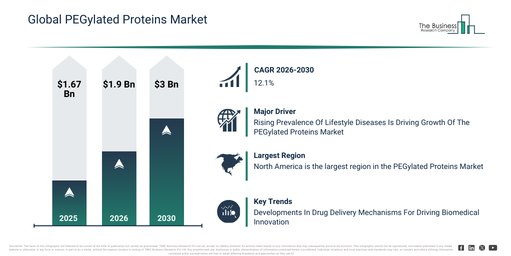
    The pegylated proteins market has seen rapid expansion in recent years. Its value is projected to rise from $1.67 billion in 2025 to $1.9 billion in 2026, achieving a compound annual growth rate (CAGR) of 13.7%. Historically, this growth can be ascribed to several factors, including high immunogenicity of unmodified proteins, limited half-life of therapeutic proteins, reliance on conventional protein delivery methods, fragmented protein modification services, and low awareness of pegylation benefits.

    The pegylated proteins market is projected to experience substantial expansion over the next few years. It is expected to achieve a value of $3 billion by 2030, growing at a compound annual growth rate (CAGR) of 12.1%. This anticipated growth is influenced by factors such as increasing research and development in pegylated therapeutics, a rising need for long-acting protein drugs, the growing acceptance of targeted protein therapies, the expansion of contract services for pegylation, and ongoing technological progress in pegylation kits and reagents. Significant developments foreseen during this period encompass the increased application of artificial intelligence in protein engineering and pegylation processes, the greater adoption of genomics-informed protein therapeutics, the incorporation of cloud-based data management for protein research, the implementation of smart manufacturing in the production of pegylated proteins, and the expanding use of IoT-enabled monitoring in biopharmaceutical facilities.

    Get A Free Sample Report With In-Depth Market Insights:

    https://thebusinessresearchcompany.com/sample_request?id=69209752&type=smp&name=PEGylated%20Proteins%20Market%20Report%202026&utm_source=Blogs&utm_medium=Paid&utm_campaign=Nov_PR

    PEGylated Proteins Market Growth Backed By Core Demand Fundamentals

    A projected expansion of the PEGylated proteins market is anticipated, fueled by the growing occurrence of lifestyle diseases. These conditions stem mainly from detrimental habits and choices like inadequate nutrition, insufficient exercise, and tobacco use. Their surge can be attributed to multiple elements, including reduced physical activity, diets rich in processed foods, and heightened stress levels. In addressing lifestyle diseases, PEGylated proteins prove valuable by improving the effectiveness, prolonged action, and specific targeting of treatments for ailments such as cardiovascular diseases, diabetes, and various cancers. Consequently, the rising incidence of lifestyle diseases is a key factor propelling the expansion of the PEGylated proteins market.

    PEGylated Proteins Market Segment Landscape And Growth Outlook

    The pegylated proteins market covered in this report is segmented –

    1) By Product: Consumable And Services, PEGylation Kits And Reagents, Monofunctional Linear PEGs, Bifunctional PEGs, Other Products

    2) By Protein Type: Colony Stimulating Factors, Interferons, Erythropoietin, Recombinant Factor VII, Other Protein Types

    3) By Application: Cancer Treatment, Hepatitis, Chronic Kidney Diseases, Hemophilia, Multiple Sclerosis, Gastrointestinal Disorders, Other Applications

    4) By End User: Pharmaceuticals, Biotechnology Companies, Contract Research Organizations, Academic Research Institutes

    Subsegments:

    1) By Consumable And Services: Consumables, Services

    2) By PEGylation Kits And Reagents: PEGylation Kits, Reagents

    3) By Monofunctional Linear PEGs: Monofunctional PEGs For Protein Modification

    4) By Bifunctional PEGs: Bifunctional PEGs For Protein Modification

    5) By Other Products: Conjugates, PEGylated Drugs And Therapeutics

    #PEGylated Proteins Market Growth Trends: What’s Shaping The Future Outlook?

    Leading companies within the PEGylated protein market are innovating new products, such as PEGylation reagents, to enhance their market competitiveness. PEGylation reagents are chemical compounds that facilitate the attachment of polyethylene glycol (PEG) chains to biomolecules, thereby altering their properties for a range of biomedical applications.

    PEGylated Proteins Market Competitive Landscape: Who Leads The Industry?

    Major companies operating in the pegylated proteins market are Merck & Co. Inc., Bayer AG, Bristol Myers Squibb Company, Roche Holding AG, Gilead Sciences Inc., Novo Nordisk A/S, Regeneron Pharmaceuticals Inc., Biogen Inc., Ipsen Pharma, Kyowa Kirin Co. Ltd., BioMarin Pharmaceutical Inc., Enzon Pharmaceuticals Inc., Amgen Inc., Pfizer Inc., Takeda Pharmaceutical Company Limited, Sanofi SA, UCB Pharma SA, CSL Behring GmbH, Nektar Therapeutics, Swedish Orphan Biovitrum AB, Octapharma AG, Ferring Pharmaceuticals, OPKO Health Inc., Alvotech hf, Ultragenyx Pharmaceutical Inc., PTC Therapeutics Inc., Jazz Pharmaceuticals plc

    View The Full PEGylated Proteins Market Report:

    https://thebusinessresearchcompany.com/report/pegylated-proteins-global-market-report?utm_source=Blogs&utm_medium=Paid&utm_campaign=Nov_PR

    PEGylated Proteins Market Regional Analysis And Top Geography

    North America was the largest region in the PEGylated Proteins market in 2025. The regions covered in the pegylated proteins market report are Asia-Pacific, South East Asia, Western Europe, Eastern Europe, North America, South America, Middle East, Africa.

    Reach Out To Our Team:

    The Business Research Company: https://www.thebusinessresearchcompany.com/

    Americas: +1 310-496-7795

    Asia: +44 7882 955267 & +91 8897263534

    Europe: +44 7882 955267

    Email us at: marketing@tbrc.info

    Follow us on:

    LinkedIn: https://in.linkedin.com/company/the-business-research-company

    YouTube: https://www.youtube.com/channel/UC24_fI0rV8cR5DxlCpgmyFQ

    Global Market Model: https://www.thebusinessresearchcompany.com/global-market-model
  • Pediatric Telehealth Platform Market 2026: Market Size, Growth Drivers And Emerging Opportunities

    Pediatric Telehealth Platform Market 2026: Market Size, Growth Drivers And Emerging Opportunities

    Featuring market attractiveness scoring, total addressable market sizing, company benchmarking matrices, interactive Excel dashboards, deeper supply chain intelligence, emerging startup tracking, and granular product-level insights, The Business Research Company’s 2026 market reports are built to deliver research that is both more actionable and more strategically valuable.

    Pediatric Telehealth Platform Market Growth Potential: How Will Market Size Shift Through 2030?

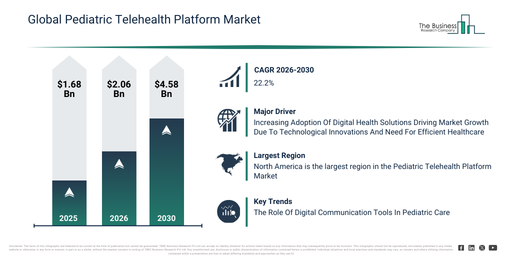
    The market size for pediatric telehealth platforms has expanded exponentially in recent years. This market is projected to grow from $1.68 billion in 2025 to $2.06 billion by 2026, at a compound annual growth rate (CAGR) of 22.5%. In the past, this growth was primarily driven by factors including limited access to pediatric care in remote areas, low awareness of telehealth solutions, a reliance on in-person consultations, fragmented healthcare IT infrastructure, and the high cost of telehealth setup.

    The pediatric telehealth platform market is poised for significant expansion in the coming years. It is projected to achieve a size of $4.58 billion by 2030, exhibiting a compound annual growth rate (CAGR) of 22.2%. The growth observed throughout this forecast period stems from factors such as increasing demand for virtual pediatric consultations, the rising adoption of wearable health monitoring devices, expanding investment in pediatric telehealth platforms, broader internet penetration in rural areas, and a heightened focus on remote chronic disease management. Key developments expected during the forecast period include a greater embrace of AI-powered virtual consultations, increased integration of cloud-based patient management systems, the growing utilization of IoT-enabled remote monitoring devices, advancements in genomics-based personalized pediatric care, and a rising implementation of smart manufacturing within telehealth hardware.

    Get A Free Sample Report With In-Depth Market Insights:

    https://thebusinessresearchcompany.com/sample_request?id=93012923&type=smp&name=Pediatric%20Telehealth%20Platform%20Market%20Report%202026&utm_source=Blogs&utm_medium=Paid&utm_campaign=Nov_PR

    Pediatric Telehealth Platform Market Growth Catalysts And Demand Drivers

    The future expansion of the pediatric telehealth platform market is anticipated to be driven by the growing integration of digital health solutions. These solutions encompass technological applications like mobile applications, telemedicine, wearable technology, and electronic health records, all aimed at enhancing healthcare provision and patient results. The increased use of digital health solutions stems from an escalating need for remote patient monitoring, as healthcare professionals look for effective methods to observe patient health data instantaneously beyond conventional hospital environments. Pediatric telehealth platforms offer value within digital health solutions through facilitating distant consultations and continuous health tracking, thereby boosting access to medical care and lessening the necessity for physical appointments. Consequently, the expanding incorporation of digital health solutions is fueling the development of the pediatric telehealth platform market.

    Pediatric Telehealth Platform Market Breakdown By Product Type And Application

    The pediatric telehealth platform market covered in this report is segmented –

    1) By Component: Software, Hardware, Services

    2) By Functionality: Appointment Scheduling, Medical History Management, Prescription Management, Diagnostic Tools, Patient Education Resources

    3) By Mode Of Delivery: Web-Based, Cloud-Based, On-Premises

    4) By Application: Respiratory, Cold, Flu And Fever, Gastroenterology, Behavioral Health, Dermatology, Other Applications

    5) By End-User: Hospitals, Clinics, Homecare, Schools, Others End-Users

    Subsegments:

    1) By Software: Telemedicine Software, Appointment Scheduling Software, Electronic Health Records (EHR) Software, Patient Management Software, Billing And Payment Software

    2) By Hardware: Telemedicine Kits, Wearable Devices, Tablets Or Smartphones For Telehealth, Diagnostic Equipment For Remote Use

    3) By Services: Telehealth Consultation Services, Remote Patient Monitoring Services, Technical Support Services, Cloud Storage And Data Management Services, Integration And Implementation Services

    Pediatric Telehealth Platform Market Industry Trends: What’s Reshaping Demand?

    Major companies within the pediatric telehealth platform market are concentrating on developing innovative solutions, such as digital communication tools, to enhance accessibility, improve patient engagement, and deliver timely care for children through more convenient and user-friendly channels. A digital communication tool is a technology-based platform that facilitates the exchange of information electronically; it assists a pediatric telehealth platform by enabling healthcare providers to remotely communicate with patients and caregivers, ensuring prompt consultations, follow-ups, and care coordination without requiring in-person visits.

    Pediatric Telehealth Platform Market Company Landscape And Competitive Strategy

    Major companies operating in the pediatric telehealth platform market are Teladoc Health Inc., American Well Corporation, Health Catalyst Inc., Brightline Holdings LLC, HealthTap, Sesame Inc., Health Recovery Solutions Inc., Hazel Health Inc., BabyScripts, Kiddo Health Inc., Kismet Health Inc., CareFirst Pediatrics, Blueberry Pediatrics, Maven Technosoft Private Limited, Alpha Medical Group Inc., Virtuwell, Summer Health Inc., Omega Pediatrics, Tele-Medics Solutions Private Limited, Anytime Telecare

    View The Full Pediatric Telehealth Platform Market Report:

    https://thebusinessresearchcompany.com/report/pediatric-telehealth-platform-global-market-report?utm_source=Blogs&utm_medium=Paid&utm_campaign=Nov_PR

    Pediatric Telehealth Platform Market Geographic Analysis: Where Is Demand Rising Fastest?

    North America was the largest region in the pediatric telehealth platform market in 2025. Asia-Pacific is expected to be the fastest-growing region in the forecast period. The regions covered in the pediatric telehealth platform market report are Asia-Pacific, South East Asia, Western Europe, Eastern Europe, North America, South America, Middle East, Africa.

    Reach Out To Our Team:

    The Business Research Company: https://www.thebusinessresearchcompany.com/

    Americas: +1 310-496-7795

    Asia: +44 7882 955267 & +91 8897263534

    Europe: +44 7882 955267

    Email us at: marketing@tbrc.info

    Follow us on:

    LinkedIn: https://in.linkedin.com/company/the-business-research-company

    YouTube: https://www.youtube.com/channel/UC24_fI0rV8cR5DxlCpgmyFQ

    Global Market Model: https://www.thebusinessresearchcompany.com/global-market-model
  • Pediatric Radiology Market Set To Expand From $8.15 Billion In 2026: Growth Outlook Through 2030

    Pediatric Radiology Market Set To Expand From $8.15 Billion In 2026: Growth Outlook Through 2030

    Built to provide research that’s more actionable and strategically valuable, The Business Research Company’s 2026 market reports include market attractiveness analysis, total addressable market sizing, company benchmarking matrices, interactive Excel dashboards, broader supply chain intelligence, emerging startup tracking, and in-depth product insights.

    Pediatric Radiology Market Value Analysis: What Growth Lies Ahead Over The Forecast Period?

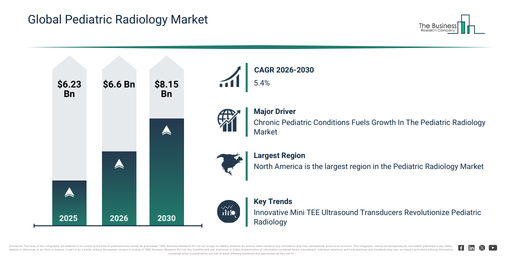
    The pediatric radiology market size has experienced robust growth over recent years. Projections indicate an expansion from $6.23 billion in 2025 to $6.6 billion by 2026, demonstrating a compound annual growth rate (CAGR) of 6.0%. Historically, this expansion can be linked to factors such as a scarcity of imaging devices tailored for children, the high expenses associated with advanced imaging technology, slow uptake of digital imaging methods, the dependence on adult imaging procedures for pediatric patients, and fragmented radiology service infrastructures.

    The pediatric radiology market size is expected to show robust expansion over the next few years, projected to reach $8.15 billion in 2030, demonstrating a compound annual growth rate (CAGR) of 5.4%. This growth during the forecast period can be attributed to factors such as the increasing demand for low-dose and portable imaging devices, a rising prevalence of pediatric chronic and congenital diseases, growing investment in specialized pediatric imaging centers, the adoption of teleradiology solutions, and heightened awareness regarding early diagnosis and preventive care. Major trends anticipated in the forecast period include the increasing integration of AI-powered imaging diagnostics, a growing convergence of genomics data with radiology, a rise in the use of cloud-based radiology management systems, the increasing implementation of IoT-enabled pediatric imaging devices, and advancements in intelligent manufacturing for imaging equipment.

    Get A Free Sample Report With In-Depth Market Insights:

    https://thebusinessresearchcompany.com/sample_request?id=91086779&type=smp&name=Pediatric%20Radiology%20Market%20Report%202026&utm_source=Blogs&utm_medium=Paid&utm_campaign=Nov_PR

    Pediatric Radiology Market Opportunity Drivers: What’s Unlocking New Revenue Potential?

    The growing incidence of chronic pediatric conditions is projected to stimulate the expansion of the pediatric radiology market. These conditions represent enduring health challenges impacting children and adolescents, lasting a year or longer, often necessitating continuous medical oversight or restricting daily functions. Their escalation is attributed to a combination of genetic predispositions, environmental influences, and evolving lifestyle patterns. Pediatric radiology is instrumental in diagnosing, monitoring, and managing these enduring health concerns by utilizing imaging modalities like X-rays, MRI, and CT scans, thereby supplying crucial data for effective therapeutic strategies and patient care. Consequently, the heightened occurrence of chronic pediatric conditions is a significant driver for the growth of the pediatric radiology market.

    Pediatric Radiology Market Segment Analysis And Revenue Potential

    The pediatric radiology market covered in this report is segmented –

    1) By Product Type: Ultrasound, Magnetic Resonance Imaging (MRI), X-Ray, Computed Tomography Scanner, Other Product Types

    2) By Modality: Standalone Devices, Table-Top Devices, Portable Devices

    3) By Application: Oncology, Orthopedics, Cardiology, Other Applications

    4) By End-User: Hospitals, Pediatric Clinics, Diagnostic Centers, Other End-Users

    Subsegments:

    1) By Ultrasound: Portable Pediatric Ultrasound Machines, Pediatric Echocardiography Ultrasound

    2) By Magnetic Resonance Imaging (MRI): Pediatric MRI Systems, Open MRI Systems For Pediatrics, MRI-Compatible Pediatric Equipment

    3) By X-Ray: Digital Pediatric X-Ray Systems, Mobile X-Ray Systems For Pediatrics, Pediatric Fluoroscopy Systems

    4) By Computed Tomography Scanner: Pediatric CT Scanners, Low-Dose CT Scanners For Pediatrics, 3D Imaging Pediatric CT Scanners

    5) By Other Product Types: Pediatric Nuclear Medicine Systems, Pediatric Bone Densitometers, Pediatric Mammography Systems

    Pediatric Radiology Market Innovation Trends: What Developments Are Reshaping The Industry?

    Leading companies operating in the pediatric radiology market are actively developing innovative products, such as mini transesophageal echocardiography (TEE) ultrasound transducers. These developments aim to expand diagnostic and treatment options for smaller or more vulnerable patients, enhance imaging precision, and improve overall patient comfort and outcomes. Mini transesophageal echocardiography (TEE) ultrasound transducers are compact imaging devices specifically designed to provide detailed images of the heart and its structures through the esophagus, thereby enhancing diagnostic and treatment capabilities for patients of varying sizes and conditions.

    Pediatric Radiology Market Key Players Shaping Industry Direction

    Major companies operating in the pediatric radiology market are Samsung Electronics Co. Ltd., Hitachi Ltd., Siemens AG, General Electric Company, Toshiba Corporation, Fujifilm Holdings Corporation, Koninklijke Philips N.V., Hologic Inc., Shimadzu Corporation, Agfa-Gevaert N.V., Neusoft Corp, Carestream Health Inc., Shanghai United Imaging Healthcare Co. Ltd, Esaote S.p.A., Canon Medical Systems Corporation, Ziehm Imaging GmbH, Shenzhen Landwind Industry Co., DMS Imaging SA, Allengers Medical Systems Ltd., Mindray Medical International Ltd.

    View The Full Pediatric Radiology Market Report:

    https://thebusinessresearchcompany.com/report/pediatric-radiology-global-market-report?utm_source=Blogs&utm_medium=Paid&utm_campaign=Nov_PR

    Pediatric Radiology Market Global Footprint: Which Region Leads The Market?

    North America was the largest region in the pediatric radiology market in 2025. Asia-Pacific is expected to be the fastest-growing region in the forecast period. The regions covered in the pediatric radiology market report are Asia-Pacific, South East Asia, Western Europe, Eastern Europe, North America, South America, Middle East, Africa.

    Reach Out To Our Team:

    The Business Research Company: https://www.thebusinessresearchcompany.com/

    Americas: +1 310-496-7795

    Asia: +44 7882 955267 & +91 8897263534

    Europe: +44 7882 955267

    Email us at: marketing@tbrc.info

    Follow us on:

    LinkedIn: https://in.linkedin.com/company/the-business-research-company

    YouTube: https://www.youtube.com/channel/UC24_fI0rV8cR5DxlCpgmyFQ

    Global Market Model: https://www.thebusinessresearchcompany.com/global-market-model
  • Pediatric Neuroblastoma Treatment Market Size And Growth In 2026: Key Factors Shaping Future Demand

    Pediatric Neuroblastoma Treatment Market Size And Growth In 2026: Key Factors Shaping Future Demand

    Backed by market attractiveness analysis, total addressable market sizing, company benchmarking matrices, interactive Excel dashboards, wider supply chain intelligence, emerging startup coverage, and detailed product-level insights, The Business Research Company’s 2026 market reports are designed to offer research that is more actionable and strategically valuable than ever.

    Pediatric Neuroblastoma Treatment Market Size Forecast: How Big Could The Market Get By 2030?

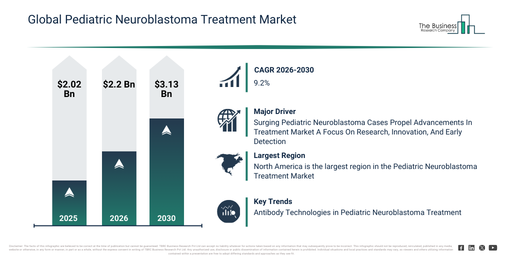
    The pediatric neuroblastoma treatment market size has demonstrated robust growth in recent years. It is anticipated to expand from $2.02 billion in 2025 to $2.2 billion in 2026, achieving a compound annual growth rate (CAGR) of 9.0%. The expansion observed in the historic period stemmed from factors including limited access to pediatric oncology drugs, low adoption of immunotherapy, a reliance on conventional chemotherapy, insufficient specialized treatment centers, and fragmented clinical data on neuroblastoma.

    The pediatric neuroblastoma treatment market size is projected to experience substantial growth over the next few years. It is expected to expand to $3.13 billion by 2030, demonstrating a compound annual growth rate (CAGR) of 9.2%. This growth during the forecast period can be attributed to several factors, including escalating research and development in targeted therapies, the increasing application of CAR T-cell and monoclonal antibody treatments, rising acceptance of personalized medicine approaches, greater investment in pediatric oncology infrastructure, and expanding awareness programs aimed at early detection. Prominent trends anticipated within the forecast period encompass the increasing integration of AI in pediatric oncology diagnostics, growing adoption of genomics-based targeted therapies, rising incorporation of cloud and big data for patient management, increasing utilization of IoT-enabled monitoring in treatment protocols, and the rising implementation of smart manufacturing techniques in drug production.

    Get A Free Sample Report With In-Depth Market Insights:

    https://thebusinessresearchcompany.com/sample_request?id=10361410&type=smp&name=Pediatric%20Neuroblastoma%20Treatment%20Market%20Report%202026&utm_source=Blogs&utm_medium=Paid&utm_campaign=Nov_PR

    Pediatric Neuroblastoma Treatment Market Growth Momentum: What Factors Are Shaping Demand?

    An increasing incidence of new pediatric neuroblastoma cases is anticipated to drive expansion in the pediatric neuroblastoma treatment market moving ahead. The growing occurrence of neuroblastoma fuels the need for various pediatric neuroblastoma treatment options. Consequently, pharmaceutical firms and other interested parties have increased their R&D investments, fostering industry innovation. Moreover, the advent of novel diagnostic technologies and screening methods has led to earlier detection of neuroblastoma, enabling prompt treatment and improved patient results. Hence, the increasing volume of new pediatric neuroblastoma cases is propelling the expansion of the pediatric neuroblastoma treatment market.

    Pediatric Neuroblastoma Treatment Market Segmentation And Category Overview

    The pediatric neuroblastoma treatment market covered in this report is segmented –

    1) By Treatment Type: Immunotherapy, Chemotherapy, Radiation Therapy, Other Treatment Types

    2) By Risk Group: Low Risk, Intermediate Risk, High Risk

    3) By End User: Hospitals, Specialty Clinics, Other End Users

    Subsegments:

    1) By Immunotherapy: Monoclonal Antibodies, Immune Checkpoint Inhibitors, CAR T-Cell Therapy

    2) By Chemotherapy: Alkylating Agents, Antimetabolites, Topoisomerase Inhibitors

    3) By Radiation Therapy: External Beam Radiation Therapy (EBRT), Radioisotope Therapy

    4) By Other Treatment Types: Surgery, Stem Cell Transplantation, Targeted Therapy

    Pediatric Neuroblastoma Treatment Market Trends: What’s Defining The Industry’s Next Phase?

    Leading companies within the pediatric neuroblastoma treatment market are advancing technologies, such as antibody technologies, to boost the effectiveness of targeted therapies and achieve better patient outcomes. These antibody technologies encompass a range of methods and tools for the development, production, and application of antibodies in diagnostics, therapeutics, and research.

    Pediatric Neuroblastoma Treatment Market Competitive Analysis Of Leading Industry Participants

    Major companies operating in the pediatric neuroblastoma treatment market are United Therapeutics Corporation, APEIRON Biologics AG, Cell Ectar Biosciences Inc., Pfizer Inc., MacroGenics Inc., Bayer AG, Provectus Biopharmaceuticals Inc., Y-mAbs Therapeutics Inc., Amgen Inc., Eli Lilly and Company, F. Hoffmann-La Roche AG, Clarity Pharmaceuticals, CureSearch for Children’s Cancer, Novartis AG, Johnson & Johnson Services Inc., AbbVie Inc., Merck & Co. Inc., Bristol-Myers Squibb Company, Takeda Pharmaceutical Company Limited, Daiichi Sankyo Company Limited, Eisai Co. Ltd.

    View The Full Pediatric Neuroblastoma Treatment Market Report:

    https://thebusinessresearchcompany.com/report/pediatric-neuroblastoma-treatment-global-market-report?utm_source=Blogs&utm_medium=Paid&utm_campaign=Nov_PR

    Pediatric Neuroblastoma Treatment Market Regional Split: Which Areas Are Fueling Growth?

    North America was the largest region in the pediatric neuroblastoma treatment market in 2025. The regions covered in the pediatric neuroblastoma treatment market report are Asia-Pacific, South East Asia, Western Europe, Eastern Europe, North America, South America, Middle East, Africa.

    Reach Out To Our Team:

    The Business Research Company: https://www.thebusinessresearchcompany.com/

    Americas: +1 310-496-7795

    Asia: +44 7882 955267 & +91 8897263534

    Europe: +44 7882 955267

    Email us at: marketing@tbrc.info

    Follow us on:

    LinkedIn: https://in.linkedin.com/company/the-business-research-company

    YouTube: https://www.youtube.com/channel/UC24_fI0rV8cR5DxlCpgmyFQ

    Global Market Model: https://www.thebusinessresearchcompany.com/global-market-model
  • Pediatric Imaging Market Forecast 2026–2030: Market Size, Trends And Growth Opportunities

    Pediatric Imaging Market Forecast 2026–2030: Market Size, Trends And Growth Opportunities

    Featuring market attractiveness scoring, total addressable market sizing, company benchmarking matrices, interactive Excel dashboards, deeper supply chain intelligence, emerging startup tracking, and granular product-level insights, The Business Research Company’s 2026 market reports are built to deliver research that is both more actionable and more strategically valuable.

    Pediatric Imaging Market Revenue Outlook: What CAGR Lies Ahead Through 2030?

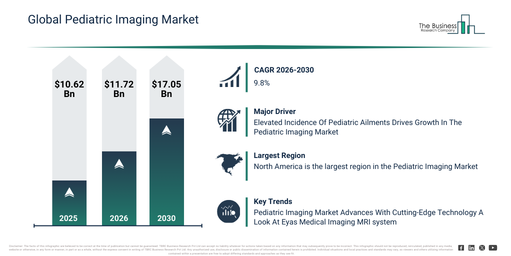
    The pediatric imaging market has seen substantial growth in recent years. Its size is anticipated to expand from $10.62 billion in 2025 to $11.72 billion in 2026, achieving a compound annual growth rate (CAGR) of 10.3%. The historic period’s growth can be linked to aspects such as limited pediatric imaging equipment, low adoption of advanced imaging modalities, reliance on adult imaging protocols, a fragmented imaging infrastructure, and insufficient pediatric-focused training.

    The pediatric imaging market size is expected to experience robust growth in the coming years, with projections indicating it will reach $17.05 billion by 2030, exhibiting a compound annual growth rate (CAGR) of 9.8%. This anticipated growth during the forecast period can be attributed to the increasing adoption of low-dose ct and mri, enhanced AI integration in imaging analysis, the rising prevalence of tele-radiology, a growing need for early disease detection in children, and increased investments in pediatric imaging centers. Furthermore, major trends for this period include the rising adoption of AI-powered imaging analytics, greater utilization of cloud-based imaging data management, expanding integration of genomics with imaging diagnostics, increased deployment of iot-enabled pediatric imaging devices, and the growing implementation of smart imaging workflows in hospitals.

    Get A Free Sample Report With In-Depth Market Insights:

    https://thebusinessresearchcompany.com/sample_request?id=73702206&type=smp&name=Pediatric%20Imaging%20Market%20Report%202026&utm_source=Blogs&utm_medium=Paid&utm_campaign=Nov_PR

    Pediatric Imaging Market Expansion Drivers: What’s Shaping Future Growth?

    An increasing incidence of childhood diseases is projected to drive the expansion of the pediatric imaging market in the future. This field involves the examination and diagnosis of younger patients using sophisticated tools like ultrasound, CT scan, X-ray, and similar techniques, with the aim of identifying any anomalies in children’s bodies and formulating appropriate treatment strategies. Furthermore, nuclear medicine imaging in pediatrics serves to detect critical conditions in children, including cancer, which may be congenital, infectious, non-infectious, or a combination of these. Consequently, the growing prevalence of pediatric illnesses in children is fueling the expansion of the pediatric imaging market.

    Pediatric Imaging Market Segment Outlook: Which Categories Are Growing Fastest?

    The pediatric imaging market covered in this report is segmented –

    1) By Modality: Ultrasound, Magnetic Resonance Imaging (MRI), Computed Tomography (CT), X-Ray, Other Modalities

    2) By Application: Orthopedics, Gastroenterology, Cardiology, Oncology, Neurology, Other Applications

    3) By End-User: Hospitals, Diagnostic Centers, Other End-Users

    Subsegments:

    1) By Ultrasound: 2D Ultrasound, 3D Ultrasound, Doppler Ultrasound

    2) By Magnetic Resonance Imaging (MRI): Open MRI, Closed MRI, Functional MRI (fMRI)

    3) By Computed Tomography (CT): Standard CT, Low-Dose CT, CT Angiography

    4) By X-Ray: Digital X-Ray, Conventional X-Ray, Fluoroscopy

    5) By Other Modalities: Nuclear Medicine, Positron Emission Tomography (PET), Single Photon Emission Computed Tomography (SPECT)

    Pediatric Imaging Market Industry Trends Fueling Future Revenue Growth

    Leading companies in the pediatric imaging market are concentrating on developing innovative solutions, such as neonatal Magnetic Resonance Imaging (MRI) systems, to meet the increasing demand for high-precision, radiation-free imaging for newborns and critically ill infants. A neonatal MRI system is a specialized imaging technology designed to capture high-resolution anatomical and functional images while accommodating the distinct physiological needs of neonates, offering safer and more accurate diagnostics than traditional imaging modalities like CT or ultrasound.

    Pediatric Imaging Market Leading Companies And Competitive Benchmarking

    Major companies operating in the pediatric imaging market are Agfa-Gevaert NV, Analogic Corporation, CAN-med Healthcare, Canon Inc., Eastman Kodak Company, EOS imaging, Esaote SpA, FUJIFILM Holdings Corporation, Hitachi Medical Corporation, Koninklijke Philips N.V., Mindray Medical International Limited, Samsung Medison Co. Ltd, Shenzhen Anke High-tech Co. Ltd, Siemens Healthcare GmbH, Toshiba Medical Systems Corporation, Trivitron Healthcare Pvt. Ltd., BK Medical UK Ltd., Clarius Mobile Health Corp., CurveBeam AI Ltd., General Electric Company, Hologic Inc., InnoVision Ltd.

    View The Full Pediatric Imaging Market Report:

    https://thebusinessresearchcompany.com/report/pediatric-imaging-global-market-report?utm_source=Blogs&utm_medium=Paid&utm_campaign=Nov_PR

    Pediatric Imaging Market Top Region: Where Does Most Revenue Come From?

    North America was the largest region in the pediatric imaging market in 2025. Asia-Pacific is expected to be the fastest-growing region in the forecast period. The regions covered in the pediatric imaging market report are Asia-Pacific, South East Asia, Western Europe, Eastern Europe, North America, South America, Middle East, Africa.

    Reach Out To Our Team:

    The Business Research Company: https://www.thebusinessresearchcompany.com/

    Americas: +1 310-496-7795

    Asia: +44 7882 955267 & +91 8897263534

    Europe: +44 7882 955267

    Email us at: marketing@tbrc.info

    Follow us on:

    LinkedIn: https://in.linkedin.com/company/the-business-research-company

    YouTube: https://www.youtube.com/channel/UC24_fI0rV8cR5DxlCpgmyFQ

    Global Market Model: https://www.thebusinessresearchcompany.com/global-market-model