Blog

  • Wound Closure Devices Market Explained: What Is Fueling Growth To $26.52 Billion By 2030?

    Wound Closure Devices Market Explained: What Is Fueling Growth To $26.52 Billion By 2030?

    Built to provide research that’s more actionable and strategically valuable, The Business Research Company’s 2026 market reports include market attractiveness analysis, total addressable market sizing, company benchmarking matrices, interactive Excel dashboards, broader supply chain intelligence, emerging startup tracking, and in-depth product insights.

    Wound Closure Devices Market Size Outlook: How Quickly Will Revenue Expand Through 2030?

    The wound closure devices market has observed substantial growth in recent years. It is anticipated to expand from $17.8 billion in 2025 to $19.33 billion in 2026, exhibiting a compound annual growth rate (CAGR) of 8.6%. This historical expansion can be attributed to an increasing volume of surgical procedures, the growing occurrence of chronic wounds, the development of hospital infrastructure, innovations in surgical material science, and an enhanced focus on post-operative care.

    The wound closure devices market size is anticipated to undergo significant expansion in the coming years, reaching $26.52 billion in 2030 at a compound annual growth rate (CAGR) of 8.2%. This projected growth can be attributed to an escalating demand for faster wound healing methods, a rise in the adoption of outpatient surgical procedures, an increased use of advanced biomaterials, a heightened focus on cosmetic surgical outcomes, and growing investments in wound care innovation. Notable trends during this forecast period include a greater embrace of advanced adhesive and sealant technologies, an increasing utilization of absorbable and antimicrobial sutures, a developing preference for minimally invasive closure devices, an expansion of solutions for chronic wound management, and an intensified emphasis on infection prevention.

    Get A Free Sample Report With In-Depth Market Insights:

    https://thebusinessresearchcompany.com/sample_request?id=78294230&type=smp&name=Wound%20Closure%20Devices%20Market%20Report%202026&utm_source=Blogs&utm_medium=Paid&utm_campaign=Oct_PR

    Wound Closure Devices Market Growth Drivers: What’s Behind The Acceleration?

    The rising number of individuals undergoing surgical procedures is projected to drive the future expansion of the wound closure devices market. Surgery is defined as a medical field utilizing operative manual and instrumental methods on an individual to diagnose or treat conditions like illness or injury, improve bodily function and aesthetics, or repair unwanted ruptured areas. These devices find application in addressing chronic, traumatic, and surgical wounds, as well as skin grafts and flaps. An illustrative example comes from a June 2024 report by the International Society of Aesthetic Plastic Surgery, a US-based professional body for board-certified aesthetic plastic surgeons, which indicated that overall surgical and non-surgical procedures saw an increase of 3.4% in 2023, amounting to 34.9 million. Specifically, face and head procedures experienced substantial growth, exceeding 6.5 million, representing a 19.6% rise compared to the preceding year. Consequently, the expanding population of patients receiving surgeries is fueling the expansion of the wound closure devices market.

    Wound Closure Devices Market Segment Landscape: Which Areas Lead Development?

    The wound closure devices market covered in this report is segmented –

    1) By Product Type: Adhesives, Staples, Sutures, Strips, Sealants, Mechanical Wound Closure Devices

    2) By Wound Type: Chronic, Acute

    3) By End-Use: Hospital, Clinics, Trauma centers, Other End-Users

    Subsegments:

    1) By Adhesives: Tissue Adhesives, Surgical Adhesives, Cyanoacrylate Adhesives

    2) By Staples: Surgical Staples, Skin Staples, Ligating Clips

    3) By Sutures: Absorbable Sutures, Non-Absorbable Sutures, Barbed Sutures, Specialty Sutures

    4) By Strips: Adhesive Strips, Hydrocolloid Strips, Antimicrobial Strips

    5) By Sealants: Biological Sealants, Synthetic Sealants, Fibrin Sealants, Gelatin Sealants

    6) By Mechanical Wound Closure Devices: Wound Closure Systems, Skin Closure Devices, Wound Closure Clips and Tapes

    Wound Closure Devices Market Trends: What’s Defining The Industry’s Next Phase?

    Leading companies in the wound closure devices market are concentrating on developing innovative products, such as advanced skin adhesives, to provide gentle, secure, and repositionable wound care. These advanced skin adhesives are medical-grade bonding agents designed to securely attach dressings or devices to the skin while minimizing irritation. They allow for repositioning without losing effectiveness, help protect sensitive or damaged skin, reduce pain during removal, and generally improve overall wound care and patient comfort. For instance, in October 2023, DuPont, a US-based chemicals company, introduced the DuPont Liveo MG 7-9960 Soft Skin Adhesive. Its formula is non-sensitizing and non-irritating, making it suitable for use on sensitive skin, including that of children, the elderly, and patients with skin conditions or open wounds. This adhesive enables the repositioning of devices without compromising effectiveness, which is vital in medical settings where adjustments might be necessary. It offers gentle adhesion for wound dressings, ensuring they stay in place while allowing for easy removal without causing skin trauma.

    Wound Closure Devices Market Top Companies Driving Competitive Growth

    Major companies operating in the wound closure devices market are Abbott Laboratories, Advanced Medical Solutions Group PLC, B. Braun Melsungen AG, Baxter International Inc., Boston Scientific Corporation, BSN Medical GmbH, Chemence Medical Inc., Coloplast A/S, ConvaTec Group PLC, Dach Medical Group Holding AG, DeRoyal Industries Inc., Futura Surgicare Private Limited, Healthium Medtech Private Limited, Integra LifeSciences Corporation, Johnson & Johnson Services Inc., Meril Life Sciences Private Limited, 3M Company, Adhezion Biomedical LLC, Becton Dickinson and Company, Medtronic Inc., Halyard Health Inc., McKesson Corp., Medline Industries LP, Mölnlycke Health Care Ltd., Smith & Nephew PLC, Smiths Group PLC, Stryker Corp., Teleflex Inc., Zipline Medical Inc., Abbott Laboratories

    View The Full Wound Closure Devices Market Report:

    https://thebusinessresearchcompany.com/report/wound-closure-devices-global-market-report?utm_source=Blogs&utm_medium=Paid&utm_campaign=Oct_PR

    Wound Closure Devices Market Global Footprint: Which Region Leads The Industry?

    North America was the largest region in the wound closure devices market in 2025. The regions covered in the wound closure devices market report are Asia-Pacific, South East Asia, Western Europe, Eastern Europe, North America, South America, Middle East, Africa.

    Reach Out To Our Team:

    The Business Research Company: https://www.thebusinessresearchcompany.com/

    Americas: +1 310-496-7795

    Asia: +44 7882 955267 & +91 8897263534

    Europe: +44 7882 955267

    Email us at: marketing@tbrc.info

    Follow us on:

    LinkedIn: https://in.linkedin.com/company/the-business-research-company

    YouTube: https://www.youtube.com/channel/UC24_fI0rV8cR5DxlCpgmyFQ

    Global Market Model: https://www.thebusinessresearchcompany.com/global-market-model
  • Wound Care Devices Market Forecast To Reach $94.41 Billion By 2030: Key Trends Explained

    Wound Care Devices Market Forecast To Reach $94.41 Billion By 2030: Key Trends Explained

    Backed by market attractiveness analysis, total addressable market sizing, company benchmarking matrices, interactive Excel dashboards, wider supply chain intelligence, emerging startup coverage, and detailed product-level insights, The Business Research Company’s 2026 market reports are designed to offer research that is more actionable and strategically valuable than ever.

    Wound Care Devices Market Size, Value And Growth Trajectory Through 2030

    The wound care devices market has demonstrated significant expansion in recent years. This market is anticipated to expand from $63.62 billion in 2025 to $68.53 billion in 2026, achieving a compound annual growth rate (CAGR) of 7.7%. The historical growth of this market can be attributed to factors such as an increasing incidence of chronic wounds, a rise in surgical procedures, the broadening of hospital-based wound care programs, enhanced awareness of advanced wound treatments, and advancements in wound healing materials.

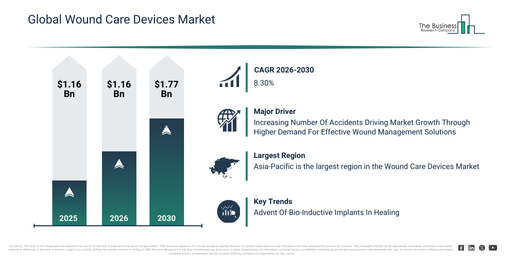
    The wound care devices market size is projected to experience substantial growth over the next few years. It is anticipated to grow to $94.41 billion in 2030, demonstrating a compound annual growth rate (CAGR) of 8.3%. This expansion during the forecast period is driven by factors such as an increasing elderly population with chronic health conditions, a rising uptake of home healthcare solutions, ongoing advancements in smart wound monitoring, a growing demand for cost-effective wound care, and an increased focus on achieving faster healing outcomes. Key trends anticipated in this period involve innovations in advanced wound dressing technologies, the expanding adoption of negative pressure wound therapy, a heightened emphasis on infection control solutions, the spread of home-based wound care devices, and the integration of smart monitoring into wound management.

    Get A Free Sample Report With In-Depth Market Insights:

    https://thebusinessresearchcompany.com/sample_request?id=96855908&type=smp&name=Wound%20Care%20Devices%20Market%20Report%202026&utm_source=Blogs&utm_medium=Paid&utm_campaign=Oct_PR

    Wound Care Devices Market Growth Factors Behind Sustained Expansion

    A growing number of accidents is anticipated to drive the expansion of the wound care device dressing market in the future. An accident refers to an unforeseen incident occurring unintentionally, often leading to harm, injuries, damage, or losses, particularly involving vehicles. The escalation in accidents stems from several factors, including heightened human error caused by distraction, increased global traffic density attributable to population expansion, and insufficient infrastructure upkeep. This rise in accidents fuels the wound care device dressing sector by stimulating the need for sophisticated dressings designed to accelerate healing, minimize infection risks, and enhance patient recovery in various environments like hospitals, clinics, and home-care. As an illustration, in December 2023, data from the World Health Organization, a Switzerland-based specialized agency for public health of United Nations, revealed that approximately 1.19 million individuals perish annually due to road traffic crashes. Additionally, between 20 and 50 million others sustain non-fatal injuries, frequently resulting in a disability, and road traffic injuries represent the primary cause of mortality for children and young adults between 5 to 29 years old. Consequently, the growing incidence of accidents is propelling the expansion of the wound care devices market.

    Wound Care Devices Market Segments: Where Is Growth Concentrated?

    The wound care devices market covered in this report is segmented –

    1) By Type: Traditional Adhesive Dressings, Negative-pressure Wound Therapy (NPWT), Traditional Gauze Dressings, Advanced Wound Care Devices

    2) By Category: Instruments Or Equipment, Disposables

    3) By Type Of Expenditure: Public, Private

    4) By End User: Hospitals And Clinics, Diagnostic Laboratories, Other End Users

    Subsegments:

    1) By Traditional Adhesive Dressings: Film Dressings, Foam Dressings, Hydrocolloid Dressings

    2) By Negative-pressure Wound Therapy (NPWT): Portable NPWT Systems, Fixed NPWT Systems, Accessories For NPWT

    3) By Traditional Gauze Dressings: Sterile Gauze Pads, Non-Sterile Gauze Rolls, Gauze Sponges

    4) By Advanced Wound Care Devices: Hydrogels, Alginates, Collagen Dressings, Antimicrobial Dressings

    Wound Care Devices Market Industry Trends Fueling Future Revenue Growth

    Leading firms within the wound care device sector are concentrating on pioneering a novel method, the bio-inductive implant, to maintain their competitive standing. This implant is engineered to aid wound recovery by bolstering the body’s inherent healing processes and encouraging the development of tendon tissue. An example is Smith and Nephew, a medical equipment manufacturer from the UK, which introduced its REGENTEN bio-inductive implant in India in July 2023. It facilitates the body’s inherent healing by stimulating the generation of new tissue resembling tendons, thereby biologically enhancing the present tendon and modifying the course of the disease. Administered arthroscopically via a minimal incision, the implant completely dissolves within six months, being replaced by new tissue. Having been used in over 100,000 procedures worldwide and supported by over 10 years of clinical data, REGENETEN has shown substantial decreases in re-tear incidents and better healing results. It is acknowledged for revolutionizing standards in rotator cuff repair and is also gaining broader applications for extra-articular ligament injuries, underscoring its wide utility in repairing soft tissues.

    Wound Care Devices Market Leading Players And Competitive Positioning

    Major companies operating in the wound care devices market are 3M Company, Smith & Nephew plc, Mölnlycke Health Care AB, Convatec Group plc, Coloplast A/S, B Braun SE, Medtronic plc, Integra LifeSciences Holdings Corporation, Urgo Medical SA, Paul Hartmann AG, Essity AB, Lohmann & Rauscher GmbH & Co KG, Acelity LP (KCI)†, Human Biosciences Inc, Genadyne Biotechnologies Inc, Blue Sky Medical Group Inc, Devon Medical Products Inc, Organogenesis Inc, Solventum LLC, Medela AG

    View The Full Wound Care Devices Market Report:

    https://thebusinessresearchcompany.com/report/wound-care-devices-global-market-report?utm_source=Blogs&utm_medium=Paid&utm_campaign=Oct_PR

    Wound Care Devices Market Regional Distribution: Which Areas Power Market Growth?

    Asia-Pacific was the largest region in the global wound care devices market in 2025. North America was the second largest region in the global wound care devices market. Africa. was the smallest region in the global wound care devices market. The regions covered in the wound care devices market report are Asia-Pacific, South East Asia, Western Europe, Eastern Europe, North America, South America, Middle East, Africa.

    Reach Out To Our Team:

    The Business Research Company: https://www.thebusinessresearchcompany.com/

    Americas: +1 310-496-7795

    Asia: +44 7882 955267 & +91 8897263534

    Europe: +44 7882 955267

    Email us at: marketing@tbrc.info

    Follow us on:

    LinkedIn: https://in.linkedin.com/company/the-business-research-company

    YouTube: https://www.youtube.com/channel/UC24_fI0rV8cR5DxlCpgmyFQ

    Global Market Model: https://www.thebusinessresearchcompany.com/global-market-model

  • Women’s Health Devices Market Analysis: Understanding The Drivers Behind 11.7% CAGR Through 2030 Growth

    Women’s Health Devices Market Analysis: Understanding The Drivers Behind 11.7% CAGR Through 2030 Growth

    Featuring market attractiveness scoring, total addressable market sizing, company benchmarking matrices, interactive Excel dashboards, deeper supply chain intelligence, emerging startup tracking, and granular product-level insights, The Business Research Company’s 2026 market reports are built to deliver research that is both more actionable and more strategically valuable.

    Women’s Health Devices Market CAGR Outlook And Future Development

    The women’s health devices market has witnessed rapid growth in recent years. It is forecast to expand from $44.2 billion in 2025 to $49.48 billion in 2026, achieving a compound annual growth rate (CAGR) of 11.9%. This historical expansion can be linked to factors such as heightened awareness of women’s health conditions, the expansion of preventive healthcare programs, improved availability of diagnostic devices, an increased focus on maternal health management, and the widespread adoption of digital health tools.

    The women’s health devices market size is poised for substantial growth in the upcoming years. Its value is forecast to reach $77.08 billion in 2030, driven by a compound annual growth rate (CAGR) of 11.7%. This projected expansion during the forecast period stems from factors such as increased investments in femtech innovation, a rising demand for customized healthcare solutions, the broadening of telehealth services, greater adoption of wearable health devices, and a heightened focus on data-driven insights for women’s health. Prominent trends within this period are expected to include the increasing embrace of connected women’s health devices, a rise in the use of at-home diagnostic kits, the expanding integration of digital health platforms, the proliferation of fertility and menstrual tracking solutions, and an enhanced emphasis on personalized women’s care.

    Get A Free Sample Report With In-Depth Market Insights:

    https://thebusinessresearchcompany.com/sample_request?id=61099966&type=smp&name=Women%E2%80%99s%20Health%20Devices%20Market%20Report%202026&utm_source=Blogs&utm_medium=Paid&utm_campaign=Oct_PR

    Women’s Health Devices Market Demand Drivers Opening New Revenue Streams

    The rising occurrence of chronic illnesses is anticipated to propel expansion within the women’s health devices market in the future. These long-term medical conditions endure for extended periods, frequently worsening gradually, impacting quality of life, and necessitating continuous medical care, although generally manageable with therapies and lifestyle modifications. The growing prevalence of chronic diseases is attributable to inactive lifestyles, which contribute to obesity, poor metabolic health, and greater vulnerability to persistent health issues. Women’s health devices assist in managing chronic conditions through facilitating early identification, ongoing tracking, and customized treatment for ailments like diabetes, cardiovascular issues, and hormonal imbalances, thereby enhancing overall health results and patient well-being. For example, in June 2024, data from the National Health Service, a UK government body, revealed that 3,615,330 individuals registered with a general practitioner (GP) were diagnosed with non-diabetic hyperglycemia or pre-diabetes (a condition with elevated blood sugar levels, not high enough to be classified as diabetes) in 2023. This represented an 18% surge from 3,065,825 cases in 2022. Consequently, the increasing incidence of chronic diseases is driving the women’s health devices market.

    Women’s Health Devices Market Segment Analysis: What Are The Core Market Categories?

    The women’s health devices market covered in this report is segmented –

    1) By Product: Surgical, Diagnostics, Contraceptives, Labor And Delivery

    2) By Application: Cancer, Osteoporosis, Uterine Fibroids, Post-menopausal Syndrome, Pregnancy, Female Sterilization, Other Applications

    3) By End-user: Hospitals, Obstetrics And Gynecology Clinics, Diagnostic Laboratories, Ambulatory Surgical Centers, Other End Users

    Subsegments:

    1) By Surgical: Hysteroscopes, Endometrial Ablation Devices

    2) By Diagnostics: Pap Smear Devices, Hormone Testing Kits

    3) By Contraceptives: Intrauterine Devices (IUDs), Implantable Contraceptives

    4) By Labor and Delivery: Fetal Monitors, Obstetric Ultrasound Machines, Labor Induction Devices

    Women’s Health Devices Market Trends Powering Strategic Industry Growth

    Leading companies active in the women’s health devices market are releasing smart rings to offer women medical-grade health information that can be transformed into personalized understanding. A smart ring is specifically designed for women, providing users with medical-grade health data, which is then made available through a mobile application. For instance, in January 2023, Movano Health, a US-based medical device company, launched Evie, a smart ring specifically for women, which delivers medical-grade health insights via an app. Evie is developed according to FDA regulatory standards and manufactured in an ISO13485 and cGMP-compliant facility. The ring captures various health measurements, such as heart rate, SpO2, menstrual tracking, and sleep data, presenting them in an easily consumable format on the app.

    Women’s Health Devices Market Competitive Overview And Top Companies

    Major companies operating in the women’s health devices market are Abbott Laboratories, Koninklijke Philips N V, CooperSurgical Inc, Hologic Inc, Caldera Medical Inc, GE HealthCare Technologies Inc, Siemens Healthineers AG, Boston Scientific Corporation, Medtronic plc, Becton Dickinson And Company, Olympus Corporation, Fujifilm Holdings Corporation, Johnson And Johnson, Stryker Corporation, Smith And Nephew plc, Intuitive Surgical Inc, Karl Storz GmbH And Co KG, Cook Medical Incorporated, Conmed Corporation, Natus Medical Incorporated, Laborie Medical Technologies Corporation, Neoventa Medical AB

    View The Full Women’s Health Devices Market Report:

    https://thebusinessresearchcompany.com/report/womens-health-devices-global-market-report?utm_source=Blogs&utm_medium=Paid&utm_campaign=Oct_PR

    Women’s Health Devices Market Leading Geography: Which Region Contributes The Most Revenue?

    North America was the largest region in the women’s health devices market in 2025. Asia-Pacific is expected to be the fastest-growing region in the women’s health devices market report during the forecast period. The regions covered in the women’s health devices market report are Asia-Pacific, South East Asia, Western Europe, Eastern Europe, North America, South America, Middle East, Africa.

    Reach Out To Our Team:

    The Business Research Company: https://www.thebusinessresearchcompany.com/

    Americas: +1 310-496-7795

    Asia: +44 7882 955267 & +91 8897263534

    Europe: +44 7882 955267

    Email us at: marketing@tbrc.info

    Follow us on:

    LinkedIn: https://in.linkedin.com/company/the-business-research-company

    YouTube: https://www.youtube.com/channel/UC24_fI0rV8cR5DxlCpgmyFQ

    Global Market Model: https://www.thebusinessresearchcompany.com/global-market-model

  • Wireless Medical Devices Market Growth To $58.87 Billion By 2030: What’s Driving The Expansion?

    Wireless Medical Devices Market Growth To $58.87 Billion By 2030: What’s Driving The Expansion?

    Built to provide research that’s more actionable and strategically valuable, The Business Research Company’s 2026 market reports include market attractiveness analysis, total addressable market sizing, company benchmarking matrices, interactive Excel dashboards, broader supply chain intelligence, emerging startup tracking, and in-depth product insights.

    Wireless Medical Devices Market Set To Climb From $35.25 Billion In 2026 To $58.87 Billion By 2030

    The market for wireless medical devices has experienced rapid expansion in recent years. It is anticipated to grow from $30.97 billion in 2025 to $35.25 billion in 2026, at a compound annual growth rate (CAGR) of 13.8%. Several factors contributed to its historical growth, including the initial limited wireless communication technology in early medical devices, a reliance on stationary monitoring systems, the slow adoption of home healthcare, the growing prevalence of chronic diseases, and the emerging demand for portable diagnostics.

    The wireless medical devices market is projected to experience substantial expansion in the coming years, with its size expected to reach $58.87 billion in 2030, driven by a compound annual growth rate (CAGR) of 13.7%. This growth during the forecast period is primarily attributed to advancements in Bluetooth, Wi-Fi, and NFC-enabled medical devices, the increasing utilization of wearable and implantable devices, greater adoption of telehealth services, regulatory backing for remote patient monitoring, and the expansion of smart hospital infrastructure. Furthermore, significant trends anticipated in this period include the rising adoption of remote patient monitoring solutions, enhanced integration of wearable and implantable devices, an escalating demand for wireless diabetes and cardiac management devices, the broadening of telehealth and home healthcare services, and a strong focus on device interoperability and data security.

    Get A Free Sample Report With In-Depth Market Insights:

    https://thebusinessresearchcompany.com/sample_request?id=79053086&type=smp&name=Wireless%20Medical%20Devices%20Market%20Report%202026&utm_source=Blogs&utm_medium=Paid&utm_campaign=Oct_PR

    Wireless Medical Devices Market Growth Backed By Core Demand Fundamentals

    The expanding utilization of telehealth is anticipated to stimulate the growth of the wireless medical devices market going forward. Telehealth involves employing digital communication technologies, such as video conferencing, mobile applications, and remote monitoring tools, to provide healthcare services and information from a distance. The increasing acceptance of telehealth is primarily driven by the rising demand for convenient access to medical services, allowing patients to connect with healthcare professionals remotely without requiring in-person visits. Wireless medical devices strengthen telehealth by facilitating real-time remote monitoring and data transmission, thereby enhancing patient care, decreasing hospital visits, and supporting timely medical interventions. For instance, in July 2023, according to Harmony Healthcare IT, a US-based data management firm, 62% of Americans had utilized telehealth services for their medical needs, while over three-quarters (77%) viewed it as the future of healthcare. Consequently, the growing adoption of telehealth is fueling the expansion of the wireless medical devices market.

    Wireless Medical Devices Market Segment Breakdown: Which Categories Lead On Revenue?

    The wireless medical devices market covered in this report is segmented –

    1) By Product Type: Wearable Devices, Implantable Devices, Handheld And Portable Devices, Stationary Devices, Other Product Types

    2) By Technology: Bluetooth, Wi-Fi, Near Field Communication (NFC), Zigbee, RFID (Radio Frequency Identification), Ultra-wideband (UWB), Other Technologies

    3) By Application: Cardiology, Neurology, Respiratory, Diabetes Management, Point of Care, Other Applications

    4) By End-User: Hospitals, Home Healthcare, Diagnostic Centers, Ambulatory Care

    Subsegments:

    1) By Wearable Devices: Smartwatches, Fitness Bands, Continuous Glucose Monitors (CGMs), Wearable Electrocardiogram (ECG) Monitors, Wearable Blood Pressure Monitors, Smart Clothing

    2) By Implantable Devices: Cardiac Pacemakers, Implantable Cardioverter Defibrillators (ICDs), Neurostimulators, Implantable Glucose Monitors, Cochlear Implants

    3) By Handheld and Portable Devices: Portable Electrocardiogram (ECG) Monitors, Portable Ultrasound Devices, Glucose Meters, Pulse Oximeters, Digital Thermometers

    4) By Stationary Devices: Remote Patient Monitoring Systems, Wireless Infusion Pumps, Digital Vital Signs Monitors, Wireless Ventilators, Telehealth Stations

    5) By Other Product Types: Wireless Endoscopy Devices, Wireless Capsule Cameras, Smart Inhalers, Wireless Hearing Aids

    Wireless Medical Devices Market Growth Trends Reshaping The Competitive Landscape

    Major companies operating in the wireless medical devices market are concentrating on developing innovative products, such as wireless handheld ultrasound devices, to enhance point-of-care diagnostics and improve patient mobility. A wireless handheld ultrasound device is a compact, portable imaging tool that leverages wireless technology to transmit ultrasound images to smartphones, tablets, or computers in real-time. This technology helps to advance wireless medical devices by enabling remote diagnostics, boosting mobility for healthcare providers, and supporting faster decision-making in emergency and point-of-care settings. For instance, in August 2023, GE Healthcare Technologies Inc., a US-based company specializing in medical imaging, patient monitoring, and healthcare technology solutions, introduced Vscan Air SL, a handheld, wireless ultrasound imaging system. The device features a dual-headed probe equipped with both sector and linear arrays for cardiac and vascular assessments. It facilitates rapid diagnosis and treatment at the point of care with high-resolution imaging, utilizing SignalMax and XDclear technologies. It also supports mobile image viewing and workflow optimization through the Vscan Air app.

    Wireless Medical Devices Market Competitive Landscape: Which Companies Lead The Industry?

    Major companies operating in the wireless medical devices market are Abbott Laboratories, Medtronic Public Limited Company, Siemens Healthineers AG, Stryker Corporation, Koninklijke Philips NV, GE HealthCare Technologies Inc, Omron Healthcare Inc, DexCom Inc, Masimo Corporation, iRhythm Technologies Inc, Withings SAS, AliveCor Inc, iHealth Labs Inc, ResMed Inc, Boston Scientific Corporation, Edwards Lifesciences Corporation, Biotronik SE and Co KG, Insulet Corporation, Senseonics Holdings Inc, VitalConnect Inc

    View The Full Wireless Medical Devices Market Report:

    https://thebusinessresearchcompany.com/report/wireless-medical-devices-global-market-report?utm_source=Blogs&utm_medium=Paid&utm_campaign=Oct_PR

    Wireless Medical Devices Market Regional Outlook: Where Is Opportunity Concentrated?

    North America was the largest region in the wireless medical devices market in 2025. Asia-Pacific is expected to be the fastest-growing region in the forecast period. The regions covered in the wireless medical devices market report are Asia-Pacific, South East Asia, Western Europe, Eastern Europe, North America, South America, Middle East, Africa.

    Reach Out To Our Team:

    The Business Research Company: https://www.thebusinessresearchcompany.com/

    Americas: +1 310-496-7795

    Asia: +44 7882 955267 & +91 8897263534

    Europe: +44 7882 955267

    Email us at: marketing@tbrc.info

    Follow us on:

    LinkedIn: https://in.linkedin.com/company/the-business-research-company

    YouTube: https://www.youtube.com/channel/UC24_fI0rV8cR5DxlCpgmyFQ

    Global Market Model: https://www.thebusinessresearchcompany.com/global-market-model

  • Wireless Cardiac Monitoring Systems Market Trends Reshaping Industry Growth Through 2030

    Wireless Cardiac Monitoring Systems Market Trends Reshaping Industry Growth Through 2030

    Backed by market attractiveness analysis, total addressable market sizing, company benchmarking matrices, interactive Excel dashboards, wider supply chain intelligence, emerging startup coverage, and detailed product-level insights, The Business Research Company’s 2026 market reports are designed to offer research that is more actionable and strategically valuable than ever.

    Wireless Cardiac Monitoring Systems Market Forecast: Value Set To Climb From $4.74 Billion To $7.63 Billion

    The market size for wireless cardiac monitoring systems has experienced rapid growth in recent years. It is projected to increase from $4.2 billion in 2025 to $4.74 billion in 2026, exhibiting a compound annual growth rate (CAGR) of 12.9%. Historically, this expansion has been influenced by factors such as the initial limited availability of wireless cardiac monitoring technologies, a rising prevalence of cardiovascular diseases, the past reliance on in-clinic cardiac monitoring, the gradual adoption of digital health solutions, and the development of hospital infrastructure in developed regions.

    The wireless cardiac monitoring systems market is set for considerable expansion in the upcoming years. It is predicted to reach $7.63 billion by 2030, progressing at a compound annual growth rate (CAGR) of 12.6%. The anticipated growth during this period is driven by factors such as technological advancements in implantable and patch-type monitors, the increasing adoption of telehealth and remote patient monitoring, a rise in smartphone-connected cardiac devices, the expansion of specialty cardiac clinics and diagnostic centers, and growing awareness regarding preventive cardiac care. Significant trends for the forecast period include a greater embrace of remote cardiac monitoring, the spread of wearable cardiac devices, the integration of real-time data analytics for patient oversight, the expansion of home-based cardiac care, and an elevated focus on the early detection of arrhythmias and cardiac disorders.

    Get A Free Sample Report With In-Depth Market Insights:

    https://thebusinessresearchcompany.com/sample_request?id=82162876&type=smp&name=Wireless%20Cardiac%20Monitoring%20Systems%20Market%20Report%202026&utm_source=Blogs&utm_medium=Paid&utm_campaign=Oct_PR

    Wireless Cardiac Monitoring Systems Market Growth Catalysts And Demand Drivers

    The increasing incidence of cardiovascular ailments is projected to drive expansion within the wireless cardiac monitoring systems market. These diseases encompass various conditions impacting the heart and blood vessels, such as coronary artery disease, heart failure, and stroke. This rise in prevalence stems from an aging global population and detrimental lifestyle choices, subsequently fueling the need for prompt diagnosis, ongoing surveillance, and sustained disease management strategies. Wireless cardiac monitoring systems facilitate the management of cardiovascular conditions by providing continuous, real-time tracking of cardiac activity, which aids in the early identification of irregularities and prompt medical action. A relevant example is observed in January 2024, where data from the American Heart Association, a US-based non-profit body, indicated that fatalities linked to cardiovascular disease rose from 928,741 in 2023 to 931,578 in 2024. Consequently, the escalating occurrence of cardiovascular diseases is a key factor propelling the expansion of the wireless cardiac monitoring systems market.

    Wireless Cardiac Monitoring Systems Market Segmentation: How Does The Market Break Down By Category?

    The wireless cardiac monitoring systems market covered in this report is segmented –

    1) By Type: Implantable Cardiac Monitors (ICM), Patch-Type Monitor, Mobile Cardiac Telemetry System, Other Types

    2) By Indication: Coronary Artery Disease, Angina Pectoris, Atherosclerosis, Heart Failure, Stroke, Other Indications

    3) By End Use: Hospitals, Specialty Clinics, Diagnostic Centers, Home Care Settings, Other End Use

    Subsegments:

    1) By Implantable Cardiac Monitors (ICM): Insertable Loop Recorders, Subcutaneous Monitors, Implantable Loop Recorders with Wireless Connectivity

    2) By Patch-Type Monitor: Single-Lead Patch Monitors, Multi-Lead Patch Monitors, Waterproof Patch Monitors, Extended Wear Patch Monitors

    3) By Mobile Cardiac Telemetry System: Portable Telemetry Devices, Wearable Telemetry Devices, Smartphone-Connected Telemetry Systems

    4) By Other Types: Handheld Cardiac Monitors, External Holter Monitors, Smartwatches with Cardiac Monitoring Features, Ambulatory Electrocardiogram Devices

    Wireless Cardiac Monitoring Systems Market Trends Shaping Long-Term Demand

    Leading companies operating in the wireless cardiac monitoring systems market are prioritizing the development of innovative technologies, such as adaptive nighttime filtering, to enhance the precision of arrhythmia detection and mitigate false alarms. Adaptive nighttime filtering itself is a technological approach that fine-tunes detection parameters during sleep, aiming to decrease false alerts and improve monitoring accuracy. For instance, in October 2023, Boston Scientific Corporation, a US-based medical technology company, introduced the LUX-Dx II+ Insertable Cardiac Monitor. This next-generation device offers long-term wireless monitoring for heart rhythm disorders like atrial fibrillation and syncope. The system incorporates advanced dual-stage algorithms that utilize adaptive nighttime filtering to detect and verify arrhythmias, effectively reducing false positives for superior accuracy. Additionally, it provides remote programming, enabling clinician control without the need for patient visits, and includes a dedicated patient app for smooth symptom tracking and real-time data sharing, consequently improving continuous cardiac care.

    Wireless Cardiac Monitoring Systems Market Competitive Landscape: Who Leads The Industry?

    Major companies operating in the wireless cardiac monitoring systems market are Abbott Laboratories, Medtronic plc, Koninklijke Philips N.V., GE HealthCare Technologies Inc., Boston Scientific Corporation, BIOTRONIK SE & Co. KG, Shenzhen Mindray Bio-Medical Electronics Co. Ltd., Spacelabs Healthcare Inc., Schiller AG, BPL Medical Technologies Private Limited, AliveCor Inc., Vital Connect Inc., Biotricity Inc., Fukuda Denshi Co. Ltd., Aerotel Medical Systems Ltd., SmartCardia S.A., CardioComm Solutions Inc., MediBioSense Ltd., QT Medical Inc., CardiacSense Ltd.

    View The Full Wireless Cardiac Monitoring Systems Market Report:

    https://thebusinessresearchcompany.com/report/wireless-cardiac-monitoring-systems-global-market-report?utm_source=Blogs&utm_medium=Paid&utm_campaign=Oct_PR

    Wireless Cardiac Monitoring Systems Market Geographic Landscape: Which Region Leads Industry Growth?

    North America was the largest region in the wireless cardiac monitoring systems market in 2025. Asia-Pacific is expected to be the fastest-growing region in the forecast period. The regions covered in the wireless cardiac monitoring systems market report are Asia-Pacific, South East Asia, Western Europe, Eastern Europe, North America, South America, Middle East, Africa.

    Reach Out To Our Team:

    The Business Research Company: https://www.thebusinessresearchcompany.com/

    Americas: +1 310-496-7795

    Asia: +44 7882 955267 & +91 8897263534

    Europe: +44 7882 955267

    Email us at: marketing@tbrc.info

    Follow us on:

    LinkedIn: https://in.linkedin.com/company/the-business-research-company

    YouTube: https://www.youtube.com/channel/UC24_fI0rV8cR5DxlCpgmyFQ

    Global Market Model: https://www.thebusinessresearchcompany.com/global-market-model

  • Widefield Imaging Systems Market Growth To $1.84 Billion Creates New Opportunities Across The Industry

    Widefield Imaging Systems Market Growth To $1.84 Billion Creates New Opportunities Across The Industry

    Featuring market attractiveness scoring, total addressable market sizing, company benchmarking matrices, interactive Excel dashboards, deeper supply chain intelligence, emerging startup tracking, and granular product-level insights, The Business Research Company’s 2026 market reports are built to deliver research that is both more actionable and more strategically valuable.

    Widefield Imaging Systems Market Revenue Growth On Track For A 11.9% CAGR Through 2030

    The widefield imaging systems market has seen considerable growth in recent years. Its valuation is anticipated to rise from $1.04 billion in 2025 to $1.17 billion in 2026, achieving a compound annual growth rate (CAGR) of 12.3%. This historical expansion can be attributed to several factors, including the increasing occurrence of ocular disorders, ongoing advancements in retinal imaging technology, the proliferation of ophthalmology clinics, the growing acceptance of non-invasive diagnostics, and the expansion of eye care services.

    The market for widefield imaging systems is projected to experience substantial expansion over the upcoming years. Its value is anticipated to reach $1.84 billion by 2030, demonstrating a compound annual growth rate (CAGR) of 11.9%. This projected growth during the forecast period stems from factors such as the integration of AI for detecting diseases early, the advancement of portable and handheld imaging technologies, the use of cloud-based platforms for image storage and analysis, the expansion of teleophthalmology, and the increasing elderly demographic needing eye care services. Key trends anticipated within this period encompass high-resolution widefield retinal imaging, diagnostic analytics powered by AI, non-invasive imaging methodologies, development of portable and compact devices, and cloud-connected platforms for imaging data.

    Get A Free Sample Report With In-Depth Market Insights:

    https://thebusinessresearchcompany.com/sample_request?id=43695658&type=smp&name=Widefield%20Imaging%20Systems%20Market%20Report%202026&utm_source=Blogs&utm_medium=Paid&utm_campaign=Oct_PR

    Widefield Imaging Systems Market Opportunity Drivers: What’s Unlocking New Revenue Potential?

    The growing occurrence of eye conditions is anticipated to drive expansion in the widefield imaging systems market in the future. These disorders cover a broad spectrum of ailments impacting the eyes and eyesight. The rise in eye disorder prevalence stems from multiple contributors such as evolving lifestyles, environmental factors, and an aging demographic. Widefield imaging systems provide considerable benefits in the diagnosis, tracking, and treatment of eye conditions, resulting in improved patient results via extensive retinal imaging and prompt intervention. For example, data from the National Eye Institute, a US-based government agency, indicates that in 2024, approximately 1.3 million Americans are affected by vision disorder, with projections showing 2.2 million will experience blindness by 2030. Consequently, the escalating incidence of eye disorders acts as a key driver for the widefield imaging systems market.

    Widefield Imaging Systems Market Segment Trends And Revenue Contributors

    The widefield imaging systems market covered in this report is segmented –

    1) By Component: Instrument, Software

    2) By Modality: Standalone, Portable

    3) By Indication: Diabetic Retinopathy, Retinopathy Of Prematurity, Pediatric Retinal Diseases, Retinal Vein Occlusion, Ocular Oncology, Uveitis, Chorioretinal Disease, Glaucoma, Other Indications

    4) By End-User: Specialty Clinics, Hospitals, Ambulatory Surgical Centers (ASCs)

    Subsegments:

    1) By Instrument: Cameras (CCD, CMOS), Microscopes, Lenses, Light Sources, Detectors, Objective Lenses, Filters and Accessories

    2) By Software: Image Analysis Software, Image Processing Software, Data Management Software, Visualization Software, 3D Imaging Software, AI-Powered Software

    Widefield Imaging Systems Market Innovation Trends Shaping Future Development

    Leading companies in the widefield imaging systems market are prioritizing the development of innovative solutions, such as spinning disk confocal microscope systems, to enhance imaging capabilities. These advancements offer higher resolution, faster imaging speeds, and improved optical sectioning, which facilitates more detailed and accurate analysis of biological samples while preserving the ability to capture large fields of view. A spinning disk confocal microscope system is an advanced form of confocal microscope that employs a rapidly spinning disk equipped with multiple pinholes to achieve high-speed, high-resolution imaging of biological samples. For instance, in April 2023, CrestOptics, an Italy-based medical equipment company, launched the CICERO System, an innovative spinning disk confocal microscope system. This system aims to bolster research capabilities by providing high-quality imaging and analysis tools for fields like cell biology, molecular biology, and pharmacology. This versatile all-in-one platform for widefield and spinning disk confocal microscopy enables researchers to perform a wide array of imaging applications, making high-end fluorescence imaging more accessible to various laboratories.

    Widefield Imaging Systems Market Company Landscape And Competitive Strategy

    Major companies operating in the widefield imaging systems market are Thermo Fisher Scientific Inc., Canon Inc., Agilent Technologies Inc., Olympus Corporation, Bruker Corporation, Carl Zeiss AG, Topcon Corporation, Avenova Inc., Leica Microsystems GmbH, Thorlabs Inc., Oxford Instruments PLC, Optos PLC, Nikon Instruments Inc., Heidelberg Engineering GmbH, Forus Health Pvt Ltd., Ocular Instruments Inc., Visunex Medical Systems Inc., Clarity Medical Systems Inc., Epipole Ltd., Nidek Co. Ltd.

    View The Full Widefield Imaging Systems Market Report:

    https://thebusinessresearchcompany.com/report/widefield-imaging-systems-global-market-report?utm_source=Blogs&utm_medium=Paid&utm_campaign=Oct_PR

    Widefield Imaging Systems Market Largest Region: Which Geography Holds The Biggest Share?

    North America was the largest region in the widefield imaging systems market in 2025. Europe is expected to be the fastest-growing region in the forecast period. The regions covered in the widefield imaging systems market report are Asia-Pacific, South East Asia, Western Europe, Eastern Europe, North America, South America, Middle East, Africa.

    Reach Out To Our Team:

    The Business Research Company: https://www.thebusinessresearchcompany.com/

    Americas: +1 310-496-7795

    Asia: +44 7882 955267 & +91 8897263534

    Europe: +44 7882 955267

    Email us at: marketing@tbrc.info

    Follow us on:

    LinkedIn: https://in.linkedin.com/company/the-business-research-company

    YouTube: https://www.youtube.com/channel/UC24_fI0rV8cR5DxlCpgmyFQ

    Global Market Model: https://www.thebusinessresearchcompany.com/global-market-model
  • Wheelchair Lift Market Forecast: Breaking Down The Numbers Behind Future Expansion

    Wheelchair Lift Market Forecast: Breaking Down The Numbers Behind Future Expansion

    Built to provide research that’s more actionable and strategically valuable, The Business Research Company’s 2026 market reports include market attractiveness analysis, total addressable market sizing, company benchmarking matrices, interactive Excel dashboards, broader supply chain intelligence, emerging startup tracking, and in-depth product insights.

    Wheelchair Lift Market Value Growth And Long-Term Outlook

    The wheelchair lift market size has demonstrated robust expansion over recent years. It is forecast to increase from $2.43 billion in 2025 to $2.67 billion in 2026, achieving a compound annual growth rate (CAGR) of 9.9%. The historic period’s growth drivers include limited accessibility solutions in early infrastructure, reliance on manual lifts, a growing elderly population, increasing construction of healthcare and public buildings, and heightened awareness of mobility-impaired needs.

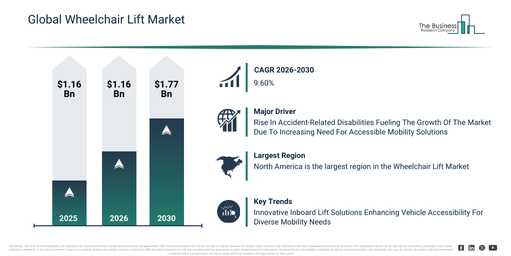
    The wheelchair lift market size is anticipated to demonstrate substantial growth in the upcoming years. It is predicted to reach $3.85 billion by 2030, exhibiting a compound annual growth rate (CAGR) of 9.6%. This expansion during the forecast period is largely driven by advancements in hydraulic and electric lift technologies, a rising need for residential mobility assistance, the broadening of public and commercial inclusive infrastructure, increased government support and funding, and the integration of smart monitoring and automation systems. Significant trends anticipated for this period include an increasing requirement for accessible mobility solutions within residential areas, the growing adoption of portable and foldable wheelchair lifts, the wider deployment of these lifts in healthcare facilities, the incorporation of enhanced safety features and emergency stop mechanisms, and heightened awareness coupled with government initiatives for inclusive infrastructure.

    Get A Free Sample Report With In-Depth Market Insights:

    https://thebusinessresearchcompany.com/sample_request?id=43946433&type=smp&name=Wheelchair%20Lift%20Market%20Report%202026&utm_source=Blogs&utm_medium=Paid&utm_campaign=Oct_PR

    Wheelchair Lift Market Growth Momentum: What Factors Are Shaping Demand?

    The increasing occurrence of disabilities resulting from accidents is projected to fuel the expansion of the wheelchair lifts market in the future. Disabilities refer to physical or mental conditions that impede an individual’s ability to perform routine daily activities. An increase in accidental disabilities is observed, attributed to significant road traffic and irresponsible driving behaviors, leading to more severe collisions and subsequent long-term physical limitations. Wheelchair lifts offer secure and autonomous mobility solutions for individuals with accident-induced disabilities, facilitating effortless access into and out of vehicles and structures. As an illustration, in February 2025, data from the Bureau of Labor Statistics, a US-based government entity, indicated that the employment-population ratio for persons with disabilities increased by 1.2% from 2022 to 2023. Furthermore, in 2024, individuals living with disabilities constituted roughly 13% of the overall population. Consequently, the growing incidence of disabilities stemming from accidents is a key factor propelling the expansion of the wheelchair lifts market.

    Wheelchair Lift Market Segment Analysis Spotlighting Growth Areas

    The wheelchair lift market covered in this report is segmented –

    1) By Product Type: Vertical Wheelchair Lifts, Inclined Wheelchair Lifts, Portable Wheelchair Lifts

    2) By Mechanism Type: Hydraulic Wheelchair Lifts, Electric Wheelchair Lifts, Mechanical Wheelchair Lifts

    3) By Distribution Channel: Direct Sale, Online Retail, Distributors And Dealers, Wholesale

    4) By End Use Application: Residential, Healthcare Facilities, Public Buildings, Commercial Spaces

    Subsegments:

    1) By Vertical Wheelchair Lifts: Hydraulic Vertical Lifts, Electric Vertical Lifts, Pneumatic Vertical Lifts

    2) By Inclined Wheelchair Lifts: Straight Inclined Lifts, Curved Inclined Lifts, Track-Mounted Inclined Lifts

    3) By Portable Wheelchair Lifts: Mobile Wheelchair Lifts, Foldable Wheelchair Lifts, Manual Portable Lifts

    Wheelchair Lift Market Trends Redefining Industry Growth

    Leading companies in the wheelchair lifts market are concentrating on developing sophisticated solutions, such as inboard lifts, to facilitate easier integration within a vehicle’s interior. Inboard lifts are systems mounted inside vehicles that assist in raising and positioning wheelchairs, thereby enabling safe and convenient access for users. For instance, in August 2024, Passenger Lift Solutions (PLS), a UK-based manufacturer of wheelchair lifts, introduced the EA4 inboard lift tailored for wheelchair-accessible vehicles. This product is specifically engineered to address a wide array of mobility requirements, including those of wheelchair users and individuals with restricted movement. It offers three platform styles—solid, vertical split, and horizontal fold—all designed to enhance comfort and accessibility. The modular construction supports quick installation and simple maintenance, fitting both rear and side door setups. With adjustable platform sizes and a weight capacity ranging from 400 to 500 kg, the EA4 delivers adaptable solutions for diverse passenger and vehicle needs.

    Wheelchair Lift Market Key Players Shaping Industry Direction

    Major companies operating in the wheelchair lift market are BraunAbility, D.I.D – Daido Kogyo Co. Ltd., Stannah Lifts, Cibes Lift, Bruno Independent Living Aids Inc., Garaventa Lift GmbH, Ricon Corporation, Savaria Corporation, Terry Lifts, Stiltz Ltd., AMF-Bruns Mobility, Arrow Lift, AmeriGlide Inc., Discount Ramps LLC, Adaptive Engineering Inc., Wabtec Corporation, Handi-Lift Inc., ACME Home Elevator Inc., BC Lift, Butler Mobility Products

    View The Full Wheelchair Lift Market Report:

    https://thebusinessresearchcompany.com/report/wheelchair-lift-global-market-report?utm_source=Blogs&utm_medium=Paid&utm_campaign=Oct_PR

    Wheelchair Lift Market Regional Analysis: Which Geography Leads On Revenue?

    North America was the largest region in the wheelchair lift market in 2025. Asia-Pacific is expected to be the fastest-growing region in the forecast period. The regions covered in the wheelchair lift market report are Asia-Pacific, South East Asia, Western Europe, Eastern Europe, North America, South America, Middle East, Africa.

    Reach Out To Our Team:

    The Business Research Company: https://www.thebusinessresearchcompany.com/

    Americas: +1 310-496-7795

    Asia: +44 7882 955267 & +91 8897263534

    Europe: +44 7882 955267

    Email us at: marketing@tbrc.info

    Follow us on:

    LinkedIn: https://in.linkedin.com/company/the-business-research-company

    YouTube: https://www.youtube.com/channel/UC24_fI0rV8cR5DxlCpgmyFQ

    Global Market Model: https://www.thebusinessresearchcompany.com/global-market-model
  • Wheelchair Accessible Vehicle Converter Market Expected To Grow At 6.3% CAGR Through 2030: What Businesses Need To Know

    Wheelchair Accessible Vehicle Converter Market Expected To Grow At 6.3% CAGR Through 2030: What Businesses Need To Know

    Backed by market attractiveness analysis, total addressable market sizing, company benchmarking matrices, interactive Excel dashboards, wider supply chain intelligence, emerging startup coverage, and detailed product-level insights, The Business Research Company’s 2026 market reports are designed to offer research that is more actionable and strategically valuable than ever.

    Wheelchair Accessible Vehicle Converter Market Poised To Hit $11.46 Billion By 2030 With A 6.3% CAGR

    The market for wheelchair accessible vehicle converters has experienced robust expansion in recent years. Projections indicate it will increase from $8.42 billion in 2025 to reach $8.98 billion in 2026, demonstrating a compound annual growth rate (CAGR) of 6.6%. Factors contributing to this historical growth include an expanding disabled and elderly population, the broadening of mobility assistance programs, increased awareness of inclusive transportation solutions, the development of vehicle modification technologies, and the rise of specialized mobility service providers.

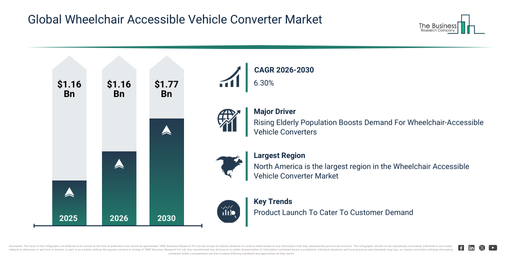
    The wheelchair accessible vehicle converter market is anticipated to experience substantial growth over the coming years. This market is projected to reach $11.46 billion by 2030, exhibiting a compound annual growth rate (CAGR) of 6.3%. Several factors are expected to drive this expansion during the forecast period, including a heightened demand for electric and hybrid accessible vehicles, increased governmental backing for accessibility infrastructure, the broadening of mobility-as-a-service models, rising investments in intelligent vehicle conversion technologies, and a greater emphasis on universal design principles. Key trends during this period are expected to encompass an escalating demand for bespoke vehicle conversions, a rise in the adoption of power-assisted ramps and lifts, an intensified focus on passenger safety and comfort, the proliferation of electric wheelchair-accessible vehicles, and improved adherence to accessibility standards.

    Get A Free Sample Report With In-Depth Market Insights:

    https://thebusinessresearchcompany.com/sample_request?id=43651889&type=smp&name=Wheelchair%20Accessible%20Vehicle%20Converter%20Market%20Report%202026&utm_source=Blogs&utm_medium=Paid&utm_campaign=Oct_PR

    Wheelchair Accessible Vehicle Converter Market Expansion Drivers: What’s Shaping Future Growth?

    The increasing count of the elderly population is projected to stimulate the growth of the wheelchair-accessible vehicle converter market in the coming years. This demographic specifically refers to individuals who are 60 years old and above. Wheelchair-accessible vehicle conversions provide benefits to older people, offering greater comfort for those who experience significant difficulties with walking or climbing steps. For example, in February 2025, the World Health Organization (WHO), an international public health organization based in Switzerland, reported that the global population aged 60 years and older was estimated at 1.1 billion in 2023 and is expected to increase to 1.4 billion by 2030. As a result, the expanding elderly population is a key driver for the growth of the wheelchair-accessible vehicle converter market.

    Wheelchair Accessible Vehicle Converter Market Segment Performance And Emerging Opportunities

    The wheelchair accessible vehicle converter market covered in this report is segmented –

    1) By Entry Point: Side Entry, Rear Entry

    2) By Mode Of Entry: Ramps, Lifts

    3) By Vehicle Type: Sport Utility Vehicles, Other Vehicle Types

    Subsegments:

    1) By Side Entry: Side Entry Minivans, Side Entry SUVs, Custom Side Entry Conversions

    2) By Rear Entry: Rear Entry Minivans, Rear Entry Vans, Custom Rear Entry Conversions

    Wheelchair Accessible Vehicle Converter Market Strategic Trends: What Defines The Next Growth Phase?

    Leading companies within the wheelchair-accessible vehicle (WAV) converter market are prioritizing the creation of novel mobility solutions, including advanced wheelchair-accessible ramps, aimed at improving user accessibility, operational effectiveness, and overall convenience. These next-generation wheelchair-accessible ramps represent sophisticated mobility systems built for safer, smoother, and more robust deployment. They frequently incorporate space-saving designs and simple operation, thereby boosting accessibility, safety, and ease for passengers facing mobility difficulties. As an illustration, in April 2024, BraunAbility, a US-based producer of wheelchair-accessible vehicle solutions, introduced the BraunAbility ADA Infloor with Simple Stow ramp. This advanced accessibility system is designed to provide commercial transportation providers with an affordable, ADA-compliant, and Buy America compliant vehicle accessibility option. The ramp itself boasts an infloor stowable design, ensures user-friendly deployment, and is compatible with Chrysler Voyager and Pacifica models. Through enhancements in accessibility, safety, and operational flexibility, the BraunAbility ADA Infloor empowers transportation operators to more effectively cater to passengers with mobility challenges.

    Wheelchair Accessible Vehicle Converter Market Competitive Analysis Of Leading Industry Participants

    Major companies operating in the wheelchair accessible vehicle converter market are Freedom Motors USA LLC, Brotherhood Automobility Limited, Vantage Mobility International, Rollx Vans LLC, AMS Vans Inc., Growings Mobility Group Limited, Sirius Automotive Ltd., Tripod Mobility, Autech Japan Inc., Allied Mobility, BraunAbility Inc., Ricon Incorporated, Independent Mobility Solutions LLC, Nor Cal Vans LLC, Kirchhoff Mobility, ATConversions, Advanced Mobility, North American Mobility Solutions, Sidewinder Conversions & Mobility Ltd., Taxi & Bus Conversion Ltd., Parfit Limited, Mobility Ventures LLC

    View The Full Wheelchair Accessible Vehicle Converter Market Report:

    https://thebusinessresearchcompany.com/report/wheelchair-accessible-vehicle-converter-global-market-report?utm_source=Blogs&utm_medium=Paid&utm_campaign=Oct_PR

    Wheelchair Accessible Vehicle Converter Market Geographic Spread And Regional Opportunities

    North America was the largest region in the wheelchair accessible vehicle converter market in 2025. The regions covered in the wheelchair accessible vehicle converter market report are Asia-Pacific, South East Asia, Western Europe, Eastern Europe, North America, South America, Middle East, Africa.

    Reach Out To Our Team:

    The Business Research Company: https://www.thebusinessresearchcompany.com/

    Americas: +1 310-496-7795

    Asia: +44 7882 955267 & +91 8897263534

    Europe: +44 7882 955267

    Email us at: marketing@tbrc.info

    Follow us on:

    LinkedIn: https://in.linkedin.com/company/the-business-research-company

    YouTube: https://www.youtube.com/channel/UC24_fI0rV8cR5DxlCpgmyFQ

    Global Market Model: https://www.thebusinessresearchcompany.com/global-market-model
  • Western Blotting Market Forecast To Reach $2.14 Billion By 2030: Key Trends Explained

    Western Blotting Market Forecast To Reach $2.14 Billion By 2030: Key Trends Explained

    Featuring market attractiveness scoring, total addressable market sizing, company benchmarking matrices, interactive Excel dashboards, deeper supply chain intelligence, emerging startup tracking, and granular product-level insights, The Business Research Company’s 2026 market reports are built to deliver research that is both more actionable and more strategically valuable.

    Western Blotting Market Size And Revenue Outlook Through 2030

    The western blotting market size has shown substantial growth in recent years. It is anticipated to expand from $1.39 billion in 2025 to $1.52 billion in 2026, achieving a compound annual growth rate (CAGR) of 9.2%. This historical expansion can be linked to factors such as the increase in life science research activities, the rising application of protein analysis in diagnostics, greater academic research funding, the extensive adoption of antibody-based assays, and an uptick in pharmaceutical research investments.

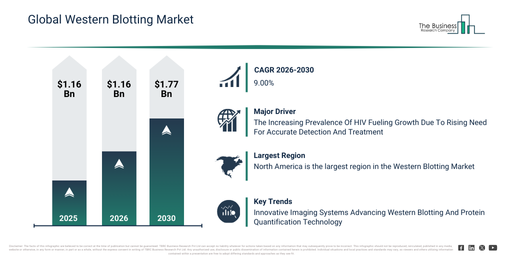
    The western blotting market is projected for significant expansion in the coming years. By 2030, its valuation is anticipated to reach $2.14 billion, demonstrating a compound annual growth rate (CAGR) of 9.0%. This projected growth stems from several factors, including the escalating need for biomarker-driven diagnostics, the broadening scope of proteomics studies, increased automation in lab processes, a heightened emphasis on high-throughput protein analysis, and the expanding application of western blotting in clinical research. Key developments anticipated during this period encompass the wider implementation of automated western blot technologies, a greater need for highly sensitive protein detection methods, the increasing utilization of pre-prepared reagent kits, advancements in digital imaging and analytical instruments, and a stronger commitment to ensuring consistency and uniformity.

    Get A Free Sample Report With In-Depth Market Insights:

    https://thebusinessresearchcompany.com/sample_request?id=89352418&type=smp&name=Western%20Blotting%20Market%20Report%202026&utm_source=Blogs&utm_medium=Paid&utm_campaign=Oct_PR

    Western Blotting Market Development Factors: What’s Supporting Demand?

    The anticipated expansion of the western blotting market is driven by the growing incidence of human immunodeficiency virus (HIV). HIV is a virus that compromises the body’s immune system, impairing its capacity to combat infections and illnesses. The widespread prevalence of HIV is attributed to insufficient awareness and education concerning prevention methods, thereby increasing the risk of transmission. Western blotting is extensively utilized for HIV diagnosis and confirmation, making it an indispensable tool for virus detection. This technique assists in early detection and treatment, contributing to more effective disease management. For example, in October 2024, Gov.UK, a UK-based government agency, reported 6,402 HIV diagnoses in the UK (excluding Northern Ireland) in 2023, indicating a 46% increase from 4,379 cases in 2022. Thus, the escalating prevalence of human immunodeficiency virus (HIV) is fueling the growth of the western blotting market.

    Western Blotting Market Segment Landscape And Growth Outlook

    The western blotting market covered in this report is segmented –

    1) By Product: Instruments, Consumables

    2) By Application: Scientific Research, Medical Diagnostics, Agricultural Application, Food And Beverages, Other Applications

    3) By End-Users: Academic And Research Institutes, Pharmaceutical And Biotechnology Companies, Diagnostic Centers, Other End-Users

    Subsegments:

    1) By Instruments: Gel Electrophoresis Instruments, Blotting Systems, Imagers

    2) By Consumables: Reagents, Kits

    Western Blotting Market Transformation Trends: What Innovations Are Driving Change?

    Leading companies in the western blotting market are concentrating on creating innovative imaging systems, such as complementary metal-oxide-semiconductor (CMOS) digital imaging technology and stain-free imaging technology, to improve image clarity, the accuracy of protein quantification, and overall throughput in research applications. CMOS digital imaging technology functions as a high-sensitivity method that captures gel and western blot images utilizing complementary metal oxide semiconductor sensors, whereas stain-free imaging technology provides a technique for total protein normalization without requiring additional probing or stripping, thus simplifying the western blot workflow. For instance, in July 2024, Bio-Rad, a US-based biotechnology company, introduced the ChemiDoc Go Imaging System, a compact imaging system that incorporates CMOS digital imaging and Stain-Free Imaging technology. This system enhances western blotting and gel imaging by boosting sensitivity, precision, and workflow efficiency, making it highly suitable for life science research applications like protein quantification and quality control.

    Western Blotting Market Leading Companies And Competitive Benchmarking

    Major companies operating in the western blotting market are Hoffmann-La Roche Ltd., Thermo Fisher Scientific, Danaher Corporation, Merck KGaA, GE Healthcare, EMD Millipore, PerkinElmer Inc., Bio-Rad Laboratories, GeneTex Inc., GenScript Biotech, Abcam plc, Promega Corporation, Takara Bio Inc., Cell Signaling Technology, Proteintech Group Inc., Cygnus Technologies, Santa Cruz Biotechnology, Abnova Corporation, Azure Biosystems Inc., Leinco Technologies Inc., LI-COR Biosciences GmbH, Novus Biologicals LLC

    View The Full Western Blotting Market Report:

    https://thebusinessresearchcompany.com/report/western-blotting-global-market-report?utm_source=Blogs&utm_medium=Paid&utm_campaign=Oct_PR

    Western Blotting Market Top Region By Revenue And Market Share

    North America was the largest region in the western blotting market in 2025. Asia-Pacific is expected to be the fastest-growing region in the forecast period. The regions covered in the western blotting market report are Asia-Pacific, South East Asia, Western Europe, Eastern Europe, North America, South America, Middle East, Africa.

    Reach Out To Our Team:

    The Business Research Company: https://www.thebusinessresearchcompany.com/

    Americas: +1 310-496-7795

    Asia: +44 7882 955267 & +91 8897263534

    Europe: +44 7882 955267

    Email us at: marketing@tbrc.info

    Follow us on:

    LinkedIn: https://in.linkedin.com/company/the-business-research-company

    YouTube: https://www.youtube.com/channel/UC24_fI0rV8cR5DxlCpgmyFQ

    Global Market Model: https://www.thebusinessresearchcompany.com/global-market-model
  • Weight Monitoring And Body Temperature Monitoring Devices And Equipment Market Analysis Through 2030: Market Size, Growth Trends And Industry Outlook

    Weight Monitoring And Body Temperature Monitoring Devices And Equipment Market Analysis Through 2030: Market Size, Growth Trends And Industry Outlook

    Backed by market attractiveness analysis, total addressable market sizing, company benchmarking matrices, interactive Excel dashboards, wider supply chain intelligence, emerging startup coverage, and detailed product-level insights, The Business Research Company’s 2026 market reports are designed to offer research that is more actionable and strategically valuable than ever.

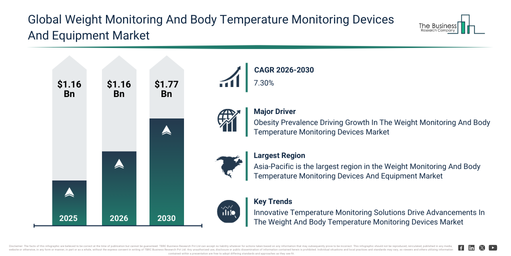
    Weight Monitoring And Body Temperature Monitoring Devices And Equipment Market Growth From $6.14 Billion In 2026 To $8.14 Billion By 2030 At A CAGR Of 7.3%

    The market for weight monitoring and body temperature monitoring devices and equipment has experienced substantial growth in recent years. It will grow from $5.79 billion in 2025 to $6.14 billion in 2026 at a compound annual growth rate (CAGR) of 6.1%. Historically, this expansion has been driven by factors such as the rising adoption of digital weighing systems, the broader implementation of clinical temperature screening, a heightened health consciousness among consumers, enhanced availability of diagnostic measurement tools, and the integration of smart sensor technologies.

    The weight monitoring and body temperature monitoring devices and equipment market size is anticipated to undergo substantial growth in the next few years. This market is projected to expand to $8.14 billion in 2030, demonstrating a compound annual growth rate (CAGR) of 7.3%. The expansion within the forecast period can be attributed to the increasing integration of connected health ecosystems, a rising demand for continuous vital monitoring, the broadening of preventive health screening programs, the growing adoption of smart home healthcare devices, and the increasing use of AI-enabled health analytics. Major trends during this period include the increasing adoption of smart weight and temperature monitoring devices, a rising demand for contactless temperature measurement, the expanding use of continuous monitoring wearables, the growth of home-based health measurement tools, and an enhanced focus on data-driven health tracking.

    Get A Free Sample Report With In-Depth Market Insights:

    https://thebusinessresearchcompany.com/sample_request?id=75998345&type=smp&name=Weight%20Monitoring%20And%20Body%20Temperature%20Monitoring%20Devices%20And%20Equipment%20Market%20Report%202026&utm_source=Blogs&utm_medium=Paid&utm_campaign=Oct_PR

    Weight Monitoring And Body Temperature Monitoring Devices And Equipment Market Industry Drivers: What’s Behind The Revenue Growth?

    The growing occurrence of obesity serves as a key impetus for the Weight Monitoring And Body Temperature Monitoring Devices And Equipment Market. Obesity is defined as a health condition marked by an excessive buildup of body fat that poses risks to an individual’s well-being, commonly indicated by a body mass index (BMI) of 30 or higher. This increase in obesity is attributed to increasingly sedentary habits, resulting from reduced physical activity and prolonged screen exposure. Weight monitoring and body temperature monitoring devices and equipment support the management of obesity by enabling continuous tracking of metabolic changes and body composition, thereby assisting individuals and clinicians in making informed decisions regarding lifestyle and treatment. For instance, in May 2024, according to the Office for Health Improvement and Disparities, a UK-based government body, it was estimated that 64.0% of adults aged 18 and older in England were either overweight or living with obesity between 2022 and 2023. Therefore, the expanding prevalence of obesity is driving the growth of the Weight Monitoring And Body Temperature Monitoring Devices And Equipment Market.

    Weight Monitoring And Body Temperature Monitoring Devices And Equipment Market Breakdown By Product Type And Application

    The weight monitoring and body temperature monitoring devices and equipment market covered in this report is segmented –

    1) By Type: Weight Monitoring Devices, Temperature Monitoring Devices

    2) By Temperature Monitoring Devices: Table Top Temperature Monitoring Devices, Hand Held Temperature Monitoring Devices, Wearable Continuous Monitoring Thermometers, Temperature Monitoring Sensors And Smart Temperature Patches

    3) By End User: Hospitals And Clinics, Home Settings, Ambulatory Surgical Centers

    Subsegments:

    1) By Weight Monitoring Devices: Digital Weighing Scales, Analog Weighing Scales, Smart Scales (With Health Tracking Features), Infant Weighing Scales, Bariatric Scales (For Obese Patients)

    2) By Temperature Monitoring Devices: Digital Thermometers, Infrared Thermometers (Contactless), Smart Wearable Temperature Monitors, Mercury-In-Glass Thermometers, Tympanic (Ear) Thermometers

    #Weight Monitoring And Body Temperature Monitoring Devices And Equipment Market Growth Trends: What’s Shaping The Future Outlook?

    Companies prominent in the weight monitoring and body temperature monitoring devices and equipment market are prioritizing the creation of innovative products, such as non-invasive temperature sensors, for various temperature measurement needs. Non-invasive temperature sensors are instruments crafted to determine temperature without needing any insertion or physical contact with the body or object under observation. For example, in June 2024, ABB Ltd., an automation company located in Switzerland, launched the NINVA temperature measurement device, designed to facilitate safer and more straightforward temperature monitoring across different industries. The NINVA device has secured Safety Integrity Level 2 (SIL2) certification, indicating a high level of safety for essential applications. This certification guarantees that the device fulfills strict safety criteria, rendering it appropriate for utilization in sectors where safety is critical, such as oil and gas, chemicals, and pharmaceuticals.

    Weight Monitoring And Body Temperature Monitoring Devices And Equipment Market Industry Leaders And Competitive Landscape

    Major companies operating in the weight monitoring and body temperature monitoring devices and equipment market are Philips Healthcare, Medtronic plc, GE HealthCare Technologies Inc., Abbott Laboratories, 3M, Nihon Kohden, Omron Healthcare, Siemens Healthcare, Honeywell International Inc., Infinium Medical Inc., Roche Diagnostics Limited, American Diagnostic Corporation, Masimo Corporation, Terumo Medical Corporation, Microlife Corporation, Becton Dickinson and Co, Reflectance Medical Inc., Johnson and Johnson, LifeSource, Drägerwerk AG & Co. KGaA, Briggs Healthcare, Cosinuss GmbH, Vital Connect inc., EarlySense, VivaLNK, Blue Spark Technologies

    View The Full Weight Monitoring And Body Temperature Monitoring Devices And Equipment Market Report:

    https://thebusinessresearchcompany.com/report/weight-monitoring-and-body-temperature-monitoring-devices-and-equipment-global-market-report?utm_source=Blogs&utm_medium=Paid&utm_campaign=Oct_PR

    Weight Monitoring And Body Temperature Monitoring Devices And Equipment Market Regional Analysis And Top Geography

    Asia-Pacific was the largest region in the global weight monitoring and body temperature monitoring devices and equipment market in 2025. North America was the second-largest region in the weight monitoring and body temperature monitoring devices and equipment market share. The regions covered in the weight monitoring and body temperature monitoring devices and equipment market report are Asia-Pacific, South East Asia, Western Europe, Eastern Europe, North America, South America, Middle East, Africa.

    Reach Out To Our Team:

    The Business Research Company: https://www.thebusinessresearchcompany.com/

    Americas: +1 310-496-7795

    Asia: +44 7882 955267 & +91 8897263534

    Europe: +44 7882 955267

    Email us at: marketing@tbrc.info

    Follow us on:

    LinkedIn: https://in.linkedin.com/company/the-business-research-company

    YouTube: https://www.youtube.com/channel/UC24_fI0rV8cR5DxlCpgmyFQ

    Global Market Model: https://www.thebusinessresearchcompany.com/global-market-model