Blog

  • Wearable Heart Rate Sensor Market Size In 2026: Regional Growth, Key Segments And Future Outlook

    Wearable Heart Rate Sensor Market Size In 2026: Regional Growth, Key Segments And Future Outlook

    Built to provide research that’s more actionable and strategically valuable, The Business Research Company’s 2026 market reports include market attractiveness analysis, total addressable market sizing, company benchmarking matrices, interactive Excel dashboards, broader supply chain intelligence, emerging startup tracking, and in-depth product insights.

    Wearable Heart Rate Sensor Market Set To Climb From $5.59 Billion In 2026 To $10.79 Billion By 2030

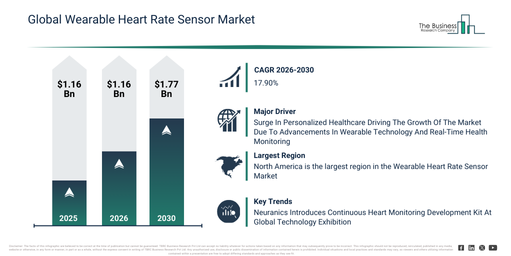
    The wearable heart rate sensor market has experienced substantial growth in recent years. It is projected to increase from $4.74 billion in 2025 to $5.59 billion in 2026, at a compound annual growth rate (CAGR) of 18.0%. This historical expansion can be attributed to the rise of fitness wearables, growing cardiovascular diseases, increased consumer health awareness, miniaturization of sensors, and the adoption of mobile health.

    The wearable heart rate sensor market is projected to experience substantial expansion over the coming years. Its valuation is anticipated to reach $10.79 billion by 2030, exhibiting a compound annual growth rate (CAGR) of 17.9%. This projected increase during the forecast period stems from factors such as AI-based arrhythmia detection, the broadening of telehealth services, insurance-supported monitoring initiatives, hospital-at-home care models, and data-driven preventive healthcare. Key developments expected in the forecast period encompass continuous cardiovascular monitoring, integration with various fitness ecosystems, the emergence of medical-grade wearable sensors, capabilities for stress and sleep tracking, and enhanced remote patient monitoring.

    Get A Free Sample Report With In-Depth Market Insights:

    https://thebusinessresearchcompany.com/sample_request?id=74906082&type=smp&name=Wearable%20Heart%20Rate%20Sensor%20Market%20Report%202026&utm_source=Blogs&utm_medium=Paid&utm_campaign=Oct_PR

    Wearable Heart Rate Sensor Market Development Factors: What’s Supporting Demand?

    The increasing emphasis on personalized healthcare is projected to fuel the expansion of the wearable heart rate sensor market moving forward. Personalized healthcare is defined as a medical methodology that tailors prevention, diagnosis, and treatment approaches to an individual’s distinct genetic makeup, lifestyle, and health data. Among the factors bolstering the growth of personalized healthcare are advancements in wearable technology. Progress in wearable technology is stimulating the evolution of the wearable heart rate sensor market by enabling the creation of more precise, compact, and energy-efficient monitoring solutions. These innovations enhance capabilities for real-time health tracking, broadening their applications across fitness, medical diagnostics, and individualized care. For illustration, Aiprm, a US-based prompt management tool and community-driven prompt library, stated in July 2024 that global wearable device shipments surpassed 500 million units in 2023, indicating a rise in consumer adoption of health-monitoring devices and a greater emphasis on continuous personal health insights. Thus, the growing focus on personalized healthcare is a key driver for the wearable heart rate sensor market’s growth.

    Wearable Heart Rate Sensor Market Segment Performance And Emerging Opportunities

    The wearable heart rate sensor market covered in this report is segmented –

    1) By Type: Photoplethysmography Sensor, Electrocardiography Sensor

    2) By Distribution Channel: Offline, Online

    3) By Application: Consumer Electronics, Medical Equipment, Other applications

    4) By End User: Hospitals And Clinics, Homecare, Athletes, Other End Users

    Subsegments:

    1) By Photoplethysmography (PPG) Sensor: Wrist-Based PPG sensors, Finger-Based PPG sensors, Ear-Based PPG sensors, Arm-Based PPG sensors, Clothing-Integrated PPG sensors

    2) By Electrocardiography (ECG) Sensor: Chest Strap ECG Sensors, Patch-Based ECG Sensors, Hand-held Or Touch-Based ECG Sensors, Clothing-Integrated ECG Sensors, Clinical Wearable ECG Monitors

    Wearable Heart Rate Sensor Market Transformation Trends: What Innovations Are Driving Change?

    Major companies in the wearable heart rate sensor market are prioritizing the creation of advanced solutions, like magnetic sensor–based continuous monitoring, to enhance and update traditional heart-monitoring approaches. A continuous monitoring solution denotes wearable technology capable of real-time, non-invasive tracking of heart activity, capturing cardiac signals 24/7 for health, fitness, and research applications. As an illustration, in December 2023, Neuranics, a medical technology company based in the UK, released a 24/7 Heart Monitoring Development Kit. This innovation presents magnetic-based heart monitoring as a viable alternative to conventional three-lead electrocardiography and existing wearable devices, by continuously recording and wirelessly transmitting cardiac data without requiring multiple sensors. It facilitates real-time signal acquisition, analysis, and alerts, while also allowing developers to integrate the technology into their own wearable applications with minimal hardware adjustments. Seamlessly integrated with Neuranics’ software platform, it provides a scalable solution for both developers and healthcare providers. The development kit significantly improves heart-signal detection capabilities, streamlines the process of prototype development, and supports the evolution of next-generation wearable cardiovascular devices.

    Wearable Heart Rate Sensor Market Industry Leaders And Competitive Landscape

    Major companies operating in the wearable heart rate sensor market are Apple Inc., Samsung Electronics Co. Ltd., Huawei Technologies Co. Ltd., Xiaomi Corporation, Garmin Ltd., Oura Health Oy, Whoop Inc., Suunto Oy, Withings S.A., Polar Electro Oy, Empatica Inc., iRhythm Technologies Inc., Biobeat Ltd., Fitbit Inc., Omron Healthcare Inc., Zepp Health Corporation, Amazfit Global, Fossil Group Inc., AliveCor Inc., Cardiac Insight Inc.

    View The Full Wearable Heart Rate Sensor Market Report:

    https://thebusinessresearchcompany.com/report/global-wearable-heart-rate-sensor-market-report?utm_source=Blogs&utm_medium=Paid&utm_campaign=Oct_PR

    Wearable Heart Rate Sensor Market Regional Analysis And Leading Geography

    North America was the largest region in the wearable heart rate sensor market in 2025. Asia-Pacific is expected to be the fastest-growing region in the forecast period. The regions covered in the wearable heart rate sensor market report are Asia-Pacific, South East Asia, Western Europe, Eastern Europe, North America, South America, Middle East, Africa.

    Reach Out To Our Team:

    The Business Research Company: https://www.thebusinessresearchcompany.com/

    Americas: +1 310-496-7795

    Asia: +44 7882 955267 & +91 8897263534

    Europe: +44 7882 955267

    Email us at: marketing@tbrc.info

    Follow us on:

    LinkedIn: https://in.linkedin.com/company/the-business-research-company

    YouTube: https://www.youtube.com/channel/UC24_fI0rV8cR5DxlCpgmyFQ

    Global Market Model: https://www.thebusinessresearchcompany.com/global-market-model

  • Wearable Heart Monitoring Devices Market Growth Forecast Through 2030: Market Size And Trends In 2026

    Wearable Heart Monitoring Devices Market Growth Forecast Through 2030: Market Size And Trends In 2026

    Backed by market attractiveness analysis, total addressable market sizing, company benchmarking matrices, interactive Excel dashboards, wider supply chain intelligence, emerging startup coverage, and detailed product-level insights, The Business Research Company’s 2026 market reports are designed to offer research that is more actionable and strategically valuable than ever.

    Wearable Heart Monitoring Devices Market Forecast: Value Set To Climb From $3.05 Billion To $5.16 Billion

    The wearable heart monitoring devices market size has seen rapid growth in recent years. It is forecast to increase from $2.67 billion in 2025 to $3.05 billion in 2026, achieving a compound annual growth rate (CAGR) of 14.2%. The expansion observed historically can be attributed to factors such as increasing awareness of cardiovascular health, a rise in participation in fitness activities, the expansion of home healthcare monitoring, growing adoption of smart wearable electronics, and improvements in sensor miniaturization.

    The market for wearable heart monitoring devices is anticipated to experience significant expansion over the coming years. Its valuation is projected to reach $5.16 billion by 2030, demonstrating a compound annual growth rate (CAGR) of 14.0%. This growth during the forecast period is driven by factors such as the increasing need for preventive healthcare options, greater integration with digital health platforms, wider acceptance of telemedicine, a stronger emphasis on personalized health data, and increased regulatory backing for remote monitoring technologies. Key developments expected during this timeframe include the rising use of continuous heart rate monitoring, improved integration of ECG and multiple sensor types, expanded application of wearables for remote patient oversight, broader adoption in consumer fitness and wellness sectors, and a heightened commitment to data precision and clinical validation.

    Get A Free Sample Report With In-Depth Market Insights:

    https://thebusinessresearchcompany.com/sample_request?id=65135431&type=smp&name=Wearable%20Heart%20Monitoring%20Devices%20Market%20Report%202026&utm_source=Blogs&utm_medium=Paid&utm_campaign=Oct_PR

    Wearable Heart Monitoring Devices Market Industry Drivers: What’s Behind The Revenue Growth?

    The rising occurrence of cardiovascular diseases (CVD) is projected to fuel the expansion of the wearable heart monitoring devices market in the future. Heart conditions, encompassing irregularities like atrial fibrillation, ventricular fibrillation, and atrioventricular block, necessitate ongoing surveillance. Individuals affected by cardiovascular diseases require wearable technology capable of continuous heart monitoring, which is vital for tracking heart rate. As an example, the US Centers for Disease Control and Prevention (CDC), a US-based government public health body, reported in October 2024 that 919,032 individuals in the US succumbed to cardiovascular disease in 2023, representing roughly one in every three fatalities across the nation. Consequently, the growing prevalence of cardiovascular diseases (CVD) is a key driver for wearable heart monitoring devices.

    Wearable Heart Monitoring Devices Market Segment Landscape And Growth Outlook

    The wearable heart monitoring devices market covered in this report is segmented –

    1) By Product Type: Electric Pulse-Based Product, Optical Technology-Based Product

    2) By Distribution Channel: Pharmacies, Online Channels, Hypermarkets

    3) By Application: Sports And Fitness, Remote Patient Monitoring, Home Healthcare

    Subsegments:

    1) By Electric Pulse-Based Products (ECG-based wearables): Chest-Strap Heart Rate Monitors, Wearable ECG Patches, Wearable Holter Monitors, Event Monitors, Smart ECG Bands / ECG-Enabled Wearables

    2) By Optical Technology-Based Products (PPG-based wearables): Wrist-Worn Fitness Bands, Smartwatches with Heart Rate Monitoring, Ring-Based Heart Rate Monitors, Arm-Band Optical Heart Rate Monitors, Multi-parameter Wearables with PPG Sensors

    #Wearable Heart Monitoring Devices Market Growth Trends: What’s Shaping The Future Outlook?

    Companies operating in the wearable heart monitoring devices market are concentrating on developing innovative products, such as electrocardiogram (ECG) patches, to gain a competitive advantage. An electrocardiogram (ECG) patch is a compact, wearable device designed to record the heart’s electrical activity. For example, in May 2023, Vivalink, a US-based provider of remote patient monitoring services, unveiled a multi-parameter wearable electrocardiogram (ECG) patch offering 14-day live stream capabilities. This patch serves as a wearable instrument that continuously monitors a patient’s heart rhythm and streams the data in real-time to a mobile device or the cloud. The 14-Day Live Stream ECG Patch is specifically engineered for both in-hospital and remote patient monitoring applications. It is particularly well-suited for patients with a history of heart disease, atrial fibrillation, or other cardiac conditions.

    Wearable Heart Monitoring Devices Market Key Participants And Competitive Landscape

    Major companies operating in the wearable heart monitoring devices market are Garmin Ltd., Polar Electro Oy, Fitbit Inc., Apple Inc., Samsung Electronics Co. Ltd., Xiaomi Corporation, Huawei Technologies Co. Ltd., Withings S.A., Suunto Oy, Coros Wearables Inc., Amazfit, Oura Health Ltd., WHOOP Inc., AliveCor Inc., iRhythm Technologies Inc., Bardy Diagnostics Inc., Preventice Solutions Inc., BioTelemetry Inc., Cardiac Insight Inc., Schiller AG

    View The Full Wearable Heart Monitoring Devices Market Report:

    https://thebusinessresearchcompany.com/report/wearable-heart-monitoring-devices-global-market-report?utm_source=Blogs&utm_medium=Paid&utm_campaign=Oct_PR

    Wearable Heart Monitoring Devices Market Geographic Analysis: Where Is Demand Accelerating Fastest?

    North America was the largest region in the wearable heart monitoring devices market in 2025. Asia-Pacific is expected to be the fastest-growing region in the wearable heart rate monitoring devices market report during the forecast period. The regions covered in the wearable heart monitoring devices market report are Asia-Pacific, South East Asia, Western Europe, Eastern Europe, North America, South America, Middle East, Africa.

    Reach Out To Our Team:

    The Business Research Company: https://www.thebusinessresearchcompany.com/

    Americas: +1 310-496-7795

    Asia: +44 7882 955267 & +91 8897263534

    Europe: +44 7882 955267

    Email us at: marketing@tbrc.info

    Follow us on:

    LinkedIn: https://in.linkedin.com/company/the-business-research-company

    YouTube: https://www.youtube.com/channel/UC24_fI0rV8cR5DxlCpgmyFQ

    Global Market Model: https://www.thebusinessresearchcompany.com/global-market-model

  • Wearable Electroencephalogram (EEG) Headsets Market Analysis: $1.95 Billion Market Size In 2026 And Future Growth Prospects

    Wearable Electroencephalogram (EEG) Headsets Market Analysis: $1.95 Billion Market Size In 2026 And Future Growth Prospects

    Featuring market attractiveness scoring, total addressable market sizing, company benchmarking matrices, interactive Excel dashboards, deeper supply chain intelligence, emerging startup tracking, and granular product-level insights, The Business Research Company’s 2026 market reports are built to deliver research that is both more actionable and more strategically valuable.

    Wearable Electroencephalogram (EEG) Headsets Market Revenue Growth On Track For A 12.2% CAGR Through 2030

    The wearable electroencephalogram (eeg) headsets market size has witnessed rapid expansion in recent years. Its projected growth will see it increase from $1.73 billion in 2025 to $1.95 billion in 2026, at a compound annual growth rate (CAGR) of 12.3%. This historic period’s growth can be linked to the increasing occurrence of neurological disorders, the expansion of neuroscience research endeavors, the heightened adoption of EEG in clinical diagnostics, a growing focus on mental health monitoring, and improvements in wearable sensor technology.

    The wearable electroencephalogram (eeg) headsets market size is anticipated to undergo swift expansion in the upcoming years. It is projected to reach $3.08 billion by 2030, exhibiting a compound annual growth rate (CAGR) of 12.2%. This growth over the forecast period is fueled by several factors, including the increasing demand for remote neurological monitoring, the rising adoption of digital therapeutics, the expansion of consumer wellness neurotechnology, the growing integration with telehealth platforms, and advancements in real-time brain data analytics. Significant trends shaping this forecast period comprise the increasing adoption of mobile brain monitoring devices, a rising demand for neurofeedback applications, the growing integration of AI-based EEG signal analysis, the expansion of wearable cognitive health solutions, and an enhanced focus on user comfort and portability.

    Get A Free Sample Report With In-Depth Market Insights:

    https://thebusinessresearchcompany.com/sample_request?id=69982911&type=smp&name=Wearable%20Electroencephalogram%20%28EEG%29%20Headsets%20Market%20Report%202026&utm_source=Blogs&utm_medium=Paid&utm_campaign=Oct_PR

    Wearable Electroencephalogram (EEG) Headsets Market Growth Factors: What’s Supporting Expansion?

    An increasing occurrence of cerebrovascular ailments is anticipated to drive the expansion of the wearable electroencephalogram (EEG) headsets market moving ahead. These conditions involve disruptions to the brain’s blood vessels and supply, resulting in issues like stroke, aneurysm, and vascular dementia. The escalating presence of contributing risk factors, including hypertension, elevated blood pressure, diabetes, and high blood cholesterol, intensifies the severity of cerebrovascular diseases. Wearable electroencephalogram (EEG) headsets provide a non-intrusive and effective method for observing brain activity, proving beneficial in both clinical and research environments. As an illustration, in October 2024, data from the Office for National Statistics, a UK-based government administration, indicated that in 2023, cerebrovascular diseases were responsible for 29,474 deaths, comprising 5.1% of all fatalities, marking a 0.7% rise in deaths compared to 2022. Consequently, the increasing prevalence of cerebrovascular diseases is fueling the development of the wearable electroencephalogram (EEG) headsets market.

    Wearable Electroencephalogram (EEG) Headsets Market Breakdown By Product Type And Application

    The wearable electroencephalogram (eeg) headsets market covered in this report is segmented –

    1) By Product: 5-Channel Electroencephalogram (EEG), 14-Channel Electroencephalogram (EEG), 32-Channel Electroencephalogram (EEG), Other Products

    2) By Application: Disease Diagnosis, Sleep Monitoring, Other Applications

    3) By End-Use: Hospitals, Diagnostics Centers, Other End-Users

    Subsegments:

    1) By 5-Channel Electroencephalogram (EEG): Basic Monitoring, Portable Devices

    2) By 14-Channel Electroencephalogram (EEG): Clinical Use, Cognitive Research

    3) By 32-Channel Electroencephalogram (EEG): Advanced Research, Medical Diagnostics

    4) By Other Products: Customizable Channel Options, Multi-Function Headsets

    Wearable Electroencephalogram (EEG) Headsets Market Industry Trends: What’s Reshaping Demand?

    Major companies operating in the wearable electroencephalogram (EEG) headsets market are engaged in developing innovative products that feature advanced technologies like dry electrode EEG technology, aiming to enhance user convenience and improve the accuracy of brain activity monitoring. Dry electrode EEG technology significantly improves wearable EEG headsets by offering greater user convenience, comfort, and data quality, thereby making them more approachable and practical for both everyday use and extended monitoring. As an illustration, in February 2023, Wearable Sensing, a US-based neurotechnology company, partnered with Soterix Medical, a US-based biotechnology company, to launch the Dry Electroencephalogram (EEG) + tDCS system. This particular wearable EEG headset integrates dry electrode EEG technology with transcranial direct current stimulation (tDCS). The innovative headset incorporates six customizable dry electrode Electroencephalogram (EEG) sensors and two tDCS electrodes, allowing for simultaneous brain activity monitoring and stimulation. The system employs the QStates machine learning cognitive state classification algorithm to autonomously modify stimulation based on identified cognitive states, thereby boosting its effectiveness in neuroscientific research and therapeutic applications.

    Wearable Electroencephalogram (EEG) Headsets Market Top Companies Driving Competitive Growth

    Major companies operating in the wearable electroencephalogram (eeg) headsets market are Natus Medical Incorporated, Cadwell Industries Inc., NeuroSky Inc., Brain Products GmbH, Emotiv Inc., BrainCo Inc., ANT Neuro GmbH, Electrical Geodesics Inc., Neuroelectrics Barcelona S.L.U., Compumedics Limited, G.Tec Medical Engineering GmbH, MyndPlay Ltd., OpenBCI Inc., Wearable Sensing, Pankhtech India Private Limited, Intelesens Ltd., Nubbo, Koninklijke Philips N.V., Medtronic Plc, iMotions A/S

    View The Full Wearable Electroencephalogram (EEG) Headsets Market Report:

    https://thebusinessresearchcompany.com/report/wearable-electroencephalogram-eeg-headsets-global-market-report?utm_source=Blogs&utm_medium=Paid&utm_campaign=Oct_PR

    Wearable Electroencephalogram (EEG) Headsets Market Global Footprint: Which Region Leads The Industry?

    North America was the largest region in the wearable electroencephalogram (EEG) headsets market in 2025. Asia-Pacific is expected to be the fastest-growing region in the forecast period. The regions covered in the wearable electroencephalogram (eeg) headsets market report are Asia-Pacific, South East Asia, Western Europe, Eastern Europe, North America, South America, Middle East, Africa.

    Reach Out To Our Team:

    The Business Research Company: https://www.thebusinessresearchcompany.com/

    Americas: +1 310-496-7795

    Asia: +44 7882 955267 & +91 8897263534

    Europe: +44 7882 955267

    Email us at: marketing@tbrc.info

    Follow us on:

    LinkedIn: https://in.linkedin.com/company/the-business-research-company

    YouTube: https://www.youtube.com/channel/UC24_fI0rV8cR5DxlCpgmyFQ

    Global Market Model: https://www.thebusinessresearchcompany.com/global-market-model

  • Wearable Electroencephalogram (EEG) Device Market 2026 Market Size And Growth Forecast: Key Trends To Watch

    Wearable Electroencephalogram (EEG) Device Market 2026 Market Size And Growth Forecast: Key Trends To Watch

    Built to provide research that’s more actionable and strategically valuable, The Business Research Company’s 2026 market reports include market attractiveness analysis, total addressable market sizing, company benchmarking matrices, interactive Excel dashboards, broader supply chain intelligence, emerging startup tracking, and in-depth product insights.

    Wearable Electroencephalogram (EEG) Device Market Value Growth And Long-Term Outlook

    The wearable electroencephalogram (eeg) device market has experienced substantial expansion in recent times. This market is projected to expand from $1.48 billion in 2025 to $1.67 billion in 2026, exhibiting a compound annual growth rate (CAGR) of 12.6%. Historically, this expansion has been driven by factors such as the demand for neurological disorder diagnosis, the rise in epilepsy monitoring, the increased adoption of hospital EEG procedures, the expansion of neuroscience research, and the growth of wearable health technology.

    The market for wearable electroencephalogram (eeg) devices is projected to experience swift expansion in the upcoming years. Its valuation is anticipated to reach $2.66 billion by 2030, exhibiting a compound annual growth rate (CAGR) of 12.4%. This growth during the forecast period can be attributed to advancements like AI-powered brainwave analysis, the expansion of tele-neurology, wearable solutions for mental health monitoring, the increasing need for long-term neurological care, and remote clinical trials. Major developments expected in this period include continuous brain activity monitoring, portable neurological diagnostic tools, wireless EEG data transmission capabilities, home-based EEG observation, and enhanced electrode comfort designs.

    Get A Free Sample Report With In-Depth Market Insights:

    https://thebusinessresearchcompany.com/sample_request?id=71634309&type=smp&name=Wearable%20Electroencephalogram%20%28EEG%29%20Device%20Market%20Report%202026&utm_source=Blogs&utm_medium=Paid&utm_campaign=Oct_PR

    Wearable Electroencephalogram (EEG) Device Market Demand Drivers: What’s Powering Industry Growth?

    The future expansion of the wearable electroencephalogram (EEG) device market is anticipated to be fueled by a rise in mental health awareness. This surge in mental health consciousness stems from several contributing elements, such as expanded media exposure, educational efforts, support from mental health advocacy groups, and an increasing understanding of how mental well-being influences general health. Wearable EEG devices play a crucial role in the management and oversight of mental health conditions, offering data that facilitates tailored treatment plans and assists in therapeutic methods like biofeedback and neurofeedback. As an illustration, a white paper released in April 2024 by FAIR Health Inc., a US-based health organization, reported that the proportion of patients diagnosed with mental health issues within the US rose from 17.9% in 2022 to 18.9% in 2023. Consequently, the heightened awareness surrounding mental health is a primary impetus for the wearable electroencephalogram (EEG) device market.

    Wearable Electroencephalogram (EEG) Device Market Segment Analysis And Revenue Potential

    The wearable electroencephalogram (eeg) device market covered in this report is segmented –

    1) By Type: Battery, Charge

    2) By Channel Type: 5-Channel Type, 14-Channel Type, 32-Channel Type, Other Channel Types

    3) By Application: Hospitals And Clinics, Neurology Centers, Research And Academics, Other Applications

    Subsegments:

    1) By Battery: Rechargeable Battery EEG Devices, Non-Rechargeable Battery EEG Devices, Lithium-Ion Battery EEG Devices

    2) By Charge: Wired Charging EEG Devices, Wireless Charging EEG Devices, Quick Charge EEG Devices

    Wearable Electroencephalogram (EEG) Device Market Innovation Trends: What Developments Are Reshaping The Industry?

    Leading companies within the wearable electroencephalogram (EEG) device market are concentrating on incorporating brainwave monitoring algorithms, including acoustic stimulation, to provide non-invasive solutions for brain observation. Acoustic stimulation, delivered via headphones, employs sound waves or vibrations to amplify therapeutic benefits, serving as a complement to electrical stimulation for enhanced neurological or psychological results. As an example, in June 2024, Elemind Technologies, Inc., a US-based neurotechnology firm, introduced a new headband. This sleep-focused headband facilitates real-time brainwave tracking to boost sleep quality, enabling users to fall asleep up to 74% more quickly. It employs AI-powered algorithms to administer customized acoustic stimulation, guiding brainwaves from an awake state into sleep. The apparatus connects with a smartphone application, delivering comprehensive details on sleep duration, efficiency, and various sleep stages. With continued use, the system adjusts to individual sleep habits, progressively refining its efficacy.

    Wearable Electroencephalogram (EEG) Device Market Leading Players And Competitive Positioning

    Major companies operating in the wearable electroencephalogram (eeg) device market are Brain Products GmbH, EMOTIV Inc., BrainCo Inc., BioSemi B.V., NeuroSky Inc., Beacon Biosignals Inc., Neurable Inc., Advanced Brain Monitoring Inc., Elemind Technologies Inc., Muse, OpenBCI Inc., Brainbit Inc., Wearable Sensing, MyndPlay Ltd., Epitel Inc., Mentalab, Cogwear LLC, AAVAA Inc., NEEURO PTE LTD., Nexstem India Private Limited, Pankhtech India Private Limited

    View The Full Wearable Electroencephalogram (EEG) Device Market Report:

    https://thebusinessresearchcompany.com/report/wearable-electroencephalogram-eeg-device-global-market-report?utm_source=Blogs&utm_medium=Paid&utm_campaign=Oct_PR

    Wearable Electroencephalogram (EEG) Device Market Regional Distribution: Which Areas Power Market Growth?

    North America was the largest region in the wearable electroencephalogram (EEG) device market in 2025. The regions covered in the wearable electroencephalogram (eeg) device market report are Asia-Pacific, South East Asia, Western Europe, Eastern Europe, North America, South America, Middle East, Africa.

    Reach Out To Our Team:

    The Business Research Company: https://www.thebusinessresearchcompany.com/

    Americas: +1 310-496-7795

    Asia: +44 7882 955267 & +91 8897263534

    Europe: +44 7882 955267

    Email us at: marketing@tbrc.info

    Follow us on:

    LinkedIn: https://in.linkedin.com/company/the-business-research-company

    YouTube: https://www.youtube.com/channel/UC24_fI0rV8cR5DxlCpgmyFQ

    Global Market Model: https://www.thebusinessresearchcompany.com/global-market-model

  • Wearable Electrocardiogram (ECG) T-Shirt Market Size Forecast: How The Industry Is Expected To Grow From 2026 To 2030

    Wearable Electrocardiogram (ECG) T-Shirt Market Size Forecast: How The Industry Is Expected To Grow From 2026 To 2030

    Backed by market attractiveness analysis, total addressable market sizing, company benchmarking matrices, interactive Excel dashboards, wider supply chain intelligence, emerging startup coverage, and detailed product-level insights, The Business Research Company’s 2026 market reports are designed to offer research that is more actionable and strategically valuable than ever.

    Wearable Electrocardiogram (ECG) T-Shirt Market Poised To Hit $1.86 Billion By 2030 With A 17.5% CAGR

    The wearable electrocardiogram (ecg) t-shirt market size has experienced rapid expansion in recent years. It is forecast to rise from $0.83 billion in 2025 to $0.98 billion in 2026, achieving a compound annual growth rate (CAGR) of 17.8%. This historical growth can be attributed to factors such as the increasing prevalence of cardiovascular disease, the proliferation of wearable health devices, a growing demand for continuous monitoring, advancements in smart textiles, and the wider adoption of telehealth.

    The market for wearable electrocardiogram (ECG) t-shirts is projected to experience substantial expansion over the upcoming years. Its valuation is anticipated to reach $1.86 billion by 2030, demonstrating a compound annual growth rate (CAGR) of 17.5%. This anticipated rise during the projected timeframe is largely driven by factors such as the increase in remote cardiac monitoring, advancements in AI-powered ECG analytics, a heightened emphasis on preventive healthcare, seamless integration with mobile health applications, and the wider adoption of home diagnostics. Key developments expected in this period encompass continuous cardiac monitoring, the emergence of textile-based biosensors, capabilities for wireless ECG data transmission, the development of comfortable wearables for extended use, and enhanced early detection of cardiac abnormalities.

    Get A Free Sample Report With In-Depth Market Insights:

    https://thebusinessresearchcompany.com/sample_request?id=55460366&type=smp&name=Wearable%20Electrocardiogram%20%28ECG%29%20T-Shirt%20Market%20Report%202026&utm_source=Blogs&utm_medium=Paid&utm_campaign=Oct_PR

    Wearable Electrocardiogram (ECG) T-Shirt Market Growth Drivers: What’s Behind The Acceleration?

    The increasing occurrence of cardiovascular diseases is projected to drive the expansion of the wearable electrocardiogram (ECG) T-shirt market in the future. Cardiovascular diseases encompass medical conditions that affect the heart and blood vessels, such as coronary artery disease, arrhythmias, heart failure, and stroke. The incidence of cardiovascular disease is escalating, largely due to aging populations, as older adults are more susceptible to heart-related conditions because of natural physiological changes like arterial stiffening and prolonged exposure to risk factors including high blood pressure and cholesterol. Wearable electrocardiogram (ECG) T-shirts assist individuals with cardiovascular disease by continuously tracking heart activity in real time, which allows for the early detection of irregular heart rhythms, improves disease management, and facilitates timely medical intervention to avert severe cardiac events. For example, in October 2024, data from the Centers for Disease Control and Prevention, a US-based government agency, reported that in 2023, cardiovascular disease claimed 919,032 lives, accounting for one in every three deaths. Coronary heart disease continued to be the most prevalent form of heart disease, and significantly, about one in six deaths from cardiovascular diseases occurred among adults younger than 65 years. Thus, the rising prevalence of cardiovascular diseases is a key factor propelling the growth of the wearable electrocardiogram (ECG) T-shirt market.

    Wearable Electrocardiogram (ECG) T-Shirt Market Segmentation And Category Overview

    The wearable electrocardiogram (ecg) t-shirt market covered in this report is segmented –

    1) By Product Type: Embedded Electrodes, Textile-Based Sensors

    2) By Distribution Channel: Online Stores, Retail Stores, Other Distribution Channels

    3) By End-User: Hospitals And Clinics, Homecare, Other End-Users

    Subsegments:

    1) By Embedded Electrodes: Conductive Fiber Integrated T-Shirts, Seamless Monitoring T-Shirts, Wire-Free Electrocardiogram (ECG) T-Shirts, Multi-Lead Embedded Electrode T-Shirts

    2) By Textile-Based Sensors: Conductive Yarn Sensor T-Shirts, Smart Fabric Electrocardiogram (ECG) T-Shirts, Stretchable Sensor Embedded T-Shirts, Wearable Sensor Mesh T-Shirts

    Wearable Electrocardiogram (ECG) T-Shirt Market Competitive Overview And Top Companies

    Major companies operating in the wearable electrocardiogram (ecg) t-shirt market are Hexoskin Inc., Myant Inc., OMsignal Inc., Nuubo Medical Systems S.L., Chronolife SAS, HealthWatch Ltd., Sensoria Inc., Nanowear Inc., Xenoma Inc., Ambiotex Inc., HeartIn Inc., Inovatica Ltd., ClothingPlus Oy, Wearable X Inc., AiQ Smart Clothing Inc., Smart Textile Alliance Ltd., Interactive Wear AG, VitalWear Inc., BioSerenity SAS, Smartex S.r.l.

    View The Full Wearable Electrocardiogram (ECG) T-Shirt Market Report:

    https://thebusinessresearchcompany.com/report/wearable-electrocardiogram-ecg-t-shirt-global-market-report?utm_source=Blogs&utm_medium=Paid&utm_campaign=Oct_PR

    Wearable Electrocardiogram (ECG) T-Shirt Market Leading Geography: Which Region Contributes The Most Revenue?

    North America was the largest region in the wearable electrocardiogram (ECG) T-shirt market in 2025. Asia-Pacific is expected to be the fastest-growing region in the forecast period. The regions covered in the wearable electrocardiogram (ecg) t-shirt market report are Asia-Pacific, South East Asia, Western Europe, Eastern Europe, North America, South America, Middle East, Africa.

    Reach Out To Our Team:

    The Business Research Company: https://www.thebusinessresearchcompany.com/

    Americas: +1 310-496-7795

    Asia: +44 7882 955267 & +91 8897263534

    Europe: +44 7882 955267

    Email us at: marketing@tbrc.info

    Follow us on:

    LinkedIn: https://in.linkedin.com/company/the-business-research-company

    YouTube: https://www.youtube.com/channel/UC24_fI0rV8cR5DxlCpgmyFQ

    Global Market Model: https://www.thebusinessresearchcompany.com/global-market-model

  • Wearable ECG Monitors Market Reaches $13.67 Billion In 2026: Forecast And Growth Opportunities

    Wearable ECG Monitors Market Reaches $13.67 Billion In 2026: Forecast And Growth Opportunities

    Featuring market attractiveness scoring, total addressable market sizing, company benchmarking matrices, interactive Excel dashboards, deeper supply chain intelligence, emerging startup tracking, and granular product-level insights, The Business Research Company’s 2026 market reports are built to deliver research that is both more actionable and more strategically valuable.

    Wearable ECG Monitors Market Size And Revenue Outlook Through 2030

    The market size for wearable ECG monitors has experienced substantial growth in recent years. This market is projected to expand from $4.78 billion in 2025 to reach $5.9 billion by 2026, demonstrating a compound annual growth rate (CAGR) of 23.4%. Historically, this growth has been influenced by factors including an escalating incidence of cardiac arrhythmias, the increasing adoption of remote cardiac monitoring, the proliferation of consumer-grade medical devices, ongoing advancements in wearable electronics, and improved clinical validation for wearable ECG solutions.

    The market size for wearable ecg monitors is projected to experience substantial growth in the upcoming years. It will grow to $13.67 billion in 2030 at a compound annual growth rate (CAGR) of 23.4%. This expansion during the forecast period is largely attributed to an increased focus on early cardiac disease detection, growing investments in digital cardiology, the rising use of AI-driven diagnostics, the expansion of home-based cardiac monitoring, and increasing integration with electronic health records. Key trends anticipated within this period include the broadening of continuous cardiac rhythm monitoring, the growing adoption of smartphone-compatible ecg devices, the incorporation of AI-based arrhythmia detection, a rising demand for wireless ecg wearables, and enhanced data sharing with healthcare providers.

    Get A Free Sample Report With In-Depth Market Insights:

    https://thebusinessresearchcompany.com/sample_request?id=61844067&type=smp&name=Wearable%20ECG%20Monitors%20Market%20Report%202026&utm_source=Blogs&utm_medium=Paid&utm_campaign=Oct_PR

    Wearable ECG Monitors Market Growth Factors Behind Sustained Expansion

    The expanding aging population is anticipated to drive the future expansion of the wearable ECG monitors market. This demographic trend signifies a rising percentage of older people in society, frequently resulting from extended life expectancy and reduced birth rates. Such a population shift presents both difficulties and advantages in sectors such as healthcare, retirement systems, and elder support services. Wearable ECG monitors offer advantages to seniors by enabling continuous heart monitoring, facilitating prompt identification of cardiac problems, and leading to better health results, thereby elevating their general quality of life. As an illustration, in February 2025, data from the World Health Organization (WHO), a Switzerland-based United Nations agency focused on international public health, indicated that in 2024, worldwide life expectancy at birth reached 73.3 years. Furthermore, the demographic aged 60 and above is projected to expand from 1.1 billion in 2023 to 1.4 billion by 2030, with the most rapid increase observed in developing regions. Consequently, the aging population is poised to sustain its contribution to the expansion of the wearable ECG monitors market throughout the forecast timeframe.

    Wearable ECG Monitors Market Segment Outlook: Which Categories Are Growing Fastest?

    The wearable ecg monitors market covered in this report is segmented –

    1) By Type: Wired, Wireless

    2) By Application: Atrial Fibrillation, Atherosclerosis, Cardiac Dysrhythmia, Congestive Heart Failures (CHF), Coronary Artery Disease, Angina And Heart Attack, Bradycardia, Tachycardia

    3) By Grade: Consumer, Clinical

    4) By Sales Channel: Online, Pharmacy

    Subsegments:

    1) By Wired: Single-Lead Wired ECG Monitors, Multi-Lead Wired ECG Monitors

    2) By Wireless: Bluetooth-Enabled ECG Monitors, Wi-Fi-Enabled ECG Monitors, Smartphone-Compatible ECG Monitors

    Wearable ECG Monitors Market Industry Trends Fueling Future Revenue Growth

    Leading companies in the wearable ECG monitors market are progressively concentrating on advanced, AI-driven cardiac monitoring solutions designed for long-term use, which significantly improve diagnostic accuracy, patient comfort, and clinical efficiency. These systems integrate ultra-light patch devices with sophisticated deep-learning algorithms to provide uninterrupted rhythm analysis for multiple days, thereby reducing the reliance on traditional short-term Holter monitors. For example, in May 2025, iRhythm Technologies, a US-based digital healthcare company specializing in wearable biosensor devices and cloud-based analytics, launched its Zio long‑term continuous monitoring (LTCM) system, commercially branded as the Zio ECG Recording and Analysis System. This system offers up to 14 days of uninterrupted ECG monitoring through a thin, lightweight patch, achieving approximately 99% patient compliance and about 99% analyzable data. Furthermore, it employs a deep-learned AI algorithm (PMDA‑approved) capable of detecting 13 arrhythmia types, and its final reports are meticulously reviewed by certified cardiographic technicians, leading to 99% physician agreement.

    Wearable ECG Monitors Market Competitive Landscape: Which Companies Lead The Industry?

    Major companies operating in the wearable ecg monitors market are iRhythm Technologies Inc, Koninklijke Philips N.V (Philips healthcare), Nihon Kohden Corporation, Medtronic, CardioComm Solutions Inc., Withings, QardioCore, AliveCor Inc., Aerotel Medical Systems Ltd., Kavitul Technologies Private Limited, Shenzhen YKD Technology Co.Ltd, SanketLife, Jiangsu Medomics Medical Technology Co. Ltd, Contec Medical Systems Co. Ltd, Hunan Rainbow Technology Co. Ltd, B-Secur, Shimmer Sensing, VEMO, SmartCardia, Omron Kardiamobile EKG, Trismed Co. Ltd, Plux Biosignals, CardioNet, Preventice Solutions, BTL, Apple, Cardiac Insight Inc., CardiacSense, C3⁺ Holter Monitor

    View The Full Wearable ECG Monitors Market Report:

    https://thebusinessresearchcompany.com/report/wearable-ECG-monitors-global-market-report?utm_source=Blogs&utm_medium=Paid&utm_campaign=Oct_PR

    Wearable ECG Monitors Market Regional Outlook: Where Is Opportunity Concentrated?

    Western Europe was the largest region in the wearable ECG monitor market in 2025. North America was the second-largest region in the global wearable ECG monitors market share. The regions covered in the wearable ecg monitors market report are Asia-Pacific, South East Asia, Western Europe, Eastern Europe, North America, South America, Middle East, Africa.

    Reach Out To Our Team:

    The Business Research Company: https://www.thebusinessresearchcompany.com/

    Americas: +1 310-496-7795

    Asia: +44 7882 955267 & +91 8897263534

    Europe: +44 7882 955267

    Email us at: marketing@tbrc.info

    Follow us on:

    LinkedIn: https://in.linkedin.com/company/the-business-research-company

    YouTube: https://www.youtube.com/channel/UC24_fI0rV8cR5DxlCpgmyFQ

    Global Market Model: https://www.thebusinessresearchcompany.com/global-market-model

  • Wearable Cardiac Devices Market Growth In 2026: Market Size, Key Drivers And Future Outlook

    Wearable Cardiac Devices Market Growth In 2026: Market Size, Key Drivers And Future Outlook

    Built to provide research that’s more actionable and strategically valuable, The Business Research Company’s 2026 market reports include market attractiveness analysis, total addressable market sizing, company benchmarking matrices, interactive Excel dashboards, broader supply chain intelligence, emerging startup tracking, and in-depth product insights.

    Wearable Cardiac Devices Market Growth From $6.73 Billion In 2026 To $13.42 Billion By 2030 At A CAGR Of 18.8%

    The market size for wearable cardiac devices has experienced substantial growth in recent years. This sector is projected to increase from $5.65 billion in 2025 to $6.73 billion in 2026, demonstrating a compound annual growth rate (CAGR) of 19.1%. Historically, this expansion can be attributed to factors such as the restricted access to advanced cardiac monitoring technology, a rising prevalence of cardiovascular diseases, a reliance on hospital-based monitoring, the initial high expense of wearable devices, and insufficient consumer knowledge about wearable cardiac devices.

    The wearable cardiac devices market is projected to experience substantial expansion in the coming years. This market is forecast to reach $13.42 billion by 2030, exhibiting a compound annual growth rate (CAGR) of 18.8%. This anticipated growth is driven by several factors, including the shrinking size of sensors and devices, greater uptake of remote patient monitoring solutions, seamless integration with smartphones and various digital health platforms, a general increase in health awareness among individuals, and broader reimbursement policies for these wearable cardiac devices. Key trends expected during this period involve the increasing utilization of wearable cardiac devices for remote patient care, enhanced incorporation of ECG and heart rate tracking capabilities, a surge in the deployment of wearable defibrillators to avert sudden cardiac arrest, the proliferation of fitness and wellness gadgets aimed at consumers, and the ongoing development of wireless, disposable cardiac monitoring patches.

    Get A Free Sample Report With In-Depth Market Insights:

    https://thebusinessresearchcompany.com/sample_request?id=90602728&type=smp&name=Wearable%20Cardiac%20Devices%20Market%20Report%202026&utm_source=Blogs&utm_medium=Paid&utm_campaign=Oct_PR

    Wearable Cardiac Devices Market Demand Drivers Opening New Revenue Streams

    The rising occurrence of cardiovascular conditions is projected to fuel the expansion of the wearable cardiac devices market in the coming years. Controllable CVD risk factors include elevated blood pressure, unhealthy dietary habits, high LDL cholesterol, a sedentary lifestyle, and specific environmental exposures, all of which contribute to cardiovascular diseases such as coronary artery disease, heart failure, stroke, and hypertension. Wearable cardiac devices bolster public health efforts by enabling real-time surveillance of cardiac activity, aiding in the early detection and management of these risk factors, and helping to avert severe cardiovascular complications through continuous monitoring of vital signs like heart rate, rhythm, and electrical signals. For instance, in October 2024, according to the Centers for Disease Control and Prevention, a US-based government agency, in 2023, cardiovascular disease tragically resulted in 919,032 lives lost, making up one in every three deaths. Coronary heart disease continued to be the most widespread form of heart disease, and notably, roughly one in six deaths from cardiovascular diseases impacted adults younger than 65 years. Therefore, the increasing prevalence of cardiovascular diseases is acting as a key driver for the growth of the wearable cardiac devices market.

    Wearable Cardiac Devices Market Segment Landscape: Which Areas Lead Development?

    The wearable cardiac devices market covered in this report is segmented –

    1) By Product: Holter Monitors, Smartwatches, Patch, Defibrillators, Pulse Oximeters, Other Products

    2) By Application: Arrhythmia Detection, Heart Rate Monitoring, Heart Disease Management

    3) By Distribution Channel: Online, Offline

    4) By End User: Hospitals, Clinics, Individual Consumers, Fitness Centers

    Subsegments:

    1) By Holter Monitors: Single-Channel Holter Monitors, Multi-Channel Holter Monitors, Wireless Holter Monitors

    2) By Smartwatches: Fitness And Wellness Smartwatches, Medical-Grade Smartwatches, Electrocardiogram (ECG)-Enabled Smartwatches

    3) By Patch: Adhesive Cardiac Monitoring Patches, Rechargeable Patch Monitors, Disposable Patch Monitors

    4) By Defibrillators: Wearable Cardioverter Defibrillators (WCDs), Automated External Defibrillators (AEDs) With Wearable Integration

    5) By Pulse Oximeters: Fingertip Wearable Oximeters, Wrist-Worn Oximeters, Ring-Type Oximeters

    6) By Other Products: Chest Straps, Smart Clothing, Portable Electrocardiogram (ECG) Monitors

    Wearable Cardiac Devices Market Trends Powering Strategic Industry Growth

    Major companies in the wearable cardiac device market are prioritizing the development of advanced solutions, such as extended-wear AI-enabled ECG patches, to enable continuous, remote cardiac monitoring, support early arrhythmia detection, and facilitate home-based care. These extended-wear AI-enabled ECG patches are thin, flexible adhesive devices positioned on the chest, continuously recording the heart’s electrical activity for several days (e.g., up to two weeks), and employing embedded biosensors with AI-driven analytics to detect arrhythmias more efficiently than traditional Holter monitors. For instance, in September 2023, iRhythm Technologies, a U.S.-based digital health company, introduced its next-generation Zio monitor, which is the smallest, lightest, and thinnest cardiac patch monitor for its Zio long-term continuous monitoring (LTCM) service. The Zio monitor supports up to 14 days of continuous ECG wear, incorporates a breathable waterproof housing with hydrocolloid adhesive, and connects with iRhythm’s ZEUS AI software for efficient arrhythmia detection, thereby enhancing patient comfort and improving diagnostic yield.

    Wearable Cardiac Devices Market Competitive Landscape: Who Leads The Industry?

    Major companies operating in the wearable cardiac devices market are Apple Inc., Samsung Electronics Co. Ltd., Abbott Laboratories, Medtronic plc, Garmin Ltd., Masimo Corporation, Nihon Kohden Corporation, iRhythm Technologies Inc., Biofourmis, Bittium Corporation, BPL Medical Technologies Pvt. Ltd., NeuroSky Inc., Bionet Co. Ltd., AliveCor Inc., Qardio Inc., Empatica Inc., VitalConnect Inc., Lifesignals Group, Biotricity Inc., Shimmer Research

    View The Full Wearable Cardiac Devices Market Report:

    https://thebusinessresearchcompany.com/report/wearable-cardiac-devices-global-market-report?utm_source=Blogs&utm_medium=Paid&utm_campaign=Oct_PR

    Wearable Cardiac Devices Market Geographic Landscape: Which Region Leads Industry Growth?

    North America was the largest region in the wearable cardiac devices market in 2025. Asia-Pacific is expected to be the fastest-growing region in the forecast period. The regions covered in the wearable cardiac devices market report are Asia-Pacific, South East Asia, Western Europe, Eastern Europe, North America, South America, Middle East, Africa.

    Reach Out To Our Team:

    The Business Research Company: https://www.thebusinessresearchcompany.com/

    Americas: +1 310-496-7795

    Asia: +44 7882 955267 & +91 8897263534

    Europe: +44 7882 955267

    Email us at: marketing@tbrc.info

    Follow us on:

    LinkedIn: https://in.linkedin.com/company/the-business-research-company

    YouTube: https://www.youtube.com/channel/UC24_fI0rV8cR5DxlCpgmyFQ

    Global Market Model: https://www.thebusinessresearchcompany.com/global-market-model

  • Wearable Blood Pressure Monitors Market Size And Forecast 2026–2030: Trends Driving Industry Expansion

    Wearable Blood Pressure Monitors Market Size And Forecast 2026–2030: Trends Driving Industry Expansion

    Backed by market attractiveness analysis, total addressable market sizing, company benchmarking matrices, interactive Excel dashboards, wider supply chain intelligence, emerging startup coverage, and detailed product-level insights, The Business Research Company’s 2026 market reports are designed to offer research that is more actionable and strategically valuable than ever.

    Wearable Blood Pressure Monitors Market Expansion Outlook: What Revenue Opportunities Are Ahead?

    The wearable blood pressure monitors market has seen a rapid increase in size over recent years. Its valuation is expected to rise from $1.74 billion in 2025 to $2.01 billion in 2026, at a compound annual growth rate (CAGR) of 16.0%. This past growth can be attributed to several factors, including the increasing prevalence of hypertension, heightened awareness of preventive healthcare, the growing adoption of home healthcare, advancements in sensor accuracy, and the expansion of consumer health electronics.

    The wearable blood pressure monitors market size is anticipated to undergo significant expansion in the coming years, projected to reach $3.45 billion by 2030, exhibiting a compound annual growth rate (CAGR) of 14.4%. This surge is attributable to factors such as the increasing demand for continuous health monitoring, rising integration with digital health platforms, growing adoption of telehealth services, advancements in wearable sensor technologies, and a heightened focus on early disease detection. Key trends during this forecast period are expected to include the integration of continuous non-invasive monitoring technologies, a rise in the adoption of cuffless blood pressure measurement, expanding use of smartphone-connected wearables, an enhanced emphasis on patient comfort and compliance, and the expansion of remote hypertension management.

    Get A Free Sample Report With In-Depth Market Insights:

    https://thebusinessresearchcompany.com/sample_request?id=92475034&type=smp&name=Wearable%20Blood%20Pressure%20Monitors%20Market%20Report%202026&utm_source=Blogs&utm_medium=Paid&utm_campaign=Oct_PR

    Wearable Blood Pressure Monitors Market Growth Backed By Core Demand Fundamentals

    The escalating prevalence of chronic conditions such as hypertension is projected to fuel the expansion of the wearable blood pressure monitors market moving forward. Hypertension, a chronic disease, refers to long-lasting medical conditions characterized by persistently elevated blood pressure, necessitating ongoing management to prevent serious complications like heart disease, stroke, and kidney failure. This increase in chronic diseases like hypertension stems from a growing adoption of modifiable behavioral risk factors, most notably high dietary sodium intake, which contributes to elevated blood pressure. Wearable blood pressure monitoring devices offer continuous blood pressure tracking, providing convenience for individuals with hypertension. These devices assist in proactive management and early intervention for improved health outcomes. For instance, in March 2023, according to the World Health Organization, a Switzerland-based health agency of the United Nations, approximately 1.28 billion adults between 30 and 79 years old globally suffered from hypertension in 2023, with the majority, roughly two-thirds, residing in low- and middle-income nations. Around 46% of adults who have hypertension are undiagnosed and unaware of their condition, leading to hypertension being a major cause of premature death worldwide. Therefore, an increase in chronic diseases such as hypertension will drive the growth for the wearable blood pressure monitors.

    Wearable Blood Pressure Monitors Market Segments: Where Is Growth Concentrated?

    The wearable blood pressure monitors market covered in this report is segmented –

    1) By Product: Wrist Blood Pressure Monitor, Upper Arm Blood Pressure Monitor, Finger Blood Pressure Monitor

    2) By Technology: Wi-Fi Based, Bluetooth Based

    3) By Application: Hospital, Clinic, Home Care Settings, Other Applications

    Subsegments:

    1) By Wrist Blood Pressure Monitor: Automatic Wrist Monitors, Manual Wrist Monitors, Bluetooth-Enabled Wrist Monitors

    2) By Upper Arm Blood Pressure Monitor: Automatic Upper Arm Monitors, Manual Upper Arm Monitors, Bluetooth-Enabled Upper Arm Monitors

    3) By Finger Blood Pressure Monitor: Automatic Finger Monitors, Manual Finger Monitors, Bluetooth-Enabled Finger Monitors

    Wearable Blood Pressure Monitors Market Growth Trends Reshaping The Competitive Landscape

    Major companies in the wearable blood pressure monitors market are focusing on the creation of devices that enable personalized, systematic health management, offering continuous, real-time monitoring and actionable insights for improved control of hypertension and cardiovascular disease. Personalized, systematic health management entails a proactive, coordinated strategy that utilizes individual health data and risk assessments to formulate tailored care plans, engaging patients and healthcare providers in collaboration to optimize health outcomes and prevent disease progression. For instance, in September 2025, Sky Labs, a South-Korea based healthcare technology startup, launched CART BP, a ring-type, finger-worn blood pressure monitor that supports 24-hour continuous monitoring, including during sleep, which is a key differentiator from traditional cuff-based devices. By providing this level of health monitoring, Sky Labs aims to support the early detection and prevention of serious cardiovascular and cerebrovascular conditions, such as stroke and myocardial infarction.

    Wearable Blood Pressure Monitors Market Company Landscape And Competitive Strategy

    Major companies operating in the wearable blood pressure monitors market are Philips, Omron Corporation, Beurer, A&D Company, Withings, iHealth, ChroniSense Medical, Qardio, Koogeek, Transtek, AOEOM, GOQii, Samsung Group, ten3T Healthcare, H2CARE, Living Care India, MevoFit, OPTA, BPM connect, iProven, Care Touch, Blipcare, ForaCare Suisse, Xiaomi, Medaval, Aktiia

    View The Full Wearable Blood Pressure Monitors Market Report:

    https://thebusinessresearchcompany.com/report/wearable-blood-pressure-monitors-global-market-report?utm_source=Blogs&utm_medium=Paid&utm_campaign=Oct_PR

    Wearable Blood Pressure Monitors Market Largest Region: Which Geography Holds The Biggest Share?

    North America was the largest region in the wearable blood pressure monitors market in 2025. Asia-Pacific was the second largest market in the global wearable blood pressure monitors market analysis. The regions covered in the wearable blood pressure monitors market report are Asia-Pacific, South East Asia, Western Europe, Eastern Europe, North America, South America, Middle East, Africa.

    Reach Out To Our Team:

    The Business Research Company: https://www.thebusinessresearchcompany.com/

    Americas: +1 310-496-7795

    Asia: +44 7882 955267 & +91 8897263534

    Europe: +44 7882 955267

    Email us at: marketing@tbrc.info

    Follow us on:

    LinkedIn: https://in.linkedin.com/company/the-business-research-company

    YouTube: https://www.youtube.com/channel/UC24_fI0rV8cR5DxlCpgmyFQ

    Global Market Model: https://www.thebusinessresearchcompany.com/global-market-model

  • Wearable Bioelectronic Skin Patches Market 2026 Outlook: Market Size, CAGR And Key Growth Opportunities

    Wearable Bioelectronic Skin Patches Market 2026 Outlook: Market Size, CAGR And Key Growth Opportunities

    Featuring market attractiveness scoring, total addressable market sizing, company benchmarking matrices, interactive Excel dashboards, deeper supply chain intelligence, emerging startup tracking, and granular product-level insights, The Business Research Company’s 2026 market reports are built to deliver research that is both more actionable and more strategically valuable.

    Wearable Bioelectronic Skin Patches Market Growth Potential: How Will Market Size Shift Through 2030?

    The wearable bioelectronic skin patches market has seen substantial expansion in recent years. It is expected to increase from $3.21 billion in 2025 to $3.62 billion in 2026, showing a compound annual growth rate (CAGR) of 12.8%. The historical growth of this market can be attributed to factors such as limited sensor miniaturization technologies, the high cost of early prototypes, increasing awareness of remote patient monitoring, emerging telemedicine infrastructure, and a reliance on hospital-based monitoring systems.

    The wearable bioelectronic skin patches market is projected to experience substantial expansion in the upcoming years. Its valuation is anticipated to reach $5.79 billion by 2030, exhibiting a compound annual growth rate (CAGR) of 12.5%. This market’s development over the forecast period stems from factors such as advancements in flexible electronics and biosensors, increasing home healthcare adoption, rising investment in chronic disease management, integration with ai-driven analytics platforms, and expansion in fitness and wellness consumer markets. Significant trends anticipated during this period encompass the growing adoption of wearable health monitoring devices, increasing demand for non-invasive chronic disease management, rising integration of drug delivery with skin patches, expansion in sports performance and fitness applications, and the development of flexible, biocompatible, and durable materials.

    Get A Free Sample Report With In-Depth Market Insights:

    https://thebusinessresearchcompany.com/sample_request?id=15362034&type=smp&name=Wearable%20Bioelectronic%20Skin%20Patches%20Market%20Report%202026&utm_source=Blogs&utm_medium=Paid&utm_campaign=Oct_PR

    Wearable Bioelectronic Skin Patches Market Growth Catalysts And Demand Drivers

    The rising number of telehealth users is anticipated to propel the expansion of the wearable bioelectronic skin patches market in the coming years. Telehealth users are individuals who access healthcare services remotely through digital communication technologies such as video calls, applications, or phone consultations. The increase in telehealth users is attributed to enhanced convenience, as it allows patients to obtain healthcare services from home without the necessity of travel. Wearable bioelectronic skin patches aid telehealth users by consistently monitoring vital signs and transmitting real-time health data to healthcare providers, thereby enabling remote diagnosis, timely interventions, and personalized care. For instance, in March 2024, the Department of Health and Aged Care, an Australia-based government department, reported that telehealth usage in 2022–23 was highest among general practitioner (GP) (20%) and allied health (12%), with general practitioner (GP) and non-general practitioner (GP) specialists accounting for 75% and 48% of all video consultations. Therefore, the expanding number of telehealth users is driving the growth of the wearable bioelectronic skin patches market.

    Wearable Bioelectronic Skin Patches Market Segment Analysis: What Are The Core Market Categories?

    The wearable bioelectronic skin patches market covered in this report is segmented –

    1) By Type: Electrochemical Sensors, Electrocardiogram Sensors, Temperature Sensors, Electromyography Sensors, Other Types

    2) By Application: Fitness And Wellness, Medical Monitoring, Other Applications

    3) By End Use: Hospitals And Clinics, Home Care Settings, Other End Uses

    Subsegments:

    1) By Electrochemical Sensors: Glucose Monitoring Sensors, Lactate Monitoring Sensors, Potential of Hydrogen Sensors, Electrolyte Sensors, Cortisol Detection Sensors

    2) By Electrocardiogram (ECG) Sensors: Single-Lead Electrocardiogram Sensors, Multi-Lead Electrocardiogram Sensors, Dry Electrode Sensors, Wet Electrode Sensors, Wireless Electrocardiogram Patches

    3) By Temperature Sensors: Skin Surface Temperature Sensors, Core Body Temperature Sensors, Infrared Thermography Patches, Thermistor-Based Sensors, Phase Change Material (PCM) Sensors

    4) By Electromyography (EMG) Sensors: Surface Electromyography Patches, Wireless Electromyography Patches, Multi-Channel Electromyography Sensors, Dry Electrode Electromyography Sensors, Textile-Embedded Electromyography Sensors

    5) By Other Types: Optical Sensors, Mechanical Strain Sensors, Hydration Monitoring Sensors, Sweat Rate Sensors, Blood Pressure Sensors

    Wearable Bioelectronic Skin Patches Market Trends Shaping Long-Term Demand

    Major companies operating in the wearable bioelectronic skin patches market are concentrating on advancing technologies like multi-sensor sweat-sensing systems to provide personalized real-time hydration monitoring and predictive health analytics for industrial workers. A multi-sensor sweat-sensing system integrates biosensors that assess sweat rate, electrolyte loss, skin temperature, and movement, generating immediate insights to prevent dehydration and heat stress. As an illustration, in April 2024, Epicore Biosystems, a US-based digital health company, launched Connected Hydration, which consists of a biowearable patch and a mobile application. This flexible, skin-worn device is designed to track sweat volume, electrolyte depletion, body temperature, and movement by employing multiple biosensors and machine learning algorithms trained on over 420,000 data points. The patch delivers real-time dehydration alerts through haptic feedback and allows for fluid intake tracking via its integrated mobile application. It features a battery life of over 1,000 hours with no recharging required and complies with an intrinsically safe design standard (CLASS I, DIV 2). This technology effectively supports predictive analytics in hazardous work environments.

    Wearable Bioelectronic Skin Patches Market Key Players Shaping Industry Direction

    Major companies operating in the wearable bioelectronic skin patches market are Abbott Laboratories, Medtronic plc, Dexcom Inc., Interuniversity Microelectronics Centre, iRhythm Technologies Inc., Biolinq Inc., Profusa Inc., VitalConnect Inc., Blue Spark Technologies Inc., Epicore Biosystems Inc., BioIntelliSense Inc., Gentag Inc., VivaLNK Inc., PKvitality S.A.S., G-Tech Medical Inc., Biobeat Technologies Ltd., Zansors Inc., Nemaura Medical Inc., QT Medical Inc., Cardiomo Care Inc.

    View The Full Wearable Bioelectronic Skin Patches Market Report:

    https://thebusinessresearchcompany.com/report/wearable-bioelectronic-skin-patches-global-market-report?utm_source=Blogs&utm_medium=Paid&utm_campaign=Oct_PR

    Wearable Bioelectronic Skin Patches Market Regional Analysis: Which Geography Leads On Revenue?

    North America was the largest region in the wearable bioelectronic skin patches market in 2025. Asia-Pacific is expected to be the fastest-growing region in the forecast period. The regions covered in the wearable bioelectronic skin patches market report are Asia-Pacific, South East Asia, Western Europe, Eastern Europe, North America, South America, Middle East, Africa.

    Reach Out To Our Team:

    The Business Research Company: https://www.thebusinessresearchcompany.com/

    Americas: +1 310-496-7795

    Asia: +44 7882 955267 & +91 8897263534

    Europe: +44 7882 955267

    Email us at: marketing@tbrc.info

    Follow us on:

    LinkedIn: https://in.linkedin.com/company/the-business-research-company

    YouTube: https://www.youtube.com/channel/UC24_fI0rV8cR5DxlCpgmyFQ

    Global Market Model: https://www.thebusinessresearchcompany.com/global-market-model

  • Water For Injection Market Size Growth: From $33.38 Billion In 2026 To $47.63 Billion By 2030

    Water For Injection Market Size Growth: From $33.38 Billion In 2026 To $47.63 Billion By 2030

    Built to provide research that’s more actionable and strategically valuable, The Business Research Company’s 2026 market reports include market attractiveness analysis, total addressable market sizing, company benchmarking matrices, interactive Excel dashboards, broader supply chain intelligence, emerging startup tracking, and in-depth product insights.

    Water For Injection Market Value Analysis: What Growth Lies Ahead Over The Forecast Period?

    The water for injection market size has seen significant growth over recent years. It is projected to expand from $30.45 billion in 2025 to $33.38 billion in 2026, achieving a compound annual growth rate (CAGR) of 9.6%. The historical growth of this market can be attributed to several factors, including the limited availability of advanced purified water production technologies, the rise in injectable drug formulations, the expansion of hospital and healthcare infrastructure, strict pharmacopeial regulations, and a reliance on manufacturing hubs located in single regions.

    The water for injection market is anticipated to experience substantial growth in the coming years. It is projected to reach $47.63 billion by 2030, exhibiting a compound annual growth rate (CAGR) of 9.3%. This expansion during the forecast period can be attributed to several factors, including advancements in distillation and membrane-based technologies, increased investment in pharmaceutical manufacturing capabilities, and the growing production of biologics and vaccines. Furthermore, the enlargement of contract research and manufacturing organizations (CRAMOs) and the integration of automation and smart manufacturing solutions also contribute to this growth. Key developments expected in this period encompass a rising need for high-purity water in injectable medications, the adoption of advanced sterilization and filtration techniques, stricter regulatory compliance and quality standards, the expansion of pharmaceutical and biotechnology production, and the increasing application of water for injection in research and laboratory settings.

    Get A Free Sample Report With In-Depth Market Insights:

    https://thebusinessresearchcompany.com/sample_request?id=42436182&type=smp&name=Water%20For%20Injection%20Market%20Report%202026&utm_source=Blogs&utm_medium=Paid&utm_campaign=Oct_PR

    Water For Injection Market Opportunity Drivers: What’s Unlocking New Revenue Potential?

    The water for injection market is expected to grow due to the increasing prevalence of diabetes. Diabetes is defined as a chronic medical condition where the body cannot properly manage blood sugar (glucose) levels, either because it produces insufficient insulin or uses insulin ineffectively. This rising occurrence of diabetes is largely attributed to the global increase in obesity rates, as excess body fat interferes with the body’s ability to utilize insulin effectively, resulting in poor blood sugar control and a higher risk of developing the disease. Water for injection is widely used in diabetes management for reconstituting or diluting injectable medications like insulin, ensuring these drugs are administered sterilely and safely to maintain their efficacy and prevent infections. For instance, according to the Health Professional Academy, a UK-based personalized health professional learning platform, the number of people diagnosed with diabetes in the UK reached a record 4.6 million in February 2025, an increase from 4.4 million the preceding year. Therefore, the growing prevalence of diabetes is stimulating the growth of the water for injection market.

    Water For Injection Market Segment Breakdown: Which Categories Lead On Revenue?

    The water for injection market covered in this report is segmented –

    1) By Type: Single-Distilled Water For Injection, Double-Distilled Water For Injection, Sterile Water For Injection, Purified Water For Injection

    2) By Packaging: Vial And Ampule, Bottle, Drums And Bulk Container, Other Packaging

    3) By Production Technology: Distillation, Membrane Based Reverse Osmosis

    4) By Applications: Solvents And Diluents, Culture Media, Equipment Cleaning, Other Applications

    5) By End User: Pharmaceutical And Biotechnology Companies , Hospitals And Other Healthcare Facilities, Contract Research And Manufacturing Organizations, Other End Users

    Subsegments:

    1) By Single-Distilled Water For Injection: Glass Ampoules, Plastic Vials, Bulk Packaging For Manufacturing Use, Laboratory Use Packaging

    2) By Double-Distilled Water For Injection: Pharmaceutical Manufacturing, Biotechnology Applications, Injectable Formulation Processing, Analytical Testing Laboratories

    3) By Sterile Water For Injection: Prefilled Syringes, IV Infusion Bags, Vials For Reconstitution, Inhalation And Irrigation Uses

    4) By Purified Water For Injection: Bulk Supply For Pharmaceutical Manufacturing, Custom Formulations, Equipment Cleaning And Preparation, Research And Laboratory Use

    Water For Injection Market Innovation Trends Shaping Future Development

    Key companies within the water for injection market are prioritizing the development of technologically advanced solutions, such as cold water for injection technology, with the aim of decreasing energy consumption and operational expenditures while upholding compliance with regulatory frameworks. Cold water for injection technology involves the creation of water for injection through membrane-based purification techniques at ambient temperatures, thereby negating the requirement for distillation and guaranteeing adherence to pharmacopeial criteria. For example, in December 2024, CN Water Systems Pvt. Ltd., an India-based pharmaceutical firm, launched its pioneering OSMOTRON Cold/Ambient Water for Injection (WFI) technology, which significantly lowers both energy usage and operational outlays compared to conventional distillation methods. This particular technology facilitates the direct generation of WFI from potable water without necessitating water softening or dechlorination, employing a triple-membrane barrier to enhance safety and efficiency.

    Water For Injection Market Competitive Analysis Of Leading Industry Participants

    Major companies operating in the water for injection market are Pfizer Inc., Veolia Water Technologies Inc., Thermo Fisher Scientific Inc., GlaxoSmithKline plc, Eli Lilly and Co., Boehringer Ingelheim, Amgen Inc., Merck KGaA, Fresenius SE and Co. KGaA, Asahi Kasei Medical Co. Ltd., Sandoz International GmbH, Baxter International Inc., B. Braun Melsungen AG, Lonza Group AG, Apotex Inc., BWT AG, Sartorius AG, Wuxi Biologics Cayman Inc., ICU Medical Inc., Evoqua Water Technologies, Cambrex Corporation.

    View The Full Water For Injection Market Report:

    https://thebusinessresearchcompany.com/report/water-for-injection-global-market-report?utm_source=Blogs&utm_medium=Paid&utm_campaign=Oct_PR

    Water For Injection Market Geographic Spread And Regional Opportunities

    North America was the largest region in the water for injection market in 2025. Asia-Pacific is expected to be the fastest-growing region in the forecast period. The regions covered in the water for injection market report are Asia-Pacific, South East Asia, Western Europe, Eastern Europe, North America, South America, Middle East, Africa.

    Reach Out To Our Team:

    The Business Research Company: https://www.thebusinessresearchcompany.com/

    Americas: +1 310-496-7795

    Asia: +44 7882 955267 & +91 8897263534

    Europe: +44 7882 955267

    Email us at: marketing@tbrc.info

    Follow us on:

    LinkedIn: https://in.linkedin.com/company/the-business-research-company

    YouTube: https://www.youtube.com/channel/UC24_fI0rV8cR5DxlCpgmyFQ

    Global Market Model: https://www.thebusinessresearchcompany.com/global-market-model