Blog

  • Robotic Biobanking Systems Market Size In 2026: Regional Growth, Key Segments And Future Outlook

    Robotic Biobanking Systems Market Size In 2026: Regional Growth, Key Segments And Future Outlook

    Built to provide research that’s more actionable and strategically valuable, The Business Research Company’s 2026 market reports include market attractiveness analysis, total addressable market sizing, company benchmarking matrices, interactive Excel dashboards, broader supply chain intelligence, emerging startup tracking, and in-depth product insights.

    Robotic Biobanking Systems Market Revenue Outlook: What CAGR Lies Ahead Through 2030?

    The robotic biobanking systems market has recently seen rapid expansion. This market is expected to grow from $2.3 billion in 2025 to $2.65 billion in 2026, achieving a compound annual growth rate (CAGR) of 14.9%. Historical growth can be ascribed to several factors, including an increase in clinical research samples, investments in biobank infrastructure, the need for sample traceability, the constraints of manual storage, and the initial adoption of automation.

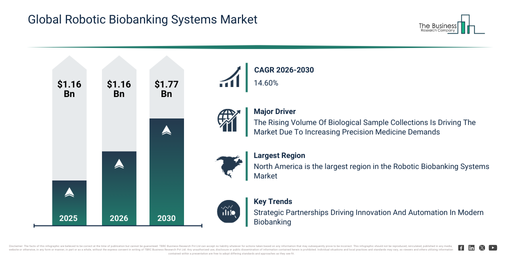
    The market size for robotic biobanking systems is anticipated to expand rapidly in the coming years. It is forecast to reach $4.57 billion by 2030, exhibiting a compound annual growth rate (CAGR) of 14.6%. Driving this growth during the forecast period are factors such as the rise of precision medicine, the broadening scope of genomic studies, the conduct of large-scale clinical trials, the adoption of digital biorepository management, and the application of AI-enabled sample analytics. Key trends identified for the forecast period involve automated sample storage and retrieval, improved sample traceability, streamlined high-throughput biobank operations, minimized human handling errors, and comprehensive long-term sample integrity management.

    Get A Free Sample Report With In-Depth Market Insights:

    https://thebusinessresearchcompany.com/sample_request?id=46611556&type=smp&name=Robotic%20Biobanking%20Systems%20Market%20Report%202026&utm_source=Blogs&utm_medium=Paid&utm_campaign=Oct_PR

    Robotic Biobanking Systems Market Development Factors: What’s Supporting Demand?

    The increasing quantity of biological sample collections is anticipated to drive the expansion of the robotic biobanking systems market in the future. These collections encompass biological materials such as blood, tissue, saliva, or other biospecimens, along with their associated data, which are systematically gathered and stored for use in biomedical research, diagnostics, and therapeutic development. The growing emphasis on precision medicine primarily fuels the rising volume of biological sample collections, as modern healthcare increasingly relies on extensive, well-characterized biospecimen repositories to facilitate genomic research, biomarker discovery, and the development of individualized treatment strategies. Robotic biobanking systems support this growth by automating the handling, storage, and retrieval of samples, thereby guaranteeing scalability, accuracy, and efficiency in managing rapidly expanding sample inventories. For instance, in July 2025, according to the UK Biobank Limited, a large-scale UK biomedical database, UK Biobank plans to relocate over 11 million samples to its new Manchester headquarters in 2026. This new facility will feature four next-generation automated freezers capable of accommodating up to 20 million samples, and robotic systems will be able to retrieve approximately 1 million samples annually, which is four times faster than the current capacity. Consequently, the expanding volume of biological sample collections is propelling the growth of the robotic biobanking systems market.

    Robotic Biobanking Systems Market Segment Landscape And Growth Outlook

    The robotic biobanking systems market covered in this report is segmented –

    1) By Product Type: Automated Sample Storage Systems, Automated Sample Retrieval Systems, Automated Sample Processing Systems

    2) By Sample Type: Blood, Tissue, Cells, Deoxyribonucleic Acid (DNA) Or Ribonucleic Acid (RNA)

    3) By Storage Type: Cryogenic, Ambient, Refrigerated

    4) By Application: Clinical Research, Pharmaceutical And Biotech Research, Academic And Research Institutes, Biobank Management

    5) By End-User: Hospitals, Research Institutes, Pharma And Biotech, Contract Research Organizations (CROs)

    Subsegments:

    1) By Automated Sample Storage Systems: Modular Storage Units, High-Throughput Storage Systems, Compact Storage Systems, Integrated Storage And Tracking Platforms

    2) By Automated Sample Retrieval Systems: Barcode-Based Retrieval Systems, Robotic Arm Retrieval Systems, Automated Carousel Retrieval Systems, Vertical Lift Retrieval Systems

    3) By Automated Sample Processing Systems: Automated Sample Aliquoting Systems, Automated Sample Sorting Systems, Automated Sample Labeling Systems, Automated Sample Tracking Systems

    Robotic Biobanking Systems Market Transformation Trends: What Innovations Are Driving Change?

    Major companies operating in the robotic biobanking systems market are increasingly focusing on forming strategic collaborations to expand their technological capabilities, improve service accessibility, and expedite the integration of automation into advanced biobanking workflows. These strategic collaborations involve mutually beneficial partnerships among technology providers, healthcare institutions, and research organizations, all aimed at leveraging their complementary strengths to drive innovation, optimize operational efficiency, and broaden their market presence. For instance, in October 2025, Abu Dhabi Biobank, a UAE-based hybrid cord blood bank, partnered with NMC Healthcare, a UAE-based healthcare provider, to enhance access to private and public cord blood banking services across key hospitals in the region. This initiative supports personalized healthcare and advances stem cell research by incorporating robotic and automated biobanking systems. The collaboration intends to establish one of the largest regional repositories of cord blood samples, utilizing advanced robotic handling and long-term automated storage technologies. Additionally, it focuses on promoting awareness and education regarding the benefits of cord blood preservation, enabling families to contribute to future-ready biomedical research and regenerative medicine initiatives.

    Robotic Biobanking Systems Market Leading Players And Competitive Positioning

    Major companies operating in the robotic biobanking systems market are Thermo Fisher Scientific Inc., Beckman Coulter Inc., Tecan Group Ltd., Hamilton Company, Azenta Life Sciences, Haier Biomedical Co., BICO, SPT Labtech Ltd., HighRes Biosolutions Inc., LiCONiC AG, ASKION GmbH, Angelantoni Life Science Srl, SciRobotics Ltd., MGI Tech Co. Ltd., B Medical Systems S.a.r.l, Sakura Finetek Japan Co. Ltd., Panasonic Healthcare Co. Ltd., Brooks Automation Inc., Labcyte Inc., RTS Life Science Ltd., Kriosystem Life Sciences S.r.l.

    View The Full Robotic Biobanking Systems Market Report:

    https://thebusinessresearchcompany.com/report/global-robotic-biobanking-systems-market-report?utm_source=Blogs&utm_medium=Paid&utm_campaign=Oct_PR

    Robotic Biobanking Systems Market Regional Split: Which Areas Are Fueling Growth?

    North America was the largest region in the robotic biobanking systems market in 2025. Asia-Pacific is expected to be the fastest-growing region in the forecast period. The regions covered in the robotic biobanking systems market report are Asia-Pacific, South East Asia, Western Europe, Eastern Europe, North America, South America, Middle East, Africa.

    Reach Out To Our Team:

    The Business Research Company: https://www.thebusinessresearchcompany.com/

    Americas: +1 310-496-7795

    Asia: +44 7882 955267 & +91 8897263534

    Europe: +44 7882 955267

    Email us at: marketing@tbrc.info

    Follow us on:

    LinkedIn: https://in.linkedin.com/company/the-business-research-company

    YouTube: https://www.youtube.com/channel/UC24_fI0rV8cR5DxlCpgmyFQ

    Global Market Model: https://www.thebusinessresearchcompany.com/global-market-model
  • Robot-Assisted Percutaneous Coronary Intervention (PCI) Market Growth Forecast Through 2030: Market Size And Trends In 2026

    Robot-Assisted Percutaneous Coronary Intervention (PCI) Market Growth Forecast Through 2030: Market Size And Trends In 2026

    Backed by market attractiveness analysis, total addressable market sizing, company benchmarking matrices, interactive Excel dashboards, wider supply chain intelligence, emerging startup coverage, and detailed product-level insights, The Business Research Company’s 2026 market reports are designed to offer research that is more actionable and strategically valuable than ever.

    Robot-Assisted Percutaneous Coronary Intervention (PCI) Market Growth Analysis: How Will Revenue Trend Over The Forecast Period?

    The robot-assisted percutaneous coronary intervention (pci) market size has experienced substantial growth in recent years. This market is projected to expand from $27.56 billion in 2025 to $38.73 billion in 2026, demonstrating a compound annual growth rate (CAGR) of 40.5%. Historically, the market’s expansion can be attributed to factors such as an increase in coronary artery disease prevalence, the inherent limitations of manual pci precision, the growing adoption of catheter-based interventions, heightened awareness regarding radiation risks, and the proliferation of cardiac catheterization laboratories.

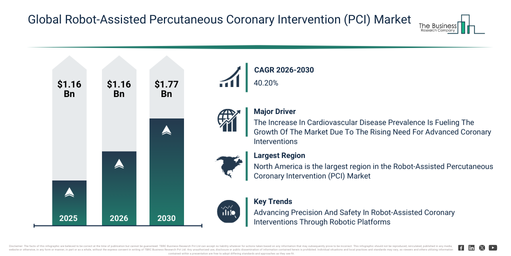
    The robot-assisted percutaneous coronary intervention (pci) market size is projected to experience rapid expansion in the coming years. It will grow to $149.68 billion in 2030 at a compound annual growth rate (CAGR) of 40.2%. This expansion during the projection period stems from progress in robotic-assisted intervention technologies, greater integration of automation within cardiology, increased capital allocation for digital healthcare infrastructure, a surging need for intricate and high-risk PCI procedures, and favorable regulatory endorsements for robotic platforms. Key trends anticipated during the forecast period encompass a growing uptake of minimally invasive cardiac interventions, a heightened emphasis on lowering radiation exposure for medical professionals, a greater call for exactness and accuracy in procedures, an broadening of complex coronary intervention abilities, and enhanced patient safety with improved clinical results.

    Get A Free Sample Report With In-Depth Market Insights:

    https://thebusinessresearchcompany.com/sample_request?id=86173535&type=smp&name=Robot-Assisted%20Percutaneous%20Coronary%20Intervention%20%28PCI%29%20Market%20Report%202026&utm_source=Blogs&utm_medium=Paid&utm_campaign=Oct_PR

    Robot-Assisted Percutaneous Coronary Intervention (PCI) Market Industry Drivers: What’s Behind The Revenue Growth?

    The robot-assisted percutaneous coronary intervention (PCI) market is projected to expand due to the rising incidence of cardiovascular diseases. These diseases encompass various heart and blood vessel disorders, such as coronary artery disease, heart attacks, and stroke. A primary factor contributing to the increase in cardiovascular ailments is sedentary lifestyles, which can result in obesity, high blood pressure, and diminished heart health. Robot-assisted percutaneous coronary intervention (PCI) offers a solution for cardiovascular diseases by precisely clearing obstructed or constricted coronary arteries, thereby reestablishing blood flow to the heart, minimizing procedural dangers and radiation, and ultimately improving patient results. As an illustration, GOV.UK, a UK government body, stated in December 2024 that by March 2024, approximately 2.24 million adults in England, representing about 4.4% of individuals aged 18 and over, had a GP diagnosis of CKD, marking an increase from 2.09 million cases reported in the preceding year. Consequently, the rising occurrence of cardiovascular diseases is a key factor propelling the expansion of the robot-assisted percutaneous coronary intervention (PCI) market.

    Robot-Assisted Percutaneous Coronary Intervention (PCI) Market Breakdown By Product Type And Application

    The robot-assisted percutaneous coronary intervention (pci) market covered in this report is segmented –

    1) By Component: Robotic Systems, Catheters And Guidewires, Control Consoles

    2) By Application: Coronary Angioplasty, Stent Placement, Thrombectomy

    3) By End-User: Hospitals, Cardiac Catheterization Laboratories, Ambulatory Surgical Centers, Other End-Users

    Subsegments:

    1) By Robotic Systems: Electromechanical Robotic Arms, Imaging Integration Units, Robotic Drive Systems

    2) By Catheters And Guidewires: Coronary Guidewires, Balloon Catheters, Drug-Eluting Catheters

    3) By Control Consoles: Touchscreen Interfaces, Joystick Controllers, Imaging Display Panels

    #Robot-Assisted Percutaneous Coronary Intervention (PCI) Market Growth Trends: What’s Shaping The Future Outlook?

    Leading companies in the robot-assisted percutaneous coronary intervention (PCI) market are prioritizing the development of sophisticated robotic cardiologist platforms to enhance patient safety and simplify complex coronary interventions. A robotic cardiology platform is an advanced technological system designed to assist cardiologists in performing accurate and controlled coronary procedures, thereby increasing precision, minimizing human error, and reducing radiation exposure for both patients and medical personnel. For example, in May 2023, Robocath SAS, a France-based company specializing in robotic solutions for vascular interventions, introduced the R-One+. This advanced robotic solution allows interventional cardiologists to perform coronary angioplasties (percutaneous coronary intervention, or PCI) by controlling devices through an integrated command unit located in either the catheterization lab or a control room. The R-One+ improves precision in device manipulation, boosts safety for both patients and medical staff by lowering radiation exposure, and provides more comfortable working conditions for operators. The launch was announced at the EuroPCR conference in Paris, where the platform demonstrated new capabilities that make PCI procedures simpler and safer while protecting the cardiology team from radiation-induced injuries. This innovation highlights Robocath’s dedication to enhancing cardiovascular disease treatments with intelligent robotic assistance.

    Robot-Assisted Percutaneous Coronary Intervention (PCI) Market Competitive Overview And Top Companies

    Major companies operating in the robot-assisted percutaneous coronary intervention (pci) market are Medtronic plc, Siemens Healthineers AG, Boston Scientific Corporation, Intuitive Surgical, BIOTRONIK SE & Co. KG, MicroPort Scientific Corporation, Biosensors International Group Ltd., OrbusNeich Medical Group Holdings Limited, Stereotaxis Inc., Perfint Healthcare, Robocath Inc., Meril Life Sciences Pvt. Ltd., Abbott Laboratories, Philips Healthcare, Terumo Corporation, Asahi Intecc, Catheter Precision, Cardiobot, Remedics, meerecompany Inc., AngioDynamics, Clear Surgical Inc., GE Healthcare, Canon Medical Systems, Asensus Surgical, Endovascular Robotics

    View The Full Robot-Assisted Percutaneous Coronary Intervention (PCI) Market Report:

    https://thebusinessresearchcompany.com/report/robot-assisted-percutaneous-coronary-intervention-pci-global-market-report?utm_source=Blogs&utm_medium=Paid&utm_campaign=Oct_PR

    Robot-Assisted Percutaneous Coronary Intervention (PCI) Market Top Region: Where Does Most Revenue Come From?

    North America was the largest region in the robot-assisted percutaneous coronary intervention (PCI) market in 2025. Asia-Pacific is expected to be the fastest-growing region in the forecast period. The regions covered in the robot-assisted percutaneous coronary intervention (pci) market report are Asia-Pacific, South East Asia, Western Europe, Eastern Europe, North America, South America, Middle East, Africa.

    Reach Out To Our Team:

    The Business Research Company: https://www.thebusinessresearchcompany.com/

    Americas: +1 310-496-7795

    Asia: +44 7882 955267 & +91 8897263534

    Europe: +44 7882 955267

    Email us at: marketing@tbrc.info

    Follow us on:

    LinkedIn: https://in.linkedin.com/company/the-business-research-company

    YouTube: https://www.youtube.com/channel/UC24_fI0rV8cR5DxlCpgmyFQ

    Global Market Model: https://www.thebusinessresearchcompany.com/global-market-model
  • Robot Assisted Endoscope Market Analysis: $3 Billion Market Size In 2026 And Future Growth Prospects

    Robot Assisted Endoscope Market Analysis: $3 Billion Market Size In 2026 And Future Growth Prospects

    Featuring market attractiveness scoring, total addressable market sizing, company benchmarking matrices, interactive Excel dashboards, deeper supply chain intelligence, emerging startup tracking, and granular product-level insights, The Business Research Company’s 2026 market reports are built to deliver research that is both more actionable and more strategically valuable.

    Robot Assisted Endoscope Market Forecast: What Value Will The Market Reach By 2030?

    The robot-assisted endoscope market has experienced significant expansion recently. Its size is projected to increase from $2.63 billion in 2025 to $3 billion in 2026, demonstrating a compound annual growth rate (CAGR) of 14.3%. Historically, this expansion has been driven by a greater inclination towards minimally invasive surgical techniques, an increase in endoscopic diagnostic procedures, progress in medical robotics technology, higher hospital spending on robotic systems, and a rise in gastrointestinal ailments.

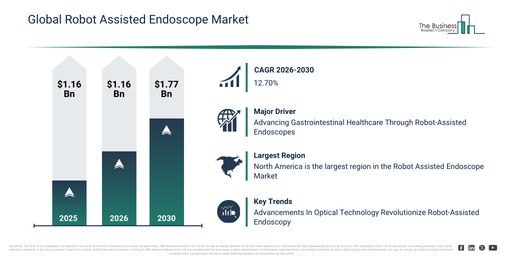
    The robot assisted endoscope market size is anticipated to experience substantial expansion over the upcoming years. It is projected to reach $4.85 billion by 2030, exhibiting a compound annual growth rate (CAGR) of 12.7%. This projected growth during the forecast period stems from several factors, including the rising implementation of robotic platforms in outpatient environments, an increasing need for accurate diagnostics, the broadening of AI-assisted clinical decision support systems, expanded application of robotic endoscopy in intricate procedures, and increased capital flow into healthcare automation. Key developments expected during this timeframe involve a greater uptake of robot-assisted endoscopic techniques, a growing inclination towards minimally invasive diagnostic methods, deeper incorporation of AI-guided endoscopic navigation, the enhancement of sophisticated visualization and imaging functionalities, and improved accuracy in therapeutic endoscopy.

    Get A Free Sample Report With In-Depth Market Insights:

    https://thebusinessresearchcompany.com/sample_request?id=25969817&type=smp&name=Robot%20Assisted%20Endoscope%20Market%20Report%202026&utm_source=Blogs&utm_medium=Paid&utm_campaign=Oct_PR

    Robot Assisted Endoscope Market Growth Factors: What’s Supporting Expansion?

    The future expansion of the robot-assisted endoscope market is anticipated to be fueled by the rising occurrence of gastrointestinal diseases. These illnesses encompass diverse health issues impacting the digestive tract, such as conditions of the stomach, intestines, liver, and pancreas. The surge in gastrointestinal illness cases stems from shifts in eating patterns, ingestion of tainted food or water, pathogen-induced infections, and lifestyle elements like inactivity, smoking, and alcohol intake. Robot-assisted endoscopes aid in both the diagnosis and treatment of gastrointestinal conditions by offering medical practitioners superior visualization and control during procedures, which leads to better patient results and facilitates prompt discovery and action. A notable example is the data from March 2024 by the World Health Organization (WHO), a specialized United Nations agency situated in Switzerland, which reported that diarrhoeal diseases cause roughly 1.7 billion cases each year, leading to approximately 443,832 deaths in children under the age of 5, and an additional 50,851 fatalities in children aged 5 to 9. Consequently, the growing frequency of gastrointestinal diseases is a key factor propelling the robot-assisted endoscope market.

    Robot Assisted Endoscope Market Segment Analysis And Revenue Potential

    The robot assisted endoscope market covered in this report is segmented –

    1) By Product: Diagnostic, Therapeutic

    2) By Application: Laparoscopy, Bronchoscopy, Colonoscopy

    3) By End-User: Hospitals, Ambulatory Surgical Centers, Other End-User

    Subsegments:

    1) By Diagnostic: Laparoscopy Endoscopes, Bronchoscopy Endoscopes, Colonoscopy Endoscopes, Cystoscopy Endoscopes

    2) By Therapeutic: Robotic-Assisted Surgical Endoscopes, Endoscopic Surgery Instruments

    Robot Assisted Endoscope Market Industry Trends: What’s Reshaping Demand?

    Leading companies in the robot-assisted endoscope market are prioritizing the integration of advanced medical technologies, such as aspherical lenses, to improve visualization and decrease distortion. Aspherical lens technology provides better image quality, increased resolution, and fewer optical aberrations in optical systems, leading to a more precise and accurate view of internal structures and strengthening diagnostic capabilities during medical procedures. For instance, in February 2023, AnX Robotica Corporation, a US-based medical device enterprise utilizing artificial intelligence and robotics, unveiled the NaviCam Small Bowel System. This system advances endoscopic technology, specifically developed for the diagnosis of minor bowel conditions. It incorporates innovative elements like aspherical lens technology to mitigate distortion and expand the field of vision, which is vital for accurate diagnoses. Moreover, the system boosts efficiency for clinicians and patients by substantially cutting down download and processing times, facilitating rapid analysis and diagnosis.

    Robot Assisted Endoscope Market Competitive Landscape: Which Companies Lead The Industry?

    Major companies operating in the robot assisted endoscope market are Johnson And Johnson Inc., Medtronic plc, Fujifilm Holdings Corporation, Stryker Corporation, Olympus Corporation, Intuitive Surgical Inc., Karl Storz SE And Co. KG, Renishaw plc, Pentax Medical, CMR Surgical Ltd., Meere Company Inc., Avatera Medical GmbH, Titan Medical Inc., Microbot Medical Inc., Verb Surgical, Medrobotics Corporation, Levita Magnetics Inc., Asensus Surgical Inc., FlexDex Surgical Inc., EndoControl SA, Renovis Surgical Technologies Inc., Medineering GmbH

    View The Full Robot Assisted Endoscope Market Report:

    https://thebusinessresearchcompany.com/report/robot-assisted-endoscope-global-market-report?utm_source=Blogs&utm_medium=Paid&utm_campaign=Oct_PR

    Robot Assisted Endoscope Market Regional Breakdown: Where Is Demand Concentrated?

    North America was the largest region in the robot assisted endoscope market in 2025. The regions covered in the robot assisted endoscope market report are Asia-Pacific, South East Asia, Western Europe, Eastern Europe, North America, South America, Middle East, Africa.

    Reach Out To Our Team:

    The Business Research Company: https://www.thebusinessresearchcompany.com/

    Americas: +1 310-496-7795

    Asia: +44 7882 955267 & +91 8897263534

    Europe: +44 7882 955267

    Email us at: marketing@tbrc.info

    Follow us on:

    LinkedIn: https://in.linkedin.com/company/the-business-research-company

    YouTube: https://www.youtube.com/channel/UC24_fI0rV8cR5DxlCpgmyFQ

    Global Market Model: https://www.thebusinessresearchcompany.com/global-market-model
  • RNA Analysis/ Transcriptomics Market 2026 Market Size And Growth Forecast: Key Trends To Watch

    RNA Analysis/ Transcriptomics Market 2026 Market Size And Growth Forecast: Key Trends To Watch

    Built to provide research that’s more actionable and strategically valuable, The Business Research Company’s 2026 market reports include market attractiveness analysis, total addressable market sizing, company benchmarking matrices, interactive Excel dashboards, broader supply chain intelligence, emerging startup tracking, and in-depth product insights.

    RNA Analysis/ Transcriptomics Market Size Outlook: How Quickly Will Revenue Expand Through 2030?

    The rna analysis/ transcriptomics market size has experienced rapid growth in recent years. Projections indicate it will expand from $8.74 billion in 2025 to $10.22 billion in 2026, achieving a compound annual growth rate (CAGR) of 16.9%. Historically, this growth can be attributed to the proliferation of genomic research programs, the increasing adoption of rna sequencing technologies, a rise in funding for life sciences research, the availability of advanced laboratory instruments, and growing academic research activity.

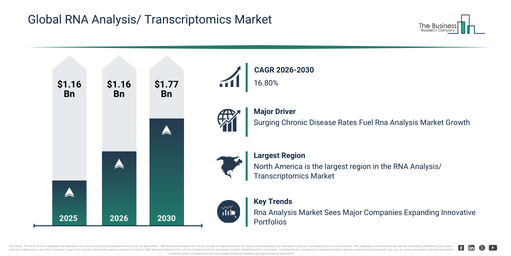
    The rna analysis/ transcriptomics market is projected to experience substantial expansion in the coming years. Its valuation is set to reach $19.04 billion in 2030, exhibiting a compound annual growth rate (CAGR) of 16.8%. This anticipated growth during the forecast period is primarily driven by factors such as the increasing demand for precision medicine applications, the growing adoption of transcriptomics in drug discovery processes, the broadening scope of clinical diagnostics utilizing gene expression, increasing investments in bioinformatics infrastructure, and a heightened focus on personalized therapeutics. Key trends identified for the forecast period encompass the increasing integration of next-generation sequencing platforms, the rising prevalence of high-throughput transcriptomic profiling, the growing incorporation of advanced bioinformatics tools, the expansion of single-cell rna analysis techniques, and an enhanced emphasis on data reproducibility and accuracy.

    Get A Free Sample Report With In-Depth Market Insights:

    https://thebusinessresearchcompany.com/sample_request?id=80339197&type=smp&name=RNA%20Analysis%2F%20Transcriptomics%20Market%20Report%202026&utm_source=Blogs&utm_medium=Paid&utm_campaign=Oct_PR

    RNA Analysis/ Transcriptomics Market Demand Drivers: What’s Powering Industry Growth?

    The increasing occurrence of chronic illnesses is anticipated to fuel the expansion of the RNA analysis/ transcriptomics market in the foreseeable future. Chronic diseases are defined as health conditions that persist for a minimum of one year, interfere with daily life, necessitate ongoing medical attention, or a combination thereof. This surge in chronic disease prevalence stems mainly from increasingly inactive lifestyles, where reduced daily physical movement compromises metabolic health and heightens the risk of developing long-term ailments. RNA analysis/transcriptomics plays a crucial role in managing chronic diseases by uncovering gene activity modifications that drive these conditions, thereby facilitating earlier identification, more precise diagnoses, and the creation of targeted, individualized therapies. An illustrative example from June 2024, provided by the National Health Service, a UK-based government department, showed that 3,615,330 individuals registered with a general practitioner (GP) received a diagnosis of non-diabetic hyperglycemia or pre-diabetes (a state characterized by elevated blood sugar levels, not yet reaching diabetic thresholds) in 2023. This represented an 18% increase from the 3,065,825 cases recorded in 2022. Consequently, the growing occurrence of chronic illnesses is propelling the expansion of the RNA analysis/ transcriptomics market.

    RNA Analysis/ Transcriptomics Market Segmentation And Category Overview

    The rna analysis/ transcriptomics market covered in this report is segmented –

    1) By Product: Reagents/Consumables, Instruments, Software

    2) By Technology, Microarrays, Sequencing, Polymerase Chain Reaction

    3) By Application: Clinical Diagnostics, Drug Discovery, Toxicogenomics, Comparative Transcriptomics, RNA Interference

    Subsegments:

    1) By Reagents/Consumables: Nucleotides, Enzymes, Buffers and Solutions, Sample Preparation Kits, Sequencing Kits

    2) By Instruments: Sequencers, Real-Time PCR Machines, Microarrays, Electrophoresis Systems, Robotic Liquid Handlers

    3) By Software: Data Analysis Software, Bioinformatics Tools, Statistical Analysis Software, Visualization Software, Database Management Systems

    RNA Analysis/ Transcriptomics Market Innovation Trends: What Developments Are Reshaping The Industry?

    Leading companies within the RNA analysis/transcriptomics market are increasingly prioritizing the introduction of innovative product lines to secure a competitive advantage. The RNA Portfolio entails the development of novel technologies and solutions specifically designed to enhance the efficiency and effectiveness of RNA analysis. For instance, in May 2023, US-based biotechnology firm Twist Bioscience Corporation announced the launch of an RNA sequencing tools portfolio, which includes specific target enrichment capabilities for RNA and whole transcriptome sequencing. This also encompasses the Twist RNA Exome, the Twist RNA Library Prep Kit, and the Twist Ribosomal RNA (rRNA) and Hemoglobin (Globin) Depletion Kit. This portfolio delivers complete workflows for examining messenger RNA (mRNA) protein coding sequences, custom targets, and total RNA, enabling the measurement of the transcriptome. Additionally, these offerings are compatible for integration into clients’ existing workflows.

    RNA Analysis/ Transcriptomics Market Competitive Landscape: Who Leads The Industry?

    Major companies operating in the rna analysis/ transcriptomics market are Affymetrix Inc., Agilent Technologies Inc., Bio-Rad Laboratories Inc., GE Healthcare, Illumina Inc., QIAGEN N.V., F. Hoffmann-La Roche Ltd., Sigma-Aldrich Corporation, Thermo Fisher Scientific Inc., Fluidigm Corporation, Promega Corporation, bioMérieux S.A., CD Genomics Inc., Eurofins Scientific SE, Merck KGaA, Pacific Biosciences of California Inc., Danaher Corporation, Genewiz Inc., Oxford Nanopore Technologies Ltd., BGI Group, Genotypic Technology Pvt. Ltd., MedGenome Labs Pvt. Ltd., Xcelris Labs Ltd., Ocimum Biosolutions Ltd., Strand Life Sciences Pvt. Ltd., SciGenom Labs Pvt. Ltd., Oncocyte Corporation, Tempus Labs Inc., ArcherDX Inc., HTG Molecular Diagnostics Inc.

    View The Full RNA Analysis/ Transcriptomics Market Report:

    https://thebusinessresearchcompany.com/report/RNA-analysis-transcriptomics-global-market-report?utm_source=Blogs&utm_medium=Paid&utm_campaign=Oct_PR

    RNA Analysis/ Transcriptomics Market Geographic Landscape: Which Region Dominates Industry Growth?

    North America was the largest region in the RNA analysis/transcriptomics market in 2025. Asia-Pacific is expected to be the fastest-growing region in the forecast period. The regions covered in the rna analysis/ transcriptomics market report are Asia-Pacific, South East Asia, Western Europe, Eastern Europe, North America, South America, Middle East, Africa.

    Reach Out To Our Team:

    The Business Research Company: https://www.thebusinessresearchcompany.com/

    Americas: +1 310-496-7795

    Asia: +44 7882 955267 & +91 8897263534

    Europe: +44 7882 955267

    Email us at: marketing@tbrc.info

    Follow us on:

    LinkedIn: https://in.linkedin.com/company/the-business-research-company

    YouTube: https://www.youtube.com/channel/UC24_fI0rV8cR5DxlCpgmyFQ

    Global Market Model: https://www.thebusinessresearchcompany.com/global-market-model
  • Rigid Endoscopic Lithotripsy Devices Market Size Forecast: How The Industry Is Expected To Grow From 2026 To 2030

    Rigid Endoscopic Lithotripsy Devices Market Size Forecast: How The Industry Is Expected To Grow From 2026 To 2030

    Backed by market attractiveness analysis, total addressable market sizing, company benchmarking matrices, interactive Excel dashboards, wider supply chain intelligence, emerging startup coverage, and detailed product-level insights, The Business Research Company’s 2026 market reports are designed to offer research that is more actionable and strategically valuable than ever.

    Rigid Endoscopic Lithotripsy Devices Market Size, Value And Growth Trajectory Through 2030

    The rigid endoscopic lithotripsy devices market has shown significant expansion in recent years. It is anticipated to grow from $4.3 billion in 2025 to $4.62 billion in 2026, achieving a compound annual growth rate (CAGR) of 7.5%. This historical growth can be attributed to several factors including an increasing incidence of kidney stones, the wider adoption of endoscopic techniques, reduced surgical recovery time, an uptick in urology procedures, and the expansion of hospital infrastructure.

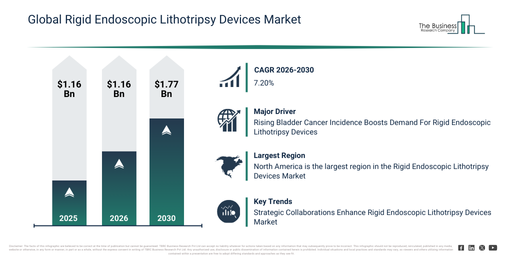
    The market for rigid endoscopic lithotripsy devices is projected to experience substantial expansion over the upcoming years. This market is anticipated to reach $6.11 billion by 2030, exhibiting a compound annual growth rate (CAGR) of 7.2%. Factors contributing to this growth during the forecast period include progress in laser technologies, an increase in outpatient procedures, an expanding elderly demographic, a rise in lifestyle-associated stone diseases, and a need for precise urological instruments. Key trends identified for the forecast period encompass a growing inclination towards minimally invasive stone treatments, a greater uptake of laser lithotripsy, expanded deployment in ambulatory surgical centers, an emphasis on device miniaturization, and an increase in day-care urology interventions.

    Get A Free Sample Report With In-Depth Market Insights:

    https://thebusinessresearchcompany.com/sample_request?id=92634024&type=smp&name=Rigid%20Endoscopic%20Lithotripsy%20Devices%20Market%20Report%202026&utm_source=Blogs&utm_medium=Paid&utm_campaign=Oct_PR

    Rigid Endoscopic Lithotripsy Devices Market Growth Drivers: What’s Behind The Acceleration?

    An increasing occurrence of bladder cancer is anticipated to fuel expansion within the rigid endoscopic lithotripsy device market. This type of cancer, a malignant growth developing in the bladder’s lining, frequently presents with indicators like hematuria, increased urinary frequency, and discomfort in the pelvic region. Its growing prevalence is attributed to heightened exposure to cancer-causing agents, including tobacco smoke, chemicals from industrial sources, and environmental contaminants, alongside an expanding elderly demographic and more refined diagnostic techniques. Such devices are crucial for treating bladder stones and various complications linked to bladder cancer, including blockages and irritation, and also assist in excising remaining tumors and preventing their return. For example, a report titled Cancer Facts & Figures 2024 from The American Cancer Society Inc., a US-based non-profit organization, stated in March 2024 that bladder cancer diagnoses in the U.S. are projected to increase from 81,180 new cases in 2022 to 83,190 in 2024. Consequently, the increasing prevalence of bladder cancer is propelling the rigid endoscopic lithotripsy device market.

    Rigid Endoscopic Lithotripsy Devices Market Segment Outlook: Which Categories Are Growing Fastest?

    The rigid endoscopic lithotripsy devices market covered in this report is segmented –

    1) By Type: Ultrasonic Lithotripsy, Ballistic Lithotripsy, Electrohydraulic Lithotripsy, Laser Lithotripsy

    2) By Guidance System: Ureteroscopy, Cystoscopy, Percutaneous Nephrolithotomy

    3) By Application: Hospitals, Clinics, Ambulatory Surgical Centers

    4) By End-User: Adults, Pediatrics

    Subsegments:

    1) By Ultrasonic Lithotripsy: Standard Ultrasonic Lithotripsy Devices, Portable Ultrasonic Lithotripsy Devices, Ultrasonic Lithotripsy Systems With Imaging

    2) By Ballistic Lithotripsy: Standard Ballistic Lithotripsy Devices, Pneumatic Ballistic Lithotripsy Devices, High-Energy Ballistic Lithotripsy Systems

    3) By Electrohydraulic Lithotripsy: Standard Electrohydraulic Lithotripsy Devices, Miniaturized Electrohydraulic Lithotripsy Devices, Automated Electrohydraulic Lithotripsy Systems

    4) By Laser Lithotripsy: Holmium Laser Lithotripsy Devices, Pulsed Dye Laser Lithotripsy Devices, Thulium Laser Lithotripsy Devices

    Rigid Endoscopic Lithotripsy Devices Market Trends: What’s Defining The Industry’s Next Phase?

    Major companies operating in the rigid endoscopic lithotripsy devices market are utilizing strategic collaboration methods to boost product innovation and broaden their market presence. Strategic collaboration involves a process where companies draw upon each other’s strengths and available resources to achieve shared advantages and success. For instance, in May 2023, Karl Storz SE & Co. KG, a medical technology company from Germany, partnered with Well Lead Medical Co. Ltd., a China-based provider of medical catheters, aiming to revolutionize the endourology landscape and enhance patient care and surgical outcomes. This alliance delivers the ClearPetra suction-evacuation ureteral access sheath alongside KARL STORZ endoscopic visualization devices for thorough urinary stone management and includes an exclusive distribution agreement for the ClearPetra Stone-Removal System within the US.

    Rigid Endoscopic Lithotripsy Devices Market Company Landscape And Competitive Strategy

    Major companies operating in the rigid endoscopic lithotripsy devices market are EDAP TMS S.A., Boston Scientific Corporation, Olympus Corporation, Karl Storz SE & Co. KG, Cook Group Incorporated, ConMed Corporation, Richard Wolf GmbH, Dornier MedTech GmbH, EMS Electro Medical Systems S.A., Rocamed S.A.M., Elmed Medical Systems, LISA Laser Products, Jena MedTech GmbH, Biolitec AG, Medispec Ltd., DirexGroup, NOVAmedtek LLC, Walz Elektronik GmbH, Quanta System S.p.A., Convergent Laser Technologies, Storz Medical AG, Shenzhen Hyde Medical Equipment Co. Ltd, Advin Urology

    View The Full Rigid Endoscopic Lithotripsy Devices Market Report:

    https://thebusinessresearchcompany.com/report/rigid-endoscopic-lithotripsy-devices-global-market-report?utm_source=Blogs&utm_medium=Paid&utm_campaign=Oct_PR

    Rigid Endoscopic Lithotripsy Devices Market Largest Region: Which Geography Holds The Highest Market Share?

    North America was the largest region in the rigid endoscopic lithotripsy devices market in 2025. The regions covered in the rigid endoscopic lithotripsy devices market report are Asia-Pacific, South East Asia, Western Europe, Eastern Europe, North America, South America, Middle East, Africa.

    Reach Out To Our Team:

    The Business Research Company: https://www.thebusinessresearchcompany.com/

    Americas: +1 310-496-7795

    Asia: +44 7882 955267 & +91 8897263534

    Europe: +44 7882 955267

    Email us at: marketing@tbrc.info

    Follow us on:

    LinkedIn: https://in.linkedin.com/company/the-business-research-company

    YouTube: https://www.youtube.com/channel/UC24_fI0rV8cR5DxlCpgmyFQ

    Global Market Model: https://www.thebusinessresearchcompany.com/global-market-model
  • Rigid Endoscope Market Reaches $7.86 Billion In 2026: Forecast And Growth Opportunities

    Rigid Endoscope Market Reaches $7.86 Billion In 2026: Forecast And Growth Opportunities

    Featuring market attractiveness scoring, total addressable market sizing, company benchmarking matrices, interactive Excel dashboards, deeper supply chain intelligence, emerging startup tracking, and granular product-level insights, The Business Research Company’s 2026 market reports are built to deliver research that is both more actionable and more strategically valuable.

    Rigid Endoscope Market CAGR Outlook And Future Development

    The rigid endoscope market size has experienced significant expansion over recent years. It is anticipated to expand from $5.22 billion in 2025 to $5.65 billion in 2026, demonstrating a compound annual growth rate (CAGR) of 8.2%. The increase observed in the past period was largely due to factors such as the heightened adoption of minimally invasive surgery, the enlargement of hospital surgical capabilities, the increasing occurrence of chronic illnesses requiring endoscopic procedures, innovations in optical imaging technologies, and the wider utilization of endoscopy in diagnostic processes.

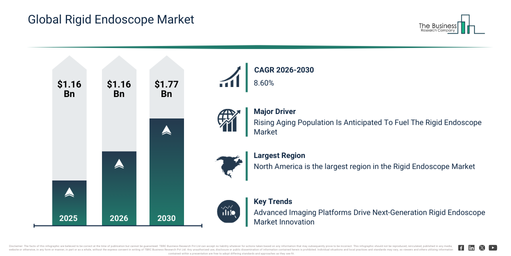
    The rigid endoscope market is projected to experience substantial expansion in the coming years. It is anticipated to reach $7.86 billion by 2030, demonstrating a compound annual growth rate (CAGR) of 8.6%. This anticipated growth during the forecast period can be primarily attributed to several factors, including heightened investments in advanced surgical imaging systems, a surge in the adoption of single-use and disposable endoscopes, the expansion of ambulatory surgical centers, an intensified focus on patient safety and sterility, and a rising demand for high-precision endoscopic procedures. Key trends expected in the forecast period encompass a greater adoption of high-definition rigid endoscopes, an escalating demand for minimally invasive surgical procedures, increased utilization of single-use endoscopic devices, the broadening of advanced visualization technologies, and a strengthened emphasis on infection control standards.

    Get A Free Sample Report With In-Depth Market Insights:

    https://thebusinessresearchcompany.com/sample_request?id=45557849&type=smp&name=Rigid%20Endoscope%20Market%20Report%202026&utm_source=Blogs&utm_medium=Paid&utm_campaign=Oct_PR

    Rigid Endoscope Market Growth Factors Behind Sustained Expansion

    The rigid endoscope market is set to experience growth in the future, driven by the expanding aging population. An aging population describes a demographic pattern marked by an increasing proportion of elderly people within a society over time. Rigid endoscopes find use in the aging demographic for minimally invasive diagnostic and therapeutic interventions, assisting in the examination of various internal organs and tissues. As an illustration, in January 2023, the United Nations Department of Economic and Social Affairs (UN DESA), a US-based department of the UN Secretariat, reported projections that the worldwide population of individuals aged 65 and older will more than double, reaching 1.6 billion by 2050. Hence, the increasing aging population is a significant impetus for the rigid endoscope market.

    Rigid Endoscope Market Segment Landscape: Which Areas Lead Development?

    The rigid endoscope market covered in this report is segmented –

    1) By Type: Laparoscope, Arthroscope, Gynecological Endoscope, ENT Endoscope, Urology Endoscope, Neurology Endoscope, Other Types

    2) By Hygiene: Single-use, Reprocessing

    3) By Applications: Hospital and Clinic, Ambulatory Surgical Centre (ASC), Other Applications

    Subsegments:

    1) By Laparoscope: Standard Laparoscope, High-Definition Laparoscope

    2) By Arthroscope: Standard Arthroscope, Miniature Arthroscope, 4K Arthroscope

    3) By Gynecological Endoscope: Hysteroscope, Culdoscope, Laparoscopic Gynecological Endoscope

    4) By ENT Endoscopy: Nasal Endoscope, Laryngeal Endoscope, Sinus Endoscope

    5) By Urology Endoscopy: Cystoscope, Nephroscope

    6) By Neurology Endoscopy: Neuroendoscope, Rigid Neuroendoscope

    7) By Other Types: Thoracoscope, Mediastinoscope

    Rigid Endoscope Market Industry Trends Fueling Future Revenue Growth

    Leading companies in the rigid endoscope market are concentrating on developing innovative advancements, such as endoscopic imaging platforms, to boost diagnostic accuracy and procedural efficiency. An endoscopic imaging platform is a system that provides illumination and image-processing features to enable clear visualization during endoscopic procedures. For example, in September 2025, Olympus Corporation of the Americas, a US-based medical technology company, unveiled the VISERA S OTV-S500 imaging platform. This platform combines multiple illumination modes, including white light, stroboscopy, and Narrow Band Imaging, into a compact system designed to enhance visualization quality for ear, nose, and throat as well as urological examinations. It also supports a broad spectrum of rigid endoscopes and incorporates recording and content-management functions, facilitating more efficient procedural documentation and clinical workflow.

    Rigid Endoscope Market Key Players Shaping Industry Direction

    Major companies operating in the rigid endoscope market are Stryker Corporation, Karl Storz SE & Co. KG, Richard Wolf GmbH, Olympus Corporation, Fujifilm Holdings Corporation, PENTAX Medical, Smith & Nephew plc, CONMED Corporation, B Braun Melsungen AG, Henke-Sass Wolf GmbH, Hoya Corporation, Optomic España SA, Medtronic plc, Boston Scientific Corporation, Cook Medical Inc., Allengers Medical Systems Ltd., Medicon eG, Schölly Fiberoptic GmbH, Vimex Endoscopy, Endomed Systems GmbH, Ackermann Instrumente GmbH

    View The Full Rigid Endoscope Market Report:

    https://thebusinessresearchcompany.com/report/rigid-endoscope-global-market-report?utm_source=Blogs&utm_medium=Paid&utm_campaign=Oct_PR

    Rigid Endoscope Market Regional Analysis: Which Region Leads By Revenue?

    North America was the largest region in the rigid endoscope market in 2025. Asia-Pacific is expected to be the fastest-growing region in the global rigid endoscope market during the forecast period. The regions covered in the rigid endoscope market report are Asia-Pacific, South East Asia, Western Europe, Eastern Europe, North America, South America, Middle East, Africa.

    Reach Out To Our Team:

    The Business Research Company: https://www.thebusinessresearchcompany.com/

    Americas: +1 310-496-7795

    Asia: +44 7882 955267 & +91 8897263534

    Europe: +44 7882 955267

    Email us at: marketing@tbrc.info

    Follow us on:

    LinkedIn: https://in.linkedin.com/company/the-business-research-company

    YouTube: https://www.youtube.com/channel/UC24_fI0rV8cR5DxlCpgmyFQ

    Global Market Model: https://www.thebusinessresearchcompany.com/global-market-model
  • Rhytidectomy Market Growth In 2026: Market Size, Key Drivers And Future Outlook

    Rhytidectomy Market Growth In 2026: Market Size, Key Drivers And Future Outlook

    Built to provide research that’s more actionable and strategically valuable, The Business Research Company’s 2026 market reports include market attractiveness analysis, total addressable market sizing, company benchmarking matrices, interactive Excel dashboards, broader supply chain intelligence, emerging startup tracking, and in-depth product insights.

    Rhytidectomy Market Set To Climb From $3.13 Billion In 2026 To $4.25 Billion By 2030

    The rhytidectomy market has demonstrated robust expansion in recent years. Its size is expected to increase from $2.91 billion in 2025 to $3.13 billion in 2026, advancing at a compound annual growth rate (CAGR) of 7.7%. The surge observed in previous periods can be linked to an expanding aging demographic, greater acceptance of cosmetic procedures, the proliferation of aesthetic surgery clinics, increased disposable income levels, and enhancements in surgical methodologies.

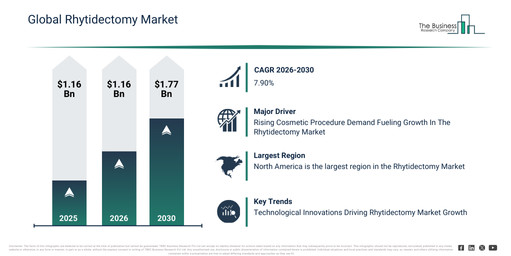
    The rhytidectomy market is anticipated to experience substantial growth over the upcoming years. It is projected to reach $4.25 billion by 2030, exhibiting a compound annual growth rate (CAGR) of 7.9%. This expansion during the forecast period is propelled by factors such as a greater demand for non-invasive aesthetic options, the growing embrace of advanced facial rejuvenation technologies, the rise of medical tourism for cosmetic procedures, an elevated emphasis on patient safety and results, and increased awareness regarding facial anti-aging solutions. Key trends expected in the forecast timeframe encompass a heightened preference for minimally invasive facelift methods, an increasing desire for customized facial aesthetic treatments, the expanded application of sophisticated surgical planning tools, the proliferation of cosmetic surgeries requiring shorter recovery times, and a stronger emphasis on achieving natural-appearing results.

    Get A Free Sample Report With In-Depth Market Insights:

    https://thebusinessresearchcompany.com/sample_request?id=43760656&type=smp&name=Rhytidectomy%20Market%20Report%202026&utm_source=Blogs&utm_medium=Paid&utm_campaign=Oct_PR

    Rhytidectomy Market Demand Drivers Opening New Revenue Streams

    The rising demand for cosmetic procedures is projected to propel the rhytidectomy market. Cosmetic surgery encompasses both surgical and non-surgical procedures designed to reshape and enhance bodily structures, ultimately improving appearance and confidence. Rhytidectomy, a specific type of cosmetic surgery, addresses and enhances the visual signs of aging on the face and neck. Thus, an uptick in the demand for cosmetic procedures will naturally boost the demand for rhytidectomy. For example, data from June 2024, released by the American Society of Plastic Surgeons, a US-based professional medical organization, revealed that in 2023, liposuction remained the most sought-after plastic surgery procedure, with nearly 350,000 procedures performed, marking a 7% increase compared to 2022. Consequently, the growing demand for cosmetic procedures is set to foster the expansion of the rhytidectomy market.

    Rhytidectomy Market Segments: Where Is Growth Concentrated?

    The rhytidectomy market covered in this report is segmented –

    1) By Type: Traditional Facelift, Superficial Musculoaponeurotic System (SMAS) Facelift, Deep Plane Facelift, Mid Facelift, Mini Facelift, Cutaneous Facelift

    2) By Age: 30-39 Years, 40-54 Years, 55-69 Years, 70 Years And Above

    3) By End User: Hospitals, Clinics, Other End Users

    Subsegments:

    1) By Traditional Facelift: Full Facelift, Lower Facelift

    2) By Superficial Musculoaponeurotic System (SMAS) Facelift: SMAS Plication Facelift, SMAS Flap Facelift

    3) By Deep Plane Facelift: Extended Deep Plane Facelift, Short-Scar Deep Plane Facelift

    4) By Mid Facelift: Endoscopic Mid Facelift, Open Mid Facelift

    5) By Mini Facelift: Mini Facelift with Local Anesthesia, Mini Facelift With Sedation

    6) By Cutaneous Facelift: Full Cutaneous Facelift, Limited Cutaneous Facelift

    Rhytidectomy Market Trends Powering Strategic Industry Growth

    Leading companies in the rhytidectomy market are unveiling technologically advanced products to uphold their market presence. For example, in January 2023, BTL Aesthetics, a UK-based medical equipment company, introduced Emface, an innovative non-invasive facial treatment. Emface utilizes high-intensity focused electromagnetic (HIFEM) technology, specifically crafted to stimulate and firm the facial muscles. This treatment aims to diminish the look of wrinkles, fine lines, and loose skin by prompting strong muscle contractions, which aids in enhancing muscle definition and skin elasticity. The non-invasive apparatus is positioned on the patient’s face, where the HIFEM technology targets and contracts the facial muscles, leading to a more toned and firmer appearance.

    Rhytidectomy Market Competitive Analysis Of Leading Industry Participants

    Major companies operating in the rhytidectomy market are Johnson And Johnson, Cutera Inc, Cynosure LLC, Lumenis Ltd, Apyx Medical Corporation, InMode Ltd, Sciton Inc, Alma Lasers Ltd, Candela Corporation, Fotona doo, Sientra Inc, Mentor Worldwide LLC, Bausch Health Companies Inc, Sinclair Pharma PLC, Merz Pharmaceuticals GmbH, Anika Therapeutics Inc, Ipsen Pharma, Endo Aesthetics LLC, ThermiGen LLC, Aesthetics Biomedical Inc

    View The Full Rhytidectomy Market Report:

    https://thebusinessresearchcompany.com/report/rhytidectomy-global-market-report?utm_source=Blogs&utm_medium=Paid&utm_campaign=Oct_PR

    Rhytidectomy Market Geographic Distribution And Regional Opportunities

    North America was the largest region in the rhytidectomy market in 2025.Asia-Pacific is expected to be the fastest-growing region in the global rhytidectomy market report during the forecast period. The regions covered in the rhytidectomy market report are Asia-Pacific, South East Asia, Western Europe, Eastern Europe, North America, South America, Middle East, Africa.

    Reach Out To Our Team:

    The Business Research Company: https://www.thebusinessresearchcompany.com/

    Americas: +1 310-496-7795

    Asia: +44 7882 955267 & +91 8897263534

    Europe: +44 7882 955267

    Email us at: marketing@tbrc.info

    Follow us on:

    LinkedIn: https://in.linkedin.com/company/the-business-research-company

    YouTube: https://www.youtube.com/channel/UC24_fI0rV8cR5DxlCpgmyFQ

    Global Market Model: https://www.thebusinessresearchcompany.com/global-market-model
  • Rhinoscope Devices Market Size And Forecast 2026–2030: Trends Driving Industry Expansion

    Rhinoscope Devices Market Size And Forecast 2026–2030: Trends Driving Industry Expansion

    Backed by market attractiveness analysis, total addressable market sizing, company benchmarking matrices, interactive Excel dashboards, wider supply chain intelligence, emerging startup coverage, and detailed product-level insights, The Business Research Company’s 2026 market reports are designed to offer research that is more actionable and strategically valuable than ever.

    Rhinoscope Devices Market Forecast: Value Set To Climb From $5.41 Billion To $7.04 Billion

    The rhinoscope devices market has experienced significant growth in recent years. It is projected to increase from $5.05 billion in 2025 to $5.41 billion in 2026, driven by a compound annual growth rate (CAGR) of 7.0%. The expansion observed historically can be attributed to the rising prevalence of ENT disorders, the demand for hospital-based diagnostics, advancements in optical imaging technologies, the expansion within ENT specialties, and an increase in sinus infection cases.

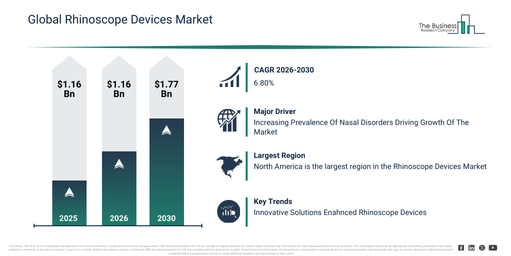
    The rhinoscope devices market is anticipated to experience substantial growth over the next few years. This sector is forecast to expand to $7.04 billion by 2030, achieving a compound annual growth rate (CAGR) of 6.8%. The projected increase in the forecast period is primarily driven by a shift towards outpatient diagnostics, the growing demand for compact imaging tools, the ENT needs of an aging population, ongoing technological enhancements in visualization, and increasing awareness of ENT screenings. Significant trends identified for this period include high-definition video rhinoscopy, the emergence of minimally invasive ENT diagnostics, the wider adoption of portable rhinoscopes, improvements in optical fiber materials, and a rise in outpatient ENT procedures.

    Get A Free Sample Report With In-Depth Market Insights:

    https://thebusinessresearchcompany.com/sample_request?id=95898633&type=smp&name=Rhinoscope%20Devices%20Market%20Report%202026&utm_source=Blogs&utm_medium=Paid&utm_campaign=Oct_PR

    Rhinoscope Devices Market Growth Backed By Core Demand Fundamentals

    The rhinoscope devices market is anticipated to expand due to the growing occurrence of nasal disorders. These disorders encompass conditions impacting the nose, such as structural, inflammatory, infectious, and allergic problems that compromise breathing, sense of smell, or sinus functionality. The rise in nasal disorder prevalence stems from increased exposure to environmental allergens like pollen and dust mites, alongside an aging demographic more prone to ailments such as chronic sinusitis and nasal polyps. Rhinoscope devices assist in managing nasal disorders by offering precise visualization of the nasal cavity, enabling accurate diagnosis and treatment. For example, data from September 2023, reported by the World Health Organization, an intergovernmental body based in Switzerland, indicated 17.9 million deaths from cardiovascular diseases, 9.3 million from cancer, 4.1 million from chronic respiratory diseases, and 2.0 million from diabetes. Furthermore, in May 2023, the American Academy of Otolaryngology–Head and Neck Surgery (AAO-HNS), a US-based professional association for otolaryngology specialists, stated that the global prevalence of allergic rhinitis ranged from 5% to 50%, with its incidence increasing from childhood through early adulthood. Consequently, the expanding occurrence of nasal disorders is a key factor propelling the expansion of the rhinoscope devices market.

    Rhinoscope Devices Market Segment Analysis: What Are The Core Market Categories?

    The rhinoscope devices market covered in this report is segmented –

    1) By Visualization: Video Rhinoscopes, Fiber Rhinoscopes

    2) By Product Type: Rigid Rhinoscopes, Flexible Rhinoscopes

    3) By Application: ENT Examinations, Sinus Surgery, Nasal Treatments, Diagnostic Procedures

    4) By End-User: Hospitals, Ambulatory Surgical Centers, Specialty Clinics, Other End-Users

    Subsegments:

    1) By Video Rhinoscopes: Rigid Video Rhinoscopes, Flexible Video Rhinoscopes

    2) By Fiber Rhinoscopes: Diagnostic Fiber Rhinoscopes, Therapeutic Fiber Rhinoscopes

    Rhinoscope Devices Market Growth Trends Reshaping The Competitive Landscape

    Major companies operating in the rhinoscope devices market are concentrating on creating technologically advanced solutions, particularly single-use flexible video rhinolaryngoscopes, to boost flexibility and efficiency in otorhinolaryngological diagnostic and therapeutic procedures. For instance, in September 2023, Olympus Corporation, a Japan-based company specializing in medical products, imaging products, and industrial equipment, introduced Vathin E-SteriScope, a single-use flexible video rhinolaryngoscope intended for use in otorhinolaryngology for both diagnostic and therapeutic purposes. This flexible, single-use video rhinolaryngoscope presents a sterile and cost-effective option, mitigating the risk of cross-contamination and enhancing patient safety. It is equipped with high-resolution imaging capabilities, which enable clear and detailed visualization of the nasal and laryngeal anatomy for precise diagnosis. The device’s ergonomic design ensures user-friendliness, providing comfort for both patients and healthcare providers.

    Rhinoscope Devices Market Leading Companies And Competitive Benchmarking

    Major companies operating in the rhinoscope devices market are Medtronic plc, Medline Industries LP, Fujifilm Holdings Corporation, Stryker Corporation, B. Braun Melsungen AG, Optim LLC, Olympus Corporation, Hoya Corporation, Nipro Corporation, Teleflex Incorporated, Cook Medical Incorporated, KARL STORZ SE & Co. KG, Conmed Corporation, Ambu A/S, Richard Wolf GmbH, MedGyn Products Inc., Acmi Medical, Pentax Medical, EndoOptik GmbH, Medinvent GmbH

    View The Full Rhinoscope Devices Market Report:

    https://thebusinessresearchcompany.com/report/rhinoscope-devices-global-market-report?utm_source=Blogs&utm_medium=Paid&utm_campaign=Oct_PR

    Rhinoscope Devices Market Largest Region By Revenue And Market Share

    North America was the largest region in the rhinoscope devices market in 2025. The regions covered in the rhinoscope devices market report are Asia-Pacific, South East Asia, Western Europe, Eastern Europe, North America, South America, Middle East, Africa.

    Reach Out To Our Team:

    The Business Research Company: https://www.thebusinessresearchcompany.com/

    Americas: +1 310-496-7795

    Asia: +44 7882 955267 & +91 8897263534

    Europe: +44 7882 955267

    Email us at: marketing@tbrc.info

    Follow us on:

    LinkedIn: https://in.linkedin.com/company/the-business-research-company

    YouTube: https://www.youtube.com/channel/UC24_fI0rV8cR5DxlCpgmyFQ

    Global Market Model: https://www.thebusinessresearchcompany.com/global-market-model
  • Rhinoplasty Implants Market 2026 Outlook: Market Size, CAGR And Key Growth Opportunities

    Rhinoplasty Implants Market 2026 Outlook: Market Size, CAGR And Key Growth Opportunities

    Featuring market attractiveness scoring, total addressable market sizing, company benchmarking matrices, interactive Excel dashboards, deeper supply chain intelligence, emerging startup tracking, and granular product-level insights, The Business Research Company’s 2026 market reports are built to deliver research that is both more actionable and more strategically valuable.

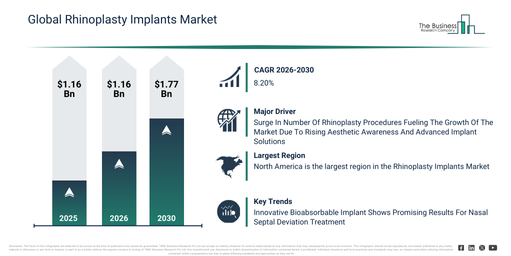
    Rhinoplasty Implants Market Revenue Growth On Track For A 8.2% CAGR Through 2030

    The rhinoplasty implants market size has experienced significant expansion in recent years. The market is projected to expand from $2.64 billion in 2025 to $2.87 billion in 2026, exhibiting a compound annual growth rate (CAGR) of 8.7%. The historical expansion of this market is attributable to factors such as increased awareness of cosmetic surgery, developments in implant materials, a rise in reconstructive surgery cases, the proliferation of plastic surgery clinics, and growing disposable income.

    The rhinoplasty implants market is projected to experience substantial expansion over the upcoming years. This market is forecast to reach a valuation of $3.93 billion by 2030, demonstrating a compound annual growth rate (CAGR) of 8.2%. Factors contributing to this anticipated growth include the increasing use of 3D printed implants, advancements in biocompatible materials, a growing elderly demographic needing reconstruction, the surge in medical tourism, and the incorporation of AI into surgical planning processes. Key developments expected during this forecast period encompass minimally invasive rhinoplasty methods, personalized and patient-specific implants, a rising inclination towards revision surgeries, an uptick in demand for aesthetic procedures, and improved material biocompatibility.

    Get A Free Sample Report With In-Depth Market Insights:

    https://thebusinessresearchcompany.com/sample_request?id=66855049&type=smp&name=Rhinoplasty%20Implants%20Market%20Report%202026&utm_source=Blogs&utm_medium=Paid&utm_campaign=Oct_PR

    Rhinoplasty Implants Market Growth Catalysts And Demand Drivers

    The escalating number of rhinoplasty procedures is projected to stimulate the expansion of the rhinoplasty implants market in the future. Rhinoplasty procedures refer to surgical interventions performed to reshape or reconstruct the nose for either aesthetic or functional purposes. The rise in these procedures is attributed to increasing aesthetic awareness, as more individuals seek facial harmony and an improved self-image, influenced by social media and current beauty standards. Rhinoplasty implants contribute to the growing volume of rhinoplasty procedures by offering surgeons versatile, safe, and customizable solutions to enhance nasal structure, leading to superior surgical outcomes and greater patient satisfaction. For instance, in June 2024, according to the International Society of Aesthetic Plastic Surgery (ISAPS), a US-based professional organization, in 2023, liposuction remained the leading surgical cosmetic procedure, just as it was in 2022, with more than 2.2 million treatments performed. It was followed in popularity by breast augmentation, eyelid surgery, abdominoplasty, and rhinoplasty. Therefore, the increasing number of rhinoplasty procedures is driving the growth of the rhinoplasty implants market.

    Rhinoplasty Implants Market Segment Breakdown: Which Categories Lead On Revenue?

    The rhinoplasty implants market covered in this report is segmented –

    1) By Product Type: Silicone Rhinoplasty Implants, Medpor Implants, Gore-Tex Implants, Human Cartilage Implants

    2) By Procedure Type: Surgical, Revision Rhinoplasty

    3) By Surgical Approach: Open Rhinoplasty, Closed Rhinoplasty, Endonasal Rhinoplasty

    4) By End User: Hospitals, Plastic Surgery Clinics, Ambulatory Surgical Centers

    Subsegments:

    1) By Silicone Rhinoplasty Implants: Solid Silicone Implants, Carved Silicone Implants, Preformed Silicone Implants, Customized Silicone Implants

    2) By Medpor Implants: Porous Polyethylene Nasal Implants, Pre-Shaped Medpor Nasal Dorsal Implants, Medpor Extended Columellar Strut Implants, Medpor Lateral Crura Implants

    3) By Gore-Tex Implants: Expanded Polytetrafluoroethylene Nasal Implants, Dorsal Augmentation Gore-Tex Implants, Soft Tissue Gore-Tex Sheets, Composite Gore-Tex with Cartilage Implants

    4) By Human Cartilage Implants: Autologous Cartilage, Homologous Cadaveric Cartilage, Fresh Frozen Allograft Cartilage, Processed Cartilage Paste

    Rhinoplasty Implants Market Trends Shaping Long-Term Demand

    Companies operating within the rhinoplasty implant market are increasingly focused on developing advanced products, such as bioabsorbable nasal implants, to offer effective, cartilage-sparing solutions for issues like nasal septal deviation and obstruction. These bioabsorbable implants employ dissolvable, medical-grade materials that support the nasal septum’s proper alignment while gradually resorbing into the body over a set period. This process eliminates the need for surgical removal and minimizes structural disruption. For instance, in June 2025, Spirair Inc., a US-based company providing minimally invasive solutions, released positive 12-month results from the initial clinical study of its SeptAlign implant, which is a bioabsorbable nasal implant. The study revealed significant improvement in nasal obstruction symptoms for patients affected by nasal septal deviation (NSD), a prevalent condition impacting millions worldwide. The implant provides a minimally invasive alternative by supporting the nasal septum without necessitating cartilage removal. These encouraging outcomes emphasize the device’s potential to enhance the quality of life for individuals receiving treatment for nasal septal deviation. Spirair plans to conduct further research and pursue commercialization based on these findings.

    Rhinoplasty Implants Market Industry Leaders And Competitive Landscape

    Major companies operating in the rhinoplasty implants market are W L Gore And Associates, Integra LifeSciences, KLS Martin Group, Medartis AG, Koken Co Ltd, GC Aesthetics, HansBiomed Co Ltd, Polytech Health And Aesthetics, Implantech Associates Inc, Surgiform Technology Ltd, Hanson Medical, Osteopore International, Matrix Surgical USA LLC, Jeil Medical Corporation, Calavera Surgical Design Inc, KELYNIAM Global Incorporated, Xtant Medical Facial Division, Sientra Inc, Establishment Labs Holdings Inc, Silimed Industria De Implantes Ltda, Guangzhou Wanhe Plastic Materials Co Ltd, Ningbo Cibei Medical Treatment Appliance Co Ltd

    View The Full Rhinoplasty Implants Market Report:

    https://thebusinessresearchcompany.com/report/rhinoplasty-implants-global-market-report?utm_source=Blogs&utm_medium=Paid&utm_campaign=Oct_PR

    Rhinoplasty Implants Market Regional Analysis And Leading Geography

    North America was the largest region in the rhinoplasty implants market in 2025. Asia-Pacific is expected to be the fastest-growing region in the forecast period. The regions covered in the rhinoplasty implants market report are Asia-Pacific, South East Asia, Western Europe, Eastern Europe, North America, South America, Middle East, Africa.

    Reach Out To Our Team:

    The Business Research Company: https://www.thebusinessresearchcompany.com/

    Americas: +1 310-496-7795

    Asia: +44 7882 955267 & +91 8897263534

    Europe: +44 7882 955267

    Email us at: marketing@tbrc.info

    Follow us on:

    LinkedIn: https://in.linkedin.com/company/the-business-research-company

    YouTube: https://www.youtube.com/channel/UC24_fI0rV8cR5DxlCpgmyFQ

    Global Market Model: https://www.thebusinessresearchcompany.com/global-market-model

  • Reusable Laparoscopic Instruments Market Size Growth: From $3.68 Billion In 2026 To $4.69 Billion By 2030

    Reusable Laparoscopic Instruments Market Size Growth: From $3.68 Billion In 2026 To $4.69 Billion By 2030

    Built to provide research that’s more actionable and strategically valuable, The Business Research Company’s 2026 market reports include market attractiveness analysis, total addressable market sizing, company benchmarking matrices, interactive Excel dashboards, broader supply chain intelligence, emerging startup tracking, and in-depth product insights.

    Reusable Laparoscopic Instruments Market Value Growth And Long-Term Outlook

    The market size for reusable laparoscopic instruments has experienced significant growth in recent years. It is anticipated to expand from $3.45 billion in 2025 to $3.68 billion in 2026, achieving a compound annual growth rate (CAGR) of 6.6%. The historical growth of this market can be attributed to factors such as a reliance on disposable laparoscopic instruments, limited awareness regarding reusable alternatives, the common adoption of traditional surgical procedures, the high cost associated with stainless steel instruments, and an absence of standardized sterilization practices.

    The reusable laparoscopic instruments market size is expected to see strong expansion over the next few years, with projections indicating it will reach $4.69 billion in 2030, growing at a compound annual growth rate (CAGR) of 6.3%. This anticipated growth can be attributed to several factors such as technological advancements in the design of reusable instruments, a growing preference for cost-effective surgical solutions, an increase in minimally invasive surgical procedures, the expansion of specialty clinics and ambulatory surgical centers, and increasing regulatory compliance and safety certifications. Major trends identified for this forecast period include the rising adoption of reusable surgical instruments, a greater focus on sterilization and reprocessing protocols, continued growth in minimally invasive surgeries, a demand for high-durability and corrosion-resistant materials, and the broadening application of laparoscopic procedures in emerging markets.

    Get A Free Sample Report With In-Depth Market Insights:

    https://thebusinessresearchcompany.com/sample_request?id=77298491&type=smp&name=Reusable%20Laparoscopic%20Instruments%20Market%20Report%202026&utm_source=Blogs&utm_medium=Paid&utm_campaign=Oct_PR

    Reusable Laparoscopic Instruments Market Opportunity Drivers: What’s Unlocking New Revenue Potential?

    The expanding adoption of minimally invasive surgeries is anticipated to drive the reusable laparoscopic instruments market in the future. These procedures involve operations conducted via tiny incisions with sophisticated instruments, leading to quicker healing, less discomfort, and lower chances of complications compared to conventional open surgeries. The rising popularity of minimally invasive surgeries is attributed to their considerable advantages over traditional methods. Reusable laparoscopic instruments are well-suited for minimally invasive procedures, enabling surgeons to execute accurate operations through small cuts while also lowering overall equipment expenses and medical waste. This makes them both effective and economical for repeated utilization. For example, in June 2024, the American Society of Plastic Surgeons, a US-based non-profit organization management, reported that minimally invasive procedures saw a 7 percent increase in 2023, surpassing the growth rate of surgical procedures by 2 percent. Consequently, the growing preference for minimally invasive surgeries is a key factor propelling the reusable laparoscopic instruments market.

    Reusable Laparoscopic Instruments Market Segmentation: How Does The Market Break Down By Category?

    The reusable laparoscopic instruments market covered in this report is segmented –

    1) By Product Type: Graspers, Scissors, Needle Holders, Electrosurgical Instruments, Trocar And Cannula Systems, Other Accessories

    2) By Material Type: Stainless Steel, Aluminum, Plastic, Other Advanced Materials

    3) By Distribution Channel: Direct Sales, Distributors Or Wholesalers, Online Sales, Other Distribution Channels

    4) By Application: General Surgery, Gynecological Surgery, Urological Surgery, Colorectal Surgery, Other Surgical Applications

    5) By End User: Hospitals, Ambulatory Surgical Centers, Specialty Clinics, Academic And Research Institutions

    Subsegments:

    1) By Graspers: Atraumatic Graspers, Traumatic Graspers, Fenestrated Graspers, Babcock Graspers

    2) By Scissors: Metzenbaum Scissors, Hook Scissors, Maryland Scissors, Straight Scissors

    3) By Needle Holders: Curved Needle Holders, Straight Needle Holders, Micro Needle Holders

    4) By Electrosurgical Instruments: Monopolar Instruments, Bipolar Instruments, Electrosurgical Forceps, Electrosurgical Electrodes

    5) By Trocar And Cannula Systems: Bladed Trocars, Bladeless Trocars, Optical Trocars, Reusable Cannulas

    6) By Other Accessories: Laparoscopic Clips And Clip Appliers, Specimen Retrieval Bags, Laparoscopic Camera Holders

    Reusable Laparoscopic Instruments Market Key Participants And Competitive Landscape

    Major companies operating in the reusable laparoscopic instruments market are Medtronic plc, Stryker Corporation, Olympus Corporation, Teleflex Incorporated, Cook Medical Inc, Karl Storz SE And Co KG, CONMED Corporation, Applied Medical Resources Corporation, Aesculap Inc, Richard Wolf GmbH, Peters Surgical, Sejong Medical Co Ltd, Unimax Medical Systems Inc, Gimmi GmbH, Unimed S A, Victor Medical Instruments Co Ltd, Trokamed GmbH, Wexler Surgical, Genicon Inc, Tiansong Medical Instrument Co Ltd, Grena Ltd, Silex Medical

    View The Full Reusable Laparoscopic Instruments Market Report:

    https://thebusinessresearchcompany.com/report/reusable-laparoscopic-instruments-global-market-report?utm_source=Blogs&utm_medium=Paid&utm_campaign=Oct_PR

    Reusable Laparoscopic Instruments Market Geographic Analysis: Where Is Demand Accelerating Fastest?

    North America was the largest region in the reusable laparoscopic instruments market in 2025. Asia-Pacific is expected to be the fastest-growing region in the forecast period. The regions covered in the reusable laparoscopic instruments market report are Asia-Pacific, South East Asia, Western Europe, Eastern Europe, North America, South America, Middle East, Africa.

    Reach Out To Our Team:

    The Business Research Company: https://www.thebusinessresearchcompany.com/

    Americas: +1 310-496-7795

    Asia: +44 7882 955267 & +91 8897263534

    Europe: +44 7882 955267

    Email us at: marketing@tbrc.info

    Follow us on:

    LinkedIn: https://in.linkedin.com/company/the-business-research-company

    YouTube: https://www.youtube.com/channel/UC24_fI0rV8cR5DxlCpgmyFQ

    Global Market Model: https://www.thebusinessresearchcompany.com/global-market-model