Blog

  • Respiratory Devices And Equipment (Diagnostic) Market Size Reaches $9.18 Billion In 2026: What Is Driving Growth?

    Respiratory Devices And Equipment (Diagnostic) Market Size Reaches $9.18 Billion In 2026: What Is Driving Growth?

    Featuring market attractiveness scoring, total addressable market sizing, company benchmarking matrices, interactive Excel dashboards, deeper supply chain intelligence, emerging startup tracking, and granular product-level insights, The Business Research Company’s 2026 market reports are built to deliver research that is both more actionable and more strategically valuable.

    Respiratory Devices And Equipment (Diagnostic) Market Size Outlook: How Quickly Will Revenue Expand Through 2030?

    The market size for respiratory devices and equipment (diagnostic) has seen strong growth in recent years. This market is projected to expand from $8.36 billion in 2025 to $9.18 billion in 2026, at a compound annual growth rate (CAGR) of 9.8%. The historical growth can be linked to the increasing occurrence of respiratory disorders, the expansion of pulmonary diagnostic laboratories, a rising need for early disease diagnosis, the availability of sophisticated spirometry devices, and the increasing application of oxygen monitoring tools.

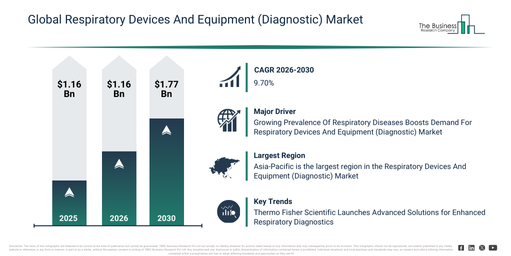
    The market size for respiratory devices and equipment (diagnostic) is projected to experience substantial growth in the upcoming years. Its valuation is anticipated to reach $13.29 billion in 2030, exhibiting a compound annual growth rate (CAGR) of 9.7%. This expansion during the forecast period stems from escalating investments in the diagnosis of respiratory diseases, the wider embrace of molecular and imaging-based tests, the growth of home-based diagnostic monitoring, a heightened emphasis on individualized respiratory care, and continuous advancements in diagnostic assay development. Key developments expected in this period encompass the increased use of portable diagnostic respiratory devices, a rise in the application of molecular diagnostic tests for respiratory conditions, the expanding incorporation of AI-powered lung function analysis, the broader availability of point-of-care respiratory testing, and a stronger emphasis on identifying diseases early.

    Get A Free Sample Report With In-Depth Market Insights:

    https://www.thebusinessresearchcompany.com/sample_request?id=3376&name=Respiratory%20Devices%20And%20Equipment%20(Diagnostic)%20Market%20Report%202026&type=smp&utm_source=Blogs&utm_medium=Paid&utm_campaign=Oct_PR

    Respiratory Devices And Equipment (Diagnostic) Market Growth Catalysts And Demand Drivers

    The anticipated expansion of the respiratory devices and equipment (diagnostic) market is linked to the rising occurrence of different respiratory ailments. These conditions are health issues impacting the lungs and air passages, hindering regular respiration and oxygen transfer, often caused by inflammation, infections, blockages, or lasting structural damage. The increasing incidence of diverse respiratory illnesses stems from a global rise in conditions that gradually diminish lung capacity, making populations more susceptible to enduring respiratory problems. Such equipment and devices assist in managing respiratory diseases through improving air circulation, boosting oxygen supply, and allowing for more precise monitoring of lung health to stabilize patients. As an illustration, in June 2025, the World Health Organization, an entity based in Switzerland, reported that 81.7 million people are currently affected by chronic respiratory diseases, with an additional 6.8 million receiving a new diagnosis annually. Consequently, the growing prevalence of a range of respiratory diseases fuels the respiratory devices and equipment (diagnostic) market.

    Respiratory Devices And Equipment (Diagnostic) Market Segment Analysis: What Are The Core Market Categories?

    The respiratory devices and equipment (diagnostic) market covered in this report is segmented –

    1) By Product: Instruments And Devices, Assays And Reagents

    2) By Test Type: Traditional Diagnostic Tests, Mechanical Tests, Imaging Tests, Molecular Diagnostic Tests

    3) By Disease Type: Chronic Obstructive Pulmonary Disease, Lung Cancer, Asthma, Tuberculosis, Other Diseases

    4) By End User: Hospital/Clinical Laboratories, Physician Offices, Reference Laboratories, Other End Users

    Subsegments:

    1) By Instruments And Devices: Spirometers, Pulse Oximeters, Peak Flow Meters, Capnographs, Respiratory Pressure Monitors, Portable Ventilators

    2) By Assays And Reagents: Diagnostic Kits, Reagents For Respiratory Infections, Blood Gas Analysis Reagents, PCR Assays For Respiratory Pathogens

    Respiratory Devices And Equipment (Diagnostic) Market Trends Shaping Long-Term Demand

    Major companies operating in the respiratory devices and equipment (diagnostic) market are channeling their efforts into developing advanced diagnostic solutions, including automated nucleic acid purification instruments and the Applied Biosystems MagMAX Dx Viral/Pathogen NA Isolation Kit, to enhance the precision and speed of viral detection. Automated nucleic acid purification instruments and the Applied Biosystems MagMAX Dx Viral/Pathogen NA Isolation Kit facilitate the swift and reliable isolation of viral genetic material for accurate diagnostic assessments. As an illustration, in December 2023, Thermo Fisher Scientific Inc., a US-based biotechnology company, introduced Sample Preparation Solutions for Respiratory Diagnostic Testing. The Thermo Scientific KingFisher Apex Dx automates the purification of up to 24 or 96 samples of DNA, RNA, protein, or cells, ensuring high-quality results for respiratory testing. This system functions alongside the Applied Biosystems MagMAX Dx Viral/Pathogen NA Isolation Kit, presenting a comprehensive solution for in vitro diagnostics. Featuring sophisticated data management and cybersecurity, the system supports uninterrupted workflows from sample preparation to real-time PCR analysis, applicable for both research and diagnostic purposes.

    Respiratory Devices And Equipment (Diagnostic) Market Key Participants And Competitive Landscape

    Major companies operating in the respiratory devices and equipment (diagnostic) market are ResMed Inc., Medtronic plc, Masimo Corporation, Fisher & Paykel Healthcare Limited, Koninklijke Philips N.V., Smiths Medical, GE Healthcare, Chart Industries Inc., Philips Healthcare, Becton Dickinson and Company (BD), Abbott Laboratories, Thermo Fisher Scientific Inc., Teleflex Incorporated, Invacare Corporation, Vyaire Medical Inc., Drägerwerk AG & Co. KGaA, Getinge AB, Dräger Medical GmbH, bioMérieux, Bio-Rad Laboratories Inc – Bio-Rad Laboratories Inc., Cosmed S.r.l., Seegene Inc., SDI Diagnostics, GlaxoSmithKline plc, Hillrom, Hamilton Medical AG, Medline Industries Inc., 3M Company, Air Liquide, Allied Healthcare Products Inc., Armstrong Medical, Bio-Med Devices Inc., Breas Medical AB, CAIRE Inc., DeVilbiss Healthcare, Nihon Kohden Corporation, O2 Concepts LLC

    View The Full Respiratory Devices And Equipment (Diagnostic) Market Report:

    https://www.thebusinessresearchcompany.com/report/respiratory-devices-and-equipment-global-market-report?utm_source=Blogs&utm_medium=Paid&utm_campaign=Oct_PR

    Respiratory Devices And Equipment (Diagnostic) Market Geographic Analysis: Where Is Demand Rising Fastest?

    Asia-Pacific was the largest region in the respiratory devices and equipment (diagnostic) market in 2025. North America was the second largest region in the respiratory devices and equipment (diagnostic) market. The regions covered in the respiratory devices and equipment (diagnostic) market report are Asia-Pacific, South East Asia, Western Europe, Eastern Europe, North America, South America, Middle East, Africa.

    Reach Out To Our Team:

    The Business Research Company: https://www.thebusinessresearchcompany.com/

    Americas: +1 310-496-7795

    Asia: +44 7882 955267 & +91 8897263534

    Europe: +44 7882 955267

    Email us at: marketing@tbrc.info

    Follow us on:

    LinkedIn: https://in.linkedin.com/company/the-business-research-company

    YouTube: https://www.youtube.com/channel/UC24_fI0rV8cR5DxlCpgmyFQ

    Global Market Model: https://www.thebusinessresearchcompany.com/global-market-model
  • Reprocessed Medical Devices Market Valued At $6.58 Billion In 2026: Key Trends And Growth Drivers

    Reprocessed Medical Devices Market Valued At $6.58 Billion In 2026: Key Trends And Growth Drivers

    Built to provide research that’s more actionable and strategically valuable, The Business Research Company’s 2026 market reports include market attractiveness analysis, total addressable market sizing, company benchmarking matrices, interactive Excel dashboards, broader supply chain intelligence, emerging startup tracking, and in-depth product insights.

    Reprocessed Medical Devices Market Size, Value And Growth Trajectory Through 2030

    The market for reprocessed medical devices has experienced substantial expansion in recent times. It is projected to increase from $3.64 billion in 2025 to $4.1 billion in 2026, achieving a compound annual growth rate (CAGR) of 12.8%. This historic rise can be linked to several factors, including escalating healthcare cost pressures, the expanding volume of single-use medical devices, early acceptance by prominent hospital systems, heightened environmental concerns in the healthcare sector, and regulatory approvals granted for certain reprocessed devices.

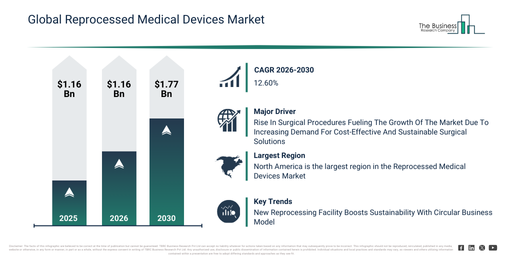
    The reprocessed medical devices market is projected to experience substantial expansion in the coming years. Its value is set to reach $6.58 billion in 2030, exhibiting a compound annual growth rate (CAGR) of 12.6%. This anticipated growth is driven by several factors, including the wider adoption of circular economy principles in healthcare, improvements in sterilization and validation technologies, increasing approval across various clinical uses, greater involvement of ambulatory surgical centers, and more robust sustainability requirements from healthcare providers. Key trends anticipated during this period encompass the rising uptake of economically viable reprocessed devices, an intensifying focus on reducing medical waste, increasing acceptance of reprocessed single-use devices in hospital settings, the broadening of third-party reprocessing services, and the reinforcement of regulatory guidelines and compliance requirements.

    Get A Free Sample Report With In-Depth Market Insights:

    https://thebusinessresearchcompany.com/sample_request?id=57615536&type=smp&name=Reprocessed%20Medical%20Devices%20Market%20Report%202026&utm_source=Blogs&utm_medium=Paid&utm_campaign=Oct_PR

    Reprocessed Medical Devices Market Opportunity Drivers: What’s Unlocking New Revenue Potential?

    The increasing volume of surgical procedures is projected to fuel the growth of the reprocessed medical devices market moving forward. Surgical procedures are medical operations employing manual or instrumental techniques by surgeons to diagnose, treat, or prevent diseases, injuries, or other health conditions. The rise in surgical procedures stems from advancements in medical technology, which have made surgeries safer, less invasive, and more effective, thereby increasing patient demand and broadening surgical applicability. Reprocessed medical devices support surgical procedures by lowering costs and guaranteeing a sustainable supply of high-quality, sterilized instruments for safe, repeated use. For instance, data from June 2024, released by the International Society of Aesthetic Plastic Surgery (ISAPS), a US-based nonprofit professional organization, revealed that total surgical and non-surgical procedures collectively rose by 3.4% in 2023, reaching 34.9 million, with surgical procedures alone increasing by 5.5%. Plastic surgeons conducted over 15.8 million surgical procedures and 19.1 million non-surgical procedures, marking an overall 40% increase in procedures over the past four years. Consequently, the growing number of surgical procedures is driving the growth of the reprocessed medical devices market.

    Reprocessed Medical Devices Market Segment Breakdown: Which Categories Lead On Revenue?

    The reprocessed medical devices market covered in this report is segmented –

    1) By Type: Third-Party Reprocessing, In-House Reprocessing

    2) By Device Type: Electrophysiology Devices, Surgical Instruments, Catheters, Endoscopes, Implants, Dialysis Devices

    3) By Material: Metal, Plastic, Silicone, Rubber, Composite Materials

    4) By Application: Cardiology, Orthopedics, Gastroenterology, Urology, Neurology, Oncology

    5) By End User: Hospitals, Clinics, Ambulatory Surgical Centers, Community Healthcare, Diagnostic Laboratories, Other End Users

    Subsegments:

    1) By Third-Party Reprocessing: Cardiovascular Devices, Gastroenterology Devices, Laparoscopic Devices, Orthopedic Devices, General Surgery Devices

    2) By In-House Reprocessing: Surgical Instruments, Respiratory Devices, Endoscopy Devices, Ultrasound Probes

    Reprocessed Medical Devices Market Innovation Trends Shaping Future Development

    Leading companies in the reprocessed medical devices market are focusing on facility expansion, often adopting a circular business model, to lessen their environmental impact, reduce costs, and foster sustainable healthcare practices. A circular business model refers to a sustainable strategy centered on the reuse, refurbishment, and recycling of products and materials to extend their lifespan and minimize waste. For example, in August 2024, Arjo, a medical technology company based in Sweden, inaugurated a new state-of-the-art facility for reprocessing medical devices. This new site is 50% larger than the former location and is engineered to meet increasing customer demand with improved efficiency. Through its Arjo ReNu initiative, this move will solidify Arjo’s dedication to sustainability by backing a circular business model. The facility features sophisticated automated systems for cleaning, disinfection, and testing to ensure medical beds, patient lifts, slings, and hygiene systems adhere to strict safety and quality standards before reuse. The expanded space supports Arjo’s sustainability targets by reducing water and energy consumption, while simultaneously enabling circular healthcare practices that extend device longevity and decrease medical waste.

    Reprocessed Medical Devices Market Top Companies Driving Competitive Growth

    Major companies operating in the reprocessed medical devices market are Stryker Corporation, Johnson & Johnson, Medline Industries LP, Vanguard AG, SureTek Medical, NEScientific Inc, Innovative Health Inc, ReNu Medical Inc, Hygia Health Services Inc, Soma Technology Inc, Centurion Medical Products Corporation, MidWest Reprocessing Center, Medsalv, Sustainable Technologies, SteriPro Canada Inc, Pioneer Medical Devices AG, Vascular Solutions Inc, LUMITOS AG, Hygia Health Services

    View The Full Reprocessed Medical Devices Market Report:

    https://thebusinessresearchcompany.com/report/reprocessed-medical-devices-global-market-report?utm_source=Blogs&utm_medium=Paid&utm_campaign=Oct_PR

    Reprocessed Medical Devices Market Global Footprint: Which Region Leads The Market?

    North America was the largest region in the reprocessed medical devices market in 2025. Asia-Pacific is expected to be the fastest-growing region in the forecast period. The regions covered in the reprocessed medical devices market report are Asia-Pacific, South East Asia, Western Europe, Eastern Europe, North America, South America, Middle East, Africa.

    Reach Out To Our Team:

    The Business Research Company: https://www.thebusinessresearchcompany.com/

    Americas: +1 310-496-7795

    Asia: +44 7882 955267 & +91 8897263534

    Europe: +44 7882 955267

    Email us at: marketing@tbrc.info

    Follow us on:

    LinkedIn: https://in.linkedin.com/company/the-business-research-company

    YouTube: https://www.youtube.com/channel/UC24_fI0rV8cR5DxlCpgmyFQ

    Global Market Model: https://www.thebusinessresearchcompany.com/global-market-model
  • Renal Dialysis Equipment Market Size In 2026: Growth Outlook And Forecast Through 2030

    Renal Dialysis Equipment Market Size In 2026: Growth Outlook And Forecast Through 2030

    Backed by market attractiveness analysis, total addressable market sizing, company benchmarking matrices, interactive Excel dashboards, wider supply chain intelligence, emerging startup coverage, and detailed product-level insights, The Business Research Company’s 2026 market reports are designed to offer research that is more actionable and strategically valuable than ever.

    Renal Dialysis Equipment Market CAGR Outlook And Future Development

    The renal dialysis equipment market has demonstrated substantial growth in recent years. It is projected to expand from $20.92 billion in 2025 to $22.39 billion in 2026, exhibiting a compound annual growth rate (CAGR) of 7.0%. This historical expansion can be linked to factors such as a rise in chronic kidney disease cases, the increasing elderly demographic, the proliferation of hospital-based dialysis services, supportive government reimbursement policies, and advancements in machine technology.

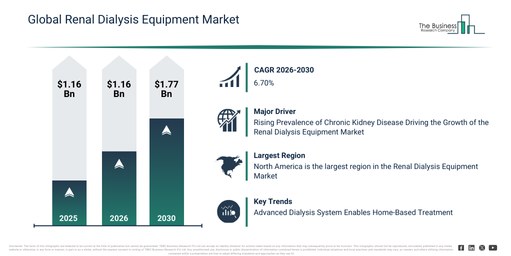
    The renal dialysis equipment market is projected to experience substantial expansion over the upcoming years. By 2030, this market is anticipated to reach a valuation of $29.02 billion, demonstrating a compound annual growth rate (CAGR) of 6.7%. This expansion during the projection period is primarily driven by an increase in home care dialysis, the growing prevalence of diabetes, a need for more affordable treatment options, advancements in wearable dialysis technology, and the establishment of more renal care centers. Key developments anticipated during this timeframe involve a growing preference for home dialysis, a greater need for portable dialysis devices, an emphasis on enhancing patient comfort and safety, an increase in the adoption of peritoneal dialysis, and the expansion of dialysis facilities in developing economies.

    Get A Free Sample Report With In-Depth Market Insights:

    https://thebusinessresearchcompany.com/sample_request?id=34187069&type=smp&name=Renal%20Dialysis%20Equipment%20Market%20Report%202026&utm_source=Blogs&utm_medium=Paid&utm_campaign=Oct_PR

    Renal Dialysis Equipment Market Growth Momentum: What Factors Are Shaping Demand?

    The increasing occurrence of chronic kidney disease (CKD) is projected to fuel expansion in the renal dialysis equipment market. CKD is a condition where kidneys progressively lose their capacity to filter waste from the blood, resulting in a buildup of harmful substances and other health complications. The rise in CKD cases is linked to diabetes, as elevated blood sugar levels harm kidney blood vessels, diminishing their filtering efficiency. For instance, according to the US-based public health agency Centers for Disease Control and Prevention in May 2024, an estimated 35.5 million individuals, or 14% of the adult population, suffered from chronic kidney disease in 2023. Consequently, the growing prevalence of chronic kidney disease is propelling the demand within the renal dialysis equipment market.

    Renal Dialysis Equipment Market Segmentation: How Does The Market Break Down By Category?

    The renal dialysis equipment market covered in this report is segmented –

    1) By Product Type: Hemodialysis (HD) Equipment, Peritoneal Dialysis (PD) Equipment, Concentrates And Solutions, Catheters And Tubing, Other Product Types

    2) By Application: Hemodialysis, Peritoneal Dialysis

    3) By Distribution Channel: Direct Tenders, Retail

    4) By End User: In-Center Dialysis Settings, Home Care Settings

    Subsegments:

    1) By Hemodialysis (HD) Equipment: HD Machines, Dialyzers, Blood Tubing Sets

    2) By Peritoneal Dialysis (PD) Equipment: PD Machines, PD Catheters, PD Solutions

    3) By Concentrates And Solutions: Dialysis Concentrates, Bicarbonate Solutions, Electrolyte Solutions

    4) By Catheters And Tubing: Hemodialysis Catheters, Peritoneal Dialysis Catheters, Tubing Sets

    5) By Other Product Types: Accessories And Supplies, Dialysis Chairs, Water Treatment Systems

    Renal Dialysis Equipment Market Trends Redefining Industry Growth

    Key companies operating within the renal dialysis equipment market are focused on developing advanced offerings, such as integrated digital health platforms, to enhance patient autonomy, improve clinical supervision, and reduce the burden associated with in-center treatments. These integrated digital health platforms are essentially connected systems in dialysis machines that automatically relay treatment data to clinicians, enabling the remote monitoring and management of patient therapy. For instance, in November 2024, Quanta Dialysis Technologies, a medical technology firm based in the UK, obtained Food and Drug Administration (FDA) 510(k) clearance for its Quanta Dialysis System, intended for home hemodialysis. This system is a compact, user-friendly hemodialysis machine featuring SC+ technology with integrated blood and fluid management, designed for ease of use and safety. It provides a substantial dialysate flow rate of 500 mL/min throughout the entire care continuum for end-stage renal disease (ESRD) patients, supporting efficient and effective dialysis treatment in both clinical and home settings. The system also includes a connected health platform that automatically shares treatment data with clinicians, facilitating remote patient monitoring and support to promote greater patient independence while at home.

    Renal Dialysis Equipment Market Leading Players And Competitive Positioning

    Major companies operating in the renal dialysis equipment market are Medtronic plc, Fresenius Medical Care AG & Co. KGaA, Asahi Kasei Medical Co. Ltd., Toray Industries Inc., Baxter International Inc., DaVita Inc., B. Braun Holding GmbH & Co. KG, Nipro Corporation, Teleflex Incorporated, Nikkiso Co. Ltd., Cantel Medical Corporation, Diaverum, Inspira Health Network, JMS Co. Ltd., NxStage Medical Inc., Rockwell Medical Inc., Cytosorbents Corporation, Quanta Dialysis Technologies, Farmasol, Outset Medical Inc., Medica SpA, Allmed Medical GmbH, Medionics International Inc., AWAK Technologies

    View The Full Renal Dialysis Equipment Market Report:

    https://thebusinessresearchcompany.com/report/renal-dialysis-equipment-global-market-report?utm_source=Blogs&utm_medium=Paid&utm_campaign=Oct_PR

    Renal Dialysis Equipment Market Regional Split: Which Areas Are Fueling Growth?

    North America was the largest region in the renal dialysis equipment market in 2025. Asia-Pacific is expected to be the fastest-growing region in the forecast period. The regions covered in the renal dialysis equipment market report are Asia-Pacific, South East Asia, Western Europe, Eastern Europe, North America, South America, Middle East, Africa.

    Reach Out To Our Team:

    The Business Research Company: https://www.thebusinessresearchcompany.com/

    Americas: +1 310-496-7795

    Asia: +44 7882 955267 & +91 8897263534

    Europe: +44 7882 955267

    Email us at: marketing@tbrc.info

    Follow us on:

    LinkedIn: https://in.linkedin.com/company/the-business-research-company

    YouTube: https://www.youtube.com/channel/UC24_fI0rV8cR5DxlCpgmyFQ

    Global Market Model: https://www.thebusinessresearchcompany.com/global-market-model
  • Renal Denervation Devices Market Trends Supporting 32.4% CAGR Growth Through 2030

    Renal Denervation Devices Market Trends Supporting 32.4% CAGR Growth Through 2030

    Featuring market attractiveness scoring, total addressable market sizing, company benchmarking matrices, interactive Excel dashboards, deeper supply chain intelligence, emerging startup tracking, and granular product-level insights, The Business Research Company’s 2026 market reports are built to deliver research that is both more actionable and more strategically valuable.

    Renal Denervation Devices Market Set To Climb From $0.98 Billion In 2026 To $3.01 Billion By 2030

    The renal denervation devices market has experienced significant expansion over the past few years. It will grow from $0.74 billion in 2025 to $0.98 billion in 2026 at a compound annual growth rate (CAGR) of 32.5%. Historical growth has stemmed from the increasing prevalence of resistant hypertension, progress in catheter ablation technologies, a rise in clinical research related to renal denervation, the expansion of interventional cardiology procedures, and greater awareness of non-pharmacological treatments for hypertension.

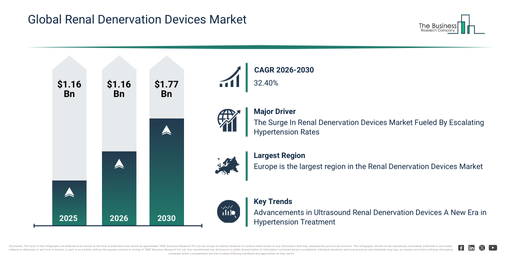
    The renal denervation devices market is expected to demonstrate significant growth in the coming years, with projections indicating it will reach a value of $3.01 billion by 2030, expanding at a compound annual growth rate (CAGR) of 32.4%. This anticipated growth throughout the forecast period can be attributed to several factors, including an increase in regulatory approvals for renal denervation devices, their rising adoption in outpatient environments, an escalating demand for long-term solutions for hypertension management, the expansion of clinical evidence supporting their efficacy, and greater investment in next-generation ablation systems. Prominent trends for this period encompass the increasing uptake of catheter-based therapies for hypertension, a broader application of radiofrequency and ultrasound ablation technologies, a heightened focus on minimally invasive cardiovascular interventions, an increase in image-guided renal denervation procedures, and a stronger emphasis on ensuring procedure safety and precision.

    Get A Free Sample Report With In-Depth Market Insights:

    https://thebusinessresearchcompany.com/sample_request?id=49039306&type=smp&name=Renal%20Denervation%20Devices%20Market%20Report%202026&utm_source=Blogs&utm_medium=Paid&utm_campaign=Oct_PR

    Renal Denervation Devices Market Expansion Drivers: What’s Shaping Future Growth?

    The future growth of the renal denervation devices market is expected to be propelled by the increasing prevalence of hypertension. Hypertension, or high blood pressure, signifies a condition where blood flows through vessels with consistently excessive force. Renal denervation, a catheter-based procedure, has emerged as a potential therapeutic solution for patients with resistant hypertension. This minimally invasive, investigational procedure aims to treat hypertension that has not responded to medication. For illustration, in January 2025, the Centers for Disease Control and Prevention, a US-based government agency, reported that in 2023, high blood pressure contributed to or directly caused 664,470 deaths in the United States. Therefore, the rising prevalence of hypertension will significantly drive the expansion of the renal denervation devices market.

    Renal Denervation Devices Market Segment Trends And Revenue Contributors

    The renal denervation devices market covered in this report is segmented –

    1) By Product: Simplicity Renal Denervation System, EnligHTN, Vessix Renal Denervation System, Iberis Renal Sympathetic Denervation System, Paradise Renal Denervation System, Other Products

    2) By Technology: Radio Frequency Ablation, Ultrasound Energy-Based RDN, Other Technologies

    3) By End-Users: Hospitals, Cardiovascular research centre, Other End-Users

    Subsegments:

    1) By Simplicity Renal Denervation System: Catheter System, Accessories

    2) By EnligHTN: Catheter System, Generator, Accessories

    3) By Vessix Renal Denervation System: Balloon Catheter, Generator, Accessories

    4) By Iberis Renal Sympathetic Denervation System: Catheter System, Accessories

    5) By Paradise Renal Denervation System: Catheter System, Accessories

    6) By Other Products: Emerging Technologies, Alternative Devices

    Renal Denervation Devices Market Strategic Trends: What Defines The Next Growth Phase?

    Leading companies within the renal denervation devices market are concentrating on the development of ultrasound renal denervation (uRDN) to improve treatment effectiveness, reduce procedural complications, and offer a non-invasive alternative to traditional renal denervation techniques. Ultrasound renal denervation (uRDN) enhances renal denervation devices by enabling precise, non-surgical energy delivery to renal nerves, which effectively lowers blood pressure while safeguarding nearby tissues and increasing patient safety and comfort during the procedure. For example, in November 2023, Recor Medical Inc., a US-based medical technology company, launched the Paradise uRDN system, an innovative ultrasound renal denervation device designed to manage hypertension in patients who have not achieved blood pressure targets with standard lifestyle changes and medications. Featuring hydrocooling technology to protect the renal artery during treatment, this system marks a significant advancement in the renal denervation devices market by introducing a new, nonpharmacologic approach to managing resistant hypertension and expanding treatment options for patients.

    Renal Denervation Devices Market Competitive Overview And Top Companies

    Major companies operating in the renal denervation devices market are Medtronic PLC, ReCor Medical Inc., Boston Scientific Corporation, Abbott Laboratories, Cordis Corporation, Terumo Corporation, Kona Medical Inc., St. Jude Medical LLC, Johnson & Johnson, Symple Surgical Inc., Cardiosonic Ltd., Mercator MedSystems Inc., Ablative Solutions Inc., Renal Dynamics Ltd., Vesalio LLC, Biotronik SE & Co. KG, Cook Medical LLC, Hansen Medical Inc., Merit Medical Systems Inc., AngioDynamics Inc., Covidien Ltd., Volcano Corporation

    View The Full Renal Denervation Devices Market Report:

    https://thebusinessresearchcompany.com/report/renal-denervation-devices-global-market-report?utm_source=Blogs&utm_medium=Paid&utm_campaign=Oct_PR

    Renal Denervation Devices Market Top Region: Where Does Most Revenue Come From?

    Europe was the largest region in the renal denervation devices market in 2025.Asia-Pacific is expected to be the fastest-growing region in the global renal denervation devices market report during the forecast period. The regions covered in the renal denervation devices market report are Asia-Pacific, South East Asia, Western Europe, Eastern Europe, North America, South America, Middle East, Africa.

    Reach Out To Our Team:

    The Business Research Company: https://www.thebusinessresearchcompany.com/

    Americas: +1 310-496-7795

    Asia: +44 7882 955267 & +91 8897263534

    Europe: +44 7882 955267

    Email us at: marketing@tbrc.info

    Follow us on:

    LinkedIn: https://in.linkedin.com/company/the-business-research-company

    YouTube: https://www.youtube.com/channel/UC24_fI0rV8cR5DxlCpgmyFQ

    Global Market Model: https://www.thebusinessresearchcompany.com/global-market-model
  • Remote Patient Monitoring System Market Forecast Highlights A $13.24 Billion Opportunity For Industry Participants

    Remote Patient Monitoring System Market Forecast Highlights A $13.24 Billion Opportunity For Industry Participants

    Built to provide research that’s more actionable and strategically valuable, The Business Research Company’s 2026 market reports include market attractiveness analysis, total addressable market sizing, company benchmarking matrices, interactive Excel dashboards, broader supply chain intelligence, emerging startup tracking, and in-depth product insights.

    Remote Patient Monitoring System Market Forecast: Value Set To Climb From $6.27 Billion To $13.24 Billion

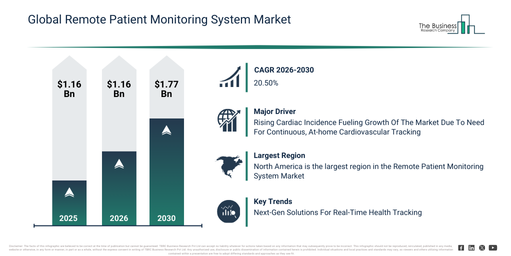
    The remote patient monitoring system market has experienced significant expansion in recent years. Its valuation is projected to rise from $5.19 billion in 2025 to $6.27 billion in 2026, demonstrating a compound annual growth rate (CAGR) of 20.9%. The market’s historical growth can be linked to factors such as limited access to home healthcare technology, a reliance on traditional hospital monitoring, the increasing prevalence of chronic diseases, wider adoption of smartphones and wearables, and regulatory support for digital health.

    The remote patient monitoring system market is set to experience significant expansion over the next few years. It is expected to reach $13.24 billion in 2030, demonstrating a compound annual growth rate (CAGR) of 20.5%. This projected growth during the forecast period can be ascribed to advancements in wearable sensors and IoT devices, a rising demand for personalized healthcare solutions, the expansion of telemedicine platforms, the integration of AI-driven predictive analytics, and increasing healthcare spending in emerging markets. Prominent trends for this period include the growing adoption of remote patient monitoring within home care settings, the integration of wearable health devices with RPM systems, an intensified focus on chronic disease management and early intervention, an increasing demand for real-time data analytics and alerts, and the ongoing expansion of telehealth and virtual care services.

    Get A Free Sample Report With In-Depth Market Insights:

    https://thebusinessresearchcompany.com/sample_request?id=52924896&type=smp&name=Remote%20Patient%20Monitoring%20System%20Market%20Report%202026&utm_source=Blogs&utm_medium=Paid&utm_campaign=Oct_PR

    Remote Patient Monitoring System Market Development Factors: What’s Supporting Demand?

    The growing occurrence of cardiac conditions is anticipated to drive expansion in the remote patient monitoring system market. Cardiac conditions encompass diseases or disorders that affect the heart’s structure, function, or rhythm, including coronary artery disease, heart failure, and arrhythmias. This rise in cardiac conditions is largely a result of unhealthy lifestyle choices. Remote patient monitoring systems play a crucial role in managing the prevalence of cardiac conditions by continuously monitoring vital signs such as heart rate, blood pressure, and electrocardiogram (ECG) beyond clinical environments. This facilitates prompt detection, opportune interventions, and improved treatment compliance, ultimately leading to fewer hospital admissions and slowed disease advancement. For instance, in October 2024, as per the Centers for Disease Control and Prevention (CDC), a US-based federal public health agency, 919,032 people in the United States died from cardiovascular disease in 2023, representing 1 in every 3 deaths. Consequently, the increasing incidence of cardiac conditions fuels the remote patient monitoring system market.

    Remote Patient Monitoring System Market Segment Analysis Spotlighting Growth Areas

    The remote patient monitoring system market covered in this report is segmented –

    1) By Product: Vital Sign Monitor, Specialized Monitor

    2) By Component: Devices, Software, Services

    3) By Application: Cancer, Cardiovascular Diseases, Diabetes, Sleep Disorder, Weight Management And Fitness Monitoring, Bronchitis, Infections, Other Applications

    4) By End-User: Hospitals, Home Care Settings, Ambulatory Care Centers, Other End-User

    Subsegments:

    1) By Vital Sign Monitor: Heart Rate Monitor, Blood Pressure Monitor, Respiratory Rate Monitor, Temperature Monitor, Pulse Oximeter

    2) By Specialized Monitor: Glucose Monitor, ECG Monitor, Weight Management Monitor, Sleep Disorder Monitor, Respiratory Monitor, Other Specialized Devices

    Remote Patient Monitoring System Market Transformation Trends: What Innovations Are Driving Change?

    Leading companies in the remote patient monitoring system market are concentrating on advancements in medical technology, such as wearable sensors, to improve real-time health data collection, boost patient engagement, and support proactive clinical decision-making. Wearable sensors are small electronic devices worn on the body that continuously measure and accumulate healthcare-related data, including heart rate, temperature, blood oxygen levels, and movement, allowing for real-time tracking of a person’s physiological state. For example, in October 2024, BioIntelliSense, Inc., a US-based company specializing in continuous health monitoring and clinical intelligence, obtained FDA clearance for its rechargeable BioButton Multi-Patient wearable and BioDashboard system, thereby expanding its remote monitoring offerings. This reusable device enables continuous vital sign monitoring across various hospital settings and supports hospital-at-home care. The BioDashboard’s AI-driven exception management allows a single clinician to monitor hundreds of patients, facilitating early intervention through real-time trend analysis and improving clinical outcomes at scale.

    Remote Patient Monitoring System Market Competitive Landscape: Which Companies Lead The Industry?

    Major companies operating in the remote patient monitoring system market are Abbott Laboratories, Medtronic plc, Koninklijke Philips N V, GE Healthcare Technologies Inc, Resideo Life Care Solutions, Omron Corporation, Shenzhen Mindray Bio Medical Electronics Co Ltd, Drägerwerk AG And Co KGaA, Teladoc Health Inc, Masimo Corporation, Biotronik SE And Co KG, Nihon Kohden Corporation, iRhythm Technologies Inc, Health Recovery Solutions Inc, LifeWatch AG, VitalConnect Inc, Vivify Health Inc, Welch Allyn Inc, Vitls Inc, Bio Beat Technologies Ltd, Current Health Ltd, Biofourmis Inc

    View The Full Remote Patient Monitoring System Market Report:

    https://thebusinessresearchcompany.com/report/remote-patient-monitoring-system-global-market-report?utm_source=Blogs&utm_medium=Paid&utm_campaign=Oct_PR

    Remote Patient Monitoring System Market Regional Breakdown: Where Is Demand Concentrated?

    North America was the largest region in the remote patient monitoring system market in 2025. Asia-Pacific is expected to be the fastest-growing region in the forecast period. The regions covered in the remote patient monitoring system market report are Asia-Pacific, South East Asia, Western Europe, Eastern Europe, North America, South America, Middle East, Africa.

    Reach Out To Our Team:

    The Business Research Company: https://www.thebusinessresearchcompany.com/

    Americas: +1 310-496-7795

    Asia: +44 7882 955267 & +91 8897263534

    Europe: +44 7882 955267

    Email us at: marketing@tbrc.info

    Follow us on:

    LinkedIn: https://in.linkedin.com/company/the-business-research-company

    YouTube: https://www.youtube.com/channel/UC24_fI0rV8cR5DxlCpgmyFQ

    Global Market Model: https://www.thebusinessresearchcompany.com/global-market-model
  • Remote Patient Monitoring Patch Market Analysis: How The Industry Is Evolving Toward A $5.05 Billion Future

    Remote Patient Monitoring Patch Market Analysis: How The Industry Is Evolving Toward A $5.05 Billion Future

    Backed by market attractiveness analysis, total addressable market sizing, company benchmarking matrices, interactive Excel dashboards, wider supply chain intelligence, emerging startup coverage, and detailed product-level insights, The Business Research Company’s 2026 market reports are designed to offer research that is more actionable and strategically valuable than ever.

    Remote Patient Monitoring Patch Market Revenue Growth On Track For A 16.2% CAGR Through 2030

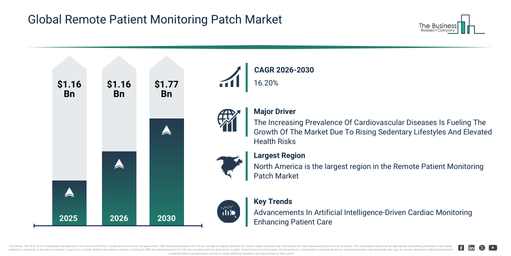
    The market size for remote patient monitoring patches has shown rapid expansion in recent years. It is projected to increase from $2.37 billion in 2025 to $2.77 billion by 2026, driven by a compound annual growth rate (CAGR) of 16.5%. Historically, this expansion has been primarily due to a growing prevalence of chronic diseases, rising hospitalization expenses, the emergence of wearable medical devices, a need for non-invasive monitoring, and the broadening of telehealth services.

    The remote patient monitoring patch market is anticipated to experience substantial growth over the next few years. It is forecast to achieve a valuation of $5.05 billion by 2030, expanding at a compound annual growth rate (CAGR) of 16.2%. This projected expansion during the forecast period stems from factors such as AI-driven predictive monitoring, remote patient management initiatives, the embrace of value-based healthcare, an increasing aging population, and the integration with digital health platforms. Prominent trends for this period include continuous wearable health monitoring, real-time physiological data transmission, adhesive sensor patches designed for long-term use, the incorporation of multi-parameter monitoring, and the transition from hospital to home care.

    Get A Free Sample Report With In-Depth Market Insights:

    https://thebusinessresearchcompany.com/sample_request?id=42180872&type=smp&name=Remote%20Patient%20Monitoring%20Patch%20Market%20Report%202026&utm_source=Blogs&utm_medium=Paid&utm_campaign=Oct_PR

    Remote Patient Monitoring Patch Market Industry Drivers: What’s Behind The Revenue Growth?

    The rising incidence of cardiovascular diseases is projected to drive the growth of the remote patient monitoring patch market in the future. Cardiovascular diseases describe a collection of conditions affecting the heart and blood vessels, including coronary heart disease, cerebrovascular disease, and other circulatory system issues. The increase in these cardiovascular ailments stems from more sedentary lifestyles, which lead to reduced physical activity and contribute to obesity and high blood pressure, thereby elevating the risk of heart-related problems. A remote patient monitoring patch aids in managing cardiovascular diseases by continuously tracking vital signs such as heart rate, rhythm, blood pressure, and oxygen levels, facilitating the early detection of irregularities and prompt intervention to prevent complications. For instance, in October 2024, the Centers for Disease Control and Prevention (CDC), a US-based national public health agency, reported that around 919,032 individuals in the United States died from cardiovascular disease in 2023, making up approximately one in every three deaths nationwide. Consequently, the growing occurrence of cardiovascular diseases is stimulating the expansion of the remote patient monitoring patch market.

    Remote Patient Monitoring Patch Market Segment Performance And Emerging Opportunities

    The remote patient monitoring patch market covered in this report is segmented –

    1) By Product Type: Vital Sign Monitoring Patch, Cardiac Monitoring Patch, Temperature Monitoring Patch

    2) By Distribution Channel: Online, Offline

    3) By Application: Chronic Disease Management, Post-Acute Care, Other Applications

    4) By End-User: Hospitals And Clinics, Home Care Settings, Ambulatory Surgical Centers, Other End-Users

    Subsegments:

    1) By Vital Sign Monitoring Patch: Heart Rate Monitoring Patch, Respiratory Rate Monitoring Patch, Multi-Parameter Vital Signs Patch, Neonatal Vital Signs Monitoring Patch

    2) By Cardiac Monitoring Patch: Short Term Holter Monitoring Patch, Long Term Continuous Electrocardiogram Patch, Event Detection Electrocardiogram Patch, Atrial Fibrillation Screening Patch, Post Ablation Rhythm Monitoring Patch, Post Procedure Cardiac Monitoring Patch, Pediatric Arrhythmia Monitoring Patch, Heart Failure Telemetry Patch

    3) By Temperature Monitoring Patch: Continuous Fever Monitoring Patch, Infant And Pediatric Temperature Monitoring Patch, Maternal And Neonatal Temperature Monitoring Patch, Oncology Neutropenia Temperature Monitoring Patch, Home Convalescence Temperature Monitoring Patch

    #Remote Patient Monitoring Patch Market Growth Trends: What’s Shaping The Future Outlook?

    Leading companies in the remote patient monitoring patch market are concentrating on developing advanced offerings, such as AI algorithm-powered ECG monitoring systems, to facilitate real-time cardiac surveillance and enhanced patient care. These AI algorithm-powered ECG monitoring systems are wearable devices that continuously track heart activity and leverage AI for real-time data analysis, identifying irregularities, predicting potential cardiac events, and supporting timely medical intervention. For example, in May 2025, iRhythm Technologies, Inc., a US-based digital health company, launched the Zio Long-Term Continuous Monitoring Service in Japan, introducing a patch-based electrocardiogram (ECG) recording and analysis system. This particular system provides up to 14 days of continuous, uninterrupted ECG monitoring, powered by a deep-learned AI algorithm that received approval from Japan’s Pharmaceuticals and Medical Devices Agency (PMDA). It markedly improves arrhythmia detection beyond traditional 24-48 hour Holter monitors and other shorter-duration patch-based services, thereby addressing the increasing requirement for early and accurate arrhythmia diagnosis within Japan’s aging population.

    Remote Patient Monitoring Patch Market Competitive Landscape: Who Leads The Industry?

    Major companies operating in the remote patient monitoring patch market are Abbott Laboratories, Medtronic plc, iRhythm Technologies Inc., VitalConnect Inc., VivaLNK Inc., BioIntelliSense Inc., Sibel Health Inc., Biotricity Inc., SmartCardia SA, ATsens Inc., Bittium Corporation, Icentia Inc., Dexcom Inc., Preventice Solutions Inc., Cardiomo Inc., Wellue Health, Cardiac Insight Inc., Zio by iRhythm Technologies Inc., HealthWatch SA, Zephyr Technology Corporation

    View The Full Remote Patient Monitoring Patch Market Report:

    https://thebusinessresearchcompany.com/report/remote-patient-monitoring-patch-global-market-report?utm_source=Blogs&utm_medium=Paid&utm_campaign=Oct_PR

    Remote Patient Monitoring Patch Market Geographic Landscape: Which Region Dominates Industry Growth?

    North America was the largest region in the remote patient monitoring patch market in 2025. Asia-Pacific is expected to be the fastest-growing region in the forecast period. The regions covered in the remote patient monitoring patch market report are Asia-Pacific, South East Asia, Western Europe, Eastern Europe, North America, South America, Middle East, Africa.

    Reach Out To Our Team:

    The Business Research Company: https://www.thebusinessresearchcompany.com/

    Americas: +1 310-496-7795

    Asia: +44 7882 955267 & +91 8897263534

    Europe: +44 7882 955267

    Email us at: marketing@tbrc.info

    Follow us on:

    LinkedIn: https://in.linkedin.com/company/the-business-research-company

    YouTube: https://www.youtube.com/channel/UC24_fI0rV8cR5DxlCpgmyFQ

    Global Market Model: https://www.thebusinessresearchcompany.com/global-market-model
  • Remote Patient Monitoring Devices And Equipment Market Outlook Through 2030: Understanding The Growth Opportunity

    Remote Patient Monitoring Devices And Equipment Market Outlook Through 2030: Understanding The Growth Opportunity

    Featuring market attractiveness scoring, total addressable market sizing, company benchmarking matrices, interactive Excel dashboards, deeper supply chain intelligence, emerging startup tracking, and granular product-level insights, The Business Research Company’s 2026 market reports are built to deliver research that is both more actionable and more strategically valuable.

    Remote Patient Monitoring Devices And Equipment Market Value Growth And Long-Term Outlook

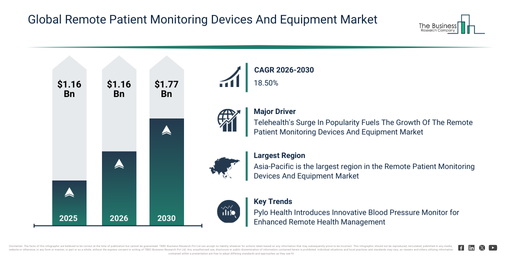
    The market size for remote patient monitoring devices and equipment has seen rapid expansion in recent years. It is projected to increase from $1.84 billion in 2025 to $2.09 billion in 2026, achieving a compound annual growth rate (CAGR) of 13.5%. This historical growth can be attributed to several factors including the rising prevalence of chronic diseases, the expansion of telemedicine services, an increased demand for continuous patient monitoring, advancements in wireless medical devices, and the growing adoption of remote healthcare delivery.

    The market for remote patient monitoring devices and equipment is projected to experience substantial expansion in the coming years. It will grow to $4.12 billion in 2030 at a compound annual growth rate (CAGR) of 18.5%. This anticipated growth during the forecast period is driven by several factors, including an escalating demand for customized remote care solutions, increased investments in digital health infrastructure, the proliferation of AI-enabled remote diagnostics, a heightened emphasis on proactive healthcare monitoring, and the ongoing creation of compatible health monitoring ecosystems. Key trends anticipated over the same period encompass the wider acceptance of wearable health monitoring devices, the increasing incorporation of cloud-based patient data platforms, the expanding application of AI-driven predictive analytics, the broadening of home-based remote care models, and a stronger emphasis on continuous vital sign monitoring.

    Get A Free Sample Report With In-Depth Market Insights:

    https://thebusinessresearchcompany.com/sample_request?id=93841310&type=smp&name=Remote%20Patient%20Monitoring%20Devices%20And%20Equipment%20Market%20Report%202026&utm_source=Blogs&utm_medium=Paid&utm_campaign=Oct_PR

    Remote Patient Monitoring Devices And Equipment Market Growth Factors: What’s Supporting Expansion?

    The rising requirement for telehealth is anticipated to advance the expansion of the remote patient monitoring devices and equipment market moving forward. Telehealth involves employing telecommunications technology, including videoconferencing, phone calls, and secure messaging, to deliver remote healthcare services. It facilitates the smooth transfer of patient data gathered by RPM devices to healthcare providers. This continuous data exchange enables medical professionals to consistently oversee patients’ vital signs, health metrics, and disease-specific information. For example, in April 2023, FAIR Health Inc., a US-based non-profit organization, reported a 7.3% national increase in telehealth usage, rising from 5.5% of medical claim lines in December 2022 to 5.9% in January 2023. Consequently, the growing need for telehealth is fueling the development of the remote patient monitoring devices and equipment market.

    Remote Patient Monitoring Devices And Equipment Market Segment Landscape And Growth Outlook

    The remote patient monitoring devices and equipment market covered in this report is segmented –

    1) By Type Of Device: Heart Monitors, Breath Monitors, Haematology Monitors, Multi-Parameter Monitors

    2) By Application: Cancer Treatment, Cardiovascular Diseases, Diabetes Treatment, Sleep Disorder, Weight Monitoring And Fitness Monitoring, Other Applications

    3) By End User: Home Care Settings, Clinics, Hospitals

    Subsegments:

    1) By Heart Monitors: ECG Monitors, Event Monitors, Implantable Loop Recorders, Mobile Cardiac Telemetry Devices

    2) By Breath Monitors: Spirometers, Peak Flow Meters, Capnographs, Pulse Oximeters

    3) By Haematology Monitors: Blood Glucose Monitors, Coagulation Monitors, Hemoglobin Monitors

    4) By Multi-Parameter Monitors: Portable Multi-Parameter Monitors, Fixed Multi-Parameter Monitors

    Remote Patient Monitoring Devices And Equipment Market Industry Trends: What’s Reshaping Demand?

    Leading firms within the remote patient monitoring devices and equipment sector are concentrating on creating sophisticated diagnostic tools, including the Pylo 900-LTE blood pressure monitor, with the goal of improving patient involvement and optimizing healthcare provision. This Pylo 900-LTE blood pressure monitor provides wireless capabilities and precise measurements, facilitating its smooth incorporation into systems for managing remote health. As an example, in January 2024, Pylo Health, a US-based healthcare technology enterprise dedicated to delivering inventive solutions for mental health and wellness, introduced new remote patient monitoring equipment. The Pylo 900-LTE blood pressure monitor comes equipped with roaming 4G/5G connectivity, including 2G fallback, and a ‘triple measurement mode’ to ensure accuracy. Additionally, the Pylo 200-LTE weight scale delivers accurate weight readings and simple cellular connectivity, eliminating the need for patient configuration. Both of these devices hold clinical validation and are compatible with the Prevounce care management platform as well as other health applications.

    Remote Patient Monitoring Devices And Equipment Market Company Landscape And Competitive Strategy

    Major companies operating in the remote patient monitoring devices and equipment market are Philips Healthcare, GE Healthcare, Medtronic plc, Boston Scientific Corporation, Johnson & Johnson, Biotronik, Welch Allyn Inc., Natus Medical Inc., Nihon Kohden Corporation, DexCom Inc., Abbott Laboratories, Omron Healthcare, Masimo Corporation, Spacelabs Healthcare, Nonin Medical Inc., iHealth Labs, BioTelemetry Inc., AliveCor Inc., Withings, MedMantech Inc.

    View The Full Remote Patient Monitoring Devices And Equipment Market Report:

    https://thebusinessresearchcompany.com/report/remote-patient-monitoring-devices-and-equipment-global-market-report?utm_source=Blogs&utm_medium=Paid&utm_campaign=Oct_PR

    Remote Patient Monitoring Devices And Equipment Market Largest Region: Which Geography Holds The Highest Market Share?

    Asia-Pacific was the largest region in the global remote patient monitoring devices and equipment market in 2025. North America was the second-largest region in the remote patient monitoring devices and equipment market. The regions covered in the remote patient monitoring devices and equipment market report are Asia-Pacific, South East Asia, Western Europe, Eastern Europe, North America, South America, Middle East, Africa.

    Reach Out To Our Team:

    The Business Research Company: https://www.thebusinessresearchcompany.com/

    Americas: +1 310-496-7795

    Asia: +44 7882 955267 & +91 8897263534

    Europe: +44 7882 955267

    Email us at: marketing@tbrc.info

    Follow us on:

    LinkedIn: https://in.linkedin.com/company/the-business-research-company

    YouTube: https://www.youtube.com/channel/UC24_fI0rV8cR5DxlCpgmyFQ

    Global Market Model: https://www.thebusinessresearchcompany.com/global-market-model
  • Remote Cardiac Monitoring Market Growth Potential: What The Latest Forecast Reveals

    Remote Cardiac Monitoring Market Growth Potential: What The Latest Forecast Reveals

    Built to provide research that’s more actionable and strategically valuable, The Business Research Company’s 2026 market reports include market attractiveness analysis, total addressable market sizing, company benchmarking matrices, interactive Excel dashboards, broader supply chain intelligence, emerging startup tracking, and in-depth product insights.

    Remote Cardiac Monitoring Market Poised To Hit $20.58 Billion By 2030 With A 22% CAGR

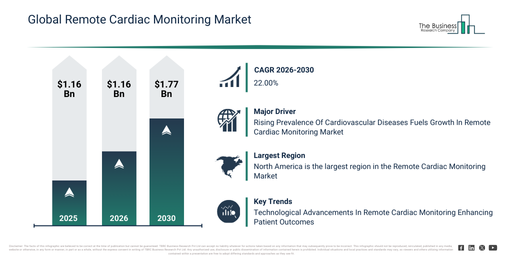
    The remote cardiac monitoring market has experienced significant expansion in recent years. Its valuation is anticipated to climb from $7.57 billion in 2025 to $9.29 billion in 2026, achieving a compound annual growth rate (CAGR) of 22.7%. The historical development of this market is largely a result of the rising occurrence of cardiovascular ailments, the growth in telehealth services, increased use of wearable health devices, the availability of mobile cardiac monitoring solutions, and the wider embrace of remote patient monitoring.

    The remote cardiac monitoring market size is anticipated to undergo substantial growth over the next few years. It is projected to expand to $20.58 billion in 2030, achieving a compound annual growth rate (CAGR) of 22.0%. This expansion during the forecast period is driven by factors such as a heightened demand for proactive cardiac care, the broadening of digital health infrastructure, an increased emphasis on minimizing hospital readmissions, rising investments in remote monitoring technologies, and advancements in real-time cardiac analytics. Significant trends expected during this period include the growing adoption of wearable cardiac monitoring devices, the increasing utilization of cloud-based monitoring platforms, the expanding integration of AI-driven arrhythmia detection, the proliferation of home-based cardiac monitoring programs, and an enhanced focus on continuous patient surveillance.

    Get A Free Sample Report With In-Depth Market Insights:

    https://thebusinessresearchcompany.com/sample_request?id=25130204&type=smp&name=Remote%20Cardiac%20Monitoring%20Market%20Report%202026&utm_source=Blogs&utm_medium=Paid&utm_campaign=Oct_PR

    Remote Cardiac Monitoring Market Demand Drivers: What’s Powering Industry Growth?

    The expanding prevalence of cardiovascular diseases is projected to boost the growth of the remote cardiac monitoring market in the coming years. These diseases encompass a range of conditions affecting the heart and blood vessels, such as coronary artery disease, heart failure, arrhythmias, and hypertension. Their increasing occurrence can be attributed to factors like unhealthy diets, insufficient physical activity, a higher incidence of obesity and diabetes, and an aging population. Remote cardiac monitoring is vital for managing cardiovascular diseases, as it facilitates continuous, real-time tracking of heart health, which allows for early detection, timely intervention, and more effective management of these conditions. For instance, in January 2024, according to the American Heart Association, a US-based non-profit organization, the age-adjusted death rate from cardiovascular disease increased to 233.3 per 100,000 in 2024, up 4.0% from 224.4 per 100,000 in 2023. Consequently, the rising prevalence of cardiovascular diseases is a primary driver for the expansion of the remote cardiac monitoring market.

    Remote Cardiac Monitoring Market Breakdown By Product Type And Application

    The remote cardiac monitoring market covered in this report is segmented –

    1) By Type: Devices, Software, Services

    2) By Indication: Bradycardia, Tachycardia, Atrial And Ventricular Fibrillation, Other Indications

    3) By End User: Hospitals And Clinics, Emergency Settings, Homecare Settings, Other End Users

    Subsegments:

    1) By Devices: Wearable ECG Monitors, Implantable Loop Recorders (ILRs), Mobile Cardiac Telemetry Devices, Cardiac Event Monitors, Smartwatches With Heart Monitoring Capabilities

    2) By Software: Cardiac Monitoring and Analysis Software, Data Management Software, Cloud-Based Remote Monitoring Platforms, Mobile Applications For Patient Monitoring

    3) By Services: Remote Cardiac Monitoring Services, Data Interpretation And Reporting Services, Telehealth Consultation Services, Device Maintenance And Technical Support Services

    Remote Cardiac Monitoring Market Innovation Trends: What Developments Are Reshaping The Industry?

    Leading companies in the remote cardiac monitoring market are concentrating on integrating AI-powered solutions to boost diagnostic accuracy and enable timely interventions. AI-enhanced heart monitoring systems employ machine learning algorithms to continuously scrutinize heart rhythms, identifying irregularities such as arrhythmias or early indicators of heart attacks, and alerting healthcare providers for immediate action. For example, in January 2024, AliveCor, a US-based health technology company, unveiled the KardiaMobile 6L, a portable six-lead ECG device that utilizes AI algorithms to identify significant heart conditions, including atrial fibrillation (AFib). This device pairs with a mobile app, facilitating real-time data transmission to healthcare providers and demonstrating AliveCor’s dedication to progressing remote cardiac monitoring with AI-driven, user-friendly technology.

    Remote Cardiac Monitoring Market Key Players Shaping Industry Direction

    Major companies operating in the remote cardiac monitoring market are Abbott Laboratories, Medtronic Plc, Koninklijke Philips N.V., GE Healthcare, ZOLL Medical Corporation, Boston Scientific Corporation, Hill-Rom Holdings Inc., Masimo Corporation, Biotronik SE, Nihon Kohden Corporation, Irhythm Technologies Inc., BioTelemetry Inc., Spacelabs Healthcare Inc., AMC Health, Huma Limited, AliveCor Inc., Contec Medical Systems Co. Ltd., InfoBionic Inc., Bardy Diagnostics Inc., ChroniSense Medical Ltd., Cardiomo Care Inc., Vitls Inc.

    View The Full Remote Cardiac Monitoring Market Report:

    https://thebusinessresearchcompany.com/report/remote-cardiac-monitoring-global-market-report?utm_source=Blogs&utm_medium=Paid&utm_campaign=Oct_PR

    Remote Cardiac Monitoring Market Regional Analysis: Which Region Leads By Revenue?

    North America was the largest region in the remote cardiac monitoring market in 2025. Asia-Pacific is expected to be the fastest-growing region in the forecast period. The regions covered in the remote cardiac monitoring market report are Asia-Pacific, South East Asia, Western Europe, Eastern Europe, North America, South America, Middle East, Africa.

    Reach Out To Our Team:

    The Business Research Company: https://www.thebusinessresearchcompany.com/

    Americas: +1 310-496-7795

    Asia: +44 7882 955267 & +91 8897263534

    Europe: +44 7882 955267

    Email us at: marketing@tbrc.info

    Follow us on:

    LinkedIn: https://in.linkedin.com/company/the-business-research-company

    YouTube: https://www.youtube.com/channel/UC24_fI0rV8cR5DxlCpgmyFQ

    Global Market Model: https://www.thebusinessresearchcompany.com/global-market-model
  • Remote Blood-Draw Dried-Spot Device Market Growth Outlook: Why Analysts Expect Continued Expansion

    Remote Blood-Draw Dried-Spot Device Market Growth Outlook: Why Analysts Expect Continued Expansion

    Backed by market attractiveness analysis, total addressable market sizing, company benchmarking matrices, interactive Excel dashboards, wider supply chain intelligence, emerging startup coverage, and detailed product-level insights, The Business Research Company’s 2026 market reports are designed to offer research that is more actionable and strategically valuable than ever.

    Remote Blood-Draw Dried-Spot Device Market Size And Revenue Outlook Through 2030

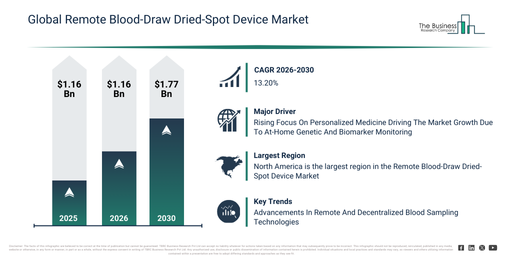
    The remote blood-draw dried-spot device market size has observed substantial growth in recent years. It is projected to expand from $0.92 billion in 2025 to $1.05 billion in 2026, exhibiting a compound annual growth rate (CAGR) of 13.5%. The expansion witnessed during the historic period can be attributed to several factors, including the increase in remote diagnostics, the requirement for enhanced patient convenience, the broadening of lab testing services, the implementation of newborn screening programs, and the general advancement of telemedicine.

    The market for remote blood-draw dried-spot devices is projected to experience significant expansion in the upcoming years. It is expected to grow to $1.73 billion in 2030, exhibiting a compound annual growth rate (CAGR) of 13.2%. This growth during the forecast period can be attributed to factors such as the expansion of home healthcare, increased monitoring of chronic diseases, the growth of digital pathology, optimized logistics, and advancements in population health management. Prominent trends anticipated in this period include the prevalence of at-home blood sample collection, the rise of mail-in diagnostic testing, the development of minimally invasive sampling devices, the adoption of microfluidic blood collection methods, and the shift towards decentralized diagnostic testing.

    Get A Free Sample Report With In-Depth Market Insights:

    https://thebusinessresearchcompany.com/sample_request?id=68523966&type=smp&name=Remote%20Blood-Draw%20Dried-Spot%20Device%20Market%20Report%202026&utm_source=Blogs&utm_medium=Paid&utm_campaign=Oct_PR

    Remote Blood-Draw Dried-Spot Device Market Growth Drivers: What’s Behind The Acceleration?

    The heightened focus on personalized medicine is projected to stimulate the expansion of the remote blood-draw dried-spot device market in the future. Personalized medicine involves adapting medical treatments and preventative approaches to an individual’s unique genetic, molecular, and clinical profiles to achieve the best possible results. The uptake of personalized medicine is rising because genomic advancements facilitate accurate detection of genetic differences influencing disease susceptibility and therapy effectiveness, leading to more precise and impactful treatments. Remote blood-draw dried-spot devices support personalized medicine by offering an easy, home-based method for collecting small blood samples, which permits regular tracking of biomarkers and genetic data to inform customized treatment and therapeutic choices. For example, in February 2024, the Personalized Medicine Coalition, a US-based non-profit organization, reported that in 2023, the FDA endorsed 16 new personalized treatments for rare disease patients, an increase from six in 2022. Additionally, the newly sanctioned personalized treatments for 2023 comprised seven cancer drugs and three for other diseases and conditions. Consequently, the growing focus on personalized medicine is fueling the expansion of the remote blood-draw dried-spot device market.

    Remote Blood-Draw Dried-Spot Device Market Segment Analysis And Revenue Potential

    The remote blood-draw dried-spot device market covered in this report is segmented –

    1) By Product Type: Filter Paper Devices, Microfluidic Devices, Other Product Types

    2) By Sample Type: Whole Blood, Plasma, Serum, Other Sample Types

    3) By Distribution Channel: Direct Sales, Online Retail, Pharmacies, Other Distribution Channels

    4) By Application: Disease Diagnosis, Therapeutic Drug Monitoring, Newborn Screening, Forensic Testing, Other Applications

    5) By End User: Hospitals And Clinics, Diagnostic Laboratories, Research Institutes, Home Care Settings, Other End-Users

    Subsegments:

    1) By Filter Paper Devices: Whole Blood Collection Cards, Plasma Separation Cards

    2) By Microfluidic Devices: Integrated Microchannel Systems, Capillary-Driven Microfluidic Chips

    3) By Other Product Types: Volumetric Absorptive Micro sampling Devices, Capillary Blood Collection Tubes

    Remote Blood-Draw Dried-Spot Device Market Trends: What’s Defining The Industry’s Next Phase?

    Leading companies in the remote blood-draw dried-spot device market are concentrating on developing advanced methods, such as decentralized sampling, to facilitate at-home or remote blood collection, thereby improving patient convenience and enhancing clinical trial efficiency. Decentralized sampling refers to the method of acquiring biological specimens at locations convenient for the patient rather than at centralized laboratories or clinics, which allows for broader access, faster collection, and more flexible participation in healthcare or research studies. For instance, in March 2025, Tasso Inc., a US-based healthcare technology company, unveiled a next-generation technology for dried blood spot (DBS) sample collection, specifically designed for clinical trials and sports anti-doping testing. This technology provides a virtually painless, convenient, and precise approach for blood sampling, making it ideal for clinical trials and sports anti-doping programs. It delivers accurate volumetric blood samples utilizing a patient-friendly device, which improves compliance and enables remote collection. By simplifying the sampling process, reducing participation barriers, and generating high-quality quantitative data, it accelerates drug development and supports decentralized testing models.

    Remote Blood-Draw Dried-Spot Device Market Competitive Analysis Of Leading Industry Participants

    Major companies operating in the remote blood-draw dried-spot device market are Neoteryx Inc., DBS System SA, Tasso Inc., Capitainer AB, Spot On Sciences Inc., HemaXis S.A., Drawbridge Health Inc., RDA Spot Inc., YourBio Health Inc., Lipomic Healthcare Inc., Trajan Scientific and Medical Pty Ltd., Salimetrics LLC, Eastern Business Forms Inc., PanoHealth Inc., RedDrop Dx Inc., Nanowear Inc., Bioanalytical Systems Inc., Phenomenex Inc., Greiner Bio-One International GmbH, Whatman (Cytiva)

    View The Full Remote Blood-Draw Dried-Spot Device Market Report:

    https://thebusinessresearchcompany.com/report/remote-blood-draw-dried-spot-device-global-market-report?utm_source=Blogs&utm_medium=Paid&utm_campaign=Oct_PR

    Remote Blood-Draw Dried-Spot Device Market Geographic Distribution And Regional Opportunities

    North America was the largest region in the remote blood-draw dried-spot device market in 2025. Asia-Pacific is expected to be the fastest-growing region in the forecast period. The regions covered in the remote blood-draw dried-spot device market report are Asia-Pacific, South East Asia, Western Europe, Eastern Europe, North America, South America, Middle East, Africa.

    Reach Out To Our Team:

    The Business Research Company: https://www.thebusinessresearchcompany.com/

    Americas: +1 310-496-7795

    Asia: +44 7882 955267 & +91 8897263534

    Europe: +44 7882 955267

    Email us at: marketing@tbrc.info

    Follow us on:

    LinkedIn: https://in.linkedin.com/company/the-business-research-company

    YouTube: https://www.youtube.com/channel/UC24_fI0rV8cR5DxlCpgmyFQ

    Global Market Model: https://www.thebusinessresearchcompany.com/global-market-model
  • Rehabilitation Robotics Market Forecast Insights: The Road To $4.87 Billion By 2030

    Rehabilitation Robotics Market Forecast Insights: The Road To $4.87 Billion By 2030

    Featuring market attractiveness scoring, total addressable market sizing, company benchmarking matrices, interactive Excel dashboards, deeper supply chain intelligence, emerging startup tracking, and granular product-level insights, The Business Research Company’s 2026 market reports are built to deliver research that is both more actionable and more strategically valuable.

    Rehabilitation Robotics Market Growth From $2.22 Billion In 2026 To $4.87 Billion By 2030 At A CAGR Of 21.7%

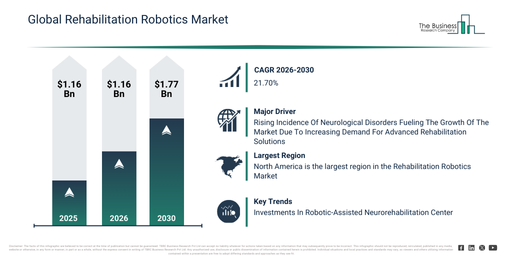
    The rehabilitation robotics market size has experienced rapid growth in recent years. It is forecast to expand from $1.81 billion in 2025 to $2.22 billion in 2026, driven by a compound annual growth rate (CAGR) of 22.7%. The market’s past expansion is a result of the rising incidence of stroke and neurological disorders, the spread of physical rehabilitation services, an increasing need for intensive therapy solutions, developments in robotic motion control, and the growing adoption of assistive technologies.

    The rehabilitation robotics market size is anticipated to experience substantial growth over the next few years. It is predicted to expand to $4.87 billion in 2030 at a compound annual growth rate (CAGR) of 21.7%. This expansion during the forecast period is driven by increasing investments in smart rehabilitation infrastructure, a rising demand for home-based robotic therapy, the expansion of rehabilitation needs for an aging population, the growing integration of robotics with digital health platforms, and an increasing focus on outcome-based rehabilitation. Significant trends for the forecast period include the increasing deployment of exoskeleton-based rehabilitation systems, a rising adoption of robot-assisted gait training, the growing use of AI-driven therapy personalization, an expansion of upper and lower limb robotic devices, and an enhanced focus on remote and data-driven rehabilitation.

    Get A Free Sample Report With In-Depth Market Insights:

    https://thebusinessresearchcompany.com/sample_request?id=48703144&type=smp&name=Rehabilitation%20Robotics%20Market%20Report%202026&utm_source=Blogs&utm_medium=Paid&utm_campaign=Oct_PR

    Rehabilitation Robotics Market Growth Factors Behind Sustained Expansion

    The increasing occurrence of strokes, injuries, and neurological conditions is anticipated to drive the expansion of the rehabilitation robotics market moving ahead. These neurological ailments encompass brain and nervous system disorders like stroke, traumatic brain injury, and neurodegenerative states. Their widespread presence is growing partly due to aging populations, given that older individuals face a higher risk of strokes, neurodegenerative illnesses, and injuries as their brain, nerves, and blood vessels naturally deteriorate over time. Rehabilitation robotics offer support in recovering from strokes, injuries, and neurological diseases through precise, repetitive, and adaptable therapeutic exercises. These exercises aid in restoring motor function, enhancing mobility, and speeding up the entire rehabilitation process, simultaneously lessening the physical burden on therapists. As an illustration, in October 2024, the Alaska Department of Health, a US government agency, reported that in 2023, around 3,373 individuals in Alaska suffered traumatic brain injuries (TBI). This figure includes both fatal incidents and non-fatal injuries for which patients were treated and discharged from hospitals or emergency departments (EDs). Consequently, the escalating number of strokes, injuries, and neurological diseases is boosting the demand for sophisticated rehabilitation solutions, among them rehabilitation robotics.

    Rehabilitation Robotics Market Segmentation And Category Overview

    The rehabilitation robotics market covered in this report is segmented –

    1) By Type: Exoskeleton Robots, Therapeutic Robots

    2) By Patient Type: Adult, Pediatrics

    3) By Part: Lower Extremity, Upper Extremity

    4) By Application: Gait Therapy, Limb Mobility

    5) By End User: Rehabilitation Centers, Hospitals

    Subsegments:

    1) By Exoskeleton Robots: Lower Limb Exoskeletons, Upper Limb Exoskeletons, Full-Body Exoskeletons, Powered and Passive Exoskeletons

    2) By Therapeutic Robots: Robotic Rehabilitation Devices for Stroke Patients, Robotic Systems for Gait Training, Robotic Hand Rehabilitation Devices

    Rehabilitation Robotics Market Industry Trends Fueling Future Revenue Growth

    Leading companies in the rehabilitation robotics market are focusing on developing innovative solutions, particularly advanced robotic-assisted neurorehabilitation systems, to enhance patient recovery and improve functional independence. These robotic-assisted neurorehabilitation systems are specialized medical devices designed to support individuals recovering from neurological injuries, enabling them to regain mobility and perform rehabilitation exercises more effectively. For instance, in May 2024, Amrita Hospitals, an India-based healthcare provider, launched a robotic gait trainer system, intended to transform rehabilitation for patients with brain and spinal injuries. This system assists patients in walking longer distances with greater independence and facilitates a faster, more efficient recovery process. Robotic-assisted systems play a crucial role in restoring motor functions and improving the quality of life for patients undergoing neurorehabilitation.

    Rehabilitation Robotics Market Leading Companies And Competitive Benchmarking

    Major companies operating in the rehabilitation robotics market are Myomo Inc., Bionik Laboratories Corporation, Hocoma AG, Cyberdyne Inc., ReWalk Robotics Ltd., Ekso Bionics Holdings Inc., Rex Bionics Ltd., Tyromotion GmbH, Motek Medical B.V., Reha Technology AG, Rehab-Robotics Company Limited, Kinova Robotics, Fourier Intelligence Co. Ltd., B-Temia Inc., Motorika Medical Ltd., Neofect Co. Ltd., Saebo Inc., Biodex Medical Systems Inc., InMotion LLC, RSL Steeper Group Ltd., AlterG Inc., Woodway GmbH, ABILITY Switzerland AG, Focal Meditech BV, SynTouch LLC, Touch Bionics Inc.

    View The Full Rehabilitation Robotics Market Report:

    https://thebusinessresearchcompany.com/report/rehabilitation-robotics-global-market-report?utm_source=Blogs&utm_medium=Paid&utm_campaign=Oct_PR

    Rehabilitation Robotics Market Largest Region By Revenue And Market Share

    North America was the largest region in the rehabilitation robotics market in 2025. North America is expected to be the fastest-growing region during the forecast period. The regions covered in the rehabilitation robotics market report are Asia-Pacific, South East Asia, Western Europe, Eastern Europe, North America, South America, Middle East, Africa.

    Reach Out To Our Team:

    The Business Research Company: https://www.thebusinessresearchcompany.com/

    Americas: +1 310-496-7795

    Asia: +44 7882 955267 & +91 8897263534

    Europe: +44 7882 955267

    Email us at: marketing@tbrc.info

    Follow us on:

    LinkedIn: https://in.linkedin.com/company/the-business-research-company

    YouTube: https://www.youtube.com/channel/UC24_fI0rV8cR5DxlCpgmyFQ

    Global Market Model: https://www.thebusinessresearchcompany.com/global-market-model