Blog

  • Mobile Cardiac Telemetry Systems Market Growth To $1.7 Billion Creates New Opportunities Across The Industry

    Mobile Cardiac Telemetry Systems Market Growth To $1.7 Billion Creates New Opportunities Across The Industry

    Featuring market attractiveness scoring, total addressable market sizing, company benchmarking matrices, interactive Excel dashboards, deeper supply chain intelligence, emerging startup tracking, and granular product-level insights, The Business Research Company’s 2026 market reports are built to deliver research that is both more actionable and more strategically valuable.

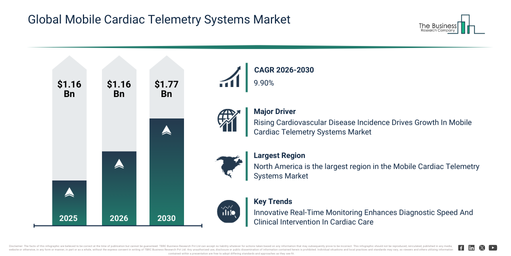
    Mobile Cardiac Telemetry Systems Market Growth From $1.16 Billion In 2026 To $1.7 Billion By 2030 At A CAGR Of 9.9%

    The mobile cardiac telemetry systems market has experienced significant growth over recent years. Its valuation is set to expand from $1.06 billion in 2025 to $1.16 billion in 2026, reflecting a compound annual growth rate (CAGR) of 10.0%. This historical upward trend is attributable to several key factors, including the increasing prevalence of cardiovascular diseases, the rising incidence of arrhythmias, the inherent limitations of traditional Holter monitoring, the growing aging population, and the expanded use of outpatient cardiac diagnostics.

    The mobile cardiac telemetry systems market is projected to experience substantial expansion over the coming years, reaching a valuation of $1.7 billion by 2030, exhibiting a compound annual growth rate (CAGR) of 9.9%. This anticipated growth during the projection period is primarily driven by factors such as the increasing acceptance of remote patient monitoring, a heightened need for the early identification of cardiac events, the expansion of healthcare services delivered at home, a growing emphasis on real-time continuous cardiac data, and enhanced accessibility to digital solutions for cardiac care. Key trends anticipated during the forecast period encompass a greater uptake of continuous remote cardiac monitoring, a discernible move towards ambulatory and home-based cardiac care models, the escalating utilization of patch-based cardiac telemetry devices, the development of real-time arrhythmia detection and alert systems, and an increasing desire for long-term monitoring of cardiac rhythms.

    Get A Free Sample Report With In-Depth Market Insights:

    https://thebusinessresearchcompany.com/sample_request?id=84532946&type=smp&name=Mobile%20Cardiac%20Telemetry%20Systems%20Market%20Report%202026&utm_source=Blogs&utm_medium=Paid&utm_campaign=Sep_PR

    Mobile Cardiac Telemetry Systems Market Expansion Drivers: What’s Shaping Future Growth?

    The increasing occurrence of cardiovascular disease is anticipated to propel the expansion of the mobile cardiac telemetry systems market going forward. These diseases are a category of conditions impacting the heart and blood vessels, encompassing issues such as coronary artery disease, heart failure, arrhythmias, and hypertension, which can lead to severe health complications like heart attacks, strokes, and other cardiovascular events. The incidence of cardiovascular disease is escalating due to the rising prevalence of risk factors including sedentary lifestyles, poor diets, obesity, and aging populations. Mobile cardiac telemetry systems facilitate continuous, real-time monitoring and early detection of cardiac arrhythmias in patients afflicted with cardiovascular disease. For instance, in January 2024, the American Heart Association, a US-based non-profit organization, reported that the age-adjusted death rate from cardiovascular disease increased to 233.3 per 100,000 in 2024, marking a 4.0% rise from 224.4 per 100,000 in 2023. Therefore, the growing incidence of cardiovascular disease is a significant driver for the growth of the mobile cardiac telemetry systems market.

    Mobile Cardiac Telemetry Systems Market Segment Trends And Revenue Contributors

    The mobile cardiac telemetry systems market covered in this report is segmented –

    1) By Product Type: Multiple Lead Mobile Cardiac Telemetry Systems, Mobile Cardiac Telemetry Patch

    2) By Monitoring & Service Model: Continuous Real-Time Monitoring, Intermittent or Event-Triggered Monitoring, Prescription-Based Remote Patient Monitoring Platforms, Managed or Outsourced Monitoring Services, Device-as-a-Service or Subscription-Based Models, Hybrid Monitoring Models

    3) By End-Use: Hospitals, Cardiac Centers, Home Care Settings, Other End-Uses

    Subsegments:

    1) By Multiple Lead Mobile Cardiac Telemetry Systems: Wired Multiple Lead Systems, Wireless Multiple Lead Systems

    2) By Mobile Cardiac Telemetry Patch: Adhesive Patches, Disposable Patches

    Mobile Cardiac Telemetry Systems Market Strategic Trends: What Defines The Next Growth Phase?

    Leading companies within the mobile cardiac telemetry systems market are creating innovative solutions, including advanced wearable ECG devices, to improve the accuracy of real-time cardiac data and enhance remote patient management. ECG devices are medical instruments used to record the heart’s electrical activity for detecting and monitoring various heart conditions. For example, in October 2023, Biotricity Inc., a US-based medical diagnostics company, introduced BioTresPro, a next-generation three-channel wearable cardiac monitoring device engineered to provide uninterrupted real-time telemetry. This system features integrated cellular backup for seamless data transmission, continuous multi-lead ECG acquisition to achieve better signal quality, and improved remote connectivity features, ensuring constant monitoring even in areas with limited coverage. These advancements enable clinicians to identify critical cardiac events sooner and make more prompt care decisions for patients undergoing ambulatory monitoring.

    Mobile Cardiac Telemetry Systems Market Key Players Shaping Industry Direction

    Major companies operating in the mobile cardiac telemetry systems market are Medtronic PLC, Philips Healthcare, Boston Scientific Corporation, iRhythm Technologies Inc., Biotricity Inc., Zoll Medical Corporation, Spacelabs Healthcare, Infobionic Inc., Medicomp Inc., ScottCare Corporation, Medicalgorithmics S.A., Ambucor Health Solutions Inc., Telerhythmics LLC, Vitaphone GmbH, Card Guard, Heart Test Laboratories Inc., Reactdx, Nuvant Health, Bittium Corporation, Fukuda Denshi Co Ltd, GE HealthCare, Mindray Medical International

    View The Full Mobile Cardiac Telemetry Systems Market Report:

    https://thebusinessresearchcompany.com/report/mobile-cardiac-telemetry-systems-global-market-report?utm_source=Blogs&utm_medium=Paid&utm_campaign=Sep_PR

    Mobile Cardiac Telemetry Systems Market Regional Analysis: Which Region Leads By Revenue?

    North America was the largest region in the mobile cardiac telemetry systems market in 2025. The regions covered in the mobile cardiac telemetry systems market report are Asia-Pacific, South East Asia, Western Europe, Eastern Europe, North America, South America, Middle East, Africa.

    Reach Out To Our Team:

    The Business Research Company: https://www.thebusinessresearchcompany.com/

    Americas: +1 310-496-7795

    Asia: +44 7882 955267 & +91 8897263534

    Europe: +44 7882 955267

    Email us at: marketing@tbrc.info

    Follow us on:

    LinkedIn: https://in.linkedin.com/company/the-business-research-company

    YouTube: https://www.youtube.com/channel/UC24_fI0rV8cR5DxlCpgmyFQ

    Global Market Model: https://www.thebusinessresearchcompany.com/global-market-model
  • Minor Procedure Kits And Trays Market Forecast: Breaking Down The Numbers Behind Future Expansion

    Minor Procedure Kits And Trays Market Forecast: Breaking Down The Numbers Behind Future Expansion

    Built to provide research that’s more actionable and strategically valuable, The Business Research Company’s 2026 market reports include market attractiveness analysis, total addressable market sizing, company benchmarking matrices, interactive Excel dashboards, broader supply chain intelligence, emerging startup tracking, and in-depth product insights.

    Minor Procedure Kits And Trays Market Expansion Outlook: What Revenue Opportunities Are Ahead?

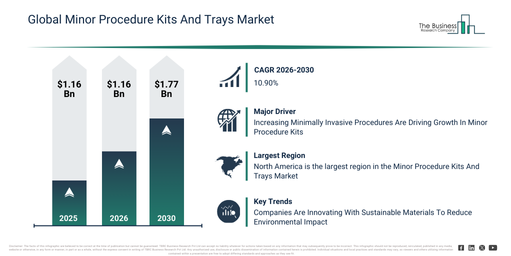
    The minor procedure kits and trays market has experienced rapid expansion in recent years. Its size is expected to increase from $7.82 billion in 2025 to $8.7 billion in 2026, achieving a compound annual growth rate (CAGR) of 11.3%. Historically, this growth can be attributed to several factors including an increase in outpatient procedures, the necessity for improved workflow efficiency, a heightened focus on sterility, a rise in emergency room visits, and the standardization of clinical practices.

    The minor procedure kits and trays market size is anticipated to undergo significant expansion in the coming years, with its valuation expected to reach $13.19 billion by 2030, exhibiting a compound annual growth rate (CAGR) of 10.9%. This projected growth during the forecast period is largely attributable to factors such as the increasing number of urgent care centers, a growing demand for cost-effective medical procedures, the rise in home care treatments, wider adoption of disposable medical supplies, and an overall increase in minor surgical volumes. Furthermore, prominent trends influencing the market in this period include a heightened demand for pre-assembled sterile kits, their expanded application in outpatient and urgent care settings, a clear preference for disposable procedure kits, an intensified focus on infection control and standardization, and the customization of procedure trays.

    Get A Free Sample Report With In-Depth Market Insights:

    https://thebusinessresearchcompany.com/sample_request?id=88739853&type=smp&name=Minor%20Procedure%20Kits%20And%20Trays%20Market%20Report%202026&utm_source=Blogs&utm_medium=Paid&utm_campaign=Sep_PR

    Minor Procedure Kits And Trays Market Development Factors: What’s Supporting Demand?

    The expanding requirement for minimally invasive procedures is anticipated to fuel the growth of the minor procedure kits and trays market. Such medical interventions involve smaller incisions and reduced tissue disruption compared to conventional surgery, aiming for quicker recuperation and diminished risks. Their growing adoption stems from advantages like quicker recovery periods, a reduced likelihood of complications, and enhanced patient outcomes when contrasted with traditional surgical approaches. Minor procedure kits and trays optimize minimally invasive procedures by offering sterile, pre-assembled instruments and supplies crucial for efficient and safe surgical interventions. As an illustration, data released in September 2023 by the American Society of Plastic Surgeons, a US-based organization, indicated that approximately 23,672,269 minimally invasive cosmetic surgeries were performed in the USA in 2022, rising by 7% to 25,442,640 surgeries in 2023. Consequently, the increasing demand for minimally invasive procedures is serving as a primary impetus for the expansion of the minor procedure kits and trays market.

    Minor Procedure Kits And Trays Market Segment Analysis Spotlighting Growth Areas

    The minor procedure kits and trays market covered in this report is segmented –

    1) By Type: Disposable Type, Non-Disposable Type

    2) By Material: Polypropylene, Polyethylene, Stainless Steel, Aluminum

    3) By Procedure Type: Suturing, Wound Care, Biopsy, Injections, Minor Surgeries

    4) By Sterility: Sterile, Non-Sterile

    5) By Application: General Practice, Emergency Room, Urgent Care, Ambulatory Surgery, Home Care

    Subsegments:

    1) By Disposable Type: Single-Use Minor Procedure Kits, Pre-Packaged Disposable Trays, Sterile Disposable Kits

    2) By Non-Disposable Type: Reusable Minor Procedure Kits, Customizable Non-Disposable Trays, Sterilizable Non-Disposable Kits

    Minor Procedure Kits And Trays Market Transformation Trends: What Innovations Are Driving Change?

    Leading businesses within the minor procedure kits and trays market are concentrating on creating advanced products, for example, by incorporating sustainable materials to minimize plastic refuse and carbon dioxide equivalent (CO2e) output during extensive surgical operations. Sustainable materials refer to resources whose production, application, and disposal methods are designed to lessen environmental harm and safeguard resources for subsequent generations. An illustration of this is seen in February 2023, when NewGen Surgical Inc., a US-based medical devices and surgical products company, launched its Bio-Based Surgical Compartment Trays. These trays are engineered to substitute single-use plastics in surgical settings, providing an eco-conscious alternative that curtails plastic waste and CO2e emissions. Their importance stems from their capacity to deliver quantifiable decreases in environmental footprint, especially within high-volume ophthalmology procedures, and from their USDA BioPreferred Certification, which highlights their dedication to sustainability.

    Minor Procedure Kits And Trays Market Competitive Analysis Of Leading Industry Participants

    Major companies operating in the minor procedure kits and trays market are Cardinal Health Inc., Johnson & Johnson Services Inc., 3M Company, Medtronic PLC, Becton Dickinson and Company (BD), Stryker Corporation, Henry Schein Inc., Owens & Minor Inc., B. Braun Melsungen AG, Smith & Nephew plc, Steris plc, Teleflex Incorporated, Hartmann Group, Mölnlycke Health Care AB, Halyard Health Inc., Integra LifeSciences Corporation, Aspen Surgical Products Inc., Bioseal LLC, ITL Health Group, Bluekit Medical LLC, QuickMedical

    View The Full Minor Procedure Kits And Trays Market Report:

    https://thebusinessresearchcompany.com/report/minor-procedure-kits-and-trays-global-market-report?utm_source=Blogs&utm_medium=Paid&utm_campaign=Sep_PR

    Minor Procedure Kits And Trays Market Geographic Distribution And Regional Opportunities

    North America was the largest region in the minor procedure kits and trays market in 2025. Asia-Pacific is expected to be the fastest-growing region in the forecast period. The regions covered in the minor procedure kits and trays market report are Asia-Pacific, South East Asia, Western Europe, Eastern Europe, North America, South America, Middle East, Africa.

    Reach Out To Our Team:

    The Business Research Company: https://www.thebusinessresearchcompany.com/

    Americas: +1 310-496-7795

    Asia: +44 7882 955267 & +91 8897263534

    Europe: +44 7882 955267

    Email us at: marketing@tbrc.info

    Follow us on:

    LinkedIn: https://in.linkedin.com/company/the-business-research-company

    YouTube: https://www.youtube.com/channel/UC24_fI0rV8cR5DxlCpgmyFQ

    Global Market Model: https://www.thebusinessresearchcompany.com/global-market-model

  • Minor Cut Hydrocolloid Film Market Expected To Grow At 12.1% CAGR Through 2030: What Businesses Need To Know

    Minor Cut Hydrocolloid Film Market Expected To Grow At 12.1% CAGR Through 2030: What Businesses Need To Know

    Backed by market attractiveness analysis, total addressable market sizing, company benchmarking matrices, interactive Excel dashboards, wider supply chain intelligence, emerging startup coverage, and detailed product-level insights, The Business Research Company’s 2026 market reports are designed to offer research that is more actionable and strategically valuable than ever.

    Minor Cut Hydrocolloid Film Market Growth Potential: How Will Market Size Shift Through 2030?

    The minor cut hydrocolloid film market has seen rapid expansion in recent years. It is projected to increase from $0.97 billion in 2025 to $1.09 billion in 2026, demonstrating a compound annual growth rate (CAGR) of 12.4%. This historic growth can be attributed to factors such as the rising incidence of minor cuts and abrasions, the integration of hydrocolloid films in hospital settings, greater recognition of infection prevention, advancements in adhesive dressing technology, and the expanding adoption of homecare practices.

    The minor cut hydrocolloid film market is projected for swift expansion in the coming years. This market is anticipated to reach a valuation of $1.73 billion in 2030, exhibiting a compound annual growth rate (CAGR) of 12.1%. Factors driving this growth during the projection period include the emergence of intelligent and networked hydrocolloid films, the incorporation of AI and sensors into wound care practices, the increasing use of environmentally friendly and biodegradable materials, market expansion into developing regions, and collaborations formed between healthcare and technology enterprises. Key developments expected within the forecast timeframe encompass sophisticated wound healing solutions, intelligent hydrocolloid dressings, AI-powered wound observation systems, the incorporation of IoT into home care equipment, and sustainable dressing products.

    Get A Free Sample Report With In-Depth Market Insights:

    https://thebusinessresearchcompany.com/sample_request?id=94530657&type=smp&name=Minor%20Cut%20Hydrocolloid%20Film%20Market%20Report%202026&utm_source=Blogs&utm_medium=Paid&utm_campaign=Sep_PR

    Minor Cut Hydrocolloid Film Market Industry Drivers: What’s Behind The Revenue Growth?

    The growing occurrence of chronic wounds is anticipated to boost the minor cut hydrocolloid film market. Chronic wounds are those that do not heal in the usual manner within 4–6 weeks, even with proper care. This rise in chronic wounds stems from the increasing incidence of diabetes, as elevated blood sugar levels hinder circulation and delay the body’s natural healing processes. Minor cut hydrocolloid film aids chronic wound management by fostering a moist healing environment, guarding against infection, and accelerating tissue repair more effectively than traditional dressings. As an illustration, in July 2025, National Seniors Australia, an Australia-based non-profit organization, reported that over 450,000 Australians suffer from chronic wounds, imposing an annual cost of more than $6 billion on the healthcare system. Consequently, the increasing prevalence of chronic wounds is a key driver for the minor cut hydrocolloid film market.

    Minor Cut Hydrocolloid Film Market Driver: Increasing Healthcare Expenditure Fueling The Growth Of The Market Due To Rising Investment In Advanced Wound Care Solutions

    The growth of the minor cut hydrocolloid film market is expected to be propelled by increasing healthcare expenditure. This expenditure encompasses the total funds allocated to medical services, treatments, facilities, research, and public health initiatives aimed at improving health outcomes. The demand for greater healthcare spending arises from the growing prevalence of chronic diseases, which necessitate extensive and costly treatments. Enhanced healthcare expenditure benefits the minor cut hydrocolloid film market by increasing the uptake of advanced wound care solutions, making them more accessible to both patients and providers. This accessibility facilitates the use of innovative products that accelerate healing and reduce complications, ultimately improving patient outcomes and the efficiency of treatment. For example, in May 2024, the Office for National Statistics, a UK-based government department, indicated that total healthcare expenditure grew by 5.6% in nominal terms in 2023, representing a 0.9% increase compared to 2022. Therefore, the rising healthcare expenditure is a significant factor driving the expansion of the minor cut hydrocolloid film market.

    Minor Cut Hydrocolloid Film Market Segment Performance And Emerging Opportunities

    The minor cut hydrocolloid film market covered in this report is segmented –

    1) By Product Type: Adhesive Hydrocolloid Film, Transparent Hydrocolloid Film

    2) By Application: Hospitals, Clinics, Homecare, Other Applications

    3) By Distribution Channel: Hospital Pharmacies, Retail Pharmacies, Online Pharmacies, Other Distribution Channels

    4) By End-User: Adults, Pediatrics, Geriatrics

    Subsegments:

    1) By Adhesive Hydrocolloid Film: Thin Layer, Flexible Sheet, Pre-Cut Shapes

    2) By Transparent Hydrocolloid Film: Clear Sheet, Protective Film

    #Minor Cut Hydrocolloid Film Market Growth Trends: What’s Shaping The Future Outlook?

    Leading companies in the minor cut hydrocolloid film market are concentrating on creating innovative solutions, such as advanced hydrocolloid plasters, to hasten wound healing and lessen scarring. These advanced hydrocolloid plasters serve as wound dressings that establish a moist healing environment, safeguard the wound from infection, and encourage a quicker, superior recovery compared to traditional bandages. For instance, in January 2025, Beiersdorf AG, a Germany-based consumer goods and personal care company, unveiled its next-generation Second Skin Protection plasters, engineered to facilitate faster, high-quality wound healing while minimizing infection and scarring. These plasters employ advanced hydrocolloid technology that absorbs wound exudate and forms a protective healing capsule, thereby creating a moist environment that accelerates natural recovery. They include a 100% waterproof yet breathable outer layer that defends wounds from dirt and bacteria, concurrently allowing excess moisture to evaporate. The ultra-thin, flexible design ensures comfort and robust adhesion, even on challenging areas like knees and elbows.

    Minor Cut Hydrocolloid Film Market Leading Companies And Competitive Benchmarking

    Major companies operating in the minor cut hydrocolloid film market are 3M Company, Beiersdorf Aktiengesellschaft, Paul Hartmann AG, Smith & Nephew plc, Urgo Medical, Coloplast Aktieselskab, ConvaTec Group plc, Mölnlycke Health Care Aktiebolag, BSN medical GmbH, Cardinal Health Inc., Medline Industries LP, Winner Medical Co Ltd, Derma Sciences Inc., Covalon Technologies Ltd., Advanced Medical Solutions Group plc, Nitto Denko Corporation, Lohmann & Rauscher GmbH & Co KG, Avery Dennison Corporation, Essity Aktiebolag, Johnson & Johnson

    View The Full Minor Cut Hydrocolloid Film Market Report:

    https://thebusinessresearchcompany.com/report/minor-cut-hydrocolloid-film-global-market-report?utm_source=Blogs&utm_medium=Paid&utm_campaign=Sep_PR

    Minor Cut Hydrocolloid Film Market Largest Region By Revenue And Market Share

    North America was the largest region in the minor cut hydrocolloid film market in 2025. Asia-Pacific is expected to be the fastest-growing region in the forecast period. The regions covered in the minor cut hydrocolloid film market report are Asia-Pacific, South East Asia, Western Europe, Eastern Europe, North America, South America, Middle East, Africa.

    Reach Out To Our Team:

    The Business Research Company: https://www.thebusinessresearchcompany.com/

    Americas: +1 310-496-7795

    Asia: +44 7882 955267 & +91 8897263534

    Europe: +44 7882 955267

    Email us at: marketing@tbrc.info

    Follow us on:

    LinkedIn: https://in.linkedin.com/company/the-business-research-company

    YouTube: https://www.youtube.com/channel/UC24_fI0rV8cR5DxlCpgmyFQ

    Global Market Model: https://www.thebusinessresearchcompany.com/global-market-model
  • Minimally Invasive Urinary Incontinence Device Market Forecast To Reach $1.91 Billion By 2030: Key Trends Explained

    Minimally Invasive Urinary Incontinence Device Market Forecast To Reach $1.91 Billion By 2030: Key Trends Explained

    Featuring market attractiveness scoring, total addressable market sizing, company benchmarking matrices, interactive Excel dashboards, deeper supply chain intelligence, emerging startup tracking, and granular product-level insights, The Business Research Company’s 2026 market reports are built to deliver research that is both more actionable and more strategically valuable.

    Minimally Invasive Urinary Incontinence Device Market Value Analysis: What Growth Lies Ahead Over The Forecast Period?

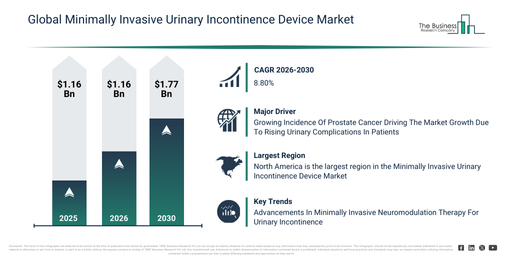
    The minimally invasive urinary incontinence device market has demonstrated robust growth in recent years. It will grow from $1.25 billion in 2025 to $1.37 billion in 2026 at a compound annual growth rate (CAGR) of 9.1%. This historical expansion can be attributed to factors like the reliance on traditional open surgical procedures, restricted availability of device options for urinary incontinence, increasing awareness of female pelvic health, a rise in hospital and clinic-based procedures, and the adoption of tension-free vaginal tape (TVT) systems.

    The minimally invasive urinary incontinence device market size is anticipated to undergo robust expansion in the upcoming years. It is projected to reach $1.91 billion by 2030, growing at a compound annual growth rate (CAGR) of 8.8%. The impetus for this growth in the forecast period stems from factors such as the advancement of mid-urethral and single-incision sling systems, increased financial backing for home healthcare devices, an expanding elderly population coupled with a rising prevalence of incontinence, regulatory sanctions for innovative bulking agents and artificial urinary sphincters, and the incorporation of smart and robotic-assisted surgical systems. Prominent trends throughout the forecast period include a heightened adoption of minimally invasive surgical procedures, an increase in urinary incontinence cases driven by an aging demographic, a rising preference for home healthcare management, the broadening use of mid-urethral sling and sling systems, and a concerted effort to shorten recovery times and lessen surgical complications.

    Get A Free Sample Report With In-Depth Market Insights:

    https://thebusinessresearchcompany.com/sample_request?id=35626220&type=smp&name=Minimally%20Invasive%20Urinary%20Incontinence%20Device%20Market%20Report%202026&utm_source=Blogs&utm_medium=Paid&utm_campaign=Sep_PR

    Minimally Invasive Urinary Incontinence Device Market Growth Factors: What’s Supporting Expansion?

    The increasing occurrence of prostate cancer is projected to stimulate the growth of the minimally invasive urinary incontinence device market moving forward. This condition involves the uncontrolled proliferation of cells within the prostate gland, which can affect urinary and reproductive health. The rising incidence of prostate cancer is largely influenced by an aging male population, as older age presents a significant risk factor for the disease. Minimally invasive urinary incontinence devices are instrumental in managing urinary complications linked to prostate cancer by providing targeted support to control bladder leakage, restore normal urinary function, and markedly improve the overall quality of life for patients undergoing treatment or recovery. For instance, in June 2025, according to the Centers for Disease Control and Prevention, a US-based government agency, an estimated 255,395 new cases of prostate cancer were diagnosed in the United States in 2022, and in 2023, the disease was responsible for the deaths of approximately 33,881 men. Therefore, the expanding incidence of prostate cancer is propelling the growth of the minimally invasive urinary incontinence device market.

    Minimally Invasive Urinary Incontinence Device Market Segment Landscape And Growth Outlook

    The minimally invasive urinary incontinence device market covered in this report is segmented –

    1) By Type: Tension Free Vaginal Tape (TVT), Tension Free Vaginal Tape (TVT) Obturator System, Other Types

    2) By Age Group: Adults (18-65 years), Senior Population (65 Years And Above), Pediatric Population

    3) By End-User: Hospitals, Clinics, Home Healthcare Settings, Research Institutions

    Subsegments:

    1) By Tension Free Vaginal Tape (TVT): Mid Urethral Sling, Retropubic Sling, Single Incision Sling

    2) By Tension Free Vaginal Tape Obturator System (TVTO): Inside Out Approach, Outside In Approach

    3) By Other Types: Bulking Agents, Artificial Urinary Sphincter, Sling Systems

    Minimally Invasive Urinary Incontinence Device Market Industry Trends: What’s Reshaping Demand?

    Major companies operating in the minimally invasive urinary incontinence device market are concentrating on developing advanced products such as neuromodulation therapy devices, with the goal of providing effective, long-term solutions that involve minimal surgical intervention. Neuromodulation therapy devices are implants designed to activate bladder-controlling nerves, thereby regulating urinary function and assisting in the management of incontinence by enhancing bladder control and reducing accidental leakage. For instance, in December 2023, BlueWind Medical Ltd., a US-based company specializing in neurostimulation devices, launched its Revi implantable tibial neuromodulation (iTNM) device. This device is a battery-free, minimally invasive implant engineered to treat urge urinary incontinence (UUI) by stimulating the posterior tibial nerve. The device is implanted near the ankle during a single outpatient procedure under local anesthesia and is activated using a lightweight wearable, which allows patients to conveniently manage their symptoms at home. This launch highlights the ongoing trend of introducing innovative, patient-friendly neuromodulation solutions within the urinary incontinence device market.

    Minimally Invasive Urinary Incontinence Device Market Industry Leaders And Competitive Landscape

    Major companies operating in the minimally invasive urinary incontinence device market are Johnson & Johnson Services Inc., Medtronic plc, Becton Dickinson and Company, Stryker Corporation, Boston Scientific Corporation, Olympus Corporation, Coloplast A/S, Teleflex Incorporated, Hollister Incorporated, CooperSurgical Inc., B. Braun Melsungen Aktiengesellschaft, LiNA Medical ApS, BlueWind Medical Ltd., Caldera Medical Inc., Neuspera Medical Inc., InControl Medical LLC, UroMems Inc., Rigicon Inc., Valencia Technologies Corporation, Zephyr Surgical Implants SA

    View The Full Minimally Invasive Urinary Incontinence Device Market Report:

    https://thebusinessresearchcompany.com/report/minimally-invasive-urinary-incontinence-device-global-market-report?utm_source=Blogs&utm_medium=Paid&utm_campaign=Sep_PR

    Minimally Invasive Urinary Incontinence Device Market Regional Analysis And Leading Geography

    North America was the largest region in the minimally invasive urinary incontinence device market in 2025. Asia-Pacific is expected to be the fastest-growing region in the forecast period. The regions covered in the minimally invasive urinary incontinence device market report are Asia-Pacific, South East Asia, Western Europe, Eastern Europe, North America, South America, Middle East, Africa.

    Reach Out To Our Team:

    The Business Research Company: https://www.thebusinessresearchcompany.com/

    Americas: +1 310-496-7795

    Asia: +44 7882 955267 & +91 8897263534

    Europe: +44 7882 955267

    Email us at: marketing@tbrc.info

    Follow us on:

    LinkedIn: https://in.linkedin.com/company/the-business-research-company

    YouTube: https://www.youtube.com/channel/UC24_fI0rV8cR5DxlCpgmyFQ

    Global Market Model: https://www.thebusinessresearchcompany.com/global-market-model
  • Minimally Invasive Surgical Instruments Market Analysis Through 2030: Market Size, Growth Trends And Industry Outlook

    Minimally Invasive Surgical Instruments Market Analysis Through 2030: Market Size, Growth Trends And Industry Outlook

    Backed by market attractiveness analysis, total addressable market sizing, company benchmarking matrices, interactive Excel dashboards, wider supply chain intelligence, emerging startup coverage, and detailed product-level insights, The Business Research Company’s 2026 market reports are designed to offer research that is more actionable and strategically valuable than ever.

    Minimally Invasive Surgical Instruments Market Size Forecast: How Big Could The Market Get By 2030?

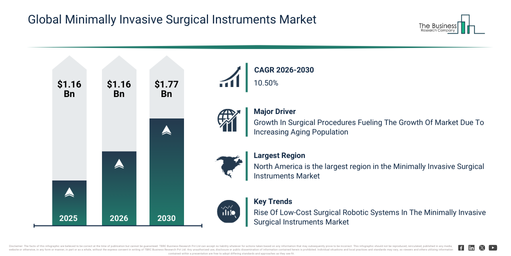
    The market size for minimally invasive surgical instruments has experienced rapid expansion in recent years. It is projected to grow from $42.87 billion in 2025 to $47.55 billion in 2026, at a compound annual growth rate (CAGR) of 10.9%. The historical growth of this market can be attributed to the increasing adoption of minimally invasive procedures, a rising preference for shorter hospital stays, the expansion of laparoscopic surgery applications, the availability of specialized surgical instruments, and the growth in surgeon training programs.

    The market for minimally invasive surgical instruments is projected to experience swift expansion over the coming years. This market is forecast to reach $70.89 billion by 2030, exhibiting a compound annual growth rate (CAGR) of 10.5%. The expansion anticipated during this period is driven by factors such as the rising demand for robot-assisted procedures, increased investments in cutting-edge surgical technologies, the proliferation of ambulatory surgical centers, a heightened emphasis on patient safety and results, and the wider integration of minimally invasive methods across various medical fields. Key trends for the forecast duration encompass the growing use of robotic-assisted minimally invasive devices, increasing incorporation of instruments compatible with advanced imaging, a rising need for surgical tools offering precision control, the broadening availability of single-use minimally invasive instruments, and a greater emphasis on ergonomic designs for these tools.

    Get A Free Sample Report With In-Depth Market Insights:

    https://thebusinessresearchcompany.com/sample_request?id=74470933&type=smp&name=Minimally%20Invasive%20Surgical%20Instruments%20Market%20Report%202026&utm_source=Blogs&utm_medium=Paid&utm_campaign=Sep_PR

    Minimally Invasive Surgical Instruments Market Demand Drivers: What’s Powering Industry Growth?

    The future expansion of the minimally invasive surgical instruments market is anticipated due to a rise in surgical procedures. These procedures encompass medical operations conducted to diagnose, address, or control illnesses, injuries, or various health issues utilizing manual or instrument-based methods. The increase in such procedures primarily stems from an aging demographic, which creates a heightened demand for operations like joint replacements and cardiovascular interventions. Minimally invasive surgical tools facilitate these operations by allowing smaller incisions, minimizing harm to tissues, and enhancing the accuracy of surgery. Consequently, they lead to improved patient results through quicker recovery periods, fewer complications, and more streamlined and effective surgical processes. As an illustration, data from May 2025 by the Australian Institute of Health and Welfare, an Australian government body, indicated that 778,500 patients were admitted for surgery from public hospital elective waiting lists in 2023-24, marking a 5.8% rise from 2022-23. This confirms that the rising volume of surgical procedures will indeed stimulate the expansion of the minimally invasive surgical instruments market.

    Minimally Invasive Surgical Instruments Market Breakdown By Product Type And Application

    The minimally invasive surgical instruments market covered in this report is segmented –

    1) By Product: Handheld Instruments, Inflation Systems, Cutter Instruments, Electrosurgical Devices

    2) By Type of Procedure Outlook: Robotic, Non- Robotic

    3) By Application: Cardiothoracic Surgery, Gastrointestinal Surgery, Gynecological Surgery, Cosmetic & Bariatric Surgery, Urological Surgery

    4) By End User: Hospitals, Ambulatory Surgical Clinics

    Subsegments:

    1) By Handheld Instruments: Scissors, Graspers, Forceps, Needle Holders, Trocars

    2) By Inflation Systems: Insufflators, Inflation Pumps

    3) By Cutter Instruments: Blades, Biopsy Punches, Snares

    4) By Electrosurgical Devices: Electrosurgical Generators, Electrosurgical Pencils, Argon Plasma Coagulation Devices

    Minimally Invasive Surgical Instruments Market Innovation Trends: What Developments Are Reshaping The Industry?

    Major companies in the minimally invasive surgical instruments market are concentrating on developing innovative products, such as robotic-assisted systems, to improve precision, decrease recovery time, and enhance patient outcomes. Robotic-assisted systems are surgical technologies that enable surgeons to perform procedures with increased precision, flexibility, and control by utilizing robotic arms and computer guidance, which helps to reduce complications, minimize incisions, and expedite patient recovery. For instance, in June 2023, CMR Surgical, a medical device company based in the UK, launched Versius, a small and modular surgical robot, in Belgium, aiming to expand access to minimally invasive surgery. Versius’s adaptability allows it to fit into any operating room, making it easy for surgeons and hospitals to integrate. Its modularity permits customized port placement, thereby enhancing its versatility across various procedures and specialties and maximizing patient access to minimally invasive surgery.

    Minimally Invasive Surgical Instruments Market Key Participants And Competitive Landscape

    Major companies operating in the minimally invasive surgical instruments market are Aesculap Inc., AMNOTEC International Medical GmbH, Applied Medical Resources Corporation, B. Braun Melsungen AG, Boston Scientific Corporation, CONMED Corporation, EndoMed Systems GmbH, Intuitive Surgical Inc., KARL STORZ SE & Co. KG, KLS Martin Group, Microline Surgical Corp., Olympus Corporation, Scanlan International Inc., Smith & Nephew plc, Ethicon Inc., Medtronic Inc., Stryker Corporation, Richard Wolf GmbH, Zimmer Biomet Holdings Inc., Abbott Laboratories Inc., Becton Dickinson and Company, FUJIFILM Holdings Corporation, HOYA Corporation, Koninklijke Philips N.V., NuVasive Inc., GE Healthcare Technologies Ltd., Siemens Healthineers AG

    View The Full Minimally Invasive Surgical Instruments Market Report:

    https://thebusinessresearchcompany.com/report/minimally-invasive-surgical-instruments-global-market-report?utm_source=Blogs&utm_medium=Paid&utm_campaign=Sep_PR

    Minimally Invasive Surgical Instruments Market Geographic Analysis: Where Is Demand Accelerating Fastest?

    North America was the largest region in the minimally invasive surgical instruments market in 2025. Asia-Pacific is expected to be the fastest growing region in the minimally invasive surgical instruments market. The regions covered in the minimally invasive surgical instruments market report are Asia-Pacific, South East Asia, Western Europe, Eastern Europe, North America, South America, Middle East, Africa.

    Reach Out To Our Team:

    The Business Research Company: https://www.thebusinessresearchcompany.com/

    Americas: +1 310-496-7795

    Asia: +44 7882 955267 & +91 8897263534

    Europe: +44 7882 955267

    Email us at: marketing@tbrc.info

    Follow us on:

    LinkedIn: https://in.linkedin.com/company/the-business-research-company

    YouTube: https://www.youtube.com/channel/UC24_fI0rV8cR5DxlCpgmyFQ

    Global Market Model: https://www.thebusinessresearchcompany.com/global-market-model
  • Minimally Invasive Surgery Market Outlook From 2026 To 2030: Key Growth Factors And Future Opportunities

    Minimally Invasive Surgery Market Outlook From 2026 To 2030: Key Growth Factors And Future Opportunities

    Featuring market attractiveness scoring, total addressable market sizing, company benchmarking matrices, interactive Excel dashboards, deeper supply chain intelligence, emerging startup tracking, and granular product-level insights, The Business Research Company’s 2026 market reports are built to deliver research that is both more actionable and more strategically valuable.

    Minimally Invasive Surgery Market Revenue Outlook: What CAGR Lies Ahead Through 2030?

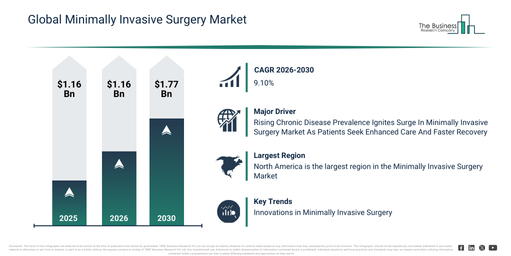
    The minimally invasive surgery market has demonstrated substantial growth in recent years. Its valuation is set to increase from $69.7 billion in 2025 to $76.41 billion in 2026, achieving a compound annual growth rate (CAGR) of 9.6%. The expansion witnessed in prior periods is attributable to factors such as a rise in surgical procedure volumes, advancements in endoscopic instruments, a growing patient inclination for minimally invasive approaches, the development of hospital surgical infrastructure, and the accessibility of proficient surgeons.

    The minimally invasive surgery market size is projected to experience substantial expansion over the upcoming years. Its valuation is anticipated to reach $108.09 billion by 2030, exhibiting a compound annual growth rate (CAGR) of 9.1%. This projected increase is driven by factors such as greater capital allocation to robotic surgery platforms, a heightened need for image-guided surgical techniques, the proliferation of ambulatory surgery centers, a wider embrace of AI-assisted surgical planning, and a sharpened emphasis on achieving economically efficient surgical results. Key developments expected during this timeframe involve an uptick in the use of laparoscopic procedures, increased deployment of robotic-assisted surgical systems, a surging requirement for sophisticated visualization devices, an expansion in outpatient surgical interventions, and a heightened priority on swifter patient recovery.

    Get A Free Sample Report With In-Depth Market Insights:

    https://thebusinessresearchcompany.com/sample_request?id=46076390&type=smp&name=Minimally%20Invasive%20Surgery%20Market%20Report%202026&utm_source=Blogs&utm_medium=Paid&utm_campaign=Sep_PR

    Minimally Invasive Surgery Market Growth Drivers: What’s Behind The Acceleration?

    The growing occurrence of chronic illnesses is anticipated to boost the demand within the minimally invasive surgery market. These are enduring health conditions that frequently lack a cure, though they can sometimes be managed or treated. Shifting lifestyles, dietary patterns, and inadequate weight management contribute to chronic conditions, with certain extended chronic infections potentially escalating into cancer risks. The increasing incidence of these diseases necessitates minimally invasive surgery, which offers patients advantages such as reduced post-operative pain, fewer complications, shorter hospital stays, quicker recovery, less scarring, and diminished strain on the immune system. For example, a report released in January 2023 by the National Library of Medicine, a US-based agency, forecasts that the population aged 50 and above in the United States suffering from at least one chronic illness will increase by 99.5%, climbing from 71.522 million in 2020 to 142.66 million by 2050. Consequently, the rising prevalence of chronic conditions is fueling the expansion of the minimally invasive surgery market.

    Minimally Invasive Surgery Market Segment Analysis And Revenue Potential

    The minimally invasive surgery market covered in this report is segmented –

    1) By Product: Handheld Instruments, Inflation Devices, Cutter Instruments, Guiding Devices, Electrosurgical Devices, Auxiliary Devices, Monitoring And Visualization Devices

    2) By Application: Cardiac, Gastrointestinal, Vascular, Gynecological, Urological, Cosmetic

    3) By End-User: Hospitals And Specialty Clinics, Ambulatory Surgery Centers

    Subsegments:

    1) By Handheld Instruments: Scissors, Graspers, Forceps, Needle Holders

    2) By Inflation Devices: Insufflators, Inflation Pumps

    3) By Cutter Instruments: Blades, Snares, Biopsy Instruments

    4) By Guiding Devices: Trocar And Cannula Systems, Guidewires

    5) By Electrosurgical Devices: Electrosurgical Generators, Electrosurgical Pencils

    6) By Auxiliary Devices: Suction Devices, Energy Devices

    7) By Monitoring And Visualization Devices: Endoscopes, Cameras, Monitors And Display Systems

    Minimally Invasive Surgery Market Trends: What’s Defining The Industry’s Next Phase?

    Major companies active in the minimally invasive surgery market are creating technologically advanced products, such as navigation systems, to improve surgical precision, enhance patient safety, and reduce recovery times. A navigation system is a technology that determines a vehicle’s or individual’s position and guides them to a desired destination using maps, sensors, and satellite-based tools like GPS. For instance, in August 2023, Orthofix Medical Inc., a US-based medical device company, launched the 7D FLASH Navigation System Percutaneous Module 2.0 for minimally invasive surgery. This introduction enhances the clinical capabilities and utility of the 7D FLASH Navigation System by offering surgeons a fully integrated solution for minimally invasive surgery (MIS), including implant planning and a broader selection of navigated tools. The new application targets the critical MIS spine navigation market and strengthens the 7D FLASH Navigation System’s appeal as the preferred choice for a variety of institutions, from teaching hospitals to ambulatory surgery centers.

    Minimally Invasive Surgery Market Top Companies Driving Competitive Growth

    Major companies operating in the minimally invasive surgery market are Arthrex Inc., B. Braun Melsungen AG, Intuitive Surgical Inc., Medtronic Inc., OmniGuide Inc., Olympus Corporation, Smith & Nephew, Johnson & Johnson Ltd., Stryker Corporation, Boston Scientific Corporation, Applied Medical Resources Corporation, KLS Martin Group, Ethicon Inc., DePuy Synthes, NuVasive Inc., Zimmer Biomet Holdings Inc., CONMED Corporation, Karl Storz SE & Co. KG, Becton Dickinson and Company, LiNA Medical, HOYA Corporation, Steris Corporation, GE Healthcare, Siemens Healthineers, Abbott Laboratories, Koninklijke Philips N.V., Renishaw plc

    View The Full Minimally Invasive Surgery Market Report:

    https://thebusinessresearchcompany.com/report/minimally-invasive-surgery-global-market-report?utm_source=Blogs&utm_medium=Paid&utm_campaign=Sep_PR

    Minimally Invasive Surgery Market Global Footprint: Which Region Leads The Industry?

    North America was the largest region in the minimally invasive surgery market in 2025. The regions covered in the minimally invasive surgery market report are Asia-Pacific, South East Asia, Western Europe, Eastern Europe, North America, South America, Middle East, Africa.

    Reach Out To Our Team:

    The Business Research Company: https://www.thebusinessresearchcompany.com/

    Americas: +1 310-496-7795

    Asia: +44 7882 955267 & +91 8897263534

    Europe: +44 7882 955267

    Email us at: marketing@tbrc.info

    Follow us on:

    LinkedIn: https://in.linkedin.com/company/the-business-research-company

    YouTube: https://www.youtube.com/channel/UC24_fI0rV8cR5DxlCpgmyFQ

    Global Market Model: https://www.thebusinessresearchcompany.com/global-market-model
  • Minimally Invasive Spine Surgery Devices Market Growth Forecast: Market Size, Key Trends And Emerging Opportunities Through 2030

    Minimally Invasive Spine Surgery Devices Market Growth Forecast: Market Size, Key Trends And Emerging Opportunities Through 2030

    Built to provide research that’s more actionable and strategically valuable, The Business Research Company’s 2026 market reports include market attractiveness analysis, total addressable market sizing, company benchmarking matrices, interactive Excel dashboards, broader supply chain intelligence, emerging startup tracking, and in-depth product insights.

    Minimally Invasive Spine Surgery Devices Market Growth Analysis: How Will Revenue Trend Over The Forecast Period?

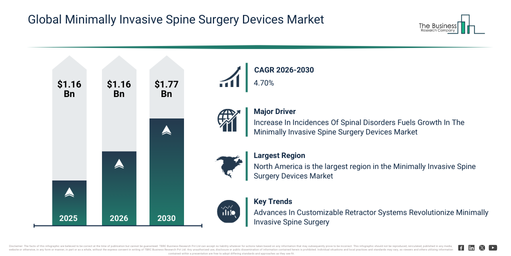
    The minimally invasive spine surgery devices market has experienced robust growth in recent years. It is projected to expand from $1.16 billion in 2025 to $1.23 billion in 2026, achieving a compound annual growth rate (CAGR) of 5.2%. This historical market expansion can be linked to a rising incidence of degenerative spinal disorders, an expanding aging population, the inherent limitations of conventional open spine surgeries, increasing healthcare expenditure, and a greater adoption of spinal fusion procedures.

    The minimally invasive spine surgery devices market size is anticipated to demonstrate steady expansion in the coming years. It is projected to grow to $1.48 billion in 2030, driven by a compound annual growth rate (CAGR) of 4.7%. The expected growth throughout this forecast period can be attributed to factors such as an increasing demand for minimally invasive treatment alternatives, the expansion of ambulatory surgical centers, a rising preference for motion-preserving spine solutions, a greater emphasis on improved patient outcomes, and expanding access to advanced spine care technologies. Prominent trends for the forecast period include the increasing adoption of minimally invasive spine procedures, a growing inclination towards outpatient spine surgeries, an escalating demand for motion preservation technologies, the broadening of minimally invasive fusion and non-fusion techniques, and an increased focus on faster recovery times and reduced hospital stays.

    Get A Free Sample Report With In-Depth Market Insights:

    https://thebusinessresearchcompany.com/sample_request?id=83855414&type=smp&name=Minimally%20Invasive%20Spine%20Surgery%20Devices%20Market%20Report%202026&utm_source=Blogs&utm_medium=Paid&utm_campaign=Sep_PR

    Minimally Invasive Spine Surgery Devices Market Growth Factors Behind Sustained Expansion

    The rising occurrence of spinal disorders is anticipated to fuel the expansion of the minimally invasive spine surgery devices market. Spinal disorders are defined as conditions impacting the spine, such as herniated discs, spinal stenosis, and scoliosis, leading to pain, stiffness, or neurological symptoms. Several factors contribute to the increase in these disorders, including aging populations, sedentary lifestyles, repetitive stress injuries, and degenerative changes in the spine’s structures. Minimally invasive spine surgery devices are utilized to address spinal disorders by mitigating tissue damage, shortening recovery periods, and reducing post-operative pain compared to traditional open surgery. For instance, the National Spinal Cord Injury Statistical Center, a U.S.-based department of the University of Alabama at Birmingham (UAB), reported that in 2024, roughly 305,000 individuals in the United States are estimated to have traumatic spinal cord injury (tSCI), with projections ranging from 257,000 to 388,000 persons. This figure contrasts with 2023, when the estimated number was approximately 302,000 individuals, ranging from 255,000 to 383,000 persons. Consequently, the growing incidence of spinal disorders is a key driver for the minimally invasive spine surgery devices market.

    Minimally Invasive Spine Surgery Devices Market Segmentation And Category Overview

    The minimally invasive spine surgery devices market covered in this report is segmented –

    1) By Product: Cervical Fusion Devices, Vertebral Compression Fracture Treatment Devices, Non-fusion Devices, Spinal Decompression Devices

    2) By Treatment: Disk Herniation, Degenerative Spinal Disease, Spinal Stenosis, Other Treatments

    3) By Procedure: Discectomy, Laminotomy, Foraminotomy

    4) By Application: Fusion Surgery, Non-Fusion Surgery

    5) By End User: Ambulatory Surgical Centers (ASCs), Hospitals

    Subsegments:

    1) By Cervical Fusion Devices: Anterior Cervical Discectomy And Fusion (ACDF) Devices, Posterior Cervical Fusion Devices, Cervical Spinal Plates, Cervical Screws And Rod Systems

    2) By Vertebral Compression Fracture Treatment Devices: Vertebroplasty And Kyphoplasty Kits, Balloon Kyphoplasty Devices, Bone Cement For Vertebroplasty, Percutaneous Spinal Fracture Repair Devices

    3) By Non-Fusion Devices: Dynamic Stabilization Systems, Artificial Discs (Lumbar And Cervical), Motion Preservation Devices, Total Disc Replacement Devices, Posterior Dynamic Stabilization Systems

    4) By Spinal Decompression Devices: Minimally Invasive Spinal Decompression Systems, Spinal Traction Devices, Percutaneous Discectomy Devices, Spinal Decompression Surgery Instruments, Spinal Distraction Devices

    Minimally Invasive Spine Surgery Devices Market Industry Trends Fueling Future Revenue Growth

    Leading companies in the minimally invasive spine surgery devices market are prioritizing the creation of advanced products, including customizable retractor systems, designed to boost surgical precision and improve patient outcomes. These customizable retractor systems for minimally invasive spine surgery facilitate accurate access and improved visibility, consequently reducing tissue damage and accelerating recovery time. For example, in April 2023, Orthofix Medical Inc., a US-based medical device company, released two new retractor systems specifically for minimally invasive spine procedures. The Lattus Lateral Access System delivers user-friendliness, versatile blade retraction, and supports Orthofix’s WaveForm L and Regatta NanoMetalene devices. Concurrently, the Fathom Pedicle-Based Retractor System is equipped with three active telescoping blade fixations, which enable precise customization and enhance visualization with minimal tissue disruption. Both systems are developed to optimize surgical workflows and address specific patient anatomy.

    Minimally Invasive Spine Surgery Devices Market Leading Players And Competitive Positioning

    Major companies operating in the minimally invasive spine surgery devices market are Stryker Corporation, Zimmer Biomet Holdings Inc., NuVasive Inc., Globus Medical Inc., MicroPort Scientific Corporation, Orthofix International N.V., Aesculap Inc., Alphatec Holdings Inc., SeaSpine Holdings Corporation, RTI Surgical Inc., Spinal Elements, Xtant Medical, Spine Wave Inc., Zavation Medical Products LLC., Life Spine Inc., Nexxt Spine LLC, CTL Amedica Corporation, Intrinsic Therapeutics Inc., Captiva Spine Inc., DePuy Synthes, Osseus Fusion Systems, SpineGuard S.A.

    View The Full Minimally Invasive Spine Surgery Devices Market Report:

    https://thebusinessresearchcompany.com/report/minimally-invasive-spine-surgery-devices-global-market-report?utm_source=Blogs&utm_medium=Paid&utm_campaign=Sep_PR

    Minimally Invasive Spine Surgery Devices Market Regional Distribution: Which Areas Power Market Growth?

    North America was the largest region in the minimally invasive spine surgery devices market in 2025. The regions covered in the minimally invasive spine surgery devices market report are Asia-Pacific, South East Asia, Western Europe, Eastern Europe, North America, South America, Middle East, Africa.

    Reach Out To Our Team:

    The Business Research Company: https://www.thebusinessresearchcompany.com/

    Americas: +1 310-496-7795

    Asia: +44 7882 955267 & +91 8897263534

    Europe: +44 7882 955267

    Email us at: marketing@tbrc.info

    Follow us on:

    LinkedIn: https://in.linkedin.com/company/the-business-research-company

    YouTube: https://www.youtube.com/channel/UC24_fI0rV8cR5DxlCpgmyFQ

    Global Market Model: https://www.thebusinessresearchcompany.com/global-market-model
  • Minimally Invasive Glaucoma Surgery (MIGS) Devices Market CAGR Forecast Through 2030: Key Trends Shaping Industry Expansion

    Minimally Invasive Glaucoma Surgery (MIGS) Devices Market CAGR Forecast Through 2030: Key Trends Shaping Industry Expansion

    Backed by market attractiveness analysis, total addressable market sizing, company benchmarking matrices, interactive Excel dashboards, wider supply chain intelligence, emerging startup coverage, and detailed product-level insights, The Business Research Company’s 2026 market reports are designed to offer research that is more actionable and strategically valuable than ever.

    Minimally Invasive Neurosurgical Devices Market Forecast: What Value Will The Market Reach By 2030?

    The minimally invasive neurosurgical devices market has experienced significant growth over the past few years. This market is projected to expand from $3.04 billion in 2025 to $3.27 billion in 2026, exhibiting a compound annual growth rate (CAGR) of 7.6%. Historically, this expansion has been driven by the increasing prevalence of neurological disorders, higher neurosurgical procedure volumes, developments in endoscopic imaging technologies, more skilled neurosurgeons becoming available, and hospital spending on advanced surgical infrastructure.

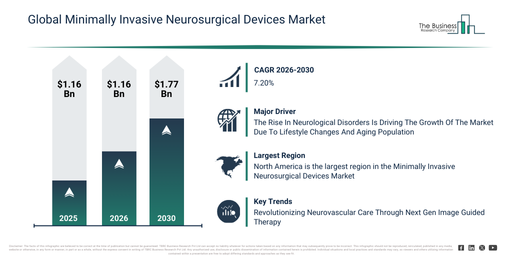
    The minimally invasive neurosurgical devices market size is projected to experience robust expansion in the coming years. It will grow to $4.32 billion in 2030 at a compound annual growth rate (CAGR) of 7.2%. The growth anticipated in the forecast period is fueled by the integration of AI-driven surgical navigation, the broadening adoption of robotic neurosurgery systems, an increasing demand for minimally invasive spinal procedures, technological advancements in real-time intraoperative imaging, and the expansion of ambulatory surgical centers. Key trends during this period include the increased embrace of image-guided minimally invasive neurosurgery, a growing reliance on robotic-assisted neurosurgical procedures, a rising need for miniaturized and high-precision surgical instruments, a shift towards outpatient and short-stay neurosurgical procedures, and the expanding clinical application of endoscopic and keyhole neurosurgery.

    Get A Free Sample Report With In-Depth Market Insights:

    https://thebusinessresearchcompany.com/sample_request?id=53817013&type=smp&name=Minimally%20Invasive%20Neurosurgical%20Devices%20Market%20Report%202026&utm_source=Blogs&utm_medium=Paid&utm_campaign=Sep_PR

    Minimally Invasive Neurosurgical Devices Market Demand Drivers Opening New Revenue Streams

    The anticipated rise in neurological disorder cases is set to boost the expansion of the minimally invasive neurosurgical devices market. Neurological disorders are health conditions impacting the brain, spinal cord, or nerves, resulting in difficulties with movement, sensation, behavior, or cognitive abilities. This growing occurrence of neurological disorders is mainly attributed to lifestyle factors like unhealthy eating, insufficient physical activity, persistent stress, and extended exposure to environmental pollutants, all of which progressively harm brain health. Minimally invasive neurosurgical devices assist in treating neurological disorders by facilitating precise, less invasive procedures that shorten recovery periods, lessen complications, and enhance patient results. As an illustration, the Alzheimer’s Association, a US-based nonprofit voluntary health organization, reported in March 2023 that approximately 6.7 million Americans aged 65 and older were affected by Alzheimer’s dementia in 2023, with forecasts suggesting this number could reach 13.8 million by 2060. Consequently, the rising prevalence of neurological disorders is propelling the expansion of the minimally invasive neurosurgical devices market.

    Minimally Invasive Neurosurgical Devices Market Segment Outlook: Which Categories Are Growing Fastest?

    The minimally invasive neurosurgical devices market covered in this report is segmented –

    1) By Product Type: Miniature Video Cameras, Fiber Optics Cables, External Video Monitors, Special Surgical Instruments

    2) By Technology: Image-Guided Surgery, Robotic Surgery, Navigation Systems, Optical Coherence Tomography, Endoscopic Techniques

    3) By Surgery: Neurosurgical Endoscopic Procedures, Vascular Surgery, Cerebrovascular Surgery, Skull Base Surgery, Spine Surgery, Functional Neurosurgery, Neuroendoscopic Ventricular Surgery, Neuroplastic And Reconstructive Surgery, Bariatric Surgery, Neurovascular Access Procedures

    4) By Application: Brain Tumor Resection, Spinal Surgery, Aneurysm Repair, Epilepsy Surgery, Trauma And Fracture Repair

    5) By End-User: Hospitals, Ambulatory Surgical Centers, Neurology Clinics, Research Institutions, Outpatient Surgical Centers

    Subsegments:

    1) By Miniature Video Cameras: High-Definition Cameras, 4K Ultra-HD Cameras, Wireless Endoscopic Cameras, Integrated Camera Systems, Disposable Or Single-Use Cameras

    2) By Fiber Optic Cables: Light Transmission Cables, Imaging Fiber Bundles, Laser Fiber Cables, Reusable VS Disposable Fiber Cables, Sterilizable Fiber Optics

    3) By External Video Monitors: Standard Definition Monitors, High-Definition Monitors, 4K Surgical Monitors, Touchscreen-Controlled Monitors

    4) By Special Surgical Instruments: Neuroendoscopes, Microforceps And Microscissors, Biopsy Needles, Suction-Irrigation Devices, Navigation-Enabled Instruments

    Minimally Invasive Neurosurgical Devices Market Trends Powering Strategic Industry Growth

    Leading companies active within the minimally invasive neurosurgical devices market are prioritizing the development of sophisticated technologies, including image-guided therapy systems, to boost precision and safety during complex neuro procedures. Image-guided therapy systems are advanced medical technologies that employ real-time imaging to assist surgeons in accurately navigating and treating targeted brain areas throughout minimally invasive neurosurgical interventions. For instance, in February 2024, Koninklijke Philips N.V., a Netherlands-based health technology company, introduced the Azurion neuro biplane system. This advanced system is designed to enhance and streamline the diagnosis and treatment of neurovascular conditions. It provides high-quality 2D and 3D imaging, flexible X-ray detector positioning, and full table-side control. The system also features improved C-arm rotation and angulation for quick imaging transitions, automatic beam rotation for properly oriented images, a new head immobilizer specifically for stroke care, and AI-powered remote monitoring to help ensure maximum system availability.

    Minimally Invasive Neurosurgical Devices Market Competitive Overview And Top Companies

    Major companies operating in the minimally invasive neurosurgical devices market are Medtronic Plc, Fujifilm Holdings Corporation, Koninklijke Philips N.V., Stryker Corporation, Olympus Corporation, Karl Storz GmbH And Co. KG, Integra LifeSciences Holdings Corporation, Elekta AB, Penumbra Inc., KLS Martin Group, B. Braun Melsungen AG, Ackermann Instrumente GmbH, Scanlan International Inc., OmniGuide Holdings Inc., Biolitec AG, Adeor Medical AG, Vycor Medical Inc., Brainlab AG, Leica Microsystems GmbH, Zeiss Meditec AG, Natus Medical Incorporated, Mizuho Medical Co. Ltd., Adept Medical Ltd.

    View The Full Minimally Invasive Neurosurgical Devices Market Report:

    https://thebusinessresearchcompany.com/report/minimally-invasive-neurosurgical-devices-global-market-report?utm_source=Blogs&utm_medium=Paid&utm_campaign=Sep_PR

    Minimally Invasive Neurosurgical Devices Market Leading Geography: Which Region Contributes The Most Revenue?

    North America was the largest region in the minimally invasive neurosurgical devices market in 2025. Asia-Pacific is expected to be the fastest-growing region in the forecast period. The regions covered in the minimally invasive neurosurgical devices market report are Asia-Pacific, South East Asia, Western Europe, Eastern Europe, North America, South America, Middle East, Africa.

    Reach Out To Our Team:

    The Business Research Company: https://www.thebusinessresearchcompany.com/

    Americas: +1 310-496-7795

    Asia: +44 7882 955267 & +91 8897263534

    Europe: +44 7882 955267

    Email us at: marketing@tbrc.info

    Follow us on:

    LinkedIn: https://in.linkedin.com/company/the-business-research-company

    YouTube: https://www.youtube.com/channel/UC24_fI0rV8cR5DxlCpgmyFQ

    Global Market Model: https://www.thebusinessresearchcompany.com/global-market-model
  • Minimally Invasive Glaucoma Surgery (MIGS) Devices Market To Witness 24.9% CAGR Growth Through 2030: Key Industry Drivers

    Minimally Invasive Glaucoma Surgery (MIGS) Devices Market To Witness 24.9% CAGR Growth Through 2030: Key Industry Drivers

    Featuring market attractiveness scoring, total addressable market sizing, company benchmarking matrices, interactive Excel dashboards, deeper supply chain intelligence, emerging startup tracking, and granular product-level insights, The Business Research Company’s 2026 market reports are built to deliver research that is both more actionable and more strategically valuable.

    Minimally Invasive Glaucoma Surgery (MIGS) Devices Market Size Outlook: How Quickly Will Revenue Expand Through 2030?

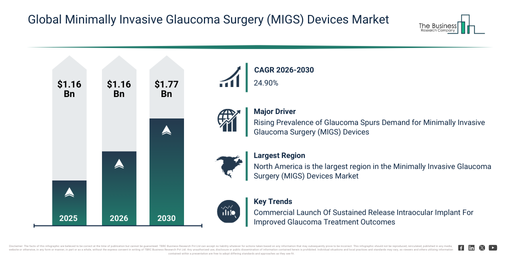
    The minimally invasive glaucoma surgery (migs) devices market size has experienced substantial growth in recent years. It is projected to expand from $0.89 billion in 2025 to $1.14 billion in 2026, exhibiting a compound annual growth rate (CAGR) of 28.1%. Factors contributing to this historical growth include the rising prevalence of glaucoma, an expanding aging demographic, the inherent limitations of traditional glaucoma surgeries, increasing awareness regarding vision preservation, and the growing adoption of cataract procedures.

    The minimally invasive glaucoma surgery (migs) devices market is projected to experience substantial expansion over the upcoming years. Its valuation is anticipated to reach $2.79 billion by 2030, exhibiting a compound annual growth rate (CAGR) of 24.9%. This expansion during the forecast period can be primarily attributed to an increasing number of glaucoma patients, greater acceptance of less invasive surgical choices, a rising need for outpatient eye procedures, a heightened emphasis on improved quality-of-life results, and broadened availability of specialized eye care clinics. Key developments during this period include a surge in the adoption of minimally invasive glaucoma interventions, a growing inclination towards MIGS for early and moderate stages of glaucoma, increased application of MIGS alongside cataract operations, the proliferation of outpatient and ambulatory glaucoma surgeries, and a heightened desire for glaucoma treatments that are both safer and facilitate quicker recovery.

    Get A Free Sample Report With In-Depth Market Insights:

    https://thebusinessresearchcompany.com/sample_request?id=82885192&type=smp&name=Minimally%20Invasive%20Glaucoma%20Surgery%20%28MIGS%29%20Devices%20Market%20Report%202026&utm_source=Blogs&utm_medium=Paid&utm_campaign=Sep_PR

    Minimally Invasive Glaucoma Surgery (MIGS) Devices Market Growth Backed By Core Demand Fundamentals

    The future expansion of the minimally invasive glaucoma surgery (MIGS) devices market is anticipated due to the rising occurrence of eye disorders. These disorders encompass diverse conditions impacting sight and the eyes, with their increasing prevalence attributed to shifts in lifestyle, environmental factors, and an aging global demographic. Minimally invasive glaucoma surgery (MIGS) devices represent advanced instruments employed in treating various ocular ailments, principally aimed at lowering intraocular pressure (IOP) to halt or manage glaucoma’s progression. A notable example cited in 2024 by the National Eye Institute, a US-based government agency, indicates that around 2.2 million Americans will be blind or partially blind by 2030. Consequently, the growing frequency of eye disorders is a key force behind the minimally invasive glaucoma surgery (MIGS) devices market.

    Minimally Invasive Glaucoma Surgery (MIGS) Devices Market Segment Landscape: Which Areas Lead Development?

    The minimally invasive glaucoma surgery (migs) devices market covered in this report is segmented –

    1) By Product Type: Trabecular Micro-Stents, Subconjunctival Micro-Shunts, Suprachoroidal Stents, Canaloplasty & Schlemm’s Canal Devices

    2) By Surgical Approach: MIGS in Conjunction with Cataract Surgery, Stand-Alone MIGS Procedures

    3) By Target Anatomical Pathway: Trabecular Meshwork, Schlemm’s Canal, Suprachoroidal Space, Subconjunctival Space

    4) By Procedure Type: Ab-Interno MIGS, Ab-Externo MIGS

    5) By End User: Ophthalmology Clinics, Ambulatory Surgery Centers (ASCs), Specialized Eye Hospitals

    Subsegments:

    1) By Trabecular Micro-Stents: Single-Lumen Trabecular Micro-Stents, Multi-Lumen Trabecular Micro-Stents, Scaffold-Based Trabecular Stents, Drug-Eluting Trabecular Micro-Stents

    2) By Subconjunctival Micro-Shunts: Gel-Based Micro-Shunts, Polymer-Based Micro-Shunts, Collagen-Based Micro-Shunts, Fixed-Lumen Subconjunctival Micro-Shunts

    3) By Suprachoroidal Stents: Passive Suprachoroidal Stents, Flow-Regulated Suprachoroidal Stents, Biocompatible Polymer Suprachoroidal Stents

    4) By Canaloplasty & Schlemm’s Canal Devices: Microcatheter-Based Canaloplasty Devices, Viscodilation & Schlemm’s Canal Expanders, Implant-Free Canaloplasty Systems, Schlemm’s Canal Scaffolding Devices

    Minimally Invasive Glaucoma Surgery (MIGS) Devices Market Growth Trends Reshaping The Competitive Landscape

    Leading companies within the minimally invasive glaucoma surgery (MIGS) devices market are prioritizing the development of sophisticated solutions, such as sustained-release drug-delivery implants, designed to supersede conventional topical glaucoma therapies. A sustained-release implant functions as a device that continually administers medication over time, consequently boosting patient adherence, decreasing the frequency of dosing, and elevating treatment effectiveness. For example, in February 2024, Celanese Corporation, a US-based specialty materials company, formed a partnership with Glaukos to commercially introduce the iDose® TR (Travoprost Intracameral Implant), leveraging Celanese’s VitalDose® Ethylene Vinyl Acetate (EVA) platform. This innovative product substitutes traditional eye-drop regimens by providing ongoing intraocular delivery of travoprost directly into the eye for several months. Integrated within Glaukos’ MIGS portfolio, it furnishes a minimally invasive therapeutic alternative that diminishes the requirement for daily eye drops, improves patient compliance, and supports consistent intraocular pressure regulation, ultimately improving long-term treatment outcomes.

    Minimally Invasive Glaucoma Surgery (MIGS) Devices Market Competitive Landscape: Which Companies Lead The Industry?

    Major companies operating in the minimally invasive glaucoma surgery (migs) devices market are Glaukos Corporation, Sight Sciences Inc., Alcon Inc., Johnson & Johnson Vision Care Inc., Bausch & Lomb Incorporated, Carl Zeiss Meditec AG, Nova Eye Medical Limited, iSTAR Medical SA, New World Medical Inc., MicroSurgical Technology Inc., ASICO LLC, Ziemer Ophthalmic Systems AG, Ellex Medical Lasers Ltd., Lumenis Ltd., Iridex Corporation, Katena Products Inc., Oertli Instrumente AG, Sifi S.p.A., Aquesys Inc., Beaver‑Visitec International

    View The Full Minimally Invasive Glaucoma Surgery (MIGS) Devices Market Report:

    https://thebusinessresearchcompany.com/report/minimally-invasive-glaucoma-surgery-migs-devices-global-market-report?utm_source=Blogs&utm_medium=Paid&utm_campaign=Sep_PR

    Minimally Invasive Glaucoma Surgery (MIGS) Devices Market Regional Outlook: Where Is Opportunity Concentrated?

    North America was the largest region in the minimally invasive glaucoma surgery (MIGS) devices market in 2025. Asia-Pacific is expected to be the fastest-growing region in the forecast period. The regions covered in the minimally invasive glaucoma surgery (migs) devices market report are Asia-Pacific, South East Asia, Western Europe, Eastern Europe, North America, South America, Middle East, Africa.

    Reach Out To Our Team:

    The Business Research Company: https://www.thebusinessresearchcompany.com/

    Americas: +1 310-496-7795

    Asia: +44 7882 955267 & +91 8897263534

    Europe: +44 7882 955267

    Email us at: marketing@tbrc.info

    Follow us on:

    LinkedIn: https://in.linkedin.com/company/the-business-research-company

    YouTube: https://www.youtube.com/channel/UC24_fI0rV8cR5DxlCpgmyFQ

    Global Market Model: https://www.thebusinessresearchcompany.com/global-market-model
  • Minimally Invasive Gastrointestinal Surgical Systems Market Projected For Strong Expansion Through 2030: Key Trends And Future Outlook

    Minimally Invasive Gastrointestinal Surgical Systems Market Projected For Strong Expansion Through 2030: Key Trends And Future Outlook

    Built to provide research that’s more actionable and strategically valuable, The Business Research Company’s 2026 market reports include market attractiveness analysis, total addressable market sizing, company benchmarking matrices, interactive Excel dashboards, broader supply chain intelligence, emerging startup tracking, and in-depth product insights.

    Minimally Invasive Gastrointestinal Surgical Systems Market Size, Value And Growth Trajectory Through 2030

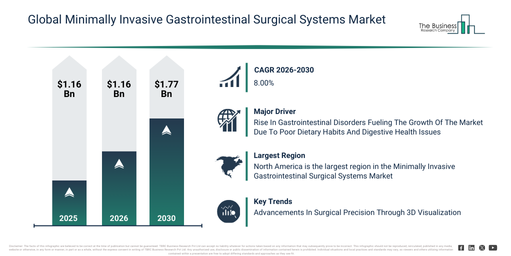
    The market size for minimally invasive gastrointestinal surgical systems has experienced considerable growth in recent years. This market is projected to expand from $7.22 billion in 2025 to $7.81 billion in 2026, achieving a compound annual growth rate (CAGR) of 8.2%. Historically, this expansion has been influenced by factors including a reliance on traditional open surgeries, the limited availability of robotic surgical systems, a rising prevalence of gastrointestinal disorders, the advancement of laparoscopic instruments, and the widespread adoption of standard endoscopic techniques.

    The market for minimally invasive gastrointestinal surgical systems is projected to experience substantial expansion in the coming years. This market is predicted to reach $10.61 billion by 2030, exhibiting a compound annual growth rate (CAGR) of 8.0%. Key drivers for this anticipated growth include advancements in robotic-assisted and AR-guided surgical technologies, increased hospital investments in infrastructure for minimally invasive surgery, a rise in surgeon training initiatives for sophisticated procedures, the growing prevalence of gastrointestinal diseases, and the incorporation of artificial intelligence (AI) for enhanced surgical planning and precision. Prominent trends expected during the forecast period involve the increasing embrace of minimally invasive gastrointestinal surgeries, the integration of cutting-edge imaging and visualization systems, a rising preference for single-incision and notes procedures, the broadening scope of robotic-assisted laparoscopic surgeries, and a heightened emphasis on patient safety and recovery after operations.

    Get A Free Sample Report With In-Depth Market Insights:

    https://thebusinessresearchcompany.com/sample_request?id=21221175&type=smp&name=Minimally%20Invasive%20Gastrointestinal%20Surgical%20Systems%20Market%20Report%202026&utm_source=Blogs&utm_medium=Paid&utm_campaign=Sep_PR

    Minimally Invasive Gastrointestinal Surgical Systems Market Growth Catalysts And Demand Drivers

    The increasing occurrence of gastrointestinal disorders is anticipated to stimulate the expansion of the minimally invasive gastrointestinal surgical systems market in the coming years. These disorders are health conditions impacting the digestive system, encompassing organs like the stomach and intestines, leading to symptoms such as pain, bloating, diarrhea, or constipation. An increase in these conditions stems from poor dietary practices, as greater intake of processed and low-fiber foods impairs digestion and negatively affects gut health over time. Minimally invasive gastrointestinal surgical systems assist in treating these disorders by facilitating precise, efficient procedures that lessen complications and aid in quicker patient recovery. For example, in June 2025, the UK Health Security Agency, a UK-based government department, reported that gastrointestinal infection rates in England climbed by 27%, increasing from 96.1 per 100,000 in 2022 to 122.0 in 2024. Consequently, the growing prevalence of gastrointestinal disorders is a key factor driving the minimally invasive gastrointestinal surgical systems market.

    Minimally Invasive Gastrointestinal Surgical Systems Market Segments: Where Is Growth Concentrated?

    The minimally invasive gastrointestinal surgical systems market covered in this report is segmented –

    1) By Product Type: Endoscopic Equipment, Laparoscopic Equipment, Robotic Surgical Systems, Access Devices, Visualization Systems

    2) By Technology: Traditional Laparoscopy, Robotic-Assisted Laparoscopy, Single-Incision Surgery, Natural Orifice Transluminal Endoscopic Surgery (NOTES), Augmented Reality-Guided Surgery

    3) By Surgery: Adrenalectomy, Appendectomy, Bariatric Surgery, Cholecystectomy, Colon And Rectal Surgery, Foregut Surgery, Hernia Repair, Other Surgeries

    4) By Application: Diagnostic Application, Therapeutic Application, Preventive Application, Reconstructive Application, Palliative Application

    5) By End User: Hospitals, Ambulatory Surgical Centers (ASCs), Clinics, Research And Academic Institutions, Healthcare Compliance Organizations

    Subsegments:

    1) By Endoscopic Equipment: Flexible Endoscopes, Rigid Endoscopes, Capsule Endoscopes, Endoscopic Ultrasound Devices, Endoscopic Imaging Systems

    2) By Laparoscopic Equipment: Trocars, Laparoscopes, Insufflators, Hand Instruments, Energy Devices

    3) By Robotic Surgical Systems: Multi-Port Robotic Systems, Single-Port Robotic Systems, Microsurgical Robotic Systems, Tethered Capsule Robots, Modular Robotic Platforms

    4) By Access Devices: Speculums, Dilators, Cannulas, Surgical Sheaths, Retractors

    5) By Visualization Systems: Camera Systems, Light Sources, Display Monitors, Image Processing Units, Recording Devices

    Minimally Invasive Gastrointestinal Surgical Systems Market Trends Shaping Long-Term Demand

    Leading companies within the minimally invasive gastrointestinal surgical systems market are dedicating efforts to developing innovative methods, such as integrating an open console with 3D display technology, to bolster surgical precision and visualization, consequently improving patient outcomes. An open console with 3D display is an interactive interface that combines an open-access command console with integrated three-dimensional visualizations for improved user interaction and data representation. For example, in May 2025, Medtronic Plc, an Ireland-based medication company, introduced the Hugo robotic-assisted surgery (RAS) system in Korea for the first time, signifying a major advance in minimally invasive surgery due to its modular design, an open console featuring a 33-inch 3D display, and its adaptable application across urological, gynecological, and general surgeries. This debut not only enhances surgical precision and communication among medical teams but also positions Seoul National University Hospital as a key center for robotic surgery research, education, and expanded clinical implementation in Korea.

    Minimally Invasive Gastrointestinal Surgical Systems Market Competitive Landscape: Who Leads The Industry?

    Major companies operating in the minimally invasive gastrointestinal surgical systems market are Johnson & Johnson, Fujifilm Holdings Corporation, Boston Scientific Corporation, Intuitive Surgical Inc., HOYA Corporation, Karl Storz SE & Co. KG, Cook Medical LLC, CONMED Corporation, Applied Medical Resources Corporation, Pentax Medical Corp., Ambu A/S, Richard Wolf GmbH, B. Braun Melsungen AG, W. L. Gore & Associates Inc., Medtronic plc, Olympus Corporation, CMR Surgical, Asensus Surgical, Endo Tools Therapeutics, GI View, Medrobotics, Endotics, EndoQuest Robotics, Aurora Medical Technologies

    View The Full Minimally Invasive Gastrointestinal Surgical Systems Market Report:

    https://thebusinessresearchcompany.com/report/minimally-invasive-gastrointestinal-surgical-systems-global-market-report?utm_source=Blogs&utm_medium=Paid&utm_campaign=Sep_PR

    Minimally Invasive Gastrointestinal Surgical Systems Market Geographic Landscape: Which Region Leads Industry Growth?

    North America was the largest region in the minimally invasive gastrointestinal surgical systems market in 2025. Asia-Pacific is expected to be the fastest-growing region in the forecast period. The regions covered in the minimally invasive gastrointestinal surgical systems market report are Asia-Pacific, South East Asia, Western Europe, Eastern Europe, North America, South America, Middle East, Africa.

    Reach Out To Our Team:

    The Business Research Company: https://www.thebusinessresearchcompany.com/

    Americas: +1 310-496-7795

    Asia: +44 7882 955267 & +91 8897263534

    Europe: +44 7882 955267

    Email us at: marketing@tbrc.info

    Follow us on:

    LinkedIn: https://in.linkedin.com/company/the-business-research-company

    YouTube: https://www.youtube.com/channel/UC24_fI0rV8cR5DxlCpgmyFQ

    Global Market Model: https://www.thebusinessresearchcompany.com/global-market-model