Blog

  • Enzyme-Linked Immunosorbent Assay (ELISA) Analyzers Market Analysis: $0.8 Billion Market Size In 2026 And Future Growth Prospects

    Enzyme-Linked Immunosorbent Assay (ELISA) Analyzers Market Analysis: $0.8 Billion Market Size In 2026 And Future Growth Prospects

    Featuring market attractiveness scoring, total addressable market sizing, company benchmarking matrices, interactive Excel dashboards, deeper supply chain intelligence, emerging startup tracking, and granular product-level insights, The Business Research Company’s 2026 market reports are built to deliver research that is both more actionable and more strategically valuable.

    Enzyme-Linked Immunosorbent Assay (ELISA) Analyzers Market Size Outlook: How Quickly Will Revenue Expand Through 2030?

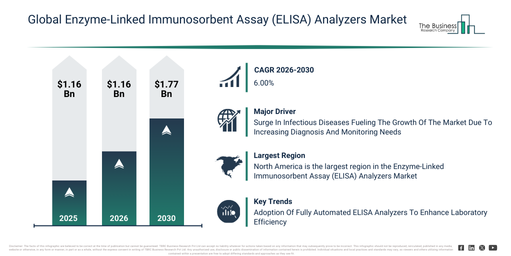
    The enzyme-linked immunosorbent assay (elisa) analyzers market has seen substantial growth in recent years. It is projected to expand from $0.75 billion in 2025 to $0.8 billion in 2026, representing a compound annual growth rate (CAGR) of 6.1%. This historical growth can be ascribed to several factors, including the expansion of clinical diagnostic testing volumes, increased screening for infectious diseases, the adoption of automated laboratory instruments, a rising demand for dependable immunoassays, and the widespread availability of standardized diagnostic protocols.

    Projections indicate significant expansion for the enzyme-linked immunosorbent assay (elisa) analyzers market size over the coming years. By 2030, this market is anticipated to reach $1.01 billion, demonstrating a compound annual growth rate (CAGR) of 6.0%. Factors contributing to this growth during the forecast period include greater investments in sophisticated diagnostics infrastructure, a surge in the uptake of point-of-care testing solutions, the broadening scope of pharmaceutical and vaccine research, an intensified focus on laboratory operational efficiency, and a rising need for assays that are both quick and precise. Key trends shaping the forecast period encompass the increasing integration of fully automated elisa workstations, a heightened requirement for high-throughput diagnostic testing, wider application of chemiluminescence and fluorescence technologies, an expansion in the deployment of portable elisa analyzers, and an intensified emphasis on automating laboratory workflows.

    Get A Free Sample Report With In-Depth Market Insights:

    https://thebusinessresearchcompany.com/sample_request?id=90187139&type=smp&name=Enzyme-Linked%20Immunosorbent%20Assay%20%28ELISA%29%20Analyzers%20Market%20Report%202026&utm_source=Blogs&utm_medium=Paid&utm_campaign=Oct_PR

    Enzyme-Linked Immunosorbent Assay (ELISA) Analyzers Market Growth Momentum: What Factors Are Shaping Demand?

    The increasing incidence of infectious diseases is anticipated to boost the growth of the enzyme-linked immunosorbent assay (ELISA) analyzers market going forward. Infectious diseases are illnesses stemming from harmful microorganisms such as bacteria, viruses, fungi, or parasites, which possess the capability to transmit directly or indirectly between individuals. The rising prevalence of these diseases is primarily attributed to heightened human interaction with the environment and global interconnectedness. ELISA analyzers support the detection of infectious diseases by pinpointing specific antibodies or antigens within blood samples, thus enabling rapid and accurate diagnosis, which in turn assists in monitoring and managing disease outbreaks. For instance, in March 2025, the World Health Organization, a Switzerland-based intergovernmental body, stated that in 2023, an estimated 10.8 million people worldwide fell ill with tuberculosis (TB), a common bacterial infection, encompassing 6.0 million men, 3.6 million women, and 1.3 million children. Therefore, the growing prevalence of infectious diseases acts as a driver for the enzyme-linked immunosorbent assay (ELISA) analyzers market’s growth.

    Enzyme-Linked Immunosorbent Assay (ELISA) Analyzers Market Segmentation: How Does The Market Break Down By Category?

    The enzyme-linked immunosorbent assay (elisa) analyzers market covered in this report is segmented –

    1) By Product Type: Bench-Top Enzyme-Linked Immunosorbent Assay (ELISA) Analyzers, Portable Enzyme-Linked Immunosorbent Assay (ELISA) Analyzers, Automated Enzyme-Linked Immunosorbent Assay (ELISA) Workstations, Microplate Readers

    2) By Technology: Colorimetric Enzyme-Linked Immunosorbent Assay (ELISA) Analyzers, Fluorescence Enzyme-Linked Immunosorbent Assay (ELISA) Analyzers, Chemiluminescence Enzyme-Linked Immunosorbent Assay (ELISA) Analyzers, Electrochemical Enzyme-Linked Immunosorbent Assay (ELISA) Analyzers

    3) By Application: Vaccines Development, Immunology, Diagnosis, Toxicology, Drug Monitoring And Pharmaceutical Industry, Other Applications

    4) By End-User: Diagnostic Laboratories, Research Institutions, Food And Beverage Industry

    Subsegments:

    1) By Bench-Top ELISA Analyzers: Manual Bench-Top Enzyme-Linked Immunosorbent Assay (ELISA) Analyzers, Semi-Automated Bench-Top Enzyme-Linked Immunosorbent Assay (ELISA) Analyzers, Fully Automated Bench-Top Enzyme-Linked Immunosorbent Assay (ELISA) Analyzers

    2) By Portable ELISA Analyzers: Handheld Enzyme-Linked Immunosorbent Assay (ELISA) Analyzers, Compact Desktop Enzyme-Linked Immunosorbent Assay (ELISA) Analyzers, Battery-Powered Enzyme-Linked Immunosorbent Assay (ELISA) Analyzers

    3) By Automated Enzyme-Linked Immunosorbent Assay (ELISA) Workstations: Single-Channel Automated Enzyme-Linked Immunosorbent Assay (ELISA) Workstations, Multi-Channel Automated Enzyme-Linked Immunosorbent Assay (ELISA) Workstations, High-Throughput Automated Enzyme-Linked Immunosorbent Assay (ELISA) Workstations

    4) By Microplate Readers: Colorimetric Microplate Readers, Fluorescence Microplate Readers, Luminescence Microplate Readers, Multimode Microplate Readers

    Enzyme-Linked Immunosorbent Assay (ELISA) Analyzers Market Trends Redefining Industry Growth

    Leading companies in the enzyme-linked immunosorbent assay (ELISA) analyzers market are concentrating on developing technological advancements like fully automated ELISA workstations to optimize high-throughput testing, reduce manual intervention, and enhance data reliability. A fully automated ELISA workstation integrates sample dispensing, reagent handling, incubation, washing, and detection processes into a single platform. This approach, unlike traditional manual or semi-automated systems, enables walk-away operation, delivers more consistent results, and supports regulatory-compliant data management. For instance, in November 2023, DYNEX Technologies, a US-based life sciences instrumentation company, introduced the Agility Integra fully automated ELISA system. This product simultaneously handles multiple ELISA assays, incorporates 21 CFR Part 11-compliant software for secure and auditable data management, decreases hands-on time by up to 60%, and boosts throughput and workflow efficiency in clinical diagnostic and research laboratories.

    Enzyme-Linked Immunosorbent Assay (ELISA) Analyzers Market Top Companies Driving Competitive Growth

    Major companies operating in the enzyme-linked immunosorbent assay (elisa) analyzers market are Thermo Fisher Scientific Inc., Abbott Laboratories, Agilent Technologies Inc., Shenzhen Mindray Bio-Medical Electronics Co. Ltd., BioMerieux, Beckman Coulter Inc., Bio-Rad Laboratories Inc., Tecan Group Ltd., EUROIMMUN Medizinische Labordiagnostika AG, Molecular Devices LLC, Quanterix, Berthold Technologies GmbH and Co. KG, Trinity Biotech Public Limited Company, Erba Mannheim GmbH, Dynex Technologies Inc., BMG Labtech GmbH, Awareness Technology Inc., Medicon Hellas S.A., Adaltis S.r.l., Gold Standard Diagnostics Corp.

    View The Full Enzyme-Linked Immunosorbent Assay (ELISA) Analyzers Market Report:

    https://thebusinessresearchcompany.com/report/enzyme-linked-immunosorbent-assay-elisa-analyzers-global-market-report?utm_source=Blogs&utm_medium=Paid&utm_campaign=Oct_PR

    Enzyme-Linked Immunosorbent Assay (ELISA) Analyzers Market Global Footprint: Which Region Leads The Industry?

    North America was the largest region in the enzyme-linked immunosorbent assay (ELISA) analyzers market in 2025. Asia-Pacific is expected to be the fastest-growing region in the forecast period. The regions covered in the enzyme-linked immunosorbent assay (elisa) analyzers market report are Asia-Pacific, South East Asia, Western Europe, Eastern Europe, North America, South America, Middle East, Africa.

    Reach Out To Our Team:

    The Business Research Company: https://www.thebusinessresearchcompany.com/

    Americas: +1 310-496-7795

    Asia: +44 7882 955267 & +91 8897263534

    Europe: +44 7882 955267

    Email us at: marketing@tbrc.info

    Follow us on:

    LinkedIn: https://in.linkedin.com/company/the-business-research-company

    YouTube: https://www.youtube.com/channel/UC24_fI0rV8cR5DxlCpgmyFQ

    Global Market Model: https://www.thebusinessresearchcompany.com/global-market-model
  • Enzyme Immunoassay Market 2026 Market Size And Growth Forecast: Key Trends To Watch

    Enzyme Immunoassay Market 2026 Market Size And Growth Forecast: Key Trends To Watch

    Built to provide research that’s more actionable and strategically valuable, The Business Research Company’s 2026 market reports include market attractiveness analysis, total addressable market sizing, company benchmarking matrices, interactive Excel dashboards, broader supply chain intelligence, emerging startup tracking, and in-depth product insights.

    Enzyme Immunoassay Market Size, Value And Growth Trajectory Through 2030

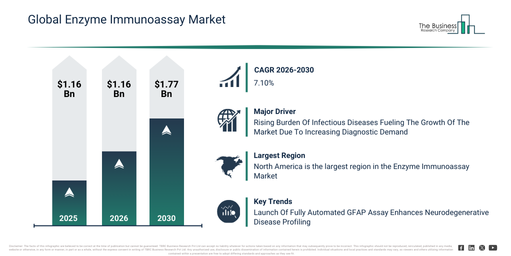
    The enzyme immunoassay market has experienced strong expansion in recent years. It is anticipated to increase from $21.5 billion in 2025 to $23.09 billion in 2026, exhibiting a compound annual growth rate (CAGR) of 7.4%. The historical growth in this sector can be attributed to factors such as the limited availability of automated EIA systems, the reliance on manual microplate readers, the development of clinical laboratory infrastructure, the rising prevalence of chronic and infectious diseases, and the adoption of conventional reagents and kits.

    The enzyme immunoassay market is set for significant expansion over the next few years, with projections indicating a rise to $30.37 billion by 2030, achieving a compound annual growth rate (CAGR) of 7.1%. This growth during the forecast period can be attributed to advancements like the development of fully automated EIA analyzers, the broadening scope of personalized medicine and precision diagnostics, increased integration of laboratory information systems, the growing embrace of software and data analysis tools, and heightened demand from academic and research institutions. Key trends anticipated in this period include the increasing adoption of automated EIA analyzers, an uptick in therapeutic drug monitoring applications, wider utilization of multiplex testing and high-throughput assays, the expansion of oncology and infectious disease testing, and an improved focus on laboratory data integration and workflow efficiency.

    Get A Free Sample Report With In-Depth Market Insights:

    https://thebusinessresearchcompany.com/sample_request?id=81106220&type=smp&name=Enzyme%20Immunoassay%20Market%20Report%202026&utm_source=Blogs&utm_medium=Paid&utm_campaign=Oct_PR

    Enzyme Immunoassay Market Expansion Drivers: What’s Shaping Future Growth?

    The enzyme immunoassay market is projected to expand due to the escalating challenge posed by infectious diseases. These illnesses, caused by harmful microorganisms like bacteria, viruses, fungi, or parasites, are transmissible among individuals. The increasing severity of infectious diseases stems from antimicrobial resistance, which complicates the treatment of common infections, leading to prolonged sickness, elevated medical costs, and higher mortality rates. Enzyme immunoassays are essential for diagnosing infectious diseases as they enable the sensitive and specific detection of antigens or antibodies in patient samples, facilitating prompt identification, effective monitoring, and timely treatment of infections such as HIV, hepatitis, and influenza. For instance, in April 2025, the Minnesota Department of Health, a US-based government agency, reported that the proportion of HIV cases among males aged 35 to 39 increased from 10% in 2023 to 17% in 2024, demonstrating a significant rise in this age group’s share of total cases. Consequently, the rising burden of infectious diseases is stimulating the growth of the enzyme immunoassay market.

    Enzyme Immunoassay Market Segment Trends And Revenue Contributors

    The enzyme immunoassay market covered in this report is segmented –

    1) By Product: Reagents And Kits, Analyzers Or Instruments, Software And Services

    2) By Specimen: Blood, Saliva, Urine, Other Specimens

    3) By Application: Therapeutic Drug Monitoring, Oncology, Cardiology, Endocrinology, Infectious Disease Testing, Autoimmune Diseases, Other Applications

    4) By End-Use: Hospitals, Blood Banks, Clinical Laboratories, Pharmaceutical And Biotech Companies, Academic Research Centers, Other End-Uses

    Subsegments:

    1) By Reagents And Kits: Antibodies, Antigens, Substrates, Buffers And Stabilizers

    2) By Analyzers Or Instruments: Fully Automated EIA Analyzers, Semi-Automated EIA Systems, Microplate Readers, Washers And Incubators

    3) By Software And Services: Data Analysis And Interpretation Software, Laboratory Information System Integration Tools, Instrument Calibration And Validation Services, Technical Support And User Training

    Enzyme Immunoassay Market Strategic Trends: What Defines The Next Growth Phase?

    Leading companies in the enzyme immunoassay market are concentrating on bringing forth innovative enzyme immunoassay (EIA) solutions, such as fully automated enzyme immunoassays, to elevate diagnostic precision, diminish manual errors, and bolster workflow efficiency in clinical laboratories. Fully automated enzyme immunoassays are defined as diagnostic systems that execute the entire testing process autonomously, consequently boosting speed, accuracy, and consistency in laboratory results. For instance, in July 2024, Fujirebio Holdings Inc., a Japan-based in vitro diagnostics (IVD) company, unveiled the fully automated Lumipulse G GFAP assay for research use only (RUO), thereby expanding its neuro-biomarker portfolio. This RUO chemiluminescent enzyme immunoassay measures glial fibrillary acidic protein (GFAP) in human plasma and serum utilizing the LUMIPULSE G platform and yields results in just 35 minutes. It functions as an astrocytic biomarker associated with conditions like multiple sclerosis, Alzheimer’s and Parkinson’s diseases, stroke, and traumatic brain injury. This assay further enhances Fujirebio’s expanding neuro menu, which currently features NfL, pTau217, and sTREM2, enabling comprehensive neurodegenerative disease profiling on a single automated system.

    Enzyme Immunoassay Market Leading Players And Competitive Positioning

    Major companies operating in the enzyme immunoassay market are F. Hoffmann-La Roche AG, Thermo Fisher Scientific Inc., Abbott Laboratories Inc., Danaher Corporation, Merck KGaA, Siemens Healthineers AG, Becton Dickinson and Company (BD), PerkinElmer Inc., BioMérieux SA, Bio-Rad Laboratories Inc., Diasorin S.p.A., Bio-Techne Corporation, Quidel Corporation, Promega Corporation, Abcam plc, BioLegend Inc., Helena Laboratories Corporation, Cayman Chemical Company, Enzo Life Sciences Inc., RayBiotech Inc., MyBioSource Inc., Boster Biological Technology, Hycult Biotech, Calbiotech Inc.

    View The Full Enzyme Immunoassay Market Report:

    https://thebusinessresearchcompany.com/report/enzyme-immunoassay-global-market-report?utm_source=Blogs&utm_medium=Paid&utm_campaign=Oct_PR

    Enzyme Immunoassay Market Regional Distribution: Which Areas Power Market Growth?

    North America was the largest region in the enzyme immunoassay market in 2025. Asia-Pacific is expected to be the fastest-growing region in the forecast period. The regions covered in the enzyme immunoassay market report are Asia-Pacific, South East Asia, Western Europe, Eastern Europe, North America, South America, Middle East, Africa.

    Reach Out To Our Team:

    The Business Research Company: https://www.thebusinessresearchcompany.com/

    Americas: +1 310-496-7795

    Asia: +44 7882 955267 & +91 8897263534

    Europe: +44 7882 955267

    Email us at: marketing@tbrc.info

    Follow us on:

    LinkedIn: https://in.linkedin.com/company/the-business-research-company

    YouTube: https://www.youtube.com/channel/UC24_fI0rV8cR5DxlCpgmyFQ

    Global Market Model: https://www.thebusinessresearchcompany.com/global-market-model
  • Enteral Feeding Tube Equipment Market Size Forecast: How The Industry Is Expected To Grow From 2026 To 2030

    Enteral Feeding Tube Equipment Market Size Forecast: How The Industry Is Expected To Grow From 2026 To 2030

    Backed by market attractiveness analysis, total addressable market sizing, company benchmarking matrices, interactive Excel dashboards, wider supply chain intelligence, emerging startup coverage, and detailed product-level insights, The Business Research Company’s 2026 market reports are designed to offer research that is more actionable and strategically valuable than ever.

    Enteral Feeding Tube Equipment Market CAGR Outlook And Future Development

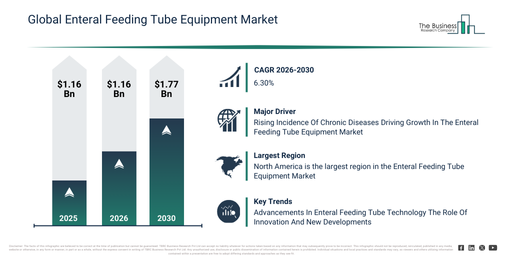
    The enteral feeding tube equipment market size has experienced substantial growth in recent years. It is forecast to grow from $2.8 billion in 2025 to $2.98 billion in 2026 at a compound annual growth rate (CAGR) of 6.4%. This historical expansion can be linked to several factors, including the increasing occurrence of neurological disorders, a rising number of cancer-related malnutrition cases, the broadening of hospital-based nutritional support initiatives, the growing adoption of enteral nutrition over parenteral nutrition, and the improved survival rates among critically ill patients.

    The enteral feeding tube equipment market is projected to experience robust expansion over the coming years. Its valuation is anticipated to reach $3.81 billion by 2030, demonstrating a compound annual growth rate (CAGR) of 6.3%. This anticipated growth during the forecast period is propelled by factors such as an expanding aging demographic, an increasing need for home healthcare provisions, heightened emphasis on clinical nutrition management, the broadening scope of chronic disease treatment initiatives, and enhanced availability of enteral feeding devices in developing markets. Key developments characterizing this period involve a surge in the embrace of sustained enteral nutrition support, a growing inclination towards at-home enteral feeding solutions, the increased deployment of discreet and user-friendly feeding tubes, the broadened application of enteral feeding within oncology and neurology treatment, and a heightened commitment to mitigating complications associated with tube usage.

    Get A Free Sample Report With In-Depth Market Insights:

    https://thebusinessresearchcompany.com/sample_request?id=65728019&type=smp&name=Enteral%20Feeding%20Tube%20Equipment%20Market%20Report%202026&utm_source=Blogs&utm_medium=Paid&utm_campaign=Oct_PR

    Enteral Feeding Tube Equipment Market Development Factors: What’s Supporting Demand?

    The increasing occurrence of chronic illnesses is anticipated to drive the expansion of the enteral feeding tube equipment market in the future. Chronic diseases are defined as health conditions that are long-term, progress slowly, endure for a significant duration, and frequently necessitate continuous medical care and oversight. Several factors contribute to the heightened incidence of chronic diseases, such as an aging demographic, inactive routines, unhealthy eating patterns, increasing levels of obesity, and the growing presence of risk elements like tobacco use and heavy drinking. Enteral feeding tube equipment serves to deliver vital nutrition straight to individuals who cannot consume food orally because of ailments like cancer, neurological conditions, or serious gastrointestinal problems, thereby guaranteeing they obtain the required nutrients and medicines for continuous treatment and care. For example, data from April 2025 by the Centers for Disease Control and Prevention (CDC), a US-based federal agency, indicated that in 2023, approximately 194 million U.S. adults, which accounts for 76.4% of the adult population, suffered from at least one chronic condition. The incidence stood at 59.5% for young adults, 78.4% for midlife adults, and 93.0% for older adults. Consequently, the increasing occurrence of chronic diseases is fueling the expansion of the enteral feeding tube equipment market.

    Enteral Feeding Tube Equipment Market Segment Analysis Spotlighting Growth Areas

    The enteral feeding tube equipment market covered in this report is segmented –

    1) By Type: Gastrostomy Tube, Nasogastric Tube, Other Types

    2) By Application: Oncology, Gastroenterology, Neurology, Diabetes, Other Applications

    3) By End-User: Hospitals, Home Care Settings, Ambulatory Care Settings, Other End Users

    Subsegments:

    1) By Gastrostomy Tube: Percutaneous Endoscopic Gastrostomy (Peg) Tube, Low-Profile Gastrostomy Tube (Button Tube), Balloon Gastrostomy Tube, Gastrostomy Tube With Balloon Retention

    2) By Nasogastric Tube: Traditional Nasogastric (Ng) Tube, Fine Bore Nasogastric Tube, Silicone Nasogastric Tube, Weighted Nasogastric Tube, Nasogastric Tube With Stylet

    3) By Other Types: Nasojejunal Tube, Orogastric Tube, Jejunostomy Tube, Esophagostomy Tube, Transpyloric Tube

    Enteral Feeding Tube Equipment Market Transformation Trends: What Innovations Are Driving Change?

    Leading companies in the enteral feeding tube equipment market are concentrating on developing advanced products, such as comprehensive enteral feeding systems, to improve the accuracy, safety, and simplicity of tube placement and monitoring for individuals requiring enteral nutrition. An enteral feeding system is a medical device engineered to supply nourishment directly into the gastrointestinal tract, typically via a tube, for patients unable to eat or swallow food safely. For example, in September 2023, Cardinal Health, a U.S.-based healthcare corporation specializing in medical items and services, introduced the Kangaroo OMNI Enteral Feeding Pump. This cutting-edge device is designed to deliver personalized enteral feeding solutions, enabling the administration of thick, homogenized, and blended formulas. The Kangaroo OMNI elevates patient care by providing portability, user-friendliness, and the capability to track feeding history, thus meeting patient needs across various environments, from hospitals to homes.

    Enteral Feeding Tube Equipment Market Competitive Overview And Top Companies

    Major companies operating in the enteral feeding tube equipment market are Fresenius Kabi AG, Cardinal Health Inc., Avanos Medical Inc., B. Braun Melsungen AG, Abbott Laboratories, Boston Scientific Corporation, Moog Inc., Applied Medical Technology Inc., Cook Medical Inc., ConMed Corporation, Becton Dickinson and Company, Vygon SA, Amsino International Inc., ENvizion Medical, Corpak MedSystems, Terumo Corporation, Weigao Medical International Co Ltd, JMS Co Ltd, Medela AG, GBUK Group UK

    View The Full Enteral Feeding Tube Equipment Market Report:

    https://thebusinessresearchcompany.com/report/enteral-feeding-tube-equipment-global-market-report?utm_source=Blogs&utm_medium=Paid&utm_campaign=Oct_PR

    Enteral Feeding Tube Equipment Market Leading Geography: Which Region Contributes The Most Revenue?

    North America was the largest region in the enteral feeding tube equipment market in 2025. Asia-Pacific is expected to be the fastest-growing region in the forecast period. The regions covered in the enteral feeding tube equipment market report are Asia-Pacific, South East Asia, Western Europe, Eastern Europe, North America, South America, Middle East, Africa.

    Reach Out To Our Team:

    The Business Research Company: https://www.thebusinessresearchcompany.com/

    Americas: +1 310-496-7795

    Asia: +44 7882 955267 & +91 8897263534

    Europe: +44 7882 955267

    Email us at: marketing@tbrc.info

    Follow us on:

    LinkedIn: https://in.linkedin.com/company/the-business-research-company

    YouTube: https://www.youtube.com/channel/UC24_fI0rV8cR5DxlCpgmyFQ

    Global Market Model: https://www.thebusinessresearchcompany.com/global-market-model
  • Enteral Feeding Devices Market Reaches $7.55 Billion In 2026: Forecast And Growth Opportunities

    Enteral Feeding Devices Market Reaches $7.55 Billion In 2026: Forecast And Growth Opportunities

    Featuring market attractiveness scoring, total addressable market sizing, company benchmarking matrices, interactive Excel dashboards, deeper supply chain intelligence, emerging startup tracking, and granular product-level insights, The Business Research Company’s 2026 market reports are built to deliver research that is both more actionable and more strategically valuable.

    Enteral Feeding Devices Market Set To Climb From $5.19 Billion In 2026 To $7.55 Billion By 2030

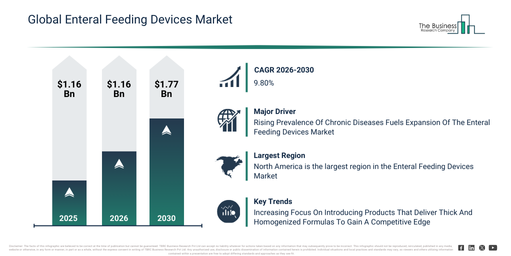
    The enteral feeding devices market has shown significant expansion in recent years. Its valuation is set to rise from $4.72 billion in 2025 to $5.19 billion in 2026, achieving a compound annual growth rate (CAGR) of 9.9%. This past growth can be attributed to several factors including the increasing prevalence of chronic and neurological disorders, an expanding aging demographic, the growth of hospital nutrition support programs, the rising adoption of tube feeding in critical care, and the accessibility of standardized enteral feeding products.

    The enteral feeding devices market size is anticipated to demonstrate robust expansion in the upcoming years, projected to reach $7.55 billion in 2030, growing at a compound annual growth rate (CAGR) of 9.8%. This growth during the forecast period is primarily attributed to the escalating demand for home healthcare nutrition solutions, the increasing adoption of portable feeding devices, the expansion of long-term care facilities, a heightened focus on patient-centric medical devices, and rising investments in homecare medical equipment. Significant trends over the forecast period encompass the greater utilization of portable enteral feeding pumps, surging demand for home-based enteral nutrition, the growing acceptance of disposable enteral consumables, the development of more user-friendly feeding tube designs, and an increased emphasis on patient safety and comfort.

    Get A Free Sample Report With In-Depth Market Insights:

    https://thebusinessresearchcompany.com/sample_request?id=59145767&type=smp&name=Enteral%20Feeding%20Devices%20Market%20Report%202026&utm_source=Blogs&utm_medium=Paid&utm_campaign=Oct_PR

    Enteral Feeding Devices Market Industry Drivers: What’s Behind The Revenue Growth?

    The increasing occurrence of chronic diseases is anticipated to boost the expansion of the enteral feeding devices market. Chronic diseases refer to medical conditions that endure for an extended duration, frequently throughout a person’s entire life. Enteral feeding devices play a crucial role in the management of chronic diseases by directly supplying vital nutrition into the gastrointestinal tract, ensuring patients with eating difficulties receive proper nutrient intake. For example, in June 2024, according to the National Health Service, a UK-based government department, 3,615,330 individuals registered with a general practitioner (GP) were diagnosed with non-diabetic hyperglycemia or pre-diabetes (a condition characterized by elevated blood sugar levels, not high enough to be classified as diabetes) in 2023, marking an 18% increase from 3,065,825 cases in 2022. Consequently, the rising prevalence of chronic diseases is driving the growth of the enteral feeding devices market.

    Enteral Feeding Devices Market Segment Performance And Emerging Opportunities

    The enteral feeding devices market covered in this report is segmented –

    1) By Product: Enteral Feeding Tubes, Enteral Feeding Pumps, Administration Sets, Enteral Syringes

    2) By Application: Oncology, Gastrointestinal Diseases, Neurological Disorders

    3) By End User: Hospitals, Home Care Settings, Ambulatory Care Settings

    Subsegments:

    1) By Enteral Feeding Tubes: Nasogastric Tubes, Orogastric Tubes, Gastrostomy Tubes (G-Tubes), Jejunostomy Tubes (J-Tubes)

    2) By Enteral Feeding Pumps: Electric Feeding Pumps, Portable Feeding Pumps

    3) By Administration Sets: Gravity Administration Sets, Pump Administration Sets

    4) By Enteral Syringes: Catheter Tip Enteral Syringes, Disposable Enteral Syringes

    #Enteral Feeding Devices Market Growth Trends: What’s Shaping The Future Outlook?

    Leading companies in the enteral feeding devices market are concentrating on developing products that can deliver thick and homogenized formulas to gain a competitive advantage. These enteral feeding devices, capable of dispensing thick and homogenized formulas, are utilized to administer nutrition directly into the gastrointestinal tract, usually for individuals experiencing swallowing difficulties or with specific dietary requirements. For example, in September 2023, Cardinal Health Inc., a US-based health care services company, unveiled the Kangaroo OMNI Enteral Feeding Pump, engineered to provide nutrition and hydration across various settings, from hospital to home. The Kangaroo OMNI marks a significant breakthrough in enteral feeding technology, presenting a flexible option for delivering thick, blended formulas throughout the U.S. This advanced pump enhances nutritional care for patients in both hospital and home environments, ensuring a comfortable and straightforward feeding experience.

    Enteral Feeding Devices Market Competitive Landscape: Which Companies Lead The Industry?

    Major companies operating in the enteral feeding devices market are Fresenius Kabi AG, B. Braun Melsungen AG, Avanos Medical Inc., Cook Medical, Vygon Group, Amsino International Inc., Applied Medical Technology Inc., Moog Inc., Becton Dickinson and Company, Abbott Laboratories, Vesco Medical LLC, ENvizion Medical, Kentec Medical Inc., Romsons Group of Industries, C. R. Bard GmbH, Bionix Development Corporation, Qosina Corporation, Bicakcilar Medical Devices, Flexicare Medical Limited, Degania Silicone Ltd.

    View The Full Enteral Feeding Devices Market Report:

    https://thebusinessresearchcompany.com/report/enteral-feeding-devices-global-market-report?utm_source=Blogs&utm_medium=Paid&utm_campaign=Oct_PR

    Enteral Feeding Devices Market Regional Outlook: Where Is Opportunity Concentrated?

    North America was the largest region in the enteral feeding devices market in 2025. Asia-Pacific is expected to be the fastest growing market in enteral feeding devices market during the forecast period. The regions covered in the enteral feeding devices market report are Asia-Pacific, South East Asia, Western Europe, Eastern Europe, North America, South America, Middle East, Africa.

    Reach Out To Our Team:

    The Business Research Company: https://www.thebusinessresearchcompany.com/

    Americas: +1 310-496-7795

    Asia: +44 7882 955267 & +91 8897263534

    Europe: +44 7882 955267

    Email us at: marketing@tbrc.info

    Follow us on:

    LinkedIn: https://in.linkedin.com/company/the-business-research-company

    YouTube: https://www.youtube.com/channel/UC24_fI0rV8cR5DxlCpgmyFQ

    Global Market Model: https://www.thebusinessresearchcompany.com/global-market-model
  • ENT Surgical Devices And Equipment Market Growth In 2026: Market Size, Key Drivers And Future Outlook

    ENT Surgical Devices And Equipment Market Growth In 2026: Market Size, Key Drivers And Future Outlook

    Built to provide research that’s more actionable and strategically valuable, The Business Research Company’s 2026 market reports include market attractiveness analysis, total addressable market sizing, company benchmarking matrices, interactive Excel dashboards, broader supply chain intelligence, emerging startup tracking, and in-depth product insights.

    ENT Surgical Devices And Equipment Market Forecast: Value Set To Climb From $7.79 Billion To $10.46 Billion

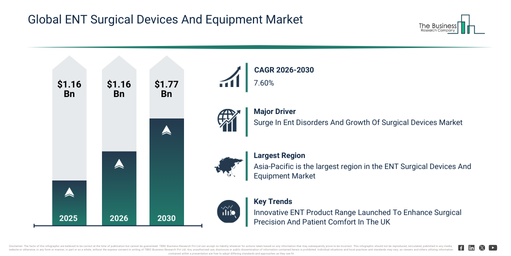
    The ent surgical devices and equipment market has experienced robust growth in recent years. It is projected to increase from $7.29 billion in 2025 to $7.79 billion in 2026, exhibiting a compound annual growth rate (CAGR) of 6.8%. The expansion observed in the historic period was driven by factors such as the rising prevalence of ENT disorders, the proliferation of specialized ENT clinics, continuous technological improvements in surgical instrumentation, an increase in surgical procedure volumes, and the broader availability of advanced ENT equipment.

    The ent surgical devices and equipment market is anticipated to show significant expansion in the coming years. It is projected to achieve a value of $10.46 billion in 2030, growing at a compound annual growth rate (CAGR) of 7.6%. This growth during the forecast period can be attributed to the rising adoption of image-guided ent surgeries, increased investments in outpatient surgical facilities, a growing demand for compact and portable ent devices, the expansion of minimally invasive treatment approaches, and an increasing focus on surgical precision and safety. Noteworthy trends for the forecast period include the increasing adoption of advanced ent surgical lasers, a rising use of powered ent surgical systems, a growing demand for precision navigation technologies, the expansion of integrated ent surgery workstations, and an enhanced focus on minimally invasive ent procedures.

    Get A Free Sample Report With In-Depth Market Insights:

    https://thebusinessresearchcompany.com/sample_request?id=57139906&type=smp&name=ENT%20Surgical%20Devices%20And%20Equipment%20Market%20Report%202026&utm_source=Blogs&utm_medium=Paid&utm_campaign=Oct_PR

    ENT Surgical Devices And Equipment Market Growth Factors: What’s Supporting Expansion?

    The increasing incidence of ENT disorders is anticipated to propel the expansion of the ENT surgical devices and equipment market. These conditions, also referred to as otorhinolaryngological disorders, involve medical issues impacting the ear, nose, and throat. ENT surgical devices and equipment augment the skills of ENT specialists, facilitating more precise diagnosis and effective management of a broad spectrum of disorders affecting the ear, nose, and throat. For example, in February 2023, the World Health Organization, a Switzerland-based intergovernmental organization, reported that around 5% of the world’s population requires rehabilitation to address their debilitating hearing loss. Forecasts indicate that by 2050, 1 in 10 individuals, or more than 700 million people, are projected to suffer from incapacitating hearing loss. Thus, the rising occurrence of ENT disorders is a key driver for the growth of the ENT surgical devices and equipment market.

    ENT Surgical Devices And Equipment Market Segment Landscape And Growth Outlook

    The ent surgical devices and equipment market covered in this report is segmented –

    1) By Product: Hand Instrument, ENT Surgical Lasers, Powered ENT Surgical Systems, Radiofrequency Electrosurgical Devices, ENT Surgery Workstations, ENT Surgical Navigation System, ENT Visualization System, Surgical Microscopes

    2) By Modality: Hand-held Devices, Portable Devices, Fixed Devices

    3) By End User: Hospitals, Ambulatory Surgical Centers, ENT Clinics

    Subsegments:

    1) By Hand Instruments: Scissors, Forceps, Knives, Suction Instruments

    2) By ENT Surgical Lasers: CO2 Lasers, Diode Lasers, Holmium Lasers

    3) By Powered ENT Surgical Systems: Powered Shavers, Surgical Drills, Powered Suction Devices

    4) By Radiofrequency Electrosurgical Devices: Radiofrequency Generators, Electrode Tips

    5) By ENT Surgery Workstations: Modular Workstations, Integrated Surgical Systems

    6) By ENT Surgical Navigation System: Optical Navigation Systems, Electromagnetic Navigation Systems

    7) By ENT Visualization System: Endoscopes, Imaging Systems

    8) By Surgical Microscopes: Standard Surgical Microscopes, Inverted Surgical Microscopes

    ENT Surgical Devices And Equipment Market Industry Trends: What’s Reshaping Demand?

    Leading companies in the ENT surgical devices market are concentrating on developing advanced solutions, such as anatomical design optimization, to enhance patient comfort and procedural efficiency. This optimization method involves customizing medical devices for a more precise fit with human anatomy, thereby boosting usability, lessening patient discomfort, and facilitating superior surgical outcomes. For instance, in February 2023, Innovia Medical, a UK-based company, launched the Summit Medical ENT product range, offering premium essentials for ear, nose, and throat procedures. This product line encompasses Grommets and Ventilation Tubes, engineered to avert ear infections through fluid drainage; Rhino Rocket and AbsorbENT Nasal and Sinus Packs, which provide gentle yet firm compression, quick fluid absorption, and simple removal; and the Denver Splint, made with moldable aluminum for nasal stabilization post-trauma or surgery. All these products are developed prioritizing comfort, inconspicuous application, user-friendliness, and premium materials, empowering healthcare professionals to consistently enhance patient care and surgical results across various clinical and hospital settings.

    ENT Surgical Devices And Equipment Market Competitive Landscape: Who Leads The Industry?

    Major companies operating in the ent surgical devices and equipment market are Medtronic PLC, Stryker Corporation, Smith & Nephew PLC, Olympus Corporation, Karl Storz SE & Co. KG, ConMed Corporation, Otopront GmbH, REDA Instrumente GmbH, Tiansong Medical Technology, Jiyi Medical (Jieyi Medical), Tonglu Medical (Tonglu Jingrui), B. Braun Melsungen AG, Richard Wolf GmbH, Fujifilm (Pentax Medical Division), Pentax Medical (HOYA Corporation), William Demant Holding A/S, Hologic Inc., OmniGuide Inc., Meril Life Sciences, Medi-Fischer Engineering

    View The Full ENT Surgical Devices And Equipment Market Report:

    https://thebusinessresearchcompany.com/report/ent-surgical-devices-and-equipment-global-market-report?utm_source=Blogs&utm_medium=Paid&utm_campaign=Oct_PR

    ENT Surgical Devices And Equipment Market Geographic Landscape: Which Region Leads Industry Growth?

    Asia-Pacific was the largest region in the global ENT surgical devices and equipment market in 2025. North America was the second-largest region in the ENT surgical devices and equipment market. The regions covered in the ent surgical devices and equipment market report are Asia-Pacific, South East Asia, Western Europe, Eastern Europe, North America, South America, Middle East, Africa.

    Reach Out To Our Team:

    The Business Research Company: https://www.thebusinessresearchcompany.com/

    Americas: +1 310-496-7795

    Asia: +44 7882 955267 & +91 8897263534

    Europe: +44 7882 955267

    Email us at: marketing@tbrc.info

    Follow us on:

    LinkedIn: https://in.linkedin.com/company/the-business-research-company

    YouTube: https://www.youtube.com/channel/UC24_fI0rV8cR5DxlCpgmyFQ

    Global Market Model: https://www.thebusinessresearchcompany.com/global-market-model
  • ENT Handheld Instruments Market Size And Forecast 2026–2030: Trends Driving Industry Expansion

    ENT Handheld Instruments Market Size And Forecast 2026–2030: Trends Driving Industry Expansion

    Backed by market attractiveness analysis, total addressable market sizing, company benchmarking matrices, interactive Excel dashboards, wider supply chain intelligence, emerging startup coverage, and detailed product-level insights, The Business Research Company’s 2026 market reports are designed to offer research that is more actionable and strategically valuable than ever.

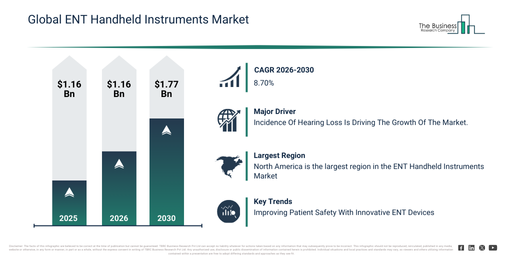
    ENT Handheld Instruments Market Revenue Growth On Track For A 8.7% CAGR Through 2030

    The market for ent handheld instruments has experienced strong growth in recent years. It is projected to expand from $8.59 billion in 2025 to $9.36 billion in 2026, at a compound annual growth rate (CAGR) of 8.9%. The past growth in this market can be linked to factors like the increasing occurrence of ent disorders, the expansion of specialty clinics, a rise in outpatient ent procedures, the growing acceptance of endoscopic examinations, and the accessibility of standardized surgical instruments.

    The ent handheld instruments market size is projected to experience substantial growth in the coming years, with its valuation expected to reach $13.08 billion in 2030, exhibiting a compound annual growth rate (CAGR) of 8.7%. This expansion during the forecast period is primarily driven by a heightened emphasis on the early detection of ent conditions, an increasing demand for portable diagnostic devices, the proliferation of ambulatory surgical centers, a greater focus on patient safety, and ongoing technological advancements in handheld medical instruments. Key developments anticipated in this period include a wider adoption of ergonomic instrument designs, a surging demand for minimally invasive ent tools, enhanced integration of advanced diagnostic handheld devices, an increase in disposable and single-use instruments, and a stronger commitment to infection control standards.

    Get A Free Sample Report With In-Depth Market Insights:

    https://thebusinessresearchcompany.com/sample_request?id=72476226&type=smp&name=ENT%20Handheld%20Instruments%20Market%20Report%202026&utm_source=Blogs&utm_medium=Paid&utm_campaign=Oct_PR

    ENT Handheld Instruments Market Demand Drivers: What’s Powering Industry Growth?

    The growth of the ear, nose, and throat (ENT) handheld instruments market is anticipated to be driven by the rising occurrence of hearing loss. This condition is characterized by a diminished capacity to perceive sounds, which negatively affects both communication and overall quality of life. The escalating prevalence of hearing loss, also known as presbycusis, stems from the deterioration of inner ear components, the depletion of sensory hair cells, and alterations in auditory nerve pathways. ENT Handheld Instruments provide accurate and mobile diagnostic and therapeutic options, allowing healthcare providers to effectively evaluate auditory function, pinpoint core problems, and administer specific treatments, thus enhancing patient results and supporting prompt management of hearing difficulties. For example, data from February 2024 published by the World Health Organization (WHO), a United Nations agency based in Switzerland, indicated that approximately 430 million people, among them 34 million children, are expected to need rehabilitation for disabling hearing loss, which accounts for over 5% of the world’s population. Furthermore, by 2050, this number is projected to increase to nearly 2.5 billion people experiencing some level of hearing loss, with at least 700 million requiring hearing rehabilitation services. Consequently, the growing occurrence of hearing loss is a significant driver for the ear, nose, and throat (ENT) handheld instruments market.

    ENT Handheld Instruments Market Breakdown By Product Type And Application

    The ent handheld instruments market covered in this report is segmented –

    1) By Type: Rhinology Instruments, Otology Instruments, Laryngeal Instruments, Head And Neck Surgical Instruments, Other Types

    2) By Diagnostic Devices Type: Endoscopes, Hearing Screening Devices

    3) By End User: Hospitals, Specialty Clinics, Ambulatory Surgical Centers

    Subsegments:

    1) By Rhinology Instruments: Nasal Endoscopes, Nasal Speculums, Sinus Surgery Instruments

    2) By Otology Instruments: Otoscopes, Ear Curettes, Tympanostomy Tubes, Ear Irrigation Systems

    3) By Laryngeal Instruments: Laryngoscopes, Laryngeal Biopsy Forceps, Vocal Cord Surgical Instruments

    4) By Head And Neck Surgical Instruments: Surgical Scalpels, Surgical Forceps, Surgical Scissors, Tongue Depressors

    5) By Other Types: Diagnostic Instruments, Surgical Suction Devices, ENT Needle Holders

    ENT Handheld Instruments Market Innovation Trends: What Developments Are Reshaping The Industry?

    Key companies in the ENT handheld instruments market are prioritizing advanced products like sinus debrider systems to boost the efficiency, precision, and patient safety during ENT procedures. This medical instrument is designed to remove tissue, bone, and debris from the sinuses during ENT procedures, thereby enhancing access and treatment effectiveness. For instance, in March 2024, Olympus Canada Inc., a Canada-based medical device company, introduced its CELERIS single-use sinus debrider system. This system precisely and efficiently removes tissue, bone, and debris from the sinuses, assisting in the treatment of conditions like sinusitis and nasal polyps. Its single-use design eliminates the need for reprocessing and maintenance, ensuring both hygiene and cost-effectiveness. Furthermore, its compact, user-friendly design makes it ideal for outpatient procedures, offering a practical alternative to traditional sinus surgeries performed in operating rooms. Additionally, the CELERIS system incorporates bipolar capabilities, enabling coagulation and the management of incidental bleeding during the procedure.

    ENT Handheld Instruments Market Company Landscape And Competitive Strategy

    Major companies operating in the ent handheld instruments market are Medtronic plc, Medline Industries LP, Stryker Corporation, Olympus Corporation, Teleflex Incorporated, Integra LifeSciences Holdings Corporation, Acrotec SA, TAISONG Medical Instruments Co. Ltd., Richard Wolf GmbH, B Braun Melsungen AG, Rudolf Riester GmbH, SOLCO Biomedical Co. Ltd., Summit Medical, Wonder Products Co. Ltd., SPIGGLE & THEIS Medizintechnik GmbH, Unitech Vision Limited, ELMED Incorporated, Pioneer Healthcare Technologies, Fentex Medical GmbH, Western Surgical, Naugra Medical

    View The Full ENT Handheld Instruments Market Report:

    https://thebusinessresearchcompany.com/report/ent-handheld-instruments-global-market-report?utm_source=Blogs&utm_medium=Paid&utm_campaign=Oct_PR

    ENT Handheld Instruments Market Largest Region: Which Geography Holds The Biggest Share?

    North America was the largest region in the ENT handheld instruments market in 2025. The regions covered in the ent handheld instruments market report are Asia-Pacific, South East Asia, Western Europe, Eastern Europe, North America, South America, Middle East, Africa.

    Reach Out To Our Team:

    The Business Research Company: https://www.thebusinessresearchcompany.com/

    Americas: +1 310-496-7795

    Asia: +44 7882 955267 & +91 8897263534

    Europe: +44 7882 955267

    Email us at: marketing@tbrc.info

    Follow us on:

    LinkedIn: https://in.linkedin.com/company/the-business-research-company

    YouTube: https://www.youtube.com/channel/UC24_fI0rV8cR5DxlCpgmyFQ

    Global Market Model: https://www.thebusinessresearchcompany.com/global-market-model
  • ENT Devices Market 2026 Outlook: Market Size, CAGR And Key Growth Opportunities

    ENT Devices Market 2026 Outlook: Market Size, CAGR And Key Growth Opportunities

    Featuring market attractiveness scoring, total addressable market sizing, company benchmarking matrices, interactive Excel dashboards, deeper supply chain intelligence, emerging startup tracking, and granular product-level insights, The Business Research Company’s 2026 market reports are built to deliver research that is both more actionable and more strategically valuable.

    ENT Devices Market Value Growth And Long-Term Outlook

    The ent devices market size has experienced significant expansion in recent years. This market is projected to expand from $35.83 billion in 2025 to $38.75 billion in 2026, registering a compound annual growth rate (CAGR) of 8.2%. Historically, this growth was driven by factors such as the increasing prevalence of hearing loss and sinus disorders, the proliferation of ENT specialty clinics, the augmented utilization of diagnostic imaging in ENT care, a burgeoning aging population, and enhanced access to hearing assessment services.

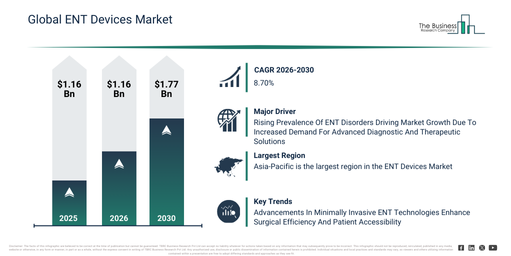
    The ENT devices market is forecast to experience substantial expansion over the upcoming years, with its valuation expected to reach $54.07 billion by 2030, driven by a compound annual growth rate (CAGR) of 8.7%. This projected growth is primarily due to factors such as the increasing integration of smart and connected ENT devices, a rising demand for outpatient ENT procedures, the advancement of sophisticated hearing implant technologies, growing investments in digital healthcare infrastructure, and an intensified focus on early diagnosis and intervention. Significant trends anticipated during this period include the wider adoption of advanced ENT diagnostic systems, an escalating demand for minimally invasive ENT surgical tools, the growing utilization of digital hearing assessment devices, the expansion of implantable hearing solutions, and an enhanced commitment to patient-centric ENT care.

    Get A Free Sample Report With In-Depth Market Insights:

    https://thebusinessresearchcompany.com/sample_request?id=14131277&type=smp&name=ENT%20Devices%20Market%20Report%202026&utm_source=Blogs&utm_medium=Paid&utm_campaign=Oct_PR

    ENT Devices Market Growth Drivers: What’s Behind The Acceleration?

    The rising incidence of ear, nose, and throat disorders is anticipated to drive the future expansion of the ENT device market. These disorders encompass conditions affecting the auditory, nasal, and throat regions, including chronic sinusitis, otitis media, hearing loss, sleep apnea, and vocal cord issues, all of which necessitate accurate diagnosis and effective treatment. The surge in ENT disorders is attributed to increased exposure to environmental pollutants and allergens, leading to persistent inflammation and infections in these areas. ENT equipment is utilized for diagnosing, monitoring, and treating these health challenges. For example, in February 2023, an article published by the World Health Organization, a Switzerland-based public health body, stated that a total of 430 million people, constituting over 5% of the global population (including 432 million adults and 34 million children), will require rehabilitation for their incapacitating hearing loss. Moreover, projections indicate that over 700 million individuals will experience hearing loss by the year 2050. Thus, the growing prevalence of ear, nose, and throat disorders will stimulate the growth of the ENT device market.

    ENT Devices Market Segment Analysis And Revenue Potential

    The ent devices market covered in this report is segmented –

    1) By Device: Hearing Aid Devices And Equipment, Hearing Diagnostic Devices And Equipment, ENT Surgical Devices And Equipment, Hearing Implants, Voice Prosthesis Devices And Equipment, Nasal Splints

    2) By End User: Hospitals And Clinics, Diagnostic Laboratories, Other End Users

    3) By Type of Expenditure: Public, Private

    Subsegments:

    1) By Hearing Aid Devices And Equipment: Behind-The-Ear (BTE) Hearing Aids, In-The-Ear (ITE) Hearing Aids, In-The-Canal (ITC) Hearing Aids, Completely-In-The-Canal (CIC) Hearing Aids, Bone Anchored Hearing Aids (BAHA)

    2) By Hearing Diagnostic Devices And Equipment: Audiometers, Tympanometers, Otoacoustic Emission (OAE) Equipment, Auditory Brainstem Response (ABR) Equipment

    3) By ENT Surgical Devices And Equipment: Endoscopes, Nasal Surgical Instruments, Laryngoscopes, Surgical Microscopes, ENT Lasers

    4) By Hearing Implants: Cochlear Implants, Bone Conduction Implants

    5) By Voice Prosthesis Devices And Equipment: Laryngeal Prostheses, Electrolarynx Devices

    6) By Nasal Splints: External Nasal Splints, Internal Nasal Splints

    ENT Devices Market Trends: What’s Defining The Industry’s Next Phase?

    Major companies in the ENT devices market are focused on developing advanced solutions, such as user-friendly and non-invasive surgical tools, to improve treatment outcomes, reduce procedural complexities, and expand access to care. Minimally invasive ENT technologies refer to innovative devices designed to streamline surgical workflows, minimize patient discomfort, and lower reliance on extensive equipment or anesthesia. For instance, in July 2024, Dr. Lynne Lim, a Singapore-based ENT specialist, invented CLiKX, the world’s first robotic, handheld surgical device for ear tube procedures. This device enables ENT surgeons to insert 1 mm ear tubes with a single click in just one second, allowing middle ear infections to be treated using only local anesthesia and basic surgical tools. By simplifying the procedure, reducing the need for general anesthesia, and improving accessibility—especially for children in underserved regions—this innovation reinforces technological progress in the ENT devices market.

    ENT Devices Market Key Players Shaping Industry Direction

    Major companies operating in the ent devices market are Sonova Holdings AG, Demant A/S, Medtronic plc, GN Store Nord A/S, Cochlear Limited, Olympus Corporation, Stryker Corporation, Karl Storz SE & Co. KG, Smith & Nephew plc, Richard Wolf GmbH, Cook Group Incorporated, Grace Medical Inc., Intersect ENT Inc., Lumenis Ltd., Atos Medical AB, Oticon Medical AB, Siemens Healthcare GmbH, ArthroCare Corporation, Xoran Technologies LLC, Zhejiang Tiansong Medical Instrument Co. Ltd., Acclarent Inc., Meril Life Sciences Pvt. Ltd., SinuSys Corporation, Audina Hearing Instruments Inc., Ambu A/S, Nupur Technologies, 3NT Medical, Welch Allyn Inc., Otopront Medizintechnik GmbH

    View The Full ENT Devices Market Report:

    https://thebusinessresearchcompany.com/report/ent-devices-global-market-report?utm_source=Blogs&utm_medium=Paid&utm_campaign=Oct_PR

    ENT Devices Market Regional Analysis: Which Geography Leads On Revenue?

    Asia-Pacific was the largest region in the global ENT devices market in 2025. North America was the second largest region in the global ENT devices market. Africa. was the smallest region in the global ENT devices market. The regions covered in the ent devices market report are Asia-Pacific, South East Asia, Western Europe, Eastern Europe, North America, South America, Middle East, Africa.

    Reach Out To Our Team:

    The Business Research Company: https://www.thebusinessresearchcompany.com/

    Americas: +1 310-496-7795

    Asia: +44 7882 955267 & +91 8897263534

    Europe: +44 7882 955267

    Email us at: marketing@tbrc.info

    Follow us on:

    LinkedIn: https://in.linkedin.com/company/the-business-research-company

    YouTube: https://www.youtube.com/channel/UC24_fI0rV8cR5DxlCpgmyFQ

    Global Market Model: https://www.thebusinessresearchcompany.com/global-market-model
  • Energy-Based Aesthetic Devices Market Size Growth: From $6.62 Billion In 2026 To $10.67 Billion By 2030

    Energy-Based Aesthetic Devices Market Size Growth: From $6.62 Billion In 2026 To $10.67 Billion By 2030

    Built to provide research that’s more actionable and strategically valuable, The Business Research Company’s 2026 market reports include market attractiveness analysis, total addressable market sizing, company benchmarking matrices, interactive Excel dashboards, broader supply chain intelligence, emerging startup tracking, and in-depth product insights.

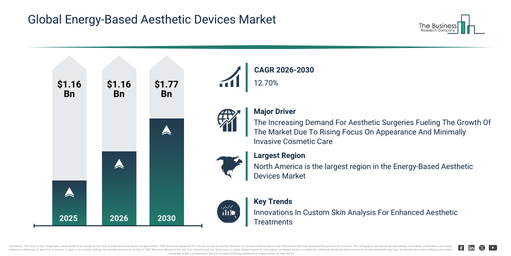
    Energy-Based Aesthetic Devices Market Poised To Hit $10.67 Billion By 2030 With A 12.7% CAGR

    The market size for energy-based aesthetic devices has seen rapid expansion in recent years. It is expected to expand from $5.89 billion in 2025 to $6.62 billion in 2026, achieving a compound annual growth rate (CAGR) of 12.4%. This historical growth can be attributed to several factors, including heightened consumer awareness of aesthetic treatments, increased disposable income in urban populations, growing acceptance of cosmetic procedures, the expansion of dermatology and cosmetic clinics, and advancements in device safety standards.

    The energy-based aesthetic devices market size is anticipated to experience substantial growth over the coming years. This sector is projected to reach $10.67 billion in 2030, demonstrating a compound annual growth rate (CAGR) of 12.7%. This expansion during the forecast period is propelled by several factors, including a heightened demand for minimally invasive treatments, the increasing embrace of AI-enabled aesthetic devices, a broadening demand for male aesthetic treatments, an intensifying focus on customized treatment outcomes, and greater investments in aesthetic technology innovation. Furthermore, prominent trends anticipated for this period encompass the rising adoption of multi-modal energy-based devices, an escalating demand for non-invasive cosmetic procedures, the expanding integration of AI-guided treatment platforms, the proliferation of combination therapy aesthetic systems, and an enhanced emphasis on personalized skin treatment protocols.

    Get A Free Sample Report With In-Depth Market Insights:

    https://thebusinessresearchcompany.com/sample_request?id=10439&type=smp&name=Energy-Based%20Aesthetic%20Devices%20Market%20Report%202026&utm_source=Blogs&utm_medium=Paid&utm_campaign=Oct_PR

    Energy-Based Aesthetic Devices Market Growth Factors Behind Sustained Expansion

    The anticipated expansion of the energy-based aesthetic devices market is linked to the rising need for aesthetic surgeries. A medical procedure called surgery involves a doctor creating cuts in a patient’s body to address or extract diseased or compromised organs. During surgical procedures, energy-based aesthetic devices facilitate diverse treatments, including those for skin resurfacing, skin tightening, and body contouring. As an illustration, figures from June 2024, published by the International Society of Aesthetic Plastic Surgery (ISAPS), a US-based professional non-governmental organization for aesthetic plastic surgeons, revealed that 34.9 million aesthetic procedures were conducted globally in 2023. This represented a 3.4% rise from 2022, with an increase observed in both surgical and non-surgical procedure numbers. Consequently, the growing requirement for aesthetic surgeries is a key factor propelling the expansion of the energy-based aesthetic devices market.

    Energy-Based Aesthetic Devices Market Segmentation And Category Overview

    The energy-based aesthetic devices market covered in this report is segmented –

    1) By Technology: Laser-Based, Light-Based, Electromagnetic Energy-Based, Ultrasound-Based, Cryolipolysis, Other Technologies

    2) By Gender: Female, Male

    3) By Distribution Channel: Indirect, Direct

    4) By Application: Body Contouring And Skin Tightening, Skin Rejuvenation, Hair Removal, Leg Vein Treatment, Pigmented Lesion And Tattoo Removal, Vaginal Rejuvenation, Other Applications

    5) By End-User: Hospital Or Surgery Center, Medspa, HCP-Owned Clinic

    Subsegments:

    1) By Laser-Based: Ablative Lasers, Non-Ablative Lasers, Fractional Lasers

    2) By Light-Based: Intense Pulsed Light (IPL), Light Emitting Diodes (LED)

    3) By Electromagnetic Energy-Based: Radiofrequency Devices, Microwave Devices

    4) By Ultrasound-Based: High-Intensity Focused Ultrasound (HIFU), Ultrasound Cavitation Devices

    5) By Cryolipolysis: Fat Freezing Devices, CryoSlimming Devices

    6) By Other Technologies: Plasma Energy Devices, Electrical Stimulation Devices

    Energy-Based Aesthetic Devices Market Industry Trends Fueling Future Revenue Growth

    Major companies operating in the energy-based aesthetic devices market are focusing on innovative systems, such as custom skin analysis systems, to enhance treatment personalization, improve patient outcomes, and streamline the overall aesthetic experience. Custom skin analysis systems are advanced technological tools used in the aesthetic industry to assess individual skin conditions and characteristics. For instance, in May 2024, Alma, an Israel-based provider of energy-based aesthetic solutions, launched Alma IQ, a custom skin analysis system. Alma IQ is designed to deliver precise assessments of skin conditions using advanced imaging and analytical algorithms, allowing practitioners to tailor treatments based on each patient’s unique skin profile. This innovative system aims to enhance treatment effectiveness and improve overall patient satisfaction by ensuring that aesthetic procedures are specifically suited to individual needs.

    Energy-Based Aesthetic Devices Market Competitive Analysis Of Leading Industry Participants

    Major companies operating in the energy-based aesthetic devices market are Merz Pharma GmbH & Co. KGaA, Lumenis Be Ltd., Alma Lasers Inc., EL.EN. S.p.A., Cutera Inc., Sisram Medical Ltd., Cynosure Inc., Zeltiq Aesthetics Inc., Venus Concept Inc., Sciton Inc., Candela Corporation, Syneron Medical Ltd., Aerolase Corp., BTL Industries Inc., Lutronic Corporation, Fotona d.o.o., InMode Ltd., Quanta System S.p.A., Ellman International Inc., Solta Medical, SpectraGenics Inc., iPixel Medical Inc.

    View The Full Energy-Based Aesthetic Devices Market Report:

    https://thebusinessresearchcompany.com/report/energy-based-aesthetic-devices-global-market-report?utm_source=Blogs&utm_medium=Paid&utm_campaign=Oct_PR

    Energy-Based Aesthetic Devices Market Geographic Spread And Regional Opportunities

    North America was the largest region in the energy-based aesthetic devices market in 2025. Europe is expected to be the fastest-growing region in the global energy-based aesthetic devices market during the forecast period. The regions covered in the energy-based aesthetic devices market report are Asia-Pacific, South East Asia, Western Europe, Eastern Europe, North America, South America, Middle East, Africa.

    Reach Out To Our Team:

    The Business Research Company: https://www.thebusinessresearchcompany.com/

    Americas: +1 310-496-7795

    Asia: +44 7882 955267 & +91 8897263534

    Europe: +44 7882 955267

    Email us at: marketing@tbrc.info

    Follow us on:

    LinkedIn: https://in.linkedin.com/company/the-business-research-company

    YouTube: https://www.youtube.com/channel/UC24_fI0rV8cR5DxlCpgmyFQ

    Global Market Model: https://www.thebusinessresearchcompany.com/global-market-model
  • Endovascular Stent Grafts Market Analysis 2026: Market Size, Growth Trends And Industry Outlook

    Endovascular Stent Grafts Market Analysis 2026: Market Size, Growth Trends And Industry Outlook

    Backed by market attractiveness analysis, total addressable market sizing, company benchmarking matrices, interactive Excel dashboards, wider supply chain intelligence, emerging startup coverage, and detailed product-level insights, The Business Research Company’s 2026 market reports are designed to offer research that is more actionable and strategically valuable than ever.

    Endovascular Stent Grafts Market Size And Revenue Outlook Through 2030

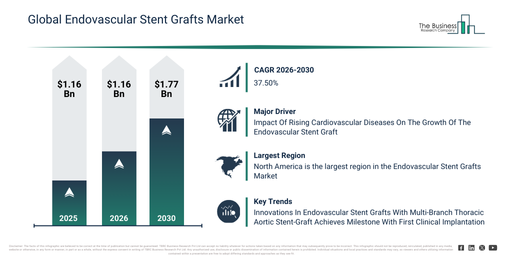
    The market for endovascular stent grafts has undergone considerable expansion in recent years. Its value is projected to climb from $1.45 billion in 2025 to $1.99 billion in 2026, exhibiting a compound annual growth rate (CAGR) of 37.9%. The historical growth of this market stems from factors such as the continued reliance on traditional open surgical procedures, the restricted supply of sophisticated stent graft materials, the escalating occurrence of vascular diseases, the swift uptake of coronary and peripheral grafts, and heightened public knowledge about aortic aneurysm treatments.

    The endovascular stent grafts market is projected to experience substantial growth over the coming years. Its size is anticipated to reach $7.13 billion by 2030, exhibiting a compound annual growth rate (CAGR) of 37.5%. This expansion during the projection period is driven by factors such as advancements in endovascular stent graft technology, an increase in minimally invasive surgical procedures, a rise in cases of aortic aneurysm and dissection, the growing acceptance of hybrid vascular grafts, and the development of cardiovascular healthcare facilities. Key trends foreseen for this period encompass the wider embrace of minimally invasive endovascular techniques, a growing need for tailored stent grafts, innovations in hybrid and biologic graft materials, an increase in thoracic and abdominal aortic repair interventions, and a heightened emphasis on patient well-being and adherence to regulations.

    Get A Free Sample Report With In-Depth Market Insights:

    https://thebusinessresearchcompany.com/sample_request?id=87796927&type=smp&name=Endovascular%20Stent%20Grafts%20Market%20Report%202026&utm_source=Blogs&utm_medium=Paid&utm_campaign=Oct_PR

    Endovascular Stent Grafts Market Demand Drivers Opening New Revenue Streams

    The rising incidence of cardiovascular diseases is expected to propel the growth of the endovascular stent graft market going forward. Cardiovascular disease (CVD) refers to a class of diseases that involve the heart or blood vessels. The increasing prevalence of cardiovascular diseases is attributable to a combination of lifestyle choices, medical conditions, genetic predisposition, and environmental factors. Endovascular stent grafts offer a valuable option for treating cardiovascular diseases with an emphasis on minimizing invasiveness and improving patient outcomes. The stent graft reinforces the weakened vessel wall, preventing it from rupturing and reducing the risk of life-threatening complications. For instance, in October 2025, according to the Australian Institute Of Health And Welfare, an Australia-based government agency reported that in 2023, an estimated 57,100 adults aged 25 and above experienced acute coronary events, averaging roughly 156 incidents per day. Therefore, an increase in cardiovascular diseases drives the growth of endovascular stent grafts market.

    Endovascular Stent Grafts Market Segment Outlook: Which Categories Are Growing Fastest?

    The endovascular stent grafts market covered in this report is segmented –

    1) By Product: Hemodialysis Access Grafts, Endovascular Stent Grafts, Coronary Artery By-Pass Grafts, Vascular Grafts For Aorta Disease, Peripheral Vascular Grafts

    2) By Raw Material: Synthetic Vascular Grafts, Biological Vascular Grafts, Hybrid Vascular Grafts

    3) By Application: Cardiac Aneurysm, Kidney Failure, Vascular Occlusion, Coronary Artery Disease

    Subsegments:

    1) By Hemodialysis Access Grafts: Arteriovenous (AV) Fistula Grafts, Synthetic Hemodialysis Access Grafts, Bioengineered Hemodialysis Access Grafts, Coated Hemodialysis Grafts, Endovascular Hemodialysis Grafts

    2) By Endovascular Stent Grafts: Aneurysm Stent Grafts, Stent Grafts For Aortic Dissection, Thoracic Endovascular Stent Grafts, Abdominal Endovascular Stent Grafts, Biliary Endovascular Stent Grafts

    3) By Coronary Artery By-Pass Grafts: Saphenous Vein Grafts (SVG), Arterial Coronary Bypass Grafts, Endovascular Coronary Artery Bypass Grafts (CABG), Synthetic Coronary Bypass Grafts

    4) By Vascular Grafts For Aorta Disease: Endovascular Aortic Stent Grafts, Aortic Aneurysm Grafts, Aortic Bypass Grafts, Thoracoabdominal Aortic Stent Grafts, Aortic Dissection Stent Grafts

    5) By Peripheral Vascular Grafts: Carotid Artery Stent Grafts, Femoral Artery Stent Grafts, Popliteal Artery Stent Grafts, Iliac Artery Stent Grafts, Peripheral Endovascular Stent Grafts

    Endovascular Stent Grafts Market Trends Powering Strategic Industry Growth

    Leading companies within the endovascular stent grafts market are concentrating on developing novel products, such as the thoracic aortic stent-graft. Their objective is to enhance the accuracy and effectiveness of treating thoracic aortic aneurysms and dissections, improve patient recovery, and tackle intricate anatomical challenges through advanced technology and design upgrades. A thoracic aortic stent graft is a specialized medical implant utilized in endovascular procedures to address various diseases and conditions affecting the thoracic aorta, which is the segment of the aorta situated in the chest, providing safety, efficacy, and ease in managing thoracic aortic ailments. As an illustration, in February 2024, Endovastec, a medical device firm based in China, launched its Multi-Branch Thoracic Aortic Stent-Graft System, known as Hector, and completed its initial clinical application in Switzerland. The Hector system signifies a major stride forward in endovascular stent graft technology. Its innovative multi-branch configuration facilitates the treatment of complex thoracic aortic conditions by accommodating and safeguarding critical branches of the aorta, including those supplying vital organs.

    Endovascular Stent Grafts Market Leading Companies And Competitive Benchmarking

    Major companies operating in the endovascular stent grafts market are Abbott Laboratories, Medtronic PLC, Boston Scientific Corporation, Terumo Corporation, Cook Group Incorporated, Merit Medical Systems Inc., Biotronik SE & Co KG, MicroPort Scientific Corporation, Endologix LLC, LeMaitre Vascular Inc., Lifetech Scientific Corporation, W. L. Gore & Associates Inc., Braile Biomedica, BrosMed Medical BV, Micro Interventional Devices Inc. (MID), Lombard Medical Inc., Endovastec Medical Technology Co Ltd., Jotec GmbH, Bentley InnoMed GmbH, Bolton Medical Inc., Alvimedica, Endospan Ltd., Vivasure Medical Ltd.

    View The Full Endovascular Stent Grafts Market Report:

    https://thebusinessresearchcompany.com/report/endovascular-stent-grafts-global-market-report?utm_source=Blogs&utm_medium=Paid&utm_campaign=Oct_PR

    Endovascular Stent Grafts Market Top Region By Revenue And Market Share

    North America was the largest region in the endovascular stent grafts market in 2025. The regions covered in the endovascular stent grafts market report are Asia-Pacific, South East Asia, Western Europe, Eastern Europe, North America, South America, Middle East, Africa.

    Reach Out To Our Team:

    The Business Research Company: https://www.thebusinessresearchcompany.com/

    Americas: +1 310-496-7795

    Asia: +44 7882 955267 & +91 8897263534

    Europe: +44 7882 955267

    Email us at: marketing@tbrc.info

    Follow us on:

    LinkedIn: https://in.linkedin.com/company/the-business-research-company

    YouTube: https://www.youtube.com/channel/UC24_fI0rV8cR5DxlCpgmyFQ

    Global Market Model: https://www.thebusinessresearchcompany.com/global-market-model
  • Endovascular Aneurysm Repair Devices Market Forecast To 2030: Starting From $3.78 Billion In 2026

    Endovascular Aneurysm Repair Devices Market Forecast To 2030: Starting From $3.78 Billion In 2026

    Featuring market attractiveness scoring, total addressable market sizing, company benchmarking matrices, interactive Excel dashboards, deeper supply chain intelligence, emerging startup tracking, and granular product-level insights, The Business Research Company’s 2026 market reports are built to deliver research that is both more actionable and more strategically valuable.

    Endovascular Aneurysm Repair Devices Market Growth From $2.83 Billion In 2026 To $3.78 Billion By 2030 At A CAGR Of 7.6%

    The endovascular aneurysm repair devices market size has demonstrated significant growth in recent years. It is projected to expand from $2.62 billion in 2025 to $2.83 billion in 2026, exhibiting a compound annual growth rate (CAGR) of 7.8%. The growth observed in previous periods is attributable to an increasing occurrence of aortic aneurysms, a growing preference for minimally invasive surgical procedures, the proliferation of vascular surgery centers, enhancements in imaging-guided interventions, and the widespread availability of advanced catheter technologies.

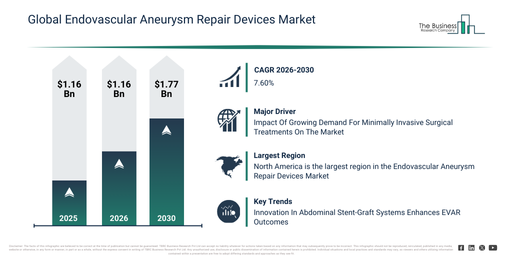
    The endovascular aneurysm repair devices market is projected to experience substantial expansion in the coming years. This market is anticipated to reach $3.78 billion in 2030, exhibiting a compound annual growth rate (CAGR) of 7.6%. This anticipated growth over the forecast period stems from factors such as the greater acceptance of advanced stent-grafts, a surge in the need for customized vascular implants, the broadening scope of endovascular treatment options, increased capital expenditure in hybrid operating facilities, and a heightened emphasis on sustained patient benefits. Key trends identified for the forecast period encompass a wider embrace of minimally invasive aneurysm repair techniques, an escalating call for sophisticated stent-graft innovations, the expanding application of image-guided endovascular systems, the development of tailored EVAR device configurations, and a stronger commitment to procedural accuracy and patient security.

    Get A Free Sample Report With In-Depth Market Insights:

    https://thebusinessresearchcompany.com/sample_request?id=97019850&type=smp&name=Endovascular%20Aneurysm%20Repair%20Devices%20Market%20Report%202026&utm_source=Blogs&utm_medium=Paid&utm_campaign=Oct_PR

    Endovascular Aneurysm Repair Devices Market Growth Backed By Core Demand Fundamentals

    The growing demand for minimally invasive surgical treatments is projected to drive the expansion of the endovascular aneurysm repair devices market. Minimally invasive surgical treatments encompass medical procedures performed with minimal incisions or bodily disruptions, employing specialized tools and techniques. The increasing demand for these treatments is influenced by factors such as reduced recovery periods, lower risk of complications, smaller incisions leading to less pain, and improved precision and outcomes. Endovascular Aneurysm Repair (EVAR) devices enable minimally invasive surgeries by reinforcing blood vessel walls and redirecting blood flow, thereby reducing the risk of aneurysm rupture. For instance, in January 2024, Intuitive Surgical Inc., a US-based manufacturer of robotic products, reported the placement of 415 da Vinci surgical systems (robotic surgical systems utilizing a minimally invasive surgical approach) in the fourth quarter of 2023, representing a 12% increase compared to 2022. Therefore, the increase in minimally invasive surgeries is propelling the growth of the endovascular aneurysm repair devices market.

    Endovascular Aneurysm Repair Devices Market Segment Landscape: Which Areas Lead Development?

    The endovascular aneurysm repair devices market covered in this report is segmented –

    1) By Aneurysm Type: Abdominal Aortic Aneurysms (AAA), Thoracic Aortic Aneurysms (TAA), Peripheral Aneurysms

    2) By Application: Endovascular Grafts, Stent-Grafts, Catheters, Delivery Systems, Imaging Systems

    3) By End User: Hospitals, Ambulatory Surgical Centers, Specialty Clinics

    Subsegments:

    1) By Abdominal Aortic Aneurysms (AAA): Infrarenal AAA, Juxtarenal AAA, Pararenal AAA

    2) By Thoracic Aortic Aneurysms (TAA): Ascending Aortic Aneurysms, Aortic Arch Aneurysms, Descending Aortic Aneurysms

    3) By Peripheral Aneurysms: Femoral Aneurysms, Popliteal Aneurysms, Iliac Aneurysms, Renal Aneurysms

    Endovascular Aneurysm Repair Devices Market Growth Trends Reshaping The Competitive Landscape

    Leading companies within the endovascular aneurysm repair devices market are focusing on developing innovative solutions, such as abdominal stent-graft systems, to improve patient outcomes by enhancing device durability, increasing procedural success rates, and simplifying deployment. An abdominal stent-graft system refers to a medical apparatus employed in endovascular aneurysm repair (EVAR) procedures for treating abdominal aortic aneurysms (AAA). For instance, in August 2024, Terumo India, an India-based medical technology firm, introduced the TREO Abdominal Stent-Graft System, an advanced solution for addressing abdominal aortic aneurysms (AAAs) in adults with suitable anatomies. This system is characterized by a unique three-piece configuration that includes both suprarenal and infrarenal active fixation capabilities, thereby improving stability and effectiveness during endovascular aneurysm repair (EVAR). Its key features include in situ limb adjustability for accurate deployment, enhanced proximal sealing to prevent leaks, and superior lock stent technology to minimize migration risks.

    Endovascular Aneurysm Repair Devices Market Industry Leaders And Competitive Landscape

    Major companies operating in the endovascular aneurysm repair devices market are Cardinal Health Inc., Johnson & Johnson, Abbott Laboratories, Medtronic Plc, Royal Philips, Boston Scientific, Terumo Corporation, Biotronik, L. Gore & Associates Inc., AorTech International, Teleflex Incorporated, Getinge AB, Cook Medical Group, Lombard Medical Technologies plc, Merit Medical Systems, Penumbra Inc., Volcano Corporation, Endologix Inc., Medico S.p.A, MicroPort Scientific Corporation

    View The Full Endovascular Aneurysm Repair Devices Market Report:

    https://thebusinessresearchcompany.com/report/endovascular-aneurysm-repair-devices-global-market-report?utm_source=Blogs&utm_medium=Paid&utm_campaign=Oct_PR

    Endovascular Aneurysm Repair Devices Market Regional Analysis And Top Geography

    North America was the largest region in the endovascular aneurysm repair devices market in 2025. The regions covered in the endovascular aneurysm repair devices market report are Asia-Pacific, South East Asia, Western Europe, Eastern Europe, North America, South America, Middle East, Africa.

    Reach Out To Our Team:

    The Business Research Company: https://www.thebusinessresearchcompany.com/

    Americas: +1 310-496-7795

    Asia: +44 7882 955267 & +91 8897263534

    Europe: +44 7882 955267

    Email us at: marketing@tbrc.info

    Follow us on:

    LinkedIn: https://in.linkedin.com/company/the-business-research-company

    YouTube: https://www.youtube.com/channel/UC24_fI0rV8cR5DxlCpgmyFQ

    Global Market Model: https://www.thebusinessresearchcompany.com/global-market-model