Blog

  • Bradycardia Treatment Devices Market Size In 2026 And Beyond: Understanding Future Growth Potential

    Bradycardia Treatment Devices Market Size In 2026 And Beyond: Understanding Future Growth Potential

    Built to provide research that’s more actionable and strategically valuable, The Business Research Company’s 2026 market reports include market attractiveness analysis, total addressable market sizing, company benchmarking matrices, interactive Excel dashboards, broader supply chain intelligence, emerging startup tracking, and in-depth product insights.

    Bradycardia Treatment Devices Market Set To Climb From $9.47 Billion In 2026 To $11.51 Billion By 2030

    The bradycardia treatment devices market has experienced robust expansion in recent years. It will grow from $8.97 billion in 2025 to $9.47 billion in 2026 at a compound annual growth rate (CAGR) of 5.6%. This historical growth can be attributed to an increasing prevalence of cardiac rhythm disorders, the early adoption of pacemakers in hospital-based cardiology units, the growing availability of implantable cardiac rhythm devices, the expansion of cardiovascular diagnostic and monitoring programs, and the development of electrophysiology and cardiac care infrastructure.

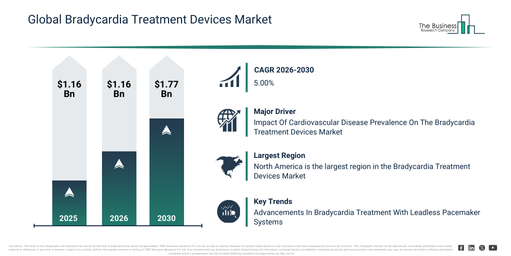
    The bradycardia treatment devices market size is set to experience steady expansion over the next few years, with its valuation expected to reach $11.51 billion in 2030, growing at a compound annual growth rate (CAGR) of 5.0%. This projected growth is driven by several factors, including the increasing demand for MRI-conditional and biventricular pacemakers, a rise in the adoption of external and wearable defibrillators, improved treatment rates for sick sinus syndrome and heart block, higher utilization of device-based rhythm stabilization among aging patients, and the expanding application of cardiac rhythm therapy in specialty clinics. Notable trends during the forecast period encompass the ongoing development of advanced implantable pacemaker technologies, the increasing integration of bradycardia devices into cardiac rhythm management therapies, a growing preference for minimally invasive cardiac device implantation procedures, the broadening use of these devices across various bradycardia-related cardiac conditions, and a concerted effort to enhance device safety, longevity, and treatment reliability.

    Get A Free Sample Report With In-Depth Market Insights:

    https://thebusinessresearchcompany.com/sample_request?id=31066870&type=smp&name=Bradycardia%20Treatment%20Devices%20Market%20Report%202026&utm_source=Blogs&utm_medium=Paid&utm_campaign=Sep_PR

    Bradycardia Treatment Devices Market Growth Momentum: What Factors Are Shaping Demand?

    The expanding occurrence of cardiovascular disease is anticipated to propel the growth of the bradycardia treatment devices market going forward. Cardiovascular disease encompasses conditions impacting the heart and blood vessels, including issues like coronary artery disease, stroke, and heart failure. The increasing prevalence of cardiovascular disease can be attributed to factors such as inactive lifestyles, unhealthy diets, smoking, and aging populations. Bradycardia treatment devices, such as pacemakers, are utilized to regulate heart rhythm and sustain an adequate heart rate in patients experiencing cardiac disorders. For instance, in January 2024, according to the American Heart Association, a US-based non-profit organization, the age-adjusted death rate from cardiovascular disease increased to 233.3 per 100,000 in 2024, marking a 4.0% rise from 224.4 per 100,000 in 2023. Consequently, the rising prevalence of cardiovascular disease will fuel the expansion of the bradycardia treatment devices market.

    Bradycardia Treatment Devices Market Segment Landscape: Which Areas Lead Development?

    The bradycardia treatment devices market covered in this report is segmented –

    1) By Devices: Pacemakers, Defibrillator

    2) By Treatment Type: Sinus Bradycardia, Sinus Pause, Sick Sinus Syndrome, Tachy-Brady Syndrome, Heart Block

    3) By End User: Hospitals, Specialty Clinics, Other End Users

    Subsegments:

    1) By Pacemakers: Single Chamber Pacemakers, Dual Chamber Pacemakers, Biventricular Pacemakers, MRI-Conditional Pacemakers, External Pacemakers

    2) By Defibrillator: Implantable Cardioverter Defibrillators (ICDS), External Defibrillators, Automated External Defibrillators (AEDS), Manual External Defibrillators, Wearable Defibrillators

    Bradycardia Treatment Devices Market Trends Redefining Industry Growth

    Leading companies engaged in bradycardia treatment devices are concentrating on creating advanced solutions, including leadless pacemakers, to improve patient outcomes and lessen procedural complications. Leadless pacemakers are defined as small, independent devices implanted directly into the heart without the use of connecting wires, presenting a minimally invasive option for regulating heart rhythm. For instance, in July 2023, Abbott Laboratories, a US-based medical device manufacturing company, received US Food and Drug Administration (FDA) approval for the AVEIR dual chamber (DR) leadless pacemaker system. This system is a dual-chamber leadless pacing solution for individuals with abnormal or slow heart rhythms, offering synchronized or coordinated cardiac pacing between two leadless pacemakers, tailored to meet the individual’s clinical requirements.

    Bradycardia Treatment Devices Market Leading Companies And Competitive Benchmarking

    Major companies operating in the bradycardia treatment devices market are Medtronic plc, Abbott Laboratories, Boston Scientific Corporation, Biotronik SE & Co KG, MicroPort Scientific Corporation, LivaNova PLC, Osypka Medical GmbH, Lepu Medical Technology Co Ltd, Pacetronix Ltd, Shree Pacetronix Ltd, Medico SpA, Zoll Medical Corporation, EBR Systems Inc, Impulse Dynamics NV, Cardioelectronica Company, IMZ Medical Devices, Oscor Inc, CCC Medical Devices, Atacor Medical, Koninklijke Philips NV

    View The Full Bradycardia Treatment Devices Market Report:

    https://thebusinessresearchcompany.com/report/bradycardia-treatment-devices-global-market-report?utm_source=Blogs&utm_medium=Paid&utm_campaign=Sep_PR

    Bradycardia Treatment Devices Market Top Region By Revenue And Market Share

    North America was the largest region in the bradycardia treatment devices market in 2025. The regions covered in the bradycardia treatment devices market report are Asia-Pacific, South East Asia, Western Europe, Eastern Europe, North America, South America, Middle East, Africa.

    Reach Out To Our Team:

    The Business Research Company: https://www.thebusinessresearchcompany.com/

    Americas: +1 310-496-7795

    Asia: +44 7882 955267 & +91 8897263534

    Europe: +44 7882 955267

    Email us at: marketing@tbrc.info

    Follow us on:

    LinkedIn: https://in.linkedin.com/company/the-business-research-company

    YouTube: https://www.youtube.com/channel/UC24_fI0rV8cR5DxlCpgmyFQ

    Global Market Model: https://www.thebusinessresearchcompany.com/global-market-model
  • Brachytherapy Devices Market Reaches $1.1 Billion In 2026: Key Developments Shaping Expansion

    Brachytherapy Devices Market Reaches $1.1 Billion In 2026: Key Developments Shaping Expansion

    Backed by market attractiveness analysis, total addressable market sizing, company benchmarking matrices, interactive Excel dashboards, wider supply chain intelligence, emerging startup coverage, and detailed product-level insights, The Business Research Company’s 2026 market reports are designed to offer research that is more actionable and strategically valuable than ever.

    Brachytherapy Devices Market Forecast: Value Set To Climb From $0.85 Billion To $1.1 Billion

    The brachytherapy devices market has experienced substantial expansion in recent years. This market is projected to increase from $0.8 billion in 2025 to $0.85 billion in 2026, demonstrating a compound annual growth rate (CAGR) of 6.9%. The market’s past growth can be attributed to several factors including the limited supply of brachytherapy devices, the reliance on low dose rate (ldr) treatments, the rising prevalence of prostate and cervical cancers, the gradual adoption of automated afterloaders, and the constrained oncology infrastructure within emerging regions.

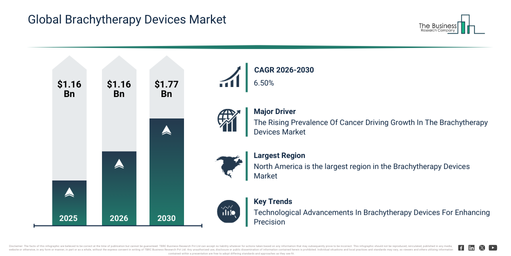
    The brachytherapy devices market is projected to experience robust expansion over the coming years. This market is anticipated to reach $1.1 billion by 2030, exhibiting a compound annual growth rate (CAGR) of 6.5%. Several factors contribute to this projected growth, including advancements in HDR and PDR brachytherapy technology, the proliferation of specialized cancer clinics, increased investment in oncology healthcare, the integration of AI and digital planning software, and greater awareness among clinicians regarding the benefits of brachytherapy. Key trends anticipated during this period encompass the growing uptake of high-dose-rate (HDR) brachytherapy, an increase in minimally invasive brachytherapy procedures, the establishment of more cancer treatment centers and specialty clinics, the integration of treatment planning software with quality assurance devices, and an enhanced emphasis on patient safety and precise radiation delivery.

    Get A Free Sample Report With In-Depth Market Insights:

    https://thebusinessresearchcompany.com/sample_request?id=72859628&type=smp&name=Brachytherapy%20Devices%20Market%20Report%202026&utm_source=Blogs&utm_medium=Paid&utm_campaign=Sep_PR

    Brachytherapy Devices Market Expansion Drivers: What’s Shaping Future Growth?

    The anticipated rise in cancer cases is projected to fuel the expansion of the brachytherapy devices market. Cancer is a complex set of illnesses characterized by the uncontrolled multiplication and spread of cells. This growing incidence of cancer stems from an aging demographic, various lifestyle elements, genetic predispositions, and environmental influences. Brachytherapy devices provide considerable advantages to individuals with cancer through the precise delivery of radiation straight to the tumor, optimizing treatment efficacy while limiting harm to adjacent healthy tissue. This targeted method not only boosts the therapy’s effectiveness but also lessens adverse reactions, shortens treatment periods, and diminishes the chance of cancer returning, ultimately leading to better patient results and an enhanced quality of life. For instance, in August 2024, according to the Macmillan Cancer Support, a UK-based organization, reported that in 2024, more than 3 million people in the UK are living with cancer, this figure is projected to increase to 3.5 million by 2025, 4 million by 2030, and 5.3 million by 2040. Thus, the escalating incidence of cancer is a primary catalyst for the expansion of the brachytherapy devices market.

    Brachytherapy Devices Market Segments: Where Is Growth Concentrated?

    The brachytherapy devices market covered in this report is segmented –

    1) By Product Type: Brachytherapy Afterloaders, Brachytherapy Applicators, Other Product Types

    2) By Indications: Prostate Cancer, Breast Cancer, Cervical Cancer, Skin Cancer, Other Indications

    3) By Dose Rate: High Dose Rate (HDR) Brachytherapy, Low Dose Rate (LDR) Brachytherapy, Pulse Dose Rate (PDR) Brachytherapy

    4) By End-User: Hospitals, Specialty Clinics, Other End-Users

    Subsegments:

    1) By Brachytherapy Afterloaders: Remote Afterloaders, Manual Afterloaders

    2) By Brachytherapy Applicators: Intravaginal Applicators, Interstitial Applicators, Intracavitary Applicators

    3) By Other Product Types: Brachytherapy Seeds, Treatment Planning Software, Quality Assurance Devices

    Brachytherapy Devices Market Strategic Trends: What Defines The Next Growth Phase?

    Major companies operating in the brachytherapy devices market are concentrating on developing innovative solutions, such as cutting-edge brachytherapy machines, to benefit many patients requiring specialized cancer care. An advanced brachytherapy machine is a pioneering device designed to deliver internal radiation therapy with utmost precision, efficacy, and safety. This machine facilitates the administration of a high dose of radiation to the cancerous tissue while significantly reducing exposure to the surrounding healthy tissues. For instance, in June 2024, AIIMS Nagpur, an India-based medical institute, unveiled a state-of-the-art brachytherapy machine to boost cancer treatment precision. This advanced technology enables localized radiation therapy, targeting tumors more effectively while minimizing damage to surrounding healthy tissue. The machine is projected to improve treatment outcomes for radiation therapy patients by providing a more accurate and controlled radiation delivery.

    Brachytherapy Devices Market Industry Leaders And Competitive Landscape

    Major companies operating in the brachytherapy devices market are Siemens Healthineers AG, Becton Dickinson and Company, GE HealthCare Technologies Inc., Boston Scientific Corporation, Koninklijke Philips N.V., Varian Medical Systems Inc., Carl Zeiss Meditec AG, Elekta AB, Hologic Inc., Mirion Technologies Inc., Accuray Inc., Eckert & Ziegler BEBIG S.A., Theragenics Corporation, Sensus Healthcare Inc., Aetna Inc., CIVCO Medical Solutions, iCAD Inc., IsoRay Inc., BEBIG Medical GmbH, IsoAid L.L.C.

    View The Full Brachytherapy Devices Market Report:

    https://thebusinessresearchcompany.com/report/brachytherapy-devices-global-market-report?utm_source=Blogs&utm_medium=Paid&utm_campaign=Sep_PR

    Brachytherapy Devices Market Regional Analysis And Top Geography

    North America was the largest region in the brachytherapy devices market in 2025. Asia-Pacific is expected to be the fastest-growing region in the market going forward. The regions covered in the brachytherapy devices market report are Asia-Pacific, South East Asia, Western Europe, Eastern Europe, North America, South America, Middle East, Africa.

    Reach Out To Our Team:

    The Business Research Company: https://www.thebusinessresearchcompany.com/

    Americas: +1 310-496-7795

    Asia: +44 7882 955267 & +91 8897263534

    Europe: +44 7882 955267

    Email us at: marketing@tbrc.info

    Follow us on:

    LinkedIn: https://in.linkedin.com/company/the-business-research-company

    YouTube: https://www.youtube.com/channel/UC24_fI0rV8cR5DxlCpgmyFQ

    Global Market Model: https://www.thebusinessresearchcompany.com/global-market-model
  • Brachytherapy Market Growth Outlook For 2026: Drivers, Trends And Future Opportunities

    Brachytherapy Market Growth Outlook For 2026: Drivers, Trends And Future Opportunities

    Featuring market attractiveness scoring, total addressable market sizing, company benchmarking matrices, interactive Excel dashboards, deeper supply chain intelligence, emerging startup tracking, and granular product-level insights, The Business Research Company’s 2026 market reports are built to deliver research that is both more actionable and more strategically valuable.

    Brachytherapy Market Revenue Growth On Track For A 7% CAGR Through 2030

    The brachytherapy market has experienced strong expansion in recent years. It is projected to increase from $1 billion in 2025 to $1.08 billion in 2026, demonstrating a compound annual growth rate (CAGR) of 7.9%. The historical growth can be attributed to several factors, including a rise in prostate and gynecological cancer incidence, the early adoption of ldr and hdr brachytherapy systems, the growing acceptance of localized radiation therapies, the expansion of hospital-based oncology treatment programs, and the increasing availability of radioactive seed implants.

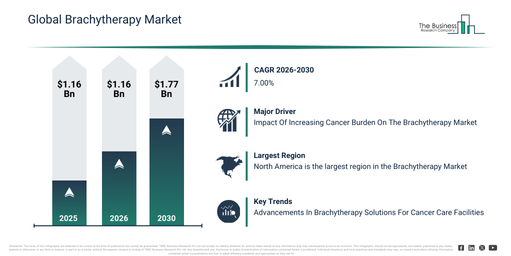
    The brachytherapy market is anticipated to experience substantial expansion in the coming years. By 2030, this market is projected to reach $1.42 billion, exhibiting a compound annual growth rate (CAGR) of 7.0%. This anticipated growth is primarily driven by an increasing need for image-guided and computer-assisted brachytherapy, the expanding adoption of electronic brachytherapy solutions, its greater utilization in outpatient and specialized oncology clinics, the enhanced integration of precision planning and dosimetry tools, and the broadening application of brachytherapy for various cancer indications. Key trends during this period encompass the rising acceptance of image-guided and precision-targeted brachytherapy techniques, its growing application in treating prostate, gynecological, and breast cancers, a developing preference for localized radiation with minimal tissue exposure, the wider deployment of electronic brachytherapy for outpatient and dermatologic uses, and an emphasis on enhancing treatment accuracy, patient results, and overall therapy safety.

    Get A Free Sample Report With In-Depth Market Insights:

    https://thebusinessresearchcompany.com/sample_request?id=83863707&type=smp&name=Brachytherapy%20Market%20Report%202026&utm_source=Blogs&utm_medium=Paid&utm_campaign=Sep_PR

    Brachytherapy Market Development Factors: What’s Supporting Demand?

    The escalating global cancer burden is projected to drive the expansion of the brachytherapy market moving forward. This increase in cancer cases is attributed to factors such as aging populations, shifts in lifestyle, and heightened exposure to risk factors including tobacco, poor diet, and environmental pollutants. Brachytherapy plays a role in managing this burden by offering a targeted and effective treatment solution that can be customized for various cancer types, delivering localized therapy while reducing overall treatment duration and side effects. For instance, in September 2025, the Institute for Health Metrics and Evaluation (IHME), a US-based population health research organization, reported approximately 18.5 million new cancer cases in 2023, an increase from 18.0 million in 2022, underscoring a year-on-year rise in global cancer incidence. Therefore, the expanding cancer burden will stimulate the brachytherapy market.

    Brachytherapy Market Segment Analysis: What Are The Core Market Categories?

    The brachytherapy market covered in this report is segmented –

    1) By Product Type: Seeds, Applicators And Afterloaders, Electronic Brachytherapy

    2) By Dosage Type: High-Dose Rate (HDR) Brachytherapy, Low-Dose Rate (LDR) Brachytherapy

    3) By Application: Prostate Cancer, Gynecological Cancer, Breast Cancer, Other Applications

    4) By End-User: Hospitals, Specialty Clinics, Other End-Users

    Subsegments:

    1) By Seeds: Iodine-125 Seeds, Palladium-103 Seeds, Cesium-131 Seeds, Other Radioactive Seeds

    2) By Applicators And Afterloaders: Prostate Applicators, Vaginal Applicators, Interstitial Applicators, Skin Applicators, Afterloaders

    3) By Electronic Brachytherapy: Electronic Brachytherapy Units, Electronic Brachytherapy Sources

    Brachytherapy Market Transformation Trends: What Innovations Are Driving Change?

    Leading companies in the brachytherapy market are concentrating on developing innovative technological solutions, such as standard afterloader technology, to enhance the precision and efficacy of treatments. Standard afterloader technology in brachytherapy refers to automated devices that deliver radioactive sources directly to tumor sites, ensuring precise radiation dose administration. For instance, in April 2024, Varian Medical Systems, a US-based medical device manufacturing company, collaborated with Maastro, a US-based radiotherapy clinic, to introduce an innovative brachytherapy applicator designed for the accurate delivery of HDR brachytherapy in the treatment of rectal cancer. This new partially 3D-printed applicator was co-developed by Maastro radiation oncologists and physicists alongside Varian experts to provide radiotherapists with improved treatment options for rectal cancer patients. The applicator is engineered to increase contact with the tumor and provide a uniform dose distribution, featuring a dose range similar to that of contact X-ray brachytherapy (CXB).

    Brachytherapy Market Key Participants And Competitive Landscape

    Major companies operating in the brachytherapy market are Elekta AB, IsoRay Inc, CIVCO Medical Solutions, Theragenics Corporation, Eckert & Ziegler BEBIG, IsoAid LLC, Best Medical International Inc, Boston Scientific Corporation, IBA Group, Accuray Incorporated, Cook Medical, Panacea Medical Technologies Pvt Ltd, NorthStar Medical Radioisotopes LLC, International Isotopes Inc, CivaTech Oncology Inc, Huiheng Medical Inc, Radiomedix, Mevion Medical Systems Inc, Qfix, Seno Medical Instruments

    View The Full Brachytherapy Market Report:

    https://thebusinessresearchcompany.com/report/brachytherapy-global-market-report?utm_source=Blogs&utm_medium=Paid&utm_campaign=Sep_PR

    Brachytherapy Market Geographic Analysis: Where Is Demand Rising Fastest?

    North America was the largest region in the brachytherapy market in 2025. Asia-Pacific is expected to be the fastest-growing region in the forecast period. The regions covered in the brachytherapy market report are Asia-Pacific, South East Asia, Western Europe, Eastern Europe, North America, South America, Middle East, Africa.

    Reach Out To Our Team:

    The Business Research Company: https://www.thebusinessresearchcompany.com/

    Americas: +1 310-496-7795

    Asia: +44 7882 955267 & +91 8897263534

    Europe: +44 7882 955267

    Email us at: marketing@tbrc.info

    Follow us on:

    LinkedIn: https://in.linkedin.com/company/the-business-research-company

    YouTube: https://www.youtube.com/channel/UC24_fI0rV8cR5DxlCpgmyFQ

    Global Market Model: https://www.thebusinessresearchcompany.com/global-market-model

  • Bowel Stimulators Market Size Forecast From 2026 To 2030: Key Industry Trends

    Bowel Stimulators Market Size Forecast From 2026 To 2030: Key Industry Trends

    Built to provide research that’s more actionable and strategically valuable, The Business Research Company’s 2026 market reports include market attractiveness analysis, total addressable market sizing, company benchmarking matrices, interactive Excel dashboards, broader supply chain intelligence, emerging startup tracking, and in-depth product insights.

    Bowel Stimulators Market Value Growth And Long-Term Outlook

    The size of the bowel stimulators market has demonstrated strong expansion in recent years. It will grow from $1.13 billion in 2025 to $1.23 billion in 2026 at a compound annual growth rate (CAGR) of 8.8%. The historical growth can be attributed to several factors, including limited treatment options for bowel dysfunction, a high reliance on laxatives and manual bowel care, an increase in spinal cord injury cases, a rising geriatric population experiencing constipation, and the gradual adoption of electrical stimulation therapies.

    The bowel stimulators market size is anticipated to undergo significant expansion in the coming years, with its value set to reach $1.71 billion in 2030, driven by a compound annual growth rate (CAGR) of 8.6%. This projected growth throughout the forecast period stems from technological innovations in both implantable and external stimulators, a rising occurrence of neurological disorders, the proliferation of home care and remote therapy options, increasing clinical validation and regulatory green lights, and an increase in personalized, patient-centric approaches to bowel management. Noteworthy trends expected during this period include a heightened uptake of neuromodulation-based bowel treatments, a growing preference for non-invasive and minimally invasive devices, an expanding utilization of home-based and wearable bowel stimulators, a decreased reliance on laxatives and manual interventions, and enhancements in patient awareness and overall quality of life outcomes.

    Get A Free Sample Report With In-Depth Market Insights:

    https://thebusinessresearchcompany.com/sample_request?id=56243743&type=smp&name=Bowel%20Stimulators%20Market%20Report%202026&utm_source=Blogs&utm_medium=Paid&utm_campaign=Sep_PR

    Bowel Stimulators Market Industry Drivers: What’s Behind The Revenue Growth?

    The rising incidence of gastrointestinal disorders is projected to drive the expansion of the bowel stimulator market moving forward. These disorders encompass conditions that affect the digestive system, disrupting its normal digestion, absorption, or bowel function. The increase in gastrointestinal disorders stems from unhealthy diets, as processed, low-fiber foods negatively impact gut health and digestion. Bowel stimulators offer assistance for gastrointestinal disorders by stimulating nerves or muscles in the lower digestive tract, thereby improving bowel movements, easing constipation, and supporting overall digestive function. As an illustration, in December 2023, the IBD Registry, a UK-based non-profit organization, reported that in 2023, the number of individuals with inflammatory bowel disease (IBD) joining their registry increased to over 5,300, marking a rise of more than 3,000 when compared to 2022. Hence, the growing prevalence of gastrointestinal disorders is anticipated to propel the growth of the bowel stimulator market.

    Bowel Stimulators Market Segment Breakdown: Which Categories Lead On Revenue?

    The bowel stimulators market covered in this report is segmented –

    1) By Product Type: Electrical Bowel Stimulators, Magnetic Bowel Stimulators, Other Product Types

    2) By Patient Type: Adult, Geriatric, Pediatric

    3) By Distribution Channel: Direct Sales, Online Sales, Retail Pharmacies, Specialized Medical Stores

    4) By Application: Chronic Constipation, Neurological Disorders, Irritable Bowel Syndrome (IBS), Post Operative Recovery

    5) By End-User: Hospitals, Clinics, Home Care Settings, Nursing Homes

    Subsegments:

    1) By Electrical Bowel Stimulators: Implantable Electrical Stimulators, External Electrical Stimulators, Sacral Nerve Stimulators, Transcutaneous Electrical Nerve Stimulation (TENS) Devices

    2) By Magnetic Bowel Stimulators: Peripheral Magnetic Nerve Stimulation Devices, Repetitive Magnetic Stimulation Devices, Wearable Magnetic Stimulators

    3) By Other Product Types: Biofeedback Devices, Vagus Nerve Stimulators, Non-Invasive Neuromodulation Devices, Percutaneous Tibial Nerve Stimulation (PTNS) Systems

    #Bowel Stimulators Market Growth Trends: What’s Shaping The Future Outlook?

    Leading companies within the bowel stimulators market are concentrating on integrating less invasive bowel management approaches, specifically low-volume transanal irrigation technology, to elevate patient comfort, simplify usage, and boost treatment effectiveness. These low-volume transanal irrigation systems are portable, hand-held units designed to cleanse the lower bowel using a precisely controlled, minimal quantity of water. This process aids in stimulating evacuation and addressing chronic constipation or faecal incontinence, thereby facilitating attributes such as softer bowel evacuation, greater user autonomy, and more consistent bowel habits. An illustrative example is Coloplast, a medical device firm based in Denmark focused on continence and bowel care, which introduced Peristeen Light in February 2024. This system, a low-volume transanal irrigation device, is crafted to assist individuals with bowel dysfunction in achieving efficient bowel emptying. Its features include a compact, hand-held structure, a straightforward two-step setup procedure, and a gentle, adaptable catheter for comfortable insertion. Peristeen Light contributes to enhancing the simplicity of self-administration, the regularity of bowel management, and the overall quality of life for patients.

    Bowel Stimulators Market Top Companies Driving Competitive Growth

    Major companies operating in the bowel stimulators market are Abbott Laboratories, Medtronic plc, Boston Scientific Corporation, Coloplast AS, LivaNova plc, Nevro Corp, Laborie Medical Technologies, North Coast Medical Inc, Neuspera Medical Inc, InCube Labs LLC, Soterix Medical Inc, Synapse Biomedical Inc, PathMaker Neurosystems Inc, InnoCon Medical Inc, Beijing PINS Medical Co Ltd, Soin Neuroscience Inc, Stimwave Technologies Inc, StimGuard LLC, General Stim Inc, Axonics Modulation Technologies Inc, Enterra Medical Inc, Nalu Medical Inc

    View The Full Bowel Stimulators Market Report:

    https://thebusinessresearchcompany.com/report/bowel-stimulators-global-market-report?utm_source=Blogs&utm_medium=Paid&utm_campaign=Sep_PR

    Bowel Stimulators Market Global Footprint: Which Region Leads The Market?

    North America was the largest region in the bowel stimulators market in 2025. Asia-Pacific is expected to be the fastest-growing region in the forecast period. The regions covered in the bowel stimulators market report are Asia-Pacific, South East Asia, Western Europe, Eastern Europe, North America, South America, Middle East, Africa.

    Reach Out To Our Team:

    The Business Research Company: https://www.thebusinessresearchcompany.com/

    Americas: +1 310-496-7795

    Asia: +44 7882 955267 & +91 8897263534

    Europe: +44 7882 955267

    Email us at: marketing@tbrc.info

    Follow us on:

    LinkedIn: https://in.linkedin.com/company/the-business-research-company

    YouTube: https://www.youtube.com/channel/UC24_fI0rV8cR5DxlCpgmyFQ

    Global Market Model: https://www.thebusinessresearchcompany.com/global-market-model
  • Bowel Management Systems Market 2026: Market Size, Growth Drivers And Emerging Opportunities

    Bowel Management Systems Market 2026: Market Size, Growth Drivers And Emerging Opportunities

    Backed by market attractiveness analysis, total addressable market sizing, company benchmarking matrices, interactive Excel dashboards, wider supply chain intelligence, emerging startup coverage, and detailed product-level insights, The Business Research Company’s 2026 market reports are designed to offer research that is more actionable and strategically valuable than ever.

    Bowel Management Systems Market Poised To Hit $2.52 Billion By 2030 With A 4.7% CAGR

    The bowel management systems market has experienced robust expansion in recent years. It is projected to grow from $2 billion in 2025 to $2.1 billion in 2026, at a compound annual growth rate (CAGR) of 5.1%. Historically, this growth can be attributed to the rising incidence of fecal incontinence and chronic gastrointestinal disorders, increasing awareness regarding bowel hygiene and hospital infection prevention, the early adoption of colostomy and rectal catheter systems, a growth in surgical and critical care patient populations, and the expanding use of bowel management in long-term care facilities.

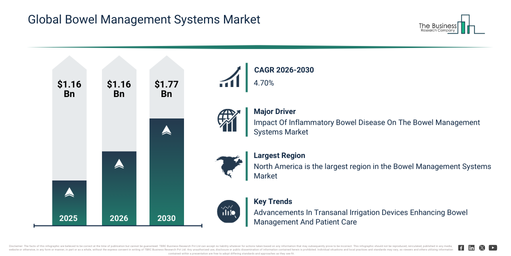
    The bowel management systems market is anticipated to experience consistent expansion over the next few years, with projections indicating a rise to $2.52 billion in 2030 at a compound annual growth rate (CAGR) of 4.7%. This expansion during the forecast period is driven by factors such as the increasing demand for advanced fecal management and containment devices, a greater uptake of irrigation systems in both homecare and ambulatory settings, wider adoption of nerve modulation therapies for bowel dysfunction, a growing emphasis on patient comfort and caregiver efficiency, and the broadening availability of personalized and condition-specific bowel care solutions. Furthermore, significant trends expected in this period include the increased utilization of sophisticated bowel management solutions for fecal incontinence care, a rising integration of irrigation and containment systems in hospital and homecare environments, an evolving preference for patient-centric and comfort-oriented bowel care devices, the expansion of minimally invasive nerve modulation and neurostimulation therapies, and a concerted focus on improving hygiene, quality of life, and infection control outcomes.

    Get A Free Sample Report With In-Depth Market Insights:

    https://thebusinessresearchcompany.com/sample_request?id=92891791&type=smp&name=Bowel%20Management%20Systems%20Market%20Report%202026&utm_source=Blogs&utm_medium=Paid&utm_campaign=Sep_PR

    Bowel Management Systems Market Growth Factors: What’s Supporting Expansion?

    The increasing occurrence of inflammatory bowel disease is projected to boost the expansion of the bowel management systems market moving forward. Inflammatory bowel disease (IBD) encompasses chronic inflammatory conditions impacting the gastrointestinal tract, including Crohn’s disease and ulcerative colitis. The surge in IBD cases stems from factors such as evolving lifestyles, environmental influences, and genetic predispositions. Bowel management systems offer support for inflammatory bowel disease by aiding in the effective handling of symptoms like diarrhea and fecal incontinence. For illustration, a report from Crohn’s and Colitis Canada, a non-profit organization based in Canada, indicated that in June 2023, approximately 322,600 individuals, which is 0.8% of the population in 2023, were impacted by the prevalence of aplastic anemia, with a new diagnosis occurring every 48 minutes. Projections suggest that by 2035, this figure will climb to 470,000 affected individuals, making up 1.1% of the population, and diagnoses will happen more frequently, at one every 38 minutes. Consequently, the significant incidence of inflammatory bowel disease is fueling the growth of the bowel management systems market.

    Bowel Management Systems Market Segmentation: How Does The Market Break Down By Category?

    The bowel management systems market covered in this report is segmented –

    1) By Product: Colostomy Bags, Irrigation Systems, Nerve Modulation Devices, Other Products

    2) By Patient Type: Adults, Pediatric

    3) By End-User: Hospitals, Ambulatory Centers, Other End-Users

    Subsegments:

    1) By Colostomy Bags: Single-Piece Colostomy Bags, Two-Piece Colostomy Bags, Closed-End Colostomy Bags, Drainable Colostomy Bags

    2) By Irrigation Systems: Manual Irrigation Systems, Electric Irrigation Systems

    3) By Nerve Modulation Devices: Sacral Nerve Stimulation (SNS) Devices, Posterior Tibial Nerve Stimulation (PTNS) Devices

    4) By Other Products: Enema Kits, Rectal Catheters, Fecal Incontinence Management Devices

    Bowel Management Systems Market Industry Trends: What’s Reshaping Demand?

    Major companies in the bowel management systems market are prioritizing the development of advanced transanal irrigation devices to enhance patient outcomes and expand their market presence. Transanal irrigation devices are medical tools employed for bowel management, typically involving the controlled irrigation of the colon and rectum to assist in managing conditions such as neurogenic bowel dysfunction or chronic constipation. For instance, in February 2024, Coloplast A/S, a Denmark-based medical device manufacturer, launched Peristeen Light. This new transanal irrigation device is designed to aid individuals suffering from bowel disorders like chronic constipation and fecal incontinence. It functions as a hand-held, low-volume transanal irrigation device that introduces water into the rectum to help clear stool from the lower bowel. The device is engineered for intuitive and simple use, requiring only two steps for assembly, and allows for smooth insertion into the rectum via a soft and flexible catheter.

    Bowel Management Systems Market Leading Players And Competitive Positioning

    Major companies operating in the bowel management systems market are Medtronic plc, B Braun Holding GmbH & Co KG, Becton Dickinson and Company, Coloplast Pty Ltd., ConvaTec Group plc, Hollister Incorporated, Axonics Modulation Technologies, Laborie Medical Technologies Corporation, Qufora A S, ABC Medical Inc., Salts Healthcare Ltd., Welland Medical Limited, Wellspect HealthCare Ltd., Consure Medical Pvt Ltd., Pelvic Health Solutions, Renew Medical Inc., TG Eakin Ltd., Eakin Medical Ltd, Convatec Ltd, Hollister Incorporated UK

    View The Full Bowel Management Systems Market Report:

    https://thebusinessresearchcompany.com/report/bowel-management-systems-global-market-report?utm_source=Blogs&utm_medium=Paid&utm_campaign=Sep_PR

    Bowel Management Systems Market Regional Split: Which Areas Are Fueling Growth?

    North America was the largest region in the bowel management systems market in 2025. Asia-Pacific is expected to be the fastest-growing region in the forecast period. The regions covered in the bowel management systems market report are Asia-Pacific, South East Asia, Western Europe, Eastern Europe, North America, South America, Middle East, Africa.

    Reach Out To Our Team:

    The Business Research Company: https://www.thebusinessresearchcompany.com/

    Americas: +1 310-496-7795

    Asia: +44 7882 955267 & +91 8897263534

    Europe: +44 7882 955267

    Email us at: marketing@tbrc.info

    Follow us on:

    LinkedIn: https://in.linkedin.com/company/the-business-research-company

    YouTube: https://www.youtube.com/channel/UC24_fI0rV8cR5DxlCpgmyFQ

    Global Market Model: https://www.thebusinessresearchcompany.com/global-market-model
  • Bone Wax Market Set To Expand From $88.81 Billion In 2026: Growth Outlook Through 2030

    Bone Wax Market Set To Expand From $88.81 Billion In 2026: Growth Outlook Through 2030

    Featuring market attractiveness scoring, total addressable market sizing, company benchmarking matrices, interactive Excel dashboards, deeper supply chain intelligence, emerging startup tracking, and granular product-level insights, The Business Research Company’s 2026 market reports are built to deliver research that is both more actionable and more strategically valuable.

    Bone Wax Market Size And Revenue Outlook Through 2030

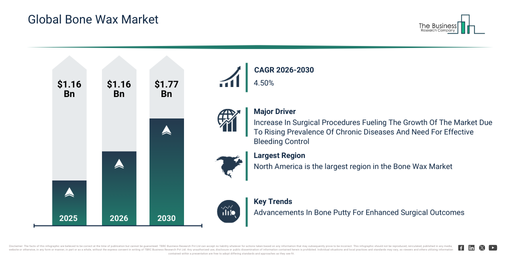
    The bone wax market has observed consistent growth in its size over recent years. It is anticipated to increase from $71.16 billion in 2025 to $74.41 billion in 2026, progressing at a compound annual growth rate (CAGR) of 4.6%. The expansion observed in the historical period can be primarily linked to an escalating number of orthopedic and neurosurgical procedures, the broad adoption of traditional non-absorbable bone wax, an increase in hospital surgical capacity, heightened awareness concerning intraoperative bleeding control, and the availability of standardized surgical consumables.

    The bone wax market size is projected to experience consistent expansion over the next few years. It is expected to reach $88.81 billion by 2030, exhibiting a compound annual growth rate (CAGR) of 4.5%. This anticipated growth during the forecast period is primarily driven by factors such as an increasing preference for absorbable hemostatic agents, the rising adoption of minimally invasive surgical techniques, a growing demand for bioresorbable materials, the expansion of specialty surgical centers, and continuous product innovation in surgical biomaterials. Significant trends expected in the forecast period include a greater acceptance of absorbable bone wax products, an increasing demand for synthetic and biocompatible formulations, expanded utilization in minimally invasive surgeries, a heightened focus on hemostatic materials designed to reduce infection, and the broadening of bone wax applications in specialized surgical procedures.

    Get A Free Sample Report With In-Depth Market Insights:

    https://thebusinessresearchcompany.com/sample_request?id=32982706&type=smp&name=Bone%20Wax%20Market%20Report%202026&utm_source=Blogs&utm_medium=Paid&utm_campaign=Sep_PR

    Bone Wax Market Demand Drivers: What’s Powering Industry Growth?

    The increasing number of surgical procedures is expected to drive the expansion of the bone wax market in the coming years. Surgical interventions, defined as medical operations utilizing manual or instrumental methods to address injuries, diseases, or abnormalities by modifying body tissues, are on the rise due to the growing prevalence of chronic conditions that frequently necessitate operative treatment for effective management and improved patient outcomes. Bone wax is crucial for these procedures as it efficiently controls bleeding from cut or traumatized bone surfaces, thereby helping maintain a clear surgical field and reducing complications related to blood loss. For instance, in 2024, the UK Health Security Agency, a UK-based government agency, reported that the volume of operations submitted for mandatory orthopedic surveillance grew by 7.3% (from 102,027 operations) compared to the financial year 2022 to 2023, while voluntary surveillance showed an increase of 13.3% (from 23,070 operations). Therefore, the escalating volume of surgical procedures will propel the growth of the bone wax market.

    Bone Wax Market Segment Trends And Revenue Contributors

    The bone wax market covered in this report is segmented –

    1) By Product: Absorbable Bone Wax, Non-Absorbable Bone Wax

    2) By Material: Natural Bone Wax, Synthetic Bone Wax

    3) By Application: Orthopedic Surgery, Thoracic Surgery, Neurosurgery, Dental Or Oral Surgery, Other Applications

    4) By End-User: Hospitals, Specialty Clinics, Ambulatory Surgical Centers, Other End-Users

    Subsegments:

    1) By Absorbable Bone Wax: Gel-Based Absorbable Bone Wax, Paste-Based Absorbable Bone Wax, Solid Absorbable Bone Wax

    2) By Non-Absorbable Bone Wax: Gel-Based Non-Absorbable Bone Wax, Paste-Based Non-Absorbable Bone Wax, Solid Non-Absorbable Bone Wax

    Bone Wax Market Innovation Trends: What Developments Are Reshaping The Industry?

    Leading companies in the bone wax market are prioritizing the creation of advanced products, such as bone putty, with the goal of reducing the necessity for subsequent removal and minimizing the potential for enduring complications. Bone putty serves as a pliable, biocompatible substance employed in surgical contexts to assist bone regeneration or manage bleeding from bone surfaces. As an example, in September 2023, Abyrx Inc., a US-based producer of biomaterials and therapeutic instruments, announced that the U.S. Food and Drug Administration (FDA) had granted approval for its MONTAGE settable bone putty. This product holds the distinction of being the initial FDA-approved settable bone putty specifically indicated for use in cardiothoracic surgery after a sternotomy. Its approval signifies a major breakthrough in surgical advancements for sternal procedures. A key differentiator is its capacity to adhere directly to bone surfaces that are actively bleeding. Following its application, it quickly hardens, forming a structure with properties akin to bone, thereby boosting stability and aiding in the cessation of bleeding.

    Bone Wax Market Competitive Overview And Top Companies

    Major companies operating in the bone wax market are Johnson & Johnson, Medtronic Plc, Medline Industries Inc., Baxter International Inc., Aesculap Inc., B. Braun Melsungen AG, Healthium Medtech Limited, Surgical Specialties Corporation, GPC Medical Ltd., Qubix Medicare Private Limited, Dolphin Sutures, ABYRX Inc., Lotus Surgicals Private Limited, Bentley Healthcare Pvt. Ltd., Orion Sutures Private Limited, Surbhi Surgicals, Vinculum Sutures Private Limited, Ropana Medicure Private Limited, Adva Medical, Ethicon Inc., Teleflex Incorporated, Merit Medical Systems, Cardinal Health Inc., Smith & Nephew plc, Integra LifeSciences Corporation

    View The Full Bone Wax Market Report:

    https://thebusinessresearchcompany.com/report/bone-wax-global-market-report?utm_source=Blogs&utm_medium=Paid&utm_campaign=Sep_PR

    Bone Wax Market Top Region: Where Does Most Revenue Come From?

    North America was the largest region in the bone wax market in 2025. Asia-Pacific is expected to be the fastest-growing region in the forecast period. The regions covered in the bone wax market report are Asia-Pacific, South East Asia, Western Europe, Eastern Europe, North America, South America, Middle East, Africa.

    Reach Out To Our Team:

    The Business Research Company: https://www.thebusinessresearchcompany.com/

    Americas: +1 310-496-7795

    Asia: +44 7882 955267 & +91 8897263534

    Europe: +44 7882 955267

    Email us at: marketing@tbrc.info

    Follow us on:

    LinkedIn: https://in.linkedin.com/company/the-business-research-company

    YouTube: https://www.youtube.com/channel/UC24_fI0rV8cR5DxlCpgmyFQ

    Global Market Model: https://www.thebusinessresearchcompany.com/global-market-model

  • Bone Void Fillers Market Size And Growth In 2026: Key Factors Shaping Future Demand

    Bone Void Fillers Market Size And Growth In 2026: Key Factors Shaping Future Demand

    Built to provide research that’s more actionable and strategically valuable, The Business Research Company’s 2026 market reports include market attractiveness analysis, total addressable market sizing, company benchmarking matrices, interactive Excel dashboards, broader supply chain intelligence, emerging startup tracking, and in-depth product insights.

    Bone Void Fillers Market Growth From $4.02 Billion In 2026 To $5.18 Billion By 2030 At A CAGR Of 6.5%

    The bone void fillers market size has demonstrated strong growth in recent years. It is forecast to increase from $3.78 billion in 2025 to $4.02 billion in 2026, achieving a compound annual growth rate (CAGR) of 6.5%. The expansion witnessed in the past can be attributed to the rising incidence of bone fractures and trauma, an increase in orthopedic surgical volumes, the growing adoption of demineralized bone matrix, the expansion of spinal fusion procedures, and the availability of advanced biomaterials.

    The bone void fillers market is anticipated to show significant expansion in the coming years. It is projected to grow to $5.18 billion in 2030 at a compound annual growth rate (CAGR) of 6.5%. This forecasted growth is largely driven by factors such as an expanding aging population, an escalating need for minimally invasive bone repair techniques, the broadening scope of sports injury treatments, increased embrace of bioactive graft materials, and a heightened emphasis on regenerative medicine. Prominent trends expected during this period include the wider acceptance of synthetic bone graft substitutes, the increasing application of injectable bone void fillers, a growing inclination towards osteoconductive biomaterials, the proliferation of minimally invasive orthopedic interventions, and a stronger focus on achieving quicker bone regeneration.

    Get A Free Sample Report With In-Depth Market Insights:

    https://thebusinessresearchcompany.com/sample_request?id=50783237&type=smp&name=Bone%20Void%20Fillers%20Market%20Report%202026&utm_source=Blogs&utm_medium=Paid&utm_campaign=Sep_PR

    Bone Void Fillers Market Growth Drivers: What’s Behind The Acceleration?

    The escalating prevalence of bone diseases is poised to stimulate the expansion of the bone void filler market moving forward. Bone diseases are medical conditions that compromise the structure and function of bones, leading to abnormalities such as weakness, deformities, pain, and impaired growth or repair. Bone void fillers play a vital role in addressing these diseases by promoting bone growth and repair in damaged areas, thereby facilitating quicker healing, alleviating pain, and enhancing the overall efficacy of bone-related treatments. For instance, in August 2023, the Institute for Health Metrics and Evaluation (IHME), a US-based research institution, projected that nearly 1 billion individuals are expected to suffer from osteoarthritis, with knee osteoarthritis anticipated to increase by 75% and hand osteoarthritis by 50% by 2050. This increasing burden of bone diseases is therefore a key driver for the growth of the bone void filler market.

    Bone Void Fillers Market Segment Analysis Spotlighting Growth Areas

    The bone void fillers market covered in this report is segmented –

    1) By Type: Demineralized Bone Matrix, Calcium phosphate Bone Graft Substitute, Collagen Matrix, Other Types

    2) By Form: Gel And Putty, Granules, Other Forms

    3) By Application: Bone Fracture, Spine Fusion, Other Applications

    4) By End-User: Hospital, Specialty Clinics

    Subsegments:

    1) By Demineralized Bone Matrix: Freeze-Dried Demineralized Bone Matrix (FDBM), Demineralized Bone Matrix Putty

    2) By Calcium Phosphate Bone Graft Substitute: Hydroxyapatite, Tricalcium Phosphate

    3) By Collagen Matrix: Collagen-Based Gel, Collagen-Based Sponge

    4) By Other Types: Synthetic Bone Graft Substitutes, Bone Morphogenetic Proteins (BMPs)

    Bone Void Fillers Market Trends: What’s Defining The Industry’s Next Phase?

    Leading companies operating in the bone void fillers market are strategically focusing on the development of cutting-edge products, such as carbohydrate polymer bone graft substitutes, with the aim of boosting their market profitability. A carbohydrate polymer bone graft substitute, functioning as a bone void filler, represents a synthetic substance specifically engineered to imitate the natural bone structure, thereby fostering the body’s inherent bone healing and regeneration mechanisms in areas experiencing bone loss. Illustratively, in May 2023, Royal Biologics, an orthobiologics and life science firm based in the US, unveiled Bio-Reign 3D, a bone graft substitute composed of a hyper-crosslinked natural carbohydrate polymer. This product furnishes an optimal setting for cellular proliferation and angiogenesis, assisting in bone regeneration. Notably, this innovative material shifts from being radiolucent to radiopaque as healing advances, which permits observation of the healing trajectory. Moreover, it offers exceptional compression and tensile strength along with straightforward usability, ensuring the effective shaping and placement of the graft.

    Bone Void Fillers Market Competitive Landscape: Which Companies Lead The Industry?

    Major companies operating in the bone void fillers market are Johnson & Johnson, Medtronic plc, Heraeus Group, Stryker Corporation, Huntsman Corporation, Zimmer Biomet Holdings Inc., Smith and Nephew plc, Arthrex Inc., Globus Medical Inc., NuVasive Inc., Orthofix Medical Inc., Biocomposites Ltd., Aziyo Biologics Inc., Bone Support AB, Collagen Matrix Inc., Royal Biologics Inc., FlexForm Technologies, Orthorebirth Co. Ltd, Vivex Biologics, Mitsubishi Tanabe Pharma Corporation, OsteoBiologics Inc., Bacterin International Inc.

    View The Full Bone Void Fillers Market Report:

    https://thebusinessresearchcompany.com/report/bone-void-fillers-global-market-report?utm_source=Blogs&utm_medium=Paid&utm_campaign=Sep_PR

    Bone Void Fillers Market Regional Breakdown: Where Is Demand Concentrated?

    North America was the largest region in the bone void fillers market in 2025. The regions covered in the bone void fillers market report are Asia-Pacific, South East Asia, Western Europe, Eastern Europe, North America, South America, Middle East, Africa.

    Reach Out To Our Team:

    The Business Research Company: https://www.thebusinessresearchcompany.com/

    Americas: +1 310-496-7795

    Asia: +44 7882 955267 & +91 8897263534

    Europe: +44 7882 955267

    Email us at: marketing@tbrc.info

    Follow us on:

    LinkedIn: https://in.linkedin.com/company/the-business-research-company

    YouTube: https://www.youtube.com/channel/UC24_fI0rV8cR5DxlCpgmyFQ

    Global Market Model: https://www.thebusinessresearchcompany.com/global-market-model

  • Bone Regeneration Material Market Forecast 2026–2030: Market Size, Trends And Growth Opportunities

    Bone Regeneration Material Market Forecast 2026–2030: Market Size, Trends And Growth Opportunities

    Backed by market attractiveness analysis, total addressable market sizing, company benchmarking matrices, interactive Excel dashboards, wider supply chain intelligence, emerging startup coverage, and detailed product-level insights, The Business Research Company’s 2026 market reports are designed to offer research that is more actionable and strategically valuable than ever.

    Bone Regeneration Material Market Expansion Outlook: What Revenue Opportunities Are Ahead?

    The bone regeneration material market size has shown substantial growth over recent years. It is anticipated to expand from $4.1 billion in 2025 to $4.49 billion in 2026, progressing at a compound annual growth rate (CAGR) of 9.6%. The historical increase in this market can be linked to factors such as an uptick in orthopedic injuries, a greater number of spinal fusion procedures, the expansion of dental implant surgeries, advancements within biomaterial science, and the increasing adoption of bone graft substitutes.

    The bone regeneration material market is anticipated to experience substantial growth in the next few years. It is projected to reach $6.45 billion in 2030, demonstrating a compound annual growth rate (CAGR) of 9.5%. This growth during the forecast period is attributed to several factors, including the increasing demand for regenerative orthopedic solutions, the rising use of personalized bone implants, the expansion of bioprinting in orthopedics, a growing focus on minimally invasive surgeries, and increased investments in advanced bone healing technologies. Key trends during this period are expected to encompass the increasing adoption of synthetic bone graft materials, the rising utilization of 3D printed bone scaffolds, the growing integration of growth factor-based therapies, the expansion of minimally invasive bone repair techniques, and an enhanced focus on achieving faster bone healing outcomes.

    Get A Free Sample Report With In-Depth Market Insights:

    https://thebusinessresearchcompany.com/sample_request?id=35945106&type=smp&name=Bone%20Regeneration%20Material%20Market%20Report%202026&utm_source=Blogs&utm_medium=Paid&utm_campaign=Sep_PR

    Bone Regeneration Material Market Growth Factors Behind Sustained Expansion

    A growing incidence of bone-related conditions is anticipated to fuel the expansion of the bone regeneration material market in the future. These disorders encompass conditions impacting bones, such as osteoporosis, osteoarthritis, and bone cancer, often resulting in pain, bone breaks, and limited movement. The rise in these disorders is linked to an aging populace, given that older individuals are more prone to developing ailments like osteoporosis and osteoarthritis. Bone regeneration materials assist in the recovery from bone-related ailments by fostering natural bone development, rebuilding bone integrity, and accelerating healing in cases of fractures and osteoporosis. For example, in July 2025, the Institute for Health Transformation, an Australia-based health research institute, reported that in 2023, Australia experienced a fracture every 2.7 minutes, a frequency predicted to sharply increase to a fracture every 30 seconds by 2033. Consequently, the expanding occurrence of bone-related disorders is a key factor propelling the growth of the bone regeneration material market.

    Bone Regeneration Material Market Segment Performance And Emerging Opportunities

    The bone regeneration material market covered in this report is segmented –

    1) By Product: Demineralized Bone Matrix(DBM), Xenograft, Autografts, Synthetic Bone Graft, Bone Morphogenetic Protein(BMP), Non-Invasive Electrical Bone Growth Stimulators, Invasive Electrical Bone Growth Stimulators

    2) By Technology: 3D Printing, Electrospinning, Sol-Gel Technology, Bioprinting, Other Technologies

    3) By Delivery Method: Surgery, Minimally Invasive Procedures, Other Delivery Methods

    4) By Application: Spinal Fusion, Dental Implants, Joint Reconstruction, Craniomaxillofacial Surgery, Trauma Repair, Other Applications

    5) By End-User: Hospitals, Orthopedic Clinics, Dental Clinics, Research Institutions, Other End-Users

    Subsegments:

    1) By Demineralized Bone Matrix (DBM): Gel DBM, Putty DBM, Sheet DBM

    2) By Xenograft: Bovine-Derived Grafts, Porcine-Derived Grafts

    3) By Autografts: Iliac Crest Bone Grafts, Fibula Bone Grafts, Tibial And Rib Bone Grafts

    4) By Synthetic Bone Graft: Ceramic-Based Grafts, Polymer-Based Grafts, Composite Grafts

    5) By Bone Morphogenetic Protein (BMP): RhBMP-2, RhBMP-7

    6) By Non-Invasive Electrical Bone Growth Stimulators: Pulsed Electromagnetic Field Devices (PEMF), Capacitive Coupling Devices

    7) By Invasive Electrical Bone Growth Stimulators: Implanted Direct Current Stimulators, Semi-Invasive Devices

    Bone Regeneration Material Market Industry Trends Fueling Future Revenue Growth

    Leading companies in the bone regeneration material market are concentrating on developing innovative solutions, particularly synthetic bone graft substitutes, to improve bone healing and regeneration. A synthetic bone graft substitute is an artificial material employed to replace or repair damaged bone tissue, thus promoting healing and bone regeneration in medical procedures. For example, in May 2023, Royal Biologics, a US-based medical device and life sciences company, introduced Bio-Reign 3D. This innovative bone graft substitute incorporates a natural hyper-crosslinked carbohydrate polymer, forming a highly porous, interconnected 3D matrix designed to support bone regeneration. Tailored for orthopedic applications, Bio-Reign 3D exhibits excellent moldability, compressibility, and the ability to be sutured to prevent graft migration. It appears radiolucent upon implantation, allowing for clear imaging, and becomes radiopaque as new bone forms, facilitating real-time monitoring of the healing process. Its biodegradation rate is synchronized with natural bone formation, guaranteeing a gradual replacement by healthy bone.

    Bone Regeneration Material Market Competitive Landscape: Who Leads The Industry?

    Major companies operating in the bone regeneration material market are Johnson & Johnson, Medtronic plc, Stryker Corporation, Zimmer Biomet, Smith & Nephew plc, Dentsply Sirona Inc., Straumann Holding AG, Integra LifeSciences Corporation, Osstem Implant, Exactech Inc., LifeNet Health, Orthofix Medical Inc., Biocomposites Ltd., NuVasive Inc., Xtant Medical Holdings Inc., Kuros Biosciences AG, LASAK s.r.o., NovaBone Products LLC, SigmaGraft, B&B Dental, Geistlich Pharma AG, RTI Surgical, Collagen Matrix Inc., DePuy Synthes, Wright Medical Group

    View The Full Bone Regeneration Material Market Report:

    https://thebusinessresearchcompany.com/report/bone-regeneration-material-global-market-report?utm_source=Blogs&utm_medium=Paid&utm_campaign=Sep_PR

    Bone Regeneration Material Market Geographic Landscape: Which Region Dominates Industry Growth?

    North America was the largest region in the bone regeneration material market in 2025. Asia-Pacific is expected to be the fastest-growing region in the forecast period. The regions covered in the bone regeneration material market report are Asia-Pacific, South East Asia, Western Europe, Eastern Europe, North America, South America, Middle East, Africa.

    Reach Out To Our Team:

    The Business Research Company: https://www.thebusinessresearchcompany.com/

    Americas: +1 310-496-7795

    Asia: +44 7882 955267 & +91 8897263534

    Europe: +44 7882 955267

    Email us at: marketing@tbrc.info

    Follow us on:

    LinkedIn: https://in.linkedin.com/company/the-business-research-company

    YouTube: https://www.youtube.com/channel/UC24_fI0rV8cR5DxlCpgmyFQ

    Global Market Model: https://www.thebusinessresearchcompany.com/global-market-model

  • Bone Growth Stimulator Market Size Reaches $1.99 Billion In 2026: What Is Driving Growth?

    Bone Growth Stimulator Market Size Reaches $1.99 Billion In 2026: What Is Driving Growth?

    Featuring market attractiveness scoring, total addressable market sizing, company benchmarking matrices, interactive Excel dashboards, deeper supply chain intelligence, emerging startup tracking, and granular product-level insights, The Business Research Company’s 2026 market reports are built to deliver research that is both more actionable and more strategically valuable.

    Bone Growth Stimulator Market Growth Potential: How Will Market Size Shift Through 2030?

    The bone growth stimulator market has witnessed rapid expansion in recent years. The market is forecast to increase from $1.8 billion in 2025 to $1.99 billion in 2026, demonstrating a compound annual growth rate (CAGR) of 10.4%. Historically, this expansion was driven by several factors, including the increasing occurrence of bone fractures, a rise in spinal fusion procedures, the expansion of orthopedic treatment centers, the growing acceptance of non-surgical bone healing methods, and the availability of external stimulation devices.

    The bone growth stimulator market is anticipated to experience substantial expansion over the next few years. It is projected to reach $2.89 billion in 2030, demonstrating a compound annual growth rate (CAGR) of 9.8%. This growth during the forecast period can be attributed to an increasing demand for orthopedic therapies delivered at home, the rising adoption of intelligent medical devices, the expansion of outpatient orthopedic care, a growing emphasis on reducing surgical interventions, and technological advancements in bioelectrical stimulation. Significant trends for the forecast period include the increasing uptake of non-invasive bone growth stimulators, a greater use of ultrasound-based stimulation devices, the growing integration of smart monitoring features, the expansion of home-use bone healing solutions, and an enhanced focus on achieving faster fracture recovery.

    Get A Free Sample Report With In-Depth Market Insights:

    https://thebusinessresearchcompany.com/sample_request?id=27825333&type=smp&name=Bone%20Growth%20Stimulator%20Market%20Report%202026&utm_source=Blogs&utm_medium=Paid&utm_campaign=Sep_PR

    Bone Growth Stimulator Market Demand Drivers Opening New Revenue Streams

    The increasing incidence of bone fractures is anticipated to be a major factor propelling the expansion of the bone growth stimulators market. Bones commonly become weaker due to advancing age, nutritional practices, and various chronic conditions. Furthermore, excessive engagement in repetitive movements can lead to muscle fatigue, placing increased strain on bones and resulting in fractures. An illustrative example highlights this trend: in June 2025, reports from PubMed, citing the US-based National Institutes of Health, indicated that in China, projections show the ASIR for radius and/or ulna fractures among males is set to climb from 369 per 100,000 to 374 per 100,000 between 2022 and 2029. Additionally, for females, this rate is predicted to consistently grow from 427 per 100,000 in 2022 to 502 per 100,000 by 2036. Consequently, the escalating occurrence of bone fractures is poised to fuel the expansion of the bone growth stimulator market.

    Bone Growth Stimulator Market Segment Landscape And Growth Outlook

    The bone growth stimulator market covered in this report is segmented –

    1) By Type: Electrical Bone Growth Stimulators, Ultrasound Bone Growth Stimulators, Pulsed Electromagnetic Field (PEMF) Bone Growth Stimulators

    2) By Application: Fractures, Spinal Fusion, Osteogenesis, Arthrodesis Treatment

    3) By End User: Hospitals & ASCs, Specialty Clinics, Home Care

    Subsegments:

    1) By Electrical Bone Growth Stimulators: Implantable Electrical Bone Growth Stimulators, Non-Invasive (External) Electrical Bone Growth Stimulators, Direct Current (DC) Bone Growth Stimulators, Capacitive Coupling Bone Growth Stimulators

    2) By Ultrasound Bone Growth Stimulators: Low-Intensity Pulsed Ultrasound (LIPUS) Bone Growth Stimulators, External Ultrasound Bone Growth Stimulators, Portable Or Wearable Ultrasound Bone Growth Stimulators

    3) By Pulsed Electromagnetic Field (PEMF) Bone Growth Stimulators: Non-Invasive PEMF Bone Growth Stimulators, Implantable PEMF Bone Growth Stimulators, Portable PEMF Bone Growth Stimulators, Wearable PEMF Bone Growth Stimulators

    Bone Growth Stimulator Market Trends Powering Strategic Industry Growth

    Leading companies active in the bone growth stimulator market are dedicated to advancing technology, such as developing low-intensity pulsed ultrasound (LIPUS) devices for non-invasive bone healing. These innovations aim to improve fracture repair, enhance patient adherence, and reduce recovery durations. A LIPUS device operates by employing low-power ultrasonic waves to stimulate osteoblast activity at the fracture site, thereby fostering quicker bone regeneration compared to conventional electrical or implantable stimulators. For instance, in July 2025, Enovis Corporation, a U.S.-based medical technology company, launched the Manafuse Bone Growth Stimulator. This product delivers daily 20-minute LIPUS therapy sessions using a lightweight, portable device equipped with built-in compliance tracking, offering faster fracture healing, up to 38% quicker in acute fractures, and improved patient usability compared to previous bulky or implant-based systems.

    Bone Growth Stimulator Market Company Landscape And Competitive Strategy

    Major companies operating in the bone growth stimulator market are Bioventus LLC, Orthofix Medical Inc., Zimmer Biomet Holdings Inc., Medtronic plc, Enovis Inc., ZimVie Inc., DJO Global Inc., Smith & Nephew plc, Stryker Corporation, DePuy Synthes Inc., Globus Medical Inc., NuVasive Inc., Exactech Inc., Wright Medical Group N.V., RTI Surgical Holdings Inc., Ossatec Benelux BV, BTT Health GmbH, Stimulate Health Inc., Arthrex Inc., ConMed Corporation, Integra LifeSciences Corporation, OrthoPediatrics Corp.

    View The Full Bone Growth Stimulator Market Report:

    https://thebusinessresearchcompany.com/report/bone-growth-stimulator-global-market-report?utm_source=Blogs&utm_medium=Paid&utm_campaign=Sep_PR

    Bone Growth Stimulator Market Largest Region: Which Geography Holds The Highest Market Share?

    North America was the largest region in the bone growth stimulator market in 2025. Asia-Pacific is expected to be the fastest-growing region in the forecast period. The regions covered in the bone growth stimulator market report are Asia-Pacific, South East Asia, Western Europe, Eastern Europe, North America, South America, Middle East, Africa.

    Reach Out To Our Team:

    The Business Research Company: https://www.thebusinessresearchcompany.com/

    Americas: +1 310-496-7795

    Asia: +44 7882 955267 & +91 8897263534

    Europe: +44 7882 955267

    Email us at: marketing@tbrc.info

    Follow us on:

    LinkedIn: https://in.linkedin.com/company/the-business-research-company

    YouTube: https://www.youtube.com/channel/UC24_fI0rV8cR5DxlCpgmyFQ

    Global Market Model: https://www.thebusinessresearchcompany.com/global-market-model

  • Bone Graft Fixation System Market Valued At $4.56 Billion In 2026: Key Trends And Growth Drivers

    Bone Graft Fixation System Market Valued At $4.56 Billion In 2026: Key Trends And Growth Drivers

    Built to provide research that’s more actionable and strategically valuable, The Business Research Company’s 2026 market reports include market attractiveness analysis, total addressable market sizing, company benchmarking matrices, interactive Excel dashboards, broader supply chain intelligence, emerging startup tracking, and in-depth product insights.

    Bone Graft Fixation System Market Value Analysis: What Growth Lies Ahead Over The Forecast Period?

    The market size for bone graft fixation systems has experienced robust expansion in recent years. This sector is projected to grow from $3.19 billion in 2025 to $3.44 billion in 2026, demonstrating a compound annual growth rate (CAGR) of 7.8%. The historical expansion can be attributed to several factors including the limited availability of bone graft materials, a reliance on autografts, the rising number of orthopedic and spinal surgeries, improvements in hospital infrastructure, and the adoption of conventional fixation systems.

    The bone graft fixation system market is anticipated to show substantial expansion in the coming years, with its size projected to reach $4.56 billion in 2030, demonstrating a compound annual growth rate (CAGR) of 7.3%. This growth during the forecast period is propelled by advancements in synthetic and bioactive grafts, an increase in dental implant and trauma surgeries, technological innovations in fixation devices, more stringent regulatory approvals and safety standards, and the proliferation of outpatient surgical facilities and specialty clinics. Prominent trends for this period encompass the rising adoption of synthetic and bioactive bone grafts, a growing demand for minimally invasive surgical procedures, the expansion of dental and orthopedic applications, an intensified focus on bone regeneration and osseointegration, and an increasing preference for allograft and xenograft materials.

    Get A Free Sample Report With In-Depth Market Insights:

    https://thebusinessresearchcompany.com/sample_request?id=70503890&type=smp&name=Bone%20Graft%20Fixation%20System%20Market%20Report%202026&utm_source=Blogs&utm_medium=Paid&utm_campaign=Sep_PR

    Bone Graft Fixation System Market Growth Backed By Core Demand Fundamentals

    The future expansion of the bone graft fixation system market is anticipated to be driven by the rising incidence of trauma related injuries. These injuries, defined as sudden, severe physical harm often leading to fractures or damage to the musculoskeletal system, necessitate immediate medical attention. The uptick in trauma related injuries stems from a global increase in road traffic accidents, falls, and other unforeseen incidents, correlating with expanding urbanization and mobility. Bone graft fixation systems play a crucial role in trauma care by ensuring rigid and dependable stabilization of bone grafts during surgical procedures, thereby fostering effective bone healing and integration. As an illustration, the World Health Organization, a Switzerland based organization, reported in June 2024 that 4.4 million injury-related deaths occurred, with unintentional injuries causing 3.16 million fatalities annually and violence-related injuries accounting for 1.25 million deaths. Notably, about 1 in 3 of these deaths were due to road traffic crashes. Consequently, the growing prevalence of trauma related injuries is accelerating the demand within the bone graft fixation system market.

    Bone Graft Fixation System Market Breakdown By Product Type And Application

    The bone graft fixation system market covered in this report is segmented –

    1) By Product Type: Cancellous Bone Grafts, Cortical Bone Grafts, Demineralized Bone Matrix (DBM), Bioactive Glass, Ceramics

    2) By Material Type: Allograft, Synthetic, Xenograft

    3) By Distribution Channel: Direct Sales, Distributors, Online Retail, Hospitals And Clinics, Pharmacies

    4) By Application: Orthopedic Surgery, Spinal Surgery, Dental Applications, Trauma Surgery, Reconstructive Surgery

    5) By End-User: Hospitals, Ambulatory Surgical Centers, Academic Research Institutions, Specialty Clinics, Outpatient Facilities

    Subsegments:

    1) By Cancellous Bone Grafts: Autograft, Allograft

    2) By Cortical Bone Grafts: Autograft, Allograft

    3) By Demineralized Bone Matrix (DBM): Putty, Gel, Powder

    4) By Bioactive Glass: Granules, Putty, Coatings

    5) By Ceramics: Hydroxyapatite (HA), Tricalcium Phosphate (TCP), Biphasic Calcium Phosphate (BCP)

    Bone Graft Fixation System Market Growth Trends Reshaping The Competitive Landscape

    Prominent companies active in the bone graft fixation system market are concentrating on developing advanced solutions, such as bio-integrative fixation technology, to improve bone healing and patient outcomes. Bio-integrative fixation technology describes medical devices and implants engineered to assist bone healing by progressively integrating with the body’s natural tissues. An illustration of this occurred in December 2023, when OSSIO Inc., a US-based orthopedic technology company, introduced OSSIOfiber after receiving Food and Drug Administration (FDA) clearance. This product is designed to repair bone fractures, osteotomies, and fusions in children and adolescents aged two to 21 years. The technology provides an innovative alternative to conventional metal implants, eliminating the requirement for a second surgery to remove hardware, which in turn diminishes complications, healthcare costs, and patient worry. OSSIOfiber implants seamlessly integrate with developing bone, representing a significant advancement for pediatric orthopedic surgery.

    Bone Graft Fixation System Market Key Players Shaping Industry Direction

    Major companies operating in the bone graft fixation system market are Johnson & Johnson, Medtronic plc, Stryker Corporation, Baxter International Inc, Zimmer Biomet Holdings Inc, Smith & Nephew plc, Globus Medical Inc, Enovis Corporation, Integra Lifesciences Holdings Corporation, Conmed Corporation, NuVasive Inc, Orthofix Holdings Inc, Baumer SA, OST Laboratories Inc., AlloSource Inc., Arthrex Inc, Auxein Medical Pvt. Ltd., Mikai SpA, Bone Biologics Inc., Zimed Medikal

    View The Full Bone Graft Fixation System Market Report:

    https://thebusinessresearchcompany.com/report/bone-graft-fixation-system-global-market-report?utm_source=Blogs&utm_medium=Paid&utm_campaign=Sep_PR

    Bone Graft Fixation System Market Regional Analysis: Which Region Leads By Revenue?

    North America was the largest region in the bone graft fixation system market in 2025. Asia-Pacific is expected to be the fastest-growing region in the forecast period. The regions covered in the bone graft fixation system market report are Asia-Pacific, South East Asia, Western Europe, Eastern Europe, North America, South America, Middle East, Africa.

    Reach Out To Our Team:

    The Business Research Company: https://www.thebusinessresearchcompany.com/

    Americas: +1 310-496-7795

    Asia: +44 7882 955267 & +91 8897263534

    Europe: +44 7882 955267

    Email us at: marketing@tbrc.info

    Follow us on:

    LinkedIn: https://in.linkedin.com/company/the-business-research-company

    YouTube: https://www.youtube.com/channel/UC24_fI0rV8cR5DxlCpgmyFQ

    Global Market Model: https://www.thebusinessresearchcompany.com/global-market-model