Blog

  • Top 5 Insights From The Mucolipidosis II Market Report 2024

    Top 5 Insights From The Mucolipidosis II Market Report 2024

    The Business Research Company’s global market reports are now updated with the latest market sizing information for the year 2024 and forecasted to 2033

    According to The Business Research Company’s Mucolipidosis II Global Market Report 2023, the mucolipidosis II market is expected to show promising growth in the forecast period.

    Market Overview

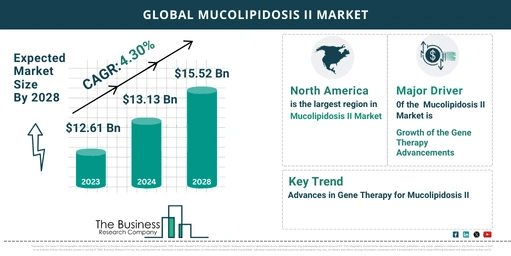
    • 2023 Market Size: $12.61 billion.
    • 2024 Forecast: Expected to grow to $13.13 billion.
    • CAGR: 4.1% from 2023 to 2024.

    Key Drivers of Growth

    • Increasing Regulatory Approvals: More orphan drugs receive the green light.
    • Rise in Disease Awareness: Public and healthcare professionals become more informed.
    • Surge in Clinical Trials: More trials lead to better treatments.
    • Growing Genetic Testing: Early detection aids in timely treatment.
    • Increased Funding for Rare Diseases: Governments and organizations boost research.
    • Enhanced Diagnosis Rates: More patients are correctly diagnosed.

    Future Market Projections

    • 2028 Market Size: Expected to reach $15.52 billion.
    • CAGR: 4.3% from 2024 to 2028.

     View More On The Mucolipidosis II Market Report 2024 – https://www.thebusinessresearchcompany.com/report/mucolipidosis-ii-global-market-report

    Drivers for Future Growth

    • Rising Awareness: Healthcare professionals and patients become more knowledgeable.
    • Boost in R&D Activities: More innovation in treatments and diagnostics.
    • Emerging Biomarkers: Early diagnosis becomes more accurate.
    • Investment in Rare Disease Therapies: Companies focus on niche markets.
    • Improved Reimbursement Policies: Patients can access treatments more easily.
    • Growing Demand for Gene Therapy: This promising treatment option gains traction.

    Trends Shaping the Market

    • Advancements in AI in Medicine: AI improves diagnosis and treatment options.
    • Innovations in Genetic Testing: New technologies enhance precision.
    • Improved Diagnostic Methods: Early detection becomes more reliable.
    • Progress in Therapeutic Treatments: New treatments offer better outcomes.
    • Growth of Telemedicine: Patients receive care remotely, expanding access.

    Gene Therapy Advancements Propel Market Growth

    • Importance of Gene Therapy:
      • Core Function: Corrects faulty genes or introduces new ones.
      • Application to Mucolipidosis II: Addresses the root genetic cause.
      • Gene Therapy Techniques: Gene addition, editing, silencing, and regulation.
    • Recent Developments:
      • Example: In April 2024, the American Society of Gene & Cell Therapy reported a 10% increase in phase III clinical trials for gene therapies.
      • Impact: Gene therapy is expected to be a key driver of market growth.

    Impact of Increased R&D Activities

    • Importance of R&D:
      • Objective: Discover new knowledge, products, and processes.
      • Focus Areas: Understanding of mucolipidosis II, developing gene therapies, and improving delivery methods.
      • Examples:
        • UK Government Investment: In 2022, research and development spending increased to £15.5 billion ($19.67 billion), a 10.5% rise from 2021.
      • Impact: Continuous R&D efforts are expected to propel the market forward.

    Leading Companies in the Mucolipidosis II Market

    • Major Players:
      • Pfizer Inc., Merck & Co. Inc., Sanofi S.A., Novartis AG, Takeda Pharmaceutical Company Limited.
      • Teva Pharmaceutical Industries Ltd., Sun Pharmaceutical Industries Limited, Jazz Pharmaceuticals, Cipla Limited.
      • Lupin Limited, Zydus Lifesciences Limited, Alembic Pharmaceuticals, Ultragenyx Pharmaceutical Inc.
      • Regenxbio Inc., Denali Therapeutics Inc., Mylan N.V., Intellia Therapeutics Inc., Avrobio Inc.
      • Orchard Therapeutics plc, Eloxx Pharmaceuticals Inc., Lysogene S.A., Sio Gene Therapies.
      • Homology Medicines Inc., BSN medical GmbH, Abeona Therapeutics Inc.

    Advances in Gene Therapy for Mucolipidosis II

    • Focus on Gene Therapy:
      • Objective: Correct metabolic dysfunctions by delivering functional genes.
      • Recent Developments:
        • M6P Therapeutics: Received orphan drug designation for its M002 S1S3 PTase AAV gene therapy in February 2021.
        • Mechanism: Uses an AAV-9 vector to deliver a truncated phosphotransferase (PTase) enzyme, restoring function in transduced cells within three weeks.
      • Impact: These innovations are expected to significantly advance the treatment of mucolipidosis II.

    Market Segmentation

    • By Treatment:
      • Categories: Antibiotics, Physical Therapy, Hip Replacement, Experimental Therapies, Other Treatments.
    • By Mode of Administration:
      • Types: Injectable, Oral, Other Modes.
    • By Symptoms:
      • Conditions: Deafness, Hypotonia, Abnormal Spine Curvature, Mental Retardation, Low Motor Skills Growth, Other Symptoms.
    • By End-User:
      • Sectors: Hospitals, Homecare, Specialty Clinics, Other End-Users.

    Geographic Insights

    • Largest Region: North America led the market in 2023.
    • Growth Potential: Further growth is expected in various global regions due to increasing awareness and advancements in treatment options.

    The mucolipidosis II market is on a steady growth trajectory, driven by advancements in gene therapy, research and development activities, and increased awareness. As innovations continue to emerge, particularly in gene therapy, the market is poised for further expansion.

    Request A Sample Of The Global Mucolipidosis II Market Report 2024:
    https://www.thebusinessresearchcompany.com/sample_request?id=16746&type=smp

  • Future Growth Forecast For The Pachymeter Device Global Market 2024-2033

    Future Growth Forecast For The Pachymeter Device Global Market 2024-2033

    The Business Research Company’s global market reports provide comprehensive analysis on the various markets in 27 industries across 60 geographies.

     Market Overview

    The pachymeter device market has shown robust growth in recent years.

    • 2023 Market Size: $18.39 billion.
    • 2024 Forecast: Expected to reach $19.30 billion.
    • CAGR: 5.0% from 2023 to 2024.

    Key Drivers of Growth

    • Increasing Ocular Diseases: More patients need accurate eye diagnostics.
    • Advancements in Medical Technology: Continuous innovations improve diagnostic precision.
    • Growing Awareness of Eye Health: People are more conscious of their eye care needs.
    • Demand for Minimally Invasive Procedures: Patients prefer safer and less invasive options.
    • Improved Healthcare Infrastructure: Better facilities support advanced diagnostics.
    • Higher Disposable Incomes: People can afford better eye care solutions.
    • Enhanced Diagnostic Capabilities: Advanced tools offer more accurate results.
    • Government Healthcare Initiatives: Policies encourage the adoption of better diagnostic tools.
    • Hospital and Manufacturer Collaborations: Partnerships drive innovation and accessibility.
    • Expansion of Healthcare in Developing Regions: More regions are gaining access to advanced eye care.

     View More On The Pachymeter Device Market Report 2024 – https://www.thebusinessresearchcompany.com/report/pachymeter-device-global-market-report

    Future Market Projections

    • 2028 Market Size: Expected to grow to $23.57 billion.
    • CAGR: 5.1% from 2024 to 2028.

    Drivers for Future Growth

    • Technological Innovations: Continuous development of more efficient devices.
    • Increasing Healthcare Expenditure: Governments and individuals are investing more in health.
    • Rising Geriatric Population: More elderly patients require specialized eye care.
    • Emphasis on Preventive Healthcare: Early detection of eye conditions is becoming a priority.
    • Expanding Telemedicine Services: Remote diagnostics are growing in popularity.
    • AI and Machine Learning Integration: These technologies enhance diagnostic accuracy.
    • Focus on Personalized Medicine: Customized treatments are driving demand for precise diagnostics.
    • Development of Portable Devices: User-friendly, portable tools are gaining traction.
    • Supportive Regulatory Frameworks: Governments are facilitating market growth through favorable regulations.
    • Surge in Medical Tourism: More people travel for specialized eye care, boosting market demand.

    Trends Shaping the Market

    • Shift to Portable and Home-Use Devices: Patients prefer convenient, at-home diagnostic options.
    • Adoption of Cloud-Based Data Management: Secure and accessible data storage solutions are on the rise.
    • Rising Popularity of Smart Medical Devices: Devices that integrate with digital health platforms are increasingly popular.
    • Focus on Patient-Centric Care: Devices are designed to improve patient comfort and outcomes.
    • Blockchain for Data Security: Ensuring the safety of sensitive medical information.
    • Integration with Electronic Health Records (EHRs): Seamless sharing of diagnostic data with healthcare providers.
    • Development of Multifunctional Devices: Devices that offer multiple diagnostic functions are becoming more common.
    • Expansion of Remote Monitoring Capabilities: Enabling continuous patient monitoring from afar.
    • Emphasis on Training for Healthcare Professionals: Proper use of advanced devices is crucial for accurate diagnostics.

    Increasing Prevalence of Ocular Diseases

    • Rising Cases of Eye Conditions: More people suffer from conditions that affect eye health.
    • Causes:
      • Increased contact lens use.
      • Lifestyle changes.
      • Gender differences.
      • Vitamin deficiencies.
    • Role of Pachymeters:
      • Measure corneal thickness.
      • Essential for diagnosing and managing eye diseases.
      • Example: UK projections show an increase in sight loss cases from 2 million to 2.7 million by 2030.

    Leading Companies in the Market

    • Major Players:
      • Bausch & Lomb Incorporated, Canon Medical Systems Corporation, Topcon Corporation.
      • RODENSTOCK GmbH, Quantel Medical Inc., Rumax International Private Limited.
      • Keeler Ltd., Reichert Inc., OCULUS Optikgeräte GmbH, Accutome Inc.
      • Optovue Inc., Sonomed Escalon, Visionix Ltd., Tomey Corporation, Haag-Streit Group.
      • DGH Technology Inc., MicroMedical Devices Inc. (MMD), NIDEK Co. Ltd., Allied Medical Technologies.

    Innovation in Pachymeter Devices

    • Non-Contact Pachymeters:
      • Benefits: Enhanced ease of use, improved patient comfort.
      • Example: NIDEK Co. Ltd. launched the NT-1p non-contact pachymeter in November 2022.
      • Key Features:
        • Air-puff method avoids physical contact with the eye.
        • Automates measurement of intraocular pressure (IOP) and central corneal thickness (CCT).
        • Ensures safety and convenience for patients.

    Strategic Partnerships

    • Occuity and Indo Optical Partnership:
      • Date: November 2023.
      • Purpose: Indo Optical becomes the primary distributor of the PM1 Pachymeter.
      • Impact: Strengthens Indo’s position as a global leader in vision care.
      • About Indo Optical: A Spain-based manufacturer of lenses and ophthalmic equipment.

    Geographic Insights

    • Largest Region: North America led the market in 2023.
    • Fastest-Growing Region: Expected to see significant growth in developing regions due to expanding healthcare services.

    The pachymeter device market is poised for steady growth, driven by advancements in technology, rising prevalence of ocular diseases, and increasing global demand for precise, patient-friendly diagnostic tools.

    Request A Sample Of The Global Pachymeter Device Market Report 2024:
    https://www.thebusinessresearchcompany.com/sample_request?id=16755&type=smp

  • 5 Key Insights On The Patient Controlled Injectors Market 2024

    5 Key Insights On The Patient Controlled Injectors Market 2024

    The Business Research Company’s global market reports are now updated with the latest market sizing information for the year 2024 and forecasted to 2033

    As per The Business Research Company’s Patient Controlled Injectors Global Market Report 2023, the patient controlled injectors market is expected to show significant growth in the forecast period.

    Market Overview

    The patient-controlled injectors market has seen significant growth in recent years.

    • 2023 Market Size: $4.01 billion.
    • 2024 Forecast: Expected to reach $4.51 billion.
    • CAGR: 12.5% from 2023 to 2024.

    Key Drivers of Growth

    • Home Healthcare Expansion: Increasing preference for at-home treatment options.
    • Healthcare Infrastructure Expansion: Better access to healthcare facilities worldwide.
    • Rising Diabetes Cases: Growing number of diabetes patients necessitates self-administered treatments.
    • Infectious Diseases Prevalence: Higher rates of infections drive the need for reliable drug delivery methods.

    Focus on Personalized Medicine: Tailored treatments are becoming more common, supporting demand for these devices.

    View More On The Patient Controlled Injectors Market Report 2024 –https://www.thebusinessresearchcompany.com/report/patient-controlled-injectors-global-market-report

    Future Market Projections

    • 2028 Market Size: Expected to grow to $7.32 billion.
    • CAGR: 12.8% from 2024 to 2028.

    Drivers for Future Growth

    • Aging Population: More elderly patients require convenient, self-administered treatments.
    • Chronic Respiratory Diseases: Rising incidence of conditions like asthma and COPD.
    • Chronic Diseases: More cases of diabetes, heart disease, and other long-term conditions.
    • Cancer Cases: Increasing cancer rates globally drive demand for advanced drug delivery methods.
    • Autoimmune Disorders: Rising prevalence of diseases like rheumatoid arthritis.

    Emerging Trends in the Market

    • Technological Advancements: Improved device functionalities, better patient outcomes.
    • Artificial Intelligence Integration: Smarter injectors for personalized treatment.
    • Telemedicine and Remote Monitoring: Enhanced connectivity for remote patient care.
    • Advancements in Portable and Wearable Devices: More user-friendly, compact, and effective devices.
    • Focus on Minimally Invasive Procedures: Reduced patient discomfort and quicker recovery times.

    Chronic Diseases Driving Market Growth

    • Increase in Chronic Diseases: More patients need ongoing, precise medication.
    • Causes:
      • Aging populations.
      • Obesity epidemic.
      • Socioeconomic factors.
      • Environmental exposures.
    • Role of Patient-Controlled Injectors:
      • Enable self-administration with precision.
      • Allow patients to stick to their treatment plans more easily.
      • Example: The NCBI reports a projected 99.5% increase in chronic illnesses among people aged 50 and above by 2050.

    Leading Companies in the Market

    • Major Players:
      • Medtronic plc, Becton Dickinson and Company, West Pharmaceutical Services.
      • SCHOTT AG, Gerresheimer AG, Phillips-Medisize, Vetter Pharma-Fertigung GmbH & Co. KG.
      • Ypsomed AG, Nemera, B. Braun Melsungen AG, Elcam Medical.
      • SHL Group, AptarGroup Inc., Credence MedSystems, Sorrel Medical.

    Innovations in Patient-Controlled Injectors

    • Ready-to-Use Syringes:
      • Benefits: Prefilled, sterilized, reduces contamination risk.
      • Example: Ypsomed AG launched a new autoinjector platform in October 2022.
      • Key Features:
        • Ergonomic design for patient comfort.
        • Advanced safety mechanisms.
        • Visual and audible feedback for successful injections.
        • Compatibility with various viscosities.

    Strategic Acquisitions

    • LTS Lohmann Therapie-Systeme AG Acquires Sorrel:
      • Acquisition Date: April 2023.
      • Purpose: Expand into wearable injection technologies.
      • Impact: Strengthens LTS’s portfolio in drug delivery.
      • About Eitan Medical: Developer of innovative drug delivery devices, including patient-controlled injectors.

    Geographic Insights

    • Largest Region: North America led the market in 2023.
    • Fastest-Growing Region: Asia-Pacific is expected to experience the highest growth during the forecast period.

    The patient-controlled injectors market is poised for rapid expansion, driven by technological advancements, rising prevalence of chronic diseases, and the increasing need for personalized and convenient treatment options.

    Request A Sample Of The Global Patient Controlled Injectors Market Report 2024:
    https://www.thebusinessresearchcompany.com/sample_request?id=16759&type=smp

  • Global Peptide Based Metabolic Disorders Therapeutics Market Analysis: Estimated Market Size

    Global Peptide Based Metabolic Disorders Therapeutics Market Analysis: Estimated Market Size

    The Business Research Company’s global market reports are now updated with the latest market sizing information for the year 2024 and forecasted to 2033

     Market Overview

    The peptide-based metabolic disorders therapeutics market has seen significant growth in recent years.

    • 2023 Market Size: $26.03 billion.
    • 2024 Forecast: Expected to reach $29.89 billion.
    • CAGR: 14.8% from 2023 to 2024.

    Factors Driving Growth

    • Prevalence of Metabolic Disorders: Increase in disorders like diabetes and obesity.
    • Advancements in Peptide Synthesis: Improved technologies boosting drug development.
    • Healthcare Expenditure: Rising global healthcare spending.
    • Aging Population: Growing number of elderly patients requiring treatment.
    • Biopharmaceutical Expansion: Industry growth leading to more peptide-based therapies.
    • Regulatory Approvals: More therapies receiving green light from authorities.
    • Personalized Medicine: Increased awareness and adoption.

    View More On The Peptide Based Metabolic Disorders Therapeutics Market Report 2024 –
    https://www.thebusinessresearchcompany.com/report/peptide-based-metabolic-disorders-therapeutics-global-market-report

    Future Market Projections

    • 2028 Market Size: Expected to grow to $52.16 billion.
    • CAGR: 14.9% from 2024 to 2028.

    Key Drivers for Future Growth

    • Development of Novel Peptide Analogs: Introduction of new and effective treatments.
    • R&D Investments: Increasing investments in research for metabolic disorders.
    • Precision Medicine: Growing adoption of targeted therapies.
    • Emerging Markets: Expansion in regions like Asia-Pacific.
    • Collaborations in Drug Development: Partnerships accelerating innovation.
    • Advancements in Delivery Technologies: Enhanced drug delivery methods.
    • Patient-Centric Therapies: Focus on improving patient experiences and outcomes.

    Emerging Trends in the Market

    • AI in Drug Discovery: Artificial intelligence accelerating research.
    • Personalized Therapies: Tailored treatments becoming mainstream.
    • CRISPR/Cas9 Utilization: Gene-editing technologies being integrated.
    • Wearable Devices: Devices for continuous patient monitoring.
    • Oral Peptide Formulations: Development of oral delivery options.
    • Digital Therapeutics: Rise in digital tools for managing diseases.
    • Biobanking: Expansion of biobanks for personalized treatment options.

    Obesity’s Role in Market Expansion

    • Obesity’s Impact: Rising obesity rates driving demand for peptide-based therapies.
    • Contributing Factors:
      • Sedentary lifestyles.
      • Unhealthy diets.
      • Genetic predisposition.
    • Therapeutic Focus:
      • Regulating metabolic functions.
      • Improving insulin sensitivity.
      • Controlling appetite.

    Notable Companies in the Market

    • Key Players:
      • Pfizer Inc., Johnson & Johnson, Roche Holding AG.
      • Merck & Co. Inc., AbbVie Inc., Sanofi SA.
      • Bristol-Myers Squibb, AstraZeneca, Novartis AG.
      • Takeda Pharmaceutical, GlaxoSmithKline, Boehringer Ingelheim.
      • Eli Lilly, Amgen, Gilead Sciences, Novo Nordisk.
      • Teva Pharmaceutical, Regeneron, Biogen, Vertex, Jazz Pharmaceuticals.

    Innovation in Biosimilars

    • Biosimilars in Focus:
      • Companies developing peptide-based anti-diabetic biosimilars.
      • Example: Glenmark Pharmaceuticals launched Lirafit, a biosimilar of Liraglutide, in January 2024.
      • Benefits:
    • Lowering glycemic levels.
    • Promoting weight reduction.
    • Enhancing cardiovascular safety.

    Strategic Acquisitions

    • Roche’s Acquisition of Carmot Therapeutics:
      • Deal Value: $2.7 billion in December 2023.
      • Acquisition Focus: Clinical-stage incretins like CT-388 for obesity treatment.
      • Company Overview: Carmot Therapeutics specializes in peptide-based therapeutics for metabolic disorders.

    Geographic Insights

    • Largest Region: North America dominated the market in 2023.
    • Fastest-Growing Region: Asia-Pacific expected to lead growth in the coming years.

    The peptide-based metabolic disorders therapeutics market is poised for robust expansion, driven by innovation, strategic investments, and a growing need for effective treatments.

    Request A Sample Of The Global Peptide Based Metabolic Disorders Therapeutics Market Report 2024:
    https://www.thebusinessresearchcompany.com/sample_request?id=16764&type=smp

  • Global Photochromic Lenses Market Report 2024 – Top Market Trends And Opportunities

    Global Photochromic Lenses Market Report 2024 – Top Market Trends And Opportunities

    The Business Research Company’s market reports offer an in-depth analysis on the market’s growth potential, major drivers, key trends and more.

    Market Overview

    The photochromic lens market has experienced strong growth in recent years.

    • 2023 Market Size: $6.13 billion.
    • 2024 Forecast: Expected to reach $6.56 billion.
    • CAGR: 6.9% from 2023 to 2024.

    Key Growth Drivers

    • Increased Eye Protection Awareness: More people are becoming conscious of the need to protect their eyes.
    • Rising Disposable Income: Higher incomes allow more consumers to invest in advanced eyewear.
    • Aging Population: The growing number of elderly individuals increases demand for vision-related products.
    • Prevalence of Vision-Related Disorders: More people are suffering from conditions like myopia and cataracts.
    • Urbanization and Lifestyle Changes: Urban living and modern lifestyles contribute to increased screen time and demand for eye protection.

    Future Market Projections

    • 2028 Market Size: Expected to grow to $8.59 billion.

    CAGR: 7.0% from 2024 to 2028.

    Read More On The Photochromic Lenses Market Report 2024 – https://www.thebusinessresearchcompany.com/report/photochromic-lenses-global-market-report

    Drivers for Future Growth

    • Convenience Demand: Consumers seek easy-to-use, multi-functional eyewear.
    • Smart Eyewear Adoption: Growing interest in eyewear integrated with digital technology.
    • Expanding Middle-Class Population: A larger middle class drives demand for quality eyewear.
    • Focus on Eye Health: Increased emphasis on preventive eye care.
    • Government Regulations: Favorable policies supporting eye health initiatives.

    Emerging Trends in the Market

    • Digital Device Integration: Lenses that work seamlessly with digital devices.
    • Eco-Friendly Materials: Shift towards sustainable and environmentally friendly materials.
    • Advanced Coatings: Improvements in anti-reflective and protective coatings.
    • Sports Eyewear Applications: Expanded use in sports for enhanced performance and protection.
    • AR in Lenses: Growth in augmented reality applications within eyewear.

    Eye-Related Disorders Driving Demand

    • Prevalence of Eye Disorders: Rising cases of myopia, cataracts, glaucoma, and age-related macular degeneration.
    • Contributing Factors:
      • Aging populations.
      • Increased screen time.
      • Environmental pollution.
      • Poor dietary habits.
      • Chronic conditions like diabetes.
    • Role of Photochromic Lenses:
      • Alleviate eye strain.
      • Provide UV protection.
      • Offer comfort and improved visual health.

    Leading Companies in the Market

    • Major Players:
      • EssilorLuxottica SA, Corning Incorporated, Mitsui Chemicals Inc.
      • Carl Zeiss AG, HOYA Corporation, VSP Vision Care Inc.
      • Rodenstock GmbH, Younger Optics Inc., Vision Ease LP.
      • Nikon Lenswear, BBGR Ltd, Norville Opticians Co, Tokai Optical Co. Ltd., Zenni Optical Inc.

    Innovations in Photochromic Lenses

    • Focus on User Experience:
      • Companies are enhancing lenses for better clarity, faster transitions, and superior UV protection.
      • Example: LensCrafters launched Transitions GEN S in May 2024.
      • Key Features:
        • Ultra-responsive light adaptation.
        • Wide range of colors and darkness levels.
        • Enhanced protection against UV and blue-violet light.

    Strategic Acquisitions

    • SDC Technologies Acquires Coburn Technologies:
      • Acquisition Date: November 2022.
      • Purpose: Strengthen solutions for ophthalmic lens processing.
      • Benefits:
        • Comprehensive end-to-end lens processing solutions.
        • High-end surfacing, marking equipment, and premium coatings.

    Geographic Insights

    • Largest Region: North America led the market in 2023.
    • Fastest-Growing Region: Asia-Pacific expected to see the highest growth during the forecast period.

    The photochromic lens market is poised for continued expansion, driven by innovation, rising consumer demand, and a growing focus on eye health.
    Request for A Sample Of The Global Photochromic Lenses Market Report:
    https://www.thebusinessresearchcompany.com/sample_request?id=16765&type=smp

  • 5 Key Insights On The Pulmonology Devices Market 2024

    5 Key Insights On The Pulmonology Devices Market 2024

    The Business Research Company’s global market reports are now updated with the latest market sizing information for the year 2024 and forecasted to 2033

    As per The Business Research Company’s Pulmonology Devices Global Market Report 2023, the pulmonology devices market is expected to show significant growth in the forecast period.

    Overview of Market Growth

    • Market Expansion: The pulmonary devices market has seen significant growth recently, increasing from $1.23 billion in 2023 to $1.36 billion in 2024 at a CAGR of 10.6%.
    • Future Projections: The market is expected to continue its rapid expansion, reaching $2.05 billion by 2028 with a CAGR of 10.8%.
    • Key Growth Drivers:
      • Rising incidence of chronic respiratory diseases.
      • Shift towards preventive healthcare.
      • Increasing adoption of pulmonology devices.
      • Growing geriatric population.

    View More On The Pulmonology Devices Market Report 2024 –https://www.thebusinessresearchcompany.com/report/pulmonology-devices-global-market-report

    Factors Fueling Market Expansion

    • Respiratory Disease Prevalence:
      • Increasing Cases: The rise in respiratory diseases due to air pollution, smoking, and occupational hazards is a significant driver.
      • Pulmonology Devices Role: Devices like spirometers, inhalers, and ventilators play a crucial role in diagnosing and managing these diseases, leading to improved patient outcomes.
      • Case Study: COPD rates in Scotland increased notably in 2021-22, reflecting the growing need for pulmonology devices.
    • Technological Advancements:
      • Integration of AI: Enhances diagnostic accuracy and personalized treatment.
      • Telemedicine and Remote Monitoring: Expands access to care, especially in remote areas.
      • Portable and Wearable Devices: Improves patient convenience and compliance.
      • Robotic Technology: Enables less-invasive diagnostic procedures, reducing recovery time.

    Market Segmentation and Key Players

    • Product Types:
      • Endobronchial Ultrasound (EBUS) Needles.
      • Pulmonary Biopsy Devices.
      • Airway Stents.
      • Single-Use Bronchoscopes.
    • Indications:
      • Chronic Obstructive Pulmonary Disease (COPD).
      • Lung Cancer.
      • Tracheal and Bronchial Stenosis.
      • Foreign Body Extraction.
    • End-Users:
      • Pulmonology Clinics.
      • Hospitals.
      • Ambulatory Surgical Centers.
    • Major Companies:
      • Medtronic, Koninklijke Philips N.V., GE Healthcare.
      • Baxter, Boston Scientific Corporation, ResMed.
      • Fisher & Paykel Healthcare Limited, Vyaire Medical Inc., Draegerwerk AG & Co. KGaA.

    Innovations and Acquisitions

    • Enhanced Bi-level Respiratory Support:
      • BiPAP Technology: Companies are focusing on developing products with advanced BiPAP technology for improved patient comfort and treatment efficacy.
      • Example: In February 2024, ResMed launched the AirCurve 11, a BiPAP machine designed to align with the patient’s natural breathing pattern, enhancing comfort and compliance.
    • Strategic Acquisitions:
      • Sandoz and Coalesce Product Development: In March 2022, Sandoz acquired Coalesce Product Development to expand its respiratory portfolio, enhancing patient access to high-quality therapies.

    Regional Insights

    • North America: The largest region in the pulmonology devices market in 2023, driven by advanced healthcare infrastructure and high adoption of innovative technologies.

    Future Trends in Pulmonology Devices Market

    • AI and Machine Learning: Expected to further personalize and improve treatment outcomes.
    • Home Healthcare: Continued growth as patients and healthcare providers opt for more convenient and cost-effective care solutions.
    • Increased Awareness and Early Diagnosis: Will drive market growth as more patients seek early treatment for respiratory conditions.

    In conclusion, the pulmonary devices market is poised for substantial growth in the coming years, driven by technological advancements, strategic acquisitions, and the increasing prevalence of respiratory diseases. With ongoing innovations and expanding market opportunities, the industry is set to play a pivotal role in enhancing respiratory healthcare globally.

    Request A Sample Of The Global Pulmonology Devices Market Report 2024:
    https://www.thebusinessresearchcompany.com/sample_request?id=16772&type=smp

  • Future Growth Forecast For The Pulmonology Lasers Global Market 2024-2033

    Future Growth Forecast For The Pulmonology Lasers Global Market 2024-2033

    The Business Research Company’s global market reports provide comprehensive analysis on the various markets in 27 industries across 60 geographies.

    Overview of Market Growth

    • Market Expansion: The pulmonology lasers market has experienced strong growth, increasing from $4.62 billion in 2023 to $5.06 billion in 2024 at a CAGR of 9.4%.
    • Future Projections: The market is anticipated to grow to $7.31 billion by 2028, with a CAGR of 9.7%.
    • Key Growth Drivers:
      • Introduction of laser technology in pulmonology.
      • Advancements in laser delivery systems and techniques.
      • Rising clinical effectiveness and patient preference for less invasive procedures.

    Factors Fueling Market Expansion

    • Chronic Respiratory Diseases:
      • Increasing Prevalence: The surge in chronic respiratory diseases, driven by factors like air pollution, smoking, and an aging population, is a significant driver.
      • Role of Pulmonology Lasers: These lasers are essential in diagnosing and treating airway obstructions, tumors, and other conditions associated with chronic respiratory diseases.
      • Case Study: In June 2024, the Australian Institute of Health and Welfare reported that 11% of the Australian population had asthma, while COPD was a leading cause of death, highlighting the importance of pulmonology lasers in managing these conditions.
    • Technological Advancements:
      • Next-Generation Integrated Laser Technology: Companies are focusing on developing advanced systems that enhance diagnostic accuracy and therapeutic precision.
      • Example: In September 2022, Lumibird Medical launched the Capsulo Nd

    laser, an innovative device offering enhanced precision, safety, and efficiency in medical procedures.

    View More On The Pulmonology Lasers Market Report 2024 – https://www.thebusinessresearchcompany.com/report/pulmonology-lasers-global-market-report

    Market Segmentation and Key Players

    • Laser Types:
      • Neodymium-Doped Yttrium Aluminum Garnet (Nd-YAG) Laser.
      • Photodynamic Laser.
    • Indications:
      • Bronchogenic Carcinoma.
      • Malignant Lesions.
      • Benign Tumors.
      • Neoplasms.
      • Hemorrhage.
      • Tracheal Stenosis.
    • End-Users:
      • Specialty Care Centers.
      • Hospitals.
      • Academic Centers.
      • Research Organizations.
    • Major Companies:
      • Cynosure Inc., Coherent Corp., Han’s Laser Technology Industry Group.
      • Lumenis Ltd., Lumibird SA, Candela Corporation.
      • Fotona LLC, Sciton Inc., Ellex Medical Pty Ltd.
      • Alma Lasers Ltd., Biolitec AG, Optotek Medical.

    Innovatio ns and Strategic Acquisitions

    • Technological Advancements:
      • Next-Generation Laser Systems: Companies are integrating laser devices with sophisticated software and hardware innovations to enhance precision and efficiency.
      • Example: Lumibird Medical’s Capsulo Nd

    laser represents a significant advancement in laser technology, setting new benchmarks for precision and patient outcomes.

    • Strategic Acquisitions:
      • Boston Scientific and Lumenis: In September 2021, Boston Scientific acquired Lumenis’s surgical business for $1.07 billion. This acquisition allows Boston Scientific to expand its laser market presence, particularly in kidney stone management and benign prostatic hyperplasia.

    Regional Insights

    • North America: North America was the largest region in the pulmonology lasers market in 2023, driven by advanced healthcare infrastructure, high adoption of laser technologies, and significant investments in research and development.

    Future Trends in the Pulmonology Lasers Market

    • Precision Medicine: Expected to play a vital role in tailoring treatments to individual patient needs, enhancing the effectiveness of pulmonology lasers.
    • Cost and Accessibility: As technology advances, the cost of laser treatments is expected to decrease, making them more accessible to a broader population.
    • Research in Immunotherapy and Combination Therapies: Ongoing research in these areas is likely to result in new treatment protocols that incorporate pulmonology lasers, further driving market growth.
    • Regulatory and Ethical Considerations: As the market grows, streamlined regulatory processes and ethical considerations will become increasingly important to ensure the safe and effective use of laser technologies.

    In conclusion, the pulmonology lasers market is set for continued strong growth, driven by technological advancements, increasing prevalence of chronic respiratory diseases, and strategic acquisitions. With ongoing innovations and expanding market opportunities, the industry is well-positioned to meet the growing demand for less invasive and highly effective treatments in respiratory care.

    Request A Sample Of The Global Pulmonology Lasers Market Report 2024:  https://www.thebusinessresearchcompany.com/sample_request?id=16773&type=smp

  • What’s The Growth Forecast For Telestroke Services Market Through 2024-2033?

    What’s The Growth Forecast For Telestroke Services Market Through 2024-2033?

    The Business Research Company’s global market reports provide comprehensive analysis on the various markets in 27 industries across 60 geographies.

    The telestroke market has experienced rapid growth in recent years, expanding from $1.47 billion in 2023 to an expected $1.67 billion in 2024, with a compound annual growth rate (CAGR) of 13.9%. This growth is set to continue, with the market projected to reach $2.82 billion by 2028 at a CAGR of 14%.

    Key Factors Driving Market Growth

    • Developed Healthcare Infrastructure: Advanced healthcare systems in many regions have supported the expansion of telestroke services.
    • Reimbursement Methods and Favorable Legislation: Policies that facilitate payment for telestroke services have encouraged their adoption.
    • Shortage of Stroke Specialists: There is a significant lack of stroke specialists in rural and underserved areas, creating a critical need for remote consultation services.
    • Urgent Need to Reduce Time to Treatment: Faster access to stroke care is crucial for improving patient outcomes, and telestroke services offer a timely solution.

    Future Market Trends and Opportunities

    The telestroke market is expected to continue growing, driven by several factors:

    • Increasing Demand for Telehealth: Patients increasingly prefer virtual consultations, especially for stroke care, due to convenience and safety.
    • Cost-Effective Solutions: Telestroke services offer a lower-cost alternative to traditional stroke care, making them more accessible.
    • Time-Sensitive and Effective Workflows: Efficient processes in telestroke services help reduce treatment delays, which is critical in stroke care.
    • Advancements in Technology: The integration of IoT, AI, ML, and cloud-based data analytics is enhancing the capabilities of telestroke services, allowing for better diagnostics and patient management.

    View More On The Telestroke Services Market Report 2024 – https://www.thebusinessresearchcompany.com/report/telestroke-services-global-market-report

    Impact of Cardiac Disorders on Telestroke Services

    • Rise in Cardiac Disorders: The growing prevalence of cardiac disorders is fueling the demand for telestroke services. For example, deaths from coronary heart disease in the UK increased from 64,170 in 2020 to 65,579 in 2021.
    • Remote Access to Specialized Care: Telestroke services enable cardiologists to provide timely care to patients in rural or underserved areas, significantly improving patient outcomes through remote consultations and data transmission.

    Innovations in Telestroke Services

    • Image-Sharing Technology: Companies in the telestroke market are focusing on enhancing stroke care through innovative technologies. For instance, Guam Regional Medical City launched 24-hour telestroke services with high-speed audio, video conferencing, and image-sharing capabilities in February 2024.
    • Improved Diagnostic Accuracy: These technologies allow specialists to quickly evaluate and diagnose stroke patients, improving the accuracy of diagnostics and patient outcomes.

    Strategic Acquisitions and Expansions

    • Capsa Healthcare’s Acquisition of Tryten Technologies: In January 2023, Capsa Healthcare acquired Tryten Technologies Inc., aiming to expand its virtual care and mobility solutions. This acquisition reflects the growing demand for telemedicine and telestroke services that improve patient engagement and healthcare delivery.

    Market Segmentation and Regional Insights

    • Stroke Types: The market is segmented into ischemic stroke, hemorrhagic stroke, and transient ischemic attack.
    • Applications: Telestroke services are used for counseling, treatment, emergency services, and other applications.
    • End Users: The primary users include hospitals, specialty clinics, home healthcare settings, and other healthcare facilities.
    • Regional Growth: North America was the largest market for telestroke services in 2023, while Asia Pacific is expected to be the fastest-growing region during the forecast period.

    Conclusion

    The telestroke market is poised for significant growth, driven by technological advancements, increasing demand for telehealth services, and strategic expansions by key players. As the market evolves, it will continue to transform stroke care, making specialized stroke management more accessible and efficient worldwide.

    Request A Sample Of The Global Telestroke Services Market Report 2024:
    https://www.thebusinessresearchcompany.com/sample_request?id=16808&type=smp

  • Transmucosal Drug Delivery Devices Market Report 2024: Market Size, Drivers, And Trends

    Transmucosal Drug Delivery Devices Market Report 2024: Market Size, Drivers, And Trends

    The Business Research Company’s global market reports are now updated with the latest market sizing information for the year 2024 and forecasted to 2033

    Market Growth Overview

    The transmucosal drug delivery devices market has seen significant growth recently, expanding from $46.16 billion in 2023 to an estimated $50.24 billion in 2024, reflecting a compound annual growth rate (CAGR) of 8.8%. This growth is driven by several key factors, including:

    • Need for Rapid Relief: Quick relief from conditions like angina drives the demand for fast-acting drug delivery methods.
    • Sublingual Effectiveness: Sublingual delivery allows for rapid absorption into the bloodstream, bypassing the gastrointestinal system.
    • Non-Invasive Methods: The market is also expanding due to the development of non-invasive delivery systems, particularly for peptides and proteins.

    Expected Market Expansion

    Looking ahead, the market is projected to reach $71.69 billion by 2028, with a CAGR of 9.3%. Several factors contribute to this robust forecast:

    • Smart Delivery Systems: Innovations in smart drug delivery are making treatment more personalized and efficient.
    • Chronic Disease Prevalence: As chronic diseases become more widespread, the demand for efficient drug delivery systems increases.
    • Aging Population: An aging global population with increased medication needs fuels market growth.

    View More On The Transmucosal Drug Delivery Devices Market Report 2024 – https://www.thebusinessresearchcompany.com/report/transmucosal-drug-delivery-devices-global-market-report

    Major Trends in the Forecast Period

    Key trends expected to shape the market include:

    • Therapeutic Applications Expansion: Broadened use of transmucosal devices across various medical fields.
    • Customization for Personalized Medicine: Development of devices tailored to individual patient needs.
    • Eco-Friendly Devices: Growing emphasis on environmentally sustainable drug delivery solutions.

    Impact of Chronic Diseases on Market Growth

    The rising prevalence of chronic diseases is a significant driver of the transmucosal drug delivery devices market. Chronic diseases, such as diabetes and cardiovascular conditions, require consistent medication management, making efficient and sustained drug delivery crucial.

    • Rising Diabetes Cases: According to the International Diabetes Federation (IDF), approximately 537 million people globally have diabetes, a number expected to increase to 783 million by 2045.
    • Effective Management: Transmucosal devices offer controlled delivery of medications, ensuring sustained therapeutic levels, improving patient adherence, and enhancing treatment outcomes.

    Innovations in Transmucosal Drug Delivery

    The market is witnessing numerous innovations aimed at improving drug delivery methods. Companies are developing proprietary transdermal patch delivery platforms designed to enhance drug absorption and patient convenience.

    • Smart Platforms: For example, Starton Therapeutics Inc. launched STARSILON, a novel transdermal patch delivery platform, in January 2024. This platform allows for sustained delivery of challenging active pharmaceutical ingredients (APIs), improving therapeutic efficacy.

    Strategic Acquisitions in the Market

    To strengthen their positions, companies are engaging in strategic acquisitions. In April 2023, Difgen Pharmaceuticals acquired Aveva Drug Delivery Services to enhance its drug delivery capabilities and integrate advanced technologies.

    • Advanced Technologies: This acquisition highlights the strategic importance of integrating advanced drug delivery systems like transdermal delivery systems (TDS) and oral dissolvable films (ODF) to meet evolving market needs.

    Market Segmentation

    The transmucosal drug delivery devices market is segmented by:

    • Type: Passive and active transdermal drug delivery.
    • Drug Type: Including buccal tablets, oral sprays, sublingual films, wafers, gels, medicated confectionery, and other drug types.
    • Indication: Pain management, addiction treatment, hormonal therapies, and other indications.
    • End User: Academic and research institutes, pharmaceutical and biotechnology companies, diagnostic laboratories, and hospitals.

    Regional Insights

    In 2023, North America emerged as the largest region in the transmucosal drug delivery devices market. The region’s growth is primarily driven by advanced healthcare infrastructure, high adoption rates of new technologies, and significant investment in research and development.

    Request A Sample Of The Global Transmucosal Drug Delivery Devices Market Report 2024:
    https://www.thebusinessresearchcompany.com/sample_request?id=16812&type=smp

  • 5 Key Insights On The Viral Diagnostic Test Kits Market 2024

    5 Key Insights On The Viral Diagnostic Test Kits Market 2024

    The Business Research Company’s global market reports are now updated with the latest market sizing information for the year 2024 and forecasted to 2033

    As per The Business Research Company’s Viral Diagnostic Test Kits Global Market Report 2024, the viral diagnostic test kits market is expected to show significant growth in the forecast period.

    The viral diagnostic test kits market has shown significant growth in recent years and is expected to continue expanding in the coming years.

    Market Overview

    • 2023 Market Size: $15.07 billion
    • 2024 Market Size: Expected to grow to $16.26 billion
    • CAGR (2023-2024): 7.9%

    The market’s growth is driven by increasing healthcare expenditure, global travel, rising chronic viral infections, demand for home testing kits, and advancements in personalized medicine.

    Future Market Outlook

    • 2028 Market Size: Projected to reach $22.23 billion
    • CAGR (2024-2028): 8.1%

    Growth in the next few years is expected to be driven by increasing cases of Ebola virus infections, hemorrhagic fever, respiratory syncytial virus, and hepatitis. Additional growth factors include technological advancements, the rise of point-of-care testing, AI and data analytics integration, digital health records, and next-generation sequencing.

    View More On The Viral Diagnostic Test Kits Market Report 2024 – https://www.thebusinessresearchcompany.com/report/viral-diagnostic-test-kits-global-market-report

    Rising Prevalence of Viral Infections

    The increasing prevalence of viral infections is a key factor propelling the market.

    • Key Drivers:
      • Global travel and urbanization
      • Climate change affecting vector-borne diseases
      • Evolving viral strains causing new outbreaks
    • Role of Diagnostic Kits:
      • Detect viral nucleic acids, antigens, or antibodies
      • Use samples like blood, saliva, or nasal swabs

    For example, in 2022, the CDC reported 2,126 new cases of acute hepatitis B and 16,729 cases of chronic hepatitis B in the US.

    Major Players in the Market

    Key companies leading the viral diagnostic test kits market include:

    • Top Players: F. Hoffmann-La Roche Ltd., Thermo Fisher Scientific Inc., Abbott Laboratories, Danaher Corporation, Siemens Healthineers AG, Becton Dickinson and Company, Quest Diagnostics Incorporated, Grifols S.A., Hologic Inc., and PerkinElmer Inc.

    Innovative Rapid Diagnostics Drive Market Leadership

    Innovation in rapid diagnostics is crucial for market leadership.

    • Example: Abbott Laboratories’ Panbio COVID-19 Antigen Self-Test Kit, launched in July 2021 in India, provides results in 15 minutes using a nasal swab. This product supports public health by enabling quick diagnosis and response.

    Strategic Acquisitions for Market Expansion

    Companies are making strategic acquisitions to enhance their product offerings and market reach.

    • Example: Avacta Life Sciences acquired Coris Bioconcept in June 2023 for £7.4 million ($9.35 million). This acquisition expanded Avacta’s rapid diagnostic test portfolio, particularly in infectious disease management and point-of-care testing.

    Market Segmentation

    The viral diagnostic test kits market can be segmented based on various criteria:

    1. By Test: Traditional Tests, Rapid Test
    2. By Test Type: DFA Test, Immunochromatographic Assay, RT-PCR Based Test, Agglutination Assay, Solid Phase Assay, Flow Through Assay, Other Test Types
    3. By End-User: Research Laboratories, Clinics, Hospitals, Other End Users

    Regional Insights

    • Largest Region (2023): North America
    • Fastest Growing Region (Forecast): Asia-Pacific

    The viral diagnostic test kits market is poised for substantial growth, driven by increasing prevalence of viral infections, technological advancements, and strategic expansions by leading companies.

    Request A Sample Of The Global Viral Diagnostic Test Kits Market Report 2024:
    https://www.thebusinessresearchcompany.com/sample_request?id=16821&type=smp