Blog

  • 5 Key Insights On The Medical Device Tray Market 2024

    5 Key Insights On The Medical Device Tray Market 2024

    The Business Research Company’s global market reports are now updated with the latest market sizing information for the year 2024 and forecasted to 2033

    As per The Business Research Company’s Medical Device Tray Global Market Report 2023, the medical device tray market is expected to show significant growth in the forecast period.

    Market Overview

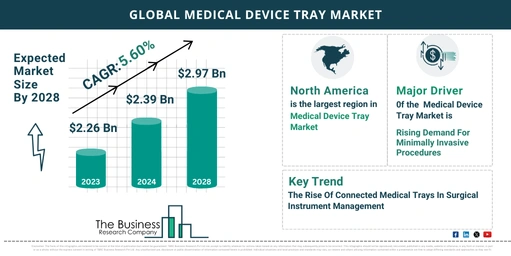
    • 2023 Market Size: $2.26 billion.
    • 2024 Forecast: Expected to grow to $2.39 billion.
    • CAGR: 5.5% from 2023 to 2024.

    Key Drivers of Growth

    • Advancements in Medical Technology: Continuous improvements enhance the functionality and efficiency of medical device trays.
    • Regulatory Standards and Compliance: Strict guidelines ensure safety and efficacy in medical device use.
    • Increased Surgical Procedures: Higher volumes of surgeries drive demand for medical device trays.
    • Growth in Healthcare Infrastructure: Expanding healthcare facilities require more medical device trays.
    • Focus on Infection Control: Emphasis on sterilization and hygiene boosts the need for specialized trays.

    View More On The Medical Device Tray Market Report 2024 –
    https://www.thebusinessresearchcompany.com/report/medical-device-tray-global-market-report

    Future Market Projections

    • 2028 Market Size: Expected to reach $2.97 billion.
    • CAGR: 5.6% from 2024 to 2028.

    Drivers for Future Growth

    • Rising Aging Population: Increased healthcare needs drive demand for medical device trays.
    • Technological Advancements: Innovations in tray materials and design enhance functionality.
    • Rising Prevalence of Chronic Diseases: More chronic conditions lead to more surgical interventions.
    • Increase in Surgical Procedures: Higher surgery rates create more demand for trays.
    • Stringent Sterilization Standards: Enhanced standards for sterilization and infection control increase the need for effective tray solutions.

    Trends Shaping the Market

    • Demand for Sterilization and Infection Control: Increased focus on preventing infections drives the need for effective sterilization solutions.
    • Advancements in Tray Materials: New materials improve durability and functionality.
    • Customization and Personalization: Tailored solutions meet specific needs of various medical procedures.
    • Integration of Smart Technologies: Smart trays with sensors and communication devices improve management and tracking of surgical instruments.
    • Expansion in Outpatient and Ambulatory Surgical Centers: Growth in these settings drives demand for versatile medical device trays.

    Rising Demand for Minimally Invasive Procedures

    • Minimally Invasive Procedures: These procedures require specialized trays for organizing and sterilizing instruments.
    • Advantages: Reduced recovery times, lower risk of complications, and less post-operative pain compared to traditional surgeries.
    • Impact: Increased adoption of minimally invasive procedures drives the demand for specialized medical device trays.
    • Example: In January 2024, Intuitive Surgical Inc. placed 415 da Vinci surgical systems, marking a 12% increase from 2022, highlighting the growing preference for minimally invasive approaches.

    Major Companies in the Market

    • Key Players:
      • Cardinal Health, Johnson & Johnson, Thermo Fisher Scientific Inc., Abbott Laboratories, 3M Company.
      • Medtronic PLC, Fresenius Medical Care AG & Co. KGaA, Becton Dickinson and Company (BD), Stryker Corporation.
      • Henry Schein Inc., Medline Industries, Inc., B. Braun Melsungen AG, Zimmer Biomet Holdings, Inc., Olympus Corporation.
      • Smith & Nephew plc, Hologic Inc., Nipro Corporation, Cook Medical, Getinge AB, Teleflex Incorporated.
      • KARL STORZ SE & Co. KG, Mölnlycke Health Care AB, Integra Life Sciences, ConMed Corporation, Smiths Medical.

    Innovations in Medical Device Trays

    • Connected Medical Trays: Technologically advanced trays equipped with sensors and communication devices for real-time tracking.
    • Example: In February 2024, Intech Medical launched Trackinbox, a customizable tray with smart tracking solutions to monitor location, usage, and sterilization status.

    Strategic Acquisitions

    • HealthpointCapital & SteriCUBE Holdings Acquisition (April 2024):
      • Acquisition: HealthpointCapital acquired a majority stake in SteriCUBE Holdings.
      • Objective: Expand into innovative medical technologies aligned with musculoskeletal healthcare.
      • Impact: Enhances HealthpointCapital’s portfolio and market presence in the medical device tray sector.

    Market Segmentation

    • By Product Type:
      • Categories: Sterilization Trays, Procedure Trays.
    • By Application:
      • Types: Surgical Trays, Diagnostic Trays, Dental Trays.
    • By End User:
      • Sectors: Hospitals and Clinics, Ambulatory Centers, Dental Clinics, Surgical Centers.

    Geographic Insights

    • Largest Region: North America was the largest market in 2023.
    • Fastest-Growing Region: Asia-Pacific is expected to experience the fastest growth in the forecast period.

    The medical device tray market is experiencing robust growth driven by increasing demand for minimally invasive procedures, advancements in technology, and rising surgical procedures. Innovations and strategic acquisitions are expected to further fuel market expansion in the coming years.

    Request A Sample Of The Global Medical Device Tray Market Report 2024:
    https://www.thebusinessresearchcompany.com/sample_request?id=16730&type=smp

    The Medical Device Tray Global Market Report 2024  provides an in-depth analysis on the medical device tray market size, trends and drivers, opportunities, strategies, and companies analysis. The countries covered in the medical device tray market report are Australia, Brazil, China, France, Germany, India, Indonesia, Japan, Russia, South Korea, the UK, and the USA, and the major seven regions are Asia-Pacific, Western Europe, Eastern Europe, North America, South America, the Middle East, and Africa.

  • Top 5 Insights From The Food Allergy Treatment Market Report 2024

    Top 5 Insights From The Food Allergy Treatment Market Report 2024

    The Business Research Company’s global market reports are now updated with the latest market sizing information for the year 2024 and forecasted to 2033

    According to The Business Research Company’s Food Allergy Treatment Global Market Report 2023, the food allergy treatment market is expected to show promising growth in the forecast period.

    • Current Market Size: The food allergy treatment market has experienced significant growth, expanding from $6.08 billion in 2023 to an expected $6.82 billion in 2024.
    • CAGR: This represents a compound annual growth rate (CAGR) of 12.2%, driven by factors like the increasing prevalence of food allergies and rising regulatory approvals.
    • Historic Drivers: The market’s expansion can be attributed to the development of emergency treatments and greater investment in modern technologies.

    Future Outlook: Sustained Expansion

    • Projected Growth: The market is expected to continue its upward trajectory, reaching $10.84 billion by 2028.
    • CAGR: This translates to a CAGR of 12.3% over the forecast period.
    • Key Drivers: Growth will be propelled by the increasing diagnosis of food allergies, rising healthcare spending, and the growing geriatric population.

    Major Trends:

      • High degree of innovation and technological advancements.
      • Improvement in medical technology and diagnostic techniques.
      • Increasing use of mobile apps and telemedicine services.
      • A surge in research and development activities.
      • Rising number of drug approvals and launches.

    View More On The Food Allergy Treatment Market Report 2024 –
    https://www.thebusinessresearchcompany.com/report/food-allergy-treatment-global-market-report

    Impact of Food Adulteration on the Market

    • Definition: Food adulteration involves the intentional alteration of food products, often for economic gain, leading to compromised quality and safety.
    • Rising Concern: The increasing incidence of food adulteration is expected to drive market growth by raising the risk of allergic reactions.
    • Recent Example: In November 2022, Europol reported the seizure of nearly 27,000 tons of counterfeit food, highlighting the growing concern over food adulteration.

    Leading Players in the Market

    • Major Companies: The market is dominated by companies like Pfizer Inc., F. Hoffmann-La Roche Ltd., Merck & Co. Inc., Bayer AG, and Sanofi S.A.
    • Key Developments: These companies are focused on innovative therapies, such as monoclonal antibodies, to provide more effective treatments for food allergies.

    Advancements in Food Allergy Treatment

    • Monoclonal Antibodies: These represent a promising approach for treating food allergies by targeting specific components of the immune system.
    • Recent Approval: In February 2024, Novartis AG received FDA approval for Xolair (omalizumab), a monoclonal antibody designed to reduce IgE-mediated food allergies.
    • Study Results: The Phase III OUtMATCH study showed that Xolair allowed food allergy patients to tolerate small amounts of allergens like peanuts and milk without allergic reactions.

    Strategic Acquisitions: Expanding Treatment Portfolios

    • Stallergenes Greer’s Acquisition: In September 2023, Stallergenes Greer acquired Nestlé’s peanut allergy treatment business, allowing Nestlé to focus on its core strengths.
    • Market Impact: This acquisition enables Stallergenes Greer to expand its allergy treatment portfolio, strengthening its position in the market.

    Market Segmentation and Regional Insights

    • Drug Type: The market is segmented into antihistamines, decongestants, corticosteroids, mast cell stabilizers, and more.
    • Route of Administration: Treatment options are available in parenteral and oral forms.
    • Allergen Type: Common allergens include dairy products, poultry, tree nuts, peanuts, shellfish, wheat, and soys.
    • End-Use: Major end-users include hospital pharmacies and retail pharmacies.
    • Regional Insights: North America was the largest market in 2023, while Asia-Pacific is expected to be the fastest-growing region during the forecast period.

    Request A Sample Of The Global Food Allergy Treatment Market Report 2024:
    https://www.thebusinessresearchcompany.com/sample_request?id=16684&type=smp

  • Growth Trajectory Of The Endocrine Peptide Test Market 2024-2033

    Growth Trajectory Of The Endocrine Peptide Test Market 2024-2033

    The Business Research Company’s global market reports are now updated with the latest market sizing information for the year 2024 and forecasted to 2033

    • Market Expansion: The endocrine peptide test market has seen significant growth, increasing from $8.34 billion in 2023 to $9.11 billion in 2024.
    • CAGR: This growth represents a compound annual growth rate (CAGR) of 9.2%, driven by factors such as increasing government spending and the rising prevalence of diabetes.
    • Historic Growth Drivers:
      • Decreasing immunity levels globally.
      • High risk of contracting chronic diseases.
      • Rising government initiatives.

    Future Market Outlook: Continued Strong Growth

    • Projected Growth: The market is expected to reach $13.03 billion by 2028.
    • CAGR: This reflects a CAGR of 9.4% over the forecast period.
    • Key Drivers:
      • Increasing demand for endocrine peptide tests.
      • Growth in research and development activities.
      • Rise in the number of lifestyle diseases.
      • Increasing geriatric population.
      • Rising prevalence of diabetes.

    View More On The Endocrine Peptide Test Market Report 2024 – https://www.thebusinessresearchcompany.com/report/endocrine-peptide-test-global-market-report

    Emerging Trends in the Market

    • Advancements in Testing Methods: Significant improvements in endocrine testing methods.
    • Product Technology Advancements: Ongoing advancements in product technologies.
    • Research & Development: Increased R&D activities to develop novel testing solutions.
    • Product Approvals: Growing number of product approvals in the market.
    • Preventive Healthcare: Shift towards preventive healthcare measures.

    Impact of Diabetes Prevalence on Market Growth

    • Diabetes and Endocrine Testing: The rising prevalence of diabetes is a major driver for the endocrine peptide test market.
    • Contributing Factors: Unhealthy diets, sedentary lifestyles, genetic predisposition, and an aging population contribute to the increase in diabetes cases.
    • Role of Peptide Tests: Endocrine peptide tests, such as hemoglobin A1c, fasting plasma glucose, and C-peptide tests, are crucial for diagnosing diabetes, monitoring glucose levels, and assessing insulin production and sensitivity.
    • Key Statistics: According to the International Diabetes Federation, approximately 537 million adults were living with diabetes in 2021, with the number projected to rise to 643 million by 2030 and 783 million by 2045.

    Key Players in the Endocrine Peptide Test Market

    • Major Companies: Siemens AG, F. Hoffmann-La Roche AG, Thermo Fisher Scientific Inc., Merck KGaA, Becton Dickinson and Company, and others dominate the market.
    • Focus on Innovation: These companies are heavily focused on innovation to improve testing accuracy and efficiency.

    Advancements in Immunoassay Testing Systems

    • Immunoassay Testing Systems: Companies are developing advanced immunoassay testing systems to enhance the accuracy, sensitivity, and speed of endocrine peptide tests.
    • Recent Innovations: For instance, Siemens Healthineers launched the Atellica CI Analyzer in July 2023, a compact system for immunoassay and clinical chemistry testing, including endocrine peptide assays. It delivers quality results quickly and is designed to meet evolving testing needs with up to 1000 tests per hour capacity.

    Strategic Acquisitions to Strengthen Market Position

    • Tolmar Pharmaceuticals’ Acquisition: In October 2022, Tolmar Pharmaceuticals Inc. acquired JATENZO from Clarus Therapeutics, enhancing their portfolio in pediatric endocrinology and men’s health.
    • Impact: This acquisition strengthens Tolmar’s focus on specialty pharmaceutical products, particularly in the field of endocrine disorders.

    Market Segmentation and Regional Insights

    • Test-Type: The market is segmented into various test types, including Dehydroepiandrosterone Sulphate, Progesterone, Luteinizing Hormone, and others.
    • Technology: Key technologies used in testing include Mass Spectroscopy, Immunoassay, Chromatography, and Nucleic Acid Based techniques.
    • End-User: Major end-users include clinics, healthcare centers, hospitals, and commercial laboratories.
    • Regional Insights: North America was the largest region in the endocrine peptide test market in 2023, with strong growth expected in the coming years.

    Request A Sample Of The Global Endocrine Peptide Test Market Report 2024:
    https://www.thebusinessresearchcompany.com/sample_request?id=16675&type=smp

  • Top 5 Insights From The Embolization Coils Market Report 2024

    Top 5 Insights From The Embolization Coils Market Report 2024

    The Business Research Company’s global market reports are now updated with the latest market sizing information for the year 2024 and forecasted to 2033

    According to The Business Research Company’s Embolization Coils Global Market Report 2023, the embolization coils market is expected to show promising growth in the forecast period.


    • Market Expansion: The embolization coils market has shown steady growth, increasing from $1.37 billion in 2023 to $1.44 billion in 2024.
    • CAGR: This represents a compound annual growth rate (CAGR) of 4.6%, driven by factors such as the increasing prevalence of neurovascular disorders and a rising geriatric population.

    Historic Growth Drivers:

      • Growing demand for minimally invasive procedures.
      • Improved healthcare infrastructure.
      • Increased healthcare expenditure.

    Future Market Outlook: Continued Growth

    • Projected Growth: The market is expected to reach $1.73 billion by 2028.
    • CAGR: This reflects a CAGR of 4.7% over the forecast period.

    Key Drivers:

      • Expanding applications in emerging markets.
      • Development of innovative embolization techniques.
      • Rising awareness about neurovascular disorders.
      • Increasing prevalence of chronic diseases.
      • Growing investments in research and development.

    View More On The Embolization Coils Market Report 2024 –

    https://www.thebusinessresearchcompany.com/report/embolization-coils-global-market-report

    Emerging Trends in the Market

    • Personalized Treatment Approaches: Emphasis on patient-specific treatments.
    • Integration of AI: Artificial intelligence is being integrated into treatment planning.
    • Next-Generation Embolic Materials: Advancements in embolic materials for improved outcomes.
    • Shift to Outpatient Procedures: Increased focus on outpatient and ambulatory procedures.
    • Patient-Centric Care: Enhanced focus on the overall patient experience.

    Rising Prevalence of Chronic Illnesses Driving Market Growth

    • Chronic Illness Impact: The increasing prevalence of chronic illnesses is a significant driver for the embolization coils market.
    • Factors: Aging populations, lifestyle factors like poor diet and lack of physical activity, and longer life expectancies contribute to this rise.
    • Application in Treatment: Embolization coils are used to treat conditions like coronary artery aneurysms and fistulas by occluding abnormal connections and preventing complications.
    • Key Statistics: According to a report by the American College of Cardiology, major cardiovascular risk factors like diabetes, hypertension, and obesity are projected to rise significantly by 2060.

    Key Players in the Embolization Coils Market

    • Major Companies: The market is dominated by companies such as Johnson & Johnson Services Inc., Abbott Laboratories Inc., Medtronic Plc, and Stryker Corporation.
    • Innovation Focus: These companies are continuously developing innovative products to better serve the market.

    Development of Innovative Products

    • Fibered Detachable Coils: Companies are developing products like fibered detachable coils for advanced embolization procedures.
    • Recent FDA Approval: In April 2022, Boston Scientific Corporation received FDA approval for the EMBOLD fibered detachable coil, designed to block or decrease blood flow in peripheral blood vessels. This innovative product is used in various embolization procedures to treat conditions like hemorrhaging, aneurysms, and venous abnormalities.

    Strategic Acquisitions to Strengthen Market Position

    • Cooper Companies’ Acquisition: In November 2023, The Cooper Companies Inc. acquired select assets from Cook Medical for $300 million.
    • Impact: This acquisition strengthens CooperSurgical’s medical device portfolio and enhances its position in the embolization coils market.

    Market Segmentation and Regional Insights

    • Type: The market is segmented into detachable coils and pushable coils.
    • Material: Key materials include platinum, platinum and hydrogel, and platinum tungsten alloy.
    • Application: Applications span neurology, urology, peripheral vascular disease, oncology, and cardiology.
    • End-User: Major end-users include hospitals, ambulatory centers, and cardio centers.
    • Regional Insights: North America was the largest region in the embolization coils market in 2023, while Asia-Pacific is expected to be the fastest-growing region during the forecast period.

    Request A Sample Of The Global Embolization Coils Market Report 2024:

    https://www.thebusinessresearchcompany.com/sample_request?id=16674&type=smp

  • Global Electroencephalography Devices Market Analysis: Estimated Market Size And Growth Rate

    Global Electroencephalography Devices Market Analysis: Estimated Market Size And Growth Rate

    The Business Research Company’s global market reports are now updated with the latest market sizing information for the year 2024 and forecasted to 2033

    • Market Expansion: The electroencephalography (EEG) devices market has shown significant growth, increasing from $1.11 billion in 2023 to $1.20 billion in 2024.
    • CAGR: This growth represents a compound annual growth rate (CAGR) of 8.5%, driven by early discoveries, initial development of portable and wireless EEG devices, and the rise of neurofeedback and consumer-grade EEG devices.

    Future Market Outlook: Continued Growth

    • Projected Growth: The market is expected to reach $1.68 billion by 2028.
    • CAGR: This reflects a CAGR of 8.8% over the forecast period.

    Key Drivers:

      • Increasing research and development efforts.
      • Growing clinical acceptance of EEG devices.
      • Rising healthcare expenditure and aging population.
      • Expansion of consumer wearables integrating EEG technology.

    View More On The Electroencephalography Devices Market Report 2024 –

    https://www.thebusinessresearchcompany.com/report/electroencephalography-devices-global-market-report

    Emerging Trends in the Market

    • Advanced Signal Processing & AI Integration: Enhanced signal processing and the integration of artificial intelligence (AI) are set to transform EEG technology.
    • Personalized Healthcare: EEG devices are increasingly used for personalized healthcare solutions.
    • Integration with VR & AR: EEG devices are being integrated with virtual reality (VR) and augmented reality (AR) for advanced applications.
    • Longitudinal Monitoring & Big Data Analytics: These are becoming more prevalent, allowing for comprehensive patient monitoring.
    • Combination with Other Modalities: EEG is being combined with other diagnostic tools for a more holistic approach to neurological monitoring.

    Neurological Disorders Driving Market Growth

    • Rising Prevalence: The increasing prevalence of neurological disorders, such as epilepsy, sleep disorders, and brain injuries, is a significant factor driving the demand for EEG devices.
    • Key Statistics: According to the World Federation of Neurology, over 40% of the global population suffers from a neurological condition, a figure expected to nearly double by 2050.
    • Importance of EEG: EEG devices are crucial in diagnosing and monitoring these disorders by recording and analyzing electrical activity in the brain.

    Key Players in the EEG Devices Market

    • Major Companies: Notable companies in the market include General Electric Company, Philips Healthcare, Nihon Kohden Corporation, Natus Medical Incorporated, Cadwell Industries Inc, and others.
    • Innovation Focus: These companies are focused on developing innovative products to enhance the capabilities and accessibility of EEG devices.

    Technological Advancements in EEG Devices

    • Cloud-Linked Portable Recorders: Companies are developing cloud-linked portable EEG recorders that enhance data accessibility and remote monitoring capabilities.
    • Example: In May 2021, Inspira Health Network launched the Ceribell rapid-response EEG device, designed to detect and diagnose non-convulsive seizure activity in critically ill patients. This device includes a headband with embedded electrodes, a compact recorder, and a cloud portal for remote monitoring.

    Strategic Acquisitions Enhancing Market Position

    • Aditxt’s Acquisition: In January 2024, Aditxt Inc. acquired EEG brain monitoring assets from Brain Scientific to broaden its portfolio in brain health.
    • Impact: This acquisition enhances Aditxt’s focus on neurological diagnosis and monitoring through the integration of advanced brain monitoring technologies.

    Market Segmentation and Regional Insights

    • Type: The market is segmented by device type, including portable, standalone, and wearable EEG devices.
    • Product: Product segmentation includes 8-Channel, 21-Channel, 25-Channel, 32-Channel, 40-Channel, and Multi-Channel EEG devices.
    • Distribution Channel: EEG devices are distributed through direct tenders and retail sales.
    • Application: Applications include trauma and surgery, disease diagnosis, anesthesia monitoring, sleep monitoring, and others.
    • End-Use: Major end-users include hospitals, diagnostic centers, and other healthcare providers.
    • Regional Insights: North America was the largest region in the EEG devices market in 2023, with continued strong growth expected.

    Request A Sample Of The Global Electroencephalography Devices Market Report 2024:
    https://www.thebusinessresearchcompany.com/sample_request?id=16672&type=smp

  • Global Donor Egg In Vitro Fertilization (IVF) Services Market Report 2024 – Top Market Trends And Opportunities

    Global Donor Egg In Vitro Fertilization (IVF) Services Market Report 2024 – Top Market Trends And Opportunities

    The Business Research Company’s market reports offer an in-depth analysis on the market’s growth potential, major drivers, key trends and more.

    • Current Market Size: The donor egg in vitro fertilization (IVF) services market has grown rapidly, increasing from $2.66 billion in 2023 to $2.97 billion in 2024.
    • CAGR: This growth represents a compound annual growth rate (CAGR) of 11.7%. Contributing factors include the proliferation of IVF clinics, high rates of obesity, increased alcohol consumption, a rise in cigarette smoking, and growing demand from women with endometriosis.

    Future Market Projections

    • Forecasted Growth: The market is expected to continue its rapid growth, reaching $4.66 billion by 2028.
    • CAGR: The forecast period shows a slightly higher CAGR of 11.9%.

    Key Drivers:

      • Increasing adoption of donor egg IVF among LGBTQ+ couples.
      • A surge in gamete donations.
      • Growing acceptance of non-traditional family structures.
      • Evolving legal frameworks surrounding reproductive rights and third-party reproduction.
      • Rising single parenthood.

    Read More On The Donor Egg In Vitro Fertilization (IVF) Services Market Report 2024 –

    https://www.thebusinessresearchcompany.com/report/donor-egg-in-vitro-fertilization-ivf-services-global-market-report

    Emerging Trends in the Market

    • Cryopreservation Advancements: Progress in cryopreservation techniques is enhancing the viability and success of donor egg IVF.
    • Genetic Screening: Advancements in genetic screening allow for better embryo selection and higher success rates.
    • Surrogacy Legalization: The increasing legalization of surrogacy in various regions is expected to boost demand for donor egg IVF.
    • Egg Freezing: Improved egg freezing technologies are making it easier for women to preserve fertility.
    • Embryo Screening: Advancements in embryo screening techniques contribute to better outcomes in IVF procedures.

    Rising Infertility Rates Drive Market Growth

    • Increasing Infertility Rates: The rising prevalence of infertility is a significant driver of the donor egg IVF market. Infertility, defined as the inability to conceive after a year of regular, unprotected intercourse, is becoming more common due to factors like sexually transmitted infections and inadequate access to modern medical care.
    • Impact on Market: Donor egg IVF is increasingly used to help infertile women conceive. For instance, according to a 2022 report by the World Health Organization, 1 in 6 people globally has experienced infertility at least once, with a global prevalence of 17.5%.

    Major Players in the Donor Egg IVF Services Market

    • Key Companies: Some leading companies in the market include Raffles Medical Group, United Family Healthcare, Thomson Medical Group, Virtus Health, Genetics & IVF Institute, Fertility Associates, SAFE Fertility Center, TMC Fertility, TRIO Fertility, and Sims IVF.
    • Innovation Focus: These companies are focusing on advancements like AI-powered IVF solutions to improve success rates and patient outcomes.

    AI Innovations in Donor Egg IVF Services

    • AI-Powered IVF Solutions: Major companies are integrating artificial intelligence (AI) into IVF treatments to enhance decision-making, streamline operations, and improve communication between clinics and patients.
    • Example: In September 2023, AIVF, an Israel-based company, launched EMA, an AI-powered IVF operating system. EMA improves workflow efficiency and embryo evaluation accuracy in IVF labs, surpassing traditional embryologist methods by 38%.

    Strategic Acquisitions in the Market

    • Ivy Fertility’s Acquisition of Dallas IVF: In April 2024, Ivy Fertility, a US-based infertility center, acquired Dallas IVF. This acquisition aims to expand Ivy’s network of fertility centers across the United States, enhancing its reproductive healthcare services.

    Market Segmentation and Regional Insights

    • By Offering: The market is segmented into IVF drugs, IVF media and reagents, and IVF and intrauterine insemination (IUI) services.
    • By Procedure: Segmentation by procedure includes fresh donor egg, frozen donor egg, and other procedures.
    • By End User: End-users include clinical research institutes, surgical centers, hospitals, fertility clinics, and others.
    • Regional Insights: North America was the largest market for donor egg IVF services in 2023, with robust growth expected in the coming years.

    Request for A Sample Of The Global Donor Egg In Vitro Fertilization (IVF) Services Market Report:
    https://www.thebusinessresearchcompany.com/sample_request?id=16664&type=smp

  • Global Disposable Urine Bags Market Report 2024 – Top Market Trends And Opportunities

    Global Disposable Urine Bags Market Report 2024 – Top Market Trends And Opportunities

    The Business Research Company’s market reports offer an in-depth analysis on the market’s growth potential, major drivers, key trends and more.

    • Current Market Size: The disposable urine bags market has shown strong growth, expanding from $2.11 billion in 2023 to $2.23 billion in 2024.
    • CAGR: This represents a compound annual growth rate (CAGR) of 5.6%. The historic growth can be attributed to factors such as the rising prevalence of urinary incontinence, urological disorders, increasing healthcare expenditure, the expansion of home healthcare services, a growing geriatric population, and the adoption of disposable medical products.

    Future Market Projections

    • Forecasted Growth: The market is expected to continue its strong growth trajectory, reaching $2.81 billion by 2028.
    • CAGR: The forecast period shows a CAGR of 6.0%.

    Key Drivers:

      • Rising number of patients with diabetes and Alzheimer’s disease.
      • Increasing frequency of gynecological and urological surgeries.
      • Higher incidences of chronic diseases.

    Read More On The Disposable Urine Bags Market Report 2024 –

    https://www.thebusinessresearchcompany.com/report/disposable-urine-bags-global-market-report

    Emerging Trends in the Market

    • Antimicrobial Properties: Incorporation of antimicrobial features in urine bags to prevent infections.
    • Smart Hospital Utilities: Introduction of smart technologies in hospital settings to enhance patient care.
    • Focus on Sustainability: Development of eco-friendly and biodegradable urine bags to reduce environmental impact.
    • Advanced Materials: Use of innovative fabric materials for comfort and durability.
    • Nanotechnology Integration: Application of nanotechnology to improve product performance and safety.

    Impact of Rising Surgeries on Market Growth

    • Increased Surgical Procedures: The rising number of surgeries, driven by an aging population and the adoption of laparoscopic techniques, is propelling the demand for disposable urine bags.
    • Surgical Applications: These bags are crucial for maintaining sterility and ensuring patient hygiene during and after surgeries.
    • Key Statistic: In 2022, according to the National Library of Medicine, there were 2.4 million hip and knee operations conducted, an 18.3% increase over 2020, underscoring the growing demand for disposable urine bags in surgical settings.

    Major Companies in the Disposable Urine Bags Market

    • Key Players: Cardinal Health Inc., Becton Dickinson and Company, Medline Industries Inc., McKesson Corporation, Coloplast Group, Teleflex Incorporated, B. Braun Melsungen AG, and others.
    • Innovation Focus: Companies are focusing on developing advanced products, such as unisex disposable urine bags, to cater to diverse customer needs.

    Innovations in Disposable Urine Bags

    • Unisex Disposable Urine Bags: Companies are introducing unisex urine bags designed to accommodate both men and women, offering a more versatile and convenient solution.
    • Example: In July 2022, Peeschute, an India-based supplier, launched environmentally friendly unisex disposable urine bags made from biodegradable materials, addressing both hygiene and sustainability concerns.

    Strategic Acquisitions in the Market

    • AURELIUS Group’s Acquisition of McKesson UK: In April 2022, AURELIUS Group acquired McKesson UK’s business, aiming to strengthen its healthcare portfolio and expand in the UK market. This acquisition highlights the strategic moves being made by companies to enhance their market presence and product offerings.

    Market Segmentation and Regional Insights

    • Product Types: The market is segmented into body-worn bags, large capacity bags, night bags, and other types.
    • Capacity: Segmentation by capacity includes 0-500 ml, 500-1000 ml, and 1000-2000 ml options.
    • Material: Products are made from materials like polyvinyl chloride, ethylene vinyl acetate, paper, and others.
    • Usage: The market includes both reusable and disposable options.
    • End-Use: End-users include hospitals, nursing homes, ambulatory surgical centers, and home care settings.
    • Regional Insights: North America was the largest market in 2023, while Asia-Pacific is expected to be the fastest-growing region during the forecast period.

    Request for A Sample Of The Global Disposable Urine Bags Market Report:
    https://www.thebusinessresearchcompany.com/sample_request?id=16663&type=smp

  • Top 5 Insights From The Portable Magnetic Resonance Imaging (MRI) Market Report 2024

    Top 5 Insights From The Portable Magnetic Resonance Imaging (MRI) Market Report 2024

    The Business Research Company’s global market reports are now updated with the latest market sizing information for the year 2024 and forecasted to 2033

    According to The Business Research Company’s Portable Magnetic Resonance Imaging (MRI) Global Market Report 2023, the portable magnetic resonance imaging (MRI) market is expected to show promising growth in the forecast period.

    Overview of Market Growth

    • Market Expansion: The portable magnetic resonance imaging (MRI) market has seen significant growth, increasing from $3.29 billion in 2023 to $3.52 billion in 2024 at a CAGR of 7.0%.
    • Future Projections: The market is projected to reach $4.66 billion by 2028, growing at a CAGR of 7.3%.
    • Key Growth Drivers:
      • Increasing prevalence of neurological disorders.
      • Rising demand for point-of-care diagnostics.
      • Advancements in battery technology and image resolution.

    View More On The Portable Magnetic Resonance Imaging (MRI) Market Report 2024 –
    https://www.thebusinessresearchcompany.com/report/portable-magnetic-resonance-imaging-mri-global-market-report

    Factors Driving Market Expansion

    • Rising Dementia Cases:
      • Increasing Prevalence: The global aging population and improved diagnostic capabilities are leading to a rise in dementia cases, driving the need for portable MRI solutions.
      • Role of Portable MRI: Portable MRI devices enable on-site brain imaging to assess structural changes and aid in diagnosing and monitoring dementia, particularly in clinics and care facilities.
      • Case Example: In 2023, the Australian Institute of Health and Welfare reported that approximately 411,100 Australians had dementia, a figure expected to more than double by 2058, underscoring the growing demand for portable MRI technology.
    • Innovative Technological Solutions:
      • Mobile MRI Scanners: Companies are developing mobile MRI scanners to enhance accessibility and flexibility in medical imaging, particularly for remote and underserved areas.
      • Example: Siemens Healthineers launched the MAGNETOM Viato.Mobile, a 1.5 Tesla mobile MRI scanner optimized for easy transportation to offsite locations, making advanced imaging technology accessible to patients who would otherwise need to travel long distances.

    Market Segmentation and Key Players

    • Product Segmentation:
      • Superconducting-Magnet-Based Portable MRI.
      • Electromagnet-Based Portable MRI.
      • Permanent-Magnet-Based Portable MRI.
    • Applications:
      • Neurology.
      • Musculoskeletal.
      • Gastroenterology.
      • Other Applications.
    • End Users:
      • Hospitals.
      • Diagnostic Centers.
      • Ambulatory Surgery Centers.
      • Other End Users.
    • Major Companies:
      • TATA Group, Siemens Healthineers AG, Koninklijke Philips N.V.
      • Alliance HealthCare Services Inc., Akumin Inc., Esaote SpA.
      • Hyperfine Inc., Burgess Diagnostics Ltd, Interim Diagnostic Imaging Ltd.
      • Kings Medical Group Inc., Aurora Imaging Technology Inc.

    Strategic Acquisitions and Market Expansion

    • Acquisition for Market Expansion:
      • Modular Devices Acquires Interim Diagnostic Imaging: In April 2023, Modular Devices Inc. acquired Interim Diagnostic Imaging, significantly enhancing its mobile imaging capabilities. This acquisition allows Modular Devices to expand its offerings in mobile MRI, CT, and other imaging solutions, providing comprehensive services to healthcare teams nationwide.

    Trends Shaping the Future of Portable MRI

    • Artificial Intelligence and Machine Learning:
      • AI and machine learning algorithms are expected to play a significant role in improving image resolution and diagnostic accuracy, further driving the adoption of portable MRI systems.
    • Integration with Other Imaging Modalities:
      • Integration with other imaging technologies like ultrasound and CT scans is anticipated, offering a more comprehensive diagnostic approach and improving patient outcomes.
    • Cost Reduction and Reimbursement Policies:
      • As technology advances and production scales up, the cost of portable MRI systems is expected to decrease, making them more accessible to a broader range of healthcare providers. Favorable reimbursement policies will also support market growth.
    • Patient-Specific Imaging Protocols:
      • The development of patient-specific imaging protocols will enhance the precision of diagnostics and treatment planning, particularly in complex cases like cancer detection and treatment response monitoring.

    Regional Insights

    • North America: North America was the largest region in the portable MRI market in 2023, driven by advanced healthcare infrastructure and high adoption rates of portable imaging technologies.
    • Asia-Pacific: The Asia-Pacific region is expected to be the fastest-growing market during the forecast period, fueled by expanding healthcare infrastructure, rising healthcare expenditure, and increasing awareness of early diagnosis.

    Conclusion

    The portable magnetic resonance imaging (MRI) market is on a strong growth trajectory, driven by technological advancements, increasing demand for point-of-care diagnostics, and the rising prevalence of neurological disorders like dementia. With innovations in mobile MRI technology and strategic acquisitions, the industry is well-positioned to meet the growing demand for accessible and cost-effective imaging solutions, particularly in underserved regions. As the market continues to evolve, trends such as AI integration, cost reduction, and patient-specific protocols will further enhance the capabilities and adoption of portable MRI systems.

    Request A Sample Of The Global Portable Magnetic Resonance Imaging (MRI) Market Report 2024:
    https://www.thebusinessresearchcompany.com/sample_request?id=16769&type=smp

  • Global Micropropagation Market Analysis: Estimated Market Size And Growth Rate

    Global Micropropagation Market Analysis: Estimated Market Size And Growth Rate

    The Business Research Company’s global market reports are now updated with the latest market sizing information for the year 2024 and forecasted to 2033

     Market Overview

    • 2023 Market Size: $1.39 billion.
    • 2024 Forecast: Expected to grow to $1.53 billion.
    • CAGR: 10.1% from 2023 to 2024.

    Key Drivers of Growth

    • Demand for Disease-Free Planting Materials: Ensures healthy and high-quality crops.
    • Conservation of Endangered Species: Micropropagation aids in preserving biodiversity.
    • Crop Improvement Programs: Enhances crop yields and quality.
    • Globalization of Agriculture: Expands market reach and technology exchange.
    • Increased Awareness Among Growers: Farmers adopt advanced techniques for better productivity.

    View More On The Micropropagation Market Report 2024 – https://www.thebusinessresearchcompany.com/report/micropropagation-global-market-report

    Future Market Projections

    • 2028 Market Size: Expected to reach $2.26 billion.
    • CAGR: 10.3% from 2024 to 2028.

    Drivers for Future Growth

    • Emergence of New Plant Varieties: Breeding programs introduce new, resilient species.
    • Biopharmaceutical Production: Demand for plant-based pharmaceuticals increases.
    • Focus on Sustainable Agriculture: Environmentally friendly practices become more prevalent.
    • Expansion of Biofuel and Biomass Production: Micropropagation supports renewable energy sources.
    • Regulatory Support: Governments promote biotechnological advances.
    • Intellectual Property Rights: Protection of new plant varieties fosters innovation.

    Trends Shaping the Market

    • Integration of AI and Automation: Enhances precision and efficiency in plant production.
    • Expansion into Non-Traditional Crops: Broadens the scope of micropropagation.
    • Digitalization of Micropropagation Services: Streamlines processes and improves data management.
    • Growth of Contract Micropropagation Services: Offers specialized services to a broader market.
    • Vertical Integration in Value Chains: Companies consolidate operations to improve control and profitability.

    Horticulture Development Drives Market Growth

    • Role of Horticulture:
      • Practice: Cultivating plants for food, medicinal use, ornamentation, and aesthetics.
      • Growth Factors: Population growth, environmental concerns, and aesthetic preferences drive demand.
      • Micropropagation’s Role: Produces large quantities of disease-free plants with desired traits, ensuring consistent quality.
    • Recent Developments:
      • UK Report (June 2024): Home-grown vegetable value increased by 10% to nearly £1.9 billion ($2.03 billion), highlighting the growing importance of horticulture.
      • Impact: The horticulture sector’s development propels the micropropagation market.

    Leading Companies in the Micropropagation Market

    • Key Players:
      • Iribov BV, Phytocultures Ltd., Deroose Plants Inc., Phytelligence Inc., Alpha Laboratories Ltd.
      • Oglesby Plants International Inc., Segra International Corp., HiMedia Laboratories LLC, AgriForest Bio-Technologies Ltd.
      • Tissue-Grown Corporation, Lifeasible, Agribiotecnología de Costa Rica S.A., Caisson Labs Inc., Galiltec S.A.
      • Hartmann’s Plant Company, Knight Hollow Nursery Inc., Lowes TC Pty Ltd., Mountain Shadow Nursery LLC.
      • Phytotech Labs Inc., Plant Cell Technology Inc., PlantMedia, Rancho Tissue Technologies Inc., Xplant Laboratory Inc.
      • Dark Heart Industries.

    Innovations in Propagation Systems

    • Advanced Propagation Systems:
      • Definition: Techniques used to reproduce plants from seeds, cuttings, or other plant parts.
      • Example:
        • NuPlant’s SmartClone (January 2023): An advanced plant tissue culture propagation system using precision robotics to create robust clones from parent material.
        • Features: Adjustable growth conditions for each phase, resulting in more consistent and stronger plantlets.
        • Impact: Innovations like SmartClone reduce labor and costs, enhancing the efficiency of micropropagation.

    Strategic Acquisitions in the Market

    • Broad Sky Partners & Thomas Scientific (January 2022):
      • Acquisition: Broad Sky Partners acquired Thomas Scientific to enhance its market presence.
      • Impact: The acquisition expanded Broad Sky Partners’ customer base, distribution networks, and market share in the scientific equipment sector, indirectly boosting the micropropagation market.

    Market Segmentation

    • By Crop Types:
      • Categories: Banana, Orchids and Ornamentals, Medicinal Plants, Vegetables, Small Fruits, Other Crop Types.
    • By Container Type:
      • Options: Test Tubes and Petri Dishes, Glass Bottles, Plastic Containers.
    • By Sales Channels:
      • Methods: Offline, Online.
    • By End User:
      • Sectors: Farmers, Research Labs, Other End Users.

    Geographic Insights

    • Largest Region: Europe led the market in 2023.
    • Fastest-Growing Region: Asia-Pacific is expected to see rapid growth during the forecast period, driven by expanding agricultural activities and technological advancements.

    The micropropagation market is experiencing rapid growth, driven by advancements in technology, increasing demand for disease-free plants, and the development of horticulture. As innovations continue to emerge, particularly in propagation systems and digitalization, the market is poised for further expansion.

    Request A Sample Of The Global Micropropagation Market Report 2024:
    https://www.thebusinessresearchcompany.com/sample_request?id=16737&type=smp

  • Key Trends And Drivers In The Minimally Invasive Spine Surgery Devices Market 2024

    Key Trends And Drivers In The Minimally Invasive Spine Surgery Devices Market 2024

    The Business Research Company’s market reports offer an in-depth analysis on the market’s growth potential, major drivers, key trends and more.

    Market Overview

    • 2023 Market Size: $1.06 billion.
    • 2024 Forecast: Expected to grow to $1.11 billion.
    • CAGR: 5.0% from 2023 to 2024.

    Key Drivers of Growth

    • Increasing Patient Preference: Minimally invasive procedures offer reduced recovery times and less post-operative pain.
    • Growing Clinical Evidence: Studies continue to support the efficacy and safety of minimally invasive techniques.
    • Cost Pressures on Healthcare Systems: These procedures reduce hospital stays and overall costs.
    • Training Programs and Educational Initiatives: Increased training improves surgeon expertise and expands the adoption of these techniques.
    • Shift in Surgical Paradigm: Surgeons and healthcare systems are increasingly favoring less invasive approaches.

    Future Market Projections

    • 2028 Market Size: Expected to reach $1.36 billion.
    • CAGR: 5.2% from 2024 to 2028.

     Read More On The Minimally Invasive Spine Surgery Devices Market Report 2024 – https://www.thebusinessresearchcompany.com/report/minimally-invasive-spine-surgery-devices-global-market-report

     Drivers for Future Growth

    • Healthcare Digitization: Enhanced digital tools improve precision and outcomes.
    • Adoption of Electronic Health Records (EHRs): Streamlines patient data management, facilitating better pre- and post-operative care.
    • Regenerative Medicine Techniques: Emerging treatments could complement minimally invasive procedures.
    • Evolving Reimbursement Policies: Favorable changes could encourage wider adoption of these surgeries.
    • Increased Collaboration: Partnerships between device manufacturers and healthcare providers are expected to drive innovation.

    Trends Shaping the Market

    • Innovations in Surgical Instruments: New devices enhance precision and reduce tissue damage.
    • Advances in Imaging Technologies: Better imaging supports more accurate procedures.
    • Development of Biocompatible Materials and Implants: Improves patient outcomes and reduces complications.
    • Advances in Personalized Medicine and Genetic Testing: Customizes treatment plans to individual patient needs.
    • Integration of Remote Monitoring and Telemedicine: Enhances post-operative care and follow-up.
    • Virtual Reality (VR) and Augmented Reality (AR) Technologies: Used for surgical planning and education.

    Increase in Spinal Disorders Fuels Market Growth

    • Rise in Spinal Disorders: Conditions like herniated discs, spinal stenosis, and scoliosis are becoming more prevalent due to aging populations, sedentary lifestyles, and repetitive stress injuries.
    • Minimally Invasive Devices’ Role: These devices offer less invasive treatment options, reducing recovery times and minimizing pain.
    • Statistics:
      • 2024 Data: Estimated 305,000 individuals in the U.S. will have traumatic spinal cord injuries (tSCI), up from 302,000 in 2023.
      • Impact: The increasing incidence of spinal disorders is driving the demand for minimally invasive spine surgery devices.

    Leading Companies in the Minimally Invasive Spine Surgery Devices Market

    • Key Players:
      • Stryker Corporation, Boston Scientific Corporation, Zimmer Biomet Holdings Inc., NuVasive Inc., Globus Medical Inc.
      • MicroPort Scientific Corporation, Orthofix International N.V., Aesculap Inc., Alphatec Holdings Inc., SeaSpine Holdings Corporation.
      • RTI Surgical Inc., Spinal Elements, Xtant Medical, Precision Medical Inc., Spine Wave Inc., Zavation Medical Products LLC.
      • Life Spine Inc., Nexxt Spine LLC, CTL Amedica Corporation, Intrinsic Therapeutics Inc, Captiva Spine Inc.
      • DePuy Synthes, Osseus Fusion Systems, SpineGuard S.A.

    Advances in Customizable Retractor Systems

    • Innovations in Retraction Systems: Companies are developing advanced customizable retractor systems that improve surgical precision and patient outcomes.
    • Orthofix Medical Inc.’s 2023 Launch:
      • Lattus Lateral Access System: Provides ease of use and versatile blade retraction, supporting various devices.
      • Fathom Pedicle-Based Retractor System: Features telescoping blade fixations for precise customization and enhanced visualization.
      • Impact: These systems optimize surgical workflows and are tailored to specific patient anatomy.

    Strategic Mergers in the Market

    • Orthofix Medical Inc. & SeaSpine Holdings Corporation (January 2023):
      • Merger: The two companies merged to enhance their spine and orthopedic product offerings.
      • New Organization: Combines a comprehensive biologics portfolio, innovative spinal hardware, bone growth therapies, and a leading surgical navigation system.
      • Impact: The merger strengthens the companies’ market positions and accelerates innovation in minimally invasive spine surgery devices.

    Market Segmentation

    • By Product:
      • Categories: Cervical Fusion Devices, Spine Biologics, Vertebral Compression Fracture Treatment Devices, Non-fusion Devices, Spine Bone Stimulators, Spinal Decompression Devices.
    • By Treatment:
      • Conditions: Disk Herniation, Degenerative Spinal Disease, Spinal Stenosis, Other Treatments.
    • By Procedure:
      • Techniques: Discectomy, Laminotomy, Foraminotomy, Facetectomy, Corpectomy.
    • By Application:
      • Types: Fusion Surgery, Non-Fusion Surgery.
    • By End User:
      • Sectors: Ambulatory Surgical Centers (ASCs), Hospitals.

    Geographic Insights

    • Largest Region: North America led the market in 2023, driven by advanced healthcare infrastructure, high adoption rates, and strong R&D activities.

    The minimally invasive spine surgery devices market is growing strongly, driven by increasing incidences of spinal disorders, advancements in surgical technologies, and strategic mergers that enhance product offerings. As innovations continue to shape the market, it is expected to see continued expansion in the coming years.

    Request for A Sample Of The Global Minimally Invasive Spine Surgery Devices Market Report:
    https://www.thebusinessresearchcompany.com/sample_request?id=16738&type=smp