Blog

  • Global Oral Expectorant Market Key Insights 2024-2033

    Global Oral Expectorant Market Key Insights 2024-2033

    The Business Research Company’s global market reports are now updated with the latest market sizing information for the year 2024 and forecasted to 2033

    The oral expectorant market has experienced consistent growth in recent years, driven by various factors. This blog delves into the market’s past performance, current trends, and future prospects, highlighting key growth drivers and emerging trends.

    Recent Market Growth (2023-2024)

    • Market Size: The oral expectorant market grew from $3.99 billion in 2023 to $4.18 billion in 2024.
    • CAGR: The market is expanding at a compound annual growth rate (CAGR) of 4.6%.
    • Key Drivers:
      • Rising prevalence of respiratory illnesses.
      • Increased demand for over-the-counter (OTC) medications.
      • Growing geriatric population and rising pollution levels.
      • Expansion of pharmaceutical distribution channels.
      • Increased awareness about respiratory health.

    Future Market Growth (2024-2028)

    • Projected Growth: The market is expected to reach $5.03 billion by 2028.
    • CAGR: Growth is projected at a CAGR of 4.8%.
    • Growth Factors:
      • Increasing investments in research and development.
      • Growing demand for natural and herbal expectorants.
      • Regulatory approvals for new products.
      • Rising healthcare expenditure.
      • Adoption of innovative marketing strategies.

    View More On The Oral Expectorant Market Report 2024 –

    https://www.thebusinessresearchcompany.com/report/oral-expectorant-global-market-report

    Trends Shaping the Future of the Oral Expectorant Market

    • Digital Health Integration: Adoption of digital health platforms for medication management.
    • Sustainable Practices: Shift towards sustainable packaging and manufacturing practices.
    • Combination Therapies: Development of combination therapies targeting multiple respiratory symptoms.
    • Personalized Medicine: Personalized approaches based on genetic profiling.
    • Patient-Centric Care: Emphasis on patient-centric care and telemedicine services.
    • AI and Big Data: Utilization of artificial intelligence and big data analytics for drug discovery and development.

    The Impact of Respiratory Illnesses on Market Growth

    • Increasing Prevalence: Rising cases of respiratory illnesses like asthma, COPD, and respiratory syncytial virus (RSV) are driving demand for oral expectorants.
    • Case Studies:

    In 2022, the prevalence of asthma among U.S. adults increased from 8.4% in 2021 to 8.7% in 2022.

    In 2021, there was a 9.5% increase in RSV cases compared to the previous year.

    Key Players in the Oral Expectorant Market

    • Leading Companies: Bayer AG, Sanofi S.A., Bristol-Myers Squibb Company, Abbott Laboratories, Novartis AG, and more.
    • Recent Acquisitions: In May 2024, Sun Pharmaceutical Industries Ltd. acquired Taro Pharmaceutical Industries Ltd. for $347.73 million to strengthen its market position.

    Innovations in Oral Expectorant Formulations

    • Natural Ingredients: Companies are incorporating clean ingredients, such as organic blueberry flavor, to cater to health-conscious consumers.
    • New Product Launches:

    Genexa Inc. launched a natural blueberry-flavored cough and chest congestion medicine in November 2022, offering a cleaner alternative to traditional products.

    Conclusion

    The oral expectorant market is set to continue its steady growth, driven by an increasing prevalence of respiratory illnesses, advancements in drug development, and the adoption of innovative and sustainable practices. Companies in this space are well-positioned to capitalize on these trends, with a focus on patient-centric care and personalized medicine likely to define the future of the market.

    Request A Sample Of The Global Oral Expectorant Market Report 2024:
    https://www.thebusinessresearchcompany.com/sample_request?id=16496&type=smp

  • Overview Of The Oyster Sauces Market 2024: Size, Drivers, And Trends

    Overview Of The Oyster Sauces Market 2024: Size, Drivers, And Trends

    The Business Research Company’s global market reports are now updated with the latest market sizing information for the year 2024 and forecasted to 2033

    The oyster sauces market has experienced strong growth in recent years and is projected to continue expanding. This blog explores the market’s current state, key drivers behind its growth, and the emerging trends that will shape its future.

    Market Growth Overview (2023-2024)

    • Market Size: The oyster sauces market grew from $9.54 billion in 2023 to $10.08 billion in 2024.
    • CAGR: The market is growing at a compound annual growth rate (CAGR) of 5.7%.
    • Growth Drivers:
      • Increasing popularity of Chinese cuisine.
      • Introduction of packaged and branded products.
      • Rise in Asian immigrant populations.
      • Influence of cooking shows and food media.
      • Increasing disposable incomes.

    Future Market Projections (2024-2028)

    • Expected Growth: The market is expected to reach $12.73 billion by 2028.
    • CAGR: The projected growth rate is a CAGR of 6.0%.
    • Key Factors:
      • Increasing oyster production.
      • Growing popularity of Asian dishes globally.
      • Rise of online shopping platforms.
      • Rising demand for restaurants.
      • Growth in the number of smartphone and internet users.

    View More On The Oyster Sauces Market Report 2024 – https://www.thebusinessresearchcompany.com/report/oyster-sauces-global-market-report 

    Trends Shaping the Oyster Sauces Market

    • Packaging Innovation: Companies are focusing on innovative and sustainable packaging solutions to meet consumer demand for eco-friendly products.
    • Product Innovation: There is a trend towards developing new flavors and healthier variants of oyster sauces to cater to diverse consumer preferences.
    • Ethical Sourcing: Consumers are increasingly favoring products made from sustainably and ethically sourced ingredients.
    • Health-Conscious Variants: The demand for health-conscious and low-sodium oyster sauce variants is on the rise.
    • Flavor Innovations: Manufacturers are introducing new and exotic flavors to attract adventurous consumers and expand their market reach.

    Rising Restaurant Demand Fuels Oyster Sauce Market Growth

    • Restaurant Boom: The increasing number of restaurants worldwide is driving the demand for oyster sauces.
    • Statistics:
      • In 2021, there were 103,323 chain restaurants in the United States.
      • By 2023, this number surged to 749,404 establishments, a significant increase.
    • Market Impact: Oyster sauce is a versatile ingredient that enhances flavor, broadens menu offerings, and supports cost efficiency, making it a staple in many restaurant kitchens.

    Key Players in the Oyster Sauces Market

    • Leading Companies: Daesang Corporation, Yuen Chun Industries Sdn Bhd, Nestle SA, Tung Chun Sauce Group, Ajinomoto Co Inc., Kikkoman Corporation, Lee Kum Kee Co Ltd., NutriAsia Inc., and others.
    • Product Offerings: These companies provide a range of oyster sauces, including traditional and vegetarian variants, to meet diverse consumer needs.

    Innovative Vegetarian Alternatives in the Oyster Sauce Market

    • Vegetarian Oyster Sauce: In response to growing demand for plant-based products, companies are developing vegetarian alternatives to traditional oyster sauce.
    • Example:
      • In May 2022, Kikkoman launched a 100% vegetarian oyster flavor sauce for the Indian market. This product mimics the savory and umami flavor of traditional oyster sauce without using animal products, making it suitable for vegetarians and vegans.

    Strategic Partnerships and Market Expansion

    • Lee Kum Kee and Kyuramen Partnership:
      • In May 2024, Lee Kum Kee partnered with Kyuramen, a US-based restaurant chain, to incorporate its oyster and black pepper sauces into Kyuramen’s menu.
      • This partnership aims to introduce a new generation of American diners to authentic Asian flavors, highlighting the growing influence of Asian cuisine in global markets.

    Market Segmentation

    • Product Types: The market is segmented into non-MSG oyster sauce and vegetarian oyster sauce.
    • Distribution Channels: Products are distributed through independent retailers, online retailers, supermarkets, hypermarkets, and convenience stores.
    • Applications: Oyster sauces are used in both household and commercial settings.
    • End-Users: The primary end-users include retail consumers, foodservice providers, and other sectors.

    Conclusion

    The oyster sauces market is on a robust growth trajectory, driven by the rising popularity of Asian cuisine, expanding restaurant industries, and innovation in product offerings. As consumer preferences evolve, particularly towards health-conscious and sustainable options, companies that adapt to these trends will thrive in this dynamic market. The increasing number of restaurants, along with strategic partnerships and the introduction of vegetarian alternatives, will continue to fuel growth in the coming years.

    Request A Sample Of The Global Oyster Sauces Market Report 2024:
    https://www.thebusinessresearchcompany.com/sample_request?id=16500&type=smp

  • Global Over-The-Counter (OTC) Pet Medication Market Overview 2024: Size, Drivers, And Trends

    Global Over-The-Counter (OTC) Pet Medication Market Overview 2024: Size, Drivers, And Trends

    The Business Research Company’s global market reports provide comprehensive analysis on the various markets in 27 industries across 60 geographies.

    The over-the-counter (OTC) pet medication market has shown remarkable growth in recent years and is poised for continued expansion. This blog explores the market’s current state, the factors driving its growth, and the trends expected to shape its future.

    Current Market Growth (2023-2024)

    • Market Size: The OTC pet medication market increased from $8.24 billion in 2023 to $8.73 billion in 2024.
    • CAGR: The market is growing at a compound annual growth rate (CAGR) of 6.0%.
    • Key Growth Drivers:

    Increasing pet humanization trends.

    Rising demand for convenience in pet care.

    Expansion of retail channels.

    Growing pet ownership rates.

    Evolving regulatory landscape.

    Future Market Projections (2024-2028)

    • Expected Growth: The market is projected to reach $11.14 billion by 2028.
    • CAGR: Growth is anticipated at a CAGR of 6.3%.
    • Growth Factors:
      • Changing consumer attitudes toward pet health.
      • Increased awareness of preventive care.
      • Rising pet ownership.
      • Expanding product offerings in the OTC segment.
      • Continued demand for OTC pet medications.

    View More On The Over-The-Counter (OTC) Pet Medication Market Report 2024 –  https://www.thebusinessresearchcompany.com/report/over-the-counter-otc-pet-medication-global-market-report

    Trends Shaping the Future of the OTC Pet Medication Market

    • Telemedicine Integration: Increased adoption of telemedicine in veterinary care, making healthcare more accessible.
    • Natural and Organic Products: Expansion of natural and organic product offerings as consumers seek safer, eco-friendly options.
    • Personalized Pet Health: Growth of personalized pet health solutions tailored to individual pet needs.
    • E-Commerce Growth: The rise of e-commerce platforms, offering greater convenience and access to a wider range of products.
    • Preventive Care Focus: Increased focus on preventive care, driving demand for OTC products that support overall pet health.

    The Impact of Rising Pet Ownership on Market Growth

    • Pet Ownership Trends: The rising number of pet owners is a significant driver of the OTC pet medication market.
    • Statistics:

    In 2021, 67% of American families owned a pet, increasing to 70% in 2022.

    As of 2023-2024, 66% of U.S. households own a pet, translating to 86.9 million households.

    • Market Impact: Higher pet ownership rates have led to increased demand for accessible, affordable OTC pet medications, supporting the market’s growth.

    Key Players in the OTC Pet Medication Market

    • Leading Companies: Pfizer Inc., Merck & Co. Inc., Bayer AG, Novartis AG, Zoetis Inc., Boehringer Ingelheim, Elanco Animal Health, and more.
    • Recent Acquisitions:

    In April 2023, PetMed Express Inc. acquired PetCareRx Inc. to enhance its position in the online pet pharmacy market, expanding its product offerings and customer base.

    Innovations in OTC Pet Medication

    • FDA-Approved Products: Companies like Zoetis are focusing on innovative, FDA-approved medications to maintain their competitive edge.
    • New Launches:

    In October 2023, Zoetis introduced Bedinvetmab injection and Oclacitinib chewable tablets, offering new solutions for managing allergic dermatitis and atopic dermatitis in dogs.

    Conclusion

    The OTC pet medication market is on a strong growth trajectory, fueled by rising pet ownership, evolving consumer preferences, and innovations in product offerings. As the market continues to expand, trends such as telemedicine, natural products, and personalized pet health solutions will play crucial roles in shaping its future. Companies that capitalize on these trends and address the growing demand for convenient, effective OTC pet care solutions are well-positioned to succeed in this dynamic market.

    Request A Sample Of The Global Over-The-Counter (OTC) Pet Medication Market Report 2024:
    https://www.thebusinessresearchcompany.com/sample_request?id=16499&type=smp

  • Omeprazole Market Forecast 2024: Forecast Market Size, Drivers And Key Segments

    Omeprazole Market Forecast 2024: Forecast Market Size, Drivers And Key Segments

    The Business Research Company’s global market reports are now updated with the latest market sizing information for the year 2024 and forecasted to 2033

    The omeprazole market has seen robust growth in recent years and is poised for continued expansion. This blog examines the key factors driving this growth, recent advancements, and the market’s future prospects.

    Market Overview

    Recent Growth Trajectory

    • Current Market Size: The omeprazole market is projected to grow from $2.17 billion in 2023 to $2.34 billion in 2024, reflecting a 7.6% compound annual growth rate (CAGR).
    • Future Projections: The market is expected to reach $3.15 billion by 2028, with a slightly higher CAGR of 7.7% during the forecast period.

    Factors Driving Growth

    • Healthcare Policies and Education: Increased reimbursement policies, educational campaigns, and government spending on healthcare infrastructure have contributed to market growth.
    • Shift in Treatments: A transition from H2 blockers to proton pump inhibitors, like omeprazole, has been a significant factor in the market’s expansion.

    Impact of Rising Gastric Cancer Incidence

    Growing Gastric Cancer Rates

    • Increased Incidence: The rising incidence of gastric cancers is a major driver for the omeprazole market. Factors such as chronic Helicobacter pylori infection, heavy alcohol consumption, genetic predisposition, chronic gastritis, and obesity contribute to this increase.
    • Role of Omeprazole: Omeprazole, a proton pump inhibitor, plays a crucial role in managing gastric cancers by reducing stomach acid production. This can alleviate symptoms, improve quality of life, and support the healing of ulcers or lesions in the stomach lining.

    Statistical Insights

    • Cancer Statistics: According to the American Cancer Society, gastrointestinal cancers increased by 3.18% in 2023, reaching 348,840 cases compared to 338,090 in 2021. This rising number underscores the growing demand for effective treatments like omeprazole.

    Advancements in Omeprazole Formulations

    New Formulations for Better Compliance

    • Liquid Formulations: Innovations in omeprazole formulations are enhancing patient convenience and compliance. Liquid formulations are particularly beneficial for those who have difficulty swallowing tablets or capsules.
    • Recent Launch: In February 2024, Alkaloid AD introduced a ready-to-use liquid omeprazole, designed for patients with reflux esophagitis and GERD who cannot swallow tablets. This product, which includes a dual-chamber package, offers improved dosing accuracy and medication stability.

    Expansion in the Spanish Market

    • Strategic Acquisition: In July 2022, Italfarmaco acquired Lacer to bolster its presence in the Spanish healthcare market. This acquisition aims to expand Italfarmaco’s product portfolio and enhance its international growth.

    Market Segmentation

    Dosage Forms

    • Types of Formulations: The omeprazole market is segmented into capsules, powders, and tablets, catering to various patient needs and preferences.

    Indications

    • Conditions Treated: Omeprazole is indicated for conditions such as duodenal ulcers, gastric ulcers, gastroesophageal reflux disease (GERD), and erosive esophagitis.

    Distribution Channels

    • Accessibility: Omeprazole is distributed through hospital pharmacies, retail pharmacies, and online pharmacies, ensuring wide accessibility for patients.

    View More On The Omeprazole Market Report 2024 –  Omeprazole Global Market Report 2024 – Growth & Forecast 2033 (thebusinessresearchcompany.com)

    Future Trends and Challenges

    Major Trends

    • Technological Advancements: The development of gene editing technologies, pharmacogenomics, and digital health solutions are expected to influence the omeprazole market. These advancements promise personalized treatment approaches and improved patient outcomes.
    • Telemedicine: The integration of telemedicine and digital health technologies is set to enhance patient management and support the growing preference for self-care products.

    Challenges

    • Government Interventions: Government measures to control drug prices and disruptions in the pharmaceutical supply chain may affect profitability and availability.
    • Disease Prevalence: Changes in disease patterns and prevalence rates will continue to impact the demand for omeprazole.

    Regional Insights

    North America

    • Market Leader: North America remains the largest market for omeprazole, driven by advanced healthcare systems and high rates of gastric conditions.

    Future Growth Areas

    • Emerging Markets: While North America leads, emerging markets are expected to show strong growth due to expanding healthcare infrastructure and increasing awareness.

    Conclusion

    The omeprazole market is on a strong growth trajectory, fueled by rising gastric cancer rates, innovative formulations, and advancements in personalized medicine. As the market evolves, the integration of new technologies and strategic expansions will be crucial in meeting the growing demand and improving patient outcomes.

    Request A Sample Of The Global Omeprazole Market Report 2024:
    https://www.thebusinessresearchcompany.com/sample_request?id=16495&type=smp

  • Overview Of The Narcolepsy Drugs Market 2024: Size, Drivers, And Trends

    Overview Of The Narcolepsy Drugs Market 2024: Size, Drivers, And Trends

    The Business Research Company’s global market reports are now updated with the latest market sizing information for the year 2024 and forecasted to 2033

    According to The Business Research Company’s Narcolepsy Drugs Global Market Report 2023, the narcolepsy drugs market is expected to show promising growth in the forecast period.

    The narcolepsy drugs market has been experiencing robust growth and is set to continue its upward trajectory. This blog explores the current market dynamics, key trends, and the factors driving this growth.

    Market Overview

    • Current Growth: The narcolepsy drugs market grew from $3.31 billion in 2023 to $3.62 billion in 2024. This represents a compound annual growth rate (CAGR) of 9.3%.
    • Future Outlook: Projections indicate the market will expand to $5.23 billion by 2028, with a CAGR of 9.7%.

    Factors Driving Growth

    • Increased Awareness and Diagnosis: More people are being diagnosed with narcolepsy due to heightened awareness and improved diagnostic tools.
    • Improved Treatment Options: New and better treatments are becoming available, enhancing patient care.
    • Regulatory Approvals: Faster approvals of new drugs are contributing to market growth.
    • Expansion of Healthcare Services: Greater access to healthcare services supports the rise in diagnoses and treatments.

    Personalization in Narcolepsy Treatment
    Rising Demand for Personalized Medicine

    • Tailored Treatments: Personalized medicine aims to customize treatments based on individual patient needs, such as genetic profiles and symptom severity.
    • Impact on Narcolepsy: Personalized approaches help optimize narcolepsy treatments, reducing side effects and improving efficacy.
    • Market Growth: The increased demand for personalized treatments is a significant driver for the narcolepsy drugs market.

    Noteworthy Developments

    • Customized Medications: In 2022, approximately 34% of new drug approvals were personalized medications, reflecting a growing trend in the industry.
    • Advancements: The integration of omics technology and genetic data is advancing personalized treatment options.

    View More On The Narcolepsy Drugs Market Report 2024 – https://www.thebusinessresearchcompany.com/report/narcolepsy-drugs-global-market-report

    Innovations in Drug Delivery
    Extended-Release Therapeutics

    • Enhanced Efficacy: Extended-release (ER) therapeutics, like Avadel Pharmaceuticals’ Lumryz, are revolutionizing narcolepsy treatment.
    • Patient Benefits: ER formulations improve medication adherence by providing stable drug levels with fewer doses.
    • Recent Launch: Lumryz, approved by the FDA in May 2023, offers a single nightly dose that simplifies treatment and enhances patient compliance.

    Impact on Treatment

    • Convenience: ER drugs reduce the complexity of treatment regimens.
    • Quality of Life: By addressing medication adherence issues, ER drugs potentially improve overall patient quality of life.

    Strategic Moves in the Industry
    Acquisition of Sunosi

    • Axsome Therapeutics’ Acquisition: In May 2022, Axsome Therapeutics acquired Sunosi from Jazz Pharmaceuticals for $53 million.
    • Portfolio Expansion: This move is aimed at expanding Axsome’s central nervous system (CNS) portfolio with a drug that improves wakefulness in narcolepsy and obstructive sleep apnea patients.

    Strategic Implications

    • Enhanced Offerings: The acquisition allows Axsome to offer a broader range of treatments for sleep disorders.
    • Market Position: Integrating Sunosi strengthens Axsome’s position in the narcolepsy drugs market.

    Market Segmentation
    Key Segments

    • By Type: Narcolepsy With Cataplexy, Narcolepsy Without Cataplexy, Secondary Narcolepsy.
    • By Disease: Daytime Extreme Sleepiness, Cataplexia, Other Diseases.
    • By Therapeutic: Sodium Oxybate, Central Nervous System Stimulants, Tricyclic Antidepressants, Selective Serotonin Reuptake Inhibitor, Other Therapeutics.

    Regional Insights

    • North America: Was the largest market in 2023.
    • Asia-Pacific: Expected to be the fastest-growing region during the forecast period.

    Conclusion
    The narcolepsy drugs market is experiencing significant growth, driven by advancements in personalized medicine, innovative drug formulations, and strategic industry moves. As the market evolves, ongoing developments in treatment options and expanding healthcare coverage will continue to shape its trajectory. For patients and healthcare providers, these advancements represent promising steps towards more effective and personalized narcolepsy care.

    Request A Sample Of The Global Narcolepsy Drugs Market Report 2024:
    https://www.thebusinessresearchcompany.com/sample_request?id=16490&type=smp

  • Myocardial Ischemia Global Market Outlook 2024-2033: Size And Growth Rate Analysis

    Myocardial Ischemia Global Market Outlook 2024-2033: Size And Growth Rate Analysis

    The Business Research Company’s global market reports provide comprehensive analysis on the various markets in 27 industries across 60 geographies.

    • Recent Market Growth

    The myocardial ischemia market has seen robust growth in recent years. From $0.74 billion in 2023, it is projected to reach $0.79 billion in 2024, reflecting a compound annual growth rate (CAGR) of 6.7%.

      • Factors Driving Growth:
        • Utilization of telemedicine and remote monitoring.
        • Development of novel reperfusion therapies.
        • Rising cases of obesity and high blood pressure.
        • Increase in heart attacks.
    • Future Market Projections

    The market is expected to continue its strong performance, growing to $1.04 billion by 2028, with a CAGR of 7.0%.

      • Growth Drivers:
        • Prevalence of heart-related diseases.
        • Increasing public awareness of cardiovascular conditions.
        • Shifting lifestyles contributing to health issues.
        • Rising healthcare expenditure.

    View More On The Myocardial Ischemia Market Report 2024 –
    https://www.thebusinessresearchcompany.com/report/myocardial-ischemia-global-market-report

    Trends and Innovations in Myocardial Ischemia Treatment

    • Major Trends in the Forecast Period

    The forecast period is anticipated to bring several key trends that will shape the market:

      • Adoption of myocardial ischemia treatments.
      • Improvement in healthcare infrastructure.
      • Advancements in treatment options.
      • Integration of digital health solutions.
      • Launches of cardiac rehabilitation programs.
    • Diabetes Epidemic Fuels Market Growth

    The rising incidence of diabetes is significantly driving the growth of the myocardial ischemia market.

      • Impact of Diabetes:
        • Diabetes, exacerbated by obesity and lack of physical activity, is increasing globally.
        • Higher diabetes rates lead to more cases of myocardial ischemia, raising the demand for diagnostic, therapeutic, and management solutions.
      • Statistics:
        • In 2021, 537 million adults worldwide had diabetes, projected to rise to 783 million by 2045.

    Key Players and Their Contributions

    • Innovative Approaches in Treatment
    • Leading companies in the myocardial ischemia market are focusing on innovative drug development.
      • Example:
        • In June 2023, Agepha Pharma launched Lodoco (colchicine), approved by the FDA, to reduce inflammation and cardiovascular risks in patients with coronary artery disease.
      • Lodoco’s Significance:
        • First FDA-approved treatment targeting cardiovascular inflammation.
        • Demonstrated a 31% relative reduction in the risk of cardiovascular events in the LoDoCo2 trial.
    • Strategic Acquisitions

    Companies are also expanding their capabilities through strategic acquisitions.

      • Pfizer’s Acquisition of Arena Pharmaceuticals:
        • In December 2021, Pfizer acquired Arena Pharmaceuticals for $6.7 billion.
        • This acquisition strengthens Pfizer’s position in immuno-inflammatory therapies, allowing the development of breakthrough treatments for myocardial ischemia.

    Market Segmentation and Regional Insights

    • Market Segmentation

    The myocardial ischemia market is segmented by:

      • Type: Symptomatic, Asymptomatic.
      • Treatment and Diagnosis: Diagnosis, Treatment.
      • End User: Hospitals and Clinics, Diagnostic Centers, Ambulatory Surgery Centers.
    • Regional Insights
      • North America:
        • The largest region in the myocardial ischemia market in 2023.
      • Europe:
        • Expected to be the fastest-growing region during the forecast period.

    The myocardial ischemia market is on a trajectory of strong growth, driven by increasing awareness, advancements in treatment, and a rising prevalence of related diseases such as diabetes. With continuous innovation and strategic expansions by key players, the market is poised to see significant developments in the coming years.

    Request A Sample Of The Global Myocardial Ischemia Market Report 2024:
    https://www.thebusinessresearchcompany.com/sample_request?id=16488&type=smp

  • Understand How The Molecular Weight Marker Market Is Poised To Grow Through 2024-2033

    Understand How The Molecular Weight Marker Market Is Poised To Grow Through 2024-2033

    The Business Research Company’s global market reports are now updated with the latest market sizing information for the year 2024 and forecasted to 2033

    As per The Business Research Company’s Molecular Weight Marker Global Market Report 2023, the molecular weight marker market is expected to show significant growth in the forecast period.

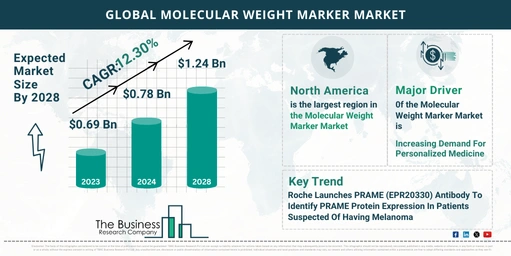
    The molecular weight marker market has witnessed substantial growth, expanding from $0.69 billion in 2023 to $0.78 billion in 2024, with a robust compound annual growth rate (CAGR) of 12.0%. Key factors driving this growth include:

    • Increased Investments in R&D: Significant investments in research and development activities have fueled advancements in molecular biology, driving demand for molecular weight markers.
    • Expansion of Genomics and Proteomics: The expanding fields of genomics and proteomics have spurred the need for high-resolution molecular weight markers, enhancing market growth.
    • Biotechnology Applications: The rise in biotechnology applications has further contributed to the growing market for molecular weight markers.

    Future Growth Prospects: Innovations and Expanding Markets
    The market size is expected to reach $1.24 billion by 2028, growing at a CAGR of 12.3%. The forecasted growth is driven by:

    • Ongoing Innovations: Continued advancements in molecular biology techniques are anticipated to propel market growth.
    • Expanding Biopharmaceutical Industry: The focus on biologics and biosimilars within the biopharmaceutical industry is driving demand for molecular weight markers.
    • Government Funding and Research Expansion: Increased funding from governments and the expansion of research infrastructure in developing countries are significant growth drivers.
    • Personalized Medicine: The growing emphasis on personalized medicine is expected to further boost the market, as molecular weight markers play a crucial role in tailored therapeutic strategies.

    View More On The Molecular Weight Marker Market Report 2024 – https://www.thebusinessresearchcompany.com/report/molecular-weight-marker-global-market-report

    The Impact of Personalized Medicine on the Market
    Personalized medicine is becoming a key driver of growth in the molecular weight marker market. Key points include:

    • Tailored Therapies: Personalized medicine aims to customize medical care to individual patient needs, which is facilitated by molecular weight markers.
    • Comprehensive Proteomic Analysis: Molecular weight markers enable in-depth proteomic analysis, aiding in biomarker discovery and drug development.
    • Growing Adoption: The increasing adoption of personalized medicine, driven by advancements in omics technology and genetics, is expected to propel market growth. For instance, the FDA approved 16 novel personalized therapies for rare diseases in 2023.

    Key Players and Recent Developments in the Market
    Major companies in the molecular weight marker market are focusing on innovation and strategic acquisitions to maintain their market position. Notable developments include:

    • Roche’s PRAME Antibody Launch: Roche introduced the PRAME (EPR20330) antibody in October 2022, specifically designed to identify PRAME protein expression in melanoma patients. This innovation enhances diagnostic precision and supports personalized treatment strategies.
    • Bio-Rad’s Acquisition of Curiosity Diagnostics: In August 2022, Bio-Rad Laboratories acquired Curiosity Diagnostics to strengthen its molecular biology offerings. This acquisition aims to integrate new technologies and enhance Bio-Rad’s market position.

    Market Segmentation and Regional Insights
    The molecular weight marker market is segmented by product, marker type, application, and end user:

    • By Product: DNA Markers, Protein Markers, RNA Markers
    • By Marker Type: Prestained Markers, Unstained Markers, Specialty Markers
    • By Application: Nucleic Acid Application, Proteomics Application
    • By End User: Academic Research Institutes, Pharmaceutical and Biotechnology Companies, Contract Research Organizations, Other End-Users

    Regional Insights:

    • North America: The largest market in 2023, driven by advanced research infrastructure and high R&D investments.
    • Asia-Pacific: Expected to be the fastest-growing region, fueled by expanding research facilities and increased government funding.

    Conclusion: The Future of the Molecular Weight Marker Market
    The molecular weight marker market is poised for continued growth, driven by technological advancements, the expanding biopharmaceutical industry, and the increasing adoption of personalized medicine. With significant developments from key players and a strong focus on innovation, the market is set to reach new heights in the coming years.

    Request A Sample Of The Global Molecular Weight Marker Market Report 2024:
    https://www.thebusinessresearchcompany.com/sample_request?id=16485&type=smp

  • Understand How The Mammalian Cell Fermentation Technology Market Is Poised To Grow Through 2024-2033

    Understand How The Mammalian Cell Fermentation Technology Market Is Poised To Grow Through 2024-2033

    The Business Research Company’s global market reports are now updated with the latest market sizing information for the year 2024 and forecasted to 2033

    As per The Business Research Company’s Mammalian Cell Fermentation Technology Global Market Report 2024, the mammalian cell fermentation technology market is expected to show significant growth in the forecast period.

    The mammalian cell fermentation technology market has experienced significant growth in recent years and is poised for continued expansion. This blog delves into the key trends, drivers, and future outlook for the industry.

    Current Market Overview

    • Market Size and Growth:
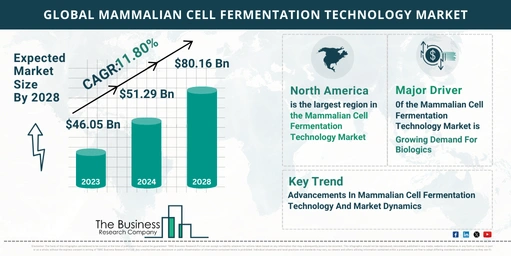
      • 2023: $46.05 billion
      • 2024: $51.29 billion (11.4% CAGR)
      • 2028: $80.16 billion (11.8% CAGR)
    • Growth Drivers: Increased demand for biologics and biosimilars, focus on personalized medicine, scalable cell culture methods.

    Key Market Drivers

    • Demand for Biologics:
      • High Growth: Biologics are essential for treating diseases such as cancer and autoimmune disorders.
      • Regulatory Support: Increased FDA approvals (55 new drugs in 2023) boost market demand.
      • Technological Efficiency: Mammalian cell fermentation supports complex biologics production.
    • Advancements in Technology:
      • Innovations: Cloud bioreactors by Culture Bioscience enhance scalability and flexibility.
      • Integration of Multi-Omics: Advances in bioreactor design and bioprocessing techniques.

    View More On The Mammalian Cell Fermentation Technology Market Report 2024 – https://www.thebusinessresearchcompany.com/report/mammalian-cell-fermentation-technology-global-market-report

    Market Segmentation

    • By Type:
      • Chinese Hamster Ovary Cell Fermentation
      • Human Embryonic Kidney Cell Fermentation
      • Baby Hamster Kidney Cell Fermentation
      • Murine Myeloma Cell Fermentation
      • Other Types
    • By Application:
      • Monoclonal Antibodies
      • Recombinant Proteins
      • Vaccines
      • Hormones
      • Enzymes
      • Other Applications
    • By End-Use:
      • Biopharmaceutical Companies
      • Contract Research Organizations (CROs) and Contract Development and Manufacturing Organizations (CDMOs)
      • Academic and Research Institutes

    Major Companies in the Market

    • Key Players:
      • AbbVie Inc.
      • Thermo Fisher Scientific Inc.
      • AstraZeneca PLC
      • Roche Holdings Inc.
      • Merck KGaA
      • Lonza Group Ltd.
      • Boehringer Ingelheim GmbH
      • Catalent Inc.
      • Sartorius AG
      • Nordmark Pharma GmbH
      • Scorpius BioManufacturing Inc.

    Future Trends and Predictions

    • Market Growth:
      • Driven by increasing prevalence of chronic diseases.
      • Rising investments from multinational corporations.
      • Expansion in advanced bioprocessing and novel recombinant proteins research.
    • Technological Trends:
      • Development of next-generation bioprocessing technologies.
      • Enhanced automation and integration of multi-omics approaches.
    • Regional Insights:
      • North America: Largest market in 2023.
      • Asia-Pacific: Expected to be the fastest-growing region during the forecast period.

    Strategic Moves and Acquisitions

    • Chrysea Limited’s Acquisition:
      • Acquired Rodon Biologics to enhance capabilities in synthetic biology and biopharmaceuticals.
      • Focus on integrating expertise in protein engineering and production.

    Conclusion
    The mammalian cell fermentation technology market is on an impressive growth trajectory, fueled by the rising demand for biologics and advancements in biotechnological innovations. With key players investing in cutting-edge technologies and strategic acquisitions, the market is set to expand further, presenting numerous opportunities for stakeholders in the coming years.

    Request A Sample Of The Global Mammalian Cell Fermentation Technology Market Report 2024:
    https://www.thebusinessresearchcompany.com/sample_request?id=16473&type=smp

  • Key Trends And Drivers In The Macrolide Antibiotics Market 2024

    Key Trends And Drivers In The Macrolide Antibiotics Market 2024

    The Business Research Company’s market reports offer an in-depth analysis on the market’s growth potential, major drivers, key trends and more.

    The macrolide antibiotics market has experienced significant expansion in recent years and is poised for continued growth. This blog explores the current market dynamics, key drivers, and future trends shaping the industry.

    Market Overview

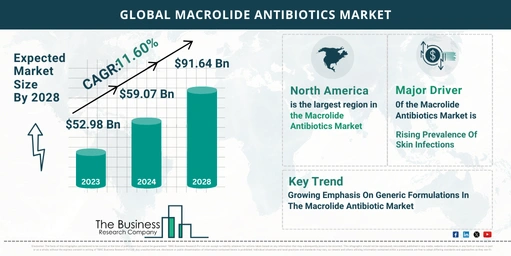
    • Current Market Size: The market was valued at $52.98 billion in 2023.
    • Short-term Growth: Expected to reach $59.07 billion in 2024, growing at a compound annual growth rate (CAGR) of 11.5%.
    • Long-term Growth: Projected to expand to $91.64 billion by 2028, with a CAGR of 11.6%.

    Key Growth Drivers
    Increasing Antibiotic Resistance

    • Resistance Challenges: Rising antibiotic resistance is prompting the need for more effective treatments.
    • New Formulations: Approvals for new macrolide formulations are addressing this challenge.

    Rise in Infectious Diseases

    • Infectious Disease Trends: An increase in infectious diseases fuels demand for macrolide antibiotics.

    Government and Healthcare Initiatives

    • Supportive Policies: Various initiatives and policies are boosting market growth.

    Read More On The Macrolide Antibiotics Market Report 2024 – https://www.thebusinessresearchcompany.com/report/macrolide-antibiotics-global-market-report

    Future Growth Factors
    Surge in Respiratory Infections

    • Impact of Respiratory Infections: A rise in respiratory infections is driving demand for macrolide antibiotics.

    Combination Therapies and Geriatric Population

    • Therapeutic Advances: Growth in combination therapies and an increasing geriatric population are contributing to market expansion.

    Awareness and Diagnostics

    • Enhanced Awareness: Greater awareness and improved diagnostic techniques are increasing the use of macrolide antibiotics.

    Growth in Telemedicine

    • Telemedicine Expansion: The rise of telemedicine and online pharmacies is facilitating broader access to these medications.

    Major Trends
    Advancements in Drug Delivery Systems

    • Innovative Formulations: Ongoing advancements in drug delivery systems are enhancing the efficacy of macrolide antibiotics.

    Development of Novel Antibiotics

    • New Drug Developments: The development of new macrolide antibiotics is addressing evolving bacterial strains.

    Eco-friendly Manufacturing

    • Sustainable Practices: There is a growing focus on eco-friendly manufacturing processes.

    Market Segmentation
    By Drugs

    • Key Drugs: Azithromycin, Clarithromycin, Erythromycin, Fidaxomicin, Telithromycin.

    By Indication

    • Common Indications: Respiratory tract infections, skin infections, sexually transmitted infections, gastrointestinal infections.

    By Route of Administration

    • Administration Routes: Oral, parenteral, other routes.

    By Distribution Channel

    • Channels: Hospital pharmacies, drug stores, online providers.

    By End User

    • End Users: Hospitals, dermatology clinics, research laboratories, ambulatory centers.

    Recent Developments
    Rising Prevalence of Skin Infections

    • Skin Infections: Increasing skin infections are driving the need for macrolide antibiotics. Reports indicate a rise in cases of Methicillin-resistant Staphylococcus aureus (MRSA) and Methicillin-sensitive Staphylococcus aureus (MSSA).

    Focus on Generic Formulations

    • Generic Drug Development: Companies like Teva Pharmaceutical Industries Ltd. are launching generic versions of macrolide antibiotics to enhance accessibility and affordability.

    Strategic Acquisitions

    • Aztiq and Adalvo: Aztiq’s acquisition of Adalvo aims to accelerate growth and expand the market presence of macrolide antibiotics.

    Major Players

    • Key Companies: Pfizer Inc., Roche Holding AG, Merck Sharp & Dohme Corp, AbbVie Inc., Bayer AG, and others.

    Regional Insights

    • North America: The largest market region in 2023, with significant growth prospects in the coming years.

    The macrolide antibiotics market is on a robust growth trajectory, driven by increasing infections, advancements in drug formulations, and strategic industry developments. As the market evolves, ongoing innovations and expanding access will likely continue to shape its future.

    Request for A Sample Of The Global Macrolide Antibiotics Market Report:
    https://www.thebusinessresearchcompany.com/sample_request?id=16472&type=smp

  • Lupus Therapeutics Market Report 2024: Market Size, Drivers, And Trends

    Lupus Therapeutics Market Report 2024: Market Size, Drivers, And Trends

    The Business Research Company’s global market reports are now updated with the latest market sizing information for the year 2024 and forecasted to 2033

    The lupus therapeutics market has seen significant growth in recent years and is set to continue its upward trajectory. Here’s a detailed look at the market dynamics, trends, and key players shaping the industry.

    Current Market Growth

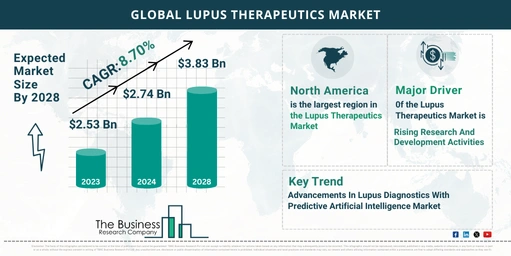
    • 2023-2024 Growth: The lupus therapeutics market is projected to grow from $2.53 billion in 2023 to $2.74 billion in 2024, reflecting a compound annual growth rate (CAGR) of 8.6%.
    • Key Drivers:
      • Increased prevalence of lupus
      • Enhanced investment in healthcare infrastructure
      • Rising disposable income
      • High demand for effective therapies
      • Growing geriatric population

    Future Market Projections

    • 2024-2028 Growth: The market is expected to reach $3.83 billion by 2028, with a CAGR of 8.7%.
    • Growth Drivers:
      • Rising drug approvals and launches
      • Expansion into emerging markets
      • Improvements in disease awareness and diagnosis
      • Increased awareness initiatives
      • Development of immunosuppressive products

    View More On The Lupus Therapeutics Market Report 2024 – https://www.thebusinessresearchcompany.com/report/lupus-therapeutics-global-market-report

    Major Trends and Innovations

    • Emerging Therapies:
      • Chimeric Antigen Receptor T-cell (CAR-T) therapy
      • Small molecule therapeutics for lupus
      • CAR-NK therapy for lupus
      • Combined inhibition of human plasmacytoid dendritic cell activity during systemic lupus erythematosus (SLE)
      • Urine proteomics

    Research and Development Impact

    • Importance of R&D:
      • Systematic research drives innovation, advances technology, and improves healthcare outcomes.
      • Increased R&D investments lead to new treatments, enhanced existing therapies, and a deeper understanding of lupus mechanisms.
    • Recent Developments:
      • In March 2023, the National Institutes of Health received $49.183 billion for R&D, up from $42.941 billion in 2021, reflecting a commitment to advancing lupus therapeutics.

    Major Companies in the Market

    • Key Players:
      • Pfizer Inc.
      • Johnson & Johnson
      • Merck & Co. Inc.
      • AbbVie Inc.
      • Sanofi SA
      • AstraZeneca PLC
      • Novartis AG
      • Roche Holdings Inc.
      • Aurobindo Pharma
      • Dr. Reddy’s Laboratories Ltd.
      • Hikma Pharmaceuticals PLC
      • Amneal Pharmaceuticals LLC
      • Lupin Ltd
      • Zydus Lifesciences Limited
      • Glenmark Pharmaceuticals Limited

    Advancements in Lupus Diagnostics

    • Predictive Artificial Intelligence:
      • Companies are developing advanced blood tests using AI to enhance diagnostic accuracy and treatment efficacy.
      • Example: In March 2024, AMPEL BioSolutions LLC launched the LuGENE blood test, which predicts lupus flares and drug targets using AI. This test aims to provide personalized treatment options by identifying gene expression abnormalities linked to inflammation and immune dysfunction.

    Strategic Acquisitions

    • Notable Acquisition:
      • In April 2024, Takeda Pharmaceutical Company Limited acquired Nimbus Lakshmi Inc.’s TYK2 program from Nimbus Therapeutics. This acquisition strengthens Takeda’s position in immunology and expands its portfolio of treatments for immune-mediated diseases.

    Market Segmentation

    1. By Disease Type:
      • Systemic Lupus Erythematosus (SLE)
      • Cutaneous Lupus Erythematosus
      • Drug-Induced Lupus Erythematosus
      • Neonatal Lupus
    2. By Treatment Type:
      • Non-Steroidal Anti-Inflammatory Drugs (NSAIDs)
      • Biologics
      • Antimalarial Drugs
      • Corticosteroids
      • Other Treatment Types
    3. By Route of Administration:
      • Oral
      • Subcutaneous
      • Intravenous
      • Other Routes of Administration
    4. By End User:
      • Hospitals and Clinics
      • Diagnostic Laboratories
      • Other End Users

    Regional Insights

    • Current Leaders: North America was the largest region in the lupus therapeutics market in 2023.
    • Future Growth: Asia-Pacific is anticipated to be the fastest-growing region in the forecast period.

    Conclusion
    The lupus therapeutics market is poised for continued robust growth, driven by advancements in research, emerging therapies, and increased awareness. The sector is set to benefit from ongoing innovations, strategic acquisitions, and expanding global reach.

    Request A Sample Of The Global Lupus Therapeutics Market Report 2024:
    https://www.thebusinessresearchcompany.com/sample_request?id=16471&type=smp