Blog

  • Top 5 Insights From The Kidney Biopsy Market Report 2024

    Top 5 Insights From The Kidney Biopsy Market Report 2024

    The Business Research Company’s global market reports are now updated with the latest market sizing information for the year 2024 and forecasted to 2033

    According to The Business Research Company’s Kidney Biopsy Global Market Report 2024, the kidney biopsy market is expected to show promising growth in the forecast period.

    Market Growth and Projections

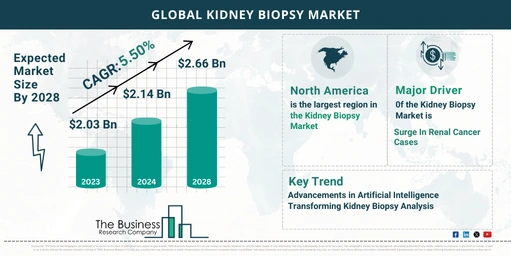
    • Current Market Size and Growth: The kidney biopsy market has experienced substantial growth, expanding from $2.03 billion in 2023 to $2.14 billion in 2024. This growth represents a compound annual growth rate (CAGR) of 5.3%.
    • Future Outlook: The market is projected to reach $2.66 billion by 2028, with a CAGR of 5.5%. Key drivers include an increase in kidney disease prevalence, rising healthcare expenditure, and heightened awareness about early diagnosis.

    Key Growth Drivers

    • Chronic Kidney Diseases: An increase in chronic kidney conditions is driving demand for biopsy procedures.
    • Awareness and Early Diagnosis: Greater awareness about kidney health and early diagnosis is contributing to market growth.
    • Aging Population: The surge in the geriatric population is leading to more cases of kidney diseases.
    • Healthcare Infrastructure: Expansion in healthcare infrastructure supports more widespread availability of biopsy procedures.
    • Government Initiatives: Enhanced government initiatives for kidney disease management are boosting market growth.

    View More On The Kidney Biopsy Market Report 2024 – https://www.thebusinessresearchcompany.com/report/kidney-biopsy-global-market-report

    Technological Advancements

    • Biopsy Techniques: Technological advancements are making biopsy techniques more effective and less invasive.
    • Imaging Technologies: Innovations in imaging are improving the precision of kidney biopsies.
    • Artificial Intelligence (AI): AI is enhancing diagnostic accuracy and streamlining procedures. For instance, Aiosyn’s NephroPath platform uses AI to analyze kidney biopsy histological biomarkers, improving consistency and detail in pathology assessments.

    Role of Kidney Biopsy in Renal Cancer Detection

    • Increased Renal Cancer Incidence: The rising incidence of renal cancer is a major driver for the kidney biopsy market. Factors include lifestyle changes, environmental toxins, and improved detection techniques.
    • Diagnostic and Management Benefits: Kidney biopsies are crucial for diagnosing renal cancer, determining cancer grade, planning treatment, monitoring response, and providing prognostic information. According to Cancer Research UK, new kidney cancer cases are expected to increase significantly by 2025, further driving the market.

    Major Companies and Market Players

    • Leading Companies: Major players include Cardinal Health, Pfizer Inc., Merck & Co. Inc., Thermo Fisher Scientific Inc., and many others.
    • Acquisitions and Investments: Notable events include Halma plc’s acquisition of IZI Medical Products, which strengthens its position in the kidney biopsy sector and enhances the safety and accuracy of biopsy procedures.

    Market Segmentation

    • By Type: The market is divided into Percutaneous Biopsy and Surgical Biopsy.
    • By Indication: Key indications include Kidney Failure, Kidney Transplant, Hematuria, and Proteinuria.
    • By End-User: End-users comprise Hospitals and Clinics, Urology Centers, Tertiary Care Centers, and Other End-Users.

    Regional Insights

    • North America: The largest market for kidney biopsies in 2023.
    • Asia-Pacific: Expected to be the fastest-growing region in the forecast period due to increasing healthcare investments and growing patient populations.

    Conclusion
    The kidney biopsy market is on a strong growth trajectory, driven by advancements in technology, rising disease prevalence, and expanding healthcare infrastructure. The integration of AI and strategic acquisitions are poised to further enhance market dynamics, ensuring more accurate and efficient biopsy procedures in the future.

    Request A Sample Of The Global Kidney Biopsy Market Report 2024:
    https://www.thebusinessresearchcompany.com/sample_request?id=16458&type=smp
  • What’s The Growth Forecast For keytruda Market Through 2024-2033?

    What’s The Growth Forecast For keytruda Market Through 2024-2033?

    The Business Research Company’s global market reports provide comprehensive analysis on the various markets in 27 industries across 60 geographies.

    The Keytruda market has witnessed significant growth recently, driven by several factors. This blog explores the current state of the Keytruda market, its growth trajectory, and key developments shaping its future.

    Strong Growth in Recent Years
    Market Expansion:

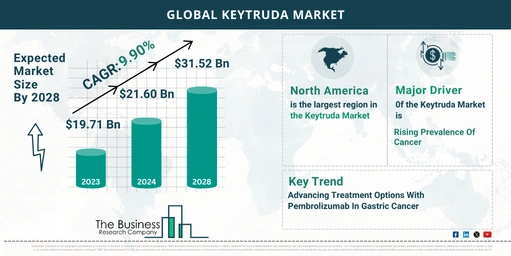
    • 2023 Market Size: $19.71 billion
    • 2024 Market Size: $21.60 billion
    • CAGR (2023-2024): 9.6%

    Growth Drivers:

    • Improved Patient Outcomes: Enhanced effectiveness in treating various cancers.
    • Increased Immunotherapy Adoption: More healthcare providers are using immunotherapy.
    • Research and Development: Continuous advancements in drug formulation and treatment protocols.
    • Better Patient Compliance: Improved patient adherence to treatment regimens.

    Projected Future Growth
    Forecasted Growth:

    • 2028 Market Size: $31.52 billion
    • CAGR (2024-2028): 9.9%

    Future Growth Drivers:

    • Expanding Indications: Broader use in different cancer types.
    • Emerging Markets: Growth in regions with increasing healthcare access.
    • Rising Cancer Prevalence: More cases of cancer worldwide.
    • Increased Healthcare Expenditure: Higher investment in healthcare services.
    • Growing Demand for Precision Medicine: Tailored treatments for individual patients.

    View More On The keytruda Market Report 2024 – https://www.thebusinessresearchcompany.com/report/keytruda-global-market-report

    Key Trends:

    • Demand for Targeted Therapies: Increased interest in specific, personalized treatments.
    • Advances in Immunotherapy: New techniques and drugs enhancing treatment efficacy.
    • Improvements in Diagnostic Technologies: Better tools for early and accurate diagnosis.
    • Advances in Cancer Research: Ongoing research leading to innovative treatment options.

    The Rising Prevalence of Cancer Driving Market Growth
    Cancer Statistics:

    • Global Burden: Expected to reach 28.4 million cases by 2040 (47% increase from 2020).

    Role of Keytruda:

    • Mechanism of Action: Keytruda (pembrolizumab) enhances the body’s immune response against cancer cells.
    • Significance: Represents a major advancement in cancer treatment, offering new hope for patients with advanced cancers.

    Innovations in Treatment: Pembrolizumab in Gastric Cancer
    New Developments:

    • Combination Therapy: Merck’s recent approval of KEYTRUDA combined with fluoropyrimidine- and platinum-based chemotherapy.
    • Clinical Trial Results: Demonstrated significant improvements in overall survival and progression-free survival compared to standalone chemotherapy.

    Impact:

    • Enhanced Outcomes: Improved overall survival (OS), progression-free survival (PFS), and overall response rate (ORR).

    Collaborative Efforts: Evaluating CX-801 and KEYTRUDA
    Recent Collaboration:

    • Parties Involved: CytomX Therapeutics and Merck.
    • Objective: Evaluate the combination of CX-801 with KEYTRUDA in patients with advanced metastatic solid tumors.

    Focus:

    • Evaluation Criteria: Safety, tolerability, and preliminary efficacy of the combination therapy.

    Market Segmentation
    By Cancer Type:

    • Melanoma
    • Lung Cancer
    • Head and Neck Cancer
    • Hodgkin Lymphoma
    • Stomach Cancer
    • Urothelial Carcinoma

    By Payer Type:

    • Commercial
    • Medicare
    • Medicaid

    By Distribution Channel:

    • Hospital Pharmacies
    • Specialty Pharmacies

    Regional Insights:

    • North America: The largest market region in 2023.

    Request A Sample Of The Global keytruda Market Report 2024:
    https://www.thebusinessresearchcompany.com/sample_request?id=16457&type=smp

  • Understand How The HyperImmune Globulins Market Is Poised To Grow Through 2024-2033

    Understand How The HyperImmune Globulins Market Is Poised To Grow Through 2024-2033

    The Business Research Company’s global market reports are now updated with the latest market sizing information for the year 2024 and forecasted to 2033

    As per The Business Research Company’s HyperImmune Globulins Global Market Report 2024, the hyperImmune globulins market is expected to show significant growth in the forecast period.

    The hyperimmune globulins market has experienced significant growth recently and is poised for continued expansion. Below is an overview of the current market dynamics and future trends.

    Market Overview

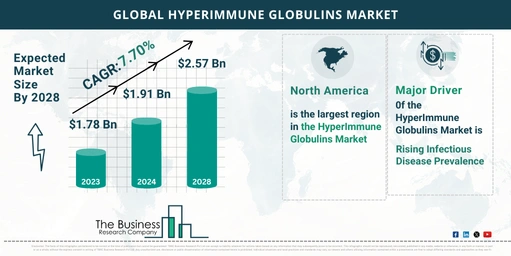
    • Current Market Size: The market reached $1.78 billion in 2023.
    • Projected Growth: Expected to grow to $1.91 billion in 2024.
    • Compound Annual Growth Rate (CAGR): 7.5% for 2023-2024.

    Drivers of Growth:

    • Increased Government Support: Enhanced funding and policy support.
    • Rising Healthcare Expenditures: Increased investments in healthcare services.
    • High Prevalence of Diseases: Notable cases of hepatitis B and rabies.
    • Awareness of Zoonotic Diseases: Growing public awareness about diseases transmitted from animals.
    • Aging Population: Increased demand due to a growing geriatric demographic.

    Future Outlook

    • Forecast Market Size: Expected to reach $2.57 billion by 2028.
    • Forecast CAGR: 7.7% from 2024 to 2028.

    View More On The HyperImmune Globulins Market Report 2024 – https://www.thebusinessresearchcompany.com/report/hyperimmune-globulins-global-market-report

    Key Growth Factors:

    • Infectious Disease Prevalence: Increasing rates of diseases such as hepatitis B.
    • Awareness and Demand: Growing knowledge about hyperimmune globulin benefits.
    • Immunoglobulin Demand: Rising need for immune system support.
    • Alpha-1 Antitrypsin Deficiency: Increasing cases driving demand.
    • Immune Deficiencies: Rising incidences boosting market needs.

    Major Trends:

    • Technological Advancements: Innovations in treatment and manufacturing.
    • Investment in R&D: Growing funding for research and development.
    • Passive Immunity Treatments: Increased focus on treatments that provide immediate immune protection.
    • Advancements in Plasma-Derived Therapies: Enhanced methods for producing hyperimmune globulins.

    Rising Infectious Disease Prevalence

    • Infectious Diseases: Caused by pathogens such as viruses, bacteria, fungi, and parasites.
    • Market Impact: Growing prevalence of these diseases is driving demand for hyperimmune globulins.
    • Case Example: Increase in chronic hepatitis B cases in the US from 14,229 in 2021 to 16,729 in 2022.

    Hyperimmune Globulin Usage:

    • Preventive and Therapeutic: Used for diseases like rabies, hepatitis B, and tetanus.
    • Immediate Passive Immunity: Provides rapid protection by delivering concentrated antibodies.

    Key Players and Recent Developments

    • Leading Companies: F. Hoffmann-La Roche AG, Bayer AG, Takeda Pharmaceutical Company Limited, Baxter International Inc., and others.
    • Recent Acquisition: Grifols S.A. acquired Biotest in April 2022 to expand its plasma therapy portfolio and enhance its European presence.

    Grifols’ Expansion:

    • Acquisition Details: Biotest, a Germany-based biotechnology company, adds to Grifols’ capabilities.
    • Network Growth: Addition of 87 plasma centers across Europe.
    • Strategic Goals: Revenue growth and improved market share.

    Market Segmentation

    • By Type:
      • Hepatitis B Hyperimmune Globulin
      • Rabies Hyperimmune Globulin
      • Tetanus Hyperimmune Globulin
      • Cytomegalovirus (CMV) Hyperimmune Globulin
      • Varicella-Zoster Virus (VZV) Hyperimmune Globulin
      • Respiratory Syncytial Virus (RSV) Hyperimmune Globulin
      • Other Types
    • By Route of Administration:
      • Intramuscular
      • Intravenous
    • By Application:
      • Government Institutions
      • Private Sector
      • Other Applications

    Regional Insights

    • North America: The largest market in 2023.
    • Asia-Pacific: Expected to be the fastest-growing region during the forecast period.

    The hyperimmune globulins market is set for robust growth due to increasing disease prevalence, technological advancements, and rising awareness. This upward trajectory highlights the critical role of these treatments in managing and preventing infectious diseases globally.

    Request A Sample Of The Global HyperImmune Globulins Market Report 2024:
    https://www.thebusinessresearchcompany.com/sample_request?id=16448&type=smp

  • Key Trends And Drivers In The Hydrocortisone Market 2024

    Key Trends And Drivers In The Hydrocortisone Market 2024

    The Business Research Company’s market reports offer an in-depth analysis on the market’s growth potential, major drivers, key trends and more.

    Market Growth Overview

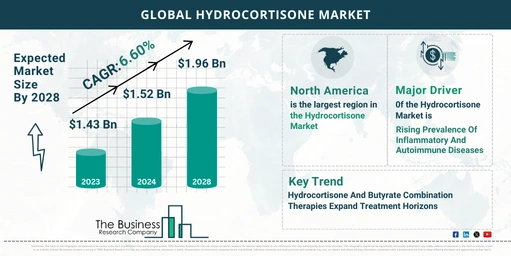
    The hydrocortisone market has shown robust growth recently. The market size increased from $1.43 billion in 2023 to $1.52 billion in 2024, reflecting a compound annual growth rate (CAGR) of 6.4%. This growth is driven by:

    • Rising Prevalence of Skin Disorders: Increased cases of skin conditions drive demand.
    • Aging Population: An older demographic necessitates more treatments.
    • Increased Awareness and Accessibility: Better access to medications boosts usage.
    • Pharmaceutical Industry Expansion: Growth in the pharmaceutical sector fuels market size.
    • Emerging Market Expansion: New markets are contributing to growth.

    Looking ahead, the hydrocortisone market is anticipated to reach $1.96 billion by 2028, with a CAGR of 6.6%. Key factors driving this growth include:

    • Technological Advancements: Innovations enhance treatment efficacy.
    • OTC Demand Surge: Increased consumer access drives sales.
    • Research and Investment: Ongoing investments and research contribute to market expansion.
    • Growing Disposable Income: Higher income levels facilitate spending on healthcare.
    • Expanded Distribution Channels: Broader distribution enhances market reach.

    Read More On The Hydrocortisone Market Report 2024 – https://www.thebusinessresearchcompany.com/report/hydrocortisone-global-market-report

    Key Trends Shaping the Future

    Several trends are set to influence the hydrocortisone market in the coming years:

    • Natural Ingredient Focus: There is a growing preference for natural components in products.
    • Combination Therapies: Merging hydrocortisone with other therapies, like butyrate, is becoming popular.
    • Personalized Treatments: Tailoring treatments to individual needs is gaining traction.
    • Hydrocortisone-Infused Products: Products incorporating hydrocortisone are on the rise.
    • Sustainability Emphasis: There is a shift towards sustainable and eco-friendly options.

    Rising Prevalence of Inflammatory and Autoimmune Diseases

    The increase in inflammatory and autoimmune diseases is a significant driver for the hydrocortisone market:

    • Chronic Conditions: Diseases like asthma and rheumatoid arthritis require effective treatments.
    • Growing Adoption of Treatments: As conditions become more prevalent, the demand for treatments rises.
    • Emergency Use: Hydrocortisone is critical in managing severe conditions, such as acute asthma attacks.

    For example, data from May 2024 indicates a rise in asthma prevalence among U.S. adults, which boosts the need for hydrocortisone as a treatment option.

    Market Players and Strategic Developments

    Several major companies are prominent in the hydrocortisone market:

    • Pfizer Inc.
    • Johnson & Johnson
    • Merck & Co Inc
    • AbbVie Inc.
    • Bayer AG

    These companies are driving innovation and expanding their portfolios. Noteworthy developments include:

    • Hydrocortisone and Butyrate Combination Therapies: New products like the Hydrocortisone Butyrate Lotion launched by J. Molner AS are enhancing treatment options.
    • Advent International’s Acquisition: In March 2022, Advent International acquired Perrigo’s pharmaceutical businesses in Mexico and Brazil, strengthening its market position.

    Market Segmentation

    The hydrocortisone market is segmented into:

    • Type: Cream, Injection, Tablet
    • Route of Administration: Parenteral, Oral, Topical
    • Application: Includes adrenocortical dysfunction, dermatitis, asthma, and more.
    • Distribution Channel: Hospital Pharmacies, Retail Pharmacies, Online Pharmacies

    Regional Insights

    • North America: The largest market for hydrocortisone in 2023.
    • Asia-Pacific: Expected to be the fastest-growing region in the forecast period due to increasing healthcare access and rising demand.

    Conclusion

    The hydrocortisone market is on a strong growth trajectory, driven by advancements in medical technology, rising disease prevalence, and evolving consumer preferences. With continued innovation and expanding market access, the sector is set for significant development in the coming years.

    Request for A Sample Of The Global Hydrocortisone Market Report:

    https://www.thebusinessresearchcompany.com/sample_request?id=16446&type=smp

  • Fluoxetine Market Report 2024: Market Size, Drivers, And Trends

    Fluoxetine Market Report 2024: Market Size, Drivers, And Trends

    The Business Research Company’s global market reports are now updated with the latest market sizing information for the year 2024 and forecasted to 2033

    Steady Growth and Future Projections

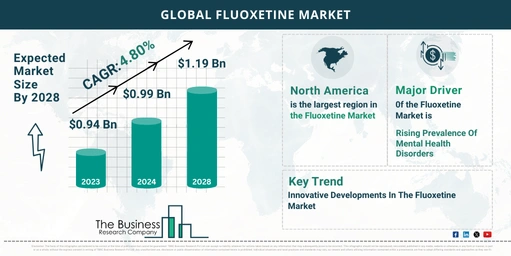
    • Market Size: The fluoxetine market was valued at $0.94 billion in 2023 and is expected to reach $0.99 billion by 2024, growing at a compound annual growth rate (CAGR) of 4.7%.
    • Future Outlook: By 2028, the market is projected to expand to $1.19 billion, with a CAGR of 4.8%.

    Key Drivers of Market Growth

    Historical Growth Factors

    • Increased Mental Health Issues: Rising rates of depression and anxiety disorders have fueled demand for fluoxetine.
    • Awareness and De-stigmatization: Enhanced awareness and reduced stigma around mental health contribute to market growth.
    • Improved Healthcare Infrastructure: Better healthcare facilities and services support the growing need for mental health treatments.
    • Aging Population: The global aging demographic is a significant factor driving the fluoxetine market.
    • Cost-effective Generics: The availability of affordable generic versions of fluoxetine boosts market expansion.

    View More On The Fluoxetine Market Report 2024 – https://www.thebusinessresearchcompany.com/report/fluoxetine-global-market-report

    Forecast Period Influencers

    • Government Initiatives: Increased funding and support for mental health programs are expected to drive market growth.
    • Public Health Campaigns: Campaigns promoting mental well-being will likely raise awareness and demand.
    • Social Media Influence: Increased discussion and awareness on social media platforms contribute to market expansion.
    • Rise of Online Pharmacies: The growth of e-commerce in pharmaceuticals makes access to fluoxetine easier.
    • Cultural Shifts: Changing attitudes towards mental health lead to greater acceptance and demand for treatments.

    Market Trends and Innovations

    Current Trends

    • Advances in Diagnostics: Improved diagnostic methods lead to early detection and treatment.
    • Telemedicine: The rise of telemedicine facilitates remote consultations and prescriptions.
    • Drug Delivery Systems: Innovations in drug delivery enhance the effectiveness of treatments.
    • AI and Machine Learning: These technologies are increasingly used in drug discovery and development.
    • Pharmacogenomics: Developments in personalized medicine are impacting fluoxetine treatment approaches.

    Innovative Developments

    • Product Innovations: Companies are focusing on new formulations, such as fluoxetine tablets.
      • Example: In April 2024, Strides Pharma Global Pte. Limited received FDA approval for Fluoxetine Tabs 10 mg and 20 mg, expanding their product line to include tablets alongside capsules.
    • Therapeutic Uses: Fluoxetine, a selective serotonin reuptake inhibitor (SSRI), is used to treat conditions like major depressive disorder (MDD), obsessive-compulsive disorder (OCD), bulimia nervosa, and panic disorder.

    Market Segmentation

    • By Dosage Form: Includes tablet, solution, capsule, syrup, and other forms.
    • By Route of Administration: Primarily oral, with other routes available.
    • By Demographic: Targeted at adults, pediatric, and geriatric populations.
    • By Application: Used for disorders like OCD, panic disorder, depression, bulimia nervosa, and other applications.
    • By End User: Administered in clinics, hospitals, and other settings.

    Regional Insights

    • North America: Was the largest market in 2023.
    • Asia-Pacific: Expected to be the fastest-growing region in the forecast period.

    Conclusion

    The fluoxetine market is on a steady growth trajectory, driven by increasing mental health issues, advancements in treatment and diagnostics, and evolving social attitudes. With continued innovation and rising global demand, the market is poised for significant expansion in the coming years.


    Request A Sample Of The Global Fluoxetine Market Report 2024:

    https://www.thebusinessresearchcompany.com/sample_request?id=16428&type=smp

  • How Is The Fabry Disease Treatment Market Expected To Grow Through 2024-2033

    How Is The Fabry Disease Treatment Market Expected To Grow Through 2024-2033

    The Business Research Company’s global market reports are now updated with the latest market sizing information for the year 2024 and forecasted to 2033

    According to The Business Research Company’s Fabry Disease Treatment Global Market Report 2024, the fabry disease treatment market is expected to show promising growth in the forecast period.

    Market Overview

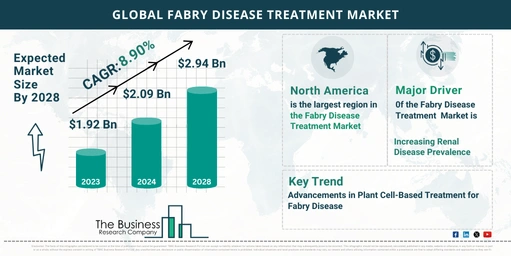
    The fabry disease treatment market has demonstrated substantial growth in recent years. From $1.92 billion in 2023, the market is expected to expand to $2.09 billion in 2024, with a compound annual growth rate (CAGR) of 8.8%.

    Key factors contributing to this growth include:

    • Increased Awareness and Diagnosis: More diagnoses lead to higher demand for treatments.
    • Adoption of Enzyme Replacement Therapies: These therapies are crucial in managing Fabry disease.
    • Use of Chaperone Therapies: Chaperone therapies help stabilize defective enzymes.
    • Enhanced Healthcare Infrastructure: Better infrastructure supports broader treatment access.
    • Investment in Rare Disease Research: More research funding accelerates drug development.
    • Regulatory Incentives: Orphan drug incentives foster innovation and accessibility.

    Looking ahead, the market is projected to reach $2.94 billion by 2028, growing at a CAGR of 8.9%.

    This growth will be driven by:

    • Increasing Prevalence of Fabry Disease: More cases are identified.
    • Rising Awareness and Diagnosis Rates: Improved diagnostic methods enhance disease detection.
    • Expanding Healthcare Infrastructure: Better facilities support market expansion.
    • Growing Investment in Rare Disease Research: More research fuels treatment advancements.
    • Expanding Reimbursement Policies: Broader coverage supports patient access to therapies.

    View More On The Fabry Disease Treatment Market Report 2024 – https://www.thebusinessresearchcompany.com/report/fabry-disease-treatment-global-market-report

    Impact of Renal Disease Prevalence

    The prevalence of renal diseases significantly influences the fabry disease treatment market. Renal diseases impair kidney function and are growing due to various factors, including:

    • Genetic Predispositions
    • Lifestyle Choices
    • Environmental Factors
    • Underlying Health Conditions

    Fabry disease involves the accumulation of globotriaosylceramide (Gb3) in kidney cells, leading to severe kidney damage. For example, a December 2023 report by the Australian Bureau of Statistics indicated that 246,200 people (1.0% of the population) had kidney disease in 2022. This rising incidence underscores the need for effective Fabry disease treatments to prevent kidney-related complications.

    Innovations and Key Players

    Plant Cell-Based Treatments:

    • Companies are developing plant cell-based treatments to enhance efficacy and reduce costs.
    • Example: In May 2023, Chiesi Global Rare Diseases and Protalix BioTherapeutics received approval for ELFABRIO, an enzyme replacement therapy (ERT). Produced in plant-cell culture, ELFABRIO offers a modified enzyme with extended half-life, improving patient outcomes and quality of life.

    CENTOGENE and Takeda Partnership:

    • In March 2024, CENTOGENE extended its partnership with Takeda Pharmaceutical Company, enhancing diagnostic access for rare diseases, including Fabry disease. This partnership aims to provide faster, more reliable diagnostics and improve treatment accessibility.

    Market Segmentation

    The fabry disease treatment market is categorized into:

    1. By Treatment:
      • Substrate Reduction Therapy
      • Enzyme Replacement Therapy
      • Chaperone Treatment
      • Other Treatments
    2. By Route of Administration:
      • Oral Route
      • Intravenous Route
    3. By Disease Severity:
      • Classic Fabry Disease
      • Late-Onset Fabry Disease
    4. By Distribution Channel:
      • Hospital Pharmacies
      • Retail Pharmacies
      • Online Pharmacies

    Regional Insights

    • North America: Led the fabry disease treatment market in 2023, with established healthcare infrastructure and high treatment adoption rates.
    • Asia-Pacific: Expected to be the fastest-growing region due to expanding healthcare infrastructure and increasing patient awareness.

    Conclusion

    The fabry disease treatment market is set for continued robust growth, driven by advancements in treatment options, increasing disease prevalence, and expanding healthcare infrastructure. Innovations such as plant cell-based treatments and enhanced diagnostic partnerships are set to further propel market expansion, improving patient outcomes and accessibility to effective therapies.

    Request A Sample Of The Global Fabry Disease Treatment Market Report 2024:

    https://www.thebusinessresearchcompany.com/sample_request?id=16421&type=smp

  • Electronic Skin Patch Global Market Outlook 2024-2033: Size And Growth Rate Analysis

    Electronic Skin Patch Global Market Outlook 2024-2033: Size And Growth Rate Analysis

    The Business Research Company’s global market reports provide comprehensive analysis on the various markets in 27 industries across 60 geographies.

    Market Overview and Growth Projections

    • Current Market Size: The electronic skin patch market has experienced substantial growth, increasing from $10.70 billion in 2023 to $12.48 billion in 2024. This represents a compound annual growth rate (CAGR) of 16.6%.
    • Future Outlook: Expected to reach $23.18 billion by 2028, the market will grow at a CAGR of 16.7% during the forecast period. This growth is driven by rising consumer demand for convenience and advancements in technology.

    Historical Growth Drivers

    • High Chronic Disease Burden: The growing incidence of chronic diseases has increased the demand for continuous health monitoring solutions.
    • Cost-Effective Monitoring: Electronic skin patches offer an affordable and efficient way to monitor health metrics.
    • Wearable Technology: Increased consumer interest in wearable health technologies has fueled market growth.
    • Aging Population: The aging global population requires more frequent health monitoring.
    • Supportive Regulations: Favorable regulatory frameworks have facilitated market expansion.

    View More On The Electronic Skin Patch Market Report 2024 – https://www.thebusinessresearchcompany.com/report/electronic-skin-patch-global-market-report

    Future Growth Drivers

    • Convenience and Personalization: Consumers increasingly seek convenient and personalized health monitoring solutions.
    • Regulatory Support: Continued support and development of standards will drive market growth.
    • Fitness and Sports Applications: The growing trend in fitness and sports is boosting demand for electronic skin patches.
    • Awareness and Wellness: Increased awareness about health and wellness is contributing to market growth.

    Fitness Trends Fuel Electronic Skin Patch Adoption

    • Rising Fitness Culture: The growing emphasis on fitness and physical well-being is driving demand for electronic skin patches.
    • Technological Integration: Advances in fitness tracking technologies have made electronic skin patches essential for real-time health monitoring.
    • Market Impact: For example, a report by the Sports and Fitness Industry Association (SFIA) noted a 4.2% growth in the sporting goods industry, reaching $121.66 billion in 2023. This trend highlights the increasing role of wearable technologies in fitness.

    Technological Innovations and Market Growth

    • Wearable Microfluidic Patches: Companies are developing advanced wearable technologies, such as microfluidic patches, to enhance functionality.
    • New Product Launches: In October 2021, Epicore Biosystems introduced the Discovery Patch Sweat Collection System, a wearable microfluidic patch designed for sweat collection and analysis.
    • Technological Integration: This patch includes microchannels for sweat collection and is equipped with a sweat extraction apparatus for biochemical analysis.

    Industry Developments

    • Boyd Corporation’s Acquisition: In December 2021, Boyd Corporation acquired MBK Tape Solutions, enhancing its capabilities in medical material science. This acquisition strengthens Boyd’s position in advanced wound care, transdermal patches, and biosensor applications.

    Market Segmentation

    • By Type: Monitoring and Diagnostic, Therapeutic
    • By Component: Sensors, Actuators, Communication Components, Power Supply
    • By Application: Diabetes Management, Cardiovascular Monitoring, General Patient Monitoring, Temperature Sensing, Electrical Simulation, Iontophoresis, Sweat Sensing, Wound Monitoring and Treatment, Motion Sensing, Other Applications
    • By End-User: Healthcare, Fitness and Sports, Other End Users

    Regional Insights

    • North America: The largest market for electronic skin patches in 2023, reflecting advanced healthcare infrastructure and high adoption rates.
    • Asia-Pacific: Expected to be the fastest-growing region during the forecast period, driven by increasing healthcare access and technological advancements.

    In summary, the electronic skin patch market is set for significant growth, propelled by technological advancements, increasing consumer demand for wearable health solutions, and expanding applications across fitness and healthcare sectors. Major players are innovating with new technologies and strategic acquisitions to meet the evolving needs of the market.

    Request A Sample Of The Global Electronic Skin Patch Market Report 2024:

    https://www.thebusinessresearchcompany.com/sample_request?id=16416&type=smp

  • 5 Key Insights On The Electrocautery Enhanced Delivery System Market 2024

    5 Key Insights On The Electrocautery Enhanced Delivery System Market 2024

    The Business Research Company’s global market reports are now updated with the latest market sizing information for the year 2024 and forecasted to 2033

    As per The Business Research Company’s Electrocautery Enhanced Delivery System Global Market Report 2024, the electrocautery enhanced delivery system market is expected to show significant growth in the forecast period.

    Market Overview

    • Current Market Size:
      • The electrocautery enhanced delivery system market was valued at $2.73 billion in 2023 and is projected to reach $2.89 billion in 2024, with a compound annual growth rate (CAGR) of 5.7%.
    • Future Projections:
      • By 2028, the market is expected to grow to $3.64 billion, at a CAGR of 6.0%.

    Key Drivers of Market Growth

    • Improved Patient Outcomes:
      • Enhanced precision and control, along with reduced recovery time, have contributed to the market’s expansion.
    • Increased Surgical Applications:
      • The rising efficiency in surgical procedures and the increased use of electrocautery in various surgical applications drive market growth.

    View More On The Electrocautery Enhanced Delivery System Market Report 2024 – https://www.thebusinessresearchcompany.com/report/electrocautery-enhanced-delivery-system-global-market-report

    Rising Prevalence of Chronic Diseases

    • Impact on Market Demand:
      • Chronic diseases such as diabetes, heart disease, cancer, and chronic obstructive pulmonary disease (COPD) are becoming more prevalent.
    • Electrocautery Solutions:
      • Electrocautery-enhanced delivery systems offer precise, targeted, and minimally invasive interventions for managing chronic conditions.
    • Statistics:
      • In May 2021, the National Library of Medicine projected 28.4 million cancer cases globally by 2040. In 2023, 1,958,310 new cancer cases and 609,820 cancer deaths were reported in the U.S., according to the National Center for Biotechnology Information.

    Innovative Product Developments

    • Advanced Surgical Devices:
      • Companies are introducing new technologies such as the Open Fine Jaw Type X surgical energy devices to improve surgical precision and efficiency.
    • Recent Launches:
      • In September 2022, Olympus launched the THUNDERBEAT Open Fine Jaw Type X, designed for delicate surgeries like thyroidectomy. This device features a thermal shield to minimize unintended heat damage.

    Strategic Acquisitions and Expansions

    • Boston Scientific’s Acquisition:
      • In July 2022, Boston Scientific acquired M.I. Tech, enhancing its stent offerings and capabilities in gastrointestinal and airway markets. M.I. Tech specializes in electrocautery-enhanced delivery systems.

    Market Segmentation

    • By Product:
      • Active Electrode
      • Dispersive Electrode
    • By Application:
      • Cutting
      • Coagulating
      • Devitalization
      • Thermofusion
    • By End User:
      • Hospitals
      • Diagnostics Centers
      • Specialty Clinics
      • Emergency Ambulatory Centers

    Regional Insights

    • North America:
      • Dominated the market in 2023 due to advanced healthcare infrastructure and high adoption rates.
    • Asia-Pacific:
      • Expected to be the fastest-growing region in the forecast period, driven by increasing healthcare investments and rising demand for advanced surgical technologies.

    Conclusion

    • The electrocautery enhanced delivery system market is experiencing robust growth driven by advancements in surgical technology and the rising prevalence of chronic diseases.
    • Innovations such as the Open Fine Jaw Type X surgical energy devices and strategic acquisitions like Boston Scientific’s purchase of M.I. Tech are enhancing market offerings.
    • With a strong focus on improving patient outcomes and increasing adoption of electrocautery devices, the market is poised for continued expansion in the coming years.

    Request A Sample Of The Global Electrocautery Enhanced Delivery System Market Report 2024:

    https://www.thebusinessresearchcompany.com/sample_request?id=16413&type=smp

  • Growth Trajectory Of The Dyslexia Treatment Market 2024-2033

    Growth Trajectory Of The Dyslexia Treatment Market 2024-2033

    The Business Research Company’s global market reports are now updated with the latest market sizing information for the year 2024 and forecasted to 2033

    Market Overview and Growth

    • 2023 and 2024 Growth: The dyslexia treatment market has experienced substantial growth, expanding from $26.36 billion in 2023 to $28.14 billion in 2024, with a compound annual growth rate (CAGR) of 6.9%.
    • Historical Drivers: This growth is driven by global collaboration, improved societal attitudes towards learning disabilities, comprehensive treatment plans, enhanced funding, and supportive regulations.

    Future Outlook

    • Forecast Growth: The market is projected to grow to $37.06 billion by 2028, achieving a CAGR of 7.1%.
    • Future Drivers: Key factors include increased awareness among parents, inclusive education policies, rising dyslexia diagnoses, continuous training for educators, and the growth of telehealth and online therapy services.

    View More On The Dyslexia Treatment Market Report 2024 – https://www.thebusinessresearchcompany.com/report/dyslexia-treatment-global-market-report

    Major Trends in Dyslexia Treatment

    • AI and Technology: Advancements in artificial intelligence tools for early diagnosis, software-based interventions, real-time brain activity monitoring, and advanced speech-to-text applications are shaping the market.
    • Customized Solutions: The development of tailored treatment plans and educational programs for dyslexic individuals is gaining traction.

    Neurological Disorder Prevalence and Market Expansion

    • Increasing Prevalence: The rise in neurological disorders, driven by factors like aging populations and lifestyle changes, is contributing to market growth.
    • Impact: Dyslexia treatments, including multisensory learning and cognitive training, enhance brain plasticity and cognitive functions. For example, over 3 billion people globally have a neurological condition, with significant disparities in access to treatment between high- and low-income countries.

    Major Players in the Market

    • Key Companies: Leading companies include Pfizer Inc., AstraZeneca Plc, Novartis AG, Takeda Pharmaceutical Company Limited, and others.
    • Focus Areas: These companies are focusing on developing personalized solutions and educational programs to better serve dyslexic individuals.

    Notable Developments

    • Microsoft and Made by Dyslexia: In May 2021, Microsoft partnered with Made by Dyslexia to offer free online training for teachers, aiming to improve dyslexia support in educational settings.
    • Kyndryl Canada and Dyslexia Canada: In December 2022, Kyndryl Canada partnered with Dyslexia Canada to enhance equitable access to education for students with dyslexia.

    Market Segmentation

    • By Type: Includes Double Deficit Dyslexia, Visual Dyslexia, Phonological Dyslexia, and Other Types.
    • By Therapy: Occupational Therapy, Speech Therapy, Cognitive Behavioral Therapy.
    • By Drugs: Cyclizine, Meclizine, Dimenhydrinate, Methylphenidate, and Other Drugs.
    • By Distribution Channel: Hospital Pharmacies, Retail Pharmacies, and Other Channels.
    • By End Users: Psychiatric Institutions, Rehabilitation Centers, Home Care, and Other End-users.

    Regional Insights

    • North America: The largest market region in 2023.
    • Asia-Pacific: Expected to be the fastest-growing region during the forecast period.

    The dyslexia treatment market is set for robust growth, driven by advancements in technology, increased awareness, and improved treatment options. With a focus on personalized solutions and support for those affected, the future looks promising for both market participants and individuals seeking effective dyslexia management.

    Request A Sample Of The Global Dyslexia Treatment Market Report 2024:
    https://www.thebusinessresearchcompany.com/sample_request?id=16402&type=smp

  • Top 5 Insights From The Digital Transformation In Healthcare Market Report 2024

    Top 5 Insights From The Digital Transformation In Healthcare Market Report 2024

    The Business Research Company’s global market reports are now updated with the latest market sizing information for the year 2024 and forecasted to 2033

    According to The Business Research Company’s Digital Transformation In Healthcare Global Market Report 2024, the digital transformation in healthcare market is expected to show promising growth in the forecast period.

    Market Overview

    The digital transformation in healthcare market has experienced significant growth in recent years. The market size surged from $67.88 billion in 2023 to $81.02 billion in 2024, reflecting a robust compound annual growth rate (CAGR) of 19.4%. Looking ahead, this trend is set to continue, with the market projected to reach $166.33 billion by 2028, driven by a slightly higher CAGR of 19.7%.

    Driving Factors Behind Market Growth

    Increased Adoption of EHRs

    • Enhanced Patient Care: Electronic Health Records (EHRs) improve patient care by providing real-time, secure access to patient data.
    • Incentives and Regulations: Government incentives and regulations are encouraging healthcare providers to adopt EHRs.
    • Improved Data Sharing: EHRs facilitate better data sharing and population health management.

    Growing Demand for Patient Safety and Care

    • Safety and Security: There is an increased focus on improving patient safety and security, contributing to market growth.
    • Workflow Optimization: Enhanced workflow optimization and asset tracking are also significant growth drivers.

    View More On The Digital Transformation In Healthcare Market Report 2024 – https://www.thebusinessresearchcompany.com/report/digital-transformation-in-healthcare-global-market-report

    Innovative Technologies Shaping the Market

    Emergence of Digitalization Solutions

    • Technological Integration: Digitalization solutions are transforming traditional healthcare processes, improving efficiency and productivity.
    • Huawei’s Innovation: For example, Huawei Technologies Co. Ltd. introduced its Medical Technology Digitalization Solution, leveraging AI and IoT for enhanced medical imaging and real-time patient monitoring.

    Artificial Intelligence and Machine Learning

    • Advanced Diagnostics: AI and machine learning are revolutionizing diagnostics, offering faster and more accurate disease detection.
    • Enhanced Monitoring: IoT devices and sensors enable real-time patient monitoring, enhancing accessibility and outcomes.

    Major Companies and Recent Developments

    Key Players

    • Notable Companies: Major players in the market include Roche Diagnostics, Medtronic plc, Siemens Healthineers, Philips Healthcare, and GE Healthcare.
    • Innovative Contributions: Companies are focusing on innovative technologies and partnerships to strengthen their market positions.

    Accenture’s Acquisition

    • Strategic Move: In September 2023, Accenture plc acquired Nautilus Consulting to bolster its healthcare digital transformation capabilities.
    • Enhanced Services: This acquisition aims to enhance Accenture’s offerings in electronic patient record (EPR) solutions.

    Market Segmentation

    By Solution

    • Software: Includes various software solutions tailored for healthcare digitalization.
    • Service: Encompasses services that support digital transformation efforts.

    By Organization Size

    • Small and Medium Enterprises (SMEs)
    • Large Enterprises

    By Technology

    • Artificial Intelligence
    • Cloud Computing
    • Big Data and Analytics
    • Internet of Things (IoT)
    • Cybersecurity

    By End User

    • Hospitals and Clinics
    • Pharma Companies
    • Life Science and Biotech Companies
    • Healthcare Insurance Providers

    Regional Insights

    North America

    • Leading Region: North America was the largest region in the digital transformation in healthcare market in 2023.

    Asia-Pacific

    • Fastest-Growing Region: Asia-Pacific is expected to be the fastest-growing region in the forecast period, driven by increasing healthcare investments and a growing population.

    Conclusion

    The digital transformation in healthcare market is poised for substantial growth, fueled by technological advancements, rising demand for improved patient care, and increasing adoption of EHRs. With significant innovations on the horizon and strategic moves by major companies, the future of healthcare digitalization looks promising.

    Request A Sample Of The Global Digital Transformation In Healthcare Market Report 2024:
    https://www.thebusinessresearchcompany.com/sample_request?id=16396&type=smp