Blog

  • Growth Trajectory Of The Mitral Valve Disease Market 2024-2033

    Growth Trajectory Of The Mitral Valve Disease Market 2024-2033

    The Business Research Company’s global market reports are now updated with the latest market sizing information for the year 2024 and forecasted to 2033

    Current Market Overview

    The mitral valve disease market has experienced significant growth in recent years, reflecting a robust increase in both size and investment.

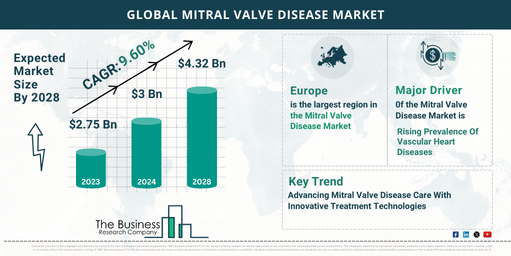
    • 2023 Market Size: $2.75 billion
    • 2024 Market Size: $3 billion
    • Compound Annual Growth Rate (CAGR): 9.1%

    Key drivers behind this growth include enhanced patient education, favorable reimbursement policies, rising healthcare expenditure, and increased awareness and screening initiatives. The market has been buoyed by expanding presence and improvements in treatment technologies.

    Future Growth Projections

    Looking ahead, the mitral valve disease market is poised for continued expansion.

    • 2028 Market Size: $4.32 billion
    • CAGR: 9.6%

    Growth in the forecast period will be fueled by:

    • Increased Prevalence: Growing cases of mitral valve disease
    • Minimally Invasive Techniques: Rising adoption of less invasive procedures
    • Technological Innovations: Advances in heart valve surgery and transcatheter technologies
    • Investment Surge: Increased venture capital investments and manufacturer interest

    View More On The Mitral Valve Disease Market Report 2024 – https://www.thebusinessresearchcompany.com/report/mitral-valve-disease-global-market-report

    Impact of Vascular Heart Diseases

    The rising prevalence of vascular heart diseases is set to impact the mitral valve disease market significantly. Vascular heart diseases can exacerbate conditions affecting the mitral valve due to compromised heart function.

    • Ischemic Heart Disease and Hypertension: These conditions contribute to mitral valve disease by affecting heart structure and function.
    • Australian Data: As of December 2023, approximately 571,000 adults in Australia are living with coronary heart disease (CHD), highlighting the growing need for mitral valve disease solutions.

    Innovative Treatment Technologies

    Innovation in treatment technologies continues to advance the mitral valve disease market.

    • Stented Tissue Valves: Companies are developing advanced stented tissue valves that provide durable, minimally invasive alternatives to traditional surgeries.
    • Case Example: In September 2021, Abbott Laboratories received FDA approval for the Epic Plus and Epic Plus Supra stented tissue valves, which feature advanced technologies to enhance performance and patient outcomes.

    Recent Market Developments

    Recent acquisitions and business moves reflect the ongoing evolution and consolidation within the mitral valve disease market.

    • Gyrus Capital Acquisition: In June 2021, Gyrus Capital acquired LivaNova’s heart valve business for $73 million, including key products like the Perceval suture-less aortic valve and the Memo 4D mitral repair ring.

    Market Segmentation

    The mitral valve disease market is segmented as follows:

    1. By Treatment Type:
      • Mitral Valve Repair
      • Mitral Valve Replacement
      • Cardiac Resynchronization Therapy
      • Mitral Valve Therapeutics
    2. By Indication:
      • Mitral Valve Stenosis
      • Mitral Valve Prolapse
      • Mitral Valve Regurgitation
    3. By End-User:
      • Hospitals
      • Ambulatory Surgical Centers
      • Other End-Users

    Regional Insights

    • Europe: Held the largest market share in 2023.
    • Asia-Pacific: Expected to be the fastest-growing region in the forecast period due to rising healthcare infrastructure and growing patient population.

    In summary, the mitral valve disease market is experiencing robust growth, driven by technological advancements, increasing prevalence of vascular heart diseases, and significant investments in innovative treatment solutions. As the market continues to expand, the focus on minimally invasive techniques and advanced technologies will likely shape its future trajectory.

    Request A Sample Of The Global Mitral Valve Disease Market Report 2024:
    https://www.thebusinessresearchcompany.com/sample_request?id=16480&type=smp
  • Top 5 Insights From The Metoprolol Tartrate Market Report 2024

    Top 5 Insights From The Metoprolol Tartrate Market Report 2024

    The Business Research Company’s global market reports are now updated with the latest market sizing information for the year 2024 and forecasted to 2033

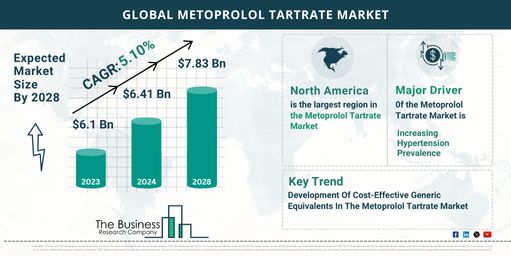
    According to The Business Research Company’s Metoprolol Tartrate Global Market Report 2024, the metoprolol tartrate market is expected to show promising growth in the forecast period.

    Current Market Overview

    • Market Size and Growth: The metoprolol tartrate market, valued at $6.1 billion in 2023, is projected to grow to $6.41 billion in 2024. This growth represents a compound annual growth rate (CAGR) of 5%.
    • Historical Drivers: The increase in market size is attributed to rising awareness about hypertension, improvements in healthcare systems, early patent protections, and various health initiatives.

    Future Market Projections

    • Growth Forecast: By 2028, the market is expected to reach $7.83 billion, growing at a CAGR of 5.1%.
    • Drivers of Future Growth: Key factors contributing to this growth include:
      • Personalized medicine
      • Enhanced medical education on cardiovascular diseases
      • Development of efficient drug distribution networks
      • Patient education programs
      • Increased funding for cardiovascular research
    • Major Trends:
      • Consumer behavior analysis
      • Supply chain optimization
      • 3D printing technologies for customizable drug formulations
      • Increased use of mobile health apps

    View More On The Metoprolol Tartrate Market Report 2024 – https://www.thebusinessresearchcompany.com/report/metoprolol-tartrate-global-market-report

    Increasing Hypertension Prevalence

    • Impact on Market: The rising prevalence of hypertension is a significant driver for the metoprolol tartrate market. Key contributing factors include:
      • Poor diet
      • Lack of physical activity
      • Obesity
      • Stress
      • Aging population
    • Statistical Data:
      • As of December 2023, 11.6% of Australians (3.0 million people) reported having hypertension.
      • The World Health Organization reported a rise in the number of adults with hypertension from 650 million to 1.28 billion over the last thirty years.
    • Role of Metoprolol Tartrate: This medication helps manage hypertension by slowing the heart rate and reducing blood pressure.

    Major Players and Innovations

    • Key Companies:
      • Pfizer Inc.
      • AstraZeneca plc
      • Novartis AG
      • Viatris Inc.
      • Teva Pharmaceutical Industries Ltd.
      • Macleods Pharmaceuticals Ltd.
      • Sun Pharmaceutical Industries Ltd.
      • Intas Pharmaceuticals Ltd.
      • Aurobindo Pharma
      • Cipla Inc.
      • Hikma Pharmaceuticals PLC
      • Zydus Cadila
      • Validus Pharmaceuticals LLC
      • Strides Pharma Science Limited
      • APO-MEDIX Pty Ltd.
    • Generic Equivalents:
      • Companies are developing cost-effective generic versions of metoprolol tartrate. For instance, in August 2023, Lupin Pharmaceuticals received FDA approval for its generic Metoprolol Succinate Extended-Release Tablets, a cost-effective alternative to Toprol-XL.

    Market Segmentation

    • By Route of Administration:
      • Oral
      • Injectable
    • By Application:
      • Hypertension
      • Cardiovascular
      • Other Applications
    • By Distribution Channel:
      • Hospital Pharmacies
      • Retail Pharmacies
      • Online Pharmacies

    Regional Insights

    • Current Leading Region: North America was the largest market for metoprolol tartrate in 2023.
    • Future Growth: Asia-Pacific is expected to be the fastest-growing region in the forecast period due to expanding healthcare infrastructure and increasing awareness.

    The metoprolol tartrate market is poised for significant growth, driven by increasing hypertension rates, advances in medical technologies, and the development of cost-effective generics. As healthcare systems evolve and consumer needs shift, the market is expected to continue its upward trajectory.

    Request A Sample Of The Global Metoprolol Tartrate Market Report 2024:
    https://www.thebusinessresearchcompany.com/sample_request?id=16477&type=smp

  • Top 5 Insights From The Metformin Market Report 2024

    Top 5 Insights From The Metformin Market Report 2024

    The Business Research Company’s global market reports are now updated with the latest market sizing information for the year 2024 and forecasted to 2033

    According to The Business Research Company’s Metformin Global Market Report 2024, the metformin market is expected to show promising growth in the forecast period.

    Strong Growth in Recent Years

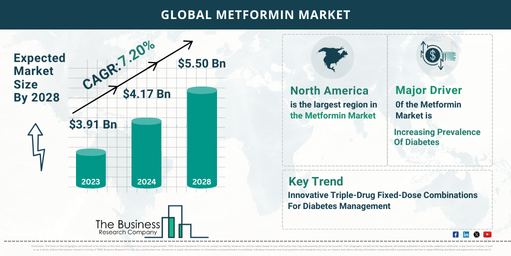
    • Market Expansion: The metformin market has experienced robust growth, increasing from $3.91 billion in 2023 to $4.17 billion in 2024, reflecting a compound annual growth rate (CAGR) of 6.7%.
    • Key Drivers: The rise in diabetes prevalence, heightened awareness of the disease, and increased healthcare spending have been pivotal in driving this growth.

    Future Market Outlook

    • Projected Growth: The metformin market is expected to reach $5.50 billion by 2028, growing at a CAGR of 7.2%.
    • Growth Factors: Factors contributing to this forecasted growth include expansion in emerging markets, growing awareness and adoption of metformin, an aging population, patent expiries, and increasing demand for combination therapies.
    • Trends: Anticipated trends include new product launches, lifestyle interventions, advancements in research and development, and enhanced manufacturing technologies.

    View More On The Metformin Market Report 2024 – https://www.thebusinessresearchcompany.com/report/metformin-global-market-report

    Increasing Prevalence of Diabetes

    • Impact on Market: The rising prevalence of diabetes is a significant driver for the metformin market. Diabetes arises due to ineffective insulin use or insufficient insulin production by the pancreas.
    • Statistics: According to the International Diabetes Federation, approximately 537 million adults had diabetes in 2021, with projections of 643 million by 2030 and 783 million by 2045.
    • Metformin’s Role: Metformin is effective in managing type 2 diabetes by lowering blood sugar levels, enhancing insulin sensitivity, aiding weight loss, and potentially offering cardiovascular benefits.

    Innovative Diabetes Medications

    • Triple-Drug Fixed-Dose Combinations (FDC): Companies are developing innovative medications, including triple-drug FDCs, to improve diabetes management. These combinations offer synergistic effects in blood sugar control.
    • Recent Developments: In October 2023, Glenmark Pharmaceuticals launched a triple-drug FDC in India, combining teneligliptin, dapagliflozin, and metformin under the brand name Zita DM. This FDC aims to improve glycemic control in patients whose diabetes is not adequately managed by metformin alone.

    Strategic Acquisitions and Market Expansion

    • Notable Acquisition: In April 2023, SK Capital Partners acquired Apotex Pharmaceutical Holdings Inc., enhancing its pharmaceutical portfolio. Apotex’s range of generic medications, including metformin, aligns with SK Capital’s strategy to expand its presence in the pharmaceutical sector.

    Market Segmentation

    • Product Types: The market is segmented into Standard-Release Tablets and Slow-Release Tablets.
    • Dosage Types: Includes 500MG, 750MG, 850MG, and 1G dosages.
    • End-Users: The market caters to Clinics, Hospitals, Homecare settings, and other end-users.

    Regional Insights

    • Dominant Region: North America was the largest region in the metformin market in 2023, reflecting its significant market presence and healthcare infrastructure.

    The metformin market is poised for continued growth, driven by increasing diabetes prevalence, innovative medication developments, and strategic industry expansions. With evolving market dynamics and advancements in diabetes management, metformin remains a crucial component in the fight against type 2 diabetes.

    Request A Sample Of The Global Metformin Market Report 2024:
    https://www.thebusinessresearchcompany.com/sample_request?id=16475&type=smp

  • How Is The Low Molecular Weight Heparin Market Expected To Grow Through 2024-2033

    How Is The Low Molecular Weight Heparin Market Expected To Grow Through 2024-2033

    The Business Research Company’s global market reports are now updated with the latest market sizing information for the year 2024 and forecasted to 2033

    According to The Business Research Company’s Low Molecular Weight Heparin Global Market Report 2024, the low molecular weight heparin market is expected to show promising growth in the forecast period.

    Market Overview

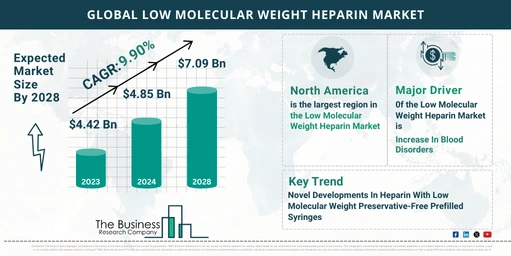
    The low molecular weight heparin (LMWH) market has experienced robust growth in recent years. This upward trend is projected to continue, with the market size expanding from $4.42 billion in 2023 to $4.85 billion in 2024, reflecting a compound annual growth rate (CAGR) of 9.8%. The market is expected to further increase to $7.09 billion by 2028, at a CAGR of 9.9%.

    Key Growth Drivers

    • Biosimilars and Anticoagulant Demand: The global introduction of biosimilar LMWH anticoagulants and rising demand for anticoagulant therapies are significant growth drivers.
    • Cardiovascular Diseases: The increasing prevalence of cardiovascular diseases and incidences of thrombosis and embolism contribute to the growing need for LMWH.
    • Geriatric Population: The aging population and its associated health issues are fueling market expansion.

    View More On The Low Molecular Weight Heparin Market Report 2024 – https://www.thebusinessresearchcompany.com/report/low-molecular-weight-heparin-global-market-report

    Market Trends

    • Technological Advancements: The market is seeing innovations such as preservative-free prefilled syringes, which enhance safety and patient convenience.
    • Personalized Medicine: The integration of personalized medicine and telehealth is shaping the future of LMWH treatments.
    • Wearable Technology: Advancements in wearable technology for monitoring anticoagulant therapy are emerging trends.
    • Strategic Partnerships: Companies are forming strategic partnerships and collaborations to enhance their market presence.

    Impact of Increased Blood Disorders

    • Prevalence of Disorders: Blood disorders, including anemia, hemophilia, and thrombosis, are becoming more common due to factors such as an aging population and environmental risk factors.
    • Market Influence: The rise in blood disorders is expected to drive demand for LMWH, which is used to prevent and treat thromboembolism. For example, Australia’s blood cancer cases are projected to significantly increase by 2035, driving further market growth.

    Major Companies and Innovations

    • Leading Companies: Key players in the LMWH market include Pfizer Inc., Sanofi SA, Boehringer Ingelheim International GmbH, Teva Pharmaceutical Industries Ltd., and others.
    • Innovative Products: Companies are introducing novel products like preservative-free prefilled syringes. For instance, Techdow USA Inc. launched a range of preservative-free enoxaparin sodium prefilled syringes, offering a safer and more affordable option for anticoagulant therapy.

    Notable Developments

    • Fresenius Kabi Acquisition: In May 2022, Fresenius Kabi AG acquired Ivenix Inc., enhancing its medtech portfolio with advanced infusion therapy solutions that include LMWH. This acquisition strengthens Fresenius Kabi’s capabilities in hospital connectivity and interoperability.

    Market Segmentation

    • By Product Type: The market is segmented into Enoxaparin, Dalteparin, Tinzaparin, Fraxiparine, Nadroparin, and other product types.
    • By Packaging: Packaging options include multi-vials and prefilled syringes.
    • By Application: Key applications are deep vein thrombosis, acute coronary syndrome, pulmonary embolism, and others.

    Regional Insights

    • North America: In 2023, North America was the largest market for LMWH.
    • Asia-Pacific: The Asia-Pacific region is expected to be the fastest-growing market in the forecast period, driven by increasing healthcare access and rising disease prevalence.

    Conclusion

    The low molecular weight heparin market is on a growth trajectory, supported by increasing disease prevalence, technological advancements, and innovative product developments. With a strong forecast for future expansion, stakeholders in the healthcare industry should stay attuned to these evolving trends and market dynamics.

    Request A Sample Of The Global Low Molecular Weight Heparin Market Report 2024:
    https://www.thebusinessresearchcompany.com/sample_request?id=16468&type=smp

  • What’s The Growth Forecast For Medical Device Cybersecurity Solutions Market Through 2024-2033?

    What’s The Growth Forecast For Medical Device Cybersecurity Solutions Market Through 2024-2033?

    The Business Research Company’s global market reports provide comprehensive analysis on the various markets in 27 industries across 60 geographies.

    The medical device cybersecurity solutions market has witnessed remarkable growth in recent years, driven by the increasing complexity of cyber threats and the growing reliance on connected medical devices. This blog provides an in-depth look into the market’s current state, future projections, key trends, and major players.

    Market Growth and Projections

    • 2023-2024 Growth: The market size surged from $10.62 billion in 2023 to $13.29 billion in 2024. This growth reflects a robust compound annual growth rate (CAGR) of 25.2%.
      • Drivers: Key factors include the rise in telemedicine and remote patient monitoring, stricter regulatory requirements, increased usage of Internet of Medical Things (IoMT) devices, and greater integration with Electronic Health Records (EHRs).
    • 2024-2028 Forecast: The market is anticipated to expand to $32.94 billion by 2028, growing at a CAGR of 25.5%.
      • Drivers: This growth will be fueled by advancements in artificial intelligence (AI) and machine learning (ML), increased cyberattack complexity, and heightened investment in cybersecurity. Key trends include the incorporation of blockchain technology, enhanced AI-based detection systems, and more partnerships between medical device manufacturers and cybersecurity firms.

    View More On The Medical Device Cybersecurity Solutions Market Report 2024 – https://www.thebusinessresearchcompany.com/report/medical-device-cybersecurity-solutions-global-market-report

    Addressing Cybersecurity Threats

    • Emerging Threats: Cybersecurity threats are becoming more sophisticated, driven by the increasing number of connected devices and the growing value of healthcare data.
      • Impact: Threats include unauthorized data access, data breaches, and disruption of digital systems. According to the Identity Theft Resource Center, data compromises in 2023 rose by 72% compared to 2021.
    • Solutions: Medical device cybersecurity solutions mitigate these threats through:
      • Access Control
      • Encryption
      • Patch Management
      • Intrusion Detection and Prevention
      • Endpoint Security
      • Secure Configuration
      • Continuous Monitoring

    Technological Advancements

    • AI-Based Solutions: Major companies are focusing on AI-based solutions to enhance device security. AI and ML technologies improve threat detection, prediction, and real-time response.
      • Example: In December 2022, Palo Alto Networks launched Medical IoT Security, which uses AI to automate device discovery, risk assessment, and policy enforcement, providing robust protection for connected medical devices.

    Recent Developments

    • Cloudwave’s Acquisition of Sensato: In November 2022, Cloudwave acquired Sensato, combining its cloud hosting services with Sensato’s managed security-as-a-service capabilities. This acquisition aims to bolster healthcare data security by integrating Sensato’s expertise in safeguarding hospital information and medical devices.

    Market Segmentation

    The medical device cybersecurity solutions market is segmented into:

    1. By Type:
      • Network Security
      • Endpoint Security
      • Application Security
      • Cloud Security
      • Other Types
    2. By Solution:
      • Identity and Access Management
      • Antivirus or Antimalware Solutions
      • Encryption Solutions
      • Data Loss Prevention
      • Risk and Compliance Management
      • Intrusion Detection/Prevention Systems
      • Disaster Recovery
      • Distributed Denial of Service Solutions
      • Other Solutions
    3. By Device Type:
      • Hospital Medical Devices
      • Wearable and External Medical Devices
      • Internally Embedded Medical Devices
    4. By End-User:
      • Healthcare Providers
      • Medical Device Manufacturers
      • Healthcare Payers

    Regional Insights

    • Current Leader: North America was the largest market in 2023.
    • Future Outlook: Asia-Pacific is expected to be the fastest-growing region in the forecast period, driven by increasing healthcare investments and rising cyber threats.

    Conclusion

    The medical device cybersecurity solutions market is on a rapid growth trajectory, driven by technological advancements and the escalating need for robust security measures. As cyber threats continue to evolve, the market will likely see continued expansion and innovation, providing critical protection for healthcare devices and data.

    Request A Sample Of The Global Medical Device Cybersecurity Solutions Market Report 2024:
    https://www.thebusinessresearchcompany.com/sample_request?id=16474&type=smp

  • Lisinopril Global Market Outlook 2024-2033: Size And Growth Rate Analysis

    Lisinopril Global Market Outlook 2024-2033: Size And Growth Rate Analysis

    The Business Research Company’s global market reports provide comprehensive analysis on the various markets in 27 industries across 60 geographies.

    Current Market Overview

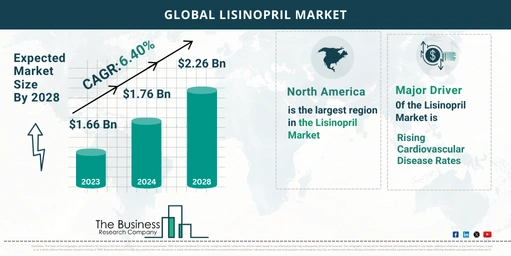
    • Market Growth: The lisinopril market has experienced strong growth in recent years, expanding from $1.66 billion in 2023 to $1.76 billion in 2024. This represents a compound annual growth rate (CAGR) of 6.0%.
    • Key Growth Drivers: Factors contributing to this growth include increased accessibility, lifestyle shifts, enhanced screening programs, wider availability of generic lisinopril, and improved patient adherence to treatment.

    Future Growth Projections

    • Market Size: Looking ahead, the lisinopril market is projected to reach $2.26 billion by 2028, with a CAGR of 6.4%.
    • Growth Drivers: The forecasted growth can be attributed to several factors:
      • Rising prevalence of hypertension and cardiovascular diseases
      • Availability and cost-effectiveness of generic versions
      • Increased awareness and early diagnosis
      • Growing demand for effective treatments
      • Aging population

    View More On The Lisinopril Market Report 2024 – https://www.thebusinessresearchcompany.com/report/lisinopril-global-market-report

    Major Trends Shaping the Market

    • Innovations in Drug Delivery: There is a notable trend towards innovations in drug delivery systems to enhance patient experience and treatment effectiveness.
    • Patient-Centric Approaches: Demand for more patient-centered drug delivery solutions is growing, emphasizing ease of use and accessibility.
    • Cost-Effective Solutions: The need for affordable treatment options is driving market trends, especially in the context of rising healthcare costs.
    • Effective Treatments for Heart Failure and Diabetic Kidney Disease: There is increasing demand for effective therapies targeting heart failure and diabetic kidney disease.

    Impact of Cardiovascular Disease Rates

    • Prevalence of Cardiovascular Diseases: The rise in cardiovascular diseases is a significant factor driving the lisinopril market. These diseases affect the heart and blood vessels and are linked to aging populations, lifestyle factors, and inadequate prevention strategies.
    • Lisinopril’s Role: Lisinopril is effective in managing cardiovascular diseases by lowering blood pressure and reducing strain on the heart and kidneys. It works by inhibiting the production of angiotensin II, thereby facilitating blood vessel dilation and reducing blood volume.
    • Recent Statistics: The Centers for Disease Control and Prevention reported a slight increase in coronary heart disease prevalence from 4.6% in 2020 to 4.9% in 2021, underscoring the need for effective treatments like lisinopril.

    Major Players in the Market

    • Leading Companies: Key players in the lisinopril market include Merck & Co. Inc., Pfizer Inc., AbbVie Inc., AstraZeneca Plc, and Teva Pharmaceutical Industries Limited, among others.
    • Recent Developments: Notably, Sun Pharmaceutical Industries Limited acquired Taro Pharmaceutical Industries Ltd. in January 2024 for $347.73 million, enhancing its portfolio with lisinopril and other specialty medicines.

    Market Segmentation

    • By Brand: The market includes brands such as Zestoretic, Prinivil, Zestril, and other brands.
    • By Disease: Key segments include hypertension, heart failure, heart attack, strokes, diabetic kidney disease, and other conditions.
    • By Dosage: Available forms include tablets, liquid, and other dosages.
    • By Population Type: The market caters to both children and adults.
    • By End-Users: End-users are segmented into hospitals, specialty clinics, and other facilities.

    Regional Insights

    • North America: This region was the largest market for lisinopril in 2023.
    • Asia-Pacific: Expected to be the fastest-growing region during the forecast period, driven by increasing healthcare access and rising prevalence of hypertension.

    The lisinopril market continues to grow robustly, supported by advancements in drug delivery and rising healthcare needs globally. With a strong future outlook and ongoing market developments, lisinopril remains a crucial component in managing cardiovascular diseases and improving patient outcomes.

    Request A Sample Of The Global Lisinopril Market Report 2024:
    https://www.thebusinessresearchcompany.com/sample_request?id=16465&type=smp

  • 5 Key Insights On The Liposomal Doxorubicin Market 2024

    5 Key Insights On The Liposomal Doxorubicin Market 2024

    The Business Research Company’s global market reports are now updated with the latest market sizing information for the year 2024 and forecasted to 2033

    As per The Business Research Company’s Liposomal Doxorubicin Global Market Report 2024, the liposomal doxorubicin market is expected to show significant growth in the forecast period.

    Market Overview

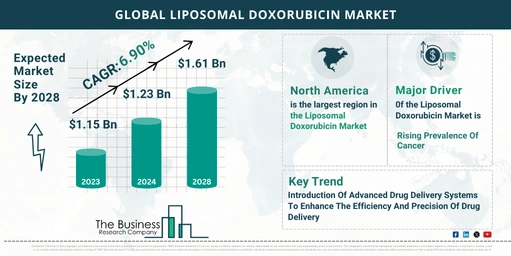
    The liposomal doxorubicin market has shown robust growth recently and is projected to continue its upward trajectory. The market size increased from $1.15 billion in 2023 to $1.23 billion in 2024, reflecting a compound annual growth rate (CAGR) of 6.8%. Looking ahead, the market is expected to reach $1.61 billion by 2028, growing at a CAGR of 6.9%. This growth is driven by various factors, including advancements in drug delivery technology and increasing awareness about cancer treatment options.

    Key Drivers of Growth

    • Improved Formulations: Advances in liposome formulations have enhanced drug delivery and reduced side effects.
    • Favorable Reimbursement Policies: Supportive policies for cancer treatments have facilitated market growth.
    • Increased Awareness: Growing awareness about cancer screening and treatment options boosts demand.
    • Healthcare Infrastructure: Enhanced infrastructure supports better cancer care and treatment.
    • Patient Preferences: A shift towards minimally invasive treatments drives the use of liposomal doxorubicin.

    View More On The Liposomal Doxorubicin Market Report 2024 – https://www.thebusinessresearchcompany.com/report/liposomal-doxorubicin-global-market-report

    Future Growth Catalysts

    • Rising Cancer Awareness: Increased knowledge about cancer treatment options will drive market expansion.
    • Clinical Trials: More clinical trials are underway, contributing to the development of new treatment approaches.
    • Combination Therapies: Adoption of combination therapies enhances treatment effectiveness and market growth.
    • Healthcare Expenditure: Rising healthcare spending supports the development and accessibility of new treatments.
    • Targeted Therapies: Growing preference for targeted therapies fuels demand for advanced drug delivery solutions.

    Major Trends and Innovations

    • Artificial Intelligence (AI): AI and machine learning are being integrated to streamline drug discovery processes.
    • 3D Printing Technologies: 3D printing is utilized for creating personalized drug delivery systems.
    • Magnetic Targeting: Magnetic targeting methods enhance the precision of drug delivery.
    • Innovative Strategies: New strategies, such as tumor-penetrating peptides and ultrasound-mediated drug delivery, are being explored.
    • Advancements in Delivery Technology: Continuous improvements in drug delivery technologies are expected to drive market growth.

    Impact of Rising Cancer Prevalence

    The increasing prevalence of cancer is a significant driver for the liposomal doxorubicin market. Factors contributing to rising cancer cases include:

    • Aging Population: The growing elderly population is more susceptible to cancer.
    • Lifestyle Changes: Modern lifestyle factors, such as diet and physical inactivity, contribute to higher cancer rates.
    • Environmental Exposures: Exposure to pollutants and chemicals increases cancer risk.
    • Diagnostic Advancements: Improved diagnostic techniques lead to more frequent detection of cancer.

    According to the American Cancer Society Inc., approximately 1.9 million new cancer cases are expected in the US in 2023, highlighting the growing need for effective treatments like liposomal doxorubicin.

    Leading Companies in the Market

    Several major players are driving innovation and market growth in the liposomal doxorubicin sector:

    • Pfizer Inc.
    • Johnson & Johnson
    • AbbVie Inc.
    • AstraZeneca plc
    • Baxter International Inc.
    • Astellas Pharma
    • Sun Pharmaceutical Industries Ltd
    • Jazz Pharmaceuticals
    • Cipla Inc.
    • Endo Pharmaceuticals
    • Lupin Limited
    • SRS Life Sciences

    Innovations in Drug Delivery Systems

    Significant advancements are being made in drug delivery systems to improve the efficiency and precision of liposomal doxorubicin:

    • PEGylated Liposomes: Innovations like PEGylated liposomes improve the pharmacokinetics and biodistribution of doxorubicin.
    • New Product Launches: For example, Accord Healthcare Limited launched Zolsketil, a pegylated liposomal formulation for infusion.

    Collaborative Efforts to Address Drug Shortages

    In response to drug shortages, companies are forming partnerships to ensure the availability of essential medications:

    • Padagis and Ayana Pharma: In October 2021, these companies collaborated to introduce a generic version of Doxil, addressing critical shortages and expanding treatment options.

    Market Segmentation

    The liposomal doxorubicin market is segmented as follows:

    1. By Product: Doxil/ Caelyx, Lipodox, Myocet, Other Products
    2. By Route of Administration: Parenteral, Other Routes
    3. By Application: Leukemia, Bone Sarcoma, Breast Cancer, Endometrial Cancer, Kidney Cancer, Multiple Myeloma, Kaposi Sarcoma, Other Applications
    4. By End-Users: Hospitals, Homecare, Other End-Users

    Regional Insights

    • North America: The largest market region in 2023.
    • Asia-Pacific: Expected to be the fastest-growing region during the forecast period.

    In summary, the liposomal doxorubicin market is poised for continued growth driven by advancements in drug delivery technologies, increased cancer awareness, and strategic industry collaborations. The evolving landscape promises more effective treatment options and improved patient outcomes in the coming years.

    Request A Sample Of The Global Liposomal Doxorubicin Market Report 2024:
    https://www.thebusinessresearchcompany.com/sample_request?id=16464&type=smp

  • Understand How The Artificial Intelligence (AI) Radiology Tool Market Is Poised To Grow Through 2024-2033

    Understand How The Artificial Intelligence (AI) Radiology Tool Market Is Poised To Grow Through 2024-2033

    The Business Research Company’s global market reports are now updated with the latest market sizing information for the year 2024 and forecasted to 2033

    As per The Business Research Company’s Artificial Intelligence (AI) Radiology Tool Global Market Report 2024, the artificial intelligence (AI) radiology tool market is expected to show significant growth in the forecast period.

    • The artificial intelligence (AI) radiology tool market is experiencing rapid expansion.
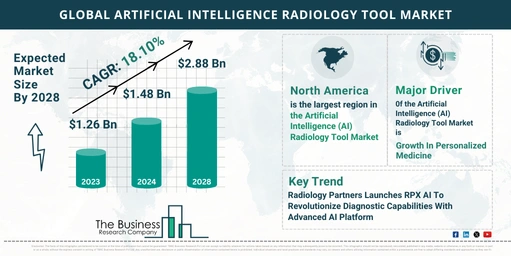
    • In 2023, the market size reached $1.26 billion and is projected to grow to $1.48 billion by 2024, reflecting a compound annual growth rate (CAGR) of 17.8%.
    • Factors driving this growth include governmental support, AI integration in radiology for increased accuracy, and a shift toward personalized and precision medicine.

    Future Projections: Continued Market Expansion

    • The AI radiology tool market is expected to continue its robust growth trajectory.
    • By 2028, the market size is projected to reach $2.88 billion, with a CAGR of 18.1%.
    • Key growth drivers during this period include the rising demand for efficient diagnostic solutions, advancements in technological infrastructure, and increasing adoption of AI in healthcare.

    View More On The Artificial Intelligence (AI) Radiology Tool Market Report 2024 – https://www.thebusinessresearchcompany.com/report/artificial-intelligence-ai-radiology-tool-global-market-report

    Personalized Medicine as a Key Growth Driver

    • The shift toward personalized medicine, which tailors treatment to individual patient characteristics, is a significant factor propelling market growth.
    • AI radiology tools play a crucial role in personalized medicine by offering precise diagnostics, predictive analytics, and integration with genomic data.
    • The approval of 16 novel personalized therapies in 2023 by the FDA highlights the growing importance of this approach in healthcare.

    Major Players and Market Innovations

    • Leading companies in the AI radiology tool market include Google LLC, Samsung Electronics, Microsoft Corporation, Intel Corporation, and GE HealthCare.
    • These companies are driving market growth through the development of advanced AI platforms and solutions.
    • For example, in November 2023, Radiology Partners launched RPX AI, a cloud-based platform designed to enhance diagnostic capabilities by integrating AI algorithms with medical imaging data.

    GE HealthCare’s Strategic Acquisition

    • GE HealthCare’s acquisition of MIM Software in April 2024 is a strategic move to enhance its AI solutions and streamline healthcare workflows.
    • MIM Software’s AI-driven imaging solutions strengthen GE HealthCare’s ability to deliver precision care and improve patient outcomes.
    • This acquisition reflects the ongoing trend of consolidation in the AI radiology tool market, as major players seek to enhance their technological capabilities.

    Market Segmentation and Regional Insights

    • The AI radiology tool market is segmented by type into Diagnostic Radiology and Interventional Radiology.
    • Applications include Eye Care, Oncology, Radiology, Cardiovascular, and Pathology.
    • End-users range from clinics and hospitals to diagnostic centers.
    • North America was the largest region in the AI radiology tool market in 2023, driven by technological advancements and strong demand for precision diagnostics.

    Conclusion

    • The AI radiology tool market is poised for significant growth, driven by the increasing demand for personalized medicine and advancements in AI technology.
    • Major companies are leading the charge with innovative platforms and strategic acquisitions, positioning the market for continued expansion.
    • As the market evolves, AI-driven diagnostic solutions will play an increasingly vital role in enhancing healthcare outcomes.

    Request A Sample Of The Global Artificial Intelligence (AI) Radiology Tool Market Report 2024:
    https://www.thebusinessresearchcompany.com/sample_request?id=16341&type=smp

  • Growth Trajectory Of The Levothyroxine Sodium Market 2024-2033

    Growth Trajectory Of The Levothyroxine Sodium Market 2024-2033

    The Business Research Company’s global market reports are now updated with the latest market sizing information for the year 2024 and forecasted to 2033

    Market Overview

    • Current Market Size:
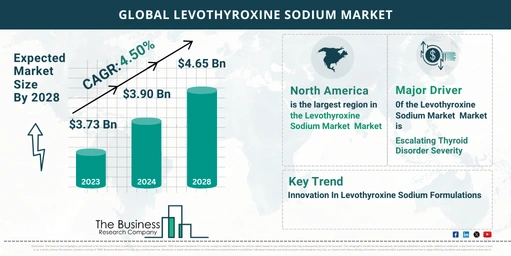
      • The levothyroxine sodium market was valued at $3.73 billion in 2023 and is projected to reach $3.90 billion in 2024, with a compound annual growth rate (CAGR) of 4.4%.
    • Future Projections:
      • By 2028, the market is expected to grow to $4.65 billion, at a CAGR of 4.5%.

    Key Drivers of Market Growth

    • Increased Awareness and Recognition:
      • Rising understanding of hypothyroidism and expanded health insurance coverage for prescription medications have fueled market growth.
    • Research and Clinical Trials:
      • Rigorous studies have demonstrated the safety and efficacy of levothyroxine sodium, contributing to its widespread use.
    • Introduction of Generics:
      • The availability of cost-effective generic formulations has broadened access to levothyroxine sodium.

    View More On The Levothyroxine Sodium Market Report 2024 – https://www.thebusinessresearchcompany.com/report/levothyroxine-sodium-global-market-report

    Escalation in Thyroid Disorder Severity

    • Impact on Market Demand:
      • The severity of thyroid disorders, including hypothyroidism, has increased due to factors like delayed diagnosis and autoimmune reactions.
    • Role of Levothyroxine Sodium:
      • Levothyroxine sodium supplements synthetic thyroxine (T4) to restore normal hormone levels and alleviate symptoms of thyroid disorders.
    • Statistics:
      • In October 2022, the American Cancer Society projected 44,020 new cases of thyroid cancer in the U.S. for 2024, highlighting the growing need for effective thyroid treatments.

    Innovations in Levothyroxine Sodium Formulations

    • Development of Gel Capsules:
      • New formulations such as levothyroxine gel capsules offer alternatives for patients who have difficulty swallowing or require precise dosing.
    • Recent Product Launch:
      • In April 2023, IBSA Pharma launched Tirosint, a levothyroxine gel capsule and oral liquid solution. Tirosint features FDA-approved dosage strengths of 37.5, 44, and 62.5 micrograms, providing customized therapy and reducing the need for frequent dose adjustments.

    Market Segmentation

    • By Product:
      • Oral
      • Injection
    • By Type:
      • Hypothyroidism
      • Goiter
      • Thyroid Cancer
      • Myxedema Coma
    • By Application:
      • Hospitals
      • Clinics
      • Other Applications
    • By Distribution Channel:
      • Hypermarkets
      • Supermarkets
      • Drug Stores
      • Online Stores
      • Specialty Stores

    Regional Insights

    • North America:
      • The largest market region in 2023, driven by advanced healthcare infrastructure and high adoption rates.
    • Asia-Pacific:
      • Expected to be the fastest-growing region in the forecast period, due to increasing healthcare investments and rising awareness of thyroid health.

    Conclusion

    • The levothyroxine sodium market is experiencing steady growth driven by advancements in treatment formulations and increased prevalence of thyroid disorders.
    • Innovations such as levothyroxine gel capsules and strategic developments in healthcare are enhancing treatment options and market dynamics.
    • With a focus on improving patient outcomes and expanding access to effective therapies, the levothyroxine sodium market is set to continue its upward trajectory in the coming years.

    Request A Sample Of The Global Levothyroxine Sodium Market Report 2024:
    https://www.thebusinessresearchcompany.com/sample_request?id=16461&type=smp

  • Knee Bursitis Market Growth Analysis Till 2033 By The Business Research Company

    Knee Bursitis Market Growth Analysis Till 2033 By The Business Research Company

    The Business Research Company’s market reports offer an in-depth analysis on the market’s growth potential, major drivers, key trends and more.

    Market Overview

    • Current Market Size:
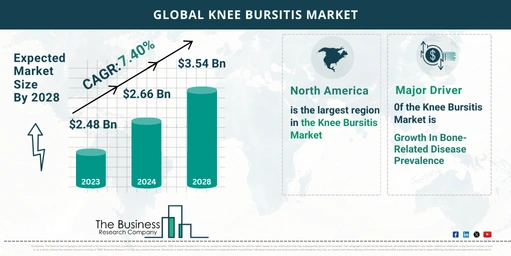
      • The knee bursitis market was valued at $2.48 billion in 2023. It is projected to grow to $2.66 billion in 2024, reflecting a compound annual growth rate (CAGR) of 7.3%.
    • Future Projections:
      • By 2028, the market is expected to reach $3.54 billion, with a CAGR of 7.4%.

    Key Drivers of Market Growth

    • Aging Population:
      • An older demographic is more susceptible to knee bursitis due to age-related wear and tear.
    • Increased Physical Activity:
      • More people participating in sports and physical activities is leading to higher instances of knee injuries, including bursitis.
    • Improved Diagnostics and Healthcare Access:
      • Better diagnostic techniques and enhanced access to healthcare services have led to increased detection and treatment of knee bursitis.
    • Education Programs:
      • Training and education for healthcare professionals and patients have improved understanding and management of knee bursitis.

    Read More On The Knee Bursitis Market Report 2024 – https://www.thebusinessresearchcompany.com/report/knee-bursitis-global-market-report

    Future Growth Drivers

    • Awareness Campaigns:
      • Increased public awareness about prevention and management of knee bursitis is expected to boost market growth.
    • Rising Disposable Income and Healthcare Expenditure:
      • Growing income levels and higher spending on healthcare contribute to increased treatment access and affordability.
    • Advancements in Diagnosis and Treatment:
      • Continuous improvements in diagnostic techniques and novel therapies are anticipated to drive market expansion.

    Impact of Bone-Related Diseases

    • Bone-Related Disease Prevalence:
      • Conditions like osteoporosis, arthritis, and bone cancer affect the skeletal system, leading to increased incidences of knee bursitis.
    • Factors Contributing to Bone-Related Diseases:
      • Aging, sedentary lifestyles, poor nutrition, and environmental changes are key factors contributing to these conditions.
    • Impact on Knee Bursitis:
      • Diseases such as osteoarthritis and rheumatoid arthritis cause inflammation and pressure on the knee bursa, leading to pain and reduced joint function.
    • Statistics:
      • In September 2022, Healthy Bones Australia reported that 6.2 million individuals aged 50 and above were affected by osteoporosis or osteopenia, highlighting the prevalence of bone-related diseases.

    Market Segmentation

    • By Diagnosis:
      • Imaging Tests
      • Other Diagnostic Tests
    • By Treatment:
      • Medication
      • Therapy
      • Surgery
      • Other Treatments
    • By End User:
      • Hospitals and Clinics
      • Diagnostic Centers
      • Research Centers
      • Academic Institutes
      • Other End Users

    Regional Insights

    • North America:
      • In 2023, North America was the largest market for knee bursitis, driven by advanced healthcare infrastructure and high diagnosis rates.
    • Asia-Pacific:
      • Expected to be the fastest-growing region, due to increasing healthcare investments and rising awareness about knee bursitis.

    Conclusion

    • The knee bursitis market is experiencing robust growth, driven by demographic changes, increased physical activity, and advancements in healthcare.
    • Rising awareness, improvements in diagnostic and treatment methods, and the growing prevalence of bone-related diseases are key factors contributing to market expansion.
    • With North America leading the market and Asia-Pacific emerging as a fast-growing region, the knee bursitis market is poised for continued growth and innovation in the coming years.

    Request for A Sample Of The Global Knee Bursitis Market Report:
    https://www.thebusinessresearchcompany.com/sample_request?id=16460&type=smp