Blog

  • What’s The Growth Forecast For Critical Care Antiarrhythmic Drugs Market Through 2024-2033?

    What’s The Growth Forecast For Critical Care Antiarrhythmic Drugs Market Through 2024-2033?

    The Business Research Company’s global market reports provide comprehensive analysis on the various markets in 27 industries across 60 geographies.

    Recent Market Growth and Projections

    The critical care antiarrhythmic drugs market has experienced robust growth in recent years. The market size increased from $0.95 billion in 2023 to $1.01 billion in 2024, reflecting a compound annual growth rate (CAGR) of 6.1%. This growth is driven by several factors:

    • Increased Prevalence of Cardiac Arrhythmias: A surge in cardiac arrhythmias boosts the demand for effective treatment options.
    • Expansion of Critical Care Facilities: More facilities lead to higher drug utilization.
    • Regulatory Approvals and Guidelines: New guidelines and approvals support market growth.
    • Growing Healthcare Expenditure: Higher spending on healthcare enhances drug accessibility.
    • Public Health Initiatives: Initiatives targeting cardiac care contribute to market expansion.

    Looking ahead, the market is projected to grow to $1.29 billion by 2028, at a CAGR of 6.3%.

    Key drivers include:

    • Adoption of Precision Medicine: Tailored treatments improve patient outcomes.
    • Rising Incidence of Cardiovascular Diseases: Increased disease rates drive drug demand.
    • Emerging Markets and Healthcare Infrastructure: Growth in these areas supports market expansion.
    • Regulatory Approvals for Novel Therapies: New therapies offer more treatment options.
    • Focus on Patient Safety and Efficacy: Enhanced safety measures boost drug utilization.

    View More On The Critical Care Antiarrhythmic Drugs Market Report 2024 – https://www.thebusinessresearchcompany.com/report/critical-care-antiarrhythmic-drugs-global-market-report

    Growing Demand Amid Rising Cardiovascular Disease Prevalence

    The critical care antiarrhythmic drugs market is significantly influenced by the rising prevalence of cardiovascular diseases. Factors contributing to this trend include:

    • Sedentary Lifestyles: Lack of physical activity increases cardiovascular risks.
    • Poor Dietary Habits: Unhealthy diets lead to heart disease.
    • Smoking and Obesity: These are major risk factors for cardiovascular conditions.
    • Hypertension: High blood pressure exacerbates heart disease.

    According to the World Heart Federation, cardiovascular disease deaths are projected to increase from 18.9 million in 2020 to 22.2 million in 2030 and 32.3 million by 2050. This escalating burden drives the need for effective antiarrhythmic treatments to manage and prevent life-threatening cardiac arrhythmias.

    Innovation and Major Players in the Market

    Advanced Therapeutic Equivalents: Companies are developing innovative products to stay competitive. For example:

    • Mexitil Therapeutic Equivalents: Senores Pharmaceuticals Inc. launched Mexiletine Hydrochloride Capsules USP in 2022, offering a therapeutic alternative for managing ventricular arrhythmias.

    Expansion of Portfolios:

    • Melinta Therapeutics Acquisition: In April 2022, Melinta Therapeutics acquired the U.S. rights to TOPROL-XL (metoprolol succinate) from New American Therapeutics Inc., enhancing its portfolio and growth strategy.

    Market Segmentation

    The critical care antiarrhythmic drugs market is segmented into:

    1. By Type:
      • Beta Blockers
      • Calcium Channel Blockers
      • Sodium Channel Blockers
      • Potassium Channel Blockers
      • Other Types
    2. By Disease Type:
      • Ventricular Arrhythmias
      • Supraventricular Arrhythmias
      • Other Diseases
    3. By Application:
      • Hospitals
      • Clinics
      • Ambulatory Centers
      • Other Applications

    Regional Insights

    • North America: The largest market for critical care antiarrhythmic drugs in 2023.
    • Europe: Expected to be the fastest-growing region in the forecast period, driven by increasing demand and advancements in healthcare infrastructure.

    Conclusion

    The critical care antiarrhythmic drugs market is set for continued growth, driven by rising cardiovascular disease prevalence, innovations in drug therapies, and expanding healthcare infrastructure. As the market evolves, technological advancements and a focus on patient safety will play crucial roles in shaping its future trajectory.

    Request A Sample Of The Global Critical Care Antiarrhythmic Drugs Market Report 2024:
    https://www.thebusinessresearchcompany.com/sample_request?id=16386&type=smp

  • Understand How The Cognitive Behavioral Therapy Market Is Poised To Grow Through 2024-2033

    Understand How The Cognitive Behavioral Therapy Market Is Poised To Grow Through 2024-2033

    The Business Research Company’s global market reports are now updated with the latest market sizing information for the year 2024 and forecasted to 2033

    As per The Business Research Company’s Cognitive Behavioral Therapy Global Market Report 2024, the cognitive behavioral therapy market is expected to show significant growth in the forecast period.

    The cognitive behavioral therapy (CBT) market has witnessed substantial growth recently and is poised for continued expansion. From $176.23 billion in 2023, the market is projected to reach $195.04 billion in 2024, growing at a compound annual growth rate (CAGR) of 10.7%. This trend is expected to continue, with the market anticipated to reach $294.08 billion by 2028 at a CAGR of 10.8%. This growth is driven by various factors including increased mental health awareness, advances in digital therapeutics, and the rising demand for workplace mental health support.

    Historic Growth Drivers

    • Globalization of Mental Health Services: The spread of mental health services worldwide has significantly contributed to market growth. Increased healthcare policy changes and broader insurance coverage have made CBT more accessible.
    • Shift in Treatment Paradigms: There has been a notable shift toward cognitive behavioral therapy as a preferred treatment option due to its effectiveness and evidence-based approach.
    • Rising Mental Health Awareness: Growing awareness about mental health issues has led to higher demand for effective treatment options like CBT.
    • Emergence of CBT: As a therapeutic approach, CBT has gained prominence for its success in treating various mental health disorders, further boosting market growth.

    View More On The Cognitive Behavioral Therapy Market Report 2024 – https://www.thebusinessresearchcompany.com/report/cognitive-behavioral-therapy-global-market-report

    Future Growth Expectations

    • Workplace Mental Health Support: The growing recognition of the importance of mental health in the workplace is driving demand for CBT services.
    • Government Funding and Initiatives: Increased funding and support from government bodies are expected to foster further growth in the CBT market.
    • Innovation in Digital Therapeutics: Advances in digital therapeutics and mobile health applications are enhancing the delivery of CBT and contributing to market expansion.
    • Integration into Primary Care: The incorporation of CBT into primary care settings is expected to drive growth by making it more accessible.
    • Targeted Interventions: There is an increasing focus on targeted interventions for specific populations, which is expected to spur further market growth.

    Major Trends

    • Personalized Medicine: The growing emphasis on personalized medicine is influencing the development of more tailored CBT approaches.
    • Digital Therapeutics Platforms: The rise of digital therapeutics platforms offering CBT is transforming how therapy is delivered.
    • Community-Based Mental Health Services: Expanding community-based mental health services is enhancing access to CBT.
    • Teletherapy and Remote Monitoring: The growing use of teletherapy and remote monitoring tools is making CBT more accessible and convenient.
    • Data Analytics in Mental Health Care: The integration of outcome measurement and data analytics is improving the effectiveness and efficiency of CBT.

    Impact of Rising Depression Rates

    • Increasing Depression Rates: The prevalence of depression has surged, notably during the COVID-19 pandemic, which has driven demand for CBT. For instance, depression rates among U.S. adults tripled in early 2020, increasing from 8.5% before the pandemic to 32.8% in 2021.
    • Effectiveness of CBT for Depression: CBT is particularly effective for treating depression by addressing and altering negative thought patterns and behaviors.

    Innovative Developments

    • Allegheny Health Network’s CBT-I Program: In March 2024, Allegheny Health Network introduced a new cognitive behavioral therapy for insomnia (CBT-I) program. This initiative, funded by the Richard King Mellon Foundation, aims to improve sleep quality and address insomnia-related issues.
    • Big Health’s Acquisition of Limbix: In January 2023, Big Health acquired Limbix, expanding into adolescent mental health. Limbix’s digital therapeutics platform complements Big Health’s existing products and enhances its market position.

    Market Segmentation

    1. By Type:Includes Cognitive Behavioral Therapy, Cognitive Behavioral Play Therapy, Desensitization, Aversion Therapy, and Other Types.
    2. By Age Group:Categorized into Children, Adults, and Geriatrics.
    3. By Applications:Encompasses Anxiety Disorders, Depression, Substance Abuse, PTSD, Eating Disorders, ADHD, Bipolar Disorders, and Other Applications.
    4. By Service Provider:Includes Hospitals and Clinics, Specialty Hospitals, Rehabilitation Centers, Home Care, and Other Service Providers.

    Regional Insights

    • North America: Dominated the cognitive behavioral therapy market in 2023 due to advanced healthcare infrastructure and high mental health awareness.
    • Asia-Pacific: Expected to be the fastest-growing region in the forecast period due to increasing mental health awareness and improving healthcare facilities.

    Conclusion

    The cognitive behavioral therapy market is on a strong upward trajectory, driven by increasing mental health awareness, advancements in digital therapeutics, and evolving treatment paradigms. As the demand for effective mental health solutions grows, the market is set to expand further, providing new opportunities for innovation and growth.

    Request A Sample Of The Global Cognitive Behavioral Therapy Market Report 2024:
    https://www.thebusinessresearchcompany.com/sample_request?id=16378&type=smp

  • Chemotherapy-Induced Myelosuppression Treatment Market Report 2024: Market Size, Drivers, And Trends

    Chemotherapy-Induced Myelosuppression Treatment Market Report 2024: Market Size, Drivers, And Trends

    The Business Research Company’s global market reports are now updated with the latest market sizing information for the year 2024 and forecasted to 2033

    The chemotherapy-induced myelosuppression treatment market has witnessed consistent growth in recent years and is expected to continue its upward trajectory. This blog provides an in-depth analysis of the market dynamics, key players, and emerging trends shaping the future of this critical healthcare sector.

    Current Market Status

    • 2023 Market Size: $7.65 billion
    • 2024 Market Size: $7.97 billion
    • CAGR: 4.3%

    The market has been growing steadily due to several factors, including the increasing need for early diagnosis, a higher incidence of leukemia, and a strong emphasis on research and development.

    Future Growth Projections

    • 2028 Market Size: $9.60 billion
    • CAGR: 4.7%

    Future growth is expected to be driven by:

    • Increasing number of cancer patients
    • Enhanced awareness among patients
    • Adoption of new therapies and technologies

    Trends in the Forecast Period:

    • Cost-effective treatments
    • Adoption of AI algorithms
    • Technological advancements
    • Launches of new products and services

    View More On The Chemotherapy-Induced Myelosuppression Treatment Market Report 2024 – https://www.thebusinessresearchcompany.com/report/chemotherapy-induced-myelosuppression-treatment-global-market-report

    Impact of Rising Cancer Prevalence

    The growing prevalence of cancer is a major factor driving the chemotherapy-induced myelosuppression treatment market. Cancer’s prevalence is linked to environmental factors such as pollution, radiation, and carcinogens. Chemotherapy remains a standard treatment for various cancers, making effective myelosuppression management essential.

    • Current Statistics: Approximately 20 million new cancer cases globally in 2022
    • Future Projections: Expected to reach 35 million new cases by 2050

    This rising trend underscores the importance of advancing treatments to manage chemotherapy’s hematological side effects.

    Major Companies and Innovations

    Several key players are shaping the market with innovative treatments:

    • Merck & Co. Inc.
    • Bayer AG
    • Sanofi SA
    • Novartis AG
    • GlaxoSmithKline plc
    • Amgen Inc.

    Innovative Developments:

    • Myeloprotection Therapy: Focuses on protecting bone marrow and hematopoietic stem cells from damage.
      • Example: COSELA (trilaciclib) by G1 Therapeutics Inc., launched in February 2021, aims to reduce myelosuppression frequency in chemotherapy patients. Approved by the FDA, it improves patient tolerance and supports continuous therapy delivery.

    Notable Mergers and Acquisitions

    In December 2023, Pfizer Inc. acquired Seagen Inc. for approximately $43 billion. This acquisition expands Pfizer’s oncology portfolio and enhances its capabilities in antibody-drug conjugates and targeted cancer therapies. Seagen’s innovative monoclonal antibody-based therapies are a significant addition to Pfizer’s offerings in chemotherapy-induced myelosuppression treatment.

    Market Segmentation

    The market is segmented as follows:

    1. By Indication:
      • Anemia
      • Neutropenia
      • Thrombocytopenia
    2. By Drug Class:
      • Growth Factors
      • Erythropoietin Stimulating Agents
      • Thrombopoietic Agents
      • Iron Supplements
      • Other Drug Classes
    3. By Route of Administration:
      • Oral
      • Injectable
    4. By Distribution Channel:
      • Hospital Pharmacies
      • Retail Pharmacies
      • Online Pharmacies

    Regional Insights

    • Largest Region (2023): North America
    • Fastest Growing Region: Asia Pacific

    The Asia Pacific region is anticipated to be the fastest-growing market due to increasing healthcare investments and rising awareness.

    Conclusion

    The chemotherapy-induced myelosuppression treatment market is on a steady growth path, driven by rising cancer prevalence, innovative treatment solutions, and strategic market expansions. With ongoing advancements and increased adoption of new therapies, the sector is poised for significant development in the coming years.

    Request A Sample Of The Global Chemotherapy-Induced Myelosuppression Treatment Market Report 2024:
    https://www.thebusinessresearchcompany.com/sample_request?id=16372&type=smp

  • Cholinergic Drugs Market Growth Analysis Till 2033 By The Business Research Company

    Cholinergic Drugs Market Growth Analysis Till 2033 By The Business Research Company

    The Business Research Company’s market reports offer an in-depth analysis on the market’s growth potential, major drivers, key trends and more.

    The cholinergic drugs market has demonstrated consistent growth in recent years. From a market size of $7.56 billion in 2023, it is expected to reach $7.83 billion in 2024, reflecting a compound annual growth rate (CAGR) of 3.7%. This growth is driven by factors such as the increasing aging population, regulatory approvals, rising healthcare expenditure, and ongoing research and development.

    Projected Growth and Key Trends

    Looking ahead, the cholinergic drugs market is poised for steady expansion, with projections indicating it will grow to $9.21 billion by 2028. This represents a CAGR of 4.1%. The anticipated growth is attributed to:

    • Expanding Applications: Broader use cases and applications for cholinergic drugs.
    • Economic Growth in Emerging Markets: Increased access and demand in developing regions.
    • Growing Awareness and Diagnosis: Improved detection and understanding of relevant conditions.
    • Regulatory Developments: Supportive regulatory environments facilitating market growth.
    • Rising Prevalence of Chronic Diseases: Higher incidence rates driving demand for treatment.

    Read More On The Cholinergic Drugs Market Report 2024 – https://www.thebusinessresearchcompany.com/report/cholinergic-drugs-global-market-report

    Major Trends Impacting the Market

    • Technological Advancements: Innovations in drug delivery and formulation.
    • Sustainable and Eco-Friendly Products: Increasing preference for environmentally conscious options.
    • Development of Advanced Drugs: New cholinergic drugs with fewer side effects.
    • Increased R&D Activities: More research focused on drug development and efficacy.
    • Technology Innovation: Enhanced drug delivery mechanisms and treatment options.

    Rising Demand Due to Neurological and Psychiatric Disorders

    The increasing prevalence of neurological and psychiatric disorders is a significant driver for the cholinergic drugs market. Key conditions include:

    • Alzheimer’s Disease: The number of Americans aged 65 and older with Alzheimer’s is expected to nearly double by 2050.
    • Psychiatric Disorders: Conditions such as mood and psychosis spectrum disorders are leading to significant hospitalizations.

    Cholinergic drugs play a crucial role in managing these disorders by enhancing acetylcholine action, which improves neurotransmission and alleviates symptoms. This growing need is pushing the market forward.

    Innovations in Cholinergic Drug Delivery

    Recent advancements in drug delivery technologies have further boosted the cholinergic drugs market. A notable example is the development of neostigmine methyl sulfate injections. For instance, in June 2023, Hikma Pharmaceuticals launched a neostigmine methyl sulfate injection in a prefilled syringe format. This product:

    • Enhances Cholinergic Activity: By inhibiting acetylcholine breakdown.
    • Offers Convenience: Prefilled syringes eliminate manual filling, reduce preparation time, and minimize dosage errors.
    • Improves Safety and Accuracy: Facilitates efficient administration, particularly in reversing neuromuscular blockades post-surgery.

    Market Segmentation

    The cholinergic drugs market is segmented as follows:

    • By Type: Powder, Tablet, Capsule
    • By Drug Type: Muscarinic Agonists, Nicotinic Agonists, Acetylcholinesterase Inhibitors
    • By Indication: Alzheimer’s Disease, Myasthenia Gravis, Glaucoma, Overactive Bladder, Schizophrenia
    • By Application: Hospital Pharmacy, Retail Pharmacy

    Regional Insights

    In 2023, North America emerged as the largest market for cholinergic drugs. The region’s dominance can be attributed to its advanced healthcare infrastructure, high prevalence of relevant conditions, and significant investments in pharmaceutical research and development.

    Conclusion

    The cholinergic drugs market is experiencing steady growth, driven by an aging population, increasing prevalence of neurological and psychiatric disorders, and advancements in drug delivery technologies. With projected growth through 2028 and ongoing innovations, the market is set to expand, offering promising opportunities for stakeholders and improving patient outcomes across various conditions.

    Request for A Sample Of The Global Cholinergic Drugs Market Report:
    https://www.thebusinessresearchcompany.com/sample_request?id=16374&type=smp

  • Key Trends And Drivers In The Clopidogrel Market 2024

    Key Trends And Drivers In The Clopidogrel Market 2024

    The Business Research Company’s market reports offer an in-depth analysis on the market’s growth potential, major drivers, key trends and more.

    Market Overview and Growth Projections

    • Current Market Size: The clopidogrel market has shown significant growth, increasing from $10.76 billion in 2023 to $11.87 billion in 2024, driven by a compound annual growth rate (CAGR) of 10.3%.
    • Future Outlook: Expected to expand further to $17.78 billion by 2028, the market will experience a CAGR of 10.6%. This growth is attributed to various factors including rising awareness of cardiovascular health and increasing demand for effective treatments.

    Historical Growth Drivers

    • Increased Use of Generic Products: The rise in generic clopidogrel has contributed to market growth, making it more accessible and affordable.
    • Government Initiatives: Enhanced healthcare policies and government initiatives have supported the widespread use of clopidogrel.
    • Hospital and Pharmacy Utilization: The medication’s growing use in hospitals and retail pharmacies has driven its market expansion.
    • Emerging Markets: Increased adoption in emerging markets has also fueled growth.

    Read More On The Clopidogrel Market Report 2024 – https://www.thebusinessresearchcompany.com/report/clopidogrel-global-market-report

    Future Growth Drivers

    • Geriatric Population: The aging population is expected to drive demand for clopidogrel as cardiovascular diseases become more prevalent.
    • Cardiovascular Health Awareness: Rising awareness about cardiovascular health will likely increase the demand for clopidogrel.
    • Healthcare Expenditure: Higher healthcare spending contributes to better access to clopidogrel and other cardiovascular treatments.
    • Effective Treatments: There is a growing need for effective cardiovascular medications, further boosting market growth.

    Key Trends in the Forecast Period

    • Technological Advancements: Innovations in drug delivery and medical research are expected to enhance clopidogrel’s efficacy.
    • Demand for Cardiovascular Medications: The growing focus on cardiovascular health is driving the demand for clopidogrel.
    • Combination Therapies: The use of clopidogrel in combination with aspirin is becoming more common, improving treatment outcomes.

    Impact of Cardiovascular Diseases

    • Prevalence of Cardiovascular Diseases: The rising cases of cardiovascular diseases are a major factor in the market’s growth. Conditions like coronary heart disease affect millions, highlighting the need for effective treatments like clopidogrel.
    • Clopidogrel’s Role: By inhibiting platelet aggregation, clopidogrel helps manage conditions such as acute coronary syndromes, stroke prevention, and peripheral arterial disease.

    Peripheral Artery Disease (PAD) and Market Growth

    • Increasing PAD Cases: The prevalence of peripheral artery disease is on the rise, driven by factors such as smoking, hypertension, and aging.
    • Clopidogrel’s Benefits: Clopidogrel is crucial in managing PAD, improving circulation, and reducing the risk of serious complications.

    Key Market Players

    • Major Companies: Prominent players in the clopidogrel market include Johnson & Johnson, F. Hoffmann-La Roche AG, Merck & Co. Inc., Bayer AG, and others. These companies are focused on developing innovative therapies and personalized medicine.
    • Recent Developments: For example, Sanofi S.A. launched a new indication for Plavix (clopidogrel) in February 2021, enhancing its use in combination with aspirin for specific cardiovascular conditions.

    Market Segmentation

    • By Type: 25Mg, 75Mg, 300Mg
    • By Sales Channel: Direct Sale, Indirect Sale
    • By Application: Hospitals, Private Clinics, Retail Pharmacies, Online Pharmacies, Other Applications
    • By End-User: Heart Attack and Strokes, Peripheral Vascular Disease, Coronary Artery Disease, Cerebrovascular Disease, Other End-Users

    Regional Insights

    • North America: The largest market for clopidogrel in 2023.
    • Asia-Pacific: Expected to be the fastest-growing region in the forecast period, driven by increasing healthcare access and rising cardiovascular disease prevalence.

    In summary, the clopidogrel market is poised for substantial growth, driven by increased cardiovascular disease prevalence, an aging population, and advancements in treatment technologies. Major players are innovating to meet the growing demand for effective cardiovascular therapies, ensuring the market’s continued expansion in the coming years.

    Request for A Sample Of The Global Clopidogrel Market Report:
    https://www.thebusinessresearchcompany.com/sample_request?id=16376&type=smp

  • How Is The Cell-Free DNA Isolation And Extraction Market Expected To Grow Through 2024-2033

    How Is The Cell-Free DNA Isolation And Extraction Market Expected To Grow Through 2024-2033

    The Business Research Company’s global market reports are now updated with the latest market sizing information for the year 2024 and forecasted to 2033

    According to The Business Research Company’s Cell-Free DNA Isolation And Extraction Global Market Report 2024, the cell-free DNA isolation and extraction market is expected to show promising growth in the forecast period.

    The cell-free DNA (cfDNA) isolation and extraction market has experienced robust growth recently and is poised for continued expansion. This blog explores the market’s historical growth, future prospects, and key drivers influencing its trajectory.

    Current Market Overview

    • Market Size and Growth Rate
      • 2023: $1.81 billion
      • 2024 (Projected): $1.93 billion
      • CAGR: 6.2%

    The cell-free DNA isolation and extraction market has seen significant growth in recent years due to several factors, including increasing cancer prevalence, advancements in microbial sequencing, and substantial investments in genomics and biotechnology.

    Factors Driving Growth

    • Cancer Prevalence
      • Increased Cases: Rising cancer rates due to factors such as obesity, genetic abnormalities, and viral infections.
      • Market Impact: cfDNA isolation techniques provide critical insights into cancer biology and treatment, driving market growth.
    • Investments in Genomics and Biotechnology
      • Healthcare Investments: Significant funding in genomics and biotechnology is fueling innovations and expanding the market.
      • Research and Development: Increased R&D efforts are leading to advancements in cfDNA technologies and applications.

    View More On The Cell-Free DNA Isolation And Extraction Market Report 2024 – https://www.thebusinessresearchcompany.com/report/cell-free-dna-isolation-and-extraction-global-market-report

    Future Growth Prospects

    • Market Size and Growth Rate
      • 2028 (Projected): $2.49 billion
      • CAGR: 6.7%

    The market is expected to grow at a slightly higher CAGR in the forecast period, driven by several emerging trends and factors.

    • Key Drivers
      • Adoption of cfDNA Kits: Growing use of cfDNA isolation and extraction kits and tubes.
      • Advancements in Molecular Diagnostics: Technological improvements enhancing diagnostic capabilities.
      • Personalized Medicine Demand: Rising need for customized treatment approaches.
      • Prevalence of Chronic Diseases: Increasing chronic and infectious disease cases.

    Major Trends Shaping the Market

    • Product Innovations
      • New Product Development: Companies are developing advanced cfDNA extraction products.
      • Technological Advancements: Introduction of new technologies such as automated DNA extraction instruments.
    • Strategic Moves
      • Partnerships and Collaborations: Companies are engaging in strategic alliances to expand their market reach.
      • Mergers and Acquisitions: Consolidation in the industry is reshaping market dynamics.

    Impact of Cancer Prevalence

    • Cancer Statistics
      • Current Cases: Approximately 20 million new cancer cases were diagnosed in 2022.
      • Future Projections: Estimated to reach 35 million by 2050.
      • Death Toll: Estimated 9.7 million deaths attributed to cancer.
    • Market Implications
      • cfDNA Techniques: Essential for early cancer detection, personalized treatment, and improved outcomes.
      • Growth Driver: Increasing cancer cases are driving demand for cfDNA isolation and extraction solutions.

    Innovative Products Driving Competition

    • Automated Instruments
      • Example: MagBench Automated DNA Extraction Instrument by Yourgene Health plc.
      • Features: Combines automation with magnetic bead-based technology for efficient cfDNA isolation.
    • Market Impact
      • Competitive Edge: Innovations like these enhance market competitiveness and drive technological advancements.

    Market Segmentation

    • By Product Type
      • Kits, Reagents, Instruments
    • By Technology
      • Column-Based Isolation and Extraction, Magnetic Beads, Silica Membranes
    • By Application
      • Non-Invasive Prenatal Testing (NIPT), Oncology, Transplant Rejection, Other Applications
    • By End-User
      • Hospitals, Diagnostic Laboratories, Research Institutes, Biotech and Pharma Companies

    Regional Insights

    • North America: Led the market in 2023, attributed to advanced healthcare infrastructure and high investments in research.

    The cell-free DNA isolation and extraction market is set for strong growth driven by technological advancements, rising cancer prevalence, and increasing investments in genomics. Companies focusing on innovative products and strategic partnerships will continue to shape the market’s future.

    Request A Sample Of The Global Cell-Free DNA Isolation And Extraction Market Report 2024:
    https://www.thebusinessresearchcompany.com/sample_request?id=16371&type=smp


  • Cell Culture Protein Surface Coating Global Market Outlook 2024-2033: Size And Growth Rate Analysis

    Cell Culture Protein Surface Coating Global Market Outlook 2024-2033: Size And Growth Rate Analysis

    The Business Research Company’s global market reports provide comprehensive analysis on the various markets in 27 industries across 60 geographies.

    The cell culture protein surface coating market has experienced substantial growth in recent years, driven by advancements in biotechnology and increased research activities. Here’s an overview of its current state and future outlook.

    Market Overview

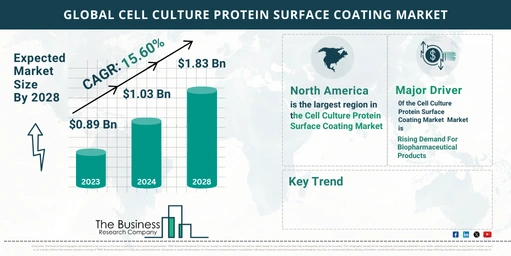
    • Current Growth: The cell culture protein surface coating market reached $0.89 billion in 2023. It is projected to grow to $1.03 billion by 2024, achieving a compound annual growth rate (CAGR) of 15.2%.
    • Future Projections: The market is expected to expand further to $1.83 billion by 2028, with a CAGR of 15.6%.

    Key Drivers of Growth

    1. Focus on Stem Cell Research: Increasing interest in stem cell research has significantly boosted market demand.
    2. Rise in Chronic Diseases: The growing prevalence of chronic diseases is driving the need for advanced cell culture techniques.
    3. Cell-Based Research: Enhanced focus on cell-based research contributes to the growing market.

    View More On The Cell Culture Protein Surface Coating Market Report 2024 – https://www.thebusinessresearchcompany.com/report/cell-culture-protein-surface-coating-global-market-report

    Factors Influencing Future Growth

    • Adoption of 3D Cell Culture: The integration of 3D cell culture technologies is expected to accelerate market growth.
    • Demand for Protein Therapeutics: Increased demand for protein-based therapeutics is a significant driver.
    • Healthcare Spending: Rising investments in healthcare and R&D are further fueling market expansion.
    • Technological Advancements: Innovations in high-throughput screening and new product launches are major trends.

    Impact of Biopharmaceuticals

    • Growing Demand: The rise in biopharmaceutical products, including recombinant DNA technology and monoclonal antibodies, is a key growth driver.
    • Cell Culture Optimization: Protein surface coatings enhance cell growth and production efficiency, crucial for developing high-quality biopharmaceuticals.
    • Market Data: As of Q1 2023, the number of cell, gene, and tissue-engineering therapeutic developers worldwide increased by 101% from the previous year, underscoring the sector’s expansion.

    Major Companies and Developments

    • Thermo Fisher Scientific Inc.: Acquired PeproTech, Inc. in January 2022 to bolster its recombinant protein capabilities. This acquisition aims to enhance its portfolio for supporting cell growth and biopharmaceutical development.
    • Other Key Players: Includes Merck KGaA, Corning Incorporated, Avantor Inc., Agilent Technologies Inc., and several others.

    Market Segmentation

    1. By Coating Type:
      • Pre-Coating
      • Multiwall or Microwell Plates
      • Flasks
      • Petri Dishes
      • Slides
      • Cover Slips
      • Self-Coating
    2. By Protein Source:
      • Animal-Derived Protein
      • Human-Derived Protein
      • Synthetic Protein
      • Plant-Derived Protein
    3. By Application:
      • Scientific Research
      • Industrial Production

    Regional Insights

    • North America: The largest market region in 2023.
    • Asia-Pacific: Expected to be the fastest-growing region during the forecast period.

    Conclusion
    The cell culture protein surface coating market is on a robust growth trajectory, driven by technological advancements, increased demand for biopharmaceuticals, and rising healthcare investments. With significant growth expected in the coming years, stakeholders and investors should keep an eye on emerging trends and regional developments to capitalize on opportunities in this dynamic market.

    Request A Sample Of The Global Cell Culture Protein Surface Coating Market Report 2024:
    https://www.thebusinessresearchcompany.com/sample_request?id=16369&type=smp

  • 5 Key Insights On The Bioidentical Hormones Market 2024

    5 Key Insights On The Bioidentical Hormones Market 2024

    The Business Research Company’s global market reports are now updated with the latest market sizing information for the year 2024 and forecasted to 2033

    As per The Business Research Company’s Bioidentical Hormones Global Market Report 2024, the bioidentical hormones market is expected to show significant growth in the forecast period.

    Market Overview

    • Current Market Size:
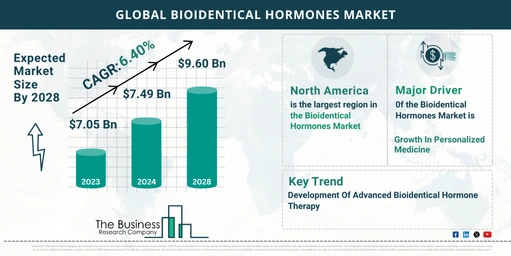
      • The bioidentical hormones market was valued at $7.05 billion in 2023 and is projected to grow to $7.49 billion in 2024, reflecting a compound annual growth rate (CAGR) of 6.3%.
    • Future Projections:
      • By 2028, the market is expected to expand to $9.60 billion at a CAGR of 6.4%.

    Drivers of Market Growth

    • Increased Awareness and Demand:
      • Rising awareness of hormone-related health issues and hormonal imbalances is driving market expansion.
      • The growing aging population and increasing healthcare expenditure are also contributing factors.
    • Shift Towards Alternative Medicine:
      • The demand for alternative medicine has spurred interest in bioidentical hormones, which offer personalized treatment options.

    View More On The Bioidentical Hormones Market Report 2024 – https://www.thebusinessresearchcompany.com/report/bioidentical-hormones-global-market-report

    Key Market Trends

    • Personalized Medicine:
      • Definition and Benefits:
        • Personalized medicine tailors treatments to individual characteristics such as genetics, aiming for optimized effectiveness and minimized side effects.
      • Impact on Bioidentical Hormones:
        • Bioidentical hormones align with personalized medicine by matching individual hormonal profiles, enhancing treatment efficacy.
      • Recent Developments:
        • In February 2024, the Personalized Medicine Coalition reported that the FDA approved 16 novel personalized therapies in 2023, highlighting the growing focus on customized treatments.
    • Advancements in Therapy:
      • Bioidentical Hormone Replacement Therapy (BHRT):
        • BHRT uses hormones identical to those naturally produced by the body to address hormonal imbalances.
      • New Products:
        • In May 2024, Jagsonpal Pharmaceuticals launched MemUp HRT, a single-pill bioidentical hormone therapy combining estradiol and progesterone. This innovation aims to improve patient compliance and management of menopause.

    Major Companies and Innovations

    • Leading Market Players:
      • Notable companies include Pfizer Inc., AbbVie Inc., Bayer AG, Abbott Laboratories Inc., and Merck KGaA.
      • These companies are advancing bioidentical hormone treatments and expanding their product offerings.
    • Strategic Acquisitions:
      • In January 2024, BioTE Medical acquired Asteria Health for $8.5 million. This acquisition enhances BioTE’s manufacturing capabilities and supply chain, strengthening its position in the market.

    Market Segmentation

    • By Type:
      • Estrogen, Progesterone, Testosterone, and other types.
    • By Product Type:
      • Tablets and Capsules, Creams and Gels, Patches and Implants, Injectables, and other types.
    • By Distribution Channel:
      • Hospital Pharmacies, Retail Pharmacies, Online Pharmacies, and other channels.
    • By Application:
      • Menopause Management, Hormone Replacement Therapy (HRT), Thyroid Disorders, Andropause Management.
    • By End-Use:
      • Hospitals, Gynecology Clinics, Research Laboratories, and other end-users.

    Regional Insights

    • North America:
      • Dominated the bioidentical hormones market in 2023 due to advanced healthcare infrastructure and high awareness.
    • Asia-Pacific:
      • Expected to be the fastest-growing region, driven by increasing healthcare investments and rising awareness of hormonal health.

    Conclusion

    • The bioidentical hormones market is set for substantial growth, fueled by the increasing focus on personalized medicine, advancements in hormone therapies, and strategic industry developments.
    • With innovations and expanding market access, the sector is well-positioned to address the rising demand for personalized and effective hormonal treatments in the coming years.

    Request A Sample Of The Global Bioidentical Hormones Market Report 2024:
    https://www.thebusinessresearchcompany.com/sample_request?id=16359&type=smp

  • Key Trends And Drivers In The Anticholinergic Drugs Market 2024

    Key Trends And Drivers In The Anticholinergic Drugs Market 2024

    The Business Research Company’s market reports offer an in-depth analysis on the market’s growth potential, major drivers, key trends and more.

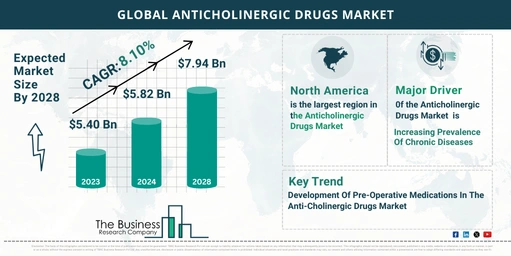
    The anticholinergic drugs market has witnessed significant growth recently, expanding from $5.40 billion in 2023 to an expected $5.82 billion in 2024, reflecting a robust CAGR of 7.7%. Several key factors have driven this growth:

    • Aging Population: The rising number of elderly individuals has led to an increased demand for medications to manage age-related conditions.
    • Chronic Diseases: The prevalence of chronic illnesses like Parkinson’s disease and COPD has contributed to higher demand for anticholinergic drugs.
    • Healthcare Infrastructure: Improved healthcare systems worldwide have facilitated better access to these medications.
    • Lifestyle Changes: Modern lifestyles and environmental factors have exacerbated conditions that anticholinergic drugs can treat.
    • Enhanced Diagnostics: Advances in diagnostic techniques have enabled earlier detection and treatment, boosting market demand.

    Future Growth Projections

    The anticholinergic drugs market is expected to continue its strong growth trajectory, reaching $7.94 billion by 2028, with a CAGR of 8.1%. Several factors will drive this future growth:

    • Healthcare Expenditure: Increased spending on healthcare, particularly in emerging markets, will fuel demand for anticholinergic drugs.
    • Expanding Applications: Broader applications of these drugs in various therapeutic areas will boost market expansion.
    • Patient Awareness: Growing awareness and education about available treatments will lead to higher adoption rates.
    • Personalized Treatment: A focus on personalized medicine will drive innovation and demand for tailored anticholinergic therapies.
    • Research Expansion: New research centers, especially in developing countries, will contribute to market growth.

    Read More On The Anticholinergic Drugs Market Report 2024 – https://www.thebusinessresearchcompany.com/report/anticholinergic-drugs-global-market-report

    Impact of Chronic Diseases on Market Growth

    Chronic diseases are a significant driver of the anticholinergic drugs market. These long-term conditions require ongoing medical management, often involving anticholinergic medications:

    • Increased Prevalence: The rising prevalence of chronic diseases is due to factors such as genetics, lifestyle, and environmental exposure to harmful substances.
    • Effective Management: Anticholinergic drugs play a crucial role in managing these diseases by mitigating excessive cholinergic activity in the body.
    • Growing Demand: As the global population ages, the number of people with chronic illnesses is expected to rise, further driving demand for these drugs.

    Technological Innovations and Strategic Collaborations

    Innovation is at the heart of the anticholinergic drugs market, with companies focusing on developing new products and forming strategic partnerships:

    • Pre-Operative Medications: Companies are developing innovative pre-operative anticholinergic medications to enhance surgical outcomes.
    • Product Innovation: The introduction of new formulations and drug delivery systems is expanding the market.
    • Collaborations: Strategic partnerships and acquisitions are enabling companies to broaden their product portfolios and improve drug delivery technologies.

    Case Study: Acquisition of Antares Pharma by Halozyme Therapeutics

    A significant development in the market was Halozyme Therapeutics Inc.’s acquisition of Antares Pharma Inc. in May 2022 for $960 million:

    • Portfolio Expansion: The acquisition aims to enhance Halozyme’s portfolio of self-administered parenteral pharmaceutical products, focusing on advanced drug delivery systems.
    • Strategic Focus: This move underscores the importance of innovation and strategic growth in the anticholinergic drugs market.

    Market Segmentation and Regional Insights

    The anticholinergic drugs market is segmented based on type, route of administration, application, and distribution channel:

    • Type: Includes synthetic, natural, and semi-synthetic compounds.
    • Route of Administration: Parental, oral, and topical.
    • Application: Overactive bladder, Parkinson’s disease, COPD, muscle spasms, and irritable bowel syndrome.
    • Distribution Channel: Hospital pharmacies, retail pharmacies, and online pharmacies.

    Regional Insights:

    • North America: The largest market for anticholinergic drugs in 2023.
    • Asia-Pacific: Expected to be the fastest-growing region during the forecast period, driven by expanding healthcare infrastructure and increasing healthcare expenditure.

    Conclusion

    The anticholinergic drugs market is poised for continued growth, driven by rising healthcare needs, innovative products, and strategic industry moves. As the market evolves, key players will likely continue to expand their offerings, focusing on personalized medicine and advanced drug delivery systems.

    Request for A Sample Of The Global Anticholinergic Drugs Market Report:
    https://www.thebusinessresearchcompany.com/sample_request?id=16340&type=smp

  • Angina Market Report 2024: Market Size, Drivers, And Trends

    Angina Market Report 2024: Market Size, Drivers, And Trends

    The Business Research Company’s global market reports are now updated with the latest market sizing information for the year 2024 and forecasted to 2033

    Overview of Market Growth

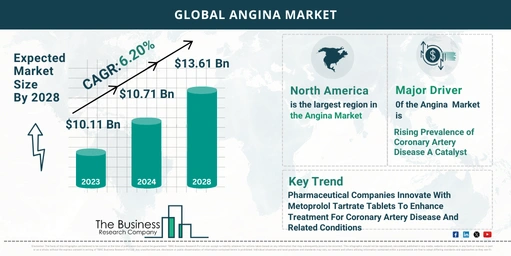
    • The angina market has shown strong growth, increasing from $10.11 billion in 2023 to $10.71 billion in 2024 at a CAGR of 5.9%.
    • This growth is driven by factors such as the rising prevalence of coronary heart disease, increased use of vasodilators, and advancements in diagnostic capabilities.
    • The market is projected to continue its upward trajectory, reaching $13.61 billion by 2028, with a CAGR of 6.2%.

    Factors Driving Growth

    • Prevalence of Coronary Artery Disease (CAD):
      • The increasing cases of CAD, caused by lifestyle changes and genetic factors, are fueling the demand for angina treatments.
      • Angina is critical for diagnosing CAD, guiding treatment, and informing public health strategies.
    • Advancements in Diagnosis and Treatment:
      • Improved diagnostic techniques, including advanced imaging, have enhanced the detection and management of angina.
      • Technological advancements in angioplasty, stenting, and gene therapy are contributing to better outcomes for patients.
    • Rising Demand for Medications:
      • Growing awareness of cardiovascular health has increased the demand for medications, particularly in retail pharmacy settings.
      • The market is seeing significant interest in beta blockers, nitrates, calcium channel blockers, and ACE inhibitors.

    View More On The Angina Market Report 2024 – https://www.thebusinessresearchcompany.com/report/angina-global-market-report

    Key Market Trends

    • Technological Innovations:
      • Early diagnosis is being revolutionized by new imaging techniques, helping healthcare providers detect angina and related conditions more efficiently.
      • Advancements in angioplasty and stenting are making these procedures safer and more effective.
    • Emerging Treatments:
      • New gene therapy approaches are being explored to provide targeted treatments for patients with coronary artery disease.
      • The demand for coronary stents is rising, driven by the increasing number of angioplasty procedures.

    Market Players and Innovations

    • Leading Companies:
      • Major players in the angina market include Pfizer Inc., Johnson & Johnson, Merck & Co Inc., Bayer AG, Sanofi S.A., Novartis AG, and AstraZeneca PLC.
      • These companies are focusing on developing innovative treatments to address the growing burden of angina and related cardiovascular conditions.
    • Metoprolol Tartrate Tablets:
      • Pharmaceutical companies are introducing new medications, such as metoprolol tartrate tablets, to enhance the treatment of angina and CAD.
      • Zydus received FDA approval in April 2023 to market generic metoprolol tartrate tablets, which are used to treat hypertension and angina.

    Strategic Acquisitions

    • Novo Nordisk’s Acquisition of Cardior Pharmaceuticals:
      • In March 2024, Novo Nordisk acquired Cardior Pharmaceuticals for $1.10 billion, aiming to strengthen its cardiovascular disease portfolio.
      • Cardior’s RNA-based therapeutics, particularly CDR132L for heart failure, are expected to play a significant role in Novo Nordisk’s future offerings.

    Regional Insights

    • North America:
      • North America was the largest market for angina in 2023, driven by advanced healthcare infrastructure and high prevalence of CAD.
    • Asia-Pacific:
      • Asia-Pacific is expected to be the fastest-growing region in the coming years, driven by increasing awareness of cardiovascular health and rising healthcare investments.

    Conclusion

    • The angina market is poised for continued growth, driven by the rising prevalence of coronary artery disease, technological advancements, and strategic initiatives by key players.
    • With a focus on innovation and expanding treatment options, the market is set to offer significant opportunities for companies and healthcare providers in the years ahead.

    Request A Sample Of The Global Angina Market Report 2024:
    https://www.thebusinessresearchcompany.com/sample_request?id=16337&type=smp