Blog

  • What Is The Forecast Growth Rate For The PEGylated Proteins Market?

    What Is The Forecast Growth Rate For The PEGylated Proteins Market?

    The Business Research Company’s market reports offer an in-depth analysis on the market’s growth potential, major drivers, key trends and more.

    Overview of Market Growth

    • Current Market Size: The PEGylated proteins market reached $1.29 billion in 2023.
    • Projected Growth: Expected to grow to $1.47 billion in 2024, with a compound annual growth rate (CAGR) of 13.7%.
    • Future Outlook: Anticipated to expand further to $2.47 billion by 2028, with a CAGR of 13.8%.

    Key Drivers of Growth

    • Improved Therapeutic Efficacy: Enhanced effectiveness of drugs due to PEGylation.
    • Aging Population: Increased demand driven by a growing elderly demographic.
    • Long-Acting Formulations: Greater need for medications with prolonged effects.
    • Enhanced Drug Safety: Improved safety profiles of PEGylated proteins.
    • Targeted Drug Delivery: Expansion into targeted drug delivery systems.

    Factors Influencing Future Growth

    • Investment in Rare Diseases: Increased funding for treatments of rare conditions.
    • Biopharmaceutical Industry Expansion: Rapid growth in the biopharmaceutical sector.
    • Precision Medicine: Tailoring treatments to individual needs.
    • Biosimilar Competition: Rising competition from biosimilars.
    • Innovative Market Strategies: Adoption of new approaches to market access.

    Read More On The PEGylated Proteins Market Report 2024 – https://www.thebusinessresearchcompany.com/report/pegylated-proteins-global-market-report

    Major Trends to Watch

    • Digital Health Integration: Incorporation of digital technologies in healthcare.
    • Next-Generation Pegylation: Advancements in PEGylation technologies.
    • Customized Formulations: Development of treatments tailored to precision medicine.
    • Combination Therapies: Focus on therapies combining multiple treatments.
    • Patient-Centric Models: Shift towards healthcare models centered on patient needs.

    Impact of Lifestyle Diseases

    • Rising Lifestyle Diseases: Increase in health conditions caused by poor lifestyle choices.
    • Therapeutic Applications: PEGylated proteins improve treatment for cardiovascular diseases, diabetes, and cancer.
    • Statistics: Cardiovascular disease deaths projected to exceed 22.2 million by 2030. Diabetes affects 537 million adults globally.

    Key Market Players

    • Major Companies: Merck & Co., Bayer AG, Bristol Myers Squibb, AstraZeneca, Roche, Gilead Sciences, Novo Nordisk, Evonik Industries, and others.
    • Innovative Developments: Launch of PEGylation reagents like DSPE-PEG-Maleimide for targeted drug delivery.

    Noteworthy Acquisitions

    • Merck KGaA Acquisition: Purchased Exelead Inc. for $793 million to bolster its mRNA therapeutic portfolio and PEGylated product offerings.

    Market Segmentation

    1. By Product: Includes consumables, PEGylation kits, monofunctional and bifunctional PEGs, and services.
    2. By Protein Type: Colony Stimulating Factors, Interferons, Erythropoietin, and other proteins.
    3. By Application: Cancer treatment, hepatitis, chronic kidney diseases, hemophilia, and more.
    4. By End User: Pharmaceuticals, biotechnology companies, contract research organizations, and academic research institutes.

    Regional Insights

    • Leading Region: North America held the largest market share in 2023.

    The PEGylated proteins market is poised for continued expansion, driven by innovations, increased healthcare demands, and evolving treatment paradigms.

    Request for A Sample Of The Global PEGylated Proteins Market Report:
    https://www.thebusinessresearchcompany.com/sample_request?id=16145&type=smp

  • Key Insights On The Pediatric Supplements Market 2024 – Size, Driver, And Major Players

    Key Insights On The Pediatric Supplements Market 2024 – Size, Driver, And Major Players

    The Business Research Company’s global market reports are now updated with the latest market sizing information for the year 2024 and forecasted to 2033

    As per The Business Research Company’s Pediatric Supplements Global Market Report 2024, the pediatric supplements market is expected to show significant growth in the forecast period.

    Market Overview

    The pediatric supplements market has witnessed robust growth in recent years and is set to continue its upward trajectory.

    • Current Market Size: $3.65 billion in 2023
    • Projected Market Size: $3.92 billion in 2024
    • Compound Annual Growth Rate (CAGR): 7.4%

    This growth can be attributed to several factors, including a rise in nutritional deficiencies among children, increased consumer awareness, and the expansion of e-commerce.

    Future Projections

    Looking ahead, the pediatric supplements market is expected to experience even stronger growth.

    • Projected Market Size by 2028: $5.25 billion
    • Forecasted CAGR: 7.6%

    Key drivers of this growth include:

    • Rising Demand: Increased need for purified protein supplements.
    • Healthcare Spending: Higher expenditure on pediatric health.
    • Health Trends: Growing interest in health and wellness.
    • Population Growth: Expansion in the number of children.

    View More On The Pediatric Supplements Market Report 2024 – https://www.thebusinessresearchcompany.com/report/pediatric-supplements-global-market-report

    Rising Nutritional Deficiencies

    Nutritional deficiencies are a major driver of market growth.

    • Impact: Essential nutrients are critical for child development and overall health.
    • Contributing Factors: Processed foods high in empty calories and low in essential nutrients.
    • Market Response: Pediatric supplements provide necessary nutrients, helping to address these deficiencies.

    For instance, in 2022, UNICEF’s malnutrition prevention programs reached 356.3 million children and mothers, highlighting the growing need for such supplements.

    Innovations in Pediatric Supplements

    Innovation is a significant trend within the pediatric supplements market.

    • Natural Ingredients: Focus on organic and natural ingredients, such as vitamin D and probiotics.
    • Product Examples: Bobbie’s launch of organic vitamin D and probiotic drops in February 2024. These products are designed to support bone health, immune function, and address common deficiencies.

    Strategic Acquisitions

    Strategic moves are also shaping the market landscape.

    • Notable Acquisition: JB Pharma acquired four pediatric brands from Dr. Reddy’s Laboratories in July 2022 for $8.23 million.
    • Purpose: To enhance JB Pharma’s domestic presence and expand its pediatric product offerings.

    Market Segmentation

    The pediatric supplements market is segmented into several categories:

    1. By Product Type: Includes vitamins, minerals, probiotics, omega-3 fatty acids, amino acids, and other types.
    2. By Form: Available in gummies, chewables, liquids, powders, tablets, and other forms.
    3. By Distribution Channel: Sold through pharmacies, supermarkets, online retailers, specialty stores, and other channels.
    4. By Age Group: Targets infants, toddlers, middle childhood, and adolescents.
    5. By Application: Focuses on immunity enhancement, brain and cognitive support, bone and teeth support, gastrointestinal support, general well-being, and other applications.

    Regional Insights

    Regional trends highlight significant growth opportunities.

    • Largest Region in 2023: North America
    • Fastest-Growing Region: Asia-Pacific

    Conclusion

    The pediatric supplements market is on a strong growth trajectory, driven by rising nutritional deficiencies, innovative product developments, strategic acquisitions, and increasing consumer demand for health-focused solutions. With projected significant growth in the coming years, stakeholders in this market are well-positioned to capitalize on these emerging opportunities.

    Request A Sample Of The Global Pediatric Supplements Market Report 2024:
    https://www.thebusinessresearchcompany.com/sample_request?id=16144&type=smp

  • Overview Of The Orthobiologics Market 2024-2033: Growth And Major Players Analysis

    Overview Of The Orthobiologics Market 2024-2033: Growth And Major Players Analysis

    The Business Research Company’s global market reports are now updated with the latest market sizing information for the year 2024 and forecasted to 2033

    Market Growth Overview

    • Current Market Size: The orthobiologics market was valued at $6.65 billion in 2023.
    • Short-Term Growth: Expected to rise to $7.08 billion in 2024, with a CAGR of 6.4%.
    • Long-Term Growth: Projected to reach $9.12 billion by 2028, growing at a CAGR of 6.5%.

    Factors Driving Growth

    • Historical Growth Drivers:
      • Increase in orthopedic diseases and conditions.
      • Shift towards minimally invasive procedures.
      • Rise in reconstructive surgeries.
      • Growing healthcare expenditure.
      • Enhanced awareness among patients and providers.
      • Economic development in emerging markets.
    • Future Growth Drivers:
      • Aging population and sedentary lifestyles.
      • Continuous advancement in orthobiologic products.
      • Favorable reimbursement policies.
      • New regulatory approvals.
      • Expanded indications for existing products.

    View More On The Orthobiologics Market Report 2024 – https://www.thebusinessresearchcompany.com/report/orthobiologics-global-market-report

    Trends Influencing the Market

    • Regenerative Medicine: Advances in regenerative medicine are driving innovation.
    • Product Innovations: New and improved products are emerging.
    • Technological Advancements: Cutting-edge technologies are being developed.
    • Strategic Initiatives: Companies are engaging in strategic moves to capture market share.
    • Market Expansion: Growing markets in various regions are contributing to overall growth.

    Impact of Sports Injuries and Road Accidents

    • Growth from Injuries:
      • Increased number of road accidents and sports injuries.
      • High incidence of musculoskeletal damage from these events.
    • Treatment Benefits:
      • Orthobiologics aid in faster healing and reducing inflammation.
      • Utilization of bone grafts, growth factors, stem cells, and platelet-rich plasma.
    • Statistics:
      • In 2021, US motor vehicle crash fatalities increased by 10.5%, totaling approximately 42,915 deaths.

    Innovative Developments

    • Dry Allograft Mixtures:
      • New solutions like dry allograft mixtures are enhancing bone healing.
      • Example: Fibrant Liberty allograft by Isto Biologics features robust cortical fibers that support new bone formation and prevent graft migration.

    Recent Major Acquisitions

    • Zimmer Biomet and Embody:
      • In February 2023, Zimmer Biomet acquired Embody Inc. for $155 million.
      • This acquisition supports Zimmer Biomet’s commitment to innovation in sports medicine with collagen-based biologic products.

    Market Segmentation

    • By Product Type:
      • Viscosupplements, Bone Growth Factors, Demineralized Bone Matrix, Synthetic Bone Substitutes, Cellular Allograft, Other Products.
    • By Application:
      • Spinal Fusion, Maxillofacial and Dental, Soft Tissue Repair, Reconstructive and Fracture Surgery, Other Applications.
    • By End User:
      • Hospitals, Orthopedic Clinics, Ambulatory Surgery Centers, Other End Users.

    Regional Insights

    • North America: Dominated the orthobiologics market in 2023.
    • Asia-Pacific: Expected to be the fastest-growing region in the forecast period.

    In summary, the orthobiologics market is on a strong upward trajectory, driven by advances in medical technology, increasing prevalence of injuries, and expanding market opportunities. The sector is poised for substantial growth, with innovative developments and strategic acquisitions shaping its future.

    Request A Sample Of The Global Orthobiologics Market Report 2024:
    https://www.thebusinessresearchcompany.com/sample_request?id=16139&type=smp

  • How Is The Oral Solid Dosage Contract Manufacturing Market Expected To Grow Through 2024-2033

    How Is The Oral Solid Dosage Contract Manufacturing Market Expected To Grow Through 2024-2033

    The Business Research Company’s global market reports are now updated with the latest market sizing information for the year 2024 and forecasted to 2033

    According to The Business Research Company’s Oral Solid Dosage Contract Manufacturing Global Market Report 2024, the oral solid dosage contract manufacturing market is expected to show promising growth in the forecast period.

    The oral solid dosage contract manufacturing market has experienced significant growth in recent years and is poised for further expansion. As of 2023, the market size was valued at $36.70 billion and is expected to reach $39.39 billion by 2024, reflecting a compound annual growth rate (CAGR) of 7.3%. This robust growth is driven by several factors including an increasing global population, the rising prevalence of chronic diseases, and heightened focus on research and development. Looking ahead, the market is projected to grow to $52.94 billion by 2028, maintaining the same CAGR of 7.3%. The future growth can be attributed to increased outsourcing by pharmaceutical companies, advancements in drug delivery technologies, and heightened drug development activities.

    Key Drivers of Market Growth

    • Outsourcing by Pharmaceutical Companies: Many pharmaceutical companies are increasingly outsourcing their manufacturing processes to focus on core competencies, such as drug discovery and development. This trend is expected to continue, driving demand for oral solid dosage contract manufacturing.
    • Advancements in Drug Delivery Technology: Innovations in drug delivery systems, such as controlled-release technologies and 3D printing, are enhancing the efficiency and effectiveness of drug delivery, contributing to market growth.
    • Increasing Drug Development Activities: The rise in drug development activities, driven by the need for new and effective treatments, is fueling demand for contract manufacturing services.

    Rising Demand for Generic Drugs
    The demand for generic drugs is a major factor propelling the growth of the oral solid dosage contract manufacturing market. Generic drugs, which are bioequivalent to brand-name drugs, are increasingly favored due to their cost-effectiveness and patent expirations. This demand is supported by regulatory incentives and expanding healthcare access. For instance, in 2022, the FDA reported that 91% of prescriptions in the USA were filled with generic drugs. The contract manufacturing sector plays a crucial role in producing and distributing these generics by enhancing operational efficiency and reducing costs. This trend is expected to drive market growth as the industry continues to meet the rising demand for affordable medications.

    View More On The Oral Solid Dosage Contract Manufacturing Market Report 2024 – https://www.thebusinessresearchcompany.com/report/oral-solid-dosage-contract-manufacturing-global-market-report

    Major Companies and Innovations

    • Innovative Manufacturing Solutions: Leading companies in the oral solid dosage contract manufacturing market are investing in innovative solutions to maintain competitiveness. For example, WuXi STA, a Chinese pharmaceutical company, launched its first continuous manufacturing line for oral solid products in January 2023. This state-of-the-art facility leverages continuous manufacturing processes to enhance production efficiency, quality, and flexibility.
    • Strategic Acquisitions: In August 2022, Catalent Inc. acquired Metrics Contract Services for $475 million, aiming to boost its capabilities in oral solid dosage forms. This acquisition highlights the trend of strategic expansions to enhance manufacturing capabilities and meet the growing demand.

    Market Segmentation
    The oral solid dosage contract manufacturing market is segmented into various categories:

    1. By Product Type: Includes tablets, capsules, powders, granules, and other types.
    2. By Service: Encompasses drug product development, fill-finish product manufacturing, API manufacturing, packaging and labeling, among others.
    3. By Therapeutic Area: Covers oncology, cardiovascular diseases, metabolic disorders, neurological disorders, infectious diseases, gastrointestinal diseases, and other areas.
    4. By End User: Differentiates between large companies and medium/small-sized companies.

    Regional Insights
    Asia-Pacific was the largest region in the oral solid dosage contract manufacturing market in 2023. The region’s growth is driven by its expanding pharmaceutical industry and increasing outsourcing trends.

    In conclusion, the oral solid dosage contract manufacturing market is on a strong growth trajectory, fueled by rising demand for generic drugs, technological advancements, and strategic industry developments. As pharmaceutical companies continue to seek efficient and cost-effective manufacturing solutions, the market is set to expand further in the coming years.

    Request A Sample Of The Global Oral Solid Dosage Contract Manufacturing Market Report 2024:
    https://www.thebusinessresearchcompany.com/sample_request?id=16137&type=smp

  • 5 Key Insights On The Nuclear Medicine Radioisotopes Market 2024

    5 Key Insights On The Nuclear Medicine Radioisotopes Market 2024

    The Business Research Company’s global market reports are now updated with the latest market sizing information for the year 2024 and forecasted to 2033

    As per The Business Research Company’s Nuclear Medicine Radioisotopes Global Market Report 2024, the nuclear medicine radioisotope market is expected to show significant growth in the forecast period.

    Market Overview
    The nuclear medicine radioisotopes market has demonstrated substantial growth recently. From a valuation of $7.57 billion in 2023, it is projected to increase to $8.21 billion in 2024, marking a compound annual growth rate (CAGR) of 8.4%. This expansion is largely attributed to historical advancements such as the discovery of radioactivity, the rise of nuclear medicine, and the growing therapeutic and research applications.

    • 2023 Market Size: $7.57 billion
    • 2024 Projected Size: $8.21 billion
    • CAGR: 8.4%

    Future Projections
    Looking ahead, the market is expected to grow even more robustly. By 2028, it is anticipated to reach $11.44 billion, driven by a CAGR of 8.7%. Key factors fueling this growth include rising healthcare expenditure, enhanced healthcare infrastructure, and heightened environmental awareness.

    • 2028 Projected Size: $11.44 billion
    • CAGR: 8.7%
    • Growth Drivers: Increased healthcare spending, healthcare infrastructure expansion, environmental sustainability awareness

    View More On The Nuclear Medicine Radioisotopes Market Report 2024 – https://www.thebusinessresearchcompany.com/report/nuclear-medicine-radioisotopes-global-market-report

    Impact of Cardiovascular Diseases
    The rising incidence of cardiovascular diseases significantly contributes to the market’s growth. These conditions, influenced by sedentary lifestyles, poor diets, and aging populations, benefit from nuclear medicine radioisotopes in diagnosing and managing heart conditions. The Centers for Disease Control and Prevention (CDC) reported an increase in coronary heart disease prevalence, highlighting the growing demand for diagnostic solutions.

    • Contributing Factors: Sedentary lifestyle, poor diet, obesity, aging population
    • Diagnostic Benefits: Detailed cardiac function assessment, perfusion evaluation, tissue viability analysis

    Technological Innovations
    Technological advancements are pivotal in driving innovation within the market. Noteworthy developments include compact, low-energy cyclotrons, which improve radioisotope production and accessibility. For example, IBA’s Cyclone Key, launched in January 2022, offers enhanced diagnostic solutions with features such as automated operation, high performance, and ease of installation.

    • Innovation Example: IBA Cyclone Key
    • Features: Compact design, automated operation, multiple isotope production

    Strategic Acquisitions
    In April 2024, Telix Pharmaceuticals acquired ARTMS to bolster its nuclear medicine capabilities. ARTMS, known for its novel radioisotope technology, will enhance Telix’s production and range of radiopharmaceuticals, signaling a strategic move to expand market offerings and production efficiency.

    • Acquirer: Telix Pharmaceuticals
    • Acquired Company: ARTMS
    • Strategic Goals: Strengthen nuclear medicine capabilities, optimize production

    Market Segmentation
    The nuclear medicine radioisotopes market is segmented into various categories:

    1. By Type: Includes Technetium-99m (Tc-99m), Iodine-123, Fluorine-18, and others.
    2. By Application: Oncology, Cardiology, Thyroid, Neurology, etc.
    3. By End-User: Hospitals, Diagnostic Centers, Specialty Clinics, Research Institutes.

    Regional Insights
    North America held the largest share of the market in 2023. However, the Asia-Pacific region is expected to be the fastest-growing area in the coming years, driven by increasing healthcare investments and technological advancements.

    • Largest Market Region (2023): North America
    • Fastest-Growing Region (Forecast Period): Asia-Pacific

    In conclusion, the nuclear medicine radioisotopes market is on a strong growth trajectory, driven by technological innovations, increasing disease prevalence, and strategic market expansions. As the healthcare sector continues to evolve, the demand for advanced diagnostic and therapeutic solutions in nuclear medicine will likely see sustained growth.

    Request A Sample Of The Global Nuclear Medicine Radioisotopes Market Report 2024:
    https://www.thebusinessresearchcompany.com/sample_request?id=16132&type=smp

  • Future Growth Forecast For The Neurogenetic Testing Global Market 2024-2033

    Future Growth Forecast For The Neurogenetic Testing Global Market 2024-2033

    The Business Research Company’s global market reports provide comprehensive analysis on the various markets in 27 industries across 60 geographies.

    Introduction
    The neurogenetic testing market has witnessed significant expansion in recent years, driven by various factors and emerging trends. This article explores the current state and future projections of the market, focusing on key drivers and innovations shaping its trajectory.

    Market Overview

    • Current Size and Growth: The neurogenetic testing market was valued at $0.54 billion in 2023 and is projected to reach $0.61 billion in 2024. This represents a compound annual growth rate (CAGR) of 13.3%.
    • Historical Growth Drivers: The market’s recent growth can be attributed to:
      • Increased prevalence of neurological diseases
      • Expansion of life science research
      • Rising cases of Parkinson’s disease and cancer
      • Growing awareness among healthcare professionals

    Future Projections

    • Expected Growth: By 2028, the market is anticipated to expand to $1.02 billion, with a CAGR of 13.6%.
    • Forecast Drivers:
      • Expanding applications in personalized medicine
      • Rising prevalence of chronic diseases
      • Increase in hospitals and diagnostic laboratories
      • Growing demand for early disease detection

    View More On The Neurogenetic Testing Market Report 2024 – https://www.thebusinessresearchcompany.com/report/neurogenetic-testing-global-market-report

    Key Trends Shaping the Future

    • Technological Advancements: Continued innovation in neurogenetic testing technologies.
    • Non-Invasive Testing: Greater adoption of less invasive testing methods.
    • New Product Development: Emergence of novel diagnostic tools and techniques.
    • Strategic Collaborations: Increased partnerships between companies and research institutions.
    • Novel Biomarkers: Identification of new biomarkers for neurological conditions.

    Rising Prevalence of Neurological Disorders

    • Impact on Market: The increasing incidence of neurological disorders is a significant driver of market growth. These conditions affect the nervous system and include a variety of genetic, infectious, and degenerative diseases.
    • Diagnostic and Treatment Benefits: Neurogenetic testing offers personalized insights into genetic risks, improving diagnosis and treatment. It helps guide treatment decisions and empowers patients and families.
    • Statistics: Over 600 neurological diseases and nearly 300 psychiatric conditions affect millions globally. In Europe alone, 10.5 million people have dementia, with projections reaching 18.7 million by 2050.

    Innovative Products Driving Market Expansion

    • Whole-Genome Sequencing (WGS): This advanced method provides a complete DNA sequence of an individual’s genome, enhancing diagnostic accuracy.
    • Recent Developments: In March 2024, Nucleus Genomics launched a new DNA analysis product that offers deeper genetic insights, empowering individuals to make informed health decisions.
    • Market Players: Leading companies are focusing on developing innovative products and solutions to advance genetic testing capabilities.

    Market Segmentation

    • By Type:
      • Microarray Analysis
      • Whole-Exome Sequencing (WES)
      • Multiplex Ligation Dependent Probe Amplification (MLPA)
      • Polymerase Chain Reaction (PCR) Tests
      • Other Types
    • By Disease:
      • Rare Genetic Disorders
      • Cancer
      • Cystic Fibrosis
      • Sickle Cell Anemia
      • Duchenne Muscular Dystrophy
      • Thalassemia
      • Huntington’s Disease
      • Fragile X Syndrome
      • Other Diseases
    • By End-Users:
      • Hospitals
      • Specialty Clinics
      • Research Institutes
      • Diagnostic Laboratories

    Regional Insights

    • North America: Held the largest market share in 2023.
    • Asia-Pacific: Expected to be the fastest-growing region during the forecast period.

    Conclusion
    The neurogenetic testing market is on a robust growth trajectory, fueled by advancements in technology, rising prevalence of neurological disorders, and increasing demand for personalized medicine. As innovations continue to emerge and market dynamics evolve, the sector is poised for significant expansion in the coming years.

    Request A Sample Of The Global Neurogenetic Testing Market Report 2024:
    https://www.thebusinessresearchcompany.com/sample_request?id=16131&type=smp

  • Whole Slide Imaging Market Growth Analysis Till 2033 By The Business Research Company

    Whole Slide Imaging Market Growth Analysis Till 2033 By The Business Research Company

    The Business Research Company’s market reports offer an in-depth analysis on the market’s growth potential, major drivers, key trends and more.

    The whole slide imaging (WSI) market has experienced substantial growth in recent years, driven by advancements in digital pathology and increasing demands for accurate diagnostics. This blog explores the current market trends, drivers, and future projections for WSI.

    Market Overview

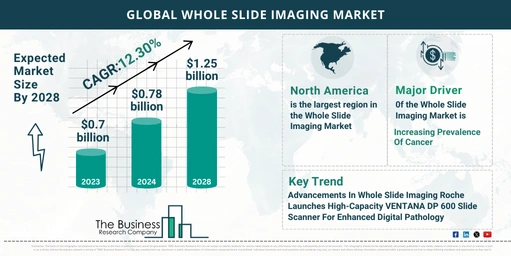
    • 2023 Market Size: $0.70 billion
    • 2024 Market Size: $0.79 billion
    • CAGR (2023-2024): 12.1%

    The whole slide imaging market is set for continued expansion. The growth from $0.70 billion in 2023 to $0.79 billion in 2024 reflects a robust compound annual growth rate (CAGR) of 12.1%. This growth is fueled by several factors, including the rising prevalence of cancer, increased adoption of digital pathology, and government support.

    Future Projections

    • 2028 Market Size: $1.25 billion
    • CAGR (2024-2028): 12.3%

    The market is expected to reach $1.25 billion by 2028, with a CAGR of 12.3%. This forecast growth is attributed to:

    • Rising chronic disease prevalence
    • Increased adoption of cloud-based solutions
    • Demand for quicker diagnostic results
    • Growing popularity of virtual slides
    • Significant research in drug development

    Key Trends Driving Market Growth

    1. Integration with AI: Artificial intelligence is becoming crucial in enhancing the accuracy and efficiency of whole slide imaging, contributing to better diagnostic outcomes.
    2. Digital Pathology Adoption: There is a growing shift towards digital pathology, with more institutions adopting WSI for its benefits in accuracy and accessibility.
    3. Technological Innovations: Advances in technology are leading to more efficient and high-resolution imaging solutions.
    4. Strategic Partnerships: Collaborations and partnerships among major companies are fostering market expansion and innovation.

    Read More On The Whole Slide Imaging Market Report 2024 – https://www.thebusinessresearchcompany.com/report/whole-slide-imaging-global-market-report

    Impact of Cancer Prevalence

    The increasing prevalence of cancer significantly drives the demand for whole slide imaging. Cancer, characterized by uncontrolled cell growth, affects millions globally and requires precise diagnostic tools. Whole slide imaging enhances cancer diagnosis and treatment by providing detailed digital representations of tissue samples. This capability improves diagnostic accuracy and treatment planning, contributing to better patient outcomes.

    • 2022 New Cancer Cases: 20 million
    • Expected 2050 Cases: 35 million

    According to the American Society of Clinical Oncology, the prevalence of cancer is rising, which fuels the need for advanced diagnostic tools like whole slide imaging.

    Major Companies in the Market

    The whole slide imaging market features several leading players:

    • General Electric Company
    • F. Hoffmann-La Roche AG
    • Koninklijke Philips N.V.
    • Olympus Corporation
    • Nikon Corporation
    • PerkinElmer Inc.
    • Beckman Coulter Inc.
    • Leica Biosystems GmbH
    • Hamamatsu Photonics KK
    • Sectra AB
    • PathAI
    • OptraSCAN
    • Paige.AI
    • Indica Labs

    These companies are at the forefront of market innovation and development, providing high-capacity slide scanners and other advanced technologies.

    Recent Developments

    1. Roche’s High-Capacity VENTANA DP 600:
      • Launch Date: June 2022
      • Features: High-resolution digital imaging of stained tissue samples, aiding in cancer diagnosis and personalized treatment.
    2. Exor NV’s Acquisition of Royal Philips NV:
      • Date: August 2023
      • Investment: €2.6 billion ($2.8 billion)
      • Objective: To support Philips’ healthcare technology strategy, including whole slide imaging advancements.

    Market Segmentation

    • By Type: Hardware, Software, Services
    • By Application: Telepathology, Cytopathology, Immunohistochemistry, Hematopathology
    • By End User: Academic Institutes, Research, Other End Users

    Regional Insights

    • North America: Largest market in 2023
    • Asia-Pacific: Expected to be the fastest-growing region in the forecast period

    In summary, the whole slide imaging market is set for continued growth driven by technological advancements, increasing cancer prevalence, and expanding applications in digital pathology. The future looks promising with significant innovations and strategic developments shaping the market landscape.

    Request for A Sample Of The Global Whole Slide Imaging Market Report:
    https://www.thebusinessresearchcompany.com/sample_request?id=16214&type=smp

  • Growth Trajectory Of The Virtual Reality (VR) In Medical Simulation Market 2024-2033

    Growth Trajectory Of The Virtual Reality (VR) In Medical Simulation Market 2024-2033

    The Business Research Company’s global market reports are now updated with the latest market sizing information for the year 2024 and forecasted to 2033

    Market Overview

    The virtual reality (VR) in medical simulation market has seen remarkable growth in recent years, driven by advancements in technology and increasing demand for immersive training solutions.

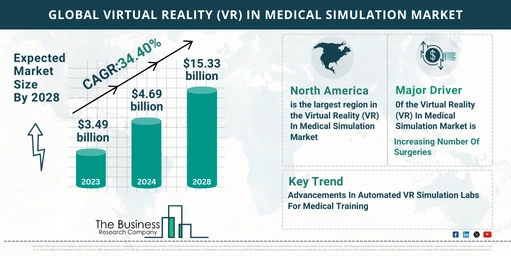
    • 2023 Market Size: $3.50 billion
    • 2024 Market Size: $4.70 billion
    • 2024 Growth Rate: 34.3% CAGR
    • 2028 Market Size: $15.33 billion
    • 2028 Growth Rate: 34.4% CAGR

    Key Drivers of Growth

    The impressive growth of VR in medical simulation can be attributed to several factors:

    • Enhanced Training Applications: VR provides realistic and immersive training environments for medical professionals.
    • Increased Demand for Patient Safety: VR simulations help in minimizing errors and improving patient outcomes.
    • Rising Healthcare Costs: VR offers cost-effective training solutions compared to traditional methods.
    • Regulatory Compliance: VR aids in meeting stringent regulatory standards for medical training.

    Future Growth Drivers

    Looking ahead, the VR in medical simulation market is expected to continue its rapid expansion due to:

    • AI Integration: Advanced AI technologies are being incorporated for adaptive learning and personalized training.
    • Remote Training Solutions: Increased focus on remote and virtual training methods, especially in light of recent global trends.
    • Expansion of Telemedicine: Growth in telemedicine is driving the need for advanced VR training tools.
    • Personalized Learning Experiences: Growing demand for tailored educational experiences in medical training.
    • Regulatory Support: Continued support for innovative training methods by regulatory bodies.

    View More On The Virtual Reality (VR) In Medical Simulation Market Report 2024 – https://www.thebusinessresearchcompany.com/report/virtual-reality-vr-in-medical-simulation-global-market-report

    Rising Number of Surgeries Boosting VR Demand

    The increasing number of surgeries is a significant factor driving the VR in medical simulation market:

    • Surgical Trends: Surgeons are performing more procedures due to advancements in medical technology and techniques.
    • Immersive Training: VR provides realistic simulations of complex surgical scenarios, enhancing the training of medical professionals.
    • Surgeon Training: For instance, in January 2023, the International Society of Aesthetic Plastic Surgery reported a 19.3% increase in total medical procedures, with surgical procedures rising by 18.5% compared to 2020.

    Major Companies Leading the Market

    Several prominent companies are shaping the VR in medical simulation market with innovative solutions:

    • Qualcomm Technologies Inc.
    • Siemens Healthineers AG
    • CAE Healthcare Inc.
    • Brainlab AG
    • Surgical Science Sweden AB
    • Osso VR Inc.
    • Mentice AB
    • Augmedics
    • VirtaMed AG
    • Health Scholars Inc.
    • AppliedVR Inc.

    Advancements in Automated VR Simulation Labs

    Innovative developments in automated VR simulation labs are enhancing medical training:

    • Advanced Facilities: Automated labs replicate surgical environments, providing realistic simulations for medical professionals.
    • New Launches: For example, MediSim VR launched an advanced automated VR simulation lab at Puducherry Institute of Medical Sciences in May 2022. This facility integrates AI-powered tools to enhance competency assessment and training.

    Strategic Acquisitions Expanding Capabilities

    Strategic acquisitions are also expanding capabilities in the VR market:

    • Labster’s Acquisition:

      In October 2021, Labster acquired UbiSim Inc., expanding its nursing education portfolio and enhancing access to high-quality virtual labs.

    Market Segmentation

    The VR in medical simulation market is segmented into:

    1. By Age Group:
      • Adult
      • Children
      • Infant
    2. By Application:
      • Medical Education
      • Diagnostics
      • Pain Management
      • Mental Illness Treatment
      • Physical Fitness and Therapy
      • Surgery
      • Human Simulation Techniques
      • Dentistry
      • Nursing
    3. By End-User:
      • Hospitals
      • Physician Clinics
      • Ambulatory Surgical Centers
      • Medical Institutes
      • Research Laboratories
      • Pharmaceutical Industry

    Regional Insights

    • North America: Led the market in 2023 due to advanced healthcare infrastructure and high adoption rates.
    • Asia-Pacific: Expected to be the fastest-growing region due to increasing investments in healthcare and technological advancements.

    Conclusion

    The VR in medical simulation market is experiencing exponential growth driven by technological advancements, increasing surgical procedures, and a shift towards more immersive and effective training solutions. As the market continues to evolve, advancements in AI, remote training, and strategic acquisitions will further drive growth and innovation, providing valuable tools for medical professionals and improving patient care globally.

    Request A Sample Of The Global Virtual Reality (VR) In Medical Simulation Market Report 2024:
    https://www.thebusinessresearchcompany.com/sample_request?id=16211&type=smp

  • Key Insights On The Veterinary Rehabilitation Services Market 2024 – Size, Driver, And Major Players

    Key Insights On The Veterinary Rehabilitation Services Market 2024 – Size, Driver, And Major Players

    The Business Research Company’s global market reports are now updated with the latest market sizing information for the year 2024 and forecasted to 2033

    As per The Business Research Company’s Veterinary Rehabilitation Services Global Market Report 2024, the veterinary rehabilitation services market is expected to show significant growth in the forecast period.

    The veterinary rehabilitation services market has experienced rapid growth in recent years and is poised for continued expansion. This blog explores the current state of the market, future projections, and key trends shaping the industry.

    Market Overview

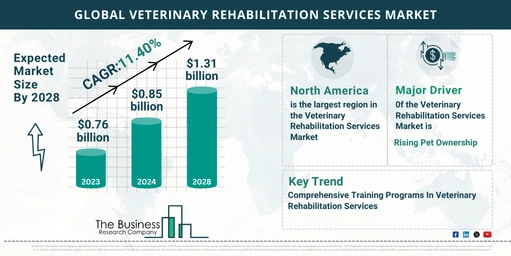
    • Current Market Size: $0.77 billion in 2023
    • Short-term Growth: Expected to reach $0.85 billion in 2024
    • CAGR (2023-2024): 11.0%

    Recent growth is driven by an increasing demand for veterinary rehabilitation services, rising prevalence of musculoskeletal disorders, heightened awareness of physical rehabilitation, and a growing number of specialized rehabilitation centers.

    Future Projections

    • Projected Market Size (2028): $1.31 billion
    • Long-term Growth: CAGR of 11.4% from 2024 to 2028

    The forecasted growth is attributed to several factors:

    • Pet Humanization: Increased focus on treating pets like family members.
    • Animal Welfare: Rising awareness and emphasis on animal health.
    • Rehabilitation Awareness: Growing recognition of the benefits of rehabilitation services.
    • Urbanization: Rapid urbanization leads to higher pet ownership and demand for services.

    Key Trends in Veterinary Rehabilitation

    Advancements in Medical Technologies

    • Non-Invasive Treatments: Adoption of drug-free, non-invasive methods.
    • Pharmaceutical Microparticles: Technology for precise drug delivery and treatment.
    • Comprehensive Services: Integration of various rehabilitation modalities for holistic care.

    View More On The Veterinary Rehabilitation Services Market Report 2024 – https://www.thebusinessresearchcompany.com/report/veterinary-rehabilitation-services-global-market-report

    Collaborations and Partnerships

    • Innovative Programs: Development of new programs and solutions through industry collaborations.

    Impact of Rising Pet Ownership

    Increasing pet ownership is a major driver for the veterinary rehabilitation services market. Key points include:

    • Changing Attitudes: Pets are increasingly seen as family members.
    • Awareness and Benefits: Greater awareness of the health benefits of pets.
    • Pet-Friendly Services: Expanded availability of pet-friendly housing and services.

    For instance, in June 2021, the percentage of U.S. households owning pets rose to 70%, and in 2023–2024, 66% of American households had pets. This rise in pet ownership boosts the demand for veterinary rehabilitation services.

    Innovations in Veterinary Rehabilitation

    Comprehensive Training Programs

    • Vetoquinol SA’s VeRBS Program: Launched in July 2022, this program provides a comprehensive solution for veterinary clinics, including on-site training, hands-on labs, and business planning services. The goal is to enhance clinic services and improve pet recovery outcomes.

    Rarebreed Veterinary Partners’ Acquisition

    • Expansion Through Acquisition: In July 2022, Rarebreed Veterinary Partners acquired Vet’s Best Friend. This acquisition aims to enhance comprehensive care offerings by leveraging Vet’s Best Friend’s expertise in rehabilitation services.

    Market Segmentation

    The veterinary rehabilitation services market is segmented as follows:

    1. By Type:
      • Manual Therapy
      • Hydrotherapy
      • Hot and Cold Therapies
      • Electro Therapies
      • Other Types
    2. By Indication:
      • Post-Surgery
      • Traumatic Injuries
      • Acute and Chronic Diseases
      • Developmental Abnormalities
      • Other Indications
    3. By End-User:
      • Veterinary Rehab Centers and Hospitals
      • Rescue and Shelter Homes
      • Rehab Sanctuaries
      • Other End-Users

    Regional Insights

    • North America: The largest market region in 2023.
    • Asia-Pacific: Expected to be the fastest-growing region during the forecast period.

    Conclusion

    The veterinary rehabilitation services market is expanding rapidly due to increased pet ownership, advancements in technology, and a growing focus on comprehensive animal care. With innovative solutions and significant industry developments, the market is set for continued growth and evolution in the coming years.

    Request A Sample Of The Global Veterinary Rehabilitation Services Market Report 2024:
    https://www.thebusinessresearchcompany.com/sample_request?id=16209&type=smp

  • Overview Of The Sequencing Reagents Market 2024-2033: Growth And Major Players Analysis

    Overview Of The Sequencing Reagents Market 2024-2033: Growth And Major Players Analysis

    The Business Research Company’s global market reports are now updated with the latest market sizing information for the year 2024 and forecasted to 2033


    The sequencing reagents market has experienced rapid growth and shows promising expansion prospects in the coming years. Here’s a detailed look at the current trends and future outlook.

    Market Overview and Growth Trends

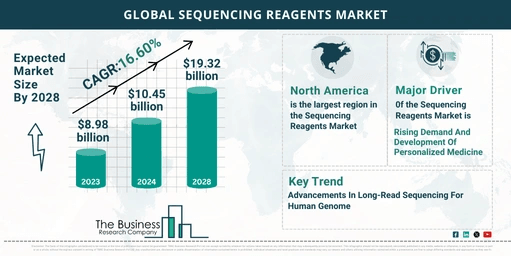
    • Current Market Size: The sequencing reagents market was valued at $8.99 billion in 2023.
    • Short-Term Growth: It is projected to reach $10.45 billion by 2024, with a compound annual growth rate (CAGR) of 16.3%.
    • Long-Term Forecast: By 2028, the market is expected to grow to $19.32 billion, with a CAGR of 16.6%.

    Key Drivers of Growth

    • Adoption in Drug Discovery and Development: Sequencing technologies are increasingly used in drug discovery, enhancing research efficiency and accuracy.
    • Government Initiatives: Various governments are promoting genomics research through funding and policy support.
    • Clinical Diagnostics: Rising applications in clinical diagnostics are fueling market growth.
    • Genetic Disorders: Increasing prevalence of genetic disorders drives demand for sequencing reagents.
    • Precision Medicine: The emergence of precision medicine initiatives contributes significantly to market expansion.

    View More On The Sequencing Reagents Market Report 2024 – https://www.thebusinessresearchcompany.com/report/sequencing-reagents-global-market-report

    Factors Influencing Future Growth

    • Cancer Genomics and Precision Oncology: Growth in cancer genomics research and precision oncology is expected to drive demand.
    • Bioinformatics Tools: Advancements in bioinformatics tools for data analysis are supporting market expansion.
    • Investment in Genomics Research: Rising investments in genomics research and healthcare infrastructure are key growth factors.
    • Personalized Medicine: The growing demand for personalized medicine is a major driver.
    • Agriculture and Livestock: Expanding applications of sequencing in agriculture and livestock are adding to market growth.

    Major Trends in Sequencing Reagents

    • Portable and Benchtop Sequencing Platforms: Development of new, user-friendly sequencing platforms is a notable trend.
    • Integration with Omics Technologies: Combining sequencing with other omics technologies for comprehensive analysis.
    • Novel Reagents for Epigenetic Analysis: Innovation in reagents for epigenetic research is advancing.
    • Technological Advancements: Continuous improvements in sequencing technologies are enhancing market offerings.
    • Research and Development: Increased investment in R&D for novel sequencing technologies and reagents.

    Impact of Personalized Medicine

    • Role in Market Growth: The demand for personalized medicine is a significant growth driver. Sequencing reagents are essential for tailoring treatments based on individual genetic profiles.
    • FDA Approvals: Personalized medicines made up one-third of new FDA drug approvals in 2023, reflecting their growing importance.
    • Increased Treatments for Rare Diseases: There was a notable increase in FDA-approved personalized treatments for rare diseases from six in 2022 to 16 in 2023.

    Key Market Players

    • Major Companies: Leading firms in the market include F. Hoffmann-La Roche AG, Thermo Fisher Scientific Inc., Agilent Technologies Inc., Illumina Inc., Bio-Rad Laboratories Inc., and many others.
    • Innovations: Companies are focusing on developing advanced technologies, such as Illumina’s Complete Long Read technology for comprehensive genomic analysis.

    Noteworthy Acquisitions

    • QIAGEN and Verogen: In January 2023, QIAGEN N.V. acquired Verogen for $150 million, expanding its next-generation sequencing capabilities and product offerings.

    Market Segmentation

    • By Type: Includes Library Kits, Template Kits, Control Kits, Sequencing Kits, and Other Types.
    • By Technology: Encompasses Sanger Sequencing, Next Generation Sequencing, and Third Generation Sequencing.
    • By Application: Covers Oncology, Reproductive Health, Clinical Investigation, Agrigenomics, Forensics, and Other Applications.
    • By Industry Verticals: Research Institutes, Hospitals and Clinics, Pharmaceutical and Biotechnology Companies, and Other Verticals.

    Regional Insights

    • North America: The largest market region in 2023.
    • Asia-Pacific: Expected to be the fastest-growing region during the forecast period.

    The sequencing reagents market is set for robust growth, driven by advancements in technology, increased research investments, and the expanding role of personalized medicine. The combination of these factors positions the market for continued expansion and innovation in the coming years.

    Request A Sample Of The Global Sequencing Reagents Market Report 2024:
    https://www.thebusinessresearchcompany.com/sample_request?id=16184&type=smp