Blog

  • What Is The Forecast Growth Rate For The Sinusitis Treatment Market?

    What Is The Forecast Growth Rate For The Sinusitis Treatment Market?

    The Business Research Company’s market reports offer an in-depth analysis on the market’s growth potential, major drivers, key trends and more.

    Market Overview

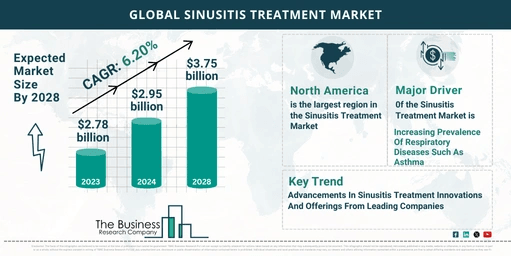
    The sinusitis treatment market has witnessed significant growth in recent years and is projected to continue its upward trajectory.

    • 2023 Market Size: $2.78 billion
    • 2024 Market Size: $2.95 billion
    • 2024 Growth Rate: 6.1% CAGR
    • 2028 Market Size: $3.76 billion
    • 2028 Growth Rate: 6.2% CAGR

    Key Drivers of Growth

    The growth of the sinusitis treatment market can be attributed to several factors:

    • Increased Demand for Diagnostic Tests: Enhanced awareness and advancements in diagnostic technologies.
    • Rise in Generic Drug Use: Cost-effective treatments contributing to market expansion.
    • Health Awareness: Increased public knowledge leading to early diagnosis and treatment.
    • Improved Intra-Nasal Drug Delivery: Innovations in drug delivery methods enhancing treatment efficacy.
    • Government Support: Initiatives and funding for healthcare programs and research.

    Read More On The Sinusitis Treatment Market Report 2024 – https://www.thebusinessresearchcompany.com/report/sinusitis-treatment-global-market-report

    Forecasted Trends

    The market is expected to continue its growth trajectory due to:

    • Rising Prevalence of Sinusitis: Higher incidence rates driving demand for treatments.
    • Growing Geriatric Population: Older adults are more susceptible to sinusitis.
    • Increasing Healthcare Expenditure: More spending on healthcare services and treatments.
    • Rising Allergies Prevalence: Allergies often exacerbate sinusitis conditions.
    • Technological Advancements: Innovations in surgical techniques and drug delivery systems.

    Impact of Asthma on Sinusitis Treatment

    The rising prevalence of asthma is influencing the sinusitis treatment market positively:

    • Asthma Connection: Asthma exacerbates sinusitis by increasing inflammation and blockages.
    • Increased Asthma Cases: The number of asthma-related hospital admissions has surged, notably among children.
    • Market Impact: Higher asthma rates drive the demand for effective sinusitis treatments to manage symptoms and prevent secondary infections.

    Major Companies and Innovations

    Leading companies in the sinusitis treatment market are focusing on innovative solutions:

    • New Drug Developments:Introduction of advanced steroid nasal sprays, such as Optinose Inc.’s XHANCE, designed to enhance efficacy and minimize side effects.
    • Strategic Acquisitions:Medtronic’s acquisition of Intersect ENT for $1.1 billion to expand its product portfolio and improve sinus treatment outcomes.

    Market Segmentation

    The sinusitis treatment market is segmented as follows:

    1. By Treatment:
      • Analgesics
      • Antibiotics
      • Antihistamines
      • Surgery
      • Corticosteroids
      • Sulfonamides
      • Quinolones
    2. By Disease Type:
      • Acute Sinusitis
      • Sub-Acute Sinusitis
      • Chronic Sinusitis
    3. By Route of Administration:
      • Topical
      • Nasal
      • Oral
      • Injectable
    4. By Distribution Channel:
      • Online Pharmacies
      • Retail Pharmacies
      • Hospital Pharmacies

    Regional Insights

    • North America:Led the market in 2023 due to high healthcare expenditure and advanced medical infrastructure.
    • Asia-Pacific:Expected to be the fastest-growing region due to increasing healthcare investments and rising patient populations.

    Conclusion

    The sinusitis treatment market is poised for continued growth driven by advancements in treatment technologies, increasing awareness, and rising respiratory conditions like asthma. Companies are focusing on innovative drug delivery systems and strategic acquisitions to enhance treatment options. The market’s future looks promising with ongoing research and development contributing to improved patient outcomes and expanded treatment possibilities.

    Request for A Sample Of The Global Sinusitis Treatment Market Report:
    https://www.thebusinessresearchcompany.com/sample_request?id=16192&type=smp
  • Global Vasopressin Market Key Insights 2024-2033

    Global Vasopressin Market Key Insights 2024-2033

    The Business Research Company’s global market reports are now updated with the latest market sizing information for the year 2024 and forecasted to 2033

    According to The Business Research Company’s Vasopressin Global Market Report 2024, the vasopressin market is expected to show promising growth in the forecast period.

    The vasopressin market is on a growth trajectory, driven by various factors including advancements in medication delivery and increasing prevalence of chronic diseases. Here’s a detailed look at the market’s current state and future prospects.

    Market Overview and Growth Trends

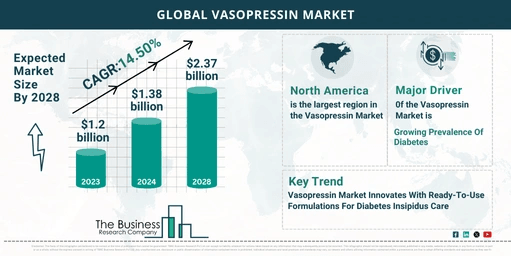
    • Current Market Size: The vasopressin market was valued at $1.21 billion in 2023.
    • Short-Term Growth: It is projected to grow to $1.38 billion in 2024, with a compound annual growth rate (CAGR) of 14.2%.
    • Long-Term Forecast: By 2028, the market is expected to reach $2.37 billion, driven by a CAGR of 14.5%.

    Key Growth Drivers

    • Senior Population Increase: The rising senior population has contributed to the growth of the vasopressin market, as older individuals are more susceptible to conditions requiring vasopressin treatment.
    • Healthcare Infrastructure Development: Improved hospital and healthcare facilities have expanded access to vasopressin treatments.
    • Autonomic Dysreflexia Prevalence: Increased prevalence of autonomic dysreflexia, a condition often seen in individuals with spinal cord injuries, has spurred market demand.
    • Chronic Disease Prevalence: A high prevalence of chronic diseases necessitates the use of vasopressin for effective management.
    • Medical Professional Awareness: Growing awareness among healthcare professionals about vasopressin’s benefits has enhanced its adoption.

    Factors Influencing Future Growth

    • Diabetes Insipidus: An increase in diabetes insipidus cases is expected to drive market growth, as vasopressin is crucial for managing this condition.
    • Medication Delivery Systems: Advances in medication delivery systems are improving the effectiveness and convenience of vasopressin administration.
    • Research and Development: Ongoing R&D initiatives are leading to new innovations and improving existing treatments.
    • Awareness and Diagnosis: Enhanced knowledge and diagnostic capabilities are increasing awareness and early diagnosis of conditions treatable with vasopressin.

    View More On The Vasopressin Market Report 2024 – https://www.thebusinessresearchcompany.com/report/vasopressin-global-market-report

    Major Trends in the Market

    • Technological Developments: Innovations in manufacturing technologies are enhancing the efficiency and quality of vasopressin products.
    • Formulation Innovations: New formulations and delivery techniques are being developed to improve patient outcomes.
    • Personalized Treatment Approaches: The shift towards personalized and multimodal treatment approaches is influencing market dynamics.
    • Health and Wellness Focus: An increasing emphasis on health and wellness is contributing to market growth.
    • Customization and Personalization: The trend towards personalized medicine is driving the demand for customized vasopressin treatments.

    Impact of Rising Diabetes Cases

    • Diabetes Prevalence: The prevalence of diabetes is a significant factor driving vasopressin market growth. Diabetes impacts a large segment of the population and is associated with conditions like diabetes insipidus.
    • Market Implications: According to the International Diabetes Federation, diabetes cases are projected to increase significantly, with an estimated 643 million adults affected by 2030. This growing prevalence is expected to drive demand for vasopressin as a key treatment option.

    Innovations in Vasopressin Products

    • Ready-to-Use Formulations: Major companies are developing ready-to-use (RTU) formulations to enhance convenience and precision. For example, Endo International plc launched VASOSTRICT in a 100 mL RTU pre-mix bottle, offering improved safety and inventory management.
    • Advantages: This RTU formulation provides a two-year shelf life, with up to 12 months at room temperature, reducing preparation errors and improving patient safety.

    Notable Market Moves

    • Fresenius Kabi and Ivenix Inc.: In May 2022, Fresenius Kabi acquired Ivenix Inc. for $240 million. This acquisition strengthens Fresenius Kabi’s presence in the U.S. infusion therapy market and enhances their capabilities in providing vasopressin injections.

    Market Segmentation

    • By Product Type: Includes Intravenous Injection, Intramuscular Injection, and Subcutaneous Injection.
    • By Application: Covers Anti-Diuretic Hormone Deficiency, Vasodilatory Shock, Gastrointestinal Bleeding, and Ventricular Tachycardia and Fibrillation.
    • By End-User: Hospitals, Clinics, and Other End Users.

    Regional Insights

    • North America: The largest market region in 2023.
    • Future Growth: Other regions are expected to see significant growth as the global demand for vasopressin continues to rise.

    The vasopressin market is poised for substantial growth, driven by advancements in treatment options, increased awareness of diabetes, and a rising senior population. The ongoing innovations and expanding applications in healthcare underscore a promising future for this critical pharmaceutical sector.

    Request A Sample Of The Global Vasopressin Market Report 2024:
    https://www.thebusinessresearchcompany.com/sample_request?id=16207&type=smp

  • Comprehensive Analysis On Size, Share, And Drivers Of The Veterinary Autoimmune Disease Therapeutics Market

    Comprehensive Analysis On Size, Share, And Drivers Of The Veterinary Autoimmune Disease Therapeutics Market

    The Business Research Company’s global market reports provide comprehensive analysis on the various markets in 27 industries across 60 geographies.

    The veterinary autoimmune disease therapeutics market has shown robust growth in recent years and is poised for continued expansion. This blog provides an overview of the current market trends, key drivers, and major players shaping this dynamic sector.

    Market Overview and Projections

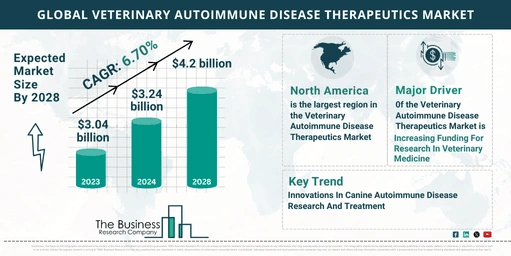
    • Current Market Size: Valued at $3.05 billion in 2023.
    • Short-Term Forecast: Expected to grow to $3.25 billion in 2024, reflecting a compound annual growth rate (CAGR) of 6.5%.
    • Long-Term Forecast: Projected to reach $4.20 billion by 2028, with a CAGR of 6.7%.

    Growth Drivers:

    • Advances in Biotechnology: Innovations in biotechnology are accelerating market growth.
    • Increased Investment: Growing investment in veterinary healthcare is enhancing therapeutic options.
    • Rising Pet Insurance: Higher adoption of pet insurance is supporting market expansion.

    Factors Fueling Future Growth

    1. Advancements in Biotechnology
      • Novel Therapeutics: Development of new drugs and treatments enhances disease management.
      • Personalized Medicine: Tailored treatments based on individual animal needs.
    2. Growing Investment in Veterinary Healthcare
      • Increased Funding: More resources are allocated to research and development.
      • Enhanced Diagnostic Methods: Improved technologies for better disease detection.
    3. Rising Pet Insurance Adoption
      • Coverage Expansion: Broader insurance options for pets support treatment affordability.

    View More On The Veterinary Autoimmune Disease Therapeutics Market Report 2024 – https://www.thebusinessresearchcompany.com/report/veterinary-autoimmune-disease-therapeutics-global-market-report

    Increased Funding Boosts Veterinary Research

    • Research Support: Funding for veterinary medicine is increasing due to rising zoonotic diseases and a growing pet industry.
    • Example: In August 2024, the National Institute of Food and Agriculture announced a $3.2 million investment through the Veterinary Service Grants Program to support rural food animal veterinary medicine.

    Impact on Market:

    • Disease Mechanisms: Research helps in understanding and managing autoimmune diseases.
    • Enhanced Treatments: Funding facilitates the development of innovative diagnostic tools and treatment options.

    Innovations in Autoimmune Disease Research and Treatment

    1. Research Projects
      • ImmunoRegistry: Launched by Royal Veterinary College in November 2021, this project collects real-time data on autoimmune diseases in dogs.
      • Focus: Includes diseases such as immune-mediated hemolytic anemia (IMHA) and immune thrombocytopenia (ITP).
    2. Therapeutic Advancements
      • Improved Treatments: Research leads to more effective and targeted therapeutic options for autoimmune diseases.

    Strategic Moves by Major Companies

    • Merck & Co. Inc.: Acquired Pandion Therapeutics Inc. in February 2021, aiming to develop novel therapies for autoimmune diseases.
    • Focus: Pandion’s innovative approach complements Merck’s research in advancing treatment options.

    Market Segmentation

    1. By Therapy Type:
      • Corticosteroids
      • Azathioprine
      • Cyclosporine
      • Mycophenolate
      • Leflunomide
      • Cyclophosphamide
    2. By Animal Type:
      • Companion Animals
      • Livestock Animals
      • Other Animals
    3. By Disease:
      • Hypothyroidism
      • Pemphigus Disease
      • Canine Lupus
      • Autoimmune Hemolytic Anemia
      • Bullous Pemphigoid
    4. By Distribution Channel:
      • Veterinary Hospitals
      • Veterinary Clinics

    Regional Insights

    • North America: Dominated the market in 2023, with significant market share due to advanced healthcare infrastructure.
    • Emerging Markets: Other regions are expected to grow, driven by increasing pet ownership and healthcare advancements.

    Conclusion

    The veterinary autoimmune disease therapeutics market is experiencing strong growth driven by advances in biotechnology, increased investment, and rising pet insurance adoption. Ongoing research and innovations are improving treatment options and outcomes for pets suffering from autoimmune diseases. As the market evolves, stakeholders should stay informed about emerging trends and regional developments to capitalize on opportunities in this expanding sector.

    Request A Sample Of The Global Veterinary Autoimmune Disease Therapeutics Market Report 2024:
    https://www.thebusinessresearchcompany.com/sample_request?id=16208&type=smp

  • Future Growth Forecast For The Red Biotechnology Global Market 2024-2033

    Future Growth Forecast For The Red Biotechnology Global Market 2024-2033

    The Business Research Company’s global market reports provide comprehensive analysis on the various markets in 27 industries across 60 geographies.

    The red biotechnology market has experienced significant growth in recent years and is projected to continue expanding rapidly. This blog delves into the key drivers, trends, and players shaping the future of this dynamic sector.

    Market Growth and Projections

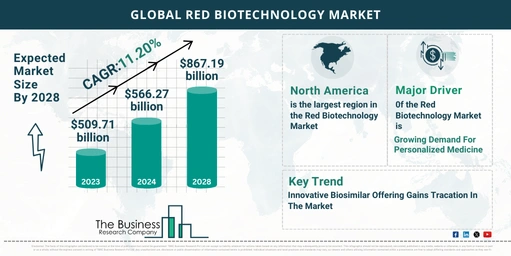
    • Current Market Size: The red biotechnology market was valued at $509.71 billion in 2023.
    • Short-Term Forecast: Expected to grow to $566.28 billion in 2024, reflecting a compound annual growth rate (CAGR) of 11.1%.
    • Long-Term Forecast: Projected to reach $867.20 billion by 2028, with a CAGR of 11.2%.

    Key Drivers of Growth:

    • Advancements in Genetic Engineering and Stem Cell Research: Innovations in these areas are driving market expansion.
    • Increase in Biotech Startups and Funding: Growing investment and supportive regulatory frameworks are bolstering the sector.

    View More On The Red Biotechnology Market Report 2024 – https://www.thebusinessresearchcompany.com/report/red-biotechnology-global-market-report

    Factors Driving Future Growth

    1. Expansion of Personalized Medicine
      • Personalized Medicine: Tailors treatments to individual genetic profiles, enhancing efficacy and minimizing side effects.
      • Increased Demand: Driven by advancements in genomics and regulatory support.
      • Example: In 2023, the FDA approved 16 new personalized therapies for rare diseases.
    2. Aging Population and Healthcare Infrastructure
      • Aging Demographics: The growing elderly population demands more advanced treatments.
      • Investment in R&D: Increased funding for research and digital health integration supports market growth.
    3. Emerging Trends
      • Biologics and Biosimilars: Expansion of these products offers new treatment options.
      • Machine Learning Integration: Enhances research capabilities and therapeutic development.
      • Microbiome-Based Therapies: Developing as a novel treatment avenue.
      • Focus on Rare Diseases: Increased efforts in treating rare and orphan diseases.

    Major Market Players
    Key companies driving the red biotechnology market include:

    • Pfizer Inc.
    • F. Hoffmann-La Roche AG
    • Bayer AG
    • Bristol-Myers Squibb Company
    • GSK plc.
    • Takeda Pharmaceutical Company Limited
    • Eli Lilly and Company
    • Gilead Sciences
    • Amgen Inc.
    • Moderna Inc.
    • Regeneron Pharmaceuticals Inc.

    Innovative Developments:

    • Biosimilars: Companies are focusing on developing these affordable alternatives. For example, Amgen’s Riabni, a biosimilar to Rituxan, was approved by the FDA for rheumatoid arthritis treatment in June 2022.

    Strategic Moves and Acquisitions

    • Ipsen Biopharmaceuticals: Acquired Albireo Pharma in March 2023 to enhance its Rare Disease portfolio. Albireo specializes in novel bile acid modulators for rare liver diseases.

    Market Segmentation

    1. By Product:
      • Monoclonal Antibodies
      • Polyclonal Antibodies
      • Recombinant Proteins
      • Vaccines
      • Cell-Based Immunotherapy Products
      • Gene Therapy Products
      • Cell Therapy Products
      • Tissue-Engineered Products
    2. By Application:
      • Drug Discovery and Development
      • Animal Biotechnology
      • Environmental Biotechnology
      • Medical Biotechnology
      • Industrial Biotechnology
      • Agricultural Biotechnology
    3. By End-User:
      • Biopharmaceutical Industry
      • Contract Manufacturing Organizations (CMO) and Contract Research Organizations (CRO)
      • Research Institutes

    Regional Insights

    • North America: Held the largest market share in 2023.
    • Asia-Pacific: Expected to be the fastest-growing region during the forecast period, driven by increasing investments and expanding healthcare infrastructure.

    Conclusion
    The red biotechnology market is poised for substantial growth driven by advancements in personalized medicine, increasing investment in research and development, and an aging population. With major players innovating in biosimilars and strategic acquisitions enhancing their portfolios, the market is set for a dynamic future. As the sector evolves, stakeholders should stay informed about emerging trends and regional developments to leverage opportunities in this rapidly expanding field.

    Request A Sample Of The Global Red Biotechnology Market Report 2024:
    https://www.thebusinessresearchcompany.com/sample_request?id=16173&type=smp

  • How Is The Ranibizumab Market Expected To Grow Through 2024-2033

    How Is The Ranibizumab Market Expected To Grow Through 2024-2033

    The Business Research Company’s global market reports are now updated with the latest market sizing information for the year 2024 and forecasted to 2033

    According to The Business Research Company’s Ranibizumab Global Market Report 2024, the ranibizumab market is expected to show promising growth in the forecast period.

    The ranibizumab market has experienced steady growth in recent years and is poised for further expansion. Here’s an overview of the market trends, drivers, and key players shaping its future.

    Market Growth Overview

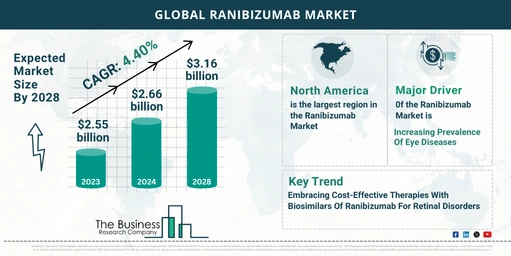
    • Current Market Size: The ranibizumab market was valued at $2.55 billion in 2023.
    • 2024 Projections: Expected to grow to $2.66 billion, reflecting a compound annual growth rate (CAGR) of 4.3%.
    • Future Outlook: Anticipated to reach $3.16 billion by 2028, with a CAGR of 4.4%.

    Factors Driving Market Growth

    • Expansion of Clinical Trials: Increased clinical trials in emerging markets are contributing to market growth.
    • Rising Prevalence of AMD: The growing incidence of age-related macular degeneration (AMD) is driving demand for ranibizumab.
    • Awareness and Government Initiatives: Enhanced awareness about retinal diseases and supportive government funding and initiatives are boosting the market.
    • High Incidence of Diabetic Retinopathy: With rising cases of diabetic retinopathy, the need for effective treatments like ranibizumab is increasing.
    • Healthcare Expenditure: Growing healthcare spending is also a significant factor in the market’s expansion.

    View More On The Ranibizumab Market Report 2024 – https://www.thebusinessresearchcompany.com/report/ranibizumab-global-market-report

    Future Growth Drivers

    • Ongoing Research and Development: Continued R&D efforts are expected to foster growth.
    • Introduction of Biosimilars: The launch of biosimilars is providing cost-effective alternatives, stimulating market growth.
    • Combination Therapies: Increased focus on combination therapies is expected to drive demand.
    • Teleophthalmology and Expanded Indications: Growth in teleophthalmology and the widening indications for ranibizumab will contribute to market expansion.
    • Favorable Reimbursement Policies: Improved reimbursement policies are likely to support market growth.

    Major Trends in the Forecast Period

    • Advancements in Biotechnology: Innovations in biotechnology are set to enhance treatment options.
    • Technological Innovations in Drug Delivery: Advances in drug delivery systems are expected to improve treatment efficacy.
    • Shift Towards Personalized Medicine: A growing emphasis on personalized medicine is likely to drive market growth.
    • Use of Artificial Intelligence: The increasing application of AI in ophthalmology is transforming the landscape.
    • Development of Longer-Acting Formulations: The development of longer-acting formulations will provide patients with more effective treatment options.
    • Patient-Centric Care Models: A rise in patient-centric care models is expected to influence market dynamics positively.

    Impact of Global Eye Disease Rise

    • Increasing Prevalence: The global rise in eye diseases, driven by aging populations and lifestyle changes, is a key market driver.
    • Projected Vision Loss: According to the International Agency for the Prevention of Blindness (IAPB), vision loss is projected to increase significantly by 2050, driving demand for treatments like ranibizumab.
    • Conditions Treated: Ranibizumab is used for treating AMD, diabetic retinopathy, and other retinal disorders, addressing the growing need for effective therapies.

    Key Market Players

    • Leading Companies: Major players in the ranibizumab market include F. Hoffmann-La Roche AG, Bayer AG, Novartis AG, Teva Pharmaceutical Industries Ltd, Regeneron Pharmaceuticals Inc., Biogen Inc., and others.
    • Biosimilar Initiatives: Companies like Formycon AG and Bioeq AG have launched biosimilars, such as FYB201, offering affordable alternatives to the original ranibizumab.

    Strategic Acquisitions

    • Sandoz and Coherus BioSciences: In March 2024, Sandoz acquired Coherus BioSciences’ CIMERLI business to enhance its biosimilar offerings in ophthalmology, highlighting the strategic moves within the market.

    Market Segmentation

    • By Product: Includes Single Use Prefilled Syringe and Single Use Glass Vial.
    • By Application: Covers Wet Age Related Macular Degeneration (AMD), Diabetic Retinopathy (DR), Diabetic Macular Edema (DME), Myopic Choroidal Neovascularization (MCNV), and Retinal Vein Occlusion (RVO).
    • By Distribution Channel: Includes Hospital Pharmacies, Online Pharmacies, and Other Distribution Channels.

    Regional Insights

    • North America: Dominated the ranibizumab market in 2023 and continues to be a key region for market expansion.

    The ranibizumab market is set for continued growth, driven by increasing eye disease prevalence, advancements in technology, and the introduction of cost-effective biosimilars. Major companies are adapting to these trends, positioning themselves for future success in this evolving market.

    Request A Sample Of The Global Ranibizumab Market Report 2024:
    https://www.thebusinessresearchcompany.com/sample_request?id=16172&type=smp

  • 5 Key Insights On The Protein Chip Market 2024

    5 Key Insights On The Protein Chip Market 2024

    The Business Research Company’s global market reports are now updated with the latest market sizing information for the year 2024 and forecasted to 2033

    As per The Business Research Company’s Protein Chip Global Market Report 2024, the protein chip market is expected to show significant growth in the forecast period.

    The protein chip market has witnessed robust growth in recent years, with substantial expansion anticipated in the coming years. This blog delves into the key trends, drivers, and future outlook of the protein chip industry.

    Market Overview

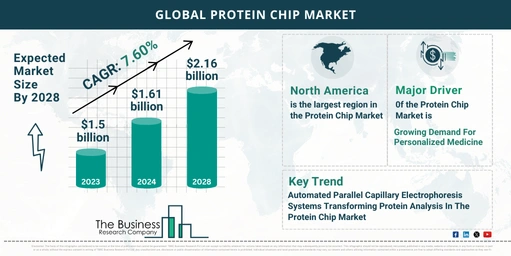
    • Current Market Size: $1.50 billion in 2023
    • Short-term Growth: Expected to reach $1.61 billion in 2024
    • CAGR (2023-2024): 7.5%

    Recent growth is fueled by advancements in proteomics research, increasing cancer rates, technological innovations, expanding clinical diagnostics applications, and a heightened focus on biomarker discovery and high-throughput protein analysis.

    Future Projections

    • Projected Market Size (2028): $2.16 billion
    • Long-term Growth: CAGR of 7.6% from 2024 to 2028

    Future growth drivers include rising demand for personalized medicine, next-generation protein chip technologies, integration with omics technologies, adoption in emerging markets, and a shift towards digital health and wearable devices. Major trends expected in this period are:

    • Miniaturization and Multiplexing: Enhanced efficiency and functionality.
    • AI and Machine Learning Integration: Improved data analysis and interpretation.
    • Point-of-Care Testing (POCT): Increased accessibility and rapid results.
    • Expansion into New Disease Areas: Broader application across various health conditions.
    • Customization and Personalization: Tailoring solutions to specific patient needs.

    View More On The Protein Chip Market Report 2024 – https://www.thebusinessresearchcompany.com/report/protein-chip-global-market-report

    Impact of Personalized Medicine
    The growing demand for personalized medicine significantly impacts the protein chip market. Personalized medicine tailors treatments to individual patient profiles, leveraging advancements in ‘omics’ technology and genetic data. Key impacts include:

    • Enhanced Proteomic Analysis: Protein chips facilitate comprehensive analysis, leading to better biomarker discovery and drug development.
    • Support for Personalized Therapeutics: Tailored treatment strategies and improved understanding of drug responses.
    • Market Examples: As of October 2022, over 75,000 genetic testing products and 300 personalized medicines are available for various diseases, with 12 new customized medications approved in 2022 alone.

    Innovations in Protein Chip Technology
    Automated Parallel Capillary Electrophoresis Systems
    Innovations such as automated parallel capillary electrophoresis systems are revolutionizing protein analysis. For instance:

    • Agilent Technologies’ ProteoAnalyzer: Launched in January 2024, this device offers advanced algorithms for precise protein identification and characterization. It features enhanced data visualization tools and seamless integration with existing workflows, boosting efficiency and productivity in proteomics research.

    Market Dynamics and Company Activities
    Spectrum Solutions LLC’s Acquisition
    In March 2023, Spectrum Solutions LLC acquired MDx Lab Alimetrix and Microarrays Inc., expanding its diagnostics portfolio. This acquisition strengthens Spectrum’s market position and enhances its capabilities in laboratory products and testing.

    Market Segmentation
    The protein chip market is segmented as follows:

    1. By Product:
      • Lab-On-Chip
      • Integrated System
      • Arrays
      • Microarrays System
    2. By Technology:
      • Analytical Microarrays
      • Functional Protein Microarrays
      • Reverse Phase Protein Microarrays
    3. By Application:
      • Diagnostics
      • Proteomics
      • Antibody Characterization
    4. By End User:
      • Hospitals and Clinics
      • Academic and Research Institutes
      • Diagnostic Laboratories
      • Pharmaceutical and Biotechnology Companies

    Regional Insights

    • North America: The largest market region in 2023.
    • Asia-Pacific: Expected to be the fastest-growing region in the forecast period.

    Conclusion
    The protein chip market is set for continued growth, driven by technological advancements, personalized medicine, and expanding applications. With significant developments in technology and increasing demand for customized healthcare solutions, the industry is poised for a dynamic future.

    Request A Sample Of The Global Protein Chip Market Report 2024:
    https://www.thebusinessresearchcompany.com/sample_request?id=16163&type=smp

  • 5 Key Insights On The Veterinary Practice Management Software Market 2024

    5 Key Insights On The Veterinary Practice Management Software Market 2024

    The Business Research Company’s global market reports are now updated with the latest market sizing information for the year 2024 and forecasted to 2033

    As per The Business Research Company’s Veterinary Practice Management Software Global Market Report 2024, the veterinary practice management software market is expected to show significant growth in the forecast period.

    Market Overview

    The veterinary practice management software market has experienced significant growth in recent years. The market size was valued at $0.35 billion in 2023 and is projected to increase to $0.37 billion in 2024, reflecting a compound annual growth rate (CAGR) of 7.4%. This growth is driven by several factors, including the rise in zoonotic illnesses, the expansion of companion animal ownership, and increased spending by pet owners. The need for telemedicine and remote services, along with the increased adoption of software applications in veterinary healthcare, has also contributed to this upward trend.

    Future Projections

    Looking ahead, the veterinary practice management software market is expected to continue its robust growth. By 2028, the market is anticipated to reach $0.5 billion, with a CAGR of 7.6%. This forecasted growth is attributed to several factors:

    • Increasing Pet Ownership: The rise in the number of pets is driving demand for veterinary services and management software.
    • Awareness of Animal Health: Growing awareness about animal health is fueling the need for advanced veterinary solutions.
    • Growing Farm Animal Numbers: An increase in farm animals necessitates better management tools.
    • Expansion of Veterinary Hospitals: More veterinary facilities are being established, requiring efficient management systems.
    • Rising Demand for Pet Insurance: The increase in pet insurance coverage is also contributing to market growth.

    View More On The Veterinary Practice Management Software Market Report 2024 – https://www.thebusinessresearchcompany.com/report/veterinary-practice-management-software-global-market-report

    Key Trends

    Several key trends are shaping the future of the veterinary practice management software market:

    • Technological Advancements: Continuous improvements in technology are enhancing the capabilities of veterinary software.
    • Artificial Intelligence and Machine Learning: AI and machine learning are being integrated to improve diagnostic accuracy and operational efficiency.
    • Cloud-Based Solutions: The shift towards cloud-based software offers better accessibility and scalability.
    • Expansion of Telemedicine Services: The rise in telemedicine is making remote consultations and monitoring more prevalent.
    • Integration with Wearable Technology: Integration with wearable devices is improving the monitoring of pet health.

    Impact of Pet Ownership on Market Growth

    The surge in pet ownership is a major driver of the veterinary practice management software market. Pet ownership provides companionship and emotional support, influenced by social media trends and pet-friendly policies. Veterinary practice management software helps clinics manage operations efficiently, meeting the high expectations of pet owners for quality care. For example, in April 2024, the American Pet Products Association reported that 86.9 million U.S. households owned pets in 2023, up from 62% in 2022. This growing pet ownership is fueling market demand for sophisticated veterinary management solutions.

    Innovative Solutions in Veterinary Practice Management

    Leading companies in the market are developing innovative solutions to enhance pet owner engagement. For example, IDEXX Laboratories, Inc. launched Vello in February 2024. This appointment scheduling system streamlines communication between veterinarians and pet owners, offering features like automated appointment reminders and confirmations. Vello has reportedly reduced no-show rates by an average of 19% and provides convenient access to pet health records and appointment information via a mobile web browser.

    Strategic Acquisitions

    In a strategic move to expand its portfolio, IDEXX Laboratories acquired ezyVet in June 2021. ezyVet, a New Zealand-based company, provides cloud-based veterinary practice management software. This acquisition allows IDEXX to offer a comprehensive suite of cloud-based solutions for veterinary hospitals, corporate groups, and universities, catering to both general and specialty clinics.

    Market Segmentation

    The veterinary practice management software market is segmented as follows:

    • By Product: Appointment Scheduling Software, Electronic Medical Records, Integrated Veterinary Practice Solutions, Inventory Management, Medical Billing Software
    • By Deployment: On-Cloud, On-Premise
    • By Practice Type: Companion Animals, Mixed Animal, Food Producing, Equine, Other Practice Types
    • By End-User: Veterinary Hospitals, Veterinary Referral and Specialty Practices, Ambulatory Veterinary Services, Veterinary Clinics

    Regional Insights

    In 2023, North America was the largest region in the veterinary practice management software market. However, Asia-Pacific is expected to be the fastest-growing region during the forecast period due to increasing pet ownership and expanding veterinary services in the region.

    Request A Sample Of The Global Veterinary Practice Management Software Market Report 2024:
    https://www.thebusinessresearchcompany.com/sample_request?id=15489&type=smp

  • Global Urgent Care Apps Market Overview 2024: Size, Drivers, And Trends

    Global Urgent Care Apps Market Overview 2024: Size, Drivers, And Trends

    The Business Research Company’s global market reports provide comprehensive analysis on the various markets in 27 industries across 60 geographies.

    Market Overview
    The urgent care apps market has experienced explosive growth, reflecting a broader trend toward digital health solutions. The market size surged from $2.33 billion in 2023 to $3.26 billion in 2024, marking a remarkable compound annual growth rate (CAGR) of 40.1%. This rapid expansion is driven by increased smartphone penetration, growing medical spending, widespread internet access, and a higher prevalence of accidents.

    In the coming years, the market is expected to continue its robust growth trajectory, reaching $12.24 billion by 2028 at a CAGR of 39.2%. Factors contributing to this growth include heightened demand for advanced computing solutions, the rise of telehealth and telemedicine, adoption of mHealth apps, and increasing focus on data privacy and security.

    Growth Drivers

    Rising Prevalence of Chronic Diseases

    • Chronic Disease Management: The rise in chronic diseases, notably diabetes, is a major factor propelling the growth of the urgent care apps market. Chronic conditions require ongoing management, and these apps offer tools for tracking symptoms, managing health data, and accessing care.
    • Diabetes Statistics: According to the International Diabetes Federation, diabetes affected 537 million adults in 2021 and is projected to reach 783 million by 2045. Urgent care apps help manage diabetes effectively by tracking blood sugar levels and providing timely medical advice.

    View More On The Urgent Care Apps Market Report 2024 – https://www.thebusinessresearchcompany.com/report/urgent-care-apps-global-market-report

    Major Companies and Innovations

    Leading Players and Their Innovations

    • Prominent Companies: Key players in the urgent care apps market include Teladoc Health, HeyDoctor, American Well, Carbon Health, and Doctor on Demand, among others.
    • Innovative Solutions: Companies are increasingly focusing on advanced technological solutions. For instance, the Cedars-Sinai Connect app, launched in October 2023, uses artificial intelligence (AI) to provide virtual care for various conditions, including diabetes and anxiety. This app allows users to access medical services, submit health information, and communicate with healthcare professionals via video.

    Strategic Acquisitions

    • WellNow Urgent Care Acquisition: In July 2022, WellNow Urgent Care acquired Physicians Immediate Care, expanding its presence in the Midwest and enhancing its service offerings through mobile applications tailored to urgent care needs.

    Market Segmentation

    The urgent care apps market is categorized into several segments:

    1. By Type:
      • Pre-Hospital Emergency Care and Triaging Apps
      • In-Hospital Communication and Collaboration Apps
      • Post-Hospital Apps
    2. By Technology:
      • Phone-Based Apps
      • Web-Based Apps
      • Wearable Patient-Centric Apps
    3. By Clinical Area:
      • Trauma
      • Stroke
      • Cardiac Conditions
      • Other Clinical Areas

    Regional Insights

    Regional Market Dynamics

    • North America: Dominated the urgent care apps market in 2023, owing to high smartphone usage, advanced healthcare infrastructure, and increased adoption of digital health solutions.
    • Asia-Pacific: Expected to be the fastest-growing region during the forecast period, driven by rising smartphone penetration, increasing healthcare investments, and growing health awareness.

    Future Outlook

    The urgent care apps market is poised for continued expansion, driven by technological advancements, increased demand for remote healthcare solutions, and strategic innovations by major players. As the prevalence of chronic diseases like diabetes continues to rise, the adoption of urgent care apps will likely grow, offering patients improved management of their health and enhancing overall healthcare accessibility.

    In summary, the urgent care apps market is on a rapid growth trajectory, supported by technological innovations and a rising need for efficient healthcare management tools. As the market evolves, advancements in AI and mobile technology will play a crucial role in shaping the future of urgent care solutions.

    Request A Sample Of The Global Urgent Care Apps Market Report 2024:
    https://www.thebusinessresearchcompany.com/sample_request?id=14216&type=smp

  • Understand How The Telemedicine Equipment Market Is Poised To Grow Through 2024-2033

    Understand How The Telemedicine Equipment Market Is Poised To Grow Through 2024-2033

    The Business Research Company’s global market reports are now updated with the latest market sizing information for the year 2024 and forecasted to 2033

    As per The Business Research Company’s Telemedicine Equipment Global Market Report 2024, the telemedicine equipment market is expected to show significant growth in the forecast period.

    Market Overview

    • Current Size and Growth: The telemedicine equipment market surged from $5.02 billion in 2023 to $5.92 billion in 2024, reflecting a compound annual growth rate (CAGR) of 18.0%.
    • Historic Drivers:
      • Increasing demand for remote healthcare services
      • Technological advancements enabling telemedicine solutions
      • Rising healthcare costs necessitating cost-effective alternatives
      • Improved internet connectivity and infrastructure
      • Growing awareness and acceptance among healthcare professionals and patients

    Future Projections

    • Forecasted Growth: The market is expected to reach $11.25 billion by 2028.
    • Forecast CAGR: Projected CAGR of 17.4%.
    • Forecast Drivers:
      • Adoption of 5G technology for enhanced connectivity
      • Increasing global aging population and chronic disease prevalence
      • Government initiatives promoting telehealth services
      • Integration of artificial intelligence (AI) in telemedicine solutions
      • Expansion of telemedicine into emerging markets
    • Major Trends:
      • Technological advancements
      • Product innovations
      • Investments and partnerships

    View More On The Telemedicine Equipment Market Report 2024 – https://www.thebusinessresearchcompany.com/report/telemedicine-equipment-global-market-report

    Addressing Infectious Diseases Through Telemedicine

    • Impact on Market Growth: The rise in infectious diseases is expected to drive the growth of the telemedicine equipment market.
    • Role of Telemedicine: Facilitates remote consultations, allowing patients to receive medical advice without visiting healthcare facilities.
    • Example: In July 2022, leptospirosis cases in Australia surged by 154%, highlighting the increased need for remote healthcare solutions.

    Key Companies in the Market

    • Major Players:
      • International Business Machines Corporation
      • Medtronic plc
      • Koninklijke Philips N.V.
      • Resideo Technologies Inc.
      • Allscripts Healthcare Solutions Inc.
      • Omron Healthcare Inc.
      • AFC Industries Inc.
      • Wellspect Health
      • American Well Corporation
      • BioTel Systems Inc.
      • CloudMD Software and Services Inc.
      • Iris Telehealth Inc.
      • TytoCare Inc.
      • Butterfly Network Inc.
      • AliveCor Inc.
      • Eko Devices Inc.
      • MedWand Technologies Inc.

    Innovations in Telemedicine Equipment

    • Focus on RDMP: Companies are developing Remote Diagnostics and Management Platforms (RDMP) to enhance telemedicine solutions.
    • Benefits of RDMP:
      • Facilitates remote monitoring and management
      • Integrates AI for better diagnostic accuracy
      • Supports ‘event-driven medicine’ for real-time insights
    • Example: In April 2021, Mayo Clinic introduced an RDMP to improve clinical decision support, diagnostic insights, and care recommendations using AI algorithms.

    Strategic Partnerships

    • Recent Collaboration: In January 2024, Rudolf Riester GmbH partnered with Docs in Clouds TeleCare GmbH.
    • Objective: Deliver integrated telehealth solutions with seamless interoperability.
    • Impact: Enhances the efficiency of telemedicine services for healthcare professionals and patients.

    Market Segmentation

    • By Product:
      • Telemedicine Cart
      • Telemedicine Kit
      • Telemedicine Kiosk
      • Peripherals
    • By Application:
      • Teleradiology
      • Telepsychiatry
      • Telepathology
      • Teledermatology
      • Telecardiology
      • Other Applications
    • By End User:
      • Hospitals
      • Clinics
      • Specialty Centers
      • Home Care Settings
      • Other End Users

    Regional Insights

    • Current Leading Region: North America was the largest market for telemedicine equipment in 2023.
    • Future Growth: Emerging markets are expected to experience rapid growth in the forecast period.

    The telemedicine equipment market is experiencing rapid expansion, driven by technological innovations, increased adoption of telehealth, and the growing prevalence of infectious diseases. As companies invest in advanced technologies and form strategic partnerships, the market is set to continue its strong growth trajectory in the coming years.

    Request A Sample Of The Global Telemedicine Equipment Market Report 2024:
    https://www.thebusinessresearchcompany.com/sample_request?id=14213&type=smp

  • Future Growth Forecast For The Primary Cells Global Market 2024-2033

    Future Growth Forecast For The Primary Cells Global Market 2024-2033

    The Business Research Company’s global market reports provide comprehensive analysis on the various markets in 27 industries across 60 geographies.

    Rapid Market Expansion

    • Current Market Size: The primary cells market has seen significant growth, increasing from $1.33 billion in 2023 to $1.49 billion in 2024.
    • Growth Rate: This represents a compound annual growth rate (CAGR) of 12.2%.
    • Historical Drivers:
      • Rising prevalence of cancer
      • Increased investments in regenerative medicine research
      • Growing demand for monoclonal antibodies
      • Advantages of primary human cells over cell lines
      • Increased prevalence of chronic diseases

    Future Projections

    • Forecast Growth: The market is expected to grow to $2.24 billion by 2028.
    • Forecast CAGR: A compound annual growth rate of 10.6% is anticipated.
    • Future Drivers:
      • Increasing demand for personalized medicine
      • Growing focus on stem cell research
      • Rising investments in the sector
      • Increasing adoption of cell-based assays
    • Major Trends:
      • Demand for human primary cells
      • Advancements in research tools and technologies
      • Adoption of cell-based therapies

    View More On The Primary Cells Market Report 2024 – https://www.thebusinessresearchcompany.com/report/primary-cells-global-market-report

    Government Funding Boost

    • Impact of Funding: Rising government funding for cancer research is expected to drive market growth.
    • Funding Allocation:
      • Financial support for research projects
      • Personnel support and equipment
      • Infrastructure, training, education, and technology development
    • Notable Example: In May 2022, the American Institute for Cancer Research (AICR) requested $49 billion in 2023, up from $46.4 billion the previous year.

    Key Companies in the Market

    • Major Players:
      • Thermo Fisher Scientific Inc
      • Merck KGaA
      • BD Biosciences
      • Corning Incorporated
      • Cytiva
      • Lonza Group Ltd
      • Charles River Laboratories Inc.
      • STEMCELL Technologies Inc
      • American Type Culture Collection
      • Cell Signaling Technology
      • ZenBio Inc.
      • StemBioSys Inc

    Innovations and Acquisitions

    • Enhanced Cell Products:
      • Thermo Fisher Scientific Inc launched Gibco CTS OpTmizer Pro Serum Free Medium in January 2021.
      • Purpose: Designed for the growth and expansion of human T lymphocytes used in allogeneic cell therapies.
      • Benefits: Improves central memory phenotype, supports high-density cultures, and is compatible with automation.
    • Recent Acquisitions:
      • AnaBios Corporation acquired Cell Systems in April 2023.
      • Objective: Expand their portfolio of human tissue and cell products to enhance research tools and reagents.

    Market Segmentation

    • By Type:
      • Hematopoietic cells
      • Dermatophytes
      • Gastrointestinal Cells
      • Hepatocytes
      • Lung Cells
      • Renal Cells
      • Heart Cells
      • Musculoskeletal Cells
      • Other Primary Cells
    • By Origin:
      • Human Primary Cells
      • Animal Primary Cells
    • By End User:
      • Pharmaceuticals
      • Biotechnology Companies
      • Contract Research Organizations (CRO)
      • Academic and Research Institutes
      • Other End Users

    Regional Insights

    • Leading Region: North America was the largest market for primary cells in 2023.

    The primary cells market is poised for continued expansion, driven by technological advancements, increased funding, and a growing focus on personalized medicine and cell-based therapies.

    Request A Sample Of The Global Primary Cells Market Report 2024:
    https://www.thebusinessresearchcompany.com/sample_request?id=14165&type=smp