Blog

  • Key Insights On The DNA Diagnostics Market 2024 – Size, Driver, And Major Players

    Key Insights On The DNA Diagnostics Market 2024 – Size, Driver, And Major Players

    The Business Research Company’s global market reports are now updated with the latest market sizing information for the year 2024 and forecasted to 2033

    As per The Business Research Company’s DNA Diagnostics Global Market Report 2024, the DNA diagnostics market is expected to show significant growth in the forecast period.

    The DNA diagnostics market has experienced significant growth in recent years and is poised for continued expansion. Here’s a comprehensive look at the factors driving this growth and the trends shaping the future of this dynamic market.

    Current Market Growth

    The DNA diagnostics market has been expanding rapidly due to several key factors.

    • Market Size Increase: From $20.90 billion in 2023 to $23.10 billion in 2024, growing at a CAGR of 10.5%.
    • Key Drivers: Rising demand for personalized medicine, increased adoption of genetic testing and molecular diagnostics in clinical practice, rising biomedical research, increasing cancer cases, and growing use of diagnostic tests.

    Future Market Projections

    The market is expected to maintain its rapid growth trajectory over the next few years, driven by advancements in medical technology and healthcare practices.

    • Projected Growth: Expected to reach $34.90 billion by 2028, with a CAGR of 10.9%.
    • Growth Drivers: Increasing prevalence of cancers, demand for standardized diagnostic tests, rising genetic disorders, focus on biomarker discovery, and growth of telemedicine and remote testing.

    View More On The DNA Diagnostics Market Report 2024 – https://www.thebusinessresearchcompany.com/report/dna-diagnostics-global-market-report

    Rising Prevalence of Genetic Disorders

    The increasing prevalence of genetic disorders is a major factor propelling the growth of the DNA diagnostics market.

    • Genetic Disorders: Health problems caused by abnormalities in the genome.
    • Impact: Expanded diagnostic capabilities, increased genetic testing, environmental influences, and consanguinity within populations have led to greater detection and understanding of genetic disorders.
    • Statistics: According to the World Health Organization, congenital diseases caused an estimated 240,000 baby deaths globally within 28 days of birth each year, with an additional 170,000 children aged 1 month to 5 years dying due to congenital diseases.

    Key Players in the Market

    Several major companies are leading the charge in the DNA diagnostics market, developing innovative products and expanding their capabilities.

    • Major Companies: F. Hoffmann-La Roche Ltd., Bayer AG, Thermo Fisher Scientific Inc., Abbott Laboratories, Danaher Corporation, Becton, Dickinson and Company, Laboratory Corporation, Quest Diagnostics Incorporated, Eurofins Scientific SE, Agilent Technologies, Illumina Inc., PerkinElmer Inc., and more.

    Liquid Biopsy Innovations for Early Cancer Detection

    Innovative products like liquid biopsy tests are transforming early cancer detection, a crucial area in DNA diagnostics.

    • Liquid Biopsy: A minimally invasive test that detects and analyzes biomarkers released into the bloodstream from tumors.
    • Example: In May 2023, Laboratory Corporation launched LabCorp Plasma Focus, a liquid biopsy test for identifying targeted therapies for patients with advanced or metastatic solid tumors, utilizing genetic sequencing of cfDNA.

    Myriad Genetics Expands Consumer Access to Genetic Testing

    Strategic acquisitions are helping companies enhance their genetic testing capabilities and expand their market presence.

    • Acquisition Details: In November 2022, Myriad Genetics acquired Gateway Genomics for approximately $67.5 million.
    • Impact: Expands Myriad’s capabilities in women’s health and oncology testing, providing more comprehensive and personalized genetic testing solutions.

    Market Segmentation

    The DNA diagnostics market is diverse, segmented by product type, technology, application, and end user.

    1. By Product Type
      • Instruments
      • Reagents
      • Software and Services
    2. By Technology
      • Polymerase Chain Reaction
      • Microarray
      • In-situ Hybridization
      • Sequencing Technology
      • Mass Spectrometry
    3. By Application
      • Oncology
      • Infectious Diseases Treatment
      • Myogenic Disorder Treatment
      • Clinical Diagnostic Confirmation
      • Prenatal
      • Pre-Implantation
      • Other Applications
    4. By End User
      • Point of Care
      • Diagnostic Centers
      • Self-Testing or Over-The-Counter (OTC)

    Regional Insights

    The DNA diagnostics market shows significant regional variations, with North America leading in 2023 and Asia-Pacific expected to grow rapidly.

    • North America: Largest market in 2023, driven by advanced healthcare infrastructure and high adoption rates of new technologies.
    • Asia-Pacific: Expected to be the fastest-growing region due to increasing healthcare investments and rising awareness of genetic diagnostics.

    Conclusion

    The DNA diagnostics market is on a strong growth trajectory, driven by advancements in personalized medicine, technological innovations, and strategic industry moves. As healthcare providers increasingly adopt DNA diagnostics for enhanced accuracy and early detection, this market is set to expand significantly, offering innovative products and services tailored to meet evolving healthcare needs.

    Request A Sample Of The Global DNA Diagnostics Market Report 2024:
    https://www.thebusinessresearchcompany.com/sample_request?id=15356&type=smp

  • What Is The Forecast Growth Rate For The Diagnostic X-Ray System Market?

    What Is The Forecast Growth Rate For The Diagnostic X-Ray System Market?

    The Business Research Company’s market reports offer an in-depth analysis on the market’s growth potential, major drivers, key trends and more.

    Market Growth Overview

    • Current Market Size
      • The diagnostic X-ray system market has seen significant growth, increasing from $12.64 billion in 2023 to $13.79 billion in 2024, at a CAGR of 9.1%.
      • Key growth drivers include regulatory standards, aging population, healthcare infrastructure development, increased disease burden, and demand for advanced diagnostic tools.
    • Future Market Projections
      • The market is expected to reach $19.76 billion by 2028, with a CAGR of 9.4%.
      • Growth factors include expansion of healthcare infrastructure, rising demand for point-of-care diagnostics, focus on preventive healthcare, and growth in emerging markets.

    Drivers of Market Growth

    Rise in Surgical Procedures Fueling Market Growth

    • Increased Surgical Interventions
      • Advancements in medical technology and increased access to healthcare services contribute to a rise in surgical procedures.
      • Aging populations and prevalence of chronic diseases necessitate surgical interventions for diagnosis and treatment.
    • Market Impact
      • Diagnostic X-ray systems are essential for pre-operative planning, intra-operative guidance, and postoperative assessment.
      • For example, in April 2022, data from the Aesthetic Society showed a 54% increase in surgical procedures, driving the demand for diagnostic X-ray systems.

    Read More On The Diagnostic X-Ray System Market Report 2024 – https://www.thebusinessresearchcompany.com/report/diagnostic-x-ray-system-global-market-report

    Key Players in the Market

    • Major Companies
      • Prominent companies include Hitachi Ltd., General Electric Company, Thermo Fisher Scientific Inc., Siemens Healthineers, FUJIFILM Holdings Corporation, and Koninklijke Philips N.V.

    Technological Innovations

    Development of Advanced X-Ray Systems

    • AI Integration
      • Companies are developing advanced X-ray systems with artificial intelligence to enhance diagnostic capabilities and optimize patient care.
      • AI helps analyze and interpret X-ray images, improving workflow efficiency.
    • Case Study: DeepTek.ai
      • In December 2023, DeepTek.ai launched the Augmento X-Ray, an FDA-cleared CADe chest X-ray solution powered by AI.
      • This innovation reduces radiologist workload by 30-50% and improves patient care by offering detailed analysis of lung, pleura, and cardiac conditions.

    Strategic Acquisitions

    Molbio Diagnostics Acquires Majority Stake in Prognosys Medical Systems

    • Expansion of Capabilities
      • In February 2023, Molbio Diagnostics acquired a 70% stake in Prognosys Medical Systems.
      • This acquisition aims to provide end-to-end healthcare solutions, including mobile screening and e-clinics, to underserved communities.
    • Focus on Point-of-Care Diagnostics
      • Prognosys Medical Systems specializes in portable digital X-ray units with AI-driven interpretation, enhancing point-of-care diagnostics for various diseases.

    Market Segmentation and Regional Insights

    Market Segmentation

    • By Product
      • Medical X-ray Devices
      • X-Ray Diffraction (XRD)
      • Security X-Ray Devices
      • X-Ray Fluorescence (XRF)
      • SAXS or WAXS
    • By Application
      • Medical
      • Research and Development
      • Security
    • By End User
      • Hospital
      • Diagnostic Imaging Centers
      • Airports
      • Malls
      • Railway and Metro Stations
      • Government Facilities and Homeland Security

    Regional Dynamics

    • Largest Market: North America
      • North America was the largest region in the diagnostic X-ray system market in 2023, driven by advanced healthcare infrastructure and high adoption of new technologies.
    • Growth Potential in Emerging Markets
      • Emerging markets are expected to see significant growth, driven by expanding healthcare infrastructure and increased demand for diagnostic tools.

    Conclusion

    • The diagnostic X-ray system market is on a strong growth trajectory, driven by rising healthcare needs, technological advancements, and strategic acquisitions.
    • Key players are focusing on developing advanced systems and expanding their capabilities to meet the growing demand.
    • With North America leading the market and significant growth potential in emerging markets, the diagnostic X-ray system market is set to continue its upward trend, transforming healthcare diagnostics worldwide.

    Request for A Sample Of The Global Diagnostic X-Ray System Market Report:
    https://www.thebusinessresearchcompany.com/sample_request?id=15348&type=smp

  • Overview Of The AI-Enabled X-Ray Imaging Solutions Market 2024-2033: Growth And Major Players Analysis

    Overview Of The AI-Enabled X-Ray Imaging Solutions Market 2024-2033: Growth And Major Players Analysis

    The Business Research Company’s global market reports are now updated with the latest market sizing information for the year 2024 and forecasted to 2033

    The AI-enabled X-ray imaging solutions market has experienced substantial growth in recent years and is set to continue expanding rapidly. Here’s an in-depth look at the factors driving this growth and the trends shaping the future of this market.

    Current Market Growth

    The AI-enabled X-ray imaging solutions market has seen rapid expansion due to several key factors.

    • Market Size Increase: From $1.92 billion in 2023 to $2.17 billion in 2024, growing at a CAGR of 12.8%.
    • Key Drivers: Regulatory approvals, rising healthcare costs, increased demand for diagnostic accuracy, a shortage of radiologists, and an aging population.

    Future Market Projections

    The market is poised for continued robust growth over the next few years, driven by technological advancements and evolving healthcare needs.

    • Projected Growth: Expected to reach $3.54 billion by 2028, with a CAGR of 13.0%.
    • Growth Drivers: Integration with electronic health records, adoption of value-based care models, expanding telemedicine applications, emergence of AI-enabled triage systems, and demand for personalized medicine.

    Synergy of Personalized Medicine and AI in X-Ray Imaging

    The increasing demand for personalized medicine is significantly influencing the AI-enabled X-ray imaging market.

    • Personalized Medicine: Tailored treatments and therapies based on individual patient characteristics.
    • Impact on AI X-Ray Imaging: Enhances healthcare interventions, treatment strategies, and imaging protocols tailored to individual needs.
    • Example: In 2023, 38% of FDA-approved new drugs were personalized medicines, reflecting the growing trend toward precision healthcare.

    View More On The AI-Enabled X-Ray Imaging Solutions Market Report 2024 – https://www.thebusinessresearchcompany.com/report/ai-enabled-x-ray-imaging-solutions-global-market-report

    Leading Companies in the Market

    Numerous companies are pioneering advancements in the AI-enabled X-ray imaging solutions market.

    • Major Players: Samsung Electronics, General Electric, IBM, Siemens Healthineers, Philips, Agfa-Gevaert, Carestream Health, Fujifilm Healthcare, Canon Medical Systems, and more.
    • Innovations: Focus on enhancing diagnostic accuracy, integrating AI with other imaging modalities, and developing predictive analytics tools.

    Technological Advancements

    Technological innovations are crucial in advancing the AI-enabled X-ray imaging solutions market.

    • Advanced Fixed AI-Enabled X-Ray Systems: Companies are developing systems to improve workflow efficiency and image processing.
    • Example: In August 2022, GE HealthCare launched the Definium 656 HD, an AI-driven X-ray system with features like 3D camera technology and a 12-inch touchscreen for improved workflow and image quality.

    GE HealthCare Expands Capabilities with MIM Software Acquisition

    Strategic acquisitions are helping companies enhance their imaging capabilities and expand their market presence.

    • Acquisition Details: In April 2024, GE HealthCare acquired MIM Software Inc. to boost its imaging analytics and digital workflow capabilities.
    • Impact: Enhances GE’s product line with AI-powered image segmentation, contouring, and dosimetry analysis across various specialties.

    Market Segmentation

    The AI-enabled X-ray imaging solutions market is diverse, segmented by product, deployment mode, workflow, and application.

    1. By Product
      • Software
      • Hardware
    2. By Mode of Deployment
      • Cloud-Based and Web-Based
      • On-Premises
    3. By Workflow
      • Detection
      • Image Acquisition
      • Image Analysis
      • Diagnosis and Treatment Decision Support
      • Triage
      • Predictive Analysis and Risk Assessment
      • Reporting and Communication
    4. By Application
      • General Radiology
      • Specialty Radiology

    Regional Insights

    The market shows significant regional variations, with North America leading in 2023 and expected to continue as the fastest-growing region.

    • North America: Largest market in 2023, driven by advanced healthcare infrastructure and high adoption rates of new technologies.
    • Asia-Pacific: Expected to be the fastest-growing region due to increasing healthcare investments and rising awareness of AI-enabled diagnostic tools.

    Conclusion

    The AI-enabled X-ray imaging solutions market is on a strong growth trajectory, driven by advancements in personalized medicine, technological innovations, and strategic industry moves. As healthcare providers increasingly adopt AI-enabled solutions for enhanced diagnostic accuracy and efficiency, this market is set to expand significantly, offering innovative products and services tailored to meet evolving healthcare needs.

    Request A Sample Of The Global AI-Enabled X-Ray Imaging Solutions Market Report 2024:
    https://www.thebusinessresearchcompany.com/sample_request?id=15303&type=smp

  • Growth Trajectory Of The Genetic Testing Services Market 2024-2033

    Growth Trajectory Of The Genetic Testing Services Market 2024-2033

    The Business Research Company’s global market reports are now updated with the latest market sizing information for the year 2024 and forecasted to 2033

    Market Growth Overview

    • Current Market Size
      • The genetic testing services market has seen significant growth, rising from $17.29 billion in 2023 to $19.19 billion in 2024, at a compound annual growth rate (CAGR) of 11%.
      • This growth is driven by increasing demand for personalized and precision medicine, a higher prevalence of genetic disorders, high demand for prenatal testing, increasing population, and greater awareness and education.
    • Future Market Projections
      • The market is projected to reach $29.47 billion by 2028, with a CAGR of 11.3%.
      • Key factors driving this future growth include the rising demand for non-invasive prenatal testing (NIPT), the rise of pharmacogenomics, a growing focus on preventive healthcare, increased direct-to-consumer (DTC) testing, and an emphasis on rare diseases and personalized therapies.

    Drivers of Market Growth
    Increasing Prevalence of Genetic Disorders

    • Genetic Disorders Overview
      • Genetic disorders are caused by abnormalities in an individual’s DNA, leading to physical or developmental issues.
      • Factors such as increased awareness, improved diagnostic techniques, expanded genetic screening, and consanguineous marriages contribute to the rising prevalence of genetic disorders.
    • Market Impact
      • For example, according to the WHO, congenital diseases cause approximately 240,000 baby deaths globally within 28 days of birth each year.
      • The CDC reports that about 6,000 babies are born with Down syndrome in the U.S. annually, or about 1 in every 700 babies.
      • The growing prevalence of these disorders is driving demand for genetic testing services.

    View More On The Genetic Testing Services Market Report 2024 – https://www.thebusinessresearchcompany.com/report/genetic-testing-services-global-market-report

    Key Players in the Market

    • Major Companies
      • Leading companies in the market include F. Hoffmann-La Roche Ltd., Thermo Fisher Scientific Inc., Abbott Laboratories, Danaher Corporation, Laboratory Corporation of America Holdings (LabCorp), Quest Diagnostics Incorporated, and Eurofins Scientific SE.

    Technological Innovations
    Advancements in Cancer Screening Tests

    • Cancer Screening Innovations
      • Major companies are developing advanced cancer screening tests to enhance accuracy, expand testing capabilities, and improve patient outcomes.
      • These tests aim to detect cancer or precancerous conditions early, making treatment more effective.
    • Case Study: Prenetics Group Limited
      • In June 2022, Prenetics launched ColoClear, a non-invasive stool DNA test in Hong Kong for early colorectal cancer detection.
      • ColoClear combines advanced stool DNA technology with a fecal immunochemical test (FIT), offering a convenient alternative to colonoscopy with high sensitivity.

    Strategic Acquisitions
    Myriad Genetics Expands Through Gateway Genomics Acquisition

    • Acquisition Details
      • In November 2022, Myriad Genetics acquired Gateway Genomics for $67.5 million.
      • This acquisition expands Myriad’s capabilities in women’s health and oncology testing, providing more comprehensive and personalized genetic testing solutions.
    • Company Background
      • Gateway Genomics LLC is a U.S.-based genetics company specializing in genetic testing services, enhancing Myriad’s offerings in the market.

    Market Segmentation and Regional Insights
    Market Segmentation

    • By Type
      • Predictive Testing
      • Carrier Testing
      • Prenatal Testing
      • Newborn Screening
      • Other Types
    • By Disease
      • Cancer Disease
      • Metabolic Disease
      • Cardiovascular Disease
      • Other Diseases
    • By End User
      • Diagnostic Laboratories
      • Hospitals and Clinics
      • Academic Institutes and Research Centers
      • Other End Users

    Regional Dynamics

    • Largest Market: North America
      • North America was the largest region in the genetic testing services market in 2023, driven by advanced healthcare infrastructure and high adoption of genetic testing technologies.

    Conclusion

    • The genetic testing services market is poised for continued rapid growth, driven by the rising demand for personalized medicine, advanced cancer screening tests, and strategic acquisitions.
    • Key players are focusing on technological innovations and expanding their capabilities to meet the growing demand for genetic testing services.
    • With North America leading the market and significant growth potential in other regions, the genetic testing services market is set to transform healthcare diagnostics and personalized medicine globally.

    Request A Sample Of The Global Genetic Testing Services Market Report 2024:
    https://www.thebusinessresearchcompany.com/sample_request?id=15385&type=smp

  • Global DNA Testing Market Key Insights 2024-2033

    Global DNA Testing Market Key Insights 2024-2033

    The Business Research Company’s global market reports are now updated with the latest market sizing information for the year 2024 and forecasted to 2033

    According to The Business Research Company’s DNA Testing Global Market Report 2024, the DNA testing market is expected to show promising growth in the forecast period.

    The DNA testing market has seen significant growth in recent years, driven by various factors and innovations. This blog explores the current market status, future projections, and key trends shaping the industry.

    Current Market Growth
    The DNA testing market is on a robust growth trajectory.

    • Market Size Increase: From $16.04 billion in 2023 to $17.9 billion in 2024, with a CAGR of 11.6%.
    • Key Drivers: Increasing incidence of chronic diseases, rising demand for precision medicine, growing direct-to-consumer (DTC) testing, expanding population genomics, enhanced forensic investigations, and higher demand for genetic screening.

    Future Market Projections
    The market is expected to continue its rapid growth over the next few years.

    • Projected Growth: Expected to reach $28.07 billion by 2028, with a CAGR of 11.9%.
    • Growth Drivers: Rising incidences of genetic diseases, increased use of DNA diagnostics, expanding healthcare infrastructure, growing awareness of disease prevention, increased manufacturer investment, and higher adoption of companion diagnostics.

    Increasing Prevalence of Genetic Disorders
    The rise in genetic disorders is a significant factor driving the DNA testing market.

    • Genetic Disorders: Conditions caused by abnormalities in an individual’s DNA.
    • Impact: Increased awareness, improved diagnostic techniques, expanded genetic screening, and rising consanguineous marriages contribute to the prevalence of genetic disorders.
    • Statistics: According to WHO, congenital diseases cause an estimated 240,000 baby deaths globally within 28 days of birth each year. In the US, about 6,000 babies are born with Down syndrome annually, approximately 1 in every 700 babies.

    View More On The DNA Testing Market Report 2024 – https://www.thebusinessresearchcompany.com/report/dna-testing-global-market-report

    Key Players in the Market
    Several major companies are leading the DNA testing market, driving innovation and expanding their market presence.

    • Major Companies: F. Hoffmann-La Roche Ltd., Thermo Fisher Scientific Inc., Abbott Laboratories, Danaher Corporation, Siemens Healthineers GmbH, Becton, Dickinson and Company, GE HealthCare Technologies Inc., Laboratory Corporation of America Holdings (LabCorp), Quest Diagnostics Incorporated, Eurofins Scientific SE, Agilent Technologies, Illumina Inc., PerkinElmer Inc., bioMérieux SA, Beckman Coulter Inc., Bio-Rad Laboratories Inc., QIAGEN N.V., Natera Inc., Myriad Genetics Inc., BGI Genomics Co. Ltd., Cepheid, NeoGenomics Laboratories Inc., Ancestry.com LLC, 23andMe Holding Co, Ambry Genetics Corporation, MyHeritage Ltd., Biocartis SA, CENTOGENE N.V., Everlywell Inc., Atlas Biomed Group Limited, Veritas Genetics.

    Advancements in Precancer Detection DNA Tests
    Innovations in DNA testing are enhancing the early detection of cancer, crucial for improving patient outcomes.

    • Precancer Detection Tests: Diagnostic assays identifying genetic alterations or biomarkers associated with early-stage cancer.
    • Example: In November 2023, Lucid Diagnostics Inc. launched EsoGuard 2.0, an advanced esophageal DNA test that enhances assay performance and reduces costs by utilizing molecular techniques and improved sample DNA yields.

    Thermo Fisher Scientific’s Strategic Acquisition
    Acquisitions are helping companies expand their capabilities and market reach in the DNA testing sector.

    • Acquisition Details: In February 2021, Thermo Fisher Scientific acquired Mesa Biotech for $450 million.
    • Impact: This acquisition strengthens Thermo Fisher Scientific’s position in the point-of-care molecular diagnostics market, particularly for infectious diseases, leveraging Mesa’s innovative technology platform.

    Market Segmentation
    The DNA testing market is segmented by product type, technology, application, and region.

    1. By Product Type
      • Equipment
      • Consumables
      • Software and Services
    2. By Technology
      • Polymerase Chain Reaction (PCR) Based
      • In-Situ Hybridization
      • Microarray
      • Next-Generation Sequencing (NGS) DNA Diagnosis
    3. By Application
      • Newborn DNA Screening
      • Prenatal DNA Carrier Screening
      • Oncology Diagnostics and Histopathology
      • Pre-implantation Diagnosis
      • Infectious Disease Diagnostics
      • Pharmacogenomics Diagnostic Testing
      • Identify Diagnostics and Forensic
      • Other Applications

    Regional Insights
    The DNA testing market shows significant regional variations, with North America leading in 2023.

    • North America: Largest market in 2023, driven by advanced healthcare infrastructure and high adoption rates of new technologies.
    • Future Trends: Other regions, particularly in Asia-Pacific, are expected to grow rapidly due to increasing healthcare investments and rising awareness of genetic diagnostics.

    Conclusion
    The DNA testing market is experiencing rapid growth driven by technological advancements, strategic industry moves, and increasing prevalence of genetic disorders. As healthcare providers and consumers increasingly adopt DNA testing for early detection and personalized medicine, the market is set to expand significantly, offering innovative products and services tailored to meet evolving healthcare needs.

    Request A Sample Of The Global DNA Testing Market Report 2024:
    https://www.thebusinessresearchcompany.com/sample_request?id=15358&type=smp

  • Comprehensive Analysis On Size, Share, And Drivers Of The DNA Test Kits Market

    Comprehensive Analysis On Size, Share, And Drivers Of The DNA Test Kits Market

    The Business Research Company’s global market reports provide comprehensive analysis on the various markets in 27 industries across 60 geographies.

    Market Growth Overview

    • Current Market Size
      • The DNA test kits market has experienced rapid growth, increasing from $1.74 billion in 2023 to $2.09 billion in 2024, at a compound annual growth rate (CAGR) of 19.7%.
      • This growth is driven by the rising number of direct-to-consumer genetic tests, increased demand for DNA testing for health and fitness, the growing geriatric population, the prevalence of cancer, and rising demand for disease diagnostics.
    • Future Market Projections
      • The market is expected to reach $4.31 billion by 2028, with a CAGR of 19.9%.
      • Key factors contributing to this growth include rising demand for personalized drug development, increased focus on personalized medicine, rising healthcare expenditure, demand for health-focused tests, emphasis on preventive healthcare, and population health management.

    View More On The DNA Test Kits Market Report 2024 – https://www.thebusinessresearchcompany.com/report/dna-test-kits-global-market-report

    Drivers of Market Growth
    Increasing Genetic Disorders Propelling Market Growth

    • Genetic Disorders Overview
      • Genetic disorders, caused by abnormalities in the genome, are on the rise due to increased awareness, improved diagnostic techniques, lifestyle changes, and environmental factors.
      • DNA test kits help identify specific gene mutations or variations associated with inherited conditions, aiding in diagnosis and personalized treatment.
    • Market Impact
      • For example, according to the CDC, one in 700 babies in the U.S. is affected by Down syndrome each year.
      • The WHO reports that congenital diseases cause approximately 240,000 baby deaths globally within 28 days of birth each year.
      • The increasing prevalence of genetic disorders is driving the demand for DNA test kits.

    Key Players in the Market

    • Major Companies
      • Key players in the market include F. Hoffmann-La Roche Ltd., Thermo Fisher Scientific Inc., Abbott Laboratories, Danaher Corporation, Becton, Dickinson and Company, GE HealthCare Technologies Inc., Laboratory Corporation of America Holdings (LabCorp), and Quest Diagnostics Incorporated.

    Technological Innovations
    Personalized DNA Kits Transforming the Market Landscape

    • Personalized DNA Kits
      • Companies are developing innovative products like personalized DNA kits to gain a competitive edge.
      • These kits analyze an individual’s DNA to provide customized insights into health, ancestry, and traits.
    • Case Study: MapMyGenome
      • In April 2023, MapMyGenome launched BeautyMap, India’s first DNA-based test kit for personalized skin and hair care recommendations.
      • The test includes a genetic counseling session to help individuals interpret their results and make informed decisions about their beauty regimen.

    Strategic Acquisitions
    QIAGEN Expands Forensic Capabilities Through Verogen Inc. Acquisition

    • Expansion of Capabilities
      • In January 2023, QIAGEN N.V. acquired Verogen Inc. for $150 million.
      • This acquisition enhances QIAGEN’s capabilities in human identification and forensics, helping investigators and researchers advance forensic science and accurately identify suspects.
    • Focus on Forensic Applications
      • Verogen Inc. specializes in DNA test kits for forensic and human identification applications, bolstering QIAGEN’s offerings in this critical area.

    Market Segmentation and Regional Insights
    Market Segmentation

    • By Sample Type
      • Saliva
      • Blood
      • Tissue
      • Teeth and Bone
      • Hair
      • Other Sample Types
    • By Application
      • Ancestry Testing
      • Diet and Nutrition
      • Disease Risk Assessment
      • Other Applications
    • By End User
      • Hospitals
      • Diagnostics and Forensics Laboratories
      • Academic and Research Institutes
      • Other End Users

    Regional Dynamics

    • Largest Market: North America
      • North America was the largest region in the DNA test kits market in 2023, driven by advanced healthcare infrastructure and high adoption of genetic testing technologies.
    • Fastest-Growing Region: Asia-Pacific
      • Asia-Pacific is expected to be the fastest-growing region during the forecast period, fueled by rising healthcare expenditure, growing awareness, and increasing adoption of DNA test kits.

    Conclusion

    • The DNA test kits market is on a strong growth trajectory, driven by increasing demand for personalized medicine, rising healthcare expenditure, and technological advancements.
    • Key players are focusing on developing innovative products and expanding their capabilities to meet the growing demand.
    • With North America leading the market and significant growth potential in Asia-Pacific, the DNA test kits market is set to continue its rapid expansion, transforming healthcare diagnostics and personalized medicine worldwide.

    Request A Sample Of The Global DNA Test Kits Market Report 2024:
    https://www.thebusinessresearchcompany.com/sample_request?id=15357&type=smp

  • Understand How The Rhytidectomy Market Is Poised To Grow Through 2024-2033

    Understand How The Rhytidectomy Market Is Poised To Grow Through 2024-2033

    The Business Research Company’s global market reports are now updated with the latest market sizing information for the year 2024 and forecasted to 2033

    As per The Business Research Company’s Rhytidectomy Global Market Report 2024, the rhytidectomy market is expected to show significant growth in the forecast period.

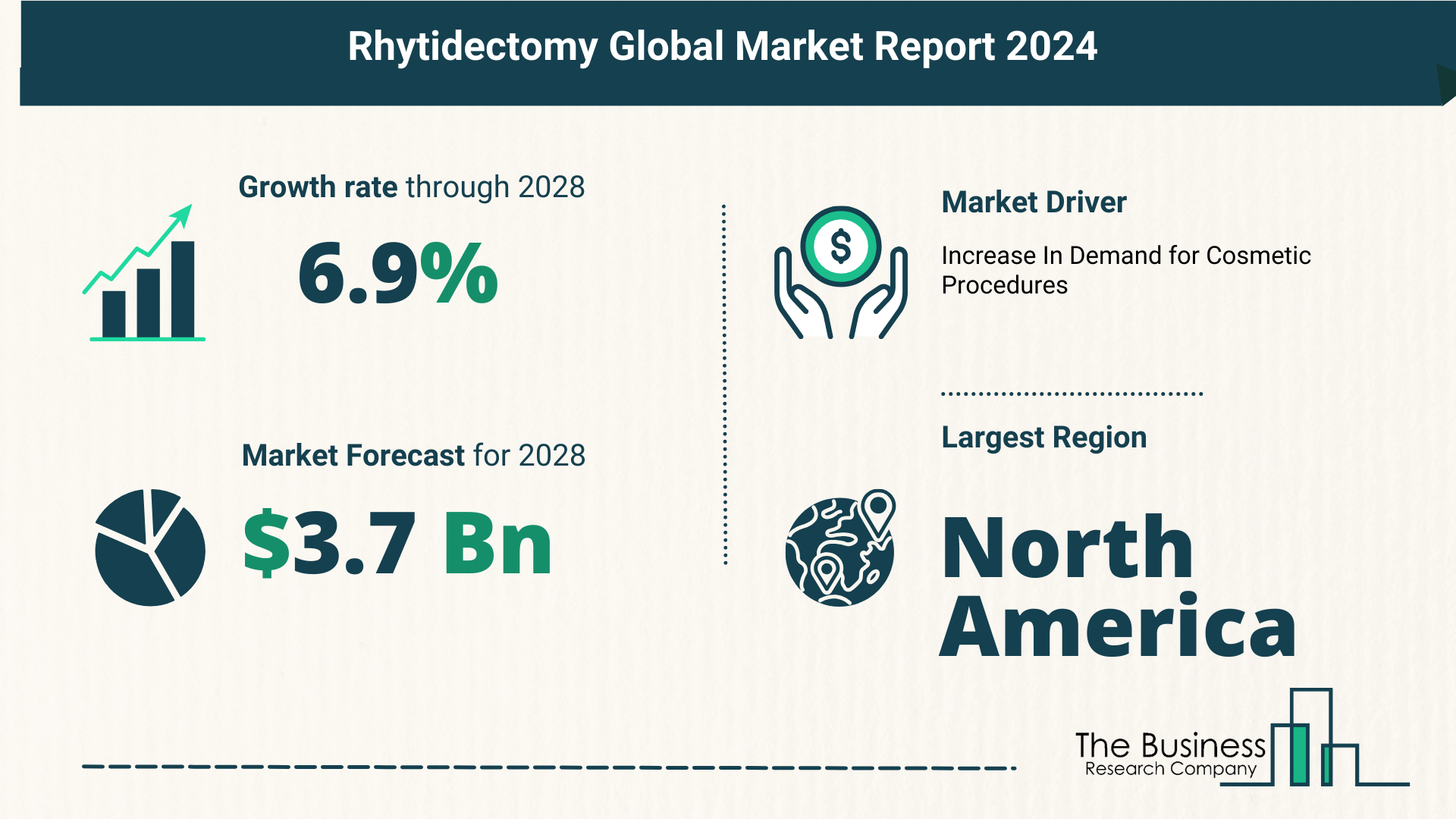
    The rhytidectomy market has witnessed robust growth recently, driven by increasing consumer demand for cosmetic procedures. This includes both surgical and nonsurgical treatments aimed at enhancing appearance and boosting confidence. Rhytidectomy, commonly known as a facelift, addresses visible signs of aging on the face and neck, making it a popular choice among individuals seeking aesthetic enhancements.

    • Surge in Cosmetic Procedures: The market benefits from a significant rise in cosmetic surgeries and treatments, reflecting a cultural shift towards beauty enhancement.
    • Notable Surge in Procedures: The American Academy of Facial Plastic and Reconstructive Surgery reported a 40% increase in facial plastic surgeries in 2021 compared to 2020, indicating growing interest and acceptance of cosmetic interventions.
    • Market Growth Drivers: Factors such as enhanced accessibility, economic conditions, and advancements in safety have further propelled market expansion.

    Technological Innovations Driving Rhytidectomy Market Growth

    Technological advancements play a pivotal role in shaping the rhytidectomy market landscape, with companies continuously introducing innovative products and techniques to meet evolving consumer expectations.

    • Cutting-Edge Technologies: Companies like BTL Aesthetics are pioneering non-invasive treatments using high-intensity focused electromagnetic (HIFEM) technology. These innovations aim to rejuvenate facial muscles, reduce wrinkles, and improve skin elasticity without surgery.
    • Market Competitiveness: Technological innovations are crucial for companies to maintain competitiveness and cater to the increasing demand for minimally invasive procedures.
    • Consumer Preference: Innovations like Emface demonstrate a shift towards non-surgical alternatives that deliver effective results with minimal downtime, appealing to a broader demographic.

    View More On The Rhytidectomy Market Report 2024 – https://www.thebusinessresearchcompany.com/report/rhytidectomy-global-market-report

    Strategic Acquisitions and Market Segmentation

    Recent strategic moves within the industry underscore efforts to expand market presence and enhance service offerings through acquisitions and targeted segmentation strategies.

    • Strategic Acquisition: Athenix’s acquisition of Marina Plastic Surgery and MedSpa highlights efforts to consolidate expertise and broaden service capabilities in the plastic surgery sector, including rhytidectomy procedures.
    • Market Segmentation: The rhytidectomy market is segmented based on procedure types such as traditional facelifts, SMAS facelifts, and mini facelifts, catering to diverse patient needs and preferences.
    • Regional Insights: North America leads the market currently, while Asia-Pacific emerges as a rapidly growing region, driven by increasing disposable incomes and a burgeoning interest in aesthetic enhancements.

    Conclusion

    The rhytidectomy market is poised for continued growth, driven by technological advancements, rising consumer demand for cosmetic procedures, and strategic industry initiatives. Innovations in non-invasive treatments and strategic expansions through acquisitions are reshaping the landscape, offering promising opportunities for market players to capitalize on evolving trends and consumer preferences. As the market continues to evolve, adapting to technological innovations and consumer trends will be critical for sustained growth and competitiveness.

    This blog provides insights into the dynamics shaping the rhytidectomy market, highlighting key growth drivers, technological innovations, and strategic developments driving industry expansion.

    Request A Sample Of The Global Rhytidectomy Market Report 2024:
    https://www.thebusinessresearchcompany.com/sample_request?id=10608&type=smp

  • Global Proton Therapy Systems Market Analysis: Estimated Market Size And Growth Rate

    Global Proton Therapy Systems Market Analysis: Estimated Market Size And Growth Rate

    The Business Research Company’s global market reports are now updated with the latest market sizing information for the year 2024 and forecasted to 2033

    Market Growth and Forecast

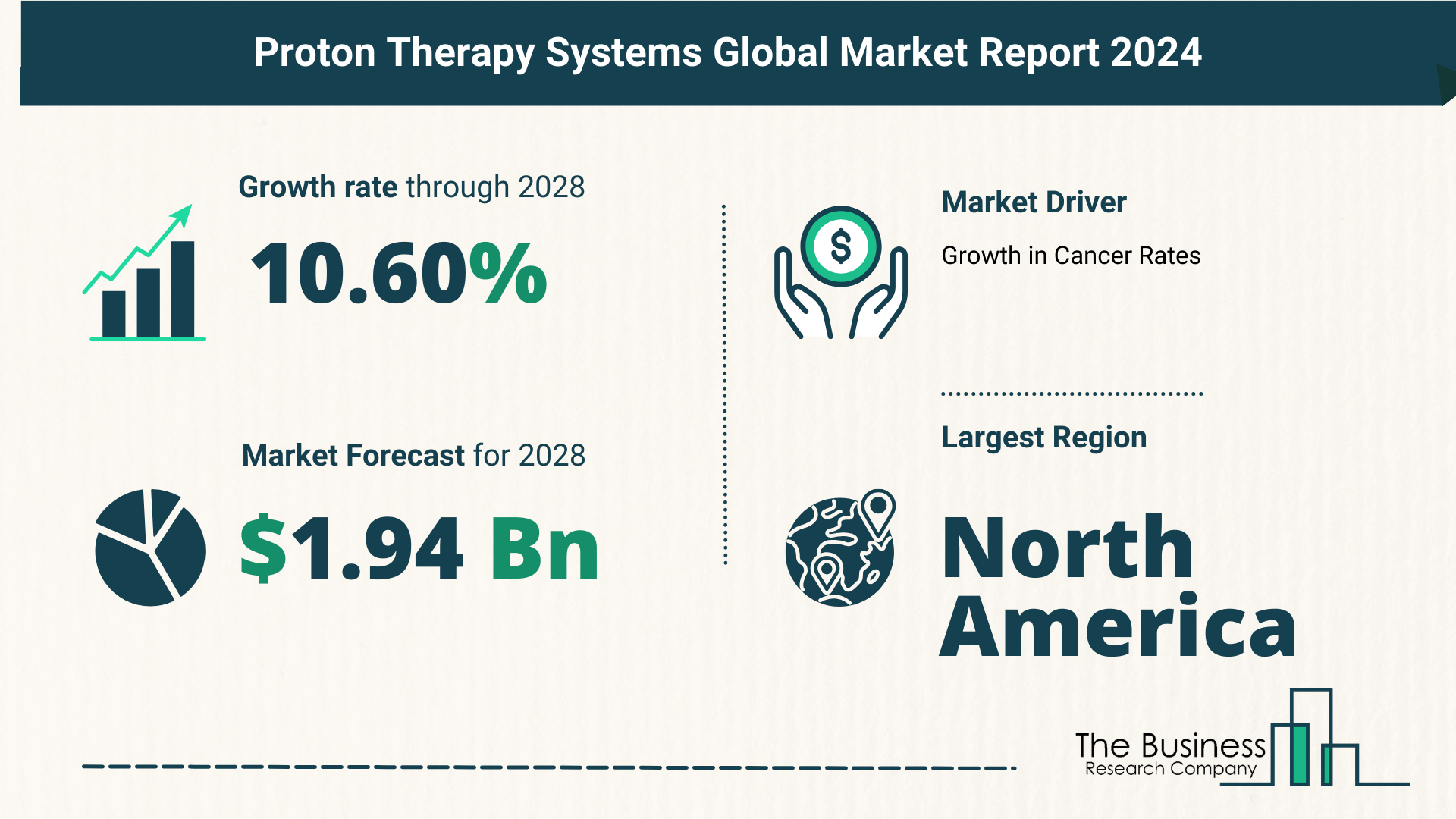
    The proton therapy systems market has shown significant growth, with a rise from $1.17 billion in 2023 to $1.29 billion in 2024, marking a robust CAGR of 10.5%. Looking ahead, the market is projected to reach $1.94 billion by 2028, growing at a CAGR of 10.6%. Factors driving this growth include:

    • Increasing cancer incidence
    • Rising healthcare expenditure
    • Demand for non-invasive treatment options
    • Expansion of healthcare infrastructure

    Harnessing Proton Therapy Systems In Response To Growing Cancer Rates

    The prevalence of cancer continues to increase globally, fueled by factors such as aging populations and lifestyle changes. Proton therapy systems offer precise tumor targeting with minimal damage to healthy tissue, improving treatment outcomes and reducing side effects. The market growth is directly influenced by the rising cancer burden, highlighting the critical role of proton therapy in modern oncology.

    View More On The Proton Therapy Systems Market Report 2024 – https://www.thebusinessresearchcompany.com/report/proton-therapy-systems-global-market-report

    Major Players in the Proton Therapy Systems Market

    Notable companies driving innovation in proton therapy include:

    • Mitsubishi Electric Corporation
    • Toshiba Corporation
    • Siemens Healthineers
    • Koninklijke Philips N.V.
    • GE Healthcare

    Revolutionizing Proton Therapy With Compact And Accessible Systems

    Companies are focusing on developing compact, self-shielded proton accelerators to overcome installation challenges and enhance safety. For instance, Mevion Medical Systems’ MEVION S250-FIT system supports existing LINAC vaults, integrating advanced technologies like ARC therapy to broaden treatment accessibility.

    Siemens Healthineers Expands Cancer Treatment Capabilities

    Siemens Healthineers’ acquisition of Varian Medical Systems underscores its commitment to advancing cancer treatment technologies. This strategic move aims to bolster its position in healthcare and accelerate innovations in proton therapy and radiation oncology.

    Market Segmentation and Regional Insights

    • Segmentation:
      • Type:Robotized Positioning Table, Integrated CT Scanner, Integrated PET Scanner
      • Setup Type:Single Room, Multi Room
      • Application:Brain and CNS Cancer, Head and Neck Cancer, Prostate Cancer, Breast Cancer, Lung Cancer, GI Cancer, Others
      • End-User:Hospitals, Proton Therapy Centers, Others
    • Regional Insights:North America led the market in 2023, while Asia-Pacific is anticipated to exhibit the fastest growth during the forecast period. This growth is attributed to increasing healthcare investments and rising cancer prevalence in these regions.

    Conclusion

    The proton therapy systems market is poised for substantial growth driven by technological advancements, expanding treatment applications, and strategic acquisitions. As cancer rates continue to rise globally, the demand for precise and effective treatment options like proton therapy will likely continue to grow, shaping the future landscape of oncological care.

    Request A Sample Of The Global Proton Therapy Systems Market Report 2024:
    https://www.thebusinessresearchcompany.com/sample_request?id=15251&type=smp

  • What Is The Forecast Growth Rate For The Pharmacy Automation Market?

    What Is The Forecast Growth Rate For The Pharmacy Automation Market?

    The Business Research Company’s market reports offer an in-depth analysis on the market’s growth potential, major drivers, key trends and more.

    The pharmacy automation market has experienced significant growth in recent years, driven by several key factors.

    • Historic Growth and Market Size
      • The market size grew from $6.58 billion in 2023 to $7.32 billion in 2024, with a CAGR of 11.2%.
      • Factors contributing to historic growth: shortage of skilled pharmacy staff, stringent regulations, need to reduce medication errors, enhanced data management, and patient demand for faster service.
    • Forecasted Growth and Trends
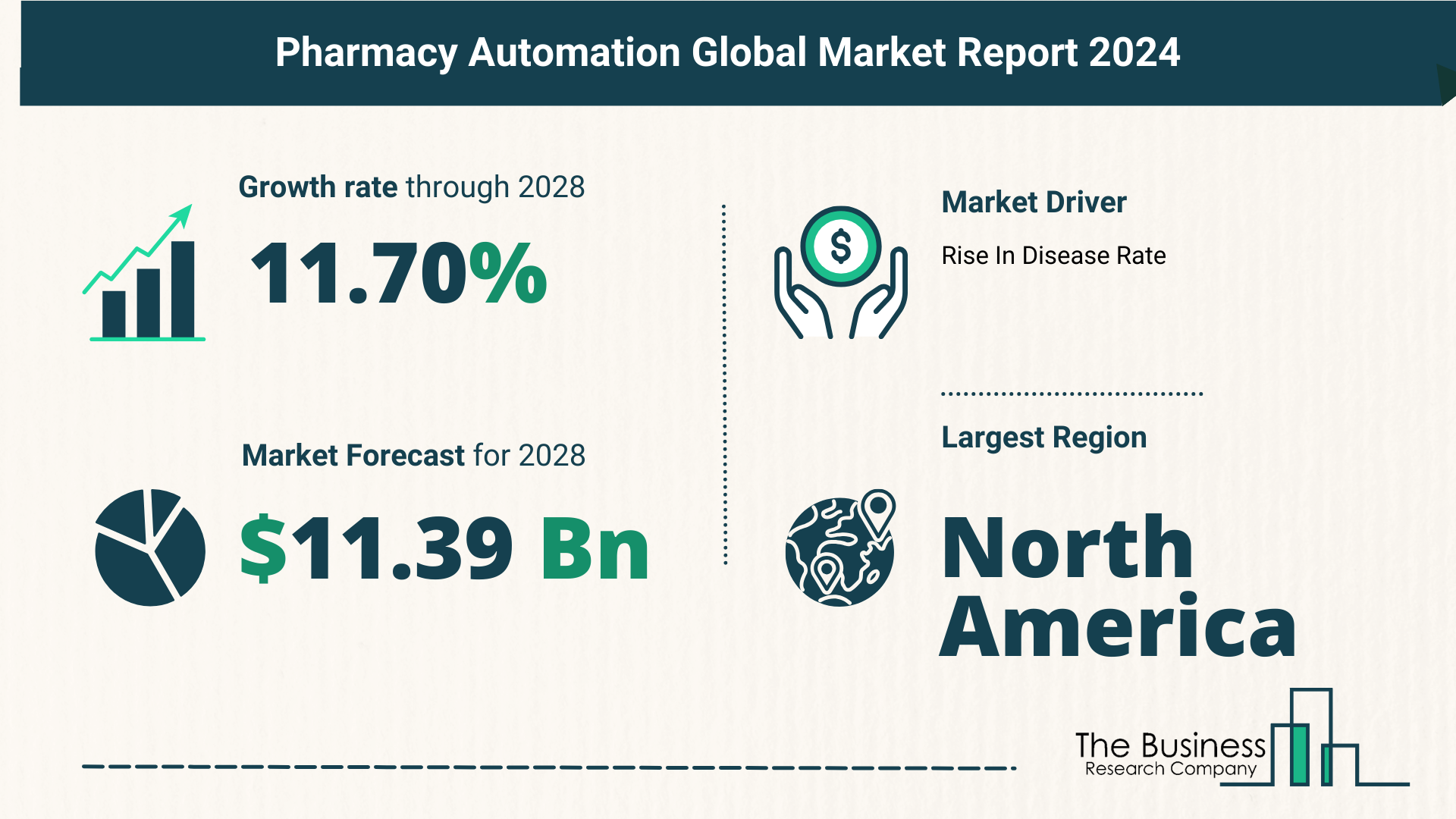
      • Expected to reach $11.39 billion by 2028, growing at a CAGR of 11.7%.
      • Forecasted drivers: aging populations, growth of retail pharmacy chains, focus on patient experience, rising labor costs, and integration with EHR systems.
      • Major trends: AI-powered systems, telepharmacy solutions, robotics, centralized prescription processing, and blockchain adoption.

    Read More On The Pharmacy Automation Market Report 2024 – https://www.thebusinessresearchcompany.com/report/pharmacy-automation-global-market-report

    Rise In Disease Rate Is Anticipated To Fuel The Expansion Of The Pharmacy Automation Market

    The surge in disease rates globally is expected to drive further growth in the pharmacy automation market.

    • Impact of Disease Rates
      • Factors contributing: increasing population, travel, climate change, pollution, and new infectious agents.
      • Pharmacy automation’s role: enhances accuracy and efficiency in medication dispensing and management.
      • Example: US projected to see a significant increase in chronic conditions among older adults by 2050.

    Major Companies and Innovations

    Leading companies and innovations are shaping the pharmacy automation landscape.

    • Key Players
      • Major companies include Mckesson Corporation, AmerisourceBergen Corporation, Baxter International Inc., and more.
      • Focus on expanding product portfolios and innovation in automated drug dispensing systems.
    • Innovative Solutions
      • Example: JVM Co. Ltd.’s MENITH, a robotic arm-based automated dispensing machine, improves dispensing speed and accuracy.
      • Advanced systems aim to reduce medical errors and optimize pharmacy workflows.

    Strategic Acquisitions and Market Segmentation

    Strategic moves and market segmentation play crucial roles in market expansion.

    • Strategic Acquisition
      • Example: Becton, Dickinson, and Company’s acquisition of Parata Systems enhances automation solutions.
      • Focus on addressing pharmacy challenges and enhancing clinical efficiencies.
    • Market Segmentation
      • Segmented by product (dispensing systems, packaging machines), application (drug dispensing, inventory management), and end-user (inpatient pharmacies, retail pharmacies).

    Regional Insights

    Regional dynamics highlight growth disparities and opportunities.

    • Regional Insights
      • North America led the market in 2023; Asia-Pacific expected to grow fastest.
      • Regional growth driven by healthcare infrastructure development and increasing healthcare spending.

    In conclusion, the pharmacy automation market is poised for substantial growth driven by technological advancements, rising healthcare demands, and strategic industry moves. As the healthcare landscape evolves, pharmacy automation will continue to play a pivotal role in enhancing patient care and operational efficiencies across global healthcare systems.

    Request for A Sample Of The Global Pharmacy Automation Market Report:
    https://www.thebusinessresearchcompany.com/sample_request?id=15234&type=smp

  • Overview Of The Pet Mobility Aids Market 2024-2033: Growth And Major Players Analysis

    Overview Of The Pet Mobility Aids Market 2024-2033: Growth And Major Players Analysis

    The Business Research Company’s global market reports are now updated with the latest market sizing information for the year 2024 and forecasted to 2033

    Market Growth Overview

    • Current Market Size: The pet mobility aids market has surged from $1.88 billion in 2023 to $2.04 billion in 2024, with a CAGR of 8.6%.
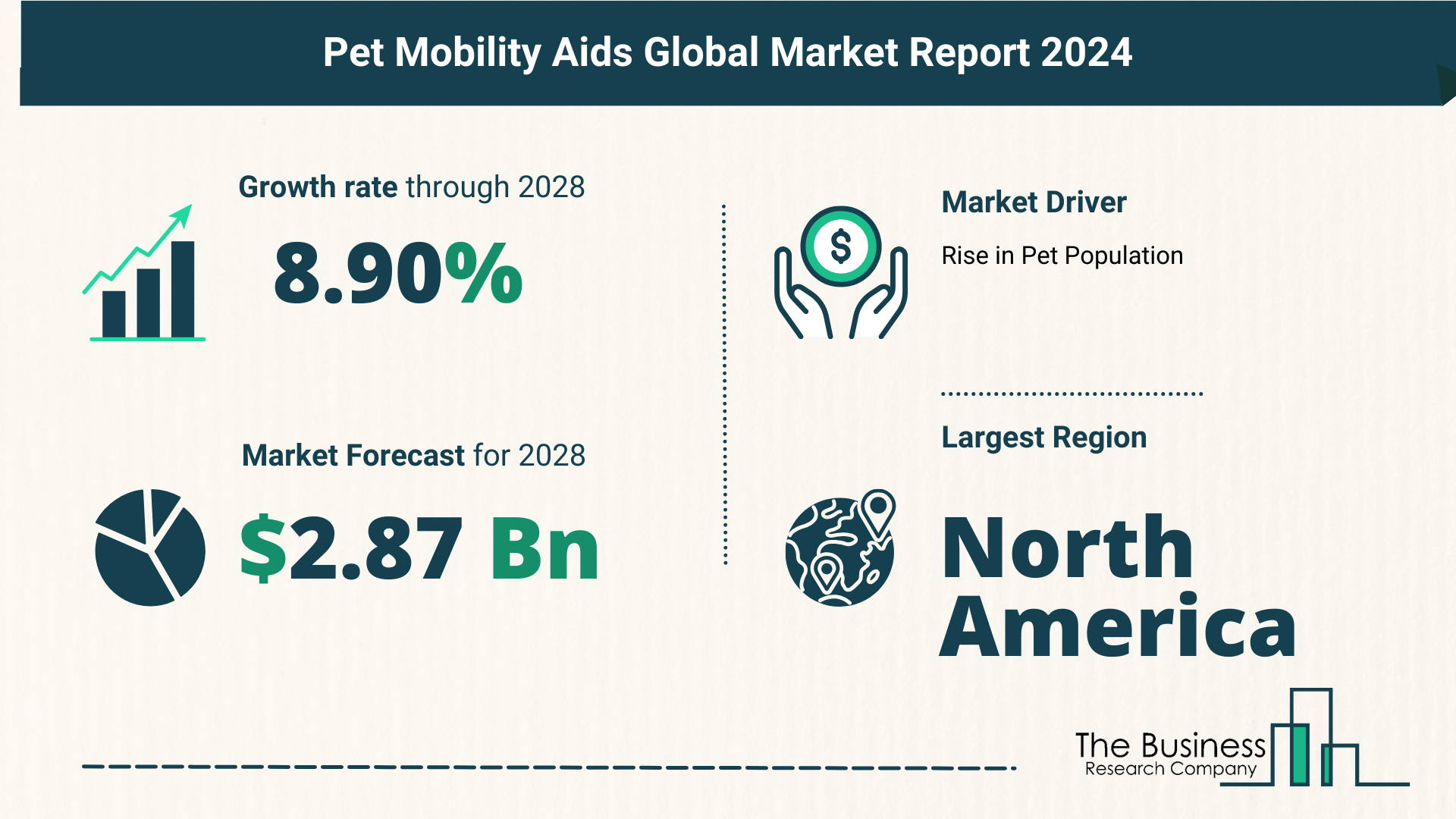
    • Future Projections: Anticipated to reach $2.87 billion by 2028, growing at a CAGR of 8.9%.

    Driving Forces Behind Market Growth

    The expansion in the pet mobility aids market can be attributed to several key factors:

    • Advancements in Veterinary Medicine: Improvements in treatments and therapies for pets.
    • Aging Pet Population: Increased need for mobility support among older pets.
    • Rising Pet Ownership: Growing number of pets leading to higher demand for pet care products.
    • Increased Awareness: Greater focus on pet health and well-being.
    • Expansion of Pet Insurance Coverage: More comprehensive support for pet healthcare expenses.

    Trends Shaping the Future

    In the forecast period, significant trends are influencing market dynamics:

    • Integration of Smart Technology: Incorporation of IoT and smart devices in pet mobility aids.
    • Demand for Sustainable Solutions: Rise in eco-friendly and sustainable mobility products.
    • Customization for Different Breeds: Tailored solutions for diverse pet sizes and breeds.
    • Expansion of Rental Services: Increasing availability of rental options for pet mobility aids.
    • Emergence of 3D Printing: Adoption of 3D printing for customized pet devices.

    View More On The Pet Mobility Aids Market Report 2024 – https://www.thebusinessresearchcompany.com/report/pet-mobility-aids-global-market-report

    Impact of Rising Pet Population

    The growing number of pets globally is a major catalyst for market growth:

    • Increased Adoption Rates: Surge in pet adoptions, particularly in North America.
    • Enhanced Emotional Support: Pets contribute positively to emotional well-being.
    • Media Influence: Popularization of pet ownership through media and social channels.

    Innovations Driving Market Leaders

    Companies like Walkin’ Pets and Paw Prosper are spearheading innovation in pet mobility aids:

    • Custom Stifle Braces: Walkin’ Pets introduces specialized braces for knee injuries, enhancing mobility and comfort.
    • Strategic Acquisitions: Paw Prosper’s acquisition of K9 Carts expands its product portfolio, strengthening market presence.

    Market Segmentation

    The pet mobility aids market is segmented by product, pet type, distribution channel, and end-user:

    • Products: Wheelchairs, splints, slings, ramps, prosthetics, and other specialized aids.
    • Pet Types: Mainly catering to dogs and cats, with solutions emerging for other pet species.
    • Distribution Channels: Retail stores, e-commerce platforms, and veterinary clinics.
    • End Users: Individual pet owners, veterinary clinics, and pet care facilities.

    Regional Insights

    • North America Dominance: Leading region in 2023, fueled by high pet ownership rates and advanced veterinary care facilities.

    Conclusion

    The pet mobility aids market is poised for substantial growth, driven by technological advancements, demographic shifts in pet ownership, and increasing awareness of pet health needs. As innovations continue to unfold and market players expand their offerings, the future looks promising for enhancing the mobility and quality of life for pets worldwide.

    Request A Sample Of The Global Pet Mobility Aids Market Report 2024:
    https://www.thebusinessresearchcompany.com/sample_request?id=15233&type=smp