Blog

  • Stem Cell Or Cord Blood Banking Global Market Outlook 2024-2033: Size And Growth Rate Analysis

    Stem Cell Or Cord Blood Banking Global Market Outlook 2024-2033: Size And Growth Rate Analysis

    The Business Research Company’s global market reports provide comprehensive analysis on the various markets in 27 industries across 60 geographies.

    The stem cell/cord blood banking market has witnessed robust growth in recent years, with the market size surging from $11.14 billion in 2023 to $12.19 billion in 2024, reflecting a remarkable Compound Annual Growth Rate (CAGR) of 9.4%. This positive trajectory can be attributed to a confluence of factors, including medical advancements, heightened awareness, successful clinical applications, regulatory support, and substantial research funding.

    Soaring Heights: Forecasting the Future
    The upward trajectory of the stem cell/cord blood banking market is set to continue, with projections indicating a surge to $18.83 billion in 2028, at an impressive CAGR of 11.5%. The forecasted growth is driven by factors such as the advent of personalized medicine, emerging therapies, international expansion, increased investments in biotechnology, and the establishment of a robust legal and ethical framework.

    Key Trends Shaping the Future

    • Non-Invasive Collection Methods: Innovations in collection methods enhance accessibility and ease for donors.
    • Multiple Banking Services: Growing demand for diverse services catering to different medical needs.
    • Transparency and Regulation: Emphasis on transparency and adherence to regulatory standards.
    • Collaborative Efforts: Increasing collaboration among industry players for collective advancement.
    • Storage Innovations: Ongoing efforts to enhance storage solutions for better preservation.

    View More On The Stem Cell Or Cord Blood Banking Market Report 2024 – https://www.thebusinessresearchcompany.com/report/stem-cell-cord-blood-banking-global-market-report

    Addressing the Root: Chronic Diseases Driving Market Growth
    The surge in chronic diseases worldwide is a pivotal driver behind the expanding stem cell/cord blood banking market. With chronic illnesses lasting three months or more and lacking effective treatments, the regenerative potential of stem cells and cord blood becomes a beacon of hope. Stem cell transplants, personalized medicine, and research into novel therapies for chronic conditions contribute to an increased demand for banking services.

    • According to the National Center for Biotechnology Information, the global prevalence of chronic diseases is projected to reach 142.66 million people by 2050, up from 71.522 million in 2020.

    Pioneering Companies Leading the Way
    Major players in the stem cell/cord blood banking market are at the forefront, driving innovation and expansion.

    • Notable Companies:
      • AMAG Pharmaceuticals Inc.
      • Cryo-Cell International Inc.
      • Esperite NV
      • Americord Registry LLC
      • China Cord Blood Corporation
      • Cordlife Group Ltd.
      • CordVida
      • Cryo Stemcell
      • PerkinElmer Inc.
      • ReeLabs Pvt Ltd.
      • Cord Blood America Inc.
      • StemCyte Inc.
      • Reliance Life Sciences Pvt Ltd.
      • Maze Cord Blood Laboratories
      • Cells4Life Group LLP.

    Advancements in Peripheral Blood Stem Cell (PBSC) Services
    Companies are expanding their services to gain a competitive edge, with a focus on peripheral blood stem cell (PBSC) processing and storage.

    • In February 2023, Cordlife Group Limited launched new PBSC processing and storage services in Singapore, aiming to enhance treatment outcomes for patients with blood-related diseases.

    Cooper Companies: A Strategic Move in Expanding Services
    In December 2021, Cooper Companies made a significant move by acquiring Generate Life Sciences for $1.66 billion. This strategic acquisition positioned Cooper Companies to better serve consumers and expand its customer base, with Generate Life Sciences offering a spectrum of services including donor eggs, sperm for fertility treatments, fertility cryopreservation, and newborn stem cell storage.

    Segmenting the Market for Precision
    The stem cell/cord blood banking market is segmented based on various parameters.

    • Cell Type:
      • Adult Stem Cells
      • Umbilical Cord Blood Stem Cells
      • Embryonic Stem Cells
    • Service:
      • Collection
      • Processing
      • Analysis
      • Storage
    • Bank Type:
      • Public
      • Private
    • Application:
      • Leukemia
      • Anemia
      • Thalassemia
      • Autism
      • Cerebral Palsy
      • Diabetes
      • Other Applications

    North America Takes the Lead
    In 2023, North America emerged as the largest region in the stem cell/cord blood banking market, underlining the region’s significant contributions to the industry’s growth.

    In conclusion, the stem cell/cord blood banking market is poised for remarkable expansion, driven by a myriad of factors ranging from medical breakthroughs to increased awareness and collaborative efforts. With companies actively pushing the boundaries of innovation, the future of stem cell banking appears promising, holding the key to transformative medical solutions.

    Request A Sample Of The Global Stem Cell Or Cord Blood Banking Market Report 2024:
    https://www.thebusinessresearchcompany.com/sample_request?id=2514&type=smp
  • 5 Key Insights On The Smart Pills Market 2024

    5 Key Insights On The Smart Pills Market 2024

    The Business Research Company’s global market reports are now updated with the latest market sizing information for the year 2024 and forecasted to 2033

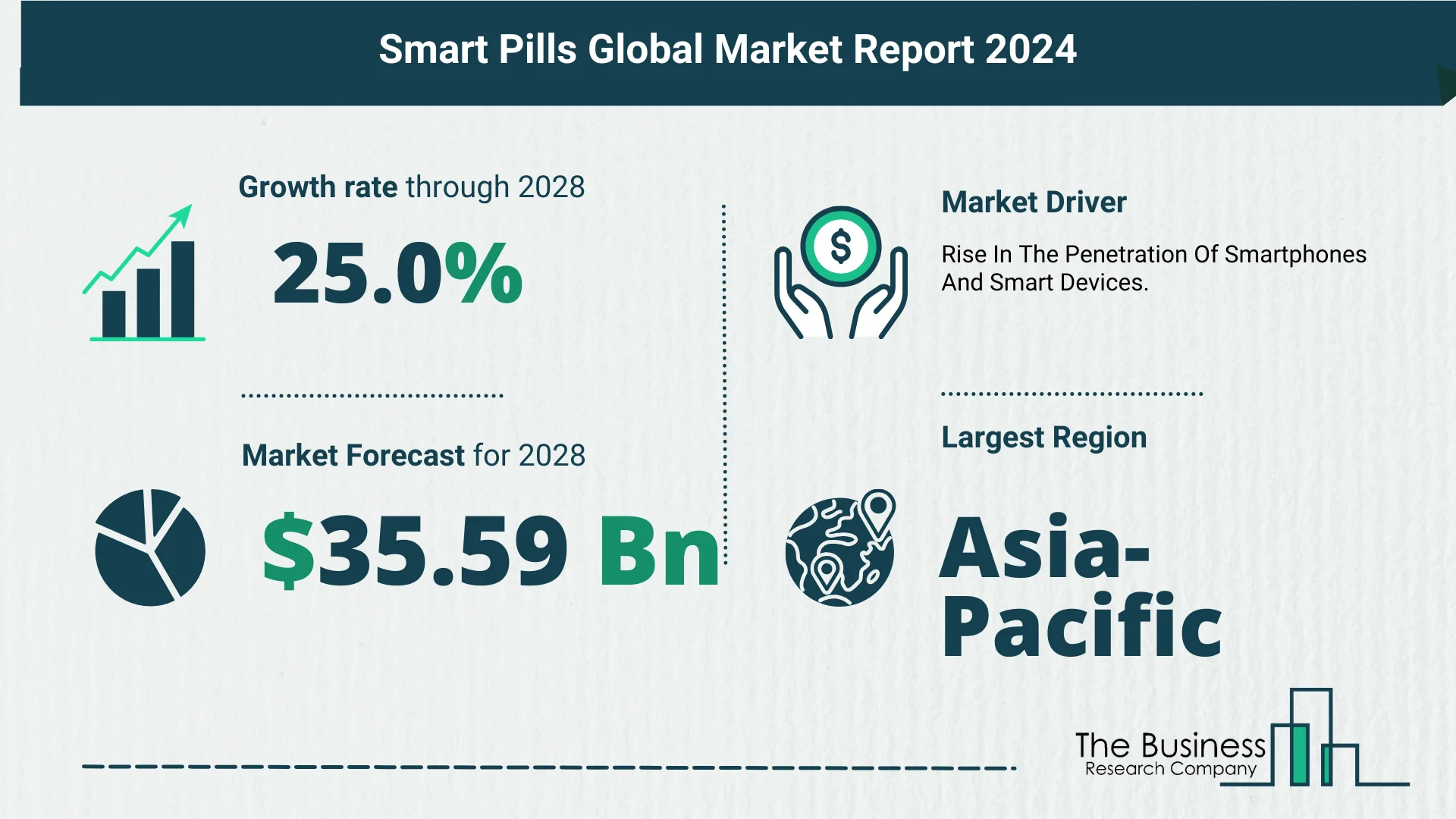
    As per The Business Research Company’s Smart Pills Global Market Report 2024, the smart pills market is expected to show significant growth in the forecast period.

    The smart pills market has witnessed a remarkable surge in recent years, evolving into a billion-dollar industry. In 2023, the market size reached $4.98 billion, and it is projected to grow to $5.53 billion in 2024, boasting a Compound Annual Growth Rate (CAGR) of 11.2%. This growth is attributed to several factors, including medication adherence, chronic disease management, clinical trials and research, and the impact of an aging population.

    Upward Trajectory: Anticipated Growth in the Coming Years The growth trajectory of the smart pills market is set to continue in the foreseeable future. Projections indicate a substantial increase, with the market expected to reach $8.49 billion by 2028, driven by a CAGR of 11.3%. The forecasted growth is linked to emerging trends such as remote patient monitoring, adherence to regulatory and quality standards, advancements in clinical trials and research, and the integration of digital health solutions.

    Noteworthy Trends Shaping the Future In the forecast period, the smart pills market will witness the emergence of several key trends, shaping the landscape of healthcare and technology integration. These trends include wireless health monitoring, diagnostic and imaging capsules, data analytics and artificial intelligence, smart pill sensors, and the crucial aspects of miniaturization and biocompatibility.

    Rise Of Non-Invasive Procedures Fueling The Smart Pills Market
    Non-Invasive Procedures: A Paradigm Shift The growing preference for non-invasive procedures is a significant driver behind the surge in the smart pills market. Non-invasive procedures, which avoid incisions or tissue removal, are gaining popularity for diagnostic and treatment purposes. Smart pills, wireless ingestible capsules, play a pivotal role in this trend, finding applications in capsule endoscopy, drug delivery, and patient monitoring.

    Revolutionizing Diagnostics: Capsule Endoscopy One notable application of smart pills is in diagnostic imaging, particularly capsule endoscopy. This procedure involves swallowing a smart pill equipped with a micro-camera, capturing images as it traverses the gastrointestinal tract. This innovation revolutionizes the diagnosis of gastrointestinal disorders, potentially replacing conventional methods such as endoscopy.

    Key Players in the Smart Pills Market Several major companies are contributing to the growth of the smart pills market, including Medtronic PLC, Olympus Corporation, CapsoVision Inc., Novartis AG, and Proteus Digital Health Inc., among others. These companies are at the forefront of developing and advancing smart pill technologies.

    View More On The Smart Pills Market Report 2024 – https://www.thebusinessresearchcompany.com/report/smart-pills-global-market-report

    Innovative Uses Of Atoms
    Revolutionary Research: Addressable Transmitters Operated as Magnetic Spins (ATOMS) Innovative research and development efforts are focusing on the use of miniature chips known as ATOMS (Addressable Transmitters Operated as Magnetic Spins). These silicon chip devices leverage magnetic resonance imaging (MRI) principles to locate atoms within a patient’s body using magnetic fields. ATOMS can be integrated into ingestible smart pills, offering diagnostic and treatment capabilities within the body.

    Applications of ATOMS in Smart Pills ATOMS can monitor various areas within the body, including the gastrointestinal tract, blood, and brain. These devices are capable of measuring critical health indicators such as pH, temperature, pressure, and sugar concentrations, relaying this information to healthcare professionals. Moreover, they can be programmed to release drugs, showcasing a revolutionary approach to personalized medicine.

    Segmentation of the Smart Pills Market The smart pills market is segmented based on various criteria:

    1. By Target Area: Esophagus, Stomach, Small Intestine, Large Intestine
    2. By Disease Indication: Esophageal Diseases, Colon Diseases, Small bowel Diseases, and Other Disease Indications
    3. By Application: Capsule Endoscopy, Patient Monitoring, Drug Delivery
    4. By End User: Hospital, Diagnostic Center, Research Institute

    Regional Dominance: North America Leading the Way In 2023, North America emerged as the largest region in the smart pills market. The region’s dominance is a testament to the growing adoption of innovative healthcare technologies and the presence of key market players.

    Conclusion: Navigating the Future of Healthcare The smart pills market’s exponential growth is reshaping the landscape of healthcare, offering promising solutions for diagnosis, treatment, and patient monitoring. As non-invasive procedures gain prominence and technological innovations continue, the smart pills market is set to play a pivotal role in the future of healthcare. Keep an eye on this dynamic industry as it unfolds new possibilities and transforms the way we approach medical interventions.

    Request A Sample Of The Global Smart Pills Market Report 2024:
    https://www.thebusinessresearchcompany.com/sample_request?id=2846&type=smp

  • Global Biopharmaceutical CMO Market Key Insights 2024-2033

    Global Biopharmaceutical CMO Market Key Insights 2024-2033

    The Business Research Company’s global market reports are now updated with the latest market sizing information for the year 2024 and forecasted to 2033

    According to The Business Research Company’s Biopharmaceutical CMO Global Market Report 2024, the biopharmaceutical CMO market is expected to show promising growth in the forecast period.

    The biopharmaceutical Contract Manufacturing Organization (CMO) market has witnessed a rapid surge in recent years, reflecting robust growth from $21.72 billion in 2023 to an estimated $24.68 billion in 2024, marking a noteworthy Compound Annual Growth Rate (CAGR) of 13.6%. As we look ahead, the market is set for accelerated growth, reaching an anticipated $41.87 billion by 2028, with a CAGR of 14.1%.

    Underlying Factors for Historical Growth

    • Increasing demand for biopharmaceuticals
    • Globalization of the pharmaceutical industry
    • Rise in healthcare expenditure
    • Regulatory support
    • Surge in research funding

    Drivers for Future Growth

    The anticipated growth from 2024 to 2028 can be attributed to several key factors:

    • Rise in telehealth and remote trials
    • Global health initiatives
    • Increase in disposable income

    Venture Capital Investments as Catalysts for Growth

    Impact of Venture Capital Investments

    Robust venture capital investments in the life science sector are expected to be a significant driver for the growth of the biopharmaceutical CMO market. The life sciences sector, encompassing organizations conducting research and development on living beings, is witnessing increased investment, leading to heightened manufacturing of biopharmaceuticals.

    Illustrative Example from the UK

    • In September 2021, the UK saw a record-breaking £1.9 billion ($5.787 billion) raised in venture capital for the life sciences sector within three months.
    • This surge in investment is a testament to the sector’s robustness, driving advancements in biopharmaceutical manufacturing.

    View More On The Biopharmaceutical CMO Market Report 2024 – https://www.thebusinessresearchcompany.com/report/biopharmaceutical-cmo-global-market-report

    Incorporating IoT Technology Advancements

    Technological Advancement Trends

    Technological advancements, particularly in the realm of the Internet of Things (IoT), are becoming increasingly prominent in the biopharmaceutical CMO market. Major players in the market are leveraging IoT for research and development, enhancing manufacturing processes and overall efficiency.

    Innovative Application in Biopharmaceutical Monitoring

    • In February 2022, M2Cloud and Thales developed an IoT-based LTE monitoring system for biopharmaceutical monitoring.
    • This system allows real-time monitoring of freezers, refrigerated warehouses, and delivery boxes, ensuring temperature and position information verification remotely.
    • The incorporation of IoT technology enhances pharmaceutical product safety, exemplifying the industry’s commitment to cutting-edge solutions.

    AstraZeneca’s Strategic Acquisition: Reinforcing Rare Disease Medicine Manufacturing

    Strategic Acquisition Impact

    In July 2021, AstraZeneca, a UK-based biopharmaceutical giant, acquired Alexion Pharmaceuticals, Inc. This strategic move aimed at strengthening AstraZeneca’s presence in immunology and enhancing its capacity to manufacture medicines for rare diseases.

    Synergy in Scientific Presence

    • The complement-biology platform and substantial pipeline of Alexion Pharmaceuticals provide AstraZeneca with a more robust scientific presence in immunology.
    • This acquisition reflects the industry’s focus on diversification and addressing unmet medical needs.

    Market Segmentation and Regional Dynamics

    Segmentation Highlights

    1. By Product:
      • Biologics
      • Biosimilars
    2. By Source:
      • Mammalian
      • Non-Mammalian
    3. By Service:
      • Manufacturing
      • Fill And Finish Operations
      • Analytical And QC Studies
      • Packaging

    Regional Insights

    • North America emerged as the largest region in the biopharmaceutical CMO market in 2023.
    • Asia-Pacific is poised to be the fastest-growing region in the forecast period, indicating a shift in the global market landscape.

    Conclusion: Navigating a Dynamic Landscape of Innovation

    As the biopharmaceutical CMO market continues to burgeon, driven by venture capital investments, technological advancements, and strategic acquisitions, the industry stands at the forefront of innovation. Incorporating IoT technology, embracing sustainability, and advancing towards Industry 4.0 underscore the industry’s commitment to efficient and sustainable solutions. With a forecasted trajectory of robust growth, the biopharmaceutical CMO market presents a landscape rich with opportunities, emphasizing the pivotal role it plays in advancing global healthcare and pharmaceutical innovation.

    Request A Sample Of The Global Biopharmaceutical CMO Market Report 2024:
    https://www.thebusinessresearchcompany.com/sample_request?id=7771&type=smp

  • Future Growth Forecast For The Bifurcation Lesions Global Market 2024-2033

    Future Growth Forecast For The Bifurcation Lesions Global Market 2024-2033

    The Business Research Company’s global market reports provide comprehensive analysis on the various markets in 27 industries across 60 geographies.

    The bifurcation lesions market has witnessed substantial growth in recent years, with the market size reaching $2.47 billion in 2023 and projected to further rise to $2.7 billion in 2024, boasting a Compound Annual Growth Rate (CAGR) of 9.3%. This growth is attributed to a myriad of factors, including the prevalence of coronary artery diseases, an aging population, increased healthcare expenditure, and overall economic growth.

    Anticipating Future Heights: Forecasted Growth

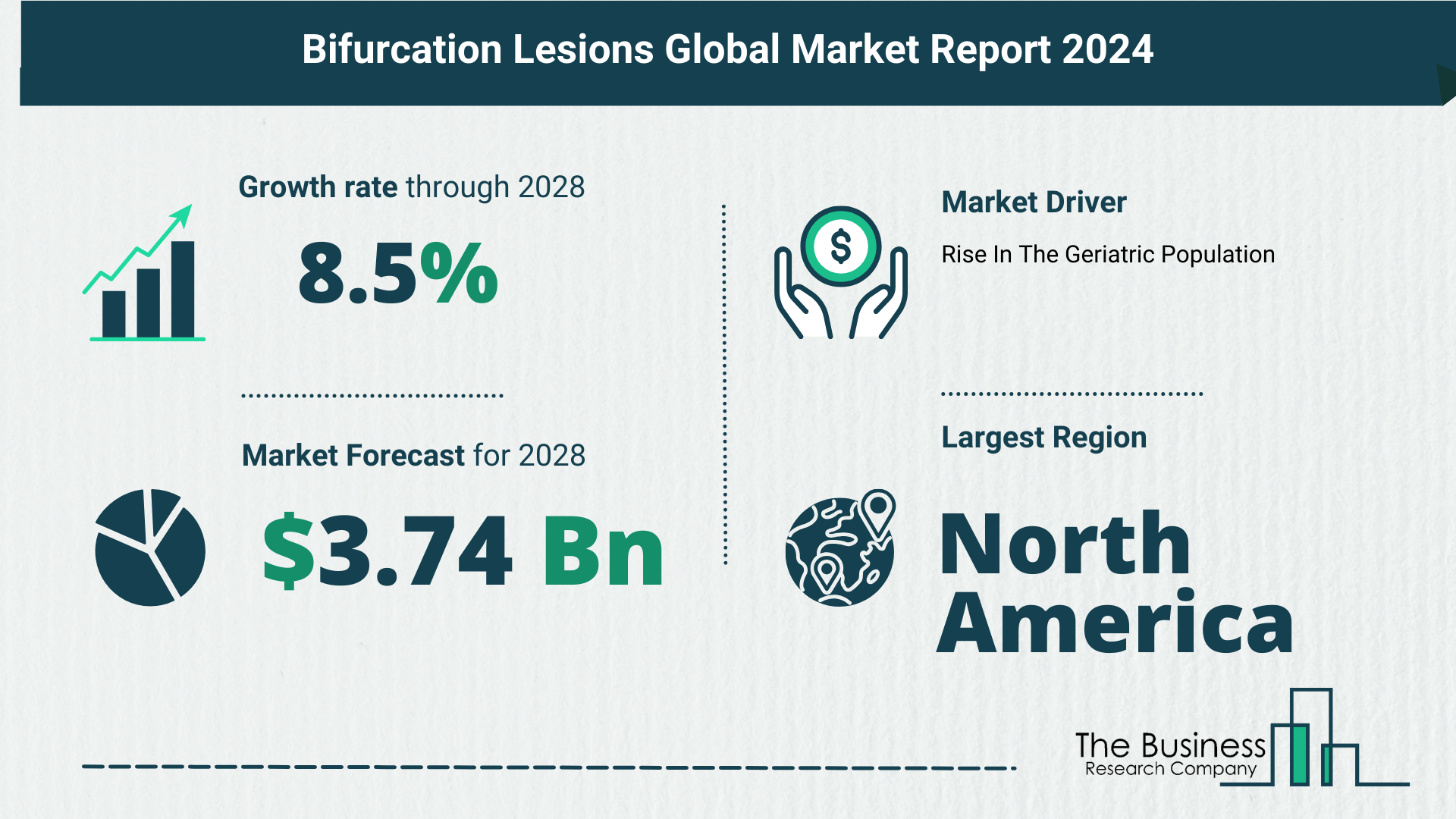
    The bifurcation lesions market is poised for continued expansion, with forecasts indicating a strong surge to $3.74 billion by 2028, reflecting a robust CAGR of 8.5%. The projected growth in the forecast period is driven by escalating demand for minimally invasive surgeries, the expansion of healthcare infrastructure, the rising prevalence of cardiovascular diseases, and supportive government healthcare policies.

    Key Trends Shaping the Future

    • Patient-Centric Approaches:Emphasis on personalized and patient-focused healthcare solutions.
    • Bioresorbable Stents:Innovations in stent technology for enhanced patient outcomes.
    • Integration of AI and Machine Learning:Harnessing advanced technologies for diagnostic and treatment advancements.
    • Cross-Specialty Collaboration:Fostering collaborative efforts across medical specialties for comprehensive patient care.

    Fueling Growth: Elevated Healthcare Expenditure

    The burgeoning healthcare expenditure is a pivotal driver propelling the growth of the bifurcation lesions market. Increased spending in healthcare infrastructure facilitates the integration of state-of-the-art equipment and technologies, including advanced interventional cardiology devices for the effective treatment of bifurcation lesions.

    • The 2021–2030 National Health Expenditure (NHE) report estimates a consistent annual rise of 5.1% in national health spending, reaching nearly $6.8 trillion by 2030.
    • Medicare and Medicaid spending is anticipated to rise at annual rates of 7.2% and 5.6%, respectively, from 2021 to 2030.

    Industry Leaders: Major Companies in Action

    Major companies are playing a crucial role in driving innovation and market growth, with notable players such as Boston Scientific Corporation, Terumo Medical Corporation, and Medtronic PLC at the forefront.

    • Notable Companies:
      • Boston Scientific Corporation
      • Terumo Medical Corporation
      • Spectranetics Corporation
      • Medtronic PLC
      • Cardinal Health Inc.
      • Abbott Laboratories
      • Biosensors International Group Ltd.
      • Braun Melsungen AG
      • Cook Medical LLC
      • Cordis Corporation
      • Biotronik SE & Co. KG
      • Cardionovum GmbH
      • Elixir Medical Corporation
      • Medinol Ltd.
      • Meril Life Sciences Pvt. Ltd.
      • Sahajanand Medical Technologies Pvt. Ltd.
      • Svelte Medical Systems Inc.
      • Translumina GmbH

    View More On The Bifurcation Lesions Market Report 2024 – https://www.thebusinessresearchcompany.com/report/bifurcation-lesions-global-market-report

    Innovations Driving Market Growth: Product Innovations

    Innovative products, such as drug-eluting coronary stent systems, are a focal point for major companies, aiming to cater to larger customer bases, increase sales, and boost revenue. These advanced medical devices are instrumental in interventional cardiology to treat coronary artery disease.

    • Medtronic PLC’s Onyx Frontier drug-eluting stent (DES) showcases design enhancements, including a dual-layer balloon, reduced crossing profile, and heightened catheter flexibility.
    • Onyx Frontier offers an extensive range of sizes, accommodating patients with diameters ranging from 2.0mm to 5.0mm, with specific focus on treating extra-large vessels, including those in the left main.

    Strategic Moves: Boston Scientific’s Acquisition

    In September 2021, Boston Scientific Corporation strategically acquired Devoro Medical, Inc., a move aimed at focusing on clot management and commercialization using the WOLF Thrombectomy Platform developed by Devoro Medical. This acquisition broadens Boston Scientific’s selection of interventional strategies for thromboemboli, enhancing its position in the market.

    Market Dynamics: Segmentation Insights

    The bifurcation lesions market is segmented based on key parameters, offering precision in understanding market dynamics.

    • Types:
      • One-Stent
      • Two-Stent
    • Application:
      • Coronary Vascular
      • Peripheral Vascular

    Regional Dynamics: North America Takes the Lead

    In 2023, North America emerged as the largest region in the bifurcation lesions market, showcasing the region’s significant contributions to market growth. Looking ahead, Asia-Pacific is expected to be the fastest-growing region in the forecast period, indicative of evolving healthcare landscapes and increased adoption of advanced technologies.

    In conclusion, the bifurcation lesions market is on an upward trajectory, driven by a convergence of factors such as technological advancements, strategic acquisitions, and a focus on patient-centric healthcare solutions. With major companies leading the charge in innovation, the future of cardiovascular care holds promising prospects for enhanced treatment modalities and improved patient outcomes.

    Request A Sample Of The Global Bifurcation Lesions Market Report 2024:
    https://www.thebusinessresearchcompany.com/sample_request?id=7414&type=smp

  • Understand How The Bed Monitoring System And Baby Monitoring System Market Is Poised To Grow Through 2024-2033

    Understand How The Bed Monitoring System And Baby Monitoring System Market Is Poised To Grow Through 2024-2033

    The Business Research Company’s global market reports are now updated with the latest market sizing information for the year 2024 and forecasted to 2033

    As per The Business Research Company’s Bed Monitoring System And Baby Monitoring System Global Market Report 2024, the bed monitoring system and baby monitoring system market is expected to show significant growth in the forecast period.

    The bed monitoring system and baby monitoring system market have witnessed robust growth, evolving into essential components of the healthcare and parenting sectors. In 2023, the market size reached $1.84 billion, set to grow further to $2.01 billion in 2024, with a Compound Annual Growth Rate (CAGR) of 9.2%. This surge is attributed to an aging population, increased healthcare expenditure, regulatory compliance, patient safety initiatives, and a rise in birth rates.

    Anticipating Strong Growth: Projections and Trends The momentum in the bed and baby monitoring systems market is poised to continue its upward trajectory. Projections for 2028 forecast a substantial growth, reaching $2.91 billion with a CAGR of 9.7%. This anticipated growth is linked to factors such as parental convenience, safety concerns, the rise in working parents, and the impact of rapid urbanization. Notable trends in this period include the integration of telehealth, wireless connectivity, AI-powered insights, enhanced camera technology, and fall detection and prevention mechanisms.

    Expanding Healthcare Infrastructure Investments Fuel Growth In Bed Monitoring System And Baby Monitoring System Market

    Infrastructure Boom: Catalyst for Growth The burgeoning investment in healthcare infrastructure development is a key driver propelling the growth of the bed monitoring system and baby monitoring system market. Governments globally are launching initiatives to enhance hospital infrastructure, especially in underserved areas. Notably, the Build Back Better Act in the United States is injecting significant funds into public health infrastructure, creating a demand for monitoring systems.

    Key Players in the Market Major companies contributing to the growth of this market include Wellsens Inc., XSENSOR Technology Corporation, Smart Caregiver Corporation, Koninklijke Philips N.V., Motorola Mobility LLC, iBaby Labs Inc., Hisense Ltd., Sleep Number Corporation, Angelcare Monitors Inc., and many more. These companies are at the forefront of developing innovative monitoring solutions to meet the evolving needs of healthcare and parenting.

    View More On The Bed Monitoring System And Baby Monitoring System Market Report 2024 – https://www.thebusinessresearchcompany.com/report/bed-monitoring-system-and-baby-monitoring-system-global-market-report

    Advancements In Home Baby Monitoring Systems

    Home is Where the Tech Is Innovation in the bed and baby monitoring system market is evident through the development of home baby monitoring systems. These systems, designed to cater to a broader customer base, enhance sales, and increase revenue, offer parents a comprehensive way to monitor their infants. An exemplary product is the Masimo Stork, launched by Masimo Corporation in May 2023. It provides valuable health insights, high-resolution 2K QHD camera capabilities, exceptional nighttime vision, two-way audio functionality, and room condition monitoring. This integration fosters a deeper connection between parents and their babies.

    Hill-Rom Holdings Inc. Acquired Earlysense

    Strategic Moves: Industry Acquisitions In February 2021, Hill-Rom Holdings Inc., a leading medical technology provider, made a significant move by acquiring contact-free continuous monitoring technology from EarlySense for $30 million. This acquisition highlights Hillrom’s commitment to developing connected solutions to enhance patient outcomes. EarlySense, an Israel-based medical device company, operates in the baby monitoring systems sector, emphasizing the industry’s strategic collaborations and acquisitions.

    Segmentation of the Market The bed monitoring system and baby monitoring system market is segmented based on various criteria:

    1. By Type:Bedsore Monitoring Solutions, Baby Monitoring Solutions, Elderly Monitoring Solutions, Sleep Monitoring Solutions
    2. By End-User:Homecare Settings, Hospitals, Nursing Homes, Assisted Living Facilities

    Regional Dynamics: North America Takes the Lead In 2023, North America emerged as the largest region in the bed monitoring system and baby monitoring system market. However, Asia-Pacific is anticipated to be the fastest-growing region in the forecast period, indicating a shift in market dynamics towards emerging economies.

    Conclusion: Monitoring Tomorrow As the bed and baby monitoring system market continues its upward trajectory, driven by technological advancements and strategic investments in healthcare infrastructure, it becomes a pivotal component in ensuring patient safety and easing parental concerns. The integration of cutting-edge technologies and strategic acquisitions propels the industry towards a future where monitoring systems play a crucial role in healthcare and parenting practices. Watch this space for further innovations and transformative developments in the world of bed and baby monitoring systems.

    Request A Sample Of The Global Bed Monitoring System And Baby Monitoring System Market Report 2024:
    https://www.thebusinessresearchcompany.com/sample_request?id=6847&type=smp

  • What Is The Forecast Growth Rate For The Bipolar Disorder Therapeutics Market?

    What Is The Forecast Growth Rate For The Bipolar Disorder Therapeutics Market?

    The Business Research Company’s market reports offer an in-depth analysis on the market’s growth potential, major drivers, key trends and more.

    The bipolar disorder therapeutics market has witnessed robust growth in recent years, surging from $7.09 billion in 2023 to an estimated $7.53 billion in 2024, marking a Compound Annual Growth Rate (CAGR) of 6.2%. This growth is attributed to various factors, including increased medical research and developments, higher healthcare expenditure, a rise in the prevalence of mental health disorders, and the growing influence of patient advocacy.

    Anticipated Strong Growth Ahead

    • The bipolar disorder therapeutics market is poised for continued robust growth, projecting an increase to $9.46 billion in 2028 at a CAGR of 5.9%.
    • Factors contributing to this growth include the increasing prevalence of bipolar disorder, government initiatives, expanding healthcare infrastructure, and the growing adoption of a sedentary lifestyle.

    A Lifelong Condition Requiring Early Intervention
    Increase in the Prevalence of Bipolar Disorder
    The growing prevalence of bipolar disorder is a key driver fueling the expansion of the bipolar disorder therapeutics market. Bipolar disorder is a debilitating illness characterized by depressive mood swings, including symptoms such as irregular sleep patterns, low motivation, and loss of interest in daily activities. The rise in population and aging contribute to an increasing burden of bipolar disorder globally. For instance, in 2021, approximately 5.7 million adult Americans, constituting about 2.6% of the U.S. population, were affected by bipolar disorder, as reported by the Depression and Bipolar Support Alliance. This surge in prevalence underscores the critical need for effective therapeutics in managing bipolar disorder.

    Major Companies and Market Landscape
    Key Players Shaping the Market
    Major companies operating in the bipolar disorder therapeutics market include AbbVie Inc., Pfizer Inc., AstraZeneca PLC, and many others. These industry leaders play a pivotal role in advancing research and development, offering innovative solutions, and contributing to the market’s overall growth.

    Read More On The Bipolar Disorder Therapeutics Market Report 2024 – https://www.thebusinessresearchcompany.com/report/bipolar-disorder-therapeutics-global-market-report

    Innovations in Bipolar Disorder Therapeutics
    The Rise of Novel Therapies
    Companies in the bipolar disorder therapeutics market are actively developing new treatments to address the depressive episodes associated with bipolar I or II disorder. One notable example is the FDA approval of ‘CAPLYTA’ by Intra-Cellular Therapies, Inc. in December 2021. This medication offers a significant advancement in treating depressive episodes associated with bipolar disorder in adults, either as monotherapy or as adjunctive therapy with lithium or valproate.

    Neuraxpharm’s Expansion with Lazap in Europe
    In June 2023, Brain Therapeutics, a Greece-based CNS specialty company, acquired the prescription drug brand Lazap from Greek pharmaceutical company Lyofin Ltd. This strategic move enhances Neuraxpharm Group’s therapeutic product portfolio in Greece and Europe, allowing them to provide a broader range of CNS medications to patients and healthcare professionals. This expansion reflects the commitment to meeting the evolving healthcare needs of patients in the region.

    Market Segmentation and Regional Dynamics
    Market Segmentation
    The bipolar disorder therapeutics market is segmented based on various criteria:

    1. By Drug Class:
      • Mood Stabilizers
      • Antipsychotic Drugs
      • Antidepressant Drugs
      • Other Drugs
    2. By Mechanism:
      • Selective Serotonin Reuptake Inhibitors
      • Serotonin-norepinephrine Reuptake Inhibitors
      • Tricyclic Antidepressants
      • Monoamine Oxidase Inhibitors
      • Benzodiazepines
      • Beta-Blockers
      • Other Mechanisms
    3. By Distribution Channel:
      • Hospital Pharmacies
      • Retail Pharmacies
      • Online Pharmacies

    Regional Dynamics
    North America led the bipolar disorder therapeutics market in 2023, with Europe expected to be the fastest-growing region in the forecast period.

    Conclusion
    The bipolar disorder therapeutics market’s strong growth trajectory signifies a growing awareness and recognition of mental health challenges globally. As the prevalence of bipolar disorder continues to rise, the market’s focus on innovative treatments, personalized approaches, and digital health integration becomes increasingly crucial. The collaboration between pharmaceutical companies, advancements in therapies, and expanded healthcare infrastructure will play pivotal roles in reshaping the landscape of bipolar disorder management and improving the lives of those affected by this lifelong condition.

    Request for A Sample Of The Global Bipolar Disorder Therapeutics Market Report:
    https://www.thebusinessresearchcompany.com/sample_request?id=6736&type=smp

    Learn More About The Business Research Company

    The Business Research Company has published over 15000+ reports in 27 industries, spanning 60+ geographies. The reports draw on 1,500,000 datasets, extensive secondary research, and exclusive insights from interviews with industry leaders.

    Contact us at:

    The Business Research Company: https://www.thebusinessresearchcompany.com/

    Americas +1 3156230293

    Asia +44 2071930708

    Europe +44 2071930708

    Email us at info@tbrc.info

    Follow us on:

    LinkedIn: https://in.linkedin.com/company/the-business-research-company

    YouTube: https://www.youtube.com/channel/UC24_fI0rV8cR5DxlCpgmyFQ

    Global Market Model: https://www.thebusinessresearchcompany.com/global-market-model

    Found this article helpful? Share it on:

  • Key Trends And Drivers In The Autoinjectors Market 2024

    Key Trends And Drivers In The Autoinjectors Market 2024

    The Business Research Company’s market reports offer an in-depth analysis on the market’s growth potential, major drivers, key trends and more.

    The autoinjectors market has experienced exponential growth in recent years, witnessing a remarkable increase from $3.06 billion in 2023 to an estimated $3.79 billion in 2024, boasting a Compound Annual Growth Rate (CAGR) of 23.6%. This surge is attributed to various factors such as the rising prevalence of chronic diseases, an aging population, the flourishing biotechnology and pharmaceutical sector, an increase in patient preference for self-administration, and supportive regulatory frameworks.

    Unprecedented Growth Forecasted

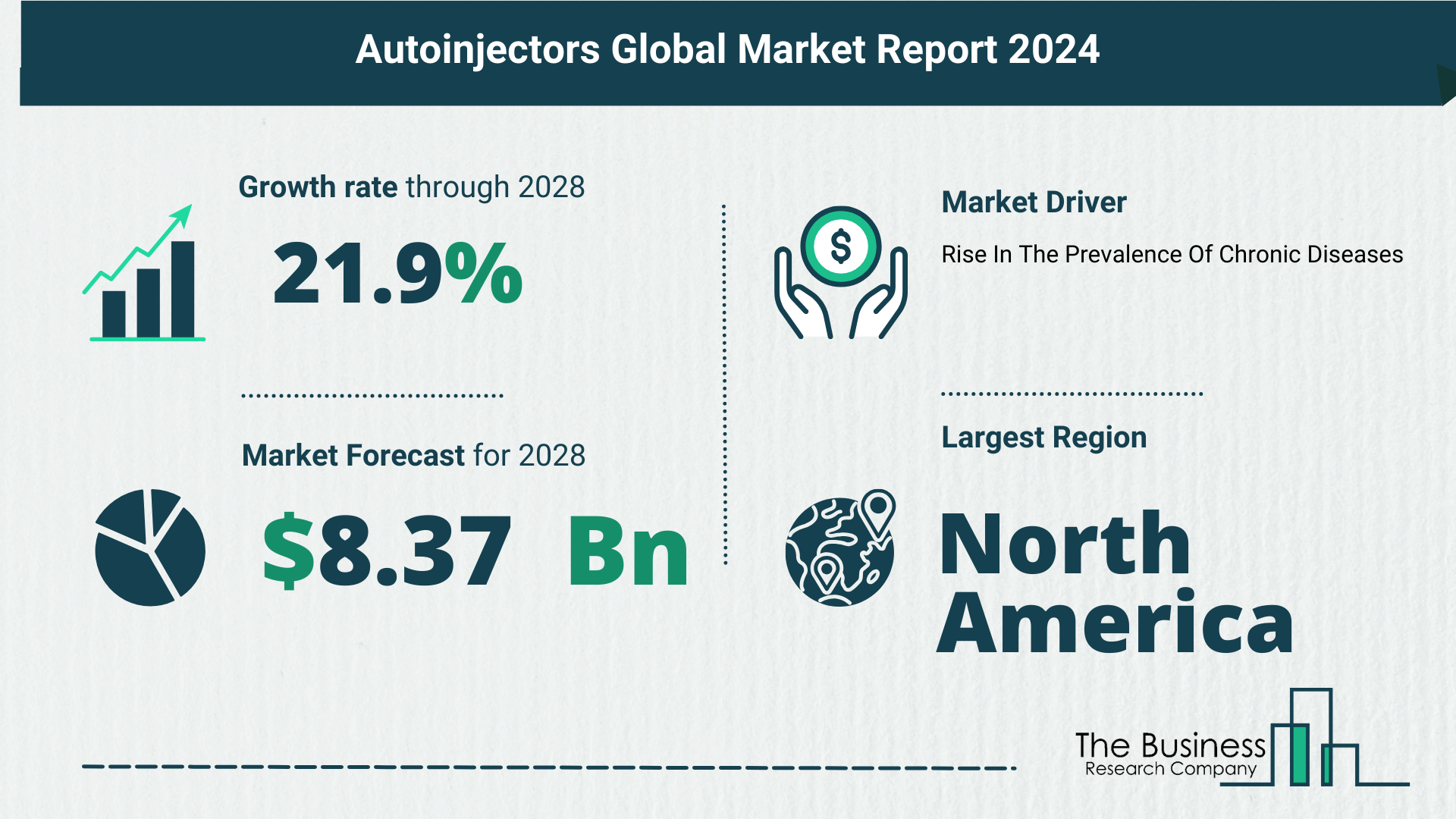
    • The autoinjectors market is poised for continuous exponential growth, projecting an impressive increase to $8.37 billion in 2028 at a CAGR of 21.9%.
    • Factors fueling this growth include an expansion of therapeutic applications, rising healthcare costs, a heightened focus on patient-centered care, the advent of telemedicine and remote patient monitoring, and the burgeoning potential in emerging markets.

    Chronic Diseases Propel Autoinjectors Market

    Elevated Prevalence of Chronic Diseases

    The autoinjectors market is set to benefit from the escalating prevalence of chronic diseases globally. These illnesses, lasting a year or longer, necessitate continuous medical attention. Chronic conditions like heart disease, cancer, rheumatoid arthritis, and diabetes are leading causes of mortality and disability worldwide. Auto injection devices play a crucial role in the management of chronic conditions, allowing patients to self-administer biologics and hormones regularly. According to Imperial College London research in 2020, chronic diseases are expected to cause nearly 41 million deaths globally each year, emphasizing the urgent need for effective self-administration tools.

    Major Players Shaping the Market

    Key players in the autoinjectors market include AbbVie Inc., Mylan N.V., Eli Lilly and Company, and many others. These companies are pivotal in driving innovations and advancements in the field, contributing significantly to the market’s growth.

    Read More On The Autoinjectors Market Report 2024 – https://www.thebusinessresearchcompany.com/report/autoinjectors-global-market-report

    Innovations Driving Growth

    Innovative and Sustainable Auto-Injector Solutions

    Major companies are actively developing innovative and sustainable solutions to address the increasing demand for drug delivery devices. The Qfinity auto-injector platform, introduced by Jabil Inc. in May 2022, stands out as a notable example. This platform is designed to be sustainable and cost-effective, featuring durable materials capable of withstanding over 100 injections. Its pre-filled disposable cassette system reduces waste, making it a versatile, easy-to-use, accurate, and portable solution for drug self-administration.

    Strategic Acquisitions for Drug Delivery Innovations

    In April 2022, Halozyme Therapeutics Inc. acquired Antares Pharma Inc. for $960 million. This strategic move aims to expand Halozyme’s portfolio of drug delivery technologies and leverage Antares’ commercial infrastructure, positioning the combined entity as a leading innovator in drug delivery. Antares Pharma Inc., a key player in this acquisition, specializes in developing autoinjectors, further contributing to advancements in the field.

    Market Segmentation

    The autoinjectors market is segmented based on various criteria:

    1. By Type:
      • Disposable Autoinjectors
      • Reusable Autoinjectors
    2. By Therapy:
      • Rheumatoid Arthritis
      • Multiple Sclerosis
      • Diabetes
      • Anaphylaxis
      • Other Therapies
    3. By Route of Administration:
      • Subcutaneous
      • Intramuscular
    4. By Distribution Channel:
      • Online Retailer
      • Pharmacy
    5. By End User:
      • Home Care Settings
      • Hospitals and Clinics
      • Other End-Users

    Regional Dynamics

    North America led the autoinjectors market in 2023, with Asia-Pacific anticipated as the fastest-growing region during the forecast period.

    Conclusion

    The autoinjectors market’s exponential growth signifies a paradigm shift in healthcare, placing greater emphasis on patient-centric solutions and self-administration. As chronic diseases continue to affect millions globally, the demand for efficient and innovative drug delivery devices like autoinjectors is set to surge. The industry’s focus on sustainability, coupled with advancements like connected and smart autoinjectors, needle-free options, and biologic drug delivery, promises a future where patients have more control over their treatments, ultimately reshaping the landscape of modern healthcare.

    Request for A Sample Of The Global Autoinjectors Market Report:
    https://www.thebusinessresearchcompany.com/sample_request?id=5249&type=smp

  • Overview Of The Assisted Reproductive Technology Market 2024-2033: Growth And Major Players Analysis

    Overview Of The Assisted Reproductive Technology Market 2024-2033: Growth And Major Players Analysis

    The Business Research Company’s global market reports are now updated with the latest market sizing information for the year 2024 and forecasted to 2033

    Phenomenal Market Growth

    The assisted reproductive technology market has witnessed a remarkable surge, catapulting from $38.04 billion in 2023 to a projected $45.42 billion in 2024, boasting a compelling Compound Annual Growth Rate (CAGR) of 19.4%. This impressive growth in recent years is attributed to various factors such as an increase in infertility rates, evolving societal norms, heightened awareness, legislative support, and an aging population.

    Future Outlook: Rapid Expansion Ahead

    The trajectory of growth is set to continue, with the assisted reproductive technology market expected to reach an astounding $91.8 billion by 2028, with a CAGR of 19.2%. Factors fueling this growth include the rising maternal age, escalating demand for same-sex parenting, a surge in medical tourism, the expansion of healthcare infrastructure, and continued research and development initiatives. Notable trends in the forecast period encompass the integration of artificial intelligence (AI), the prevalence of egg freezing, the adoption of single-embryo transfer (SET), preimplantation genetic testing for aneuploidy (PGT-a), and innovative fertility preservation techniques.

    Rising Infertility Cases: A Driving Force

    Infertility and ART

    • The escalating number of infertility cases is a significant catalyst for the assisted reproductive technology market.
    • Infertility, affecting both men and women, is diagnosed through the inability to conceive.
    • ART, encompassing fertility therapies, plays a pivotal role in addressing infertility concerns.

    Major Players in the Market

    Key Companies

    • Cooper Surgical Inc., Ferring Pharmaceuticals Ltd., Hamilton Thorne Ltd., Merck KGaA, Genea Limited, and more contribute significantly to the market’s growth.
    • These companies play crucial roles in advancing assisted reproductive technology through innovative solutions.

    View More On The Assisted Reproductive Technology Market Report 2024 – https://www.thebusinessresearchcompany.com/report/assisted-reproductive-technology-global-market-report

    PGT-A Alternatives: Advancements in Genetic Testing

    Thermo Fisher Scientific Inc.’s Innovation

    • In July 2023, Thermo Fisher Scientific Inc. introduced new next-generation sequencing-based options for preimplantation genetic testing-aneuploidy (PGT-A).
    • The Ion ReproSeq PGT-A Kit and the Ion AmpliSeq Polyploidy Kit aim to provide valuable genetic insights, increasing the success rate of future pregnancies.
    • The Genexus Integrated Sequencer simplifies the research process, offering a comprehensive workflow for aneuploidy analysis.

    Strategic Acquisitions Shaping the Landscape

    Virtus Health’s Expansion

    • In August 2021, Virtus Health Limited acquired Adora Fertility and three-day hospitals from Healius Limited for $45.0 million.
    • This strategic move strengthens Virtus Health’s in-vitro fertilization (IVF) portfolio, reinforcing its position in the assisted reproductive technology market.

    Market Segmentation and Regional Dominance

    Market Segmentation

    • Diagnosis: Ovulation Testing, Hysterosalpingography, Ovarian Reserve Testing, Genetic Testing
    • Procedure Type: Fresh Non-Donor, Fresh Donor, Frozen Donor, Frozen Non-Donor, Embryo Or Egg Banking
    • End-User: Hospitals, Fertility Clinics, Other End-Users

    Regional Dynamics

    • Europe emerged as the largest region in the assisted reproductive technology market in 2023.

    Conclusion: A Landscape of Innovation and Progress

    As the assisted reproductive technology market continues its unprecedented growth, it stands at the intersection of technological innovation and addressing societal needs. The surge in infertility cases necessitates advancements in fertility treatments, and major players are actively contributing to this landscape. With innovative genetic testing options, strategic acquisitions, and a robust market segmentation, the assisted reproductive technology market is not just expanding; it’s evolving to meet the diverse needs of individuals and couples seeking fertility solutions. The journey ahead promises groundbreaking developments, ensuring a future where assisted reproductive technology plays a pivotal role in shaping family-building possibilities.

    Request A Sample Of The Global Assisted Reproductive Technology Market Report 2024:
    https://www.thebusinessresearchcompany.com/sample_request?id=5489&type=smp

  • 3D Bioprinting Market Report 2024: Market Size, Drivers, And Trends

    3D Bioprinting Market Report 2024: Market Size, Drivers, And Trends

    The Business Research Company’s global market reports are now updated with the latest market sizing information for the year 2024 and forecasted to 2033

    Explosive Growth in Market Size
    The 3D bioprinting market has experienced remarkable growth, soaring from $1.59 billion in 2023 to $1.9 billion in 2024, showcasing a significant Compound Annual Growth Rate (CAGR) of 19.8%. This expansion is attributed to several factors, including substantial research and development funding, the surge in chronic diseases, organ shortages, the rise in pharmaceutical testing, and growth in tissue engineering.

    Future Outlook and Trends
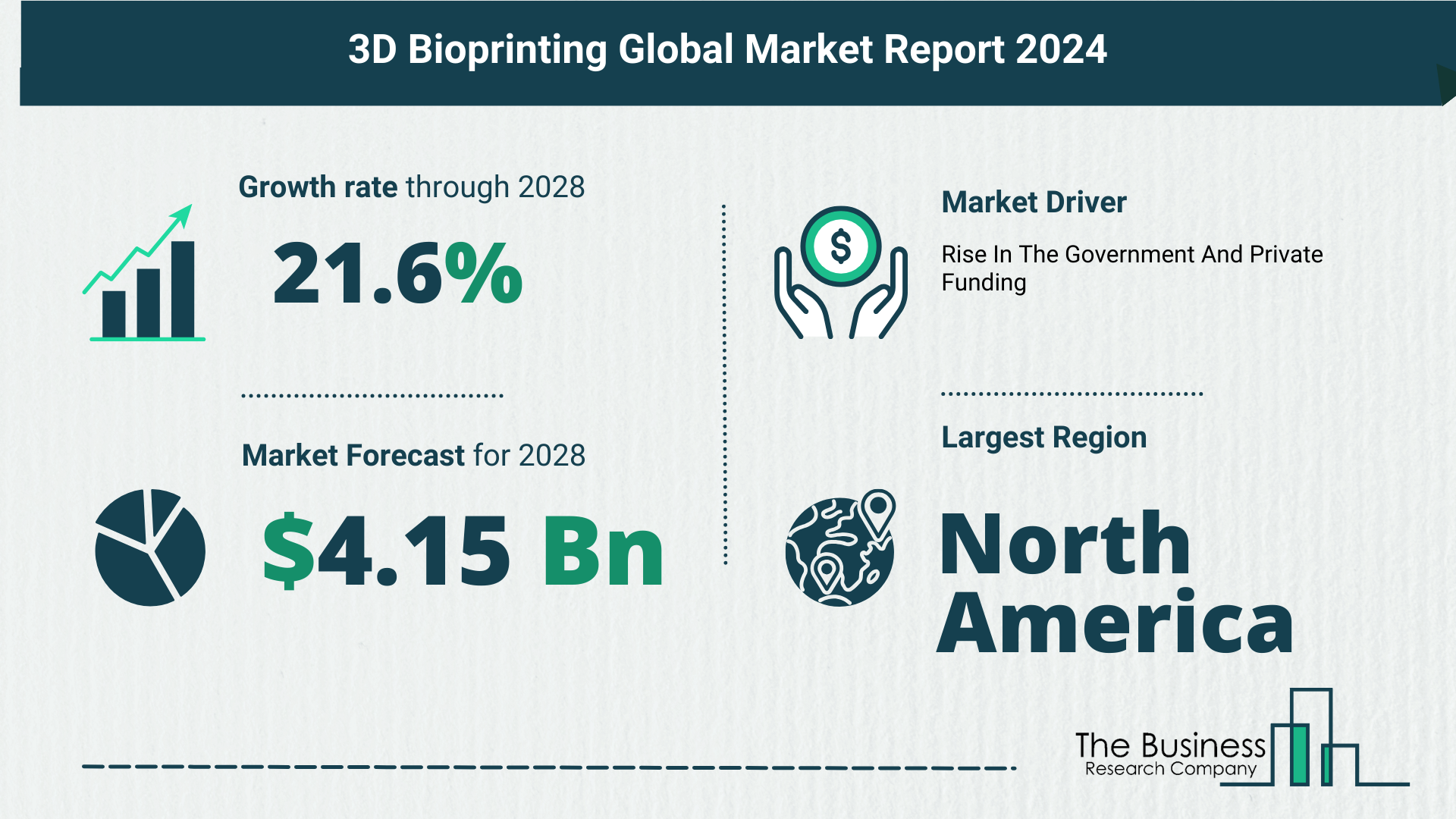
    The momentum continues into the forecast period, with the 3D bioprinting market projected to reach $4.15 billion in 2028, boasting a CAGR of 21.6%. Anticipated contributors to this growth include healthcare advancements, the development of bioprinted skin, increased awareness among patients, and an aging population. Notable trends in the forecast period encompass multi-material printing, vascularization techniques, organ-on-a-chip, custom implants, and biofabrication in space.

    Funding Boosts Research and Development

    Increased Government and Private Funding

    • Governments and private organizations are channeling substantial funds to propel 3D bioprinting research.
    • Funding supports different development phases of 3D bioprinting techniques.
    • Examples include the European Union granting $600,000 to Readily3d SA for pancreas model development and the Australian Minister for Health allocating $737,690 to Curtin University for bioprinting skin tissue.

    Key Players in the Market
    Major companies contributing to the 3D bioprinting market’s growth include Organovo Holdings Inc., Allevi Inc., Cellink AB, Aspect Biosystems Ltd., and many more. These companies play pivotal roles in advancing bioprinting technologies, bio-inks, and 3D bioprinters, fostering innovation in the industry.

    View More On The 3D Bioprinting Market Report 2024 – https://www.thebusinessresearchcompany.com/report/3d-bioprinting-global-market-report

    AI’s Integration in Customized Medical Implants

    Artificial Intelligence (AI) in Bioprinting

    • AI is increasingly employed to fabricate bio-tissues in a layer-to-layer fashion from digital 3D models.
    • AI provides suggestions on optimal printing parameters for biocompatible tissues, considering the patient’s physiological makeup.
    • In June 2021, researchers at Queensland University of Technology and Oregon University integrated AI and machine vision into 3D printers for customized medical implants.

    Strategic Acquisitions Fuel Market Expansion

    3D Systems Acquires Allevi Inc.

    • In May 2021, 3D Systems acquired Allevi Inc., a move aimed at leveraging Allevi’s expertise for long-term development of human organs.
    • The acquisition positions 3D Systems as a market leader in bioprinting, capitalizing on Allevi’s 3D bioprinters and bio-inks.

    Market Segmentation and Regional Dynamics

    Market Segmentation

    • Components: 3D Bioprinters, Bioinks
    • Materials: Living Cells, Hydrogels, Extracellular Matrices, Other Materials
    • Applications: Research, Clinical, Others
    • End Users: Research Organizations, Biopharmaceutical Companies, Hospitals, Others

    Regional Dynamics

    • North America dominated the 3D bioprinting market in 2023.
    • Asia-Pacific is expected to witness the fastest growth during the forecast period, emphasizing the global nature of the industry.

    Conclusion: A New Era in Healthcare
    The exponential growth of the 3D bioprinting market signifies a transformative era in healthcare. With advancements driven by funding, technological integration, strategic acquisitions, and global market dynamics, 3D bioprinting emerges as a revolutionary force in addressing medical challenges. As the market evolves, the collaboration between AI and bioprinting technologies is poised to reshape the landscape, offering customized medical solutions and paving the way for groundbreaking innovations in personalized healthcare.

    Request A Sample Of The Global 3D Bioprinting Market Report 2024:
    https://www.thebusinessresearchcompany.com/sample_request?id=5341&type=smp

  • AI-based Surgical Robots Market Growth Analysis Till 2033 By The Business Research Company

    AI-based Surgical Robots Market Growth Analysis Till 2033 By The Business Research Company

    The Business Research Company’s market reports offer an in-depth analysis on the market’s growth potential, major drivers, key trends and more.

    The AI-based surgical robots market has witnessed an unprecedented surge in recent years, propelling it from $5.73 billion in 2023 to an estimated $6.88 billion in 2024, showcasing a remarkable Compound Annual Growth Rate (CAGR) of 20.0%. This growth is attributed to several factors, including the aging population, a rising demand for minimally invasive surgery, increased healthcare expenditure, the imperative need for patient safety, and the prevalence of chronic diseases.

    Exponential Growth Anticipated

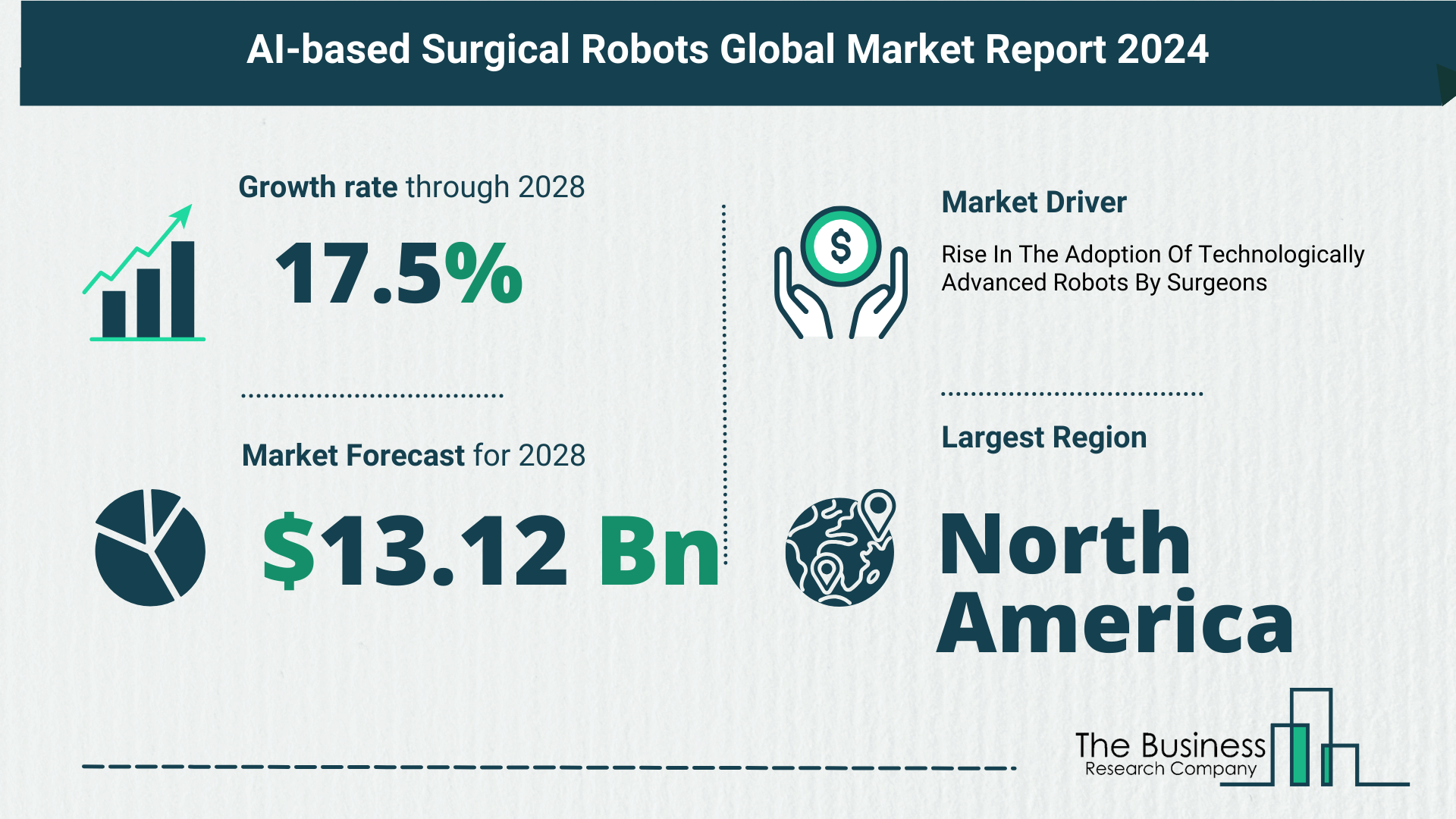
    • The AI-based surgical robots market is poised for rapid expansion, projecting a staggering growth to $13.12 billion in 2028 at a CAGR of 17.5%.
    • Factors fueling this growth include the adoption of telemedicine and remote surgery, increased investments, a surge in robotic surgeries, and the persistent shortage of medical professionals.

    Major Trends Shaping the Future

    • AI and Machine Learning Integration
    • Robotics-as-a-Service (RaaS)
    • Miniaturization and Portability
    • Surgical Data Analytics
    • Patient-Specific Surgical Planning
    • Interdisciplinary Collaboration

    Driving Forces Behind Market Growth

    Adoption Of Technologically Advanced Robots By Surgeons

    The adoption of technologically advanced robots by surgeons across various applications has been a pivotal driver for the AI-based surgical robots market. These robots, powered by AI, enhance efficiency, accuracy, and overall performance. Notably, robotic surgery accounted for 2% of surgeries in Europe and a substantial 15% in the United States in 2023, according to Oliver Wyman. This increasing reliance on advanced robots is a key factor propelling the market forward.

    Major Companies Shaping the Market Landscape
    Key players in the AI-based surgical robots market include Accuray Incorporated, Intuitive Surgical Inc., Medtronic PLC, and others. These companies are at the forefront of technological advancements, contributing significantly to the growth and evolution of the market.

    Read More On The AI-based Surgical Robots Market Report 2024 – https://www.thebusinessresearchcompany.com/report/ai-based-surgical-robots-global-market-report

    Innovations Driving Growth

    New Product Development Advancements

    The development of innovative products is a prominent trend, with major companies constantly striving to strengthen their market positions. For instance, Suzhou Kang Duo Robot Co. launched the Kang Duo Surgical Robot-01 (KD SR 01) in December 2022, showcasing the potential advantages over conventional methods, such as laparoscopic surgery.

    Surgical Science’s Acquisition of Mimic Technologies
    In January 2021, Surgical Science Sweden AB acquired Mimic Technologies Inc. for $18.0 million, expanding its customer base, gaining access to advanced analytics technology, and strengthening its presence in the American market. This acquisition underscores the strategic moves within the industry to foster growth and competitiveness.

    Market Segmentation

    The AI-based surgical robots market is segmented based on products, applications, and end-users:

    1. By Product:
      • Services
      • Instrument and Accessories
    2. By Application:
      • Orthopedics
      • Neurology
      • Urology
      • Gynecology
      • Other Applications
    3. By End User:
      • Hospitals
      • Ambulatory Surgical Centers

    Regional Dynamics
    North America led the AI-based surgical robots market in 2023, with Asia-Pacific expected to be the fastest-growing region during the forecast period.

    Conclusion
    As the AI-based surgical robots market continues its upward trajectory, driven by technological advancements, strategic acquisitions, and an increasing number of robotic surgeries, the healthcare landscape is witnessing a transformative shift. The integration of AI and robotics is not only enhancing surgical outcomes but also paving the way for a future where precision, efficiency, and patient safety are paramount. The journey ahead promises innovations, collaborations, and breakthroughs that will redefine the way surgeries are conducted, marking a new era in healthcare.

    Request for A Sample Of The Global AI-based Surgical Robots Market Report:
    https://www.thebusinessresearchcompany.com/sample_request?id=7274&type=smp